Sunday Inspiration – Palm Birds

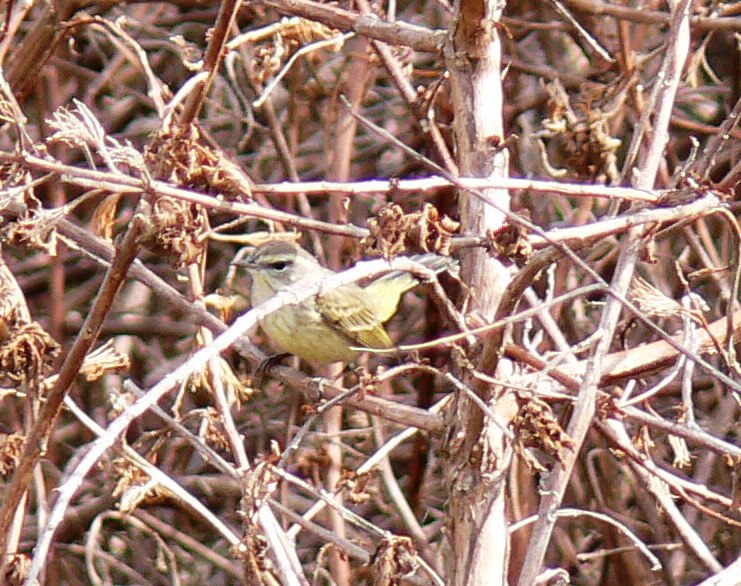
Palm Warbler (Dendroica palmarum) yellow by Lee

Palm Warbler (Dendroica palmarum) yellow by Lee

And ye shall take you on the first day the boughs of goodly trees,branches of palm trees, and the boughs of thick trees, and willows of the brook; and ye shall rejoice before the LORD your God seven days. (Leviticus 23:40 KJV) [Foretold]

The next day a great multitude that had come to the feast, when they heard that Jesus was coming to Jerusalem, took branches of palm trees and went out to meet Him, and cried out: “Hosanna! ‘BLESSED IS HE WHO COMES IN THE NAME OF THE LORD!’ The King of Israel!” Then Jesus, when He had found a young donkey, sat on it; as it is written: “FEAR NOT, DAUGHTER OF ZION; BEHOLD, YOUR KING IS COMING, SITTING ON A DONKEY’S COLT.” (John 12:12-15 NKJV) [Fulfilled]

This slideshow requires JavaScript.

*

Hosanna (Messiah Has Come) and Messiah – (Solo by Lisa Brock) from the Easter Musical 2013 by Faith Baptist Choir.

*

(I pushed the photos a little bit by including the Semipalmated Plover and Sandpiper)

See:

More Sunday Inspirations

Gospel Presentation

Formed By Him – “Palm” Birds

*


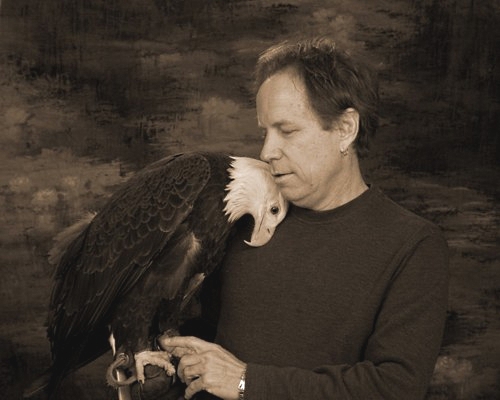
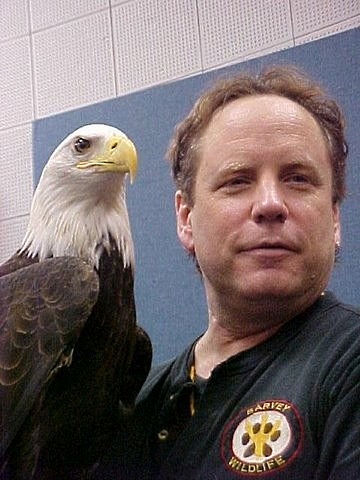
Jeff Guidry and His Eagle Named Freedom

(This was sent to me in an e-mail and thought I would share it. It’s been around awhile, but is new to me. Also, below is a video of the two of them.)

An Eagle Kiss

As an eagle stirs up its nest, Hovers over its young, Spreading out its wings, taking them up, Carrying them on its wings, (Deuteronomy 32:11 NKJV)

This is the kind of story you need when it seems like the world is spiraling out of control.. Not many people get a picture of this proud bird snuggled up next to them!

Freedom 1Freedom and Jeff

Freedom and I have been together 11 years this summer.  She came in as a baby in 1998 with two broken wings.  Her left wing doesn’t open all the way even after surgery, it was broken in 4 places. She’s my baby.

When Freedom came in, she could not stand and both wings were broken. She was emaciated and covered in lice. We made the decision to give her a chance at life, so I took her to the vet’s office. From then on, I was always around her. We had her in a huge dog carrier with the top off, and it was loaded up with shredded newspaper for her to lay in.

I used to sit and talk to her, urging her to live, to fight; and she would lay there looking at me with those big brown eyes. We also had to tube feed her for weeks. This went on for 4-6 weeks, and by then she still couldn’t stand. It got to the point where the decision was made to euthanize her if she couldn’t stand in a week. You know you don’t want to cross that line between torture and rehab, and it looked like death was winning.

She was going to be put down that Friday, and I was supposed to come in on that Thursday afternoon. I didn’t want to go to the center that Thursday, because I couldn’t bear the thought of her being euthanized; but I went anyway, and when I walked in everyone was grinning from ear to ear. I went immediately back to her cage; and there she was, standing on her own, a big beautiful eagle. She was ready to live. I was just about in tears by then.

That was a very good day. We knew she could never fly, so the director asked me to glove train her. I got her used to the glove, and then to jesses, and we started doing education programs for schools in western Washington. We wound up in the newspapers, radio (believe it or not) and some TV. Miracle Pets even did a show about us.

In the spring of 2000, I was diagnosed with non-Hodgkin’s lymphoma. I had stage 3, which is not good (one major organ plus everywhere), so I wound up doing 8 months of chemo. Lost the hair – the whole bit. I missed a lot of work.

When I felt good enough, I would go to Sarvey and take Freedom out for walks. Freedom would also come to me in my dreams and help me fight the cancer. This happened time and time again.

Fast forward to November 2000.  The day after Thanksgiving, I went in for my last checkup.  I was told that if the cancer was not all gone after 8 rounds of chemo, then my last option was a stem cell transplant. Anyway, they did the tests; and I had to come back Monday for the results. I went in Monday, and I was told that all the cancer was gone.

Freedom2

So the first thing I did was get up to Sarvey and take the big girl out for a walk. It was misty and cold. I went to her flight and jessed her up, and we went out front to the top of the hill. I hadn’t said a word to Freedom, but somehow she knew. She looked at me and wrapped both her wings around me to where I could feel them pressing in on my back (I was engulfed in eagle wings), and she touched my nose with her beak and stared into my eyes, and we just stood there like that for I don’t know how long.

That was a magic moment. We have been soul mates ever since she came in. This is a very special bird.

On a side note:  I have had people who were sick come up to us when we are out, and Freedom has some kind of hold on them. I once had a guy who was terminal come up to us and I let him hold her.  His knees just about buckled and he swore he could feel her power course through his body. I have so many stories like that.

I never forget the honor I have of being so close to such a magnificent spirit as Freedom.

Hope you enjoyed this!

*

*

Sunday Inspiration – Feet

Giant Coot (Fulica gigantea) Loped Feet ©©Flickr Lobed Feet

Giant Coot (Fulica gigantea) Loped Feet ©©Flickr Lobed Feet

You enlarged my path under me, So my feet did not slip. (Psalms 18:36 NKJV)

I have restrained my feet from every evil way, That I may keep Your word. (Psalms 119:101 NKJV)

My foot has held fast to His steps; I have kept His way and not turned aside. (Job 23:11 NKJV)

As you watch the birds, notice their feet. The Lord has given each of them very specific feet that our necessary for their needs. Does He not provide us with the needs that we have and help us walk with Him?

This slideshow requires JavaScript.

“Just A Closer Walk With Thee” – © by The Hyssongs (Used With Permission of the Hyssongs)

*

More Sunday Inspiration

*

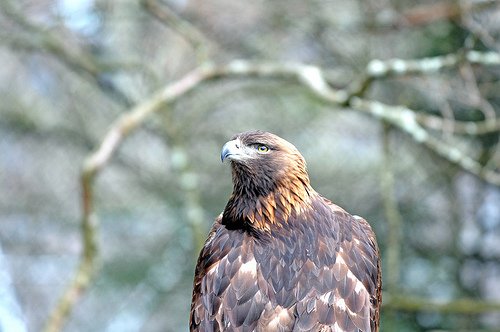
Golden Eagle – Eagle’s Eyesight

Golden Eagle – Eagles Eyesight

Golden Eagle (Aquila chrysaetos) - Grandfather Eagle by PastorBBC

Golden Eagle (Aquila chrysaetos) – Grandfather Eagle by PastorBBC

Hello boys and girls again! This is the Golden Eagle!

Did you know that eagles have very keen (excellent) eyesight ? We can see prey at great distances! I would say that we are one of the TOP birds!

Listen to this Bible verse:

And the first beast was like a lion, and the second beast like a calf, and the third beast had a face as a man, and the fourth beast was like a flying eagle. (Revelation 4:7)

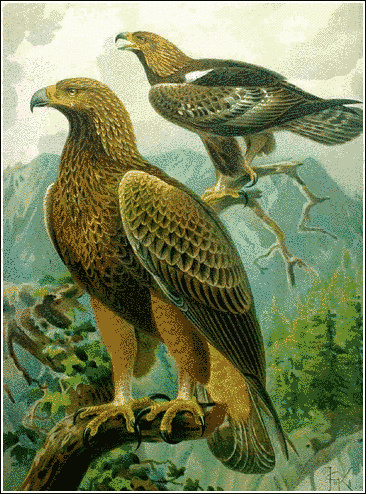
Golden Eagle ©PD

Golden Eagle ©PD

The word “beast” comes from a Greek word, zoon, and it means living creatures.

You are familiar with the word zoo, zoology-the study of animals.

  • The lion is the king of the beast! Jesus is called the Lion of the tribe of Judah! The lion represents the beasts of the earth.
  • The calf or ox represents the cattle!
  • The eagle represents the fowl or birds of the air!
  • And man is God’s greatest creation created on day number six of creation week!

The Bible is full of amazing truths! These living creatures are part of the angelic creation! They live in the very presence of God and they are full of life!

In fact, God through His Son Jesus Christ has given us everything necessary for life. Life does not end at death. Even science teaches us today that matter and energy go through changes, but they do not disappear!

Well, your soul and spirit are eternal, you will live forever somewhere! The very best place to go is God’s Heaven! Make sure that you are saved! If you do not understand what salvation is all about, begin to read the Gospel of John in the New Testament! It was written so that you would believe that Jesus is the Son of God, and in so doing that you would trust Jesus to save your soul!

God created this vast, material Universe and He has a plan for ALL of it, even the material stuff! One day we will fly higher than any eagle has ever flown! I hope that you enjoy being alive! If you are having a difficult time with life contact us and we will try to help and encourage you by sharing God’s Word with you and pointing you to the Lord Jesus Christ!

By for now!

The Golden Eagle

*

Golden Eagle

Wordless Book

*

Birds of the Bible – Feeding

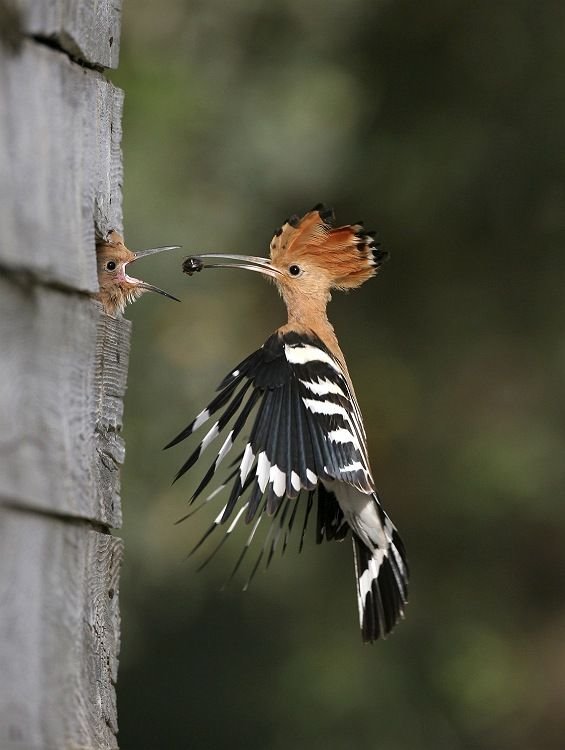
Hoopoe Feeding Young ©©Dvir Lotan from Israel

Hoopoe Feeding Young ©©Dvir Lotan from Israel


Also, to every beast of the earth, to every bird of the air, and to everything that creeps on the earth, in which there is life, I have given every green herb for food“; and it was so. Then God saw everything that He had made, and indeed it was very good. So the evening and the morning were the sixth day. (Genesis 1:30-31 NKJV)

Look at the birds of the air, for they neither sow nor reap nor gather into barns; yet your heavenly Father feeds them. Are you not of more value than they? (Mat 6:26 )

These verses have been shared before, but the quote below, that I received from an e-mail, provides another angle.

God Gives every bird its food,

but He does not throw it into its nest.

That quote cause a chuckle at first, but then you begin to really think about it.

Fan-tailed Raven (Corvus rhipidurus) ©WikiC

Fan-tailed Raven (Corvus rhipidurus) ©WikiC

 Who provides food for the raven, When its young ones cry to God, And wander about for lack of food? (Job 38:41 NKJV)

He gives to the beast its food, And to the young ravens that cry. (Psalms 147:9 NKJV)

Consider the ravens, for they neither sow nor reap, which have neither storehouse nor barn; and God feeds them. Of how much more value are you than the birds? (Luke 12:24 NKJV)

We know that the Lord provides for the birds, but they have to go out an gather it up. Some have it easy, other birds have to work at finding and then opening up the seeds, snails, nuts or what ever they have. The Lord, through His Creative Hand has given the various birds, the “tools” they need. Special beaks, feet, swift wings, keen eyes, etc.

And God said, “See, I have given you every herb that yields seed which is on the face of all the earth, and every tree whose fruit yields seed; to you it shall be for food. (Genesis 1:29 NKJV)

You cause the grass to grow for the livestock and plants for man to cultivate, that he may bring forth food from the earth (Psalms 104:14 ESV)

Those verse let us know that the Lord has also provided for us. Yet we have to gather it and again, the Lord has given us the skills and tools to feed ourselves. Can we not learn for the birds?

But now ask the beasts, and they will teach you; And the birds of the air, and they will tell you; (Job 12:7 NKJV)

Cedar Waxwing Eating by Steve Slayton

Cedar Waxwing Eating by Steve Slayton

She rises while it is yet night and provides food for her household and portions for her maidens. (Proverbs 31:15 ESV)

Give us this day our daily bread. (Matthew 6:11 NKJV)

Six days you shall labor and do all your work, (Exodus 20:9 NKJV)

Bearded Barbet (Lybius dubius) ©© Passing food

Bearded Barbet (Lybius dubius) ©© Passing food

I have shown you in every way, by laboring like this, that you must support the weak. And remember the words of the Lord Jesus, that He said, ‘It is more blessed to give than to receive.’ ” (Acts 20:35 NKJV)

Let him who stole steal no longer, but rather let him labor, working with his hands what is good, that he may have something to give him who has need. (Ephesians 4:28 NKJV)

The soul of a lazy man desires, and has nothing; But the soul of the diligent shall be made rich. (Proverbs 13:4 NKJV)

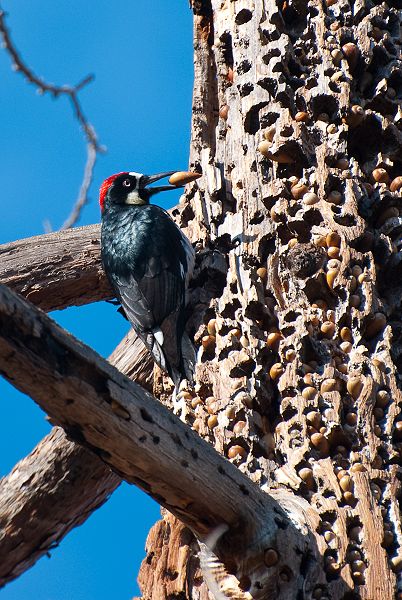
Acorn Woodpecker (Melanerpes formicivorus) with Hoard or Grainary WikiC

Acorn Woodpecker (Melanerpes formicivorus) with Hoard or Grainary WikiC

The lazy man will not plow because of winter; He will beg during harvest and have nothing. (Proverbs 20:4 NKJV)

The soul of a lazy man desires, and has nothing; But the soul of the diligent shall be made rich. (Proverbs 13:4 NKJV)

The lazy man will not plow because of winter; He will beg during harvest and have nothing. (Proverbs 20:4 NKJV)

Osprey with Fish by Jim Fenton

Osprey with Fish by Jim Fenton

For even when we were with you, we commanded you this: If anyone will not work, neither shall he eat. (2 Thessalonians 3:10 NKJV)

See:

Birds of the Bible

Gideon

*

Siamese Fireback by Dan

Siamese Fireback by Dan's Pix

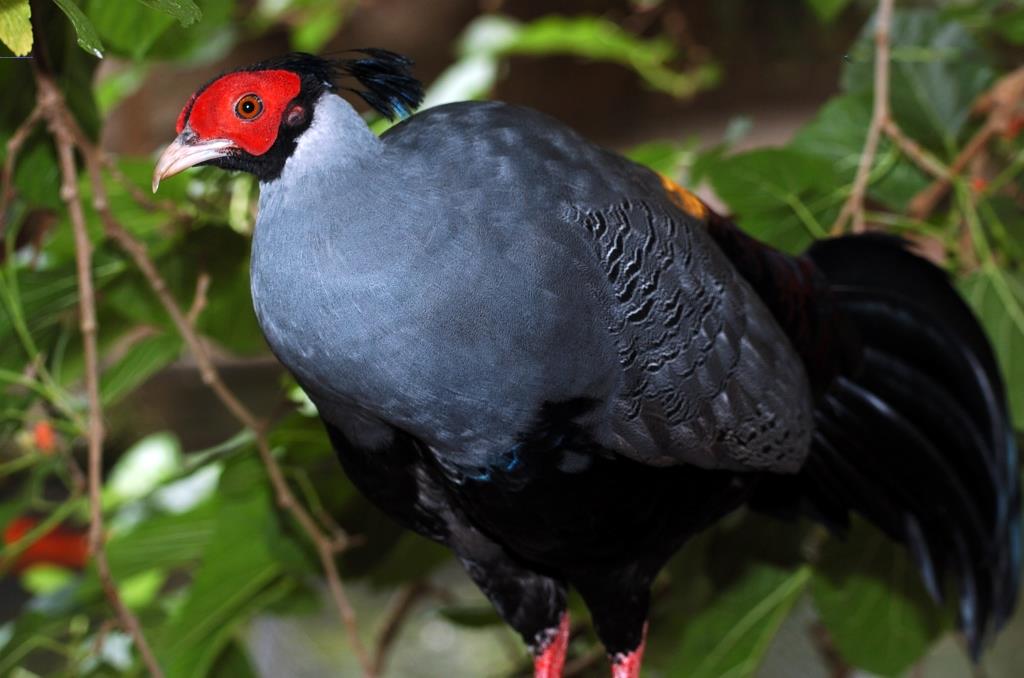
Siamese Fireback by Dan’s Pix at Zoo Miami

As the partridge sitteth on eggs, and hatcheth them not; so he that getteth riches, and not by right, shall leave them in the midst of his days, and at his end shall be a fool. (Jeremiah 17:11 KJV)

I was browsing through some of Dan’s photos on his Dan’s Pix site and came across the Siamese Fireback. We saw this bird in the Wings of Asia Aviary at Zoo Miami. This is another of the Lord’s interesting creations.

The Siamese Fireback (Lophura diardi) also known as Diard’s Fireback is a fairly large, approximately 31.5 in (80 cm) long, pheasant. The male has a grey plumage with an extensive red facial skin, crimson legs and feet, ornamental black crest feathers, reddish brown iris and long curved blackish tail. The female is a brown bird with blackish wing and tail feathers.

The Siamese Fireback is distributed to the lowland and evergreen forests of Cambodia, Laos, Thailand and Vietnam in Southeast Asia. Very dense forests, bamboo and evergreen from sea-level to 2,000 feet. This species is also designated as the national bird of Thailand.

Siamese Fireback (Lophura diardi) ©WikiC

Siamese Fireback (Lophura diardi) ©WikiC (You can see the yellow on its back)

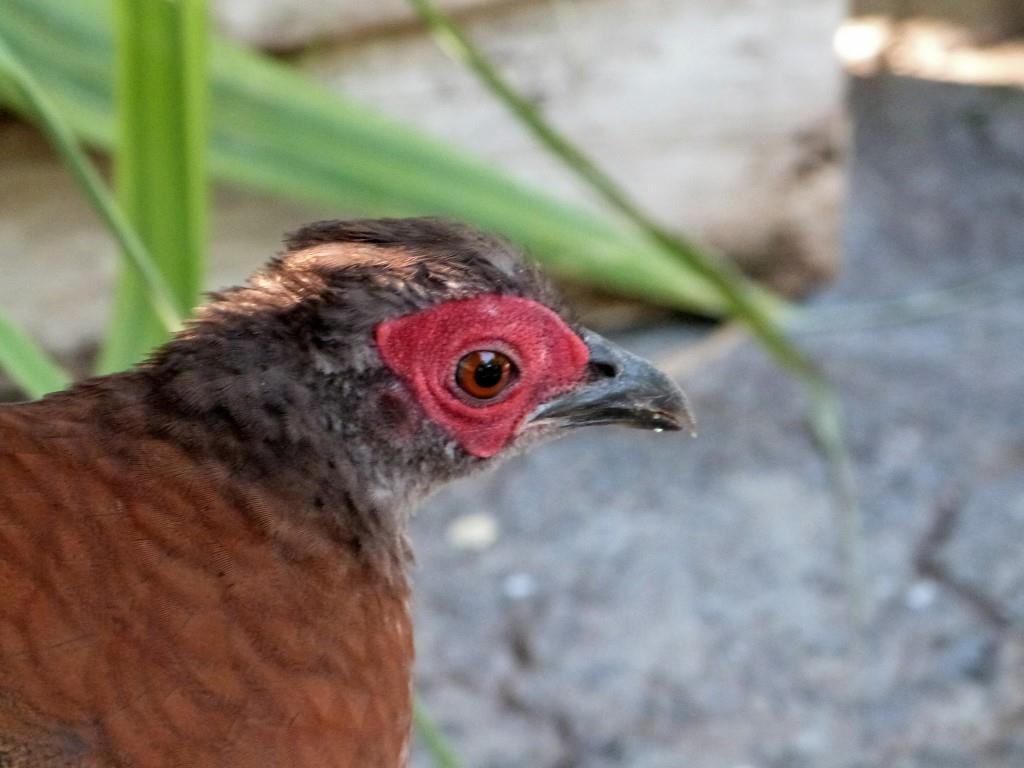
The female usually lays between four to eight rosy eggs. They have a more subtle coloration that helps them blend into the area while nesting.

Siamese Fireback (Lophura diardi) female by Lee ZM

Siamese Fireback (Lophura diardi) female by Lee ZM

Where there is no wood, the fire goes out; And where there is no talebearer, strife ceases. (Proverbs 26:20 NKJV)

Siamese Fireback (Lophura diardi) female by Lee ZM

Siamese Fireback (Lophura diardi) female by Lee ZM

The scientific name commemorates the French naturalist Pierre-Médard Diard. (Information from various internet sources.)

The three Firebacks are part of the Phasianidae – Pheasants, Fowl & Allies Family. Partridges, Pheasants, Grouse, Quail, Francolin, Peafowl, Peacocks and others make up this family.

Crestless Fireback (Lophura erythrophthalma) IBC

Crested Fireback (Lophura ignita)

Siamese Fireback (Lophura diardi) by Dan’s Pix

Also:

*

Ian’s Bird of the Week – Black-winged Stilt

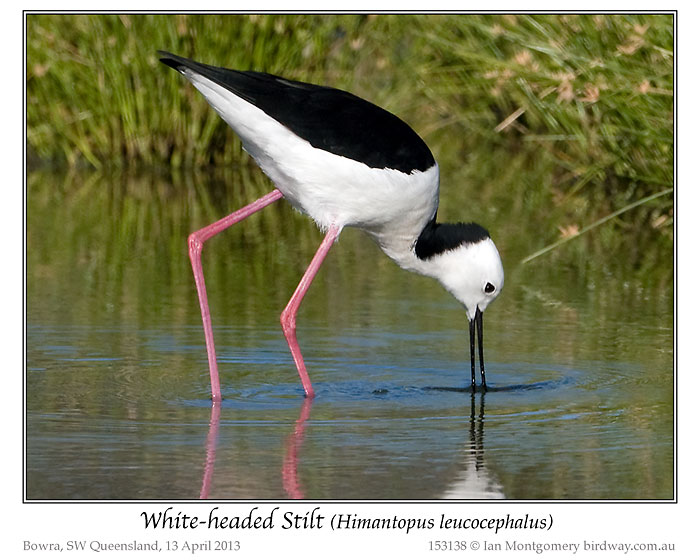
White-headed Stilt (Himantopus leucocephalus) by Ian

Ian’s Bird of the Week – Black-winged Stilt ~ by Ian Montgomery

Newsletter ~ 3/30/14

*
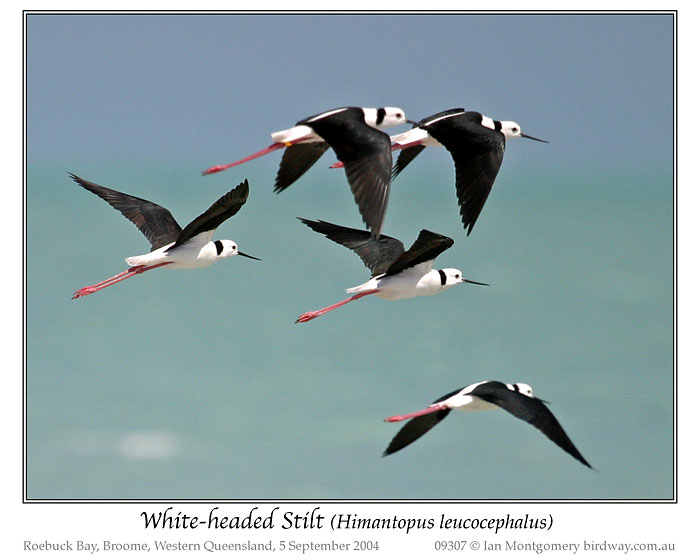
A few weeks ago, I included a photo of the Black Stilt of New Zealand in a piece on Black-fronted Tern, so I was surprised to find out that no other stilt has ever featured as bird of the week. That’s a serious omission given the spectacular appearance of all the members of this family, the Avocets and Stilts, Recurvirostridae, so here are three variants of the almost global Black-winged Stilt, starting with the one we get in Australasia, often called the White-headed Stilt.

There is disagreement over whether the various version of the Black-winged Stilt are species or merely sub-species. Some taxonomists, none naturally from New Zealand, have even dared to suggest that the Black Stilt is a mere subspecies too, as it sometimes hybridises with the White-headed which colonised New Zealand in the 19th century. The tendency now is to settle on four closely related species, the Black Stilt (Himantopus novaezelandiae) the nominate Eurasian and African Black-winged (H. himantopus), the Australasian White-headed (H. leucocephalus) the American (North and South) Black-necked (H. mexicanus). As we’ll see shortly, the English names are almost as confusing as the taxonomy as they all have black wings, two have white faces and two have black necks.

White-headed Stilt (Himantopus leucocephalus) by Ian

As a teenager in Ireland in the 1960s, browsing my Peterson Field Guide to the Birds of Britain and Europe – which I have in front of me at the moment – birds like Avocets and Stilts seemed unbelievably exotic. The iconic Pied Avocet was, and still is, the poster child of the Royal Society for the Protection of Birds following its successful reestablishment as a breeding species in Britain. I saw Pied Avocets in the RSPB Reserve at Minsmere in Suffolk in 1965 and American Avocets in Wyoming in 1970, but it wasn’t until I arrived in Sydney in 1971 that I saw my first Stilt and was amazed to find how widespread and abundant the White-headed is. Almost too much, as these are noisy birds and almost as much of a nuisance as Common Redshanks are in Ireland when you’re trying to stalk shy waders.

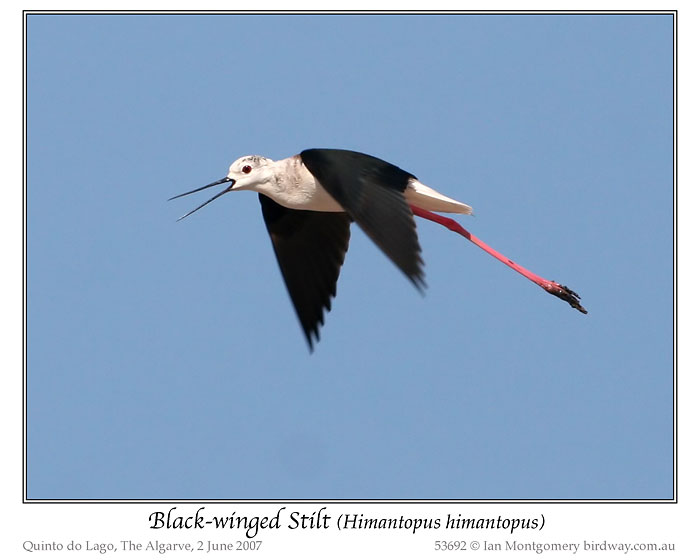
Black-winged Stilt (Himantopus himantopus) by Ian

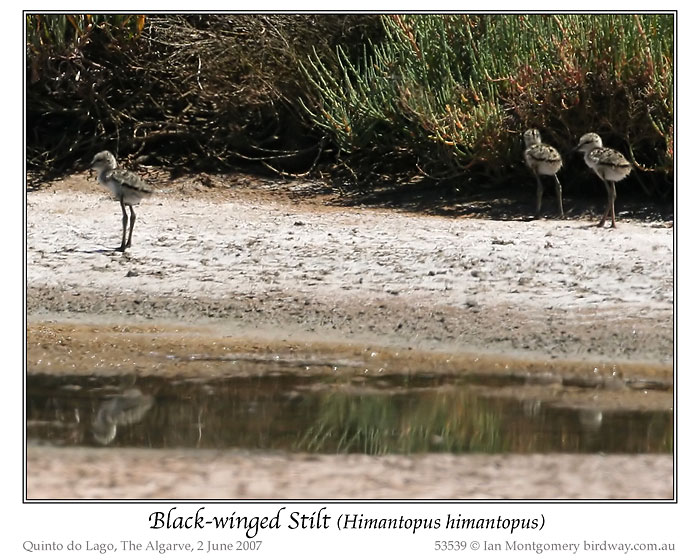
I eventually encountered the nominate Black-winged in Zimbabwe in 1992 and again in Portugal in 2007. The female (very little black on the head) one in the third photo is being very vocal and making it quite clear that I am very unwelcome. This time at least she had very good reason for being aggressive as it had four newly-hatched chicks close by, wandering around looking rather bewildered, fourth photo (the fourth chick was farther to the left). Male nominate race birds have more but varying degrees of black on the head and neck, adding to the general confusion.

Black-winged Stilt (Himantopus himantopus) by Ian

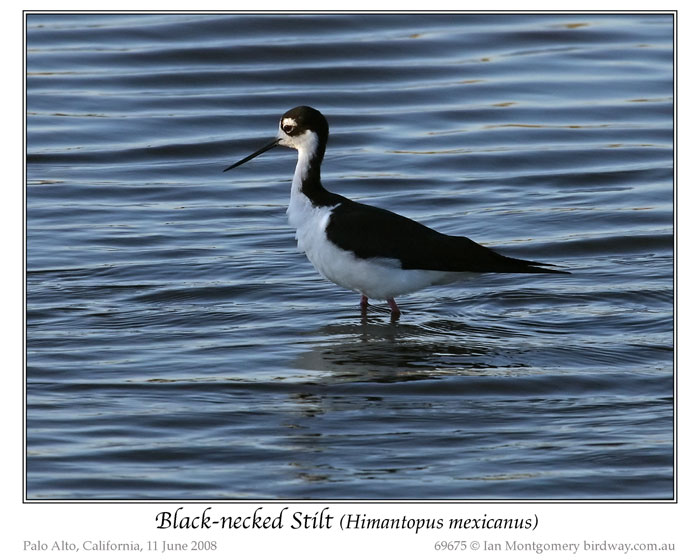
Finally, fifth photo, here is the American version, the Black-necked. It has a black cap joined fore and aft by a curved band through the eye leaving a white spot above the eye, creating a bullseye effect. It’s showing us why stilts have such long legs and that needle-sharp bill is perfect for delicately snatching small items of prey from the surface of the water.

Black-necked Stilt (Himantopus mexicanus mexicanus) by Ian

There are photos of all the Stilts and Avocet, except the poorly known Andean Avocet, here: http://www.birdway.com.au/recurvirostridae/index.htm.

This is a slightly hurried bird of the week, as I’m leaving for Cairns later today. We’ve had a late end to the wet season after a dry false alarm earlier in the month and I want to take more location photos for the book Where to find Birds in Northeast Queensland now that the weather has improved.

Greetings
Ian

**************************************************
Ian Montgomery, Birdway Pty Ltd,
454 Forestry Road, Bluewater, Qld 4818
Tel 0411 602 737 ian@birdway.com.au
Bird Photos http://www.birdway.com.au/
Recorder Society http://www.nqrs.org.au


Lee’s Addition:

And God said, Let the waters bring forth abundantly and swarm with living creatures, and let birds fly over the earth in the open expanse of the heavens. (Genesis 1:20 AMP)

All three of these “black-winged” Stilts are very pretty. I like the clean lines on them. Thanks, Ian, for sharing these with us.

Our American Black-necked Stilt, which I have had the privilege of seeing several times, has a neat white eye-brow. You can tell they all belong to the same family – the Recurvirostridae – Stilts, Avocets. This family has 10 in it and Ian has 8 species photographed on his site.

I am still amazed at the variety of birds the Lord has created.

*

Ian’s Recurvirostridae – Stilts, Avocets Family

Recurvirostridae – Stilts, Avocets Family

Recurvirostridae – Wikipedia (They show only 9, but the White-backed Stilt is now a species)

*


Sunday Inspiration – Tanagers

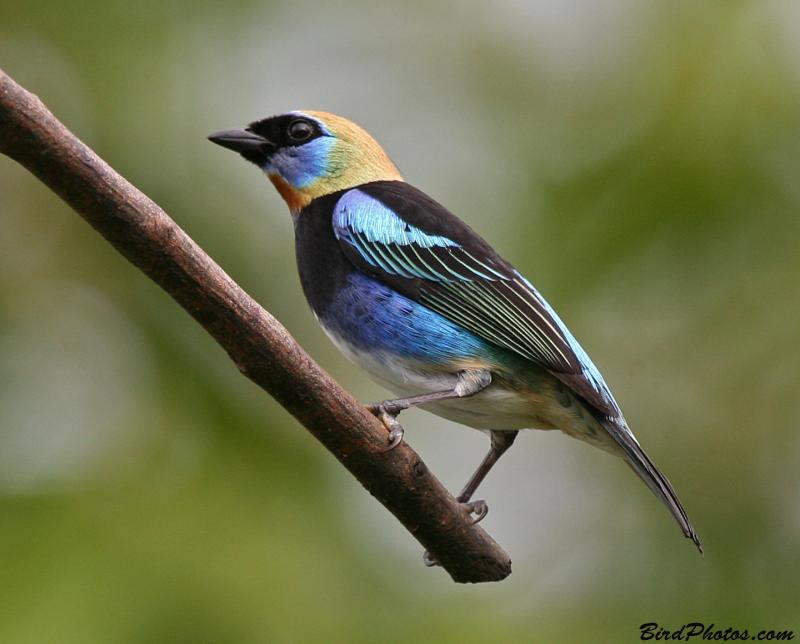
Golden-hooded Tanager (Tangara larvata centralis) ©BirdPhotos.com

Golden-hooded Tanager (Tangara larvata centralis) ©BirdPhotos.com


(26) Look at the birds of the air; they neither sow nor reap nor gather into barns, and yet your heavenly Father keeps feeding them. Are you not worth much more than they?
(27) And who of you by worrying and being anxious can add one unit of measure (cubit) to his stature or to the span of his life?
(28) And why should you be anxious about clothes? Consider the lilies of the field and learn thoroughly how they grow; they neither toil nor spin.
(29) Yet I tell you, even Solomon in all his magnificence (excellence, dignity, and grace) was not arrayed like one of these.
(30) But if God so clothes the grass of the field, which today is alive and green and tomorrow is tossed into the furnace, will He not much more surely clothe you, O you of little faith?
(31) Therefore do not worry and be anxious, saying, What are we going to have to eat? or, What are we going to have to drink? or, What are we going to have to wear?
(32) For the Gentiles (heathen) wish for and crave and diligently seek all these things, and your heavenly Father knows well that you need them all.
(33) But seek (aim at and strive after) first of all His kingdom and His righteousness (His way of doing and being right), and then all these things taken together will be given you besides.
(34) So do not worry or be anxious about tomorrow, for tomorrow will have worries and anxieties of its own. Sufficient for each day is its own trouble.  (Matthew 6:26-34 AMP)


This slideshow requires JavaScript.

*

“Your Grace is Sufficient” by Courtney Love

Tanagers are found in three different families:

More Sunday Inspiration

Changed From the Inside Out

*

Birds of the Bible – Alpine Swifts

Alpine Swift (Tachymarptis melba) by Ian

Alpine Swift (Tachymarptis melba) by Ian

Even the stork in the heavens Knows her appointed times; And the turtledove, the swift, and the swallow Observe the time of their coming. But My people do not know the judgment of the LORD. (Jeremiah 8:7 NKJV)

While reading my latest issue of the Birdwatchers Digest, I came across and interesting note about a recent study of the behavior Alpine Swifts that was published in 2013. It was published in the Nature Communications.

“Although observers have claimed that some swifts may stay on the wing for almost their entire lives—except for breeding—there was no solid evidence of this. Then, a team of researchers caught six alpine swifts in Switzerland, tagged them with data loggers (to record the birds’ acceleration and location), and were able to recapture three of them the next year, upon their return from Africa.” (BWD)

After analyzing data, they found that “the swifts appear to fly nonstop when they aren’t breeding. (The swifts eat insects in mid-air, of course, so they don’t starve.) The actual time totals up to a phenomenal 200 days aloft.” (BWD) This posses another question. Do the Swifts actually sleep on the wing? There were indications that this was happening.

The articles go on, but I find this truly amazing. Our Creator used such Wisdom when He made these Swifts. Not only are they able to eat on the wing, but also catch a nap. Wow!

*

Alpine Swift (Tachymarptis melba) by Ian

Alpine Swift (Tachymarptis melba) by Ian

Day unto day uttereth speech, and night unto night sheweth knowledge. (Psalms 19:2 KJV)

Half of brain asleep article – Interesting Things – Not So Bird-Brained

*

*

Bible Birds – Solomon’s Wisdom About Birds I

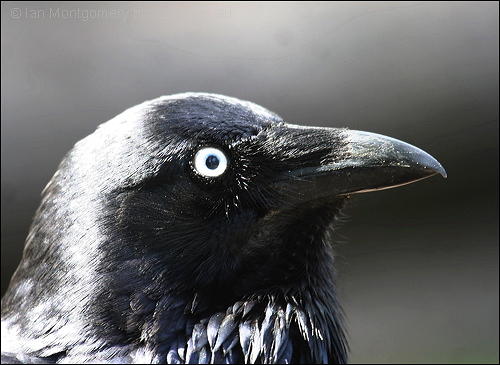
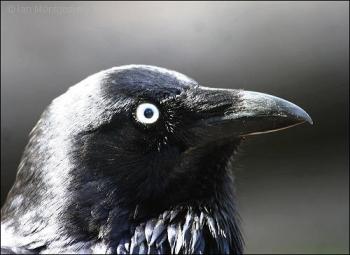
Australian Raven (Corvus coronoides) by Ian

Australian Raven (Corvus coronoides) by Ian

Also he spoke of trees, from the cedar tree of Lebanon even to the hyssop that springs out of the wall; he spoke also of animals, of birds, of creeping things, and of fish. (1 Kings 4:33 NKJV)

In my daily reading from Scripture recently, I came across I Kings 4:33 again. The article Birds of the Bible – Solomon’s Birds, discusses how some of the lessons Solomon had learned were applied. Now let’s look at how Solomon might have attained those illustrations and how we can apply them.

More questions come to my mind, in no set order, like:

  • What kind of birds did he have to observe?
  • What did he learn about the birds?
  • Did he write any of his bird observations out?
  • The Lord gave him the wisdom, so how did he apply it?
  • What can we learn from Solomon about birds?

We know from the Bible that Solomon asked for wisdom to be able to know right and wrong and how to rule the people. God granted Solomon his request and gave him more besides. See I Kings 3.

Checking with my e-Sword commentaries and helps, here are some interesting thoughts. (Italics are mine)
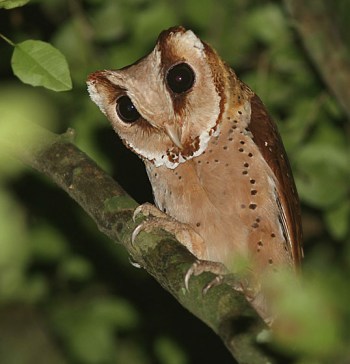
Oriental Bay Owl (Phodilus badius) by Peter Ericisson

Oriental Bay Owl (Phodilus badius) by Peter Ericisson

Matthew Henry’s Concise Commentary

Solomon’s wisdom was more his glory than his wealth. He had what is here called largeness of heart, for the heart is often put for the powers of the mind. He had the gift of talk, as well as wisdom. It is very desirable, that those who have large gifts of any kind, should have large hearts to use them for the good of others. What treasures of wisdom and knowledge are lost! But every sort of knowledge that is needful for salvation is to be found in the holy Scriptures. There came persons from all parts, who were more eager after knowledge than their neighbours, to hear the wisdom of Solomon. Solomon was herein a type of Christ, in whom are hid all treasures of wisdom and knowledge; and hid for us, for he is made of God to us, wisdom. Christ’s fame shall spread through all the earth, and men of all nations shall come to him, learn of him, and take upon them his easy yoke, and find rest for their souls.

Indian Peafowl (Pavo cristatus) by Nikhil Devasar

Indian Peafowl (Pavo cristatus) by Nikhil Devasar

Gill

he spake also of beasts, and of fowls, and of creeping things, and of fishes; he understood the nature of all sorts of animals in the earth, air, and sea, and discoursed of their names, kinds, qualities, and use, with the greatest ease and perspicuity; the Jews fancy that Aristotle’s History of Animals is his, which that philosopher came upon, and published it in his own name. …

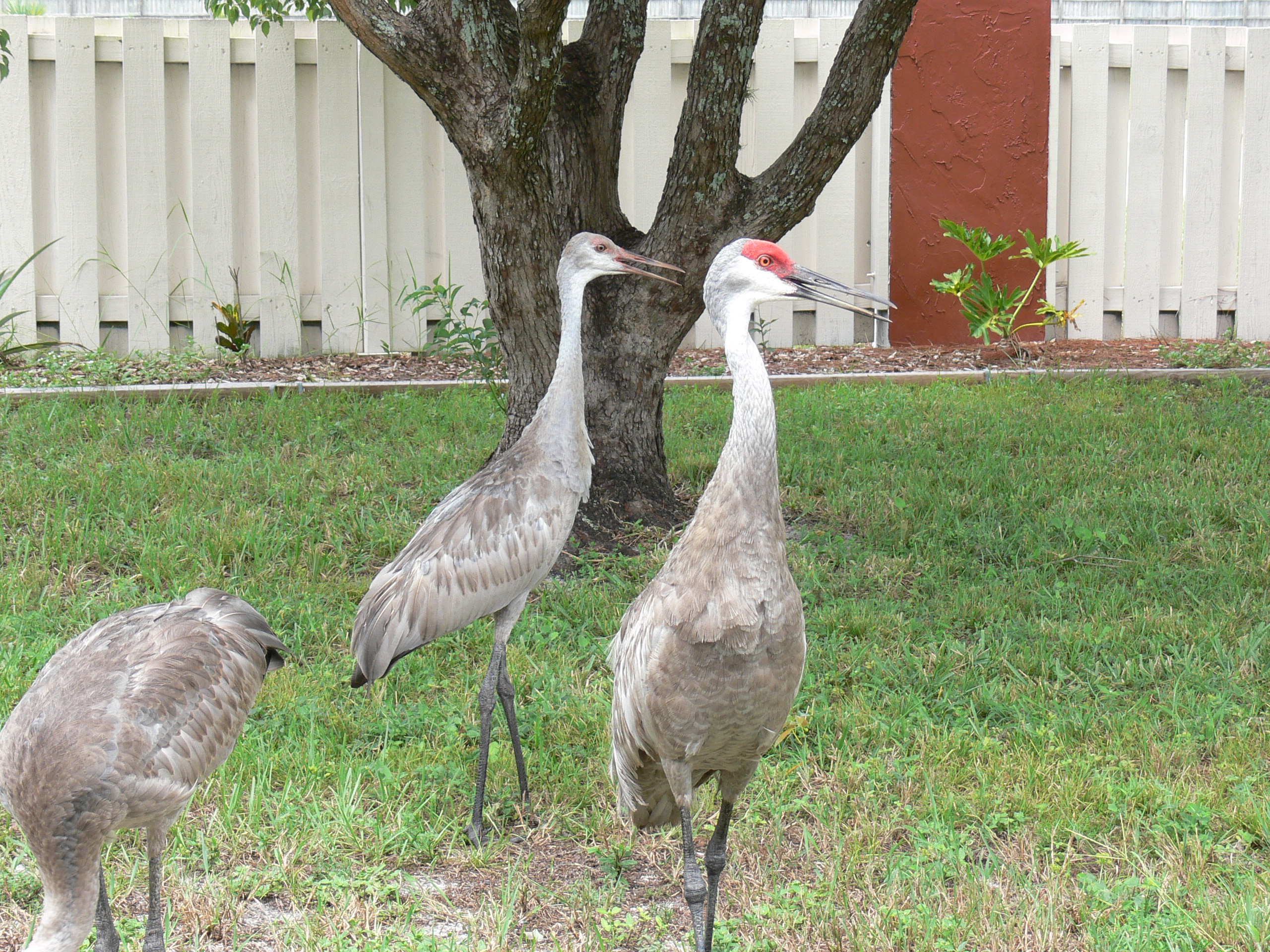
Sandhill Cranes - Adult and Juvenile in yard 8/27/10

Sandhill Cranes – Adult and Juvenile in yard 8/27/10

*

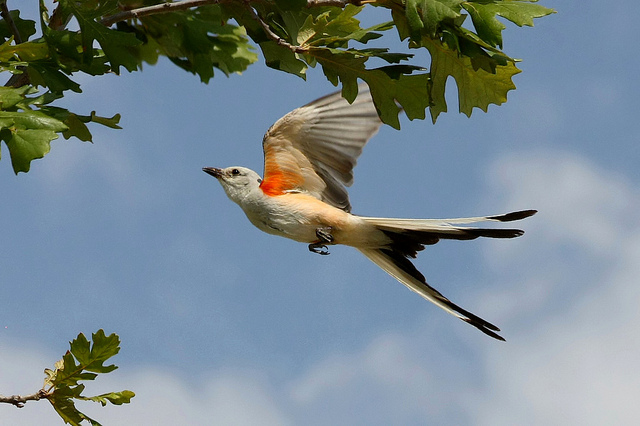
Scissor-tailed Flycatcher (Tyrannus forficatus) ©TexasEagle

Scissor-tailed Flycatcher (Tyrannus forficatus) ©TexasEagle

Barnes

Of beasts, and of fowls, and of creeping things, and of fishes – This is the usual Biblical division of the animal kingdom Gen_1:26; Gen_9:2; Psa_148:10.

Believer’s Bible Commentary

Verse 33 means that his wide knowledge of many sciences enabled him to use object lessons from nature in expounding his wisdom. People traveled from afar to hear him.
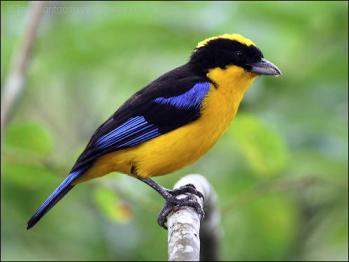
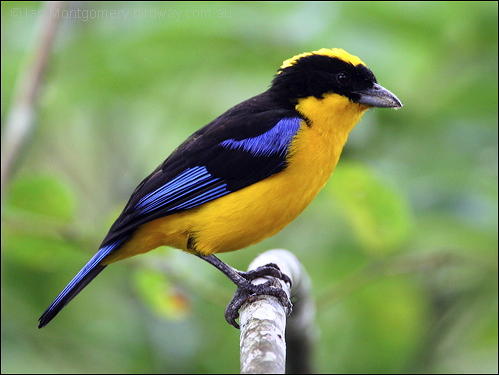
Blue-winged Mountain Tanager (Anisognathus somptuosus) by Ian

Blue-winged Mountain Tanager (Anisognathus somptuosus) by Ian

Bible Knowledge Commentary

1 Kings 4:32-34

Several hundred of Solomon’s 3,000 proverbs have been preserved in the Book of Proverbs as well as a few in Ecclesiastes. One of his 1,005 songs is the Song of Songs. Solomon’s literary output was extremely prolific (bountiful). He became an authority in botany and zoology too. … He was recognized as the wisest man of his day as God had promised he would be.

Under His Wings - (Dove - photographer unknown)

Under His Wings – (Dove – photographer unknown)

Biblical Illustrator

The study of Nature
It is said of Wordsworth that a stranger having on one occasion asked to see his study, the maid said, “This is master’s room, but he studies in the fields.” In doing so the poet followed a venerable example. We read that Isaac went out to meditate in the field at eventide, where in the margin “to pray” is put for “to meditate.” Nor could there be a better place either for prayer or for study than the fields. The Word of God is written very clearly for His seers in the green book of Nature. Wordsworth’s study is one that we can all use, however small our house may be. (Quiver.)

The world is worth seeing
Men must not live under a bushel. A gentleman once met a French priest on board an Atlantic liner. They entered into conversation, and the priest said that months ago he had a dream. He dreamt that he was dead, and that God asked him how much of the world he had seem His answer was that he had seen only a very little of it, for he had been so long in preparing for death, and in helping other people to die, that he had no time to see the world. He saw that God was displeased, and on awakening he resolved to see as much of this beautiful world as he could. It was a wise resolve. The earth is the Lord’s and not the devil’s, and we have no right to ignore it. Nature is a temple of God, and we must ever walk through it in a sacramental mood. (Sunday Circle.).
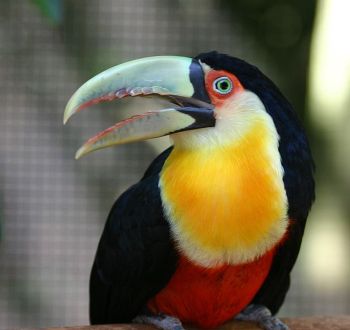
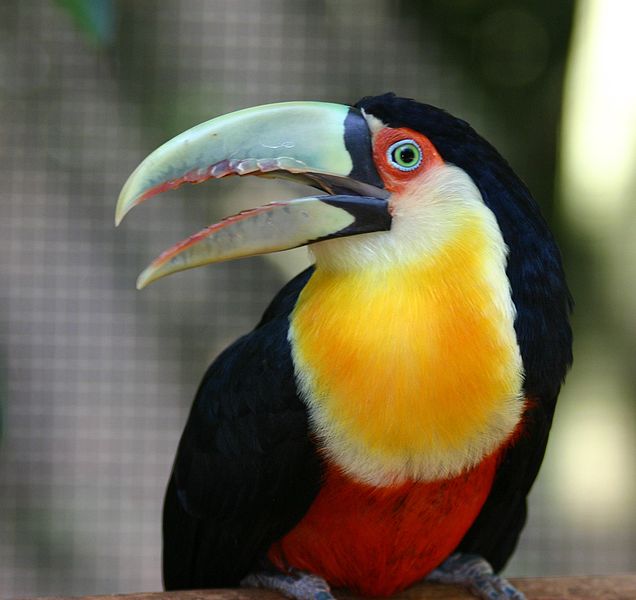
Green-billed Toucan (Ramphastos dicolorus) ©WikiC

Green-billed Toucan (Ramphastos dicolorus) ©WikiC

K & D

“And of beasts and birds, of creeping things and fishes;” the four principal classes into which the Hebrews divided the animal kingdom. Speaking of plants and animals presupposes observations and researches in natural science, or botanical and zoological studies.
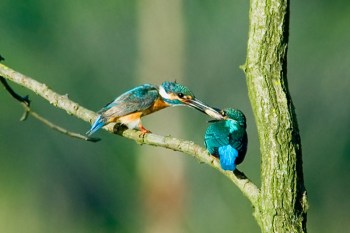
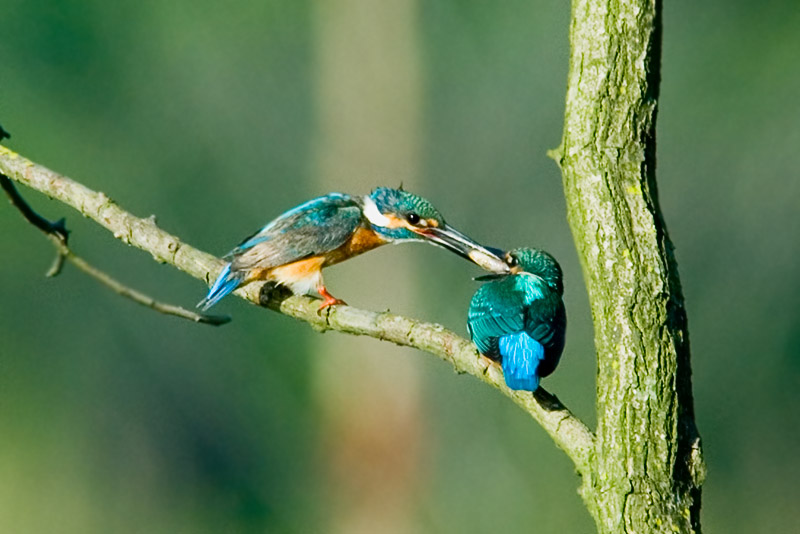
Kingfisher Feeding Young by Phil Kwong

Kingfisher Feeding Young by Phil Kwong

McGee

We are told that Solomon spoke three thousand proverbs. We have only a few hundred recorded in the Bible. His songs were a thousand and five. Believe me, he was a song writer. We have only one of his songs, The Song of Solomon. Solomon was a dendrologist—”He spake of trees, from the cedar tree that is in Lebanon even unto the hyssop that springeth out of the wall.” The hyssop is a humble little plant that grows on rocks. Solomon was also a zoologist—”he spake also of beasts”—and an ornithologist since he spoke of birds. He was an entomologist: he spoke of creeping things, or insects. He was an ichthyologist: he spoke of fishes. He spoke of these things because he had studied them and was an authority in these particular realms. This, apparently, is the beginning of the sciences. Solomon was interested in these things.

Some Answers

I have another Commentary to share thoughts from, but will save it for Part II. For now, let’s see if any of the first questions were answered.

The first two questions are unanswered for now. We will dig into that later. The next three seem to have some answers.

  • What kind of birds did he have to observe?
  • What did he learn about the birds?
  • Did he write any of his bird observations out?
  • The Lord gave him the wisdom, so how did he apply it?
  • What can we learn from Solomon about birds?

Solomon observed the birds and seems to have learned lessons and applications from them which are seen in Proverbs, Song of Solomon and some Psalms. So he recorded his findings. He gained his knowledge from the Lord, but he used his senses and observational skills to gain more knowledge. That is something we can do also with the Lord’s help. If we don’t apply ourselves to a topic, the knowledge is not going to just “pop” into our heads.

See:

*
Creation Moments’ – Designed For Flight

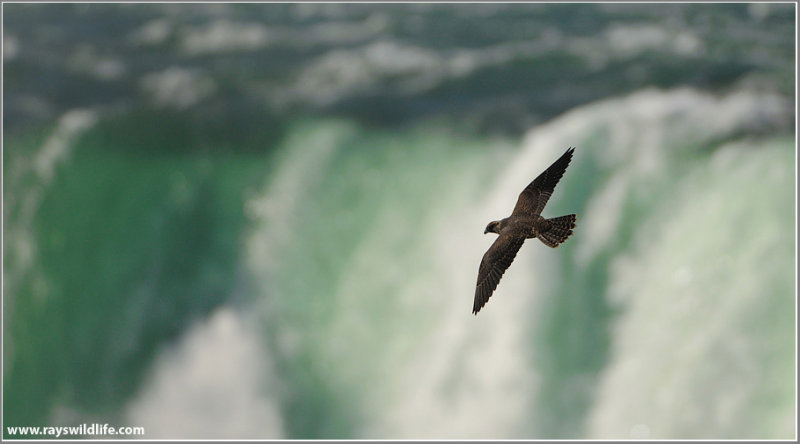
Peregrine Falcon Flying Over Niagara Falls

Doth the hawk fly by thy wisdom, [and] stretch her wings toward the south? Job 39:26

Many textbooks tell young people today that birds are modified reptiles. Suppose, they say, that millions of years ago the scales on some reptiles began to fray along the edges. In time, they say, the frayed scales turned into feathers and birds were born.

Designed for Flight The elegance and beauty of the feather make this story hard to believe. Can sticking a feather on a lizard produce a peacock? The bird’s feather is only a small part of the complete flying system of the bird. Even with very careful planning and redesigning, a reptile doesn’t have what it takes.

A bird needs massive breast muscles for flight. In some birds, 30 percent of the body weight of the bird is breast muscle. By comparison, in humans, breast muscles are only about 1 percent of body weight. A bird also needs an extremely high metabolism and blood pressure to deliver the energy those muscles need for flight. Birds have a higher metabolism than any other creature; they also have the necessary high blood pressure. Finally, as is well known, birds need light skeletons. The man-o’-war has a wingspan of seven feet. But its entire skeleton weighs only a few ounces – less than its feathers!

Even the most clever rebuilding of a reptile cannot produce a bird. In fact, birds have very little in common with reptiles. The entire being of the bird, from body to brain, has been specially designed for flight by a Creator who clearly knows everything there is to know about flight.

Prayer:
Father in heaven, the beauty, grace and huge variety of birds You have created are some of the most beautiful creatures on earth. As I thank You for them, fill me with new wonder over the wonderful work of Your hands. Amen.

Notes:
Vandeman, George. 1991. “The miracle of flight.” Signs of the Times, May. p. 25.

Designed For Flight ©Creation Moments 2014

Interesting Things

*

Sunday Inspiration – Sparrows

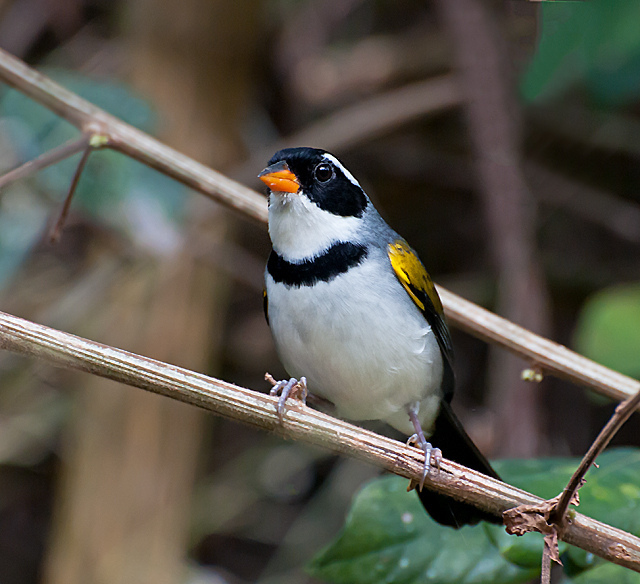
Saffron-billed Sparrow (Arremon flavirostris) by Dario Sanches

Saffron-billed Sparrow (Arremon flavirostris) by Dario Sanches

Are not two little sparrows sold for a penny? And yet not one of them will fall to the ground without your Father’s leave (consent) and notice….Fear not, then; you are of more value than many sparrows. (Matthew 10:29, 31 AMP)

In honor of World Sparrow Day, which was March 20th, today we can enjoy the Lord’s creation of His Sparrows.

Sparrows belong to two families; the Passeridae – Old World Sparrows, Snowfinches and the Emberizidae – Buntings, New World Sparrows & Allies. The photos in the slideshow is from both of these families. Scripture doesn’t divide them and neither are we.

The Lord has promised that even though they (sparrows) are common or little thought of by some, in His Eyes, they are seen and not forgotten. That is such a blessing for us, especially those of us who have accepted Him as Savior.

Are not five sparrows sold for two pennies? And not one of them is forgotten before God. Why, even the hairs of your head are all numbered. Fear not; you are of more value than many sparrows. “And I tell you, everyone who acknowledges me before men, the Son of Man also will acknowledge before the angels of God, (Luke 12:6-8 ESV)

This slideshow requires JavaScript.

*

*

*