Birds of the Bible – Foundation #2 Updated

We will continue with the Foundation from the Word of God (the Bible) about the creation of birds.

If you have not read “Birds of the Bible – Foundation #1 Updated Click Here

By the end of Genesis Chapter 1 the birds (fowls of the air):
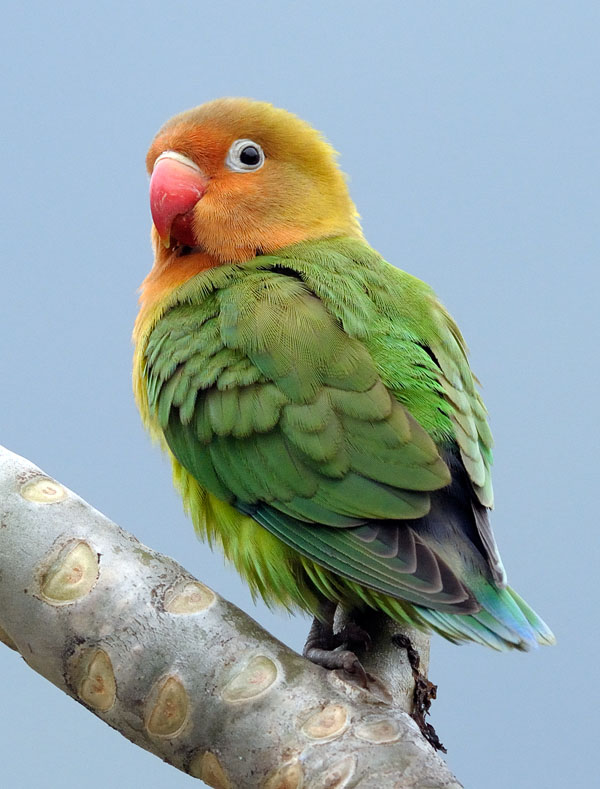
Fischers Lovebird by Phil Kwong

Fischers Lovebird by Phil Kwong

  • Created by the Lord on Day 5
  • Each according to its kind
  • Told to multiply and fill the earth
  • Were given every green herb for food (vegetarians)
  • Placed under the dominion of man
  • “God saw everything that He had made, and indeed it was very good.”

In Chapter 2, the birds are named by Adam. (v 19-20)

At this point, we know that the birds were at their best, they were eating fruits, seeds, herbs and not each other.  The birds had been named according to their kinds by Adam, who was created on Day 6. Their colors and features were at their grandest showing the Glory of God’s wisdom and omnipotence. They must have been fantastic to behold.

BUT WE COME TO GENESIS CHAPTER 3

When the serpent tempted Eve and caused her to question the Word of God, she not only questioned, but added to the Word of God.

Now the serpent was more subtle than any beast of the field which the LORD God had made. And he said unto the woman, Yea, hath God said, Ye shall not eat of every tree of the garden? And the woman said unto the serpent, We may eat of the fruit of the trees of the garden: But of the fruit of the tree which is in the midst of the garden, God hath said, Ye shall not eat of it, neither shall ye touch it, lest ye die. (Genesis 3:1-3 KJV

Most of you know the rest of what happened:

  • Eve ate of the tree of the knowledge of good and evil and gave Adam some also.
  • They were caught and tried to pass the blame.
  • The serpent was cursed. Adam and Eve become sinners and pass sin on to their offspring (us).
  • All God’s creation was cursed (Genesis 3:15-19)
  • Death (spiritual and physical) is now present, which had not been before.
  • Because of Adam’s sin, an animal had to die to make “coats of skins, and clothed them”, “God clothes them with a garment which covers their nakedness, a garment which had its origin in death (the death of another), which had come in, but which hid the effects of the sin that had introduced it.” (Darby’s Synopsis)
  • Sacrifices of the blood of animals and birds for man’s sin is begun. Not until the Lord Jesus Christ became the perfect sacrifice (Hebrews 9:12-14) did the need for those sacrifices end.

For God so loved the world, that he gave his only begotten Son, that whosoever believeth in him should not perish, but have everlasting life. For God sent not his Son into the world to condemn the world; but that the world through him might be saved. He that believeth on him is not condemned: but he that believeth not is condemned already, because he hath not believed in the name of the only begotten Son of God. And this is the condemnation, that light is come into the world, and men loved darkness rather than light, because their deeds were evil. For every one that doeth evil hateth the light, neither cometh to the light, lest his deeds should be reproved. But he that doeth truth cometh to the light, that his deeds may be made manifest, that they are wrought in God. (John 3:16-21)

Somewhere between the Fall of Adam and Eve and the cursing of them and all of creation, the birds, animals,  earth, man, etc. all begin to have changes in their behavior from God’s proclaiming that all was “very good.” By the time of the Flood (Foundation #3), that, “very good” is no longer true.
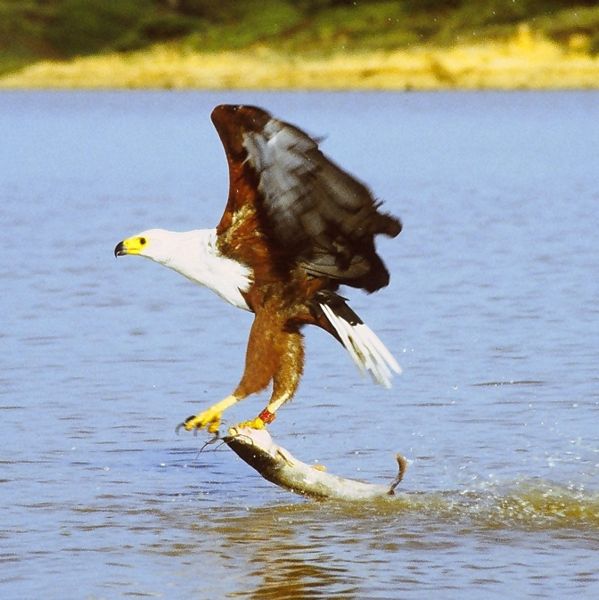
African Fish Eagle (Haliaeetus vocifer) ©WikiC

African Fish Eagle (Haliaeetus vocifer) ©WikiC

Several very interesting articles:

Different Kinds of Flesh, by Paul A. Bartz

Even Strange Animals Fit into Kinds, by Paul A. Bartz

Why Does God’s Creation Include Death & Suffering?, by Tommy Mitchell, January 31, 2008, From “The New Answers Book”, Answers in Genesis

How Did Defense/Attack Structures Come About?, by Andy McIntosh & Bodie Hodge, December 27, 2007, From “The New Answers Book”, Answers in Genesis

Why Did God Create Such Terrible Teeth? by Brian Thomas, M.S., Institute for Creation Research

Did Lions Roam the Garden of Eden? by Nathaniel T. Jeanson, Ph.D., Institute for Creation Research

*

*
 

I.O.C. Version 5.4 Updated on Blog

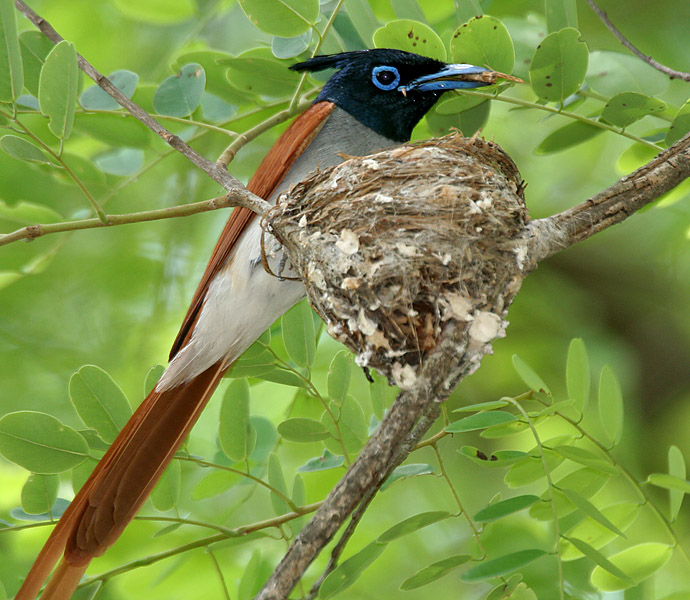
Amur Paradise Flycatcher (Terpsiphone incei) ©WikiC

Amur Paradise Flycatcher (Terpsiphone incei) ©WikiC

Out of the ground the LORD God formed every beast of the field and every bird of the air, and brought them to Adam to see what he would call them. And whatever Adam called each living creature, that was its name. So Adam gave names to all cattle, to the birds of the air, and to every beast of the field. But for Adam there was not found a helper comparable to him…. (Genesis 2:19-20 NKJV)

A couple of days ago this blog’s Birds of the World indexes were finally updated. With company, a memorial, travel, health, housework, etc., etc. it is finally up to date. In New Kingfisher Species, you were notified of the new 21 Kingfishers in the I.O.C. Version 5.4 update.

This Version now lists 10,612 extant species and 153 extinct species of birds of the world (Version 5.4), with subspecies (20,757) and annotations. There are 40 Orders, 239 Families (plus 2 Incertae sedis), 2282 Genera. The overall count was 33 new species added, including the 21 Kingfishers.

Here are the other 12 new Species added: (none were deleted this time)

Taiwan Bamboo Partridge (Bambusicola sonorivox) ©WikiC

Taiwan Bamboo Partridge (Bambusicola sonorivox) ©WikiC

“As a partridge that broods but does not hatch, So is he who gets riches, but not by right; It will leave him in the midst of his days, And at his end he will be a fool.” (Jeremiah 17:11 NKJV)

Taiwan Bamboo Partridge (Bambusicola sonorivox)
Subantarctic Shearwater (Puffinus elegans)
Desert Owl (Strix hadorami)
Roosevelt Stipple-throated Antwren (Epinecrophylla dentei)
Perija Tapaculo (Scytalopus perijanus)
Cryptic Treehunter (Cichlocolaptes mazarbarnetti)
Amur Paradise Flycatcher (Terpsiphone incei)
‘Blyth’s/Oriental’ Paradise Flycatcher (Terpsiphone affinis)
Papuan Scrub Robin (Drymodes beccarii)
North Island Robin (Petroica longipes)
Norfolk Robin (Petroica multicolor)
Highland Rush Warbler (Bradypterus centralis)

They also changed the English names of these birds:

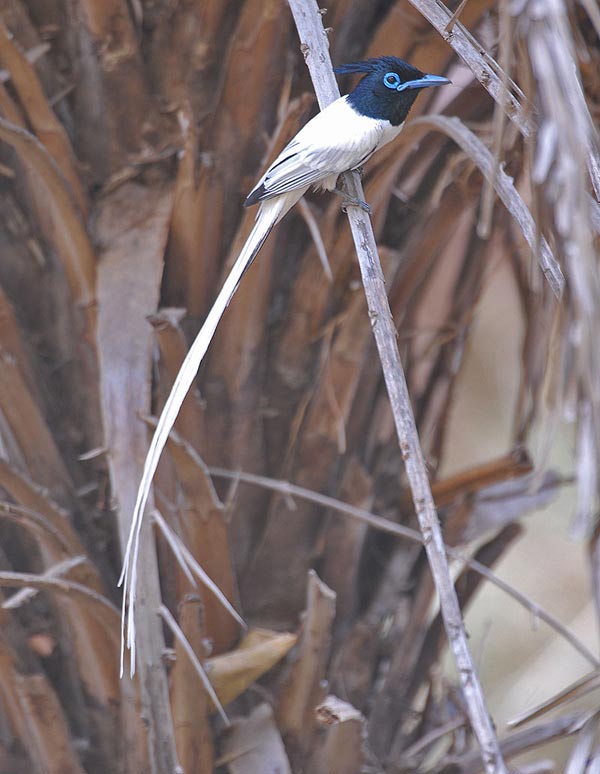
Indian Paradise Flycatcher (Terpsiphone paradisi) by Nikhil Devasar

Indian Paradise Flycatcher (Terpsiphone paradisi) by Nikhil Devasar

For the wisdom of this world is foolishness with God. For it is written, “HE CATCHES THE WISE IN THEIR OWN CRAFTINESS”; and again, “THE LORD KNOWS THE THOUGHTS OF THE WISE, THAT THEY ARE FUTILE.” (1 Corinthians 3:19-20 NKJV)

Rough-faced Shag (Leucocarbo carunculatus) – to – New Zealand King Shag
Bronze Shag (Leucocarbo chalconotus) – to – Stewart Shag
Paradise Parakeet (Psephotellus pulcherrimus) – to – Paradise Parrot
Hume’s Owl (Strix butleri) – to – Omani Owl
Tuamoto Kingfisher (Todiramphus gambieri) – to – Mangareva Kingfisher
Micronesian Kingfisher (Todiramphus cinnamominus) – to – Guam Kingfisher
Variable Dwarf Kingfisher (Ceyx lepidus) – to – Moluccan Dwarf Kingfisher
Silvery Kingfisher (Ceyx argentatus) – to – Southern Silvery Kingfisher
Asian Paradise Flycatcher (Terpsiphone paradisi) – to – Indian Paradise Flycatcher
New Zealand Robin (Petroica australis) – to – South Island Robin

They also made these species taxonomy changes:

Wedge-tailed Shearwater (Puffinus pacificus_Ardenna pacifica) by Ian

Wedge-tailed Shearwater (Puffinus pacificus to Ardenna pacifica) by Ian

“And God blessed them, saying, “Be fruitful and multiply, and fill the waters in the seas, and let birds multiply on the earth.” (Genesis 1:22 NKJV)

(Puffinus pacificus) to Wedge-tailed Shearwater (Ardenna pacifica)
(Puffinus bulleri) to Buller’s Shearwater (Ardenna bulleri)
(Puffinus griseus) to Sooty Shearwater (Ardenna grisea)
(Puffinus tenuirostris) to Short-tailed Shearwater (Ardenna tenuirostris)
(Puffinus creatopus) to Pink-footed Shearwater (Ardenna creatopus)
(Puffinus carneipes) to Flesh-footed Shearwater (Ardenna carneipes)
(Puffinus gravis) to Great Shearwater (Ardenna gravis)
(Petroica multicolor) to Pacific Robin (Petroica pusilla)
(Leucosticte sillemi) to Sillem’s Mountain Finch (Carpodacus sillemi)

*

Birds of the World

ORDERS

Families

Species Index

New Kingfisher Species – I.O.C. Version 5.4

I.O.C. Update 5.4 Version

Good News

*

Sunday Inspiration – Nuthatches and Creepers

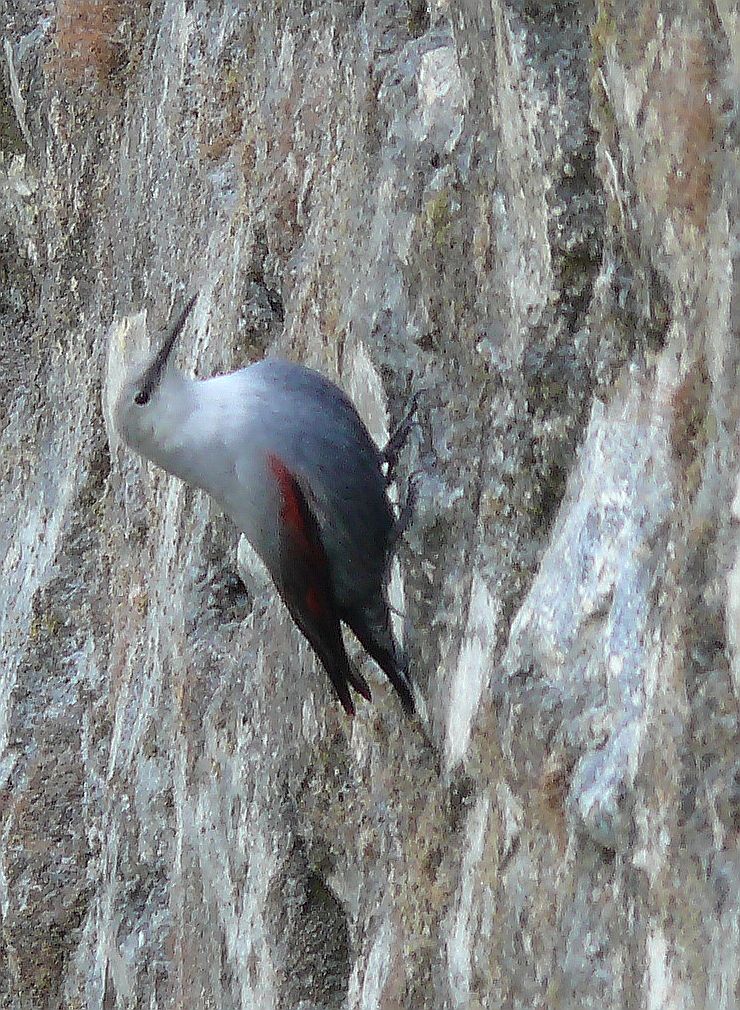
Wallcreeper (Tichodroma muraria) ©WikiC

Wallcreeper (Tichodroma muraria) ©WikiC

Every animal, every creeping thing, every bird, and whatever creeps on the earth, according to their families, went out of the ark. (Genesis 8:19 NKJV)

The Lord has created more little avian wonders in these three next families:

Red-breasted Nuthatch (Sitta canadensis) by Daves BirdingPix

Red-breasted Nuthatch (Sitta canadensis) by Daves BirdingPix

The 28 Nuthatches constitute a genus, Sitta, of small passerine birds belonging to the family Sittidae. Characterised by large heads, short tails, and powerful bills and feet, nuthatches advertise their territory using loud, simple songs. Most species exhibit grey or bluish upperparts and a black eye stripe.

Most nuthatches breed in the temperate or montane woodlands of the Northern Hemisphere, although two species have adapted to rocky habitats in the warmer and drier regions of Eurasia. However, the greatest diversity is in Southern Asia, and similarities between the species have made it difficult to identify distinct species. All members of this genus nest in holes or crevices. Most species are non-migratory and live in their habitat year-round, although the North American Red-breasted Nuthatch migrates to warmer regions during the winter.

Wallcreeper (Tichodroma muraria) by Nikhil Devasar

The Wallcreeper (Tichodroma muraria) is a small passerine bird found throughout the high mountains of Eurasia. It is the only member of the genus Tichodroma. (Wikipedia)

PAS-Clim Brown Treecreeper (Climacteris picumnus) ©WikiC 3

Brown Treecreeper (Climacteris picumnus) ©WikiC

The 11 Treecreepers are a family, Certhiidae, of small passerine birds, widespread in wooded regions of the Northern Hemisphere and sub-Saharan Africa. The family contains ten species in two genera, Certhia and Salpornis. Their plumage is dull-coloured, and as their name implies, they climb over the surface of trees in search of food.

This slideshow requires JavaScript.

Also, to every beast of the earth, to every bird of the air, and to everything that creeps on the earth, in which there is life, I have given every green herb for food”; and it was so. Then God saw everything that He had made, and indeed it was very good. So the evening and the morning were the sixth day. (Genesis 1:30-31 NKJV)

“How Deep Is Your Love?” – Played by Jill Foster (Faith Baptist)

*
More Sunday Inspirations

Sittidae – Nuthatches

Tichodromidae – Wallcreeper

Certhiidae – Treecreepers

Sharing The Gospel

*

Sunday Inspiration – Wrens

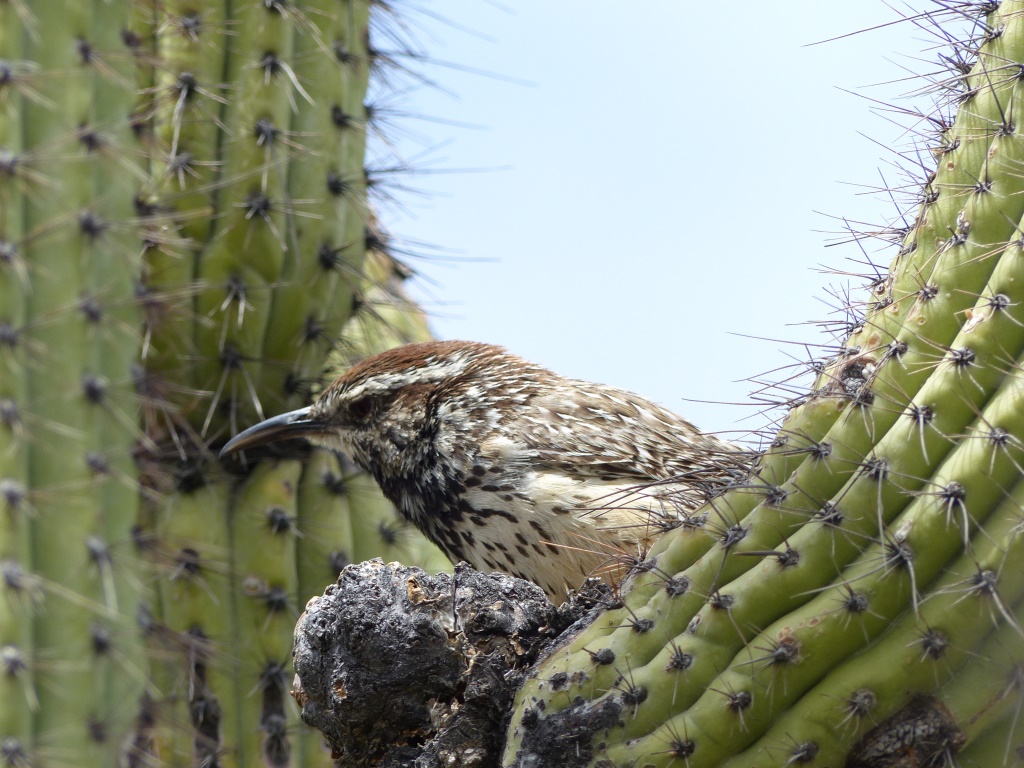
Cactus Wren (Campylorhynchus brunneicapillus) by Lee

God, who made the world and everything in it, since He is Lord of heaven and earth, does not dwell in temples made with hands. (Acts 17:24 NKJV)

The Troglodytidae – Wrens Family was the one skipped over in the Sunday Inspiration last week. There are 84 species in the family, so they deserve their own blog. The family name Troglodytidae is derived from troglodyte, which means “cave-dweller”, and the wrens get their scientific name from the tendency of some species to forage in dark crevices.

Rufous-naped Wren (Campylorhynchus rufinucha) by Raymond Barlow

Rufous-naped Wren (Campylorhynchus rufinucha) by Raymond Barlow

Wrens are medium-small to very small birds. The Eurasian wren is among the smallest birds in its range, while the smaller species from the Americas are among the smallest passerines in that part of the world. They range in size from the white-bellied wren, which averages under 10 cm (3.9 in) and 9 g (0.32 oz), to the giant wren, which averages about 22 cm (8.7 in) and weighs almost 50 g (1.8 oz). The dominating colors of their plumage are generally drab, composed of gray, brown, black, and white, and most species show some barring, especially to tail and/or wings. No sexual dimorphism is seen in the plumage of wrens, and little difference exists between young birds and adults. All have fairly long, straight to marginally decurved bills.

Bewick's Wren (Thryomanes bewickii) by Daves BirdingPix

Bewick’s Wren (Thryomanes bewickii) by Daves BirdingPix

Wrens have loud and often complex songs, sometimes given in duet by a pair. The song of members of the genera Cyphorhinus and Microcerculus have been considered especially pleasant to the human ear, leading to common names such as song wren, musician wren, flutist wren, and southern nightingale-wren.

Then God saw everything that He had made, and indeed it was very good. So the evening and the morning were the sixth day. (Genesis 1:31 NKJV)

This slideshow requires JavaScript.

“He is Everything To Me” – Men’s Ensemble – Faith Baptist

*

More Sunday Inspirations

Sermons From My Pastor


BLT at Noah’s ARK

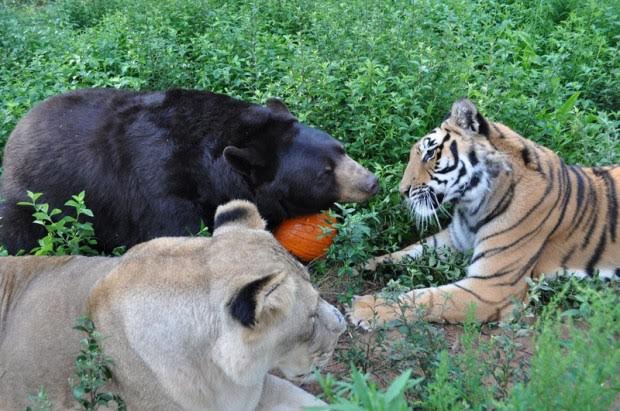
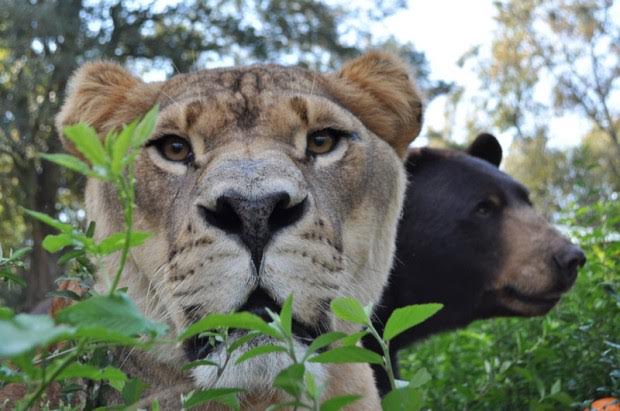
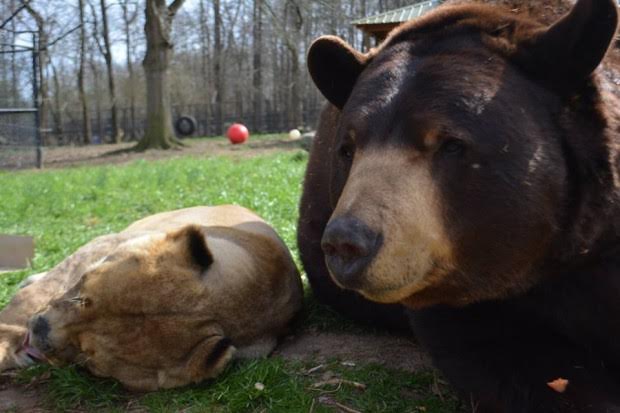
Interesting Things from Smiley CentralFrom another e-mail received, this one is about a Bear, Lion and a Tiger. They are affectionately known as “BLT” and housed at the Noah’s Ark Sanctuary in Georgia.

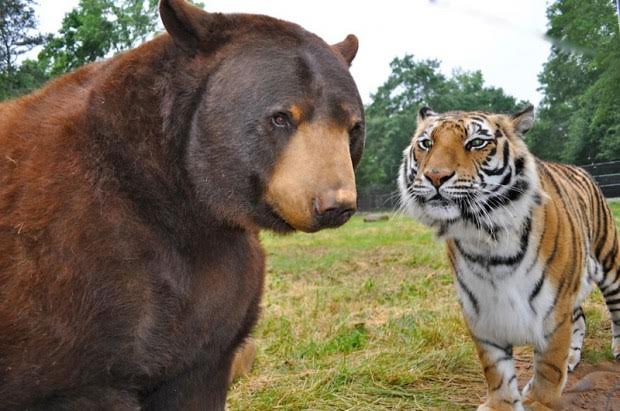
This is Leo the African Lion, Baloo the Black Bear, and Shere Khan the Bengal Tiger.

BLT 1

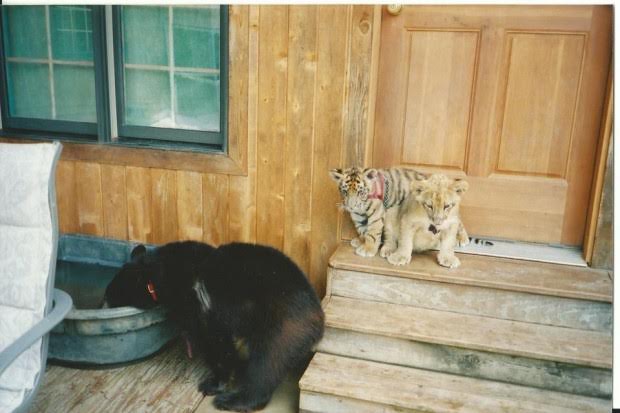
The threesome were rescued as babies from the basement of an Atlanta drug dealer’s home when it was raided by authorities.

BLT 2

They were starving, traumatized and had bacterial infections.

BLT 3

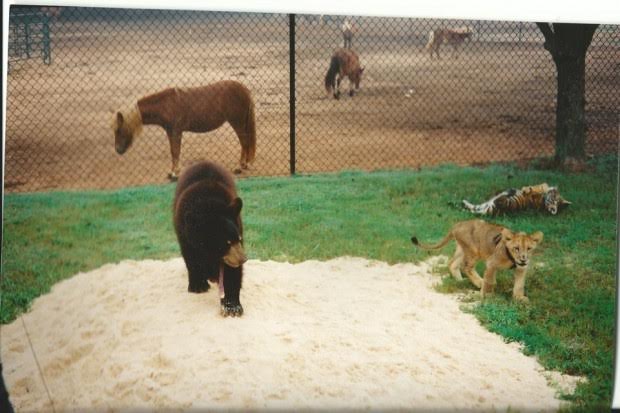
Since then, they were brought to Noah’s Ark Animal Sanctuary

BLT 4

… where they’ve lived in the same habitat together for 13 years.

BLT 5

The only time the three were separated was when Baloo was sent to surgery. [While at the drug dealer’s home, Baloo had been mistreated so profoundly that the harness that was put on him had grown into his skin.]

BLT 7

The two cats were distraught and cried for the bear’s return when he was at the vet’s. Since then no one has separated the group.

BLT 8

They clearly bonded during their earliest memories and never wanted to be apart.

BLT 9

Now they live together as if they were brothers of the same species.

BLT 10

They play together, nuzzle one another and are extremely affectionate.

BLT 11

The threesome are the only lion, tiger and bear living together in the world.

BLT 12

They’re just that exceptional.

BLT 13

Humans could really learn from the bond that these three have.

BLT 14

No one ever told them they couldn’t love one another, so they did just that.

BLT 15

And now, even all these years later, they continue to do so.

BLT 16

The trio are affectionately referred to as BLT, standing for bear, lion, and tiger. They might just be the most adorable sandwich ever!

That is the end of the e-mail I received. Their behavior reminds us that when the Lord returns, sets up His kingdom on earth and Isaiah is fulfilled:

“The wolf also shall dwell with the lamb, The leopard shall lie down with the young goat, The calf and the young lion and the fatling together; And a little child shall lead them. The cow and the bear shall graze; Their young ones shall lie down together; And the lion shall eat straw like the ox. The nursing child shall play by the cobra’s hole, And the weaned child shall put his hand in the viper’s den. They shall not hurt nor destroy in all My holy mountain, For the earth shall be full of the knowledge of the LORD As the waters cover the sea.” (Isaiah 11:6-9 NKJV)

Here are two videos found on the internet about them.

*

*

Noah’s Ark Sanctuary in Georgia

Birds of the World and Bible – Groove-billed Ani

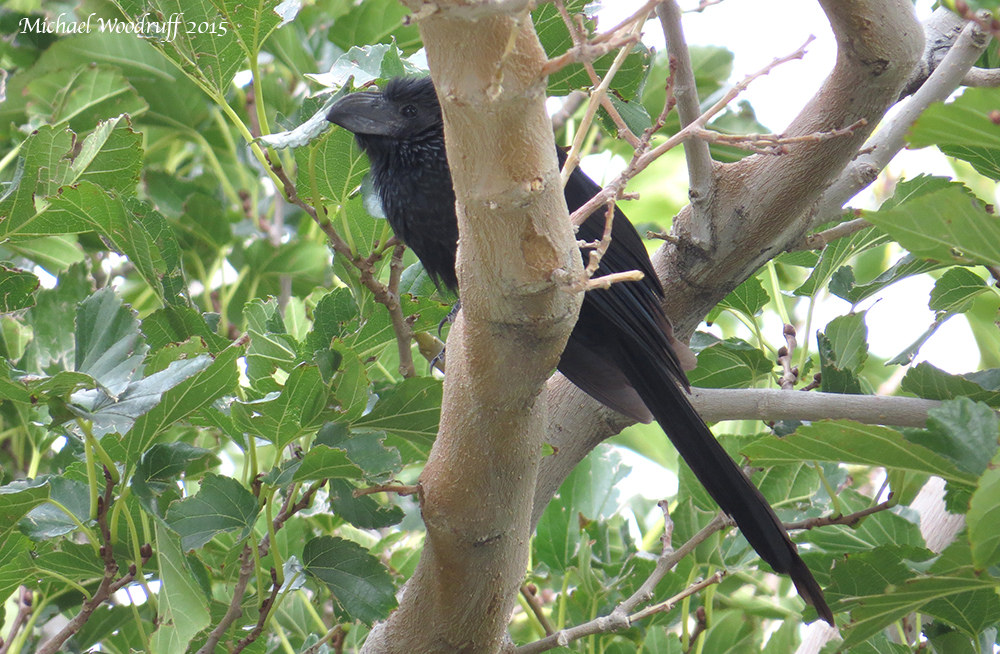
Groove-billed Ani (Crotophaga sulcirostris) by Michael Woodruff

Groove-billed Ani (Crotophaga sulcirostris) by Michael Woodruff

“every raven after its kind, and the owl, and the night-hawk, and the cuckoo, and the hawk after its kind,” (Leviticus 11:15-16 YLT)

While browsing through some of the latest photos from photographers I follow on Flickr, I came across these photos by Michael Woodruff of the Groove-billed Ani. Then I found more by two others I follow; barloventomagico and Ross Tsai.

Groove-billed Ani (Crotophaga sulcirostris) ©Flickr Ross Tsai

Groove-billed Ani (Crotophaga sulcirostris) ©Flickr Ross Tsai

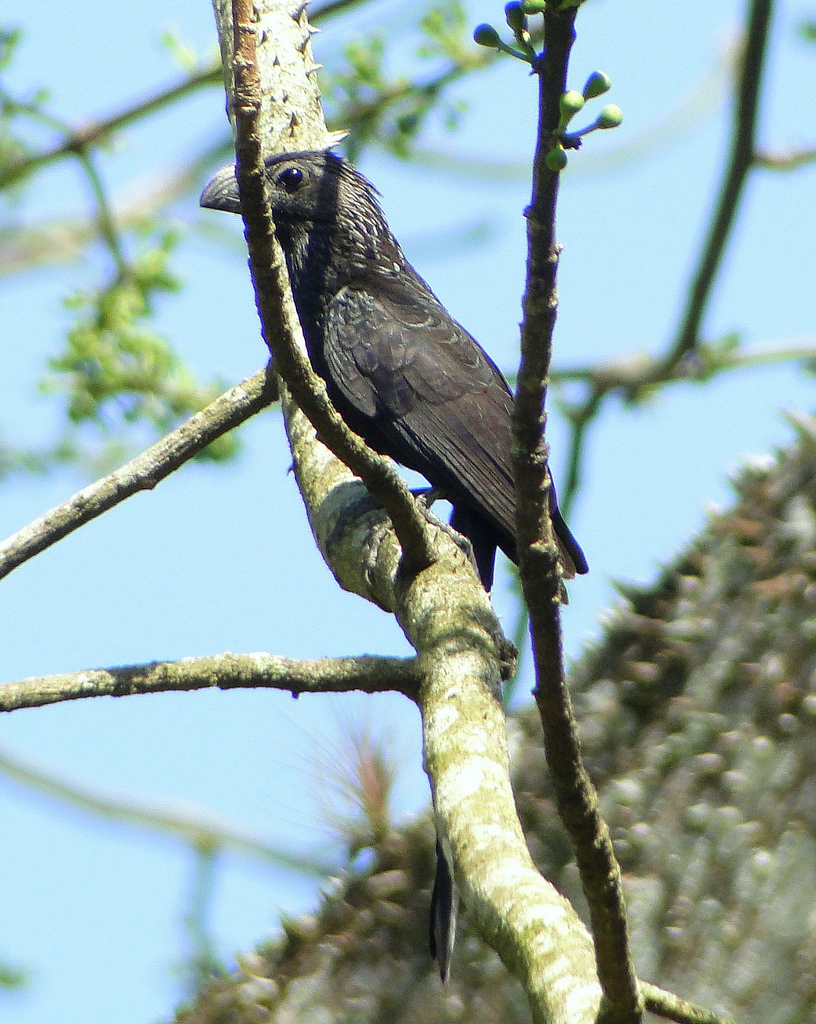
So what is a Groove-billed Ani anyway? The groove-billed ani (Crotophaga sulcirostris) is an odd-looking tropical bird in the Cuculidae – Cuckoos family with a long tail and a large, curved beak. It is a resident species throughout most of its range, from southern Texas, central Mexico and The Bahamas, through Central America, to northern Colombia and Venezuela, and coastal Ecuador and Peru. It only retreats from the northern limits of its range in Texas and northern Mexico during winter. Dan and I was able to see these birds in South Texas in 2001.

Groove-billed Ani (Crotophaga sulcirostris) by Michael Woodruff

Groove-billed Ani (Crotophaga sulcirostris) by Michael Woodruff

The groove-billed ani is about 34 cm (13 in) long, and weighs 70–90 g (2.5–3.2 oz). It is completely black, with a very long tail almost as long as its body. It has a huge bill with horizontal grooves along the length of the upper mandible. It is very similar to the smooth-billed ani, some of which have bills as small as the groove-billed and with grooves on the basal half. The two species are best distinguished by voice and range. In flight, the ani alternates between quick, choppy flaps and short glides.

Groove-billed Ani (Crotophaga sulcirostris) by Michael Woodruff

Groove-billed Ani (Crotophaga sulcirostris) by Michael Woodruff

Like other anis, the groove-billed is found in open and partly open country, such as pastures, savanna, and orchards. It feeds largely on a mixed diet of insects, seeds, and fruits.

Groove-billed Ani (Crotophaga sulcirostris) ©Flickr barloventomagico

Groove-billed Ani (Crotophaga sulcirostris) ©Flickr barloventomagico

The groove-billed ani lives in small groups of one to five breeding pairs. They defend a single territory and lay their eggs in one communal nest. All group members incubate the eggs and care for the young. (Wikipedia)

It’s a different kind of beak, but the Lord made the Ani like this so that he could eat the available food in its terrain. Bills are not an evolutionary after-thought, but the design of a Creator, that loves His critters and provides for them.

Groove-billed Ani (Crotophaga sulcirostris) ©Flickr barloventomagico

GBNA – Guide to Birds of North America eField Guide: Groove-billed Ani

  • Black overall with iridescent purple and green sheen
  • Long tail, very wide at end
  • Bulky bill with grooves (visible only at close range)
  • Bill does not extend above crown
  • Entirely black plumage
  • Sexes similar
  • Often found in small groups
  • Inhabits grassy, scrubby areas

Groove-billed Ani (Crotophaga sulcirostris) by Michael Woodruff

“and the owl, and the night-hawk, and the cuckoo, and the hawk after its kind;” (Deuteronomy 14:15 YLT)

The YLT  and two other versions of the Bible, list the “Cuckoo” in the list of birds not to be eaten by the Israelites. Other versions use the word, “Cuckow.” Therefore this family of birds have been listed as Birds of the Bible.

*

*

New Kingfisher Species – I.O.C. Version 5.4

White-collared Kingfisher by Dan - Dan's Pix

White-collared Kingfisher by Dan – (Dan’s Pix)

Simon Peter saith unto them, I go a fishing. They say unto him, We also go with thee. They went forth, and entered into a ship immediately; and that night they caught nothing. (John 21:3 KJV)

Hang on to your fish, here comes a whole new bunch of Kingfishers. With the I.O.C. Version 5.4 that came out a week or so ago, 21 new Kingfishers were added to the Alcedinidae – Kingfishers Family. Plus they renamed a few. No, they didn’t appear out of thin air, they split and raised some of the subspecies up into their own species. Kingfishers have been one of my favorite birds from our Creator.

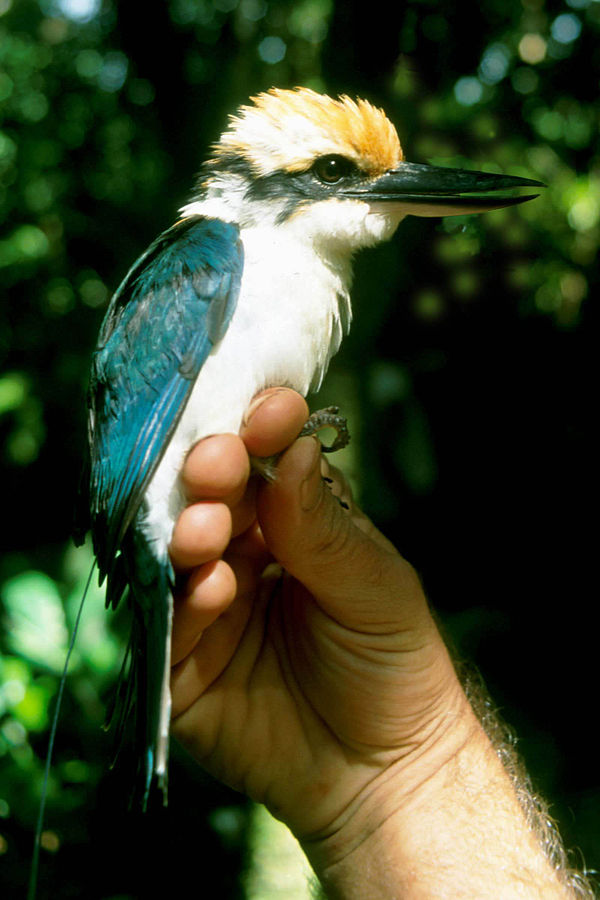
These are from the Collard Kingfisher (Todiramphus chloris):

  • Torresian Kingfisher (Todiramphus sordidus)
  • Islet Kingfisher (Todiramphus colonus)
  • Mariana Kingfisher (Todiramphus albicilla)
  • Melanesian Kingfisher (Todiramphus tristrami)
  • Pacific Kingfisher (Todiramphus sacer)
Micronesian Kingfisher (Todiramphus cinnamominus) Houston Zoo 5-6-15 by Lee

Micronesian Kingfisher (Todiramphus cinnamominus) Houston Zoo 5-6-15 by Lee

The Micronesian Kingfisher (Todiramphus cinnamominus) is now the Guam Kingfisher

Pohnpei Kingfisher (Todiramphus reichenbachii) ©WikiC

Pohnpei Kingfisher (Todiramphus reichenbachii) ©WikiC

The Tuamotu Kingfisher (Todiramphus gambieri) is now named the Niau Kingfisher and the split off the:

  • Niau Kingfisher (Todiramphus gertrudae)
Buru Dwarf Kingfisher (Ceyx lepidus) ©Drawing WikiC

Buru Dwarf Kingfisher (Ceyx lepidus) ©Drawing WikiC

The Variable Dwarf Kingfisher (Ceyx lepidus) was renamed the Moluccan Dwarf Kingfisher and these were split off:

  • Dimorphic Dwarf Kingfisher (Ceyx margarethae)
  • Sula Dwarf Kingfisher (Ceyx wallacii)
  • Buru Dwarf Kingfisher (Ceyx cajeli)
  • Papuan Dwarf Kingfisher (Ceyx solitarius)
  • Manus Dwarf Kingfisher (Ceyx dispar)
  • New Ireland Dwarf Kingfisher (Ceyx mulcatus)
  • New Britain Dwarf Kingfisher (Ceyx sacerdotis)
  • North Solomons Dwarf Kingfisher (Ceyx meeki)
  • New Georgia Dwarf Kingfisher (Ceyx collectoris)
  • Malaita Dwarf Kingfisher (Ceyx malaitae)
  • Guadalcanal Dwarf Kingfisher (Ceyx nigromaxilla)
  • Makira Dwarf Kingfisher (Ceyx gentianus)
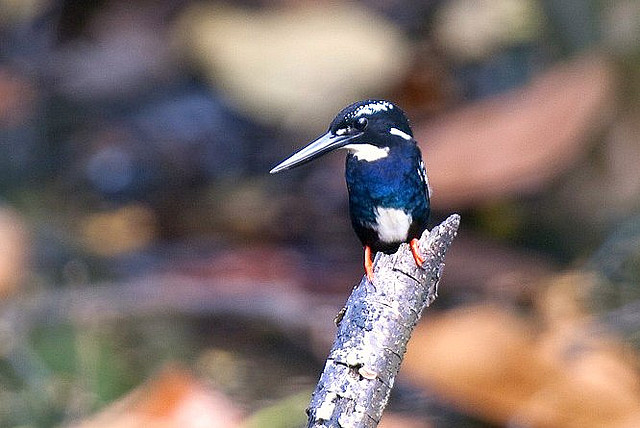
Silvery Kingfisher (Ceyx argentatus) ©©

Silvery Kingfisher (Ceyx argentatus) ©©

The  Silvery Kingfisher (Ceyx argentatus) is now the Southern Silvery Kingfisher and they added:

  • Northern Silvery Kingfisher (Ceyx flumenicola)

Needless to say, it will take a while to obtain photos for all these new kingfishers, so stay tuned.

There are more changes in the Version 5.4, but more about that later. They list 10,612 extant species and 154 extinct species of birds of the world (Version 5.4), with subspecies (20,757).

Now as he walked by the sea of Galilee, he saw Simon and Andrew his brother casting a net into the sea: for they were fishers. And Jesus said unto them, Come ye after me, and I will make you to become fishers of men. (Mark 1:16-17 KJV)

*

Alcedinidae – Kingfishers Family

I.O.C. Update 5.4 Version

Sharing The Gospel

*


The Ghost Army – Repost

An inflatable dummy tank ©WikiC

An inflatable dummy tank ©WikiC

The Ghost Army:  Moaning Noises Can be Scary!

– by James J. S. Johnson, J.D., Th.D. *

[Lee’s introductionThe current Acts & Facts from Institute for Creation Research has this very interesting article by Dr. James J. S. Johnson, who formerly taught courses on ornithology, ecology, limnology, and other bioscience-related courses at Dallas Christian College.]

Sometimes the best defense is an offense, even when the “offense” is really a bold bluff. This tactic is valued in wartime, and when God uses this principle He deserves our reverent adn admiring appreciation.

America’s top-secret World War II “Ghost Army” used cleverness and technology to fool German forces by masking military vulnerabilities. Yet the main fakery they used wasn’t mere camouflage—the daring deception involved threat-reversal mimicry….

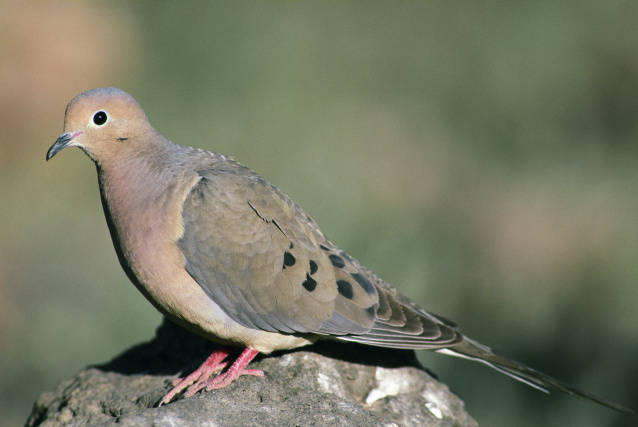
Mourning Dove (Zenaida macroura) ©USFWS

Mourning Dove (Zenaida macroura) ©USFWS

Such is ordinary life for the mourning dove (Zenaida macroura), which feeds on the ground and nests there or within shrubs, on buildings, or in trees—the same places where opportunistic and omnivorous rats, like Rattus rattus and Rattus norvegicus, roam for food. Consequently, dove eggs and hatchlings are sometimes vulnerable to prowling predatory rats.3 … [Click here to see the whole article.]

O the depth of the riches both of the wisdom and knowledge of God! how unsearchable are his judgments, and his ways past finding out! For who hath known the mind of the Lord? or who hath been his counsellor? (Romans 11:33-34 KJV)

*

*

Skinny As A Rail? Not Me!

Clapper Rail (Rallus crepitans) ©WikiC

Clapper Rail (Rallus crepitans) ©WikiC

Skinny as a rail? Not me!

~ James J. S. Johnson

“But when thou art bidden, go and sit down in the lowest room; that when he that bade thee cometh, he may say unto thee, Friend, go up higher: then shalt thou have respect in the presence of them that sit at meat with thee.”    (Luke 14:10)

Luzon Bleeding-heart by Dan

Orni-Theology

Is it really advantageous to be frequently noticed?  Is having a “low profile” a prudent practice?  Surely when someone gets a reputation, for being a “show-off”, the spotlight becomes a disadvantage.

When I was a teenager I was called “skinny as a rail”.  Once I arrived at age 20, however, for some reason I stopped hearing that description.  Of course, I blame my weight gain on getting married to a wonderful cook (who, for 3-dozen-plus years, has made eating an ongoing adventure!)!  Actually, I am not too far from being double the weight that I had, 121 pounds, when I got married!

Hmmm – maybe exercise has something to do with it, too.  It’s been a long time since someone said (of me), “he’s so skinny, if he turned sideways we couldn’t see him!”  It is the literal truth that my wife has been with me “through thick and thin”.

But this is supposed to be about birds.

Railway ©WikiC

Railway ©WikiC

So now we should consider something that Robert and Alice Lippson, both ecologists, have to say about being “skinny as a rail”.

“’As thin as a rail’—is it the narrow steel ribbon of a railroad track or the slim boards that make up a fence?  Just where did that old saw come from, anyway?  It pertains to certain members of the Rallidae family, the rails, which also includes coots and gallinules.  The rails have thin, compressed bodies that allow them to thread their way through seemingly impenetrable thickets and literally to disappear into the marsh. … Rails are usually brown and patterned or mottled with white [feathers], while coots are slate or soot colored.  Rails are found in the [Chesapeake] Bay wetlands year-round.”

[Quoting Alice Jane Lippson & Robert L. Lippson, LIFE IN THE CHESAPEAKE BAY:   An Illustrated Guide to the Fishes, Invertebrates, Plants, Birds, and Other Inhabitants of the Bays and Inlets from Cape Cod to Cape Hatteras, 3rd Edition (Baltimore:  The Johns Hopkins University Press, 2006), page 232.]

Perhaps the most prominent rail in the Chesapeake Bay region is the Marsh Hen, also called the “Clapper Rail” (Rallus crepitans, a/k/a Rallus longirostris), known for its harsh-sounding clattering vocalizations [klek-klek-klek-klek-klek] that almost sounds like rattling or rapid clapping.

The Clapper Rail is routinely found in salt marshes and some freshwater marshes on America’s East Coast, from Massachusetts to Florida, plus in wetlands bordering California’s inland Salton Sea, and even along the banks of the lower parts of the Colorado River.  [See John Bull & John Farrand, Jr., NATIONAL AUDUBON SOCIETY FIELD GUIDE TO NORTH AMERICAN BIRDS, EASTERN REGION, revised edition (New York:  Alfred A. Knopf, 1994), page 455.]

Have I ever seen one?  Probably not.  But that’s not unusual, according to Lippson & Lippson, who say that hearing one is more likely than seeing one, especially due to their habit of being more active at night.  [Lippson & Lippson, page 232.]  But, if you do see a Clapper Rail, it might not realize you are watching!

Clapper Rail (Rallus crepitans) ©WikiC

Clapper Rail (Rallus crepitans) ©WikiC

“Clapper rails are secretive birds and are usually not seen unless forced off the reed floor by high tides.  Then they are frequently seen along the edge of the marsh and even along nearby roads.  Even though they are in the open and quite visible, clapper rails apparently think they are still in the marsh, unseen and safe.  Like the least bittern, they are reluctant fliers and when flushed will make brief [airborne] sorties, legs dangling, then drop and disappear into the marsh vegetation.  Curiously enough, rails are capable of making long migratory flights.  The best way to ‘see’ a rail is with your ears:  listen for the clattering “kek-kek-kek”, especially in the early evening and at dawn.  The clapper rail is widely distributed throughout the [Chesapeake] Bay.”  [Quoting Lippson & Lippson, page 232.]

So much for keeping a low profile, especially when perils are near!  If you can be inconspicuous, it’s usually to your advantage, — but, if not, it’s good to have a Plan B (like the Clapper Rail’s getaway response) if you need one.

Meanwhile, don’t forget the lesson of Luke 14:10.  Routinely assume that you should take a “low profile”.  If you are directed “up” (i.e., promoted to a “higher” responsibility), so be it,  —  trusting God to guide you, use the “high profile” opportunity to honor God.  Yet don’t forget: the Clapper Rail strategy has its merits  –  if you are inconspicuous you are less likely to become somebody’s target!

*

Rallidae – Rails, Crakes and Coots

Orni-Theology

James J. S. Johnson

Good News

Clapper Rail by Lee at Merritt Island NWR

*

Sunday Inspiration – White Eyes

Reunion Olive White-eye (Zosterops olivaceus) ©WikiC

Reunion Olive White-eye (Zosterops olivaceus) ©WikiC

Say not ye, There are yet four months, and then cometh harvest? behold, I say unto you, Lift up your eyes, and look on the fields; for they are white already to harvest. (John 4:35 KJV)

The Zosteropidae – White-eyes Family is passerine birds that live in the tropical and subtropical Sub-Saharan Africa, Australasia and eastern Asia. White-eyes inhabit most tropical islands in the Indian Ocean, the western Pacific Ocean, and the Gulf of Guinea. There are currently 127 members in the family. Most are White-eyes, a Silvereye, a Blackeye, a Darkeye, 4 Speirops, 11 Yuhinas, and about a dozen Babblers.

Silvereye (Zosterops lateralis) by Ian

Silvereye (Zosterops lateralis) by Ian

As their common name implies, many species have a conspicuous ring of tiny white feathers around their eyes. The scientific name of the group also reflects this latter feature, being derived from the Ancient Greek for “girdle-eye”. They have rounded wings and strong legs. Like many other nectivorous birds, they have slender, pointed bills, and brush-tipped tongues. The size ranges up to 15 cm (6 inches) in length. (Wikipedia)

Stripe-throated Yuhina (Yuhina gularis) ©WikiC

Stripe-throated Yuhina (Yuhina gularis) ©WikiC

I trust you will enjoy getting to know and see another enchantingly created family of birds from Our Creator.

But mine eyes are unto thee, O GOD the Lord: in thee is my trust; (Psalms 141:8a KJV)

This slideshow requires JavaScript.

*

“Come, Look To Jesus” ~ Played by Jill Foster at Faith Baptist (during Communion)

*

More Sunday Inspiration

Zosteropidae – White-eyes

Birds of the World Families

White-eye – Wikipedia

Is There A God?

*

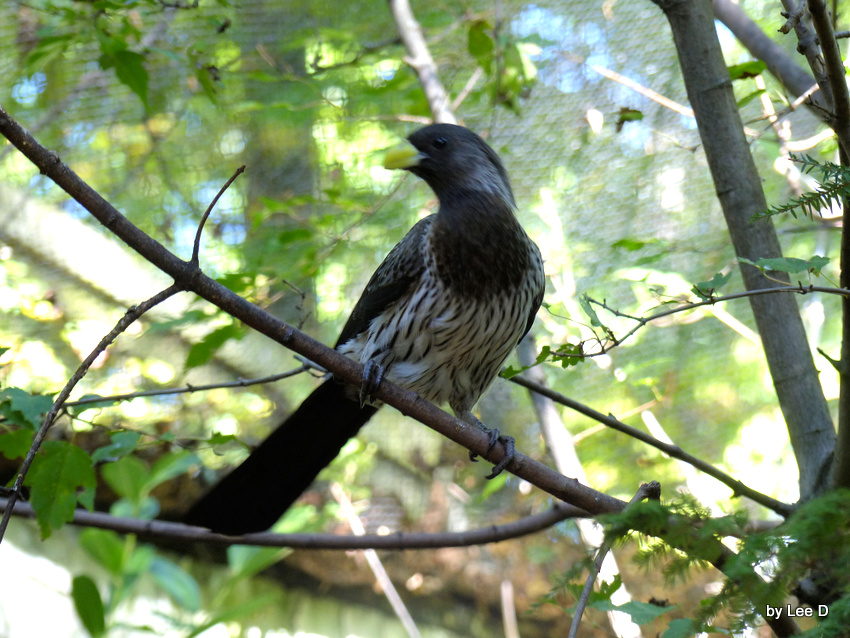
Plantain-eater at Parrot Mountain

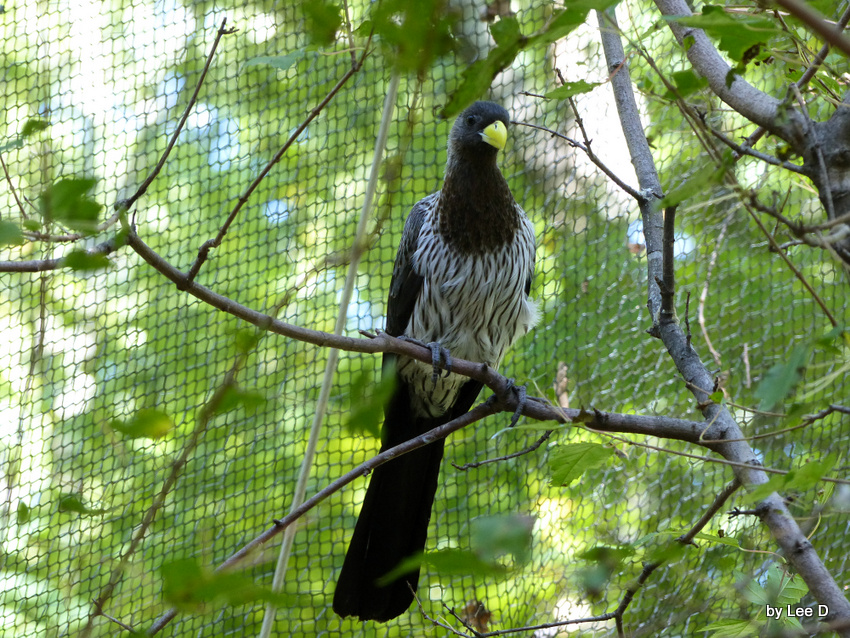
Western Plantain-eater (Crinifer piscator) at Parrot Mountain

Western Plantain-eater (Crinifer piscator) at Parrot Mountain

By them the birds of the heavens have their home; They sing among the branches. He waters the hills from His upper chambers; The earth is satisfied with the fruit of Your works. (Psalms 104:12-13 NKJV)

The western plantain-eater (Crinifer piscator), also known as the grey plantain-eater or western grey plantain-eater, is a large member of the Turaco family, a group of large arboreal near-passerine birds restricted to Africa.

Western Plantain-eater (Crinifer piscator) at Parrot Mountain

Western Plantain-eater (Crinifer piscator) at Parrot Mountain

This species is a resident breeder in open woodland habitats in tropical west Africa. It lays two or three eggs in a tree platform nest.

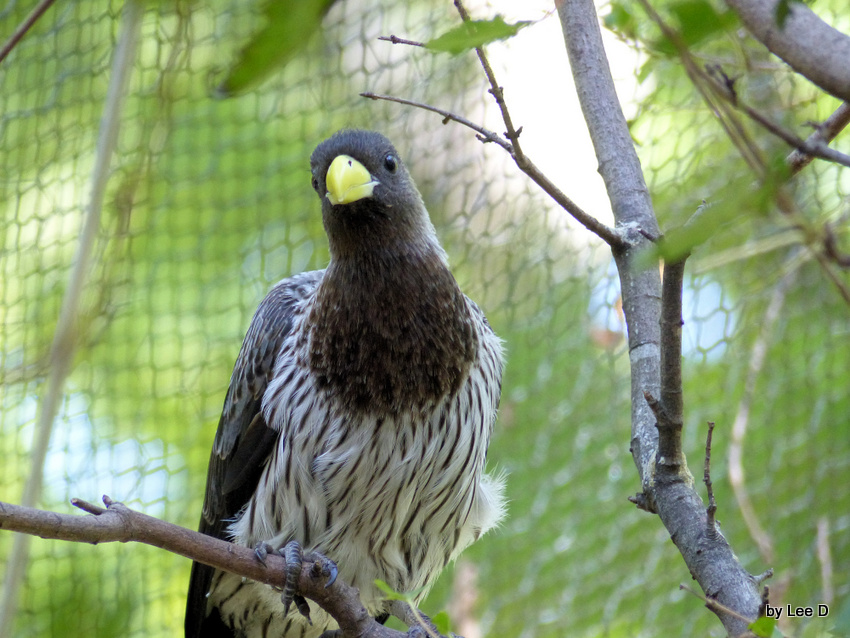
These are common, noisy and conspicuous birds, despite lacking the brilliant colours of relatives such as the violet turaco. They are 50 cm long, including a long tail. Their plumage is mainly grey above spotted with brown. The head, erectile crest, neck and breast are brown streaked with silver. The underparts are whitish, heavily streaked with brown.

Western Plantain-eater (Crinifer piscator) at Parrot Mountain

Western Plantain-eater (Crinifer piscator) at Parrot Mountain

Western plantain-eater has a thick bright yellow bill, and shows a white wing bar in flight. The sexes are identical, but immatures have a black woolly head without silver streaking.

Western Plantain-eater (Crinifer piscator) at Parrot Mountain

Western Plantain-eater (Crinifer piscator) at Parrot Mountain

This bird is similar to the closely related eastern plantain-eater. The latter species has white tail bars, and lacks the chest bars and dark wing feather shafts of its western relative. This species feeds on fruit, especially figs, seeds and other vegetable matter.

We first encountered this amazing bird created by the Creator at the Houston Zoo this past spring. Those were in an enclosure with the normal fences to try to photograph through. That is what made this visit to Parrot Mountain so special because we were in a free-flying aviary with them.

Western Plantain-eater (Crinifer piscator) Houston Zoo

Western Plantain-eater (Crinifer piscator) Houston Zoo by Lee

Western Plantain-eater (Crinifer piscator) Houston Zoo

Western Plantain-eater (Crinifer piscator) Houston Zoo

Western plantain-eater has a loud cow-cow-cow call, very familiar in west Africa. (Info from Wikipedia)

Here is a video I took of the birds in the aviary feeding. The Plantain-eater comes in at tries to intimidate the Cardinal and then starts his call. If you watch him/her, you will notice it seems to be afraid of that cardboard dish holding the fruit. Hence my chuckle. I’ll tell you more about those other birds later.

“But the wisdom that is from above is first pure, then peaceable, gentle, willing to yield, full of mercy and good fruits, without partiality and without hypocrisy. Now the fruit of righteousness is sown in peace by those who make peace.” (James 3:17-18 NKJV)

*

Other Parrot Mountain Blogs

*

HUMMING BIRD

Firey-throated and Volcano Hummingbird ©Raymond Barlow

HUMMING BIRD

The humming bird flits it’s

wings, poor humming bird

can’t even sing, it flits to

flowers here and there, so

fast it’s flitting everywhere.

~

They are so tiny, so sublime,

you hardly see them there so

fine. I love to see them tweet

the flowers, I could watch

the humming bird for hours.

Jeanie Boyette 10/22/12

Coppery-headed Emerald ©Raymond Barlow

Coppery-headed Emerald ©Raymond Barlow

The grass withereth, the flower fadeth: but the word of our God shall stand for ever. (Isaiah 40:8 KJV)

This poem was written by Jeanie Boyette several years ago. She recently joined our church and found out she likes to write poetry. When I asked if she had ever written about birds, this is the one she showed me. So, in the future maybe we can get her to write some more about our beautifully created avian wonders.

*

Guest Authors

The Amazing Butterfly

*