Noah Movie Review: An Unbiblical Film

Ark with Animals ©CreationWiki

Ark with Animals ©CreationWiki

In the beginning God created the heavens and the earth. (Genesis 1:1 NKJV)

A group of Answers in Genesis staff attended the opening of Noah last night in a local movie theater. With all the Hollywood hype and news surrounding the controversial film, we were surprised at the low turnout, with only twelve other people in the theater. We had heard many negative reports but were hopeful, based on other comments, that there may have been some redeeming qualities of the film. However, those hopes were dashed against the rocks harder than Hollywood’s ark when it ran aground in the film. This point should be one that jars us to attention, realizing that our hope is not in a Hollywood film but in something infinitely more redeeming in quality: the person and work of Jesus Christ.

There are four elements from the biblical account …. Noah Movie Review: An Unbiblical Film

*


Sunday Inspiration – Tanagers

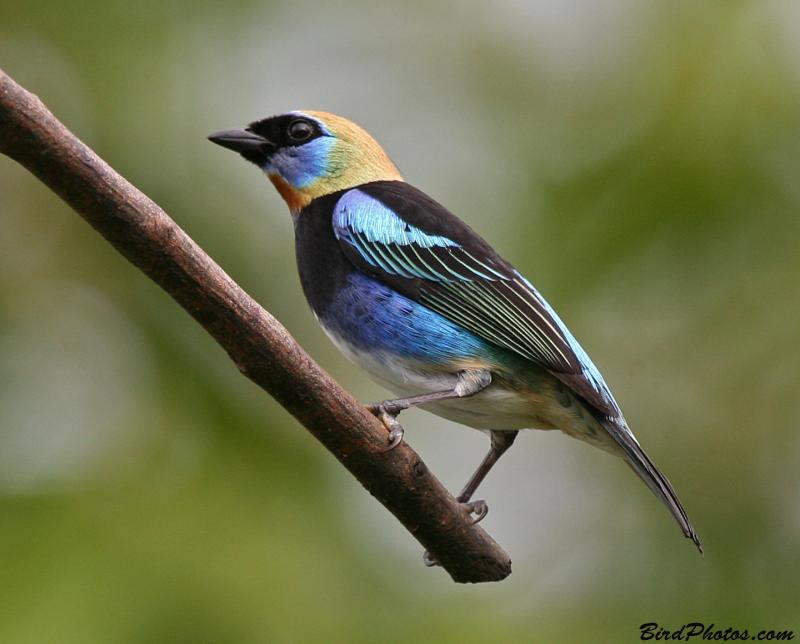
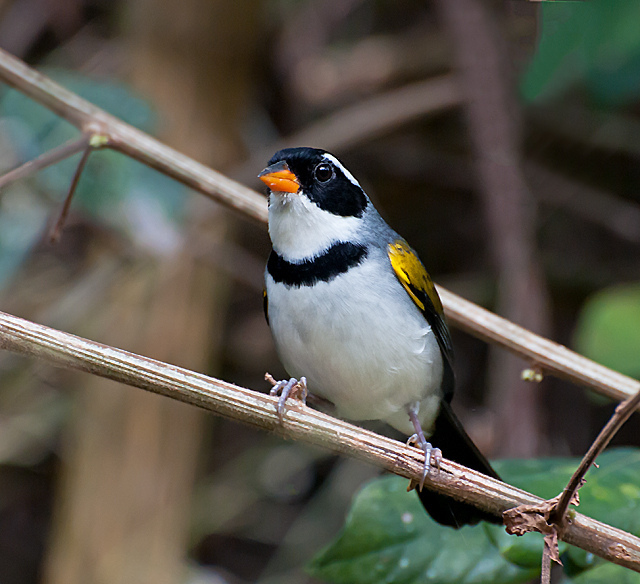
Golden-hooded Tanager (Tangara larvata centralis) ©BirdPhotos.com

Golden-hooded Tanager (Tangara larvata centralis) ©BirdPhotos.com


(26) Look at the birds of the air; they neither sow nor reap nor gather into barns, and yet your heavenly Father keeps feeding them. Are you not worth much more than they?
(27) And who of you by worrying and being anxious can add one unit of measure (cubit) to his stature or to the span of his life?
(28) And why should you be anxious about clothes? Consider the lilies of the field and learn thoroughly how they grow; they neither toil nor spin.
(29) Yet I tell you, even Solomon in all his magnificence (excellence, dignity, and grace) was not arrayed like one of these.
(30) But if God so clothes the grass of the field, which today is alive and green and tomorrow is tossed into the furnace, will He not much more surely clothe you, O you of little faith?
(31) Therefore do not worry and be anxious, saying, What are we going to have to eat? or, What are we going to have to drink? or, What are we going to have to wear?
(32) For the Gentiles (heathen) wish for and crave and diligently seek all these things, and your heavenly Father knows well that you need them all.
(33) But seek (aim at and strive after) first of all His kingdom and His righteousness (His way of doing and being right), and then all these things taken together will be given you besides.
(34) So do not worry or be anxious about tomorrow, for tomorrow will have worries and anxieties of its own. Sufficient for each day is its own trouble.  (Matthew 6:26-34 AMP)


This slideshow requires JavaScript.

*

“Your Grace is Sufficient” by Courtney Love

Tanagers are found in three different families:

More Sunday Inspiration

Changed From the Inside Out

*

Birds of the Bible – Alpine Swifts

Alpine Swift (Tachymarptis melba) by Ian

Alpine Swift (Tachymarptis melba) by Ian

Even the stork in the heavens Knows her appointed times; And the turtledove, the swift, and the swallow Observe the time of their coming. But My people do not know the judgment of the LORD. (Jeremiah 8:7 NKJV)

While reading my latest issue of the Birdwatchers Digest, I came across and interesting note about a recent study of the behavior Alpine Swifts that was published in 2013. It was published in the Nature Communications.

“Although observers have claimed that some swifts may stay on the wing for almost their entire lives—except for breeding—there was no solid evidence of this. Then, a team of researchers caught six alpine swifts in Switzerland, tagged them with data loggers (to record the birds’ acceleration and location), and were able to recapture three of them the next year, upon their return from Africa.” (BWD)

After analyzing data, they found that “the swifts appear to fly nonstop when they aren’t breeding. (The swifts eat insects in mid-air, of course, so they don’t starve.) The actual time totals up to a phenomenal 200 days aloft.” (BWD) This posses another question. Do the Swifts actually sleep on the wing? There were indications that this was happening.

The articles go on, but I find this truly amazing. Our Creator used such Wisdom when He made these Swifts. Not only are they able to eat on the wing, but also catch a nap. Wow!

*

Alpine Swift (Tachymarptis melba) by Ian

Alpine Swift (Tachymarptis melba) by Ian

Day unto day uttereth speech, and night unto night sheweth knowledge. (Psalms 19:2 KJV)

Half of brain asleep article – Interesting Things – Not So Bird-Brained

*

*

Bible Birds – Solomon’s Wisdom About Birds I

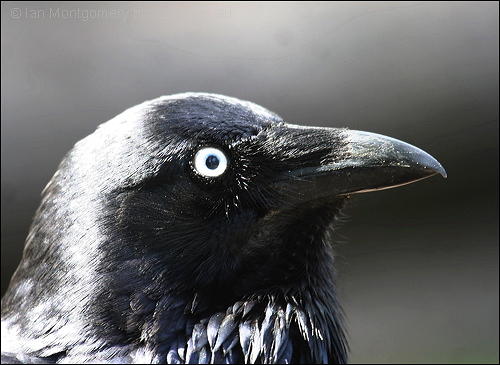
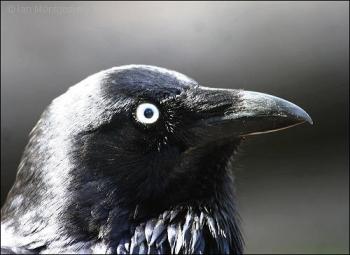
Australian Raven (Corvus coronoides) by Ian

Australian Raven (Corvus coronoides) by Ian

Also he spoke of trees, from the cedar tree of Lebanon even to the hyssop that springs out of the wall; he spoke also of animals, of birds, of creeping things, and of fish. (1 Kings 4:33 NKJV)

In my daily reading from Scripture recently, I came across I Kings 4:33 again. The article Birds of the Bible – Solomon’s Birds, discusses how some of the lessons Solomon had learned were applied. Now let’s look at how Solomon might have attained those illustrations and how we can apply them.

More questions come to my mind, in no set order, like:

  • What kind of birds did he have to observe?
  • What did he learn about the birds?
  • Did he write any of his bird observations out?
  • The Lord gave him the wisdom, so how did he apply it?
  • What can we learn from Solomon about birds?

We know from the Bible that Solomon asked for wisdom to be able to know right and wrong and how to rule the people. God granted Solomon his request and gave him more besides. See I Kings 3.

Checking with my e-Sword commentaries and helps, here are some interesting thoughts. (Italics are mine)
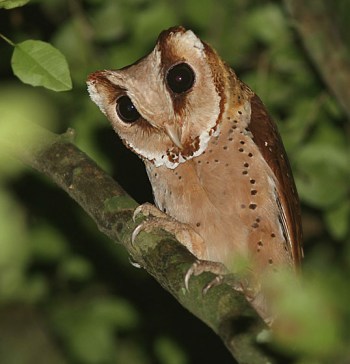
Oriental Bay Owl (Phodilus badius) by Peter Ericisson

Oriental Bay Owl (Phodilus badius) by Peter Ericisson

Matthew Henry’s Concise Commentary

Solomon’s wisdom was more his glory than his wealth. He had what is here called largeness of heart, for the heart is often put for the powers of the mind. He had the gift of talk, as well as wisdom. It is very desirable, that those who have large gifts of any kind, should have large hearts to use them for the good of others. What treasures of wisdom and knowledge are lost! But every sort of knowledge that is needful for salvation is to be found in the holy Scriptures. There came persons from all parts, who were more eager after knowledge than their neighbours, to hear the wisdom of Solomon. Solomon was herein a type of Christ, in whom are hid all treasures of wisdom and knowledge; and hid for us, for he is made of God to us, wisdom. Christ’s fame shall spread through all the earth, and men of all nations shall come to him, learn of him, and take upon them his easy yoke, and find rest for their souls.

Indian Peafowl (Pavo cristatus) by Nikhil Devasar

Indian Peafowl (Pavo cristatus) by Nikhil Devasar

Gill

he spake also of beasts, and of fowls, and of creeping things, and of fishes; he understood the nature of all sorts of animals in the earth, air, and sea, and discoursed of their names, kinds, qualities, and use, with the greatest ease and perspicuity; the Jews fancy that Aristotle’s History of Animals is his, which that philosopher came upon, and published it in his own name. …

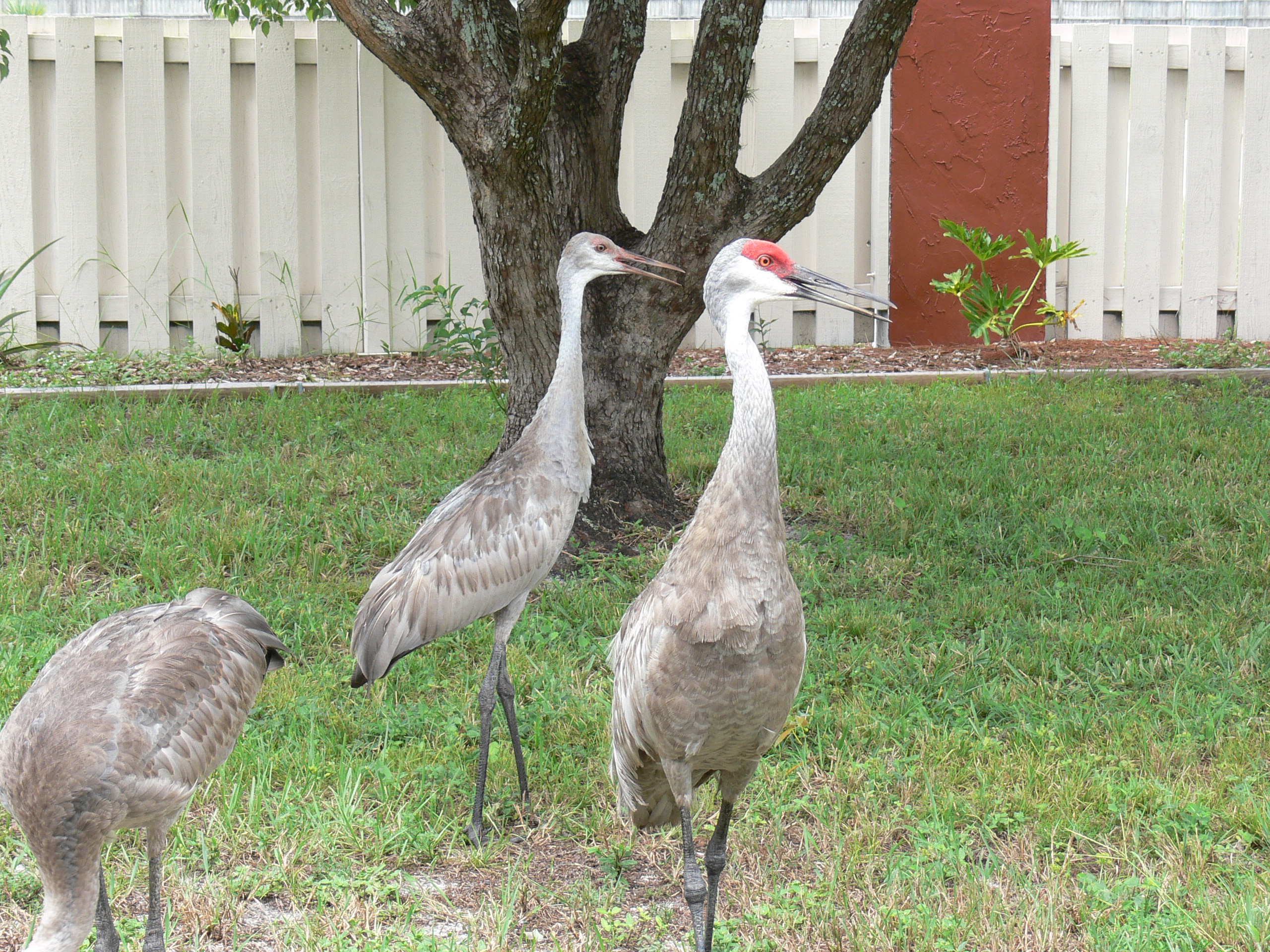
Sandhill Cranes - Adult and Juvenile in yard 8/27/10

Sandhill Cranes – Adult and Juvenile in yard 8/27/10

*

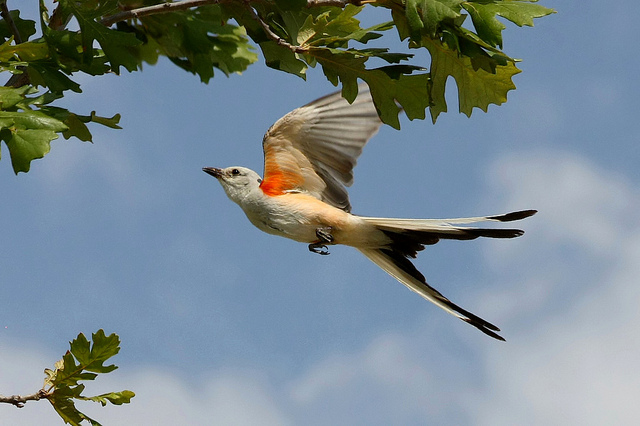
Scissor-tailed Flycatcher (Tyrannus forficatus) ©TexasEagle

Scissor-tailed Flycatcher (Tyrannus forficatus) ©TexasEagle

Barnes

Of beasts, and of fowls, and of creeping things, and of fishes – This is the usual Biblical division of the animal kingdom Gen_1:26; Gen_9:2; Psa_148:10.

Believer’s Bible Commentary

Verse 33 means that his wide knowledge of many sciences enabled him to use object lessons from nature in expounding his wisdom. People traveled from afar to hear him.
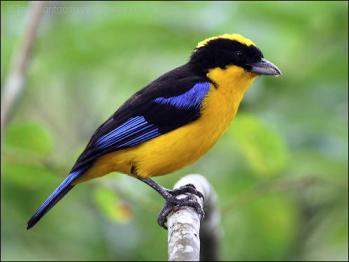
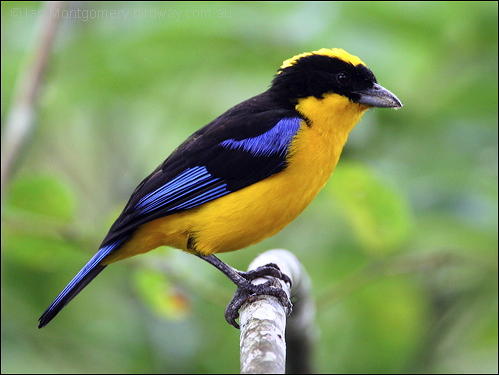
Blue-winged Mountain Tanager (Anisognathus somptuosus) by Ian

Blue-winged Mountain Tanager (Anisognathus somptuosus) by Ian

Bible Knowledge Commentary

1 Kings 4:32-34

Several hundred of Solomon’s 3,000 proverbs have been preserved in the Book of Proverbs as well as a few in Ecclesiastes. One of his 1,005 songs is the Song of Songs. Solomon’s literary output was extremely prolific (bountiful). He became an authority in botany and zoology too. … He was recognized as the wisest man of his day as God had promised he would be.

Under His Wings - (Dove - photographer unknown)

Under His Wings – (Dove – photographer unknown)

Biblical Illustrator

The study of Nature
It is said of Wordsworth that a stranger having on one occasion asked to see his study, the maid said, “This is master’s room, but he studies in the fields.” In doing so the poet followed a venerable example. We read that Isaac went out to meditate in the field at eventide, where in the margin “to pray” is put for “to meditate.” Nor could there be a better place either for prayer or for study than the fields. The Word of God is written very clearly for His seers in the green book of Nature. Wordsworth’s study is one that we can all use, however small our house may be. (Quiver.)

The world is worth seeing
Men must not live under a bushel. A gentleman once met a French priest on board an Atlantic liner. They entered into conversation, and the priest said that months ago he had a dream. He dreamt that he was dead, and that God asked him how much of the world he had seem His answer was that he had seen only a very little of it, for he had been so long in preparing for death, and in helping other people to die, that he had no time to see the world. He saw that God was displeased, and on awakening he resolved to see as much of this beautiful world as he could. It was a wise resolve. The earth is the Lord’s and not the devil’s, and we have no right to ignore it. Nature is a temple of God, and we must ever walk through it in a sacramental mood. (Sunday Circle.).
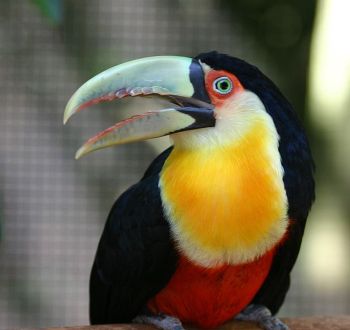
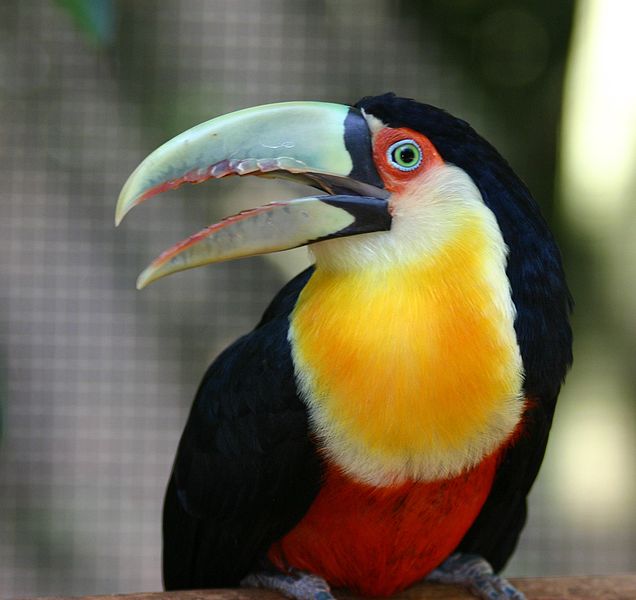
Green-billed Toucan (Ramphastos dicolorus) ©WikiC

Green-billed Toucan (Ramphastos dicolorus) ©WikiC

K & D

“And of beasts and birds, of creeping things and fishes;” the four principal classes into which the Hebrews divided the animal kingdom. Speaking of plants and animals presupposes observations and researches in natural science, or botanical and zoological studies.
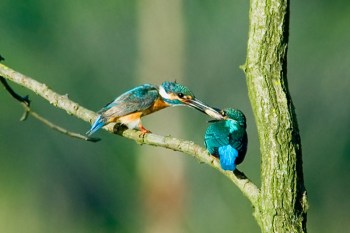
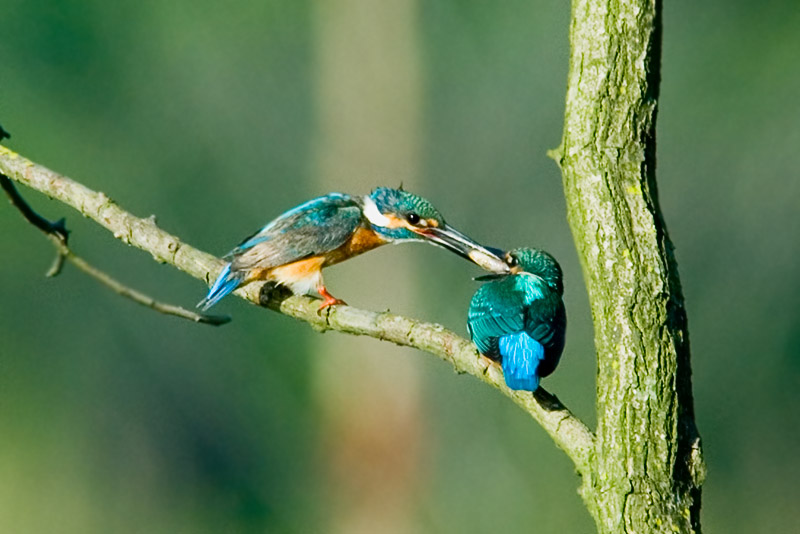
Kingfisher Feeding Young by Phil Kwong

Kingfisher Feeding Young by Phil Kwong

McGee

We are told that Solomon spoke three thousand proverbs. We have only a few hundred recorded in the Bible. His songs were a thousand and five. Believe me, he was a song writer. We have only one of his songs, The Song of Solomon. Solomon was a dendrologist—”He spake of trees, from the cedar tree that is in Lebanon even unto the hyssop that springeth out of the wall.” The hyssop is a humble little plant that grows on rocks. Solomon was also a zoologist—”he spake also of beasts”—and an ornithologist since he spoke of birds. He was an entomologist: he spoke of creeping things, or insects. He was an ichthyologist: he spoke of fishes. He spoke of these things because he had studied them and was an authority in these particular realms. This, apparently, is the beginning of the sciences. Solomon was interested in these things.

Some Answers

I have another Commentary to share thoughts from, but will save it for Part II. For now, let’s see if any of the first questions were answered.

The first two questions are unanswered for now. We will dig into that later. The next three seem to have some answers.

  • What kind of birds did he have to observe?
  • What did he learn about the birds?
  • Did he write any of his bird observations out?
  • The Lord gave him the wisdom, so how did he apply it?
  • What can we learn from Solomon about birds?

Solomon observed the birds and seems to have learned lessons and applications from them which are seen in Proverbs, Song of Solomon and some Psalms. So he recorded his findings. He gained his knowledge from the Lord, but he used his senses and observational skills to gain more knowledge. That is something we can do also with the Lord’s help. If we don’t apply ourselves to a topic, the knowledge is not going to just “pop” into our heads.

See:

*

Creation Moments’ – Designed For Flight

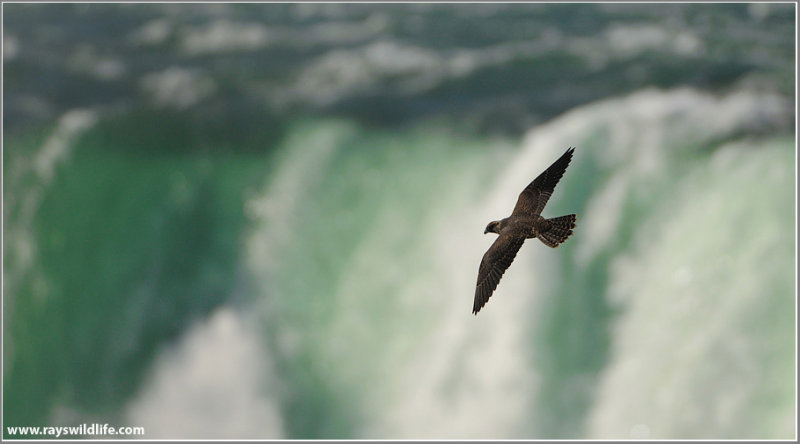
Peregrine Falcon Flying Over Niagara Falls

Doth the hawk fly by thy wisdom, [and] stretch her wings toward the south? Job 39:26

Many textbooks tell young people today that birds are modified reptiles. Suppose, they say, that millions of years ago the scales on some reptiles began to fray along the edges. In time, they say, the frayed scales turned into feathers and birds were born.

Designed for Flight The elegance and beauty of the feather make this story hard to believe. Can sticking a feather on a lizard produce a peacock? The bird’s feather is only a small part of the complete flying system of the bird. Even with very careful planning and redesigning, a reptile doesn’t have what it takes.

A bird needs massive breast muscles for flight. In some birds, 30 percent of the body weight of the bird is breast muscle. By comparison, in humans, breast muscles are only about 1 percent of body weight. A bird also needs an extremely high metabolism and blood pressure to deliver the energy those muscles need for flight. Birds have a higher metabolism than any other creature; they also have the necessary high blood pressure. Finally, as is well known, birds need light skeletons. The man-o’-war has a wingspan of seven feet. But its entire skeleton weighs only a few ounces – less than its feathers!

Even the most clever rebuilding of a reptile cannot produce a bird. In fact, birds have very little in common with reptiles. The entire being of the bird, from body to brain, has been specially designed for flight by a Creator who clearly knows everything there is to know about flight.

Prayer:
Father in heaven, the beauty, grace and huge variety of birds You have created are some of the most beautiful creatures on earth. As I thank You for them, fill me with new wonder over the wonderful work of Your hands. Amen.

Notes:
Vandeman, George. 1991. “The miracle of flight.” Signs of the Times, May. p. 25.

Designed For Flight ©Creation Moments 2014

Interesting Things

*

Interesting Things – The Master Artist

Deep Sea Fish - Watercress darter - Creation Moments

Deep Sea Fish – Watercress darter – Creation Moments

THE MASTER ARTIST
in
God’s Design

And out of the ground made the LORD God to grow every tree that is pleasant to the sight, and good for food; the tree of life also in the midst of the garden, and the tree of knowledge of good and evil. (Genesis 2:9 KJV)

SmileyCentral.com

For example, the Earth could get along with a lot less color. All those beautiful sunsets and sunrises actually serve no purpose, and neither does each one have to be different from every other. Many flowers have Watercress dartercolors that attract their pollinators, but few flowers actually need color for this purpose. But then, flowers in black and white certainly would be dull. There are many beautiful deep-sea fish that don’t need their bright and beautiful colors at all. Some of these fish live so far below the surface of the water that only a small amount of blue light reaches those depths. Where these fish live, everything always looks a very dim blue. Yet, some of these fish have incredibly bright coloration that they and their friends never see.

Here we have to ask the evolutionist what value could it have been for this fish to develop all these bright colors when they can serve no purpose for survival? In Genesis 2:9 we read that when God created the fruit trees for food, He also made them “pleasant to the sight.” They didn’t need to be. Clearly, God does indeed appreciate beauty and has created works that human artists can only try to copy.

Prayer:
Dear Lord, I thank You for all the beauty You have created in the world. I ask that You would help us to gain a better appreciation for it, and find better ways to preserve it. In Jesus Name. Amen.
Notes:
Gary Parker, Ed.D., “Nature’s Challenges to Evolutionary Theory,” Institute of Creation Research, Impact Series, October, 1978, No. 64. Photo: Watercress darter.

(Permission by Creation Moments ©2014)


Magnificent Hummingbird (Eugenes fulgens) by Judd Patterson

Magnificent Hummingbird (Eugenes fulgens) by Judd Patterson

Lee’s Addition:

This article goes along with the many things written here about our beautifully created birds.

I am so thankful that the Lord likes color and beauty. When heaven is described, it usually tells of the various “precious stones, “streets of gold,” and other wonderful sights that we cannot comprehend.

Surely the Creator has given us these brilliantly colored birds, fish, flowers, butterflies, trees in the Fall, and numerous other things, to give us a “glimpse” and “taste” of what heaven will look like, color wise.

*

Creation Moments – Master Artist

Nature’s Challenge to Evolutionary Theory” – Institute of Creation Research

Watercress Darter – Wikipedia

More Interesting Things

*


Sunday Inspiration – Sparrows

Saffron-billed Sparrow (Arremon flavirostris) by Dario Sanches

Saffron-billed Sparrow (Arremon flavirostris) by Dario Sanches

Are not two little sparrows sold for a penny? And yet not one of them will fall to the ground without your Father’s leave (consent) and notice….Fear not, then; you are of more value than many sparrows. (Matthew 10:29, 31 AMP)

In honor of World Sparrow Day, which was March 20th, today we can enjoy the Lord’s creation of His Sparrows.

Sparrows belong to two families; the Passeridae – Old World Sparrows, Snowfinches and the Emberizidae – Buntings, New World Sparrows & Allies. The photos in the slideshow is from both of these families. Scripture doesn’t divide them and neither are we.

The Lord has promised that even though they (sparrows) are common or little thought of by some, in His Eyes, they are seen and not forgotten. That is such a blessing for us, especially those of us who have accepted Him as Savior.

Are not five sparrows sold for two pennies? And not one of them is forgotten before God. Why, even the hairs of your head are all numbered. Fear not; you are of more value than many sparrows. “And I tell you, everyone who acknowledges me before men, the Son of Man also will acknowledge before the angels of God, (Luke 12:6-8 ESV)

This slideshow requires JavaScript.

*

*

*

Wood Storks at Gatorland

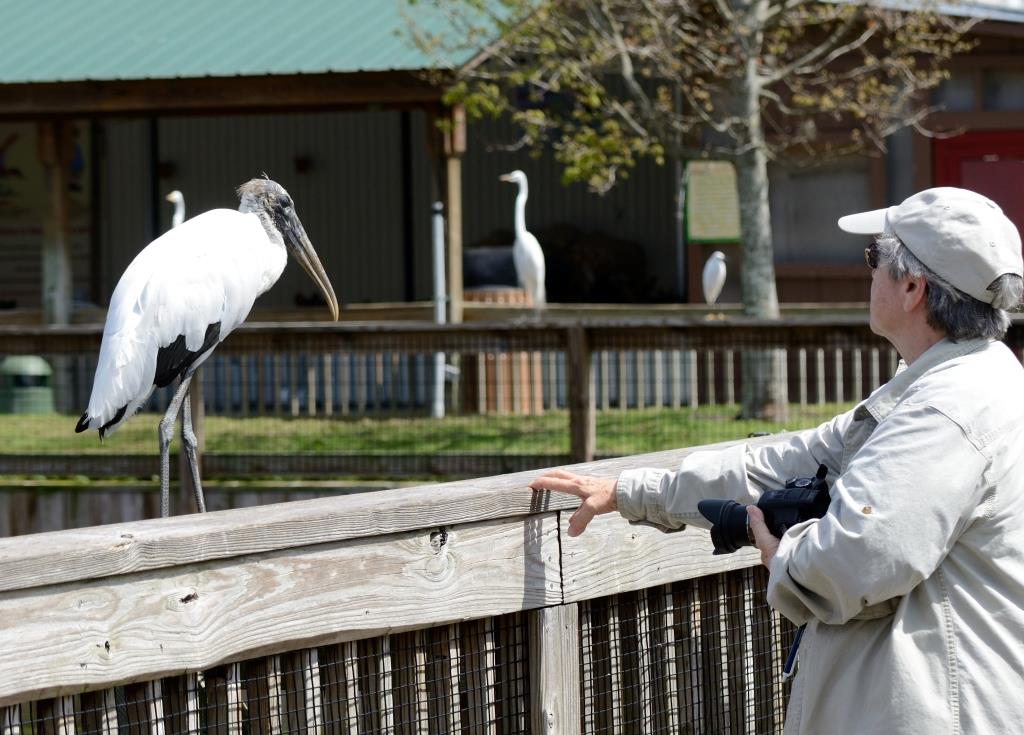
Lee with Wood Stork at Gatorland by Dan

Lee with Wood Stork at Gatorland by Dan

Where the birds make their nests: as for the stork, the fir trees are her house. (Psalms 104:17 KJV)

As you can see, these birds at Gatorland can get quite personal. I had been photographing this Wood Stork when Dan took my picture. My hand was about a foot from his beak. On the rail behind us there is a Great Egret and a Snowy.

Lee with Wood Stork at Gatorland by Dan

Lee with Wood Stork at Gatorland by Dan

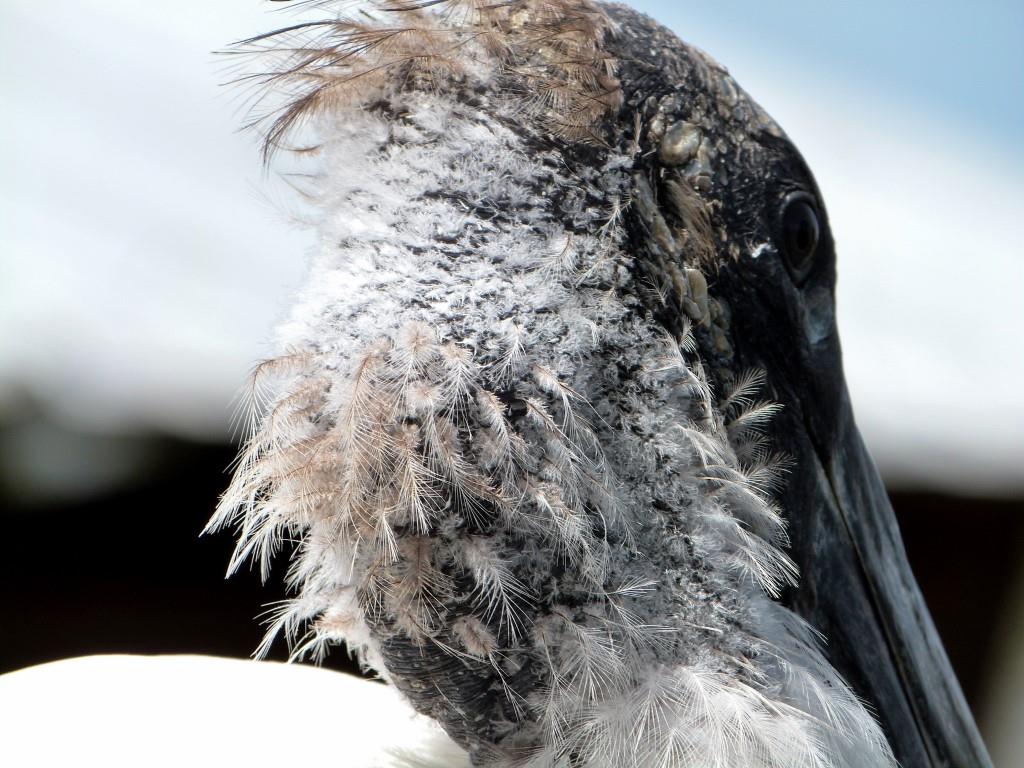
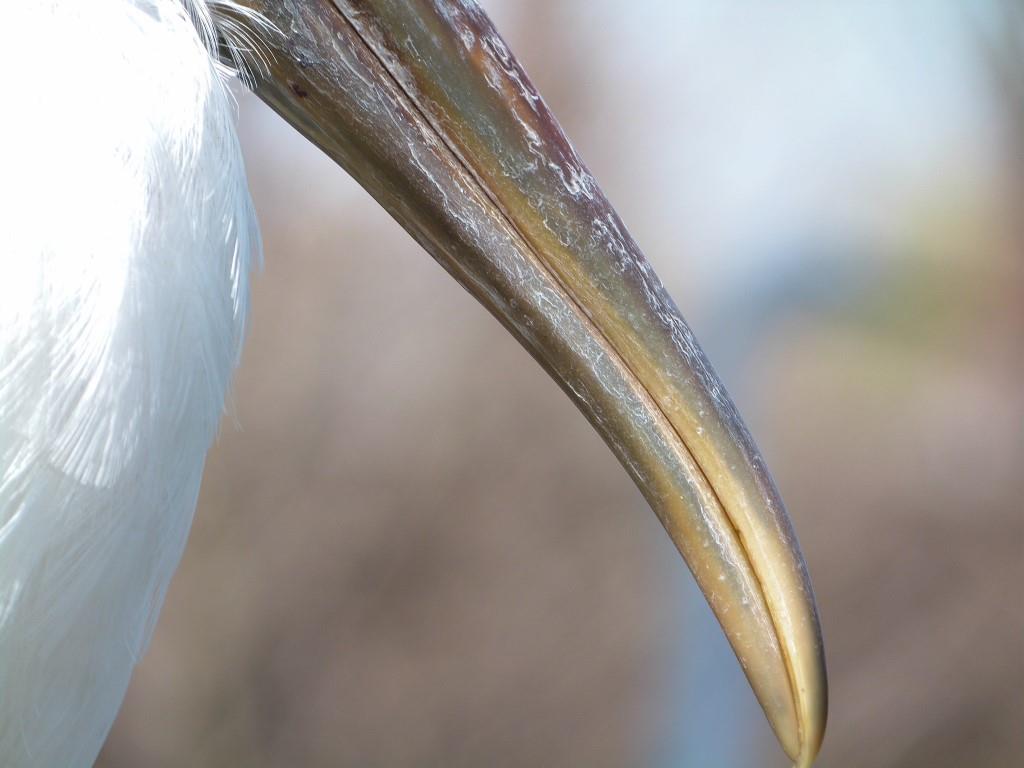
Thought maybe you might like to see what photos I had been taking of that Wood Stork. They were really close-up needless to say. I have been known to be closer. (Me Feeding a Stork)

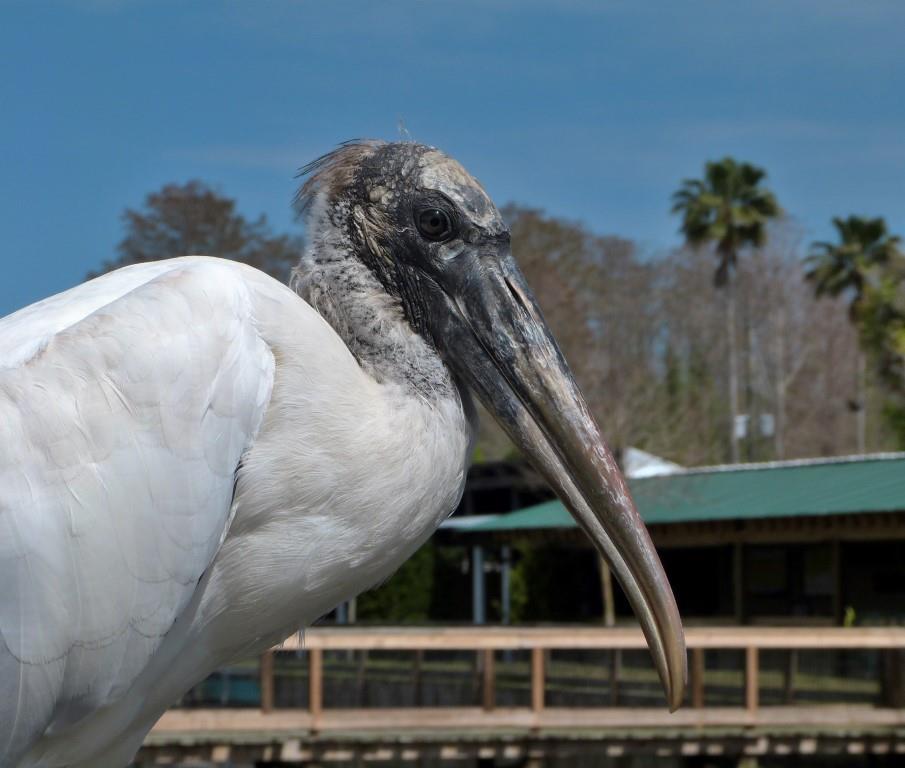
Wood Stork Close-up by Lee

Wood Stork Close-up by Lee

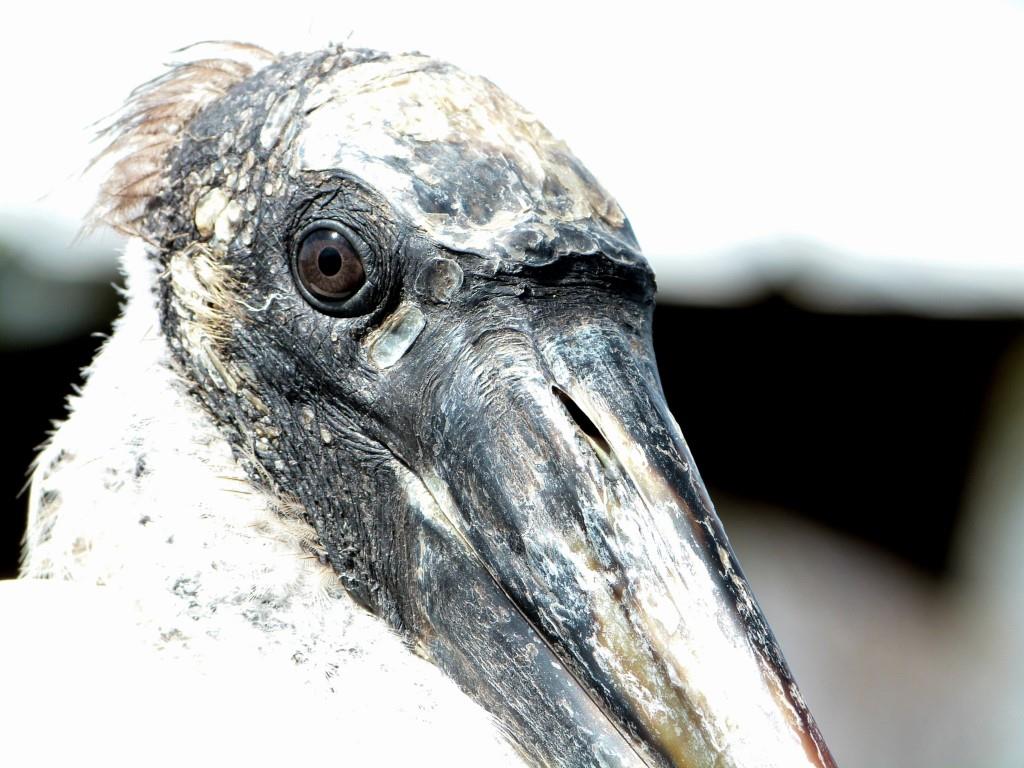
How about a little closer – zoomed in:

Wood Stork Face Close-up by Lee

Wood Stork Face Close-up by Lee

*

Wood Stork Close-up by Lee

Wood Stork Neck Close-up by Lee

*

Wood Stork Close-up by Lee

Wood Stork Beak Close-up by Lee

*

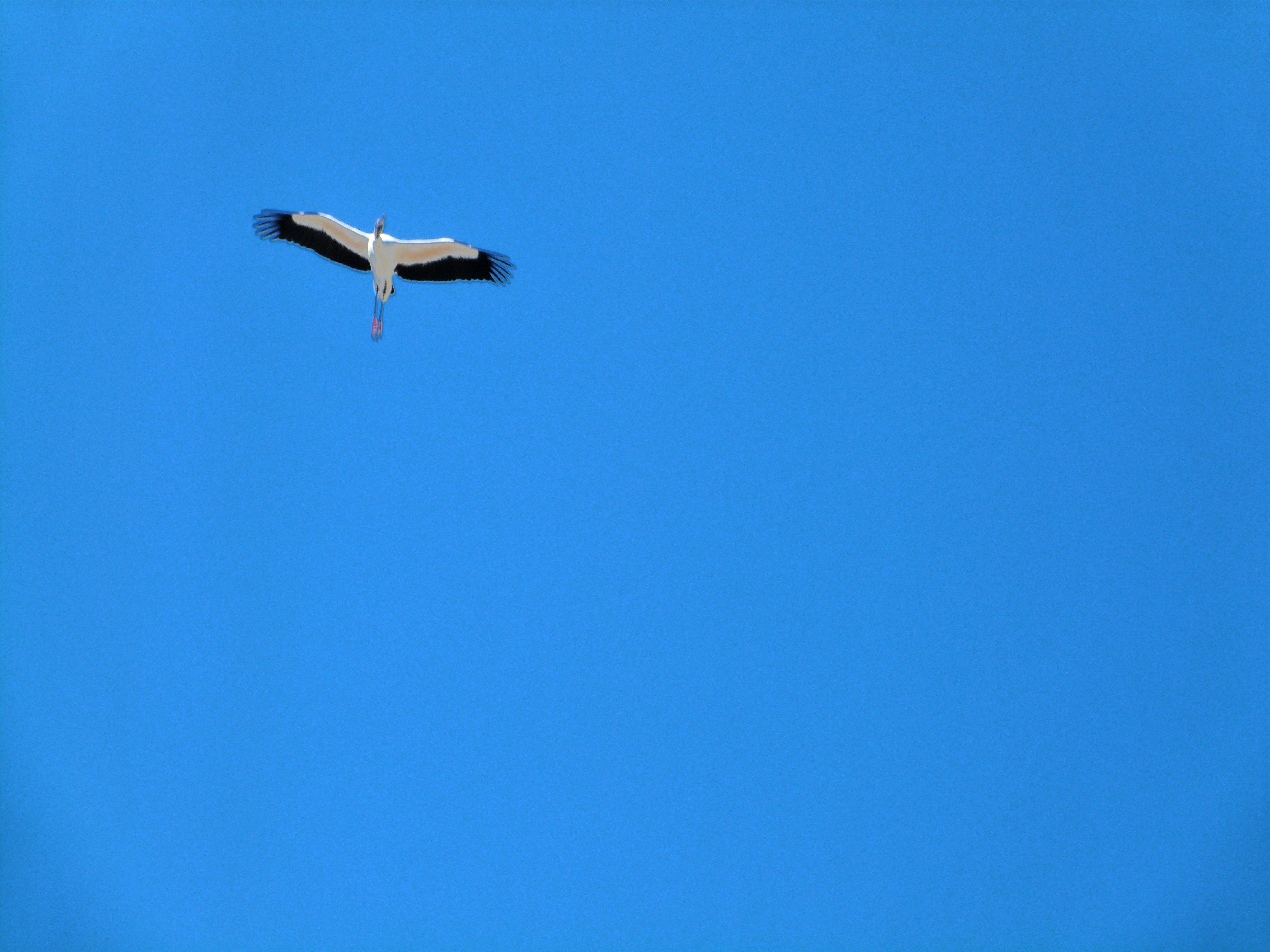
What always amazed about the Wood Storks is that to me they are “ugly”, but when they fly, they are so graceful. Isn’t that the way with us. The Lord made us all, birds and humans, but when we look at someone, there is always somethig that we can find to compliment them on.

Wood Storks belong to the Ciconiidae – Storks Family.

This photo was just caught as one flew over, not in focus, but you can see their beauty.

Wood Stork overhead at Gatorland

Wood Stork overhead at Gatorland

Yea, the stork in the heaven knoweth her appointed times; and the turtle and the crane and the swallow observe the time of their coming; but my people know not the judgment of the LORD. (Jeremiah 8:7 KJV)

Below are the photos taken of the Wood Storks around Gatorland. The ones in the distant were zoomed in from across the pond (see that photo). Later, we walked around on the other side of the pond and got them closer.

(Disclaimer, I am not a photographer, but a birdwatcher. So, don’t expect super shots, but just trying to show different parts of the Wood Storks.)

*

This slideshow requires JavaScript.


*
See:

*
Gatorland II – Great Egret Chick

Great Egret at Gatorland by Dan

Great Egret at Gatorland by Dan

I know all the birds of the mountains, And the wild beasts of the field are Mine. (Psalms 50:11 NKJV)

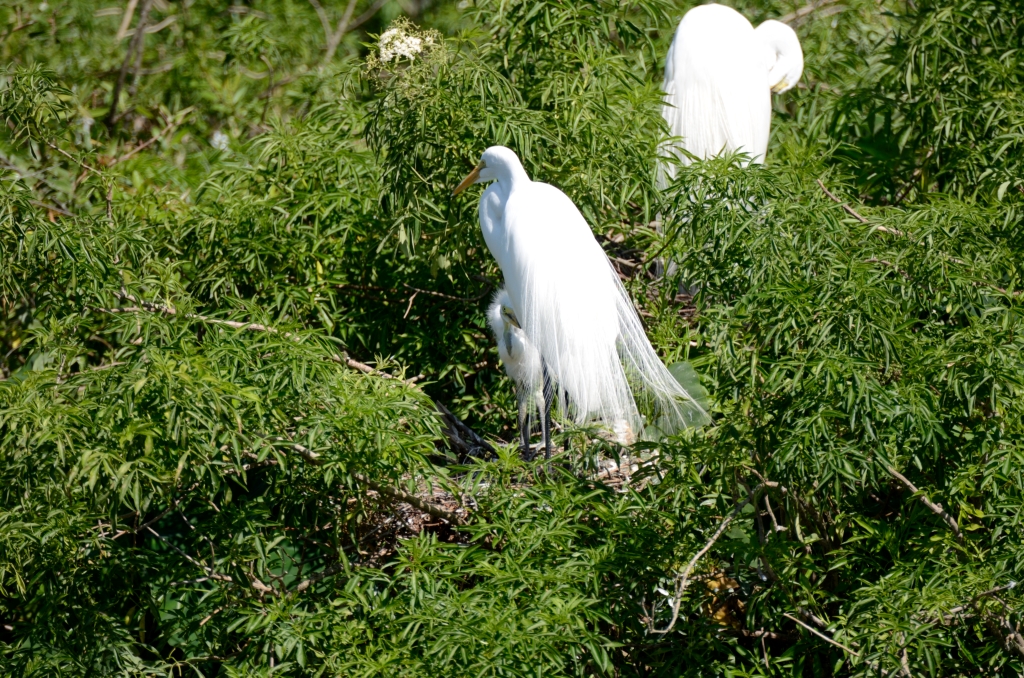
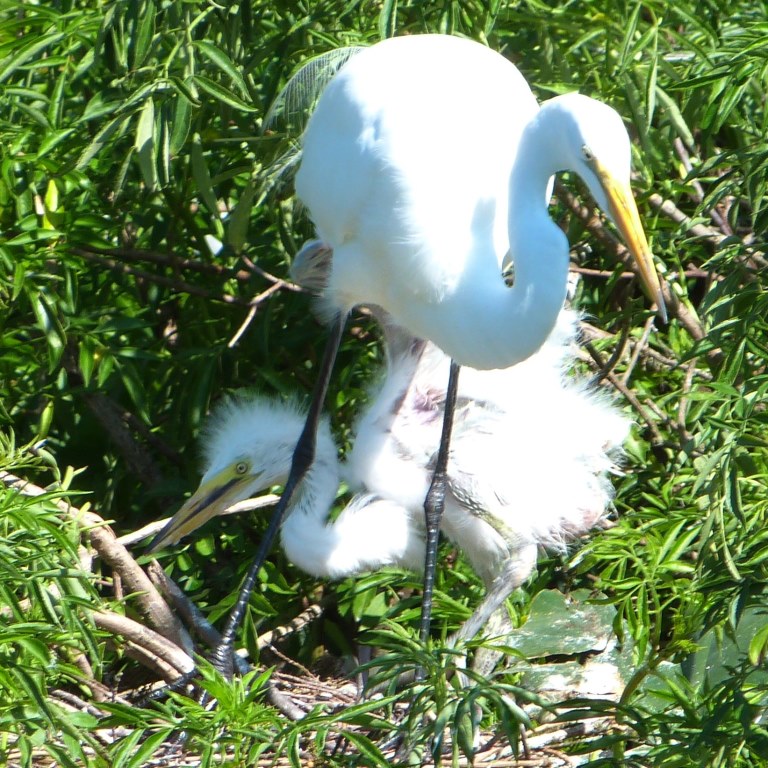
As you may be able to tell by Dan’s photo, that the parent was protecting the youngster. We were told that this was the first Great Egret chick born this year. From the other articles, you saw lots of them sitting on nests. A few others have been born since this one, but we weren’t able to see them.

Great Egret at Nest with Chick at Gatorland by Lee cropped more

Great Egret at Nest with Chick at Gatorland by Lee cropped more

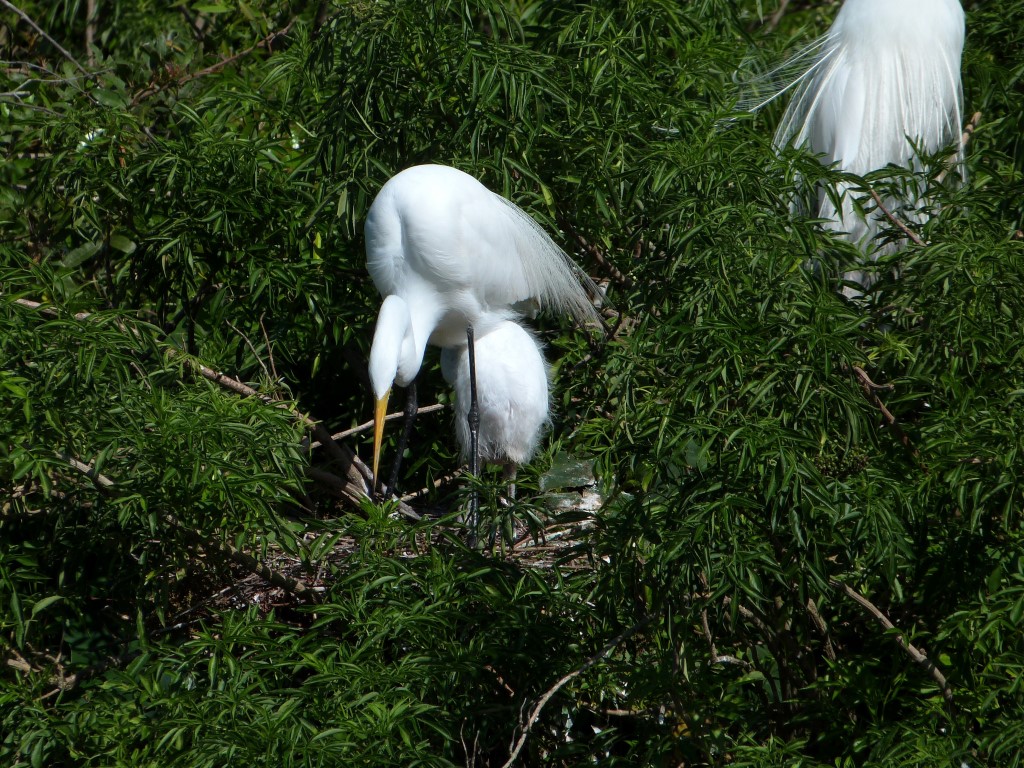
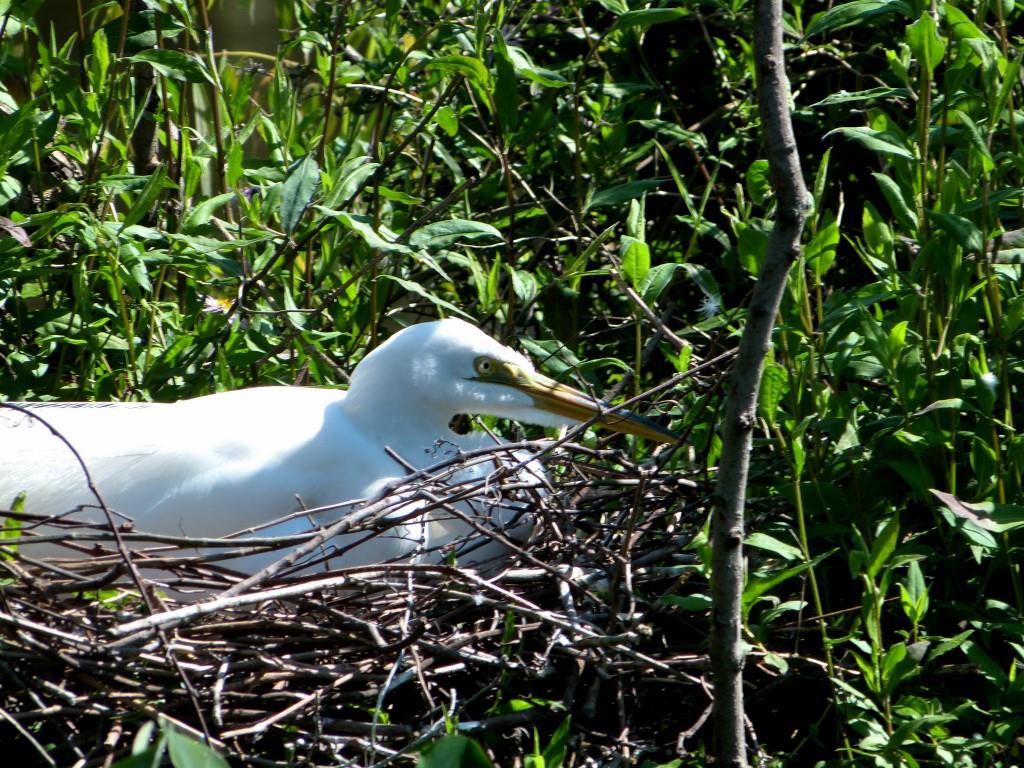
After all the fancy display of feathers and courting, nest building and mating, the Egrets get to work incubating and then raise their young. This one was being watched for very well. The normal clutch size is 1-6 eggs. This one seems to be the only one for this pair.

Great Egret at Nest with Chick at Gatorland by Lee

Great Egret at Nest with Chick at Gatorland by Lee

Come, you children, listen to me; I will teach you the fear of the LORD. (Psalms 34:11 NKJV)

“The Great Egret feeds in shallow water or drier habitats, feeding mainly on fish, frogs, small mammals, and occasionally small reptiles and insects, spearing them with its long, sharp bill most of the time by standing still and allowing the prey to come within its striking distance of its bill which it uses as a spear. It will often wait motionless for prey, or slowly stalk its victim.” (Wikipedia) From this remark and the photos we have shown, they are in a habitat that allows them to feed their young.

See 

Here are photos of this Great Egret chick taken at Gatorland. As you can tell, the little one has a way to go. Its feathers on the wings, its skin, legs, etc. all need to grow.

*

*

*
Sunday Inspiration – Great Egrets in Breeding Plumage

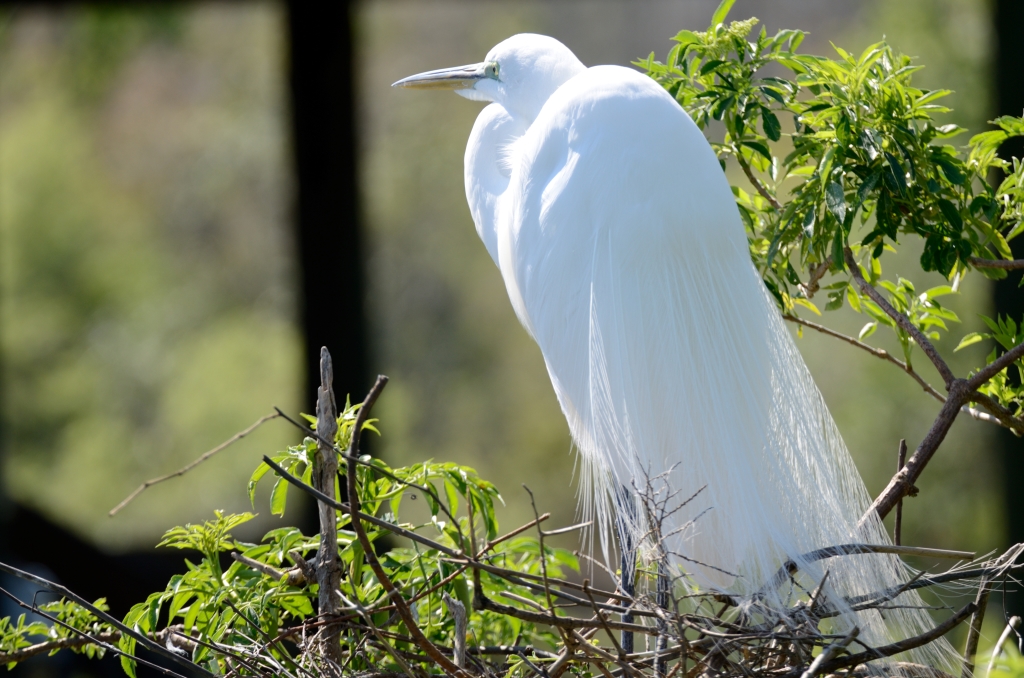
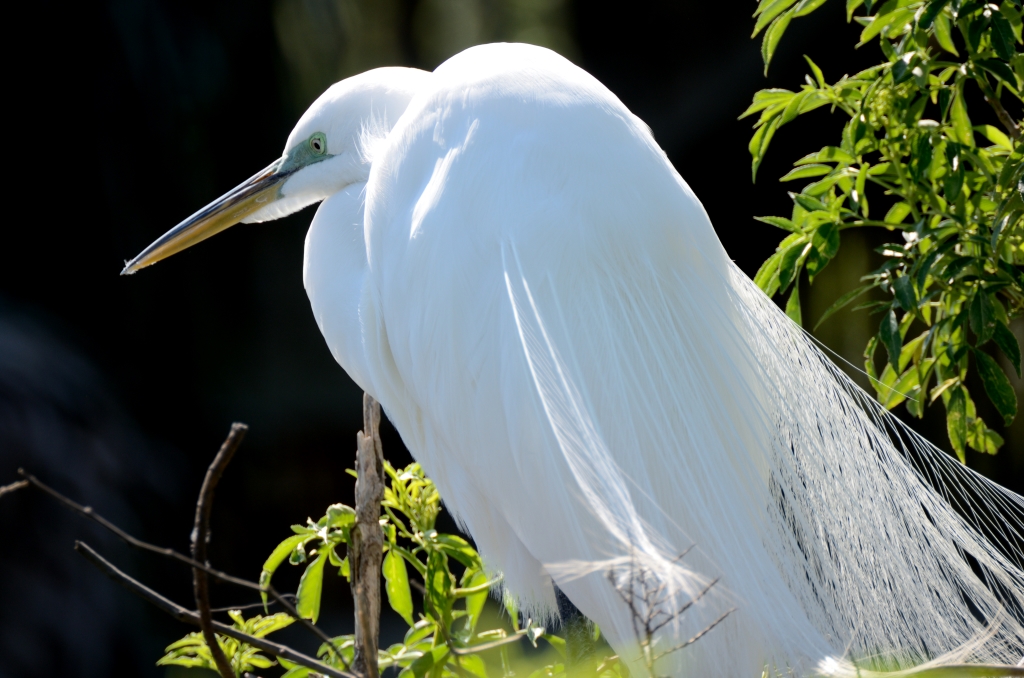
Great Egret at Gatorland by Dan

Great Egret at Gatorland by Dan

Go out of the ark, you and your wife, and your sons and your sons’ wives with you. Bring out with you every living thing of all flesh that is with you: birds and cattle and every creeping thing that creeps on the earth, so that they may abound on the earth, and be fruitful and multiply on the earth. (Genesis 8:16-17 NKJV)

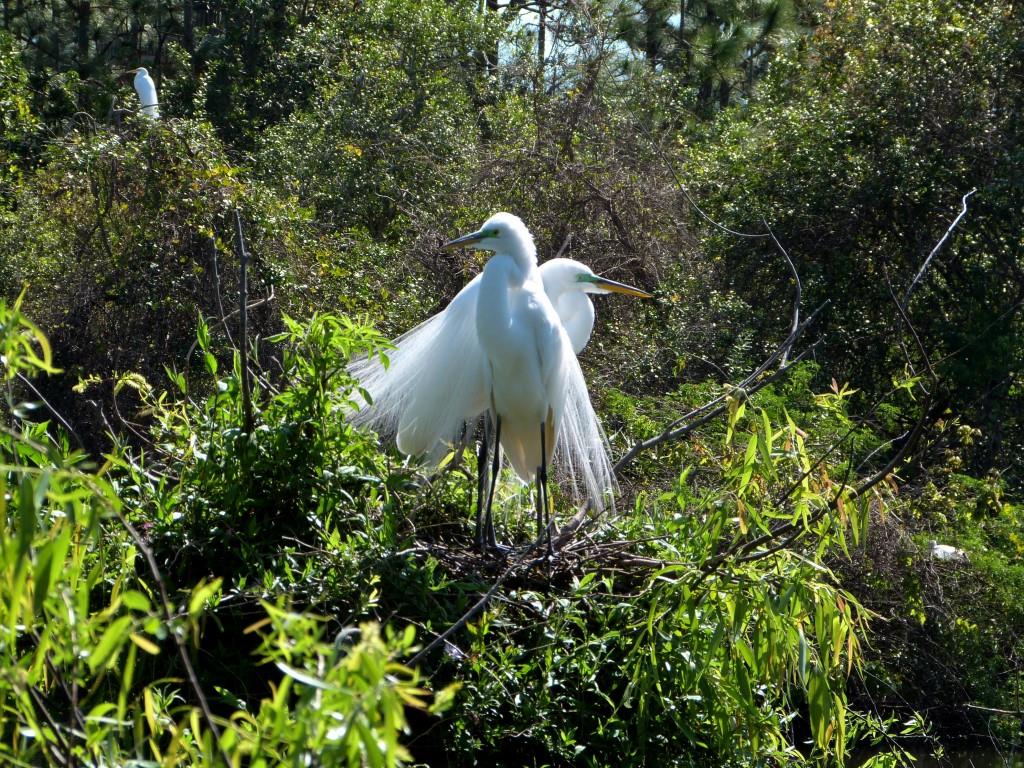
Some of those birds that left the ark were from the Heron – Egret family. They are still multiplying. They are assisted in their courting by growing beautiful white feathers. Here are the Great Egrets that we saw at Gatorland last week. What an amazing display they make because the Creator has given them this ability.

Great Egret at Gatorland by Dan

Great Egret at Gatorland by Dan

*

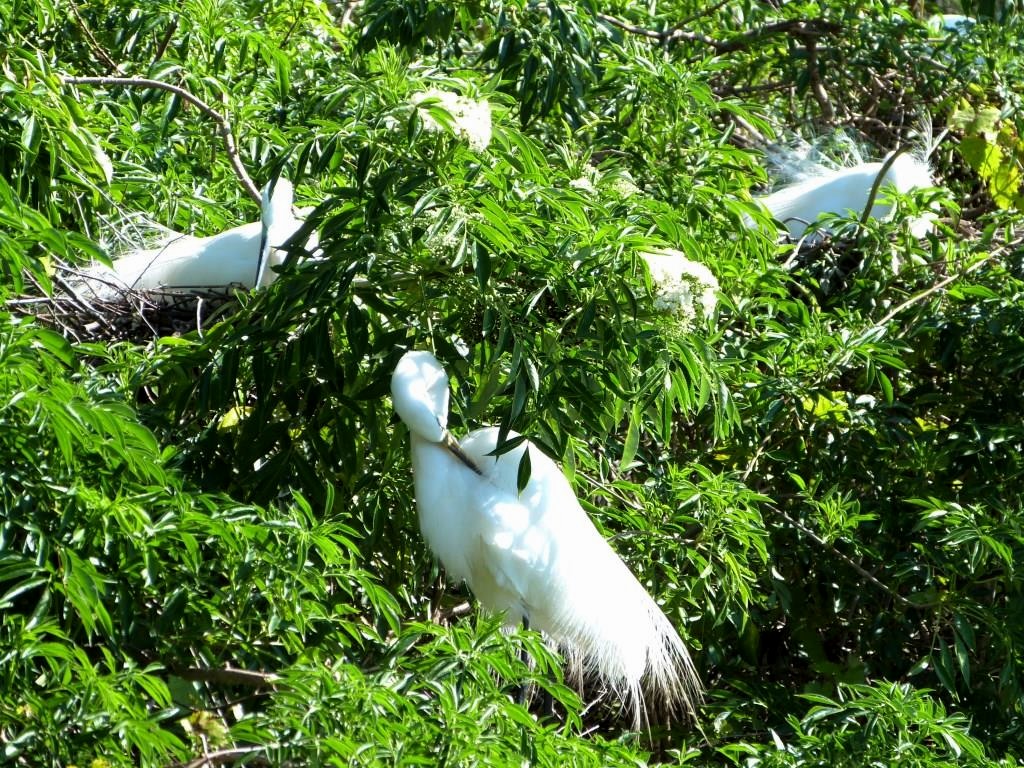
You will notice lots of preening and as a result, feathers on the tips of some of the Egrets. The photos are by both Dan and I. His are all marked, the rest are mine.

This slideshow requires JavaScript.

*

“I’ve Got Joy” – Faith Baptist Orchestra

For you, O LORD, have made me glad by your work; at the works of your hands I sing for joy. (Psalms 92:4 ESV)

*

*

Gatorland II – Great Egrets at the Nest

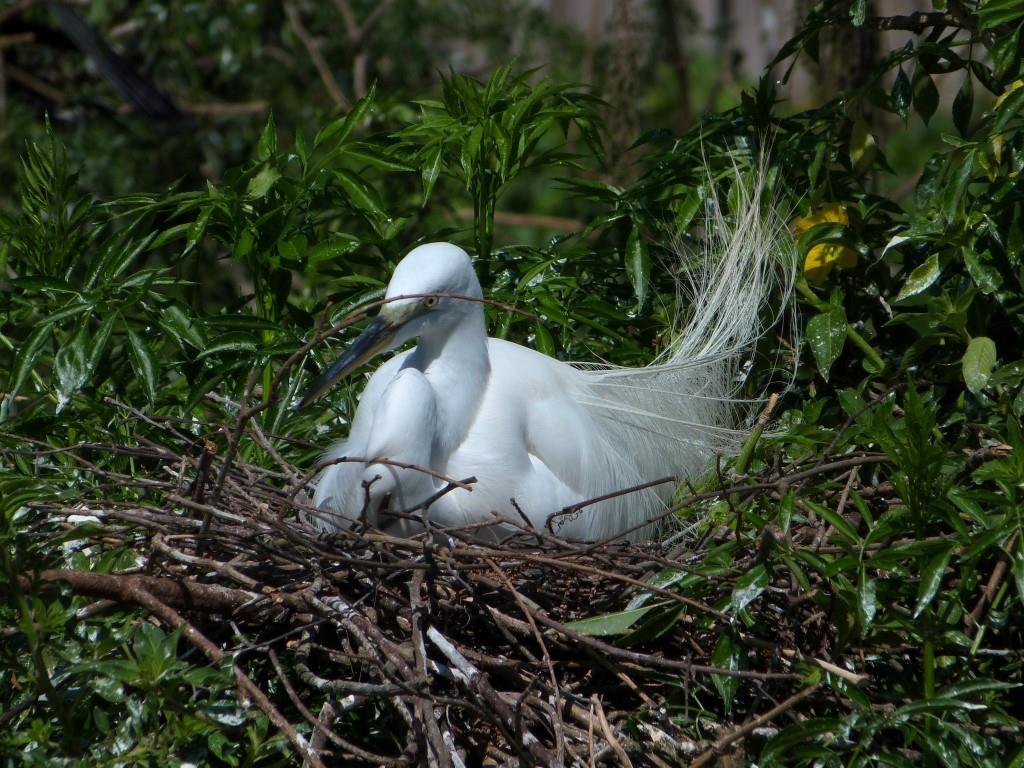
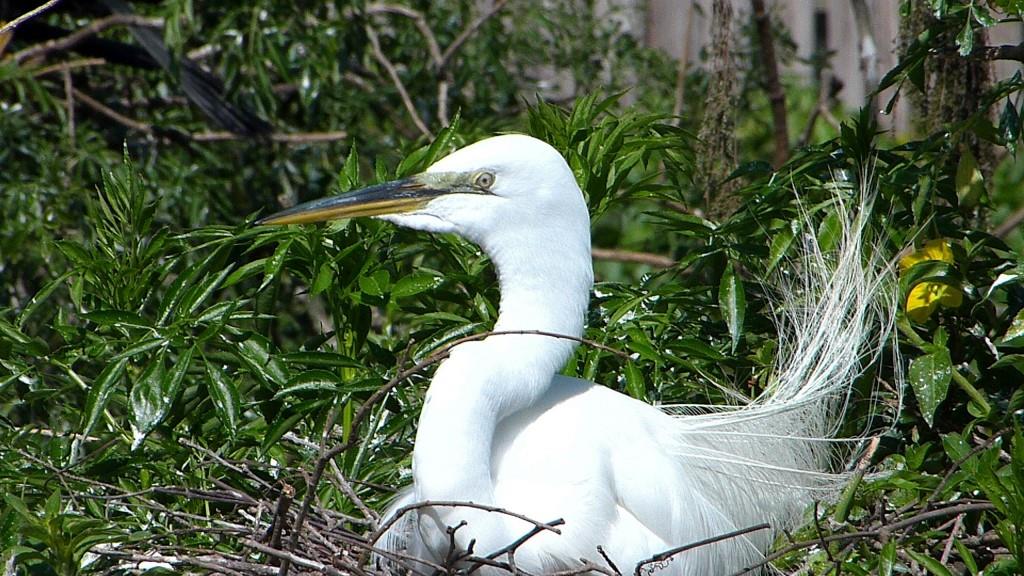
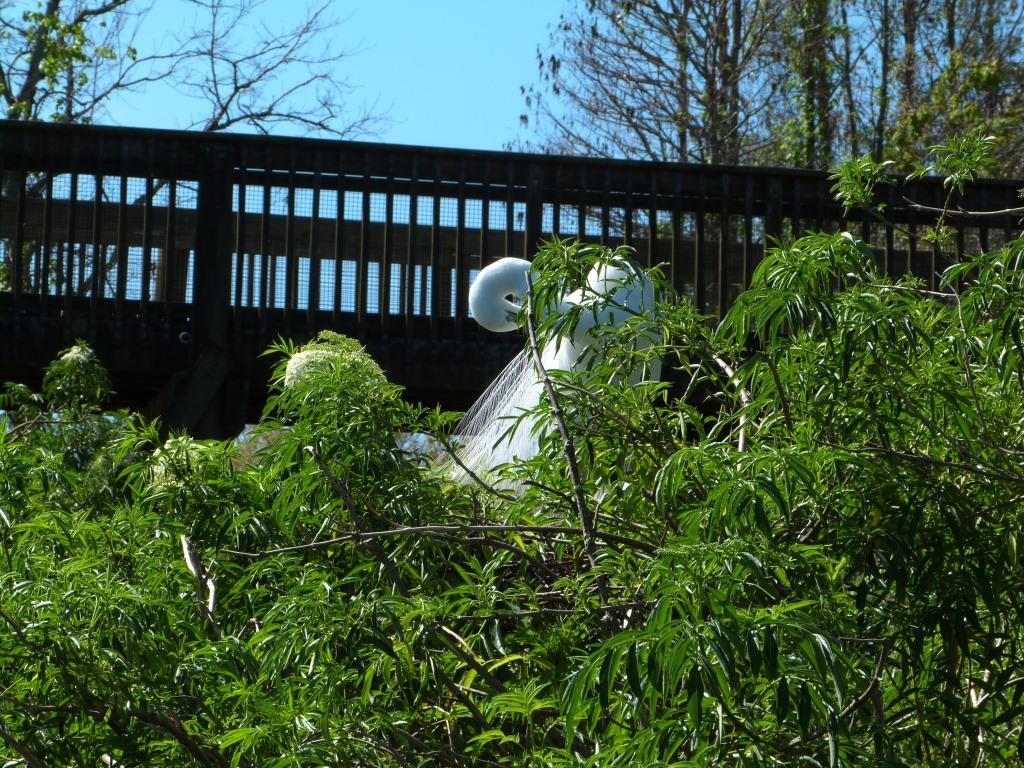
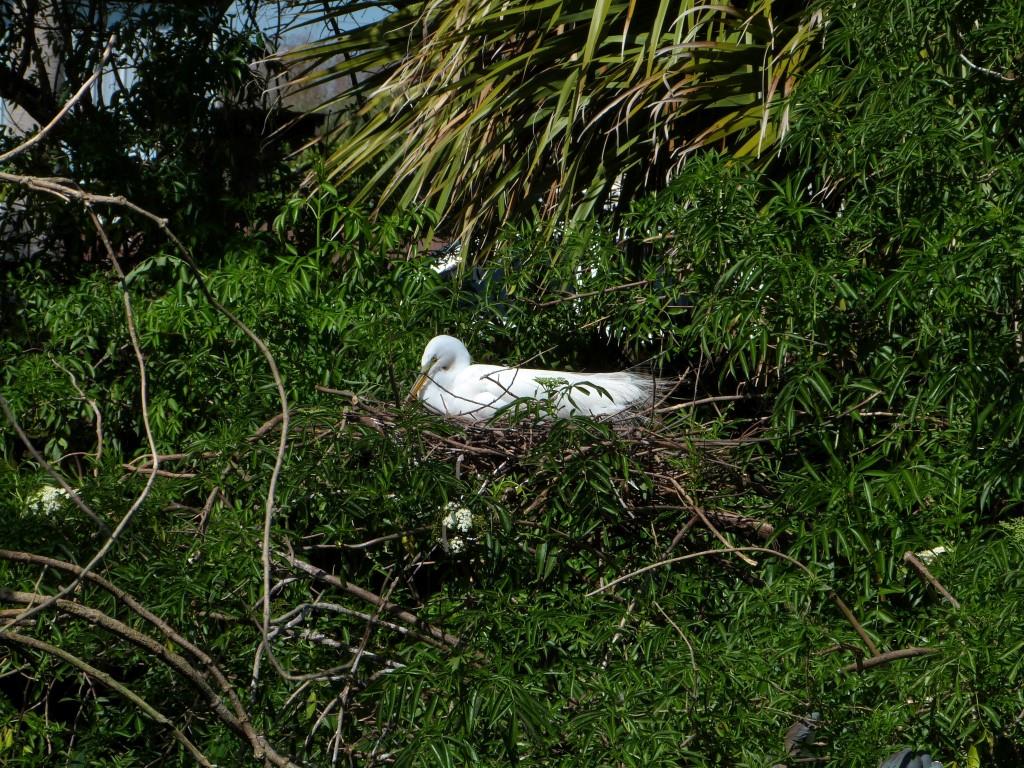
Great Egret on Nest at Gatorland

Great Egret on Nest at Gatorland

If a bird’s nest happens to be before you along the way, in any tree or on the ground, with young ones or eggs, with the mother sitting on the young or on the eggs, you shall not take the mother with the young; (Deuteronomy 22:6 NKJV)

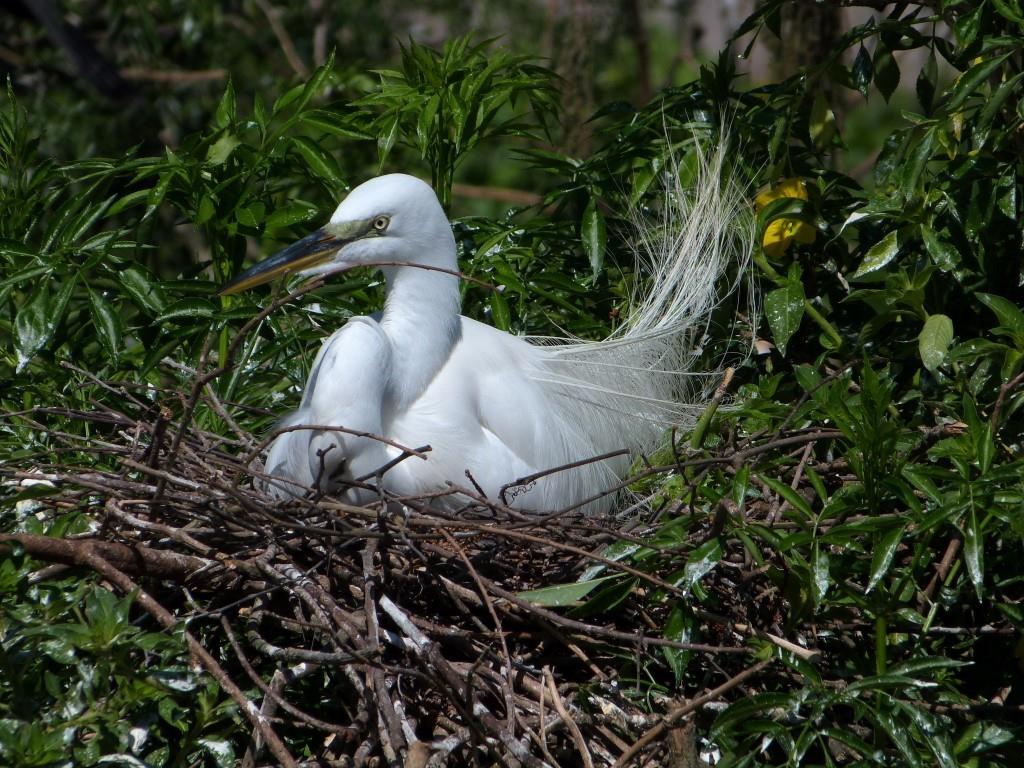
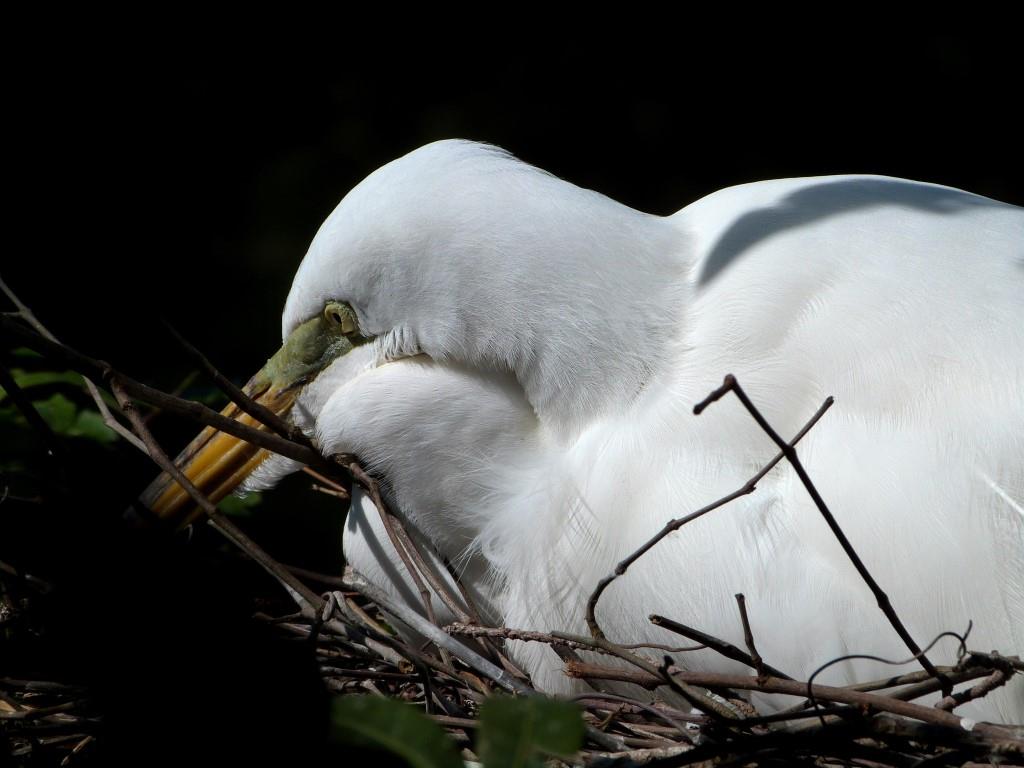
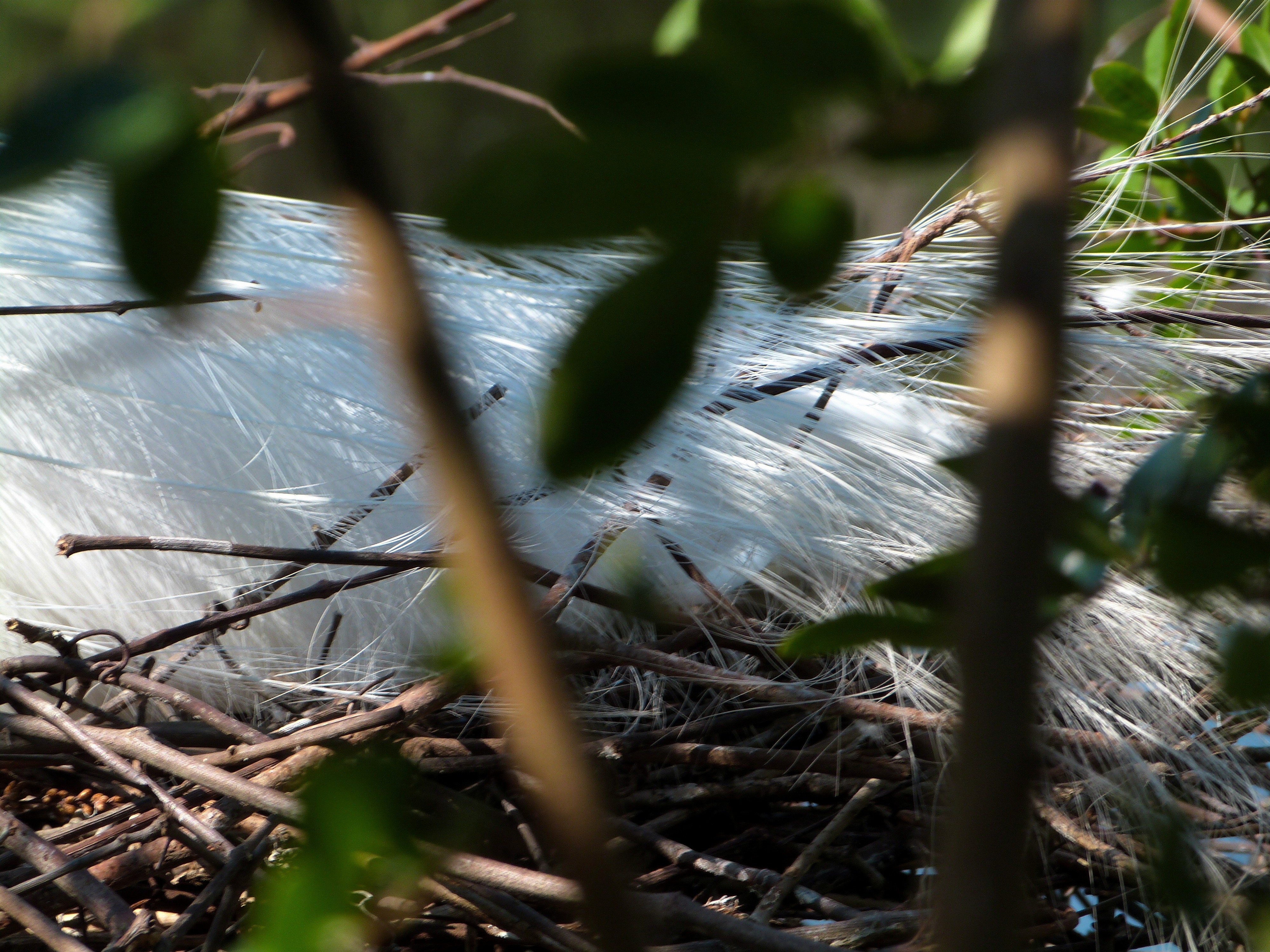
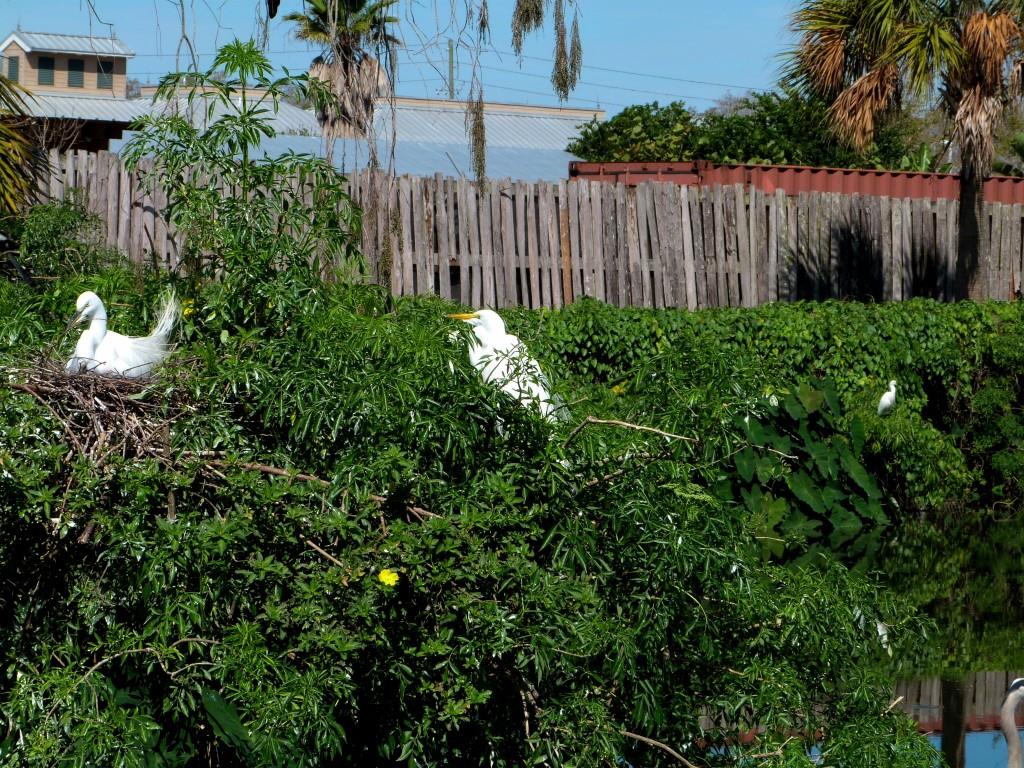
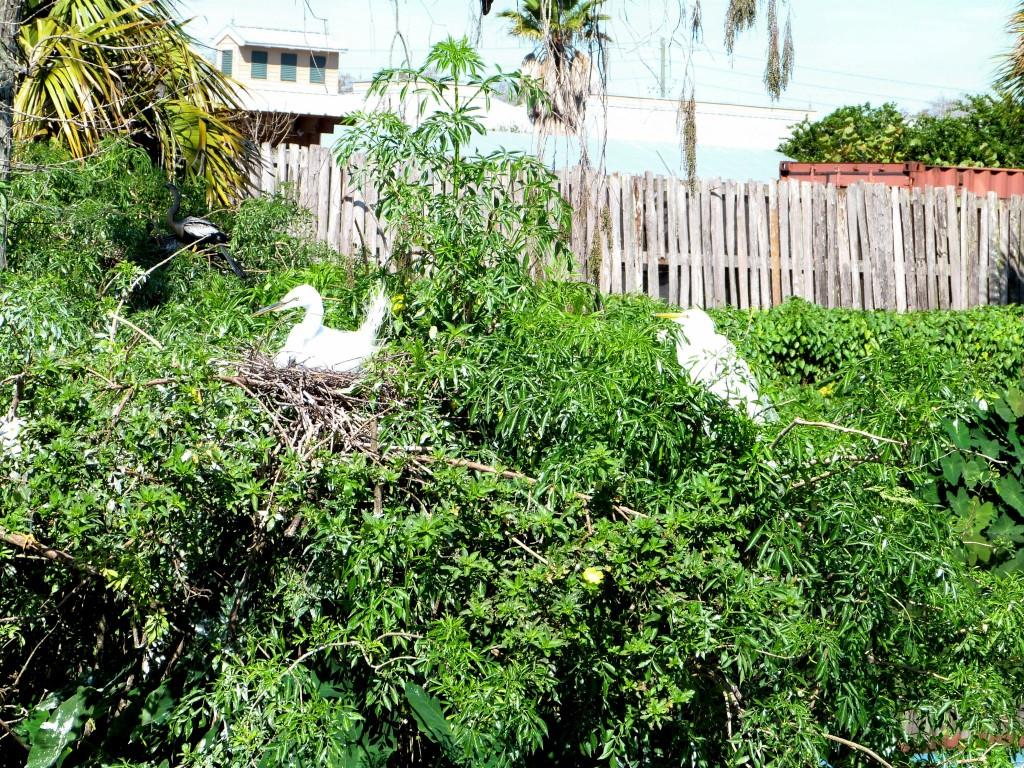
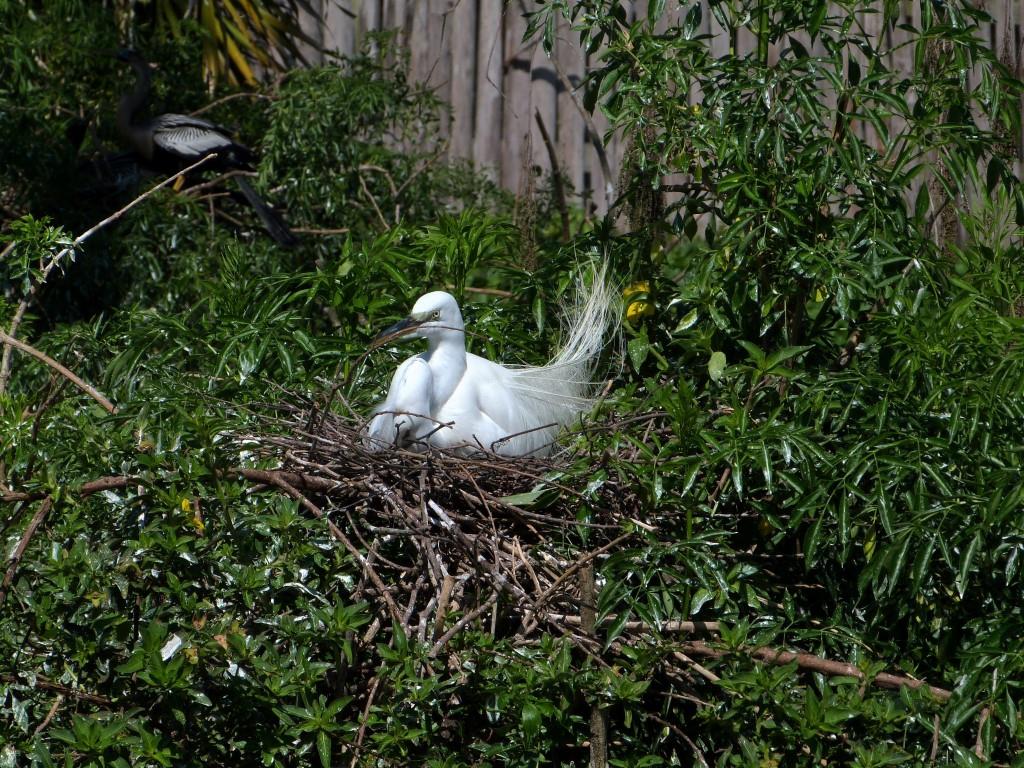
I have been saving the Great Egrets because they were so numerous. They were absolutely spectacular in the breeding plumage. This first article is about the Great Egrets on the nest. They were either sitting, building, improving or exchanging mates sitting on the eggs. Later I will show the one that has already been born and then on Sunday, plans are to show the beautiful plumage as a Sunday Inspiration.

Great Egret on Nest at Gatorland

Great Egrets in Breeding Plumage on Nest at Gatorland

There were not that many species represented at Gatorland (which are not captives), but what was there has left me awed by the way Our Creator has provided for the birds. He commanded them to reproduce and these birds put on quite a show to impress their mates. Their Maker has given them the ability to grow extra feathers, change the colors on their beaks and feet, and some birds have eyes that change color. Wow! Praise the Lord for His love and care for them. How much more love has He shown to us.

Great Egret on Nest at Gatorland

Great Egret on Nest at Gatorland

Another parable He put forth to them, saying: “The kingdom of heaven is like a mustard seed, which a man took and sowed in his field, which indeed is the least of all the seeds; but when it is grown it is greater than the herbs and becomes a tree, so that the birds of the air come and nest in its branches.” (Matthew 13:31-32 NKJV)

Enjoy these photos of Great Egrets on their nest and then a video of “the changing of the guard” at one of the nest I was able to witness. (Click on a thumbnail to see photos full screen)

*

*

*

See the Gatorland Birdwatching Page

Gatorland in Orlando

Falling Plates

*

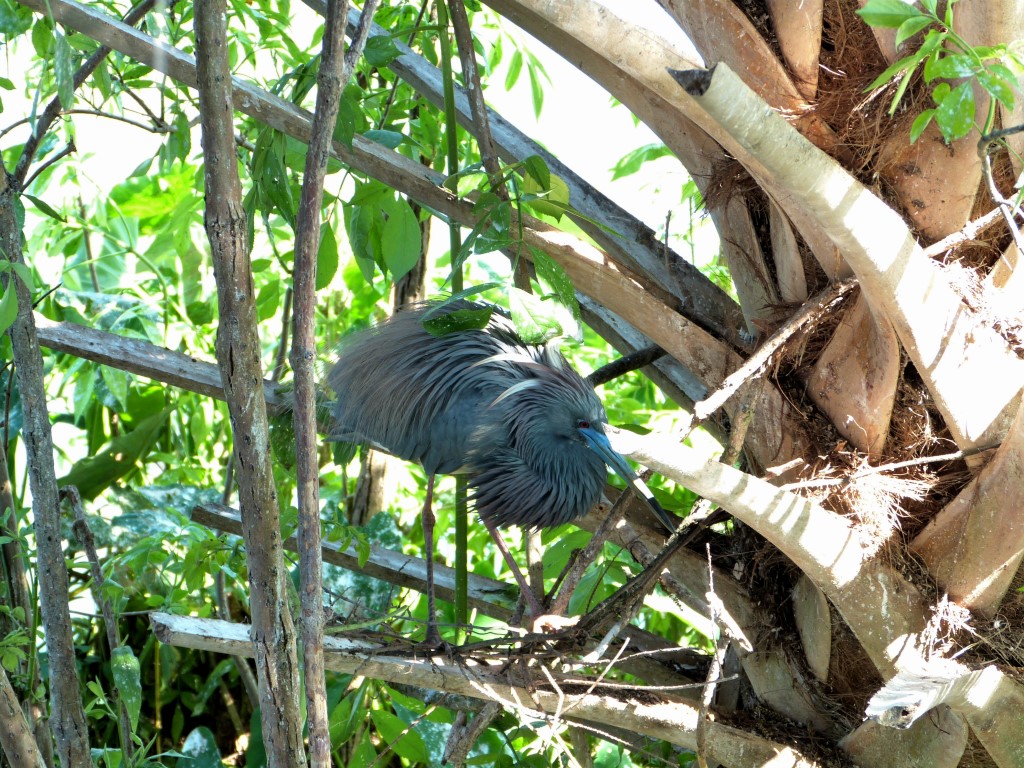
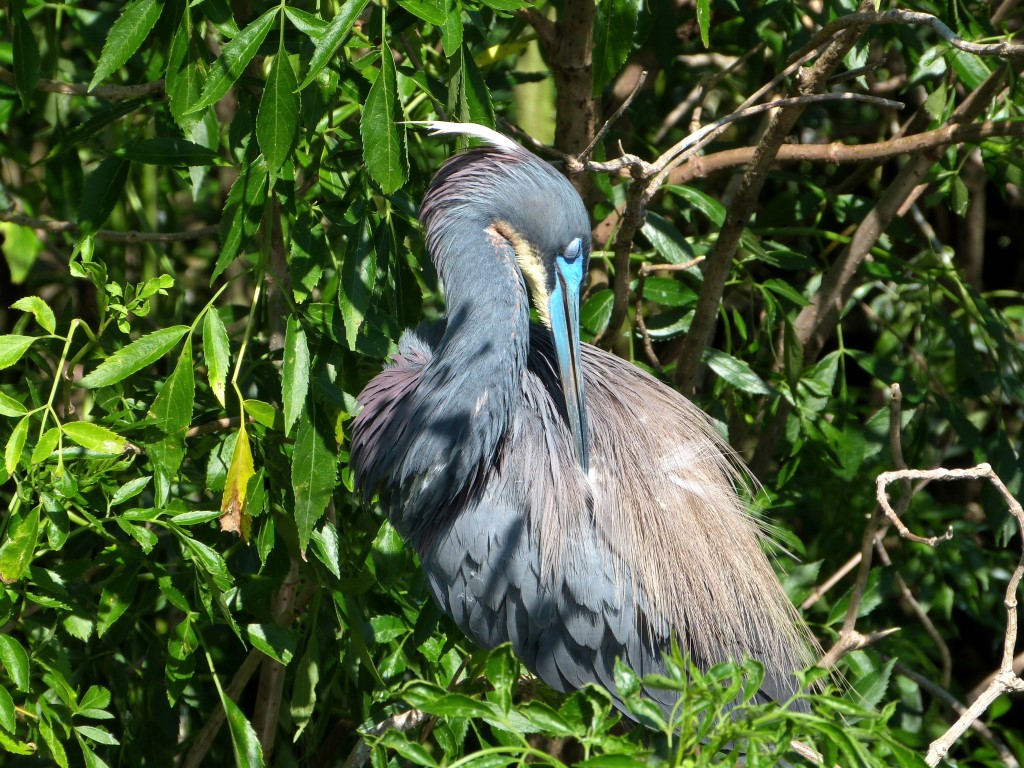
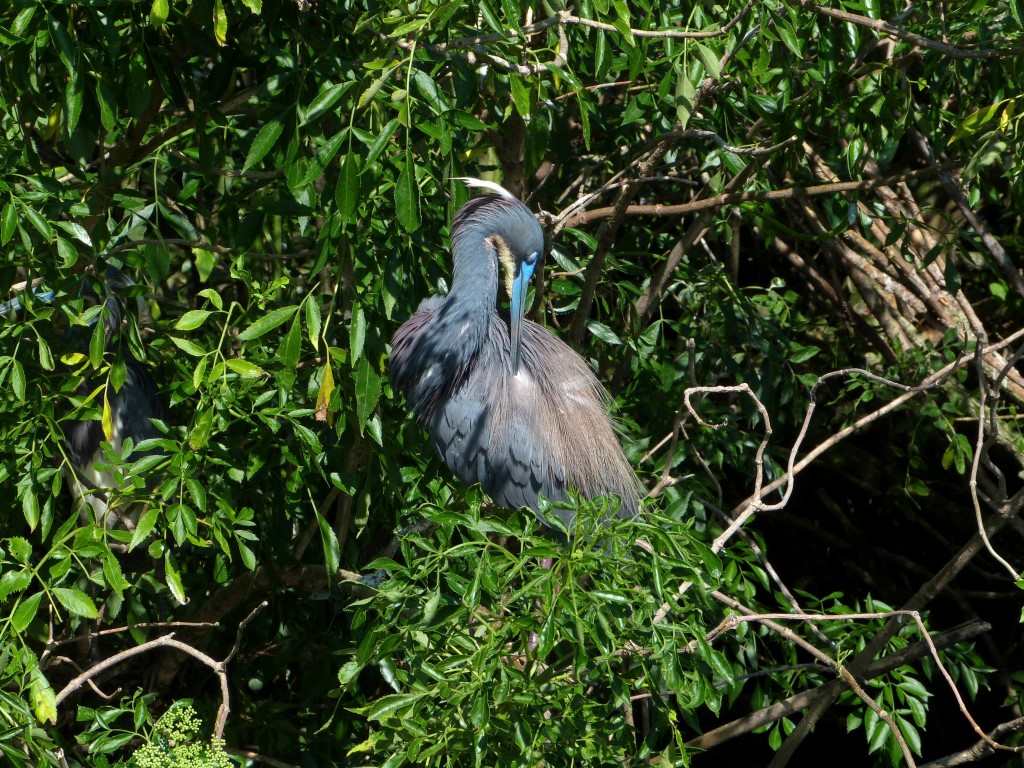
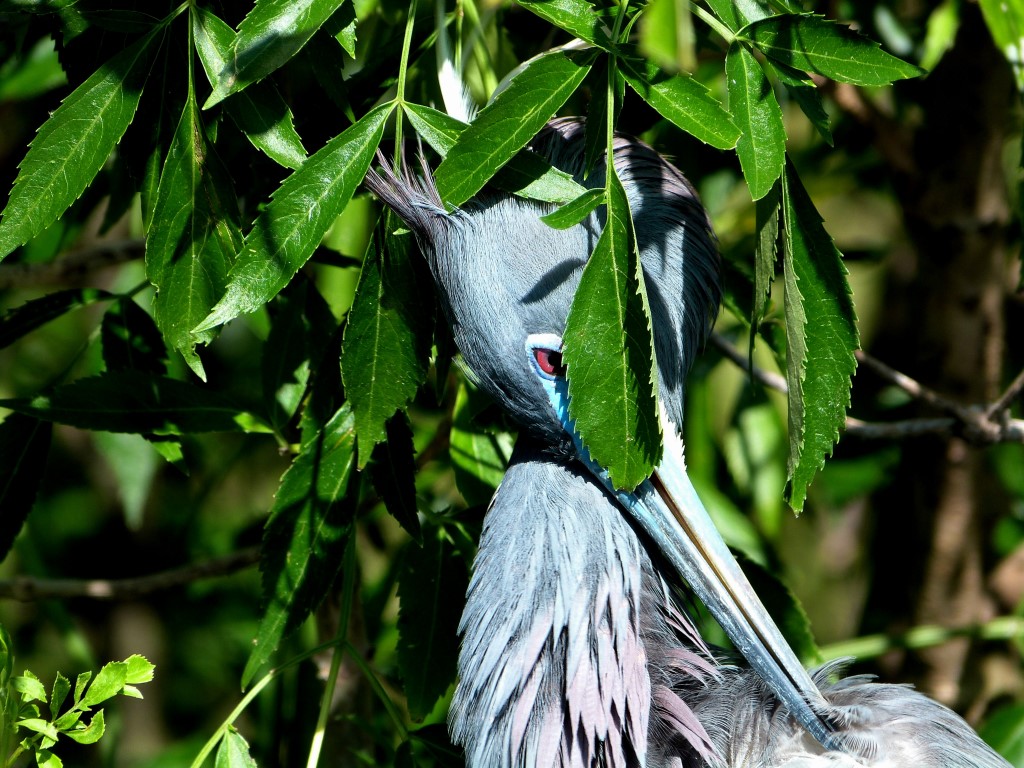
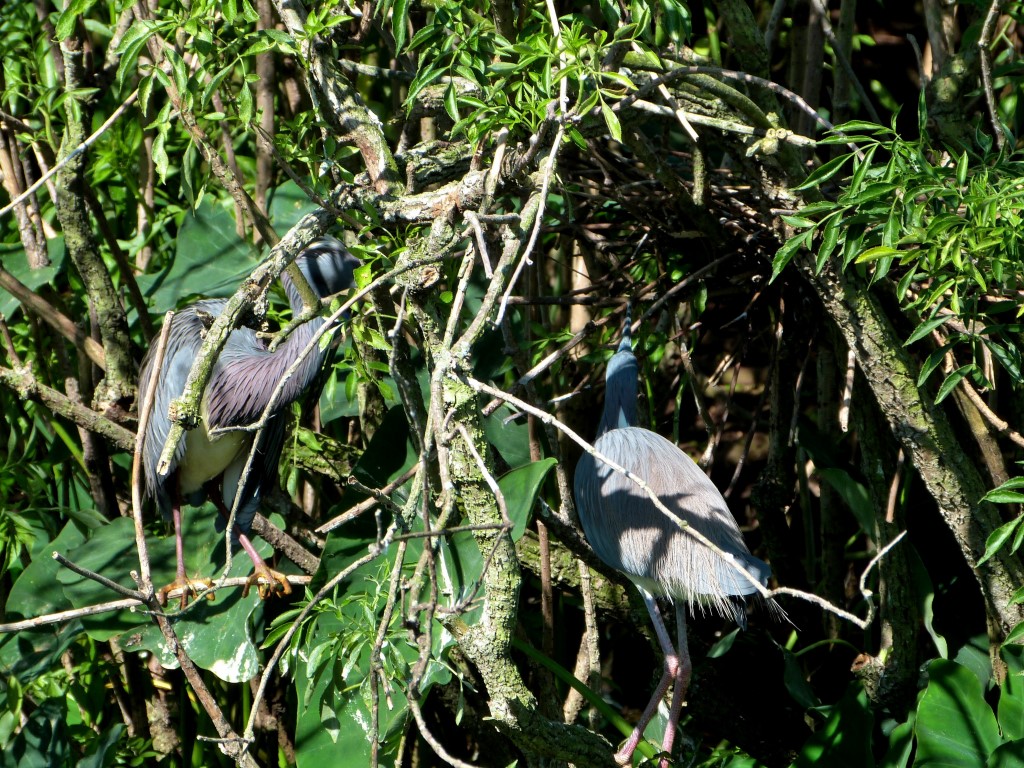
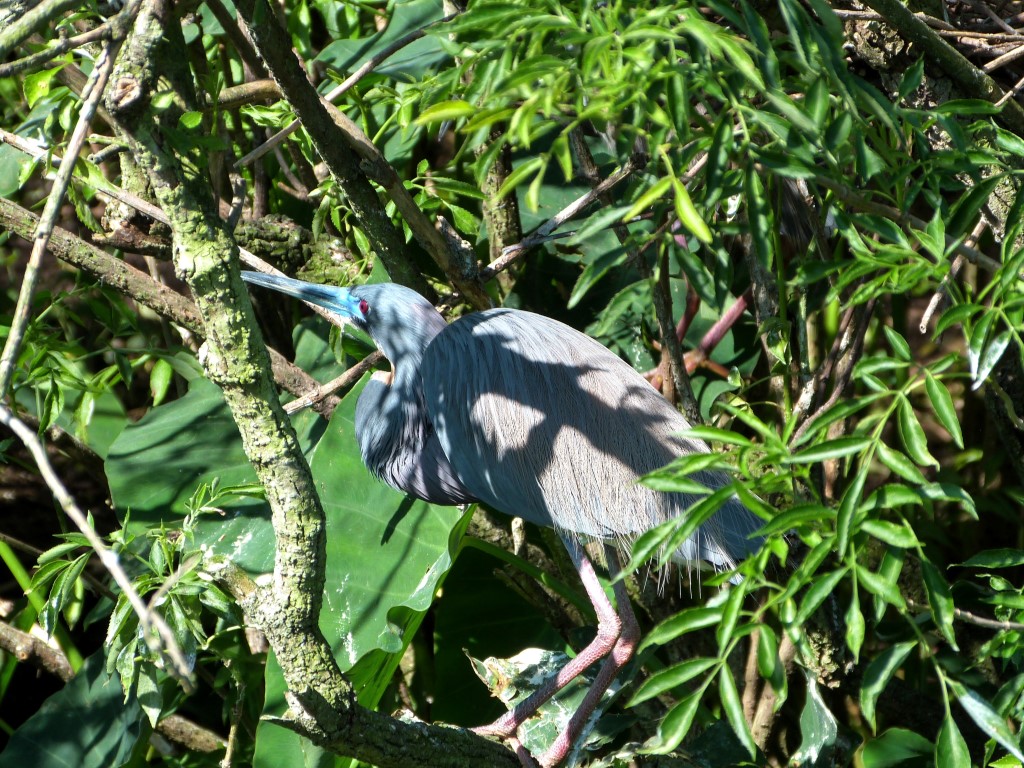
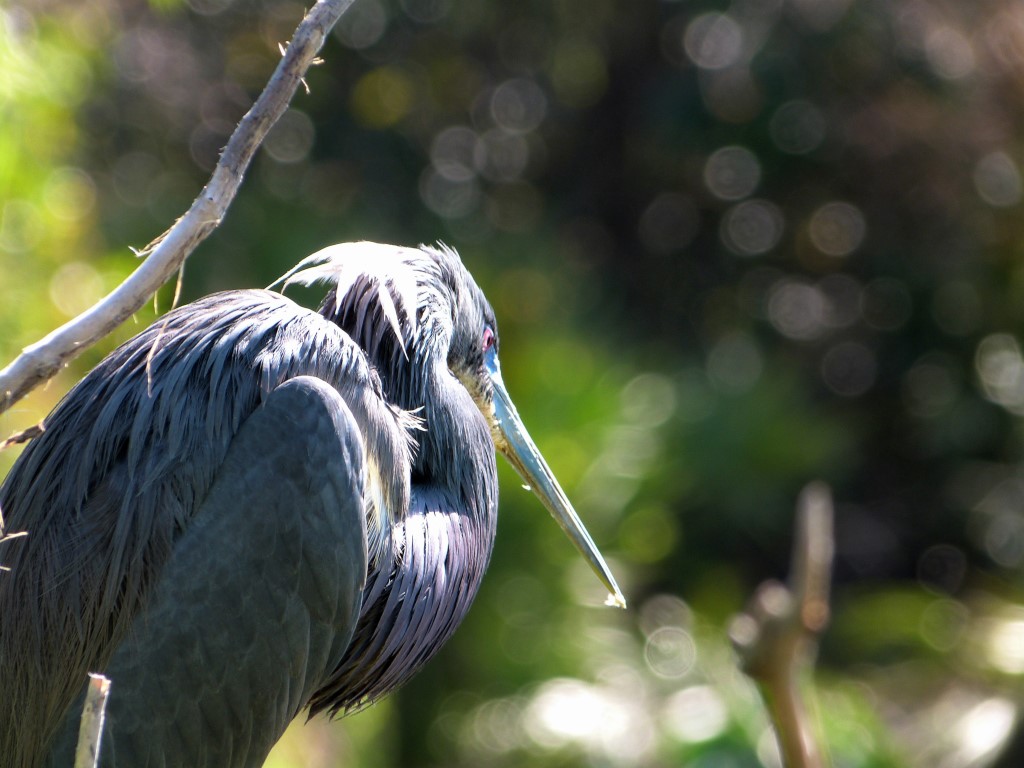
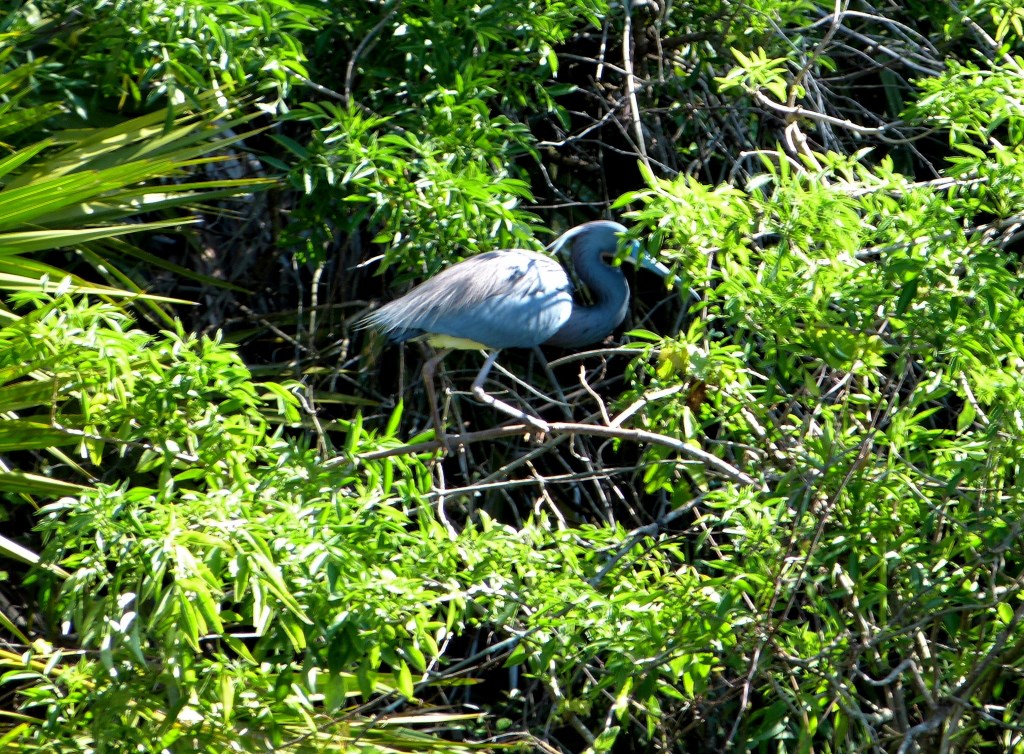
Tricolored Herons at Gatorland

Tricolored Heron at Gatorland

Tricolored Heron at Gatorland

the stork, the heron after its kind, the hoopoe…. (Leviticus 11:19 NKJV)

Here is the next beautifully created bird seen on our trip to Gatorland this week. See the other articles listed below.

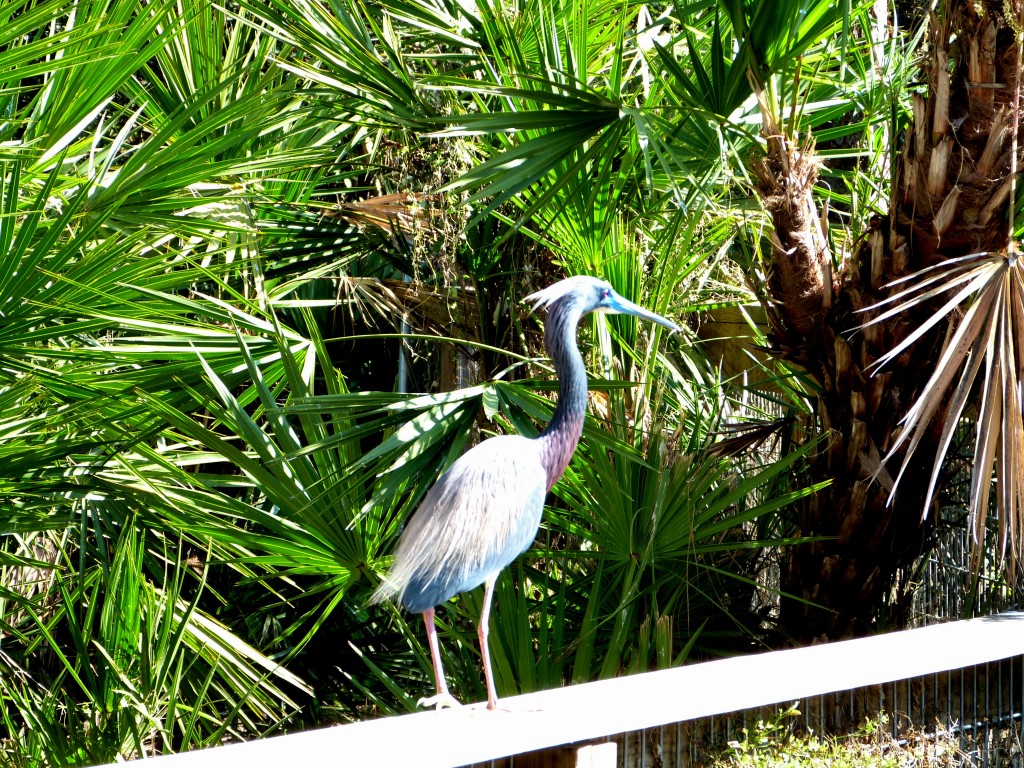
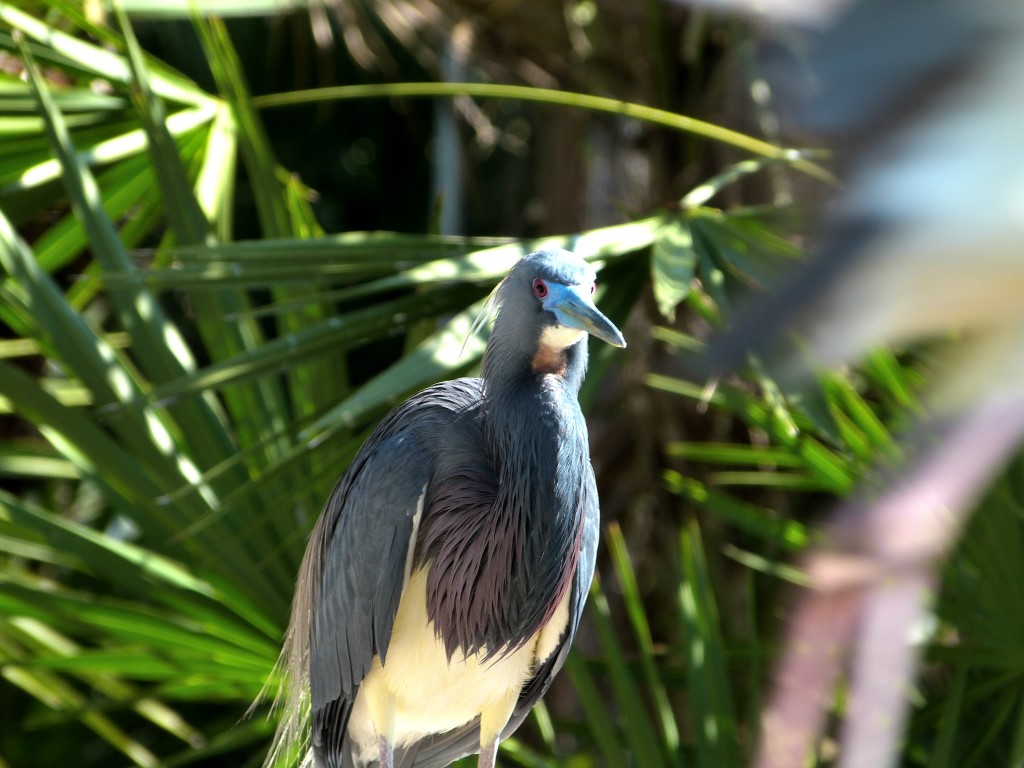
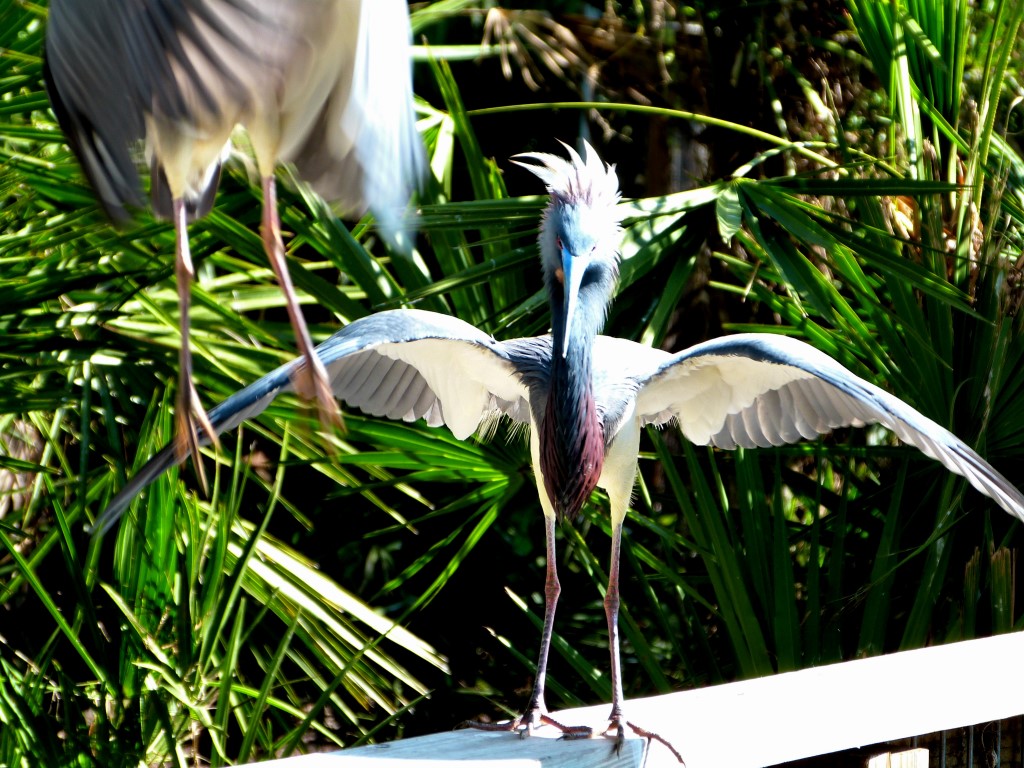
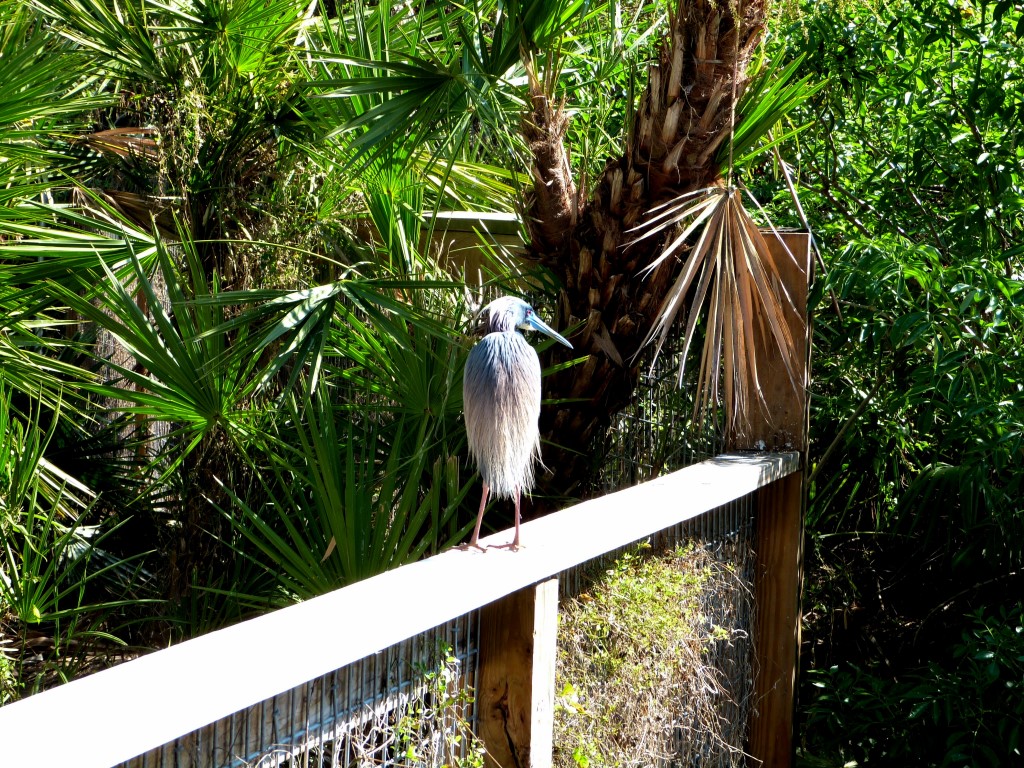
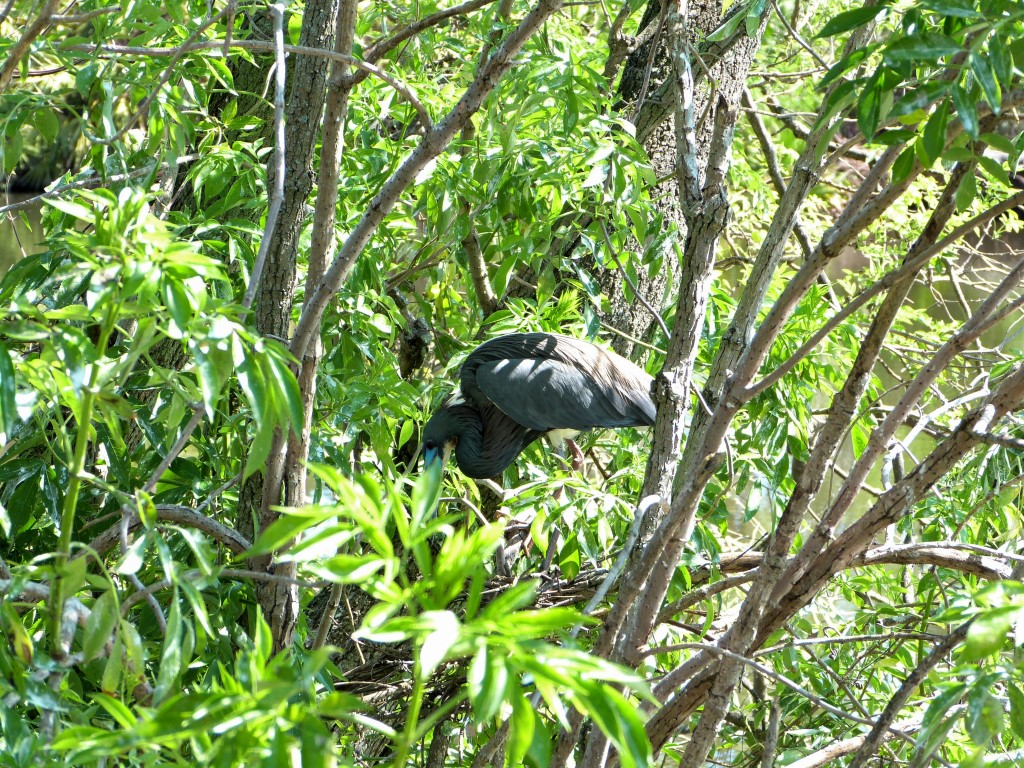
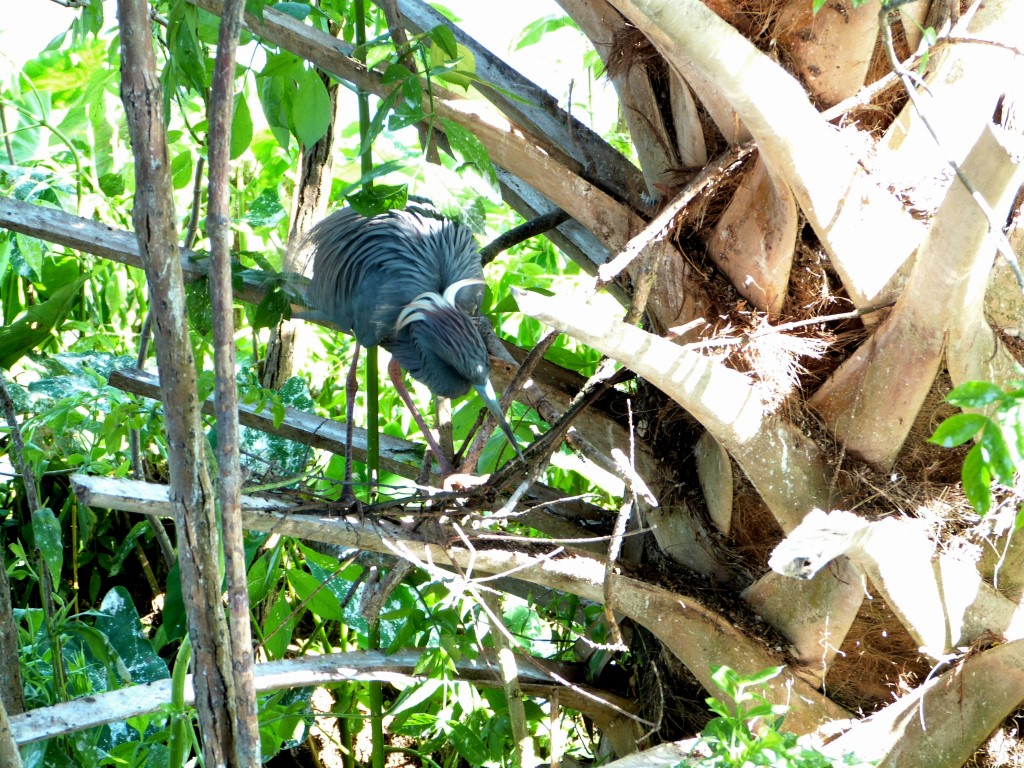
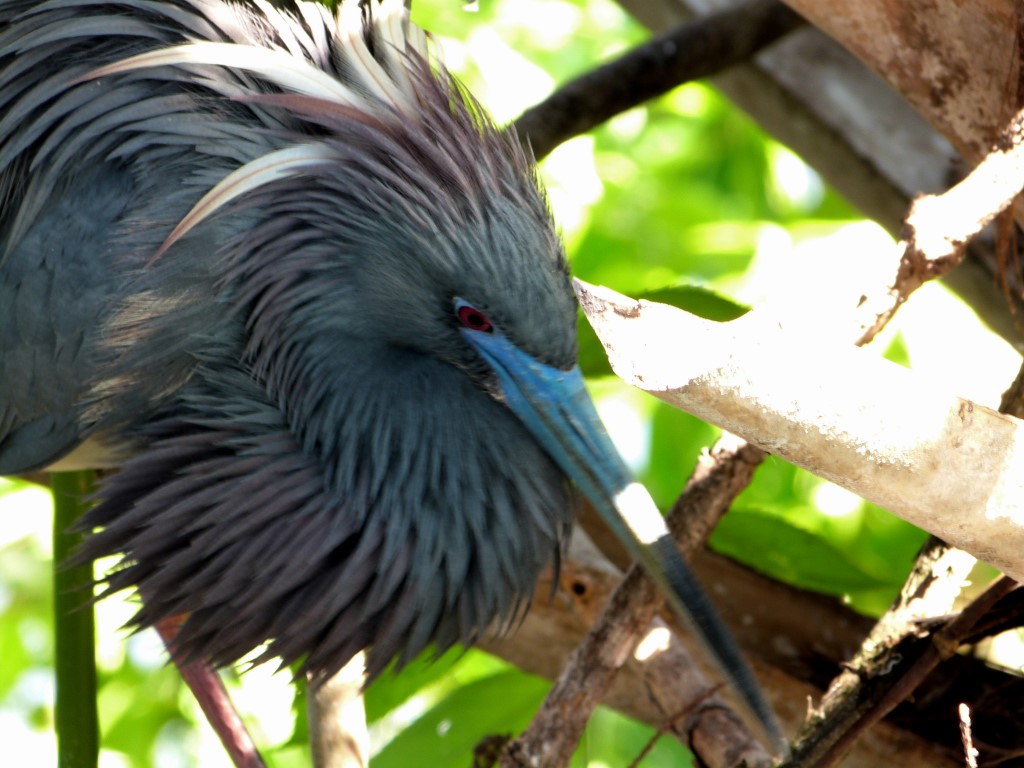
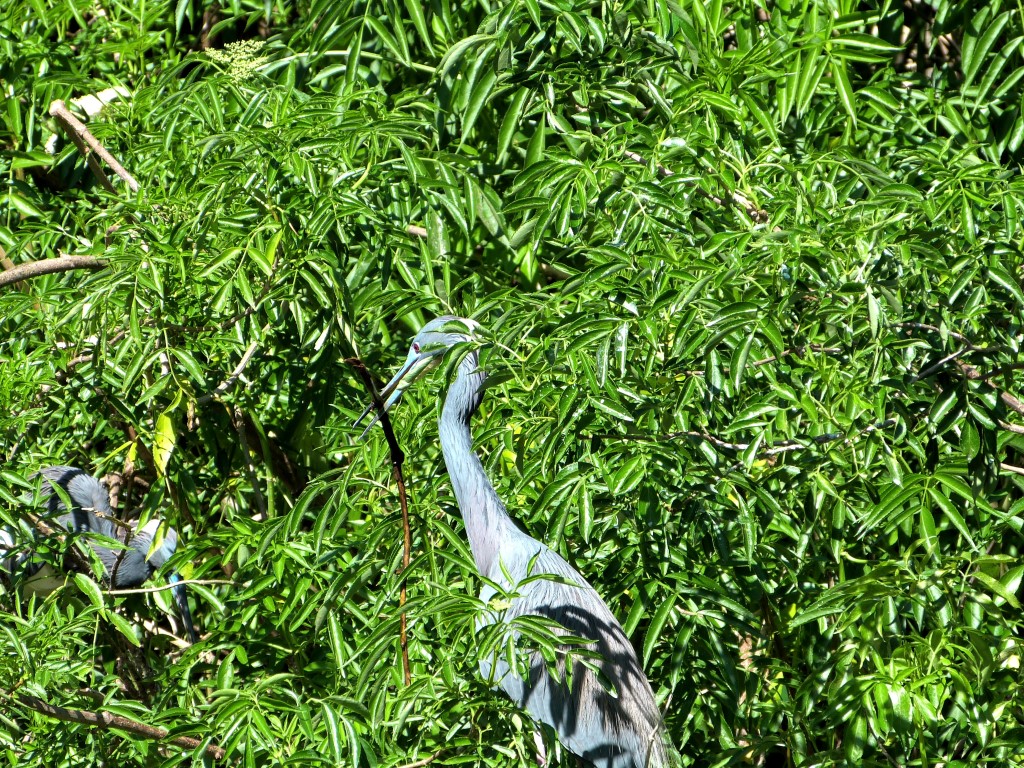
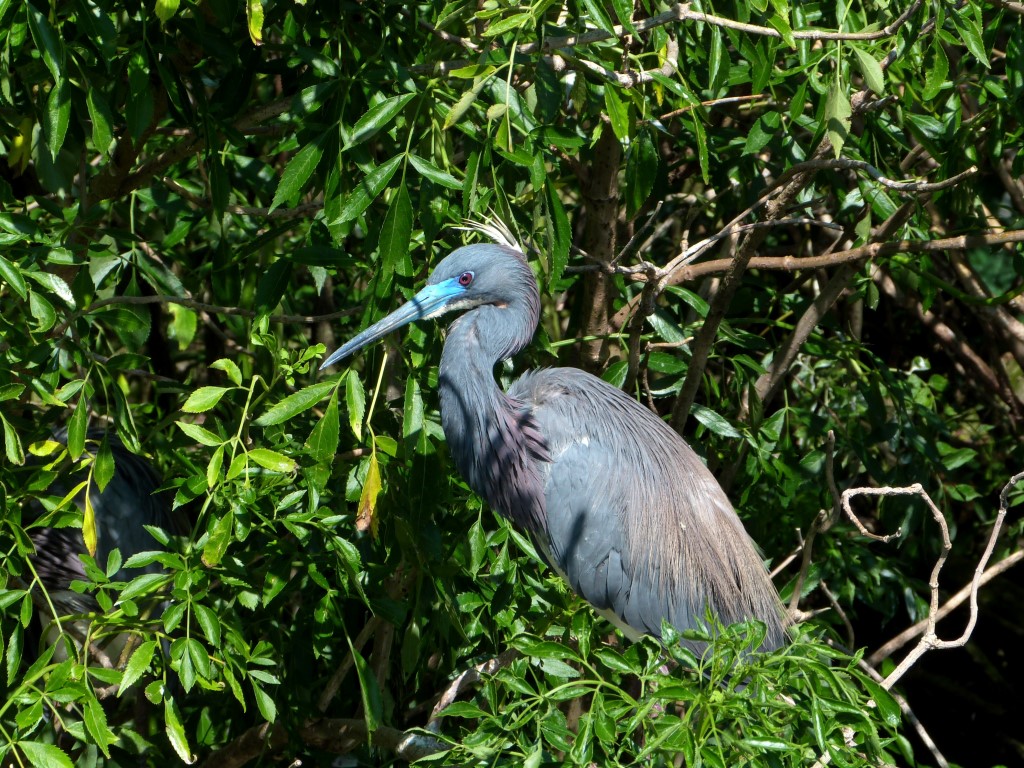
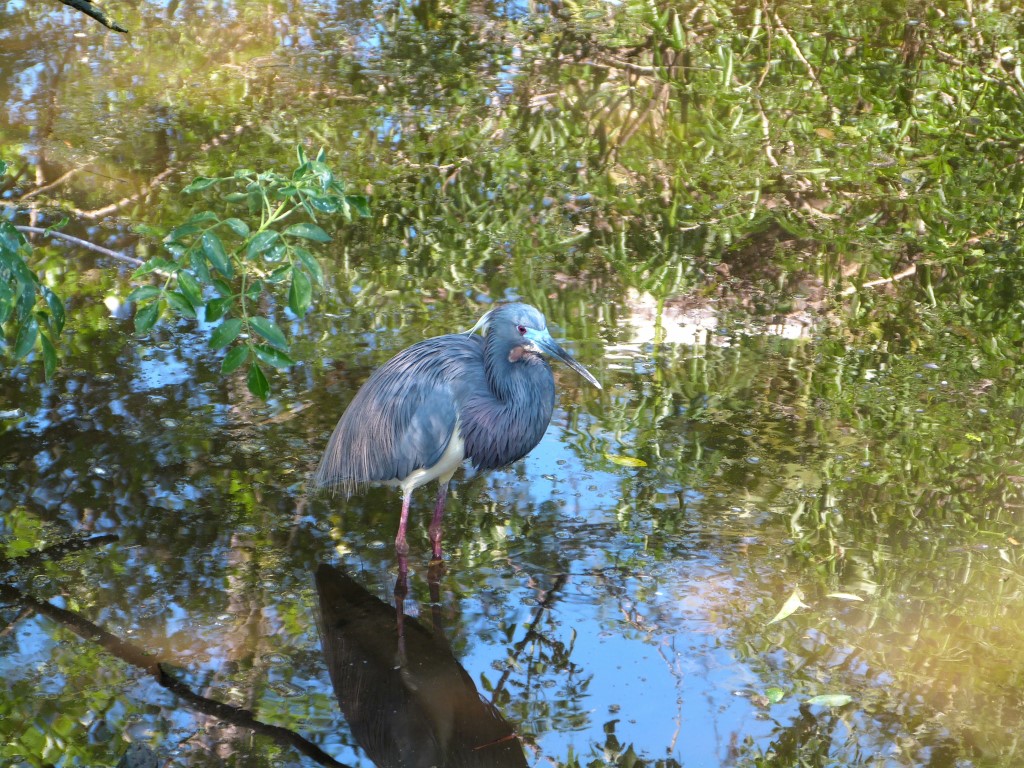
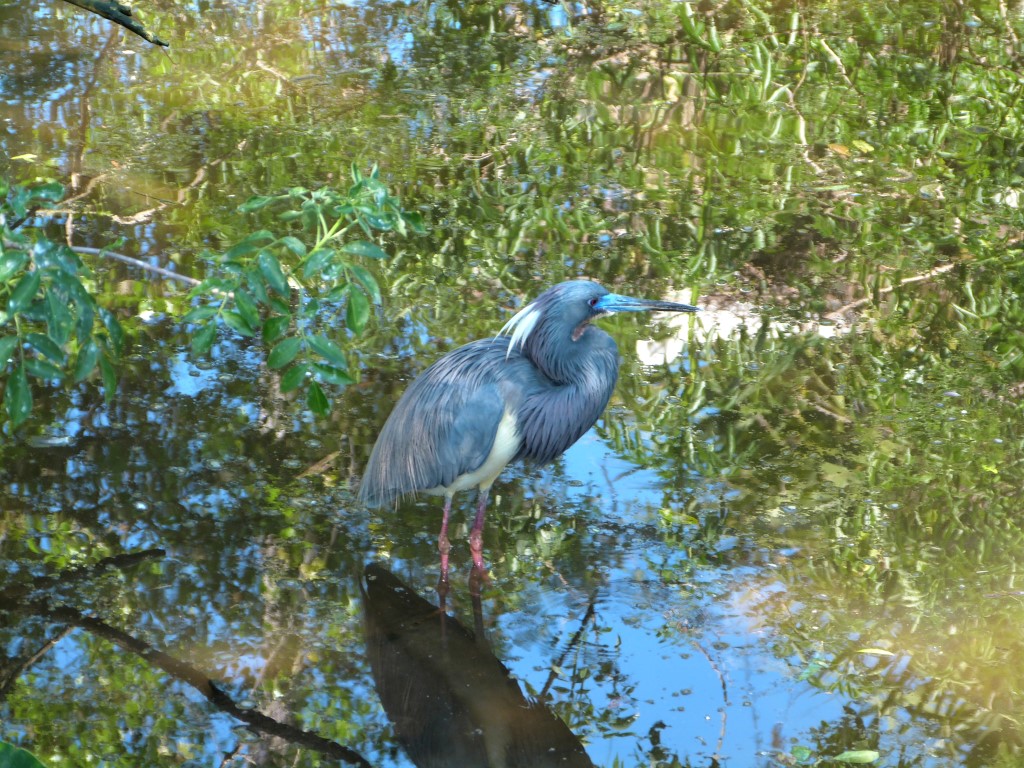
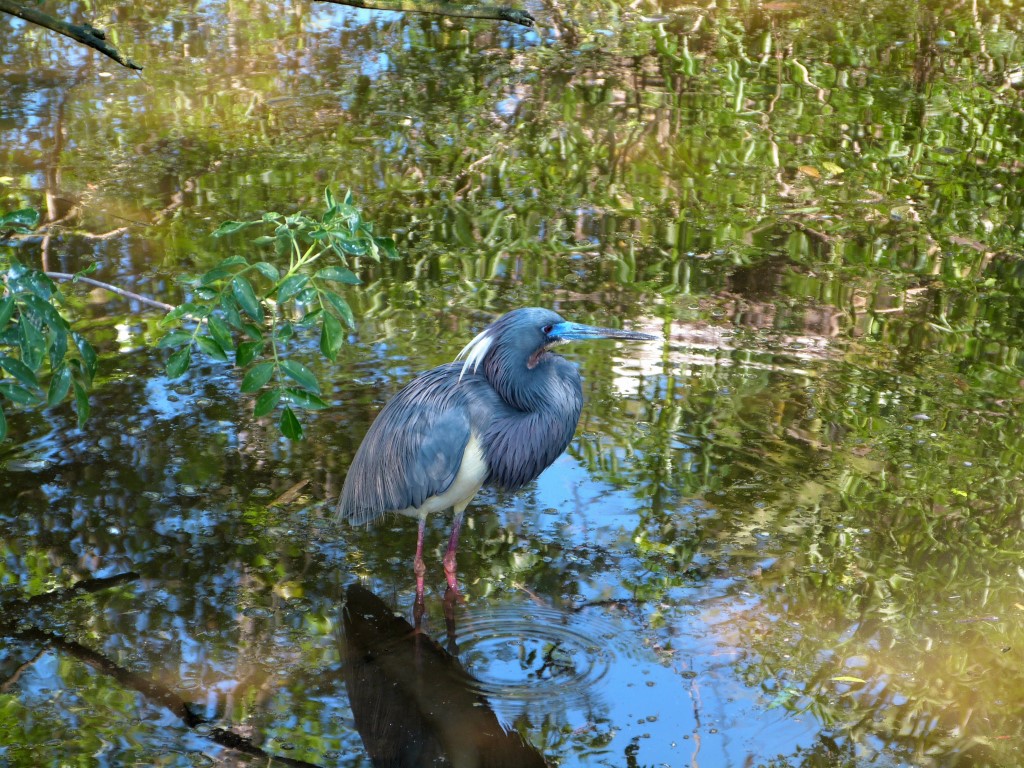
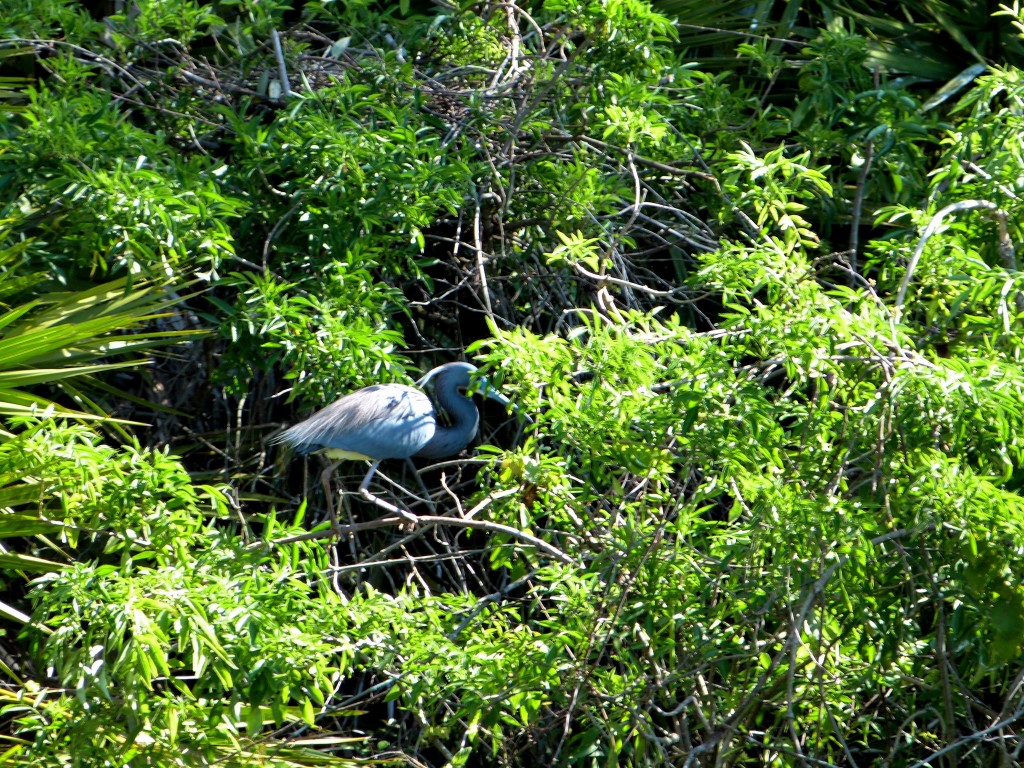
Today, I want to share the Tricolored Herons (Egretta tricolor) which were in their breeding plumage busy courting and building nest.

“During breeding season, the Tricolored Heron sports a short white head plume, a buffy throat and fore-neck, a blue face, and a blue bill, tipped with black. The eyes are reddish, and the legs pinkish. Nonbreeding adults have a yellow face, bill, and legs; the throat and fore-neck are white.” (Audubon)

Tricolored Heron at Gatorland

Tricolored Heron at Gatorland

The Tricolored Heron (Egretta tricolor) formerly known in North America as the Louisiana Heron, is a small heron. They are in the Ardeidae- Herons, Bitterns Family. It is a resident breeder from the Gulf states of the USA and northern Mexico south through Central America and the Caribbean to central Brazil and Peru. There is some post-breeding dispersal to well north of the nesting range.

Tricolored Heron’s breeding habitat is sub-tropical swamps. It nests in colonies, often with other herons, usually on platforms of sticks in trees or shrubs. In each clutch, 3–7 eggs are typically laid.

Tricolored Heron at Gatorland

Tricolored Heron at Gatorland

This species measures from 56 to 76 cm (22 to 30 in) long, and has a wingspan of 96 cm (38 in). The slightly larger male heron weighs 415 g (14.6 oz) on average, while the female averages 334 g (11.8 oz). It is a medium-large, long-legged, long-necked heron with a long pointed yellowish or greyish bill with a black tip. The legs and feet are dark.

Adults have a blue-grey head, neck, back and upperwings, with a white line along the neck. The belly is white.
Tricolored Heron stalks its prey in shallow or deeper water, often running as it does so. It eats fish, crustaceans, reptiles, and insects. (Wikipedia)

Trying this method of showing the photos. By clicking on a photo, it will bring it up full screen and then you can browse through them. Leave a comment as to which method you prefer.

*

*

Video of Tricoloreds Preening and Building Nest

*

*