We trust you are enjoying your Thanksgiving Day and are remembering all your blessings this year. We have had many blessings since last Thanksgiving.
We have had challenges also, but it depends on how you look at them. You could consider them as terrible or you could see them as blessings. Our attitude and our focus can make all the difference in the world.
I choose to thank the Lord for all things. Sometimes things don’t go the way we expect, but that does not mean that the Lord does not love us.
that you may be sons of your Father in heaven; for He makes His sun rise on the evil and on the good, and sends rain on the just and on the unjust. (Matthew 5:45 NKJV)
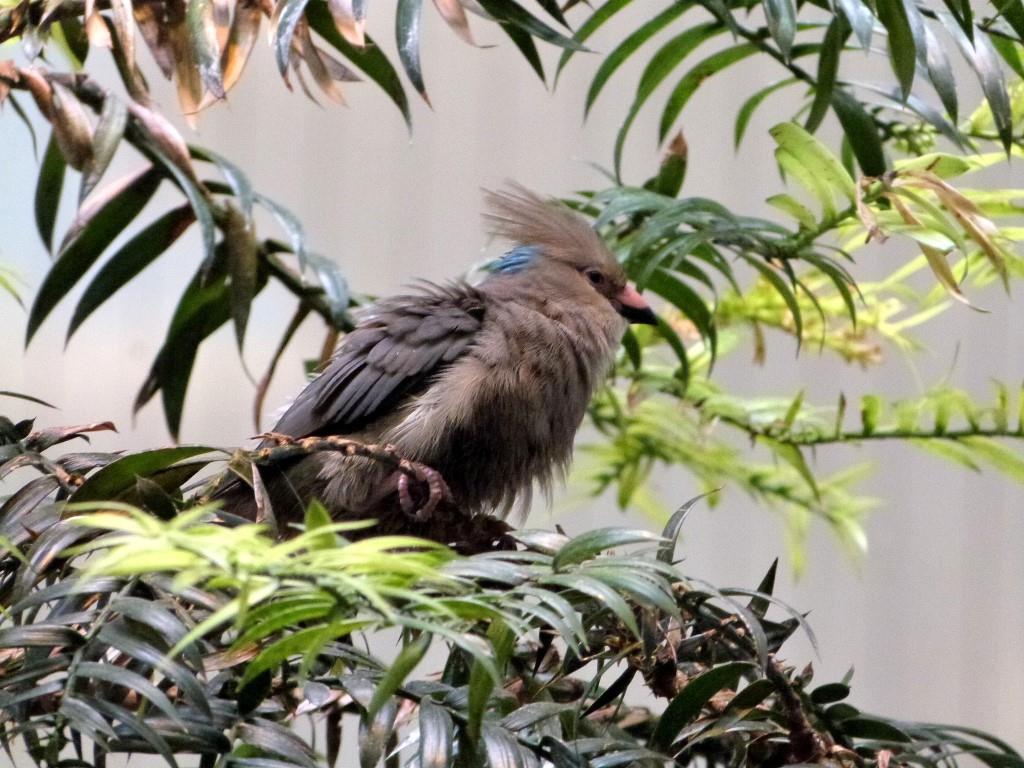
Blue-naped Mousebird (Urocolius macrourus) at Cincinnati Zoo) by Lee
Since last Thanksgiving Day, I have had two eye surgeries, squamous cell cancer taken off my neck, and a recent round of bronchitis. Praise the Lord, they all came out fine. At the time you are going through them, you do not know what the outcomes will be and you just keep your eyes focused on the Lord. Of course, you are praying and thanking the Lord for whatever He choses as your outcome.
Wood Duck – Lake Morton by Lee
During this last year, we were fortunate to see numerous birds, both in the wild, at parks and in zoos. Our birdwatching adventures were always enjoyable as we were able to watch the Lord’s creations in person. Photos are great, but seeing them as they move and are doing their thing is always best.
Thou art worthy, O Lord, to receive glory and honour and power: for thou hast created all things, and for thy pleasure they are and were created. (Revelation 4:11 KJV)
Bali Myna (Leucopsar rothschildi Palm Beach Zoo by Lee
We had visits to the Cincinnati Zoo, Palm Beach Zoo, Gatorland, and numerous visit to the Lowry Park Zoo in Tampa. Those visits, plus all the parks, lakes and just watching birds in our yard, made for plenty to be thankful for.
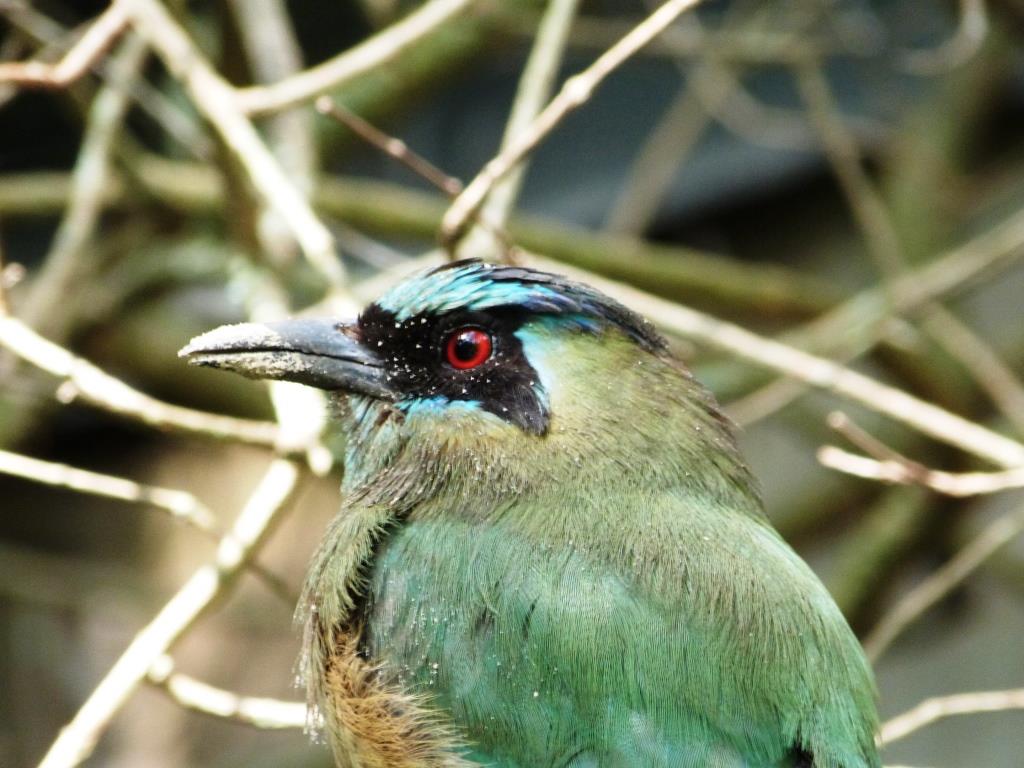
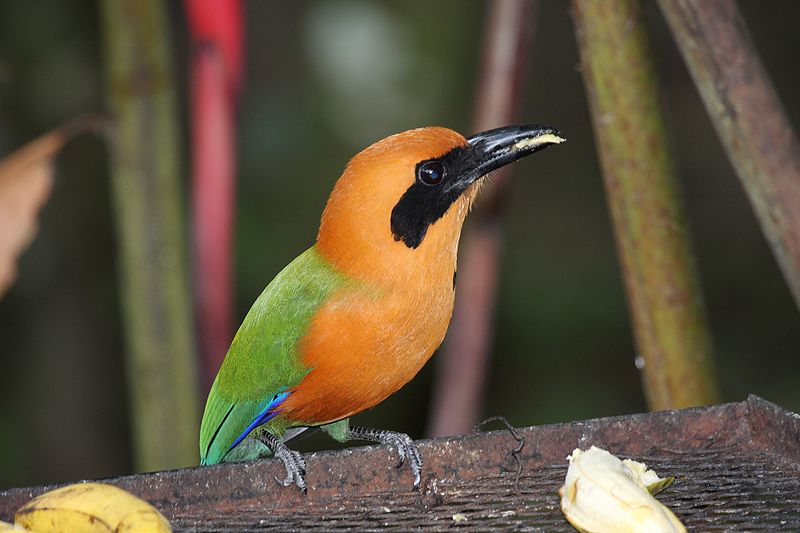
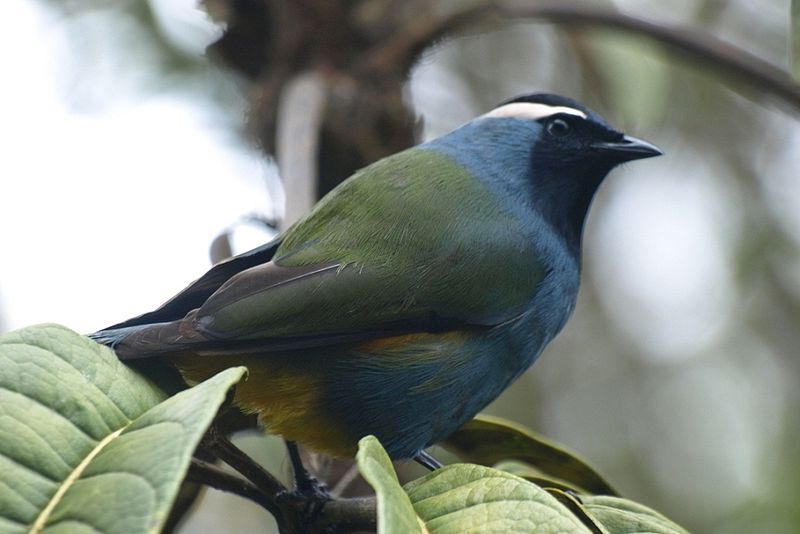
Blue-crowned Motmot at Lowry Park Zoo by Lee
When you add in all the blessings of friends and family, our church, and on and on; there is much to be thankful to the Lord.
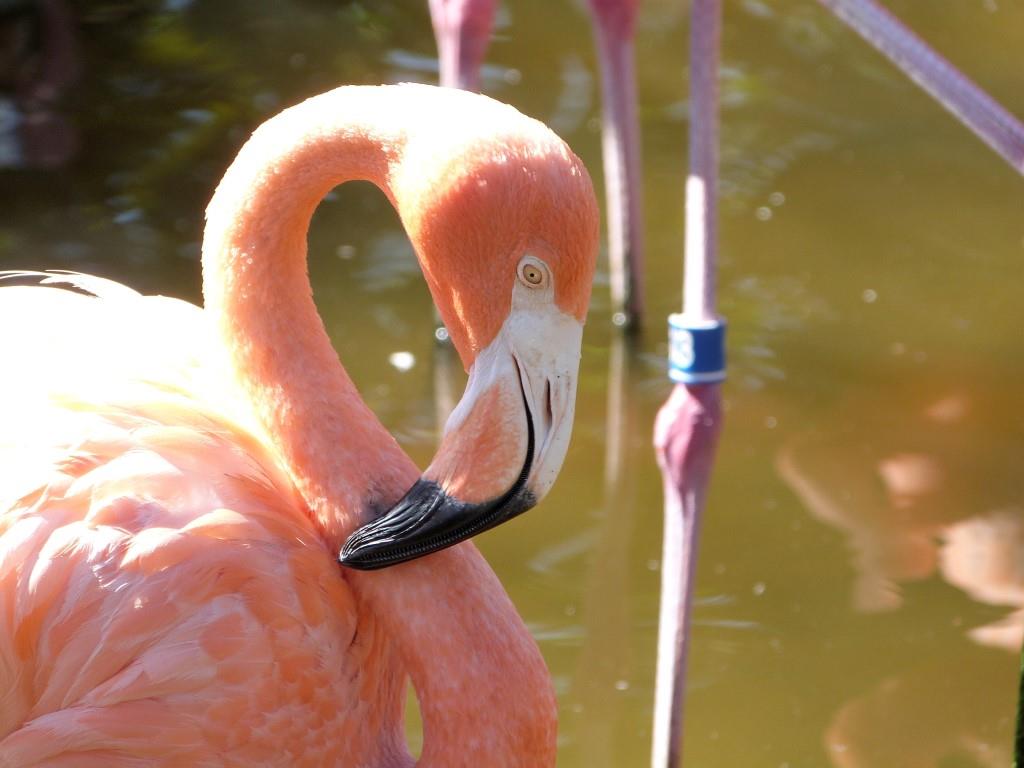
American Flamingo Beak at Gatorland by Lee
I trust you spend some time today, being thankful for all your blessings. Especially, thanking the Lord, who created everything and loves us enough to send His Son to die for us.
For God so loved the world, that he gave his only begotten Son, that whosoever believeth in him should not perish, but have everlasting life. For God sent not his Son into the world to condemn the world; but that the world through him might be saved. (John 3:16-17 KJV)
Yellow-throated Warbler (Dendroica dominica) by Bob-Nan
Are you thankful for all that the Lord does?
Both young men and maidens; Old men and children. Let them praise the name of the LORD, For His name alone is exalted; His glory is above the earth and heaven.
(Psalms 148:12-13 NKJV)
Common Starling (Sturnus vulgaris) at Nest by Anthony747
Are you thankful for parents or guardians that care enough to correct you?
Children with good sense accept correction from their parents, but stubborn children ignore it completely. (Proverbs 13:1 CEV)
Even a child is known by his deeds, Whether what he does is pure and right. (Proverbs 20:11 NKJV)
Are you thankful for the training you are getting, even when you don’t get your way?
Train up a child in the way he should go, And when he is old he will not depart from it. (Proverbs 22:6 NKJV)
A poor yet wise lad is better than an old and foolish king who no longer knows how to receive instruction. (Ecclesiastes 4:13 NASB)
Warbling Vireo (Vireo gilvus) by Raymond Barlow
Are you thankful for all that the Lord, your Creator, has made?
Remember now your Creator in the days of your youth, Before the difficult days come, And the years draw near when you say, “I have no pleasure in them”: (Ecclesiastes 12:1 NKJV)
King Shag (Leucocarbo albiventer) – head close-up Saunders Island
Are you thankful to the Lord for His blessings to you even when some around you make fun of you?
But when the chief priests and the scribes saw the wonderful things that he did, and the children crying out in the temple, “Hosanna to the Son of David!” they were indignant, and they said to him, “Do you hear what these are saying?” And Jesus said to them, “Yes; have you never read, “‘Out of the mouth of infants and nursing babies you have prepared praise’?” (Matthew 21:15-16 ESV)
Savannah Sparrow Fifty Point-Canada by Ray Barlow
Are you thankful that the Lord helps you to obey?
Children, obey your parents in all things, for this is well pleasing to the Lord. (Colossians 3:20 NKJV)
Pelican
Are you thankful for the Bible (Holy Scriptures) for telling you how to have faith in the Lord Jesus Christ?
and that from childhood you have known the Holy Scriptures, which are able to make you wise for salvation through faith which is in Christ Jesus. (2 Timothy 3:15 NKJV)
May the Lord give you a very Happy Thanksgiving!
*
This was posted on the Birds of the Bible For Kids blog. Sharing it here.)
Keel-billed Toucan (Ramphastos sulfuratus) by Margaret Sloan
For in the days of David and Asaph of old there were chief of the singers, and songs of praise and thanksgiving unto God. (Nehemiah 12:46 KJV)
Words from the Latin Gradual, 12th Century (Jubilemus omnes una); translated from Latin to English by Edward A. Dayman in the Hymnary, 1872.
Music: Namaan, M. Costa (Michael Costa [1808-1884]?), arranged by William H. Callcott
*
Honor and Glory, Thanksgiving and Praise
Honor and glory, thanksgiving and praise,
Maker of all things, to Thee we upraise;
God the Almighty, the Father, the Lord;
God by the angels obeyed and adored.
Thou art the Father of Heaven and earth;
Worlds uncreated to Thee owe their birth;
All the creation, Thy voice when it heard,
Started to life and to light at Thy Word.
Onward the sun and the moon and their march
Span with the rainbow the firmament’s arch;
Stars yet unknown, and whose light is to come,
Find in creation their place and a home.
Earth with the mountain, the river, the plain,
Sky with the dew-drop, the wind, and the rain,
Beast of the forest, wild bird of the air,
All are Thy creatures, and all are Thy care.
Ocean the restless, and waters that swell,
Lightnings that flash over flood, over fell,
Own Thee the Master Almighty, and call
Thee the Creator, the Father, of all.
Yea, Thou art Father of all, and Thy love
Pity for man that is fallen doth move;
Guide us in life, and protect to the last;
And, at Thine Advent, Lord, pardon the past.
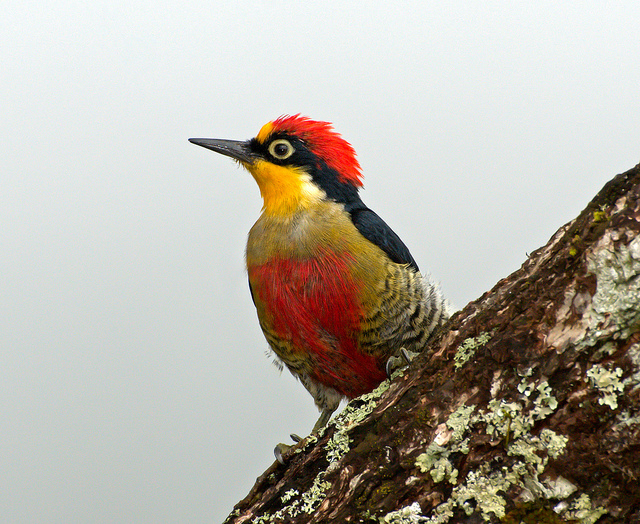
Yellow-fronted Woodpecker (Melanerpes flavifrons) by Dario Sanches
New Testament
And he took the seven loaves and the fishes, and gave thanks, and brake them, and gave to his disciples, and the disciples to the multitude. (Matthew 15:36 KJV)
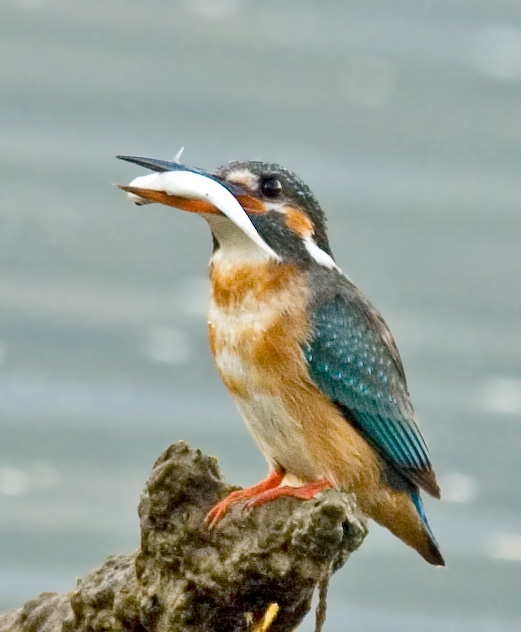
Common Kingfisher (Alcedo atthis) by Phil Kwong
And Jesus took the loaves; and when he had given thanks, he distributed to the disciples, and the disciples to them that were set down; and likewise of the fishes as much as they would. (John 6:11 KJV)
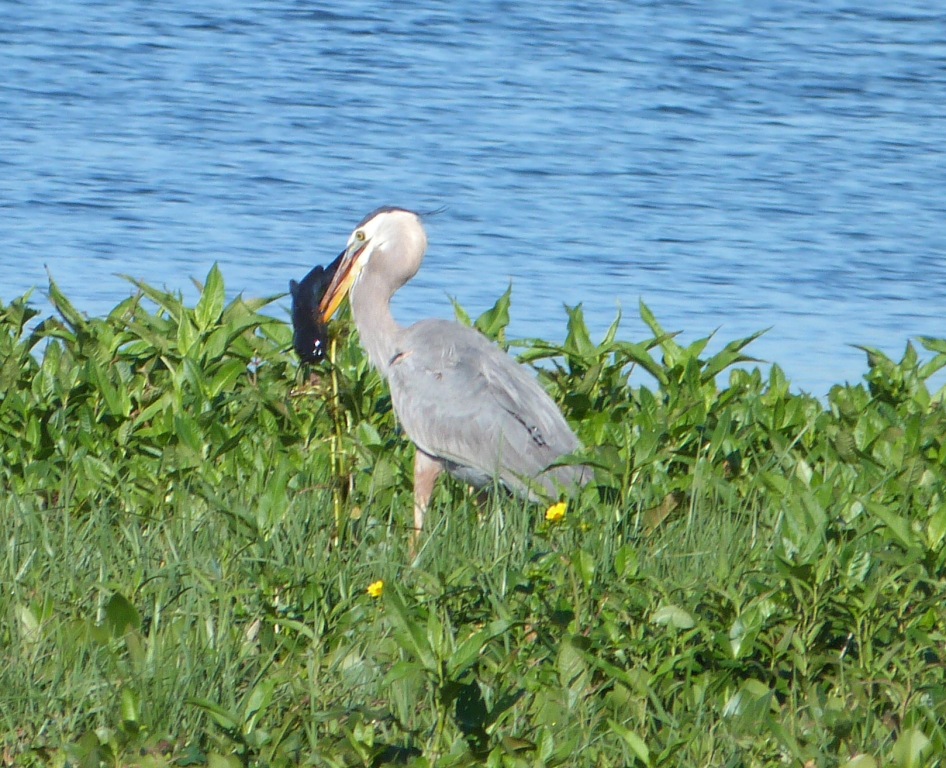
Great Blue Heron with Catfish at Circle B by Lee – cropped
He that regardeth the day, regardeth it unto the Lord; and he that regardeth not the day, to the Lord he doth not regard it. He that eateth, eateth to the Lord, for he giveth God thanks; and he that eateth not, to the Lord he eateth not, and giveth God thanks. (Romans 14:6 KJV)
Common Kingfisher (Alcedo atthis) by W Kwong
But thanks be to God, which giveth us the victory through our Lord Jesus Christ. (1 Corinthians 15:57 KJV)
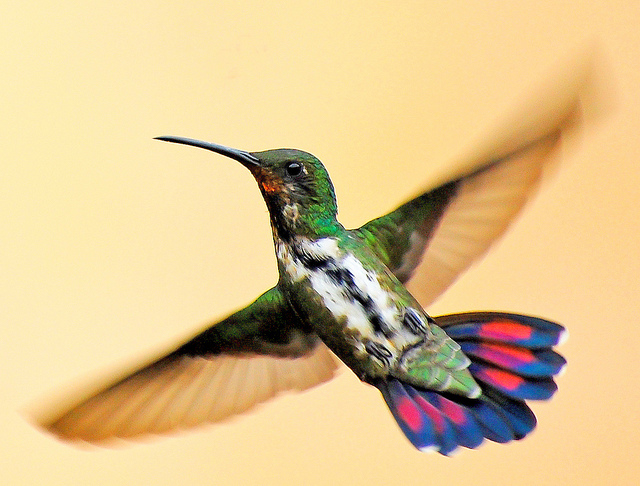
Black-throated Mango (Anthracothorax nigricollis) by Dario Sanches
Thanks be unto God for his unspeakable gift. (2 Corinthians 9:15 KJV)
Giving thanks always for all things unto God and the Father in the name of our Lord Jesus Christ; (Ephesians 5:20 KJV)
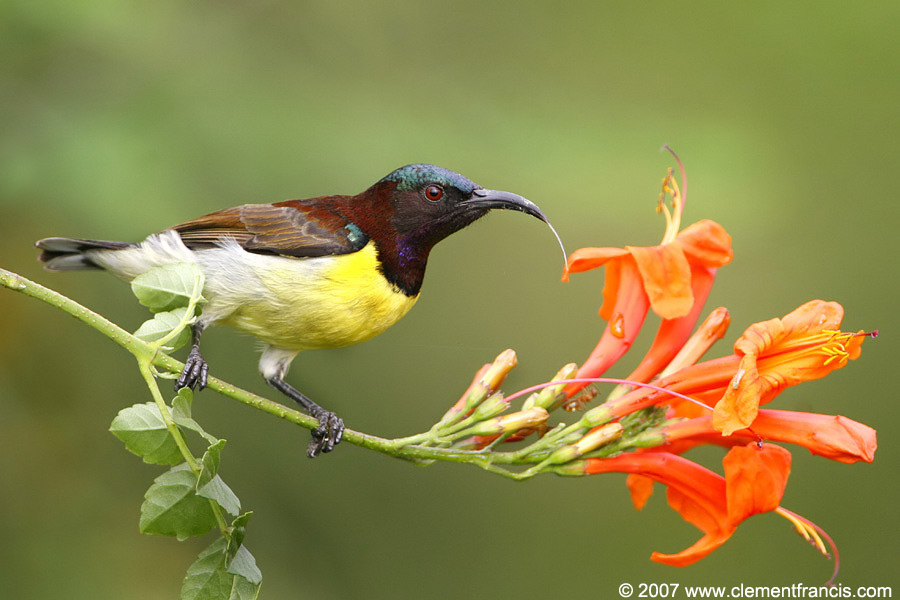
Common Iora (Aegithina tiphia) by Clement Francis
And whatsoever ye do in word or deed, do all in the name of the Lord Jesus, giving thanks to God and the Father by him. (Colossians 3:17 KJV)
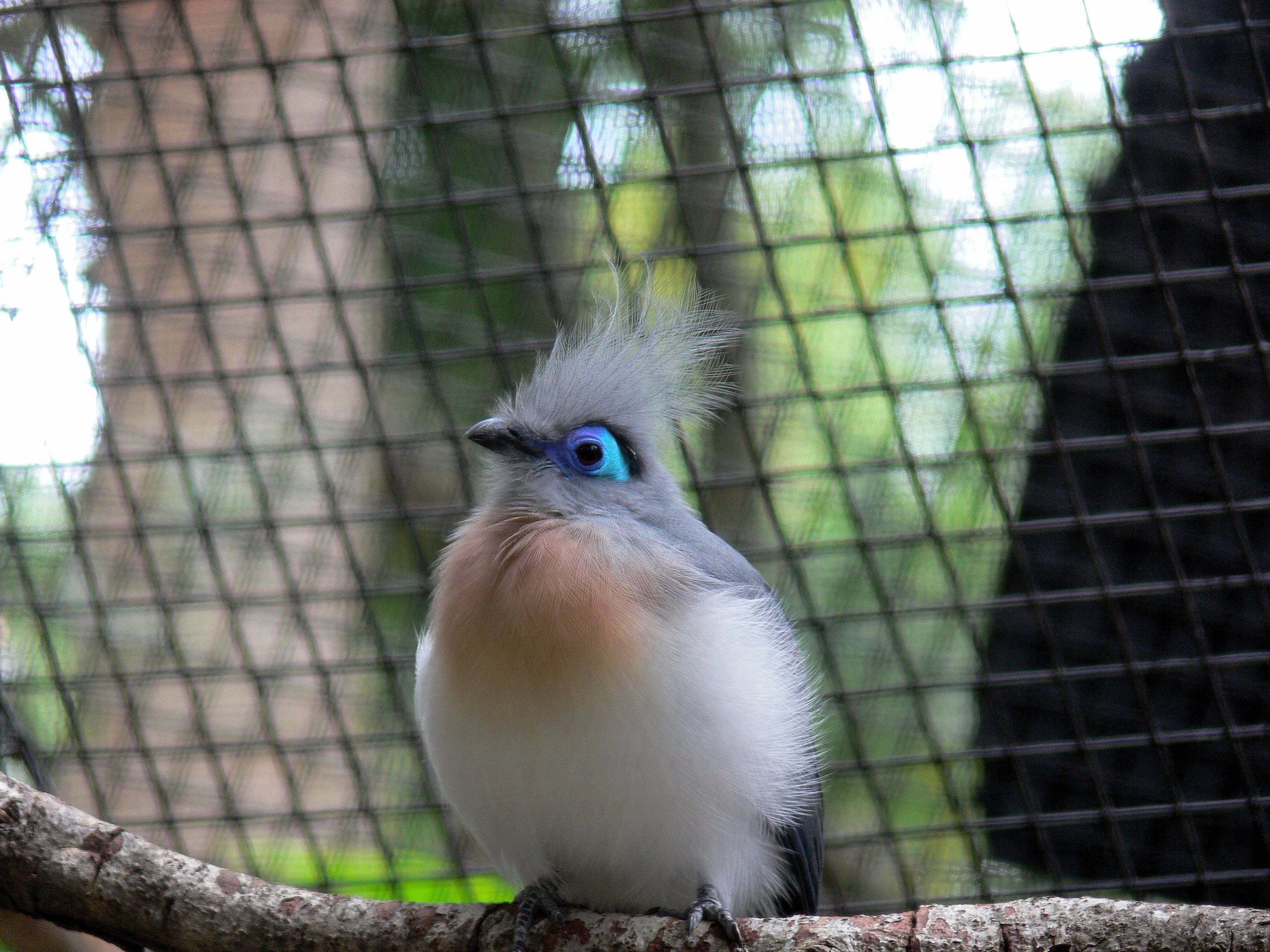
Crested Coua (Coua cristata) by Lee LPZ
In every thing give thanks: for this is the will of God in Christ Jesus concerning you. (1 Thessalonians 5:18 KJV)
Japanese White-eye (Zosterops japonicus) by Margaret Sloan
By him therefore let us offer the sacrifice of praise to God continually, that is, the fruit of our lips giving thanks to his name. (Hebrews 13:15 KJV)
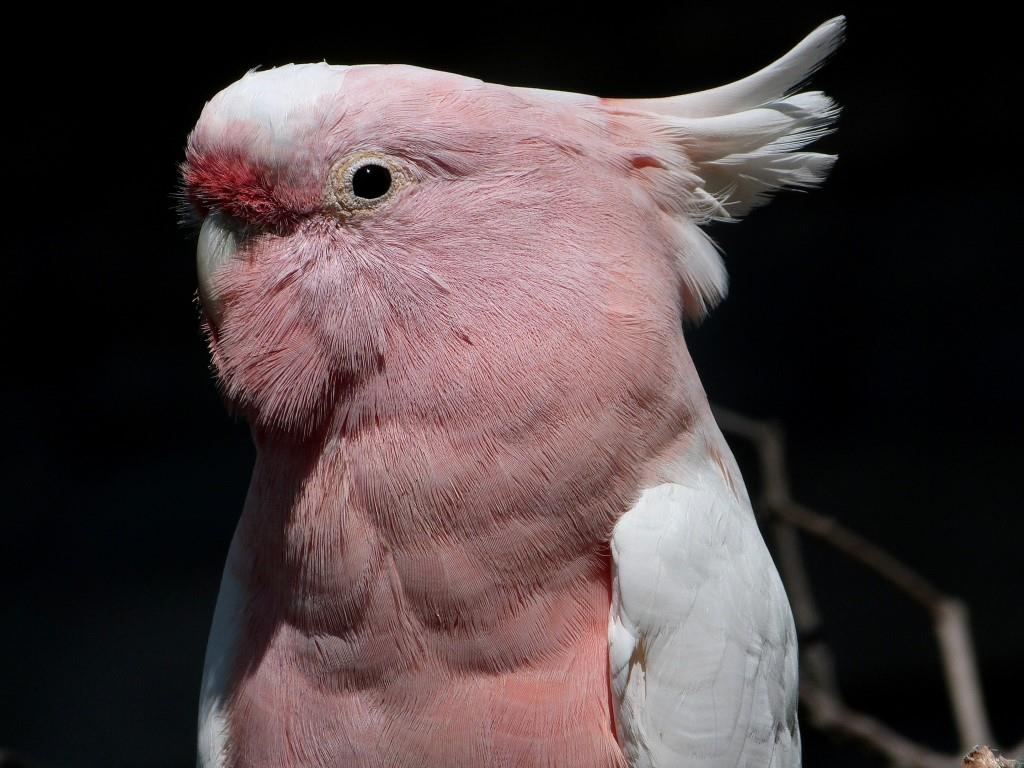
Major Mitchell’s Cockatoo (Lophochroa leadbeateri) at Cincinnati Zoo by Lee
Old Testament Thanks
Therefore I will give thanks unto thee, O LORD, among the heathen, and I will sing praises unto thy name. (2 Samuel 22:50 KJV)
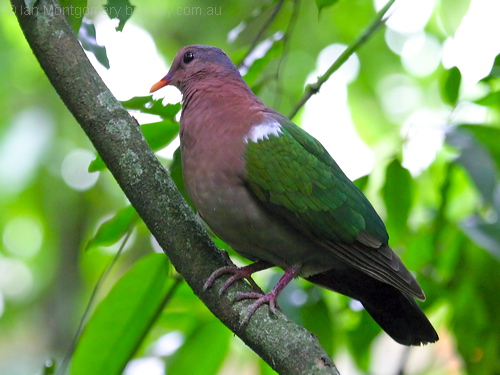
Common Emerald Dove (Chalcophaps indica) by Ian
Give thanks unto the LORD, call upon his name, make known his deeds among the people. Sing unto him, sing psalms unto him, talk ye of all his wondrous works. (1 Chronicles 16:8-9 KJV)
Song Sparrow by Ray
O give thanks unto the LORD; for he is good; for his mercy endureth for ever. (1 Chronicles 16:34 KJV)
O give thanks unto the LORD; for he is good: for his mercy endureth for ever. O give thanks unto the God of gods: for his mercy endureth for ever. (Psalms 136:1-2 KJV)
Variegated Fairywren (Malurus lamberti) by Ian
O give thanks to the Lord of lords: for his mercy endureth for ever. To him who alone doeth great wonders: for his mercy endureth for ever. To him that by wisdom made the heavens: for his mercy endureth for ever. (Psalms 136:3-5 KJV)
This is the day which the LORD hath made; we will rejoice and be glad in it. (Psalms 118:24 KJV)
Today we finally were able to get a little birdwatching in. I have been sick for the last 3 weeks fighting bronchitis and felt well enough to enjoy some time with our avian friends at Lake Morton. Lake Morton is in Lakeland, Florida. It is one of the few places around where people feed the birds. You can hardly get out of your car and cross the street before they start heading your way. The local birds have been “well-trained.”
Lee at Lake Morton by Dan
Off we went, with a few tidbits in hand and my new hat. Since the skin cancer cells were removed from my neck recently, I was told to stay out of the direct sunlight.
Most of the normal residents were hanging out. There were lots of Mallards, American White Ibises, Boat-tailed Grackles, plus some Great Blue Herons, Anhingas, Great Egrets, Mute and Black Swans, and the Bald Eagle made His appearance.
Bald Eagle (Haliaeetus leucocephalus) at Lake Morton by Lee
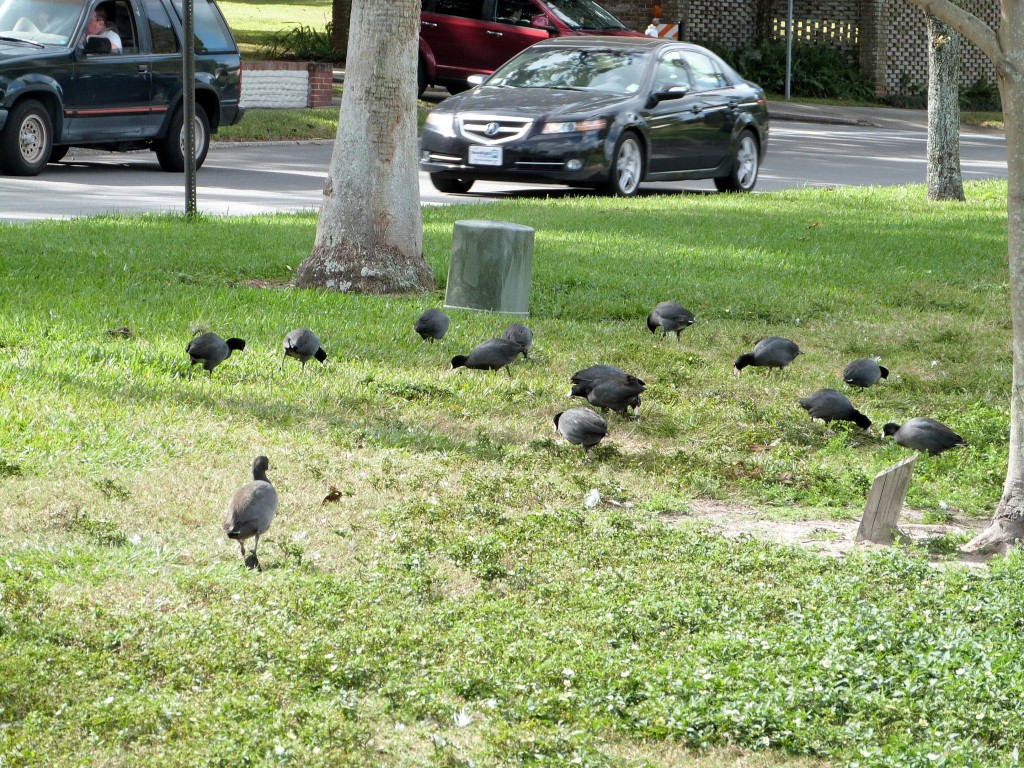
Some of our winter visitors were hanging out also. There were lots of American Coots
American Coot (Fulica americana) at Lake Morton by Lee
There were many Ring-necked Ducks – The Male
Ring-necked Duck (Aythya collaris) Male at Lake Morton by Lee
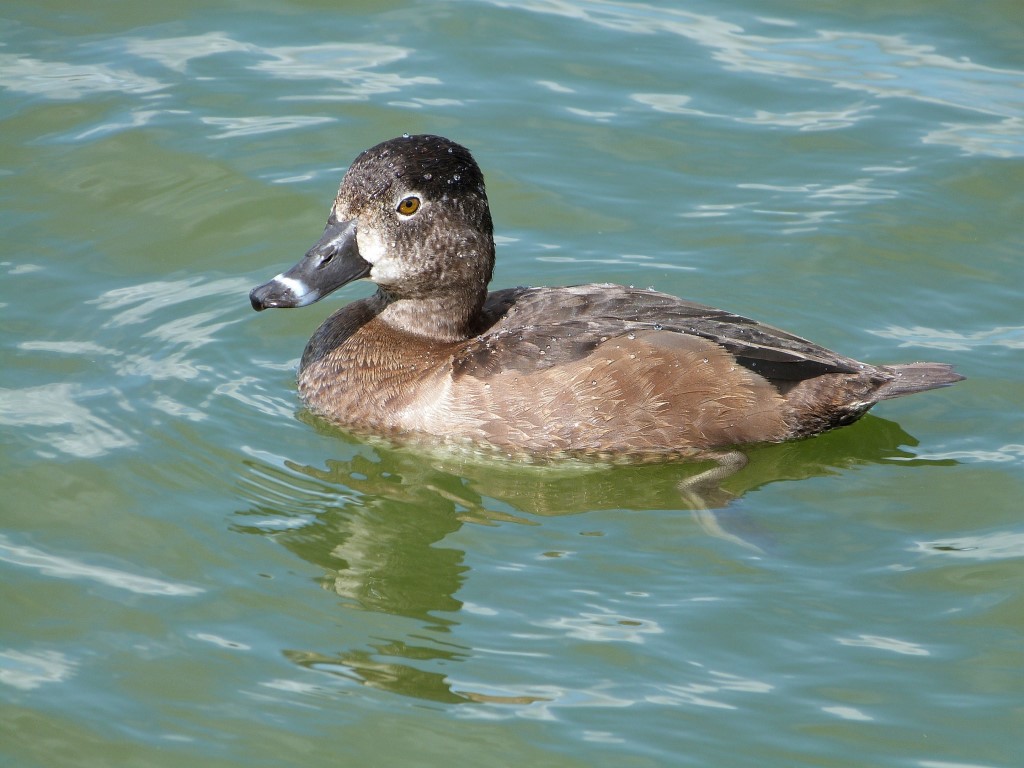
And the Female
Ring-necked Duck (Aythya collaris) Female at Lake Morton by Lee
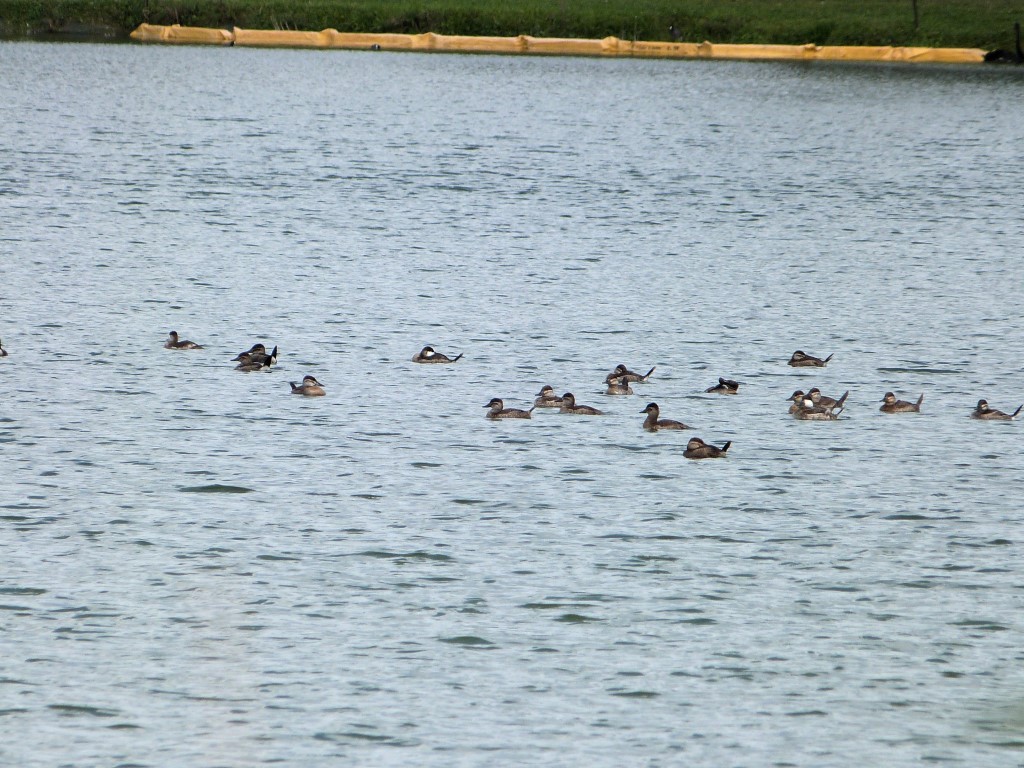
If you look at that first photo up close, way out in the middle of the lake you will see small ducks. This is a good as I could zoom in on them. They were Ruddy Ducks. Well over 50 of them on the lake floating around.
Ruddy Duck (Oxyura jamaicensis) at Lake Morton by Lee
Also, way off across the lake were two American White Pelicans with the usual Double-crested Cormorants swimming along with them. Again, this is zoomed way in.
American White Pelican (Pelecanus erythrorhynchos) with DC Cormorants at Lake Morton by Lee
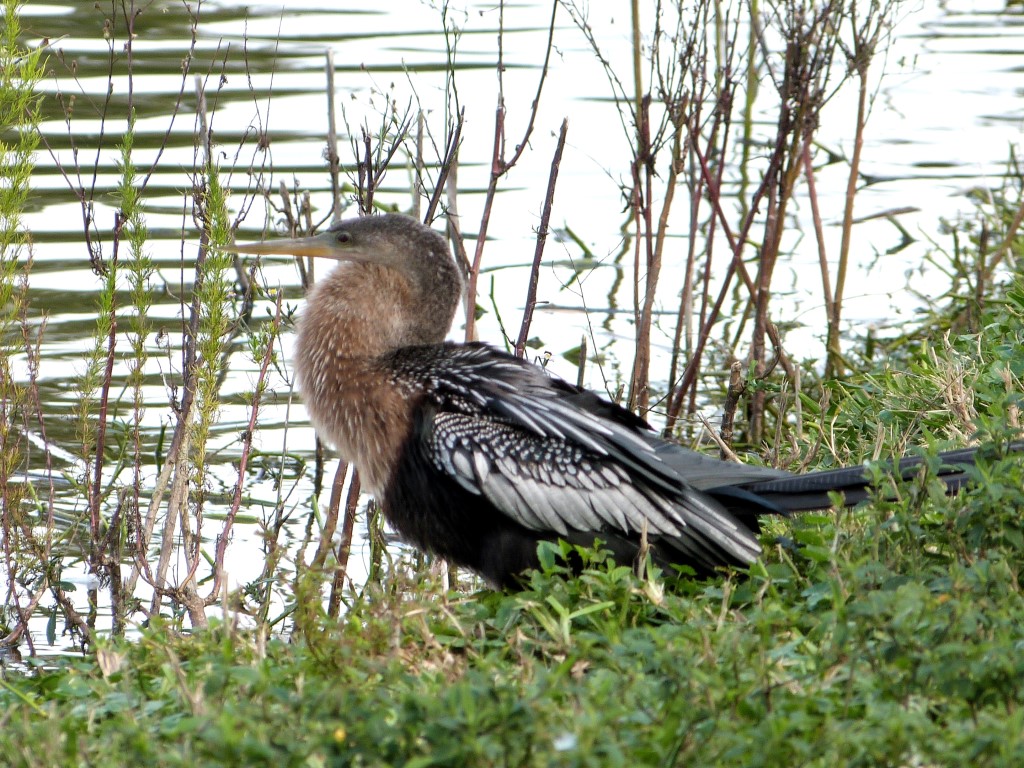
I also caught an Anhinga setting along the shore.
Anhinga (Anhinga anhinga) at Lake Morton by Lee
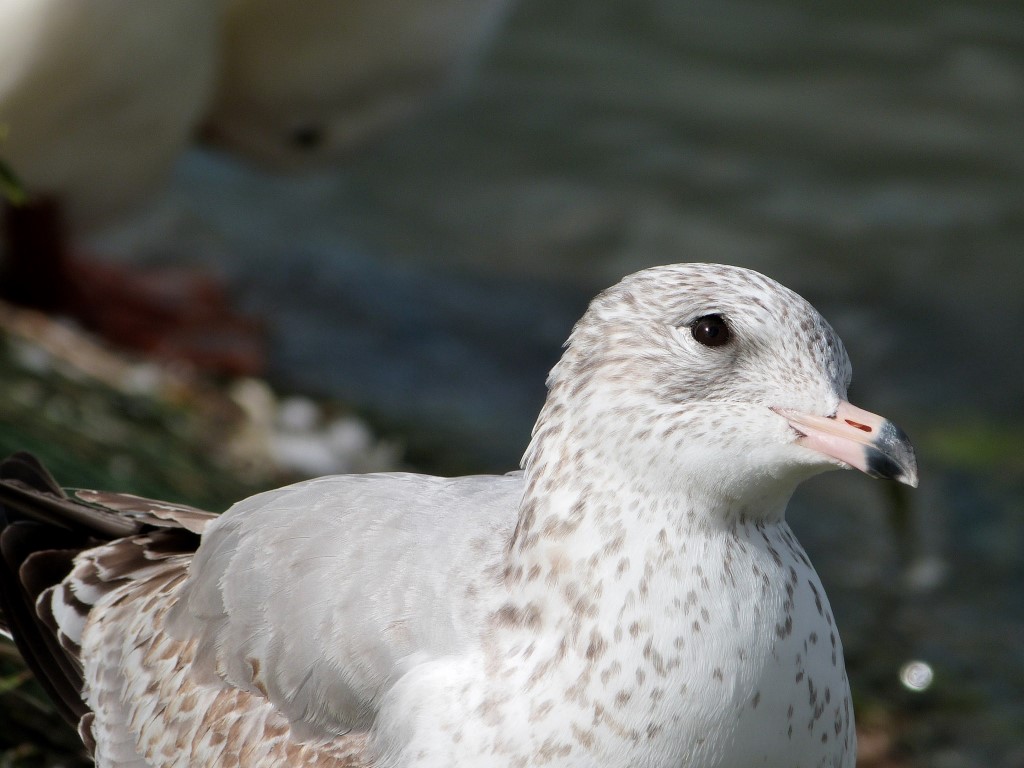
The Ring-billed Gulls are back down and this one seems to be a younger one.
Ring-billed Gull (Larus delawarensis) at Lake Morton by Lee
All in all, for about a 35-40 minute visit to the lake, we enjoyed checking out these and several more I didn’t mention. The Lord gave us good weather until it started sprinkling. Then I made a fast retreat to the car. No since getting sick again.
For as the rain cometh down, and the snow from heaven, and returneth not thither, but watereth the earth, and maketh it bring forth and bud, that it may give seed to the sower, and bread to the eater: (Isaiah 55:10 KJV)
For the king had at sea a navy of Tharshish with the navy of Hiram: once in three years came the navy of Tharshish, bringing gold, and silver, ivory, and apes, and peacocks. (1 Kings 10:22 KJV)
For the king’s ships went to Tarshish with the servants of Huram: every three years once came the ships of Tarshish bringing gold, and silver, ivory, and apes, and peacocks. (2 Chronicles 9:21 KJV)
In my reading today in I Kings 10, I came to the peacocks arriving to Israel via the Navy of Tharshish or Tarshish. We have written about them in Birds of the Bible – Peacocks (2008) and Birds of the Bible – Pied Peacock and Allies (2011). It’s time to see what else can be discovered about these beautifully created birds by the Lord.
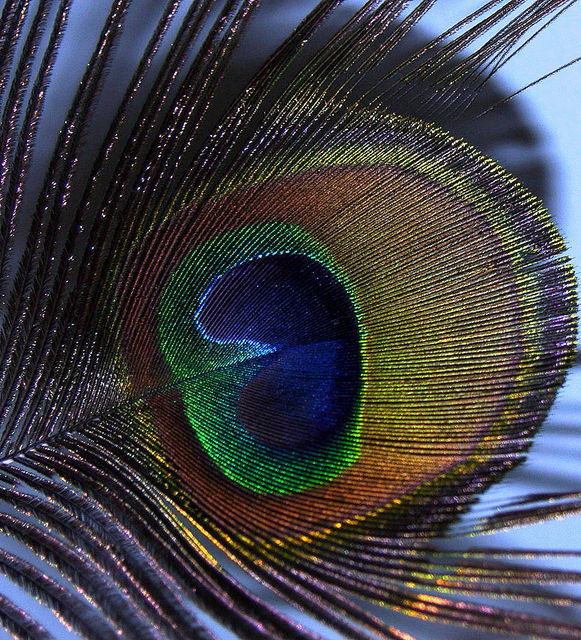
Peacock Feather
We know He, The LORD, questioned Job about the Peacocks “goodly wings” in Job 39.
Gavest thou the goodly wings unto the peacocks? or wings and feathers unto the ostrich? (Job 39:13 KJV)
Now, in I Kings and II Chronicles, the Peacocks are arriving in ships by the Navy of Tharshish. It appears that every three years those ships arrived with its precious cargos. Where had the ships gone to collect these items. There is speculation by some writers that the ships went west to Spain and other think in another way toward India and areas in that direction. The Bible does not say, so, we really don’t know.
Does that make you curious? It make me wonder where they found those peacocks.
Checking the history of Peacocks from CreationWiki and Wikipedia, they say that there are two species of Peafowl from Asia and one species from Africa. Is that were they got these Peacocks mentioned here in Scripture? When you are reading the Bible, do questions like this every give you an urge to dig a little deeper?
First, the “Peacocks” are the males. The females are called “Peafowl” and their chicks are called “Peachicks.” Collectively the birds are called Peafowl. They all belong to the Phasianidae – Pheasants, Fowl & Allies Family.
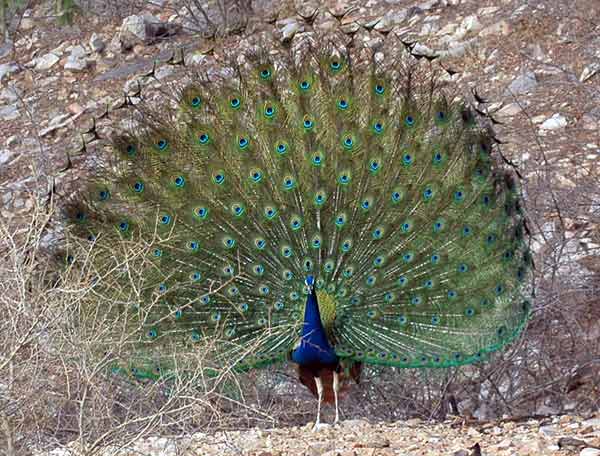
The two species from India-Asia are the Indian Peafowl (Pavo cristatus)
Indian Peafowl (Pavo cristatus) by Nikhil Devasar
and the Green Peafowl (Pavo muticus).
Green Peafowl (Pavo muticus) by Ian
The African member of the family is the Congo Peacock (Afropavo congensis).
Here are some of the thought of various commentaries:
JFB – once in three years — that is, every third year. Without the mariner’s compass they had to coast along the shore. The ivory, apes, and peacocks might have been purchased, on the outward or homeward voyage, on the north coast of Africa, where the animals were to be found. They were particularized, probably as being the rarest articles on board.
Geneva – By Tharshish is meant Cilicia, which was abundant in the variety of precious things.
Darby – 1 Kings 10:1-29 – The king of Tyre also was dependent on the king of Israel; and the queen of Sheba comes from the far south to delight herself in the wisdom of the head of God’s people, and to be filled with wonder at the sight of his glory, and to praise Jehovah who had raised him so high, and who had blessed the people in giving him to be their king. She also came with gifts; for the king’s renown had spread into distant lands. Nevertheless, although it was a true report that she had heard, the sight of his glory went far beyond all that had been said of it.
Constable – God forbade Israel’s kings from multiplying chariots (1Ki_10:26), the most effective and dreaded military machines of their day (Deu_17:16). God wanted His people to depend on Him primarily for their protection. Material prosperity and security often lead people to conclude that they have no needs when really our need for God never diminishes. Solomon fell into this trap. Wealth is not sinful in itself, but it does bring temptations with it (cf. Jam_5:1-6).
Though Solomon experienced great blessings from his faithful God, he fell prey to the sins these blessings make easier, as the writer explained in the next chapter.
Barnes – This is given as the reason of the great bountifulness of silver in the time of Solomon. The “navy of Tharshish” (not the same as the navy of Ophir, 1Ki_9:26) must therefore have imported very large quantities of that metal. Tharshish, or Tartessus, in Spain, had the richest silver mines known in the ancient world, and had a good deal of gold also; apes and ivory were produced by the opposite coast of Africa; and, if north Africa did not produce “peacocks,” which is uncertain, she may have produced the birds called here “tukkiyim,” which some translate “parrots,” others “guinea-fowl” – the latter being a purely African bird. The etymology of the Hebrew words here rendered “ivory,” “apes,” and “peacocks,” is uncertain; but even if of Indian origin, the Jews may have derived their first knowledge of ivory, apes, and peacocks, through nations which traded with India, and may thus have got the words into their language long before the time of Solomon. The names once fixed would be retained, whatever the quarter from where the things were procured afterward.
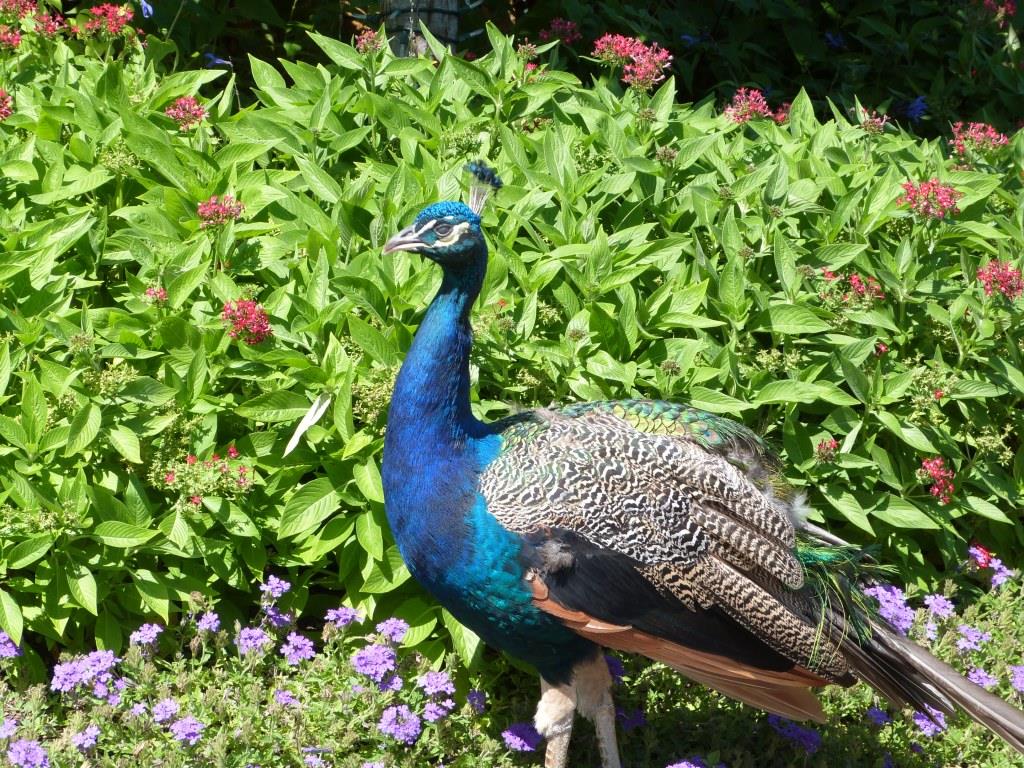
Indian Peafowl (Pavo cristatus) at Cincinnati Zoo by Lee
We have no clear idea of where they came from, and it really does not matter other than we are told they came by ship. We know that Solomon was the wisest and wealthiest king because God promised him back when he prayed for wisdom.
And now, O LORD my God, thou hast made thy servant king instead of David my father: and I am but a little child: I know not how to go out or come in….. Give therefore thy servant an understanding heart to judge thy people, that I may discern between good and bad: for who is able to judge this thy so great a people? And the speech pleased the Lord, that Solomon had asked this thing. And God said unto him, Because thou hast asked this thing, and hast not asked for thyself long life; neither hast asked riches for thyself, nor hast asked the life of thine enemies; but hast asked for thyself understanding to discern judgment; Behold, I have done according to thy words: lo, I have given thee a wise and an understanding heart; so that there was none like thee before thee, neither after thee shall any arise like unto thee. And I have also given thee that which thou hast not asked, both riches, and honour: so that there shall not be any among the kings like unto thee all thy days. And if thou wilt walk in my ways, to keep my statutes and my commandments, as thy father David did walk, then I will lengthen thy days. (1 Kings 3:7-14 KJV)
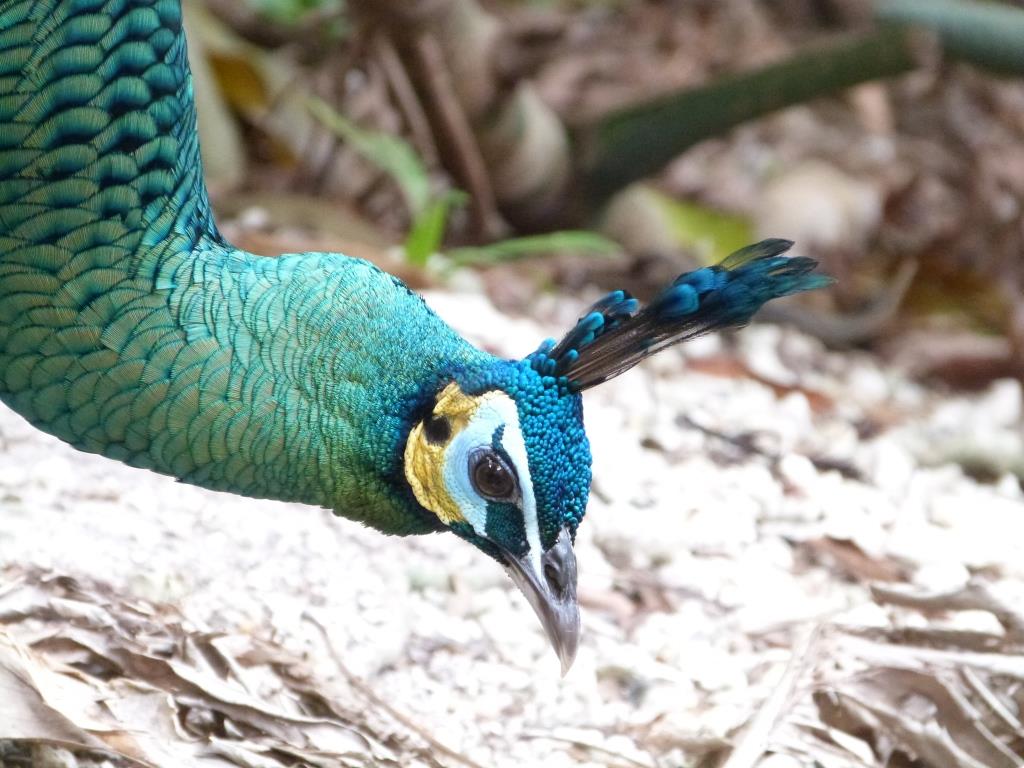
(Javan) Green Peafowl (Pavo muticus muticus) by Lee at Zoo Miami
Wow! Is that not true of those of us who know the Lord? The Lord answers our prayers many times by giving us much more than we ever asked for. As long as our prayers are in line with His Word.
That Christ may dwell in your hearts by faith; that ye, being rooted and grounded in love, May be able to comprehend with all saints what is the breadth, and length, and depth, and height; And to know the love of Christ, which passeth knowledge, that ye might be filled with all the fulness of God. Now unto him that is able to do exceeding abundantly above all that we ask or think, according to the power that worketh in us, (Ephesians 3:17-20 KJV)
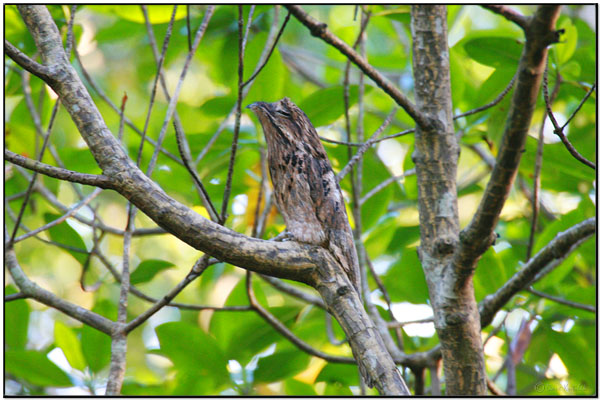
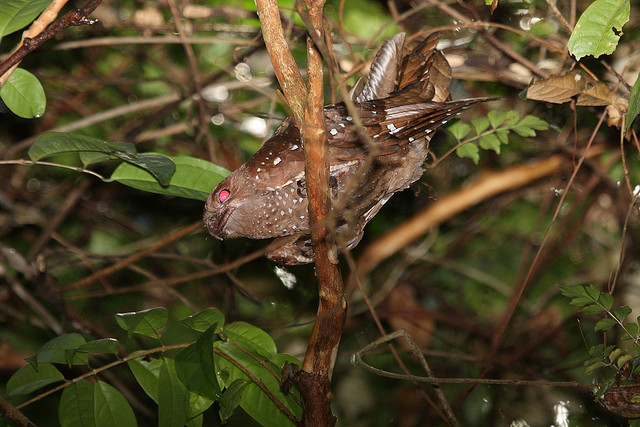
Common Potoo (Nyctibius griseus) by Daves BirdingPix
And David said to Jonathan, “Indeed tomorrow is the New Moon, and I should not fail to sit with the king to eat. But let me go, that I may hide in the field until the third day at evening. (1 Samuel 20:5 NKJV)
For in the time of trouble he shall hide me in his pavilion: in the secret of his tabernacle shall he hide me; he shall set me up upon a rock. (Psalms 27:5 KJV)
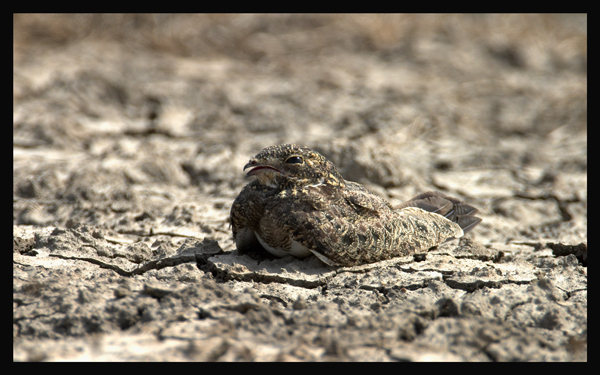
Nacunda Nighthawk (Podager nacunda) by R Scanlon
And do not hide Your face from Your servant, For I am in trouble; Hear me speedily. (Psalms 69:17 NKJV)
Australian Owlet-nightjar (Aegotheles cristatus) by Ian
Deliver me, O LORD, from mine enemies: I flee unto thee to hide me. (Psalms 143:9 KJV)
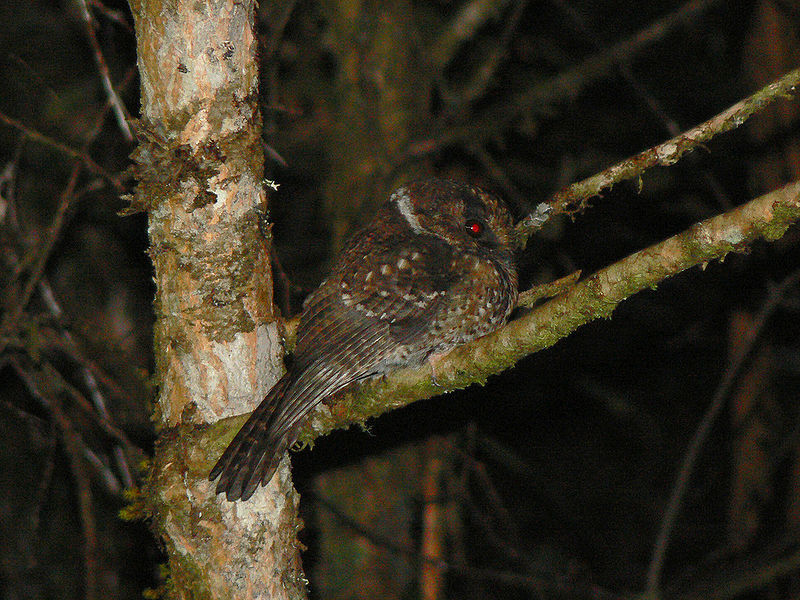
Collared Nightjar(Caprimulgus enarratus) by Dave’s BirdingPix
And when Absalom’s servants came to the woman to the house, they said, Where is Ahimaaz and Jonathan? And the woman said unto them, They be gone over the brook of water. And when they had sought and could not find them, they returned to Jerusalem. (2 Samuel 17:20 KJV)
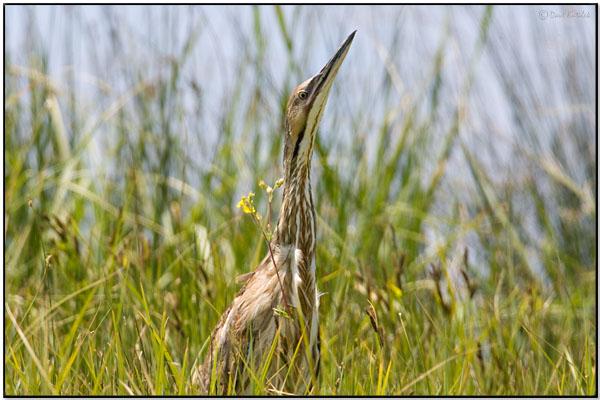
American Bittern (Botaurus lentiginosus) by Daves BirdingPix
Then shall they call upon me, but I will not answer; they shall seek me early, but they shall not find me: For that they hated knowledge, and did not choose the fear of the LORD: They would none of my counsel: they despised all my reproof. (Proverbs 1:28-30 KJV)
Thou shalt seek them, and shalt not find them, even them that contended with thee: they that war against thee shall be as nothing, and as a thing of nought. (Isaiah 41:12 KJV)
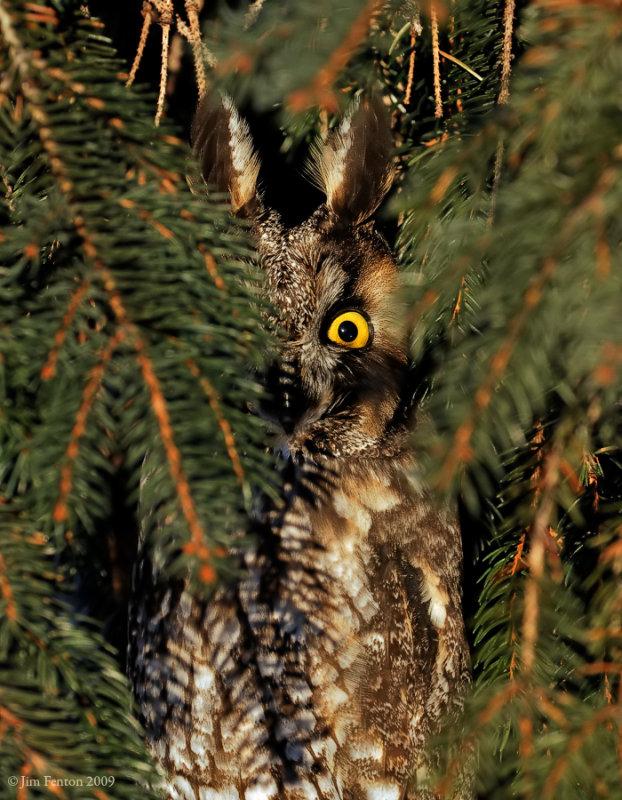
Long-eared Owl (Asio otus) by J Fenton
Behold, the days come, saith the Lord GOD, that I will send a famine in the land, not a famine of bread, nor a thirst for water, but of hearing the words of the LORD: And they shall wander from sea to sea, and from the north even to the east, they shall run to and fro to seek the word of the LORD, and shall not find it. (Amos 8:11-12 KJV)
What man of you, having an hundred sheep, if he lose one of them, doth not leave the ninety and nine in the wilderness, and go after that which is lost, until he find it? (Luke 15:4 KJV)
Either what woman having ten pieces of silver, if she lose one piece, doth not light a candle, and sweep the house, and seek diligently till she find it? And when she hath found it, she calleth her friends and her neighbours together, saying, Rejoice with me; for I have found the piece which I had lost. Likewise, I say unto you, there is joy in the presence of the angels of God over one sinner that repenteth. (Luke 15:8-10 KJV)
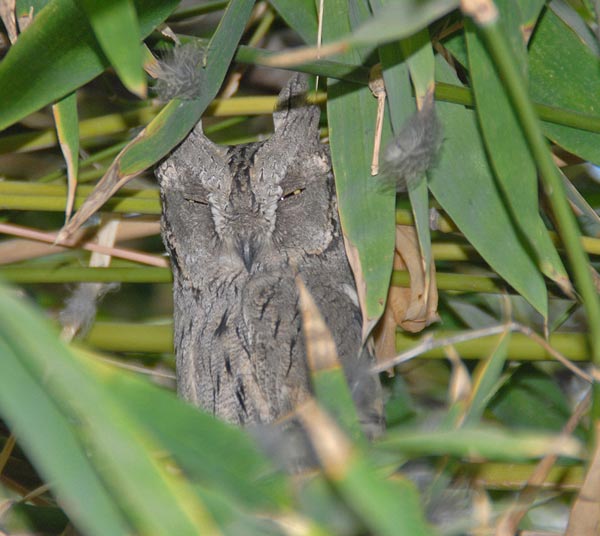
Pallid Scops Owl (Otus brucei) by Nikhil Devasar
Ye shall seek me, and shall not find me: and where I am, thither ye cannot come. (John 7:34 KJV)
For I know that in me (that is, in my flesh,) dwelleth no good thing: for to will is present with me; but how to perform that which is good I find not. (Romans 7:18 KJV)
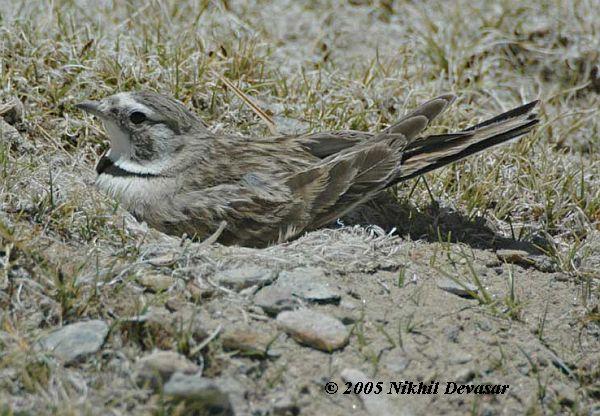
Horned Lark (Eremophila alpestris) on nestby Nikhil Devasar
If thou shalt hearken unto the voice of the LORD thy God, to keep his commandments and his statutes which are written in this book of the law, and if thou turn unto the LORD thy God with all thine heart, and with all thy soul. For this commandment which I command thee this day, it is not hidden from thee, neither is it far off. (Deuteronomy 30:10-11 KJV)
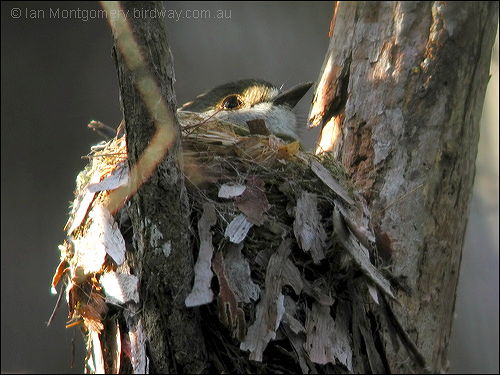
Pale-yellow Robin (Tregellasia capito) in nest by Ian
And I will give thee the treasures of darkness, and hidden riches of secret places, that thou mayest know that I, the LORD, which call thee by thy name, am the God of Israel. (Isaiah 45:3 KJV)
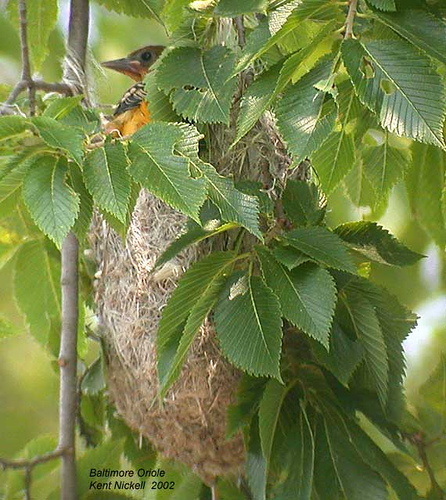
Baltimore Oriole (Icterus galbula) on nest by Kent Nickell
Thou hast heard, see all this; and will not ye declare it? I have shewed thee new things from this time, even hidden things, and thou didst not know them. (Isaiah 48:6 KJV)
But we speak the wisdom of God in a mystery, even the hidden wisdom, which God ordained before the world unto our glory: (1 Corinthians 2:7 KJV)
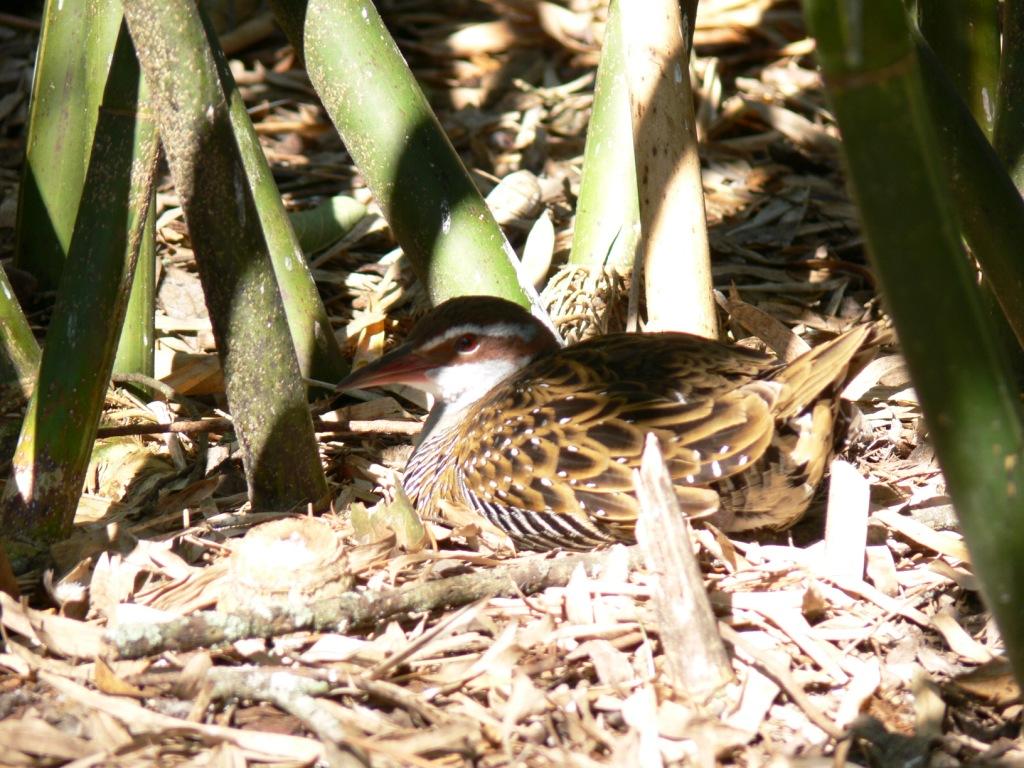
Buff-banded Rail (Gallirallus philippensis) by Lee
rather let it be the hidden person of the heart, with the incorruptible beauty of a gentle and quiet spirit, which is very precious in the sight of God. (1 Peter 3:4 NKJV)
***
When the Lord created the birds, some of them he made very beautiful to look at, others he made very hard to find. He did that for their protection. Either way, He loves them and cares for them. How much more does he care for us, love us and protect us?
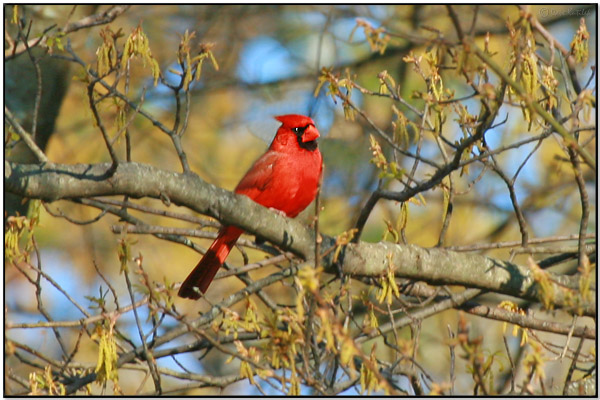
Northern Cardinal (Cardinalis cardinalis) by Daves BirdingPix
THE CARDINAL BIRD AND THE ROBIN
“The cardinal bird,” said daddy, “is a very superior bird and will not come down to the ground. The lowest he will come is to a bush, but he never hops along the woods or lawns, no, not he!
“One day Robin Redbreast was walking on a green lawn. He stopped several times to pick up a worm from the ground, swallow it whole and then walk along. In a tree nearby he spied the cardinal bird.
“‘Hello,’ he said cheerily. ‘Won’t you come and have a worm with me? There are a number in this lawn, and the good rain we had last night has made the ground so nice and soft. Do join me,’ he ended with a bright chirp.
“‘No, thank you,’ said the cardinal bird. ‘I wouldn’t soil my feet on that ground. I hate the ground, absolutely hate it.’ And the cardinal bird looked very haughty and proud.
“‘Come now,’ said Robin Redbreast, ‘you won’t get your feet dirty. And if you do,’ he whispered knowingly, ‘I can lead you to the nicest brook where you can wash them off with fresh rain water. Do come!’
“‘I cannot,’ said the cardinal bird. ‘I do not like the earth. I want to be flying in the air, or sitting on the branches of trees. Sometimes I will perch for a little while on a laurel bush—but come any lower? Dear me, no, I couldn’t.’
“‘It’s a great shame,’ said Robin Redbreast. ‘Of course there is no accounting for taste.’
“‘Thank you for inviting me,’ added the cardinal bird politely. For he prided himself on his good manners.
“Pretty soon some people came along. At once they noticed the beautiful cardinal bird. He wore his best red suit which he wears all the time—except in the winter, when he adds gray to his wings. His collar and tie were of black and his feathers stuck up on top of his head so as to make him look very stylish and fine.
“‘Oh, what a wonderful bird!’ said the people. Mr. Cardinal Bird knew they were admiring him, of course—and so did Robin Redbreast. No one had noticed him, but he didn’t care, for he knew Mr. Cardinal Bird was by far the more beautiful, and a robin hasn’t a mean disposition.
“Well, when the cardinal bird heard the praise he began to sing—a glorious high voice he had, and he sounded his clear notes over and over again. Then suddenly he stopped, cocked his head on one side, as though to say,
“‘And what do you think of me now?’
“From down on the ground Robin Redbreast had been listening. ‘Oh, that was wonderful, wonderful!’ he trilled.
“‘Listen to that dear little robin,’ said one of the people. ‘I must get him some bread crumbs.’
“When the bread crumbs were scattered over the ground, Robin Redbreast invited the cardinal bird down again thinking they were for him! But the beautiful, proud bird would not come down, and the people were saying, ‘After all there is nothing quite so nice as a dear little robin.'”
American Robin (Turdus migratorius) by Ian
Lee’s Addition:
When pride comes, then comes shame; But with the humble is wisdom. (Proverbs 11:2 NKJV)
Our foolish pride comes from this world, and so do our selfish desires and our desire to have everything we see. None of this comes from the Father. (1 John 2:16 CEV)
I think our Cardinal friend in this story was just a little bit too proud. Our friendly Robin was trying hard to offer the Cardinal a good meal and to encourage our Red bird. Do we act more like the Cardinal or the Robin?
(Also: Cardinals in real life do not show false pride.)
And he shall be like a tree planted by the rivers of water, that bringeth forth his fruit in his season; his leaf also shall not wither; and whatsoever he doeth shall prosper. Psalm 1:3
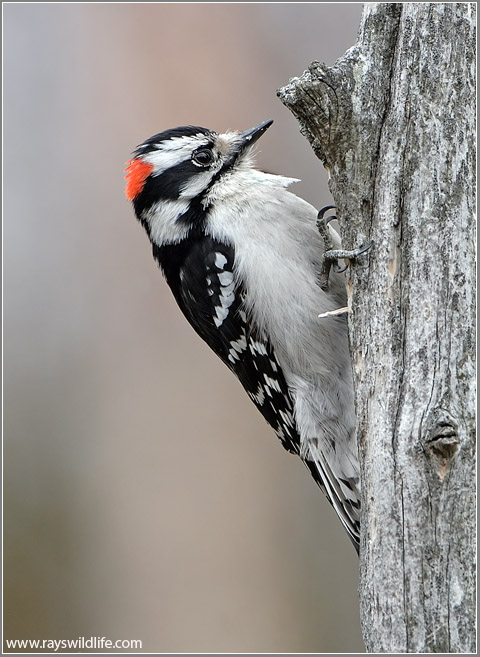
Downy Woodpecker (Picoides pubescens) Brevard Zoo by Dan
VI
FRIEND DOWNY
No better little bird comes to our orchards than our friend the downy woodpecker. He is the smallest and one of the most sociable of our woodpeckers,—a little, spotted, black-and-white fellow, precisely like his larger cousin the hairy, except in having the outer tail-feathers barred instead of plain. Nearly everything that can be said of one is equally true of the other on a smaller scale. They look alike, they act alike, and their nests and eggs are alike in everything but size.
Downy is the most industrious of birds. He is seldom idle and never in mischief. As he does not fear men, but likes to live in orchards and in the neighborhood of fields, he is a good friend to us. On the farm he installs himself as Inspector of Apple-trees. It is an old and an honorable profession among birds. The pay is small, consisting only of what can be picked up, but, as cultivated trees are so infested with insects that food is always plentiful, and as they have usually a dead branch suitable to nest in, Downy asks no more. Summer and winter he works on our orchards. At sunrise he begins, and he patrols the branches till sunset. He taps on the trunks to see whether he can hear any rascally borers inside. He inspects every tree carefully in a thorough and systematic way, beginning low down and following up with a peek into every crevice and a tap upon every spot that looks suspicious. If he sees anything which ought not to be there, he removes it at once.
Downy
A moth had laid her eggs in a crack in the bark, expecting to hatch out a fine brood of caterpillars: but Downy ate them all, thus saving a whole branch from being overrun with caterpillars and left fruitless, leafless, and dying. A beetle had just deposited her eggs here. Downy saw her, and took not only the eggs but the beetle herself. Those eggs would have hatched into boring larvæ, which would have girdled and killed some of the branches, or have burrowed under the bark, causing it to fall off, or have bored into the wood and, perhaps, have killed the tree.
Nor is the full-grown borer exempt. Downy hears him, pecks a few strokes, and harpoons him with unerring aim. When Downy has made an arrest in this way, the prisoner does not escape from the police. Here is a colony of ants, running up the tree in one line and down in another, touching each other with their feelers as they pass. A feast for our friend! He takes both columns, and leaves none to tell the tale. This is a good deed, too, since ants are of no benefit to fruit-trees and are very fond of the dead-ripe fruit.
And Downy is never too busy to listen for borers. They are fine plump morsels much to his taste, not so sour as ants, nor so hard-shelled as beetles, nor so insipid as insects’ eggs. A good borer is his preferred dainty. The work he does in catching borers is of incalculable benefit, for no other bird can take his place. The warblers, the vireos, and some other birds in summer, the chickadees and nuthatches all the year round, are helping to eat up the eggs and insects that lie near the surface, but the only birds equipped for digging deep under the bark and dragging forth the refractory grubs are the woodpeckers.
So Downy works at his self-appointed task in our orchards summer and winter, as regular as a policeman on his beat. But he is much more than a policeman, for he acts as judge, jury, jailer, and jail. All the evidence he asks against any insect is to find him loafing about the premises. “I swallow him first and find out afterwards whether he was guilty,” says Downy with a wink and a nod.
Most birds do not stay all the year, in the North, at least, and most, in return for their labors in the spring, demand some portion of the fruit or grain of midsummer and autumn. Not so Downy. His services are entirely gratuitous; he works twice as long as most others. He spends the year with us, no winter ever too severe for him, no summer too hot; and he never taxes the orchard, nor takes tribute from the berry patch. Only a quarter of his food is vegetable, the rest being made up of injurious insects; and the vegetable portion consists entirely of wild fruits and weed-seeds, nothing that man eats or uses. Downy feeds on the wild dogwood berries, a few pokeberries, the fruit of the woodbine, and the seeds of the poison-ivy,—whatever scanty and rather inferior fare is to be had at Nature’s fall and winter table.
If in the cold winter weather we will take pains to hang out a bone with some meat on it, raw or cooked, or a piece of suet, taking care that it is not salted,—for few wild birds except the crossbills can eat salted food,—we may see how he appreciates our thoughtfulness. Shall we grudge him a bone from our own abundance, or neglect to fasten it firmly out of reach of the cat and dog? If his cousin the hairy and his neighbor the chickadee come and eat with him, bid them a hearty welcome. The feast is spread for all the birds that help men, and friend Downy shall be their host.
Lee’s Addition:
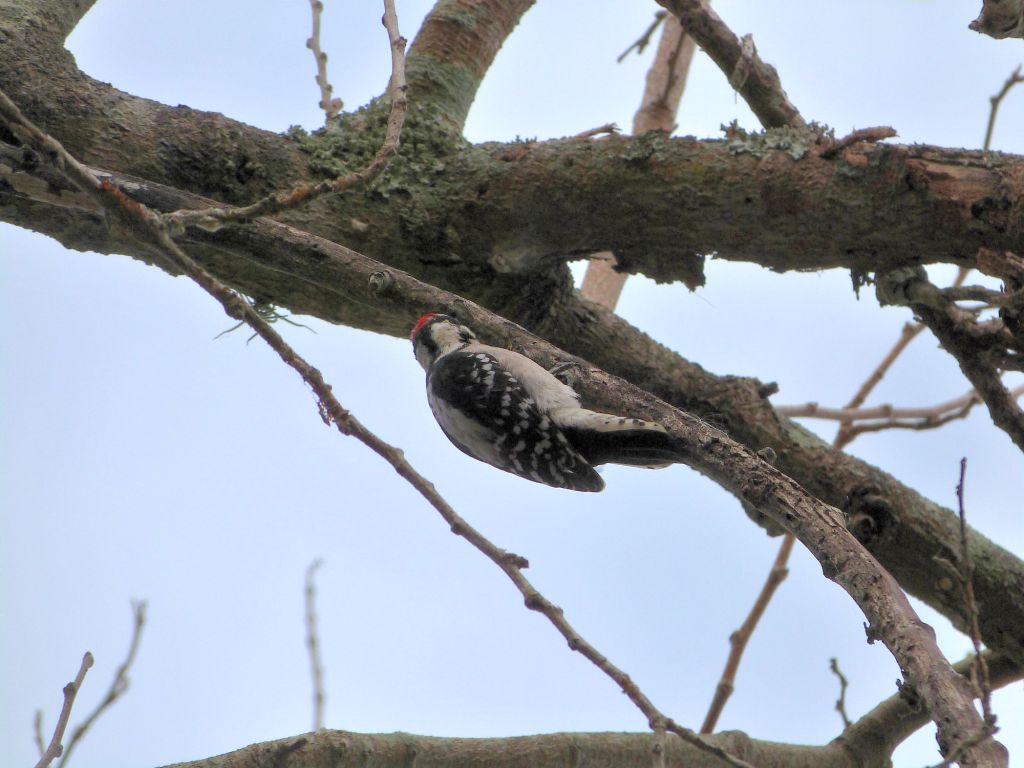
Downy Woodpecker by Lee Lake Parker Park
He will bless them that fear the LORD, both small and great. (Psalms 115:13 KJV)
This is Chapter VI from The Woodpeckers book. Our writer, Fannie Hardy Eckstorm, wrote this in 1901. There are 16 chapters, plus the Forward, which are about the Woodpecker Family here in America. All the chapters can be found on The Woodpeckers page. I added photos to help enhance the article. In 1901, photography was not like today.
Downy Woodpecker (Picoides pubescens) by Raymond Barlow
We have another neat creation from the Lord. I always enjoy watching this little Woodpecker checking out the trees nearby.
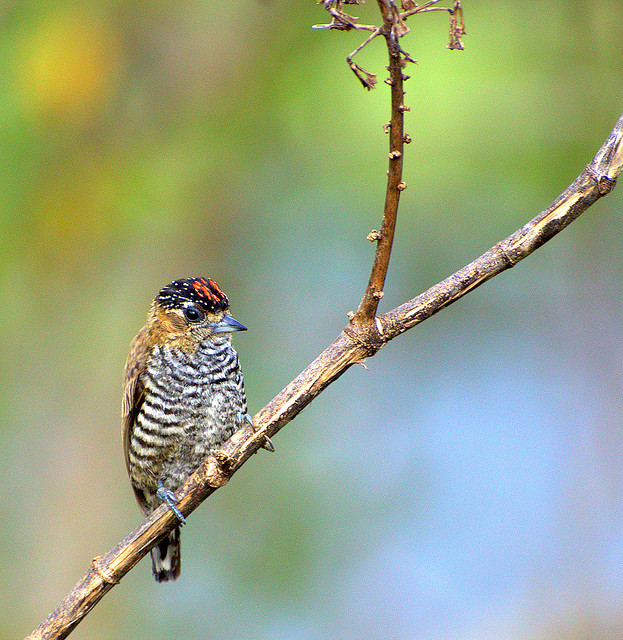
Adult Downy Woodpeckers are the smallest of North America’s woodpeckers but there are many smaller species elsewhere, especially the piculets. The total length of the species ranges from 5.5 to 7.1 in (14 to 18 cm) and the wingspan from 9.8 to 12 in (25 to 31 cm).
The Downy Woodpecker is mainly black on the upperparts and wings, with a white back, throat and belly and white spotting on the wings. There is a white bar above the eye and one below. They have a black tail with white outer feathers barred with black. Adult males have a red patch on the back of the head whereas juvenile birds display a red cap.
Hairy Woodpecker (Picoides villosus) by Daves BirdingPix
The Downy Woodpecker is virtually identical in plumage pattern to the much larger Hairy Woodpecker, but it can be distinguished from the Hairy by the presence of black spots on its white tail feathers and the length of its bill. The Downy Woodpecker’s bill is shorter than its head, whereas the Hairy Woodpecker’s bill is approximately equal to head length.
The Downy Woodpecker gives a number of vocalizations, including a short pik call. Like other woodpeckers, it also produces a drumming sound with its beak as it pecks into trees. Compared to other North American species its drums are slow. (Wikipedia with editing and sounds from xeno-canto)
Drumming
A pik and rattle call
*
Ochre-collared Piculet (Picumnus temminckii) by Dario Sanches
Following is a YouTube from Ian Juby about the creation of our birds. This is from his
Our Created Birds – this is Genesis Week episode 10, season 3
*
To see all of the video click on YouTube symbol or go to wazooloo for more of his videos.
Then God said, “Let the waters teem with swarms of living creatures, and let birds fly above the earth in the open expanse of the heavens.” God created the great sea monsters and every living creature that moves, with which the waters swarmed after their kind, and every winged bird after its kind; and God saw that it was good. God blessed them, saying, “Be fruitful and multiply, and fill the waters in the seas, and let birds multiply on the earth.” (Genesis 1:20-22 NASB)



























 Lee's Birdwatching Adventures Plus