Sunday Inspiration – Grassbirds And Allies

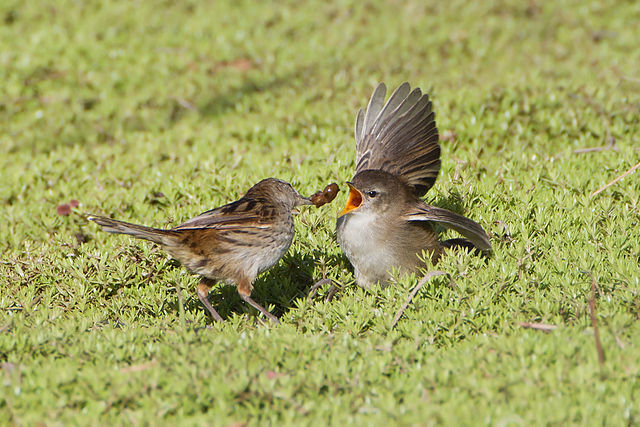
Little Grassbird (Megalurus gramineus) Adult Feeding Juvenile©WikiC

Little Grassbird (Megalurus gramineus) Adult Feeding Juvenile ©WikiC

The grass withers, the flower fades, but the word of our God will stand forever. (Isaiah 40:8 ESV)

The Lord Jesus Christ created another neat group (family) of birds that includes Grassbirds, Bush Warblers, Thicketbirds and other various warbler sized birds. There is even an Emutail.

Grey Emutail (Amphilais seebohmi) ©WikiC

Grey Emutail (Amphilais seebohmi) ©WikiC

Locustellidae is a newly recognized family of small insectivorous songbirds (“warblers”), formerly placed in the Old World warbler “wastebin” family. It contains the grass warblers, grassbirds, and the Bradypterus “bush warblers”. These birds occur mainly in Eurasia, Africa, and the Australian region. The family name is sometimes given as Megaluridae, but Locustellidae has priority.

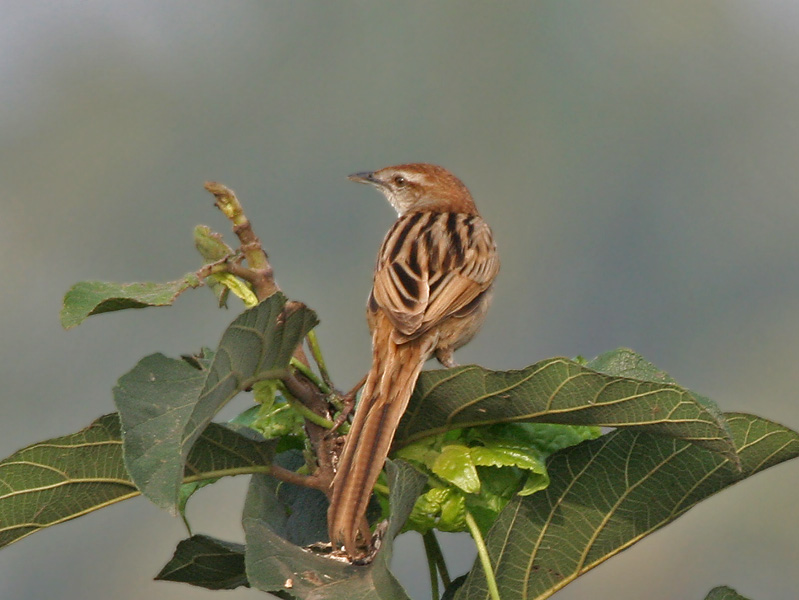
Striated Grassbird (Megalurus palustris) ©WikiC

Striated Grassbird (Megalurus palustris) ©WikiC

The species are smallish birds with tails that are usually long and pointed; the scientific name of the genus Megalurus in fact means “the large-tailed one” in plain English. They are less wren-like than the typical shrub-warblers (Cettia) but like these drab brownish or buffy all over. They tend to be larger and slimmer than Cettia though, and many have bold dark streaks on wings and/or underside. Most live in scrubland and frequently hunt food by clambering through thick tangled growth or pursuing it on the ground; they are perhaps the most terrestrial of the “warblers”. Very unusual for Passeriformes, some are becoming flightless in some taxa.

Among the “warbler and babbler” superfamily Sylvioidea, the Locustellidae are closest to the Malagasy warblers, another newly recognized (and hitherto unnamed) family; the black-capped donacobius (Donacobius atricapillus) is an American relative derived from the same ancestral stock and not a wren as was long believed. (Wikipedia with editing)

Then God said, “Let the earth bring forth grass, the herb that yields seed, and the fruit tree that yields fruit according to its kind, whose seed is in itself, on the earth”; and it was so. And the earth brought forth grass, the herb that yields seed according to its kind, and the tree that yields fruit, whose seed is in itself according to its kind. And God saw that it was good. (Genesis 1:11-12 NKJV)

You can see most of the Family as you listen to the music below the slideshow.

This slideshow requires JavaScript.

“The Church’s One Foundation” ~ Megan Fee, Cody Hancock & Dakota Hancock ~ at Faith Baptist

For we are labourers together with God: ye are God’s husbandry, ye are God’s building. According to the grace of God which is given unto me, as a wise masterbuilder, I have laid the foundation, and another buildeth thereon. But let every man take heed how he buildeth thereupon. For other foundation can no man lay than that is laid, which is Jesus Christ. (1 Corinthians 3:9-11 KJV)

*

Locustellidae – Grassbirds and Allies Family

Locustellidae – Wikipedia

Gospel Message

*

In The Hollow Of His Hand

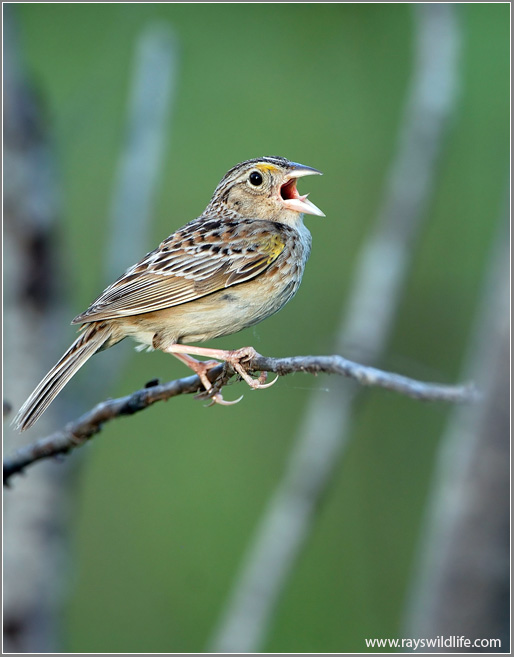
Grasshopper Sparrow (Ammodramus savannarum) by Rat Kirkfield

Grasshopper Sparrow (Ammodramus savannarum) by Rat Kirkfield

Are not two little sparrows sold for a penny? And yet not one of them will fall to the ground without your Father’s leave (consent) and notice. But even the very hairs of your head are all numbered. Fear not, then; you are of more value than many sparrows. (Matthew 10:29-31 AMP)

IN THE HOLLOW OF HIS HAND.
(From an Ornithologist’s Year Book.)

So tiny that a child’s small palm can cover its whole body, inaudible at a few paces’ distance, invisible till it rises at your very feet, such is our yellow-winged sparrow. Yet he is a marvel; his plumage shows an exquisite mimicry of the earth tints, “the upper parts mixed black, rufous-brown, ashy and cream-buff,” with a touch of “yellowish olive-green” for the herbage, and here and there an orange or yellow shade, and a dusky whiteness beneath, to give the effect of light. What could be more perfect? No wonder the wee householders, with a nest of fine-woven grasses, low upon the ground, sits unseen on her “clutch” of wee speckled eggs within reach of your fingers. She knows this well, and will not rise until you are almost upon her retreat. Nor will she fly far. A fence post, a low shrub will serve as her watchtower until danger is over.

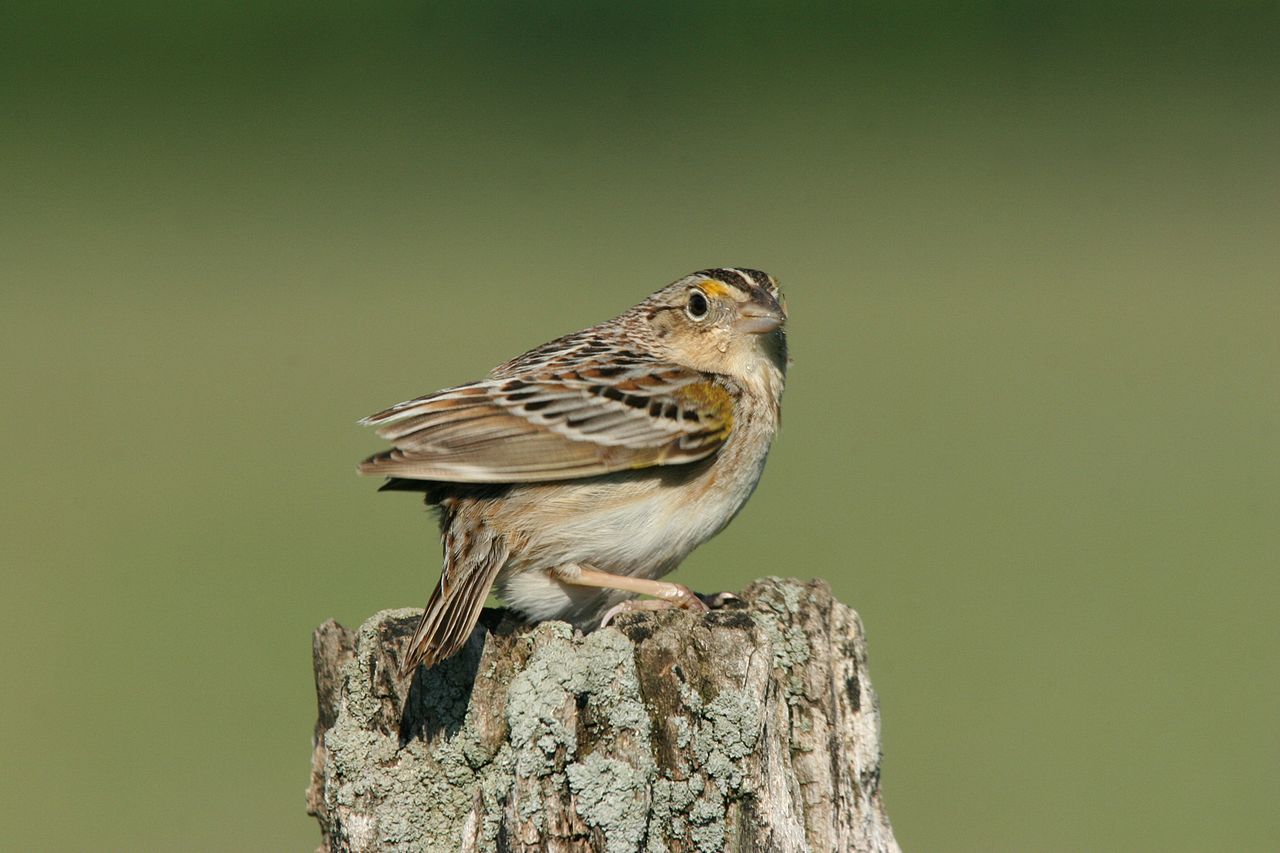
Grasshopper Sparrow (Ammodramus savannarum) ©WikiC

Grasshopper Sparrow (Ammodramus savannarum) ©WikiC

Our yellow-tinted sparrow has another name, the “Grasshopper Sparrow,” from its insect-like tremolo and chirp. Its song is a chord or two and a long trill on the insect letter, z. It is sung, to the eye, with a hearty abandon of joy, the head thrown back and mouth open, in a fine pose of ecstasy; yet, unless all around is still, and you listen with attention, not a sound will you hear, so small and fine are the vibrating tones. It is said, in a story of the Highlands, that on certain nights, if a man will but lay a couchant ear close to the breast of the earth, he may hear the fine, fine piping of the fairy tunes played in the underworld. Our bird’s song is one of these faint, sweet voices of the earth, like the music that breathes from every clod or leaf when the old world lies dreaming and dozing in a bit of holiday after work is done on a warm, sunny afternoon in autumn, a musical, tremulous, sweet piping everywhere.

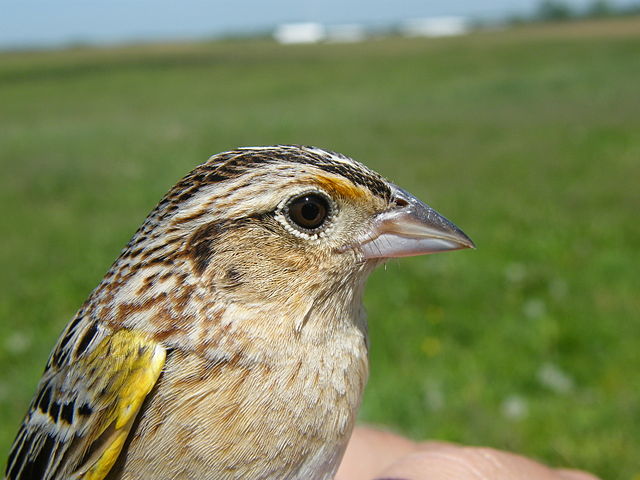
Grasshopper Sparrow (Ammodramus savannarum) ©WikiC

Grasshopper Sparrow (Ammodramus savannarum) ©WikiC

Yet not one of these small creatures is forgotten before its Father. When the frost is in the air, and winter is near, the Divine impulse stirs in its breast, and its little wings will bear it far, far away in the long, mysterious journey over sea to the warm islands of the Atlantic. There it will sing for joy with its fellows in the sun, but when April returns, look well. Is there not a stir in the short grass? And listen. The faint, dream-like thrill throbs again in the throat of the sparrow, and our ground-dweller has returned. It is a parable of God’s care for His little ones.

Ella F. Mosby.

“Are not five sparrows sold for two copper coins? And not one of them is forgotten before God. But the very hairs of your head are all numbered. Do not fear therefore; you are of more value than many sparrows. (Luke 12:6-7 NKJV)

*

This is from Gutenberg’s eBooks.

BIRDS AND NATURE. Vol. X  NOVEMBER, 1901. No. 4

I just found another wealth of great birds tales and information to write about. These are all in the Public Domain.

*

Project Gutenberg eBooks

Grasshopper Sparrow – Wikipedia

Grasshopper Sparrow – All About Birds

Wordless Birds

*

Sunday Inspiration – Reed Warblers

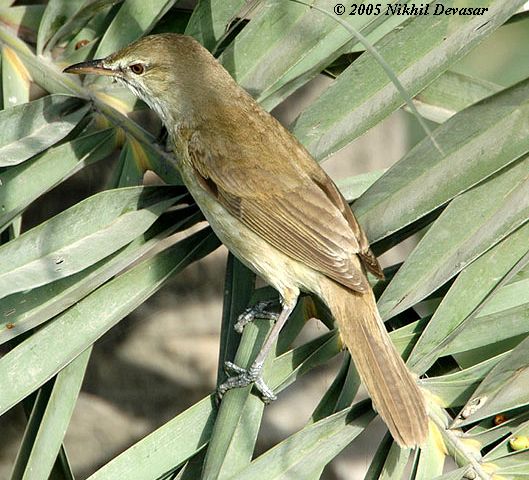
Clamorous Reed Warbler (Acrocephalus stentoreus) by Nikhil

Clamorous Reed Warbler (Acrocephalus stentoreus) by Nikhil

“Can the papyrus grow up without a marsh? Can the reeds flourish without water? (Job 8:11 NKJV)

This week we introduce you to just one family, the Acrocephalidae Family of Reed Warblers, Marsh- and Tree-warblers, and Acrocephalid warblers. The Lord has created this family of birds to blend in rather well with their surroundings. Another act of love and concern from the Creator.

The species in this family are usually rather large “warblers”. Most are rather plain olivaceous brown above with much yellow to beige below. They are usually found in open woodland, reedbeds or tall grass. The family occurs mostly in southern to western Eurasia and surroundings, but also ranging far into Pacific, with some species in Africa.

There are five genus in this family;

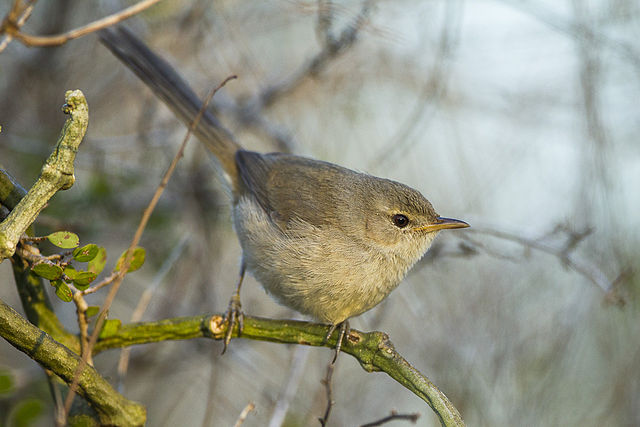
Subdesert Brush Warbler (Nesillas lantzii) ©WikiC

Subdesert Brush Warbler (Nesillas lantzii) ©WikiC

Nesillas – Brush Warblers; found in Comoros and Madagascar. Its natural habitats are subtropical or tropical dry forests, subtropical or tropical moist lowland forests, and subtropical or tropical moist shrubland.

Sedge Warbler (Acrocephalus schoenobaenus) by Robert Scanlon

Sedge Warbler (Acrocephalus schoenobaenus) by Robert Scanlon

Acrocephalus warblers are small, insectivorous passerine birds. Formerly in the Old World warbler assemblage, they are now separated as the namesake of the marsh and tree warbler family Acrocephalidae. They are sometimes called marsh warblers or reed warblers. These are rather drab brownish warblers usually associated with marshes or other wetlands. Some are streaked, others plain. Many species are migratory. Many species have a flat head profile, which gives rise to the group’s scientific name;

African Yellow Warbler (Iduna natalensis) ©WikiC

African Yellow Warbler (Iduna natalensis) ©WikiC

Iduna is a genus of tree warbler in the Acrocephalidae family. It is sometimes lumped together in the genus Hippolais.

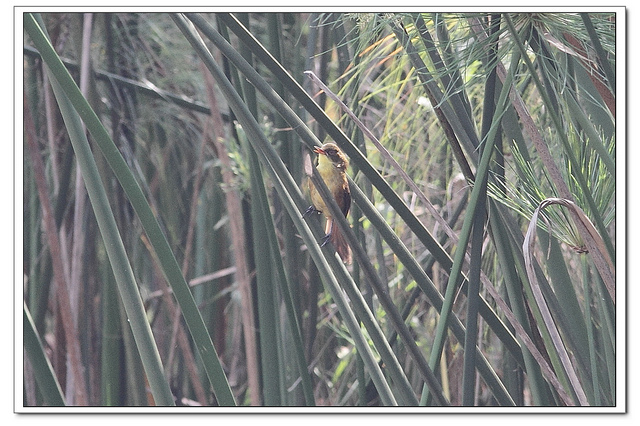
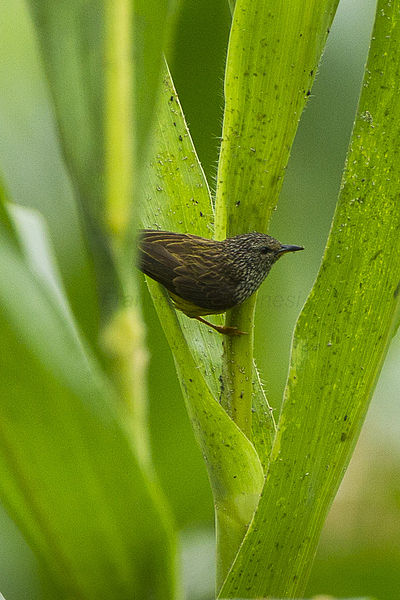
Papyrus Yellow Warbler (Calamonastides gracilirostris) ©©Flickr Ross Tsal

Papyrus Yellow Warbler (Calamonastides gracilirostris) ©©Flickr Ross Tsal

(Calamonastides gracilirostris) Papyrus Yellow Warbler is a species of tree warbler; formerly placed in the “Old World warblers”. It is monotypic in its genus. It is found in Burundi, Democratic Republic of the Congo, Kenya, Rwanda, Tanzania, Uganda, and Zambia. Its natural habitat is swamps. It is threatened by habitat loss. Compared with the dull browns and greys typical of swamp-dwelling warblers, this warbler is brightly coloured. It shows an underbelly of rich yellow and olive-brown upper parts. Its song consists of melodious liquid warbling:

Icterine Warbler (Hippolais icterina) ©WikiC

Icterine Warbler (Hippolais icterina) ©WikiC

Hippolais is a genus of tree warbler in the Acrocephalidae family. It is sometimes lumped together with the genus Iduna.

(Info from Wikipedia with editing)

Acrocephalidae – Reed Warblers and allies:

This slideshow requires JavaScript.

As they departed, Jesus began to say to the multitudes concerning John: “What did you go out into the wilderness to see? A reed shaken by the wind? (Matthew 11:7 NKJV)

“When I Survey The Wondrous Cross” ~ by Miss Anna Pletcher (12 years old at Faith Baptist) on piano

I love the last verse of this hymn:

Were the whole realm of nature mine,
That were a present far too small;
Love so amazing, so divine,
Demands my soul, my life, my all.

 *

Sunday Inspiration

Acrocephalidae Family of Reed Warblers and Allies

Reed Warblers and Allies – Montereybay

Acrocephalidae Family – Wikipedia

Gideon

*

Sunday Inspiration – Little Beauties From The Lord

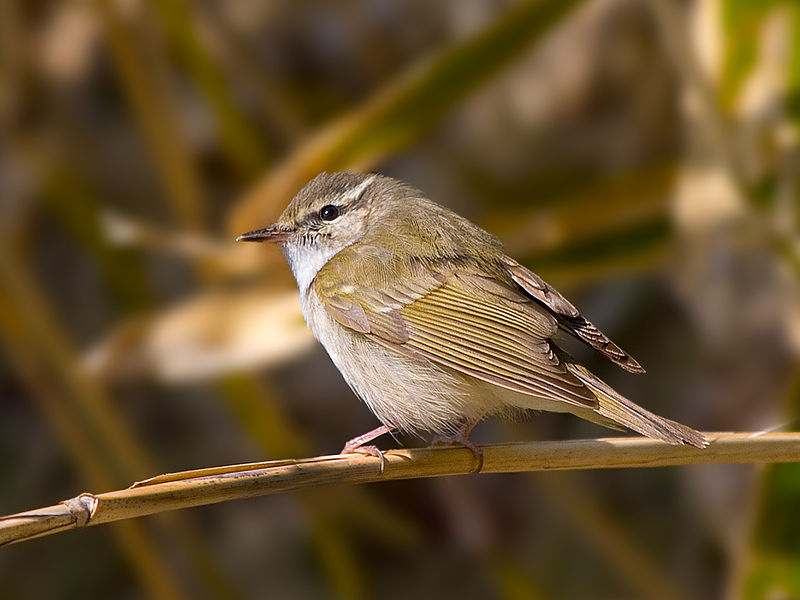
Sakhalin Leaf Warbler (Phylloscopus borealoides) ©WikiC

Sakhalin Leaf Warbler (Phylloscopus borealoides) ©WikiC

And Jesus saith unto him, The foxes have holes, and the birds of the air have nests; but the Son of man hath not where to lay his head. (Matthew 8:20 KJV)

We have another mixture of birds from our Creator found in several families, but most are Leaf Warblers from Phylloscopidae family. There are 77 in that family, but the families before them, taxonomically, have just a few species in them.

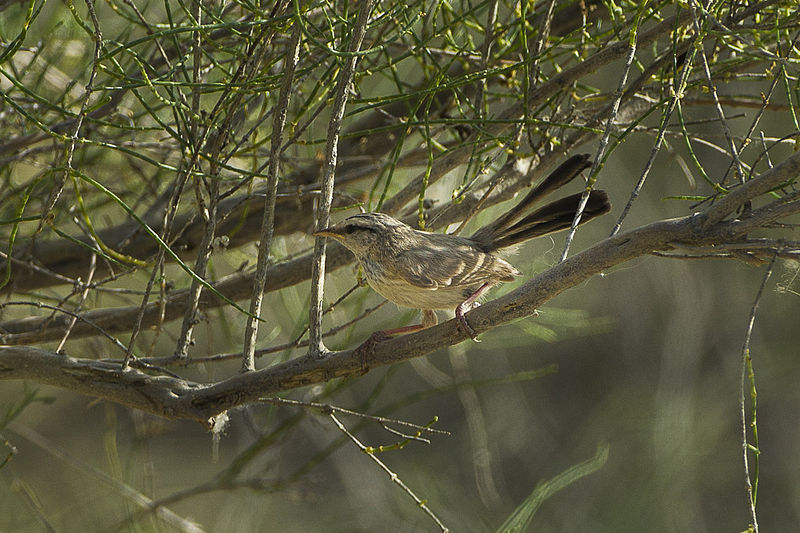
Streaked Scrub Warbler (Scotocerca inquieta) ©WikiC

Streaked Scrub Warbler (Scotocerca inquieta) ©WikiC

Streaked Scrub Warbler – Scotocercidae has only one bird – the Streaked Scrub Warbler (Scotocerca inquieta). It is found in Afghanistan, Algeria, Egypt, India, Iran, Israel, Jordan, Kazakhstan, Lebanon, Libya, Mauritania, Morocco, Oman, Pakistan, Palestine, Russia, Saudi Arabia, Syria, Tajikistan, Tunisia, Turkmenistan, United Arab Emirates, Uzbekistan,and Yemen. (Wikipedia)

Chestnut-capped Flycatcher (Erythrocercus mccallii) ©WikiC

Chestnut-capped Flycatcher (Erythrocercus mccallii) ©WikiC

Yellow Flycatchers – Erythrocercidae has 3 members; Little Yellow Flycatcher (Erythrocercus holochlorus), Chestnut-capped Flycatcher (Erythrocercus mccallii) and the Livingstone’s Flycatcher (Erythrocercus livingstonei). All three of these creations are found in Africa.

Tit Hylia (Pholidornis rushiae ussheri) ©WikiC

Tit Hylia (Pholidornis rushiae ussheri) ©WikiC

This next group of birds are assigned to an  Incertae Sedis family. That simply means they don’t which family to assign to them. They are the Grauer’s Warbler (Graueria vittata), Green Hylia (Hylia prasina) and Tit Hylia (Pholidornis rushiae). They get moved in and out of families, but the IOC Version 5.3 has them unassigned. They are all in Africa and are “basically” Old World Warblers.

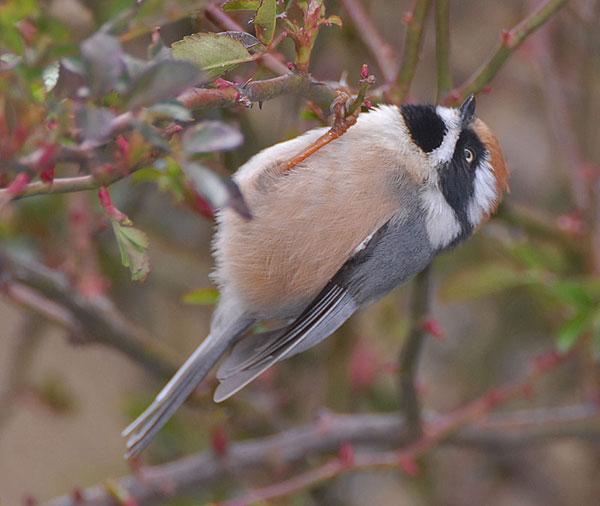
Black-throated Bushtit (Aegithalos concinnus) by Nikhil Devasar

Black-throated Bushtit (Aegithalos concinnus) by Nikhil Devasar

The Aegithalidae – Bushtits family has 13 members and are a family of small, drab passerine birds with moderately long tails. The family contains three genera, all but one of which are found in Eurasia. Bushtits are active birds, moving almost constantly while they forage for insects in shrubs and trees. During non-breeding season, birds live in flocks of up to 50 individuals. Several bushtit species display cooperative breeding behavior, also called helpers at the nest.

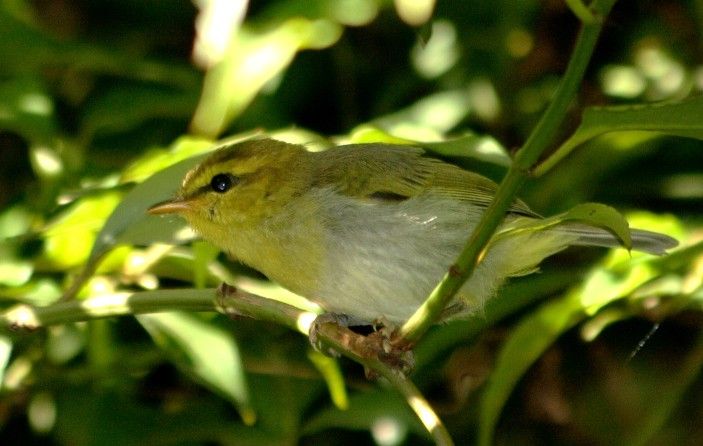
Yellow-throated Woodland Warbler (Phylloscopus ruficapilla) ©WikiC

Yellow-throated Woodland Warbler (Phylloscopus ruficapilla) ©WikiC

And our last family of avian wonders from the Lord is the Phylloscopidae – Leaf warblers and allies Family. This family of 77 species contains various Warblers and Chiffchaff. They were formerly included in the Old World warbler family but are now considered to belong to the Phylloscopidae, a family created in 2006. The genus is closely related to Seicercus and some species have been moved between the two genera in recent classification attempts. Leaf warblers are active, constantly moving, often flicking their wings as they glean the foliage for insects along the branches of trees and bushes. They forage at various levels within forests, from the top canopy to the understorey. Most of the species are markedly territorial both in their summer and winter quarters.

Most are greenish or brownish above and off-white or yellowish below. Compared to some other “warblers”, their songs are very simple.

Well, that’s our group of birds for this week. Trust you will enjoy seeing them as you listen to the music below. You have two options this week. You can listen or you can watch the Kid’s Choir as they sing. Figured little warblers needed young people singing as you view them.

But Jesus said, Suffer little children, and forbid them not, to come unto me: for of such is the kingdom of heaven. (Matthew 19:14 KJV)

*

This slideshow requires JavaScript.

*

Beautiful Savior (Fairest Lord Jesus) ~  by Kid’s Choir Faith Baptist

*

*

More Sunday Inspirations
Scotocercidae – Streaked Scrub Warbler
Erythrocercidae – Yellow Flycatchers
Incertae-Sedis1 – Family Uncertain-Warbler, Hylia
Aegithalidae – Bushtits
Phylloscopidae – Leaf Warblers and allies
Kids, You Are Special

*

Sunday Inspiration – Cupwings, Crombecs and Bush Warblers

Mountain Tailorbird (Phyllergates cucullatus) by© Wiki

Mountain Tailorbird (Phyllergates cucullatus) by© Wiki

For by Him all things were created that are in heaven and that are on earth, visible and invisible, whether thrones or dominions or principalities or powers. All things were created through Him and for Him. (Colossians 1:16 NKJV)

I trust you are enjoying this Sunday Inspiration series of the Lord’s Creation of the PASSERIFORMES – Passerines (Songbirds) Order. This week’s collection of little Passerines are from three families. Of the 130 families in the Order, we have arrived at numbers 76, 77, and 78. By now, you have see over half the Songbird species in the world. Of the 40 Orders of Birds, the Passerines are the largest.

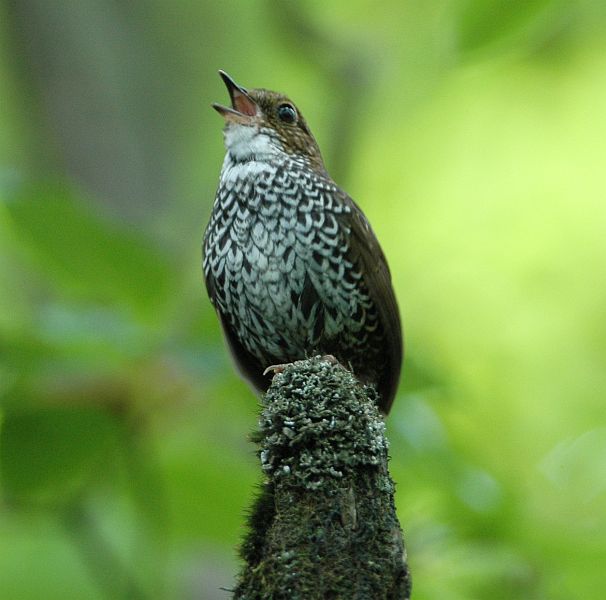
Scaly-breasted Wren-babbler (Pnoepyga albiventer) ©©

Scaly-breasted Cupwing (Pnoepyga albiventer) ©©

Immediately there fell from his eyes something like scales, and he received his sight at once; and he arose and was baptized. (Acts 9:18 NKJV)

Pnoepygidae – Cupwing [8.2 Version just changed these to Cupwings] has only five species and are endemic to southern and south eastern Asia. The genus contains four species. The genus has long been placed in the babbler family Timaliidae. A 2009 study of the DNA of the families Timaliidae and the Old World warblers (Sylviidae) found no support for the placement of the genus in either family, prompting the authors to erect a new monogeneric family, the Pnoepygidae.

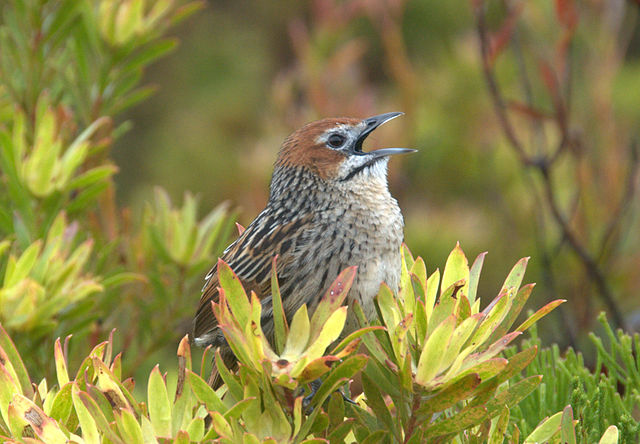
Cape Grassbird (Sphenoeacus afer) ©WikiC

Cape Grassbird (Sphenoeacus afer) ©WikiC

Sing unto him, sing psalms unto him, talk ye of all his wondrous works. (1 Chronicles 16:9 KJV)

Macrosphenidae – Crombecs, African Warblers family has eighteen (18) members in its family. The African warblers are a newly erected family, Macrosphenidae, of songbirds. Most of the species were formerly placed in the Old World warbler family Sylviidae, although one species, the Rockrunner, was placed in the babbler family Timaliidae. A series of molecular studies of the Old World warblers and other bird families in the superfamily Sylvioidea (which includes the larks, swallows and tits) found that the African warblers were not part of the family Sylviidae but were instead an early offshoot (basal) to the entire Sylvioidea clade.

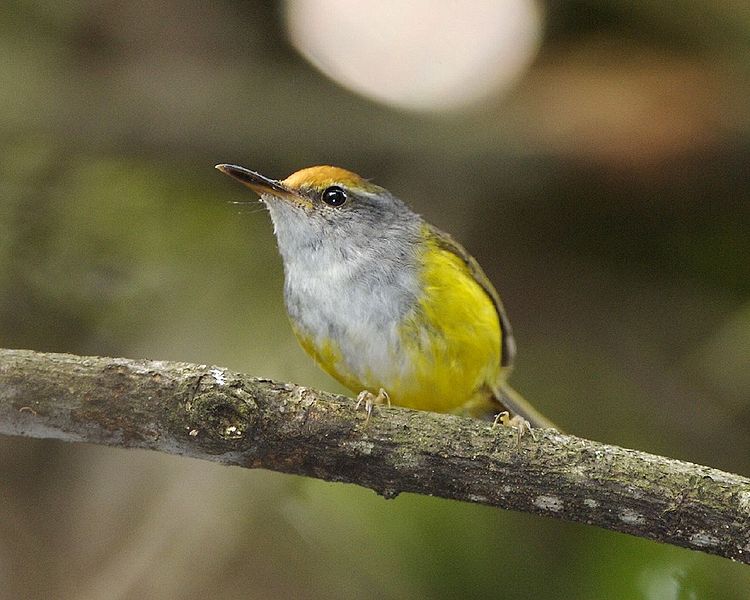
Chestnut-crowned Bush Warbler (Cettia major) ©WikiC

Chestnut-crowned Bush Warbler (Cettia major) ©WikiC

The simple inherit folly: but the prudent are crowned with knowledge. (Proverbs 14:18 KJV)

Cettiidae – Cettia Bush Warblers and Allies total up 32 species.

Cettiidae is a newly validated family of small insectivorous songbirds (“warblers”) It contains the typical bush warblers (Cettia) and their relatives. As common name, cettiid warblers is usually used.

Its members occur mainly in Asia and Africa, ranging into Wallacea and Europe. The monarch warblers (Erythrocercus), Tit Hylia Pholidornis and Green Hylia (Hylia) are exclusively found in the forests of Africa. The pseudo-tailorbirds, tesias and stubtails, as well as Tickellia and Abroscopus warblers are mostly found in the forests of south and southeastern Asia, with one species reaching as far north as Japan and Siberia. The genus Cettia has the widest distribution of the family, reaching from Western Europe across Asia to the Pacific islands of Fiji and Palau. Most of the species in the genus are sedentary, but the Asian Stubtail is wholly migratory and the Japanese Bush Warbler and Cetti’s Warbler are partly migratory over much of their range. A few species, such as the Pale-footed Bush Warbler, are altitudinal migrants.

The species are small, stubby birds. Most have moderately long to long tails, while the stubtails and tesias have tiny tails that do not even emerge past their tail retrices. The group is typically clad in dull plumage, often with a line above the eye. Some, like the monarch-warblers (Erythrocercus), are much different in appearance, having areas of bright yellow plumage. (Wikipedia)

This slideshow requires JavaScript.

Listen as you watch the birds:

“Bow The Knee” ~ Sheila Vegter and Jacob (her son who is playing the piano and singing)

*

Sunday Inspirations

PASSERIFORMES – Passerines (Songbirds)

Pnoepygidae – Cupwings

Macrosphenidae – Crombecs, African Warblers

Cettiidae – Cettia Bush Warblers and Allies

Good News

*

“Flag That Bird!” (Part 5)

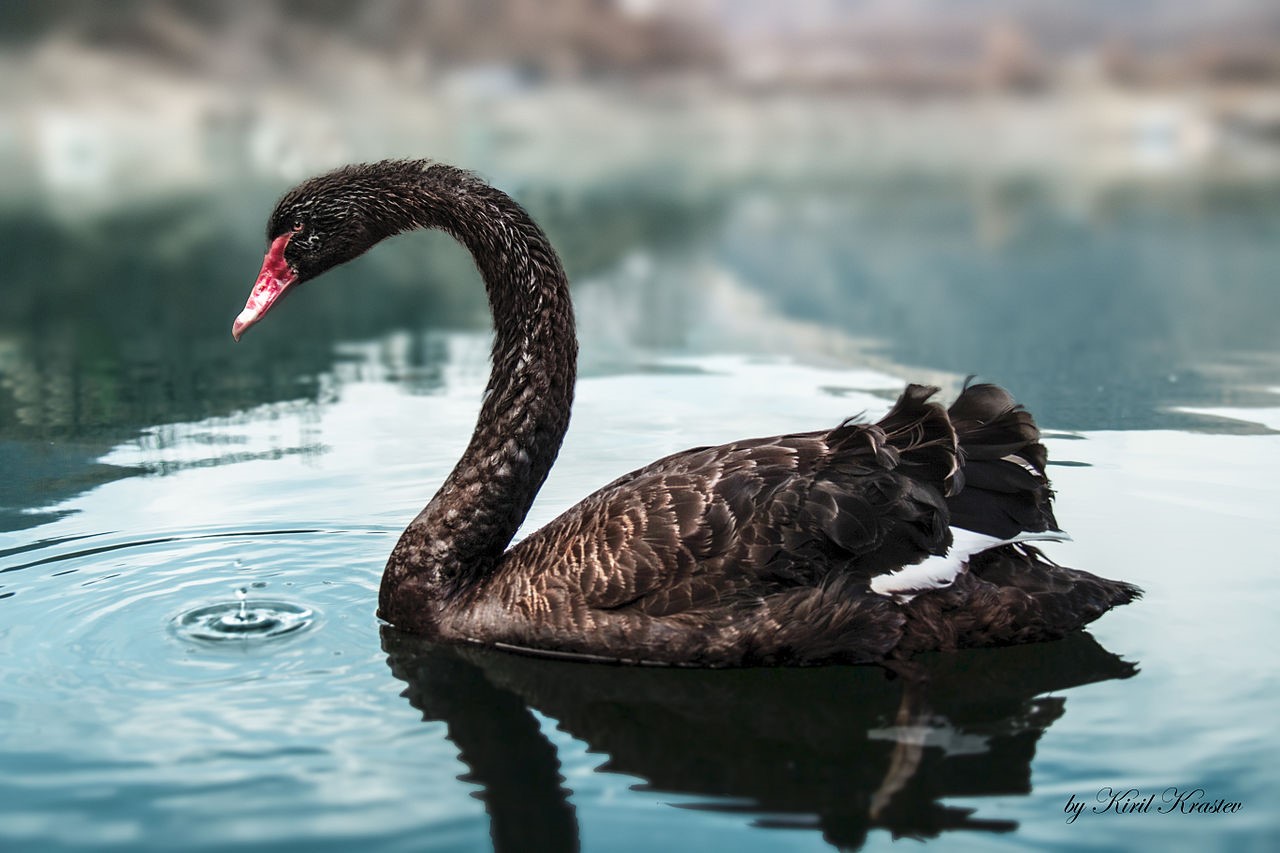
Black Swan ©WikiC
“Flag That Bird!”  (Part 5)

by James J. S. Johnson

Better is the end of a thing than the beginning thereof: and the patient in spirit is better than the proud in spirit.  (Ecclesiastes 7:8)

This is the fifth and last article in this “Flag that bird!” series, on various birds that appear on national flags.  (In other words, this is this mini-series’ “swan song”.)

All of us know enthusiasm-fueled folks who proudly launch into a new project – yet they soon falter, when the initial excitement fizzles, and they somehow fail to employ the prolonged patience to follow a long-term project through to completion.  (But, as we all know, “a job half-done is a job undone”.)  Thankfully, this blogsite mini-series, on “flag birds”, has now reached its proper closure!  Of course, there are other flags (such as state and provincial flags) that depict birds, but this set of articles has predominantly focused on birds portrayed on national flags.  Accordingly, as promised before, this final sequel features two huge birds, a swan and a crane, plus another bird whose identity is less than fully certain.

For a quick review, these vexillology-related birds were previously featured, as follows:

Part 1, posted at Flag That Bird – Part 1  — Belgium’s Wallonian Chicken (Gallus gallus domesticus); Portugal’s Northern Goshawk (Accipiter gentilis); Burma’s Green Peafowl (Pavo muticus); and Dominica’s Sisserou Parrot (Amazona imperialis);

Part 2, posted at Flag That Bird – Part 2  — the British Antarctic Territory’s Emperor Penguin (Aptenodytes forsteri), and the Saint Helena Plover, a/k/a Saint Helena’s skinny-legged “Wirebird” (Charadrius sanctaehelenae);

Part 3, posted at Flag That Bird – Part 3  — Kiribati’s Great Frigatebird Emperor Penguin (Fregata minor); and

Part 4, posted at Flag That Bird – Part 4  — Papua New Guinea’s Raggiana Bird-of-Paradise (Paradisaea raggiana, f/k/a Gerrus paradisaea), and the ubiquitous Dove, best illustrated by the common pigeon, a/k/a Rock Dove (Columbia livia).

In this article, three remaining birds will be introduced:  (1) the black swan of Western Australia (Cygnus atratus); (2) the black and white “piping shrike” of South Australia, the exact identity of which is questionable, although this article will assume it is the same bird as the Australian magpie, perhaps more particularly the subspecies known as Cracticus tibicen telonocua, f/k/a Gymnorhina tibicen leuconota (e.g., by explorer Charles Sturt); and (3) Uganda’s crested crane (Balearica regulorum gibbericeps).

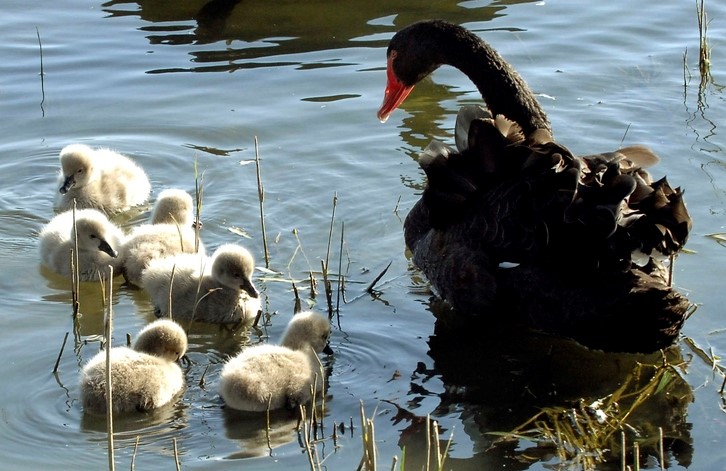
Black  Swan (Cygnus atratus).
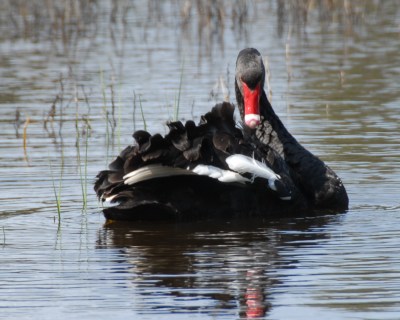
Black Swan (Cygnus atratus) Ruffled ©WikiC

Black Swan (Cygnus atratus) Ruffled ©WikiC

Western Australia’s Black Swan (Cygnus atratus) appears on the official state flag of Western Australia (sometimes contracted as “Westralia”), which occupies the western third (i.e., almost a million square miles) of that island-continent country.  The Black Swan also presents prominently on Western Australia’s official coat-of-arms, flanked by two kangaroos.
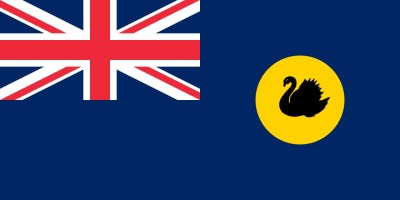
Flag that bird - Flag of Western Australia

The Black Swan is well-named – their feathers are black (or black-grey, depending on how the sun shines on them), with a few white flight feathers.  Their bills are mostly bright scarlet, with a whitish bar near the tip.  And they are huge birds – adults can weigh between 8 to almost 20 pounds!  The wingspan breadth is between 5 to 6½ feet, like the length of a human lying down!  Their babies (called “cygnets”), however, are fuzzy white chicks, with dark bills, cute as they can be.

Black Swan (Cygnus atratus) with Cygnets ©WashPost

Black Swan (Cygnus atratus) with Cygnets ©WashPost

The first time that I ever saw Black Swans, excluding the confined context of a zoo’s aviary, was at The Broadmoor hotel complex in Colorado (located at the edge of Colorado Springs and Manitou Springs, within view of Pike’s Peak – an area perfect for viewing magpies).  But the Black Swan is not native to North America – it is an Aussie native.

Black Swan (Cygnus atratus) with Cygnets ©Broadmoor

Black Swan (Cygnus atratus) with Cygnets ©Broadmoor

Like other swans (e.g., the Trumpeter Swan, described at Trumpeting A Wildlife Conservation Comeback, its neck is S-curved and very long – in fact, the Black Swan has the longest neck of any swan.

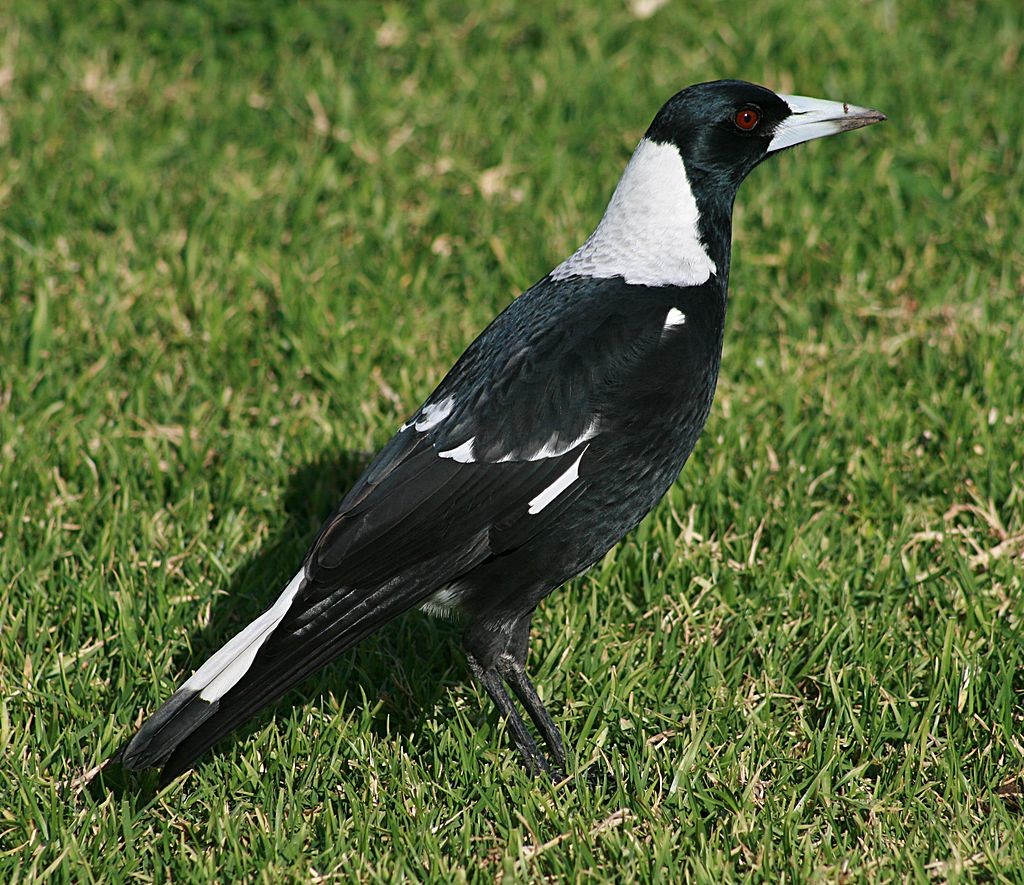
Australian Magpie (Cracticus tibicen, a/k/a Gymnorhina tibicen).

The official state flag of South Australia features a bird called a “piping shrike”, but what bird is that?  Many have analytically identified it as the species now called the Australian Magpie, (Cracticus tibicen), perhaps more particularly the subspecies once called the “White-backed Crow Shrike”, which his now called the white-backed magpie (Cracticus tibicen telonocua, f/k/a Gymnorhina tibicen leuconota).
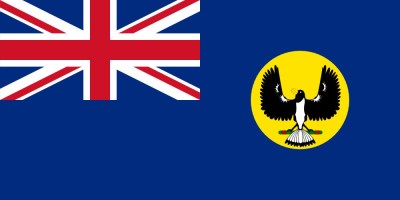
Flag that bird - Flag of Western Australia - Magpie

The Australian Magpie has several subspecies nowadays, nine according to some taxonomists – although ornithologists know that such lump-or-split classifications are vulnerable to slippery subjectivities.  [For an insight into the arbitrary subjectivity of “lumper”-versus-“splitter” taxonomy, see Footnote #2 within http://www.icr.org/article/valuing-gods-variety .]
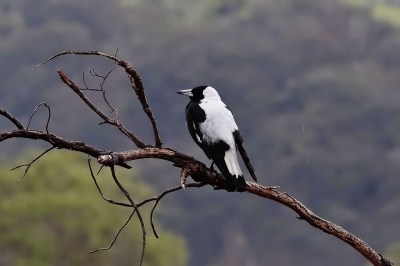
Australia Magpie on Dead Branch ©WikiC

Australia Magpie on Dead Branch ©WikiC

The Australian Magpie is deemed a type of “butcherbird” as opposed to the “corvid” category that includes the “magpies” of Europe and America.  The Australian Magpie is famous for its singing, entertaining (those with ears to hear) with a complex repertoire of vocalizations.  The black-and-white opportunist has habituated to human-dominated habitats, such as the agricultural fields of farms, gardens, and even wooded parklands.

Australia Magpie ©WikiC

Australia Magpie ©WikiC

The Australian Magpie is not a picky eater – its diet includes both plants and animals.  Its preferred diet, however, is dominated by a variety of larval and adult invertebrates, such as insects (like ants, moths, beetles, bees, wasps, cockroaches) and arachnids (like spiders, scorpions), as well as earthworms, millipedes.  The Australian Magpie is also known to eat some small vertebrates, such as rodents (like mice), lizards (like skinks), and/or amphibians (like frogs and toads).

Some compare the problem-solving resourcefulness and the brash cockiness – of this bird – to the national “reputation” displayed by many Aussie ex-patriots.  (Maybe Ken Ham should set the record straight on that topic!)  The Australian Magpie is quite a clever problem-solver  — it has been observed breaking off the stingers of bees and wasps, before swallowing such otherwise-dangerous bugs!  The Australian Magpie is not timid – it will defend its territory against raptors trespassing therein, such as Brown Goshawks.

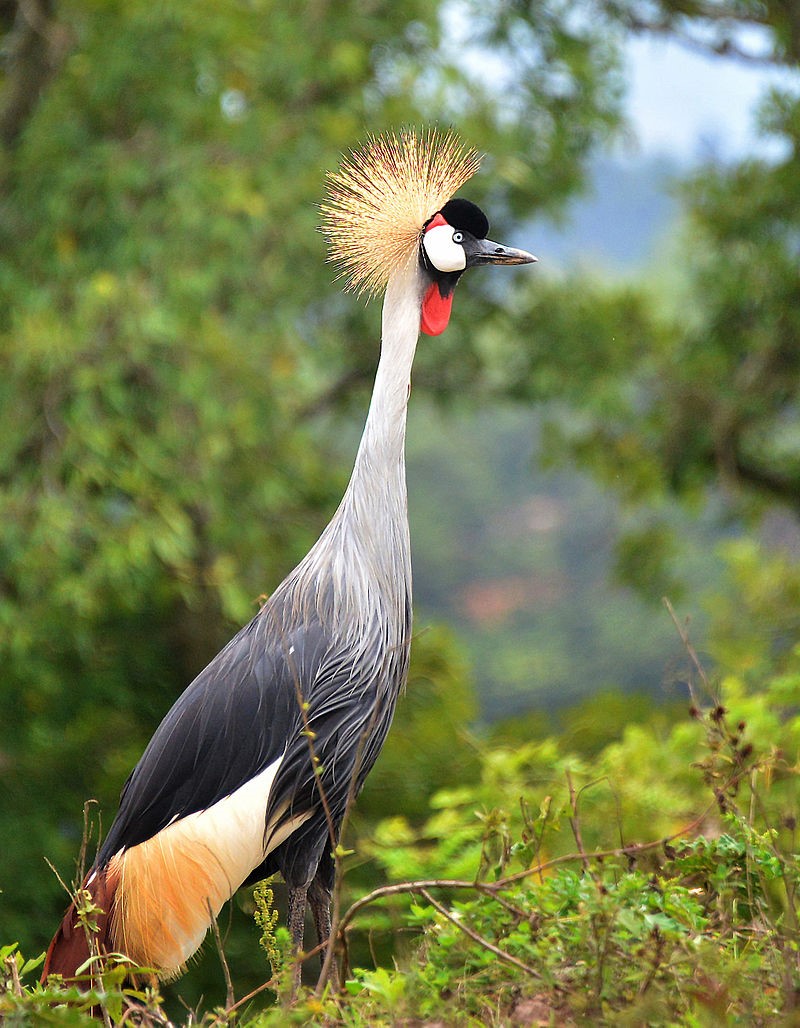
Crested Crane (Balearica regulorum gibbericeps).

The official flag of Uganda sports a stylized depiction of a Crested Crane, a/k/a “East African Crowned Crane” (Balearica regulorum gibbericeps), which is a subspecies of the Grey Crowned Crane (Balearica regulorum).  The same crane appears on the Ugandan coat-of-arms.

The Ugandan coat-of-arms provides a more realistic picture of a Crested Crane.

Ugandan coat-of-arms Crested Crane

The East African Crowned Crane (a/k/a Crested Crane) is a tall bird, standing up to 4 feet tall!  It can weigh 6 to 8 pounds, while sporting a wingspan breadth of 6½ feet.  The plumage is dominated by slate-grey feathers, with wing feathers of white and chestnut orange.  The Crested Crane’s black head is adorned by white cheeks (accented with red) and a showy 3D “fan” crest, of golden top feathers, somewhat resembling fireworks.
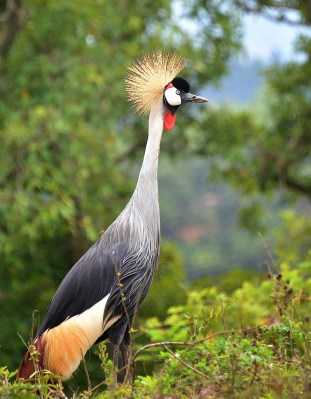
Grey Crowned Crane ©WikiC

Grey Crowned Crane ©WikiC

Cranes – of various species – are famous for their long necks and long thin legs. Unlike herons (which fly with their necks “pulled back”), the Crested Crane (like other cranes) flies with its neck straightened and outstretched.  Like other cranes, the Crested Crane is gregarious – their aggregate nesting territories may host a flock of up to 200 residents.  These cranes are typically monogamous and territorial.  These socially stable birds are known to live as long as 20 to even 40 years of age.

In the wild, the Created Crane eats a mix of seeds (such as grains), other plant materials, insects, and worms.  Other foods eaten include eggs and fish, and even small lizards and frogs.  This diet is similar to the diet of other cranes (e.g., Sandhill Crane, Whooping Crane, Common Crane, etc.) around the world.  Cranes routinely eat whatever is available and convenient, so cranes are classified as “opportunist” feeders – consuming small mammals (like rodents), fish, snails, amphibians (like frogs), worms, insects, seeds (like grains, nuts, acorns), berries, root vegetables, and other plant materials (such as leaves.  As a matter of biome ecology, most cranes prefer wetlands, such as mudflats and other shorelands, or in wide open fields, such as prairies.
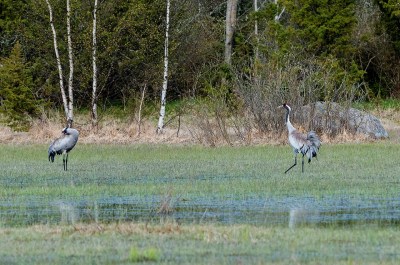
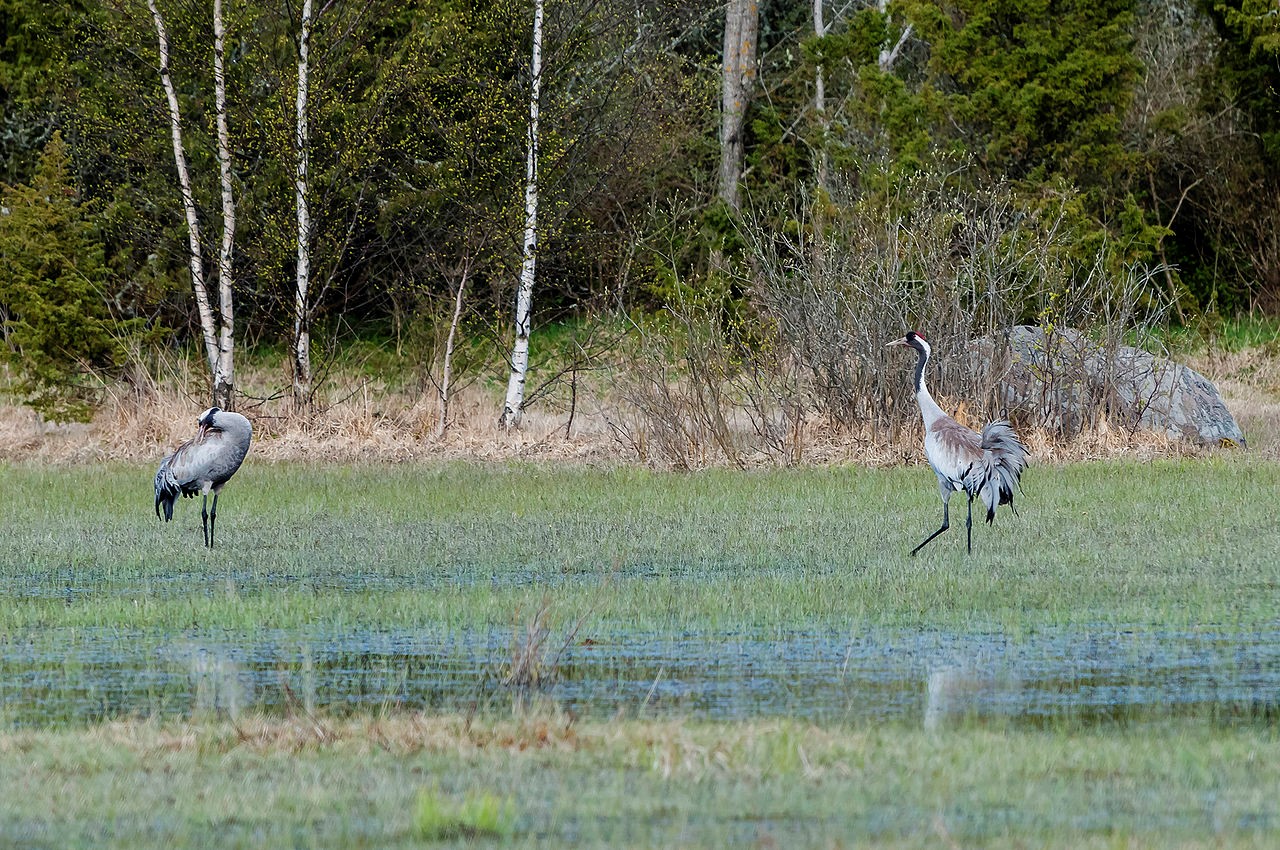
Common Crane in Estonia ©WikiC

Common Crane in Estonia Wetland ©WikiC

The “Common Crane” (Grus grus) is a cousin the these African cranes.  The Common Crane has a summer range, typically boreal forests (called taiga in Russia) that covered most of the top half of Eurasia, with blotches of winter ranges in Europe (Spain), Asia (e.g., China), and parts of Africa.

The zoologist George Cansdale [see his ALL THE ANIMALS OF THE BIBLE LANDS, pages 158-159] – after analyzing the mix of Biblical, ornithological, and biogeographical evidence – concludes that the Hebrew noun ‘agûr (e.g., in Jeremiah 8:7 & Isaiah 38:14) refers to the noisy Common Crane (Grus grus), an identification that the learned Hebrew scholar John Joseph Owens concurs with [see his ANALYTICAL KEY TO THE OLD TESTAMENT, volume 4, pages 116 & 242].  Matching the ‘agûr of Isaiah 38:14, the Common Crane is clamorously noisy, especially when agitated.  Cranes are also phenological migrants, a trait that accords with Jeremiah 8:7.

A review of our introductory verse provides another insight, the contrast between patience and pride:

Better is the end of a thing than the beginning thereof: and the patient in spirit is better than the proud in spirit.  (Ecclesiastes 7:8)

In Ecclesiastes 7:8 the Hebrew adjective translated “patient” is ’erek – it denotes someone or something that is prolonged, drawn out, slow, longsuffering.  Accordingly, to be “patient in spirit” is to be willing to wait one’s turn, according to God’s providential line-up (and timing).  A humble person doesn’t butt in line; he or she patiently waits in the queue, for his or her turn.

In Ecclesiastes 7:8 the Hebrew adjective translated “proud” is gabah  — it denotes someone or something that is high, haughty, or high-minded, in some contexts what we sometimes call “uppity”.  Accordingly, to be “proud in spirit” is to regard one’s self as higher that one should, which is the opposite of what God (through Paul) commands us to be:

Let nothing be done through strife or vainglory; but in lowliness of mind let each [i.e., all of us] esteem others better than themselves.  Look not every man on his own things, but every man also on the things of others.  (Philippians 2:3-4)

Interestingly, humility and patience go well together, because accomplishing a long-term project often requires interacting successfully with other people, and getting other people to coöperate with you (so that your goals can be furthered) routinely requires you to serve their needs and goals.  This is called mutual symbiosis when we see it in birds; we call it “win-win” coöperation when humans do it.  In win-win situations the coöperating parties both further their respective goals, so their interactive relationship is not one-sided. (Contrast this with “parasite”-like people, who habitually take, but won’t give).

Unsurprisingly those who are haughty-minded, being selfish, are slow to appreciate this life principle, because “uppity” people cannot understand or accept the law of Acts 20:35, that “it is more blessed to give than to receive” (quoting the Lord Jesus Christ Himself).  Consequently, many who could help them, with their project checklists, may shy away  –  why host a parasite?   And so it is that many who are haughty are proud to assertively start – yet don’t finish – complex projects that require prolonged patience.   Why?  Part of the cost of succeeding was the cost of benefiting others who contribute to the project.  The end is predictable:  failure and shame.

For which of you, intending to build a tower, sitteth not down first, and counteth the cost, whether he have sufficient to finish it?  (Luke 14:28)

A sober lesson for long-term projects (including long-term relationships)!  Yet, this is a lesson much needed in America, nowadays, where impatient and high-minded “get-rich-quick” tactics all-too-often end in disappointment and discord.  (This author has seen many illustrations of this in business bankruptcy cases and in employment law contexts.)

In sum, thankfully, this “flags” the end of this mini-series on national vexillology-related birds.

*

“Flag That Bird!”(Part 1)(Part 2)(Part 3)(Part 4) 

Orni-Theology

James J. S. Johnson’s Articles

*
Sunday Inspiration – Swallows and Martins

Barn Swallow (Hirundo rustica) baby by Neal Addy Gallery

Barn Swallow (Hirundo rustica) baby by Neal Addy Gallery

Even the sparrow has found a home, And the swallow a nest for herself, Where she may lay her young— Even Your altars, O LORD of hosts, My King and my God. (Psalms 84:3 NKJV)

This week’s 88 avian flyers are from the Hirundinidae Family of Swallows and Martins. The species in this group are River Martins, Saw-wings, Swallows, and Martins of various genus, Many here in America are familiar with the Barn Swallow.

Also, the Swallows are Birds of the Bible, being mentioned in at least four verses; Psalms 84:3, Proverbs 26:2, Isaiah 38:14, and Jeremiah 8:7,

Swallows are in the Hirundinidae – Swallows Family which includes Martins. “Within the Hirundiniae, the name ‘martin’ tends to be used for the squarer-tailed species, and the name “swallow” for the more fork-tailed species; however, there is no scientific distinction between these two groups. The family contains around 88 species in 19 genera.” The subfamilies are: Saw-wings (including Square-tailed, Mountain, White-headed, Black and Fanti), Swallows (many including Barn, Bank, Cave Mangrove, Golden, etc), Martins (Purple, Cuban, Sinaloa, Brown-chested, etc.), Sand Martins (including Brown-throated, Congo, Pale, Banded).

The swallows are found on all continents except Antarctica, with the largest diversity of species in Africa. They are found on many islands, as there are quite a few that migrate long distances. God has designed them with short bills, but with a wide mouth that has a strong jaw. This is useful in their hunt for insects which they catch on the wing. With their streamlined body and wings that are pointed, they are very maneuverable at great speeds. Their forked long tail, that has 12 feathers, helps them steer. They can range from 3.9-9.4 inches and weight between 0.4-2.1 ounces.

This family of birds, to me, are one of the hardest to photograph. They zip about often, but land very seldom to catch their picture. Thankfully the Lord gave these birds a tastebud for insects that have a tastebud for us.

This slideshow requires JavaScript.

Like a flitting sparrow, like a flying swallow, So a curse without cause shall not alight. (Proverbs 26:2 NKJV)

“If I Don’t Have Love” ~ by Jessie Padgett – Special at Faith Baptist

*

More Sunday Inspirations

Birds of the Bible – Swallows

Hirundinidae Family of Swallows and Martins

Swallow – (Wikipedia)

Sharing The Gospel

*

Sunday Inspiration – Bulbuls

White-eared (Cheeked) Bulbul (Pycnonotus leucotis) at Zoo Miami by Lee

White-eared (Cheeked) Bulbul (Pycnonotus leucotis) at Zoo Miami by Lee

 Then the trees of the forest will sing for joy before the LORD; For He is coming to judge the earth. O give thanks to the LORD, for He is good; For His lovingkindness is everlasting. (1 Chronicles 16:33-34 NASB)

Bulbuls are a family, Pycnonotidae, of medium-sized passerine songbirds. Many forest species are known as greenbuls, brownbuls, leafloves, bristlebills, finchbills and  a Malia. The family is distributed across most of Africa and into the Middle East, tropical Asia to Indonesia, and north as far as Japan. A few insular species occur on the tropical islands of the Indian Ocean There are 151 species in around 28 genera. While some species are found in most habitats, overall African species are predominantly found in rainforest whilst rainforest species are rare in Asia, instead preferring more open areas.

Collared Finchbill by Dan at Zoo Miami

Bulbuls are short-necked slender passerines. The tails are long and the wings short and rounded. In almost all species the bill is slightly elongated and slightly hooked at the end. They vary in length from 13 cm for the tiny greenbul to 29 cm in the straw-headed bulbul. Overall the sexes are alike, although the females tend to be slightly smaller. In a few species the differences are so great that they have been described as functionally different species. The soft plumage of some species is colourful with yellow, red or orange vents, cheeks, throat or supercilia, but most are drab, with uniform olive-brown to black plumage. Species with dull coloured eyes often sport contrasting eyerings. Some have very distinct crests. Bulbuls are highly vocal, with the calls of most species being described as nasal or gravelly. One author described the song of the brown-eared bulbul as “the most unattractive noises made by any bird”

Let the field be joyful, and all that is therein: then shall all the trees of the wood rejoice (Psalms 96:12 KJV)

Maybe in the case of that brown-eared bulbul, this verse would be more appropriate:

Make a joyful noise unto the LORD, all the earth: make a loud noise, and rejoice, and sing praise. (Psalms 98:4 KJV)

This slideshow requires JavaScript.

“How Deep The Father’s Love For Us” ~ played by Megan Fee and Jill Foster

How deep the Father’s love for us
How vast beyond all measure
That He should give His only Son
To make a wretch His treasure

How great the pain of searing loss
The Father turns His face away
As wounds which mar the Chosen One
Bring many sons to glory

Behold the man upon a cross
My sin upon His shoulders
Ashamed, I hear my mocking voice
Call out among the scoffers

It was my sin that held Him there
Until it was accomplished
His dying breath has brought me life
I know that it is finished

I will not boast in anything
No gifts, no power, no wisdom
But I will boast in Jesus Christ
His death and resurrection

Why should I gain from His reward?
I cannot give an answer
But this I know with all my heart
His wounds have paid my ransom

Why should I gain from His reward?
I cannot give an answer
But this I know with all my heart
His wounds have paid my ransom

For God so loved the world, that he gave his only begotten Son, that whosoever believeth in him should not perish, but have everlasting life. (John 3:16 KJV)

*
More Sunday Inspirations

Pycnonotidae – Bulbuls Family

Bulbul – Wikipedia

Falling Plates

*

Sunday Inspiration – Larks

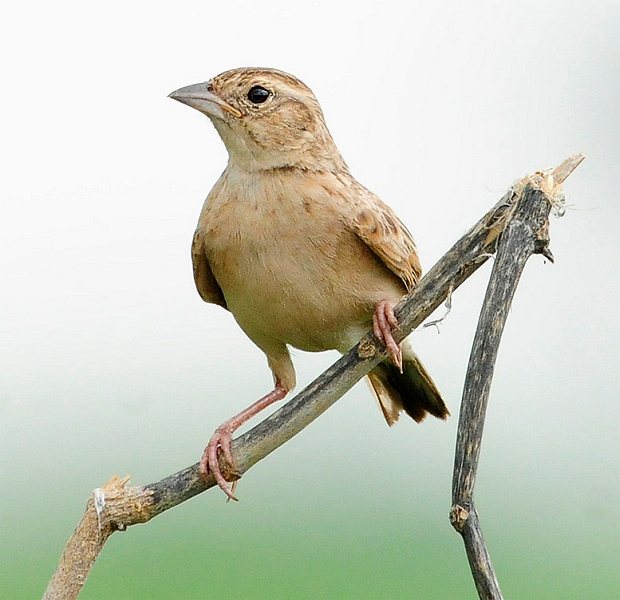
Singing Bush Lark (Mirafra cantillans) by Nikhil Devassar

Singing Bush Lark (Mirafra cantillans) by Nikhil Devassar

The Lark family has 97 members which are busy doing what the Lord commanded them  to when they left the Ark:

Then God spoke to Noah, saying, “Go out of the ark, you and your wife, and your sons and your sons’ wives with you. Bring out with you every living thing of all flesh that is with you: birds and cattle and every creeping thing that creeps on the earth, so that they may abound on the earth, and be fruitful and multiply on the earth.” So Noah went out, and his sons and his wife and his sons’ wives with him. Every animal, every creeping thing, every bird, and whatever creeps on the earth, according to their families, went out of the ark.(Genesis 8:15-19 NKJV)

Larks are passerine birds of the family Alaudidae. All species occur in the Old World, and in northern and eastern Australia. Only one, the Horned Lark, is native to North America. Habitats vary widely, but many species live in dry regions.

They have more elaborate calls than most birds, and often extravagant songs given in display flight (Kikkawa 2003). These melodious sounds (to human ears), combined with a willingness to expand into anthropogenic habitats — as long as these are not too intensively managed — have ensured larks a prominent place in literature and music, especially the Eurasian Skylark in northern Europe and the Crested Lark and Calandra Lark in southern Europe.

Personally, these Larks look very similar to Sparrows, which are very common.

Are not two sparrows sold for a copper coin? And not one of them falls to the ground apart from your Father’s will. (Matthew 10:29 NKJV)

Larks, commonly consumed with bones intact, have historically been considered wholesome, delicate, and light game. Yet. Traditionally larks are kept as pets in China. In Beijing, larks are taught to mimic the voice of other songbirds and animals. It is an old-fashioned habit of the Beijingers to teach their larks 13 kinds of sounds in a strict order (called “the 13 songs of a lark”, Chinese: 百灵十三套). The larks that can sing the full 13 sounds in the correct order are highly valued. (Info from Wikipedia)

This slideshow requires JavaScript.

“His Eye Is On The Sparrow ” – by Kathy Lisby, Faith Baptist Church
*
Sunday Inspirations

Alaudidae – Larks Family

Larks – Wikipedia

Sharing The Gospel

*


Birds of the Bible – Jeremiah 19:7

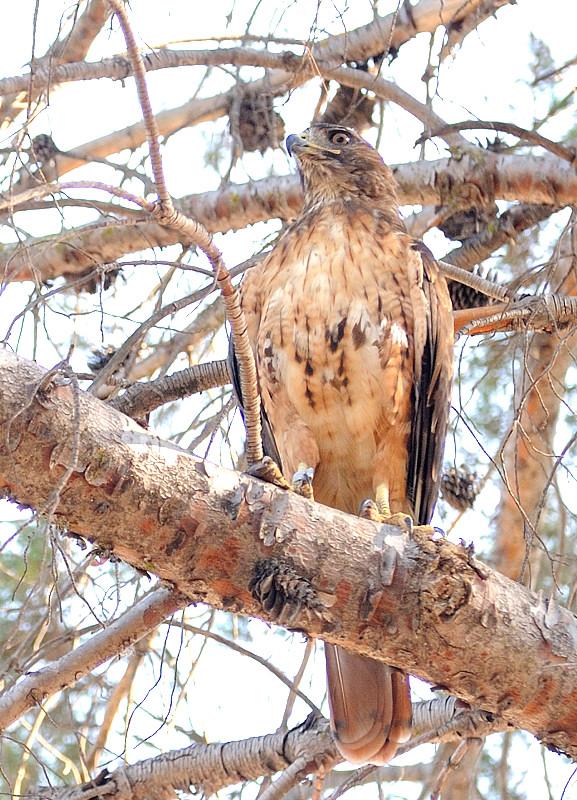
Bird of Prey by Phil Kwong Galleries

Bird of Prey by Phil Kwong Galleries

“And I will make void the counsel of Judah and Jerusalem in this place, and I will cause them to fall by the sword before their enemies and by the hands of those who seek their lives; their corpses I will give as meat for the birds of the heaven and for the beasts of the earth.” (Jeremiah 19:7 NKJV)

I’m currently traveling through Jeremiah in my personal reading of the Bible. Jeremiah is known as the weeping prophet and it is easy to see why he was called that. Parts of the Scripture are hard to read, not that the words are hard, but because of that which is happening.

When birds are mentioned, of course, those verses catch my attention. What, where, and why are they being mentioned? Normally if you just pick out a verse those questions would pop into your head. Because of reading through Jeremiah, those thoughts were already answered.

Jeremiah was sent to inform the Israelites of the judgment coming because of their sins. He was told: “Thus says the LORD: “Go and get a potter’s earthen flask, and take some of the elders of the people and some of the elders of the priests. And go out to the Valley of the Son of Hinnom.” So he did as commanded.

When they got to the valley, he was told to proclaim there the words that I will tell you.

and say, ‘Hear the word of the LORD, O kings of Judah and inhabitants of Jerusalem. Thus says the LORD of hosts, the God of Israel: “Behold, I will bring such a catastrophe on this place, that whoever hears of it, his ears will tingle. “Because they have forsaken Me and made this an alien place, because they have burned incense in it to other gods whom neither they, their fathers, nor the kings of Judah have known, and have filled this place with the blood of the innocents (they have also built the high places of Baal, to burn their sons with fire for burnt offerings to Baal, which I did not command or speak, nor did it come into My mind), therefore behold, the days are coming,” says the LORD, “that this place shall no more be called Tophet or the Valley of the Son of Hinnom, but the Valley of Slaughter. And I will make void the counsel of Judah and Jerusalem in this place, and I will cause them to fall by the sword before their enemies and by the hands of those who seek their lives; their corpses I will give as meat for the birds of the heaven and for the beasts of the earth. (Jeremiah 19:3-7 NKJV)

That is hard, but God is Just. God is Longsuffering. God is Love. God is all these at the same time. People like to say because God loves he would never condemn or judge someone. Not true. He destroyed the whole world with a universal flood because of sin, yet he saved eight souls and the critters. He destroyed Sodom because of sexual sin of those who perverted it, yet he saved three. There are other examples throughout the Bible.

Here we have a nation, His chosen people, had grown cold in their worship of Him and turned to other gods and even sacrificed their children. Sound like our nations today? People do not believe in God, but would rather believe in evolution, have abortions, pervert God’s gift of intimate relations in marriage. On and on, the churches are accepting all kinds of things that God said ” which I did not command or speak, nor did it come into My mind.” Will we come to that judgment also?

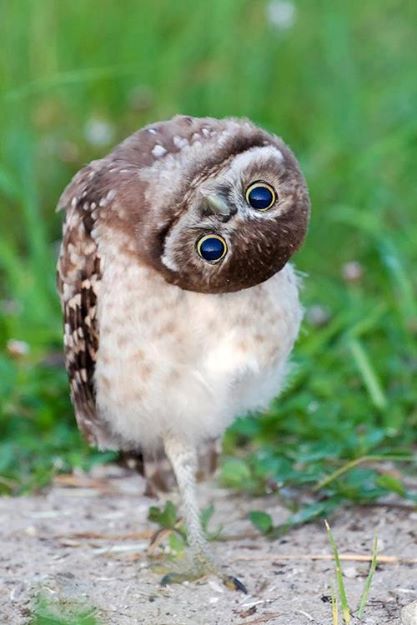
Burrowing Owl from Dusky's Wonders

Burrowing Owl from Dusky’s Wonders

I love watching the Birds of the Air, but am sorry that they have to become Birds of Prey because of people’s denial of the God and Savior, the Lord Jesus Christ.

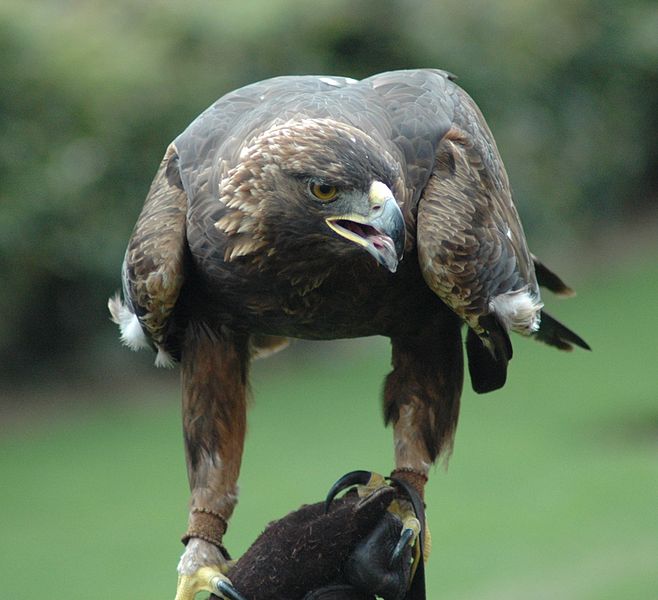
Golden Eagle (Aquila chrysaetos) ©WikiC

Golden Eagle (Aquila chrysaetos) ©WikiC

We are encouraged to return to the Lord God’s Word.

For God so loved the world that He gave His only begotten Son, that whoever believes in Him should not perish but have everlasting life. (17) For God did not send His Son into the world to condemn the world, but that the world through Him might be saved. (18) “He who believes in Him is not condemned; but he who does not believe is condemned already, because he has not believed in the name of the only begotten Son of God. (19) And this is the condemnation, that the light has come into the world, and men loved darkness rather than light, because their deeds were evil. (20) For everyone practicing evil hates the light and does not come to the light, lest his deeds should be exposed. (21) But he who does the truth comes to the light, that his deeds may be clearly seen, that they have been done in God.” (John 3:16-21 NKJV)

Like I said earlier, some things are hard to read and share, but it is there in the Word and the Word is True.

*

Birds of the Bible

Gospel Message

*

Sunday Inspiration – Tits, Chickadees and Penduline Tits

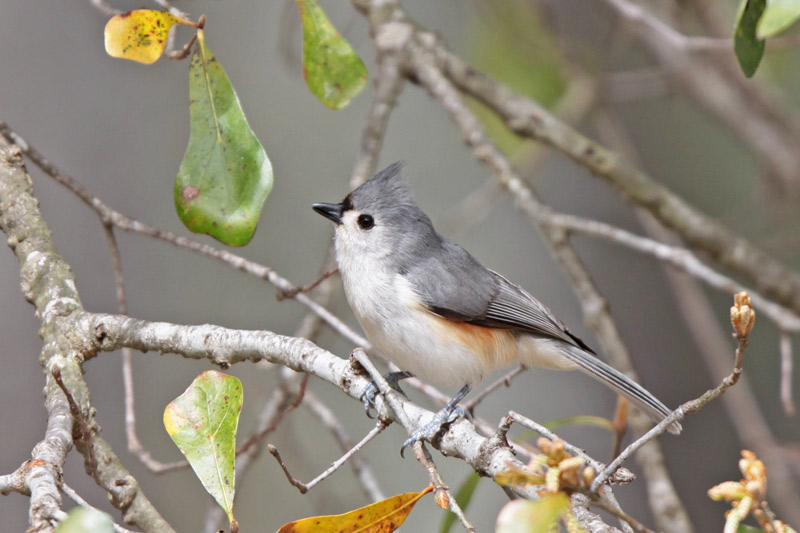
Tufted Titmouse (Baeolophus bicolor) by Margaret Sloan

Tufted Titmouse (Baeolophus bicolor) by Margaret Sloan

The little birds have places for themselves, where they may put their young, even your altars, O Lord of armies, my King and my God. (Psalms 84:3 BBE)

This week we come to two families of avian wonders that are next to one another in taxonomic order. The families are the Paridae – Tits, Chickadees with 61 species and the Remizidae – Penduline Tits with 11 more cuties.

The tits, chickadees, and titmice constitute the Paridae, a large family of small passerine birds which occur in the Northern Hemisphere and Africa. Most were formerly classified in the genus Parus.

These birds are called either “chickadees” (derived from their distinctive “chick-a dee dee dee” alarm call) or “titmice” in North America, and just “tits” in the rest of the English-speaking world. The name titmouse is recorded from the 14th century, composed of the Old English name for the bird, mase (Proto-Germanic *maison, German Meise), and tit, denoting something small. The spelling (formerly titmose) was influenced by mouse in the 16th century. Emigrants to New Zealand presumably identified some of the superficially similar birds of the genus Petroica of the family Petroicidae, the Australian robins, as members of the tit family, giving them the title tomtit, although, in fact, they are not related.

These birds are mainly small, stocky, woodland species with short, stout bills. Some have crests.  They are adaptable birds, with a mixed diet including seeds and insects. Many species live around human habitation and come readily to bird feeders for nuts or seed, and learn to take other foods.

Verdin (Auriparus flaviceps) Building Nest ©Earle Robinson

Verdin (Auriparus flaviceps) Building Nest ©Earle Robinson

The Penduline Tits constitute a family of small passerine birds, related to the true tits. All but the Verdin and Fire-capped Tit make elaborate bag nests hanging from trees (whence “penduline”, hanging), usually over water; inclusion of the fire-capped tit in this family is disputed by some authorities.

Verdin (Auriparus flaviceps) by D

Verdin (Auriparus flaviceps) by D

The Verdin was one of the Life Birds seen on our vacation this year. Didn’t want to stay put to have its photo taken. Then again, most of the titmice act that way. (Is it titmouses or titmice? :)  )

This slideshow requires JavaScript.

Little is much when God is in it, and these little birds are great creations from their Creator.

So God created great sea creatures and every living thing that moves, with which the waters abounded, according to their kind, and every winged bird according to its kind. And God saw that it was good. (Genesis 1:21 NKJV)

“Just a Little Talk With Jesus Makes It Right” ~ Vegter Quartet (together for Vi’s 90th Birthday)

*