September’s Bird of the Month – Hawk

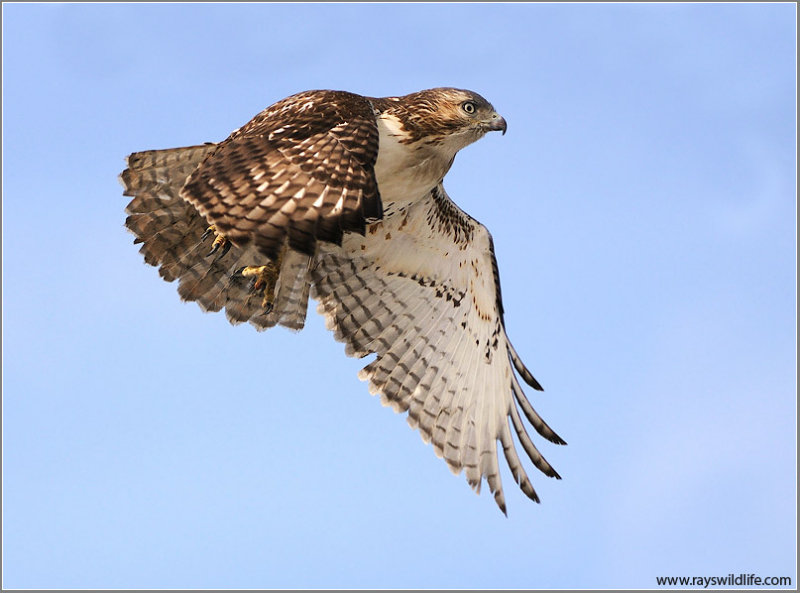
Red Sholdered Hawk by Ray

Red Shouldered Hawk by Ray

According to Birds and Bloom magazine site, there are Birds of the Month.

“You’ve probably heard of birth month gemstones and birth month flowers, but have you heard of birth month birds? It might come as a surprise to learn every month of the year has not only a representative jewel and flower, but also a bird. From owls to ravens, here are the birds that represent everyone’s birthdays.”

Birds and Blooms Birds of the month

September: Hawk

They’re not always a welcome sight around feeders, but there’s plenty to admire about hawks. Resourceful and powerful, they’re striking as they hover in the skies or scan fields for prey. These birds of prey aren’t particularly hard to find, but since many look alike, it can be tricky to identify hawks.

Red-tailed Hawk by Ray

Red-tailed Hawk by Ray

“I heard the undeniable screech of a red-tailed hawk (above) while I was out watering my flowers one early summer morning. It didn’t take me long to locate this beautiful, noisy creature. Majestically, it perched on the highest peak of my neighbor’s roof. It was communicating with its mate, which was perched in a nearby tree. I was lucky to see their interaction and snap a shot as it took off and flew away,” says Carol Holliday.

Can you guess the September birth flower?

September is my birthday month. So, along with the rest of you we now know that we should like Hawks, especially if this is our monthly bird. There have been plenty of Hawks presented over the years on this blog. So, let’s take a look at some of them.

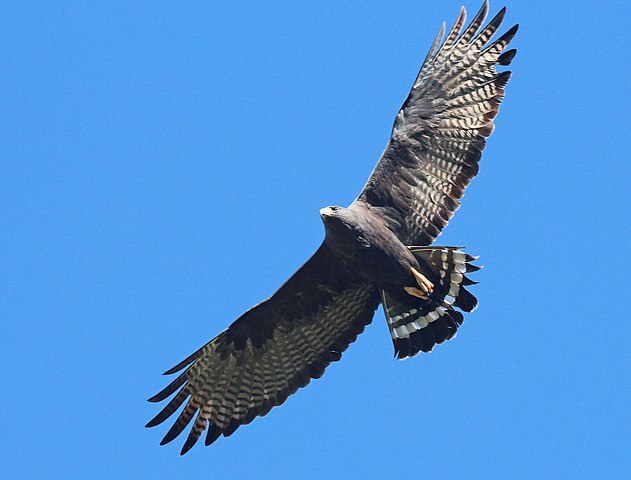
Zone-tailed Hawk (Buteo albonotatus) ©WikiC

“Does the hawk fly by your wisdom, And spread its wings toward the south? (Job 39:26 NKJV)

Job 39:26 asks us if we are the ones who gave the Hawks their wisdom? We know that God created these beautiful avian wonders.

Hawk Photos   Click on the series of photos.

Here are more articles about Hawks:

What will you do with Jesus?


April’s Bird of the Month – Canary

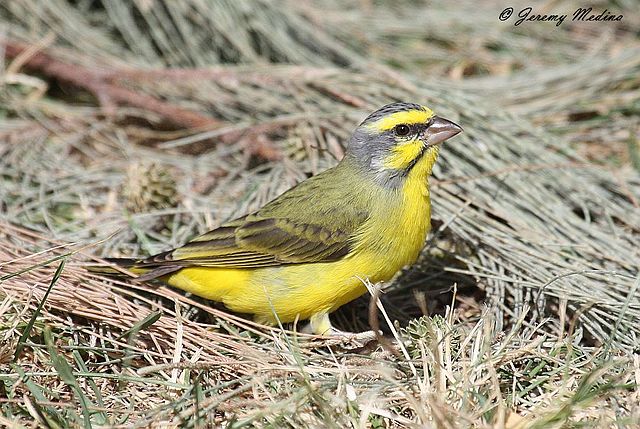
Yellow-fronted Canary (Crithagra mozambica) ©Wiki

According to Birds and Bloom magazine site, there are Birds of the Month.

“You’ve probably heard of birth month gemstones and birth month flowers, but have you heard of birth month birds? It might come as a surprise to learn every month of the year has not only a representative jewel and flower, but also a bird. From owls to ravens, here are the birds that represent everyone’s birthdays.”

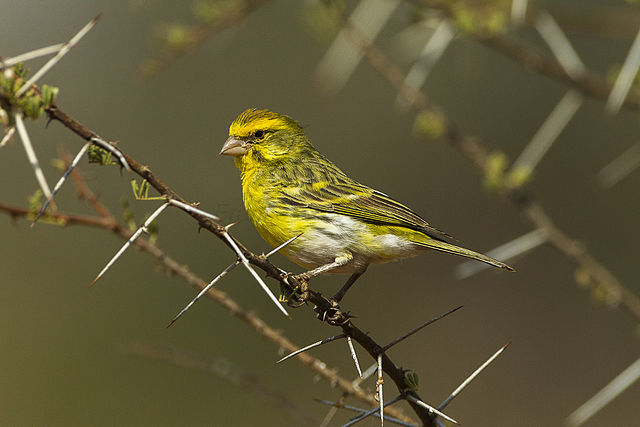
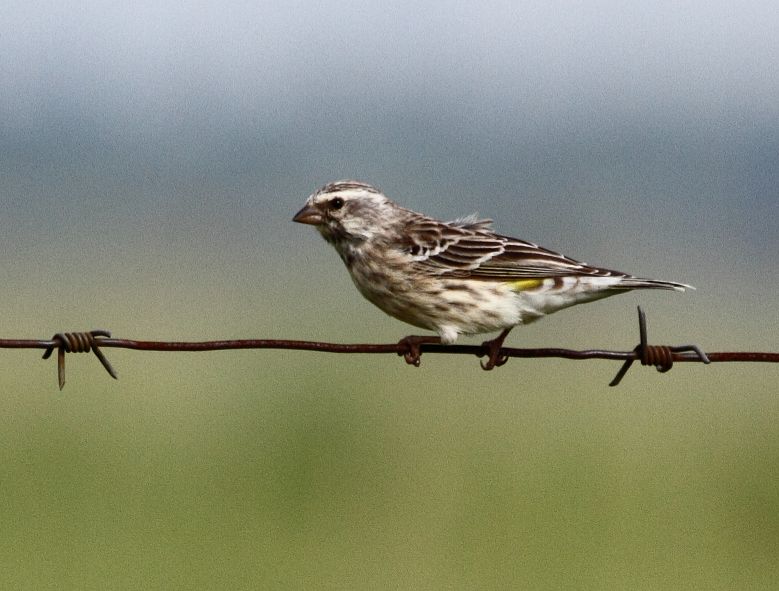
White-bellied Canary (Crithagra dorsostriata) ©WikiC

More from Birds and Bloom:

April: Canary

Perhaps it’s fitting that the bird for the month of Peeps candy is the canary. Some canaries live in the wild, but others, such as the domestic canary, are kept as pets. They’re not all yellow, either; some are red, while others are yellow and black. As part of the finch family, they are cheerful birds with a delightful song. To find them in the wild, you’d need to go to the Canary, Madeira or Azores Islands.

Like canaries? Discover more small yellow birds you should know.

https://www.birdsandblooms.com/birding/birth-month-birds/

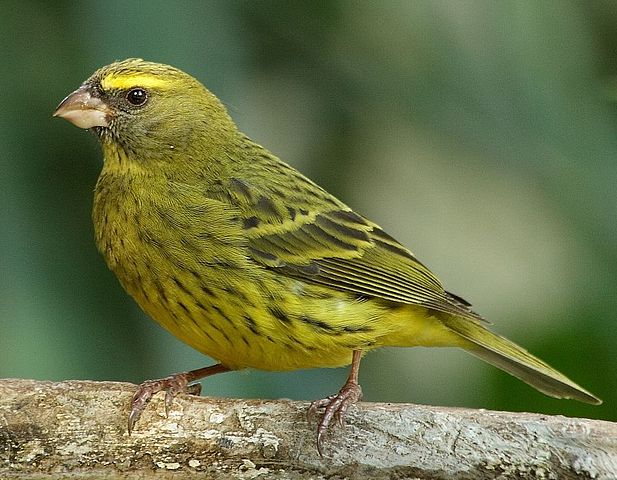
Forest Canary (Crithagra scotops) ©WikiC

When I consider thy heavens, the work of thy fingers, the moon and the stars, which thou hast ordained; What is man, that thou art mindful of him? and the son of man, that thou visitest him? For thou hast made him a little lower than the angels, and hast crowned him with glory and honour. Thou madest him to have dominion over the works of thy hands; thou hast put all things under his feet: All sheep and oxen, yea, and the beasts of the field; The fowl of the air, and the fish of the sea, and whatsoever passeth through the paths of the seas. O LORD our Lord, how excellent is thy name in all the earth! (Psalms 8:3-9 KJV)

Black-throated Canary (Crithagra atrogularis) ©WikiC

Other birds that come from the Canary islands that aren’t Canaries but are yellow. They are all very cute and adorable, in my opinion.

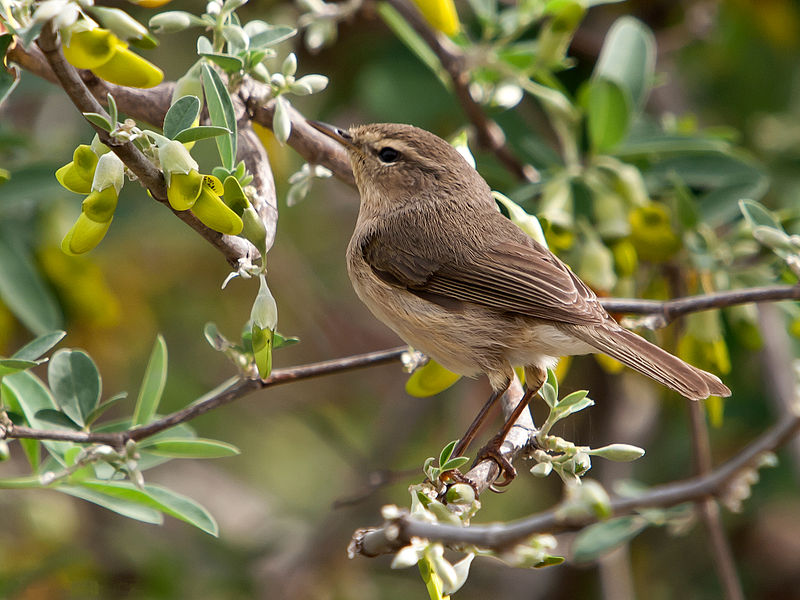
Canary Island Chiffchaff

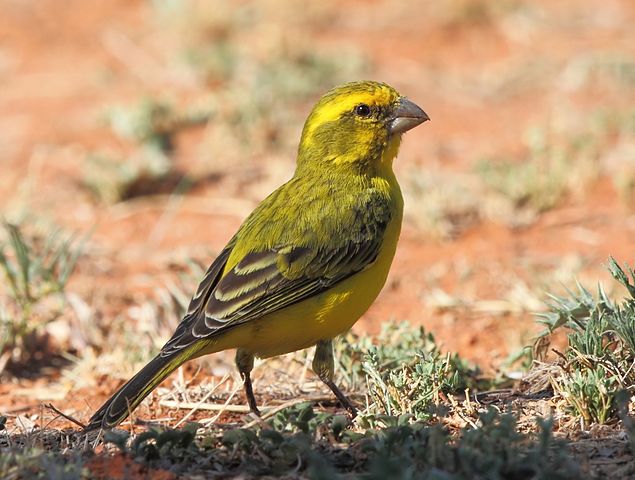
Southern Grosbeak-Canary (Crithagra buchanani) ©WikiC

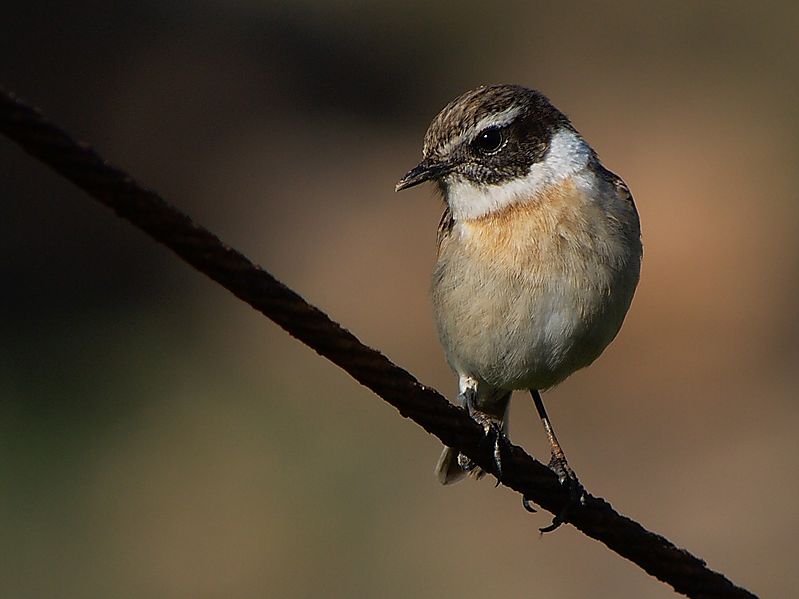
Canary Islands Stonechat (Saxicola dacotiae) ©WikiC

Canary Islands Stonechat (Saxicola dacotiae) ©WikiC

Previous Articles that mention Canarys:

The Rescue of the Canary Bird

SAFETY MONITORING by Canaries, Crayfish, and Brook Trout

Finches at Feeder This Morning

Canaries are part of the Finch Family

Sunday Inspiration – Finches III

Sunday Inspiration – Thraupidae – Flowerpiercers, Sierra Finches, Plus

Gideon

Bird of the Month Introduction and January’s Bird

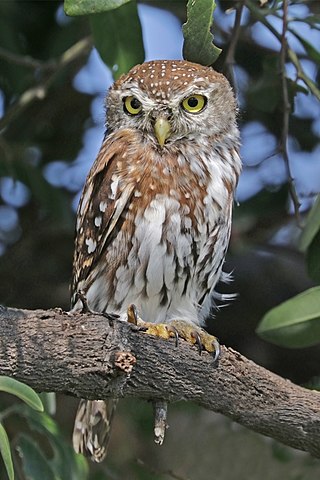
Pearl-spotted Owlet (Glaucidium perlatum) ©WikiC

Did you know that there is a bird assigned to each month like they do stones? I was not aware of these for birds. September, which is my birthday month has a Saphire. I’ll reveal September’s when we get to that post.

According to Birds and Bloom magazine site, there are Birds of the Month.

“You’ve probably heard of birth month gemstones and birth month flowers, but have you heard of birth month birds? It might come as a surprise to learn every month of the year has not only a representative jewel and flower, but also a bird. From owls to ravens, here are the birds that represent everyone’s birthdays.”

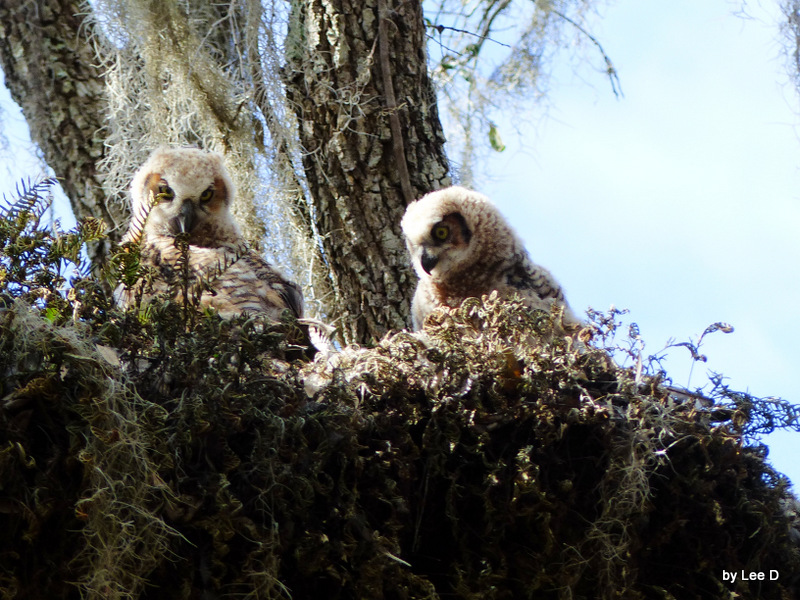
Great Horned Owl Youngsters at Circle B Bar Reserve by Lee

“January: Owl

Wise and formidable, owls preside over the woods at night. They’re commonly seen as a symbol of smarts, with great horned owls showing up on many a graduation card. Identify these January birth month birds by their large eyes, rounded heads and hooked beak. Listen for their hooting when the skies grow dark.”

They didn’t say which kind, so here are some of the articles we have done about Owls:

Tickle Me Tuesday – Owls With A Message

Owls in Flight: Being Quiet on Purpose

Sunday Inspiration – Owls

The Silence of the Owls – Creation Moments

Stay tuned for the February’s Bird of the Month

In the meantime, check out the Birds of the Bible – Owl articles:


Sunday Inspiration – Frigatebirds, Gannets and the Booby II

Blue-footed Booby (Sula nebouxii) by Ian

Blue-footed Booby (Sula nebouxii) by Ian

“He will not suffer thy foot to be moved: he that keepeth thee will not slumber.” (Psalms 121:3 KJV)

We are introducing you to the Suliformes Order which has four families. The first two families are fairly small, so we will cover them today.

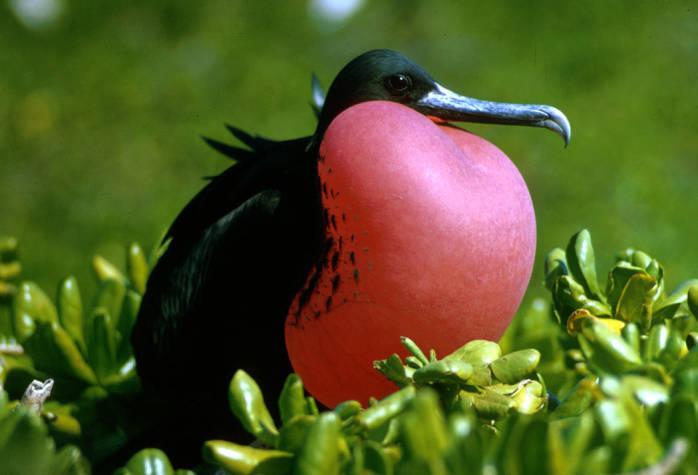
Magnificent Frigatebird (Fregata magnificens) ©USFWS

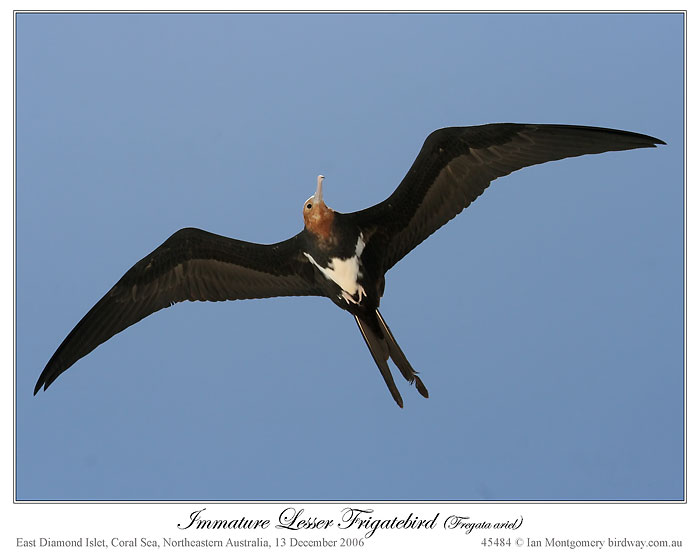
The Frigatebirds belong to the Fregatidae Family and only have one genus, the Fregata. There are five species, the Ascension, Christmas, Magnificent, Great, and the Lesser Frigatebirds.

Frigatebirds (also listed as “frigate bird”, “frigate-bird”, “frigate”, frigate-petrel”) are found across all tropical and subtropical oceans. The five extant species are classified in a single genus, Fregata. All have predominantly black plumage, long, deeply forked tails and long hooked bills. Females have white underbellies and males have a distinctive red gular pouch, which they inflate during the breeding season to attract females. Their wings are long and pointed and can span up to 2.3 metres (7.5 ft), the largest wing area to body weight ratio of any bird.

Lesser Frigatebird (Fregata ariel) imm. by Ian

Lesser Frigatebird (Fregata ariel) immature by Ian

Able to soar for weeks on wind currents, frigatebirds spend most of the day in flight hunting for food, and roost on trees or cliffs at night. Their main prey are fish and squid, caught when chased to the water surface by large predators such as tuna. Frigatebirds are referred to as kleptoparasites as they occasionally rob other seabirds for food, and are known to snatch seabird chicks from the nest. Seasonally monogamous, frigatebirds nest colonially. A rough nest is constructed in low trees or on the ground on remote islands. A single egg is laid each breeding season. The duration of parental care is among the longest of any bird species; frigatebirds are only able to breed every other year.

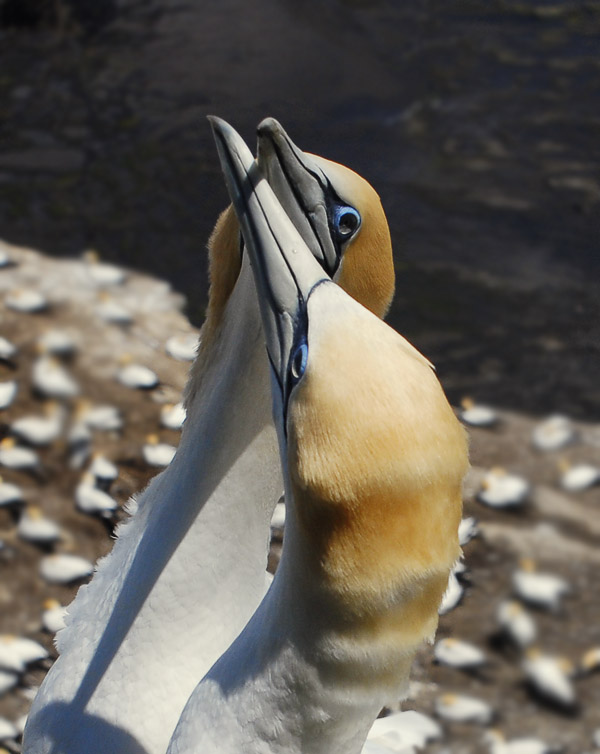
Northern Gannet (Morus bassanus) by W Kwong

Northern Gannet (Morus bassanus) by W Kwong

The Gannets and Boobies make up the Sulidae Family. The bird family Sulidae comprises the gannets and boobies. Collectively called sulids, they are medium-large coastal seabirds that plunge-dive for fish and similar prey. However, Sula (true boobies) and Morus (gannets) can be readily distinguished by morphological and behavioral and DNA sequence characters. Abbott’s booby (PapaIt appears to be a distinct and ancient lineage, maybe closer to the gannets than to the true boobies. There are 10 species. The Morus genus has three species, the Northern, Cape and Australasian Gannets.

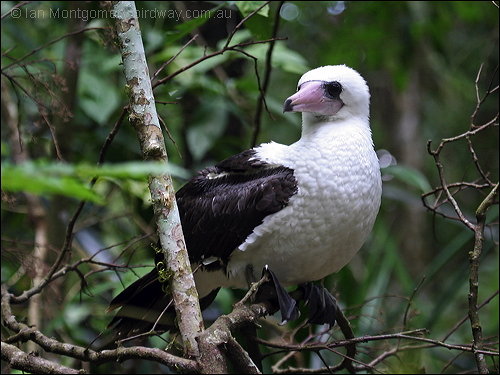
Abbott's Booby (Papasula abbotti) by Ian

Abbott’s Booby (Papasula abbotti) by Ian

The Papasula genus consists of only the Abbott’s Booby.

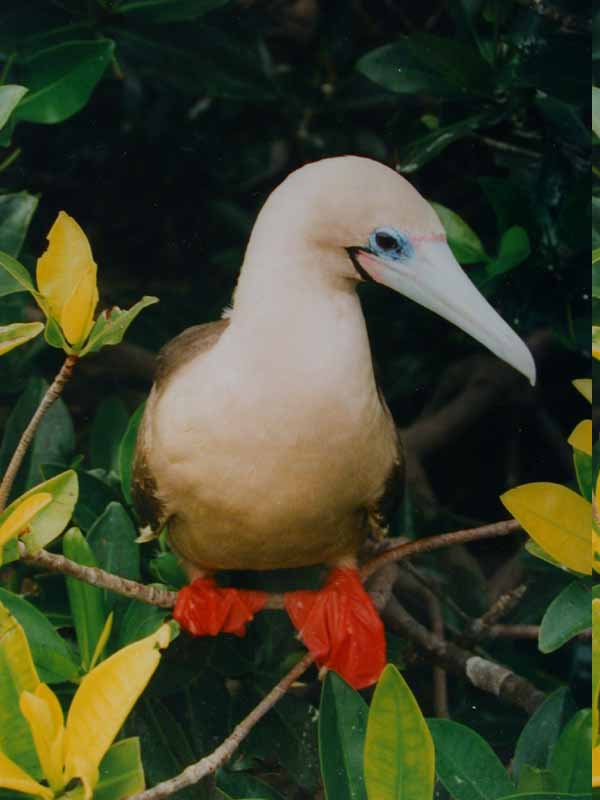
Red-footed Booby (Sula sula) by Bob-Nan

Red-footed Booby (Sula sula) by Bob-Nan

The rest of the Boobies are in the Sula genus.  They are the Blue-footed Booby [a favorite], Peruvian Booby, Masked Booby, Nazca Booby, Red-footed Booby [another favorite], and the Brown Booby. [Wikipedia, with editing]


This slideshow requires JavaScript.

“Hold up my goings in thy paths, that my footsteps slip not.” (Psalms 17:5 KJV)


“My Faith Still Holds” ~ Faith Baptist Church Orchestra
*

(Sunday Inspiration – Frigatebirds, Gannets and the Booby was originally posted in 2017)

More Sunday Inspirations

Assurance: The Certainty of Salvation
*

Friday Friends – Dorothy (Dottie) Malcolm

On Fridays, we would like to “re-introduce” you to some of our Guest Writers who have blessed us with many interesting articles over the years.

My friend Dorothy Malcolm, or Dottie, as we all call her at church, has written several posts about birds. She loved to watch them in her yard and on her many plants. Dottie is now residing in a nursing facility, but she is still enjoying the birds that come by.

Here are Dottie’s first two articles (updated a bit)

The Joy of Awareness – by Dot Malcolm (01/02/2012)
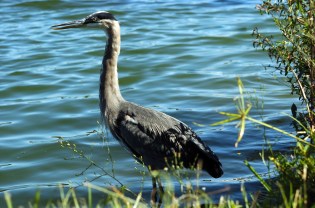
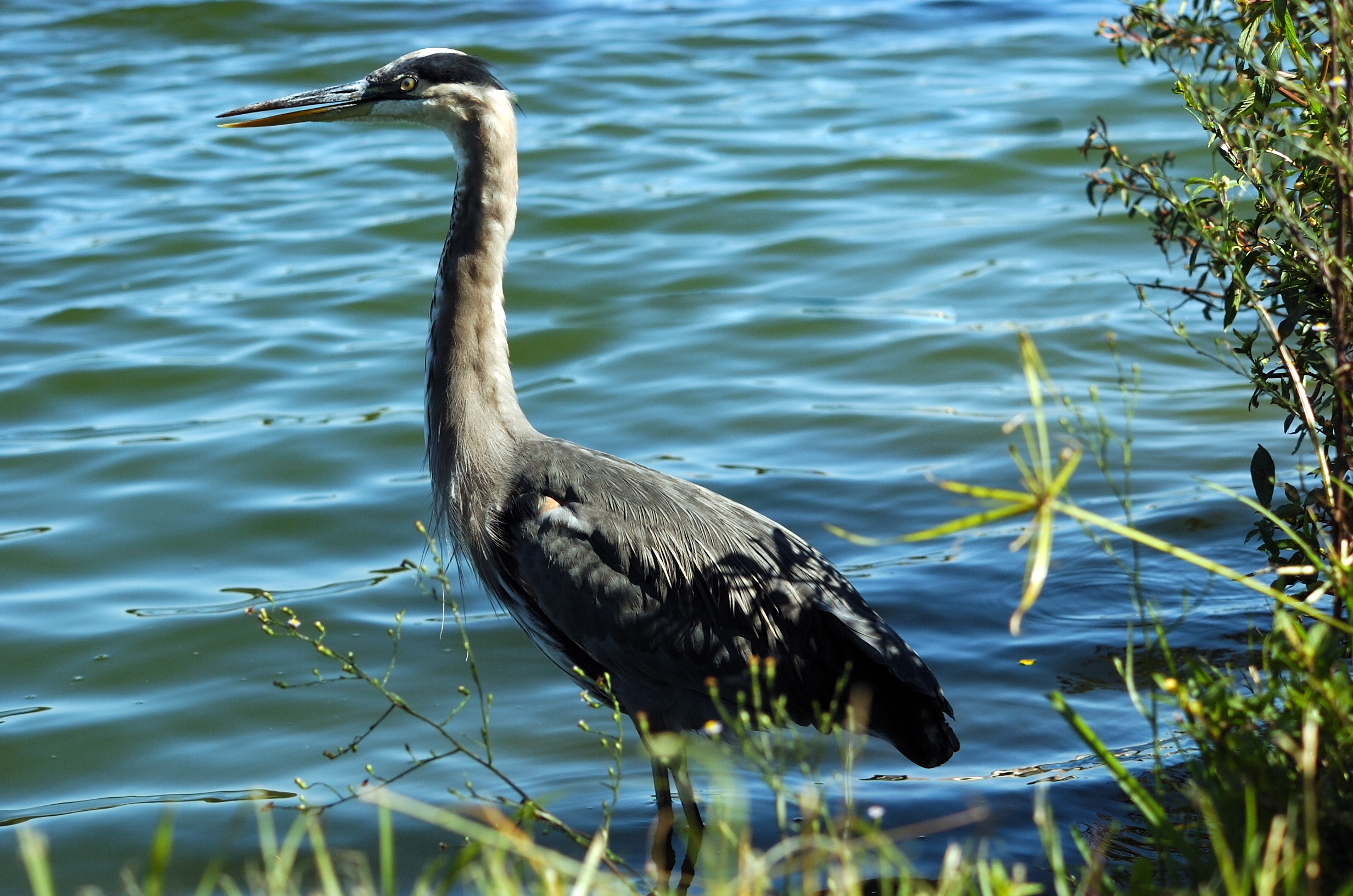
Great Blue Heron (Ardea herodias) by Dan at Lake Morton

Great Blue Heron (Ardea herodias) by Dan at Lake Morton

Since I was a child there has been an awareness of God’s creation and great enjoyment in it. At the age of 11 or 12 years, I saved my allowance and bought a book on Birds of America. It was really special to see a Heron fly over the farm headed for a swampy area.

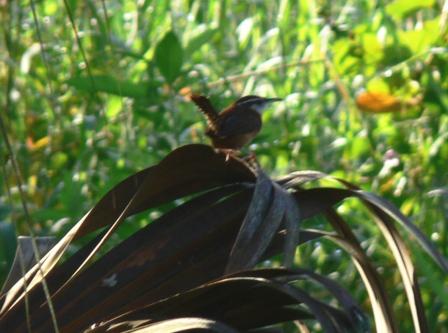
My grandparents lived a short walking distance from us, and I liked going to her house. Her kitchen always smelled of toast. Also special was looking out the south kitchen window to see the wrens flying in and out of their houses which hung at eye level.
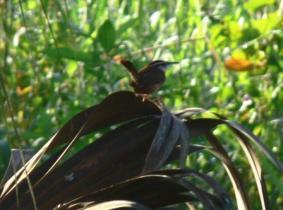
Carolina Wren (Thryothorus ludovicianus) by Lee at Circle B

Carolina Wren (Thryothorus ludovicianus) by Lee at Circle B

I no longer live in the north, but in the south and am now a grandma. Birds, butterflies and gardens are still high on my list of favorite things. Even tho’ the seasonal changes are not as evident as in the north, still I look forward to my special feathered friends coming and going.
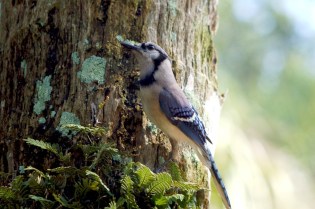
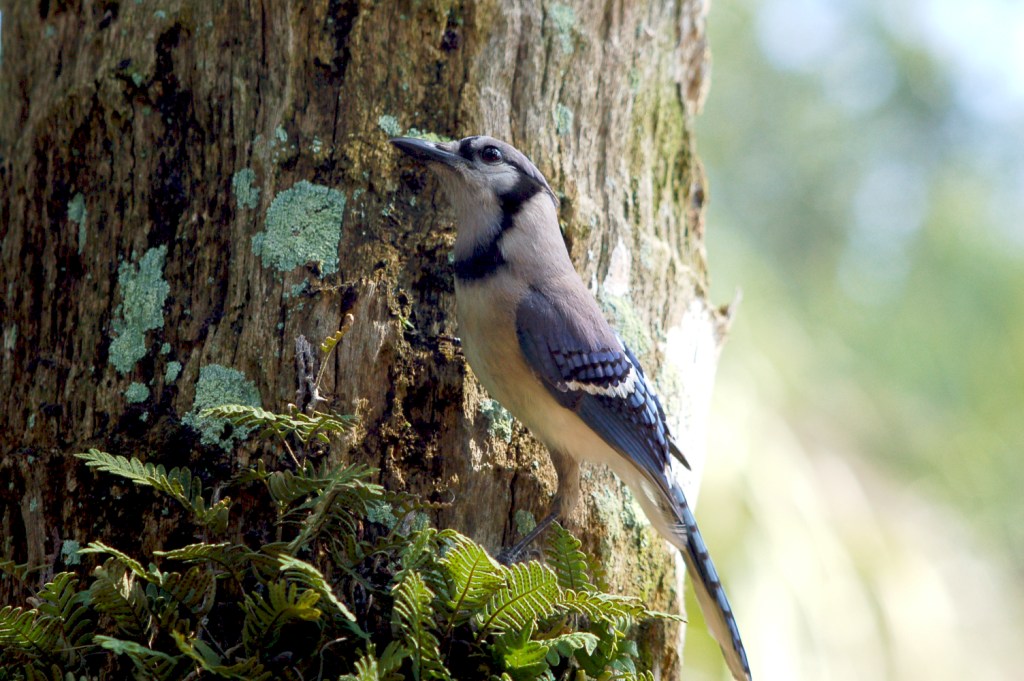
Blue Jay (Cyanocitta cristata) at Bok Tower By Dan'sPix

Blue Jay (Cyanocitta cristata) at Bok Tower By Dan’sPix

The Blue Jays are always present, and they let me know before I see it, when the neighborhood Red-shouldered Hawk is around. They “Yell” enough to discourage even me if their frenzy of cries and wild flying were directed at me!
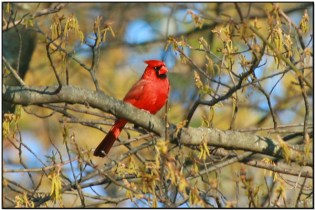
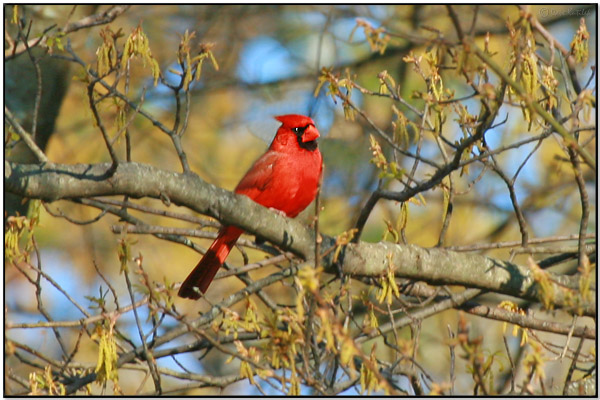
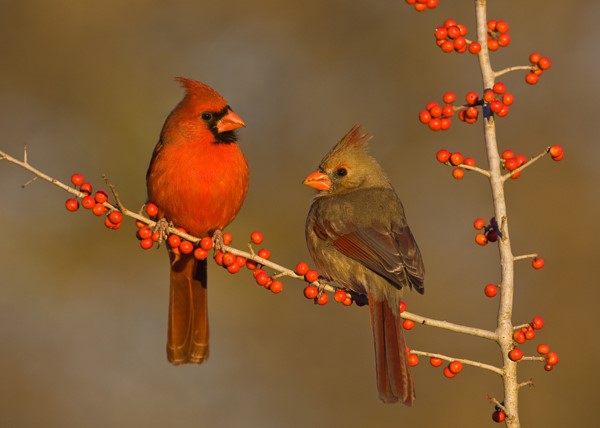
Northern Cardinal (Cardinalis cardinalis) by Daves BirdingPix

Northern Cardinal (Cardinalis cardinalis) by Daves BirdingPix

A pair of Cardinals come about the beginning of November and I hear them before I see them. Also in the winter months small chirpy birds can be heard which makes me look out the window for them. Today, I’m sitting on the patio swing having put out a cushion for myself and my sweet doggy companion, Ruby. When not claiming her seat, she stays busy with squirrel patrol.
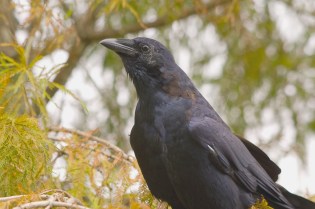
Fish Crow (Corvus ossifragus) at Lake Morton By Dan'sPix

Fish Crow (Corvus ossifragus) at Lake Morton By Dan’sPix

While working on the coming Sunday School lesson, I heard them – Crows. Some people find them irritating, but not me. Looking up I see black flying bodies against a blue sky dotted with white-dumpling clouds.
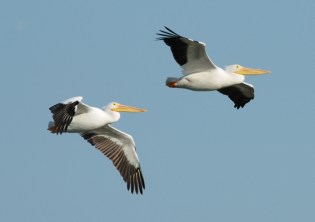
White Pelicans in Flight - Circle B Bar by Dan

White Pelicans in Flight – Circle B Bar

There are also the usual Vultures beautifully soaring overhead, and a single Pelican, and four unidentifiable ducks.
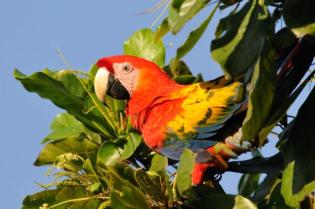
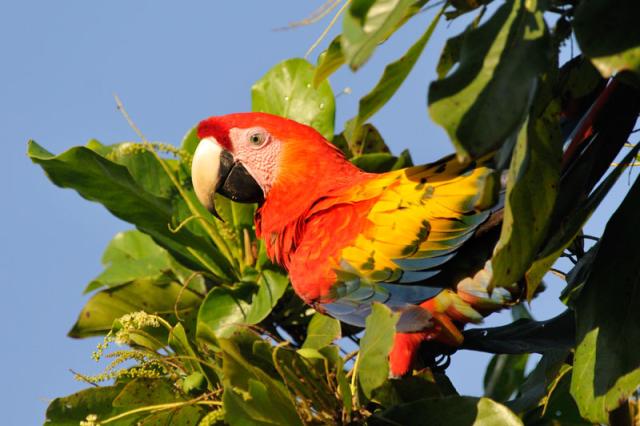
Scarlet Macaw (Ara macao) Reinier Munguia

Scarlet Macaw (Ara macao) Reinier Munguia

I should also mention of the neighbors Macaw (very noisy) who only makes me smile when he talks or laughs. They also have chickens that are very pleasant to listen to.
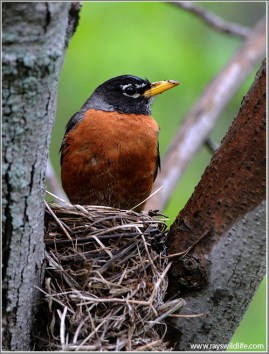
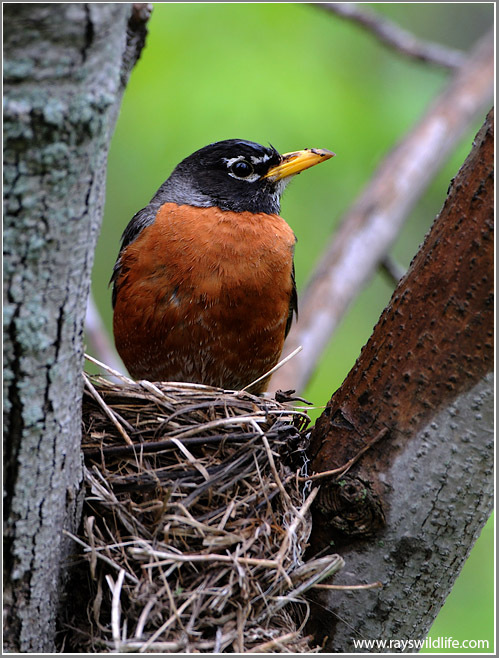
American Robin (Turdus migratorius) in nest by Ray

American Robin (Turdus migratorius) in nest by Ray

Admittedly the best will be if the Robins return. In the 5th grade our teacher had all of us draw a picture of a Robin. She then hung them around the room above the blackboards. Oh, Robins, please come back. Remember I promised not to mention your bad manners to anyone. I will gladly welcome you and you can be noisy, toss leaves, eat all the worms you want and anything else that suits you fancy.

Dot Malcolm, 12/30/11

Then God saw everything that He had made, and indeed it was very good. So the evening and the morning were the sixth day. (Genesis 1:31 NKJV)

Thanks, Dottie, for another interesting article. What a delight to read your love and awareness of birds. When the Robins come back, we will expect another article. You kept me busy finding photos for your many birds. Keep it up.

Dorothy is a charter member of our church, Faith Baptist, and a great friend.

******

I Just Happened ~ by Dorothy Belle Malcolm (07/21/2012)
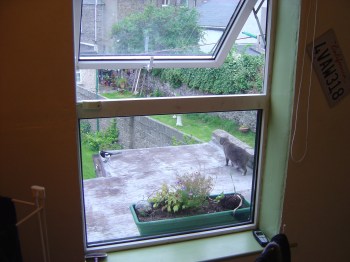
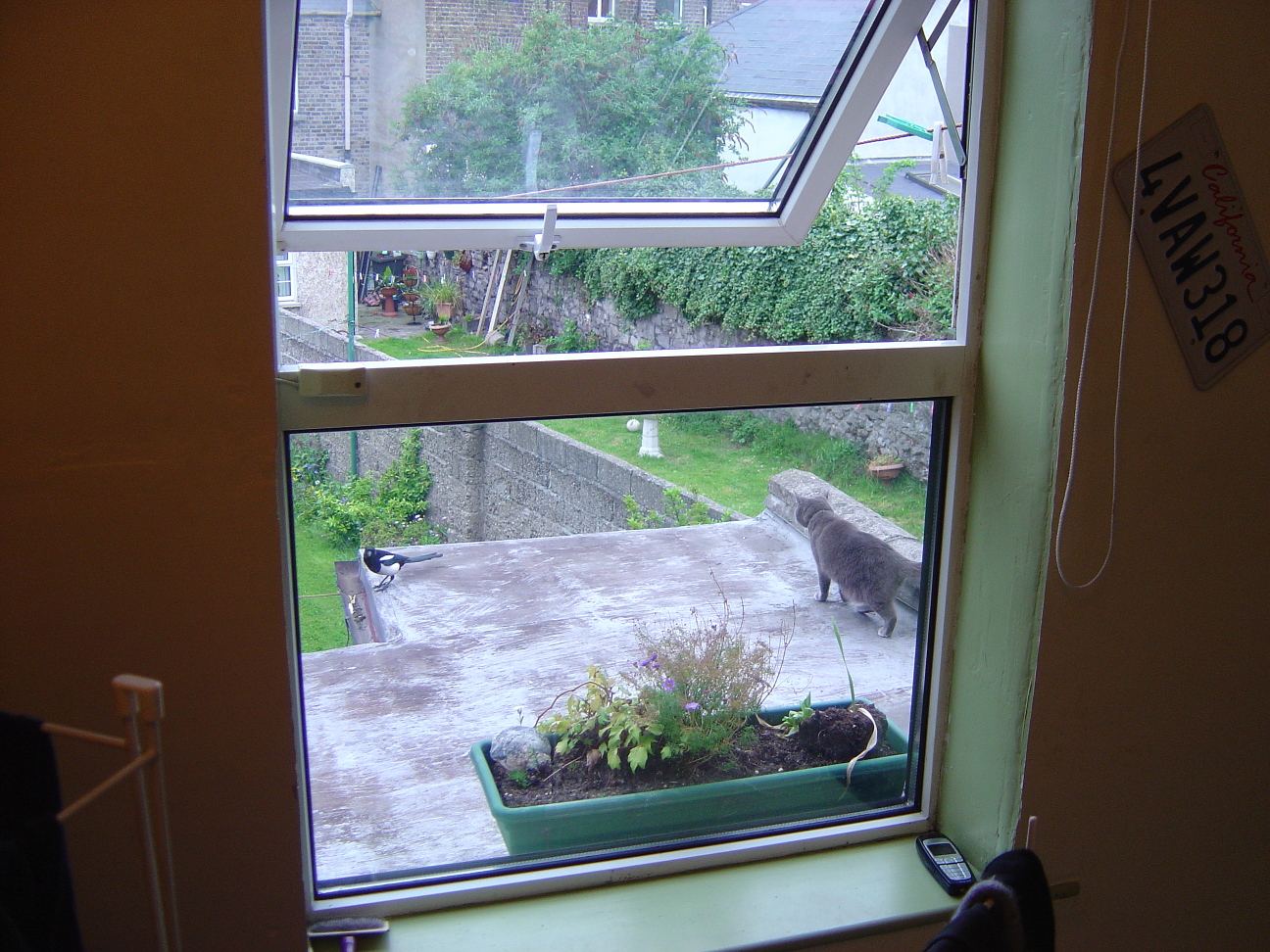
Outside A Window ©©jmason

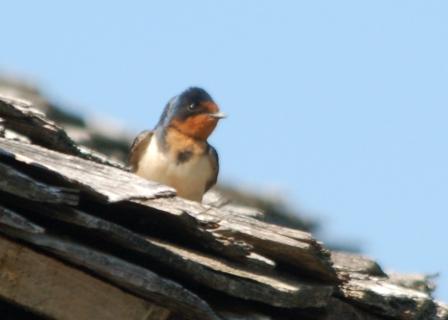
How many times have I said either out loud or to myself – “I just happened.” That seems to say it all for me when certain things occur. For instance, this spring I just happened to be looking out the family room window and saw the most beautiful bird. The colors were bright blue, red, and orange. In less than a minute it was gone. I had never seen one like it all the 30 plus years in Florida. Looking it up in a bird book the colors were described as blue-black, cinnamon belly and a reddish-brown chin. Well, yes, better than I described it. It was a Barn Swallow which I have not seen again.
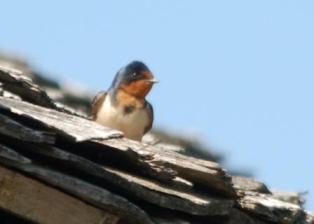
Barn Swallow in Cades Cove by Dan

Barn Swallow in Cades Cove by Dan

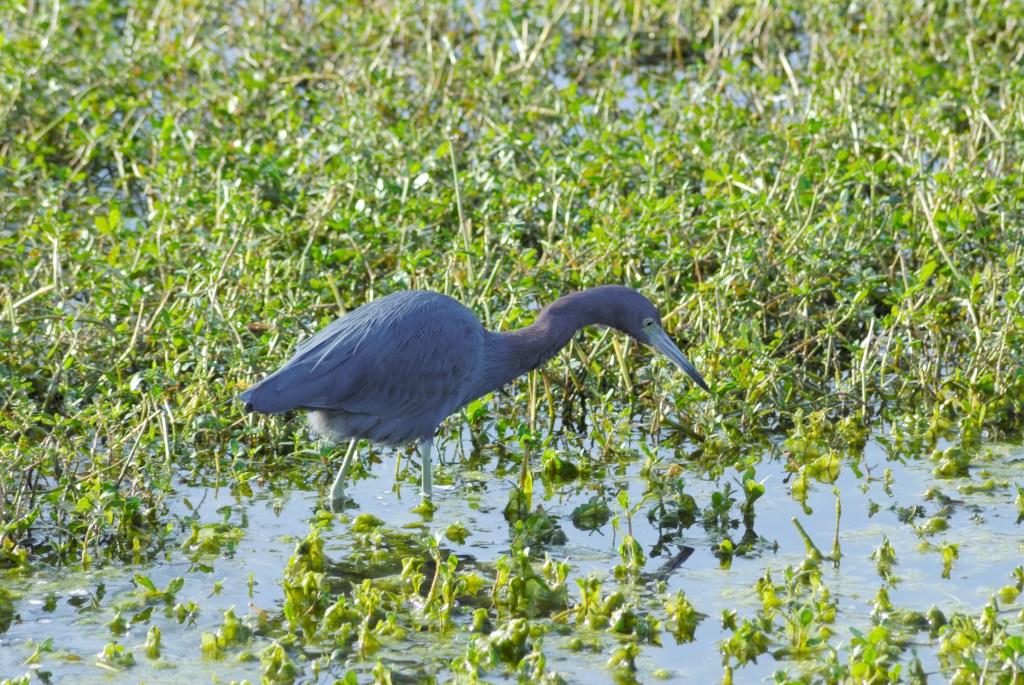
Also, I had a first time visit from a non-breeding adult Little Blue Heron. Of course, it was a result of “I just happened” to be looking out the same window and also had to look it up in a book.
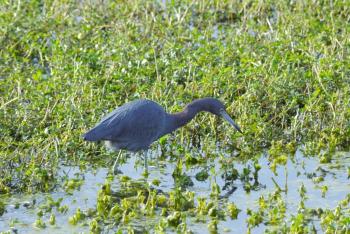
Little Blue Heron at Lake Howard, Winter Haven, FL

Now that I think about it, maybe this particular window is proving to be a real winner for the “just happen” events. Come to think further about it, I recall seeing a pair of Orioles once.

The only thing is none of these birds have ever been seen by me again. Oh well, as long as I have the window, the book and the “I just happened,” perhaps ……

You will show me the path of life; In Your presence is fullness of joy; At Your right hand are pleasures forevermore. (Psalms 16:11 NKJV)

*

Stay tuned! We will show more of her post, Lord willing.

Guest Writers

Good News


Lee’s Four-Word Thursday – 9/5/2024

***

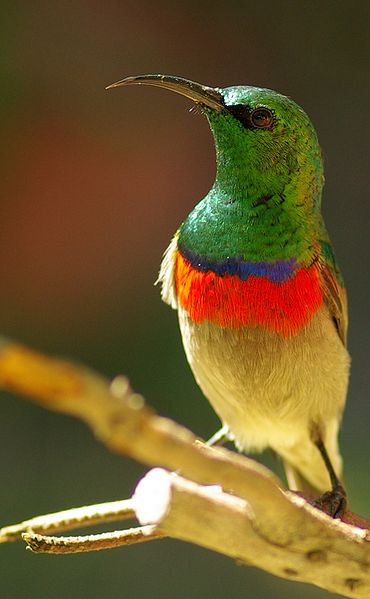
Southern Double-collared Sunbird (Cinnyris chalybeus) ©WikiC

Southern Double-collared Sunbird (Cinnyris chalybeus) ©WikiC

HEAVENLY FATHER FEEDS THEM

***


Look at the birds of the air, for they neither sow nor reap nor gather into barns; yet your heavenly Father feeds them. Are you not of more value than they?
(Matthew 6:26 NKJV)

*

(Repost of article from Januarywith updated photo)

Sandra’s New Kooky Challenge

*

Heaven’s New Jerusalem and Birds II – Correct Order

New Jerusalem Gemstones

(This is a repost of Heaven’s New Jerusalem and Birds. The series originally appeared in 2019. (With a little dusting and updating they were all reposted. Tomorrow. Lord willing, we will wrap this series up. Stay tuned.)

Beryl ©WikiC

Here are the links to the new posts of the New Jerusalem and Birds II in the order of the foundations. I accidentally posted some of them out of order.

Heaven’s New Jerusalem and Birds – Introduction II

“10 And he carried me away in the spirit to a great and high mountain, and shewed me that great city, the holy Jerusalem, descending out of heaven from God,
18 And the building of the wall of it was of jasper: and the city was pure gold, like unto clear glass.
19 And the foundations of the wall of the city were garnished with all manner of precious stones.”

The first foundation was jasper; the second, sapphire; the third, a chalcedony; the fourth, an emerald;

1st – Jasper – Heaven’s New Jerusalem and Birds – Jasper II

2nd – Sapphire – Heaven’s New Jerusalem and Birds – Sapphire II

3rd – Chalcedony – Heaven’s New Jerusalem and Birds – Chalcedony II

4th – Emerald – Heaven’s New Jerusalem and Birds – Emerald II

NORTHERN FLICKER (red-shafted form) photo credit: Evergreen State College

“20 The fifth, sardonyx; the sixth, sardius; the seventh, chrysolyte; the eighth, beryl; the ninth, a topaz; the tenth, a chrysoprasus; the eleventh, a jacinth; the twelfth, an amethyst.”

5th – Sardonyx – Heaven’s New Jerusalem and Birds – Sardonyx II

6th – Sardius – Heaven’s New Jerusalem and Birds – Sardius II

7th – Chrysolite – Heaven’s New Jerusalem and Birds – Chrysolite II

8th – Beryl – Heaven’s New Jerusalem and Birds – Beryl II

9th – Topaz –Heaven’s New Jerusalem and Birds – Topaz II

10th – Chrysoprasus – Heaven’s New Jerusalem and Birds – Chrysoprasus II

11th – Jacinth – Heaven’s New Jerusalem and Birds – Jacinth II

12th – Amethyst – Heaven’s New Jerusalem and Birds – Amethyst II

“21 And the twelve gates were twelve pearls: every several gate was of one pearl: and the street of the city was pure gold, as it were transparent glass.” (KJV) [Yes, pearls are not stones]

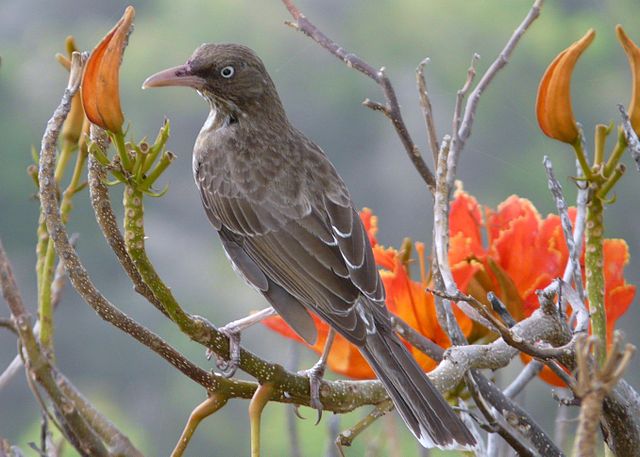
Pearly-eyed Thrasher (Margarops fuscatus) ©WikiC

Who Paints The Leaves?

Heaven’s New Jerusalem and Birds – Chrysoprase II

(This is a repost of Heaven’s New Jerusalem and Birds – Sardius. The series originally appeared in 2019. (With a little dusting and updating they will all be reposted in the coming days. Stay tuned.)

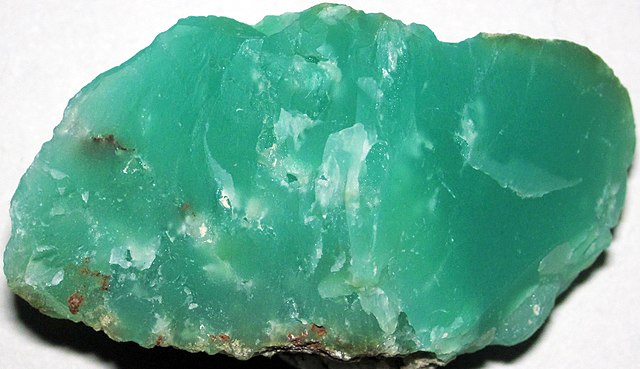
Chrysoprase_(Australia) ©WikiC

“The foundations of the wall of the city were adorned with all kinds of precious stones: the first foundation was jasper, …. the fifth sardonyx, the sixth sardius, the seventh chrysolite, the eighth beryl, the ninth topaz, the tenth chrysoprase, the eleventh jacinth, and the twelfth amethyst.” (Revelation 21:19a-20 NKJV)

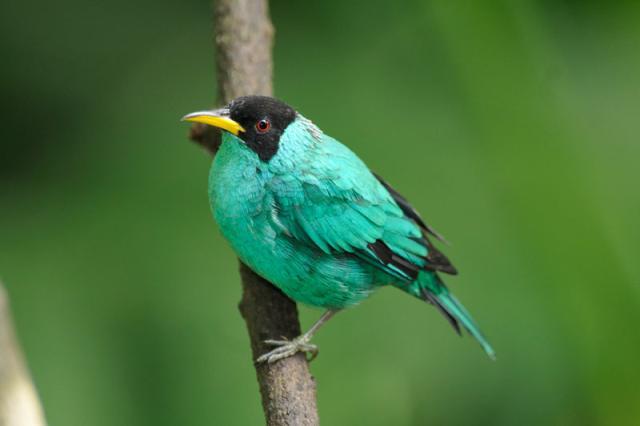
Green-honeycreeper by Wilds

We are now up to the tenth precious stone layer of the New Jerusalem. Wow!! So far, all the colors of the stones and birds have been beautiful. And remember, the colors we have been showing, will be so much more spectacular in heaven!

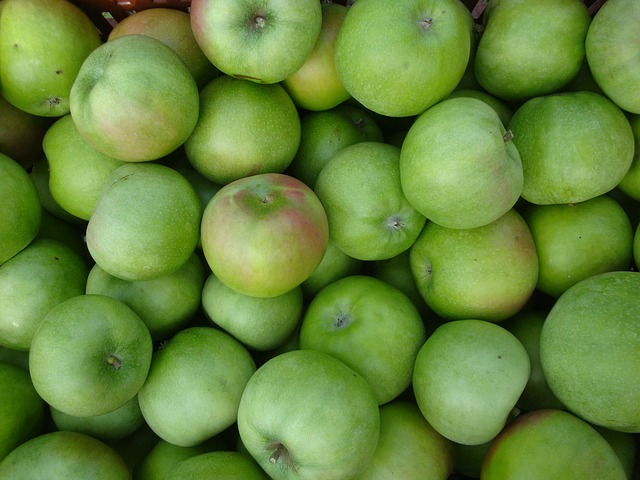
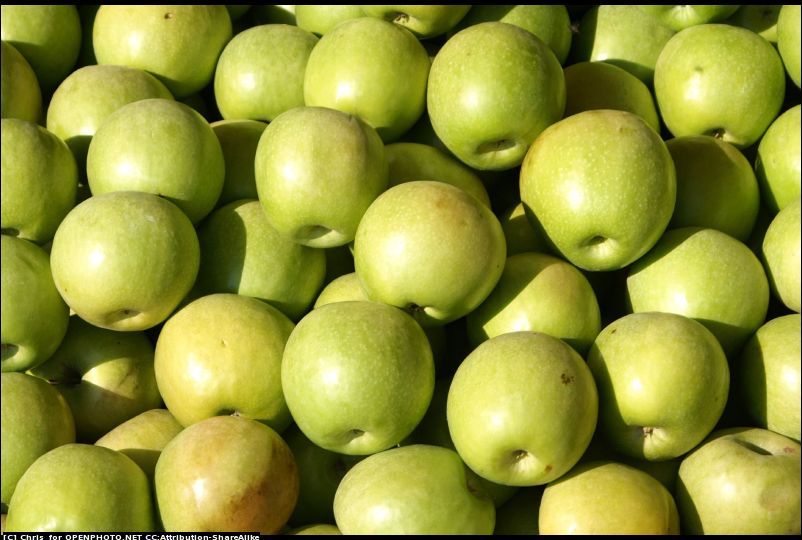
Fruit Green Apple

Green Apples

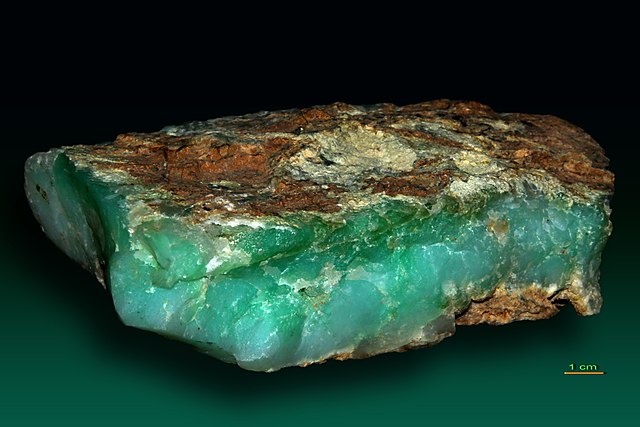
Chrysoprase (n.) An apple-green variety of chalcedony, colored by nickel. It has a dull flinty luster, and is sometimes used in jewelry.

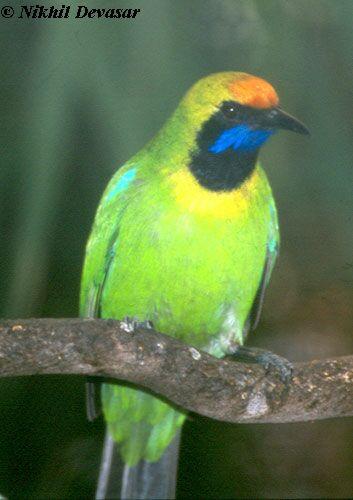
Golden-fronted Leafbird (Chloropsis aurifrons) by Nikhil Devasar

Golden-fronted Leafbird (Chloropsis aurifrons) by Nikhil Devasar

Chrysoprasus Golden leek, a precious stone of the colour of leek’s juice, a greenish-golden colour (Rev_21:20). [Easton’s Bible Dict.]

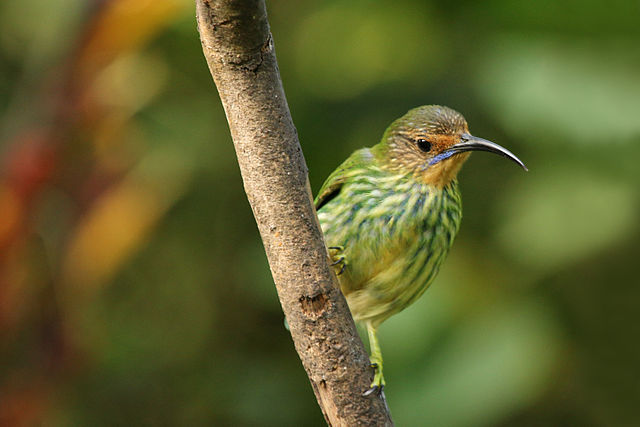
Purple Honeycreeper (Cyanerpes caeruleus) Female ©WikiC

CHRYSOPRASE, CHRYSOPRASUS Light-green variety of chalcedony mentioned as one the gems in foundation wall new Jerusalem… [ILumina]

Chryzopraz – Szklary, (Poland) ©WikiC

Revelation 21:20 “a chrysoprase is greenish and transparent, with gold specks;” [John Wesley notes]

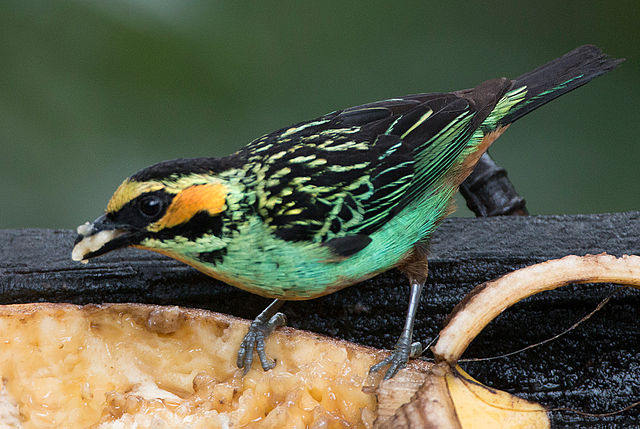
Golden-eared Tanager (Tangara chrysotis) ©WikiC

While searching the Birds of the World database, the first part of this stone’s name, “chrysop” listed many birds with a yellow color, but none with Chrysoprase. So, enjoy the birds, whether are a perfect match or not. All 10,700 plus of the birds are a fantastic gift for us from their Creator.

Other Articles In This Series so far:

Wages or a Gift?

Heaven’s New Jerusalem and Birds – Beryl II

(This is a repost of Heaven’s New Jerusalem and Birds – Beryl. The series originally appeared in 2019. (With a little dusting and updating they will all be reposted in the coming days. Stay tuned.)

Rough Cut Beryl ©Flickr Amanda

“The foundations of the wall of the city were adorned with all kinds of precious stones: the first foundation was jasper, …. the fifth sardonyx, the sixth sardius, the seventh chrysolite, the eighth beryl, the ninth topaz, the tenth chrysoprase, the eleventh jacinth, and the twelfth amethyst.” (Revelation 21:19a-20 NKJV)

Three Colors of Beryl ©WikiC

BER’YL,n. [L.beryllus; Eng.brilliant.]
A mineral, considered by Cleaveland as a subspecies of Emerald. Its prevailing color is green of various shades,but always pale. Its crystals are usually longer and larger than those of the precious emerald, and its structure more distinctly foliated. It is harder than the apatite,with which it has been confounded; harder and less heavy than the pycnite. The best beryls are found in Brazil, in Siberia and Ceylon, and in Dauria, on the frontiers of China. They are found in many parts of the United States. [Webster Dictionary 1828]

Water Summer Beach Sea Blue/green Ocean Nature ©Max Pixel

Beryl – berullos (G969), “beryl,” is a precious stone of a sea-green color, Rev_21:20 (cf. Exo_28:20). [Vine’s]

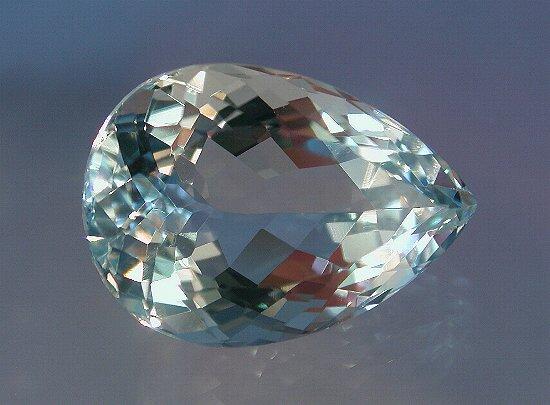
Faceted aquamarine ©WikiC

Beryl is a mineral of great hardness, and, when transparent, of much beauty. …probably the mineral now called beryl, which is identical with the emerald except in color, being a light green or bluish-green. [Smith’s Bible Dictionary]

Beryl ©WikiC

beryl — of a sea-green color. [Jamieson-Fausset-Brown]

I believe that most of these references are in agreement that the color is a light green, leaning toward “sea-green.” So, let’s see what birds we can find of that sort of color.

There are actually two birds with Beryl in their first names:

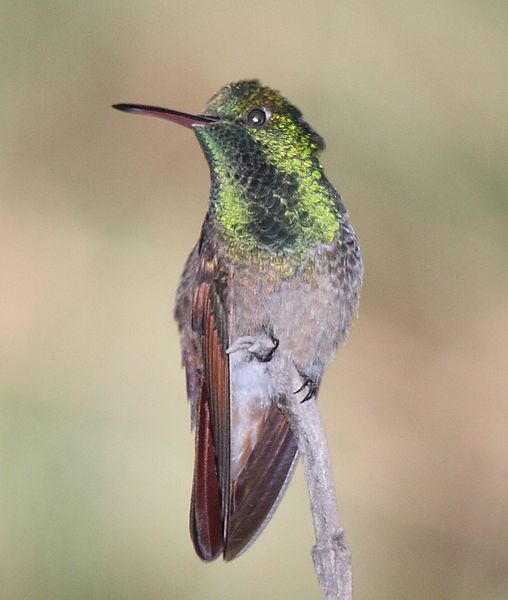
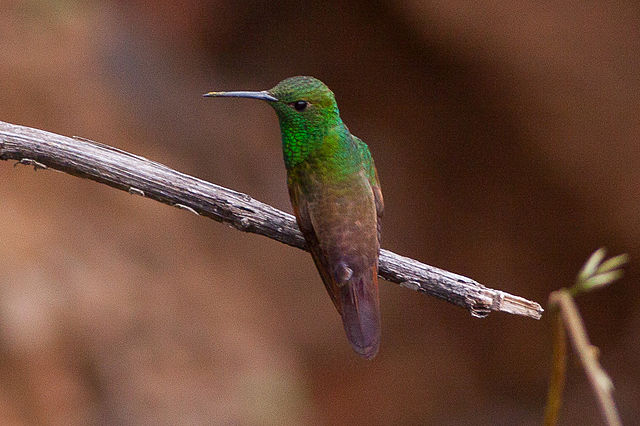
The Berylline Hummingbird (Amazilia beryllina),

Berylline Hummingbird (Amazilia beryllina) ©WikiC

Berylline Hummingbird (Amazilia beryllina) ©WikiC

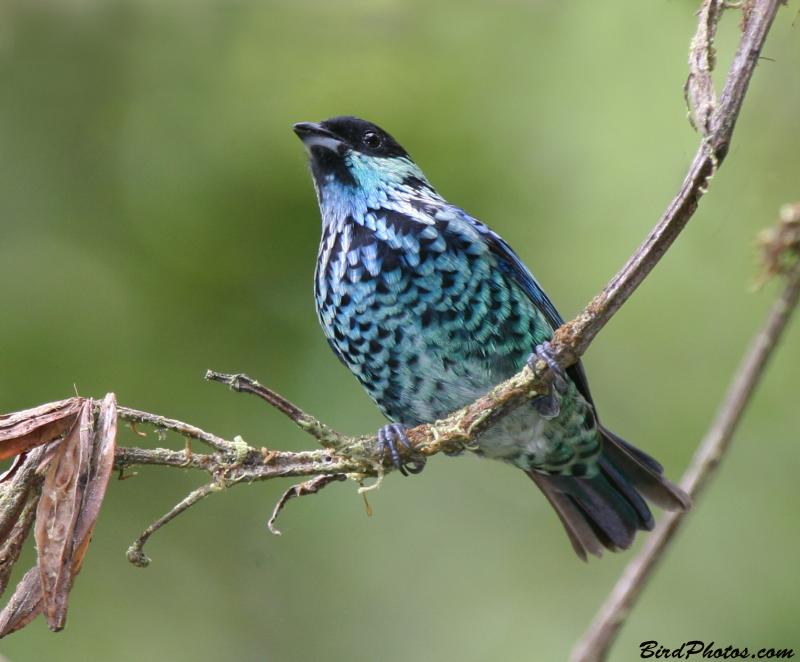
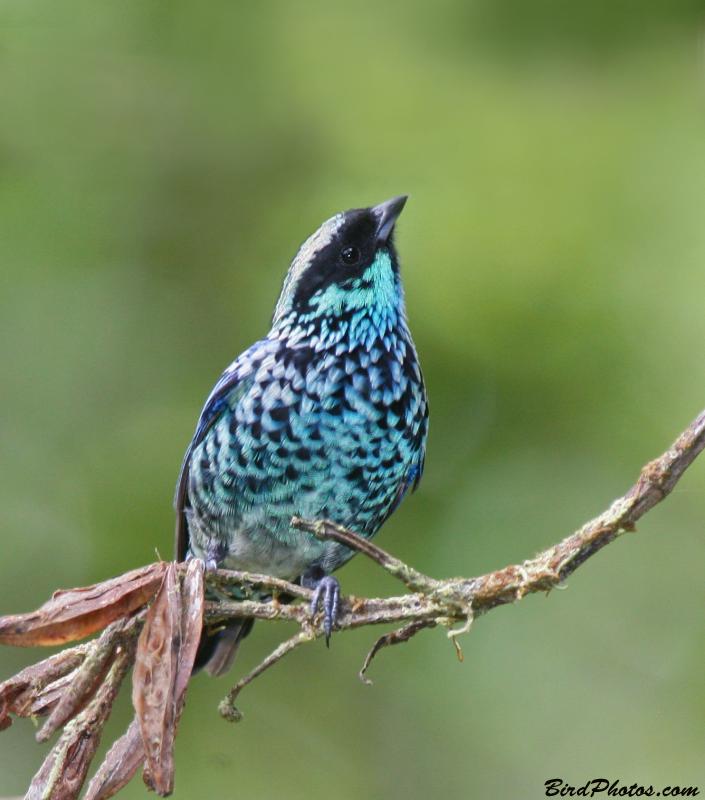
And the Beryl-spangled Tanager.

Beryl-spangled Tanager (Tangara nigroviridis cyanescens) ©BirdPhotos.com

Beryl-spangled Tanager (Tangara nigroviridis cyanescens) ©BirdPhotos.com

Or another shot from below the bird:

Beryl-spangled Tanager (Tangara nigroviridis) ©Flickr Oldenettel

Also, there is one bird that has beryl… in its scientific name. Now this one matches what I take a sea-green. Do you agree?

Sri Lanka Hanging Parrot (Loriculus beryllinus) ©WikiC

Articles in this Series so far:

Wordless Birds – With Hummingbirds


Heaven’s New Jerusalem and Birds – Sardius II

(This is a repost of Heaven’s New Jerusalem and Birds – Sardius. The series originally appeared in 2019. (With a little dusting and updating they will all be reposted in the coming days. Stay tuned.)

Sardius Stone ©Pinterest

“The foundations of the wall of the city were adorned with all kinds of precious stones: the first foundation was jasper, …. the fifth sardonyx, the sixth sardius, the seventh chrysolite, the eighth beryl, the ninth topaz, the tenth chrysoprase, the eleventh jacinth, and the twelfth amethyst.” (Revelation 21:19a-20 NKJV)

Cornelian Stones ©Etsy

What color is this Sardius stone, the sixth foundation layer for the New Jerusalem?

Sardius (n.) A precious stone, probably a carnelian, one of which was set in Aaron’s breastplate. [Webster Dict. 113

“The sixth, sardius; the same with the sardine stone, Rev_4:3 of a blood colour, and what is commonly called a cornelian: it is found in Sardinia, from whence it has its name, and in Bohemia and Silesia, though those of Babylon are the best. This was Reuben’s stone.” [John Gill’s Exposition]

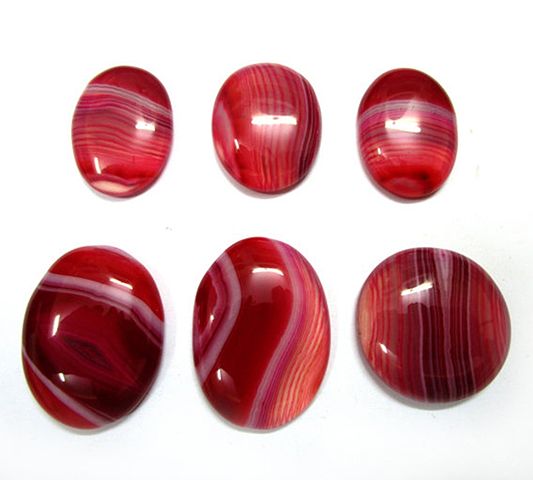
Two polished pebbles of carnelian_sard ©WikiC

Sardius – Sardius. (red). (Hebrew, odem). The stone which occupied the first place in the first row of the high priest’s breastplate. Exo_28:27. The sard, which is probably the stone denoted by odem, is a superior variety of agate, sometimes called camelian, and has long been a favorite stone for the engraver’s art. Sardis differ in color: there is a bright-red variety, and, perhaps, the Hebrew, odem, from a root means “to be red,” points to this kind.” [Smith’s Bible Dictionary]

“6. Sardius (Gr.: sardios)—its color is fiery red. Pliny says that it is the red stone from Sardis. Swete says that it is fiery red.” [J. Vernon McGee]

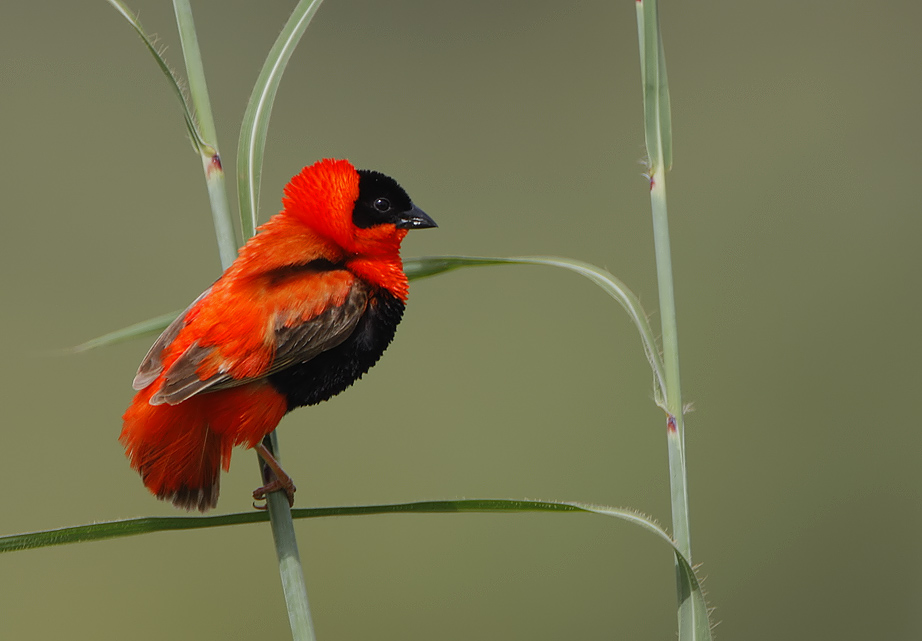
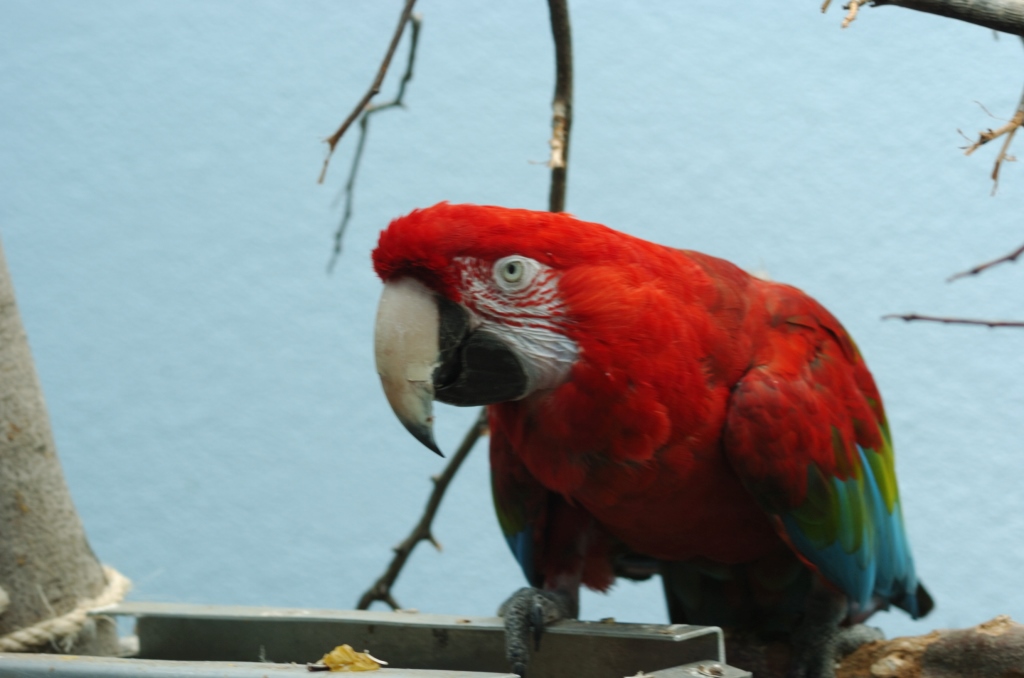
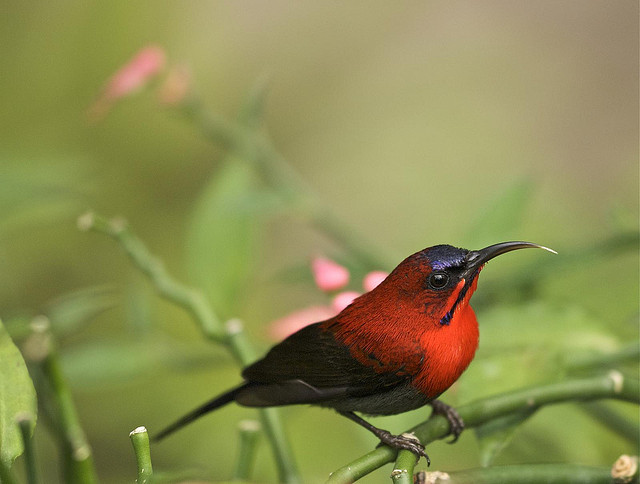
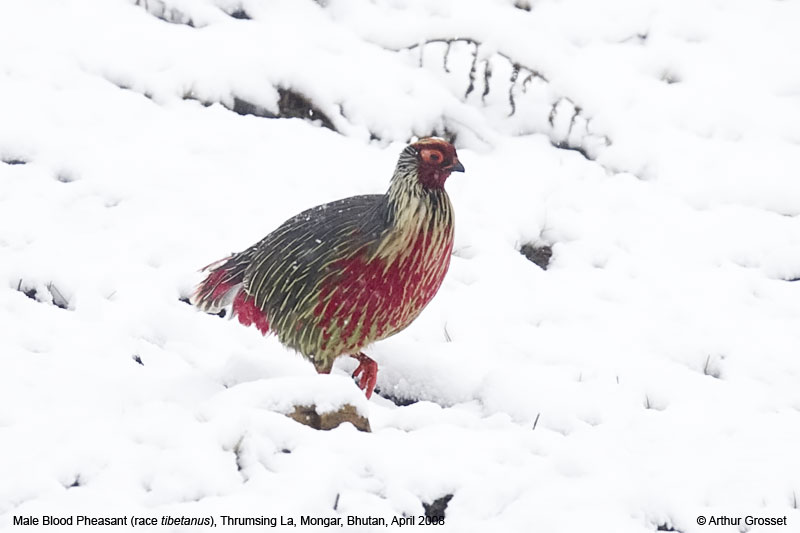
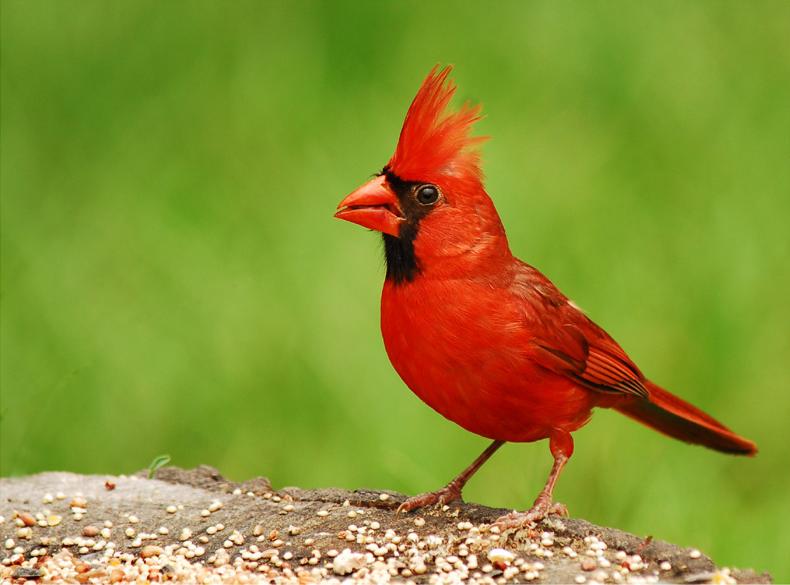
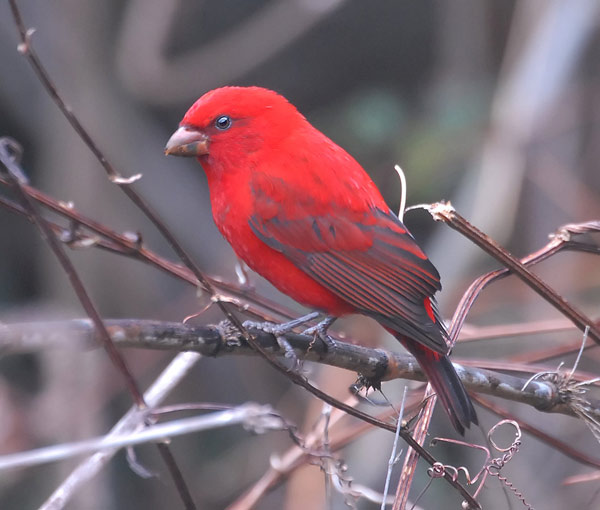
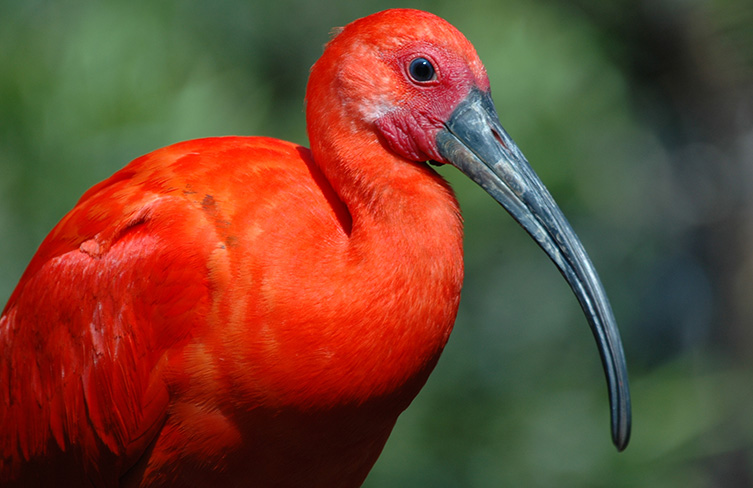
Those four Commentary and Dictionary definitions are all much saying the same; Red, Blood Red, or Fiery Red.  Before I start finding photos of birds, many are already on my mind. Especially the Northern Cardinal:

Northern Cardinal (Cardinalis cardinalis) - WikiC

Northern Cardinal (Cardinalis cardinalis) ©WikiC

This should be easy finding photos to match the color of this sixth foundation. Of course, what we’ll see in heaven, will exceed these beyond anything we can imagine!!!


10 Stunning Red Colored Birds

Articles in this Series so far:

What will you do with Jesus?

Heaven’s New Jerusalem and Birds – Sardonyx II

This is a repost of Heaven’s New Jerusalem and Birds – Sardonyx. The series originally appeared in 2019. (With a little dusting and updating they will all be reposted in the coming days. Stay tuned.)

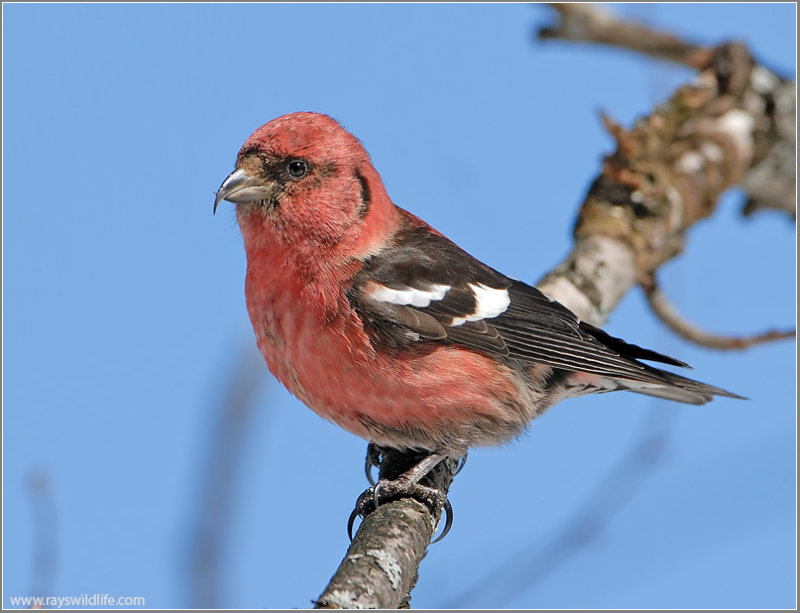
Two-barred Crossbill (Loxia leucoptera)(White-winged) by Raymond Barlow

Two-barred Crossbill (Loxia leucoptera)(White-winged) by Raymond Barlow

“The foundations of the wall of the city were adorned with all kinds of precious stones: the first foundation was jasper, …. the fifth sardonyx, the sixth sardius, the seventh chrysolite, the eighth beryl, the ninth topaz, the tenth chrysoprase, the eleventh jacinth, and the twelfth amethyst.” (Revelation 21:19a-20 NKJV)

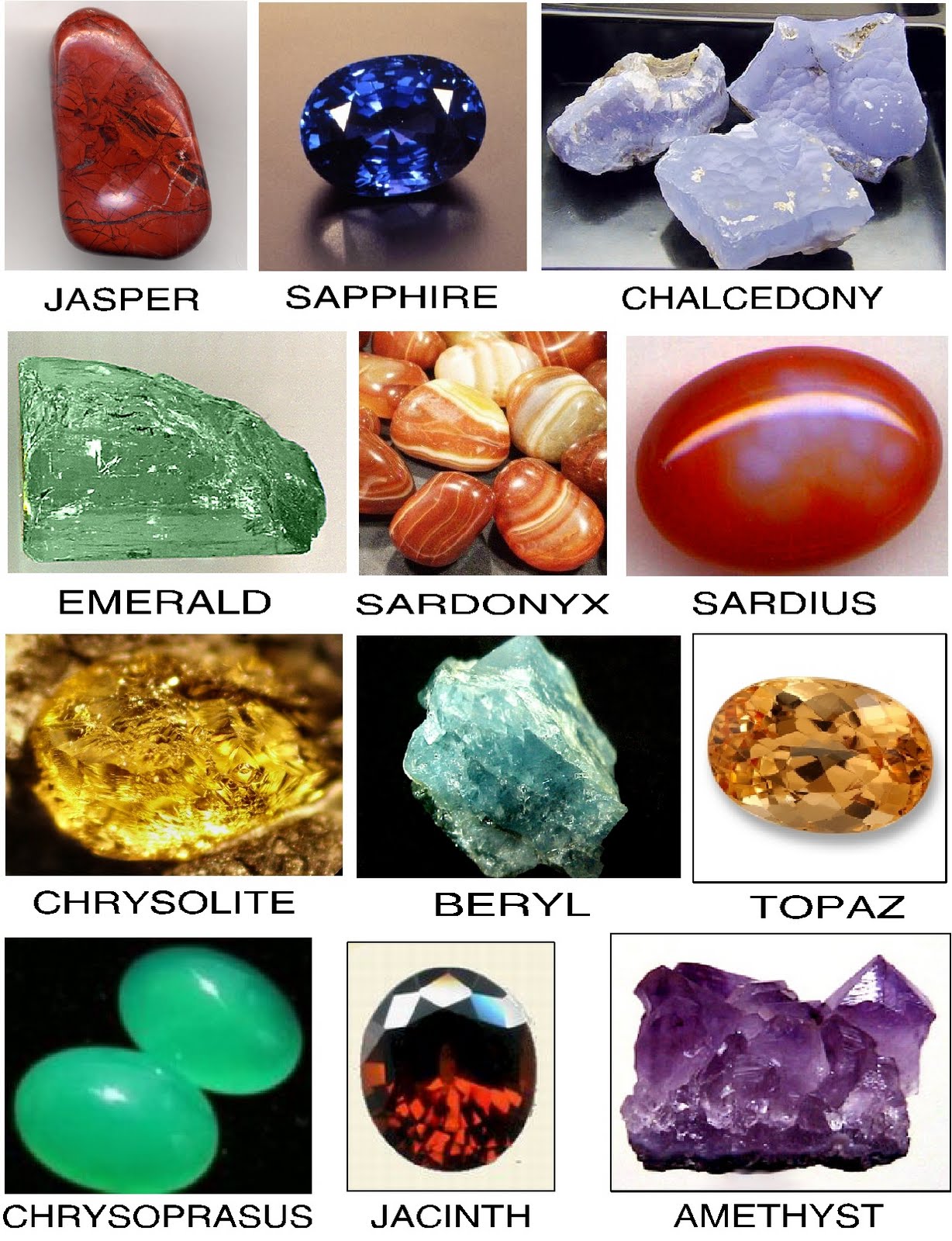
While searching for material on these foundation stones, this article caught my attention. It appears that Cindy had the same questions as we are trying to figure out. I believe her blog is inactive, but this is still posted. Precious Jewels by Cindy. She had this chart with 12 stones of the foundations.

12 Jewels Foundation New Jerusalem ©Sundayswithcindy

“Pretty impressive, isn’t it? Actually, it will exceed far beyond what our human minds can even conceive when we try to imagine the beauty and magnificence of that holy city. I Corinthians 2:9 tells us, “But as it is written, Eye hath not seen, nor ear heard, neither have entered into the heart of man, the things which God hath prepared for them that love him.”
*
My curiosity was up, though, when it came to those precious gemstones. What were their colors? How would they look all sandwiched together? I knew I could not begin to imagine the scope of its beauty, but at least I wanted to get some glimpse of what it might appear to be. I mean, we can try to imagine the pearly gates, and even the streets of pure gold although the Bible says the pure gold will be like transparent glass, but the foundation of all those beautifully colored jewels? Ahh—how lovely to have the world at our fingertips via the Internet! In a matter of seconds, my curiosity about the precious gemstones of the foundation was satisfied!” [Bolding added]

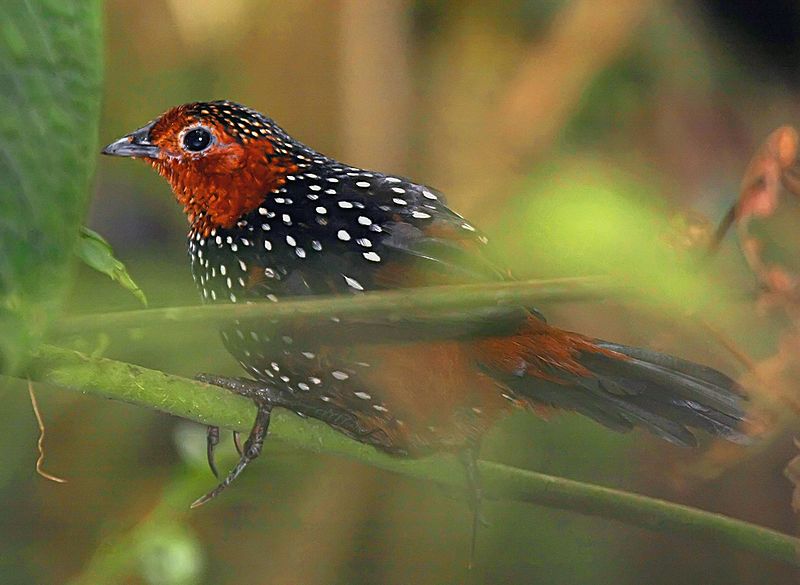
Ocellated Tapaculo (Acropternis orthonyx) ©WikiC

Through the rest of her article, she discovered what I am finding. Names of those stones are not the same today. So, if these birds aren’t a perfect match, please forgive us.
There are no birds with the name of “sardonyx” in it, but the two tones of red seems interesting enough to try to find some birds like that.  All the translations I searched have either Sardonyx or just Onyx. [There are a few birds with ONYX in their scientific name[

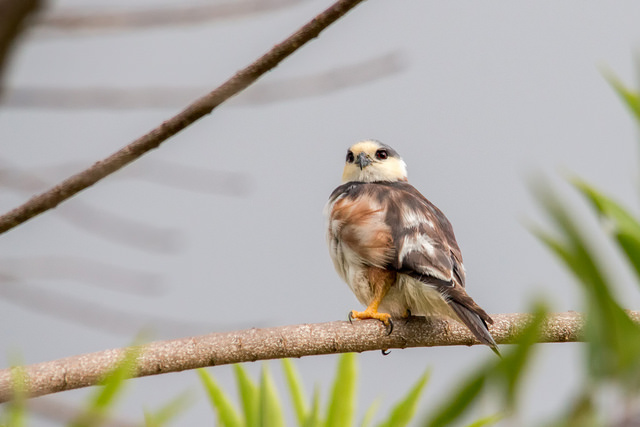
Pearl Kite (Gampsonyx swainsonii) ©Flickr Fernando Flores

Here are what some of the study Bibles and commentaries say:
NKJV MacArthur Study Bible – “ sardonyx. A variety of chalcedony with parallel layers of red and white”
KJ Study Bible Notes – ” sardonyx is red and white”
Jamieson-Fausset-Brown – “sardonyx — a gem having the redness of the cornelian, and the whiteness of the onyx.”
IBS – “Sardonyx – White stone with red layers.
John Gill – “The fifth, sardonyx,…. Which is partly of the sardian, and partly of the onyx stone, which resembles a man’s nail, from whence it has its name; it is reddish, bordering on white; it may be thought to answer to the onyx in the breastplate, on which was written the name of Joseph.”

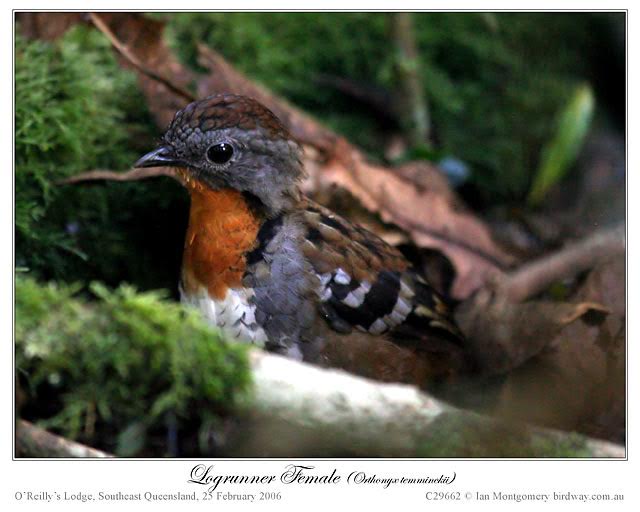
Australian Logrunner (Orthonyx temminckii) by Ian

So with all of these, looks like there must be some reddish and white birds around somewhere. Let’s see what we can find:

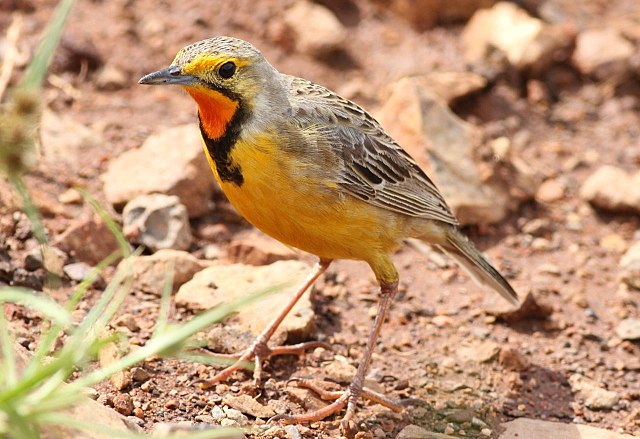
Cape Longclaw (Macronyx capensis) ©WikiC

I still haven’t found what I was hoping to find. This next bird is getting closer.

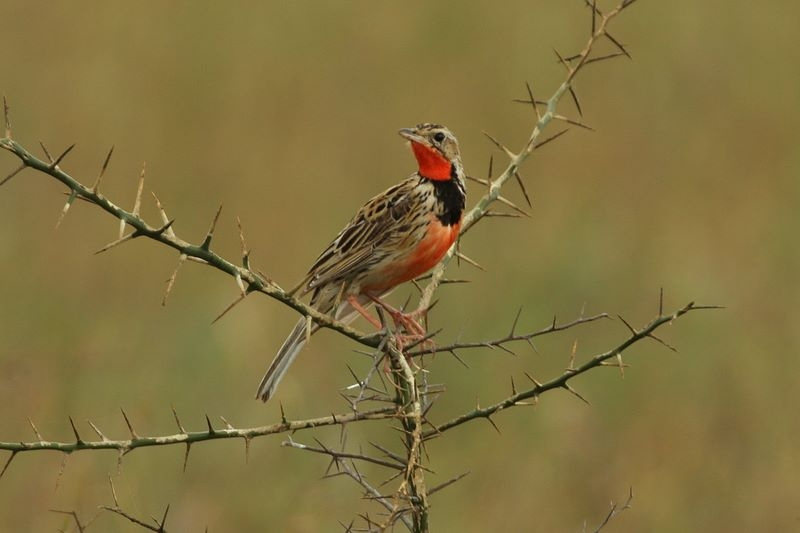
Rosy-throated Longclaw (Macronyx ameliae) ©WikiC

But this is the color of most sardonyx they show on the internet:

Red onyx – Handicraft ©WikiC

Have you seen any birds like that? Let me see what we have already shown here on the blog.

Red-throated Twinspot (Hypargos niveoguttatus) ©WikiC

None of these absolutely match our Sardonyx stone, but are they amazing Avian Wonders from their creator?

*** Articles in this Series so far:

Is There a God?

Heaven’s New Jerusalem and Birds – Colors II

[(Repost/Updated) There was/is a second blog, Birds of the Bible for Kids“. Many of these articles were shared over there, but I didn’t usually bring those over here. Why? Because it was “supposed” to be for kids and younger people. Because of time restraints or whatever reason, many times the articles do not get re-written in their terms. Those articles are in the process of transferring them here under the KID’S SECTION]

This time, I have decided to bring an article I had just posted over there here for you to enjoy. It goes along with the series on the 12 Foundational Stones.

Enjoy!

The Precious Stones and Birds posts have been introducing you to colors of the twelve, (12) foundations of the New Jerusalem, which will be our eternal home, if we have invited Christ into our hearts as Savior. [See below to find out how to do that.]

Those posts were mainly copied from our blog, Lee’s Birdwatching Adventures Plus, and may have used words and terms which were harder to understand. Starting with this article and the following, 12 Stones and Birds posts, we are going to try to explain them in easier terms.

In the article, Precious Stones and Birds – Foundation Stones, you were able to see different colors of stones that might be used. Before introducing the 12 different stones and the birds with sort of matching colors, here is an interesting explanation of colors.

Carolina rainbow spotted on Vacation 9-3-2013 by Lee

Most of us have seen a rainbow, and they are very pretty depending how bright the sun is shining through the clouds, or reflecting on the clouds. I have always enjoyed seeing rainbows and once in awhile, see a double rainbow.
Rainbow Across Yellowstone Lake ©David Grimes
“Like the appearance of a rainbow in a cloud on a rainy day, so was the appearance of the brightness all around it. This was the appearance of the likeness of the glory of the LORD. …” (Ezekiel 1:28a NKJV)

This is from a commentary about these stones: “THE STONES OF FIRE IN THE FOUNDATION
The twelve foundations of the city not only have the names of the twelve apostles, but they are twelve different precious stones. The most beautiful and costly articles known to man are precious stones. These stones express in human terms the magnificence of the city. The superlative degree of gems is used to convey something of the glory of the city to those who now “… see through a glass, darkly …” (1Cor12:11). We are going to see through it clearly someday.

A close examination of these twelve stones in the foundation reveals a polychromed paragon [multicolored example] of beauty; varied hues and tints form a galaxy of rainbow colors. The stones are enumerated as follows:

The foundations of the New Jerusalem are constructed of the flashing brilliance of rich and costly gems. On the inside is Jesus who, when He was here, was the Light of the World. There He will be the Light of the Universe. Astronauts tell us that in space the colors almost entirely are gray and black—but wait until you see the New Jerusalem. It is going to light up God’s new heavens and new earth as they have never been lighted before. I think it is going to be the most breathtaking sight that you have ever seen. … Everything is going to revolve around it, and the light will come from there. It truly will be the Jesus Christ Light and Power Company then. The light will shine out in all these brilliant and beautiful colors.

Light dispersion conceptual waves – Prism ©WikiC

Color is described to us today as dissected light. If you pass a ray of light through a prism, it is broken up into three primary colors: red, blue, and yellow. From these three primary colors come all colors and shades of colors. Light is a requirement for color. Where there is no light, there is no color. Objects of color reveal color to the eye because of their ability to absorb or to reject light rays. A red stone absorbs all the color rays except red; it rejects or throws back to the eye the red ray, which gives it the color of red.
Light dispersion of a mercury vapor lamp with a flint glass prism©WikiC

The New Jerusalem is a city of light and a city of color. God is light, and He is there. The city is described as a jasper stone as clear as crystal. All of this color will be coming out and flooding God’s universe. The jasper stone is a sphere, and the city, the New Jerusalem, is within. The light shining from within through the jasper stone, acting as a prism, would give every color and shade of color in the rainbow—colors that you and I have not even thought of yet. …. The presence of the primary colors suggests that every shade and tint is reflected from this city. A rainbow that appears after a summer shower gives only a faint impression of the beauty in the coloring of the city of light. Oh, what a glorious place this is! [J. Vernon McGee Commentary on Revelation21:19-20 – explantions and bolded added]

Rainbow Lorikeet Lowry Park Zoo 12-31-15 by Lee

Did you read what was said about WHO gives the Light? The Bible says that Jesus is the Light of the World.

“Then spake Jesus again unto them, saying, I am the light of the world: he that followeth me shall not walk in darkness, but shall have the light of life.” (John 8:12 KJV)

Jesus came to earth to provide a way for you to be able to see heaven and spend eternity [forever] with Him and live in the beautiful city where we are writing about. Almost every article here has a link at the bottom to tell how you can believe in Jesus. Please don’t miss heaven and all its beauty, plus, most important being with The Savior, the Lord Jesus Christ.

The ABC’s of the Gospel

*****

As stated above, this is a repost of this article that came from the “Kids” blog version of Lee’s Birdwatching Adventures, but at a younger reading level. Many of the post are still there.