Birdwatching Terms – About’s Bird Bill Parts

Bird Bill Parts From About
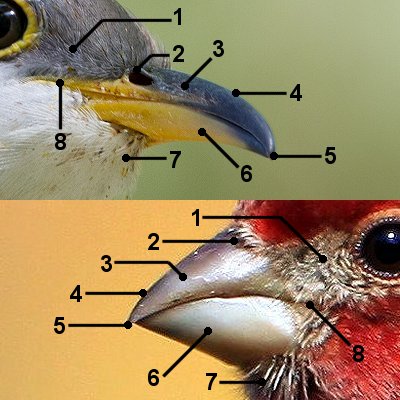
About's Bill-Parts ©Dan Pancamo/nigel

About’s Bill-Parts ©Dan Pancamo/nigel

Bird Bill Parts.  ©Dan Pancamo / nigel

The dove came to him toward evening, and behold, in her beak was a freshly picked olive leaf. So Noah knew that the water was abated from the earth. (Genesis 8:11 NASB)

A bird’s bill, also called a beak, is a critical piece of its anatomy, not only for foraging, defense, singing and other behaviors, but also for birders to make a proper identification. Depending on the bird, a bill can provide clues to far more than species: age, gender, diet and foraging behaviors can all be learned by studying a bill. By knowing the basic parts of a bill and the bird’s face and head immediately adjacent to the bill, birders can be better prepared to look for the subtle clues bills can reveal about every bird.

Overall Bill Features

Some of the most important aspects of a bird’s bill are not specific features, but the general jizz of the bill. When first studying bird bills, look for…

  • Size: How large does the bill appear in proportion to the bird’s head? Check for length as compared to the length of the head as well as the width of the bill and how that width may change along the bill’s length.
  • Shape: Bill shapes vary widely, from delicate triangles or thin, needle-like bills to thick, bulbous bills to sharply curved bills to radical shapes that include spoon-like tips or horny casques. When the shape is very unique, that can be a diagnostic clue for a bird’s identity even if other field marks cannot be seen.
  • Color: The color of a bill can be a clue for species, gender or age. Note the overall color as well as any specific markings, such as a colored tip or base, subterminal band or color differences between the top and bottom of the bill.

Specific Bill Parts

When birders can get a good look at a bill, there are a number of different parts that can yield clues about the bird’s identity, such as…

  1. Lores: While not part of the bill itself, the lores are the space between the base of a bird’s bill and the forward edge of its eyes. This area may be a different color or show a smudge or eye line that can be an identification clue.
  2. Nares: More commonly called the nostrils, the position of the nares as well as their size and shape are important to note for bird’s identities. In some types of birds, such as raptors, the nares are covered by a fleshy cere, while in others, such as many seabirds, elongated tube-like nares help filter seawater.
  3. Maxilla: Also called the upper mandible, the maxilla is the top half of a bird’s bill. Size, length and shape will vary, and some birds have knobs, fleshy wattles or other features that distinguish the maxilla.
  4. Culmen: Difficult to see on many bird species, the culmen is the center line drawn down the length of a bird’s maxilla. In some species, this can be a very distinct peak that divides the sides of the bill, while it may not be noticeable in other species.
  5. Tip: The tip of a bird’s bill may be different shapes, such as blunt or sharply pointed, depending on the bird’s general diet. Hooks are common at the tip of carnivorous birds’ bills, while many waterfowl have small bumps, called nails, on the tip of the maxilla.
  6. Mandible: The lower half of a bird’s bill is called the mandible or lower mandible. The color may vary from the maxilla either along the entire length or just at one end, and can be a great clue for identification. Some birds, such as many gulls, may show spots or other markings just on the mandible.
  7. Chin: Not directly part of the bill, the chin is the area of feathers immediately adjacent to the base of a bird’s mandible. In some species, the color of the chin may vary from the throat or face, providing a valuable identification clue.
  8. Gape: This is a fleshy area at the base of the bill where the upper and lower mandibles meet. In young birds, it is often enlarged or may seem so because the birds have not developed their mature feathers to help conceal it, and it may be brightly colored so their mouths are more noticeable when they beg for food. On some species, such as the bananaquit, the gape remains colorful on adult birds.
Bananaquit (Coereba flaveola) by Raymond Barlow

Bananaquit (Coereba flaveola) by Raymond Barlow

It can be difficult to see many of the subtle details of a bird’s bill, but understanding the different bill parts is a great way for birders to refine their identification skills and learn more about every bird they see.

Photo – Yellow-Billed Cuckoo (Above) © Dan Pancamo
Photo – House Finch (Below) © nigel

*

This is a good introduction to the bird’s bill. Look for more articles on the individual parts of the beak.

From About Birding/Wild Birds – Bird Identification

More Birdwatching Terms 

Birdwatching Tips
*


Ian’s Bird of the Week – Crab Plover

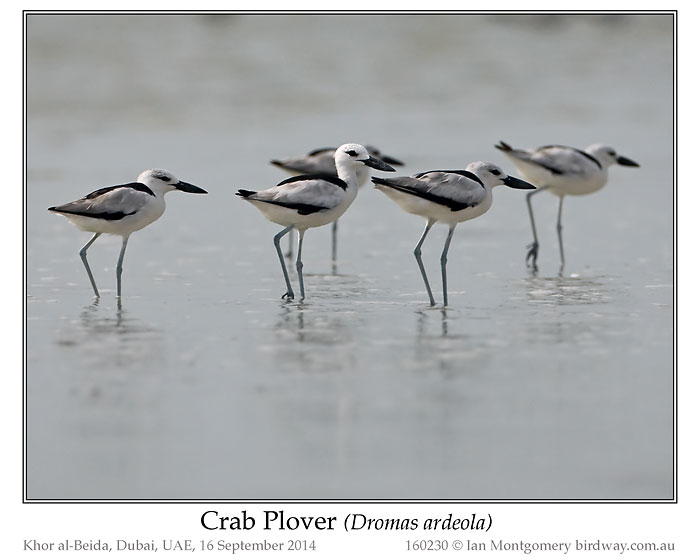
Crab-plover (Dromas ardeola) by Ian

Ian’s Bird of the Week – Crab Plover ~ by Ian Montgomery

Newsletter – 9-22-14

Well your spiritual energy and goodwill did it again, helped physically, admittedly, by the excellent local bird guide Tommy Pedersen, a Dubai-based pilot from Norway who takes visitors birding in his spare time.

There had been some doubt as to whether he’d be free to help us, as he was just returning from a trip to Milan. I cc’d the last bird of the week to him and got a delightful reply just as I was packing in Bluewater on Monday morning:

So, I arrived in Dubai at 5:00 am, checked into my hotel at 7:00 am and at 11:00 am Tommy arrived, collected me and Madeleine – who’d just arrived from Hamburg – in his large and comfortable 4WD and off we went. The tide wasn’t quite right for the Crab Plovers so we did a few other things first – more about those in the next bird of the week – eventually ending up at the coastal sand and mudflats of Khor al-Beida, north of Dubai city. Here, there were about 40 Crab Plovers moving through the shallows on an in-coming tide.

Crab-plover (Dromas ardeola) by Ian

​I did a gradual, crouching trudge across the mudflat in 42º heat to try to get as close as possible to them. They let me get closer than I had expected, photos one and two, before eventually taking flight, third photo. As you can see they are very striking birds and the name ‘Plover’ doesn’t quite do them justice, either in appearance or taxonomically. Apart from the heavy dagger-shaped bill, they are more like avocets and similar in size with a length 40 cm/16 in. The bill resembles that of a Beach Stone-curlew, presumably a case of convergent evolution reflecting their crustacean diet.

Crab-plover (Dromas ardeola) by Ian

The fourth photos shows a close-up of one of the birds in flight. You can see that it is moulting heavily with many of the flight feathers missing in mid-replacement. This seemed to be the case with all of them, and a reluctance to fly may have had more to do with my close approach than my crouching/stalking skills.

Crab-plover (Dromas ardeola) by Ian

Taxonomically, the species show no very close affinities with other waders so the Crab Plover is the sole member​ of its own family (‘monotypic’), the Dromadidae. This is placed in the order Charadriiformes – Plovers & Allies – sitting between the Oystercatchers (Haemopodidae) and the Avocets & Stilts (Recurvirostridae). I feign indifference to making additions to my life list, but adding and photographing a whole new family is a different matter. The last time that happened to me was three years ago with Diving-Petrels on the Sub-antarctic trip.​

I arrived in Ireland yesterday and am spending a relaxing and enjoyable time with family. Yesterday evening I went blackberry picking with my sister along a country lane near where she lives in Clogherhead, Co. Louth. That was admirable therapy for the future-shock resulting from the glittering excesses of downtown Dubai.

Greetings
Ian


Lee’s Addition:

If thou wouldest seek unto God betimes, and make thy supplication to the Almighty; (Job 8:5 KJV)

And ye shall seek me, and find me, when ye shall search for me with all your heart. (Jeremiah 29:13 KJV)

We love to seek out new species, to us at least. I am glad that Ian was able to find his Plover that was on his list. I guess we will have to wait until next week to see if he found his Cream-coloured Courser that he was also searching for. See last week’s Bird of the Week.

Ian sure gets about in his search for avian encounters. But what a beauty he found this time to share with us. I am glad Ian shares his photos with us. The Lord sure has created some neat birds. I like the clean look of these Crab-plovers all dressed in white and black. (The IOC list them as Crab-plovers. No matter what you call them, they are the Dromas ardeola.)

Seeking the Lord should always be our number one priority.

*

Ian’s Bird of the Week

Ian’s Dromadidae – Plovers Family

Dromadidae – Crab-plover Family – Here

*

Why Use The Birds of the World?

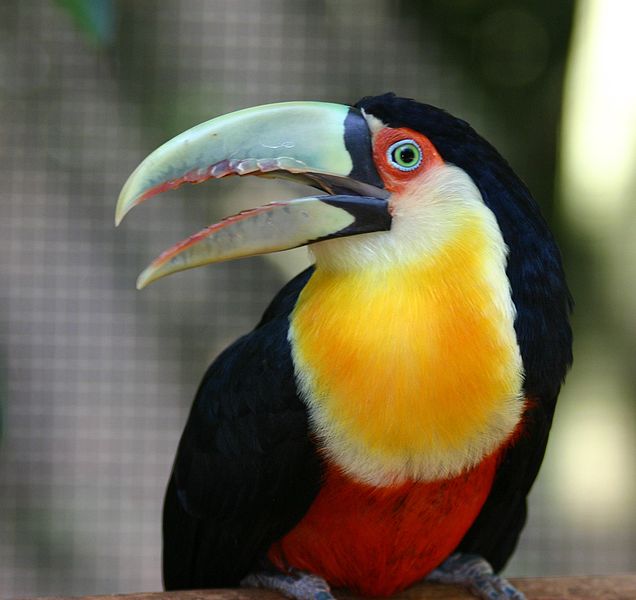
Green-billed Toucan (Ramphastos dicolorus) ©WikiC

Green-billed Toucan (Ramphastos dicolorus) ©WikiC

The list of all the Birds of the World are updated about every four months. Which we try to keep up with their (I.O.C.) newest lists.

You are probably wondering why you would need it. Let me share some things about it and then give you some ideas how it my be handy for one of your school projects.

The I.O.C. is actually the International Ornithological Committee. “Ornithological” basically means those who study birds or bird related. They maintain a list of all the birds around the world. They set standards of how to name them, what scientific classification to place the birds in, and divide them into Orders and Families, etc.

They are needed because we may call a bird by one name, yet someone in a different country or area may call it by a different name. They realize that those two names belong to the same bird. It is a very hard task to keep track of all those 10,000 plus birds, but that is what they try to do.

They give every bird an English name as a standard. Then they also want every one to spell the words the same. For instance, some people spell the “Grey” or “Gray” to mean the same color. To keep things simple, all the birds are spelled as “Grey.” That is just one example.

There are committees all over the world working on the birds of the area they live in, then those committees get together to combine all the list to make one big list. That is what was just updated.

On our Birds of the World section, you will find the birds listed by Orders (40 main classifications), then by Families (240 groups of closely related birds). The reason all of that is not duplicated here would be very time-consuming. There are hundreds of pages and thousands of photos on that site.

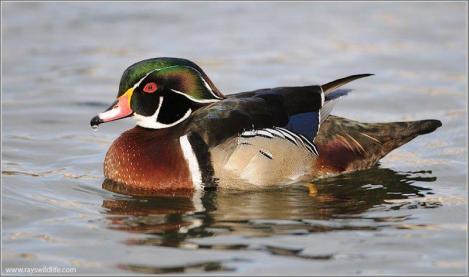
Wood Duck (Aix sponsa) by Dan

Wood Duck (Aix sponsa) by Dan

Projects for school or your own information:

You know the name of a bird’s name, but need to find  the Species name,  Go to the Species Index to find these choices:

If you know that it called Madagascan something, go to the First Name of Bird  index and choose the “M” page

If you know it is a Duck, go to the Last Name of Bird  index and choose the “D – Last Name” page.

The Families have four indexes to help you find the Families of birds.

When you find your bird in the right family, almost every bird has a link to a photo or video.

I will share more tips on how to use those indexes in another article.

Another reason is because we believe the Lord created all the beautiful birds and He should get all the credit.

In the beginning God created the heavens and the earth. (Genesis 1:1 NKJV)

So God created great sea creatures and every living thing that moves, with which the waters abounded, according to their kind, and every winged bird according to its kind. And God saw that it was good. (Genesis 1:21 NKJV)

*

ABC’s of the Gospel

ABC Blocks

ABC’s of the Gospel

The ABC’s of the Gospel:


  • All have sinned and come short of the glory of God (Romans 6:23)
  • But God commendeth His love toward us, in that while we were yet sinners, Christ died for us. (Romans 5:8; John 1:29)
  • Call upon the name of the Lord (Romans 10:13; Isaiah 1:18)

Lead in the sinner’s prayer.

  • Dear God, I know I’m a sinner…
  • I ask you to forgive my sins right now…
  • I believe that Jesus died to save me…
  • I receive Him now as my Savior…
  • In Jesus’ name I pray, Amen

(Adopted from Pastor Jerry Smith’s – Dealing With Children)

Use A Simple Plan – Above

Obtain permission from parents for baptism if they accept the Lord.

*

More Good News

*

Birdwatching Term – Frontal Shield

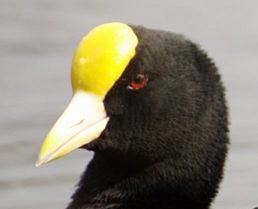
White-winged Coot (Fulica leucoptera) Cropped ©WikiC

White-winged Coot (Fulica leucoptera) Cropped ©WikiC

Frontal Shield

He shall cover thee with his feathers, and under his wings shalt thou trust: his truth shall be thy shield and buckler. (Psalm 91:4 KJV)

The Coot article  mentioned the shield. “Coots have prominent frontal shields or other decoration on the forehead…”

What is a “frontal shield”?

The place above the upper beak (upper mandible) has a platelike area. It is made of a fleshy material. When the Lord created those birds that have the shield, He gave them each a different looking shield. It is neat to see the variety that the shields have. I am sure that the bird uses them to know which are their kind.

Below are some photos of the various Frontal Shields on the birds. There are more birds that have shield, but this just a sample of these unique birds.

This slideshow requires JavaScript.

You have also given me the shield of your salvation: and your right hand has held me up, and your gentleness has made me great.
(Psalms 18:35 AKJV)

See:

*

Child’s Book of Water Birds – Re-visited

Child's Book of Water Birds - Book Cover

The Child’s Book of Water Birds

Revisited

An anonymous writer wrote the Child’s Book of Water Birds in 1855. You can see how Project Gutenberg published it as an e-book. (Public Domain) CLICK HERE

Below are the links to my “Re-visited” versions here. Moved these over from the Birds of the Bible for Kids blog and can be found in the Kid’s Section under Watching Birds.

The six different birds were written to a very young reader. I trust you will enjoy reading them for yourself or to your children or grand-children. They can be used to introduce you/them to birds.

Here are my versions of the Six Birds:

The Swan

Childs Bk of Water Birds swan

The Coot

Childs Bk of Water Birds coot

The Dabchick

Childs Bk of Water Birds dabchick

The Teal

Childs Bk of Water Birds teal

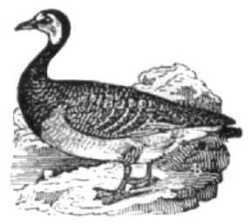
The Goose

Childs Bk of Water Birds goose

The Oystercatcher

Childs Bk of Water Birds oystercatcher

*

The Bible tells us that we are to

Train up a child in the way he should go: and when he is old, he will not depart from it. (Proverbs 22:6 KJV)

Introducing children to the amazing birds the Lord has created is a tiny step to help with that training. Introducing them to the Lord Jesus Christ, is the major step.

Wordless Birds

*

Sunday Inspiration – Out To Sea

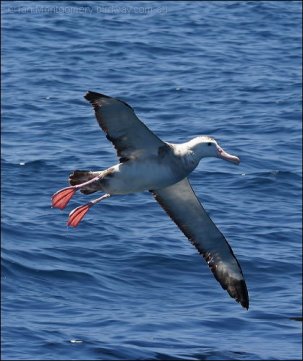
Wandering Albatross (Diomedea exulans) by Ian

Wandering Albatross (Diomedea exulans) by Ian

Oh, that men would give thanks to the LORD for His goodness, And for His wonderful works to the children of men! Let them sacrifice the sacrifices of thanksgiving, And declare His works with rejoicing. Those who go down to the sea in ships, Who do business on great waters, They see the works of the LORD, And His wonders in the deep. (Psalms 107:21-24 NKJV)

Those who go out to sea are able to see many of the birds that spend most of their lives on the wing. The oceans do not always remain calm, but their Creator has created them to survive many varied conditions. How about us? As things come into our lives, they are not always comfortable to us. If we are placing our faith in the Creator, the Lord Jesus Christ, we can sing the last verse of the hymn below:

O soul, sinking down ’neath sin’s merciless wave,
The strong arm of our Captain is mighty to save;
Then trust Him today, no longer delay,
Board the old ship of Zion, and shout on your way:
“Jesus saves! Jesus saves!”
Shout and sing on your way: “Jesus saves!”


This slideshow requires JavaScript.


*

“Ship Ahoy” ~ by Dr. Richard Gregory

And, behold, God himself is with us for our captain, (2 Chronicles 13:12a KJV)

I was drifting away on life’s pitiless sea,
And the angry waves threatened my ruin to be,
When away at my side, there I dimly descried,
A stately old vessel, and loudly I cried:
“Ship ahoy! Ship ahoy!”
And loudly I cried: “Ship ahoy!”

’Twas the “old ship of Zion,” thus sailing along,
All aboard her seemed joyous, I heard their sweet song;
And the Captain’s kind ear, ever ready to hear,
Caught my wail of distress, as I cried out in fear:
“Ship ahoy! Ship ahoy!”
As I cried out in fear: “Ship ahoy!”

The good Captain commanded a boat to be low’red,
And with tender compassion He took me on board;
And I’m happy today, all my sins washed away
In the blood of my Savior, and now I can say:
“Bless the Lord! Bless the Lord!”
From my soul I can say: “Bless the Lord!”

O soul, sinking down ’neath sin’s merciless wave,
The strong arm of our Captain is mighty to save;
Then trust Him today, no longer delay,
Board the old ship of Zion, and shout on your way:
“Jesus saves! Jesus saves!”
Shout and sing on your way: “Jesus saves!”

*

More Sunday Inspirations

Gospel Message

Sharing The Gospel

Gideon

*

Keep A Journal

Keep A Journal

Wood Duck (Aix sponsa) by Ray3

Keep a Journal ~ by Ms. Lee

Out of the ground the LORD God formed every beast of the field and every bird of the air, and brought them to Adam to see what he would call them. And whatever Adam called each living creature, that was its name. (Genesis 2:19 NKJV)

Golden Eagle keeps telling you to write in your Journal. So, what is a journal?

A birdwatching journal is where you put down things about the bird you are looking at now or when you are at home. I keep a list of the birds I see every time I go birdwatching. It is a little 3X5 inch Memo Book (for my pocket) and a bigger one when I am at home. Here is what I put down in mine.

  • Date
  • Time
  • Where I am
  • Weather (sunny, cloudy, raining, windy and sometimes the temperature)
  • Name of the bird if I know it
  • How many
  • If I don’t know the name, I draw the beak or wing or whatever that will help me remember the bird)
When I get home I check my Bird Guide to see if I can find out what the bird is that I didn’t know.
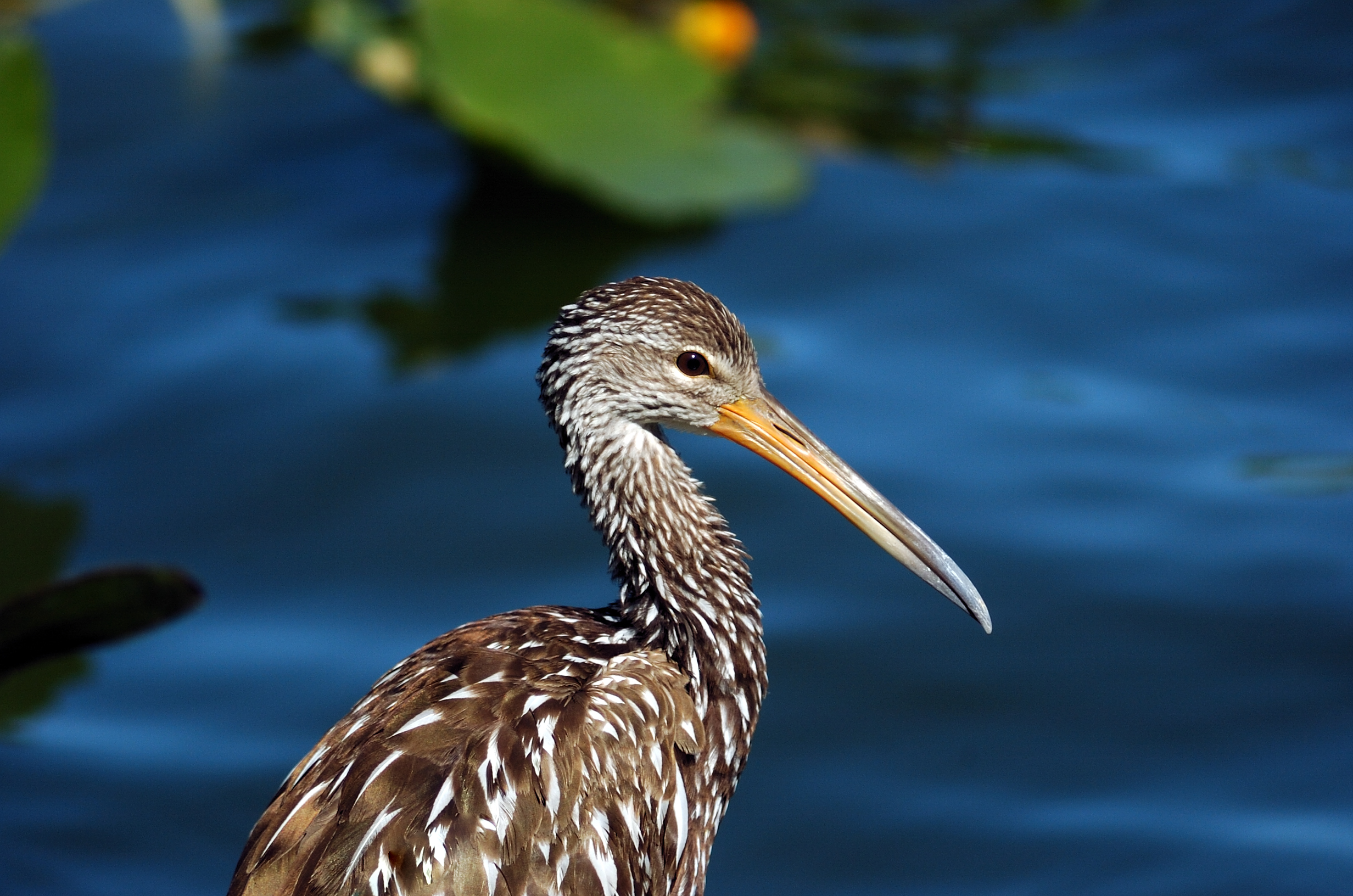
Limpkin (Aramus guarauna) Juvenile by Dan at Lake Morton

Limpkin (Aramus guarauna) by Dan at Lake Morton

Things to put in your journal:

Many write the item down and sometime draw the bird or something about it.

Outdoor Birds

  • What kind of bird (if you know)?
  • How big is it?
  • What color is it?
  • Shape? (duck, chicken, heron, sparrow,…)
  • Wings? (long, short, pointed, rounded,….)
  • Did it sing or make a noise? What did it sound like?
  • Date, time, and where you saw the bird

Bible Birds

  • Did you read the name in your Bible?
  • What was the name of the bird?
  • What verse?
  • What was said about the bird?

You can put other information in your journal. We will be telling you more about each thing. Everyone’s journal is different. Yours does not have to be like mine or Golden Eagles.

Why keep a list or journal?

Birdwatchers like to make lists. They keep some of these lists:

  • Life List (all the birds ever seen)
  • Year List (each years birds)
  • Trip List (a vacation or trip)
  • Park or Place List (Park, zoo, lake,…)
  • Whatever List (your list)

Most of us that are older wish we had kept a list of birds when we were young like you. We forget what we saw and then can’t put it on our life list. I have seen more birds than what is on my list, but I didn’t keep a journal when I was younger. Most people tell the truth and only list what they saw. Don’t make up birds you think you saw just so you have a long list. As you get older, your list will grow. The Lord has many birds for you to see and enjoy.

*

Read more:

Watching Birds

Kid’s Section

Bird-Watching Projects for Kids

Birdwatching For Beginners

How to Keep a Birdwatching Journal

Birdwatching

*

Bible Birds Finally Moved Here

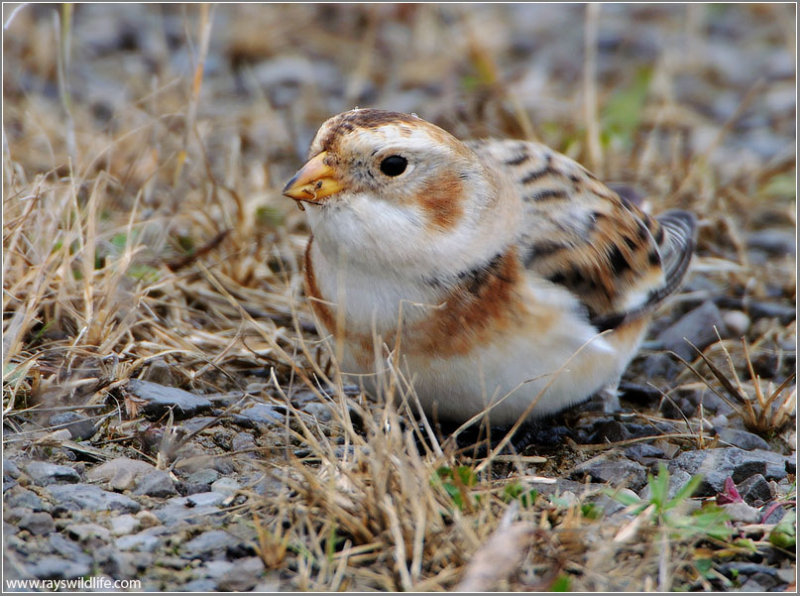
Snow Bunting (Plectrophenax nivalis) by Ray

Snow Bunting (Plectrophenax nivalis) by Ray

And let the beauty of the LORD our God be upon us: and establish thou the work of our hands upon us; yea, the work of our hands establish thou it. (Psalms 90:17 KJV)

Man goeth forth unto his work and to his labour until the evening. (Psalms 104:23 KJV)

Been working most of the day, moving the Bible Birds pages to here at Lee’s Birdwatching Adventures. It has been a challenge, but with dust still flying, they are now here.

I posted an article on the Birds of the Bible For Kids blog explaining the move of those articles. You might want to read that article because it affects this blog.

Changes On The Way

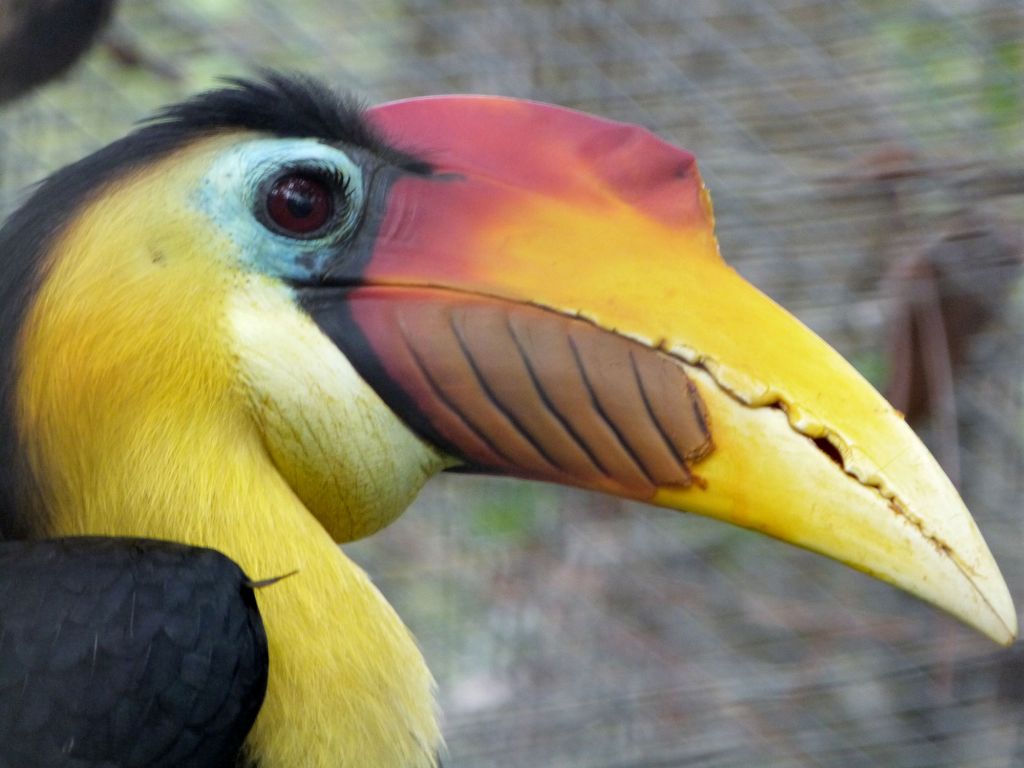
Wrinkled Hornbill (Aceros corrugatus) Brevard Zoo by Lee

Wrinkled Hornbill (Aceros corrugatus) Brevard Zoo by Lee

You can find the Bible Birds listed in the Kid’s Section. The side menu is now working also for that section. (I think it’s correct). Just hover your mouse over the Kid’s Section and you will see the Bible Birds, along with the Watching Birds, Bird Tales and Scripture Alphabet of Animals sections.

Now that the Bible Bird pages are here, I can start improving them and the regular Birds of the Bible sections.

Thanks you for being patient while things are being moved around and I trust you will see much improvement soon. As mentioned in the Changes on the Way article, “Our purpose is to Glorify Our Lord and show forth His great creation through His Birds and other Critters.”

There is still lots of work ahead, as other sections are moved to this blog. Just wanted to let you know why things are changing and dust is flying still. I have another big challenge coming next, but that will have to hold for now.

*

Old Mr. Owl Writes A Book

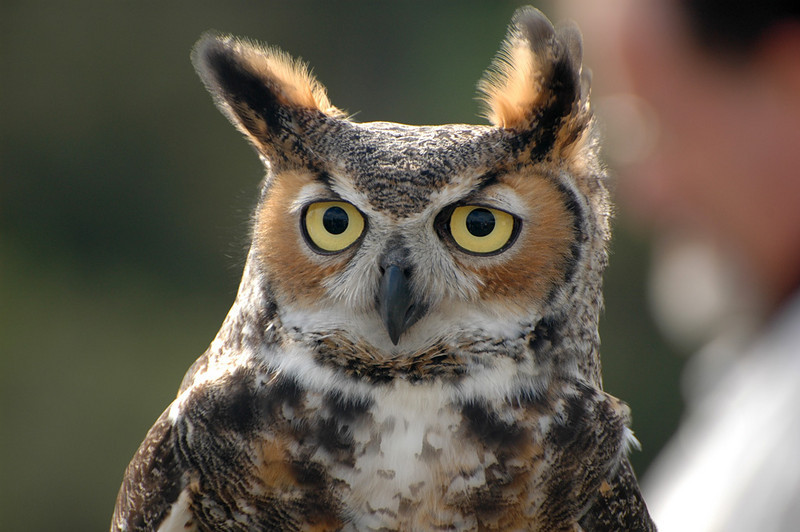
Great Horned Owl (Bubo virginianus) by Bob-Nan

Great Horned Owl (Bubo virginianus) by Bob-Nan

OLD MR. OWL WRITES A BOOK

Daddys Bedtime Story Images

Old Mr. Owl Danced with the Rest

“Old Mr. Owl wanted to write a book and he asked the fairies how to set about doing it,” commenced daddy.

“‘Well,’ said the fairy queen, ‘it makes a good deal of difference, old Mr. Owl, what you want to write about.’

“‘What nonsense!’ he said. ‘It’s just that I want to know how to start off with my book. Just think what a marvelous book it will be—as for as long as folks can remember I’ve been called the Wise Bird—the bird who’s awake at night and whose eyes are so very bright!’

“‘Before I started saying what a fine book it would be, if I were you, I’d write it and give other people the chance to say so,’ said the fairy queen.

“Mr. Owl began to write with his pen, made out of one of Mr. Turkey Gobbler’s best feathers, on a large, flat stone, which he put in the hollow of his tree. Very late in the night, he awakened the fairies who had been sleeping, and told them to listen to his book. Then he called all the owls from the neighborhood with a loud hoot-hoot. But before he began to read, he said:

“‘I’ve not enough light. I will hurt my eyes—my beautiful, wise, big eyes.’

“You see he had made a special arrangement to have his own lights, and when he said that he hadn’t enough, from all over came countless little fireflies. They sparkled and gave the most beautiful light all over the woods, and Mr. Owl put his spectacles on his nose, and said:

“‘Now I see to perfection—which means quite all right.’ And Mr. Owl commenced reading his book.

“It told about the parties, balls, and picnics in fairyland, and of the wild adventures and happenings in the woods. The fairies were absolutely delighted that a book had been written with so much about them in it.

“And the fairy queen was more than happy, for the last chapter was all about her.

“‘Well,’ said Mr. Owl, ‘you made me ashamed of myself for boasting about my book before I had written it, and so the only thing I could do was to write a wise chapter all about you.’

“And the fairy queen smiled with pleasure and also with amusement—for Mr. Owl had certainly thought he could write a wise book—though the next time, perhaps, he wouldn’t say so before he had written it.

“The fireflies had been sparkling and flashing lights all this time, and finally they whispered:

“‘Have a dance, all of you; we’ll give you the light and dance too. It is not well to read books all the time—you must dance.’

“So they all ended off with a fine dance, and old Mr. Owl, with his book under his wing, danced with the rest of the owls and fairies. But before the evening was over he presented to the fairy queen a copy of his book, which said on the cover, ‘A BOOK, by Wise Mr. Owl.'”


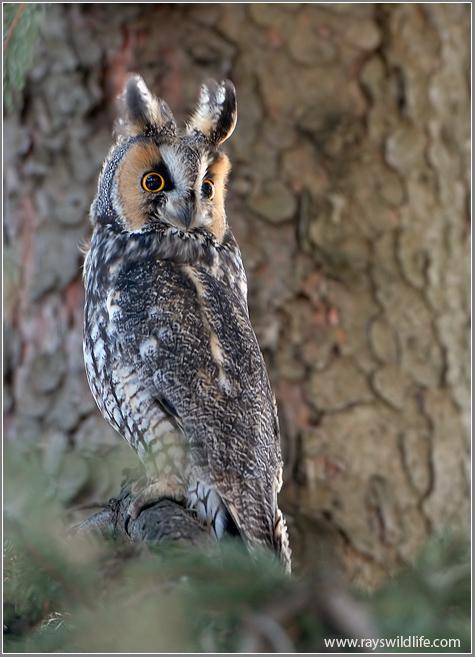
Barred Owl by Ray

Barred Owl by Ray


Lee’s Addition:

But I say to every one of you, through the grace given to me, not to have an over-high opinion of himself, but to have wise thoughts, as God has given to every one a measure of faith. (Romans 12:3 BBE)

But he giveth more grace. Wherefore he saith, God resisteth the proud, but giveth grace unto the humble. (James 4:6 KJV)

Figured it was about time the first chapter was added to the Daddy’s Bedtime Bird Stories. We do need to be careful not to think too highly of ourselves. Let other complement what you do.

*

Another Bird Tale From

Daddy’s Bedtime Bird Stories – Gutenberg ebooks

By

Mary Graham Bonner

With four illustrations in color by
Florence Choate and Elizabeth Curtis

Daddys Bedtime Story Images

These stories first appeared in the American Press Association Service and the Western Newspaper Union.


Many of the sketches in this volume are the work of Rebecca McCann, creator of the “Cheerful Cherub,” etc.

Daddys Bedtime Story Images
Daddy’s Bedtime Bird Stories by Mary Graham Bonner – 1917

*

Links:

Painted Bunting (Passerina ciris) ©©Flickr

Bird Tales


Daddys Bedtime Story Images


 Daddy’s Bedtime Bird Stories


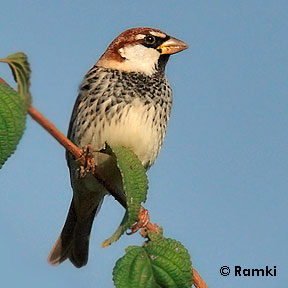
Spanish Sparrow (Passer hispaniolensis) by Nikhil Devasar


 Wordless Birds


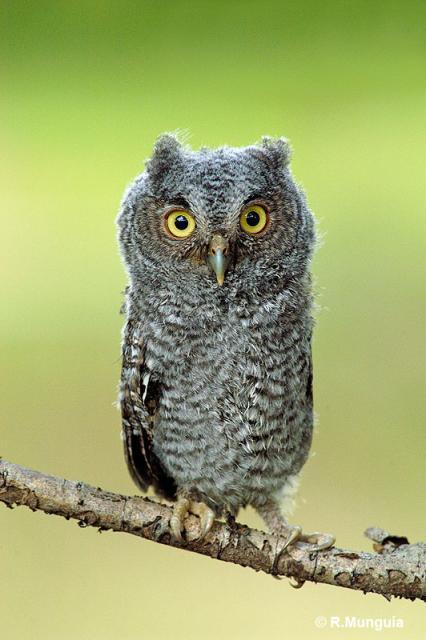
Eastern Screech Owl (Megascops asio) baby Reinier Munguia

  Owls


*

Golden Eagle – Fly Like A Bird?

Golden Eagle (Aquila chrysaetos) Flying ©WikiC

Golden Eagle (Aquila chrysaetos) Flying ©WikiC

Golden Eagle ©PD

Golden Eagle ©PD

Hi boys and girls! This is Golden Eagle. I have been away for quite a while. However, I have returned and wanted to touch base with each of you for a few short moments. I hope you are enjoying your journey on planet Earth. Everyone that is born gets to start out on this marvelous journey called life. This is a gift from our Creator, the Lord Jesus Christ. God’s Word, the Bible, says

“Remember now thy Creator in the days of thy youth…”

This journey leads to God’s Heaven if you are SAVED! People get saved by trusting what Jesus Christ did on the cross about 2,000 years ago. Jesus died on an old wooden cross to pay for all the bad things we do like telling lies. The bad things we do are called sins in the Bible, but God wants to forgive you of all your sins if you will accept Jesus into your heart by faith. “For whosoever shall call (ask) upon the name of the Lord (Jesus) shall be saved.”(Romans 10:13) Why do many kids and even adults like birds so much? You know eagles can see at great distances. Sometimes, from my perch, high up in the trees I see people looking at me through funny looking glasses. I think you call them binoculars? I think you guys like us because we can FLY. Birds are not tied down to this Earth like people are! We can use our wings and sore to new heights above. You guys are tied down to Earth because of gravity. Our wings not only help us to fly. Birds are colorful and many of us sing songs pretty good as well. In the Book of beginnings called Genesis you can read about the beginning of everything, including birds! On the fifth day of God’s Creation week He created birds.

“And God said, Let the waters bring forth abundantly the moving creature that hath life, and fowl (birds) that may fly above the earth in the open firmament (space) of heaven.”

In fact, evolution teaches that modern-day birds have evolved from the dinosaurs. That’s not true, dinosaurs and birds were created at the same time! Birds were created to fly in the open space of Heaven, that’s in the air where the heavens meet the lands. In Isaiah 40:30-31 the Bible says that even kids get tired. But,

“even the youths shall faint and be weary, and the young men shall utterly fall: but they that wait (trust) upon the Lord shall renew their strength; they shall mount up with wings as eagles…”

Golden Eagle (Aquila chrysaetos) Flying ©WikiC

Golden Eagle (Aquila chrysaetos) Flying ©WikiC

Hey, boys and girls did you know that if you get saved you will be able to fly in the future just like birds! After Jesus died He rose again and went back to Heaven in the clouds! One time Jesus even walked on water. I tried that once and got my feathers so wet that I couldn’t fly for days. That was not a fun time for me. The Bible says in Psalm 90 that our life is “soon cut off, and we fly away.” Wouldn’t you want to fly like the birds someday? Hey, if you could do me a favor? Do you think that you could start reading your own Bible each day? So many things to learn, so many places to go, and so many things to do! If you want me to come back, me – the Golden Eagle, would you let me know? Thanks for a little bit of your time. Maybe we can take this journey of life together, what do you guys and gals think?

See Yah!!!

Goldie

*

Golden Eagle

Good News

Golden Eagle – The Father Feeds Us

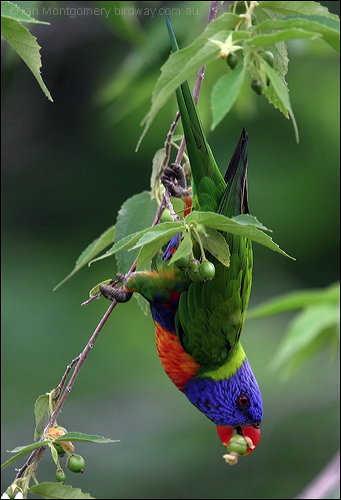
Rainbow Lorikeet (Trichoglossus moluccanus) by Ian

Rainbow Lorikeet (Trichoglossus moluccanus) by Ian

Behold the fowls of the air: for they sow not, neither do they reap, nor gather into barns; yet your heavenly Father feedeth them. Are ye not much better than they? (Matthew 6:26 KJV)

Golden Eagle ©PD

Boys and girls, this is another one of the amazing statements that have come from the lips of the Lord Jesus Christ! He says that you are much better than the birds. Evolutionist teaches that you are an animal, just higher than the birds. No, you are much better than the birds! Also, Jesus is saying that your Heavenly Father takes care of the birds. They don’t plant or reap a harvest field or gather what they need into barns and yet God takes care of them! When you were born, you didn’t have anything with you and at the end of life you will not take anything with you. All of the things that you need God has provided for you! You have lungs to breathe! In our atmosphere, God has provided oxygen for you to breathe! He also has mixed the air with nitrogen! If He didn’t things would explode in pure oxygen when you tried to cook something on a grill for a picnic! We birds love outside picnics because sometimes we help ourselves to a part of your treats!

Hey, hop on board and come fly with me to new heights! Remember, I am the Golden Eagle and eagles fly pretty high up! I think we are the top bird in God’s Creation. The other day at Fort De Soto there was a ferry that took some people across the waters to one of the small keys. That was like a small island! Well, there was a bird kind of nesting on the ground and I swooped in and that bird made a lot of noise and took off! Because I am one of the top predator birds around. I like to fly in where other species are and watch them scatter! It’s fun. Almost like the tow truck in the field on the Disney movie, Cars! I spread my wings and am able to get some lift and up, up, and away to my Eagle’s nest way up in that tree over there! Yes, there is my life partner. We have been together a few years now. My little ones are throwing a fuss. They are telling me that it’s supper time. I must use my keen sense of sight to find some prey! Oh, I see a small mammal down there… here I go…see ya…

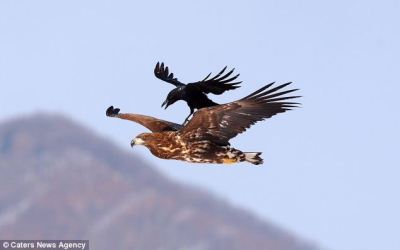
(Not sure if this is what Golden Eagle had in mind, but here is a brave Crow that is about to “hop on board.”)

Crow on Eagles Back ©©

Crow on Eagles Back ©©

*

Read more from Golden Eagle

 ABC’s of the Gospel