***

GATES
***
“Her husband is known in the gates, when he sitteth among the elders of the land.” (Proverbs 31:23)
Birds on Gate – St. Peter Port ©Oriana
*
*
“Her husband is known in the gates, when he sitteth among the elders of the land.” (Proverbs 31:23)
Birds on Gate – St. Peter Port ©Oriana
*
*

“She is not afraid of the snow for her household: for all her household are clothed with scarlet.” (Proverbs 31:21)
Robins in Snow ©Deanna Greens
*
*

“She is like the merchants’ ships; she bringeth her food from afar.” Proverbs 31:14
Common Kingfisher (Alcedo atthis) ©Kidwings
*
*
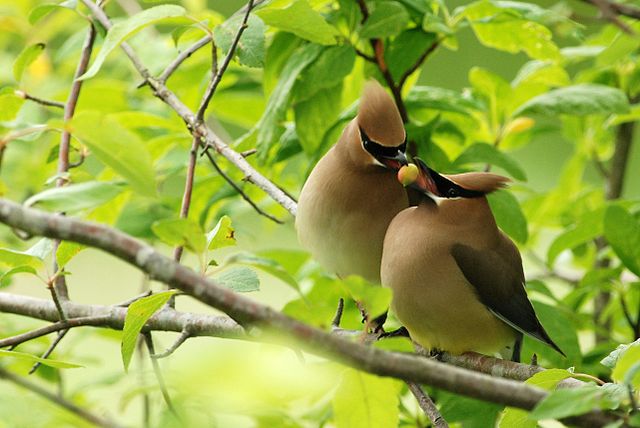
“Give her of the fruit of her hands; and let her own works praise her in the gates.” Proverbs 31:1
Cedar Waxwing (Bombycilla cedrorum) Passing Berries ©WikiC
*
*
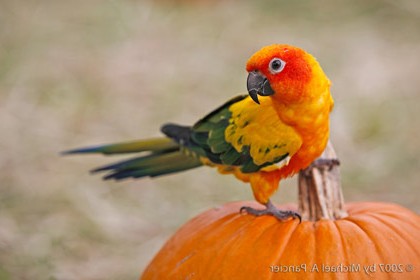
“Watch ye, stand fast in the faith, quit you like men, be strong.” (1 Corinthians 16:13 KJV)
Pumpkin Inspector ©Michael Puncer
*
*
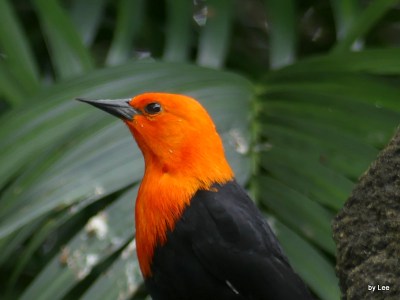
“She is not afraid of the snow for her household: for all her household are clothed with scarlet.” (Proverbs 31:21 KJV)
Scarlet-headed Blackbird at Zoo Miami by Lee
*
*
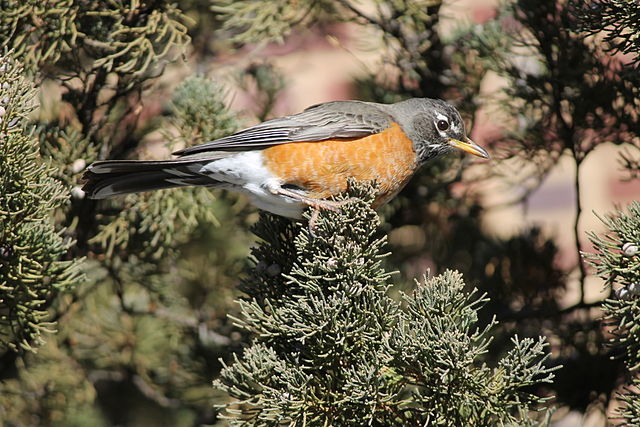
American Robin (Turdus migratorius) Female-©WikiC
Once there was a small Robin named Abigail who lived in a tiny nest in a massive oak tree by a pumpkin patch. As autumn steadily approached, more and more red and yellow leaves fell into Abigail’s nest. Every day Abigail pushed them off down into the pumpkin patch on top of the growing pumpkins. Eventually, Abigail noticed that most of the pumpkins had grown really large and the leaves no longer covered them up.
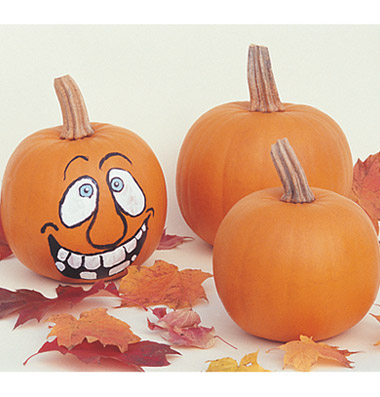
Several families began coming to the pumpkin patch near Abigail’s nest. The parents picked heavy round pumpkins to take home to carve. Sometimes the owners of the pumpkin patch would come and teach some of the children how to carve a small pumpkin of their very own. One day Abigail decided that she should carve her own pumpkin for Halloween.
Flapping down into the pumpkin patch, Abigail surveyed a small pumpkin left alone in the corner. Carefully watching to see how the kids carved their pumpkins with small knives, Abigail began to carefully peck with her beak to make a small hole. She decided that this would be the eye. Abigail pecked out an identical hole next to it and another hole underneath the two, making the other eye and nose. Lastly, Abigail pecked out a long wide oval to substitute as the mouth. But looking around, she noticed that several children were cutting a hole in the top of their pumpkins and pulling out seeds. Abigail followed them, pecking until she could pull off the top by the stem with her beak. Abigail began pulling out gobs of seeds and pumpkin insides with her beak. This proved to be her favorite part because of how much she loved pumpkin seeds.
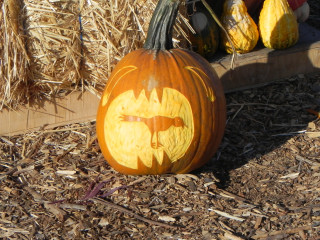
Pumpkins Tasty Bird ©Nipomo Pumpkin Patch
After triumphantly finishing her pumpkin, Abigail realized how late it was. Almost everyone had already gone, but one of the owners was nailing a sign up on a telephone pole. Flying over to it, Abigail read the sign. The sign read: PUMPKIN CARVING CONTEST THIS SATURDAY.
Abigail grew excited. Today was Monday. If she began practicing, she could carve a pumpkin good enough to enter the contest.

Wind up Bird Pumpkin ©Daneof5683
For the next several days, Abigail spent most of the day carving pumpkins until pumpkins with all kinds of faces were scattered about the pumpkin patch. When the contest day arrived, Abigail rolled her best-carved pumpkin over to the judges who had gathered near the crowd as the contest began.
Everyone in the crowd was astonished that a bird had entered a carved pumpkin in the contest, but the contest continued as planned. Abigail waited patiently as the judges examined each of the carved pumpkins by each of the participants, and eventually the winner of the contest was called. Abigail did not win the contest, but she had fun anyway. She considered the most fun part of the day was giving away the rest of her carved pumpkins to each of the contestants.
Pumpkin Inspector came by to check out Abigail’s Pumpkins.
From then on, Abigail entered the contest every year. She even won a few times. She was sure to carve a pumpkin for each of the contestants in the contest whether she won or not. For Abigail, the best part of carving the pumpkins and giving them away was being able to eat the pumpkin seeds.
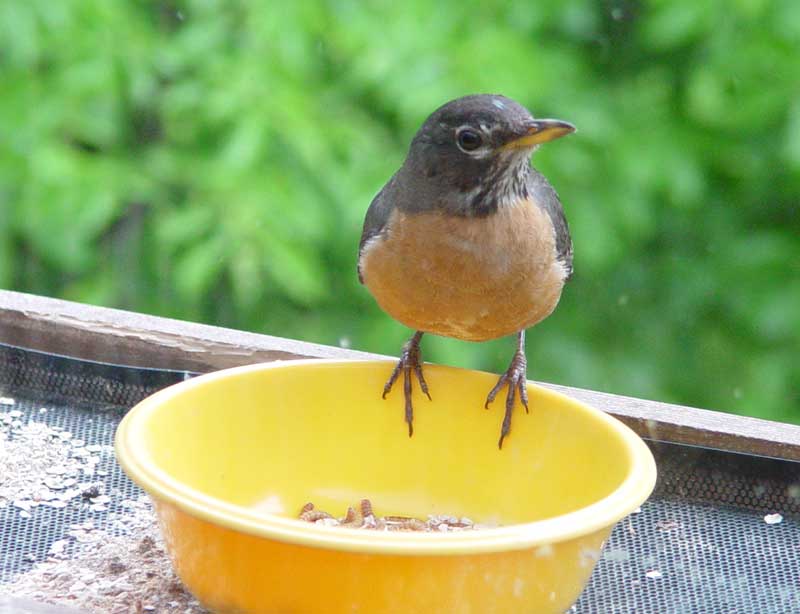
American Robin (Turdus migratorius) ©Laura Erickson
“I have shewed you all things, how that so labouring ye ought to support the weak, and to remember the words of the Lord Jesus, how he said, It is more blessed to give than to receive.” (Acts 20:35 KJV)
(Photos added by Lee. Sorry, but I couldn’t resist these photos. I just imagine Abigail’s Pumpkins had to be rather fancy.)
*

“Wash me throughly from mine iniquity, and cleanse me from my sin.” (Psalms 51:2 KJV)
Saffron Finch Zoo Miami by Dan
*
*
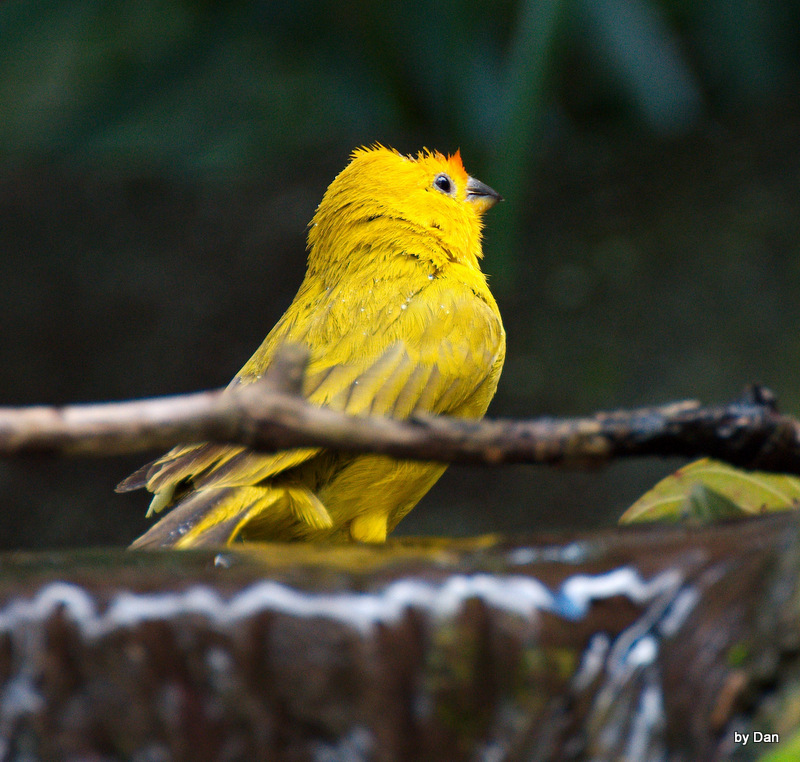
Saffron Finch – Male at Zoo Miami by Dan (Cropped by Lee)
“…covered with silver, and her (his) feathers with yellow gold.” (Psalms 68:13b KJV) (modified)
Dan and I took a ride down to Miami last week. A 200 mile ride. We stayed two nights before heading back home via Flamingo Gardens in Davie, Florida. We really have not been birdwatching too much lately, so this makes up for a very hot summer and health reasons. Monday and Tuesday we spent at Zoo Miami. On Monday, because we didn’t get there until 2 PM, we visited their Cloud Forrest and Amazon and Beyond Area. We spent all day Tuesday in the fantastic Wings of Asia Aviary. So, let the tales begin:
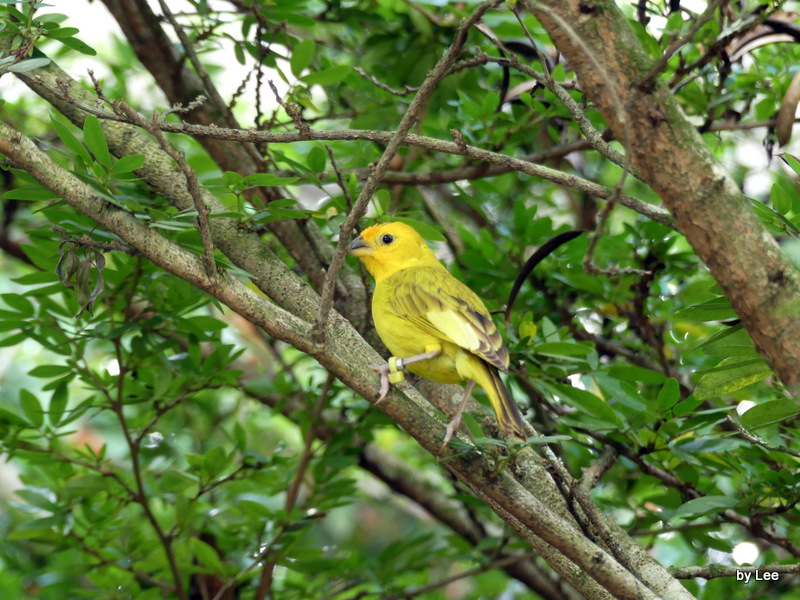
Saffron Finch (Sicalis flaveola) by Lee
I want to introduce you to the Saffron Finch (Sicalis flaveola). They are actually Tanagers from the Amazon Basin of South America. The Saffron Finch likes the open and semi-open lowlands and are widely distributed in “Columbia, northern Venezuela (where it is called “canario de tejado” or “roof canary”), western Ecuador, western Peru, eastern and southern Brazil (where it is called “canário da terra” or “native canary”), Bolivia, Paraguay, Uruguay, northern Argentina, and Trinidad and Tobago. It has also been introduced to Hawaii, Puerto Rico and elsewhere.”
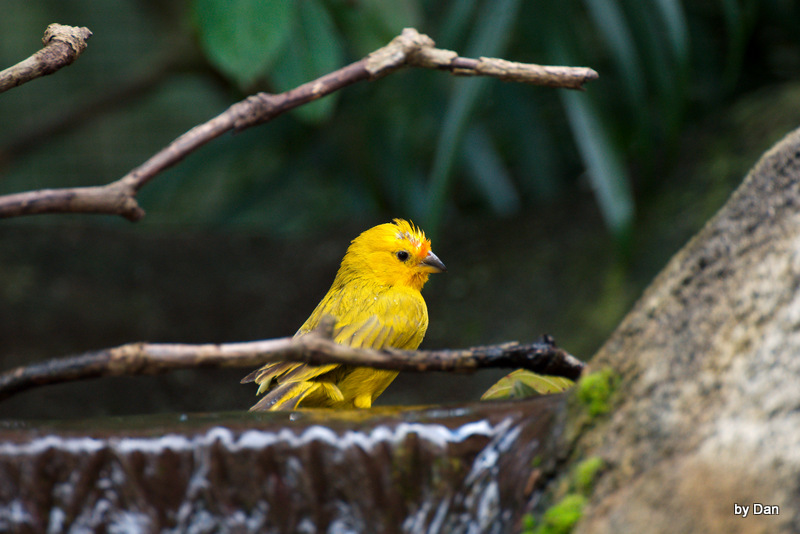
Saffron Finch Zoo Miami by Dan
“Although commonly regarded as a canary, it is not related to the Atlantic canary. Formerly, it was placed in the Emberizidae but it is close to the seedeaters. The male is bright yellow with an orange crown which distinguishes it from most other yellow finches (the exception being the orange-fronted yellow finch). The females are more confusing and are usually just a slightly duller version of the male, but in the southern subspecies S. f. pelzelni they are olive-brown with heavy dark streaks.”
Saffron Finch Zoo Miami by Dan
“Typically nesting in cavities, the saffron finch makes use of sites such as abandoned rufous hornero (Furnarius rufus) nests, bamboo branches and under house roofs – this species is tolerant of human proximity, appearing at suburban areas and frequenting bird tables. They have a pleasant but repetitious song which, combined with their appearance, has led to them being kept as caged birds in many areas.” (quotes are from Wikipedia’s Saffron Finch)
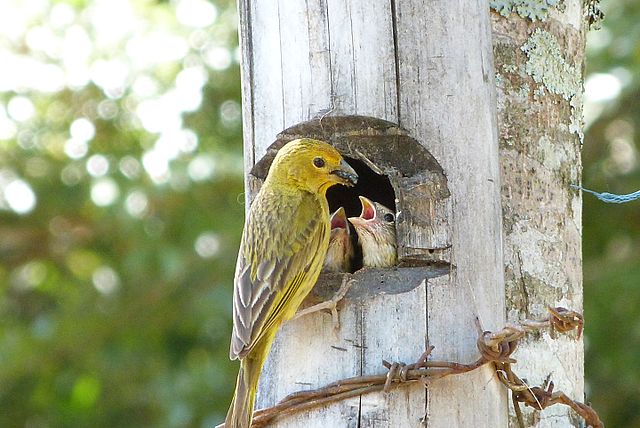
Saffron Finch (Sicalis flaveola) Female ©WikiC
I didn’t see the female, if they had one, but thought you might like to see the difference between the male and the female.
Interesting Facts from WhatBird.com
Here is some video that I shot of this beauty. I tried to catch him in the trees and that is a challenge, as any birdwatcher knows. But then, to my surprise, he just decided that he needed a bath. Wow!
We have lots of photos from the trip, so stay tuned!
“Purge me with hyssop, and I shall be clean: wash me, and I shall be whiter than snow.” (Psalms 51:7)
*
Zoo Miami and the Wings of Asia FL
Thraupidae Family – Tanagers and Allies
*
“That he might present it to himself a glorious church, not having spot, or wrinkle, or any such thing; but that it should be holy and without blemish.” (Ephesians 5:27)
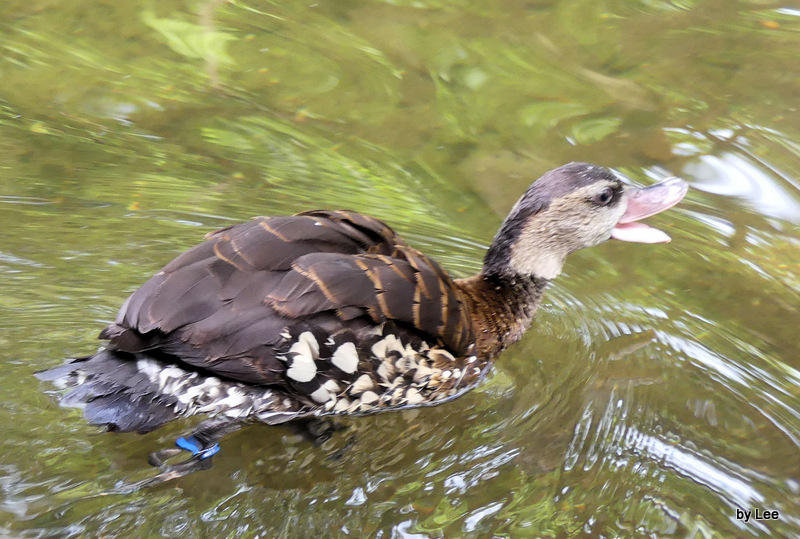
Spotted Whistling Duck (Dendrocygna guttata) by Lee at Zoo Miami
We were at Zoo Miami last week and I was able to take this photo.
*
*
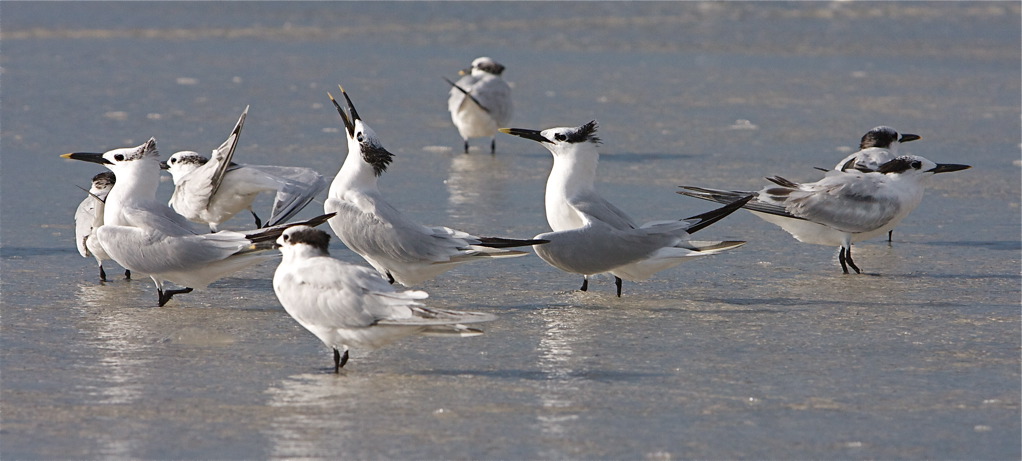
“The pastures are clothed with flocks; The valleys also are covered with grain; They shout for joy, they also sing.” (Psalms 65:13)
Sandwich Tern Singing (calling) By Mike Bader
*
*
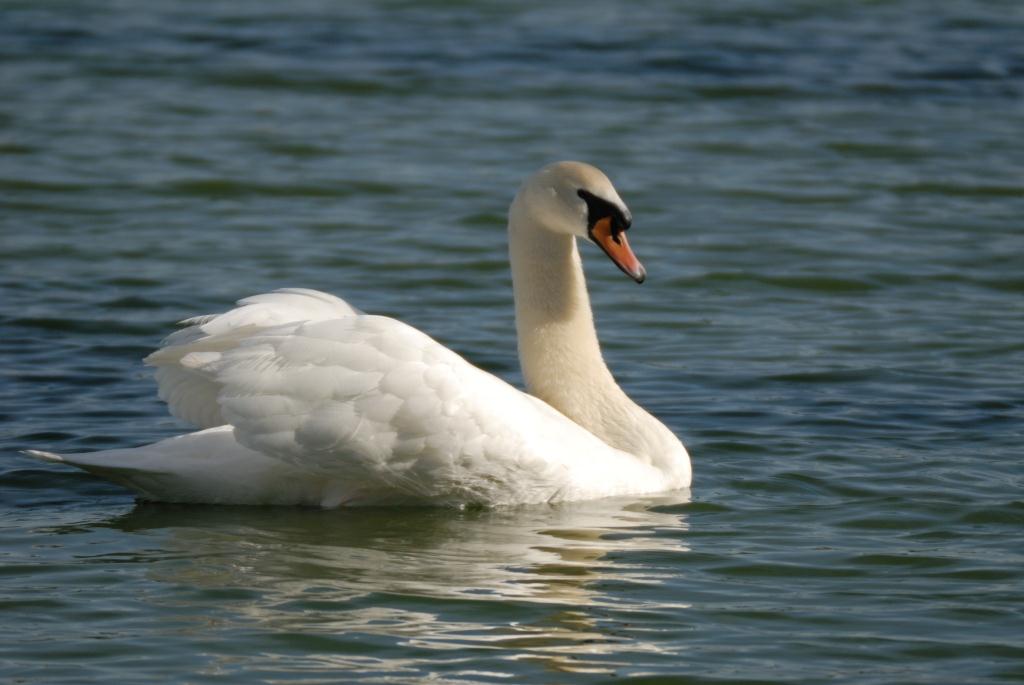
Mute Swan (Cygnus olor) by Dan
“And the swan, and the pelican, and the gier eagle,” (Leviticus 11:18)
As we continue in the Anatidae Family of Ducks, Geese and Swans, this week we will introduce you to four genera. The Branta, the Anser, and the Coscorba genera are made up of Geese. The Cygnus genus are Swans.
Anserinae is a subfamily of swans and geese (three to seven extant genera with 25–30 living species, mainly cool temperate Northern Hemisphere, but also some Southern Hemisphere species, with the swans in one genus, and the geese in three genera. Some other species are sometimes placed herein, but seem somewhat more distinct.
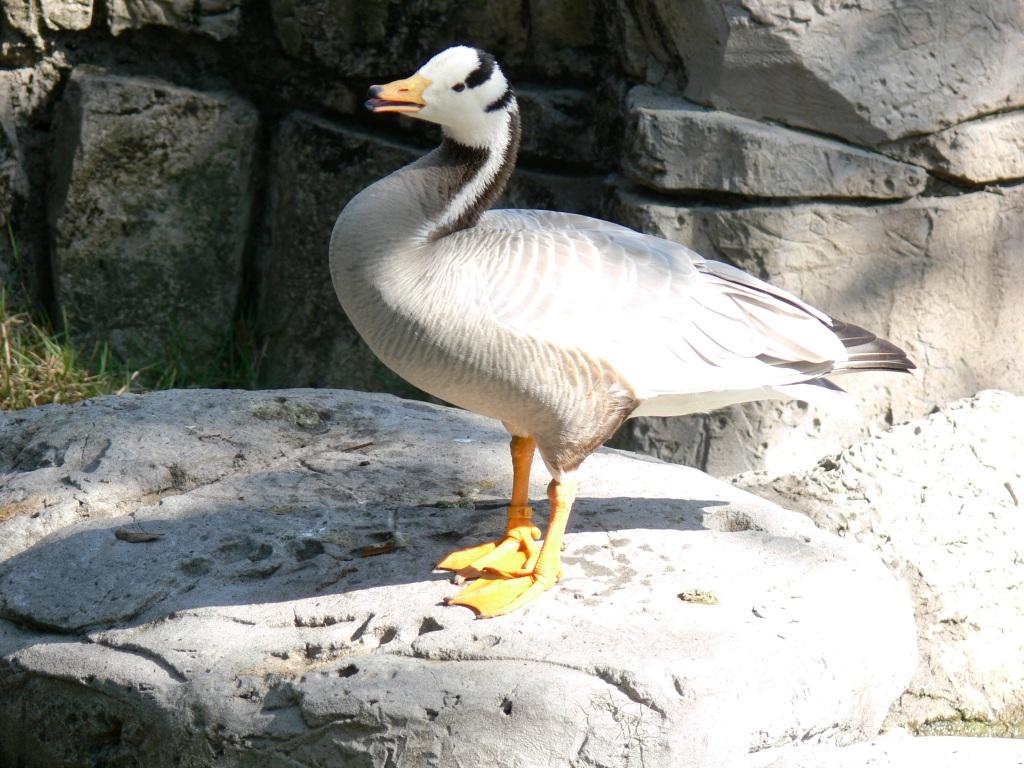
Bar-headed Goose (Anser indicus) Lowry Park Zoo by Lee
This blog follows the I.O.C. list of birds and below are the birds in their listing:
There are also links to articles here written about these different birds.
Bar-headed Goose (Anser indicus) – See Dr. Jim’s Article
Emperor Goose (Anser canagicus – was Chen)
Ross’s Goose (Anser rossii – was Chen)
Snow Goose (Anser caerulescens – was Chen)
Greylag Goose (Anser anser) – See Article
Swan Goose (Anser cygnoides)
Taiga Bean Goose (Anser fabalis)
Pink-footed Goose (Anser brachyrhynchus) – See Article
Tundra Bean Goose (Anser serrirostris)
Greater White-fronted Goose (Anser albifrons) – See Article
Lesser White-fronted Goose (Anser erythropus) – See Article
Coscoroba Swan (Coscoroba coscoroba) – See Lee’s Article
Black Swan (Cygnus atratus) – See Article & Dr. Jim’s Article
Black-necked Swan (Cygnus melancoryphus) – Ian’s Article
Mute Swan (Cygnus olor) – See Article
Trumpeter Swan (Cygnus buccinator) – See Dr. Jim’s Article
Tundra Swan (Cygnus columbianus) – See Article
Whooper Swan (Cygnus cygnus) – See Article
“For which cause we faint not; but though our outward man perish, yet the inward man is renewed day by day. For our light affliction, which is but for a moment, worketh for us a far more exceeding and eternal weight of glory; While we look not at the things which are seen, but at the things which are not seen: for the things which are seen are temporal; but the things which are not seen are eternal.” (2 Corinthians 4:16-18)
“Moment By Moment” ~ Faith Baptist Orchestra
*
Sunday Inspiration – Whistling, White-backed Ducks and Geese
ANSERIFORMES Order
Anatidae – Ducks, Geese & Swans Family
*

