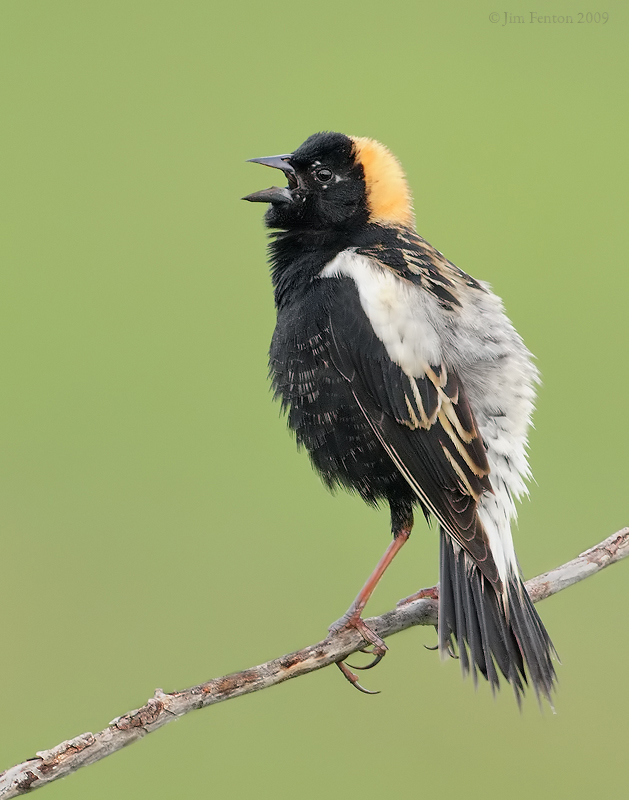
The Bobolinks Have A Tea Party

Bobolink (Dolichonyx oryzivorus) by J Fenton

Bobolink (Dolichonyx oryzivorus) by J Fenton

THE BOBOLINKS HAVE A TEA PARTY
Who Should Arrive But the Fairies

Who Should Arrive But the Fairies


“The other day,” commenced daddy, “the bobolinks had an afternoon tea.

“The tea party was given for the meadow larks. The bobolinks are great friends of the meadow larks and they wanted to be the first this season to entertain them. Besides, most of the bobolinks had new summer homes and their colony was near a beautiful stream.

“You know the bobolinks always build their homes in the meadows—but they build very near a stream and their homes are always deep down in the long grass.

“They had all come to live in Waving Grassland for the summer—that is, all the bobolinks who always moved about together in the summer and winter—and many of their friends, the meadow larks, were on hand to greet them. A number of others were going to arrive in a few days—before the tea party.

“Now Waving Grassland was very beautiful country. The meadows were very large and the grass was so beautiful and so long that it always waved in the soft breezes, so that the bobolinks named their new summer place Waving Grassland.
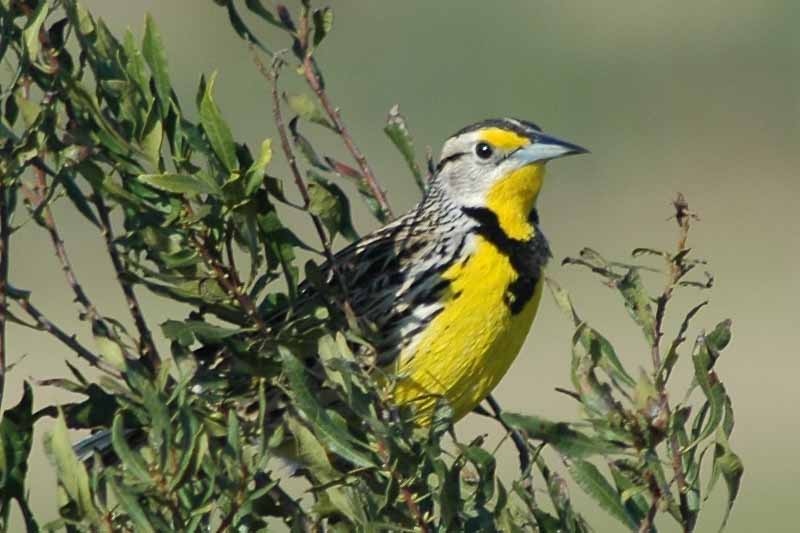
Eastern Meadowlark (Sturnella magna) by Bob-Nan

Eastern Meadowlark (Sturnella magna) by Bob-Nan

“And so the bobolinks made all their preparations for the tea party. The guests arrived dressed up in their best new summer plumage. The meadow larks came first, as they were the guests of honor.

Rose-breasted Grosbeak (Pheucticus ludovicianus) by Raymond Barlow

Rose-breasted Grosbeak (Pheucticus ludovicianus) by Raymond Barlow

“The red-breasted grosbeak family were all there looking too lovely for words. And the bluejays,
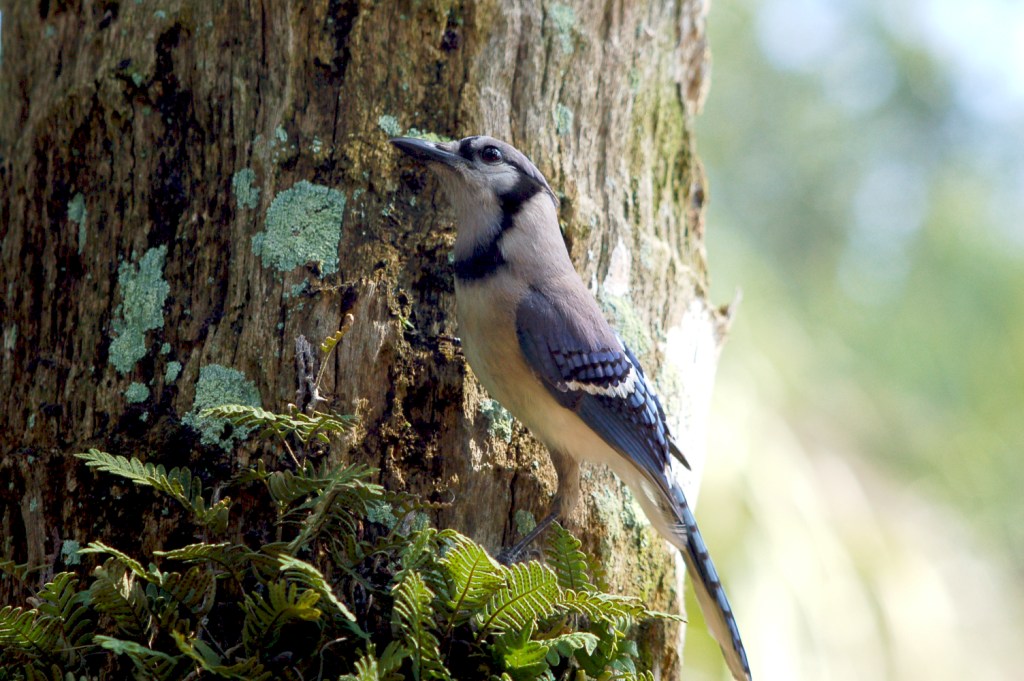
Blue Jay (Cyanocitta cristata) at Bok Tower By Dan'sPix

Blue Jay (Cyanocitta cristata) at Bok Tower By Dan’sPix

downy woodpeckers,
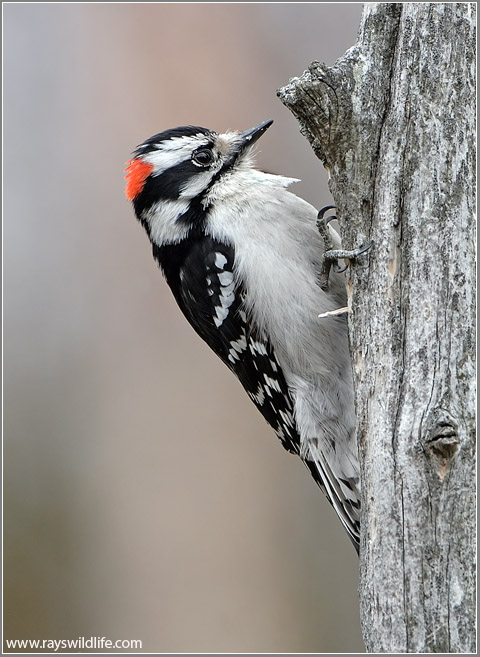
Downy Woodpecker (Picoides pubescens) by Raymond Barlow

Downy Woodpecker (Picoides pubescens) by Raymond Barlow

the orioles,
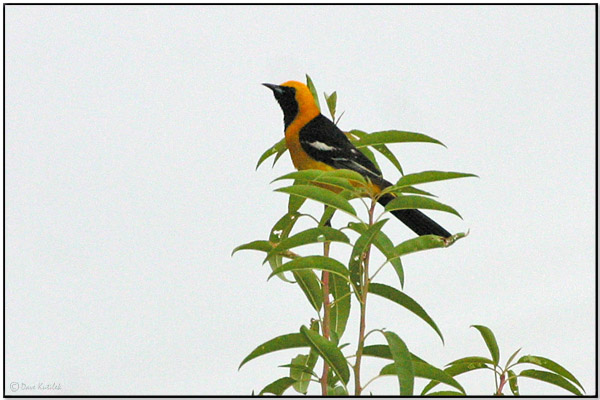
Hooded Oriole (Icterus cucullatus) by Daves BirdingPix

Hooded Oriole (Icterus cucullatus) by Daves BirdingPix

the thrush family,
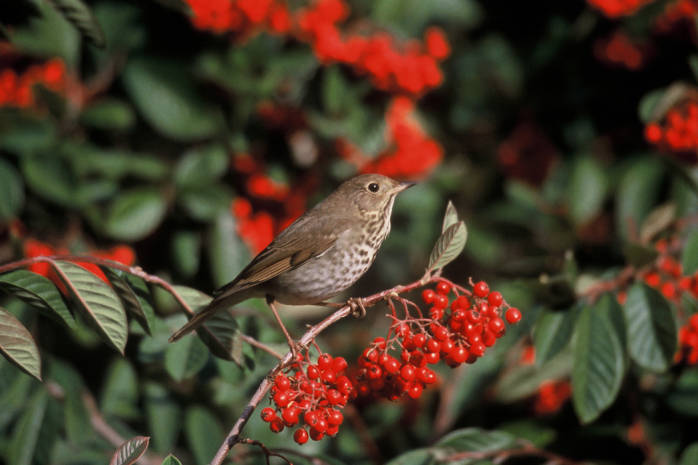
Hermit Thrush (Catharus guttatus) ©USFWS

Hermit Thrush (Catharus guttatus) ©USFWS

the chipping sparrows,
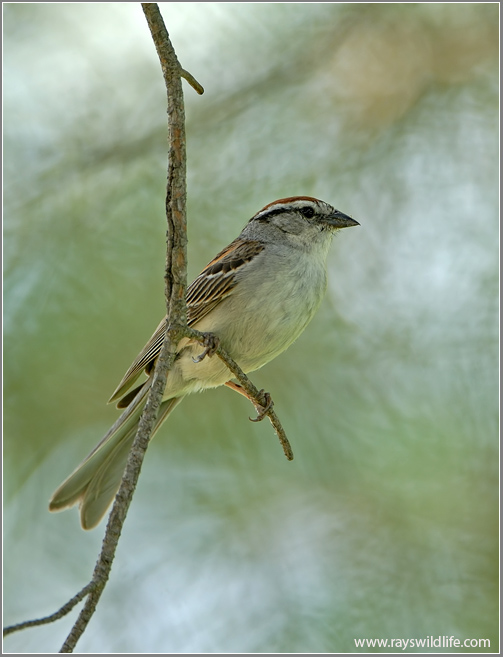
Chipping Sparrow (Spizella passerina) by Ray

Chipping Sparrow (Spizella passerina) by Ray

the robins,

American Robin (Turdus migratorius) eating by Jim Fenton

American Robin (Turdus migratorius) eating by Jim Fenton

the indigo birds—

Indigo Bunting (Passerina cyanea) by Raymond Barlow

Indigo Bunting (Passerina cyanea) by Raymond Barlow

and even the shy vireos ventured forth.
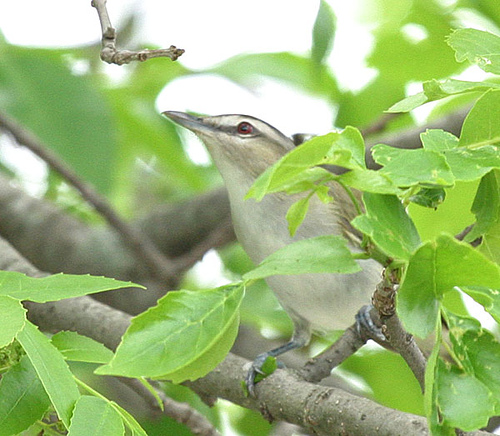
Red-eyed Vireo (Vireo olivaceus) by Kent Nickell

Red-eyed Vireo (Vireo olivaceus) by Kent Nickell

Of course, usually they hate parties, but they loved the stream nearby and the beautiful country the bobolinks were living in, and they thought at least once a year they ought to be a little bit sociable and friendly with their neighbors.

“After they had all chatted together—to us it would have sounded more like chirping—the bobolinks began to serve tea.

“They had spring water for their tea—the water from the cool stream which had a deep spring within it. And this tea they served in little moss-covered stones. That gave it the most delicious flavor, and all the birds asked the bobolinks where they had found such good tea. You know in birdland they don’t ask each other where anything is bought, but where it is found! And the bobolinks told their secret.

Fairychapeltoun“But as they were drinking cup after cup—or stoneful after stoneful—of tea, who should arrive but all the fairies!

“The birds greeted the fairies with their best songs—or their way of saying ‘We’re so glad to see you’—and the bobolinks trilled with joy because they had arranged this lovely surprise for their guests.”

*


Lee’s Addition:

In that day,’ says the LORD of hosts, ‘Everyone will invite his neighbor Under his vine and under his fig tree.’ ” (Zechariah 3:10 NKJV)

Then He also said to him who invited Him, “When you give a dinner or a supper, … But when you give a feast, invite the poor, the maimed, the lame, the blind. And you will be blessed, because they cannot repay you; for you shall be repaid at the resurrection of the just.” (Luke 14:12-14 NKJV)

That was nice of the Bobolinks to invite their neighbors and friends. We also should be willing to invite and share with others our blessings. Also, it sounds like they had a lot of fun and chats. Are you friendly to those around you and willing to share. We should share and not expect to receive something in return.

The best thing we can share is our faith in the Lord Jesus Christ. ABC’s of the Gospel

Another Bird Tale From

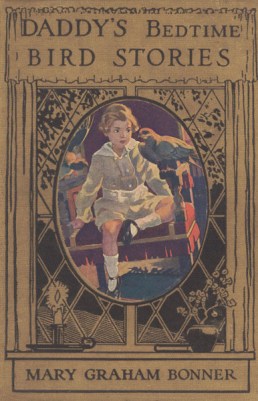
Daddy’s Bedtime Bird Stories – Gutenberg ebooks

By

Mary Graham Bonner

With four illustrations in color by
Florence Choate and Elizabeth Curtis
 

Daddys Bedtime Story Images

These stories first appeared in the American Press Association Service and the Western Newspaper Union.


Many of the sketches in this volume are the work of Rebecca McCann, creator of the “Cheerful Cherub,” etc.
Daddys Bedtime Story Images
Daddy’s Bedtime Bird Stories by Mary Graham Bonner – 1917

*

Links:

Painted Bunting (Passerina ciris) ©©Flickr


  Bird Tales


  Daddy’s Bedtime Bird Stories


  ABC’s of the Gospel


Red-winged Blackbird (Agelaius phoeniceus) by Ray


  Icteridae – Oropendolas, Orioles & Blackbirds (and Bobolinks) Family


*

Farmer’s Scarecrow Protect A Corn-Field

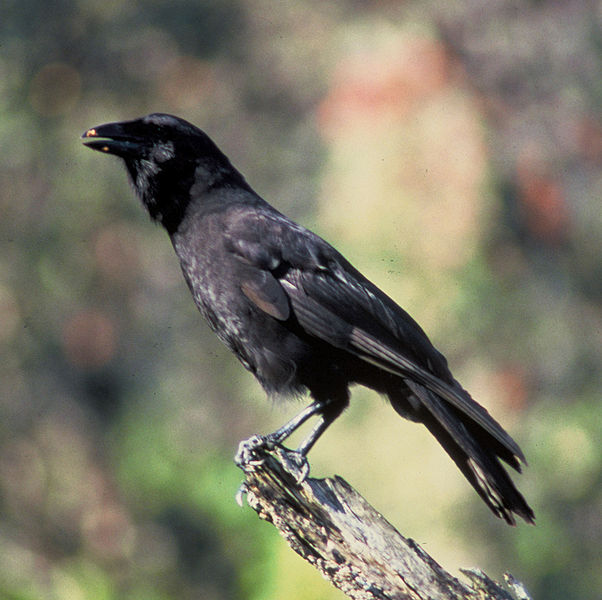
Hawaiian Crow (Corvus hawaiiensis) ©WikiC

Hawaiian Crow (Corvus hawaiiensis) ©WikiC

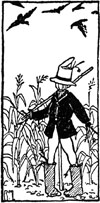
FARMER’S SCARECROW PROTECTS A CORN-FIELD

"It's a man."

“It’s a man.”

“To-night,” said daddy, “we are going to have the story of the meeting of the brownies, crows, and old Mr. Scarecrow. The crows had been giving feasts in a corn-field almost every morning bright and early before any of the big people who lived in the nearby farm-house were up. Such feasts as they did have! And one day they asked the brownies if they wouldn’t come to their next one.

“‘Caw-caw,’ said the crows together.

“‘Where are we going?’ asked one of the brownies teasingly, for they had been going around and around in circles and hadn’t reached any place.

“‘I don’t quite know,’ said Black Crown Crow, ‘it’s a question which is very hard to decide.’

“‘But we thought you had chosen a special spot,’ said one of the brownies.

“Black Crown Crow looked very sad, and his black wings seemed to droop. ‘It’s that guest I never asked. He’s causing all the trouble. How very rude it is of folks to come to a feast who aren’t invited, and to arrive before us, too. It’s very e-x-a-s-p-e-r-a-t-i-n-g!’

“‘Who is he?’ shouted the brownies, for every little while Black Crown Crow had gone ahead and then had come back. In these little trips he had seen right in the center of the corn-field a man—a real man, he thought, with a hat and a coat and trousers and boots—and carrying something which he couldn’t quite make out. It was either a great huge stick—or worse still—it was a gun. He shivered whenever he thought of that awful word gun.

“‘Caw-caw,’ again shrieked Black Crown Crow, ‘it’s a man and he has a gun—I’m sure it’s a gun. Now the rudeness of him! As if we wanted a man and a gun at our corn feast!’

“‘Oh, it was to have been a corn feast, and now the man has stopped it,’ laughed one of the brownies. ‘Well, such a joke! But to show you how nice we’ll be when we’re here ready for a party which can’t take place, we’ll give a nice party ourselves.’

“And the brownies scampered about a little grove near the corn-field, and there they made a bonfire over which they cooked some corn-meal which they had carried with them in their bags. They knew all along, ever since they’d started, where the crows wanted them to go for the feast, and they also knew that the farmer had made that scarecrow in his corn-field to frighten off Black Crown Crow and his followers.

“The brownies made a fine feast, but how they did chuckle among themselves that the pole dressed up as a man had succeeded in saving the corn for the people of the farm-house.”


American Crow (Corvus brachyrhynchos) by Daves BirdingPix

American Crow (Corvus brachyrhynchos) by Daves BirdingPix

Lee’s Addition:

Come, you children, listen to me; I will teach you the fear of the LORD. (Psalms 34:11 NKJV)

Looks like the Brownies, helped out the “exasperated” Crows and had a good laugh at the same time. The farmer was only trying to protect his crop and the crows were only trying to eat.

What can we learn?

  • The Farmer had a right to protect his food.
  • The Crows were afraid of something that wasn’t really frightening.
  • The Crows were hungry, but maybe they were “over-eating.”
  • The Brownies were helpful and provided food for them.

Consider the ravens, for they neither sow nor reap; they have no storeroom nor barn, and yet God feeds them; how much more valuable you are than the birds! (Luke 12:24 NASB)

This verse tells us that God will provide for the Ravens (and Crows, which are in the same bird family). The Crows may need to go to another field where they can be provided for. Also, are you ever afraid of something, that isn’t really scary?

If the Lord feeds the Crows and other birds, He provides for us and also helps our fears.

From

Daddy’s Bedtime Bird Stories – Gutenberg ebooks

By

Mary Graham Bonner

With four illustrations in color by
Florence Choate and Elizabeth Curtis

Daddys Bedtime Story Images


These stories first appeared in the American Press Association Service and the Western Newspaper Union.


Many of the sketches in this volume are the work of Rebecca McCann, creator of the “Cheerful Cherub,” etc.

Daddy's Bedtime Bird Stories by Mary Graham Bonner - 1917

*
Daddy’s Bedtime Bird Stories by Mary Graham Bonner – 1917

*

Links:

Painted Bunting (Passerina ciris) ©©Flickr


  Bird Tales


  Daddy’s Bedtime Bird Stories


Spanish Sparrow (Passer Hispaniolensis) female ©WikiC


  Wordless Birds


*


Mr. Plain Sparrow Calls on Ducks

House Sparrow (Passer domesticus)

House Sparrow (Passer domesticus)

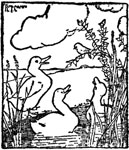
MR. PLAIN SPARROW CALLS ON DUCKS

"Would you like to join us?"

“Would you like to join us?”

“It was such a hot day yesterday,” said daddy, “that Mr. Plain Sparrow simply could not get cool. You see he never goes away in the winter and so he gets used to really cold weather. On a day as hot as it was yesterday he simply doesn’t know what to do with himself. He called himself Mr. Plain Sparrow because that was exactly what he was. He was just a plain, ordinary sparrow, and he thought it such a wise thing to call himself that—and not put on any silly frills. He prided himself on being sensible.

“‘If there’s anything in this world I hate,’ he said, ‘it’s pretending to be what a creature is not.’ And so he called himself by the name of Mr. Plain Sparrow, and his wife was Mrs. Plain Sparrow, and his children were the Plain Sparrow Children.

“‘I think,’ he said, ‘that I will take a walk or a fly to the duck pond in the park nearby. Yes, it seems to me that’s an excellent scheme. I would like to see those ducks, for they’re right smart creatures, and I like to hear their funny quack-quack talk.’

“‘What are you up to, ducks?’ he called, as he flew over the pond, and then perched on a small bush that was at one side.

“‘We’re well,’ said the ducks. ‘We’re enjoying a cooling drink between swims. Would you like to join us? It’s just tea time.’

“‘Tea time, eh?’ said Mr. Plain Sparrow. ‘And would you give a fellow a good, fat worm in place of bread and butter and cake?’

“‘Quack-quack! ha, ha!’ laughed the ducks. ‘We don’t like bread and butter and cake. But we can’t get the worm for you just now, as we’re not very good at digging on such a hot day!’

“‘Well, then, how about my digging for a couple of them, and then joining all you nice ducks when you’re ready to have your tea?’

“‘Splendid idea,’ quacked the ducks. And off went Mr. Plain Sparrow to a soft place in the earth where he thought there would be some good worms.

“Pretty soon he came back with some fine ones, and he sat on his perch and ate them, while the ducks nibbled at their food, and had drinks of pond water, which they called tea. Mr. Plain Sparrow flew down and took sips of water by the side of the pond, and in one very shallow place he had some nice showerbaths while the ducks were having swims. And before he left he told the ducks what a good time he had had, and how nice and cool he felt.

“‘Well, you’re so friendly we’re glad you came,’ quacked the ducks once again.”


House Sparrow by Nikhil Devasar

Lee’s Addition:

A man who has friends must himself be friendly, But there is a friend who sticks closer than a brother. (Proverbs 18:24 NKJV)

Here is another Bird Tale to remind us to be friendly. Even though Mr. Plain Sparrow was having a rough day, he still showed himself friendly to others around him. When things don’t go the way we want, do we become unfriendly to those around us? What should we do?

Who is the friend who sticks closer than a brother? See ABC’s of the Gospel


From

Daddy’s Bedtime Bird Stories – Gutenberg ebooks

By

Mary Graham Bonner

With four illustrations in color by
Florence Choate and Elizabeth Curtis

Daddys Bedtime Story Images


These stories first appeared in the American Press Association Service and the Western Newspaper Union.


Many of the sketches in this volume are the work of Rebecca McCann, creator of the “Cheerful Cherub,” etc.

Daddy's Bedtime Bird Stories by Mary Graham Bonner - 1917

*
Daddy’s Bedtime Bird Stories by Mary Graham Bonner – 1917

*

Links:

Painted Bunting (Passerina ciris) ©©Flickr


  Bird Tales


  Daddy’s Bedtime Bird Stories


Spanish Sparrow (Passer Hispaniolensis) female ©WikiC


  Wordless Birds


*
Bible Birds – Mighty Hand of God!

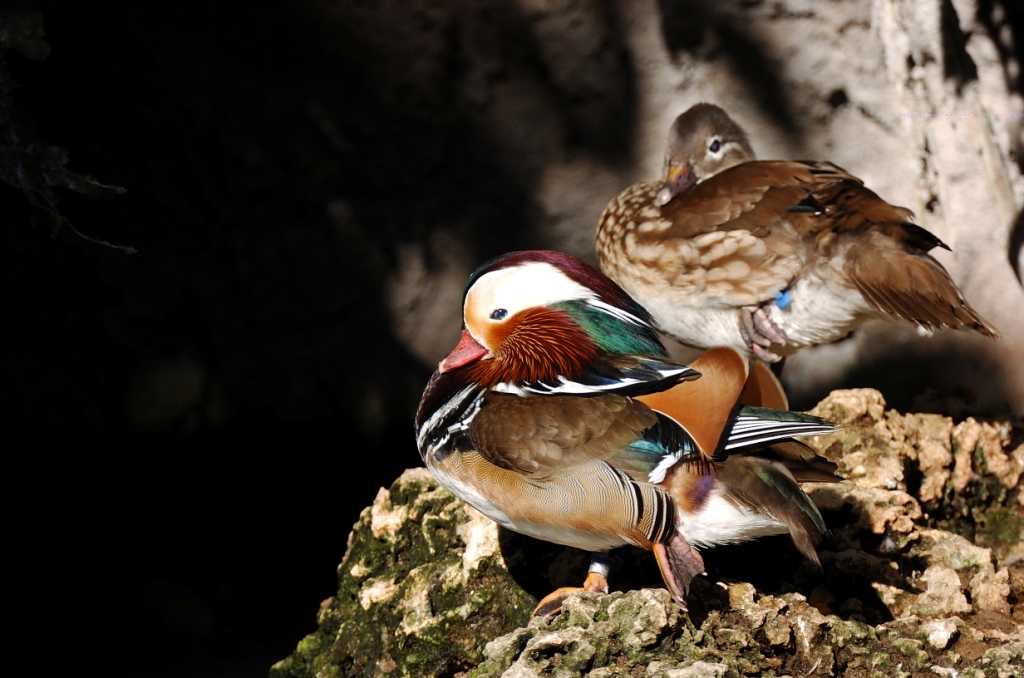
Mandarin Duck (Aix galericulata) by Dan at Zoo Miami

Mandarin Duck (Aix galericulata) by Dan at Zoo Miami

O Lord GOD, You have begun to show Your servant Your greatness and Your mighty hand, for what god is there in heaven or on earth who can do anything like Your works and Your mighty deeds? (Deuteronomy 3:24 NKJV)

What a beautiful duck. When we look around us, the Lord’s Hand is at work everywhere. Be thankful today for the Lord’s Blessing.

Brown-headed Barbet (Megalaima zeylanica) by Nikhil Devasar

Hang in there, today!

O taste and see that the LORD is good: blessed is the man that trusteth in him. (Psalms 34:8 KJV)

*

Bible Birds

*


King Solomon and The Birds – Part 3

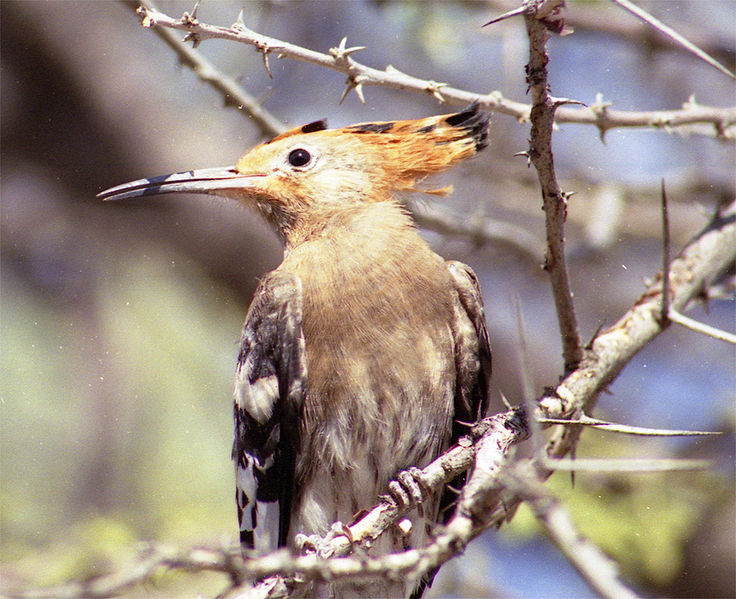
African Hoopoe (Upupa africana) ©WikiC

African Hoopoe (Upupa africana) ©WikiC

King Solomon and The Birds ~ from The Curious Book of Birds

KING SOLOMON AND THE BIRDS  – Part 3

Cur Book of Birds letter-kING SOLOMON was ever seeking to grow even wiser. The better to know the wonders of God’s world and the ways of all creatures, he undertook many journeys,—not as we ordinary poor mortals travel, in heavy wagons or clumsy boats, by dusty roads or stormy waves. It was in no such troublous ways that Solomon the all-powerful traversed space and reached the uttermost corners of the earth. Thanks to his great knowledge, he had discovered a means of locomotion compared to which the most magnificent railway coaches and the richest palanquins of Indian princes would seem poor indeed. He had caused his Genii to make a silken carpet of four leagues in extent. In the midst of this carpet was placed a magnificent throne for the royal traveler himself; and around it were seats of gold, of silver, of wood, for the multitude of persons of different rank whom he took with him. There was also no lack of the most gorgeous furniture and the necessary provisions for a king’s traveling banquet.

When all was ready Solomon was wont to seat himself upon his throne, and would command the winds to do their duty. Immediately they gently lifted the carpet and bore it rapidly through the air to the appointed spot. During the journey, above the aerial caravan fluttered a cloud of birds, who with their wings formed a splendid canopy to shield their beloved lord from the sun’s heat, as the Hoopoes had first done.

One day, while on such a journey, Solomon was shocked to feel a ray of sunlight piercing through this plumy dais (raised feathers) which overhung his head. Shading his eyes, the King glanced up and perceived that there was an opening in the canopy. One bird was missing from its post. In great displeasure Solomon demanded of the Eagle the name of the truant. Anxiously the Eagle called the roll of all the birds in his company; and he was horrified to find that it was Solomon’s favorite, the Hoopoe, who was missing. With terror he announced the bird’s desertion to the most wise King.

“Soar aloft,” commanded Solomon sternly, “and find the Hoopoe that I may punish him. I will pluck off his feathers that he may feel the scorching heat of the sun as his carelessness has caused me to do.”

The Eagle soared heavenward, until the earth beneath him looked like a bowl turned upside down. Then he poised on level wings and looked around in every direction to discover the truant. Soon he espied the Hoopoe flying swiftly from the south. The Eagle swooped down and would have seized the culprit roughly in his strong talons, but the Hoopoe begged him for Solomon’s sake to be gentle.

“For Solomon’s sake!” cried the Eagle. “Do you dare to name the King whom you have injured? He has discovered your absence and in his righteous anger will punish you severely.”

“Lead me to him,” replied the Hoopoe. “I know that he will forgive me when he hears where I have been and what I have to tell him.”

The Eagle led him to the King, who with a wrathful face was sitting on his throne. The Hoopoe trembled and drooped his feathers humbly, but when Solomon would have crushed him in his mighty fist the bird cried,—

“Remember, King, that one day you also must give an account of your sins. Let me not therefore be condemned unheard.”

“And if I hear you, what excuse can you have to offer?” answered Solomon, frowning. But this was his favorite bird and he hoped that there might be some reason for sparing him.

“Well,” said the Hoopoe, “at Mecca I met a Hoopoe of my acquaintance who told me so wonderful a tale of the marvelous Kingdom of Sheba in Arabia that I could not resist the temptation to visit that country of gold and precious stones. And there, indeed, I saw the most prodigious treasures; but best of all, O King, more glorious than gold, more precious than rare jewels, I saw Queen Balkis, the most beautiful of queens.”

“Tell me of this Queen,” said Solomon, loosening his rough grasp upon the Hoopoe. So it was, say the people, that a bird told Solomon of the great Queen whose journey to Jerusalem is described in the Bible.

The Hoopoe told of her power and glory, her riches, her wisdom, and her beauty, until Solomon sighed a great sigh and said, “It seems too good to be true! But we shall see.”

So the King wrote a letter to Balkis, bidding her follow the guidance of fate and come to the court of the wise King. This note he sealed with musk, stamped with his great signet, and gave to the Hoopoe, saying,—

“If now you have spoken truth, take this letter to Queen Balkis; then come away.”

The Hoopoe did as he was bid, darting off towards the south like an arrow. And the next day he came to the palace of the Queen of Sheba, where she sat in all her splendor among her counselors. He hopped into the hall and dropped the letter into her lap, then flew away.

Queen Balkis stared and stared at the great King’s seal upon the mysterious letter, and when she had read the brief invitation she stared and stared again. But she had heard the fame of Solomon and was eager to ask him some of her clever questions to prove his wisdom. So she decided to accept his invitation and come to Jerusalem.

She came with a great train of attendants, with camels that bore spices and treasures of gold and precious stones, gifts for the most wise King. And she asked him more questions than any woman had ever asked him before, though he knew a great many ladies, and they were all inquisitive.

But Solomon was so wise that he answered all her questions without any trouble.

And she said to him, “It was a true report that I heard of you in my own land, of your wisdom and of your glory. Only that which now I know and see is greater than what I heard. Happy are thy men and happy are thy servants who stand continually before thee and hear thy wisdom.”

And she gave the King a hundred and twenty talents of gold, which was a very rich treasure, besides great store of spices, and the most precious gifts; no one had ever seen such gifts as the Queen of Sheba gave to Solomon.

But he in turn was even more generous. For he gave to the fair Balkis all that she desired and everything she asked, because he admired so much this splendid Queen of whom the Hoopoe had first told him.

And so, the Bible says, the Queen of Sheba turned and went to her own country, she and her servants. But the People’s tales say that in later days she married Solomon and they lived happily ever after. And it was all the work of that little Hoopoe with a yellow crown, whom after that we may be sure Solomon loved better than ever.

***

Now King Solomon gave to the queen of Sheba all she desired, whatever she asked, much more than she had brought to the king. So she turned and went to her own country, she and her servants. (2 Chronicles 9:12 NKJV)

And that ends our story of King Solomon and the Birds.

See:

King Solomon and The Birds – Part 1

King Solomon and The Birds – Part 2

*

Links:

Eurasian Hoopoe (Upupa epops) by Peter Ericsson


  Hoopoes – Upupidae Family


Painted Bunting (Passerina ciris) ©©Flickr


  Bird Tales


Curious Book of Birds - Cover


  The Curious Book of Birds


Spanish Sparrow (Passer Hispaniolensis) female ©WikiC


  Wordless Birds


*

King Solomon and The Birds – Part 2

Eurasian Hoopoe (Upupa epops) by W Kwon

Eurasian Hoopoe (Upupa epops) by W Kwon

King Solomon and The Birds ~ from The Curious Book of Birds

King Solomon and The Birds – Part 2


Cur Book of Birds letter-one day when Solomon was journeying across the desert, he was sorely distressed by the heat of the sun, until he came near to fainting. Just then he spied a flock of his friends the Hoopoes flying past, and calling to them feebly he begged them to shelter him from the burning rays.

The King of the Hoopoes gathered together his whole nation and caused them to fly in a thick cloud over the head of Solomon while he continued his journey. In gratitude the wise King offered to give his feathered friends whatever reward they might ask.

For a whole day the Hoopoes talked the matter over among themselves, then their King came to Solomon and said to him,—

“We have considered your offer, O generous King, and we have decided that what we most desire is to have, each of us, a golden crown on his head.”

King Solomon smiled and answered, “Crowns of gold shall you have. But you are foolish birds, my Hoopoes; and when the evil days shall come upon you and you see the folly of your desire, return here to me and I will help you yet again.”

So the King of the Hoopoes left King Solomon with a beautiful golden crown upon his head. And soon all the Hoopoes were wearing golden crowns. Thereupon they grew very proud and haughty. They went down by the lakes and pools and strutted there that they might admire themselves in the water mirrors. And the Queen of the Hoopoes became very airy, and refused to speak to her own cousin and to the other birds who had once been her friends.

There was a certain fowler who used to set traps for birds. He put a piece of broken mirror into his trap, and a Hoopoe spying it went in to admire herself, and was caught. The fowler looked at the shining crown upon her head and said, “What have we here! I never saw a crown like this upon any bird. I must ask about this.”

So he took the crown to Issachar, the worker in metal, and asked him what it was. Issachar examined it carefully, and his eyes stuck out of his head. But he said carelessly, “It is a crown of brass, my friend. I will give you a quarter of a shekel for it; and if you find any more bring them to me. But be sure to tell no other man of the matter.” (A shekel was about sixty-two cents.)

After this the fowler caught many Hoopoes in the same way, and sold their crowns to Issachar. But one day as he was on his way to the metalworker’s shop he met a jeweler, and to him he showed one of the Hoopoes’ crowns.

“What is this, and where did you find it?” exclaimed the jeweler. “It is pure gold. I will give you a golden talent for every four you bring me.” (A talent was worth three hundred shekels.)

Now when the value of the Hoopoes’ crowns was known, every one turned fowler and began to hunt the precious birds. In all the land of Israel was heard the twang of bows and the whirling of slings. Bird lime was made in every town, and the price of traps rose in the market so that the trap-makers became rich men. Not a Hoopoe could show his unlucky head without being slain or taken captive, and the days of the Hoopoes were numbered. It seemed that soon there would be no more Hoopoes left to bewail their sad fate.

At last the few who still lived gathered together and held a meeting to consider what should be done, for their minds were filled with sorrow and dismay. And they decided to appeal once more to King Solomon, who had granted their foolish prayer.

Flying by stealth through the loneliest ways, the unhappy King of the Hoopoes came at last to the court of the King, and stood once more before the steps of his golden throne. With tears and groans he related the sad fortune which had befallen his golden-crowned race.

King Solomon looked kindly upon the King of the Hoopoes and said, “Behold, did I not warn you of your folly in desiring to have crowns of gold? Vanity and pride have been your ruin. But now, that there may be a memorial of the service which once you did me, your crowns of gold shall be changed into crowns of feathers, and with them you may walk unharmed upon the earth.”

In this way the remaining Hoopoes were saved. For when the fowlers saw that they no longer wore crowns of gold upon their heads, they ceased to hunt them as they had been doing. And from that time forth the family of the Hoopoes have flourished and increased in peace, even to the present day.


Lee’s Addition:

When pride comes, then comes dishonor, But with the humble is wisdom. (Proverbs 11:2 NASB)

Vanity means – “too much pride in oneself or in how one looks.”

Pride can mean – “a sense of one’s own value that is too high.” or “an inborn feeling of self-worth.” (One of these definitions is good and the other bad.)

Was our King of the Hoopoes showing good or bad pride? When we think too much of ourself and think we are better or nicer looking. (“Look at me, I have a gold crown.”)

You could work hard on a project and win a gold ribbon or metal for that effort. If you wore that ribbon around your neck, would your attitude about it be a good or bad pride?

Praise the LORD! Oh, give thanks to the LORD, for He is good! For His mercy endures forever. (Psalms 106:1 NKJV)

Links:

King Solomon and The Birds – Part 1

King Solomon and The Birds – Part 2

King Solomon and The Birds – Part 3


Eurasian Hoopoe (Upupa epops) by Peter Ericsson


  Hoopoes – Upupidae Family


Painted Bunting (Passerina ciris) ©©Flickr


  Bird Tales


Curious Book of Birds - Cover


  The Curious Book of Birds


Spanish Sparrow (Passer Hispaniolensis) female ©WikiC


  Wordless Birds


Fixed Daddy’s Bedtime Bird Stories

Daddys Bedtime Story Images (1)

Daddy’s Bedtime Bird Stories had some broken links because of a change in Gutenberg’s policy. They do not want links to their articles and photos. Long story short, I fixed them and now they should be okay. I also added photo links since I had to redo all of them. Here are the stories so far. I realized there are many stories yet to be told yet. Stay tuned!

(If you should find any broken links, please leave a comment on that story so it can be fixed. Thanks.)

These are the ones available for reading:

*

Links:

Painted Bunting (Passerina ciris) ©©Flickr


  Bird Tales


  Daddy’s Bedtime Bird Stories


Spanish Sparrow (Passer Hispaniolensis) female ©WikiC


  Wordless Birds


*

King Solomon and The Birds – Part 1

Eurasian Hoopoe (Upupa epops) by Peter Ericsson

Eurasian Hoopoe (Upupa epops) by Peter Ericsson

King Solomon and The Birds ~ from The Curious Book of Birds

KING SOLOMON AND THE BIRDS – Part 1

letter-kING SOLOMON was wiser than all men, and his fame was in all nations round about Jerusalem. He was so wise that he knew every spoken language; yes, but more than this, he could talk with everything that lived, trees and flowers, beasts and fowls, creeping things and fishes. What a very pleasant thing that was for Solomon, to be sure! And how glad one would be nowadays to have such knowledge!

Solomon was especially fond of birds, and loved to talk with them because their voices were so sweet and they spoke such beautiful words. One day the wise King was chatting pleasantly with the birds who lived in his wonderful garden, and these are some of the things which he heard them say. The Nightingale, the sweetest singer of all, chanted,—

“Contentment is the greatest happiness.”

“It would be better for most people never to have been born,” crooned the melancholy Turtle-Dove.

The happy little Swallow gave her opinion,—”Do good and you will be rewarded hereafter.”

The harsh cry of the Peacock meant, “As thou judgest so shalt thou be judged.”

The Hoopoe said, “He who has no pity for others will find none for himself.”

The cynical old Crow croaked disagreeably, “The further away from men I am, the better I am pleased.”

Last of all the Cock who sings in the morning chanted his joyous song,—”Think of your Creator, O foolish creatures!”

When they had finished talking King Solomon softly stroked the head of the pretty little Dove and bade her cheer up, for life was not so dreadful a thing, after all. And he gave her permission to build her nest under the walls of the great Temple which he was building, the most beautiful, golden house in the whole world. Some years afterward the Doves had so increased in numbers that with their extended wings they formed a veil over the numberless pilgrims who came to Jerusalem to visit the wonderful Temple.

But of all the winged singers who spoke that day in the garden, the wise King chose to have ever near him the Cock, because he had spoken words of piety, and the nimble Hoopoe, because he was able to plunge his clear gaze into the depths of the earth as if it were made of transparent glass and discover the places where springs of living water were hidden under the soil. It was very convenient for Solomon, when he was traveling, to have some one with him who was able to find water in whatsoever place he might be resting.

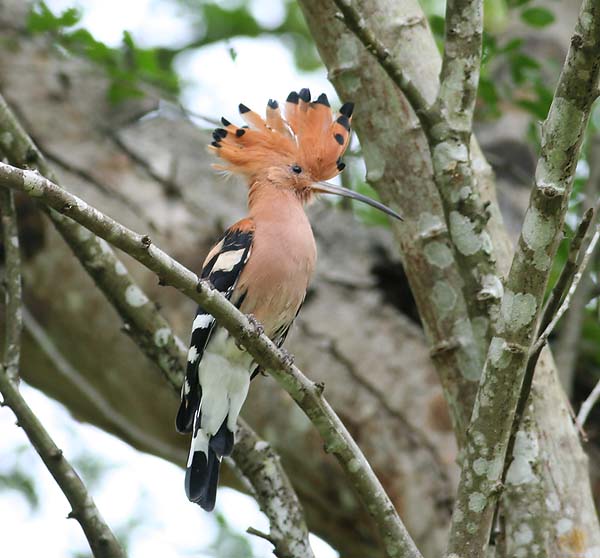
Thus the Cock and the Hoopoe became Solomon’s closest companions; but of the two the Hoopoe was his favorite. The Hoopoe is an Eastern bird and we do not see him in America. He is about as big as a Jay, colored a beautiful reddish gray, with feathers of purple, brown, and white, and his black wings are banded with white. But the peculiar thing about a Hoopoe is his crown of tawny feathers, a tall crown for so small a bird. And this is the story of the Hoopoe’s crown.

King Solomon and The Birds – Part 2

King Solomon and The Birds – Part 3


Lee’s Addition:

I will praise You, for I am fearfully and wonderfully made; Marvelous are Your works, And that my soul knows very well. (Psalms 139:14 NKJV)

I delight to do Your will, O my God, And Your law is within my heart.” (Psalms 40:8 NKJV)

The Bible tells us that we are to be content with the way the Lord made us and we should delight or be happy to do what the Lord wants. That also includes doing what your parents want you to do.

Links:

Eurasian Hoopoe (Upupa epops) by Peter Ericsson


  Hoopoes – Upupidae Family


Painted Bunting (Passerina ciris) ©©Flickr


  Bird Tales


Curious Book of Birds - Cover


  The Curious Book of Birds


Spanish Sparrow (Passer Hispaniolensis) female ©WikiC


  Wordless Birds


More Good News Tracts

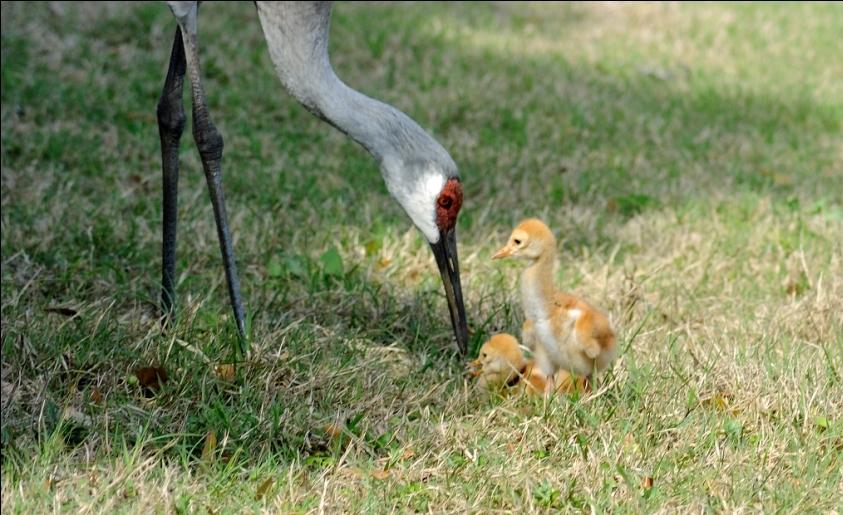
Sandhill Crane babies

Sandhill Crane babies

My son, give attention to my words; Incline your ear to my sayings. Do not let them depart from your eyes; Keep them in the midst of your heart; For they are life to those who find them, And health to all their flesh. Keep your heart with all diligence, For out of it spring the issues of life. (Proverbs 4:20-23 NKJV)

Nine more Good News Tract pages were added today. There are 31 altogether and they have not only the written text, but also audio.

The is especially one that might interest you more than the others.

Here are the new ones:

I trust you can learn from them and/or use them to encourage others.

and sent Timothy, our brother and minister of God, and our fellow laborer in the gospel of Christ, to establish you and encourage you concerning your faith, (1 Thessalonians 3:2 NKJV)

Below are links to the Various Tracts from Crossway with each having the words and an audio:

More Good News Tracts

*

Bible Birds – Lapwings II

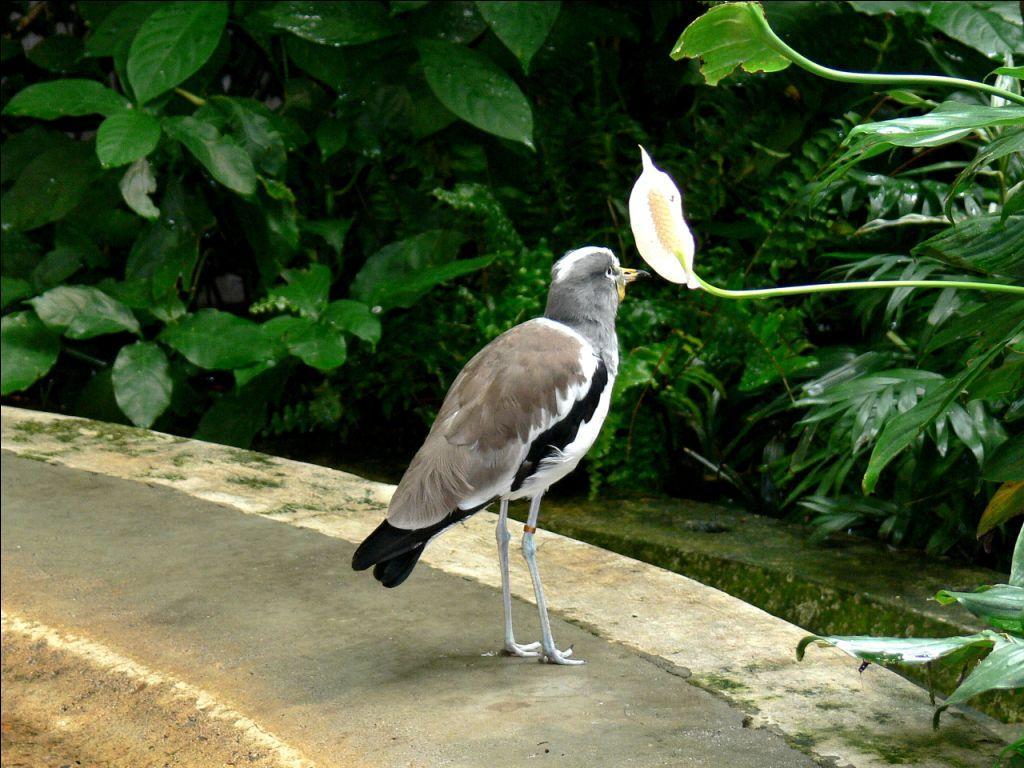
White-crowned Lapwing (Vanellus albiceps) at NA

White-crowned Lapwing (Vanellus albiceps) at NA

And the stork, the heron after her kind, and the lapwing, and the bat. (Leviticus 11:19 KJV)

The White-crowned Lapwing above was my first Lapwing encountered. They were at the National Aviary in Pittsburg, PA. They are from the tropical regions of Africa and have a diet of insects and other small invertebrates. (Fun Fact from Aviary) ~ White-headed Wattled Lapwings will bravely defend their territories against all comers, even hippos!

Now almost every zoo we visit has at least one species of Lapwing present. We see the Masked Lapwing most frequently. The reason Lapwings are mentioned in the Bible is because it is on the “Do Not Eat” list.

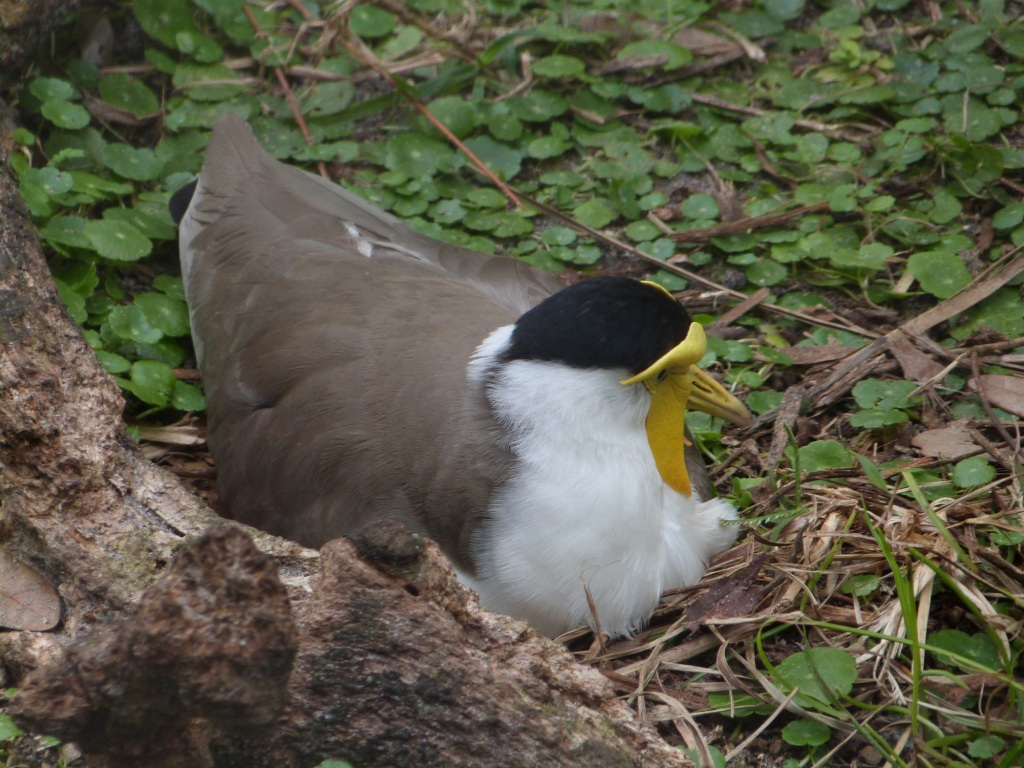
Masked Lapwing (Vanellus miles) Brevard Zoo by Lee

Masked Lapwing (Vanellus miles) Brevard Zoo by Lee

And the stork, and the heron after her kind, and the lapwing, and the bat. (Deuteronomy 14:18 KJV)

The Masked Lapwings are interesting to watch as they walk around on their long legs and as the “wattle” wiggles.

Vanellinae are any of various crested plovers, family Charadriidae, noted for its slow, irregular wingbeat in flight and a shrill, wailing cry. Its length is 10-16 inches. They are a subfamily of medium-sized wading birds which also includes the plovers and dotterels. The Vanellinae are collectively called lapwings but also contain the ancient Red-kneed Dotterel. A lapwing can be thought of as a larger plover.

The traditional terms “plover”, “lapwing” and “dotterel” were coined long before modern understandings of the relationships between different groups of birds emerged: in consequence, several of the Vanellinae are still often called “plovers”, and the reverse also applies, albeit more rarely, to some Charadriinae (the “true” plovers and dotterels).

In Europe, “lapwing” often refers specifically to the Northern Lapwing, the only member of this group to occur in most of the continent. (Wikipedia)

*

Here are some photos of Lapwings in the Vanellinae genera.

This slideshow requires JavaScript.

*

*

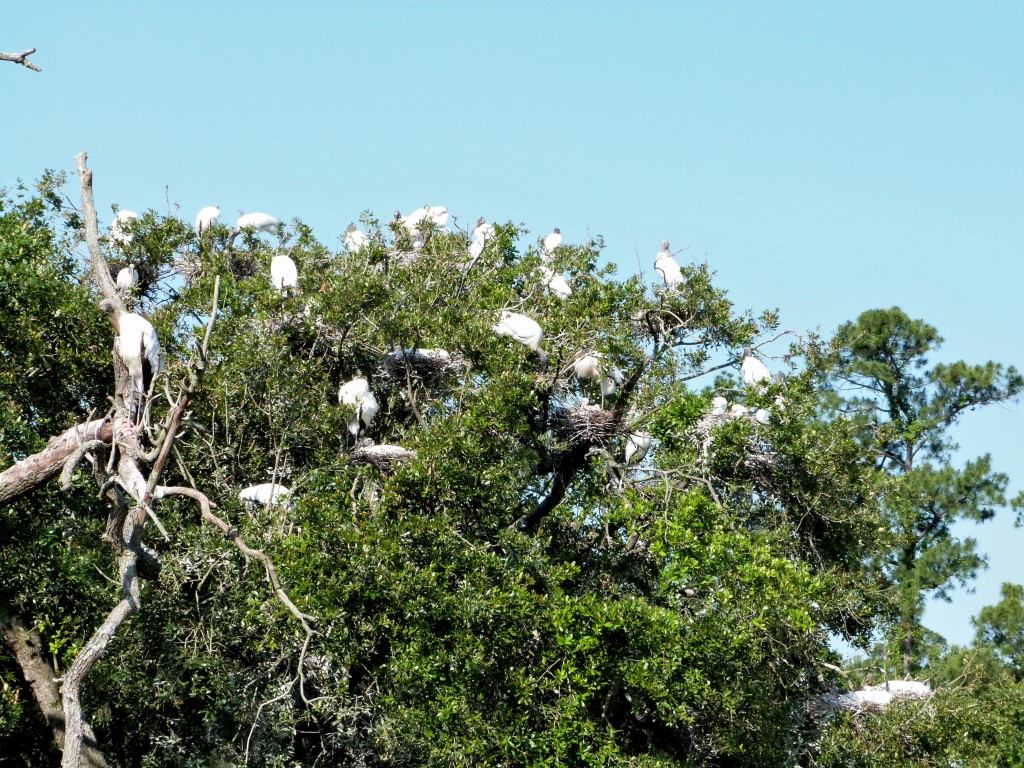
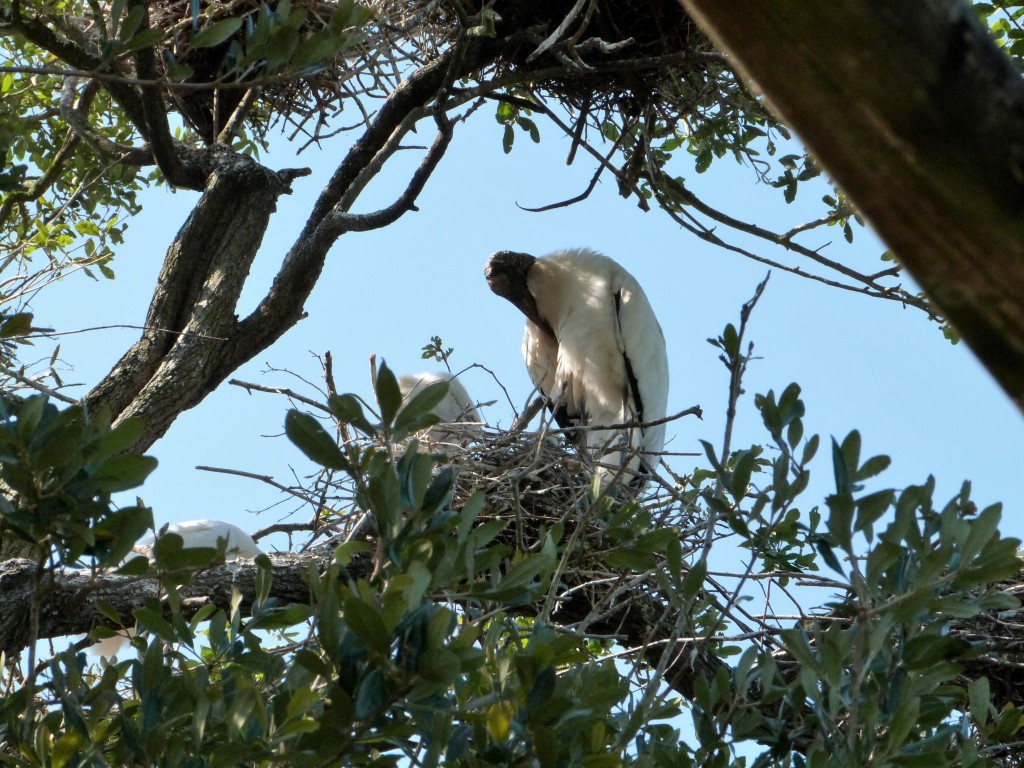
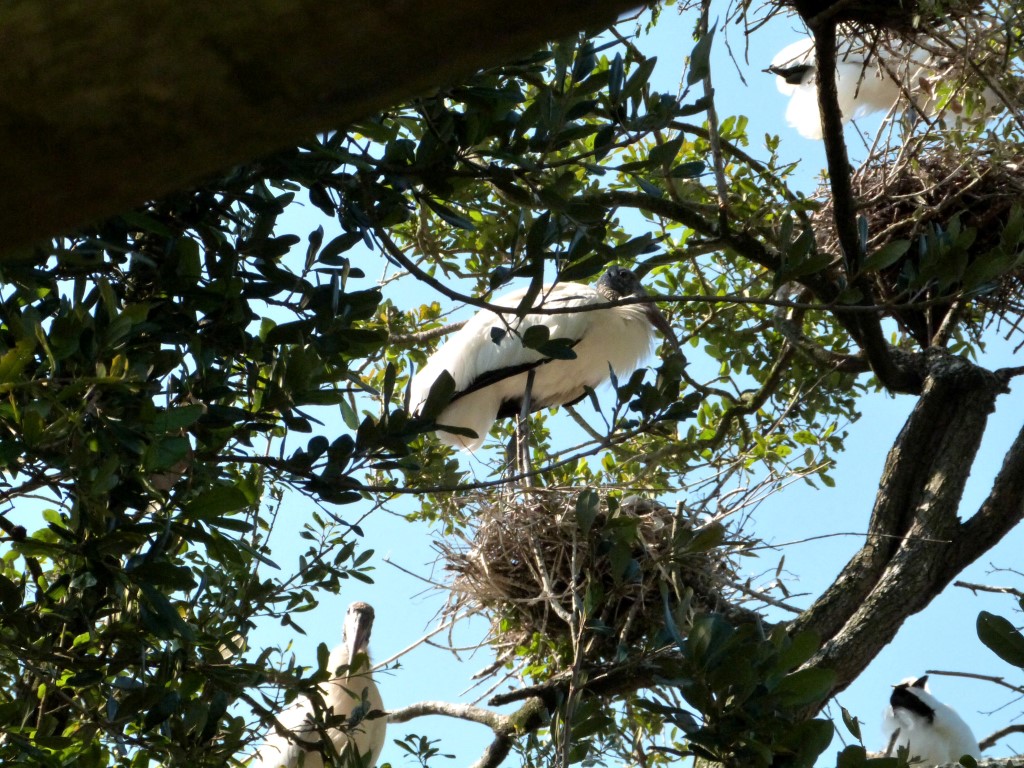
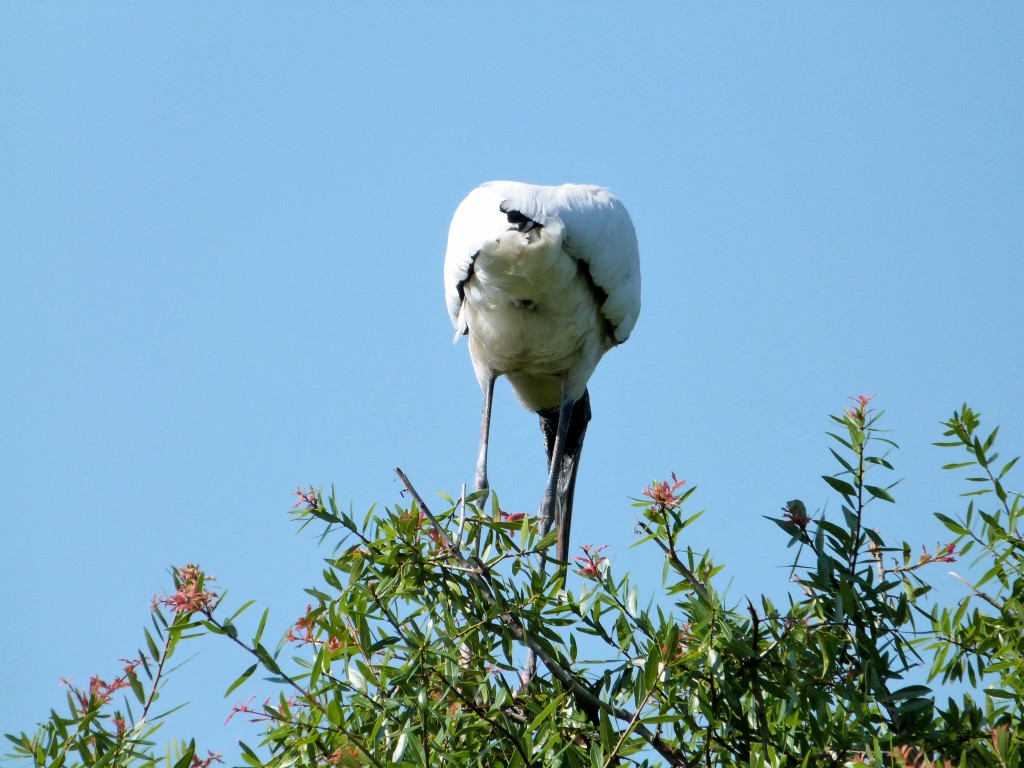
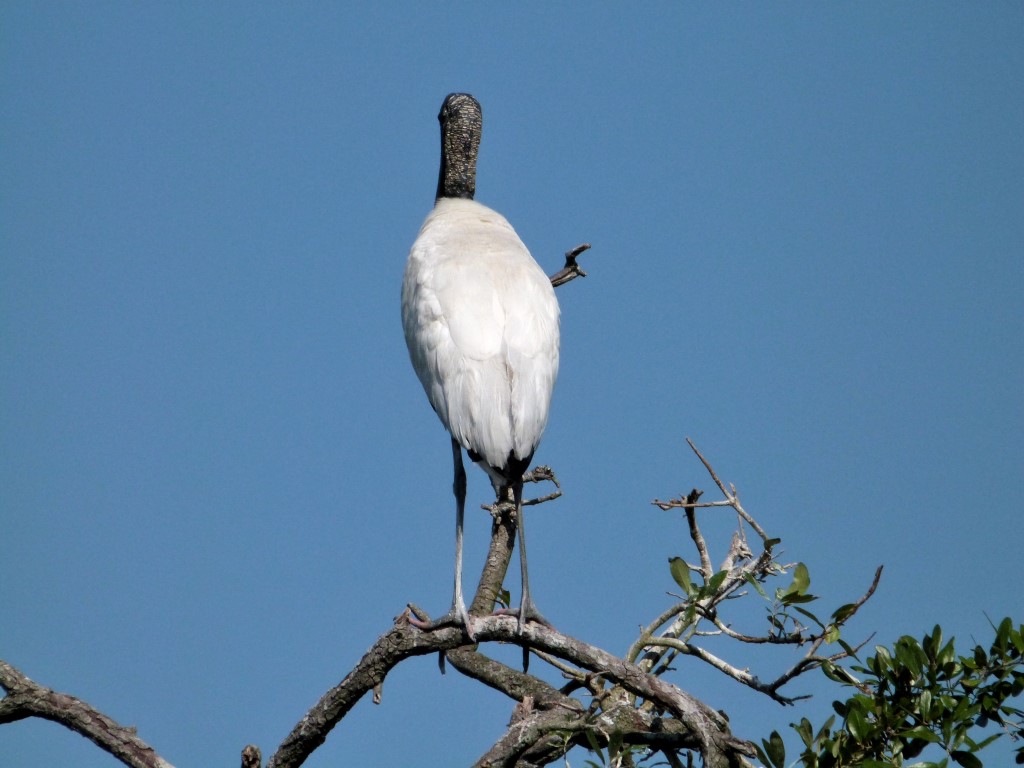
Jacksonville Zoo’s Noisy Stork Tree

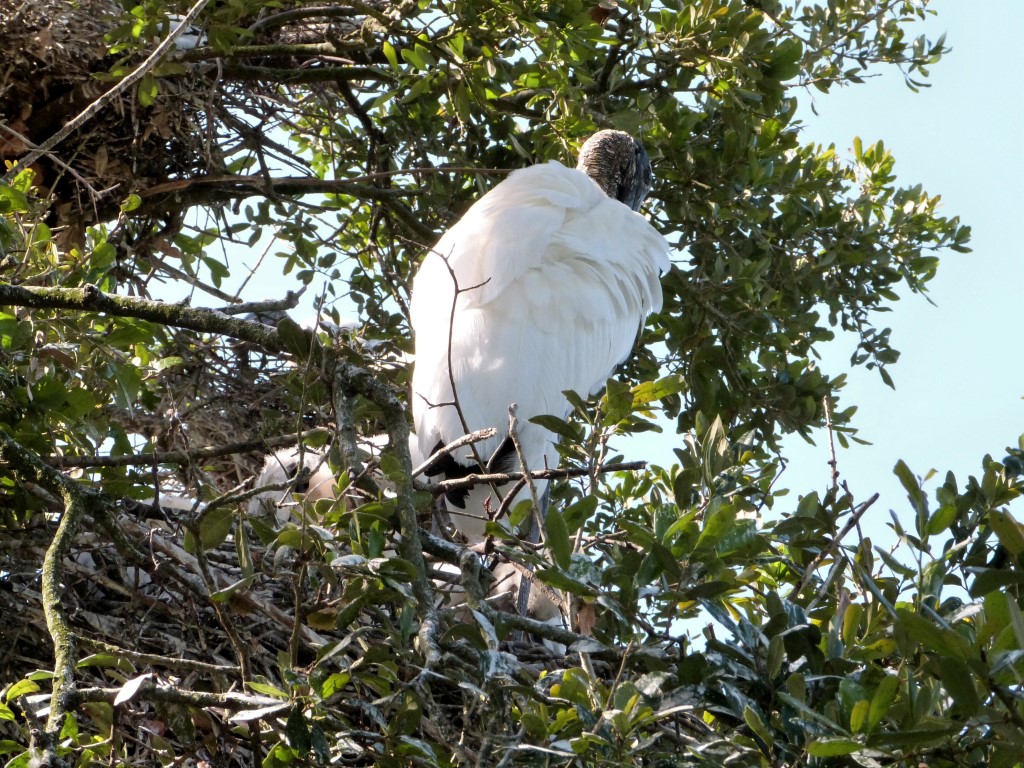
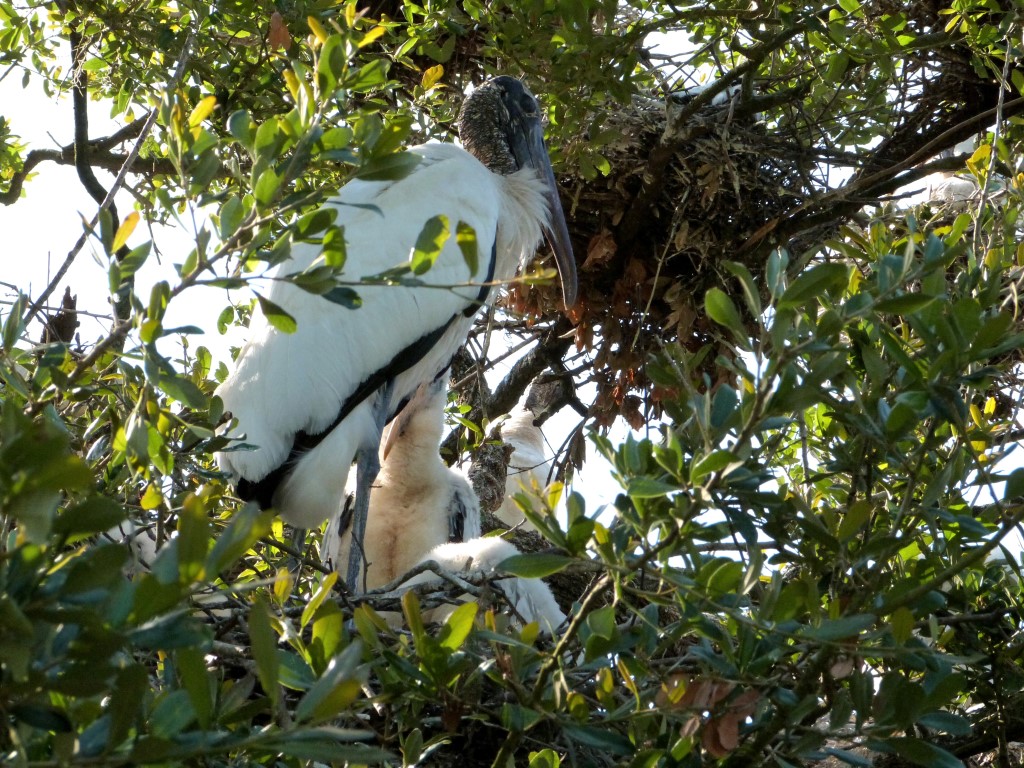
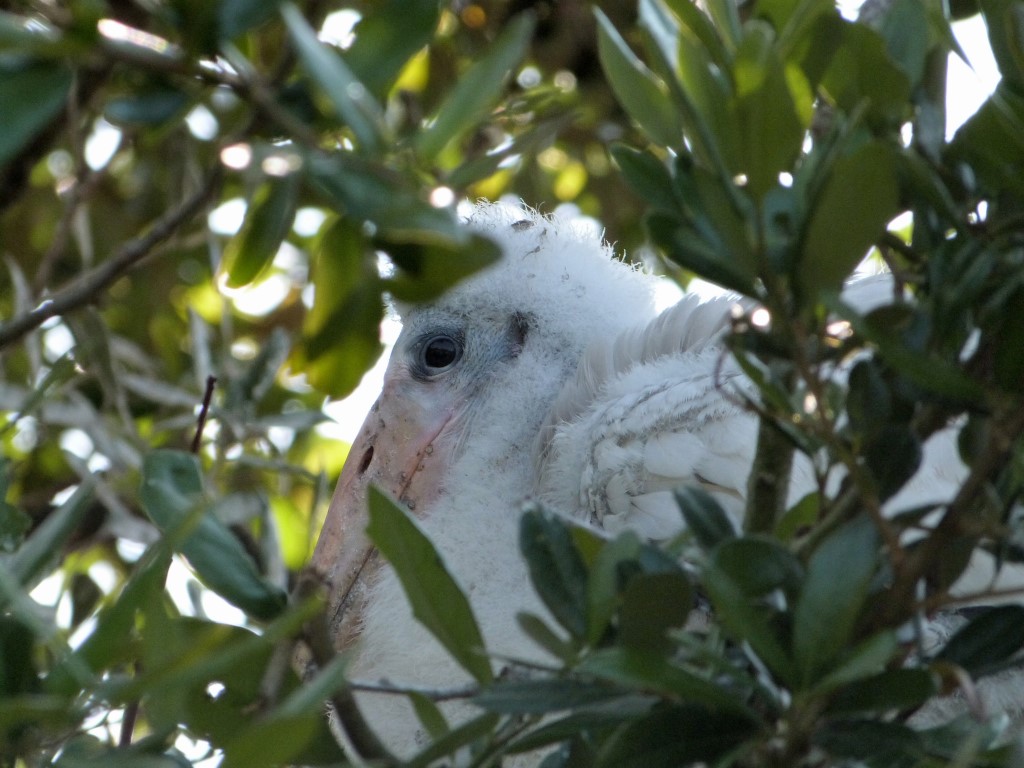
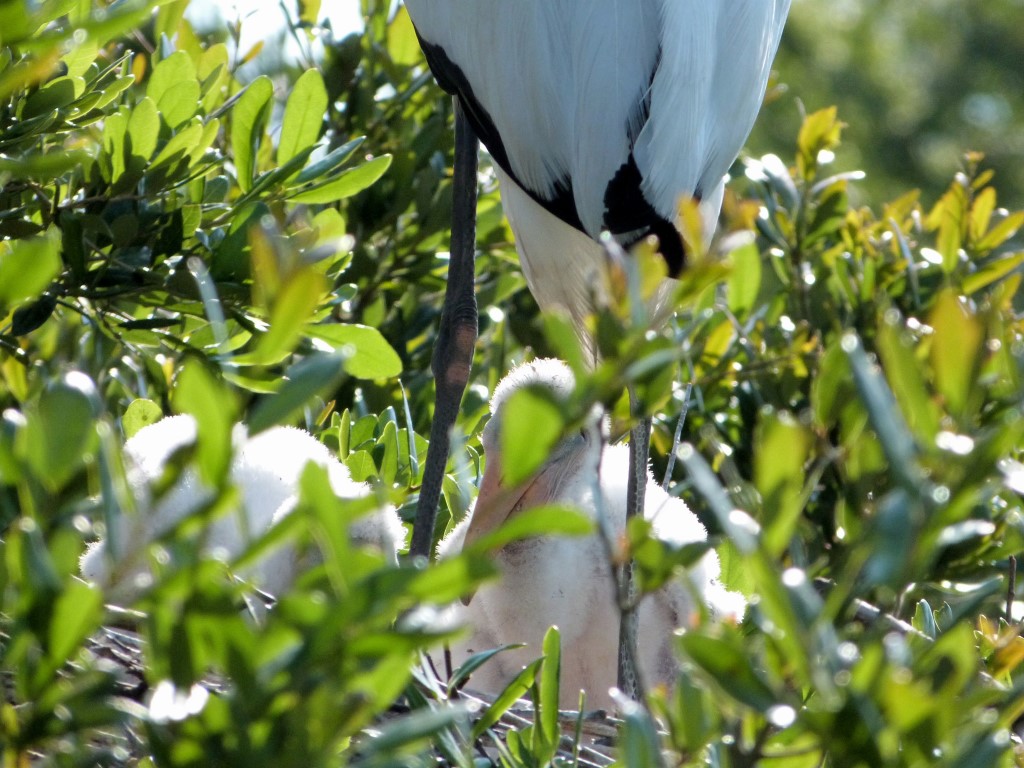
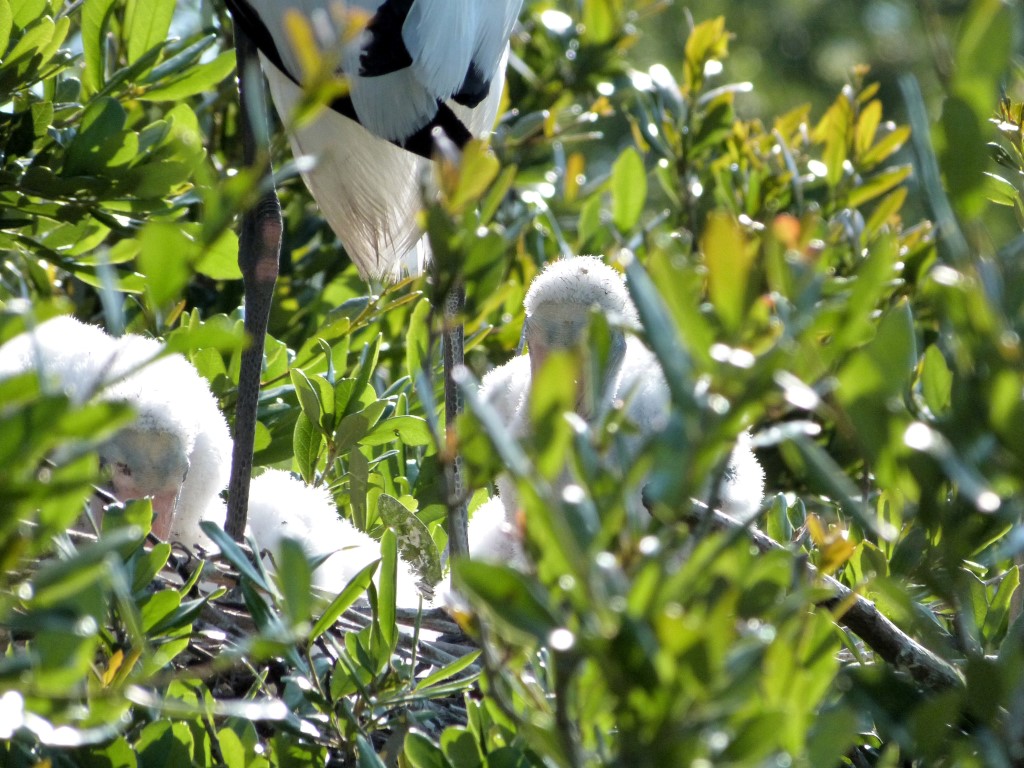
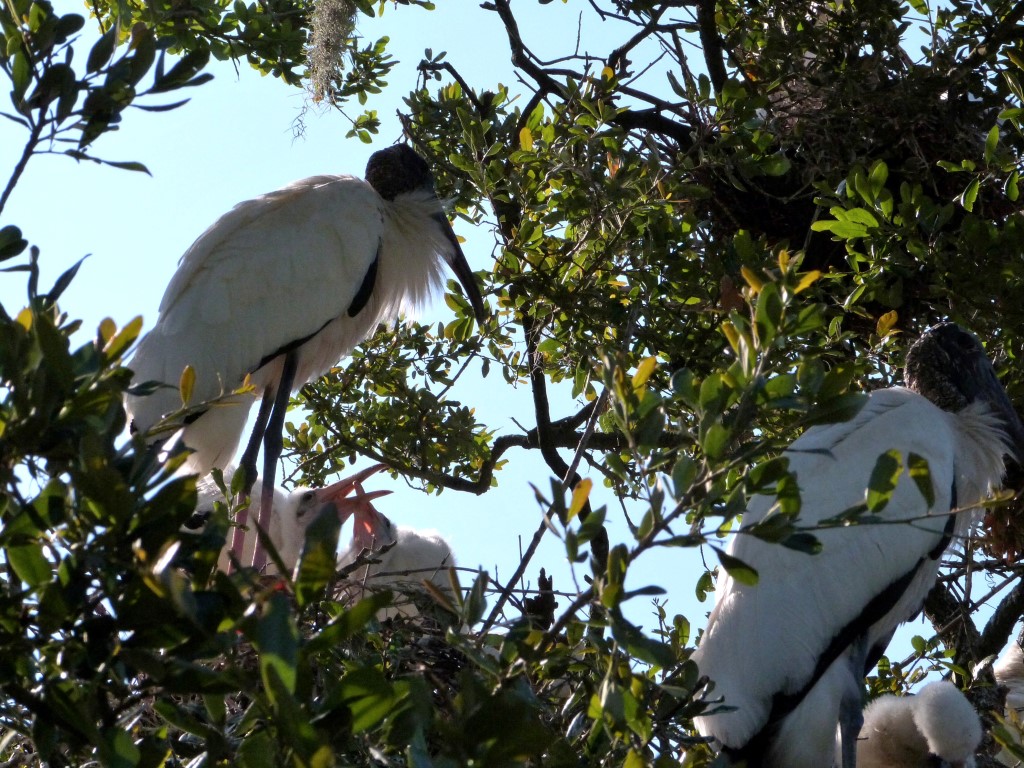
Wood Stork (Mycteria americana) with Chicks Jax Zoo by Lee

Wood Stork (Mycteria americana) with Chicks Jax Zoo by Lee

Yea, the stork in the heaven knoweth her appointed times; and the turtle and the crane and the swallow observe the time of their coming; but my people know not the judgment of the LORD. (Jeremiah 8:7 KJV)

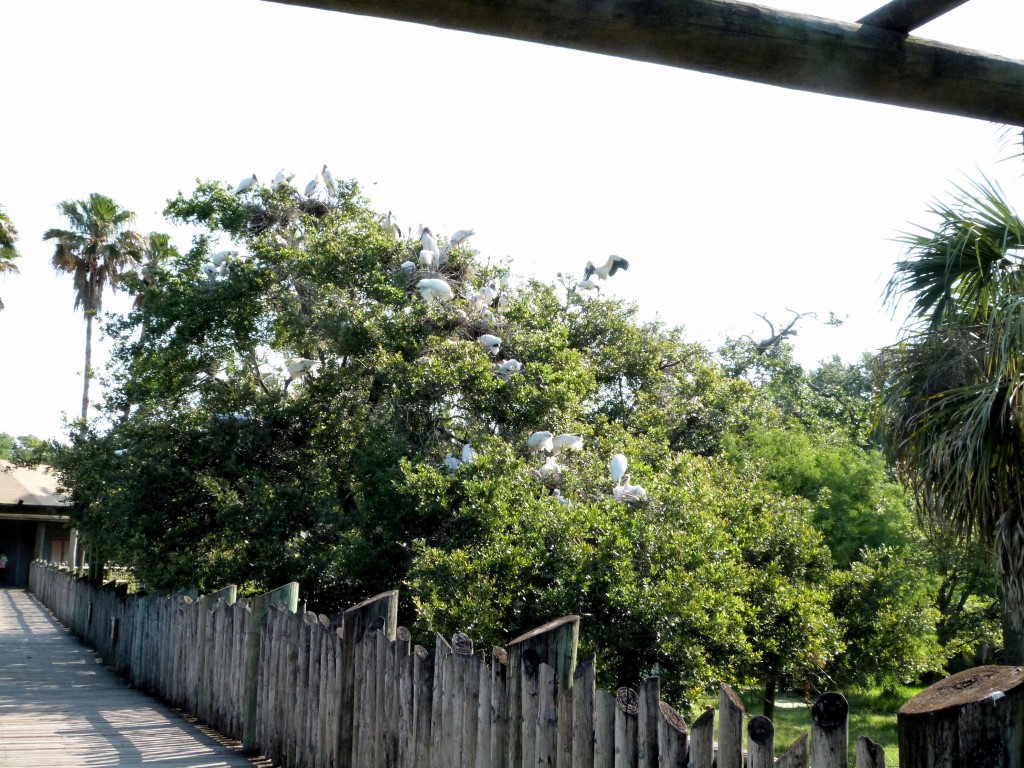
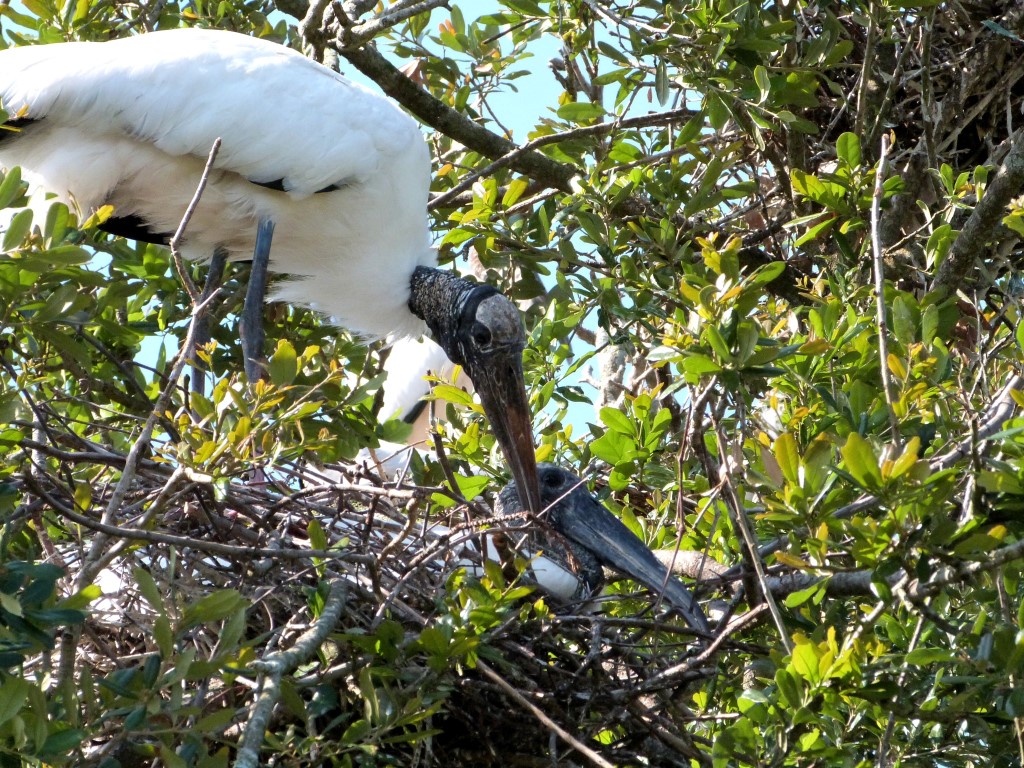
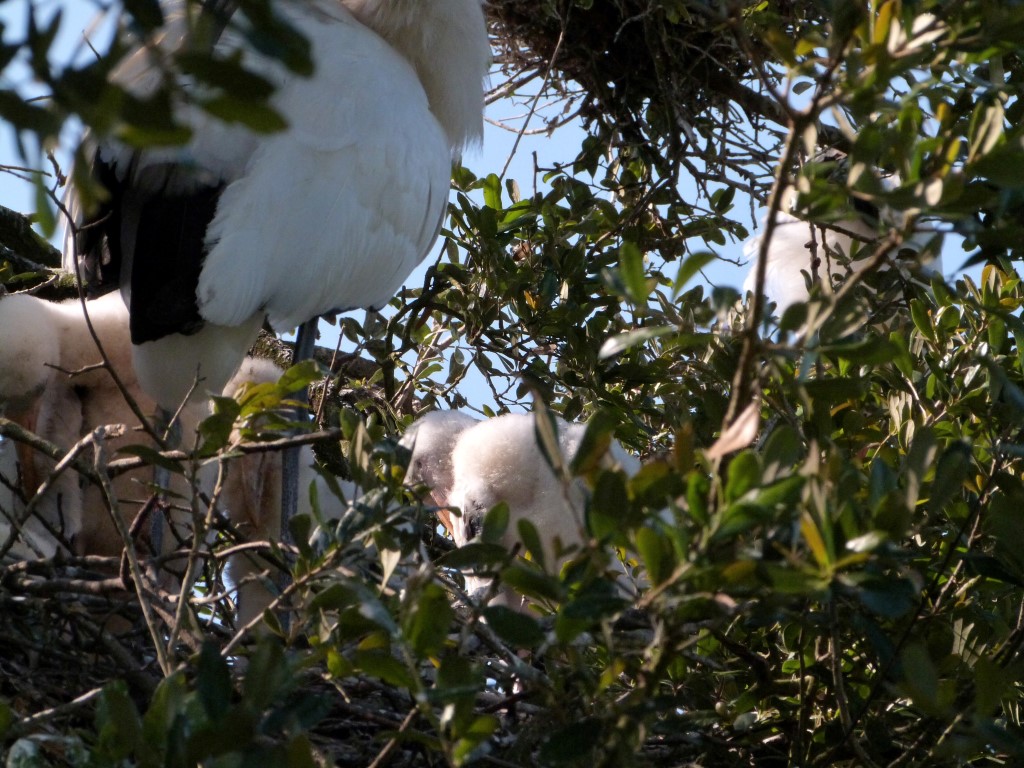
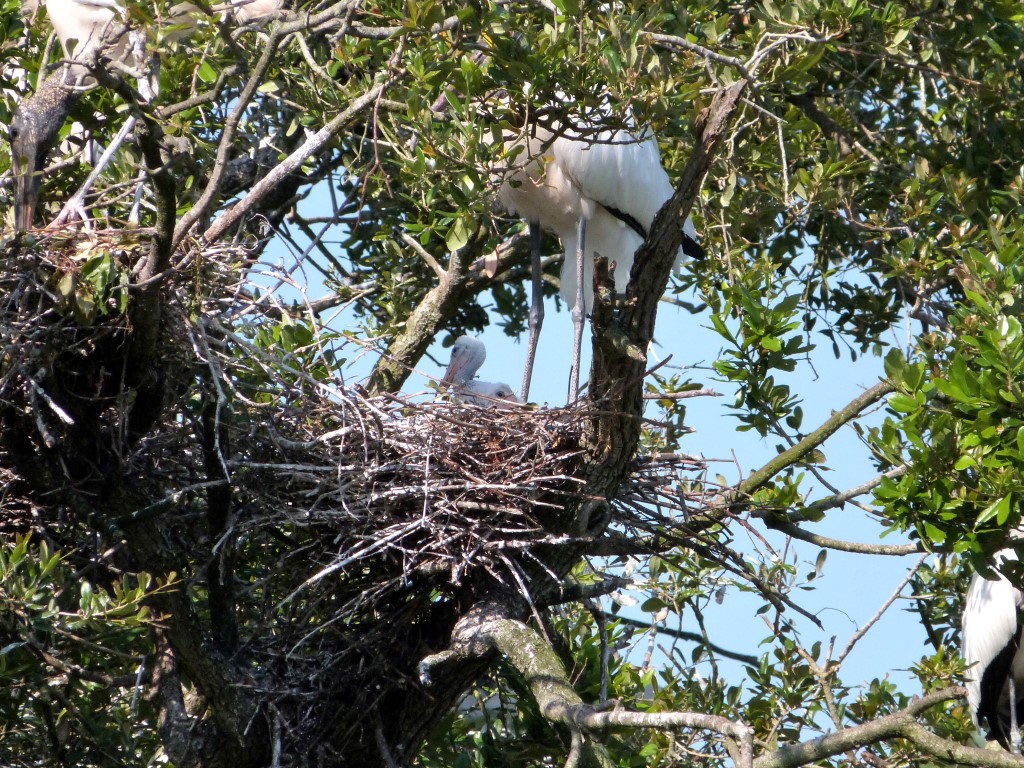
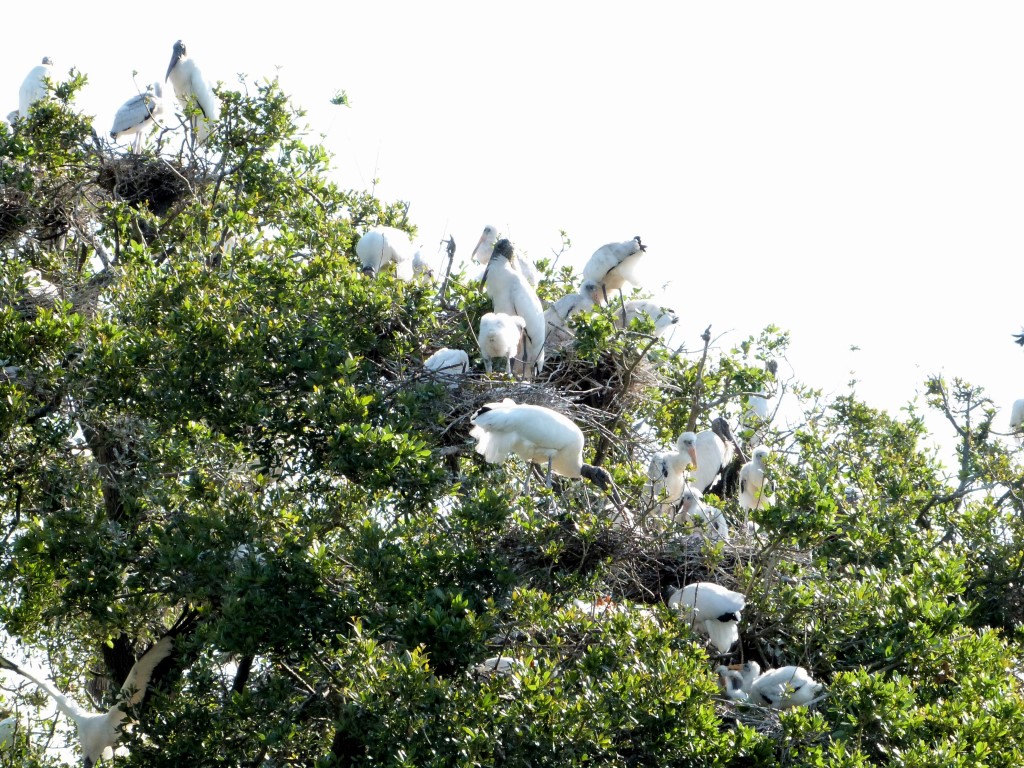
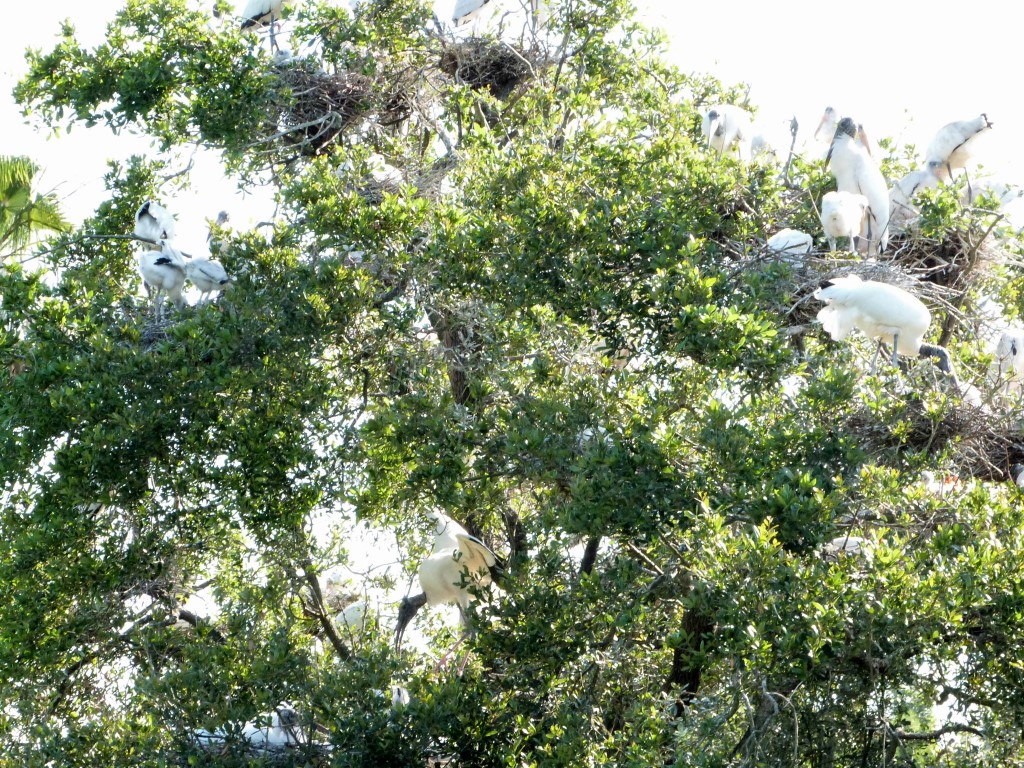
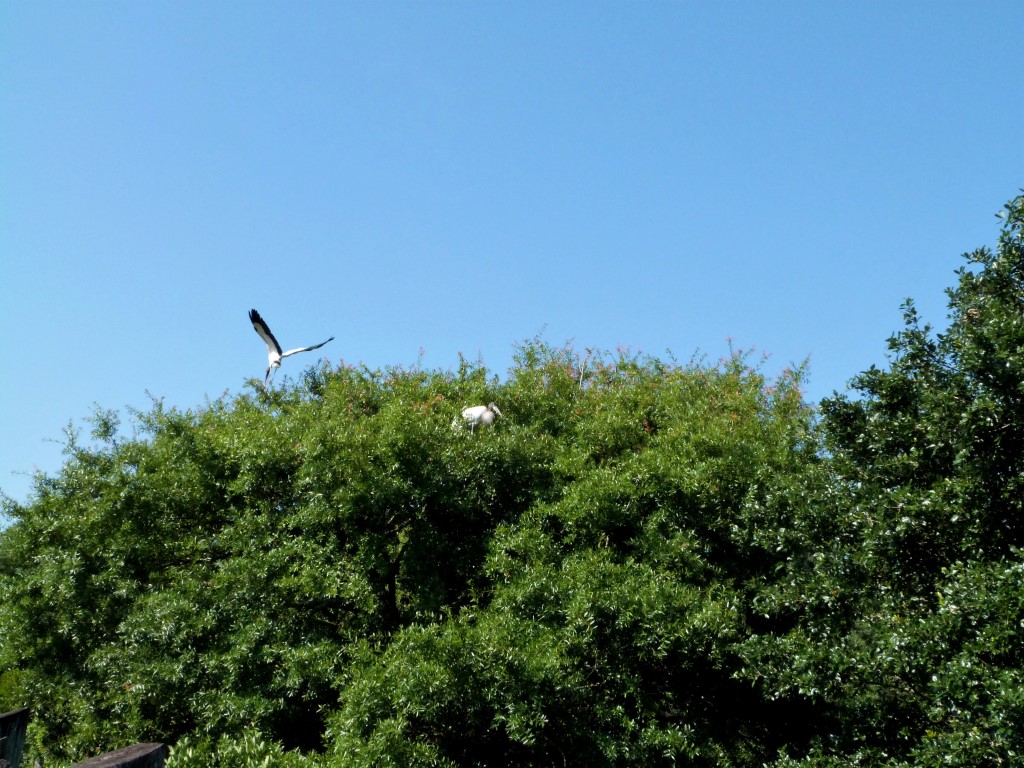
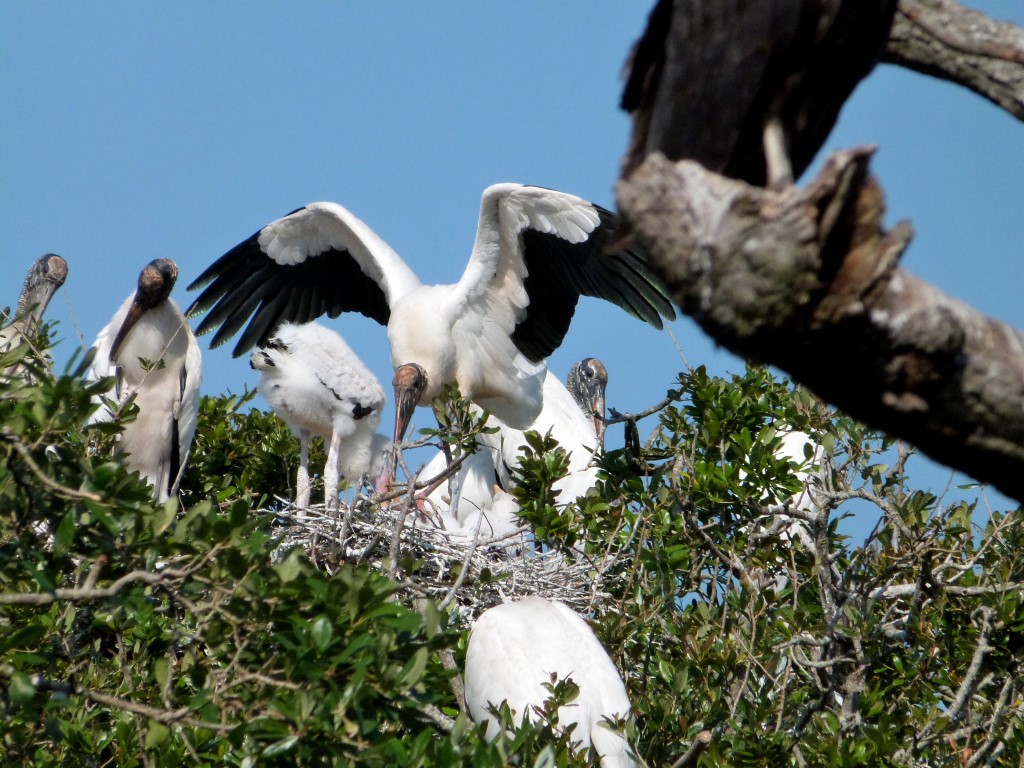
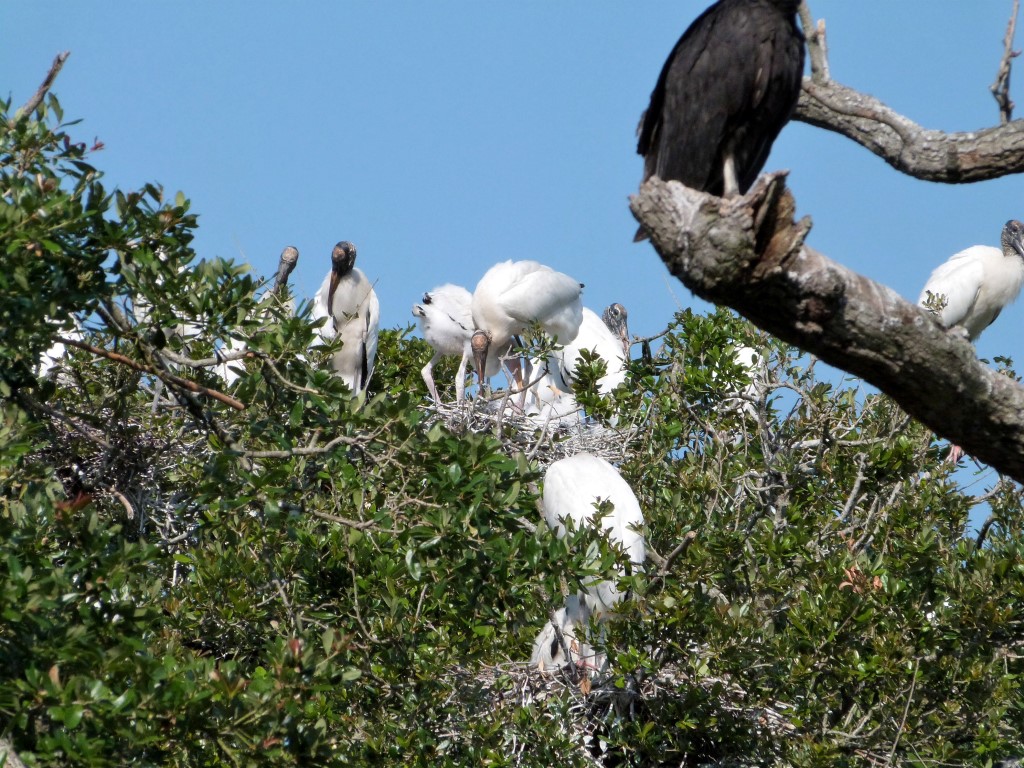
Last week while we were at the Jacksonville Zoo, we noticed a tree loaded with Wood Stork nests. It was hard to miss as you could hear it from far away. As you watch the videos, you will hear the noise coming from all the nest. The tree was right by the boardwalk, so we were very close to them.

Wood Stork (Mycteria americana) with Chicks Jax Zoo by Lee

 Where the birds make their nests: as for the stork, the fir trees are her house. (Psalms 104:17 KJV)

Wood Storks are part of the Ciconiidae – Storks Family and are also mentioned several times in Scripture. That makes them one of the Birds of the Bible – Storks. We are fortunate in that we get to see Wood Storks quite frequently here in Polk County, Florida, especially out at the Circle B Bar Reserve. Circle B is one of my favorite places to go birdwatching. Yet, I have never seen the nest up close like this.

Here is a combined video of the noisy tree: (Ignore the talking in the background, listen to the noisy birds.)

*

Sing unto him a new song; play skilfully with a loud noise. (Psalms 33:3 KJV)

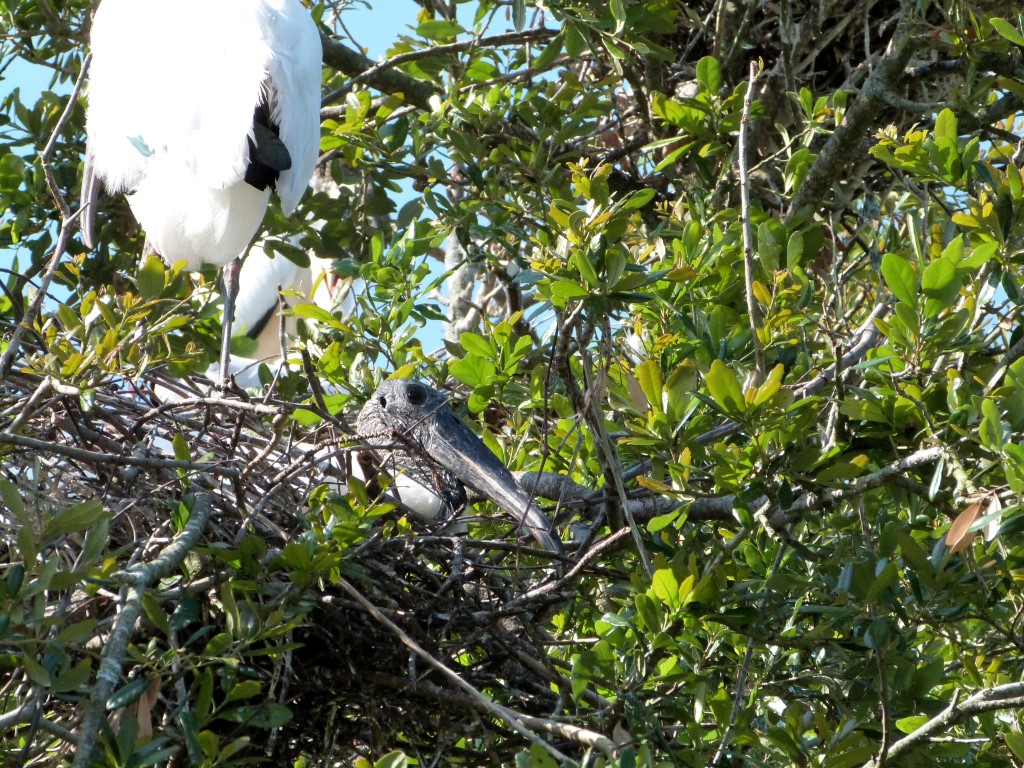
After taking photos and videos, I found three young one showing how the noise was produced. Now multiply that by all the other nest with young ones doing the same thing.

Error
This video doesn’t exist

O come, let us sing unto the LORD: let us make a joyful noise to the rock of our salvation. (Psalms 95:1 KJV)

*

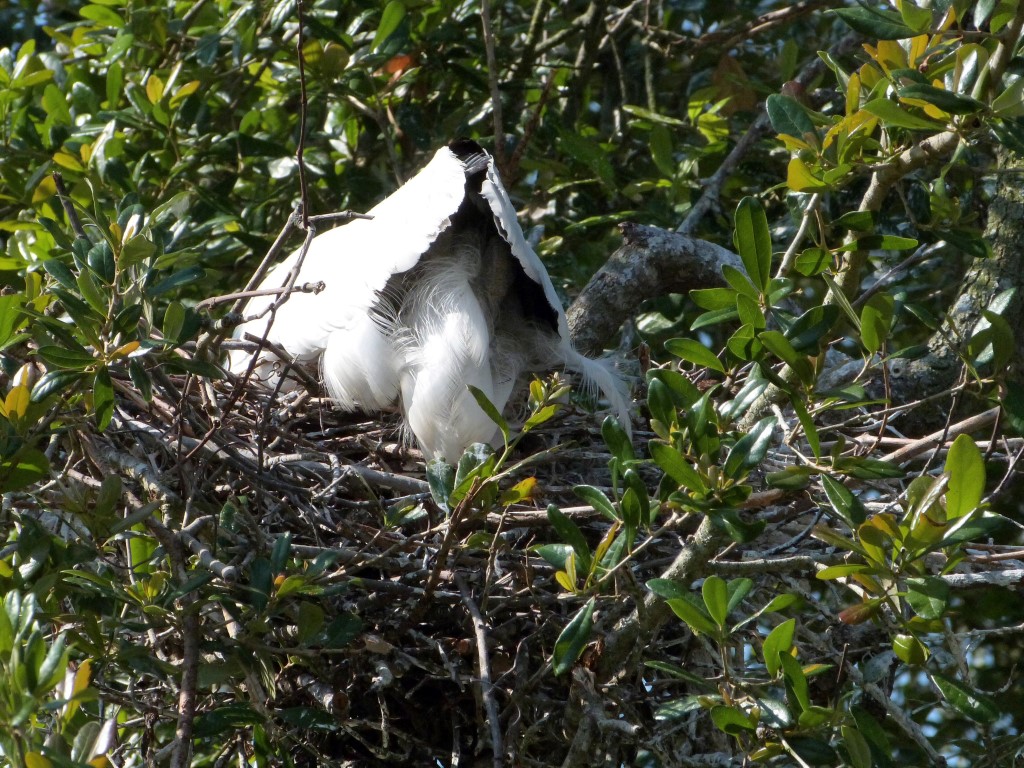
Hope you don’t mind seeing some of the photos also. These are set up so you can see them larger. Enjoy the Lord’s Creation in the form of Wood Storks.

*

See:

*

Is Evolution Simply Change? – (from Creation Moments)

Bald Eagle maturing at Jax Zoo by Dan

Bald Eagle maturing at Jax Zoo by Dan

Is Evolution Simply Change?

(from Creation Moments)

*

“Where is the wise? where is the scribe? where is the disputer of this world? hath not God made foolish the wisdom of this world?” (1 Corinthians 1:20)

Many people think that evolution is simply any change. Developing a new breed of dog is often referred to by many people as proof for evolution. But is it really? Those who claim that the domestic breeding of crop or animal species has anything to do with evolution take their cue from Darwin, who – although he had no degree in science – made the same claims.

Cover of Michael Denton's book Evolution: A Theory in Crisis.Evolution is not simply change like what we see in domestic breeding programs. You might say that it’s easy for a creationist to say this, but let’s allow a scientist who is neither a creationist nor a Christian make the case for us. In his book Evolution: A Theory in Crisis, Dr. Michael Denton explains that evolution is in crisis for the simple reason that biology offers no evidence that evolution happens. Since science relies on evidence, he is really saying that evolution is not science at all.

Denton, who has spent much of his scientific career studying evolution, adds insult to injury by stating that “Despite more than a century of intensive effort on the part of evolutionary biologists, the major objections raised by Darwin’s critics . . . have not been met.”

In other words, evolutionary scientists have not been able to answer creationist challenges. Or, as we have been saying all along, the Bible does offer an intelligent alternative to evolution!

Prayer:
Dear Father, I thank You for those honest scientists who, even though they do not believe in Christ as their Lord and Savior, are still honest enough to identify a falsehood. Today I especially ask that You work in their hearts so that they may seek and find their Savior, Jesus Christ. In His Name. Amen.
Notes:
Photo: Cover of Michael Denton’s book Evolution: A Theory in Crisis. Published by Burnett Books, 1985.

*


Lee’s Addition:

In the beginning God created the heaven and the earth. (Genesis 1:1 KJV)

I alway enjoy the short, but Biblically truthful articles from Creation Moments. We see the birds breeding and developing subspecies, but that isn’t evolution. They are all still birds. The subspecies get split off into a different species of their own, yet when they run the DNA test, they find they all come from the same original pair of birds.

All that splitting and lumping is what keeps me busy every 3 or 4 months updating the Birds of the World lists.

See:

*