Hawk’s Wisdom Is From Whom?

Sharp-shinned Hawk (Accipiter striatus) by Daves BirdingPix

The other day while I was filling my gas tank, I looked up and spotted a Hawk flying overhead. He (or she) kept flying back and forth slowly. I have no clue as to what kind of hawk it was, but wondered which verses mentions the hawk? We have written about hawks many times here on the blog, and know it is one of the Birds of the Bible.

Job 39:26 is a great verse that asks a very thought-provoking question.

“Doth the hawk fly by thy wisdom, and stretch her wings toward the south?” (KJV)

I have Bible Gateway loaded on my computer and brought up that verse and asked to show all the various Bible versions. Looking through the various ways of asking or questioning God about His hawks was interesting. As I read through the various versions, it makes us realize how little we know about The Creator’s Wisdom.

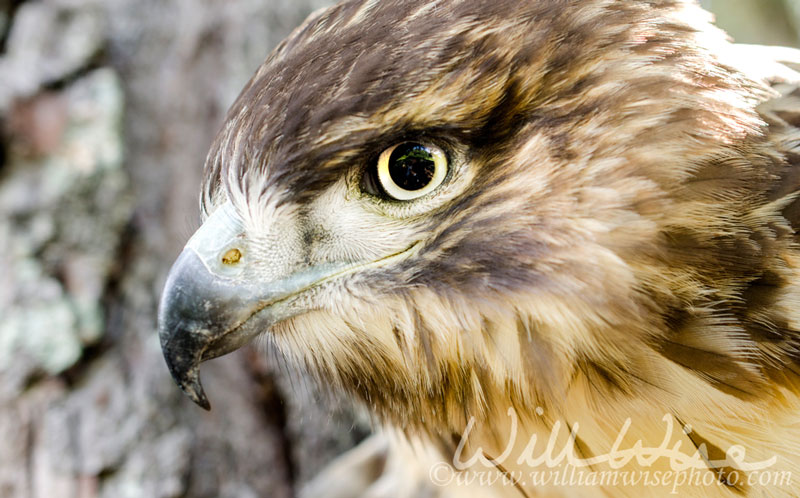
Raptor Bird of Prey, Juvenile Red Tailed Hawk profile, William Wise

Here are some of those questions:

Is it by thy wisdom that the hawk soareth,
“Is it by your understanding that the hawk soars,
Does the hawk take flight by your understanding
Is it due to your understanding that the hawk flies,
Did you teach hawks to fly south for the winter?
Was it your wisdom, Job, that taught hawks how to fly? No! You could not teach them to fly towards the south in winter.
Does a hawk learn from you how to fly when it spreads its wings toward the south?

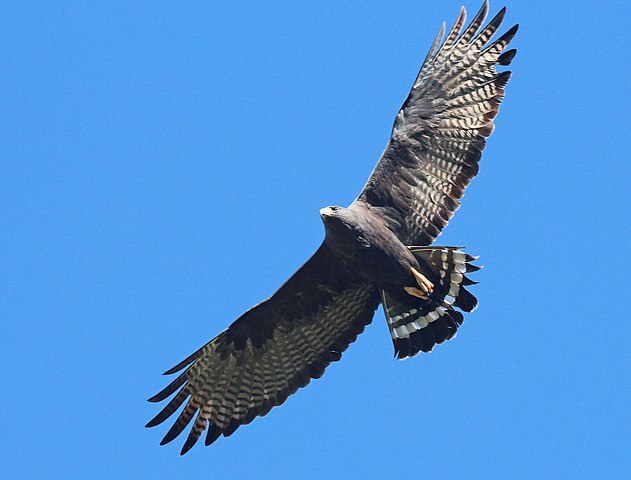
Zone-tailed Hawk (Buteo albonotatus) ©WikiC

“Was it through your know-how that the hawk learned to fly, soaring effortlessly on thermal updrafts? Did you command the eagle’s flight, and teach her to build her nest in the heights, Perfectly at home on the high cliff face, invulnerable on pinnacle and crag? From her perch she searches for prey, spies it at a great distance. Her young gorge themselves on carrion; wherever there’s a roadkill, you’ll see her circling.”
“Whether an hawk spreading abroad his wings to the south, beginneth to have feathers by thy wisdom? (Be it by thy wisdom that a hawk haveth feathers, and spreadeth his wings towards the south?)”

I’m very thankful that the Lord instructs the Hawks do spread their wings and come down here to Florida!! Especially in the winter!!

***

Birds of the Bible Hawks
Birds of the Bible – Hawk Migration
Birds of the Bible – Hawks and Wisdom
Waterman Bird Collection – Hawks and Owls
Ian’s Bird of the Week – Spotted Harrier
Hawk Photos
Hawk Videos
Raptor ID
Raptor Overview
Nave’s Topical Bible – Hawk

Is There a God?

Birdwatching Thru the Bible – Mottled Ducks

Mottled Duck in Backyard

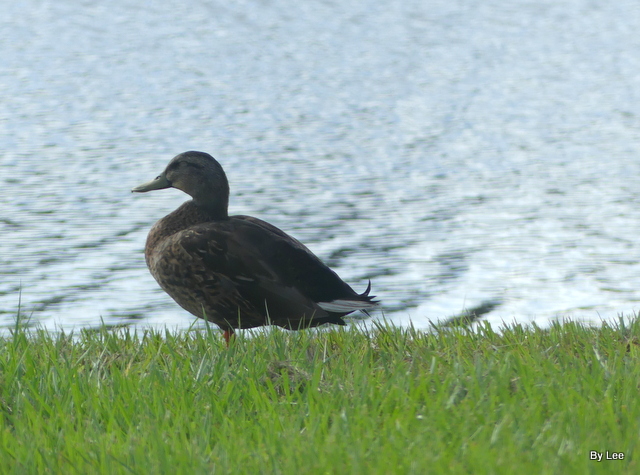
While eating supper, a couple of Mottled Ducks came up in the yard looking for food. Normal situation as many ducks and other birds come to the feeders. Yet, this is the first Mottled Duck this fall. They migrate down for the winter and we were surprised to see them already.

Working on the Birdwatching Thru the Bible series for posts gave me an idea. Wonder if I could start with a known bird, a.k.a. Mottled Duck, and find a reference to them in the Bible? Sort of reverse Birds of the Bible.

After searching for “Duck” and other birds of that sort, Quess what? NO RESULTS! Then I went to All About Birds – Mottled Duck to check its scientific name.

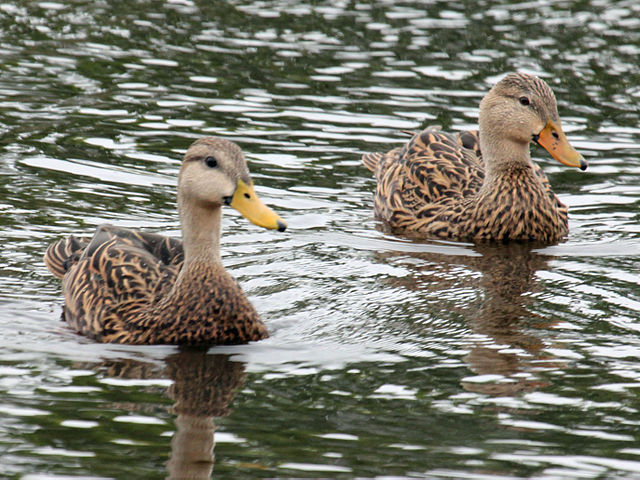
Mottled Duck (Anas fulvigula), ORDER: Anseriformes, FAMILY: Anatidae

Mottled Duck (Anas fulvigula) Male and Female ©WikiC

Quess what? NO RESULTS!! :0) Not surprised!!

Not to be detoured, I went back to the scriptures, and sure enough, they are in there.

“So God created great sea creatures and every living thing that moves, with which the waters abounded, according to their kind, AND EVERY WINGED BIRD ACCORDING TO ITS KIND. And God saw that it was good. And God blessed them, saying, “Be fruitful and multiply, and fill the waters in the seas, and let birds multiply on the earth.” So the evening and the morning were the fifth day.” (Genesis 1:21-23 NKJV)

Notice it said they were to “Be fruitful and multiply.” Come this winter when the “snowbirds” or “winter visiting birds” come down, we will notice their fruitfulness.

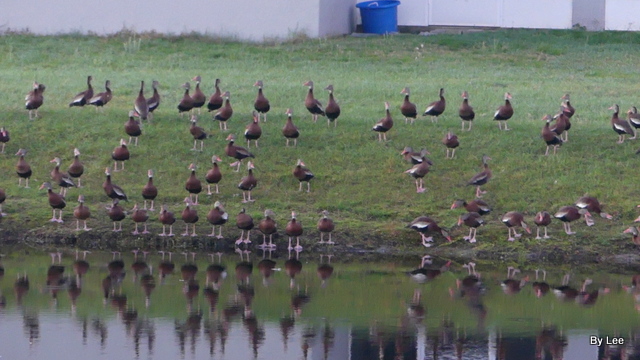
Black-bellied Whistling Ducks across the pond in winter.

Is there a “correct” way to go birdwatching in the Bible? I doubt it. You can start with a verse in the Bible that talks about a specific bird or see a bird and try to find it mentioned in the Bible. Either way, you will discover the Great Creator of birds and His many promises to them and to us.

Heaven’s New Jerusalem and Birds – Chrysoprase II

(This is a repost of Heaven’s New Jerusalem and Birds – Sardius. The series originally appeared in 2019. (With a little dusting and updating they will all be reposted in the coming days. Stay tuned.)

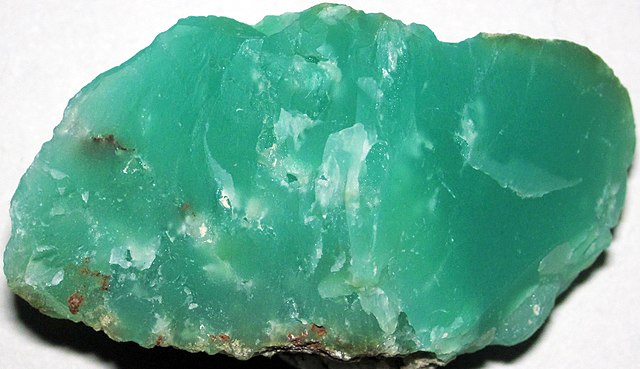
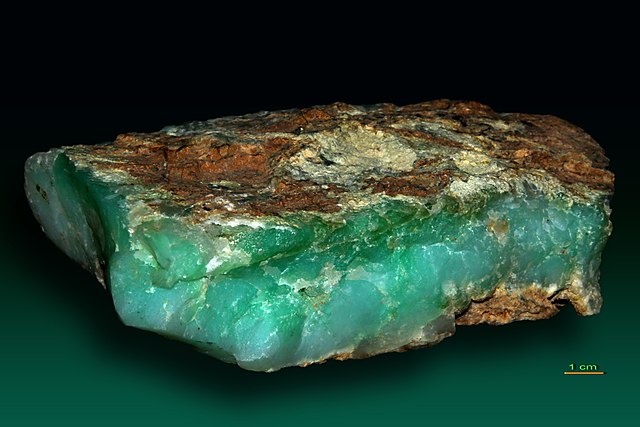
Chrysoprase_(Australia) ©WikiC

“The foundations of the wall of the city were adorned with all kinds of precious stones: the first foundation was jasper, …. the fifth sardonyx, the sixth sardius, the seventh chrysolite, the eighth beryl, the ninth topaz, the tenth chrysoprase, the eleventh jacinth, and the twelfth amethyst.” (Revelation 21:19a-20 NKJV)

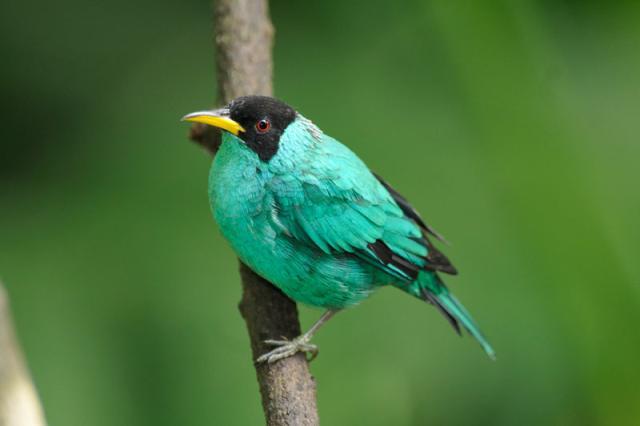
Green-honeycreeper by Wilds

We are now up to the tenth precious stone layer of the New Jerusalem. Wow!! So far, all the colors of the stones and birds have been beautiful. And remember, the colors we have been showing, will be so much more spectacular in heaven!

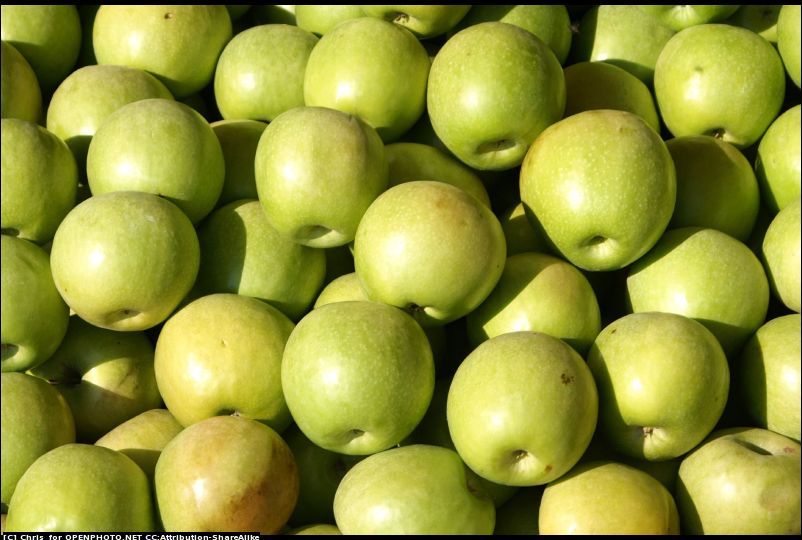
Fruit Green Apple

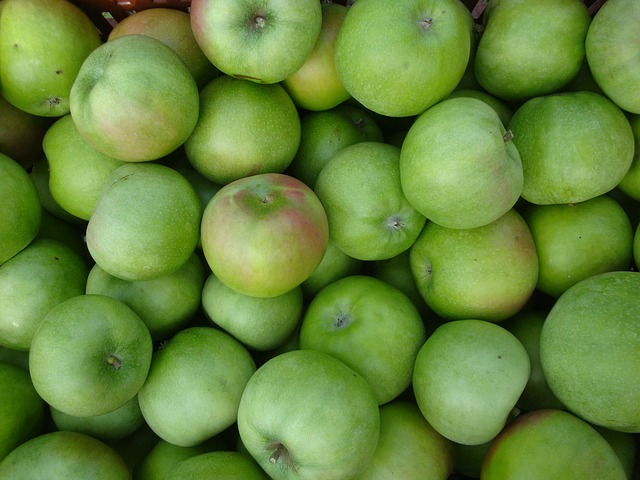
Green Apples

Chrysoprase (n.) An apple-green variety of chalcedony, colored by nickel. It has a dull flinty luster, and is sometimes used in jewelry.

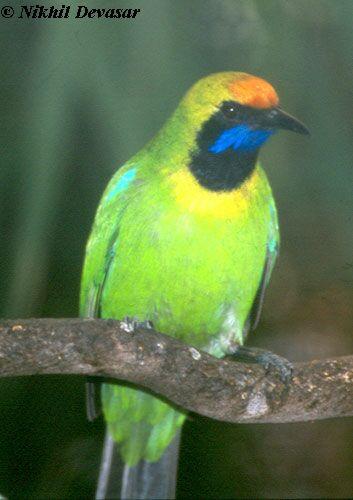
Golden-fronted Leafbird (Chloropsis aurifrons) by Nikhil Devasar

Golden-fronted Leafbird (Chloropsis aurifrons) by Nikhil Devasar

Chrysoprasus Golden leek, a precious stone of the colour of leek’s juice, a greenish-golden colour (Rev_21:20). [Easton’s Bible Dict.]

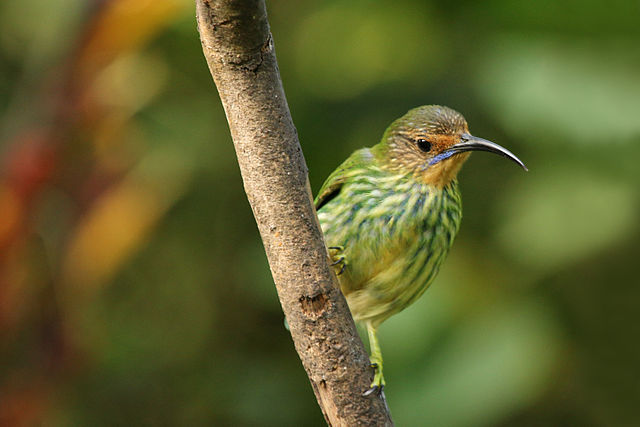
Purple Honeycreeper (Cyanerpes caeruleus) Female ©WikiC

CHRYSOPRASE, CHRYSOPRASUS Light-green variety of chalcedony mentioned as one the gems in foundation wall new Jerusalem… [ILumina]

Chryzopraz – Szklary, (Poland) ©WikiC

Revelation 21:20 “a chrysoprase is greenish and transparent, with gold specks;” [John Wesley notes]

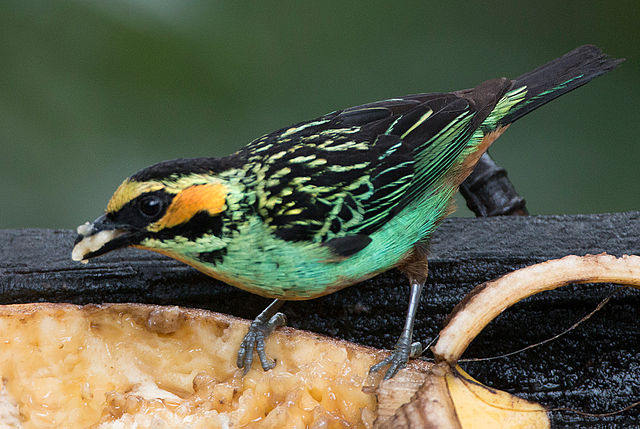
Golden-eared Tanager (Tangara chrysotis) ©WikiC

While searching the Birds of the World database, the first part of this stone’s name, “chrysop” listed many birds with a yellow color, but none with Chrysoprase. So, enjoy the birds, whether are a perfect match or not. All 10,700 plus of the birds are a fantastic gift for us from their Creator.

Other Articles In This Series so far:

Wages or a Gift?

Heaven’s New Jerusalem and Birds – Foundation Stones II

This is a repost of the original that appeared on (February 22, 2019)

Precious Stone

“O LORD, our Lord, How majestic is Your name in all the earth!” (Psalms 8:9 NASB)

Before matching the bird’s colors to the Foundation Stones, here are some facts and photos to help us understand the colors of the twelve foundations, if that is possible with our human minds. If the stones are this beautiful now, what will they be like in heaven?

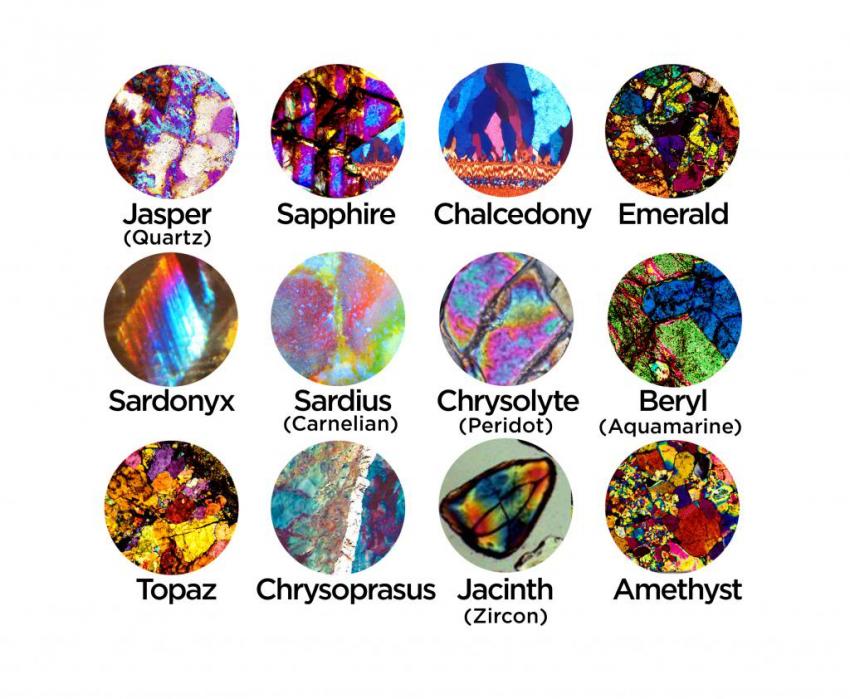
Very interesting article about The 12 Foundation Stones in New Jerusalem gives fact about these gems. “In the past century, it has been discovered that gems can be classified as either anisotropic or isotropic, and only recently have scientists discovered cross polarized light, which can be used to identify whether a gem is anisotropic or isotropic. When viewed in crossed-polarised light (similar to “pure” light), anisotropic stones produce a colourful array- reflecting all the colours of the rainbow, whereas isotropic stones lose all of their colour and appear black.”

There are some words in there that are new to me, like, anisotropic or isotropic, cross polarized light. Yet the next paragraph, is really informative:

“It’s interesting that, in Revelation chapter 21, there are 12 gems mentioned to be inlaid for decoration of the New Jerusalem, and ALL of these 12 gems are anisotropic gems, i.e., gems that can show colourful patterns under pure light…

Twelve Stones of Revelation 21 from Christian Evidence

We normally think of the colors of these stones as:

New Jerusalem Gemstones

It will be worth your time to read the article, especially, “What are the odds? The 12 Foundation Stones in New Jerusalem,

Here is a video showing the colors of these stones. [music can be muted]

“And the building of the wall of it was of jasper: and the city was pure gold, like unto clear glass. And the foundations of the wall of the city were garnished with all manner of precious stones. The first foundation was jasper; the second, sapphire; the third, a chalcedony; the fourth, an emerald; The fifth, sardonyx; the sixth, sardius; the seventh, chrysolite; the eighth, beryl; the ninth, a topaz; the tenth, a chrysoprasus; the eleventh, a jacinth; the twelfth, an amethyst.” (Revelation 21:18-20 KJV)

I am aware that the seven colors of the rainbow are not necessarily the order of the foundation, but this article is also worth reading:

The Colors of the Rainbow


What’s Its Name? – “elegans”

??? (Platycercus elegans) ©WikiC

In this post let’s investigate the name of “elegans.” Before I reveal what that means, let’s look at a few birds with “elegans” in its Scientific/Latin name.

elegans

??? (Malurus elegans) male-breeding ©WikiC

??? (Progne elegans) ©WikiC

??? (Emberiza elegans) ©WikiC

Elegant Crested Tinamou (Eudromia elegans) Cloud Forest at Zoo Miami by Lee

??? (Eudromia elegans) Cloud Forest at Zoo Miami by Lee

Buff-spotted Flufftail (Sarothrura elegans) ©©kibuyu

??? (Sarothrura elegans) ©©kibuyu

??? (Rallus elegans) Viera Wetlands 12-26-17 by Lee

That’s enough to give a view of some of the “elegans.” Just looking at the variety, I have no clue as to what “elegans” means. :)

This photo by Ian gives the whole birds name. Maybe it means “Elegant”?

"Yellow" Crimson Rosella (Platycercus elegans flaveolus) by Ian 4

“Yellow” Crimson Rosella (Platycercus elegans flaveolus) by Ian

Here are links to the birds above in order presented:

Crimson Rosella (Platycercus elegans)

Red-winged Fairywren (Malurus elegans)

Elegant Crested-Tinamou (Eudromia elegans)

Southern Martin (Progne elegans)

Yellow-throated Bunting (Emberiza elegans)

Elegant Crested-Tinamou (Eudromia elegans)

Buff-spotted Flufftail  (Sarothrura elegans)

King Rail (Rallus elegans)

After seeing all these beautiful Avian Wonders from the Lord, whatever the term means, I’m voting for ELEGANT!!!

“And God blessed them, saying, ‘Be fruitful and multiply, and fill the waters in the seas, and let birds multiply on the earth.’ ” (Genesis 1:22 NKJV)

Elegant Tern by Ian Montgomery

Elegant Tern by Ian Montgomery

Here are the rest of the “elegans” at Birds of the World – at Cornell Lab:

Brush Bronzewing (Phaps elegans)

Elegant Tern (Thalasseus elegans)

Subantarctic Shearwater (Puffinus elegans)

Ryukyu Scops-Owl (Otus elegans)

Elegant Trogon (Trogon elegans)

Chestnut Woodpecker Celeus elegans

Brazilian Laniisoma (Laniisoma elegans elegans) Pinterest

Brazilian Laniisoma (Laniisoma elegans elegans) Pinterest

Elegant Parrot (Neophema elegans)

Elegant Pitta (Pitta elegans)

Elegant Crescentchest (Melanopareia elegans)

Elegant Woodcreeper (Xiphorhynchus elegans)

Brazilian Laniisoma (Laniisoma elegans)

Elegant Tit (Periparus elegans)

WOW!!! WHAT A CREATOR!!

Formed By Him

Good News

Paintbrush Birds – Mandarin Duck

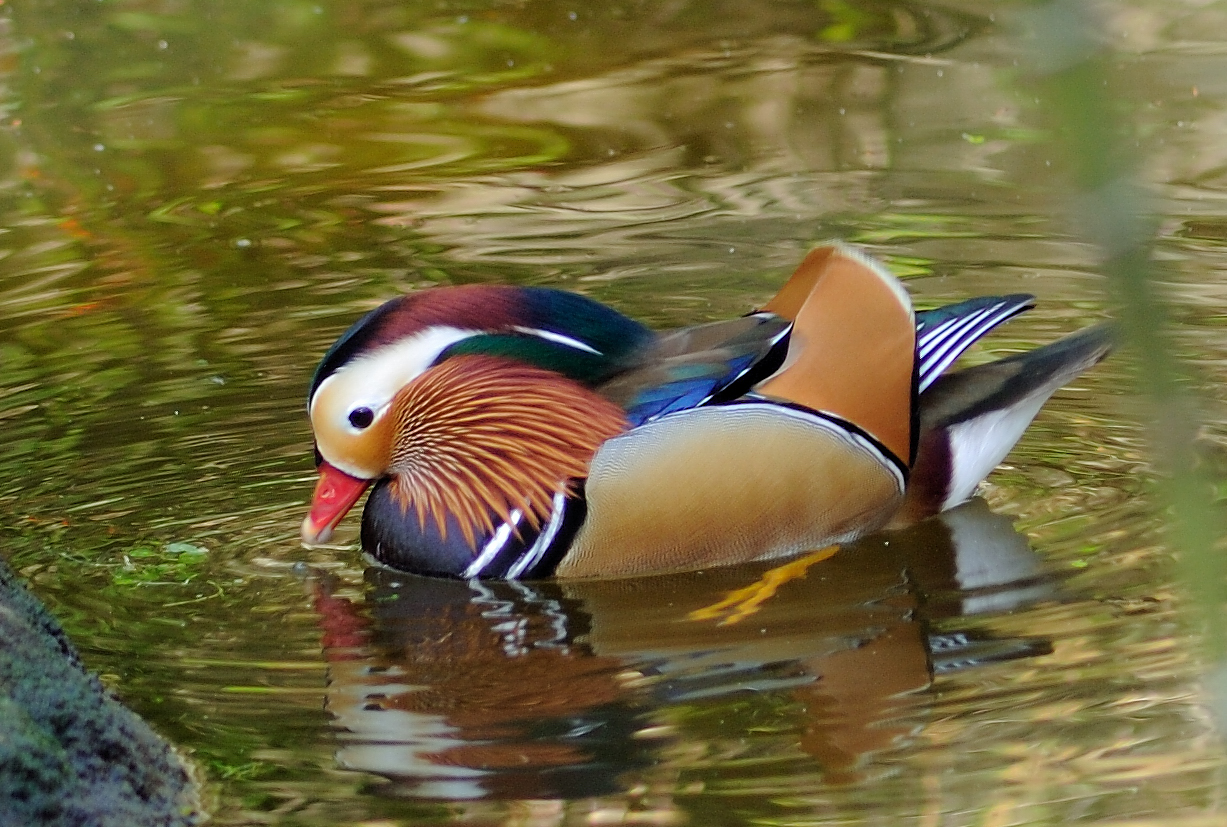
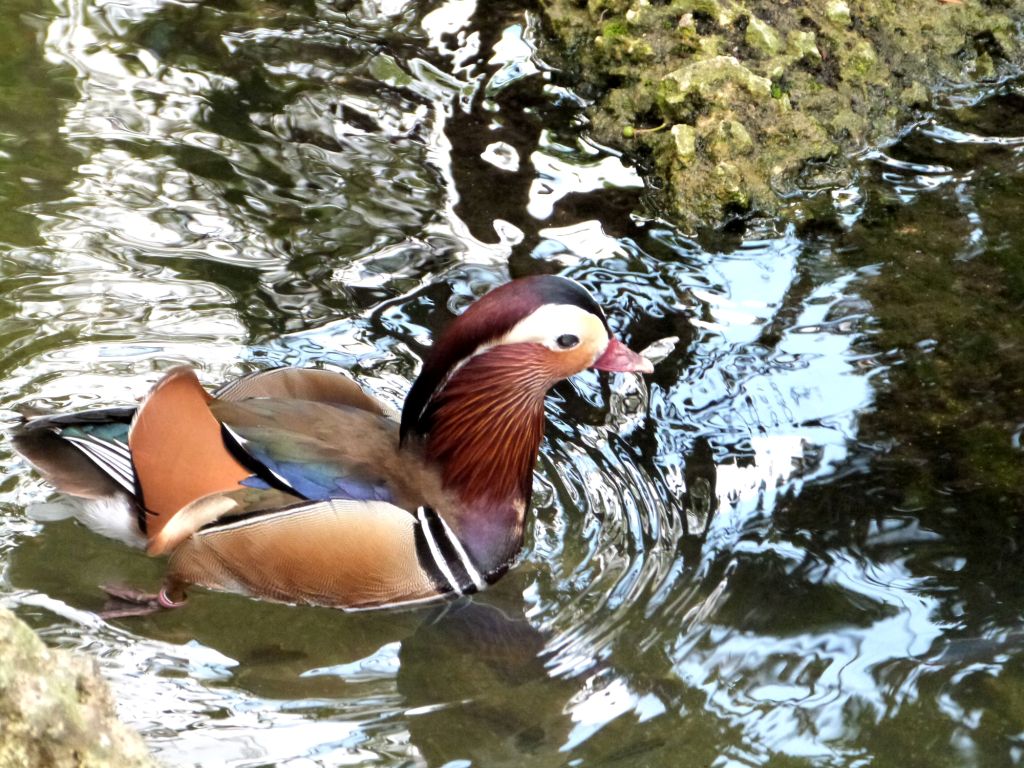
Mandarin Duck (Aix galericulata) by

Mandarin Duck (Aix galericulata) by Dan

Description and Details

The Mandarin Duck is definitely one of Our Creator’s Masterpieces, far as I’m concerned. I love my local Wood Ducks, but this duck is absolutely one of my favorites! My first glimpse of the Mandarin Ducks was at the Miami Zoo, now Zoo Miami, years ago. They have such clean lines and details that were and are just breathtaking! Later we viewed them many times at the Lowry Park Zoo in Tampa, now Zoo Tampa.

Mandarin Duck (Aix galericulata) Zoo Miami by Lee

Mandarin Duck (Aix galericulata) Zoo Miami by Lee

“In the wild, mandarin ducks breed in densely wooded areas near shallow lakes, marshes or ponds. They nest in cavities in trees close to water and during the spring, the females lay their eggs in the tree’s cavity after mating. A single clutch of nine to twelve eggs is laid in April or May. Although the male may defend the brooding female and his eggs during incubation, he himself does not incubate the eggs and leaves before they hatch. Shortly after the ducklings hatch, their mother flies to the ground and coaxes the ducklings to leap from the nest. After all of the ducklings are out of the tree, they will follow their mother to a nearby body of water.

Mandarins feed by dabbling or walking on land. They mainly eat plants and seeds, especially beech mast. The species will also add snails, insects and small fish to its diet. The diet of mandarin ducks changes seasonally; in the fall and winter, they mostly eat acorns and grains. In the spring, they mostly eat insects, snails, fish and aquatic plants. In the summer, they eat dew worms, small fish, frogs, mollusks, and small snakes. They feed mainly near dawn or dusk, perching in trees or on the ground during the day.” (Wikipedia with editing)
 

The Mandarin Duck has been featured before, and some of those articles are linked below. I rediscovered this video that I took at the Zoo:

Great Verses:

“And on the seventh day God ended his work which he had made; and he rested on the seventh day from all his work which he had made. And God blessed the seventh day, and sanctified it: because that in it he had rested from all his work which God created and made.” (Genesis 2:2-3 KJV)

“Have you not known? Have you not heard? The everlasting God, the LORD, The Creator of the ends of the earth, Neither faints nor is weary. His understanding is unsearchable.” (Isaiah 40:28 NKJV)


Previous Posts about the Mandarin Duck:

Gideon

Paintbrush Birds – Gouldian Finch

Gouldian Finch - Male adult @Wikipedia

Gouldian Finch – Male adult @Wikipedia

Paintbrush Birds – Gouldian Finch

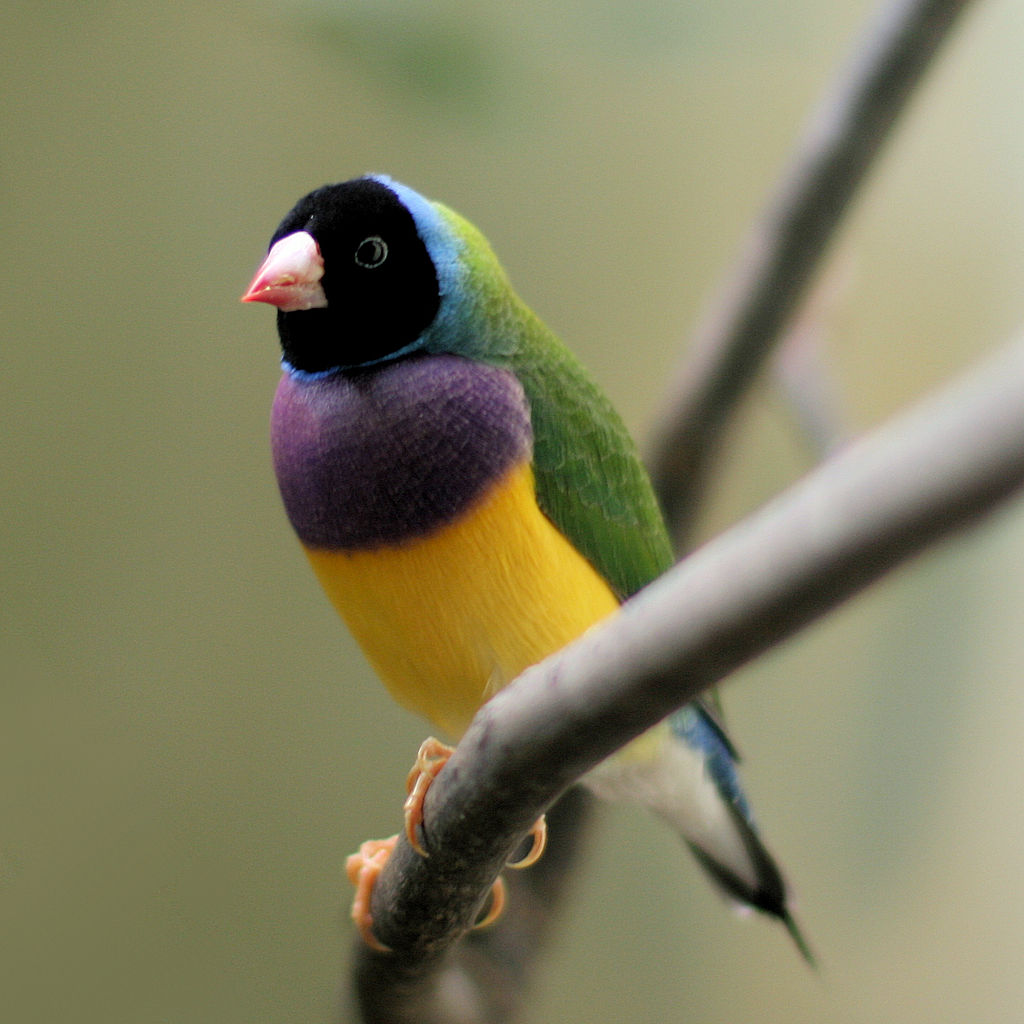
The Gouldian finch (Chloebia gouldiae), also known as the Lady Gouldian finch, Gould’s finch or the rainbow finch, is a colorful passerine bird that is native to Australia. Both sexes are brightly colored with black, green, yellow, and red markings. The females tend to be less brightly colored. One major difference between the sexes is that the male’s chest is purple, while the female’s is a lighter mauve.

Gouldian finches’ heads may be red, black, or yellow. Formerly considered three different kinds of finches, it is now known that these are color variants that exist in the wild. Selective breeding has also developed mutations (blue, yellow and silver instead of a green back) in both body and breast color.

Black-headed male Gouldian @Finch Frankfurt Zoo

Black-headed male Gouldian Finch @Frankfurt Zoo

Prior to the Australian government’s ban on the export of Australian fauna, Gouldian finches were exported worldwide. These birds have resulted in viable breeding populations being held in many countries.

Captive breeding has resulted in several colour mutations. Mutations vary by country, with some existing only in Australia (the Australian yellow and the Australian “dilute”) and others existing in greater number in the United States, such as the blue bodied Gouldian. The most common body mutations in the United States are blue, pastel green (single and double-factor, resulting in “dilute” and yellow males and yellow females), and pastel blue (again, single and double-factor producing “pastel” and silver males, and silver hens).

(Wikipedia with editing)

FUN FACTS – San Diego Zoo

  • Only the male Gouldian finch sings.
  • The Gouldian finch is also known as the Lady Gould’s finch, named for the wife of John Gould, a famous 19th century British ornithologist and artist.
  • Gouldian finches prefer temperatures constantly above 80 degrees Fahrenheit (27 degrees Celsius).

What a beautiful colorful array of the rainbow.

Great Verses:

“Many, O LORD my God, are Your wonderful works Which You have done; And Your thoughts toward us Cannot be recounted to You in order; If I would declare and speak of them, They are more than can be numbered.” (Psalms 40:5 NKJV)

“We will not hide them from their children, Telling to the generation to come the praises of the LORD, And His strength and His wonderful works that He has done.” (Psalms 78:4 NKJV)

What will you do with Jesus?

Paintbrush Birds – Wood Ducks

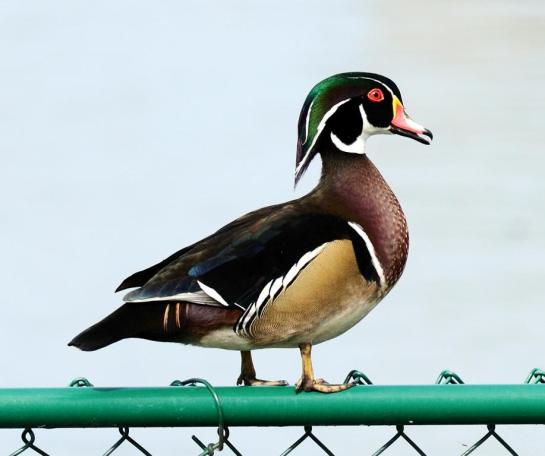
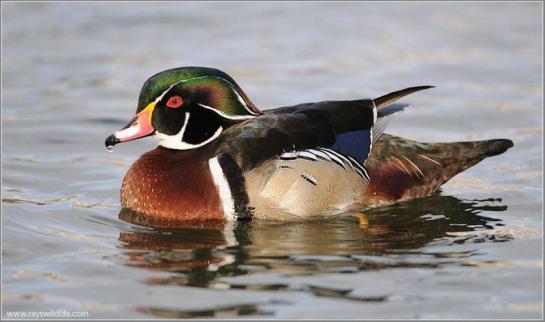
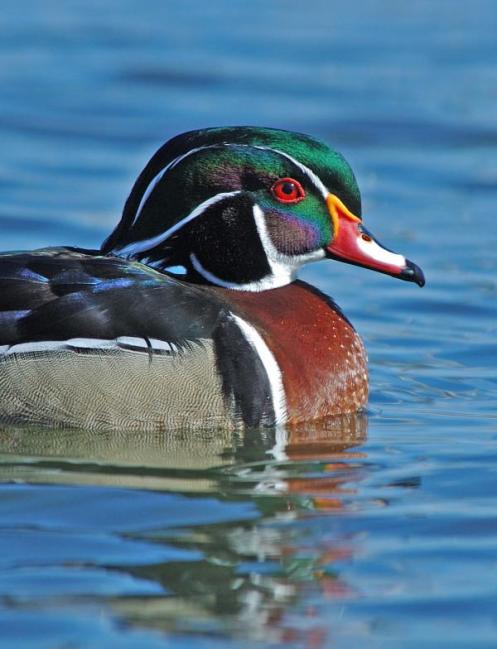
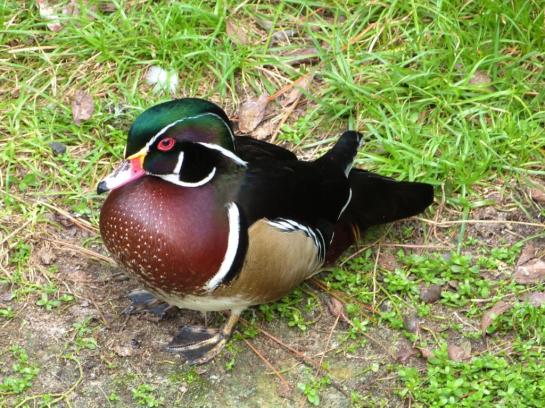
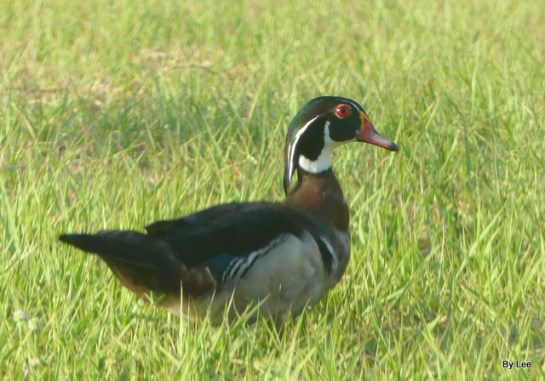
My most favorite duck is the Wood Duck. To me, it seems as if someone took a paintbrush and created such a beautiful Avian Wonder. Of course, that Creator was the Lord Jesus Christ, who is the Great Creator. So, the Wood Duck is our first Paintbrush Bird to start off another new Series. Paintbrush Birds

“In the beginning was the Word, and the Word was with God, and the Word was God. The same was in the beginning with God. All things were made by him; and without him was not any thing made that was made.” (John 1:1-3 KJV)

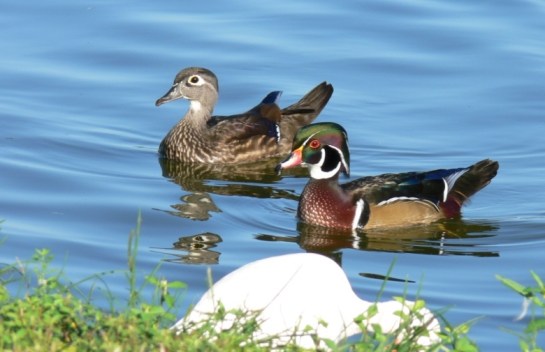
This picture that Dan took at Lake Hollingsworth, in Lakeland, Florida, is real. I was right there beside Dan when we took photos. Of course, his turned out the best, and it is not a painting.

Mr and Mrs Wood Duck by Lee

Mr and Mrs Wood Duck by Lee at Lake Hollingsworth

When we watch the birds, I have to just pause in awe at colors and designs of the birds. Everywhere we look, if our eyes are truly open, we can see that these Avian Wonders just didn’t evolve.

“So God created great sea creatures and every living thing that moves, with which the waters abounded, according to their kind, and every winged bird according to its kind. And God saw that it was good. And God blessed them, saying, “Be fruitful and multiply, and fill the waters in the seas, and let birds multiply on the earth.” (Genesis 1:21-22 NKJV)

The animals, birds, fish, and even humans are under the curse now, but what might the originally created have looked like? Wow! I WOW! now when I see the beauty that is around us even now. I also see the scars from the fall around also.

Back to this series I’m starting. The desire is to showcase some of these birds that look like they were “hand-painted.” Also, after finding similar post, more information will be given about the bird itself. Trust you enjoy these efforts.

Wood Ducks belong to the Anatidae Family Here is a previous video from the Petersen Birding videos here. It is definitely worth watching. It provides quite a lot of information about this beautifully created Wood Duck.

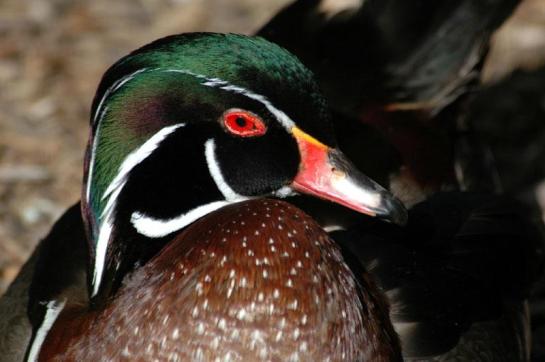
Here are a few close ups of the Wood Duck. You decide about the “Painter!”

I just realized while viewing Ray’s Wood Duck that I have the five colors I need to make another Wordless Bird. Red, Yellow, Black, White and Green.

Previous Articles about the Wood Duck:

Our Ducky Backyard

“D” is for Ducks, Dabblers and Divers: “D” Birds, Part 1 by JJSJ

While looking for more Wood Duck articles, I found these interesting post along the same ideas as this “new” series, that may not be so “new” :)


Birds That Can’t Fly – Creation Moments

Birds That Can’t Fly – Creation Moments

Genesis 1:21

“And God created great whales, and every living creature that moveth, which the waters brought forth abundantly, after their kind, and every winged fowl after his kind: and God saw that it was good.”

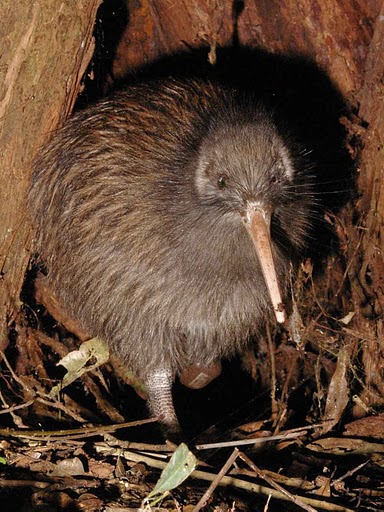
There are quite a number of birds that cannot fly. This sometimes surprises us, but it shouldn’t. We tend to wonder how they “lost” the ability to fly, but, although there are some species that might possibly have lost an ability to fly (as losing such an ability usually involves loss of information, not spontaneous creation), there is no reason to suppose that many have lost an ability. After all, we do not wonder at mammals that fly (i.e., bats), and we accept that these were created on Day Five, whereas most mammals were made on Day Six. In the same way, most flightless birds seem to be perfectly designed the way that they are. Ratite birds, for example, have no keel on their sternum. The keel is what anchors muscles to the wings, to enable flight. But birds like ostriches, rheas, emus and kiwis show no evidence, either in extant species or in the fossil record, to suggest that they ever had a structure. Therefore, they have not evolved into such a state – they were designed like that by God because that is the best design for us.

Other birds are flightless for other reasons. Penguins, for example, do not fly, but they do sort-of fly through water! Again, this requires a particular type of design that could not arise by itself. God designed penguins just perfectly for their habitat and their lives.

Flightless birds do not support evolutionary ideas. God created them as He saw fit.

Prayer: Thank You Father, even for those creatures that seem so strange to us! But they are part of Your overall design, and they give witness to Your creative power. Amen.

Author: Paul F. Taylor

Ref: O’daniel, D. (2015), Flightless Birds—Alternate Flight Plan, < https://answersingenesis.org/birds/flightless-birds-alternate-plan/ >, accessed 1/30/2019. Image: CC BY-SA 2.5 Generic.

North Island Brown Kiwi (Apteryx mantelli) by Derek©©

Lesser Rhea (Rhea pennata) ©WikiC

Common Ostrich (Struthio camelus) Memphis Zoo by Lee

Common Ostrich (Struthio camelus) Memphis Zoo by Lee

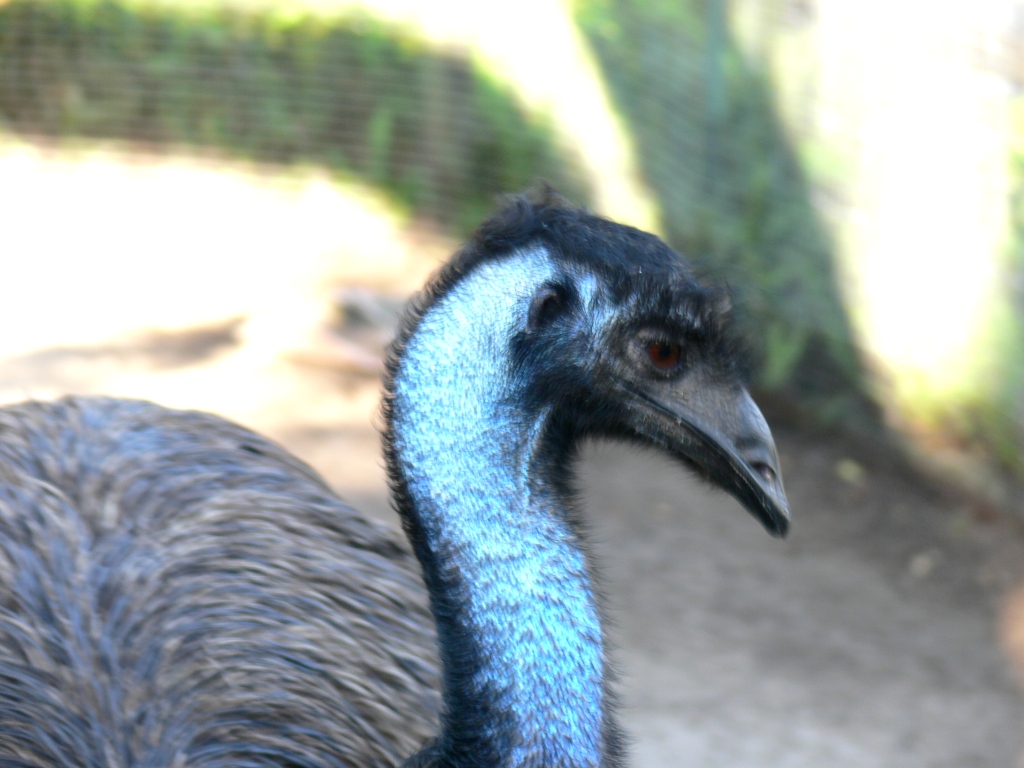
Emu (Dromaius novaehollandiae) Lowry Pk Zoo

Emu ((Dromaius novaehollandiae) Zoo Tampa by Lee

Creation Moments

More When I Consider Articles

Good News Tracts

Artistic Birds – Peafowls or Peacocks

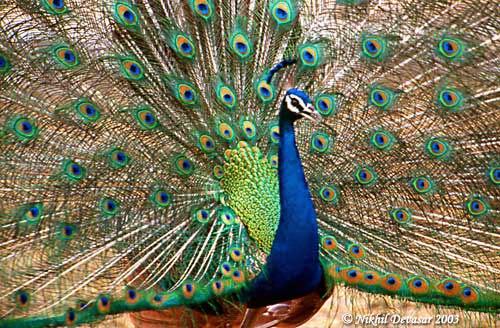
Indian Peafowl (Pavo cristatus) by Nikhil Devasar

Gavest thou the goodly wings unto the peacocks? or wings and feathers unto the ostrich?  (Job 39:13)

Before we leave the Phasianidae Family, there is a bird that is very familiar to many that shows God’s Creative and Artistic Hand at work. We always enjoy watching them. The Peacock/Peafowl is also listed as a Bird of the Bible.

Indian Peafowl (Pavo cristatus) at Cincinnati Zoo by Lee

Indian Peafowl (Pavo cristatus) at Cincinnati Zoo by Lee

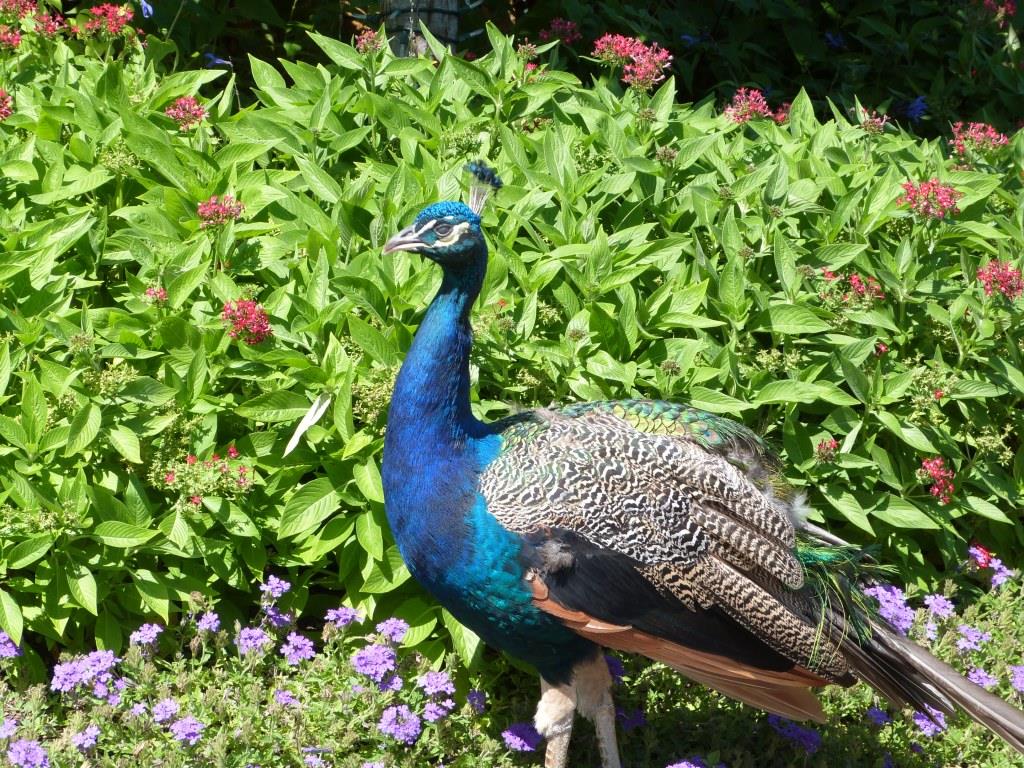
Peafowl is a common name for three species of birds in the genera Pavo and Afropavo of the Phasianidae family, the pheasants and their allies. Male peafowl are referred to as peacocks, and female peafowl as peahens.] The two Asiatic species are the blue or Indian peafowl originally of the Indian subcontinent, and the green peafowl of Southeast Asia; the one African species is the Congo peafowl, native only to the Congo Basin. Male peafowl are known for their piercing calls and their extravagant plumage. The latter is especially prominent in the Asiatic species, which have an eye-spotted “tail” or “train” of covert feathers, which they display as part of a courtship ritual.

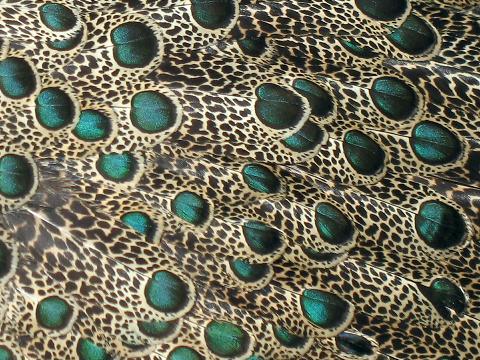
Malayan Peacock-Pheasant (Polyplectron malacense) Feathers ©WikiC

Malayan Peacock-Pheasant (Polyplectron malacense) Feathers ©WikiC

“For the king had at sea a navy of Tharshish with the navy of Hiram: once in three years came the navy of Tharshish, bringing gold, and silver, ivory, and apes, and peacocks.” (1 Kings 10:22 KJV)

Peacock at Magnolia Plantation by Dan

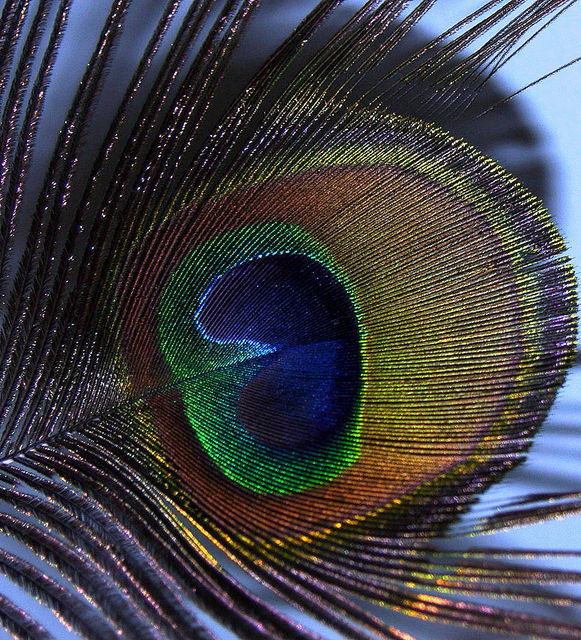
Peacock Feather

Peacock Feather by Lee

“For the king’s ships went to Tarshish with the servants of Huram: every three years once came the ships of Tarshish bringing gold, and silver, ivory, and apes, and peacocks.” (2 Chronicles 9:21 KJV)

13. Peacock

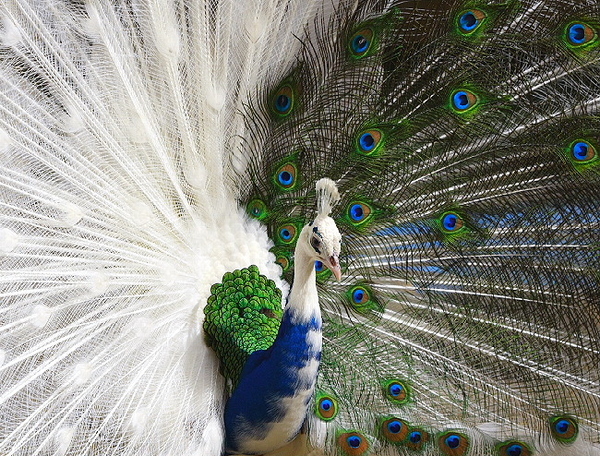
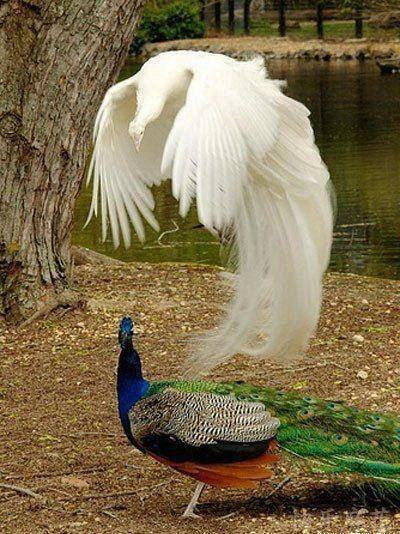
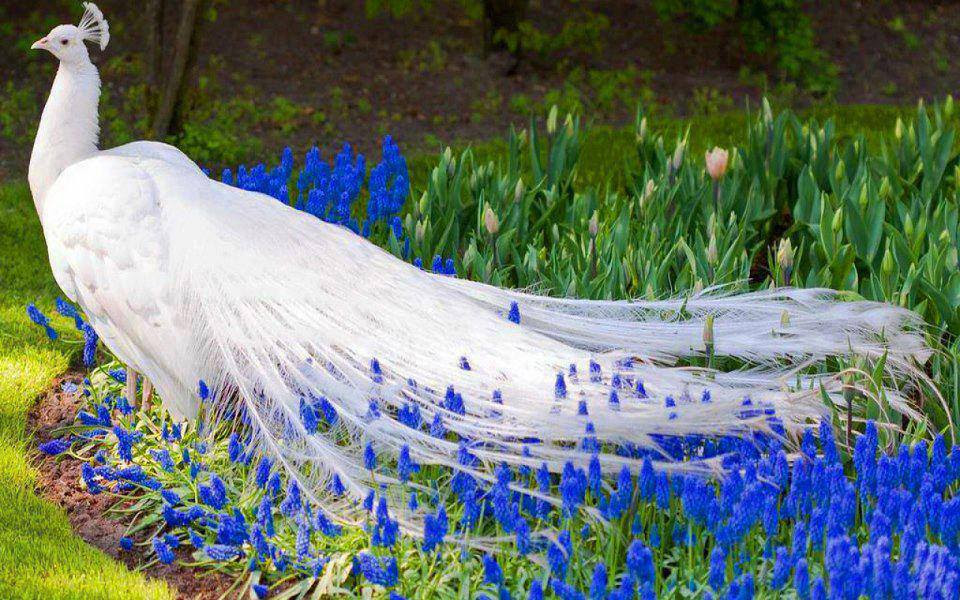
White Peacock

White and Regular Peacocks from email

White Peacock from email

Wow! What another beautiful artistic Avian Wonder from our Lord.

Artistic Work In Birds – Introduction

Wordless Birds

Artistic Birds – Galliformes Order – Monal

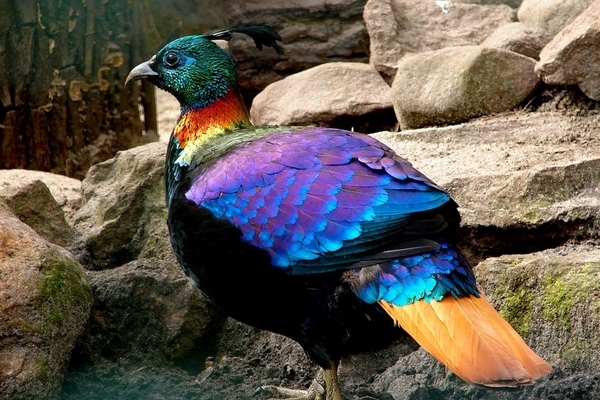
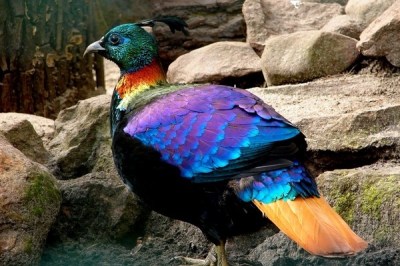
1. Himalayan Monal

Himalayan Monal (Lophophorus impejanus)

In the Artistic Birds – Galliformes Order I, you were introduced to some of the birds the Bare-faced Curassow, Crested Guineafowl, Gambel’s Quail, and the beautifully designed Golden Pheasant.

The Himalayan Monal definitely can be described by this verse, relating to the design of the tabernacle.

“He has filled them with skill to do all manner of work of the engraver and the designer and the tapestry maker, in blue, purple, and scarlet thread, and fine linen, and of the weaver—those who do every work and those who design artistic works.” (Exodus 35:35 NKJV) [emphasis added]

If you missed the introduction, we are referring to the Master Designer, the Lord Jesus Christ.
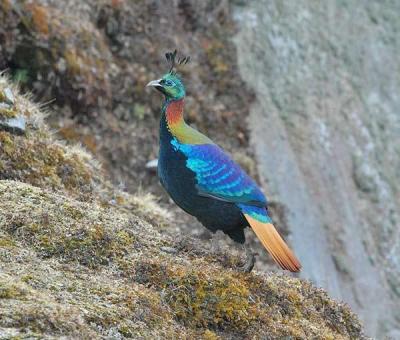
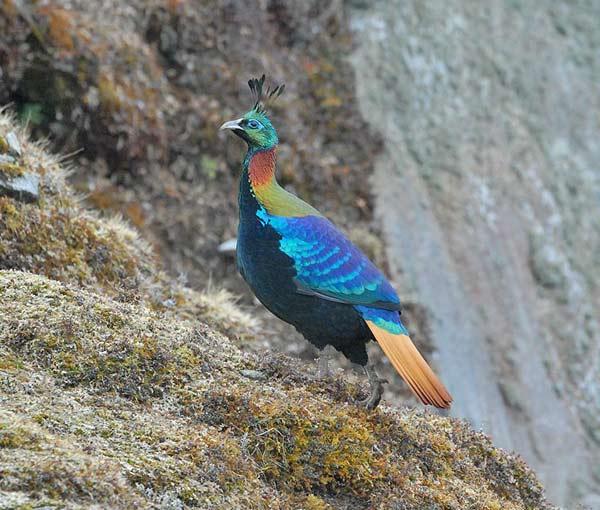
Himalayan Monal (Lophophorus impejanus) by Nikhil

“The Himalayan monal (Lophophorus impejanus), also known as the Impeyan monal and Impeyan pheasant, is a bird in the pheasant family, Phasianidae. It is the national bird of Nepal, where it is known as the danphe, and state bird of Uttarakhand, India, where it is known as the monal. It was also the state bird of Himachal Pradesh until 2007. The scientific name commemorates Lady Mary Impey, the wife of the British chief justice of Bengal Sir Elijah Impey.
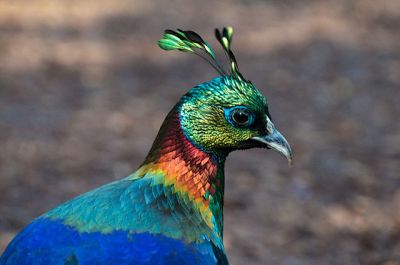
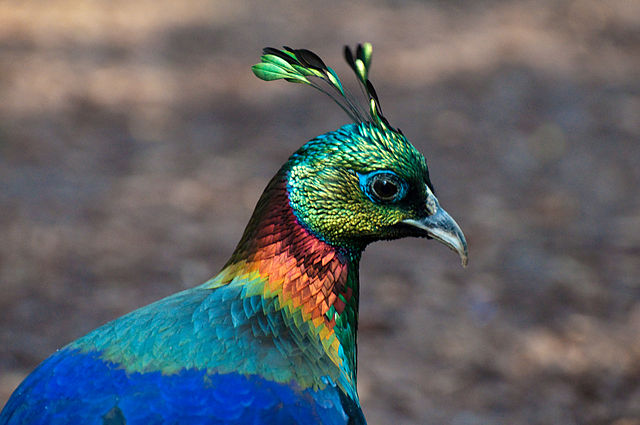
Himalayan Monal (Lophophorus impejanus) ©WikiC

It is a relatively large-sized pheasant. The bird is about 70 centimetres long. The male weighs up to 2380 grams and the female 2150. The adult male has multi coloured plumage throughout, while the female, as in other pheasants, is more subdued in colour. Notable features in the male include a long, metallic green crest, coppery feathers on the back and neck, and a prominent white rump that is most visible when the bird is in flight. The tail feathers of the male are uniformly rufous, becoming darker towards the tips, whereas the lower tail coverts of females are white, barred with black and red.
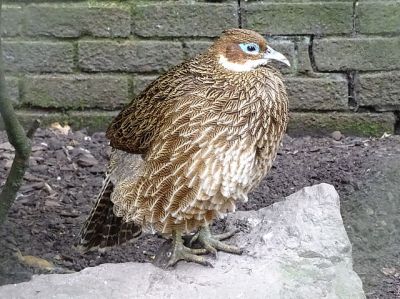
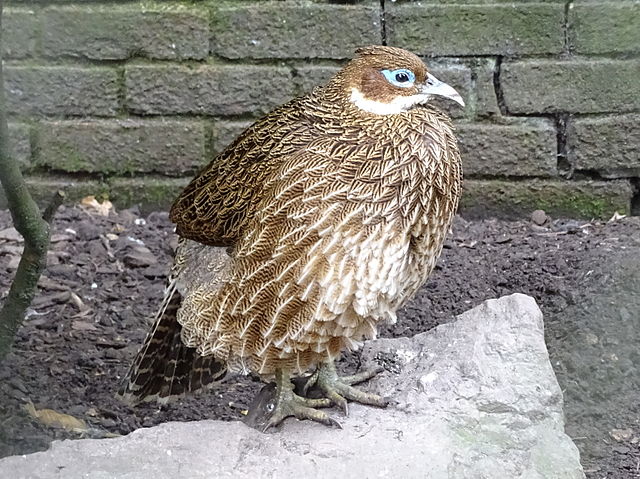
Himalayan Monal (Lophophorus impejanus) Female ©WikiC

The female has a prominent white patch on the throat and a white strip on the tail. The first-year male and the juvenile resemble the female, but the first-year male is larger and the juvenile is less distinctly marked.
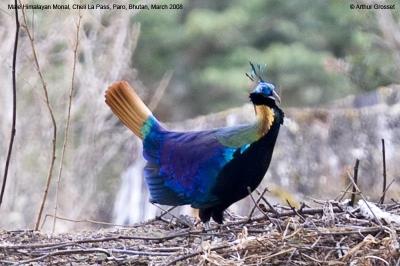
Himalayan Monal (Lophophorus impejanus) ©Arthur Grosset

The Himalayan monal’s native range extends from Afghanistan and Pakistan through the Himalayas in India, Nepal, southern Tibet, and Bhutan.[1] In Pakistan, it is most common in the Khyber Pakhtunkhwa province and has also been recorded in Kaghan, Palas Valley, and Azad Kashmir.[3] It lives in upper temperate oak-conifer forests interspersed with open grassy slopes, cliffs and alpine meadows between 2400 and 4500 meters, where it is most common between 2700 and 3700 meters. It descends to 2,000 m (6,600 ft) in the winter. It tolerates snow and digs through it to obtain plant roots and invertebrate prey.

GALLIFORMES – Fowl, Quail, Guans, Currasows, Megapodes

Phasianidae – Pheasants & Allies

Artistic Work In Birds – Introduction

Wordless Birds

Avian and Attributes – Sun

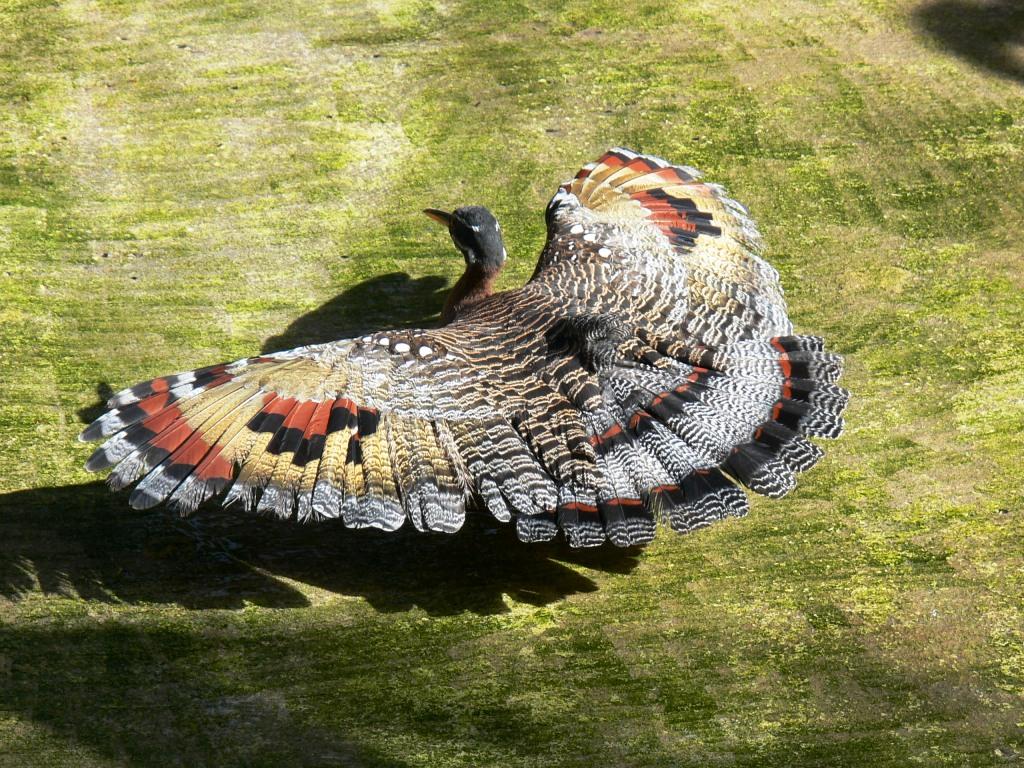
Sunbittern (Eurypyga helias) by Lee at Lowry Park Zoo

Sunbittern (Eurypyga helias) by Lee at Lowry Park Zoo

To Him who made great lights, For His mercy endures forever— The sun to rule by day, For His mercy endures forever; The moon and stars to rule by night, For His mercy endures forever.” (Psalms 136:7-9 NKJV)

SUN, n.
1. The splendid orb or luminary which, being in or near the center of our system of worlds, gives light and heat to all the planets. The light of the sun constitutes the day, and the darkness which proceeds form its absence, or the shade of the earth, constitutes the night. Psalm 136.
2. In popular usage, a sunny place; a place where the beams of the sun fall; as, to stand in the sun, that is, to stand where the direct rays of the sun fall.
3. Any thing eminently splendid or luminous; that which is the chief source of light or honor. The natives of America complain that the sun of their glory is set.
I will never consent to put out the sun of sovereignty to posterity.
4. In Scripture, Christ is called the sun of righteousness, as the source of light, animation and comfort to his disciples.
5. The luminary or orb which constitutes the center of any system of worlds. The fixed stars are supposed to be suns in their respective systems.
Under the sun, in the world; on earth; a proverbial expression.
There is no new thing under the sun. Ecclesiastes  1.

“That which has been is what will be, That which is done is what will be done, And there is nothing new under the sun.” (Ecclesiastes 1:9 NKJV)”

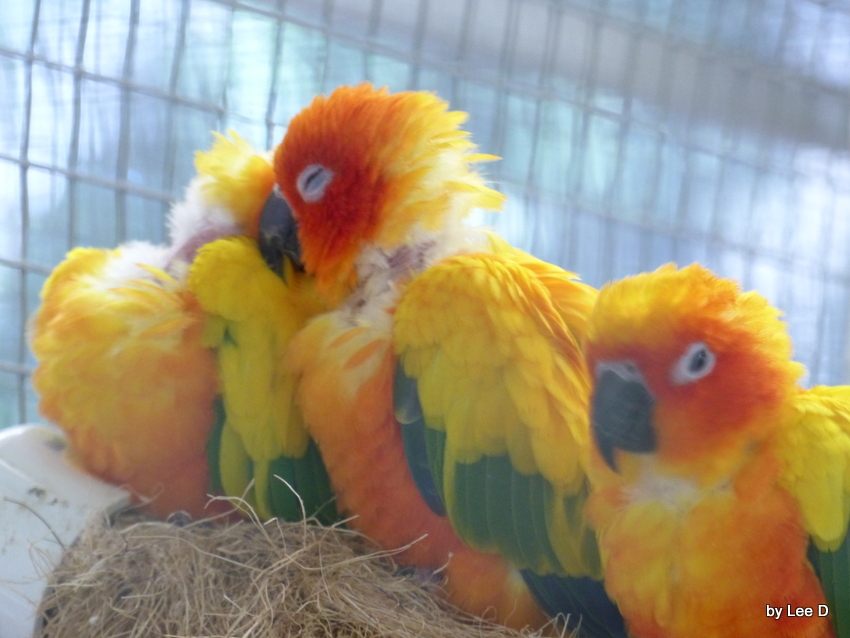
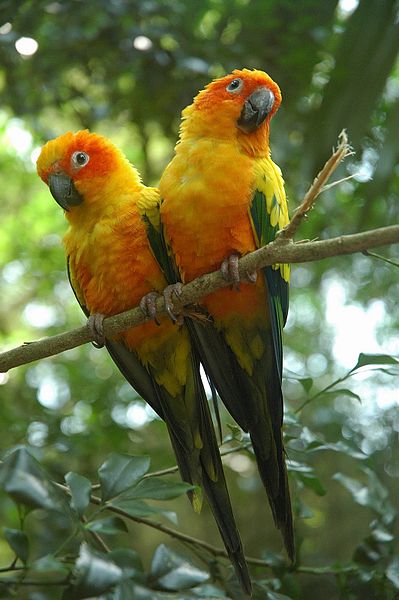
Sun Parakeet (Aratinga solstitialis) at Parrot Mtn by Lee

SUN, v.t. To expose to the sun’s rays; to warm or dry in the light of the sun; to insolate; as, to sun cloth; to sun grain.
–Then to sun thyself in open air.

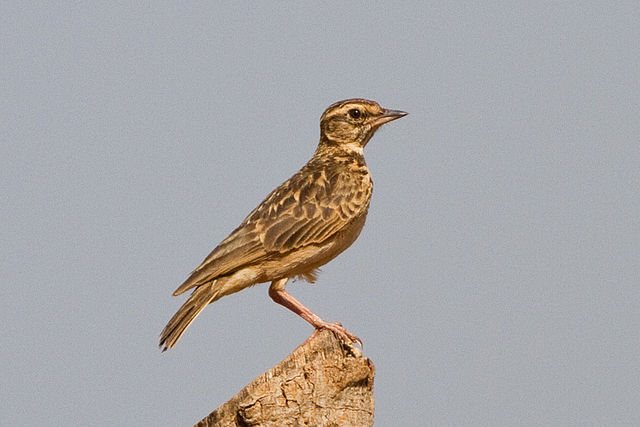
Sun Lark (Galerida modesta)

Sun Lark (Galerida modesta)

The Sun Lark (Galerida modesta) or Nigerian Sun Lark is a species of lark in the family Alaudidae. It inhabits a broad horizontal area south of the Sahel, ranging from Guinea to South Sudan. Its natural habitats are dry savannah and subtropical or tropical dry lowland grassland. (Wikipedia)

Sun Parakeet (Aratinga solstitialis) ©WikiC

The Sun Parakeet (Aratinga solstitialis), also known in aviculture as the Sun Conure, is a medium-sized, vibrantly colored parrot native to northeastern South America. The adult male and female are similar in appearance, with predominantly golden-yellow plumage and orange-flushed underparts and face. Sun parakeets are very social birds, typically living in flocks. They form monogamous pairs for reproduction, and nest in palm cavities in the tropics. Sun parakeets mainly feed on fruits, flowers, berries, blossoms, seeds, nuts, and insects. (Wikipedia)

More Avian and Attributes

Birds whose first name starts with “S”
Good News

*
[Definitions from Webster’s Dictionary of American English (1828), unless noted. Bird info from Wikipedia plus.]