***

CLOTHED WITH A VESTURE DIPPED IN BLOOD
***
“And he was clothed with a vesture dipped in blood: and his name is called The Word of God.” (Revelation 19:13 KJV)
Blood Pheasant (Ithaginis cruentus) ©WikiC
*
*
“And he was clothed with a vesture dipped in blood: and his name is called The Word of God.” (Revelation 19:13 KJV)
Blood Pheasant (Ithaginis cruentus) ©WikiC
*
*

Vesper Sparrow (Pooecetes gramineus) ©WikiC
“Yea, the sparrow hath found an house, and the swallow a nest for herself, where she may lay her young, even thine altars, O LORD of hosts, my King, and my God.” (Psalms 84:3 KJV)
This week, as we continue in the Emberizidae – Buntings, New World Sparrows and allies Family, the next 50 or so will be highlighted. That will leave us with the last of the Emberizidae Family III and/or IV to finish up this family. Last week’s Sunday Inspiration had most of the Buntings from this Family.
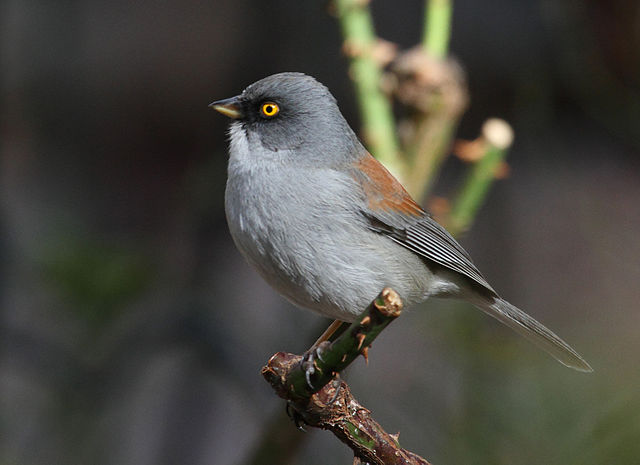
Yellow-eyed Junco (Junco phaeonotus) ©WikiC
American sparrows are a group of mainly New World passerine birds, forming part of the family Emberizidae. American sparrows are seed-eating birds with conical bills, brown or gray in color, and many species have distinctive head patterns.
Although they share the name sparrow, American sparrows are more closely related to Old World buntings (which are also in the family Emberizidae) than they are to the Old World sparrows (family Passeridae). American sparrows are also similar in both appearance and habit to finches, with which they sometimes used to be classified. (Wikipedia)
Many of the sparrows are just called “Little Brown Jobs” or LBJs. They are very numerous and common, yet they are special to the Lord. Matthew 10 quotes the Lord with these verses:
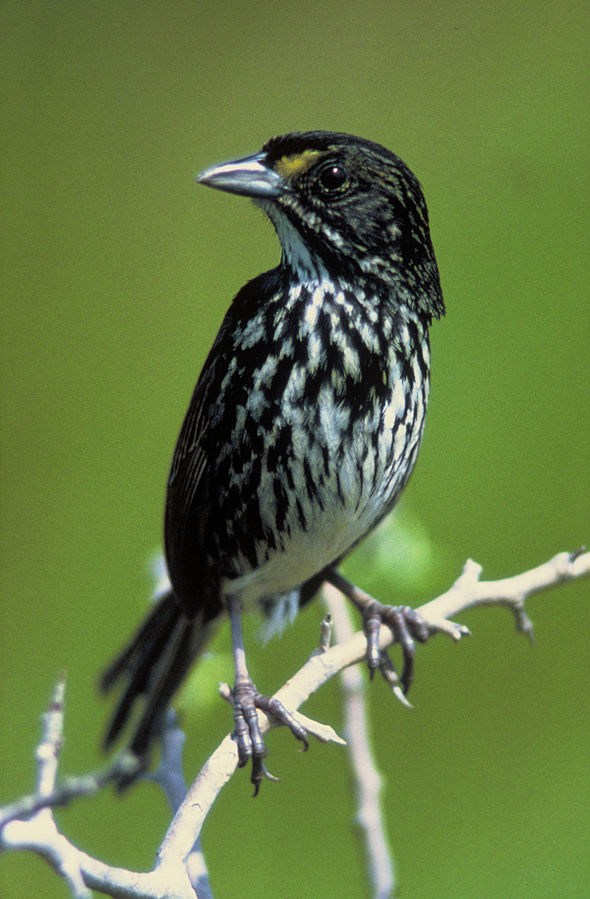
Seaside Sparrow (Ammodramus maritimus) (Dusky-extinct) ©WikiC
“Are not two sparrows sold for a farthing? and one of them shall not fall on the ground without your Father.” (Matthew 10:29 KJV)

Chipping Sparrow (Spizella passerina) by Daves BirdingPix
“Fear ye not therefore, ye are of more value than many sparrows.” (Matthew 10:31 KJV)
When a person knows the Lord he needs not to fear.
“Trust in the LORD, and do good; so shalt thou dwell in the land, and verily thou shalt be fed.” (Psalms 37:3 KJV)
“His Eye Is On The Sparrow” ~ Kathy Lisby – Special at Faith Baptist
Emberizidae – Buntings, New World Sparrows & Allies
Birds of the Bible – Little Brown Jobs
Birds of the Bible – Sparrows
*
Cactus Wren (Campylorhynchus brunneicapillus) by Lee
“Wilt thou set thine eyes upon that which is not? for riches certainly make themselves wings; they fly away as an eagle toward heaven.” (Proverbs 23:5 KJV)
“Hast thou not known? hast thou not heard, that the everlasting God, the LORD, the Creator of the ends of the earth, fainteth not, neither is weary? there is no searching of his understanding.” (Isaiah 40:28 KJV)

Mute Swan (Cygnus olor)II at Bok Tower By Dan’sPix
*
*

“And they clothed him with purple, and platted a crown of thorns, and put it about his head,” (Mark 15:17 KJV)
Purple Sunbird (Cinnyris asiaticus) ©WikiC-J M Garg
*
*
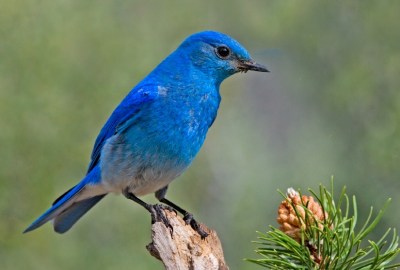
Mountain Bluebird (Sialia currucoides) ©Elaine R Wilson WikiC
“Which were clothed with blue, captains and rulers, all of them desirable young men, horsemen riding upon horses.” (Ezekiel 23:6 KJV)
*
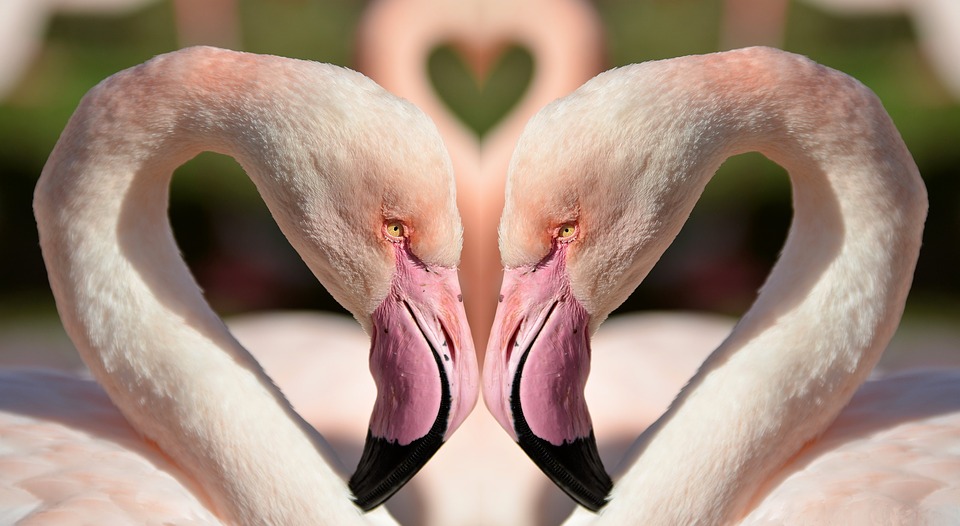
“I love the LORD, because he hath heard my voice and my supplications.” (Psalms 116:1 KJV)
Flamingos In Love ©Pixabay
*
*
Barreleyes (Opisthoproctus soleatus) ©WikiC
“Behold, I am the LORD, the God of all flesh: is there any thing too hard for me?” (Jeremiah 32:27)
Almost all sighted animals that aren’t insects see with eyeballs. But that is not true of a fish named barreleyes, and that’s for a good reason.
Barreleyes has that name because instead of eyeballs, the fish sees through tubes. The fish live a third of a mile below the surface, so studying them in detail was not possible until the last few decades. Barreleyes can move its eyetubes in different directions, depending on what it wants to look at. Even stranger, the eyetubes are inside the forehead and do not come into contact with the water at all. How can it see if its vision organs are inside its head? It has a transparent forehead filled with transparent liquid. What is the purpose of such a strange arrangement? Scientists believe that barreleyes eat siphonophores, which are jellyfish-like creatures that sting. The transparent forehead protects its eyes from getting stung.
Barreleyes’ uniquely designed eyes are impossible to explain with gradual evolutionary modifications of regular fish eyes. Yet, they are well designed for barreleye’s unusual way of making a living. As Scripture reminds us several times, nothing is too hard for God. As we read Scripture’s record of what God has done in the past and what He has promised He still will do, especially for His people, this reminder is a comfort.
Prayer:
Father, when I read of what You have promised me, remind me that nothing is too hard for You. Amen.
Notes:
Susan Millius, “Barreleye peers at the world like a fighter pilot does through a windshield.”
©Creation Moments 2016
Lee’s Addition:

Barreleye Fish ©Bit.ly
Is that amazing or what? Here is a YouTube I found for you to see this amazingly created critter from our Fabulous Creator:
*

“And thou shalt teach them ordinances and laws, and shalt shew them the way wherein they must walk, and the work that they must do.” (Exodus 18:20)
Walking Chicks ©GettyImages
*
*
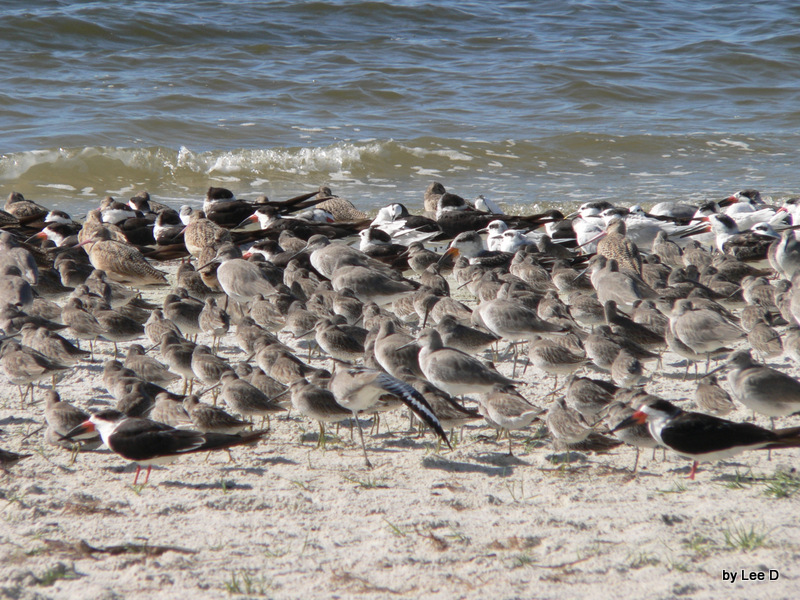
“I know all the birds of the mountains, And the wild beasts of the field are Mine.” (Psalms 50:11 NKJV)
Watching Birds at MacDill AFB Shore by Lee
*
*
Ian’s Bird of the Week – Southern Lapwing ~ by Ian Montgomery
Newsletter – 5/24/16
It is, I regret more than a month since last bird of the “week” so you have probably given me up for lost or worse, unless of course you’ve been so busy too that you haven’t noticed. Anyway, I’m now at Brisbane airport waiting for a flight, so you have my undivided attention for at least half an hour.

I’m continuing the series of global Lapwings, with a South American one, the Southern Lapwing. It’s crest gives it a superficial resemblance to the Northern Lapwing of Eurasia, but it’s not a very close relative and used to be in its own monotypic (single species) genus.
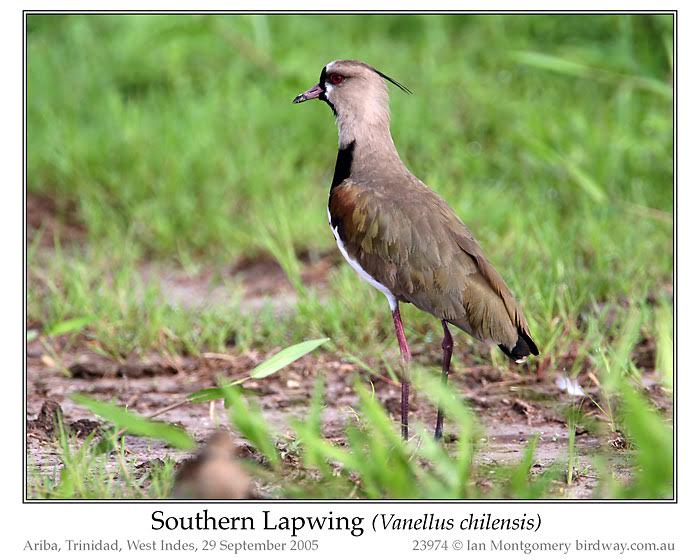
It has a wide distribution from the tip of Tierra del Fuego in the south to Nicaragua in Central America. Interestingly, there are two Lapwing species in South America (the other is the Andean Lapwing) but none in North America, odd given the almost global distribution of Lapwing species so one would wonder how their ancestors got around.

The Southern Lapwing lacks the gentle manners of its Northern counterpart and is noisy and aggressive like the Masked Lapwing of Australia. In fact, in Brazil and Chile it is often kept with wings clipped as a guard ‘dog’. Maybe I should get one to get my own back on my neighbour’s Great Dane who often wakes me in the middle of the night.
Another reason why I’ve been slack about the bird of the week is that I haven’t been doing much bird photography. That I hope is about to change. I’m on my way to Vienna at the moment with the intention of spending a week birding with my sister Gillian in Slovakia en route to my nephew’s wedding in Ireland (her son Ian), so I hope I’ll have some interesting photos for you soon.
Greetings
Ian
Lee’s Addition:
And the stork, the heron after her kind, and the lapwing, and the bat. (Lev 11:19 KJV)
I was beginning to wonder where Ian had traveled to, because, like he said, no newsletter had been sent. Glad he is busy, but miss his newsletter adventures. What a beautiful Lapwing.
Like Ian, we haven’t done much birdwatching either. Now that our wintering birds have flown north, except for our locals, birdwatching has slowed down. There are plenty of tales to tell from previous unpublished adventures. So, stay tuned!
*
*
“But the fruit of the Spirit is love, joy, peace, longsuffering, gentleness, goodness, faith, Meekness, temperance: against such there is no law.” (Galatians 5:22-23 KJV)
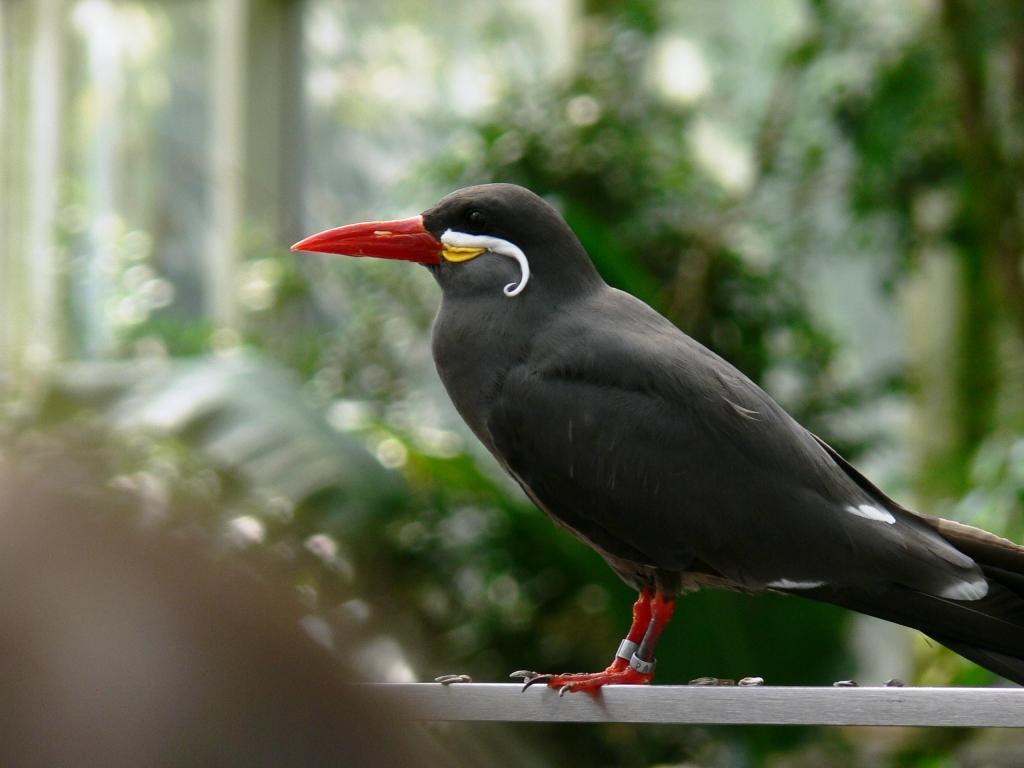
Inca Tern (Larosterna inca) waiting for fish. The others were rushing the trainer. By Lee at National Aviary
*
*

“The pride of thine heart hath deceived thee, thou who dwellest in the clefts of the rock, whose habitation is high; that saith in his heart, Who shall bring me down to the ground?” (Obadiah 1:3)
Black Guillemot (Cepphus grylle) by Bob-Nan
*
*


 Lee's Birdwatching Adventures Plus