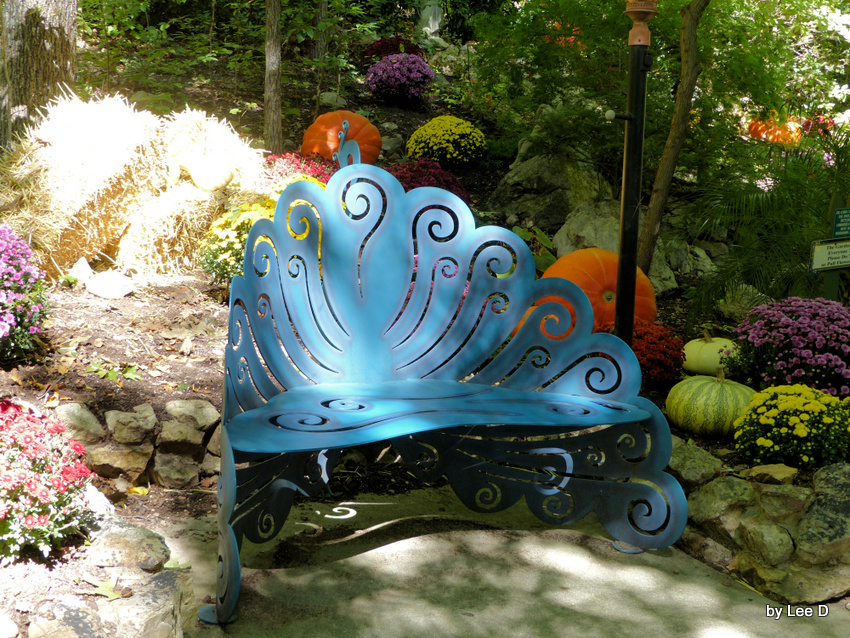
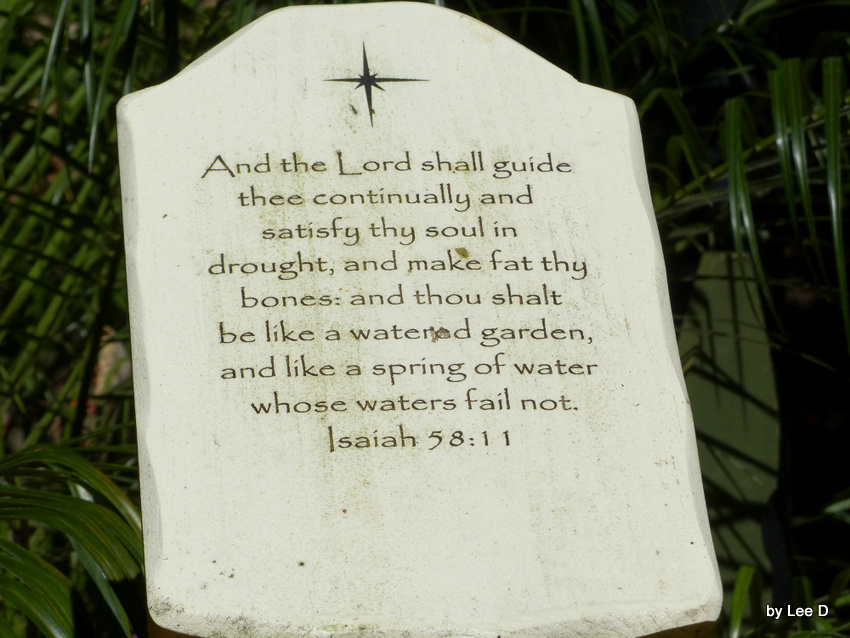
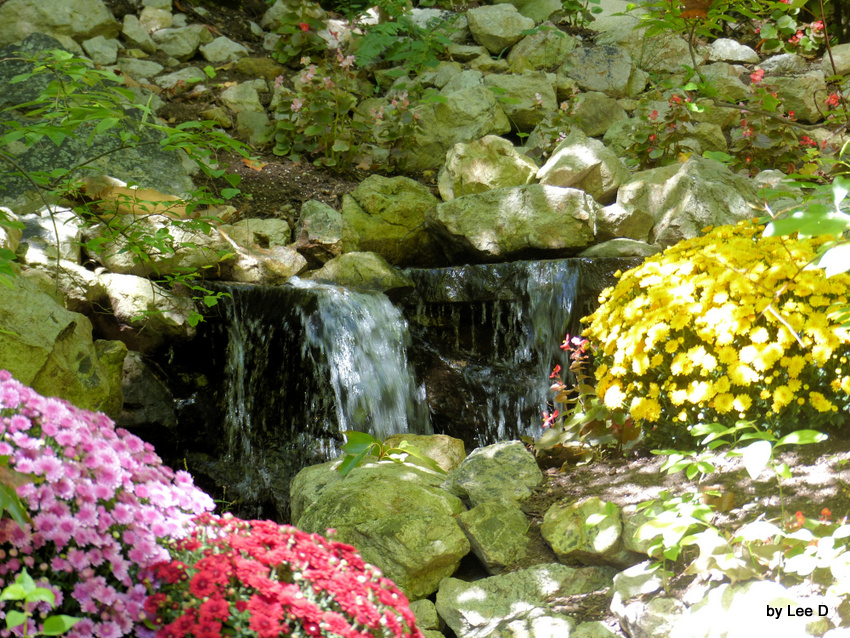
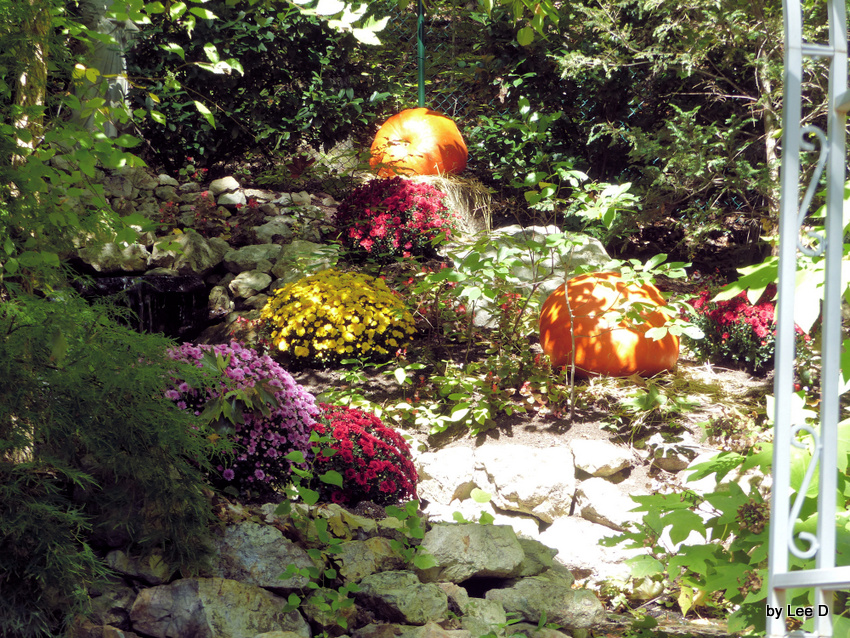
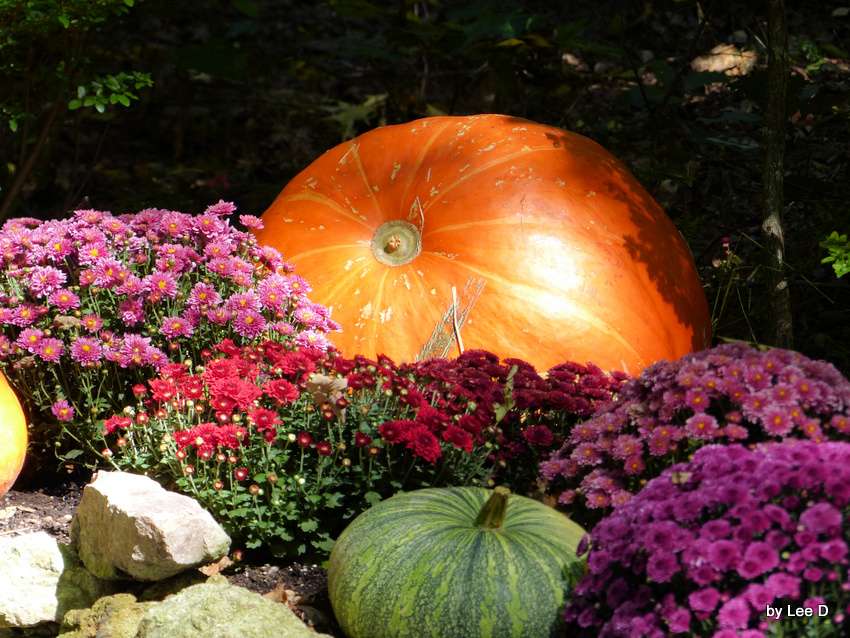
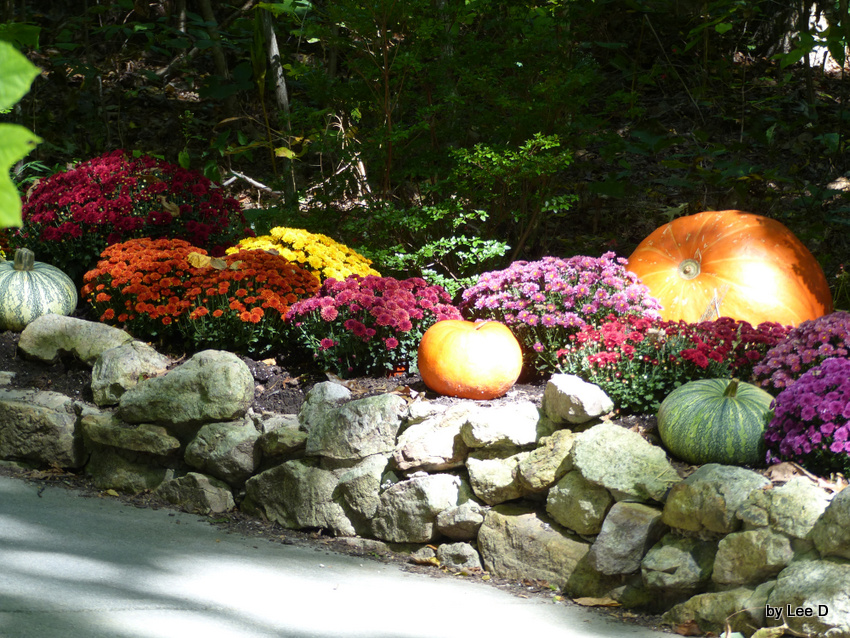
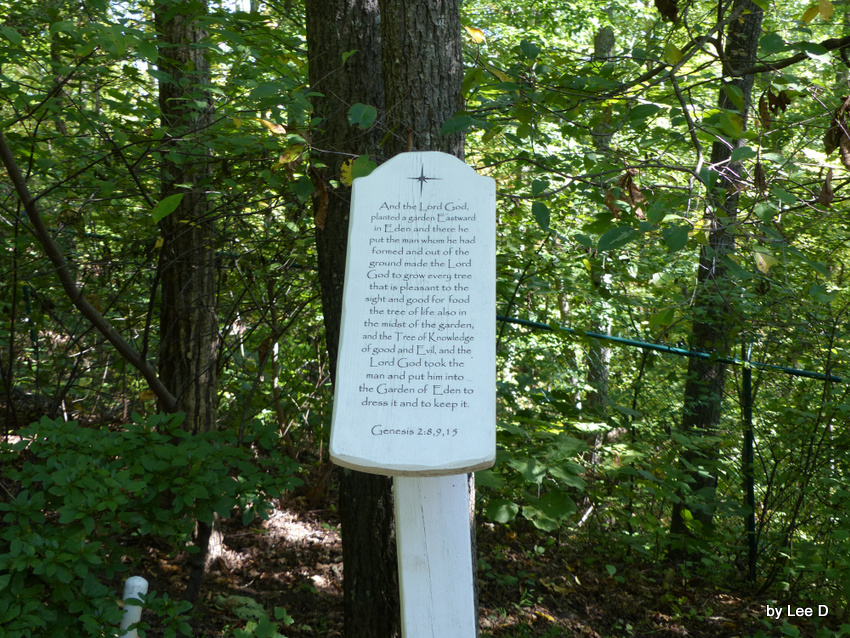
Parrot Mountain’s Origin and Mission

Origin of Parrot Mountain and Garden of Eden

Parrot Mountain is a result of a vision the owner had in July 1995. He left Mississippi with his family and came to the mountains of Tennessee and was led to the land that is called Parrot Mountain and Garden of Eden.
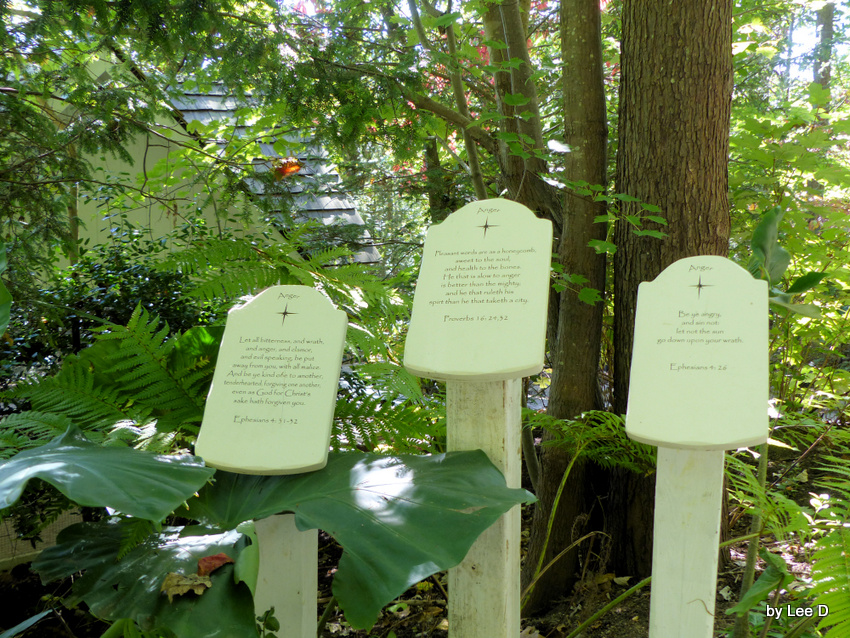

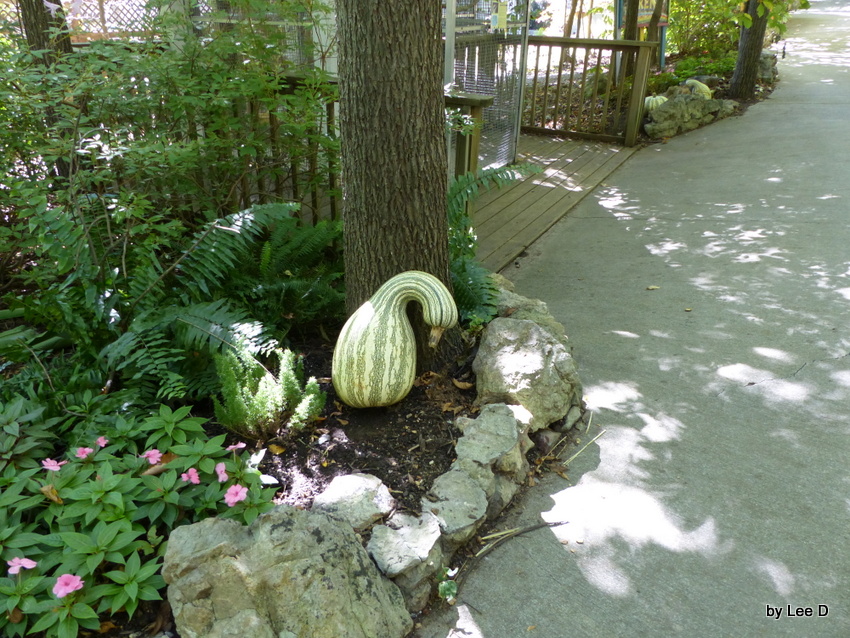
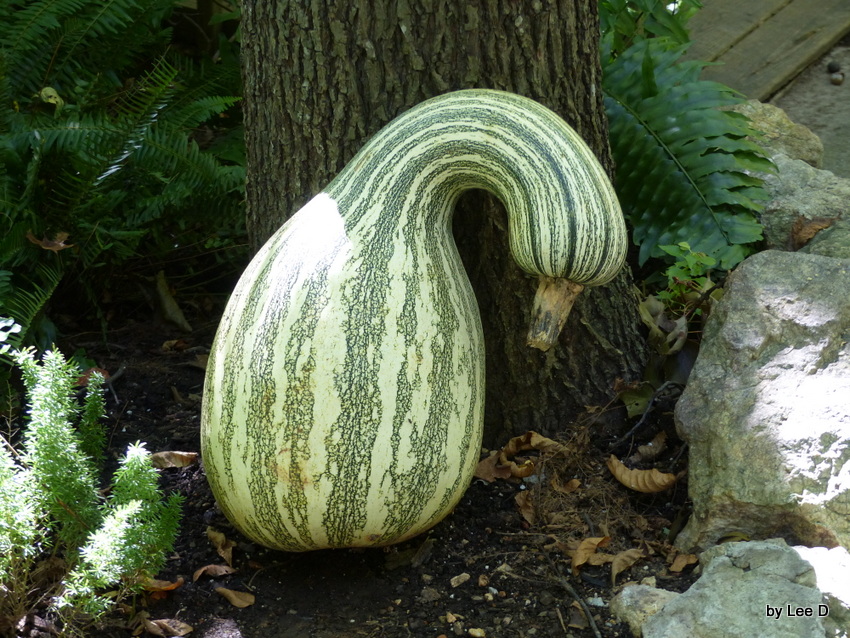
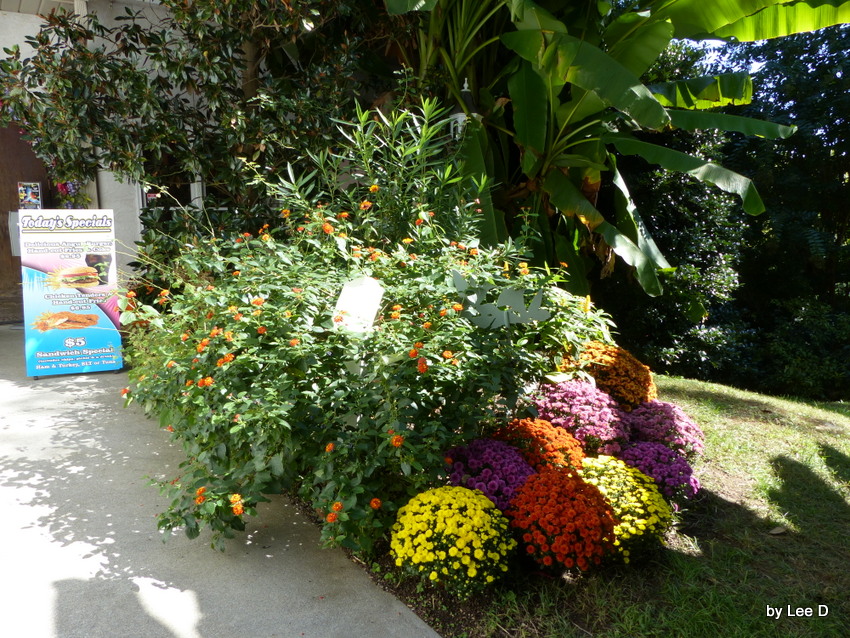
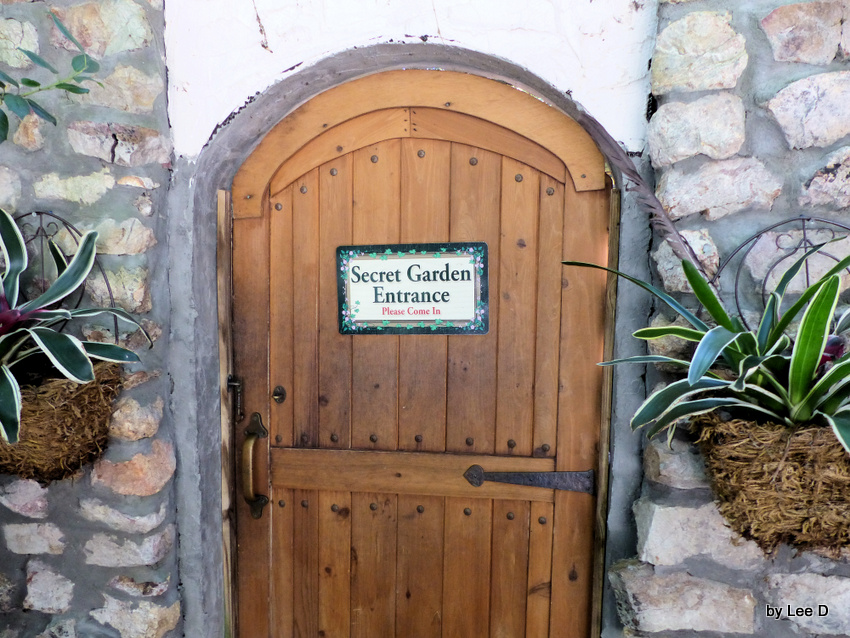
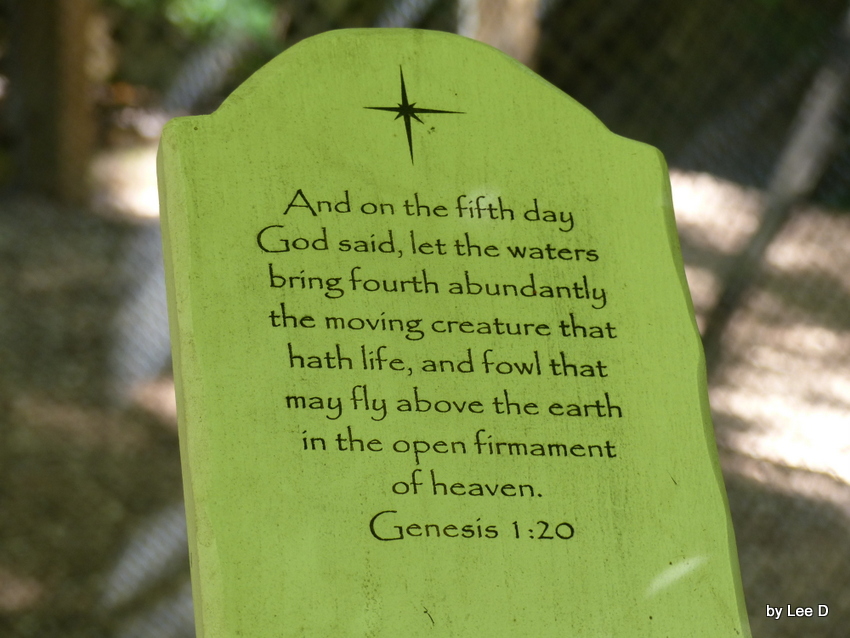
The vision was to build a garden landscaped with flowers, plants, birds and most importantly with scriptures from the word. The scriptures are planted throughout like seeds through the gardens to be a testimonial that there is a Great God who reigns eternal in the heavens and that all things are made were made by Him and without Him was not anything made that was made that is to say in the beginning God created all things. As you stroll through the gardens not the beautiful color of the birds and flowers how their colors give Him glory and we believe that we, as His creation, should give him glory.

And so seven years after moving to the mountains the gardens were opened on August 28, 2002.

Our Mission here at Parrot Mountain and Garden of Eden.

  1. Is to be a witness and declare His name that The Lord God is the Creator of the heavens and the earth. That all things were made by Him and without Him was not anything made that was made. For the perfecting of the saints, for the work of the ministry, for the edifying of the body of Christ.
  2. To provide a shelter for abused or neglected birds and a home for birds that need a place for whatever reason.
  3. For the propagation of endangered or threaten species. To increase the numbers so that they do not become extinct like the Passenger Pigeon and Carolina Parakeet once native to the United States. To educate the public about these magnificent creatures and keeping in harmony with the beauty and serenity of the mountains.

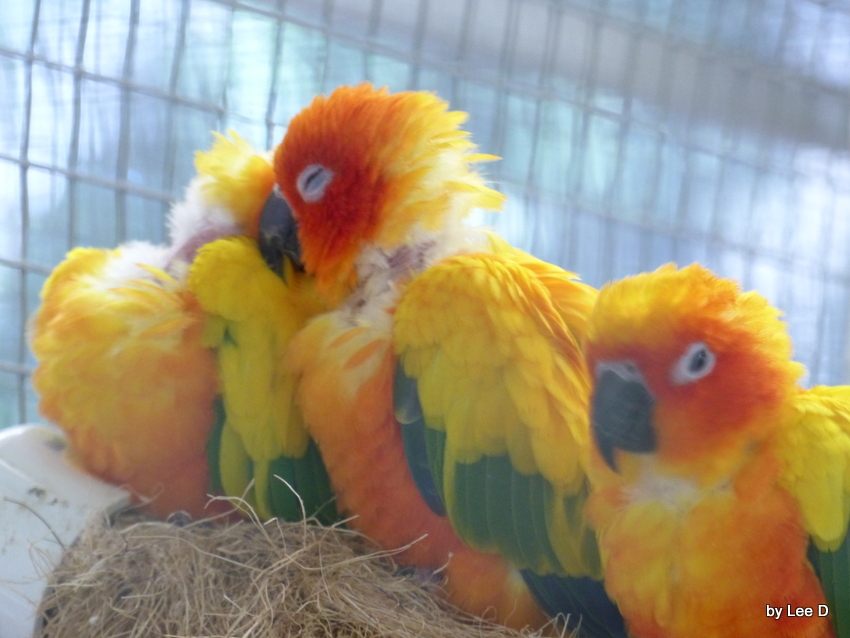
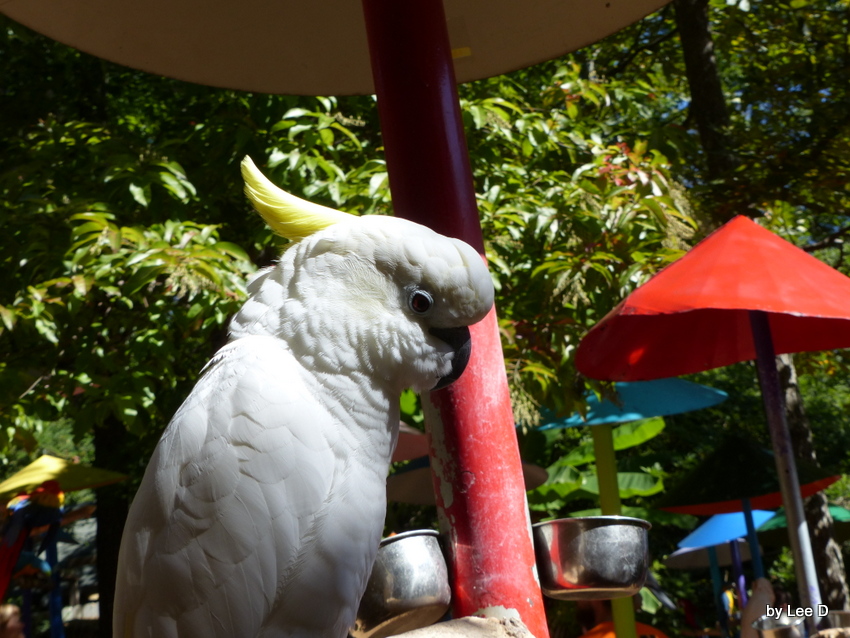
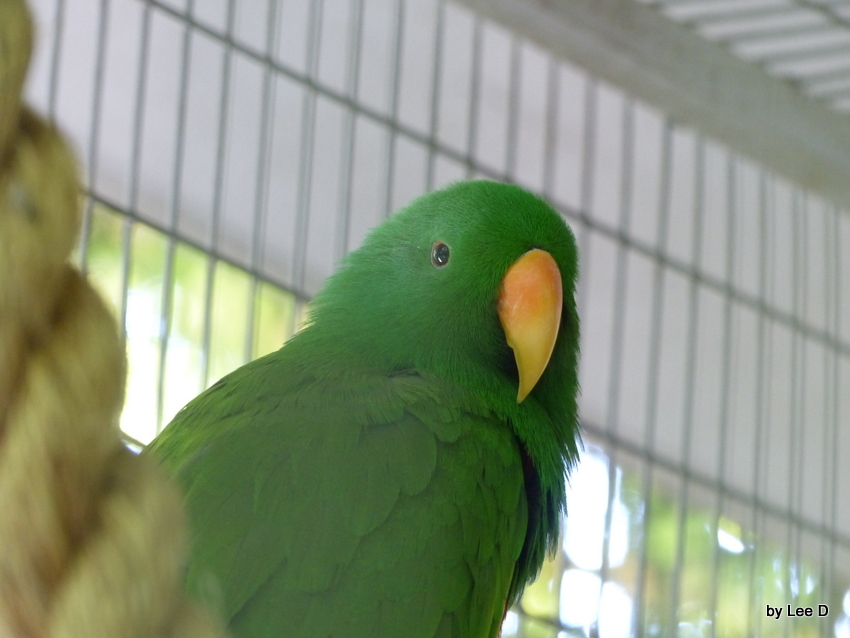
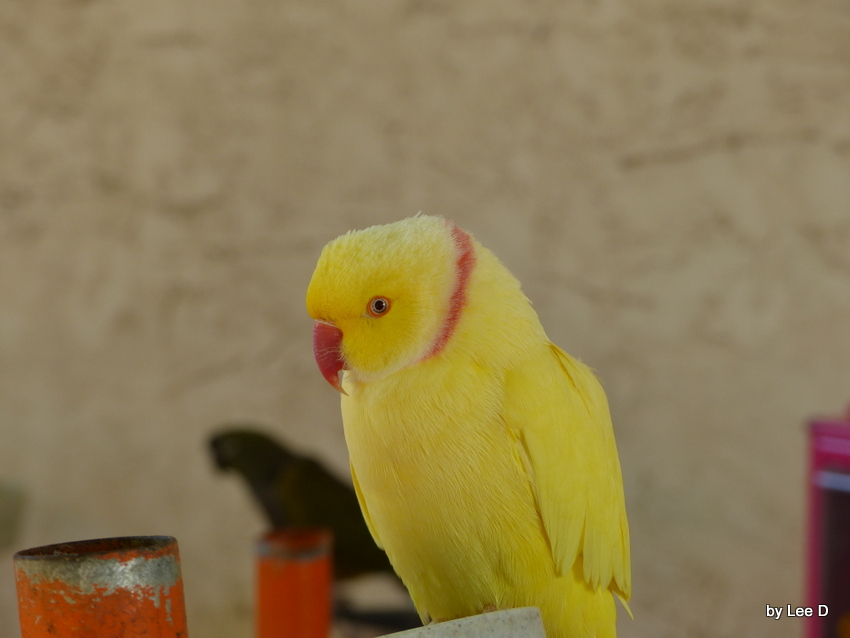
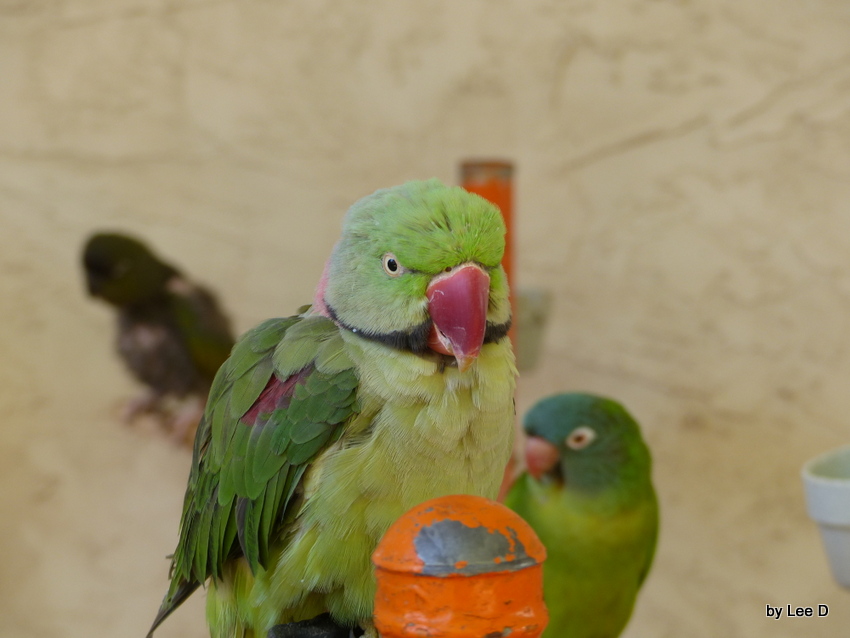
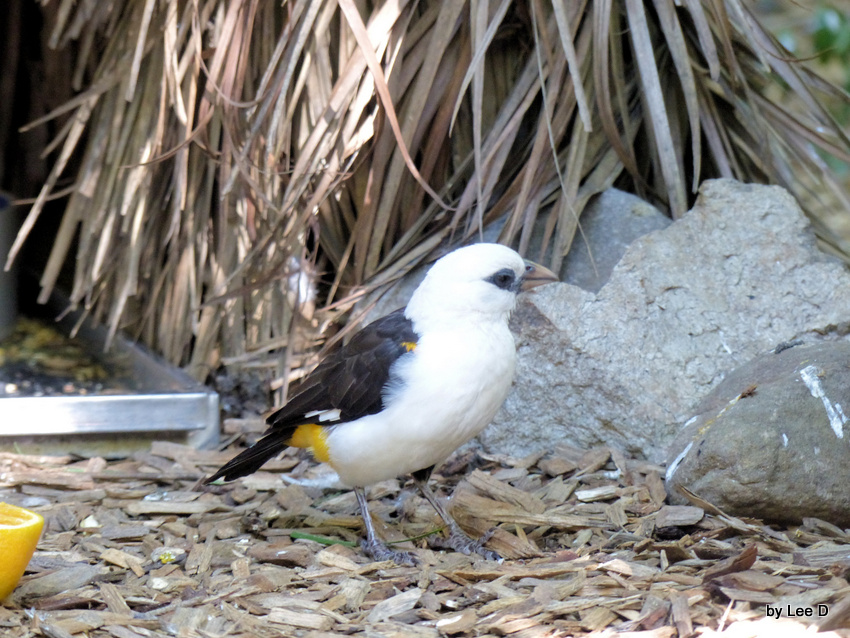
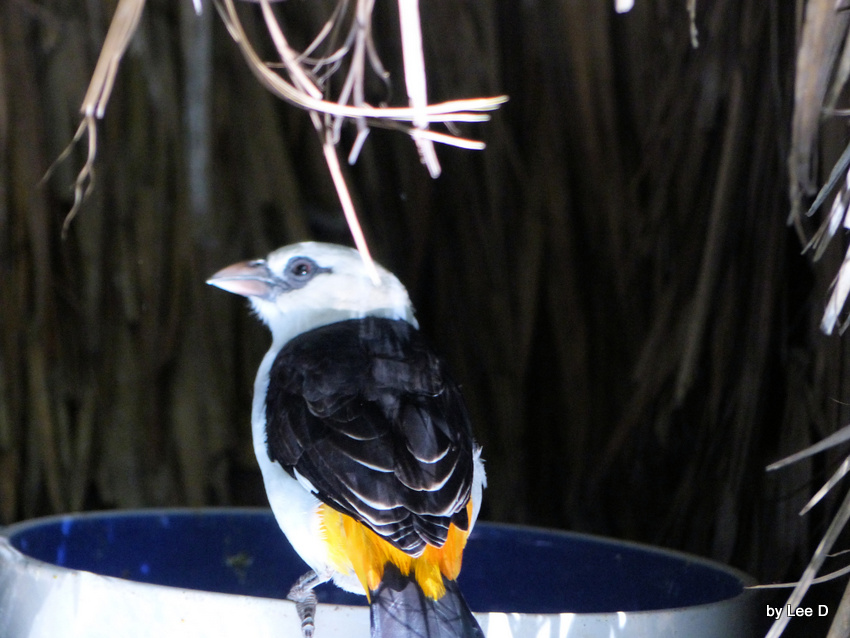
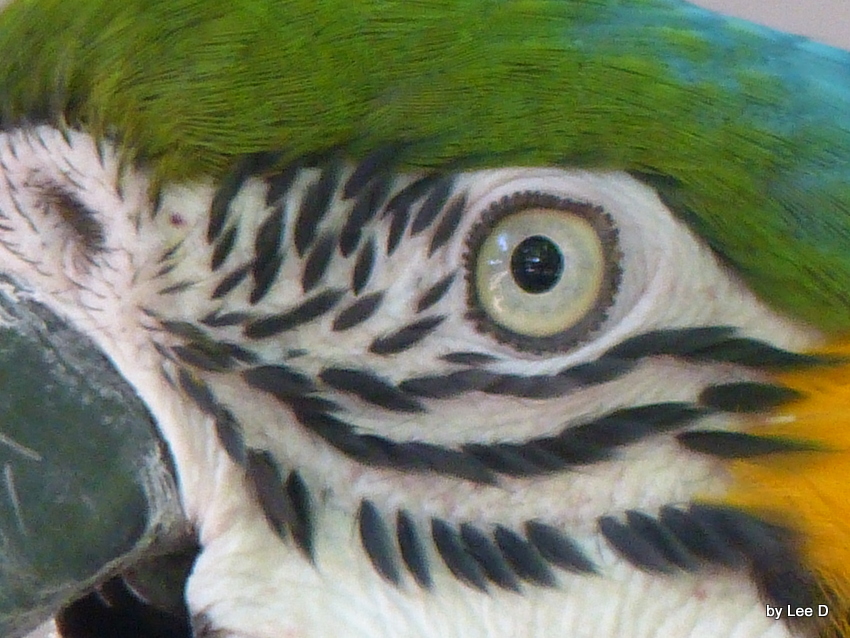
We were thoroughly blessed and enjoyed our time we spent at Parrot Mountain. I have already shared a couple of post with you about our visit. The Origin and Mission above was copied from a handout given when you enter. I trust they do not mind me recopying it here. Pictures were added by me. If you ever are up in the Pigeon Forge, Tennessee area, it will be well worth your effort to visit them.
*

These pages from them have some nice photos:

Articles written here:

*

New Kingfisher Species – I.O.C. Version 5.4

White-collared Kingfisher by Dan - Dan's Pix

White-collared Kingfisher by Dan – (Dan’s Pix)

Simon Peter saith unto them, I go a fishing. They say unto him, We also go with thee. They went forth, and entered into a ship immediately; and that night they caught nothing. (John 21:3 KJV)

Hang on to your fish, here comes a whole new bunch of Kingfishers. With the I.O.C. Version 5.4 that came out a week or so ago, 21 new Kingfishers were added to the Alcedinidae – Kingfishers Family. Plus they renamed a few. No, they didn’t appear out of thin air, they split and raised some of the subspecies up into their own species. Kingfishers have been one of my favorite birds from our Creator.

These are from the Collard Kingfisher (Todiramphus chloris):

  • Torresian Kingfisher (Todiramphus sordidus)
  • Islet Kingfisher (Todiramphus colonus)
  • Mariana Kingfisher (Todiramphus albicilla)
  • Melanesian Kingfisher (Todiramphus tristrami)
  • Pacific Kingfisher (Todiramphus sacer)
Micronesian Kingfisher (Todiramphus cinnamominus) Houston Zoo 5-6-15 by Lee

Micronesian Kingfisher (Todiramphus cinnamominus) Houston Zoo 5-6-15 by Lee

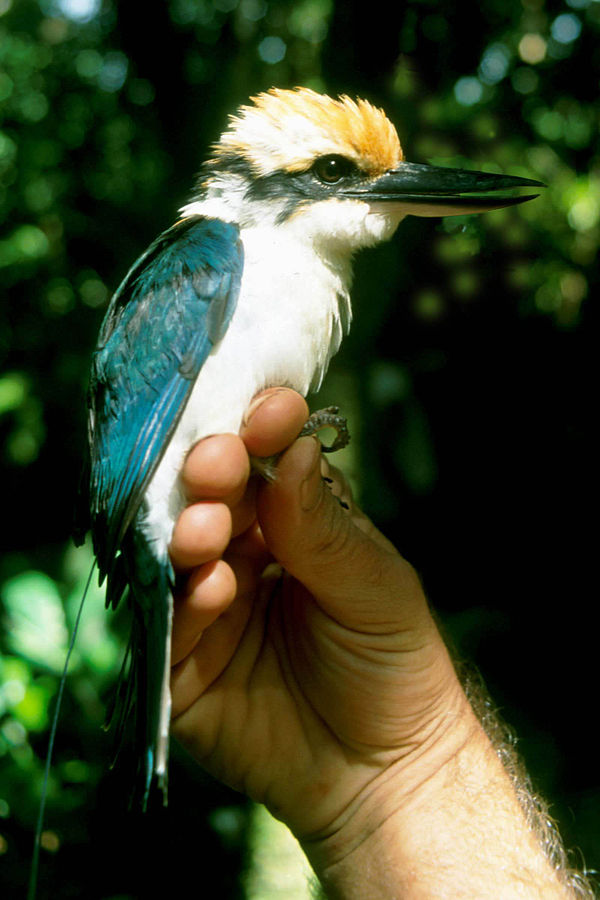
The Micronesian Kingfisher (Todiramphus cinnamominus) is now the Guam Kingfisher

Pohnpei Kingfisher (Todiramphus reichenbachii) ©WikiC

Pohnpei Kingfisher (Todiramphus reichenbachii) ©WikiC

The Tuamotu Kingfisher (Todiramphus gambieri) is now named the Niau Kingfisher and the split off the:

  • Niau Kingfisher (Todiramphus gertrudae)
Buru Dwarf Kingfisher (Ceyx lepidus) ©Drawing WikiC

Buru Dwarf Kingfisher (Ceyx lepidus) ©Drawing WikiC

The Variable Dwarf Kingfisher (Ceyx lepidus) was renamed the Moluccan Dwarf Kingfisher and these were split off:

  • Dimorphic Dwarf Kingfisher (Ceyx margarethae)
  • Sula Dwarf Kingfisher (Ceyx wallacii)
  • Buru Dwarf Kingfisher (Ceyx cajeli)
  • Papuan Dwarf Kingfisher (Ceyx solitarius)
  • Manus Dwarf Kingfisher (Ceyx dispar)
  • New Ireland Dwarf Kingfisher (Ceyx mulcatus)
  • New Britain Dwarf Kingfisher (Ceyx sacerdotis)
  • North Solomons Dwarf Kingfisher (Ceyx meeki)
  • New Georgia Dwarf Kingfisher (Ceyx collectoris)
  • Malaita Dwarf Kingfisher (Ceyx malaitae)
  • Guadalcanal Dwarf Kingfisher (Ceyx nigromaxilla)
  • Makira Dwarf Kingfisher (Ceyx gentianus)
Silvery Kingfisher (Ceyx argentatus) ©©

Silvery Kingfisher (Ceyx argentatus) ©©

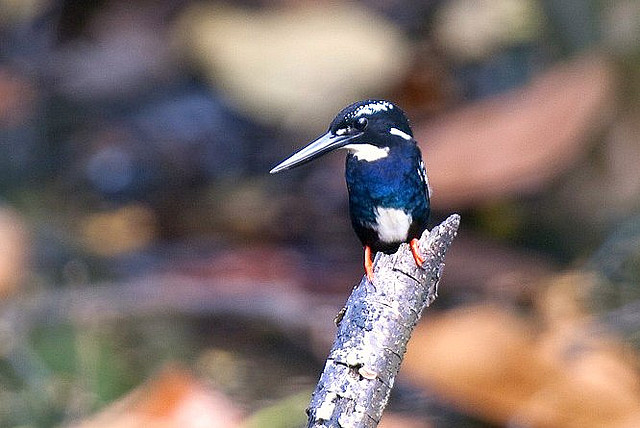
The  Silvery Kingfisher (Ceyx argentatus) is now the Southern Silvery Kingfisher and they added:

  • Northern Silvery Kingfisher (Ceyx flumenicola)

Needless to say, it will take a while to obtain photos for all these new kingfishers, so stay tuned.

There are more changes in the Version 5.4, but more about that later. They list 10,612 extant species and 154 extinct species of birds of the world (Version 5.4), with subspecies (20,757).

Now as he walked by the sea of Galilee, he saw Simon and Andrew his brother casting a net into the sea: for they were fishers. And Jesus said unto them, Come ye after me, and I will make you to become fishers of men. (Mark 1:16-17 KJV)

*

Alcedinidae – Kingfishers Family

I.O.C. Update 5.4 Version

Sharing The Gospel

*


Skinny As A Rail? Not Me!

Clapper Rail (Rallus crepitans) ©WikiC

Clapper Rail (Rallus crepitans) ©WikiC

Skinny as a rail? Not me!

~ James J. S. Johnson

“But when thou art bidden, go and sit down in the lowest room; that when he that bade thee cometh, he may say unto thee, Friend, go up higher: then shalt thou have respect in the presence of them that sit at meat with thee.”    (Luke 14:10)

Luzon Bleeding-heart by Dan

Orni-Theology

Is it really advantageous to be frequently noticed?  Is having a “low profile” a prudent practice?  Surely when someone gets a reputation, for being a “show-off”, the spotlight becomes a disadvantage.

When I was a teenager I was called “skinny as a rail”.  Once I arrived at age 20, however, for some reason I stopped hearing that description.  Of course, I blame my weight gain on getting married to a wonderful cook (who, for 3-dozen-plus years, has made eating an ongoing adventure!)!  Actually, I am not too far from being double the weight that I had, 121 pounds, when I got married!

Hmmm – maybe exercise has something to do with it, too.  It’s been a long time since someone said (of me), “he’s so skinny, if he turned sideways we couldn’t see him!”  It is the literal truth that my wife has been with me “through thick and thin”.

But this is supposed to be about birds.

Railway ©WikiC

Railway ©WikiC

So now we should consider something that Robert and Alice Lippson, both ecologists, have to say about being “skinny as a rail”.

“’As thin as a rail’—is it the narrow steel ribbon of a railroad track or the slim boards that make up a fence?  Just where did that old saw come from, anyway?  It pertains to certain members of the Rallidae family, the rails, which also includes coots and gallinules.  The rails have thin, compressed bodies that allow them to thread their way through seemingly impenetrable thickets and literally to disappear into the marsh. … Rails are usually brown and patterned or mottled with white [feathers], while coots are slate or soot colored.  Rails are found in the [Chesapeake] Bay wetlands year-round.”

[Quoting Alice Jane Lippson & Robert L. Lippson, LIFE IN THE CHESAPEAKE BAY:   An Illustrated Guide to the Fishes, Invertebrates, Plants, Birds, and Other Inhabitants of the Bays and Inlets from Cape Cod to Cape Hatteras, 3rd Edition (Baltimore:  The Johns Hopkins University Press, 2006), page 232.]

Perhaps the most prominent rail in the Chesapeake Bay region is the Marsh Hen, also called the “Clapper Rail” (Rallus crepitans, a/k/a Rallus longirostris), known for its harsh-sounding clattering vocalizations [klek-klek-klek-klek-klek] that almost sounds like rattling or rapid clapping.

The Clapper Rail is routinely found in salt marshes and some freshwater marshes on America’s East Coast, from Massachusetts to Florida, plus in wetlands bordering California’s inland Salton Sea, and even along the banks of the lower parts of the Colorado River.  [See John Bull & John Farrand, Jr., NATIONAL AUDUBON SOCIETY FIELD GUIDE TO NORTH AMERICAN BIRDS, EASTERN REGION, revised edition (New York:  Alfred A. Knopf, 1994), page 455.]

Have I ever seen one?  Probably not.  But that’s not unusual, according to Lippson & Lippson, who say that hearing one is more likely than seeing one, especially due to their habit of being more active at night.  [Lippson & Lippson, page 232.]  But, if you do see a Clapper Rail, it might not realize you are watching!

Clapper Rail (Rallus crepitans) ©WikiC

Clapper Rail (Rallus crepitans) ©WikiC

“Clapper rails are secretive birds and are usually not seen unless forced off the reed floor by high tides.  Then they are frequently seen along the edge of the marsh and even along nearby roads.  Even though they are in the open and quite visible, clapper rails apparently think they are still in the marsh, unseen and safe.  Like the least bittern, they are reluctant fliers and when flushed will make brief [airborne] sorties, legs dangling, then drop and disappear into the marsh vegetation.  Curiously enough, rails are capable of making long migratory flights.  The best way to ‘see’ a rail is with your ears:  listen for the clattering “kek-kek-kek”, especially in the early evening and at dawn.  The clapper rail is widely distributed throughout the [Chesapeake] Bay.”  [Quoting Lippson & Lippson, page 232.]

So much for keeping a low profile, especially when perils are near!  If you can be inconspicuous, it’s usually to your advantage, — but, if not, it’s good to have a Plan B (like the Clapper Rail’s getaway response) if you need one.

Meanwhile, don’t forget the lesson of Luke 14:10.  Routinely assume that you should take a “low profile”.  If you are directed “up” (i.e., promoted to a “higher” responsibility), so be it,  —  trusting God to guide you, use the “high profile” opportunity to honor God.  Yet don’t forget: the Clapper Rail strategy has its merits  –  if you are inconspicuous you are less likely to become somebody’s target!

*

Rallidae – Rails, Crakes and Coots

Orni-Theology

James J. S. Johnson

Good News

Clapper Rail by Lee at Merritt Island NWR

*

Sunday Inspiration – White Eyes

Reunion Olive White-eye (Zosterops olivaceus) ©WikiC

Reunion Olive White-eye (Zosterops olivaceus) ©WikiC

Say not ye, There are yet four months, and then cometh harvest? behold, I say unto you, Lift up your eyes, and look on the fields; for they are white already to harvest. (John 4:35 KJV)

The Zosteropidae – White-eyes Family is passerine birds that live in the tropical and subtropical Sub-Saharan Africa, Australasia and eastern Asia. White-eyes inhabit most tropical islands in the Indian Ocean, the western Pacific Ocean, and the Gulf of Guinea. There are currently 127 members in the family. Most are White-eyes, a Silvereye, a Blackeye, a Darkeye, 4 Speirops, 11 Yuhinas, and about a dozen Babblers.

Silvereye (Zosterops lateralis) by Ian

Silvereye (Zosterops lateralis) by Ian

As their common name implies, many species have a conspicuous ring of tiny white feathers around their eyes. The scientific name of the group also reflects this latter feature, being derived from the Ancient Greek for “girdle-eye”. They have rounded wings and strong legs. Like many other nectivorous birds, they have slender, pointed bills, and brush-tipped tongues. The size ranges up to 15 cm (6 inches) in length. (Wikipedia)

Stripe-throated Yuhina (Yuhina gularis) ©WikiC

Stripe-throated Yuhina (Yuhina gularis) ©WikiC

I trust you will enjoy getting to know and see another enchantingly created family of birds from Our Creator.

But mine eyes are unto thee, O GOD the Lord: in thee is my trust; (Psalms 141:8a KJV)

This slideshow requires JavaScript.

*

“Come, Look To Jesus” ~ Played by Jill Foster at Faith Baptist (during Communion)

*

More Sunday Inspiration

Zosteropidae – White-eyes

Birds of the World Families

White-eye – Wikipedia

Is There A God?

*

Ian’s Bird of the Week – Tomtit

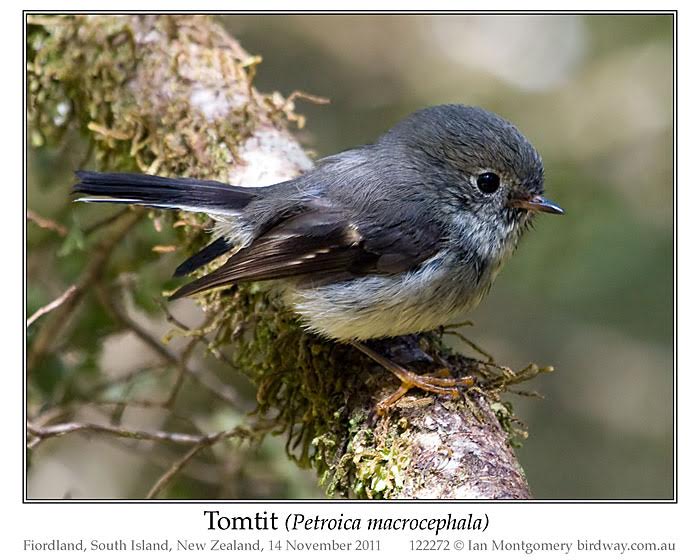
Tomtit (Petroica macrocephala) by IanIan’s Bird of the Week – Tomtit ~ by Ian Montgomery

Newsletter – 10/30/15

Last week we had the Snares Penguin and I made a passing reference to the locally endemic race of the Tomtit, so here is it and two of the other four New Zealand races of the Tomtit as this week’s choice. It’s called a Tit after the European Tits family Paridae which includes the North American Chicadees) but it’s not one of these but an Australasian Robin (Petroicidae), which in turn were named after the European Robin but don’t belong to its family either (Muscicapidae). The Tomtit’s closest relative is the Pacific Robin (Petroica multicolor) which in turn is very close related the Scarlet Robin of Australia.

A friend of mine who is a member of the bird of the week club but not a birdwatcher as such expressed confusion over subspecies (or races) and species, so I Googled a couple of references which might be useful: 1. a simple explanation2. Wikipedia and 3. a more scholarly one. I talk about them a lot as I’m interested in the classification of birds (taxonomy) and their evolution and biogeography (how they got to where they are) so here is a brief description.

Tomtit (Petroica macrocephala) by Ian

A (biological) species is the fundamental unit (‘taxon’) of the classification of organisms, both plants and animals. It’s fundamental in the sense that it is considered reproductively isolated (genetic differences are supposed to be such that interbreeding across species boundaries isn’t possible or at least doesn’t produce fertile offspring). From a bird-watching point of view, a species is what you add to lists, whether your life list, your national list, your annual list, your yard list, or your annual bird list… The possibilities are endless but in the competitive world of ‘twitching’, a species is as important as a referees decision about a goal or score in football or tennis.

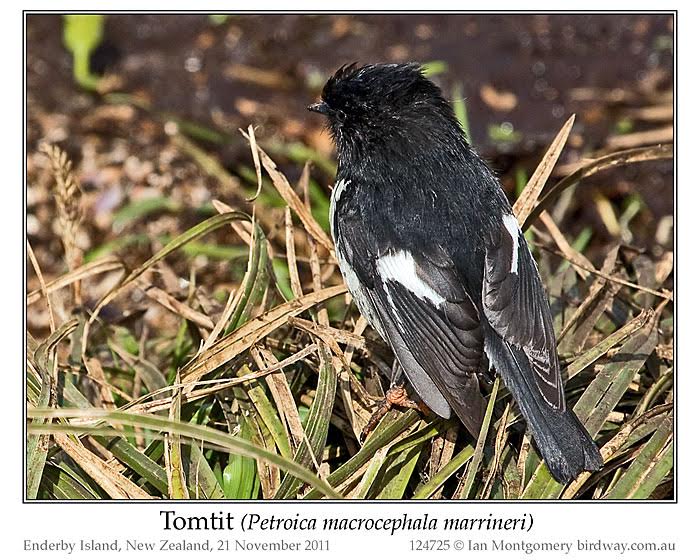
Tomtit (Petroica macrocephala marrineri) by IanNothing in biology is ever quite so simple, so the differences between various taxonomic levels (species, genus, family, order … going up and species, subspecies going down) are really part of a continuum. At the lower levels – genus, species and sub-species – the degree of genetic separation and therefore reproductive isolation varies a lot. Some groups are particularly troublesome as apparently quite different ‘species’ have a taxonomically irritating tendency to hybridise. Among birds, the diving ducks of the genus Aythya come to mind and among plants the orchids are notorious for spreading their genes around. Subspecies or races (using the terms interchangeably) are usually geographically isolated so they don’t get the chance to interbreed and are usually sufficiently different to be identifiable in the field. That means if you’re a birdwatcher, you can make lists of them too…

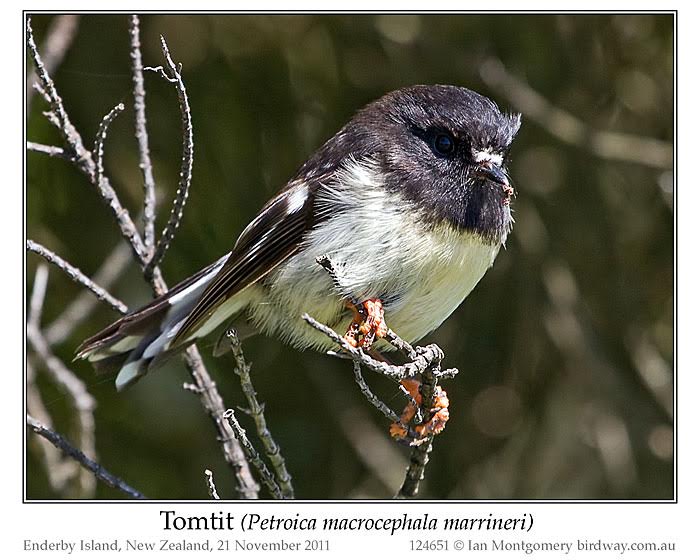
Tomtit (Petroica macrocephala marrineri) by Ian

The eighteen century Swedish scientist and physician Carl Linnaeus is regarded as the father of modern taxonomy as he invented the binomial – double-name – system that is still in use today. This was a century before Darwin, so Linnaeus was concerned, lucky man, with only degree of similarity. He classified types of organisms as belonging to a genus (‘family’ in Latin) represented by the first name, e.g. Anas (Latin for ‘duck’) and a species, e.g. platyrhychos (Greek for ‘broad-billed’) to name the Mallard and distinguish it from say the similar Gadwall, Anas strepera, where ‘strepera’ is derived from the Latin for ‘noisy’. There is no linguistic rule to prevent mixing of languages but adjectival species names usually agree in gender with the genus, something of a challenge when one name comes from Greek and the other from Latin.

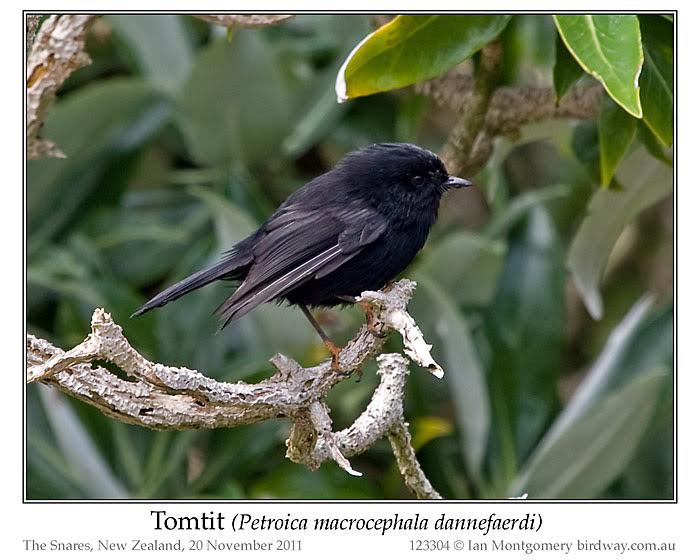
Tomtit (Petroica macrocephala dannefaerdi) by IanNeedless to say, taxonomists have added many levels since, but orders, families, genera and species are the most important. To accommodate races or subspecies a third name was added the binomial system making it trinomial. The first race of a species to be named is called the nominate race, and the name of the race, if any, must be the same as the name of the species. So the nominate race of the Tomtit Petroica macrocephala is Petroica macrocephala macrocephala(Petroica is Greek for ‘rock-dwelling’ and macrocephala is Greek for ‘big-headed’). Any additional subspecies described later will be called Petroica macrocephala somethingelse.

Tomtit (Petroica macrocephala dannefaerdi) by Ian

Sorry, that was supposed to be a brief description so let’s get back to Tomtits. The first two photos show the nominate race which occurs on the South Island of New Zealand. The male is black and white with a yellow breast; the female is grey-brown with a white belly. This pair was in an Antarctic Beech forest – quite Lord of the Rings – near Cascade Creek in Fiordland and both birds were busy feeding nestlings. The male has a juicy green caterpillar and a large mosquito in his bill.

The third and fourth photos are male and female examples of the Auckland Islands race marrineri on Enderby Island one of the Auckland Islands group. Both males are females are mainly black and white, the male being glossier with only a trace of yellow on the breast. The race is named after New Zealand biologist George Marriner who took part in the 1907 Sub-Antarctic Islands Scientific Expedition.

The Snares race dannefaerdi is the most distinctive, photos 5 and 6, with both sexes being completely black, the male again being glossier than the female. It is named after Sigvard Dannefaerd who was a Danish collector and photographer based in New Zealand and the original specimen was from his collection but ended up with the second Baron Rothschild who described it.

Back at the Birdway website, I’m continuing to redevelop it for mobile devices and the latest changes include the Bird of the Week page and I am gradually working my way through the various families in taxonomic sequence (that word again!): MegapodesChachalacas and GuansGuineafowlNew World Quails and, in progress, the Ducks, Geese and Swans.

Greetings

Ian
**************************************************
Ian Montgomery, Birdway Pty Ltd,
454 Forestry Road, Bluewater, Qld 4818
Tel 0411 602 737 ian@birdway.com.au
Bird Photos http://www.birdway.com.au/

Recorder Society http://www.nqrs.org.au


Lee’s Addition:

The little birds (sparrows) have places for themselves, where they may put their young, even your altars, O Lord of armies, my King and my God. (Psalms 84:3 BBE)

What cute little birds. I am glad the Lord saw fit to create birds in so many different sizes. Looks like Ian has been busy working on his website. I am sure he would appreciate you looking around again for his improvements.

Ian’s Bird of the Week

Ian’s Petroicidae Family

Petroicidae – Australasian Robins Family

Gideon

*

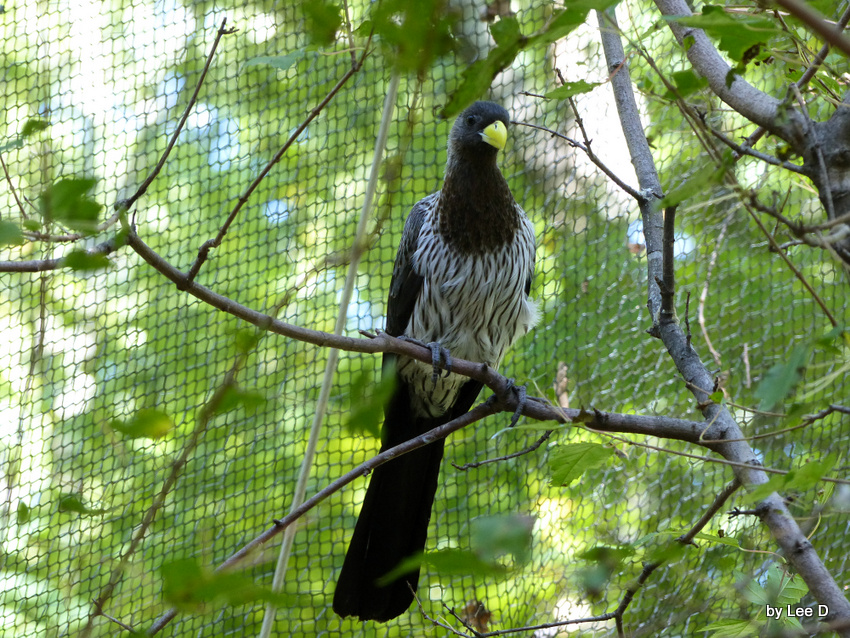
Plantain-eater at Parrot Mountain

Western Plantain-eater (Crinifer piscator) at Parrot Mountain

Western Plantain-eater (Crinifer piscator) at Parrot Mountain

By them the birds of the heavens have their home; They sing among the branches. He waters the hills from His upper chambers; The earth is satisfied with the fruit of Your works. (Psalms 104:12-13 NKJV)

The western plantain-eater (Crinifer piscator), also known as the grey plantain-eater or western grey plantain-eater, is a large member of the Turaco family, a group of large arboreal near-passerine birds restricted to Africa.

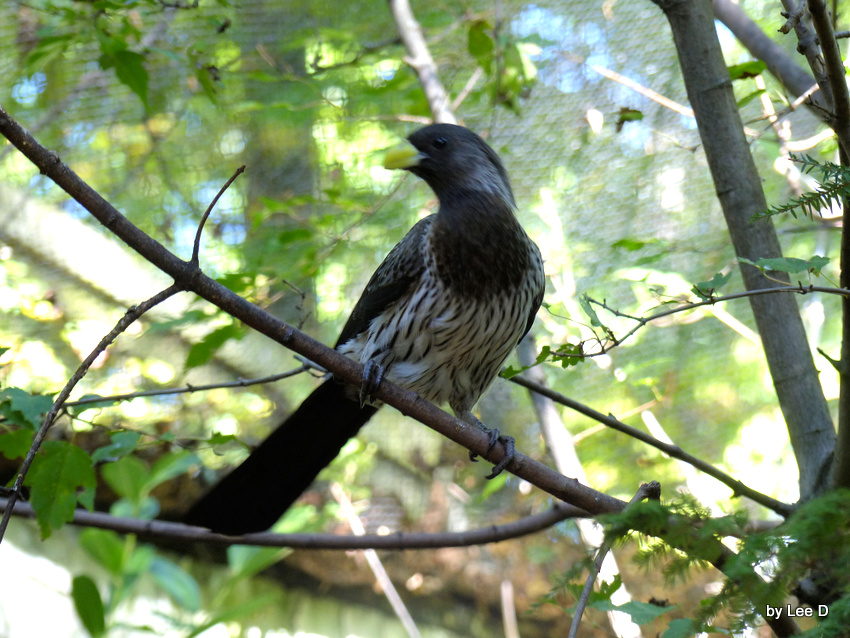
Western Plantain-eater (Crinifer piscator) at Parrot Mountain

Western Plantain-eater (Crinifer piscator) at Parrot Mountain

This species is a resident breeder in open woodland habitats in tropical west Africa. It lays two or three eggs in a tree platform nest.

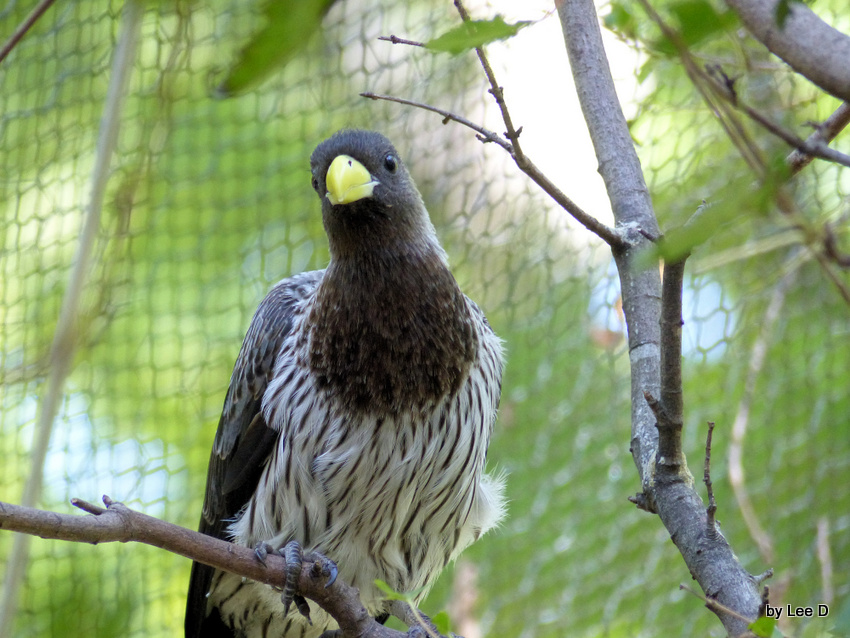
These are common, noisy and conspicuous birds, despite lacking the brilliant colours of relatives such as the violet turaco. They are 50 cm long, including a long tail. Their plumage is mainly grey above spotted with brown. The head, erectile crest, neck and breast are brown streaked with silver. The underparts are whitish, heavily streaked with brown.

Western Plantain-eater (Crinifer piscator) at Parrot Mountain

Western Plantain-eater (Crinifer piscator) at Parrot Mountain

Western plantain-eater has a thick bright yellow bill, and shows a white wing bar in flight. The sexes are identical, but immatures have a black woolly head without silver streaking.

Western Plantain-eater (Crinifer piscator) at Parrot Mountain

Western Plantain-eater (Crinifer piscator) at Parrot Mountain

This bird is similar to the closely related eastern plantain-eater. The latter species has white tail bars, and lacks the chest bars and dark wing feather shafts of its western relative. This species feeds on fruit, especially figs, seeds and other vegetable matter.

We first encountered this amazing bird created by the Creator at the Houston Zoo this past spring. Those were in an enclosure with the normal fences to try to photograph through. That is what made this visit to Parrot Mountain so special because we were in a free-flying aviary with them.

Western Plantain-eater (Crinifer piscator) Houston Zoo

Western Plantain-eater (Crinifer piscator) Houston Zoo by Lee

Western Plantain-eater (Crinifer piscator) Houston Zoo

Western Plantain-eater (Crinifer piscator) Houston Zoo

Western plantain-eater has a loud cow-cow-cow call, very familiar in west Africa. (Info from Wikipedia)

Here is a video I took of the birds in the aviary feeding. The Plantain-eater comes in at tries to intimidate the Cardinal and then starts his call. If you watch him/her, you will notice it seems to be afraid of that cardboard dish holding the fruit. Hence my chuckle. I’ll tell you more about those other birds later.

“But the wisdom that is from above is first pure, then peaceable, gentle, willing to yield, full of mercy and good fruits, without partiality and without hypocrisy. Now the fruit of righteousness is sown in peace by those who make peace.” (James 3:17-18 NKJV)

*
Other Parrot Mountain Blogs

*
Parrot Mountain’s Prayer Garden

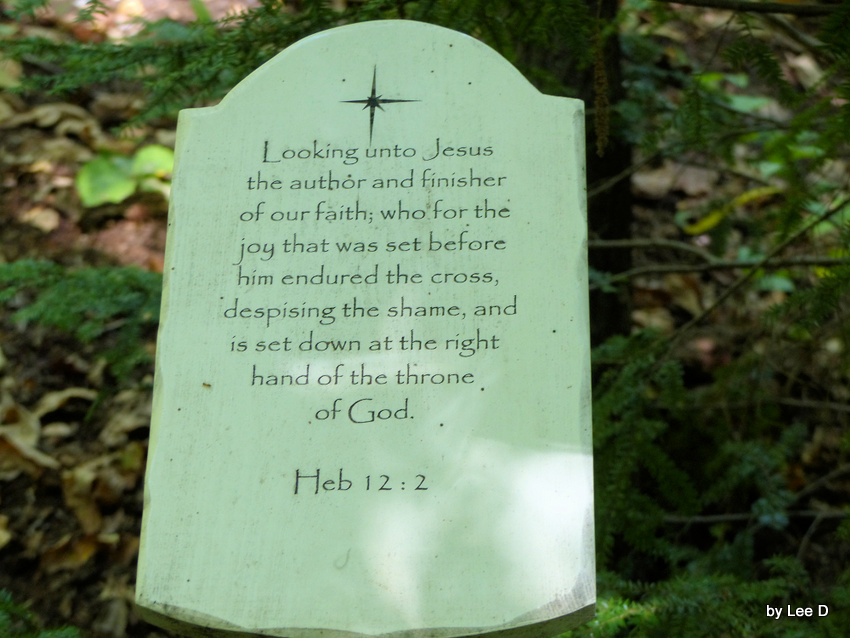
And when he had sent the multitudes away, he went up into a mountain apart to pray: and when the evening was come, he was there alone. (Matthew 14:23 KJV)

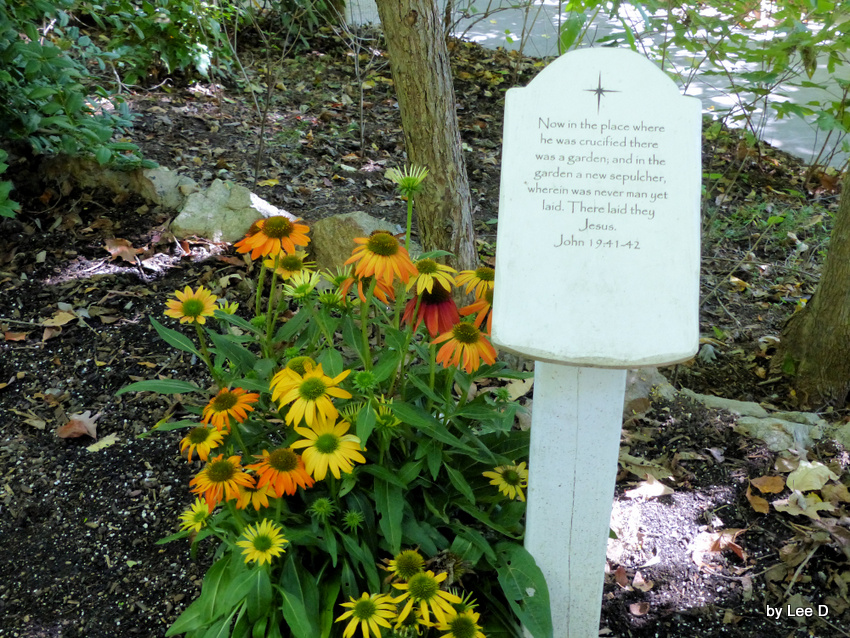
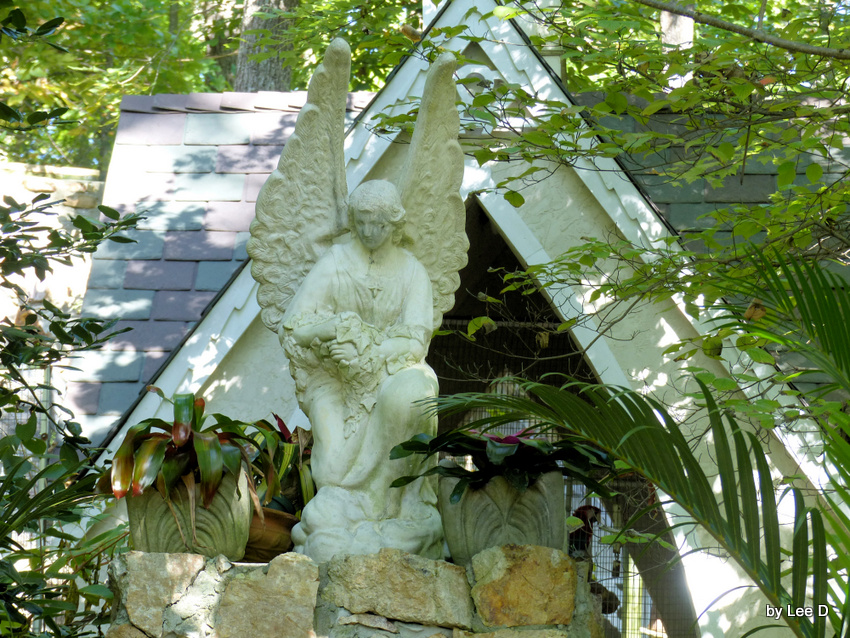
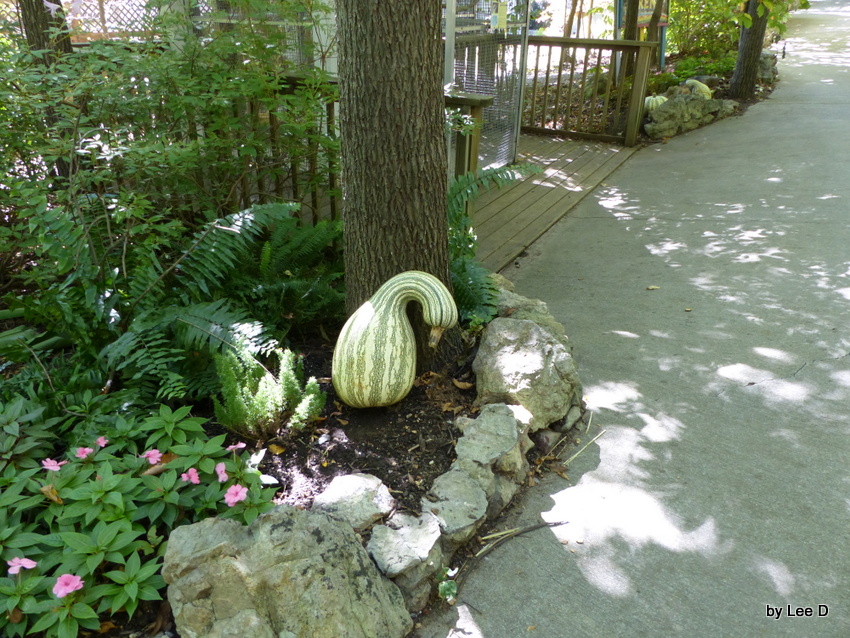
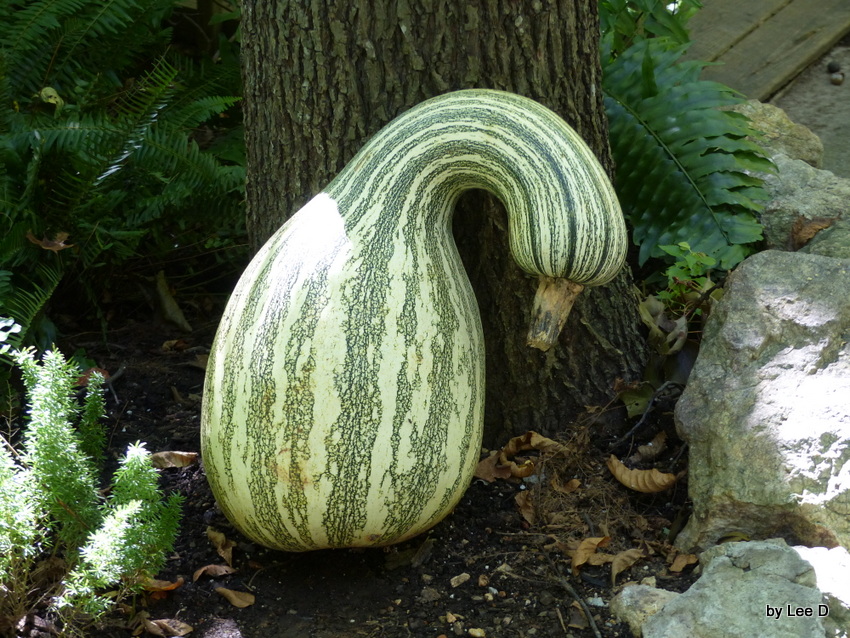
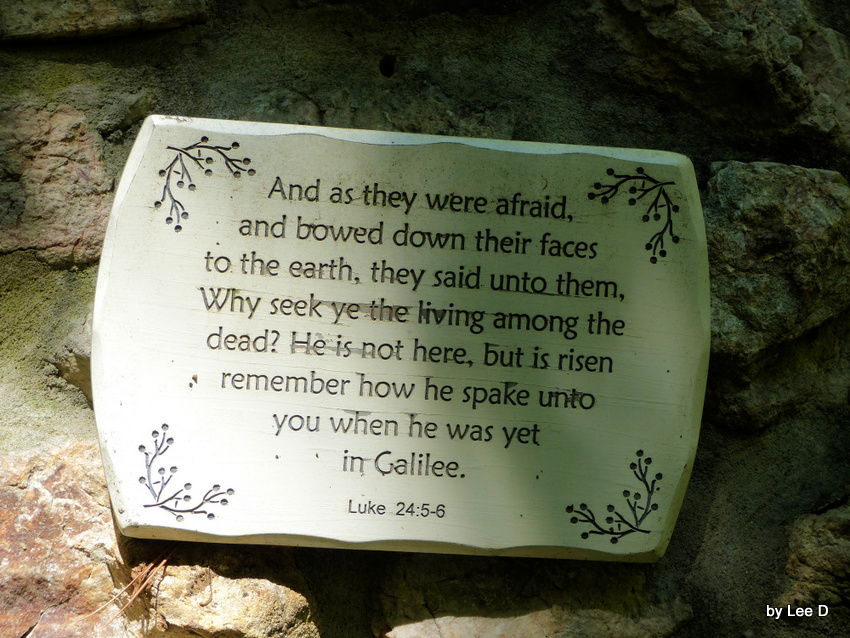
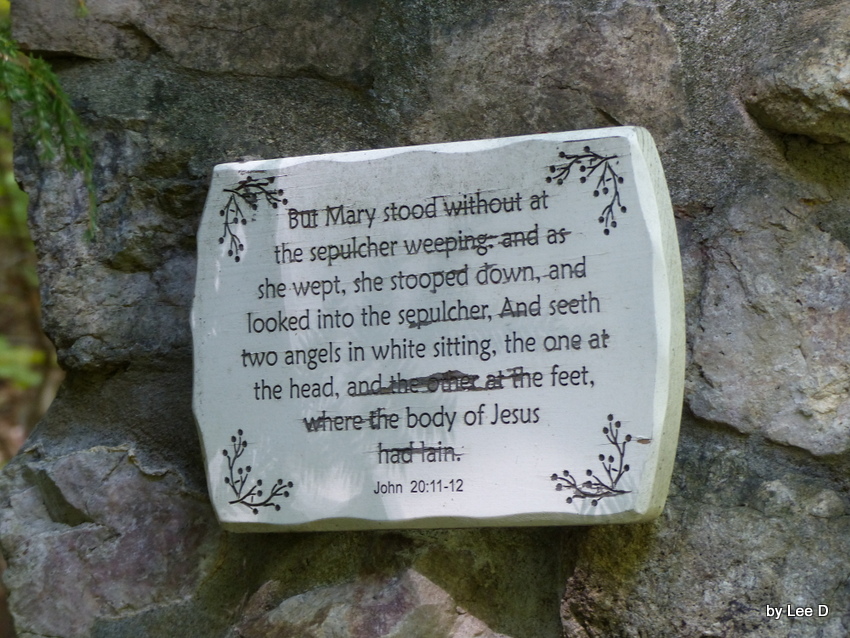
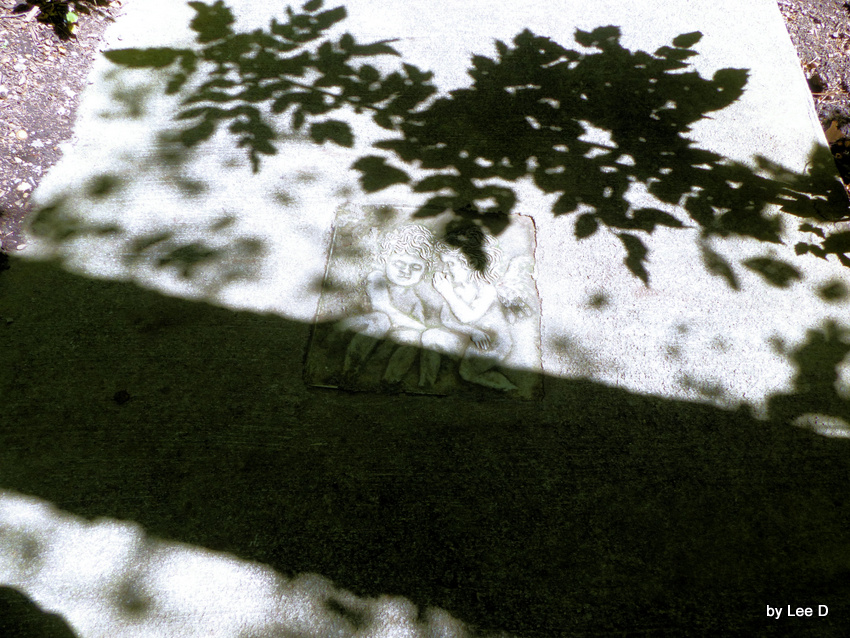
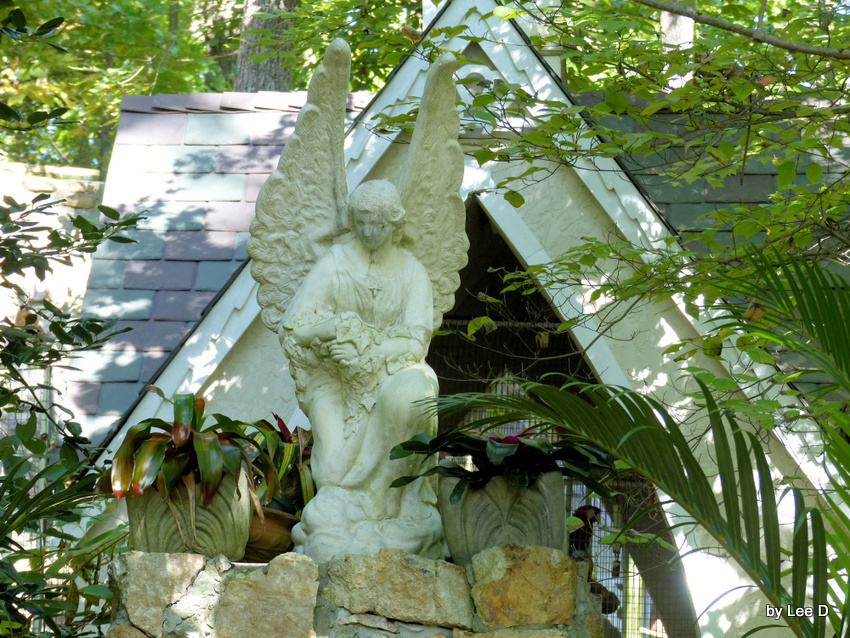
The Prayer Garden at Parrot Mountain is very peaceful and lovely. Thought I would share some of those photos this time. At the entrance there are two angel statues and then as you enter.

Angel

Angel

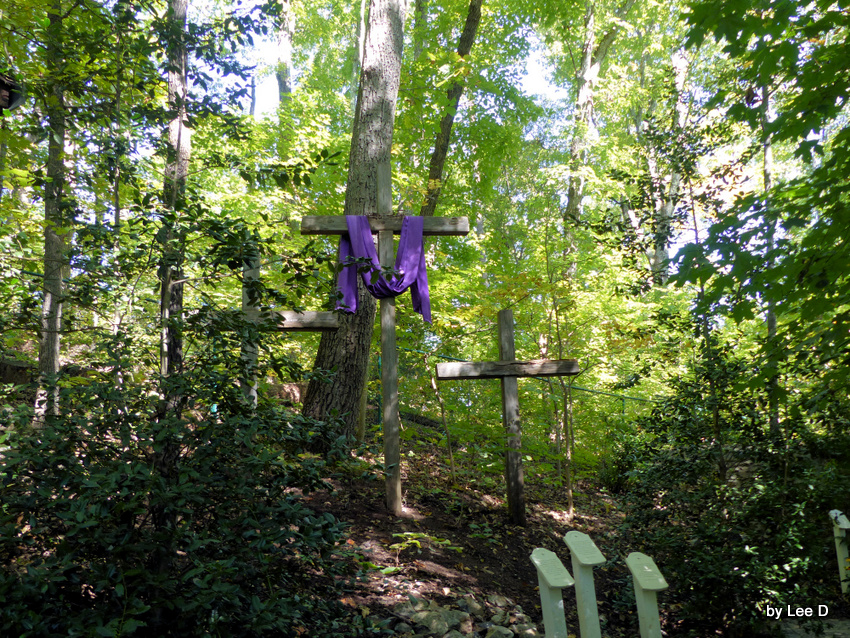
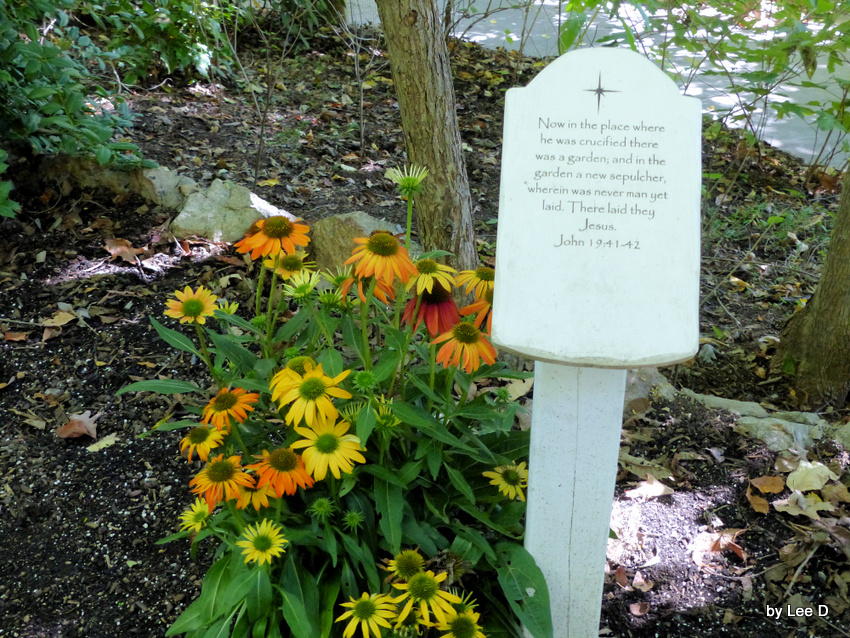
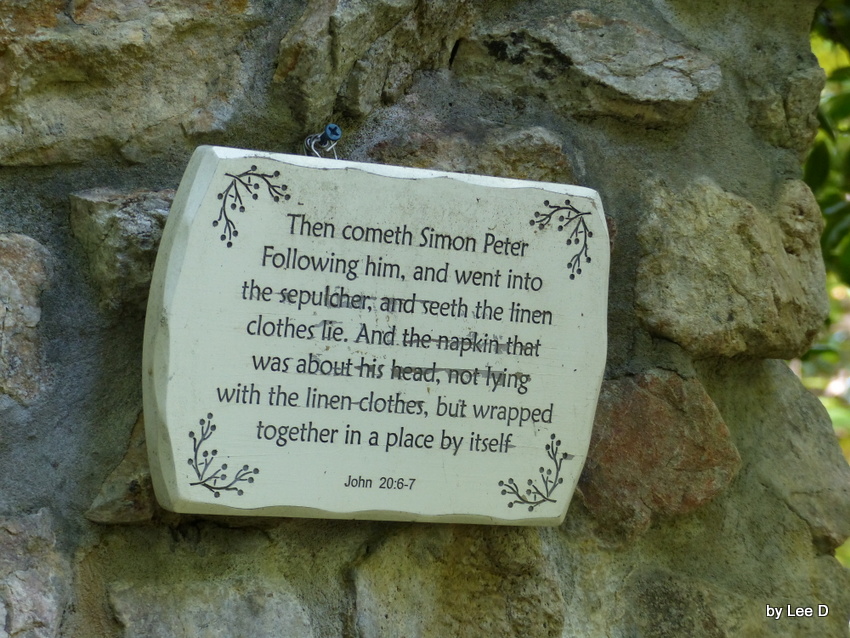
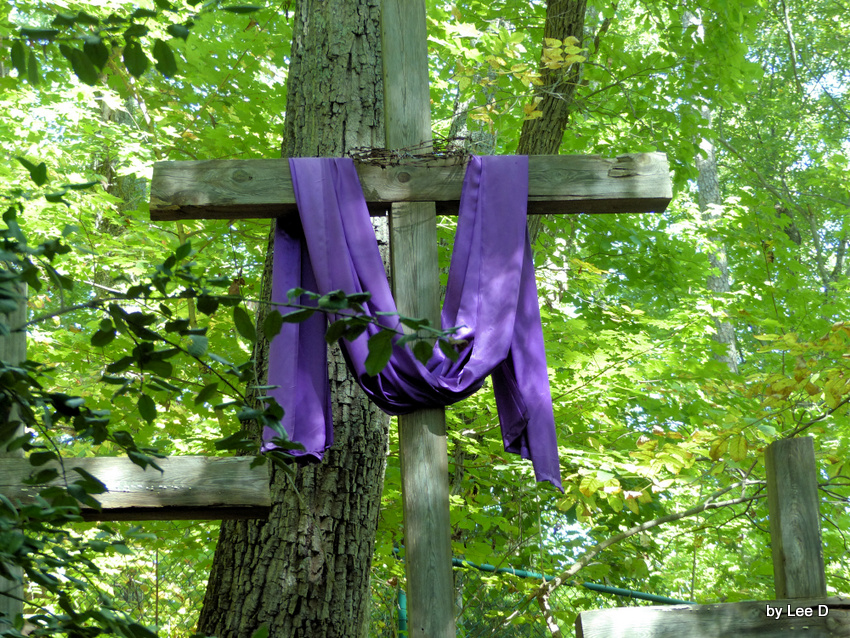
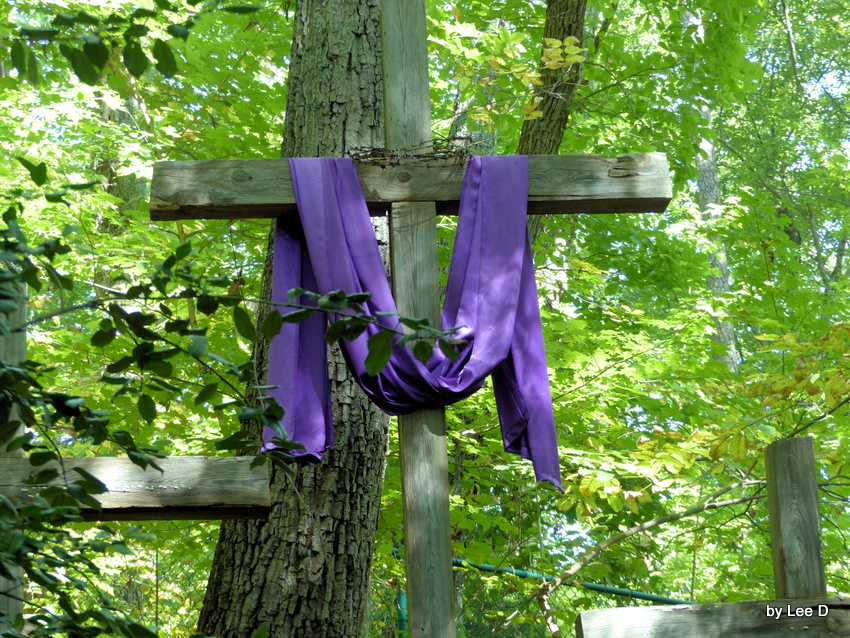
There are three crosses and some signs with verses:

Parrot Mountain Landscape and Signs

Three Crosses and Signs

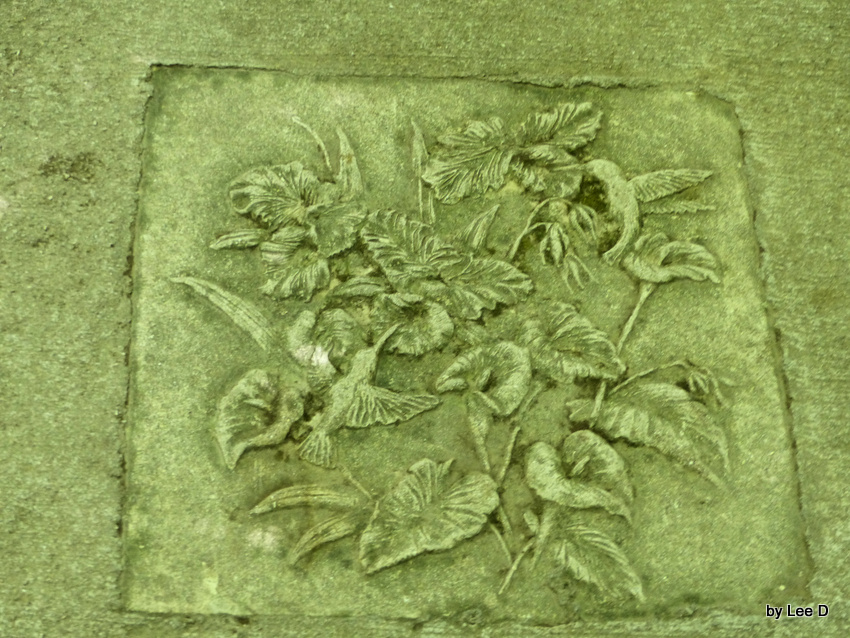
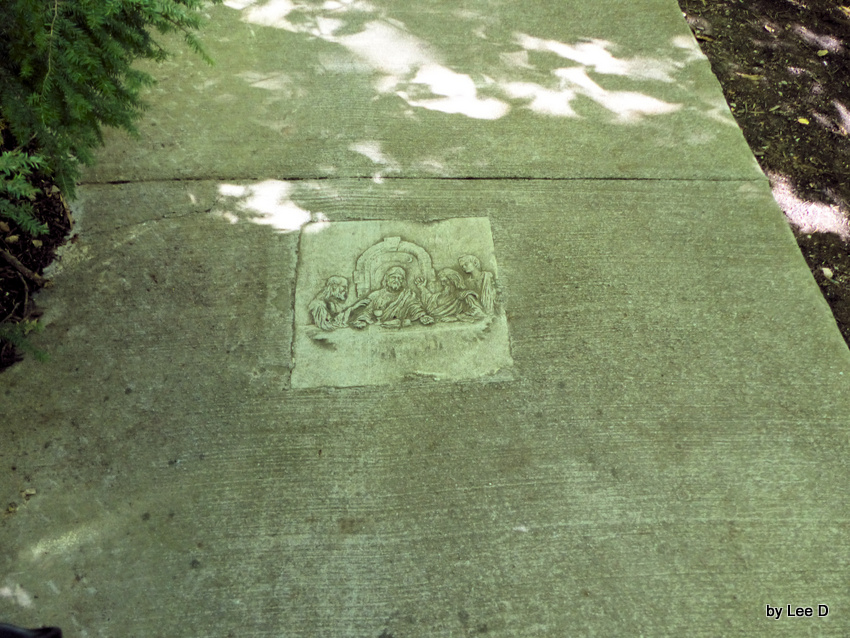
As you go in further there are more signs, a garden tomb with an angel and a place where the Savior was lain. More signs and walkway with sculptures in them. Here are more of the photos of this area of Parrot Mountain.

*
Parrot Mountain in Pigeon Forge, Tennessee
Fellowship in the Smokies
Peaceful Stream
Salmon-crested (Moluccan) Cockatoo at Parrot Mountain
Are You Missing Something?
Sharing The Gospel

*

HUMMING BIRD

Firey-throated and Volcano Hummingbird ©Raymond Barlow

HUMMING BIRD

The humming bird flits it’s

wings, poor humming bird

can’t even sing, it flits to

flowers here and there, so

fast it’s flitting everywhere.

~

They are so tiny, so sublime,

you hardly see them there so

fine. I love to see them tweet

the flowers, I could watch

the humming bird for hours.

Jeanie Boyette 10/22/12

Coppery-headed Emerald ©Raymond Barlow

Coppery-headed Emerald ©Raymond Barlow

The grass withereth, the flower fadeth: but the word of our God shall stand for ever. (Isaiah 40:8 KJV)

This poem was written by Jeanie Boyette several years ago. She recently joined our church and found out she likes to write poetry. When I asked if she had ever written about birds, this is the one she showed me. So, in the future maybe we can get her to write some more about our beautifully created avian wonders.

*

Guest Authors

The Amazing Butterfly

*

Sunday Inspiration – Sylviid Babblers

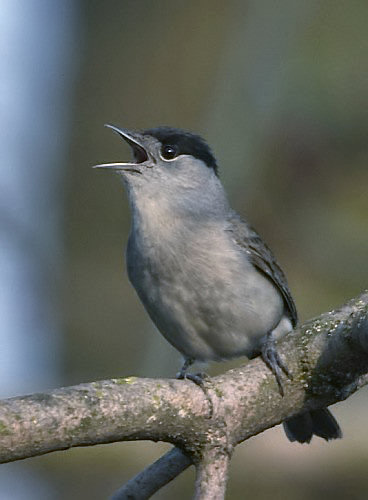
Eurasian Blackcap (Sylvia atricapilla) ©WikiC

Eurasian Blackcap (Sylvia atricapilla) ©WikiC

Here is our next avian group taxonomically, the Sylviidae – Sylvid Babblers Family. The Lord created these birds with a song to sing and some that are very colorful. Actually there are very few Babblers in the family. There are Blackcaps, various Warblers, Whitethroats, Fulvettas, Parrotbills plus a Myzornis and a Catbird.

Fire-tailed Myzornis (Myzornis pyrrhoura) ©WikiC

Fire-tailed Myzornis (Myzornis pyrrhoura) ©WikiC

Sylviidae is a family of passerine birds that was part of an assemblage known as the Old World warblers. The family was formerly a wastebin taxon with over 400 species of bird in over 70 genera. The family was poorly defined with many characteristics shared with other families. Advances in classification, particularly helped with molecular data, have led to the splitting out of several new families from within this group. Today the smaller family Sylviidae includes the typical warblers in the genus Sylvia, the parrotbills of Asia (formerly a separate family Paradoxornithidae), a number of babblers formerly placed within the family Timaliidae (which is itself currently being split) and the wrentit, an unusual North American bird that has been a longstanding taxonomic mystery.

Hume's Whitethroat (Sylvia althaea) ©WikiC

Hume’s Whitethroat (Sylvia althaea) ©WikiC

There is now evidence that these Sylvia “warblers” are more closely related to babblers [Timaliidae], and thus these birds are better referred to as Sylvia babblers, or just sylvids.

Vinous-throated Parrotbill (Sinosuthora webbiana) ©WikiC

Vinous-throated Parrotbill (Sinosuthora webbiana) ©WikiC

Sylviids are small to medium-sized birds. The bill is generally thin and pointed with bristles at the base. Sylviids have a slender shape and an inconspicuous and mostly plain plumage. The wings have ten primaries, which are rounded and short in non-migratory species. (Wikipedia)

For thus says the LORD, Who created the heavens, Who is God, Who formed the earth and made it, Who has established it, Who did not create it in vain, Who formed it to be inhabited: “I am the LORD, and there is no other. (Isaiah 45:18 NKJV)

This slideshow requires JavaScript.

Now if God so clothes the grass of the field, which today is, and tomorrow is thrown into the oven, will He not much more clothe you, O you of little faith? (Matthew 6:30 NKJV)

“I Stand Amazed” ~ Faith Baptist Choir

*

More Sunday Inspirations 

Sylviidae – Sylviid Babblers

Sylviidae – Wikipedia

Parrotbill – Wikipedia

Babbler For Who?

*

Ian’s Bird of the Week – Snares Penguin

Ian’s Bird of the Week – Snares Penguin ~ by Ian Montgomery

Newsletter – 10/23/15

Before we get on to this week’s bird – the Snares Penguin – here is a postscript on last week’s discussion on the boundary between Fuscous and Yellow-tinted Honeyeaters on the Atherton Tableland west of Cairns. Keith Fisher sent me this photo of a bird taken at Springvale Road in the Kaban area between Herberton and Ravenshoe in the western drier part of the Tableland (Chapter 14 in Where to Find Birds in Northern Queensland, hint, hint). He also sent me information from Lloyd Nielsen who has been studying these birds. It would be a brave person who would identify this bird on appearance alone and it seems that the matter will remain unresolved until someone does some DNA analysis. Thank you Keith.

Fuscous Honeyeater (Lichenostomus fuscus) by Ian at Birdway

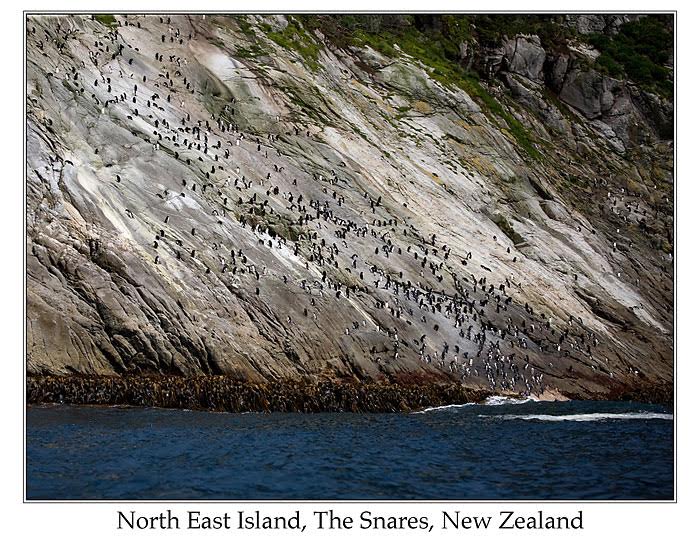
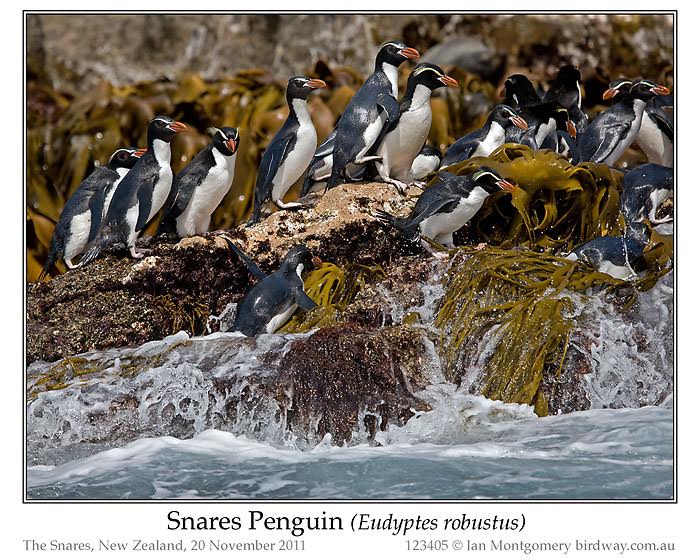
Now for something completely different and for no other reason than I like penguins and so do most people. We saw various penguin species on the Sub-Antarctic Islands trip that we did in 2011 and here is one of two that hasn’t featured as bird of the week. The first island group that we reached after leaving Dunedin on the South Island of New Zealand was the Snares, an isolated group of islands with a total area of 340ha/840acres about 200km/125miles south of the South Island.

Snares Penguin (Eudyptes robustus) by IanThe Snares are of particular scientific and conservation value as, unlike other similar islands in the Southern Pacific they were left largely untouched by sealing and whaling and survive, vegetation intact in a fairly pristine state and have no mammalian predators. The Snares Penguin and the Snares Snipe are endemic species and there is an endemic race of the Fernbird and an all black-race of the Tomtit. The islands are of huge importance for nesting seabirds with 2 million pairs of Sooty Shearwaters and large numbers of Common Diving Petrels. Because of its conservation status – ‘minimum impact’ – we weren’t allowed to land but we cruised close by in Zodiacs in ideal weather conditions and saw all the bird species of interest except the Snipe.

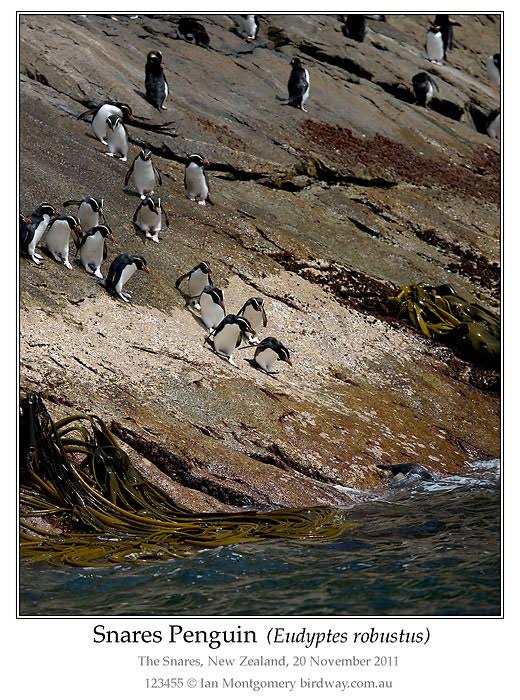
Snares Penguin (Eudyptes robustus) by IanThere are about 25,000 pairs of Snares Penguins. The species is closely related to the Fiordland Penguin of the South Island of New Zealand and the Erect-crested of Bounty and Antipodes Islands, but has a much heavier bill (hence the name robustus) and pink skin between the bill and the cheek and throat so it usual now to treat all three as full species. Like all penguins, they are delightful to watch and be watched by and they are quite curious and popped up beside the Zodiac to have a good look.

Snares Penguin (Eudyptes robustus) by IanThey nest in colonies of up to 1,000 pairs mainly usually under trees or bushes, but sometimes in the open. There is continual traffic between the ocean and colonies which scours away any vegetation.

Snares Penguin (Eudyptes robustus) by IanAt the colony we visited, there was a favoured spot for launching into the water and all the seaweed had been worn away. The penguins would wait for a calm period between ocean swells and then dash after the most intrepid into the water.

Snares Penguin (Eudyptes robustus) by IanLanding seemed to be done on a hope and a prayer and the birds would get washed up on the rocks and then scramble to safety. There were several landing spots and these still had seaweed, which presumably cushioned the birds from hard landings.

Snares Penguin (Eudyptes robustus) by IanSnares Penguins lay a clutch of 2 eggs, and breeding success is about 40%. The population is thought to be increasing, though the species is classified as Vulnerable because it depends on a single location. After breeding the bird disperse in the ocean and are recorded as vagrants in mainland New Zealand and Tasmania. The birds take about 4 years to mature and live for about 20 years.

This bird of the week is a bit late as I’ve been busy this week finishing reformatting the ebook Diary of a Bird Photographer. I’ve made each bird of the week section start on a new page to prevent the separation of caption and content. The new version has now been uploaded to the Apple, Google and Kobo bookstores and is recognisable by a re-designed cover. If you have already purchased it, you should be able to upload the latest version from the store. The following cover image links to the Diary page on the Birdway website.

Ian's Book 2

I’ve also been redesigning the website templates to make them more suitable for viewing on smart phones or tablets. The original design was for monitors a width of 1200 pixels, but we live in a more fluid world now. I’ve applied the new design to two families, and I’d be grateful if you could check them your devices and see if they behave: Stilts and Avocets and Barn Owls. I’ve tested them on iPhone and iPad using the browsers Safari and Chrome.

Greetings
Ian

**************************************************
Ian Montgomery, Birdway Pty Ltd,
454 Forestry Road, Bluewater, Qld 4818
Tel 0411 602 737 ian@birdway.com.au
Bird Photos http://www.birdway.com.au/
Recorder Society http://www.nqrs.org.au


Lee’s Addition:

In the fear of the LORD there is strong confidence, And His children will have a place of refuge. The fear of the LORD is a fountain of life, To turn one away from the snares of death. (Proverbs 14:26-27 NKJV)

Sounds like Ian has been quite busy, but I am thankful he took time to share those Snares Penguins with us. I didn’t pick up how they got their name, but this from Wikipedia explains it further.

“The Snares penguin (Eudyptes robustus), also known as the Snares crested penguin and the Snares Islands penguin, is a penguin from New Zealand. The species breeds on The Snares, a group of islands off the southern coast of the South Island.”

*

Ian’s Bird of the Week

Snares Penguin – Ian’s Birdway

Snare Penguin – Wikipedia

Spheniscidae – Penguin Family

Ian’s Bird of the Week – Fuscous Honeyeater

Story of the Wordless Book

*

Are You Missing Something?

Silvery-cheeked Hornbill (Bycanistes brevis) Parrot Mtn

Silvery-cheeked Hornbill (Bycanistes brevis) Parrot Mtn

Wait on the LORD, And keep His way, And He shall exalt you to inherit the land; When the wicked are cut off, you shall see it. (Psalms 37:34 NKJV)

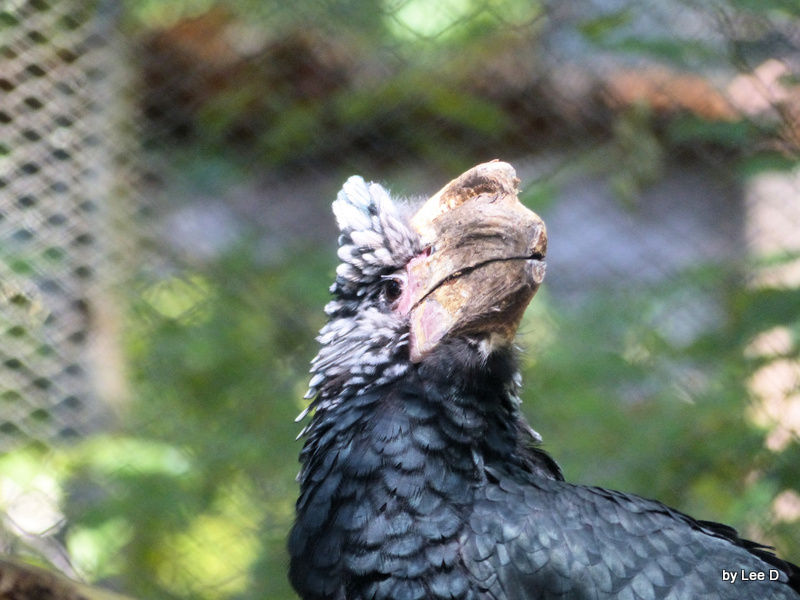
While at the Parrot Mountain last week, we saw this Silvery-cheeked Hornbill (Bycanistes brevis). As one of my friend said, after seeing these photos, “that is an ugly bird.” Well, almost, but is beauty in the eye of the beholder? I am sure that from the eyes of another Silvery-cheeked Hornbill, it may not be.

Silvery-cheeked Hornbill (Bycanistes brevis) Parrot Mtn

Silvery-cheeked Hornbill (Bycanistes brevis) Parrot Mtn

As the sign says,:

  • The Silvery-cheeked Hornbill can grow up to two and half feet long and weigh two and three quarter pounds.
  • Have an average life span of 50 years.
  • Silvery-cheeked Hornbills eat by plucking a piece of fruit and tipping its head back to swallow it whole. They will eat berries, figs, palmnuts, as well as a variety of insects.
  • The Hornbill is one of the few birds that have eyelashes to shield them from sun and dust.
Silvery-cheeked Hornbill (Bycanistes brevis) Parrot Mtn by Lee

Silvery-cheeked Hornbill (Bycanistes brevis) Parrot Mtn by Lee

Also the Silvery-cheeked Hornbill are residents of the tall evergreen forest of east Africa from Ethiopia to South Africa.

Well, maybe this bird is a little ugly:

Silvery-cheeked Hornbill (Bycanistes brevis) Parrot Mtn

Silvery-cheeked Hornbill (Bycanistes brevis) Parrot Mtn

Yet, in the Lord’s sight, this bird was created special and most likely fits right in with where it lives and what it does. What I haven’t shown you yet is that it is missing the tip of its beak. Most likely, that is why it is in captivity because it may not be able to obtain food in the wild.

Missing the tip of its beak

Missing the tip of its beak

Silvery-cheeked Hornbill with missing tip of beak.

Silvery-cheeked Hornbill with missing tip of beak.

I was surprised by how many verses that mention the words “cut off.” There are 200 verses in the NKJV. Even the verse where Peter cut off the ear of the servant, but Jesus healed him by putting back on. Only the Creator could have done that. Many mention enemies or sinners being cut off. Also, not being cut off if you are righteous and one of His saints.

For the LORD loves justice, And does not forsake His saints; They are preserved forever, But the descendants of the wicked shall be cut off. The righteous shall inherit the land, And dwell in it forever. The mouth of the righteous speaks wisdom, And his tongue talks of justice. The law of his God is in his heart; None of his steps shall slide. The wicked watches the righteous, And seeks to slay him. The LORD will not leave him in his hand, Nor condemn him when he is judged. Wait on the LORD, And keep His way, And He shall exalt you to inherit the land; When the wicked are cut off, you shall see it. (Psalms 37:28-34 NKJV)

Missing heaven and not spending eternity with the Lord Jesus Christ would be a terrible tragedy. I trust you will not be cut off with the wicked and that you know the Lord as your personal Savior. Accepting the Lord Jesus was the best decision I ever made in my life.

The Gospel Message and Gospel Presentation both explain how to not be cut off or missing out on eternity in heaven.

*

*

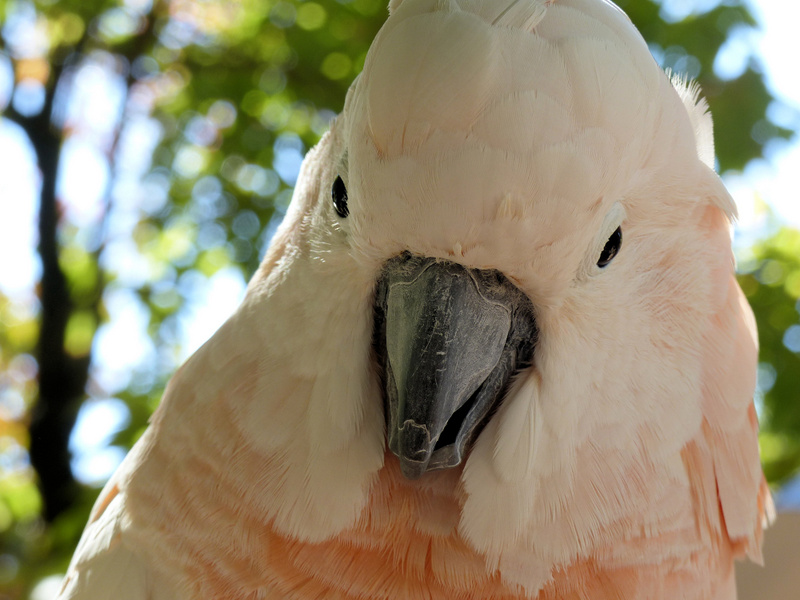
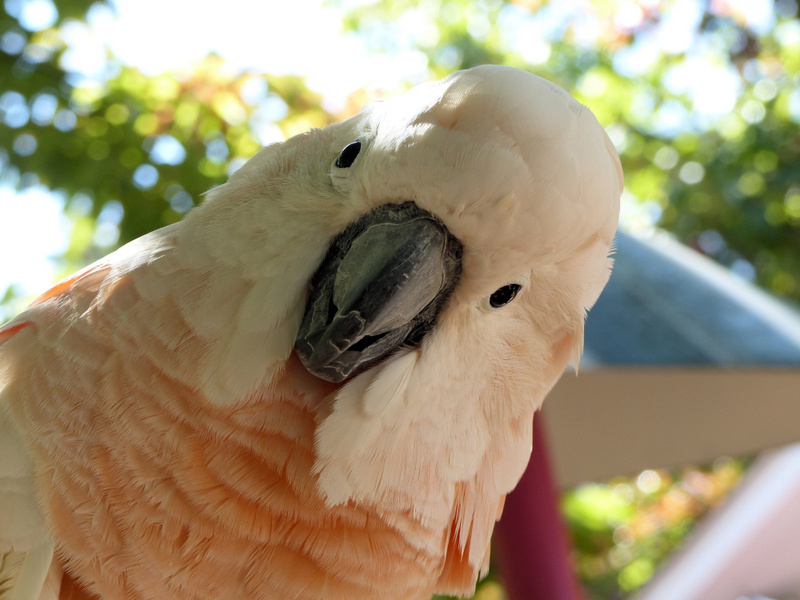
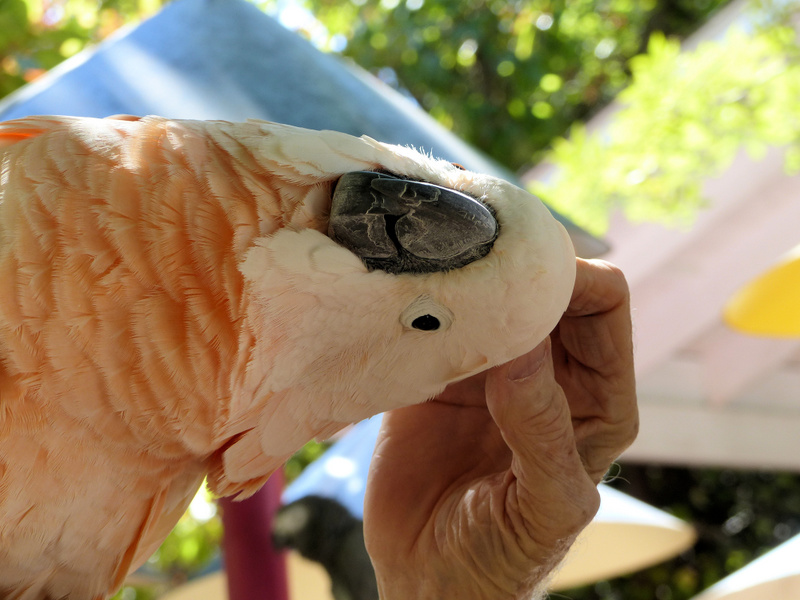
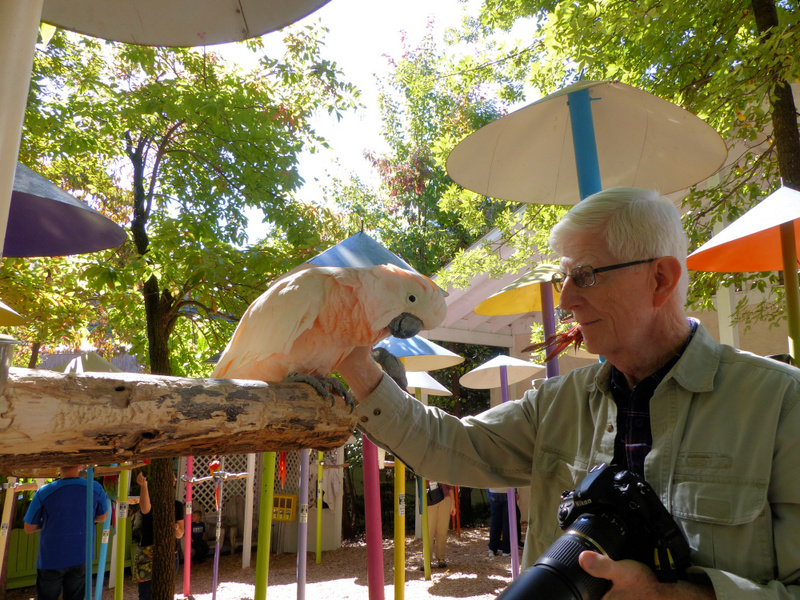
Salmon-crested (Moluccan) Cockatoo at Parrot Mountain

Salmon-crested Cockatoo (Cacatua moluccensis) at Parrot Mtn by Lee

Salmon-crested Cockatoo (Cacatua moluccensis) at Parrot Mtn by Lee

“So God created … every winged bird according to its kind. And God saw that it was good.” (Genesis 1:21 NKJV)

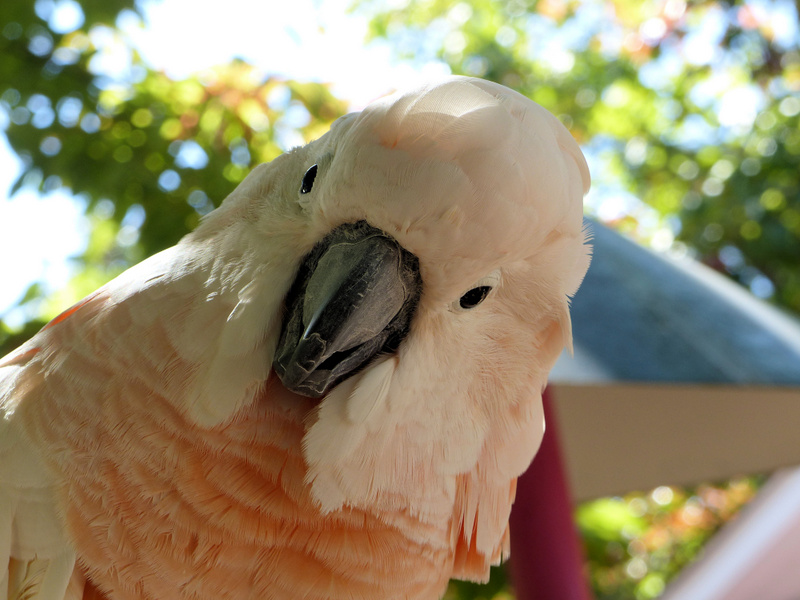
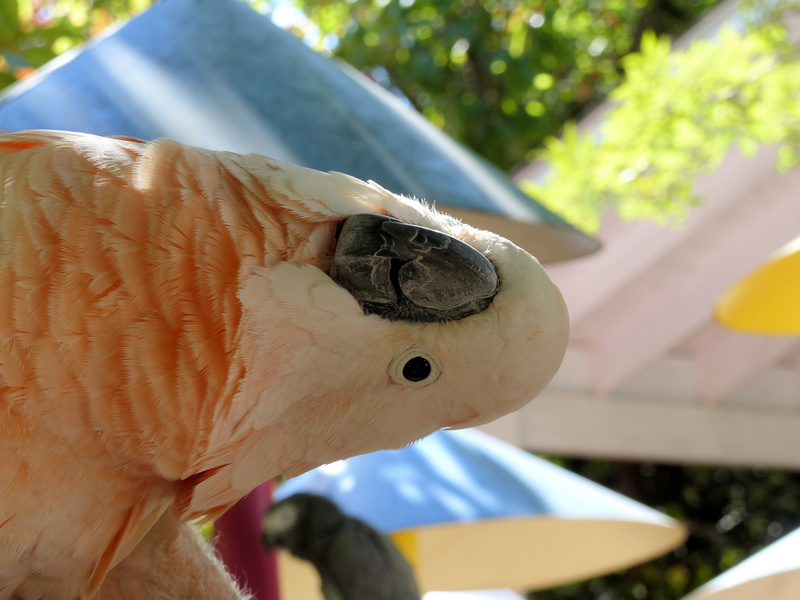
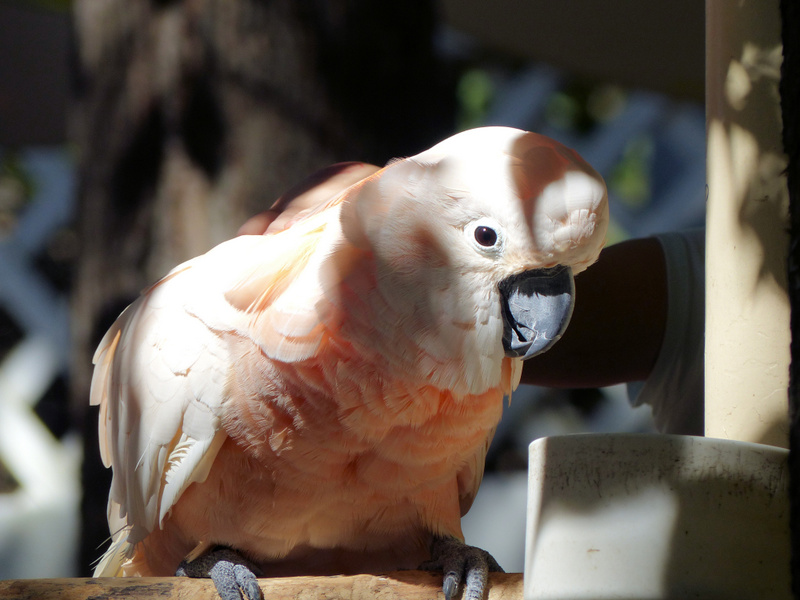
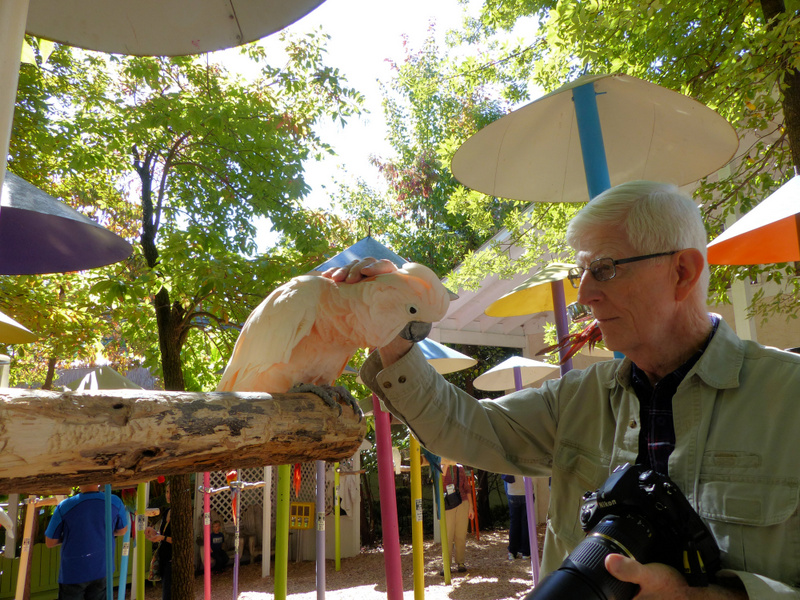
Here are a few photos of the Salmon-crested Cockatoo (Cacatua moluccensis) or Mouccan Cockatoo, as they call it, at the Parrot Mountain in Pigeon Forge, Tennessee. On their brochure they have “In the Beginning GOD Created All Things” and “Hundreds of Tropical Birds in a Garden of Eden Surrounding.” It is a very enjoyable place to visit. The landscaping is very pretty and colorful. More about that in another post. It is very much Christian oriented.

“The salmon-crested cockatoo (Cacatua moluccensis) also known as the Moluccan cockatoo, is a cockatoo endemic to the south Moluccas in eastern Indonesia. They are members of the Cacatuidae – Cockatoos Family. At a height of up to 46–52 cm and weight of up to 850 g, it is among the largest of the white cockatoos. The female is larger than the male on average. It has white-pink feathers with a definite peachy glow, a slight yellow on the underwing and underside of the tail feathers and a large retractable recumbent crest which it raises when threatened, revealing hitherto concealed bright red-orange plumes to frighten potential attackers. It may also be raised in excitement or in other ’emotional’ displays. Some describe the crest as “flamingo-colored.” It also has one of the louder calls in the parrot world and in captivity is a capable mimic.

Salmon-crested Cockatoo (Cacatua moluccensis) at Parrot Mtn by Lee

Salmon-crested Cockatoo (Cacatua moluccensis) at Parrot Mtn by Lee

In the wild the salmon-crested cockatoo inhabits lowland forests below 1000 m. The diet consists mainly of seeds, nuts and fruit, as well as coconuts, and also eats Meat. There is additional evidence that they eat insects off the ground, and pet Moluccan cockatoos have tested positive for anemia if their diet does not include enough protein.

Salmon-crested Cockatoo (Cacatua moluccensis) at Parrot Mtn by Le

Salmon-crested Cockatoo (Cacatua moluccensis) at Parrot Mtn by Lee

For every kind of beast and bird, of reptile and creature of the sea, is tamed and has been tamed by mankind. (James 3:7 NKJV)

The salmon-crested cockatoo can no longer be imported into the United States because it is listed on the Wild Bird Conservation Act. However, they are being bred in captivity. They are popular for their beauty and trainability (which makes them popular in trained bird shows). The salmon-crested cockatoo is widely considered to be one of the most demanding parrots to keep as a pet due to their high intelligence, large size, potential noise level, and need to chew. Moluccan cockatoos require a very large and very sturdy cage or aviary. Salmon-crested cockatoos are highly social and pets can be extremely cuddly, affectionate, and gentle birds.” (Wikipedia)

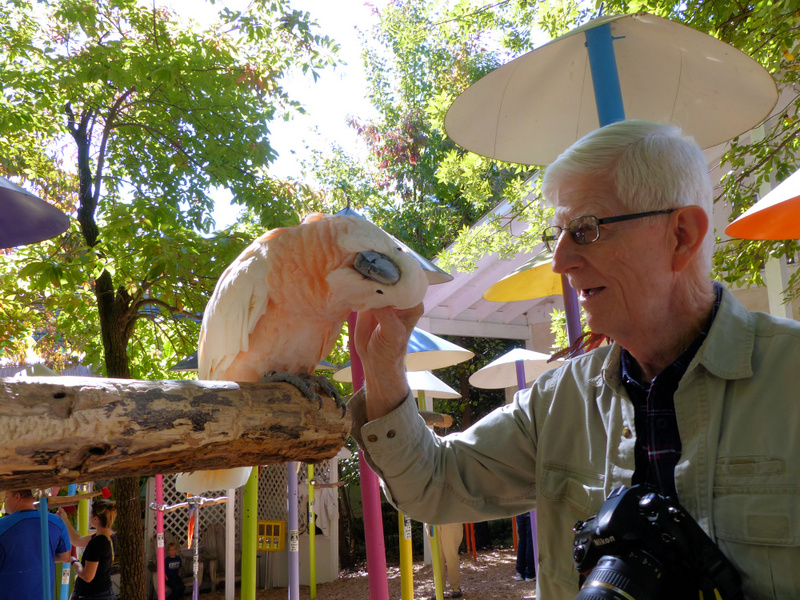
The photos are shown in the sequence taken. Dan was enjoying scratching its head.

*

Parrot Mountain in Pigeon Forge, Tennessee

Salmon-crested Cockatoo – Wikipedia

Cacatuidae – Cockatoos Family

Wordless Birds

*