Sunday Inspiration – Hummingbirds

Rufous-tailed Hummingbird (Amazilia tzacatl) by Judd Patterson

Rufous-tailed Hummingbird (Amazilia tzacatl) by Judd Patterson

How excellent is thy lovingkindness, O God! therefore the children of men put their trust under the shadow of thy wings. They shall be abundantly satisfied with the fatness of thy house; and thou shalt make them drink of the river of thy pleasures. For with thee is the fountain of life: in thy light shall we see light. O continue thy lovingkindness unto them that know thee; and thy righteousness to the upright in heart. (Psa 36:7-10)

*

This slideshow requires JavaScript.

Come Thou Fount by the Faith Baptist Orchestra. (Used With Permission of Faith Baptist Church)

(Music and photos are used by permission. If copied, you must obtain permission also.)

Hummingbirds are one of the most beautiful and delicate creations from our Lord. Enjoy seeing what He Hath Made.

*

And he said unto me, It is done. I am Alpha and Omega, the beginning and the end. I will give unto him that is athirst of the fountain of the water of life freely.
(Rev 21:6)

*

More Sunday Inspiration

*

Birds of the Bible – Harpy Eagle

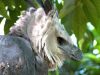
Harpy Eagle (Harpia harpyja) by Lee at ZM 2014

Harpy Eagle (Harpia harpyja) by Lee at ZM 2014

And say, Thus saith the Lord GOD; A great eagle with great wings, longwinged, full of feathers, which had divers colours, came unto Lebanon, and took the highest branch of the cedar: (Eze 17:3)

Dan and I were off on a birdwatching adventure this week. This time we visited the Zoo Miami’s Wings of Asia aviary and the Palm Beach Zoo. With over a thousand photos to sort through, I have some new photos to share. Because of the number, it will also be awhile before they are sorted and cleaned up.

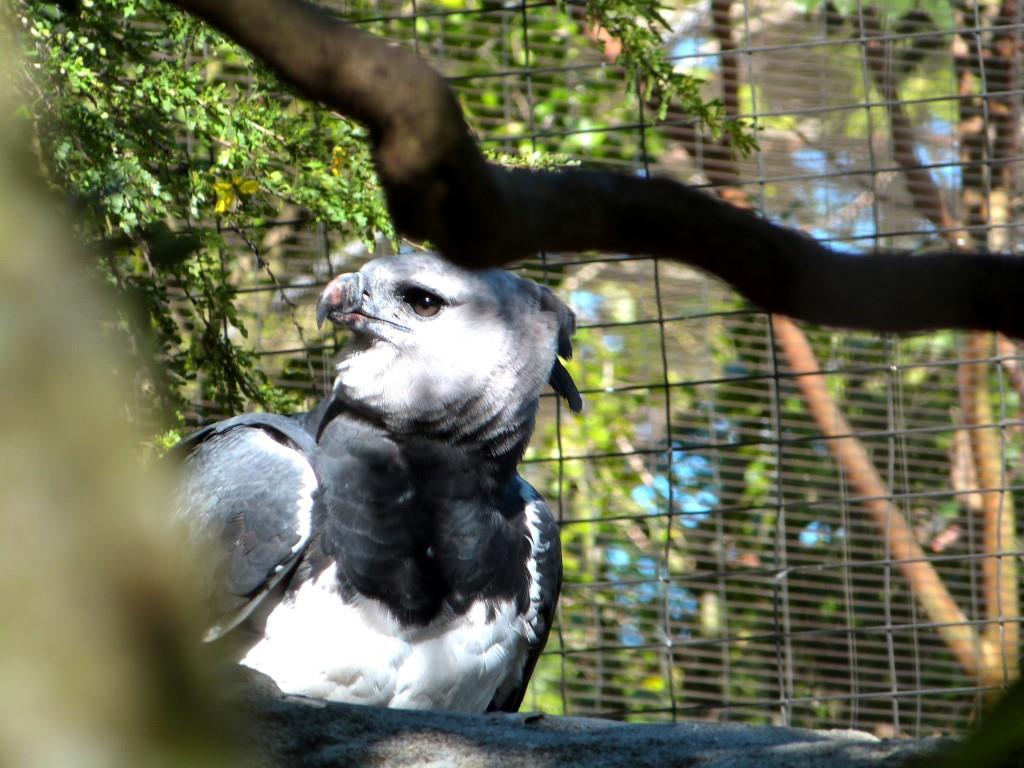
At Zoo Miami we encountered a Harpy Eagle and its young one. As far as I know, this is a first for seeing this Eagle. Its holding area is quite large and has a fly area right over the walk path. The biggest problems were a fence and it was very shady there which made photographing them challenging. But what an amazing creation by the Lord. Love that “hair do”.

And say, Thus saith the Lord GOD; A great eagle with great wings, longwinged, full of feathers, which had divers colours, came unto Lebanon, and took the highest branch of the cedar: (Eze 17:3)

Harpy Eagle (Harpia harpyja) by Lee at Zoo Miami 2014

Harpy Eagle (Harpia harpyja) by Lee at Zoo Miami 2014

I was able to get a few shots through the fence. I am not complaining about the fence being between me and that eagle. Looking at that beak makes one very thankful for a barrier between us.

Wikipedia says, “On occasion, larger prey such as capybaras, peccaries and deer are taken and they are usually taken to a stump or low branch and partially eaten, since they are too heavy to be carried whole to the nest. Red brocket deer, a species commonly weighing over 30 kg (66 lb), have been reportedly predated and, in such cases, the eagle may have to tear it into pieces or feed on at the killing site rather than fly with as it would be too heavy. The Harpy have been recorded as taking domestic livestock, including chickens, lambs, goats and young pigs, but this is extremely rare under normal circumstances. They control population of mesopredators such as capuchin monkeys which prey extensively on bird’s eggs and which (if not naturally controlled) may cause local extinctions of sensitive species.”

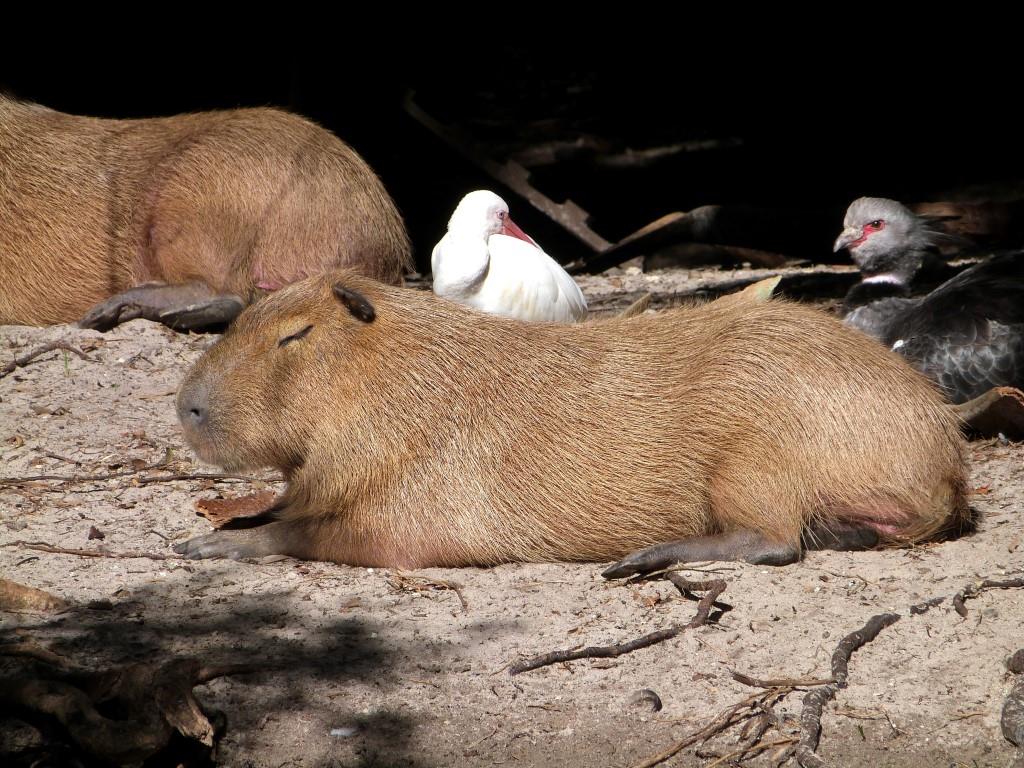
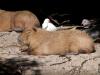
Here is a Capybara resting alongside a White Ibis and a Crested Screamer. It gives you an idea how large a critter the Harpy can take as prey. (The Capybara is problem happy it is at Palm Beach and not down in Miami with the Hapry.)

Capybara with White Ibis and Crested Screamer by Lee at PB Zoo

Capybara with White Ibis and Crested Screamer by Lee at PB Zoo 2014

Our persecutors are swifter than the eagles of the heaven: they pursued us upon the mountains, they laid wait for us in the wilderness. (Lam 4:19)

The Harpy Eagle (Harpia harpyja) is a Neotropical species of eagle. They are one of the 256 members of the Accipitridae – Kites, Hawks & Eagles Family. It is sometimes known as the American Harpy Eagle to distinguish it from the Papuan Eagle which is sometimes known as the New Guinea Harpy Eagle or Papuan Harpy Eagle. It is the largest and most powerful raptor found in the Americas, and among the largest living species of eagles in the world. It usually inhabits tropical lowland rainforests in the upper (emergent) canopy layer. Destruction of its natural habitat has seen it vanish from many parts of its former range, and it is nearly extirpated in Central America. In Brazil, the Harpy Eagle is also known as Royal-Hawk (in Portuguese: Gavião-Real).

Because of its endangerment, zoos are keeping them to help in breeding. In fact, there is a second Harpy in this enclosure. They have been successful in having chicks born. One was born in 2009 and again in 2013. I assume this young Harpy Eagle is the one born last year.

Harpy Eagle (Harpia harpyja) by Lee at Zoo Miami

Harpy Eagle (Harpia harpyja) by Lee at Zoo Miami

It is sometimes cited as the largest eagle alongside the Philippine Eagle, that is somewhat longer on average and the Steller’s Sea Eagle, that is slightly heavier on average. The wingspan of the Harpy Eagle is relatively small, an adaptation that increases maneuverability in forested habitats and is shared by other raptors in similar habitats. The wingspan of the Harpy Eagle is surpassed by several large eagles who live in more open habitats, such as those in the Haliaeetus and Aquila genera.

Additional Facts: (From Nature PBS)

  • The harpy was first described by Linnaeus in his 1758 Systema Naturae as the Vultur harpyja, after the Greek mythological spirit that had the body of an eagle and the face of a human.
  • The harpy eagle is most closely related to the crested eagle (Morphnus guianesis) and the New Guinea harpy eagle (Harpyopsis novaeguineae).
  • The harpy eagle is Panama’s national bird.
  • Its talons can be as large as the claws of a grizzly bear.
  • As an apex predator, the harpy eagle is often believed to be a key indicator of the health of the forest ecosystem. Where there are healthy numbers of harpy eagles, there are healthy numbers of the species it preys upon.
  • The exact number of harpies is not known. Birdlife International estimated that there were between 20,000 and 50,000 birds in 2009, but those numbers are far from definitive.

The Harpy Eagle is on the Coat of Arms of Panama – Harpy Eagle at Top – Wikipedia

To find out more about the Harpy see the links below. There a numerous verses in the Bible about Eagles and these are just a few more of them.

Wilt thou set thine eyes upon that which is not? for riches certainly make themselves wings; they fly away as an eagle toward heaven. (Pro 23:5)

The same hour was the thing fulfilled upon Nebuchadnezzar: and he was driven from men, and did eat grass as oxen, and his body was wet with the dew of heaven, till his hairs were grown like eagles’ feathers, and his nails like birds’ claws. (Dan 4:33)

Doth the eagle mount up at thy command, and make her nest on high? She dwelleth and abideth on the rock, upon the crag of the rock, and the strong place. (Job 39:27-28)

See:

*


*

Ian’s Bird of the Week – Chestnut-breasted Mannikin/Munia

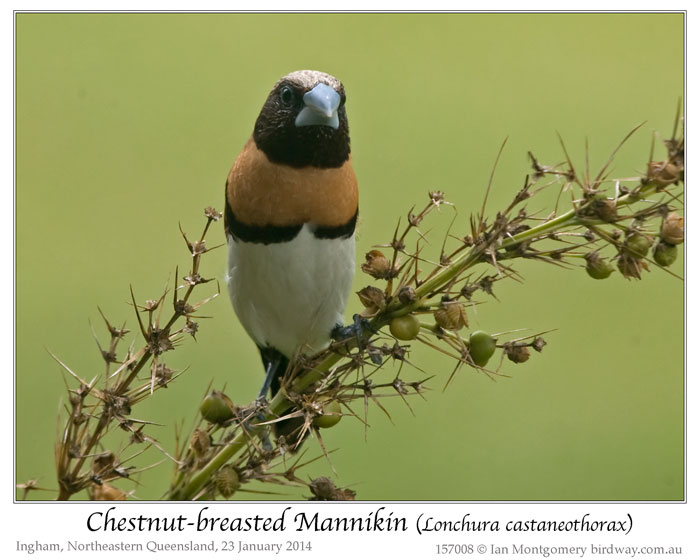
Chestnut-breasted Mannikin (Lonchura castaneothorax) by Ian

Chestnut-breasted Mannikin (Lonchura castaneothorax) by Ian

Ian’s Bird of the Week – Chestnut-breasted Mannikin/Munia ~ by Ian Montgomery

Newsletter ~ 1-23-14

Please accept my apologies that it is over a month since the last bird of the week. I seem to have been distracted by Christmas, New Year, etc.

Anyway, here is a spontaneous one. I’m in the public library in Ingham at the moment getting my car serviced. I was planning to work on the book Where to Find Birds in Northeast Queensland, but had a nagging feeling that I should really do the bird of the week. I found a table at the back of the library with a pleasant view over the adjacent Tyto Wetlands and spotted 3 Chestnut-breasted Mannikins feeding on the ornamental grass seeds just outside the window.

Chestnut-breasted Mannikin (Lonchura castaneothorax) by Ian

Chestnut-breasted Mannikin (Lonchura castaneothorax) by Ian

I had my camera with me and got a couple of photos of one before they noticed me (second photo) and flew away. The photos are a bit cloudy having been taken through glass, but it was good quality plate glass. Members of the genus Lonchura are usually called Mannikins in Australia but they also occur in Asia where the name Munia is used.

This incidentally, is the view of Tyto Wetlands from the library. The dark speck on the lawn in the foreground on the left hand side is the bird in the first two photos.

Chestnut-breasted Mannikin at Tyto Wetlands by Ian

Chestnut-breasted Mannikin at Tyto Wetlands by Ian

Tyto Wetlands gets its name from the Barn Owl genus Tyto as it is a known haunt of the elusive Eastern Grass Owl Tyto longimembris which nest sometimes in the grassy area between the wetlands and the local airstrip. I have seen them here on a number of occasions and they have been reported here quite recently, but no photos unfortunately yet.

Ingham is quite a small sugar-cane town so it is greatly to their credit that they, under the guidance and encouragement of John Young of recent Night Parrot fame, have created this wonderful wetland and sanctuary. There is also a large wetland centre near the highway, well worth a visit if you are passing this way.

Now back to the book. I finished the bird section and am now taking photos of as many as possible of the locations and that quest has taken me to some interesting spots that I’ve never visited before.

Best wishes
Ian

Ian Montgomery, Birdway Pty Ltd,
454 Forestry Road, Bluewater, Qld 4818
Phone: 0411 602 737 +61-411 602 737
Preferred Email: ian@birdway.com.au
Bird Photos http://www.birdway.com.au/
Recorder Society http://www.nqrs.org.au


Lee’s Addition:

Then adorn yourself with majesty and splendor, And array yourself with glory and beauty. (Job 40:10 NKJV)

Sounds like you were as busy as the rest of us. What a beautiful bird. I love the clean lines where the colors change. Another neat creation.

Munia and Mannikins belong to two different families. This Chestnut-breasted Mannikin is actually one of the 151 species in the Estrildidae – Waxbills, Munias & Allies Family. There is a family with Manakins that can confuse someone because of the close spelling.  (Mannikin vs Manakin) The  Pipridae – Manakins Family has 52 species in their family.

See:

Ian’s Bird of the Week

Ian’s Estrildidae Family Photos

Ian’s Bird of the Week – Yellow-rumped Munia/Mannikin

Estrildidae – Waxbills, Munias & Allies Family

Pipridae – Manakins Family

*

Birds of the World – Magnificent Riflebird

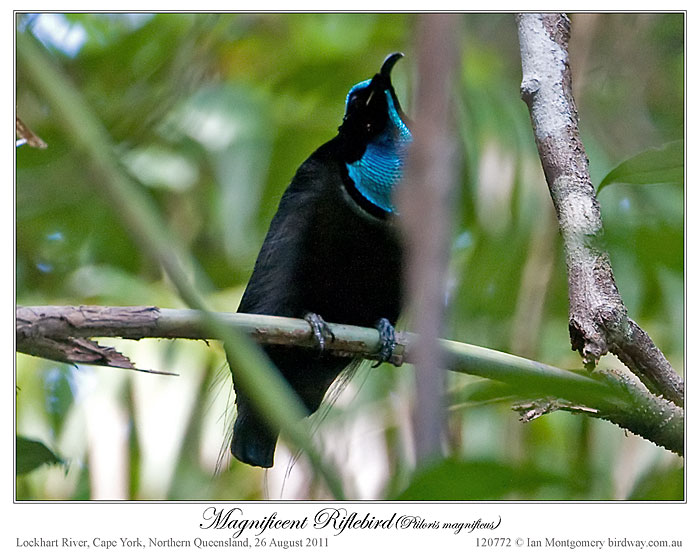
Magnificent Riflebird (Ptiloris magnificus) by Ian

Magnificent Riflebird (Ptiloris magnificus) by Ian

Let them praise the name of the LORD: for his name alone is excellent; his glory is above the earth and heaven. (Psa 148:13 KJV)

The Magnificent Riflebird is a member of the Paradisaeidae – Birds-of-paradise Family. They are a family of birds that really showcase the Lord’s Creative Hand.

The Magnificent Riflebird (Ptiloris magnificus) is a medium-sized (up to 34 cm long) passerine bird of the Paradisaeidae family. The male is velvet-black bird of paradise with elongated black filamental flank plumes, an iridescent blue-green crown, a wide, triangle-shaped breast shield, and on central tail feathers. It has a black curved bill, yellow mouth, blackish feet and a dark brown iris. The female is brownish with dark spots and buff bars below.

The Magnificent Riflebird is widely distributed throughout lowland rainforests of New Guinea and far Northeastern Australia. The diet consists mainly of fruits and arthropods.

Males perform solitary courtship displays on a ‘dancing perch’. During these displays, the male fully extends his wings and raises his tail; he hops upward while swinging his head from side to side, showing off his metallic blue-green breast shield. Multiple females will observe these displays. Females subsequently build nests, incubate, brood, and feed young without male assistance. (Wikipedia with editing)

The Lab of Ornithology produced this clip.

*

Praise him for his mighty acts: praise him according to his excellent greatness. (Psa 150:2 KJV)

P.S. I am off on a birdwatching adventure, but wanted to share this with you. More about our adventure later.

*

Paradisaeidae – Birds-of-paradise Family

Ian’s Bird of the Week – Magnificent Riflebird

Magnificent Riflebird – Wikipedia

*

Sunday Inspiration – Laughingthrush

Blue-crowned Laughingthrush (Garrulax courtoisi) at Cincinnati Zoo by Lee

Blue-crowned Laughingthrush (Garrulax courtoisi) at Cincinnati Zoo by Lee

Let us hold fast the confession of our hope without wavering, for He who promised is faithful. And let us consider one another in order to stir up love and good works, not forsaking the assembling of ourselves together, as is the manner of some, but exhorting one another, and so much the more as you see the Day approaching.
(Hebrews 10:23-25 NKJV)

*

This slideshow requires JavaScript.

*

My Faith Still Holds by the Faith Baptist Orchestra. (Used With Permission of Faith Baptist Church)

(Music and photos are used by permission. If copied, you must obtain permission also.)

*

Laughingthrushes are members of the Leiothrichidae – Laughingthrushes Family.

See:

Falling Plates

*

More Sunday Inspiration

*

Lake Hollingsworth 1/17/14

Lake Hollingsworth

Lake Hollingsworth 1-17-2014

Today we finally got out to do a little birdwatching. Dan wanted to check out something on his camera, so we stopped by Lake Hollingsworth in Lakeland today.

After working on the update for the Birds of the World, I thought I would take Peter England’s advice on his comment and get out in the sunshine.

Peter England

Well done Lee, go outside and enjoy the warm sun. Wear a hat….! Birds have a strange way of congratulating people like you !
Still your friend ? Peter E.

Yes, he is still my friend. :o)  I did not wear my hat though.  :o(    But I received kind congrats from the birds, so all is well.

We saw mostly the normal birds for that lake, though there was a lack of birds today. It had been cold last night and maybe they were still under their blankets.

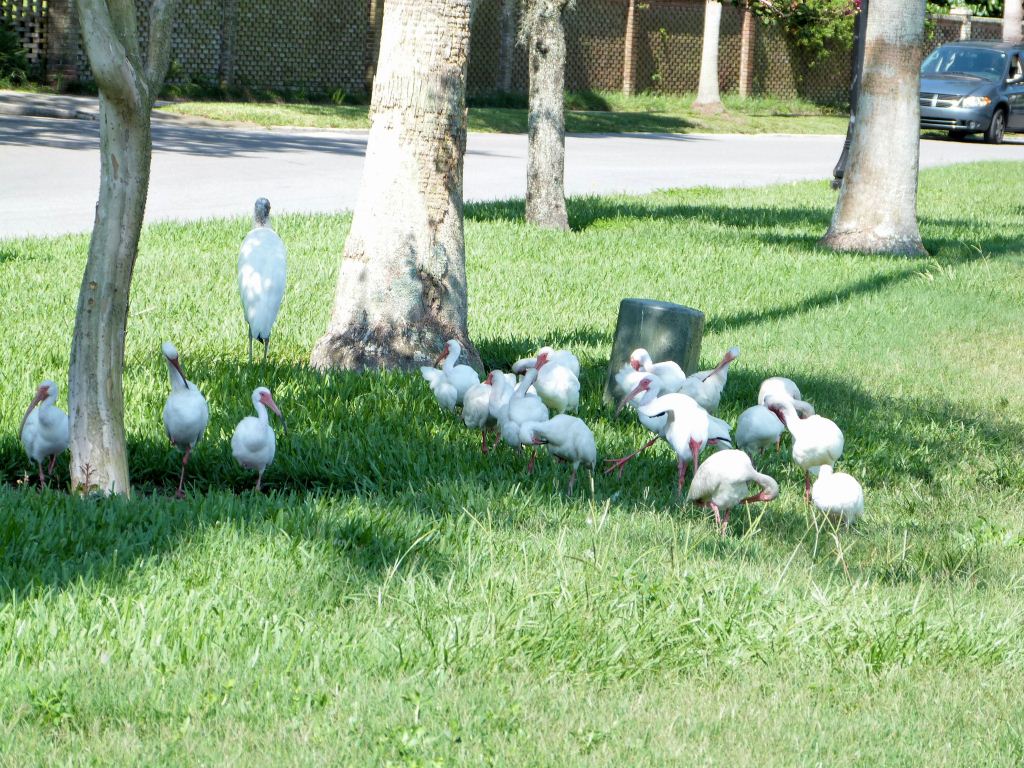
Ibises and Wood Stork

The White Ibises, about 40 of them, greeted us. They were looking for a handout, but we were just there to take a few pictures. So they walked back off. Some of the birds seen were the Mallards, Common Gallinules, Royal Terns, Ring-billed Gulls, Double-crested Cormorants (way out on the lake), Anhingas, Muscovy Ducks, Tricolored and Great Blue Herons, Red-winged Blackbirds and Boat-tailed Grackles. A flock of about 200 or more Fish Crows flew over, making their calls as they flew by.

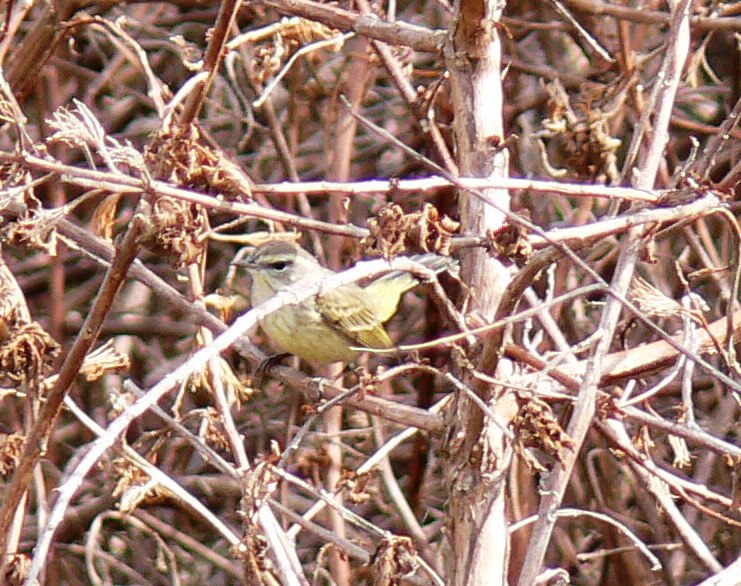
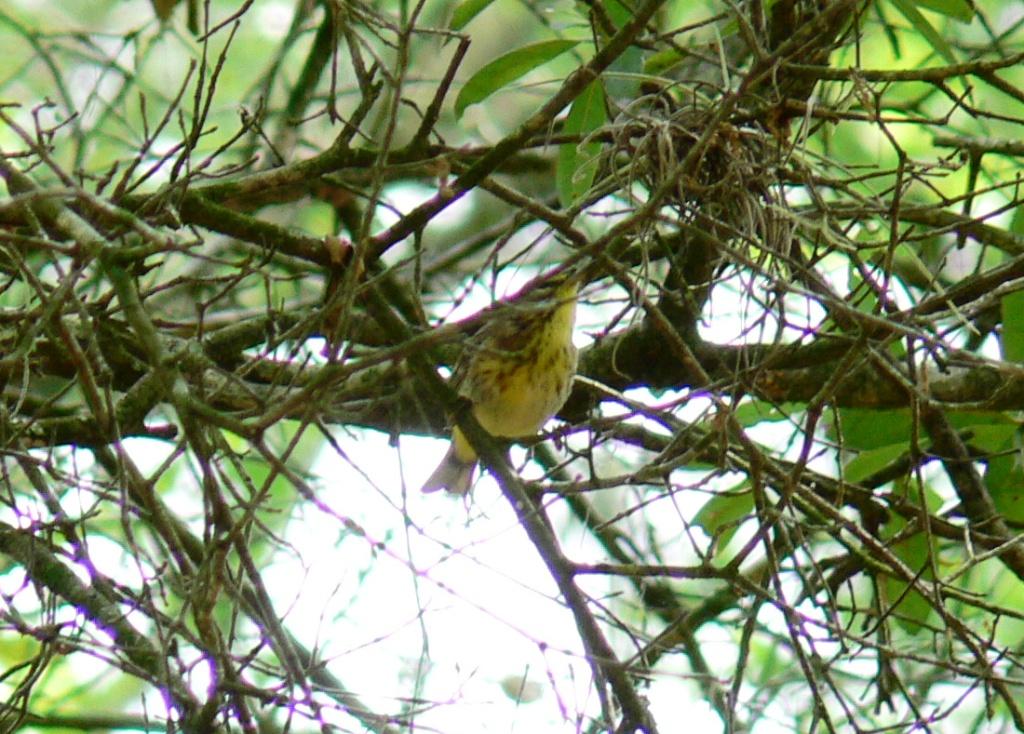
Palm Warbler (Setophaga palmarum) yellow by Lee

Palm Warbler (Setophaga palmarum) yellow by Lee

The hardest part was trying to get a photo of the numerous Warblers that were flitting around the trees. They kept moving so much, I couldn’t get a decent shot. I did ID a Palm Warbler because it was standing on the dock. Also, some Yellow-rumped Warblers, because their yellow rumps showed up. Not sure if they are one of the split ones like a Magnolia or not.

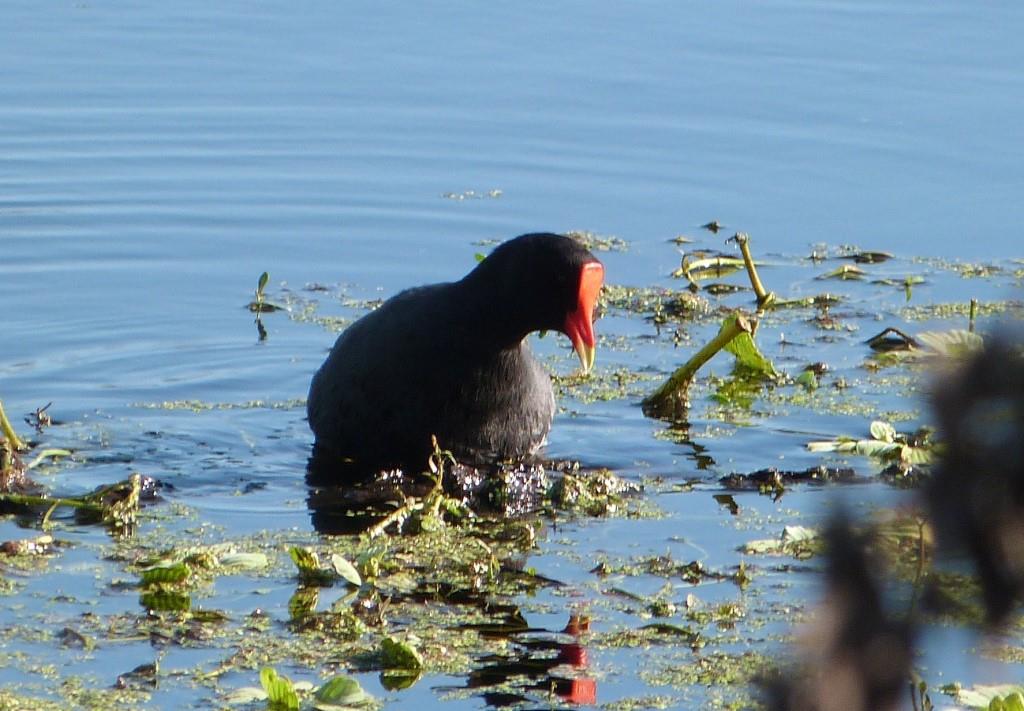
Common Gallinule (Gallinula galeata) by Lee at Circle B

Common Gallinule (Gallinula galeata) by Lee at Circle B

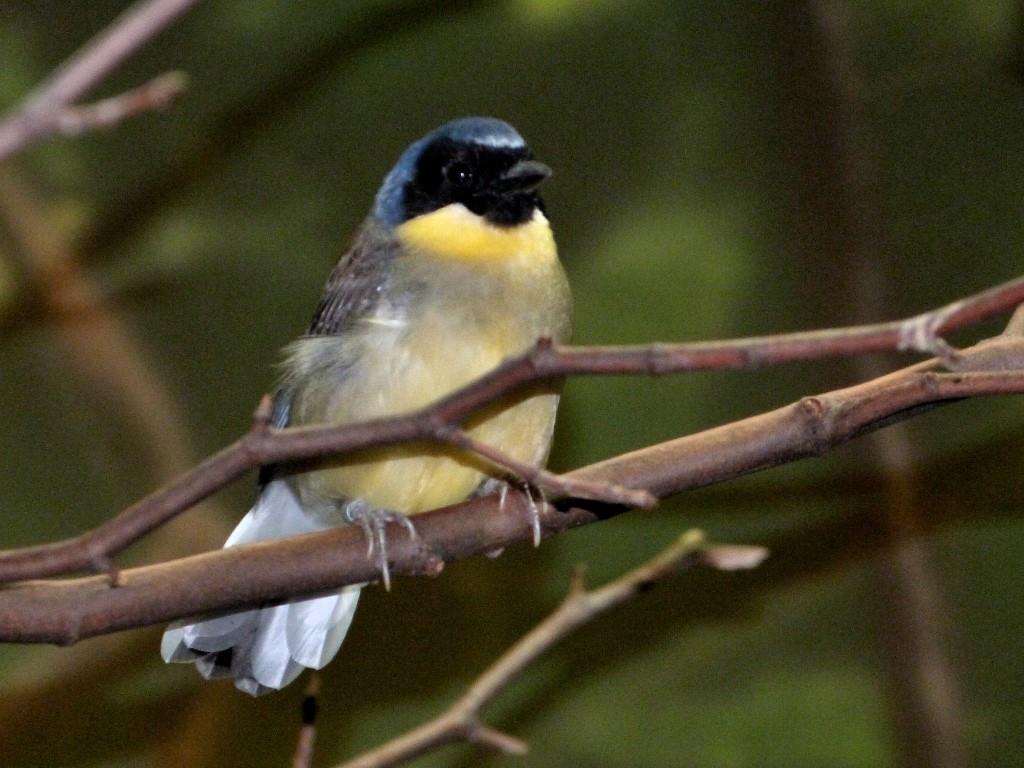
Dan got a decent photo of a Yellow-throated Warbler and I have one that is yellow, but not sure what it is. So, it is right here. Maybe someone knows for sure and will leave a comment. We get most of our Warblers down here in the winter and I really do not know that many of them. (Update: It is a Pine Warbler thanks to a reader.) It is easier to photograph the big birds like Herons, Ibises, Egrets, Anhingas and Cormorants which we see often.

Unknown Warbler by Lee

Unknown Warbler by Lee

We also found a snake sunning itself. Dan got up close to get its picture, but I stayed back. It never moved the whole time we were watching it. We were down in the mid-30’s (F) last night, so it may not have been able to scurry away.

Not a bad birdwatching adventure for about 30 minutes worth of time. I just enjoy seeing the Lord’s neat birds out and about doing their thing.

You are worthy, O Lord, To receive glory and honor and power; For You created all things, And by Your will they exist and were created. (Revelation 4:11 NKJV)

*

This slideshow requires JavaScript.

*** My original photos were hacked. These are not the ones used originally. ***
*

Birdwatching Trips

Lake Hollingsworth Birdwatching Trips

*

Odds and Ends – Jan 2014

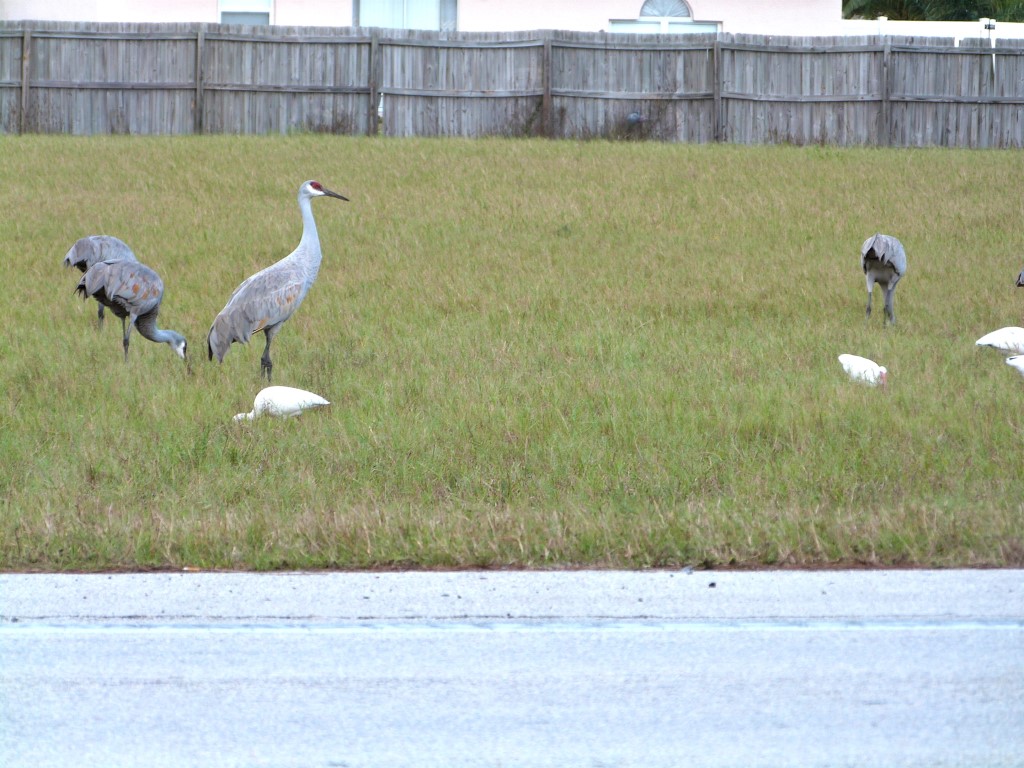
Sandhill Cranes and American White Ibis by Lee across street

Sandhill Cranes and American White Ibis by Lee across street

I am behind the scene kicking up dust again. The new I.O.C. World Bird List Version 4.1 just came out on the 7th. Yesterday, they finally released the Excel spreadsheet to update our sites. As you may know, I use the IOC’s list for my Birds of the World lists. So each page has to be updated, even if it is only changing 3.5 to 4.1. It still has to be done. There are around 350 pages involved.

There now 10,518 extant species and 150 extinct species of birds of the world (Version 4.1), with subspecies (20,976) and annotations. Classification of 40 Orders, 232 Families (plus 5 Incertae sedis), 2274 Genera are included. They added 12 new species and deleted one.

Superb Parrot (Polytelis swainsonii) by Ian

Superb Parrot (Polytelis swainsonii) by Ian

One of the big changes is in the Taxonomic orders of the Parrots and Falcons. They are now placed just before the Passerines and right after the Woodpeckers. I have that much done and am now starting on the Passeriformes Order. (Those are the perching birds and also the largest Order) Another big change is a reshuffling of the Muscicapidae – Chats, Old World Flycatchers family. (It is on my “to do” list :o) )

In the mean time, we had the privilege of seeing 22 Sandhill Cranes feeding across the street from my backyard a few days back. Then today, we spotted that same group feeding about a 1/2 mile down the road. Two more groups were spotted of 7 and 4. That is about the most I have ever seen in one day.

Did you enjoy the Sunday Inspiration – Eagles I posted Sunday? I am thinking about making that a weekly post. Either using photos of different families or some theme like “Rock Birds” in a slideshow and play a song related to the Rock of our salvation, etc. Sundays are busy for us and I don’t always post on that day. It is a day of “rest” you know.

On Duty Sandhill Crane by Lee

On Duty Sandhill Crane by Lee

By the way, when Sandhills eat, there is always at least one who is on guard and watches over the others. Brings to mind a couple of verses.

Obey those who rule over you, and be submissive, for they watch out for your souls, as those who must give account. Let them do so with joy and not with grief, for that would be unprofitable for you. (Hebrews 13:17 NKJV)

Therefore humble yourselves under the mighty hand of God, that He may exalt you in due time, casting all your care upon Him, for He cares for you. (1 Peter 5:6-7 NKJV)

Back to the dust, I have work to do.

*

Sunday Inspiration – Eagles

But they that wait upon the LORD shall renew their strength; they shall mount up with wings as eagles; they shall run, and not be weary; and they shall walk, and not faint. (Isaiah 40:31 KJV)

*

This slideshow requires JavaScript.

Listen to music as the slideshow presents some of the Lord’s beautifully created birds.

*

Don’t Give Up © by The Hyssongs (Used With Permission of the Hyssongs)

(Music and photos are used by permission. If copied, you must obtain permission also.)

*

Eagles are members of the Accipitridae – Kites, Hawks and Eagles Family.

*

*

More Sunday Inspiration

*

Birds of the Bible – Snowy Owl in Florida

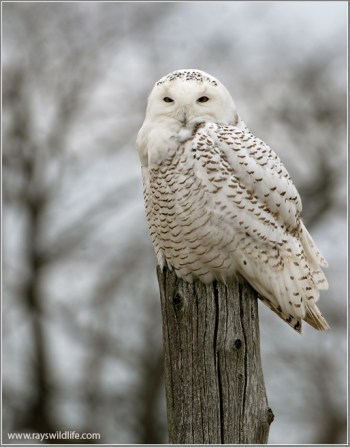
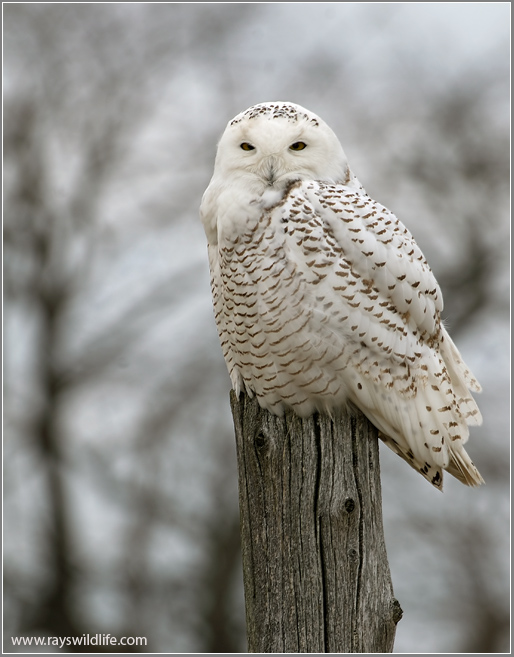
Snowy Owl (Bubo scandiacus) by Raymond Barlow

Snowy Owl (Bubo scandiacus) by Raymond Barlow (Not the one being seen)

the ostrich, the short-eared owl, the sea gull, and the hawk after its kind; the little owl, the fisher owl, and the screech owl; the white owl, the jackdaw, and the carrion vulture;
(Leviticus 11:16-18 NKJV)

And the owl, and the night hawk, and the cuckow, and the hawk after his kind, And the little owl, and the cormorant, and the great owl, (Leviticus 11:16-17 KJV)

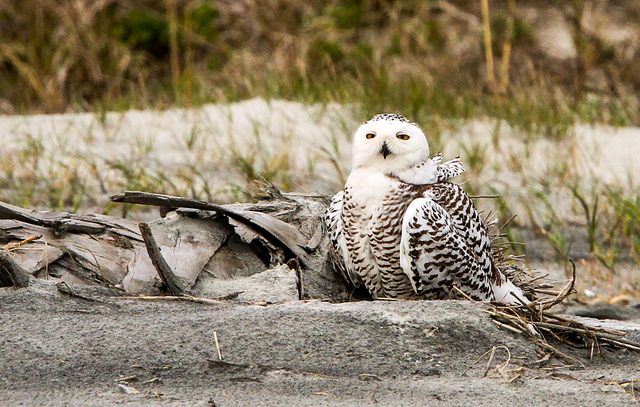
Florida birdwatchers are pleased to have an odd appearance of a Snowy Owl. She is a young owl, but she has quite a following down here. What makes this so unusual is that she is way out of the normal winter grounds for these birds. This is only the third observation of the Snowy Owl in Florida. We are known for our “Snowbirds,” but the Snowy Owl definitely qualifies as a “Snowbird.”

This bird has made a temporary home at the Little Talbot Island State Park. Not sure how the bird has any privacy. Birdwatchers from all around are making trips to Duval County, where Jacksonville is located. She was still there as of yesterday, Jan 5, 2014.
Snowy Owl (Bubo scandiacus) Female in Florida 2013-2014 ©©minds-eye

Snowy Owl (Bubo scandiacus) Female in Florida 2013-2014 ©©minds-eye

Snowy Owl (bubo scandiacus) are members of the Strigidae – Owl Family. They are the largest North American Owl. Owls are a Bird of the Bible and depending on which version you use, Owls are mentioned in 14 verses in the KJV, but a “Snowy Owl” is not mentioned, but the “great” and “white” owls are mentioned. What a lovely creation from our Lord.

This yellow-eyed, black-beaked white bird is easily recognizable. It is 52–71 cm (20–28 in) long, with a 125–150 cm (49–59 in) wingspan. Also, these birds can weigh anywhere from 1.6 to 3 kg (3.5 to 6.6 lb).[3] It is one of the largest species of owl and, in North America, is on average the heaviest owl species. The adult male is virtually pure white, but females and young birds have some dark scalloping; the young are heavily barred, and dark spotting may even predominate. Its thick plumage, heavily feathered taloned feet, and colouration render the Snowy Owl well-adapted for life north of the Arctic Circle.

Snowy Owl calls are varied, but the alarm call is a barking, almost quacking krek-krek; the female also has a softer mewling pyee-pyee or prek-prek. The song is a deep repeated gahw. They may also clap their beak in response to threats or annoyances. While called clapping, it is believed this sound may actually be a clicking of the tongue, not the beak.

This powerful bird relies primarily on lemmings and other small rodents for food during the breeding season, but at times of low prey density, or during the ptarmigan nesting period, they may switch to favoring juvenile ptarmigan. They are opportunistic hunters and prey species may vary considerably, especially in winter. They feed on a wide variety of small mammals such as meadow voles and deer mice, but will take advantage of larger prey, frequently following traplines to find food. Some of the larger mammal prey includes hares, muskrats, marmots, squirrels, rabbits, raccoons, prairie dogs, rats, moles, smaller birds, entrapped furbearers. Birds preyed upon include ptarmigan, other ducks, geese, shorebirds, pheasants, grouse, coots, grebes, gulls, songbirds, and even other raptors, including other owl species. Most of the owls’ hunting is done in the “sit and wait” style; prey may be captured on the ground or in the air, or fish may be snatched off the surface of bodies of water using their sharp talons. Each bird must capture roughly 7 to 12 mice per day to meet its food requirement and can eat more than 1,600 lemmings per year.

Snowy Owls, like many other birds, swallow their small prey whole. Strong stomach juices digest the flesh, while the indigestible bones, teeth, fur, and feathers are compacted into oval pellets that the bird regurgitates 18 to 24 hours after feeding. Regurgitation often takes place at regular perches, where dozens of pellets may be found. Biologists frequently examine these pellets to determine the quantity and types of prey the birds have eaten. When large prey are eaten in small pieces, pellets will not be produced. (Wikipedia)

Here are some of the links to articles:

*

Bible Birds – Crane’s Introduction

Crane’s Introduction

Sandhill Cranes and Babies in yard by Lee

Sandhill Cranes and Babies in yard

Even the stork in the heavens knows her times, and the turtledove, swallow, and crane keep the time of their coming, but my people know not the rules of the LORD. (Jeremiah 8:7 ESV)

Cranes are in the Gruidae Family of the Gruiformes Order. At present there are 15 species or members of that family. All of them are called Cranes, except for one member. That is the Brolga which is found in New Guinea and Australia. Cranes are another of the Lord’s creation that I enjoy watching. We are fortunate to be able to see Sandhill Cranes almost daily. Just spotted 18 today across from my backyard and will post an article about it soon.

Brolga(Grusrubicunda) by Ian

Brolga(Grusrubicunda) by Ian

Cranes bear a general resemblance to Herons in that they are long-legged, long-necked birds, but when on the wing, they carry the neck fully extended, a habit which will readily distinguish them from the curved neck Herons. Cranes are less aquatic than Herons and are often found feeding on the prairies or pine-barrens where worms, grasshoppers, lizards, roots, etc., form their fare. They nest on the ground laying two buffy eggs thickly marked with brown. The young, unlike the nearly naked, helpless young of Herons, are born covered with down and can soon follow their parents. The Cranes have loud sonorous voices; the Herons raucous croaks.

Sandhill Crane from Color Key to North American Birds, by Frank M. Chapman

Sandhill Crane from Color Key to North American Birds, by Frank M. Chapman

They have the hind-toe elevated, that is, leaving the foot at a higher level than the front toes; tail short; legs usually long. All fly with the neck extended, a fact by which Cranes in flight may be known from Herons. (Color Key to North American Birds, by Frank M. Chapman)

Cranes are a Bible Bird and appear in two verses, the one above (Jeremiah 8:7) and in the following verse:

Like a crane or a swallow, so did I chatter: I did mourn as a dove: mine eyes fail with looking upward: O LORD, I am oppressed; undertake for me. (Isaiah 38:14 KJV)

A Sandhill Crane call. Does it sound like a chatter?

(From xeno.canto)

Cranes construct platform nests in shallow water, and typically lay two eggs at a time. Both parents help to rear the young, which remain with them until the next breeding season.

Cranes migrate (travel to a warmer climate in winter) as mention in Jeremiah 8:7. Here is a photo of Common Cranes in Israel gathered together.

Common Cranes in Israel. Many species of crane gather in large groups during migration and on their wintering grounds ©WikiC

Common Cranes in Israel. Many species of crane gather in large groups during migration and on their wintering grounds ©WikiC

Cranes are one of the tallest flying birds, but more on that in another Bible Birds article.

See:

*
Wordless Birds
*
Just Because – If It Fits, I Sits Supercut Video

Owl in Drain - If It Fits-I Sits

Owl in Drain – If It Fits-I Sits

Here is the  – If It Fits, I Sits Supercut Video

If they obey and serve Him, they shall spend their days in prosperity and their years in pleasantness and joy. (Job 36:11 AMP)

I couldn’t resist. I received an email with a lot of photos and then found this video. Enjoy!

*
*

Additional Photos

*

The First Birds of 2014

American White Ibis (Eudocimus albus) 1st Birds of 2014 by Lee

American White Ibis (Eudocimus albus) 1st Birds of 2014 by Lee

About 8:30 am I was sitting at our table and caught a glimpse of some white birds landing in the front yard. Looking out, I saw 22 American White Ibises. Yeah! My first birds sighted in 2014. I went back in and after a while decided to get my camera. Three had left, but 19 were left. Here are some photos and a video I made of them.

Oh, sing to the LORD a new song! Sing to the LORD, all the earth. (Psalms 96:1 NKJV)

For the Athenians, all of them, and the foreign residents and visitors among them spent all their leisure time in nothing except telling or hearing something newer than the last– (Acts 17:21 AMP)

American White Ibis (Eudocimus albus) 1st Birds of 2014 by Lee

American White Ibis (Eudocimus albus) 1st Birds of 2014 by Lee

The photos are blurred around their heads, but when you watch the video, you will see why. Their heads are bobbing constantly as they probe for goodies out of my neighbor’s and my yard. They had originally landed in our yard on the right. By the time I got the camera, they had worked their way next door. I figured that I would do good to get a photo. But! They turned around and worked their way back to our yard.

As you can tell it was drab and drizzling rain. It was also cool and I was standing out in my bare feet and my pajamas. What we won’t do to get that 1st sighting and photo of a bird in a new year.

Boat-tailed Grackle (Quiscalus major) 2nd Bird of 2014 by Lee

Boat-tailed Grackle (Quiscalus major) 2nd Bird of 2014 by Lee

I kept hearing a Boat-tailed Grackle in the tree, so decided to get his photo. So he was #2 and as I looked through the lens, there was #3 behind him. That is an Eurasian Collared Dove. Not to be left out, #4 landed on that tree. A male Red-bellied Woodpecker.

Eurasian Collared Dove (Streptopelia decaocto) Red-bellied Woodpecker (Melanerpes carolinus) 3rd and 4th Birds of 2014 by Lee

Eurasian Collared Dove and Red-bellied Woodpecker 3rd and 4th Birds of 2014 by Lee

There you have my first birds of 2014
1. American White Ibis (Eudocimus albus)
2. Boat-tailed Grackle (Quiscalus major)
3. Eurasian Collared Dove (Streptopelia decaocto)
4. Red-bellied Woodpecker (Melanerpes carolinus)

How about you? 

Also, if there are any photographers that would like to share photos with the blog on a regular basis, contact me at Lee@Leesbird.com. I am always eager to have photos available for showing the birds as we write about them. A link and credit are given to you.

This slideshow requires JavaScript.

*

*

2014′s First Bird Seen

*