Tag Archives: Photography
Birds of the Bible – Birds of the What??
In my last post, Birds of the Bible – Birds of the Air Updated, I mentioned that I was going to search my many versions of the Bible. WELL!! I may just have bit off more than I can chew or have more material for articles than I have years left on this earth. :0)
So far in my searching through the two sources that I am using, [e-Sword and Bible Gateway] I have been busy for the last several days, just trying to find verses with “Birds of the“[in English versions]. Have I ever been surprised! There have been translations with “0” (Zero) verses up to several with over 50 verses.
Before you get too upset with me using so many versions, let me place a disclaimer here. I believe God inspired the original manuscripts, and that they have been preserved through diligent copying of those. He promised: “For verily I say unto you, Till heaven and earth pass, one jot or one tittle shall in no wise pass from the law, till all be fulfilled.” Matthew 5:18, KJV. I use the KJV, but also use a few other Bibles that I believe are very close to those original scripts. I do use other versions occasionally, like this, to find verses about the birds. Some versions today are questionable as to the way it was translated.
Along with all the “Birds of the”; sky, heavens, heaven, trees, air, mountains, waste land, sky lodge, and hills, some versions use fowl and fowls. My next search is of the fowls, so the verses can be matched.
What are they doing? Why are they there? What lessons can we learn from them, etc.? That is where the Birds of the What?? is heading. Stay turned.
For a starter, almost all of the versions list Genesis 1:26. They all mention God creating man, and then giving them rule over the “birds of the …”
Birds of the Bible – Birds of the Air Updated
The original Birds of the Air post in 2010 needed to be re-posted with some updating. The actual “birds of the air” phrase shows up four times in the King James Version and below you can see that the phrase shows up 21 times in the ESV [English Standard Version]. I use the E-Sword.net on the Computer which lets you load many different versions. It helps when searching, yet I know that not all are true to the original text. The Amplified has 24, BBE [Bible in Basic English] has 17, CJB [Complete Jewish Bible] has 2, DRB [Douay-Reimes] has 22, EMTV [English Majority Text] has 6, HCSB [Holman Christian Study Bible] has 3 all in Daniel, etc. I also now have access to more versions through the Bible Gateway which has some more versions. I am working on a search of the Birds of the ???. Stay tuned.
Looking into that phrase in e-Sword, the English Standard Version (ESV) shows 21 occurrences of “birds of the air.” Surprisingly most of them have to do with the “birds of the air” showing up to eat the carnage of men as a result of judgment or disease. See Deuteronomy 28:26; I Samuel 17:44, 17:46; Jeremiah 7:33, 15:3, 16:4, 19:7, 34:20. 4:25 and 9:10 speak of the birds of the air fleeing away.
Rizpah spread sackcloth over the bodies of Saul and Jonathan and “And she did not allow the birds of the air to come upon them by day, or the beasts of the field by night” in 2 Samuel 21:10.
Job 28:20,21 says, “From where, then, does wisdom come? And where is the place of understanding? It is hidden from the eyes of all living and concealed from the birds of the air.”
In the New Testament the “birds of the air” is used in different ways. Matthew 6:25 lets us know that the birds of the air “neither sow nor reap nor gather into barns, and yet your heavenly Father feeds them. Are you not of more value than they? “ Matthew 8:20 and Luke 9:58 reminds of that the birds have nest, but the Son of Man has nowhere to lay His head. The parable of the mustard seed in Matthew 13:32, Mark 4:32 and Luke 13:19 tell of the plant growing up and the birds making nests in it and enjoying its shade.
The last references to birds of the air appear in Acts 10:12 and 11:6. Peter had a sheet descend with all kinds of animals, reptiles, and birds in it. This was to teach Peter and others that Jew and Gentile believers alike are equal in God’s sight.
What I like about the “birds of the air” is that none of the birds are mentioned by name. That gives lots of future articles for “Bird of the Bible” that can include any of the birds that our Lord has created.
So God created the great sea creatures and every living creature that moves, with which the waters swarm, according to their kinds, and every winged bird according to its kind. And God saw that it was good. (Genesis 1:21 ESV)
Placing your mouse over the Green verses will pop them out.
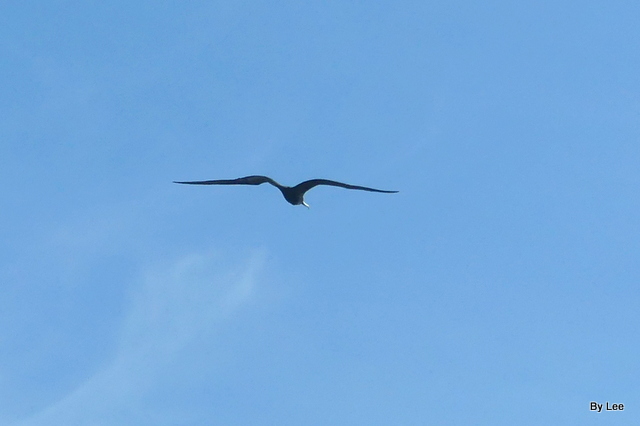
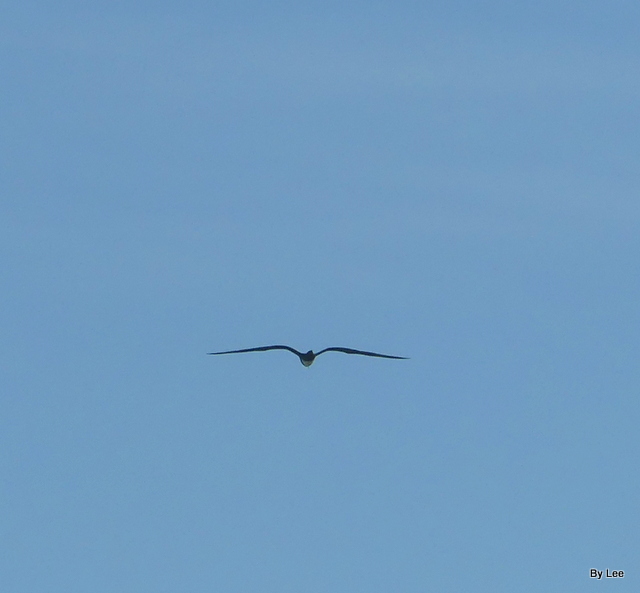
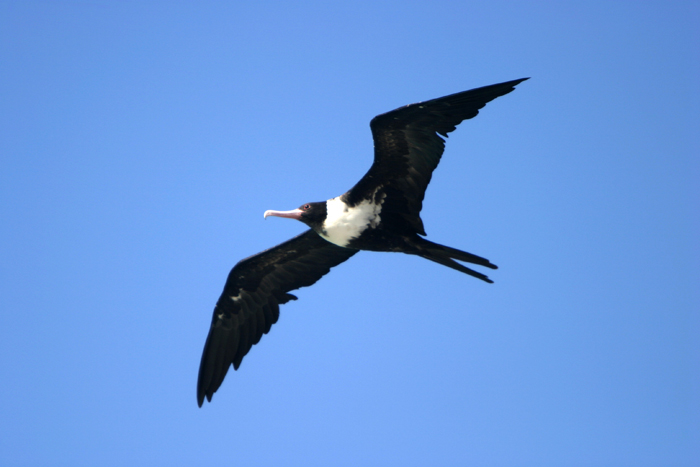
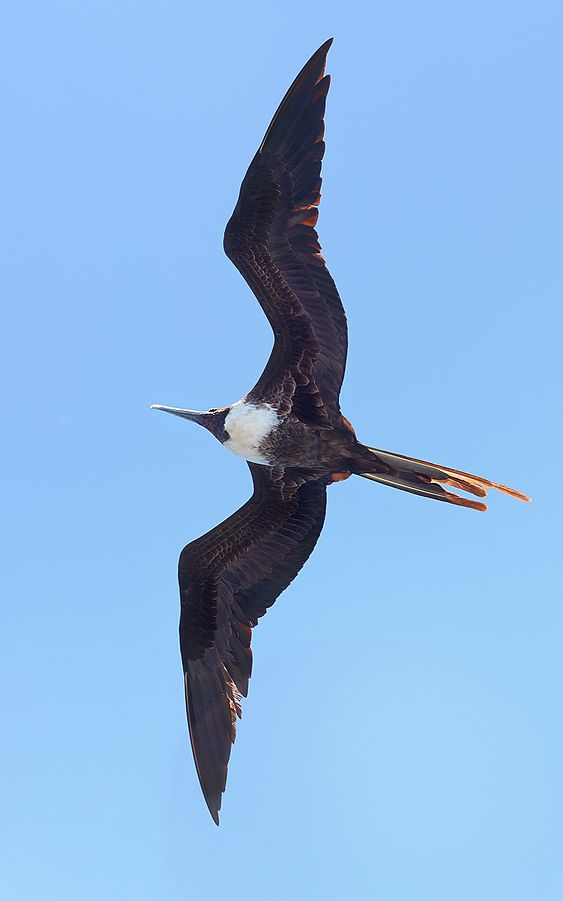
Frigatebirds Flying Over The Beach
“The birds of the air, And the fish of the sea That pass through the paths of the seas. O LORD, our Lord, How excellent is Your name in all the earth!” (Psalms 8:8-9 NKJV)
Today while trying to enter Patrick AFB in Florida, we spotted three Magnificent Frigatebirds skimming over the edge of the Atlantic Ocean. Wow!! We very seldom spot these birds. The size of their wingspan is amazing and are a sight to see.
Since this was New Year’s Eve day, we discovered that the A1A entrance was closed. So, we had to turn around and go back to the other gate.
“Dan, wait while I get my camera out of the case. Maybe, we can spot them again, because they were heading south originally while we were going north.” Yeah! We spotted the three and also a fourth one. These photos were taken through the front windshield while Dan was driving. So, they are less than perfect. But, it does prove we saw them.
I have a Dr. appointment over here, so we came a day or so early. We birdwatched a Viera Wetlands a bit on the way into the area. Plan on covering more of the wetlands before heading back home.
Now for some better photos of this magnificent Magnificent Frigatebird.
While checking for information on these birds, I found several interesting articles you might want to check out. The one talks about how they stay at sea for days and weeks on end. They tested their sleeping ability to sleep while aloft. See: Frigatebirds can sleep while flying.
“The 7-foot wingspan of a magnificent frigatebird is unmistakable. They dwarf other birds as they glide on air currents above coastal Florida. Our state hosts the largest frigatebird species and the only nesting colony in the United States, located in the Dry Tortugas. Their summer breeding season brings the open-ocean species in to the shore where males can show off their distinctive red pouch to potential mates.
Frigatebirds rarely land on the ground due to their short legs and wing shape. Their thin “bent elbow” wings are ideal for soaring hundreds of miles without a single wing flap, but can’t generate enough lift to get the large birds off of the ground. They land and nest in high places, free diving off of them before catching the breeze and flying on.
It’s just as uncommon to find a frigatebird on the water. Their feathers lack oil that keep their seafaring neighbors like pelicans and gulls afloat. Water would quickly soak the frigate’s feathers and make it nearly impossible to escape.” This is from Nature’s Academy’s article.
We have had several articles here over the years about the Frigatebirds:
Fregatidae – Frigatebirds Family
Sunday Inspiration – Frigatebirds, Gannets and the Booby
“F” is for Flamingos and Frigatebirds: “F” Birds, Part 1
Ian’s Bird of the Week – Great Frigatebird
Ian’s Bird of the Week – Lesser Frigatebird
Ian’s Bird of the Moment – Grey Falcon
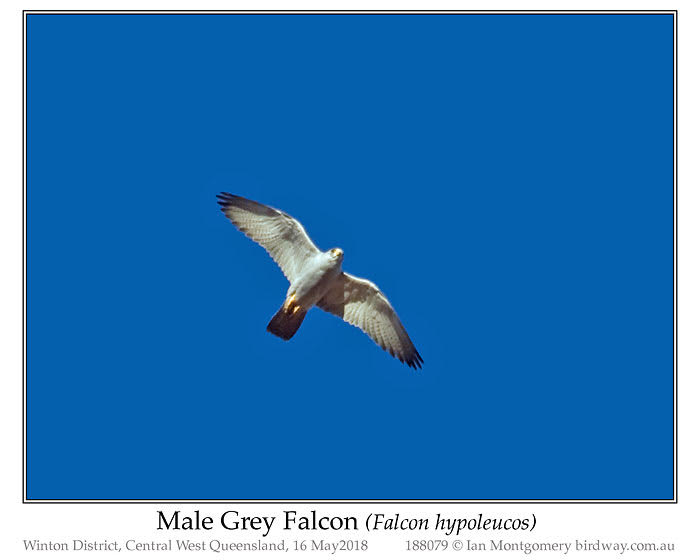
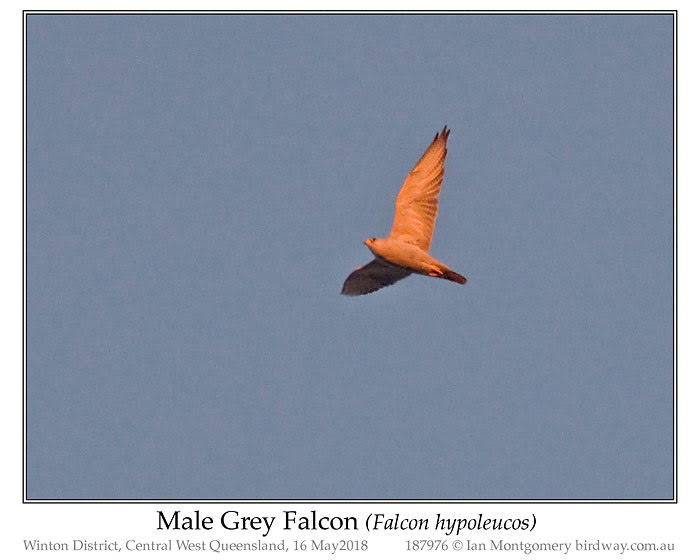
Bird of the Moment – Grey Falcon by Ian Montgomery
Here is a special bird of the moment for the festive season. If you asked Australian birders to nominate the most sought after diurnal raptor, you’d probably get a choice of two: the Red Goshawk of the Hawk and Eagle family (Accipitridae) and the Grey Falcon of the Falconidae. Rex Whitehead, my birding pal in Mount Isa had told me about a nesting pair of Grey Falcons in the Winton district so I came back to Townsville that way at the end of the camping trip in May.
The Falcons were nesting high up on a very tall communications mast. Rex had told me that they were in its vicinity only from before dusk until shortly after dawn and I took his advice and camped near the base of the mastto maximise my chances of seeing them. Sure enough they arrived in the evening but I got only poor shots of them flying in and perched in shadow on the mast.
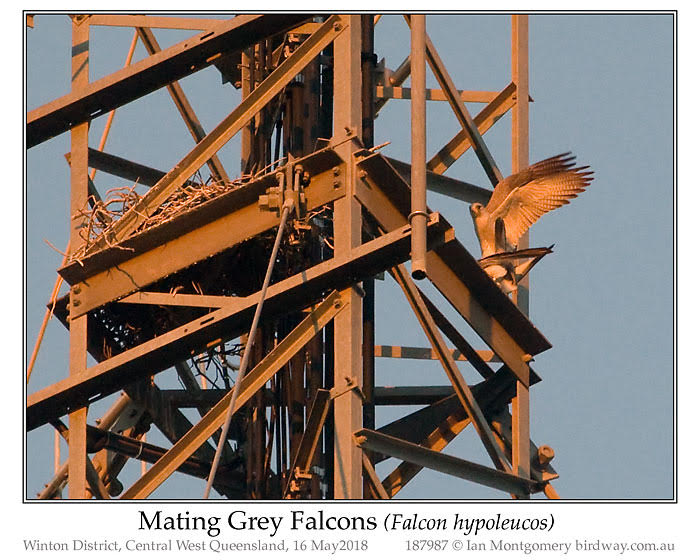
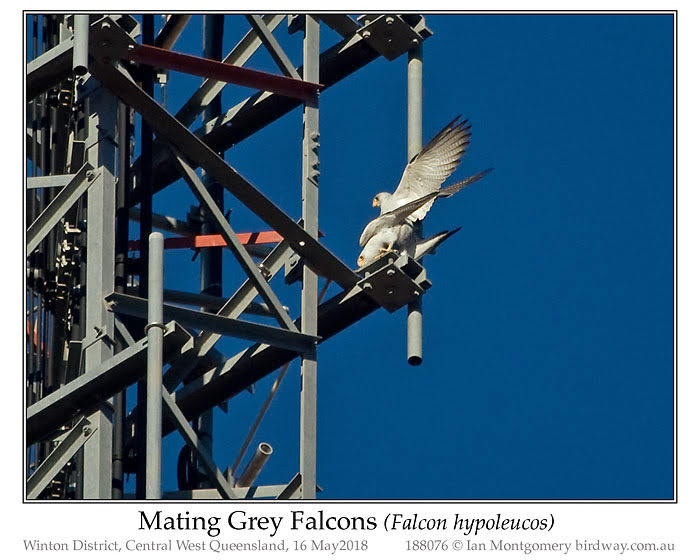
I got up early and was rewarded three or four minutes after sunrise by the male flying around calling (first photo) in preparation for mating with the female (second photo) who was perched on the mast near the nest.
This behaviour was repeated two more times over the hour or so. The third photo shows the third mating attempt at a different location just over an hour after sunrise and the fourth photo shows the male flying away four seconds later.
The sexes are similar, though the females, as is typical for raptors, are larger. The male has a shorter tail which supposedly makes it look longer winged in flight but I didn’t get any photos of the mainly sedentary female for comparison. The fifth photo shows the female in the same position as during the third mating (third photo) but the male is sitting in the nest.
Grey Falcons are supposed to use the old nests of other raptors or corvids (ravens and crows) preferably high up. In the arid areas where they occur, tall trees are few so in recent years they’ve taken to nesting in communication masts.
About two hours after sunrise, the birds disappeared as quietly as they’d arrived the previous day and I didn’t see them fly away. This pair had just bred successfully with two young fledging, so it was encouraging to see them preparing to do so again.
The Grey Falcon is an Australian endemic sparsely scattered over the drier inland areas of mainland Australia except the southwest, eastern and southern coastal areas and the wetter parts of northern Australia. The breeding range has contracted since the mid 20th century to drier areas north of 26º S. It’s population is estimated at less than 1000 mature individuals and it is classified as vulnerable. Threats include habitat clearing, egg collecting and the taking of young for falconry so I’m sure you’ll understand why I’ve been a bit vague about the actual location of the mast.
Christmas seems to be a time for unrestrained gaudiness, dare I say meretriciousness, in decoration so here is my gaudiest photo from 2018 – taken from my back verandah – to get into the spirit of things. I wish you a joyful, safe and happy festive season and a peaceful and fulfilling 2019.
Greetings
Ian
Lee’s Addition:
“I am come a light into the world, that whosoever believeth on me should not abide in darkness.” (John 12:46 KJV)
Thanks, Ian, for showing us one of Australia’s endemic birds. When I first saw the rosy colored Falcon, I thought you had made a mistake. Lighting makes a lot of difference.
I especially love your Christmas addition of that lovely Sunbird.
Merry Christmas, Ian, and all of you that are reading this post.
Partridges In Pear Tree – Snoopy’s Version

Woodstock really has his issues with trying to be a bird. Then again, Snoopy’s analysis of the adventures of Woodstock can be rather entertaining. Here is the latest from the two.
As the partridge sitteth on eggs, and hatcheth them not; so he that getteth riches, and not by right, shall leave them in the midst of his days, and at his end shall be a fool. (Jeremiah 17:11 KJV)
Partridges are medium-sized non-migratory gamebirds, with a wide native distribution throughout the Old World, including Europe, Asia, and parts of Africa. They are sometimes grouped in the Perdicinae subfamily of the Phasianidae (pheasants, quail, etc.). However, molecular research suggests that partridges are not a distinct taxon within the family Phasianidae, but that some species are closer to the pheasants, while others are closer to the junglefowl. Partridges are also one of our Birds of the Bible. See the Partridges.

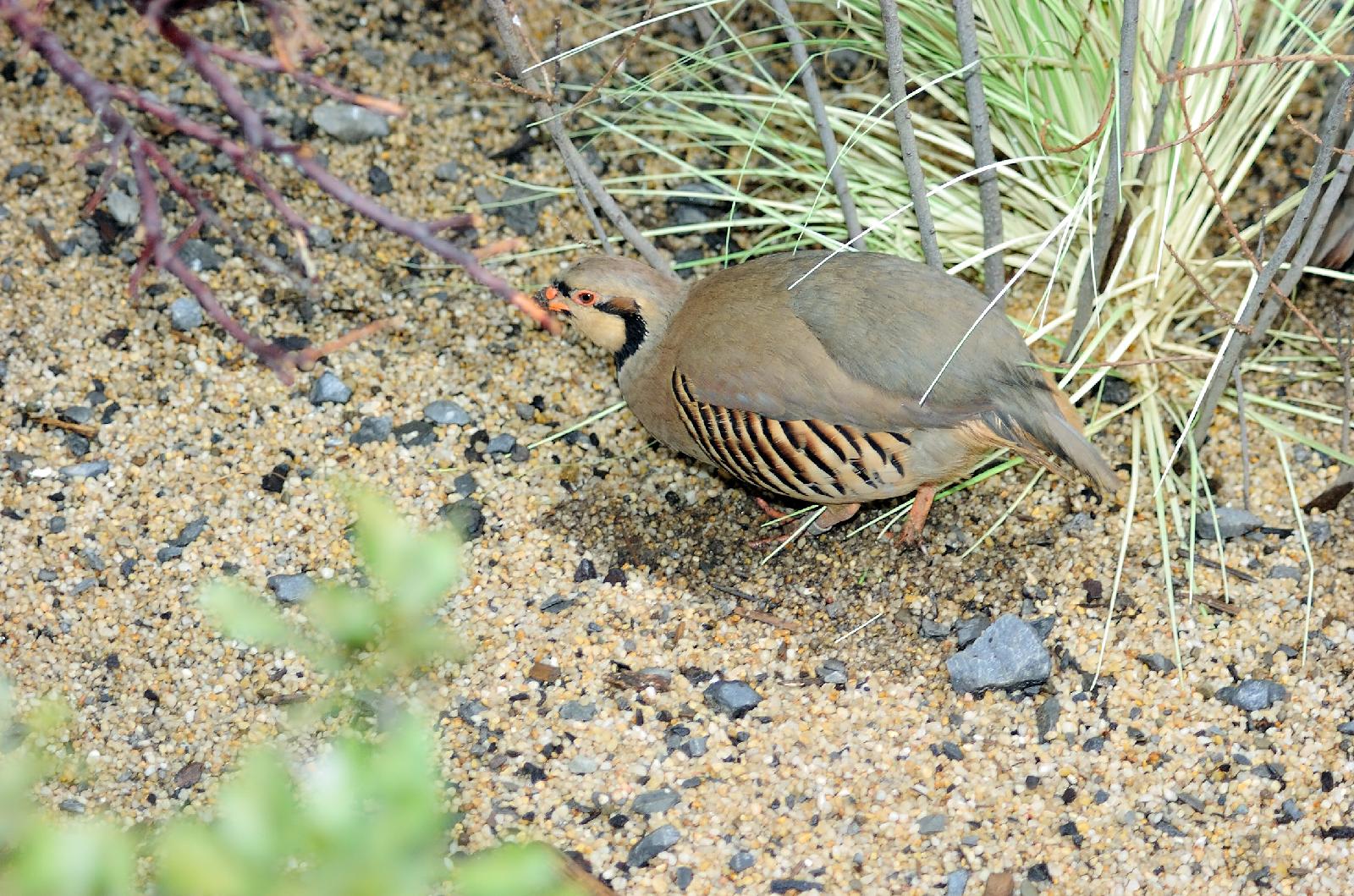
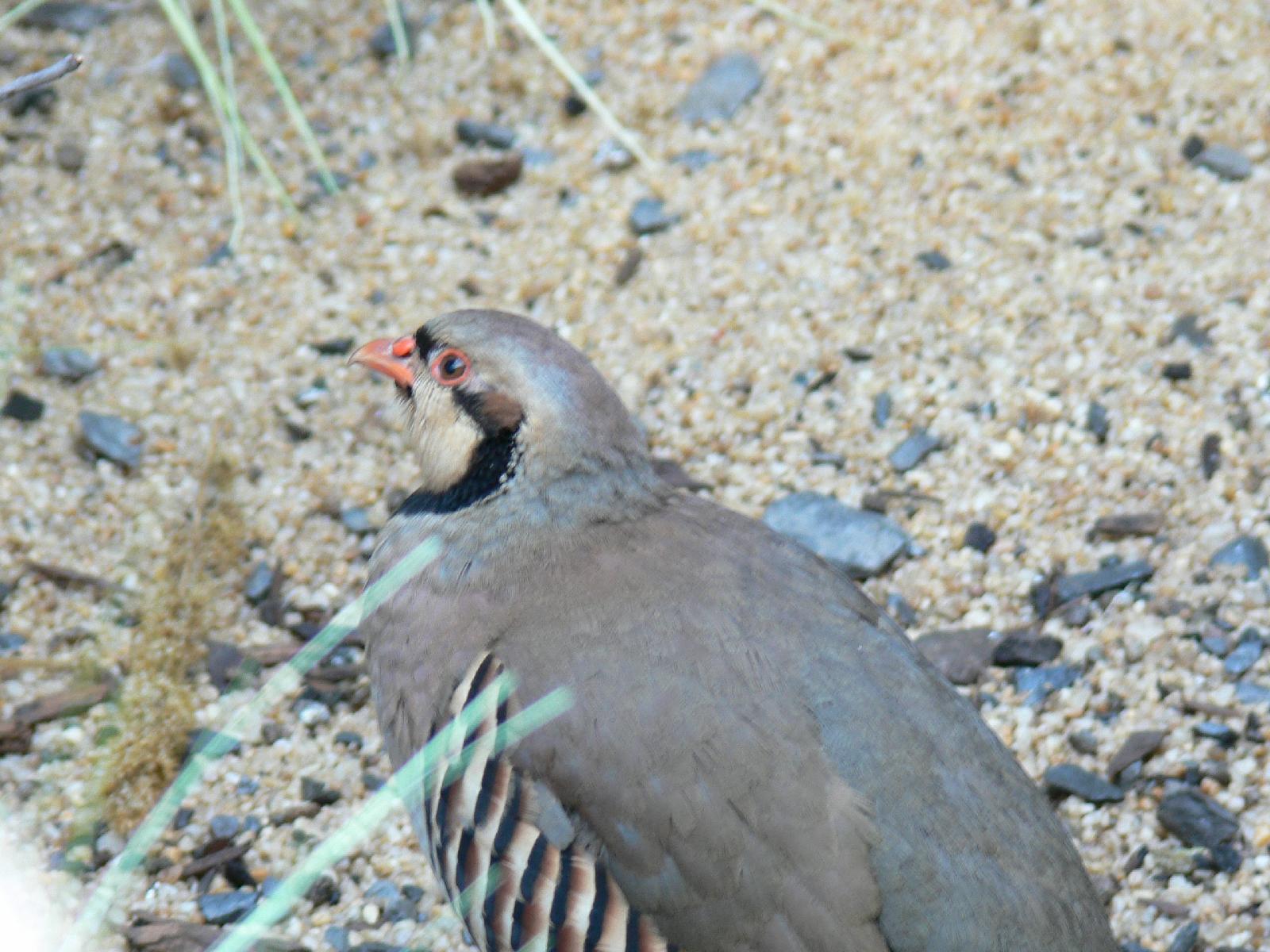
Chukar Partridge (Alectoris chukar) by Ian
These are medium-sized birds, intermediate between the larger pheasants and the smaller quail. Partridges are native to the grassy steppes of Europe, Asia, Africa and the Middle East. Nowadays they are often found nesting on agricultural land. They nest on the ground and have a diet consisting of seeds, grapes and insects. Species such as the grey partridge and the red-legged partridge are popular as game birds, and are often reared in captivity and released for the purpose of hunting. For the same reason, they have been introduced into large areas of North America.

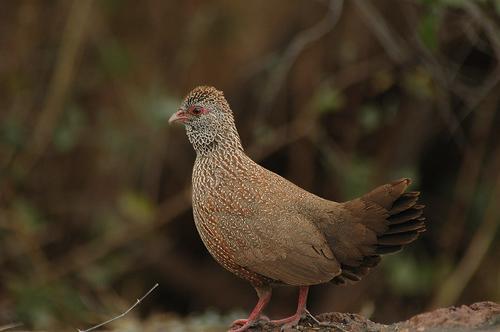
Stone Partridge (Ptilopachus petrosus) ©WikiC
A famous reference to the partridge is in the Christmas carol, “The Twelve Days of Christmas”. The first gift listed is “a partridge in a pear tree”, and these words end each verse. Since partridges are unlikely to be seen in pear-trees (they are ground-nesting birds) it has been suggested that the text “a pear tree” is a corruption of the French “une perdrix” [a partridge].
P.S. Partridges seldom get in trees, there for they don’t fall out. :)
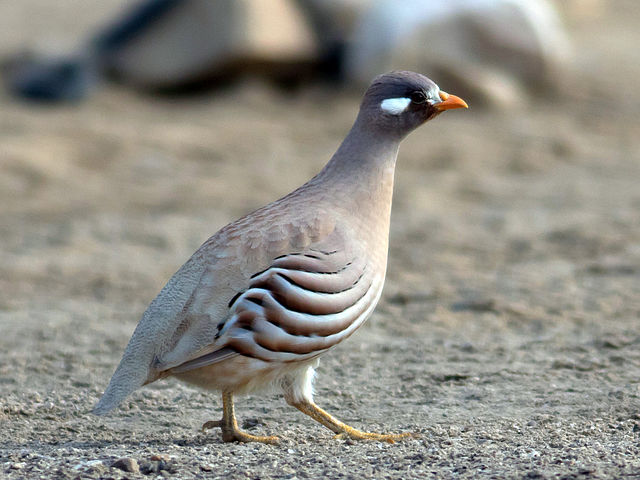
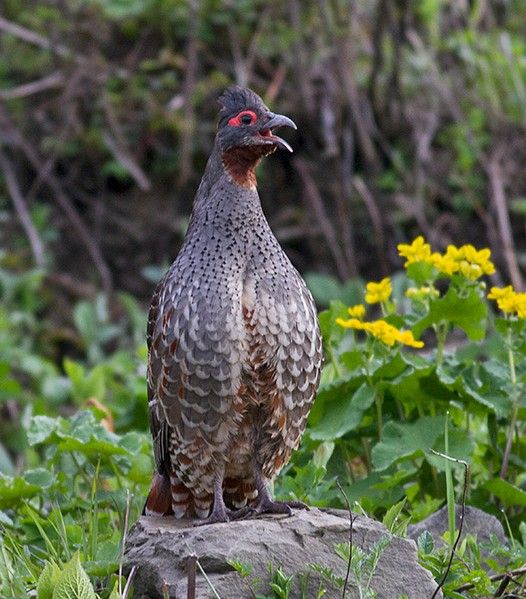
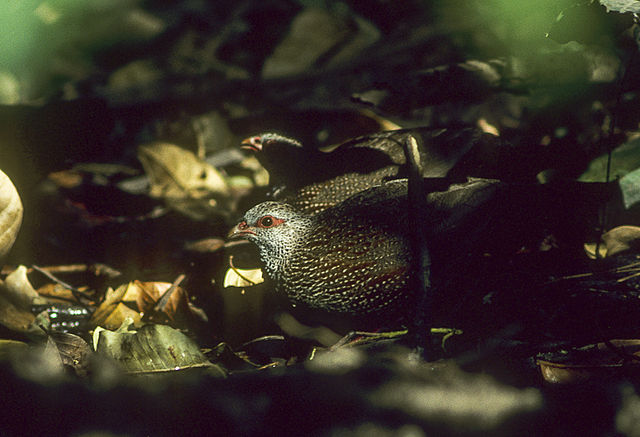
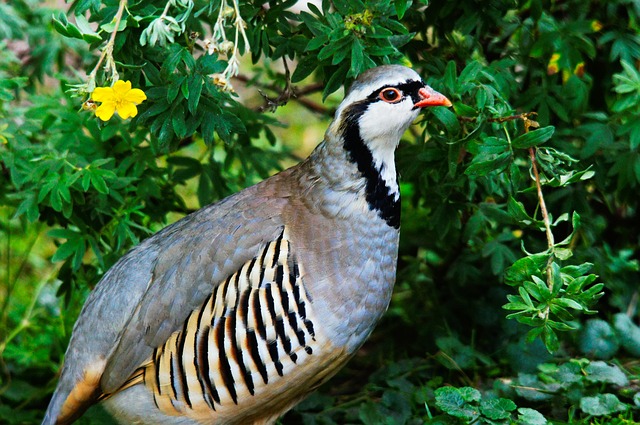
Here are some of the many Partridges from around the world. Our Creator has provided many partridges around the world for us to enjoy.
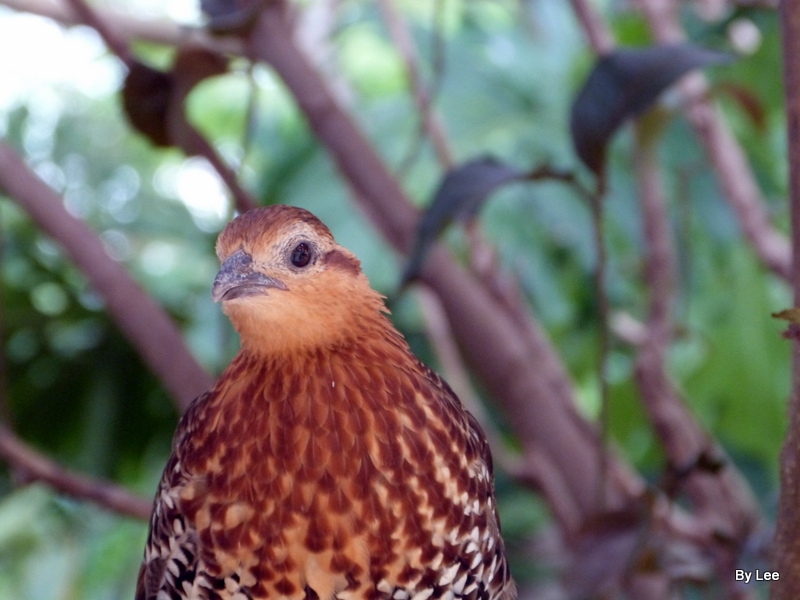
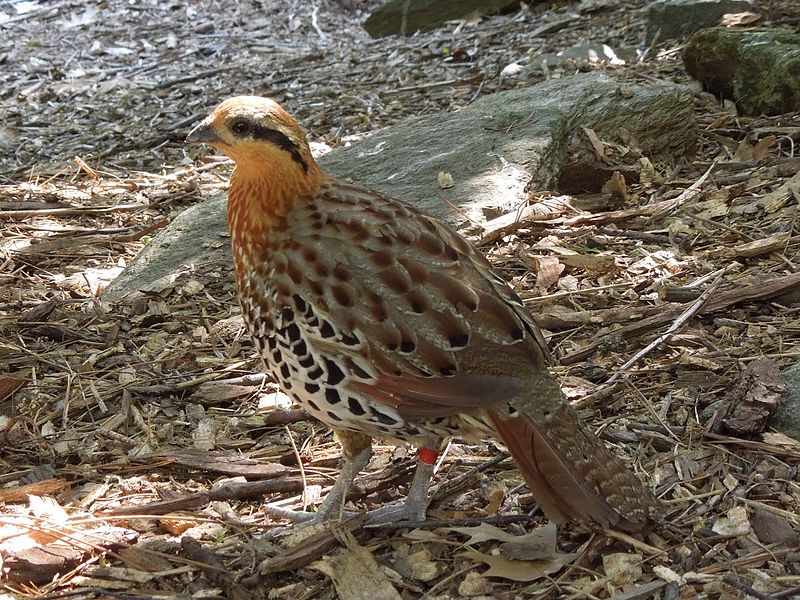
- Mountain Bamboo Partridge (Bambusicola fytchii) by Lee Zoo Miami
- Mountain Bamboo Partridge (Bambusicola fytchii) ©WikiC at National Zoo
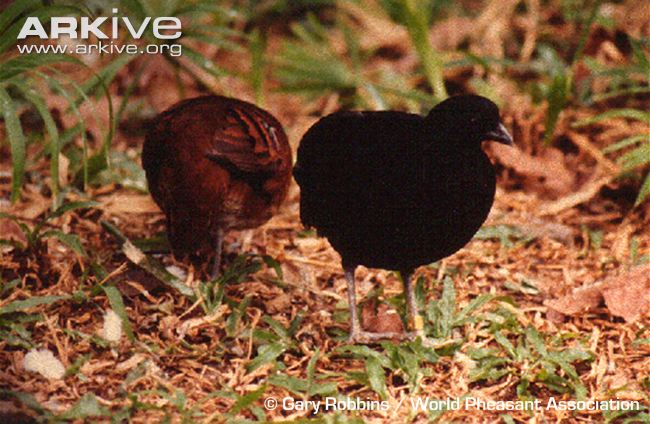
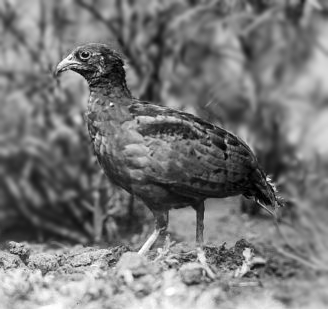
- Black Partridge (Melanoperdix niger) ©ARK
- See-see Partridge (Ammoperdix griseogularis) ©WikiC
- Sand Partridge (Ammoperdix heyi) ©WikiC
- Verreaux’s Monal-Partridge (Tetraophasis obscurus) ©gbwf.org
- Stone Partridge (Ptilopachus petrosus) ©WikiC
- Grey Partridge (Perdix perdix) ©WikiC
- Rock Partridge (Alectoris graeca) ©Pixabay
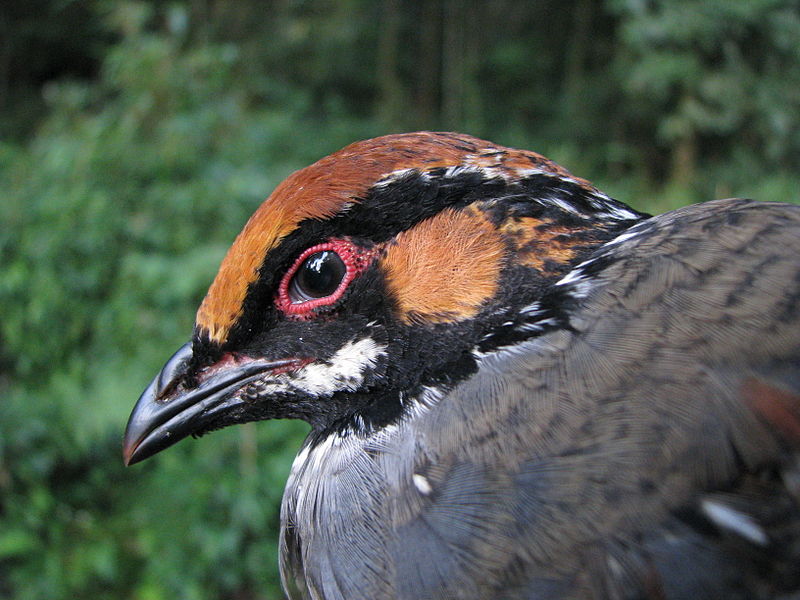
- Hill Partridge (Arborophila torqueola) ©WikiC
- Long-billed Partridge (Rhizothera longirostris) ©WikiC
- Chukar Partridge (Alectoris chukar) by Ian
- Stone Partridge
- Grey Partridge (Perdix perdix) ©WikiC
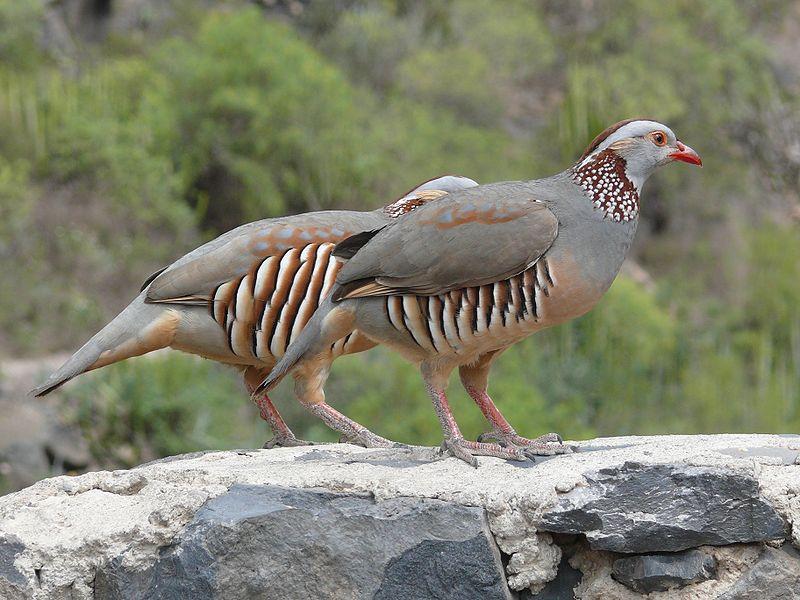
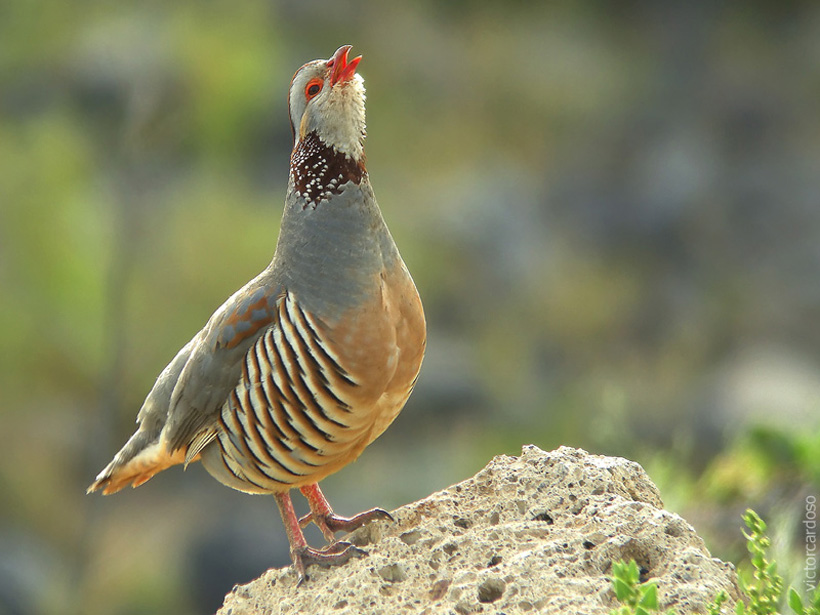
- Barbary Partridge (Alectoris barbara) ©WikiC
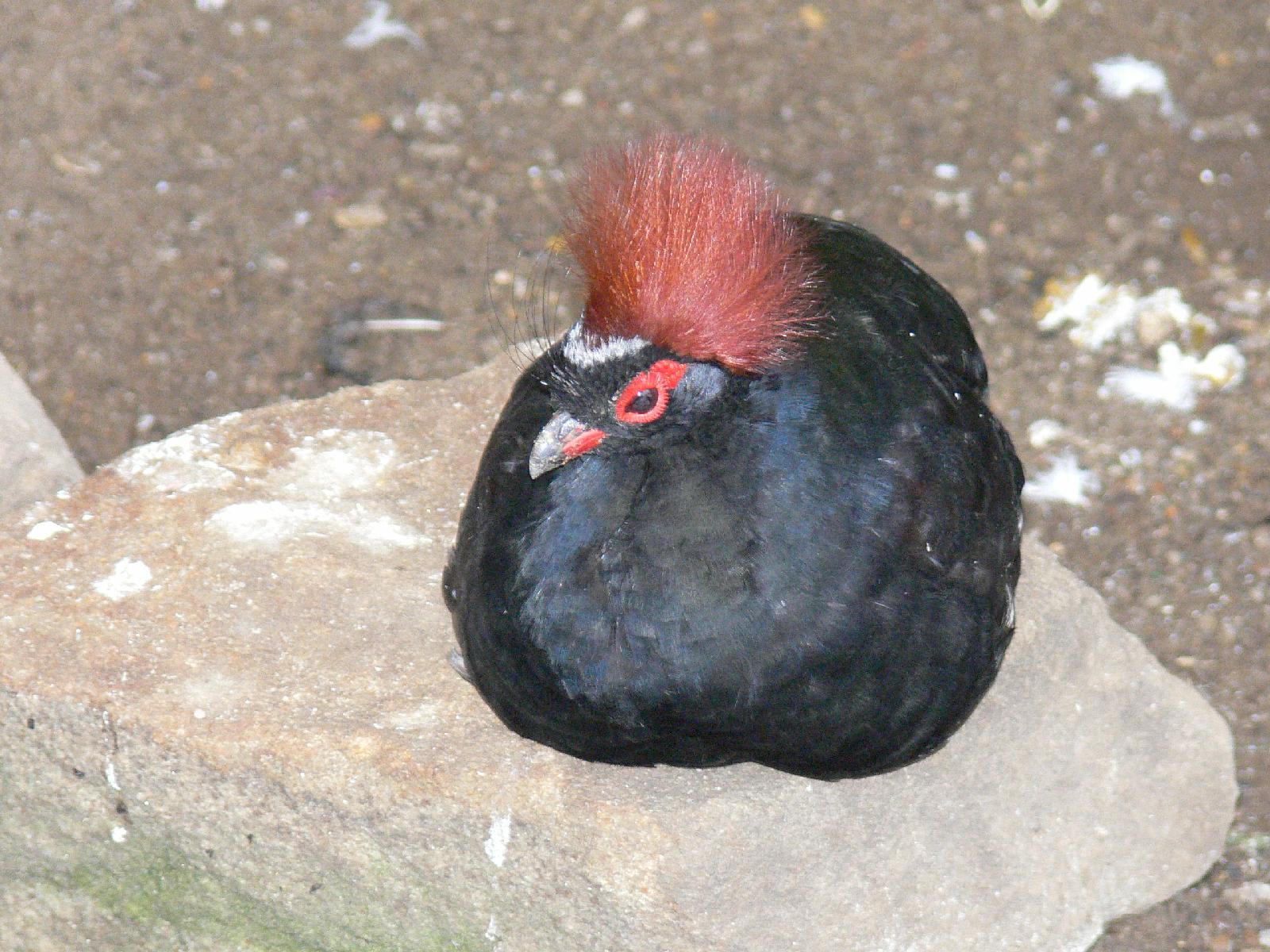
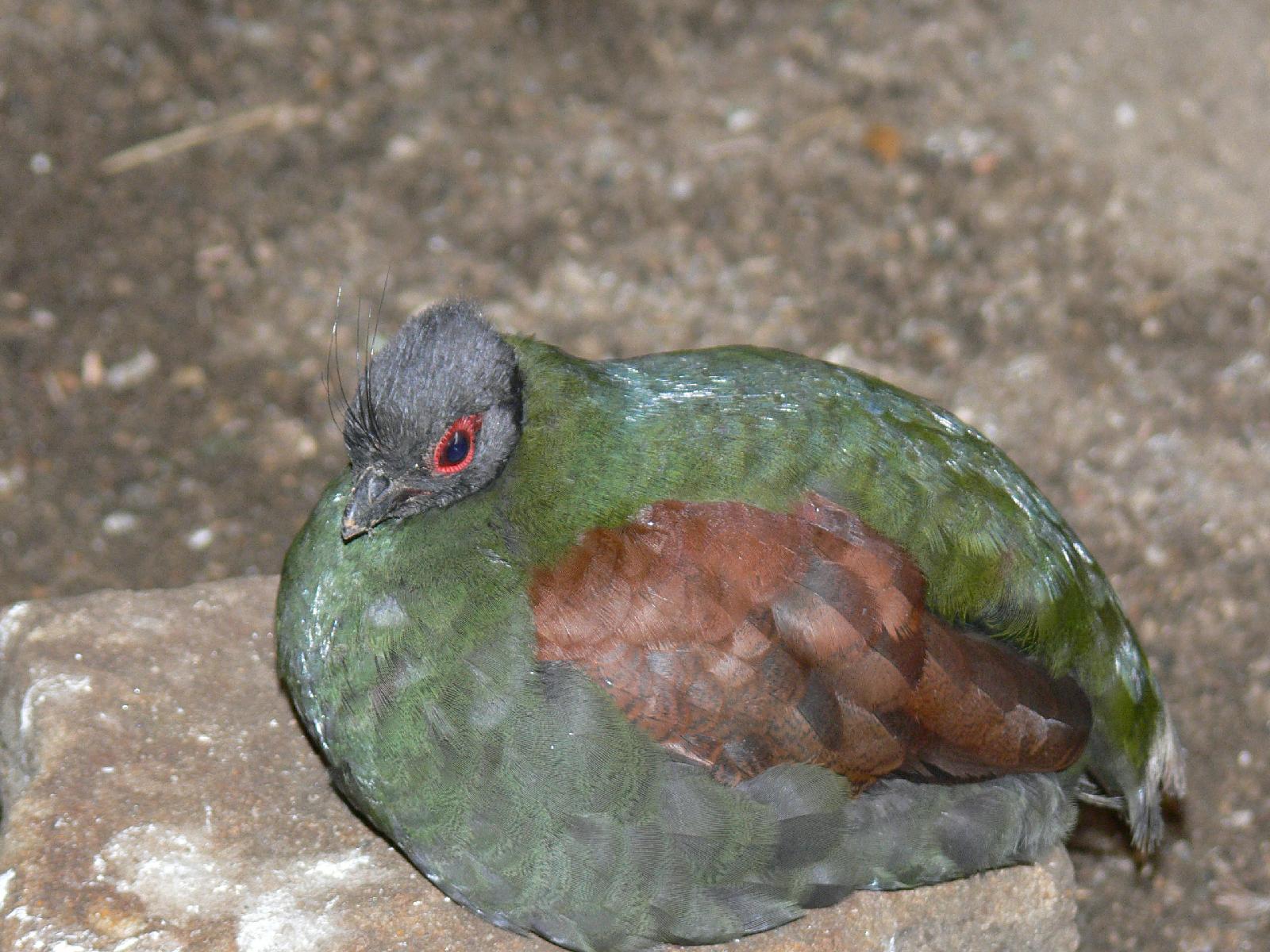
- Crested Partridge (Rollulus rouloul)
- Crested Partridge (Rollulus rouloul) at NA by Lee
- Chukar Partridge by Dan
- Chukar Partridge (Alectoris chukar) at NA by Lee
- Barbary Partridge (Alectoris barbara koenigi) Pixdaus
- Rock Partridge (Alectoris graeca) WikiC
- Crested Partridge (Rollulus rouloul) at National Aviary by Lee M-F and Babies
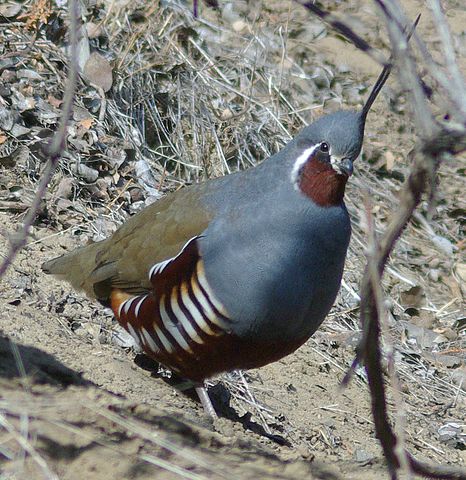
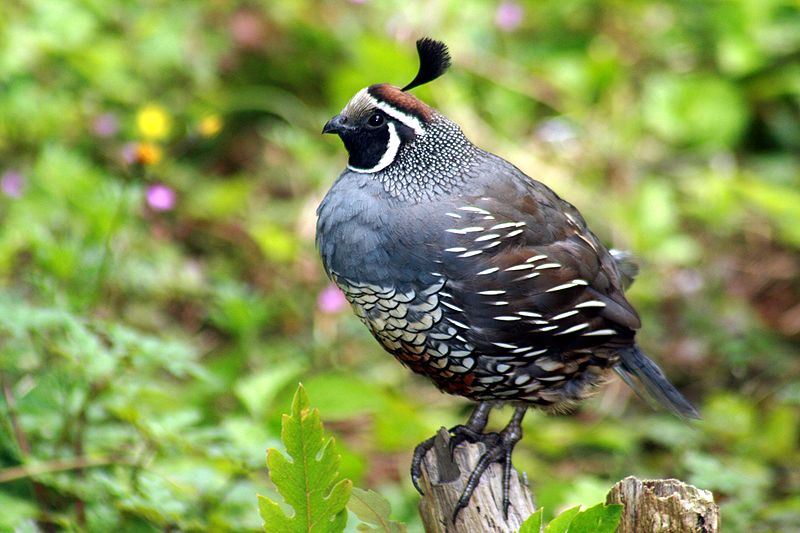
- California Quail sometimes called California Partridge
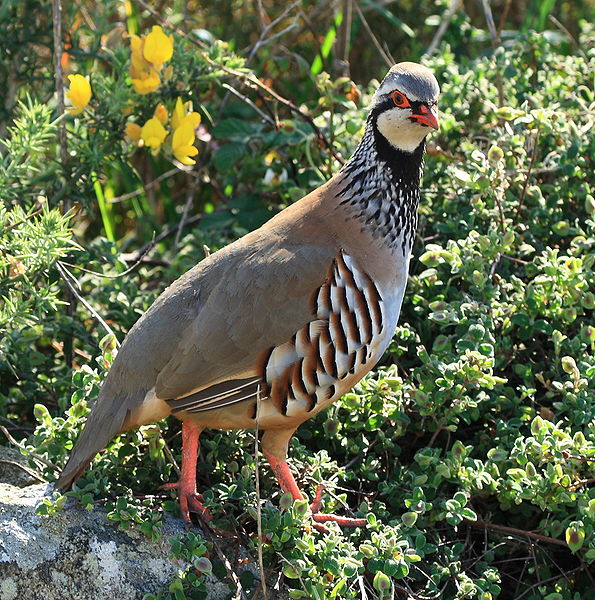
- Red-legged Partridge (Alectoris rufa) ©WikiC
Ian’s Bird of the Moment – Red-browed Pardalote
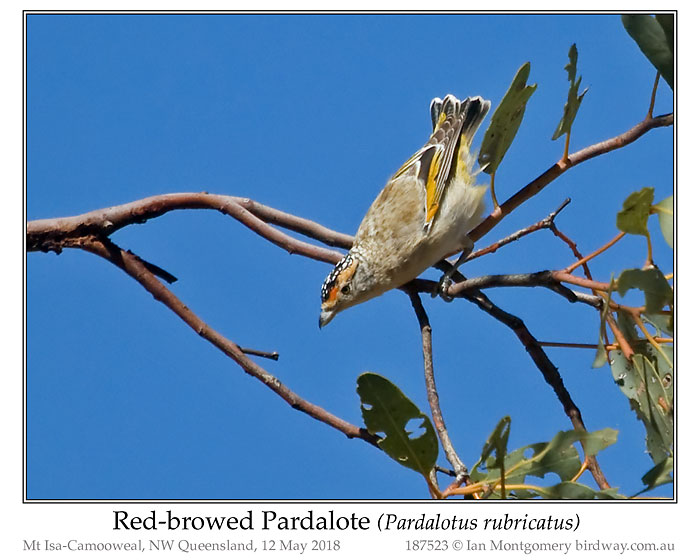
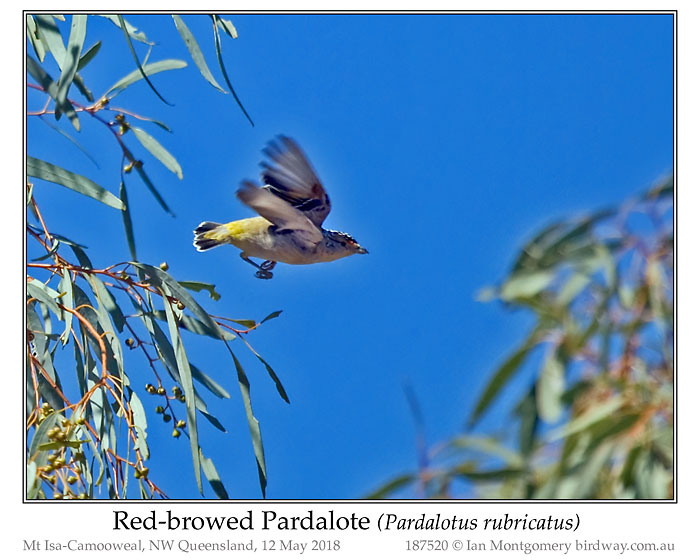
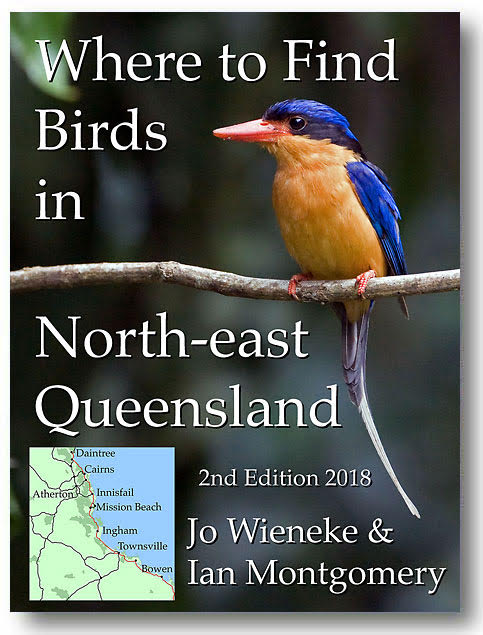
A long time, as usual these days, since the last Bird of the Moment, but I haven’t been entirely idle in the meantime. I’ve been busy both revising the ebook, Where to Find Birds in North-east Queensland, and compiling a second volume of birds of the week/moment covering 2010 until the present. More about those in a minute, but here is the Red-browed Pardalote, a species I wanted to photograph for Where to Find Birds in North-east Queensland and which I mentioned in the previous two Birds of the Moment, the Masked Finch and the Black-breasted Buzzard.
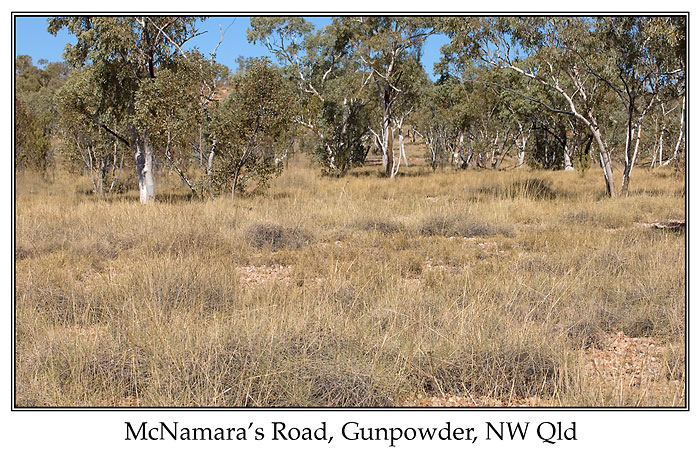
I finally tracked it down at McNamara’s Road between Mt Isa and Camooweal with the help of my Mt Isa birding pal Rex Whitehead and another Mt Isa birder Karen who took me to a couple of spots on this road where they had found the Pardalote shortly before. McNamara’s Road, about 68km from Mt Isa on the Barkly Highway going towards Camooweal is a famous site for the Carpentarian Grasswren though I have spent many hours there on a number of occasions, including this one, without finding any.
We had more success with the Red-browed Pardalote helped by the fact that the dominant tree here the Snappy Gum doesn’t get very tall so when you hear the characteristic call of the bird, a mellow rising, accelerating piping of five or six notes, you know that they aren’t too far above the ground.
It has, for a Pardalote, a large, rather chunky bill, second photo, and the white spots on the black cap distinguish it from the local race of the Striated Pardalote (uropygialis). It has distinctive mustard-coloured wing bars and in flight, third photo, shows a yellowish-green rump.
Back to ebooks. The second edition of Where to Find Birds in North-east Queensland has gone through a number of iterations and refinements since I first put it up on the website in August of this year, and the latest version went up yesterday both in epub and pdf formats.
This is a free update to owners of the first edition but to access it you need a Dropbox link to the folder. If you bought it since January 2017, you should receive a separate email with a link to the folder. If you don’t receive this email, perhaps because your email address has changed, let me know: mailto:ian@birdway.com.au.
If you purchased it prior to January 2017, you would have done so through Apple, Google or Kobo and I won’t have your email address. So write to me and I’ll send you the link: mailto:ian@birdway.com.au.
Greetings, Ian
Lee’s Addition:
“So God created great sea creatures and every living thing that moves, with which the waters abounded, according to their kind, and every winged bird according to its kind. And God saw that it was good.” (Genesis 1:21 NKJV)
Ian’s Birds of the Moment always come as a surprise. When he was doing them weekly, they were part of the scheduled post here. So, now that he surprises us, and thankfully he does, we will just double them up with what else has posted that day.
Always glad to see what amazing beauties from our Creator he finds. This Red-browed Pardalote is a beauty, at least in my eyes. I love his cap. Reminds me of a pirates bandana. :)
Bald – Golden – Steller’s Sea – Eagles Compared
“Wilt thou set thine eyes upon that which is not? for riches certainly make themselves wings; they fly away as an eagle toward heaven.” (Proverbs 23:5 KJV)
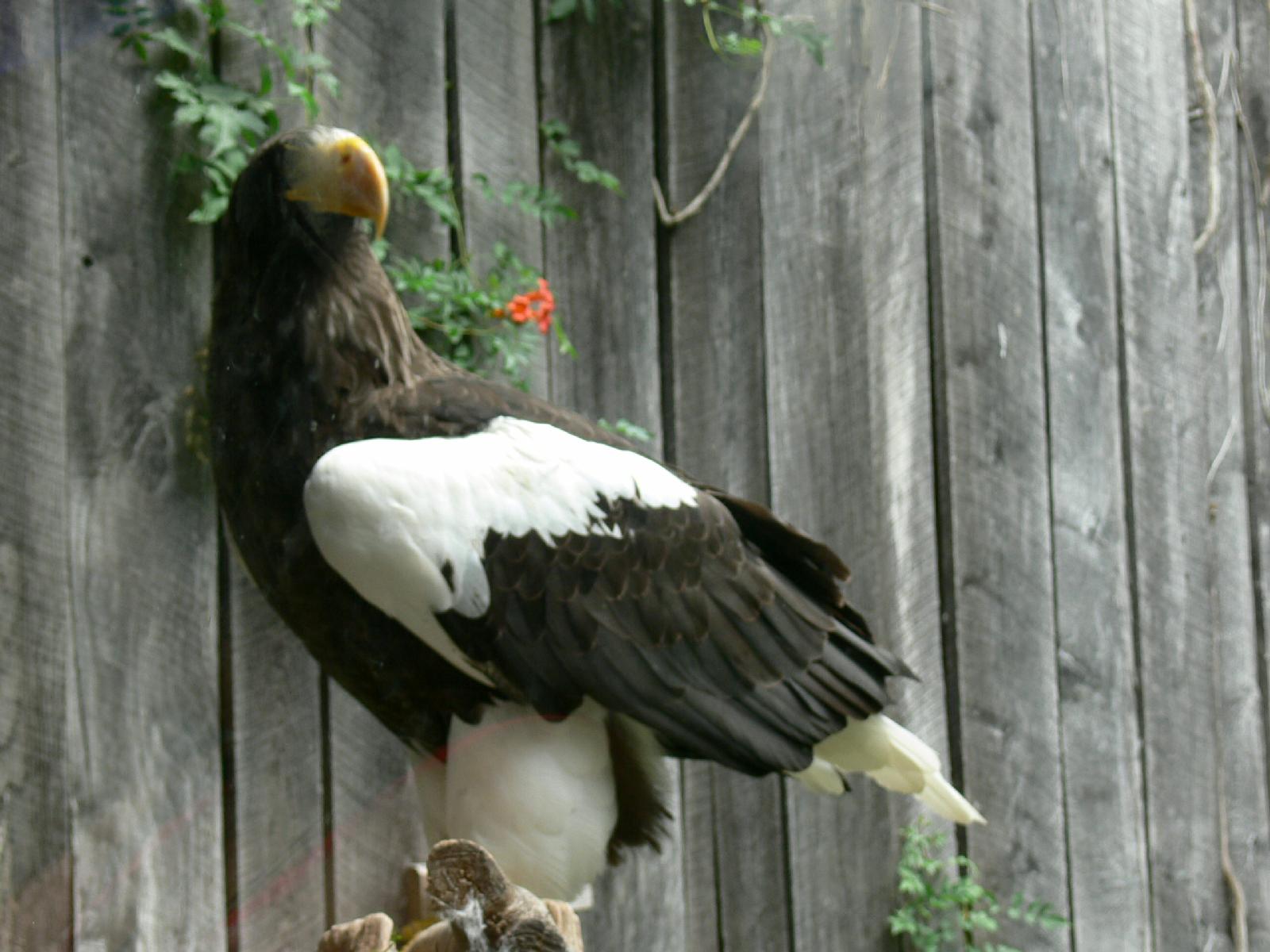
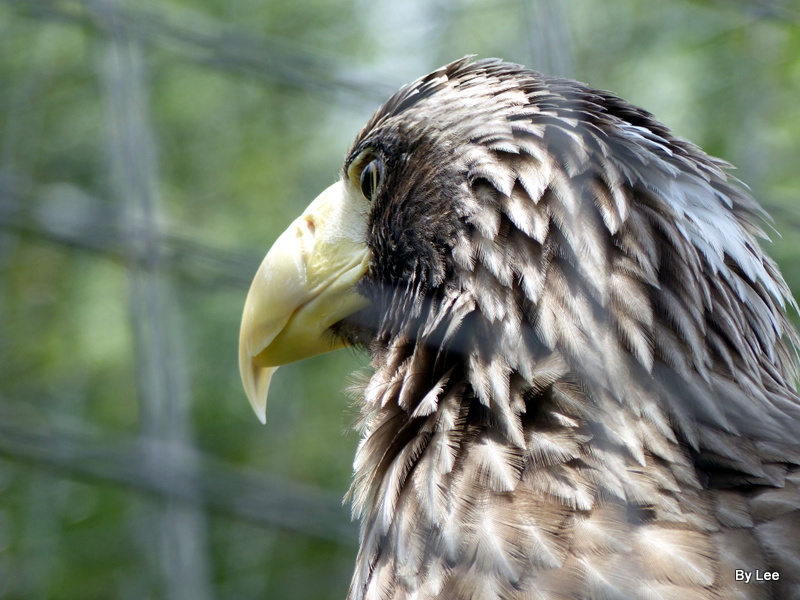
The last post mentioned the Golden Eagle and the Sea Eagle. We were privileged to have seen the Bald Eagle [almost daily here in Polk Country this time of the year.], the Golden Eagle, and the Steller’s Sea Eagle. Just thought you might like a size comparison. The above photo was taken at the National Aviary in Pittsburgh, PA. The two exhibits were side by side and I was overwhelmed at the size of the Steller’s Sea Eagle on the right, and the Bald Eagle on the left. I backed up so I could get them both. What a difference!
The Bald Eagle has a body length of 70–102 cm (28–40 in). Typical wingspan is between 1.8 and 2.3 m (5.9 and 7.5 ft) and mass is normally between 3 and 6.3 kg (6.6 and 13.9 lb).[5] Females are about 25% larger than males, averaging 5.6 kg (12 lb), and against the males’ average weight of 4.1 kg (9.0 lb)
The Golden Eagle is a very large raptor, 66 to 102 centimetres (26 to 40 in) in length. Its wings are broad and the wingspan is 1.8 to 2.34 metres (5 ft 11 in to 7 ft 8 in). Golden eagles’ wingspan is the fifth largest among living eagle species. Females are larger than males, with a bigger difference in larger subspecies. Females of the large Himalayan golden eagles are about 37% heavier than males and have nearly 9% longer wings, whereas in the smaller Japanese golden eagles, females are only 26% heavier with around 6% longer wings.[2][8] In the largest subspecies (A. c. daphanea), males and females weigh typically 4.05 kilograms (8.9 lb) and 6.35 kg (14.0 lb), respectively. In the smallest subspecies, A. c. japonica, males weigh 2.5 kg (5.5 lb) and females 3.25 kg (7.2 lb).[2] In the species overall, males average around 3.6 kg (7.9 lb) and females around 5.1 kg (11 lb). The maximum size of golden eagles debated. Large subspecies are the heaviest representatives of the Aquila genus and this species is on average the seventh-heaviest living eagle species. The golden eagle is the second heaviest breeding eagle in North America, Europe and Africa and the fourth heaviest in Asia. For some time, the largest known mass authenticated for a wild female was the specimen from the A. c. chrysaetos subspecies which weighed around 6.7 kg (15 lb) and spanned 2.55 m (8 ft 4 in) across the wings.[10] American golden eagles are typically somewhat smaller than the large Eurasian species,
Steller’s sea eagle is the largest bird in the genus Haliaeetus and is one of the largest raptors overall. Females vary in weight from 6,195 to 9,500 g (13.658 to 20.944 lb), while males being rather lighter with a weight range of 4,900 to 6,800 g (10.8 to 15.0 lb). The average weight is variable, possibly due to seasonal variation in food access or general condition of eagles, but has been reported as high as a mean mass of 7,757 g (17.101 lb) to a median estimate weight of 6,250 g (13.78 lb)… [Above from Wikipedia, with editing.]
*
Golden Eagles in Scotland – YouTube
- Bald Eagle – Wikipedia
- Bald Eagle – All About Birds
- Bald Eagle – San Diego Zoo
- Golden Eagle – Wikipedia
- Golden Eagle – All About Birds
- Golden Eagle – San Diego Zoo
- Steller’s Sea Eagle – Wikipedia
- Steller’s Sea-eagle – San Diego Zoo
Standing Firm
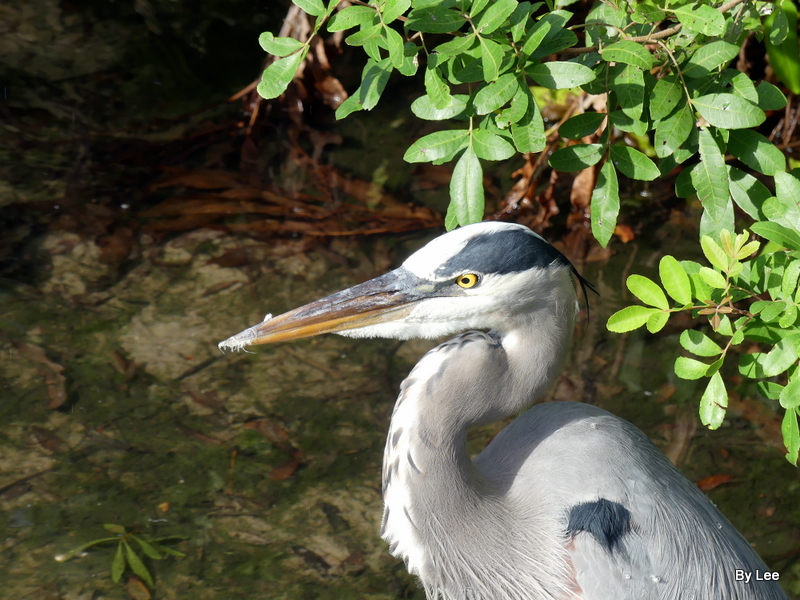
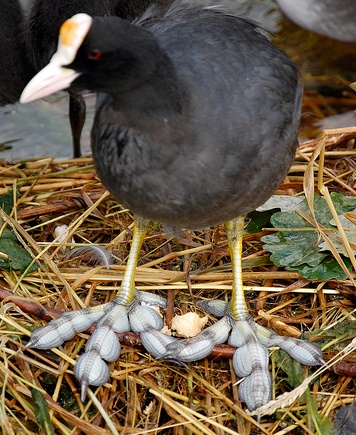
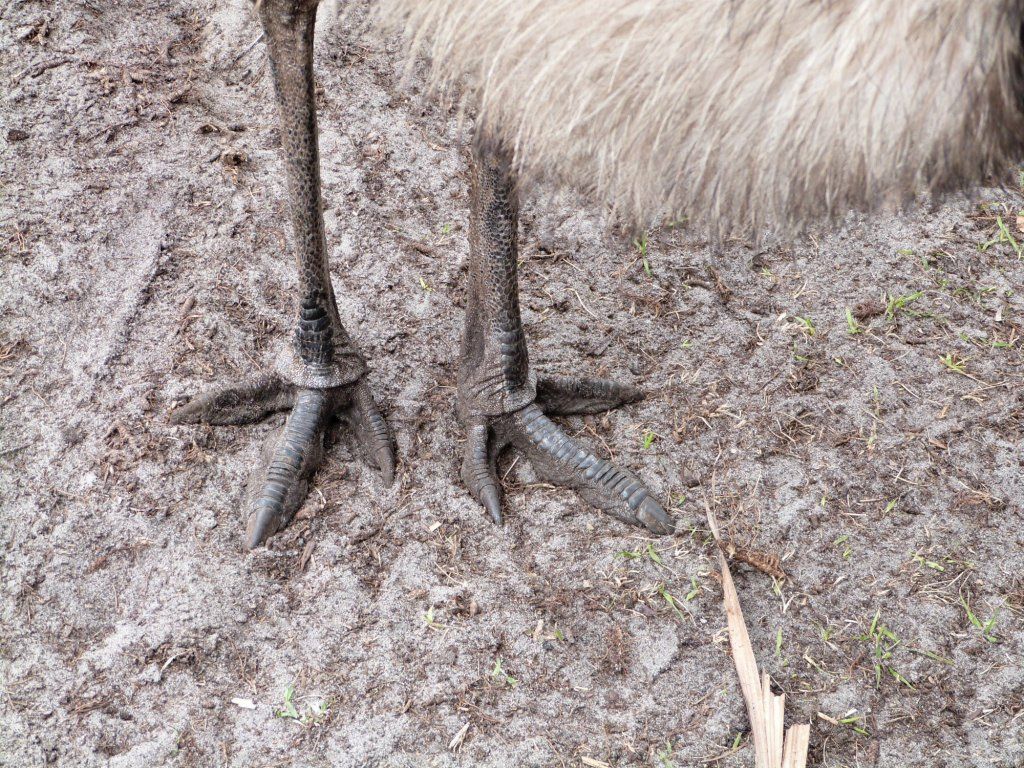
While at the Brevard Zoo last week, I was able to watch a wild Great Blue Heron standing in the river there. His feet, provided by our gracious Creator, caught my attention.
This brings to mind several verses that has to do with “standing firm.”“So then, brethren, stand firm and hold to the traditions which you were taught, whether by word of mouth or by letter from us.” (2 Thessalonians 2:15 NASB)
“Put on the full armor of God, so that you will be able to stand firm against the schemes of the devil.” (Ephesians 6:11 NASB)
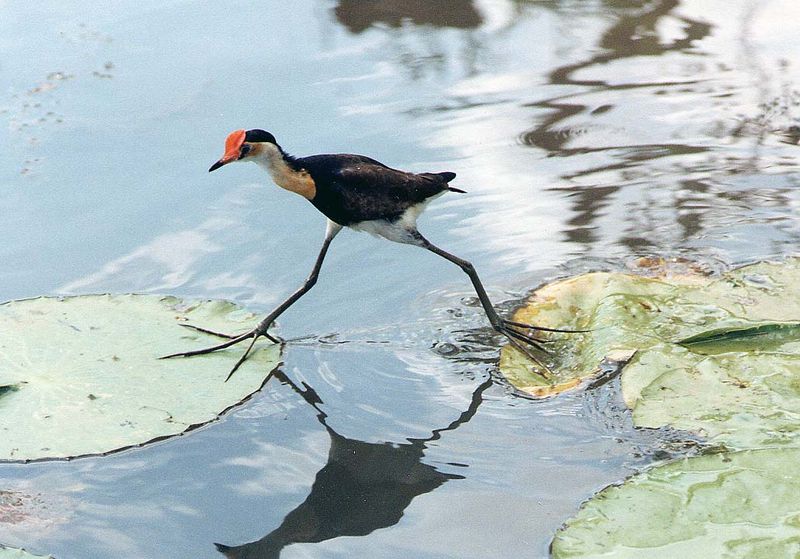
Over the years, I have been fascinated with the feet of birds. Especially the larger birds that have more height or weight to support in water, land, or on Lilly pads.
“So then, brethren, stand firm and hold to the traditions which you were taught, whether by word of mouth or by letter from us.” (2 Thessalonians 2:15 NASB)
“Therefore, take up the full armor of God, so that you will be able to resist in the evil day, and having done everything, to stand firm. Stand firm therefore, HAVING GIRDED YOUR LOINS WITH TRUTH, and HAVING PUT ON THE BREASTPLATE OF RIGHTEOUSNESS, and having shod YOUR FEET WITH THE PREPARATION OF THE GOSPEL OF PEACE;” (Ephesians 6:13-15 NASB)
“for now we really live, if you stand firm in the Lord.” (1 Thessalonians 3:8 NASB)
All of these birds were given feet that are meant to meet their needs. The Lord has given us the “Armour of God,” Traditions/teachings of Godly preachers and teachers, preparations, etc. Then He tells us to Stand Firm, because He has provided just the right training for us, just as He has provided just the right feet for the bird’s situations.
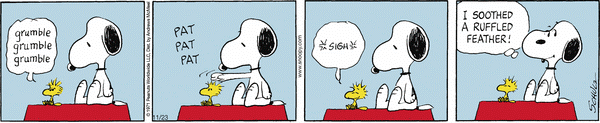
Smoothing A Ruffled Feather
Copyright Peanuts/Distributed by Universal Uclick for UFS
Snoopy has provided another service for Woodstock
I always enjoy the reactions between these two. But, OH! the ruffled feathers that we have seen on birds. Maybe they should stop by Snoopy for some help.
“Everyone helped his neighbor, And said to his brother, “Be of good courage!” (Isaiah 41:6 NKJV)