Peru’s Marvellous Hummingbird – Again

Marvelous Spatuletail (Loddigesia mirabilis)©©

Marvelous Spatuletail (Loddigesia mirabilis)©©

Peru’s Marvellous Hummingbird

(from Creation Moments)

In that day the LORD of hosts will be for a crown of glory and a diadem of beauty to the remnant of His people. (Isaiah 28:5)

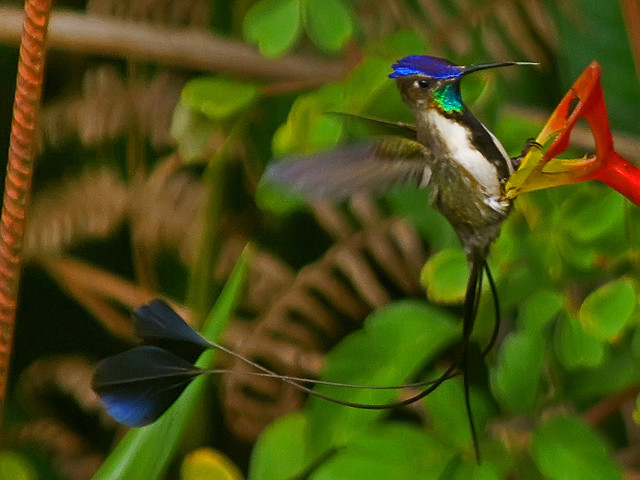
In 1835, when scientists first saw Peru’s most unusual hummingbird, they were so overcome with its beauty that they gave it the name “Marvellous.” This little bird treats the eye to iridescent green, yellow, orange, and purple feathers. But its most unusual feature is its tail. While most birds have eight to twelve tail feathers, the Marvellous hummingbird has only four. Two of these are long, pointed, thorn-like feathers that don’t seem to help much in flying or landing. The other two feathers are truly marvellous. They are six inches long, three times the length of the bird’s two-inch body. On the end of these two long narrow feathers are large feather fans that nearly equal the surface area of its wings.

Marvelous Spatuletail (Loddigesia mirabilis) ©©

Marvelous Spatuletail (Loddigesia mirabilis) ©©

Astonishingly, the Marvelous hummingbird has complete control of these feathers. At rest, the bird perches with these two feathers hanging down an inch or so from its body, and then crossing them until they are horizontal. In flight and landing they provide remarkable maneuverability. During mating, the hummingbird moves them as semaphores. Interestingly enough, evolutionists admit that they are stumped as to why these unusual feathers should have evolved.

One look at our creation clearly shows that our Creator appreciates beauty. But even the beautiful Marvelous hummingbird is but a poor and cloudy hint of the beauty of our Creator Himself.

Prayer:
Dear Father, help me treat the beauty You have created as You would have me to do. Let me be filled with thanksgiving to You for it, and let it remind me that You are the source of all that is truly beautiful. In Jesus’ Name. Amen.
Notes:
Crawford H. Greenewalt. The Marvelous Hummingbird Rediscovered. National Geographic, Vol. 130, No. 1. P. 98-101.”

©Creation Moments 2014


*

Lee’s Addition:

This was originally done in 2010, but needs to be re-blogged again. [Which I did in 2014, It’s now 2019, time for it again.] Also, the YouTube above was added. It is astonishing to watch the little bird in action. Thanks to one of our readers who found the video to add to their site. See The Vine Vigil.

The Marvellous Hummingbird is now the Marvelous Spatuletail (Loddigesia mirabilis). It is in the Hummingbird Family (Trochilidae) and is part of the Apodiformes Order.

Marvelous Spatuletail (Loddigesia mirabilis) ©WikiC-Gould_Troch._pl._161

Marvelous Spatuletail (Loddigesia mirabilis) ©WikiC-Gould_Troch._pl._161

The Marvelous (also Marvellous) Spatuletail (hummingbird), Loddigesia mirabilis, is a medium-sized (up to 5.9 in/15 cm long) white, green and bronze hummingbird adorned with blue crest feathers, a brilliant turquoise gorget, and a black line on its white underparts. It is the only member of the monotypic genus Loddigesia.

A Peruvian endemic, this species is found in the forest edge of the Río Utcubamba region. It was first reported in 1835 by the bird collector Andrew Matthews for George Loddiges. The Marvellous Spatuletail is unique among birds, for it has just four feathers in its tail. Its most remarkable feature is the male’s two long racquet-shaped outer tail feathers that cross each other and end in large violet-blue discs or “spatules”. He can move them independently.

Information gathered from Creation Moments, Wikipedia, and YouTube.

Wordless Birds


*

*


Tickle Me Tuesday Revived – Cat – Bird Fight

James J. S. Johnson made a remark on the Tickle Me Tuesday post. Dr. Jim, as I call him, suggested that we revive the Tickle Me Tuesday series. The last one was posted in 2015, so I am sure by now, there must be some more funny videos to discover.

In fact, this Epic Crow and Cat fight is just the one to start us off with a new “Tickle.”

by ignoramusky

These four are definitely not showing Kindness!!

“Be kindly affectionate to one another with brotherly love, in honor giving preference to one another;” (Romans 12:10 NKJV)

Other Tickle Me Tuesday’s

World’s Fastest Seagull

Lesser Black-backed Gull (Larus fuscus) ©

Lesser Black-backed Gull (Larus fuscus) ©

‘World’s fastest seagull’ stuns experts

Jul. 30, 2019 – 1:26 – A lesser black-backed seagull, is stunning experts with its apparent speed, traveling more than 500 miles in just seven days. The seagull which was ringed on Burhou in the Channel islands on July 17, was later found at Ares Beach in A Coruna Spain, on July 24. Alderney Bird Observatory warden John Horton said that the distance traveled by the bird in such a short period of time was unusual.

Here is a link attached to this clip:

https://video.foxnews.com/v/6065781298001/#sp=show-clips

Lesser Black-backed Gull (Larus fuscus) (Heuglin's)

Lesser Black-backed Gull (Larus fuscus) (Heuglin’s)

The lesser black-backed gull was one of the many species originally described by Linnaeus in his 18th-century work, Systema Naturae, and it still bears its original name of Larus fuscus. The scientific name is from Latin. Larus appears to have referred to a gull or other large seabird, and fuscus meant black or brown.

“Will you set your eyes upon wealth, when [suddenly] it is gone? For riches certainly make themselves wings, like an eagle [ or Lesser-Black-backed Gull] that flies toward the heavens.” (Proverbs 23:5 AMP)

Lesser Black-backed Gull – All About Birds

Lesser Black-backed Gull – eBird

Lesser Black-backed Gull – Wikipedia

Nice Birdwatching Video About Circle B Bar Reserve

https://youtu.be/No54pCLqTvY&rel0

This is by one of the photographers that visits Circle B Bar Reserve in Lakeland, Florida. It is only a few miles from our house “as the crow flies.” We have spent many enjoyable trips there. This was from Dennis Hollingsworth.

Belted Kingfisher (Megaceryle alcyon) by Lee Circle B

Belted Kingfisher (Megaceryle alcyon) by Lee Circle B

Great Blue Heron (Ardea herodias) at Circle B By Dan'sPix

Bible Birds – Herons

Snowy Egret (Egretta thula) Notice Yellow Feet by Lee at Circle B

Snowy Egret (Egretta thula) Notice Yellow Feet by Lee at Circle B

“For since the creation of the world His invisible attributes are clearly seen, being understood by the things that are made, even His eternal power and Godhead, so that they are without excuse,” (NKJV)

https://youtu.be/No54pCLqTvY&rel0

This is by one of the photographers that visits Circle B Bar Reserve in Lakeland, Florida. It is only a few miles from our house “as the crow flies.” We have spent many enjoyable trips there. This was from Dennis Hollingsworth.
Belted Kingfisher (Megaceryle alcyon) by Lee Circle B Belted Kingfisher (Megaceryle alcyon) by Lee Circle BGreat Blue Heron (Ardea herodias) at Circle B By Dan'sPix Bible Birds – HeronsSnowy Egret (Egretta thula) Notice Yellow Feet by Lee at Circle B Snowy Egret (Egretta thula) Notice Yellow Feet by Lee at Circle B

“For since the creation of the world His invisible attributes are clearly seen, being understood by the things that are made, even His eternal power and Godhead, so that they are without excuse,” (Romans 1:20 NKJV)


Sandhill Crane Chick at Circle B by Lee

Sandhill Crane Chick at Circle B by Lee

Blue-Gray Gnatcatcher at Circle B Reserve by Lee

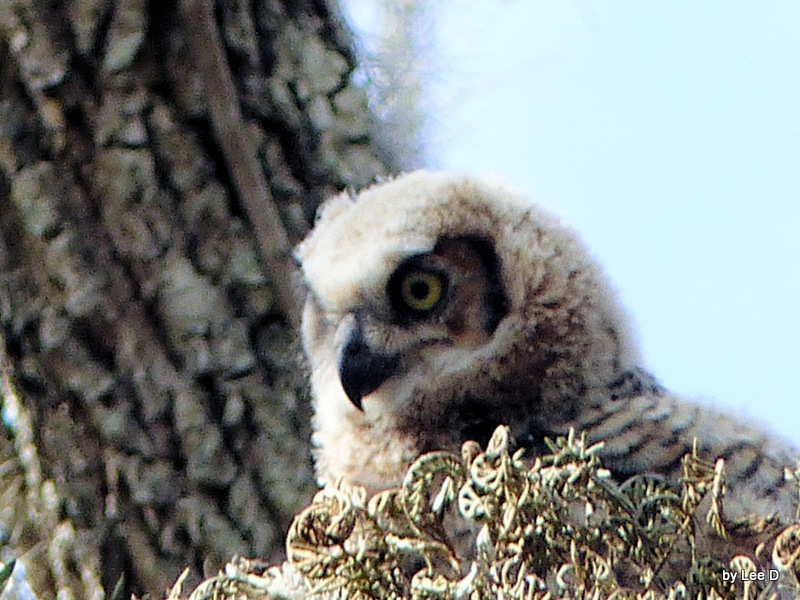
Great Horned Owl Youngsters at Circle B Bar Reserve by Lee

Snowy Egret Circle B 8-3-12 by Lee

Snowy Egret Circle B by Lee

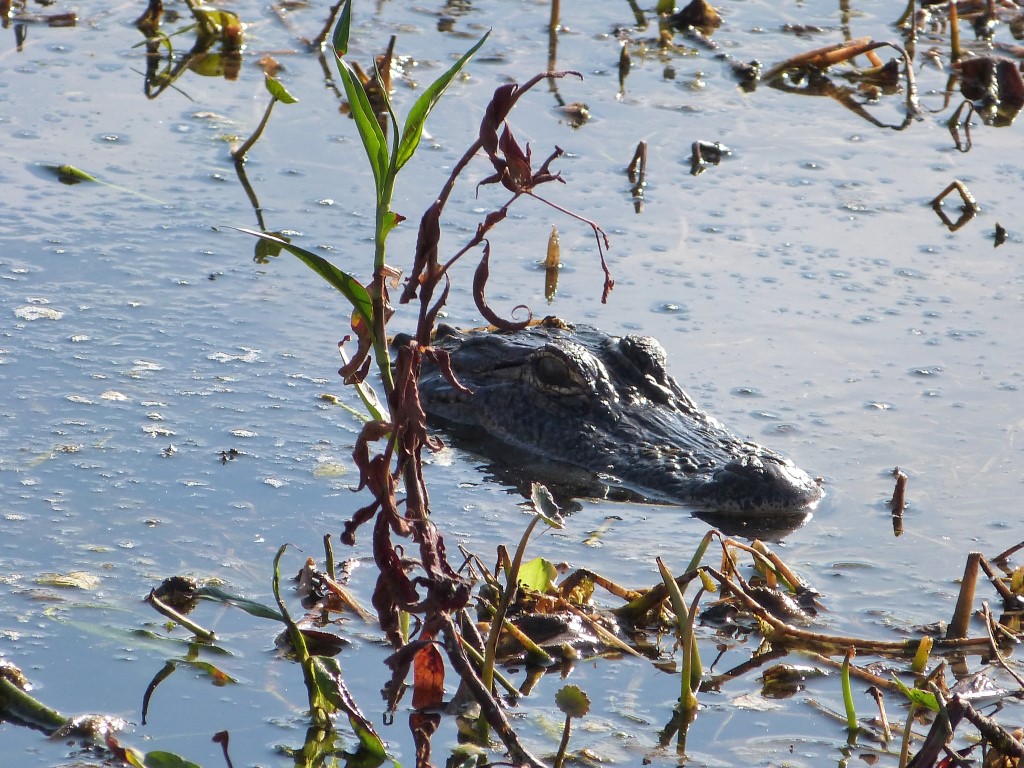
Alligator Circle B Bar Reserve by Lee

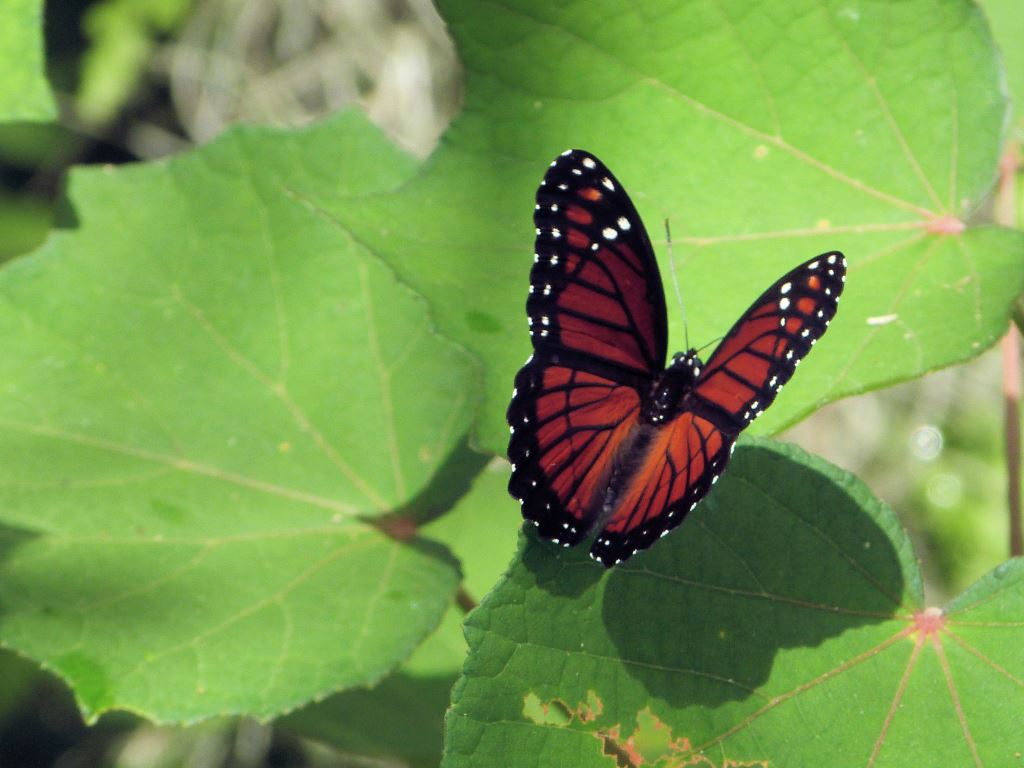
Butterfly Circle B by Lee 7-16-14

American White Ibis (Eudocimus albus) by Lee at Circle B

American White Ibis (Eudocimus albus) by Lee at Circle B

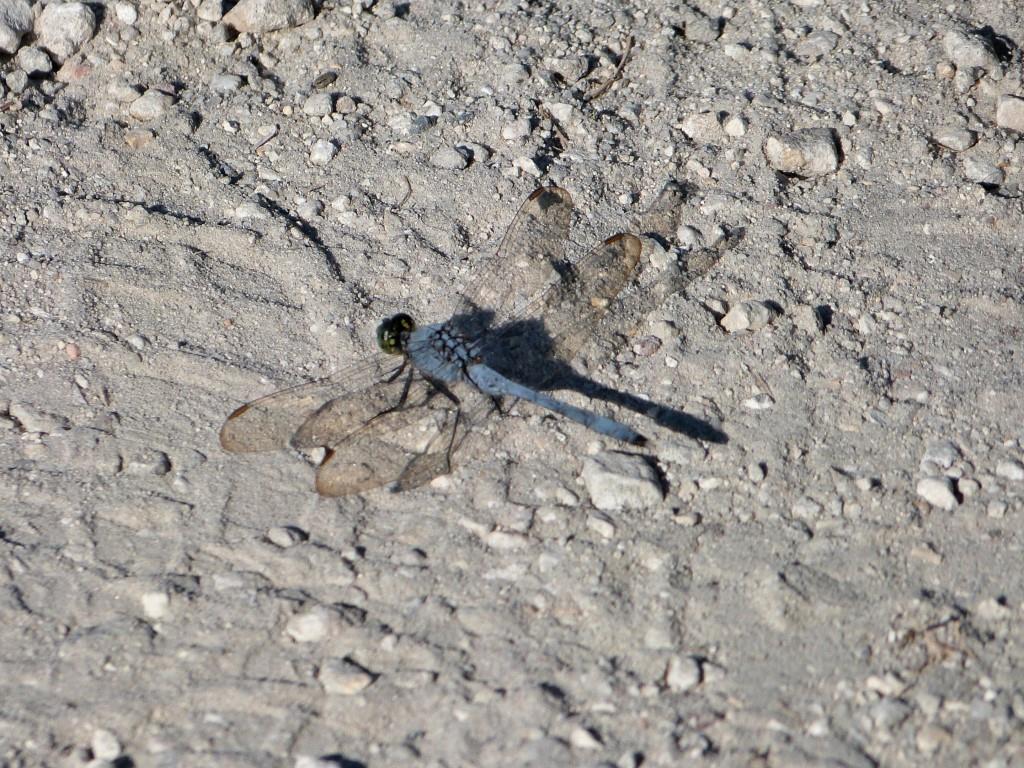
Dragonfly by Lee at Circle B

Dragonfly by Lee at Circle B

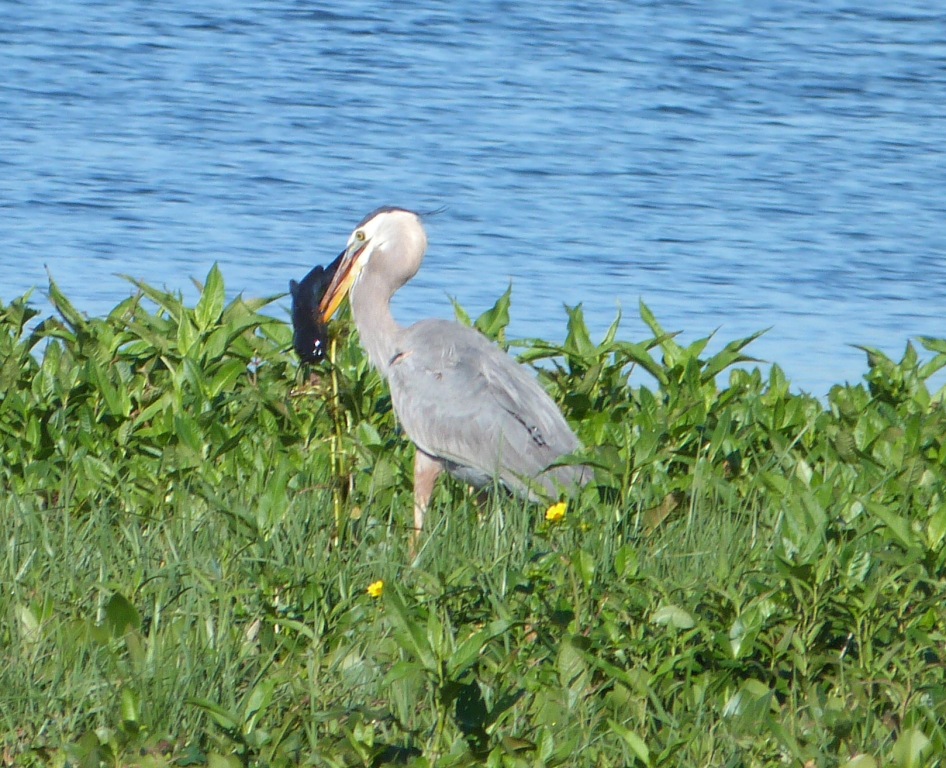
Great Blue Heron with Catfish at Circle B by Lee - cropped

Great Blue Heron with Catfish at Circle B by Lee – cropped

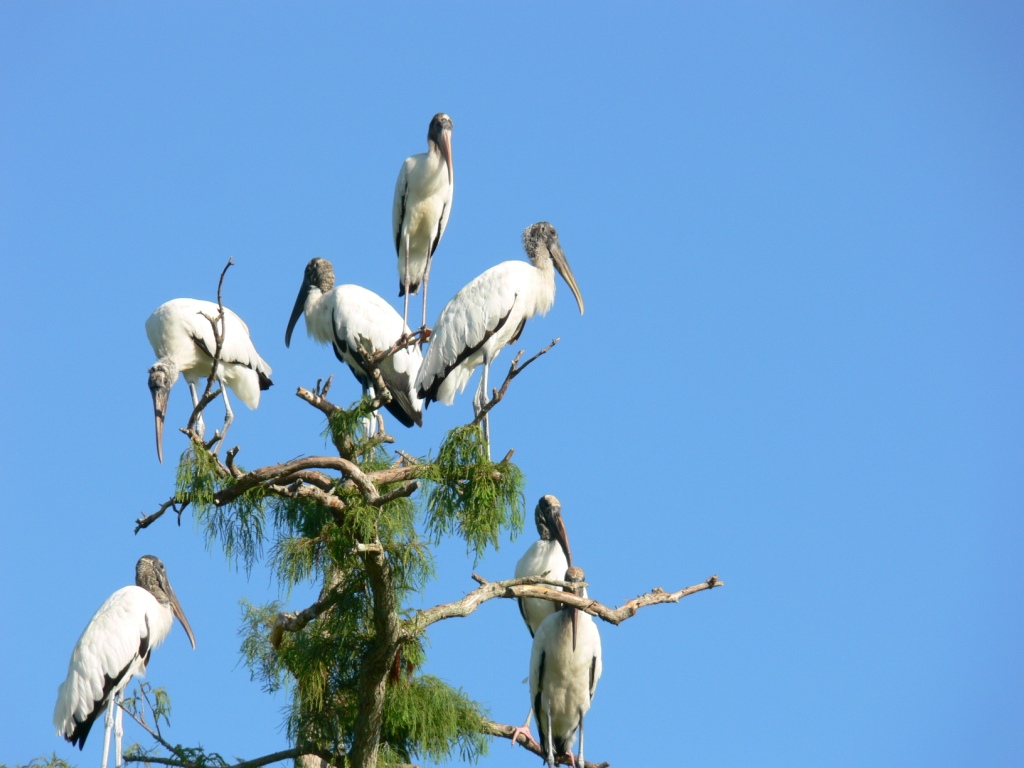
Wood Storks on top of tree at Circle B -7-22-11 by Lee

Wood Storks on top of tree at Circle B by Lee

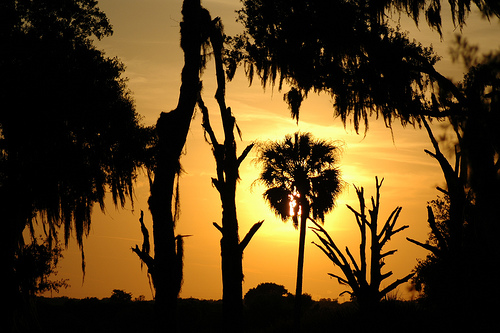
Sunset at Circle B by TommyT

Unique Feeding Of The Spoonbills

African Spoonbill Zoo Tampa by Lee

The Spoonbill family has a unique or uncommon way of feeding. They swing their beak back and forth in the water to find food. The inside of the “spoon” is very sensitive. When they feel a “goodie,” their beak snaps shut. They then swallow their food.

I have been trying to capture this action on video for some time, and finally, watched this African Spoonbill catch his food. This was taken at Zoo Tampa (Lowry Park Zoo) in their aviary.

https://youtu.be/DlhG6XgKxFo&rel=0

“For who makes you differ from another? And what do you have that you did not receive? Now if you did indeed receive it, why do you boast as if you had not received it?” (1 Corinthians 4:7 NKJV)

Just as the Spoonbills eat differently from other species of birds, it was the Creator that made them this way. You were created different than anyone else. Enjoy your uniqueness, because God made you the way your are. You were given different talents and abilities than someone else. What are you going to do with what the Lord has given?

African Spoonbill Zoo Tampa by Lee

The Spoonbills are using their uniqueness very well!

Spoonbill – Wikipedia

Luzon Water Redstart

“I know all the birds of the mountains, And the wild beasts of the field are Mine.” (Psalms 50:11 NKJV)

Myra, a follower, now a friend, from the Philippines, shared this video of a Luzon Water Redstart. Her daughters journeyed up Mt. Pulag a few weeks ago. They spotted the Redstart and captured it with their phone’s camera. Myra always ask them to “bird watch for me.” And now, Myra is sharing that video with us. Thanks, Myra, and your two daughters.

“The Luzon water redstart (Phoenicurus bicolor) is a species of bird in the family Muscicapidae. It is endemic to the Philippines. Its natural habitats are subtropical or tropical moist lowland forest, subtropical or tropical moist montane forest, and rivers. It is threatened by habitat loss.

This species was formerly placed in the genus Rhyacornis but was moved to Phoenicurus based on the results of a molecular phylogenetic study published in 2010.” [Wikipedia]

Luzon Water Redstart (Phoenicurus bicolor) ©Myra

I have to admit, I chuckled when I saw how the video ended. How many times have we watched a bird, only to have it disappear into the bushes or leaves. BUT! At least it was spotted.

Here is an interesting article with two videos about this little avian wonder from our Lord. Luzon Water Redstart, Take 2

Happy Birdwatching!!

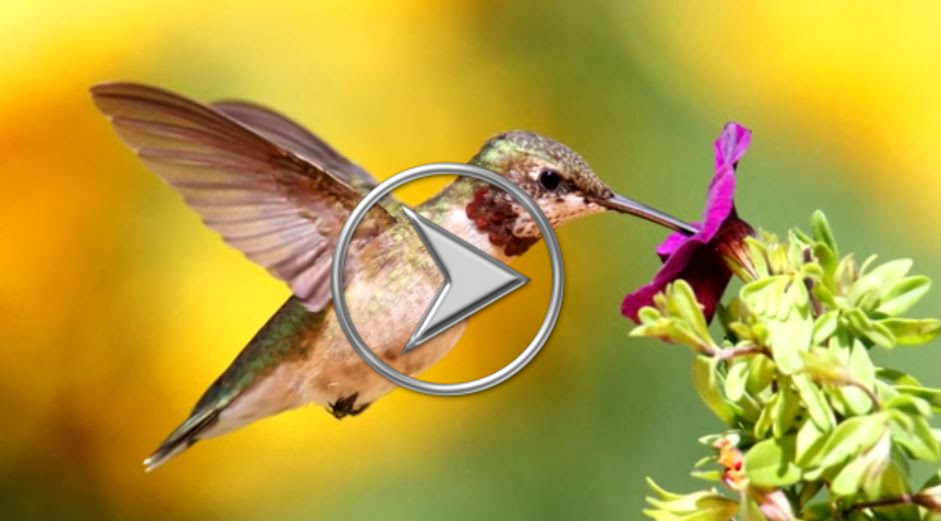
Double Life of a Hummingbird – Creation Moments

Learn more about one of God’s most
unusual creatures by watching our video
“Double Life of the Hummingbird”

Who doesn’t love the beautiful hummingbird? You’ll love them even more after viewing our “Double Life of the Hummingbird” video! That’s because you’ll learn about the unique abilities their Designer has given them. Truly, hummingbirds bear evidence of God’s creative hand!

This Week’s Creation Action Moment:

1. Watch our “Double Life of the Hummingbird” video by clicking here or on the picture above.

[Used with permission of Creation Moments]

Southern Yellow-billed Hornbill – Cincinnati Zoo

Here are some more articles written about our visits to the Cincinnati Zoo: Here is a video by another visitor to the Hornbills:
http://www.youtube.com/watch?v=Btd7BgdBciQ
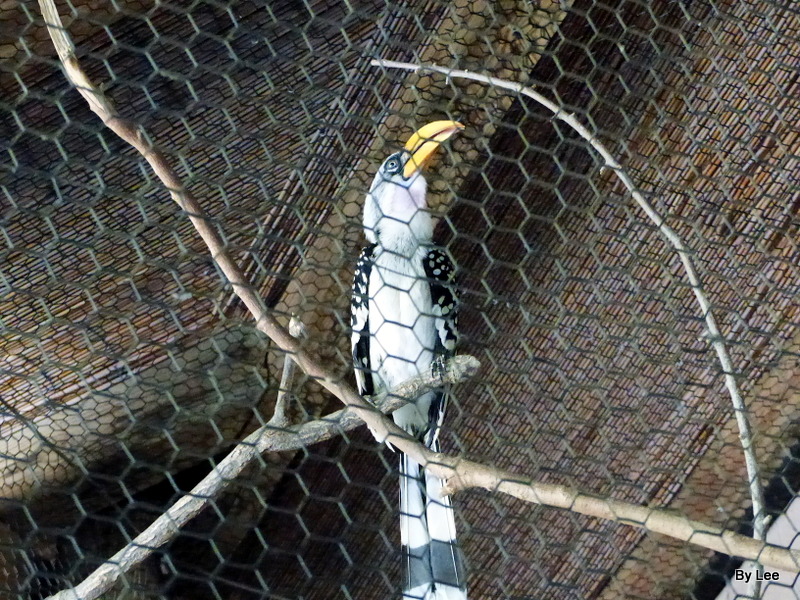
Trying to get through the fence/cage Southern Yellow-billed Hornbill (Tockus leucomelas) Cincinnati Zoo 2016
If you followed the posts while we were on our trip, you are aware that we skipped going to the Cincinnati Zoo because of weather. Home Again After 2,000 Mile Trip
And not only so, but we glory in tribulations also: knowing that tribulation worketh patience; And patience, experience; and experience, hope: (Romans 5:3-4 KJV)
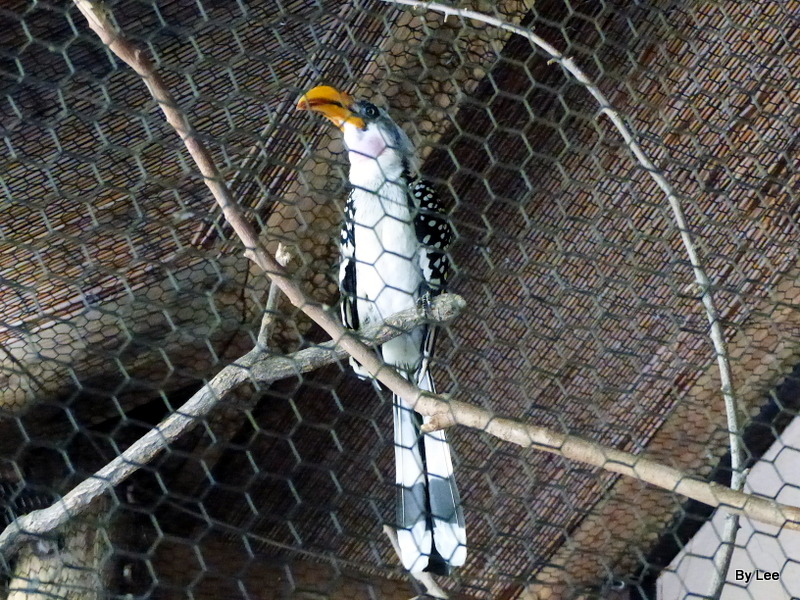
Since we have been there twice already, I decided to see if there were some birds that were not written about from those trips. Actually, there are quite a few. This Southern Yellow-billed Hornbill’s photo caught my attention. It is so hard to get a photo through the cages of the zoos. This Avian Wonder was just as hard to capture. After several tries, the Hornbill came into focus and I still remember my excitement. Patience is hard at times, but it does pay off.
Yeah! I got through! Southern Yellow-billed Hornbill (Tockus leucomelas) Cincinnati Zoo 2016
“But if we hope for that we see not, then do we with patience wait for it.” (Romans 8:25 KJV)
Here are some more articles written about our visits to the Cincinnati Zoo: Here is a video by another visitor to the Hornbills:
http://www.youtube.com/watch?v=Btd7BgdBciQ

Butterflies at Brevard Zoo

Monarch and White Peacock at Brevard Zoo Butterfly Exhibit

“O LORD, how manifold are thy works! in wisdom hast thou made them all: the earth is full of thy riches.” (Psalms 104:24 KJV)

They recently opened up a new Butterfly area at the Brevard Zoo in Brevard, Florida. This was the first time we have been to this exhibit.

https://youtu.be/LdOC2uAYb_g&rel=0

There was soft music playing and the butterflies were just flitting here and there. I took this video, which is not the best, but they were really beautiful [when I could keep it in focus].

It was not a frog making noise. It was a pair of Turocos calling.

White-crested Turaco at Brevard Zoo was calling

“He will bless them that fear the LORD, both small and great.” (Psalms 115:13 KJV)

Julia Butterfly

Below are some of the photo that I took. I trust I attached the right names to them. I used the signs they provided.

Brevard Zoo
Wordless Hummingbirds

Birds of the Bible – Return of the Hoopoe Video

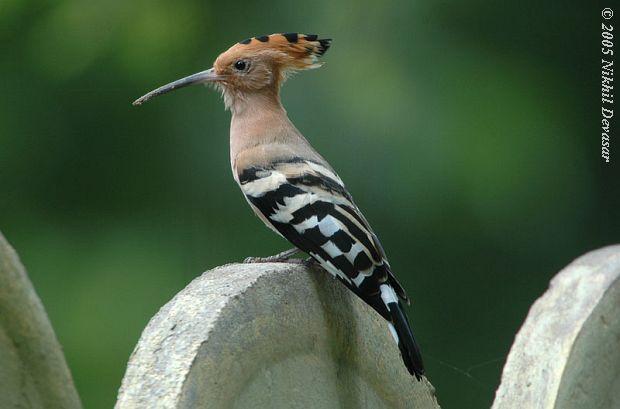
Eurasian Hoopoe (Upupa epops) by Nikhil

Updated 2/20/18 The original video is no longer online. Here is a cute Hoopoe chick sticking its head out to see the world.

This is a very interesting video about a Hoopoe parent and chick. It is worth the watch. I have always enjoyed looking at their beauty. The Creator really put a special touch on the Hoopoe. Also, they are one of the Birds of the Bible.

https://youtu.be/7hlzeCmsZp4&rel=0

“‘And these you shall regard as an abomination among the birds; they shall not be eaten, they are an abomination: the eagle, the vulture, the buzzard, the kite, and the falcon after its kind; every raven after its kind, the ostrich, the short-eared owl, the sea gull, and the hawk after its kind; the little owl, the fisher owl, and the screech owl; the white owl, the jackdaw, and the carrion vulture; the stork, the heron after its kind, the hoopoe, and the bat.” (Leviticus 11:13-19 NKJV)

Birds of the Bible

Birds of the Bible – Hoopoe

Other articles:

*

Gatorland’s Greedy Snowy Egret

Happy Thanksgiving to you all.

May you have a great day enjoying family, friends, and fine food. But please, do not bite off more than you should! [This video of a Snowy Egret was taken at Gatorland this week.]

“A Psalm of Thanksgiving. Make a joyful shout to the LORD, all you lands! Serve the LORD with gladness; Come before His presence with singing. Know that the LORD, He is God; It is He who has made us, and not we ourselves; We are His people and the sheep of His pasture. Enter into His gates with thanksgiving, And into His courts with praise. Be thankful to Him, and bless His name. For the LORD is good; His mercy is everlasting, And His truth endures to all generations.” (Psalms 100:1-5 NKJV)

Family: Building a Home God’s Way

More Gatorland Adventures

Gatorland in Orlando, Florida

*


Blue-gray Tanagers And Your Teenager

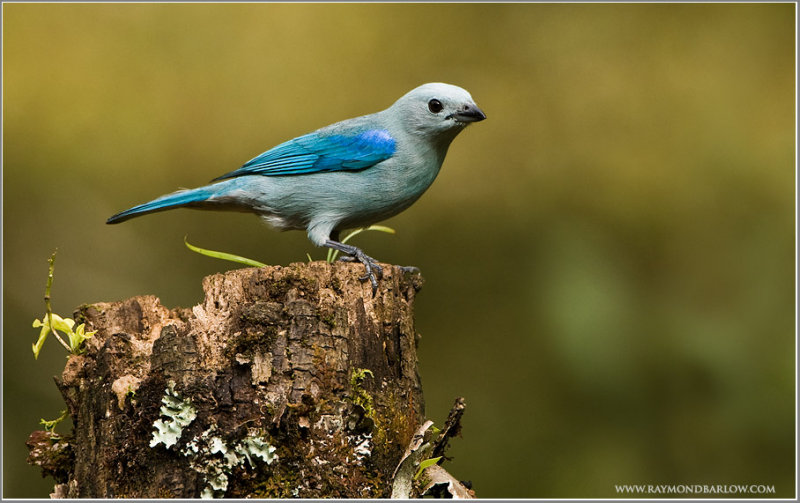
Blue-gray Tanager (Tangara azulada) ©Colombia Wildlife – Oswaldo Cortes

“For thou art my hope, O Lord GOD: thou art my trust from my youth.” (Psalms 71:5 KJV)

While watching this video of the Blue-gray Tanager youngster, my thoughts went to those of you who have teenagers. Many tell me that they, the teenagers, are difficult to fill up. Enjoy the video knowing that you are not alone in God’s Creation. Even the birds have to deal with filling up their offspring. :0)

Blue-gray Tanagers (Thraupis episcopus) are members of the Thraupidae Family. The tanager is a medium-sized South American songbird whose song is a squeaky twittering, interspersed with tseee and tsuup call notes. Its range is from Mexico south to northeast Bolivia and northern Brazil, all of the Amazon Basin, except the very south. It has been introduced to Lima (Peru). On Trinidad and Tobago, this bird is called blue jean.

Blue-grey Tanager (Thraupis episcopus) Reinier Munguia

The Blue-gray Tanager is 16–18 cm (6.3–7.1 in) long and weighs 30–40 g (1.1–1.4 oz). Adults have a light bluish head and underparts, with darker blue upperparts and a shoulder patch colored a different hue of blue. The bill is short and quite thick. Sexes are similar, but the immature is much duller in plumage.

The breeding habitat is open woodland, cultivated areas and gardens. The Blue-gray Tanager lives mainly on fruit, but will also take some nectar and insects. This is a common, restless, noisy and confiding species, usually found in pairs, but sometimes small groups. It thrives around human habitation, and will take some cultivated fruit like papayas (Carica papaya).

(Information from Wikipedia)

Blue-grey Tanager (Thraupis episcopus) by Raymond Barlow

Blue-gray Tanager (Thraupis episcopus) by Raymond Barlow

“O God, thou hast taught me from my youth: and hitherto have I declared thy wondrous works.” (Psalms 71:17 KJV)

Thraupidae – Tanagers and Allies Family