Ian’s Bird of the Week – Griffon Vulture

Boumort National Reserve

Boumort National Reserve

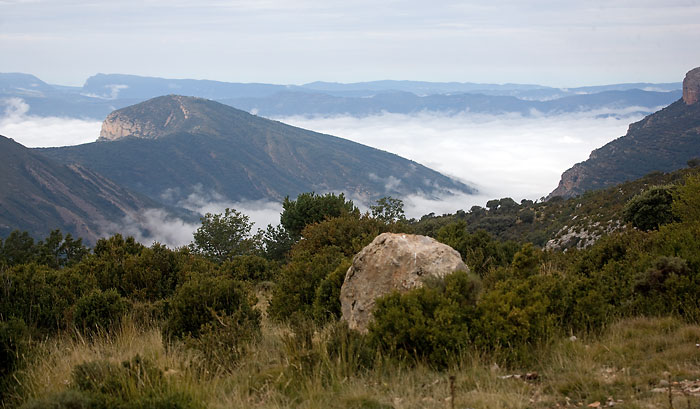
The first photo shows part of Boumort National Reserve in the foothills of the Pyrenees in Catalonia about 40km southwest of Andorra. A reserve since 1991, It has an area of 13,000 hectares and is of special importance as one of the only places in Europe where all four European species of vultures breed. Three occur naturally, while the fourth, the Eurasian Black or Cinereous Vulture has been reintroduced, after becoming extinct in the Pyrenees in recent decades. I made arrangements to visit it through Steve West of Birding in Spain, including getting the necessary permit to photograph these birds, accommodation and transport.

As part of the conservation effort, the vultures are fed three times a week and I was taken to the feeding site by two rangers who had collected carcasses and meat off-cuts from farmers in the vicinity. The site is equipped with a spacious and comfortable hide, complete with toilet, and I was left there alone for the day after they had spread out the meat and carcasses in front of the hide. When we arrived there were already between one and two hundred vultures, almost all Griffons, soaring high above. I had been briefed beforehand that the first arrivals would be Griffons, with Eurasian Blacks arriving later in the morning when the crowds thinned, while the iconic Lammergeier could be expected, probably, in small numbers in the middle of the afternoon. The fourth species, the Egyptian Vulture is a summer visitor and had already departed for Africa.
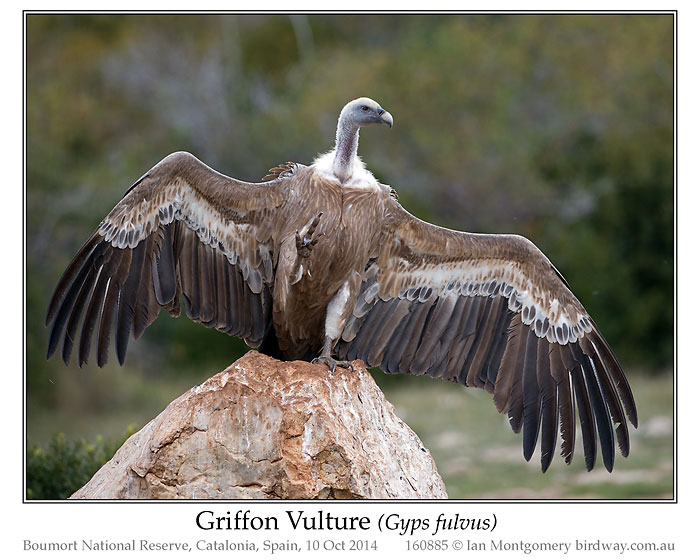
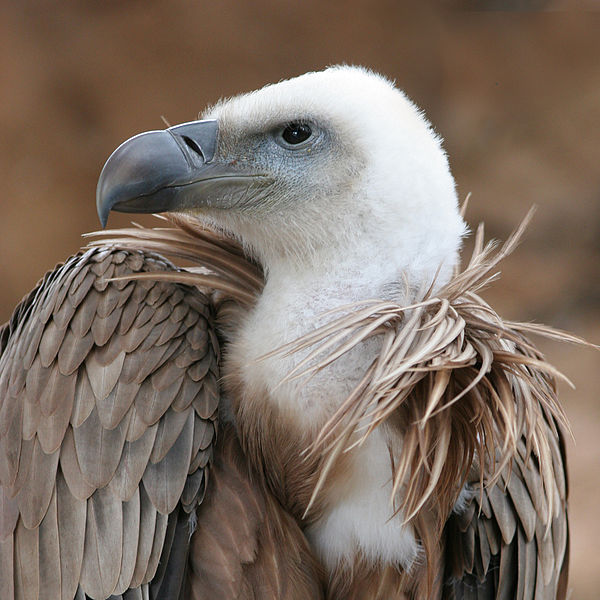
Griffon Vulture (Gyps fulvus) by Ian

Sure enough, as soon as the rangers left, large numbers of Griffons glided in and squabbled noisily over the food. Griffons feed mainly on muscles and viscera and attacked the carcasses and pieces of meat with great gusto. The bird in the second photo showing its skill at balancing on a rock on one foot and waving the other is an adult, recognisable by its white ruff, horn-coloured bill and pale wing coverts. The one in the third photo is a juvenile, with grey bill, coffee-coloured ruff and darker wings. Juveniles generally had a covering of short plumage on the head and neck, while the adults often had relatively bare necks.

The breeding range of the Griffon Vulture extends from Portugal in the west to northeastern India and southwestern Kazakhstan in the east. Spain is its main stronghold in the west with about 8,000 pairs and the species is not considered under threat.
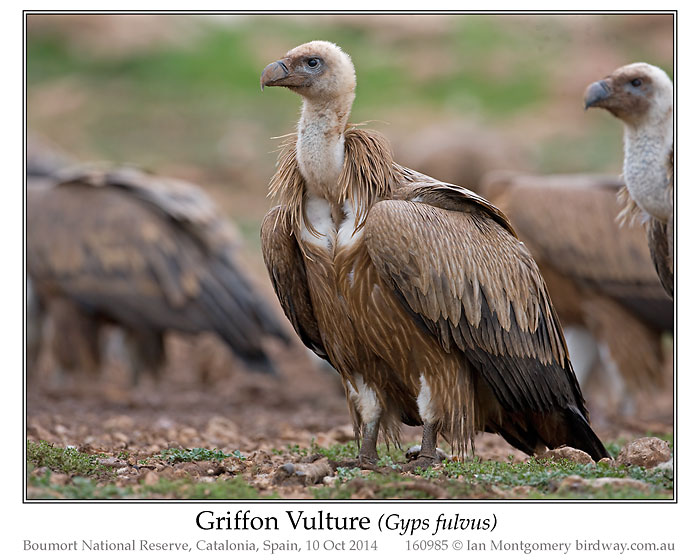
Griffon Vulture (Gyps fulvus) by Ian

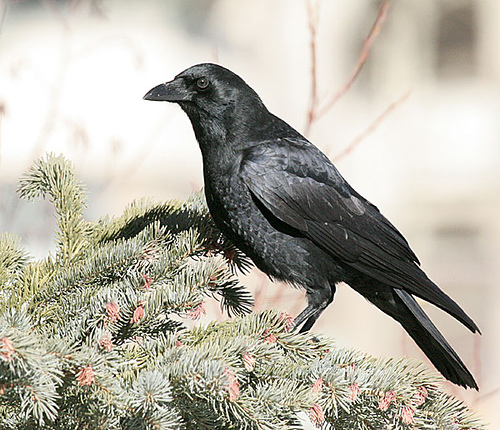
These birds are huge and it was wonderful to observe them up close. The black bird in the fourth photo sneaking a mouthful from under the watchful eye of a Griffon is a Common Raven. This is the largest passerine in the world, with a length of up to 67cm/26in and wingspan of up to 130cm/51in, larger than a Common Buzzard, but completely dwarfed by the vulture. Griffons are up to 110cm/43in in length, with a wingspan of up to 280cm/110in and weighting up to 11kg/24lbs.

Griffon Vulture (Gyps fulvus) by Ian

In the air, they glide effortlessly and powerfully and the enormous wings make the body appear quite small by comparison. They come into land looking like parachutists under square canopies but with the ponderous, unwavering stability of a large aircraft like a B747 or an A380. Look how elegantly and precisely the toes are arranged with all the poise of an Olympic diver, fifth photo.
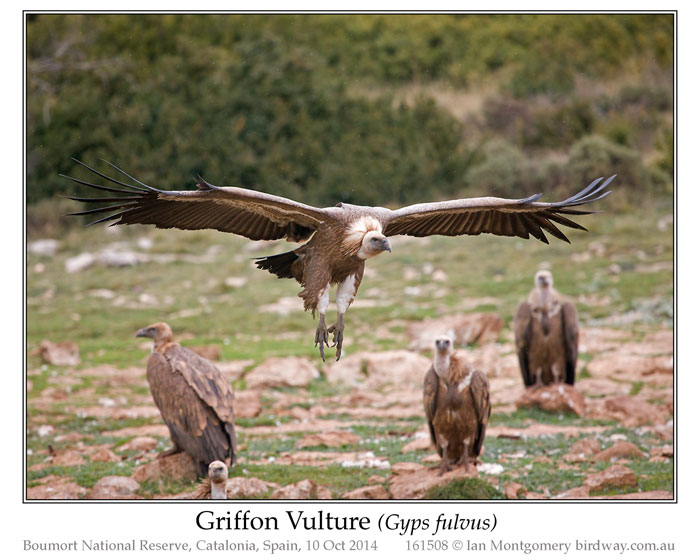
Griffon Vulture (Gyps fulvus) by Ian

It really was an extraordinary experience watching the spectacle of these amazing birds, even if their table manners left much to be desired. The large amount of food disappeared at a great rate and the crowds started to disperse, leaving the scene, one hoped, for the later, rarer and more picky species. To be continued…

Greetings
Ian


Lee’s Addition:

Another neat adventure for Ian. Not sure I would want to be left all day by myself. Then again, Ian, is quite an adventurous birdwatcher and photographer. Patience is something he definitely has.

Thanks again, Ian, for sharing your adventure. I have a feeling you will soon tell us about some of those other Vultures that came to feed.

“There is a path which no fowl knoweth, and which the vulture’s eye hath not seen: (Job 28:7 KJV)

The Griffon Vulture is a Bird of the Bible as Vultures are mentioned. One version of the Bible lists a Griffon.

“Of birds these are they which you must not eat, and which are to be avoided by you: The eagle, and the griffon, and the osprey.” (Leviticus 11:13 DRB)

*

*


Bible Birds – Vulture Introduction

Vulture Introduction

Griffon Vulture (Gyps fulvus) WikiC

Griffon Vulture (Gyps fulvus) WikiC

And these you shall regard as an abomination among the birds; they shall not be eaten, they are an abomination: the eagle, the vulture, the buzzard, (Leviticus 11:13 NKJV)

  • Christian Standard Bible (CSB) “but these are the ones you may not eat: eagles, bearded vultures, black vultures,
  • Complete Jewish Bible (CJB) “but these you are not to eat: eagles, vultures, ospreys,
  • Easy-to-Read Version (ERV) “But don’t eat any of these birds: eagles, vultures, buzzards,
  • English Standard Version (ESV) “But these are the ones that you shall not eat: the eagle, the bearded vulture, the black vulture,
  • Expanded Bible (EXB) “But do not eat these birds: eagles, vultures, black vultures, 13 red kites, falcons, any kind of kite,
  • GOD’S WORD Translation (GW) “But here are the birds that you should never eat: eagles, bearded vultures, black vultures,
  • International Children’s Bible (ICB)  “But do not eat these birds: eagles, vultures, black vultures,
  • International Standard Version (ISV) “You may eat all clean birds, 12 but you must not eat any of these: the eagle, vulture, osprey, 13 buzzard, any kind of kite,
  • Names of God Bible (NOG) “But here are the birds that you should never eat: eagles, bearded vultures, black vultures,
  • New English Translation (NET) “But do not eat these birds: eagles, vultures, black vultures,
  • New International Reader’s Version (NIRV) “But there are many birds you can’t eat. They include eagles, vultures, and black vultures.
Leviticus 11:18 and Deuteronomy 14:17 (NKJV) mention a carrion vulture. Jeremiah 12:9 mentions a speckled vulture.
 
All of these verses give us several different kinds of vultures.
vulture
bearded vulture – covered in Bible Birds – Ossifrage
black vulture
carrion vulture
speckled vulture
 
I am sure if I checked all of the translation available in BibleGateway, I would find some other type of Vulture. That might be a project you could do.
 
The vultures belong to the same family as the Buzzards recently written about. Accipitridae – Kites, Hawks & Eagles Family.
 
“A vulture is a scavenging bird of prey. The two types of vultures are the New World vultures, including the Californian and Andean condors, and the Old World vultures, including the birds that are seen scavenging on carcasses of dead animals on African plains. Some traditional Old World vultures (including the bearded vulture) are not closely related to the others, which is why the vultures are to be subdivided into three taxa rather than two. New World vultures are found in North and South America; Old World vultures are found in Europe, Africa, and Asia, meaning that between the two groups, vultures are found on every continent except Australia and Antarctica.”

White-backed Vultures (Gyps_africanus) on zebra carcass ©WikiC

From that description, again, you can see why those birds aren’t eaten. Eating something they just killed would be bad enough, but to eat things that had already died. That is not the kind of bird you would want to eat at Thanksgiving.
 
Here are some of the Vultures from around the world:

ABC’s of the Gospel


Birds of the Bible – How Many Are There? I

Chihuahuan Raven (Corvus cryptoleucus)Raven (Corvus corax) by Kent Nickell

Northern Raven (Corvus corax) by Kent Nickell

The list of the Birds of the Bible varies according to which version of the Bible you use. We have discussed this in other articles, but don’t think I ever actually listed them all. An article from Birding and the Bible says there are 29 and then questions 2 of them, the Glede and the Ossifrage, adding the Swift, his lists is 28 or 29.

The sidebar here has links to 33 pages of Bible Birds. There are a few more I am considering adding. After this study, I may find even more. I am going to write this as I do my research using my e-Sword program (free). Currently, I have quite a few versions of the Scriptures loaded and want to see what is listed. (Disclaimer About Bible Version Usage) Let’s get started.

The very first reference to birds or fowls, is in Genesis 1:21. That is where God created “every winged fowl after his kind” (KJV) or ” every winged bird according to its kind” (NKJV). Most agree with, “And God saw that it was good.” Here are some of the other ways of stating it:

  • “winged creature feathered  according to type.” (ABP+)
  • “every creature that flies with wings according to its kind,” (Brenton)
  • “every kind of bird that flies in the air.” (ERV)
  • ” all kinds of birds.” (GNB)
  • “He created every kind of bird that flies.” (NIrV)

So basically, all agree that the birds or fowls were created after their kind or type on the fifth day (1:23) and that God saw that it was good. That right there includes all the major families of birds, some have become extinct, some which interbred within their kinds, etc. until today we now have over 10,000 named species of birds. (Birds of the World)

In Genesis 1:25 God said, “Let us make man in our image, after our likeness: and let them have dominion” over birds, etc. The term his is given as “dominion over”, “have rule over”, “power over” (GNB), “be masters over” (ISV), “So they can be responsible for” (MSG).

Then in Genesis 2:20, Adam named the birds that the LORD God brought to him. The version all agree that they are birds or fowls or the air or heavens.

In chapter 3, Adam and Eve sin against God and we all come under the judgement including the critters, birds included. By chapter 6, things are so bad that the LORD tells Noah to bring two of every kind of critter into the Ark and then in 6:20, the birds are again mentioned. They are to be preserved in pairs of sevens. Again, no specific named bird is mentioned throughout chapter 6 or 7.

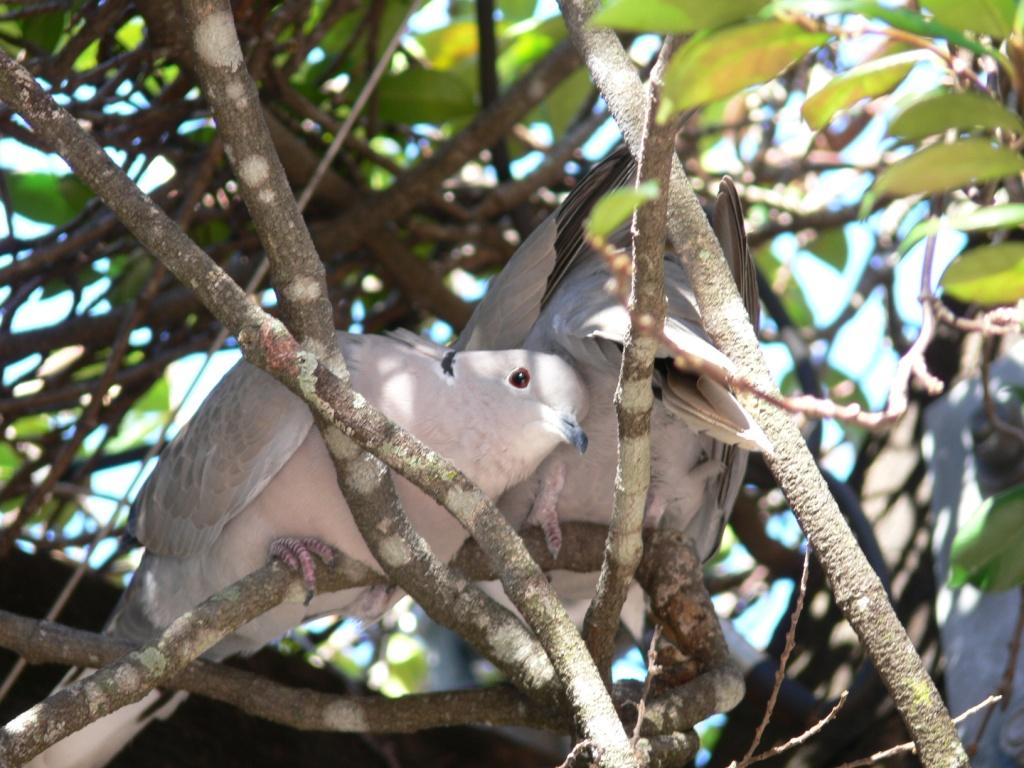
Eurasian Collared Dove (Streptopelia decaocto) by Lee

During and after the Flood, then we finally here of specific named birds. The first bird named in the Bible is the Raven. Noah opened the window of the ark and “sent forth a raven” and it flew back and forth “until the waters were dried up from off the earth.” (KJV) Other than spelling differences, they all agree on the Raven. The same is true of verse 8 where the Dove was released. The Dove kept coming back until the waters were totally dried up. The third time it was released, it did not return.

So now we have 2 Birds of the Bible – the Raven and the Dove.

The next reference to birds is in 9:2 where the birds now have a fear of humans placed on them. They, the birds, are told to multiply and fill the earth and are given a covenant or promise by God that the earth would never be destroyed by a worldwide flood again. Gen 9:10-17 – the Rainbow.

And the fear of you and the dread of you shall be upon every beast of the earth, and upon every fowl of the air, upon all that moveth upon the earth, and upon all the fishes of the sea; into your hand are they delivered. (Genesis 9:2 KJV)

King Vulture Brevard Zoo 120913 by Lee

King Vulture Brevard Zoo by Lee

In Genesis 15:9 we find the next birds, a Turtledove, young pigeon and in 15:11, the vultures. Two are sacrificed birds, the other is coming to take from the alter.

So He said to him, “Bring Me a three-year-old heifer, a three-year-old female goat, a three-year-old ram, a turtledove, and a young pigeon.” Then he brought all these to Him and cut them in two, down the middle, and placed each piece opposite the other; but he did not cut the birds in two. And when the vultures came down on the carcasses, Abram drove them away. (Genesis 15:9-11 NKJV)

Let’s see how these birds are given in the various translations. “dove” several, “turtle” (DRB), “mourning dove” (GW), “even a nestling” (LITV), and “young bird” (YLT). Most are in agreement with spelling differences from the old English of some of the translations.

Verse 11 has: birds of prey, birds, fowls, large birds (DRB), swoopers (ECB), Vultures (GNB, MSG, NKJV), and ravenous birds (YLT). Never heard of “swoopers”, so I guess that one doesn’t count. What you think? They all realize that some birds came swooping down trying to get at the sacrifice, but Abram drove them away.

Our list of Birds of the Bible so far:

Also mentioned:

  • Swooper (Gen 15:11)

For now, that is enough. To be continued in Part II.

Birds of the Bible

Wordless Birds

*

Vol 2 #2 – The Turkey Vulture

Turkey Vulture Tree at Saddle Creek by Lee

Turkey Vulture Tree at Saddle Creek by Lee

THE TURKEY VULTURE.

This bird is found mostly in the southern states. Here he is known by the more common name of Turkey Buzzard.

He looks like a noble bird but he isn’t. While he is well fitted for flying, and might, if he tried, catch his prey, he prefers to eat dead animals.

The people down south never think of burying a dead horse or cow. They just drag it out away from their homes and leave it to the Vultures who are sure to dispose of it.

It is very seldom that they attack a live animal.

They will even visit the streets of the cities in search of dead animals for food, and do not show much fear of man. Oftentimes they are found among the chickens and ducks in the barn-yard, but have never been known to kill any.

One gentleman who has studied the habits of the Vulture says that it has been known to suck the eggs of Herons. This is not common, though. As I said they prefer dead animals for their food and even eat their own dead.

The Vulture is very graceful while on the wing. He sails along and you can hardly see his wings move as he circles about looking for food on the ground below.

Many people think the Vulture looks much like our tame turkey.

If you know of a turkey near by, just compare this picture with it and you won’t think so.

See how chalk-white his bill is. No feathers on his head, but a bright red skin.

What do you think of the young chick? It doesn’t seem as though he could ever be the large, heavy bird his parent seems to be.

Now turn back to the first page of July “Birds” and see how he differs from the Eagle.

THE TURKEY VULTURE

THE TURKEY VULTURE

From col. F. M. Woodruff.


THE TURKEY VULTURE.

imgt

URKEY BUZZARD is the familiar name applied to this bird, on account of his remarkable resemblance to our common Turkey. This is the only respect however, in which they are alike. It inhabits the United States and British Provinces from the Atlantic to the Pacific, south through Central and most of South America. Every farmer knows it to be an industrious scavenger, devouring at all times the putrid or decomposing flesh of carcasses. They are found in flocks, not only flying and feeding in company, but resorting to the same spot to roost; nesting also in communities; depositing their eggs on the ground, on rocks, or in hollow logs and stumps, usually in thick woods or in a sycamore grove, in the bend or fork of a stream. The nest is frequently built in a tree, or in the cavity of a sycamore stump, though a favorite place for depositing the eggs is a little depression under a small bush or overhanging rock on a steep hillside.

Renowned naturalists have long argued that the Vulture does not have an extraordinary power of smell, but, according to Mr. Davie, an excellent authority, it has been proven by the most satisfactory experiments that the Turkey Buzzard does possess a keen sense of smell by which it can distinguish the odor of flesh at a great distance.

The flight of the Turkey Vulture is truly beautiful, and no landscape with its patches of green woods and grassy fields, is perfect without its dignified figure high in the air, moving round in circles, steady, graceful and easy, and apparently without effort. “It sails,” says Dr. Brewer, “with a steady, even motion, with wings just above the horizontal position, with their tips slightly raised, rises from the ground with a single bound, gives a few flaps of the wings, and then proceeds with its peculiar soaring flight, rising very high in the air.”

The Vulture pictured in the accompanying plate was obtained between the Brazos river and Matagorda bay. With it was found the Black Vulture, both nesting upon the ground. As the nearest trees were thirty or forty miles distant these Vultures were always found in this situation. The birds selected an open spot beneath a heavy growth of bushes, placing the eggs upon the bare ground. The old bird when approached would not attempt to leave the nest, and in the case of the young bird in the plate, the female to protect it from harm, promptly disgorged the putrid contents of her stomach, which was so offensive that the intruder had to close his nostrils with one hand while he reached for the young bird with the other.

The Turkey Vulture is a very silent bird, only uttering a hiss of defiance or warning to its neighbors when feeding, or a low gutteral croak of alarm when flying low overhead.

The services of the Vultures as scavengers in removing offal render them valuable, and almost a necessity in southern cities. If an animal is killed and left exposed to view, the bird is sure to find out the spot in a very short time, and to make its appearance as if called by some magic spell from the empty air.

“Never stoops the soaring Vulture
On his quarry in the desert,
On the sick or wounded bison,
But another Vulture, watching,
From his high aerial lookout,
Sees the downward plunge and follows;
And a third pursues the second,
Coming from the invisible ether,
First a speck, and then a Vulture,
Till the air is dark with pinions.”

Summary:

TURKEY VULTURE.Catharista Atrata.

Range—Temperate America, from New Jersey southward to Patagonia.

Nest—In hollow stump or log, or on ground beneath bushes or palmettos.

Eggs—One to three; dull white, spotted and blotched with chocolate marking.


Turkey Vulture flying by - LPP

Turkey Vulture flying by – LPP

Lee’s Addition:

There is a path which no fowl knoweth, and which the vulture’s eye hath not seen: (Job 28:7 KJV)

We see Turkey and Black Vulture quite frequently here. I only disagree with one part of the article. “The Vulture is very graceful while on the wing. He sails along and you can hardly see his wings move as he circles about looking for food on the ground below.”

The way I distinguish the Turkey and Black Vultures apart is that the Black (BV) is steady on the wing, but the Turkey TV) is wobbly on the wing. They have a rocking motion, even when it is not windy. Another way to tell the two apart is the V of the Turkey and the flatter wings of the Black, who also has white on the tips of their wings.

They belong to the Cathartidae – New World Vultures Family. There are 7 Vultures and 2 Condors in that family.

*

Birds Illustrated by Color Photography – Revisited – Introduction

The above article is the first article in the monthly serial that was started in January 1897 “designed to promote Knowledge of Bird-Live.” These include Color Photography, as they call them, today they are drawings. There are at least three Volumes that have been digitized by Project Gutenberg.

To see the whole series of – Birds Illustrated by Color Photography – Revisited

*

(Information from Wikipedia and other internet sources)

Next Article – To A Water-Fowl

The Previous Article – The Evening Grosbeak

ABC’s Of The Gospel

Links:

Birds of the Bible – Vulture

Birds of the Bible – Gathering of Vultures or Eagles

Birds of the Bible – Griffon Vulture

Scripture Alphabet of Animals: The Vulture

Birds of the Bible – Vulture Eyesight

When I Consider! – Turkey Vulture

Turkey Vulture – Wikipedia

*
Birds of the Bible – Gathering of Vultures or Eagles

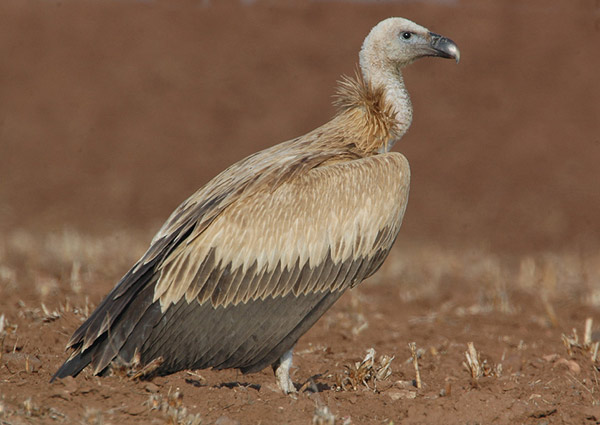
Griffon Vulture (Gyps fulvus) by Nikhil Devasar

Griffon Vulture (Gyps fulvus) by Nikhil Devasar

Today while I was doing my reading of Scripture in the ESV (English Standard Version), I came across this portion:

So, if they say to you, ‘Look, he is in the wilderness,’ do not go out. If they say, ‘Look, he is in the inner rooms,’ do not believe it. For as the lightning comes from the east and shines as far as the west, so will be the coming of the Son of Man. Wherever the corpse is, there the vultures will gather. “Immediately after the tribulation of those days the sun will be darkened, and the moon will not give its light, and the stars will fall from heaven, and the powers of the heavens will be shaken. Then will appear in heaven the sign of the Son of Man, and then all the tribes of the earth will mourn, and they will see the Son of Man coming on the clouds of heaven with power and great glory. And he will send out his angels with a loud trumpet call, and they will gather his elect from the four winds, from one end of heaven to the other. (Matthew 24:26-31 ESV)

In verse 3 of chapter 24, the disciples had asked the Lord to “Tell us, when will these things be, and what will be the sign of your coming and of the end of the age?” He was telling of future events in answer to that question, when right in the middle of that dialog, He said, “Wherever the corpse is, there the vultures will gather.” What? Where did that come from? So, here we are trying to figure out that saying.

Egyptian Vulture (Neophron percnopterus) by Nikhil

Egyptian Vulture (Neophron percnopterus) by Nikhil

Using my e-Sword program and searching for “vulture” in the ESV, the search shows that verse and Luke 17:37 saying the same thing.

And they said to him, “Where, Lord?” He said to them, “Where the corpse is, there the vultures will gather.” (Luke 17:37 ESV)

This time the vulture statement is preceded by this:

Whoever seeks to preserve his life will lose it, but whoever loses his life will keep it. I tell you, in that night there will be two in one bed. One will be taken and the other left. There will be two women grinding together. One will be taken and the other left.” And they said to him, “Where, Lord?” He said to them, “Where the corpse is, there the vultures will gather.” (Luke 17:33-37 ESV)

Using the Compare mode, the verses have either Eagles, Vultures, or Buzzards showing up. Reading the MSG’s version, it is starting to make some sense even before the commentaries are used.

The Arrival of the Son of Man isn’t something you go to see. He comes like swift lightning to you! Whenever you see crowds gathering, think of carrion vultures circling, moving in, hovering over a rotting carcass. You can be quite sure that it’s not the living Son of Man pulling in those crowds. (Matthew 24:27-28 MSG)

Believer’s Bible Commentary – 24:27 Christ’s Advent will be un mistakable—it will be sudden, public, universal, and glorious. Like the lightning, it will be instantly and clearly visible to all.
24:28 And no moral corruption will escape its fury and judgment. “For wherever the carcass is, there the eagles will be gathered together.” The carcass pictures apostate Judaism, Christendom, and the whole world system that is leagued against God and His Christ. The eagles or vultures typify the judgments of God which will be unleashed in connection with the Messiah’s appearing.

Life Application Study Bible – Matthew 24:24-28 – In times of persecution even strong believers will find it difficult to be loyal. To keep from being deceived by false messiahs, we must understand that Jesus’ return will be unmistakable (Mar_13:26); no one will doubt that it is he. If you have to be told that the Messiah has come, then he hasn’t (Mat_24:27). Christ’s coming will be obvious to everyone.

Matthew Poole’s Commentary – That phrase, Wheresoever the carcass is, there will the eagles be gathered together,  is a proverbial speech, signifying that it will need no great labour to bring things together which are naturally joined by an innate desire either of them to the other; so that it is applicable in more cases than one.

Bearded Vulture (Gypaetus barbatus) ©WikiC

Bearded Vulture (Gypaetus barbatus) ©WikiC

Matthew Henry – Christ foretells the rapid spreading of the gospel in the world. It is plainly seen as the lightning. Christ preached his gospel openly. The Romans were like an eagle, and the ensign of their armies was an eagle. When a people, by their sin, make themselves as loathsome carcasses, nothing can be expected but that God should send enemies to destroy them. It is very applicable to the day of judgment, the coming of our Lord Jesus Christ in that day, 2Th_2:1. Let us give diligence to make our calling and election sure; then may we know that no enemy or deceiver shall ever prevail against us.

F B Meyer – It is a matter of literal fact that there was compressed into the period of the Jewish War an amount of suffering perhaps unparalleled. Josephus’ history of the period abounds in references to these false Christs who professed themselves to be the Messiah.

J Vernon McGee – Matthew 24:28 – This is the most difficult verse to understand in the entire Olivet Discourse. After speaking of His coming in glory like lightning out of heaven, then to speak of carrion-eating birds seems strange indeed. But I believe it refers to Christ’s coming in judgment, because Revelation 19 tells us about an invitation that went out to the birds to come together for a great banquet, “And I saw an angel standing in the sun; and he cried with a loud voice, saying to all the fowls that fly in the midst of heaven, Come and gather yourselves together unto the supper of the great God; That ye may eat the flesh of kings, and the flesh of captains, and the flesh of mighty men, and the flesh of horses, and of them that sit on them, and the flesh of all men, both free and bond, both small and great. And I saw the beast, and the kings of the earth, and their armies, gathered together to make war against him that sat on the horse, and against his army” (Rev_19:17-19). The birds that feed on carrion seem to be agents of divine judgment. When the Lord comes again, He will come in judgment.

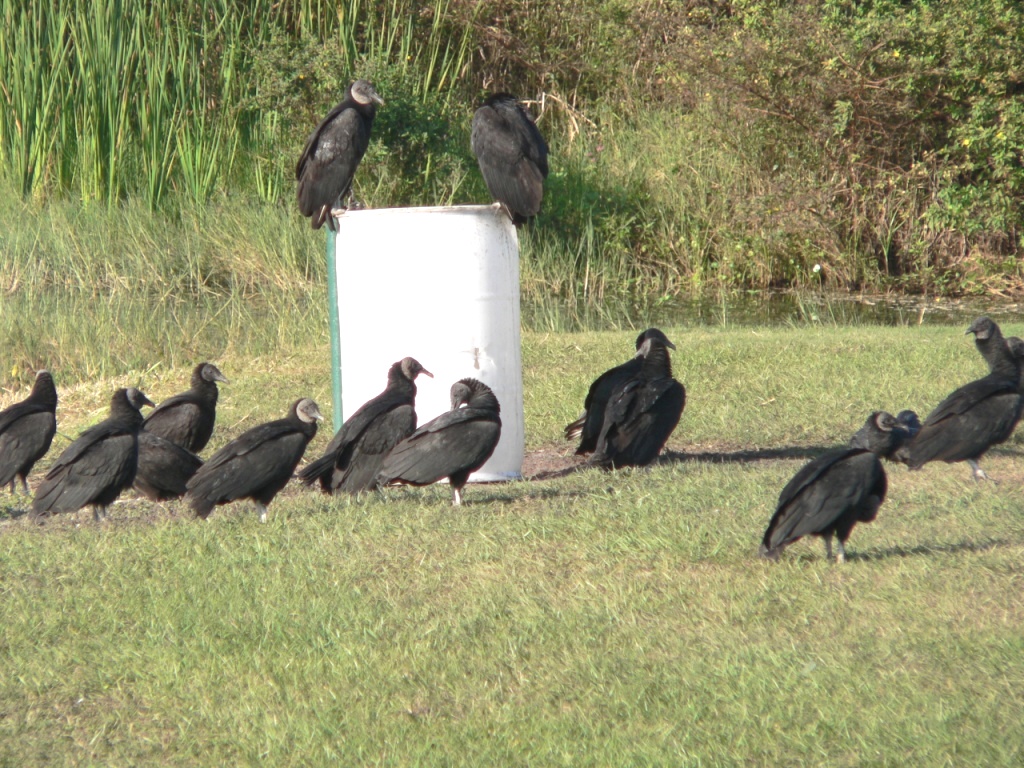
Black Vultures at Saddle Creek by Lee

Black Vultures at Saddle Creek by Lee

This is only a few of the remarks. There are all kinds of interpretations of this verse and those surrounding it. Only a few were chosen to give a variety of the meaning. Whatever it is, apparently birds of prey will be there at the judgment. Maybe this will make you curious and encourage you to dig into the commentaries and do a little study. e-Sword is a very handy free Bible study tool.

The Vulture is of course a scavenger bird along with the Eagles and the Buzzards. There are other references to the Vulture in the Bible and therefore it is a Bird of the Bible.

See:

*

Birds of the Bible – Griffon Vulture

Griffon Vulture (Gyps fulvus) by Nikhil Devasar

Griffon Vulture (Gyps fulvus) by Nikhil Devasar

Of birds these are they which you must not eat, and which are to be avoided by you: The eagle, and the griffon, and the osprey. (Leviticus 11:13 DRB)

The unclean eat not: to wit, the eagle, and the grype, and the osprey, (Deuteronomy 14:12 DRB)

While looking through the list of clean and unclean birds in Leviticus 11 and Deuteronomy 14 to see if I could find a bird to write about, I found the two verses above in the DRB (1899 Douay-Rheims Bible). It is not a Bible I use other than comparing verses. Most of the other versions call it a vulture, ossifrage, gier-eagle, bearded or black vulture, buzzard and a few other things. The KJV calls it the ossifrage and the NKJV the vulture. What caught my eye was the grype. When I looked it up, the Griffon and the “gyps” genus were tied together. So, here is a little about the Griffon Vulture and the Gyps genus.

The Griffon Vulture (Gyps fulvus) is a large Old World vulture in the bird of prey family Accipitridae.

The Griffon Vulture is 93–110 cm (37–43 in) long with a 2.3–2.8 m (7.5–9.2 ft) wingspan. In the nominate race the males weigh 6.2 to 10.5 kg (14 to 23 lb) and females typically weigh 6.5 to 11.3 kg (14 to 25 lb), while in the Indian subspecies (G. f. fulvescens) the vultures average 7.1 kg (16 lb). Extreme adult weights have been reported from 4.5 to 15 kg (9.9 to 33 lb), the latter likely a weight attained in captivity. Hatched naked, it is a typical Old World vulture in appearance, with a very white head, very broad wings and short tail feathers. It has a white neck ruff and yellow bill. The buff body and wing coverts contrast with the dark flight feathers.

Griffon Vulture (Gyps fulvus) Dieren Park Amersfoort -adult and chick WikiC

Griffon Vulture (Gyps fulvus) Dieren Park Amersfoort -adult and chick WikiC

Like other vultures, it is a scavenger, feeding mostly from carcasses of dead animals which it finds by soaring over open areas, often moving in flocks. It grunts and hisses at roosts or when feeding on carrion.

The maximum lifespan recorded for the Griffon Vulture is 41.4 years, for a specimen in captivity. It breeds on crags in mountains in southern Europe, north Africa, and Asia, laying one egg. Griffon Vultures may form loose colonies. The population is mostly resident.

White-backed Vulture (Gyps africanus) by Bob-Nan

White-backed Vulture (Gyps africanus) by Bob-Nan

There are 8 species in the Gyps genus. The Griffon being one of them. They are Old World vultures in the bird family Accipitridae, which also includes eagles, kites, buzzards and hawks.

These are the typical vultures, with bald head, broad wings and mainly dark plumage. They are large scavenging birds, feeding mostly from carcasses of dead animals. Old World vultures find carcasses exclusively by sight. Representatives of this group are found throughout warmer parts of the Old World.

The characteristic featherless head is because a feathered head would become spattered with blood and other fluids, and thus be difficult to keep clean.

These are the members of the Gyps genus:

Gyps

White-backed Vulture (Gyps africanus) by Africaddict – Video
White-rumped Vulture (Gyps bengalensis) by Nikhil Devasar – Video
Indian Vulture (Gyps indicus) by Nikhil – Video
Slender-billed Vulture (Gyps tenuirostris) Drawing ©WikiC
Rüppell’s Vulture (Gyps rueppellii) ©WikiC – Video IBC
____ (Gyps rueppellii rueppellii) IBC
____ (Gyps rueppellii erlangeri)
Himalayan Vulture (Gyps himalayensis) Imm by Nikhil
Griffon Vulture (Gyps fulvus) by Nikhil – Video IBC
____ (Gyps fulvus fulvus) IBC
____ (Gyps fulvus fulvescens) OBI
Cape Vulture (Gyps coprotheres) ©WikiC

Vultures are of course mentioned several times throughout Scripture:

There shall the great owl make her nest, and lay, and hatch, and gather under her shadow: there shall the vultures also be gathered, every one with her mate. (Isaiah 34:15 KJV)

There is a path which no fowl knoweth, and which the vulture’s eye hath not seen: (Job 28:7 KJV)

See other Birds of the Bible Pages:

Birds of the Bible – Vulture

Birds of the Bible

(Various internet sources including Wikipedia)

*

Birds of the Bible – Vulture Eyesight

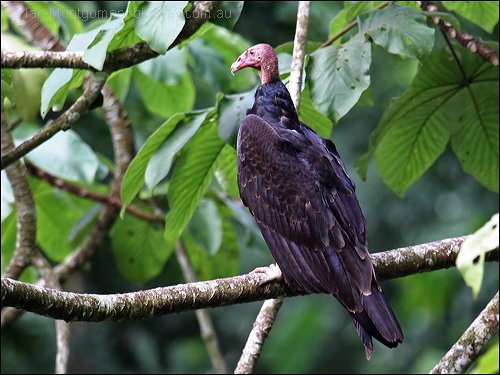
Turkey Vulture at Circle B by Lee

Black Vulture (New World Vulture) at Circle B by Lee

In the first Birds of the Bible – Vulture the fact that the vulture was on the “unclean list” and possible why they were on that list. Now, I would like to explore another verse:

There is a path which no fowl knoweth, and which the vulture’s eye hath not seen: (Job 28:7 KJV)

This is found in a passage that is talking about finding gold and silver underground, as in mining underground. In the darkness, no matter how superb their eyes are, they are ineffective in darkness.

We know that the Lord created everything and what amazing capabilities the eye has.

The hearing ear, and the seeing eye, the LORD hath made even both of them. (Proverbs 20:12 KJV)

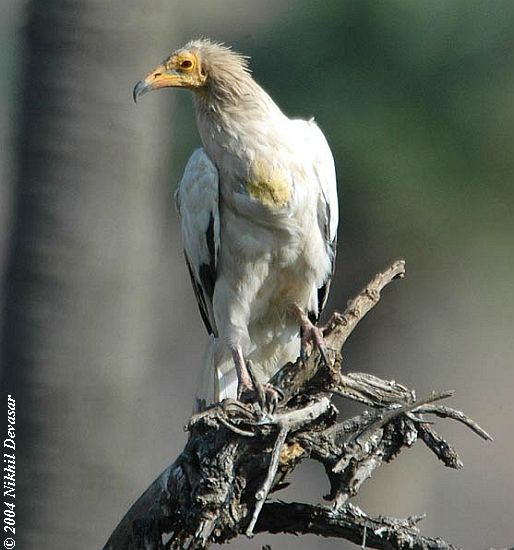
Egyptian Vulture (Neophron percnopterus) by Nikhil

Egyptian Vulture (Neophron percnopterus) {Old World} by Nikhil

“The vulture has a very keen eye, and, like the eagle, can see what is on the ground, even when it is very high in the air. This is referred to in the book of Job. “There is a path which no fowl knoweth, and which the vulture’s eye hath not seen.” It often happens in those countries that almost as soon as an ox, or a horse, or any other large animal has been killed, great multitudes of vultures will gather around, though not one could be seen in the sky before. they seem to fly down from every part of the heavens, and begin to pull and struggle for the flesh of the animal; until in the course of a few hours nothing is left but the bones. We read in Isaiah, “There shall the vultures be gathered, every one with her mate.” This must have been written by one who had seen these birds coming together, as they do in great flocks or companies.” (From The Vulture, Bible Study Tools)

“Vultures have keen eyesight. It is believed they are able to spot a three-foot carcass from four miles away on the open plains. In some species, when an individual sees a carcass it begins to circle above it. This draws the attention of other vultures that then join in.” (From Animals Vulture)

Old World Vultures (Accipitridae) unlike the New World Vultures (Cathartidae), do not have agood sense of smell and therefore do find their carcasses by sight or watching other birds to see what they are doing and have found to eat. Some of the species eat collectively while others use “kleptoparasitism” (stealing from others).

The Lord has created all the birds and has given them fantastic abilities that let them adapt to their role (carrion eaters) He has made for them. How well do we adapt to the ministries or jobs we have to do, even if it is only “taking out the trash?”

Whatsoever thy hand findeth to do, do it with thy might; for there is no work, nor device, nor knowledge, nor wisdom, in the grave, whither thou goest.  (Ecclesiastes 9:10 KJV)

See also:
Vulture Pages

When I Consider! – Turkey Vulture

Turkey Vulture Tree at Saddle Creek by Lee

Turkey Vulture Tree at Saddle Creek by Lee

We get to see lots of Turkey Vultures in this area. I have seen trees just loaded with them. They are ugly to look at, but are very useful.

The following is the October 6th’s “Evidence from Biology” article from A Closer Look at the Evidence, by Richard and Tina Kleis:

“The Turkey Vulture has incredible farsighted vision capable of seeing dead or dying objects several miles beyond what the human eye can detect. Yet it is designed with dull, weak, talons and a thin beak, forcing it to eek out an existence eating rotting flesh or decaying vegetables. Since the vulture eats the remains of animals that have died of disease, it has a digestive tract designed to destroy deadly bacteria (including anthrax!). The Turkey Vulture also has the ability to sanitize itself and its surroundings using a special disinfectant found in its own excrement. The same chemicals which kill the deadly bacteria in its stomach continue to kill the germs outside its body!

Turkey Vulture by Ian Montgomery

Turkey Vulture by Ian Montgomery

Because the vulture’s head is usually covered in blood, pieces of rotten flesh, and bacteria, it is especially vulnerable to disease. Therefore, this particular bird was created without feathers from the neck up. As the turkey vulture stands in the sun, the ultraviolet radiation kills any remaining bacteria.

By removing the carcasses of decaying animals, the turkey vulture serves an important purpose of limiting the spread of disease and preventing potential epidemics among both man and beast. One wonders how the turkey vulture could have evolved all of the specialized characteristics. The creation solution is that they were created with the original vulture-type bird. The survival characteristics needed for our fallen world were either given after the Fall or developed from originally created abilities.”

Character Sketches, Vol. III, p. 121-124

The LORD is righteous in all his ways, and holy in all his works. (Psalms 145:17 KJV)


Lee’s Extras:
We have mentioned the Vulture many times on the blog and especially in the places below. After all, they are one of the unclean birds that the Jewish people were not allowed to eat. After reading the above article, you can understand why they were off the “menu.”

There is a path which no fowl knoweth, and which the vulture’s eye hath not seen: (Job 28:7 KJV)

Birds of the Bible – Vulture
Vulture
Vulture Photos
Vulture Videos
Accipitridae – Kites, Hawks & Eagles

More When I Consider! articles

Birds of the Bible – Osprey III

But these are they of which ye shall not eat: the eagle, and the ossifrage, and the osprey, (Deuteronomy 14:12 KJV)
“But these are the ones which you shall not eat: the eagle and the vulture and the buzzard, (Deuteronomy 14:12 NASB)

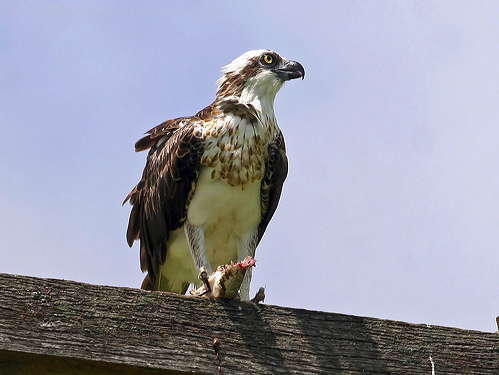
Osprey Family by Phillip Simmons

Osprey Family by Phillip Simmons

I decided to revisit the Osprey because they have been actively nesting in the area the last few months and also have some new photos to share. The photo to the right is neat in that both are working to feed the little ones. They usually mate for life. Normally the male does the fishing while the female guards the nest. The Ospreys were greatly endangered with DDT, but they are making a great recovery. For the first “Birds of the Bible – Osprey,” CLICK HERE

While preparing (with e-Sword) the above verse, I again reminded that not all the translations use “osprey or ospray”. Some use “vulture” (ESV, NASB, NKJV & others) and Darby uses “sea-eagle.” This was investigated in “Birds of the Bible – Osprey II.”

The research that is being done with the DNA of birds is changing the classification of several birds. The Osprey is being affected by these changes also. They were with the New World Vultures and now that is being rethought.

There are four subspecies of Osprey (Pandionidae):

Eastern Osprey Stamp-Australia

Eastern Osprey Stamp-Australia

Australia and New Guinea have an Pandion cristatus – Eastern Osprey  (non-migratory) They even have stamps with their photos. The smallest subspecies.

North America – halietus carolinensis (migratory)

Eurasia – P.h. haliaetus

P.h. ridgwayi in the Caribbean; “Caribbean subspecies Pandion haliaetus ridgwayi. Known for their very pale head and breast plumage.”

“Poole (1994) points to an interesting fact: despite its long history, Osprey has not evolved into different species.” I can believe that.

The typical lifespan is 20-25 years.

See the Osprey Page for more links, plus photos and videos. Osprey Photos

Osprey Ridgwayi from Rutland Ospreys

.

Eastern Osprey by Birdway

Eastern Osprey by Birdway

Birds of the Bible – Vulture

But these you shall not eat: the eagle, the vulture, the buzzard, (Deu 14:12 NKJV)
And the vulture, and the kite after his kind; (Lev 11:14 KJV)


Job 28 tells of the wealth of earth that is hidden and must be mined; Gold, silver, brass, iron, precious stones such as sapphires, and gold dust. It is buried where the eyes of the birds mentioned have never seen them.

There is a path which no fowl knoweth, and which the vulture’s eye hath not seen: (Job 28:7 KJV)

Black Vulture from Wikipedia

Black Vulture from Wikipedia

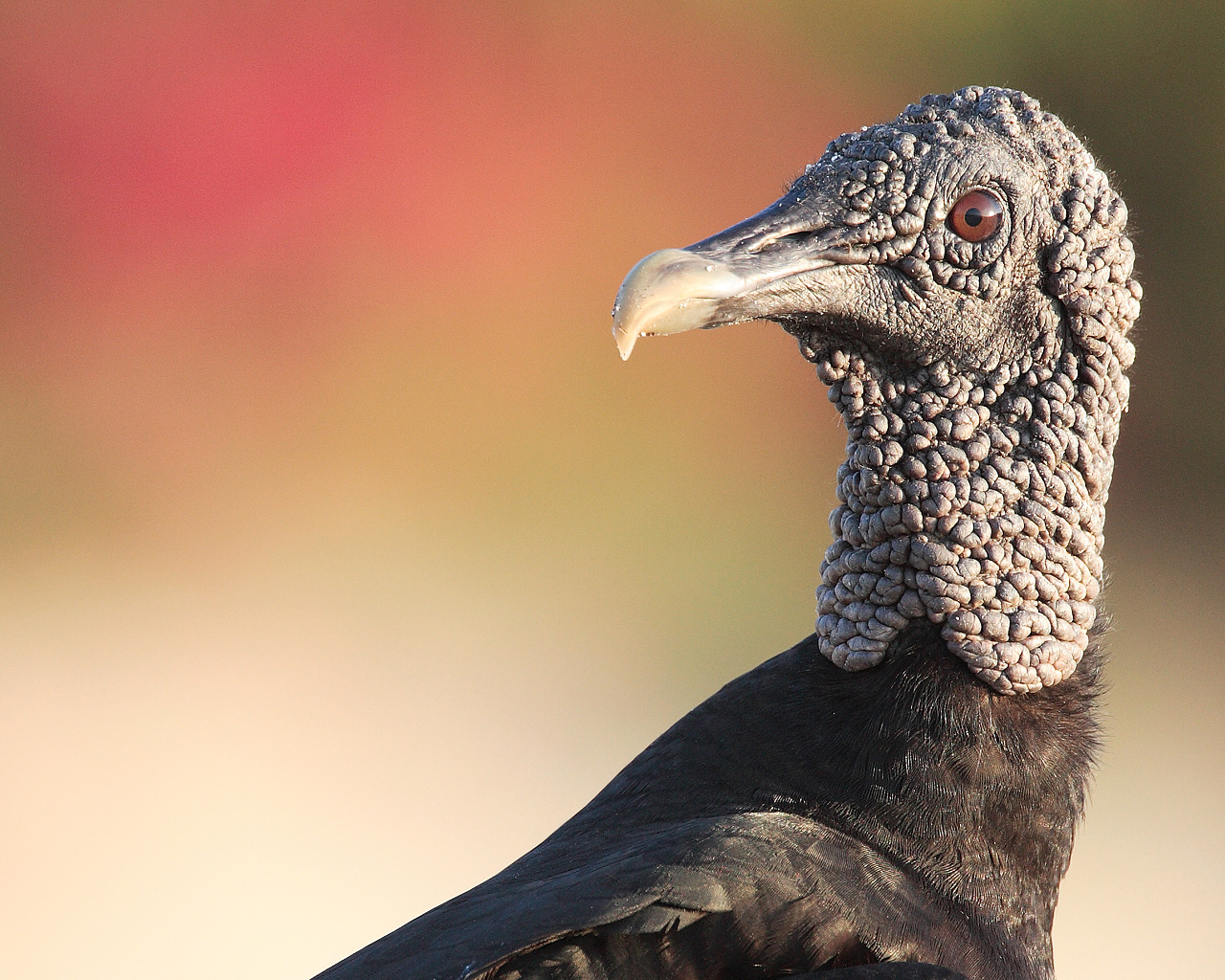
So, let’s find out some about the vulture. Vultures are good-sized birds that eat carrion (dead things). They help keep our country side clean of things that have died or been attacked by other birds or mammals. I think they are ugly looking, but what makes them look that way is the lack of feathers around the face. This helps them eat without messing up their feathers and having them soaked with blood and other dead stuff. The Lord made them the way they are and given them the task mentioned. I imagine the Lord does not consider them ugly.

In the New World we have the Andean Condor, Black Vulture, California Condor(the larges in North America-47″ with a 10′ wingspan), Greater Yellow Headed Vulture, King Vulture, Lesser Yellow Headed Vulture, and the Turkey Vulture. In the Old World Vulture family we get the African White-backed, Asian White-backed, Bearded, Cape Giffon, Cinereous, Egyptian, Eurasian Griffon, Himalayan Griffon, Hooded, Lappet Faced, Long Billed, Palm Nut, Red-headed, Ruppells Griffon, and White Headed Vultures.

A good reference to these Vultures is at these websites:

Nave’s Topical Bible – Vultures

*