Ian’s Bird of the Week – Oriental Pratincole

Ian’s Bird of the Week – Oriental Pratincole ~ by Ian Montgomery

Newsletter ~ 11/12/156

This post is a bit late, so you get two species by way of amends!

I was at the opening of an excellent exhibition of North Queensland ‘breeding birds and their dream homes’ called Nestled at the Museum of Tropical Queensland in Townsville on Tuesday and got talking to one of the local members of BirdLife Townsville about the bird of the week. He requested something unusual of local interest that might occur here at this time of the year and mentioned Oriental Cuckoo and Oriental Plover. Oriental Cuckoo was bird of the week in December 2007 and I don’t have any good photos of Oriental Plover. I’ve only ever seen it in airports (Lockhart River and Norfolk Island) and I’ve never risked the wrath of airport security to get close to the birds. So the best I could come up with, Bill, is Oriental Pratincole photographed at the Townsville Town Common where a flock appeared nine years ago. I can’t get more local than that!

Oriental Pratincole (Glareola maldivarum) by Ian
Oriental Pratincoles breed in Asia with a patchy distribution from India to eastern Siberia, Mongolia and NE China. In the northern winter they migrate to Indonesia, Malaysia, New Guinea and northern Australia with perhaps 50,000 reaching our shores. They are late migrants arriving in the Top End of the Northern Territory during the build-up to the wet season (November) and their main Australian range is from the Gulf of Carpentaria in NW Queensland west to the north coast of Western Australia. They show a preference for dry inland plains with available water and feed mainly on insects such as grasshoppers. 2006 was, like this one, a very dry year in Townsville and these photos were taken on the dry bed of one of the wildlife observation ‘wetlands’ at the Common. They also turn up sometimes on the Atherton Tableland.

Oriental Pratincole (Glareola maldivarum) by Ian

Pratincoles are unusual birds somewhere between plovers and terns in appearance and morphology. They belong to a small family, the Glareolidae, which consists of 8 species of pratincoles in Eurasia, Africa and Australia and 9 species of mainly African Coursers. The odd name pratincole means ‘inhabitant of meadows’ with the ‘prat’ bit having the same root as ‘pratensis’ in the European Meadow Pipit (Anthus pratensis). The family name comes from the Latin for gravel, and that’s actually closer to the mark when it comes to preferred habitat.

Oriental Pratincole (Glareola maldivarum) by Ian

The Oriental Pratincole is distinguishable from the Australian Pratincole by its dumpier, shorter-tailed appearance, greyish-olive rather than buffish-brown plumage and by a black margin to the throat giving the appearance of a necklace. The Oriental Pratincole is normally in non-breeding plumage when in Australia, but both species have black-tipped bills with red bases when breeding. The Australian Pratincole has chestnut flanks and belly when breeding and the dark flanks are retained in non-breeding plumage.
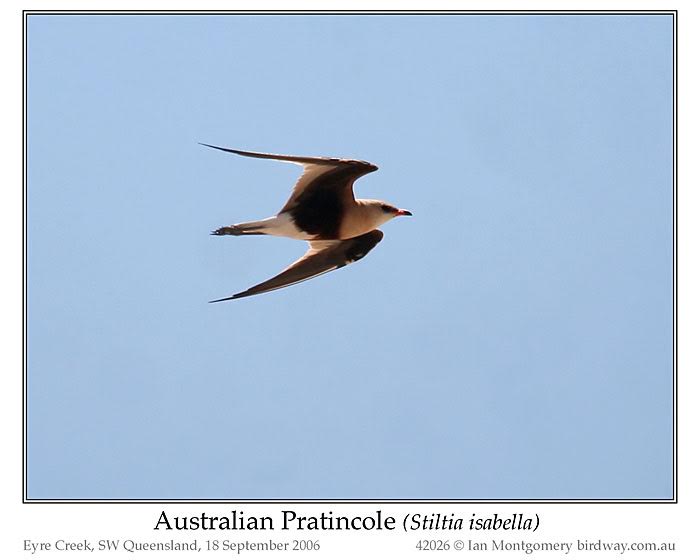
AustralianPratincole (Stiltia isabella) by Ian

Pratincoles look very tern-like in flight with their long pointed wings. Both the local species have white rumps and black-tipped tails, but the tail of the Australian Pratincole is square, while that of the Oriental is forked.
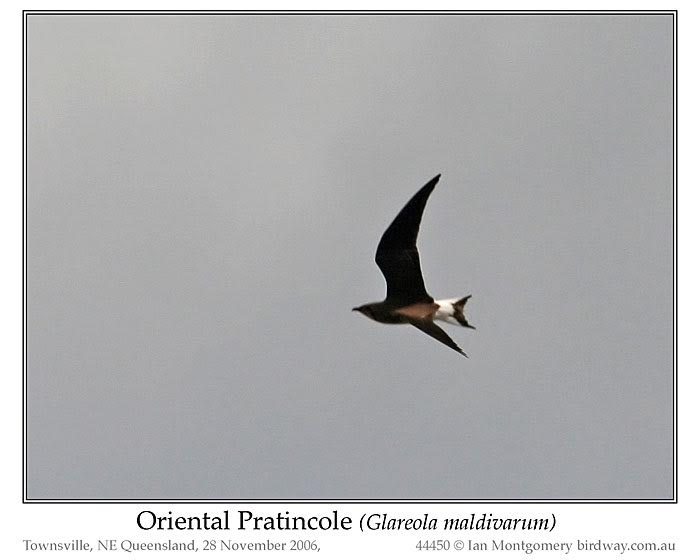
Oriental Pratincole (Glareola maldivarum) by Ian

If you belonged to the bird of the week club a year ago, you may remember that the Cream-coloured Courser was, after the Crab Plover was my second most wanted bird in Dubai. Courser means ‘runner’, something they do very well and it was very appropriate to find them at the Polo Club and at the Al Asifa Endurance Stables. Incidentally, the bird of the week club currently has 981 members and you know I like milestones. Please encourage your friends to join so we can reach 1,000 either by signing up on the bird of the week page (recently redesigned for mobile devices) or by emailing me at ian@birdway.com.au.

Cream-colored Courser (Cursorius cursor) by Ian

Cream-colored Courser (Cursorius cursor) by Ian

Christmas is looming ever closer, so this wouldn’t be complete without the obligatory commercial. What do you give to the digitally-competent birder or nature-lover who has everything? An electronic book of course and both Apple and Kobo have facilities in their ebook stores for giving gifts. I’ve included a Giving Gifts section on the Publications page with help on how these stores let you give gifts. Google has facilities only for giving the equivalent of a gift token and not specific items. These book images are linked to their web pages:

And don’t forget Nestled at the Museum of Tropical Queensland if you are in, near or visiting Townsville.
Where To Find Birds - Ian

Ian's Book 2

Greetings
Ian

**************************************************
Ian Montgomery, Birdway Pty Ltd,
454 Forestry Road, Bluewater, Qld 4818
Tel 0411 602 737 ian@birdway.com.au
Bird Photos http://www.birdway.com.au/
Recorder Society http://www.nqrs.org.au


Lee’s Addition:

Bread gained by deceit is sweet to a man, But afterward his mouth will be filled with gravel. (Proverbs 20:17 NKJV)

Thanks, Ian, for another interesting bird to introduce us to. Also glad you help distinguish several apart. Most of us that have never seen these birds could mix them up. Thanks for sharing these neat birds with us.

Now that Ian is a published writer, his book might well be a prized gift for yourself or others.

*

Ian’s Bird of the Week

Glareolidae – Coursers, Pratincoles

Cream-coloured Courser ~ 9-27-14

Crab Plover ~ 9-22-14

Who Paints The Leaves?

*

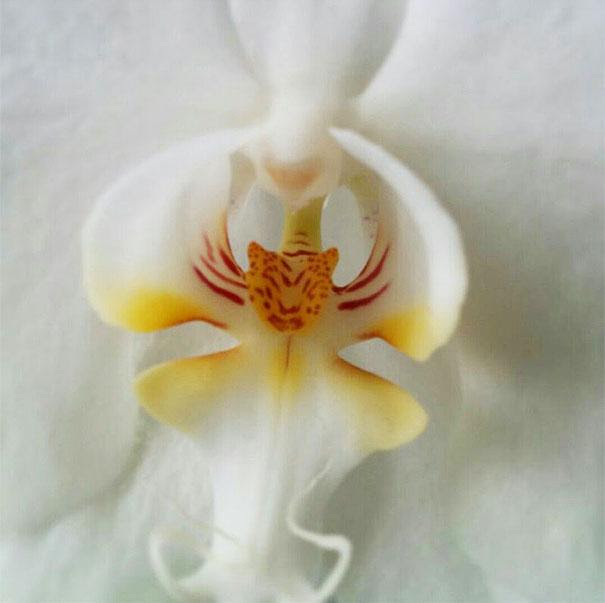
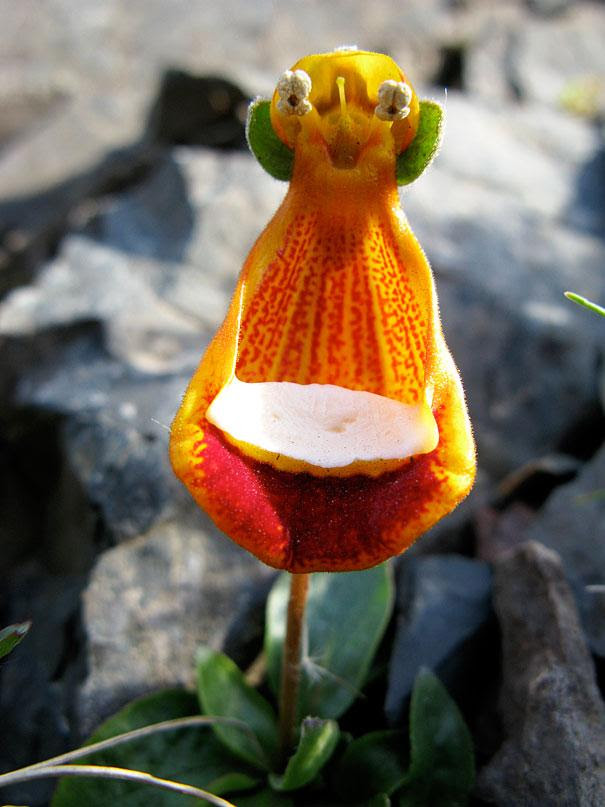
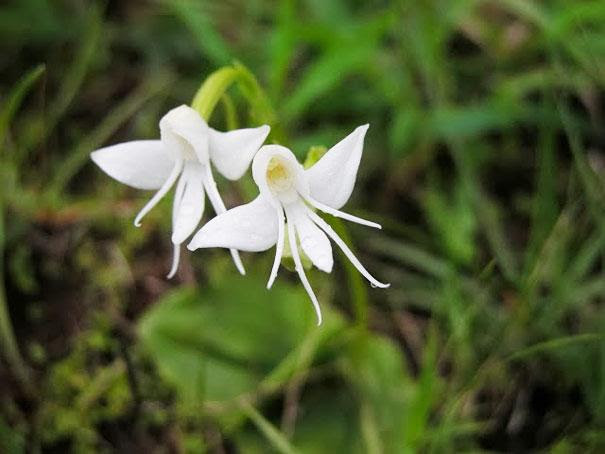
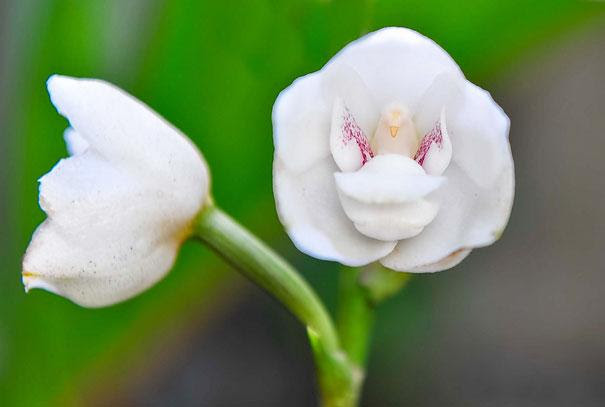
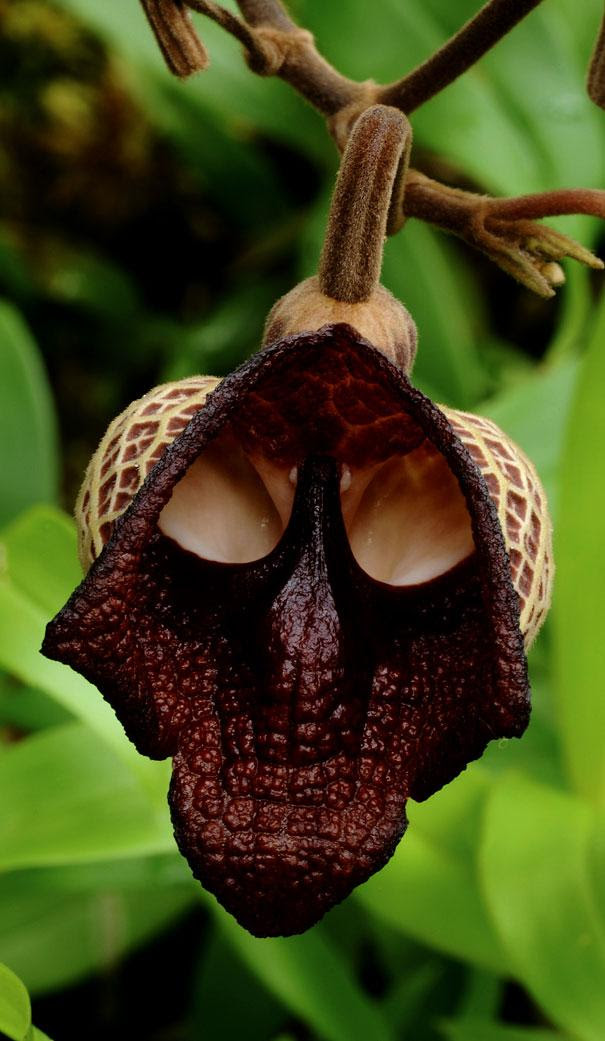
Who Says God Doesn’t Have A Sense of Humor!

Received this in an e-mail and thought you also would enjoy it. Not sure who to give the credit to for the photos, but I know Who to give the credit to for creating them. Thank You, Lord.

All things were made by him; and without him was not any thing made that was made. (John 1:3 KJV)

What a wonderful world!
“May God grant you always…
A sunbeam to warm you,
a moonbeam to charm you,
a sheltering Angel so nothing can harm you,
Laughter to cheer you.
Faithful friends near you.
And whenever you pray, Heaven to hear you.” —
An Irish Blessing

Contentment is not the fulfillment of what you want, but the realization of how much you already have.


Lee’s Addition:

The Bible says it this way, “But godliness with contentment is great gain. For we brought nothing into this world, and it is certain we can carry nothing out. And having food and raiment let us be therewith content. (1 Timothy 6:6-8 KJV)

Sunday Inspiration – Seven Small Families

As we continue through our Passerines, we come to seven families that have very few members in them. Just because their numbers are few, their Creator has not failed to give each a niche to fill and the ability and design to do so. They are all small birds, like the song, “His Eye Is On The Sparrow,” these bird are no less ignored by the Lord.

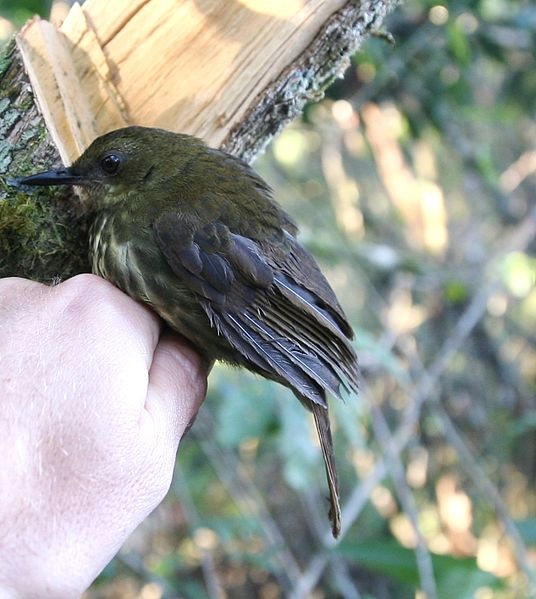
Dapple-throat (Arcanator orostruthus) ©WikiC

Dapple-throat (Arcanator orostruthus) ©WikiC

I am weary with my crying; My throat is dry; My eyes fail while I wait for my God. (Psalms 69:3 NKJV)

The Dapple-throat and allies – Modulatricidae  family only has three species; Spot-throat, Dapple-throat and the Grey-chested Babbler. Internet says they are from Africa and that its natural habitat is subtropical or tropical moist montane forests. That is about the only information given.

Cape Sugarbird (Promerops cafer) ©WikiC

Cape Sugarbird (Promerops cafer) ©WikiC

More to be desired are they than gold, Yea, than much fine gold; Sweeter also than honey and the honeycomb. (Psalms 19:10 NKJV)

The Sugarbirds make up a small family, Promeropidae, of passerine birds which are restricted to southern Africa. The two species of sugarbird make up one of only two bird families restricted entirely to southern Africa, the other being the rock-jumpers Chaetopidae. In general appearance as well as habits they resemble large long-tailed sunbirds, but are possibly more closely related to the Australian honeyeaters. They have brownish plumage, the long downcurved bill typical of passerine nectar feeders, and long tail feathers.

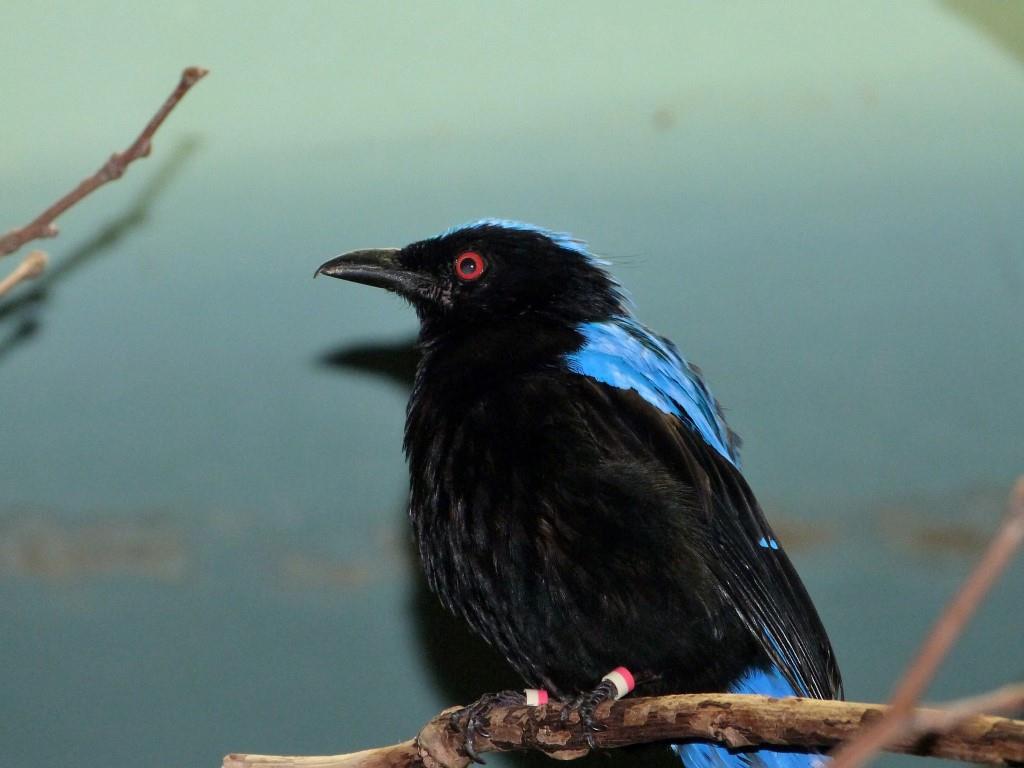
Asian Fairy-bluebird (Irena puella) at Cincinnati Zoo by Lee

Asian Fairy-bluebird (Irena puella) at Cincinnati Zoo by Lee

“You shall make the robe of the ephod all of blue.” (Exodus 28:31 NKJV)

The two Fairy-bluebirds are small passerine bird species found in forests and plantations in tropical southern Asia and the Philippines. They are the sole members of the genus Irena and family Irenidae, and are related to the ioras and leafbirds.

These are bulbul-like birds of open forest or thorn scrub, but whereas that group tends to be drab in colouration, fairy-bluebirds are sexually dimorphic, with the males being dark blue in plumage, and the females duller green.

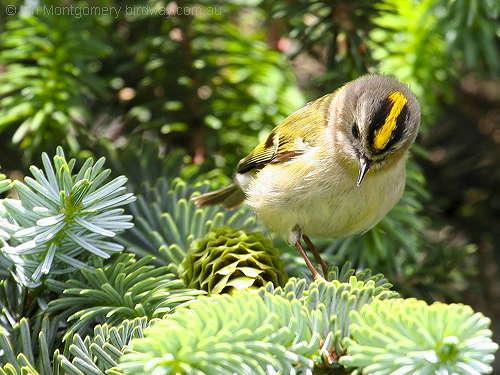
Goldcrest (Regulus regulus) by Ian

Goldcrest (Regulus regulus) by Ian

And thou shalt overlay it with pure gold, and make thereto a crown of gold round about. (Exodus 25:24 KJV)

Regulidae – Goldcrests, kinglets family has only six members. The kinglets or crests are a small group of birds sometimes included in the Old World warblers, but are frequently given family status because they also resemble the titmice. The scientific name Regulidae is derived from the Latin word regulus for “petty king” or prince, and comes from the coloured crowns of adult birds. This family has representatives in North America and Eurasia.

Spotted Elachura (Elachura formosa) ©Ramki Sreenivasan

Spotted Elachura (Elachura formosa) ©Ramki Sreenivasan

The Spotted Elachura (Elachura formosa (Elachuridae) is the only bird in its family they discovered recently through DNA studies. It is found in Bangladesh, Bhutan, China, India, Laos, Myanmar, Nepal, and Vietnam. Its natural habitat is subtropical or tropical moist montane forests. This species is found in undergrowth and dense thickets of this type of forest, with a preference for thick fern ground cover, mossy rocks and decaying trunks of fallen trees and brushwood (often near stream or creek) long grass and scrub.

Violet-baked Hyliota (Hyliota violacea) ©WikiC

Violet-baked Hyliota (Hyliota violacea) ©WikiC

Hyliotidae – Hyliota found in Angola, Cameroon, Democratic Republic of the Congo, Kenya, Malawi, Mozambique, South Africa, Tanzania, Uganda, Zambia, and Zimbabwe. Its natural habitats are subtropical or tropical moist lowland forests, subtropical or tropical moist montane forests, and plantations. It is threatened by habitat loss.

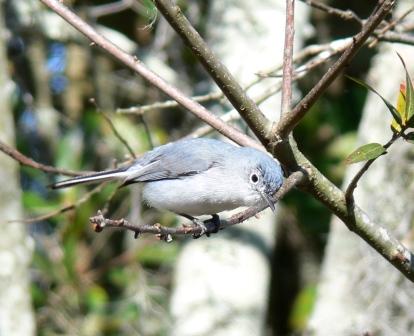
Blue-Gray Gnatcatcher at Circle B Reserve by Lee

Blue-Gray Gnatcatcher at Circle B Reserve by Lee

Lift up your eyes to the heavens, and look upon the earth beneath; for the heavens shall be dissolved and vanish away like smoke, and the earth shall wax old like a garment, and they that dwell therein shall die in like manner [like gnats]. But My salvation shall be forever, and My rightness and justice [and faithfully fulfilled promise] shall not be abolished. [Matt. 24:35; Heb. 1:11; II Pet. 3:10.] (Isaiah 51:6 AMP)

(Wrens skipped until next week ) Our last group of very small birds are from the Polioptilidae – Gnatcatchers. The 18 species of small passerine birds in the gnatcatcher family occur in North and South America (except far south and high Andean regions). Most species of this mainly tropical and subtropical group are resident, but the Blue-gray Gnatcatcher of the USA and southern Canada migrates south in winter. They are close relatives of the wrens. (Wikipedia)


This slideshow requires JavaScript.

*
*

*

Parrot Mountain’s Origin and Mission

Origin of Parrot Mountain and Garden of Eden

Parrot Mountain is a result of a vision the owner had in July 1995. He left Mississippi with his family and came to the mountains of Tennessee and was led to the land that is called Parrot Mountain and Garden of Eden.

The vision was to build a garden landscaped with flowers, plants, birds and most importantly with scriptures from the word. The scriptures are planted throughout like seeds through the gardens to be a testimonial that there is a Great God who reigns eternal in the heavens and that all things are made were made by Him and without Him was not anything made that was made that is to say in the beginning God created all things. As you stroll through the gardens not the beautiful color of the birds and flowers how their colors give Him glory and we believe that we, as His creation, should give him glory.

And so seven years after moving to the mountains the gardens were opened on August 28, 2002.

Our Mission here at Parrot Mountain and Garden of Eden.

  1. Is to be a witness and declare His name that The Lord God is the Creator of the heavens and the earth. That all things were made by Him and without Him was not anything made that was made. For the perfecting of the saints, for the work of the ministry, for the edifying of the body of Christ.
  2. To provide a shelter for abused or neglected birds and a home for birds that need a place for whatever reason.
  3. For the propagation of endangered or threaten species. To increase the numbers so that they do not become extinct like the Passenger Pigeon and Carolina Parakeet once native to the United States. To educate the public about these magnificent creatures and keeping in harmony with the beauty and serenity of the mountains.

We were thoroughly blessed and enjoyed our time we spent at Parrot Mountain. I have already shared a couple of post with you about our visit. The Origin and Mission above was copied from a handout given when you enter. I trust they do not mind me recopying it here. Pictures were added by me. If you ever are up in the Pigeon Forge, Tennessee area, it will be well worth your effort to visit them.

*

These pages from them have some nice photos:

Articles written here:

*

INCREASING NUMBERS WANT EQUAL TIME FOR CREATION – Repost

“Deceit is in the heart of them that imagine evil: but to the counsellors of peace is joy.” (Proverbs 12:20)

Interesting Things from Smiley CentralA few years ago, a news release revealed the result of a poll on what Americans prefer to have taught in public schools about origins. The poll was done for an organization that favors a dogmatic teaching of evolution. The news release stated only that a huge majority of Americans, 83 percent, favor the teaching of evolution in the public schools. We at Creation Moments were led to investigate this poll more closely since this poll result runs contrary to other recent polls.

Typical classroom.

The professional polling organization polled 1,500 people about whether creation or evolution should be taught in the public schools. Indeed, 83 percent said they believe that the theory of evolution should be taught in the public schools. However, what was not included in the popular reporting of the poll was that 79 percent of those polled said that creation should also be taught in the schools. Only 20 percent of those polled felt that evolution only should be taught. Clearly, Americans prefer both creation and evolution presented to the students so that they can make up their own minds. Equally notable is that almost half of those polled agreed with the statement that evolution is “far from being proven to be scientific.”

While the statement that 83 percent of those polled favor evolution being taught is true, it leaves out the most important part of the poll’s findings. Clearly, ordinary people want to hear about God’s creation.

Prayer:
Dear Father, help us never to be deceived by the forces of darkness. Amen.
Notes:
Christian News, 4/3/00, p. 2. Photo: Typical classroom. Courtesy of © Malate269.
*

Interesting Things

Creation Moments

Is There a God?

*

New Kingfisher Species – I.O.C. Version 5.4

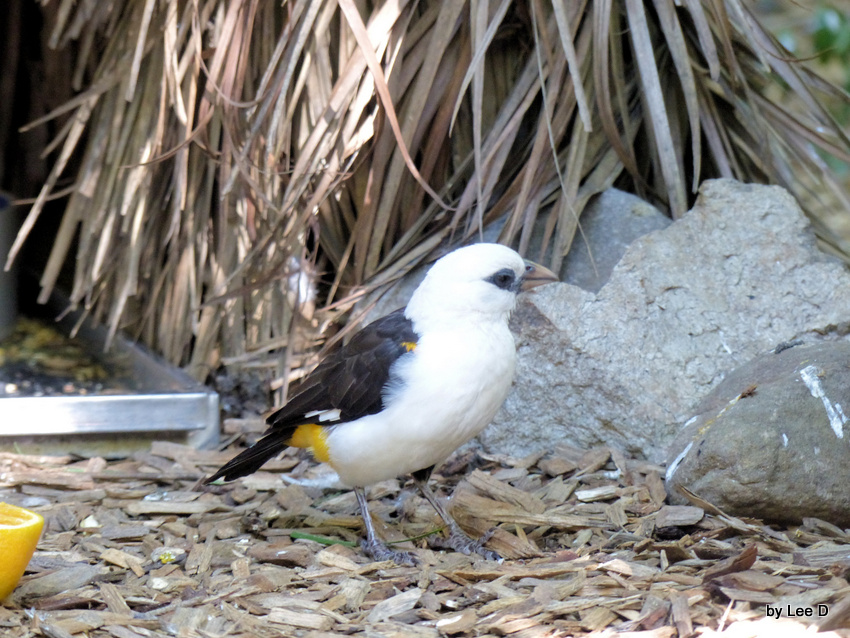
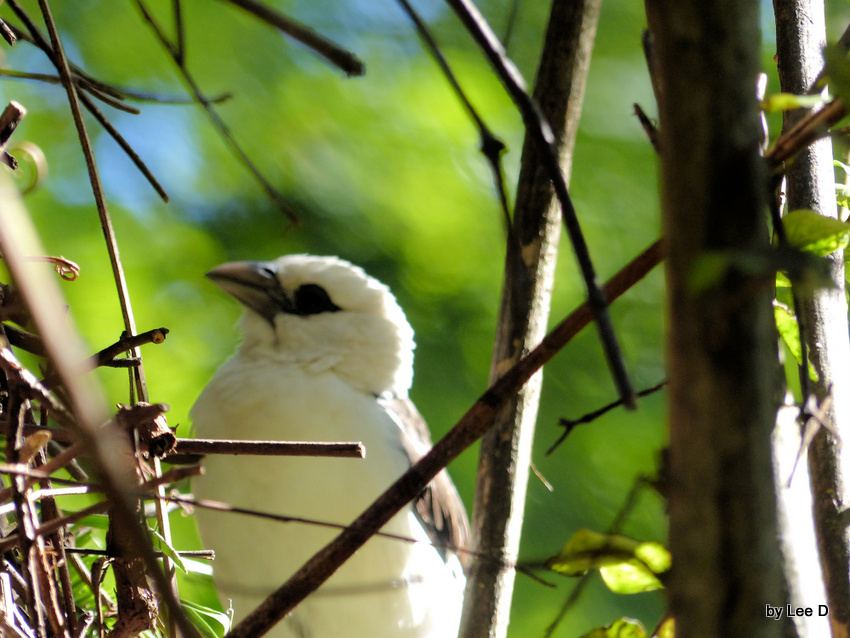
White-collared Kingfisher by Dan - Dan's Pix

White-collared Kingfisher by Dan – (Dan’s Pix)

Simon Peter saith unto them, I go a fishing. They say unto him, We also go with thee. They went forth, and entered into a ship immediately; and that night they caught nothing. (John 21:3 KJV)

Hang on to your fish, here comes a whole new bunch of Kingfishers. With the I.O.C. Version 5.4 that came out a week or so ago, 21 new Kingfishers were added to the Alcedinidae – Kingfishers Family. Plus they renamed a few. No, they didn’t appear out of thin air, they split and raised some of the subspecies up into their own species. Kingfishers have been one of my favorite birds from our Creator.

These are from the Collard Kingfisher (Todiramphus chloris):

  • Torresian Kingfisher (Todiramphus sordidus)
  • Islet Kingfisher (Todiramphus colonus)
  • Mariana Kingfisher (Todiramphus albicilla)
  • Melanesian Kingfisher (Todiramphus tristrami)
  • Pacific Kingfisher (Todiramphus sacer)
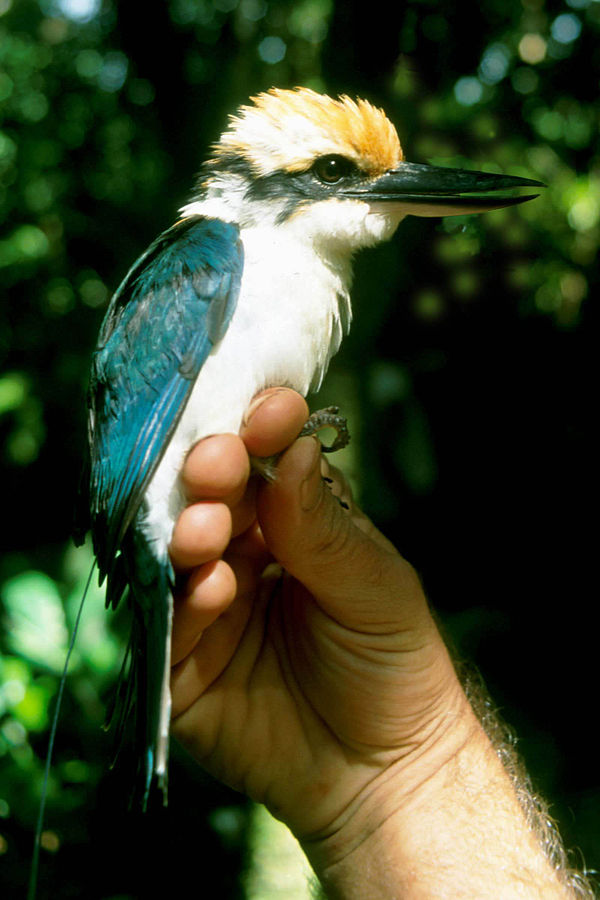
Micronesian Kingfisher (Todiramphus cinnamominus) Houston Zoo 5-6-15 by Lee

Micronesian Kingfisher (Todiramphus cinnamominus) Houston Zoo 5-6-15 by Lee

The Micronesian Kingfisher (Todiramphus cinnamominus) is now the Guam Kingfisher

Pohnpei Kingfisher (Todiramphus reichenbachii) ©WikiC

Pohnpei Kingfisher (Todiramphus reichenbachii) ©WikiC

The Tuamotu Kingfisher (Todiramphus gambieri) is now named the Niau Kingfisher and the split off the:

  • Niau Kingfisher (Todiramphus gertrudae)
Buru Dwarf Kingfisher (Ceyx lepidus) ©Drawing WikiC

Buru Dwarf Kingfisher (Ceyx lepidus) ©Drawing WikiC

The Variable Dwarf Kingfisher (Ceyx lepidus) was renamed the Moluccan Dwarf Kingfisher and these were split off:

  • Dimorphic Dwarf Kingfisher (Ceyx margarethae)
  • Sula Dwarf Kingfisher (Ceyx wallacii)
  • Buru Dwarf Kingfisher (Ceyx cajeli)
  • Papuan Dwarf Kingfisher (Ceyx solitarius)
  • Manus Dwarf Kingfisher (Ceyx dispar)
  • New Ireland Dwarf Kingfisher (Ceyx mulcatus)
  • New Britain Dwarf Kingfisher (Ceyx sacerdotis)
  • North Solomons Dwarf Kingfisher (Ceyx meeki)
  • New Georgia Dwarf Kingfisher (Ceyx collectoris)
  • Malaita Dwarf Kingfisher (Ceyx malaitae)
  • Guadalcanal Dwarf Kingfisher (Ceyx nigromaxilla)
  • Makira Dwarf Kingfisher (Ceyx gentianus)
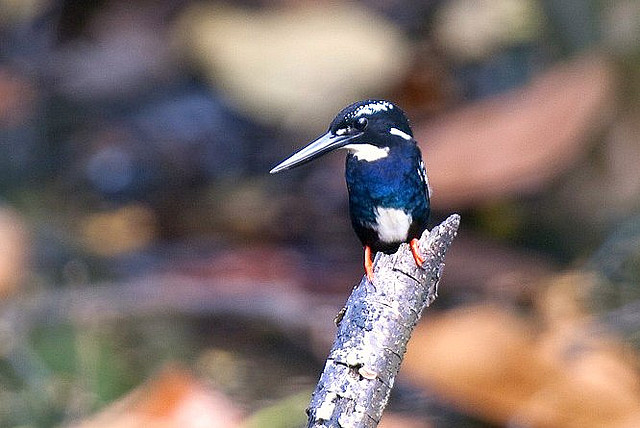
Silvery Kingfisher (Ceyx argentatus) ©©

Silvery Kingfisher (Ceyx argentatus) ©©

The  Silvery Kingfisher (Ceyx argentatus) is now the Southern Silvery Kingfisher and they added:

  • Northern Silvery Kingfisher (Ceyx flumenicola)

Needless to say, it will take a while to obtain photos for all these new kingfishers, so stay tuned.

There are more changes in the Version 5.4, but more about that later. They list 10,612 extant species and 154 extinct species of birds of the world (Version 5.4), with subspecies (20,757).

Now as he walked by the sea of Galilee, he saw Simon and Andrew his brother casting a net into the sea: for they were fishers. And Jesus said unto them, Come ye after me, and I will make you to become fishers of men. (Mark 1:16-17 KJV)

*

Alcedinidae – Kingfishers Family

I.O.C. Update 5.4 Version

Sharing The Gospel

*


Sunday Inspiration – White Eyes

Reunion Olive White-eye (Zosterops olivaceus) ©WikiC

Reunion Olive White-eye (Zosterops olivaceus) ©WikiC

Say not ye, There are yet four months, and then cometh harvest? behold, I say unto you, Lift up your eyes, and look on the fields; for they are white already to harvest. (John 4:35 KJV)

The Zosteropidae – White-eyes Family is passerine birds that live in the tropical and subtropical Sub-Saharan Africa, Australasia and eastern Asia. White-eyes inhabit most tropical islands in the Indian Ocean, the western Pacific Ocean, and the Gulf of Guinea. There are currently 127 members in the family. Most are White-eyes, a Silvereye, a Blackeye, a Darkeye, 4 Speirops, 11 Yuhinas, and about a dozen Babblers.

Silvereye (Zosterops lateralis) by Ian

Silvereye (Zosterops lateralis) by Ian

As their common name implies, many species have a conspicuous ring of tiny white feathers around their eyes. The scientific name of the group also reflects this latter feature, being derived from the Ancient Greek for “girdle-eye”. They have rounded wings and strong legs. Like many other nectivorous birds, they have slender, pointed bills, and brush-tipped tongues. The size ranges up to 15 cm (6 inches) in length. (Wikipedia)

Stripe-throated Yuhina (Yuhina gularis) ©WikiC

Stripe-throated Yuhina (Yuhina gularis) ©WikiC

I trust you will enjoy getting to know and see another enchantingly created family of birds from Our Creator.

But mine eyes are unto thee, O GOD the Lord: in thee is my trust; (Psalms 141:8a KJV)

This slideshow requires JavaScript.

*

“Come, Look To Jesus” ~ Played by Jill Foster at Faith Baptist (during Communion)

*

More Sunday Inspiration

Zosteropidae – White-eyes

Birds of the World Families

White-eye – Wikipedia

Is There A God?

*

Plantain-eater at Parrot Mountain

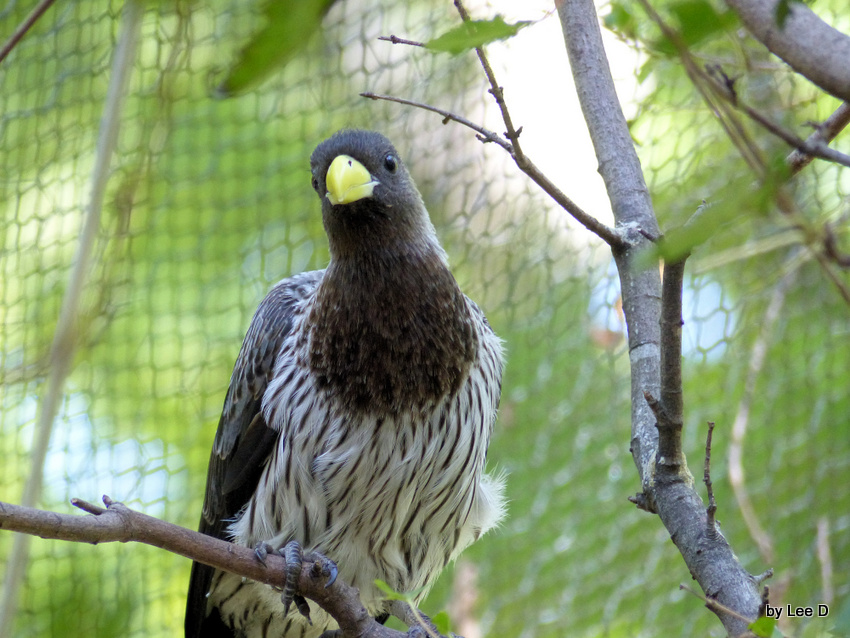
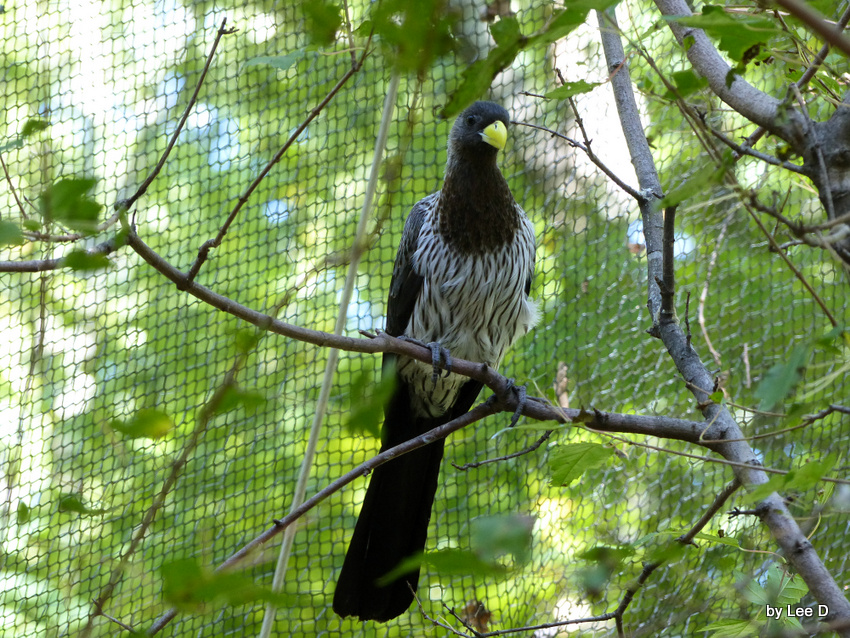
Western Plantain-eater (Crinifer piscator) at Parrot Mountain

Western Plantain-eater (Crinifer piscator) at Parrot Mountain

By them the birds of the heavens have their home; They sing among the branches. He waters the hills from His upper chambers; The earth is satisfied with the fruit of Your works. (Psalms 104:12-13 NKJV)

The western plantain-eater (Crinifer piscator), also known as the grey plantain-eater or western grey plantain-eater, is a large member of the Turaco family, a group of large arboreal near-passerine birds restricted to Africa.

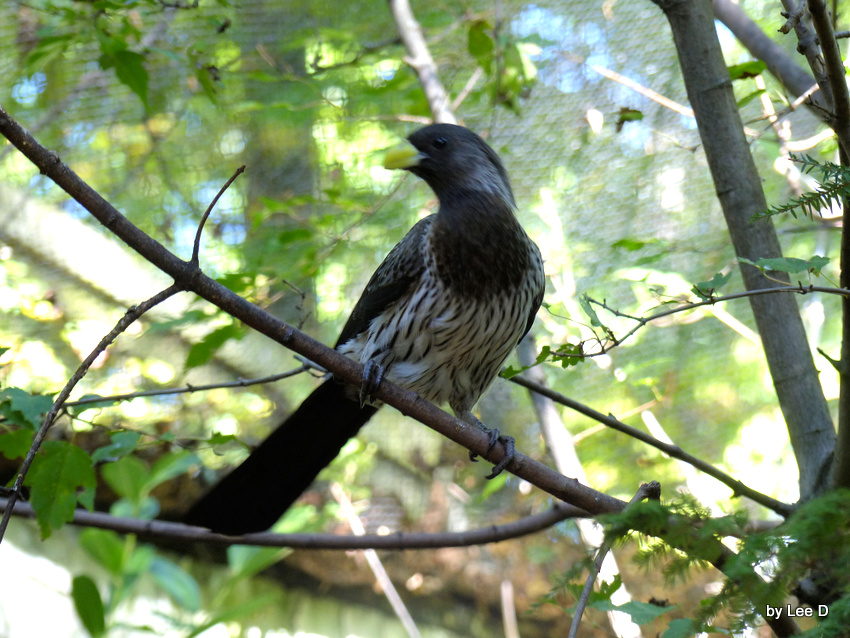
Western Plantain-eater (Crinifer piscator) at Parrot Mountain

Western Plantain-eater (Crinifer piscator) at Parrot Mountain

This species is a resident breeder in open woodland habitats in tropical west Africa. It lays two or three eggs in a tree platform nest.

These are common, noisy and conspicuous birds, despite lacking the brilliant colours of relatives such as the violet turaco. They are 50 cm long, including a long tail. Their plumage is mainly grey above spotted with brown. The head, erectile crest, neck and breast are brown streaked with silver. The underparts are whitish, heavily streaked with brown.

Western Plantain-eater (Crinifer piscator) at Parrot Mountain

Western Plantain-eater (Crinifer piscator) at Parrot Mountain

Western plantain-eater has a thick bright yellow bill, and shows a white wing bar in flight. The sexes are identical, but immatures have a black woolly head without silver streaking.

Western Plantain-eater (Crinifer piscator) at Parrot Mountain

Western Plantain-eater (Crinifer piscator) at Parrot Mountain

This bird is similar to the closely related eastern plantain-eater. The latter species has white tail bars, and lacks the chest bars and dark wing feather shafts of its western relative. This species feeds on fruit, especially figs, seeds and other vegetable matter.

We first encountered this amazing bird created by the Creator at the Houston Zoo this past spring. Those were in an enclosure with the normal fences to try to photograph through. That is what made this visit to Parrot Mountain so special because we were in a free-flying aviary with them.

Western Plantain-eater (Crinifer piscator) Houston Zoo

Western Plantain-eater (Crinifer piscator) Houston Zoo by Lee

Western Plantain-eater (Crinifer piscator) Houston Zoo

Western Plantain-eater (Crinifer piscator) Houston Zoo

Western plantain-eater has a loud cow-cow-cow call, very familiar in west Africa. (Info from Wikipedia)

Here is a video I took of the birds in the aviary feeding. The Plantain-eater comes in at tries to intimidate the Cardinal and then starts his call. If you watch him/her, you will notice it seems to be afraid of that cardboard dish holding the fruit. Hence my chuckle. I’ll tell you more about those other birds later.

“But the wisdom that is from above is first pure, then peaceable, gentle, willing to yield, full of mercy and good fruits, without partiality and without hypocrisy. Now the fruit of righteousness is sown in peace by those who make peace.” (James 3:17-18 NKJV)

*

Other Parrot Mountain Blogs

*

Parrot Mountain’s Prayer Garden

And when he had sent the multitudes away, he went up into a mountain apart to pray: and when the evening was come, he was there alone. (Matthew 14:23 KJV)

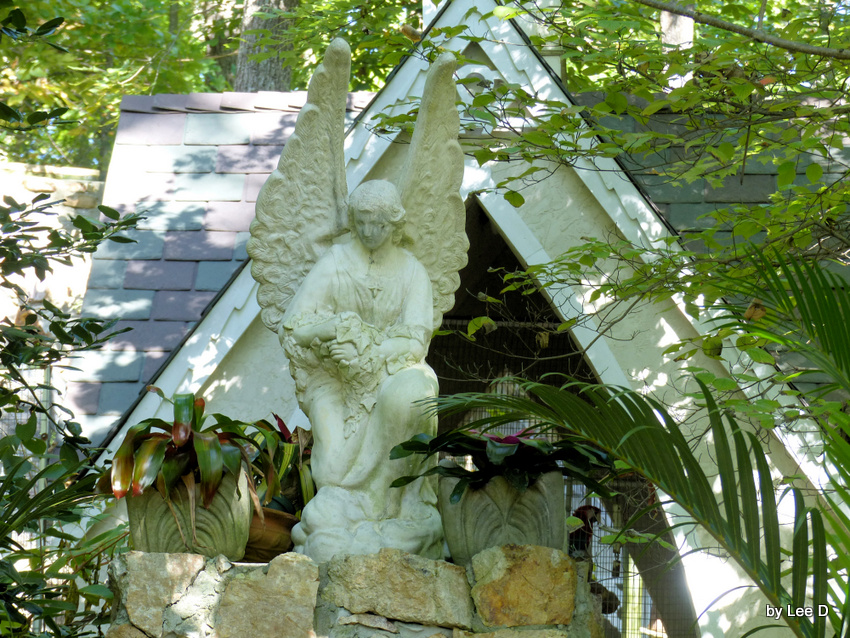
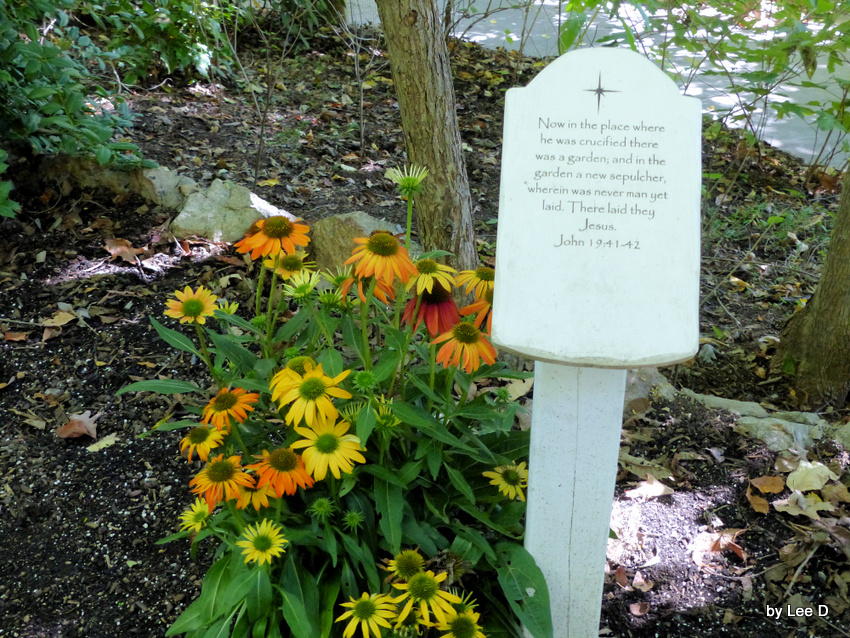
The Prayer Garden at Parrot Mountain is very peaceful and lovely. Thought I would share some of those photos this time. At the entrance there are two angel statues and then as you enter.

Angel

Angel

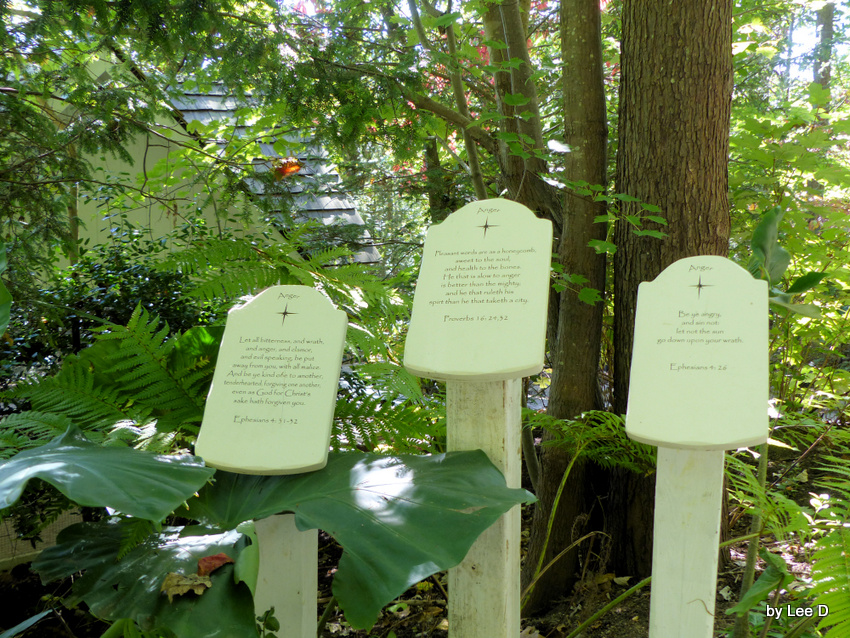
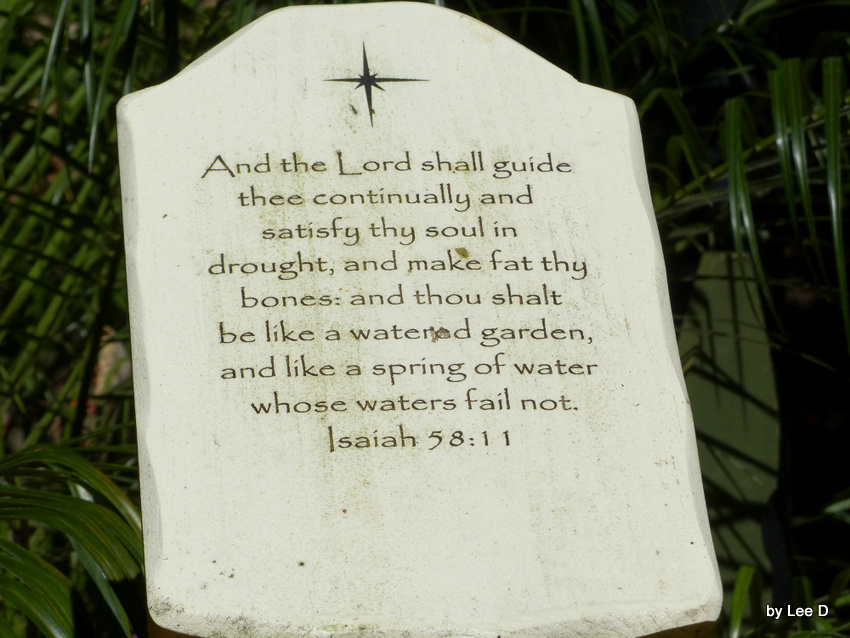
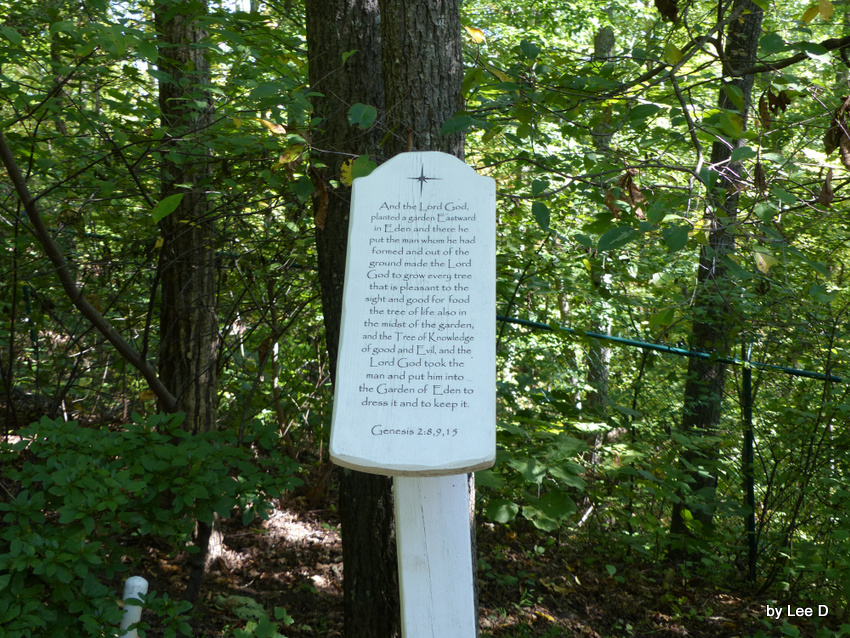
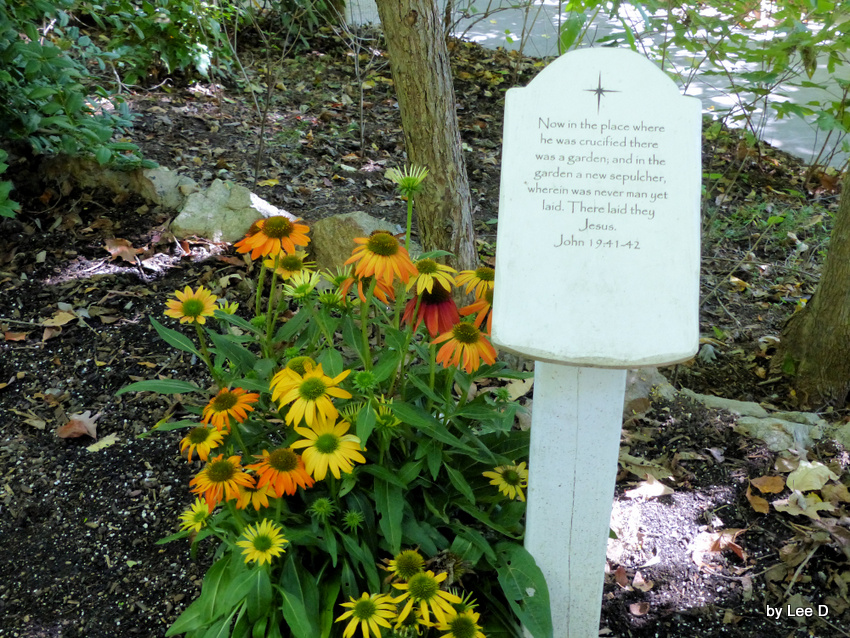
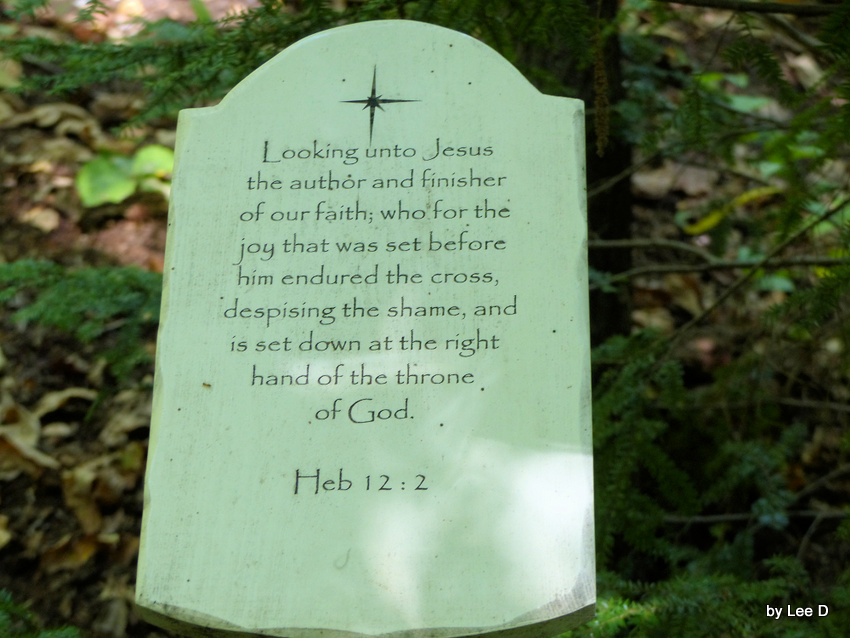
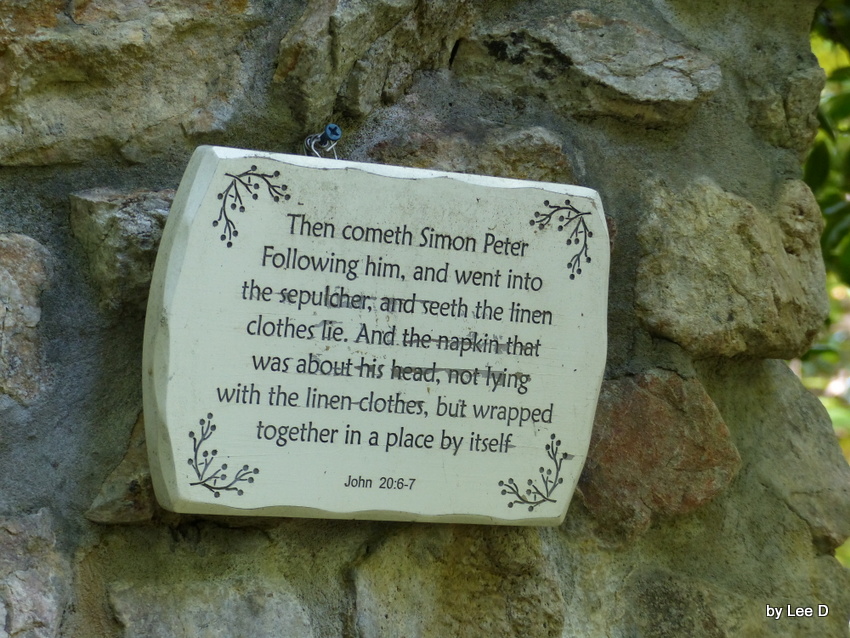
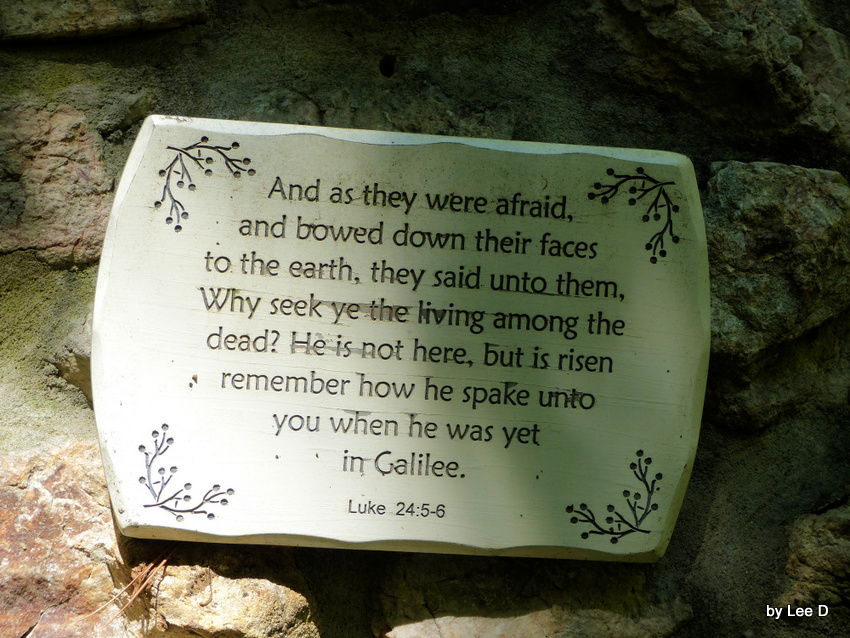
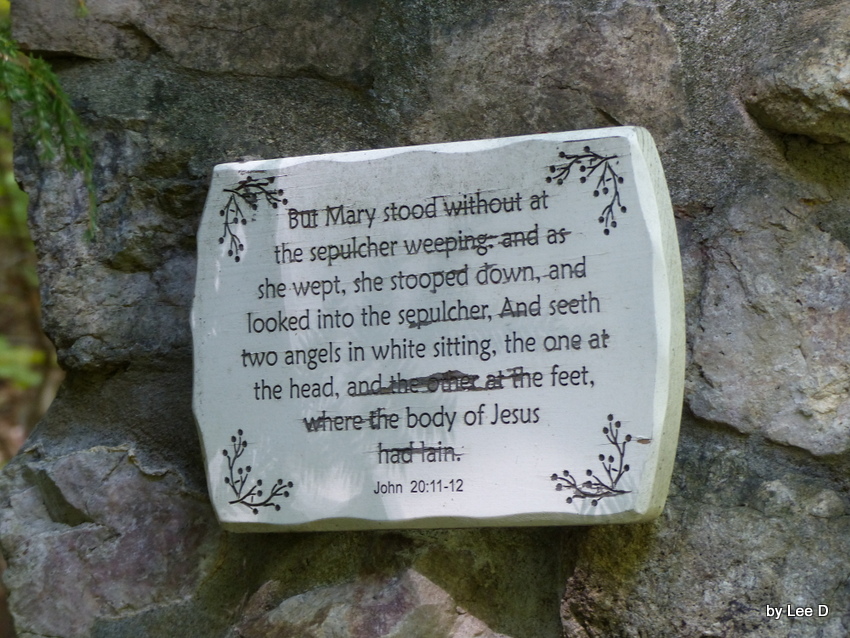
There are three crosses and some signs with verses:

Parrot Mountain Landscape and Signs

Three Crosses and Signs

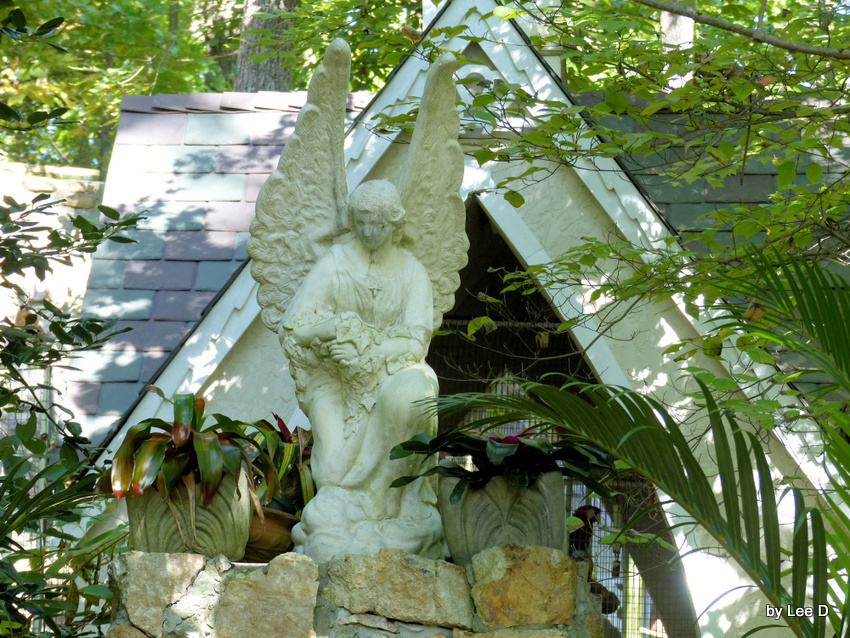
As you go in further there are more signs, a garden tomb with an angel and a place where the Savior was lain. More signs and walkway with sculptures in them. Here are more of the photos of this area of Parrot Mountain.

*
Parrot Mountain in Pigeon Forge, Tennessee
Fellowship in the Smokies
Peaceful Stream
Salmon-crested (Moluccan) Cockatoo at Parrot Mountain
Are You Missing Something?
Sharing The Gospel

*

Sunday Inspiration – Sylviid Babblers

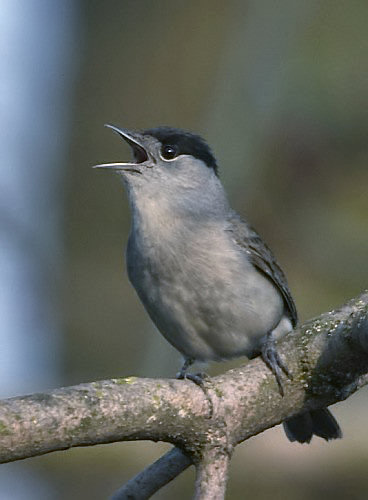
Eurasian Blackcap (Sylvia atricapilla) ©WikiC

Eurasian Blackcap (Sylvia atricapilla) ©WikiC

Here is our next avian group taxonomically, the Sylviidae – Sylvid Babblers Family. The Lord created these birds with a song to sing and some that are very colorful. Actually there are very few Babblers in the family. There are Blackcaps, various Warblers, Whitethroats, Fulvettas, Parrotbills plus a Myzornis and a Catbird.

Fire-tailed Myzornis (Myzornis pyrrhoura) ©WikiC

Fire-tailed Myzornis (Myzornis pyrrhoura) ©WikiC

Sylviidae is a family of passerine birds that was part of an assemblage known as the Old World warblers. The family was formerly a wastebin taxon with over 400 species of bird in over 70 genera. The family was poorly defined with many characteristics shared with other families. Advances in classification, particularly helped with molecular data, have led to the splitting out of several new families from within this group. Today the smaller family Sylviidae includes the typical warblers in the genus Sylvia, the parrotbills of Asia (formerly a separate family Paradoxornithidae), a number of babblers formerly placed within the family Timaliidae (which is itself currently being split) and the wrentit, an unusual North American bird that has been a longstanding taxonomic mystery.

Hume's Whitethroat (Sylvia althaea) ©WikiC

Hume’s Whitethroat (Sylvia althaea) ©WikiC

There is now evidence that these Sylvia “warblers” are more closely related to babblers [Timaliidae], and thus these birds are better referred to as Sylvia babblers, or just sylvids.

Vinous-throated Parrotbill (Sinosuthora webbiana) ©WikiC

Vinous-throated Parrotbill (Sinosuthora webbiana) ©WikiC

Sylviids are small to medium-sized birds. The bill is generally thin and pointed with bristles at the base. Sylviids have a slender shape and an inconspicuous and mostly plain plumage. The wings have ten primaries, which are rounded and short in non-migratory species. (Wikipedia)

For thus says the LORD, Who created the heavens, Who is God, Who formed the earth and made it, Who has established it, Who did not create it in vain, Who formed it to be inhabited: “I am the LORD, and there is no other. (Isaiah 45:18 NKJV)

This slideshow requires JavaScript.

Now if God so clothes the grass of the field, which today is, and tomorrow is thrown into the oven, will He not much more clothe you, O you of little faith? (Matthew 6:30 NKJV)

“I Stand Amazed” ~ Faith Baptist Choir

*

More Sunday Inspirations 

Sylviidae – Sylviid Babblers

Sylviidae – Wikipedia

Parrotbill – Wikipedia

Babbler For Who?

*

Are You Missing Something?

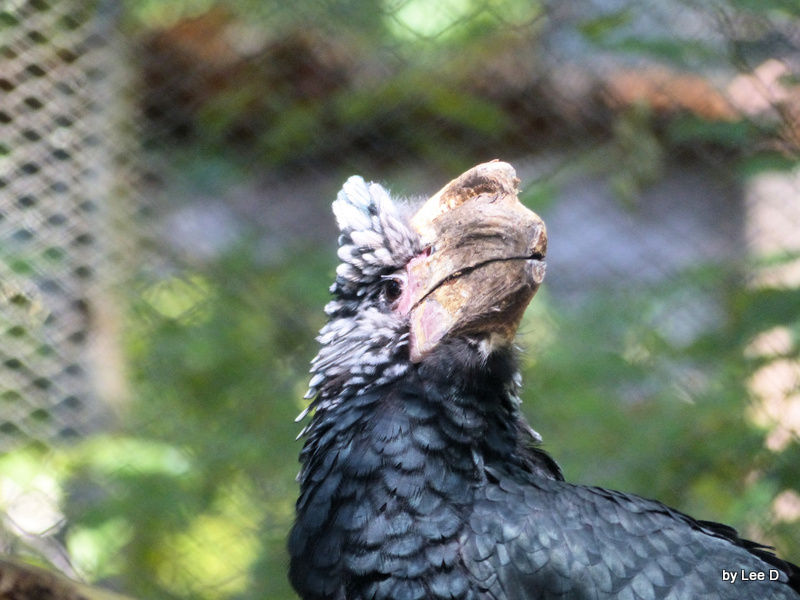
Silvery-cheeked Hornbill (Bycanistes brevis) Parrot Mtn

Silvery-cheeked Hornbill (Bycanistes brevis) Parrot Mtn

Wait on the LORD, And keep His way, And He shall exalt you to inherit the land; When the wicked are cut off, you shall see it. (Psalms 37:34 NKJV)

While at the Parrot Mountain last week, we saw this Silvery-cheeked Hornbill (Bycanistes brevis). As one of my friend said, after seeing these photos, “that is an ugly bird.” Well, almost, but is beauty in the eye of the beholder? I am sure that from the eyes of another Silvery-cheeked Hornbill, it may not be.

Silvery-cheeked Hornbill (Bycanistes brevis) Parrot Mtn

Silvery-cheeked Hornbill (Bycanistes brevis) Parrot Mtn

As the sign says,:

  • The Silvery-cheeked Hornbill can grow up to two and half feet long and weigh two and three quarter pounds.
  • Have an average life span of 50 years.
  • Silvery-cheeked Hornbills eat by plucking a piece of fruit and tipping its head back to swallow it whole. They will eat berries, figs, palmnuts, as well as a variety of insects.
  • The Hornbill is one of the few birds that have eyelashes to shield them from sun and dust.
Silvery-cheeked Hornbill (Bycanistes brevis) Parrot Mtn by Lee

Silvery-cheeked Hornbill (Bycanistes brevis) Parrot Mtn by Lee

Also the Silvery-cheeked Hornbill are residents of the tall evergreen forest of east Africa from Ethiopia to South Africa.

Well, maybe this bird is a little ugly:

Silvery-cheeked Hornbill (Bycanistes brevis) Parrot Mtn

Silvery-cheeked Hornbill (Bycanistes brevis) Parrot Mtn

Yet, in the Lord’s sight, this bird was created special and most likely fits right in with where it lives and what it does. What I haven’t shown you yet is that it is missing the tip of its beak. Most likely, that is why it is in captivity because it may not be able to obtain food in the wild.

Missing the tip of its beak

Missing the tip of its beak

Silvery-cheeked Hornbill with missing tip of beak.

Silvery-cheeked Hornbill with missing tip of beak.

I was surprised by how many verses that mention the words “cut off.” There are 200 verses in the NKJV. Even the verse where Peter cut off the ear of the servant, but Jesus healed him by putting back on. Only the Creator could have done that. Many mention enemies or sinners being cut off. Also, not being cut off if you are righteous and one of His saints.

For the LORD loves justice, And does not forsake His saints; They are preserved forever, But the descendants of the wicked shall be cut off. The righteous shall inherit the land, And dwell in it forever. The mouth of the righteous speaks wisdom, And his tongue talks of justice. The law of his God is in his heart; None of his steps shall slide. The wicked watches the righteous, And seeks to slay him. The LORD will not leave him in his hand, Nor condemn him when he is judged. Wait on the LORD, And keep His way, And He shall exalt you to inherit the land; When the wicked are cut off, you shall see it. (Psalms 37:28-34 NKJV)

Missing heaven and not spending eternity with the Lord Jesus Christ would be a terrible tragedy. I trust you will not be cut off with the wicked and that you know the Lord as your personal Savior. Accepting the Lord Jesus was the best decision I ever made in my life.

The Gospel Message and Gospel Presentation both explain how to not be cut off or missing out on eternity in heaven.

*

*

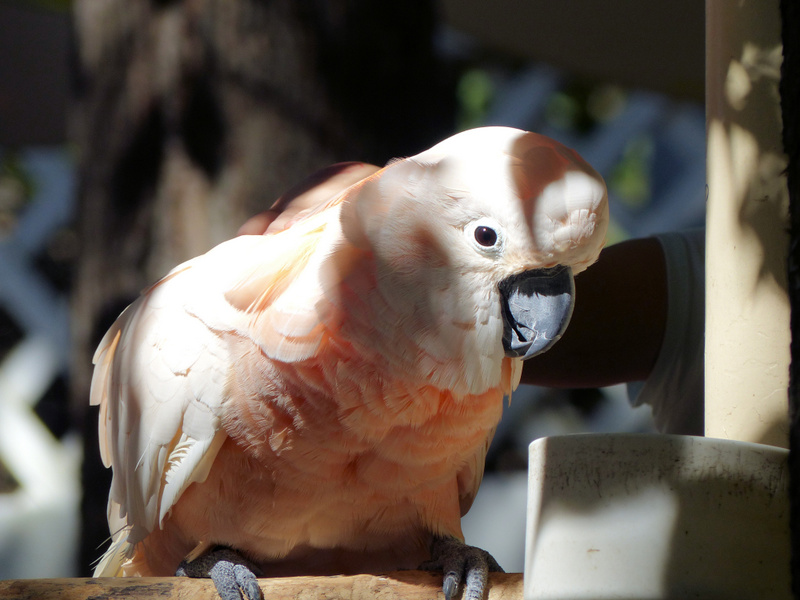
Salmon-crested (Moluccan) Cockatoo at Parrot Mountain

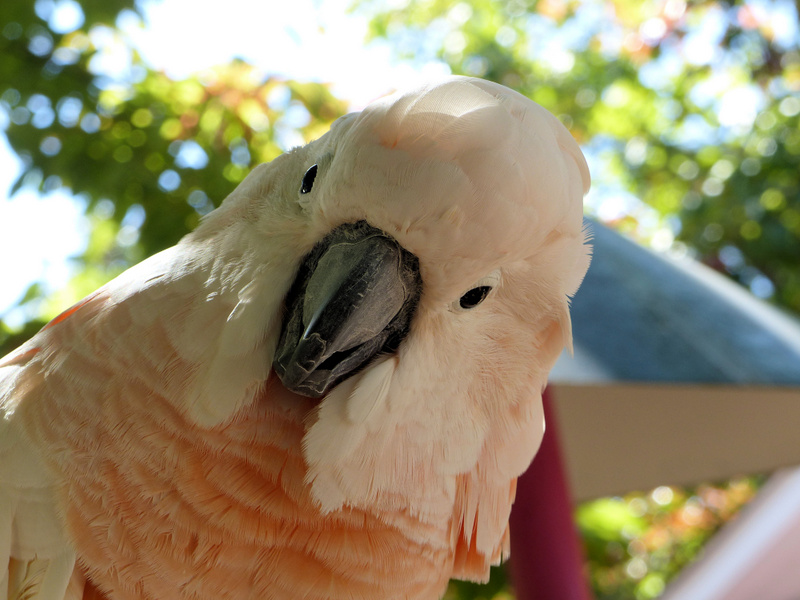
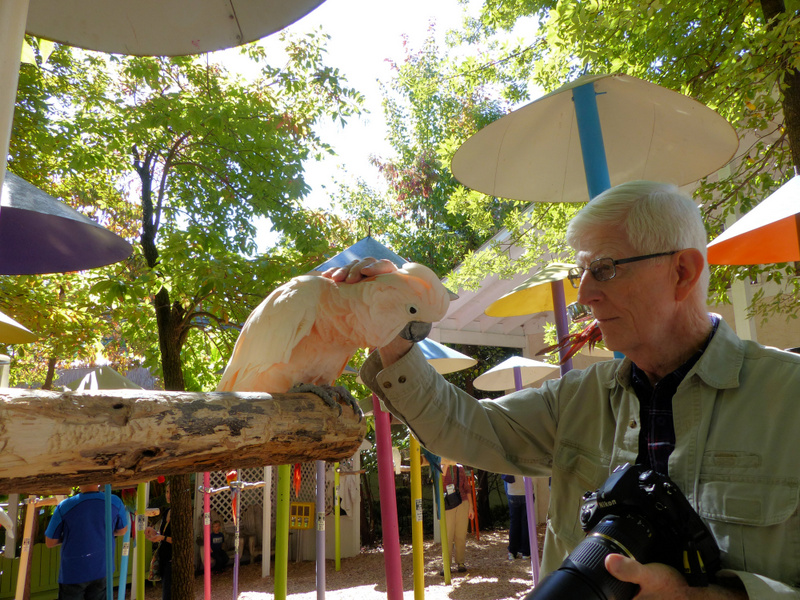
Salmon-crested Cockatoo (Cacatua moluccensis) at Parrot Mtn by Lee

Salmon-crested Cockatoo (Cacatua moluccensis) at Parrot Mtn by Lee

“So God created … every winged bird according to its kind. And God saw that it was good.” (Genesis 1:21 NKJV)

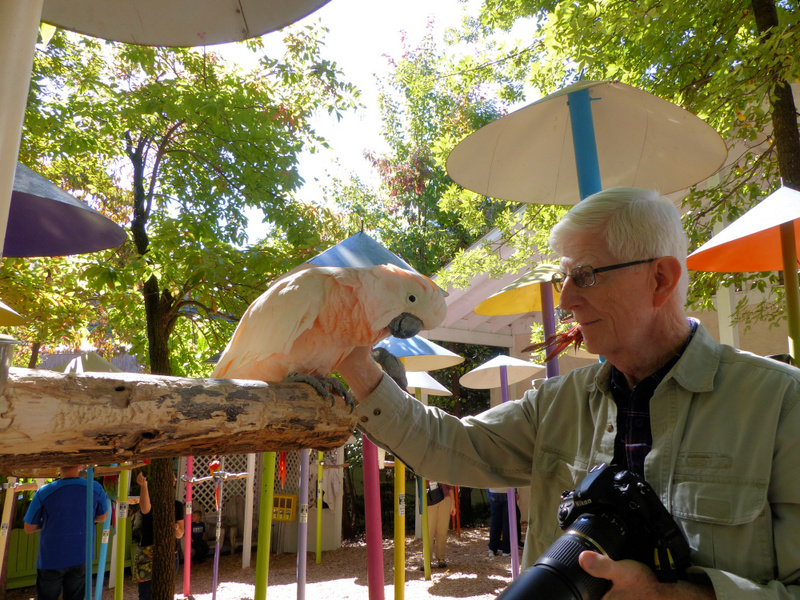
Here are a few photos of the Salmon-crested Cockatoo (Cacatua moluccensis) or Mouccan Cockatoo, as they call it, at the Parrot Mountain in Pigeon Forge, Tennessee. On their brochure they have “In the Beginning GOD Created All Things” and “Hundreds of Tropical Birds in a Garden of Eden Surrounding.” It is a very enjoyable place to visit. The landscaping is very pretty and colorful. More about that in another post. It is very much Christian oriented.

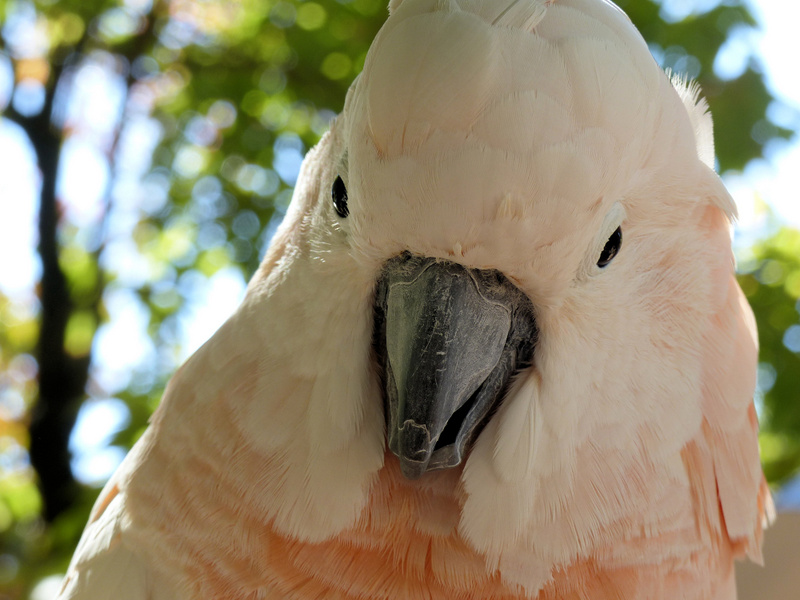
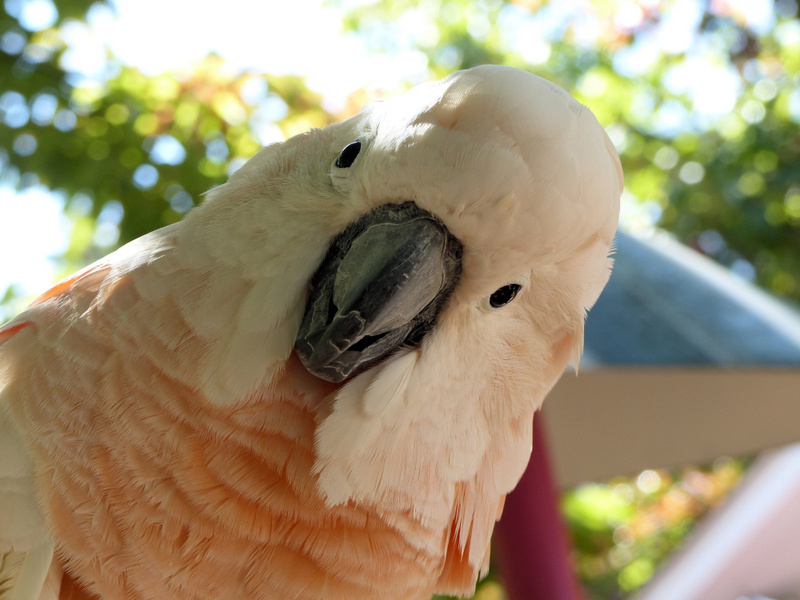
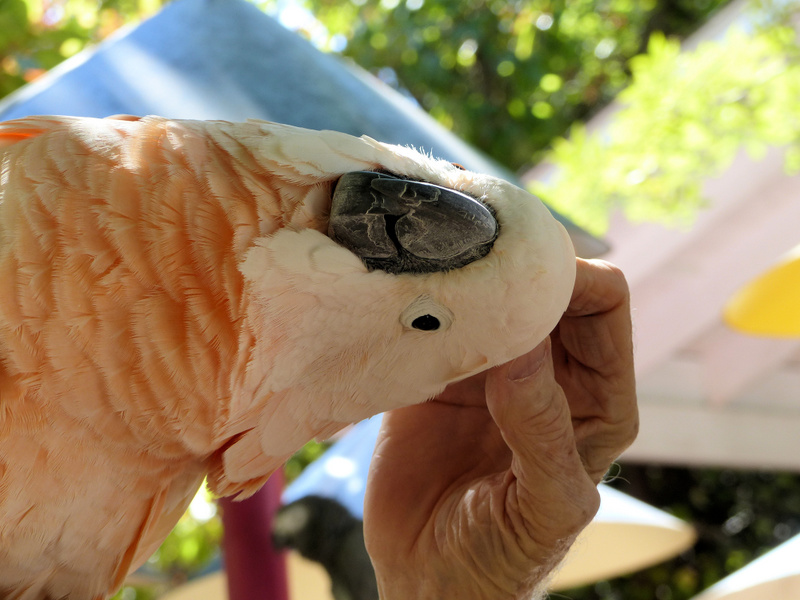
“The salmon-crested cockatoo (Cacatua moluccensis) also known as the Moluccan cockatoo, is a cockatoo endemic to the south Moluccas in eastern Indonesia. They are members of the Cacatuidae – Cockatoos Family. At a height of up to 46–52 cm and weight of up to 850 g, it is among the largest of the white cockatoos. The female is larger than the male on average. It has white-pink feathers with a definite peachy glow, a slight yellow on the underwing and underside of the tail feathers and a large retractable recumbent crest which it raises when threatened, revealing hitherto concealed bright red-orange plumes to frighten potential attackers. It may also be raised in excitement or in other ’emotional’ displays. Some describe the crest as “flamingo-colored.” It also has one of the louder calls in the parrot world and in captivity is a capable mimic.

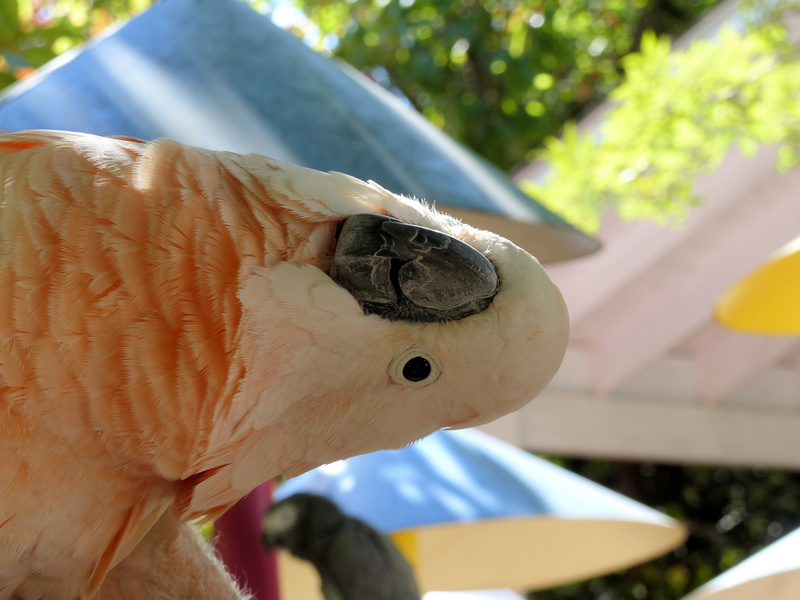
Salmon-crested Cockatoo (Cacatua moluccensis) at Parrot Mtn by Lee

Salmon-crested Cockatoo (Cacatua moluccensis) at Parrot Mtn by Lee

In the wild the salmon-crested cockatoo inhabits lowland forests below 1000 m. The diet consists mainly of seeds, nuts and fruit, as well as coconuts, and also eats Meat. There is additional evidence that they eat insects off the ground, and pet Moluccan cockatoos have tested positive for anemia if their diet does not include enough protein.

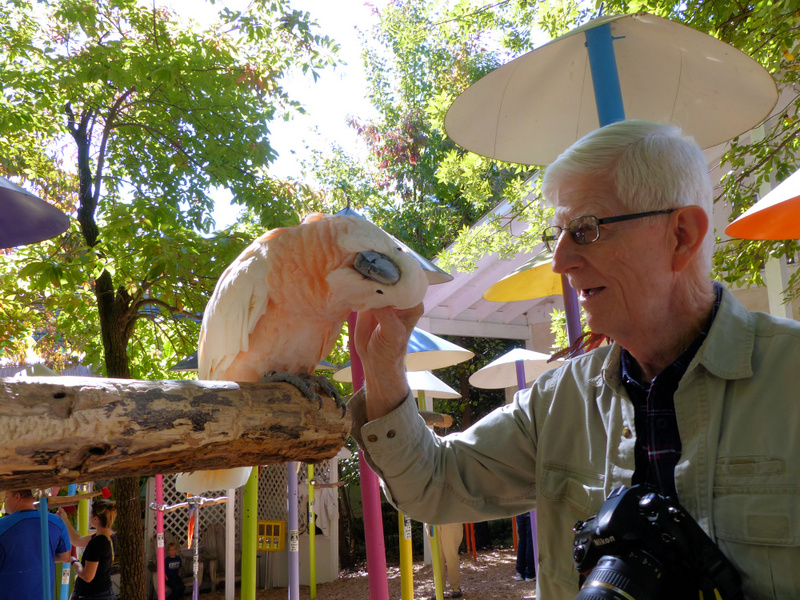
Salmon-crested Cockatoo (Cacatua moluccensis) at Parrot Mtn by Le

Salmon-crested Cockatoo (Cacatua moluccensis) at Parrot Mtn by Lee

For every kind of beast and bird, of reptile and creature of the sea, is tamed and has been tamed by mankind. (James 3:7 NKJV)

The salmon-crested cockatoo can no longer be imported into the United States because it is listed on the Wild Bird Conservation Act. However, they are being bred in captivity. They are popular for their beauty and trainability (which makes them popular in trained bird shows). The salmon-crested cockatoo is widely considered to be one of the most demanding parrots to keep as a pet due to their high intelligence, large size, potential noise level, and need to chew. Moluccan cockatoos require a very large and very sturdy cage or aviary. Salmon-crested cockatoos are highly social and pets can be extremely cuddly, affectionate, and gentle birds.” (Wikipedia)

The photos are shown in the sequence taken. Dan was enjoying scratching its head.

*

Parrot Mountain in Pigeon Forge, Tennessee

Salmon-crested Cockatoo – Wikipedia

Cacatuidae – Cockatoos Family

Wordless Birds

*