New Parrot Family – I.O.C. 5.3 Version

Mulga Parrot (Psephotellus varius) by Ian

Mulga Parrot (Psephotellus varius) by Ian

My son, fear thou the LORD and the king: and meddle not with them that are given to change: (Proverbs 24:21 KJV)

Finally have my computer and Excel back up running. I decided to start working on the new I.O.C. 5.3 version and was surprised to see that they had divided the Psittacidae – Parrots Family. Well, that family had 369 species and now the new family has been named Pittaculidae –  “Old World Parrots” with 192 parrots.

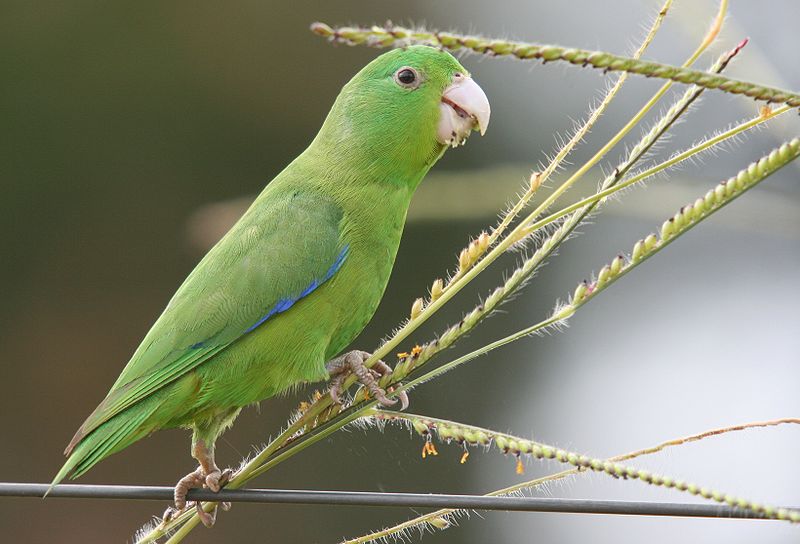
Blue-winged Parrotlet (Forpus xanthopterygius) ©WikiC

Blue-winged Parrotlet (Forpus xanthopterygius) ©WikiC

The old family, Psittacidae – African and New World Parrots has 178 avian wonders. They added two new ones to this family; the Turquoise-winged Parrolett (Forpus spengeli) and the Large-billed Parrotlet (Forpus crassirostris) that were subspecies of the Blue-winged Parrotlet family.

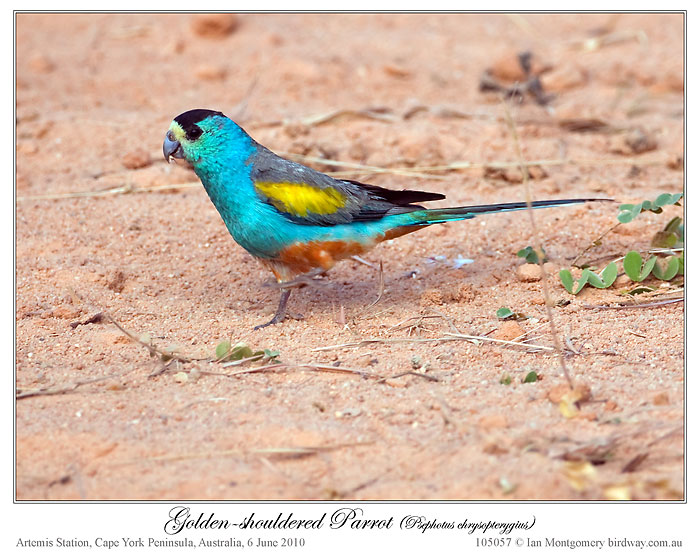
Golden-shouldered Parrot (Psephotellus chrysopterygius) by Ian

Golden-shouldered Parrot (Psephotellus chrysopterygius) by Ian

In the new Psittaculidae – Old World Parrots Family they changed the genus of several birds:

Mulga Parrot (Psephotus varius) to (Psephotellus varius)
Hooded Parrot (Psephotus dissimilis) to (Psephotellus dissimilis)
Golden-shouldered Parrot (Psephotus chrysopterygius) to (Psephotellus chrysopterygius)
Paradise Parakeet (Psephotus pulcherrimus) to (Psephotellus pulcherrimus)

Purple-crowned Lorikeet (Parvipsitta porphyrocephala) WikiC

Purple-crowned Lorikeet (Parvipsitta porphyrocephala) WikiC

Little Lorikeet (Glossopsitta pusilla) to (Parvipsitta pusilla)
Purple-crowned Lorikeet (Glossopsitta porphyrocephala) to (Parvipsitta porphyrocephala)

Cardinal Lory (Pseudeos cardinalis) Busch Gardens, Tampa Bay WikiC

Cardinal Lory (Pseudeos cardinalis) Busch Gardens, Tampa Bay WikiC

Cardinal Lory (Chalcopsitta cardinalis) to (Pseudeos cardinalis)

For now, that is about as far as I have gotten with the update. That was a major reshuffle which I plan to tell about in the next blog. Stay tuned!

The PSITTACIFORMES – Parrot Order

Strigopidae – New Zealand Parrots
Cacatuidae – Cockatoos
Psittacidae – African and New World Parrots
Psittaculidae – Old World Parrots

Gideon

*

Sunday Inspiration – Bulbuls

White-eared (Cheeked) Bulbul (Pycnonotus leucotis) at Zoo Miami by Lee

White-eared (Cheeked) Bulbul (Pycnonotus leucotis) at Zoo Miami by Lee

 Then the trees of the forest will sing for joy before the LORD; For He is coming to judge the earth. O give thanks to the LORD, for He is good; For His lovingkindness is everlasting. (1 Chronicles 16:33-34 NASB)

Bulbuls are a family, Pycnonotidae, of medium-sized passerine songbirds. Many forest species are known as greenbuls, brownbuls, leafloves, bristlebills, finchbills and  a Malia. The family is distributed across most of Africa and into the Middle East, tropical Asia to Indonesia, and north as far as Japan. A few insular species occur on the tropical islands of the Indian Ocean There are 151 species in around 28 genera. While some species are found in most habitats, overall African species are predominantly found in rainforest whilst rainforest species are rare in Asia, instead preferring more open areas.

Collared Finchbill by Dan at Zoo Miami

Bulbuls are short-necked slender passerines. The tails are long and the wings short and rounded. In almost all species the bill is slightly elongated and slightly hooked at the end. They vary in length from 13 cm for the tiny greenbul to 29 cm in the straw-headed bulbul. Overall the sexes are alike, although the females tend to be slightly smaller. In a few species the differences are so great that they have been described as functionally different species. The soft plumage of some species is colourful with yellow, red or orange vents, cheeks, throat or supercilia, but most are drab, with uniform olive-brown to black plumage. Species with dull coloured eyes often sport contrasting eyerings. Some have very distinct crests. Bulbuls are highly vocal, with the calls of most species being described as nasal or gravelly. One author described the song of the brown-eared bulbul as “the most unattractive noises made by any bird”

Let the field be joyful, and all that is therein: then shall all the trees of the wood rejoice (Psalms 96:12 KJV)

Maybe in the case of that brown-eared bulbul, this verse would be more appropriate:

Make a joyful noise unto the LORD, all the earth: make a loud noise, and rejoice, and sing praise. (Psalms 98:4 KJV)

This slideshow requires JavaScript.

“How Deep The Father’s Love For Us” ~ played by Megan Fee and Jill Foster

How deep the Father’s love for us
How vast beyond all measure
That He should give His only Son
To make a wretch His treasure

How great the pain of searing loss
The Father turns His face away
As wounds which mar the Chosen One
Bring many sons to glory

Behold the man upon a cross
My sin upon His shoulders
Ashamed, I hear my mocking voice
Call out among the scoffers

It was my sin that held Him there
Until it was accomplished
His dying breath has brought me life
I know that it is finished

I will not boast in anything
No gifts, no power, no wisdom
But I will boast in Jesus Christ
His death and resurrection

Why should I gain from His reward?
I cannot give an answer
But this I know with all my heart
His wounds have paid my ransom

Why should I gain from His reward?
I cannot give an answer
But this I know with all my heart
His wounds have paid my ransom

For God so loved the world, that he gave his only begotten Son, that whosoever believeth in him should not perish, but have everlasting life. (John 3:16 KJV)

*
More Sunday Inspirations

Pycnonotidae – Bulbuls Family

Bulbul – Wikipedia

Falling Plates

*

Taking A Ride

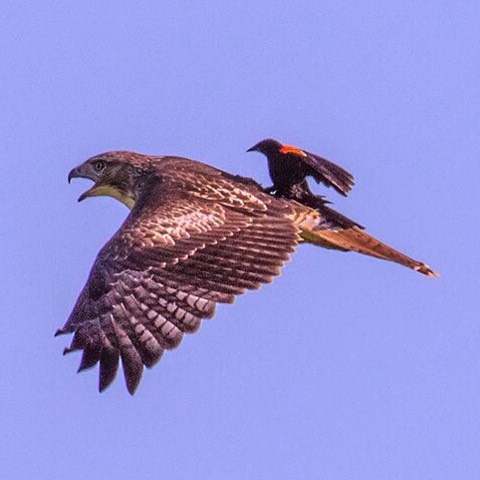
Blackbird on a Hawk's Back ©Dept of Interior

Blackbird on a Hawk’s Back ©Dept of Interior

Terrors shall make him afraid on every side and shall chase him at his heels. (Job 18:11 AMP)

Here we go again with a smaller bird attacking a larger bird. This time a Red-winged Blackbird is on a Hawk’s back.

See Rare Picture: Blackbird “Rides” Hawk. from Focusing on Wildlife.

*

Crow Versus Eagle, Free Ride Instead

Woodpecker With A Weasel On It’s Back

Birds of the Bible – Get Off My Back

Wordless Birds

*

Acorn Woodpecker and Rehab

“Dewey” Acorn Woodpecker at Rehab Ctr by Lee

The steps of a good man (lady) are ordered by the LORD: and he delighteth in his way. Though he fall, he shall not be utterly cast down: for the LORD upholdeth him with his hand. I have been young, and now am old; yet have I not seen the righteous forsaken, nor his seed begging bread. (Psa 37:23-25)

While on our vacation, we visited the Living Desert Museum and Rehab Center in California. One of the “rehab-ees” was an Acorn Woodpecker named Dewey. He is 25 years old and “despite being geriatric with multiple health problems, he is very active.

“Dewey” Acorn Woodpecker Sign at Rehab Ctr by Lee

As you can see by this next photo his beak is really in bad shape. He can not return to the wild of course and so is being well taken care of.

Dewey's Beak - Cropped

Dewey’s Beak – Cropped

I decided to share Dewey’s rehab because of what has been happening around Lee’s Birdwatching Adventures place. Dewey and I are becoming older and things happen.

About three weeks ago I started having sharp pains in my back and found it hard to stand up.  Long story, short, my vertebrae in my back has slipped. Nine years ago, my S1 and L5 slipped and I had surgery to fuse those two with a rod and screws. They were not able to do one side because my bones were too soft on one side to be able to put the normal two rods in.

Now the L4 has slid about 50%. That is considered serious and surgery is the main way to fix it. For now, we are going to try other options first. I started “rehab” yesterday to help strenghten my back muscles to keep it from sliding any more. They gave me a brace and walker. Today, we took a break and here is a photo of me with my new “gear.”

Lee at Brevard Zoo 8-13-15

Lee at Brevard Zoo 8-13-15

Because of what has been going on lately, I haven’t visited your sites as frequently as I try to do.

This “Rehab” does not stop there. My computer has been in “Rehab” also. We switched to the new Windows 10 and it has been a real challenge. Lost programs and have had other challenges that go with an upgrade.

No, that is not all of it. We upgraded to the new Office 365 and that is not working right either. It works fine on Dan’s Desk and Laptops, my laptop, but not my desktop. Days and two chats with the Office techs, and it still isn’t working. I have an appointment with a Level 2 tech on Saturday to try to get it running. I need the Excel to work on the new I.O.C. 5.3 version that recently came out.

See why we came to the zoo today? I needed to get away from the “zoo” at home. :)

Now also when I am old and grayheaded, O God, forsake me not; until I have shewed thy strength unto this generation, and thy power to every one that is to come. (Psa 71:18)

Thanks for your prayers as we work through these challenges. Not all that go in for rehab stay there forever. Many birds are patched up and released back outside to fly again. Soon these minor slow downs will be cleared up and the blog will be “flying again”. We still have more birdwatching adventures to share yet. The Lord’s creations are just waiting to be shown to our next generation.

*

Gideon

Sunday Inspiration – Larks

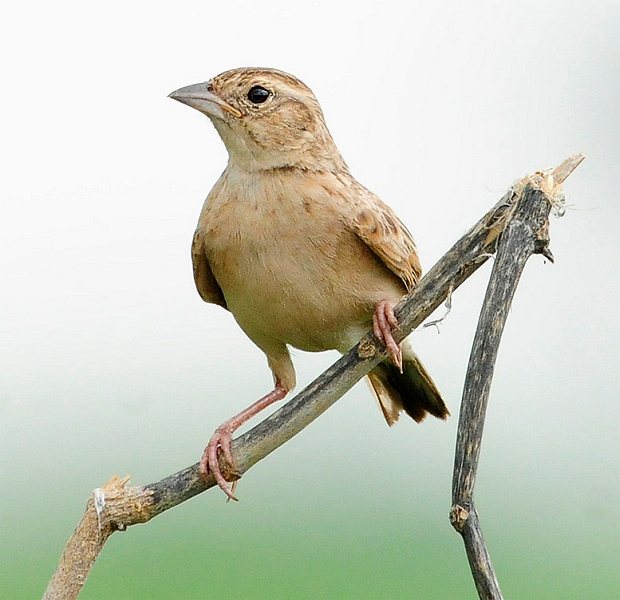
Singing Bush Lark (Mirafra cantillans) by Nikhil Devassar

Singing Bush Lark (Mirafra cantillans) by Nikhil Devassar

The Lark family has 97 members which are busy doing what the Lord commanded them  to when they left the Ark:

Then God spoke to Noah, saying, “Go out of the ark, you and your wife, and your sons and your sons’ wives with you. Bring out with you every living thing of all flesh that is with you: birds and cattle and every creeping thing that creeps on the earth, so that they may abound on the earth, and be fruitful and multiply on the earth.” So Noah went out, and his sons and his wife and his sons’ wives with him. Every animal, every creeping thing, every bird, and whatever creeps on the earth, according to their families, went out of the ark.(Genesis 8:15-19 NKJV)

Larks are passerine birds of the family Alaudidae. All species occur in the Old World, and in northern and eastern Australia. Only one, the Horned Lark, is native to North America. Habitats vary widely, but many species live in dry regions.

They have more elaborate calls than most birds, and often extravagant songs given in display flight (Kikkawa 2003). These melodious sounds (to human ears), combined with a willingness to expand into anthropogenic habitats — as long as these are not too intensively managed — have ensured larks a prominent place in literature and music, especially the Eurasian Skylark in northern Europe and the Crested Lark and Calandra Lark in southern Europe.

Personally, these Larks look very similar to Sparrows, which are very common.

Are not two sparrows sold for a copper coin? And not one of them falls to the ground apart from your Father’s will. (Matthew 10:29 NKJV)

Larks, commonly consumed with bones intact, have historically been considered wholesome, delicate, and light game. Yet. Traditionally larks are kept as pets in China. In Beijing, larks are taught to mimic the voice of other songbirds and animals. It is an old-fashioned habit of the Beijingers to teach their larks 13 kinds of sounds in a strict order (called “the 13 songs of a lark”, Chinese: 百灵十三套). The larks that can sing the full 13 sounds in the correct order are highly valued. (Info from Wikipedia)

This slideshow requires JavaScript.

“His Eye Is On The Sparrow ” – by Kathy Lisby, Faith Baptist Church
*
Sunday Inspirations

Alaudidae – Larks Family

Larks – Wikipedia

Sharing The Gospel

*


Are Dinosaurs Extinct? (Re-post)

Here is an interesting Creation Moments Minute from Creation Moments:

I am a brother to dragons, and a companion to owls. (Job 30:29 KJV)

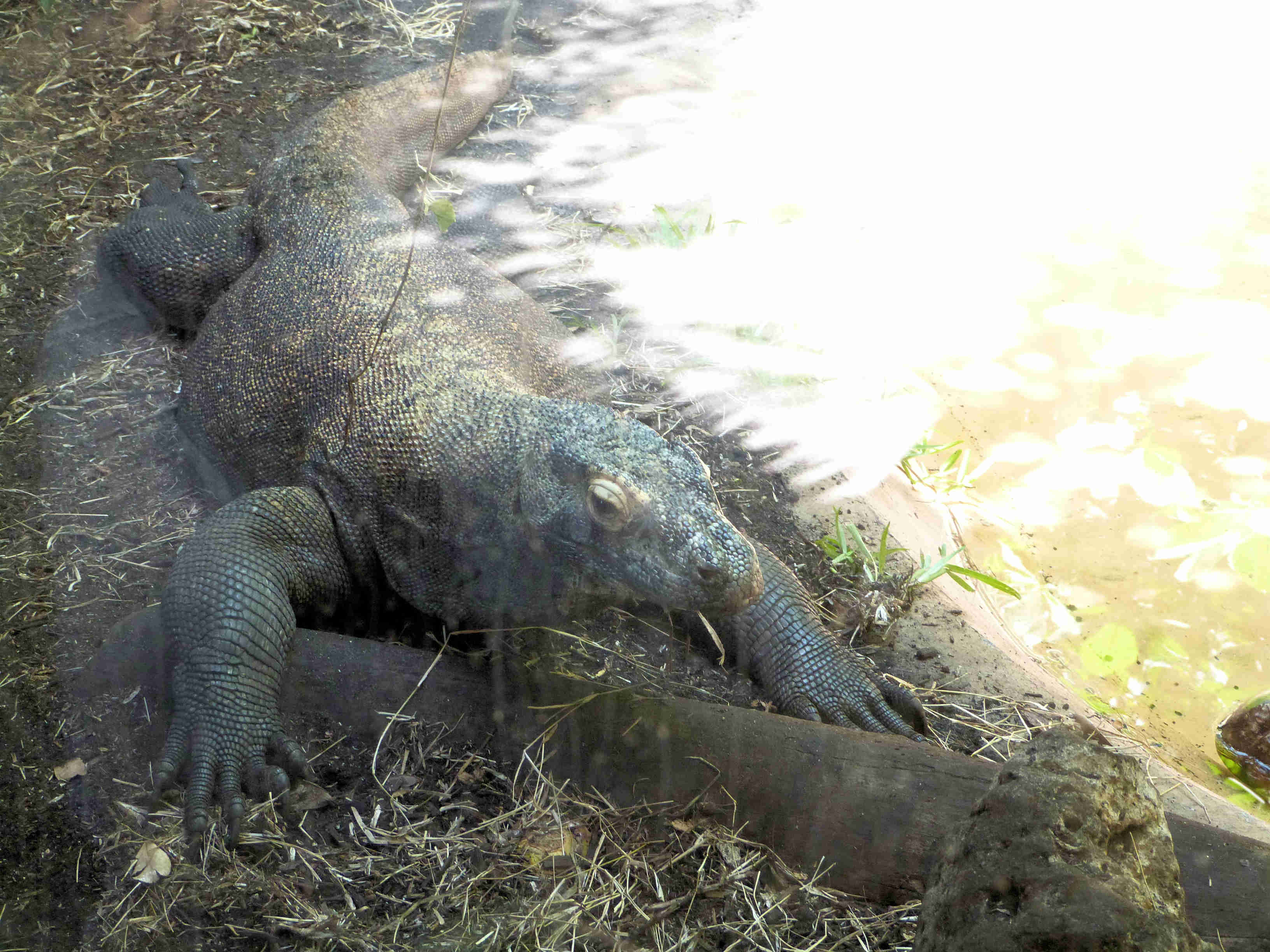
We see these quite frequently in the Zoos. Lowry Park Zoo in Tampa has one we have watched, but he usually just lays there and looks around. The one in the video surprised me that they can run that fast.

This one was taken at the Palm Beach Zoo in Florida last year.

Kamodo Dragon Palm Beach Zoo by Lee

Kamodo Dragon Palm Beach Zoo by Lee

The beast of the field shall honour me, the dragons and the owls: because I give waters in the wilderness, and rivers in the desert, to give drink to my people, my chosen. (Isaiah 43:20 KJV)

*

*

Birds of the Bible – Jeremiah 19:7

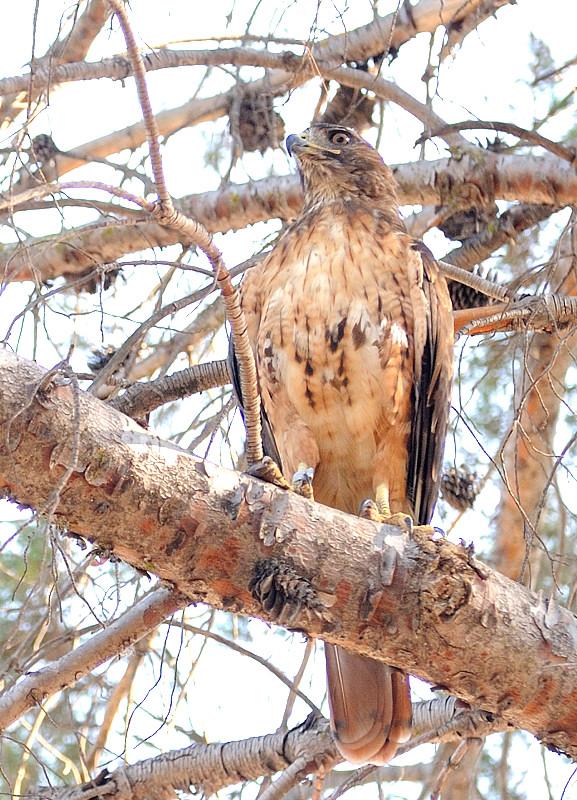
Bird of Prey by Phil Kwong Galleries

Bird of Prey by Phil Kwong Galleries

“And I will make void the counsel of Judah and Jerusalem in this place, and I will cause them to fall by the sword before their enemies and by the hands of those who seek their lives; their corpses I will give as meat for the birds of the heaven and for the beasts of the earth.” (Jeremiah 19:7 NKJV)

I’m currently traveling through Jeremiah in my personal reading of the Bible. Jeremiah is known as the weeping prophet and it is easy to see why he was called that. Parts of the Scripture are hard to read, not that the words are hard, but because of that which is happening.

When birds are mentioned, of course, those verses catch my attention. What, where, and why are they being mentioned? Normally if you just pick out a verse those questions would pop into your head. Because of reading through Jeremiah, those thoughts were already answered.

Jeremiah was sent to inform the Israelites of the judgment coming because of their sins. He was told: “Thus says the LORD: “Go and get a potter’s earthen flask, and take some of the elders of the people and some of the elders of the priests. And go out to the Valley of the Son of Hinnom.” So he did as commanded.

When they got to the valley, he was told to proclaim there the words that I will tell you.

and say, ‘Hear the word of the LORD, O kings of Judah and inhabitants of Jerusalem. Thus says the LORD of hosts, the God of Israel: “Behold, I will bring such a catastrophe on this place, that whoever hears of it, his ears will tingle. “Because they have forsaken Me and made this an alien place, because they have burned incense in it to other gods whom neither they, their fathers, nor the kings of Judah have known, and have filled this place with the blood of the innocents (they have also built the high places of Baal, to burn their sons with fire for burnt offerings to Baal, which I did not command or speak, nor did it come into My mind), therefore behold, the days are coming,” says the LORD, “that this place shall no more be called Tophet or the Valley of the Son of Hinnom, but the Valley of Slaughter. And I will make void the counsel of Judah and Jerusalem in this place, and I will cause them to fall by the sword before their enemies and by the hands of those who seek their lives; their corpses I will give as meat for the birds of the heaven and for the beasts of the earth. (Jeremiah 19:3-7 NKJV)

That is hard, but God is Just. God is Longsuffering. God is Love. God is all these at the same time. People like to say because God loves he would never condemn or judge someone. Not true. He destroyed the whole world with a universal flood because of sin, yet he saved eight souls and the critters. He destroyed Sodom because of sexual sin of those who perverted it, yet he saved three. There are other examples throughout the Bible.

Here we have a nation, His chosen people, had grown cold in their worship of Him and turned to other gods and even sacrificed their children. Sound like our nations today? People do not believe in God, but would rather believe in evolution, have abortions, pervert God’s gift of intimate relations in marriage. On and on, the churches are accepting all kinds of things that God said ” which I did not command or speak, nor did it come into My mind.” Will we come to that judgment also?

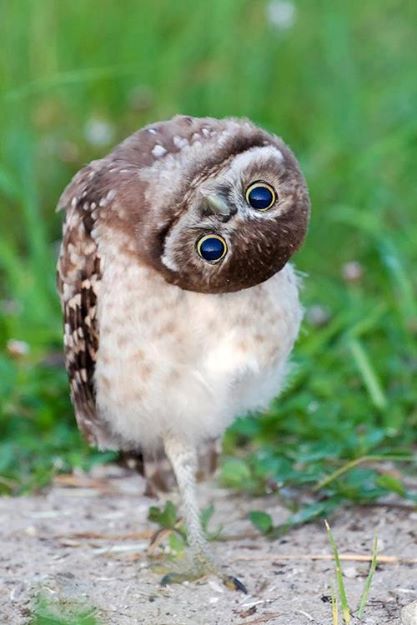
Burrowing Owl from Dusky's Wonders

Burrowing Owl from Dusky’s Wonders

I love watching the Birds of the Air, but am sorry that they have to become Birds of Prey because of people’s denial of the God and Savior, the Lord Jesus Christ.

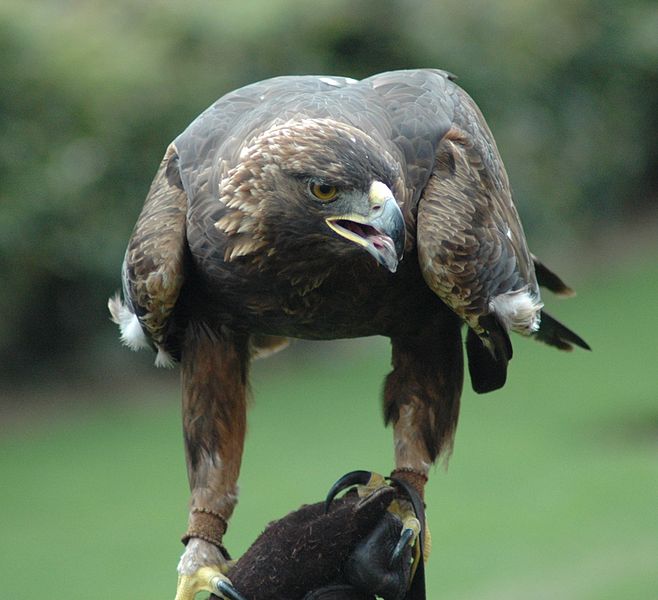
Golden Eagle (Aquila chrysaetos) ©WikiC

Golden Eagle (Aquila chrysaetos) ©WikiC

We are encouraged to return to the Lord God’s Word.

For God so loved the world that He gave His only begotten Son, that whoever believes in Him should not perish but have everlasting life. (17) For God did not send His Son into the world to condemn the world, but that the world through Him might be saved. (18) “He who believes in Him is not condemned; but he who does not believe is condemned already, because he has not believed in the name of the only begotten Son of God. (19) And this is the condemnation, that the light has come into the world, and men loved darkness rather than light, because their deeds were evil. (20) For everyone practicing evil hates the light and does not come to the light, lest his deeds should be exposed. (21) But he who does the truth comes to the light, that his deeds may be clearly seen, that they have been done in God.” (John 3:16-21 NKJV)

Like I said earlier, some things are hard to read and share, but it is there in the Word and the Word is True.

*

Birds of the Bible

Gospel Message

*

Sunday Inspiration – Tits, Chickadees and Penduline Tits

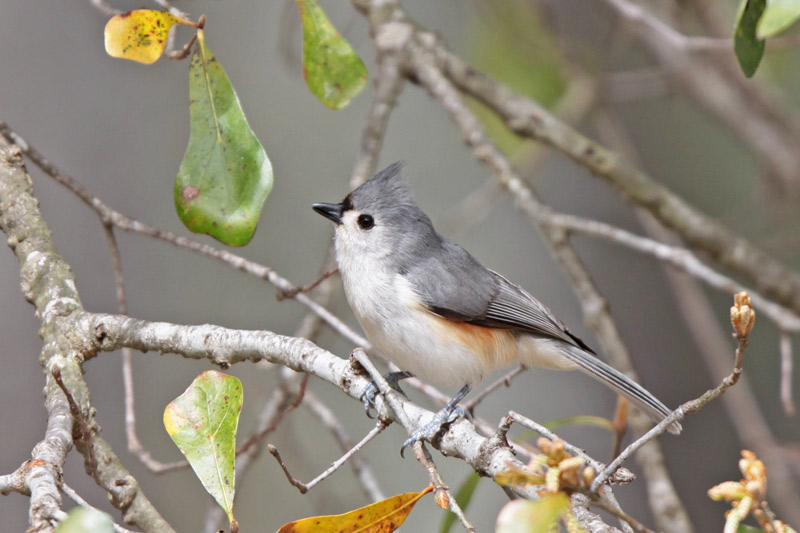
Tufted Titmouse (Baeolophus bicolor) by Margaret Sloan

Tufted Titmouse (Baeolophus bicolor) by Margaret Sloan

The little birds have places for themselves, where they may put their young, even your altars, O Lord of armies, my King and my God. (Psalms 84:3 BBE)

This week we come to two families of avian wonders that are next to one another in taxonomic order. The families are the Paridae – Tits, Chickadees with 61 species and the Remizidae – Penduline Tits with 11 more cuties.

The tits, chickadees, and titmice constitute the Paridae, a large family of small passerine birds which occur in the Northern Hemisphere and Africa. Most were formerly classified in the genus Parus.

These birds are called either “chickadees” (derived from their distinctive “chick-a dee dee dee” alarm call) or “titmice” in North America, and just “tits” in the rest of the English-speaking world. The name titmouse is recorded from the 14th century, composed of the Old English name for the bird, mase (Proto-Germanic *maison, German Meise), and tit, denoting something small. The spelling (formerly titmose) was influenced by mouse in the 16th century. Emigrants to New Zealand presumably identified some of the superficially similar birds of the genus Petroica of the family Petroicidae, the Australian robins, as members of the tit family, giving them the title tomtit, although, in fact, they are not related.

These birds are mainly small, stocky, woodland species with short, stout bills. Some have crests.  They are adaptable birds, with a mixed diet including seeds and insects. Many species live around human habitation and come readily to bird feeders for nuts or seed, and learn to take other foods.

Verdin (Auriparus flaviceps) Building Nest ©Earle Robinson

Verdin (Auriparus flaviceps) Building Nest ©Earle Robinson

The Penduline Tits constitute a family of small passerine birds, related to the true tits. All but the Verdin and Fire-capped Tit make elaborate bag nests hanging from trees (whence “penduline”, hanging), usually over water; inclusion of the fire-capped tit in this family is disputed by some authorities.

Verdin (Auriparus flaviceps) by D

Verdin (Auriparus flaviceps) by D

The Verdin was one of the Life Birds seen on our vacation this year. Didn’t want to stay put to have its photo taken. Then again, most of the titmice act that way. (Is it titmouses or titmice? :)  )

This slideshow requires JavaScript.

Little is much when God is in it, and these little birds are great creations from their Creator.

So God created great sea creatures and every living thing that moves, with which the waters abounded, according to their kind, and every winged bird according to its kind. And God saw that it was good. (Genesis 1:21 NKJV)

“Just a Little Talk With Jesus Makes It Right” ~ Vegter Quartet (together for Vi’s 90th Birthday)

*

Kneeling Before Royalty?

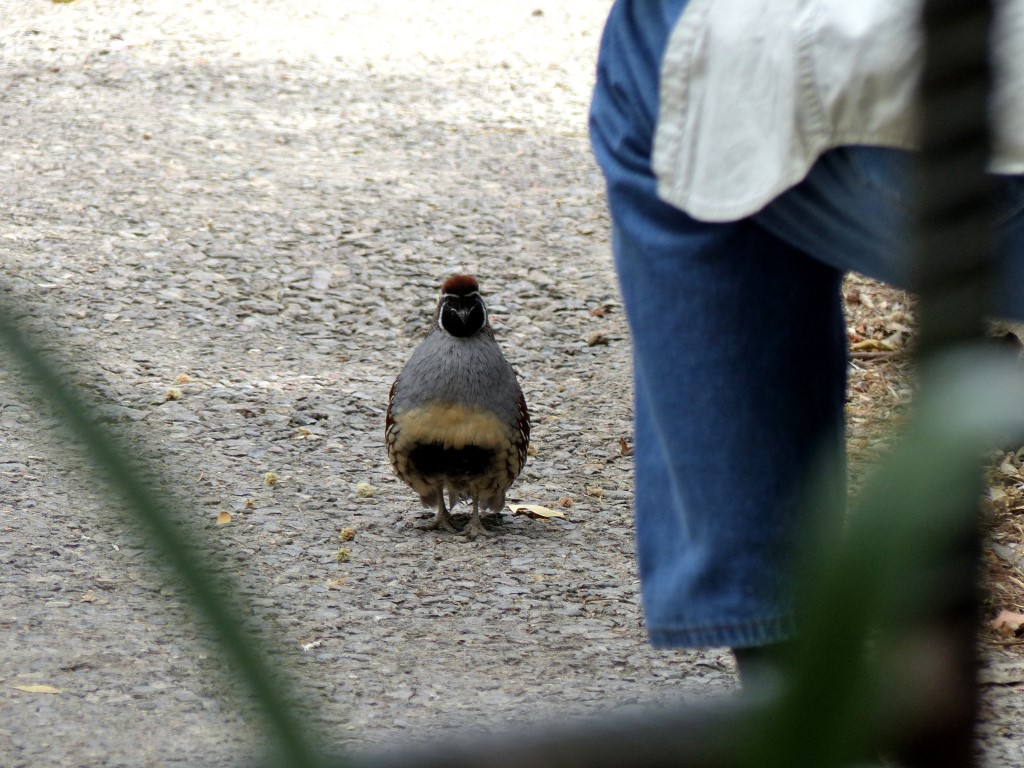
Gambel's Quail and Dan at Desert Mus-Tucson by Lee

Gambel’s Quail and Dan at Desert Mus-Tucson by Lee

O come, let us worship and bow down: let us kneel before the LORD our maker. (Psalms 95:6 KJV)

Bow down Your ear to me, deliver me speedily! Be my Rock of refuge, a strong Fortress to save me! Yes, You are my Rock and my Fortress; therefore for Your name’s sake lead me and guide me. (Psalms 31:2-3 AMP)

Ian’s Horned Parakeet newsletter showed that the “horn” was really feathers. While on vacation, we also saw birds with prominent feathers. One was walking around the aviary and it was near Dan. He was kneeling down to get a photo and I caught him doing so.

Those western quails like to parade around like they are Royalty. Not really, but they are cute with that bobbing curved topknot. It bobs because of the way they walk around putting their head up and down or “bobbing”.

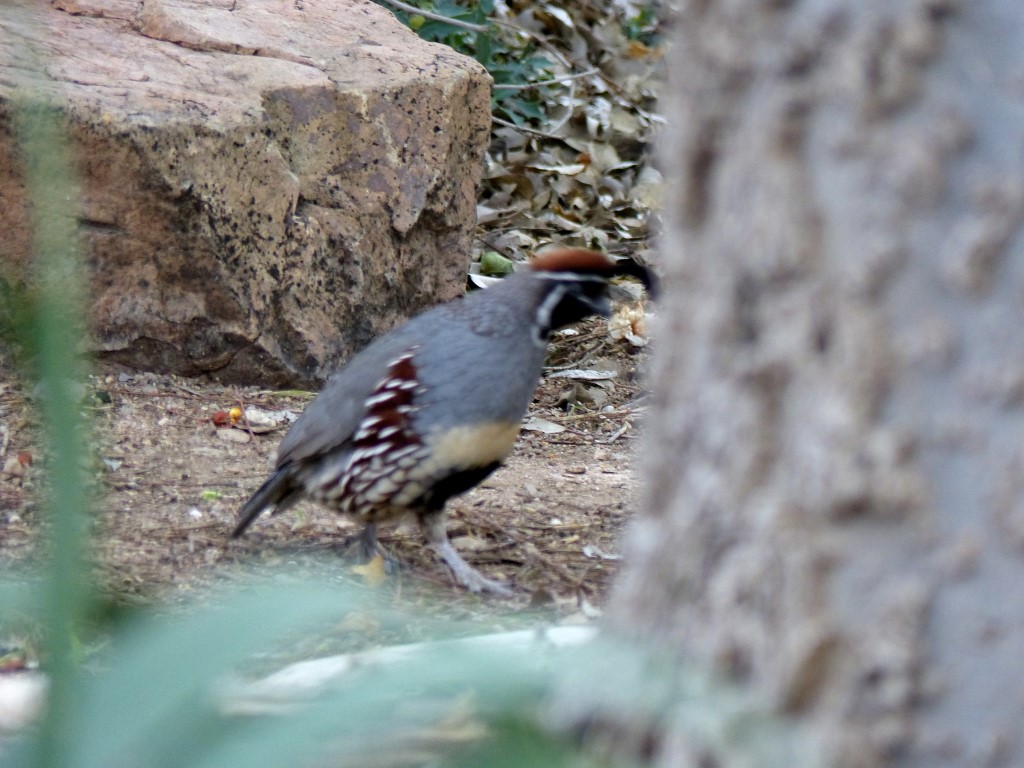
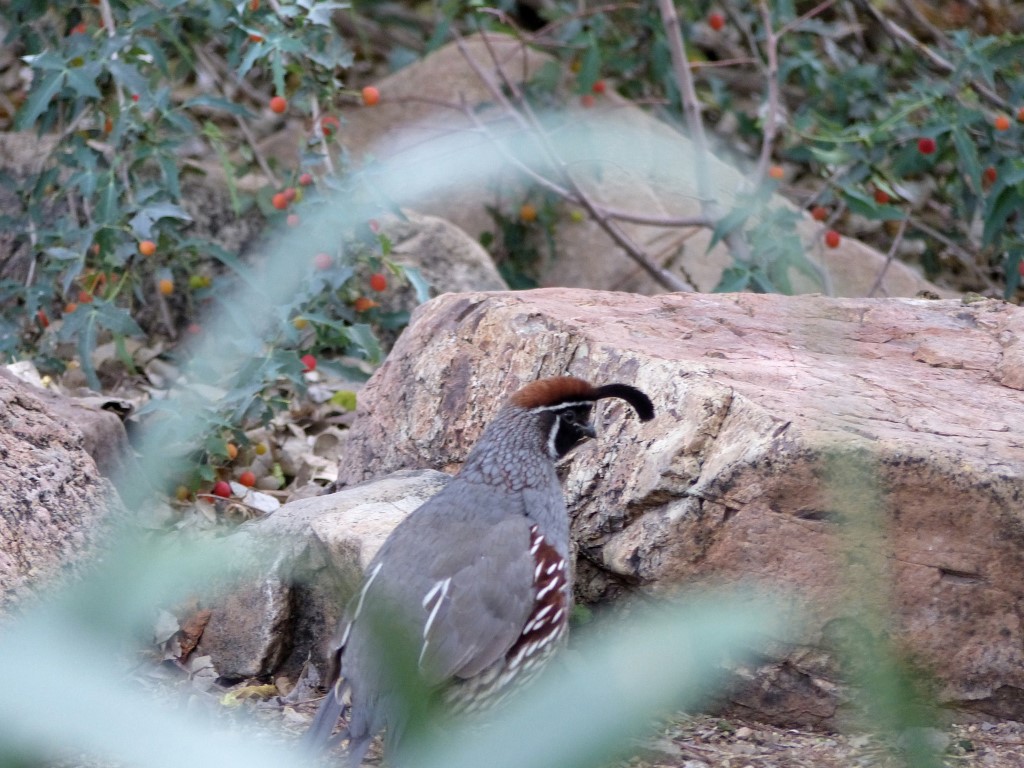
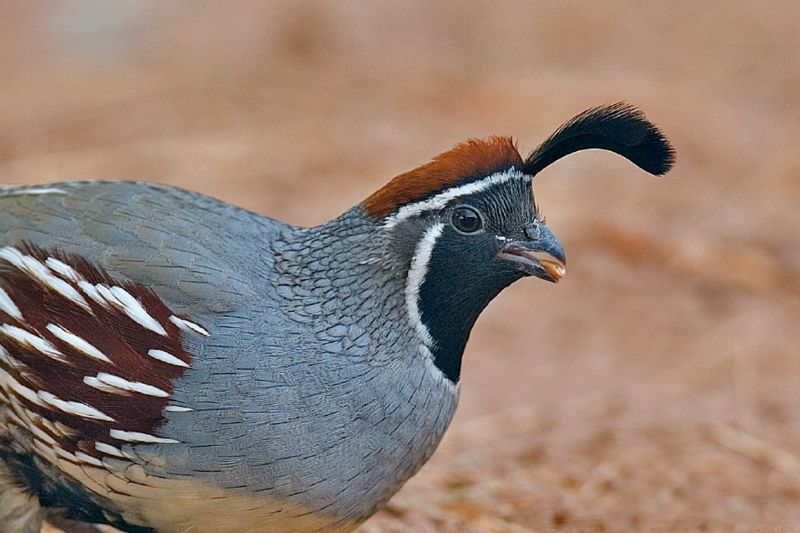
Gambel's Quail by Dan at Arizona-Sonora Desert Museum

Gambel’s Quail by Dan at Arizona-Sonora Desert Museum

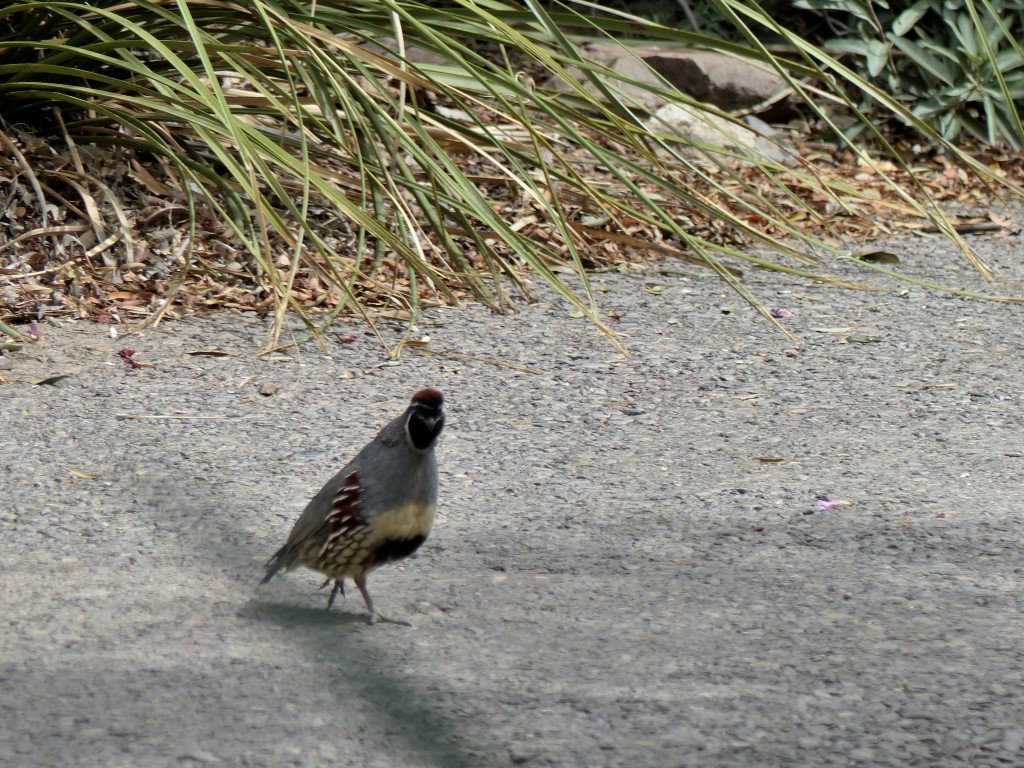
The first quail we encountered were three Gambel’s Quail marching across the road on a street in Tuscon. Then in an aviary we saw this Gambel’s Quail. This is what Dan was taking while I was taking his photo.

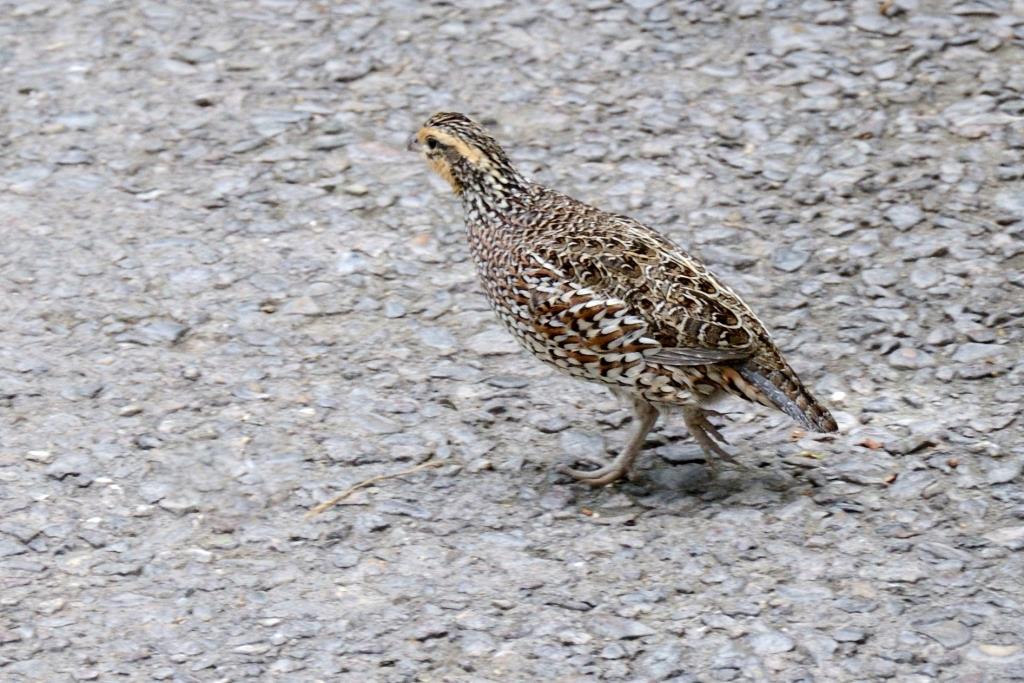
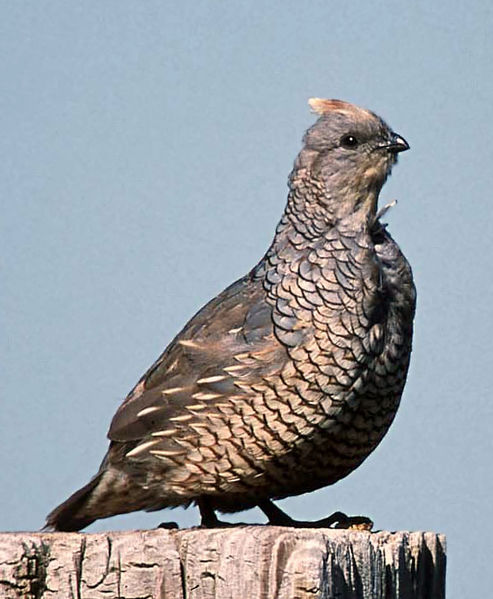
We also saw the Scaled Quail there at the Desert Museum’s aviary.

Scaled Quail by Dan at Arizona-Sonora Desert Museum

Scaled Quail by Dan at Arizona-Sonora Desert Museum

Here are the photos we took of these two quail at the aviary on our vacation:

For it is written, As I live, saith the Lord, every knee shall bow to me, and every tongue shall confess to God. (Romans 14:11 KJV)

Wherefore God also hath highly exalted him, and given him a name which is above every name: That at the name of Jesus every knee should bow, of things in heaven, and things in earth, and things under the earth; And that every tongue should confess that Jesus Christ is Lord, to the glory of God the Father. (Philippians 2:9-11 KJV)

*
The Gambel’s quail (Callipepla gambelii) is a small ground-dwelling bird in the New World quail family. It inhabits the desert regions of Arizona, California, Colorado, New Mexico, Nevada, Utah, Texas, and Sonora; also New Mexico-border Chihuahua and the Colorado River region of Baja California. The Gambel’s quail is named in honor of William Gambel, a 19th-century naturalist and explorer of the Southwestern United States.  (Wikipedia)

The Scaled quail (Callipepla squamata), also commonly called blue quail or cottontop, is a species of the New World quail family. It is a bluish gray bird found in the arid regions of the Southwestern United States to Central Mexico. This bird is named for the scaly appearance of its breast and back feathers. Along with its scaly markings, the bird is easily identified by its white crest that resembles a tuft of cotton. (Wikipedia)

*

*

Rebel Without a Cause? I Don’t Think So

Reblogged from my friend Sandra Connor’s, In Love With Words

Sandra Pavloff Conner's avatarThe Happy Wordcrafter

Photo Courtesy of Clker.com Photo Courtesy of Clker.com

I generally post articles on this site that, hopefully, will be of interest to visitors and readers from all over the world, since I’ve been blessed with friendship by so many folks from other nations. That being said, I’ll let you know up front that this post is primarily addressed to the other citizens of the United States who visit here. However, what I’m saying about the removal of basic rights and freedoms in our nation is something that can be applied to every free nation on this planet. So, hopefully, even those of you who are not my countrymen, will find something here to make you think and/or encourage you to stand up for the rights of everyone in your own nation.

I came across a website last week (Dukes of Hillsboro) that is dedicated to and focused on clarifying and defending the Confederate battle…

View original post 1,937 more words

Update to Ian’s Bird of the Week

Horned Parakeet (Eunymphicus cornutus) ©WikiC

Horned Parakeet (Eunymphicus cornutus) ©WikiC

O LORD, correct me, but with justice; Not in Your anger, lest You bring me to nothing. (Jeremiah 10:24 NKJV)

** Update to Ian’s Bird of the Week **

Just thought you might like to see a Hooded Parakeet with the two “horns”. Also, I assumed this was in Australia, but it was taken in New Caledonia.

Here is a drawing of the Horned parakeet, (Nymphicus cornutus) (above) and Ouvea Parakeet, (Nymphicus uvaensis) that Ian mentioned.

Horned Parakeet, (Nymphicus cornutus) (above) and Ouvea Parakeet, Nymphicus uvaensis) ©WikiC

Horned Parakeet, (Nymphicus cornutus) (above) and Ouvea Parakeet, Nymphicus uvaensis) ©WikiC

The Ouvea Parakeet is really similar:

Ouvea Parakeet (Eunymphicus uvaeensis) ©WikiC

Ouvea Parakeet (Eunymphicus uvaeensis) ©WikiC

This is a great link to compare the two birds.

Animal Photos

*


Ian’s Bird of the Week – Horned Parakeet

Ian’s Bird of the Week – Horned Parakeet ~ by Ian Montgomery

Newsletter – 7/27/15

The Kagu was naturally top of our target list in New Caledonia being the most bizarre in appearance, behaviour, taxonomy and general curiosity value. Second on my list and I think third on Joy’s were the horned parakeets of Grande Terre (the main island) and Ouvéa, one of the Loyalty Island off the east coast of Grande Terre. These birds used to be treated as a single species, but have recently been split into the Horned and Ouvéa Parakeets respectively. I mentioned in a previous post that the Kagu nearly got upstaged as bird of the trip by an individual Horned Parakeet at Mont Khogis near Noumea, so here is the bird in question and the interaction that we had with it, a memorable birding experience by any measure.

On an earlier visit to the Inn (Auberge) at Mont Khogis we’d had brief views of three Horned Parakeets flying across the road and we had been told by Serge, the owner of the Inn, that the parakeets came in the late afternoon to feed on the Lavender trees in front of the building. On our visit to Rivière Blue we also tried with little success to photograph a back-lit one feeding in dense foliage right above us, a good situation for chiropractic business but not much else. All was quiet at the Inn on our second visit, so we started on the nearby rainforest walk until Roman, one of the staff, came charging after us with the welcome news that a parakeet had arrived.

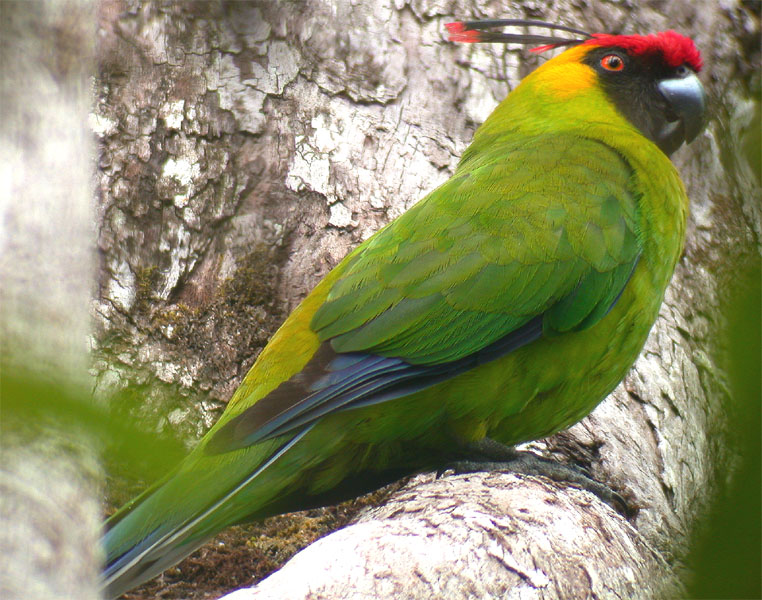
We set ourselves up very cautiously at an unobtrusive distance from the tree and started taking remote photos of the parakeet and very gradually working our way towards it. I mean gradually: I and Joy had each taken about a hundred more distant shots before the first one in this series, above. As you can see the bird was very aware of our presence and looked as if it could take off at any time.

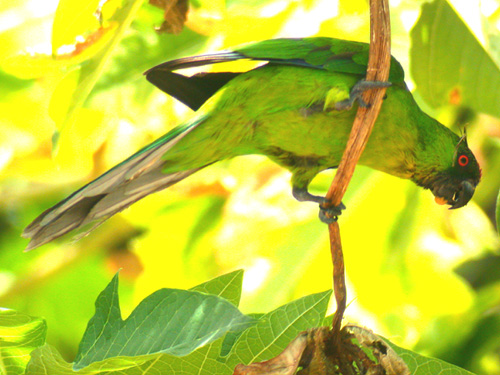
We moved slowly closer and the bird started to look more relaxed. In the second photo it is showing its skill at perching on one foot, holding a little bunch of Lavender fruit in the other, munching on them and watching us at the same time. We started to get the impression that it was actually enjoying the attention and showing off for our benefit, third photo.

Eventually,we worked our way up to the tree and around the other side so that we could photograph it in the sunlight a little over an hour before sunset with the mountains in the background. The bird munched on regardless and seemed completely unworried by our approach. It seemed to have an extraordinary appetite. We reckoned that it ate about 700 of the fruit in the time that we were there. It wouldn’t take too long for a small flock to complete strip the tree.
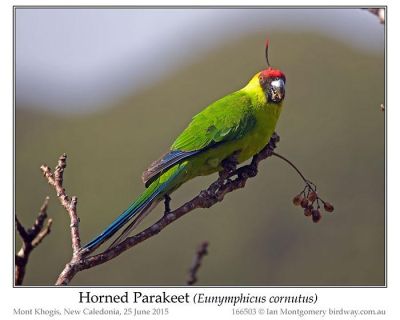
They’re referred to as ‘horned’ rather than ‘crested’ as the feathers of the horn are permanent erect. There should be two horns, but one of this bird’s may have been broken off. They are probably more than just decorative as they nest in hollows in trees and the horns seem to be used to sense the space, or lack of it, above the head. That at least is the suggestion made for the similarly equipped but very different Crested Auklet. It nest in holes in coastal boulders and being able to avoid cracking your skull against rocks would seem to be very desirable.

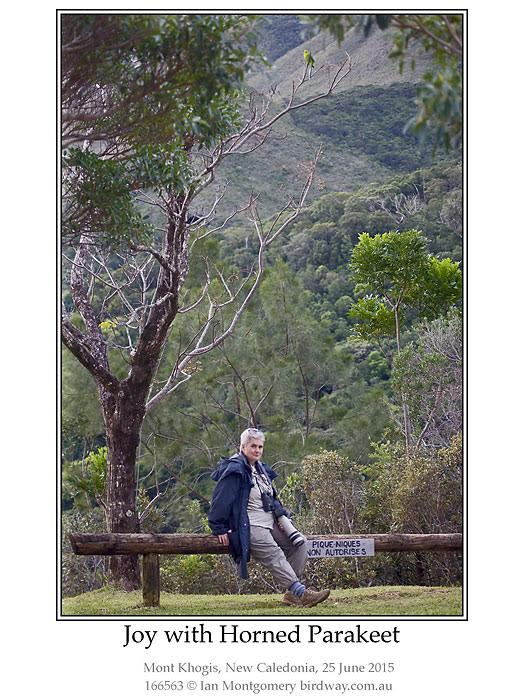
We can become blasé about even the most riveting spectacles. Three hundred photos each later, here is Joy relaxing under the tree and the parakeet, top centre, looking in the opposite direction. It was still there when we decided it was time to leave but it called after us as if sorry to see us go. By the time we walked around to the car park below the inn, it had left too and joined a couple of other parakeets in another Lavender tree. Joy and I agreed that this was one of the most beautiful parrots that we had encountered.

The horned parakeets belong to the sub-family of Australasian parrots called broad-tailed parrots. The best known members of this group (Playtcercini) are the Australian Rosellas, Ringnecks and Mulga Parrot and its relatives. The group also includes the Shining Parrots of Fiji and the Cyanorhamphus Parakeets of various islands of the southwest Pacific including Norfolk Island, New Caledonia, New Zealand and its sub-Antarctic islands and, formerly, Lord Howe Island and Macquarie Island. Most parrots are fairly sedentary, but these island ones seem to be quite good at island hopping, maybe helped by the cyclones that move generally in an easterly or southeasterly direction in this part of the world.

The Horned Parakeet is listed as Vulnerable with an estimated population on Grande Terre of between 5000 and 10,000 individuals. The Ouvéa Parakeet has a limited distribution on the northern end of this small island (about 40km long) and is listed as Endangered. Recent estimates of the population are about 2000 individuals and it is thought to be increasing. We did, of course, go to Ouvéa later in our stay….

I had some interesting correspondence on giant tree ferns after the last Kagu bird of the week. The Guinness Book of Records has a Norfolk Island Cyathea brownii species as the tallest and I had photos of a very tall one in Vanuatu, and a carving made from another one.

Greetings
Ian

**************************************************
Ian Montgomery, Birdway Pty Ltd,
454 Forestry Road, Bluewater, Qld 4818
Tel 0411 602 737 ian@birdway.com.au
Bird Photos http://www.birdway.com.au/
Where to Find Birds in Northern Queensland: iTunes; Google Play Kobo Books
Recorder Society http://www.nqrs.org.au


Lee’s Addition:

And hath raised up an horn of salvation for us in the house of his servant David; (Luke 1:69 KJV)

What an amazing “horn”! As Ian said, it was supposed to have a second one. Sounds like the usefulness of their “horn” spares their head. I’ve raised up under things before and hit my head. Maybe I need one of those. :)

*

*