Working On IOC 4.3 Version – Name Changes

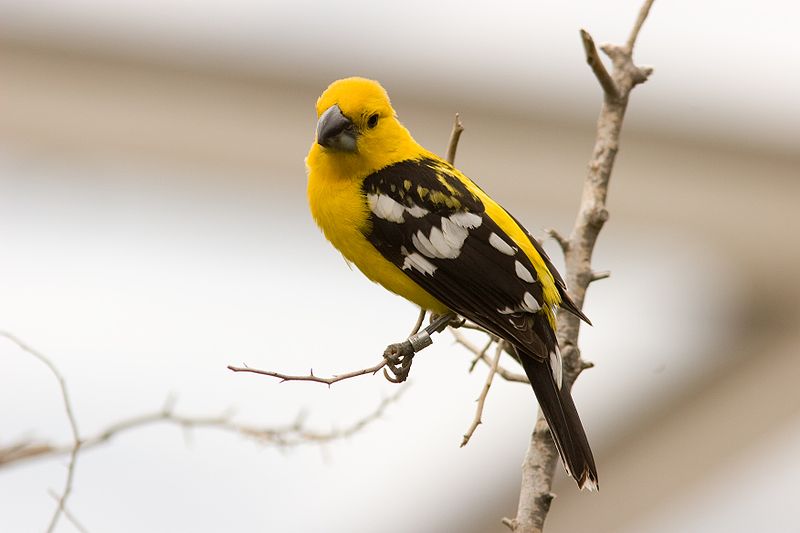
Golden Grosbeak (Pheucticus chrysogaster) by Ian

Golden Grosbeak (Pheucticus chrysogaster) by Ian

It is a good thing to give thanks unto the LORD, and to sing praises unto thy name, O most High: To shew forth thy lovingkindness in the morning, and thy faithfulness every night,
(Psalms 92:1-2 KJV)

I realized that while we were on our recent trip, that the IOC 4.3 Version was released just before we left. So, I am busy working on updating the Birds of the World pages. Not finished, but here are the – Name Changes.


Magdalena Tapaculo (Scytalopus rodriguezi) ©©Bing-Tapac

Magdalena Tapaculo (Scytalopus rodriguezi) ©©Bing-Tapac

Upper Magdalena Tapaculo (Scytalopus rodriguezi) – changed to Magdalena Tapaculo

Magdalena Tapaculo (Scytalopus rodriguezi) IBC

Macgregor’s Bowerbird (Amblyornis macgregoriae) ©Bing SuperStock

Macgregor’s Bowerbird (Amblyornis macgregoriae) ©Bing SuperStock

MacGregor’s Bowerbird (Amblyornis macgregoriae) – changed to Macgregor’s Bowerbird 

Macgregor’s Bowerbird (Amblyornis macgregoriae) IBC

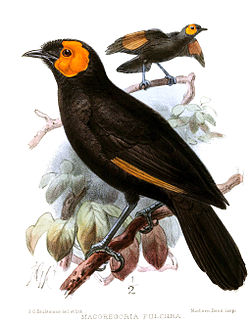
Macgregor’s Honeyeater (Macgregoria pulchra) ©WikiC Drawing

Macgregor’s Honeyeater (Macgregoria pulchra) ©WikiC Drawing

MacGregor’s Honeyeater (Macgregoria pulchra) – changed to Macgregor’s Honeyeater

Macgregor’s Honeyeater (Macgregoria pulchra) IBC

Golden Grosbeak (Pheucticus chrysogaster) by Ian

Golden Grosbeak (Pheucticus chrysogaster) by Ian

Southern Yellow Grosbeak (Pheucticus chrysogaster) – changed to Golden Grosbeak  (previously Golden-bellied Grosbeak)

Golden Grosbeak (Pheucticus chrysogaster) by Ian

Mexican Yellow Grosbeak (Pheucticus chrysopeplus) ©WikiC

Yellow Grosbeak (Pheucticus chrysopeplus) ©WikiC

Mexican Yellow Grosbeak (Pheucticus chrysopeplus)  – changed to Yellow Grosbeak

Yellow Grosbeak (Pheucticus chrysopeplus) ©WikiC

*

The new IOC 4.3 Version now has 10,534 extant (living) species and 150 extinct species of birds of the world (Version 4.3), with subspecies (20,999) and annotations. They have added several new families and deleted one. Plus they have rearranged several families. Stay tuned as I work on it behind the scenes.

(WordPress is still not back to where it was, which is making it difficult to work on this update.)

*

Bible Birds – Peacocks Page Updated

Indian Peafowl (Pavocristatus) by Nikhil Devasar

Indian Peafowl (Pavocristatus) by Nikhil Devasar

Gavest thou the goodly wings unto the peacocks? or wings and feathers unto the ostrich?  (Job 39:13)

Peacocks belong to the  Phasianidae – Pheasants, Fowl & Allies Family.

Click to See the updated page with a Slideshow and the article

*

Sunday Inspiration – Smiling

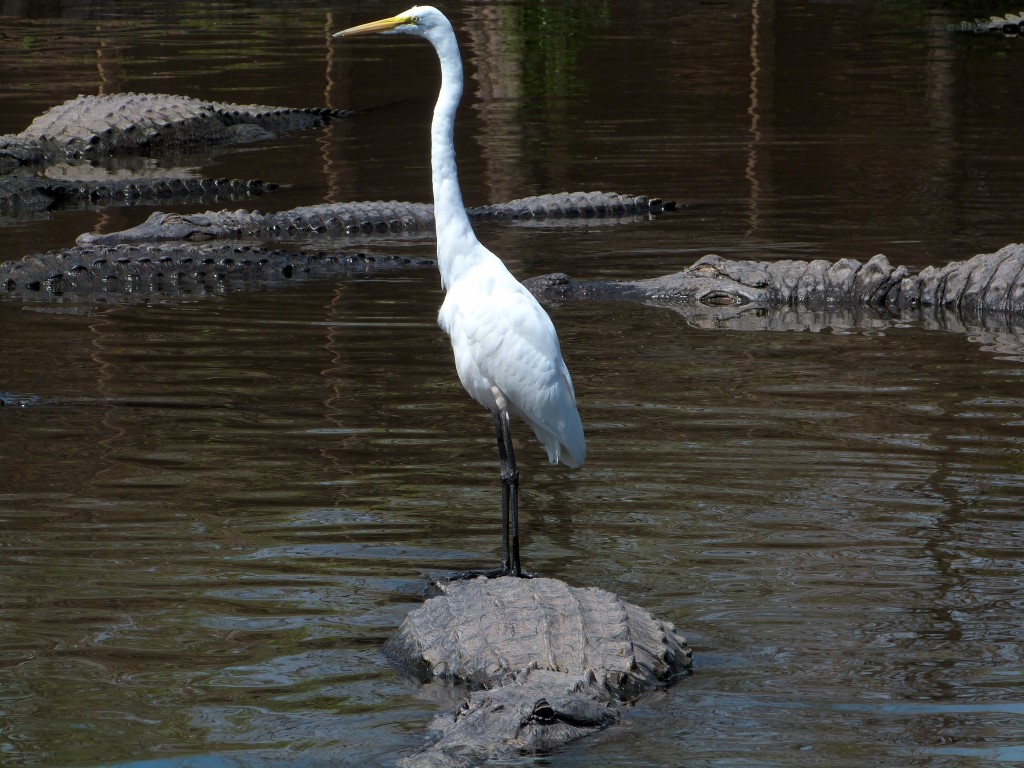
Gators at Gatorland - Great Egrets catching a ride

Gators at Gatorland – Great Egrets catching a ride

The LORD looks from heaven; He sees all the sons of men; (Psa 33:13)

The LORD looks down from heaven upon the children of men, To see if there are any who understand, who seek God. (Psa 14:2 NKJV)

Today’s Inspiration is just a collection of photos that have been used before. Most are on the lighter side. Some to make you smile, others just to help us enjoy the Lord’s critters. I especially enjoy the three ladies singing “Smile On Me Gracious Lord.”

I trust we all want the Lord to smile on us. Knowing the Lord as your personal Savior and accepting Him will definitely put a smile on His Face.

This slideshow requires JavaScript.

“Smile On Me Gracious Lord” – Special by Amy, Dakota and Christina

*

More Sunday Inspirations

Wordless Birds

*

(WordPress is having a problem at this time and adding new photos is too frustrating to bother with.)

*

Bible Birds – Peacocks in South Carolina

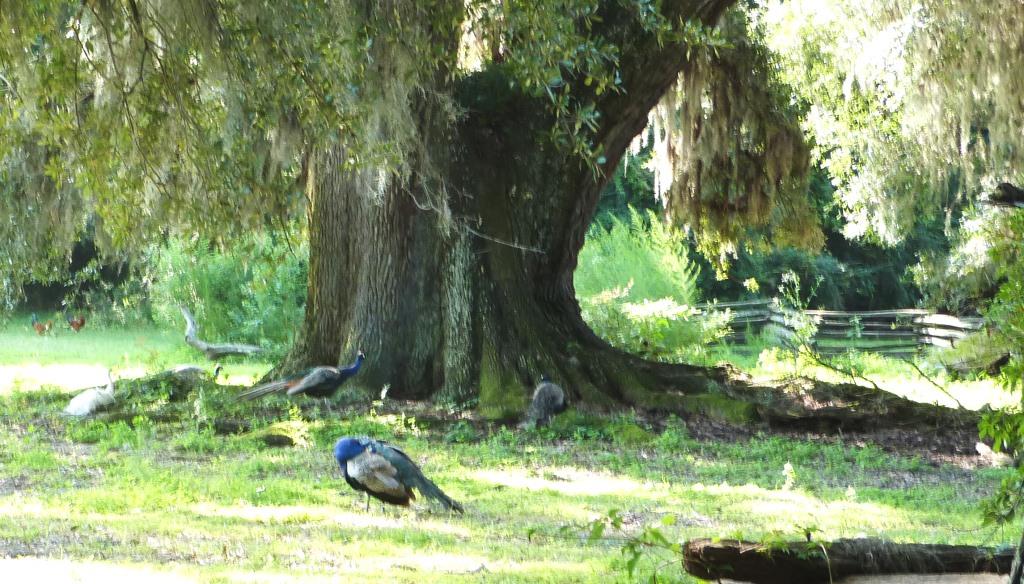
Peacocks at entrance to Magnolia Plantation

Peacocks at entrance to Magnolia Plantation


For the king had at sea a navy of Tharshish with the navy of Hiram: once in three years came the navy of Tharshish, bringing gold, and silver, ivory, and apes, and peacocks. (1 Kings 10:22)

We have just arrived home from a shortened vacation due to a health issue. We got as far as Charleston, S. C. before turning around and drifting back home.

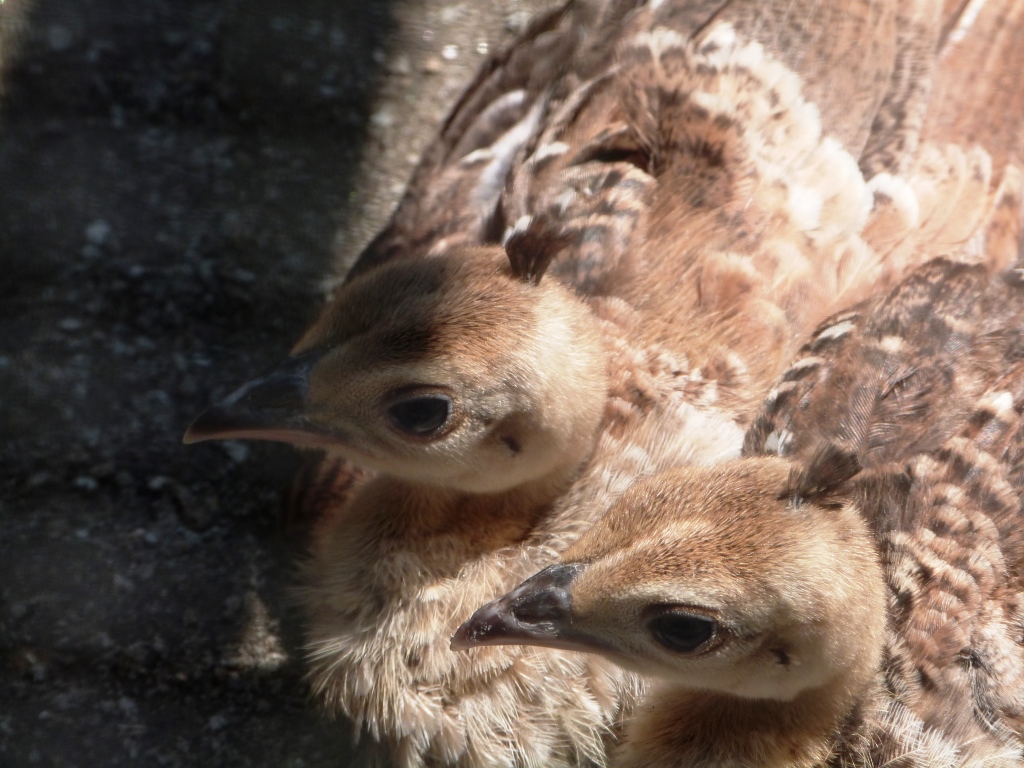
We were able to visit a few places, the Magnolia Plantation, for one, in Charleston. We were greeted at the entrance by at least 6 or 7 Peacocks. Also at the Petting Zoo, they had two female Peafowl with very young peachicks. As far as I could tell, these were Indian Peafowl (Pavo cristatus). Peacocks are actually Peafowl and belong to the Pheasant & Allies Phasianidae Family.

I have never seen peachicks before and thought it cute that they have the little tufts on their heads that will eventually grow those top feathers.

Peachicks at Magnolia Gardens by Lee

Peachicks at Magnolia Gardens by Lee

“First, the “Peacocks” are the males. The females are called “Peahen” and their chicks are called “Peachicks.”  Collectively the birds are called Peafowl. They all belong to the Phasianidae – Pheasants, Fowl & Allies Family.” (From Birds of the Bible – Peacocks II


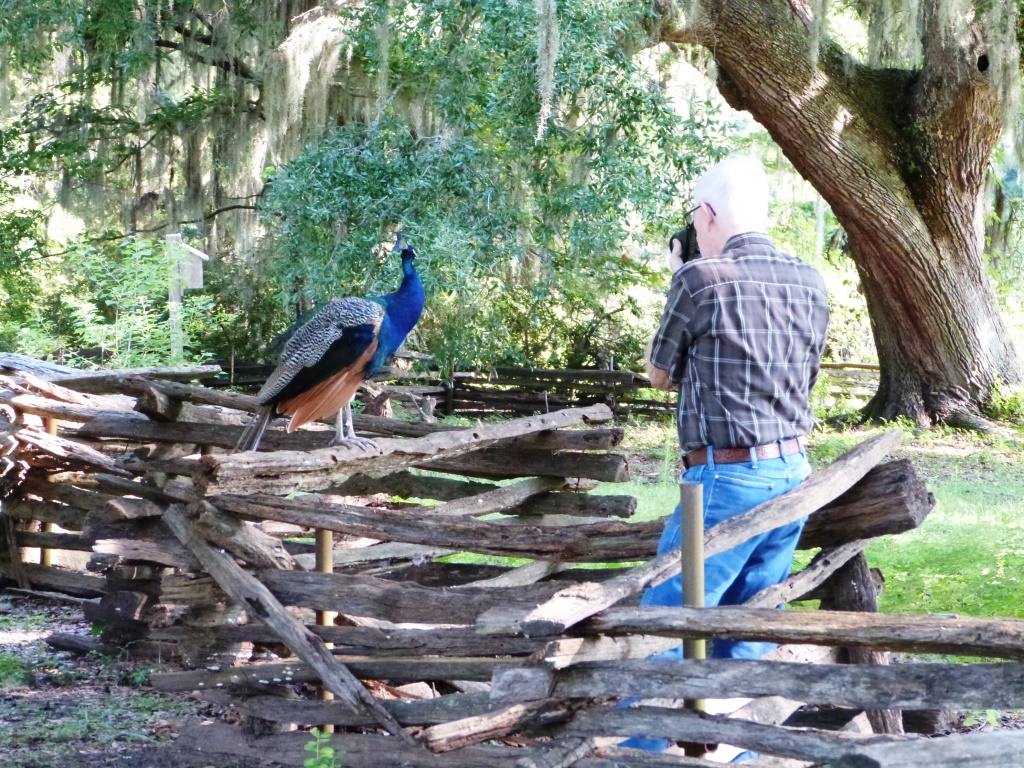
Here are some of the photos of the peacocks there at the Plantation.

Dan photographing one of the Peacocks

Dan photographing one of the Peacocks

To find out more about Peacocks (Peafowl):

*

PS. Sorry about the quickly edited photos. I’ve had the blog on “auto-pilot” for over a week, but ran out of pre-scheduled blogs.

*

Birds of the Bible – Peacocks in South Carolina

Peacocks at entrance to Magnolia Plantation

Peacocks at entrance to Magnolia Plantation


For the king had at sea a navy of Tharshish with the navy of Hiram: once in three years came the navy of Tharshish, bringing gold, and silver, ivory, and apes, and peacocks. (1 Kings 10:22)

We have just arrived home from a shortened vacation due to a health issue. We got as far as Charleston, S. C. before turning around and drifting back home.

We were able to visit a few places, the Magnolia Plantation, for one, in Charleston. We were greeted at the entrance by at least 6 or 7 Peacocks. Also at the Petting Zoo, they had two female Peafowl with very young peachicks. As far as I could tell, these were Indian Peafowl (Pavo cristatus). Peacocks are actually Peafowl and belong to the Pheasant & Allies Phasianidae Family.

I have never seen peachicks before and thought it cute that they have the little tufts on their heads that will eventually grow those top feathers.

Peachicks at Magnolia Gardens by Lee

Peachicks at Magnolia Gardens by Lee

“First, the “Peacocks” are the males. The females are called “Peahens” and their chicks are called “Peachicks.”  Collectively the birds are called Peafowl. They all belong to the Phasianidae – Pheasants, Fowl & Allies Family.” (From Birds of the Bible – Peacocks II


Dan photographing one of the Peacocks

Dan photographing one of the Peacocks

To find out more about Peacocks (Peafowl):

*

PS. Sorry about the quickly edited photos. I’ve had the blog on “auto-pilot” for over a week, but ran out of pre-scheduled blogs.

*

Sunday Inspiration – Sunbirds

Crimson Sunbird (Aethopyga siparaja) by Peter Ericsson

Crimson Sunbird (Aethopyga siparaja) by Peter Ericsson

For the LORD God is a sun and shield; The LORD will give grace and glory; No good thing will He withhold From those who walk uprightly. (Psalms 84:11 NKJV)

From the rising of the sun to its going down The LORD’s name is to be praised. (Psalms 113:3 NKJV)

Sunbirds are another of the beautifully created birds from the Lord’s Hand. They are members of the Nectariniidae – Sunbirds family. This family has 143 members including the Sunbirds and Spiderhunters.

These are very small passerine birds. Most sunbirds feed largely on nectar, but also take insects and spiders, especially when feeding young. Flower tubes that bar access to nectar because of their shape, are simply punctured at the base near the nectaries. Fruit is also part of the diet of some species. Their flight is fast and direct on their short wings.

The family is distributed throughout Africa, the Indian Subcontinent, Southeast Asia and just reaches northern Australia.

This slideshow requires JavaScript.

*

“Temporary Home” – Flute played by Courtney Love (artist Carrie Underwood)

*

If you would like to see the words to this song:

Little boy, six years old
A little too used to being alone
Another new mom and dad
Another school, another house that’ll never be a home

When people ask him how he likes this place
He looks up and says with a smile upon his face

“This is my temporary home, it’s not where I belong
Windows and rooms that I’m passing through
This is just a stop on the way to where I’m going
I’m not afraid because I know this is my temporary home”
Hmmmm………
Young mom on her own
She needs a little help, got nowhere to go
She’s looking for a job, looking for a way out
‘Cause a halfway house will never be a home

At night she whispers to her baby girl
“Someday we’ll find our place here in this world”

“This is our temporary home, it’s not where we belong
Windows and rooms that we’re passing through
This is just a stop on the way to where we’re going
I’m not afraid because I know this is our temporary home”
Hmmmm………
Old man, hospital bed
The room is filled with people he loves
And he whispers “Don’t cry for me, I’ll see you all someday”
He looks up and says “I can see God’s face”

“This is my temporary home, it’s not where I belong
Windows and rooms that I’m passing through
This was just a stop on the way to where I’m going
I’m not afraid because I know this was my temporary home”
This is our temporary home
This is our temporary home.

(Published – FAIR USE)

Blessed be the God and Father of our Lord Jesus Christ, who according to His abundant mercy has begotten us again to a living hope through the resurrection of Jesus Christ from the dead, to an inheritance incorruptible and undefiled and that does not fade away, reserved in heaven for you, who are kept by the power of God through faith for salvation ready to be revealed in the last time. (1 Peter 1:3-5 NKJV)

More

Sunday Inspiration

Nectariniidae – Sunbirds Family

Sunbird – Wikipedia

*

Interesting Things ~ God’s Gifts and God’s Gift

SmileyCentral.com

GOD’S GIFTS AND GOD’S GIFT

“I AM the true vine, and My Father is the husbandman.” (John 15:1)

The evolutionary story of man’s history tells us that it took man tens of thousands of years to figure out he could farm crops for himself. Yet, today we know that some termites, ants and ambrosia beetles actually cultivate food crops.

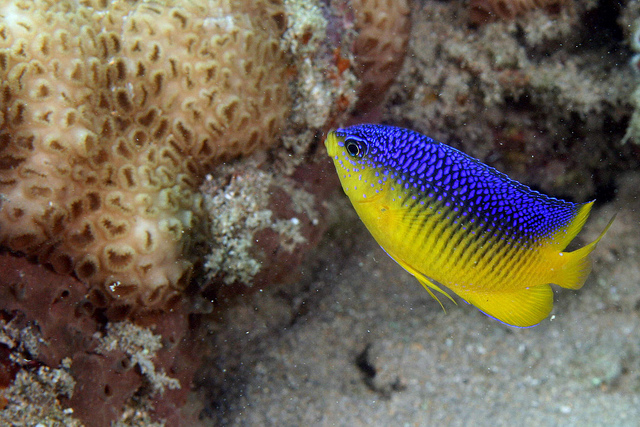
Cocoa Damselfish ©Flickr KevinBryant

Cocoa Damselfish ©Flickr KevinBryant

In the world’s oceans there are simpler approaches, called protofarming, among a few creatures. Protofarming is nothing more than where limpets and some damselfish graze on established algae. Now scientists have found an example of true farming among one species of damselfish. This fish feeds on a species of red alga that grows in a brown carpet. It protects it from other creatures looking for a salad. It also weeds its patch of any other algae, actually moving the interloping algae out of its patch. When a damselfish was removed from its patch, it was quickly devoured by other creatures and could not replace itself. A survey showed that the brown carpet alga only grows where there is a damselfish to tend it. It actually depends on the damselfish to survive.

Farming is not an invention of man, but a gift of God. It is clear that God gave the gift of farming to those creatures He wished to have this gift. God often compares Himself with a farmer in Scripture. Ultimately, He calls Himself a farmer, and Jesus Christ the vine, and believers in Christ the branches.

Prayer:
Thank You, Father, for grafting me into Your Son, Jesus Christ, so that I may know Your forgiveness. Amen.
Notes:
Science News, 8/12/06, p. 102, S. Milius, “Fish as Farmers.”

©Creation Moments 2014 – God’s Gifts and God’s Gift


Lee’s Addition:

That is amazing! Another very interesting inter-reaction between created things from our Creator God.

*

*

Did Dinosaurs Have Feathers? ~ From Acts & Facts

Dinosaur with Feathers ©WikiC

Dinosaur with Feathers ©WikiC

This month’s Acts & Facts from the Institute For Creation Research has an interesting article, Did Dinosaurs Have Feathers?. It is written by Frank Sherwin, M.A.

Someone was brave enough to hand out a “button reading “Dinosaurs are not birds”” at a Florida Symposium on Dinosaur Bird Evolution. Needless to say that opinion was in the minority there. Like the writer, I and the emphasis of this blog is that Birds were Created by the Lord. So were Dinosaurs. The problem is that the Bible says they were both created in the same six day period. (24 hour days)

Anyway his article is very good and you would enjoy reading it. The quote below is very good.

“God engineered exquisite flight feathers for lightweight aerodynamic efficiency. Using a microscope, one can see an amazing display of interlocking hooks and barbules—features absent from all dinosaur fossils so far described. When the bird preens with its bill, the zippering effect flattens feathers and snaps them into shape again. In order to preen, the feather-possessing creature must have a bill. Some dinosaurs had beaks, but none had bills. Furthermore, true bird fossils appeared before dinosaurs in the fossil record—a fact that those who promote the strange dinosaur-to-bird theory gloss right over!”

To read the whole article:

Did Dinosaurs Have Feathers?  

Click Here

*

Acts & Facts

Also in this issue:

The Limits of Variability

There is also an article  by James J. S. Johnson, J.D., Th.D.

*

So God created great sea creatures and every living thing that moves, with which the waters abounded, according to their kind, and every winged bird according to its kind. And God saw that it was good. And God blessed them, saying, “Be fruitful and multiply, and fill the waters in the seas, and let birds multiply on the earth.” So the evening and the morning were the fifth day. Then God said, “Let the earth bring forth the living creature according to its kind: cattle and creeping thing and beast of the earth, each according to its kind”; and it was so. And God made the beast of the earth according to its kind, cattle according to its kind, and everything that creeps on the earth according to its kind. And God saw that it was good. Then God said, “Let Us make man in Our image, according to Our likeness; let them have dominion over the fish of the sea, over the birds of the air, and over the cattle, over all the earth and over every creeping thing that creeps on the earth.” So God created man in His own image; in the image of God He created him; male and female He created them. Then God blessed them, and God said to them, “Be fruitful and multiply; fill the earth and subdue it; have dominion over the fish of the sea, over the birds of the air, and over every living thing that moves on the earth.” And God said, “See, I have given you every herb that yields seed which is on the face of all the earth, and every tree whose fruit yields seed; to you it shall be for food. Also, to every beast of the earth, to every bird of the air, and to everything that creeps on the earth, in which there is life, I have given every green herb for food”; and it was so. Then God saw everything that He had made, and indeed it was very good. So the evening and the morning were the sixth day. (Genesis 1:21-31 NKJV)

*

Sunday Inspiration – Hawks

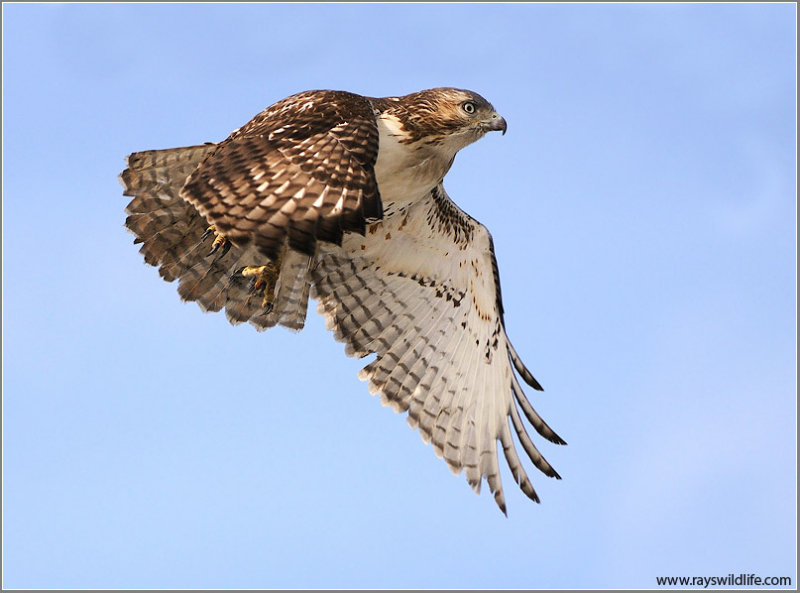
Red-tailed Hawk (Buteo jamaicensis) by Raymond Barlow

Red-tailed Hawk (Buteo jamaicensis) by Raymond Barlow

Does the hawk fly by your wisdom, And spread its wings toward the south? (Job 39:26 NKJV)

Hawks are members of the Accipitridae Family which includes the Hawks, Kites, Eagles, Vultures, plus Buzzards and other Birds of Prey. There are 256 species in the family. There are 3 or 4 references to hawks and their kinds in the Bible. Therefore they are also a Bird of the Bird.

Even though they catch live animals and are considered a bird of prey, they are beautiful creations from our Creator. Until the curse they would have been vegetarian like all the rest of creation. Unfortunately, sin entered, and now some look down on hawks, but even in that, the Lord provided for them to have the capability to catch prey as they do today.

Enjoy viewing these beautiful birds from their creator, the Lord Jesus Christ.
*

This slideshow requires JavaScript.

Does the hawk fly by your wisdom, And spread its wings toward the south? (Job 39:26 NKJV)

“I Will Pilot Thee” ~ by Dr. Richard Gregory

*

Sunday Inspirations

Birds of the Bible

Accipitridae – Kites, Hawks & Eagles Family

Hope for Hard Times

*

The Bobolinks Have A Tea Party

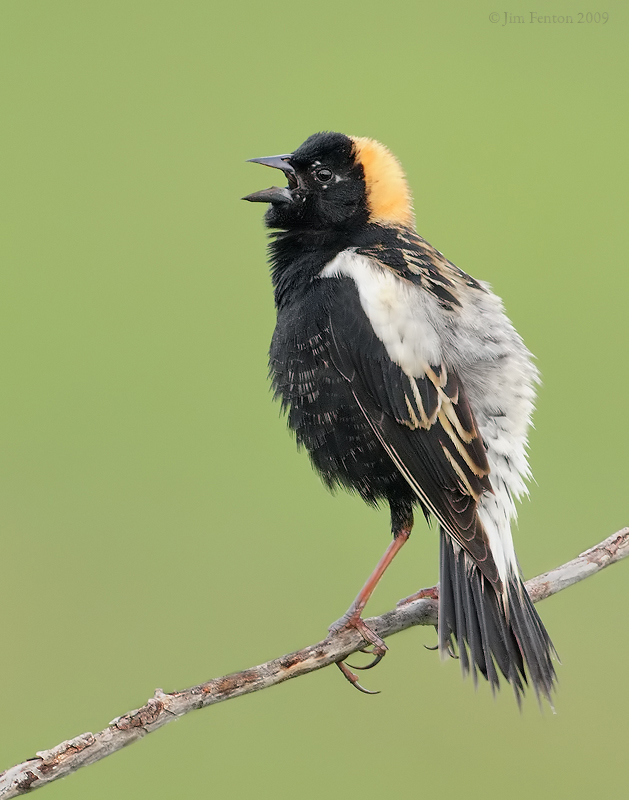
Bobolink (Dolichonyx oryzivorus) by J Fenton

Bobolink (Dolichonyx oryzivorus) by J Fenton

THE BOBOLINKS HAVE A TEA PARTY
Who Should Arrive But the Fairies

Who Should Arrive But the Fairies


“The other day,” commenced daddy, “the bobolinks had an afternoon tea.

“The tea party was given for the meadow larks. The bobolinks are great friends of the meadow larks and they wanted to be the first this season to entertain them. Besides, most of the bobolinks had new summer homes and their colony was near a beautiful stream.

“You know the bobolinks always build their homes in the meadows—but they build very near a stream and their homes are always deep down in the long grass.

“They had all come to live in Waving Grassland for the summer—that is, all the bobolinks who always moved about together in the summer and winter—and many of their friends, the meadow larks, were on hand to greet them. A number of others were going to arrive in a few days—before the tea party.

“Now Waving Grassland was very beautiful country. The meadows were very large and the grass was so beautiful and so long that it always waved in the soft breezes, so that the bobolinks named their new summer place Waving Grassland.
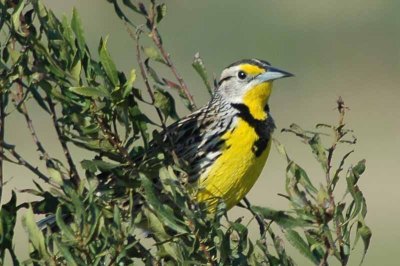
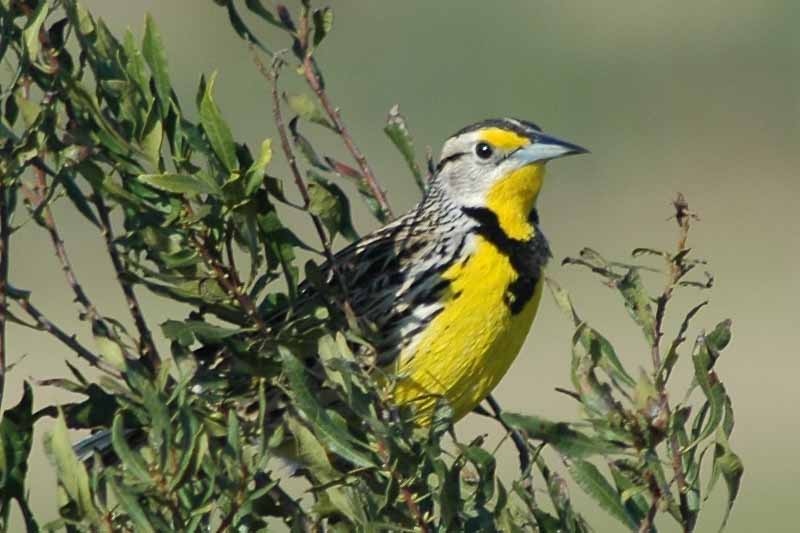
Eastern Meadowlark (Sturnella magna) by Bob-Nan

Eastern Meadowlark (Sturnella magna) by Bob-Nan

“And so the bobolinks made all their preparations for the tea party. The guests arrived dressed up in their best new summer plumage. The meadow larks came first, as they were the guests of honor.
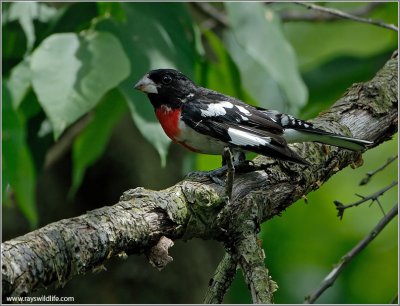
Rose-breasted Grosbeak (Pheucticus ludovicianus) by Raymond Barlow

Rose-breasted Grosbeak (Pheucticus ludovicianus) by Raymond Barlow

“The red-breasted grosbeak family were all there looking too lovely for words. And the bluejays,

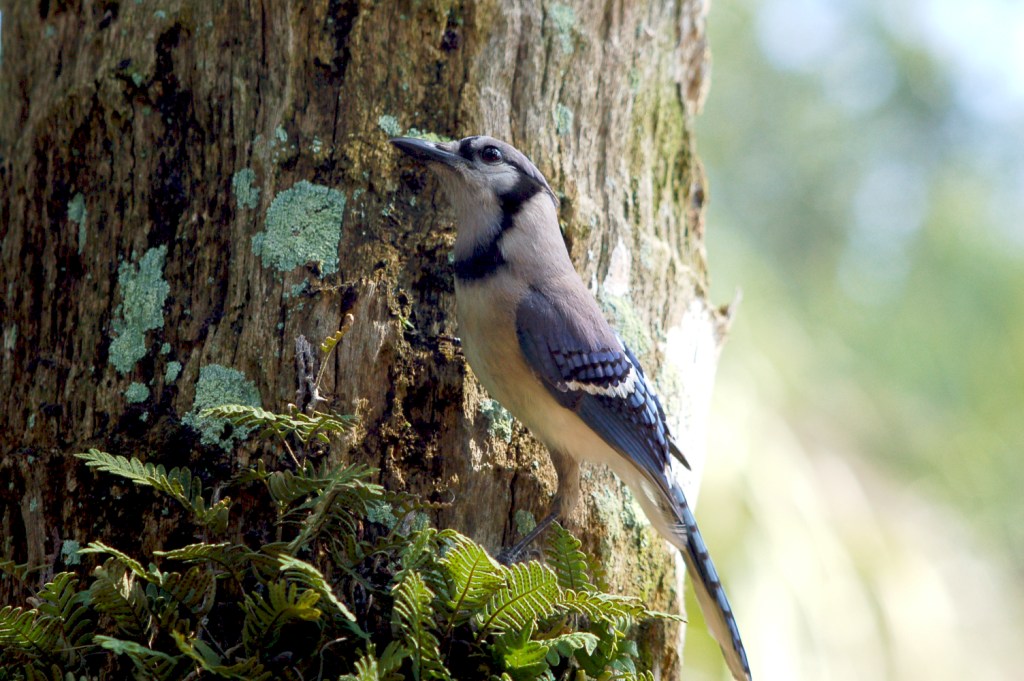
Blue Jay (Cyanocitta cristata) at Bok Tower By Dan'sPix

Blue Jay (Cyanocitta cristata) at Bok Tower By Dan’sPix

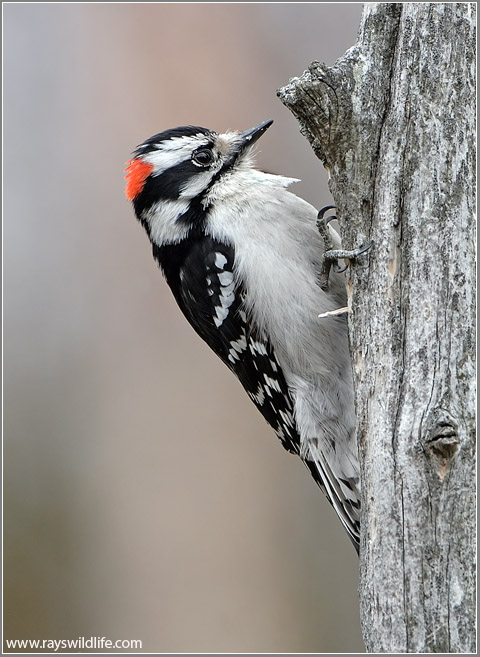
downy woodpeckers,

Downy Woodpecker (Picoides pubescens) by Raymond Barlow

Downy Woodpecker (Picoides pubescens) by Raymond Barlow

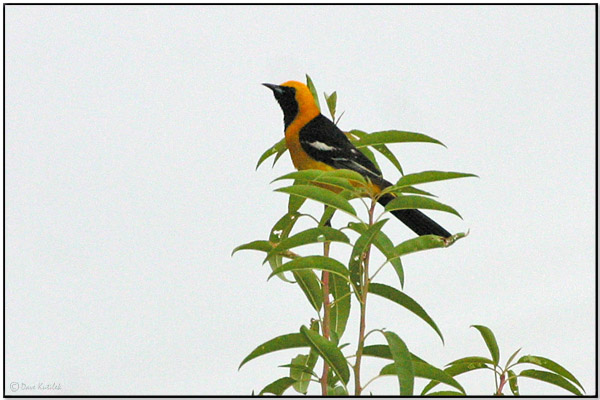
the orioles,

Hooded Oriole (Icterus cucullatus) by Daves BirdingPix

Hooded Oriole (Icterus cucullatus) by Daves BirdingPix

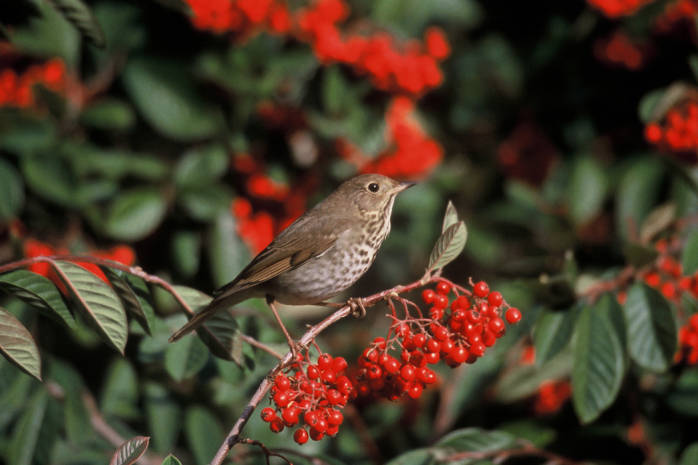
the thrush family,
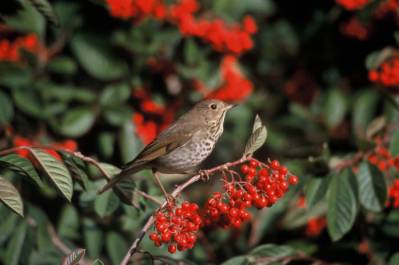
Hermit Thrush (Catharus guttatus) ©USFWS

Hermit Thrush (Catharus guttatus) ©USFWS

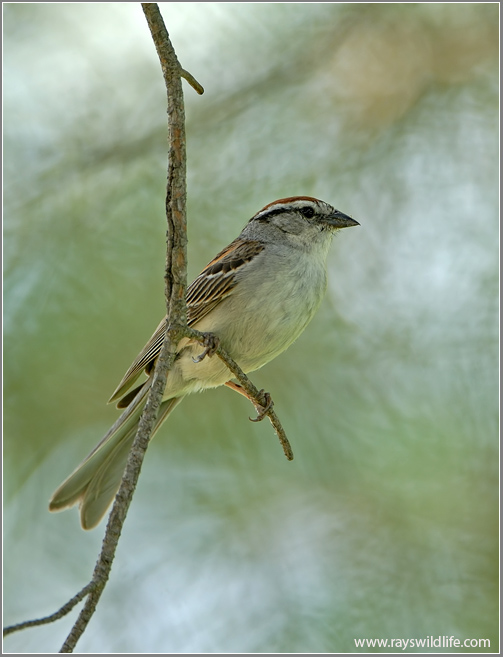
the chipping sparrows,
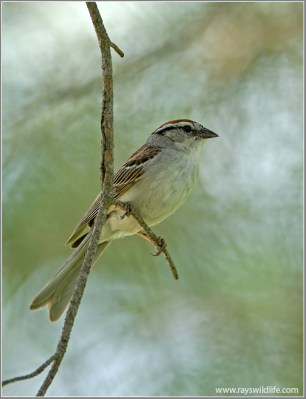
Chipping Sparrow (Spizella passerina) by Ray

Chipping Sparrow (Spizella passerina) by Ray

the robins,

American Robin (Turdus migratorius) eating by Jim Fenton

American Robin (Turdus migratorius) eating by Jim Fenton

the indigo birds—

Indigo Bunting (Passerina cyanea) by Raymond Barlow

Indigo Bunting (Passerina cyanea) by Raymond Barlow

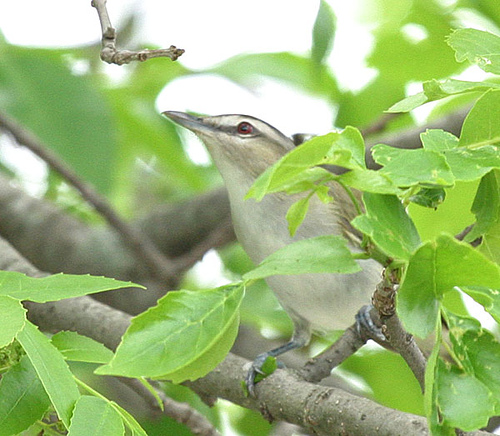
and even the shy vireos ventured forth.
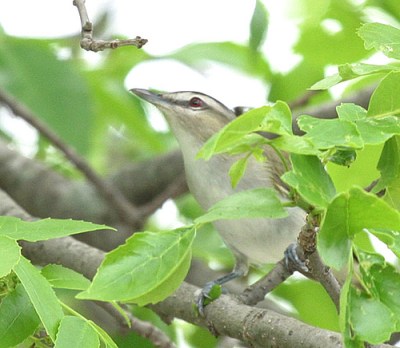
Red-eyed Vireo (Vireo olivaceus) by Kent Nickell

Red-eyed Vireo (Vireo olivaceus) by Kent Nickell

Of course, usually they hate parties, but they loved the stream nearby and the beautiful country the bobolinks were living in, and they thought at least once a year they ought to be a little bit sociable and friendly with their neighbors.

“After they had all chatted together—to us it would have sounded more like chirping—the bobolinks began to serve tea.

“They had spring water for their tea—the water from the cool stream which had a deep spring within it. And this tea they served in little moss-covered stones. That gave it the most delicious flavor, and all the birds asked the bobolinks where they had found such good tea. You know in birdland they don’t ask each other where anything is bought, but where it is found! And the bobolinks told their secret.
Fairychapeltoun“But as they were drinking cup after cup—or stoneful after stoneful—of tea, who should arrive but all the fairies!

“The birds greeted the fairies with their best songs—or their way of saying ‘We’re so glad to see you’—and the bobolinks trilled with joy because they had arranged this lovely surprise for their guests.”

*


Lee’s Addition:

In that day,’ says the LORD of hosts, ‘Everyone will invite his neighbor Under his vine and under his fig tree.’ ” (Zechariah 3:10 NKJV)

Then He also said to him who invited Him, “When you give a dinner or a supper, … But when you give a feast, invite the poor, the maimed, the lame, the blind. And you will be blessed, because they cannot repay you; for you shall be repaid at the resurrection of the just.” (Luke 14:12-14 NKJV)

That was nice of the Bobolinks to invite their neighbors and friends. We also should be willing to invite and share with others our blessings. Also, it sounds like they had a lot of fun and chats. Are you friendly to those around you and willing to share. We should share and not expect to receive something in return.

The best thing we can share is our faith in the Lord Jesus Christ. ABC’s of the Gospel

Another Bird Tale From

Daddy’s Bedtime Bird Stories – Gutenberg ebooks

By

Mary Graham Bonner

With four illustrations in color by
Florence Choate and Elizabeth Curtis
 

Daddys Bedtime Story Images

These stories first appeared in the American Press Association Service and the Western Newspaper Union.


Many of the sketches in this volume are the work of Rebecca McCann, creator of the “Cheerful Cherub,” etc.
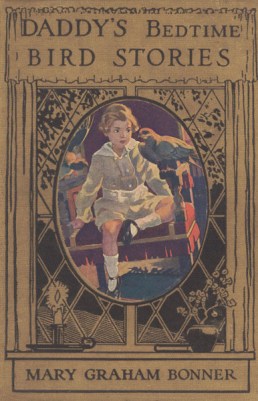
Daddys Bedtime Story Images
Daddy’s Bedtime Bird Stories by Mary Graham Bonner – 1917

*

Links:

Painted Bunting (Passerina ciris) ©©Flickr


  Bird Tales


  Daddy’s Bedtime Bird Stories


  ABC’s of the Gospel


Red-winged Blackbird (Agelaius phoeniceus) by Ray


  Icteridae – Oropendolas, Orioles & Blackbirds (and Bobolinks) Family


*

Interesting Things – Meerkat School

SmileyCentral.com

MEERKAT SCHOOL

“… and I will be with thy mouth, and with his mouth, and will teach you what ye shall do.” Exodus 4:15b

Behavioral researchers define teaching very specifically. First, of course, a teacher must have pupils. Then the teacher must be less efficient in doing whatever he is doing than he normally would be if he were alone, as a means of showing the pupils how to do the task. And finally, the pupils must learn the task more quickly than they would on their own.

Meerkats at the Auckland Zoo ©©Auckland_Zoo

Meerkats at the Auckland Zoo ©©Auckland_Zoo

Meerkats at the Auckland Zoo by that definition, humans, of course, are teachers. Among animals, only a species of ant meets this definition of teaching. But now researchers from the University of Cambridge in England say that meerkats also qualify as teachers. They found that experienced hunters will take young, inexperienced pups with them when they hunt. They will let the youngsters watch them as they catch prey. Of course, when they catch some small prey, the youngsters will vocally beg for a handout. However, only 35 percent of those handouts are served to the youngsters dead. The rest of the time they have to learn how to subdue the caught prey themselves. On the other hand, older, more experienced pups received already-killed handouts only 10 percent of the time. Further tests involving live and dead prey show that those given live prey could learn to subdue it in only three days.

Despite the researchers’ presupposition that teaching evolved, God is still the One that teaches the teachers.

Meerkat at LP Zoo by Lee

Meerkat at LP Zoo by Lee

Prayer:
Father, I pray that you would provide Your church with faithful teachers of the forgiveness we have in Jesus Christ. Amen.
Notes:
Science News, 7/15/06, p. 36, S. Milius, “Live Prey for Dummies.” Photo: Meerkats at the Auckland Zoo. Courtesy of Ashleigh Thompson. Licensed under the Creative Commons Attribution 2.0 Generic license.

©Creation Moments – Meerkat School, 2014.


Lee’s Additions:

Meerkat at LP Zoo by Lee

Meerkat at LP Zoo by Lee

I have always enjoy watching Meerkats and thought you might enjoy another Interesting Things blog. Lowry Park Zoo and other zoos keep them.

*

*

Sunday Inspiration – Bittern

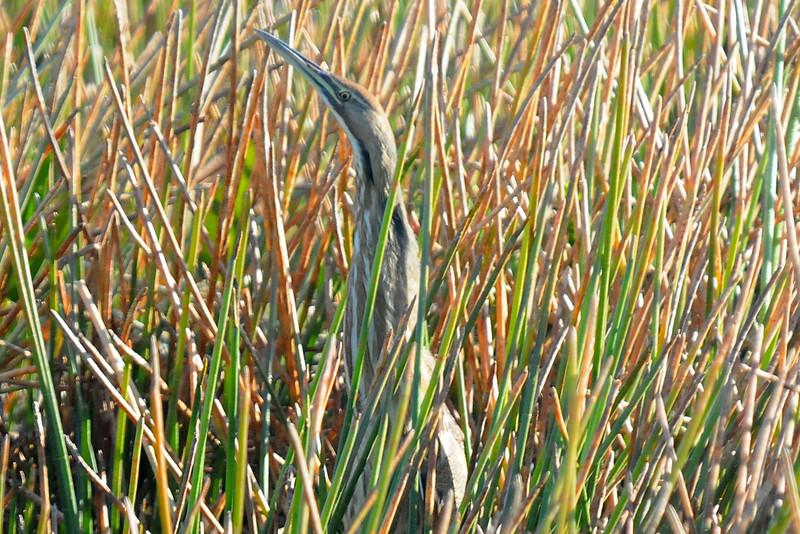
American Bittern (Botaurus lentiginosus) at Circle B by Lee

American Bittern (Botaurus lentiginosus) by Lee

The herds shall lie down in her midst, Every beast of the nation. Both the pelican and the bittern Shall lodge on the capitals of her pillars; Their voice shall sing in the windows; Desolation shall be at the threshold; For He will lay bare the cedar work. (Zephaniah 2:14 NKJV)

I enjoy “trying” to find bitterns. They can be right challenging because of the way the Lord designed them to be “hidden in plain view.” The American Bittern, at the top, landed right in front of us at Circle B last year. Otherwise, he would have blended right in and he would have been missed. Bitterns are also a Bird of the Bible.

American Bittern (Botaurus lentiginosus) by Bob-Nan

American Bittern (Botaurus lentiginosus) by Bob-Nan

Bitterns belong to the Ardeidae- Herons, Bitterns Family and most are well hidden while they search for food. “Bitterns are a classification of birds in the heron family, a family of wading birds. Species named bitterns tend to be the shorter-necked, often more secretive members of this family. Bitterns usually frequent reed beds and similar marshy areas, and feed on amphibians, reptiles, insects, and fish. Unlike the similar storks, ibises, and spoonbills, herons and bitterns fly with their necks retracted, not outstretched.” (Wikipedia)

Sunbitterns, which I added, are members of the Eurypygidae – Sunbittern Family. These comments from Woodland Park Zoo, show how their design helps hide them. “With its slow, deliberate walk on orange-colored legs and its long neck held parallel to the ground, the sunbittern resembles the sun-flecked forest interior. This spectacular frontal display is for threat or defense rather than courtship and is usually accompanied by a low hiss and bowing.”

“… they have vividly colored middle webs, which with wings fully spread show bright eyespots in red, yellow, and black. These are shown to other sunbitterns in courtship and threat displays, or used to startle potential predators. (Wikipedia)

This ability to hide brought to mind these verses:

Keep me as the apple of Your eye; Hide me under the shadow of Your wings, (Psalms 17:8 NKJV)

For in the day of trouble He will conceal me in His tabernacle; In the secret place of His tent He will hide me; He will lift me up on a rock. (Psalms 27:5 NASB)

Hide me from the secret counsel of evildoers, From the tumult of those who do iniquity, (Psalms 64:2 NASB)

Can anyone hide himself in secret places, So I shall not see him?” says the LORD; “Do I not fill heaven and earth?” says the LORD. (Jeremiah 23:24 NKJV)

*

This slideshow requires JavaScript.

*

“Hide Thou Me” – ©Rejoice! by the Hyssongs

*

Links:

*