Sunday Inspiration – Herons

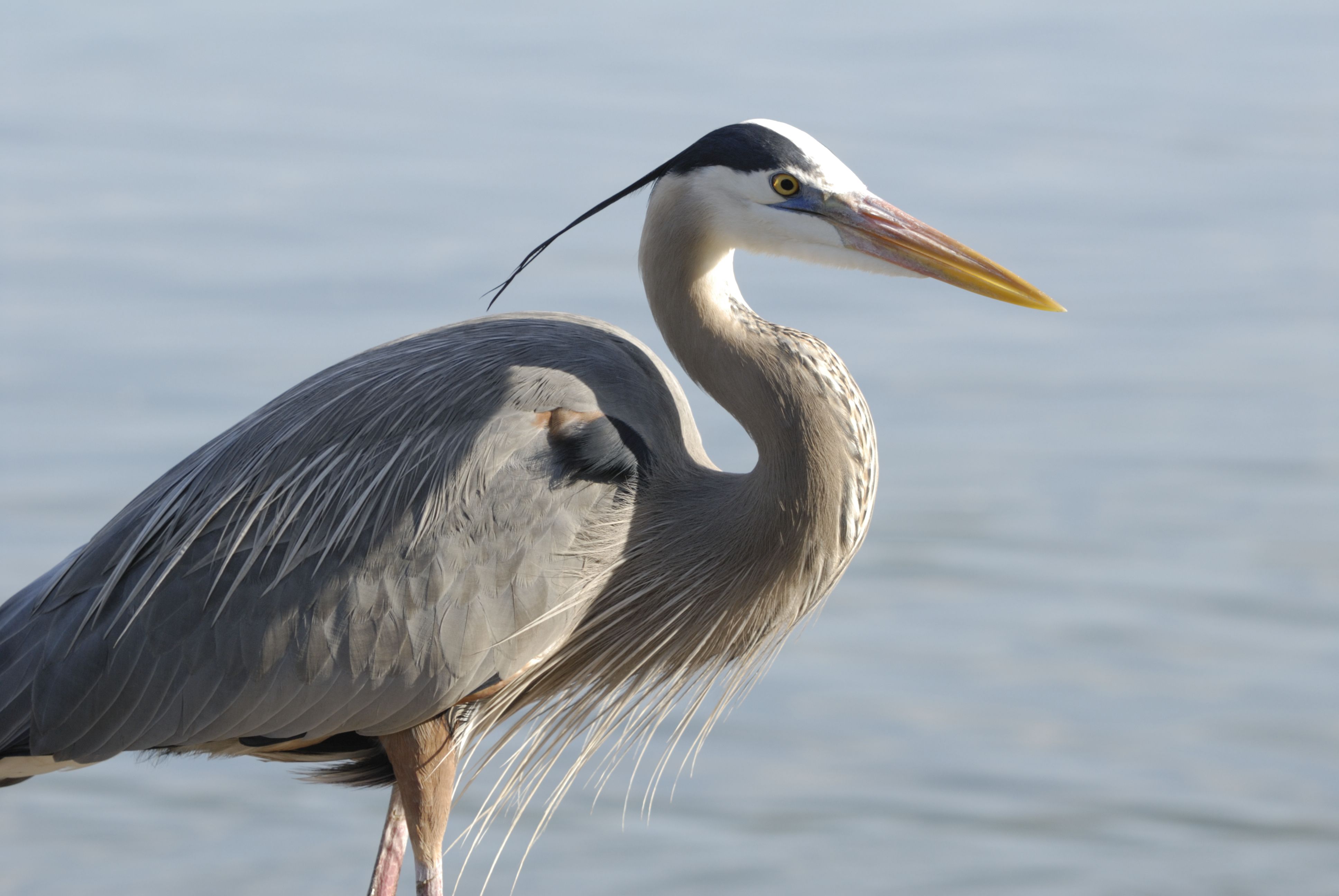
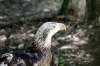
Great Blue Heron by Dan

Great Blue Heron by Dan

And the stork, the heron after her kind, and the lapwing, and the bat. (Leviticus 11:19 KJV)

Herons are a favorite bird species of mine. We see them frequently here in central Florida. One of their characteristics that impress me is their patience. It is common to see them standing almost still except for their neck swaying slowly back and forth.

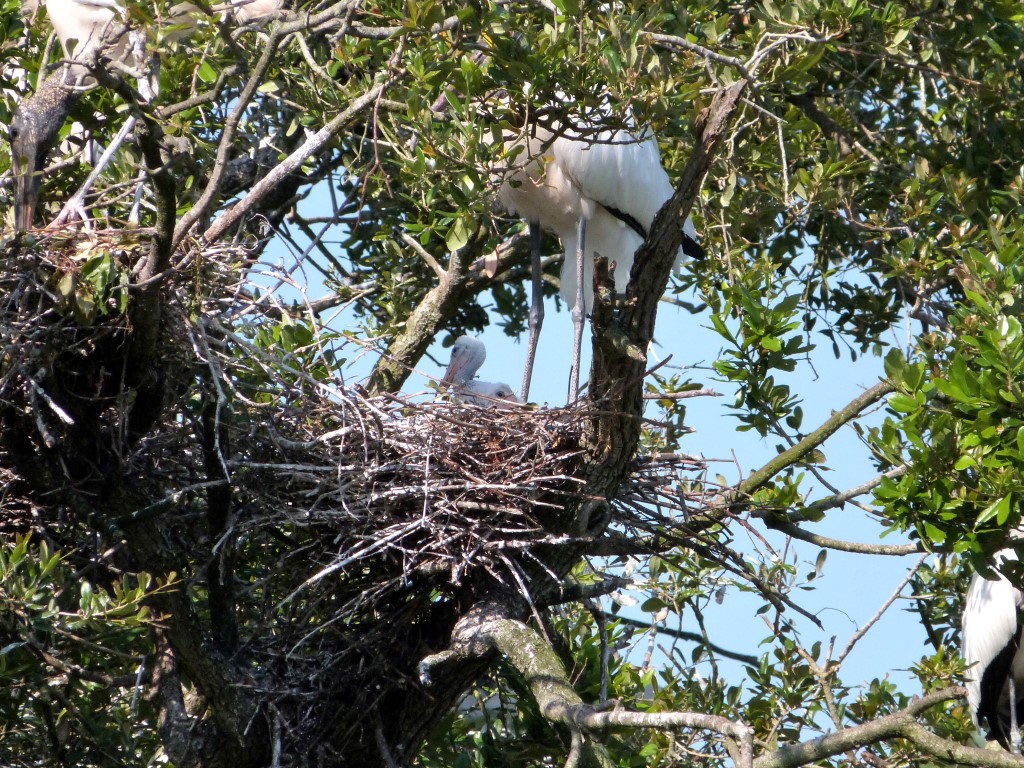
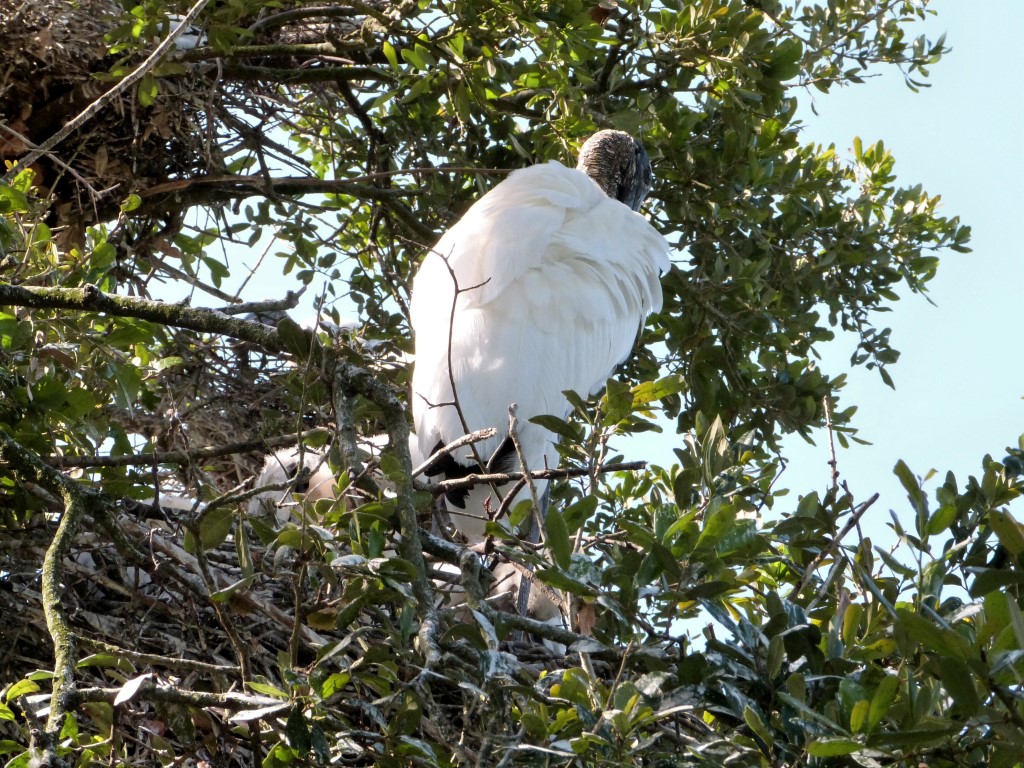
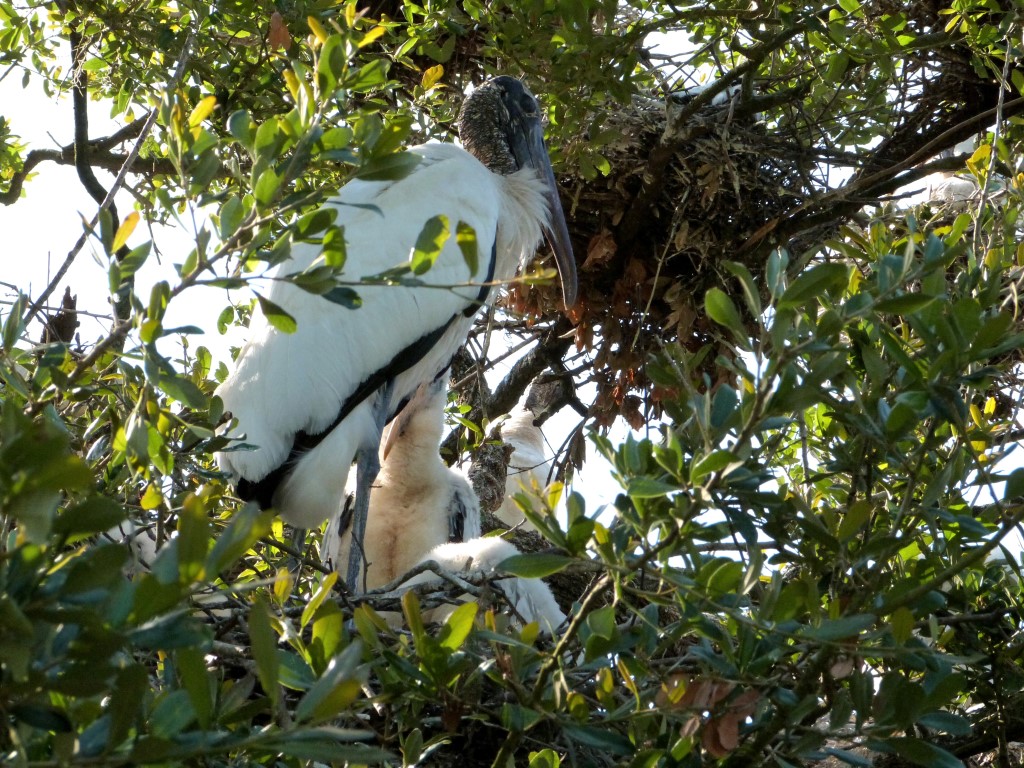
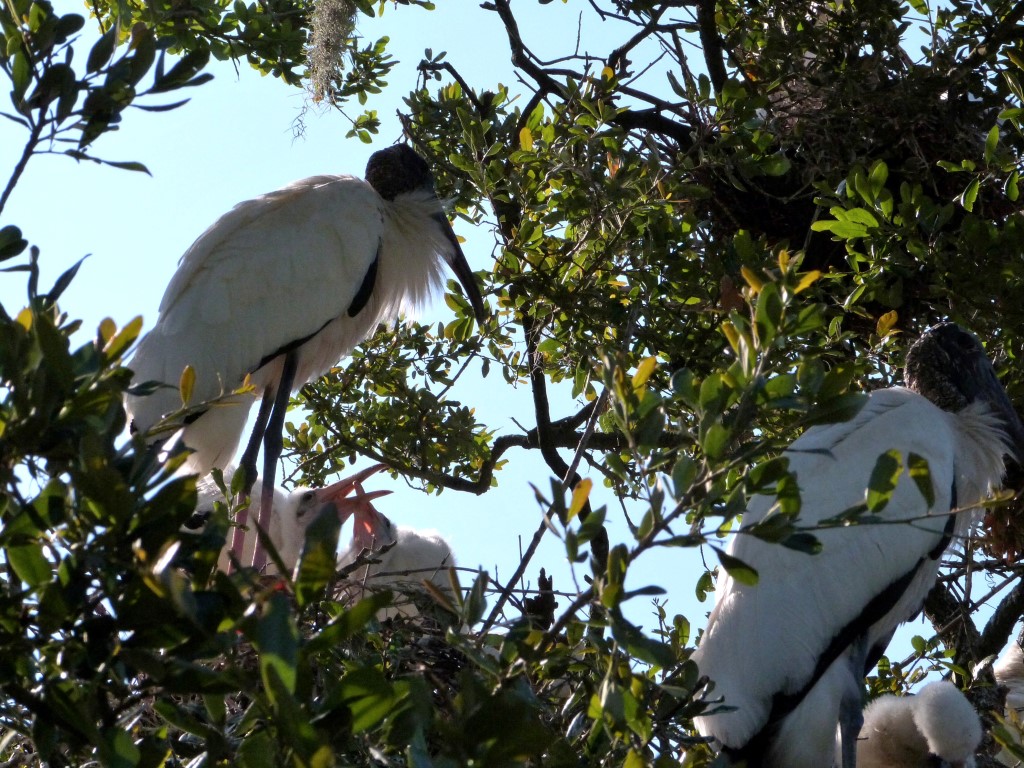
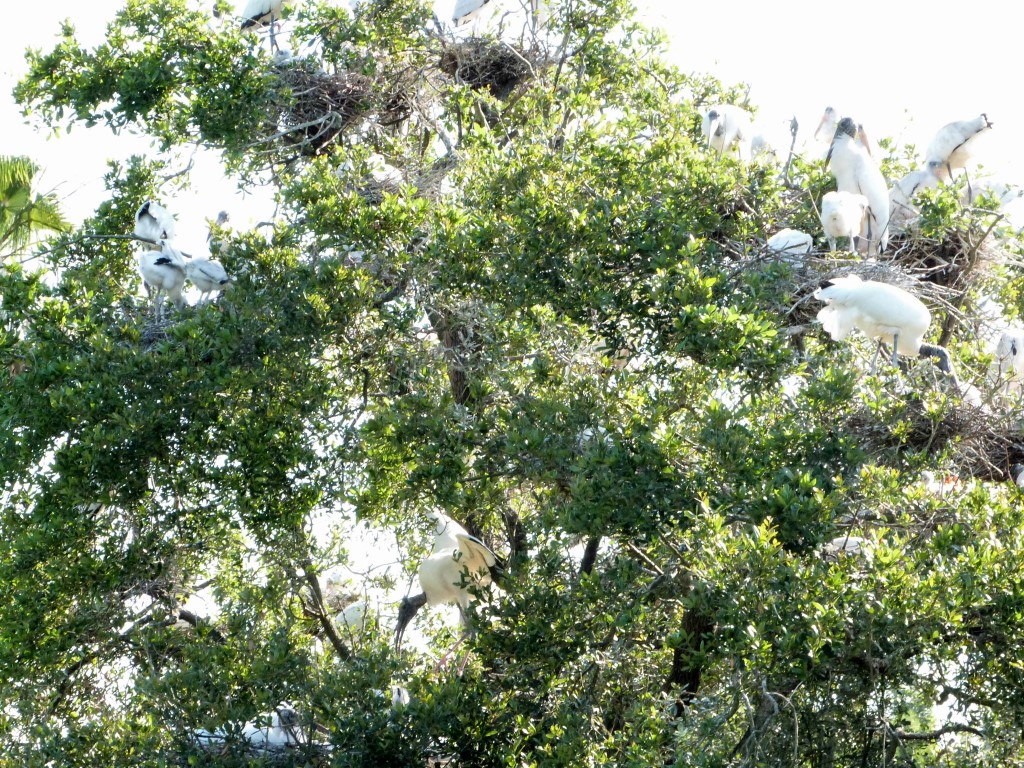
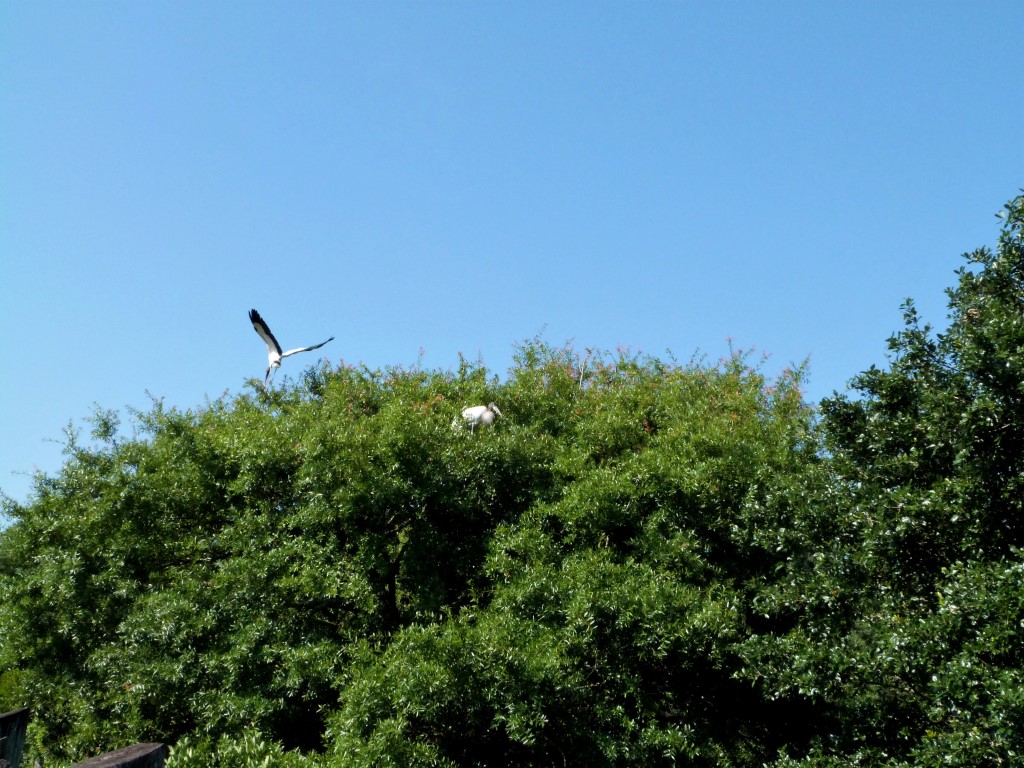
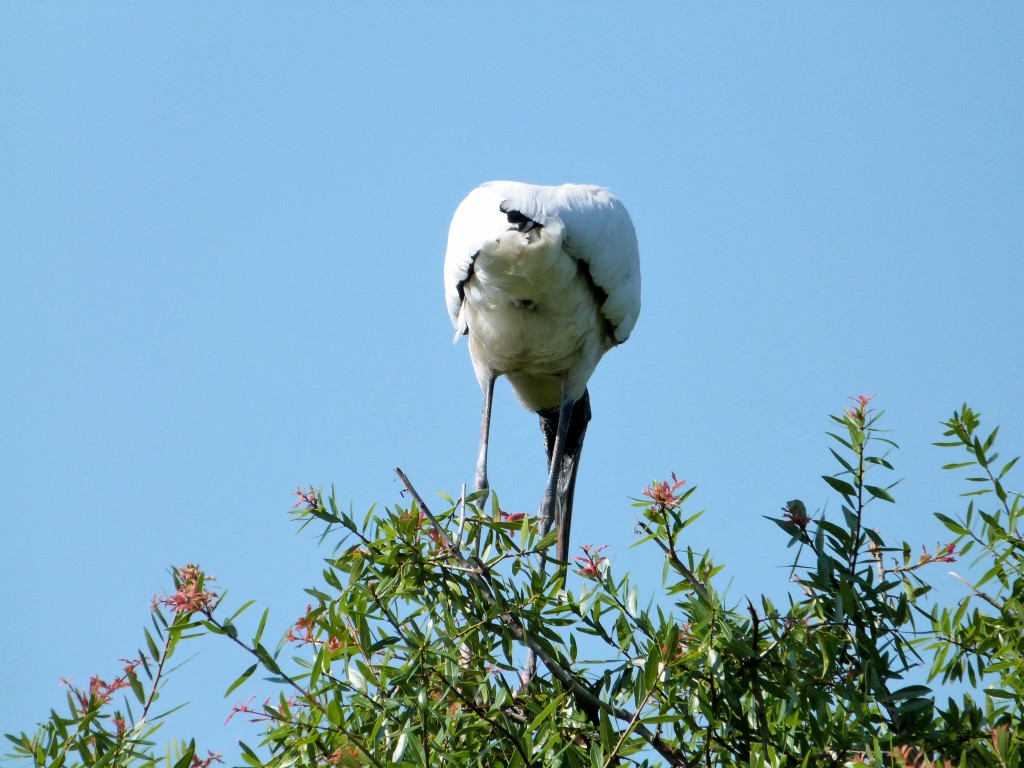
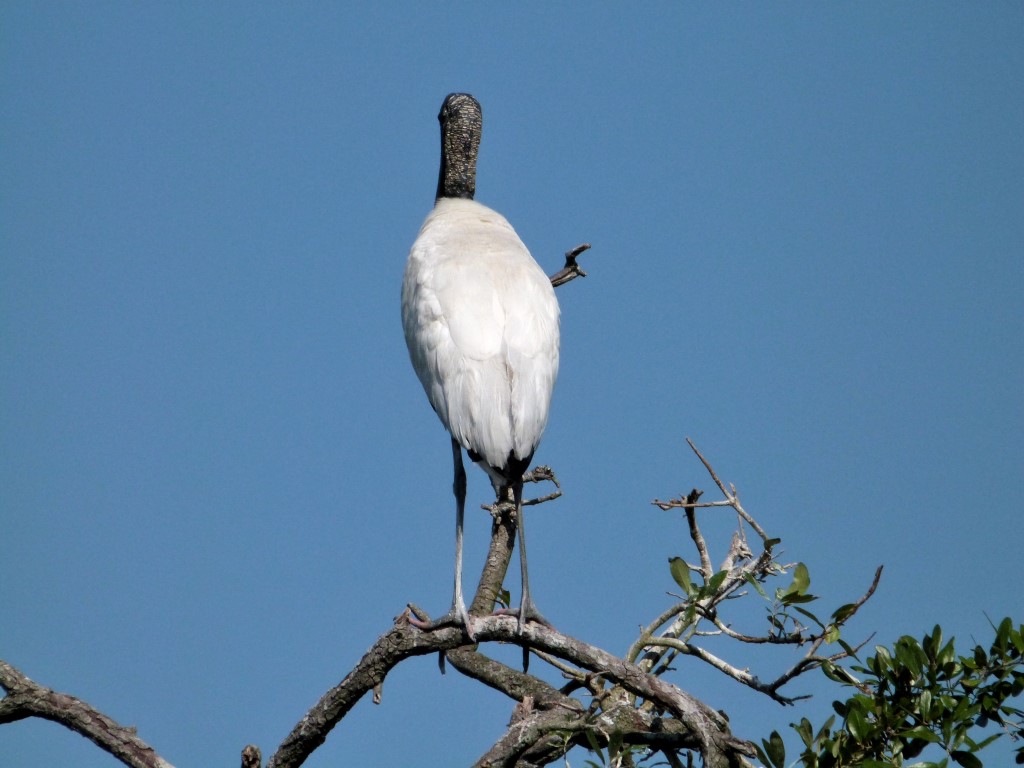
Oh, that I had the patience like these Storks.

These wait all upon thee; that thou mayest give them their meat in due season. (Psalms 104:27 KJV)

Wait on the LORD: be of good courage, and he shall strengthen thine heart: wait, I say, on the LORD. (Psalms 27:14 KJV)

Knowing this, that the trying of your faith worketh patience. (James 1:3 KJV)

Herons belong to the  Ardeidae – Herons, Bitterns Family and are a Bird of the Bible.

*

This slideshow requires JavaScript.

*

*

“Peace Medley”  by Faith Baptist Choir

*

*


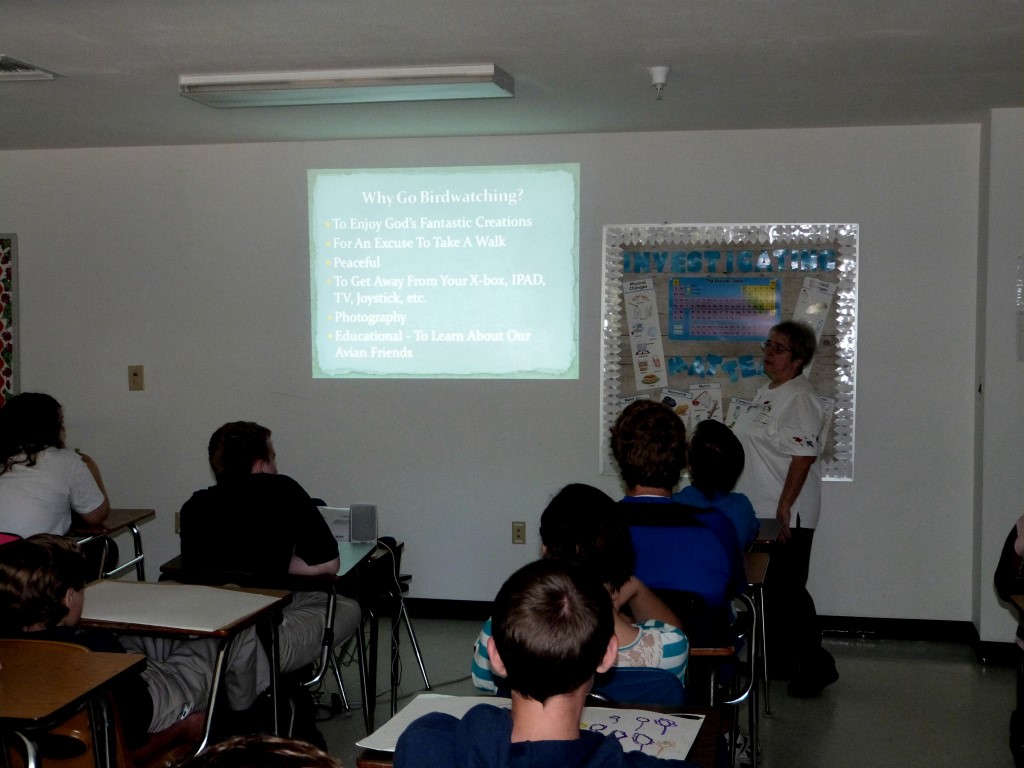
Slides From Birdwatching Lesson

Slide1

Oh that men would praise the LORD for his goodness, and for his wonderful works to the children of men! (Psalms 107:15 KJV)

Here is the Powerpoint Presentation I used yesterday, converted to JPGs. (Teaching About Birdwatching) As it was shown, each point came up as I clicked and explained the points. The two videos that were part of it; the Blue Jay calling and the Carolina Wren singing, are included. If you can use any of this presentation, you have my permission. The first slide had an audio of birds singing as the students arrived.

*

This slideshow requires JavaScript.

*

*

Teaching About Birdwatching

Birdwatching

*


Teaching About Birdwatching

Lee Teaching Birdwatching

Lee Teaching About Birdwatching

 Give instruction to a wise man and he will be yet wiser; teach a righteous man (one upright and in right standing with God) and he will increase in learning. (Proverbs 9:9 AMP)

Hear instruction and be wise, and do not refuse or neglect it. (Proverbs 8:33 AMP)

I have been busy the last few days getting a Powerpoint Presentation ready. Today, I had the privilege of introducing Birdwatching to two classes at Winter Haven Christian School. One class was 9th and 10th graders and the other was 6th and 7th graders. This was their last full day before their summer break. This was a diversion for them.

Both classes seemed interested and maybe some of them will become future birdwatchers. We always try to spark an interest in our next generations coming behind us.

Dan was along and took a few photos while I did the presentation. He was also the one who helped carry things in.

I also tried to encourage those who may be interested in the photographic side of birdwatching.

Here are some of the photos from this morning:

This slideshow requires JavaScript.

*

Winter Haven Christian

Birdwatching 

Kingfisher Chick Receiving Its First Fish ~ Re-blog

Blue-eared Kingfisher (Alcedo meninting) by Nikhil Devasar

Blue-eared Kingfisher (Alcedo meninting) by Nikhil Devasar

Look at the birds of the air, for they neither sow nor reap nor gather into barns; yet your heavenly Father feeds them. Are you not of more value than they? (Matthew 6:26 NKJV)

This is a very interesting video of a Kingfisher male leaving the nest, as the chick comes out of the shell. The mother Kingfisher arrives with its first meal of fish. Notice that the throat turns dark as it feeds. I do not know which Kingfisher this is as it was not listed.

Posted on Dear Kitty, Some Blog.

*

*

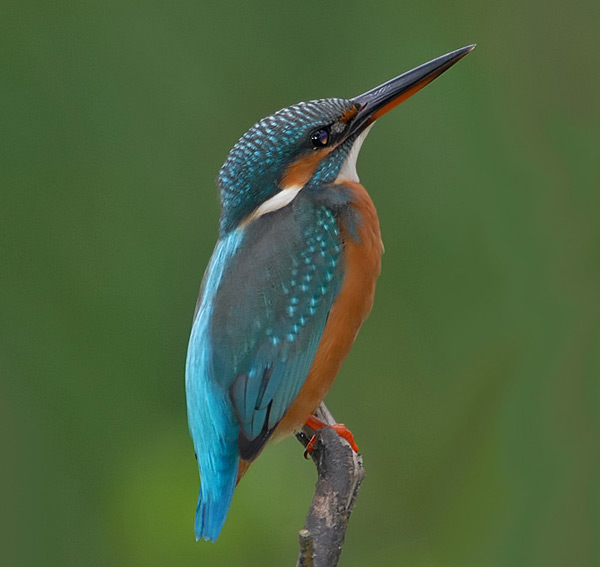
Common Kingfisher (Alcedo atthis) by Nikhil Devasar

Common Kingfisher (Alcedo atthis) by Nikhil Devasar

And Jesus said unto them, Come ye after me, and I will make you to become fishers of men. (Mark 1:17 KJV)

Kingfishers are members of the Alcedinidae – Kingfishers Family.

*

Alcedinidae – Kingfishers Family

Birds of the World

Birds of the Bible

Wordless Birds

*


Sunday Inspiration – Old Rugged Cross

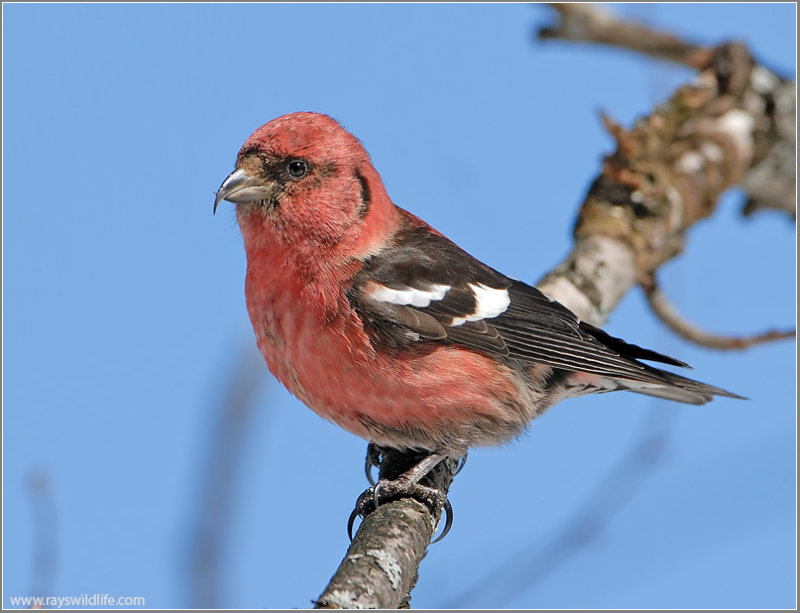
Two-barred Crossbill (Loxia leucoptera)(White-winged) by Raymond Barlow

Two-barred Crossbill (Loxia leucoptera)(White-winged) by Raymond Barlow

And he bearing his cross went forth into a place called the place of a skull, which is called in the Hebrew Golgotha: (John 19:17 KJV)

While thinking of the music for today’s Inspiration, my search began with “Cross” birds, but there aren’t that many with “Cross” in their name, so the “Hill” birds were added also.

When Christ died on the “cross” on a “hill” called Calvary, He became the Perfect Sacrifice for my sins and yours. Praise the Lord. May we think about His Love for us as we watch some of His creation.

“You are the light of the world. A city that is set on a hill cannot be hidden. Nor do they light a lamp and put it under a basket, but on a lampstand, and it gives light to all who are in the house. Let your light so shine before men, that they may see your good works and glorify your Father in heaven. (Matthew 5:14-16 NKJV)

*

This slideshow requires JavaScript.

*

*

“Old Rugged Cross” – Faith Baptist Church Orchestra

*

More Sunday Inspirations

Gideon

*


Jacksonville Zoo’s Noisy Stork Tree

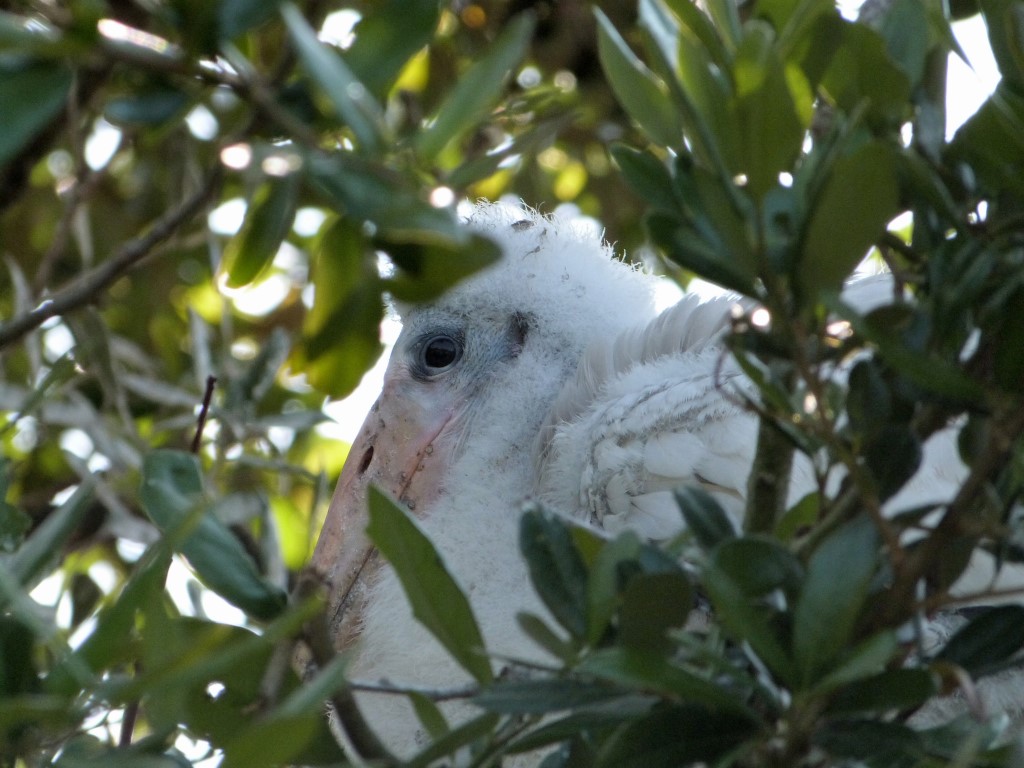
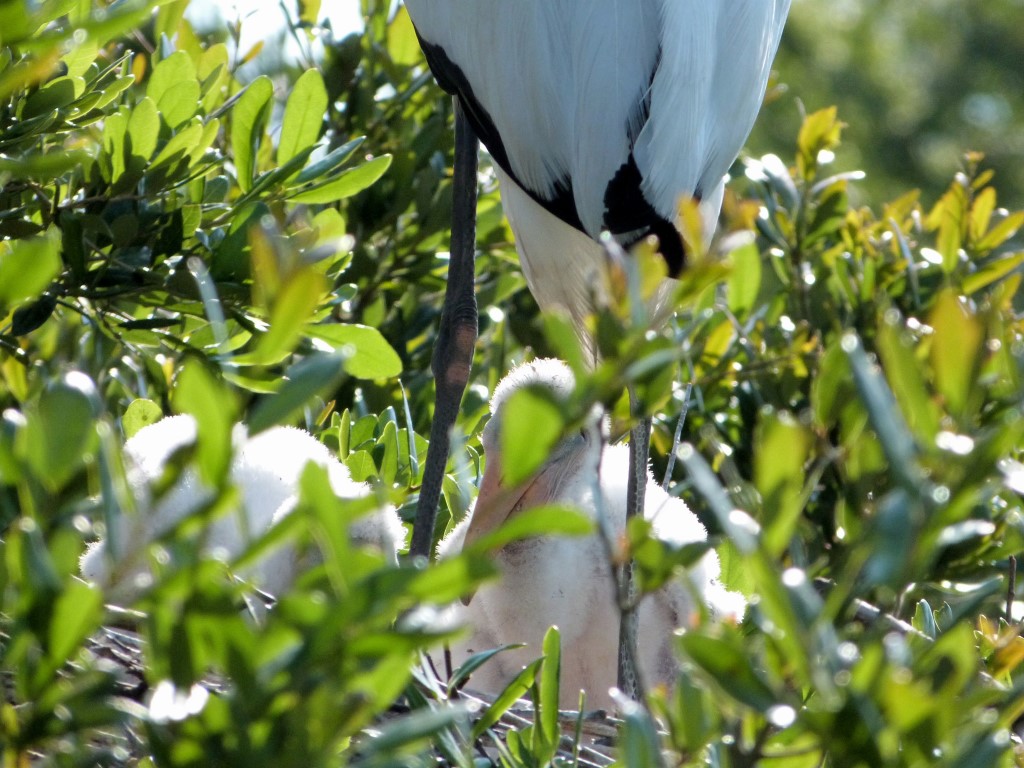
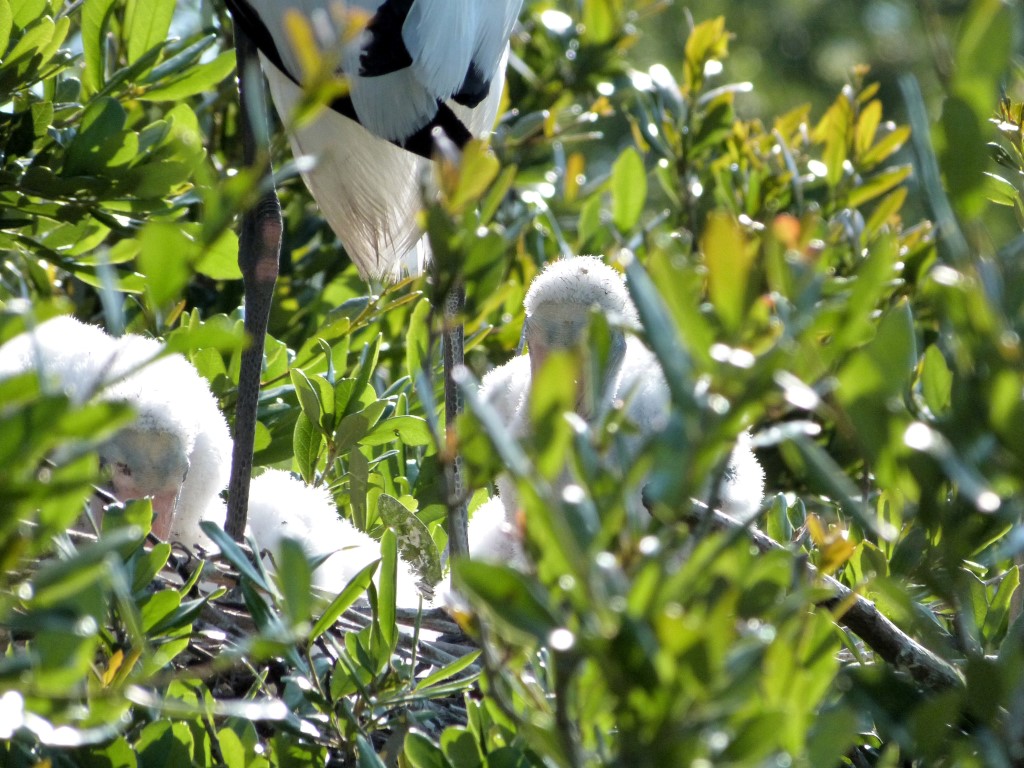
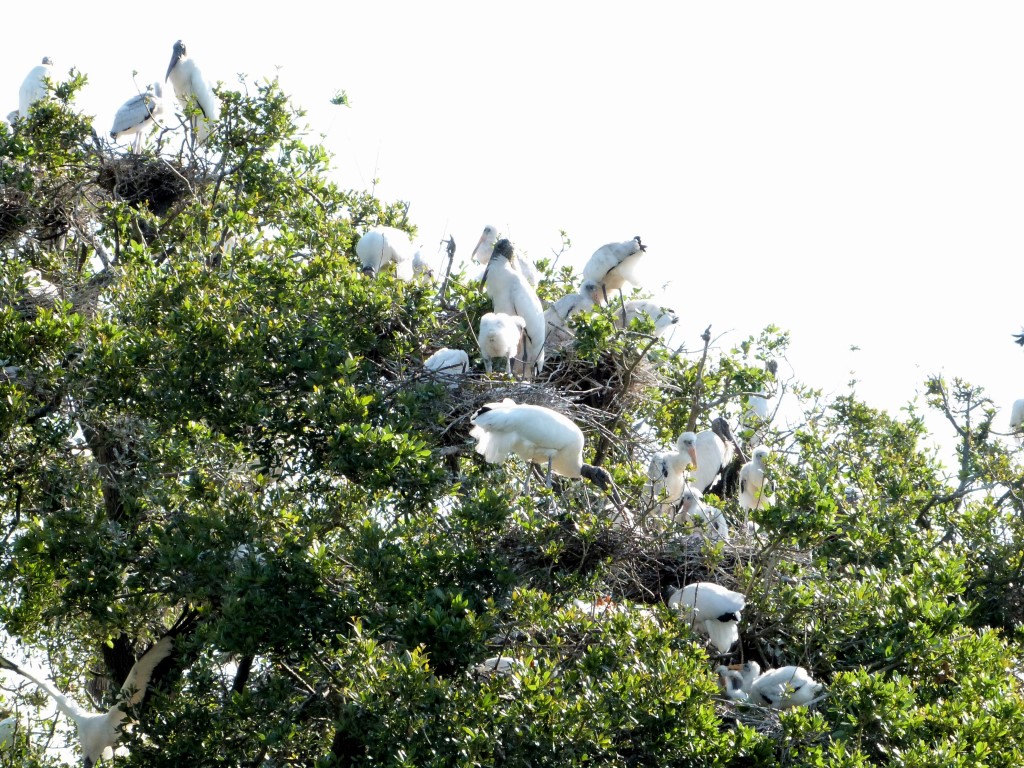
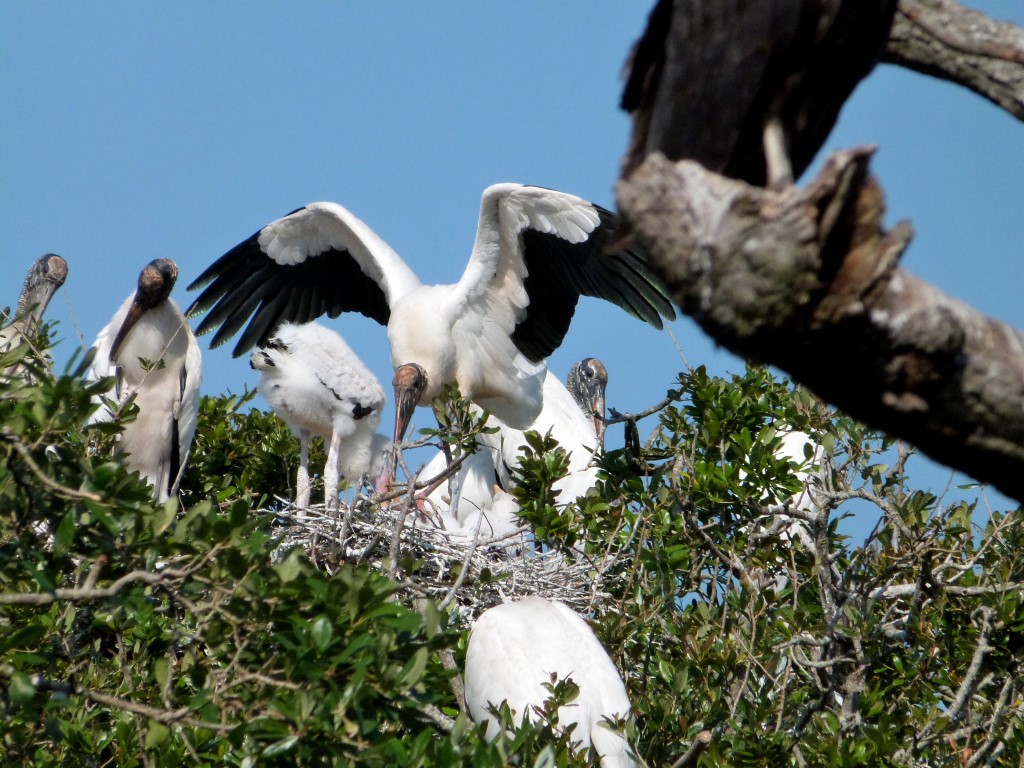
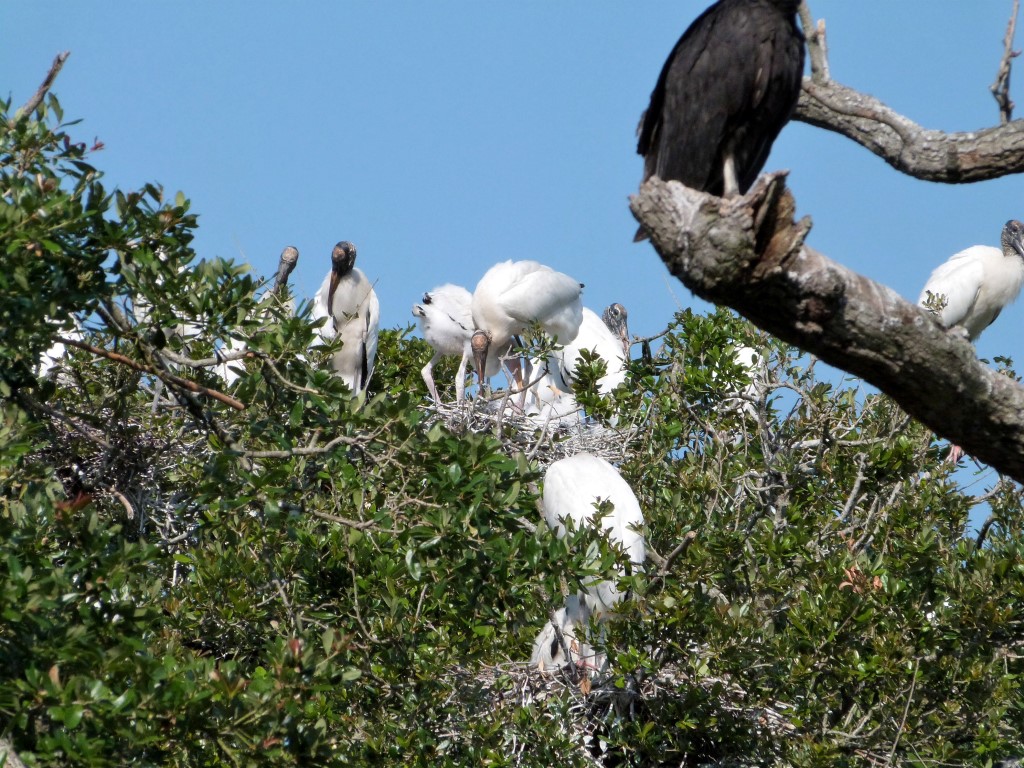
Wood Stork (Mycteria americana) with Chicks Jax Zoo by Lee

Wood Stork (Mycteria americana) with Chicks Jax Zoo by Lee

Yea, the stork in the heaven knoweth her appointed times; and the turtle and the crane and the swallow observe the time of their coming; but my people know not the judgment of the LORD. (Jeremiah 8:7 KJV)

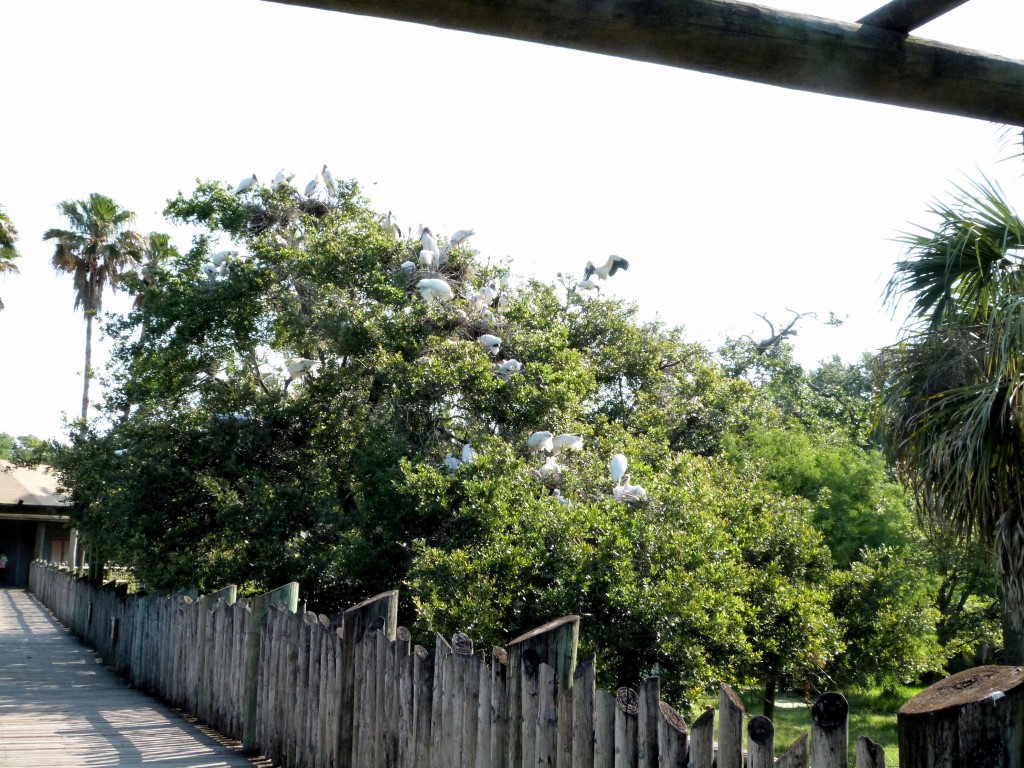
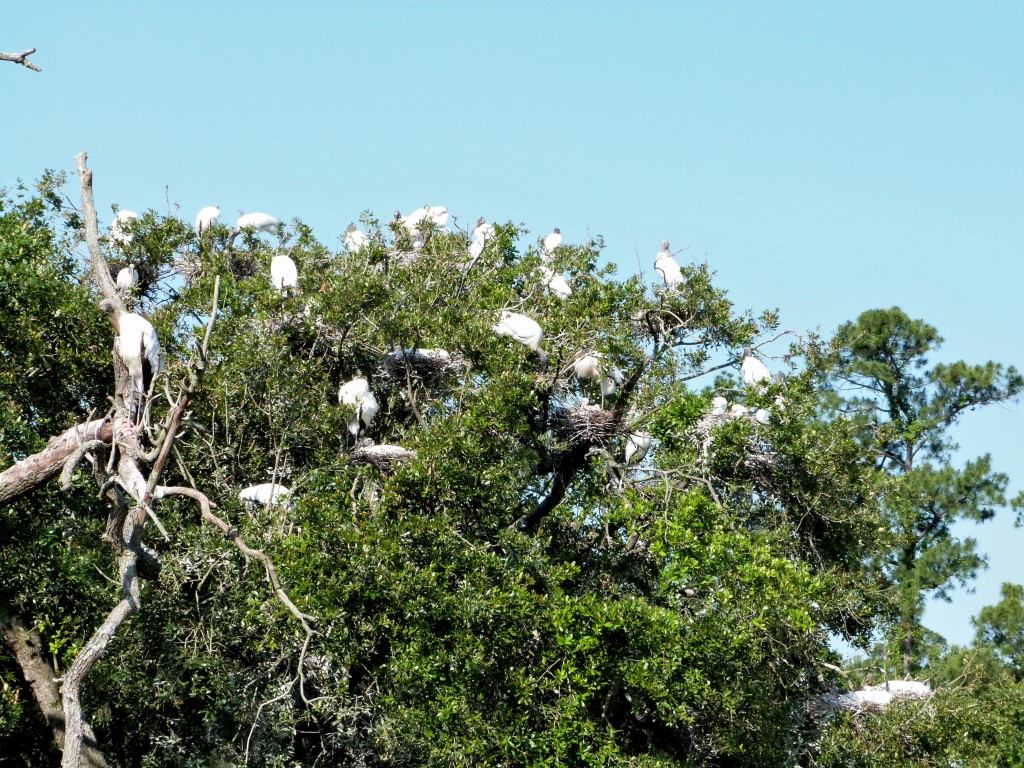
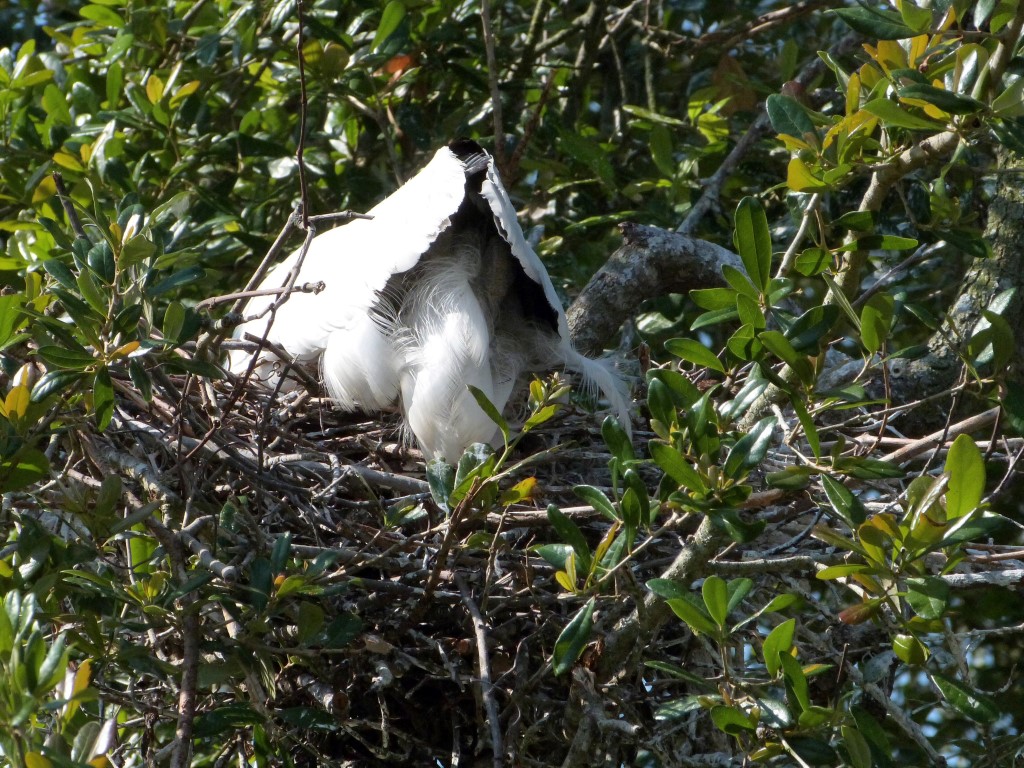
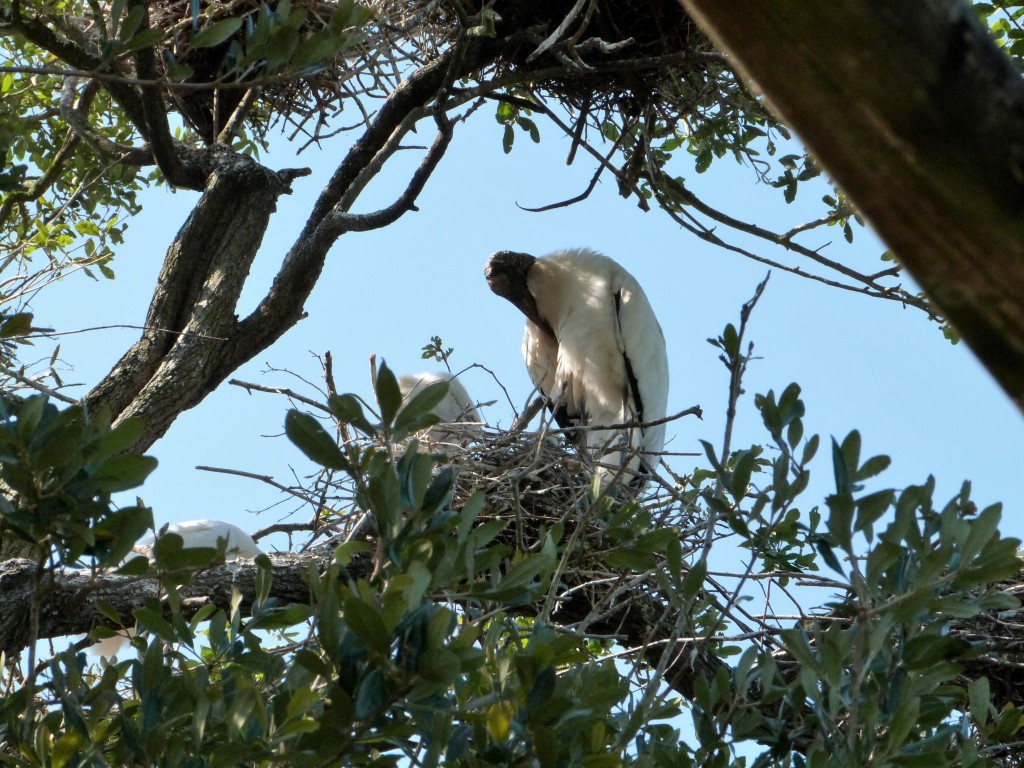
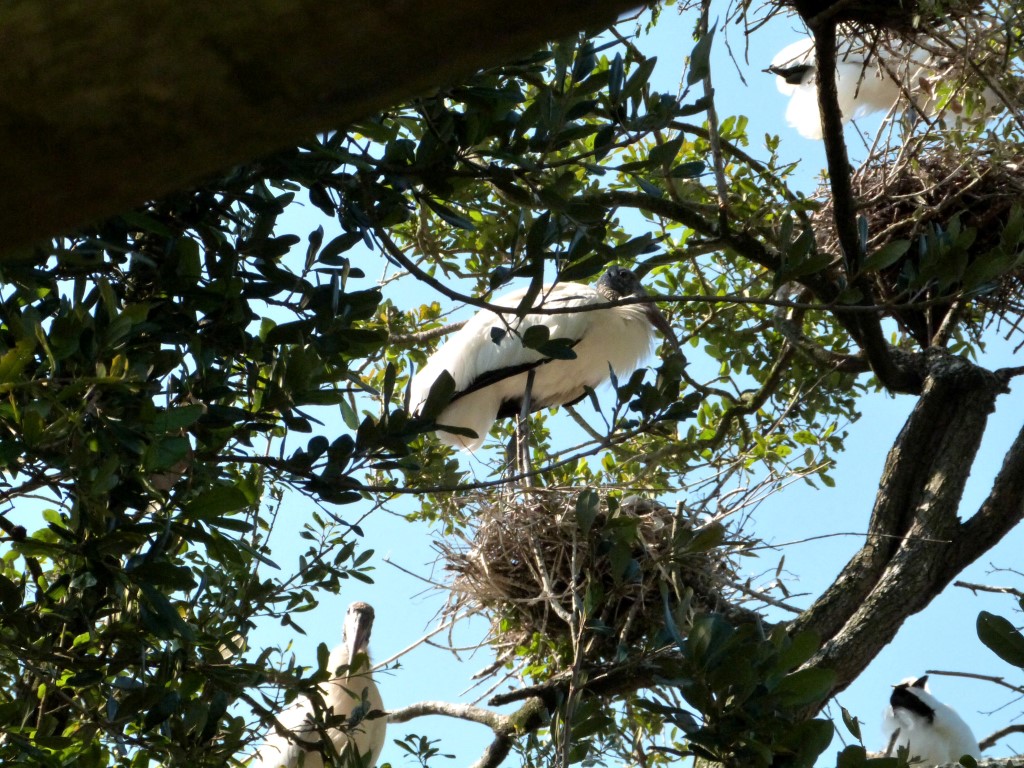
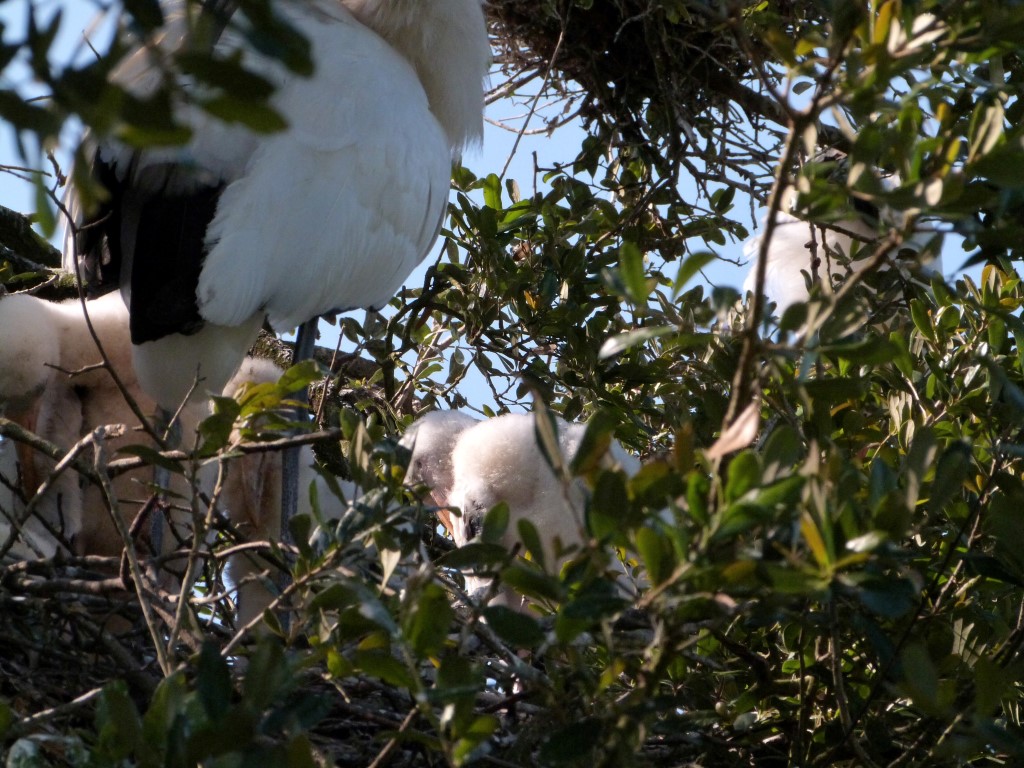
Last week while we were at the Jacksonville Zoo, we noticed a tree loaded with Wood Stork nests. It was hard to miss as you could hear it from far away. As you watch the videos, you will hear the noise coming from all the nest. The tree was right by the boardwalk, so we were very close to them.

Wood Stork (Mycteria americana) with Chicks Jax Zoo by Lee

 Where the birds make their nests: as for the stork, the fir trees are her house. (Psalms 104:17 KJV)

Wood Storks are part of the Ciconiidae – Storks Family and are also mentioned several times in Scripture. That makes them one of the Birds of the Bible – Storks. We are fortunate in that we get to see Wood Storks quite frequently here in Polk County, Florida, especially out at the Circle B Bar Reserve. Circle B is one of my favorite places to go birdwatching. Yet, I have never seen the nest up close like this.

Here is a combined video of the noisy tree: (Ignore the talking in the background, listen to the noisy birds.)

*

Sing unto him a new song; play skilfully with a loud noise. (Psalms 33:3 KJV)

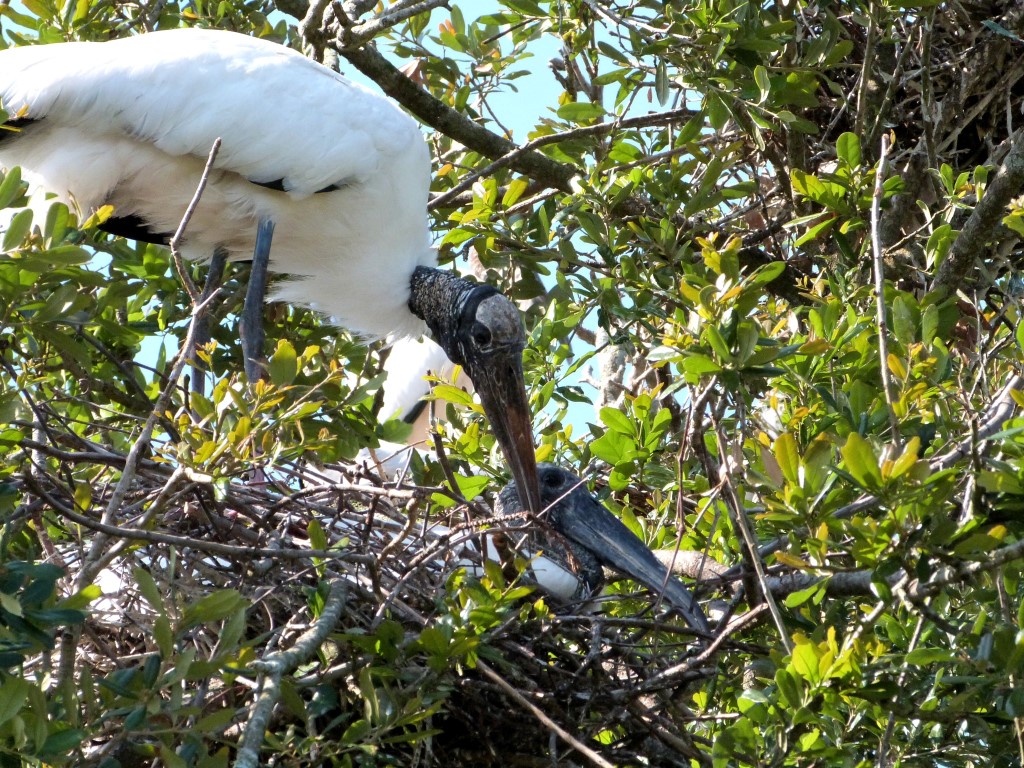
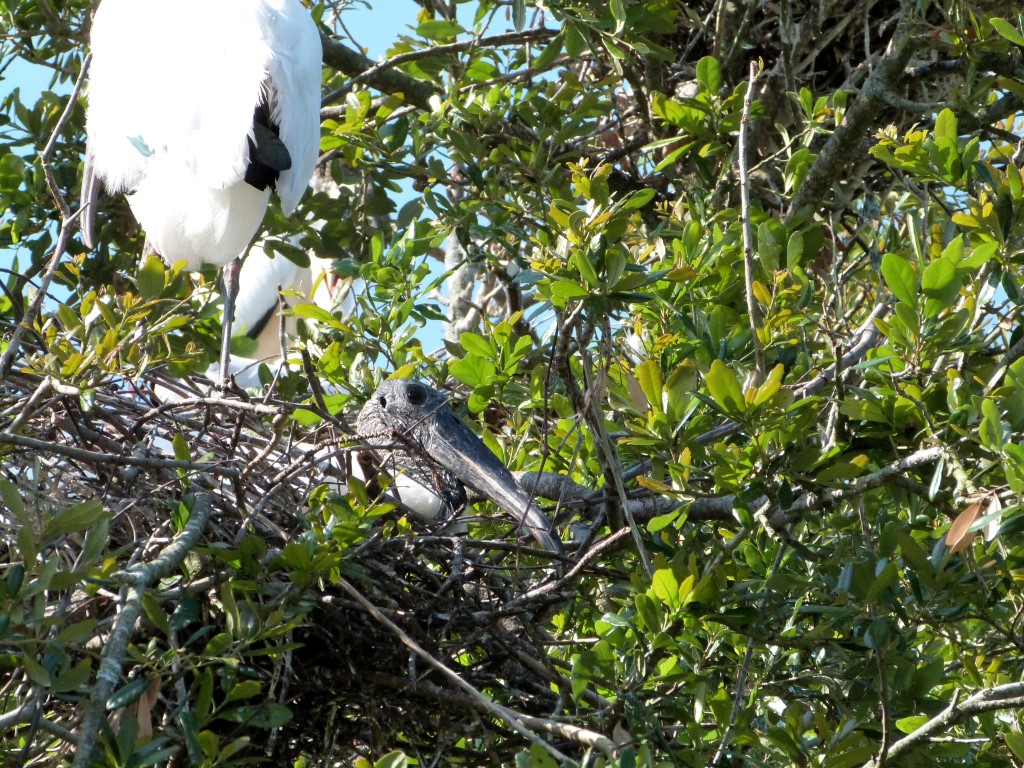
After taking photos and videos, I found three young one showing how the noise was produced. Now multiply that by all the other nest with young ones doing the same thing.

Error
This video doesn’t exist

O come, let us sing unto the LORD: let us make a joyful noise to the rock of our salvation. (Psalms 95:1 KJV)

*

Hope you don’t mind seeing some of the photos also. These are set up so you can see them larger. Enjoy the Lord’s Creation in the form of Wood Storks.

*

See:

*

Is Evolution Simply Change? – (from Creation Moments)

Bald Eagle maturing at Jax Zoo by Dan

Bald Eagle maturing at Jax Zoo by Dan

Is Evolution Simply Change?

(from Creation Moments)

*

“Where is the wise? where is the scribe? where is the disputer of this world? hath not God made foolish the wisdom of this world?” (1 Corinthians 1:20)

Many people think that evolution is simply any change. Developing a new breed of dog is often referred to by many people as proof for evolution. But is it really? Those who claim that the domestic breeding of crop or animal species has anything to do with evolution take their cue from Darwin, who – although he had no degree in science – made the same claims.

Cover of Michael Denton's book Evolution: A Theory in Crisis.Evolution is not simply change like what we see in domestic breeding programs. You might say that it’s easy for a creationist to say this, but let’s allow a scientist who is neither a creationist nor a Christian make the case for us. In his book Evolution: A Theory in Crisis, Dr. Michael Denton explains that evolution is in crisis for the simple reason that biology offers no evidence that evolution happens. Since science relies on evidence, he is really saying that evolution is not science at all.

Denton, who has spent much of his scientific career studying evolution, adds insult to injury by stating that “Despite more than a century of intensive effort on the part of evolutionary biologists, the major objections raised by Darwin’s critics . . . have not been met.”

In other words, evolutionary scientists have not been able to answer creationist challenges. Or, as we have been saying all along, the Bible does offer an intelligent alternative to evolution!

Prayer:
Dear Father, I thank You for those honest scientists who, even though they do not believe in Christ as their Lord and Savior, are still honest enough to identify a falsehood. Today I especially ask that You work in their hearts so that they may seek and find their Savior, Jesus Christ. In His Name. Amen.
Notes:
Photo: Cover of Michael Denton’s book Evolution: A Theory in Crisis. Published by Burnett Books, 1985.

*


Lee’s Addition:

In the beginning God created the heaven and the earth. (Genesis 1:1 KJV)

I alway enjoy the short, but Biblically truthful articles from Creation Moments. We see the birds breeding and developing subspecies, but that isn’t evolution. They are all still birds. The subspecies get split off into a different species of their own, yet when they run the DNA test, they find they all come from the same original pair of birds.

All that splitting and lumping is what keeps me busy every 3 or 4 months updating the Birds of the World lists.

See:

*

Birds of the Bible – Maturing Eagle

Bald Eagle (Haliaeetus leucocephalus) Jax Zoo by Lee

Bald Eagle (Haliaeetus leucocephalus) Maturing at Jax Zoo by Lee

Bless the LORD, O my soul: and all that is within me, bless his holy name. Bless the LORD, O my soul, and forget not all his benefits: Who forgiveth all thine iniquities; who healeth all thy diseases; Who redeemeth thy life from destruction; who crowneth thee with lovingkindness and tender mercies; Who satisfieth thy mouth with good things; so that thy youth is renewed like the eagle’s. (Psalms 103:1-5 KJV)

Last week at the Jacksonville Zoo, we saw this “rag-tag” Eagle. We found out that he is around five years old and has been going through his transition. They said that in the last two weeks he has really started to change. As you may know, Bald Eagles get their “bald” head when they mature. I have seen Eagles with an all black heads and the all white heads, but never in the process of maturing. I am glad that we were able to see him in this stage of his life.

Now for a much better photo by Dan:

Bald Eagle maturing at Jax Zoo by Dan

Bald Eagle maturing at Jax Zoo by Dan

Actually, it may be a “she.” I forgot to ask. Both male and females get the “bald” head after about five years of so.

The above verse, “so that thy youth is renewed like the eagle’s.” reminds of the Lord’s watch-care of the birds, but more importantly, over us. When I see this eagle, it reminds me of times when we mature as Christians. Sometimes we seem a little “rag-tag” in our development, but as we keep our eyes on the Lord, He helps us mature as we should.

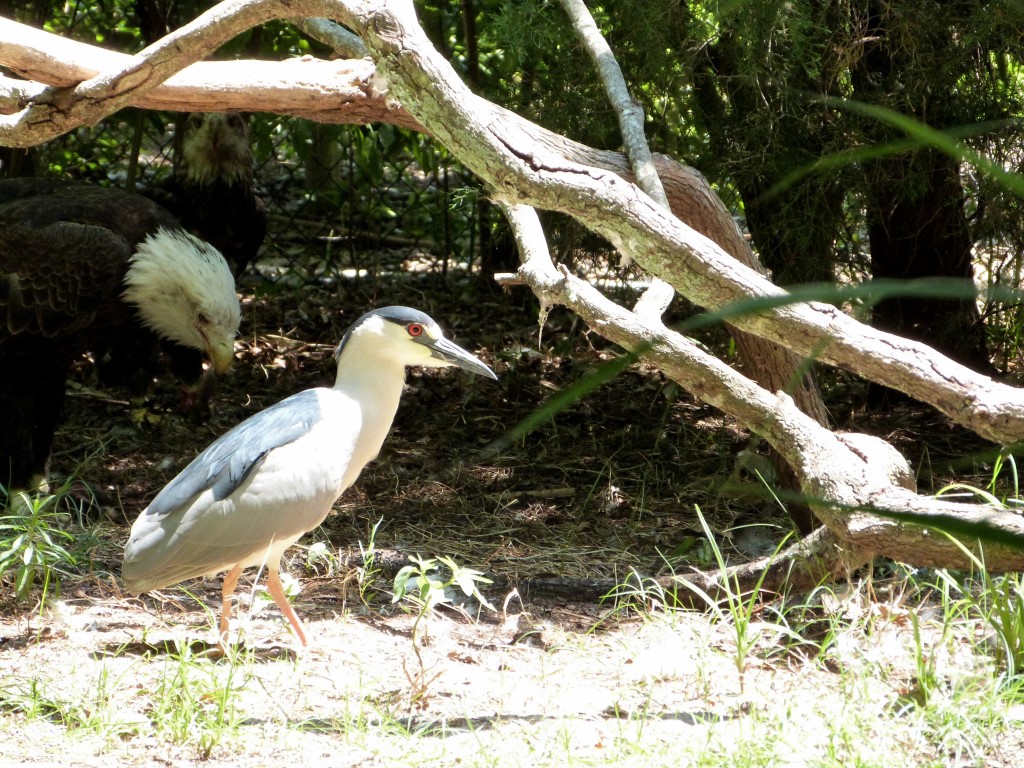
Black-crowned Night Heron (Nycticorax nycticorax) Jax Zoo by Lee

Black-crowned Night Heron (Nycticorax nycticorax) Jax Zoo by Lee

Here are some of the photos we took of the two eagles and a friendly Black-crowned Night-heron that was keeping them company. The Heron was wild and flew out later. These two Eagles were injured and can never return to the wild.

*

Also:

Changed From the Inside Out

*


Sunday Inspiration – Sunrise Gives A Big Surprise

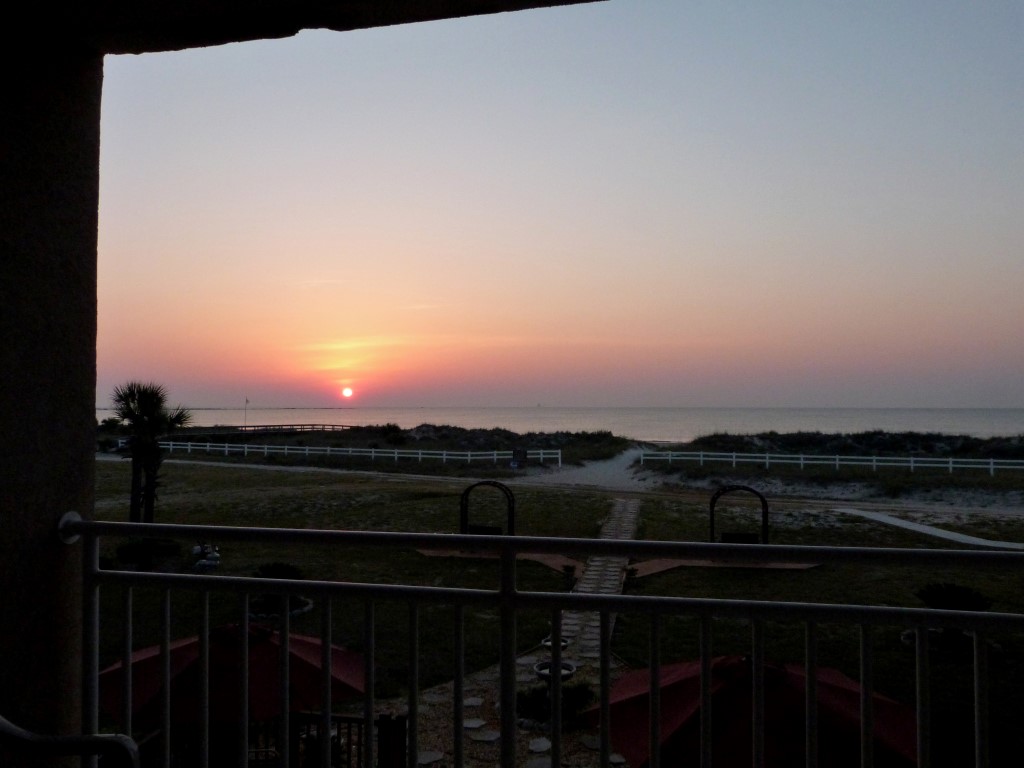
Sunrise at Mayport 5-23-14

Sunrise at Mayport 5-23-14

And he shall be as the light of the morning, when the sun riseth, even a morning without clouds; as the tender grass springing out of the earth by clear shining after rain. (2 Samuel 23:4 KJV)

Friday, we were on the balcony of our room on Mayport Naval Station, Jacksonville. We were taking photos of the sunrise before packing up to come home.

As I took photos, I noticed a ship pretty far out heading in. Because it was early dawn, we couldn’t really see what it was and decided it was just a merchant ship coming in.

A ship way out coming in.

A ship way out coming in.

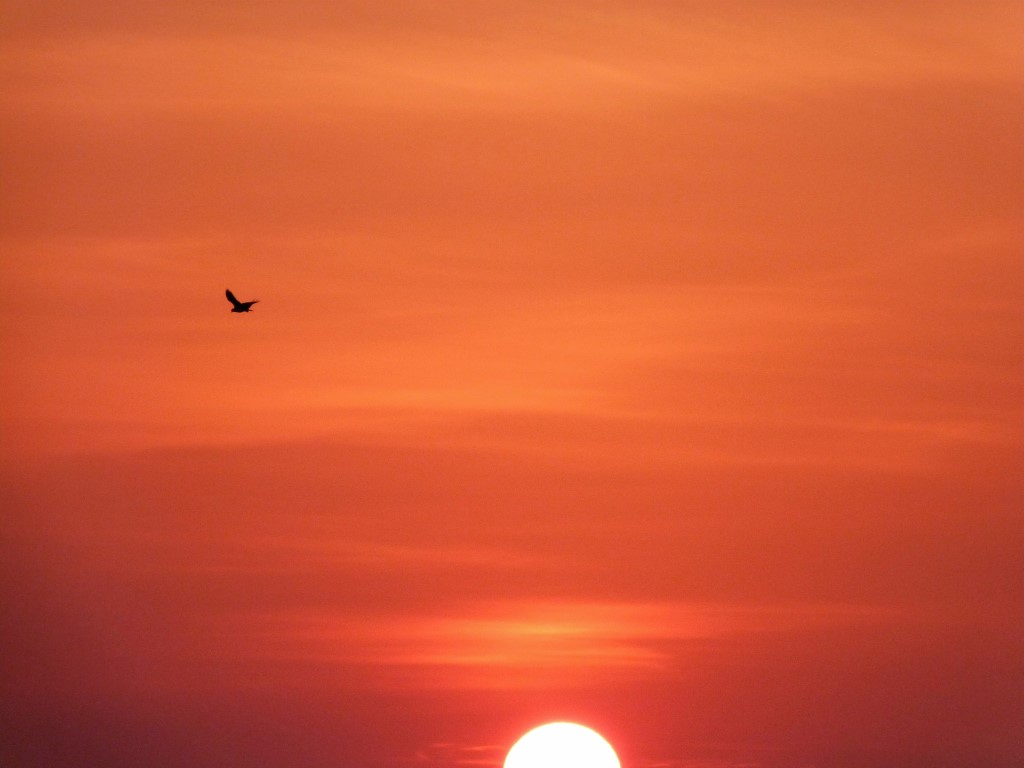
I kept photographing the sun rising and trying to catch some birds outlined. You know, like those real photographers do. Guess I better stick to birdwatching and leave the photography to those who know what they are doing.

Trying to catch a bird.

Trying to catch a bird.

As the ship came in, I started trying to catch it as it came under the rising sun. She gave 5 horn blasts, which Dan said, is a sign of an incoming Naval ship. I could not find her number on the bow. So I kept shooting.

Sunrise and USS New York at Mayport

Sunrise and the ship at Mayport

As were leaving the base to head home, we came by where the ships dock. There was that ship and then it “hit me,” That was the

USS New York!

Wow! Needless say, we stopped and took more photos of her tied up. Never thought I’d get a chance to see the USS New York, but there it was! It is special and this being Memorial Day weekend, it is even more special.

Now that we are home and I am viewing the photos on a monitor and not through the viewfinder, her number “21” is visible. Also,I found out that Mayport Naval Station is now the USS New York’s homeport as of last December.

Sunrise and USS New York at Mayport

Sunrise and USS New York at Mayport

This is not the usual “Sunday Inspiration,” but I want this to be a tribute to those who have served in the military and especially to those who have lost someone who served in the military. My father died as a result of his injuries sustain by “mustard gas.” It was years later, but it caused many problems.

And will be a Father unto you, and ye shall be my sons and daughters, saith the Lord Almighty. (2 Corinthians 6:18 KJV)

For whatsoever things were written aforetime were written for our learning, that we through patience and comfort of the scriptures might have hope. (Romans 15:4 KJV)

Lord Bless all of you as we remember not only the military, but also those who lost their lives in the “Twin Towers” on 9/11. You can see the two tall stacks representing the towers.

Remember the days of old, consider the years of many generations: ask thy father, and he will shew thee; thy elders, and they will tell thee. (Deuteronomy 32:7 KJV)

Grace be to you and peace from God our Father, and from the Lord Jesus Christ. Blessed be God, even the Father of our Lord Jesus Christ, the Father of mercies, and the God of all comfort; Who comforteth us in all our tribulation, that we may be able to comfort them which are in any trouble, by the comfort wherewith we ourselves are comforted of God. (2 Corinthians 1:2-4 KJV)

*

This slideshow requires JavaScript.


“Military Service Medley” – Faith Baptist Orchestra 7-3-11

*

Gospel Message

*

Marabou Stork Chicks and Inca Tern at Jacksonville Zoo

Marabou Stork (Leptoptilos crumenifer) with chicks-Jax Zoo by Lee

Marabou Stork (Leptoptilos crumenifer) with chicks-Jax Zoo by Lee

Where the birds make their nests: as for the stork, the fir trees are her house. (Psalms 104:17 KJV)

We just got back from a trip to Jacksonville, FL and a visit to the Jacksonville Zoo. I haven’t had time to go through the photos yet, but wanted to share two of the videos.

The first one is two Marabou Stork chicks with a parent. They are not any better looking as a youngster than their parents are. We see them at the Lowry Park Zoo frequently, but never saw them with a chick.

The Marabou Stork (Leptoptilos crumeniferus) is a large wading bird in the Ciconiidae – Storks Family. It breeds in Africa south of the Sahara, in both wet and arid habitats, often near human habitation, especially waste tips. It is sometimes called the “Undertaker Bird” due to its shape from behind: cloak-like wings and back, skinny white legs, and sometimes a large white mass of “hair”. It has one of the largest wing spans of any bird. (Wikipedia)

*

*

The the second video is of an Inca Tern preening. I love those “whiskers.”

The Inca Tern (Larosterna inca) is a seabird in the Laridae – Gulls, Terns and Skimmers – Family. It is the only member of the genus Larosterna.

This uniquely plumaged bird breeds on the coasts of Peru and Chile, and is restricted to the Humboldt current. It can be identified by its dark grey body, white moustache on both sides of its head, and red-orange beak and feet.*

*

This is short because we are still unpacking. The Lord gave us a great trip and traveling mercies. I have many nice videos and photos to share. Stay tuned.

See:

Jacksonville Zoo

Bio Facts: Stork, Marabou – Jacksonville Zoo

Marabou Stork – Wikipedia

Marabou Stork – ARKive

Marabou Stork “Undertaker Bird”

Ciconiidae – Storks Family

Laridae – Gulls, Terns and Skimmers – Family

Inca Tern – Oregon Zoo

Inca Tern: The Magnificently Mustached Bird

Inca Tern – Wikipedia

*

Sunday Inspiration – Singing Birds

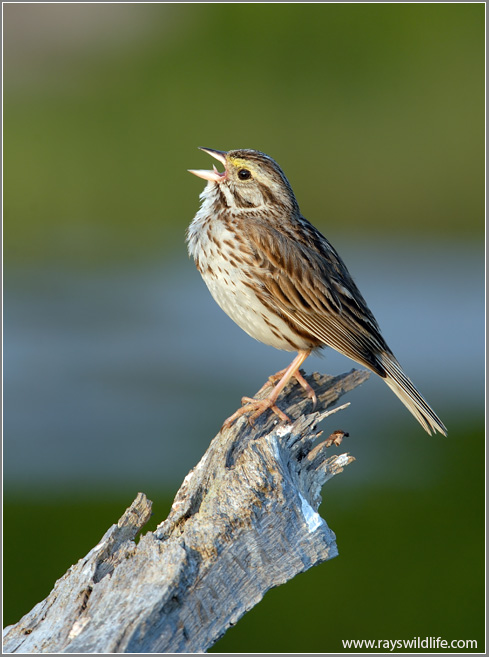
Savannah Sparrow singing by Ray

Savannah Sparrow singing by Ray

By them the birds of the heavens have their home; They sing among the branches. (Psalms 104:12 NKJV)

The Lord created the birds with the ability to sing such beautiful songs. They have various reasons for singing and shouldn’t we also be willing to sing in our different activities?

The LORD is my strength and my shield; My heart trusted in Him, and I am helped; Therefore my heart greatly rejoices, And with my song I will praise Him. (Psalms 28:7 NKJV)

“O God, my heart is fixed; I will sing and give praise, even with my glory.” (Psalms 108:1 KJV)

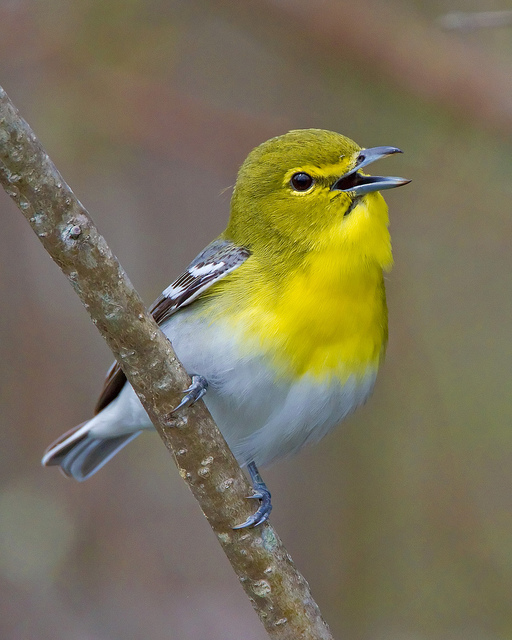
Yellow-throated Vireo (Vireo flavifrons) singing ©nebirdsplus

Yellow-throated Vireo (Vireo flavifrons) singing ©nebirdsplus

And some more great “singing” verses:

Speaking to yourselves in psalms and hymns and spiritual songs, singing and making melody in your heart to the Lord; (Ephesians 5:19 KJV)

Let the word of Christ dwell in you richly in all wisdom; teaching and admonishing one another in psalms and hymns and spiritual songs, singing with grace in your hearts to the Lord. (Colossians 3:16 KJV)

*

This slideshow requires JavaScript.

*

“Singing” – by Dr. Richard Gregory (permission given by Mrs. Gregory)

Dr. Gregory, who was a member of our church, is now in the presence of the Lord. He is seeing His Saviour “Face to face.”

*

Sunday Inspiration

Birds of the Bible

Birds of the Bible – Singing Birds

Birds in Hymns

Sharing The Gospel

*


Birds of the Bible – Dove and Pigeon Distribution


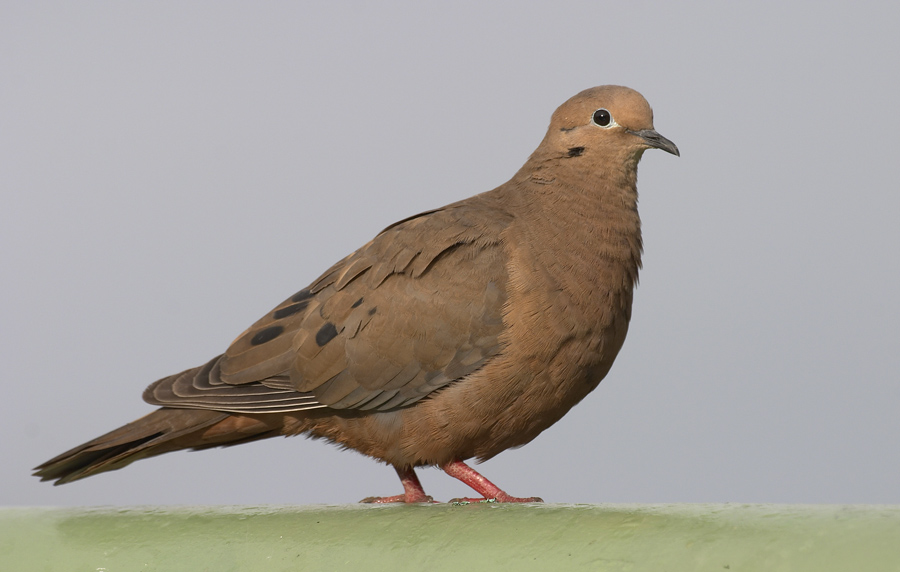
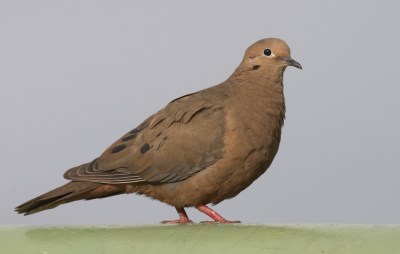
Eared Dove (Zenaida auriculata) by Robert Scanlon

Eared Dove (Zenaida auriculata) by Robert Scanlon

Also he sent forth a dove from him, to see if the waters were abated from off the face of the ground; (Genesis 8:8 KJV)

Doves and Pigeons are mentioned many times throughout Scripture. When people all over the world read about them in their Bible, they probably have an idea of what that bird looks like. Why?

“Pigeons and doves are distributed everywhere on Earth, except for the driest areas of the Sahara Desert, Antarctica and its surrounding islands and the high Arctic. They have colonised most of the world’s oceanic islands, reaching eastern Polynesia and the Chatham Islands in the Pacific, Mauritius, the Seychelles and Réunion in the Indian Ocean, and the Azores in the Atlantic Ocean.” (Wikipedia)

They appear almost everywhere. During the time of sacrifices to God, before Jesus Christ became the perfect Sacrifice for our sins; doves, turtle dove and young pigeons were accepted. Just as salvation is available to all, there were birds available, no matter where you were.
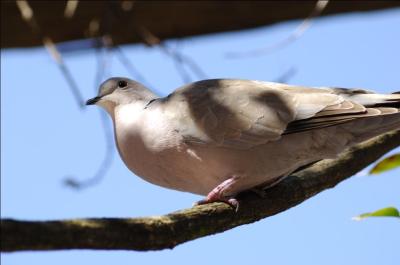
Eurasian Collared Dove (Streptopelia decaocto) by Dan

Eurasian Collared Dove (Streptopelia decaocto) by Dan

Why are they so plentiful?

“The family has adapted to most of the habitats available on the planet. These species may be arboreal, terrestrial or semiterrestrial. Various species also inhabit savannas, grasslands, deserts, temperate woodlands and forests, mangrove forests, and even the barren sands and gravels of atolls.”
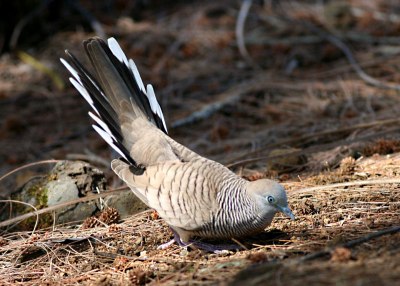
Zebra Dove (Geopelia striata) by Margaret Sloan

Zebra Dove (Geopelia striata) has been widely introduced around the world – by Margaret Sloan

Are the Doves and Pigeons called by the same name? No. As they have reproduced and moved to the different areas (distribution), the number of species have grown.

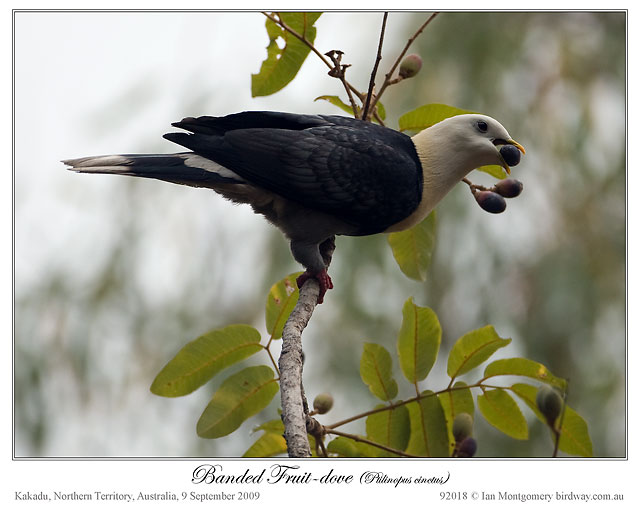
“Some species have large natural ranges. The Eared Dove ranges across the entirety of South America from Colombia to Tierra Del Fuego, the Eurasian Collared Dove has a massive (if discontinuous) distribution from Britain across Europe, the Middle East, India, Pakistan and China, and the Laughing Dove across most of sub-Saharan Africa, as well as India, Pakistan and the Middle East. Other species have a tiny, restricted distribution; this is most common in island endemics. The Whistling Dove is endemic to the tiny Kadavu Island in Fiji, the Caroline Ground-dove is restricted to two islands, Truk and Pohnpei in the Caroline Islands, and the Grenada Dove is restricted to Grenada in the Caribbean. Some continental species also have tiny distributions; for example, the Black-banded Fruit Dove is restricted to a small area of the Arnhem Land of Australia, the Somali Pigeon is restricted to a tiny area of northern Somalia, and Moreno’s Ground Dove is restricted to the area around Salta and Tucuman in northern Argentina.”
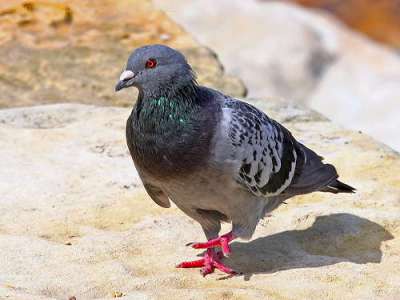
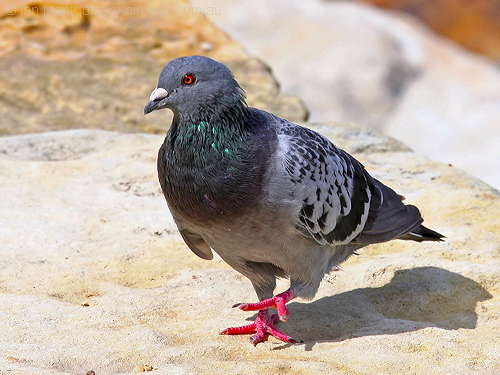
Rock Dove (Columba livia) by Ian

Rock Dove (Columba livia) by Ian

 And he said unto him, Take me an heifer of three years old, and a she goat of three years old, and a ram of three years old, and a turtledove, and a young pigeon. (Genesis 15:9 KJV)

“The largest range of any species is that of the Rock Dove or Rock Pigeon. This species had a large natural distribution from Britain and Ireland to northern Africa, across Europe, Arabia, Central Asia, India, the Himalayas and up into China and Mongolia. The range of the species increased dramatically upon domestication, as the species went feral in cities around the world. The species is currently resident across most of North America, and has established itself in cities and urban areas in South America, sub-Saharan Africa, Southeast Asia, Japan, Australia and New Zealand. The species is not the only pigeon to have increased its range due to the actions of man; several other species have become established outside of their natural range after escaping captivity, and other species have increased their natural ranges due to habitat changes caused by human activity.”

The “Pigeon” (Columba livia) is known by many names because of the different languages spoken, yet they all refer to the same bird. The scientific name,  Columba livia, refers to only that bird, no matter what they call it.

Here are some examples:

English:
Rock Pigeon
Czech:
holub skalní
German:
Felsentaube
Danish:
Klippedue
Spanish:
Paloma Bravía
Finnish:
kalliokyyhky
French:
Pigeon biset
Icelandic:
Bjargdúfa
Italian:
Piccione selvatico
Japanese:
kawarabato
Japanese:
カワラバト(ドバト)
Dutch:
Rotsduif
Norwegian:
Klippedue (Domestisert: Bydue)
Polish:
gołąb miejski
Portuguese:
Pombo-doméstico
Portuguese (Brazil):
Pombo-doméstico
Russian:
Сизый голубь
Slovak:
holub divý
Swedish:
Klippduva
Chinese:
原鸽

(Adapted from the Wikipedia’s “Columbidae” page, especially the “Distribution and Habitat” section.)

Banded Fruit Dove (Ptilinopus cinctus) by Ian

Banded Fruit Dove (Ptilinopus cinctus) by Ian

The flowers appear on the earth; The time of singing has come, And the voice of the turtledove Is heard in our land. (Song of Solomon 2:12 NKJV)
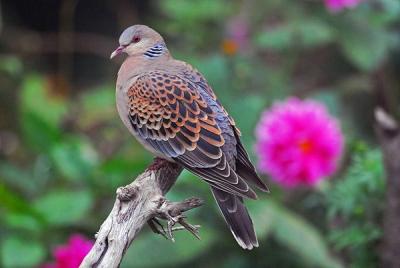
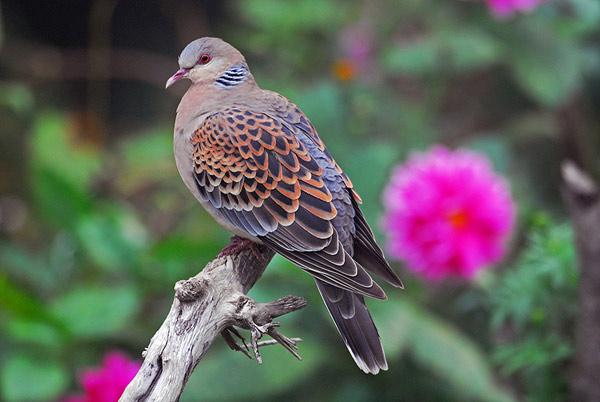
Oriental Turtle Dove (Streptopelia orientalis) by Nikhil

Oriental Turtle Dove (Streptopelia orientalis) by Nikhil

The next day John seeth Jesus coming unto him, and saith, Behold the Lamb of God, which taketh away the sin of the world. (John 1:29 KJV)

As mentioned above, if a person could not afford a lamb or ram, then Turtle Dove and Pigeons were accepted. They were plentiful and available. Since the Lord paid the ultimate sacrifice for our sin, the need to use these birds is no longer needed. As a birdwatcher, I am thankful. As a Christian, I am most thankful for the Lord’s sacrifice for my sins.

Jesus saith unto him, I am the way, the truth, and the life: no man cometh unto the Father, but by me. (John 14:6 KJV)

See:

*