Heaven’s New Jerusalem and Birds – Jacinth

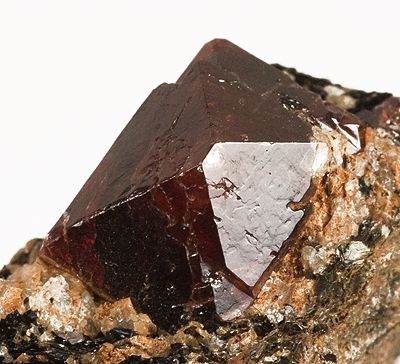
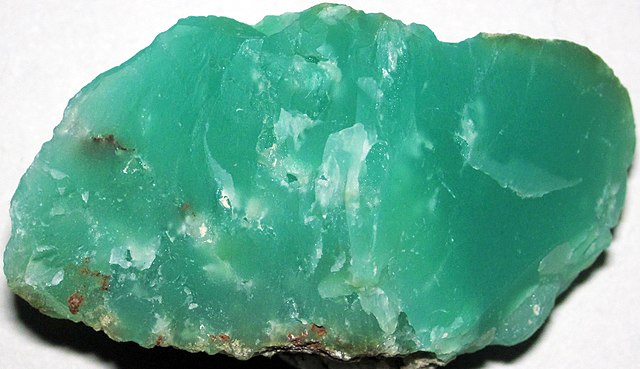
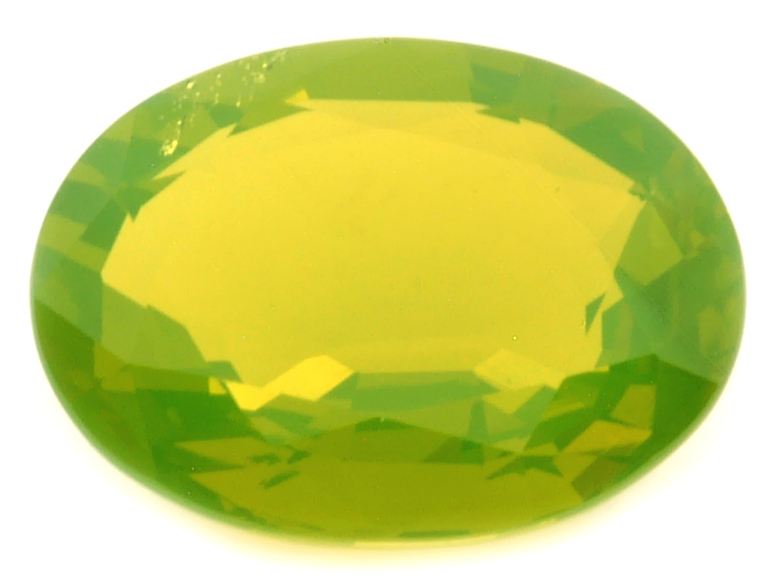
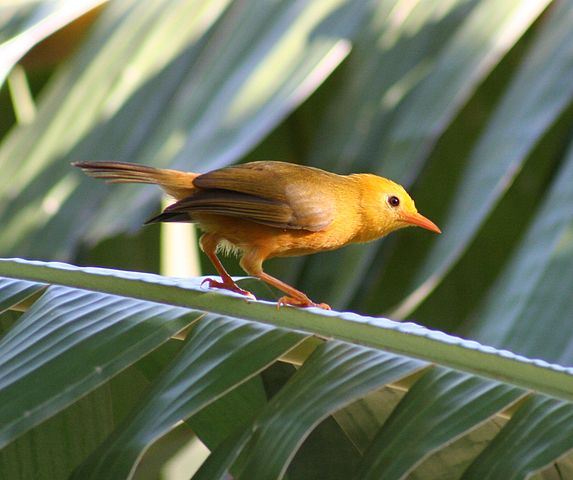
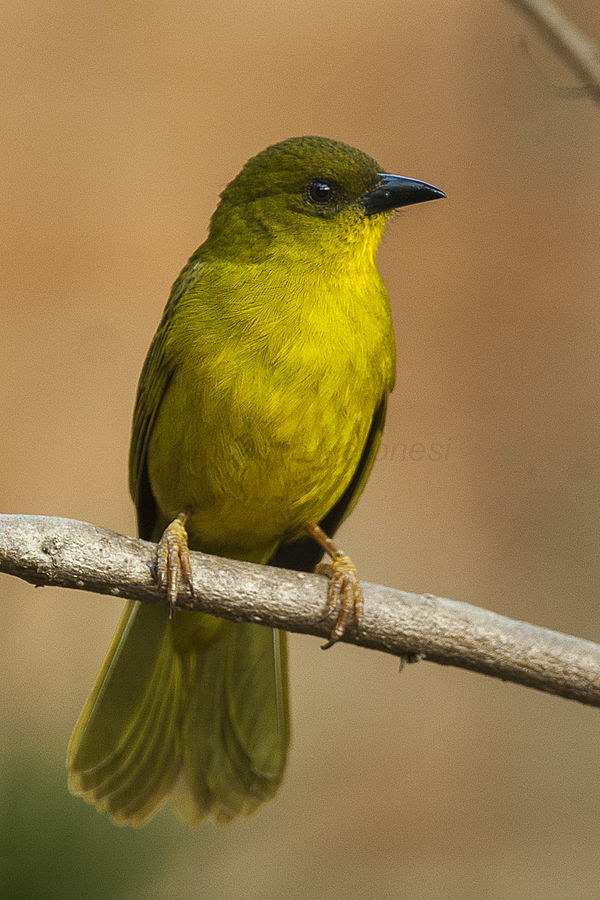
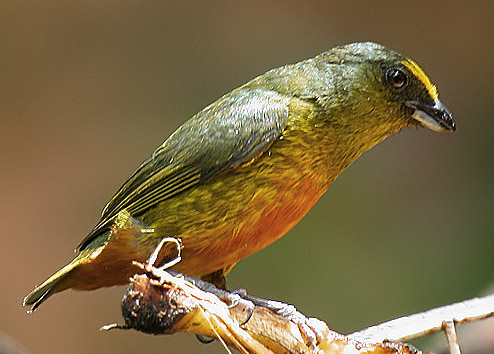
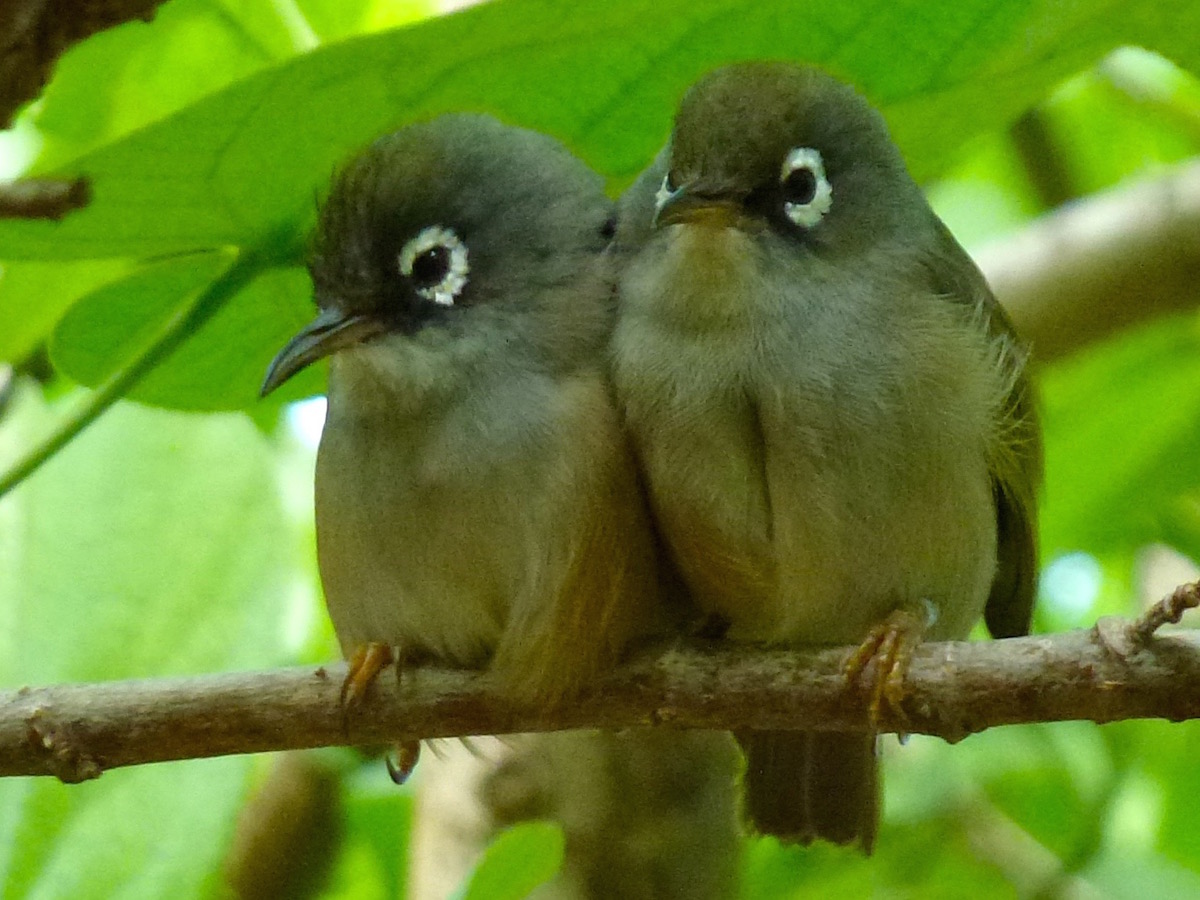
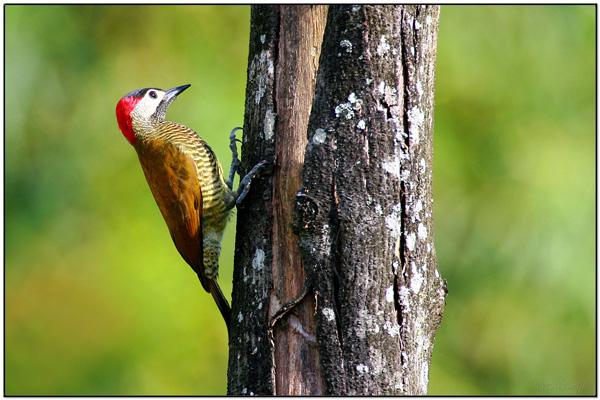
Jacinth ©WikiC

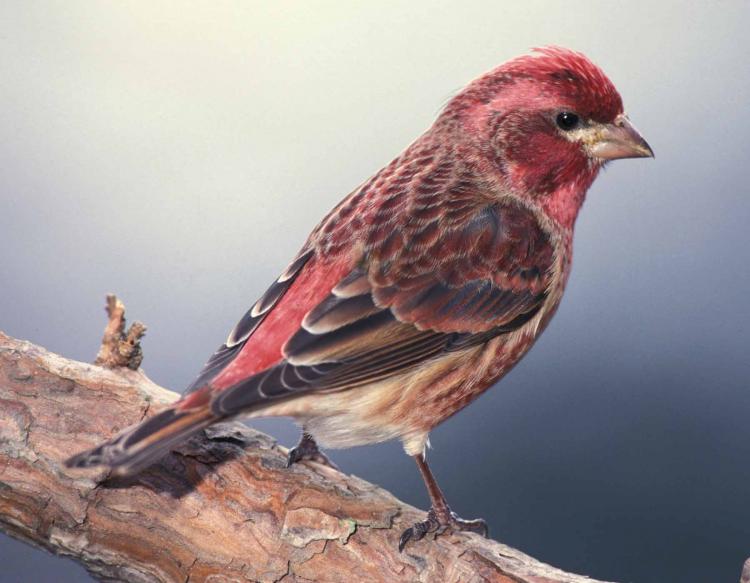
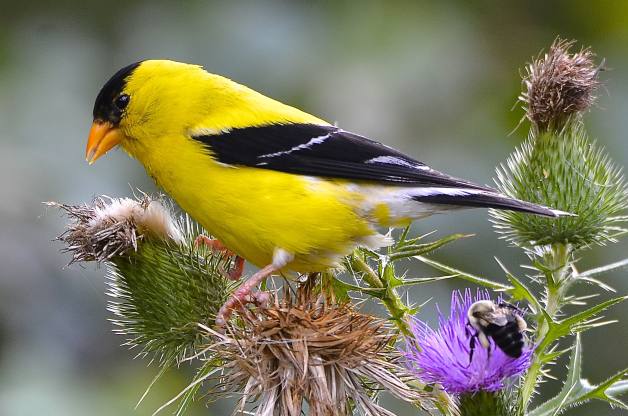
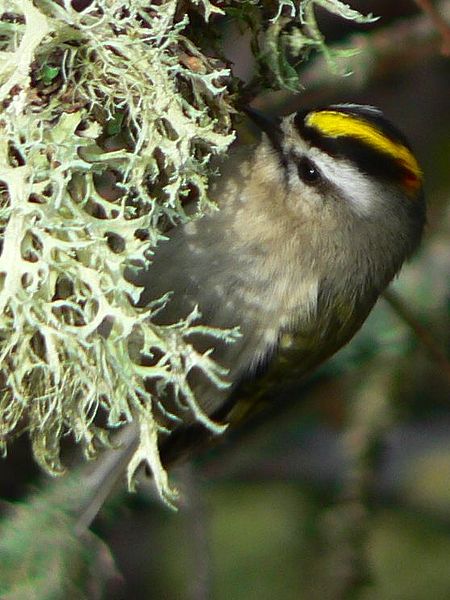
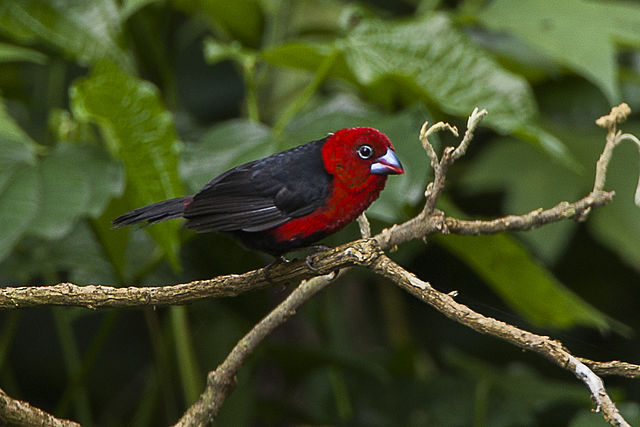
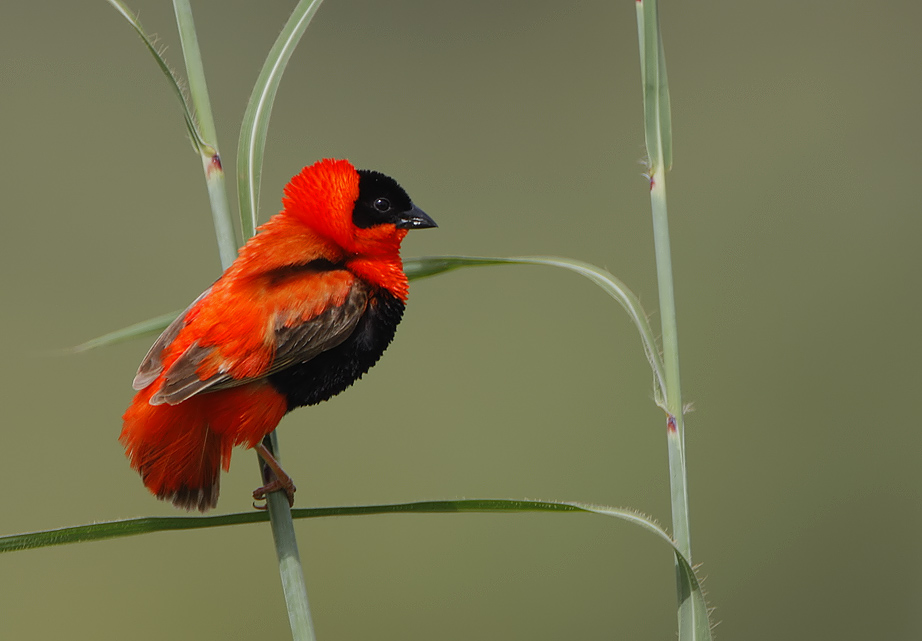
Purple Finch-male.photo-MoDept Conservation

“The foundations of the wall of the city were adorned with all kinds of precious stones: the first foundation was jasper, …. the fifth sardonyx, the sixth sardius, the seventh chrysolite, the eighth beryl, the ninth topaz, the tenth chrysoprase, the eleventh jacinth, and the twelfth amethyst.” (Revelation 21:19a-20 NKJV)


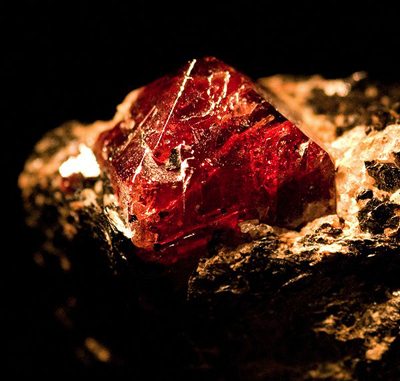
Jacinth from Pakistan ©WikiC

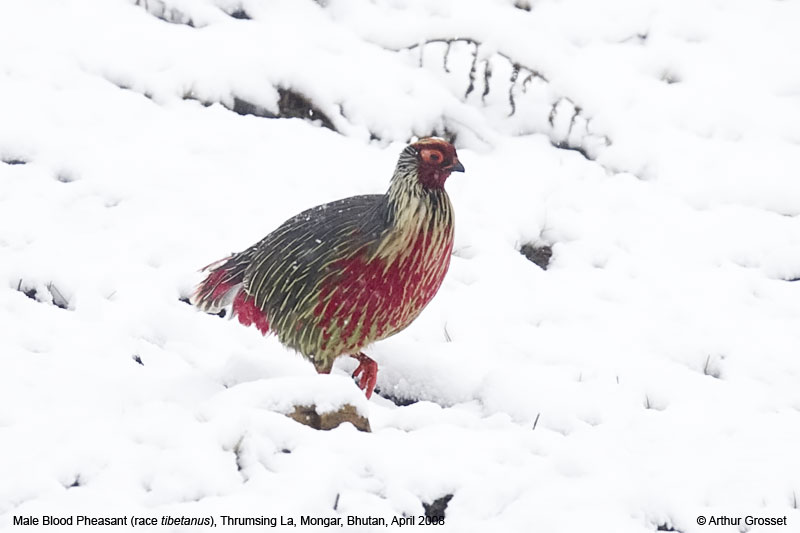
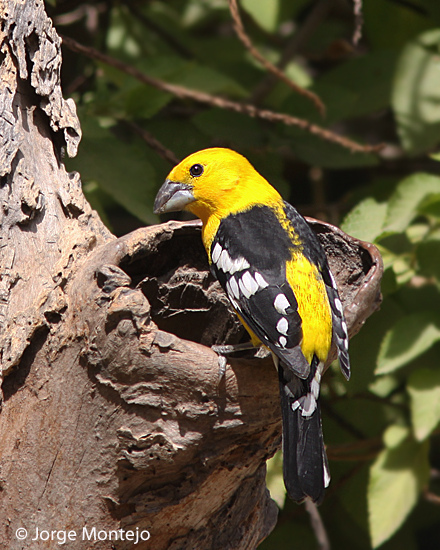
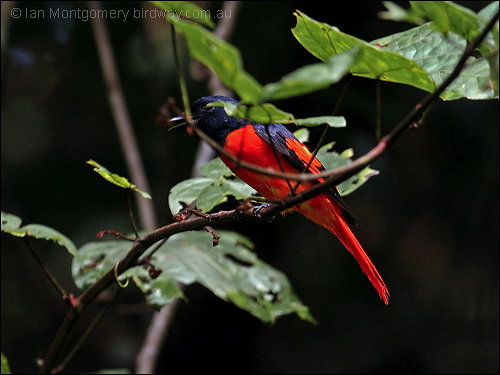
Blood Pheasant (Ithaginis cruentus) ©Arthur Grosset

Blood Pheasant (Ithaginis cruentus) ©Arthur Grosset

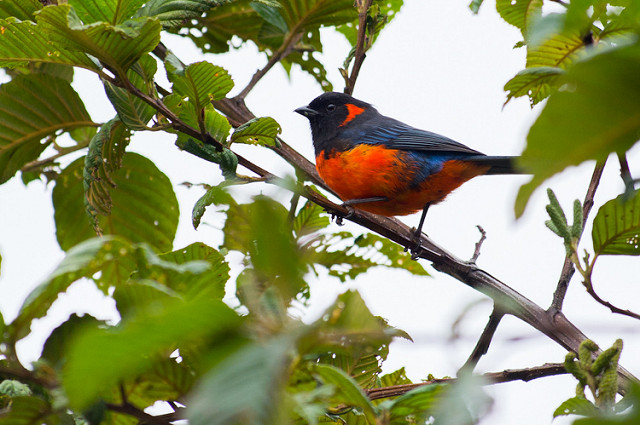
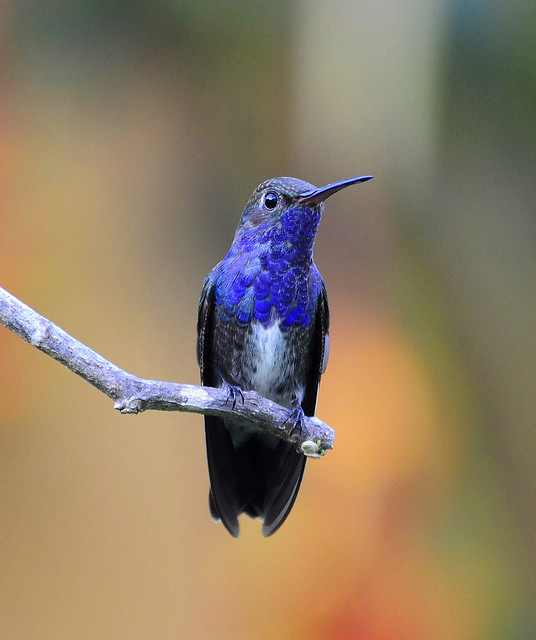
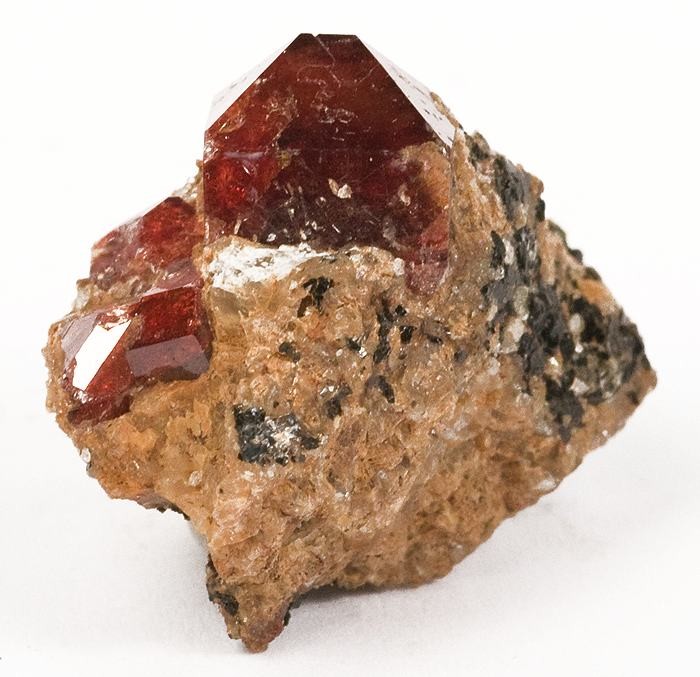
Jacinth. Today this stone is a transparent zircon, usually red or reddish-brown. The one John saw was blue or shining violet in color. [NKJV MacArthur Study Bible]

Jacinth from Pakistan ©WikiC

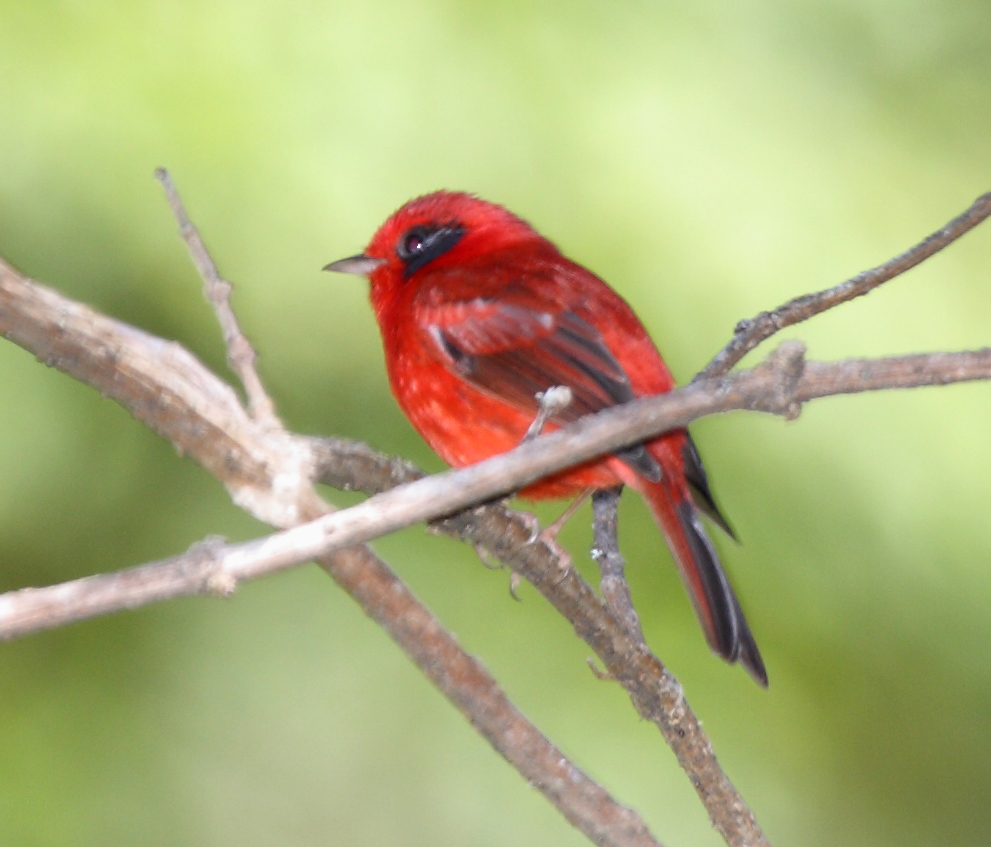
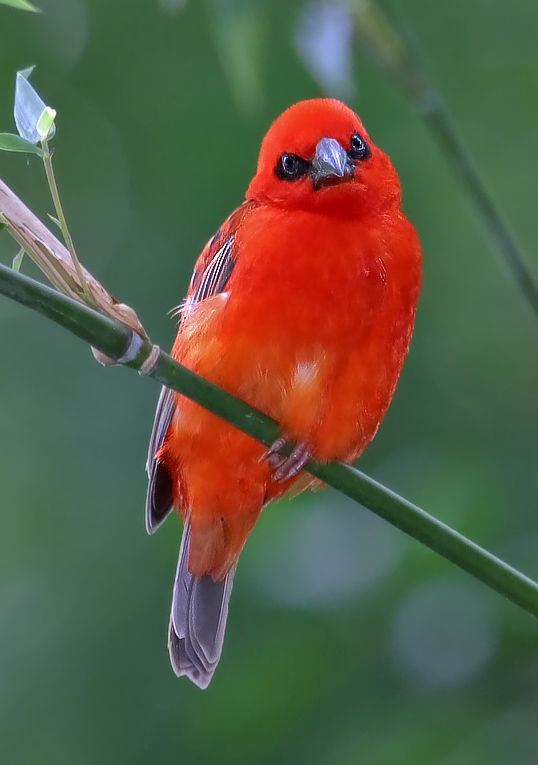
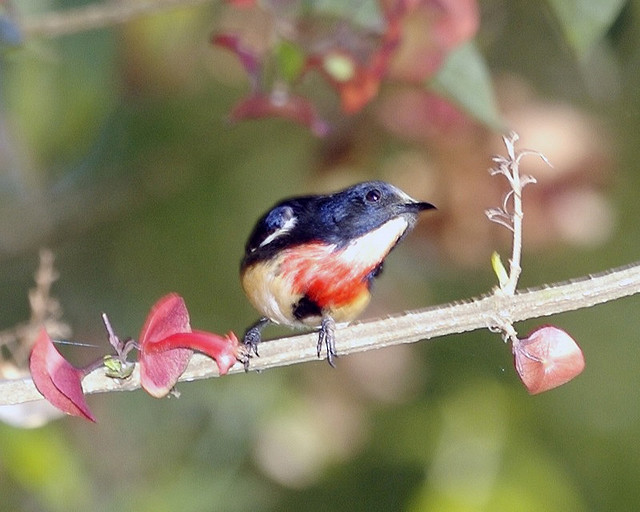
Red Pileated Finch (Coryphospingus cucullatus) ©WikiC

Jacinth – The word υακινθος, signifies hyacinth, and this, as a colour, is a deep purple. In Rev_9:17the horsemen had breastplates of fire, jacinth, and brimstone, which seem to imply flashes of coloured light. In Rev_21:20 the jacinth garnishes the eleventh foundation of the heavenly Jerusalem. It is supposed by some to be the same as the ligure. The Greek word occurs in the LXX in Ex 25:4 26:1 , &c., but is translated ‘blue.’ [Concise Bible Dictionary]

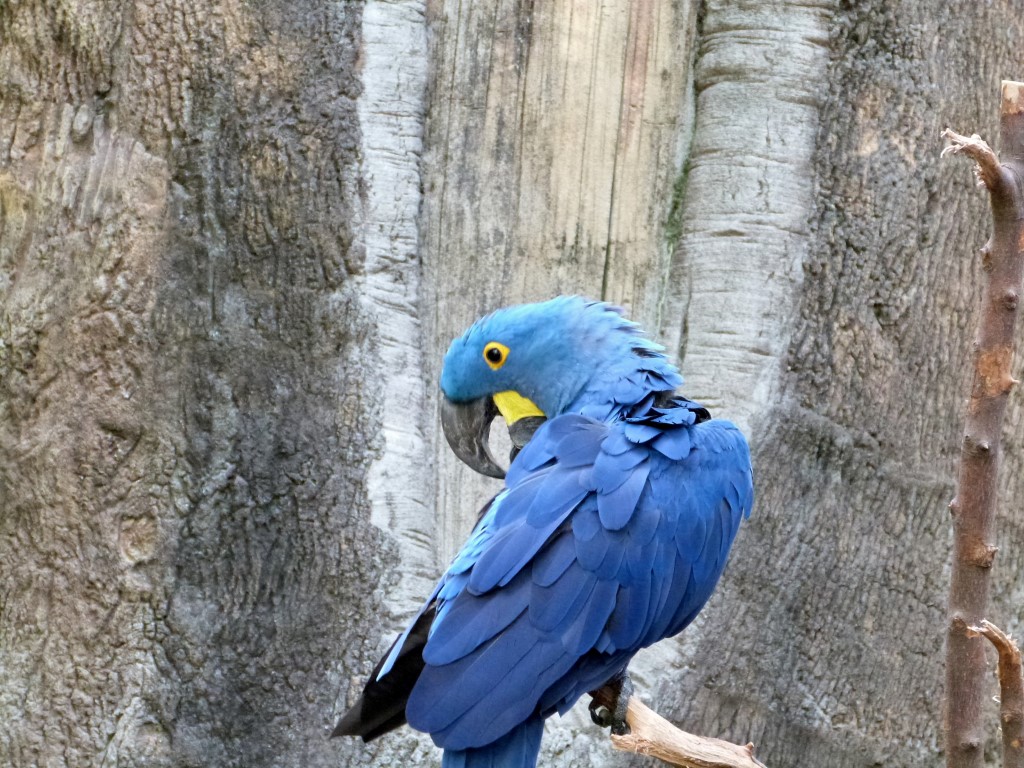
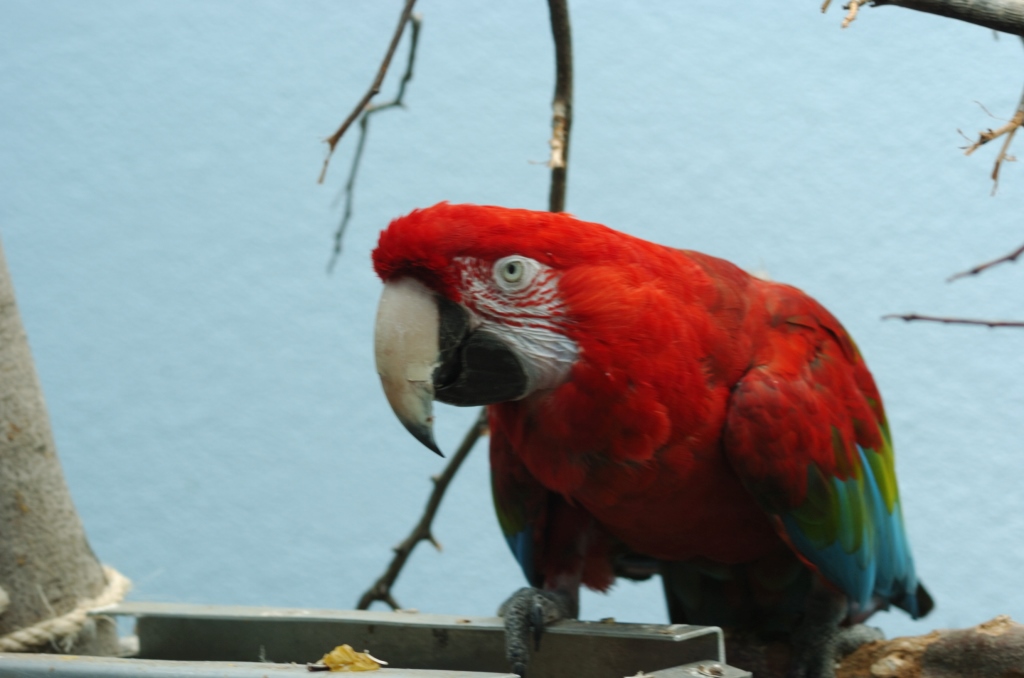
Hyacinth Macaw (Anodorhynchus hyacinthinus) Cincinnati Zoo 9-5-13 by Lee

Hyacinth Macaw (Anodorhynchus hyacinthinus) by Lee

Jacinth. A precious stone, forming one of the foundations of the walls of the new Jerusalem. Rev_21:20. Called hyacinth, in the Revised Version. This is simply a different English rendering of the same Greek original. It is probably identical with the lighure of Exo_28:19.
The jacinth or hyacinth is a red variety of zircon, which is found in square prisms of a white, gray, red, reddish-brown, yellow or pale-green color. The expression in Rev_9:17, “of jacinth,” is descriptive simply of a dark-purple color. [Smith Bible Dictionary]

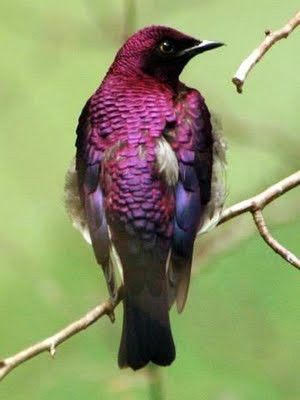
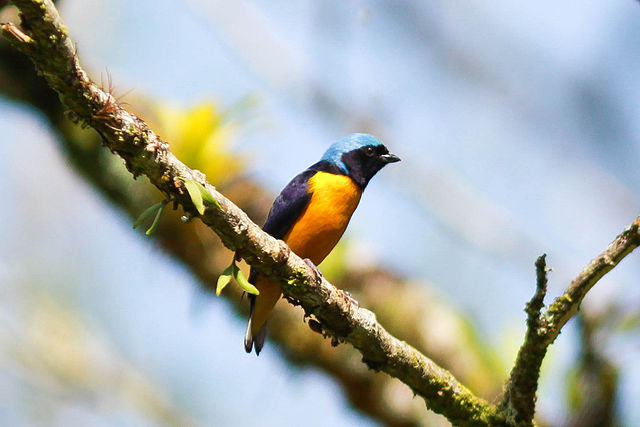
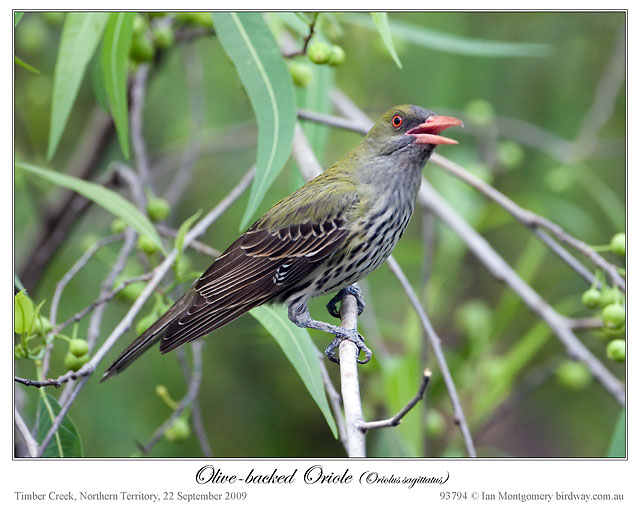
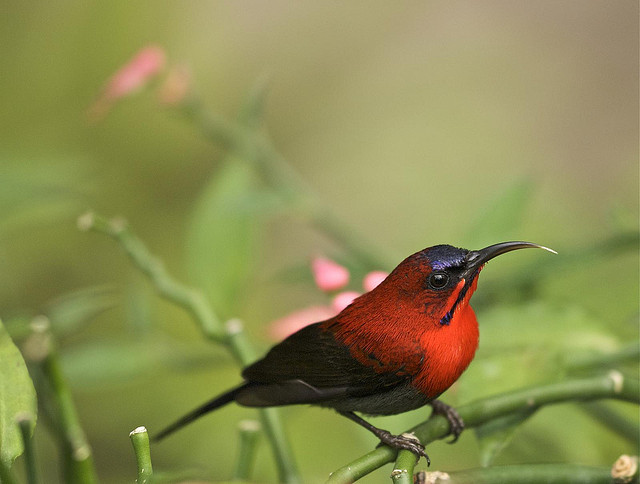
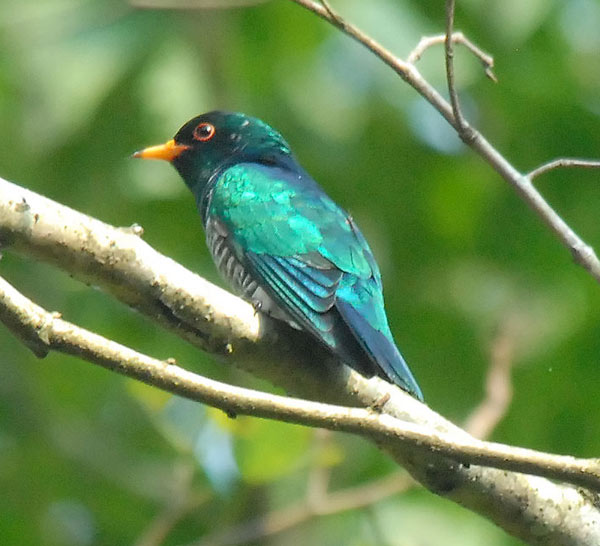
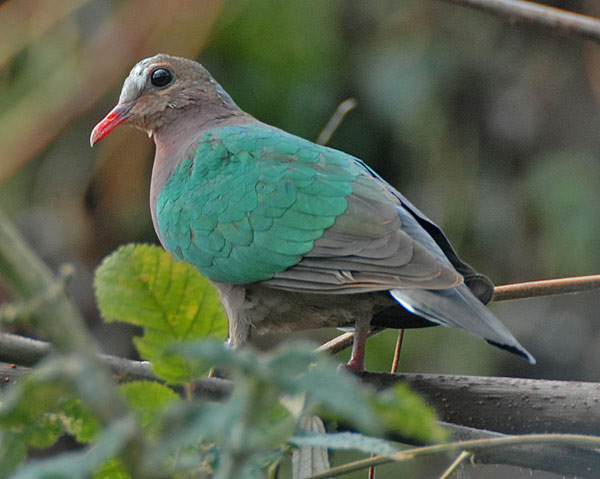
Purple Glossy Starling of Tanzania aka Purple Starling

Jacinth Properly a flower of a reddish blue or deep purple (hyacinth), and hence a precious stone of that colour… (Rev_21:20). [Easton Bible Dictionary]

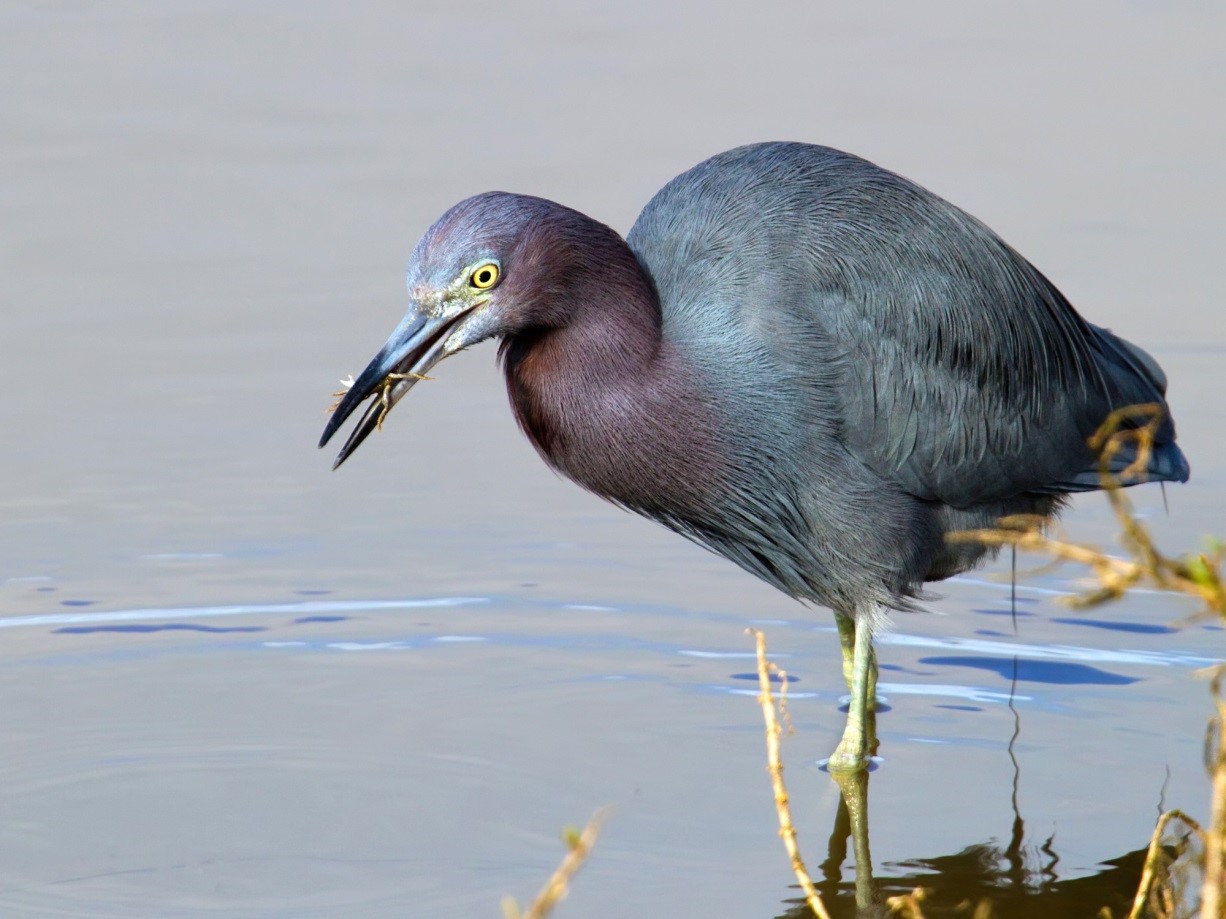
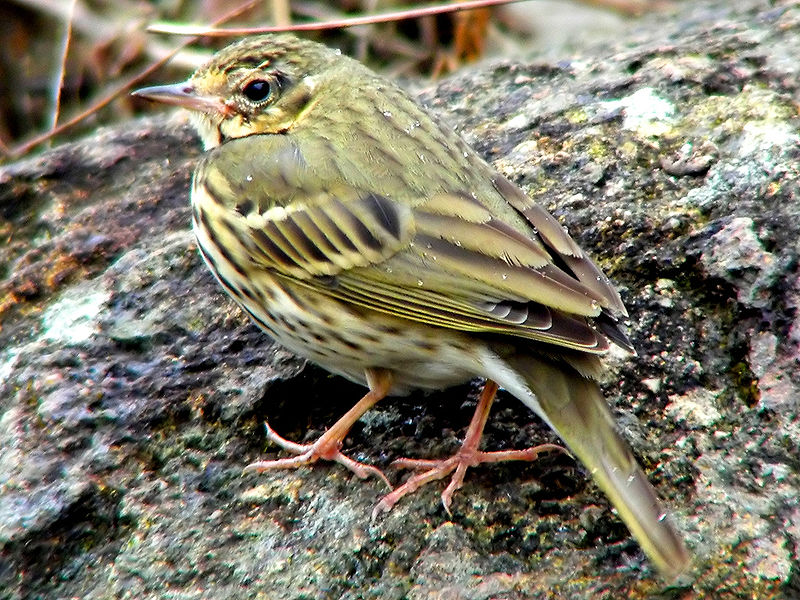
Reddish Egret in a rural Pondshore at Summer Rekefest

Jacinth (Gr.: huakinthi)—its color is violet. It is the color of the hyacinth. Pliny gives the color as violet. [J. Vernon McGee]

Other Articles In This Series:

Wages or a Gift?

Heaven’s New Jerusalem and Birds – Chrysoprase

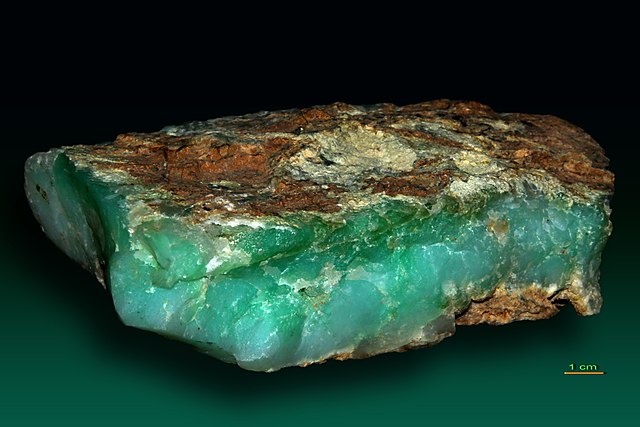
Chrysoprase_(Australia) ©WikiC

“The foundations of the wall of the city were adorned with all kinds of precious stones: the first foundation was jasper, …. the fifth sardonyx, the sixth sardius, the seventh chrysolite, the eighth beryl, the ninth topaz, the tenth chrysoprase, the eleventh jacinth, and the twelfth amethyst.” (Revelation 21:19a-20 NKJV)

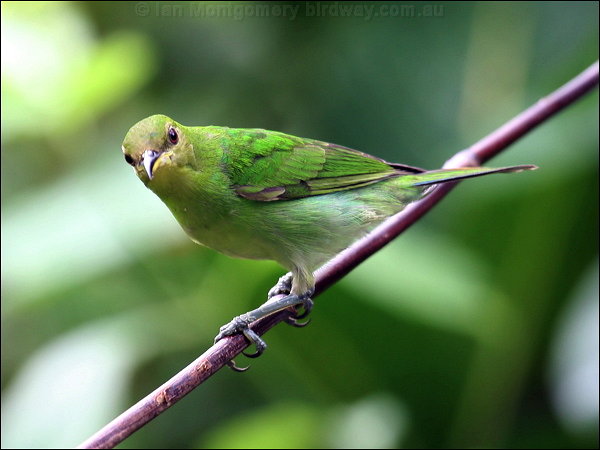
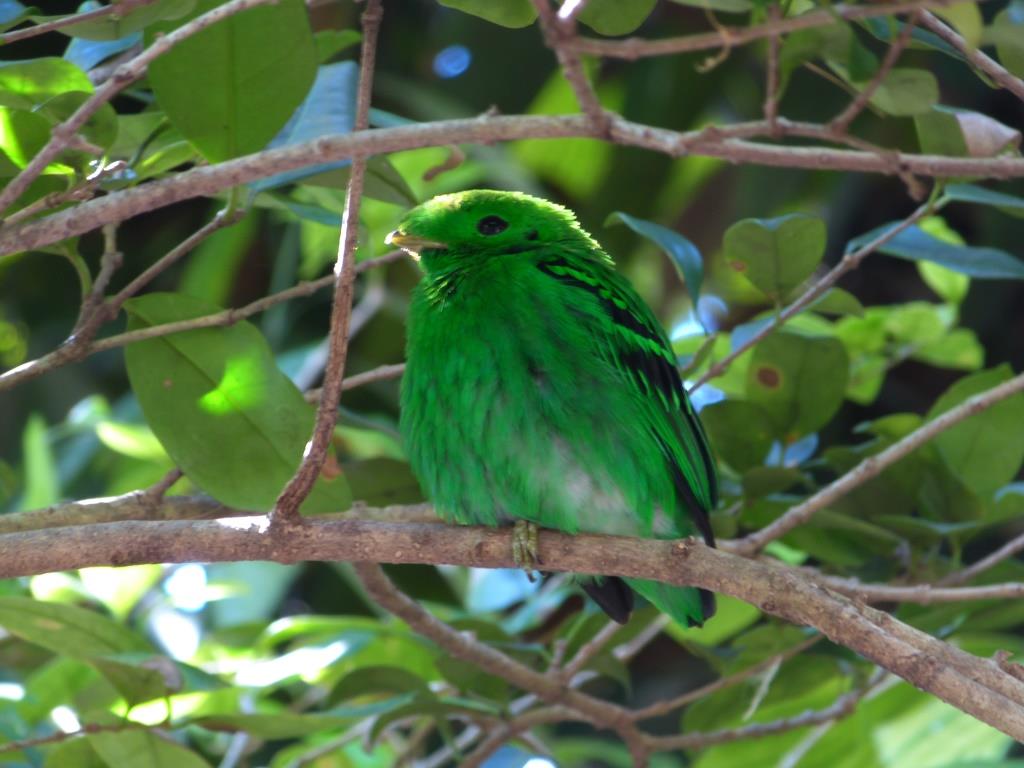
Green-honeycreeper by Wilds

We are now up to the tenth precious stone layer of the New Jerusalem. Wow!! So far, all the colors of the stones and birds have been beautiful. And remember, the colors we have been showing, will be so much more spectacular in heaven!

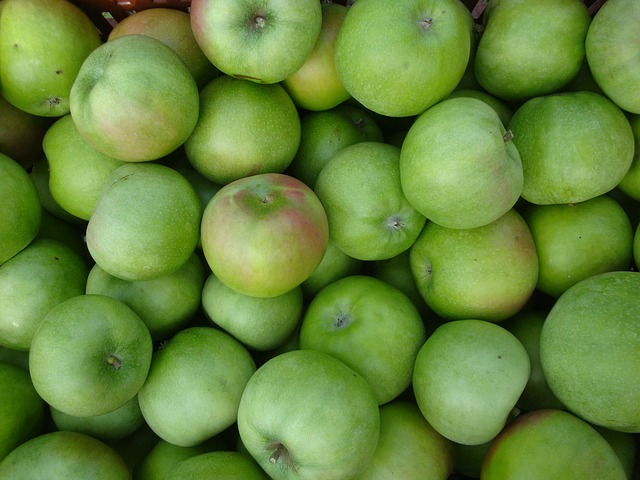
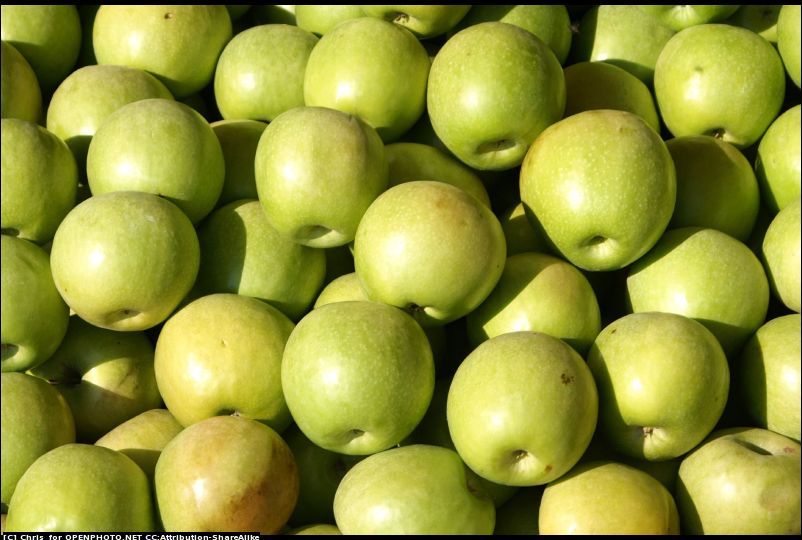
Fruit Green Apple

Green Apples

Chrysoprase (n.) An apple-green variety of chalcedony, colored by nickel. It has a dull flinty luster, and is sometimes used in jewelry.

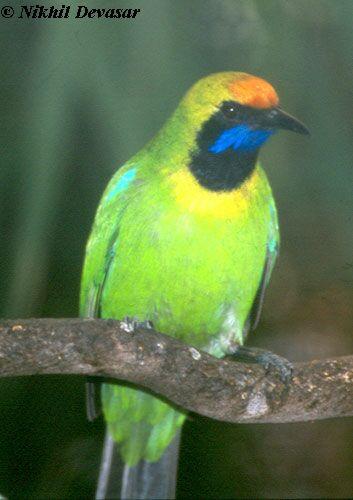
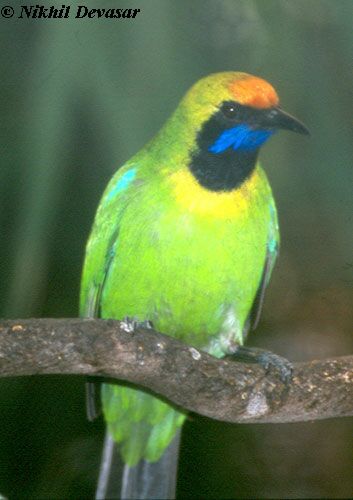
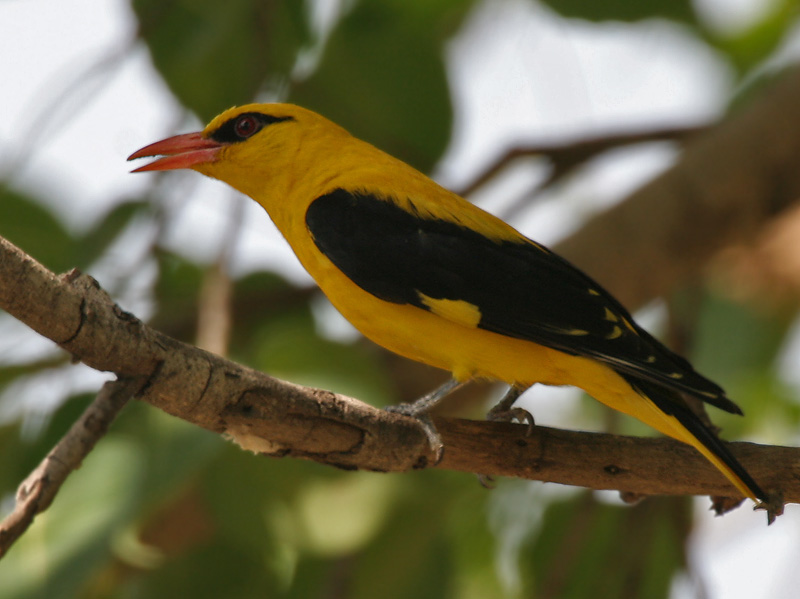
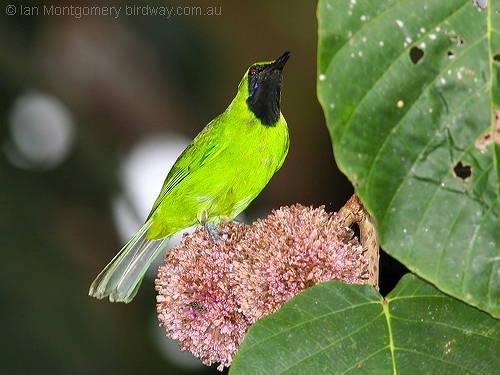
Golden-fronted Leafbird (Chloropsis aurifrons) by Nikhil Devasar

Golden-fronted Leafbird (Chloropsis aurifrons) by Nikhil Devasar

Chrysoprasus Golden leek, a precious stone of the colour of leek’s juice, a greenish-golden colour (Rev_21:20). [Easton’s Bible Dict.]

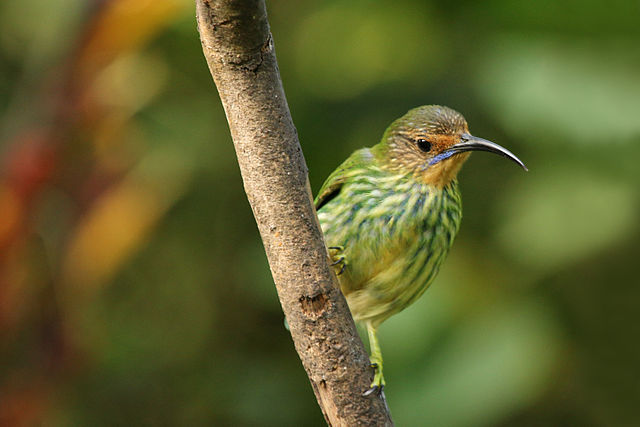
Purple Honeycreeper (Cyanerpes caeruleus) Female ©WikiC

CHRYSOPRASE, CHRYSOPRASUS Light-green variety of chalcedony mentioned as one the gems in foundation wall new Jerusalem… [ILumina]

Chryzopraz – Szklary, (Poland) ©WikiC

Revelation 21:20 “a chrysoprase is greenish and transparent, with gold specks;” [John Wesley notes]

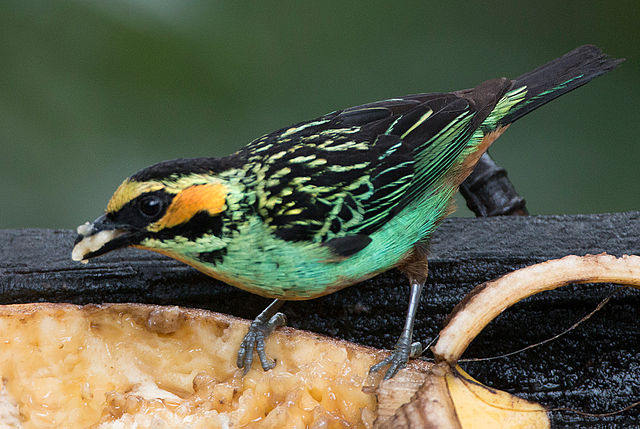
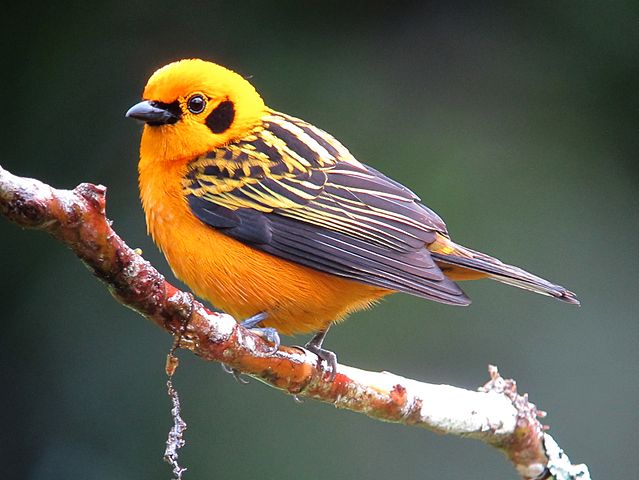
Golden-eared Tanager (Tangara chrysotis) ©WikiC

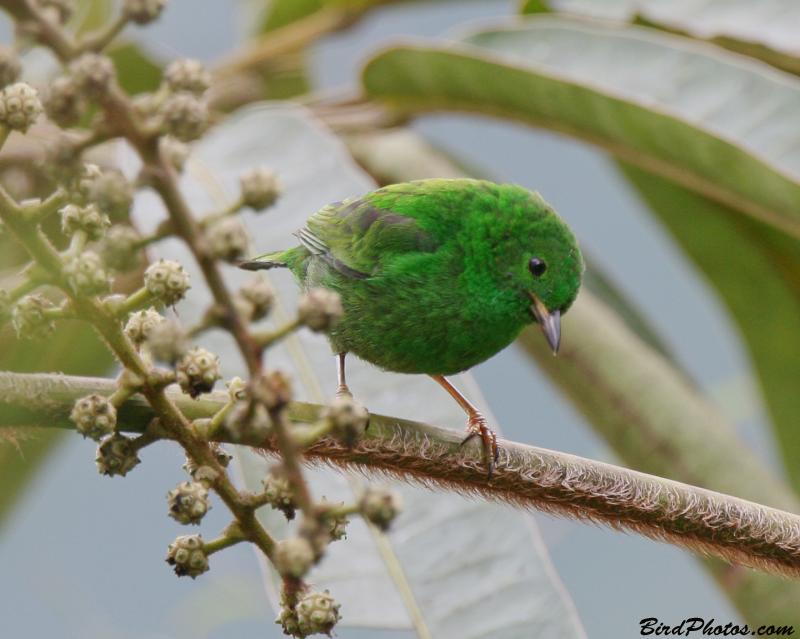
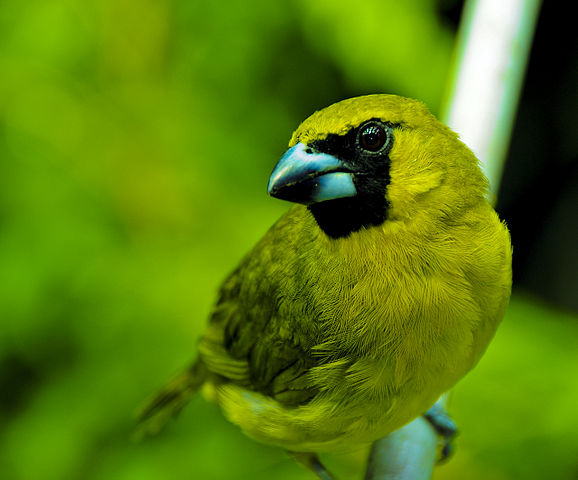
While searching the Birds of the World database, the first part of this stone’s name, “chrysop” listed many birds with a yellow color, but none with Chrysoprase. So, enjoy the birds, whether are a perfect match or not. All 10,700 plus of the birds are a fantastic gift for us from their Creator.

Other Articles In This Series:

Wages or a Gift?

Heaven’s New Jerusalem and Birds – Topaz

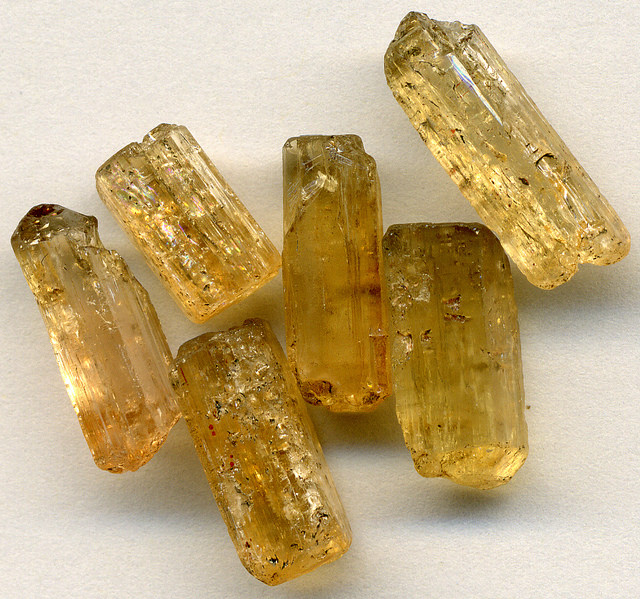
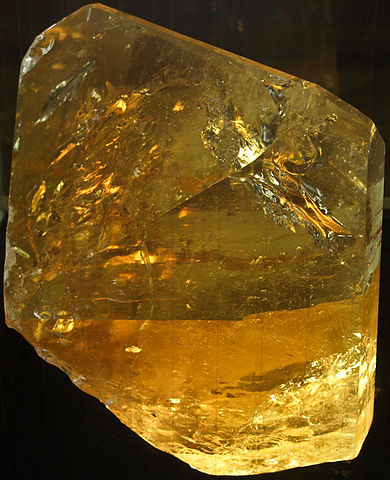
Topaz ©Flickr James St John

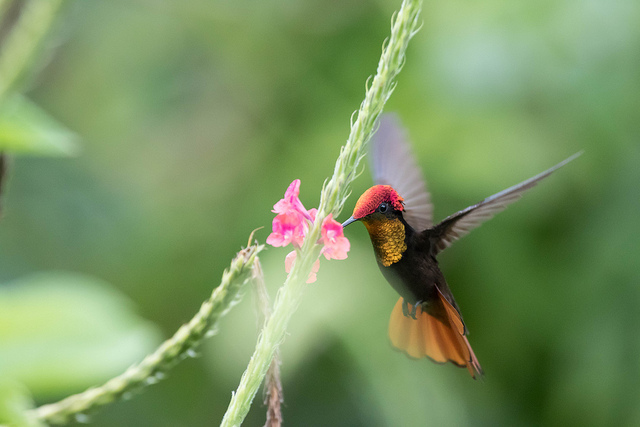
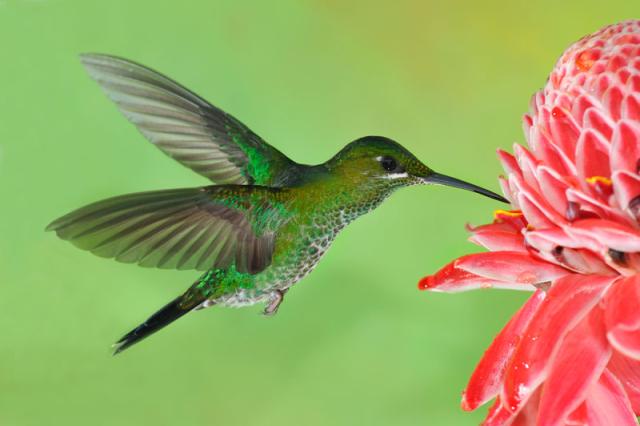
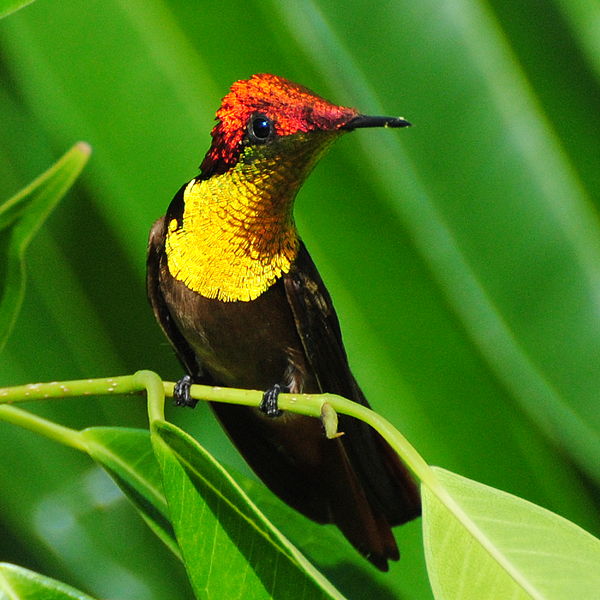
Ruby-topaz Hummingbird (Chrysolampis mosquitus) ©WikiC

“The foundations of the wall of the city were adorned with all kinds of precious stones: the first foundation was jasper, …. the fifth sardonyx, the sixth sardius, the seventh chrysolite, the eighth beryl, the ninth topaz, the tenth chrysoprase, the eleventh jacinth, and the twelfth amethyst.” (Revelation 21:19a-20 NKJV)

Topaz is a bit more common than Sardonyx, Sardius, and Chrysolite. Plus, there are birds with Topaz in their names. So this ninth stone of the foundation of the New Jerusalem should be easier to discover. Topaz is mentioned in five verse in the Bible: Exodus 28,17, 39:10; Job 28:19 [topaz of Ethiopia], Ezekiel 28:13, and our verse above – Revelation 21:20.

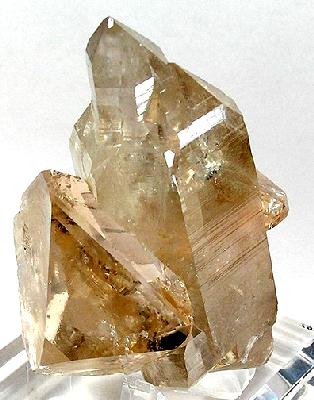
Quartz-Topaz-gem ©WikiC

Topaz – TO’PAZ, n. [Gr.] A mineral, said to be so called from Topazos, a small isle in the Arabic gulf, where the Romans obtained a stone which they called by this name, but which is the chrysolite of the moderns. The topaz is of a yellowish color. It sometimes occurs in masses, but more generally crystallized in rectangular octahedrons. Topaz is valued as a gem or precious stone, and is used in jewelry. It consists of silex, fluoric acid and alumin, in the following proportions; alumin 57 parts, silex 34, and fluoric acid 7 or 8.
Of topaz there are three subspecies, common topaz, shorlite and physalite. [Webster Dictionary 1828]

Ruby-topaz Hummingbird (Chrysolampis mosquitus) Reflection ©Flickr Budgora

Topaz – topazion (G5116) is mentioned in Rev_21:20, as the ninth of the foundation stones of the wall of the heavenly Jerusalem; the stone is of a yellow color (though there are topazes of other colors) and is almost as hard as the diamond. It has the power of double refraction, and when heated or rubbed becomes electric. [Vines New Testament]

Fiery Topaz (Topaza pyra) ©WikiC

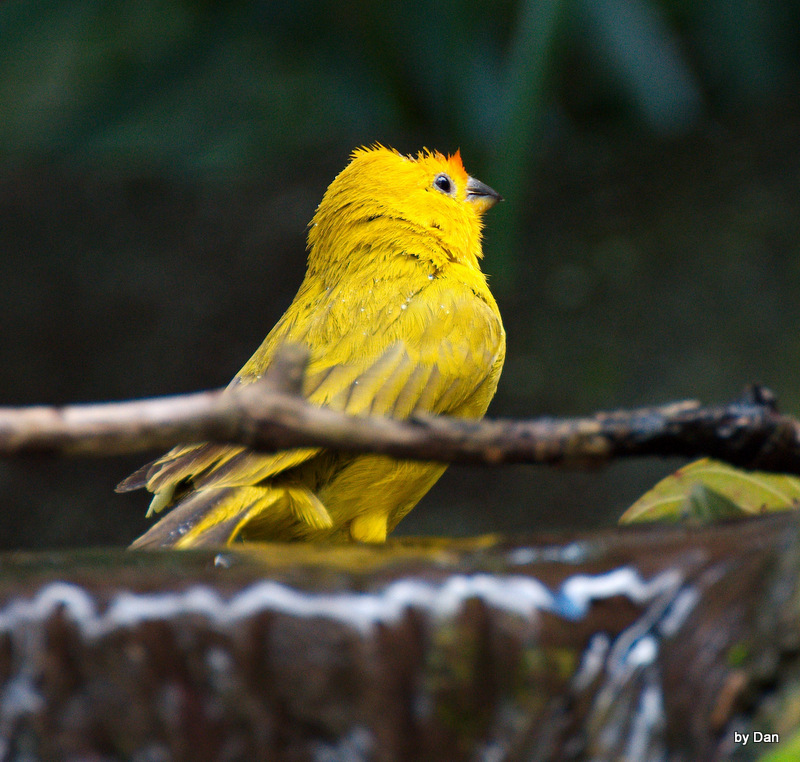
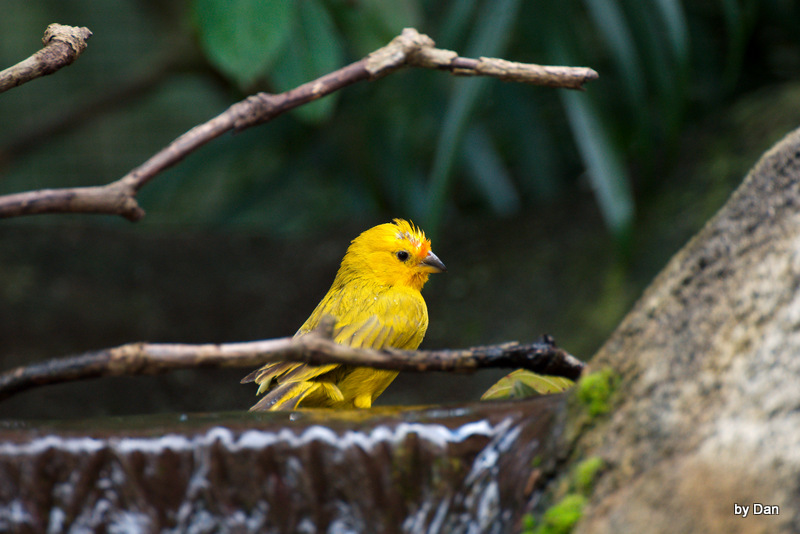
Saffron Finch Zoo Miami by Dan (Cropped by Lee)

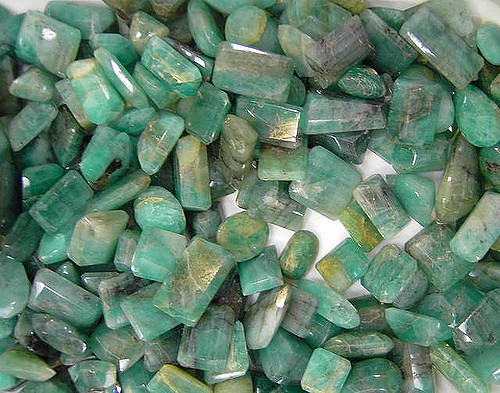
Topaz From Brazil-©NaturhistorischesMuseum-WikiC

Saffron Finch Zoo Miami by Dan

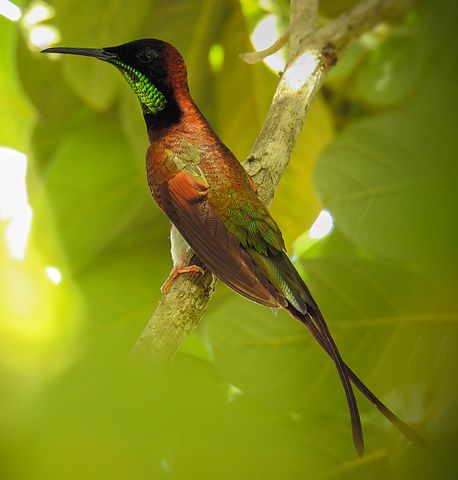
Ruby-Topaz Hummingbird (Chrysolampis mosquitus) male ©WikiC

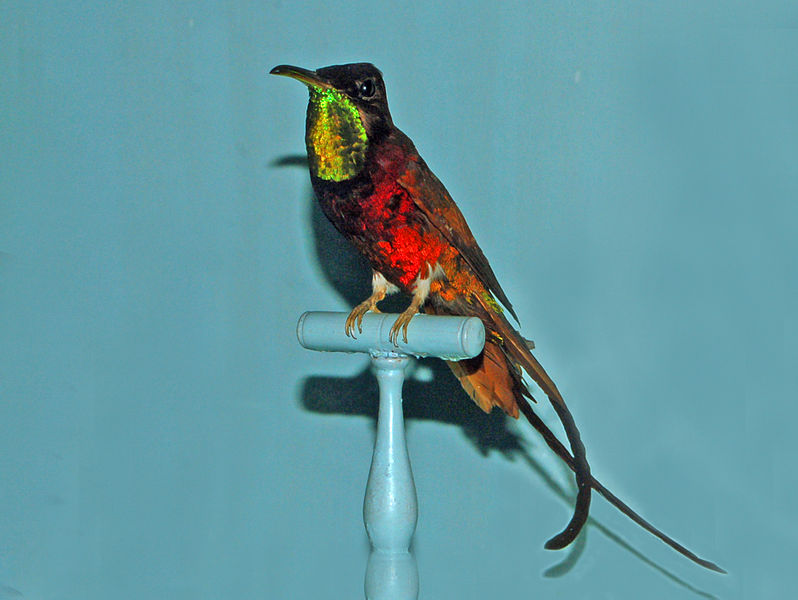
Crimson Topaz (Topaza pella) ©WikiC

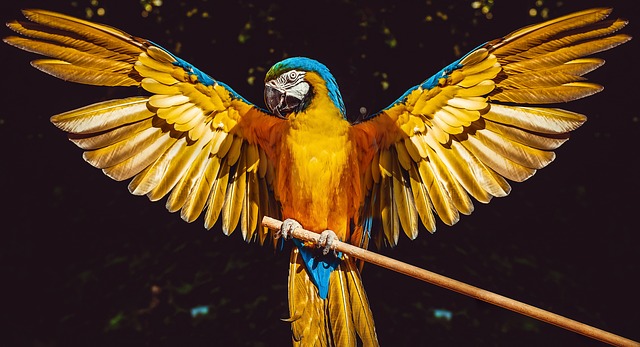
Bird-Wings-Wing-Colored-Ara-Parrot-©Maxpixel

Other Articles In This Series:

What will you do with Jesus?

Heaven’s New Jerusalem and Birds – Beryl

Rough Cut Beryl ©Flickr Amanda

“The foundations of the wall of the city were adorned with all kinds of precious stones: the first foundation was jasper, …. the fifth sardonyx, the sixth sardius, the seventh chrysolite, the eighth beryl, the ninth topaz, the tenth chrysoprase, the eleventh jacinth, and the twelfth amethyst.” (Revelation 21:19a-20 NKJV)

Three Colors of Beryl ©WikiC

BER’YL,n. [L.beryllus; Eng.brilliant.]
A mineral, considered by Cleaveland as a subspecies of Emerald. Its prevailing color is green of various shades,but always pale. Its crystals are usually longer and larger than those of the precious emerald, and its structure more distinctly foliated. It is harder than the apatite,with which it has been confounded; harder and less heavy than the pycnite. The best beryls are found in Brazil, in Siberia and Ceylon, and in Dauria, on the frontiers of China. They are found in many parts of the United States. [Webster Dictionary 1828]

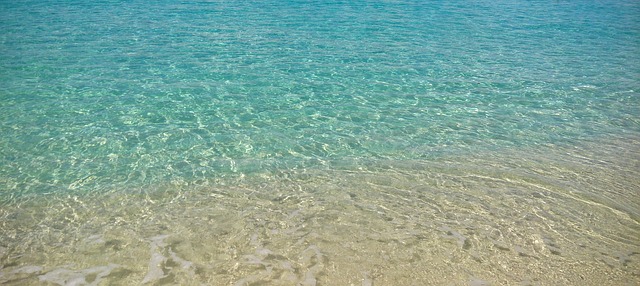
Water Summer Beach Sea Blue/green Ocean Nature ©Max Pixel

Beryl – berullos (G969), “beryl,” is a precious stone of a sea-green color, Rev_21:20 (cf. Exo_28:20). [Vine’s]

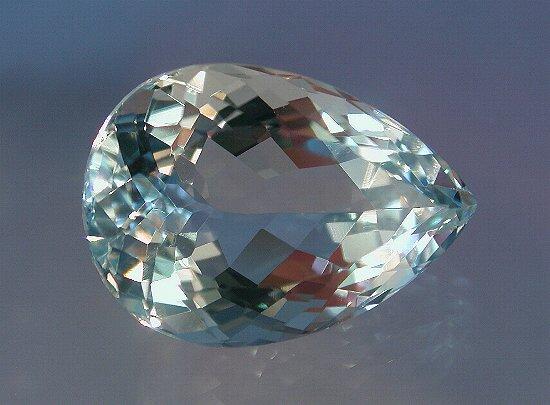
Faceted aquamarine ©WikiC

Beryl is a mineral of great hardness, and, when transparent, of much beauty. …probably the mineral now called beryl, which is identical with the emerald except in color, being a light green or bluish-green. [Smith’s Bible Dictionary]

Beryl ©WikiC

beryl — of a sea-green color. [Jamieson-Fausset-Brown]

I believe that most of these references are in agreement that the color is a light green, leaning toward “sea-green.” So, let’s see what birds we can find of that sort of color.

There are actually two birds with Beryl in their first names:

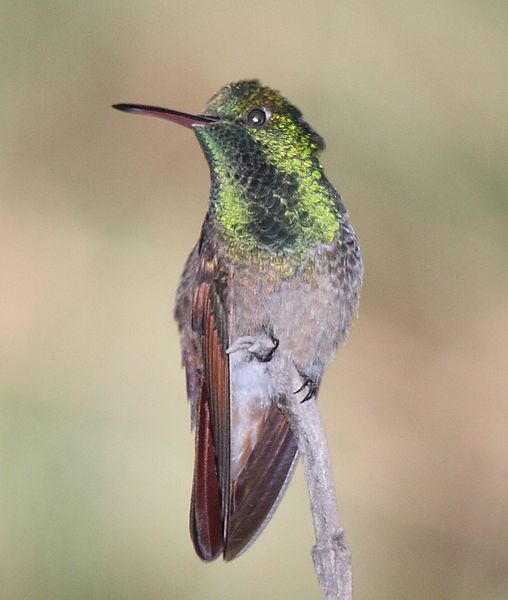
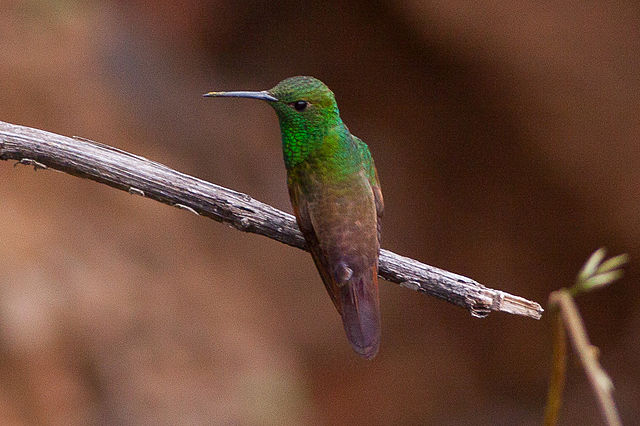
The Berylline Hummingbird (Amazilia beryllina),

Berylline Hummingbird (Amazilia beryllina) ©WikiC

Berylline Hummingbird (Amazilia beryllina) ©WikiC

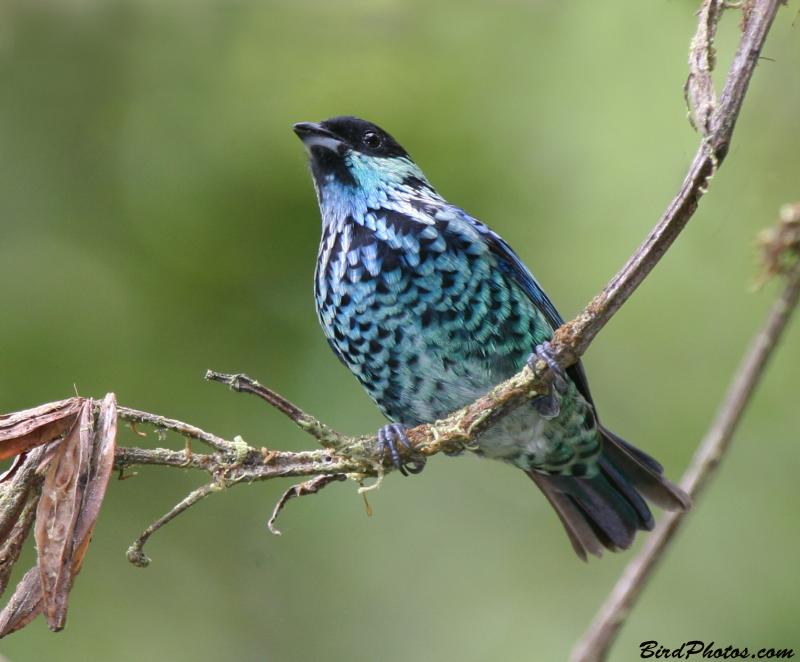
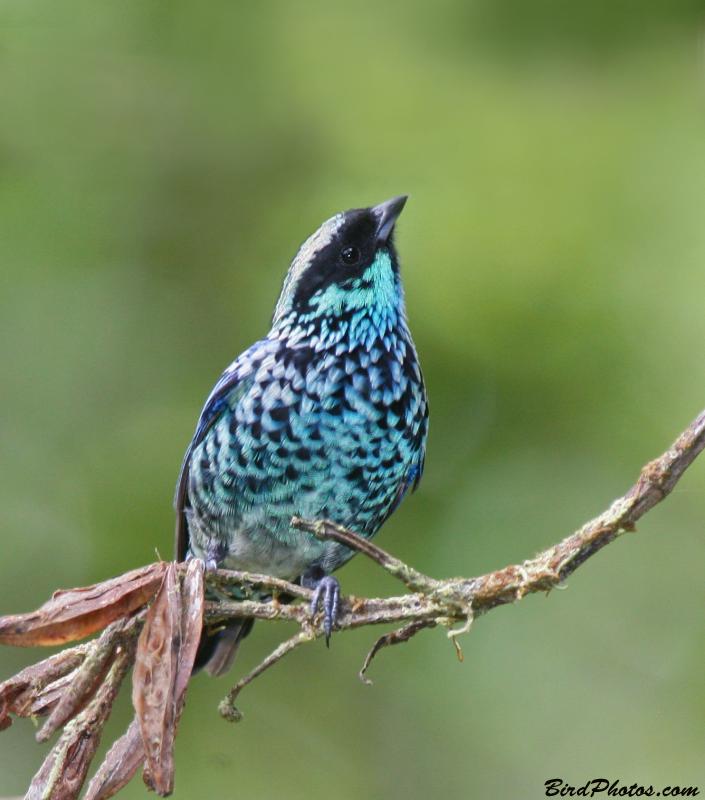
And the Beryl-spangled Tanager.

Beryl-spangled Tanager (Tangara nigroviridis cyanescens) ©BirdPhotos.com

Beryl-spangled Tanager (Tangara nigroviridis cyanescens) ©BirdPhotos.com

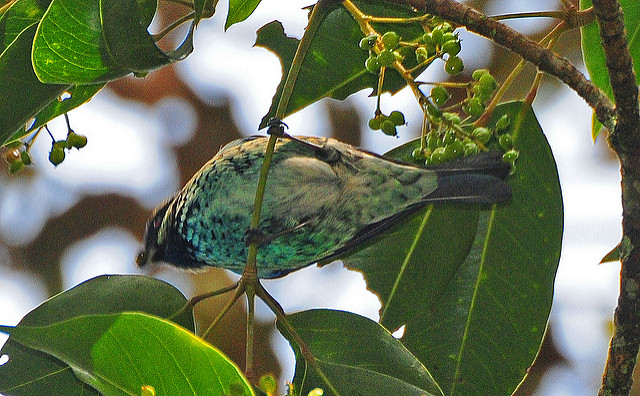
Or another shot from below the bird:

Beryl-spangled Tanager (Tangara nigroviridis) ©Flickr Oldenettel

Also, there is one bird that has beryl… in its scientific name. Now this one matches what I take a sea-green. Do you agree?

Sri Lanka Hanging Parrot (Loriculus beryllinus) ©WikiC

Articles in this Series so far:

Wordless Birds – With Hummingbirds

Ian’s Bird of the Moment – Gentoo Penguin

As I’ve finally published Volume 2 of the ebook Diary of a Bird Photographer, please bear with me as I begin with a commercial. It is a compilation of the more than 240 Bird of the Week/Moment episodes sent out in the period 2010 to 2018. As these episodes grew in contents over the years, the ebook ended up as a hefty tome of 130,000 words and more than a thousand photos,with the fixed format pdf version running to more than 1,100 pages.

Like its popular predecessor Volume 1 it is designed for ease of use with many internal links, external links to relevant websites particularly additional photos on the Birdway website, and a comprehensive alphabetical index to bird species. Volume 2 contains a new taxonomic index in case for browsing the episodes by members of particular families such as Barn Owls or Honeyeaters. Read more about it by clicking on the image below or its caption to take you to page on the Birdway website.
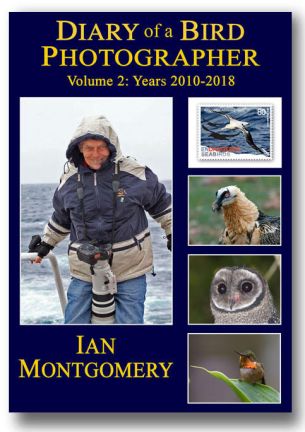
Diary of a Bird Photographer, Vol 2 by Ian Montgomery

Diary of a Bird Photographer Volume 2

When I retired and wrapped up the Birdway company, I could no longer sell ebooks through the Apple or Google book stores and I started selling them by gettiing intending buyers to contact me for bank account details. This was inconvenient for everyone concerned – particularly for payments in other than Australian dollars – so I have now started selling them through the Payhip website. Payhip takes payment by credit card or PayPal so you can pay and download the books immediately. The new Diary Volume 2 is priced at six Australian dollars. You can visit the Payhip Birdway Store by clicking on the image or caption below.
Ian’s Birding Ebook

The Birdway eBook Store on Payhip

The cover photo of me on the ship the Spirit of Enderby on the trip to the Sub-Antarctic Islands in 2011 brings back great recollections of a memorable voyage, the highlight of which for many of us was the visit to Macquarie Island and its four species of penguins. Two of these, King Penguin and Royal Penguin feature as birds of the week in Volume 2, but here is one, the Gentoo Penguin, which hasn’t been honoured in these pages with its fifteen minutes of fame, to quote Andy Warhol.
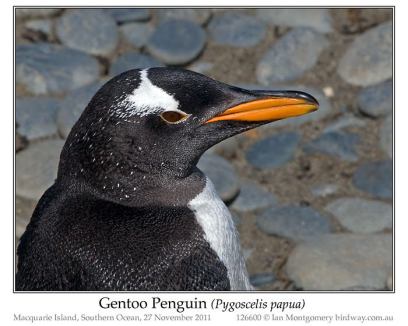
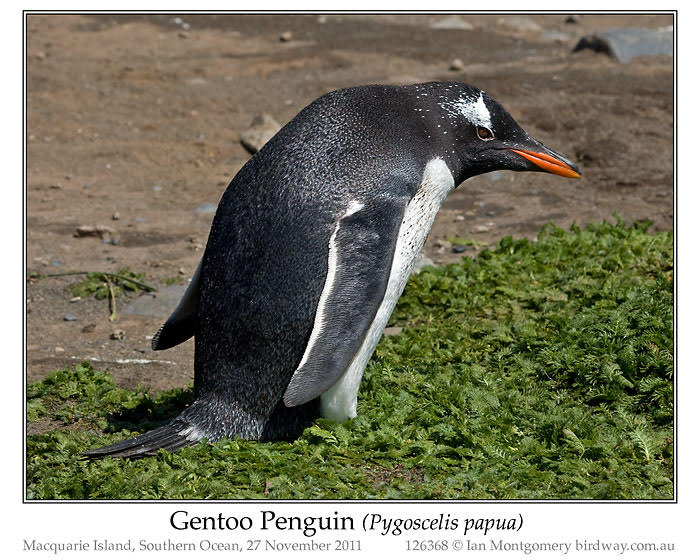
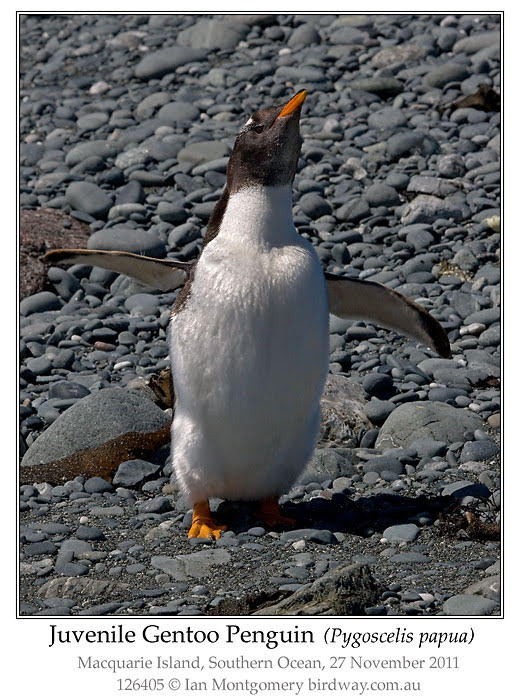
Gentoo Penguin (Pygoscelis papua) by Ian

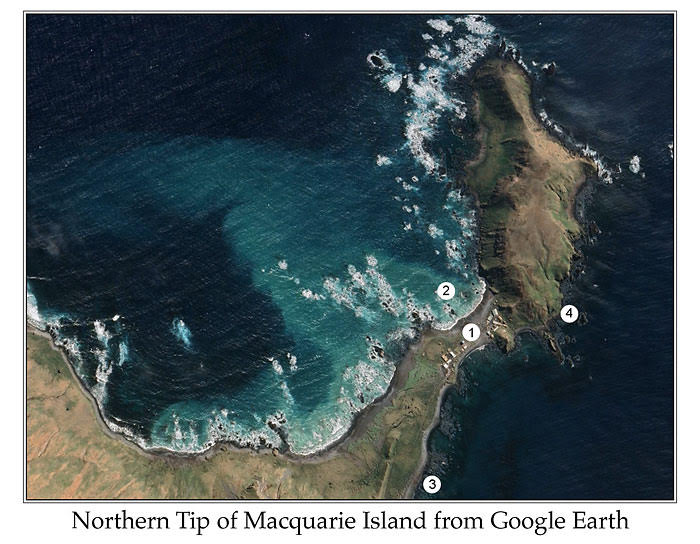
On the morning of our day on the island, the King and Royal Penguins provide us with endless amusement on the main beach on the sheltered eastern size of the island, number 3 on the Google Earth screen capture below. At lunch time we went to the Research Station, number 1, at lunchtime to meet the personnel and we find the Gentoos in reasonable numbers in their preferred breeding habitat, the tussocky grass just south of the station.
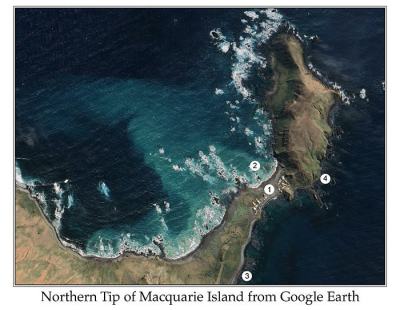
Northern Tip of Macuarie Island from Google Earth by Ian

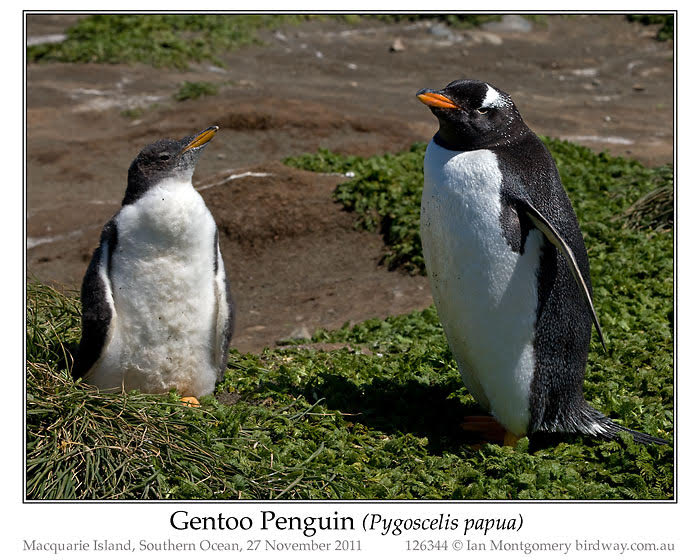
Gentoos look to me quite small and dumpy in illustrations and photos, but they are fairly large, with a length up to 80cm/32in and weighting between 4.5-8.5kg/10-19lbs. Unlike the curious King and Royal Penguins they don’t take much notice of us and stand or lie around looking rather bored. Adult Gentoos, first two Gentoo photos, have a white eye ring, a white patch over each eye and a white line joining the two patches across the top of the head. Their plumage is blackish and the bill and legs are brightly coloured, red or orange.

Gentoo Penguin (Pygoscelis papua) by Ian

Most of the Gentoos have finished breeding bur their are still a few juveniles in the breeding area, like this rather woolly individual on the left below below. Unlike other Penguin species, Gentoos will relay if the first clutch is lost, so maybe this has happened here. Gentoos are unusual in that the parents continue feeding the young for up to two months after they have fledged.
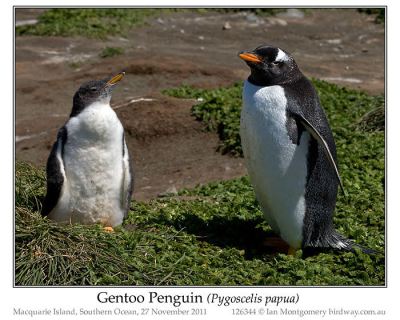
Gentoo Penguin (Pygoscelis papua) by Ian

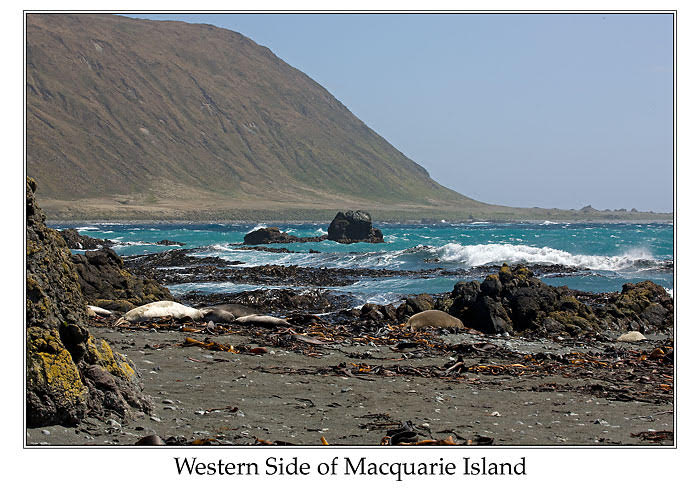
Unlike the Royal and King Penuins on the sheltered eastern beach, the non-breeding Gentoos show a preference for the exposed beach on the western side of the island. The beach in this photo faces northwest and is shown and number 2 in the Google Earth image above. This beach is also popular with the Macquarie (Imperial) Shags which are busy ferrying seaweed as building material for nests on a rocky headland. The thick-skinned Elephant Seals are also at home on this beach and you can see their prostrate forms in the photo below.
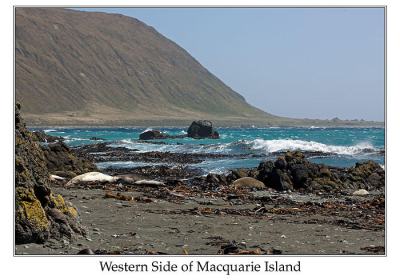
Western Side of Macuarie Island by Ian

Immature Gentoos are to be seen wandering around on this beach either full of the joys of Spring (next photo) or pretending to be Elephant Seas (following photo). You can see that their plumage is browner than that of the adults, the white supra-orbital patches and eye-rings are incompletely developed and their bills and feet are less brightly coloured. Gentoos take two years to reach sexual maturity but I suppose, given their proximity to the nesting colony, that these ones are older juveniles from the current breeding.

Gentoo Penguin (Pygoscelis papua) Juvenile by Ian

The Gentoo is the most northerly of the three species in the genus Pygoscelis and its circumpolar range is mainly north of Antarctica, breeding on Sub-Antarctic islands in the southern Indian and Atlantic Oceans. The only place it breeds on Antarctica itself is on the Antarctic Peninsula south of South America. The other two members of the genus, the Chinstrap and Adelie Penguins, have more southerly ranges particularly the Adelie. The specific name papua, odd for a Sub-Antartic species, does in fact refer to the natives of New Guinea as J.R. Forster, who named it in 1781, as he thought erroneously that they had curly feathers.
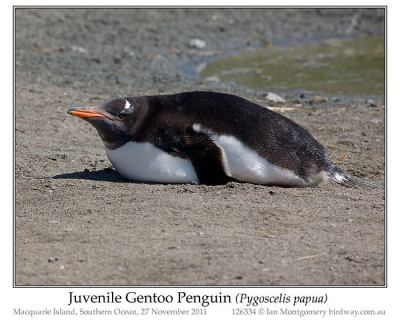
Gentoo Penguin (Pygoscelis papua) Juvenile by Ian

The fourth species of Penguin on Macquarie is the Southern Rockhopper Rockhoppers indeed, they are not to be found on the easily accessible part of the island where we spend the day. In the afternoon we return to the ship in the Zodiacs and do a detour via the rocky headland shown as number 4 on the Google Earth image to have a look at them.

I’ve been leading a fairly sedentary existence since my last visit to Europe three years ago. Editing Volume 2 of the Diary has given me itchy feet, so a visit to South America this coming October is being planned.

Greetings

Ian Montgomery


“All flesh is not the same flesh: but there is one kind of flesh of men, another flesh of beasts, another of fishes, and another of birds.: (1 Corinthians 15:39 KJV)

They may swim in the sea, but those Gentoo Penguins are still birds.

Thanks again, Ian, for another Bird of the Moment. They are always a welcome surprise when they arrive. Glad you were able to complete your second volume of the Bird Photographer Diary. We have produced many of those Bird of the Week articles here over the years. We have been enjoying your adventures around the world as you seek our Avian Wonders.

See Ian’s Birds of the Week

*
Heaven’s New Jerusalem and Birds – Chrysolite

Golden-fronted Leafbird (Chloropsis aurifrons) by Nikhil Devasar

Golden-fronted Leafbird (Chloropsis aurifrons) by Nikhil Devasar

“The foundations of the wall of the city were adorned with all kinds of precious stones: the first foundation was jasper, …. the fifth sardonyx, the sixth sardius, the seventh chrysolite, the eighth beryl, the ninth topaz, the tenth chrysoprase, the eleventh jacinth, and the twelfth amethyst.” (Revelation 21:19a-20 NKJV)

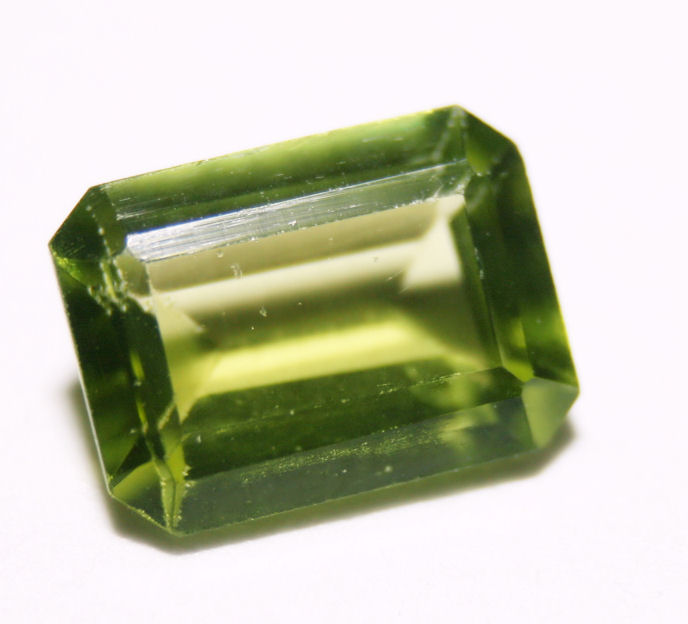
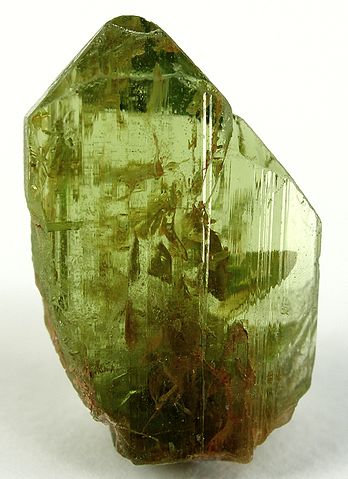
Olive Green Chrysolite ©WikiC

Chrysolite Forsterite-Olivine ©WikiC

Chrysolite is only mentioned one time in Scripture, here in Revelation 21:20.

Golden Tanager (Tangara arthus) ©WikiC

Chrysolite – (“gold stone“.) The garniture of the seventh foundation of New Jerusalem. The modern topaz. [Fausset Bible Dictionary]

Chrysolite – Chrysolite. One of the precious stones in the foundation of the heavenly Jerusalem. Rev_21:20. It has been already stated, (see Beryl.), that the chrysolite of the ancients is identical with the modern oriental topaz, or the tarhish of the Hebrew Bible. [Smith Bible Dictionary]

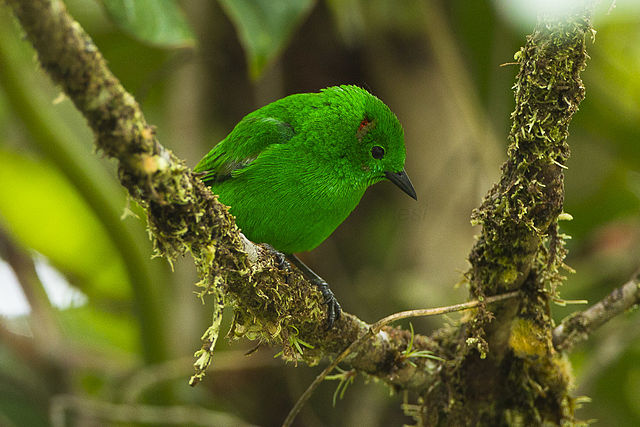
Glistening-green Tanager (Chlorochrysa phoenicotis) ©WikiC

Chrysolite – CHRYSOLITE, n. A mineral, called by Hauy and Brongniart, peridote and by Jameson, prismatic chrysolite. Its prevailing color is some shade of green. It is harder than glass, but less hard than quartz; often transparent, sometimes only translucent. It occurs sometimes in crystals, sometimes in small amorphous masses or grains, and sometimes in rolled pieces. [Webster Dict 1828]

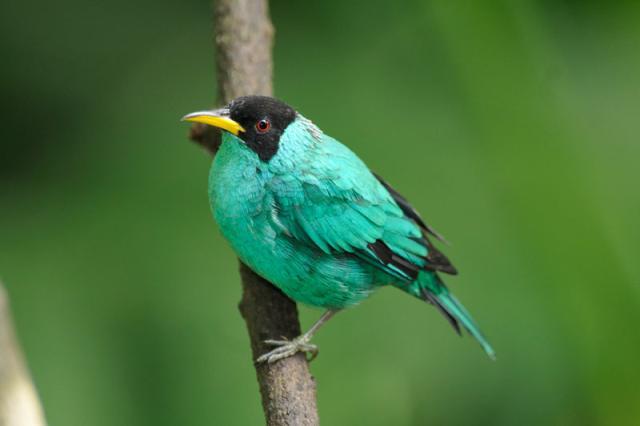
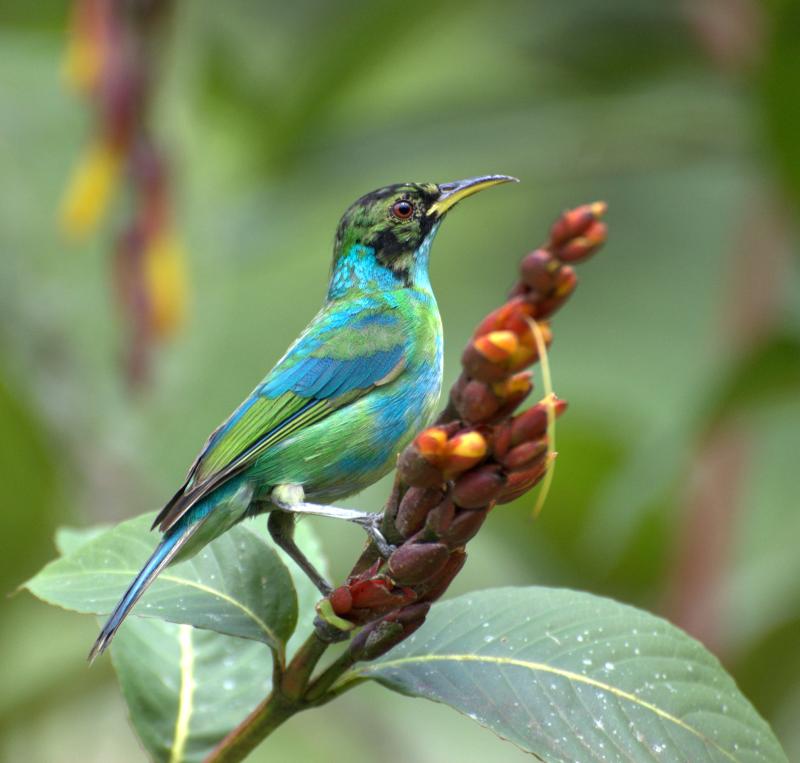
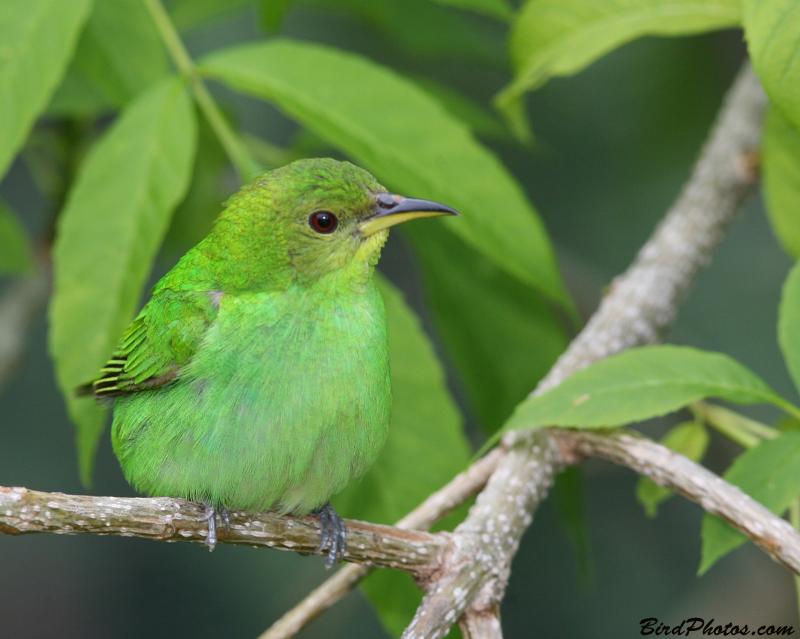
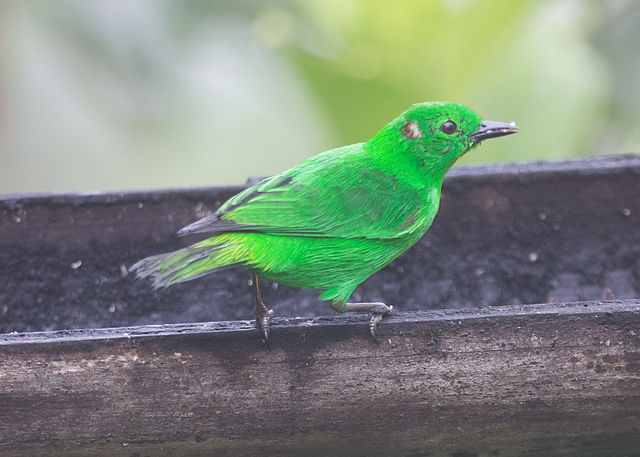
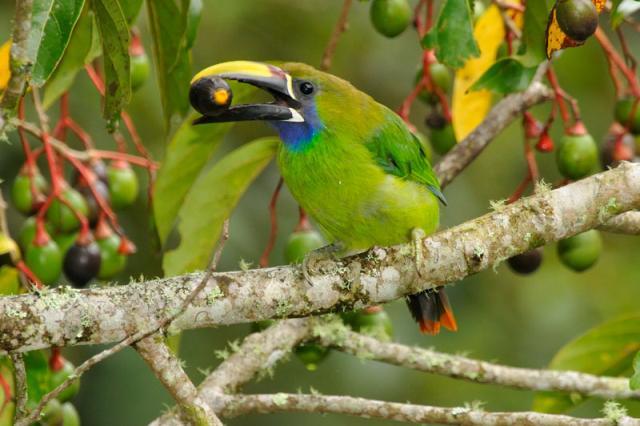
Green Honeycreeper (Chlorophanes spiza) Male Immature ©BirdPhotos.com

CHRYSOLITE, n. A mineral, called by Hauy and Brongniart, peridote and by Jameson, prismatic chrysolite. Its prevailing color is some shade of green. It is harder than glass, but less hard than quartz; often transparent, sometimes only translucent. It occurs sometimes in crystals, sometimes in small amorphous masses or grains, and sometimes in rolled pieces. [J. Vernon McGee]

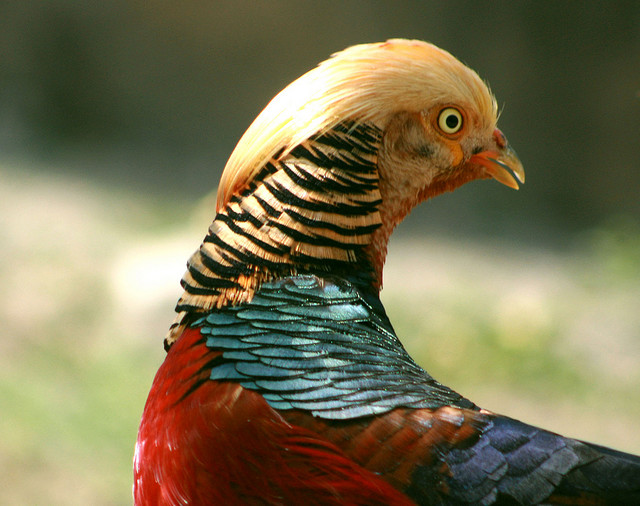
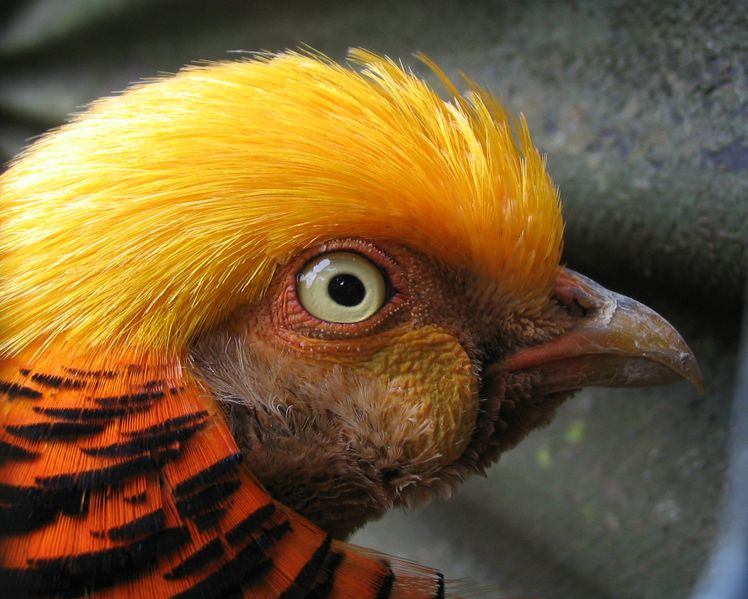
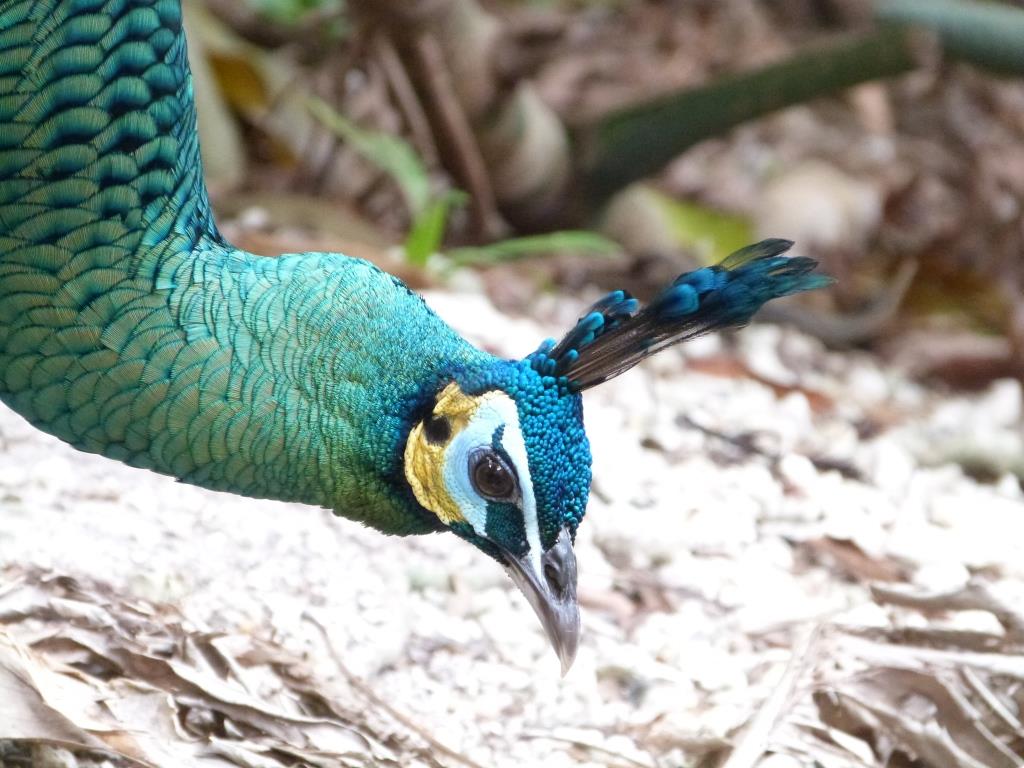
Golden Pheasant (Chrysolophus pictus) Male ©© NotMicroButSoft

Golden Pheasant (Chrysolophus pictus) Male ©© NotMicroButSoft

The seventh was chrysolite, a stone highly esteemed among the ancients, of a colour that was golden yellow. [Popular New Testament]

Looks like this time, the golden yellow, or Green birds, or a blend of the two colors will provides us with some of the beauty that will shine from the seventh foundational stone.

Articles in this Series so far:

What will you do with Jesus?

Heaven’s New Jerusalem and Birds – Sardius

Sardius Stone ©Pinterest

“The foundations of the wall of the city were adorned with all kinds of precious stones: the first foundation was jasper, …. the fifth sardonyx, the sixth sardius, the seventh chrysolite, the eighth beryl, the ninth topaz, the tenth chrysoprase, the eleventh jacinth, and the twelfth amethyst.” (Revelation 21:19a-20 NKJV)

Cornelian Stones ©Etsy

What color is this Sardius stone, the sixth foundation layer for the New Jerusalem?

Sardius (n.) A precious stone, probably a carnelian, one of which was set in Aaron’s breastplate. [Webster Dict. 113

“The sixth, sardius; the same with the sardine stone, Rev_4:3 of a blood colour, and what is commonly called a cornelian: it is found in Sardinia, from whence it has its name, and in Bohemia and Silesia, though those of Babylon are the best. This was Reuben’s stone.” [John Gill’s Exposition]

Two polished pebbles of carnelian_sard ©WikiC

Sardius – Sardius. (red). (Hebrew, odem). The stone which occupied the first place in the first row of the high priest’s breastplate. Exo_28:27. The sard, which is probably the stone denoted by odem, is a superior variety of agate, sometimes called camelian, and has long been a favorite stone for the engraver’s art. Sardis differ in color: there is a bright-red variety, and, perhaps, the Hebrew, odem, from a root means “to be red,” points to this kind.” [Smith’s Bible Dictionary]

“6. Sardius (Gr.: sardios)—its color is fiery red. Pliny says that it is the red stone from Sardis. Swete says that it is fiery red.” [J. Vernon McGee]

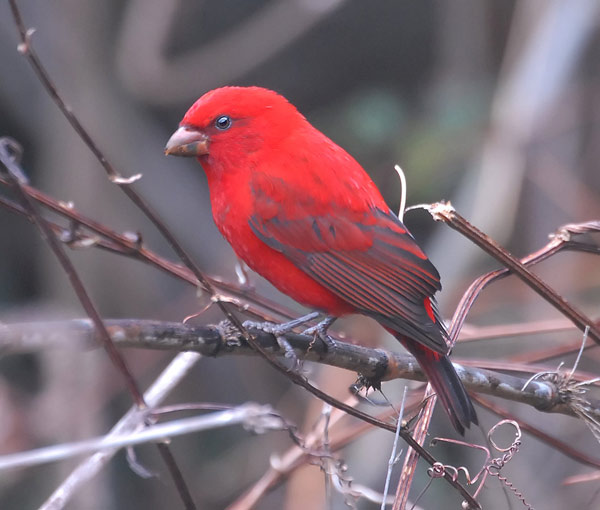
Those four Commentary and Dictionary definitions are all much saying the same; Red, Blood Red, or Fiery Red.  Before I start finding photos of birds, many are already on my mind. Especially the Northern Cardinal:

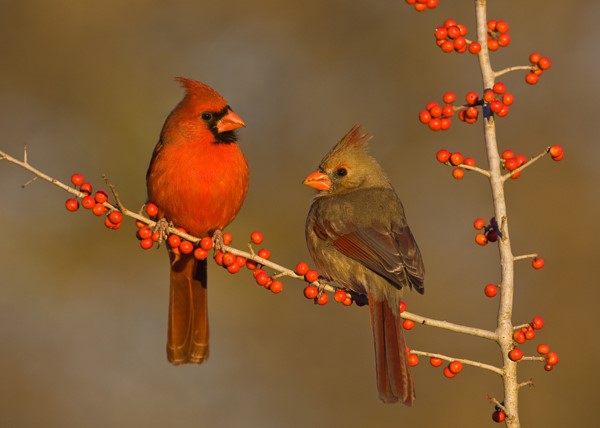
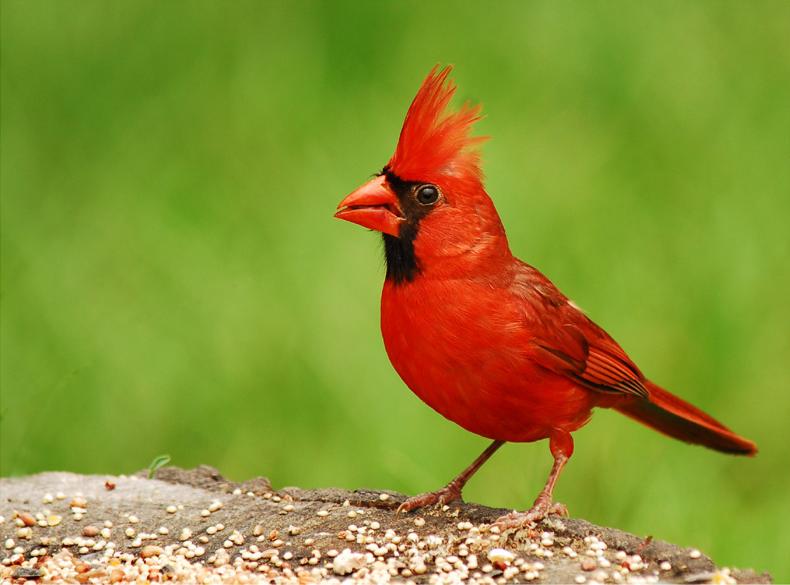
Northern Cardinal (Cardinalis cardinalis) - WikiC

Northern Cardinal (Cardinalis cardinalis) ©WikiC

This should be easy finding photos to match the color of this sixth foundation. Of course, what we’ll see in heaven, will exceed these beyond anything we can imagine!!!


10 Stunning Red Colored Birds

Articles in this Series so far:

What will you do with Jesus?

Heaven’s New Jerusalem and Birds – Sardonyx


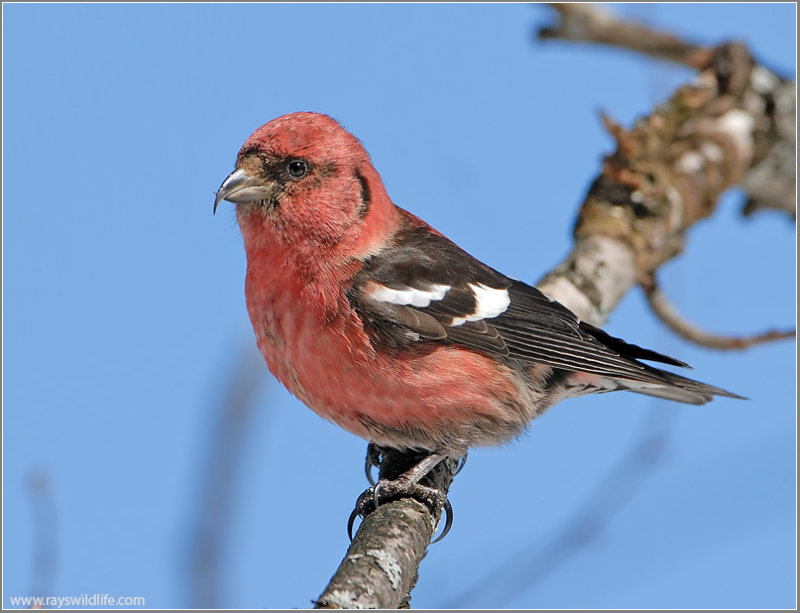
Two-barred Crossbill (Loxia leucoptera)(White-winged) by Raymond Barlow

Two-barred Crossbill (Loxia leucoptera)(White-winged) by Raymond Barlow

“The foundations of the wall of the city were adorned with all kinds of precious stones: the first foundation was jasper, …. the fifth sardonyx, the sixth sardius, the seventh chrysolite, the eighth beryl, the ninth topaz, the tenth chrysoprase, the eleventh jacinth, and the twelfth amethyst.” (Revelation 21:19a-20 NKJV)

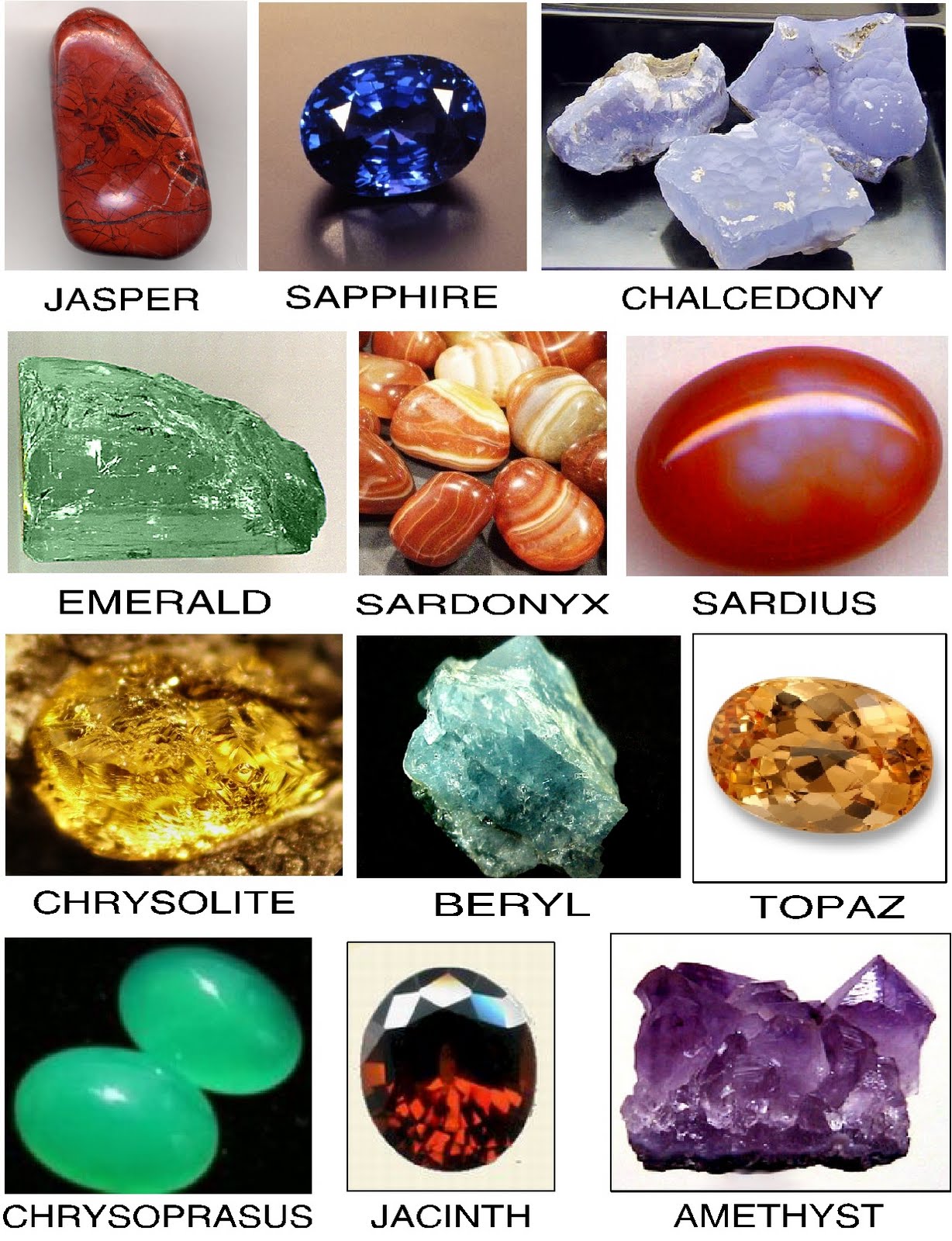
While searching for material on these foundation stones, this article caught my attention. It appears that Cindy had the same questions as we are trying to figure out. I believe her blog is inactive, but this is still posted. Precious Jewels by Cindy. She had this chart with 12 stones of the foundations.

12 Jewels Foundation New Jerusalem ©Sundayswithcindy

“Pretty impressive, isn’t it? Actually, it will exceed far beyond what our human minds can even conceive when we try to imagine the beauty and magnificence of that holy city. I Corinthians 2:9 tells us, “But as it is written, Eye hath not seen, nor ear heard, neither have entered into the heart of man, the things which God hath prepared for them that love him.”
*
My curiosity was up, though, when it came to those precious gemstones. What were their colors? How would they look all sandwiched together? I knew I could not begin to imagine the scope of its beauty, but at least I wanted to get some glimpse of what it might appear to be. I mean, we can try to imagine the pearly gates, and even the streets of pure gold although the Bible says the pure gold will be like transparent glass, but the foundation of all those beautifully colored jewels? Ahh—how lovely to have the world at our fingertips via the Internet! In a matter of seconds, my curiosity about the precious gemstones of the foundation was satisfied!” [Bolding added]

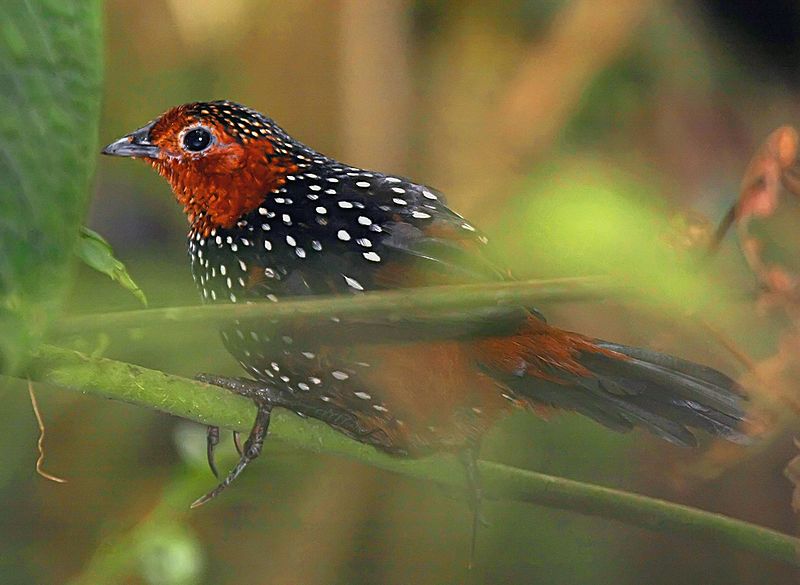
Ocellated Tapaculo (Acropternis orthonyx) ©WikiC

Through the rest of her article, she discovered what I am finding. Names of those stones are not the same today. So, if these birds aren’t a perfect match, please forgive us.
There are no birds with the name of “sardonyx” in it, but the two tones of red seems interesting enough to try to find some birds like that.  All the translations I searched have either Sardonyx or just Onyx. [There are a few birds with ONYX in their scientific name[

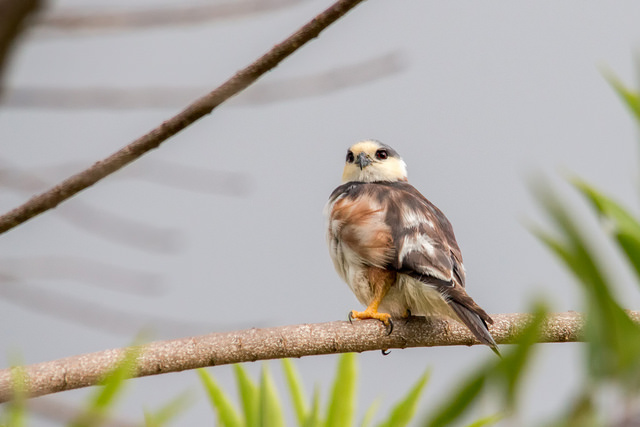
Pearl Kite (Gampsonyx swainsonii) ©Flickr Fernando Flores

Here are what some of the study Bibles and commentaries say:
NKJV MacArthur Study Bible – “ sardonyx. A variety of chalcedony with parallel layers of red and white”
KJ Study Bible Notes – ” sardonyx is red and white”
Jamieson-Fausset-Brown – “sardonyx — a gem having the redness of the cornelian, and the whiteness of the onyx.”
IBS – “Sardonyx – White stone with red layers.
John Gill – “The fifth, sardonyx,…. Which is partly of the sardian, and partly of the onyx stone, which resembles a man’s nail, from whence it has its name; it is reddish, bordering on white; it may be thought to answer to the onyx in the breastplate, on which was written the name of Joseph.”

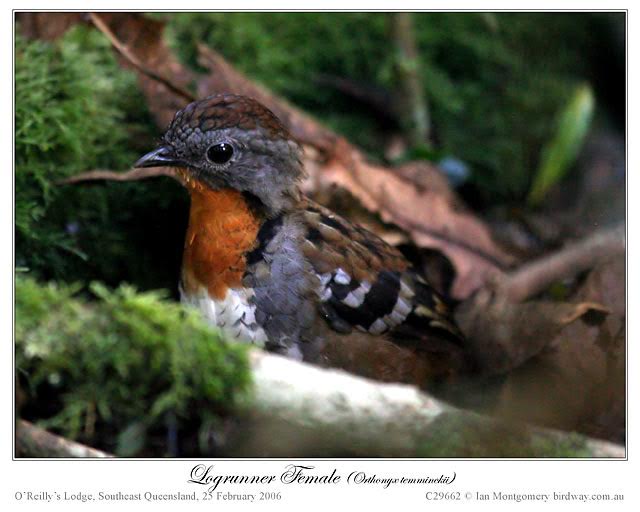
Australian Logrunner (Orthonyx temminckii) by Ian

So with all of these, looks like there must be some reddish and white birds around somewhere. Let’s see what we can find:

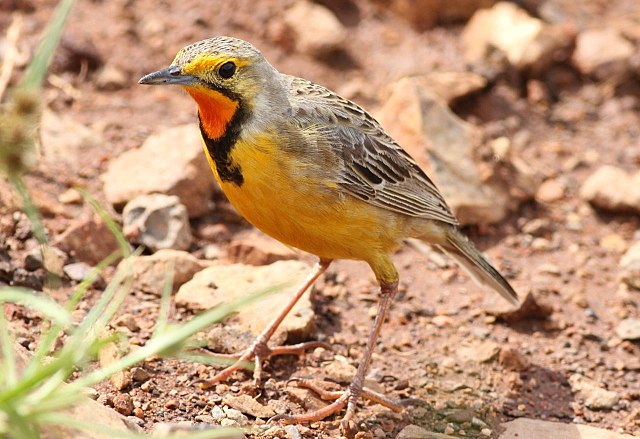
Cape Longclaw (Macronyx capensis) ©WikiC

I still haven’t found what I was hoping to find. This next bird is getting closer.

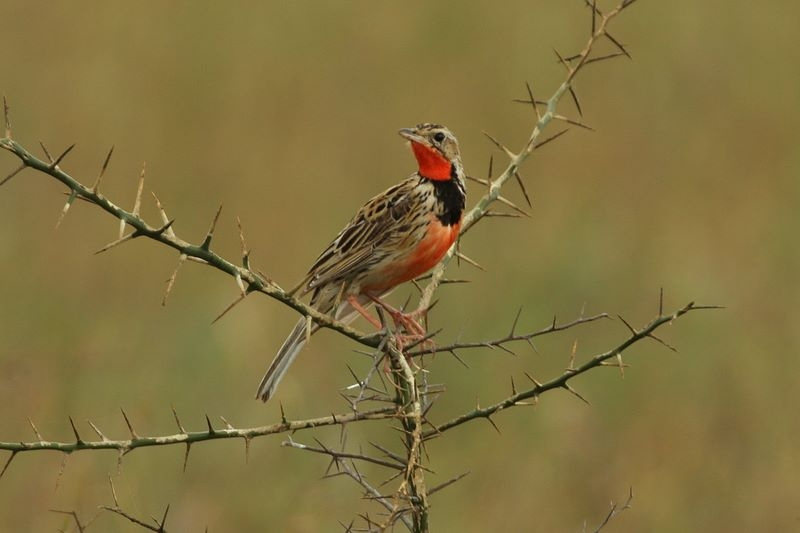
Rosy-throated Longclaw (Macronyx ameliae) ©WikiC

But this is the color of most sardonyx they show on the internet:

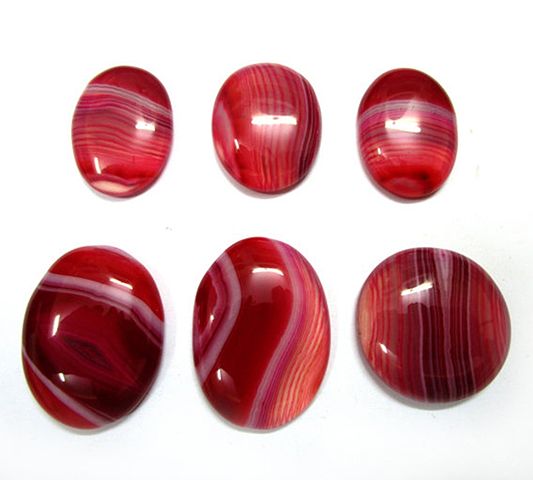
Red onyx – Handicraft ©WikiC

Have you seen any birds like that? Let me see what we have already shown here on the blog.

Red-throated Twinspot (Hypargos niveoguttatus) ©WikiC

None of these absolutely match our Sardonyx stone, but are they amazing Avian Wonders from their creator?

*** Articles in this Series so far:
Is There a God?

Heaven’s New Jerusalem and Birds – Emerald

Garden Emerald (Chlorostilbon assimilis) ©WikiC

“And the foundations of the wall of the city were garnished with all manner of precious stones. The first foundation was jasper; the second, sapphire; the third, a chalcedony; the fourth, an emerald;” (Revelation 21:19 KJV)

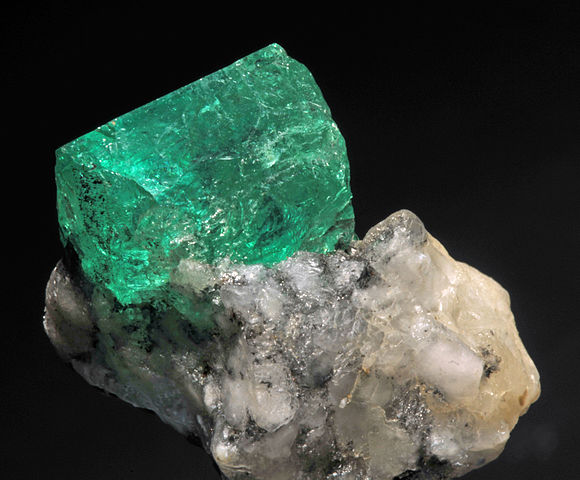
Emerald from (Muzo Mine Boyaca Colombie) ©WikiC

You know what? Checking through previous post about the Emerald stone, the article Avian and Attributes – Emerald explains this verse very well. It is being copied here again.

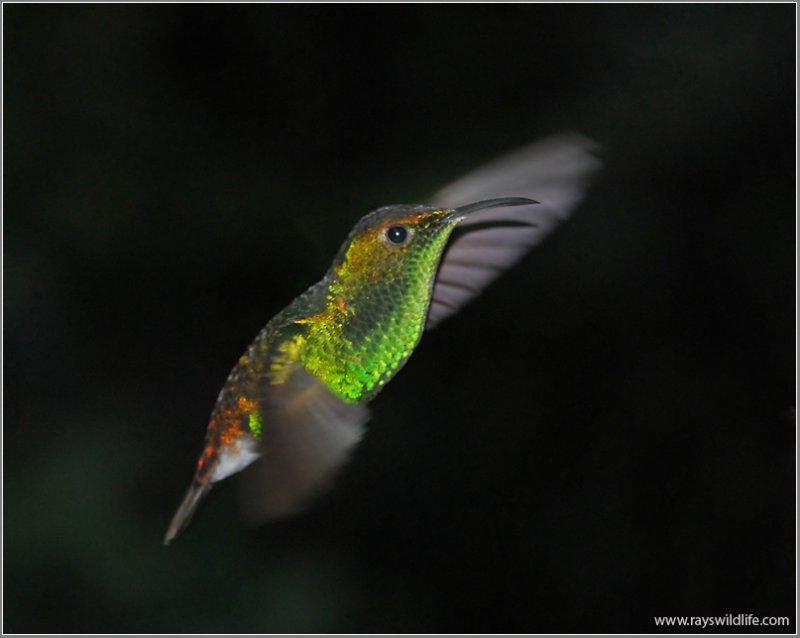
Coppery-headed Emerald by Ray

Coppery-headed Emerald by Ray

“And the foundations of the wall of the city were garnished with all manner of precious stones. The first foundation was jasper; the second, sapphire; the third, a chalcedony; the fourth, an emerald;” (Revelation 21:19 KJV)

“And he that sat was to look upon like a jasper and a sardine stone: and there was a rainbow round about the throne, in sight like unto an emerald.” (Revelation 4:3 KJV)


Avian and Attributes – Definition Name

EM’ERALD, n. [L. smaragdus.] A mineral and a precious stone, whose colors are a pure, lively green, varying to a pale, yellowish, bluish, or grass green. It is always crystallized, and almost always appears in regular, hexahedral prisms, more or less perfect, and sometimes slightly modified by truncations on the edges, or on the solid angles. It is a little harder than quartz, becomes electric by friction, is often transparent, sometimes only translucent, and before the blowpipe is fusible into a whitish enamel or glass. The finest emeralds have been found in Peru.
The subspecies of emerald are the precious emerald and the beryl. [Webster]

Emerald
Exodus 39:11 (c) This green stone represents praise, worship and adoration which begins now and lasts throughout eternity. Judah which means “praise” had his name graven on the emerald stone on the breastplate of the high priest.

Rev. 4:3 (c) This complete rainbow was given this color to typify the eternal character of GOD’s grace and the everlasting nature of GOD’s covenant of mercy. It was “green” to signify eternal praise. [Wilson’s Dictionary of Bible Types]


Emerald Tanager (Tangara florida) ©WikiC

Emerald Birds

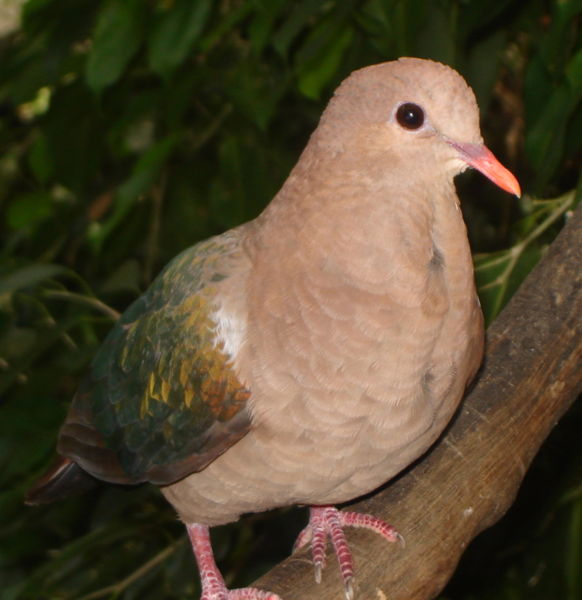
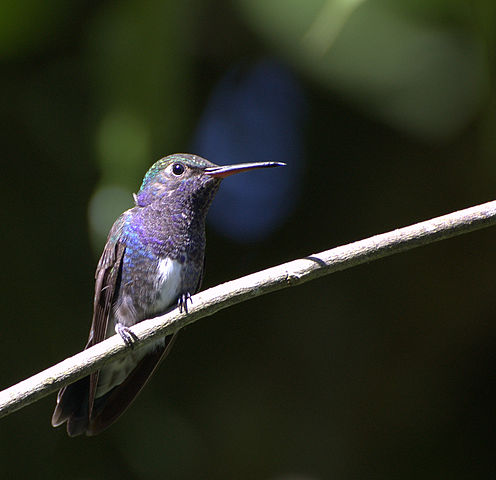
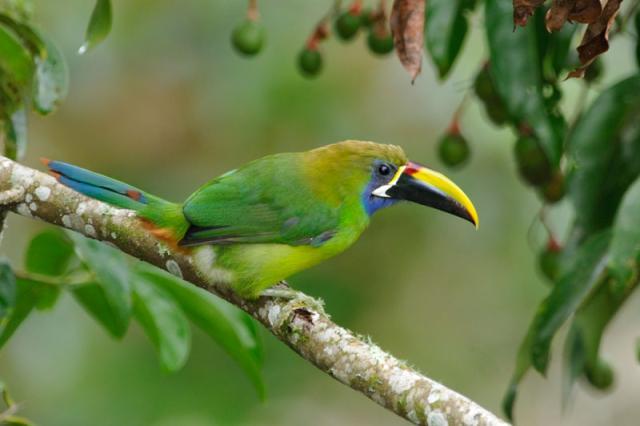
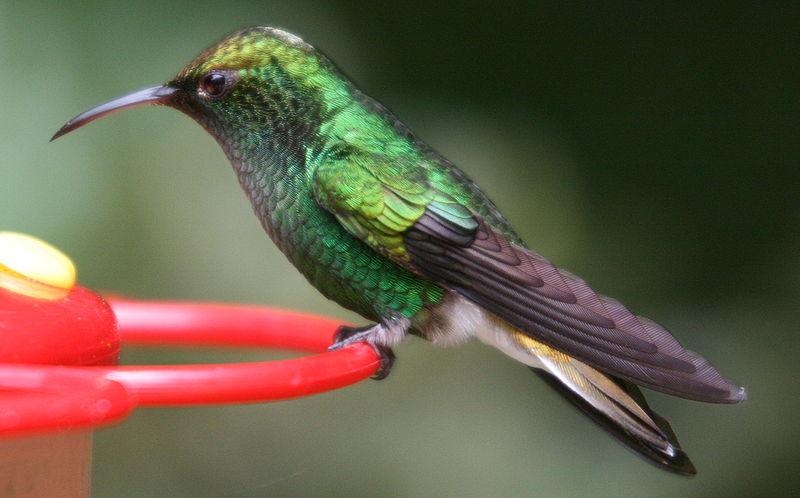
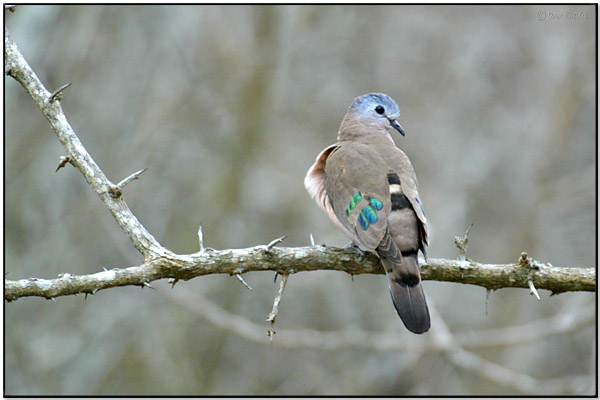
There are six birds that have a first name of Emerald: Emerald Starling, Emerald Tanager, Emerald Toucanet, Emerald-bellied Puffleg, Emerald-chinned Hummingbird, Emerald-spotted Wood Dove. There are also Hummingbird family members that are Emeralds.

“Happy is he that hath the God of Jacob for his help, whose hope is in the LORD his God: Which made heaven, and earth, the sea, and all that therein is: which keepeth truth for ever:” (Psalms 146:5-6 KJV)


*
[Definitions from Webster’s Dictionary of American English (1828), unless noted. Bird info from Wikipedia plus.]


*** Articles in this Series so far:
Other Articles about Emerald Birds:

Avian And Attributes – Emerald

Lee’s Two Word Tuesday – 6/13/17

What will you do with Jesus?

Heaven’s New Jerusalem and Birds – Chalcedony

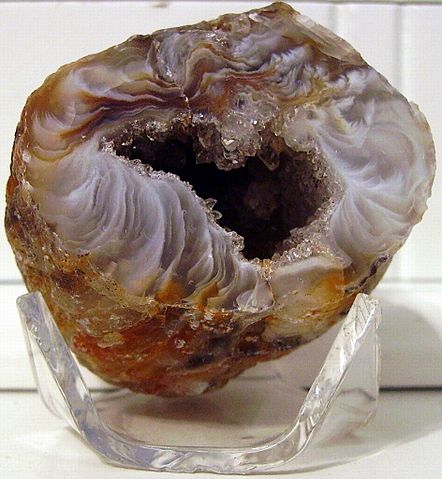
Chalcedony (Variety Agate) Quartz ©WikiC

“And the foundations of the wall of the city were garnished with all manner of precious stones. The first foundation was jasper; the second, sapphire; the third, a chalcedony; the fourth, an emerald;” (Revelation 21:19 KJV)

The Chalcedony stone in the foundation of the New Jerusalem is really a challenge. I have consulted the internet and my Bible programs, e-Sword and Bible Gateway. Also searched the Latin or scientific terms for names even close to “Chalcedony.” Most to no avail as far as finding birds that have chalcedony or a derivative in their names.

As you will see from the quotes below, most seem to mention white (and milky), gray (grey), blue, or a pearly color. Let me see. Out of over 10,000 birds, surely I can find a few to share with you.

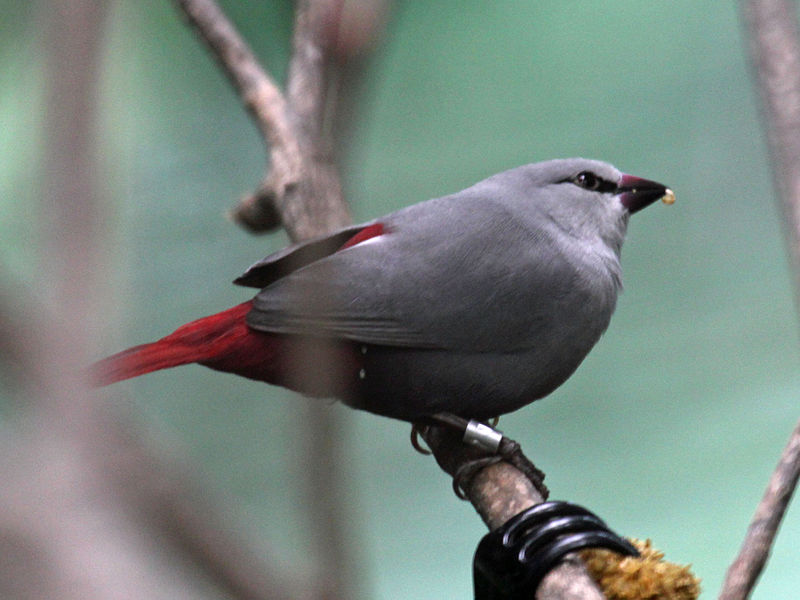
Lavender Waxbill (Estrilda caerulescens) ©WikiC

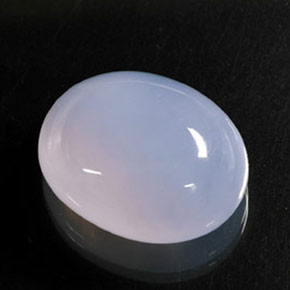
Lavendar Blue Chalcedony ©Mineral_net

THE GEMSTONE CHALCEDONY
“Chalcedony is the form of Quartz that is compact and microcrystalline. It occurs in many different forms, colors, and patterns, and many varieties have been used as gemstones since antiquity. In the gemstone trade, the term Chalcedony is often used specifically to describe the white, gray, or blue translucent type of Chalcedony, but its technical term includes all additional varieties.” [Minerals.net]

Chalcedony
“Rev_21:19. With it the third foundation of the wall of New Jerusalem is adorned. An agate-like quartz in modern mineralogy, of pearly luster and transparent, found in the Travascus mine in Cornwall. Cups, plates, knife handles, etc. are formed of it in India. Pliny makes it resemble turquoise; others make it of a light brown. The chalcedony of Theophrastus is called from Chalcedon in ancient Thrace, and was the copper emerald obtained from the mines there.” [Fausset’s Bible Dictionary, emphasis mine]

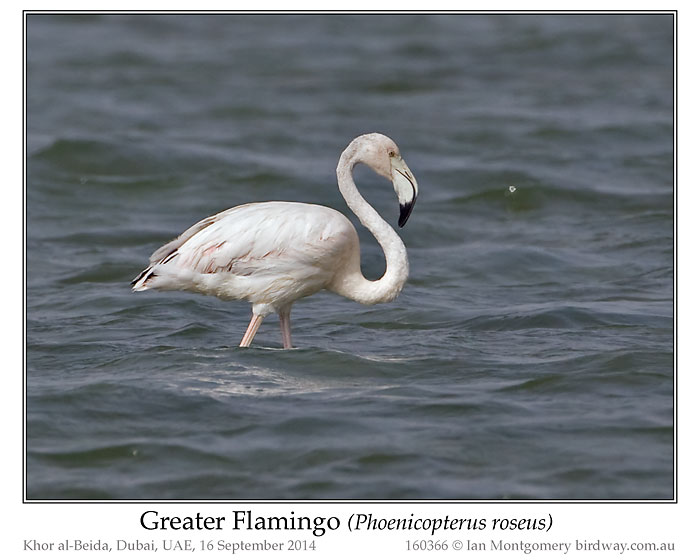
Greater Flamingo (Phoenicopterus roseus) by Ian

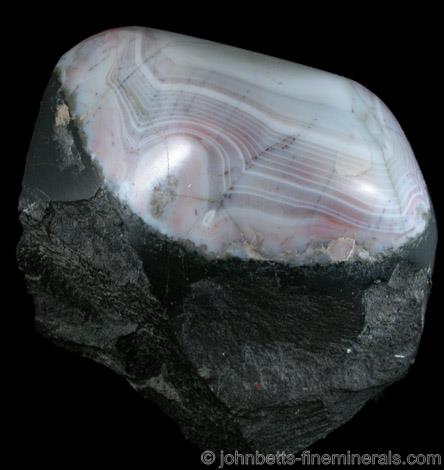
Polished Agate Portion ©Mineral.net

“Chalcedony. Chalcedony occurs only in Rev_21:19. The name is applied, in modern mineralogy, to one of the varieties of agate. It is generally translucent and exhibits a great variety of colors. So named because, it was found near the ancient Chalcedon, near Constantinople.” [Smith’s Bible Dictionary]

chalkedon (G5472), the name of a gem, including several varieties, one of which resembles a cornelian, is “supposed to denote a green silicate of copper found in the mines near Chalcedon” (Swete, on the Apocalypse), Rev_21:19.” [Vine’s]

Crowned Woodnymph (Thalurania colombica) by RScanlon

Crowned Woodnymph (Thalurania colombica) by RScanlon

Chalcedony moss agate gem Mineral.net

“CHALCEDONY, n. A subspecies of quartz, a mineral called also white agate, resembling milk diluted with water, and more or less clouded or opake, with veins, circles and spots. It is used in jewelry.
The varieties of chalcedony are common chalcedony, heliotrope, chrysoprase, plasma, onyx, sard and sardonyx.” [Webster’s Dictionary 1828]

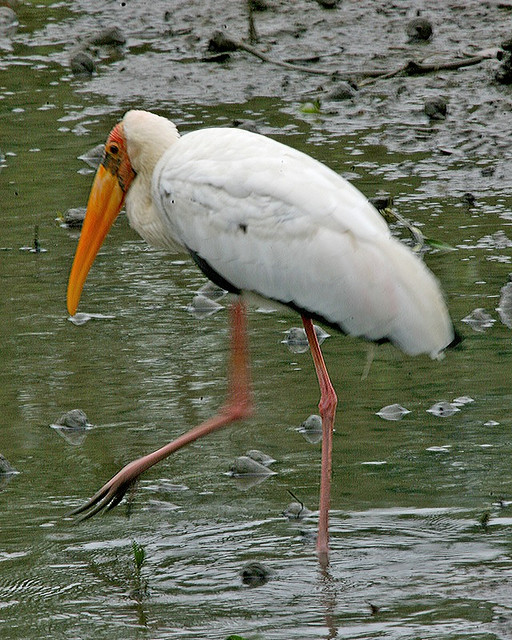
Milky Stork (Mycteria cinerea) ©©LipKee

Milky Stork (Mycteria cinerea) ©©LipKee

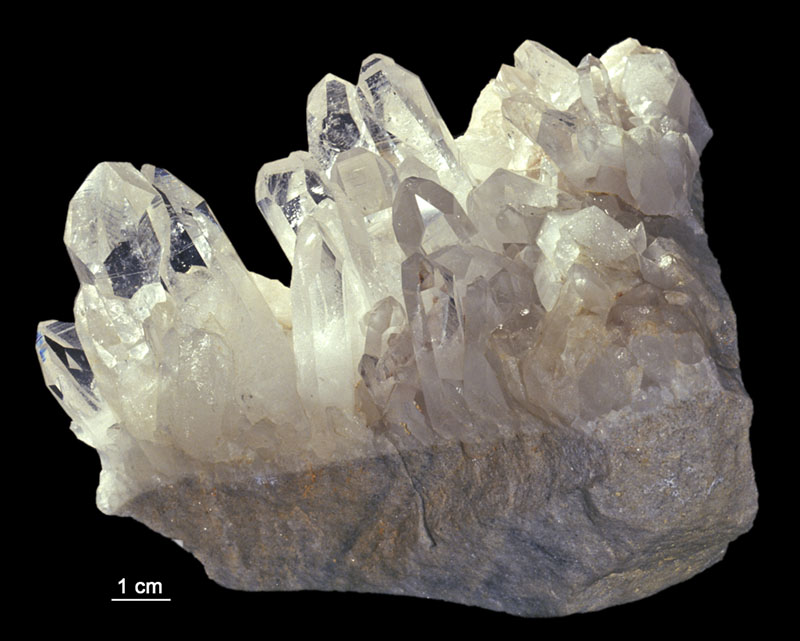
Quartz Article_Figure Milky Quartz ©IUBloomingtion

THE GEMSTONE CHALCEDONY
“Chalcedony is the form of Quartz that is compact and microcrystalline. It occurs in many different forms, colors, and patterns, and many varieties have been used as gemstones since antiquity. In the gemstone trade, the term Chalcedony is often used specifically to describe the white, gray, or blue translucent type of Chalcedony, but its technical term includes all additional varieties.” [Minerals.net]

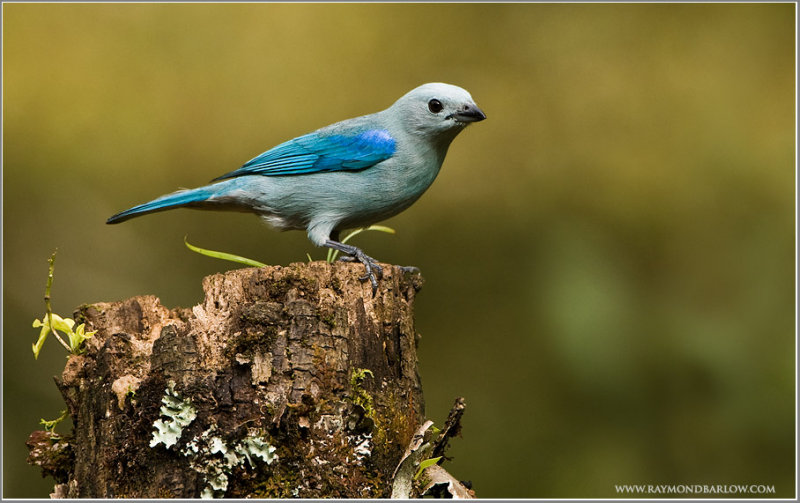
Blue-grey Tanager (Thraupis episcopus) by Raymond Barlow

Blue-grey Tanager (Thraupis episcopus) by Raymond Barlow

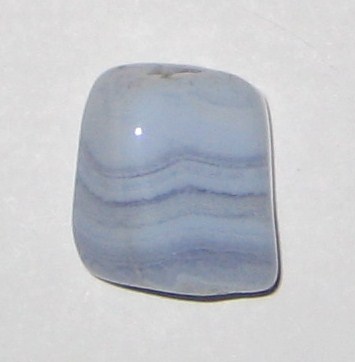
Agate – Blue Lace – Chalcedony – Nambia ©Stephanie Clifford

Chalcedony has a waxy luster, and may be semitransparent or translucent. It can assume a wide range of colors, but those most commonly seen are white to gray, grayish-blue or a shade of brown ranging from pale to nearly black. The color of chalcedony sold commercially is often enhanced by dyeing or heating.” [Wikipedia – Chalcedony]

Whatever that third layer is going to look like, it will be spectacular!!!

“The first foundation was jasper; the second, sapphire; the third, a chalcedony; the fourth, an emerald;” (Revelation 21:19b KJV)


*** Articles in this Series so far:

Wordless Birds – With Hummingbirds


Luzon Water Redstart

“I know all the birds of the mountains, And the wild beasts of the field are Mine.” (Psalms 50:11 NKJV)

Myra, a follower, now a friend, from the Philippines, shared this video of a Luzon Water Redstart. Her daughters journeyed up Mt. Pulag a few weeks ago. They spotted the Redstart and captured it with their phone’s camera. Myra always ask them to “bird watch for me.” And now, Myra is sharing that video with us. Thanks, Myra, and your two daughters.

“The Luzon water redstart (Phoenicurus bicolor) is a species of bird in the family Muscicapidae. It is endemic to the Philippines. Its natural habitats are subtropical or tropical moist lowland forest, subtropical or tropical moist montane forest, and rivers. It is threatened by habitat loss.

This species was formerly placed in the genus Rhyacornis but was moved to Phoenicurus based on the results of a molecular phylogenetic study published in 2010.” [Wikipedia]

Luzon Water Redstart (Phoenicurus bicolor) ©Myra

I have to admit, I chuckled when I saw how the video ended. How many times have we watched a bird, only to have it disappear into the bushes or leaves. BUT! At least it was spotted.

Here is an interesting article with two videos about this little avian wonder from our Lord. Luzon Water Redstart, Take 2

Happy Birdwatching!!

Where Is This Island From? – Creation Moments

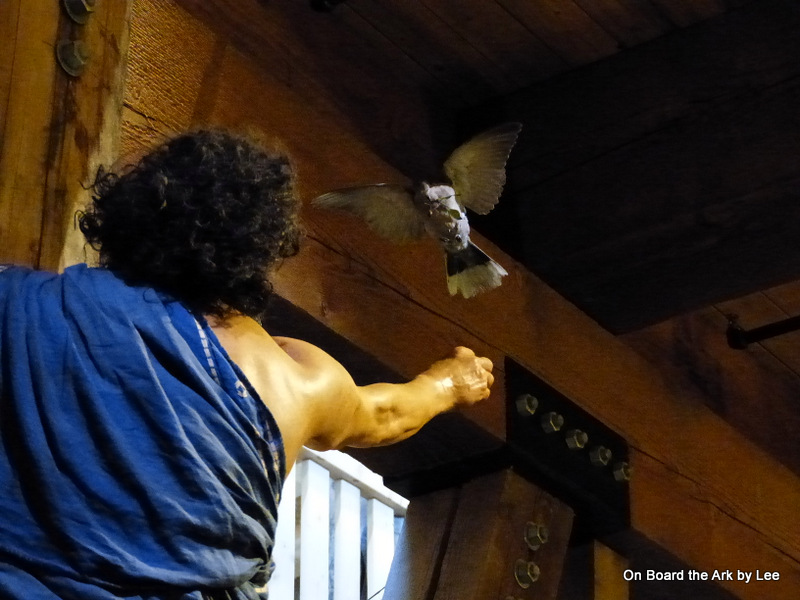
Noah taking the Dove back on board the ark with Olive Branch by Lee at the Ark Encounter

Genesis 8:11

“And the dove came in to him in the evening; and, lo, in her mouth was an olive leaf pluckt off: so Noah knew that the waters were abated from off the earth.”

In November 1963, an undersea volcano close to Iceland began to erupt. Emerging lava caused the sea to boil and steam. Gradually, the volcano began to appear above the waves. The eruption continued for three and a half years, causing a new island to emerge, one square mile in area and elevations of 560 feet above the surf. Of course, in the half century since the birth of this new island, erosion has reduced it somewhat – to a mere 506 feet above the sea and an area of only 0.54 square miles.
When the volcano had cooled, scientists flocked to the area to study what was likely to happen to this new piece of real estate. Biologists were particularly interested in how long it would take for life to colonize this bleak new rocky island. Only a few scientists are allowed to land on Surtsey. Most visitors only see the island from the windows of a plane.

Mosses were seen by 1967 and lichens by 1970. These two types of plants now cover much of the island. In 1998, a small willow bush had been observed to have grown. Limited animal life – such as gulls, puffins and seals – have set up home there. The bird guano is of particular use in fertilizing the soil for further plant growth. Insects, spiders and beetles can also now be found.

Surtsey has provided a living laboratory of how colonization of barren real estate can take place. Such recolonization could readily have happened worldwide after the Genesis Flood.  

Prayer: Your grace and power, Lord, are seen – even in the outworking of natural processes – in places like Surtsey and Mount St Helens. Thank you for Your amazing power. Amen.

Ref: Encyclopaedia Britannica, < https://www.britannica.com/place/Surtsey >, accessed 5/31/2018. Image: Surtsey appears, Public Domain


Lee’s Additions:

Here are more facts, articles and YouTubes about Surtsey.

Creation Magazine had these articles, Surtsey, the young island that looks old, and Surtsey Still Surprises. They produced this YouTube from that last article.

Also, Frank Sherwin from the Institute for Creation Research wrote Surtsey, Young Earth Labratory

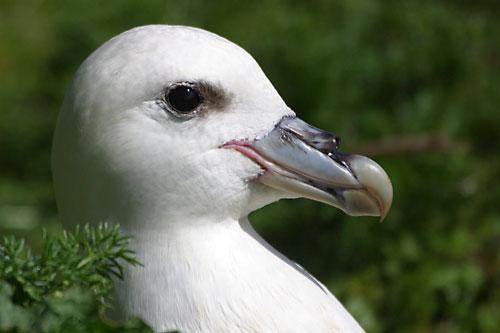
Northern Fulmar (Fulmarus glacialis) ©AGrosset

I found this quote from Surtsey Still Surprises article:

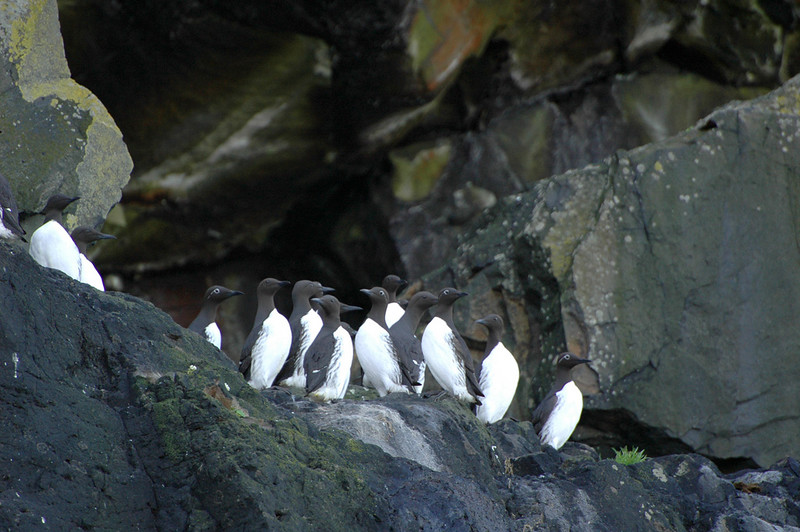
Birds began nesting on Surtsey in 1970, producing chicks just three years after the lava stopped flowing. These early residents were seabirds such as fulmars and black guillemots, building nests of pebbles, and keeping to the cliffs. But in the summer of 1985, a pair of lesser black-backed gulls arrived and constructed a nest of plant materials on the lava flats. They returned the following year with others, and there is now a permanent gull colony of more than 300 pairs.

Black Guillemot (Cepphus grylle) by Bob-Nan

Black Guillemot (Cepphus grylle) by Bob-Nan

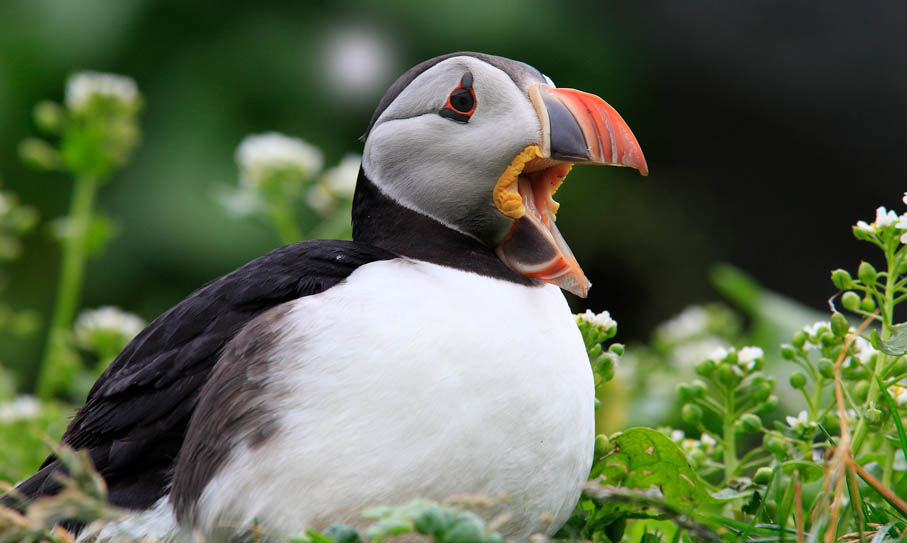
The birds have contributed to Surtsey’s ‘greening’. Snow buntings brought the seeds of bog rosemary from Britain in their gizzards. Combined with bird excreta, seeds grow rapidly—there is now a ‘bright green oasis’ spreading from the gull colony. Geese now graze the island’s vegetation. The cycle continues. The plants support insects which attract birds that bring more plants. Recent arrivals include willow bushes and puffins (see right). According to the Icelandic Institute of Natural History, ‘we now have a fully functioning ecosystem on Surtsey.’” [Bolding mine]

Atlantic Puffin with open mouth ©Lunde

And all of this did not take millions of years.

“For, lo, he that formeth the mountains, and createth the wind, and declareth unto man what is his thought, that maketh the morning darkness, and treadeth upon the high places of the earth, The LORD, The God of hosts, is his name.” (Amos 4:13 KJV)

“Ah Lord GOD! behold, thou hast made the heaven and the earth by thy great power and stretched out arm, and there is nothing too hard for thee:” (Jeremiah 32:17 KJV)