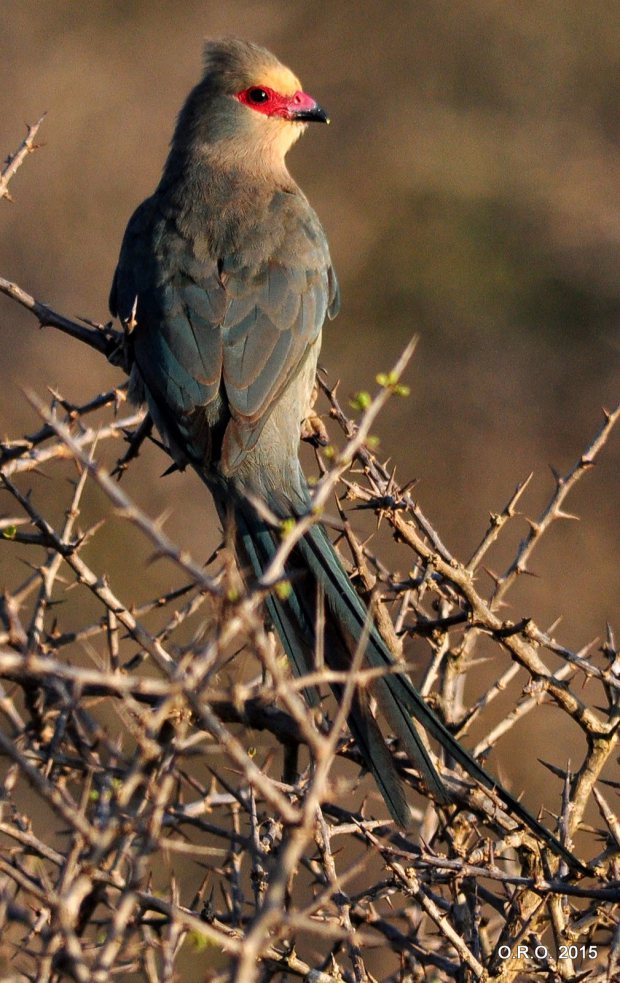
Endemic to Africa, about the size of a normal sparrow, crested head and beautiful cinnamon colored breast and strawberry red mask and bill. They are especially beautiful in the early morning sun. Their general body color is blue-grey or slate-ish.
With its long tail, about the same length as the body, they look like mice when they climb around in trees, therefore the name. Their outside toes are reversed to allow them to do just that, moving forward and backward as they climb around in the trees. They are more nervous of people than especially the Speckled Mousebird, which we have done before….. (To see the rest of the article – click here)
Lee’s Addition:
The shield of his mighty men is made red, the valiant men are in scarlet: … (Nahum 2:3a KJV)
Strawberry (Red-faced) Mousebird – Urocolius Indicus is re-blogged and was written on one of the blogs I follow, Our Rumbling Ocean. It is produced in South Africa.
Anyway, I wanted to share these beautiful Mousebirds with you.
Mousebirds are members of the Mousebirds – Coliidae Family and consist of only six species. And, no, the plural of Mousebird is not “Micebirds.”
The little owl, and the great owl, and the swan, (Deuteronomy 14:16 KJV)
There shall the great owl make her nest, and lay, and hatch, and gather under her shadow: there shall the vultures also be gathered, every one with her mate. (Isaiah 34:15 KJV)
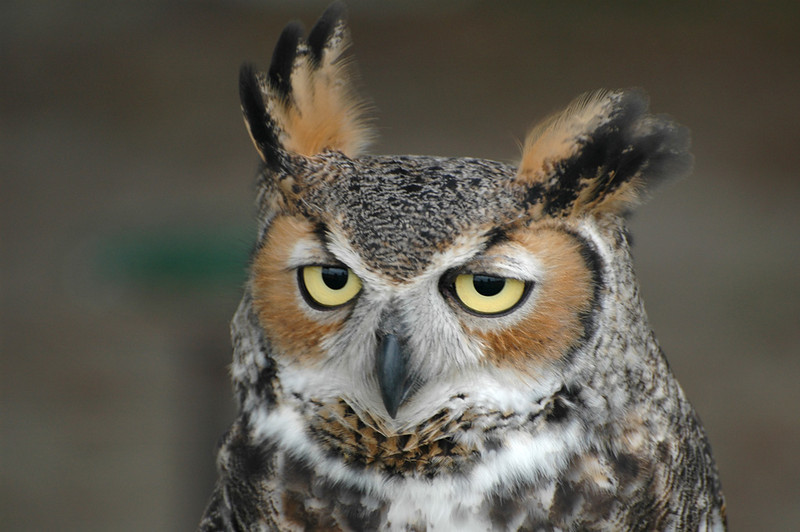
Are you aware of the Live Cameras that All About Birds are sharing? They are very interesting to watch. The latest that was shared with me is a Great Horned Owl nest Cam in Savannah, GA.
Take a look”
Here is a link that shows more about the Great Horned Owls there.
Aren’t these amazing? It is alway great to watch the Lord’s amazing creations, but to get to see them at the nest or at feeders is neat with today’s technology.
If you would like to see all the current Cams from All About Birds click this link. Not all the camera are operating all the time, but this page will help you find the live one as the current time.
So God created great sea creatures and every living thing that moves, with which the waters abounded, according to their kind, and every winged bird according to its kind. And God saw that it was good. And God blessed them, saying, “Be fruitful and multiply, and fill the waters in the seas, and let birds multiply on the earth.” (Genesis 1:21-22 NKJV)
Recently, I have been interested in genealogy. I have been working on our ancestry while staying home since I have been “under the weather.” It is really fun and exciting finding out about my previous generations. It also can be time-consuming and addictive, if you let it.
I can only imagine how those that are working on the DNA of our avian friends feel. If you have been following this blog very long, you know that I keep updating my Birds of the World when a new version comes out. When the Ver. 4.2 came out I.O.C. Version 4.2 Updated, I wrote this:
“They (the birds) are still doing as commanded by the Lord to reproduce and keeping the ornithologist busy naming, renaming, and rearranging them.
This time they renamed one and moved it to a new family just for it. The Spotted Wren-Babbler (Spelaeornis formosus) was in the Timaliidae Family. It has been renamed the Spotted Elachura (Elachura formosa) and placed in its own Elachuridae Family. (I do not have permission yet to post a photo.)
Version 4.2 also took the Lark Family and tossed it up in the air and rearranged it. See the Alaudidae – Larks Family. The DNA researches are keeping them busy keeping up with how the birds bred. Some of the scientific names were changed:”
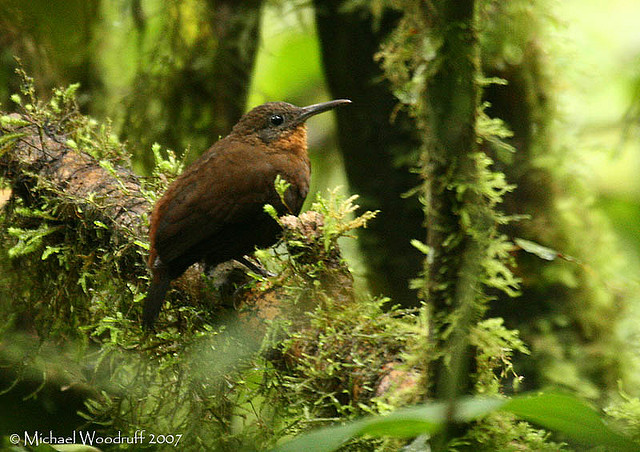
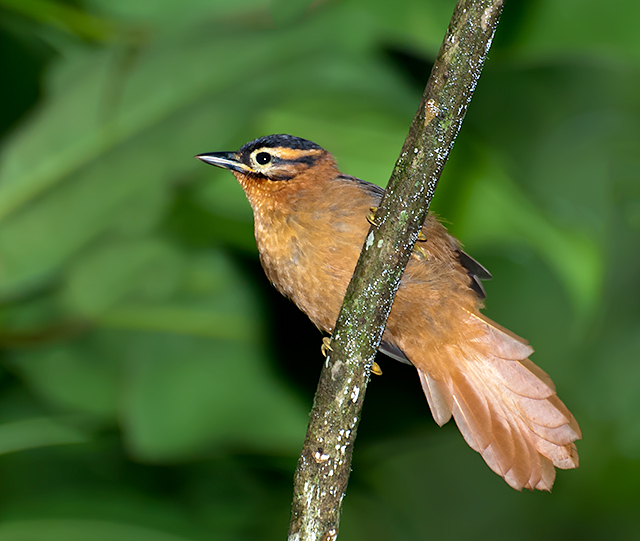
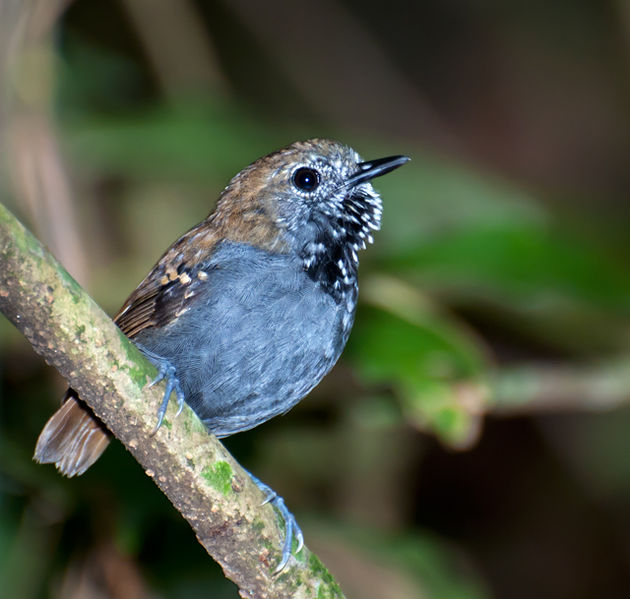
Tawny-throated Leaftosser (Sclerurus mexicanus) by Michael Woodruff
Maybe the DNA Bird Researchers could hire this Leaftosser to help them out. Not sure if the next version coming out soon will toss another family up in the air or not.
Of course, we believe that God created these beautiful, and not so beautiful, birds and not by evolution over millions of years. Yes, they did inter-breed over the years and you have different looks and songs within the families. But they are still birds and the Lord has wonderfully made DNA that helps trace that.
Today, you can trace your own ancestors through DNA. I don’t understand much about it, but what I do know is this:
I will praise You, for I am fearfully and wonderfully made; Marvelous are Your works, And that my soul knows very well. (Psalms 139:14 NKJV)
Here are some interesting articles that do discuss DNA from a Christian Perspective:
(From this article) But nowhere does the Bible say that species cannot change! Instead, it seems that they would have to change—within the limits of their own interbreeding kind—in order to fulfill God’s command in Genesis 1 for His living creatures to fill the earth and its many changing environments.
Darwin insisted that animals slowly change between kinds. In contrast, seedeater birds have shown that they rapidly changed within their kind. Despite Campagna’s touting of Darwin’s “accomplishments,” these birds display programmed variation, not evolution.
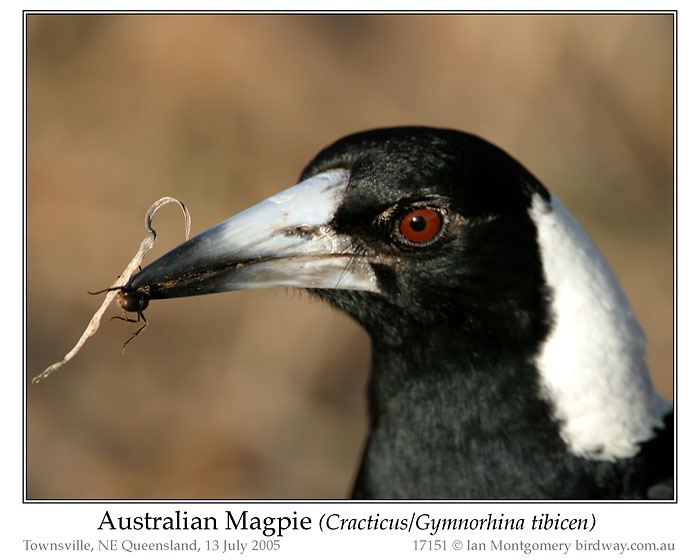
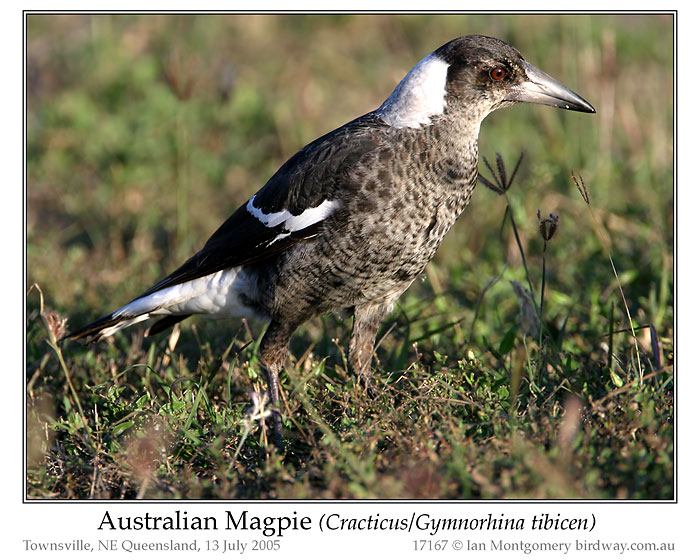
National days are occasions in which icons play a big, maybe dominant or even overpowering role, and Australia’s, January 26th, is no exception. So here is the Australian Magpie. It’s not strictly a Magpie in the Northern Hemisphere sense and it’s not strictly Australian, as it also occurs naturally in southern Papua New Guinea and has been introduced to both the main islands of New Zealand.
It is, however, certainly iconic, and not just in the sense of something that is typical of Australia. It was incorporated in various South Australian insignia just after Federation, and features “displayed proper” against the risen sun of federation. All six state coat of arms were incorporated into the Australian coat of arms in 1912, so the magpie, along with the Black Swan of Western Australia, made it to the national coat of arms. The bird referred to in the original South Australian design documents is called the “Piping Shrike” but the Australian Magpie has had various names including “Piping Crow-shrike” (Charles Sturt, explorer, 1840).
There are several races of the Magpie and I thought it would be easy to describe and illustrate them as part of this bird of the week. In fact, the descriptions, delineations and ranges of the various races are both messy and vague so I’ve settled for three easily recognised categories based on the colouration of their backs between the universally white (or pale grey) nape and rump: Black-backed, White-backed and Western.
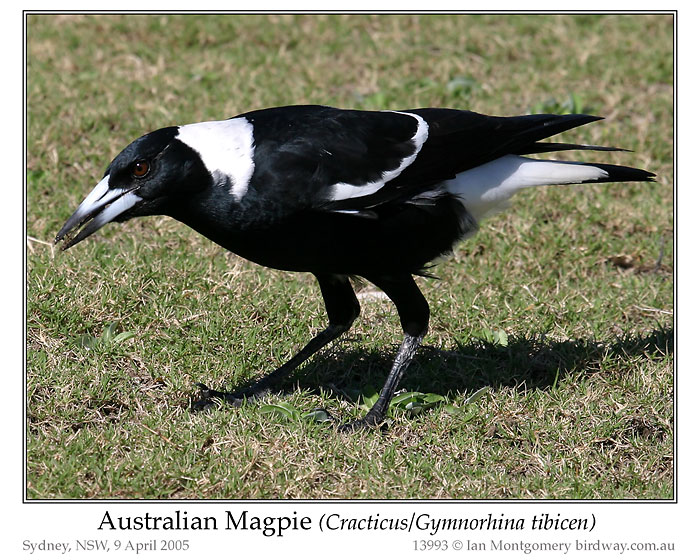
The Black-backed group, first and second photos, is the most widespread occurring everywhere except in SW Western Australia and SE Australia and Tasmania. The nominate race ‘tibicen’ of eastern Australia is Black-backed and the name is derived from the Latin for ‘trumpeter’: tubicen. Male and female Black-backed have similar patterning except that the females have greyish tinge to the white and the black is less intense.
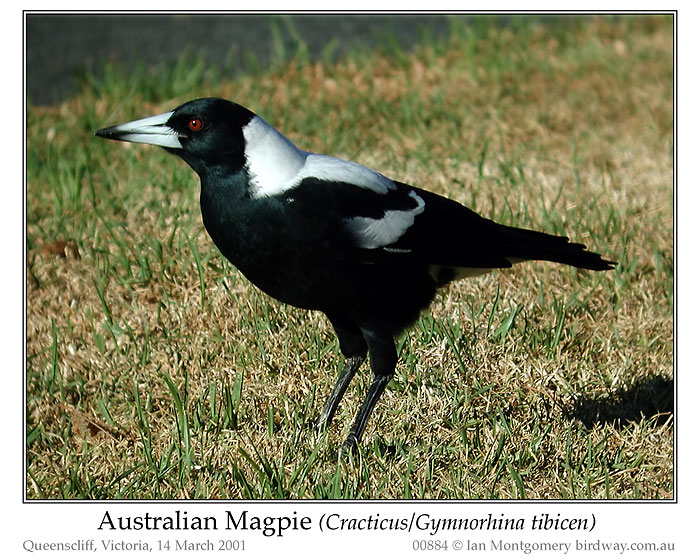
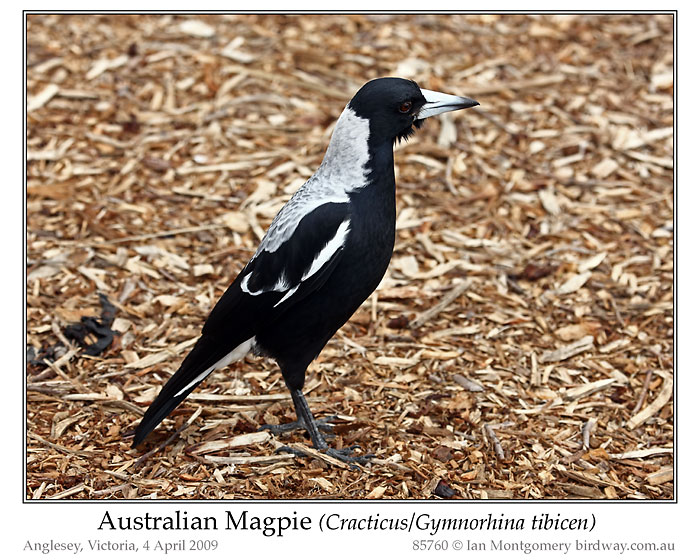
The familiar Magpie of Victoria, Tasmania and South Australia is the White-backed. The bird in the third photo is a male, while the one in the fourth photo is a female. The grey tinge and scalloping on her nape and back is quite obvious.
The male of the Western Magpie in SW Western Australia is like the male White-backed. The female, however, has very dark scalloping on the back to the point where it is almost black, fifth photo.
Australian Magpies have group territories with the group varying in size from a pair of adults to several adults and juveniles of varying ages. Usually only one pair in the group actually nests with the female doing the nest-building and most of the incubation. The young are fed by the female, often with help from her male partner and sometimes from other group members. Magpies can be aggressive towards people near the nest, and many Australians can recount stories of being attacked when cycling to or from school. Juveniles have greyish rather than black plumage, like the juvenile Black-backed in the sixth photo.
Australian Magpies, and their close relatives the Butcherbirds, are candidates for being the finest song birds in Australia. The Magpie has a varied and complex repertoire and is well-known for its flute-like choruses by a pair or group. It is usually started by the senior male or female in the group with other members, including juveniles, joining in. Less intense warbling songs are done by individuals, often for long periods, contain elements of the choral singing and mimicry. The New Zealand Poet, Denis Glover, in his best known poem, The Magpies, rendered the song as ‘and Quardle oodle ardle wardle doodle/The magpies said’.
The flute-like quality of the voice features in various European names for the Australian Magpie: Cassican flûteur (F), Flötenvogel (G) and Verdugo Flautista (Sp). I think the Germans have got it right with their Fluting-bird – much better than naming it after some unrelated Northern Hemisphere bird that it vaguely resembles. Maybe we should launch a new name for it next Australia Day. Now that would be a fitting Australia Day honour.
Greetings
Ian
**************************************************
Ian Montgomery, Birdway Pty Ltd,
454 Forestry Road, Bluewater, Qld 4818
Tel 0411 602 737 ian@birdway.com.au
Bird Photos http://www.birdway.com.au/
Where to Find Birds in Northern Queensland: iTunes; Google Play Kobo Books
Recorder Society http://www.nqrs.org.au
Lee’s Addition:
He (Solomon) spoke of trees, from the cedar that is in Lebanon even to the hyssop that grows on the wall; he spoke also of animals and birds and creeping things and fish. (1 Kings 4:33 NASB)
Ian, thanks again for sharing your Magpies from Australia. Seeing that he travels all around, he gets to see these different Magpies as he goes off on his birdwatching adventures. Their expressions give a look of intelligence to them.
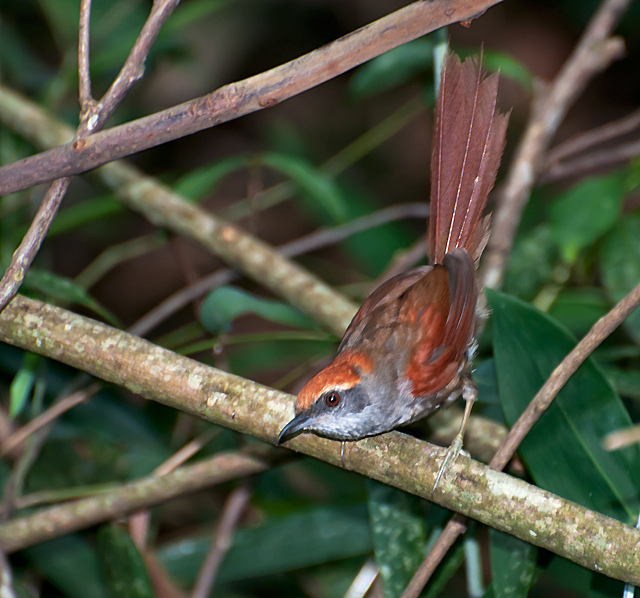
Rufous-capped Spinetail (Synallaxis ruficapilla) by Dario Sanches
For he that is mighty hath done to me great things; and holy is his name. (Luke 1:49 KJV)
Our Creator has given us so many birds to enjoy, that it is hard to pick them. So, today as you listen to another arrangement from Pastor Jerry’s special night a few weeks ago, you can view another slideshow of mixed avian friends. These are from the first four bird families, taxonomically, in the Passeriformes Order (Songbirds).
Ah Lord GOD! behold, thou hast made the heaven and the earth by thy great power and stretched out arm, and there is nothing too hard for thee: Thou shewest lovingkindness unto thousands, and recompensest the iniquity of the fathers into the bosom of their children after them: the Great, the Mighty God, the LORD of hosts, is his name, Great in counsel, and mighty in work: for thine eyes are open upon all the ways of the sons of men: to give every one according to his ways, and according to the fruit of his doings: (Jeremiah 32:17-19 KJV)
This slideshow requires JavaScript.
Click to listen:
“Jesus What A Might Name” – Pastor Jerry Smith w/Choir and Orchestra
For unto us a Child is born, Unto us a Son is given; And the government will be upon His shoulder. And His name will be called Wonderful, Counselor, Mighty God, Everlasting Father, Prince of Peace. (Isaiah 9:6 NKJV)
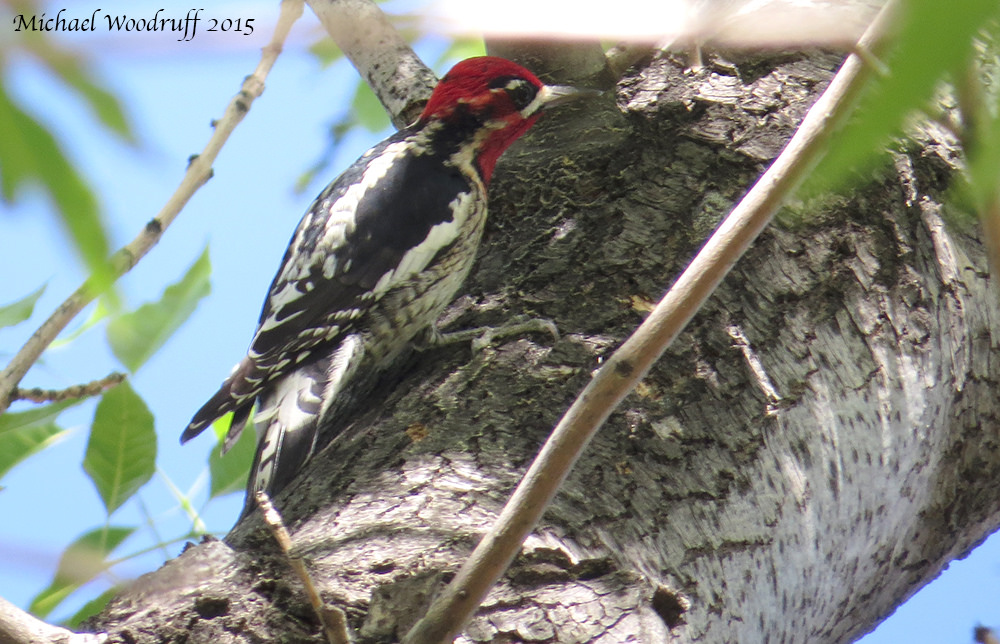
Red-breasted X Red-naped Sapsucker By Michael Woodruff
Out of the ground the LORD God formed every beast of the field and every bird of the air, and brought them to Adam to see what he would call them. And whatever Adam called each living creature, that was its name. (Genesis 2:19 NKJV)
Thought I would share some of Michael Woodruff’s latest photos. He has been giving me permission to use his great photos for several years. The Lord created these birds and Michael has a great way of capturing their images for us to enjoy. Thanks, Michael.
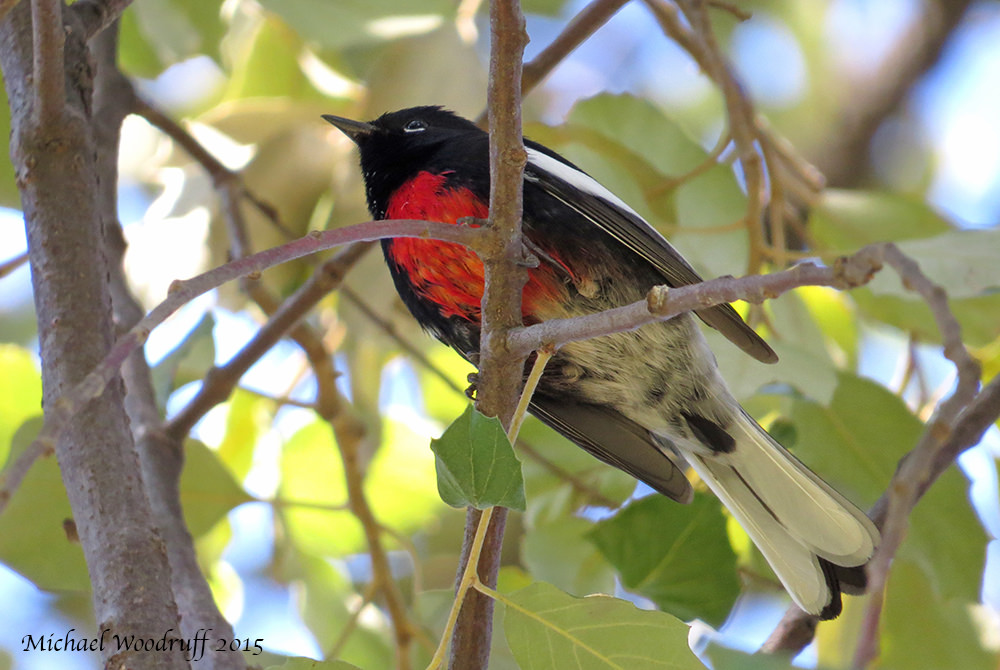
Painted Redstart by Michael Woodruff
I know all the birds of the mountains, And the wild beasts of the field are Mine. (Psalms 50:11 NKJV)
And since we haven’t been on any birdwatching trips yet this year, you can enjoy photos from others. His Flickr photos can be see at:
Then God said, “Let the waters abound with an abundance of living creatures, and let birds fly above the earth across the face of the firmament of the heavens.” (Genesis 1:20 NKJV)
*
Here are some articles where Michael’s photos have been used:
Thought you might enjoy this sent to me by a friend. Not sure how it was done, but National Geographic was involved.
A couple of verses come to mind:
But God hath chosen the foolish things of the world to confound the wise; and God hath chosen the weak things of the world to confound the things which are mighty; (1 Corinthians 1:27 KJV)
Call unto me, and I will answer thee, and shew thee great and mighty things, which thou knowest not. (Jeremiah 33:3 KJV)
If he watches out for these two, how much more does God watch out for us?
The Red-winged Blackbird and the Golden-winged Flicker.
The Burgess Bird Book For Children
*
CHAPTER 10. Redwing and Yellow Wing.
Listen to the story read.
Peter had come over to the Smiling Pool especially to pay his respects to Redwing the Blackbird, so as soon as he could, without being impolite, he left Mrs. Teeter sitting on her eggs, and Teeter himself bobbing and bowing in the friendliest way, and hurried over to where the bulrushes grow. In the very top of the Big Hickory-tree, a little farther along on the bank of the Smiling Pool, sat some one who at that distance appeared to be dressed all in black. He was singing as if there were nothing but joy in all the great world. “Quong-ka-reee! Quong-ka-reee! Quong-ka-reee!” he sang. Peter would have known from this song alone that it was Redwing the Blackbird, for there is no other song quite like it.
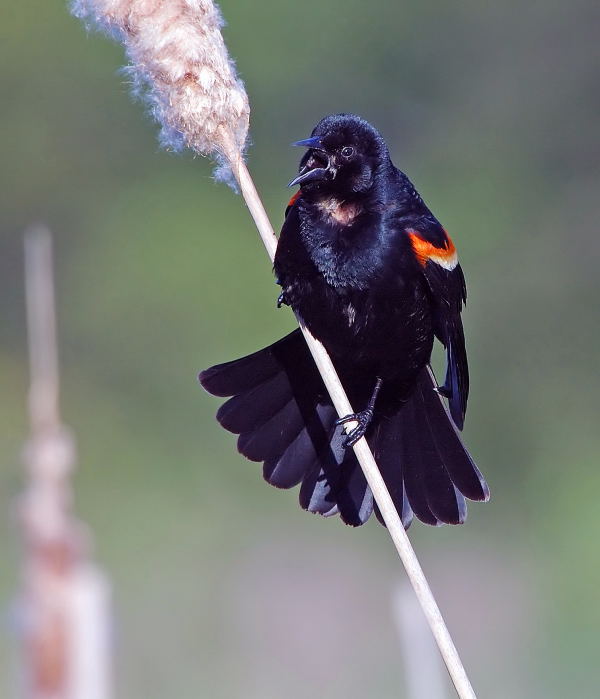
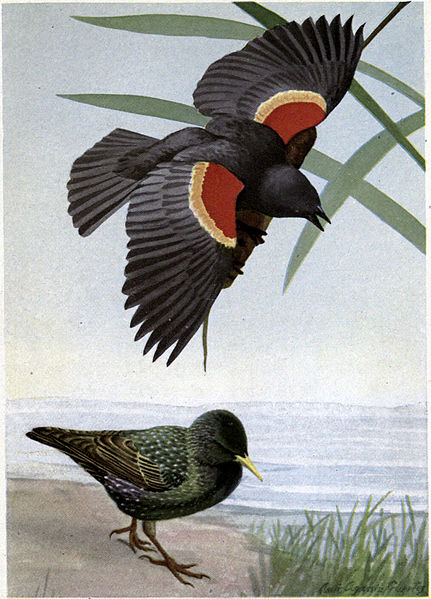
As soon as Peter appeared in sight Redwing left his high perch and flew down to light among the broken-down bulrushes. As he flew, Peter saw the beautiful red patch on the bend of each wing, from which Redwing gets his name. “No one could ever mistake him for anybody else,” thought Peter, “For there isn’t anybody else with such beautiful shoulder patches.”
“What’s the news, Peter Rabbit?” cried Redwing, coming over to sit very near Peter.
“There isn’t much,” replied Peter, “excepting that Teeter the Sandpiper has four eggs just a little way from here.”
Redwing chuckled. “That is no news, Peter,” said he. “Do you suppose that I live neighbor to Teeter and don’t know where his nest is and all about his affairs? There isn’t much going on around the Smiling Pool that I don’t know, I can tell you that.”
Peter looked a little disappointed, because there is nothing he likes better than to be the bearer of news. “I suppose,” said he politely, “that you will be building a nest pretty soon yourself, Redwing.”
Redwing chuckled softly. It was a happy, contented sort of chuckle. “No, Peter,” said he. “I am not going to build a nest.”
“What?” exclaimed Peter, and his two long ears stood straight up with astonishment.
“No,” replied Redwing, still chuckling. “I’m not going to build a nest, and if you want to know a little secret, we have four as pretty eggs as ever were laid.”
Peter fairly bubbled over with interest and curiosity. “How splendid!” he cried. “Where is your nest, Redwing? I would just love to see it. I suppose it is because she is sitting on those eggs that I haven’t seen Mrs. Redwing. It was very stupid of me not to guess that folks who come as early as you do would be among the first to build a home. Where is it, Redwing? Do tell me.”
Redwing’s eyes twinkled.
     "A secret which is known by three
      Full soon will not a secret be,"
said he. “It isn’t that I don’t trust you, Peter. I know that you wouldn’t intentionally let my secret slip out. But you might do it by accident. What you don’t know, you can’t tell.”
“That’s right, Redwing. I am glad you have so much sense,” said another voice, and Mrs. Redwing alighted very near to Redwing.
Peter couldn’t help thinking that Old Mother Nature had been very unfair indeed in dressing Mrs. Redwing. She was, if anything, a little bit smaller than her handsome husband, and such a plain, not to say homely, little body that it was hard work to realize that she was a Blackbird at all. In the first place she wasn’t black. She was dressed all over in grayish-brown with streaks of darker brown which in places were almost black. She wore no bright-colored shoulder patches. In fact, there wasn’t a bright feather on her anywhere. Peter wanted to ask why it was that she was so plainly dressed, but he was too polite and decided to wait until he should see Jenny Wren. She would be sure to know. Instead, he exclaimed, “How do you do, Mrs. Redwing? I’m ever so glad to see you. I was wondering where you were. Where did you come from?”
“Straight from my home,” replied Mrs. Redwing demurely. “And if I do say it, it is the best home we’ve ever had.”
Redwing chuckled. He was full of chuckles. You see, he had noticed how eagerly Peter was looking everywhere.
“This much I will tell you, Peter,” said Redwing; “our nest is somewhere in these bulrushes, and if you can find it we won’t say a word, even if you don’t keep the secret.”
Then Redwing chuckled again and Mrs. Redwing chuckled with him. You see, they knew that Peter doesn’t like water, and that nest was hidden in a certain clump of brown, broken-down rushes, with water all around. Suddenly Redwing flew up in the air with a harsh cry. “Run, Peter! Run!” he screamed. “Here comes Reddy Fox!”
Peter didn’t wait for a second warning. He knew by the sound of Redwing’s voice that Redwing wasn’t joking. There was just one place of safety, and that was an old hole of Grandfather Chuck’s between the roots of the Big Hickory-tree. Peter didn’t waste any time getting there, and he was none too soon, for Reddy was so close at his heels that he pulled some white hairs out of Peter’s tail as Peter plunged headfirst down that hole. It was a lucky thing for Peter that that hole was too small for Reddy to follow and the roots prevented Reddy from digging it any bigger.
For a long time Peter sat in Grandfather Chuck’s old house, wondering how soon it would be safe for him to come out. For a while he heard Mr. and Mrs. Redwing scolding sharply, and by this he knew that Reddy Fox was still about. By and by they stopped scolding, and a few minutes later he heard Redwing’s happy song. “That means,” thought Peter, “that Reddy Fox has gone away, but I think I’ll sit here a while longer to make sure.”
Now Peter was sitting right under the Big Hickory-tree. After a while he began to hear faint little sounds, little taps, and scratching sounds as of claws. They seemed to come from right over his head, but he knew that there was no one in that hole but himself. He couldn’t understand it at all.
Finally Peter decided it would be safe to peek outside. Very carefully he poked his head out. Just as he did so, a little chip struck him right on the nose. Peter pulled his head back hurriedly and stared at the little chip which lay just in front of the hole. Then two or three more little chips fell. Peter knew that they must come from up in the Big Hickory-tree, and right away his curiosity was aroused. Redwing was singing so happily that Peter felt sure no danger was near, so he hopped outside and looked up to find out where those little chips had come from. Just a few feet above his head he saw a round hole in the trunk of the Big Hickory-tree. While he was looking at it, a head with a long stout bill was thrust out and in that bill were two or three little chips. Peter’s heart gave a little jump of glad surprise.
“Yellow Wing!” he cried. “My goodness, how you startled me!”
The chips were dropped and the head was thrust farther out. The sides and throat were a soft reddish-tan and on each side at the beginning of the bill was a black patch. The top of the head was gray and just at the back was a little band of bright red. There was no mistaking that head. It belonged to Yellow Wing the Flicker beyond a doubt.
“Hello, Peter!” exclaimed Yellow Wing, his eyes twinkling. “What are you doing here?”
“Nothing,” replied Peter, “but I want to know what you are doing. What are all those chips?”
“I’m fixing up this old house of mine,” replied Yellow Wing promptly. “It wasn’t quite deep enough to suit me, so I am making it a little deeper. Mrs. Yellow Wing and I haven’t been able to find another house to suit us, so we have decided to live here again this year.” He came wholly out and flew down on the ground near Peter. When his wings were spread, Peter saw that on the under sides they were a beautiful golden-yellow, as were the under sides of his tail feathers. Around his throat was a broad, black collar. From this, clear to his tail, were black dots. When his wings were spread, the upper part of his body just above the tail was pure white.
“My,” exclaimed Peter, “you are a handsome fellow! I never realized before how handsome you are.”
Yellow Wing looked pleased. Perhaps he felt a little flattered. “I am glad you think so, Peter,” said he. “I am rather proud of my suit, myself. I don’t know of any member of my family with whom I would change coats.”
A sudden thought struck Peter. “What family do you belong to?” He asked abruptly.
“The Woodpecker family,” replied Yellow Wing proudly.
*
Nevertheless if you warn the righteous man that the righteous should not sin, and he does not sin, he shall surely live because he took warning; also you will have delivered your soul.” (Ezekiel 3:21 NKJV)
I do not write these things to shame you, but as my beloved children I warn you. (1 Corinthians 4:14 NKJV)
That was mighty nice of Redwing to warn Peter Rabbit. We need to listen when others warn us. Like, “don’t get too close to the fire” or “watch out for the cars!” We should also help others by warning them so they don’t get hurt. We need to tell others about Christ and warn them to not ignore His teaching.
Today’s Sunday Inspiration is spotlighting the “Star” birds while Pastor Jerry and Reagan Osborne sing “Day Star.” This was sung when Pastor Jerry retired from the Music Ministry.
The “star” birds have “star” in their names. This includes Hillstars, Redstarts, Starlings, Starfrontlets, and a Whitestart.
We have also a more sure word of prophecy; whereunto ye do well that ye take heed, as unto a light that shineth in a dark place, until the day dawn, and the day star arise in your hearts: (2 Peter 1:19 KJV)
Believer’s Bible Commentary: “…The rising of the morning star (day star) pictures Christ’s coming for His saints. Thus the sense of the passage is that we should always keep the prophetic word before us, treasuring it in our hearts, for it will serve as a light in this dark world until the age is ended and Christ appears in the clouds to take His waiting people home to heaven.”
This slideshow requires JavaScript.
Click to Listen
“Day Star” ~ Pastor Jerry Smith and Reagan Osborne at Faith Baptist Church
“Which leaveth her eggs in the earth, and warmeth them in dust, and forgetteth that the foot may crush them, or that the wild beast may break them.” (Job 39:14-15)
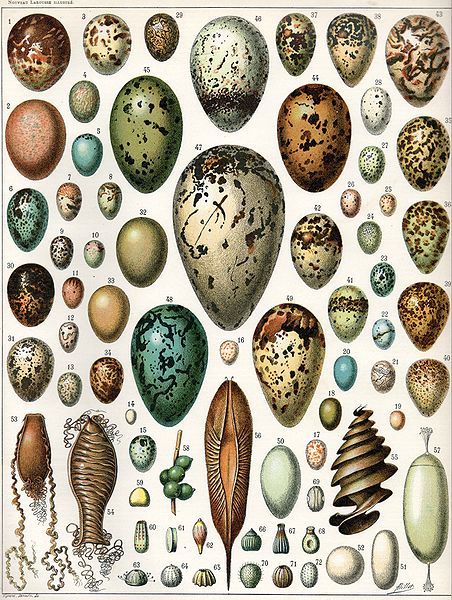
The creation is literally filled with millions of what those who believe in evolution call “happy coincidences.” But when you encounter millions of instances of what appears to be thoughtful design, the obvious conclusion is that there is a Designer. Take the example of bird eggs.
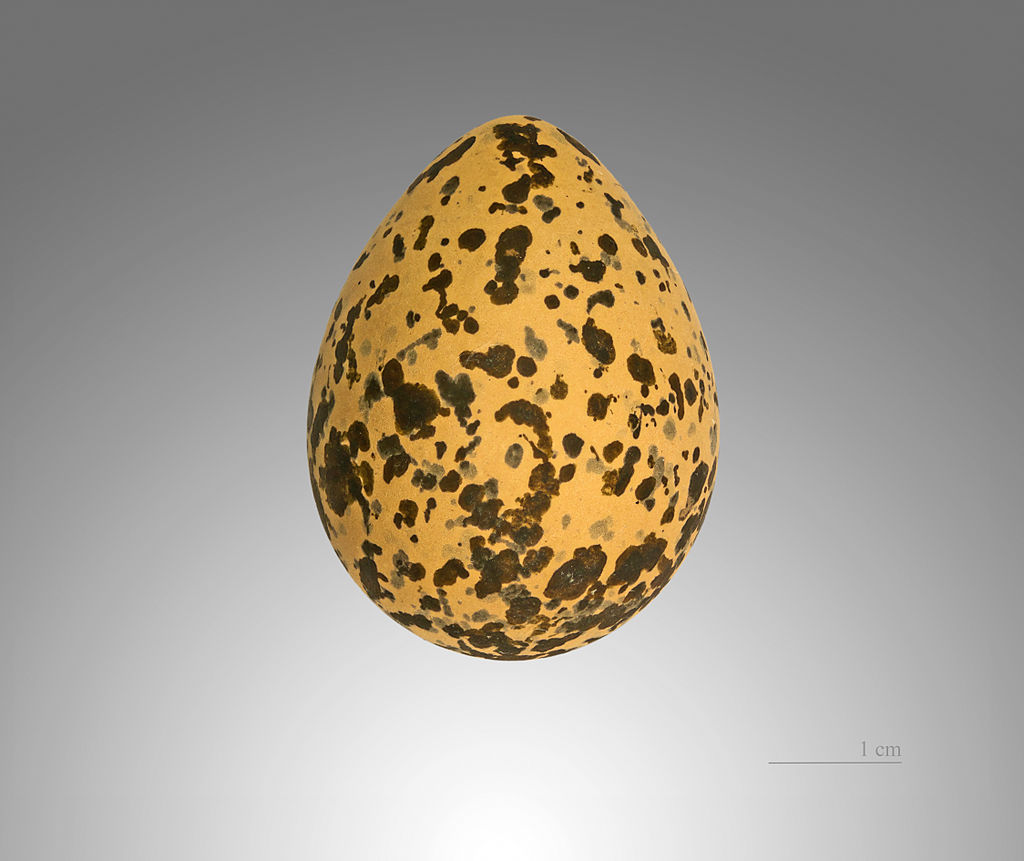
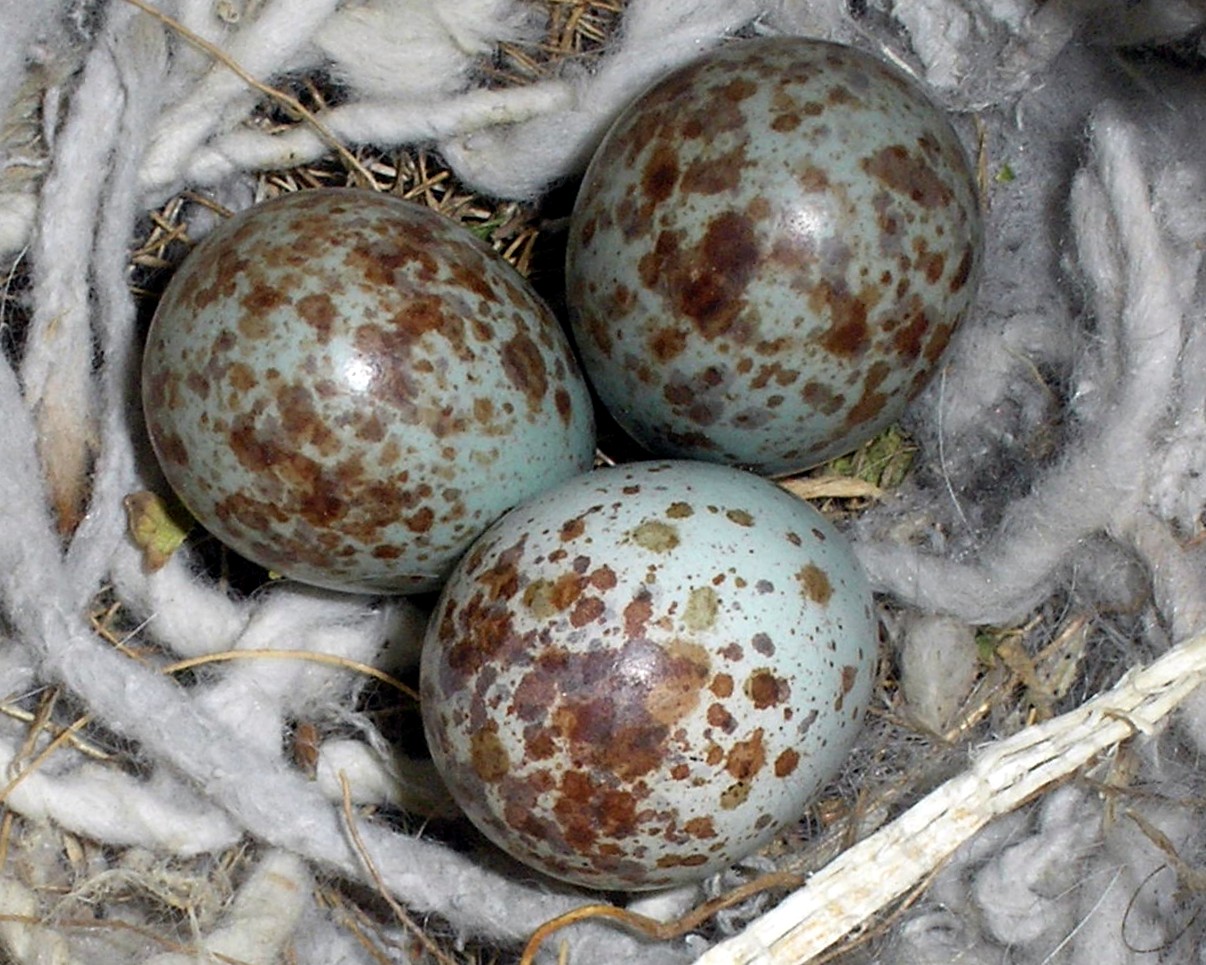
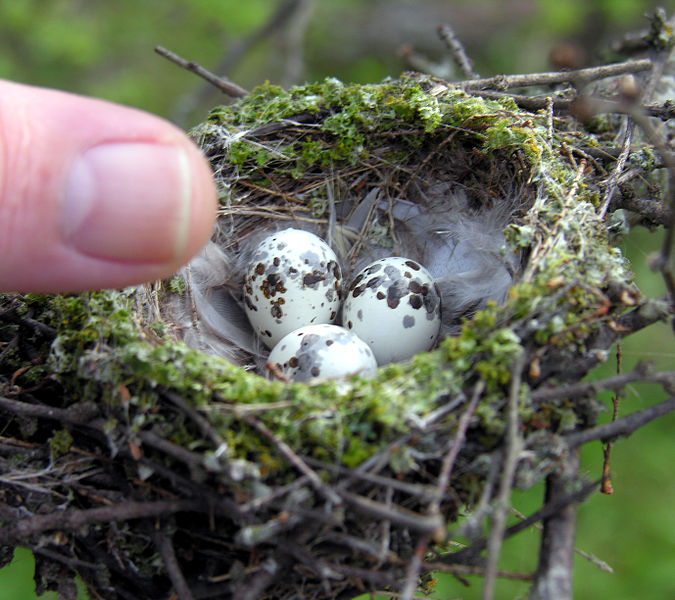
The shape of the egg makes it strong. This strength comes in handy in a busy nest. Mom and dad are coming and going, and they turn the eggs periodically during incubation. But all eggs are not equally egg shaped, and there is a pattern to their shapes. Birds like robins that build a nice, dish shaped nest tend to lay eggs that are more round in shape. Screech owls, which lay their eggs at the bottom of a hole in a tree, also have round shaped eggs. Birds like the killdeer barely build any kind of nest and lay eggs on the ground where almost-round eggs could roll away. For this reason, birds such as a kildeer lay much more sharply pointed eggs which are designed to pivot on their small end. Likewise, eggs that are laid where predators are not likely to see them are usually pale or solid in color, but eggs laid out in the open are camouflaged. Moreover, baby birds that hatch in protected nests, like the bluebird, tend to be naked, blind and helpless. But the unprotected killdeer hatchlings are ready to leave the nest within minutes of hatching.
All coincidences? It seems more scientific to say that here we have a few of the many fingerprints of our wise Creator!
Prayer: I praise You, Father, for how Your glory is reflected in the creation. Amen.
Notes:
Jim Williams, “Bird basics: egg size, color and shape”, Star Tribune, 7/29/99, p. 8. Illustration: Long elliptical egg of a loon. (PD)
Consider the ravens, for they neither sow nor reap, which have neither storehouse nor barn; and God feeds them. Of how much more value are you than the birds? (Luke 12:24 NKJV)
Well, we are over half way through January of 2015 and we still haven’t “gone” on a birdwatching trip. I have been seeing birds in my yard and neighborhood and on short trips to the doctor, store, or church. These have all been occasional sightings. Haven’t even kept a list, except in my head.
As I have visited some of your sites and others, your 2015 list of birds is becoming quite impressive, at least for some of you.
On New Years morning I awoke with a sore throat. I now have been dealing with my second round of bronchitis since November. (Just can’t seem to shake it.) My 2015 list of birds has been “grounded.” Can’t seem to get it off to a start. Yet, the birds seen in 2015 are growing.
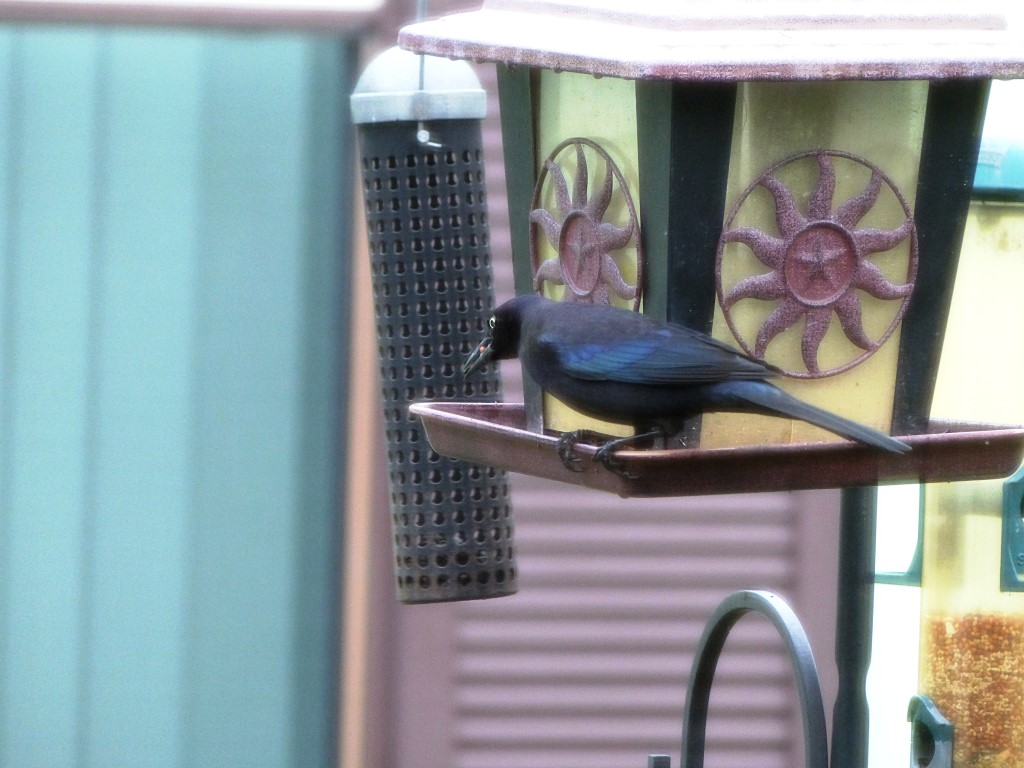
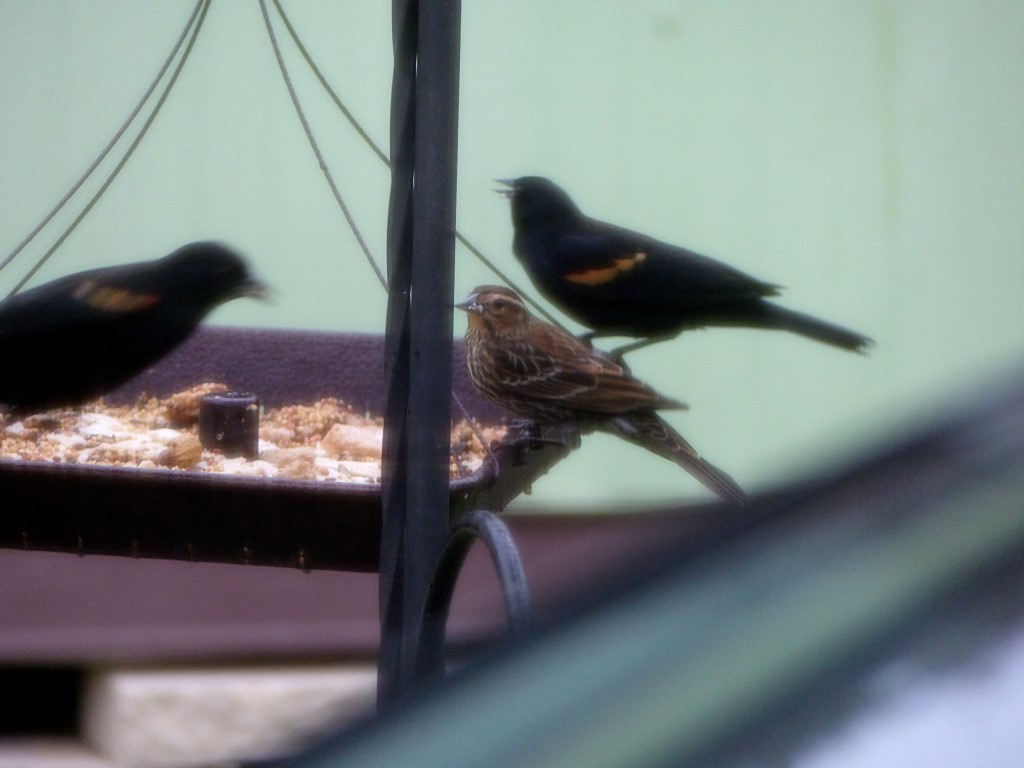
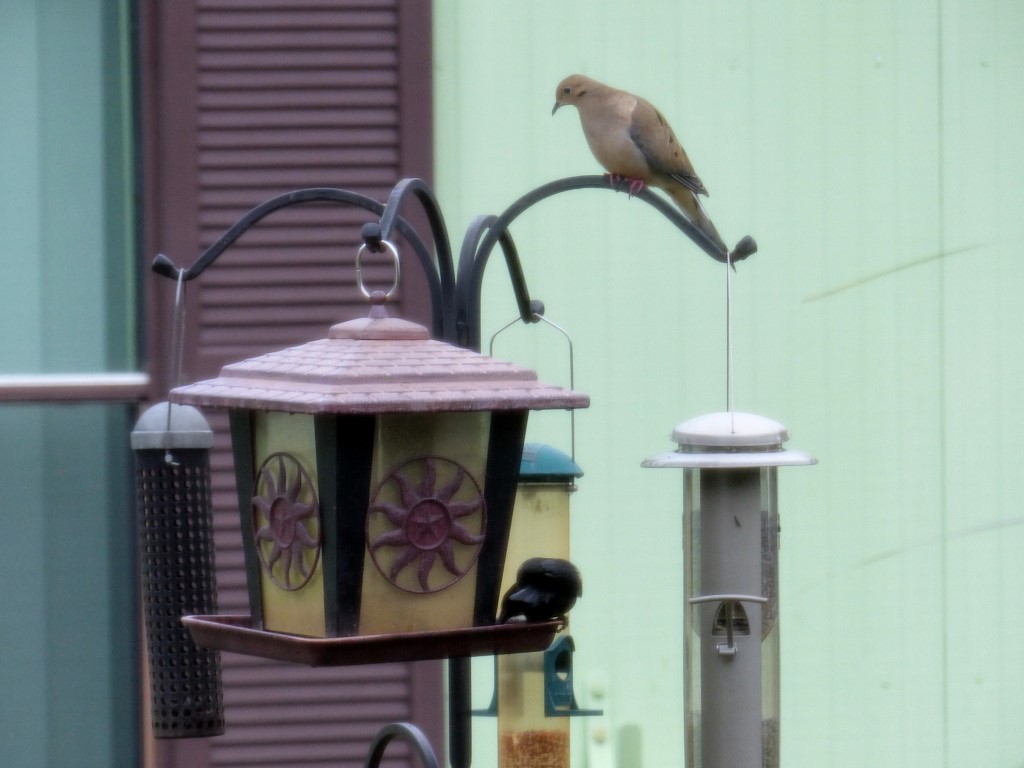
My First Bird of 2015 was a Boat-tailed Grackle that visited the feeders. Followed close behind were Mourning Doves and Red-winged Blackbirds. Woke up with a sore throat, so that was my birdwatching adventure of the new year so far. (From Birds of the Bible – Eye Hath Not Seen)
First Birds of 2015 – 1 BT Grackle-2 M Dove-3 Redwing Blkbd -through kitchen window
The Grackles, Morning Doves and Red-wings started the year off. Since then the White Ibises strolled through the yard, the Downy Woodpecker checked out the tree next door (which was chopped down 2 days ago), the Sandhill Cranes walked down the street, and overhead I saw Black and Turkey Vultures flying by. With a gap between two houses across the street, I have seen the Great Egret, Great Blue Heron and some UFO fly over the pond there.
While riding we have seen a Bald Eagle, Anhingas, Double-crested Cormorants, and others. Luckily, we have over 500 Lakes in Polk County, so we pass several (on purpose) as we are out. We had to drive right by Circle B, our favorite birding spot here, on the way to the doctor. Well over 100 Vultures were resting in the trees that morning.
The Lord has been great in letting me enjoy His created critters even though in fewer numbers than I would prefer. Some times we need to slow down and just rest, I guess, and take things as they come. I am thankful to be getting better (I think) and am keeping my eyes open to enjoy what is given to me.
Every good gift and every perfect gift is from above, and cometh down from the Father of lights, with whom is no variableness, neither shadow of turning. (James 1:17 KJV)
And I said, Oh that I had wings like a dove! for then would I fly away, and be at rest. (Psalms 55:6 KJV)
2015 List so far:
Grackles
Morning Doves
Red-winged Blackbirds
Downy Woodpecker
Sandhill Cranes
Great Egret
Great Blue Heron
Bald Eagle
Anhingas
Double-crested Cormorants
Osprey
Pigeons
Common Moorhens
Red-shouldered Hawk
Blue Jay
White-winged Doves
Eurasian Collared Doves
Common Nighthawk
Looking forward to doing some “real” birdwatching soon. Your prayers will be appreciated as I continue to fight bronchitis. Am starting to get “cabin fever.” Went to church a week ago when Pastor Jerry had his special day, for which I am thankful, but it caused me to re-lapse. Oh, well! It was worth it and you will get to hear more of that music in later articles.








 Lee's Birdwatching Adventures Plus