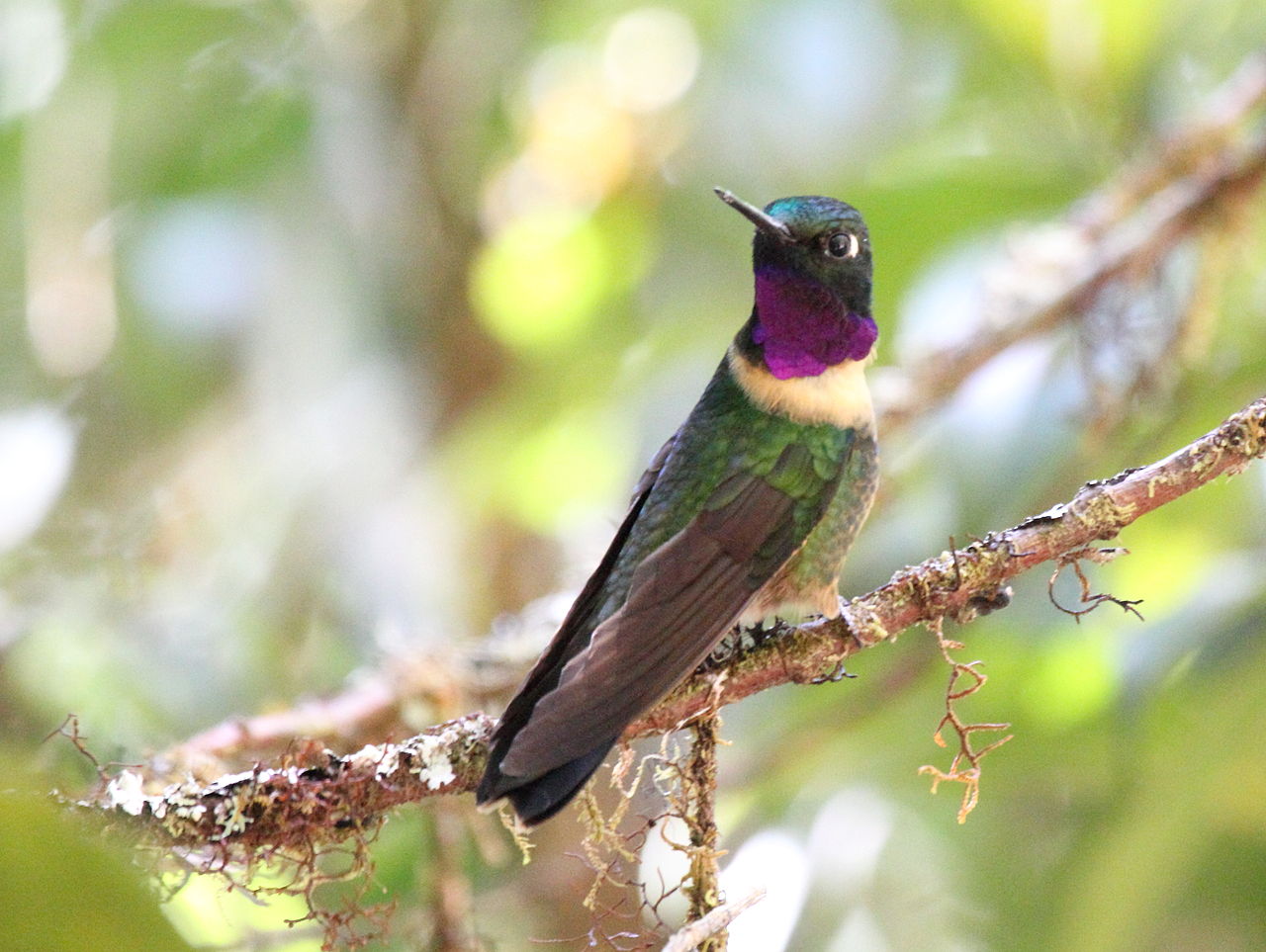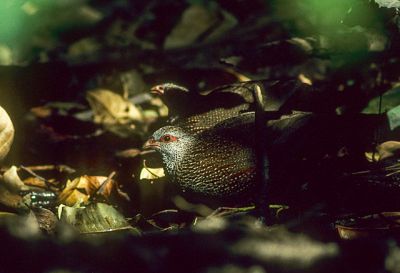
Luzon Water Redstart

“I know all the birds of the mountains, And the wild beasts of the field are Mine.” (Psalms 50:11 NKJV)

Myra, a follower, now a friend, from the Philippines, shared this video of a Luzon Water Redstart. Her daughters journeyed up Mt. Pulag a few weeks ago. They spotted the Redstart and captured it with their phone’s camera. Myra always ask them to “bird watch for me.” And now, Myra is sharing that video with us. Thanks, Myra, and your two daughters.

“The Luzon water redstart (Phoenicurus bicolor) is a species of bird in the family Muscicapidae. It is endemic to the Philippines. Its natural habitats are subtropical or tropical moist lowland forest, subtropical or tropical moist montane forest, and rivers. It is threatened by habitat loss.

This species was formerly placed in the genus Rhyacornis but was moved to Phoenicurus based on the results of a molecular phylogenetic study published in 2010.” [Wikipedia]

Luzon Water Redstart (Phoenicurus bicolor) ©Myra

I have to admit, I chuckled when I saw how the video ended. How many times have we watched a bird, only to have it disappear into the bushes or leaves. BUT! At least it was spotted.

Here is an interesting article with two videos about this little avian wonder from our Lord. Luzon Water Redstart, Take 2

Happy Birdwatching!!

Why Use The Ark?

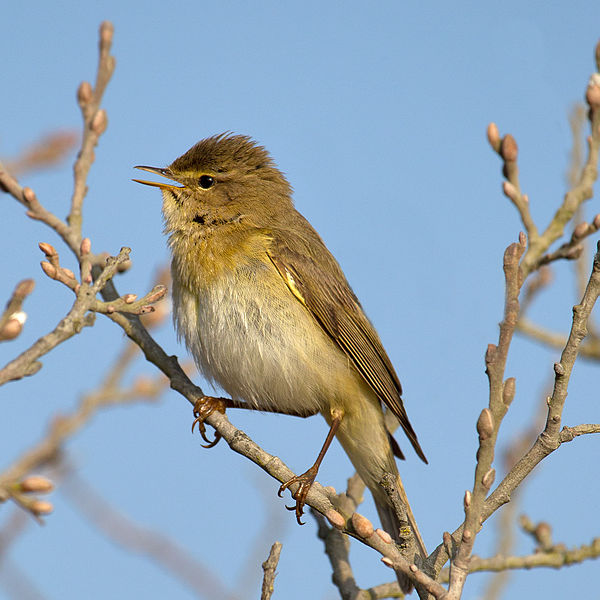
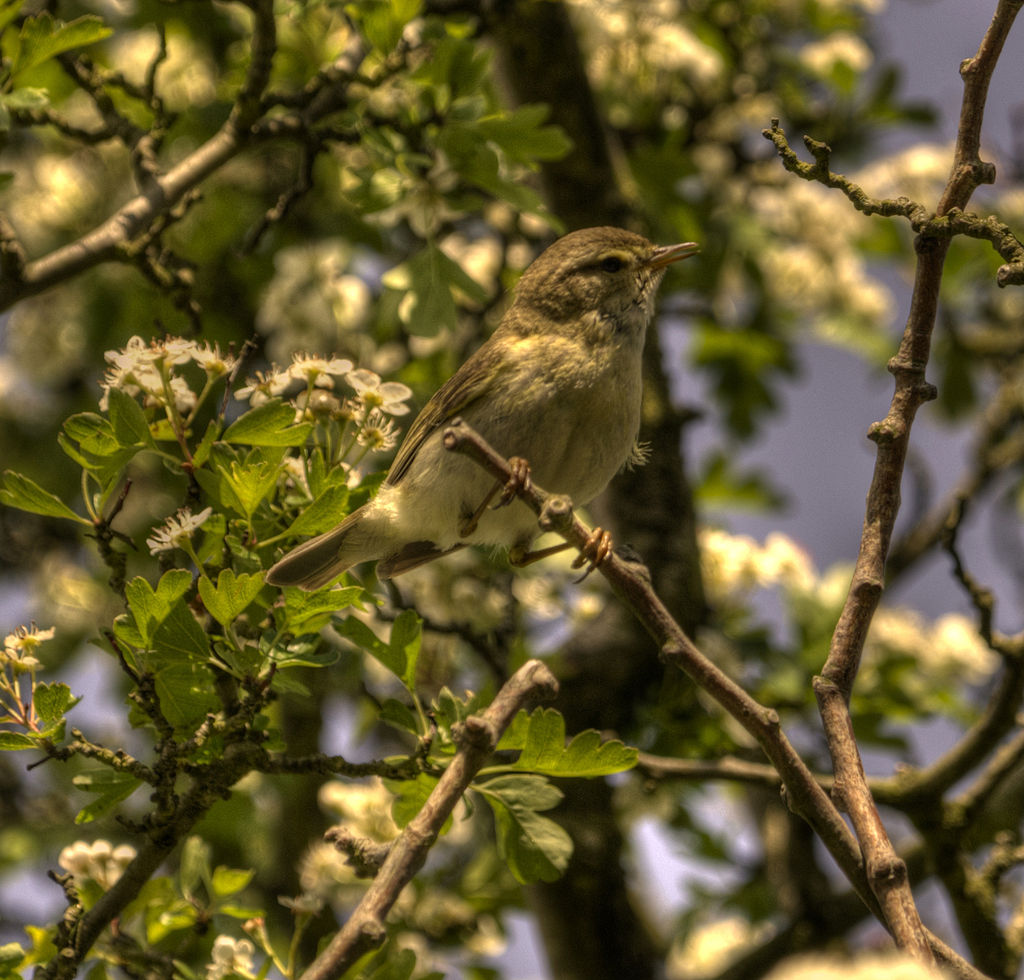
Willow Warbler (Phylloscopus trochilus) ©WikiC

An article in the latest issue of Answers in Genesis Magazine, “As The Bird Flies,”, p.20, tells about the Willow Warbler. This little bird weighs only “0.4 ounce (10 g) … and migrate more than 8,000 miles (13,000 km) from eastern Siberia to Kenya and Tanzania in Africa.”

The article goes on to tell how much research has been done with this bird and its migratory habits. The internet has many articles about this fantastic avian wonder from the Lord. Another article, Study: Siberian Willow Warblers Migrate Incredible 8,000 Miles One Way.

“All populations are highly migratory, with the subspecies P. t. yakutensis migrating up to 12,000 km from eastern Siberia to southern Africa along the Asian – East African Flyway, one of the longest migrations of any for a bird of its size. Approximate timings are:

October to March: wintering in sub Saharan Africa.
Mid March to mid May: migrates and arrives in the breeding range.
Late April to August: breeding season, usually only one brood but rarely two.
August to October: migrates back to Africa.” [Wikipedia – Willow Warbler]

Answers article continues with this remark: “Their surprisingly complex navigational abilities showcase the Creator’s ingenious design”

They then challenge those who sort of believe in creation, but the flood gives them problems. Many only believe in a “Local Flood.” My take on this and theirs is: Why Get In The Ark When You Can Fly? “Why couldn’t the animals just leave the area instead of getting on a ship, especially if a bird that weights less than a few paper clips can trave more than 8,000 miles?”

“In the selfsame day entered Noah, and Shem, and Ham, and Japheth, the sons of Noah, and Noah’s wife, and the three wives of his sons with them, into the ark; They, and every beast after his kind, and all the cattle after their kind, and every creeping thing that creepeth upon the earth after his kind, and every fowl after his kind, every bird of every sort.” (Genesis 7:13-14 KJV)

“And the waters prevailed exceedingly upon the earth; and all the high hills, that were under the whole heaven, were covered. Fifteen cubits upward did the waters prevail; and the mountains were covered. And all flesh died that moved upon the earth, both of fowl, and of cattle, and of beast, and of every creeping thing that creepeth upon the earth, and every man: All in whose nostrils was the breath of life, of all that was in the dry land, died. And every living substance was destroyed which was upon the face of the ground, both man, and cattle, and the creeping things, and the fowl of the heaven; and they were destroyed from the earth: and Noah only remained alive, and they that were with him in the ark.” (Genesis 7:19-23 KJV)

Willow Warbler (Phylloscopus trochilus) ©WikiC

Sharing The Gospel

Where Is This Island From? – Creation Moments

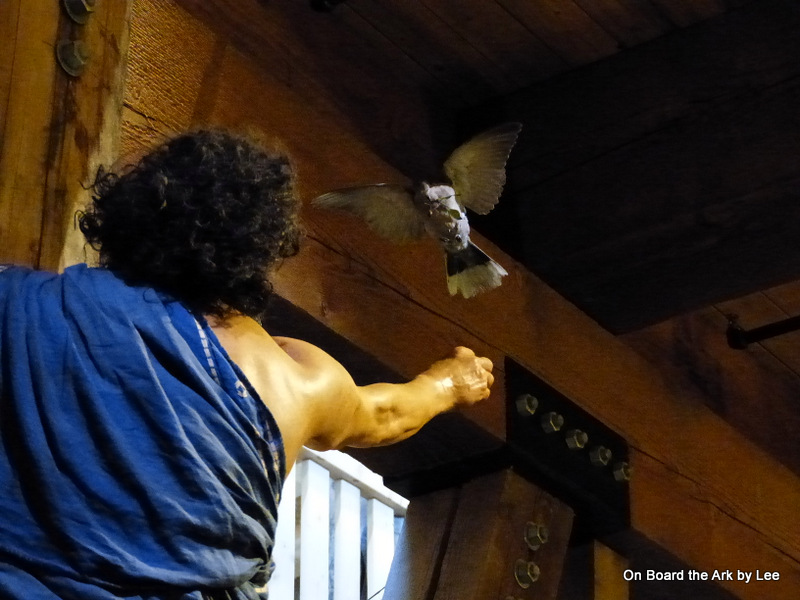
Noah taking the Dove back on board the ark with Olive Branch by Lee at the Ark Encounter

Genesis 8:11

“And the dove came in to him in the evening; and, lo, in her mouth was an olive leaf pluckt off: so Noah knew that the waters were abated from off the earth.”

In November 1963, an undersea volcano close to Iceland began to erupt. Emerging lava caused the sea to boil and steam. Gradually, the volcano began to appear above the waves. The eruption continued for three and a half years, causing a new island to emerge, one square mile in area and elevations of 560 feet above the surf. Of course, in the half century since the birth of this new island, erosion has reduced it somewhat – to a mere 506 feet above the sea and an area of only 0.54 square miles.

When the volcano had cooled, scientists flocked to the area to study what was likely to happen to this new piece of real estate. Biologists were particularly interested in how long it would take for life to colonize this bleak new rocky island. Only a few scientists are allowed to land on Surtsey. Most visitors only see the island from the windows of a plane.

Mosses were seen by 1967 and lichens by 1970. These two types of plants now cover much of the island. In 1998, a small willow bush had been observed to have grown. Limited animal life – such as gulls, puffins and seals – have set up home there. The bird guano is of particular use in fertilizing the soil for further plant growth. Insects, spiders and beetles can also now be found.

Surtsey has provided a living laboratory of how colonization of barren real estate can take place. Such recolonization could readily have happened worldwide after the Genesis Flood.  

Prayer: Your grace and power, Lord, are seen – even in the outworking of natural processes – in places like Surtsey and Mount St Helens. Thank you for Your amazing power. Amen.

Ref: Encyclopaedia Britannica, < https://www.britannica.com/place/Surtsey >, accessed 5/31/2018. Image: Surtsey appears, Public Domain


Lee’s Additions:

Here are more facts, articles and YouTubes about Surtsey.

Creation Magazine had these articles, Surtsey, the young island that looks old, and Surtsey Still Surprises. They produced this YouTube from that last article.

Also, Frank Sherwin from the Institute for Creation Research wrote Surtsey, Young Earth Labratory

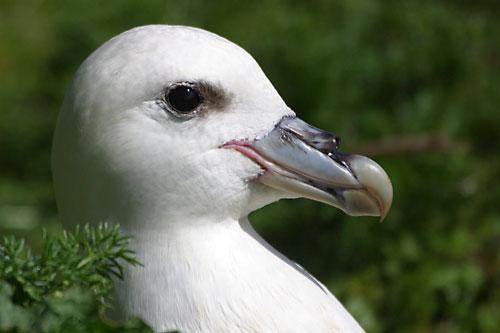
Northern Fulmar (Fulmarus glacialis) ©AGrosset

I found this quote from Surtsey Still Surprises article:

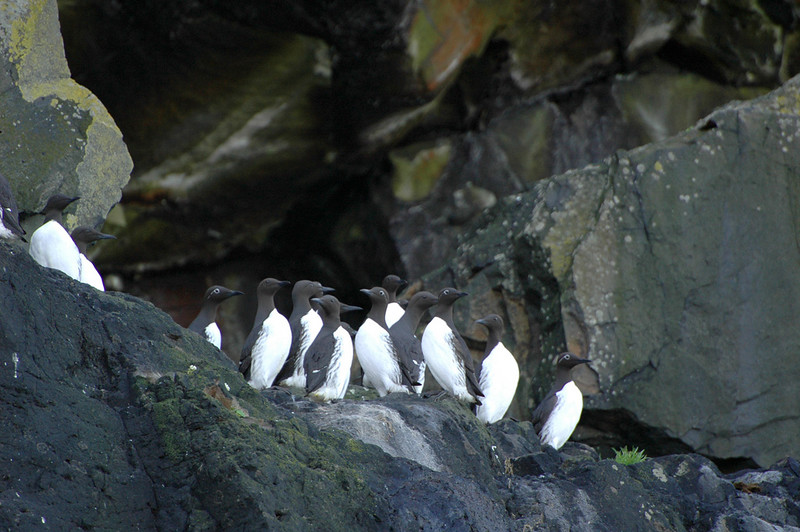
Birds began nesting on Surtsey in 1970, producing chicks just three years after the lava stopped flowing. These early residents were seabirds such as fulmars and black guillemots, building nests of pebbles, and keeping to the cliffs. But in the summer of 1985, a pair of lesser black-backed gulls arrived and constructed a nest of plant materials on the lava flats. They returned the following year with others, and there is now a permanent gull colony of more than 300 pairs.

Black Guillemot (Cepphus grylle) by Bob-Nan

Black Guillemot (Cepphus grylle) by Bob-Nan

The birds have contributed to Surtsey’s ‘greening’. Snow buntings brought the seeds of bog rosemary from Britain in their gizzards. Combined with bird excreta, seeds grow rapidly—there is now a ‘bright green oasis’ spreading from the gull colony. Geese now graze the island’s vegetation. The cycle continues. The plants support insects which attract birds that bring more plants. Recent arrivals include willow bushes and puffins (see right). According to the Icelandic Institute of Natural History, ‘we now have a fully functioning ecosystem on Surtsey.’” [Bolding mine]

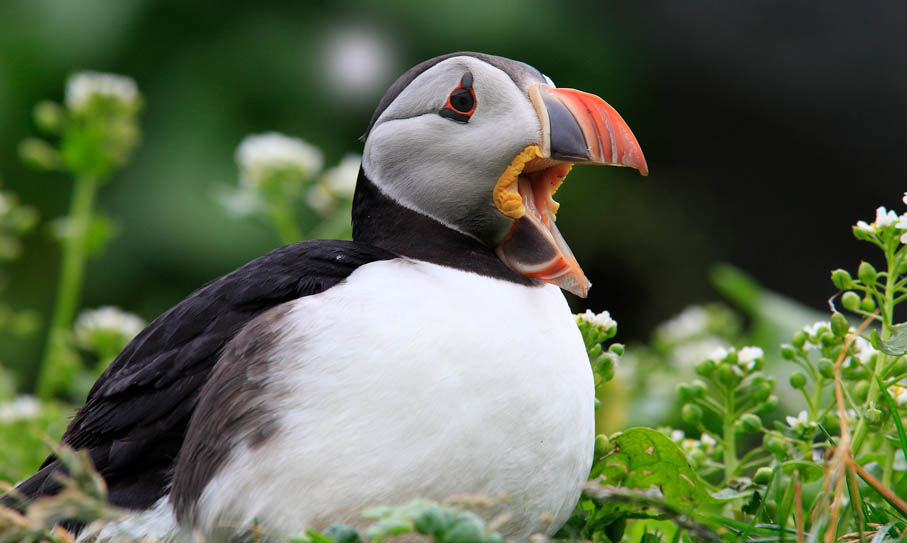
Atlantic Puffin with open mouth ©Lunde

And all of this did not take millions of years.

“For, lo, he that formeth the mountains, and createth the wind, and declareth unto man what is his thought, that maketh the morning darkness, and treadeth upon the high places of the earth, The LORD, The God of hosts, is his name.” (Amos 4:13 KJV)

“Ah Lord GOD! behold, thou hast made the heaven and the earth by thy great power and stretched out arm, and there is nothing too hard for thee:” (Jeremiah 32:17 KJV)

Heaven’s New Jerusalem and Birds – Sapphire

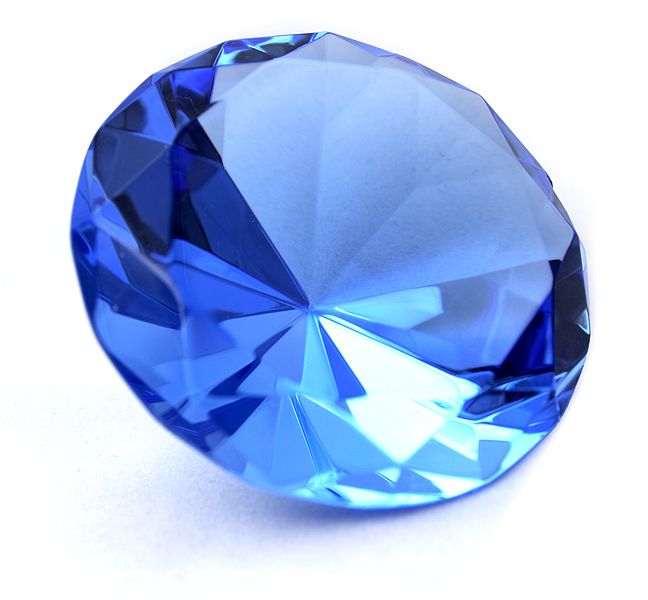
Sapphire Gem ©WikiC

“And the foundations of the wall of the city were garnished with all manner of precious stones. The first foundation was jasper; the second, sapphire; the third, a chalcedony; the fourth, an emerald;” (Revelation 21:19 KJV)

For now, the first stone – “Jasper,” is being skipped. I am still researching what is the color or colors of the Jasper stone. Some have it all over the color spectrum. Also, there is no bird with the name “Jasper” in it. Later.

The Sapphire is beautiful and is typically blue, but varies. Sapphire is also the stone used to represent those born in September. Yeah, my birth month. “Sapphire is the birthstone for September and the gem of the 45th anniversary. A sapphire jubilee occurs after 65 years.” [Wikipedia]

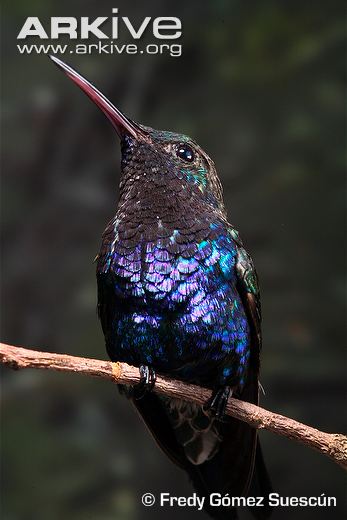
Sapphire-bellied-hummingbird-perched-on-branch ©ARKive

A rare variety of natural sapphire, known as color-change sapphire, exhibits different colors in different light. Color change sapphires are blue in outdoor light and purple under incandescent indoor light, or green to gray-green in daylight and pink to reddish-violet in incandescent light. Color change sapphires come from a variety of locations, including Thailand and Tanzania. The color-change effect is caused by the interaction of the sapphire, which absorbs specific wavelengths of light, and the light-source, whose spectral output varies depending upon the illuminant. Transition-metal impurities in the sapphire, such as chromium and vanadium, are responsible for the color change. [Wikipedia]

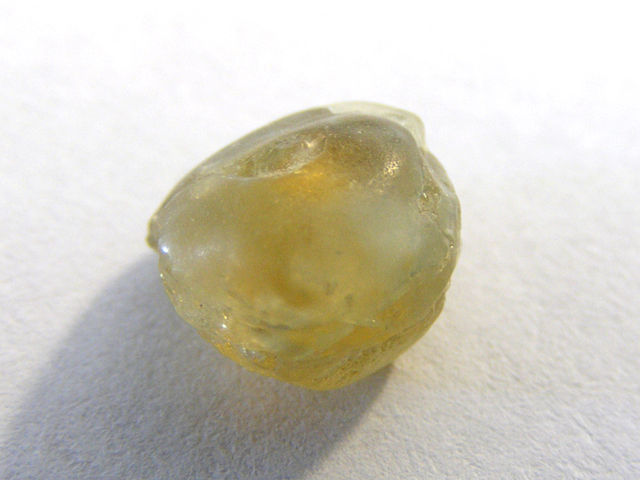
Uncut Yellow Sapphire ©Wikipedia

The sapphire is mentioned in nine verses in the King James version of the Bible.

“And they saw the God of Israel: and there was under his feet as it were a paved work of a sapphire stone, and as it were the body of heaven in his clearness.” (Exodus 24:10 KJV)

Sapphire Flycatcher (Ficedula sapphira) ©WikiC

“And the second row shall be an emerald, a sapphire, and a diamond.” [The breastplate of judgment] (Exodus 28:18 and 39:11 KJV)

White-chinned Sapphire (Hylocharis cyanus) by Dario Sanches

“But where shall wisdom be found? and where is the place of understanding? Man knoweth not the price thereof; neither is it found in the land of the living. The depth saith, It is not in me: and the sea saith, It is not with me. It cannot be gotten for gold, neither shall silver be weighed for the price thereof. It cannot be valued with the gold of Ophir, with the precious onyx, or the sapphire.” (Job 28:12-16 KJV)

Sapphire-spangled Emerald (Amazilia lactea) by Dario Sanches

“And above the firmament that was over their heads was the likeness of a throne, as the appearance of a sapphire stone: and upon the likeness of the throne was the likeness as the appearance of a man above upon it.” (Ezekiel 1:26 KJV)

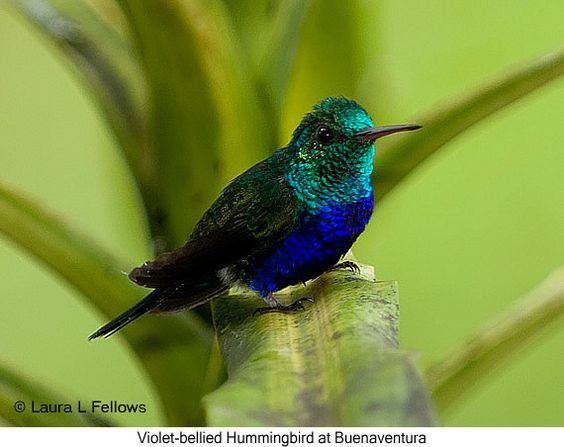
Sapphire-bellied Hummingbird ©LauraLFel

“Then I looked, and, behold, in the firmament that was above the head of the cherubims there appeared over them as it were a sapphire stone, as the appearance of the likeness of a throne.” (Ezekiel 10:1 KJV)

Blue-chinned Sapphire (Chlorestes notata) ©WikiC

“Thou hast been in Eden the garden of God; every precious stone was thy covering, the sardius, topaz, and the diamond, the beryl, the onyx, and the jasper, the sapphire, the emerald, and the carbuncle, and gold: the workmanship of thy tabrets and of thy pipes was prepared in thee in the day that thou wast created.” (Ezekiel 28:13 KJV)

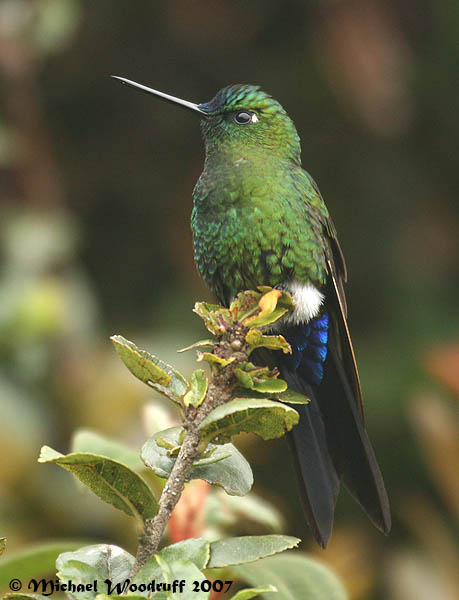
Sapphire-vented Puffleg (Eriocnemis luciani) by Michael Woodruff

Sapphire-vented Puffleg (Eriocnemis luciani) by Michael Woodruff

I trust you enjoyed seeing some of the birds with Sapphire in their name.

Previous Blogs that used Verses with Sapphires in them:

*** Articles in this Series so far:

Wordless Birds – With Hummingbirds

Heaven’s New Jerusalem and Birds – Jasper

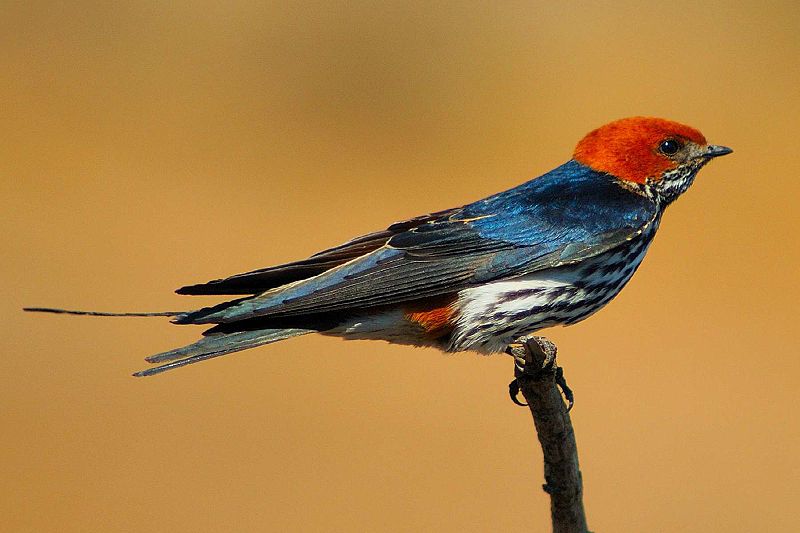
Lesser Striped Swallow (Cecropis abyssinica) ©WikiC

Lesser Striped Swallow (Cecropis abyssinica) ©WikiC

“And the foundations of the wall of the city were garnished with all manner of precious stones. The first foundation was jasper; the second, sapphire; the third, a chalcedony; the fourth, an emerald;” (KJV)

Hit a problem already. No Jasper named birds; first or last name. Now what? Most all the translations of Revelation 21:19 say that the first foundation was jasper or similar.

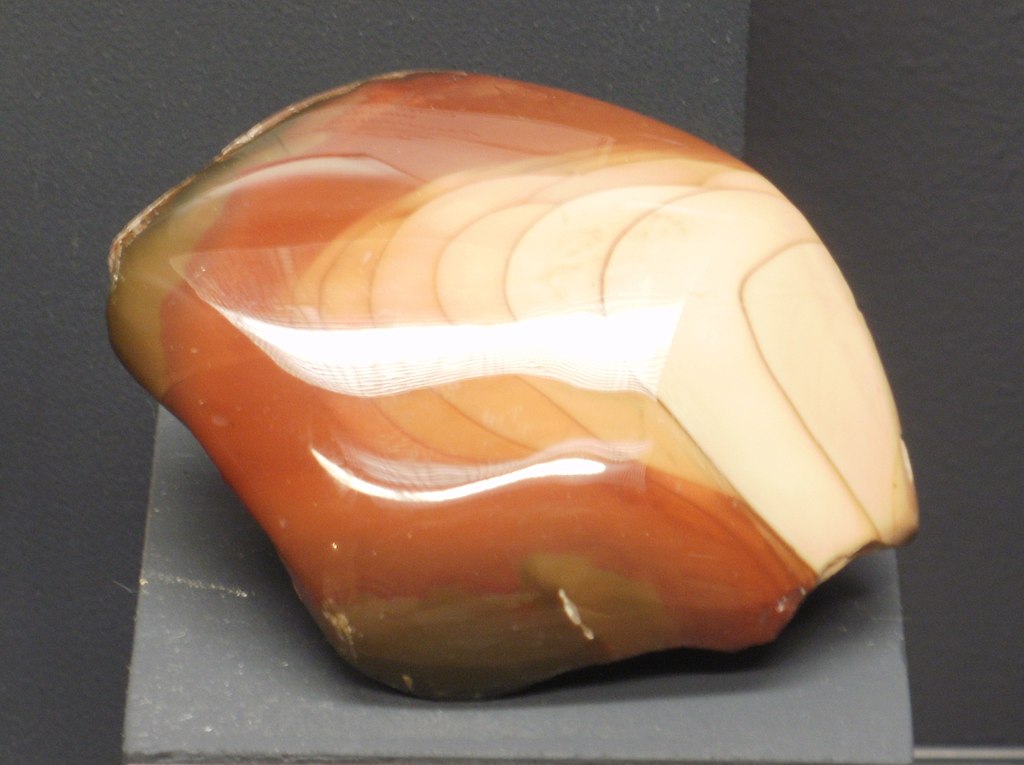
Tan and Cream Jasper – ©MineralNet

Here are a few exceptions from Bible Gateway’s list of versions:
the first foundation stone was diamond – CJB (Complete Jewish Bible)
“The first foundation was gray quartz” – GW, NOG (God’s Word & Names of God)
“The first stone was red jasper” – WE (Worldwide English)

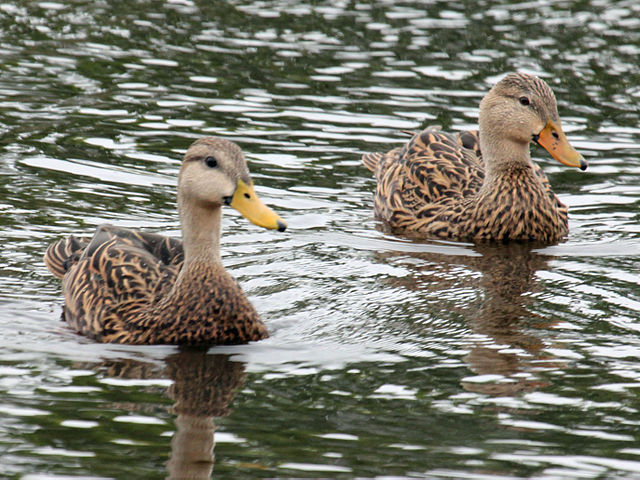
Mottled Duck (Anas fulvigula) Male and Female ©WikiC

From my e-Sword Program, here are more different translations:

(clVulgate)  Et fundamenta muri civitatis omni lapide pretioso ornata. Fundamentum primum, jaspis: secundum, sapphirus: tertium, calcedonius: quartum, smaragdus:

Vulgate fundamentum primum iaspis

KJV+ uses jasper; G2393

Translit+ uses iaspis G2393

G2393 is iaspiv iaspis

Rev_4:3 Rev_21:11 Rev_21:18-19

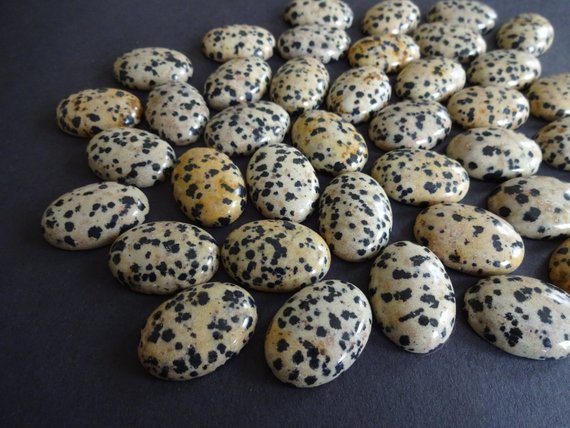
Spotted Jasper

Great Spotted Woodpecker (Dendrocopos major) ©WikiC

Looking at the Dictionaries, these clues from them:

Thayer gives G2393 this:

ἴασπις
iaspis
Thayer Definition:
1) jasper, a precious stone of various colours (for some are purple, others blue, others green, and others the colour of brass)
Part of Speech: noun feminine

NASEC [New American Exhaustive Commentary]

G2393
ἴασπις
iaspis; of Semitic or.; jasper (a translucent stone): – jasper (4).

Strong LXX

G2393
ἴασπις
iaspis
ee’-as-pis
Probably of foreign origin (see [H3471]); “jasper”, a gem: – jasper.

H3471
ישׁפה
yâshphêh
yaw-shef-ay’
From an unused root meaning to polish; a gem supposed to be jasper (from the resemblance in name): – jasper.

The best clues from all of these seems to be from Thayer and NASEC. “It appears to be: a translucent stone”, and “a precious stone of various colours (for some are purple, others blue, others green, and others the colour of brass).” That could describe thousands of birds.

“Having the glory of God: and her light was like unto a stone most precious, even like a jasper stone, clear as crystal;” (Revelation 21:11 KJV)

Kaleidoscope Jasper from Oregon ©WikiC

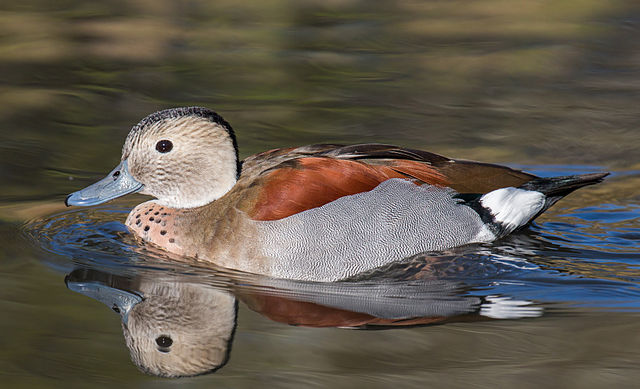
Ringed Teal (Callonetta leucophrys) ©WikiC

Which birds do I show? See the Dilemma? Could use just about any multicolored bird.

Looking on the internet, I found this: “THE GEMSTONE JASPER – Jasper is an opaque variety of Chalcedony, and is usually associated with brown, yellow, or reddish colors, but may be used to describe other opaque colors of Chalcedony such as dark or mottled green, orange, and black. Jasper is almost always multicolored, with unique color patterns and habits.

Bruneau Jasper Stone ©WikiC

The appeal of Jasper is its interesting color patterns and formations. Though it can be a solid color, it is most often mottled, spotted, ringed, or striped. Each Jasper has a unique color or pattern, lending this gemstone much variety. Jasper is an ancient gemstone, and is mentioned in the bible and other classical sources. Though fairly common and affordable today, Jasper in antiquity was regarded as a valuable stone. “[Minerals Net]

That quote makes one think of how we are to the Lord. We are often “mottled, spotted, ringed, or striped.” We are in need of the Savior because we are sinners, but each of us are valuable to the Lord. He gave His life for us on the cross. “For God so loved the world, that he gave his only begotten Son, that whosoever believeth in him should not perish, but have everlasting life. For God sent not his Son into the world to condemn the world; but that the world through him might be saved. He that believeth on him is not condemned: but he that believeth not is condemned already, because he hath not believed in the name of the only begotten Son of God. And this is the condemnation, that light is come into the world, and men loved darkness rather than light, because their deeds were evil.” (John 3:16-19 KJV)

*** Articles in this Series so far:

Longing For Robins by Dorothy Belle Malcolm

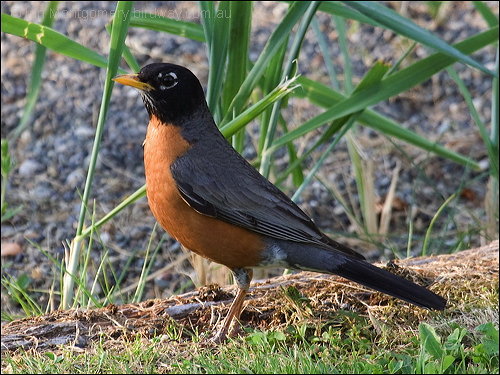
American Robin (Turdus migratorius) by Ian

American Robin (Turdus migratorius) by Ian

It has been 10 years since I’ve seen a robin in my yard. When they came then, it was an amazing sight which I have cherished. Once there was a Baltimore Oriole, however, that was many years ago. In the meantime, there are a variety that come to my feeder and the neighborhood for which I am happy about and keep food out for them.

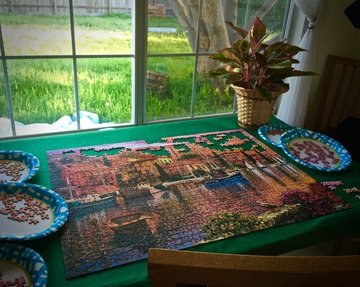
Puzzle by a window ©Pxhere

I sit at a table which always has a puzzle on it, and if I don’t make sudden moves, I enjoy watching them. Of course the Sandhill Cranes walk around the neighborhood, The Cooper’s Hawks and Crows don’t come to my yard, but I see them in the trees as I walk.

The regular visitors are Blue Jays, Red-winged Blackbirds, Red-headed Woodpecker, Turtle Doves, Titmice, and Sparrows.

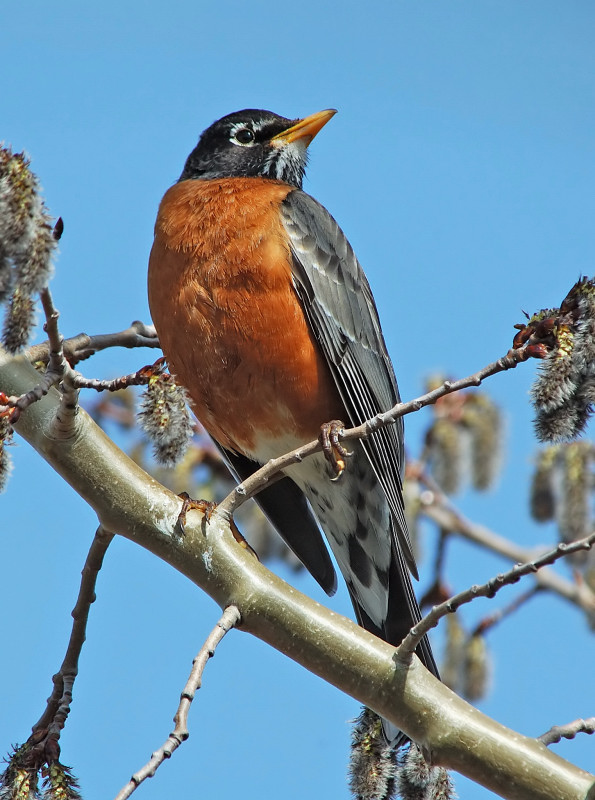
American Robin (Turdus migratorius)by Raymond Barlow

American Robin)by Raymond Barlow

In my heart I’m longing for the joy of seeing just one Robin. Maybe it will happen this spring.

2/22/19 Dorothy Malcolm


“But I know, that even now, whatsoever thou wilt ask of God, God will give it thee.” (John 11:22 KJV)

Lee’s Addition:

It has been awhile since Dottie (Dorothy) has written an article for us. I asked her if she would like to write another one. Here is her latest birdwatching desire. The verse is one I have used while birdwatching. I have asked the Lord to please have the bird in that bush come out where I can see it better. Maybe even take a photo. Not surprising, some have appeared to my delight. I think the Lord cares about our desires, especially when observing His Creation. Dottie, we are praying that the Lord will let some Robins land in your yard when they start migrating back north this spring. Stay Tuned!

If you have missed some of Dottie (Dorothy’s) stories, they are listed below. She is also Emma Foster’s grandmother. Humm! Wonder if that is where Emma started her interest in her birdwatching tales? Emma’s Stories

Dorothy (Dottie) Belle Malcolm’s:

Heaven’s New Jerusalem and Birds – Foundation Stones

Precious Stone

“O LORD, our Lord, How majestic is Your name in all the earth!” (Psalms 8:9 NASB)

Before matching the bird’s colors to the Foundation Stones, here are some facts and photos to help us understand the colors of the twelve foundations, if that is possible with our human minds. If the stones are this beautiful now, what will they be like in heaven?

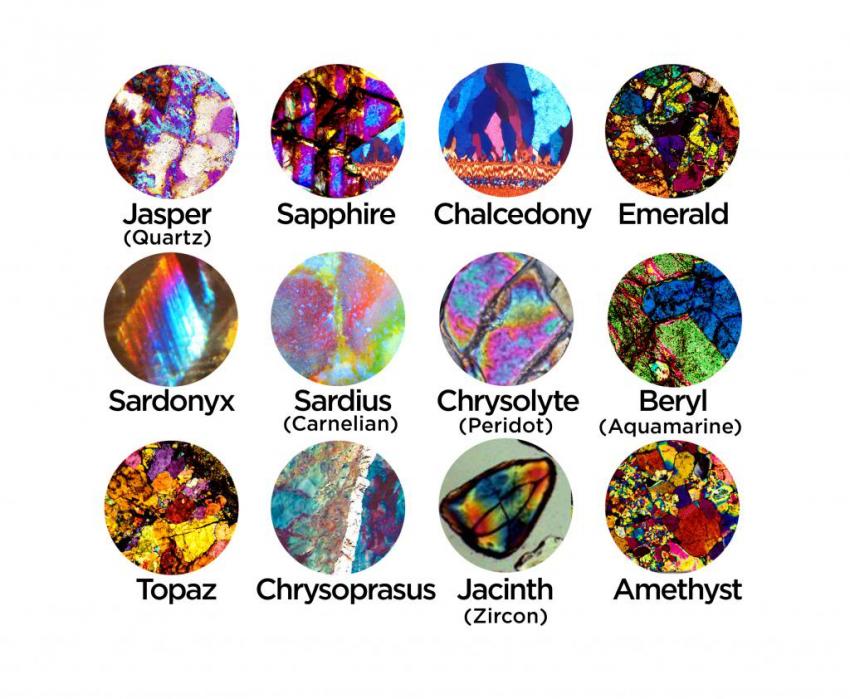
Very interesting article about The 12 Foundation Stones in New Jerusalem gives fact about these gems. “In the past century, it has been discovered that gems can be classified as either anisotropic or isotropic, and only recently have scientists discovered cross polarized light, which can be used to identify whether a gem is anisotropic or isotropic. When viewed in crossed-polarised light (similar to “pure” light), anisotropic stones produce a colourful array- reflecting all the colours of the rainbow, whereas isotropic stones lose all of their colour and appear black.”

There are some words in there that are new to me, like, anisotropic or isotropic, cross polarized light. Yet the next paragraph, is really informative:

“It’s interesting that, in Revelation chapter 21, there are 12 gems mentioned to be inlaid for decoration of the New Jerusalem, and ALL of these 12 gems are anisotropic gems, i.e., gems that can show colourful patterns under pure light…

Twelve Stones of Revelation 21 from Christian Evidence

We normally think of the colors of these stones as:

New Jerusalem Gemstones

It will be worth your time to read the article, especially, “What are the odds? The 12 Foundation Stones in New Jerusalem,

Here is a video showing the colors of these stones. [music can be muted]

“And the building of the wall of it was of jasper: and the city was pure gold, like unto clear glass. And the foundations of the wall of the city were garnished with all manner of precious stones. The first foundation was jasper; the second, sapphire; the third, a chalcedony; the fourth, an emerald; The fifth, sardonyx; the sixth, sardius; the seventh, chrysolite; the eighth, beryl; the ninth, a topaz; the tenth, a chrysoprasus; the eleventh, a jacinth; the twelfth, an amethyst.” (Revelation 21:18-20 KJV)

I am aware that the seven colors of the rainbow are not necessarily the order of the foundation, but this article is also worth reading:

The Colors of the Rainbow


Avian and Attributes – Stone

Stone Partridge (Ptilopachus petrosus) ©WikiC

There is only one bird whose name begins with “Stone”. How does stone describe an attribute of the Lord? How about:

“And the LORD said unto Moses, Come up to me into the mount, and be there: and I will give thee tables of stone, and a law, and commandments which I have written; that thou mayest teach them.” (Exodus 24:12 KJV)

The LORD wrote with his own fingers on those tables of stone, basically what we call today the “10 Commandments.”

“Where wast thou when I laid the foundations of the earth? declare, if thou hast understanding. Who hath laid the measures thereof, if thou knowest? or who hath stretched the line upon it? Whereupon are the foundations thereof fastened? or who laid the corner stone thereof; When the morning stars sang together, and all the sons of God shouted for joy?” (Job 38:4-7 KJV)

“Sanctify the LORD of hosts himself; and let him be your fear, and let him be your dread. And he shall be for a sanctuary; but for a stone of stumbling and for a rock of offence to both the houses of Israel, for a gin and for a snare to the inhabitants of Jerusalem. And many among them shall stumble, and fall, and be broken, and be snared, and be taken.” (Isaiah 8:13-15 KJV)

“Jesus saith unto them, Did ye never read in the scriptures, The stone which the builders rejected, the same is become the head of the corner: this is the Lord’s doing, and it is marvellous in our eyes? Therefore say I unto you, The kingdom of God shall be taken from you, and given to a nation bringing forth the fruits thereof. And whosoever shall fall on this stone shall be broken: but on whomsoever it shall fall, it will grind him to powder.” (Matthew 21:42-44 KJV)

“And are built upon the foundation of the apostles and prophets, Jesus Christ himself being the chief corner stone;” (Ephesians 2:20 KJV)

“Unto you therefore which believe he is precious: but unto them which be disobedient, the stone which the builders disallowed, the same is made the head of the corner, And a stone of stumbling, and a rock of offence, even to them which stumble at the word, being disobedient: whereunto also they were appointed.” (1 Peter 2:7-8 KJV)
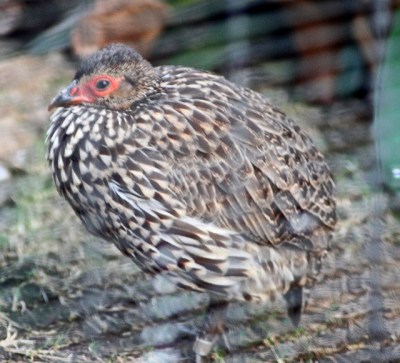
Stone Partridge (Ptilopachus petrosus) ©Flickr Jean

STONE, n. [Gr.]
1. A concretion of some species of earth, as lime, silex, clay and the like, usually in combination with some species of air or gas, with sulphur or with a metallic substance; a hard compact body, of any form and size. In popular language, very large masses of concretions are called rocks; and very small concretions are universally called gravel or sand, or grains of sand. Stones are of various degrees of hardness and weight; they are brittle and fusible, but not malleable, ductile, or soluble in water. Stones are of great and extensive use int he construction of buildings of all kinds, for walls, fences, piers, abutments, arches, monuments, sculpture and the like. When we speak of the substance generally, we use stone in the singular; as a house or wall of stone. But when we speak of particular separate masses, we say, a stone, or the stones.
2. A gem; a precious stone.
Inestimable stones, unvalud jewels.
3. Any thing made of stone; a mirror.
7. In Great Britain, the weight of fourteen pounds. [8, 12, 14, or 16.] [Not used in the United States, except in reference to the riders of horses in races.]
8. A monument erected to preserve the memory of the dead.
Should some relentless eye glance on the stone where our cold relics lie–
9. It is used to express torpidness and insensibility; as a heart of stone.
10. Stone is prefixed to some words to qualify their signification. Thus stone-dead, is perfectly dead, as lifeless as a stone; stone-still, still as a stone, perfectly still; stone-blind, blind as a stone, perfectly blind.
To leave no stone unturned, a proverbial expression which signifies to do every thing that can be done; to use all practicable means to effect an object.
Meteoric stones, stones which fall from the atmosphere, as after the displosion of a meteor.
STONE, a. Made of stone, or like stone; as a stone jug.
STONE, v.t.
1. To pelt, beat or kill with stones.
And they stoned Stephen calling on God and saying, Lord Jesus, receive my spirit. Acts 7.
2. To harden.
4. To wall or face with stones; to line or fortify with stones; as, to stone a well; to stone a cellar. [edited]

Stone Partridge (Ptilopachus petrosus) ©WikiC

Stone Partridge (Ptilopachus petrosus) ©WikiC

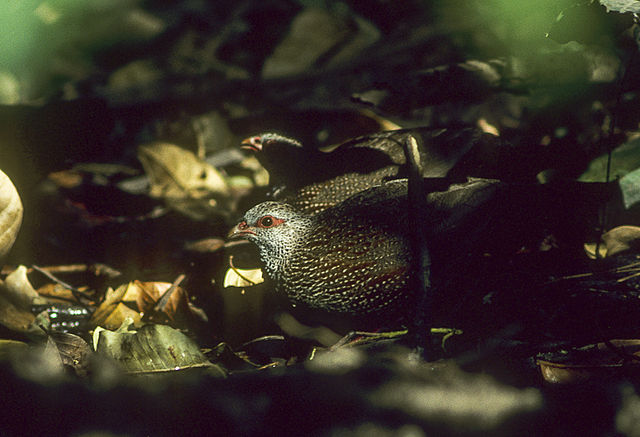
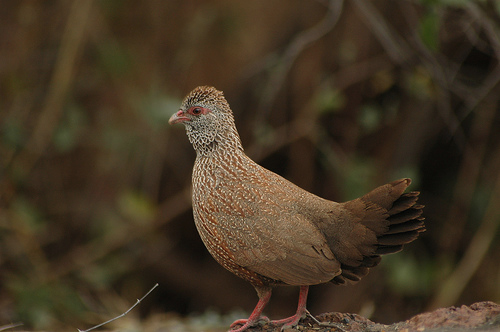
The Stone Partridge (Ptilopachus petrosus) is a bird of the new world quail family. This largely brown bird, which commonly holds its tail raised, is found in scrubland and lightly wooded habitats, often near rocks, from Kenya and Ethiopia to Gambia (a large part if its range is in the Sudanian Savanna).

The stone partridge is exceptional among gamebirds in that the female, to human eyes, is showier than the male. Both sexes are predominantly earthy chocolate-brown above, with sparse pale cream-grey spotting. The head, neck and chest are paler brown and have broad cream edging to the feathers that gives the bird a scaled appearance. In males the lower chest and belly are orange-cream; in females, very pale cream. Both sexes raise their crown feathers to form a rudimentary crest but the feathers of females are somewhat longer and hence more obvious when raised.

Eggs are pale pink, fading to cream, juveniles are dark chocolate-brown throughout, molting into adult plumage at several weeks old. In captivity at least, the male plays a major role in both incubation and rearing of the young, offering young small items of food by picking them up, dropping them and calling to the chicks. [Wikipedia with editing]

More Avian and Attributes

Birds whose first name starts with “S”

Good News

*
[Definitions from Webster’s Dictionary of American English (1828), unless noted. Bird info from Wikipedia plus.]

Previous Post About Precious Stones

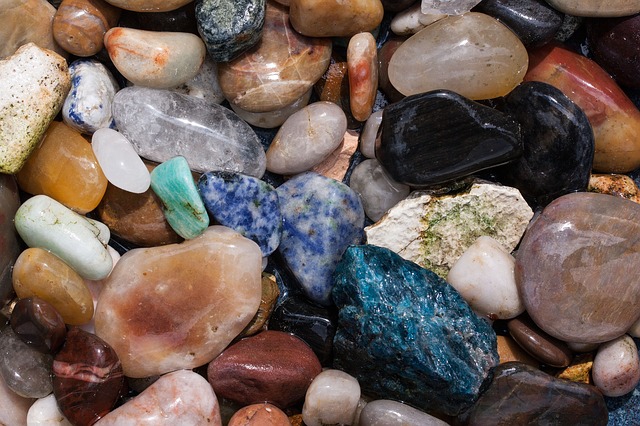
Stones – ©Pixaby

“And the foundations of the wall of the city were garnished with all manner of precious stones… (Revelation 21:19a KJV)

I was going to write a new Avian and Attributes article for today. If you read the last post, Heaven’s New Jerusalem and Birds – Introduction, then you are aware that a new series is coming.  While studying for the series, might as well produce other articles in the meantime. Right? Might as well do the next Avian and Attributes article.

Wouldn’t you know? The next bird in that series to write about is the STONE bird. I wondered what has already been written about stones and birds before? Wow! After searching the blog, here are some of them. I’ll do the next Avian and Attributes soon. I trust these articles will be a blessing as you review them. I know that I’ll be rereading them myself to assist with the Heaven’s New Jerusalem and Birds series.
Sapphire-throated Hummingbird (Lepidopyga coeruleogularis) ©WikiC

Avian And Attributes – Sapphire

Avian And Attributes – Ruby

Avian And Attributes – Emerald

Diamond Firetail (Stagonopleura guttata) by Ian

Avian And Attributes – Diamond

Lee’s Five Word Friday – 5/5/17

Lee’s Three Word Wednesday – 3/22/17

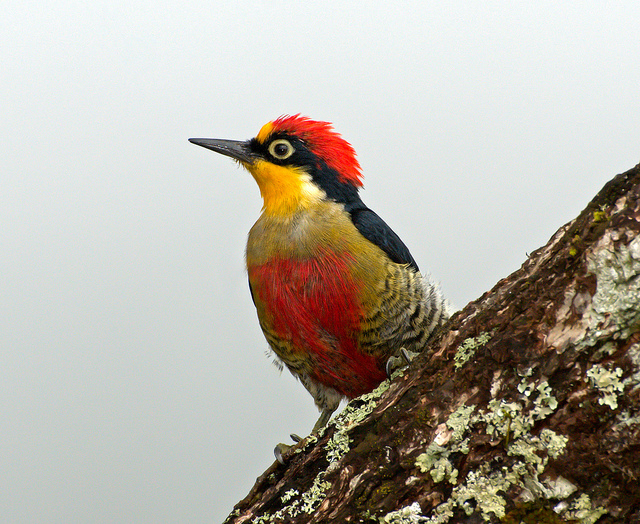
Yellow-fronted Woodpecker (Melanerpes flavifrons) by Dario Sanches

Yellow-fronted Woodpecker (Melanerpes flavifrons) by Dario Sanches

Lee’s Two Word Tuesday – 12/13/16

Lee’s Five Word Friday – 7/15/16

Birds of the Bible – Lazuli Birds

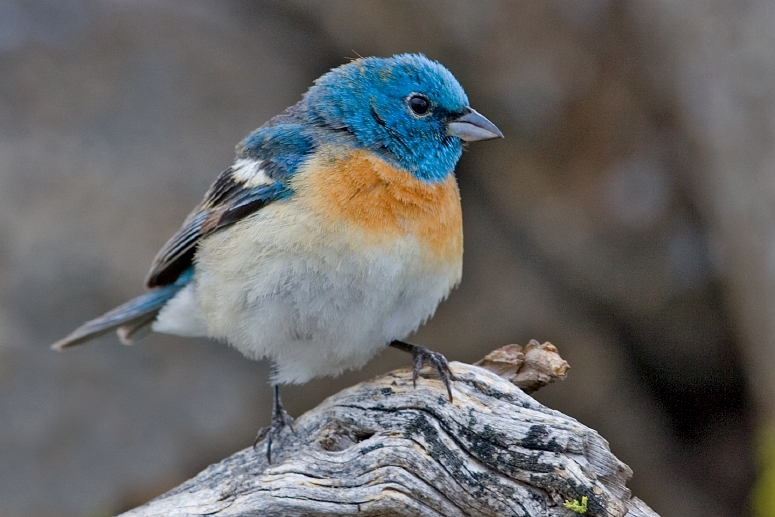
Lazuli Bunting (Passerina amoena) ©WikiC

Sunday Inspiration – Stone Birds

Formed By Him – “Stone” Birds

Yellow-bellied Sapsucker – Chief Corner Stone’s Keystone

Precious Stones – R. A. Torrey’s Topical Textbook Index

P.S. While working on my genealogy, I discovered that R. A.Torrey and I are distant cousins eighth removed. [After all, he was born WAY before me.}

Heaven’s New Jerusalem and Birds – Introduction

Sapphire Flycatcher (Ficedula sapphira) ©WikiC

I am currently attending a ladies Bible study class on Heaven. It is very interesting, and of course, when the mention of the various precious stones, with their beautiful colors came up, birds fluttered to mind. I have been accused of having a “bird brain.” [Always thinking about things in relation to birds.]

A huge question came to mind. Wonder if I could find birds whose names or colors closely reflected the names of those stones? Sounds like a simple premise. Right? Not so fast, as I am finding out.

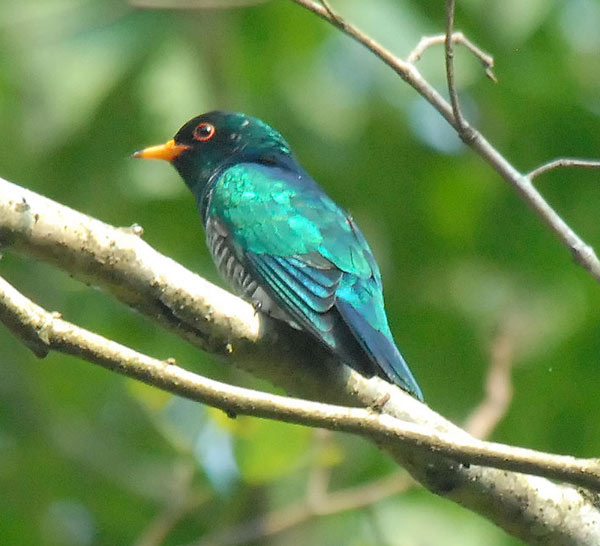
Asian Emerald Cuckoo (Chrysococcyx maculatus) by Nikhil Devasar

Asian Emerald Cuckoo (Chrysococcyx maculatus) by Nikhil Devasar

First some of the verses that we were reading from Revelation Chapter 21:

“10 And he carried me away in the spirit to a great and high mountain, and shewed me that great city, the holy Jerusalem, descending out of heaven from God,
18 And the building of the wall of it was of jasper: and the city was pure gold, like unto clear glass.
19 And the foundations of the wall of the city were garnished with all manner of precious stones. The first foundation was jasper; the second, sapphire; the third, a chalcedony; the fourth, an emerald;
20 The fifth, sardonyx; the sixth, sardius; the seventh, chrysolyte; the eighth, beryl; the ninth, a topaz; the tenth, a chrysoprasus; the eleventh, a jacinth; the twelfth, an amethyst.
21 And the twelve gates were twelve pearls: every several gate was of one pearl: and the street of the city was pure gold, as it were transparent glass. (KJV)  [Yes, pearls are not stones]

Things go well with Gold, Jasper, Sapphire, Emerald, Topaz, Jacinth?, and Amethyst. What about chalcedony, sardonyx, sardius, chrysolyte, beryl [maybe], and chrysoprasus?

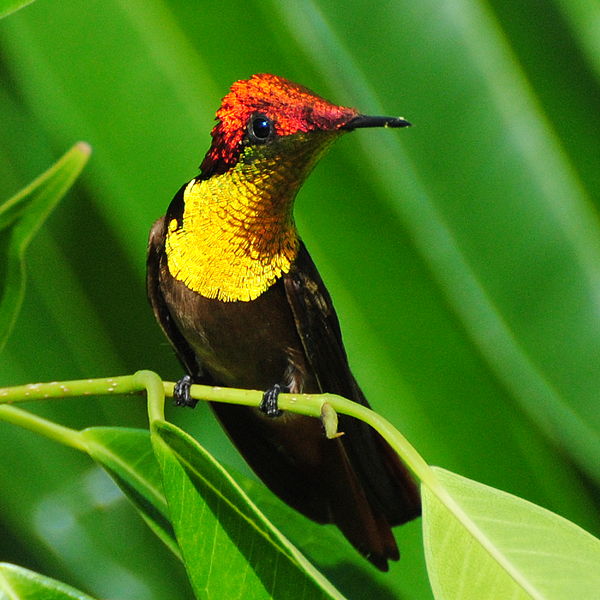
Ruby-topaz Hummingbird (Chrysolampis mosquitus) ©WikiC

King James Study Bible 21:9–21. These verses describe the beauty and glory of the holy Jerusalem. It is called Christ’s bride (cf. v. 2), a reference perhaps to the church as the city’s principal inhabitant. It is an expression of the glory of God. The wall shows its security and protection. Its gates show accessibility. Saved Israel is also present. It has dimensions of approximately 1,500 miles cubed. The gold and precious stones may be earthly materials glorified (cf. 1 Cor. 15:50–54). They depict the glory, beauty, and eternal quality of the city. Jasper is green, sapphire is blue, chalcedonyis green, emerald is green, sardonyx is red and white, sardius is bloodred, chrysolyte is yellow or gold, beryl is green, topaz is greenish gold or yellow, chrysoprasus is green, jacinth is bluish purple, and amethyst is purple quartz. The effect is a magnificent city of brilliant gold adorned with gems of every color. There appears to be only one street (cf. 22:2), also made of pure, radiant gold.

Amethyst-throated Sunangel (Heliangelus_amethysticollis) ©WikiC

Stones, Precious
“Precious stones are frequently alluded to in Scriptures; they were known and very highly valued in the earliest times. The Tyrians traded in precious stones supplied by Syria. Eze_27:16. The merchants of Sheba and Raamah in south Arabia, and , doubtless, India and Ceylon, supplied the markets of Tyre with various precious stones. The art of engraving on precious stones was known from the very earliest times. Gen_38:18.
The twelve stones of the breastplate were engraved, each one, with the name of one of the tribes. Exo_28:17-21. It is an undecided question whether the diamond was known to the early nations of antiquity. The Authorized Version gives it as the rendering of the Hebrew word, yahalom, but it is probable that the jasper is intended.
Precious stones are used in Scripture, in a figurative sense, to signify value, beauty durability, etc., in those objects with which they are compared. See Son_5:14; Isa_54:11-12; Lam_4:7; Rev_4:3; Rev_21:10; Rev_21:21. [Smith’s Bible Dictionary]

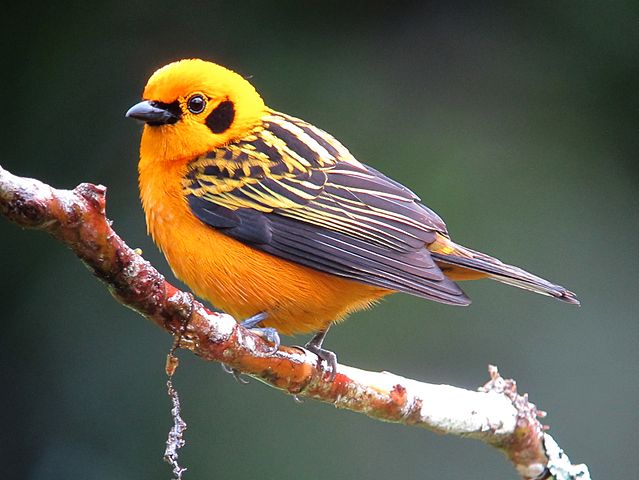
Golden Tanager (Tangara arthus) ©WikiC

The Bible Knowledge Commentary says this of Revelation 21:19-21″

“The decorations of the foundations (with the apostles’ names inscribed on them) include 12 stones involving different colors. The color of the jasper is not indicated. The sapphire was probably blue; the chalcedony comes from Chalcedon, Turkey and is basically blue with stripes of other colors. The emerald is a bright green; the sardonyx is red and white; and the carnelian, called a “sardius” in the NASB, is usually ruby-red in color, though it sometimes has an amber or honey color. In Rev_4:3 the carnelian stone is coupled with the jasper to reflect the glory of God. The chrysolyte is a golden color, probably different from the modern chrysolyte stone which is pale green. The beryl is a sea green; the topaz is a transparent yellow-green; the chrysoprase is also green; the jacinth is violet in color; and the amethyst is purple. The stones together provide a brilliant array of beautiful colors. The gates resemble huge, single pearls, and the street of the city was of pure gold, like transparent glass (cf. Rev_21:18).
While the beauty of the city may have symbolic meaning, no clue is given as to the precise interpretation. Since it is reasonable to assume that the saints will dwell in the city, it is best to take the city as a literal future dwelling place of the saints and angels.”

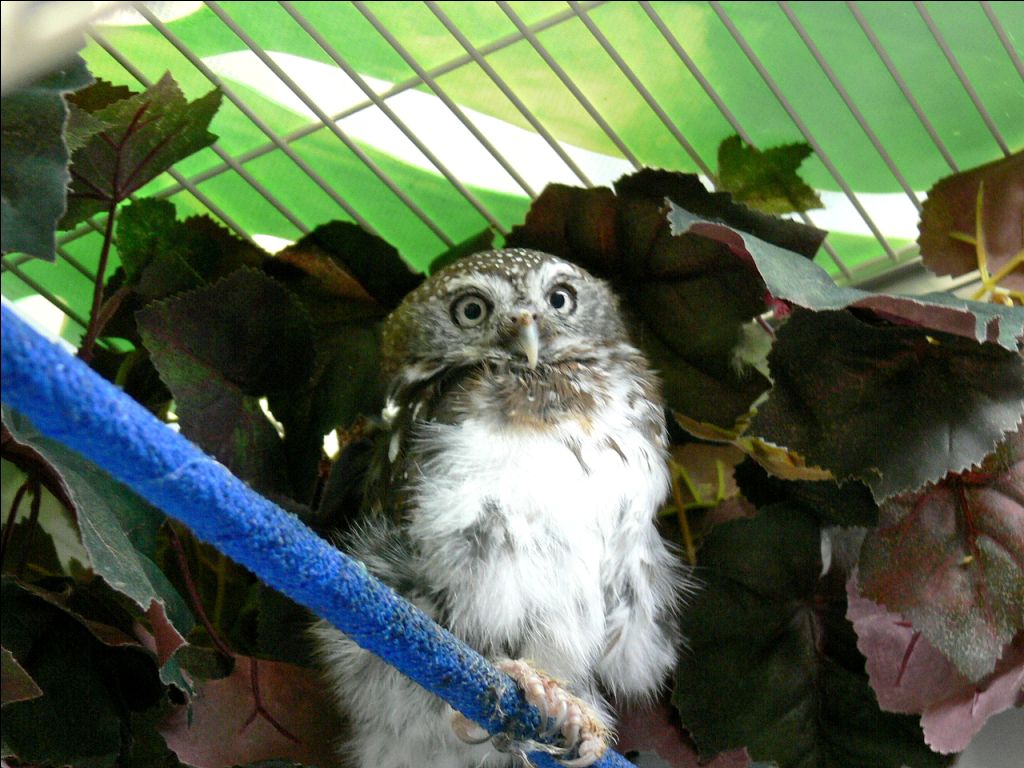
Pearl-spotted Owlet (Glaucidium perlatum) Breeding Room by Lee

Pearl-spotted Owlet (Glaucidium perlatum) Breeding Room by Lee

As you can see, it is going to take a while to figure out some of these colors to find possible matching bird colors and names. A friend mentioned that the colors were maybe the same as the ones in the rainbow. Sounds reasonable. When the Lord created the birds, He knew about the rainbow that was going to be given as a promise after the flood. He also knew the colors of the foundations of the New Jerusalem. So, why would he not use those colors in birds when He created them?

“In the beginning was the Word, and the Word was with God, and the Word was God. The same was in the beginning with God. All things were made by him; and without him was not any thing made that was made.” (John 1:1-3 KJV)

Stay Tuned!

Wordless Birds – Toucan

Jackdaws and Valentines

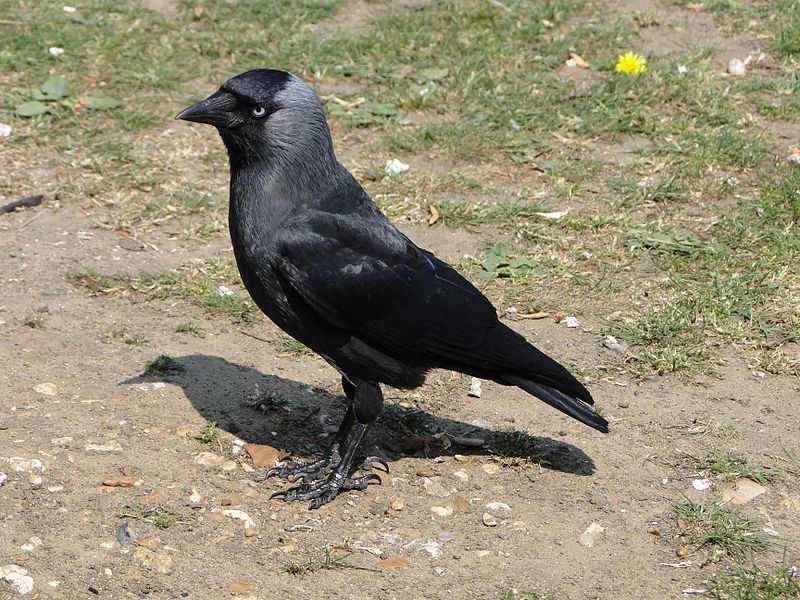
Western Jackdaw (Coloeus monedula) ©WikiC

Western Jackdaw (Coloeus monedula) ©WikiC

Another blogger, who also enjoys writing about birds, shared this very interesting connection between Jackdaws and Valentine Day.

Happy Valentine’s Day by Grey Feather Photography

Clair starts off with:

“Did you know jackdaws are one of the few birds which truly mate for life?

Jackdaws form pairs as young birds and will then remain together for all of their lives in a partnership sometimes referred to…”

Click here to read the rest of this very interesting article, Happy Valentines Day


“Husbands, love your wives, even as Christ also loved the church, and gave himself for it;” (Ephesians 5:25 KJV)

Creation Moment’s – Let Birds Fly Across The Expanse

LET BIRDS FLY ACROSS THE EXPANSE

Genesis 1:20

“And God said, Let the waters bring forth abundantly the moving creature that hath life, and fowl that may fly above the earth in the open firmament of heaven.”

On the fifth day of the Creation Week, God created swarms of sea creatures. He also created flying creatures. In Genesis 1:20, God says: “Let birds fly above the earth across the expanse of the heavens.” The birds were not, in fact, in the firmament. When the KJV translates the phrase as “in the open firmament”, the word open reminds us that the birds are simply seen against the background of the firmament, and are not in it. We heard in the previous Creation Moment that God created whole swarms of sea creatures. It could also be assumed that He created a very large variety of flying creatures.

This brings us to the fact that many translations tell us that God made birds. The KJV refers to fowl. The use of a word other than bird in the KJV is significant. The Hebrew word is ôph (עוֹף). There is another Hebrew word that means birds. It is tsippor(צִפּוֹר). In fact, the word ôph is much wider in meaning than birds and includes all flying creatures. For instance, in Leviticus 11:13-19, the bat is included at the end of a list of birds. But the collective word used in Leviticus 11:13 is ôph, not tsippor. So ôph does not really mean birds – it means flying creatures. Hence, the creation of flying creatures in Genesis 1:20 includes not only birds, but also bats, and, by implication, flying insects also – and pterosaurs – the flying dinosaurs.

Once again, we notice the efficiency and economy of the words used in Genesis 1, which gives far more information than at first we think.  

Prayer: Your wonderful book, the Bible, astonishes us again and again as it explains to us how and why You created this world. Thank You for the wide variety of creatures that You put in the world. Amen.

Ref: Sarfati, J. (2015), The Genesis Account, (Powder Springs, GA: CMI), pp. 223-225. Image: Adobe Stock Images, licensed to author.

©Creation Moments 2019, Used with permission.


A very interesting study of the creation of the “fowls/birds.” Would make for a good BIrds of the Bible article, but they beat me to it. :)