Bible Birds – Solomon’s Wisdom About Birds I

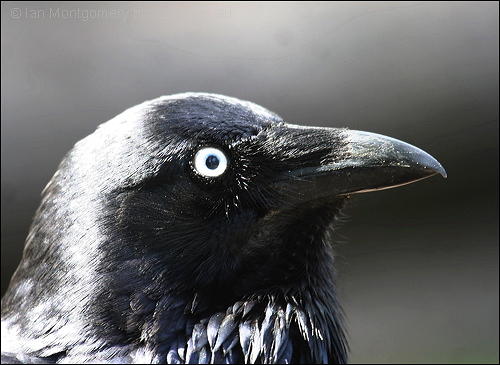
Australian Raven (Corvus coronoides) by Ian

Australian Raven (Corvus coronoides) by Ian

Also he spoke of trees, from the cedar tree of Lebanon even to the hyssop that springs out of the wall; he spoke also of animals, of birds, of creeping things, and of fish. (1 Kings 4:33 NKJV)

In my daily reading from Scripture recently, I came across I Kings 4:33 again. The article Birds of the Bible – Solomon’s Birds, discusses how some of the lessons Solomon had learned were applied. Now let’s look at how Solomon might have attained those illustrations and how we can apply them.

More questions come to my mind, in no set order, like:

  • What kind of birds did he have to observe?
  • What did he learn about the birds?
  • Did he write any of his bird observations out?
  • The Lord gave him the wisdom, so how did he apply it?
  • What can we learn from Solomon about birds?

We know from the Bible that Solomon asked for wisdom to be able to know right and wrong and how to rule the people. God granted Solomon his request and gave him more besides. See I Kings 3.

Checking with my e-Sword commentaries and helps, here are some interesting thoughts. (Italics are mine)

Oriental Bay Owl (Phodilus badius) by Peter Ericisson

Oriental Bay Owl (Phodilus badius) by Peter Ericisson

Matthew Henry’s Concise Commentary

Solomon’s wisdom was more his glory than his wealth. He had what is here called largeness of heart, for the heart is often put for the powers of the mind. He had the gift of talk, as well as wisdom. It is very desirable, that those who have large gifts of any kind, should have large hearts to use them for the good of others. What treasures of wisdom and knowledge are lost! But every sort of knowledge that is needful for salvation is to be found in the holy Scriptures. There came persons from all parts, who were more eager after knowledge than their neighbours, to hear the wisdom of Solomon. Solomon was herein a type of Christ, in whom are hid all treasures of wisdom and knowledge; and hid for us, for he is made of God to us, wisdom. Christ’s fame shall spread through all the earth, and men of all nations shall come to him, learn of him, and take upon them his easy yoke, and find rest for their souls.

Indian Peafowl (Pavo cristatus) by Nikhil Devasar

Indian Peafowl (Pavo cristatus) by Nikhil Devasar

Gill

he spake also of beasts, and of fowls, and of creeping things, and of fishes; he understood the nature of all sorts of animals in the earth, air, and sea, and discoursed of their names, kinds, qualities, and use, with the greatest ease and perspicuity; the Jews fancy that Aristotle’s History of Animals is his, which that philosopher came upon, and published it in his own name. …
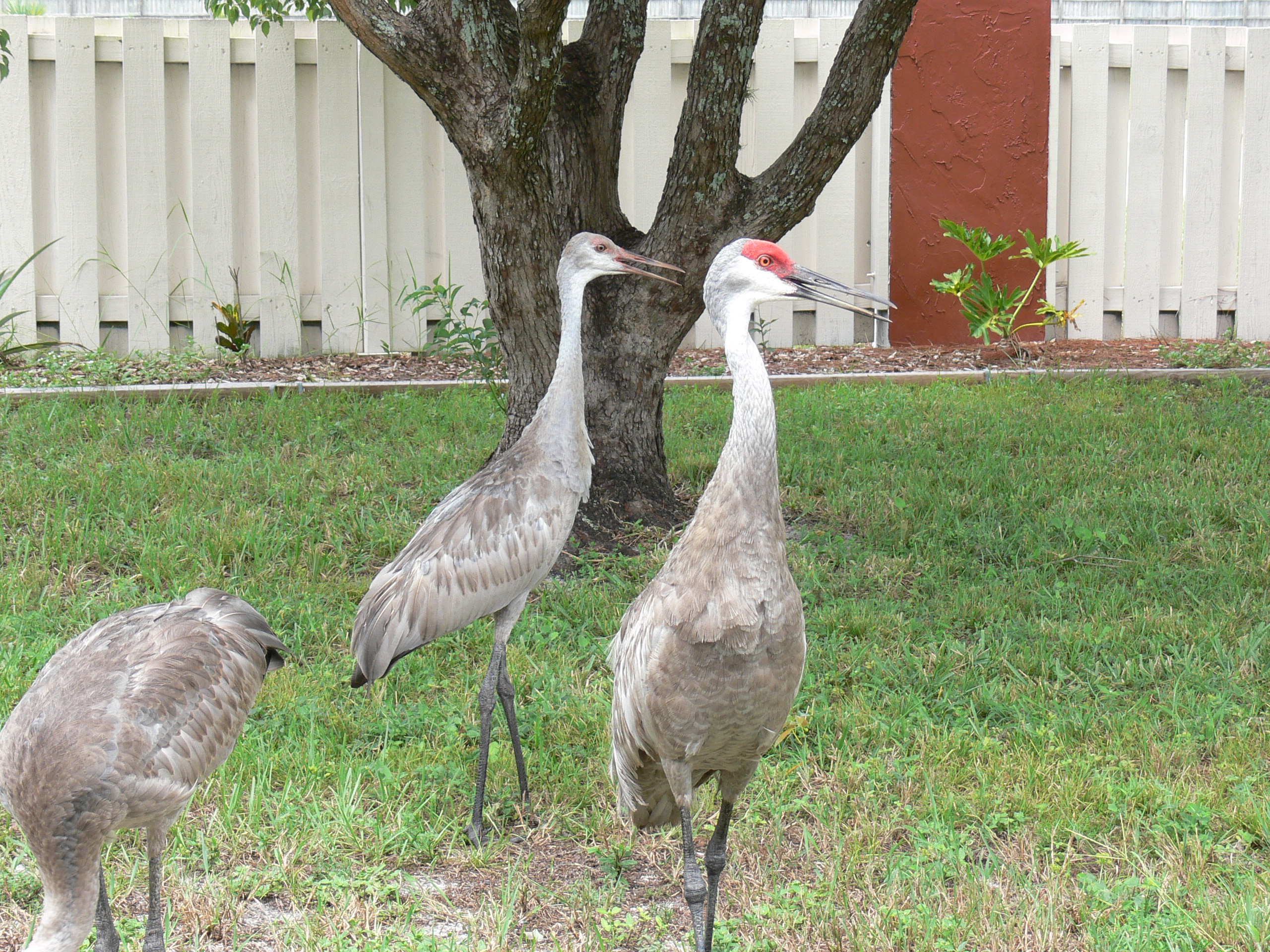
Sandhill Cranes - Adult and Juvenile in yard 8/27/10

Sandhill Cranes – Adult and Juvenile in yard 8/27/10

*
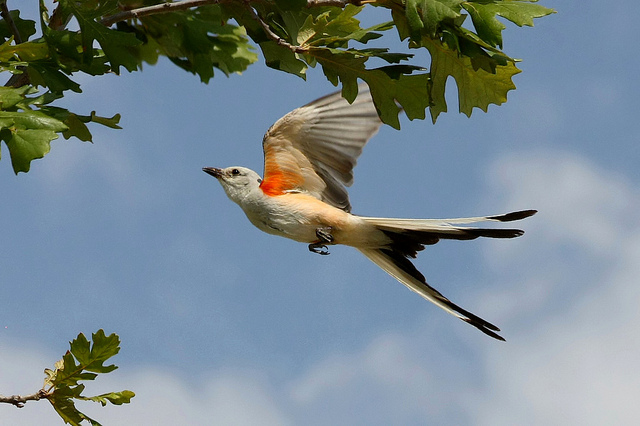
Scissor-tailed Flycatcher (Tyrannus forficatus) ©TexasEagle

Scissor-tailed Flycatcher (Tyrannus forficatus) ©TexasEagle

Barnes

Of beasts, and of fowls, and of creeping things, and of fishes – This is the usual Biblical division of the animal kingdom Gen_1:26; Gen_9:2; Psa_148:10.

Believer’s Bible Commentary

Verse 33 means that his wide knowledge of many sciences enabled him to use object lessons from nature in expounding his wisdom. People traveled from afar to hear him.
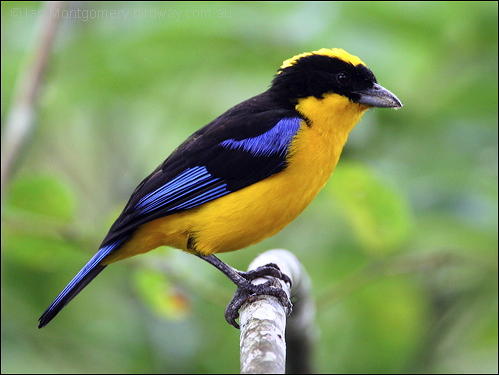
Blue-winged Mountain Tanager (Anisognathus somptuosus) by Ian

Blue-winged Mountain Tanager (Anisognathus somptuosus) by Ian

Bible Knowledge Commentary

1 Kings 4:32-34

Several hundred of Solomon’s 3,000 proverbs have been preserved in the Book of Proverbs as well as a few in Ecclesiastes. One of his 1,005 songs is the Song of Songs. Solomon’s literary output was extremely prolific (bountiful). He became an authority in botany and zoology too. … He was recognized as the wisest man of his day as God had promised he would be.

Under His Wings - (Dove - photographer unknown)

Under His Wings – (Dove – photographer unknown)

Biblical Illustrator

The study of Nature
It is said of Wordsworth that a stranger having on one occasion asked to see his study, the maid said, “This is master’s room, but he studies in the fields.” In doing so the poet followed a venerable example. We read that Isaac went out to meditate in the field at eventide, where in the margin “to pray” is put for “to meditate.” Nor could there be a better place either for prayer or for study than the fields. The Word of God is written very clearly for His seers in the green book of Nature. Wordsworth’s study is one that we can all use, however small our house may be. (Quiver.)

The world is worth seeing
Men must not live under a bushel. A gentleman once met a French priest on board an Atlantic liner. They entered into conversation, and the priest said that months ago he had a dream. He dreamt that he was dead, and that God asked him how much of the world he had seem His answer was that he had seen only a very little of it, for he had been so long in preparing for death, and in helping other people to die, that he had no time to see the world. He saw that God was displeased, and on awakening he resolved to see as much of this beautiful world as he could. It was a wise resolve. The earth is the Lord’s and not the devil’s, and we have no right to ignore it. Nature is a temple of God, and we must ever walk through it in a sacramental mood. (Sunday Circle.).
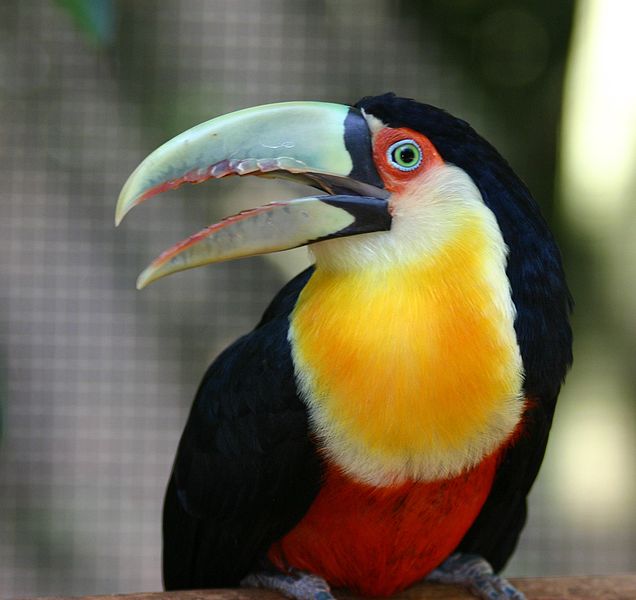
Green-billed Toucan (Ramphastos dicolorus) ©WikiC

Green-billed Toucan (Ramphastos dicolorus) ©WikiC

K & D

“And of beasts and birds, of creeping things and fishes;” the four principal classes into which the Hebrews divided the animal kingdom. Speaking of plants and animals presupposes observations and researches in natural science, or botanical and zoological studies.
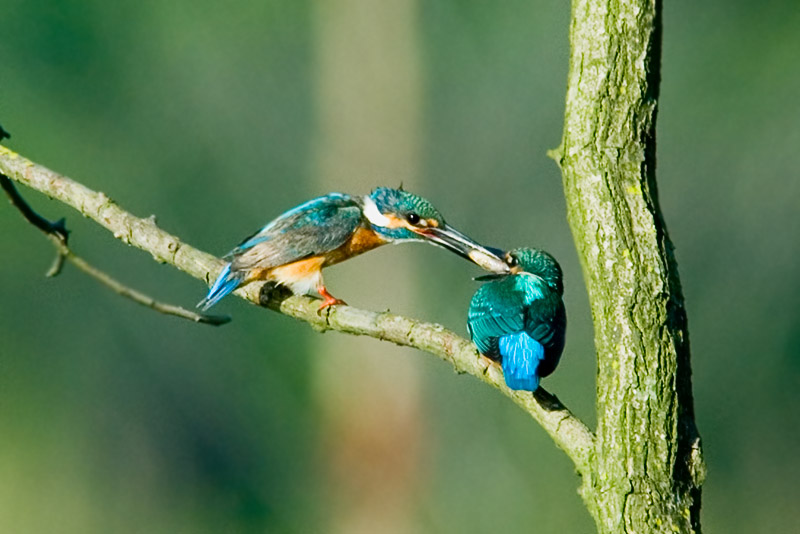
Kingfisher Feeding Young by Phil Kwong

Kingfisher Feeding Young by Phil Kwong

McGee

We are told that Solomon spoke three thousand proverbs. We have only a few hundred recorded in the Bible. His songs were a thousand and five. Believe me, he was a song writer. We have only one of his songs, The Song of Solomon. Solomon was a dendrologist—”He spake of trees, from the cedar tree that is in Lebanon even unto the hyssop that springeth out of the wall.” The hyssop is a humble little plant that grows on rocks. Solomon was also a zoologist—”he spake also of beasts”—and an ornithologist since he spoke of birds. He was an entomologist: he spoke of creeping things, or insects. He was an ichthyologist: he spoke of fishes. He spoke of these things because he had studied them and was an authority in these particular realms. This, apparently, is the beginning of the sciences. Solomon was interested in these things.

Some Answers

I have another Commentary to share thoughts from, but will save it for Part II. For now, let’s see if any of the first questions were answered.

The first two questions are unanswered for now. We will dig into that later. The next three seem to have some answers.

  • What kind of birds did he have to observe?
  • What did he learn about the birds?
  • Did he write any of his bird observations out?
  • The Lord gave him the wisdom, so how did he apply it?
  • What can we learn from Solomon about birds?

Solomon observed the birds and seems to have learned lessons and applications from them which are seen in Proverbs, Song of Solomon and some Psalms. So he recorded his findings. He gained his knowledge from the Lord, but he used his senses and observational skills to gain more knowledge. That is something we can do also with the Lord’s help. If we don’t apply ourselves to a topic, the knowledge is not going to just “pop” into our heads.

See:

*

Bible Birds – Crane’s Introduction

Crane’s Introduction

Sandhill Cranes and Babies in yard by Lee

Sandhill Cranes and Babies in yard

Even the stork in the heavens knows her times, and the turtledove, swallow, and crane keep the time of their coming, but my people know not the rules of the LORD. (Jeremiah 8:7 ESV)

Cranes are in the Gruidae Family of the Gruiformes Order. At present there are 15 species or members of that family. All of them are called Cranes, except for one member. That is the Brolga which is found in New Guinea and Australia. Cranes are another of the Lord’s creation that I enjoy watching. We are fortunate to be able to see Sandhill Cranes almost daily. Just spotted 18 today across from my backyard and will post an article about it soon.

Brolga(Grusrubicunda) by Ian

Brolga(Grusrubicunda) by Ian

Cranes bear a general resemblance to Herons in that they are long-legged, long-necked birds, but when on the wing, they carry the neck fully extended, a habit which will readily distinguish them from the curved neck Herons. Cranes are less aquatic than Herons and are often found feeding on the prairies or pine-barrens where worms, grasshoppers, lizards, roots, etc., form their fare. They nest on the ground laying two buffy eggs thickly marked with brown. The young, unlike the nearly naked, helpless young of Herons, are born covered with down and can soon follow their parents. The Cranes have loud sonorous voices; the Herons raucous croaks.

Sandhill Crane from Color Key to North American Birds, by Frank M. Chapman

Sandhill Crane from Color Key to North American Birds, by Frank M. Chapman

They have the hind-toe elevated, that is, leaving the foot at a higher level than the front toes; tail short; legs usually long. All fly with the neck extended, a fact by which Cranes in flight may be known from Herons. (Color Key to North American Birds, by Frank M. Chapman)

Cranes are a Bible Bird and appear in two verses, the one above (Jeremiah 8:7) and in the following verse:

Like a crane or a swallow, so did I chatter: I did mourn as a dove: mine eyes fail with looking upward: O LORD, I am oppressed; undertake for me. (Isaiah 38:14 KJV)

A Sandhill Crane call. Does it sound like a chatter?

(From xeno.canto)

Cranes construct platform nests in shallow water, and typically lay two eggs at a time. Both parents help to rear the young, which remain with them until the next breeding season.

Cranes migrate (travel to a warmer climate in winter) as mention in Jeremiah 8:7. Here is a photo of Common Cranes in Israel gathered together.

Common Cranes in Israel. Many species of crane gather in large groups during migration and on their wintering grounds ©WikiC

Common Cranes in Israel. Many species of crane gather in large groups during migration and on their wintering grounds ©WikiC

Cranes are one of the tallest flying birds, but more on that in another Bible Birds article.

See:

*
Wordless Birds
*

Bible Birds – Wood Storks

Wood Stork (Mycteria americana) by Lee

Wood Stork (Mycteria americana) by Lee

While we were on the same birdwatching trip to Circle B (American Bittern), we encountered a Wood Stork. There are five verses in the Bible that mention the Stork:

And the stork, the heron after her kind, and the lapwing, and the bat. (Leviticus 11:19 KJV)

And the stork, and the heron after her kind, and the lapwing, and the bat. (Deuteronomy 14:18 KJV)

Where the birds make their nests: as for the stork, the fir trees are her house. (Psalms 104:17 KJV)

Yea, the stork in the heaven knoweth her appointed times; and the turtle and the crane and the swallow observe the time of their coming; but my people know not the judgment of the LORD. (Jeremiah 8:7 KJV)

Then lifted I up mine eyes, and looked, and, behold, there came out two women, and the wind was in their wings; for they had wings like the wings of a stork: and they lifted up the ephah between the earth and the heaven. (Zechariah 5:9 KJV)

Wood Stork (Mycteria americana) by Lee Landing

Wood Stork (Mycteria americana) by Lee Landing

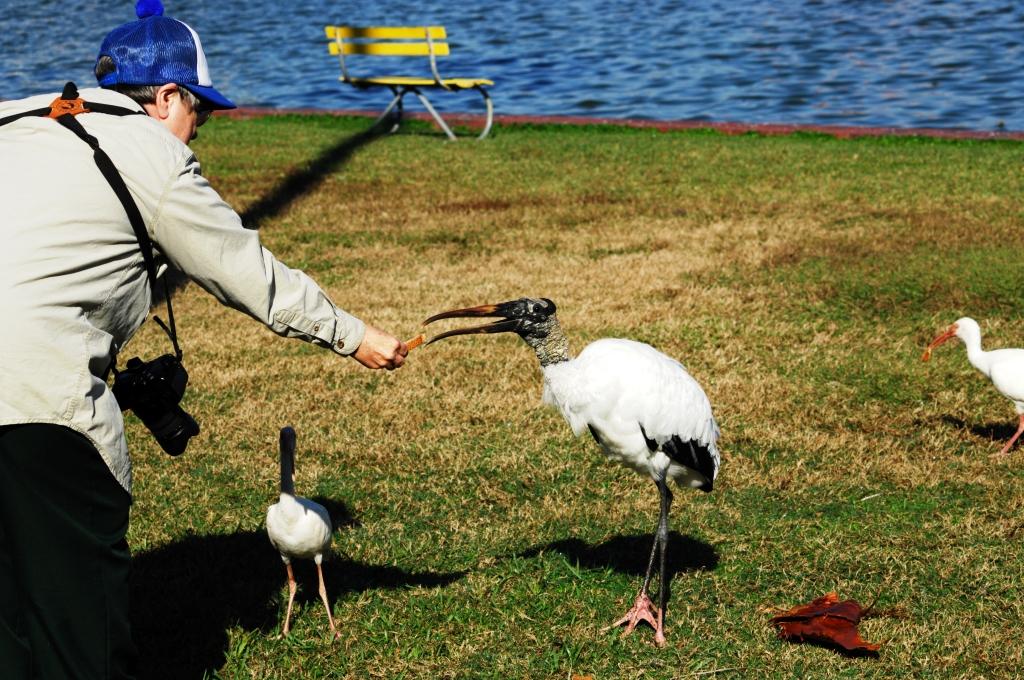
While we were birdwatching at Circle B just before Christmas, a Wood Stork flew over and landed in a tree a good way from us. Thanks to the zoom on my camera, I was able to capture its picture. They amaze me that they are “ugly” up close, but when they fly, they are so beautiful and graceful to watch. We see them quite often here and I have been known to feed them at Lake Morton. They also fly over our house and land in our community pond.

Lee feeding Wood Stork at Lake Morton by Dan

Lee feeding Wood Stork at Lake Morton by Dan 2011

As mentioned above, Storks are birds in the Bible and are members of the Ciconiidae – Storks Family. Currently there are 19 Storks in this family. The Bible does not tell which one is being mentioned, but most like one of the Storks that lived in Israel.

Our Wood Stork here is a broad-winged soaring bird that flies with its neck outstretched and legs extended. It forages usually where lowering water levels concentrate fish in open wetlands; it also frequents paddy fields. Walking slowly and steadily in shallow water up to its belly, it seeks prey, which, like that of most of its relatives, consists of fish, frogs and large insects. It catches fish by holding its bill open in the water until a fish is detected. (Wikipedia)

“Tall and long-legged, the wood stork is the largest wading bird native to America. It is white with black flight feathers, distinctive because of its dark, featherless head (down to the upper neck) and thick, down-curved bill. Wood storks fly with neck and legs extended, interrupting strong wing beats with brief glides; their wingspan is 5 1/2 feet.” (FL FWCC) Their length is 33.5–45.3 in (85–115 cm) and weigh between72.3 to 93.1 oz (2050–2640 g). (NatGeo)

*

This slideshow requires JavaScript.

*

*

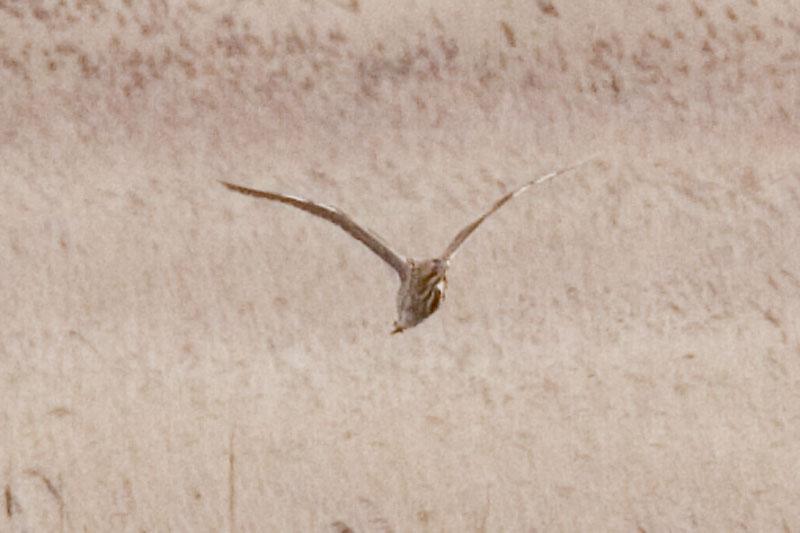
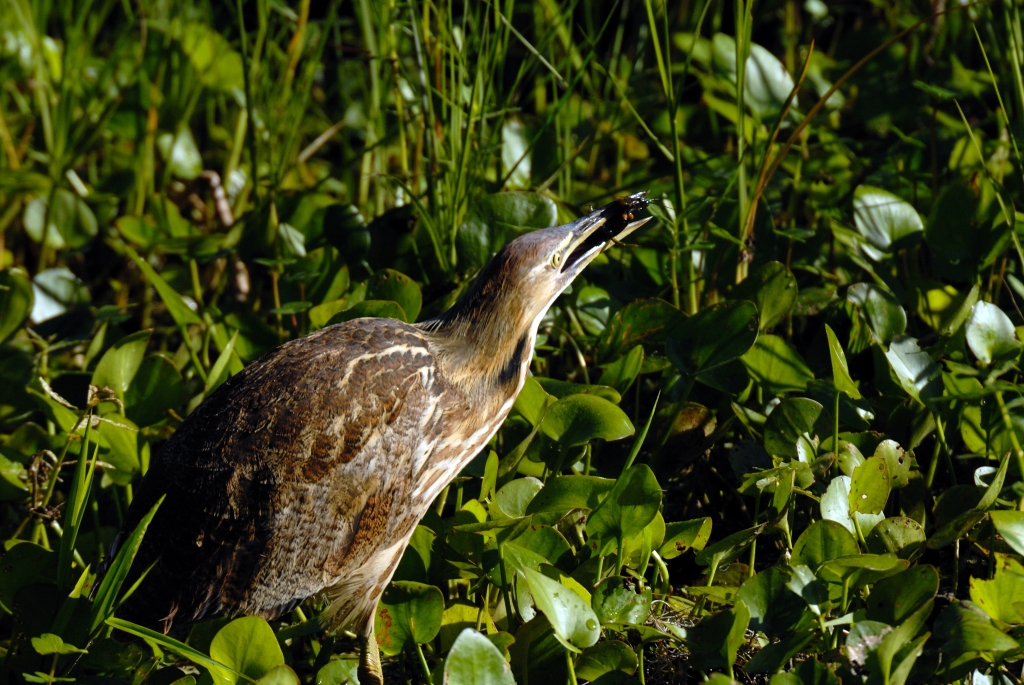
Bible Birds – American Bittern

American Bittern (Botaurus lentiginosus) by Lee

The Bittern is found in the KJV in three verses of Scripture. Some versions translate it differently. But for the sake of this article, here are those verses:

I will also make it a possession for the bittern, and pools of water: and I will sweep it with the besom of destruction, saith the LORD of hosts. (Isaiah 14:23 KJV)

But the cormorant and the bittern shall possess it; the owl also and the raven shall dwell in it: and he shall stretch out upon it the line of confusion, and the stones of emptiness. (Isaiah 34:11 KJV)

And flocks shall lie down in the midst of her, all the beasts of the nations: both the cormorant and the bittern shall lodge in the upper lintels of it; their voice shall sing in the windows; desolation shall be in the thresholds: for he shall uncover the cedar work. (Zephaniah 2:14 KJV)

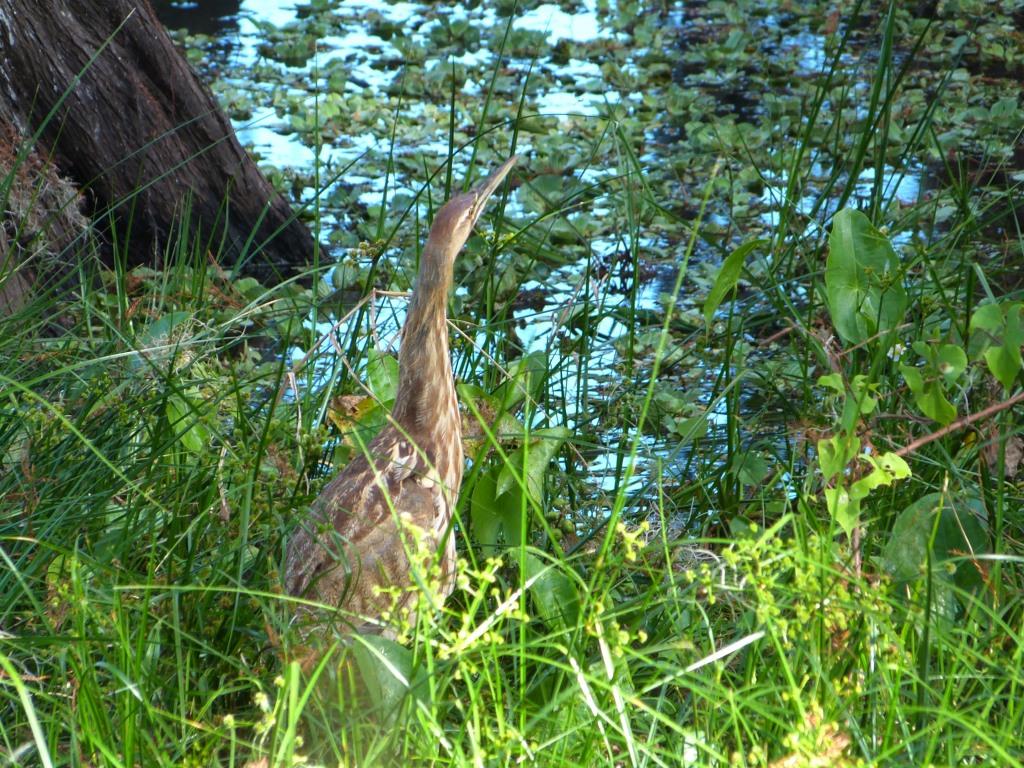
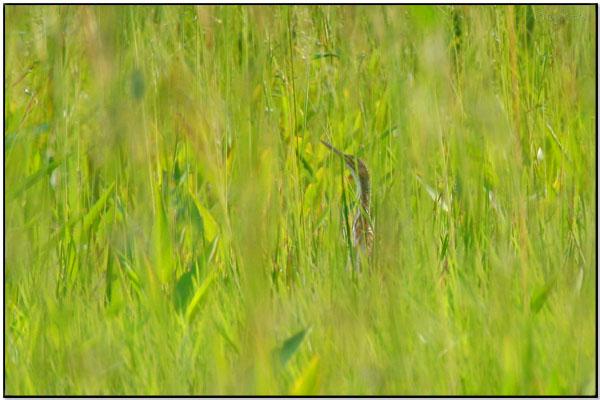
We were out at Circle B Bar Reserve just before Christmas and spotted an American Bittern. They are quite evasive and not spotted often, at least by me. That protection reminds me of several verses:

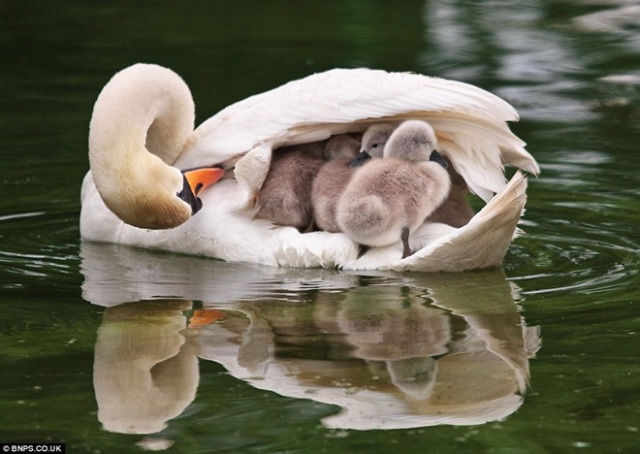
Keep me as the apple of the eye, hide me under the shadow of thy wings, (Psalms 17:8 KJV)

Deliver me, O LORD, from mine enemies: I flee unto thee to hide me. (Psalms 143:9 KJV)

This slideshow requires JavaScript.

Bitterns are members of the Ardeidae – Herons, Bitterns Family.”Although common in much of its range, the American Bittern is usually well-hidden in bogs, marshes and wet meadows. Usually solitary, it walks stealthily among cattails or bulrushes. If it senses that it has been seen, the American Bittern becomes motionless, with its bill pointed upward, causing it to blend into the reeds. It is most active at dusk. More often heard than seen, this bittern has a call that resembles a congested pump.

Like other members of the heron family, the American Bittern feeds in marshes and shallow ponds, dining on amphibians, fish, insects and reptiles.

This bittern winters in the southern United States and Central America. It summers throughout Canada and much of the United States. As a long-distance migrant, it is a very rare vagrant in Europe, including Great Britain and Ireland. This bird nests in isolated places with the female building the nest and the male guarding it. Two or three eggs are incubated by the female for 29 days, and the chicks leave after 6–7 weeks.” (From Wikipedia)

Identification Tips: (USGS)

  • Length: 23 inches Wingspan: 45 inches
  • Medium-sized wading bird
  • Dark brown upperparts
  • Underparts streaked brown and white
  • Black malar streak
  • Yellow bill with dark culmen
  • Black primaries and secondaries
  • Sometimes “freezes” with neck held upwards
  • Immatures similar to adults but lack the malar streak

American Bittern sounds from Cornell

*

*

Bible Birds – Peacocks I

Indian Peafowl (Pavo cristatus) by Nikhil Devasar

Indian Peafowl (Pavo cristatus) by Nikhil Devasar

For the king had at sea a navy of Tharshish with the navy of Hiram: once in three years came the navy of Tharshish, bringing gold, and silver, ivory, and apes, and peacocks. (1 Kings 10:22 KJV)For the king’s ships went to Tarshish with the servants of Huram: every three years once came the ships of Tarshish bringing gold, and silver, ivory, and apes, and peacocks. (2 Chronicles 9:21 KJV)

Now Peacocks II

(Relocated)

Bible Birds – Hasting’s Sparrow Poem

Grasshopper Sparrow (Ammodramus savannarum) by Ray

Grasshopper Sparrow (Ammodramus savannarum) by Ray

So do not fear; you are more valuable than many sparrows. (Matthew 10:31 NASB)

Some years ago King Edward the Seventh visited Norwich. The school children were drawn up in a line to meet him, and when he passed along they cheered just as loud as ever they could, and they sang “God save the king” with all their heart and soul. But after the monarch had passed by one little girl was found in floods of tears. The teacher, trying to comfort her, asked, “Didn’t you see the king?” “Ye—es,” sobbed the girl, “but he did—didn’t see me!”

An earthly king, no matter how kind and willing he may be, cannot see everybody, but the great King of kings sees and knows and loves each one of us as though that one were the only person in the world. He knows you far more intimately than your father or mother does. He is never too busy looking after the world to forget one of you. It doesn’t matter how plain you are, or how poor, or how little thought of, God cares for you. He cares for the plain, despised sparrow, and He cares far, far more for you.

Eurasian Tree Sparrow (Passer montanus) by Nikhil Devasar

Eurasian Tree Sparrow (Passer montanus) by Nikhil Devasar

I’m only a little sparrow,
A bird of low degree;
My life is of little value,
But the dear Lord cares for me.

White-browed Sparrow-Weaver (Plocepasser mahali) ©WikiC

White-browed Sparrow-Weaver (Plocepasser mahali) ©WikiC

I know there are many sparrows;
All over the world they are found;
But our Heavenly Father knoweth
When one falls to the ground.

Sind Sparrow (Passer pyrrhonotus) by Nikhil Devasar

Sind Sparrow (Passer pyrrhonotus) by Nikhil Devasar

I fly through the thickest forest,
I alight on many a spray;
I have no chart or compass,
But I never lose my way.

Fox Sparrow (Passerella iliaca) ©USFWS

Fox Sparrow (Passerella iliaca) ©USFWS

I just fold my wings at nightfall
Wherever I happen to be;
For the Father is always watchings
No harm can happen to me.

Savannah Sparrow Fifty Point-Canada by Ray Barlow

Savannah Sparrow Fifty Point-Canada by Ray Barlow

I am only a little sparrow,
A bird of low degree,
But I know that the Father loves me.
Dost thou know His love for thee?

***

The thoughts and poem are from The Children’s Great Text of the Bible by James Hastings. Part of the commentary on Matthew 10:31.

See:

*

Bible Birds – Owl Introduction


Northern Barred Owl (Strix varia) by Reinier Munguia

Northern Barred Owl (Strix varia) by Reinier Munguia

The beast of the field shall honour me, the dragons and the owls: because I give waters in the wilderness, and rivers in the desert, to give drink to my people, my chosen. (Isaiah 43:20 KJV)

“Owl” is mentioned in 8 verses in the KJV and the word “Owls” is in 6 verses.

  • The owls, little owls, great owls, and screech owls are in the Bible.
  • Other versions list – horned owls, eagle owl, short-eared, long-eared owl, barn owl and a white owl.
Great Horned Owl (Bubo virginianus) by Bob-Nan

Great Horned Owl (Bubo virginianus) by Bob-Nan

The first mention of owls in the Bible is in Leviticus and Deuteronomy that list the unclean birds that are not to be eaten.

And the owl, and the night hawk, and the cuckow, and the hawk after his kind, And the little owl, and the cormorant, and the great owl, (Leviticus 11:16-17 KJV)

And the owl, and the night hawk, and the cuckow, and the hawk after his kind, The little owl, and the great owl, and the swan,
(Deuteronomy 14:15-16 KJV)

Little Owl (Athene noctua) by Raymond Barlow

Little Owl (Athene noctua) by Raymond Barlow

Owls are divided into two (2) families.

The Barn Owls (Tytonidae Family) are medium to large-sized owls with large heads and characteristic heart-shaped faces. They have long, strong legs with powerful talons (claws). They also differ from the Typical Owls (Strigidae Family) in the sternum (breast) and feet.

They live in a wide range of habitats from deserts to forests, and from temperate latitudes to the tropics. Little is known of many of them. The barn-owls are mostly nocturnal (active at night), and generally non-migratory, living in pairs or singly.

The barn-owls’ main characteristic is the heart-shaped facial disc, formed by stiff feathers which serve to amplify and locate the source of sounds when hunting. Their wing feathers were created to eliminate sound caused by flying, aiding both the hearing of the owl listening for hidden prey and keeping the prey unaware of the owl. Barn-owls overall are darker on the back than the front, usually an orange-brown colour, the front being a paler version of the back or mottled, although there is considerable variation even amongst species. The bay-owls closely resemble the Tyto owls but have a divided facial disc, ear tufts, and tend to be smaller.

Western Screech Owl (Megascops kennicottii)(captive) by Raymond Barlow

Western Screech Owl (Megascops kennicottii)(captive) by Raymond Barlow

The Typical Owls (Strigidae Family) is a large family that comprises around 189 living species in 25 genera. The typical owls have a cosmopolitan distribution and are found on every continent except Antarctica.

While typical owls vary greatly in size, with the smallest species, the Elf Owl, being a hundred times smaller than the largest, the Eurasian Eagle-Owl and Blakiston’s Fish Owl, owls generally share an extremely similar body plan. They tend to have large heads, short tails, cryptic plumage and round facial discs around the eyes. The family is generally arboreal (live in trees) (with a few exceptions like the Burrowing Owl) and obtain their food on the wing. The wings are large, broad, rounded and long.

Owls are generally nocturnal and spend much of the day roosting. They are often perceived as tame since they will allow people to approach quite closely before taking flight, but they are instead attempting to avoid detection. The cryptic plumage (help camouflage them) and inconspicuous locations (not likely to be seen or noticed) adopted are an effort to avoid predators and mobbing by small birds.

We will learn more about these beautifully created birds in other Bible Birds – Owls articles.

See:

*

Bible Birds – Bittern II

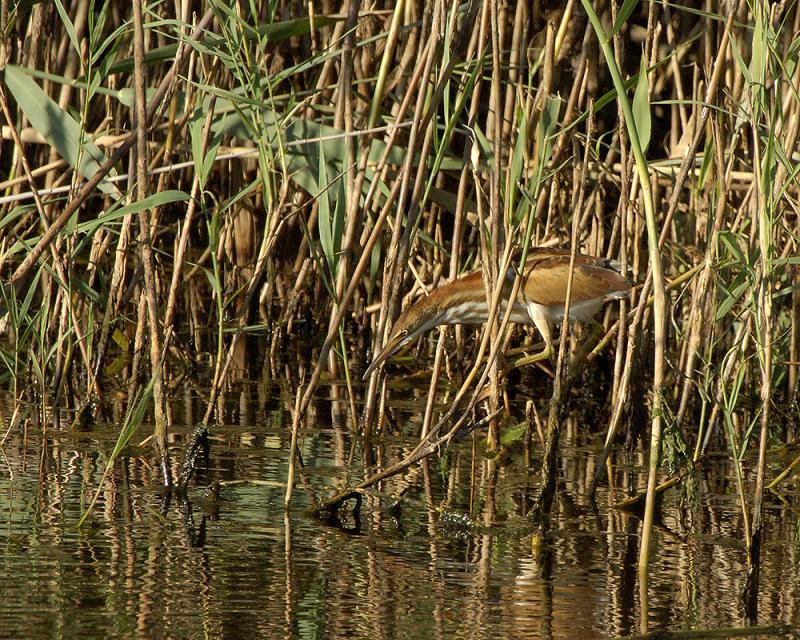
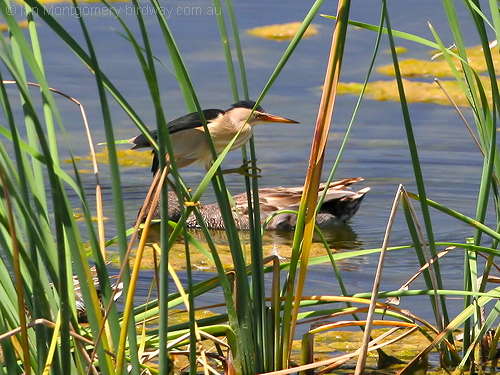
Little Bittern (Ixobrychus minutus) by Ian

Little Bittern (Ixobrychus minutus) by Ian

I will also make it a possession for the bittern, and pools of water: and I will sweep it with the besom of destruction, saith the LORD of hosts. (Isaiah 14:23 KJV)

I introduced the Bittern in the first Birds of the Bible – Bittern and now I want to add some more information about them. The Bitterns belong to the Order called Pelecaniformes which includes Ibises, Spoonbills, Herons, Bitterns, Frigatebirds, Hamerkop, Shoebills, Pelicans, Gannets, Boobies, Cormorants, Anhingas, and Darters. All of these birds like to hang out around watery places and are related. Within the Pelecaniformes order, there are different families. The Bittern is in the Ardeidae family. Below is a list of the Bitterns within this family.

Belonging to the Ardeidae family, they also have the usual long legs, long necks, and are wading birds. They are associated with water, especially in breeding season. Whereas the herons and egret stand out in the open, the bitterns like to conceal themselves in cattail and sedge marshes, bulrushes, etc. They also have shorter legs and a heavier body. Their “cryptic plumage and upright poses helps to merge with the brown upright reeds…” I’ve had the privilege to see a few of them, and they are hard to find. God has provided them with this protection and it helps them in finding their food. Fish is their favorite food, but they will also consume frogs, small snakes, and other things that pass by.

Here in North America, we only have the American and Least Bitterns. I sometimes confuse them with the smaller herons, like a Green Heron. You can tell they are in the same family (ardeidae).

Here is the sounds of an American Bittern and a Least Bittern from Stokes Bird Songs

But the cormorant and the bittern shall possess it; the owl also and the raven shall dwell in it: and he shall stretch out upon it the line of confusion, and the stones of emptiness. (Isaiah 34:11)


CLASS – AVES, Order – PELECANIFORMES, Family – ArdeidaeHerons, Bitterns

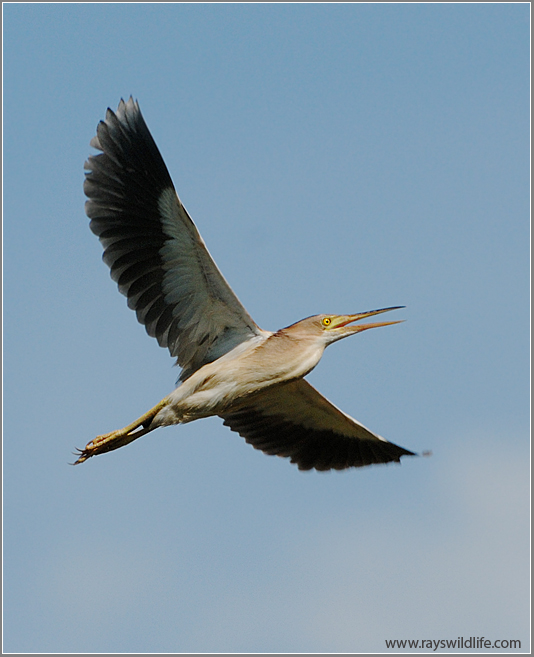
Australian Little Bittern (Ixobrychus dubius) by Ian

Australian Little Bittern (Ixobrychus dubius) by Ian

Herons, Bitterns – Ardeidae Family
Zonerodius
Forest Bittern (Zonerodius heliosylus) IBC
Botaurus
Eurasian Bittern (Botaurus stellaris) – Video
Australasian Bittern (Botaurus poiciloptilus) by Ian
American Bittern (Botaurus lentiginosus) – Video – Video2
Pinnated Bittern (Botaurus pinnatus) by Daves BirdingPix  – Video
Ixobrychus
Stripe-backed Bittern (Ixobrychus involucris) IBC
Least Bittern (Ixobrychus exilis) by Jim Fenton – Video
Little Bittern (Ixobrychus minutus) by Ian
Black-backed Bittern (Ixobrychus dubius)
New Zealand Bittern (Ixobrychus novaezelandiae †) Extinct ©WikiC Drawing
Yellow Bittern (Ixobrychus sinensis) by Ray Barlow – Video
Von Schrenck’s Bittern (Ixobrychus eurhythmus) ©WikiC
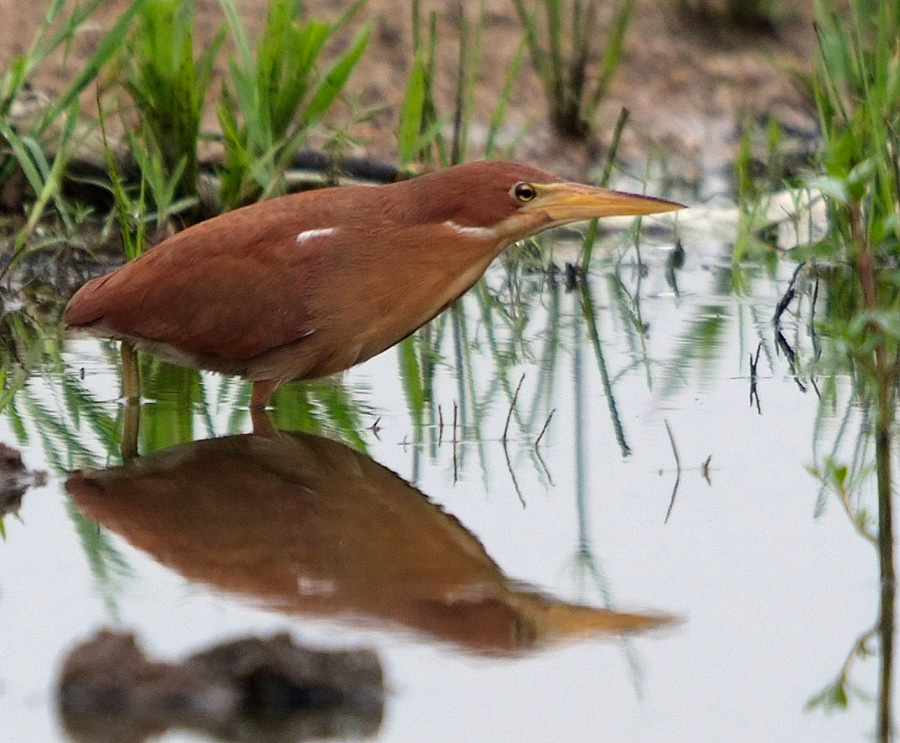
Cinnamon Bittern (Ixobrychus cinnamomeus) by Phil Kwong – Video
Dwarf Bittern (Ixobrychus sturmii) ©WikiC
Dupetor
Black Bittern (Dupetor flavicollis) by Nikhil Devasar – Video

Different Family
Sunbittern – Eurypygidae Family
Eurypyga
Sunbittern (Eurypyga helias) – Video – Video2

“Recent DNA evidence suggests that this family may in fact belong to the Pelecaniformes. From Wikipedia  They used to be in the Ciconiformes family, where most older guide books still have them. My list are from the IOC’s World Lists, 3.1 version.


Family#26 – Ardeidae

*

*

Bible Birds – Bittern I

In North America we have the American Bittern (23” with a 42-50” wingspan) and Least Bittern (11-14” with a 16-18” wingspan). Both dwell in marsh or wetland habitats and are very difficult to find. God has designed them with plumage and behavior (standing very still with the head pointing up) that helps camouflage them. They eat frogs, small fish, snakes and bugs, etc.

Today there are 15 Bitterns around the world. The bittern is an interesting find in the Bible.

American Bittern (Botaurus lentiginosus) by Daves BirdingPix

American Bittern (Botaurus lentiginosus) by Daves BirdingPix

I will also make it a possession for the bittern, and pools of water: and I will sweep it with the besom of destruction, saith the LORD of hosts. (Isa 14:23)

Again judgment is being given and the names of the new inhabitants are given. Only the birds will dwell there.

But the cormorant and the bittern shall possess it; the owl also and the raven shall dwell in it: and he shall stretch out upon it the line of confusion, and the stones of emptiness. (Isa 34:11)
Ninevah will be barren and the bittern and pelican will be singing from the vacant windows. The herds shall lie down in her midst, Every beast of the nation. Both the pelican and the bittern Shall lodge on the capitals of her pillars; Their voice shall sing in the windows; Desolation shall be at the threshold; For He will lay bare the cedar work. (Zep 2:14)

Those verse will be explained further in future Bible Bird – Bittern articles.
_
A YouTube of a Eurasian Bittern (Botaurus stellaris). I do not know the language, but it shows how it is camouflaged so well.
*
*

See More Bible Birds

Bible Birds – Bitterns

*

CLASS – AVES, Order –PELECANIFORMES, Family – Ardeidae – Herons, Bitterns


*

Bible Birds – Hawk Migration

Sharp-shinned Hawk (Accipiter striatus) ©USFWS

Sharp-shinned Hawk (Accipiter striatus) ©USFWS

Is it by your understanding that the hawk soars and spreads his wings toward the south? (Job 39:26 ESV)

Job was being asked by the Lord if he knew how and why the Hawk knows that it needs to go south for the winter. The Lord is smarter than we are and when He created the birds, He gave them instincts (knowledge) to do certain tasks. He put within the Hawks and other birds that migrate (travel to other areas) the knowledge of when and where to go.

Why do they migrate? There are various reasons why they travel, many great distances, for the winter or summer. The weather turns cold in the northern part of the world (northern hemisphere) in the winter and many birds cannot survive in really cold weather. In the summer, those birds go back north, because it gets cold down where they spent the winter. (The seasons are reversed in the northern and southern hemispheres.) So, some birds just keep going north and south each year so they can live in warm weather.

Other birds move around or migrate because their food supply ends and they go to the next area to be able to feed themselves. The Lord promised the birds and animals to provide for them, but He does not “spoon-feed” them. They have to go where He has provided for them.

And to all the animals on the earth and to every bird of the air and to everything that creeps on the ground–to everything in which there is the breath of life–I have given every green plant for food. And it was so. (Genesis 1:30 AMP)

A tree in Daniel has this promise given about it:

Its leaves were fair and its fruit abundant, and in it was food for all. The living creatures of the field found shade under it, and the birds of the sky dwelt in its branches; and all flesh was fed from it.  (Daniel 4:12 AMP)

Crane Hawk (Geranospiza caerulescens) ©WikiC

Crane Hawk (Geranospiza caerulescens) ©WikiC

Look at the birds of the air; they neither sow nor reap nor gather into barns, and yet your heavenly Father keeps feeding them. Are you not worth much more than they? (Matthew 6:26 AMP)

Those are very good promises by the Lord, the Creator, that He will provide for them. That last verse also gives you and I the promise that He will also provide for us, because we are worth more. He loves us and has given us much more. See The Wordless Birds.

We will tell more things about the Hawks in other Bible Bird – Hawks articles.

See Also:

*

Updated: The Bible Birds Cormorant Page

The Bible Birds – Cormorants page has been updated. A Gallery of photos of Cormorants and others in their family was added. The Cormorants belong to the Family – Phalacrocoracidae – Cormorants, shags which has 41 members. Also additional links were added.

This slideshow requires JavaScript.


*

Bible Birds are the Birds of the Bible Birds written with to Younger Folks and those who are “Young at Heart”. As other pages are updated, a post will announce them also.

*

Bible Birds – Mother Birds and Their Young – (Re-post)

My Mom and Me 26

Yesterday’s My Mom And Me – Email blog inspired me to write a new article for the Birds of the Bible For Kids. It is called:”

Bible Birds – Mother Birds and Their Young.

Please check it out. It is geared for a younger audience.

*