Birds of the Bible – Better Than The Birds

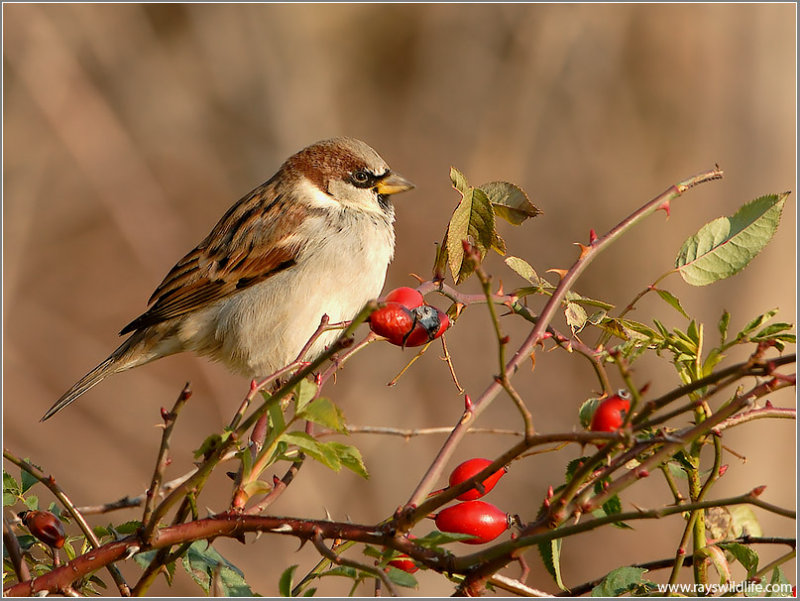
House Sparrow by Ray

In 2013, the Birds of the Bible – Worry and Sparrows articles were posted for part I and II. It’s 2020 now, and I’d like to repost these, plus add III and IV, which were never posted. They were overlooked by me. If your memory is like mine, you need a refresher. This time I will add the last 2 articles.


While listening to Wisdom For The Heart on BBN (Bible Broadcasting Network), I heard this message by Pastor Stephen Davey and wanted to share it. His message was “Better than the Birds” and of course it caught my attention. There are four parts, this is the introduction and part one.

Better than the Birds

Luke 12:6-31

I have read that a dense fog – so extensive that it covers seven city blocks a hundred feet deep is actually composed of no more than one glass of water; water, of course that’s divided into more than 60 billion droplets of water.i

Just a couple gallons of water can cripple an entire city.

In many ways, this perfectly illustrates the substance of worry. Just a little bit of it can spread and deepen and ultimately cripple the mind and the heart of even believers.

One author put it this way when he wrote, “Worry is a thin stream of fear that trickles through the mind, which, if encouraged, will cut a channel so wide that all other thoughts will be drained out.”ii

I find it extremely gracious of our Lord that whenever He addressed the subject of worry, and He did on several occasions, He went much further than simply saying, “You know better than that . . . worrying isn’t good for you . . . it’ll mess up your mind . . . isn’t right . . . stop worrying right now!”

Instead, Jesus graciously causes us to think through this vaporous substance of worry; He gives us several reasons to stop worrying and He even condescends in His patience to give us illustrations – effectively – giving us principles to teach us why we really don’t ever need to worry.

And several of His key principles are the form of questions.

Let me invite you to Luke chapter 12 where Jesus asks some profound questions.
He’s teaching His disciples – this chapter in Luke corresponds to His sermon in Matthew’s Gospel.

Now if you’ve ever read His sermon, you’ll notice that He goes from one subject to the next – almost randomly touching on a series of different topics.

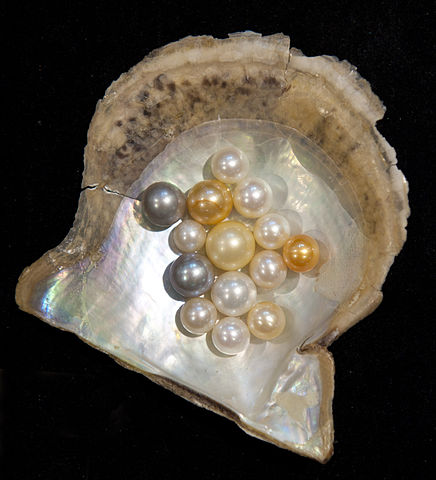
Jesus is actually employing a Jewish teaching style called Charaz – which means, stringing pearls.iii

In other words, Jesus will string pearls of wisdom on a number of subjects, like someone might string together a rare necklace of pearls.

And one of the pearls He adds to his string of pearls is this subject of worry.

Let me give you four principles in this regard as we work through His comments on overcoming worry.

The first principle to understand is that:
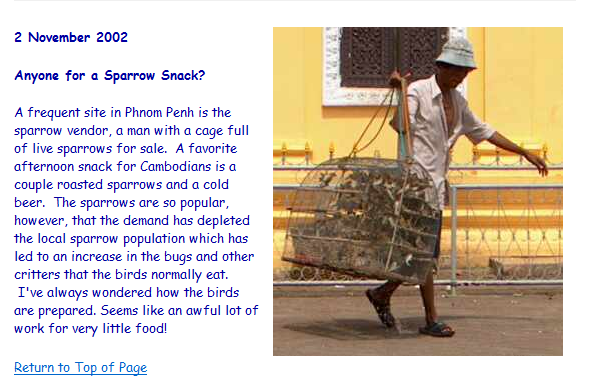
Anyone for a Sparrow Snack?

Anyone for a Sparrow Snack?

   1. Worry denies the gracious care of God

And He proves His point by asking two questions – notice His first question at verse 6. Are not five sparrows sold for two cents? Yet not one of them is forgotten before God.

Now if you compared this account with Matthews account, we’re told that 2 sparrows were sold for 1 penny.

The Greek term for this coin refers to a small brass coin worth about 1/10th of a day’s wage for a working laborer.

Which is a long way of saying, sparrows were the cheapest meat sold in the marketplace.iv

They were the food of the poorest of the poor. You barely got a mouthful of meat from a little sparrow.
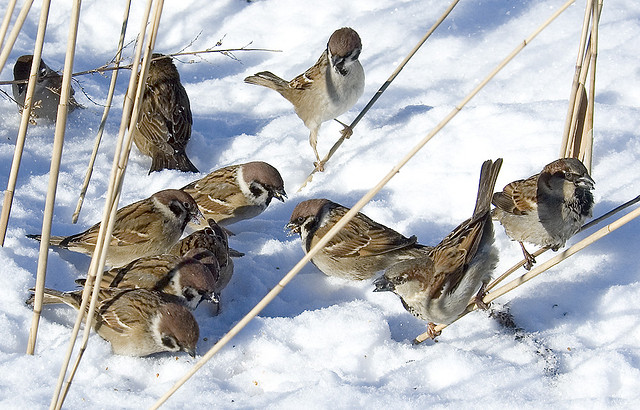
Sparrows in snow ©©Bing

Sparrows in snow ©©Bing

In fact, Matthew’s Gospel tells us that you can buy 2 sparrows for a penny and Luke here tells us that you can get 5 sparrows for 2 penny’s; how’s that add up?

Well, we know from history that during the days of Christ, sparrows were so abundant and so cheaply sold to the poor that if you bought 4, you got one thrown in for nothing.

And that’s what Luke alludes to here – are not five sparrows sold for two cents? Yet not one of them is forgotten before God.

Now watch this – Luke is effectively saying, even the free sparrow is not forgotten by God. Even the sparrow that got thrown in for nothing matters to God.

You want to know why you never need to worry? Because to God you are never lost in the crowd.v

Not only does God not lose track of even one sparrow – he doesn’t even lose track of one single hair from your head.

Notice further in verse 7. Indeed the very hairs of your head are all numbered.

I’ve read that the average person’s head holds more than 100,000 hairs. Some of us are down to a few hundred.vi

A few dozen . . .

Now some commentators don’t think Jesus is being serious here – that He’s just exaggerating to make a point.

I mean, come on . . . He counts the number of the hairs on our heads? That number changes daily. Surely God doesn’t bother with that kind of detail. Gary Hallquist – 60,000; Dr. Burggraff – 12 . . . hundred.

No, I think that’s exactly His point. The glory of God revealed here is that He actually does know!

Jesus is effectively asking us, “Look, do you really think you can slip out of your Heavenly Father’s care – that you can somehow slip out from underneath the radar of His divine omniscience? Do you think He’s forgotten about you or that your problems are too numerous to keep up with?

I mean if He can keep track of 100,000 hairs on somebody’s head of hair, do you think He’ll get frustrated with you coming to Him over and over again to give Him your worries?

Do you think He’s going to say, “Look, there’s only so much room on my ledger and you’ve already been here a dozen times today . . . I just can’t keep track.”

Listen, if God is actually such a gracious, omniscient God – that He doesn’t overlook a single sparrow – even the one that gets thrown in for free – He will never overlook you either.

Worry denies the gracious care of God
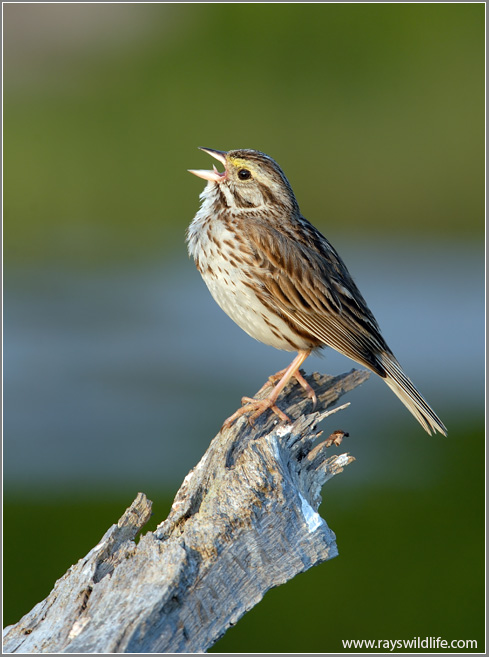
Savannah Sparrow singing by Ray

Savannah Sparrow singing by Ray

(Copied with permission from Wisdom for the Heart and Pastor Stephen Davey.)

i John MacArthur, Matthew 1-7 (Moody Publishers, 1985), p. 419
ii Ibid
iii William Barclay, The Gospel of Luke (Westminster, 1975), p. p. 160
iv Bruce B. Barton, Life Application Bible: Luke (Tyndale, 1997), p. 314
v Barclay, p. 161
vi MacArthur, p. 119


Lee’s Addition:

Are not five sparrows sold for two farthings, and not one of them is forgotten before God? But even the very hairs of your head are all numbered. Fear not therefore: ye are of more value than many sparrows. (Luke 12:6-7 KJV)

What a great encouragement not to worry. Thanks, Pastor Davey for a great message.

See:

*
Peeking For Knowledge

Sharing this from my Birds of the Bible for Kids blog.

Now that you students have returned to school after the holidays, it’s time for more articles.

I said "no" Peeking - by Poplively

To be able to learn, we need to “peek” in our books and listen to our teachers so we can gain knowledge. Don’t be afraid to read and study.

“I applied my heart to know, To search and seek out wisdom and the reason of things, To know the wickedness of folly, Even of foolishness and madness.” (Ecclesiastes 7:25 NKJV)

In all your studying, don’t forget to “peek” into your Bible.

A wise man will hear and increase learning, And a man of understanding will attain wise counsel, To understand a proverb and an enigma, The words of the wise and their riddles. The fear of the LORD is the beginning of knowledge, But fools despise wisdom and instruction.
(Proverbs 1:5-7 NKJV)

Photo used:

I said “no” Peeking – by Poplively, Peek by Poplively

ABC’s of the Gospel

A Look Back – Christmas at Faith 2016

“Matthew 2:1-12 KJV
(1)  Now when Jesus was born in Bethlehem of Judaea in the days of Herod the king, behold, there came wise men from the east to Jerusalem,
(2)  Saying, Where is he that is born King of the Jews? for we have seen his star in the east, and are come to worship him.
(3)  When Herod the king had heard these things, he was troubled, and all Jerusalem with him.
(4)  And when he had gathered all the chief priests and scribes of the people together, he demanded of them where Christ should be born.
(5)  And they said unto him, In Bethlehem of Judaea: for thus it is written by the prophet,
(6)  And thou Bethlehem, in the land of Juda, art not the least among the princes of Juda: for out of thee shall come a Governor, that shall rule my people Israel.
(7)  Then Herod, when he had privily called the wise men, enquired of them diligently what time the star appeared.
(8)  And he sent them to Bethlehem, and said, Go and search diligently for the young child; and when ye have found him, bring me word again, that I may come and worship him also.
(9)  When they had heard the king, they departed; and, lo, the star, which they saw in the east, went before them, till it came and stood over where the young child was.
(10)  When they saw the star, they rejoiced with exceeding great joy.
(11)  And when they were come into the house, they saw the young child with Mary his mother, and fell down, and worshipped him: and when they had opened their treasures, they presented unto him gifts; gold, and frankincense, and myrrh.
(12)  And being warned of God in a dream that they should not return to Herod, they departed into their own country another way.

The Gospel Message

Our Christmas Concert 2019 – Adoration

This video is from last Sunday evening. Our church presented a Christmas concert called “Adoration.” I trust you will enjoy the music and the presentation of the various Bible characters.

“Luke 2:8-14 KJV
(8)  And there were in the same country shepherds abiding in the field, keeping watch over their flock by night.
(9)  And, lo, the angel of the Lord came upon them, and the glory of the Lord shone round about them: and they were sore afraid.
(10)  And the angel said unto them, Fear not: for, behold, I bring you good tidings of great joy, which shall be to all people.
(11)  For unto you is born this day in the city of David a Saviour, which is Christ the Lord.
(12)  And this shall be a sign unto you; Ye shall find the babe wrapped in swaddling clothes, lying in a manger.
(13)  And suddenly there was with the angel a multitude of the heavenly host praising God, and saying,
(14)  Glory to God in the highest, and on earth peace, good will toward men.

You can see more of our services here:

Our Services

Hummingbird from John 10:10 Project

“Few creatures in the animal kingdom can capture the imagination more powerfully than a hummingbird. Their aeronautical abilities are stunning. But the genius of these birds isn’t limited to flight. Each day, they must consume twice their body weight in nectar to fuel their voracious metabolisms. The incredible biological mechanisms that make this possible are masterpieces of engineering and design.”

“The thief cometh not, but for to steal, and to kill, and to destroy: I am come that they might have life, and that they might have it more abundantly.” (John 10:10 KJV)

A friend sent me this link. Thanks, Pastor Pete.

Two Suppers – By William Wise

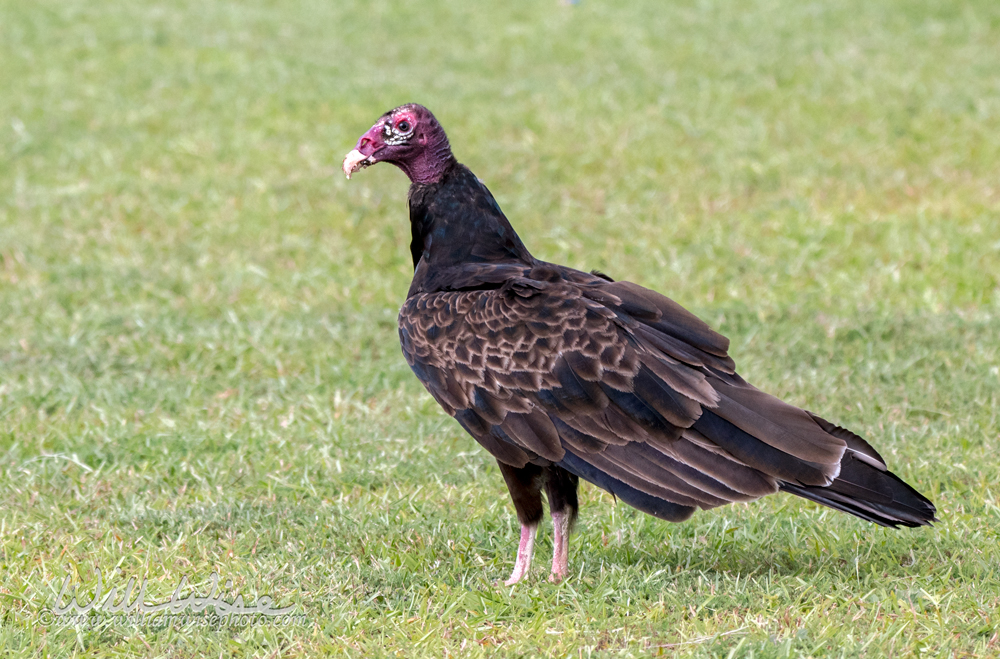
Turkey Vulture; Walton County, Georgia by William Wise

Turkey Vulture; Walton County, Georgia by William Wise

Two Suppers

By William Wise of www.williamwisephoto.com

Revelation 19:17-18  And I saw an angel standing in the sun; and he cried with a loud voice, saying to all the fowls that fly in the midst of heaven, Come and gather yourselves together unto the supper of the great God;  18 That ye may eat the flesh of kings, and the flesh of captains, and the flesh of mighty men, and the flesh of horses, and of them that sit on them, and the flesh of all men, both free and bond, both small and great.

While running a 10K race with my 69-year-old father, I laughed as he looked up and shouted at a group of circling vultures and said, “Go away! I’m not dead yet!” Although they were waiting to dine on him, he wasn’t quite ready to be their supper.

King James Authorized 1611 Pulpit Folio

The Bible tells us (and yes, I believe it) that one day in the future, God is going to host two great suppers, or feasts. The first is the party of the century… no, the party of the millennia… no, the party of the ages! It is called the Marriage Supper of the Lamb. And all the followers of Jesus Christ will be given clean, white garments and enjoy the greatest wedding reception of all time.

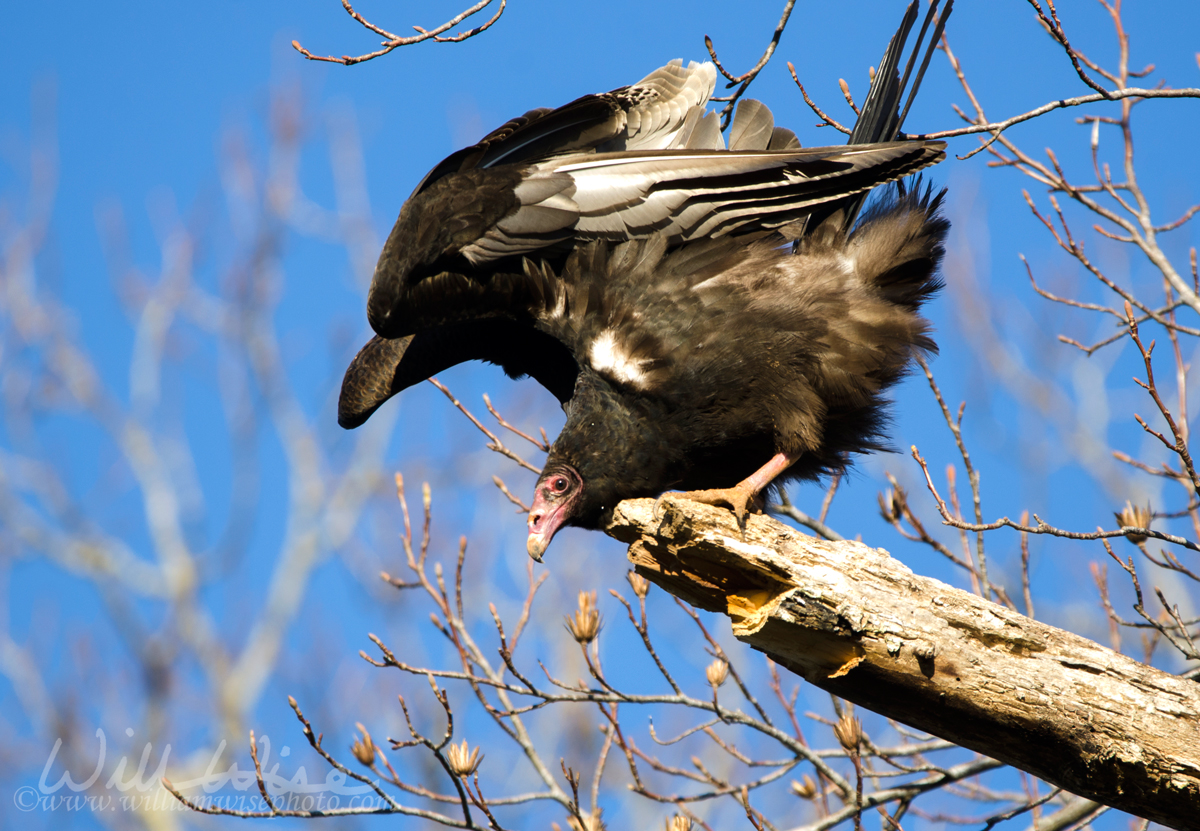
Georgia Vultures by William Wise

Georgia Vultures by William Wise

But simultaneously, there is another feast. It is called the Supper of the Great God. Those who did not RSVP for the Marriage Supper of the Lamb, but lived for themselves, will be attendees at this gathering. For it is a gathering of fowls; of carrion crows and vultures to feed upon the slain who turned in battle against returning Messiah. But you need not attend that feast.

Turkey Vulture; Clarke County, Georgia by William Wise

Turkey Vulture; Clarke County, Georgia by William Wise

When you pass a roadside party of vultures dining on last night’s unlucky road crossing, just remind yourself, “I’d rather feast at the Marriage Supper of the Lamb than be feasted upon at the Supper of the Great God.”


We are excited to introduce a new Photographer/Writer to the Lee’s Birdwatching Adventures blog. Not only is he a great Christian photographer, but a blogger who writes about Creation topics also. Welcome, William!

Check out his website at: http://www.williamwisephoto.com/index.html

Birds of the Bible – Deuteronomy 14:16-18 II (WYC)

Storm's Stork (Ciconia stormi) ©©SanDiegoShooter

Storm’s Stork (Ciconia stormi) ©©SanDiegoShooter

“16 a falcon, and a swan, and a ciconia,
17 and a dipper, a porphyrio, and a rearmouse, a cormorant,
18 and a calidris, all in their kind; also a lapwing and a bat.” Deuteronomy 14:16-18 Wycliffe Bible (WYC)

Now here is an interesting interpretation of these 3 verses. We are going to look at these verse in a few blogs. Normally, these verses would read something similar to this:

Deuteronomy 14:16-18 KJV
(16)  The little owl, and the great owl, and the swan,
(17)  And the pelican, and the gier eagle, and the cormorant,
(18)  And the stork, and the heron after her kind, and the lapwing, and the bat.

or like this:

Deuteronomy 14:16-18 NKJV
(16)  the little owl, the screech owl, the white owl,
(17)  the jackdaw, the carrion vulture, the fisher owl,
(18)  the stork, the heron after its kind, and the hoopoe and the bat.

Or maybe the New American Standard’s Version:

Deuteronomy 14:16-18 NASB
(16) the little owl, the great owl, the white owl,
(17) the pelican, the carrion vulture, the cormorant,
(18) the stork, and the heron in their kinds, and the hoopoe and the bat.

In the first post about the Wycliff translation, the Dipper was mentioned.

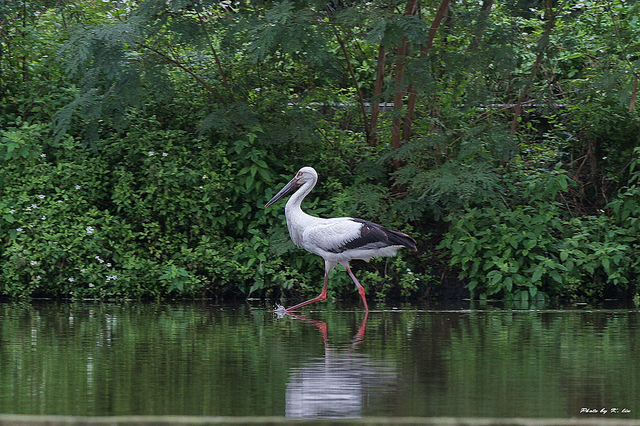
Since names change sometimes in translations, our new one seems to be a bit strange. This is not as hard to figure out. Ciconia is the Latin name used to for a genus of Storks.  See Wikipedia. One of the differences here is that it shows up in verse 16 and not in verse 18 as these mentioned. Whatever, it is still a kind of bird that was not to be eaten. It (Circonia) is used today for these Storks:

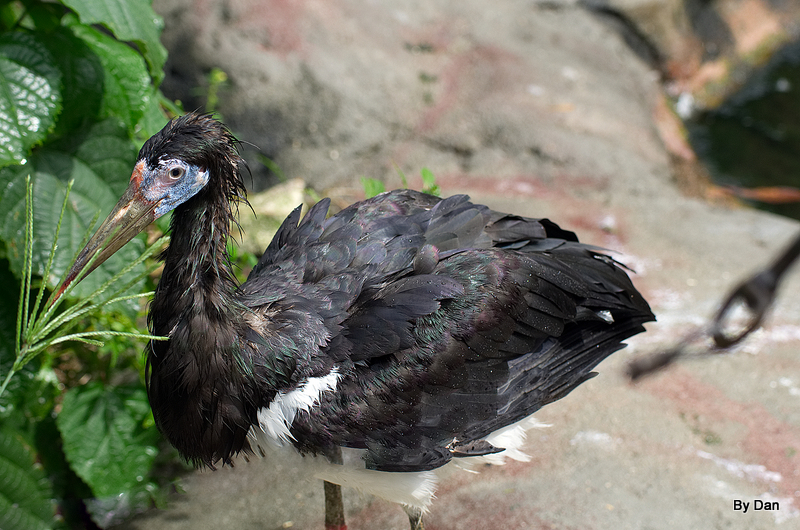
Wet Abdin’s Ibis at Jacksonville Zoo by Dan

Abdim’s Stork (Ciconia abdimii)

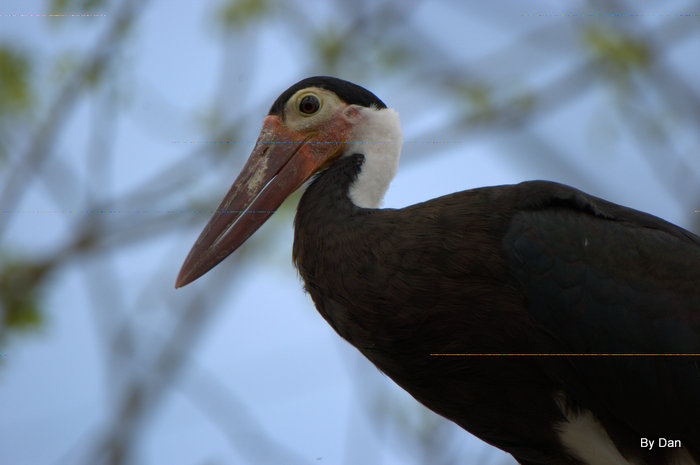
Woolly-necked Stork

Woolly-necked stork (Ciconia episcopus)

Storm’s Stork (Ciconia stormi) by Dan at Zoo Miami

Storm’s Stork (Ciconia stormi)

Maguari Stork (Ciconia maguari) ©©ClaudioTimm

Maguari Stork (Ciconia maguari) ©©ClaudioTimm

Maguari Stork (Ciconia maguari)

Oriental Stork (Ciconia boyciana) ©©Hiyashi Haka

Oriental Stork (Ciconia boyciana) ©©Hiyashi Haka

Oriental Stork (Ciconia bouciana)

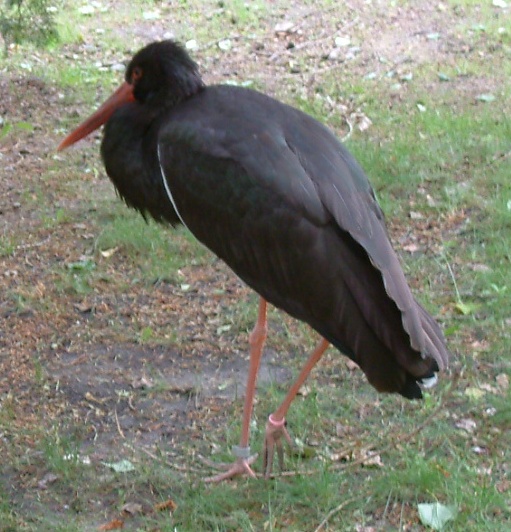
Black Stork (Ciconia nigra) ©WikiC

Black Stork (Ciconia nigra) ©WikiC

Black Stork (Ciconia nigra)

Another point about this name Ciconia is that the name used for the Order and the Family use a similar name:

Maybe, the Ciconia could be referring to the whole Order of Storks. See Birds of the Bible – Storks or Wikipedia Storks. I believe that is what most of the translations is indicating.

This version, Wycliffe, was taken from Bible Gateways site.

Birds of the Bible

Wordless Birds

Birds of the Bible – Deuteronomy 14:16-18 (WYC)

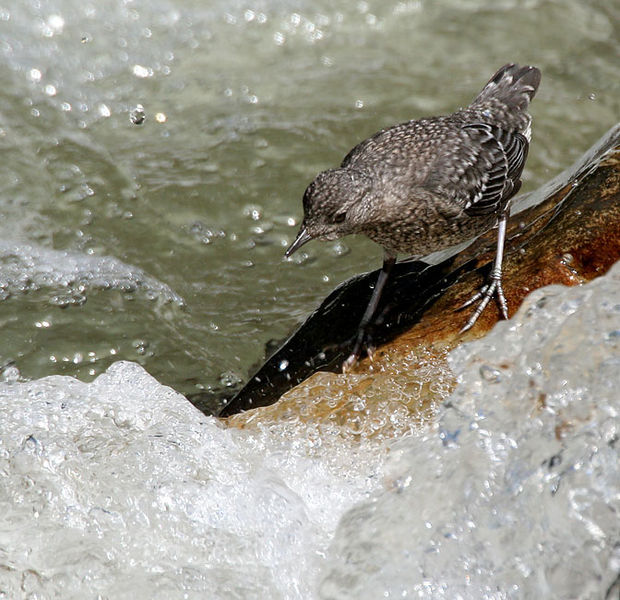
Brown Dipper (Cinclus pallasii) WikiC

Brown Dipper (Cinclus pallasii) WikiC

“16 a falcon, and a swan, and a ciconia,
17 and a dipper, a porphyrio, and a rearmouse, a cormorant,
18 and a calidris, all in their kind; also a lapwing and a bat.” Deuteronomy 14:16-18 Wycliffe Bible (WYC)

Now here is an interesting interpretation of these 3 verses. We are going to look at these verse in a few blogs. Normally, these verses would read something similar to this:

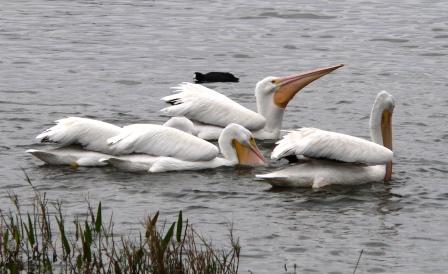
American White Pelicans at Lake Hollingsworth

Deuteronomy 14:16-18 KJV
(16)  The little owl, and the great owl, and the swan,
(17)  And the pelican, and the gier eagle, and the cormorant,
(18)  And the stork, and the heron after her kind, and the lapwing, and the bat.

or like this:

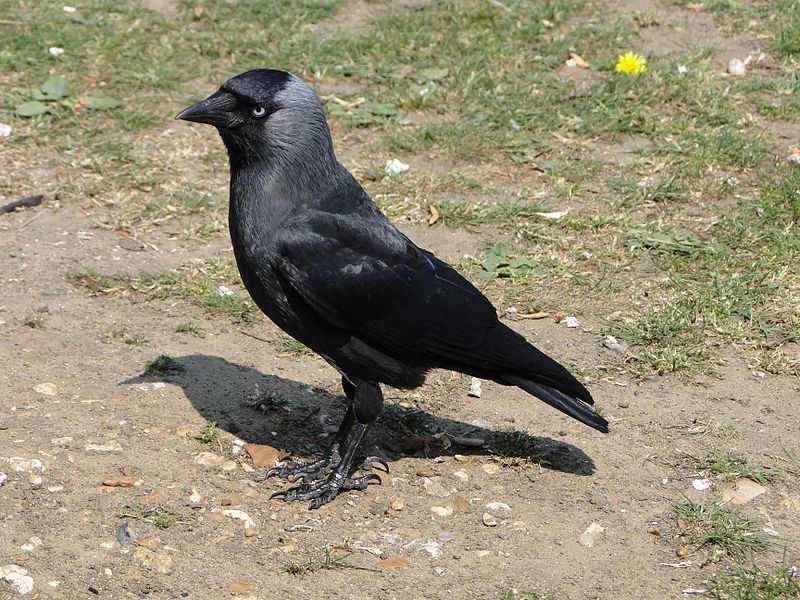
Western Jackdaw (Coloeus monedula) ©WikiC

Western Jackdaw (Coloeus monedula) ©WikiC

Deuteronomy 14:16-18 NKJV
(16)  the little owl, the screech owl, the white owl,
(17)  the jackdaw, the carrion vulture, the fisher owl,
(18)  the stork, the heron after its kind, and the hoopoe and the bat.

Or maybe the New American Standard’s Version:

Deuteronomy 14:16-18 NASB
(16) the little owl, the great owl, the white owl,
(17) the pelican, the carrion vulture, the cormorant,
(18) the stork, and the heron in their kinds, and the hoopoe and the bat.

The bird that caught my attention first was the Dipper. A Dipper?? Nothing similar to a Pelican or a Jackdaw are they? Huh? Well at least a Pelican dips into the water for its fish. But a Jackdaw? Not very similar to the Dipper, other than they are both dark colored.

Since names change sometimes in translations, this one seems to be a bit strange. [At least to me] Stay tuned as we look further into these different birds. Do you have an idea as to how these birds vary in the translations?

This version, Wycliffe, was taken from Bible Gateways site.

Birds of the Bible

Wordless Birds

Tickle Me Tuesday – Smiling Penguins

In 2013, this post called Smiling Penguins was produced and should cause a “tickle.” Also, Emma Foster’s “Lizzy and the Penguin Catapult” is also worth re-reading.

Chinstrap Penguin direct look

Chinstrap Penguin direct look

When I smiled at them, they scarcely believed it; the light of my face was precious to them. (Job 29:24 NIV)

I know Our Lord has such kind and loving attributes. Also, I believe He has a sense of humor. Having just written about the “peach fuzz” penguin, I came across this Penguin family member. The Chinstraps.

 Chinstrap Penguins (Orne Island)

Chinstrap Penguins (Orne Island)

Be glad in the LORD and rejoice, you righteous ones; And shout for joy, all you who are upright in heart. (Psalms 32:11 NASB)

Chinstrap Penguin (Pygoscelis antarcticus) by Bob-Nan

Chinstrap Penguin (Pygoscelis antarcticus) by Bob-Nan

Strength and dignity are her clothing, And she smiles at the future. (Proverbs 31:25 NASB – virtuous woman)

Chinstrap Penguin (Pygoscelis antarcticus) ©WikiC

Chinstrap Penguin (Pygoscelis antarcticus) ©WikiC

But the fruit of the Spirit is love, joy, peace, longsuffering, kindness, goodness, faithfulness, gentleness, self-control. Against such there is no law. (Galatians 5:22-23 NKJV)

Smile And Sing

When the heart is heavy and the days are long,
Let each passing moment echo with a song.
Fill some life with courage, comfort now the sad—
Many lives are lonely, you can make them glad.

Refrain

Smile and sing, some happy, happy song,
Days of sadness will not tarry long;
Smile and sing, ’twill drive the clouds away—
Smile and sing thro’ every passing day.

Someone needs the comfort that a song can bring,
If thy heart is happy let it gaily sing.
Someone’s pathway brighten, lift some load of care—
Seek some heart to brighten, and its burden share.

Refrain

Smile and sing, some happy, happy song,
Days of sadness will not tarry long;
Smile and sing, ’twill drive the clouds away—
Smile and sing thro’ every passing day.

Many are in sorrow and the clouds hang low,
You can cheer and comfort as you onward go.
Win some soul for Jesus, from the path of shame
Giving all the glory to His precious Name.

Refrain

Smile and sing, some happy, happy song,
Days of sadness will not tarry long;
Smile and sing, ’twill drive the clouds away—
Smile and sing thro’ every passing day.

(Words & Music: Grant C. Tull­ar, 1899)

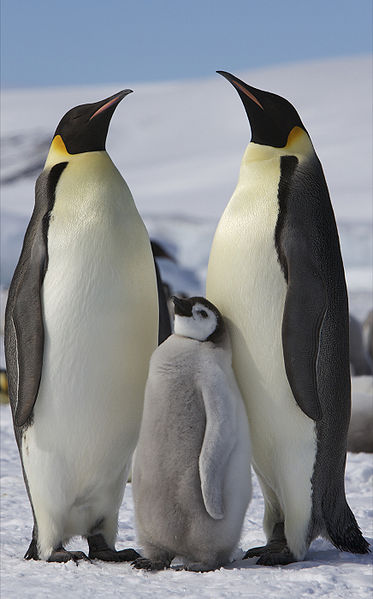
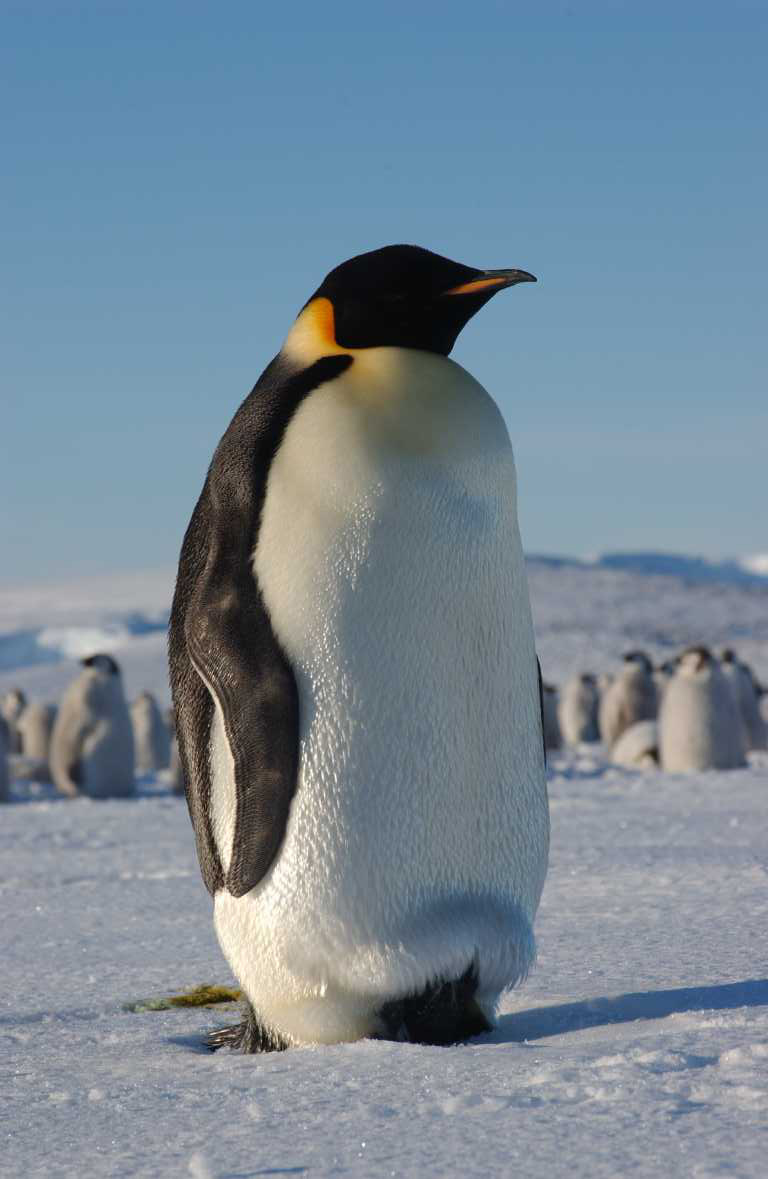
Emperor Penguin (Aptenodytes forsteri) ©WikiC

Emperor Penguin (Aptenodytes forsteri) ©WikiC

Lizzy and the Penguin Catapult ~ by Emma Foster

Once there was a penguin named Lizzy who lived with many other penguins in cold Antarctica.

As the penguins traveled through the winter, Lizzy watched with great interest all the eggs that lay on the penguin dad’s feet. Lizzy was too young to go fishing with all the mother penguins that year, so she was traveling with the father penguins to someplace slightly warmer.

Emperor with egg on feet ©WikiC

Emperor with egg on feet ©WikiC

Eventually all of the penguins came to an enormous, icy lake that was too large to go around. The penguin parents huddled together and decided to build a catapult out of some wood they brought with them to build their homes. The catapult would shoot penguins one at a time over the lake. The penguins decided this because the dad penguins could not cross the lake with eggs; and, if they all traveled across it at once, the ice might break. The penguins decided the eggs would be safe because there was a lot of snow on the other side of the lake which would cushion their landing.

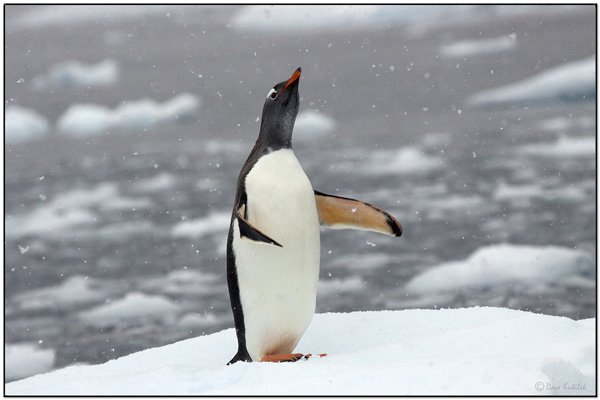
Gentoo Penguin - Paradise Bay

Gentoo Penguin – Paradise Bay

Lizzy helped build the catapult and it wasn’t long before it was finally completed.

The first penguin had to be launched by the catapult, but no penguin was willing to do it. Lizzy was a brave penguin and decided to go first.

The catapult was launched, and Lizzy flew through the air. She was actually flying!

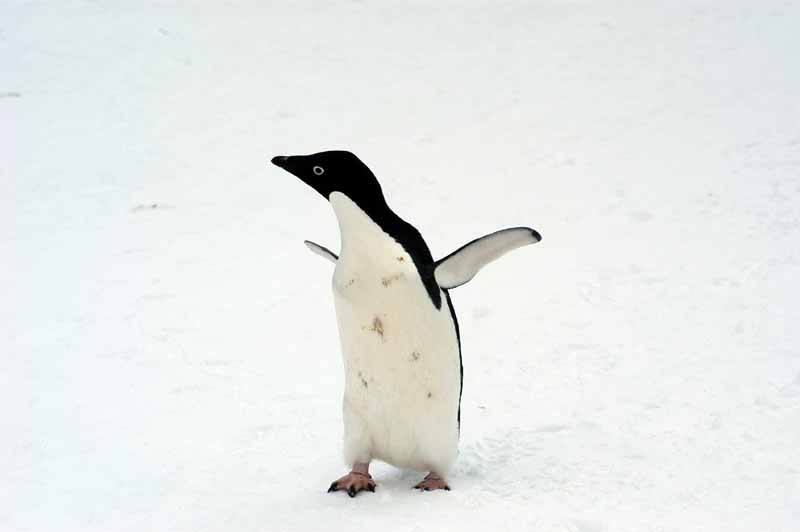
Adelie Penguin (Pygoscelis adeliae) by Bob-Nan

Adelie Penguin (Pygoscelis adeliae) by Bob-Nan

Lizzy landed softly and safely in the snow on the other side of the lake and waved to the other penguins. One by one, the rest of the penguins catapulted over the lake with the eggs. When they were all safely on the other side, they traveled to their new home.

The End

See:

*
Avian and Attributes – Sword

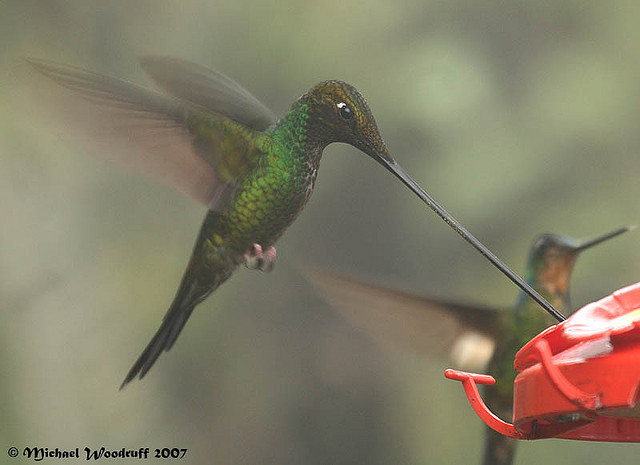
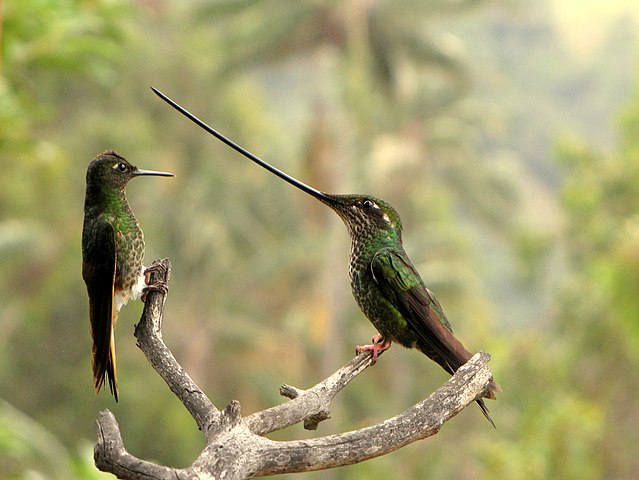
Sword-billed Hummingbird (Ensifera ensifera) by Michael Woodruff

“Think not that I am come to send peace on earth: I came not to send peace, but a sword. For I am come to set a man at variance against his father, and the daughter against her mother, and the daughter in law against her mother in law. And a man’s foes shall be they of his own household. He that loveth father or mother more than me is not worthy of me: and he that loveth son or daughter more than me is not worthy of me. And he that taketh not his cross, and followeth after me, is not worthy of me. He that findeth his life shall lose it: and he that loseth his life for my sake shall find it.” (Matthew 10:34-39 KJV)


Avian and Attributes – Sword

SWORD, n.
1. An offensive weapon worn at the side, and used by hand either for thrusting or cutting.
2. Figuratively, destruction by war.
I will bring a sword upon you. Lev 26. Isa 51.
3. Vengeance or justice.
She quits the balance, and resigns the sword.
4. Emblem of authority and power.
The ruler–beareth not the sword in vain. Rom 13.
5. War; dissension.
I came not to send peace, but a sword. Mat 10.
6. Emblem of triumph and protection.
The Lord–the sword of thy excellence. Deu 33.

SWORDED, a. Girded with a sword.


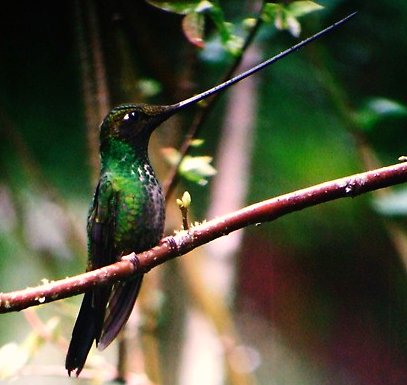
Sword-billed Hummingbird (Ensifera ensifera)©WikiC

Sword-billed Hummingbird (Ensifera ensifera)©WikiC

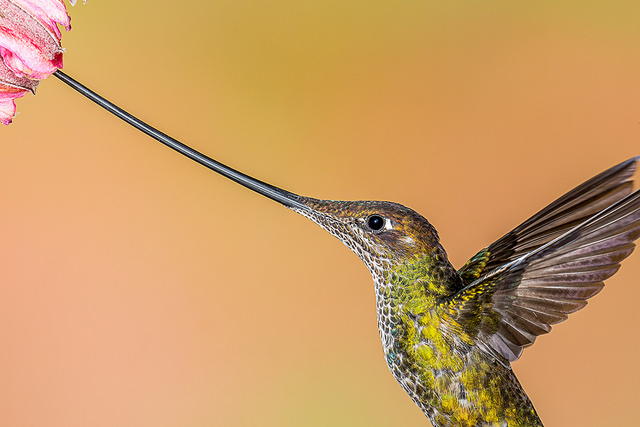
The sword-billed hummingbird (Ensifera ensifera) is a neotropical species of hummingbird from the Andean regions of South America. It is the sole member of the genus Ensifera and is characterized by its unusually long bill; it is the only bird to have a beak longer than the rest of its body. E. ensifera uses its bill to drink nectar from flowers with long corollas and has coevolved with the species Passiflora mixta. While most hummingbirds preen using their bills, E. ensifera must use its feet to scratch and preen due to its bill being so long. This uncommon bird is also one of the largest hummingbird species.

Sword-billed hummingbirds are found perched on the mid to upper level branches of neotropical trees. Its length ranges 13 to 14 cm from the tail tip to the base of the bill, with males slightly larger on average than females. The bill can additionally be over 10 cm long. Individuals weigh between 10-15 g making it one of the largest species of hummingbirds. As is characteristic of hummingbirds, is able to fly backwards and hover in the air. It also exhibits higher than average wing-disc loading than other members of its family.

Sword-billed Hummingbird (Ensifera ensifera) Female ©WikiC

E. ensifera displays sexual dimorphism where plumage varies between males and females. Males have a coppery bronze head, bronze green back, bright green underbelly, blackish green throat, and bronze green tail. Females have a similarly colored head and back, a white belly speckled with green, a more olive colored throat, and grayish white edging around the tail.

The defining trait of this species is a beak longer than the rest of its body (excluding the tail). The tongue is also unusually long to span the length of the tube-shaped bill. The beak is black in color and curves slightly upwards. These adaptations help the hummingbird feed on flowers with long corollas that are inaccessible to other species.

[Wikipedia]

Sword-billed Hummingbird (Ensifera ensifera) female (right) with a buff-tailed coronet ©WikiC

“And he had in his right hand seven stars: and out of his mouth went a sharp twoedged sword: and his countenance was as the sun shineth in his strength. And when I saw him, I fell at his feet as dead. And he laid his right hand upon me, saying unto me, Fear not; I am the first and the last: I am he that liveth, and was dead; and, behold, I am alive for evermore, Amen; and have the keys of hell and of death.” (Revelation 1:16-18 KJV)


More Avian and Attributes

Birds whose first or last name starts with “S”

Good News

*
[Definitions from Webster’s Dictionary of American English (1828), unless noted. Bird info from Wikipedia plus.]

Avian And Attributes – Superb

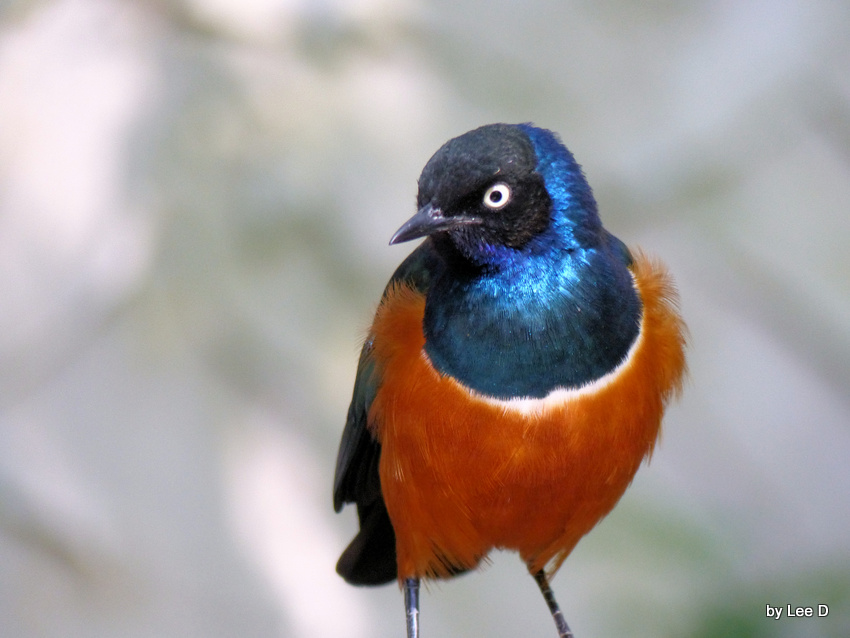
Superb Starling by Lee at Parrot Mountain, TN

I’m delighted to share the signs and miracles that the Most High God has worked in my life.

His signs are superb!
His miracles so powerful!
His kingdom is everlasting.
His rule is for all time.” Daniel 4:2-3 Common English Bible (CEB)

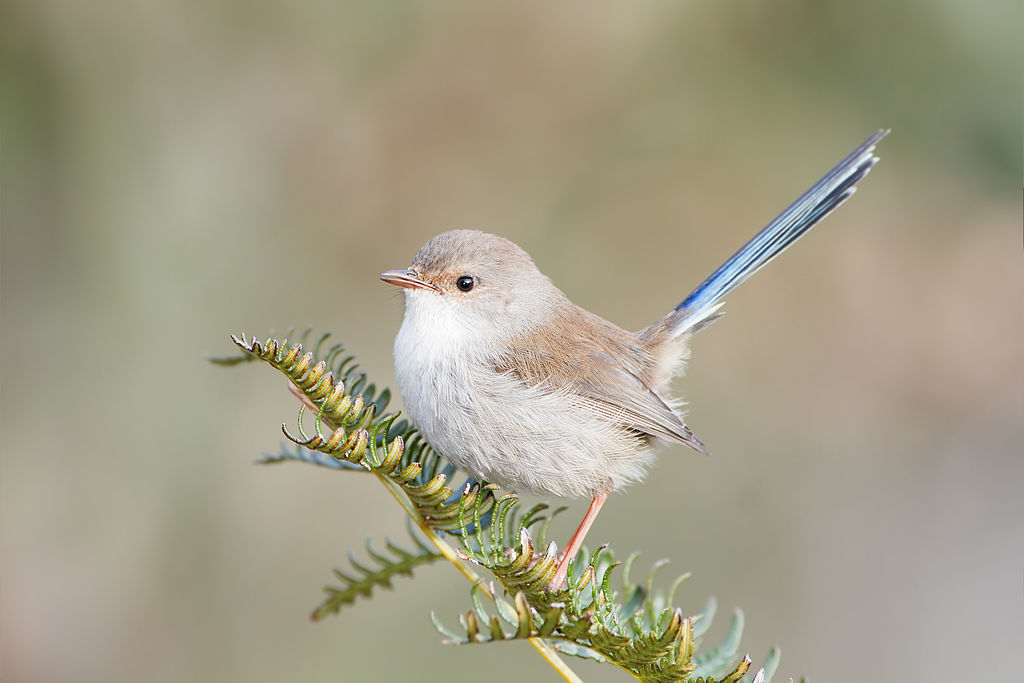
Superb Fairy-wren (Malurus cyaneus) Male non-breeding plumage ©WikiC


Avian and Attributes – Superb

SUPERB‘, a. [L. superbus, proud, from super.]
1. Grand; magnificent; as a superb edifice; a superb colonnade.
2. Rich; elegant; as superb furniture or decorations.
4. Rich; splendid; as a superb entertainment.
5. August; stately.


I was surprised that the regular versions of the Bible did not use the word “Superb.” When I think of Our Lord Jesus Christ and God, the word “Superb” comes to mind. The CEB had 3 verses that used “superb,” but Daniel 4 above is the best one.

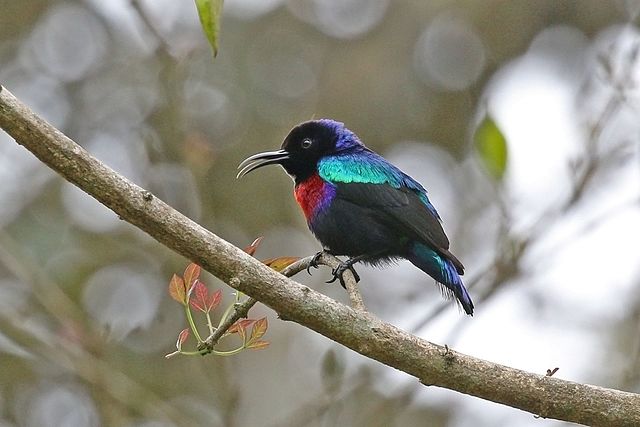
There are seven “Superb” birds in the latest list of birds, all of them very pretty birds, and have a super look about them. Don’t you agree?

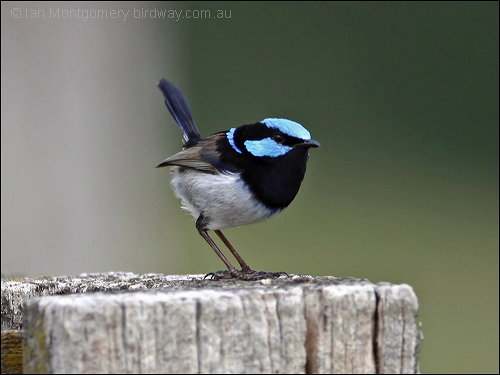
Superb Fairywren (Malurus cyaneus)

Superb Fairywren (Malurus cyaneus) by Ian Montgomery

Superb Fairywren (Malurus cyaneus) by Ian

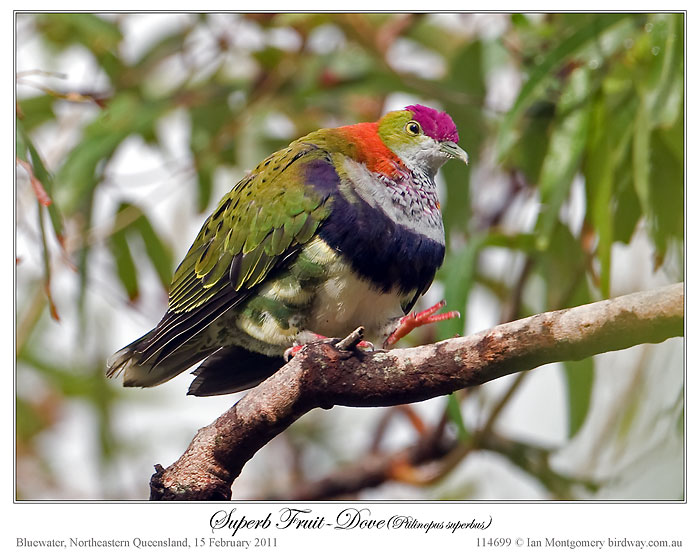
Superb Fruit Dove (Ptilinopus superbus)

Superb Fruit Dove (Ptilinopus superbus) by Ian

Superb Fruit Dove (Ptilinopus superbus) by Ian

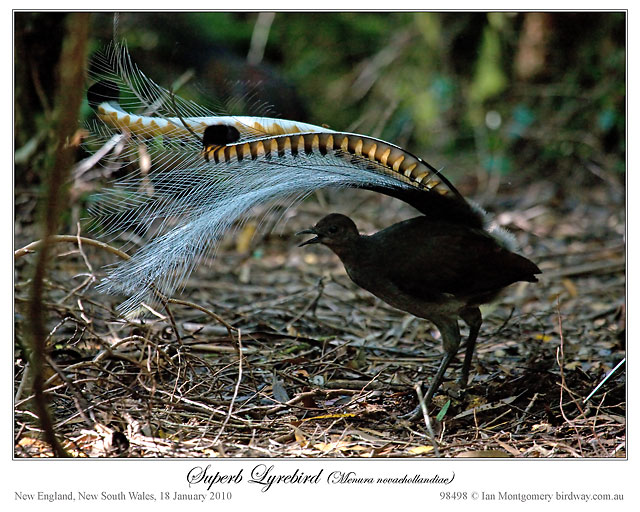
Superb Lyrebird (Menura novaehollandiae)

Superb Lyrebird (Menura novaehollandiae) by Ian

Superb Lyrebird (Menura novaehollandiae) by Ian

Superb Parrot (Polytelis swainsonii)

Superb Parrot (Polytelis swainsonii) by Ian

Superb Parrot (Polytelis swainsonii) by Ian

Superb Pitta (Pitta superba)

Superb Pitta ©Surfbirds.com

Superb Pitta ©Surfbirds.com

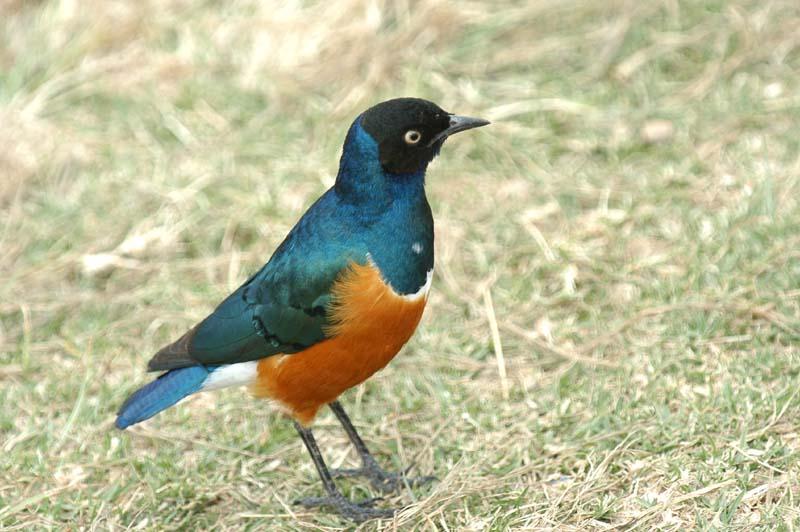
Superb Starling (Lamprotornis superbus)

Superb Starling (Lamprotornis superbus) by Bob-Nan

Superb Sunbird (Cinnyris superbus)

Superb Sunbird (Cinnyris superbus) ©WikiC


More Avian and Attributes

Birds whose first or last name starts with “S”

Good News

*
[Definitions from Webster’s Dictionary of American English (1828), unless noted. Bird info from Wikipedia plus.]

Artistic Birds – Frigatebirds

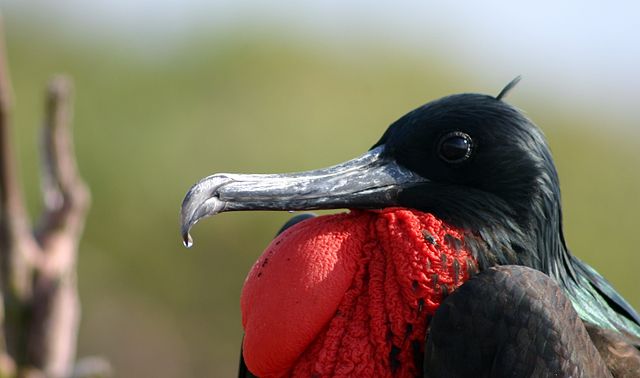
Great Frigatebird (Fregata minor) Male ©WikiC

Great Frigatebird (Fregata minor) Male ©WikiC

Bezalel was given much wisdom and understanding to help in the construction of the Tabernacle. He then was given the ability to train others to help. They were given abilities to help do the work also. Today, as Christians, we each are given talents and gifts to help in building the Church. Are we using those abilities?

“and He has filled him [Bezalel] with the Spirit of God, in wisdom and understanding, in knowledge and all manner of workmanship, to design artistic works, to work in gold and silver and bronze, in cutting jewels for setting, in carving wood, and to work in all manner of artistic workmanship. “And He has put in his heart the ability to teach, in him and Aholiab the son of Ahisamach, of the tribe of Dan. He has filled them with skill to do all manner of work of the engraver and the designer and the tapestry maker, in blue, purple, and scarlet thread, and fine linen, and of the weaver—those who do every work and those who design artistic works.” (Exodus 35:31-35 NKJV)

When the Lord created the birds, He especially used His Ultimate Creative Ability. As mentioned in the Introduction to this new series, Artistic Work In Birds, we will looking for those birds which seem to have been painted/designed with great markings and other characteristics.

Frigatebirds

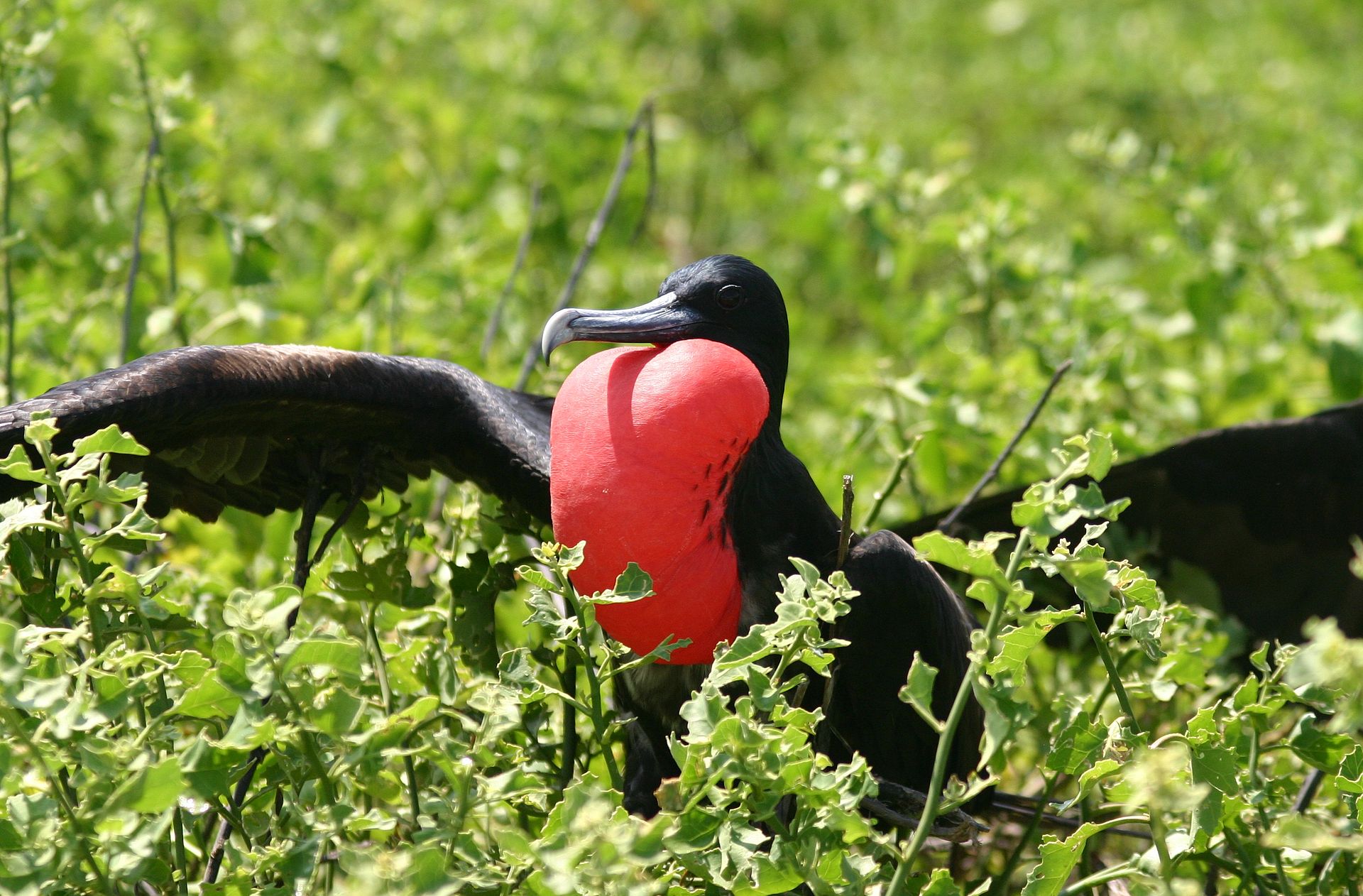
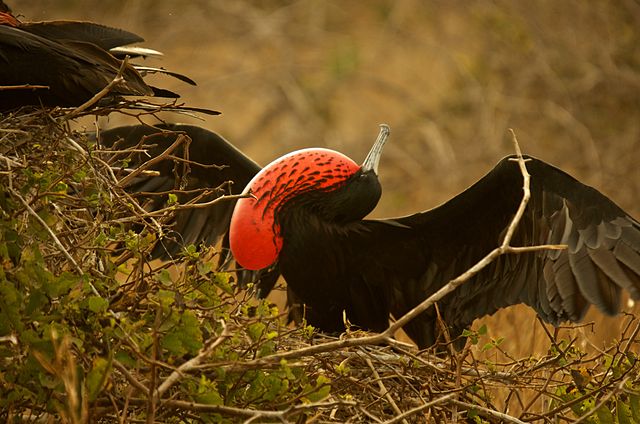
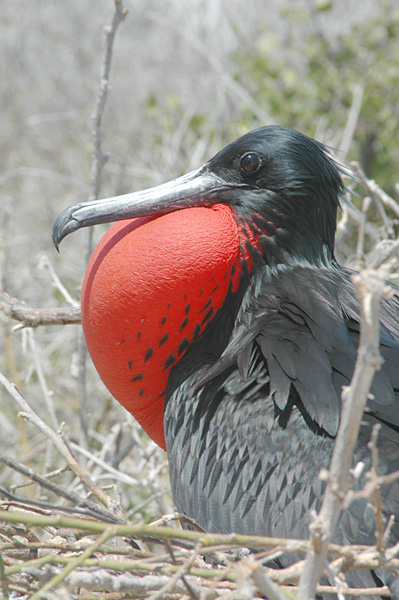
Frigatebirds (also listed as “frigate bird”, “frigate-bird”, “frigate”, “frigate-petrel”) are a family of seabirds called Fregatidae which are found across all tropical and subtropical oceans. The five extant species are classified in a single genus, Fregata. All have predominantly black plumage, long, deeply forked tails and long hooked bills. Females have white underbellies and males have a distinctive red gular pouch, which they inflate during the breeding season to attract females. Their wings are long and pointed and can span up to 2.3 metres (7.5 ft), the largest wing area to body weight ratio of any bird.

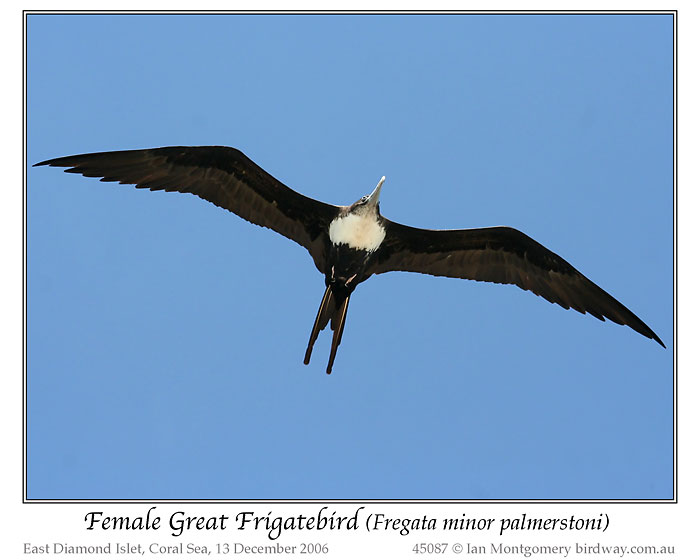
Great Frigatebird (Fregata minor palmerstoni) Female by Ian

Great Frigatebird (Fregata minor palmerstoni) Female by Ian

Able to soar for weeks on wind currents, frigatebirds spend most of the day in flight hunting for food, and roost on trees or cliffs at night. Their main prey are fish and squid, caught when chased to the water surface by large predators such as tuna.

Now that is design and engineering! The Great and Magnificent Frigatebirds have a distinctive red gular pouch, and it had a few paint strokes added to make it more attractive. [I guess]

Great Frigatebird (Fregata minor) Male Displaying ©WikiC

Magnificent Frigatebird (Fregata magnificens) ©WikiC

Magnificent Frigatebird (Fregata magnificens) ©WikiC

Magnificent Frigatebird (Fregata magnificens) ©WikiC

Starting off with a simple bird, also, will be working way through the birds sort of in Taxonomic order.

Frigatebirds – Wikipedia

Artistic Work In Birds – Introduction

Wages or a Gift