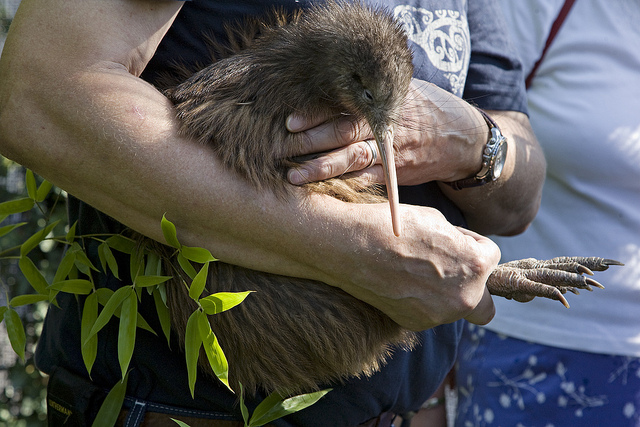
North Island Brown Kiwi (Apteryx mantelli) ©Smithsonian Natl Zoo
“For by him were all things created, that are in heaven, and that are in earth, visible and invisible, whether they be thrones, or dominions, or principalities, or powers: all things were created by him, and for him:” Colossians 1:16
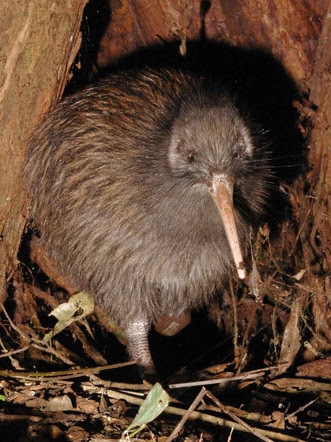 As a youngster, I remember once hearing that the England cricket team was getting ready to play a series of matches (a test series) against the Kiwis. Now, I had seen a kiwi in a zoo, so I was puzzled as to how this small, chicken-sized bird could play a ball game against grown men. Of course, in that context, the word kiwi was being used as a demonym for New Zealand people. This is because the five extant species of kiwi all live in New Zealand.
What a remarkable creature the kiwi is! At first sight, it appears to have no wings. Its tiny wings are so short, that they do not appear through the plumage. The kiwi has a long beak – except that it doesn’t, by official beak measurements! Birds’ beaks are usually measured from the nostrils to the tip, and the kiwi’s nostrils are, unusually, near the tip instead of being near the head, as with most birds. Although the kiwi is the size of a chicken, its eggs are six times as big as a chicken’s! In fact, the kiwi’s egg is the largest, in proportion to body size, of any bird in the world.
Why does the kiwi have so many odd behaviors? We cannot know for sure – maybe it had something to do with living in a place that had no mammals. But it looks like it was designed to behave exactly the way that it does by the God who made everything so well.
Prayer: Thank You, Father, for the wide variety of Your creation. Thank You that the world around us truly displays Your creative power. Amen.
Author: Paul F. Taylor
Ref: Flightless Birds, accessed 2/28/2019. Image: Public Domain.
© 2020 Creation Moments All rights reserved.
The article mentioned that there are five Kiwi species. Here are photos of them:
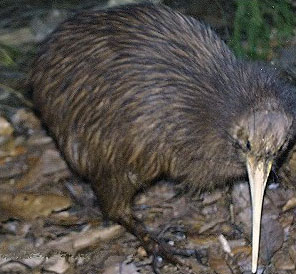
Southern Brown Kiwi (Apteryx australis) ©WikiC
Southern Brown Kiwi (Apteryx australis)
North Island Brown Kiwi (Apteryx mantelli) ©Smithsonian Natl Zoo
North Island Brown Kiwi (Apteryx mantelli)
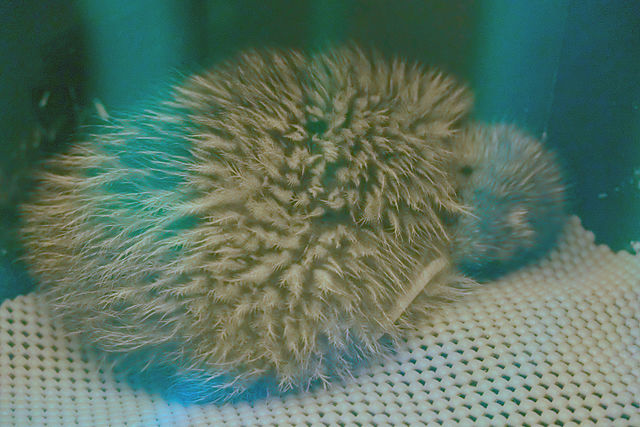
Okarito Kiwi (Apteryx rowi) Chick ©West_Coast_Wildlife_Centre
Okarito Kiwi (Apteryx rowi)
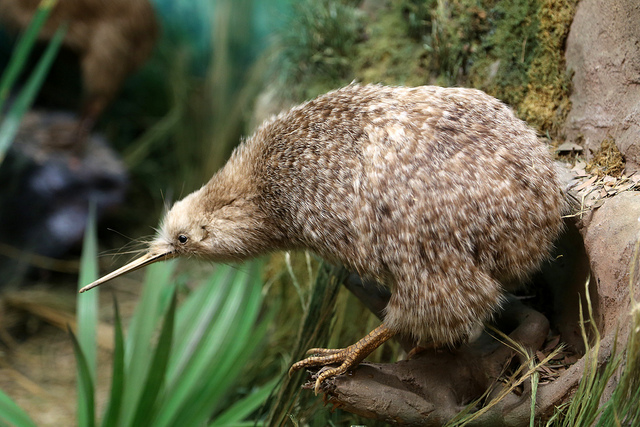
Little Spotted Kiwi (Apteryx owenii) ©Flickr Jim the Photo
Little Spotted Kiwi (Apteryx owenii)
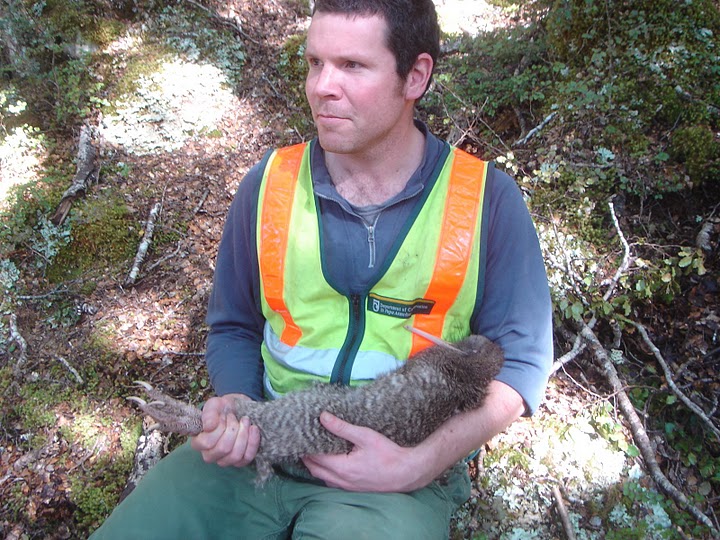
Great Spotted Kiwi (Apteryx haastii) by Jeff©©
Great Spotted Kiwi (Apteryx haastii)
To find out more, see:
Sunday Inspiration – Ostrich, Rhea, Cassowary, Emu & Kiwi
Birds That Can’t Fly – Creation Moments
Birds Are Wonderful: J, K, and L !
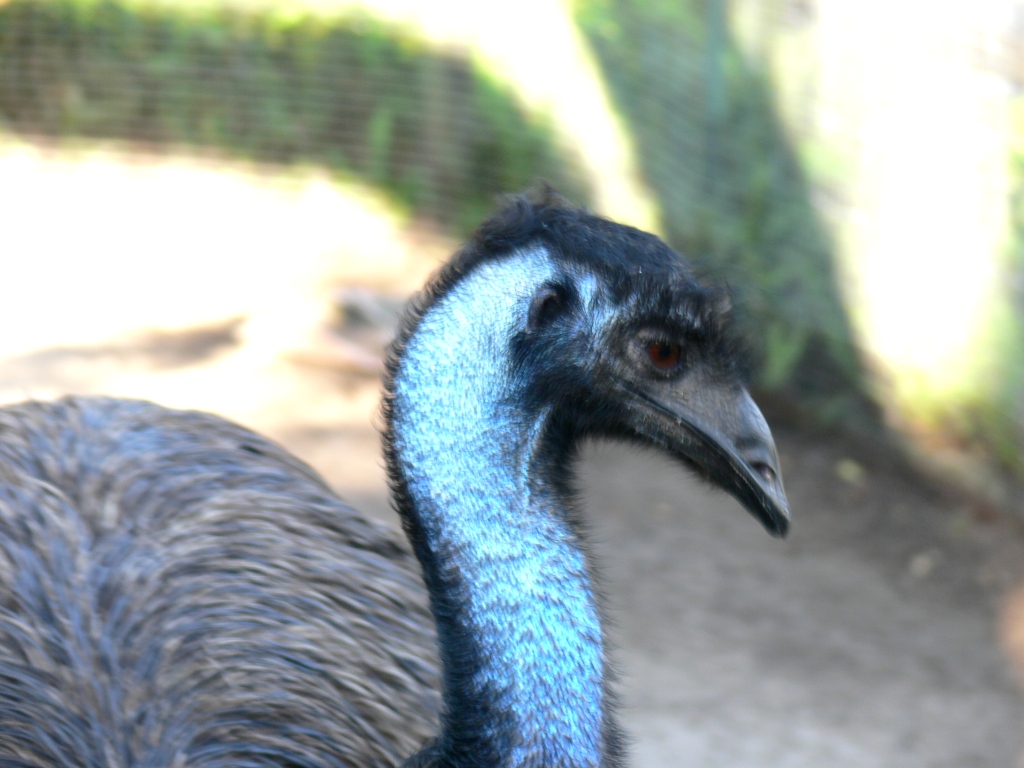
 There are quite a number of birds that cannot fly. This sometimes surprises us, but it shouldn’t. We tend to wonder how they “lost” the ability to fly, but, although there are some species that might possibly have lost an ability to fly (as losing such an ability usually involves loss of information, not spontaneous creation), there is no reason to suppose that many have lost an ability. After all, we do not wonder at mammals that fly (i.e., bats), and we accept that these were created on Day Five, whereas most mammals were made on Day Six. In the same way, most flightless birds seem to be perfectly designed the way that they are. Ratite birds, for example, have no keel on their sternum. The keel is what anchors muscles to the wings, to enable flight. But birds like ostriches, rheas, emus and kiwis show no evidence, either in extant species or in the fossil record, to suggest that they ever had a structure. Therefore, they have not evolved into such a state – they were designed like that by God because that is the best design for us.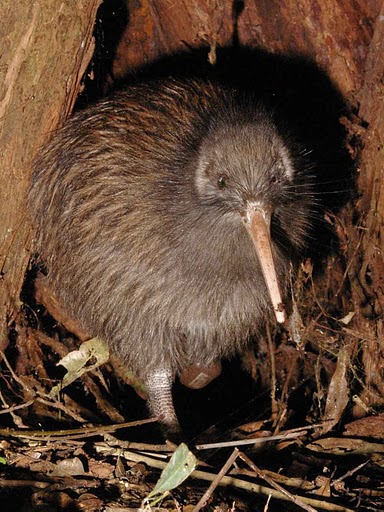








 Have you ever noticed that we can usually sense whether an animal is hostile or friendly, simply by its sound? Did you ever wonder about the universal features that allow for important basic information to be shared between animals and humans?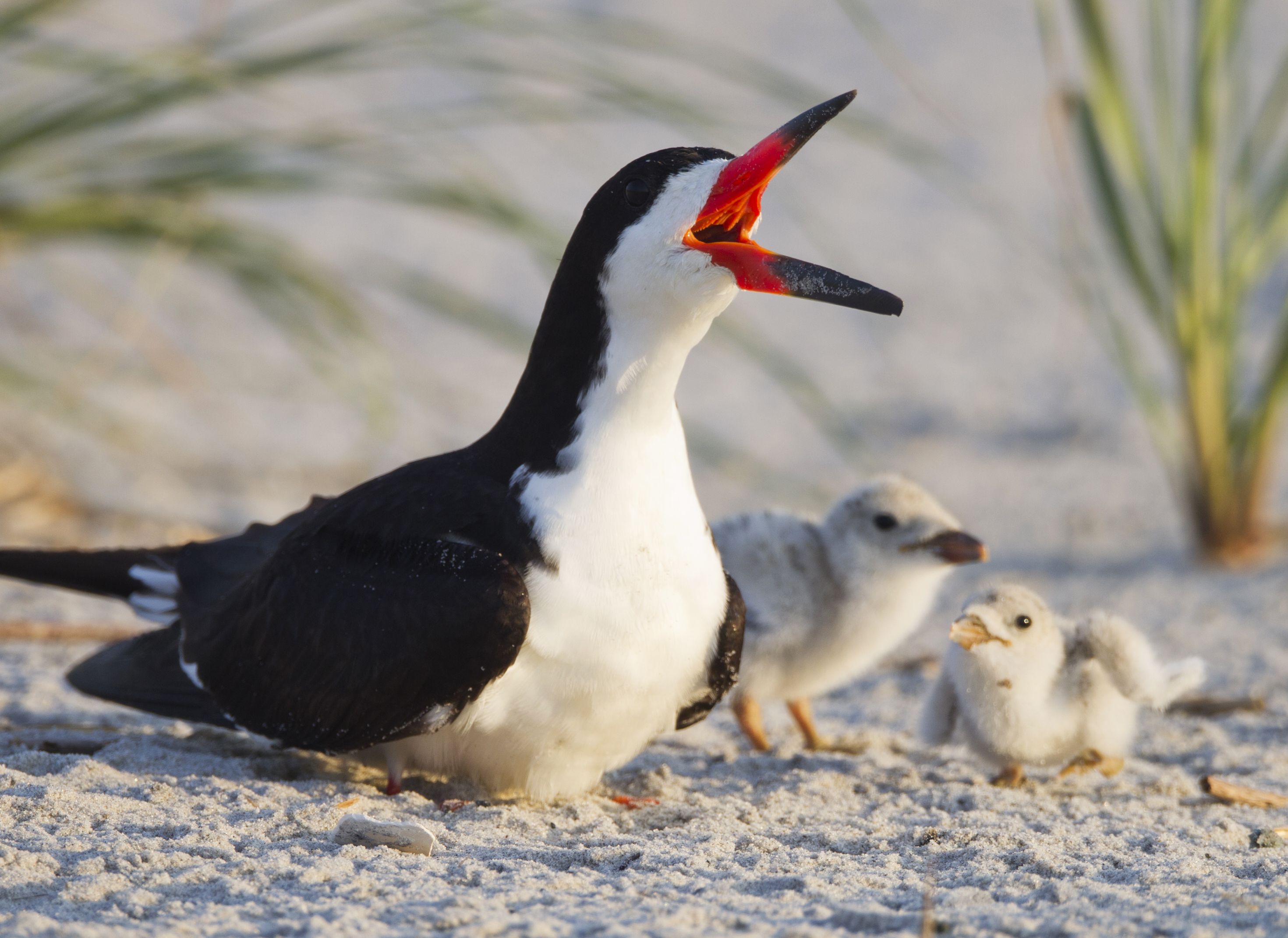
 The shy bird called Clark’s nutcracker collects food during the growing season and stores it for the cold winter months. In one year, a bird will store between 22,000 and 33,000 seeds in as many as 2,500 locations, which can be more than ten miles apart. But does the little bird remember where he put all those seeds?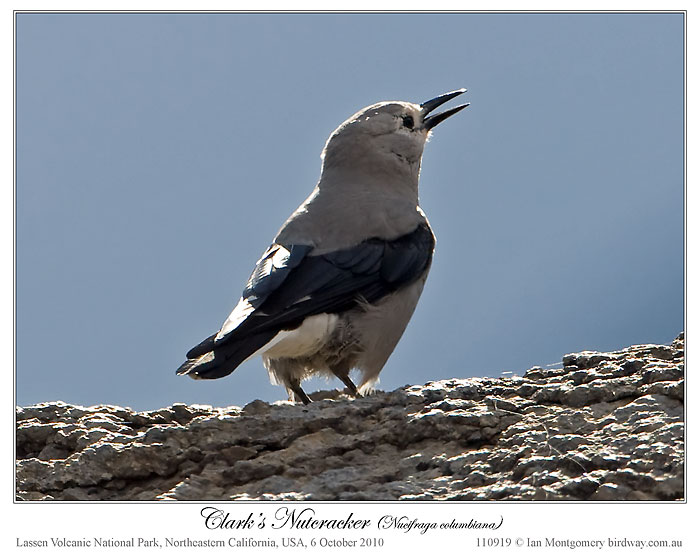
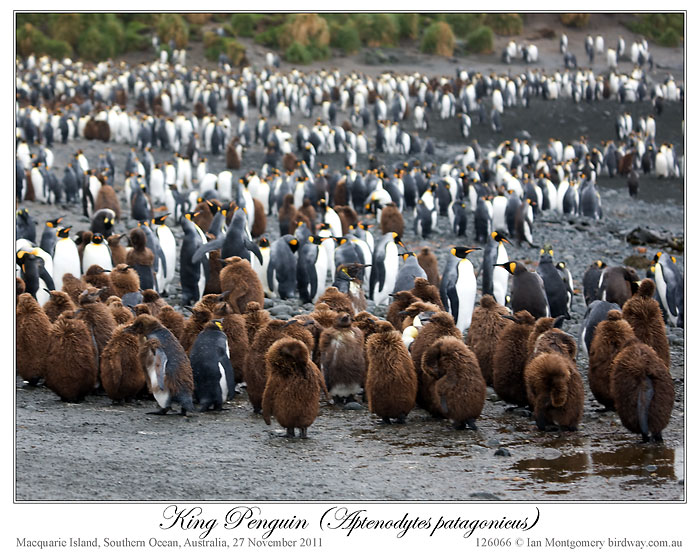
 Penguins are disappearing. Don’t worry – it’s not all of them that are disappearing. But the world’s largest colony of king penguins appears to be only 10% the size it was 50 years ago.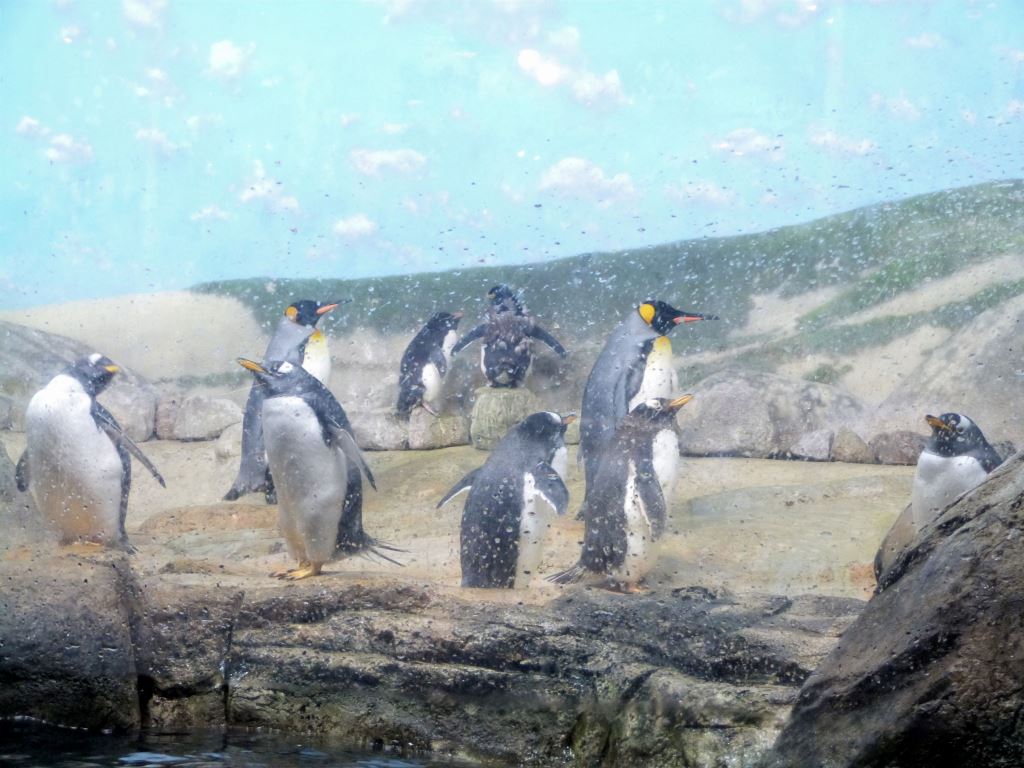

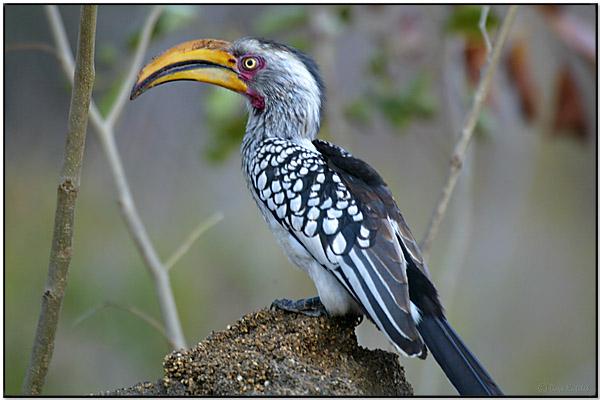

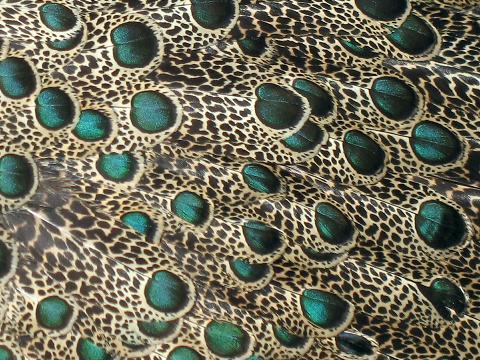
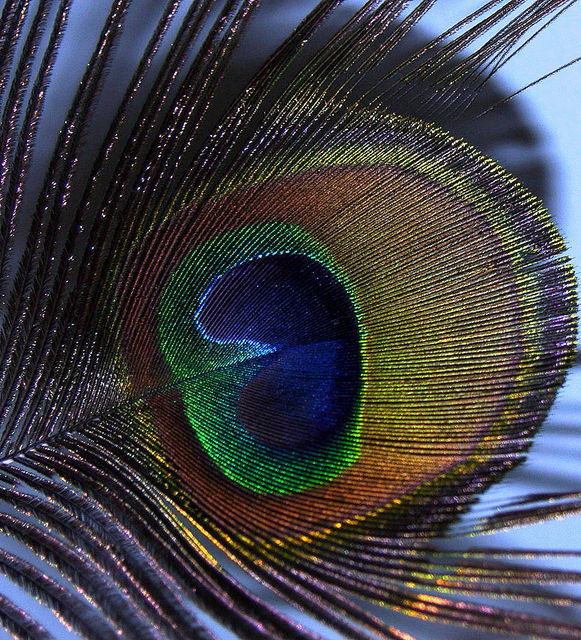
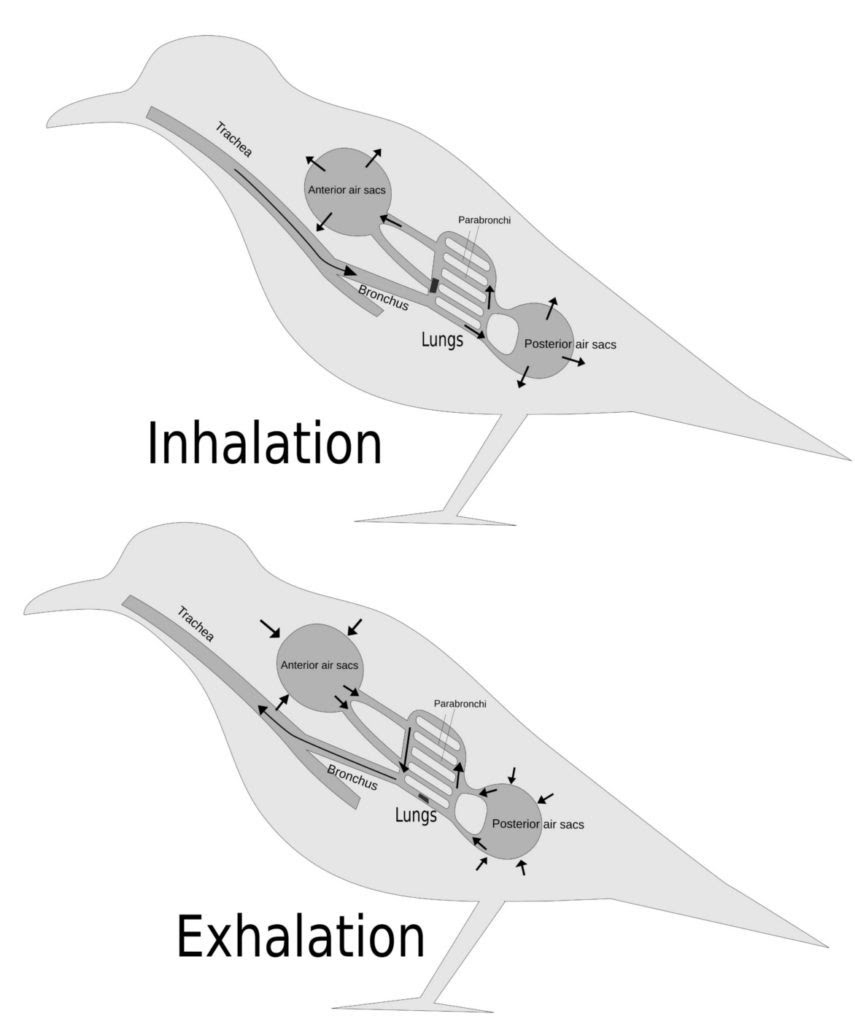
 The Encyclopaedia Britannica describes feathers as “the component structure of the outer covering and flight surfaces of all modern birds”, and goes on to say: “Unique to birds, feathers apparently evolved from the scales of birds’ reptilian ancestors”.


 In November 1963, an undersea volcano close to Iceland began to erupt. Emerging lava caused the sea to boil and steam. Gradually, the volcano began to appear above the waves. The eruption continued for three and a half years, causing a new island to emerge, one square mile in area and elevations of 560 feet above the surf. Of course, in the half century since the birth of this new island, erosion has reduced it somewhat – to a mere 506 feet above the sea and an area of only 0.54 square miles.
 Lee's Birdwatching Adventures Plus