Bible Birds – Wood Storks

Wood Stork (Mycteria americana) by Lee

Wood Stork (Mycteria americana) by Lee

While we were on the same birdwatching trip to Circle B (American Bittern), we encountered a Wood Stork. There are five verses in the Bible that mention the Stork:

And the stork, the heron after her kind, and the lapwing, and the bat. (Leviticus 11:19 KJV)

And the stork, and the heron after her kind, and the lapwing, and the bat. (Deuteronomy 14:18 KJV)

Where the birds make their nests: as for the stork, the fir trees are her house. (Psalms 104:17 KJV)

Yea, the stork in the heaven knoweth her appointed times; and the turtle and the crane and the swallow observe the time of their coming; but my people know not the judgment of the LORD. (Jeremiah 8:7 KJV)

Then lifted I up mine eyes, and looked, and, behold, there came out two women, and the wind was in their wings; for they had wings like the wings of a stork: and they lifted up the ephah between the earth and the heaven. (Zechariah 5:9 KJV)

Wood Stork (Mycteria americana) by Lee Landing

Wood Stork (Mycteria americana) by Lee Landing

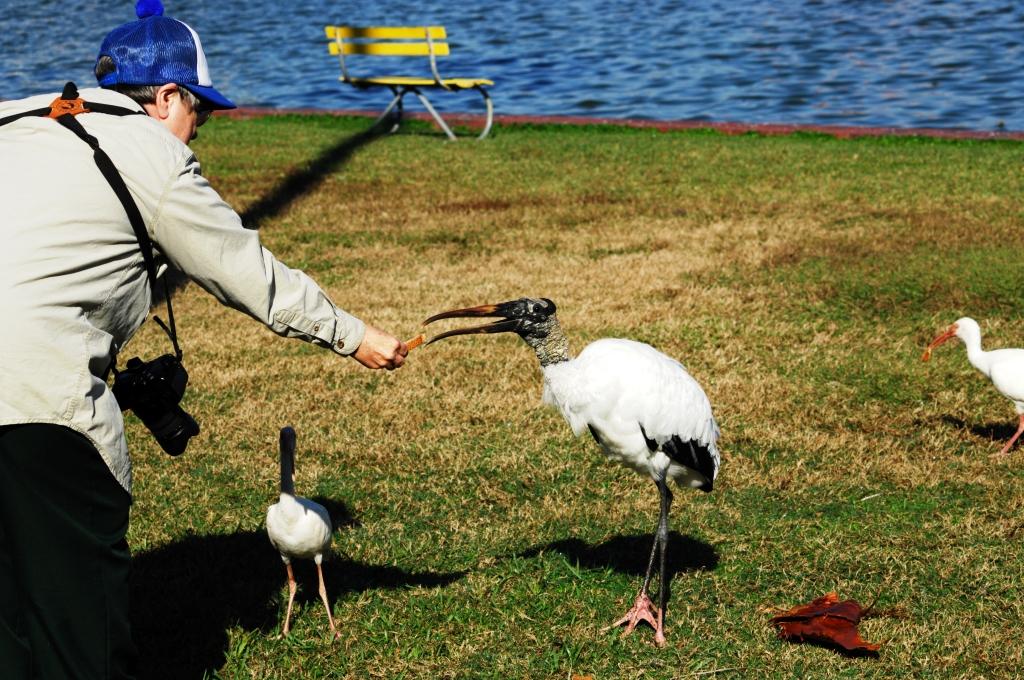
While we were birdwatching at Circle B just before Christmas, a Wood Stork flew over and landed in a tree a good way from us. Thanks to the zoom on my camera, I was able to capture its picture. They amaze me that they are “ugly” up close, but when they fly, they are so beautiful and graceful to watch. We see them quite often here and I have been known to feed them at Lake Morton. They also fly over our house and land in our community pond.

Lee feeding Wood Stork at Lake Morton by Dan

Lee feeding Wood Stork at Lake Morton by Dan 2011

As mentioned above, Storks are birds in the Bible and are members of the Ciconiidae – Storks Family. Currently there are 19 Storks in this family. The Bible does not tell which one is being mentioned, but most like one of the Storks that lived in Israel.

Our Wood Stork here is a broad-winged soaring bird that flies with its neck outstretched and legs extended. It forages usually where lowering water levels concentrate fish in open wetlands; it also frequents paddy fields. Walking slowly and steadily in shallow water up to its belly, it seeks prey, which, like that of most of its relatives, consists of fish, frogs and large insects. It catches fish by holding its bill open in the water until a fish is detected. (Wikipedia)

“Tall and long-legged, the wood stork is the largest wading bird native to America. It is white with black flight feathers, distinctive because of its dark, featherless head (down to the upper neck) and thick, down-curved bill. Wood storks fly with neck and legs extended, interrupting strong wing beats with brief glides; their wingspan is 5 1/2 feet.” (FL FWCC) Their length is 33.5–45.3 in (85–115 cm) and weigh between72.3 to 93.1 oz (2050–2640 g). (NatGeo)

*

This slideshow requires JavaScript.

*

*

Birds of the Bible – Wood Storks

Wood Stork (Mycteria americana) by Lee

Wood Stork (Mycteria americana) by Lee

While we were on the same birdwatching trip to Circle B (American Bittern), we encountered a Wood Stork. There are five verses in the Bible that mention the Stork:

And the stork, the heron after her kind, and the lapwing, and the bat. (Leviticus 11:19 KJV)

And the stork, and the heron after her kind, and the lapwing, and the bat. (Deuteronomy 14:18 KJV)

Where the birds make their nests: as for the stork, the fir trees are her house. (Psalms 104:17 KJV)

Yea, the stork in the heaven knoweth her appointed times; and the turtle and the crane and the swallow observe the time of their coming; but my people know not the judgment of the LORD. (Jeremiah 8:7 KJV)

Then lifted I up mine eyes, and looked, and, behold, there came out two women, and the wind was in their wings; for they had wings like the wings of a stork: and they lifted up the ephah between the earth and the heaven. (Zechariah 5:9 KJV)

Wood Stork (Mycteria americana) by Lee Landing

Wood Stork (Mycteria americana) by Lee Landing

While we were birdwatching at Circle B just before Christmas, a Wood Stork flew over and landed in a tree a good way from us. Thanks to the zoom on my camera, I was able to capture its picture. They amaze me that they are “ugly” up close, but when they fly, they are so beautiful and graceful to watch. We see them quite often here and I have been known to feed them at Lake Morton. They also fly over our house and land in our community pond.

Lee feeding Wood Stork at Lake Morton by Dan

Lee feeding Wood Stork at Lake Morton by Dan 2011

As mentioned above, Storks are birds in the Bible and are members of the Ciconiidae – Storks Family. Currently there are 19 Storks in this family. The Bible does not tell which one is being mentioned, but most like one of the Storks that lived in Israel.

Our Wood Stork here is a broad-winged soaring bird that flies with its neck outstretched and legs extended. It forages usually where lowering water levels concentrate fish in open wetlands; it also frequents paddy fields. Walking slowly and steadily in shallow water up to its belly, it seeks prey, which, like that of most of its relatives, consists of fish, frogs and large insects. It catches fish by holding its bill open in the water until a fish is detected. (Wikipedia)

“Tall and long-legged, the wood stork is the largest wading bird native to America. It is white with black flight feathers, distinctive because of its dark, featherless head (down to the upper neck) and thick, down-curved bill. Wood storks fly with neck and legs extended, interrupting strong wing beats with brief glides; their wingspan is 5 1/2 feet.” (FL FWCC) Their length is 33.5–45.3 in (85–115 cm) and weigh between72.3 to 93.1 oz (2050–2640 g). (NatGeo)

*

This slideshow requires JavaScript.

*

*

Christmas Birds – Silver and Gold 2013

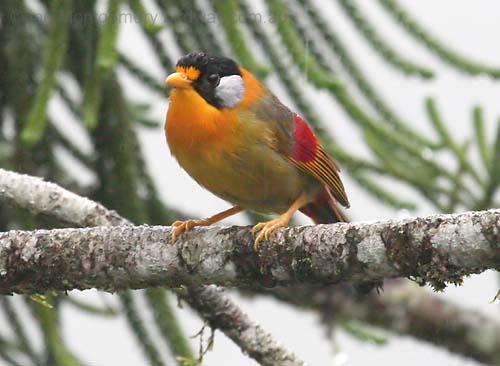
Silver-eared Mesia (Leiothrix argentauris) by Ian

Silver-eared Mesia (Leiothrix argentauris) by Ian

This time the Silver and Gold are both found on the birds. When the Lord created all the beautiful and colorful birds, He did not lack using variety.

Receive my instruction, and not silver; and knowledge rather than choice gold. (Proverbs 8:10 KJV)

How much better is it to get wisdom than gold! and to get understanding rather to be chosen than silver! (Proverbs 16:16 KJV)

*

This slideshow requires JavaScript.

*

knowing that you were not redeemed with corruptible things, like silver or gold, from your aimless conduct received by tradition from your fathers, but with the precious blood of Christ, as of a lamb without blemish and without spot. He indeed was foreordained before the foundation of the world, but was manifest in these last times for you (1 Peter 1:18-20 NKJV)

Joy To The World played by the Faith Baptist Orchestra 2012

The Christmas Birds 2013 so far:

*

Who Paints The Leaves?

*

(I know, I kind of took a few liberties with the photos. This was one of the harder challenges.)

*

Christmas Birds – Red and Green 2013

Red-winged Parrot (Aprosmictus erythropterus) by Ian

Red-winged Parrot (Aprosmictus erythropterus) by Ian

Here is the third Christmas Birds slideshow. While searching the photos for the Red Birds and the Green Birds, I kept coming across birds that were Red and Green. Here are some more of the neat birds that the Creator gave us to enjoy. Trust you are enjoying seeing the birds by their colors. It has been enjoyable for me to look through all the great photos the photographers we use here have provided. I have one more Christmas Birds to show you, but you will have to wait until tomorrow.

And suddenly there was with the angel a multitude of the heavenly host praising God, and saying, Glory to God in the highest, and on earth peace, good will toward men. (Luke 2:13-14 KJV)

*

This slideshow requires JavaScript.

*

Music to listen to while viewing the photos from Birds In Christmas Hymns – Hail to the Lord’s Anointed

See the Original Christmas Birds – Red and Green

The Christmas Birds 2013 so far:

*

Christmas Birds – Red 2013

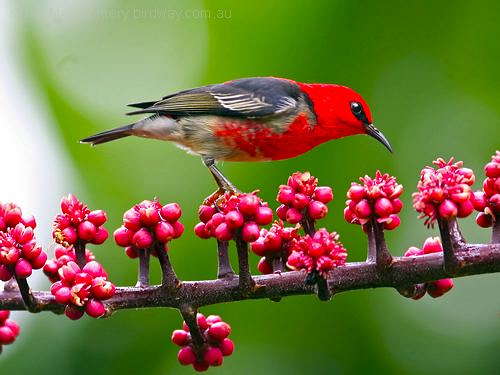
Scarlet Myzomela (Myzomela sanguinolenta) by Ian

Scarlet Myzomela (Myzomela sanguinolenta) by Ian

Now that Christmas is just over a week away, it’s time to see some of the birds that have “traditional” Christmas colors. Today’s color will be birds that have some sort of red on them. Other colors will be shown during the week. I have added new photos this year and some new colors later in the week.

When the Lord created the birds (fowls), He used many different colors, most for the protection of the bird (to blend in) or for display to attract a mate (to stand out).

We trust you enjoy the photos and that you are blessed as you consider the bird’s Creator, Who came to earth as a babe in a manger, so that He might redeem us from our sin. “All things were made through him, and without him was not any thing made that was made. (John 1:3)

But made himself of no reputation, and took upon him the form of a servant, and was made in the likeness of men: And being found in fashion as a man, he humbled himself, and became obedient unto death, even the death of the cross. (Philippians 2:7-8 KJV)

*

This slideshow requires JavaScript.

Come now, and let us reason together, saith the LORD: though your sins be as scarlet, they shall be as white as snow; though they be red like crimson, they shall be as wool. (Isaiah 1:18 KJV)

Music to listen to while viewing the photos from Birds In Christmas Hymns – Thou Didst Leave Thy Throne

*

See the original Christmas Birds – Red

The Christmas Birds 2013 so far:

*

Thankful For The Birds

Painted Bunting (Passerina ciris) ©©Flickr

Painted Bunting (Passerina ciris) ©©Flickr
Saw my first one at my feeder

For by him were all things created, that are in heaven, and that are in earth, visible and invisible, whether they be thrones, or dominions, or principalities, or powers: all things were created by him, and for him: (Colossians 1:16 KJV)

All week I have been posting articles of Thanksgiving, since yesterday was Thanksgiving Day here in the United States. So today, in that same thankful attitude, I am just going to share some of my most favorite birds. These are not necessarily birds we have seen, but super birds that the Lord created. I am especially thankful for my husband who enjoys our avian friends as well as I do.

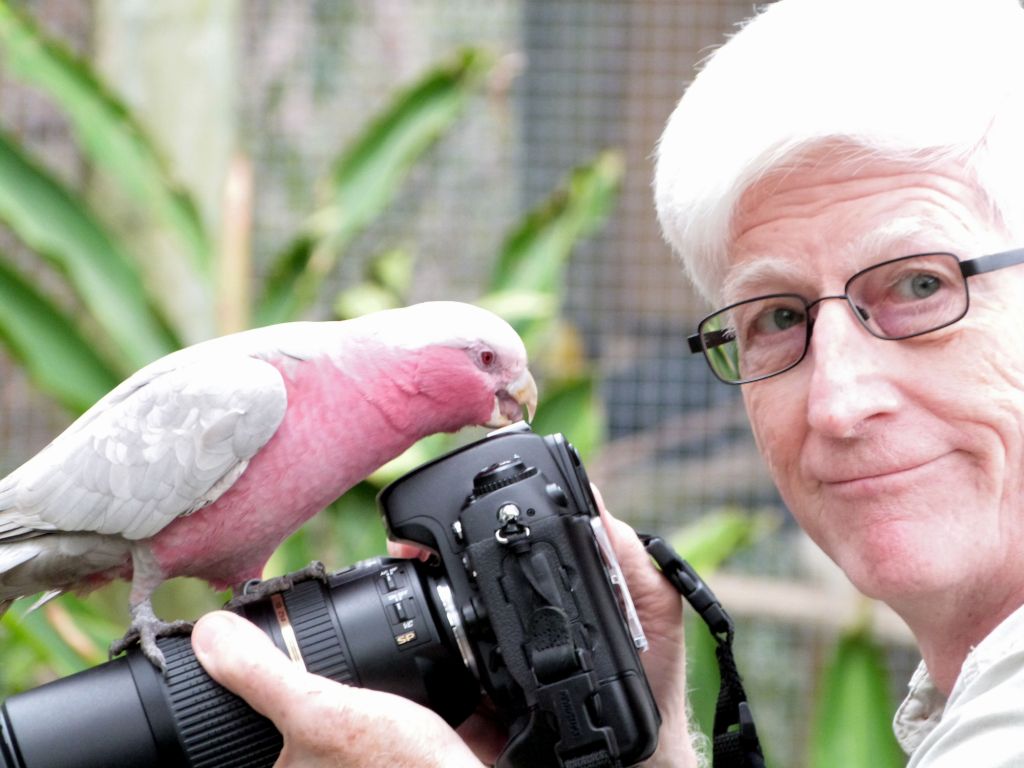
Galah (Eolophus roseicapilla) and Dan at Brevard Zoo

Galah (Eolophus roseicapilla) and Dan
Taken at the Brevard Zoo

In the beginning was the Word, and the Word was with God, and the Word was God. The same was in the beginning with God. All things were made by him; and without him was not any thing made that was made. (John 1:1-3 KJV)

Rufous-tailed Hummingbird (Amazilia tzacatl) by Judd Patterson

Rufous-tailed Hummingbird (Amazilia tzacatl) by Judd Patterson
I love all the birds in the Hummingbird family

Thou art worthy, O Lord, to receive glory and honour and power: for thou hast created all things, and for thy pleasure they are and were created. (Revelation 4:11 KJV)

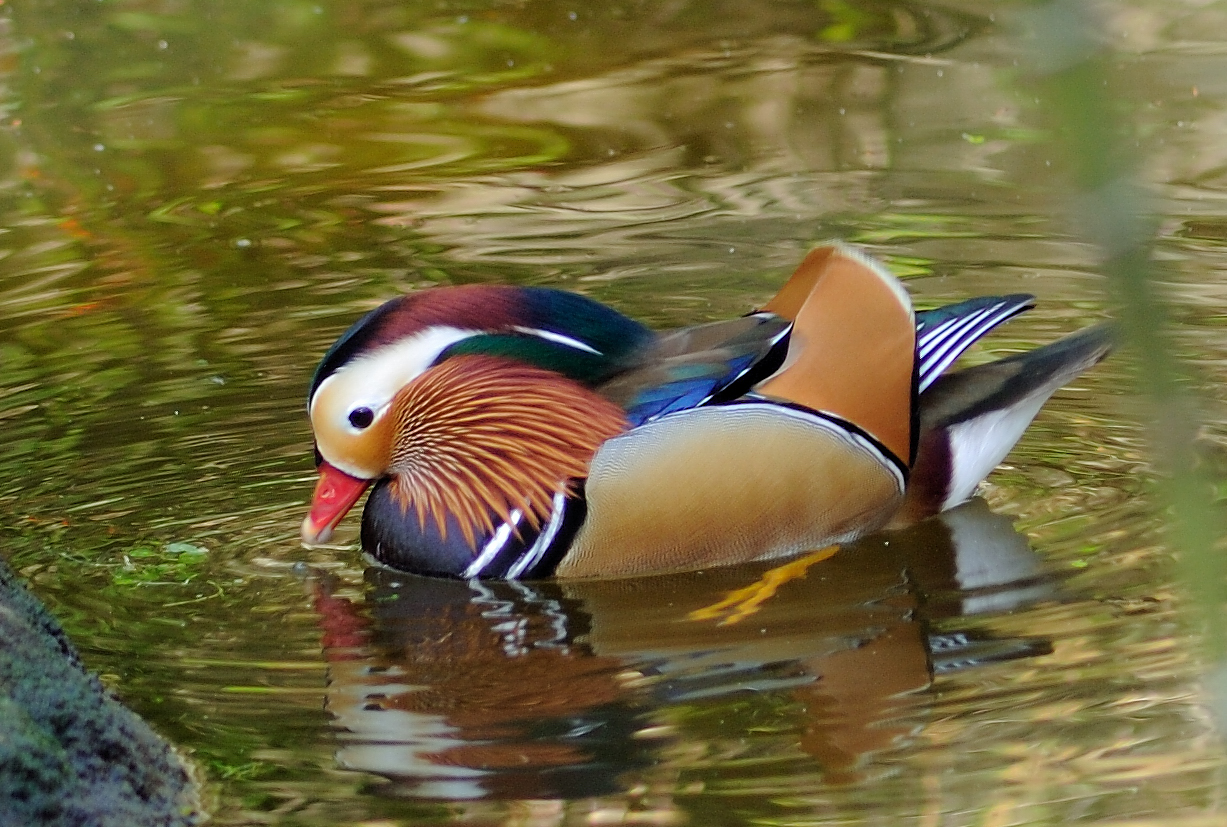
Mandarin Duck (Aix galericulata) by

Mandarin Duck (Aix galericulata) by Dan
What a paintbrush the Lord must have!

For every creature of God is good, and nothing to be refused, if it be received with thanksgiving: (1 Timothy 4:4 KJV)

Andean Cock-of-the-rock (Rupicola peruvianus) by ©Wiki Closeup

Andean Cock-of-the-rock (Rupicola peruvianus) by ©Wiki Closeup
Where is the beak?

For the invisible things of him from the creation of the world are clearly seen, being understood by the things that are made, even his eternal power and Godhead; so that they are without excuse: (Romans 1:20 KJV)

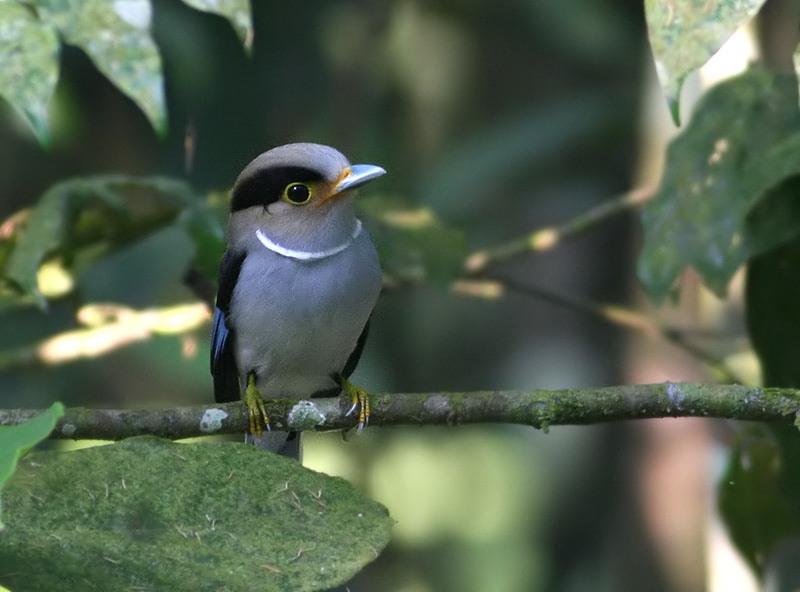
Wattled Broadbill (Sarcophanops steerii) ©WikiC fveronesi1

Wattled Broadbill (Sarcophanops steerii) ©WikiC fveronesi1
That bird is clean-cut and cute!

“But now ask the beasts, and let them teach you; And the birds of the heavens, and let them tell you. (Job 12:7 NASB)

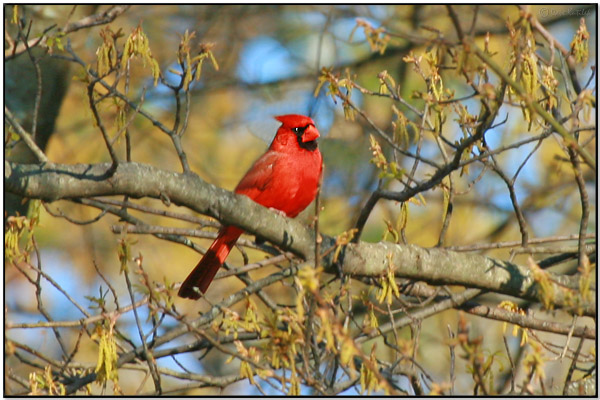
Northern Cardinal (Cardinalis cardinalis) by Daves BirdingPix

Northern Cardinal (Cardinalis cardinalis) by Daves BirdingPix
You can’t be from Indiana and not like Cardinals!

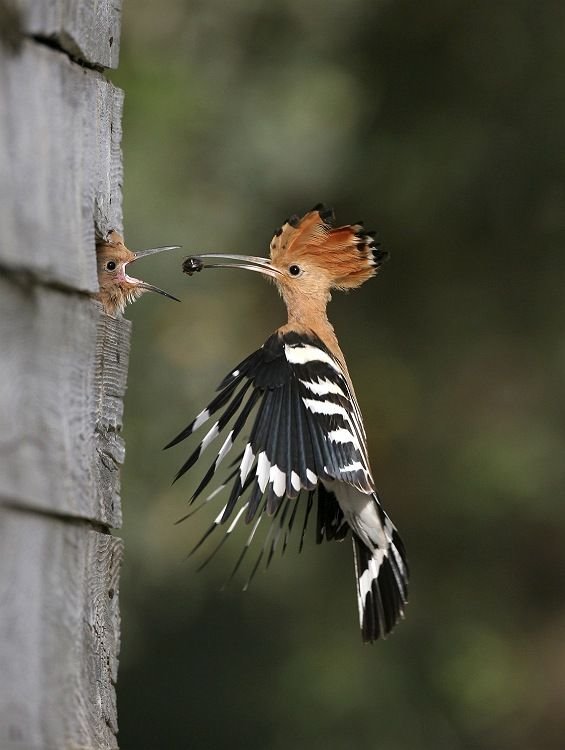
the stork, and the heron in their kinds, and the hoopoe and the bat. (Deuteronomy 14:18 NASB)

Hoopoe Feeding Young ©©Dvir Lotan from Israel

Hoopoe Feeding Young ©©Dvir Lotan from Israel

There are just too many, so I am adding a slideshow for you to enjoy a few more of them.

*

This slideshow requires JavaScript.

There are around 10,600 named birds that I love and am thankful for each one of them.

* See:

*

Old Testament Thanksgiving – 2013

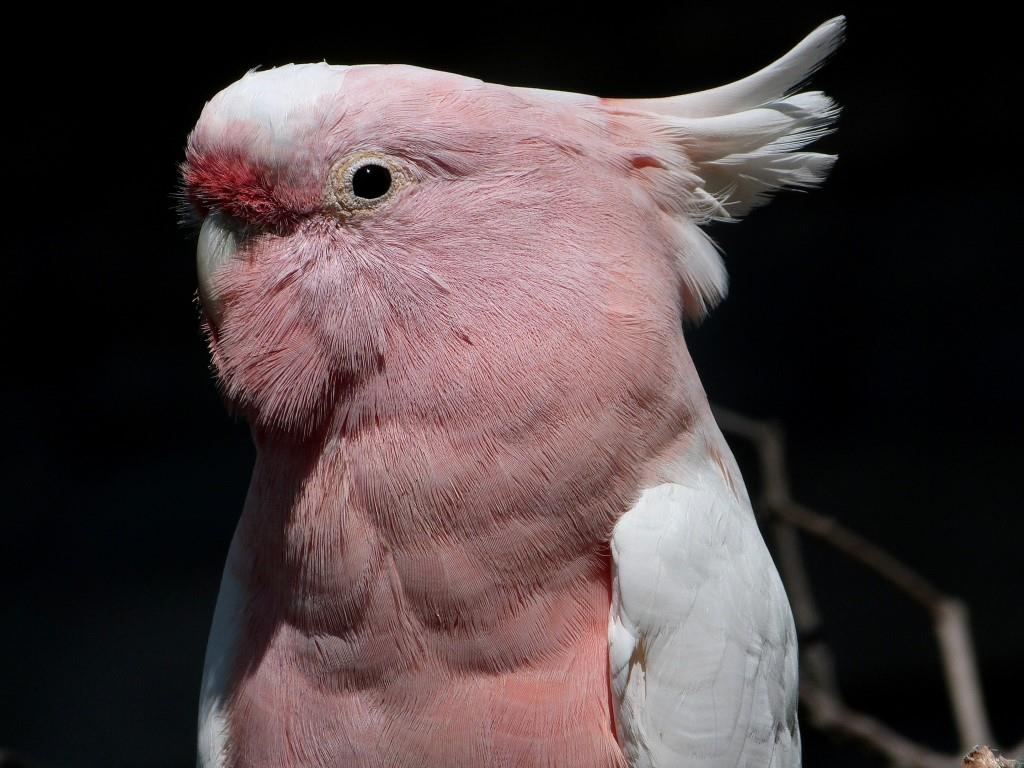
Major Mitchell's Cockatoo (Lophochroa leadbeateri) at Cincinnati Zoo 9-5-13

Major Mitchell’s Cockatoo (Lophochroa leadbeateri) at Cincinnati Zoo by Lee

Old Testament Thanks

Therefore I will give thanks unto thee, O LORD, among the heathen, and I will sing praises unto thy name. (2 Samuel 22:50 KJV)

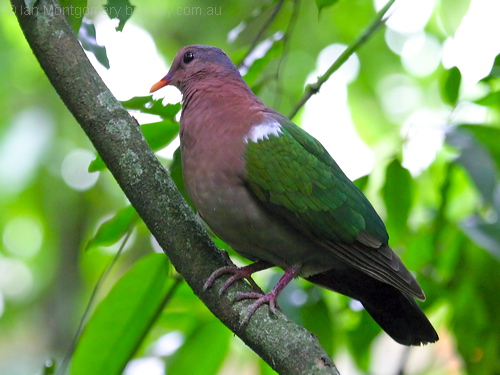
Common Emerald Dove (Chalcophaps indica) by Ian

Common Emerald Dove (Chalcophaps indica) by Ian

Give thanks unto the LORD, call upon his name, make known his deeds among the people. Sing unto him, sing psalms unto him, talk ye of all his wondrous works. (1 Chronicles 16:8-9 KJV)

Song Sparrow (Melospiza melodia) by Ray

Song Sparrow by Ray

O give thanks unto the LORD; for he is good; for his mercy endureth for ever. (1 Chronicles 16:34 KJV)

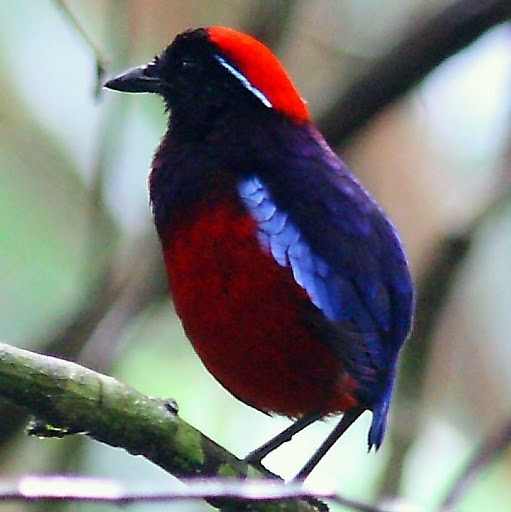
Garnet Pitta (Erythropitta granatina) by Timothy©©

Garnet Pitta (Erythropitta granatina) by Timothy©©

Therefore I will give thanks to You among the nations, O LORD, And I will sing praises to Your name. (Psalms 18:49 NASB)

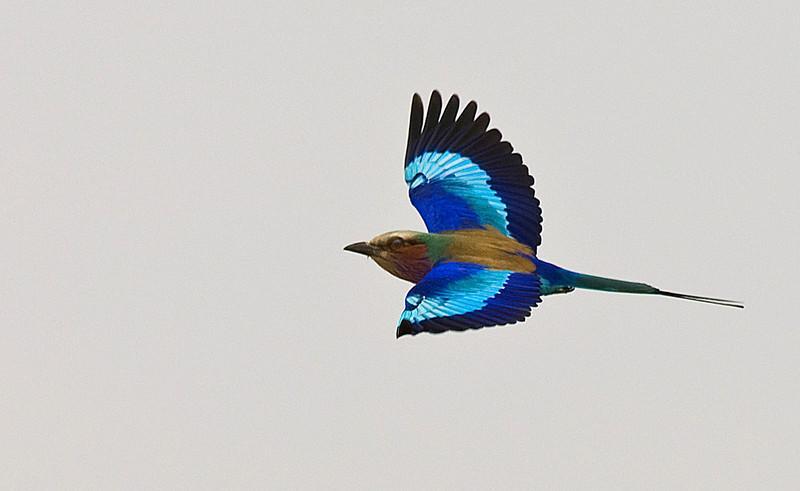
Lilac-breasted Roller (Coracias caudatus) by Africaddict

Lilac-breasted Roller (Coracias caudatus) by Africaddict

So we thy people and sheep of thy pasture will give thee thanks for ever: we will shew forth thy praise to all generations. (Psalms 79:13 KJV)

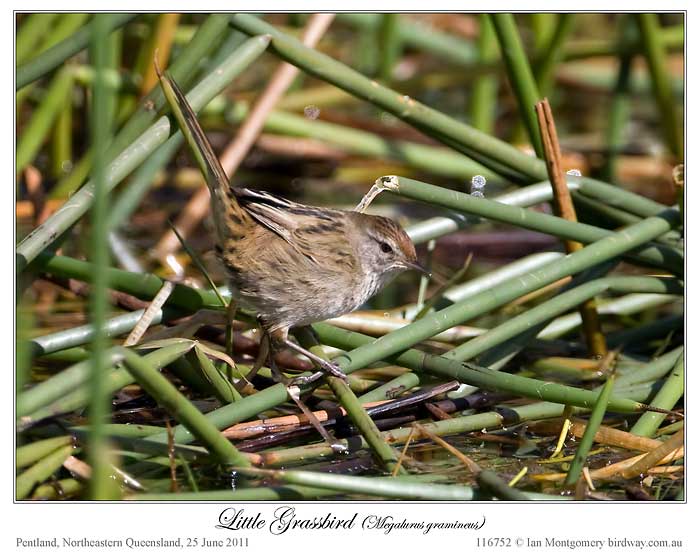
Little Grassbird (Megalurus gramineus) by Ian

Little Grassbird (Megalurus gramineus) by Ian

O give thanks unto the LORD; call upon his name: make known his deeds among the people. (Psalms 105:1 KJV)

Black-and-yellow Broadbill (Eurylaimus ochromalus) ©Flickr fveronesi1

Black-and-yellow Broadbill (Eurylaimus ochromalus) ©Flickr fveronesi1

O give thanks unto the LORD; for he is good: for his mercy endureth for ever. O give thanks unto the God of gods: for his mercy endureth for ever. (Psalms 136:1-2 KJV)

Variegated Fairywren (Malurus lamberti) by Ian

Variegated Fairywren (Malurus lamberti) by Ian

O give thanks to the Lord of lords: for his mercy endureth for ever. To him who alone doeth great wonders: for his mercy endureth for ever. To him that by wisdom made the heavens: for his mercy endureth for ever. (Psalms 136:3-5 KJV)

*

Bible Birds – Peacocks I

Indian Peafowl (Pavo cristatus) by Nikhil Devasar

Indian Peafowl (Pavo cristatus) by Nikhil Devasar

For the king had at sea a navy of Tharshish with the navy of Hiram: once in three years came the navy of Tharshish, bringing gold, and silver, ivory, and apes, and peacocks. (1 Kings 10:22 KJV)For the king’s ships went to Tarshish with the servants of Huram: every three years once came the ships of Tarshish bringing gold, and silver, ivory, and apes, and peacocks. (2 Chronicles 9:21 KJV)

Now Peacocks II

(Relocated)

Plus – Our Created Birds

Following is a YouTube from Ian Juby about the creation of our birds. This is from his

Our Created Birds – this is Genesis Week episode 10, season 3

*

To see all of the video click on YouTube symbol or go to wazooloo for more of his videos.

Then God said, “Let the waters teem with swarms of living creatures, and let birds fly above the earth in the open expanse of the heavens.” God created the great sea monsters and every living creature that moves, with which the waters swarmed after their kind, and every winged bird after its kind; and God saw that it was good. God blessed them, saying, “Be fruitful and multiply, and fill the waters in the seas, and let birds multiply on the earth.” (Genesis 1:20-22 NASB)

Creation pages

*

Mnemonics – What is That?


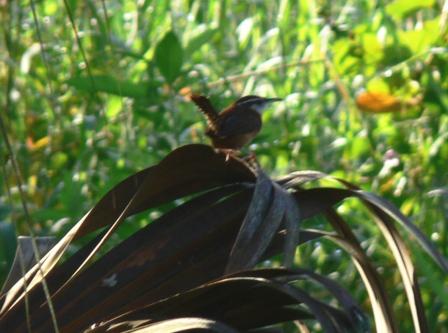
Carolina Wren (Thryothorus ludovicianus) by Lee at Circle B

Carolina Wren (Thryothorus ludovicianus) by Lee at Circle B

Mnemonics – What is That?

When birdwatchers want to identify a bird, many times all they are able to do is hear it. Can you listen to a bird and know what kind it is? Some birders use a help called “mnemonics.”

hen birdwatchers want to identify a bird, many times all they are able to do is hear it. Can you listen to a bird and know what kind it is? Some birders use a help called “mnemonics.”

(Definition of mnemonics from Kids Wordsmyth)

mne·mon·ics
pronunciation: ni ma nihks [or] nih ma nihks
part of speech: plural noun
definition: a process, system, or technique used to aid and improve the memory.

Eastern Wood Pewee (Contopus virens) by Raymond Barlow

Eastern Wood Pewee (Contopus virens) by Raymond Barlow

Many birds say their name, like a Eastern Wood Pewee.

Carolina Chickadee (Poecile carolinensis) by Daves BirdingPix

Carolina Chickadee (Poecile carolinensis) by Daves BirdingPix

Carolina Chickadee – “feebee feebay, chick’adee-dee-dee”

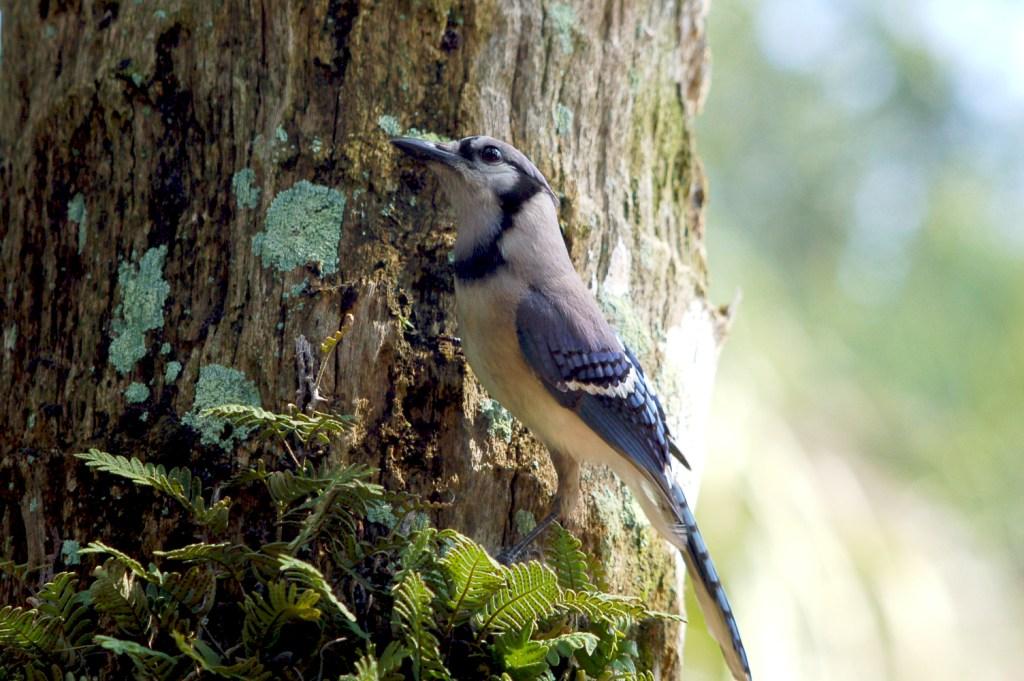
Blue Jay by Dan at Bok Tower

Blue Jay by Dan at Bok Tower

Blue Jay – -“jay”

Another way mnemonics are used is to make up a phrase or saying of what the bird sounds like.

Carolina Wren (Thryothorus ludovicianus) by Quy Tran

Carolina Wren (Thryothorus ludovicianus) by Quy Tran

Carolina Wren – “teakettle, teakettle, teakettle”

Eastern Towhee (Pipilo erythrophthalmus) by Ray

Eastern Towhee (Pipilo erythrophthalmus) by Ray

Eastern Towhee – “drink-your-teeee”

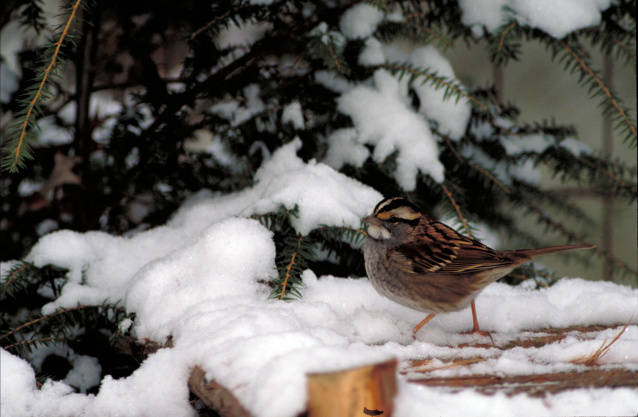
White-throated Sparrow (Zonotrichia albicollis) ©USFWS

White-throated Sparrow (Zonotrichia albicollis) ©USFWS

White-Throated Sparrow – “poor Sam Pea’body, Pea’body, Pea’body”

This is just an introduction to using “mnemonics” to help you find out what that neat bird your listening to is called. We will cover more birds later. The Lord has given us so many beautiful birds to watch and listen to. Each bird has it’s own songs and calls, but there are so many. How do we figure out who is who? Using this method is just one more way to help.

Hear instruction and be wise, and do not neglect it. (Proverbs 8:33 ESV)

Let the wise hear and increase in learning, and the one who understands obtain guidance, (Proverbs 1:5 ESV)

See:

Birds of the Bible – Solomon’s Wisdom About Birds I

Australian Raven (Corvus coronoides) by Ian

Australian Raven (Corvus coronoides) by Ian

Also he spoke of trees, from the cedar tree of Lebanon even to the hyssop that springs out of the wall; he spoke also of animals, of birds, of creeping things, and of fish. (1 Kings 4:33 NKJV)

In my daily reading from Scripture recently, I came across I Kings 4:33 again. The article Birds of the Bible – Solomon’s Birds, discusses how some of the lessons Solomon had learned were applied. Now let’s look at how Solomon might have attained those illustrations and how we can apply them.

More questions come to my mind, in no set order, like:

  • What kind of birds did he have to observe?
  • What did he learn about the birds?
  • Did he write any of his bird observations out?
  • The Lord gave him the wisdom, so how did he apply it?
  • What can we learn from Solomon about birds?

We know from the Bible that Solomon asked for wisdom to be able to know right and wrong and how to rule the people. God granted Solomon his request and gave him more besides. See I Kings 3.

Checking with my e-Sword commentaries and helps, here are some interesting thoughts. (Italics are mine)

Oriental Bay Owl (Phodilus badius) by Peter Ericisson

Oriental Bay Owl (Phodilus badius) by Peter Ericisson

Matthew Henry’s Concise Commentary

Solomon’s wisdom was more his glory than his wealth. He had what is here called largeness of heart, for the heart is often put for the powers of the mind. He had the gift of utterance, as well as wisdom. It is very desirable, that those who have large gifts of any kind, should have large hearts to use them for the good of others. What treasures of wisdom and knowledge are lost! But every sort of knowledge that is needful for salvation is to be found in the holy Scriptures. There came persons from all parts, who were more eager after knowledge than their neighbours, to hear the wisdom of Solomon. Solomon was herein a type of Christ, in whom are hid all treasures of wisdom and knowledge; and hid for us, for he is made of God to us, wisdom. Christ’s fame shall spread through all the earth, and men of all nations shall come to him, learn of him, and take upon them his easy yoke, and find rest for their souls.

Indian Peafowl (Pavo cristatus) by Nikhil Devasar

Indian Peafowl (Pavo cristatus) by Nikhil Devasar

Gill

he spake also of beasts, and of fowls, and of creeping things, and of fishes; he understood the nature of all sorts of animals in the earth, air, and sea, and discoursed of their names, kinds, qualities, and use, with the greatest ease and perspicuity; the Jews fancy that Aristotle’s History of Animals is his, which that philosopher came upon, and published it in his own name. …

Sandhill Cranes - Adult and Juvenile in yard 8/27/10

Sandhill Cranes – Adult and Juvenile in yard 8/27/10

MacLaren

But the main thing to notice is that in Solomon we see exemplified the normal relation between religion and intellectual power and learning. Judge, artist, scientist, and all other thinkers and students, draw their power from God, and should use it for Him. And, on the other hand, Solomon’s example is a rebuke to those …Christians who look askance at men of learning, letters, or science, as well as to those … who think that science and religion must be sworn foes. If our religion is what it should be, it will widen our understanding all round.
‘Let knowledge grow from more to more, But more of reverence in us dwell.’

Scissor-tailed Flycatcher (Tyrannus forficatus) ©TexasEagle

Scissor-tailed Flycatcher (Tyrannus forficatus) ©TexasEagle

Barnes

Of beasts, and of fowls, and of creeping things, and of fishes – This is the usual Biblical division of the animal kingdom Gen_1:26; Gen_9:2; Psa_148:10.

Believer’s Bible Commentary

Verse 33 means that his wide knowledge of many sciences enabled him to use object lessons from nature in expounding his wisdom. People traveled from afar to hear him.

Blue-winged Mountain Tanager (Anisognathus somptuosus) by Ian

Blue-winged Mountain Tanager (Anisognathus somptuosus) by Ian

Bible Knowledge Commentary

1 Kings 4:32-34

Several hundred of Solomon’s 3,000 proverbs have been preserved in the Book of Proverbs as well as a few in Ecclesiastes. One of his 1,005 songs is the Song of Songs. Solomon’s literary output was extremely prolific. He became an authority in botany and zoology too. … He was recognized as the wisest man of his day as God had promised he would be.

Under His Wings - (Dove - photographer unknown)

Under His Wings – (Dove – photographer unknown)

Biblical Illustrator

The study of Nature
It is said of Wordsworth that a stranger having on one occasion asked to see his study, the maid said, “This is master’s room, but he studies in the fields.” In doing so the poet followed a venerable example. We read that Isaac went out to meditate in the field at eventide, where in the margin “to pray” is put for “to meditate.” Nor could there be a better place either for prayer or for study than the fields. The Word of God is written very clearly for His seers in the green book of Nature. Wordsworth’s study is one that we can all use, however small our house may be. (Quiver.)

The world is worth seeing
Men must not live under a bushel. A gentleman once met a French priest on board an Atlantic liner. They entered into conversation, and the priest said that months ago he had a dream. He dreamt that he was dead, and that God asked him how much of the world he had seem His answer was that he had seen only a very little of it, for he had been so long in preparing for death, and in helping other people to die, that he had no time to see the world. He saw that God was displeased, and on awakening he resolved to see as much of this beautiful world as he could. It was a wise resolve. The earth is the Lord’s and not the devil’s, and we have no right to ignore it. Nature is a temple of God, and we must ever walk through it in a sacramental mood. (Sunday Circle.).

Green-billed Toucan (Ramphastos dicolorus) ©WikiC

Green-billed Toucan (Ramphastos dicolorus) ©WikiC

K & D

“And of beasts and birds, of creeping things and fishes;” the four principal classes into which the Hebrews divided the animal kingdom. Speaking of plants and animals presupposes observations and researches in natural science, or botanical and zoological studies.

Kingfisher Feeding Young by Phil Kwong

Kingfisher Feeding Young by Phil Kwong

McGee

We are told that Solomon spoke three thousand proverbs. We have only a few hundred recorded in the Bible. His songs were a thousand and five. Believe me, he was a song writer. We have only one of his songs, The Song of Solomon. Solomon was a dendrologist—”He spake of trees, from the cedar tree that is in Lebanon even unto the hyssop that springeth out of the wall.” The hyssop is a humble little plant that grows on rocks. Solomon was also a zoologist—”he spake also of beasts”—and an ornithologist since he spoke of birds. He was an entomologist: he spoke of creeping things, or insects. He was an ichthyologist: he spoke of fishes. He spoke of these things because he had studied them and was an authority in these particular realms. This, apparently, is the beginning of the sciences. Solomon was interested in these things.

Some Answers

I have another Commentary to share thoughts from, but will save it for Part II. For now, let’s see if any of the first questions were answered.

The first two questions are unanswered for now. We will dig into that later. The next three seem to have some answers.

  • What kind of birds did he have to observe?
  • What did he learn about the birds?
  • Did he write any of his bird observations out?
  • The Lord gave him the wisdom, so how did he apply it?
  • What can we learn from Solomon about birds?

Solomon observed the birds and seems to have learned lessons and applications from them which are seen in Proverbs, Song of Solomon and some Psalms. So he recorded his findings. He gained his knowledge from the Lord, but he used his senses and observational skills to gain more knowledge. That is something we can do also with the Lord’s help. If we don’t apply ourselves to a topic, the knowledge is not going to just “pop” into our heads.

See:

*

How The Woodpecker Makes A House – The Woodpeckers

Black Woodpecker (Dryocopus martius) with Young ©WikiC

Black Woodpecker (Dryocopus martius) with Young ©WikiC

IV

HOW THE WOODPECKER MAKES A HOUSE

All woodpeckers make their houses in the wood of trees, either the trunk or one of the branches. Almost the only exceptions to this rule are those that live in the treeless countries of the West. In the torrid deserts of Arizona and the Southwest, some species are obliged to build in the thorny branches of giant cacti, which there grow to an enormous size. In the treeless plains to the northward, a few individuals, for lack of anything so suitable as the cactus, dig holes in clay banks, or even lay their eggs upon the surface of the prairie. In a country where chimney swallows nest in deserted houses, and sand martins burrow in the sides of wells, who wonders at the flicker’s thinking that the side of a haystack, the hollow of a wheel-hub, or the cavity under an old ploughshare, is an ideal home? But in wooded countries the woodpeckers habitually nest in trees. The only exceptions I know are a few flickers’ holes in old posts, and a few instances where flickers[21] have pecked through the weatherboarding of a house to nest in the space between the walls.

But because a bird nests in a hole in a tree, it is not necessarily a woodpecker. The sparrow-hawk, the house sparrow, the tree swallow, the bluebird, most species of wrens, and several of the smaller species of owls nest either in natural cavities in trees or in deserted woodpeckers’ holes. The chickadees, the crested titmice, and the nuthatches dig their own holes after the same pattern as the woodpecker’s. However, the large, round holes were all made by woodpeckers, and of those under two inches in diameter, our friend Downy made his full share. It is easy to tell who made the hole, for the different birds have different styles of housekeeping. The chickadees and nuthatches always build a soft little nest of grass, leaves, and feathers, while the woodpeckers lay their eggs on a bed of chips, and carry nothing in from outside.

Soon after they have mated in the spring, the woodpeckers begin to talk of housekeeping. First, a tree must be chosen. It may be sound or partly decayed, one of a clump or solitary; but it is usually dead or hollow-hearted, and at least partly surrounded by other trees. Sometimes a limb is chosen, sometimes an upright trunk, and the nest may be from two feet to one hundred feet from the ground, though most frequently it will be found not less than ten nor more than thirty feet up. However odd the location finally occupied, it is likely that it was not the first one selected. A woodpecker will dig half a dozen houses rather than occupy an undesirable tenement. It is very common to find their unfinished holes and the wider-mouthed, shallower pockets which they dig for winter quarters; for those that spend their winters in the cold North make a hole to live in nights and cold and stormy days.

Pileated Woodpecker (Dryocopus pileatus) by Raymond Barlow

Pileated Woodpecker (Dryocopus pileatus) by Raymond Barlow

The first step in building is to strike out a circle in the bark as large as the doorway is to be; that is, from an inch and a half to three or four inches in diameter according to the size of the woodpecker. It is nearly always a perfect circle. Try, if you please, to draw freehand a circle of dots as accurate as that which the woodpecker strikes out hurriedly with his bill, and see whether it is easy to do as well as he does.

If the size and shape of the doorway suit him, the woodpecker scales off the bark inside his circle of holes and begins his hard work. He seems to take off his coat and work in his shirtsleeves, so vigorously does he labor as he clings with his stout toes, braced in position by his pointed tail. The chips fly out past him, or if they lie in the hole, he sweeps them out with his bill and pelts again at the same place. The pair take turns at the work. Who knows how long they work before resting? Do they take turns of equal length? Does one work more than the other? A pair of flickers will dig about two inches in a day, the hole being nearly two and a half inches in diameter. A week or more is consumed in digging the nest, which, among the flickers, is commonly from ten to eighteen inches deep. The hole usually runs in horizontally for a few inches and then curves down, ending in a chamber large enough to make a comfortable nest for the mother and her babies.

What a good time the little ones have in their hole! Rain and frost cannot chill them; no enemy but the red squirrel is likely to disturb them. There they lie in their warm, dark chamber, looking up at the ray of light that comes in the doorway, until at last they hear the scratching of their mother’s feet as she alights on the outside of the tree and clambers up to feed them. What a piping and calling they raise inside the hole, and how they all scramble up the walls of their chamber and thrust out their beaks to be fed, till the old tree looks as if it were blossoming with little woodpeckers’ hungry mouths!

Lee’s Addition:

Pileated Woodpecker, female at nest hole

Pileated Woodpecker, female at nest hole

The trees of the Lord are watered abundantly and are filled with sap, the cedars of Lebanon which He has planted, Where the birds make their nests; as for the stork, the fir trees are her house. (Psalms 104:16-17 AMP)

This is Chapter IV from The Woodpeckers book. Our writer, Fannie Hardy Eckstorm, wrote this in 1901. There are 16 chapters, plus the Forward, which are about the Woodpecker Family here in America. All the chapters can be found on The Woodpeckers page. I added photos to help enhance the article. In 1901, photography was not like today.

Woodpeckers belong to the Picidae – Woodpeckers Family.

If you have ever been in the woods and heard a Woodpecker or other member of their family working on their “house,” that sound helps locate them. The Pileated Woodpeckers especially sound like they are tearing the place apart. The Lord created this family to prefer having their home in the tree trunks and larger limbs. He has prepared them with beaks that can handle all the pounding they do and a cushioned forehead to protect their brains.  The video on the Woodpeckers page explains part of this.

See:

Picidae – Woodpeckers Family

The Woodpeckers by Fannie Hardy Eckstorm

Wordless Birds

*

Interesting link to a reader’s photos – Wonderful Woodpecker Family

*