Not Deer or Bovine, So It Must Be An ‘Antelope’

Bibleworld Adventures has chosen to close down his website, due to a very busy schedule with work and his church ministries. We have decided to move his articles here. Baron has written articles here as Golden Eagle. This will preserve his and Dr. Johnson’s articles for us to enjoy. They are not about birds, but are all very interesting. Most are about a variety of our Creator’s amazing animals. [Will have a link to these pages in the sidebar as Bible World Adventures.]

Originally posted 2017/12/19

NOT DEER OR BOVINE, SO IT MUST BE AN ‘ANTELOPE’

Dr. James J. S. Johnson

The hart, and the roebuck, and the fallow deer, and the wild goat, and the pygarg [dîshōn], and the wild ox, and the chamois.   (Deuteronomy 14:5)

Addax-Morocco.Haytem93-photo

ADDAX male [photo credit: Haytem93]

Most likely the “Pygarg” [dîshōn] is what today is called an ADDAX.  An ADDAX is a desert-dwelling member of the ANTELOPE family.  [See George Cansdale, ALL THE ANIMALS OF THE BIBLE LANDS (Zondervan, 1976), page 85, saying “Among several quaint animal names found only in the AV [i.e., KJV] is the Pygarg, from Heb. dishon; this is merely a transliteration of the [LXX] Gr. Word meaning ‘white-rumped’, by which [Greeks] had long ago described an antelope. … [The reference in Deuteronomy 14:5] between two animals that are probably desert species, coupled with a long-standing tradition, suggests that this is the Addax, Addax nasomaculatus, a desert antelope classified between the oryx and hartebeests”.]antelope-family.jjsj-PPTslide

But, what is an antelope?

Antelope, and antelope-like animals, live in many different parts of the world—except not in Australia or Antarctica. For examples, pronghorns live mostly in America’s Western prairie states. The oryx live in Israel and many of the Arabian deserts.  The Dorcas gazelle lives in the top half of Africa.  Impalas live in eastern and southern Africa.

Serengeti-migraton-wildebeest-zebra.ZambesiSafari-photo

Wildebeests and Zebras migrate through Serengeti  /  Zambesi Safari photo

The blue wildebeest (also called “gnu”) are famous for their huge migratory herds, that often mix with zebras, that seasonally travel through Tanzania’s Serengeti.  Tibetan antelope, of course, live in Tibet, as well as in neighboring parts of Asia.  The Indian antelope (also called “blackbuck”) lives in India, Pakistan, and Nepal.

GreatMigration-Serengeti.Pinterest

Great Migration (Serengeti & Masai Mara)  image credit: Pinterest

These plant-eating mammals (animals that give mother’s milk to their babies) are different from other four-legged mammals – such as deer, cattle, horses, camels, sheep, goats, pigs, cats, and dogs.

In many ways antelope (and antelope-like animals, like the pronghorns of America’s prairies) are like deer. But unlike deer, which have antlers (that grow and shed each year, then regrow the next year, and are later shed, etc.), antelopes have horns (like cattle, bison, sheep, and goats), which continue to slowly grow out from their heads, anchored to bony roots.

Impala-w-oxpecker.jjsj-PPTslide

Antelopes often live in flat grasslands (such as the grassy prairies of America’s West), where their plant-food is plentiful. However, in grasslands there are usually very few trees, so antelopes cannot hide in forests from other animals (such as mountain lions or wolves), so it is good that God made them to have great speed for running across flat land.  And that is what antelopes (and pronghorns, which are antelope-like animals) often do–with great speed!–when they run away from predators at high speeds—sometimes as fast as 55 miles/hour for a mile, or 42 miles/hour for 2 miles, or 35 miles/hour for 3 miles.Gazelle-foraging.jjsj-PPTslide

Dorcas is the Greek word for a gazelle, which is a member of the antelope family. Because gazelles are graceful and beautiful animals it is unsurprising that girl babies have been named Dorcas, including one who is mentioned in Scripture, in Acts chapter 9.Dorcas-philology.jjsj-PPTslide

Dorcas-Acts-chapter9.jjsj-PPTslide

In North America the primary antelope-like mammal is the PRONGHORN. To learn about this beautiful, graceful, and extremely speedy animals, see “Geography Matters, Illustrated by Pronghorns, Mountain Goats, and Old Testament Warfare”, posted at https://bibleworldadventures.com/2016/08/17/geography-matters-illustrated-by-pronghorns-mountain-goats-and-old-testament-warfare/ .

pronghorn-coming-fast.closeup-turning

When we see beauty, grace, strength, and speed — displayed in antelope (and antelope-like pronghorns) — we are reminded, by these living exhibits of God’s making, that God Himself is amazingly beautiful, graceful, strong, and quick, beyond our comprehension.

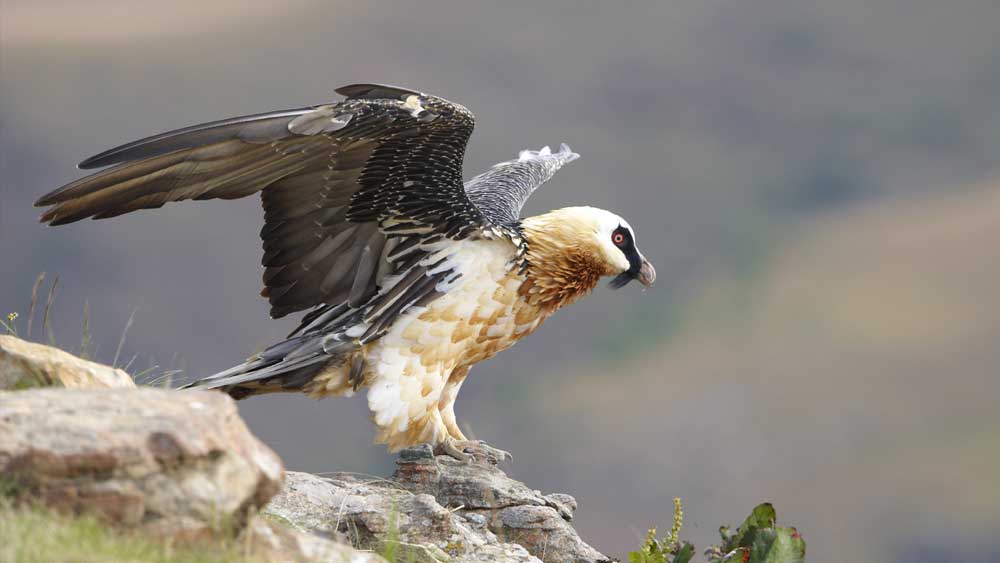
Bearded Vulture Visits England’s Oldest National Park

Bearded Vulture Visits England’s Oldest National Park

The only other British sighting of a Bearded Vulture occurred back in 2016 in Monmouthshire.2

This bird of prey has a commanding presence—it’s huge and hairy-looking! The bearded vulture is large: 3-4 feet long with a wingspan of 7-9 feet. It can weigh 10-17 pounds, with females being slightly larger than males. Unlike other vultures, the bearded vulture is not “bald-headed.” In fact, bristles under its chin look like a raggedly “beard,” hence the bird’s name.3

Birdwatchers have flocked to the moors to see the bearded vulture, which has only been seen once before in the UK, the Derbyshire Wildlife Trust said. But the trust’s Tim Birch said it “couldn’t have come to a worse spot in terms of bird of prey persecution”. … Mr Birch said as it was coming up to grouse shooting season, there were fears the rare raptor could be intentionally poisoned or shot. … However Richard Bailey, gamekeeper and co-ordinator of the Peak District Moorland Group, said “suggestions that this vulture is at risk from attack by gamekeepers” were wrong.1

Admittedly, the bearded vulture has a rough, if not thuggish, reputation. In Germany it is called lammergeier, meaning “lamb-hawk,” due to its habit of preying on lambs—not a positive reputation in agricultural communities. Also called “ossifrage” (meaning bone-breaker), about 80% of the bearded vulture’s diet is animal bone marrow, mostly from mammal bones, but also from bird bones.3,4

[Derbyshire Wildlife Trust’s] Birch said the bearded vulture fed mainly on bones from carcasses, very rarely on live prey, and could swallow bones whole, which were dissolved in its stomach.1

Although scavenging can provide needed food, especially during the breeding season, these vultures often attack live prey, such as hares, rock hyraxes, marmots, and even monitor lizards. More so than predatory hawks or eagles, bearded vultures often attack larger mammals, such as sheep or goats, which are dropped from heights onto rocky surfaces to break their bones. Bearded vultures also grab turtles and drop them from heights to crack open their shells.3,5

Meanwhile, to say this mountain-dwelling bird is rare—only the second time ever observed in Great Britain—is an understatement.

Birdwatcher Indy Kiemel Greene, 15, who photographed the bearded vulture on Sunday, shared the trust’s fears for its safety. He said: “Unfortunately this bird is at great risk because the location that it’s at in the Derbyshire Peaks is well-known for raptor persecution….”1

Its preferred habitat is a high-altitude mix of rocky crags, cliffs, canyons, and montane gorges. So what is it now doing in England’s Peak District anyway?

[Tim Birch] said it was thought the raptor had come from the French or Swiss Alps, where the endangered species is being reintroduced. About 500 birdwatchers have come to catch a glimpse of the bird from all over the UK, as well as France, Spain and the Netherlands. … It is thought the bird could stay in the area for a couple of weeks if it has found food before eventually returning to the Alps.1

For birdwatchers (and videographers) who can visit the Peak District National Park, this could be the opportunity of a lifetime. But if you visit the park with a pet poodle, keep your pet leashed and very close to you. No need to take a chance.

References
1. Burman, H. Fears for Bearded Vulture Spotted in the Peak DistrictBBC News. Posted on bbc.com July 14, 2020, accessed July 16, 2020.
2. Staff writer. Bearded Vulture Spotted Near Severn BridgeBBC News. Posted on bbc.com May 17, 2016, accessed July 16, 2020.
3. Jonsson, L. 1993. Birds of Europe, with North Africa and the Middle East. Princeton, NJ: Princeton University Press (transl. by David Christie), page 124. See also Clark, W. S. 1999. A Field Guide to the Raptors of Europe, the Middle east, and North Africa. Oxford, UK: Oxford University Pres, pages 56-60 & 302-303, plus Plate 12.
4. Obviously, bearded vultures are not the only predators adept at cracking and crushing bones of their prey—lions have earned a similar reputation (Daniel 6:24).
5. Other large-winged birds of prey are noted for dropping their victims in order to prepare them for ingestion. For example, near Jerusalem, eagles soar while scouting for mammals or reptiles; these same eagles are known to snatch tortoises, and to “kill [them] by dropping and smashing [the tortoises] on rocks from high in the air” (Quoting Noel and Helen Snyder. 1991. Birds of Prey. Stillwater, MN: Voyageur Press, 164).

*Dr. Johnson is Associate Professor of Apologetics and Chief Academic Officer at the Institute for Creation Research.

JAMES J. S. JOHNSON, J.D., TH.D. *  |

[Re-posted from ICR article at https://www.icr.org/article/bearded-vulture-visit-england-oldest-national-park ]

Reposted here with Dr. Jim’s permission and at his request. (Lee)


See Also:

James J. S. Johnson’s other articles here

Birds of the Bible – Name Study ~ Ossifrage

Birds of the Bible – Gathering of Vultures or Eagles

Reflections and A House Ornament

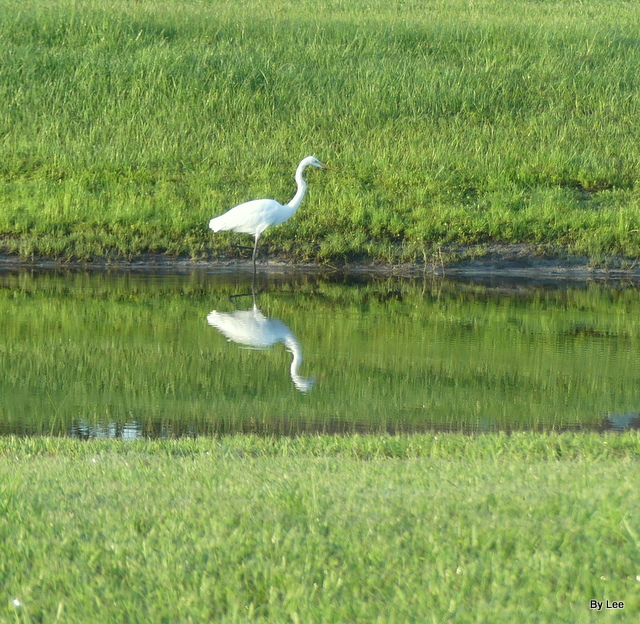
Great Egret Reflecting off the pond by Lee

Great Egret Reflecting off the pond by Lee

“Iron sharpens iron, So one man sharpens another. He who tends the fig tree will eat its fruit, And he who cares for his master will be honored. As in water face reflects face, So the heart of man reflects man.” (Proverbs 27:17-19 NASB)

“When I saw, I reflected upon it; I looked, and received instruction.” (Proverbs 24:32 NASB)

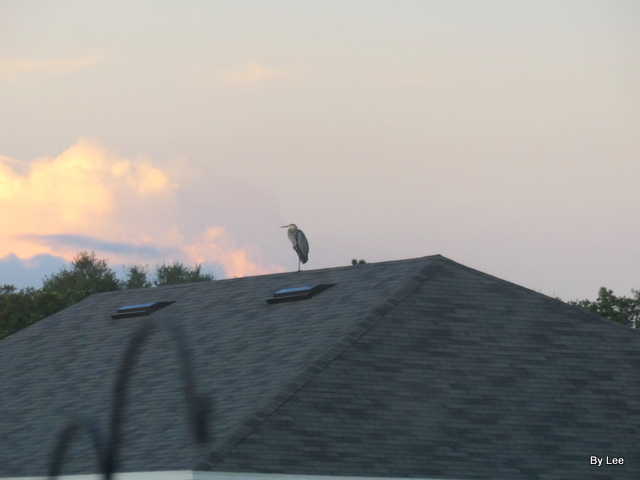
As you know, we have not been birding, or really going anywhere much lately. So, breakfast birding is becoming our birding adventures. Lately, when we go in and out of our housing addition, we have noticed quite frequently, a Great Blue Heron sitting on some houses. Of course, I have never had a camera ready or even in the car.

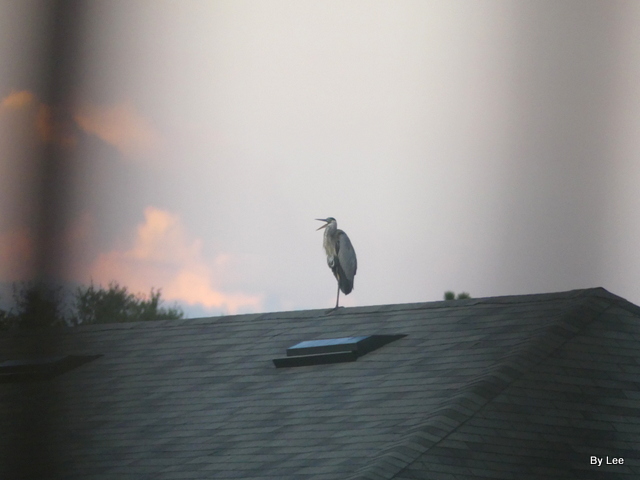
BUT, when we looked out, from the breakfast table, the other morning, this is what I saw. I grabbed the camera and took these photos:

Great Blue Heron on Housetop by Lee

Great Blue Heron on Housetop from breakfast table by Lee

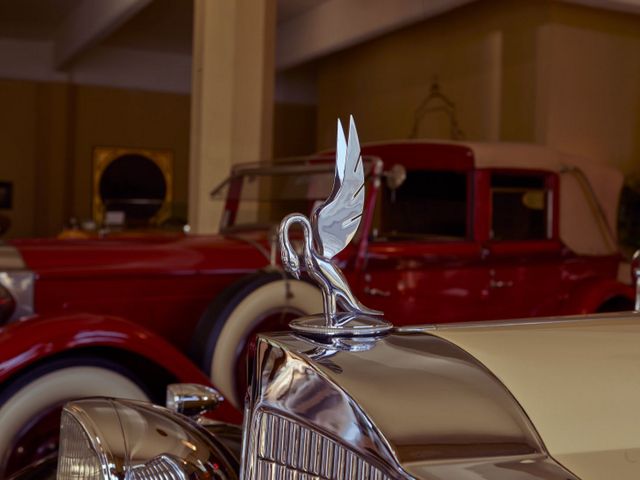
I zoomed in closer, and sure enough, there the Great Blue Heron was on my neighbors house. Back in the “old days” we used to have hood ornaments on car hoods.

Hood Ornament on a Packard (Library of Congress PD)

Hood Ornament on a Packard (Library of Congress PD)

This Heron is making a great “House Ornament.”

Great Blue Heron on Housetop by Lee

Great Blue Heron on Housetop by Lee

Great Blue Heron of Housetop by Lee

Great Blue Heron of Housetop by Lee

“For there is nothing covered, that shall not be revealed; neither hid, that shall not be known. Therefore whatsoever ye have spoken in darkness shall be heard in the light; and that which ye have spoken in the ear in closets shall be proclaimed upon the housetops.” (Luke 12:2-3 KJV)

Well, it’s back to relaxing until the next Breakfast bird/birds show up to entertain us. In the mean time, I have been working on my Geneology.

LEE’S ANCESTRY ADVENTURES

Wordless Birds – With Hummingbirds

Ian’s Bird of the Moment – Christmas Island Birds

Ian’s Bird of the Incident he’s called it this time in his newsletter. By Ian Montgomery
Well, I’ve finally emerged from various Christmas Island induced rabbit holes and we can have our virtual trip to look at some of the special birds of this remote island. There aren’t any feral rabbits on Christmas Island, so Red Crab burrows might be a better metaphor.
Christmas Island is both remote and very old, making it an interesting place in terms of both biogeography and avian evolution. It is about 350km/220 miles south of the western tip of Java and 1,550km/960 miles northwest of Exmouth in Western Australia. There are no nearby islands – the Cocos Keeling Islands are 980km/610 miles to its west. It first appeared about 60 million years ago as a 5,000m/ high volcanic seamount which then underwent several geological uplifts over the following 10 million years giving it a layered structure with cliffs, both coastal and farther inland, formed by coastal erosion. Coral reefs deposited limestone over the basalt core.
christmas_island_map.jpg
60 million years ago was shortly, geologically speaking, after the extinction event, thought to be a global collision with a large object, about 66 million years ago that marked the end of the Cretaceous period. This caused the extinction of many plants and animals, notably the dinosaurs, and resulted in rapid adaptive radiation of many surviving groups, particularly birds and mammals. At the time Australia was still attached to Antarctica and the other tectonic plates of the former Gondwana were still drifting to their current locations and resulting land masses: South America, Africa, Madagascar and India.
The island has an area of 135 sq km/52 sq mi and the coast is an almost continuous cliff with few bays or beaches, as shown in the photo of the east coast. Although known to European sailors from the 17th century, the cliffs made landing, exploration and settlement difficult and it remained uninhabited and consequently undisturbed until the late 19th Century. The largest bay is Flyingfish Cove near the north of the island where the Settlement is located. The photo below shows a typical stretch of coast looking south from Margaret’s Knoll on the eastern side of the island.
margarets_knoll-ps.jpg
You’ll probably know from previous posts that I’m particularly interested in the evolution and ecology of birds, and by extension their taxonomy and biogeography. Isolated islands both provide fascinating insights into and pose intriguing questions about both evolution and biogeography and I’m going to look at the species on Christmas Island from these angles. We’ll start with the taxonomically most unusual, Abbott’s Booby, which belongs to a monotypic endemic genus, then look at other interesting seabirds and finish with land birds.
abbotts_booby_40307_pp.jpg
Three of the seven global species of Booby breed on Christmas Island: Abbott’s, Brown and Red-footed. Both the Brown and Red-footed are widespread, found throughout tropical waters around the world and members of the genus Sula which comprises all the species of Booby except Abbott’s.  Abbott’s, however, breeds only on Christmas Island and is the only member of the genus Papasula. It was originally included in Sula but structural differences between it and both Gannets and other Boobies led Olson and Warheit 1988 to move it to a new more primitive genus of its own. Subsequent DNA studies have confirmed this and Papasula is thought to have branched off the early Gannet-Booby lineage about 22 million years ago.
abbotts_boby_39566_pp.jpg
We can’t, however, conclude that it evolved in isolation on Christmas Island. The species was first described from a specimen collected by the American naturalist William Louis Abbott in 1892 on an island near Madagascar in the western Indian Ocean, either Assumption Island or the nearby Glorioso Island. Fossil evidence indicates that it was quite widespread in the Indian and Pacific Oceans and there are eyewitness reports of it breeding in the Mascarene Islands near Mauritius (as described in Wikipedia). So its endemic status on Christmas Island is a result of its extinction elsewhere. On Christmas Island the population, currently estimated at about 2,000 pairs, has declined owing to habitat clearance and the species is classified as endangered.
red_footed_booby_40375_pp.jpg
Here, by way of comparison, is the white morph of the Red-footed Booby. There is also a widespread brown morph of this species but all, or almost all of the ones on Christmas Island are of the white morph. You can see photos of the brown or dark morph here: Birdway Red-footed Booby.
Frigatebirds are very well represented on Christmas Island. Three of the five global species nest on the island: Lesser, Great and the endemic Christmas (Island) Frigatebird. The other two species are the Magnificent (Birdway: Magnificent Frigatebird) of Atlantic and eastern Pacific Oceans and the Ascension, endemic to Ascension Island in the Atlantic. The Lesser (Birdway: Lesser Frigatebird) has colonised Christmas Island in small numbers relatively recently while the Great (Birdway: Great Frigatebird) is an endemic subspecies (listeri) with a population of about 3,300 pairs.. The Christmas Frigatebird is globally the rarest with a population of about 1,200 pairs. The population has declined since human settlement and the species is now classified as critically endangered, both because of its small, declining population and the fact that its breeding range is limited to a single location.
Unlike Abbott’s Booby, it’s probably fairly safe to assume that it evolved on the island and differs from the other species of Frigatebird mainly in the patterning of the plumage. The male has a diagnostic white belly, while the female has a white breast and belly extending further down the belly than in other species.
chris_is_frigatebird_40587_pp.jpg
Frigatebirds feed both by snatching prey such as squid and flying fish from on or near the surface of the water and by harrying Boobies, Tropicbirds and Terns until they drop their food. In the photo above, this female has just regurgitated a no doubt tasty mixture for its chick including a flying fish, the “wings” of which you can see sticking out on both sides of the chick’s mouth.
While we’re on the subject of tropical seabirds, Christmas Island has two of the three global species of Tropicbirds: the White-tailed and Red-tailed Tropicbird. Most of the local White-tailed Tropicbird population has black and apricot rather than the typical black and white plumage and has been ascribed to a separate subspecies fulvus. It is known locally as the Golden Bosunbird. However, 7% of the local population has the normal black and white plumage and apricot coloured birds occur in small numbers elsewhere, so it may be better to consider the differences just as colour morphs.
whitetail_tropicbird_39817_pp.jpg
For me, the Golden Bosunbird was the most beautiful bird on the island and I spent hours watching them in flight from this lookout near the settlement overlooking Tai Jin House, below, the former resident of the governor in more colonial times.
tai_jin_house-ps.jpg
The Red-tailed Tropicbird, or locally Silver Bosunbird, is quite beautiful too. In pristine condition, the birds have long red tail streamers, but these frequently get broken off when the birds are nesting. They do a spectacular fluttering display flight travelling downwards and often slightly backwards near the cliffs where they nest.
redtailed_tropicbird_40016_pp.jpg
Both of these Tropicbirds are quite widespread. The White-tailed occurs in tropical parts of the Indian, Pacific and Atlantic Oceans while the Red-tailed ranges from the western Indian Ocean to the central Pacific.
Special birds on Christmas Island are not restricted to sea birds: it has some unusual land birds as well. Here is the splendid and abundant Christmas Island Imperial Pigeon.
xmas_is_imp_pigeon_40723_pp.jpg
The dorsal plumage is this lustrous green which reminds me of Connemara marble. The breast is plum-coloured, the vent rufous and the eyes are a spectacular golden. It’s endemic to the island and its closest relative is the Pink-headed Imperial Pigeon (D. rosacea), widespread in the Indonesian islands of the Java Sea.
xmas_is_imp_pigeon_40171_pp.jpg
A much more elusive member of this family is endemic race natalis of the Common or Asian Emerald Dove. This used to be treated as the same species as the Emerald Dove that occurs in Australia but the latter has been split into two species: the Common or Asian and the Pacific. As a result, Christmas Island is the only place in Australia where the Common or Asian species occurs.
common_emerald_dove_40178_pp.jpg
Also elusive is the only resident owl, the endemic Christmas Island Boobook. With a length of 26-29cm/10-11.4in, it is generally smaller than the rather variable Australian Bookbook of the mainland: 27-36cm/10.6-13.8in. We went out one night near the golf course with David James, one of the leaders of the first Christmas Island Bird Week, who was armed with a recording of the call. The recording was of poor quality but to our delight and surprise we got a response and a family of three appeared at close quarters. The species is regarded as vulnerable with a population of maybe 500 pairs and there are concerns that the introduction of yellow crazy ants is affecting the availability of the invertebrate prey that is its main source of food.
christmas_boobook_39728_pp.jpg
Christmas Island also has an endemic diurnal predator, the Christmas Island Goshawk. Its taxonomy has proved a challenge for various taxonomists and it has generally been treated as a race of the Brown Goshawk (Accipiter fasciatus). In fact there are significant differences in structure, appearance and behaviour, so there is probably justification for treating it as a separate species. It is the rarest of the endemic birds with a population of probably less than 250 individuals. Unlike the Brown Goshawk, the birds are relatively tame and approachable.
variable_goshawk_39610_pp.jpg
Christmas Island has only two endemic Passerines, the endemic race of the Island Thrush that was the subject of the last Irregular Bird and the Christmas Island White-eye. White-eyes are famous for finding their way to and settling on remote islands so there are nearly one hundred species ranging from Africa through the warmer parts of Asia to Australasia and the islands of the Pacific. This one is posing on a coral tree near Tai Jin House.
xmas_is_white_eye_39318_pp.jpg
So, there you are. Plenty of rabbit or red crab burrows to be explored by budding taxonomists and biogeographers. Talking about Red Crabs, itt wasn’t the right time of the year for the Red Crab spawning event and I don’t remember seeing any as they keep out of sight at other times of the year. We did encounter some Robber or Coconut Crabs, however. This species  is the largest terrestrial arthropod, weighing up to 4kg/8.8lbs and measuring up to 1m/39in in span from leg tip to leg tip. Their range comprises islands of the Indian Ocean and parts of the Pacific.
robber_crab_39595_pp.jpg
Greetings and stay safe,
Ian

Lee’s Addition:

“Thus the heavens and the earth were completed, and all their hosts. By the seventh day God completed His work which He had done, and He rested on the seventh day from all His work which He had done.” (Genesis 2:1-2 NASB)

Very interesting how these birds have developed and interbred over the centuries. With isolation, much interbreeding within the species has helped influence these varieties within the families and orders.

See More of Ian’s posts at:

Ian’s Bird of the Week

Who Paints the Leaves?

Bee-eaters – Creation Moments

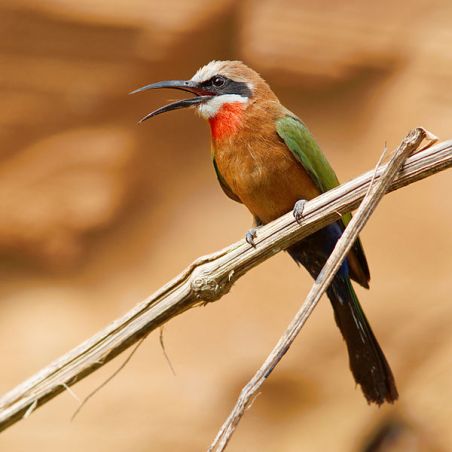
White-fronted Bee-eater (Merops bullockoides) ©WikiC

White-fronted Bee-eater (Merops bullockoides) ©WikiC

Here is another interesting video from Creation Moments about the habit of Bee-eaters of eating bees loaded with poison.

 Watch our video about
one of God’s most amazing
creatures – birds that eat bees!


Bee-eaters make their living catching and eating bees and wasps with stingers. The poison in many of these stinging insects is powerful enough to kill bee-eaters, but the birds are not only skilled at avoiding stings, they know how to remove the poison from the bee when they eat it! And they have one other important skill, which you’ll learn about when you watch our “Birds Who Build Pyramids” video.

Click here to watch or click the photo above.

From Creation Moments ©2020

“I know every bird of the mountains, And everything that moves in the field is Mine.” (Psalms 50:11 NASB)

Interesting Things

Denny and Charles’s Museum by Emma Foster

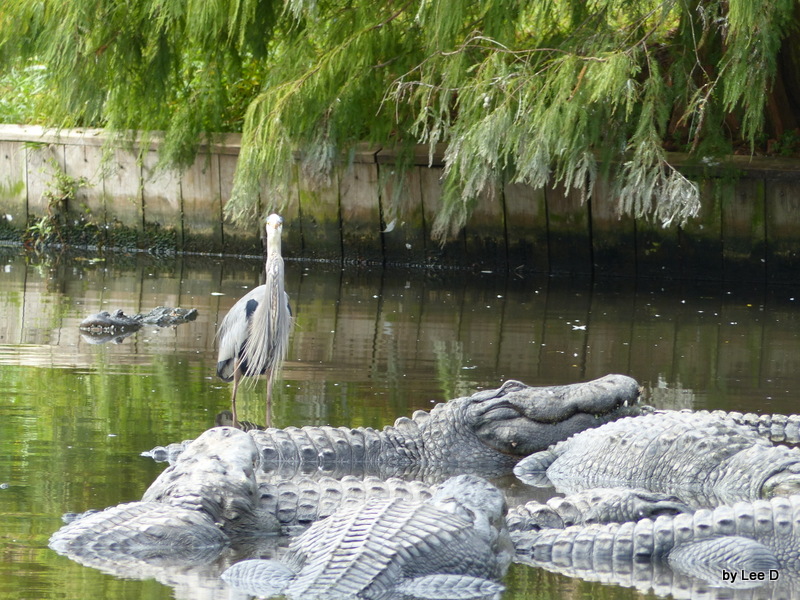
G. Blue Heron on Gator’s back at Gatorland, by Lee

Denny and Charles’s Museum

Emma Foster

Denny the blue heron was the smallest out of all the blue herons that lived in the Florida reserve, but no one ever made fun of him for it because his best friend was the largest alligator in the reserve, Charles. Denny and Charles spent most of their time crossing the various swamps, with Charles slinking through the mud and weeds and Denny sitting on his back.

Usually, whenever Denny and Charles set out together, they would follow the trails marked in the reserve, so that they were always near the banks. The people who visited the reserve enjoyed seeing them wander down the swamp trails, especially since Denny sat on Charles’s back while Charles swam through the weeds.

One day, while Denny and Charles were traveling through the water, Denny spotted something unusual in the water. It was bright red, and it shone brightly when the sun reflected on it. Denny stuck his beak inside it to pick it up. He lifted the can and placed it onto Charles’s back. Denny wasn’t quite sure what it was, and Charles couldn’t see it because it was on his back. Denny decided to keep it.

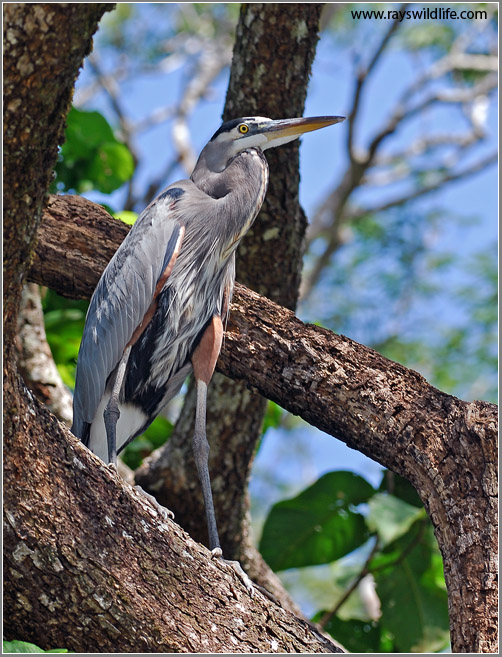
Great Blue Heron (Ardea herodias) by Raymond Barlow

Farther along down the reserve trail, Denny spotted another interesting object. He wasn’t sure what this was either, but it was bright yellow and small. Denny added it to his growing collection.

Eventually, Denny had several small objects piled on Charles’s back. He placed everything he had found on the bank so Charles could have a look at it. They both thought about what to do with what Denny found. After thinking for a long time, Denny proposed an idea. He thought it would be a great idea to set all of the objects they found in an area where all the other animals in the swamp could see them.

Denny promptly flew off to find a large open area for them to place their things. Charles slowly nudged the objects into his mouth and followed Denny to where he was calling. Charles dumped the objects onto the grass, glad to be of help.

Every day, Denny and Charles added more to their collection. They found two old water bottles, a small pipe, and several pieces of different materials that were several different colors like pink, red, blue, and yellow. Denny kept the can placed in a special spot for everyone to see, since he had found it first.

The birds, insects, and other animals enjoyed seeing all the things Denny and Charles had put out. Some of them thought it was odd that they collected that stuff, since it seemed to serve no purpose.

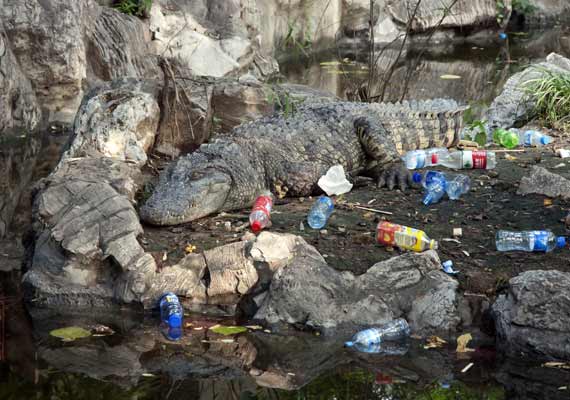
Gator and Litter @indiatvnews

As summer drew near, it began raining more and more. Most of the animals had a comfortable place to spend every night. Charles was happy to sit in the swamp in the rain, and Denny sat in the trees, keeping a close eye on his collection. However, as he was watching it one evening he saw a little gray mouse pass him nearby. It was so small it could dodge the raindrops, but it still looked very wet and cold. It hid under the leaves in the bushes, but it couldn’t seem to find a warm, dry place for the night. Denny suddenly thought of the things he had found, but he couldn’t think of anything that would make a good house. Then he thought of the can.

Denny called Charles over. He told him about giving the can to the mouse, though he was reluctant to give it away. Charles thought it was a great idea, and he immediately crashed through the bushes to put the can in his mouth. Denny flew after the mouse, told her his name, and explained what they wanted to give her. At that moment, Charles waddled through the bushes and dropped the can beside the mouse. The mouse, Charlotte, was very grateful for what they had done. She rolled the can under the leaves, turned it to the side, and carefully squeezed through the opening to sit down inside.

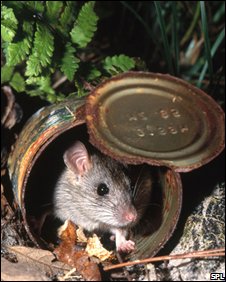
Mouse in Can (BBC)

Denny and Charles continued growing their collection. The other animals in the reserve enjoyed seeing what they added to the museum, and they sometimes even brought some of their own things that they had found. Charlotte the mouse stayed in her little can house, beside Denny and Charles’s museum, and told them every day how happy she was in her new home.


“A man that hath friends must shew himself friendly: and there is a friend that sticketh closer than a brother.” (Proverbs 18:24 KJV)

Lee’s Addition:

What an interesting story. Birds riding on gator’s backs isn’t as far-fetched as it might seem.

Thanks, Emma, for another delightful adventure. You continue to find heart-felt stories for us to enjoy. We will be looking forward your next one.

“Nevertheless, you have done well to share with me in my affliction.” (Philippians 4:14 NASB)

See more of Emma’s Stories

From The Breakfast Table – 7/24/20

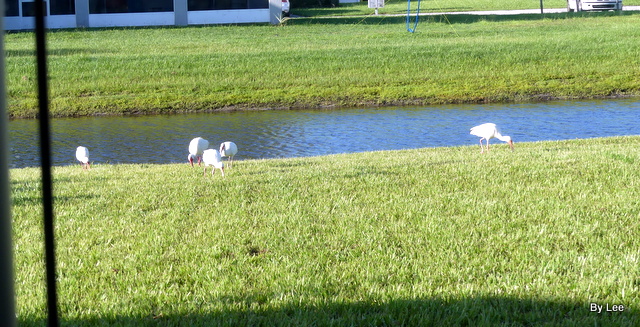
White Ibis checking out our yard.

White Ibises checking out our yard.

Well, while eating our breakfast today, we had another birdwatching adventure. Since I have been staying in more again because of this Covid-19 pandemic, there have been no trips to watch birds. No birds, no posts. Thankfully, Dr. Johnson (JJSJ) and William Wise have been adding post here.

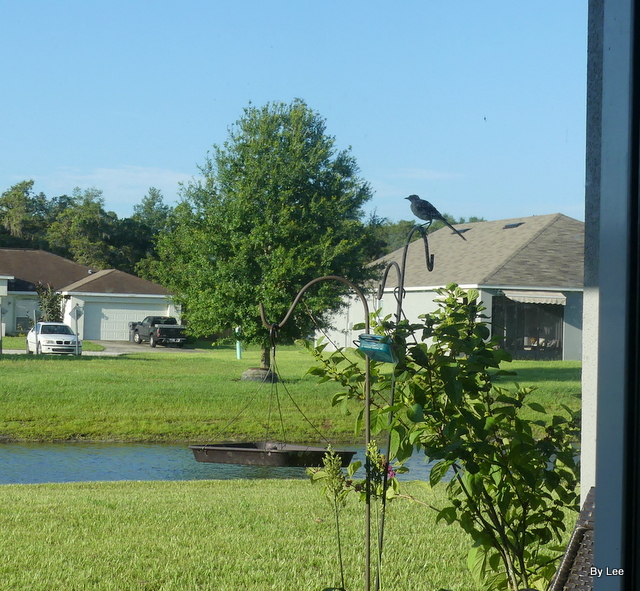
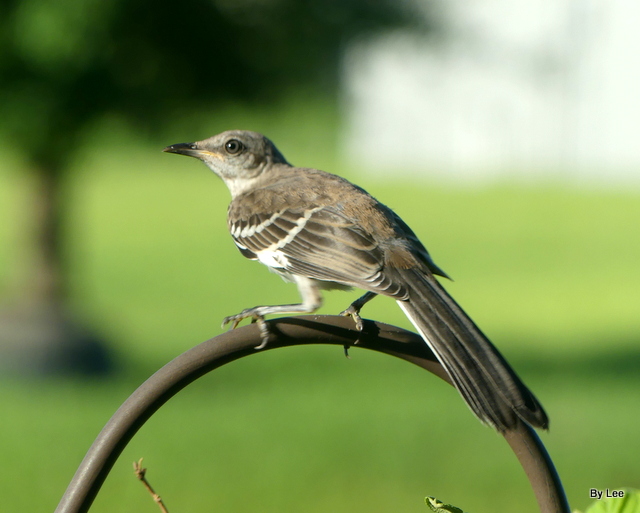
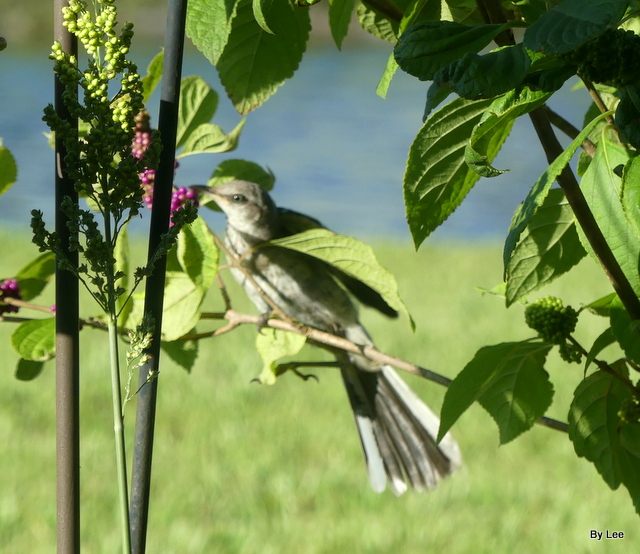
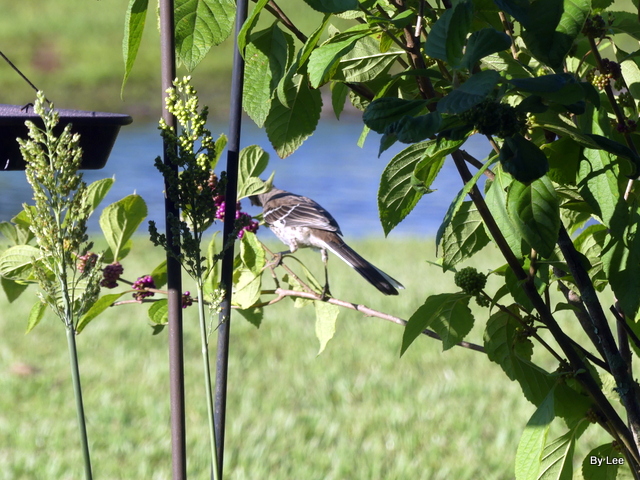
With the heat of summer, the birds are less frequent this time of year. Many migrate north, but they will return this fall. Also thankfully, there are those who are resident birds and hang around. Today was a show of Northern Mockingbirds. When we moved here recently, I brought a Beautyberry shrub with me. My neighbor helped me prune it, and it is the best it has ever been. I have been watching the little berries develop, and now, some of them are ripening up.

Northern Mockingbird on Hook 2

Northern Mockingbird on Hook

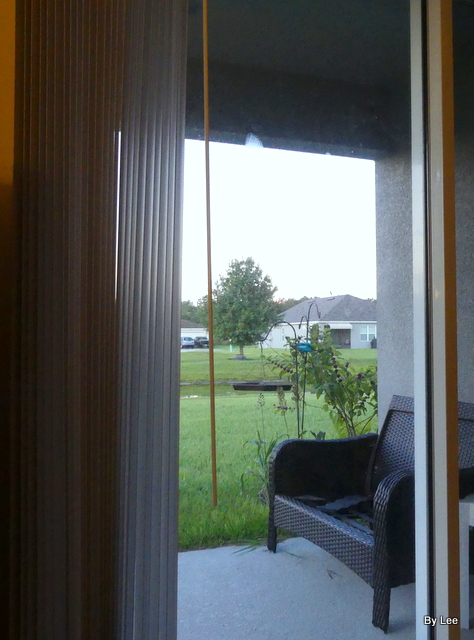
“For at the window of my house I looked out through my lattice,” [double sliding door] (Proverbs 7:6 NASB)

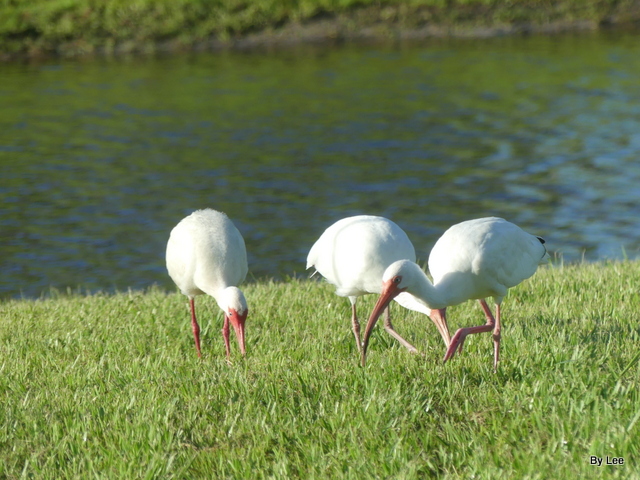
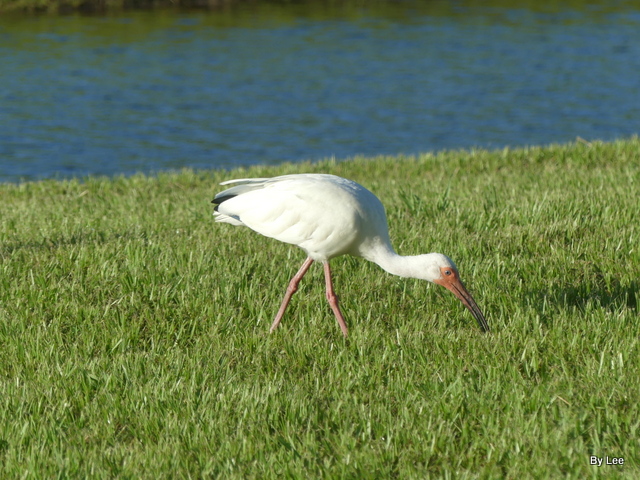
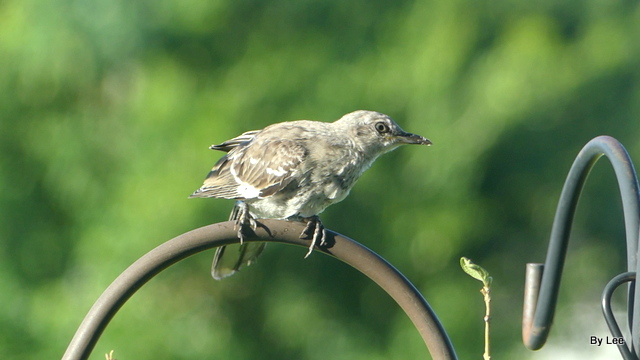
First a few White Ibises walked through the yard, and then the Mockingbirds started to appear. I have only seen one most of the time. Must be something about those berries that brought the whole family in. Before breakfast was over, five had come in at once. Three of them seem like juveniles or almost mature, the other two, I assume are the adults.

Here are some of the photos I took while sitting at the breakfast table:

American White Ibises checking for whatever:

White Ibis checking out our yard.

White Ibis checking out our yard.

Northern Mockingbirds on the hook and the Beautyberry plant:

Northern Mockingbird on Hook

2 Northern Mockingbirds on Hook

Young Northern Mockingbird on Hook

Eating berries

“Look at the birds of the air, that they do not sow, nor reap nor gather into barns, and yet your heavenly Father feeds them. Are you not worth much more than they?” (Matthew 6:26 NASB)

All these visitors made for an entertaining and blessed start to our day. Here is a video of some of this activity. All from my chair at breakfast.

Video of Mockingbirds:

And video of Juvenile Mockingbird

Good News

Creation Moment’s – Tool Users That Are Something To Crow About

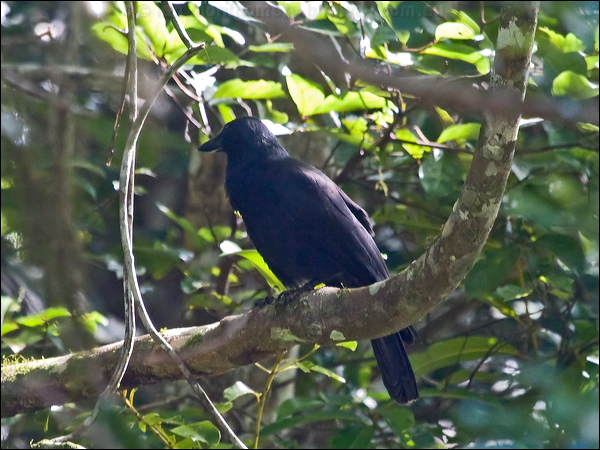
New Caledonian Crow (Corvus moneduloides) by Ian Montgomery

Genesis 4:22

And Zillah, she also bare Tubal-cain, an instructor of every artificer in brass and iron: and the sister of Tubal-cain was Naamah.”

Many creatures have been found that use sticks, leaves and other items as tools. Chimpanzee parents teach their youngsters to poke sticks in termite holes to get termites. However, no animal has shown an instinctive tendency to make and use tools, until now.
Caledonian crows are among the known tool-users. A pair of captive New Caledonian crows were having trouble incubating their four eggs. So researchers decided to incubate and raise the young crows themselves. Upon hatching, the young crows were separated into two pairs. One pair received lessons on how to use twigs to poke food out of slots. The other pair received no lessons, nor were they allowed to see their siblings using tools. When they were given sticks and leaves, they spontaneously began using the twigs to poke food out of a slot. One of them also tore a leaf into a food poker. After evaluating all the behavioral data, researchers concluded that while crows have a natural tendency to make and use tools, they also learn how to make improved tools from their elders.

Tool making is not what separates man from animals, although we can make tools far superior to those made by animals. The Bible tells us that the earliest man was made in the image of God and that the earliest generations of man were already making iron tools.

Prayer: Father, thank You for making me for a relationship with You and making a relationship possible through Christ. Amen.

Author: Paul A. Bartz

Ref: Science News, 1/15/05, p. 38, S. Milius, “Crow Tools.” Image: New Caledonian crow (PD)

© 2020 Creation Moments. (Used with permission)


Lee’s Addition:

We have had several previous articles about the tool usage of birds:

Birds of the Bible – Uniquely Created Tools

Interesting Things – Fleas, Birds and Tools

The Best Toolmakers in the World by Emma Foster

The Crow and the Screwdriver – by Emma Foster

*

Hope for Hard Times


Jesus And Birds – Birds Not Sowing

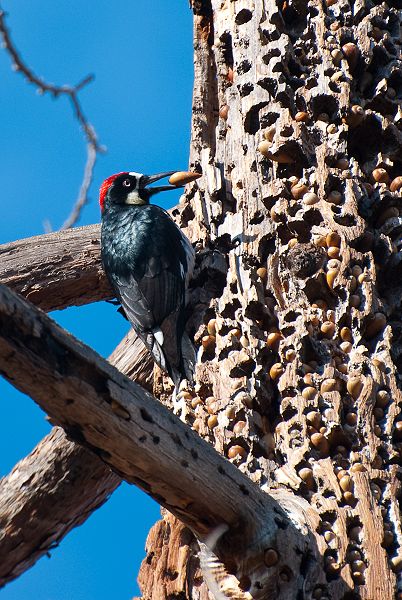
Acorn Woodpecker (Melanerpes formicivorus) with Hoard or Grainary WikiC

Acorn Woodpecker (Melanerpes formicivorus) with Hoard or Grainary WikiC

Wow! Where does time go? With all this craziness over the Coronavirus and the uneasiness of our country, time gets away from me. Maybe I need to listen to what Jesus was saying about not being anxious. This is the 4th mention of birds by the Lord while here on earth. 1st Cleansing Of Temple was the last in this series. That was back in May.

“For this reason I say to you, do not be worried about your life, as to what you will eat or what you will drink; nor for your body, as to what you will put on. Is not life more than food, and the body more than clothing? “Look at the birds of the air, that they do not sow, nor reap nor gather into barns, and yet your heavenly Father feeds them. Are you not worth much more than they?” (Matthew 6:25-26 NASB) [emphasis mine]

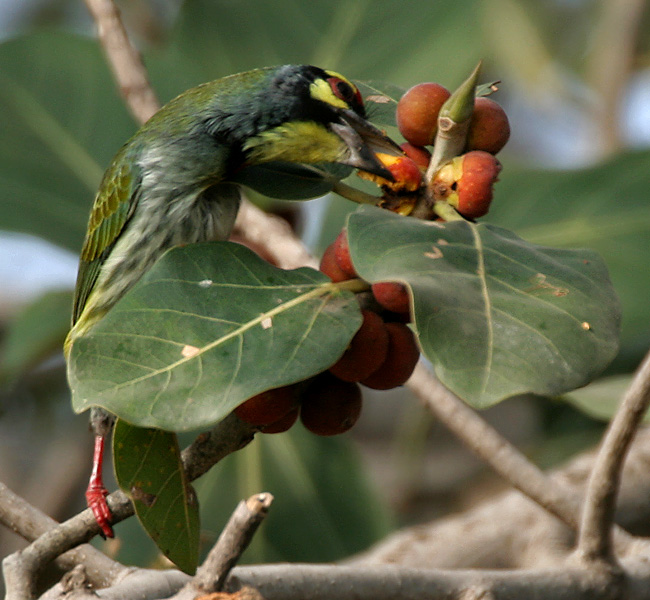
Coppersmith Barbet (Megalaima haemacephala) ©WikiC Feeding

Coppersmith Barbet (Psilopogon haemacephala) ©WikiC Feeding

This time we have the much quoted, and taught, lesson about the feeding of birds of the air. Mathew 6:25-34 is a favorite passage of mine. The Lord encourages us to relax and put our trust in Him. LOOK!!! at the birds, I take great care of them. I WILL ALSO take great care of you!!

Clothes? Look how HE feeds and dresses the birds! Even the plants, are so beautiful.

“And who of you by being worried can add a single hour to his life? “And why are you worried about clothing? Observe how the lilies of the field grow; they do not toil nor do they spin, yet I say to you that not even Solomon in all his glory clothed himself like one of these.” (Matthew 6:27-29 NASB)

QUIT WORRYING!

“But if God so clothes the grass of the field, which is alive today and tomorrow is thrown into the furnace, will He not much more clothe you? You of little faith!Do not worry then, saying, ‘What will we eat?’ or ‘What will we drink?’ or ‘What will we wear for clothing?‘ “For the Gentiles eagerly seek all these things; for your heavenly Father knows that you need all these things.” (Matthew 6:30-32 NASB)

So, how do we quit worring, Look to Jesus and His Kingdom. First by accepting Him as our Savior, and then learning to trust fully in His care and provisions. No, the food won’t fall out of heaven, but the Lord will provide us the means of providing what we can. Then we need to depend on Him to provide whatelse we need. (Not always what we want)

“But seek first His kingdom and His righteousness, and all these things will be added to you. “So do not worry about tomorrow; for tomorrow will care for itself. Each day has enough trouble of its own.” (Matthew 6:33-34 NASB)

Gospel Message


Bobble-Body or Gaze Stablization

A friend placed this video on my Facebook. Another friend commented that instead of a bobble-head, it seems to have a bobble-body. That appears to be a very appropriate name for this Kingfisher’s actions.

Kingfisher, which aired on the BBC’s Winterwatch

Audubon’s comments had this remark about this birds video:

“Here’s an experiment: While reading this sentence, shake your head back and forth, and then nod up and down. Notice how the words on your screen remain in focus? Congratulations, you just experienced “gaze stabilization.

It’s this natural ability that allows us to maintain a clear line of vision even when our bodies are in motion.”

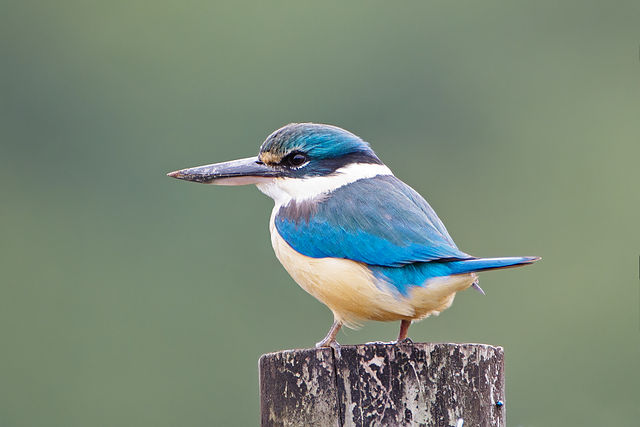
Sacred Kingfisher (Todiramphus sanctus) ©WikiC

“Gaze stabilization found in nature has inspired modern technologies, such as those used to stabilize images in cameras and drones. “Any cameras that films movies have image stabilization,” Dickman says.” Read this whole artcle at For Birds, a Steady Head Is the Key to Incredible Focus

Gazing, or keeping our eyes focused on things, is mention frequently in Scripture.

“Look up at the heavens and see; gaze at the clouds so high above you.” (Job 35:5 NIV)

Stephen Gazed: “But he, being full of the Holy Spirit, gazed into heaven and saw the glory of God, and Jesus standing at the right hand of God, and said, “Look! I see the heavens opened and the Son of Man standing at the right hand of God!” (Acts 7:55-56 NKJV)

Common Kingfisher (Alcedo atthis) by Ian

“He has regarded the prayer of the destitute And has not despised their prayer. This will be written for the generation to come, That a people yet to be created may praise the LORD. For He looked down from His holy height; From heaven the LORD gazed upon the earth, To hear the groaning of the prisoner, To set free those who were doomed to death,” (Psalms 102:17-20 NASB)

“At Lystra a man was sitting who had no strength in his feet, lame from his mother’s womb, who had never walked. This man was listening to Paul as he spoke, who, when he had fixed his gaze on him and had seen that he had faith to be made well, said with a loud voice, “Stand upright on your feet.” And he leaped up and began to walk.” (Acts 14:8-10 NASB)

Where are we gazing?

“Therefore, since we have so great a cloud of witnesses surrounding us, let us also lay aside every encumbrance and the sin which so easily entangles us, and let us run with endurance the race that is set before us, fixing our eyes on Jesus, the author and perfecter of faith, who for the joy set before Him endured the cross, despising the shame, and has sat down at the right hand of the throne of God.” (Hebrews 12:1-2 NASB)

What will you do with Jesus?

Which One Do I Feed First?

I have been a subscriber to Alois Absenger. He is a great photographer in Southeast Styria, I believe. I could not resist sharing his latest photo.

Which One Do I Feed First?

11 Mouths to feed ©Alois Absenger

11 Mouths to feed ©Alois Absenger

“For this reason I say to you, do not be worried about your life, as to what you will eat or what you will drink; nor for your body, as to what you will put on. Is not life more than food, and the body more than clothing? “Look at the birds of the air, that they do not sow, nor reap nor gather into barns, and yet your heavenly Father feeds them. Are you not worth much more than they?” (Matthew 6:25-26 NASB)

Check out his site at: https://aloisabsenger.wordpress.com/2020/06/19/11-hungrige-kohlmeisen/

Bird Song Hero: Learning Game

Bird Song Hero: Learning Game is from Cornell Lab of Ornithology

“Oh give thanks to the LORD, call upon His name; Make known His deeds among the peoples. Sing to Him, sing praises to Him; Speak of all His wonders.” (1 Chronicles 16:8-9 NASB)

For the full challenge, including the Bird Song Hero Ultimate round and free bird song downloads, visit: http://biology.allaboutbirds.org/bird….

Thought you might enjoy this challenge.