Sunday Inspiration – Laughingthrush Leiothrichidae Family

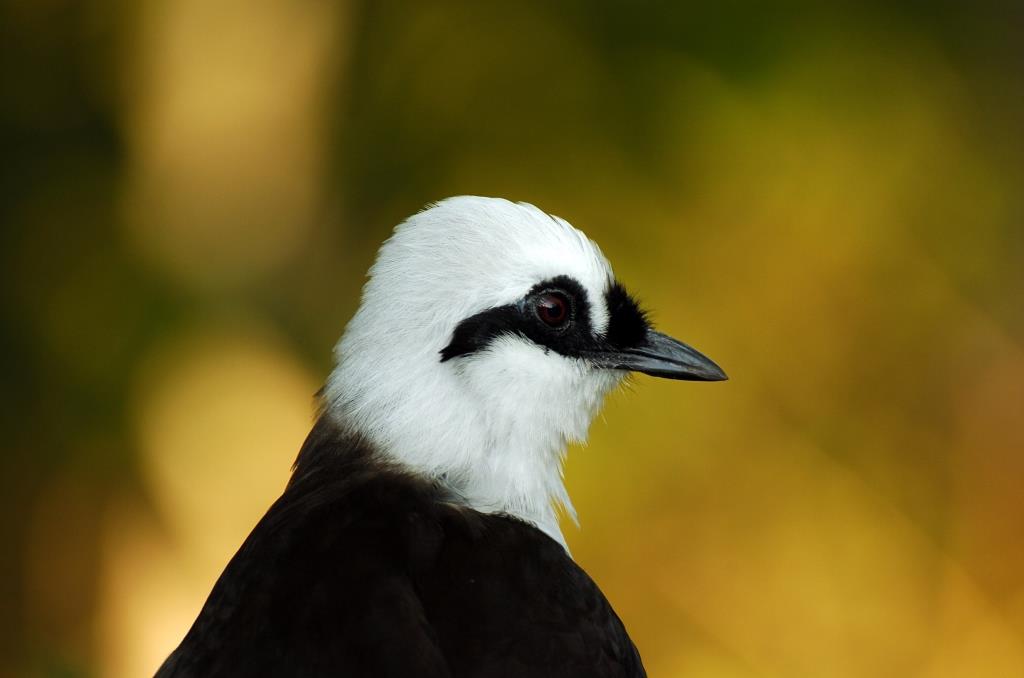
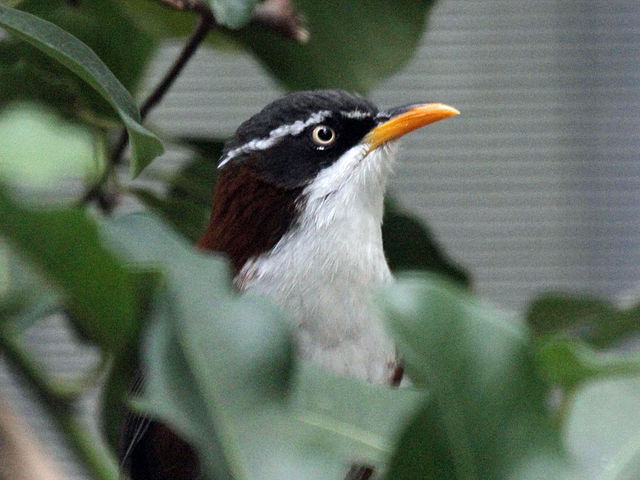
Sumatran Laughingthrush (Garrulax bicolor) by Dan at Wing of Asia ZM

Sumatran Laughingthrush (Garrulax bicolor) by Dan at Wing of Asia ZM

A merry heart does good, like medicine, But a broken spirit dries the bones. (Proverbs 17:22 NKJV)

Every since we saw Laughingthrushes for the first time at Zoo Miami’s Wing of Asia aviary, I fell in love with these birds. The photo above is the one I like to call “Joe Cool.” Their “sunglasses” makes them look rather “Cool” don’t you think? They are fun to watch and most of them like to hop around instead of walking.

Joe Cool

(Black and White) Sumatran Laughingthrush (Garrulax bicolor) by Lee “Joe Cool”

The Laughingthrush Family, called Leiothrichidae, has 133 species and is our next passerine family. Actually there was a Sunday Inspiration about them previously. Sunday Inspiration – Laughingthrush

The Laughingthrushes are the genus Garrulax of the large Old World babbler family of passerine birds. They occur in tropical Asia, with the greatest number of species occurring in the Himalaya and southern China.
These are rangy, medium-sized, floppy-tailed landbirds with soft fluffy plumage. These birds have strong legs and are quite terrestrial. This group is not strongly migratory, and most species have short rounded wings, and a weak flight.

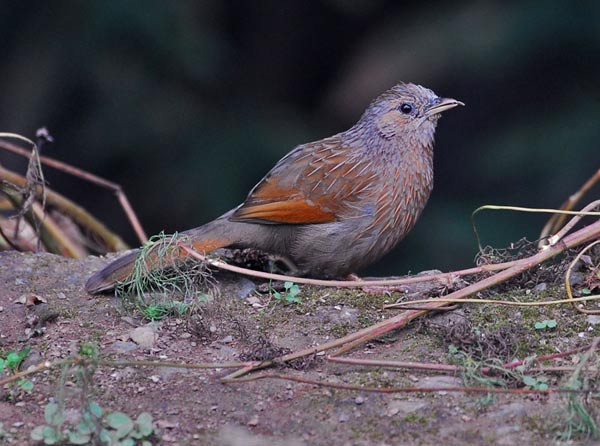
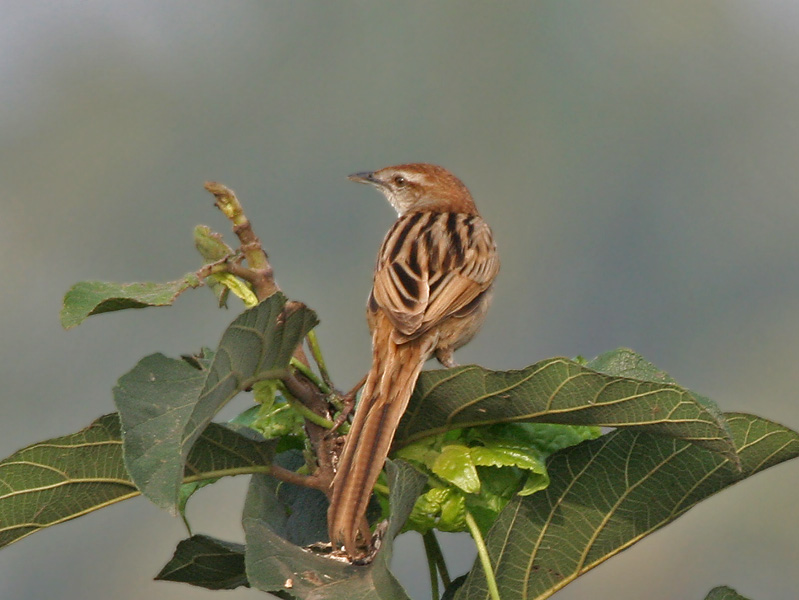
Streaked Laughingthrush (Garrulax lineatus) by Nikhil Devasar

Streaked Laughingthrush (Garrulax lineatus) by Nikhil Devasar

A few, like the Streaked Laughingthrush occur in fairly open habitats, but most are jungle species, difficult to observe in the dense vegetation they prefer.

Like other babblers, these are noisy birds, and the characteristic laughing calls are often the best indication that these birds are present. As with other babbler species, they frequently occur in groups of up to a dozen, and the rainforest species like the Ashy-headed Laughingthrush often occur in the mixed feeding flocks typical of tropical Asian jungle. (Wikipedia)

Red-tailed Laughingthrush at Wings of Asia by Lee

Red-tailed Laughingthrush (Trochalopteron milnei) by Lee

Then our mouth was filled with laughter, And our tongue with singing. Then they said among the nations, “The LORD has done great things for them.” The LORD has done great things for us, And we are glad. Bring back our captivity, O LORD, As the streams in the South. Those who sow in tears Shall reap in joy. He who continually goes forth weeping, Bearing seed for sowing, Shall doubtless come again with rejoicing, Bringing his sheaves with him. (Psalms 126:2-6 NKJV)

This slideshow requires JavaScript.

“Ten Thousand Joys” ~ Choir – Lisa Brock – Jessie Padgett (Faith Baptist)

*

More Sunday Inspirations

Laughingthrush – Leiothrichidae Family

Who Paints The Leaves?

*

Sunday Inspiration – Fulvettas, Ground Babblers

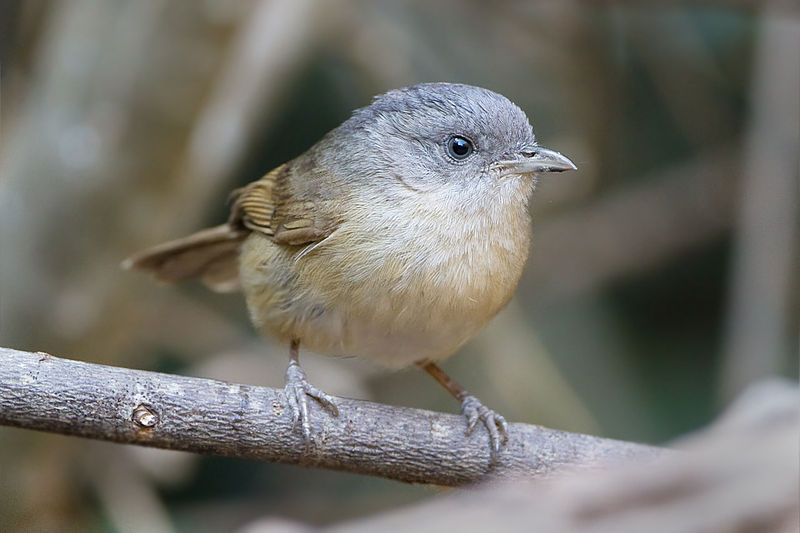
Brown-cheeked Fulvetta (Alcippe poioicephala) ©WikiC

Brown-cheeked Fulvetta (Alcippe poioicephala) ©WikiC

He loves righteousness and justice; The earth is full of the goodness of the LORD. (Psalms 33:5 NKJV)

The Pellorneida is another neatly created family that has 70 members and are a family of mostly Old World passerine birds. They are rather diverse in size and coloration, but are characterised by soft fluffy plumage. These are birds of tropical areas, with the greatest variety in Southeast Asia and the Indian subcontinent. The entire family was previously included in the Timaliidae.

Morphological diversity is rather high; most species resemble “warblers”, jays or thrushes.

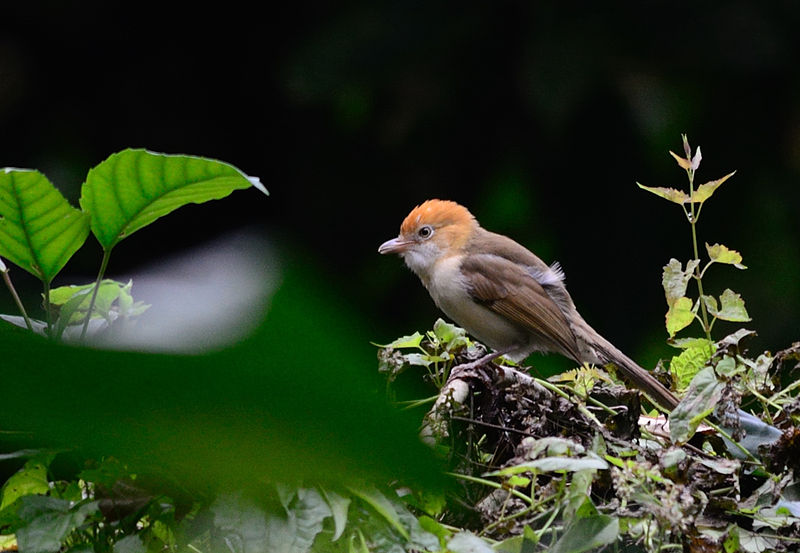
White-hooded Babbler (Gampsorhynchus rufulus) ©WikiC

White-hooded Babbler (Gampsorhynchus rufulus) ©WikiC

They are small to medium-sized birds. They have strong legs, and many are quite terrestrial. They typically have generalised bills, similar to those of a thrush or warbler. Most have predominantly brown plumage, with minimal difference between the sexes, but many more brightly coloured species also exist.

This group is not strongly migratory, and most species have short rounded wings, and a weak flight. They live in lightly wooded or scrubland environments, ranging from swamp to near-desert. They are primarily insectivorous, although many will also take berries, and the larger species will even eat small lizards and other vertebrates.(Wikipedia with editing)

This slideshow requires JavaScript.

A soft answer turneth away wrath: but grievous words stir up anger. (Proverbs 15:1 KJV)

“Everything’s Fine” ~ ©Hyssongs

*
More Sunday Inspiration

Fulvettas, Ground Babblers – Pellorneida

The Amazing Butterfly

*

Sunday Inspiration – Cisticolas and Singing

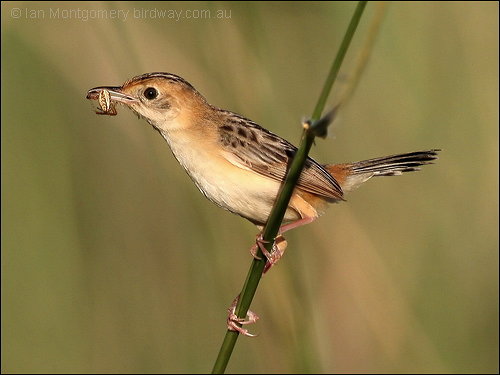
Golden-headed Cisticola (Cisticola exilis) by Ian

Golden-headed Cisticola (Cisticola exilis) by Ian

The flowers appear on the earth; The time of singing has come, And the voice of the turtledove (Cisticola?) Is heard in our land. (Song of Solomon 2:12 NKJV)

The Cisticolidae – Cisticolas and Allies family has 158 species currently. They are  warblers found mainly in warmer southern regions of the Old World. They are often included within the Old World warbler family Sylviidae. Among the Cisticolida, besides the Cisticola, there are; Jery, Prinia, Warblers, a Longtail, Apalis, Camaroptera, Wren-Warblers, Tailorbirds, Forest Warblers, and Eremomelas.

This family probably originated in Africa, which has the majority of species, but there are representatives of the family across tropical Asia into Australasia, and one species, the zitting cisticola, even breeds in Europe.

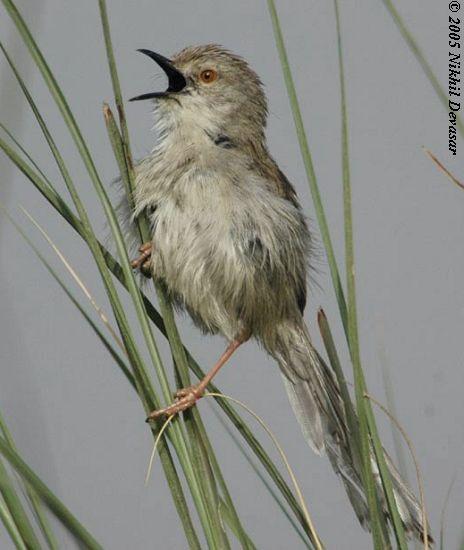
Graceful Prinia (Prinia gracilis) by Nikhil Devasar

These are generally very small birds of drab brown or grey appearance found in open country such as grassland or scrub. They are often difficult to see and many species are similar in appearance, so the song is often the best identification guide.

By them the birds of the heavens have their home; They sing among the branches. (Psalms 104:12 NKJV)

These are insectivorous birds which nest low in vegetation.

This slideshow requires JavaScript.

Serve the LORD with gladness; Come before His presence with singing. (Psalms 100:2 NKJV)

“How Can I Keep From Singing?” ~  by the Trio + 1 (Pastor Jerry, Reagan Osborne, Caleb & Jessie Padgett) Faith Baptist

*

More Sunday Inspirations

Cisticolidae – Cisticolas and allies

In Our Place

*

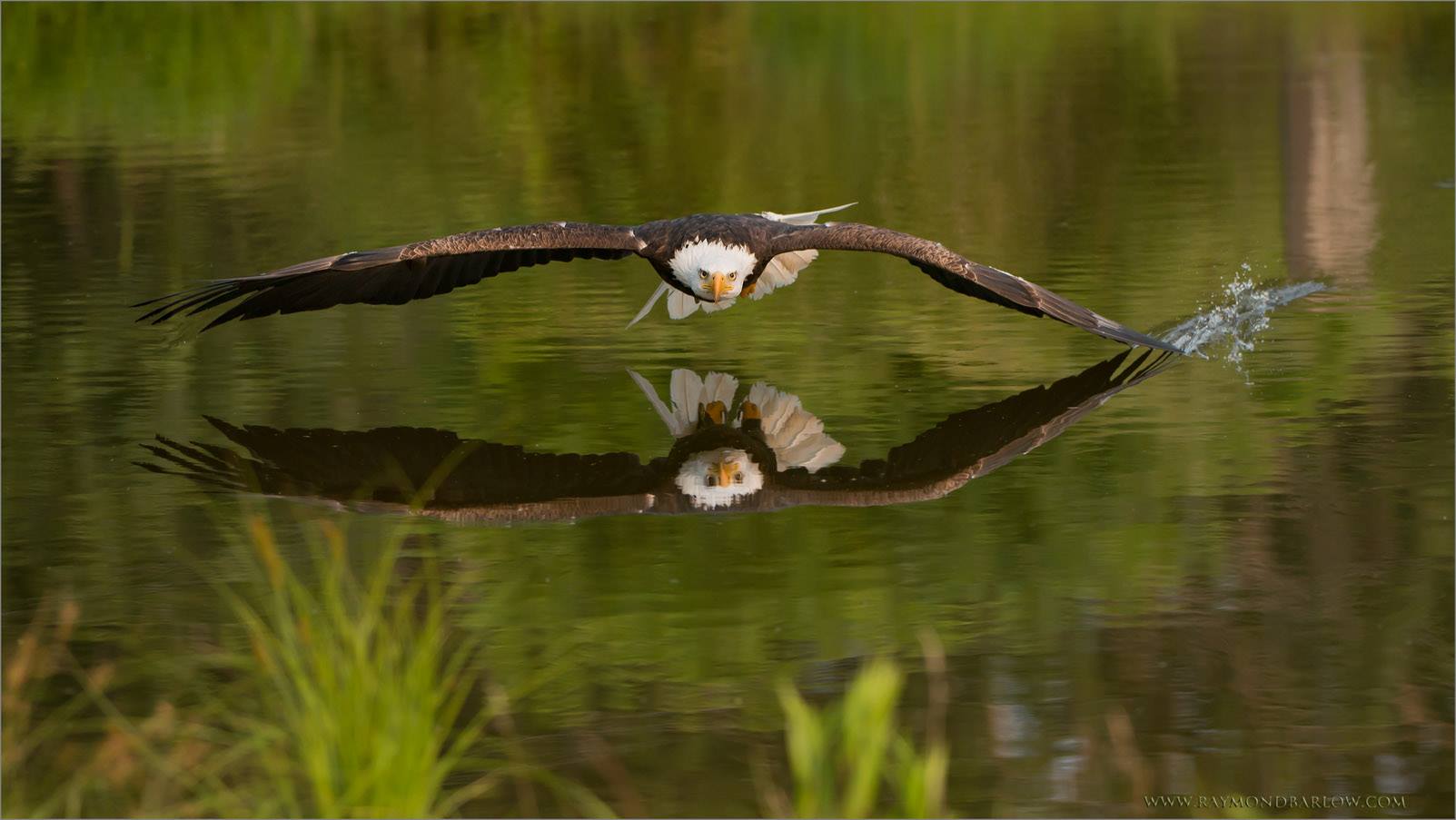
How Well Do We Reflect?

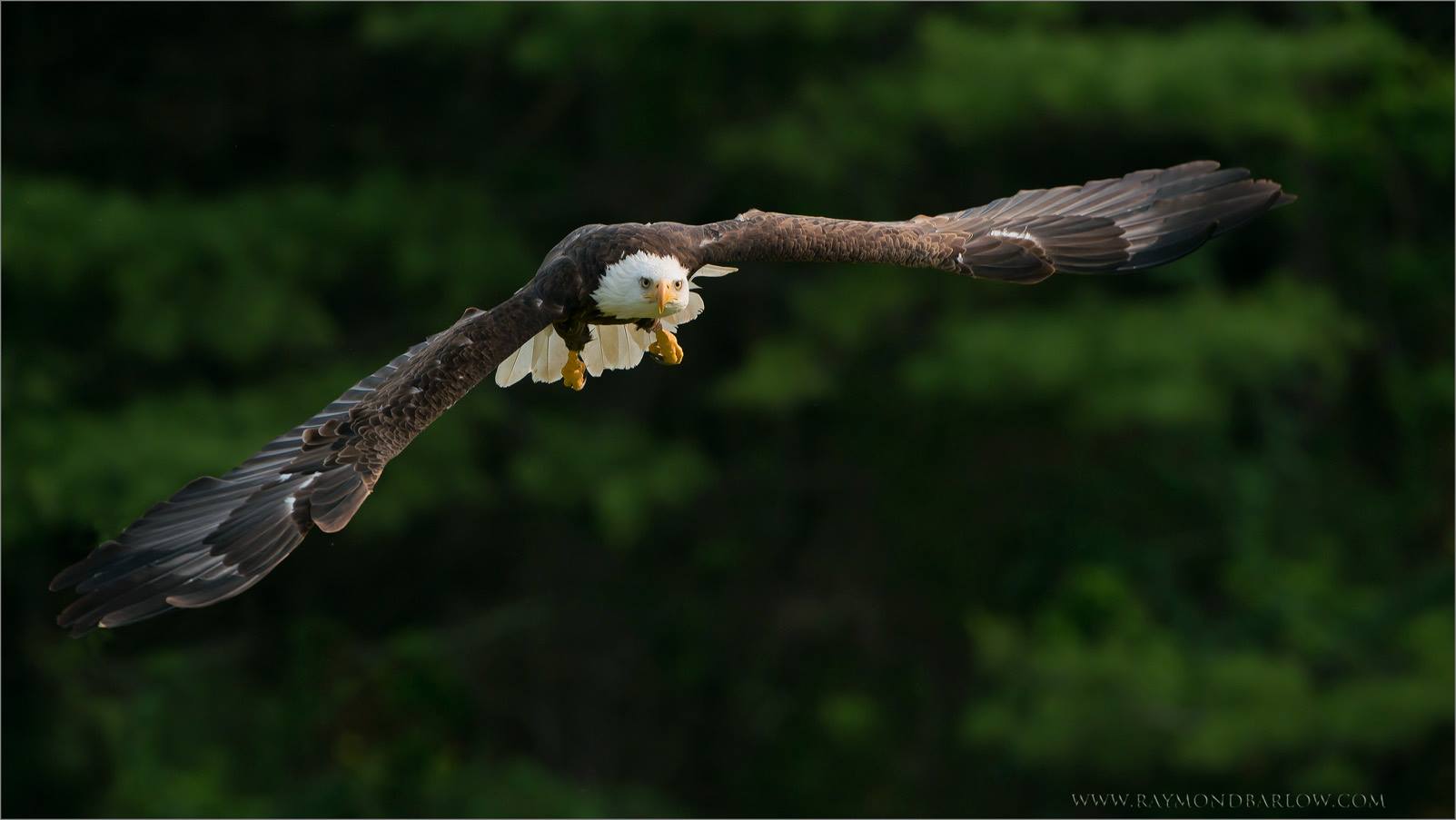
Bald Eagle (Haliaeetus leucocephalus) by Ray Barlow

Bald Eagle (Haliaeetus leucocephalus) by Ray Barlow

These photos by Ray Barlow have just been running around in my mind. It’s about the same as when you hear a song and then for days you hear it and hum the song.

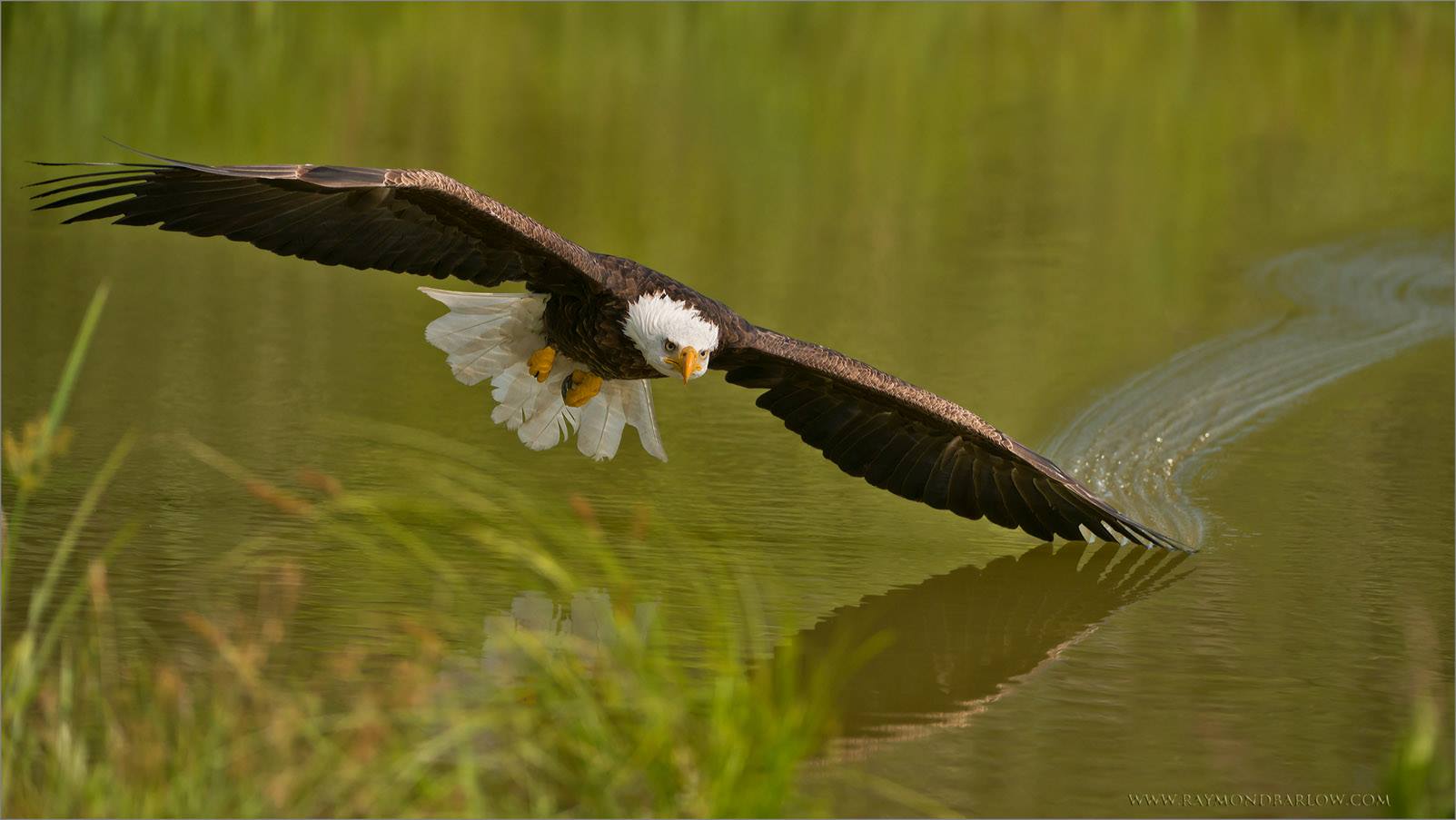
How close are we walking with the Lord Jesus Christ? Are we near and close enough to touch base once in awhile like the photo below?

Bald Eagle (Haliaeetus leucocephalus) by Ray Barlow

Bald Eagle (Haliaeetus leucocephalus) by Ray Barlow

But be doers of the word, and not hearers only, deceiving yourselves. For if anyone is a hearer of the word and not a doer, he is like a man observing his natural face in a mirror; for he observes himself, goes away, and immediately forgets what kind of man he was. But he who looks into the perfect law of liberty and continues in it, and is not a forgetful hearer but a doer of the work, this one will be blessed in what he does. (James 1:22-25 NKJV)

Are we spending more time in reading, praying, attending church, and having fellowship with other believers? Getting closer to the Lord to where we are starting to reflect Him in our lives.

Bald Eagle (Haliaeetus leucocephalus) by Ray Barlow

Bald Eagle (Haliaeetus leucocephalus) by Ray Barlow

As in water face reflects face, So a man’s heart reveals the man. (Proverbs 27:19 NKJV)

Bald Eagle (Haliaeetus leucocephalus) by Ray Barlow

Bald Eagle (Haliaeetus leucocephalus) by Ray Barlow

But we all, with unveiled face, beholding as in a mirror the glory of the Lord, are being transformed into the same image from glory to glory, just as by the Spirit of the Lord. (2 Corinthians 3:18 NKJV)

*

Lord Bless your day as you consider these verses. I trust we all will strive to be more like Jesus and others can see Him in us.

*

Gospel Message
Birds of the Bible – Fly Like An Eagle
Thanks to Raymond Barlow for the permission to use these photos.

*

Sunday Inspiration – Worthy The Lamb

Chestnut-backed Scimitar Babbler (Pomatorhinus montanus) ©WikiC

Chestnut-backed Scimitar Babbler (Pomatorhinus montanus) ©WikiC

Wherefore, holy brethren, partakers of the heavenly calling, consider the Apostle and High Priest of our profession, Christ Jesus; Who was faithful to him that appointed him, as also Moses was faithful in all his house. For this man was counted worthy of more glory than Moses, inasmuch as he who hath builded the house hath more honour than the house. For every house is builded by some man; but he that built all things is God. (Hebrews 3:1-4 KJV)

Looks like this week you’ll be introduced to three families of avian wonders. I am skipping over the Cisticolidae – Cisticolas and allies until next week, because it is quite large. This week the Black-capped Donacobius (Donacobiidae), only bird in family; the Malagasy Warblers (Bernienidae) with 11 species; and the Babblers, Scimitar Barbler’s of the Timaliidae Family of 55 should give us enough birds for a slideshow.

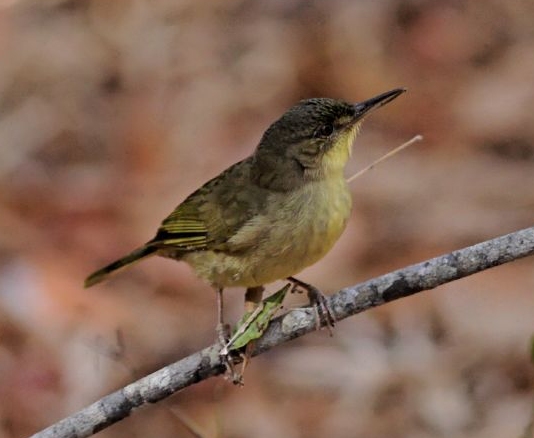
Black-capped Donacobius (Donacobius atricapilla) ©©

Black-capped Donacobius (Donacobius atricapilla) ©©

The Black-capped Donacobius (Donacobius atricapilla) is a conspicuous, vocal South American bird. It is found in tropical swamps and wetlands in Argentina, Bolivia, Brazil, Colombia, Ecuador, French Guiana, Guyana, Paraguay, Peru, Suriname, and Venezuela; also Panama of Central America. They are common in a wide range of Amazonian wetlands, including oxbow lakes, riparian zones, and other areas with tall dense aquatic or semi-aquatic vegetation.

Mating for life, pairs of Black-capped Donacobiuses can be seen frequently and throughout the day atop thickets of dense lakeside or streamside vegetation. They often will engage in antiphonic dueting. Adult offspring will remain with their parents and help raise siblings from subsequent nesting periods in a system of cooperative breeding. (Wikipedia)

Long-billed Bernieria (Bernieria madagascariensis) WikiC

Long-billed Bernieria (Bernieria madagascariensis) WikiC

The Malagasy warblers are a newly validated clade of songbirds. They were formally named Bernieridae in 2010. The family consists of 11 species of small forest birds and is endemic to Madagascar. (Wikipedia)

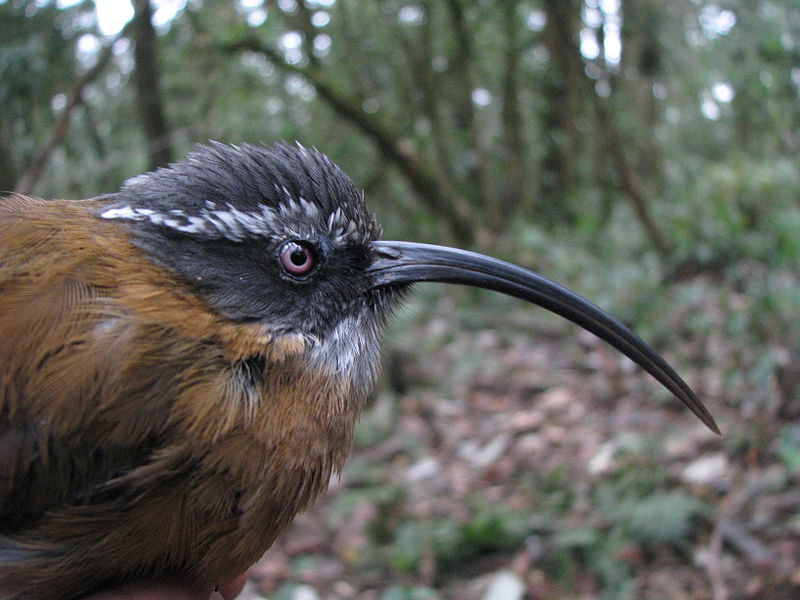
Slender-billed Scimitar Babbler (Pomatorhinus superciliaris) ©WikiC

Slender-billed Scimitar Babbler (Pomatorhinus superciliaris) ©WikiC

Our last family has Scimitar Babblers and some of the various Babblers.

The genus Pomatorhinus of scimitar babblers are jungle birds with long downcurved bills. These are birds of tropical Asia, with the greatest number of species occurring in hills of the Himalayas. They are medium-sized, floppy-tailed landbirds with soft plumage. They are typically long-tailed, dark brown above, and white or orange-brown below. Many have striking head patterns, with a broad black band through the eye, bordered with white above and below.

Spelaeorni genus the typical wren-babblers, is a bird genus in the family Timaliidae. Among this group, the typical wren-babblers are quite closely related to the type species, the chestnut-capped babbler (Timalia pileata). Typical babblers live in communities of around a dozen birds, jointly defending a territory. Many even breed communally, with a dominant pair building a nest, and the remainder helping to defend and rear their young. Young males remain with the group, while females move away to find a new group, and thus avoid inbreeding. They make nests from twigs, and hide them in dense vegetation. (Info from Wikipedia)

This slideshow requires JavaScript.

Saying with a loud voice, Worthy is the Lamb that was slain to receive power, and riches, and wisdom, and strength, and honour, and glory, and blessing. (Revelation 5:12 KJV)

“Worthy The Lamb” ~ Choir at Faith Baptist Church

*

More Sunday Inspirations

Donacobiidae – Black-capped Donacobius

Bernieridae – Malagasy Warblers

Timaliidae – Babblers, Scimitar Babblers

Gospel Presentation

*

STAY UNDER HIS WINGS

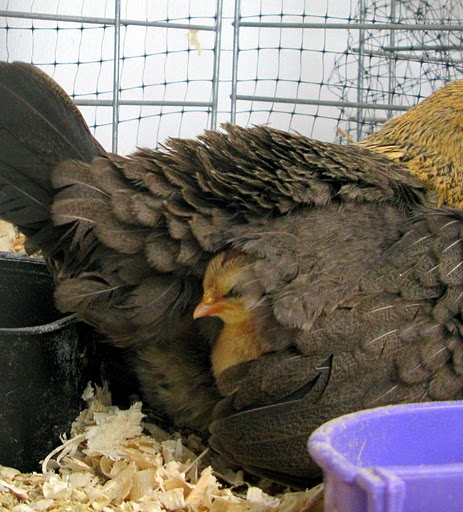
Baby Chick Peeping Out From Under His Mom's Wing - CC

Baby Chick Peeping Out From Under His Mom’s Wing – CC

STAY UNDER HIS WINGS

“Abide in me, and I in you.  As the branch cannot bear fruit of itself, except it abide in the vine; no more can ye, except ye abide in me.  I am the vine, ye are the branches: He that abideth in me, and I in him, the same bringeth forth much fruit: for without me ye can do nothing.” (John 15:4, 5 King James Version)

Pastor William Orcutt Cushing wrote a beautiful hymn “UNDER HIS WINGS”.  I love the words in this hymn.  “Under His wings, what a refuge in sorrow!  How the heart yearningly turns to His rest!  Often when earth has no balm for my healing, There I find comfort, and there I am blessed.”  We have a loving Saviour!

A mother bird will push her baby out of the nest so it will learn to fly.  It is just the opposite with Jesus.  He wants us to stay with Him not only so He can protect us, but also because we can’t do anything without Him.  I can’t even get out of bed without Him.  If I can’t serve Him, there is no reason to live.

Someone said “I can’t wait until I’m old enough to move out and leave home”. When Jesus is our Saviour, we don’t want to leave Him.  Not only is Jesus our Saviour, He is also the dearest Friend we will ever have.  He will never leave us, not even for one minute.  What a Saviour, this Jesus of Nazareth!

For those who are trying to make it in this world without Jesus, it hasn’t worked and it will never work.  We need Jesus every minute of every day.  Stay under His wings and allow Him to protect you, comfort you and encourage you.  Don’t try to make it without Jesus.  You will hurt Him and break His heart.

Joanne Lowe

September 25, 2015

To see more of Joanne’s  devotionals go to her blog at  He Loves You And Died For You.

*

Joanne Lowe is a guest author and I trust you will be blessed by this and her other devotionals.

*

Birdwatching Without Birdwatching

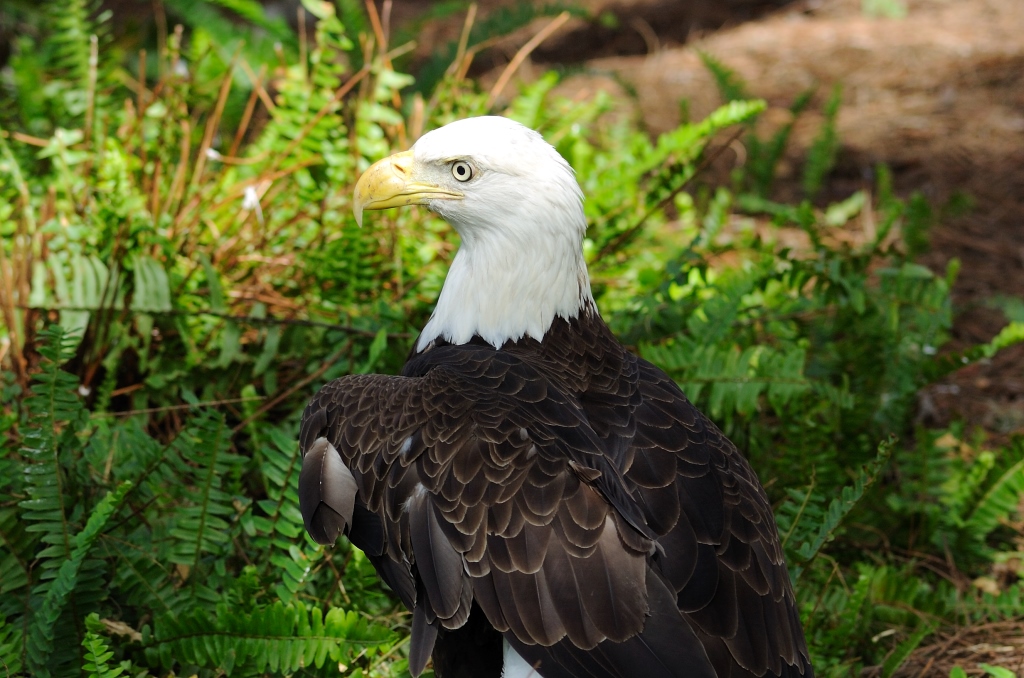
Bald Eagle (close up) LP Zoo by Dan

Bald Eagle (close up) LP Zoo by Dan

But they that wait upon the LORD shall renew their strength; they shall mount up with wings as eagles; they shall run, and not be weary; and they shall walk, and not faint. (Isaiah 40:31 KJV)

Today we were blessed with the sightings of four mature Bald Eagles. Each had their beautiful white heads and their white tails visible. And I wasn’t even out birdwatching. I therefore had no camera with me.

Because I am still under the weather fighting a bad cold and my slipped disc, we have not gone “birdwatching.” So this morning on the way home from therapy, we spotted a Bald Eagle on one of the power poles. A few days ago we had seen one nearby on another street, so this may have been the same one.

I love this time of the year because the eagles start migrating back down to spend the winter with us. Polk County, Florida, where we live, has one of the highest concentrations (in the lower 48) from now through the winter.

Osprey Road by Dan - (Old Bartow Road)

Osprey Road by Dan – (Old Bartow Road)

This evening, we drove to Bartow on the Old Bartow Road, which I have renamed “Osprey” road. I call it that because of all the Ospreys that make nest on the flat platforms that are on the power poles. They were placed there when the Osprey were becoming endangered. Now they are recovering right well. Anyway, most of the Ospreys left within the last month, except for one or two, which we saw this evening. (They come down in late January or early February, make babies, and then leave July to August.)

On the way back, we spotted one Bald Eagle sitting in one of the nest and then up about this end, where the picture was taken, there were two more standing in a nest. So much for traipsing through the woods to find an eagle, they were just right there in plain view.

So, even though I didn’t get to go birdwatching lately, the Lord brought the birdwatching to us. What a Blessing. Thank you Lord for allowing us to see them.

Bald Eagle (Haliaeetus leucocephalus) by Lee at National Aviary

Bald Eagle (Haliaeetus leucocephalus) by Lee at National Aviary

I have seen other birds while we were riding around, but Bald Eagles are very special to me. As that top verse says, I am to be reminded that my strength will be renewed, not be weary or faint. Not so sure about the running though. :)

Birds of the Bible – Eagles

Birds of the Bible

Accipitridae – Kites, Hawks and Eagles

Wordless Birds

*

“SUPERB,” “SPLENDID” AND “LOVELY” – Re-post Plus

“SUPERB,” “SPLENDID” AND “LOVELY”

“I know all the fowls of the mountains: and the wild beasts of the field are mine.” Psalm 50:11

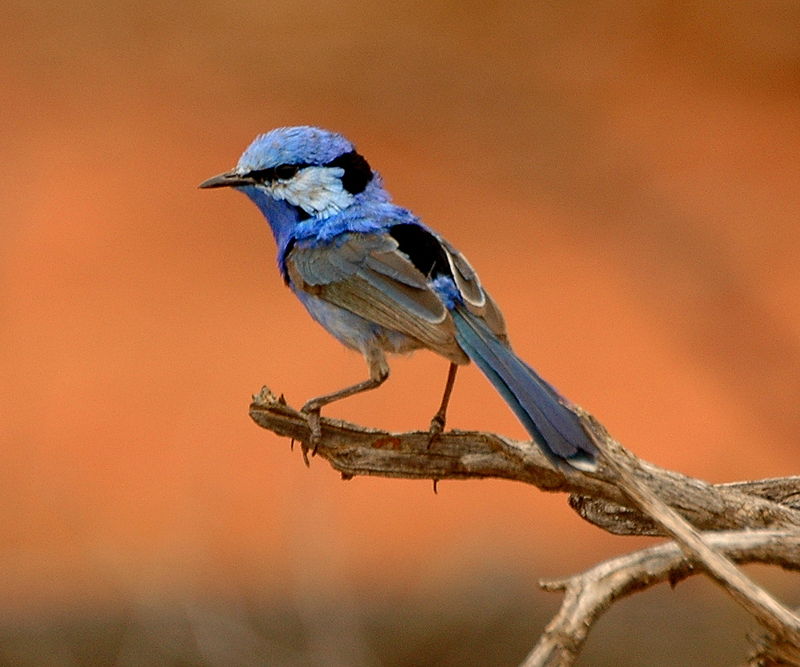
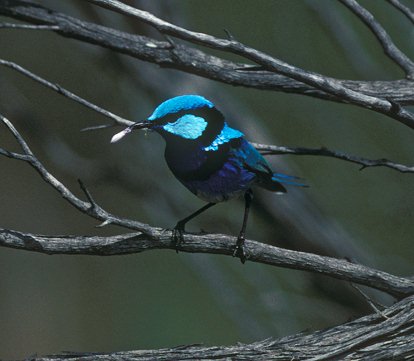
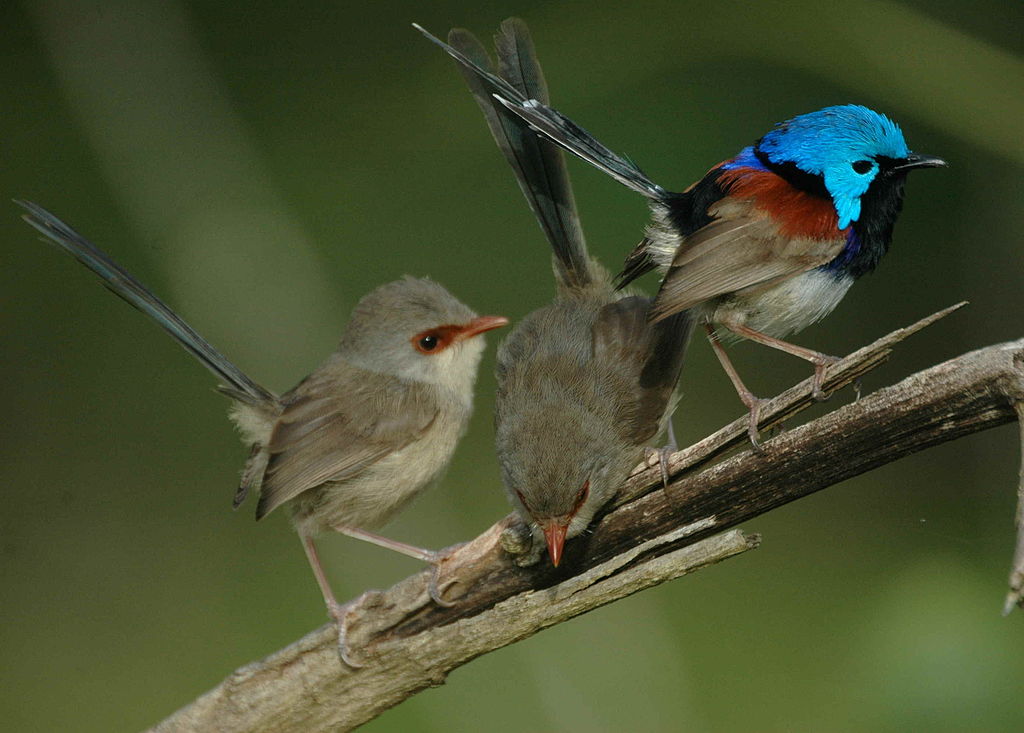
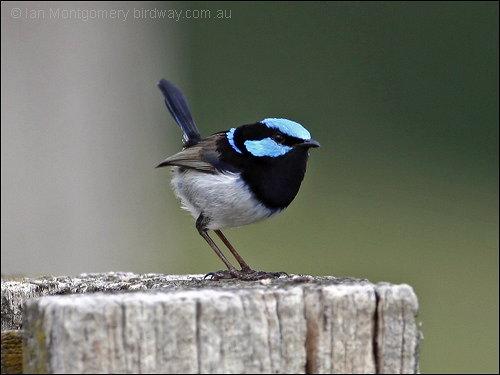
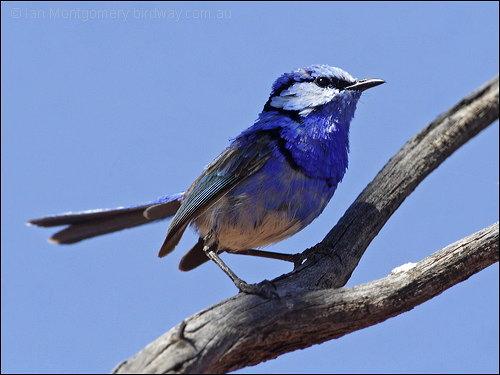
There are 13 species of a brightly plumed little songbird known as the fairy wren. The birds are found in Australia and New Guinea. So colorful are their feathers that the various species go by names like “superb,” “splendid” and “lovely.” However, even more noteworthy is the birds’ unusual behavior.

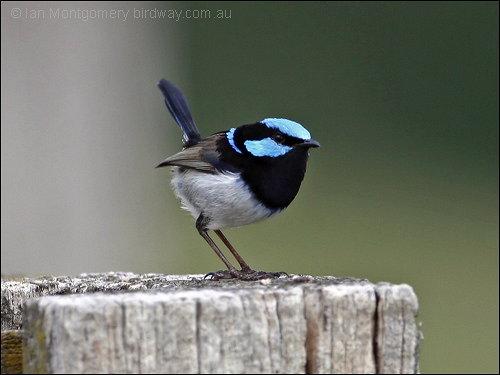
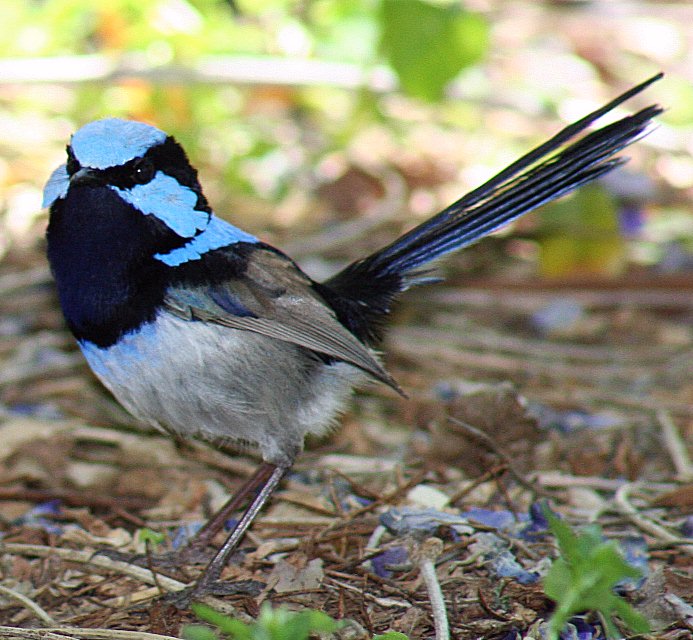
Superb Fairy-wren (Malurus cyaneus) by Ian

Superb Fairywren (Malurus cyaneus) by Ian

A male courting a female will bring her a flower petal. The petal usually matches his color or is a deeply contrasting color. Normally a perky little bird with an upright tail, when courting he lowers his tail and creeps around close to the ground. As he twists his body back and forth, he puffs out his cheek feathers. If the female accepts his courting, she builds their nest alone, lining it with bright parrot feathers. While they mate for life, they are not known for fidelity to their mates.

Superb Fairy-wren (Malurus cyaneus) Juvenile and Female ©WikiC

Superb Fairywren (Malurus cyaneus) Juvenile and Female ©WikiC

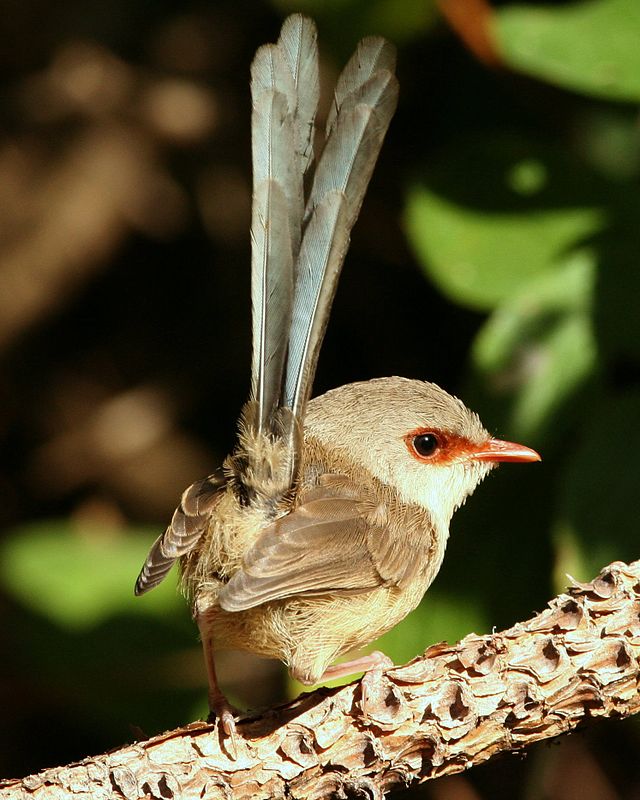
When mature, females will go off on their own, but males may stay with their parents for a year or more. Their main duty is to guard the family nest. If danger approaches the nest, the guard will puff up his wings, lower his tail and scuttle through dry grass, pretending to be a mouse. The idea is to lure the predator away from the nest.

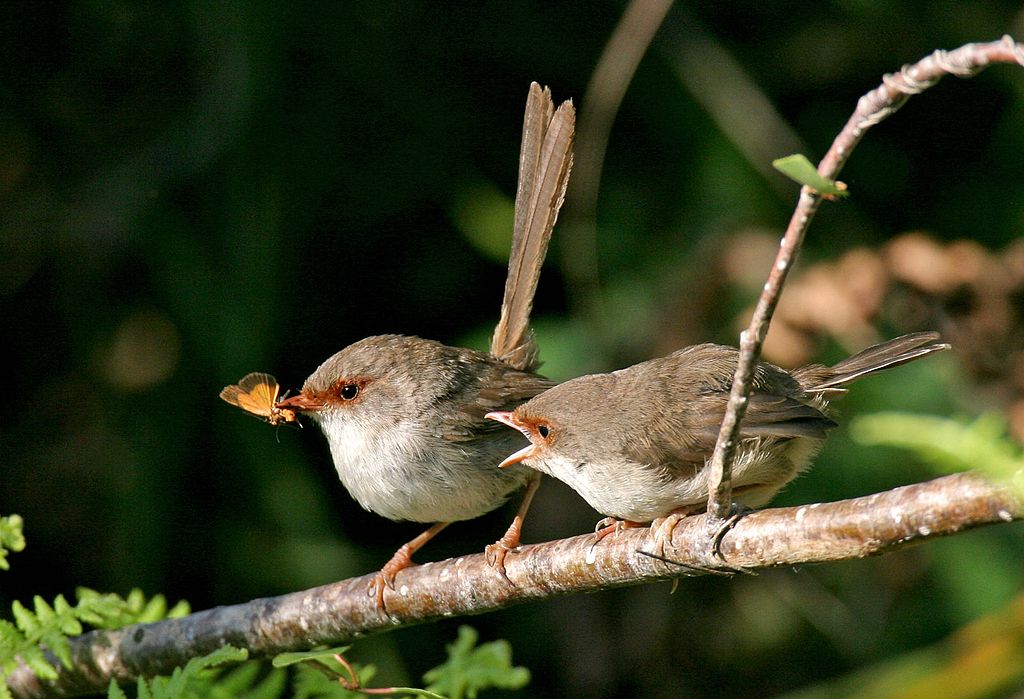
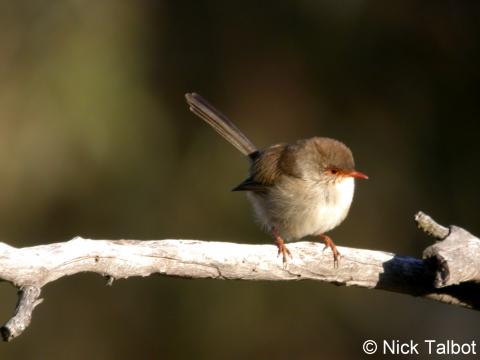
Superb Fairy-wren (Malurus cyaneus) Female by Nick Talbot

Superb Fairywren (Malurus cyaneus) Female by Nick Talbot

The beauty and unusual behavior of these little birds testifies to more than God’s creativity and love for beauty. They remind us of the beauty that was lost to God’s creation when it was tainted by man’s sin. Thankfully, some of that beauty that was lost can return to our lives through the forgiveness of sins that is found in Jesus Christ.

Prayer:
Dear Father, I thank You for the beauty of Your creation and for giving me the forgiveness of sins in Jesus Christ. Amen.

Notes:
Natural History, 11/94, pp. 56 62, “Faithful Philanderers.” Photo: Superb blue fairy-wren. Courtesy of Benjamint444. (CC-BY-SA 3.0)
©Creation Moments 2015 used with Permission


Lee’s Addition:
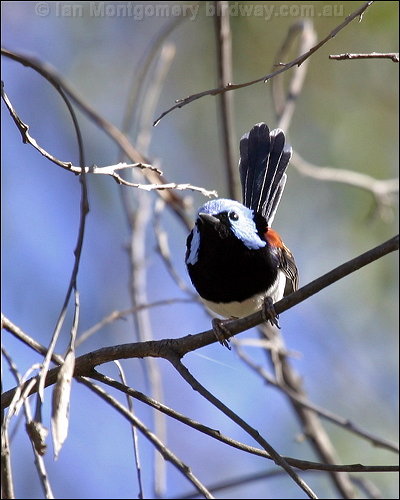
Here are some more photos of the Fairywrens from their Creator:


*
Creation Moments
“Superb, Splendid and Lovely”
Interesting Things
Fairywren Family
Wordless Birds
*

Tattered Survivor Bandaged

Michael Powell loves to take photographs of Dragonflies and other neat things – up close. This one caught my attention because it reminds me of a great promise from the Lord.

“Come, let us return to the LORD. For He has torn us, but He will heal us; He has wounded us, but He will bandage us.” (Hosea 6:1 NASB)

Thanks, Michael for great photos.

Visit – Source: Tattered survivor

Michael Q. Powell for more of his articles.

Sunday Inspiration – Grassbirds And Allies

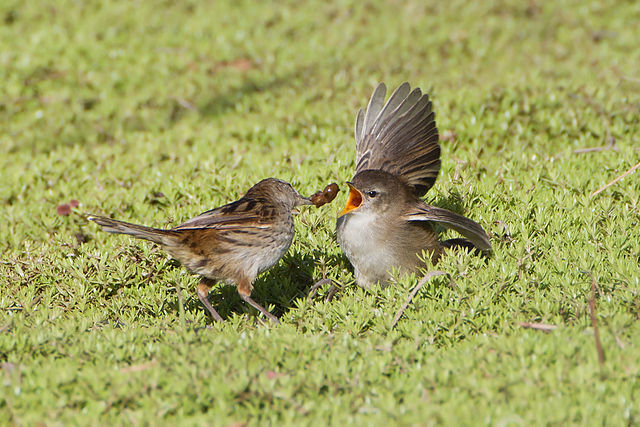
Little Grassbird (Megalurus gramineus) Adult Feeding Juvenile©WikiC

Little Grassbird (Megalurus gramineus) Adult Feeding Juvenile ©WikiC

The grass withers, the flower fades, but the word of our God will stand forever. (Isaiah 40:8 ESV)

The Lord Jesus Christ created another neat group (family) of birds that includes Grassbirds, Bush Warblers, Thicketbirds and other various warbler sized birds. There is even an Emutail.

Grey Emutail (Amphilais seebohmi) ©WikiC

Grey Emutail (Amphilais seebohmi) ©WikiC

Locustellidae is a newly recognized family of small insectivorous songbirds (“warblers”), formerly placed in the Old World warbler “wastebin” family. It contains the grass warblers, grassbirds, and the Bradypterus “bush warblers”. These birds occur mainly in Eurasia, Africa, and the Australian region. The family name is sometimes given as Megaluridae, but Locustellidae has priority.

Striated Grassbird (Megalurus palustris) ©WikiC

Striated Grassbird (Megalurus palustris) ©WikiC

The species are smallish birds with tails that are usually long and pointed; the scientific name of the genus Megalurus in fact means “the large-tailed one” in plain English. They are less wren-like than the typical shrub-warblers (Cettia) but like these drab brownish or buffy all over. They tend to be larger and slimmer than Cettia though, and many have bold dark streaks on wings and/or underside. Most live in scrubland and frequently hunt food by clambering through thick tangled growth or pursuing it on the ground; they are perhaps the most terrestrial of the “warblers”. Very unusual for Passeriformes, some are becoming flightless in some taxa.

Among the “warbler and babbler” superfamily Sylvioidea, the Locustellidae are closest to the Malagasy warblers, another newly recognized (and hitherto unnamed) family; the black-capped donacobius (Donacobius atricapillus) is an American relative derived from the same ancestral stock and not a wren as was long believed. (Wikipedia with editing)

Then God said, “Let the earth bring forth grass, the herb that yields seed, and the fruit tree that yields fruit according to its kind, whose seed is in itself, on the earth”; and it was so. And the earth brought forth grass, the herb that yields seed according to its kind, and the tree that yields fruit, whose seed is in itself according to its kind. And God saw that it was good. (Genesis 1:11-12 NKJV)

You can see most of the Family as you listen to the music below the slideshow.

This slideshow requires JavaScript.

“The Church’s One Foundation” ~ Megan Fee, Cody Hancock & Dakota Hancock ~ at Faith Baptist

For we are labourers together with God: ye are God’s husbandry, ye are God’s building. According to the grace of God which is given unto me, as a wise masterbuilder, I have laid the foundation, and another buildeth thereon. But let every man take heed how he buildeth thereupon. For other foundation can no man lay than that is laid, which is Jesus Christ. (1 Corinthians 3:9-11 KJV)

*

Locustellidae – Grassbirds and Allies Family

Locustellidae – Wikipedia

Gospel Message

*

In The Hollow Of His Hand

Grasshopper Sparrow (Ammodramus savannarum) by Rat Kirkfield

Grasshopper Sparrow (Ammodramus savannarum) by Rat Kirkfield

Are not two little sparrows sold for a penny? And yet not one of them will fall to the ground without your Father’s leave (consent) and notice. But even the very hairs of your head are all numbered. Fear not, then; you are of more value than many sparrows. (Matthew 10:29-31 AMP)

IN THE HOLLOW OF HIS HAND.
(From an Ornithologist’s Year Book.)

So tiny that a child’s small palm can cover its whole body, inaudible at a few paces’ distance, invisible till it rises at your very feet, such is our yellow-winged sparrow. Yet he is a marvel; his plumage shows an exquisite mimicry of the earth tints, “the upper parts mixed black, rufous-brown, ashy and cream-buff,” with a touch of “yellowish olive-green” for the herbage, and here and there an orange or yellow shade, and a dusky whiteness beneath, to give the effect of light. What could be more perfect? No wonder the wee householders, with a nest of fine-woven grasses, low upon the ground, sits unseen on her “clutch” of wee speckled eggs within reach of your fingers. She knows this well, and will not rise until you are almost upon her retreat. Nor will she fly far. A fence post, a low shrub will serve as her watchtower until danger is over.

Grasshopper Sparrow (Ammodramus savannarum) ©WikiC

Grasshopper Sparrow (Ammodramus savannarum) ©WikiC

Our yellow-tinted sparrow has another name, the “Grasshopper Sparrow,” from its insect-like tremolo and chirp. Its song is a chord or two and a long trill on the insect letter, z. It is sung, to the eye, with a hearty abandon of joy, the head thrown back and mouth open, in a fine pose of ecstasy; yet, unless all around is still, and you listen with attention, not a sound will you hear, so small and fine are the vibrating tones. It is said, in a story of the Highlands, that on certain nights, if a man will but lay a couchant ear close to the breast of the earth, he may hear the fine, fine piping of the fairy tunes played in the underworld. Our bird’s song is one of these faint, sweet voices of the earth, like the music that breathes from every clod or leaf when the old world lies dreaming and dozing in a bit of holiday after work is done on a warm, sunny afternoon in autumn, a musical, tremulous, sweet piping everywhere.

Grasshopper Sparrow (Ammodramus savannarum) ©WikiC

Grasshopper Sparrow (Ammodramus savannarum) ©WikiC

Yet not one of these small creatures is forgotten before its Father. When the frost is in the air, and winter is near, the Divine impulse stirs in its breast, and its little wings will bear it far, far away in the long, mysterious journey over sea to the warm islands of the Atlantic. There it will sing for joy with its fellows in the sun, but when April returns, look well. Is there not a stir in the short grass? And listen. The faint, dream-like thrill throbs again in the throat of the sparrow, and our ground-dweller has returned. It is a parable of God’s care for His little ones.

Ella F. Mosby.

“Are not five sparrows sold for two copper coins? And not one of them is forgotten before God. But the very hairs of your head are all numbered. Do not fear therefore; you are of more value than many sparrows. (Luke 12:6-7 NKJV)

*

This is from Gutenberg’s eBooks.

BIRDS AND NATURE. Vol. X  NOVEMBER, 1901. No. 4

I just found another wealth of great birds tales and information to write about. These are all in the Public Domain.

*

Project Gutenberg eBooks

Grasshopper Sparrow – Wikipedia

Grasshopper Sparrow – All About Birds

Wordless Birds

*

Sunday Inspiration – Reed Warblers

Clamorous Reed Warbler (Acrocephalus stentoreus) by Nikhil

Clamorous Reed Warbler (Acrocephalus stentoreus) by Nikhil

“Can the papyrus grow up without a marsh? Can the reeds flourish without water? (Job 8:11 NKJV)

This week we introduce you to just one family, the Acrocephalidae Family of Reed Warblers, Marsh- and Tree-warblers, and Acrocephalid warblers. The Lord has created this family of birds to blend in rather well with their surroundings. Another act of love and concern from the Creator.

The species in this family are usually rather large “warblers”. Most are rather plain olivaceous brown above with much yellow to beige below. They are usually found in open woodland, reedbeds or tall grass. The family occurs mostly in southern to western Eurasia and surroundings, but also ranging far into Pacific, with some species in Africa.

There are five genus in this family;

Subdesert Brush Warbler (Nesillas lantzii) ©WikiC

Subdesert Brush Warbler (Nesillas lantzii) ©WikiC

Nesillas – Brush Warblers; found in Comoros and Madagascar. Its natural habitats are subtropical or tropical dry forests, subtropical or tropical moist lowland forests, and subtropical or tropical moist shrubland.

Sedge Warbler (Acrocephalus schoenobaenus) by Robert Scanlon

Sedge Warbler (Acrocephalus schoenobaenus) by Robert Scanlon

Acrocephalus warblers are small, insectivorous passerine birds. Formerly in the Old World warbler assemblage, they are now separated as the namesake of the marsh and tree warbler family Acrocephalidae. They are sometimes called marsh warblers or reed warblers. These are rather drab brownish warblers usually associated with marshes or other wetlands. Some are streaked, others plain. Many species are migratory. Many species have a flat head profile, which gives rise to the group’s scientific name;

African Yellow Warbler (Iduna natalensis) ©WikiC

African Yellow Warbler (Iduna natalensis) ©WikiC

Iduna is a genus of tree warbler in the Acrocephalidae family. It is sometimes lumped together in the genus Hippolais.

Papyrus Yellow Warbler (Calamonastides gracilirostris) ©©Flickr Ross Tsal

Papyrus Yellow Warbler (Calamonastides gracilirostris) ©©Flickr Ross Tsal

(Calamonastides gracilirostris) Papyrus Yellow Warbler is a species of tree warbler; formerly placed in the “Old World warblers”. It is monotypic in its genus. It is found in Burundi, Democratic Republic of the Congo, Kenya, Rwanda, Tanzania, Uganda, and Zambia. Its natural habitat is swamps. It is threatened by habitat loss. Compared with the dull browns and greys typical of swamp-dwelling warblers, this warbler is brightly coloured. It shows an underbelly of rich yellow and olive-brown upper parts. Its song consists of melodious liquid warbling:

Icterine Warbler (Hippolais icterina) ©WikiC

Icterine Warbler (Hippolais icterina) ©WikiC

Hippolais is a genus of tree warbler in the Acrocephalidae family. It is sometimes lumped together with the genus Iduna.

(Info from Wikipedia with editing)

Acrocephalidae – Reed Warblers and allies:

This slideshow requires JavaScript.

As they departed, Jesus began to say to the multitudes concerning John: “What did you go out into the wilderness to see? A reed shaken by the wind? (Matthew 11:7 NKJV)

“When I Survey The Wondrous Cross” ~ by Miss Anna Pletcher (12 years old at Faith Baptist) on piano

I love the last verse of this hymn:

Were the whole realm of nature mine,
That were a present far too small;
Love so amazing, so divine,
Demands my soul, my life, my all.

 *

Sunday Inspiration

Acrocephalidae Family of Reed Warblers and Allies

Reed Warblers and Allies – Montereybay

Acrocephalidae Family – Wikipedia

Gideon

*