Lee’s Two-Word Tuesday – 1/26/16

***

American White Pelican (Pelecanus erythrorhynchos) by Lee


Birds Fly

***


Then God said, “Let the waters abound with an abundance of living creatures, and let birds fly above the earth across the face of the firmament of the heavens.” (Genesis 1:20 NKJV)

American White Pelican (Pelecanus erythrorhynchos) by Lee at Circle B Bar Reserve

*

Sandra’s New Kooky Challenge

*

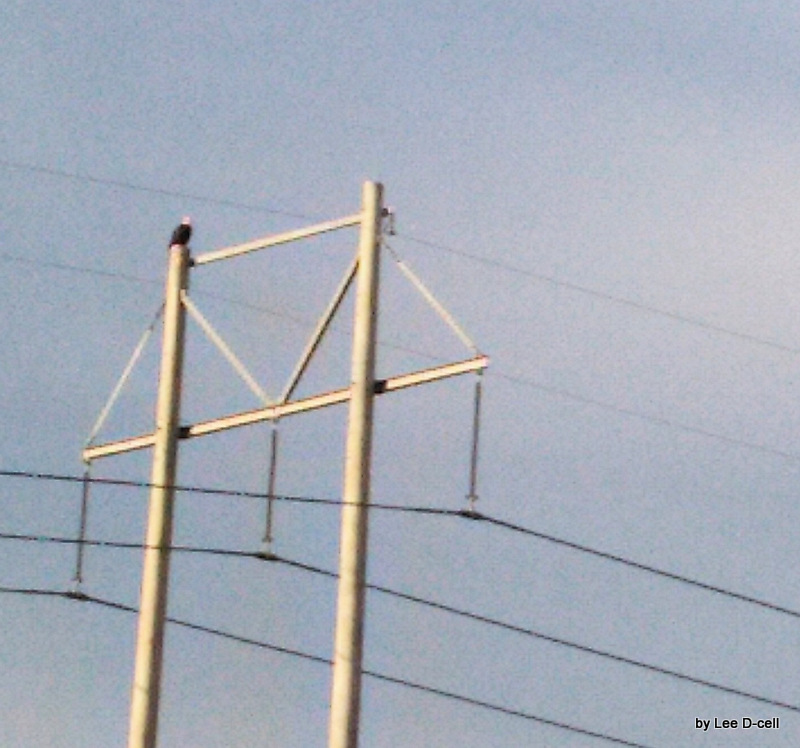
Bald Eagle Blessing

Bald Eagle on Old Bartow Rd

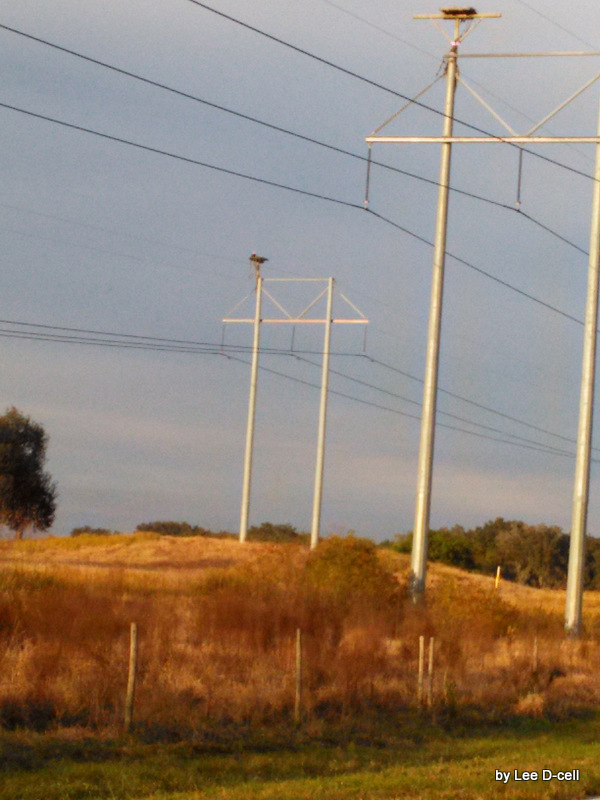
Bald Eagle on Old Bartow Rd -1

Bald Eagle on Old Bartow Road - cropped

Bald Eagle on Old Bartow Road – 1 – cropped

But they that wait upon the LORD shall renew their strength; they shall mount up with wings as eagles; they shall run, and not be weary; and they shall walk, and not faint. (Isaiah 40:31 KJV)

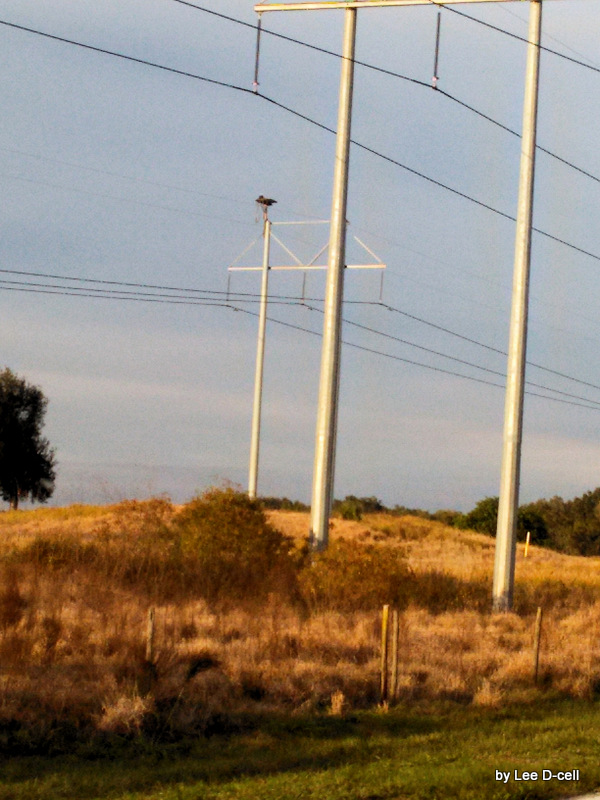
Bald Eagle on Old Bartow Rd

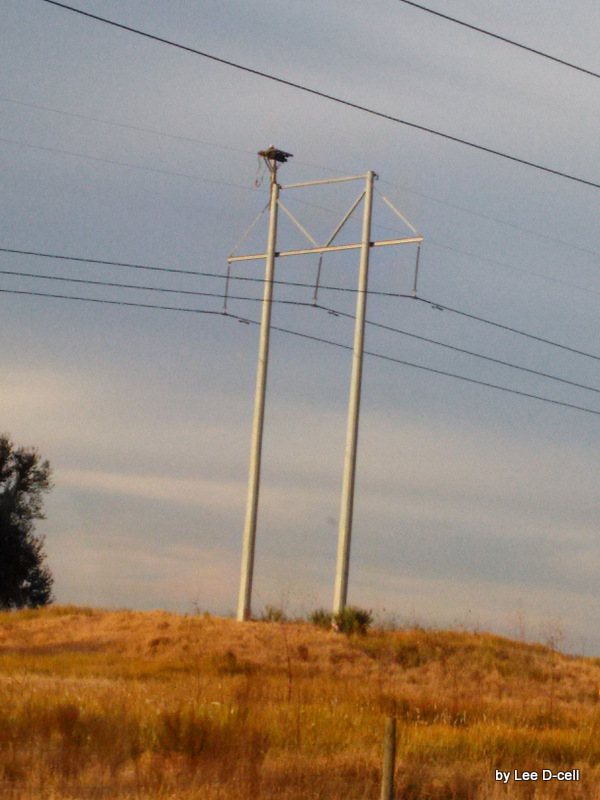
Bald Eagle on Old Bartow Rd – 2

Last evening while on the way back from Bartow, a seven mile journey, we spotted not one, not two, but three Bald Eagles. Unfortunately, I again did not have anything with me except the cell phone. Dan was able to slow down a little, but with someone coming, we could not stop.

Bald Eagle on Old Bartow Rd

Bald Eagle on Old Bartow Rd- 2

Here are my attempts to show two of the eagles. These are more “proof shots” than good photos. The other Bald Eagle caught us by surprise down the road another 1/2 mile or so. I had put my phone back down. :(

Bald Eagle on Old Bartow Rd

Bald Eagle on Old Bartow Rd – 2

We have been rather busy lately and haven’t had time to go birdwatching. But, the Lord knows how to give us unexpected blessings along the way to brighten our days.

It is of the LORD’S mercies that we are not consumed, because his compassions fail not. They are new every morning: great is thy faithfulness. (Lamentations 3:22-23 KJV)

Bald Eagle on Old Bartow Road - cropped

Bald Eagle on Old Bartow Road – 2 – cropped

The blessing of the LORD, it maketh rich, and he addeth no sorrow with it. (Proverbs 10:22 KJV)

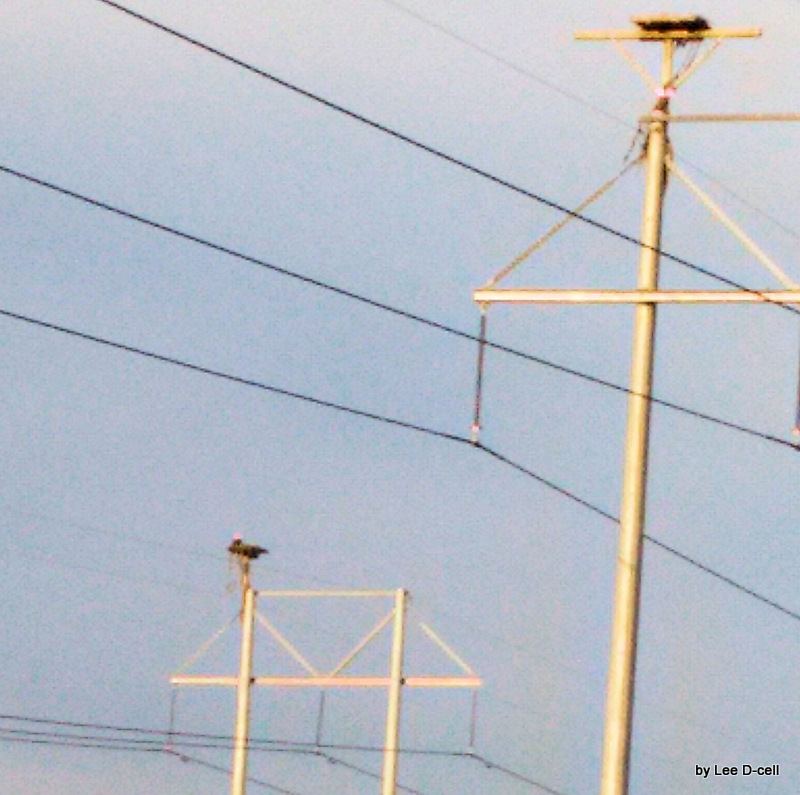
I have shown photos of the Old Bartow Road before. Because of the decline in Ospreys, many years ago, they placed platforms on top of various power poles. These are some of them. The Osprey come back from about the middle of January on through February. They raise their young on the platforms and then around May to June they seem to disappear. Polk County has numerous Bald Eagles come down for the winter and are one of my favorite “snow birds” (that is a term for our winter human vistors). Since most of the Osprey haven’t arrived yet, the Bald Eagles have been sitting on these lately. Not sure who will give way when the Osprey do arrive. Hummm!

Osprey Road by Dan - (Old Bartow Road)

Osprey Road by Dan – (Old Bartow Road)

Actually, the fact that these platforms were placed are a good thing and shows one of the responsibilities that man was given by the Lord. Man was given dominion over the earth and the critters included. Dominion did not mean dominance, but one of the meanings is to help preserve them.

So God created man in His own image; in the image of God He created him; male and female He created them. Then God blessed them, and God said to them, “Be fruitful and multiply; fill the earth and subdue it; have dominion over the fish of the sea, over the birds of the air, and over every living thing that moves on the earth.” (Genesis 1:27-28 NKJV)

*

Birds of the Bible – Heron Update

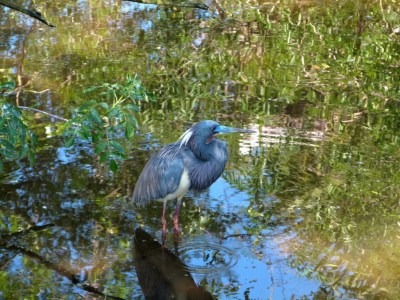
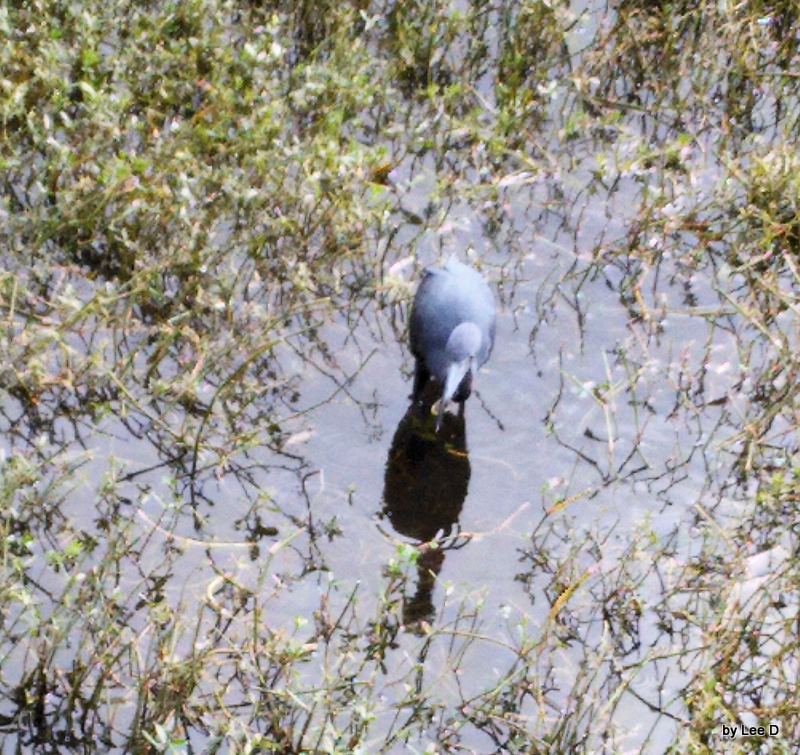
Tricolored Heron at Gatorland (5)

Tricolored Heron at Gatorland by Lee

And the stork, the heron after her kind, and the lapwing, and the bat. (Leviticus 11:19 KJV)

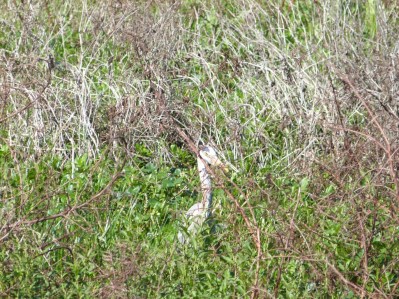
Great Blue Heron 2

Great Blue Heron camouflaged by Lee

And the stork, and the heron after her kind, and the lapwing, and the bat. (Deuteronomy 14:18 KJV)

The original Birds of the Bible – Heron article was posted on July 17, 2008. Seems like it’s time for an update and to keep our Heron family visible. Actually, some of the family members are very good at hiding or blending in with their surroundings. Their Creator, the Lord Jesus Christ, designed them to be slim like the reeds they hide in, called camouflage, and gave them the ability to move back and forth again like reeds. Notice the Tricolored Heron in the first photo. Even though he is blue, the sky color reflecting in the water actually is helping keep him “hidden in plain view.”


CLASS – AVES, Order – PELECANIFORMES, Family – Ardeidae – Herons, Bitterns, Egrets


Here in central Florida we can see many Herons, such as the:
(Click link for photo from Dan’s website)
Great Blue Heron (L46″ Wingspan 72″)
Little Blue Heron (L24 Wingspan 40″)
Tri-colored Heron (L26 Wingspan 36″)
Green Heron (L18″ Wingspan 26)
Black-crowned Night Heron (L25″ Wingspan 26″)
Yellow-crowned Night Heron (L24″ Wingspan 42″)

Around the World the Ardeidae family, now with 72 species, includes Herons (46), Egrets (9) and Bitterns (15). From Thayer Birding Software, “Most herons nest in dense or dispersed colonies; a few species, including most bitterns, are solitary. Nests are platforms of interlocked sticks in trees or piles of vegetation in reeds or on the ground, built mainly or entirely by the female of material brought by the male.”

Most of the Herons rest and fly with their necks in an “S” curve. They can be seen along or in the edges of water fishing. Many stand perfectly still looking in the water and then thrust with a quick movement to either spear or catch their prey. You can see that in the video I posted yesterday.

This video of a Great Egret was watching something so intently. Also, notice how his neck sways like they do in the tall grass or reeds. Egrets are part of the Heron Family group.

Herons amaze me in how perfectly still they stand and wait. They seem so patient to me. Herons are on the “unclean” list of birds found in Leviticus 11:19 and Deuteronomy 14:18. Because they are so “patient” and “wait,” it reminds me of:

Rest in the LORD, and wait patiently for him: fret not thyself because of him who prospereth in his way, because of the man who bringeth wicked devices to pass. (Psalms 37:7 KJV)
And so, after he had patiently endured, he obtained the promise. (Hebrews 6:15 KJV)
The eyes of all wait upon thee; and thou givest them their meat in due season (Psalms 145:15 KJV
And of course our great verse from last week:
But they that wait upon the LORD shall renew their strength; they shall mount up with wings as eagles; they shall run, and not be weary; and they shall walk, and not faint. (Isaiah 40:31 KJV)

Hymns mention “waiting” and being “still” and “patient. Here is a favorite:

Be Still, My Soul by Katharina von Schlegel,
1697-Trans. By Jane L. Borthwick, 1813-1897

Be still, my soul: the Lord is on thy side;
Bear patiently the cross of grief or pain;
Leave to thy God to order and provide;
In ev’ry change He faithful will remain.
Be still, my soul: thy best, thy heav’nly Friend
Thro’ thorny ways leads to a joyful end.

Be still, my soul: thy God doth undertake
To guide the future as He has the past.
Thy hope, thy confidence let nothing shake;
All now mysterious shall be bright at last.
Be still, my soul: the waves and winds still know
His voice who ruled them while He dwelt below.

Be still, my soul: the hour is hast’ning on
When we shall be forever with the Lord,
When disappointment, grief, and fear are gone,
Sorrow forgot, love’s purest joys restored.
Be still, my soul: when change and tears are past,
All safe and blessed we shall meet at last.

*

Birds of the Bible – Herons

Birds of the Bible

Ardeidae – Herons, Bitterns, Egrets


Lord’s Avian Wonders – Little Blue Heron – Searching

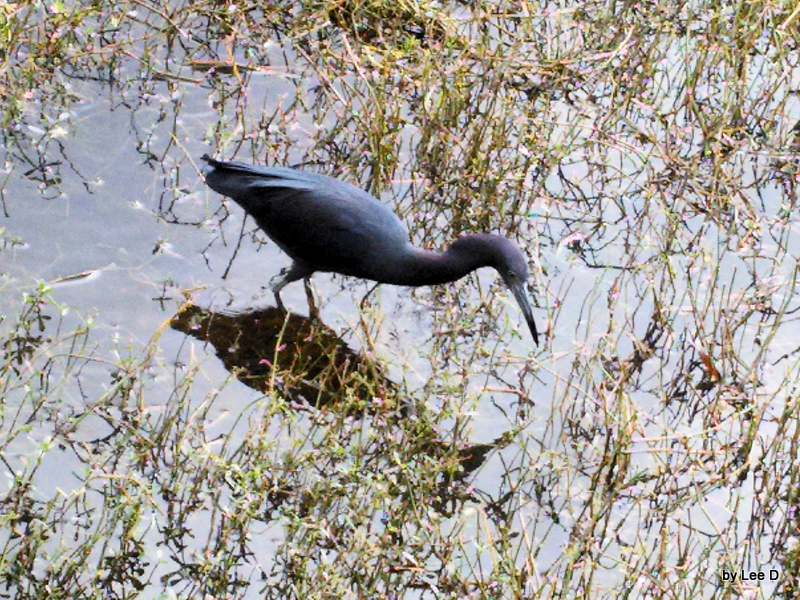
Little Blue Heron searching at S Lk Howard Park crop

Recently we were on our way home from shopping and stopped in the little park at the south side of Lake Howard. All we had with us were our phones. Not much was going on, but one Little Blue Heron was searching for his lunch. It was interesting watching him move his head from side to side. Not sure if the bird was looking around the plants or just trying to see better. It was an overcast day. Our special Avian Wonder this time from the creator is this Little Blue Heron.

The “Little Blues,” as I many times refer to them, are another favorite of mine to watch here in central Florida. This one just seemed so intent on what he was doing, that it reminded me of the verse about the lady who was diligently searching for a coin. How diligently do we search God’s Word?

Either what woman having ten pieces of silver, if she lose one piece, doth not light a candle, and sweep the house, and seek diligently till she find it? (Luke 15:8 KJV)

And you will seek Me and find Me, when you search for Me with all your heart. (Jeremiah 29:13 NKJV)

Little Blue Heron with catch at S. Lake Howard Park

Little Blue Heron with catch at S. Lake Howard Park

Bad photo, but you can see the results of one of his searches.

The Little Blue Heron “stalks its prey methodically in shallow water, often running as it does so. It eats fish, frogs, crustaceans, small rodents and insects.” (Wikipedia)

Find out more about them at:

Is There A God?

*


Goose Greeting

Here is just a short video shared for you to enjoy from GodVine.

These Geese Are So Polite I Could Hardly Stop Laughing!

Little Jonny went to meet the geese. He bowed to say ‘hello’ and you just have to see how these amazing birds responded. How polite are they!?! I can hardly believe it!

Oh come, let us worship and bow down; Let us kneel before the LORD our Maker. (Psalms 95:6 NKJV)

Birds of the Bible – Who Colored These Originally?

Blue Jay Photo Chopped in Rainbow Colors - From Pinterest by Richard SequinWho Colored These Originally?

In the beginning God created the heaven and the earth. (Genesis 1:1 KJV)

My Bible tells me in Genesis chapter 1 that God created everything, including all our avian wonders.

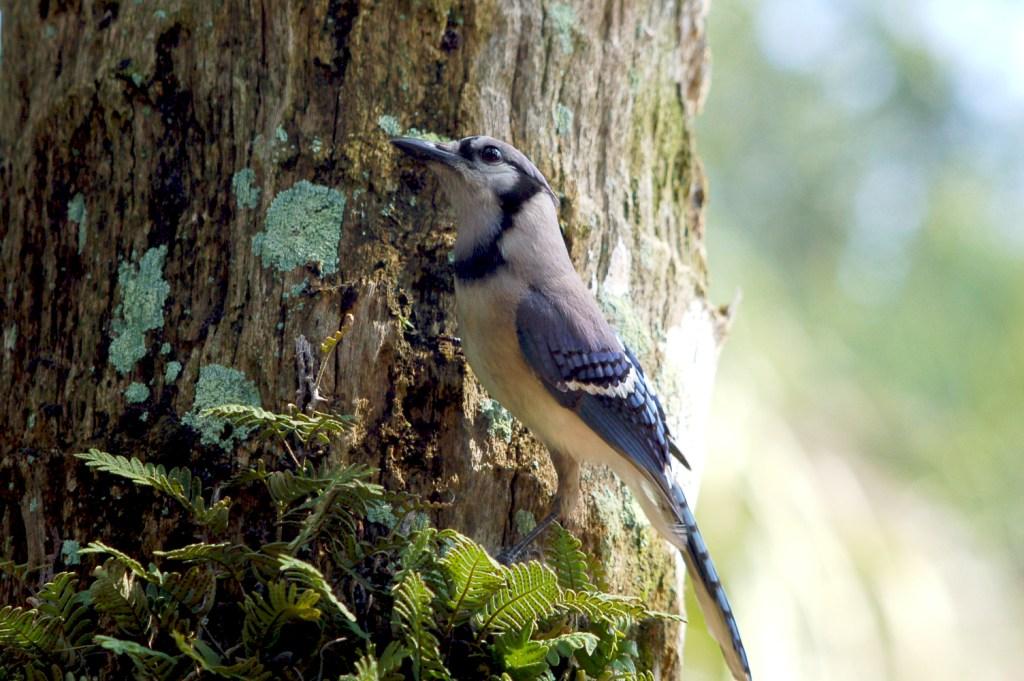
Blue Jay (Cyanocitta cristata) at Bok Tower By Dan'sPix

Blue Jay (Cyanocitta cristata) at Bok Tower By Dan’sPix

In fact, we are told specifically that on the fifth day of creation, God created the Birds:

Then God said, “Let the waters abound with an abundance of living creatures, and let birds fly above the earth across the face of the firmament of the heavens.” So God created great sea creatures and every living thing that moves, with which the waters abounded, according to their kind, and every winged bird according to its kind. And God saw that it was good. And God blessed them, saying, “Be fruitful and multiply, and fill the waters in the seas, and let birds multiply on the earth.” So the evening and the morning were the fifth day. (Genesis 1:20-23 NKJV)

When the birds were brought forth, judging from today, that they were beautifully arrayed. We can look around at the over 10,000 species today, in spite of being corrupted by the curse (Genesis 3), and see that they are magnificently arrayed in beautiful, fantastic colors and hues.


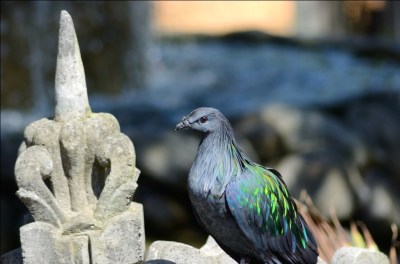
Nicobar Pigeon - False

Nicobar Pigeon – Falsely Colored

Nicobar Pigeon at Lower Park Zoo by Dan

Nicobar Pigeon at Lower Park Zoo by Dan

Then again in John 1:1-3 we see that the Word, the Lord Jesus Christ, is the one who made them.

In the beginning was the Word, and the Word was with God, and the Word was God. The same was in the beginning with God. All things were made by him; and without him was not any thing made that was made. (John 1:1-3 KJV)

All of that was stated to establish who the birds were created by. Now for the point of this article.

I belong to Pinterest which is a visual discovery tool that you can use to find ideas for all your projects and interests. You can find all kinds of photos and of course, many bird photos.

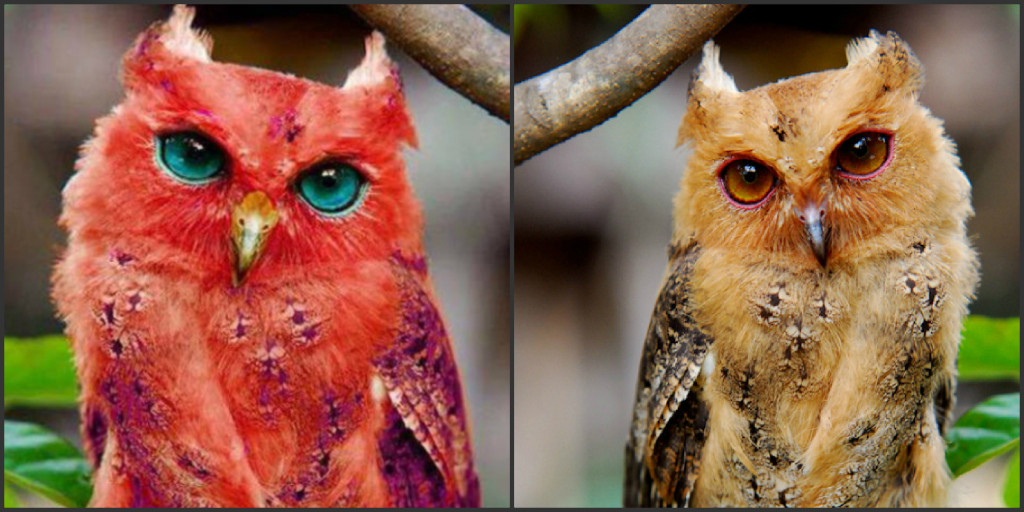
Now, the irritation, for me, is that lately many photos of birds have been “photo-shopped” or someone has used other editing software programs to change their colors. No harm intended, but the colors they are adding to the birds, messes up the beauty of their Creator’s original design and color for them.

False - A Rare Red Owl - Snopes_com

False – A Rare Red Owl – Snopes_com

Some people, who are not familiar with what the birds actually look like, may think that is the way they look in the wild. One such case fooled people into believing that a rare Red Owl actually exist. When the asked “Snopes” they found out the truth.

Two more examples:

False - Curl-crested Aricari from Pinterest by Virainova

False – Curl-crested Aricari from Pinterest by Virainova

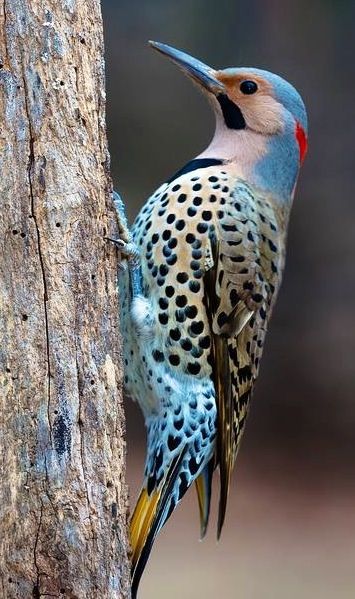
False - Flicker from Pinterest by Spykee

False – Flicker from Pinterest by Spykee

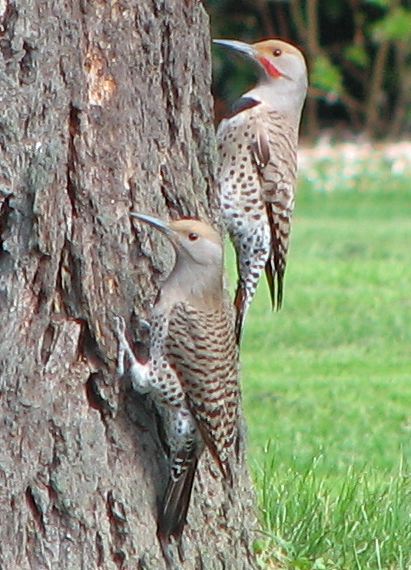
Now for the real birds in nature. Also, do you realize how easy they would be for birds of prey to catch these? They would stand out boldly in the crowd and would be the first captured. Only a Wise Creator, would provide for the safety of the birds by their proper coloration.

Curl-crested Aracari (Pteroglossus beauharnaesii) ©WikiC

Curl-crested Aracari (Pteroglossus beauharnaesii) ©WikiC

Northern Flicker (Colaptes auratus) red-shafted F-left M-right ©WikiC

Northern Flicker (Colaptes auratus) red-shafted F-left M-right ©WikiC

I know all the birds of the mountains, And the wild beasts of the field are Mine. (Psalms 50:11 NKJV)

Again, I am not condemning those who color their birds in photos, as long as they don’t try to “pass them off” as the “real” bird.

God’s Wisdom, Majesty, and Knowledge cannot be improved upon.

I am the LORD, and there is no other; There is no God besides Me. I will gird you, though you have not known Me, That they may know from the rising of the sun to its setting That there is none besides Me. I am the LORD, and there is no other; I form the light and create darkness, I make peace and create calamity; I, the LORD, do all these things.’ (Isaiah 45:5-7 NKJV)

*

Birds of the Bible

More False Colored Birds

Who Paints The Leaves?
*

Bible Birds – Bird Claws and Eagle Hair

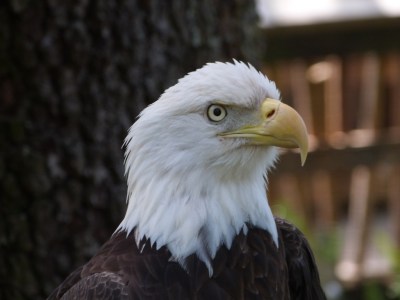
Bald Eagle (Haliaeetus leucocephalus) by Aesthetic Photos

Bald Eagle (Haliaeetus leucocephalus) by Aesthetic Photos

Bible Birds – Bird Claws and Eagle Hair

That very hour the word was fulfilled concerning Nebuchadnezzar; he was driven from men and ate grass like oxen; his body was wet with the dew of heaven till his hair had grown like eagles’ feathers and his nails like birds’ claws. (Daniel 4:33 NKJV emphasis mine)

What an interesting verse to read in the Bible. Most of you know what an Eagle looks like, because Eagles fly to many countries.

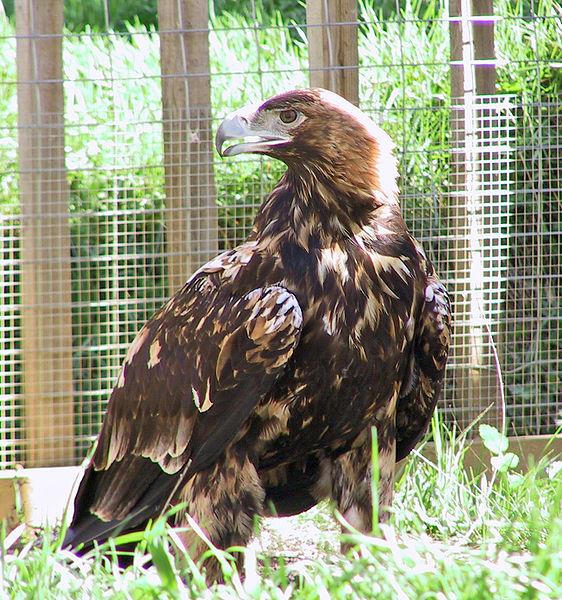
Adalbert's Eagle Aquila adalberti) ©WikiC

Adalbert’s Eagle Aquila adalberti) ©WikiC

Whose hair was going to grow so long that it would be as long as eagles’ feathers?

Sea Eagle (Haliaeetus pelagicus) Feet by Lee at National Aviary

Sea Eagle (Haliaeetus pelagicus) Feet by Lee at National Aviary

This is what a person looks like with long nails:

Long nails like a bird's claws

Long nails like a bird’s claws

Whose fingernails and toenails was going to grow so long that they would look like bird claws?

The person that verse is referring to is Nebuchadnezzar. He was the King of Babylon in 605 BC – 562 BC. The Lord God had placed him in power to rule over the whole world, but he had forgotten to give God the credit. He started saying things like:

  • “Is not this great Babylon, that I have built for a royal dwelling
  • by my mighty power
  • and for the honor of my majesty?” (Daniel 4:30 NKJV emphasis mine)

Do you know what that is called? Pride! The King was failing to give God the credit for making him the ruler, having majesty, and ability to build his royal place.

Do we have a false pride? Yes, we may do great things. You may make 100% on a test, earn a high award, or receive some other great recognition. Are you swelling up with pride? Have you thanked your parents, friends, or, if you know the Lord as Savior, the Lord for helping you achieve your success?

We should be thankful for the abilities that we have. Thank the Lord for helping you remember those answers to get the 100%. Thank Him for allowing you to earn that award. Thank the Lord for being recognized for something you did that was great.

Thank the Lord even if you didn’t get 100%, a trophy, award, or other prize. If you did your best, that is all He can expect you to do. If you didn’t do your best, then ask the Lord to help you do better the next time something comes up.

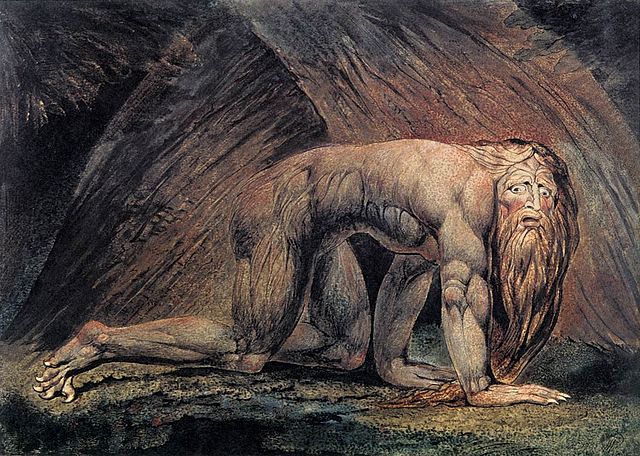
Nebuchadnezzar - depicting the king during his bout of insanity by William Blake ©WikiC

Nebuchadnezzar – showing the king during his bout of insanity by William Blake ©WikiC

Yes, after the Lord sent Nebuchadnezzar out to the field with an animal’s heart, eating grass, growing long hair like eagle’s feathers, and his nails growing long like bird’s claws, He finally looked to the Lord God.

Now I, Nebuchadnezzar, praise and extol and honor the King of heaven, all of whose works are truth, and His ways justice. And those who walk in pride He is able to put down. (Daniel 4:37 NKJV)

*

*

Birds of the Bible – Eagle Hair and Bird Claws

Bald Eagle at Lowry Park Zoo by Lee

Bald Eagle at Lowry Park Zoo by Lee

That very hour the word was fulfilled concerning Nebuchadnezzar; he was driven from men and ate grass like oxen; his body was wet with the dew of heaven till his hair had grown like eagles’ feathers and his nails like birds’ claws. (Daniel 4:33 NKJV)

This Birds of the Bible Scripture was mentioned over five years ago and it’s time to update and review. “Repetition aids learning” they say. Also, I am currently reading through Daniel again.

Many times the birds mentioned in the Bible are listed as “clean or unclean” or as an “object lesson” to teach some truth. This time the mention of Eagle feathers and birds’ claws are used as a description of a man’s appearance and there is a lesson to be learned here.

So, who was this man? It is actually a very important king, King Nebuchadnezzar of Babylon. The information about the King is found throughout the book of Daniel. To make the story short, the king had a dream and wanted an interpretation of that dream. Not only did he want his dreams interpreted, but he wanted the interpreter to tell him what the dream was about. The wise men and others told the king that was impossible, so the king commanded to kill them. Daniel prayed to God that He would reveal the dream and it’s interpretation to him so he could tell it to the King. God answered that prayer and Daniel was able to reveal it to King Nebuchadnezzar.

King Nebuchadnezzar was the first world ruler and God had given the king great power. Later on, the king’s pride takes over and he thinks he has made this kingdom and does not give God the credit. He even has a great statue made of himself and demands that all fall down and worship him.

Back to making this short. In Daniel chapter 4 the king has another dream and Daniel (Belteshazzar) prays for revelation and again interprets the dream. Daniel 4:9 to 4:18 tells the dream. (Birds are mentions several times in it.) Then Daniel interprets the dream in Daniel 4:19-33. Basically, the Most High is going to let the king learn humility and get rid of the pride that he has.

The king spoke, saying, “Is not this great Babylon, that I have built for a royal dwelling by my mighty power and for the honor of my majesty? (Daniel 4:30 NKJV, emphasis mine)

For seven years, or time periods, will his kingdom be departed from him. He will be out in the field, “eating grass like oxen” and “until you know that the Most High rules in the kingdom of men, and gives it to whomever He chooses.” It is during this time that his hair will grow like “eagles’ feathers and his nails like birds’ claws.”
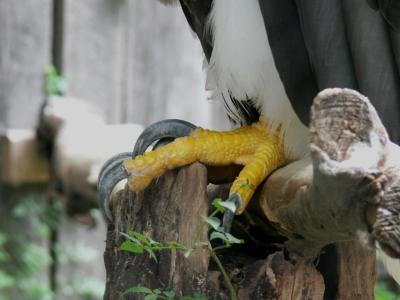
Sea Eagle (Haliaeetus pelagicus) Feet by Lee at National Aviary

Sea Eagle (Haliaeetus pelagicus) Feet by Lee at National Aviary

That was the short version, now before we find out if the King learned from this, we will go a little further.

Summarized Bible – “Conclusion: God has power to humble the haughtiest of men who would in their pride act in competition with Him. Those so confident of their own sufficiency will be brought sooner or later to own God’s dominion over them and their own utter weakness. Many have been brought to themselves by being made beside themselves.”

Harpy Eagle (Harpia harpyja) by Lee at Zoo Miami 2014

Harpy Eagle (Harpia harpyja) by Lee at Zoo Miami 2014

Daniel & the Revelation by Uriah Smith: “The King’s Self-exaltation and Humiliation.–Nebuchadnezzar failed to profit by the warning he had received, yet God bore with him twelve months longer before the blow fell. All that time he cherished pride in his heart, and at length it reached a climax beyond which God could not suffer it to pass. The king was walking in the palace, and as he looked forth upon the splendors of that wonder of the world, great Babylon, the beauty of kingdoms, he forgot the source of all his strength, and greatness, and exclaimed, “Is not this great Babylon, that I have built?” Archaeologists have found the ruins of that ancient city, which Sir Frederic Kenyon describes in the following sentences:

“These confirmed the generally wrecked character of the site, but also revealed much as to its plan, architecture, and ornamentation. The buildings found were almost wholly the work of Nebuchadnezzar, who rebuilt the previous city most extensively, his own enormous palace (‘this great Babylon that I have build for the house of the kingdom by the might of my power and for the honor of my majesty’) being the most conspicuous building of all.” [3]

The time had come for Nebuchadnezzar’s humiliation. A voice from heaven again announced the threatened judgement, and divine providence proceeded immediately to execute it. His reason departed. No longer the pomp and glory of his great city charmed him. God with a touch of His finger took away his capability to appreciate and enjoy it. He forsook the dwellings of men, and sought a home and companionship among the beasts of the field.”
[3] Sir Frederic Kenyon, The Bible and Archaeology, p. 126.
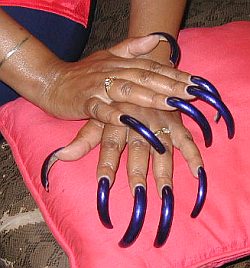
Long nails like a bird's claws

Long nails like a bird’s claws

Day by Day by F. B. Meyer – “But how marvelous the contrast between those proud and vaunting words, and the ascriptions of humble homage and praise in Dan_4:34-37! If God could produce such a result on the haughty king of Babylon, is there any sinner He cannot subdue? May not the stern discipline to which some lives are subjected be intended to subdue their proud wills and bring them to similar confessions?”

Did King Nebuchadnezzar learn his lesson?

And at the end of the time I, Nebuchadnezzar, lifted my eyes to heaven, and my understanding returned to me; and I blessed the Most High and praised and honored Him who lives forever: For His dominion is an everlasting dominion, And His kingdom is from generation to generation. All the inhabitants of the earth are reputed as nothing; He does according to His will in the army of heaven And among the inhabitants of the earth. No one can restrain His hand Or say to Him, “What have You done?” At the same time my reason returned to me, and for the glory of my kingdom, my honor and splendor returned to me. My counselors and nobles resorted to me, I was restored to my kingdom, and excellent majesty was added to me. Now I, Nebuchadnezzar, praise and extol and honor the King of heaven, all of whose works are truth, and His ways justice. And those who walk in pride He is able to put down. (Daniel 4:34-37 NKJV)

May we all watch our pride and realize that:

“A man’s pride will bring him low, But the humble in spirit will retain honor.” (Proverbs 29:23 NKJV)

*

Birds of the Bible

Birds of the Bible – Hair Like Eagle’s Feathers – original

Changed From The Inside Out

*
Ian’s Bird of the Week – New Zealand Pipit

Ian’s Bird of the Week – New Zealand Pipit 
~ by Ian Montgomery
Newsletter – 1/12/16
There are two ways to acquire photos of additional species to add to the website: one is to go out and photograph something new; the other is to sit at your computer and wait for the taxonomists to provide them via splits. I mentioned, in passing, the Eurasian and Pacific Wrens last week. This week we have the Australian and New Zealand Pipits, a split I discovered a week ago when revising the Pipit and Wagtail family page and switching the sequence from BirdLife International to the IOC. That split stirred vague memories of pipits on Enderby Island in the Auckland Islands group south of New Zealand and I dug out some neglected photos of New Zealand Pipits from my archives and published them on the website.
New Zealand Pipit (Anthus novaeseelandiae) by Ian

New Zealand Pipit (Anthus novaeseelandiae) by Ian

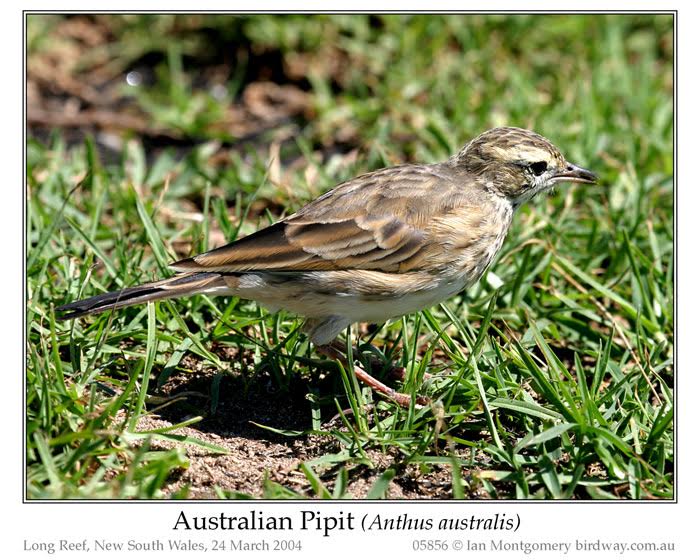
Pipits have been completely ignored as subjects for bird of the week because they aren’t, I don’t think, very interesting: they all look much the same – brown and streaked; they don’t behave in particular interesting ways; and they aren’t famous for the quality of their songs. So I was left the problem of finding a way of making them interesting. You could do a spot the difference quiz between the Australian  above, and the New Zealand below but even that is a bit limited in extent. The Australian is more buffish, the New Zealand more rufous; the New Zealand has more streaks on the flanks; if you had the birds in the hand you might notice that the Australian has a white belly, the New Zealand has a greyish one. That’s about it.
I could talk about their biology and show this photo of an adult feeding an insatiable fledgling, which was begging raucously for more food in another photo taken less than a second later. Instead, I decided this morning to Google the information contained in the sentence: “I took this photo of a New Zealand pipit (Anthus novaeseelandiae, J. F. Gmelin, 1789, Queen Charlotte Sound, South Island, New Zealand) on Enderby Island in November 2011”. Google led me on never-ending links of interesting information about the history of the Auckland Islands, voyages to Queen Charlotte Sound in the late 18th century, the work and publications of Johann Friedrich Gmelin and even to the novel Moby Dick* while I reminisced about the 2011 trip to the Sub-Antarctic Islands and dug out more photos of what we saw on Enderby Island. My task now is to distill all that stuff into a few sentences.
The Auckland islands are a rugged group of now uninhabited islands about 460km south of the South Island of New Zealand. Traces of Polynesian settlement dating back to the 13th century have been on Enderby Island, a small island about 5km long at the north eastern tip of the main island. They were rediscovered in 1806 by the whaling ship Ocean. Captain Bristow named the Islands after his friend the first Baron Auckland and Enderby Island after his boss Samuel Enderby, whose company owned the ship. The islands became an important sealing and whaling station, though by 1812 most of the New Zealand Sea Lions had been hunted and the focus switched to Campbell Island and Macquarie island farther south. There were several unsuccessful attempts at settlement later in the 19th century.
Most of the human activity on Enderby Island was at a sheltered bay called Sandy Cove on the south side of the island (below). That was where we landed and we hiked from there across to the north coast and then back along the coast in a clockwise direction, a distance of about 10km. Sandy Cove had lots of sea lions and Red-crowned Parakeets, strange to see on such a chilly windswept island.
I remember the last few kilometres along the south coast as being hard work wading through waist-deep tussocky grass but the wildlife along the way was wonderful and well worth the effort. In the tundra on the north coast there were New Zealand Snipe and Double-banded Plovers, while the cliffs on the north coast (below) had nesting Light-mantled Albatrosses. We watched their display flight  in the updrafts along the cliffs,a  veritable aerial ballet a deux, and could look down on other birds on their nests.
There were flightless Auckland Teal both along the coast and in pools of freshwater and we had to run the gauntlet of assertive male sea lions. We found that if you held your ground, they calmed down quite quickly and the following photo shows me making friends with one.
See? I’ve hardly mentioned pipits and, given the competition, it is surprising that I actually took any photos of them. Because various pipits all look much the same their taxonomy has long been, well, a mess.  There are – at the moment based on DNA studies – five similar species in Eurasian, Africa and Australasia that have in the past been treated as a single species. The other three are Richard’s pipit (central Asia), the African Pipit and the Paddyfield Pipit (south and southeast Asia). The first one to be named was a New Zealand specimen in 1789 by the German naturalist Johann Friedrich Gmelin, below, so according to the rules of taxonomic precedent that single species should have been novaeseelandiae.
Gmelin, 1748-1804, is best known for continuing to update and publish new volumes of the Systema Naturae after the death in 1778 of Linnaeus, the father of modern taxonomy. Here is the cover of the 1788 edition of Gmelin’s Volume I. Note that the classification is of the three natural kingdoms (Regna Tria Naturae) of animals, plants and minerals. This was in the days before anyone had to worry about evolution, and was all about managing the complexity of specimens of everything that were accumulating in vast numbers in museums, herbaria and other collections in Europe.
There were four levels of generalisation: classes, orders, genera and species. So the New Zealand Lark (as it was called then) belongs to the class Aves (birds), the order Passeres (sparrow-like), genus Alauda (larks) and species novae Zeelandiae (of Nova Seelandia). The system has proved remarkably robust. Class ‘Aves’ is still used for birds; ‘formes’ has been added to avian order names so Passeres survives as PasseriformesAlauda is still used for true larks. The New Zealand Lark is now recognised as a pipit and has been moved to the Pipit genus Anthus. The main change to the classification structure is the addition of the Family level between order and genus. Pipits and Old World Wagtails are in the family Motacillidae and I was interested to find that the name Motacilla, the Wagtail genus, is to be found later in the same volume.
The volume makes interesting reading just at the level of habitats which hints at the enormity of the task faced by Linnaeus and Gmelin. The species above the New Zealand Lark is the ‘Cape Lark’ Alauda capensis from a specimen collected at the Cape of Good Hope (caput bonae spei). On just these two pages are species from Portugal, Argentina, Mongolia and Siberia and this on pages 798-799 of the volume on birds. I found another whole volume on worms and another on a subset of plants. Gmelin was primarily a botanist was published various books on plant and chemical poisons. On the zoological side he specialised in amphibians, reptiles and molluscs, so his publication of bird species was fairly incidental. Such was the all-encompassing nature of scholarship in those times.
Meanwhile, back at the website, progress continues. I’ve finished updating all the family pages and I’m now working through the 1,500 species and updating their pages to make them mobile-friendly. On a good day, I can do about 20 species. On the way, I’m adding new photos of previously prepared but not included photos and you can track this progress on the new Recent Additions page – the most recent photos are at the top of this page. This used to be a section on the Home Page which had become unmanageably large for mobiles and needed to be broken up. The Home Page now serves as a gateway to the rest of the website and to advise of updates. such as recent additions and the latest bird of the week.
I started by listing the two ways of getting new species for the website. I’m planning to do the other way next week, take a break from the website and go up to the Daintree River in search of nesting Black Bitterns. This is one of my bogey birds. I’ve seen them only flying away since the single occasion on which I saw one stationary at Chittaway Point on the Central Coast of New South Wales in the year 2000 before I took up serious bird photography with serious equipment. So this (scanned from film) is what I’m trying to improve on:
As usual I ask for your moral and spiritual support!
_
Greetings
Ian
_
*PS. In Moby Dick the fictitious ship Pequod of Nantucket met a whaling ship from London called the Samuel Enderby which had also encountered the white whale. The Samuel Enderby was a real ship belonging to the Enderby company and was one of three that arrived at Auckland Island in 1849 to attempt a new settlement with 150 settlers.
**************************************************
Ian Montgomery, Birdway Pty Ltd,
454 Forestry Road, Bluewater, Qld 4818
Tel 0411 602 737 ian@birdway.com.au
Bird Photos http://www.birdway.com.au/
Recorder Society http://www.nqrs.org.au

Lee’s Addition:

Are not five sparrows sold for two farthings, and not one of them is forgotten before God? But even the very hairs of your head are all numbered. Fear not therefore: ye are of more value than many sparrows. (or Pipits) (Luke 12:6-7 KJV) (emphasis mine)

All work and no play is hard for anyone. We will be praying that you find that elusive Black Bittern. Then you can tell us all about them next.

Here are a few articles that tell about Carolus Linnaeus:

*

*

Lord’s Avian Wonders – Dipper and a Beluga Whale

Oops! Had to withdraw an article and will re-post it later. For now. This video is amazing. A baby Beluga plays with an American Dipper at the Vancouver Aquarium. When the Creator originally brought the critters into existence they got along fine.

Reminds me of the following passage from Isaiah. That condition will return again in the future. Enjoy!

And the wolf shall dwell with the lamb, and the leopard shall lie down with the kid, and the calf and the young lion and the fatted domestic animal together; and a little child shall lead them. And the cow and the bear shall feed side by side, their young shall lie down together, and the lion shall eat straw like the ox. And the sucking child shall play over the hole of the asp, and the weaned child shall put his hand on the adder’s den. They shall not hurt or destroy in all My holy mountain, for the earth shall be full of the knowledge of the Lord as the waters cover the sea. (Isaiah 11:6-9 AMP)

Maybe we should learn to get along with our neighbors also.

A new commandment I give unto you, That ye love one another; as I have loved you, that ye also love one another. (John 13:34 KJV)

*

Sunday Inspiration – Dippers, Leafbirds and Flowerpeckers

*


George And The Happy New Year

House Finch (Carpodacus mexicanus) by Ian

House Finch (Carpodacus mexicanus) by Ian

George and the Happy New Year

~ by Emma Foster

   In the countryside, where farms dotted the land along the hills and the only sounds that could be heard were birds chirping and cows mooing, there lived a small finch named George. He lived in a small red barn out in the countryside. George had built his nest up in the rafters where he could look down at all the other farm animals during the day. In the barn, he had a clear view out the window of the sky and the big city very far away.

New Year’s Day was drawing near, and every night for the past week, George and the other animals were kept up late because of all of the fireworks being set off outside the city. One night, George decided he would fly to the city. He had always wondered what people did on New Year’s Eve and how they celebrated the coming year. George figured the city was the perfect place for celebration.

That morning, on December thirty-first, George flew out the window while all the other farm animals were still sleeping, and began flying to the city.

House Finch Resting

House Finch Resting

The dirt road that stretched to the farm eventually turned into a gravel road as George flew farther on. He flew past many apple tree orchards and corn fields until the gravel road split off into two concrete roads. Here there were many different houses and stores.

Every now and then George would take a break from flying and land on a powerline. He was able to see how far he had to fly before arriving at the city.

By the time George could see large skyscrapers up ahead it was late evening. When he entered the city, he could see many other birds flying around looking for tall buildings to land on so they could see the celebration with a good point of view. George passed by lots of buildings, but none of them seemed good enough. He wanted to be able to see everything, including all the people celebrating.

Finally George spotted a large, shiny ball on top of a tall building in the middle of a busy street. Flying to it, he decided this would be the perfect place to watch the celebration because he could see throngs of people standing in the street below eagerly cheering. By then it was late at night, and George hoped he hadn’t missed much.

Times Square Ball

Times Square Ball

Landing on the ball, he watched the crowd, and he remarked how bright the ball was and wondered what it was for. Suddenly it started lowering and everyone began counting down from ten. When they all reached one, everyone cheered. George didn’t know why, but afterwards, everyone started to leave and call for taxis to take them home. George realized this must have been the celebration.

It was late in the afternoon when George arrived back at the farm, and all of the animals were eager to hear where he had been. George was glad to tell all the animals what he had seen, and of how people celebrated New Year’s Day. None of the animals ever understood exactly why people celebrated the day by counting backwards from ten, and George never understood what the huge ball was used for other than to go up and down.

The End


Lee’s Addition:

O sing unto the LORD a new song: sing unto the LORD, all the earth. (Psalms 96:1 KJV)

Yes, they shall sing of the ways of the Lord and joyfully celebrate His mighty acts, for great is the glory of the Lord. (Psalms 138:5 AMP)

What a celebration for George even if he didn’t quite figure out what it was all about. Thanks, Emma, for another great bird tale. Sounds like you must have stayed up and watched the celebration New Years Eve. At least you didn’t have to fly to see it.

You can see all of Emma’s other great articles here:

Deceptive Cuckoo

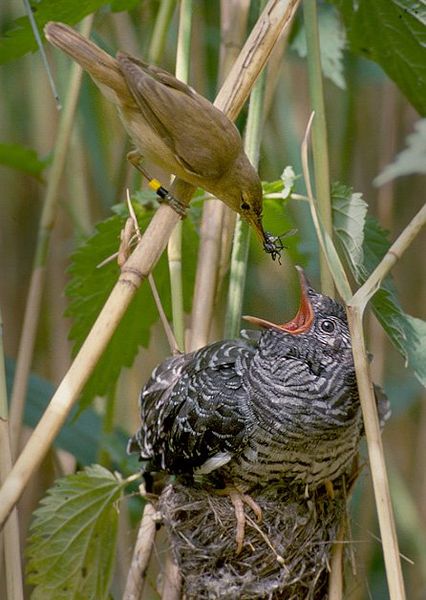
Common Cuckoo (Cuculus canorus) being raised by a Reed Warbler©WikiC

Common Cuckoo (Cuculus canorus) being raised by a Reed Warbler©WikiC

Earlier this week James J. S. Johnson wrote Teach Your Children The Right Passwords! He mentioned brood parasitism by the Cuckoo and how they like to lay their egg in another unsuspecting bird’s nest. Creation Moments just released this video and I thought you would enjoy seeing it.

The thoughts of the righteous are right: but the counsels of the wicked are deceit. (Proverbs 12:5 KJV)

Deceit is in the heart of them that imagine evil: but to the counsellors of peace is joy. (Proverbs 12:20 KJV)

*

Creation Moments YouTube Channel

Teach Your Children The Right Passwords! by James J. S. Johnson

Orni-Theology

Wordless Birds

*