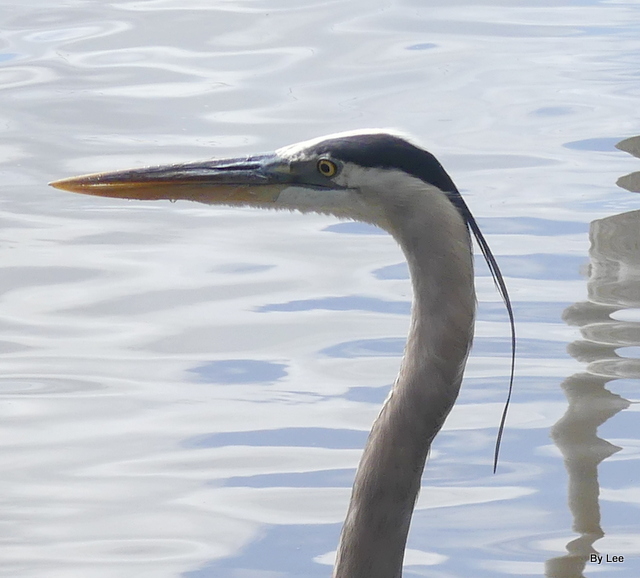
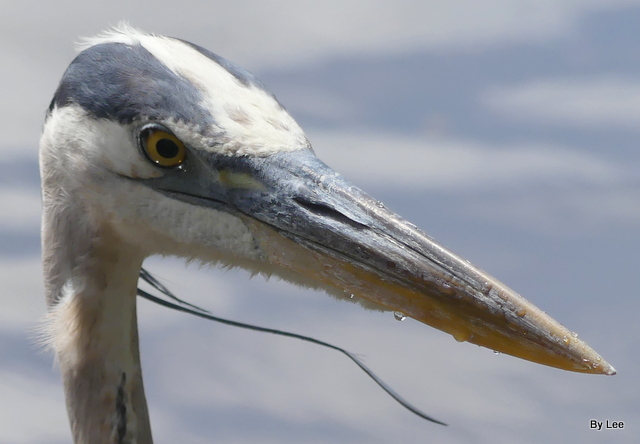
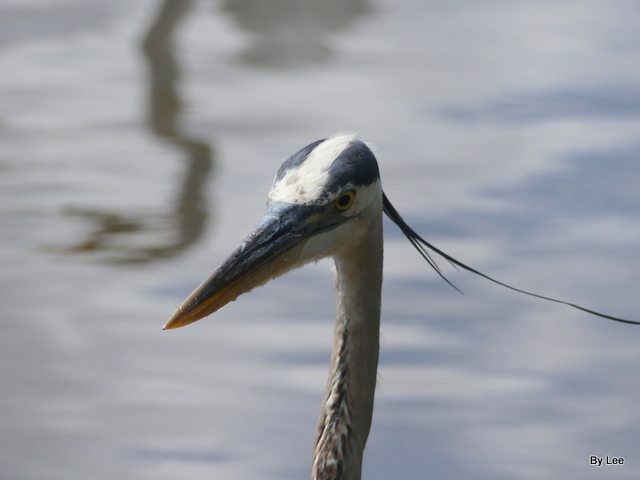
Avian and Attributes – Stephen

Stephan’s Emerald Dove (Chalcophaps stephani) ©Pinterest

This is a change from the normal Avian and Attributes. Normally, it is the attributes of the Lord Jesus Christ and a similar named bird. This time, I found two birds with the names of Stephan’s Emerald and Stephen’s Lorikeet.

Stephen, was a well respected Christian, who was martyred for his faith in the Lord. Acts 6:8 says that Stephen was “full of faith and power, did great wonders and miracles among the people.” (KJV) He was called before the council in Jerusalem for his beliefs.

When he appeared before them,:

“And they stirred up the people, and the elders, and the scribes, and came upon him, and caught him, and brought him to the council, And set up false witnesses, which said, This man ceaseth not to speak blasphemous words against this holy place, and the law: For we have heard him say, that this Jesus of Nazareth shall destroy this place, and shall change the customs which Moses delivered us. And all that sat in the council, looking stedfastly on him, saw his face as it had been the face of an angel.” (Acts 6:12-15 KJV)

Stephen had many good attributes of a Christian. He was teaching about Jesus, and they didn’t like what he was saying. Acts 6 and 7 tell this story. After he showed them how they were wrong about the Lord Jesus Christ being their Messiah, they became incensed and stoned him.

The two birds, I am sure, were not named after Stephen, but you might enjoy getting to meet them.

Stephan’s Emerald Dove (Chalcophaps stephani)
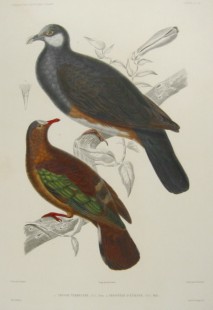
Stephan's Emerald Dove (Chalcophaps stephani) ©Drawing WikiC

Stephan’s Emerald Dove (Chalcophaps stephani) Lower bird ©Drawing WikiC

The Stephan’s Emerald Dove (Chalcophaps stephani) is a species of bird in the family Columbidae (Doves). It is found in Sulawesi, New Guinea and the Solomon Islands. It is often called Stephan’s Dove. (Wikipedia) It’s call is like a “woooah” sound. They like “humid evergreen forest interior and dry secondary coastal forest in Sulawesi…” HBA

They seem to be ground feeders and eat fruit that has fallen and also like insects. They also seem to act like nomads.

Stephen’s Lorikeet (Vini stepheni)

Stephen’s Lorikeet (Vini stepheni) Drawing WikiC

The Stephen’s Lorikeet (Vini stepheni), also known as the Henderson lorikeet, is a species of parrot in the family Psittaculidae. It is endemic to Henderson Island in the Pitcairn Islands of the South Pacific.
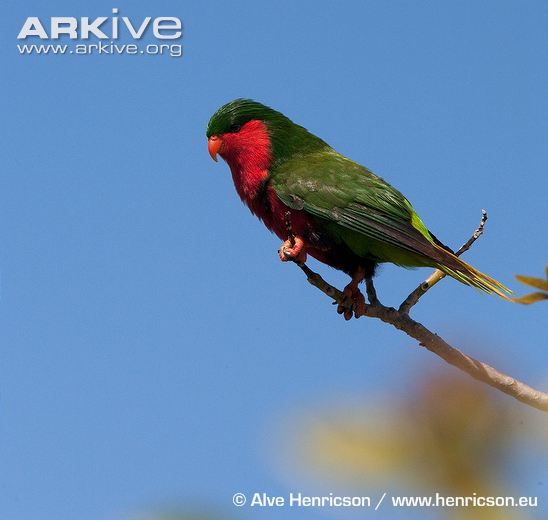
Stephen's Lorikeet (Vini stepheni) ©PInteest

Stephen’s Lorikeet (Vini stepheni) ©PInteest

Its natural habitat is subtropical or tropical moist lowland forest. It is threatened by habitat loss. (Wikipedia)
More Avian and Attributes

Good News

Penguin Disappearing – Creation Moments

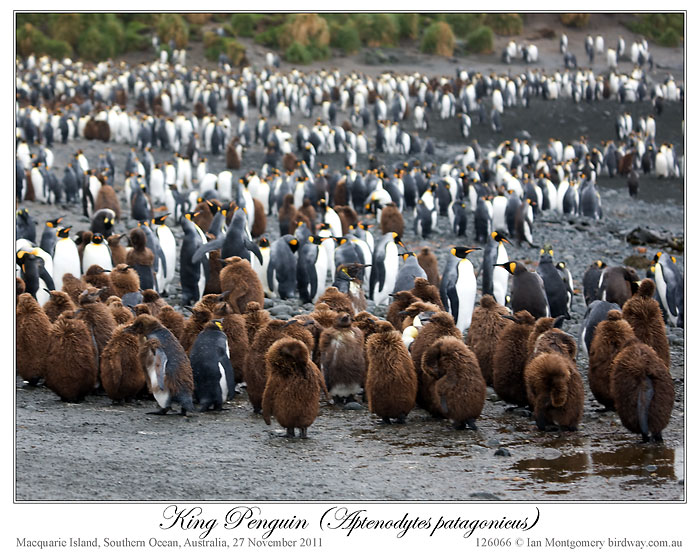
King Penguin (Aptenodytes patagonicus) 5 by Ian

King Penguin (Aptenodytes patagonicus) by Ian

“And God said, Let us make man in our image, after our likeness: and let them have dominion over the fish of the sea, and over the fowl of the air, and over the cattle, and over all the earth, and over every creeping thing that creepeth upon the earth.” Genesis 1:26

Penguins are disappearing. Don’t worry – it’s not all of them that are disappearing. But the world’s largest colony of king penguins appears to be only 10% the size it was 50 years ago.
The colony, which lives on Île aux Cochons in the southern Indian Ocean, is quite difficult to count. Nevertheless, surveys over the years have shown that it has shrunk dramatically. Reasons given for the decimation include climate change and outbreaks of diseases such as avian cholera.

Penguins are among our favorite animals. Many of us, when we go to the zoo, will make our way quickly to see the penguins. We love to see the endearing, adorable way they walk and then marvel at their grace as they “fly” through the water. Some species of penguins have remarkable habits. One unsubstantiated urban myth about penguins in the Falkland Islands suggests that they watch the overflying planes of the Royal Air Force so intently that they eventually fall over backwards! One comedian complained about the Emperor Penguins, saying that they have the ability to make us feel complete failures as fathers.

Of course, not all penguins are dying out. We are referring to one colony of one species. But does it matter? The answer must be that, yes, we ought to have a concern. We are used to opposing climate change mythology and, therefore, sometimes go to the other extreme, forgetting that God gave us a stewardship to look after this world and protect it.

Prayer: Thank You, Lord, for the stewardship that You gave the human race over creation. We pray for those involved in conservation, that You would raise up those whose work is guided fully by You. Amen.

Ref: CNRS. “Largest king penguin colony has shrunk nearly 90%.” ScienceDaily, 30 July 2018. <www.sciencedaily.com/releases/2018/07/180730120408.htm>. Image: CC BY-SA 3.0.

Copyright © 2019 Creation Moments, Inc. PO Box 839, Foley, MN 56329 800-422-4253   http://www.creationmoments.com

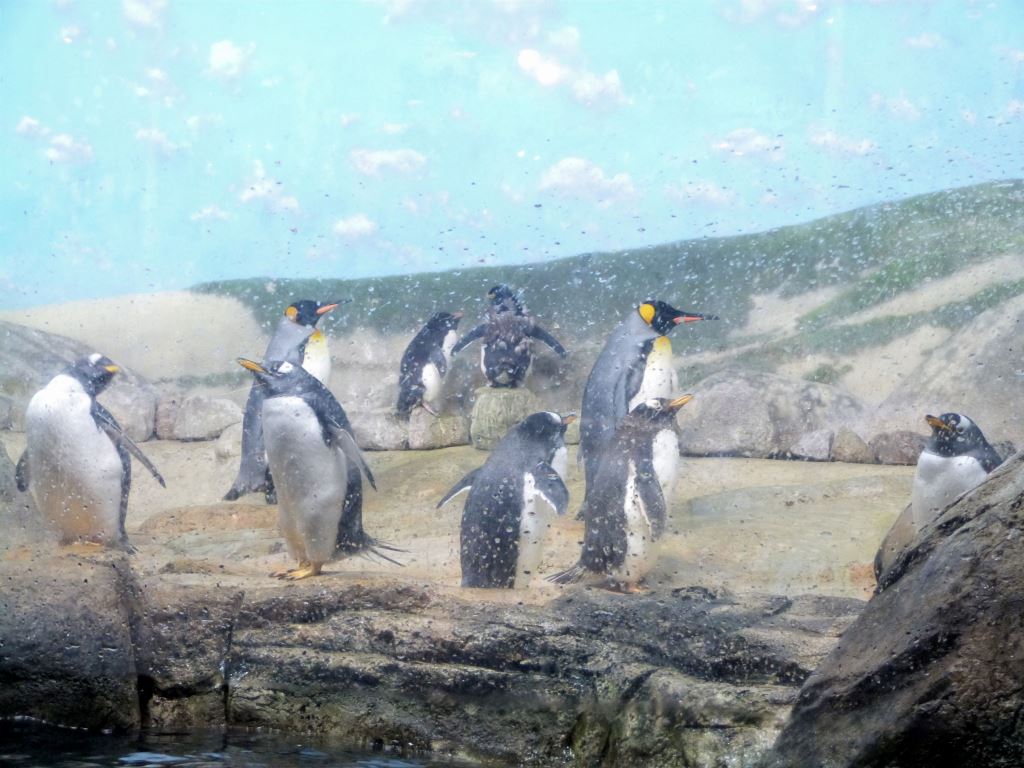
Penguins - Gentoo Front-King Middle-Rockhoopers Back

Penguins – Gentoo Front – King Middle – Rockhoopers Back by Lee

Disappearing Penguins – Creation Moments

Penguin Eggs Tragedy by Dr. Johnson

Ian’s Bird of the Week – King Penguin

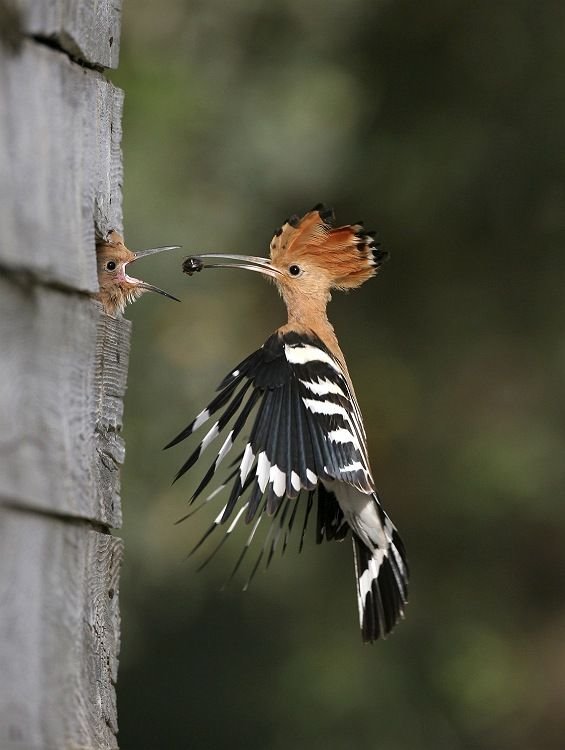
Bird of the Bible Photos – Hoopoe

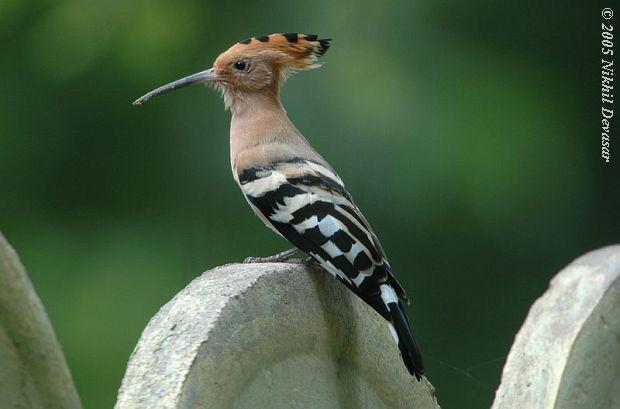
Eurasian Hoopoe (Upupa epops) by Nikhil Devasar

“The stork, the heron of any variety, the hoopoe, and the bat.” (Deuteronomy 14:18 AMP)

Hoopoe Feeding Young ©©Dvir Lotan from Israel

Hoopoe Feeding Young ©©Dvir Lotan from Israel

“The stork, all kinds of heron, the hoopoe, and the bat.” (Leviticus 11:19 AMP)

This bird is on the “Do Not Eat List.”

Birds of the Bible – Hoopoe

Birds of the Bible

Wordless Birds

Rabbit Chasing Sandhill Crane

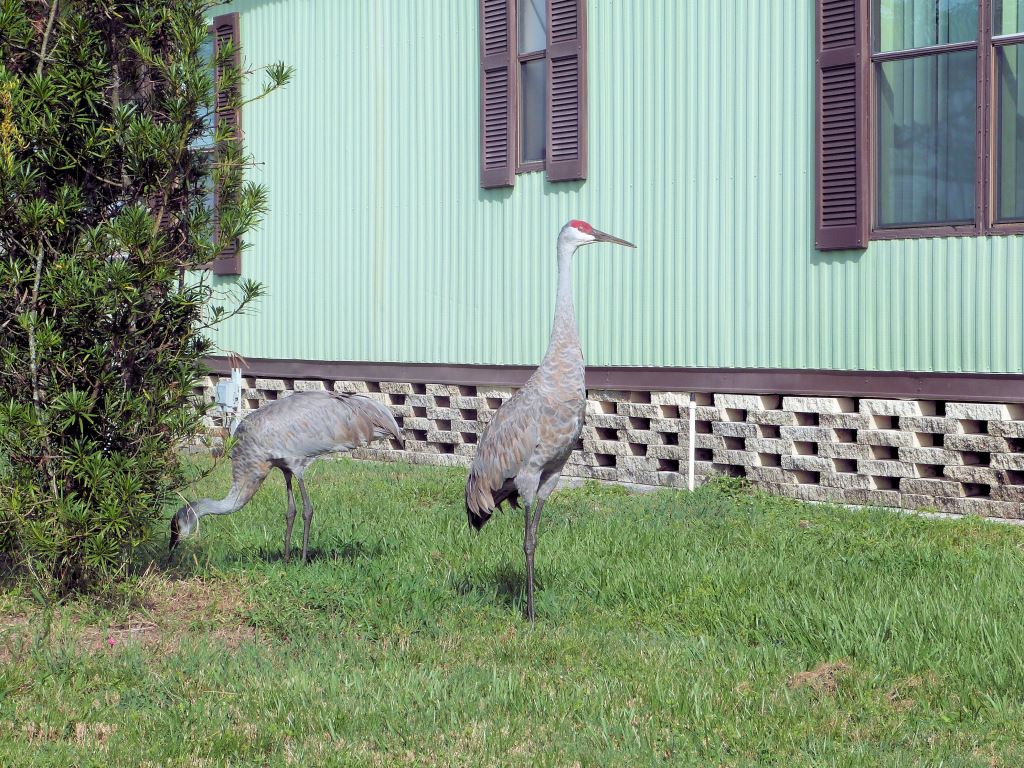
Sandhill Cranes in side yard – The Guard Sandhill watching

“I have fought a good fight, I have finished my course, I have kept the faith:” (2 Timothy 4:7 KJV)

Dan and I have been re-reading “Things I Have Learned” by Dr. Bob Jones, Sr. One of his messages was about “Rabbit Chasers.” It has to do with a “Possum” dog getting sidetracked by a Rabbit. [More about that later.]

The day after reading that part, I was looking out our kitchen window and spotted the four Sandhill Cranes in our side yard. They come by frequently. It is a mom, dad, and two juveniles.

About that time a rabbit appeared close to the house next door. [He was in our front yard on Easter Morning when we back out on the way to church. Yeah! The Easter Bunny!, I told Dan.] The rabbit was minding his own business when the “guard” Sandhill took out after him. Now, I call that Sandhill a “rabbit chaser.”

Sandhill Crane with Wings Spread – Threatening ©Maria Michell Pixabay

This is not the first time we have watched a Sandhill take-off after an animal. Years, ago, we were watching several Sandhill Cranes walking through the travel-trailer park where we were staying. A small kitten, thought he would “take on” one of these tall birds. The Sandhill opened up his wings, making him look “really big” and took two steps toward the small cat. Haven’t seen a cat run that fast in a long time. :)

Back to the book and the “Rabbit Chasers.” To shorten the message, it was about what a good “Possum” dog does, compared to a “Rabbit Chaser.” A good dog will go over hill and dale, through water, etc. and never gets off of the trail until he either trees his opossum, or he loses it. On the other hand, a dog that starts on the scent of his prey, comes across the trail of a rabbit, and changes course to follow the rabbit, is a “Rabbit Chaser.”

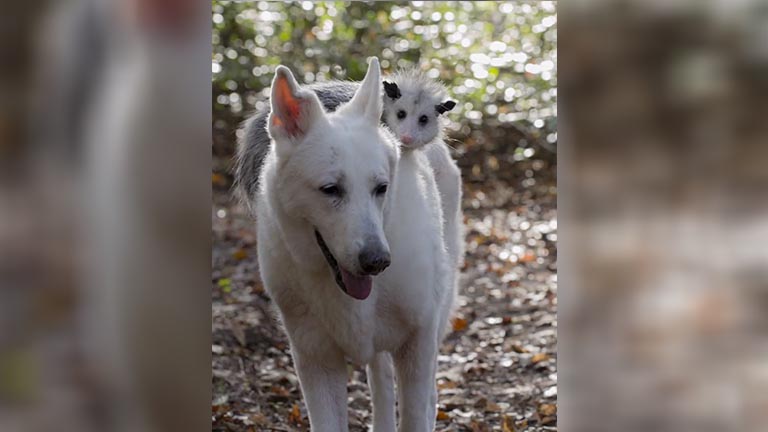
This Dog Adopted His Opossum. Back to the drawing board.

Dr. Bob takes that story and tells the students in chapel, to finish what they started. [“Finish The Job” was another of his saying.] The student starts college and then they meet a girl or boy, they start wavering about finishing. There are other things to get us off-track also. [Sound familiar] He mentions other things, but basically, he was challenging the students to stay on course and finish what they started. A very good lesson for all of us. I had hoped to find an online version to share a link to, but it doesn’t seem to be available. The book is still available. Things I Have Learned at the school.

“The Son of God came all the way from heaven to this earth. I am speaking reverently. He got on the trail of His Father’s will. Everything tried to stop Him, but He stayed on the trail.” … “One day He hung on the cross in agony and blood. After awhile He cried, ‘It is finished.’ He stayed on the trail. He never got off. He said, ‘I came to do My Father’s will, and now it is done.’ He died for us. And my Bible says, ‘He shall see the travail of His soul, and shall be satisfied.’ ..”You will never be happy off the trail.” [From Things I Have Learned, p106.]

There is much more I would love to share about that message, but, I’ll leave you to read the book if you would like.

“But none of these things move me, neither count I my life dear unto myself, so that I might finish my course with joy, and the ministry, which I have received of the Lord Jesus, to testify the gospel of the grace of God.” (Acts 20:24 KJV)

Here are some of his many sayings that Dr Bob Jones Sr. shared with students [of which we both were at one time].

  • “It is a sin to do less than your best.”
  • “The door to the room of success swings on the hinges of opposition.”
  • “It is no disgrace to fail; it is a disgrace to do less than your best to keep from failing.”
  • “God will not do for you what He has given you strength to do for yourself.”
  • “Don’t sacrifice the permanent on the altar of the immediate.”

Wholesome Words – Chapel Sayings

Wholesome Words

Sharing The Gospel


Avian – Happy Mother’s Day

Today is Mother’s Day here in America. I wonder if the beautiful, hard-working avian mother’s have a special day. Maybe, it is the day the little one fledge and finally have “Flown The Coop.”

Seriously, I would like to wish all of my readers a Happy Mother’s Day with this little tribute.

First, the Momma bird lays her eggs:

“Let your father and your mother be glad, And let her who bore you rejoice.” (Proverbs 23:25 NKJV)

Second, momma has to sit on the eggs for awhile:

“For whoever does the will of My Father in heaven is My brother and sister and mother.” (Matthew 12:50 NKJV)

Third, the little ones start to appear:

“Honour thy father and thy mother: and, Thou shalt love thy neighbour as thyself.” (Matthew 19:19 KJV)

Fourth, those little birds get hungry:

“Honour thy father and mother; (which is the first commandment with promise;)” (Ephesians 6:2 KJV)

Fifth, they mature (juveniles) and eventually Fly The Coop:

Avian mother’s are finished with that batch. Unlike human mothers whose work has just begun, and will continue through every stage of their children’s lives, even into their grandchildren’s lives.

Happy Mother’s Day!!

“Listen to your father who begot you, And do not despise your mother when she is old.” (Proverbs 23:22 NKJV)

“A wise son makes a father glad, But a foolish man despises his mother.” (Proverbs 15:20 NKJV)

Birdman of Chennai India – BBC

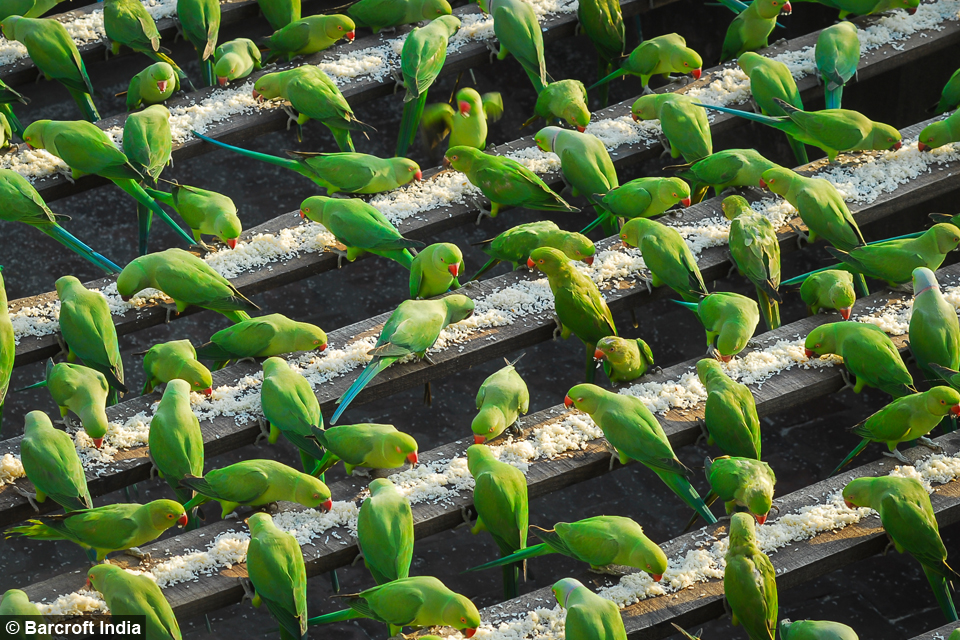
Rose-ringed Parakeet (Psittacula krameri) In Chennai India

My friend, Pastor Pete, sent me this video and thought I would share it. Chennai has been written about before by our beloved a j mithra, who has gone on to heaven. He was from Chennai. I wonder whether he knew about this. Most likely, since he loved birds and birdwatching.

This gentleman in India spends about 40% of his income to feed the birds. Many of them that feed are the Rose-ringed Parakeets. I am sure the word has gotten out and other species of parakeets come to this buffet.

“Then God said, “Let Us make man in Our image, according to Our likeness; let them have dominion over the fish of the sea, over the birds of the air, and over the cattle, over all the earth and over every creeping thing that creeps on the earth.” (Genesis 1:26 NKJV)

Dominion does not mean control over the birds, but to watch out for them. That is what this man is doing to help these birds.

Rose-ringed Parakeet (Psittacula krameri) In Chennai India

Hope you enjoyed watching this video. You might stop by A J Mithra’s part of the blog and read some of his articles. He loved birds and  most of all, he loved the Lord. Below are just a few of his articles:

a j mithra – List of all

The Feet
World Sparrow Days
Azores Bullfinch and the Holly Tree…
Hermit Warbler – The Worshiper..
Worthen’s Sparrow – Lost, but found..
Ovenbirds – Ground Singers
Master Builder’s Master Builders

Avian and Attributes – Step

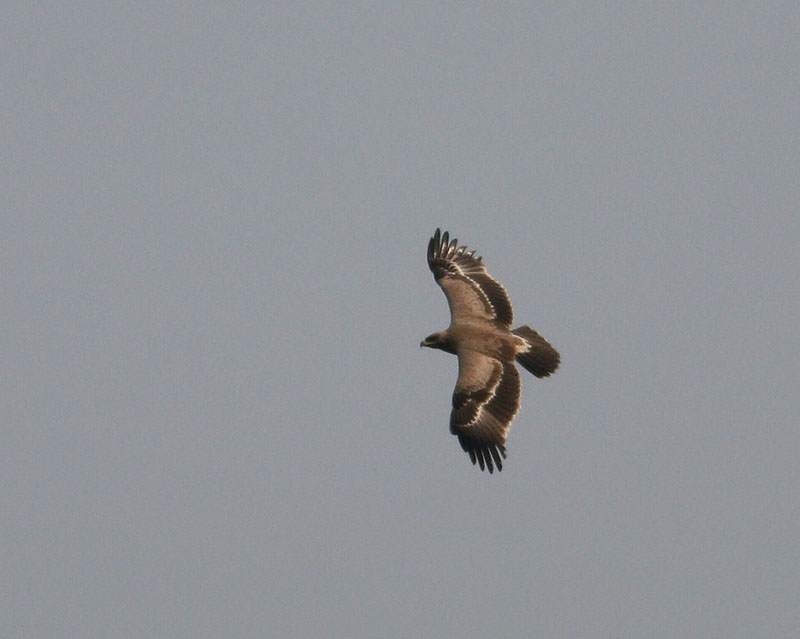
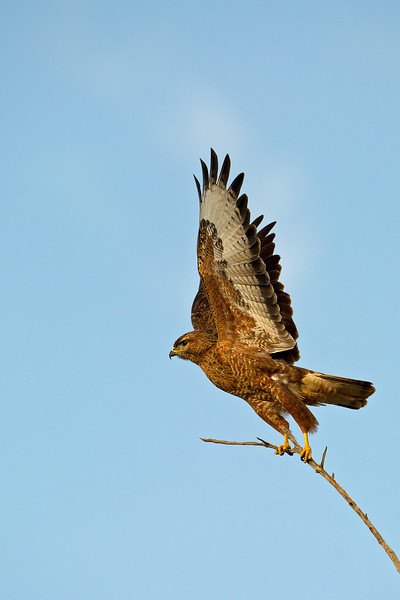
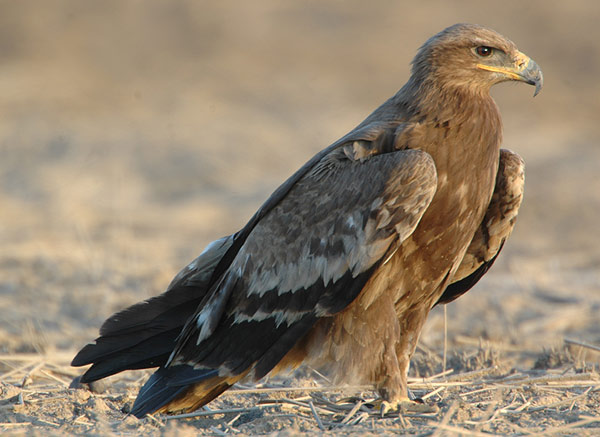
Steppe Eagle (Aquila nipalensis) by Nikhil Devasar

Steppe Eagle (Aquila nipalensis) by Nikhil Devasar

“The steps of a good man are ordered by the LORD: and he delighteth in his way.” (Psalms 37:23 KJV)

STEP, v.i. [Gr., the foot. The sense is to set, as the foot, or move probably to open or part, to stretch or extend.]
1. To move the foot; to advance or recede by a movement of the foot or feet; as, to step forward, or to step backward.
2. To go; to walk a little distance; as, to step to one of the neighbors.
3. To walk gravely, slowly or resolutely.
To step forth, to move or come forth.
To step in or into,
1. To walk or advance into a place or state; or to advance suddenly in John 5.
2. To enter for a short time. I just stepped into the house for a moment.

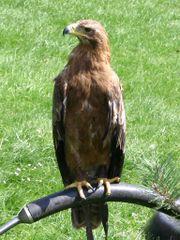
Steppe Eagle (Aquila nipalensis) by Peter Ericsson

Steppe Eagle (Aquila nipalensis) by Peter Ericsson

Order my steps in thy word: and let not any iniquity have dominion over me.” (Psalms 119:133 KJV)

STEP, v.t.
1. To set, as the foot.

“My foot hath held his steps, his way have I kept, and not declined.” (Job 23:11 KJV)

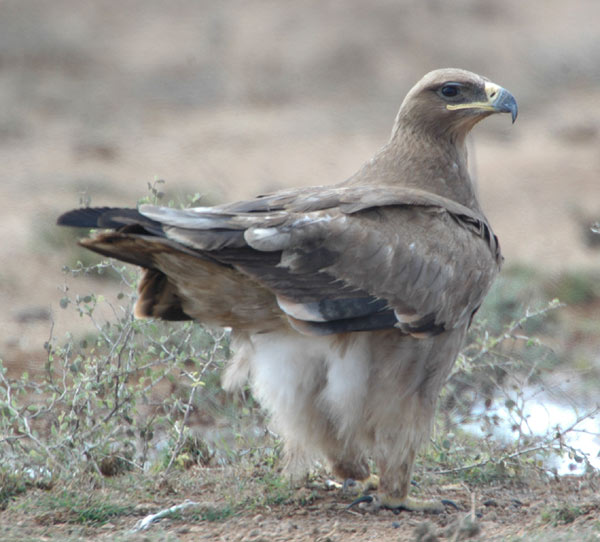
Steppe Eagle (Aquila nipalensis) by Africaddict

STEP, n. [G., to form a step or ledge.]
1. A pace; an advance or movement made by one removal of the foot.
6. Gradation; degree. We advance improvement step by step, or by steps.
7. Progression; act of advancing.
8. Footstep; print or impression of the foot; track.
9. Gait; manner of walking. The approach of a man is often known by his step.
10. Proceeding; measure; action.
The reputation of a man depends of the first steps he makes in the world.

Steppe Eagle

STEP, STEPP, n. In Russ, an uncultivated desert of large extent. [Webster Dictionary 1828, with editing]

Steppe Eagle (Aquila nipalensis) by Peter Ericsson

Steppe Eagle (Aquila nipalensis) by Peter Ericsson

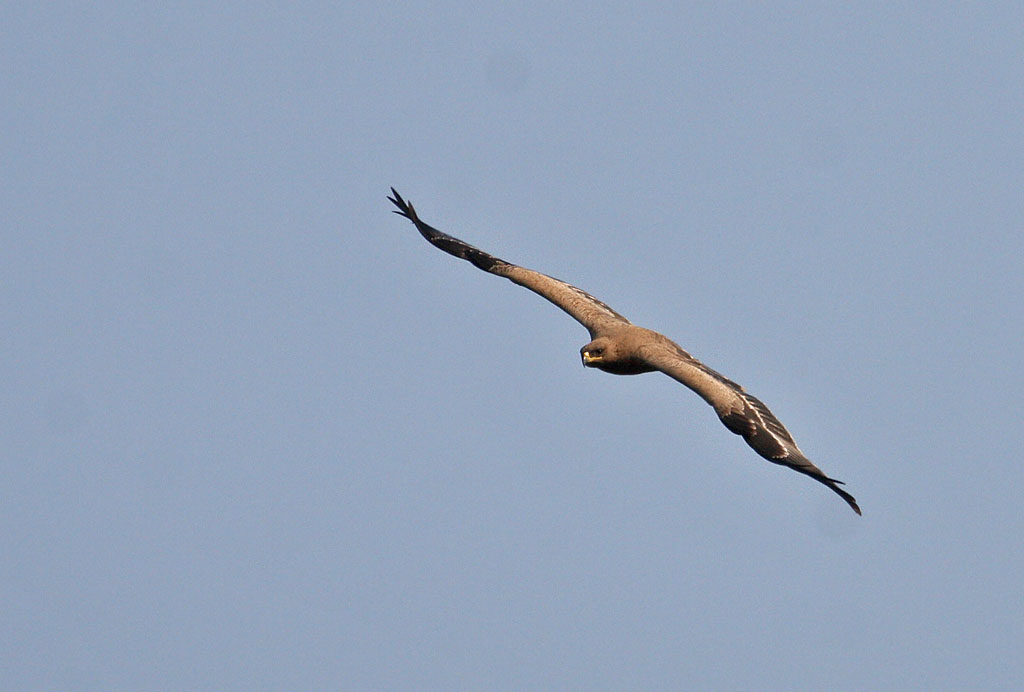
The steppe eagle (Aquila nipalensis) is a bird of prey. Like all eagles, it belongs to the family Accipitridae. It was once considered to be closely related to the non-migratory tawny eagle (Aquila rapax) and the two forms have previously been treated as conspecific.

It is:

  • about 62–81 cm (24–32 in) in length
  • wingspan of 1.65–2.15 m (5.4–7.1 ft).
  • Females, weighing 2.3–4.9 kg (5.1–10.8 lb), are slightly larger than males
  • Males, 2–3.5 kg (4.4–7.7 lb)

This is a large eagle with brown upperparts and blackish flight feathers and tail. This species is larger and darker than the tawny eagle, and it has a pale throat which is lacking in that species. Immature birds are less contrasted than adults, but both show a range of variation in plumage colour. The eastern subspecies A. n. nipalensis is larger and darker than the European and Central Asian A. n. orientalis.

The call of the steppe eagle sounds like a crow barking, but it is rather a silent bird.

Steppe Eagle (Aquila nipalensis) by Nikhil Devasar

Steppe Eagle (Aquila nipalensis) by Nikhil Devasar

The steppe eagle breeds from Romania east through the south Russian and Central Asian steppes to Mongolia. The European and Central Asian birds winter in Africa, and the eastern birds in India. It lays 1–3 eggs in a stick nest in a tree. Throughout its range it favours open dry habitats, such as desert, semi-desert, steppes, or savannah.

It is found in south-eastern Pakistan especially in Karachi. Large numbers are seen at certain places such as Khare in Nepal during migration.

Steppe Eagle (Aquila nipalensis) by Nikhil Devasar

Steppe Eagle (Aquila nipalensis) by Nikhil Devasar

The steppe eagle’s diet is largely fresh carrion of all kinds, but it will kill rodents and other small mammals up to the size of a hare, and birds up to the size of partridges. It will also steal food from other raptors. Like other species, the steppe eagle has a crop in its throat allowing it to store food for several hours before being moved to the stomach. [Wikipedia, with editing]

“For even hereunto were ye called: because Christ also suffered for us, leaving us an example, that ye should follow his steps: Who did no sin, neither was guile found in his mouth: Who, when he was reviled, reviled not again; when he suffered, he threatened not; but committed himself to him that judgeth righteously: Who his own self bare our sins in his own body on the tree, that we, being dead to sins, should live unto righteousness: by whose stripes ye were healed.” (1 Peter 2:21-24 KJV)

More Avian and Attributes

Birds whose first name starts with “S”

Good News

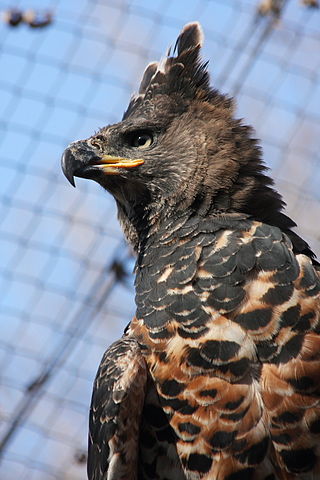
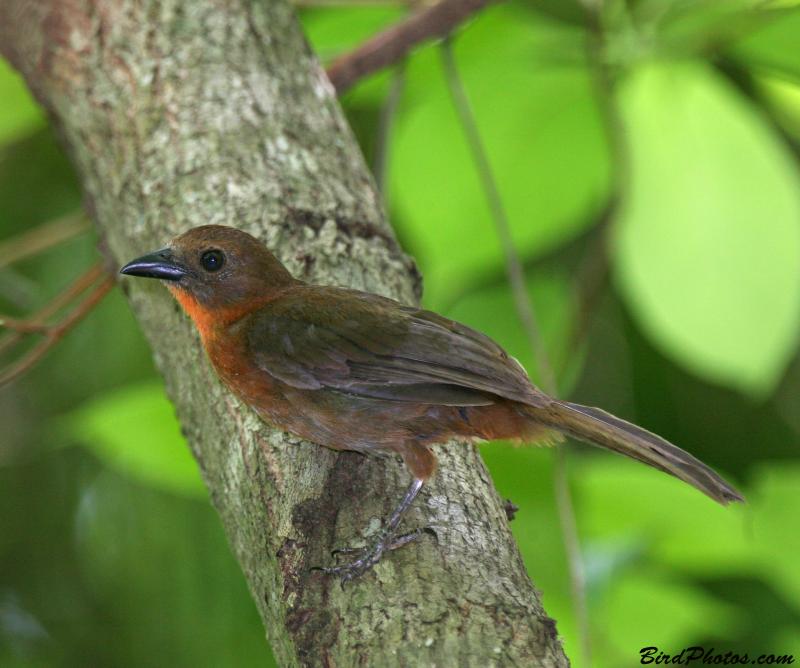
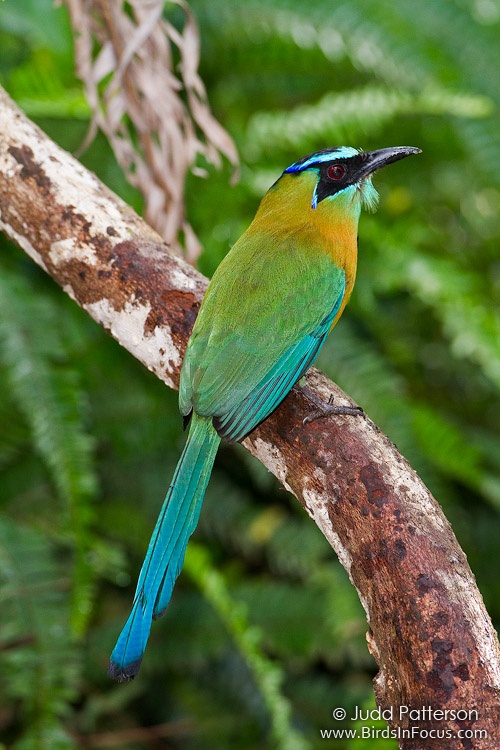
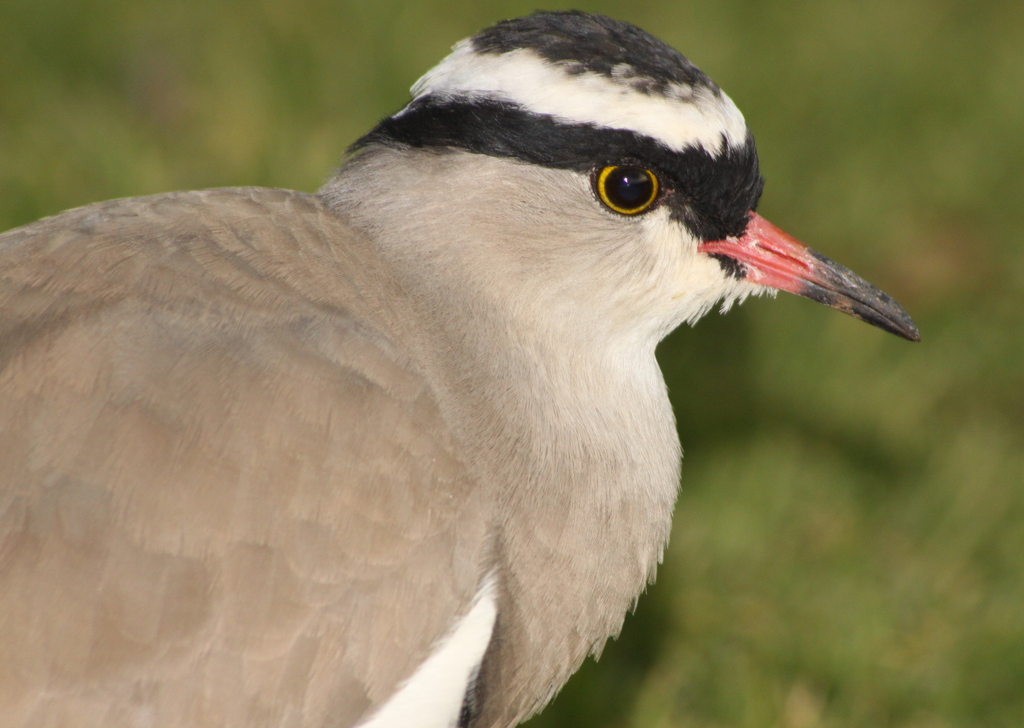
Heaven’s Crowns and Birds With Crowns

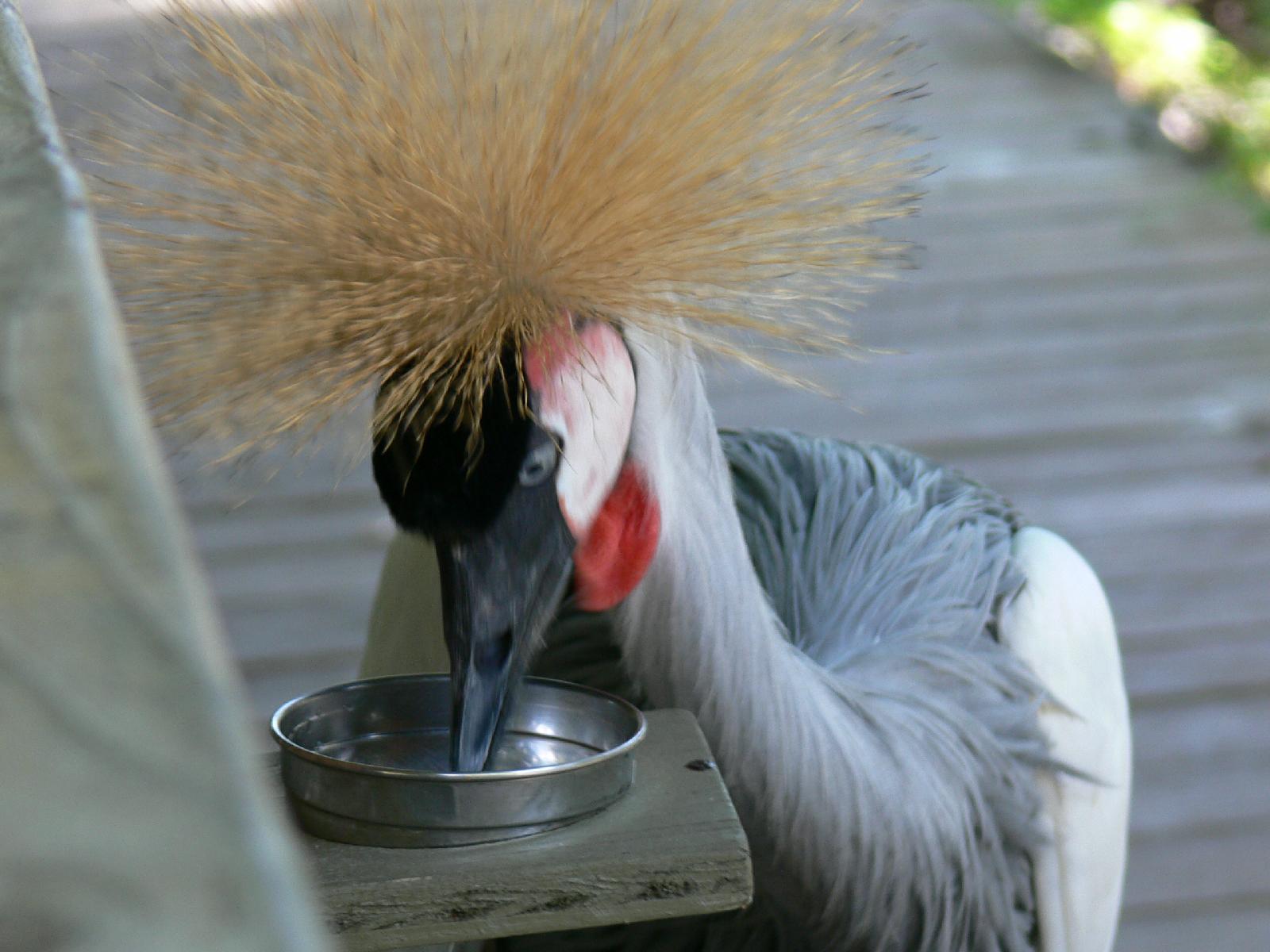
Black Crowned Crane (Balearica pavonina pavonina) (West African) Brevard Zoo by Lee

“The four and twenty elders fall down before him that sat on the throne, and worship him that liveth for ever and ever, and cast their crowns before the throne, saying, Thou art worthy, O Lord, to receive glory and honour and power: for thou hast created all things, and for thy pleasure they are and were created.” (Revelation 4:10-11 KJV)

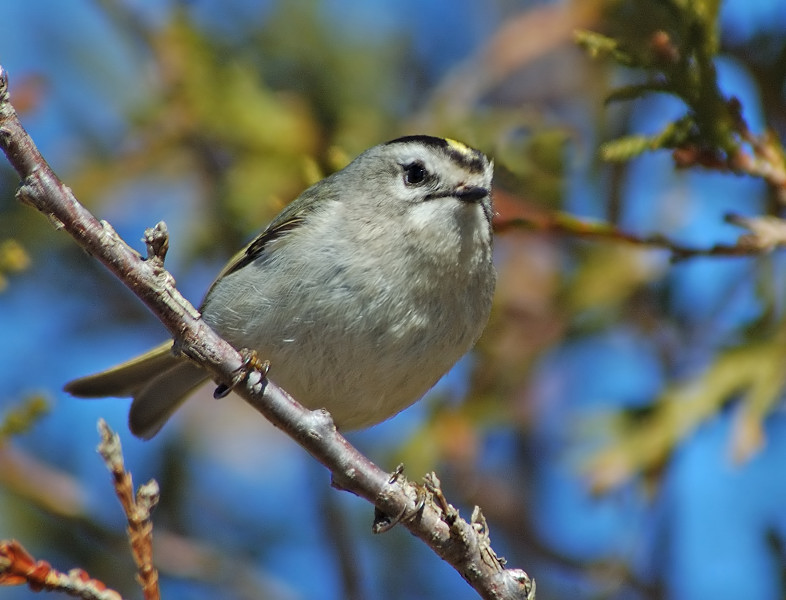
Golden-crowned Kinglet (Regulus satrapa) ©Wiki

Golden-crowned Kinglet (Regulus satrapa) ©Wiki

“And I looked, and behold a white cloud, and upon the cloud one sat like unto the Son of man, having on his head a golden crown,….” (Revelation 14:14 KJV)

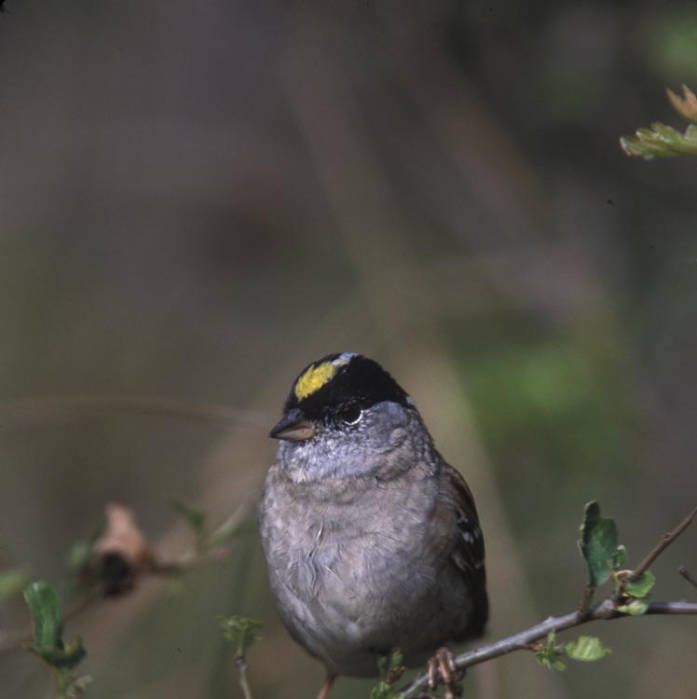
White-crowned Sparrow ©WikiC

“Blessed is the man that endureth temptation: for when he is tried, he shall receive the crown of life, which the Lord hath promised to them that love him.” (James 1:12 KJV)

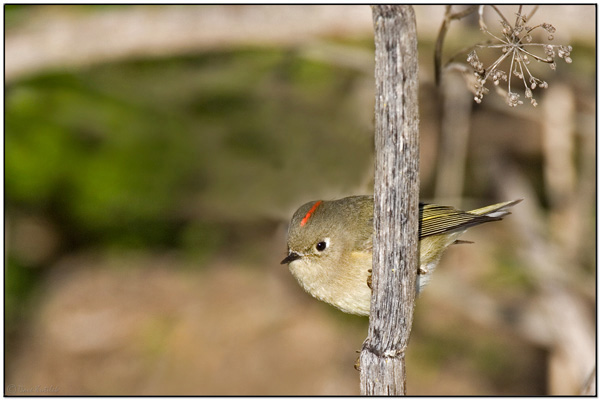
Ruby-crowned Kinglet (Regulus calendula) by BirdingPix

Ruby-crowned Kinglet (Regulus calendula) by BirdingPix

“For what is our hope, or joy, or crown of rejoicing? Are not even ye in the presence of our Lord Jesus Christ at his coming?”
(1 Thessalonians 2:19 KJV)

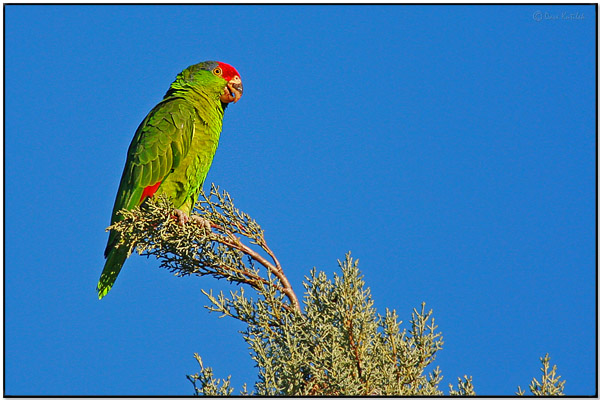
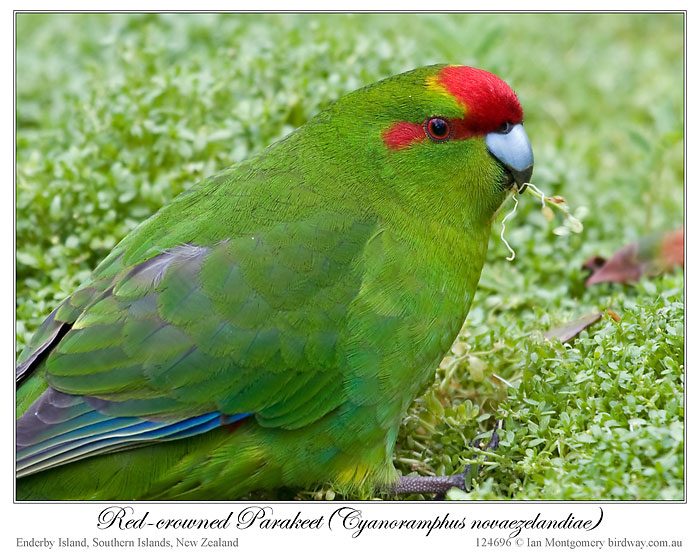
Red-crowned Amazon (Amazona viridigenalis) by Daves BirdingPix

Red-crowned Amazon (Amazona viridigenalis) by Daves BirdingPix

“Henceforth there is laid up for me a crown of righteousness, which the Lord, the righteous judge, shall give me at that day: and not to me only, but unto all them also that love his appearing.” (2 Timothy 4:8 KJV)

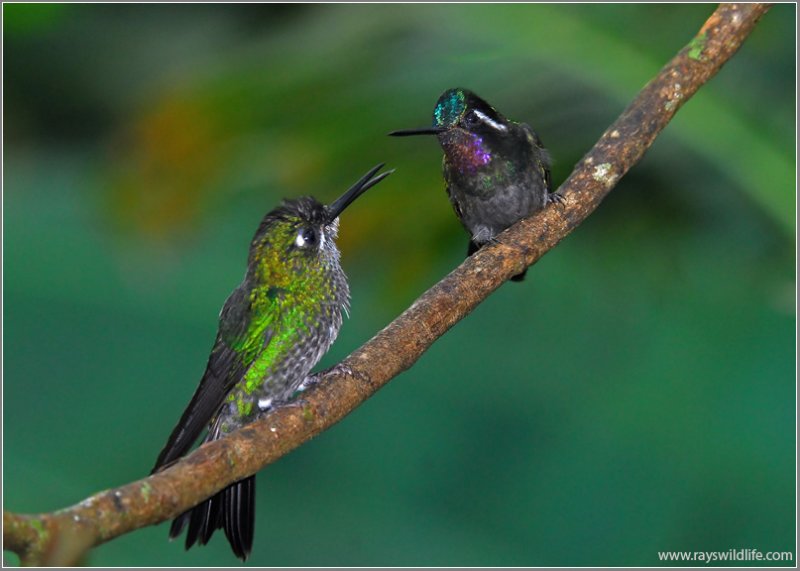
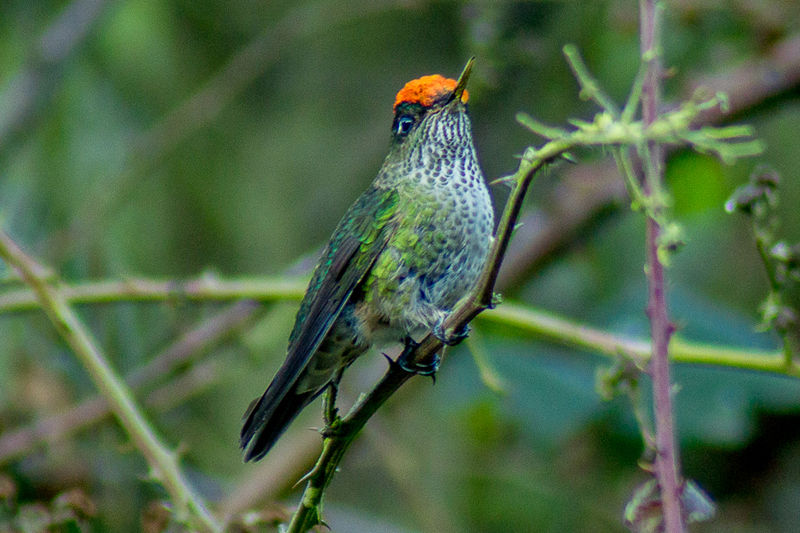
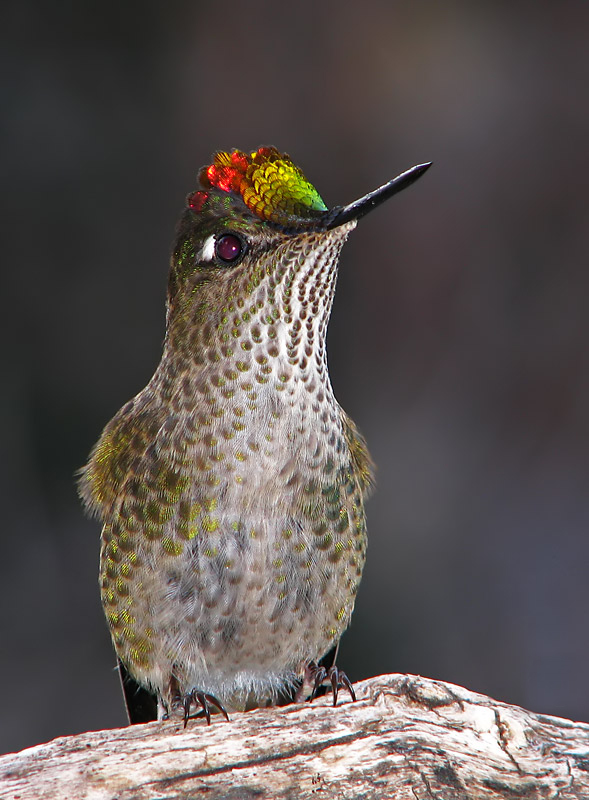
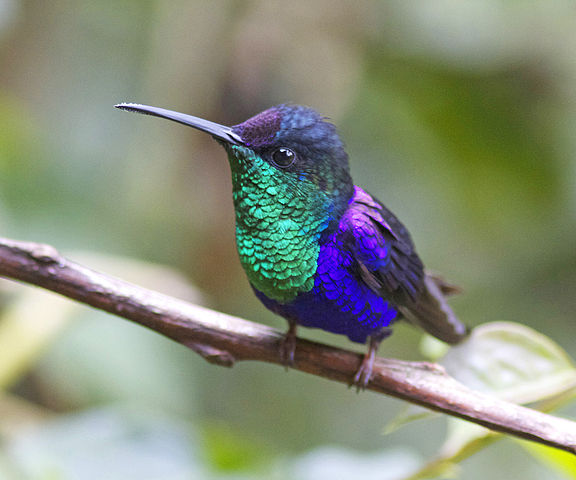
Green-crowned Brilliant and Purple-throated Mountain-Gem by Ray

“But one in a certain place testified, saying, What is man, that thou art mindful of him? or the son of man, that thou visitest him? Thou madest him a little lower than the angels; thou crownedst him with glory and honour, and didst set him over the works of thy hands:” (Hebrews 2:6-7 KJV)

Grey-crowned Rosy Finch (Leucosticte tephrocotis) by Ian

Grey-crowned Rosy Finch (Leucosticte tephrocotis) by Ian

“And when the chief Shepherd shall appear, ye shall receive a crown of glory that fadeth not away.” (1 Peter 5:4 KJV)

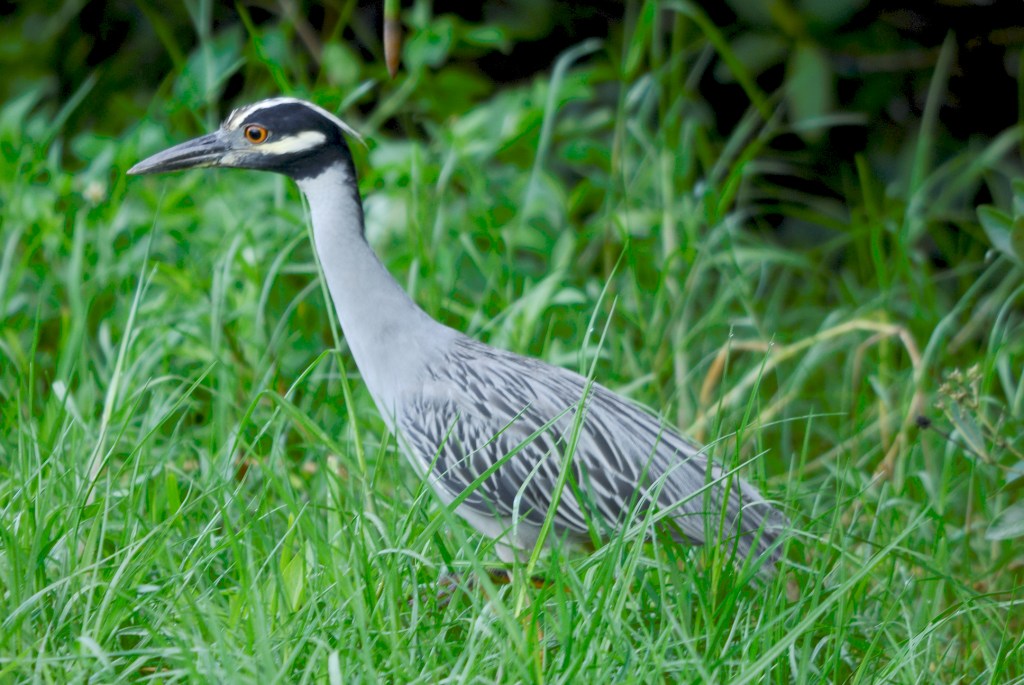
Yellow-crowned Night Heron (Nyctanassa violacea) by Dan

Yellow-crowned Night Heron (Nyctanassa violacea) by Dan

With all these birds with crowns, maybe the Lord wants to remind us to think about these verses, and do what they say. Then we will have some crowns to cast at Jesus’ feet when we get to heaven.

And a few more birds with crowns:

See the series about the Heaven’s Foundation, Streets, Beauty

Gideon

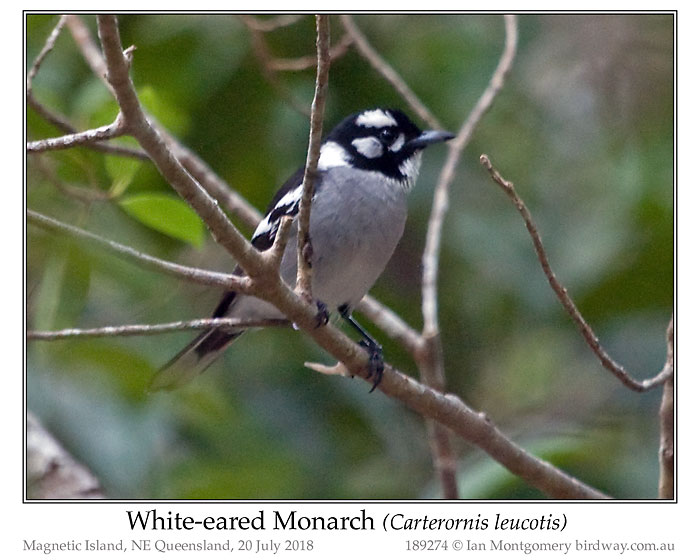
Bird of the Moment – White-eared Monarch

White-eared Monarch (Carterornis leucotis) © Ian

In February we had the Satin Flycatcher as bird of the moment. This is a generally uncommon member of the Monarch Flycatcher (Monarchidae) that I’d had trouble photographing until one obligingly turned up at my bird bath last October. Here is another member of the family that is also elusive, the White-eared Monarch. It’s generally rather uncommon and it tends to stay out of sight in the foliage of tall trees so spotting it is hard and photographing it is more so.

Its movements are not well understood but it tends to move from the highlands to coastal areas in winter and is mainly a winter visitor in the Townsville region. In Where to Find Birds in North-east Queensland Jo Wieneke particularly recommends the Nelly Bay end of the Nelly Bay to Arcadia walking track along Gustav Creek on Magnetic Island, where the trees are not very tall, for this and other Monarchs and Fantails.

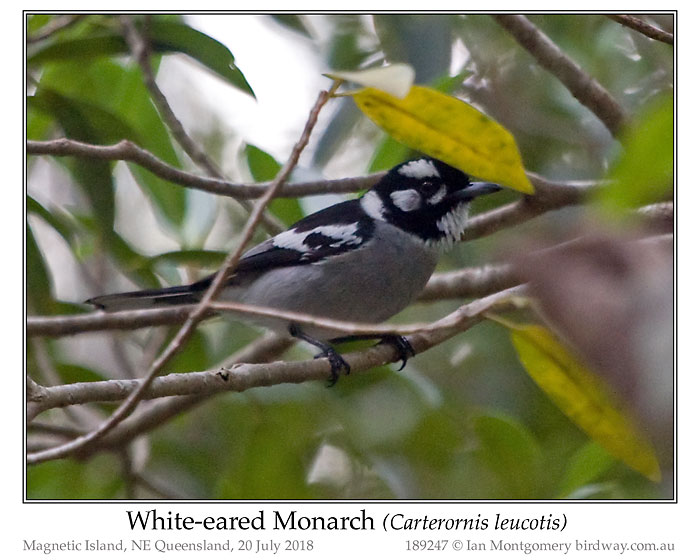
White-eared Monarch (Carterornis leucotis) © Ian

It so happened that we were staying on Mandalay Avenue within walking distance of the start of the track last July for the weekend workshop of the North Queensland Recorder Society so I checked out the walking track before the workshop began. Sure enough, I found all the species listed in the the ebook including a couple of pairs of White-eared Monarchs so the photographic drought was at an end.

White-eared Monarch (Carterornis leucotis) © Ian

The birds I saw on that occasion were all adults. The juveniles look confusingly different with plumage in varying shades of grey rather than black and white so I’ve included a distant photo of a juvenile taken from a boat on the Daintree River north of Cairns. If nothing else it illustrates the difficulty of finding these birds in thick foliage.

White-eared Monarch (Carterornis leucotis) Juvenile © Ian

It’s geographical range comprises the ranges and coasts of eastern Queensland from Cape York to just south of the New South Wales border north of the Tweed River. It’s rarer in the southern part of the range so North-eastern Queensland is the best place to look for it.

For the taxonomists, it is the only Australian member of a small genus whose other members are the striking Golden Monarch (C. chrysomela) of New Guinea, which is orange-yellow and black, and the White-naped and Tanimbar Monarchs (C. pileatus and C. castus, sometimes treated as a single species) of the Moluccas and Lesser Sundas east of New Guinea. These latter two look much more like the White-eared Monarch than the Golden Monarch both in colour and patterning, posing an interest problem for the bio-geographers.

Since publishing Diary of a Bird Photographer Volume 2 I’ve merged Volumes 1 and 2 and plan to publish the combined work at the end of this year, including all the 2019 Birds of the Moment. My more immediate aim was to produced a combined taxonomic index making it easy for me to see which species have been covered since 2002 and which are candidates for future BIrds of the Moment. This combined volume will be a free update to purchasers of Volume 2. Sales so far have been slow so if you want to encourage me with the Bird of the Moment, I’d encourage you to show your interest and take advantage of this offer.

Ian’s Birding Ebook

Birdway Store on Payhip

A couple of purchasers have expressed a preference for the earlier bank transfer and Dropbox download, so if you rather do that too, just let me know Ian@birdway.com.au or ianbirdway@gmail.com and I can also arrange download through the website as an alternative to Dropbox. I’ve had inquiries about giving the ebooks as gifts: contact me if you wish to do so.

Greetings,
Ian


Lee’s Addition:

Ian’s comment, in the first paragraph, caught my interest. “It’s generally rather uncommon and it tends to stay out of sight in the foliage of tall trees so spotting it is hard and photographing it is more so.” It brought to mind the verses of trusting in the shadow of God’s protection.

“How precious is Your lovingkindness, O God! Therefore the children of men put their trust under the shadow of Your wings.” (Psalms 36:7 NKJV)

“He who dwells in the secret place of the Most High Shall abide under the shadow of the Almighty.” (Psalms 91:1 NKJV)

Ian’s “Moment” wasn’t so long this time. Thanks, Ian, for another interesting article about a beautiful bird.

Ian’s last Bird of the Moment was about the Gentoo Penguin.

Ian’s Bird of the Week Articles

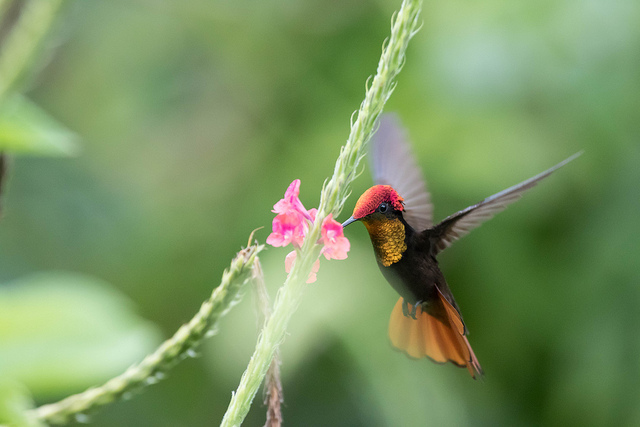
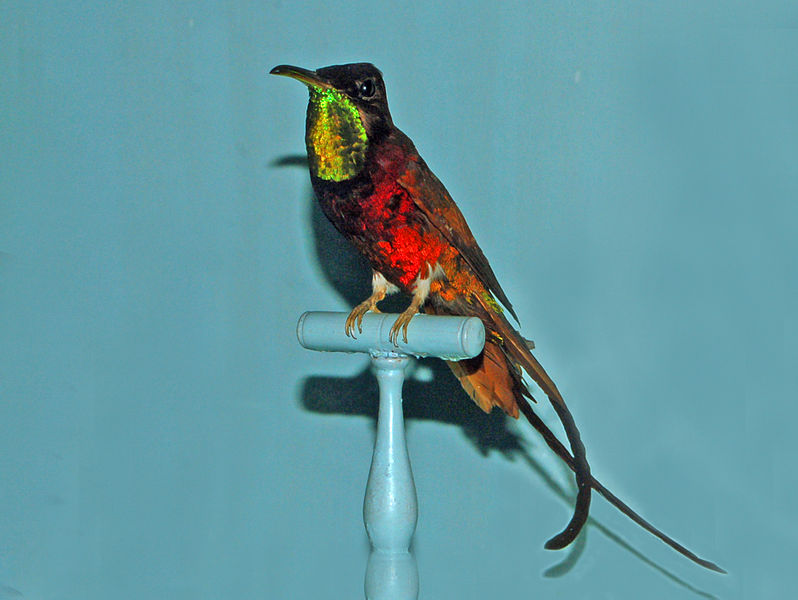
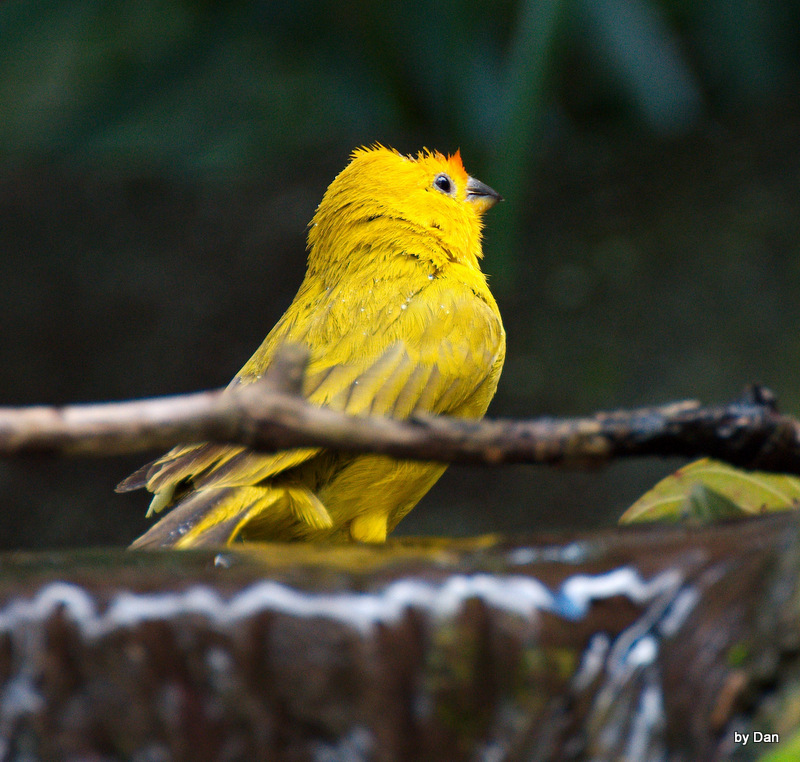
Heaven’s New Jerusalem and Birds – Topaz

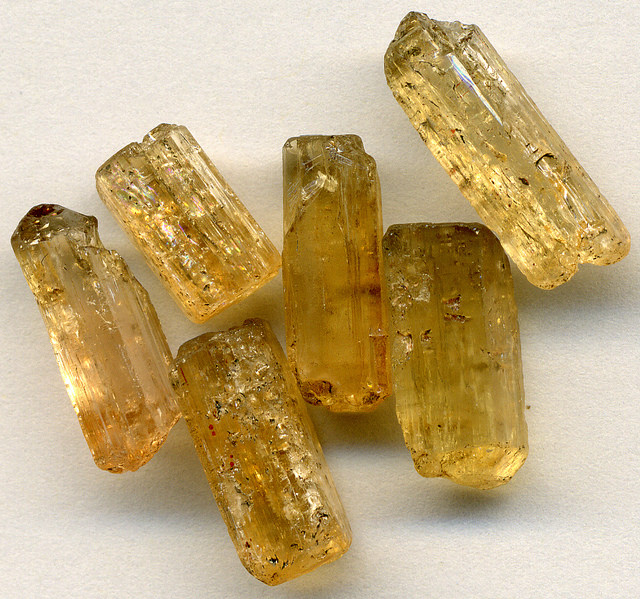
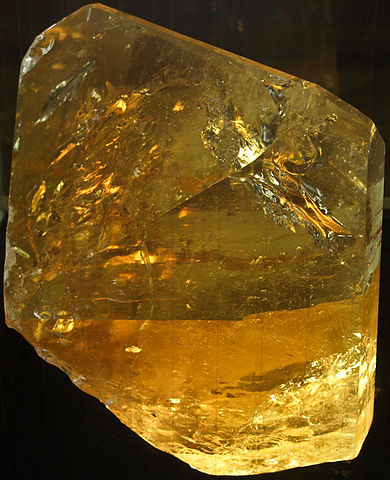
Topaz ©Flickr James St John

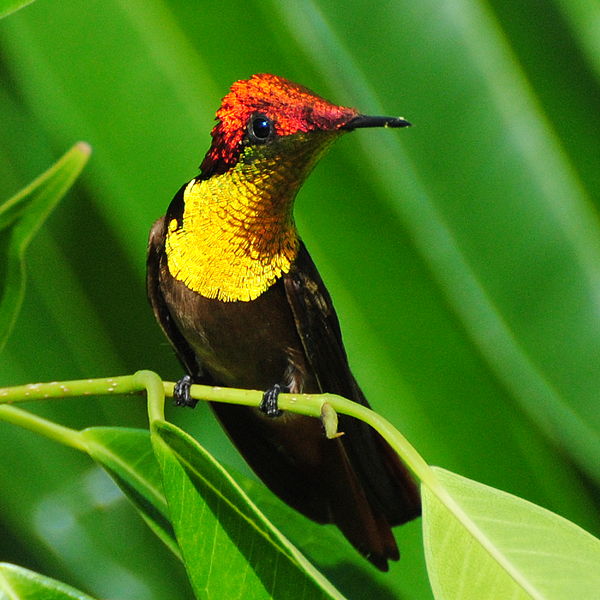
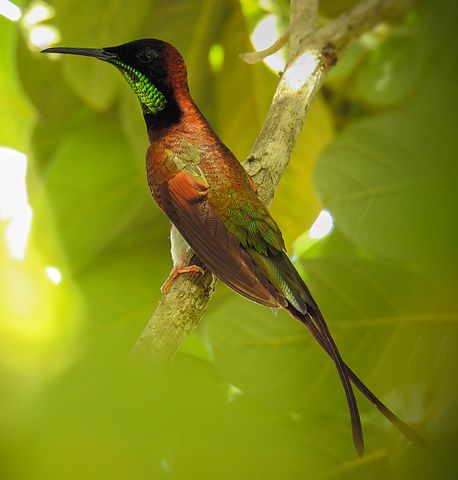
Ruby-topaz Hummingbird (Chrysolampis mosquitus) ©WikiC

“The foundations of the wall of the city were adorned with all kinds of precious stones: the first foundation was jasper, …. the fifth sardonyx, the sixth sardius, the seventh chrysolite, the eighth beryl, the ninth topaz, the tenth chrysoprase, the eleventh jacinth, and the twelfth amethyst.” (Revelation 21:19a-20 NKJV)

Topaz is a bit more common than Sardonyx, Sardius, and Chrysolite. Plus, there are birds with Topaz in their names. So this ninth stone of the foundation of the New Jerusalem should be easier to discover. Topaz is mentioned in five verse in the Bible: Exodus 28,17, 39:10; Job 28:19 [topaz of Ethiopia], Ezekiel 28:13, and our verse above – Revelation 21:20.

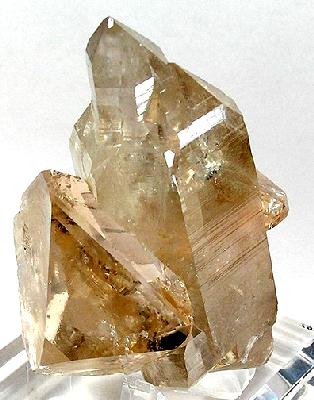
Quartz-Topaz-gem ©WikiC

Topaz – TO’PAZ, n. [Gr.] A mineral, said to be so called from Topazos, a small isle in the Arabic gulf, where the Romans obtained a stone which they called by this name, but which is the chrysolite of the moderns. The topaz is of a yellowish color. It sometimes occurs in masses, but more generally crystallized in rectangular octahedrons. Topaz is valued as a gem or precious stone, and is used in jewelry. It consists of silex, fluoric acid and alumin, in the following proportions; alumin 57 parts, silex 34, and fluoric acid 7 or 8.
Of topaz there are three subspecies, common topaz, shorlite and physalite. [Webster Dictionary 1828]

Ruby-topaz Hummingbird (Chrysolampis mosquitus) Reflection ©Flickr Budgora

Topaz – topazion (G5116) is mentioned in Rev_21:20, as the ninth of the foundation stones of the wall of the heavenly Jerusalem; the stone is of a yellow color (though there are topazes of other colors) and is almost as hard as the diamond. It has the power of double refraction, and when heated or rubbed becomes electric. [Vines New Testament]

Fiery Topaz (Topaza pyra) ©WikiC

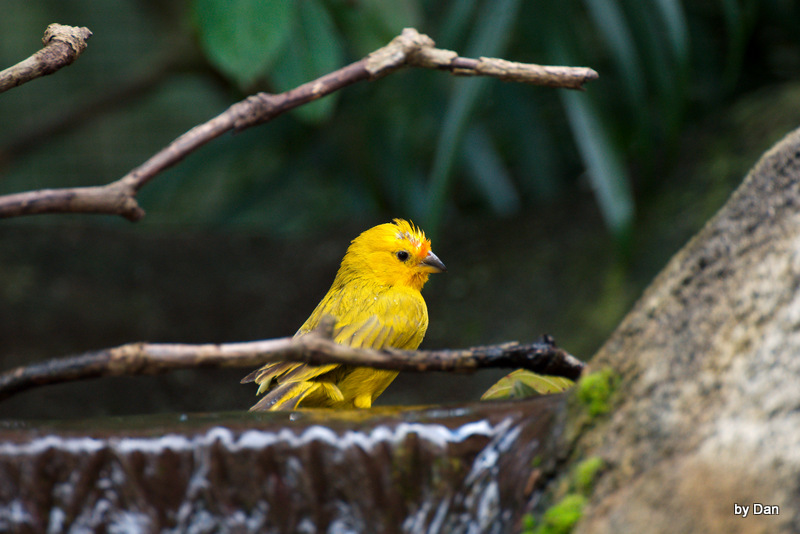
Saffron Finch Zoo Miami by Dan (Cropped by Lee)

Topaz From Brazil-©NaturhistorischesMuseum-WikiC

Saffron Finch Zoo Miami by Dan

Ruby-Topaz Hummingbird (Chrysolampis mosquitus) male ©WikiC

Crimson Topaz (Topaza pella) ©WikiC

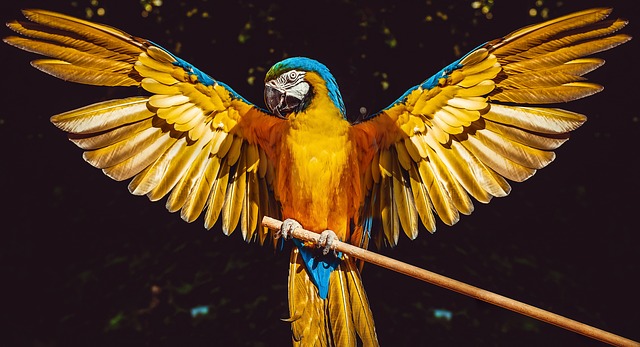
Bird-Wings-Wing-Colored-Ara-Parrot-©Maxpixel

Other Articles In This Series:

What will you do with Jesus?

Did Birds’ Lungs Evolve? – Creation Moments

Red-shouldered Hawk (Buteo lineatus) ©Lucas Texas

Job 39:26-27

“Doth the hawk fly by thy wisdom, and stretch her wings toward the south? Doth the eagle mount up at thy command, and make her nest on high?”

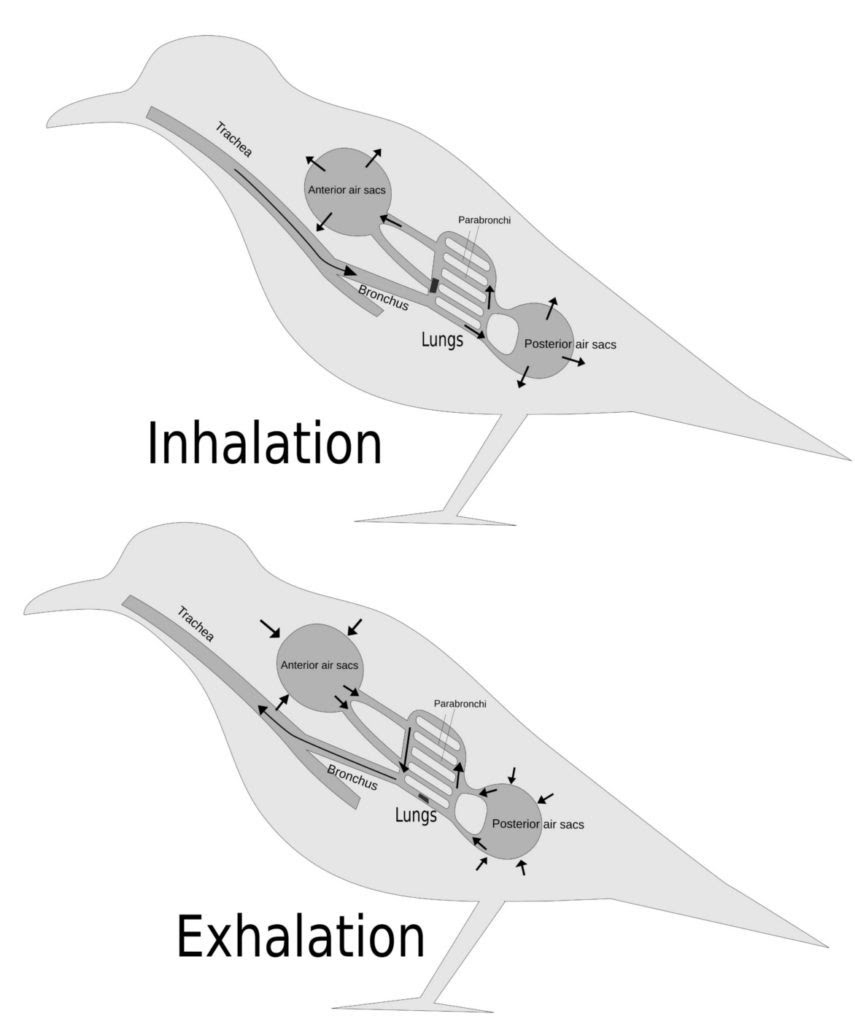
I remember buying a foot pump to inflate the tires on my first car. My choice was between two pumps. On the cheaper model, the foot operated a piston entering a cylinder in which the air would be compressed and forced through a tube into the tire. When the foot was lifted, valves prevented air getting back into the cylinder from the tire, and, instead, dragged air in from the outside. Each depression of the foot repeated this operation. In a sense, the lungs of mammals and reptiles would resemble two such pumps side by side.

The second model featured two pistons and cylinders angled in opposite directions. Pressing with the foot began the first stage of tire compression as before, but on releasing the foot, the second cylinder pushed air into the tire while the first refilled with external air. The next foot depression allowed cylinder 2 to refill while cylinder 1 pumped. Thus, there was air pumped into the tire on both depression and release of the foot. The two cylinders worked in tandem, in opposite directions. This second continuous pump is like the two lungs in a bird.

Birds Lungs ©Creation Moments PD

Even some well-known evolutionary scientists have pointed out how impossible it would be for one mechanism to evolve into the other because the transitional form would not be able to process air for breathing at all, and would suffocate. So bird lungs could not have evolved from dinosaurs, but, instead, are designed by God for exactly their purpose.

 Prayer: Father, when we think about birds, as with all other animals, we acknowledge that You have made them fit for purpose, to be able to live and work the way that You have designed them to do. Amen.

Ref: Quick, D.E and Ruben, J.A., Cardio-Pulmonary Anatomy in Theropod Dinosaurs: Implications From Extant Archosaurs, JOURNAL OF MORPHOLOGY 270:1232–1246 (2009), pp. 1232-1246.  Image: Public Domain.

Source: Did Birds’ Lungs Evolve?

See Interesting Things for more articles like this.

Bad Feather Day

“He causeth the vapours to ascend from the ends of the earth; he maketh lightnings for the rain; he bringeth the wind out of his treasuries.” (Psalms 135:7 KJV)

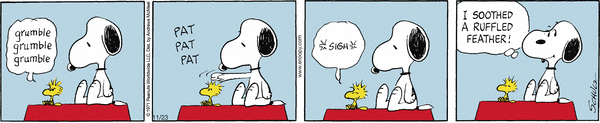
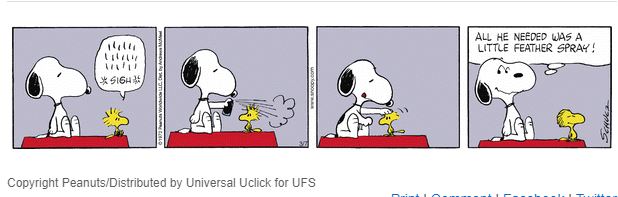
First Woodstock had a Ruffled Feather, now he is grumbling because he is having a Bad Feather Day.

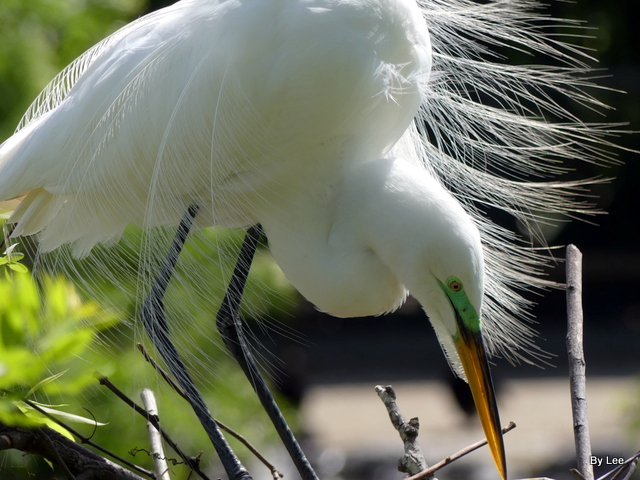
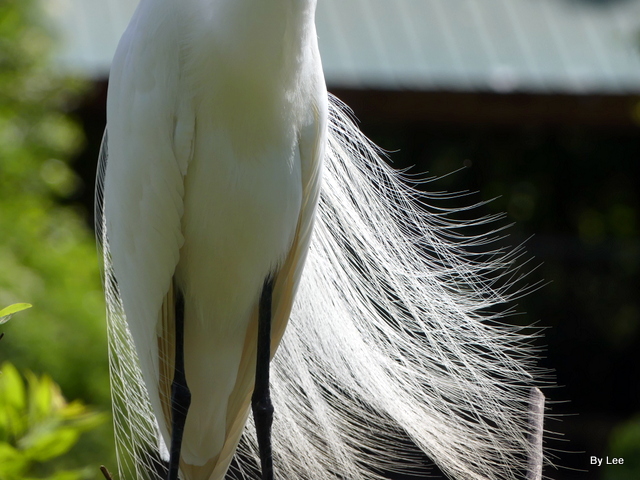
We were at Gatorland on Friday last week and it was quite winding. Some of their feathers were whipping in the breeze also. I did not see Snoopy there with a can of “Feather Spray”. Those bird just had to preen and get thing straighten out.

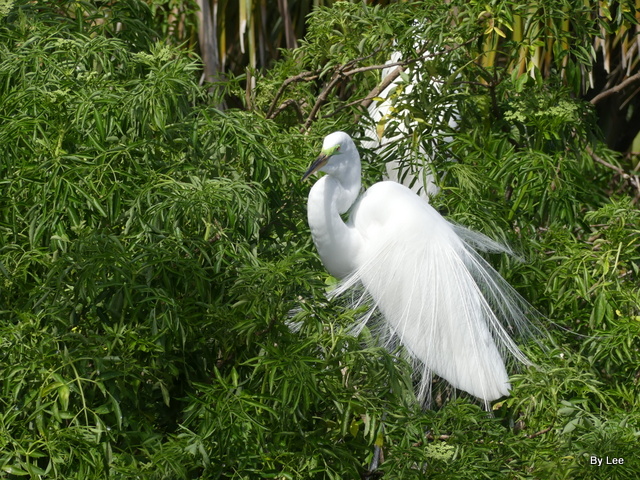
Great Egret on a windy day at Gatorland by Lee

Great Egret on a windy day at Gatorland

Great Egret on a windy day at Gatorland

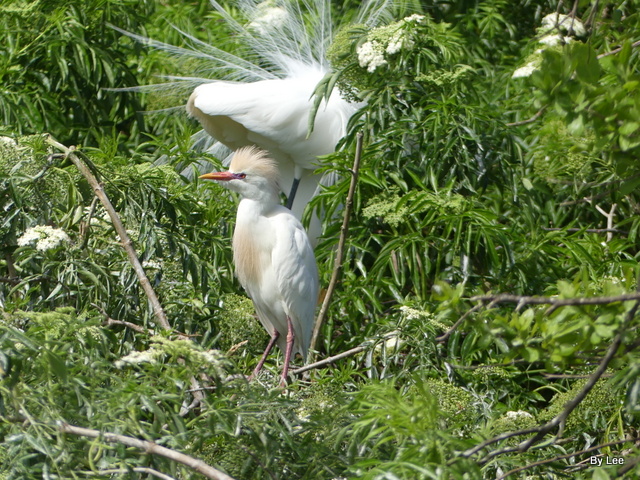
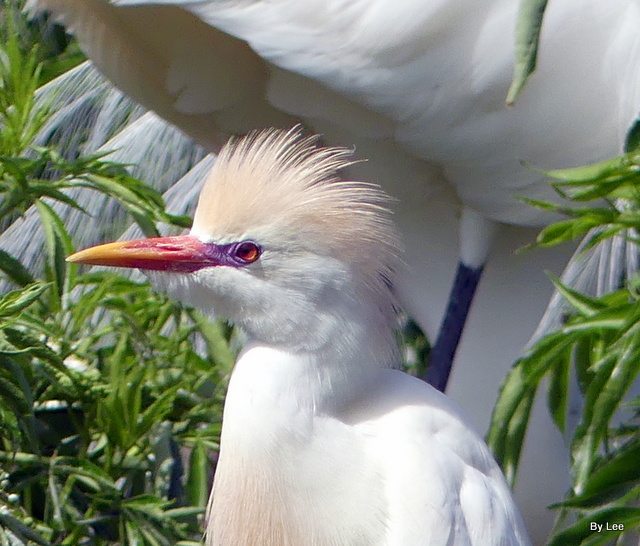
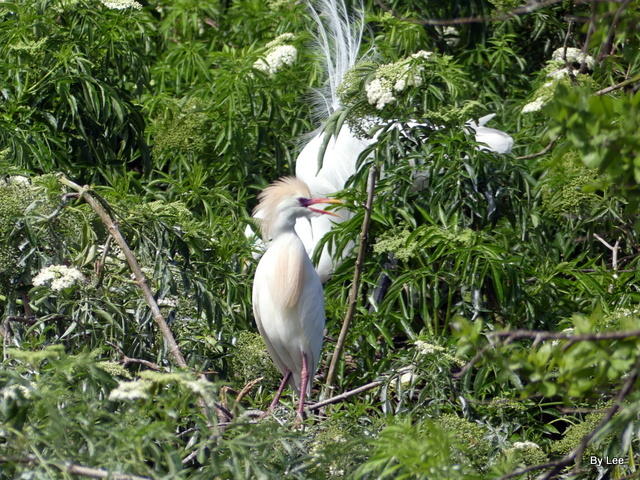
Cattle Egret in Breeding Plumage and Wind

Cattle Egret in Breeding Plumage and Wind

Cattle Egret in Breeding Plumage and Wind and not happy about it. Where’s the Feather Spray?

Great Blue Heron before gust on a windy day at Gatorland

Great Blue Heron with gust on a windy day at Gatorland

Great Blue Heron with gust on a windy day at Gatorland

Wind is mentioned over a hundred times in the Bible. Here are two verse that show who is in control of the wind:

“Blessed is the man that walketh not in the counsel of the ungodly, nor standeth in the way of sinners, nor sitteth in the seat of the scornful. But his delight is in the law of the LORD; and in his law doth he meditate day and night. And he shall be like a tree planted by the rivers of water, that bringeth forth his fruit in his season; his leaf also shall not wither; and whatsoever he doeth shall prosper. The ungodly are not so: but are like the chaff which the wind driveth away.” (Psalms 1:1-4 KJV)

“And he arose, and rebuked the wind, and said unto the sea, Peace, be still. And the wind ceased, and there was a great calm. And he said unto them, Why are ye so fearful? how is it that ye have no faith? And they feared exceedingly, and said one to another, What manner of man is this, that even the wind and the sea obey him?” (Mark 4:39-41 KJV)

Smoothing A Ruffled Feather

All Our Gatorland Birdwatching Trips