Tickle Me Tuesday – Funny Bird Video

Mom and Baby at Lake Hollingsworth

Mom and Baby at Lake Hollingsworth

He will yet fill your mouth with laughing, And your lips with rejoicing. (Job 8:21 NKJV)

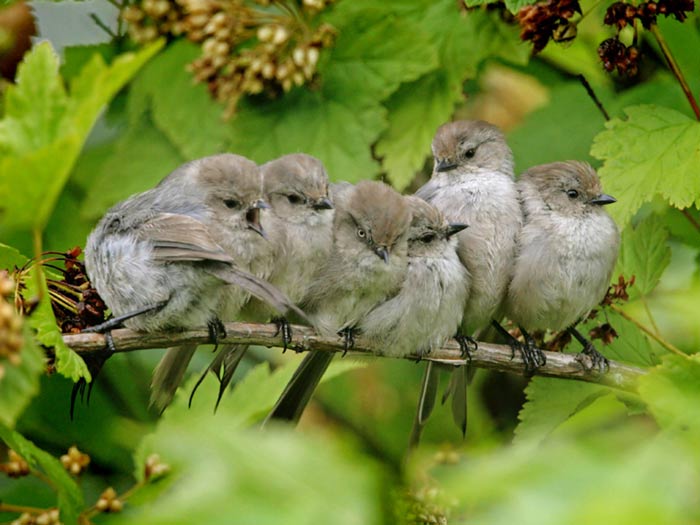
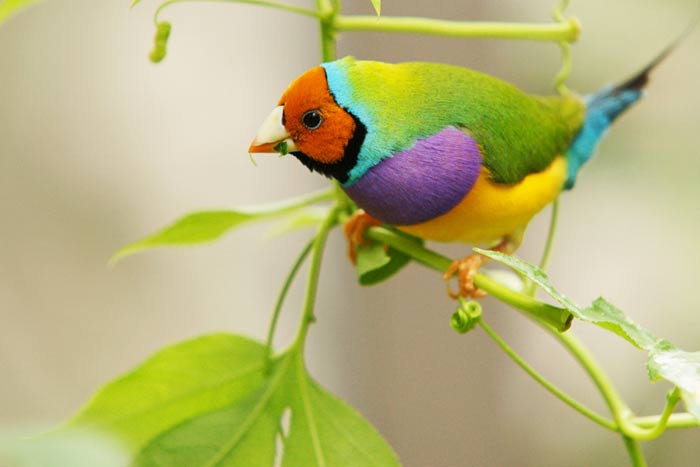
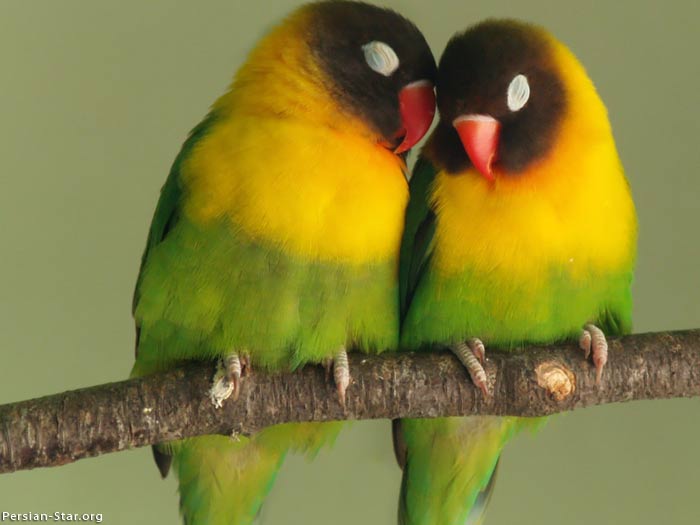
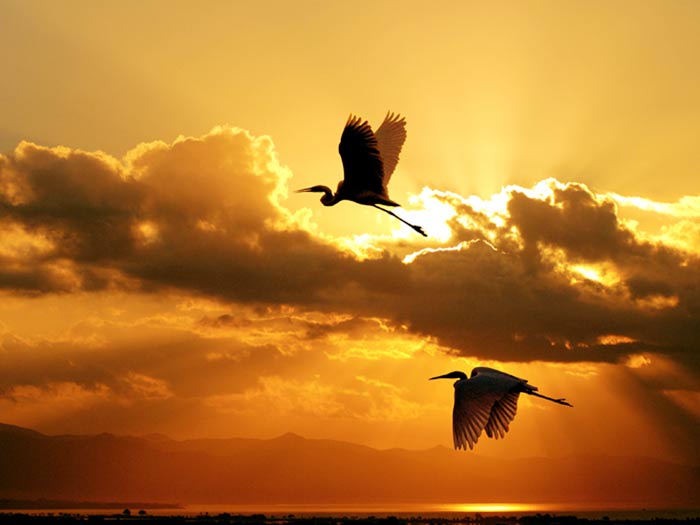
This is a video of funny bird antics that was made in 2012. This should Tickle you. It tickled me. I especially couldn’t believe that Gull eating what he does. It is amazing what the Lord’s created birds can do.

“A time to weep, And a time to laugh; A time to mourn, And a time to dance;” (Ecclesiastes 3:4 NKJV)

Had to change video on this one because the original one is no longer available.

*

Tickle Me Tuesday – Bird of Paradise

Tickle Me Tuesday,” Challenge by Sandra Connor

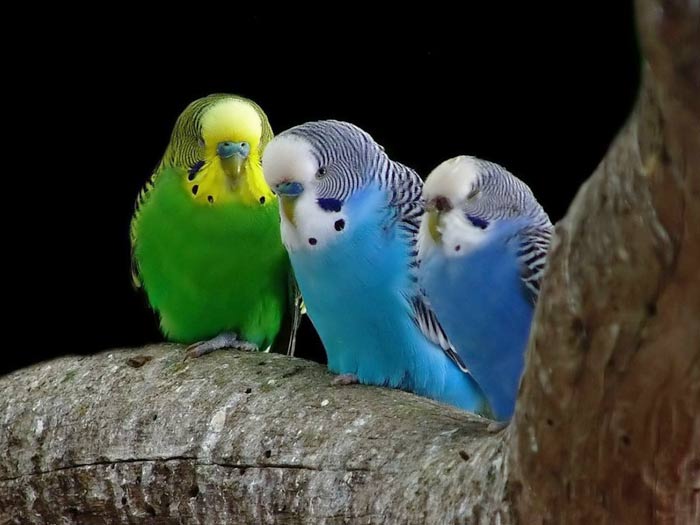
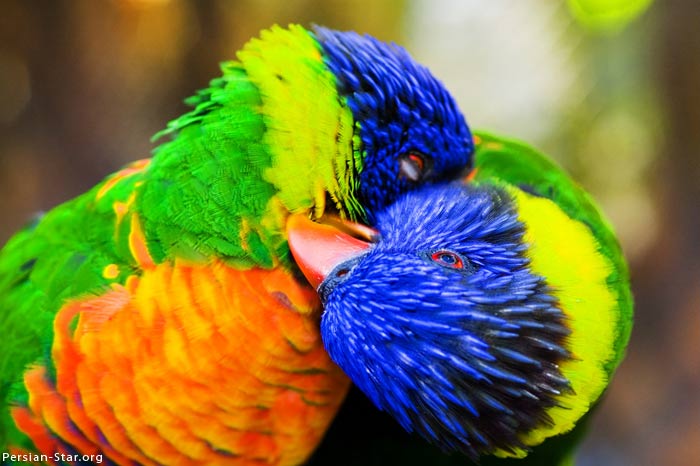
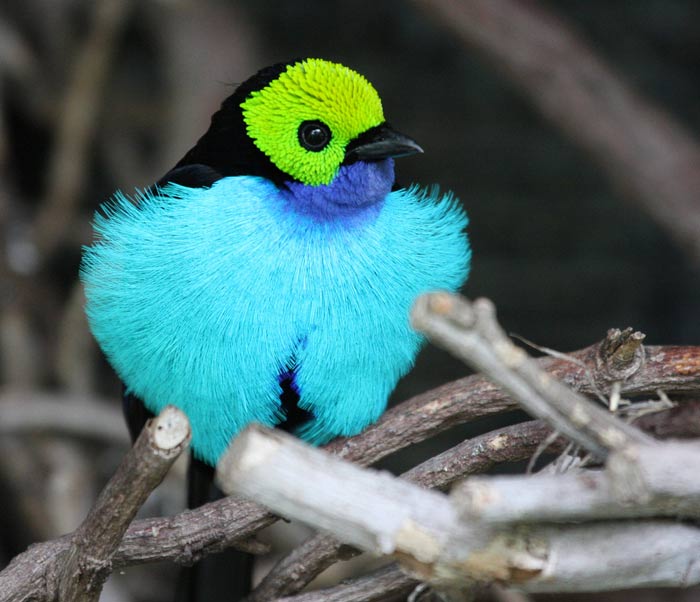
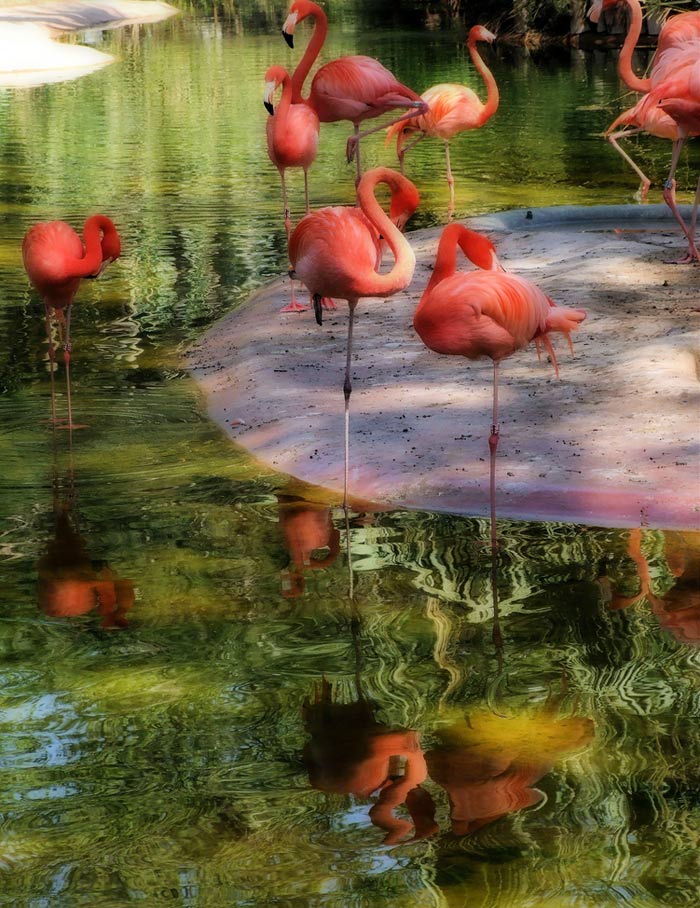
Wordless Birds

*


Color That Man Did Not (Could Not) Create

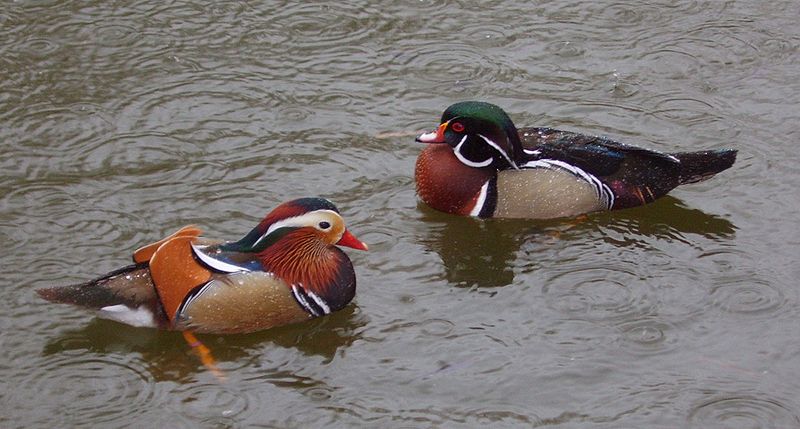
Wood Duck and Mandarin Duck

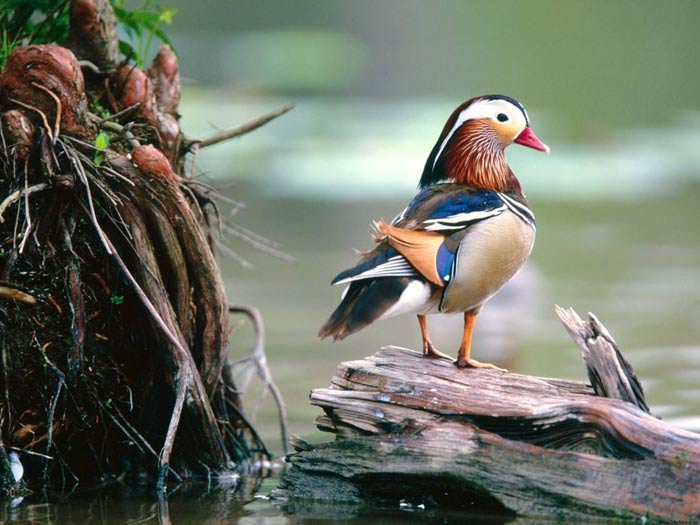
COLOR THAT MAN DID NOT (COULD NOT) CREATE… ONLY THE MASTER CREATOR COULD

Received this in an email and thought I would share it. Not sure of the source of the photos, but absolutely know who the Master Creator was.

So God created great sea creatures and every living thing that moves, with which the waters abounded, according to their kind, and every winged bird according to its kind. And God saw that it was good. And God blessed them, saying, “Be fruitful and multiply, and fill the waters in the seas, and let birds multiply on the earth.” So the evening and the morning were the fifth day. (Genesis 1:21-23 NKJV)

Click any photo to start the Gallery

Who Paints The Leaves?

*

Sunday Inspiration – Everlasting God

Before the mountains were brought forth, or ever thou hadst formed the earth and the world, even from everlasting to everlasting, thou art God. (Psalms 90:2 KJV)

Hast thou not known? hast thou not heard, that the everlasting God, the LORD, the Creator of the ends of the earth, fainteth not, neither is weary? there is no searching of his understanding. (Isaiah 40:28 KJV)

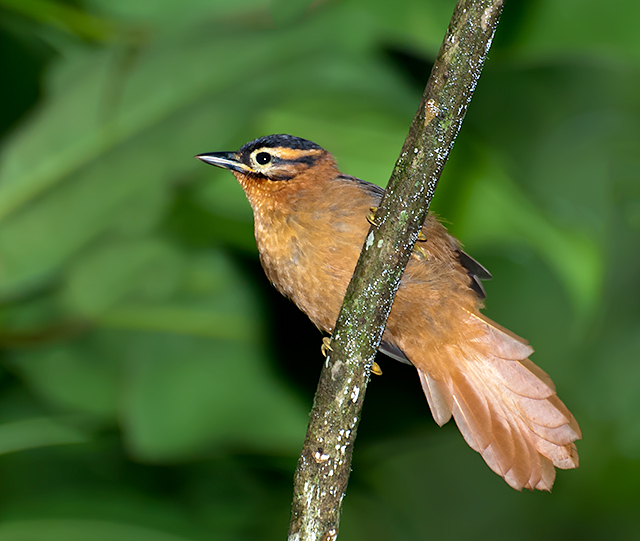
Since I have been going down the list of Passerines, might as well keep going. Today’s birds are from Gnateaters (Conopophagidae), Tapaculos (Rhinocryptidae),  Crescentchests (Melanopareiidae) and part of the Tyrant Flycatchers (Tyrannidae). There are over 400 members in the last family, so will add more later.

As you can see, most of these are fairly small birds and rather non-descript. Their Creator has given them a nice look, but has them protected by letting them blend in with their surroundings. Another show of love for His creation.

Rufous Gnateater (Conopophaga lineata) ©WikiC

Rufous Gnateater (Conopophaga lineata) ©WikiC

The gnateaters are a bird family, consisting of ten small passerine species in two genera, which occur in South and Central America. The members of this family are very closely related to the antbirds and less closely to the antpittas and tapaculos. Due to their remote and dim habitat, gnateaters are a little-studied and poorly known family of birds. They are round, short-tailed, and long-legged birds, about 12–19 cm (5–7½ inches) in length. They are quite upright when standing. Most Conopophaga species have a white tuft behind the eye.

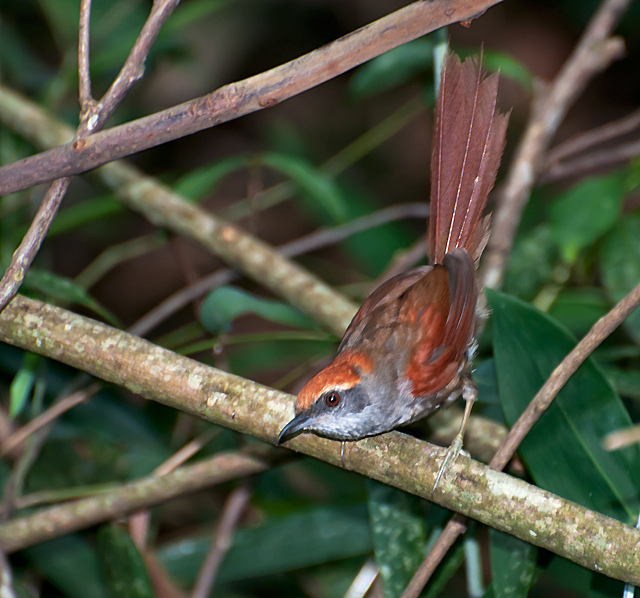
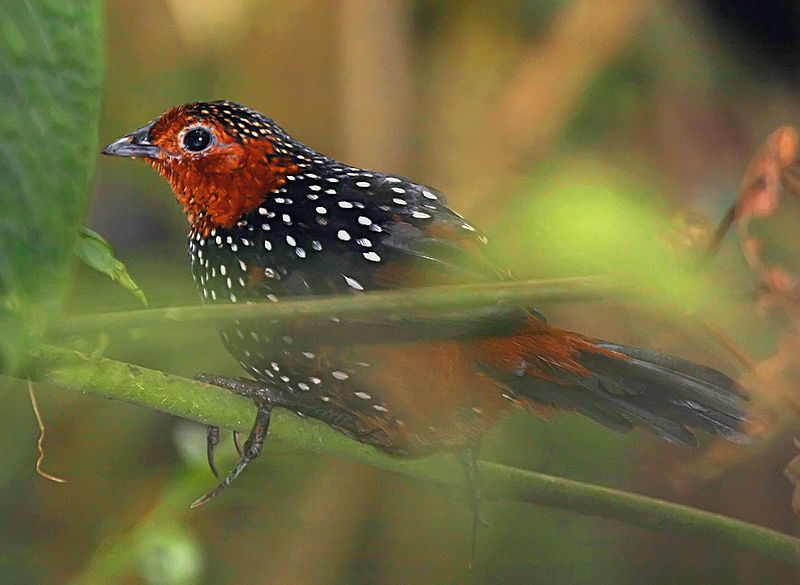
Ocellated Tapaculo (Acropternis orthonyx) ©WikiC

Ocellated Tapaculo (Acropternis orthonyx) ©WikiC

The tapaculos (pronounced ta-pa-COO-lo) are found mainly in South America and with the highest diversity in the Andean regions. Three species (Chocó, Tacarcuna, and the silvery-fronted) are found in southern Central America. Tapaculos are small to medium-sized birds, with a total length ranging from 10–24 cm (4–9½ in). These are terrestrial species that fly only poorly on their short wings. They have strong legs, well-suited to their habitat of grassland or forest undergrowth. The tail is cocked and pointed towards the head, and the name tapaculo possibly derives from Spanish for “cover your behind”.

Collared Crescentchest (Melanopareia torquata) ©Arthur Grosset

Collared Crescentchest (Melanopareia torquata) ©Arthur Grosset

The crescentchests are birds from South America. The crescentchests range in length from 14 to 16 cm (5.5–6.3 in), in weight from 16 to 23 g (0.56–0.81 oz) and have relatively long tails compared to the tapaculos. The plumage is striking with a distinctive band across the chest that gives the group their name.

Scale-crested Pygmy Tyrant (Lophotriccus pileatus) by Michael Woodruff

Scale-crested Pygmy Tyrant (Lophotriccus pileatus) by Michael Woodruff

The tyrant flycatchers are birds which occur throughout North and South America. They are considered the largest family of birds, with more than 400 species. They are the most diverse avian family in every country in the Americas, except for the United States and Canada. As could be expected from a family this large, the members vary greatly in shape, patterns, size and colors. Most, but not all, species are rather plain, with various hues of brown, gray and white commonplace. Obvious exceptions include the bright red vermilion flycatcher, blue, black, white and yellow many-colored rush-tyrant and some species of tody-flycatchers or tyrants, which are often yellow, black, white and/or rufous.

The smallest family members are the closely related short-tailed pygmy tyrant and black-capped pygmy tyrant. These species reach a total length of 6.5–7 cm (2.5–2.8 in) and a weight of 4–5 grams. By length, they are the smallest passerines on earth, although some species of Old World warblers apparently rival them in their minuscule mean body masses if not in total length. The minuscule size and very short tail of the Myiornis pygmy tyrants often lend them a resemblance to a tiny ball or insect. The largest tyrant flycatcher is the great shrike-tyrant at 29 cm (11.5 in) and 99.2 grams (3.5 oz).

This slideshow requires JavaScript.

Now to him that is of power to stablish you according to my gospel, and the preaching of Jesus Christ, according to the revelation of the mystery, which was kept secret since the world began, But now is made manifest, and by the scriptures of the prophets, according to the commandment of the everlasting God, made known to all nations for the obedience of faith: To God only wise, be glory through Jesus Christ for ever. Amen. Written to the Romans from Corinthus, and sent by Phebe servant of the church at Cenchrea. (Romans 16:25-27 KJV)

Click to listen:

“Everlasting God” – Pastor Jerry, Reagan Osborne, Caleb & Jessie Padgett

This was another song presented the day Pastor Jerry Smith retired from our Music Ministry at Faith Baptist Church.

*

Gnateaters (Conopophagidae)

Tapaculos (Rhinocryptidae)

Crescentchests (Melanopareiidae)

Tyrant Flycatchers (Tyrannidae)

Sharing the Gospel

*

Circle B Birdwatching Trip February 2015

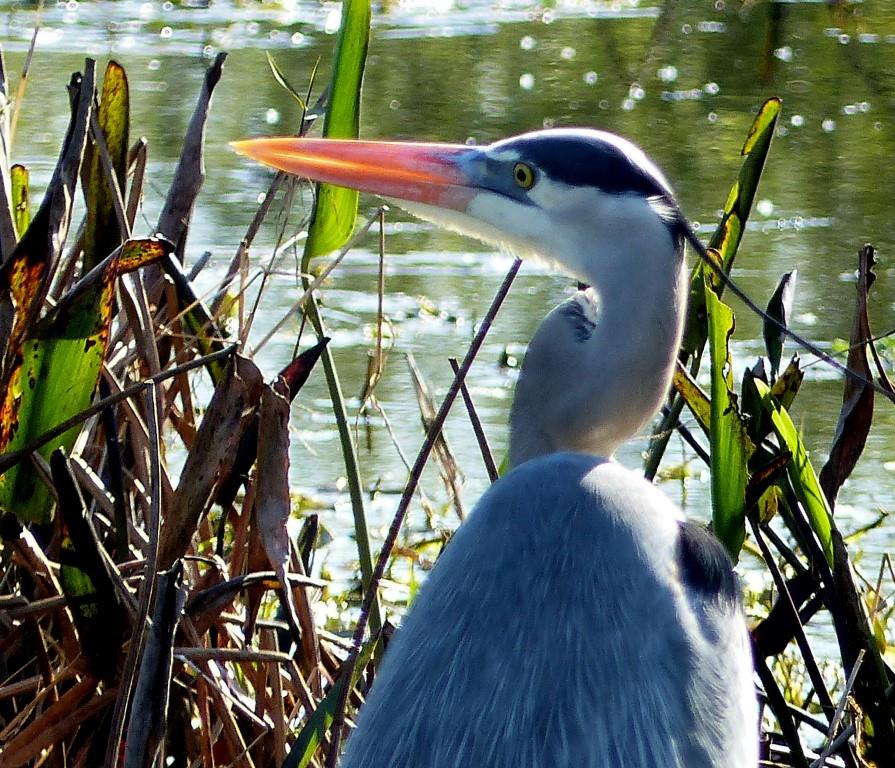
Great Blue Heron

“But now ask the beasts, and they will teach you; And the birds of the air, and they will tell you; (Job 12:7 NKJV)

Today we finally got to go birdwatching at Circle B Bar Reserve. We were asked to join Baron Brown (A.K.A. Golden Eagle) and one of the classes he teaches. We were introducing them to Birdwatching. For most of the twelve students, this was their first trip of watch birds.

“Train up a child in the way he should go [and in keeping with his individual gift or bent], and when he is old he will not depart from it. (Proverbs 22:6 AMP)

After we finished, we went to our church where I presented a Powerpoint presentation on birding. Then they got to eat pizza. Not sure which they enjoyed more, the birds or the pizza. ;0)

For Dan and I, this was our first real birdwatching trip of the year. We stopped by the shore of the AF base a week or so ago and birded for about 15-20 minutes. Today’s trip was about two hours long.

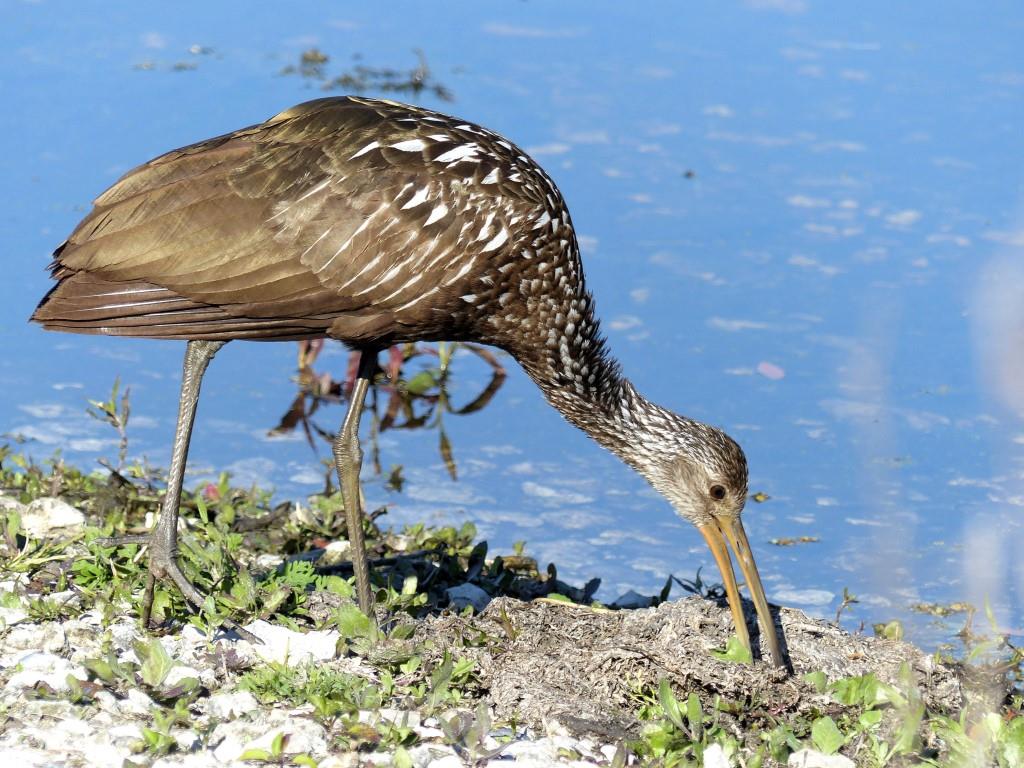
Limpkin

Limpkin

What did we see? Altogether, about 25-26 species were spotted. We saw some they didn’t see and they saw three Bald Eagles, that we didn’t see. (I stopped and waited for them to make a short trip up one of the trails. They are younger, you know.)

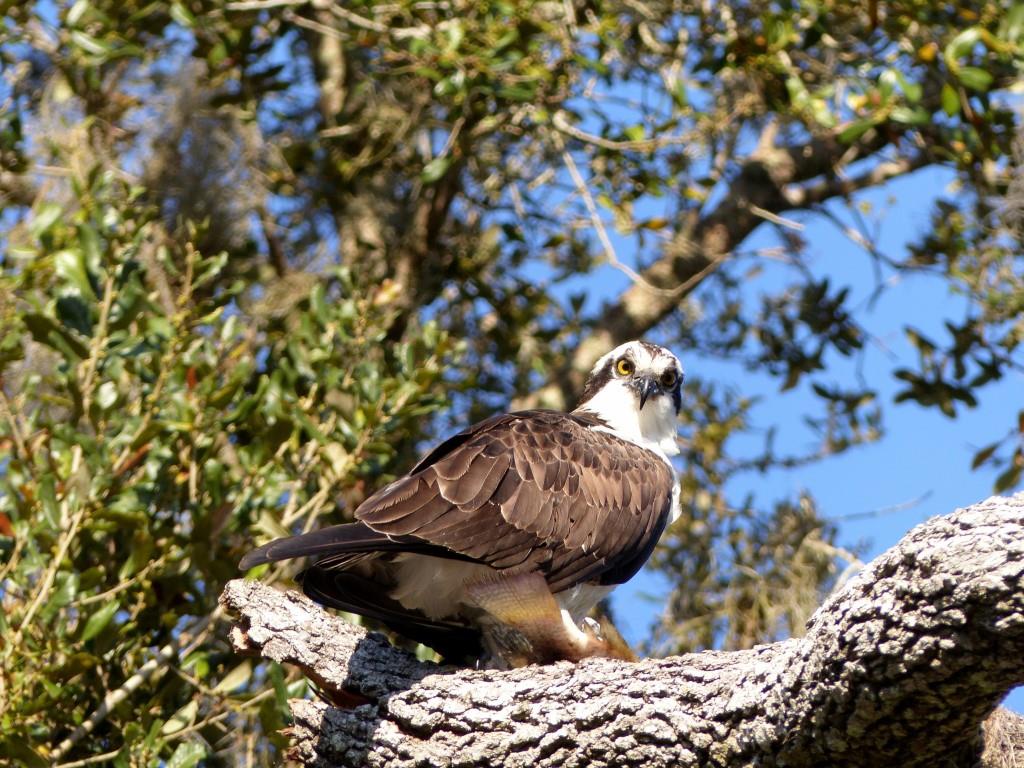
Osprey

Osprey

We were greeted in the parking lot by an Osprey sitting in the tree with a fish in his feet. That was a good start for them. From there we went out to the marsh where we started seeing the usual birds at Circle B; Great Egrets, Tri-colored Heron, Snowy Egrets, Little Blue Herons, Glossy and White Ibises, an Anhinga with wings spread, Limpkins, Great Blue Herons. There were lots of Turkey and Black Vultures flying overhead, and the Tree Swallows were zipping around all over the place. There was also a tree way down the marsh that was hosting a group of Double-crested Cormorants.

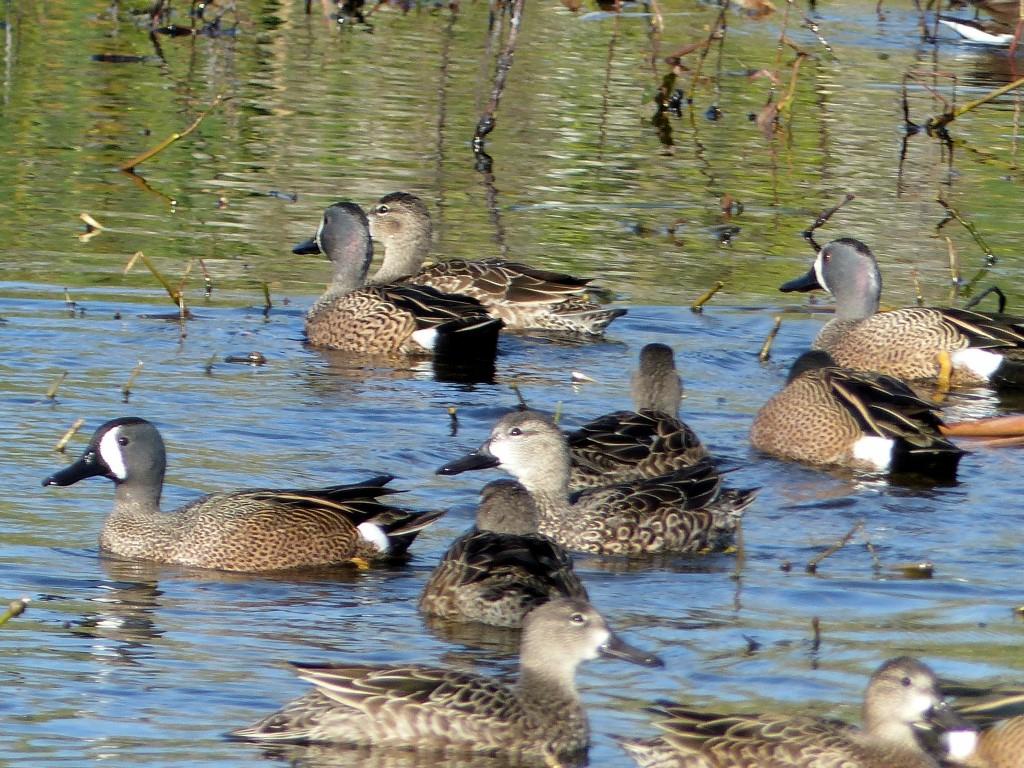
Water birds spotted were Coots, Common Moorhens, and a group of Blue-winged Teals.

Blue-winged Teals

Blue-winged Teals

All the heads turned when a Roseate Spoonbill flew by and later we saw one up close in the water. There was a pair of Red-shouldered Hawks sitting in a tree way off, but I zoomed in and was able to get a half-way decent photo of them. One even raised its tail up to preen, I suppose.

We were teaching them about listening for birds and some Mourning Doves, a Carolina Wren, some Red-bellied and Pileated Woodpeckers and a few others were heard.

While they were off down the trail, we added Red-winged Blackbirds and Blue-gray Gnatcatcher to our list. We had also seen 16 White Pelicans flying right by the park as we were arriving.

All total, not a bad birdwatching trip. Looking forward to more trips as 2015 progresses. Here are just some of today’s photos.

This slideshow requires JavaScript.


*

*

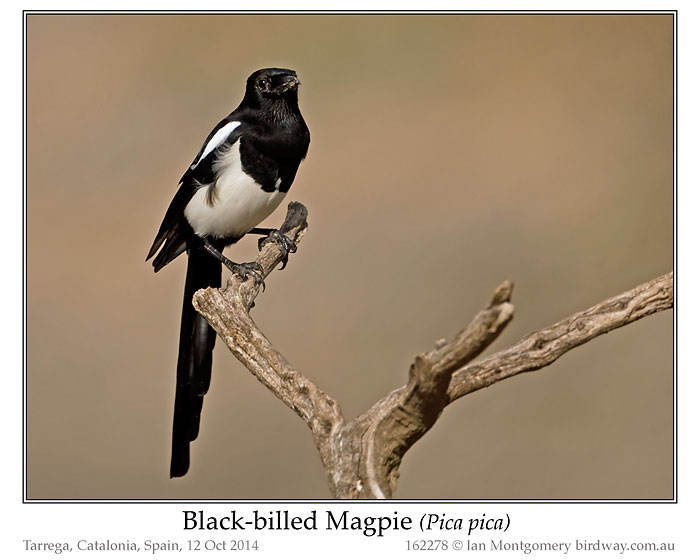
Ian’s Bird of the Week – Common/Black-billed Magpie

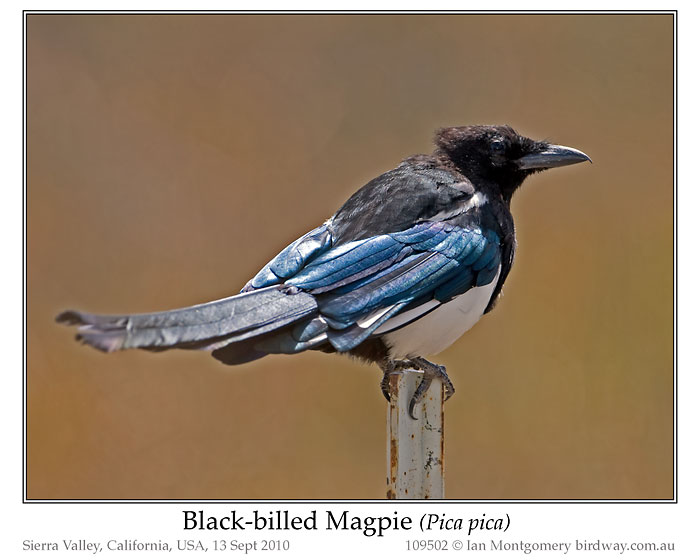
Black-billed Magpie (Pica hudsonia) by Ian

Ian’s Bird of the Week – Common/Black-billed Magpie ~ by Ian Montgomery

Newsletter ~ 2/9/2015

The Australian Magpie of last week generated quite some interesting correspondence, about both it being an iconic species and bird names and their derivation. I also got a request for a BotW on Butcherbirds, which I’ll do soon, but in the meantime here is the original Magpie of the the Northern Hemisphere. It is, incidentally, on the Australian list, a record from Port Hedland in May 2007 having been accepted by the rarities committee. This species is quite sedentary, the nearest place it occurs naturally is China and Port Hedland is an iron ore port so you don’t have to be Sherlock Holmes to work out how it got there.

This, unlike the Australian Magpie, is a member of the crow family, Corvidae, and I think you’ll agree that the resemblance between the two species is fairly superficial, not that that ever got in the way of names. The Common or Black-billed Magpie – I’ll get back inevitably to names shortly – has beautifully iridescent wings and tail which can appear blue or green under different lighting conditions, which tells us that the colour is due to the prismatic microscopic structure of the feather rather than coloured pigment. The first photo shows one on a garden wall in suburban Dublin.
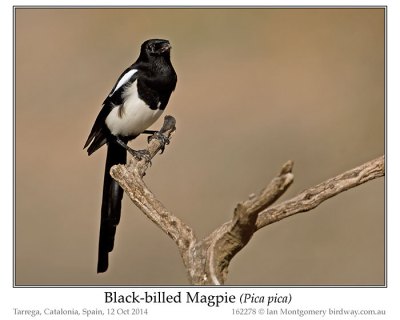
Black-billed Magpie (Pica hudsonia) by IanThe second one was taken in Catalonia at the Northern Goshawk site. Like their cousins the Common Ravens the Magpies were quite brazen and prepared to steal a morsel of food from under the noses of much larger raptors. Also like the Ravens and unlike the raptors, the Magpies noticed the sound of the camera shutter and you can see this one peering warily at the hide. This photo shows the extremely wedged-shaped tail, which is very obvious in flight. The third photo shows a juvenile one in Ireland, very similar to the adult plumage but it still has the slightly swollen gape of a very young bird and, maybe I’m imagining it, an atypically innocent expression.
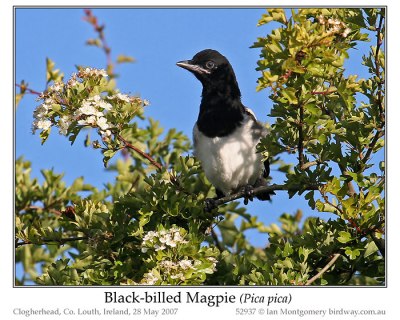
Black-billed Magpie (Pica hudsonia) by IanCommon Magpies are iconic too, and as kids in Ireland we attached great significance to the number seen together, according to the nursery rhyme ‘One for sorrow, Two for joy …’ http://en.wikipedia.org/wiki/One_for_Sorrow_(nursery_rhyme). Magpies, and other crows, have long been considered birds of ill-omen.

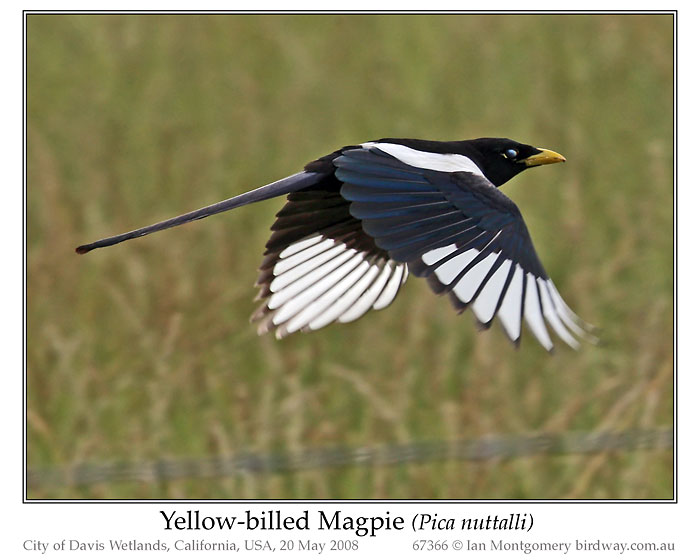
Black-billed Magpie (Pica hudsonia) by IanBack then, we called them just ‘Magpies’. In later decades, I became aware that, like The Kittiwake and for similar reasons, it acquired a coloured qualification ‘Black-billed’. In the case of the Kittiwake this was to distinguish the black-legged Eurasian one from the Red-legged Kittiwake of the eastern Bering Sea; in the case of the Magpie, it was because of the Yellow-billed Magpie of California, fifth photo, having a very restricted range that overlaps with the much more widespread Black-billed Magpie (fourth photo). The fifth photo, incidentally gives a good idea what the very similar Common/Black-billed Magpie looks like in flight and the white patches on the wing are very striking.

Black-billed Magpie (Pica hudsonia) by Ian

Plus ça change … as they say. I discovered while researching this BotW that Handbook of Birds of the World (HBW) and Birdlife International have accepted the split of the Black-billed/Common into three species: the Common Magpie (Pica pica) of Eurasia, the Black-billed Magpie of North America (Pica hudsonii) – fourth photo – and the Arabian Magpie (Pica asirensis), restricted to a tiny range in SW Saudi Arabia. So the European bird is back to where it started from.

I’m losing patience with avian taxonomists. Molecular studies over the past thirty years have led to countless changes in classification and naming, and not just at the species level. The 2014 HBW Checklist of Birds of the World, volume 1 (non-passerines) has many changes at every level up to order. I’ll repeat what I’ve said before that Linnaeus – he who tried to impose order on chaos – must be turning in his grave. Maybe he is just laughing, and perhaps that’s the right approach.

I used to think what the latest taxonomists said – starting with Sibley and Monroe in 1990 – was the gospel truth and a huge advance in our understanding. I don’t think that anymore! Here is a quote from Birdlife International on the fate of the Rainbow and Red-collared Lorikeets: Trichoglossus haematodus, … T. rubritorquis… (del Hoyo and Collar 2014) were previously lumped as T. haematodus following Christidis and Boles (1994), and before then were split as T. haematodus and T. rubritorquis following Sibley and Monroe (1990, 1993): Lump, split, lump, split!

On a lighter note, I’m giving a talk on ‘Australia: Land of Parrots?’ at the BirdLife Townsville AGM next Saturday 14 February at 2:00pm in the Sound Shell meeting room at Thuringowa. If you’re a local, and even if you’re not, it would be great to see you there. The talk is about parrot diversity and bio-geography – all the Gondwanaland stuff.

Greetings
Ian

**************************************************
Ian Montgomery, Birdway Pty Ltd,
454 Forestry Road, Bluewater, Qld 4818
Tel 0411 602 737 ian@birdway.com.au
Bird Photos http://www.birdway.com.au/


Lee’s Addition:

I know and am acquainted with all the birds of the mountains, and the wild animals of the field are Mine and are with Me, in My mind. (Psalms 50:11 AMP)

Ha! Ha! Ha! Thanks Ian for saying what I have been feeling. Sounds like we both agree on all the renaming, splitting, re-shuffling and “Lump, split, lump, split!” (Birds, People and DNA

The Magpies above are neat and I especially like that expression of the juvenile one. He (or she) still has the gape of an immature bird.

The Corvidae Family Crows, Jays, Ravens is where you will find the Magpies placed. (at this time). There are 130 members that make up this family.

*

*

Sunday Inspiration – “Ant” Birds

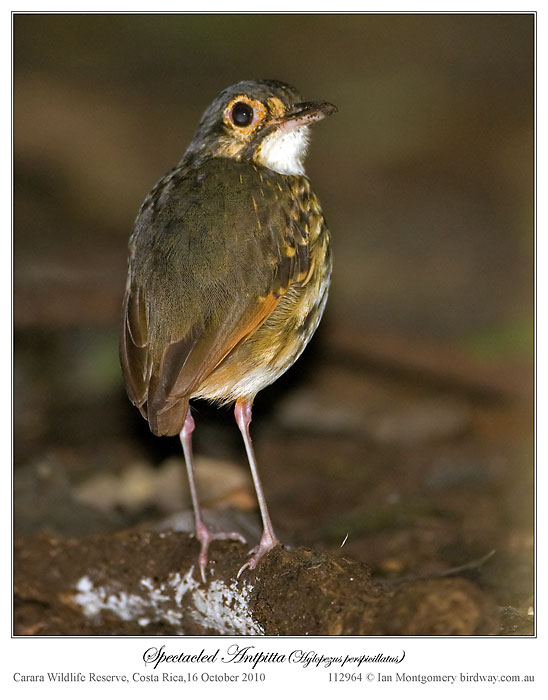
Streak-chested (Spectacled) Antpitta (Hylopezus perspicillatus) by Ian

Streak-chested (Spectacled) Antpitta (Hylopezus perspicillatus) by Ian

The ants are a people not strong, yet they prepare their meat in the summer; (Proverbs 30:25 KJV)

Go to the ant, thou sluggard; consider her ways, and be wise: Which having no guide, overseer, or ruler, Provideth her meat in the summer, and gathereth her food in the harvest. (Proverbs 6:6-8 KJV)

Last week’s Sunday Inspiration featured the “first four bird families, taxonomically, in the Passeriformes Order (Songbirds)” This week we will continue with the next three families. They all have “ant” birds in them; Antshrikes, Antwrens, Antbirds, Antthrushes and Antpittas.. The Thamnophilidae – Antbirds family does have a few Bare-eyes.

This slideshow requires JavaScript.

Click to Listen

“He Looked Beyond My Fault” ~ ©The Hyssongs

*
Sunday Inspirations

Passeriformes Order

Thamnophilidae – Antbirds Family

Formicariidae – Antthrushes Family

Grallariidae – Antpittas Family

Gideon

*
Strawberry (Red-faced) Mousebird – Urocolius Indicus

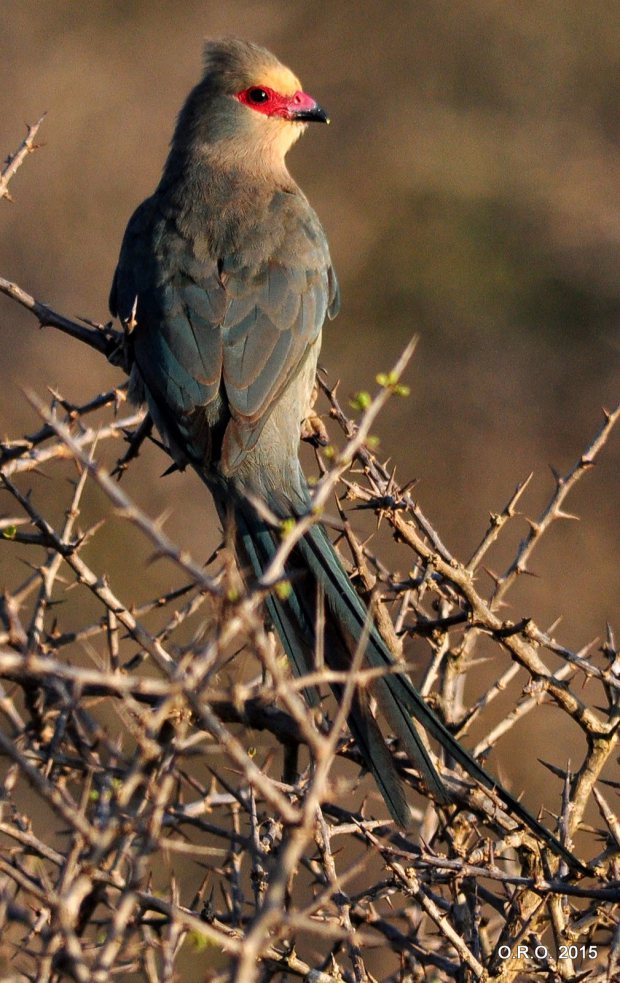
Red-faced Mousebird (Urocolius indicus) ©Our Rumbling Ocean

Red-faced Mousebird (Urocolius indicus) ©Our Rumbling Ocean

Red-faced Mousebird

Endemic to Africa, about the size of a normal sparrow, crested head and beautiful cinnamon colored breast and strawberry red mask and bill. They are especially beautiful in the early morning sun. Their general body color is blue-grey or slate-ish.

With its long tail, about the same length as the body, they look like mice when they climb around in trees, therefore the name. Their outside toes are reversed to allow them to do just that, moving forward and backward as they climb around in the trees. They are more nervous of people than especially the Speckled Mousebird, which we have done before….. (To see the rest of the article – click here)


Lee’s Addition:

The shield of his mighty men is made red, the valiant men are in scarlet: … (Nahum 2:3a KJV)

Strawberry (Red-faced) Mousebird – Urocolius Indicus is re-blogged and was written on one of the blogs I follow, Our Rumbling Ocean. It is produced in South Africa.

Anyway, I wanted to share these beautiful Mousebirds with you.

Mousebirds are members of the Mousebirds – Coliidae Family and consist of only six species. And, no, the plural of Mousebird is not “Micebirds.”

*

Our Rumbling Ocean

Mousebirds – Coliidae Family

Birds of the World

*


Ian’s Bird of the Week – Australian Magpie

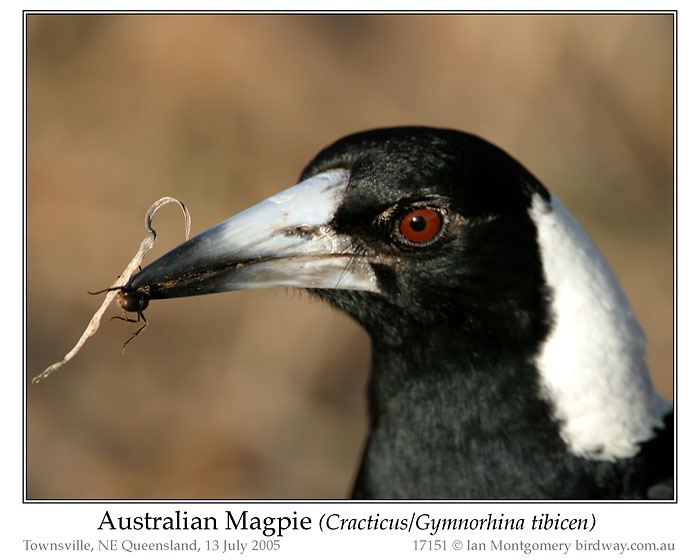
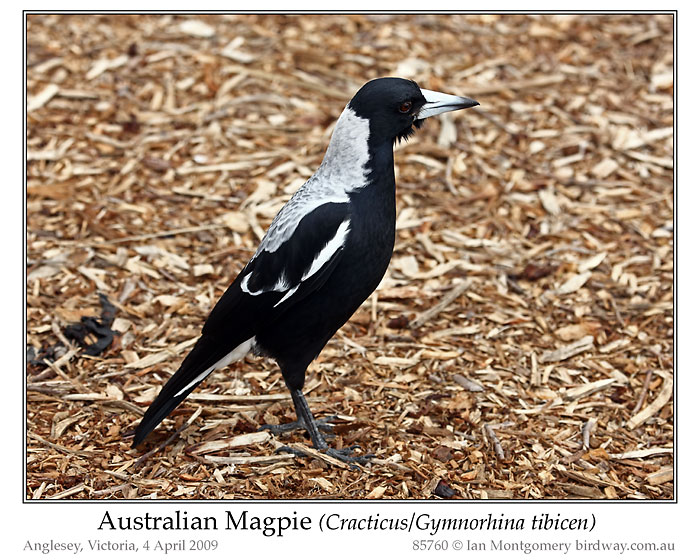
Australian Magpie (Gymnorhina tibicen) by Ian

National days are occasions in which icons play a big, maybe dominant or even overpowering role, and Australia’s, January 26th, is no exception. So here is the Australian Magpie. It’s not strictly a Magpie in the Northern Hemisphere sense and it’s not strictly Australian, as it also occurs naturally in southern Papua New Guinea and has been introduced to both the main islands of New Zealand.

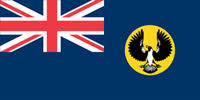
It is, however, certainly iconic, and not just in the sense of something that is typical of Australia. It was incorporated in various South Australian insignia just after Federation, and features “displayed proper” against the risen sun of federation. All six state coat of arms were incorporated into the Australian coat of arms in 1912, so the magpie, along with the Black Swan of Western Australia, made it to the national coat of arms. The bird referred to in the original South Australian design documents is called the “Piping Shrike” but the Australian Magpie has had various names including “Piping Crow-shrike” (Charles Sturt, explorer, 1840).

Australian National Coat of Arms

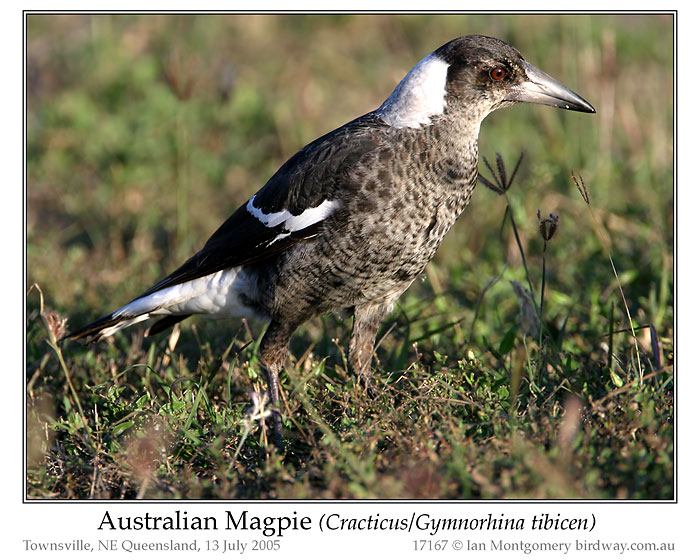
There are several races of the Magpie and I thought it would be easy to describe and illustrate them as part of this bird of the week. In fact, the descriptions, delineations and ranges of the various races are both messy and vague so I’ve settled for three easily recognised categories based on the colouration of their backs between the universally white (or pale grey) nape and rump: Black-backed, White-backed and Western.

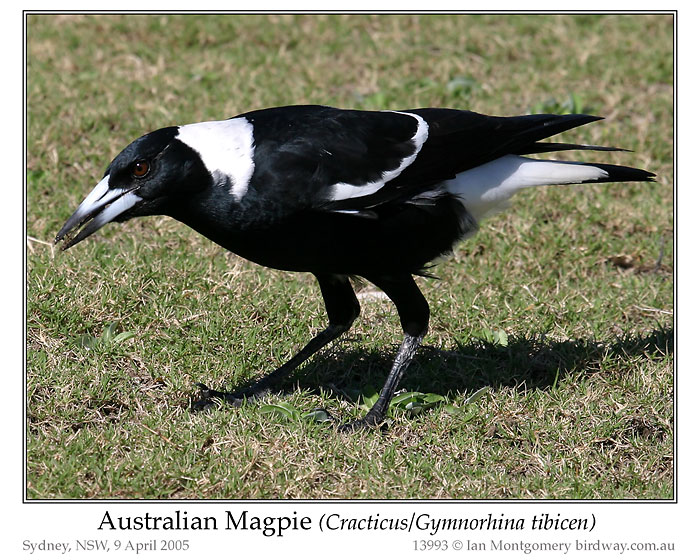
Australian Magpie (Gymnorhina tibicen) by Ian

The Black-backed group, first and second photos, is the most widespread occurring everywhere except in SW Western Australia and SE Australia and Tasmania. The nominate race ‘tibicen’ of eastern Australia is Black-backed and the name is derived from the Latin for ‘trumpeter’: tubicen. Male and female Black-backed have similar patterning except that the females have greyish tinge to the white and the black is less intense.

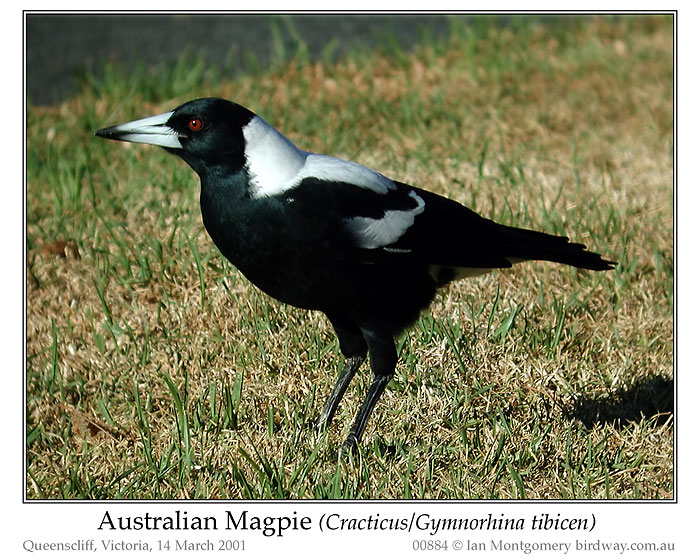
Australian Magpie (Gymnorhina tibicen) by Ian

The familiar Magpie of Victoria, Tasmania and South Australia is the White-backed. The bird in the third photo is a male, while the one in the fourth photo is a female. The grey tinge and scalloping on her nape and back is quite obvious.

Australian Magpie (Gymnorhina tibicen) by Ian

The male of the Western Magpie in SW Western Australia is like the male White-backed. The female, however, has very dark scalloping on the back to the point where it is almost black, fifth photo.

Australian Magpie (Gymnorhina tibicen) by Ian

Australian Magpies have group territories with the group varying in size from a pair of adults to several adults and juveniles of varying ages. Usually only one pair in the group actually nests with the female doing the nest-building and most of the incubation. The young are fed by the female, often with help from her male partner and sometimes from other group members. Magpies can be aggressive towards people near the nest, and many Australians can recount stories of being attacked when cycling to or from school. Juveniles have greyish rather than black plumage, like the juvenile Black-backed in the sixth photo.

Australian Magpie (Gymnorhina tibicen) by Ian

Australian Magpies, and their close relatives the Butcherbirds, are candidates for being the finest song birds in Australia. The Magpie has a varied and complex repertoire and is well-known for its flute-like choruses by a pair or group. It is usually started by the senior male or female in the group with other members, including juveniles, joining in. Less intense warbling songs are done by individuals, often for long periods, contain elements of the choral singing and mimicry. The New Zealand Poet, Denis Glover, in his best known poem, The Magpies, rendered the song as ‘and Quardle oodle ardle wardle doodle/The magpies said’.

The flute-like quality of the voice features in various European names for the Australian Magpie: Cassican flûteur (F), Flötenvogel (G) and Verdugo Flautista (Sp). I think the Germans have got it right with their Fluting-bird – much better than naming it after some unrelated Northern Hemisphere bird that it vaguely resembles. Maybe we should launch a new name for it next Australia Day. Now that would be a fitting Australia Day honour.

Greetings
Ian

**************************************************
Ian Montgomery, Birdway Pty Ltd,
454 Forestry Road, Bluewater, Qld 4818
Tel 0411 602 737 ian@birdway.com.au
Bird Photos http://www.birdway.com.au/
Where to Find Birds in Northern Queensland:  iTunes; Google Play Kobo Books
Recorder Society http://www.nqrs.org.au


Lee’s Addition:

He (Solomon) spoke of trees, from the cedar that is in Lebanon even to the hyssop that grows on the wall; he spoke also of animals and birds and creeping things and fish. (1 Kings 4:33 NASB)

Ian, thanks again for sharing your Magpies from Australia. Seeing that he travels all around, he gets to see these different Magpies as he goes off on his birdwatching adventures. Their expressions give a look of intelligence to them.

Check out:

*


Sunday Inspiration – More Amazing Birds

Rufous-capped Spinetail (Synallaxis ruficapilla) by Dario Sanches

Rufous-capped Spinetail (Synallaxis ruficapilla) by Dario Sanches

For he that is mighty hath done to me great things; and holy is his name. (Luke 1:49 KJV)

Our Creator has given us so many birds to enjoy, that it is hard to pick them. So, today as you listen to another arrangement from Pastor Jerry’s special night a few weeks ago, you can view another slideshow of mixed avian friends. These are from the first four bird families, taxonomically, in the Passeriformes Order (Songbirds).

Ah Lord GOD! behold, thou hast made the heaven and the earth by thy great power and stretched out arm, and there is nothing too hard for thee: Thou shewest lovingkindness unto thousands, and recompensest the iniquity of the fathers into the bosom of their children after them: the Great, the Mighty God, the LORD of hosts, is his name, Great in counsel, and mighty in work: for thine eyes are open upon all the ways of the sons of men: to give every one according to his ways, and according to the fruit of his doings: (Jeremiah 32:17-19 KJV)

This slideshow requires JavaScript.

Click to listen:

“Jesus What A Might Name” – Pastor Jerry Smith w/Choir and Orchestra

For unto us a Child is born, Unto us a Son is given; And the government will be upon His shoulder. And His name will be called Wonderful, Counselor, Mighty God, Everlasting Father, Prince of Peace. (Isaiah 9:6 NKJV)

*

Birds of the World
Passeriformes Order
Acanthisittidae – New Zealand Wrens
Eurylaimidae – Broadbills
Pittidae – Pittas
Furnariidae – Ovenbirds

Good News

*

Photos by Michael Woodruff

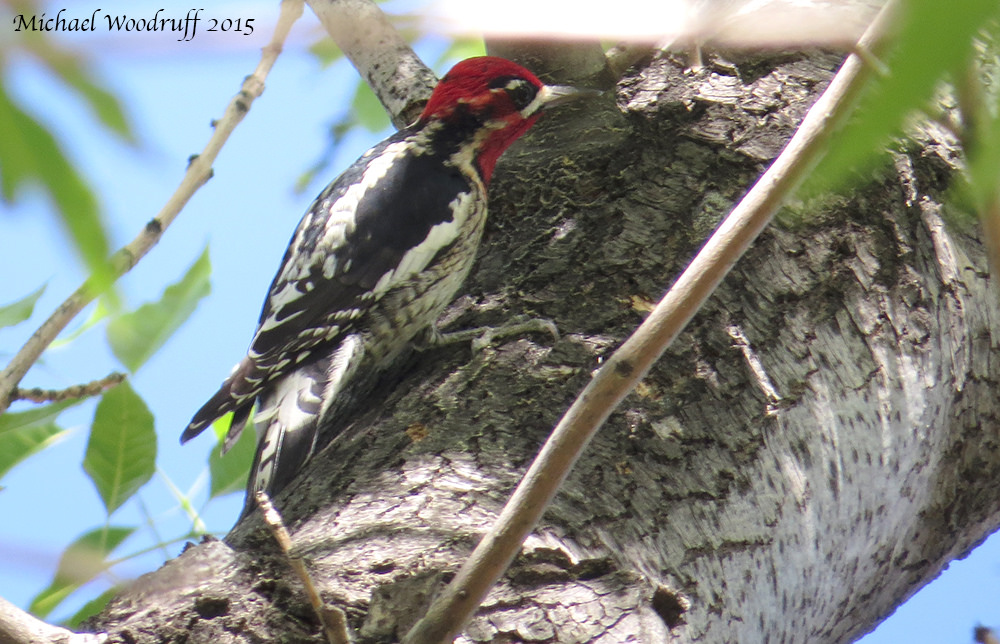
Red-breasted X Red-naped Sapsucker  By Michael Woodruff

Red-breasted X Red-naped Sapsucker By Michael Woodruff

Out of the ground the LORD God formed every beast of the field and every bird of the air, and brought them to Adam to see what he would call them. And whatever Adam called each living creature, that was its name. (Genesis 2:19 NKJV)

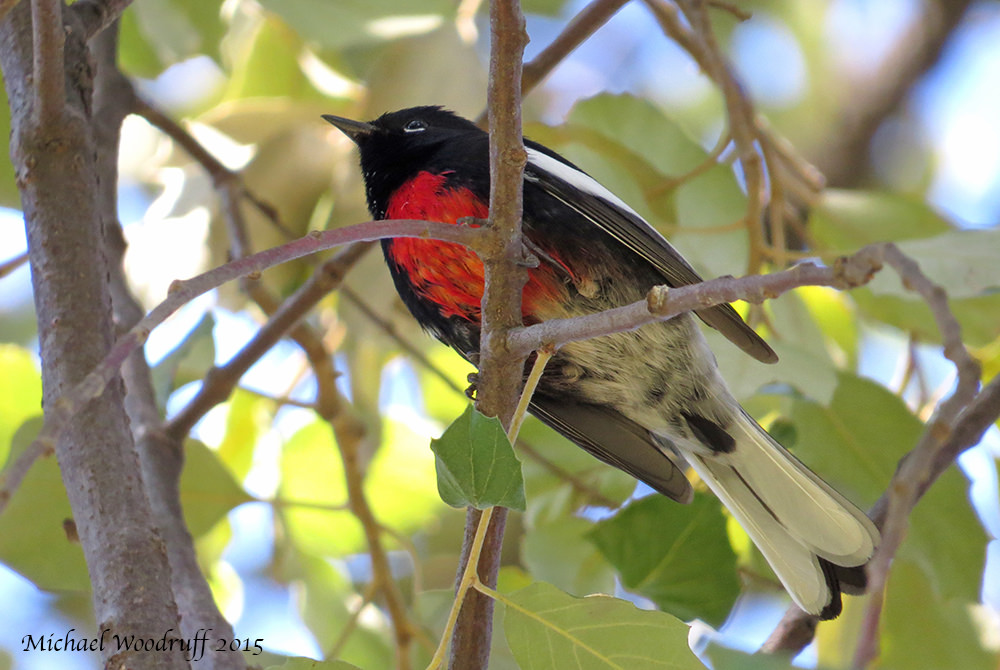
Thought I would share some of Michael Woodruff’s latest photos. He has been giving me permission to use his great photos for several years. The Lord created these birds and Michael has a great way of capturing their images for us to enjoy. Thanks, Michael.

Painted Redstart by Michael Woodruff

Painted Redstart by Michael Woodruff

I know all the birds of the mountains, And the wild beasts of the field are Mine. (Psalms 50:11 NKJV)

And since we haven’t been on any birdwatching trips yet this year, you can enjoy photos from others. His Flickr photos can be see at:

Tropical Kingbird By Michael Woodruff

Tropical Kingbird By Michael Woodruff

Click to see Michael’s Pictures:

Michael Woodruff

Red-masked Parakeet by Michael Woodruff

Red-masked Parakeet by Michael Woodruff

Then God said, “Let the waters abound with an abundance of living creatures, and let birds fly above the earth across the face of the firmament of the heavens.” (Genesis 1:20 NKJV)

*

Here are some articles where Michael’s photos have been used:

*

I’m Little but…..

Squirrel at a park in Daytona

Squirrel at a park in Daytona

Thought you might enjoy this sent to me by a friend. Not sure how it was done, but National Geographic was involved.

A couple of verses come to mind:

But God hath chosen the foolish things of the world to confound the wise; and God hath chosen the weak things of the world to confound the things which are mighty; (1 Corinthians 1:27 KJV)

Call unto me, and I will answer thee, and shew thee great and mighty things, which thou knowest not. (Jeremiah 33:3 KJV)

If he watches out for these two, how much more does God watch out for us?

*

Wordless Birds

*