King Solomon and The Birds – Part 1

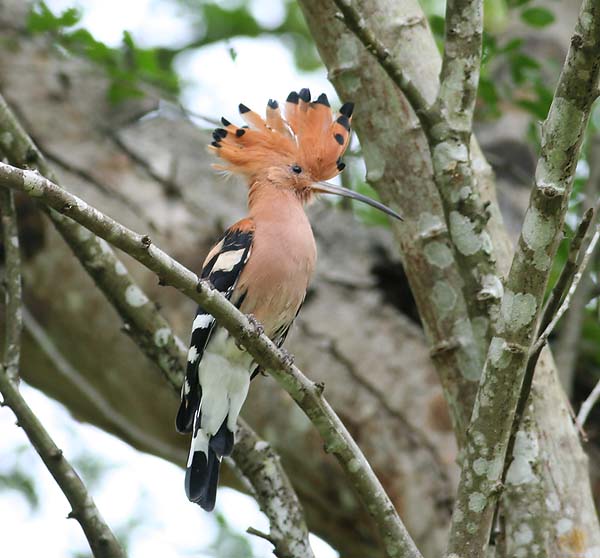
Eurasian Hoopoe (Upupa epops) by Peter Ericsson

Eurasian Hoopoe (Upupa epops) by Peter Ericsson

King Solomon and The Birds ~ from The Curious Book of Birds

KING SOLOMON AND THE BIRDS – Part 1

letter-kING SOLOMON was wiser than all men, and his fame was in all nations round about Jerusalem. He was so wise that he knew every spoken language; yes, but more than this, he could talk with everything that lived, trees and flowers, beasts and fowls, creeping things and fishes. What a very pleasant thing that was for Solomon, to be sure! And how glad one would be nowadays to have such knowledge!

Solomon was especially fond of birds, and loved to talk with them because their voices were so sweet and they spoke such beautiful words. One day the wise King was chatting pleasantly with the birds who lived in his wonderful garden, and these are some of the things which he heard them say. The Nightingale, the sweetest singer of all, chanted,—

“Contentment is the greatest happiness.”

“It would be better for most people never to have been born,” crooned the melancholy Turtle-Dove.

The happy little Swallow gave her opinion,—”Do good and you will be rewarded hereafter.”

The harsh cry of the Peacock meant, “As thou judgest so shalt thou be judged.”

The Hoopoe said, “He who has no pity for others will find none for himself.”

The cynical old Crow croaked disagreeably, “The further away from men I am, the better I am pleased.”

Last of all the Cock who sings in the morning chanted his joyous song,—”Think of your Creator, O foolish creatures!”

When they had finished talking King Solomon softly stroked the head of the pretty little Dove and bade her cheer up, for life was not so dreadful a thing, after all. And he gave her permission to build her nest under the walls of the great Temple which he was building, the most beautiful, golden house in the whole world. Some years afterward the Doves had so increased in numbers that with their extended wings they formed a veil over the numberless pilgrims who came to Jerusalem to visit the wonderful Temple.

But of all the winged singers who spoke that day in the garden, the wise King chose to have ever near him the Cock, because he had spoken words of piety, and the nimble Hoopoe, because he was able to plunge his clear gaze into the depths of the earth as if it were made of transparent glass and discover the places where springs of living water were hidden under the soil. It was very convenient for Solomon, when he was traveling, to have some one with him who was able to find water in whatsoever place he might be resting.

Thus the Cock and the Hoopoe became Solomon’s closest companions; but of the two the Hoopoe was his favorite. The Hoopoe is an Eastern bird and we do not see him in America. He is about as big as a Jay, colored a beautiful reddish gray, with feathers of purple, brown, and white, and his black wings are banded with white. But the peculiar thing about a Hoopoe is his crown of tawny feathers, a tall crown for so small a bird. And this is the story of the Hoopoe’s crown.

King Solomon and The Birds – Part 2

King Solomon and The Birds – Part 3


Lee’s Addition:

I will praise You, for I am fearfully and wonderfully made; Marvelous are Your works, And that my soul knows very well. (Psalms 139:14 NKJV)

I delight to do Your will, O my God, And Your law is within my heart.” (Psalms 40:8 NKJV)

The Bible tells us that we are to be content with the way the Lord made us and we should delight or be happy to do what the Lord wants. That also includes doing what your parents want you to do.

Links:
Eurasian Hoopoe (Upupa epops) by Peter Ericsson


  Hoopoes – Upupidae Family


Painted Bunting (Passerina ciris) ©©Flickr


  Bird Tales


Curious Book of Birds - Cover


  The Curious Book of Birds


Spanish Sparrow (Passer Hispaniolensis) female ©WikiC


  Wordless Birds


More Good News Tracts

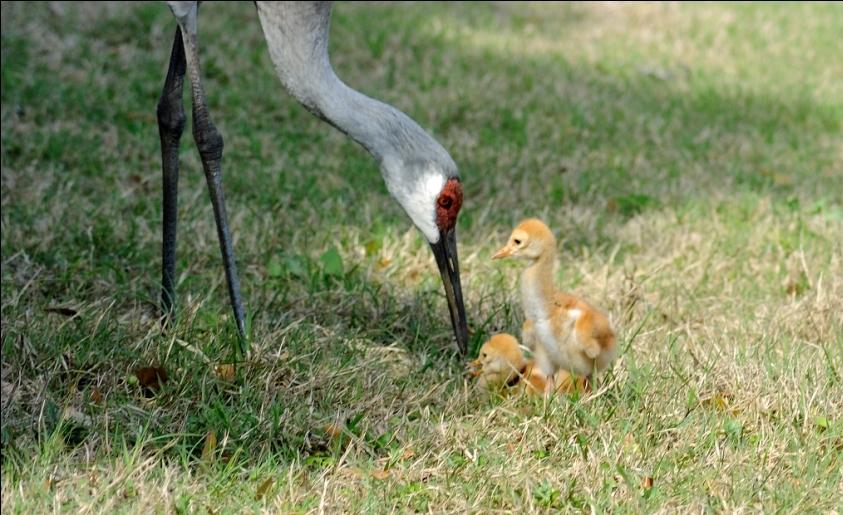
Sandhill Crane babies

Sandhill Crane babies

My son, give attention to my words; Incline your ear to my sayings. Do not let them depart from your eyes; Keep them in the midst of your heart; For they are life to those who find them, And health to all their flesh. Keep your heart with all diligence, For out of it spring the issues of life. (Proverbs 4:20-23 NKJV)

Nine more Good News Tract pages were added today. There are 31 altogether and they have not only the written text, but also audio.

The is especially one that might interest you more than the others.

Here are the new ones:

I trust you can learn from them and/or use them to encourage others.

and sent Timothy, our brother and minister of God, and our fellow laborer in the gospel of Christ, to establish you and encourage you concerning your faith, (1 Thessalonians 3:2 NKJV)

Below are links to the Various Tracts from Crossway with each having the words and an audio:

More Good News Tracts

*

Bible Birds – Lapwings II

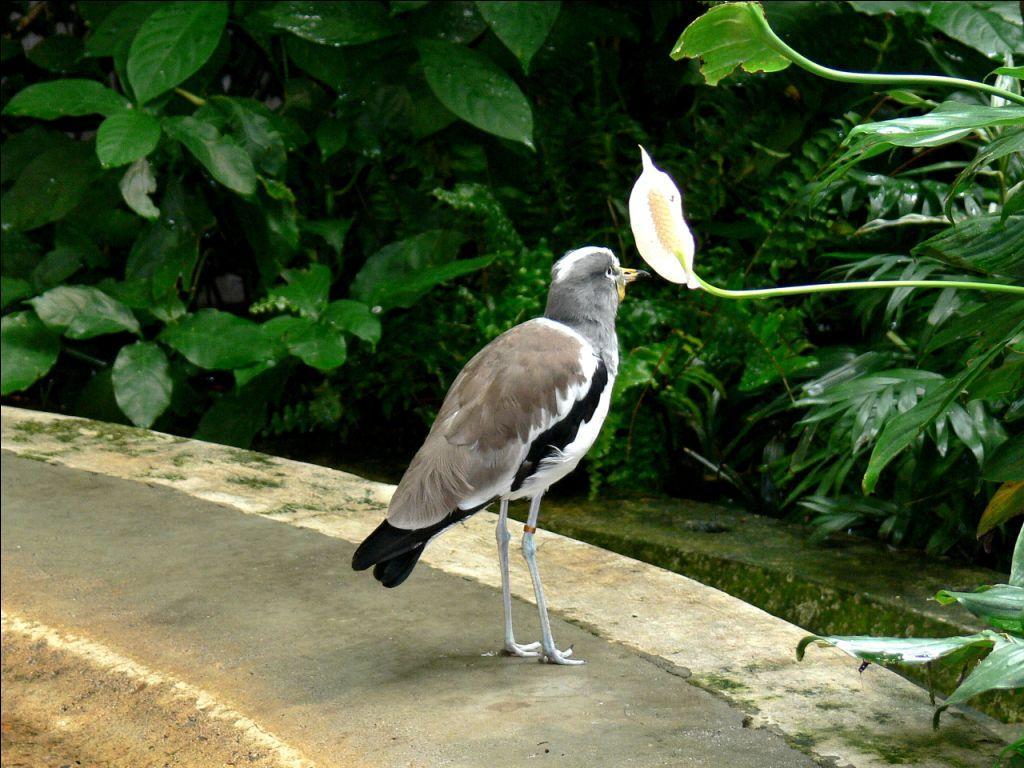
White-crowned Lapwing (Vanellus albiceps) at NA

White-crowned Lapwing (Vanellus albiceps) at NA

And the stork, the heron after her kind, and the lapwing, and the bat. (Leviticus 11:19 KJV)

The White-crowned Lapwing above was my first Lapwing encountered. They were at the National Aviary in Pittsburg, PA. They are from the tropical regions of Africa and have a diet of insects and other small invertebrates. (Fun Fact from Aviary) ~ White-headed Wattled Lapwings will bravely defend their territories against all comers, even hippos!

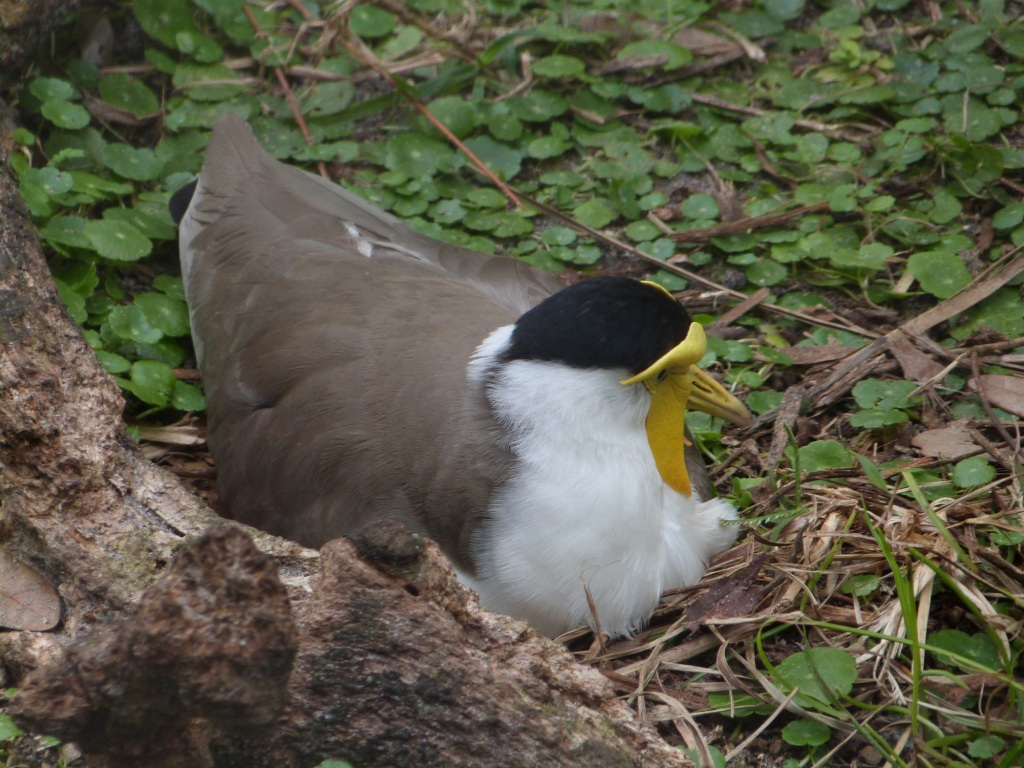
Now almost every zoo we visit has at least one species of Lapwing present. We see the Masked Lapwing most frequently. The reason Lapwings are mentioned in the Bible is because it is on the “Do Not Eat” list.

Masked Lapwing (Vanellus miles) Brevard Zoo by Lee

Masked Lapwing (Vanellus miles) Brevard Zoo by Lee

And the stork, and the heron after her kind, and the lapwing, and the bat. (Deuteronomy 14:18 KJV)

The Masked Lapwings are interesting to watch as they walk around on their long legs and as the “wattle” wiggles.

Vanellinae are any of various crested plovers, family Charadriidae, noted for its slow, irregular wingbeat in flight and a shrill, wailing cry. Its length is 10-16 inches. They are a subfamily of medium-sized wading birds which also includes the plovers and dotterels. The Vanellinae are collectively called lapwings but also contain the ancient Red-kneed Dotterel. A lapwing can be thought of as a larger plover.

The traditional terms “plover”, “lapwing” and “dotterel” were coined long before modern understandings of the relationships between different groups of birds emerged: in consequence, several of the Vanellinae are still often called “plovers”, and the reverse also applies, albeit more rarely, to some Charadriinae (the “true” plovers and dotterels).

In Europe, “lapwing” often refers specifically to the Northern Lapwing, the only member of this group to occur in most of the continent. (Wikipedia)

*

Here are some photos of Lapwings in the Vanellinae genera.

This slideshow requires JavaScript.

*

*

Is Evolution Simply Change? – (from Creation Moments)

Bald Eagle maturing at Jax Zoo by Dan

Bald Eagle maturing at Jax Zoo by Dan

Is Evolution Simply Change?

(from Creation Moments)

*

“Where is the wise? where is the scribe? where is the disputer of this world? hath not God made foolish the wisdom of this world?” (1 Corinthians 1:20)

Many people think that evolution is simply any change. Developing a new breed of dog is often referred to by many people as proof for evolution. But is it really? Those who claim that the domestic breeding of crop or animal species has anything to do with evolution take their cue from Darwin, who – although he had no degree in science – made the same claims.

Cover of Michael Denton's book Evolution: A Theory in Crisis.Evolution is not simply change like what we see in domestic breeding programs. You might say that it’s easy for a creationist to say this, but let’s allow a scientist who is neither a creationist nor a Christian make the case for us. In his book Evolution: A Theory in Crisis, Dr. Michael Denton explains that evolution is in crisis for the simple reason that biology offers no evidence that evolution happens. Since science relies on evidence, he is really saying that evolution is not science at all.
Denton, who has spent much of his scientific career studying evolution, adds insult to injury by stating that “Despite more than a century of intensive effort on the part of evolutionary biologists, the major objections raised by Darwin’s critics . . . have not been met.”

In other words, evolutionary scientists have not been able to answer creationist challenges. Or, as we have been saying all along, the Bible does offer an intelligent alternative to evolution!

Prayer:
Dear Father, I thank You for those honest scientists who, even though they do not believe in Christ as their Lord and Savior, are still honest enough to identify a falsehood. Today I especially ask that You work in their hearts so that they may seek and find their Savior, Jesus Christ. In His Name. Amen.
Notes:
Photo: Cover of Michael Denton’s book Evolution: A Theory in Crisis. Published by Burnett Books, 1985.

*


Lee’s Addition:

In the beginning God created the heaven and the earth. (Genesis 1:1 KJV)

I alway enjoy the short, but Biblically truthful articles from Creation Moments. We see the birds breeding and developing subspecies, but that isn’t evolution. They are all still birds. The subspecies get split off into a different species of their own, yet when they run the DNA test, they find they all come from the same original pair of birds.

All that splitting and lumping is what keeps me busy every 3 or 4 months updating the Birds of the World lists.

See:

*

After Their Kinds – Creation Moments

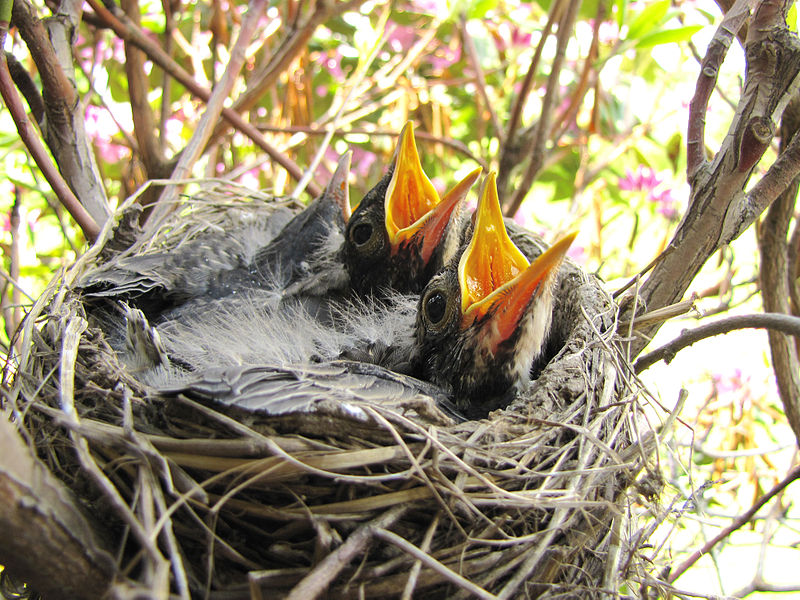
American Robin (Turdus migratorius) in nest ready to eat WikiC

American Robin (Turdus migratorius) in nest ready to eat WikiC

AFTER THEIR KINDS

And the earth brought forth grass, and herb yielding seed after his kind, and the tree yielding fruit, whose seed was in itself, after his kind: and God saw that it was good. (Genesis 1:12)

How wonderful! Your dog has just had puppies! But do you now have to sort through the litter and make sure there are no baby giraffes or kangaroos?

New born Welsh Springer Spaniel puppies ©WikiC

New born Welsh Springer Spaniel puppies ©WikiC

No, not a single giraffe or kangaroo in the litter!In God’s account of creation in Genesis 1, we repeatedly read that both plants and animals were created to reproduce “after their kind.” Genesis 1, in speaking about the creation of plants, repeats three times in just two verses that they are to reproduce “after their kind.” We see the same phrase repeated later in the chapter when animals are created. This is not just empty repetition. God is stressing a fundamental principle that all things reproduce “after their kind.” Mother dogs have puppies and mother cats have kittens. You can count on it.

Why does God stress this principle? Even before creation, God knew that humans would eventually sin and then seek to hide their responsibility by trying to explain things without a Creator. God knew that this idea of evolution would capture the faith of millions over the history of the world.

God stresses what our experience shows so that He might be harder for us to hide from. All things do reproduce after their kind. And despite evolutionists’ strong faith in evolution, they cannot offer one established scientific fact to explain how one kind of creature might eventually make a completely different kind!

Prayer:
I thank You, Lord, that You have made it hard for men to deny You. Yet men still deny You, seeking explanations and excuses outside of Your Word. I know that I, too, can do this, for I am both saint and sinner. I ask that You would correct me when I seek outside of Your Word what is so richly provided to me in Your Word. Amen.

Notes:
Photo: No, not a single giraffe or kangaroo in the litter!
Used with permission of Creation Moments ©2014


See:

Creation Moments – After Their Kind

More Creation Moment and Interesting Things articles here

*


Deep-Frozen Squirrel ~ by Creation Moments

Artic Ground Squirrel (Spermophilus parryii) (eating mushroom) ©WikiC

Artic Ground Squirrel (Spermophilus parryii) (eating mushroom) ©WikiC

Deep-Frozen Squirrel ~ from Creation Moments

Then the beasts go into dens, and remain in their places. Out of the south cometh the whirlwind: and cold out of the north. By the breath of God frost is given: and the breadth of the waters is straitened. (Job 37:8-10)

Researchers have discovered a species of mammal that can actually survive being frozen for several weeks.

SmileyCentral.com

Scientists were amazed to find that the little Arctic ground squirrel can allow its body to drop to 27 degrees F – that’s five degrees below the freezing point of water – for up to two weeks at a time during its unusual Arctic ground squirrel eating a mushroom eight-to ten-month hibernation period. After the two weeks at this very low temperature, the squirrel rouses itself, returns to normal body temperature, takes care of a few bathroom duties, and then returns to a state of nearly frozen hibernation for another two weeks. The squirrel usually comes out of hibernation for its short summer in June. It has only two or three months before the ground freezes again and it returns to hibernation, so the squirrel is very busy eating and mating for two short months. You could say that the Arctic ground squirrel sleeps most of its life away.

Scientists say that the Arctic ground squirrel is the only mammal that is able to allow its body temperature to fall below freezing. If they can find out how the squirrel does it, they believe the same method might be used to preserve transplant organs for longer than a few hours. So once again, scientists expect to learn new medical methods by studying how the Creator does the same thing.

*
Prayer:
Dear Father, Your understanding and wisdom in designing the creation are so great that even those who do not want to recognize You still expect to learn from You. As they do so, make it ever more difficult for them to deny You. In Jesus’ Name. Amen.

Artic Ground Squirrel (Spermophilus parryii) ©Nunavut ©WikiC

Artic Ground Squirrel (Spermophilus parryii) ©Nunavut ©WikiC

Notes:
“Squirrel makes its body subfreezing to hibernate,” Minneapolis Star Tribune, Saturday/July1/1989/8A. Photo: Arctic ground squirrel eating a mushroom. Courtesy of Ianaré Sévi. Licensed under the Creative Commons Attribution-Share Alike 3.0 Unported license. (Used with permission of Creation Moments 2014)


Lee’s Addition:

Arctic Ground Squirrels Are No Stiff – Deseret News

More Interesting Things

Wordless Birds

*


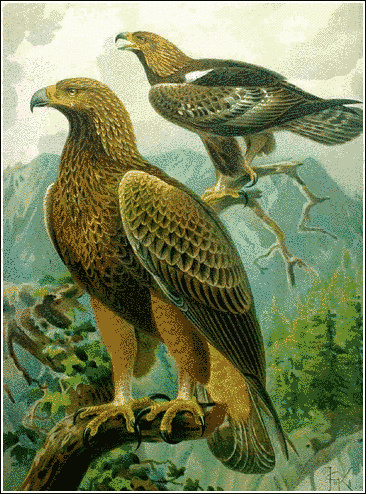
Golden Eagle – Eagle’s Eyesight

Golden Eagle – Eagles Eyesight

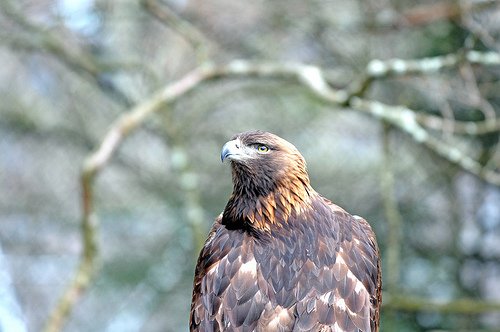
Golden Eagle (Aquila chrysaetos) - Grandfather Eagle by PastorBBC

Golden Eagle (Aquila chrysaetos) – Grandfather Eagle by PastorBBC

Hello boys and girls again! This is the Golden Eagle!

Did you know that eagles have very keen (excellent) eyesight ? We can see prey at great distances! I would say that we are one of the TOP birds!

Listen to this Bible verse:

And the first beast was like a lion, and the second beast like a calf, and the third beast had a face as a man, and the fourth beast was like a flying eagle. (Revelation 4:7)

Golden Eagle ©PD

Golden Eagle ©PD

The word “beast” comes from a Greek word, zoon, and it means living creatures.

You are familiar with the word zoo, zoology-the study of animals.

  • The lion is the king of the beast! Jesus is called the Lion of the tribe of Judah! The lion represents the beasts of the earth.
  • The calf or ox represents the cattle!
  • The eagle represents the fowl or birds of the air!
  • And man is God’s greatest creation created on day number six of creation week!

The Bible is full of amazing truths! These living creatures are part of the angelic creation! They live in the very presence of God and they are full of life!

In fact, God through His Son Jesus Christ has given us everything necessary for life. Life does not end at death. Even science teaches us today that matter and energy go through changes, but they do not disappear!

Well, your soul and spirit are eternal, you will live forever somewhere! The very best place to go is God’s Heaven! Make sure that you are saved! If you do not understand what salvation is all about, begin to read the Gospel of John in the New Testament! It was written so that you would believe that Jesus is the Son of God, and in so doing that you would trust Jesus to save your soul!

God created this vast, material Universe and He has a plan for ALL of it, even the material stuff! One day we will fly higher than any eagle has ever flown! I hope that you enjoy being alive! If you are having a difficult time with life contact us and we will try to help and encourage you by sharing God’s Word with you and pointing you to the Lord Jesus Christ!

By for now!

The Golden Eagle

*

Golden Eagle

Wordless Book

*

Bible Birds – Solomon’s Wisdom About Birds I

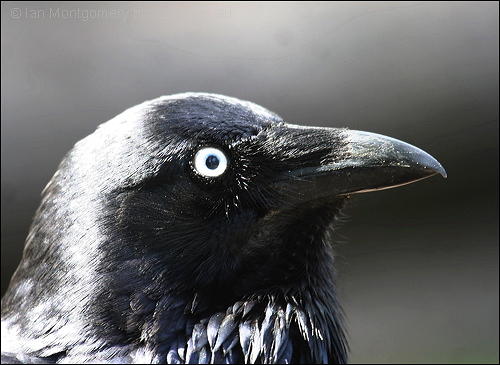
Australian Raven (Corvus coronoides) by Ian

Australian Raven (Corvus coronoides) by Ian

Also he spoke of trees, from the cedar tree of Lebanon even to the hyssop that springs out of the wall; he spoke also of animals, of birds, of creeping things, and of fish. (1 Kings 4:33 NKJV)

In my daily reading from Scripture recently, I came across I Kings 4:33 again. The article Birds of the Bible – Solomon’s Birds, discusses how some of the lessons Solomon had learned were applied. Now let’s look at how Solomon might have attained those illustrations and how we can apply them.

More questions come to my mind, in no set order, like:

  • What kind of birds did he have to observe?
  • What did he learn about the birds?
  • Did he write any of his bird observations out?
  • The Lord gave him the wisdom, so how did he apply it?
  • What can we learn from Solomon about birds?

We know from the Bible that Solomon asked for wisdom to be able to know right and wrong and how to rule the people. God granted Solomon his request and gave him more besides. See I Kings 3.

Checking with my e-Sword commentaries and helps, here are some interesting thoughts. (Italics are mine)

Oriental Bay Owl (Phodilus badius) by Peter Ericisson

Oriental Bay Owl (Phodilus badius) by Peter Ericisson

Matthew Henry’s Concise Commentary

Solomon’s wisdom was more his glory than his wealth. He had what is here called largeness of heart, for the heart is often put for the powers of the mind. He had the gift of talk, as well as wisdom. It is very desirable, that those who have large gifts of any kind, should have large hearts to use them for the good of others. What treasures of wisdom and knowledge are lost! But every sort of knowledge that is needful for salvation is to be found in the holy Scriptures. There came persons from all parts, who were more eager after knowledge than their neighbours, to hear the wisdom of Solomon. Solomon was herein a type of Christ, in whom are hid all treasures of wisdom and knowledge; and hid for us, for he is made of God to us, wisdom. Christ’s fame shall spread through all the earth, and men of all nations shall come to him, learn of him, and take upon them his easy yoke, and find rest for their souls.

Indian Peafowl (Pavo cristatus) by Nikhil Devasar

Indian Peafowl (Pavo cristatus) by Nikhil Devasar

Gill

he spake also of beasts, and of fowls, and of creeping things, and of fishes; he understood the nature of all sorts of animals in the earth, air, and sea, and discoursed of their names, kinds, qualities, and use, with the greatest ease and perspicuity; the Jews fancy that Aristotle’s History of Animals is his, which that philosopher came upon, and published it in his own name. …

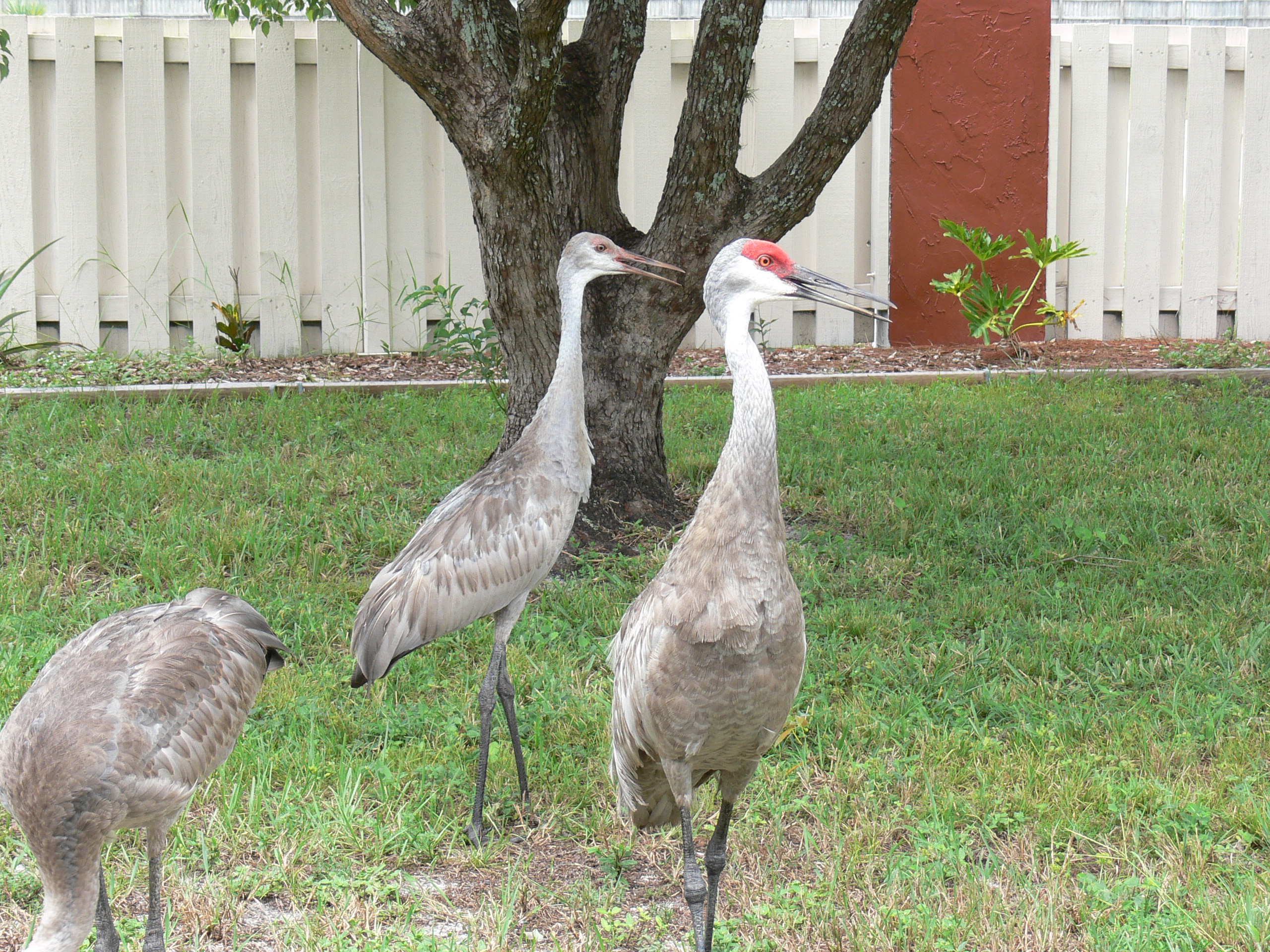
Sandhill Cranes - Adult and Juvenile in yard 8/27/10

Sandhill Cranes – Adult and Juvenile in yard 8/27/10

*

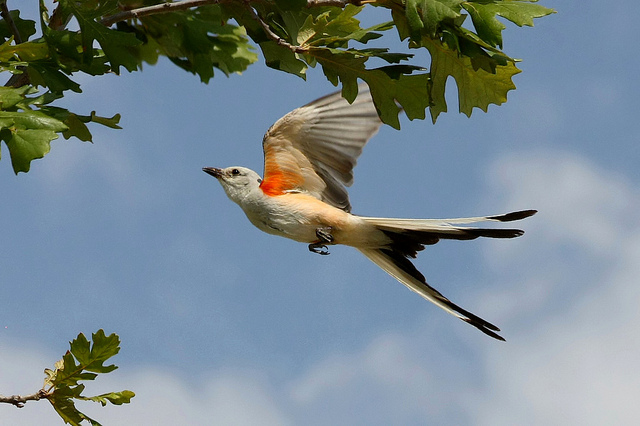
Scissor-tailed Flycatcher (Tyrannus forficatus) ©TexasEagle

Scissor-tailed Flycatcher (Tyrannus forficatus) ©TexasEagle

Barnes

Of beasts, and of fowls, and of creeping things, and of fishes – This is the usual Biblical division of the animal kingdom Gen_1:26; Gen_9:2; Psa_148:10.

Believer’s Bible Commentary

Verse 33 means that his wide knowledge of many sciences enabled him to use object lessons from nature in expounding his wisdom. People traveled from afar to hear him.

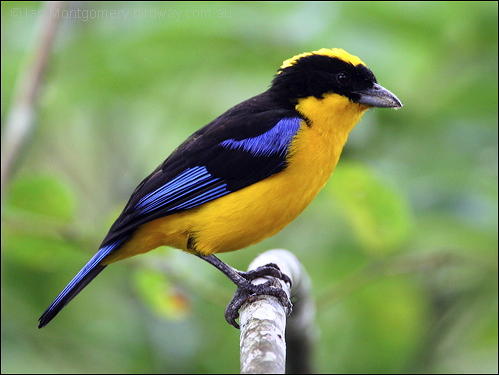
Blue-winged Mountain Tanager (Anisognathus somptuosus) by Ian

Blue-winged Mountain Tanager (Anisognathus somptuosus) by Ian

Bible Knowledge Commentary

1 Kings 4:32-34

Several hundred of Solomon’s 3,000 proverbs have been preserved in the Book of Proverbs as well as a few in Ecclesiastes. One of his 1,005 songs is the Song of Songs. Solomon’s literary output was extremely prolific (bountiful). He became an authority in botany and zoology too. … He was recognized as the wisest man of his day as God had promised he would be.

Under His Wings - (Dove - photographer unknown)

Under His Wings – (Dove – photographer unknown)

Biblical Illustrator

The study of Nature
It is said of Wordsworth that a stranger having on one occasion asked to see his study, the maid said, “This is master’s room, but he studies in the fields.” In doing so the poet followed a venerable example. We read that Isaac went out to meditate in the field at eventide, where in the margin “to pray” is put for “to meditate.” Nor could there be a better place either for prayer or for study than the fields. The Word of God is written very clearly for His seers in the green book of Nature. Wordsworth’s study is one that we can all use, however small our house may be. (Quiver.)

The world is worth seeing
Men must not live under a bushel. A gentleman once met a French priest on board an Atlantic liner. They entered into conversation, and the priest said that months ago he had a dream. He dreamt that he was dead, and that God asked him how much of the world he had seem His answer was that he had seen only a very little of it, for he had been so long in preparing for death, and in helping other people to die, that he had no time to see the world. He saw that God was displeased, and on awakening he resolved to see as much of this beautiful world as he could. It was a wise resolve. The earth is the Lord’s and not the devil’s, and we have no right to ignore it. Nature is a temple of God, and we must ever walk through it in a sacramental mood. (Sunday Circle.).

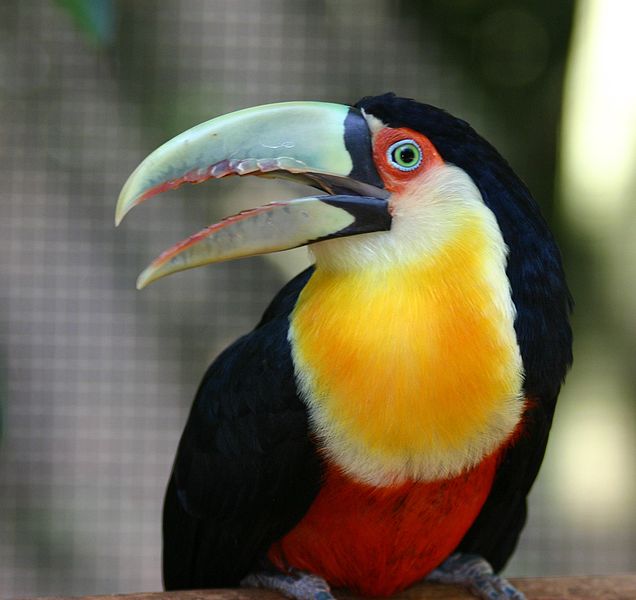
Green-billed Toucan (Ramphastos dicolorus) ©WikiC

Green-billed Toucan (Ramphastos dicolorus) ©WikiC

K & D

“And of beasts and birds, of creeping things and fishes;” the four principal classes into which the Hebrews divided the animal kingdom. Speaking of plants and animals presupposes observations and researches in natural science, or botanical and zoological studies.

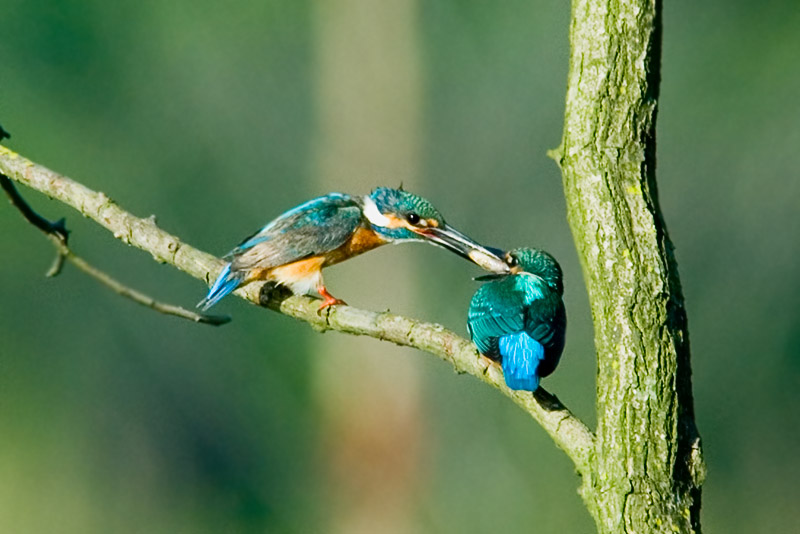
Kingfisher Feeding Young by Phil Kwong

Kingfisher Feeding Young by Phil Kwong

McGee

We are told that Solomon spoke three thousand proverbs. We have only a few hundred recorded in the Bible. His songs were a thousand and five. Believe me, he was a song writer. We have only one of his songs, The Song of Solomon. Solomon was a dendrologist—”He spake of trees, from the cedar tree that is in Lebanon even unto the hyssop that springeth out of the wall.” The hyssop is a humble little plant that grows on rocks. Solomon was also a zoologist—”he spake also of beasts”—and an ornithologist since he spoke of birds. He was an entomologist: he spoke of creeping things, or insects. He was an ichthyologist: he spoke of fishes. He spoke of these things because he had studied them and was an authority in these particular realms. This, apparently, is the beginning of the sciences. Solomon was interested in these things.

Some Answers

I have another Commentary to share thoughts from, but will save it for Part II. For now, let’s see if any of the first questions were answered.

The first two questions are unanswered for now. We will dig into that later. The next three seem to have some answers.

  • What kind of birds did he have to observe?
  • What did he learn about the birds?
  • Did he write any of his bird observations out?
  • The Lord gave him the wisdom, so how did he apply it?
  • What can we learn from Solomon about birds?

Solomon observed the birds and seems to have learned lessons and applications from them which are seen in Proverbs, Song of Solomon and some Psalms. So he recorded his findings. He gained his knowledge from the Lord, but he used his senses and observational skills to gain more knowledge. That is something we can do also with the Lord’s help. If we don’t apply ourselves to a topic, the knowledge is not going to just “pop” into our heads.

See:

*

Small Fire Department Rescues Birds

Blue-headed Vireo (Vireo solitarius) ©WikiC

Blue-headed Vireo (Vireo solitarius) ©WikiC

SMALL FIRE DEPARTMENT RESCUES BIRDS

"We'll have our hose ready."

“We’ll have our hose ready.”


“We’ll have our hose ready.”

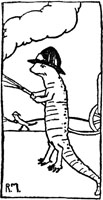
“The salamanders,” said daddy, “are little creatures very much like lizards in looks, except their skin is not scaly as a lizard’s. They have four legs and a tail, and are very nice, kind and gentle.

“Well, these salamanders agreed that they would have a fire department, and the next thing was to arrange for the hose and ladder. Finally it was decided that their salamander cousins should be chosen to run the hose and ladder.

“‘We shall call ourselves the fire and water fire department,’ said one of the fire salamanders. ‘It will be our business to rush in and rescue the animals who are in danger of being burned to death, and it will be your business to help them down to the brook, where we’ll have our hose ready to sprinkle them with good, cool water.’

“But days and days went by, and still no fire broke out.

“‘I know what’s the trouble,’ said another one of the fire salamanders. ‘We have no fire bell; there may have been fires that we knew nothing of; you never can tell.’

“‘Don’t be gloomy,’ said still another fire salamander. ‘We’ll have a fire bell. I know where a kind old cow left her bell from last year. We’ll put it by the stump just at the edge of the brook and all the animals can be told to move it when there is a fire. Then we will all come out and stop the fire.’

“And soon notices were put up all over the woods and around the brook which read:

“‘To the Animals: Attention! In case of fire, ring the cow bell by the brook. The Fire and Water Fire Department of the Salamanders will PUT IT OUT.’

“These notices were read by all the animals, and the very next day the salamanders heard the cow bell.

“‘Where’s the fire?’ they all shouted.

“‘Over there,’ said Grandfather Frog, who was watching the fire department start off.

“They wiggled and crawled as quickly as they could to the spot where the fire was. It was the vireo family’s nest. You know the vireos are those beautiful, shy birds that live in the woods and have such lovely voices. The fire salamanders rushed right into the fire and pulled out of the nest the vireo children just in time before their little feathers got burnt. And, of course, the Mother and Daddy Vireo were able to fly out.

“When they all reached the brook at last, the Mother and Daddy Vireo sang the most wonderful song as a reward to the brave salamander fire department.”


Lee’s Addition:

Warbling Vireo (Vireo gilvus) by Raymond Barlow

Warbling Vireo (Vireo gilvus) by Raymond Barlow

Red-eyed Vireo song from xeno-canto.

Let the word of Christ dwell in you richly in all wisdom; teaching and admonishing one another in psalms and hymns and spiritual songs, singing with grace in your hearts to the Lord. And whatsoever ye do in word or deed, do all in the name of the Lord Jesus, giving thanks to God and the Father by him. (Colossians 3:16-17 KJV)

The story doesn’t say which kind of Vireo this was, but Vireos belong to the Vireonidae – Vireos, Greenlets Family. They all have beautiful songs.

*

Another Bird Tales

From

Daddy’s Bedtime Bird Stories – Gutenberg ebooks

By

Mary Graham Bonner

With four illustrations in color by
Florence Choate and Elizabeth Curtis

Daddys Bedtime Story Images


These stories first appeared in the American Press Association Service and the Western Newspaper Union.


Many of the sketches in this volume are the work of Rebecca McCann, creator of the “Cheerful Cherub,” etc.

Daddy's Bedtime Bird Stories by Mary Graham Bonner - 1917

*
Daddy’s Bedtime Bird Stories by Mary Graham Bonner – 1917

*

Links:

Painted Bunting (Passerina ciris) ©©Flickr


  Bird Tales


  Daddy’s Bedtime Bird Stories


Spanish Sparrow (Passer Hispaniolensis) female ©WikiC


  Wordless Birds


*

Golden Eagle – Noah and the Dove

Mourning Dove by Reinier Munguia

Mourning Dove by Reinier Munguia

Noah and the Dove ~

Golden Eagle

Golden Eagle ©PD

Golden Eagle ©PD

Hi again boys and girls! It’s me, the Golden Eagle. In case your wondered my nest is in sunny Florida! I think there are close to 400 different species just in this state! Hey, have you started to keep your journal yet? Write done the birds you see, what the birds are doing, what time of day that you see the birds, and anything that might be out of the ordinary! This Bible and bird journey should get very interesting!

And he waited yet another seven days, and again he sent the dove out from the ark. Then the dove came to him in the evening, and behold, a freshly plucked olive leaf was in her mouth; and Noah knew that the waters had receded from the earth. So he waited yet another seven days and sent out the dove, which did not return again to him anymore. (Genesis 8:10-12 NKJV)

This whole wide earth was at one time, in the past, covered with water! Now that is really not hard to believe. Even today, the earth is covered with water, about 70% of the Earth’s surface is covered with the stuff! In our Solar System we are the only WATER PLANET! Every mountain was at one point covered with water. Scientists have even found sea shells on the top of Mt Everest! Your average Scientist thinks that Noah’s flood is just a myth, and that the surface of Mars was shaped by a flood! The truth of the Bible teaches us that the surface of the Earth was shaped by water! The Grand Canyon of the United States was carved out by a lot of water in a little bit of time. Of course the evolutionists say that the Grand Canyon was formed over millions of years by a little bit of water, the Colorado River.

White Dove ©©

White Dove ©©

On the wings of a snow white dove! The DOVE is a beautiful bird. It flies ever so gently with the color of a white snowflake. Sometimes even people today liken the Holy Spirit of God to the dove. White in holiness and purity, flying here and there, the Holy Spirit whispers to our minds and to our hearts that JESUS is indeed the Son of God, Heaven is real, the Bible is true, and after death there is something more in God’s wonderful purpose for you and me!

Hey kids! Start reading at least one chapter in the Bible each and every day! And don’t forget to join the ranks of the birders of the world! Until next time, this is the Golden Eagle soaring away into the sunset and my next meal! See Ya!!!

*
Keep A Journal

Bible Birds – Doves and Pigeons

More from Golden Eagle

*

Story of Jonah ~ by Mary Margaret

A friend sent me this link to a young girl telling the story of Jonah. It is amazing and she is doing all from memory. She looks as time as if she is reading, but she isn’t.

*

*

Now the word of the LORD came unto Jonah the son of Amittai, saying, Arise, go to Nineveh, that great city, and cry against it; for their wickedness is come up before me. But Jonah rose up to flee unto Tarshish from the presence of the LORD, and went down to Joppa; and he found a ship going to Tarshish: so he paid the fare thereof, and went down into it, to go with them unto Tarshish from the presence of the LORD. (Jonah 1:1-3 KJV)

*

Interesting Things – Not So Bird-Brained

Great Blue Heron (Ardea herodias) Sleeping by Lee at Circle B

Great Blue Heron (Ardea herodias) Sleeping by Lee

NOT SO BIRD-BRAINED ~ by Creation Moments

So God created . . . every winged bird according to its kind. And God saw that it was good. (Genesis 1:21)

How do you take a much-needed nap or get a good night’s sleep when you must be alert to danger? Human beings designate people to stay awake and watch for danger when they sleep. Then, they set up warning systems.

SmileyCentral.com

Since birds are much more vulnerable to danger, God gave them the ability to do these things on a simple scale, and then He gave them one more amazing gift. Many birds are able to put half of their brain to sleep, while the other half stays awake and alert. The eye that serves the sleeping half even closes, while the eye that serves the waking half of the brain stays alert, searching for danger. After the first sleeping half is nicely rested, it wakes up, and the other half goes to sleep. Of course, these birds can also put both sides of the brain to sleep at the same time, just as we do. Whales, seals and dolphins are among the non-birds that can half-brain sleep as well.

Evidence of the clever design of this half-brain sleep ability can be seen in the fact that where two birds sleep next to each other, each bird will put the half of the brain that faces its partner to sleep. Once that half is rested, they change places, so the other half of their brain can sleep.

When Scripture tells us that God looked at His creation and declared it “good,” God’s standard for good is perfection. His ingenious design, which would allow birds to protect themselves even when sin and death entered the creation, is part of the goodness of God’s creation.

Prayer:
I thank You, Lord, that You made a creation perfect and so beautiful that even in could not completely destroy it. Amen.

Notes:
S. Milius, Half-asleep birds choose which half dozes, Science News, February 6, 1999, v.155, p.86

©Creation Moments

*