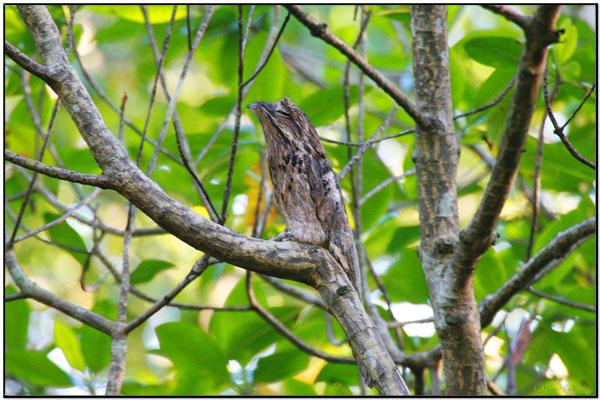
Common Potoo (Nyctibius griseus) by Daves BirdingPix
“For he will hide me in his shelter in the day of trouble; he will conceal me under the cover of his tent; he will lift me high upon a rock. (Psalms 27:5 ESV)
Considering yesterday’s blog, the song, “Hide Thou Me” came to mind. This song was used before, but it is so appropriate. Today’s Inspiration features the birds in the Frogmouth and Potoo families. You will see how the Lord has provided for them to HIDE through their behavior and coloration He has given them.
He who can no longer pause to wonder and stand rapt in awe is as good as dead; his eyes are closed. ~Albert Einstein
*
And God saw every thing that he had made, and, behold, it was very good. And the evening and the morning were the sixth day. (Genesis 1:31 KJV)
We will not hide them from their children, shewing to the generation to come the praises of the LORD, and his strength, and his wonderful works that he hath done. (Psalms 78:4 KJV)
This slideshow requires JavaScript.
*
But the LORD has been my defense, And my God the rock of my refuge. (Psalms 94:22 NKJV)
“Hide not thy face from me in the day when I am in trouble; incline thine ear unto me: in the day when I call answer me speedily. (Psalms 102:2 KJV)
Dan and I just returned from a three-day birdwatching adventure. With almost 1,000 photos and videos to sort, name, and clean-up, I’ll have plenty to post.
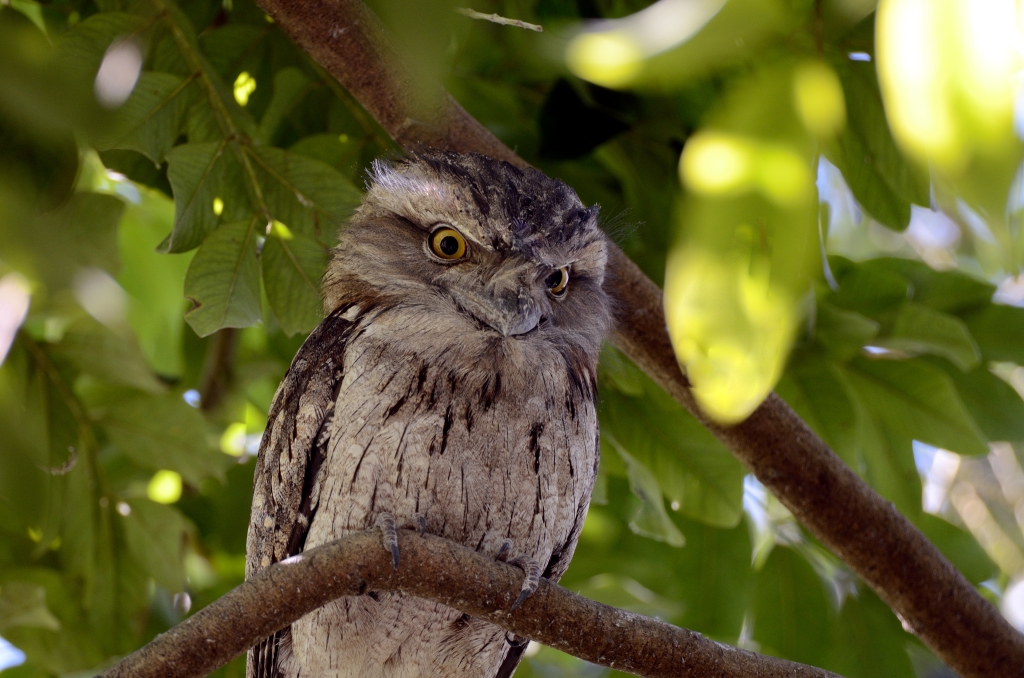
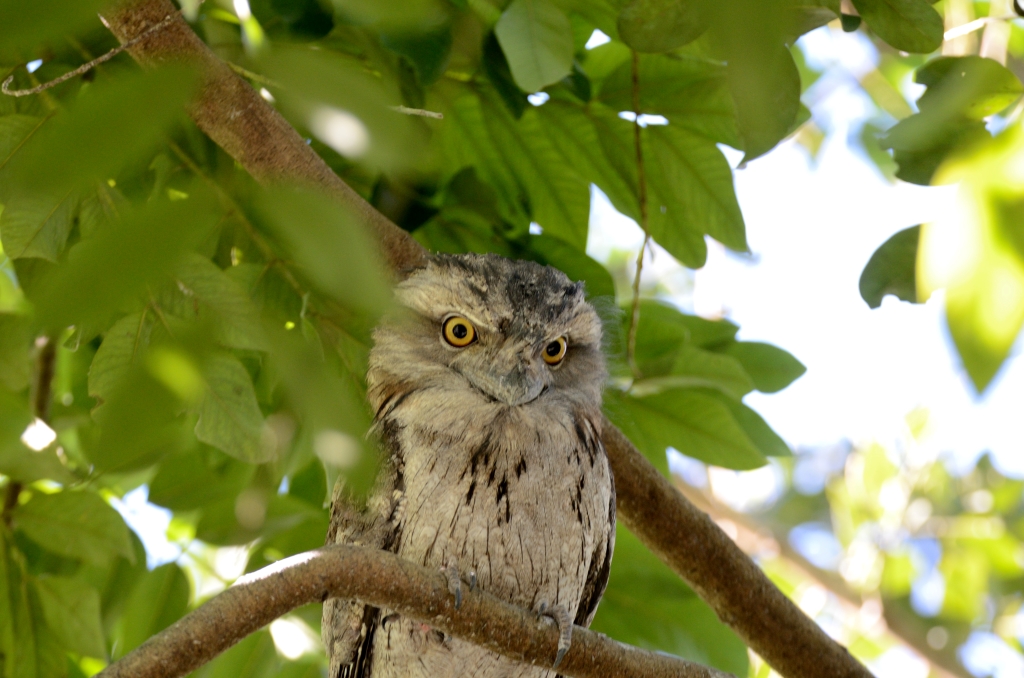
The Tawny Frogmouth (Podargus strigoides) is becoming a favorite of mine, because they are so hard to find. The Lord has given them such camouflage and an ability to freeze when threatened, they are a challenge. We were fortunate this time while visiting the Wings of Asia aviary at Zoo Miami. By following the feeder, that enjoys the birds as much as just working there, he helped us find the new Tawny Frogmouth. They now have two of them. This new one is more active and alert. Could it be that the feeder had a cup with 4 mice in it?
Tawny Frogmouth at Wings of Asia by Dan
We actually saw Tawny with his eyes open and I even got a short video of him opening that mouth that gives them their name.
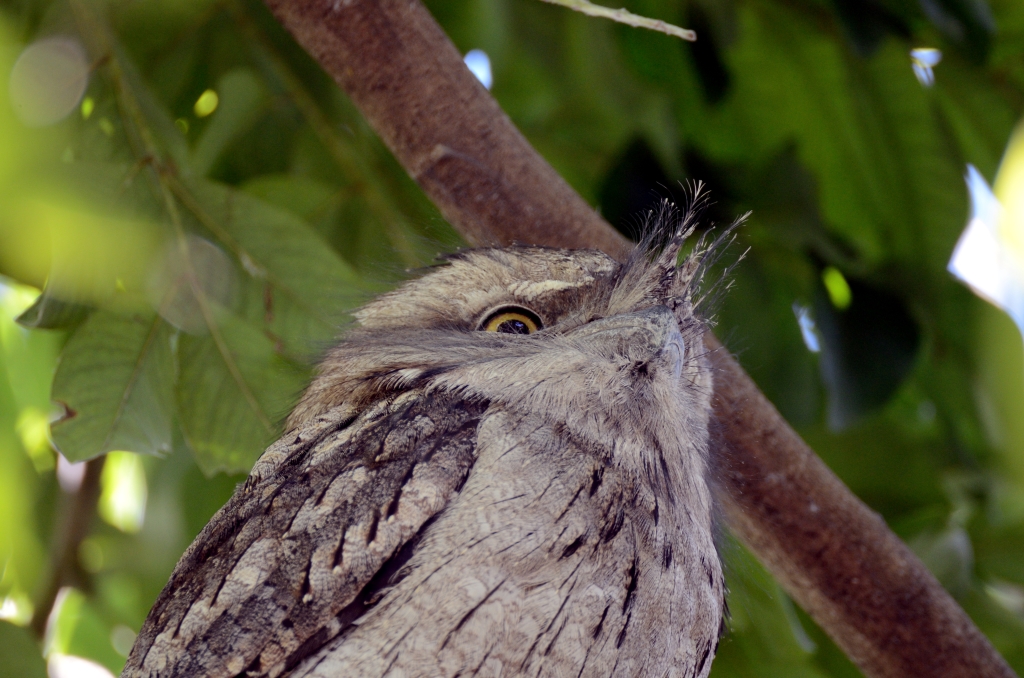
“Masters of Camouflage Related to Oilbirds, Whip-poor-wills, and Nighthawks, the Tawny Frogmouth’s excellent camouflage covering makes it look like dried leaves. When frightened, the bird freezes in plosition and, with its cryptic colorations, looks like broken bramches.” (Amazing Bird Facts and Trivia, p 135) Isn’t the Lord’s Wisdom fantastic?
Tawny Frogmouth at Wings of Asia by Dan
Another book, (National Geographic, Bird Coloration, p 150-151). says this: “Some birds hide not by being hard to discern, but by appearing not to be birds. The birds that best mimic inanimate objects are found in two groups of distantly related nightjars, the potoos in the Neotropics and the frogmouths in tropical Asia and Australia. Species in both of these groups hunt flying insects at night and rest during the day. Potoos and frogmouths use a strategy to hide during the day that differs … They hide conspicuously in view. The strategy…is to look exactly like an extension of a branch on which the bird sit.”
“Deliver me, O LORD, from mine enemies: I flee unto thee to hide me. (Psalms 143:9 KJV)
Tawny Frogmouth at Wings of Asia by Dan
“They are named for their large flattened hooked bills and huge frog-like gape, which they use to capture insects. Their flight is weak. Their longer bristles which may exist to protect the eyes from insect prey. Tawny frogmouths are large, big-headed birds that can measure from 13 to 21 in (34 to 53 cm) long….stocky and compact with rounded wings and short legs. They have wide, heavy olive-grey to blackish bills that are hooked at the tip and topped with distinctive tufts of bristles.Their eyes are large, yellow, and frontally placed, a trait shared by owls” (Wikipedia)
This slideshow requires JavaScript.
*
This video is of two segments. The keeper tried to get him to come down and then we came back a second time. Several photographers were waiting to get a photo of him coming down, but I guess this calls for another excuse to visit the Wings of Asia.
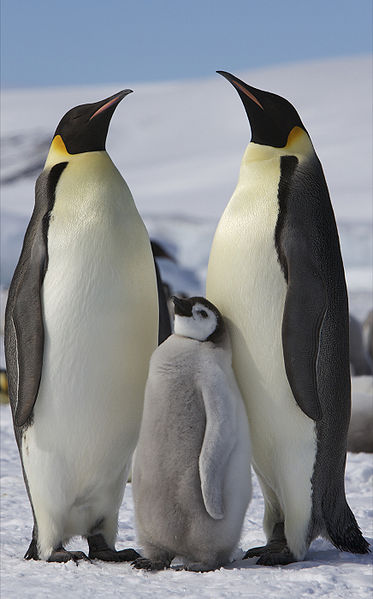
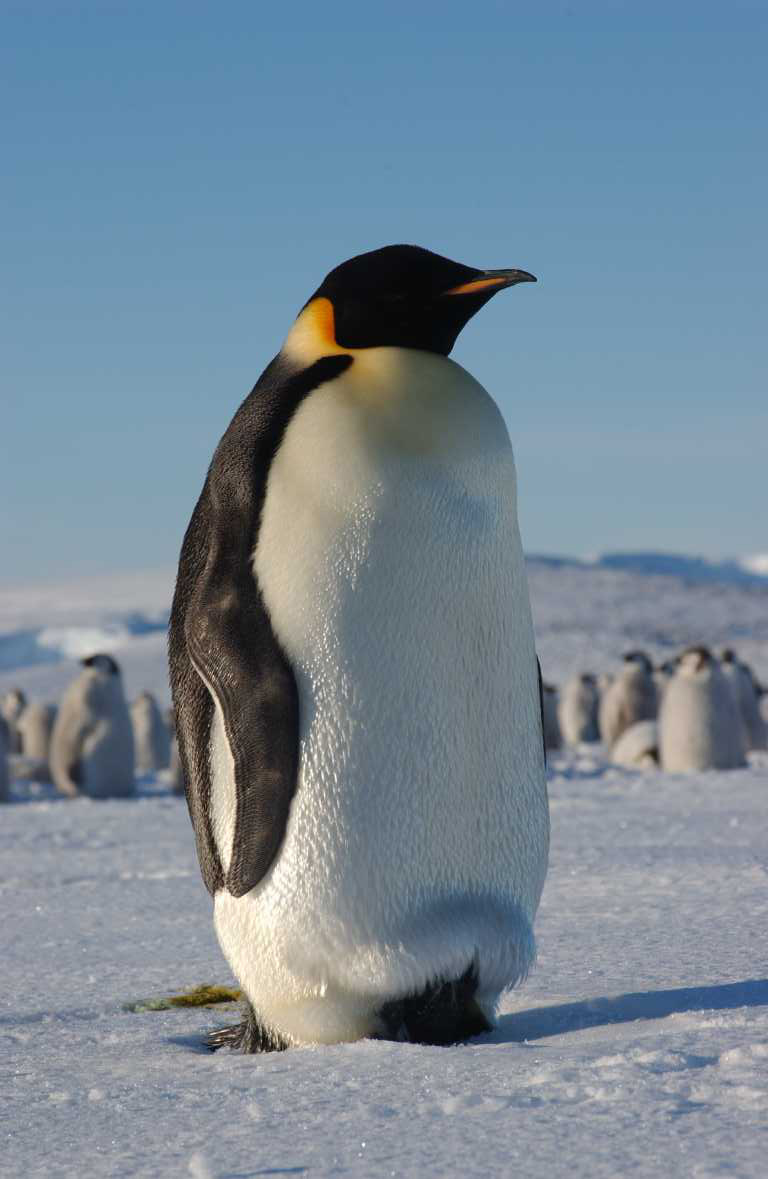
Once there was a penguin named Lizzy who lived with many other penguins in cold Antarctica.
As the penguins traveled through the winter, Lizzy watched with great interest all the eggs that lay on the penguin dad’s feet. Lizzy was too young to go fishing with all the mother penguins that year, so she was traveling with the father penguins to someplace slightly warmer.
Eventually all of the penguins came to an enormous, icy lake that was too large to go around. The penguin parents huddled together and decided to build a catapult out of some wood they brought with them to build their homes. The catapult would shoot penguins one at a time over the lake. The penguins decided this because the dad penguins could not cross the lake with eggs; and, if they all traveled across it at once, the ice might break. The penguins decided the eggs would be safe because there was a lot of snow on the other side of the lake which would cushion their landing.
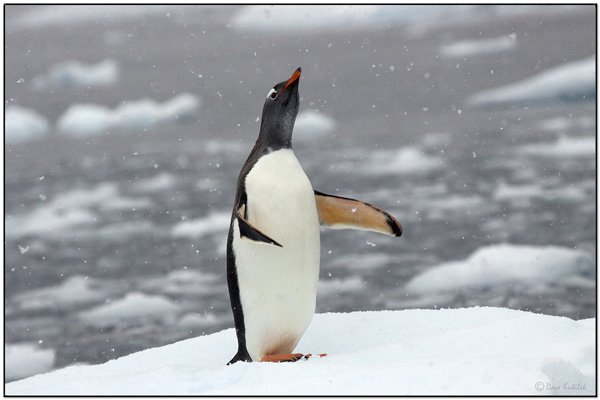
Gentoo Penguin – Paradise Bay
Lizzy helped build the catapult and it wasn’t long before it was finally completed.
The first penguin had to be launched by the catapult, but no penguin was willing to do it. Lizzy was a brave penguin and decided to go first.
The catapult was launched, and Lizzy flew through the air. She was actually flying!
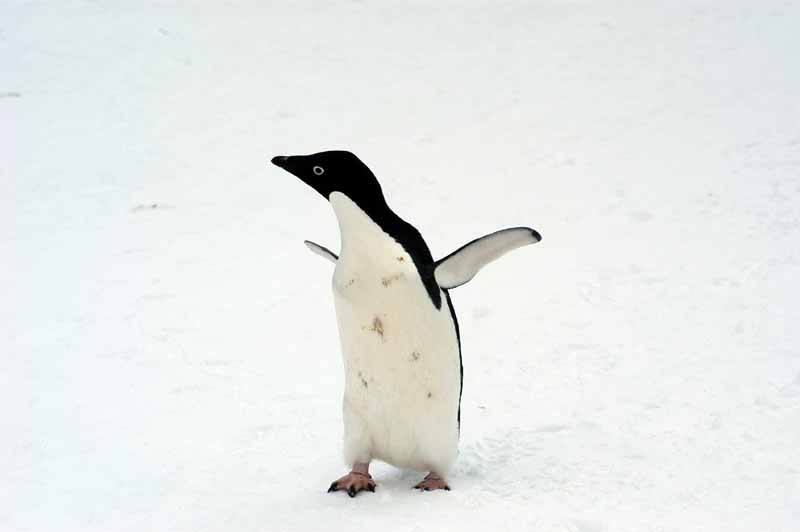
Adelie Penguin (Pygoscelis adeliae) by Bob-Nan
Lizzy landed softly and safely in the snow on the other side of the lake and waved to the other penguins. One by one, the rest of the penguins catapulted over the lake with the eggs. When they were all safely on the other side, they traveled to their new home.
The End
Lee’s Addition:
“Be anxious for nothing, but in everything by prayer and supplication, with thanksgiving, let your requests be made known to God; (Philippians 4:6 NKJV)
Thanks, Emma, for another delightful story. Lizzy is one brave little Penguin and also willing to help out.
I am sure the penguins, even though not humans, were thankful to their Creator for taking care of them.
“But now ask the beasts, and they will teach you; And the birds of the air, and they will tell you; Or speak to the earth, and it will teach you; And the fish of the sea will explain to you. Who among all these does not know That the hand of the LORD has done this, In whose hand is the life of every living thing, And the breath of all mankind? (Job 12:7-10 NKJV)
“Speaking to yourselves in psalms and hymns and spiritual songs, singing and making melody in your heart to the Lord; Giving thanks always for all things unto God and the Father in the name of our Lord Jesus Christ; (Ephesians 5:19-20 KJV)
Another year has gone by and how thankful have we been for the events and things that have happened? Trust you spend some time thanking and praising the Lord for His blessings and watch care for you.
Things are not always pleasant as we go through them, but we can still have a good attitude. This year has had some challenges, but many, many blessings. Learn to look on the positive side of things. Look around! Realize God is in control, He knows our needs, and He gives us so many blessings that way out-number our challenges.
“Giving thanks always for all things unto God and the Father in the name of our Lord Jesus Christ; (Ephesians 5:20 KJV)
While you are looking up to praise the Lord you just might see a bird flying by. When we considered His beauty all around us, especially in the variety of the birds and their fantastic color and care provided for them, how can we not know that He cares for us?
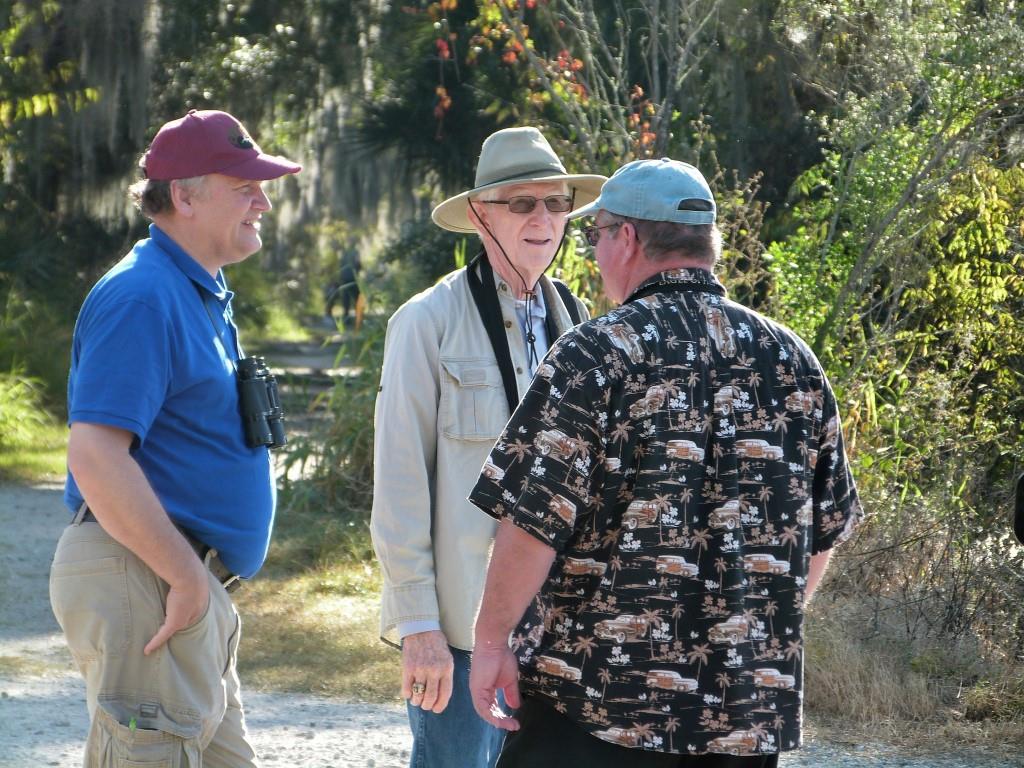
A great blessing was a few weeks ago when Dan and I got to go birding with Dr. Jim (James) and Golden Eagle (Baron). They both have added greatly to the blog, for which I am very thankful. Fantastic Week-end
The Birders at Circle B Bar Reserve c)
During this last year, the Sunday Inspiration was introduced. It’s hard to believe over 40 have them have been produced. Many of you have left comments of being blessed and thankful for them. Thank you for the encouragement to keep doing it.
I am also thankful for another year (51st) with my husband, Dan, who is my second love. Sorry, Dan, but the Lord is first. He knows that because I am in number two place also. I am thankful for Dan who has the Lord also as number One.
My church, Faith Baptist Church, is something we are very thankful. We have a great pastor and pastoral staff, plus great people who attend and serve there.
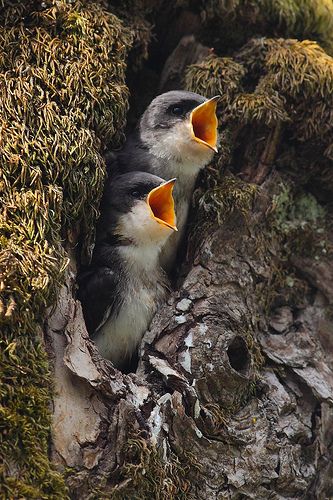
Tree Swallows Ridgefield National Wildlife Refuge by jeremyjonkman on Flickr From Pinterest
“Being enriched in every thing to all bountifulness, which causeth through us thanksgiving to God. (2 Corinthians 9:11 KJV)
While thinking about a post for this Thanksgiving, I looked back to see what had been written in the past. Wow! Had forgotten so many have been posted. From way back in 2008, the first year of the blog until last year when I got wound up and posted several. So, today, the day before Thanksgiving, it’s time to bring those back out to review. Part of Thanksgiving is remembering all our blessings from the past.
Happy Thanksgivingwas written in 2008. (I actually still had some color in my hair.) :))
I can see I am going to be challenged to come up with something for tomorrow. But the following verse assures me, there are still many blessings to recount. Your visits to the blog are a great blessings.
Through the LORD’s mercies we are not consumed, Because His compassions fail not. They are new every morning; Great is Your faithfulness. (Lamentations 3:22-23 NKJV)
These all died in faith, not having received the promises, but having seen them afar off, and were persuaded of them, and embraced them, and confessed that they were strangers and pilgrims on the earth. (Hebrews 11:3)
Dearly beloved, I beseech you as strangers and pilgrims, abstain from fleshly lusts, which war against the soul. (1st Peter 2:11)
The phrase “strangers and pilgrims” occurs twice in the New Testament (KJV), in Hebrews 11:3 and in 1st Peter 2:11, as quoted above.
The English word “pilgrim” is a translation of the New Testament Greek noun parepidêmos, which refers to a foreigner who immigrates as a settler, taking up residence in a new land, beside the original inhabitants of that place. A similar thought appears in 1st Peter 1:1, which refers to believers who are “strangers”, dispersed (“scattered”) like seeds in foreign lands belonging to other peoples.
Even today Christians live in and among lands dominated by nonbelievers (Psalm 73:12). Because we are “in” the world, yet not “of” the world (see John 17:14-17), we live “near” our non-Christians neighbors, yet our Christ-focused lives are noticeably separate from “the world” (e.g., in our beliefs, priorities, moral values, etc.).
A similar word appears in the Old Testament, translated as “pilgrimage” (Hebrew: magûr, derived from the Hebrew verb gûr, meaning to “sojourn” or “migrate”). The noun “pilgrimage” appears in Genesis 47:9 (twice); Exodus 6:4; and Psalm 119:54. [See Young’s Analytical Concordance, page 752, column 3.]
Like the English Pilgrims of old, our “pilgrimage” is a holy journey, through this earthly lifetime, adventurously walking with our great God, in spiritual fellowship with brothers and sisters in Christ. That “pilgrimage” is an ongoing witness to the watching world (1st Corinthians 4:9) – because we each live our lives in the presence of observing nonbelievers “near” us, whose lives are spiritually separate from us (Daniel 5:22-23).
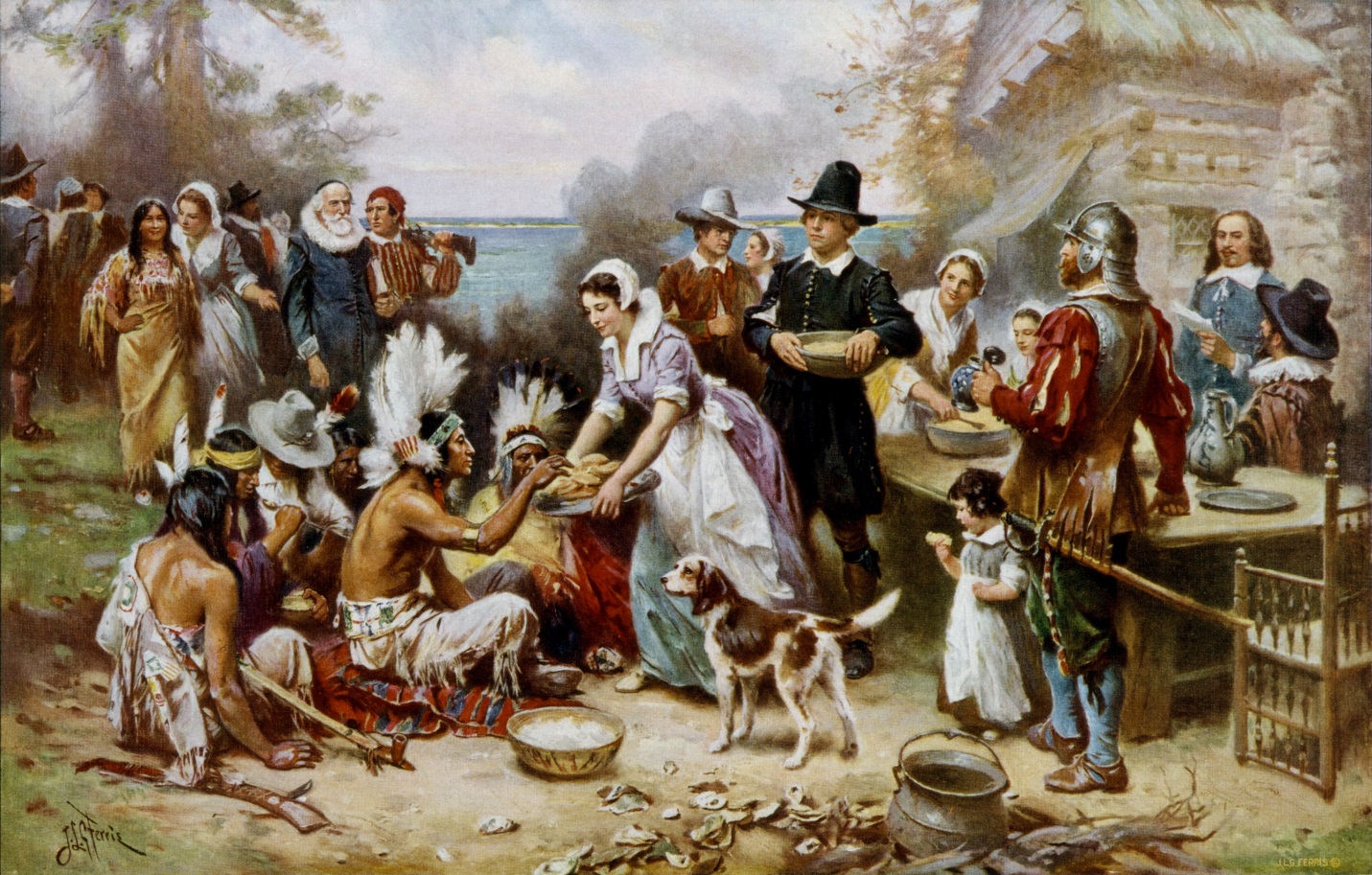
During Thanksgiving season, in America, we remember God’s historic providence at Plymouth Plantation, which was celebrated by a thanksgiving feast, a sacred occasion where the Pilgrims (a/k/a “Separatists”) shared their harvest bounty with many local Indian tribesmen, who themselves contributed quite a bit of wild game to the festive event.
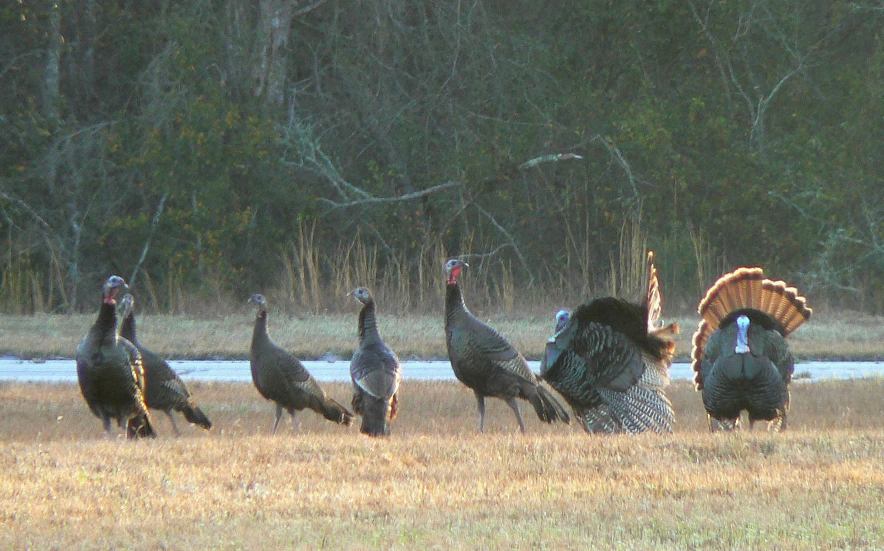
The American Turkey(Meleagris gallopavo).
But is there any historical record of the Pilgrims’ first Thanksgiving feast (AD1621) really featuring wild turkey?
Yes. One of the original Pilgrims, William Bradford, kept a careful chronicle of the important events at Plymouth, and he reported the context of the Pilgrim’s harvest-time during the fall of AD1621:
[During the autumn of AD1621 the Plymouth Pilgrims, with the help of Squanto] found the Lord to be with them in all their ways, and to bless their outgoings and incomings, for which let His holy name have the praise forever, to all posterity.
They began now to gather in the small harvest they had, and to fit up their houses and dwellings against winter, being all well recovered in health and strength and had all things in good plenty. For as some were thus employed in affairs abroad, others were exercised in fishing, about cod and bass and other fish, of which they took good store, of which every family had their portion. All the summer there was no want; and now began to come in store of fowl, as winter approached, of which this place did abound when they came first (but afterward decreased by degrees). And besides waterfowl there was a great store of wild turkeys, of which they took many, besides venison, etc. Besides they had about a peck a meal a week to a person, or now since harvest, Indian corn to that proportion. Which made many afterwards write so largely of their plenty here to their friends in England, which were not feigned but true reports.
Quoting William Bradford, Of Plimouth Plantation 1620-1647 (Alfred A. Knopf, 1989; edited by Samuel Eliot Morison), page 90.
But it was another Pilgrim, Edward Winslow, who reported (within a letter dated December 11th of AD1621) on the specific activities at the Pilgrim’s historic Thanksgiving feast that season:
Our harvest being gotten in, our Governor sent four men on fowling (i.e., hunting wild birds, such as turkeys, quail, etc.), so that we might after a more special manner rejoice together, after we had gathered the fruit of our labors. They four in one day killed as much fowl as, with a little help beside, served the Company almost a week. At which time, amongst other recreations, we exercised our arms [i.e., used their firearms for target practice], many of the Indians coming amongst us, and amongst the rest their [i.e., the Wampanoag tribe’s] greatest king, Massasoit with some 90 men, whom for three days we entertained and feasted. And they went out and killed five deer which they brought to the plantation and bestowed on our Governor and upon the Captain [Miles Standish] and others.
Quoting Edward Winslow, in Mourt’s Relation, pages 60 et seq., as quoted by Samuel Eliot Morison in Footnote 8 on page 90 of Bradford’s Of Plymouth Plantation 1620-1647 (noted above).
The first Thanksgiving was spontaneous. Years later the Pilgrims celebrated other days of thanksgiving, sometimes at the direction of the colonial governor. [See above, William Bradford, Of Plymouth Plantation, at page 132.]
By combining William Bradford’s report of the “wild turkeys” (as the most notable wild-fowl hunted by the Pilgrims) with Edward Winslow’s report of the wild fowl hunting for the first Thanksgiving feast, we can fairly conclude that America’s wild turkey (Meleagris gallopavo) rightly belongs as part of the American Thanksgiving feast tradition.
But Thanksgiving is not just about being thankful for harvested food – we should also be thankful as “pilgrims and strangers” who are now living “in” the world, yet not “of” the world, because our true citizenship is actually in Heaven (Philippians 3:20), where our Lord Jesus Christ, Who Himself is our greatest Blessing, is seated at the right hand of God our Heavenly Father – until the day He returns, as King, to the world that He created. Maranatha!
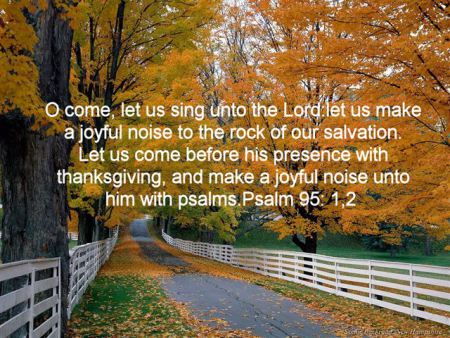
Give thanks unto the LORD, call upon his name, make known his deeds among the people. Sing unto him, sing psalms unto him, talk ye of all his wondrous works. (1 Chronicles 16:8-9 KJV)
O give thanks unto the LORD; for he is good; for his mercy endureth for ever. (1 Chronicles 16:34 KJV)
As we enter into the Thanksgiving Holiday week, with visits with family and friends, meals to prepare and eat, parades and games to watch, don’t forget to be thankful for our Creator of all this. He is Worthy of our Thanksgiving and Worship.
I am thankful for all the fantastic friends we have met through this blog (you, the readers). I am also thankful for those that contribute to the blog, like James J. S. Johnson (Dr. Jim) and Golden Eagle (Baron Brown) with which we recently went on a birdwatching adventure. Thankful for our other contributors as well.
Finally cleaned up the photos from that adventure and many are in the slideshow. Definitely thankful for all the birds the Lord gave us. He is “Worthy of Worship”
This slideshow requires JavaScript.
“Worthy of Worship” ~ Faith Baptist Orchestra
WORTHY OF WORSHIP
(York/Blankenship)
Worthy of Worship, worthy of praise,
Worthy of honor and glory,
Worthy of all the glad songs we can sing,
Worthy of all of the offerings we bring.
You are worthy, Father, Creator.
You are worthy, Savior, Sustainer.
You are worthy, worthy and wonderful;
Worthy of worship and praise.
Worthy of reverence, worthy of fear,
Worthy of love and devotion;
Worthy of bowing and bending of knees,
Worthy of all this, and added to these…
You are worthy, Father, Creator.
You are worthy, Savior, Sustainer.
You are worthy, worthy and wonderful;
Worthy of worship and praise.
Almighty Father, Master, and Lord,
King of all kings and Redeemer,
Wonderful Counselor, Comforter, Friend,
Savior and Source of our life without end.
You are worthy, Father, Creator.
You are worthy, Savior, Sustainer.
You are worthy, worthy and wonderful;
Worthy of worship and praise.
CHAPTER 5. Peter Learns Something He Hadn’t Guessed.
Running over to the Old Orchard very early in the morning for a little gossip with Jenny Wren and his other friends there had become a regular thing with Peter Rabbit. He was learning a great many things, and some of them were most surprising.
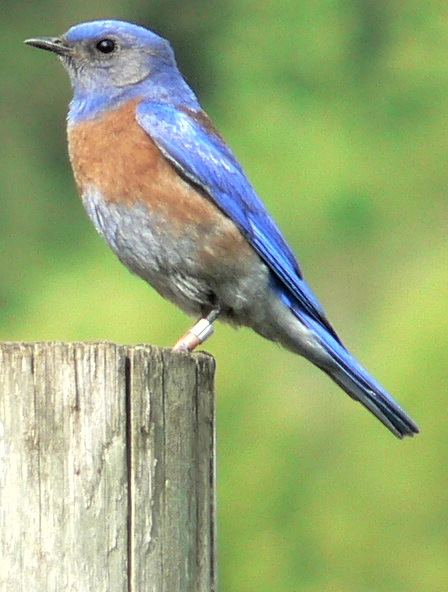
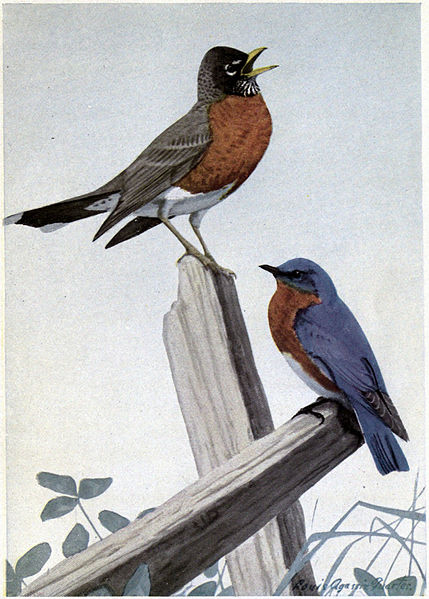
Now two of Peter’s oldest and best friends in the Old Orchard were Winsome Bluebird and Welcome Robin. Every spring they arrived pretty nearly together, though Winsome Bluebird usually was a few days ahead of Welcome Robin. This year Winsome had arrived while the snow still lingered in patches. He was, as he always is, the herald of sweet Mistress Spring. And when Peter had heard for the first time Winsome’s soft, sweet whistle, which seemed to come from nowhere in particular and from everywhere in general, he had kicked up his long hind legs from pure joy. Then, when a few days later he had heard Welcome Robin’s joyous message of “Cheer-up! Cheer-up! Cheer-up! Cheer-up! Cheer!” from the tiptop of a tall tree, he had known that Mistress Spring really had arrived.
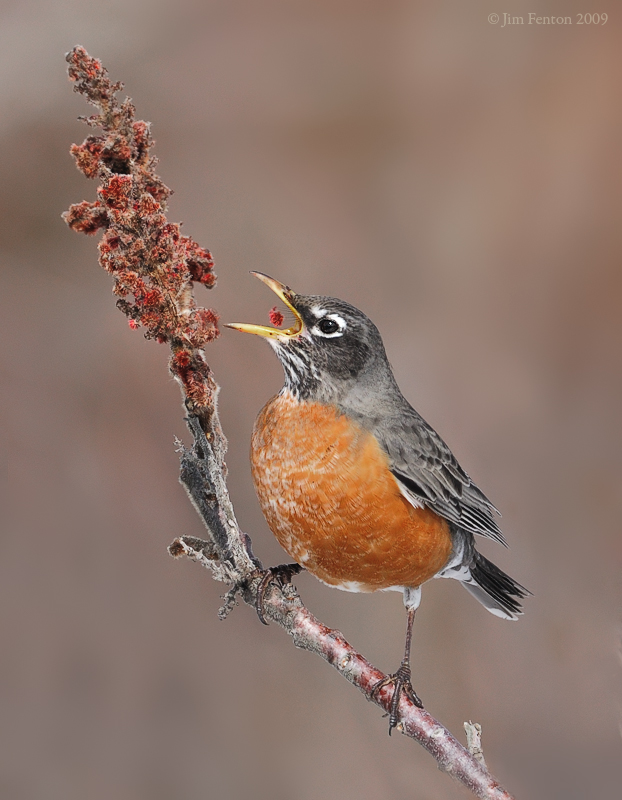
Robin Eating by Jim Fenton
Peter loves Winsome Bluebird and Welcome Robin, just as everybody else does, and he had known them so long and so well that he thought he knew all there was to know about them. He would have been very indignant had anybody told him he didn’t.
“Those cousins don’t look much alike, do they?” remarked Jenny Wren, as she poked her head out of her house to gossip with Peter.
“What cousins?” demanded Peter, staring very hard in the direction in which Jenny Wren was looking.
“Those two sitting on the fence over there. Where are your eyes, Peter?” replied Jenny rather sharply.
Peter stared harder than ever. On one post sat Winsome Bluebird, and on another post sat Welcome Robin. “I don’t see anybody but Winsome and Welcome, and they are not even related,” replied Peter with a little puzzled frown.
“Tut, tut, tut, tut, tut, Peter!” exclaimed Jenny Wren. “Tut, tut, tut, tut, tut! Who told you any such nonsense as that? Of course they are related. They are cousins. I thought everybody knew that. They belong to the same family that Melody the Thrush and all the other Thrushes belong to. That makes them all cousins.”
“What?” exclaimed Peter, looking as if he didn’t believe a word of what Jenny Wren had said. Jenny repeated, and still Peter looked doubtful.
Then Jenny lost her temper, a thing she does very easily. “If you don’t believe me, go ask one of them,” she snapped, and disappeared inside her house, where Peter could hear her scolding away to herself.
The more he thought of it, the more this struck Peter as good advice. So he hopped over to the foot of the fence post on which Winsome Bluebird was sitting. “Jenny Wren says that you and Welcome Robin are cousins. She doesn’t know what she is talking about, does she?” asked Peter.
Winsome chuckled. It was a soft, gentle chuckle. “Yes,” said he, nodding his head, “we are. You can trust that little busybody to know what she is talking about, every time. I sometimes think she knows more about other people’s affairs than about her own. Welcome and I may not look much alike, but we are cousins just the same. Don’t you think Welcome is looking unusually fine this spring?”
“Not a bit finer than you are yourself, Winsome,” replied Peter politely. “I just love that sky-blue coat of yours. What is the reason that Mrs. Bluebird doesn’t wear as bright a coat as you do?”
“Go ask Jenny Wren,” chuckled Winsome Bluebird, and before Peter could say another word he flew over to the roof of Farmer Brown’s house.
Back scampered Peter to tell Jenny Wren that he was sorry he had doubted her and that he never would again. Then he begged Jenny to tell him why it was that Mrs. Bluebird was not as brightly dressed as was Winsome.
“Mrs. Bluebird, like most mothers, is altogether too busy to spend much time taking care of her clothes; and fine clothes need a lot of care,” replied Jenny. “Besides, when Winsome is about he attracts all the attention and that gives her a chance to slip in and out of her nest without being noticed. I don’t believe you know, Peter Rabbit, where Winsome’s nest is.”
Peter had to admit that he didn’t, although he had tried his best to find out by watching Winsome. “I think it’s over in that little house put up by Farmer Brown’s boy,” he ventured. “I saw both Mr. and Mrs. Bluebird go in it when they first came, and I’ve seen Winsome around it a great deal since, so I guess it is there.”
“So you guess it is there!” mimicked Jenny Wren. “Well, your guess is quite wrong, Peter; quite wrong. As a matter of fact, it is in one of those old fence posts. But just which one I am not going to tell you. I will leave that for you to find out. Mrs. Bluebird certainly shows good sense. She knows a good house when she sees it. The hole in that post is one of the best holes anywhere around here. If I had arrived here early enough I would have taken it myself. But Mrs. Bluebird already had her nest built in it and four eggs there, so there was nothing for me to do but come here. Just between you and me, Peter, I think the Bluebirds show more sense in nest building than do their cousins the Robins. There is nothing like a house with stout walls and a doorway just big enough to get in and out of comfortably.”
Peter nodded quite as if he understood all about the advantages of a house with walls. “That reminds me,” said he. “The other day I saw Welcome Robin getting mud and carrying it away. Pretty soon he was joined by Mrs. Robin, and she did the same thing. They kept it up till I got tired of watching them. What were they doing with that mud?”
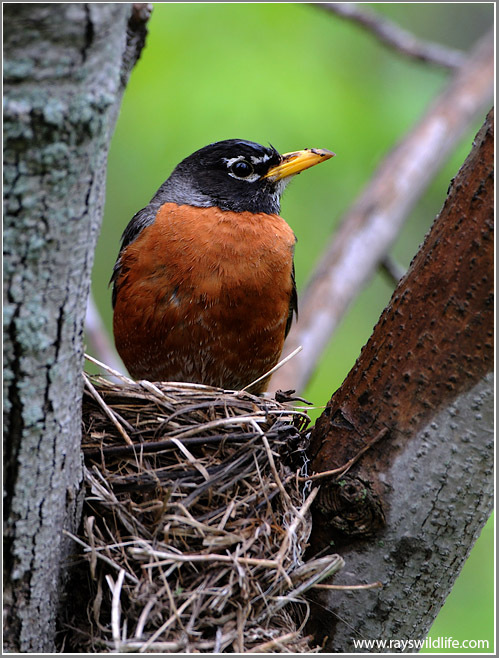
American Robin (Turdus migratorius) in nest by Ray
“Building their nest, of course, stupid,” retorted Jenny. “Welcome Robin, with that black head, beautiful russet breast, black and white throat and yellow bill, not to mention the proud way in which he carries himself, certainly is a handsome fellow, and Mrs. Robin is only a little less handsome. How they can be content to build the kind of home they do is more than I can understand. People think that Mr. Wren and I use a lot of trash in our nest. Perhaps we do, but I can tell you one thing, and that is it is clean trash. It is just sticks and clean straws, and before I lay my eggs I see to it that my nest is lined with feathers. More than this, there isn’t any cleaner housekeeper than I am, if I do say it.
“Welcome Robin is a fine looker and a fine singer, and everybody loves him. But when it comes to housekeeping, he and Mrs. Robin are just plain dirty. They make the foundation of their nest of mud,—plain, common, ordinary mud. They cover this with dead grass, and sometimes there is mighty little of this over the inside walls of mud. I know because I’ve seen the inside of their nest often. Anybody with any eyes at all can find their nest. More than once I’ve known them to have their nest washed away in a heavy rain, or have it blown down in a high wind. Nothing like that ever happens to Winsome Bluebird or to me.”
Jenny disappeared inside her house, and Peter waited for her to come out again. Welcome Robin flew down on the ground, ran a few steps, and then stood still with his head on one side as if listening. Then he reached down and tugged at something, and presently out of the ground came a long, wriggling angleworm. Welcome gulped it down and ran on a few steps, then once more paused to listen. This time he turned and ran three or four steps to the right, where he pulled another worm out of the ground.
“He acts as if he heard those worms in the ground,” said Peter, speaking aloud without thinking.
“He does,” said Jenny Wren, poking her head out of her doorway just as Peter spoke. “How do you suppose he would find them when they are in the ground if he didn’t hear them?”
“Can you hear them?” asked Peter.
“I’ve never tried, and I don’t intend to waste my time trying,” retorted Jenny. “Welcome Robin may enjoy eating them, but for my part I want something smaller and daintier, young grasshoppers, tender young beetles, small caterpillars, bugs and spiders.”
Peter had to turn his head aside to hide the wry face he just had to make at the mention of such things as food. “Is that all Welcome Robin eats?” he asked innocently.
“I should say not,” laughed Jenny. “He eats a lot of other kinds of worms, and he just dearly loves fruit like strawberries and cherries and all sorts of small berries. Well, I can’t stop here talking any longer. I’m going to tell you a secret, Peter, if you’ll promise not to tell.”
Of course Peter promised, and Jenny leaned so far down that Peter wondered how she could keep from falling as she whispered, “I’ve got seven eggs in my nest, so if you don’t see much of me for the next week or more, you’ll know why. I’ve just got to sit on those eggs and keep them warm.”
*
*
What bird family do the Bluebird and Robin belong to?
Why is it good that Mrs. Bluebird isn’t brightly dressed?
When the Robin runs and then stops, what is he doing? What might he find to eat?
What colors are the Robin’s head, breast, throat and bill?
What does the Robin’s song sound like?
Should we have an attitude like the Robin’s Song?
“Is anyone among you suffering? Then he must pray. Is anyone cheerful? He is to sing praises. (James 5:13 NASB)
“A joyful heart makes a cheerful face, But when the heart is sad, the spirit is broken. (Proverbs 15:13 NASB)
“Even the stork in the sky Knows her seasons; And the turtledove and the swift and the thrush Observe the time of their migration; But My people do not know The ordinance of the LORD. (Jeremiah 8:7 NASB)
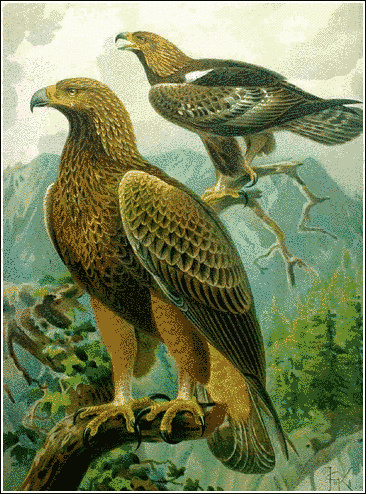
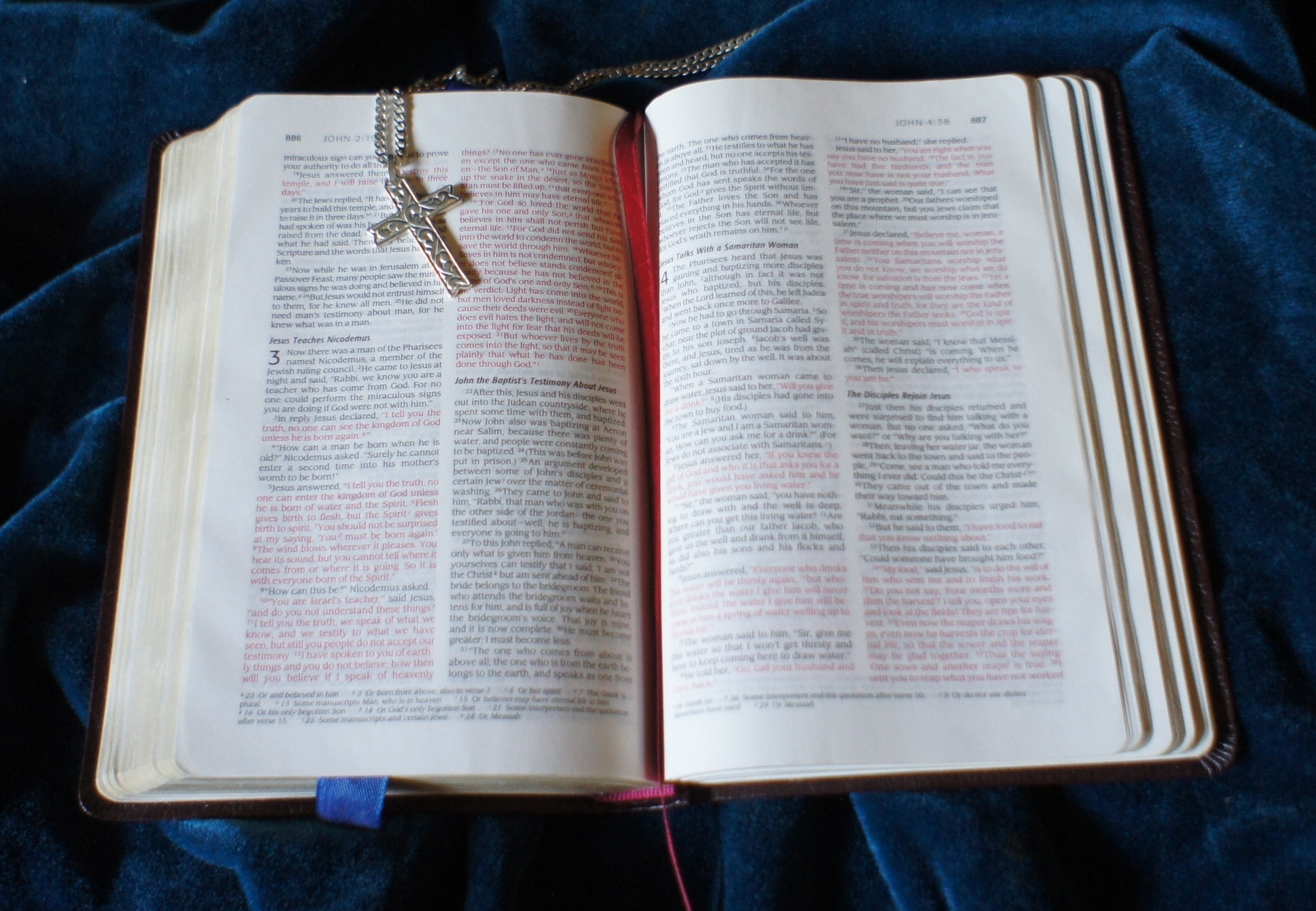
Boys and girls of all ages this is GOLDEN EAGLE circling in for a landing on this beautiful world that Jesus Christ created. To learn anything, to understand anything, we must have an open Bible! The other day, I heard of a 24 year-old lady that had never read the Word of God. She had no idea that the rainbow had any meaning whatsoever. Do you know the meaning behind the rainbow? Get your Bible out and open it to Genesis chapter 9. There you will find the meaning to the rainbow.
You humans should thank God that you can read and appreciate beauty. Although I write these things once in a while, you do know that birds cannot really write and read. However, God created you to do those things and so much more.
“Blessed (happy) is the man…his delight is in the law of the Lord; and in his law doth he meditate day and night. And he shall be like a tree planted by the rivers of water. that bringeth forth his fruit in his season; his leaf also shall not wither; and whatsoever he doeth shall prosper” Psalm 1:1-3
The Word of God will bring you true success. It is no accident that you are presently reading this article. I have chosen to write this and you have chosen to read it. However, even though we both have a free will and can do what we want to do, Jesus Christ is in control of every single thing that happens in the entire Universe. He is in control of everything that you and I do, say, and think! Why even a sparrow doesn’t fall out of a tree without the Heavenly Father.
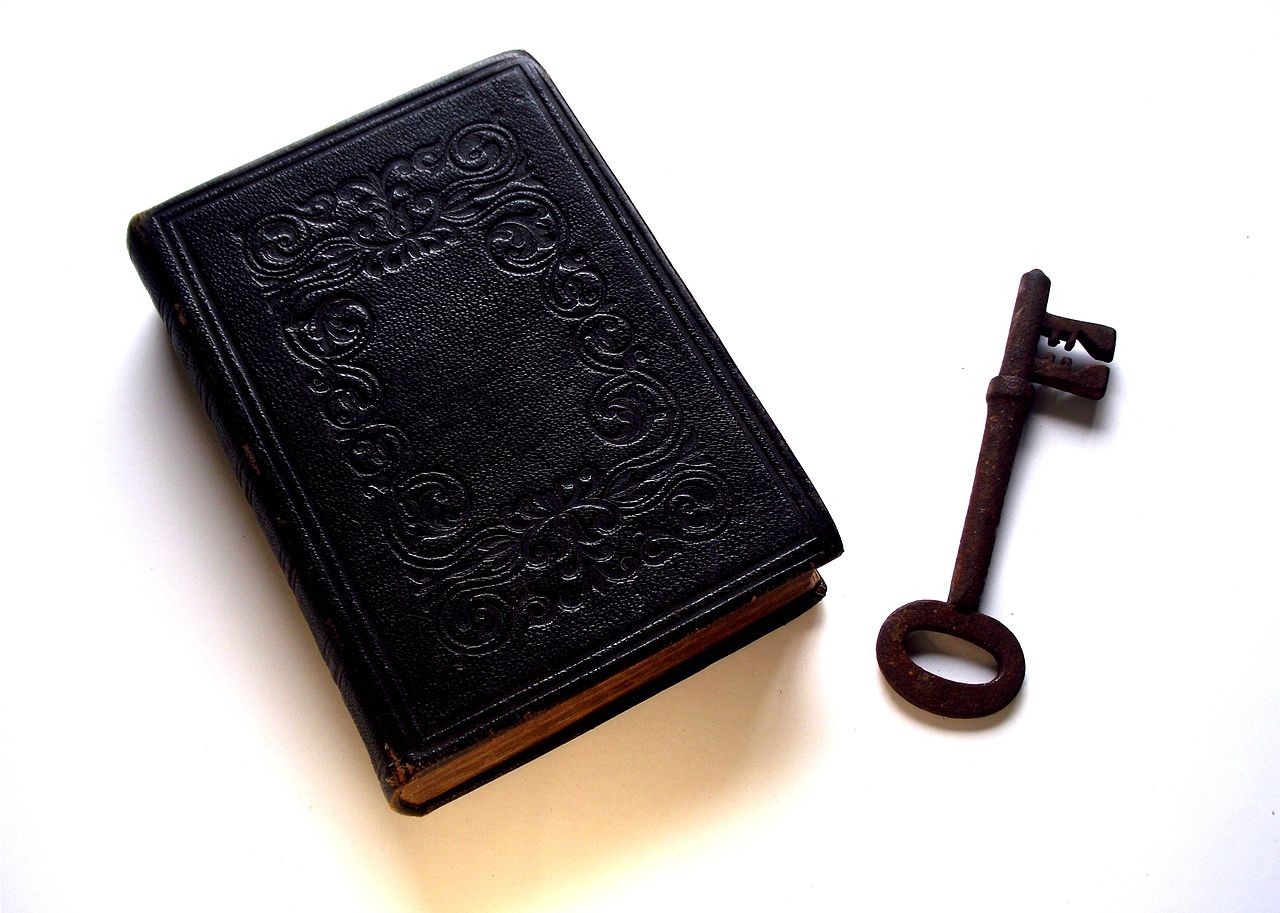
The Key to True Knowledge
The question for you to answer is this: ARE YOU SAVED? You are either saved or lost. This has nothing to do with are you good or bad because the Bible says that “all have sinned, and come short of the glory of God.” (Romans 3:23) You’re made in the “image of God” and you will live forever somewhere according to the Bible. You can go to Heaven if you trust Jesus Christ as your personal Saviour. When Jesus died on the cross, He shed His blood and paid for your sins as your substitute. He stood in our place and took the punishment from God the Father so that you could be forgiven! You must personally accept Jesus by faith. You know, no one can eat your breakfast for you. You individually eat your breakfast and then your body makes use of the food to give you energy for the day. You must personally receive Jesus into your life!
“But as many as received him, to them gave he power to become the sons of God, even to them that believe on his name…” (John 1:12)
Golden Eagle has learned a few things as I have soared over this planet. You must study things with an open Bible. The Bible tells us where the first humans came from! You know that scientist have landed a washing machine size robot on a comet the other day. That thing has been flying around for 10 years and just arrived at its destination! That shows us how big this universe is. The comet is over 300 million miles away from Earth. The people who sent that robot to the comet are trying to find out the answer to the question: WHERE DID WE COME FROM. And that is a great question. But, they will never find the answer until they open their Bibles and begin to read the first few chapters in the book of Genesis. God created Adam on the sixth day of Creation week. He took the elements in the earth, the dust of the earth and “breathed into his nostrils the breath of life; and man became a living soul.” (Genesis 2:7)
When you study Science or History or God or whatever, you need to open your Bible and see what God has to say!
The Earth rotates around the sun. We should rotate around Jesus Christ, the Son of God. The sun gives light to the earth and Jesus is the Light of the world. Tonight, you will fall asleep and in the morning you will wake up. That is God’s way of trying to teach us that sleep is like death, but you wake up in the morning and that is like the resurrection day!
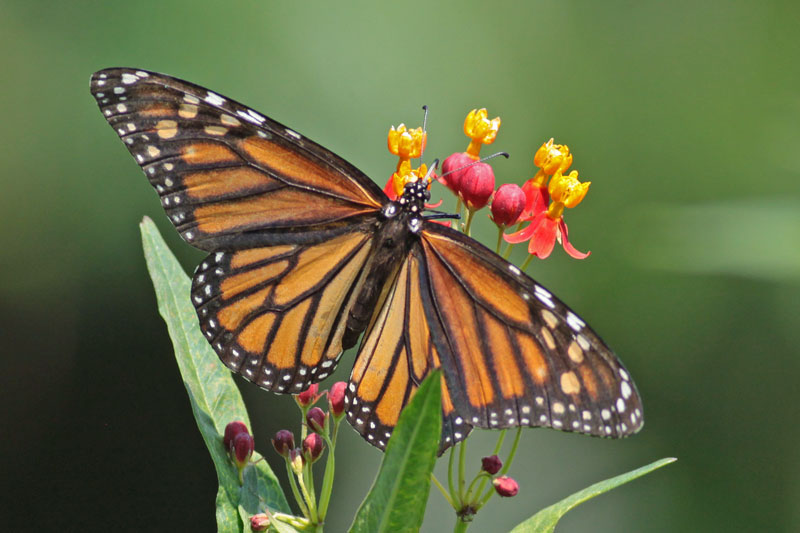
Monarch Butterfly by Margaret Sloan
A worm goes into a cocoon and comes out a beautiful butterfly! Metamorphosis, a change teaches us that Jesus Christ will give us a new body in the future if we are saved! Humans sweat because of Adam’s sin in the Garden of Eden! The Earth is covered with water because of Noah’s flood. In fact, four-fifths of the Earth is covered with water if you count the oceans, the seas, the rivers, the streams, and the lakes!
Every snowflake is different, every blade of grass is different, every bird is different! And each one of you are unique and different. That is how God has made you! We could talk about this forever! In fact, God’s people in Heaven will talk about this and learn about God and His Universe forever. You will have a real body and be in a real Heaven with real GOLDEN STREETS!
“AND THE BUILDING OF THE WALL OF IT WAS OF JASPER: AND THE CITY WAS PURE GOLD, LIKE UNTO CLEAR GLASS…AND THE STREET OF THE CITY WAS PURE GOLD, AS IT WERE TRANSPARENT GLASS. (Revelation 21)
The question you need to ask yourself is this: will you be in Heaven with Jesus Christ in that day? And remember we are only one heartbeat away from eternity. Why not ask Jesus to save you this very moment? “For whosoever shall call upon the name of the LORD shall be saved.” (Romans 10:13)
Thanks for flying with me. And thanks for having an open Bible! Read some of God’s Word today! I would love to fly to the comet later today, but I know I will not be able to get beyond the atmosphere, so I might just head back to my roost for the night and gaze into the starry heavens. You never know what you might see! Have a great one…
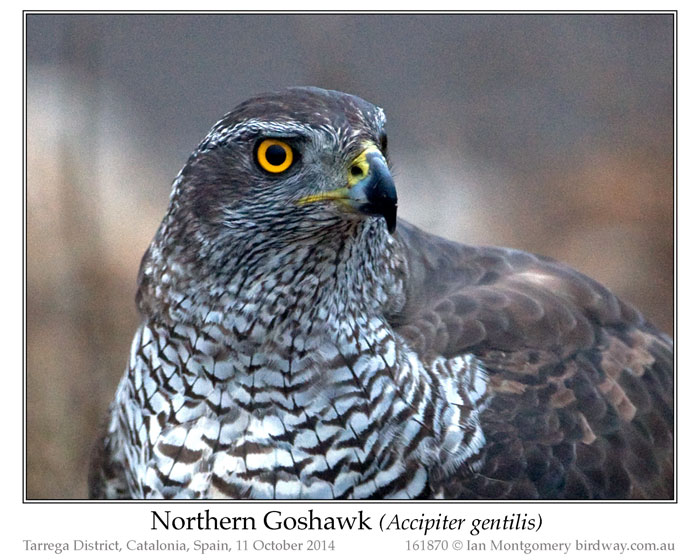
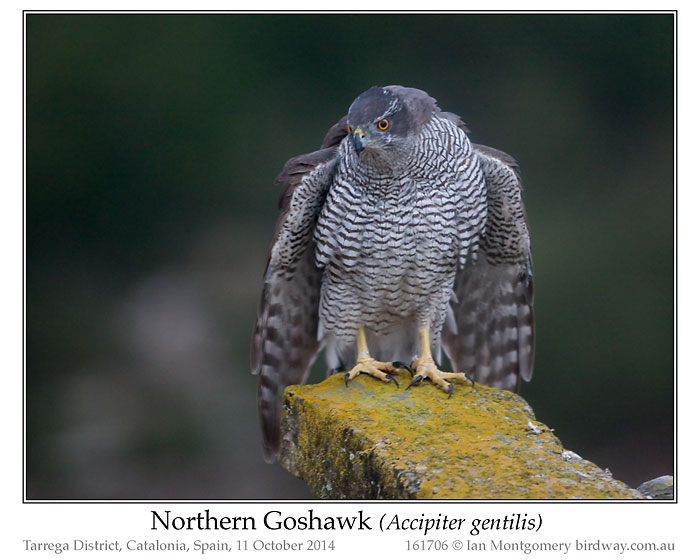
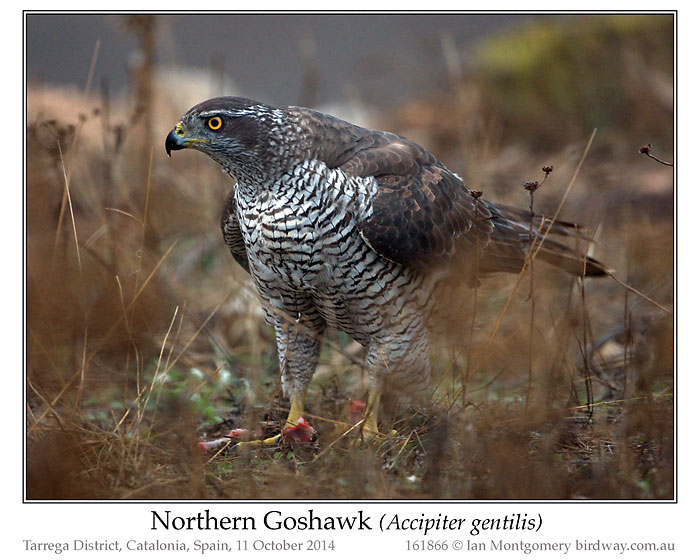
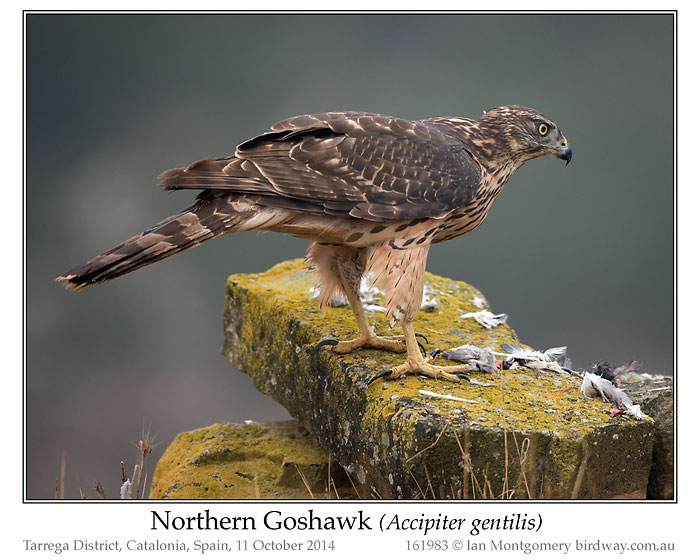
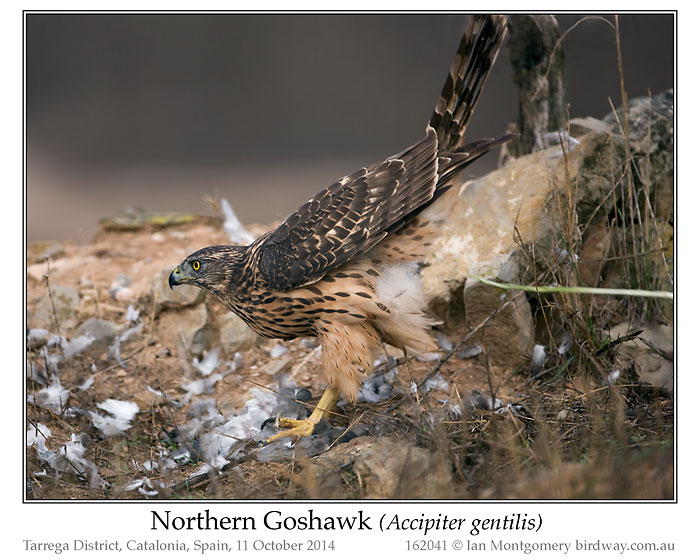
Ian’s Bird of the Week – Northern Goshawk by Ian Montgomery
Newsletter ~ 11/17/14
I got so absorbed in recounting my experiences in Catalonia, that I forgot to mention that I’ve been home in North Queensland for several weeks.
The piece about the effects of diclofenac prompted some interesting responses. It was pointed out that it causes kidney not liver failure in vultures, my apologies, and that a safe and effective substitute in both humans and livestock is the anti-inflammatory meloxicam. It’s sold here as Mobic, which I take sometimes when I wayward spinal disc misbehaves. I also received a link to this article by the Vulture Conservation Foundation which has managed to get the EU to do an investigation into the effects of diclofenac: http://www.4vultures.org/our-work/campaigning-to-ban-diclofenac-in-europe/.
On the second day of our stay in raptor country in the Pyrenees with Birding in Spain we – my sister Gillian joined me for this one – were taken by Steve West to a hide at a Northern Goshawk feeding station before sunrise – goshawks are earlier risers than I am normally and are shy. Here the goshawks are fed regularly on chicken carcasses and fresh pigeon, the product of a culling programme by the local council. It was a misty, chilly, gloomy morning – sunrise was the time of day rather than an event – and the first bird to arrive, the adult female in photos 1 and 2, was barely visible. The second photo was taken at 1/3 of a second exposure at 1600 ISO and my tripod, inconvenient for travel, proved its worth yet again.
Adult females are more strongly barred and much larger than males (to protect succulent-looking nestlings). This one is partially spreading its wings and tail near the food in a posture that looks like a rudimentary ‘mantling’ display. This is usually used by hawks as a threat display to discourage other ones from interfering with their prey. In this case, I suspect it was signalling the presence of food to the juvenile goshawk, third photo, who appeared shortly afterwards. First year juvenile Northern Goshawks are brown with buff, almost cinnamon underparts and are streaked rather than barred. Similar juvenile plumages occur in other close relatives in the Accipiter genus such as the Brown Goshawk (A. fasciatus) and Collared Sparrowhawk (A. cirrocephalus), both common in Australia; see http://www.birdway.com.au/accipitridae/brown_goshawk/source/brown_goshawk_32464.htm and http://www.birdway.com.au/accipitridae/collared_sparrowhawk/source/collared_sparrowhawk_62859.htm for examples of their juvenile plumage. Note, incidentally the ‘beetle-brow’ characteristic also of the Brown Goshawk that gives the larger goshawks their fierce expression.
The adult female moved aside and let the juvenile have the pigeon prey and the juvenile then adopted the possessive mantling display with spread wings and tail and fluffed-out feathers of the mantle, just below the neck.
Mother, I presume, tackled a piece of chicken carcass and carried it down onto the ground closer to the hide, but partially obscured by dried grass and other vegetation.
The sixth photo shows the juvenile somewhat later with the remains of the pigeon. This was a very large bird too, as you can perhaps judge from its appearance, so I concluded that it was female too. ‘Huge’ is perhaps a better description, as the Northern Goshawk is easily the world’s largest of the nearly 50 or so species of Accipiter – (typical hawks comprising larger goshawks and smaller sparrowhawks, though ‘hawk’ is also used in North America to name other raptors such as those in the genus Buteo aka ‘Buzzard’ in British English). The female is up to 65cm/26in in length with a wingspan of up to 120cm/47in and a weight of up to 2.0kg/4.5lb, comparable in size with many Buzzards. All the Accipiter hawks tackle relatively large prey, mainly birds and some mammals. They hunt by surprise and pursuit and have rounded wings, long tails and fast reflexes for great manoeuvrability in forests. I suspect that Linnaeus used the specific moniker ‘gentilis’ in the sense of ‘noble’ rather than ‘gentle’. ‘Goshawk’ comes from the Old English ‘göshafoc’ meaning goose hawk, no mere chicken hawk.
This was another species that had aroused my interest in my field guide as an Irish teenager, and hadn’t seen before this trip. It’s a very rare vagrant in Ireland and was then only an occasional breeder in Britain though widespread if uncommon elsewhere in temperate regions of the Northern Hemisphere. Since then it has become re-established in Britain with a breeding population of 300-400 pairs.
Both birds lightened their load, as many raptors do, before taking flight, as the juvenile is doing in the seventh photo. There’s a photo on the website of the female doing the same thing: http://www.birdway.com.au/accipitridae/northern_goshawk/source/northern_goshawk_161882.htm. Even nobles have to perform basic functions: don’t stand behind or below a well-fed raptor :-).
“And these you shall regard as an abomination among the birds; they shall not be eaten, they are an abomination: the eagle, the vulture, the buzzard, the kite, and the falcon after its kind; every raven after its kind, the ostrich, the short-eared owl, the sea gull, and the hawk after its kind; (Leviticus 11:13-16 NKJV)
What a beautiful family of birds. Ian always has such great photos and adventures to share with us. Thanks, Ian.
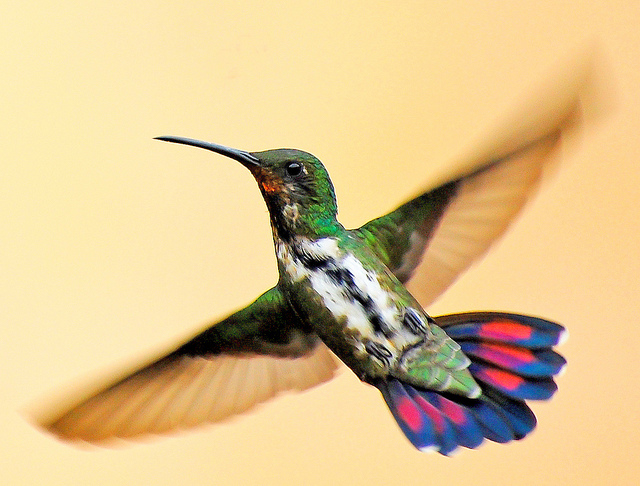
The photos this week are from the Pin It (Pinterest) website. Thought sharing some of their great variety of bird photos would be enjoyable to watch. The ones selected do not even begin to show the photos they have in the various topics.
As mentioned in the latest article by Emma Foster, the Lord gives varying gifts, just as the Lord created the birds with such variety. May we use our varied talents to serve our Fantastic Lord and Creator.
“For through the grace given to me I say to everyone among you not to think more highly of himself than he ought to think; but to think so as to have sound judgment, as God has allotted to each a measure of faith. For just as we have many members in one body and all the members do not have the same function, so we, who are many, are one body in Christ, and individually members one of another. Since we have gifts that differ according to the grace given to us, each of us is to exercise them accordingly: if prophecy, according to the proportion of his faith; if service, in his serving; or he who teaches, in his teaching; or he who exhorts, in his exhortation; he who gives, with liberality; he who leads, with diligence; he who shows mercy, with cheerfulness.” (Romans 12:3-8 NASB)
This slideshow requires JavaScript.
“For who makes you differ from another? And what do you have that you did not receive? Now if you did indeed receive it, why do you boast as if you had not received it? (1 Corinthians 4:7 NKJV)
There once was a turkey named Reginald who lived in the backwoods of Louisiana. Every year Reginald would band together with many other turkeys in a secret fortress underground to protect themselves from hunters hunting for turkeys to eat on Thanksgiving. Reginald and his friends had built the fortress a long time ago.
Reginald could tell it was Thanksgiving when one day he saw many hunters lurking in the backwoods searching for a turkey to eat on that special day. Reginald quickly went home to grab his Army helmet which he used as protection from gun shots, and called all his friends to their special underground fortress.
Many turkeys came prepared for the day. Most of them wore their Army helmets. Many other turkeys were there as well. They had brought food for Thanksgiving. Not just people celebrated Thanksgiving, turkeys did too, but without the turkey.
Soon there was a big party going on in the fortress. Not one hunter was aware that all the turkeys in the backwoods were in the underground fortress. The turkeys were joyously celebrating Thanksgiving. They were very thankful they were not “on the menu” that day.
Reginald was happy that the hunters could not find any turkeys. All the hunters eventually had to go to the grocery store to get a turkey, and every hunter from the backwoods hates to go to the grocery store and buy a turkey.
Soon Thanksgiving was over, and all the turkeys rejoiced. Even so, Reginald always made sure his Army helmet was where he needed it in case a hunter was nearby.
The End
Lee’s Addition:
“… But every man hath his proper gift of God, one after this manner, and another after that. (1 Corinthians 7:7b KJV)
“Now there are diversities of gifts, but the same Spirit. (1 Corinthians 12:4 KJV)
Emma has given us another great Bird Tale. I have been holding this for a while, waiting to get closer to Thanksgiving, but it is too adorable to hold any longer. So, it’s a little early, but ENJOY!
I keep encouraging her to write a tale for us, because she is developing into a gifted author. May we all encourage our young people to develop whatever talent the Lord has given them.
Maybe we can get a follow-up on Reginald and his friends.
Reginald – (Wild Turkey by Daves BirdingPix)
Reginald, Turkey Commander
By Emma Foster
There once was a turkey named Reginald who lived in the backwoods of Louisiana. Every year Reginald would band together with many other turkeys in a secret fortress underground to protect themselves from hunters hunting for turkeys to eat on Thanksgiving. Reginald and his friends had built the fortress a long time ago.
Reginald could tell it was Thanksgiving when one day he saw many hunters lurking in the backwoods searching for a turkey to eat on that special day. Reginald quickly went home to grab his Army helmet which he used as protection from gun shots, and called all his friends to their special underground fortress.
Many turkeys came prepared for the day. Most of them wore their Army helmets. Many other turkeys were there as well. They had brought food for Thanksgiving. Not just people celebrated Thanksgiving, turkeys did too, but without the turkey.
Soon there was a big party going on in the fortress. Not one hunter was aware that all the turkeys in the backwoods were in the underground fortress. The turkeys were joyously celebrating Thanksgiving. They were very thankful they were not “on the menu” that day.
Reginald was happy that the hunters could not find any turkeys. All the hunters eventually had to go to the grocery store to get a turkey, and every hunter from the backwoods hates to go to the grocery store and buy a turkey.
Soon Thanksgiving was over, and all the turkeys rejoiced. Even so, Reginald always made sure his Army helmet was where he needed it in case a hunter was nearby.
The End
Lee’s Addition:
“… But every man hath his proper gift of God, one after this manner, and another after that. (1 Corinthians 7:7b KJV)
“Now there are diversities of gifts, but the same Spirit. (1 Corinthians 12:4 KJV)
Emma has given us another great Bird Tale. I have been holding this for a while, waiting to get closer to Thanksgiving, but it is too adorable to hold any longer. So, it’s a little early, but ENJOY!
I keep encouraging her to write a tale for us, because she is developing into a gifted author. May we all encourage our young people to develop whatever talent the Lord has given them.
Maybe we can get a follow-up on Reginald and his friends.










 Lee's Birdwatching Adventures Plus