Sunday Inspiration – Deep Love of Jesus

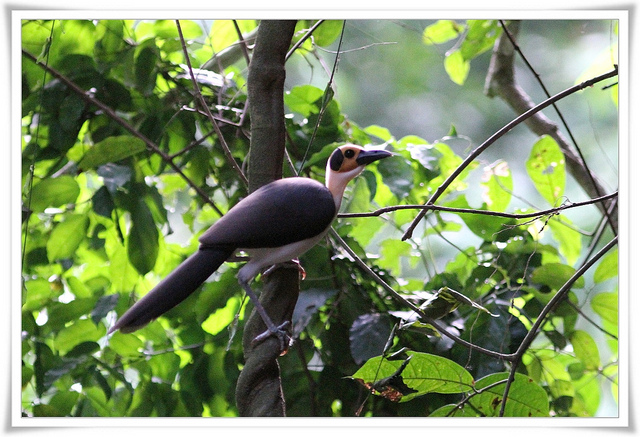
White-tailed Blue Flycatcher (Elminia albicauda) ©WikiC

White-tailed Blue Flycatcher (Elminia albicauda) ©WikiC

He will bless them that fear the LORD, both small and great. (Psalms 115:13 KJV)

Today we have nine families being presented. Why? Because they all have very few species in each group. To have enough photos for the slideshow, these were combined.
Bombycillidae – Waxwings – 3
Ptiliogonatidae – Silky-flycatchers – 4
Hypocoliidae – Hypocolius – 1
Dulidae – Palmchat – 1
Mohoidae – Oos – 5 Recently Extinct
Hylocitreidae – Hypocolius – 1
Stenostiridae – Fairy Flycatchers – 9
Nicatoridae – Nicators – 3
Panuridae – Bearded Reedling – 1
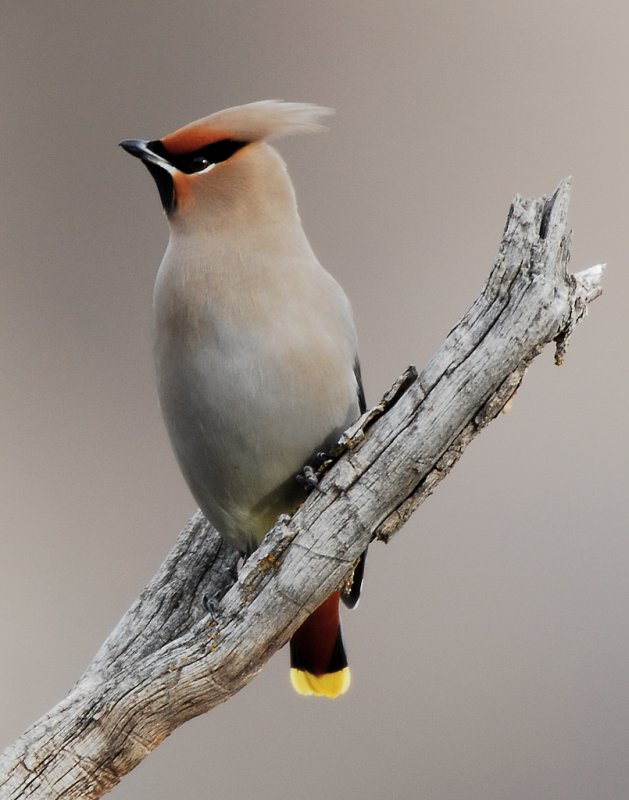
Bohemian Waxwing (Bombycilla garrulus) © Paul Higgins

Bohemian Waxwing (Bombycilla garrulus) © Paul Higgins

Waxwings are characterised by soft silky plumage. (Bombycilla, the genus name, is Vieillot’s attempt at Latin for “silktail”, translating the German name Seidenschwänze.) They have unique red tips to some of the wing feathers where the shafts extend beyond the barbs; in the Bohemian and cedar waxwings, these tips look like sealing wax, and give the group its common name

Long-tailed Silky-flycatcher (Ptilogonys caudatus) by Michael Woodruff

Long-tailed Silky-flycatcher (Ptilogonys caudatus) by Michael Woodruff

The silky-flycatchers are a small family, They were formerly lumped with waxwings and hypocolius in the family Bombycillidae, The family is named for their silky plumage and their aerial flycatching techniques, although they are unrelated to the Old World flycatchers (Muscicapidae) and the tyrant flycatchers (Tyrannidae).
They occur mainly in Central America from Panama to Mexico. They are related to waxwings, and like that group have soft silky plumage, usually gray or pale yellow in color. All species, with the exception of the black-and-yellow phainoptila, have small crests.
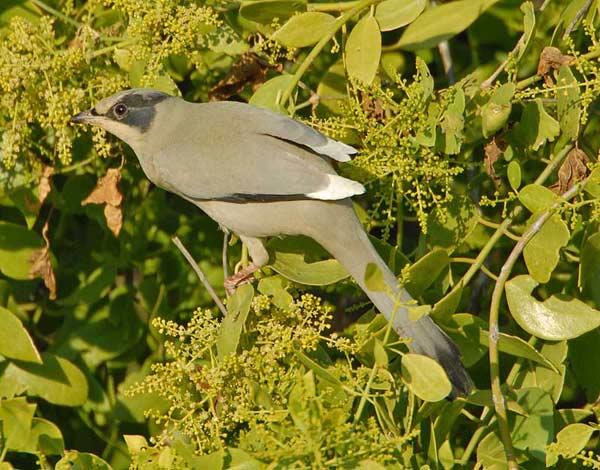
Grey Hypocolius (Hypocolius ampelinus) by Nikhil Devasar

Grey Hypocolius (Hypocolius ampelinus) by Nikhil Devasar

The Grey Hypocolius or simply Hypocolius (Hypocolius ampelinus) is a small passerine bird species. It is the sole member of the genus Hypocolius and it is placed in a family of its own, the Hypocoliidae. This slender and long tailed bird is found in the dry semi-desert region of northern Africa, Arabia, Afghanistan, Pakistan, and western India. They fly in flocks and forage mainly on fruits, migrating south in winter.

Palmchat (Dulus dominicus) ©WikiC

Palmchat (Dulus dominicus) ©WikiC

The Palmchat (Dulus dominicus) is a small, long-tailed passerine bird, the only species in the genus Dulus and the family Dulidae. It is thought to be related to the waxwings, family Bombycillidae, and is sometimes classified with that group. The name reflects its strong association with palms for feeding, roosting and nesting. The Palmchat is the national bird of the Dominican Republic.

Kauai Oo (Moho braccatus) WikiC

Kauai Oo (Moho braccatus) WikiC

Mohoidae is a family of Hawaiian species of recently extinct, nectarivorous songbirds in the genera Moho (ʻŌʻōs) and Chaetoptila (Kioea). These now extinct birds form their own family, representing the only complete extinction of an entire avian family in modern times, when the disputed family Turnagridae is disregarded for being invalid.
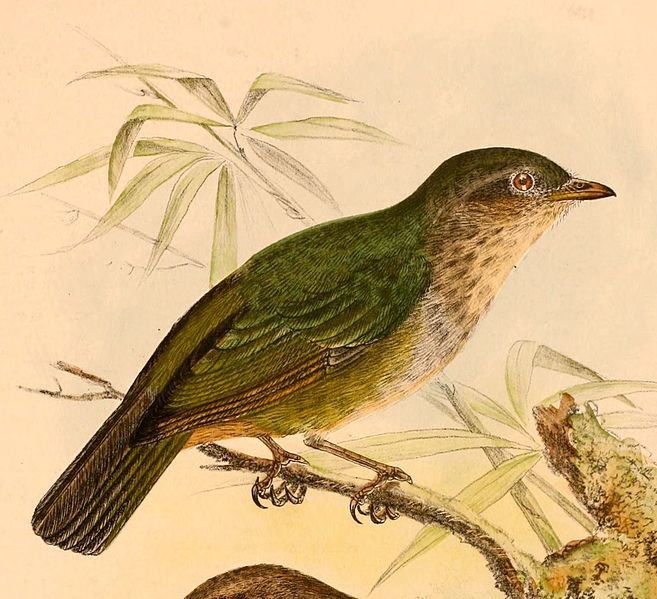
Hylocitrea (Hylocitrea bonensis) ©Drawing WikiC

Hylocitrea (Hylocitrea bonensis) ©Drawing WikiC

The Hylocitrea (Hylocitrea bonensis), also known as the yellow-flanked whistler or olive-flanked whistler, is a species of bird that is endemic to montane forests on the Indonesian island of Sulawesi. Has traditionally been considered a member of the family Pachycephalidae, but recent genetic evidence suggests it should be placed in a monotypic subfamily of the family Bombycillidae, or even its own family, Hylocitreidae.
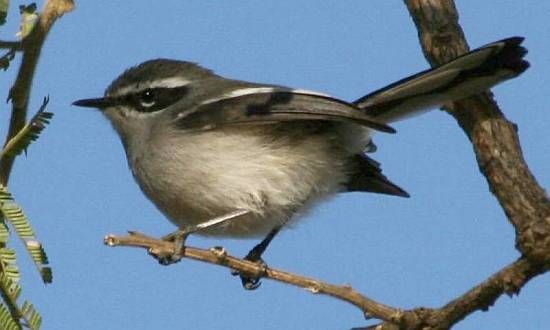
Fairy Flycatcher (Stenostira scita) ©WikiC

Fairy Flycatcher (Stenostira scita) ©WikiC

Stenostiridae, or the fairy flycatchers, are a family of small passerine birds proposed as a result of recent discoveries in molecular systematics. They are commonly referred to as stenostirid warblers. This new clade is named after the fairy flycatcher, a distinct species placed formerly in the Old World flycatchers. This is united with the “sylvioid flycatchers”: the genus Elminia (formerly placed in the Monarchinae) and the closely allied former Old World flycatcher genus Culicicapa, as well as one species formerly believed to be an aberrant fantail.

Eastern Nicator (Nicator gularis) ©WikiC Rainbirder

Eastern Nicator (Nicator gularis) ©WikiC Rainbirder

Nicator is a genus of songbird endemic to Africa. The genus contains three medium sized passerine birds. The name of the genus is derived from nikator, Greek for conqueror. Within the genus, the western and eastern nicators are considered to form a superspecies and are sometimes treated as the same species. The nicators occupy a wide range of forest and woodland habitats.
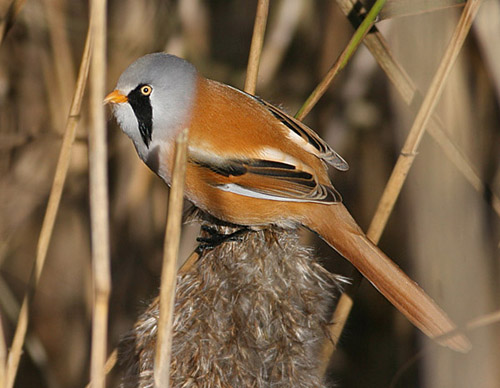
Bearded Reedling (Panurus biarmicus biarmicus) by Peter Ericsson male

Bearded Reedling (Panurus biarmicus biarmicus) by Peter Ericsson male

The bearded reedling (Panurus biarmicus) is a small, reed-bed passerine bird. It is frequently known as the bearded tit, due to some similarities to the long-tailed tit, or the bearded parrotbill. The bearded reedling was placed with the parrotbills in the family Paradoxornithidae, after they were removed from the true tits in the family Paridae. However, according to more recent research, it is actually a unique songbird – no other living species seems to be particularly closely related to it. Thus, it seems that the monotypic family Panuridae must again be recognized. The bearded reedling is a species of temperate Europe and Asia.

(All data from Wikipedia)

This slideshow requires JavaScript.

Nay, in all these things we are more than conquerors through him that loved us. For I am persuaded, that neither death, nor life, nor angels, nor principalities, nor powers, nor things present, nor things to come, Nor height, nor depth, nor any other creature, shall be able to separate us from the love of God, which is in Christ Jesus our Lord. (Romans 8:37-39 KJV)

Listen to Megan Fee (Violin) and Jill Foster (Piano) as they play and watch the Lord’s beautiful avian creations.

“Oh The Deep, Deep, Love of Jesus” ~ Megan and Jill during communion.

*
More Sunday Inspirations

Bombycillidae – Waxwings Family
Ptiliogonatidae – Silky-flycatchers Family
Hypocoliidae – Hypocolius Family
Dulidae – Palmchat Family
Mohoidae – Oos Family
Hylocitreidae – Hypocolius Family
Stenostiridae – Fairy Flycatchers Family
Nicatoridae – Nicators Family
Panuridae – Bearded Reedling Family

Gideon

*

Orni-Theology and The Nest

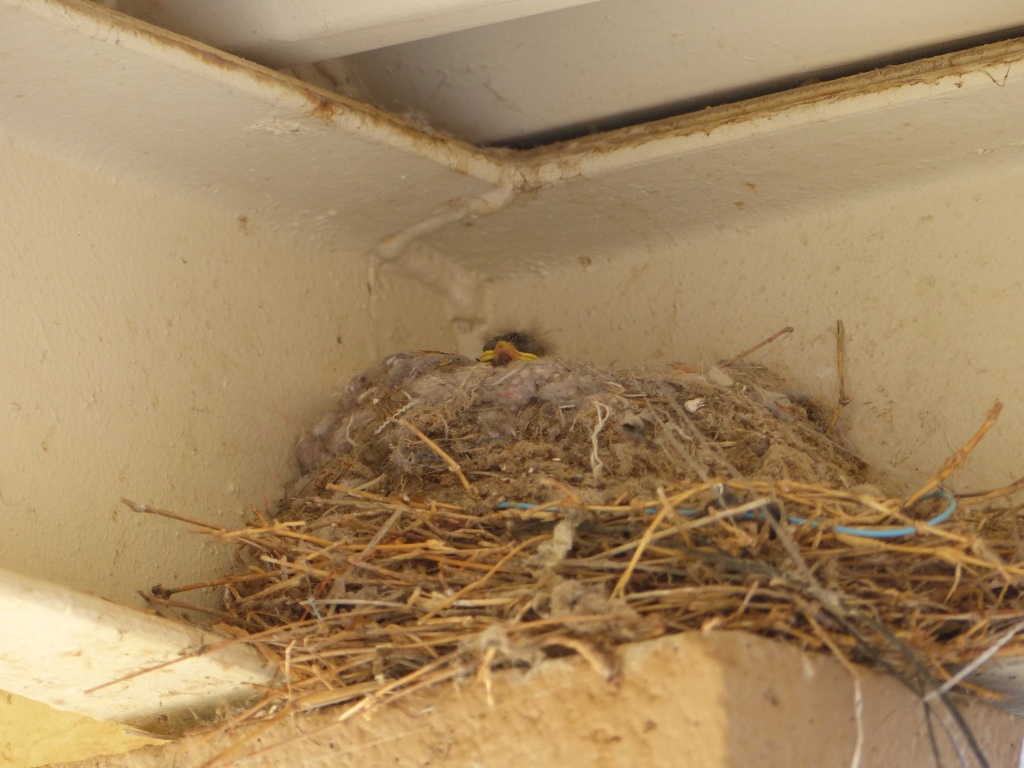
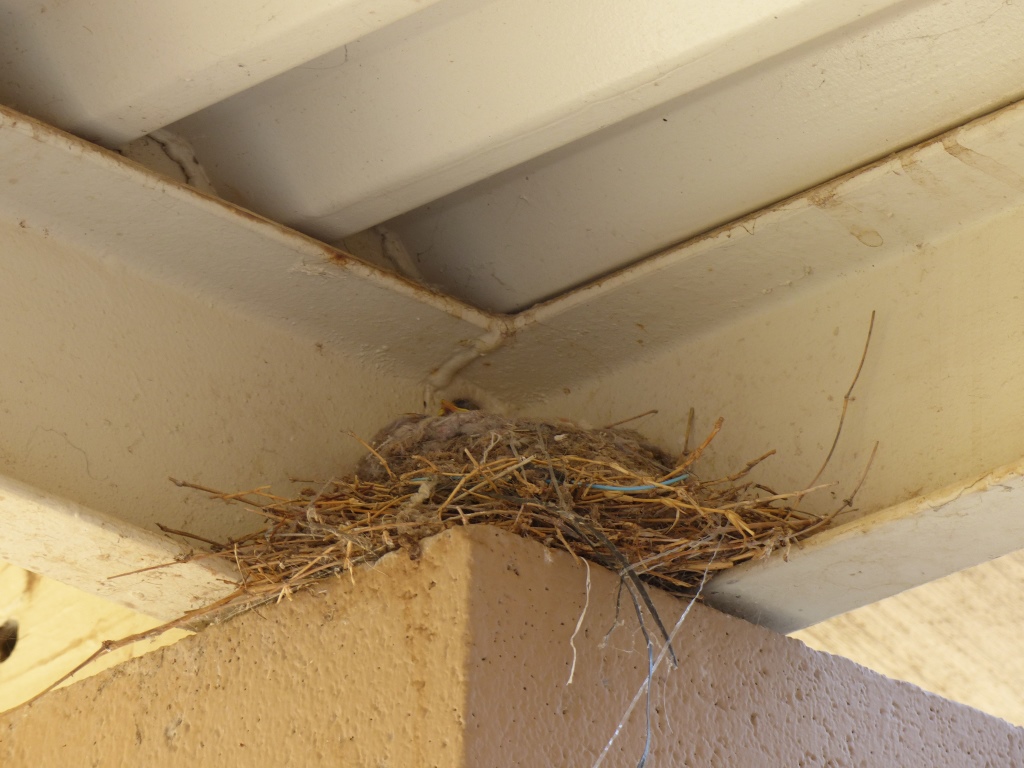
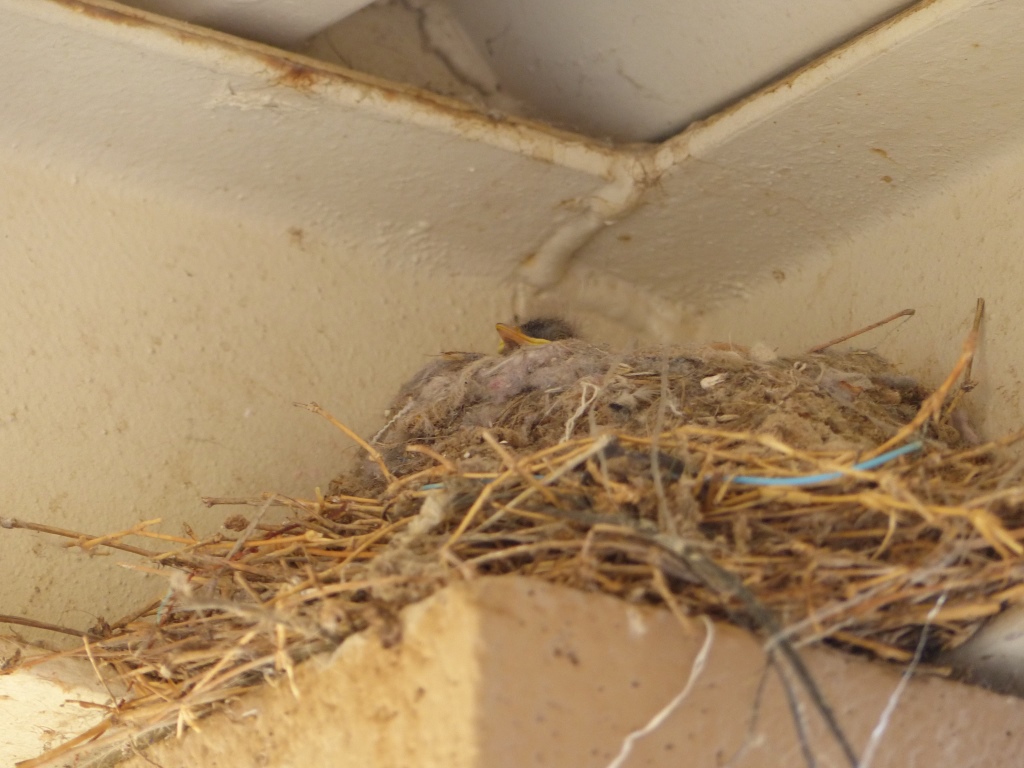
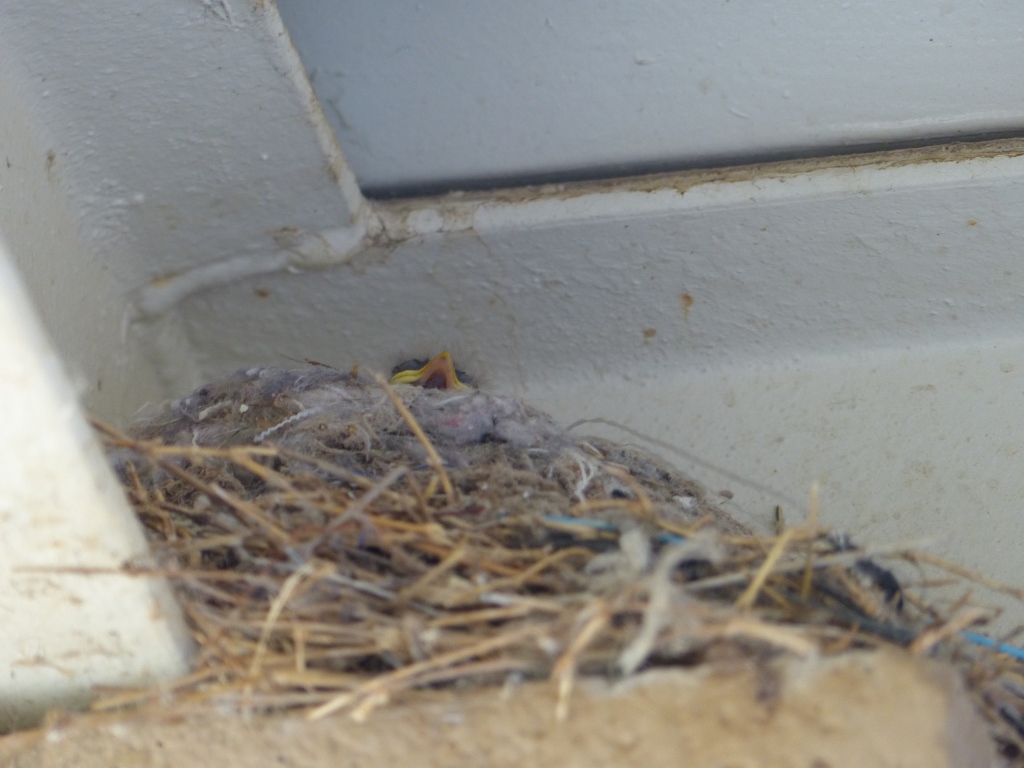
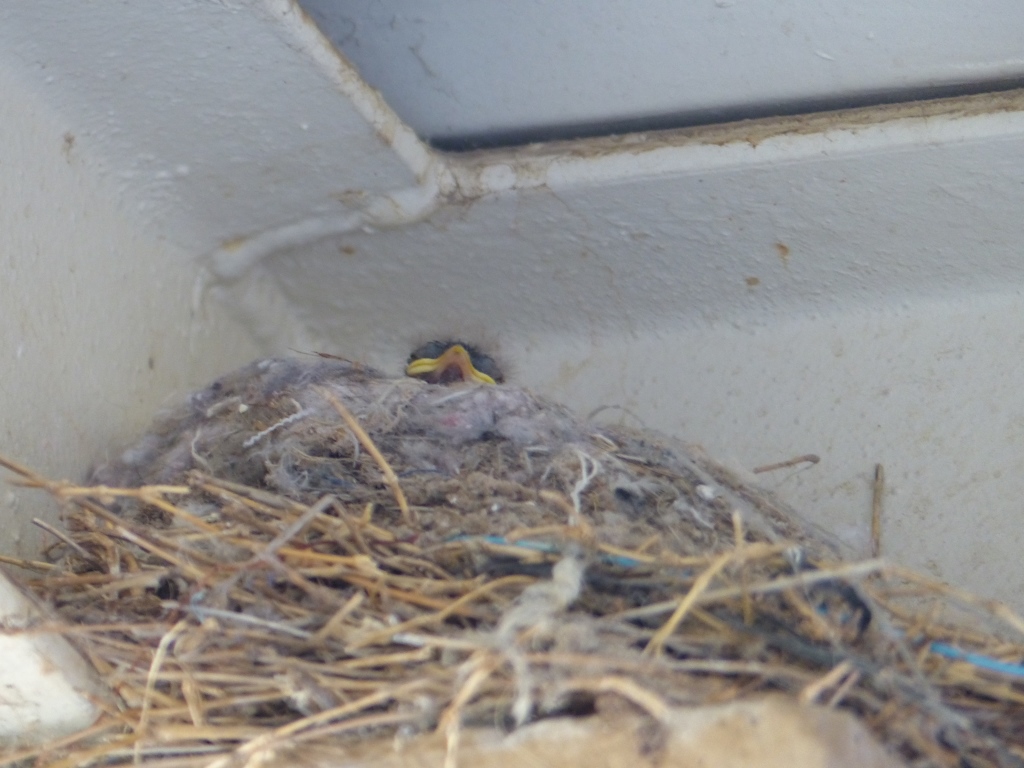
Say’s Phoebe Nest and Nestling

While working on that last post, Say’s Phoebe and Nest, I got to thinking about that nest. Did you really look at it? Click the photo to enlarge it and really LOOK at it.

Luzon Bleeding-heart by Dan

Orni-Theology

What do you see? All kinds of different material. There are weeds, pieces of paper, strings, lint, feathers, and even some “weed-eater” line (blue).

It is amazing what goes into a nest, yet it turns out to be quite comfortable for the baby birds. Each piece of “stuff,” though different, seems to blend together.

Our churches are the same way, or at least they should be. I Corinthians 12 has much to say about the body and the church.

Now there are diversities of gifts, but the same Spirit. And there are differences of administrations, but the same Lord. And there are diversities of operations, but it is the same God which worketh all in all. But the manifestation of the Spirit is given to every man to profit withal. (1 Corinthians 12:4-7 KJV)

Scripture goes on to name different gifts, then says, “But all these worketh that one and the selfsame Spirit, dividing to every man severally as he will. For as the body is one, and hath many members, and all the members of that one body, being many, are one body: so also is Christ. For by one Spirit are we all baptized into one body, whether we be Jews or Gentiles, whether we be bond or free; and have been all made to drink into one Spirit. For the body is not one member, but many. (1 Corinthians 12:11-14 KJV)

Weed-eater Line

Weed-eater Line

Just as there are different things making up that nest, the Lord gives us a part to do in the church. Some are good at one thing and others another. That weed-eater line reminds me of those willing to mow and clear out the weeds around the church. Some like to sew things and could have provided the strings. Not all of us can be preachers, deacons or teachers, but the Lord has some talents He has given all of us. It is up to us to be willing to use it for Him.

But now hath God set the members every one of them in the body, as it hath pleased him. And if they were all one member, where were the body? But now are they many members, yet but one body. (1 Corinthians 12:18-20 KJV)

Now ye are the body of Christ, and members in particular. (1 Corinthians 12:27 KJV)

I think that nest looks a mite “rag-tag” from my point of view, but to that little bird, it is “home” and he seems quite comfortable. We are fortunate that we have a great church “home” at Faith Baptist and I trust you have a great church “home” also. No matter our age or abilities, there must be something the Lord would like you to do. Just be willing and pray for His leading.

I can do all things through Christ which strengtheneth me. (Philippians 4:13 KJV)

*

*

Say’s Phoebe and Nest

On our vacation, we spent the night in El Centro, California. In the morning, while loading the luggage back in the car, I noticed a bird flying in and out of a corner. Investigating, here is what I found:

Say's Phoebe nestling at El Centro Ca by Lee

Say’s Phoebe nestling at El Centro Ca by Lee

Yea, the sparrow hath found an house, and the swallow a nest for herself, where she may lay her young, even thine altars, O LORD of hosts, my King, and my God. (Psalms 84:3 KJV)

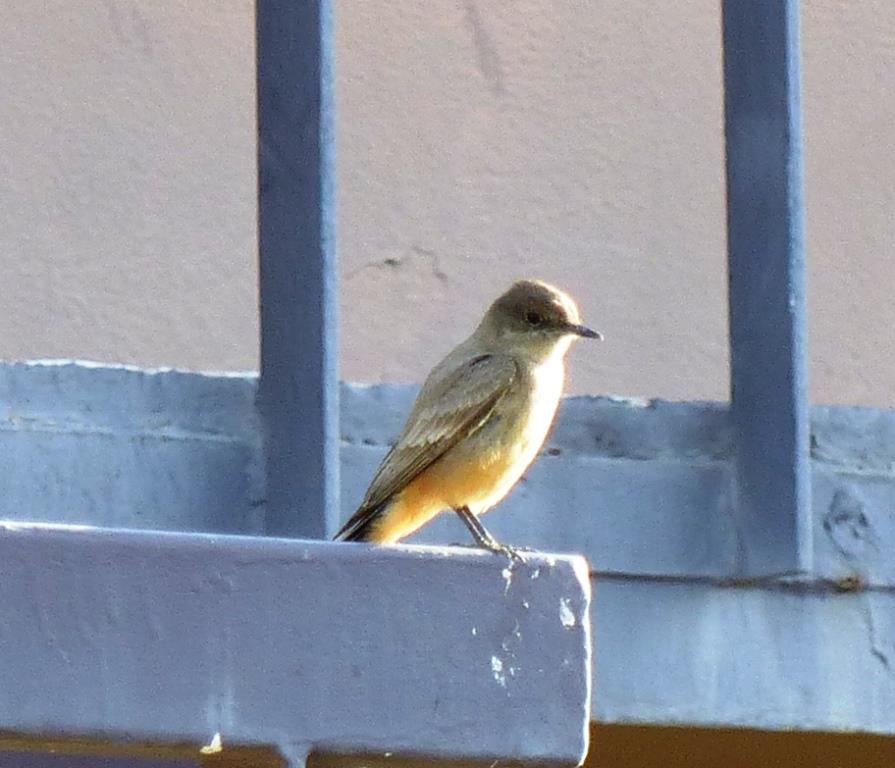
The nest with a young bird in it was patiently waiting for mom/pop to show up with some more food. Sure enough, the parent came and went but didn’t stay long enough for me to get a photo. Finally, they landed on a spot long enough to get a few photos. (He/she was in the direct sun and not the best photo.)

Say's Phoebe (Sayornis saya) at El Centro Ca by Lee

Say’s Phoebe (Sayornis saya) at El Centro Ca by Lee

Yeah! A new Life Bird for my list. This is a Say’s Phobe. Been reading up on this beautiful creation from the Creator. The Say’s phoebe (Sayornis saya) is a passerine bird in the Tyrannidae – Tyrant Flycatchers Family. A common bird in the western United States. It prefers dry, desolate areas. This bird was named for Thomas Say, the American naturalist.

Here is a better photo from Flickr by Dawn Ellner:

Say's Phoebe (Sayornis saya) ©©Flickr Dawn Ellner

Say’s Phoebe (Sayornis saya) ©©Flickr Dawn Ellner

The adult Say’s phoebe is a drab, chunky bird. It is gray-brown above with a black tail and buffy cinnamon below, becoming more orange around the vent. The tail is long and the primaries end just past the rump on resting birds. The wings seem pale in flight and resemble a female mountain bluebird. The juvenile is similar to adult, but has buffy orange to whitish wingbars and a yellow gape. Adult birds are 7.5 in (19 cm) long. They have a 13 in (33 cm) wingspan and they weigh 0.75 oz (21 g). Their diet is almost exclusively insects which they dart out to capture. Sometimes they hover over grass to catch the insects.

Nest – Adherent also under eaves, bridges, in wells; of grass, forbs, moss, plant fibers, lined with fine materials, especially hair. Female believed to build nest. The Eggs – White, mostly unmarked, some (last laid) with small red spots. 0.8″ (19 mm). The female incubates for 12-14 days. Development is altricial (immobile, downless, eyes closed, fed). Young leave the nest after 14-16 days. Both sexes tend young. “Say’s Phoebe is common around people, often nesting on buildings.” (All About Birds)

(Info from Wikipedia, internet and Thayer’s Birding Software)

More about that nest in the next post. Photos can be clicked on to enlarge them.

(Update: Orni-Theology and The Nest)
*

Good News
*

No Post Today – But 20/20 Vision

American Yellow Warbler (Dendroica aestiva) singing by J Fenton

American Yellow Warbler (Dendroica aestiva) singing by J Fenton

Maybe tomorrow I’ll get a blog out.

Yesterday, Dan and I drove down to Fort Lauderdale (200 miles) to see my 94 year old sister, Charlotte. She had been in Intensive Care, ICU, with pneumonia. They took her to a regular room, and started her on morphine. She was dying. We were able to be there for about 5 hours before we had to drive back.

My sister was legally blind, but  a few minutes past midnight today, she received perfect 20/20 vision as she went into the presence of the Lord. She is seeing Jesus “Face to Face”

Looking back over the blogs, Dr. Gregory’s song, “Singing” has just the words I want to share. This is from:

Sunday Inspiration – Singing Birds

“Singing” – by Dr. Richard Gregory (permission given by Mrs. Gregory)

Dr. Gregory, who was a member of our church, is now in the presence of the Lord. He is seeing His Saviour “Face to face.”

Though we are sad at our loss, we are rejoicing in our sister’s new vision and home. She accepted the Lord as her personal Savior years ago. Did she deserve heaven? No more than any of us do, but Jesus provided a way, and paid the price for our salvation.

Jesus saith unto him, I am the way, the truth, and the life: no man cometh unto the Father, but by me. If ye had known me, ye should have known my Father also: and from henceforth ye know him, and have seen him. (John 14:6-7 KJV)

This link will explain how to receive the Lord:

Thank you for all those that were praying for her and now for those who will be praying for all of our families involved. (Brothers, sisters, sons, grandchildren, great-grandchildren, nieces and nephews, and lots of friends)

Sunday Inspiration – Singing Birds

*

Sunday Inspiration – Australian Robin and Friends

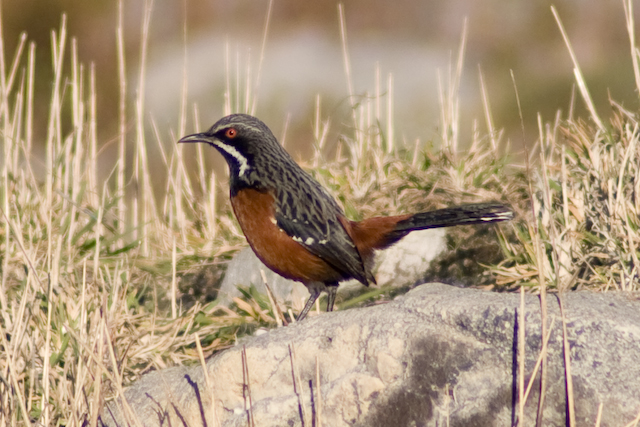
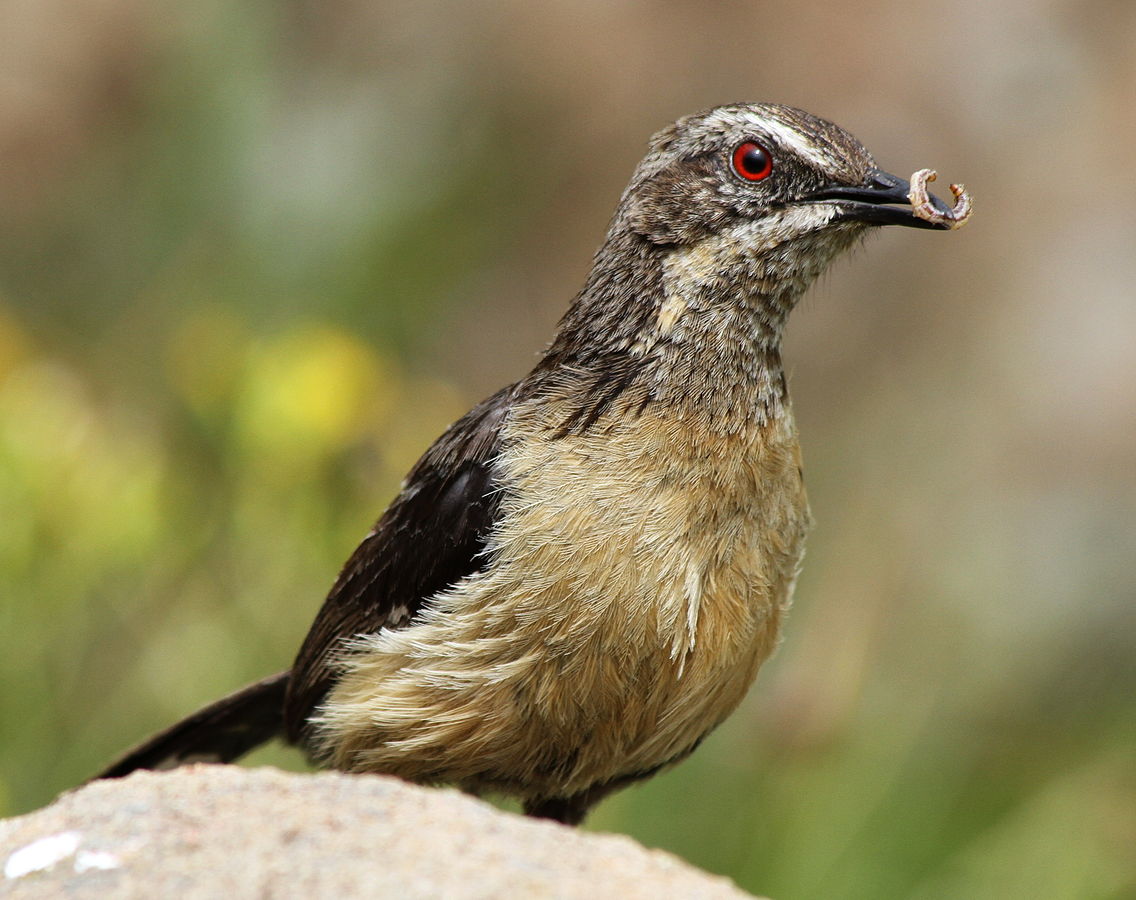
Cape Rockjumper (Chaetops frenatus) ©WikiC

Cape Rockjumper (Chaetops frenatus) ©WikiC

“The LORD lives! Blessed be my Rock! Let God be exalted, The Rock of my salvation! (2 Samuel 22:47 NKJV)

This week’s birds from their Creator include the Petroicidae – Australasian Robins, Picathartidae – RockfowlChaetopidae – Rockjumpers and the Eupetidae – Rail-babbler Families.

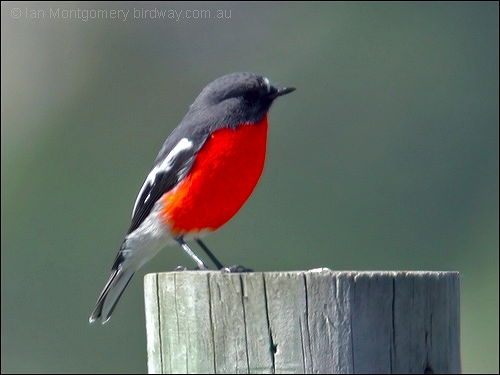
The Robins are all endemic to Australasia: New Guinea, Australia, New Zealand and numerous Pacific Islands as far east as Samoa. For want of an accurate common name, the family is often called the Australasian robins. There are 46 members presently. They are not related to our American Robin.

Flame Robin by Ian

Flame Robin by Ian

Most species have a compact build with a large, rounded head, a short, straight bill, and rounded wingtips. They occupy a wide range of wooded habitats, from subalpine to tropical rainforest, and mangrove swamps to semi-arid scrubland. All are primarily insectivorous, although a few supplement their diet with seeds. Hunting is mostly by perch and pounce, a favoured tactic being to cling sideways onto a treetrunk and scan the ground below without moving.

They have long-term pair-bonds and small family groups. Most members practice cooperative breeding, with all family members helping defend a territory and feed nestlings. Nests are cup-shaped, usually constructed by the female, and often placed in a vertical fork of a tree or shrub. Many species are expert at adding moss, bark or lichen to the outside of the nest as camouflage, making it very difficult to spot, even when it is in a seemingly prominent location.

White-necked Rockfowl (Picathartes gymnocephalus) cc Ross@Texas

White-necked Rockfowl (Picathartes gymnocephalus) cc Ross@Texas

The White-necked and Grey-necked Rockfowls are the only members of the Picatharitidae family. They are also called “bald crows’ and are found in the rain-forests of tropical west and central Africa. They have unfeathered heads, and feed on insects and invertebrates picked from damp rocky areas. Both species are totally non-migratory, being dependent on a specialised rocky jungle habitat.

They are large (33–38 centimetres (13–15 in) long) passerines with crow-like black bills, long neck, tail and legs. They weigh between 200–250 grams (7.1–8.8 oz). The strong feet and grey legs are adapted to terrestrial movement, and the family progresses through the forest with long bounds on the ground. The wings are long but are seldom used for long flights. Rockfowl are generalized feeders, taking a wide range of invertebrate prey.

Drakensberg Rockjumper (Chaetops aurantius) by ©WikiC

He is the Rock, His work is perfect; For all His ways are justice, A God of truth and without injustice; Righteous and upright is He. (Deuteronomy 32:4 NKJV)

The Rockjumpers are medium-sized insectivorous or omnivorous birds in the genus Chaetops, which constitutes the entire family Chaetopidae. The two species, the Cape Rockjumper,, and the Drakensberg Rockjumper, are endemic residents of southern Africa. The Cape Rockjumper is a resident of the West Cape and SW East Cape, and the Orange-breasted (or Drakensberg) Rockjumper is distributed in the Lesotho highlands and areas surrounding this in South Africa. These are birds with mostly brown and red plumage. Both with long, white tipped black tails, black throats, broad white submoustachial lines, rufous or orange bellies and rumps and grey and black patterned backs and wings.[The iris is red and the bills and legs are black. Their wings are very small and they do not fly very often. They spend most of their lives running and jumping among rocks and grasses while hunting insects.

Rail-babbler (Eupetes macrocerus) by Peter Ericsson

Rail-babbler (Eupetes macrocerus) by Peter Ericsson

The Rail-babbler or Malaysian Rail-babbler (Eupetes macrocerus) is a strange, rail-like, brown and pied inhabitant of the floor of primary forest in the Malay Peninsula and Sumatra (the nominate subspecies macrocerus), as well as Borneo (ssp. borneensis), distantly related to African crow-like birds. Its population has greatly decreased, however, it is locally still common in logged forest or on hill-forest on slopes. The species is poorly known and rarely seen, in no small part due to its shyness.

(Most information from Wikipedia)

*

This slideshow requires JavaScript.

“Hiding in the Shadow of the Rock” ~ © Dr. Richard Gregory (Used with permission)

Each will be like a hiding place from the wind, a shelter from the storm, like streams of water in a dry place, like the shade of a great rock in a weary land. (Isaiah 32:2 ESV)

*

Crow Versus Eagle, Free Ride Instead

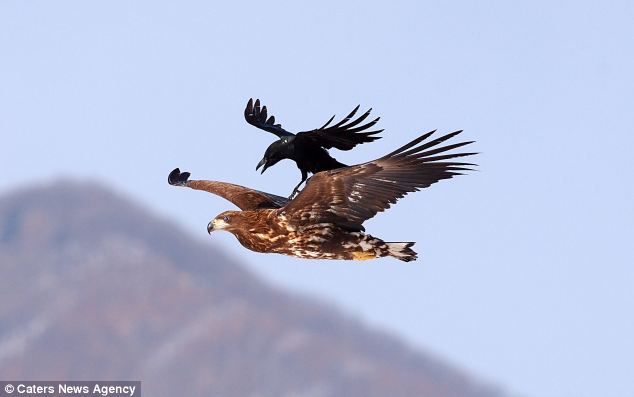
Crow on Eagles Back ©©

Crow on Eagles Back ©©

Here is an article worth looking at:

Crow Tries to Fight Eagle, Gets Free Ride Instead

‘You have seen what I did to the Egyptians, and how I bore you on eagles’ wings and brought you to Myself. (Exodus 19:4 NKJV)

Will you set your eyes on that which is not? For riches certainly make themselves wings; They fly away like an eagle toward heaven. (Proverbs 23:5 NKJV)

But those who wait on the LORD Shall renew their strength; They shall mount up with wings like eagles, They shall run and not be weary, They shall walk and not faint. (Isaiah 40:31 NKJV)

Our pursuers were swifter Than the eagles of the heavens. They pursued us on the mountains… (Lamentations 4:19a NKJV)

*

More from Focusing On Wildlife

*

The Silence of the Owls – Creation Moments

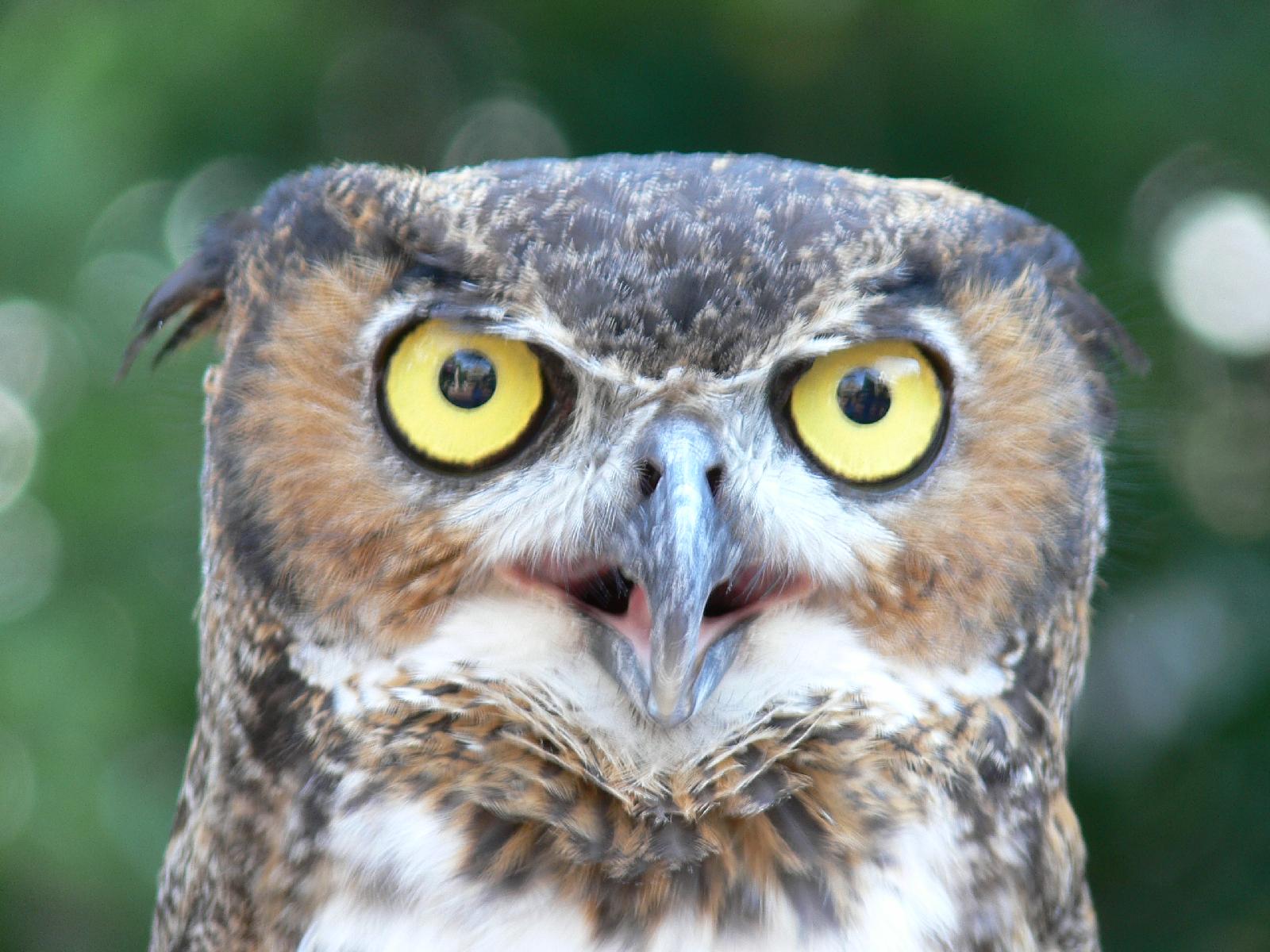
Great Horned Owl - Lowry Pk Zoo by Lee

Great Horned Owl – Lowry Park Zoo by Lee

THE SILENCE OF THE OWLS

“There shall the great owl make her nest, and lay, and hatch, and gather under her shadow:” (Isaiah 34:15a)

Interesting Things from Smiley CentralWhat makes owls so good at catching prey as they fly through the night sky? Part of the credit obviously goes to their amazing eyes that are able to see with such clarity in low-light conditions. But owls also have another design feature that allows them to sneak up on their prey without being noticed. Owls, you see, were designed to fly in virtual silence.

The authors of the book Discovery of Design point out that owls have an uneven forward fringe on their wings. Unlike the sharp, well-defined edge on most birds, the uneven fringe decreases air turbulence and produces less noise. In addition, the feathers covering the owl’s wings, body and legs are velvety soft. This helps to dampen and absorb the sound of rushing air.

Airplane designers are now exploring these features to create quieter military and commercial aircraft. Thanks to the owl, engineers are looking into a retractable brush-like fringe for airplane wings and a velvety coating on the landing gear.

In the book’s introduction, the authors point out that inventors and design engineers frequently look to nature for inspiration. But as creationists, they emphasize that the designs found in nature are not the product of evolution. Rather, the designs were embedded in the material universe by supernatural acts of creation. The purpose of these designs was not only for the benefit of living things but also so they could be discovered and put to use for the welfare of mankind.

Prayer:
Heavenly Father, the creation not only inspires designs that benefit mankind, they inspire us to worship our Creator! I am filled with awe as I learn more about Your creation. Amen.

Notes:
D. DeYoung and D. Hobbs, Discovery of Design: Searching Out the Creator’s Secrets, pp. 9-10, 66-67 (Master Books, 2012).

©Creation Moments 2015


Lee’s Addition:

Isn’t it amazing the different items and ways of doing things that come from observing the Lord’s Creations?

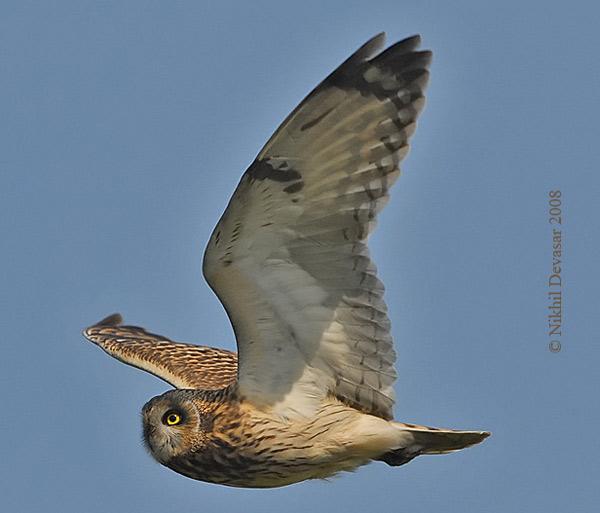
Short-eared Owl (Asio flammeus) by Nikhil

Short-eared Owl (Asio flammeus) by Nikhil

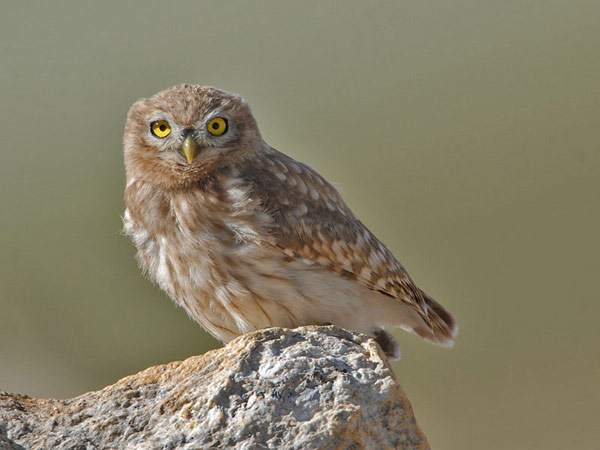
Little Owl (Athene noctua) by Nikhil Devasar

Little Owl (Athene noctua) by Nikhil Devasar

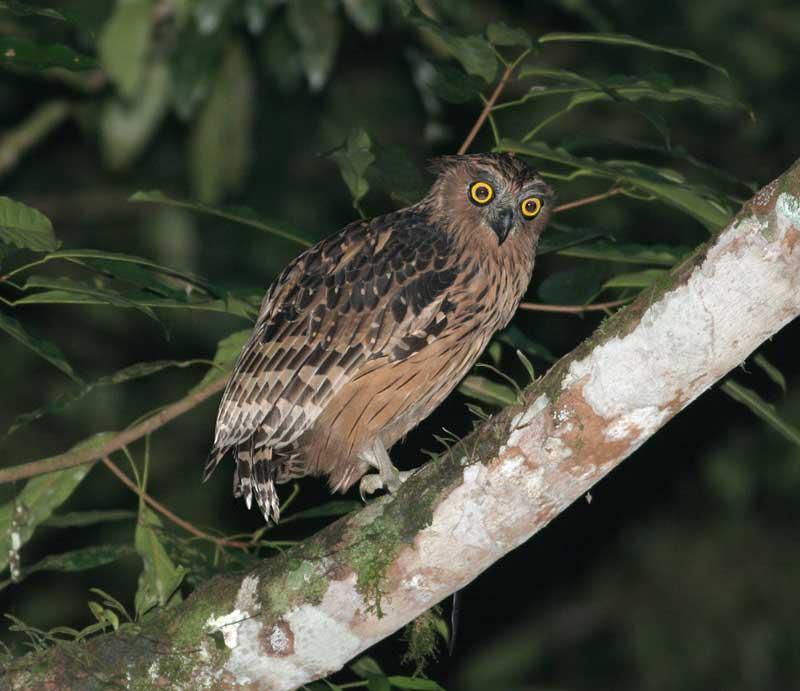
Buffy Fish Owl (Ketupa ketupu) by Peter Ericsson

Buffy Fish Owl (Ketupa ketupu) by Peter Ericsson

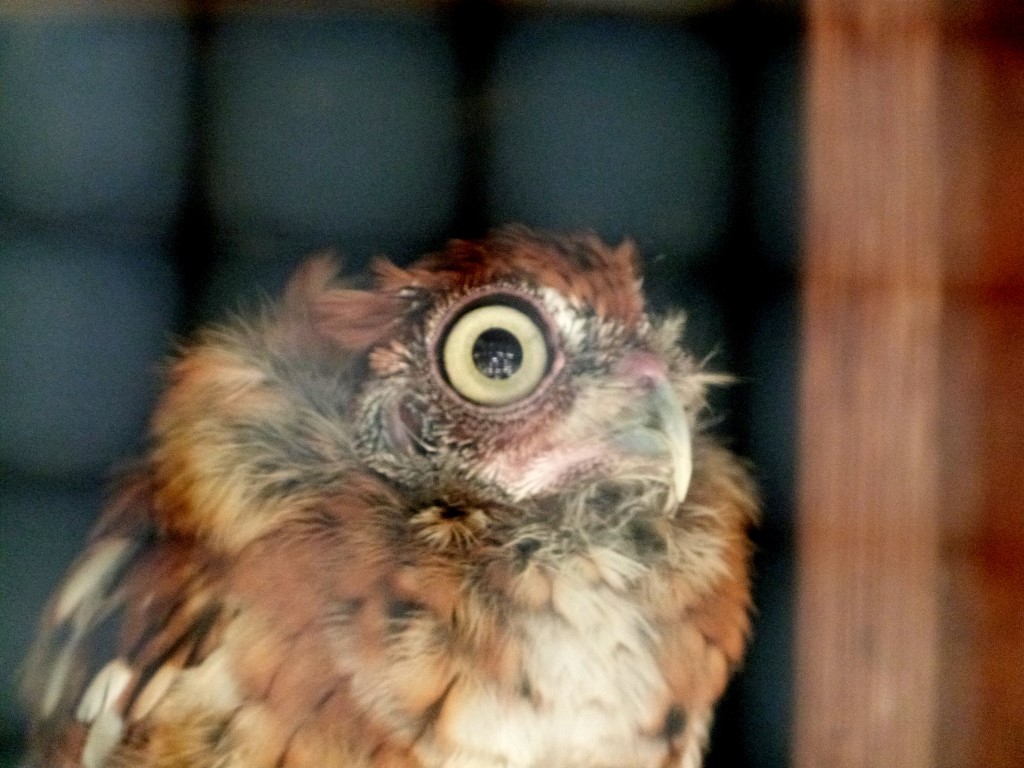
Screech Owl Magnolia Plantation by Lee

Screech Owl – Magnolia Plantation by Lee

…the short-eared owl, …; the little owl, the fisher owl, and the screech owl; the white owl,…(Leviticus 11:16-18 NKJV)

All are part of the “do not eat” list.

*

*

Cactus, Birds and Boots

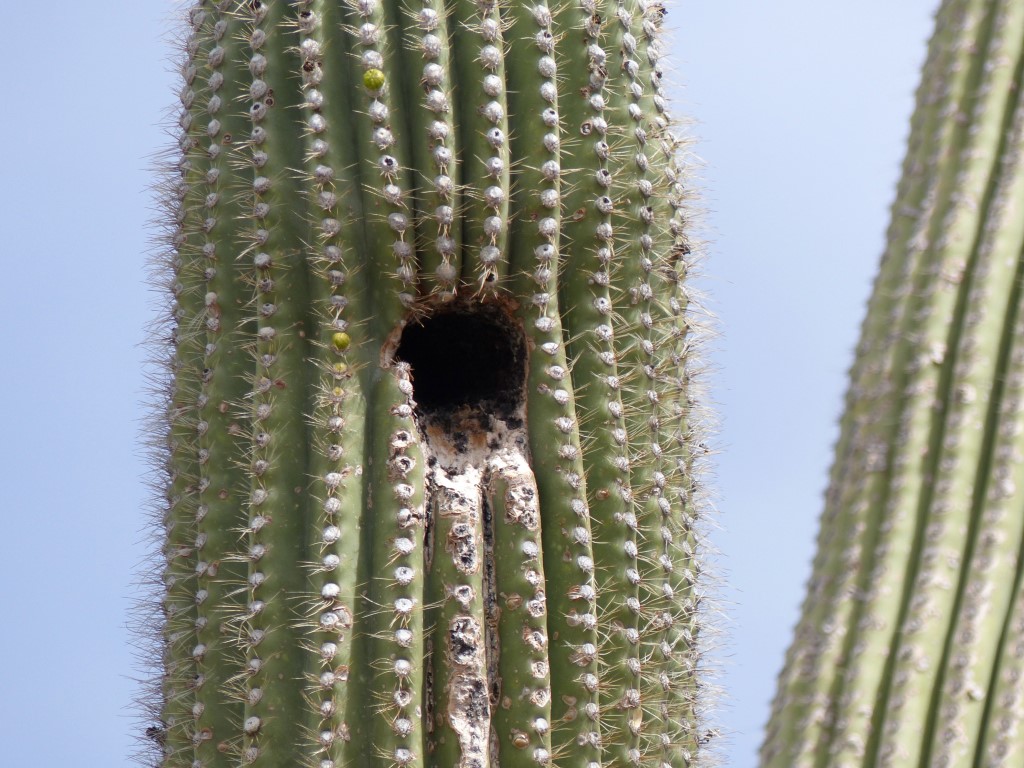
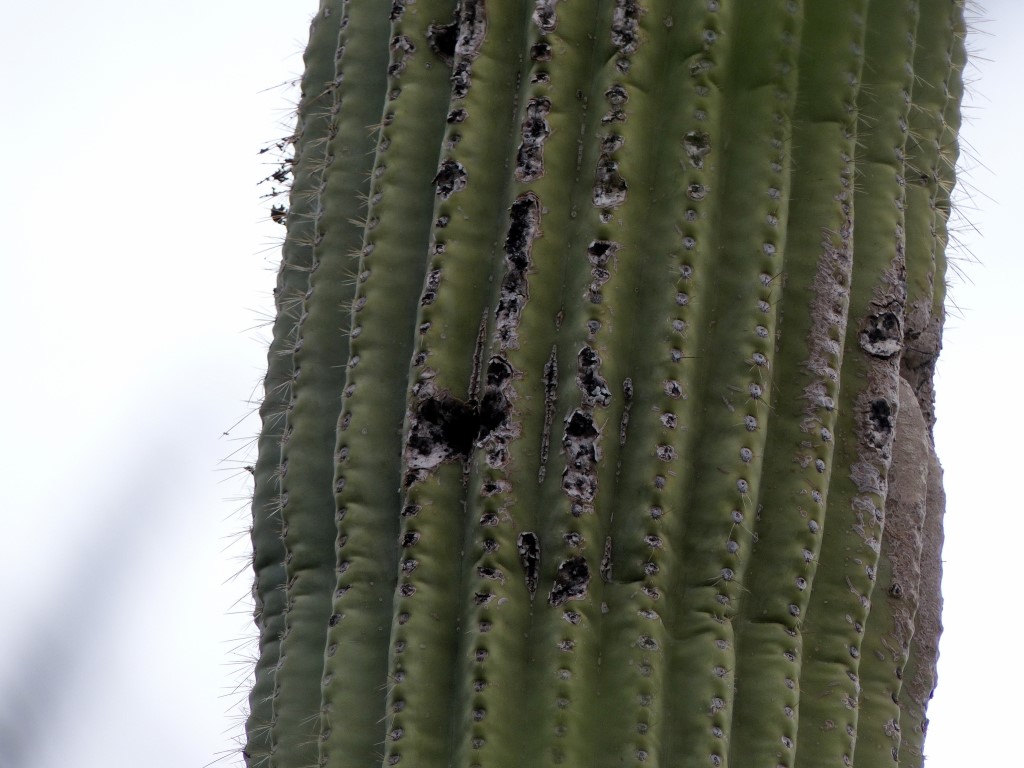
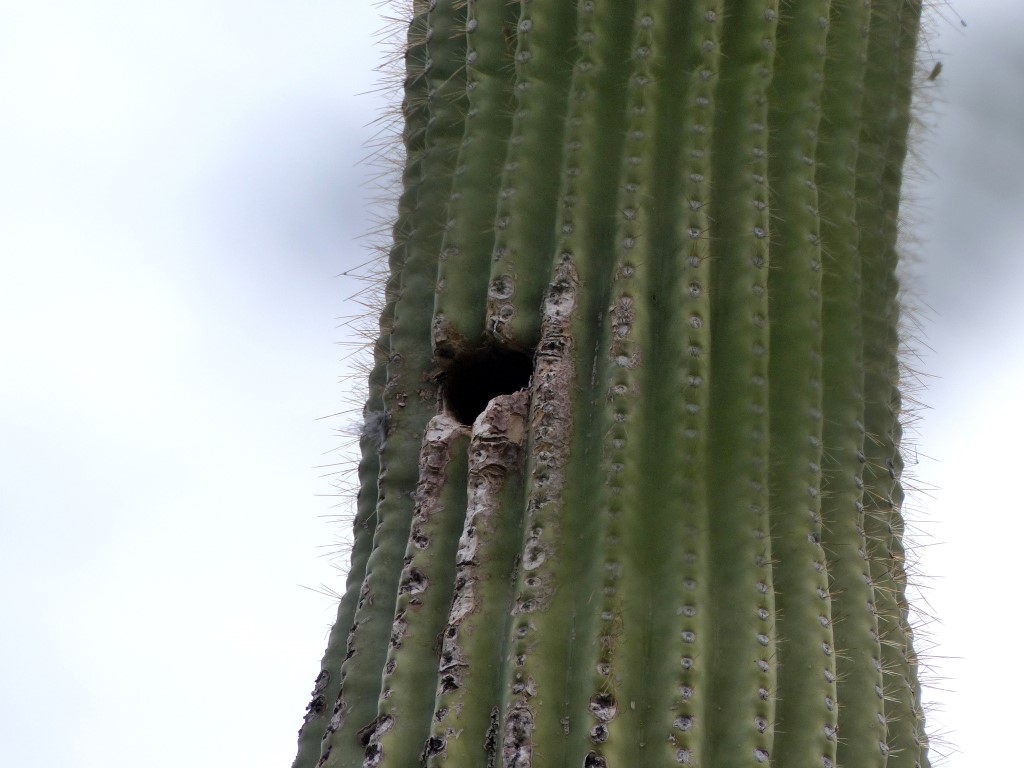
Gila Woodpecker Hole Desert Mus-Tucson by Lee

Gila Woodpecker Hole Desert Mus-Tucson by Lee

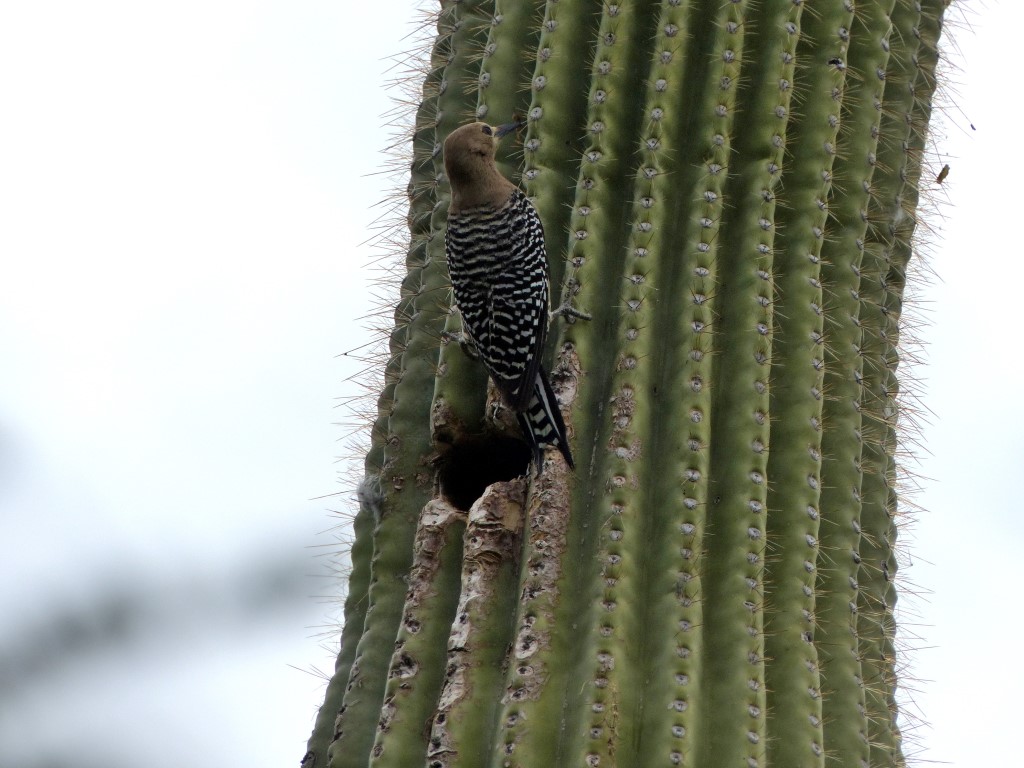
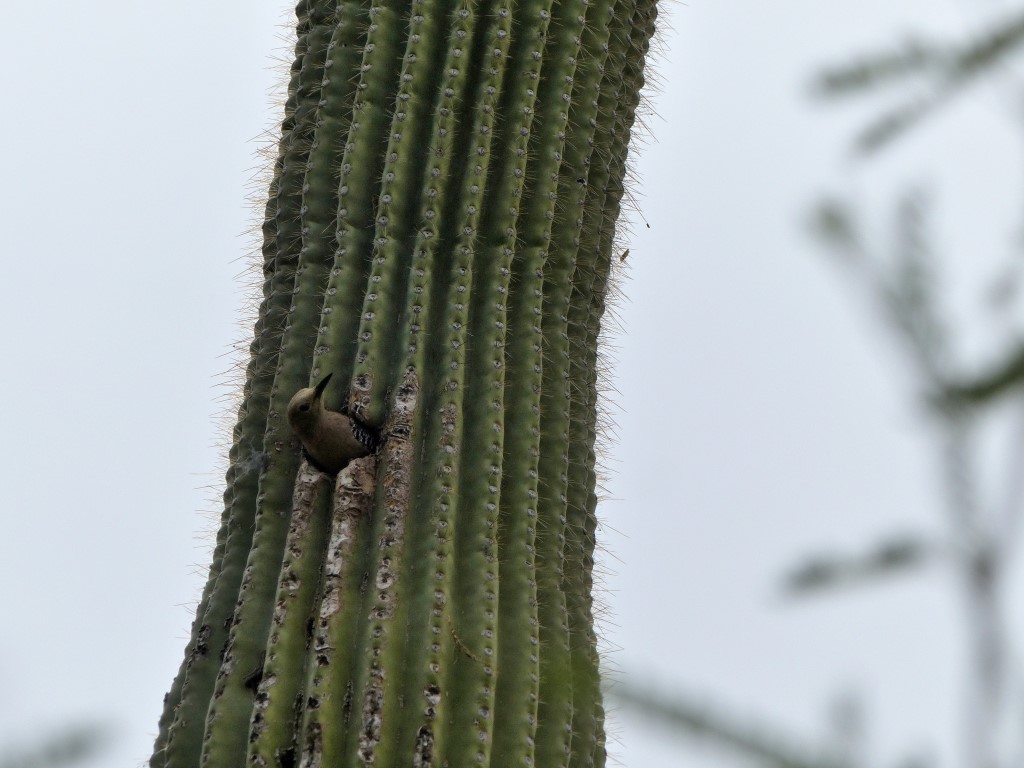
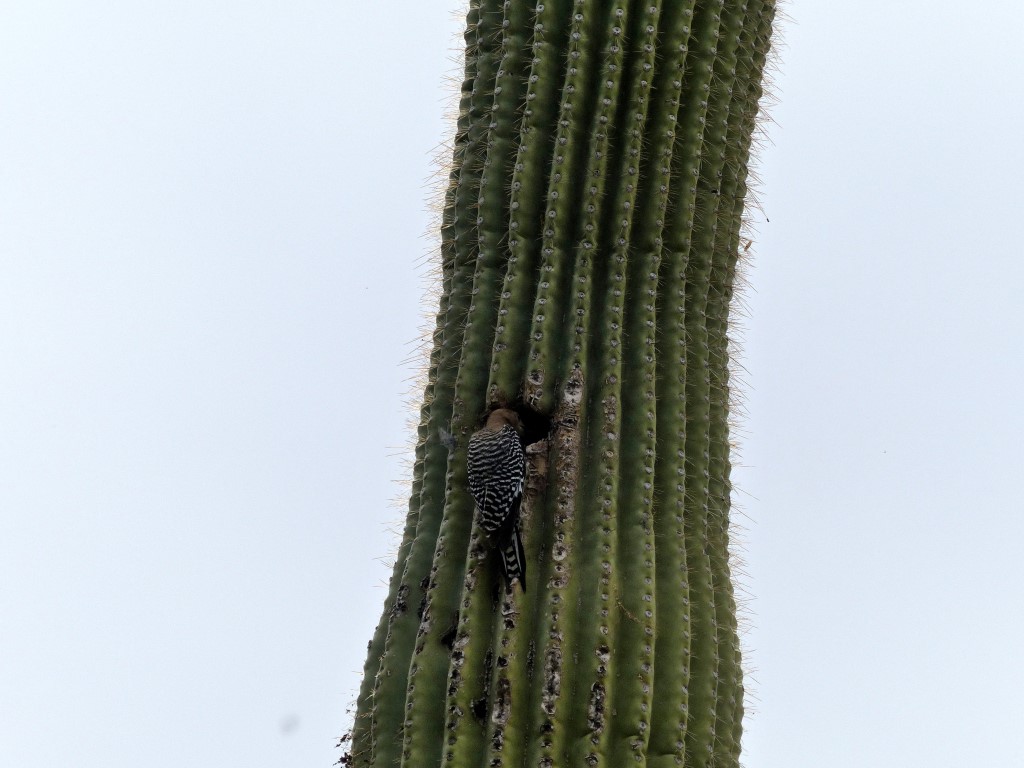
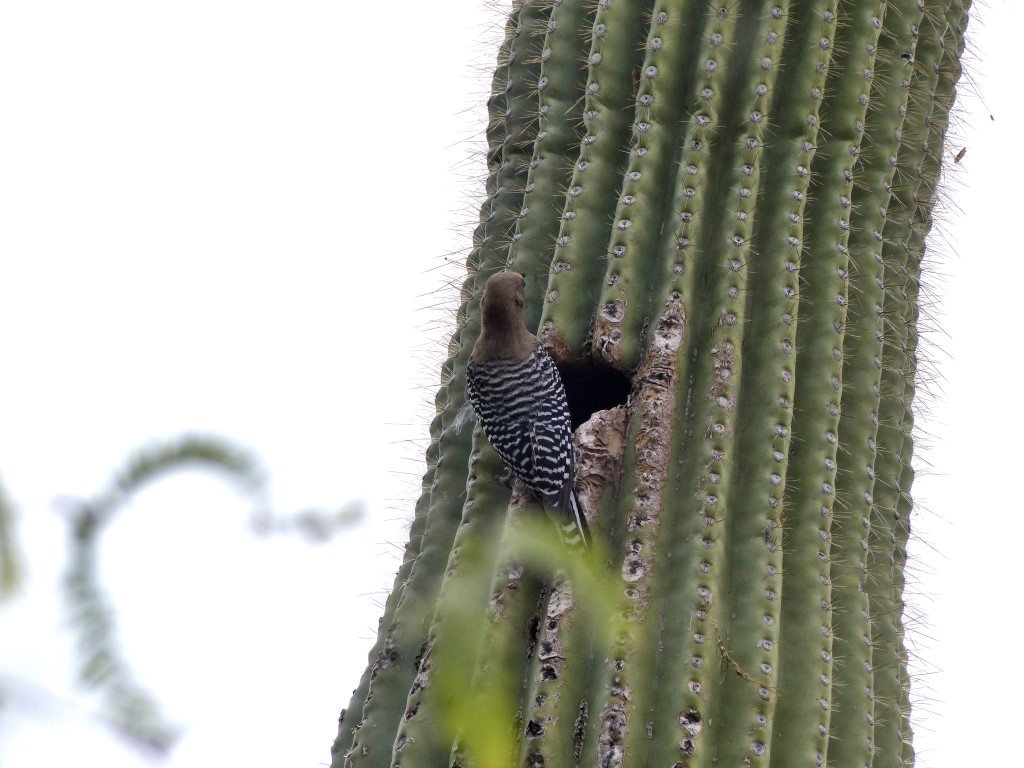
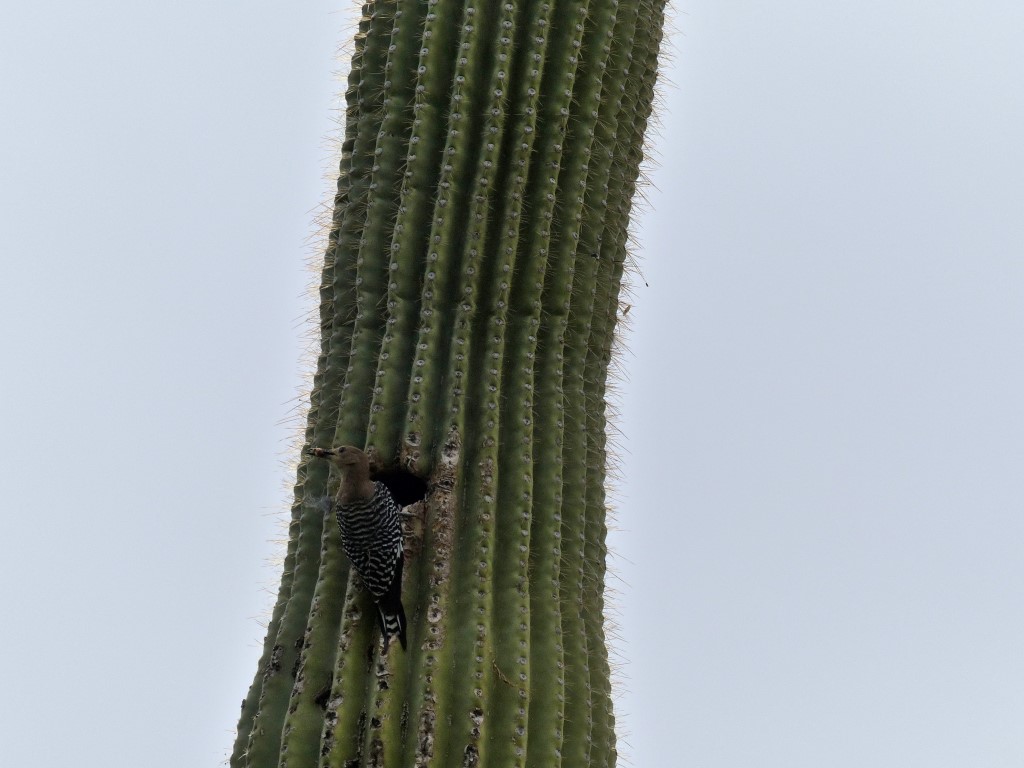
Again, while at the Arizona-Sonora Desert Museum, we learned more about the “Cactus Boot.” I was aware that Woodpeckers, especially the local Gila Woodpecker,  make their homes in cactus, especially Saguaro Cactus. I also knew that the cactus, to prevent loss of moisture, seals around the “wound”, a.k.a. nest cavity. Another way the Lord created the plants and birds to survive in the harsh conditions of a desert.

Gila Woodpecker (Melanerpes uropygialis) Desert Mus-Tucson by Lee

Gila Woodpecker (Melanerpes uropygialis) Desert Mus-Tucson by Lee

One of the docents gave a short lesson about the cactus and the Saguaro boot that was very interesting. First, notice the ribs or pleats on the cactus. These allow the cactus to expand during the rainy times to allow storage of water. Then as the dry seasons arrive, they will contract again. Wise creation design. The Anatomy section of the Cactaceae (cactus family) has a great explanation about this. “A fully hydrated large stem is more than 90 percent water and weighs 80 pounds per foot (120 kg per meter).”

The wilderness and the wasteland shall be glad for them, And the desert shall rejoice and blossom as the rose; It shall blossom abundantly and rejoice, Even with joy and singing. … They shall see the glory of the LORD, The excellency of our God. (Isaiah 35:1-2 NKJV)

Showing the ribs of a dead Saguaro and holes where the Woodpeckers had their boot.

Showing the ribs of a dead Saguaro and holes where the Woodpeckers had their boot.

“Near the center of the stem is a cylinder of 13 to 20 woody ribs running the length of the main stem and branching into the arms. In the upper part of a stem the ribs are separate; as the stem ages the ribs continue to grow and fuse into a latticed cylinder.”

Cactus Boot Lesson

Cactus Boot Lesson

When the Gila Woodpecker and other birds make the nest in the cactus, a hole is created, to the birds preference and then the cactus seals around that area. When they take these cavity nest out of old/dead cactus it looks like a “boot.”

Cactus Boot Desert Mus-Tuscon by Lee

Cactus Boot Desert Mus-Tuscon by Lee

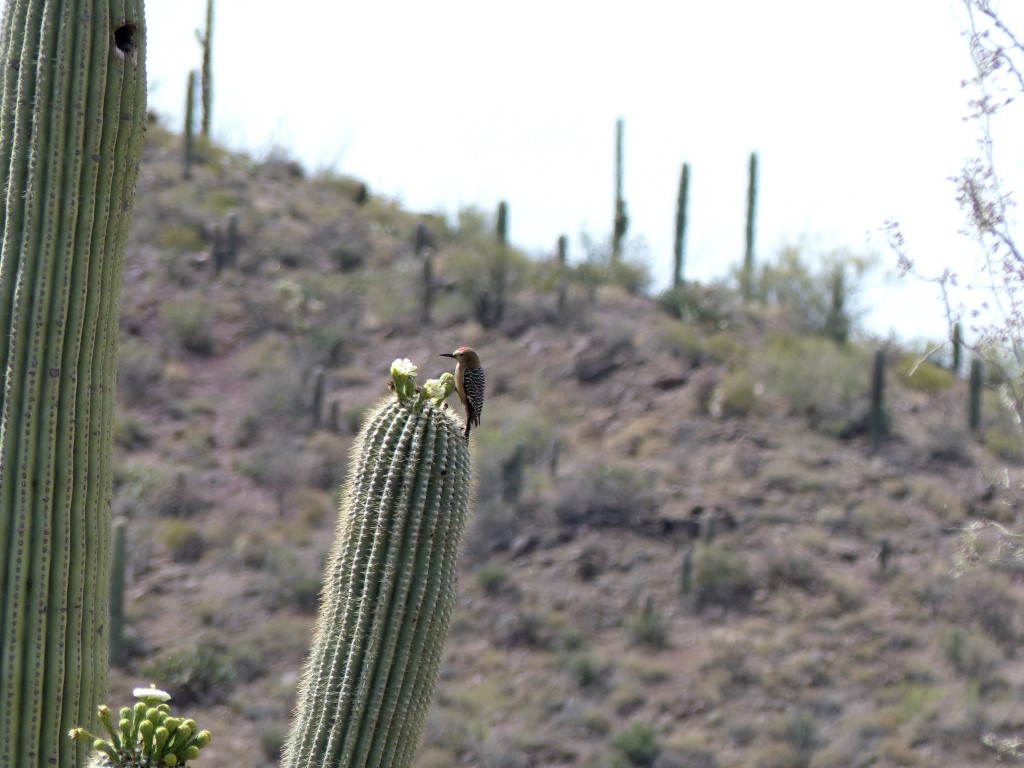
The Gila woodpecker (Melanerpes uropygialis) is a medium-sized woodpecker of the desert regions of the southwestern United States and western Mexico. In the U.S., they range through southeastern California, southern Nevada, Arizona, and New Mexico. (Wiki)

PIC-Pici Gila Woodpecker (Melanerpes uropygialis) Desert Mus-Tucson cr(11)

And Jesus said to him, “Foxes have holes and birds of the air have nests, but the Son of Man has nowhere to lay His head.” (Matthew 8:20 NKJV)

Besides the Saguaros, they also make nest in mesquite trees. Their cavaties in the cacti are later used by other species, even the elf owl. They usually lay 3-5 white eggs.

Here are some photos of the Cactus, Birds and Boots:

Psalms 33:1-8 NKJV
(1) Rejoice in the LORD, O you righteous! For praise from the upright is beautiful.
(2) Praise the LORD with the harp; Make melody to Him with an instrument of ten strings.
(3) Sing to Him a new song; Play skillfully with a shout of joy.
(4) For the word of the LORD is right, And all His work is done in truth.
(5) He loves righteousness and justice; The earth is full of the goodness of the LORD.
(6) By the word of the LORD the heavens were made, And all the host of them by the breath of His mouth.
(7) He gathers the waters of the sea together as a heap; He lays up the deep in storehouses.
(8) Let all the earth fear the LORD; Let all the inhabitants of the world stand in awe of Him.

*

Arizona Hummers – Vacation

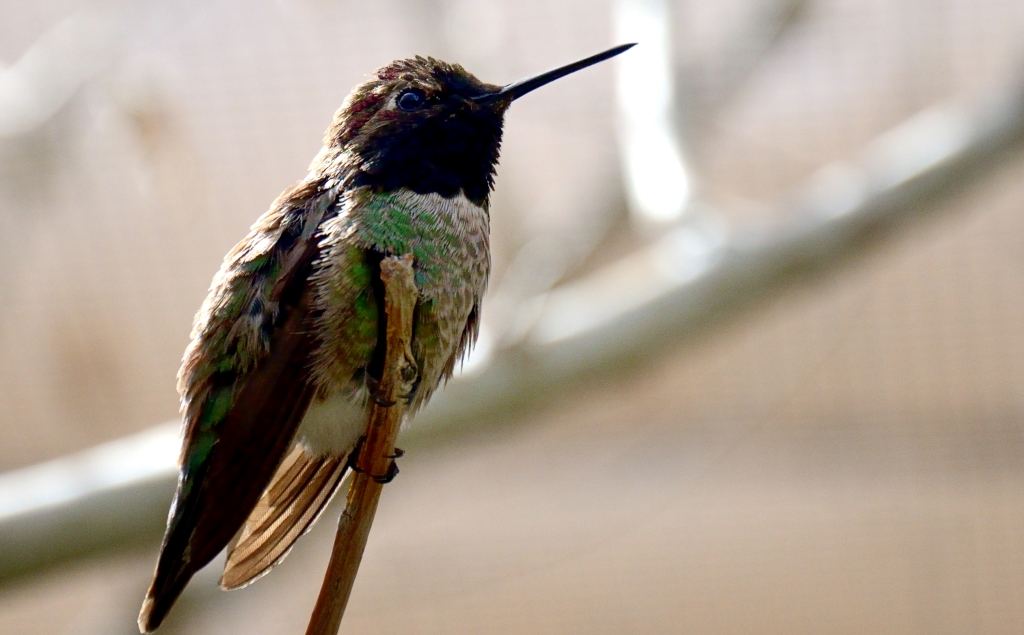
Anna’s Hummingbird (Calypte anna) Desert Mus-Tuscon

By them (springs) the birds of the heavens have their home; They sing among the branches. He waters the hills from His upper chambers; The earth is satisfied with the fruit of Your works. (Psalms 104:12-13 NKJV)

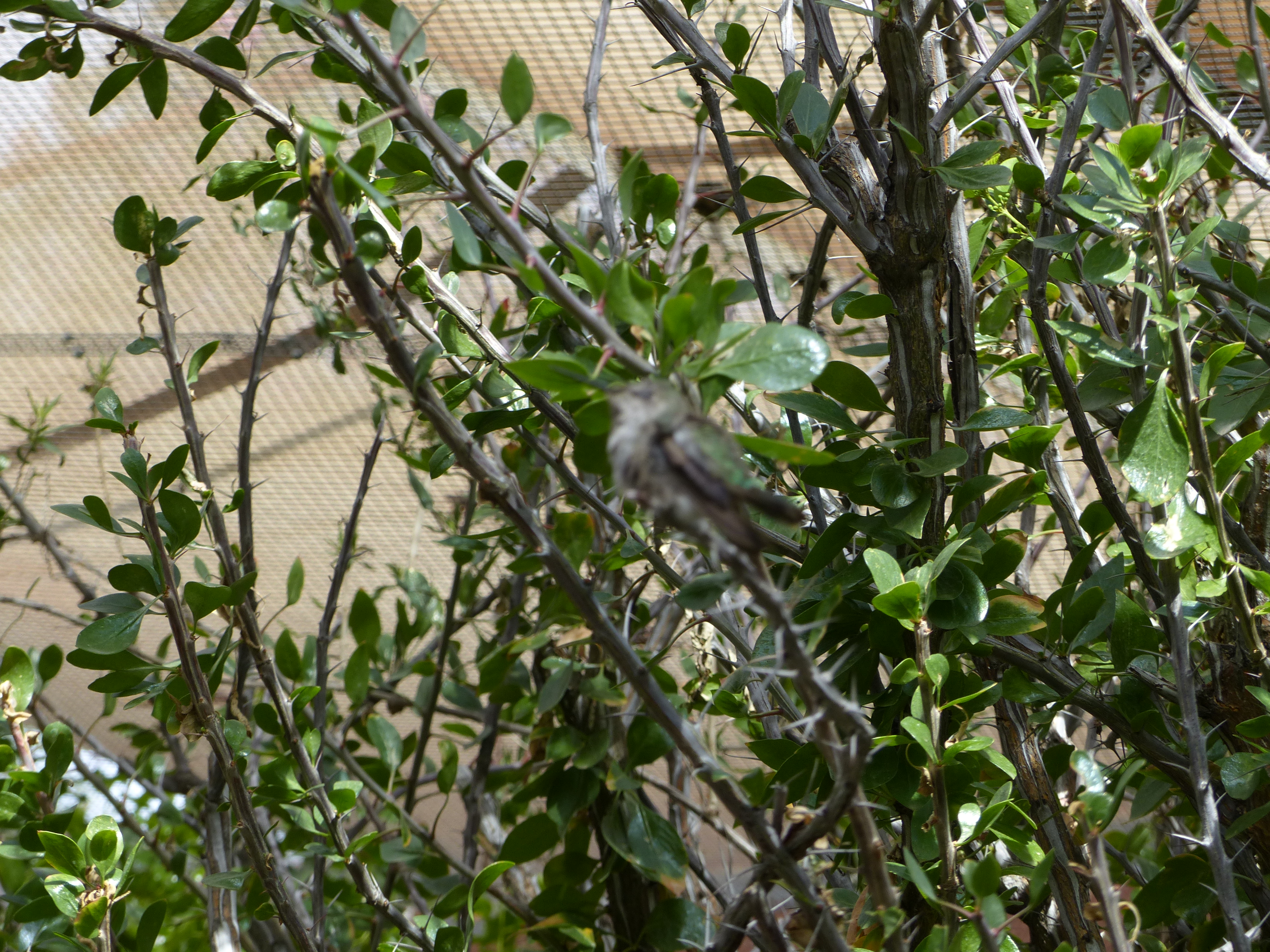
While visiting the Arizona-Sonora Desert Museum, we visited their Hummingbird Aviary. They have four species of hummingbirds flying around in their spacious surroundings. Well, actually, a couple of them were sitting on their nest.

Anna’s Hummingbird (Calypte anna) Desert Mus-Tuscon

I was excited again to be able to see some of the Lord’s fantastic Hummingbirds. Especially two of the species. I had never seen the Broad-billed or Broad-tailed Hummingbirds before. Thankfully, we saw them again outside the aviary, which enabled me to add those 2 to my Life List of Birds. (264 and counting)

Anna's Hummingbird by Dan

Anna’s Hummingbird by Dan

My camera acted up just as we entered the aviary. What disappointment. Thankful, there was a man there with the exact camera as mine and we were able to get it re-adjusted. Apparently I had hit some wrong button and in my frustration, continued to mess it up more. (None of you have ever been frustrated?) In the mean time, the hummers were doing their thing, totally unaware of my problems.

All the birds of the heavens made their nests in its boughs; Under its branches all the beasts of the field brought forth their young; And in its shadow all great nations made their home. (Ezekiel 31:6 NKJV)

I said that to say, I don’t have as many photos to show, because many were tossed. Here are some of the better ones. Unfortunately, I’m not positive of who was who.


*

*

*

Wordless Birds – Hummingbirds

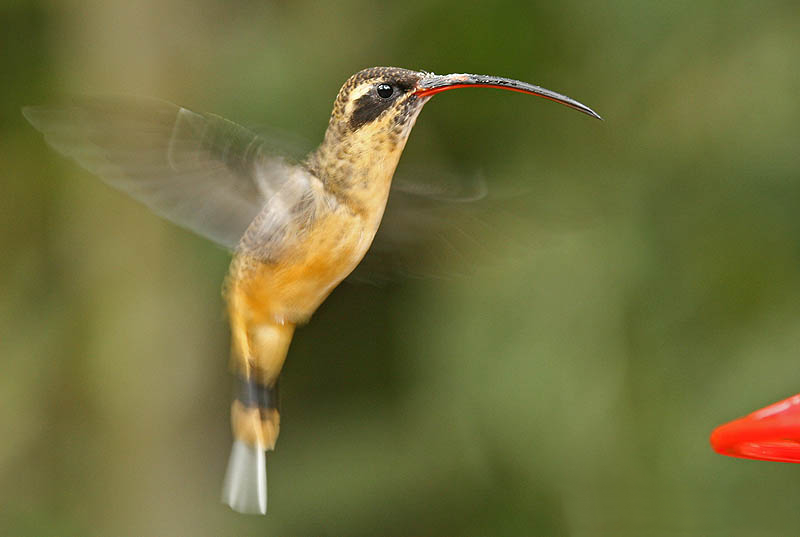
Tawny-bellied Hermit (Phaethornis syrmatophorus)  by Michael Woodruff

Tawny-bellied Hermit (Phaethornis syrmatophorus) by Michael Woodruff

This GOLD bird reminds us of Heaven. The Bible tells us Heaven has a street of gold! But the best part about Heaven is that God, who created you and me, lives there. The Bible, God’s Word, says: “God so loved the world that He gave His only begotten Son, that whosoever believeth in Him should not perish but have everlasting life.” — John 3:16 Jesus, God the Son, is in Heaven preparing a place for all who put their trust in Him. (John 14:2-3) God is holy and perfect. He cannot allow anything in Heaven that is less than perfect, so there’s one thing that can never be in Heaven. Can you think of what that might be?

Green Hermit (Phaethornis guy) ©WikiC  09 May 2012, taken at the restaurant at the entry to Catarata del Toro, Costa Rica.  (Waterfall of the Bull) a 330 foot high waterfall 30 minutes from our lodge Bosque de Paz) Costa Rica Eco-Lodge, Hotel, Rain Forest, Cloud Forest, Costa Rica ...  www.bosquedepaz.com/  near the villages of Palmira and Pueblo Nuevo, near Bajos del Toro, and the Volcan Poas National Park, and the Juan Castro Blanco National Park. http://en.wikipedia.org/wiki/Green_Hermit says “The Green Hermit (Phaethornis guy) is a large hummingbird that is a resident breeder from southern Central America (Costa Rica and Panama) south to northwestern South America (northeastern Venezuela and Trinidad and the northern Andes to eastern Peru)... It is 5.3 in (13.5 cm) long and weighs 0.22 oz (6.3 g). The male Green Hermit is mainly dark green with a blue-green rump. It has a dark mask through the eye, with buff stripes above and below this, and down the centre of the throat. The central feathers of the tapered tail are long and white-tipped, and are wiggled in display at the communal leks. The reddish bill is long and decurved. The female is duller and sootier grey below, with an even longer bill and tail. The call of this species is a loud zurk, and the males' lekking "song" is a repeated swark.” Photo © 2012 “Mike” Michael L. Baird, mike {at] mikebaird d o t com, flickr.bairdphotos.com, Canon 5D Mark III, with Canon EF 100-400mm f4.5-5.6L IS USM Telephoto Zoom Lens, with no circular polarizer, medium ball-head on a lightweight Gitzo travel tripod, IS off on, RAW.  Proprietary muiti-flash setup by Greg Basco.  See EXIF for more settings.

To use this photo, see access, attribution, and commenting recommendations at www.flickr.com/people/mikebaird/#credit - Please add comments/notes/tags/names to add to or correct information, identification, etc. Please, no comments or invites with badges, unrelated images, flash

Green Hermit (Phaethornis guy) ©WikiC

It is sin! That is what this DARK bird reminds us of. Sin is anything you think, say, or do that does not please God, like lying, cheating, being selfish, or hurting others. The Bible says: “All have sinned and come short of the glory of God.” — Romans 3:23 That means everyone, big or little, young or old! No matter where you live or who you are, you have sinned. Everyone is born with a “want to” to do wrong. God says that sin must be punished (Romans 6:23), and the punishment for sin is to be separated from God forever in a place of suffering….a place called Hell. But God has a wonderful plan so that you will not have to be punished for your sin!

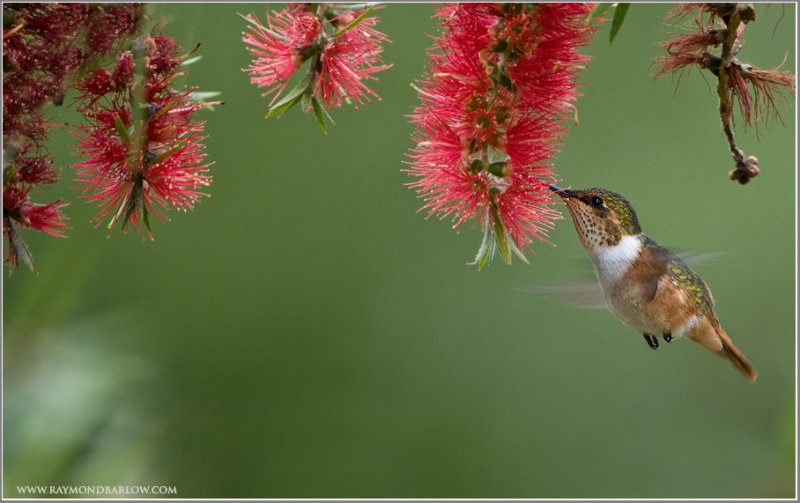
Scintillant Hummingbird (Selasphorus scintilla) in Flight by Raymond Barlow

Scintillant Hummingbird (Selasphorus scintilla) in Flight by Raymond Barlow

God sent Jesus Christ, His perfect Son, to be born as a little baby. Jesus lived a perfect life….He never sinned. When He was grown, wicked men nailed Him to a cross. This bird is RED reminding us of Jesus’ blood. The Bible says that without the giving of blood there can be no forgiveness of sin (Hebrews 9:22). So Jesus Christ willingly died to take your sin punishment. “…Christ died for our sins according to the Scriptures; and that He was buried, and that He rose again the third day, according to the Scriptures.“— 1 Corinthians 15:3-4 Now, because of what Jesus has done for you, you can have your sins forgiven. Read on to see how!

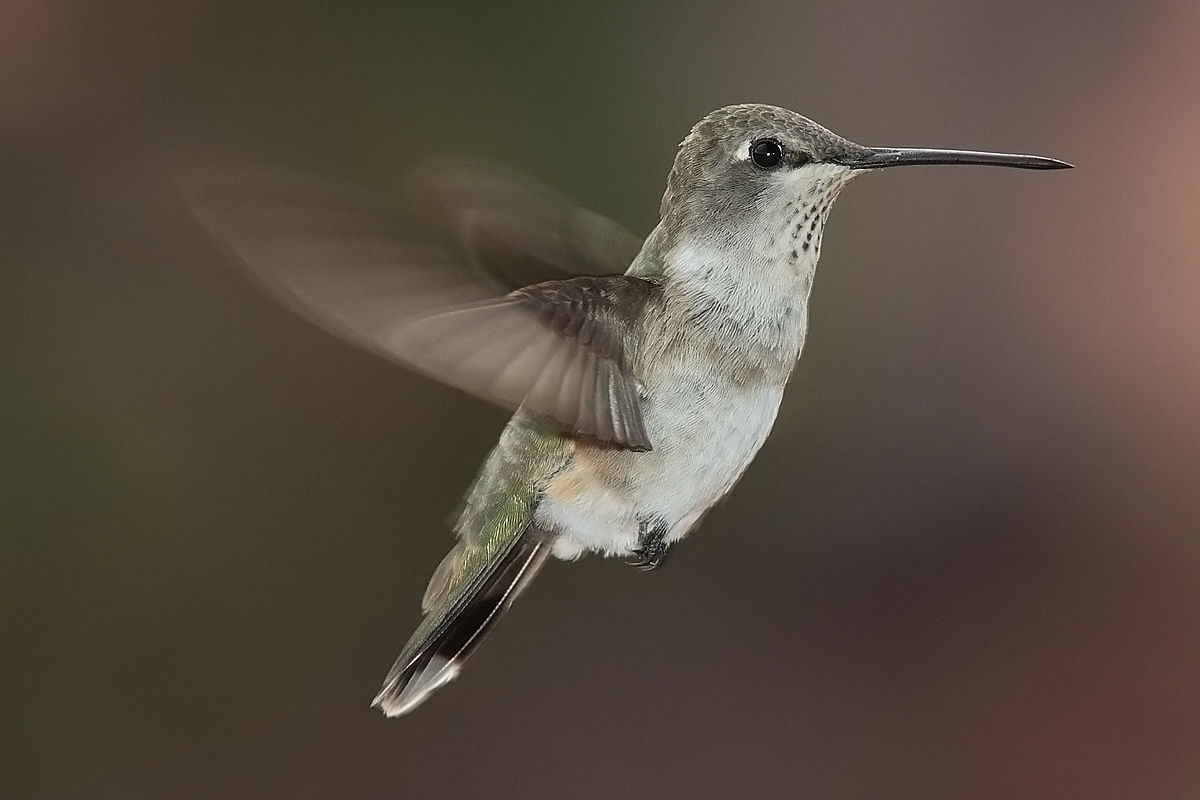
Black-chinned Hummingbird (Archilochus alexandri) ©WikiC

Black-chinned Hummingbird (Archilochus alexandri) ©WikiC

The Bible says: “As many as received Him, to them gave He power to become the sons of God, even to them that believed on His name.” — John 1:12 The WHITE bird reminds us of a CLEAN heart. How can you have a clean heart? A = Admit to God you are a sinner and want to turn away from those sins. B = Believe in Jesus Christ, that He is God’s perfect Son who died for your sin, was buried, and rose again. C = Call on Him to save you from your sin. Would you like to do that right now? He has promised to hear, and once you are His child, He will never leave you (Hebrews 13:5). Take a moment and talk to God right now. It will change your life forever. Only one more color! What can it mean?

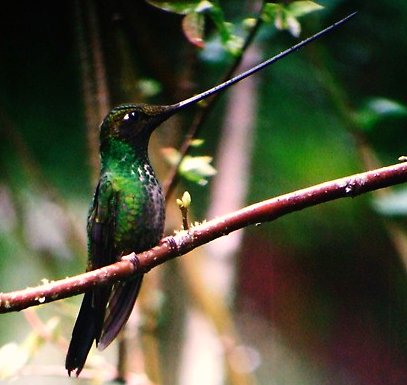
Sword-billed Hummingbird (Ensifera ensifera)©WikiC

Sword-billed Hummingbird (Ensifera ensifera)©WikiC

The GREEN bird stands for things that grow. When you ask God to forgive you and save you, you become His child. God wants you to get to know Him better and to grow to become more like Him. These four things will help you grow:

1. PRAY (talk to God every day)
2. READ & OBEY THE BIBLE (to know what He says, then do it)
3. TELL OTHERS ABOUT JESUS
4. GO TO A BIBLE-BELIEVING CHURCH (where you can learn more about pleasing Him)

As a child of God, if you should sin again, stop and tell Him about it. He promises in His Word… “If we confess our sins, He is faithful and just to forgive us our sins and to cleanse us from all unrighteousness.” — 1 John 1:9 Ask God to help you live a life to please Him! Share the Good News of this story with someone else.


The Wordless Book has been used for many years by CEF (Child Evangelism Fellowship). These words are from CEF.


The Gospel Message

The Wordless Book
Story of the Wordless Book

Once you receive Jesus as your Savior, then you have joy and peace in your heart.

Whom having not seen, ye love; in whom, though now ye see him not, yet believing, ye rejoice with joy unspeakable and full of glory: Receiving the end of your faith, even the salvation of your souls. (1 Peter 1:8-9 KJV)

This bird’s singing reminds us of the joy a Christian has in their heart after salvation and it spills out in a song and hopeful in telling others of what Christ did in their hearts.

Birds of the Bible – Cactus Wren

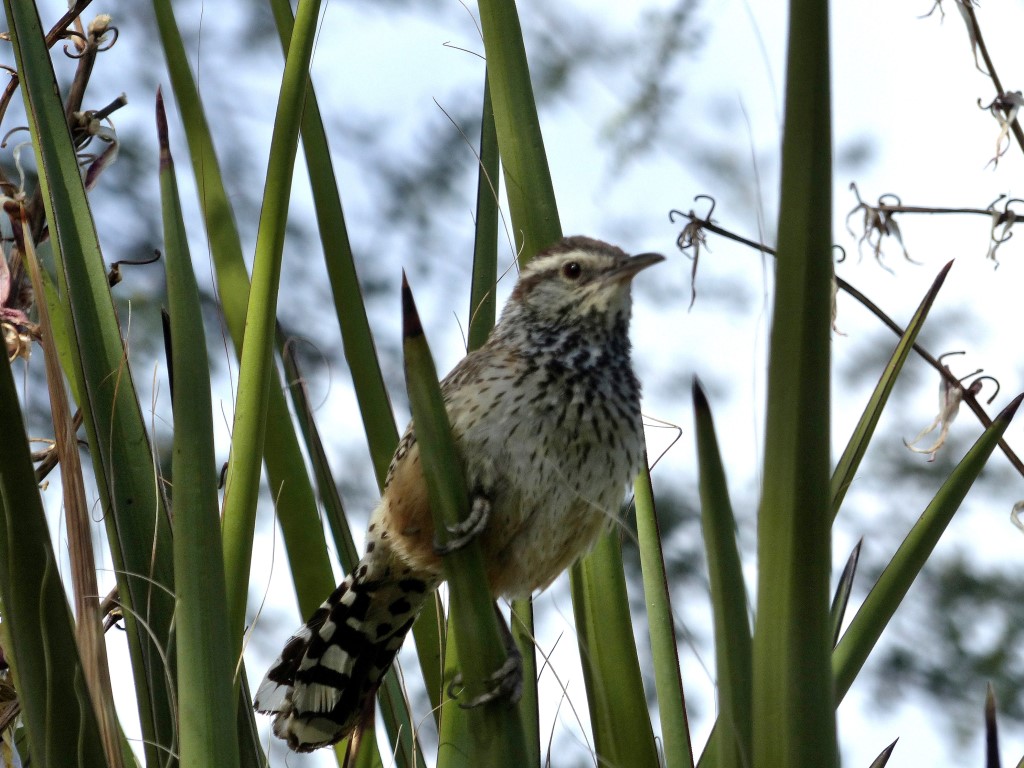
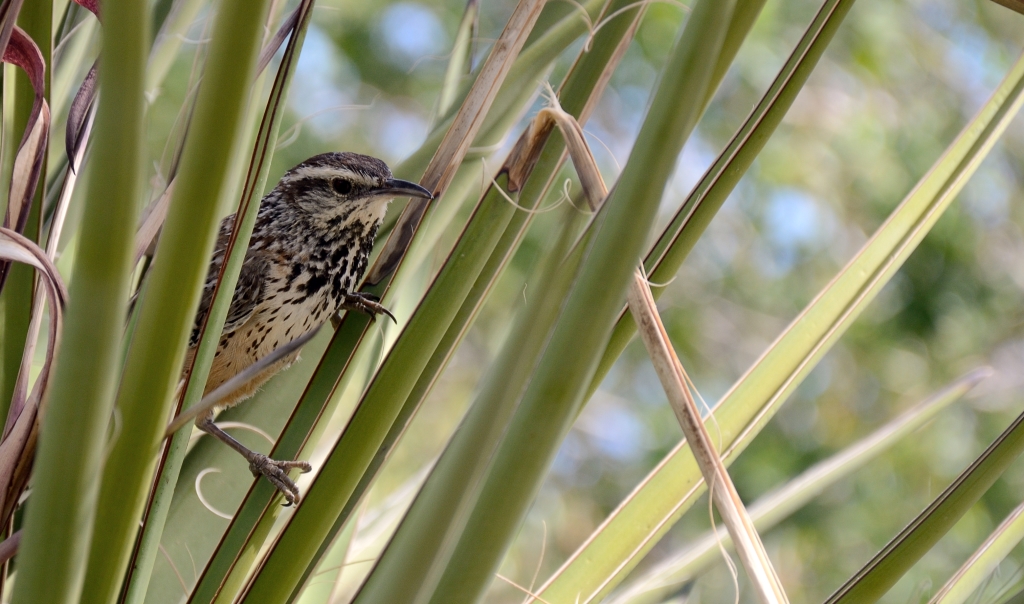
Cactus Wren (Campylorhynchus brunneicapillus) by Lee

Cactus Wren (Campylorhynchus brunneicapillus) by Lee

Out of the ground the LORD God formed every beast of the field and every bird of the air, and brought them to Adam to see what he would call them. And whatever Adam called each living creature, that was its name. (Genesis 2:19 NKJV)

After posting the photos of the Cactus Wrens (The Chase Begins…), I realized that you weren’t told much about these birds. After researching them; I decided they deserve to be a Birds of the Bible bird.

Why? Not because they are named specifically, but because of the way the Lord Jesus created these wrens to live in the desert environment and to survive there.

Cactus Wren Desert Mus-Tucson by Lee 37

Cactus Wren Desert Mus-Tucson by Lee 37

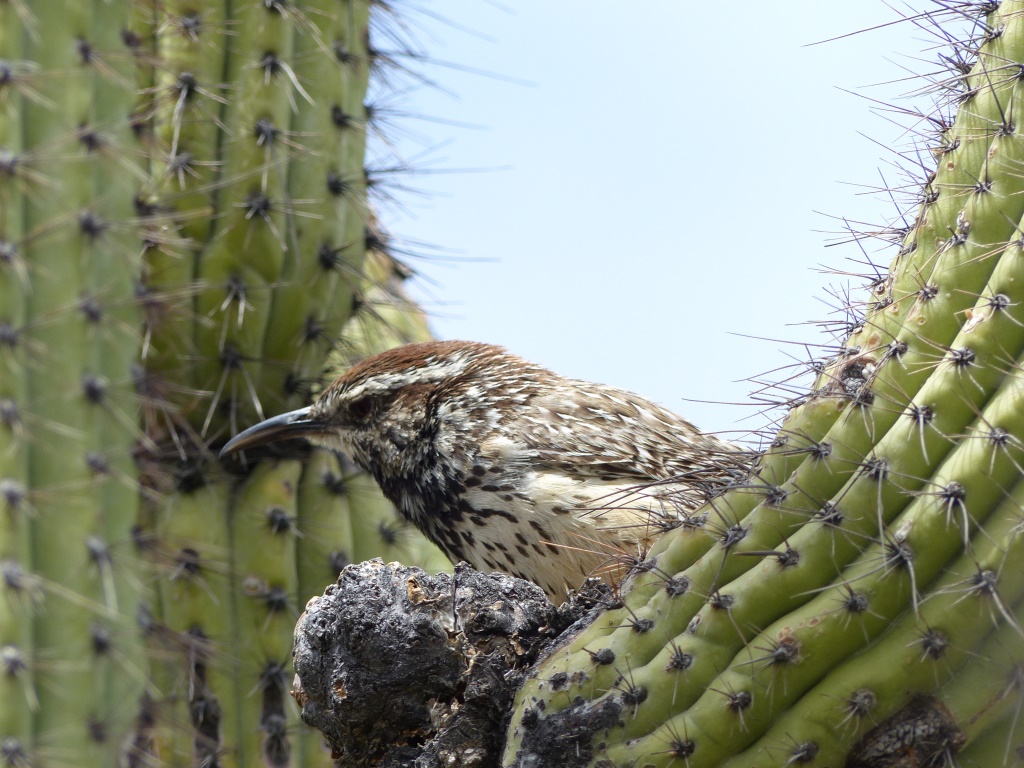
For one thing, they sort of blend in with their surroundings which helps protect them, camouflage. Hanging out in those spiked plants give them another great advantage.

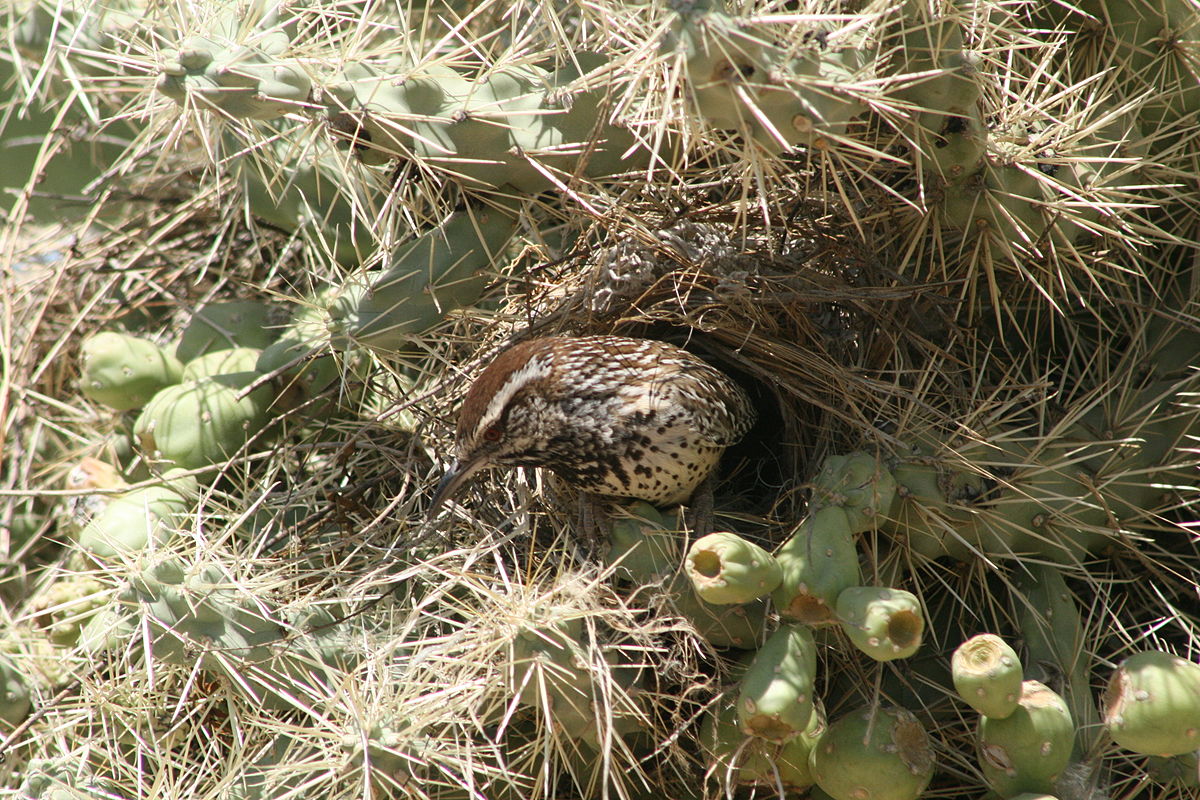
Cactus Wren at nest ©WikiC by BigWheel55

Cactus Wren at nest ©WikiC by BigWheel55

Look at the birds of the air, for they neither sow nor reap nor gather into barns; yet your heavenly Father feeds them. Are you not of more value than they? (Matthew 6:26 NKJV)

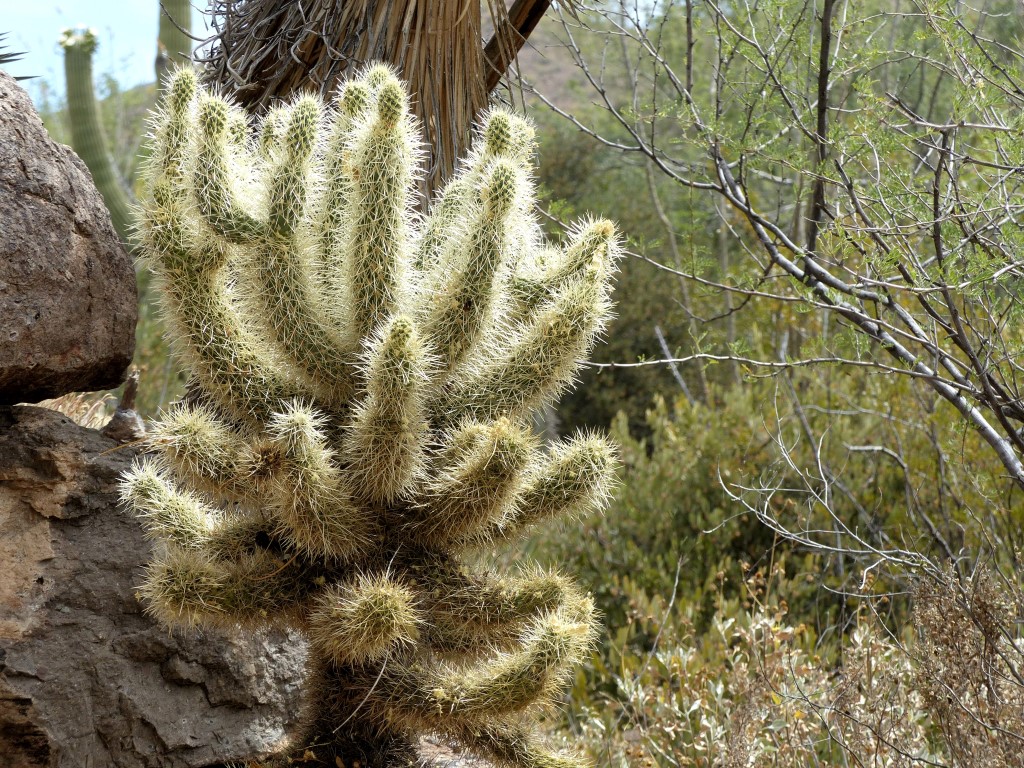
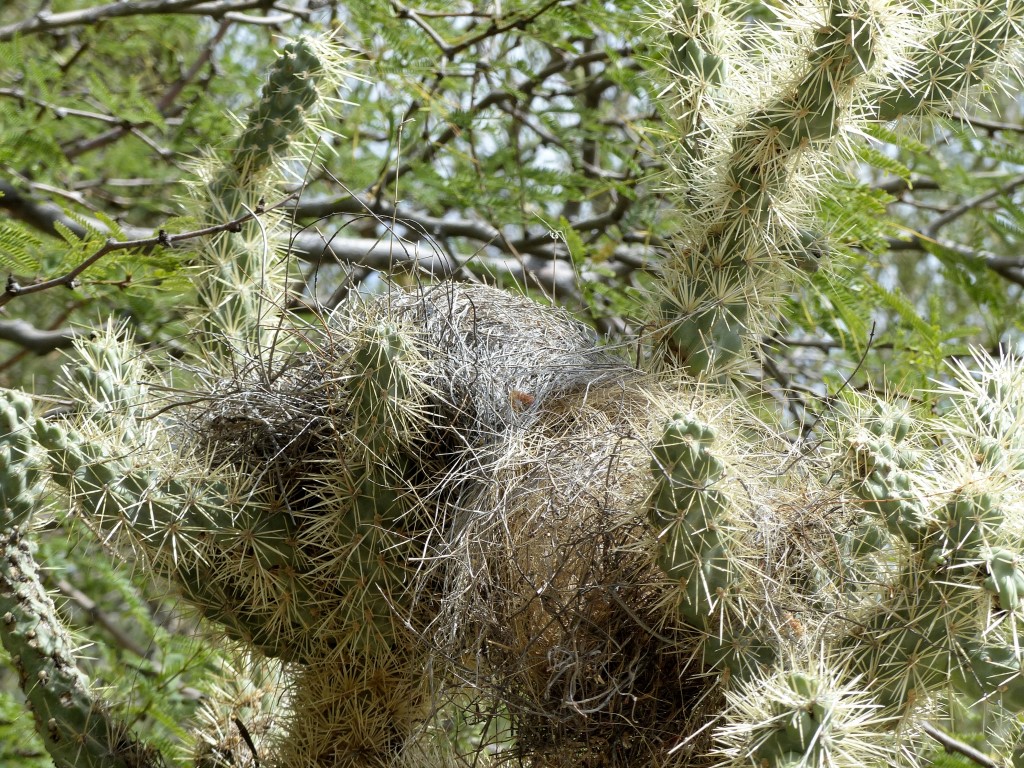
One of the favorite places they like to make their nest is in the Cholla cactus. It is very spiny and keeps predators at bay. We saw several nests. An interesting thing about their nest show wisdom given them by the Creator. “Cactus wrens build nests that are the size and shape of a football with an opening at one end. They will construct this nest out of grasses and other annual plants, but can also include scraps of cloth and other woven fibers that they find. They will build this nest (and many others) usually in cholla, but also in palo verde, acacias, saguaros, or the hanging pot in your backyard.” (Fact Sheet)

Cholla Cactus by Lee

Cholla Cactus by Lee

Nest in a Cholla Cactus at Desert Museum by Lee

Who teaches us more than the beasts of the earth, And makes us wiser than the birds of heaven?’ (Job 35:11 NKJV)

The nest always have a roof over them. “Domed with tunnel-shaped entrance, made of coarse grass or plant fibers. Lined with feathers.” They also make a perch or doorstep at the opening. They need the dome or roof to shield the hatchlings and themselves from the heat and sun of the day. At night, the feathers and other linings help preserve the body heat. As you may know, desert have large temperature swings each day. Sounds like wise advise for humans in a desert also.

They do have some predators. “Coachwhips and other whipsnakes are able to navigate their way through the cactus and often will take eggs or nestlings. Adult birds can be food for coyotes, hawks, fox, bobcats or domestic cats.” (Wikipedia)

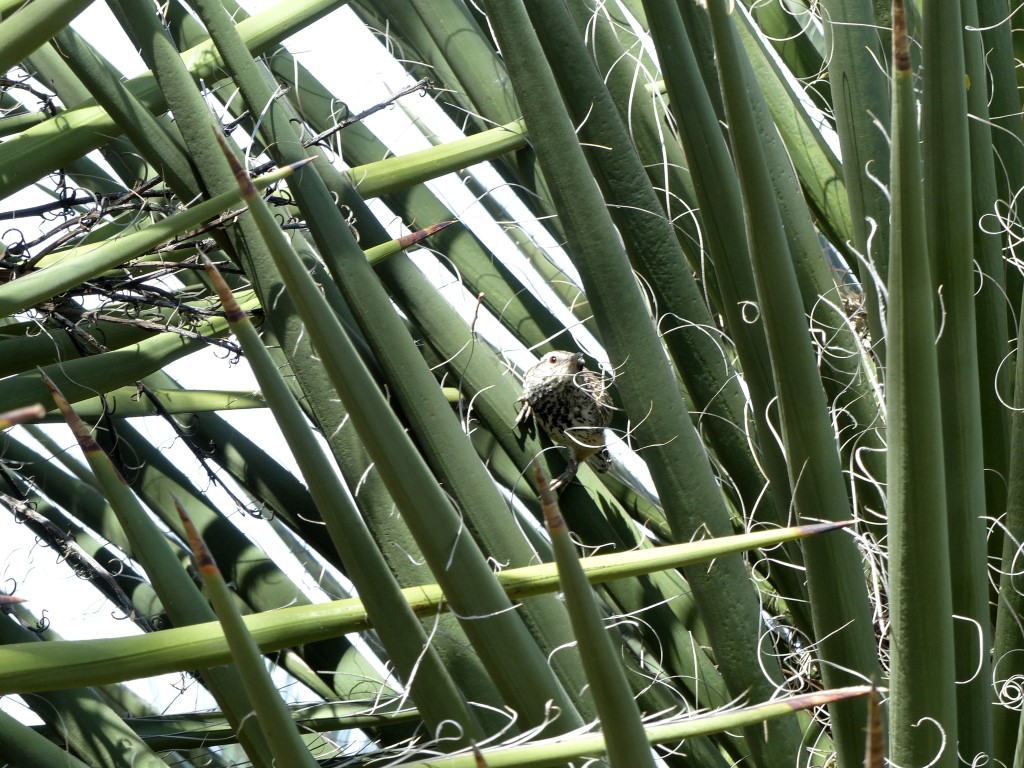
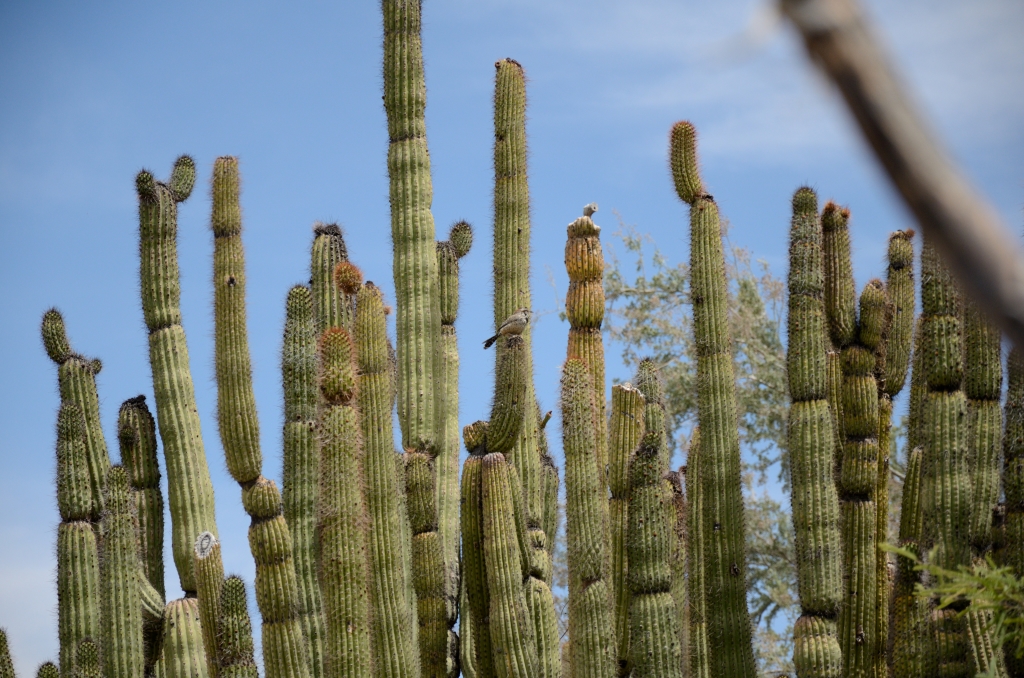
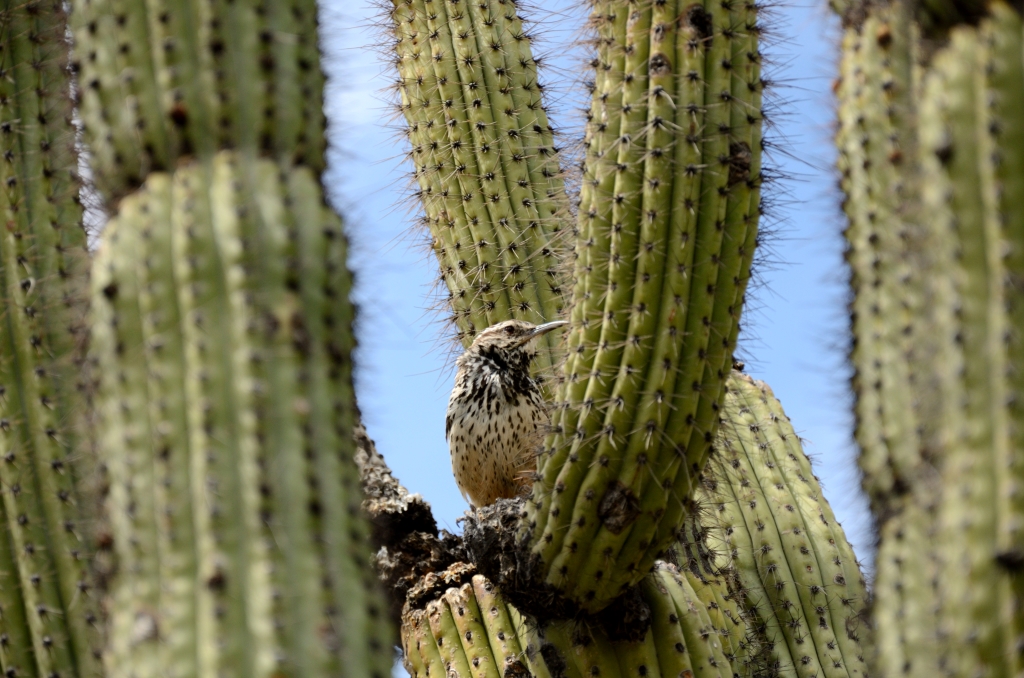
“It is a bird of arid regions, and is often found around yucca, mesquite or saguaro; it nests in cactus plants, sometimes in a hole in a saguaro, sometimes where its nest will be protected by the prickly cactus spines of a cholla or leaves of a yucca.” (Wiki)

The thing that does reveal were they are is when they sing:

It is not the fanciest song, but they sound happy when they sing. I can’t sing well, but I enjoy singing. The Bible says were are to make a joyful noise.

“The Cactus Wren is the largest North American wren, at 18–23 cm (7.1–9.1 in) long. Unlike the smaller wrens, the cactus wren is easily seen. It has the loud voice characteristic of wrens. The cactus wren is much less shy than most of the family. Its marked white eyestripe, brown head, barred wings and tail, and spotted tail feathers make it easy to identify. Like most birds in its genus, it has a slightly curved bill. There is little sexual dimorphism.

The cactus wren primarily eats insects, including ants, beetles, grasshoppers, and wasps. Occasionally, it will take seeds, fruits, small reptiles and frogs. Foraging begins late in the morning and is versatile; the cactus wren will search under leaves and ground litter and overturn objects in search of insects, as well as feeding in the foliage and branches of larger vegetation. Increasing temperatures cause a shift in foraging behavior to shady and cooler microclimates, and activity slows during hot afternoon temperatures. Almost all water is obtained from food, and free-standing water is rarely used even when found” (Wikipedia) Another source mentioned that when the Gila Woodpecker pecks the cactus, it causes it to seep liquid. The Cactus Wren drinks this also for fluid. That is another great provision provided by their Creator.

Cactus Wren (Campylorhynchus brunneicapillus) by Lee

Cactus Wren (Campylorhynchus brunneicapillus) by Lee

The Cactus Wren has the honor of being the State Bird of Arizona.

INTERESTING FACTS: The cactus wren is very protective of its nesting area. They have been known to attack squirrels, other birds, and even people who have gotten too close to their nests. They are not as shy as other wrens and, in fact, have been known to fly into open windows of cars or homes out of curiosity. (50States.com)

*

*

The Chase Begins…

Cactus Wren (Campylorhynchus brunneicapillus) by Lee

Cactus Wren (Campylorhynchus brunneicapillus) by Lee

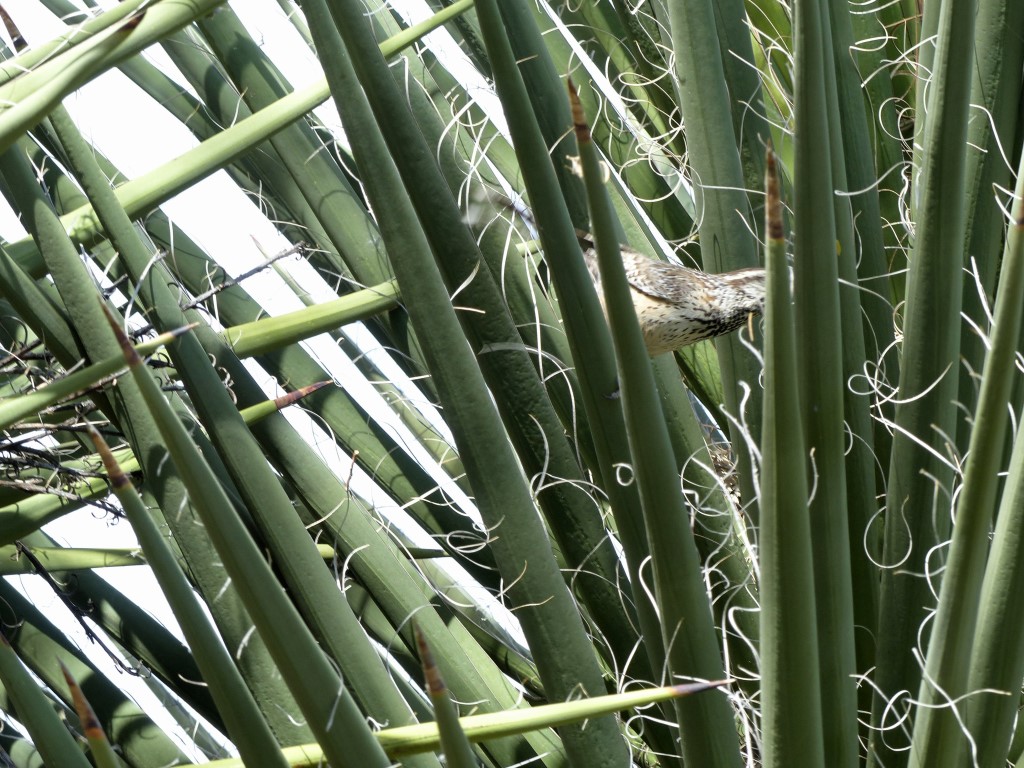
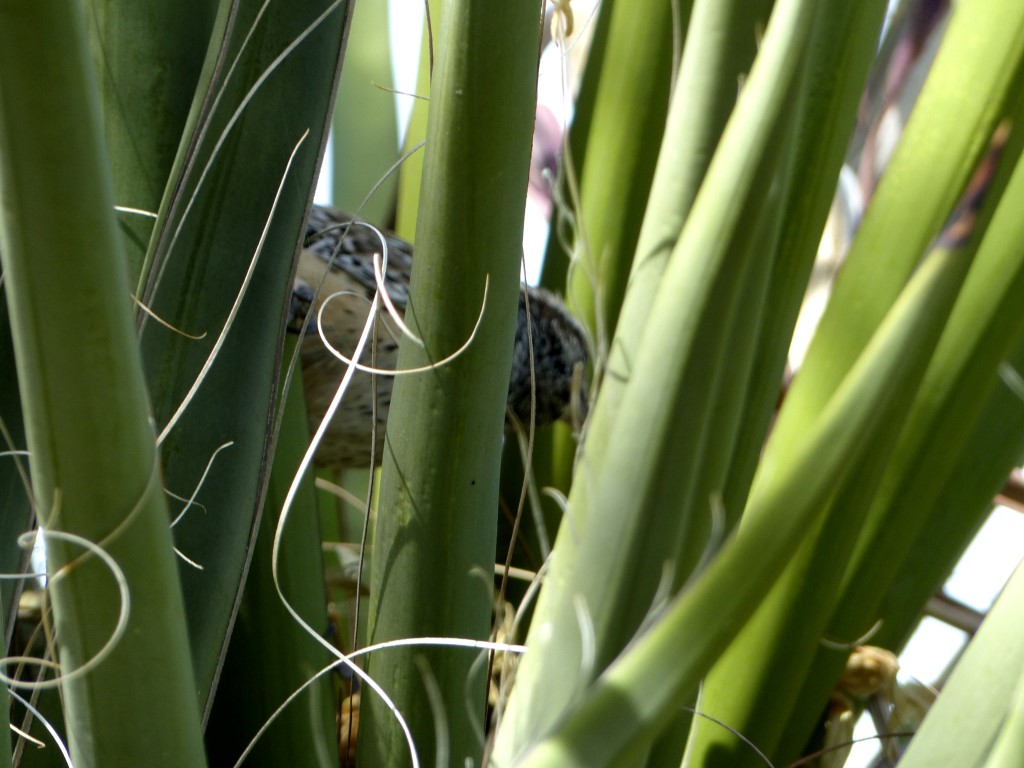
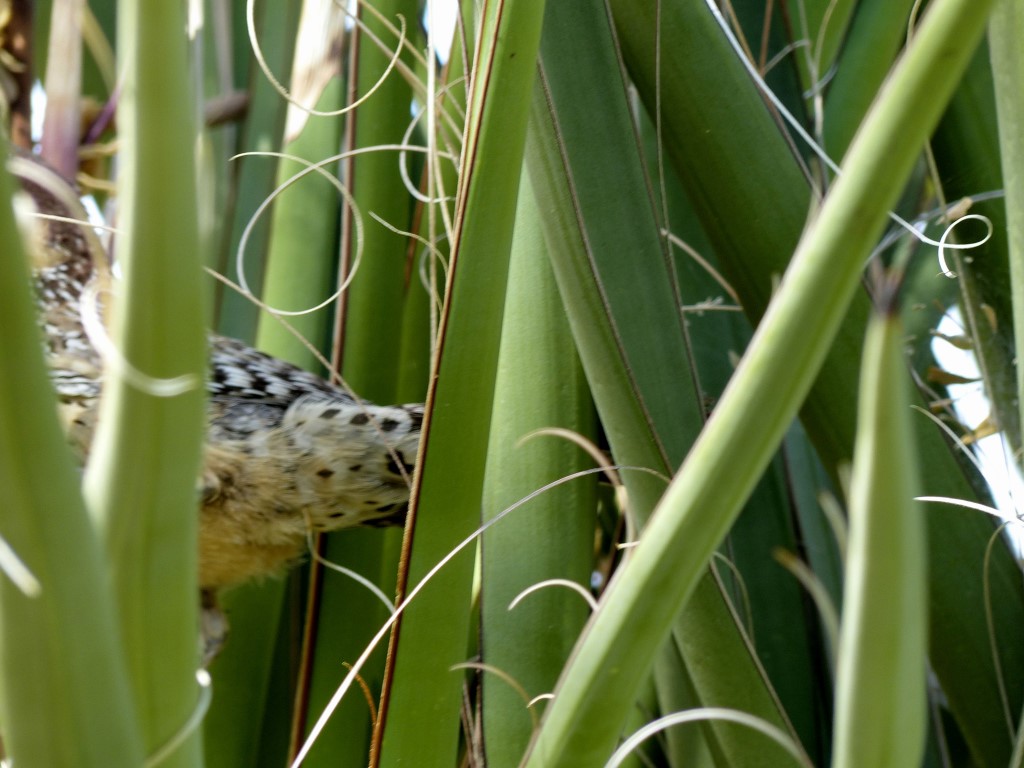
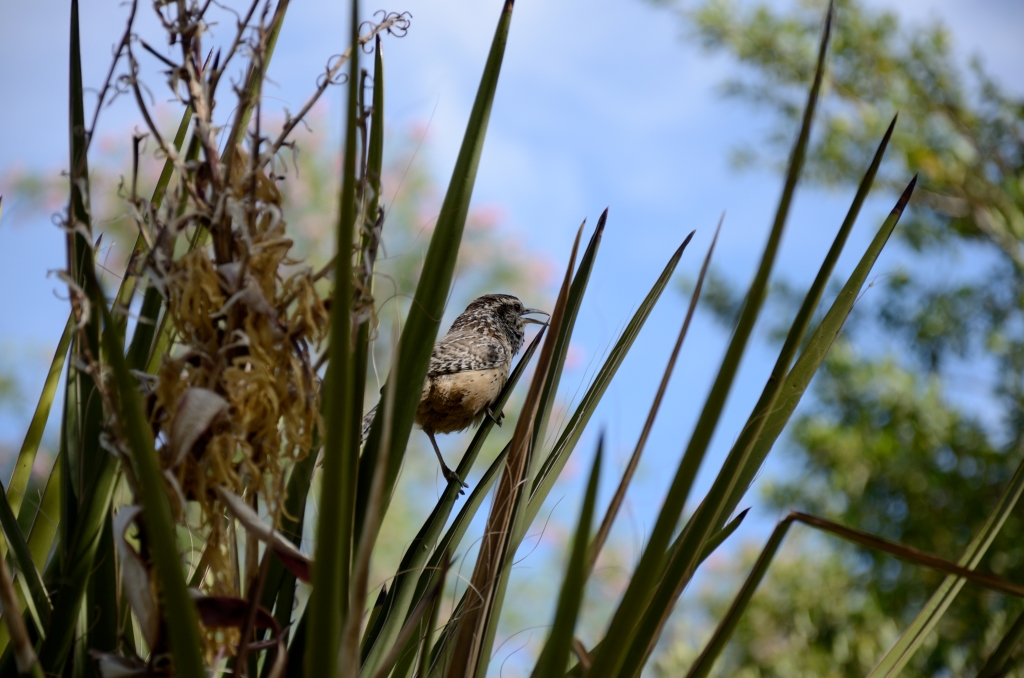
While we were at the Arizona-Sonora Desert Museum we wanted to see as many birds as possible. Birds from this part of the country were to be prize catches. We spotted a wren and we both turned our cameras on it. We had just arrived and it was the first native bird we saw.

Well, let the chase begin because that bird would not stay put, nor would it come out in the open. Here is a series of photos we took trying to get a “whole bird” photo:

And ye shall seek me, and find me, when ye shall search for me with all your heart. (Jeremiah 29:13 KJV)

The Wren was not trying to avoid us, he was only searching for something to eat and we were searching for it.

As you can see, it finally came out in the clear. Those of you who like to photograph critters will understand the joy and agony of attempts like this. After all these attempts, I later found out that we had seen Cactus Wrens before, so it wasn’t a new “Life Bird.”

Later, we saw Cactus Wrens several more times and they showed off and didn’t give us such a hassle as the first one. Oh, the joys of birdwatching!

Here are some more Cactus Wren photos with the more cooperative birds:

Search me, O God, and know my heart: try me, and know my thoughts: (Psalms 139:23 KJV)

Let us search and try our ways, and turn again to the LORD. (Lamentations 3:40 KJV)

I the LORD search the heart, I try the reins, even to give every man according to his ways, and according to the fruit of his doings. (Jeremiah 17:10 KJV)

Trust you enjoyed this adventure of our search for the Cactus Wren. They are members of the Wrens – Troglodytidae Family that has 84 species.

*

Wrens – Troglodytidae Family

Wren – Wikipedia

Sea To Sea in 2015

Wordless Birds

*