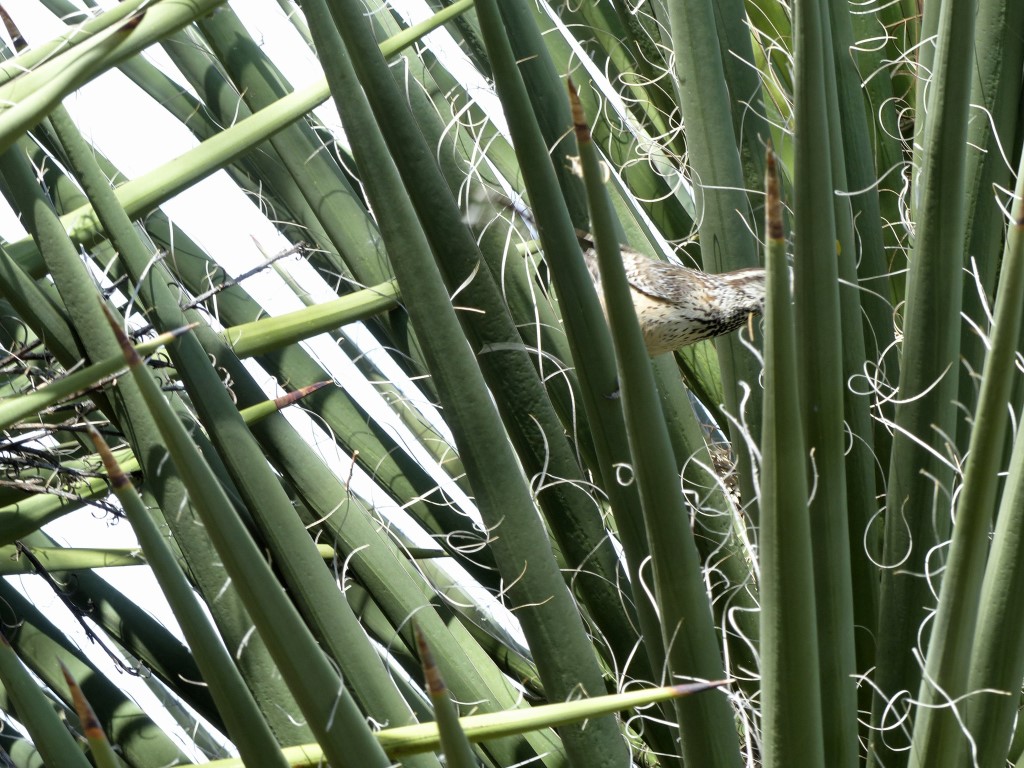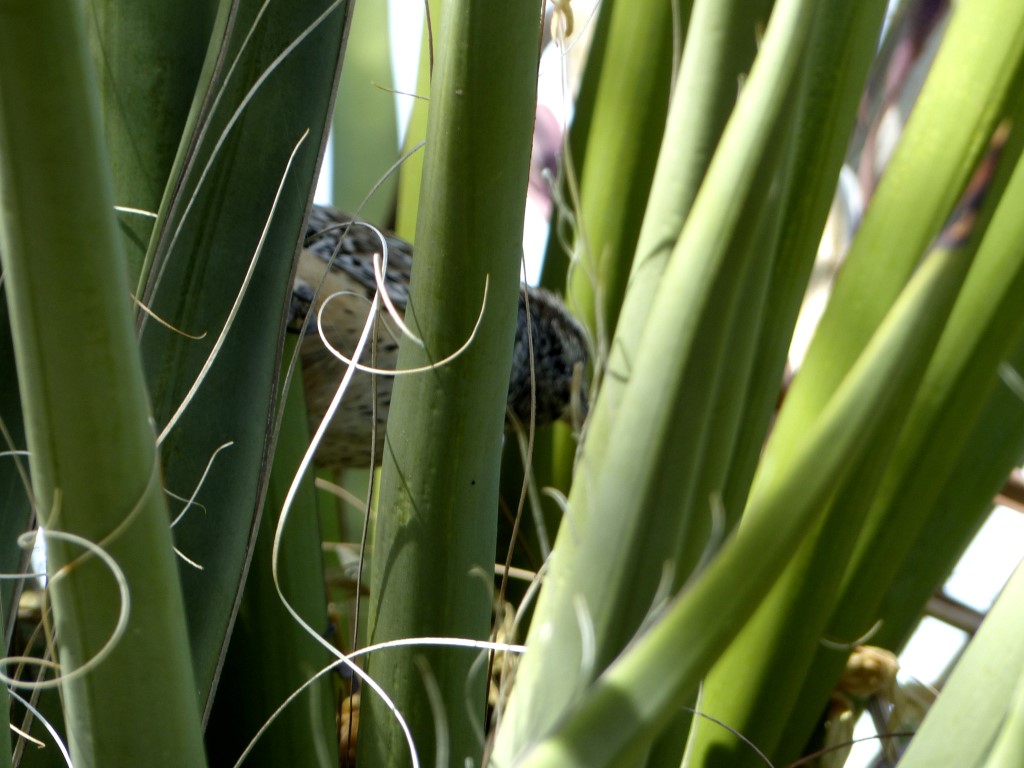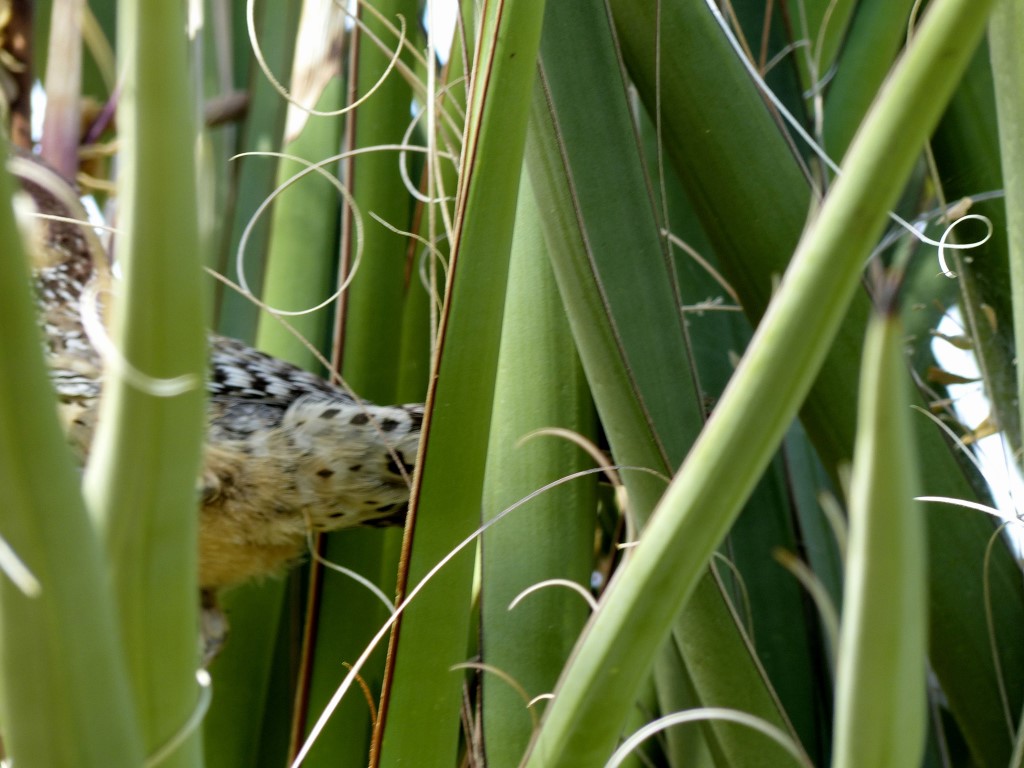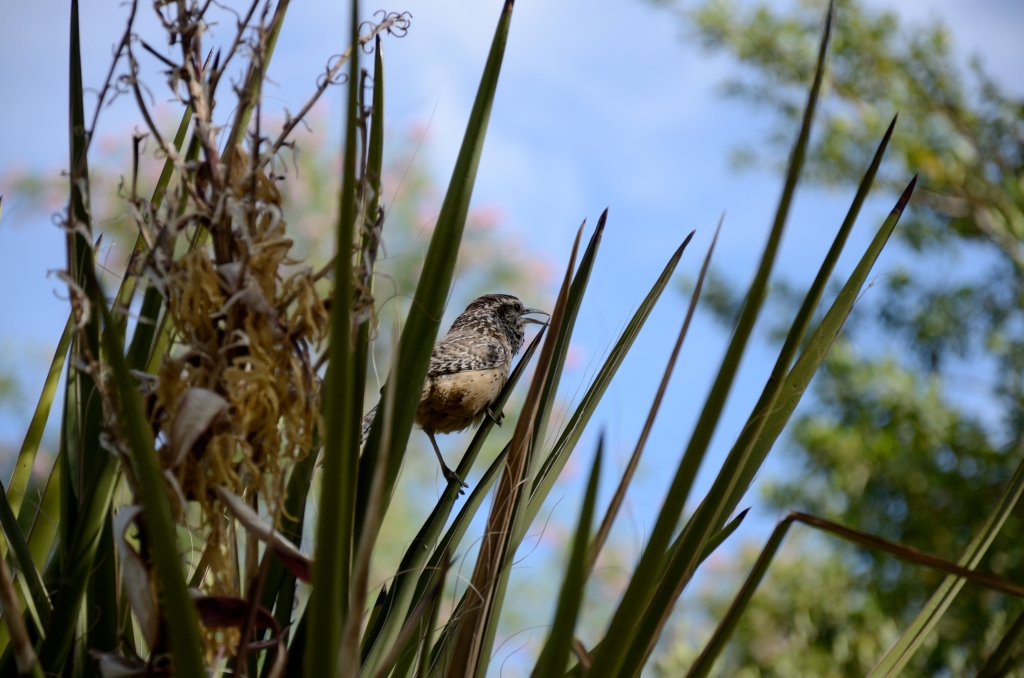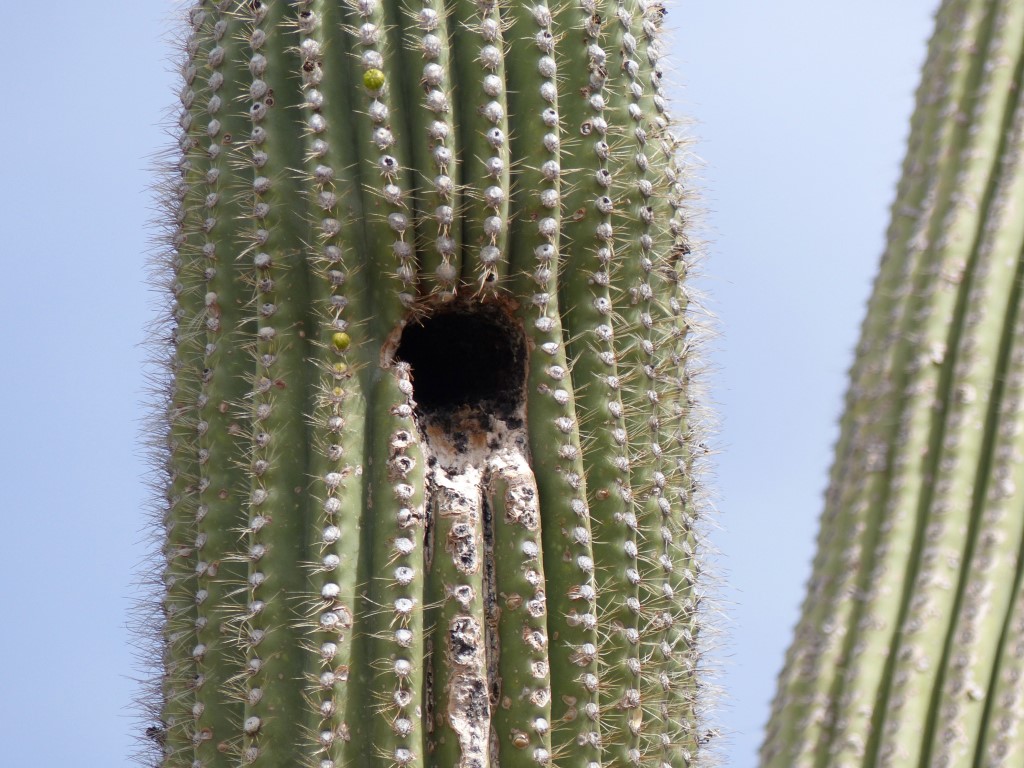
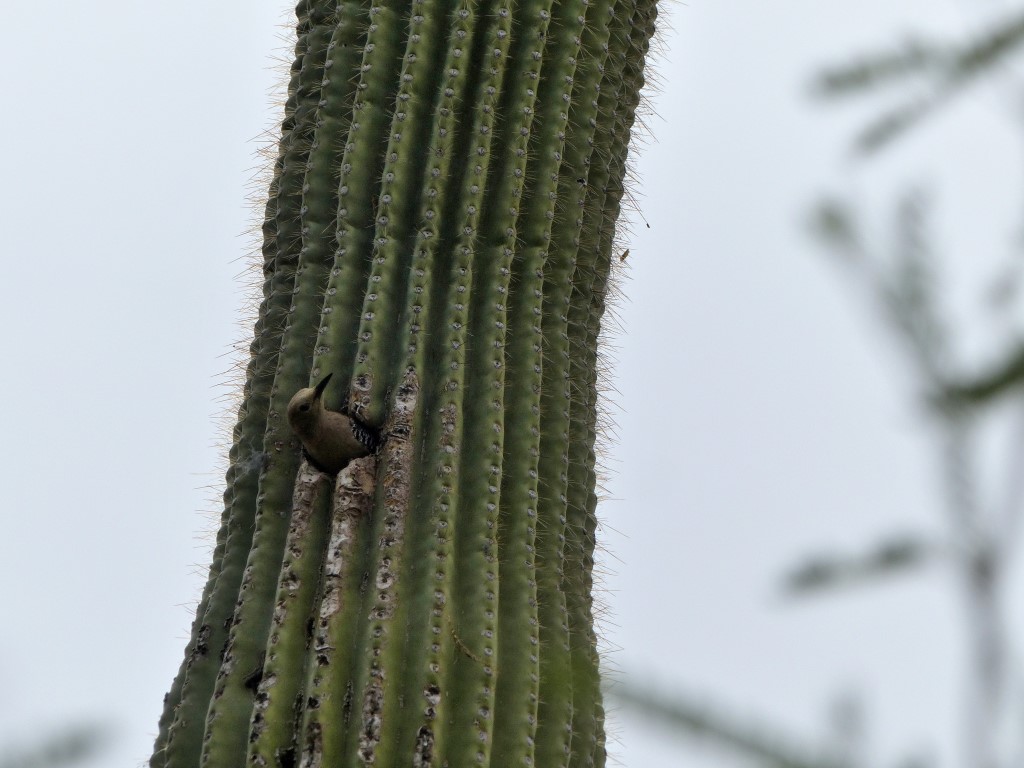
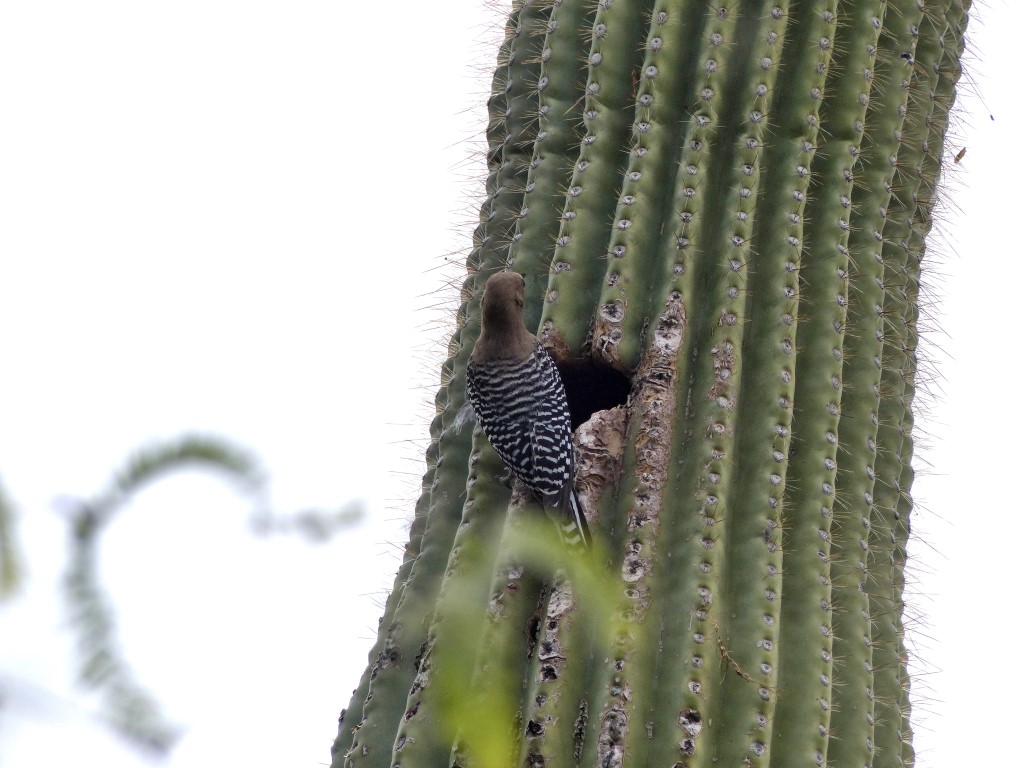
Gila Woodpecker Hole Desert Mus-Tucson by Lee
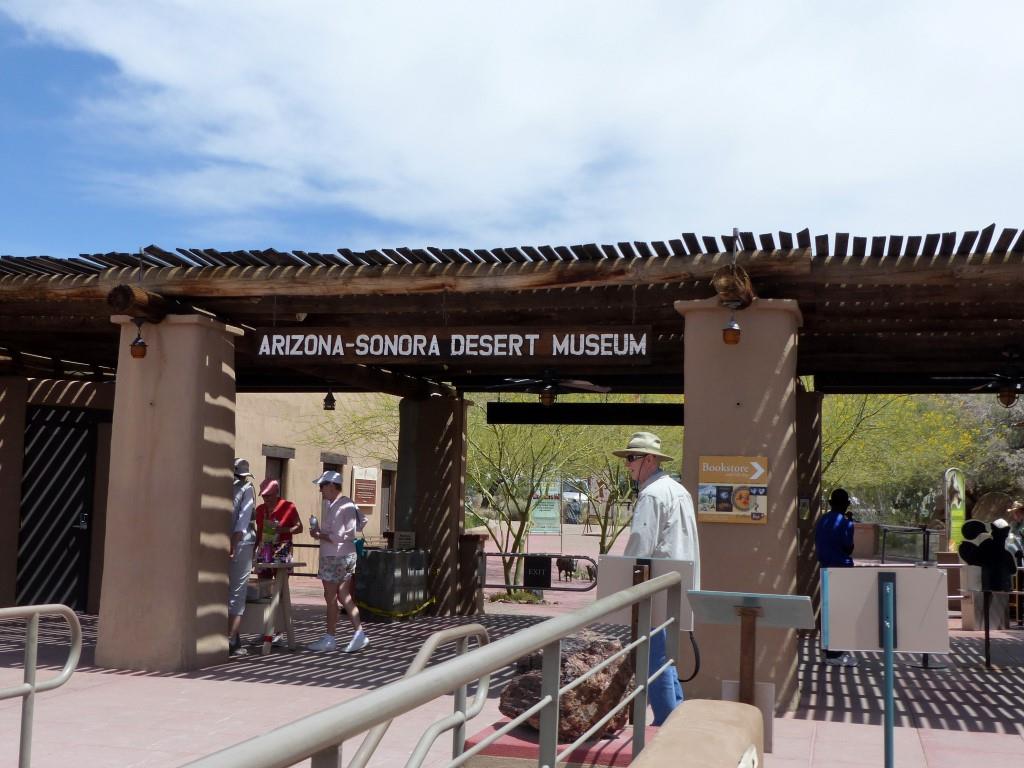
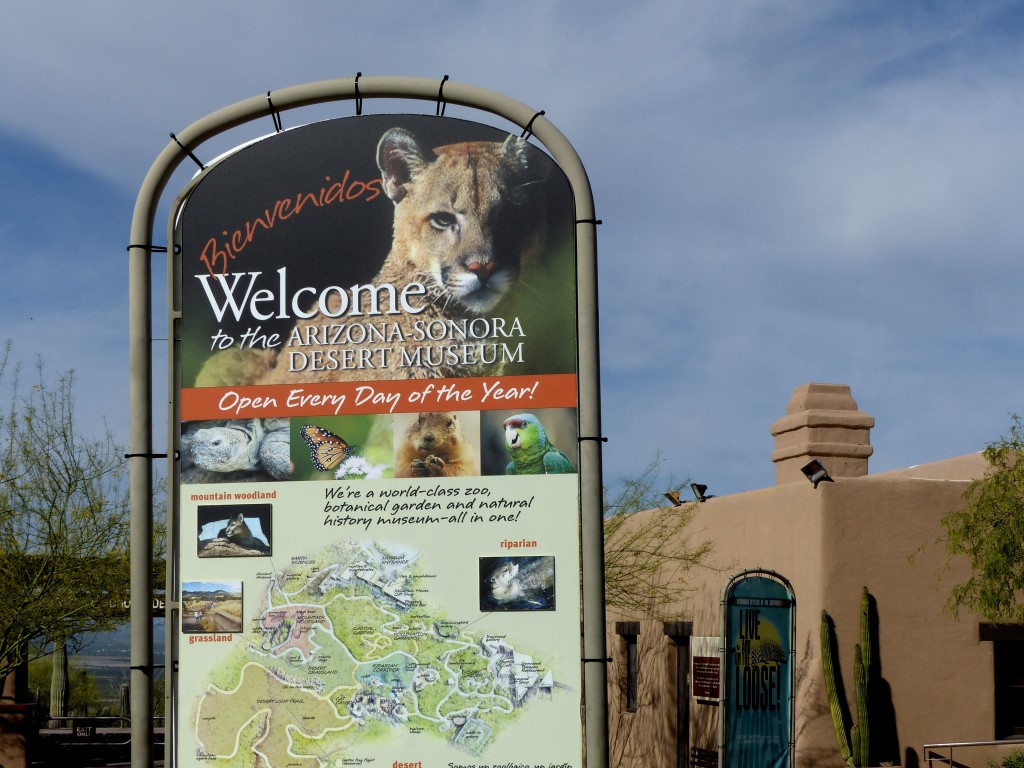
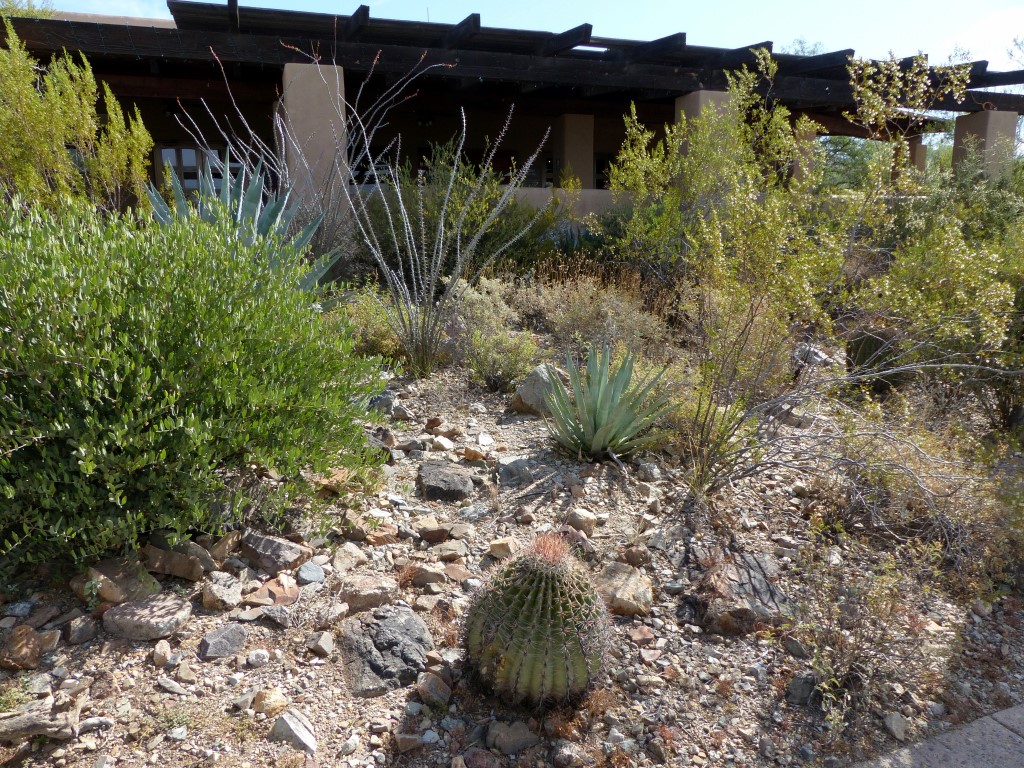
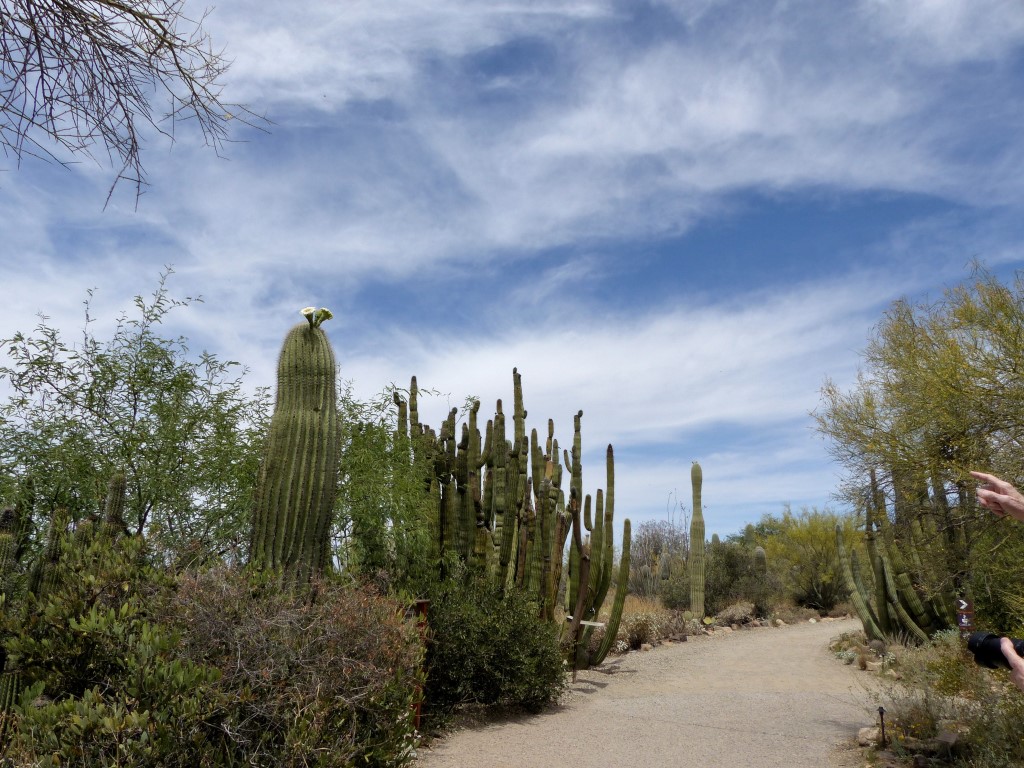
Again, while at the Arizona-Sonora Desert Museum, we learned more about the “Cactus Boot.” I was aware that Woodpeckers, especially the local Gila Woodpecker, make their homes in cactus, especially Saguaro Cactus. I also knew that the cactus, to prevent loss of moisture, seals around the “wound”, a.k.a. nest cavity. Another way the Lord created the plants and birds to survive in the harsh conditions of a desert.
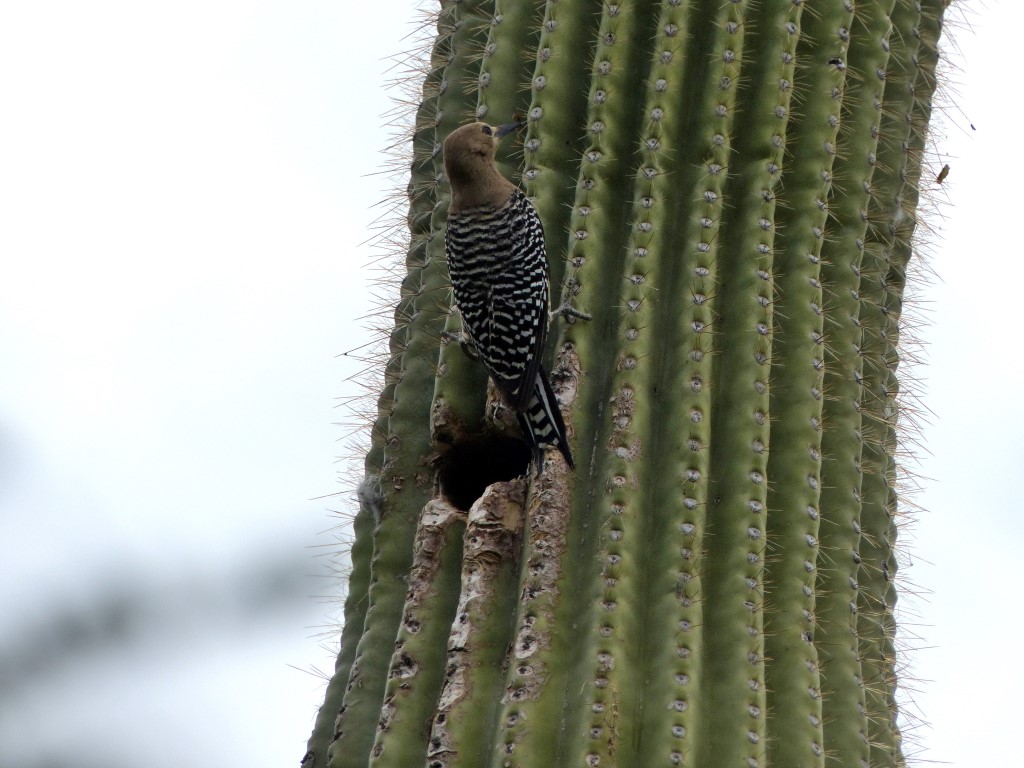
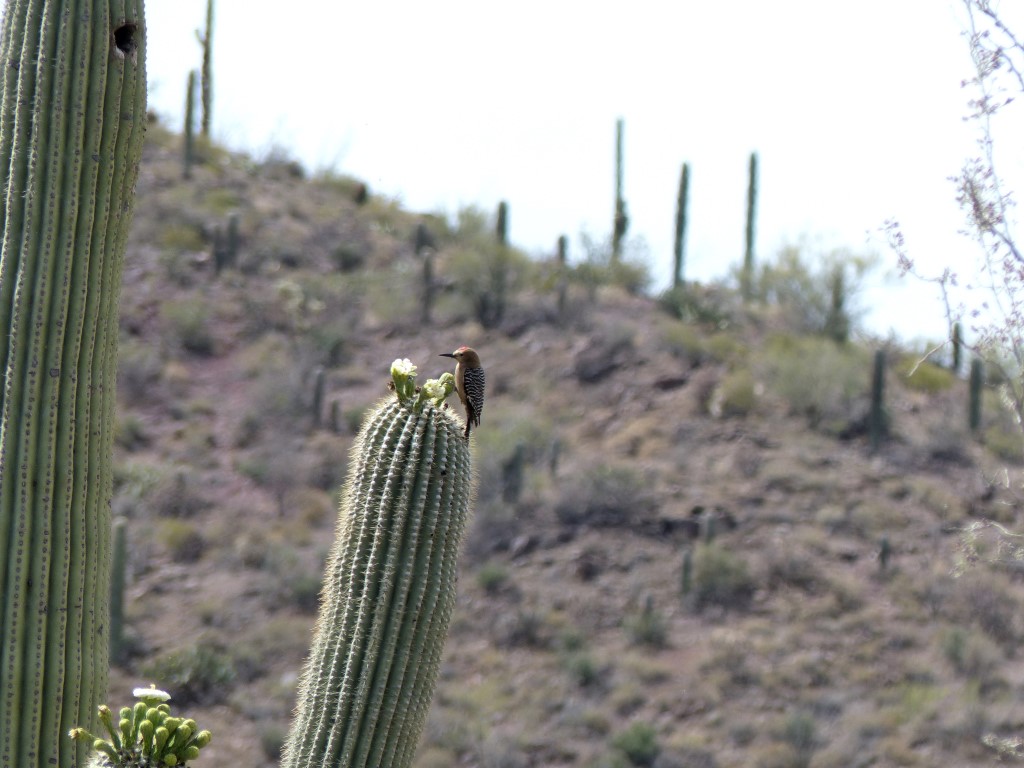
Gila Woodpecker (Melanerpes uropygialis) Desert Mus-Tucson by Lee
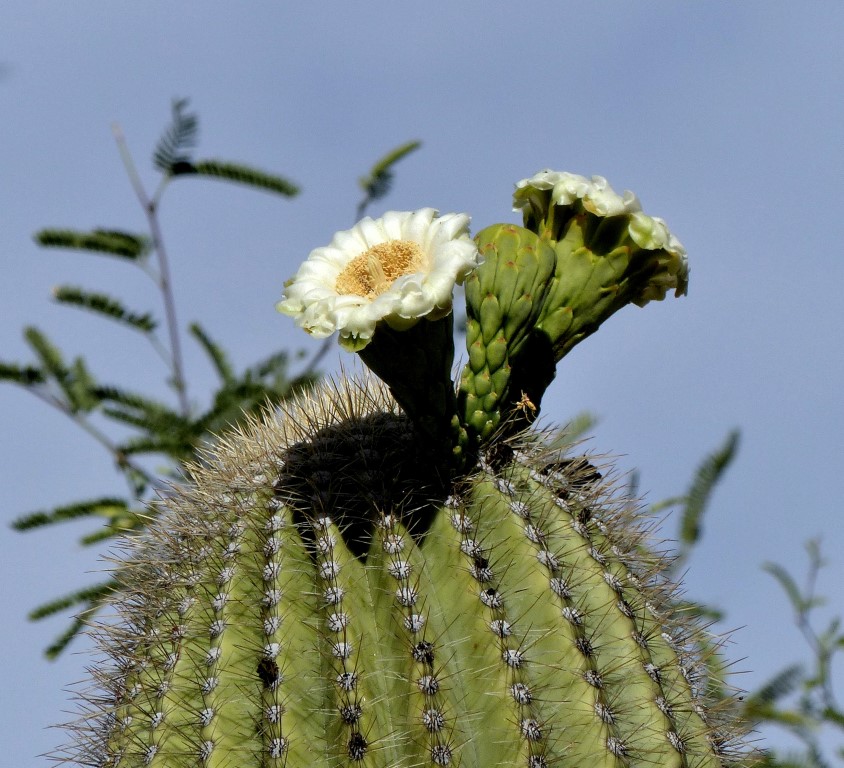
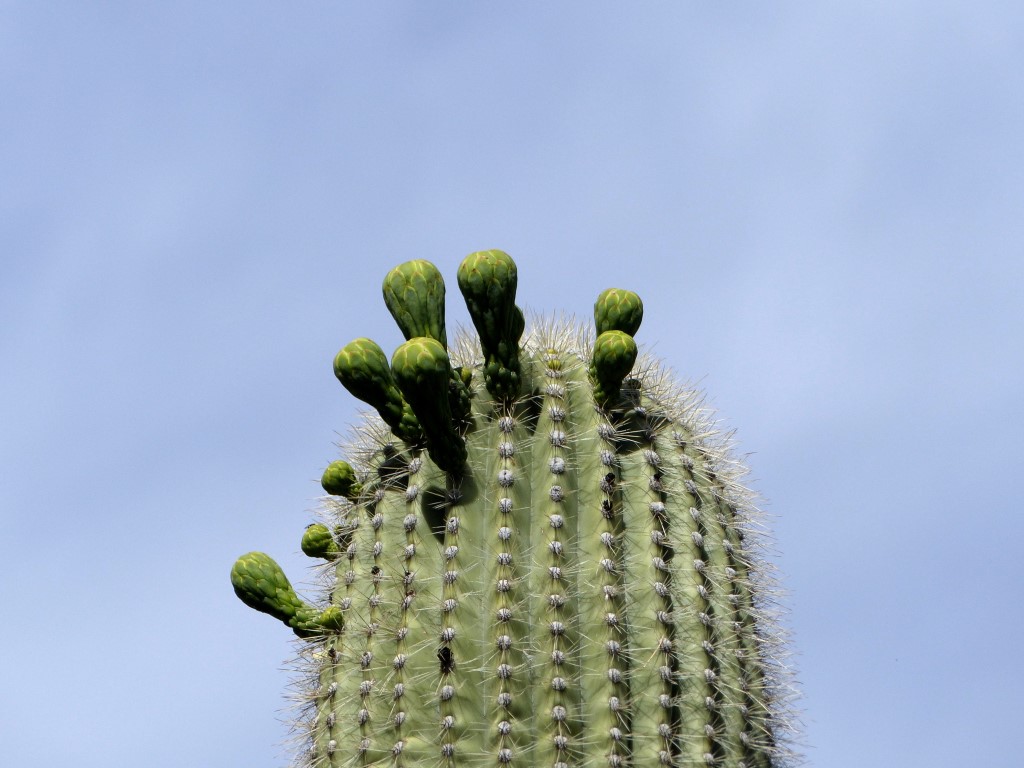
One of the docents gave a short lesson about the cactus and the Saguaro boot that was very interesting. First, notice the ribs or pleats on the cactus. These allow the cactus to expand during the rainy times to allow storage of water. Then as the dry seasons arrive, they will contract again. Wise creation design. The Anatomy section of the Cactaceae (cactus family) has a great explanation about this. “A fully hydrated large stem is more than 90 percent water and weighs 80 pounds per foot (120 kg per meter).”
The wilderness and the wasteland shall be glad for them, And the desert shall rejoice and blossom as the rose; It shall blossom abundantly and rejoice, Even with joy and singing. … They shall see the glory of the LORD, The excellency of our God. (Isaiah 35:1-2 NKJV)

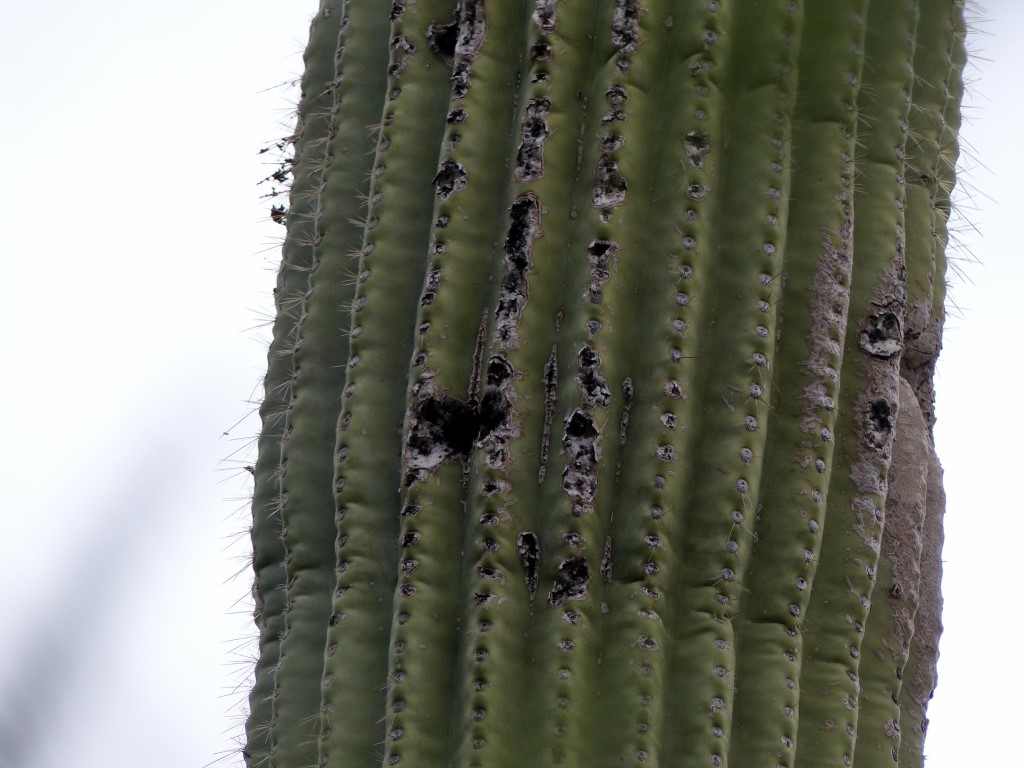
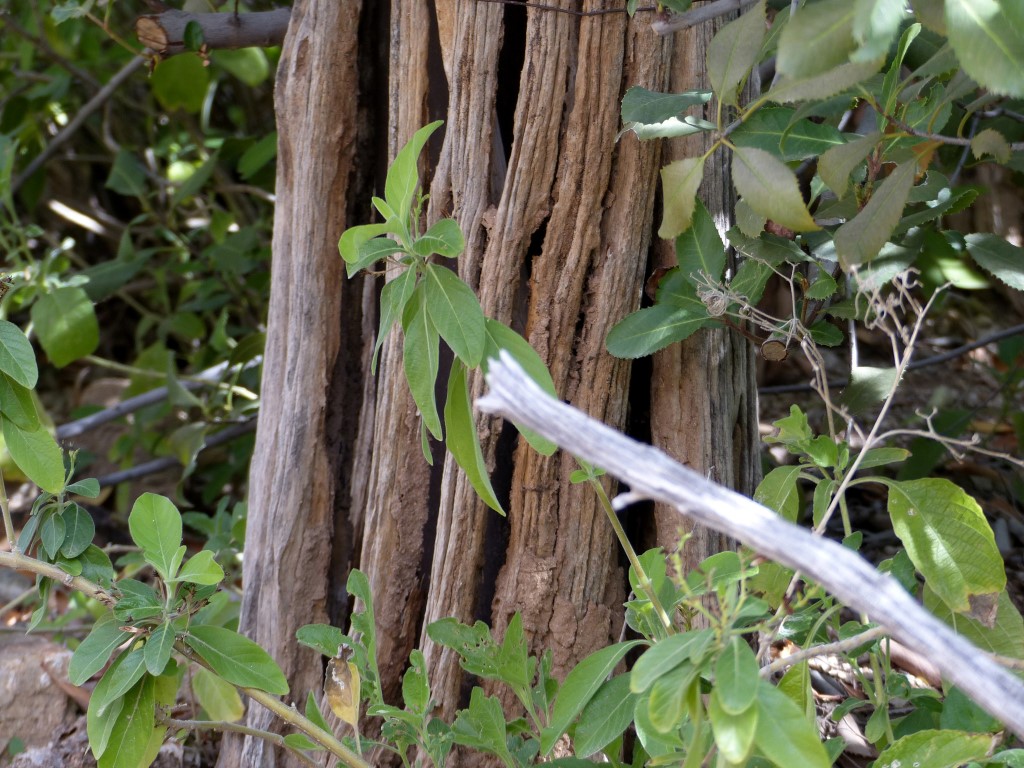
Showing the ribs of a dead Saguaro and holes where the Woodpeckers had their boot.
“Near the center of the stem is a cylinder of 13 to 20 woody ribs running the length of the main stem and branching into the arms. In the upper part of a stem the ribs are separate; as the stem ages the ribs continue to grow and fuse into a latticed cylinder.”

Cactus Boot Lesson
When the Gila Woodpecker and other birds make the nest in the cactus, a hole is created, to the birds preference and then the cactus seals around that area. When they take these cavity nest out of old/dead cactus it looks like a “boot.”

Cactus Boot Desert Mus-Tuscon by Lee
The Gila woodpecker (Melanerpes uropygialis) is a medium-sized woodpecker of the desert regions of the southwestern United States and western Mexico. In the U.S., they range through southeastern California, southern Nevada, Arizona, and New Mexico. (Wiki)

And Jesus said to him, “Foxes have holes and birds of the air have nests, but the Son of Man has nowhere to lay His head.” (Matthew 8:20 NKJV)
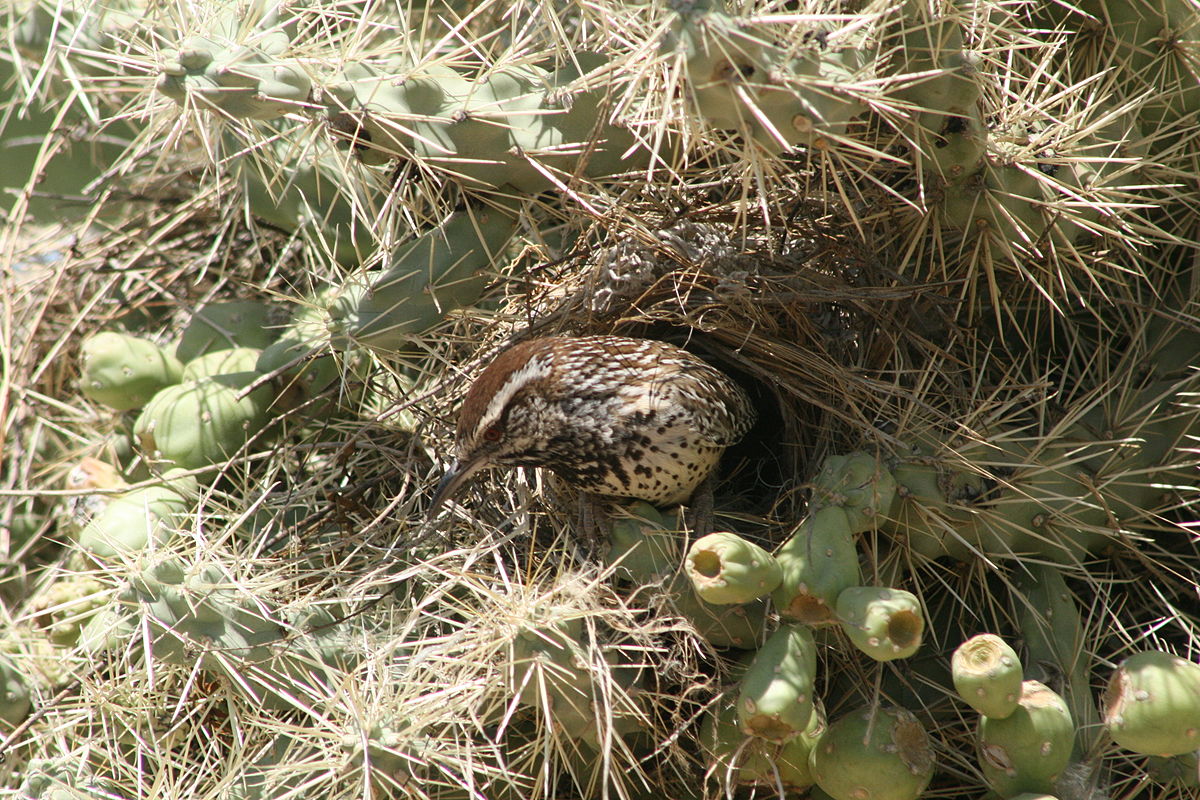
Besides the Saguaros, they also make nest in mesquite trees. Their cavaties in the cacti are later used by other species, even the elf owl. They usually lay 3-5 white eggs.
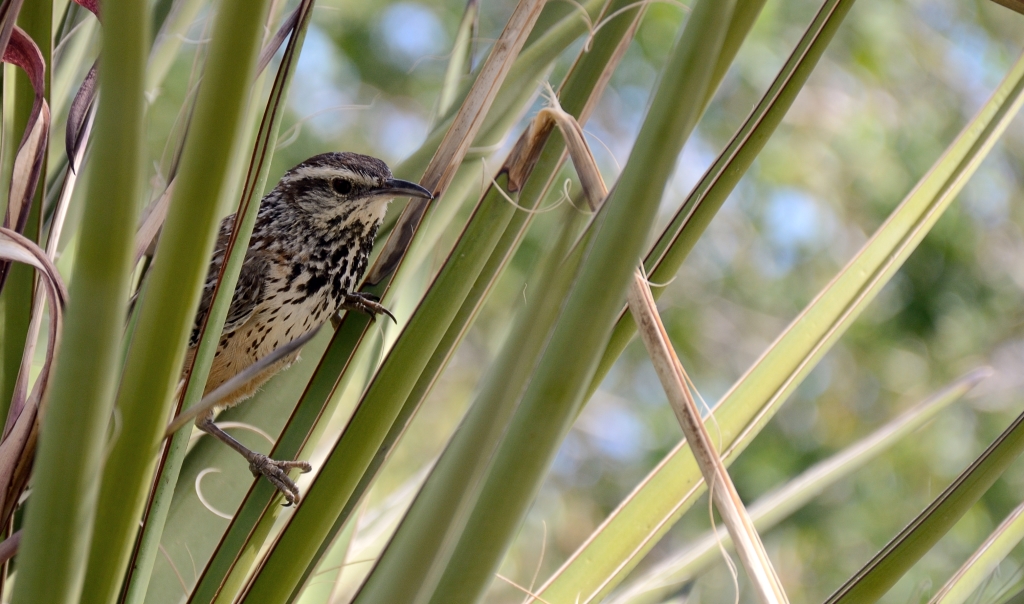
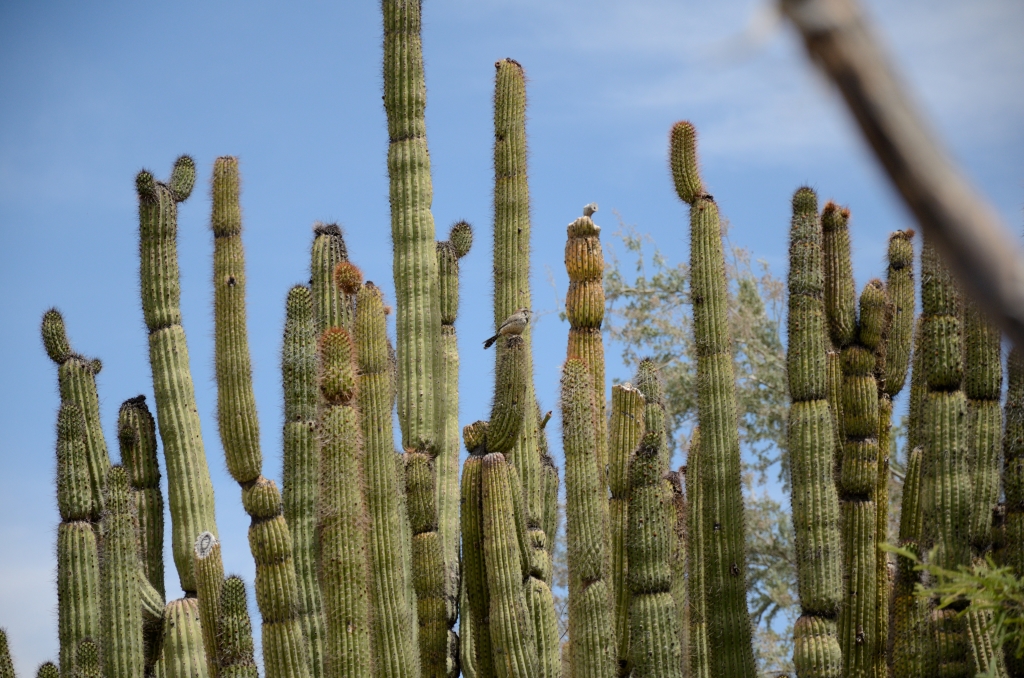
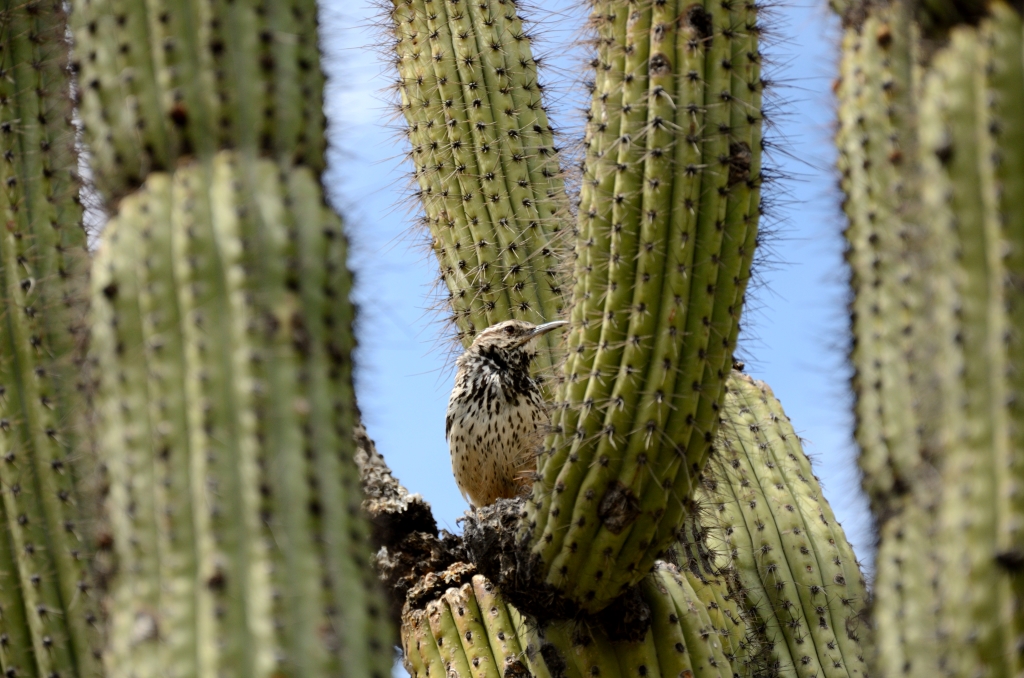
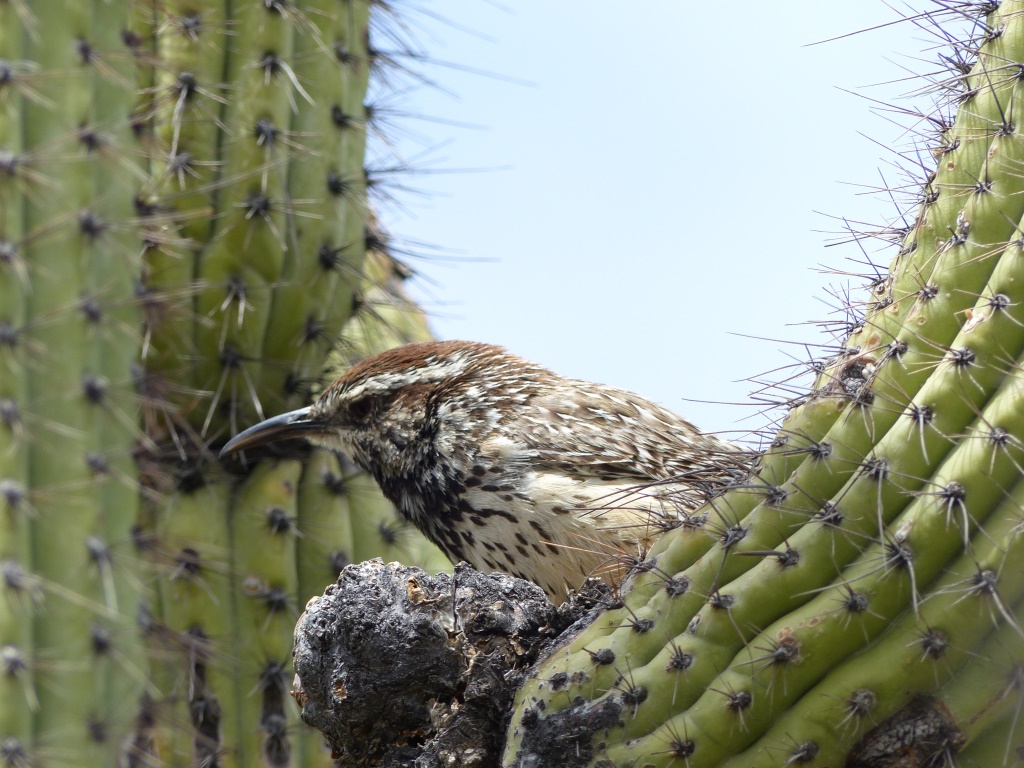
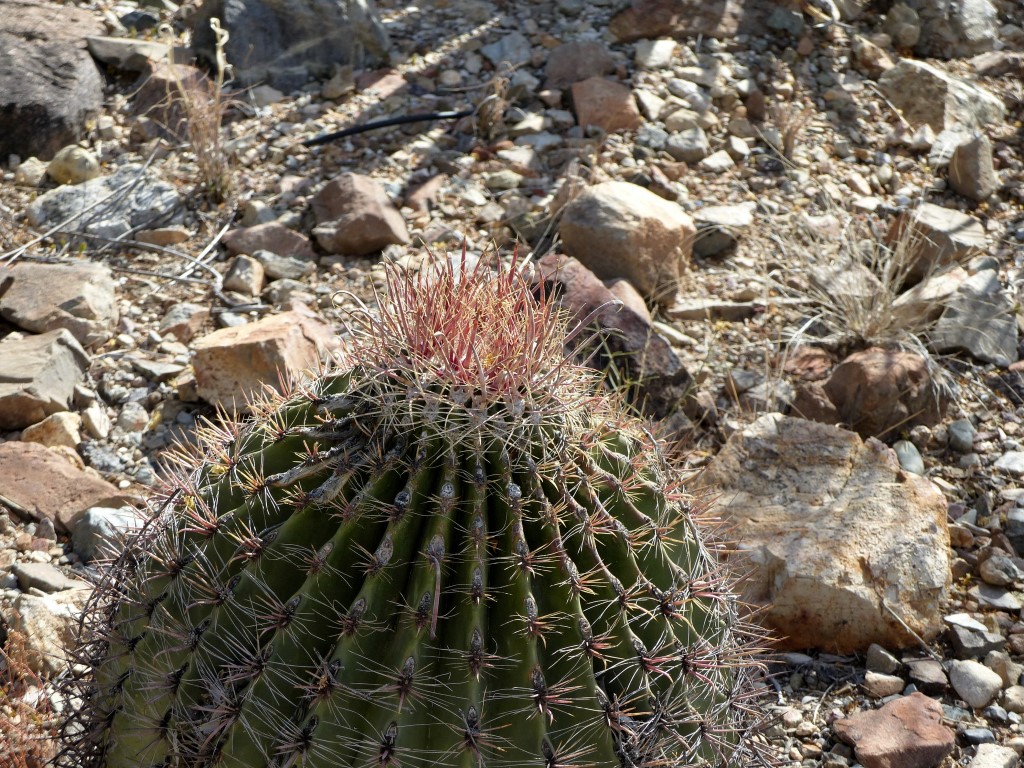
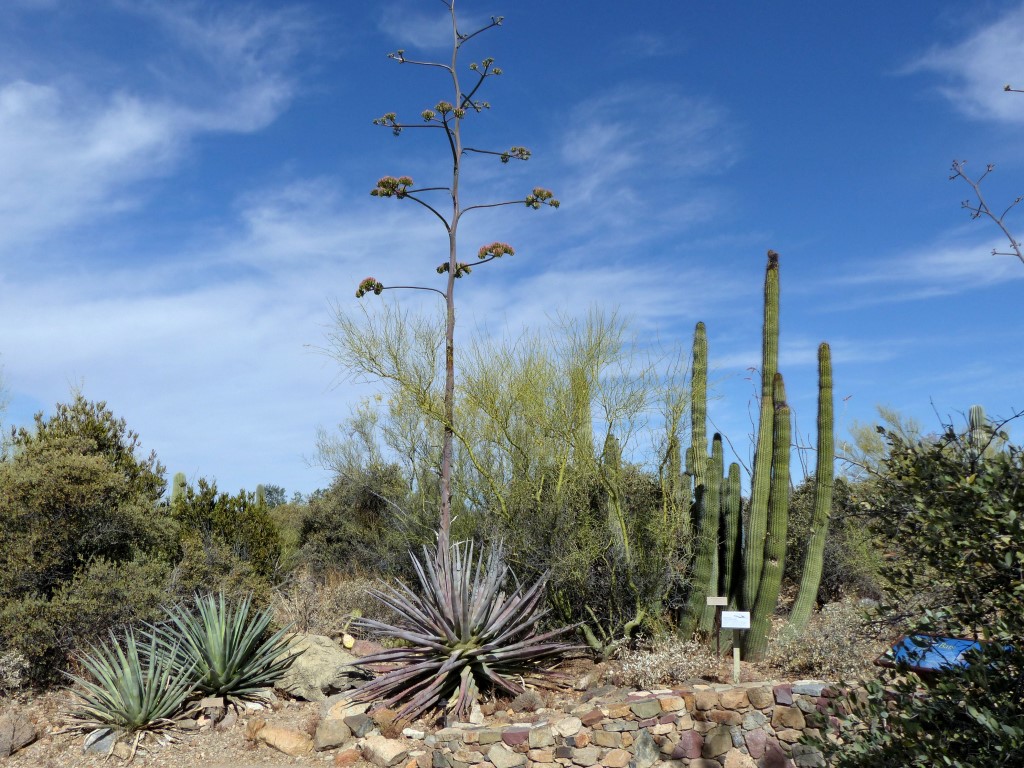
Here are some photos of the Cactus, Birds and Boots:

-
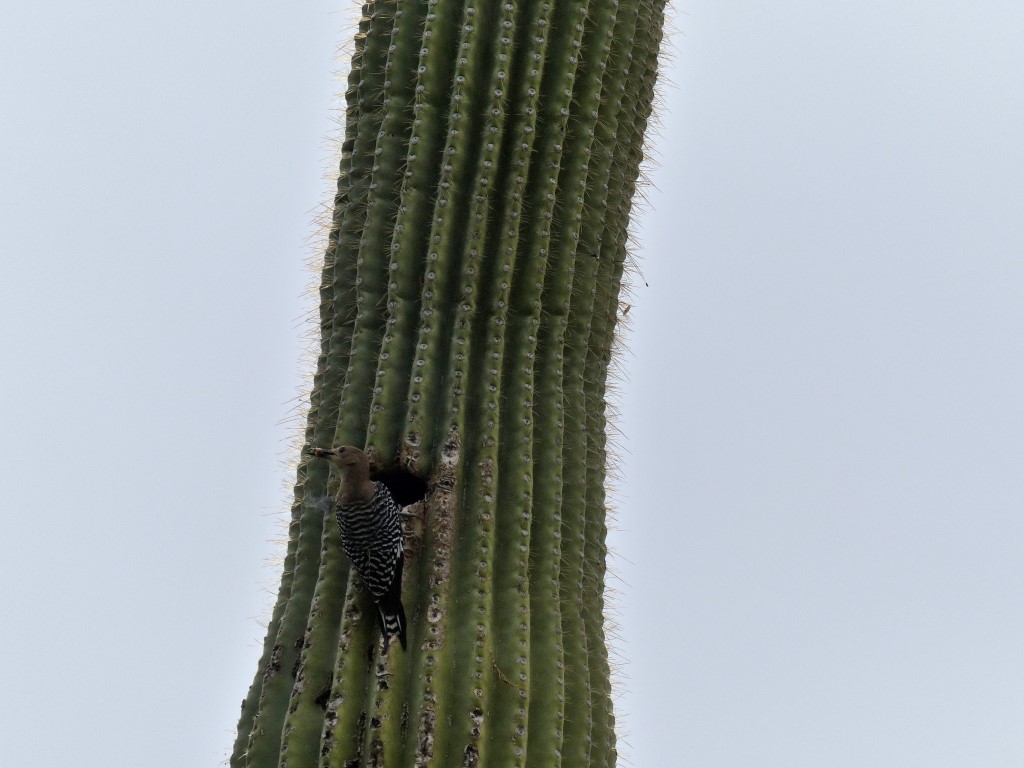
- Gila Woodpecker (Melanerpes uropygialis) Desert Mus-Tucson
-
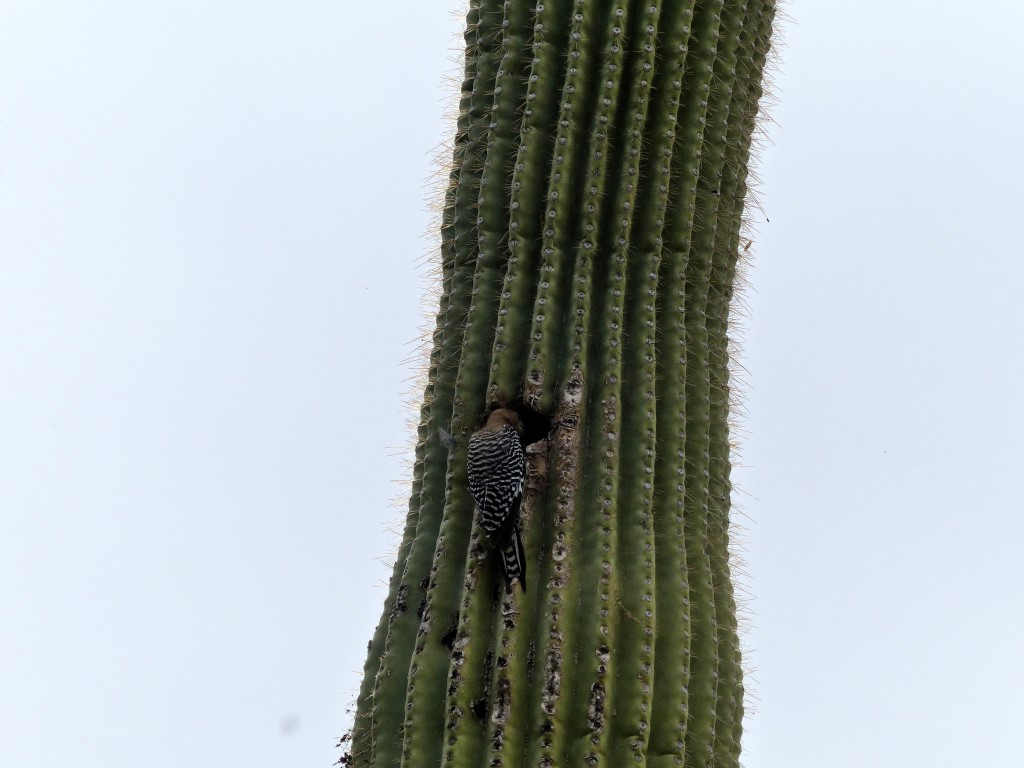
- Gila Woodpecker (Melanerpes uropygialis) Desert Mus-Tucson
-
- Gila Woodpecker (Melanerpes uropygialis) Desert Mus-Tucson by Lee

-
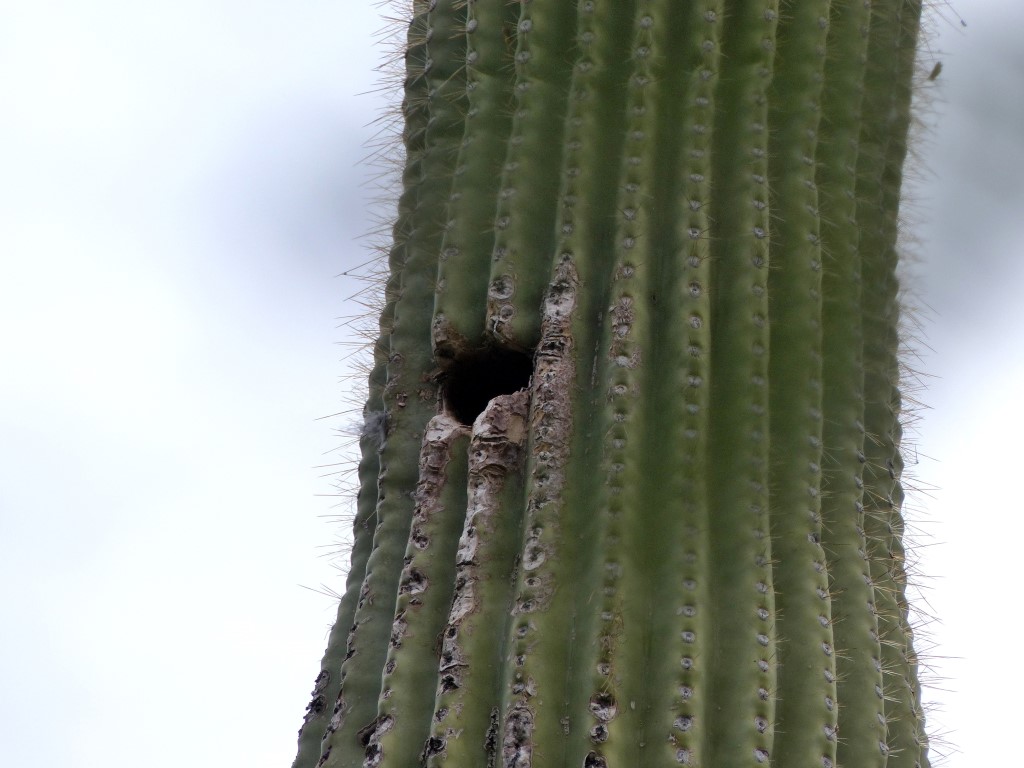
- Gila Woodpecker Hole Desert Mus-Tucson by Lee

-
- Showing the ribs of a dead Saguaro and a whole where the Woodpecker had its boot.
-
- Cactus Boot Desert Mus-Tuscon by Lee

-
- Cactus Boot Lesson
Psalms 33:1-8 NKJV
(1) Rejoice in the LORD, O you righteous! For praise from the upright is beautiful.
(2) Praise the LORD with the harp; Make melody to Him with an instrument of ten strings.
(3) Sing to Him a new song; Play skillfully with a shout of joy.
(4) For the word of the LORD is right, And all His work is done in truth.
(5) He loves righteousness and justice; The earth is full of the goodness of the LORD.
(6) By the word of the LORD the heavens were made, And all the host of them by the breath of His mouth.
(7) He gathers the waters of the sea together as a heap; He lays up the deep in storehouses.
(8) Let all the earth fear the LORD; Let all the inhabitants of the world stand in awe of Him.
*
- Picidae – Woodpeckers
- Gila Woodpecker – ASDM
- Gila Woodpecker – All About Birds
- Gila Woodpecker – Wikipedia
- Arizona-Sonora Desert Museum
- Suguaro Cactus – ASDM
- Cactus Family – ASDM
- Sea to Sea in 2015
- Good News



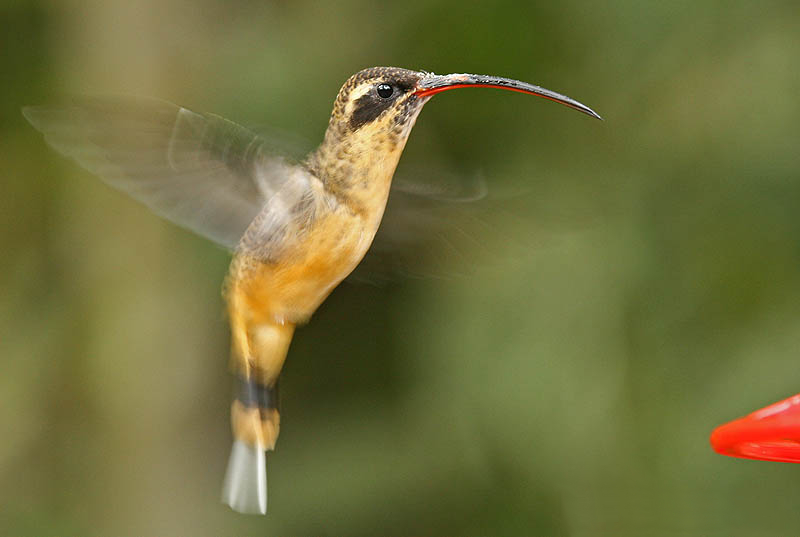
![Green Hermit (Phaethornis guy) ©WikiC 09 May 2012, taken at the restaurant at the entry to Catarata del Toro, Costa Rica. (Waterfall of the Bull) a 330 foot high waterfall 30 minutes from our lodge Bosque de Paz) Costa Rica Eco-Lodge, Hotel, Rain Forest, Cloud Forest, Costa Rica ... www.bosquedepaz.com/ near the villages of Palmira and Pueblo Nuevo, near Bajos del Toro, and the Volcan Poas National Park, and the Juan Castro Blanco National Park. http://en.wikipedia.org/wiki/Green_Hermit says “The Green Hermit (Phaethornis guy) is a large hummingbird that is a resident breeder from southern Central America (Costa Rica and Panama) south to northwestern South America (northeastern Venezuela and Trinidad and the northern Andes to eastern Peru)... It is 5.3 in (13.5 cm) long and weighs 0.22 oz (6.3 g). The male Green Hermit is mainly dark green with a blue-green rump. It has a dark mask through the eye, with buff stripes above and below this, and down the centre of the throat. The central feathers of the tapered tail are long and white-tipped, and are wiggled in display at the communal leks. The reddish bill is long and decurved. The female is duller and sootier grey below, with an even longer bill and tail. The call of this species is a loud zurk, and the males' lekking "song" is a repeated swark.” Photo © 2012 “Mike” Michael L. Baird, mike {at] mikebaird d o t com, flickr.bairdphotos.com, Canon 5D Mark III, with Canon EF 100-400mm f4.5-5.6L IS USM Telephoto Zoom Lens, with no circular polarizer, medium ball-head on a lightweight Gitzo travel tripod, IS off on, RAW. Proprietary muiti-flash setup by Greg Basco. See EXIF for more settings.
To use this photo, see access, attribution, and commenting recommendations at www.flickr.com/people/mikebaird/#credit - Please add comments/notes/tags/names to add to or correct information, identification, etc. Please, no comments or invites with badges, unrelated images, flash](https://leesbird.com/wp-content/uploads/2015/07/apo-troc-green-hermit-phaethornis-guy-c2a9wikic-2.jpg)