Where the birds build their nests, And the stork, whose home is the fir trees. (Psalms 104:17 NASB)
Last week we saw some of the Tyrant Flycatcher family. This time, with over 400 species, just this family of birds will be featured.
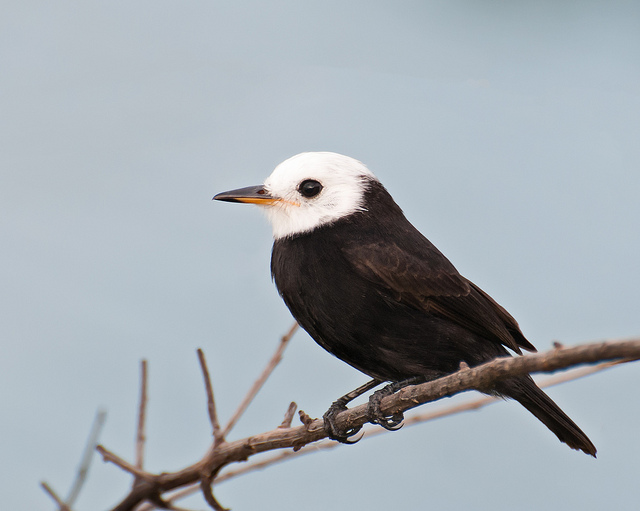
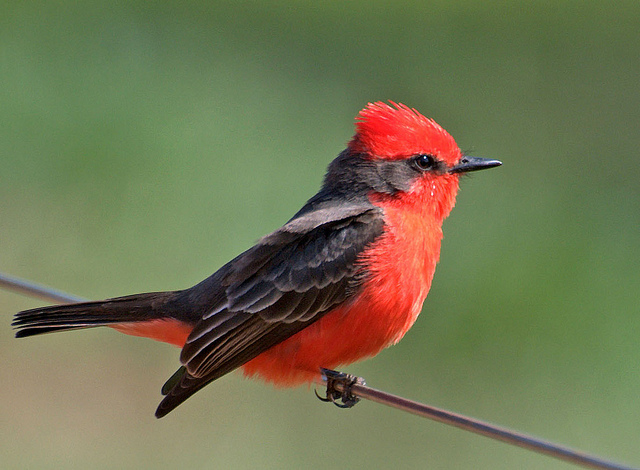
The tyrant flycatchers are birds which occur throughout North and South America. They are considered the largest family of birds, with more than 400 species. They are the most diverse avian family in every country in the Americas, except for the United States and Canada. As could be expected from a family this large, the members vary greatly in shape, patterns, size and colors. Most, but not all, species are rather plain, with various hues of brown, gray and white commonplace. Obvious exceptions include the bright red vermilion flycatcher, blue, black, white and yellow many-colored rush-tyrant and some species of tody-flycatchers or tyrants, which are often yellow, black, white and/or rufous.
Vermilion Flycatcher (Pyrocephalus rubinus) by Dario Sanches
The smallest family members are the closely related short-tailed pygmy tyrant and black-capped pygmy tyrant. These species reach a total length of 6.5–7 cm (2.5–2.8 in) and a weight of 4–5 grams. By length, they are the smallest passerines on earth, although some species of Old World warblers apparently rival them in their minuscule mean body masses if not in total length. The minuscule size and very short tail of the Myiornis pygmy tyrants often lend them a resemblance to a tiny ball or insect. The largest tyrant flycatcher is the great shrike-tyrant at 29 cm (11.5 in) and 99.2 grams (3.5 oz).
Please enjoy watching a slideshow of some more of the Lord’s neatly created birds as you listen our orchestra and then the choir sing.
This slideshow requires JavaScript.
*
Click to listen:
“Amazing Grace” – Orchestra and “I Love You, Written in Red” – Choir (Faith Baptist Church)
Neither shalt thou swear by thy head, because thou canst not make one hair white or black. (Matthew 5:36 KJV)
There are only two rules for this challenge:
1. On 5 consecutive days, create a post using either a past or recent photo in B&W.
2. Each day invite another blog friend to join in the fun.
My second nomination is Sukanya Ramanujan, because she accepted the challenge and she has great photos. She is from Chennai, India (Same town a j mithra was from) She is a “multi-lingual professional with varied interests such as reading, travelling, music and photography.” Also check out her photos.
Anhinga (Anhinga anhinga) Female at Vierra Wetlands By Dan’sPix B-W
There are only two rules for this challenge:
1. On 5 consecutive days, create a post using either a past or recent photo in B&W.
2. Each day invite another blog friend to join in the fun.
My first nomination is AussieBirder, because their purpose is for “the appreciation of Australian birds and the love of birdwatching, sharing bird sightings, photographs, personal experiences and helpful information.” That pretty well sums up their purpose and feel they are up to the challenge.
I am thankful to Our Rumbling Ocean for nominating me. They live on the East Coast of South Africa and have lots of nature photos, plus an adorable son, Boeta. I enjoy following their adventures.
Like the heat of summer in a dry land, the angry shouts of those foreigners brought us to our knees. But like a thick cloud that blocks the summer heat, you answered their challenge. (Isaiah 25:5 ERV)
He gives snow like wool; He scatters the frost like ashes; (Psalms 147:16 NKJV)
Let them praise the name of the LORD, For He commanded and they were created. He also established them forever and ever; He made a decree which shall not pass away. Praise the LORD from the earth, You great sea creatures and all the depths; Fire and hail, snow and clouds; Stormy wind, fulfilling His word; (Psalms 148:5-8 NKJV)
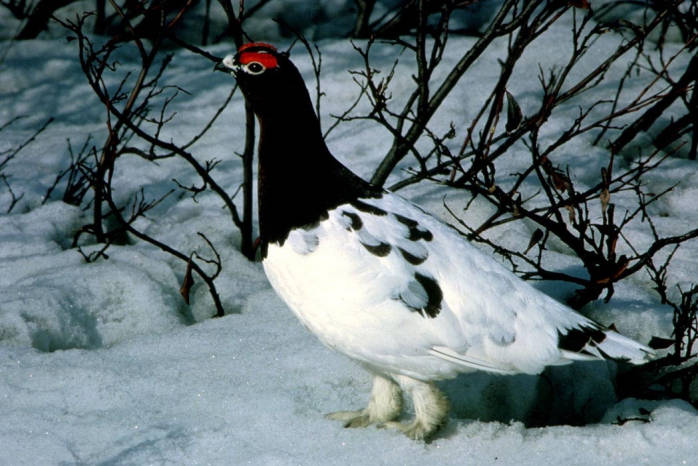
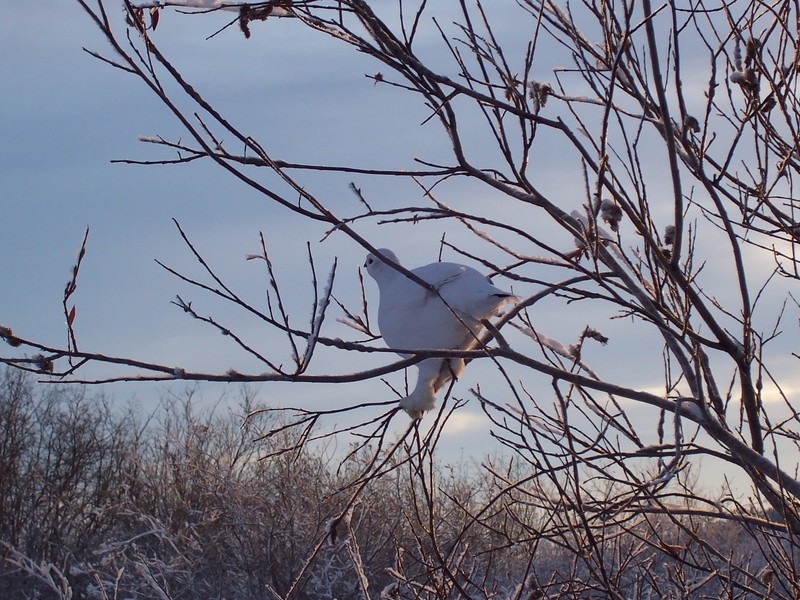
Since so much of North America is having such a cold and snowy winter, thought that you might like watching a Willow Ptarmigan in its winter outfit.
Lesley the Bird Nerd produced this YouTube and thought you might enjoy watching how the Lord has prepared this bird to survive in winter.
We are going to drop down to freezing the for a few nights here in Central Florida, but nothing like what many of you are experiencing. Stay warm and enjoy the Lord’s Creations.
God thunders marvelously with His voice; He does great things which we cannot comprehend. For He says to the snow, ‘Fall on the earth’; Likewise to the gentle rain and the heavy rain of His strength. He seals the hand of every man, That all men may know His work. (Job 37:5-7 NKJV)
The willow ptarmigan (Lagopus lagopus) is a bird in the grouse subfamily Tetraoninae of the pheasant family Phasianidae. It is also known as the willow grouse and in the British Isles, where it was previously believed to be a separate species, as the red grouse. It is a sedentary species, breeding in birch and other forests and moorlands in northern Europe, the tundra of Scandinavia, Siberia, Alaska and northern Canada, in particular in the provinces of Newfoundland and Labrador. It is the state bird of Alaska. In the summer the birds are largely brown, with dappled plumage, but in the winter they are white with some black feathers in their tails (British populations do not adopt a winter plumage). Nesting takes place in the spring when clutches of four to ten eggs are laid in a scrape on the ground. The chicks are precocial and soon leave the nest and while they are young, both parents play a part in caring for them. The chicks eat insects and young plant growth while the adults are completely herbivorous, eating leaves, flowers, buds, seeds and berries during the summer and largely subsisting on the buds and twigs of willow and other dwarf shrubs and trees during the winter. (Wikipedia)
He will yet fill your mouth with laughing, And your lips with rejoicing. (Job 8:21 NKJV)
This is a video of funny bird antics that was made in 2012. This should Tickle you. It tickled me. I especially couldn’t believe that Gull eating what he does. It is amazing what the Lord’s created birds can do.
“A time to weep, And a time to laugh; A time to mourn, And a time to dance;” (Ecclesiastes 3:4 NKJV)
Had to change video on this one because the original one is no longer available.
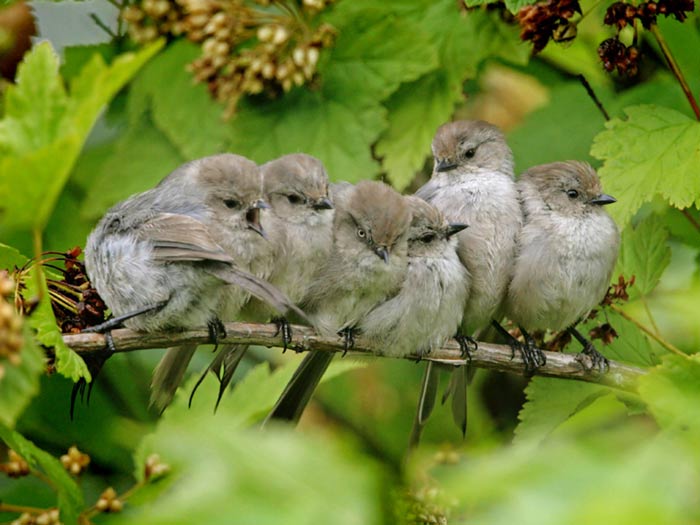
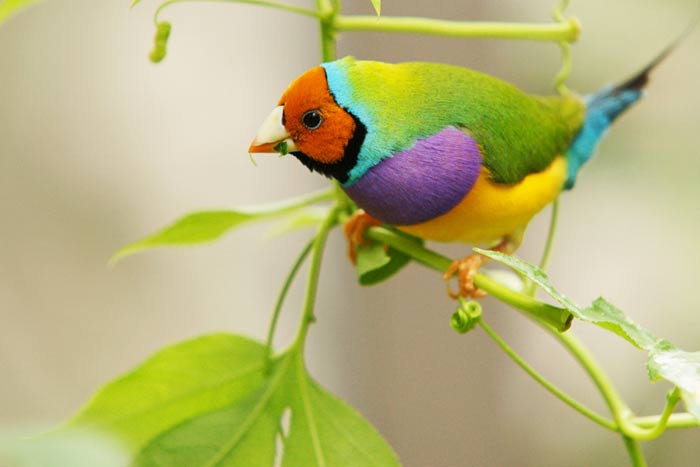
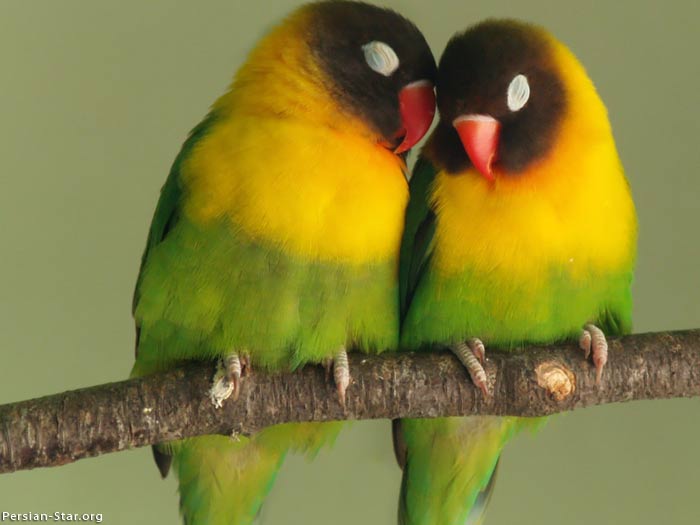
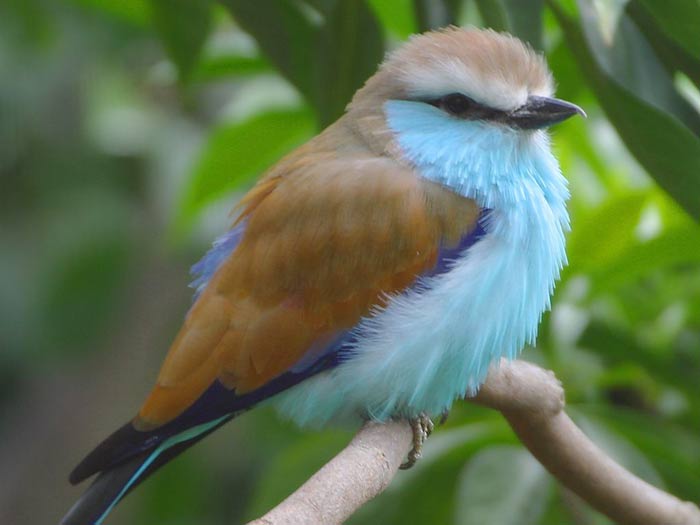
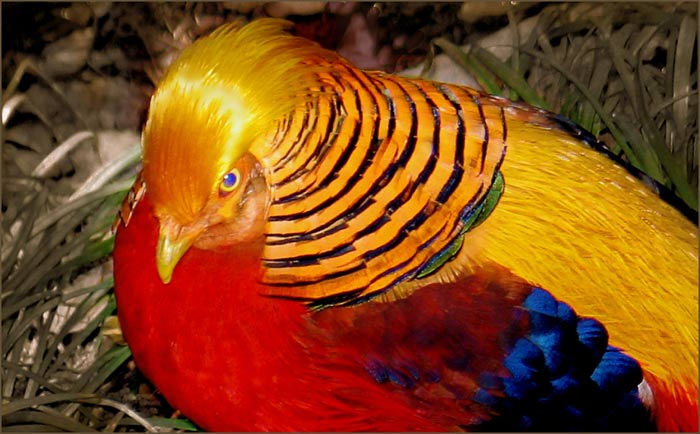
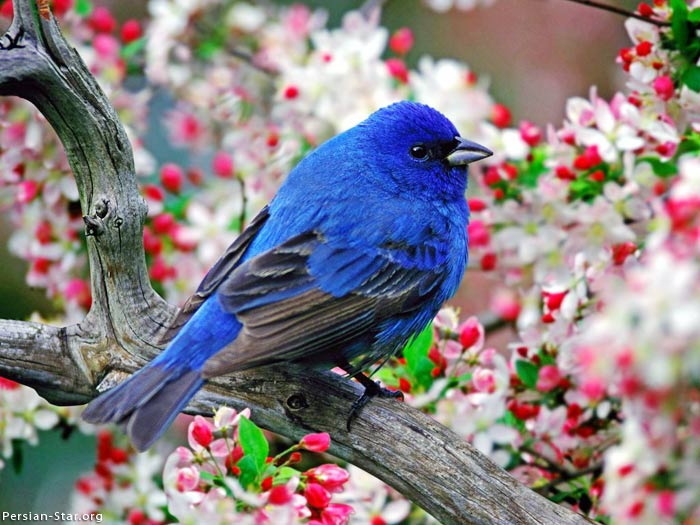
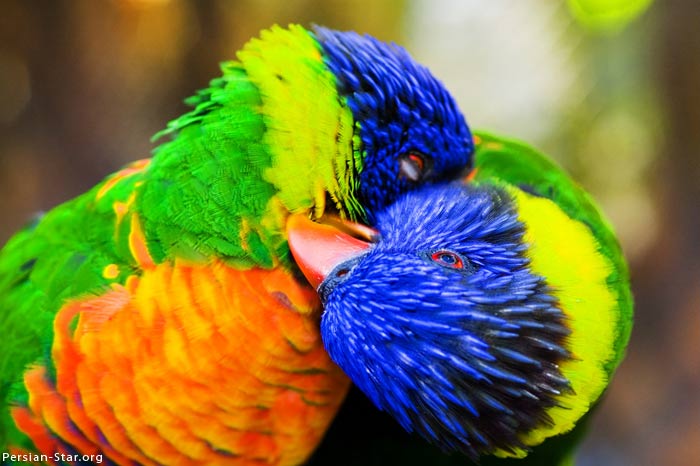
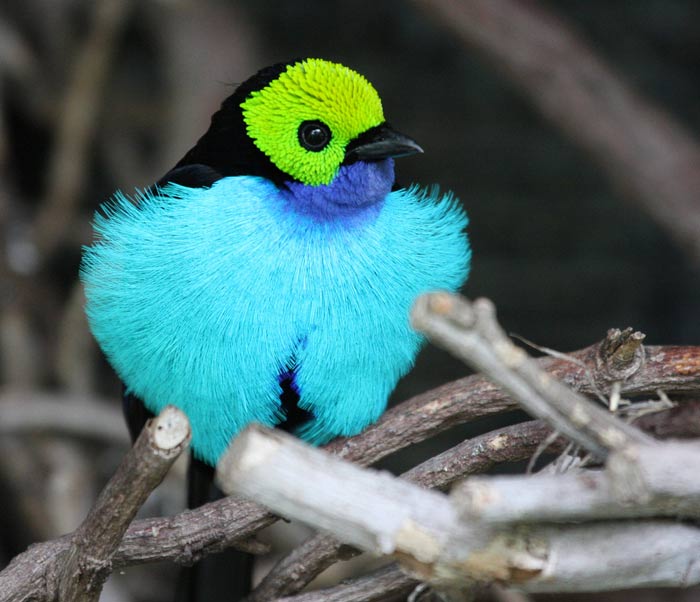
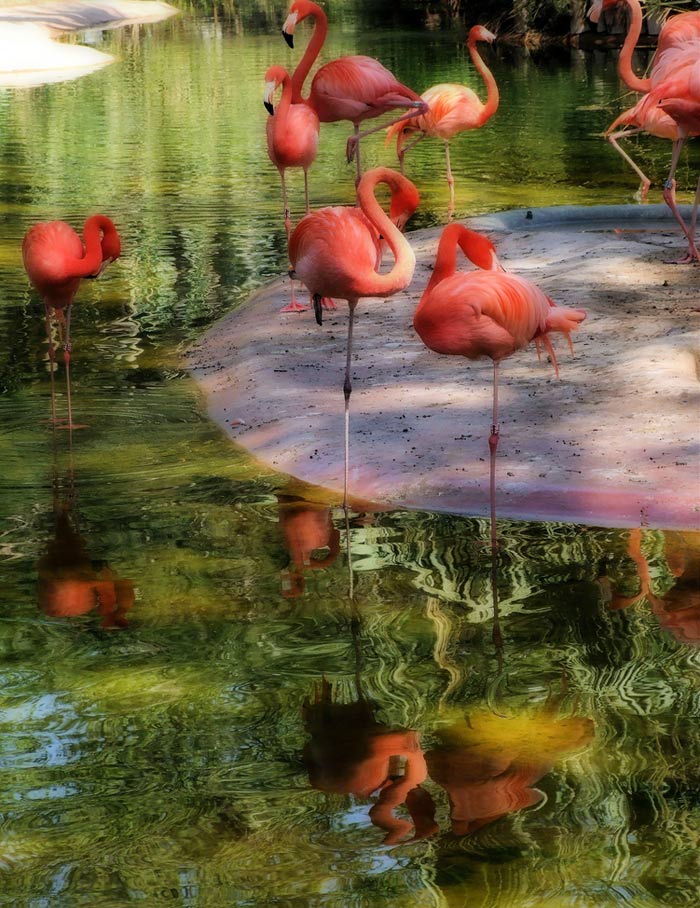
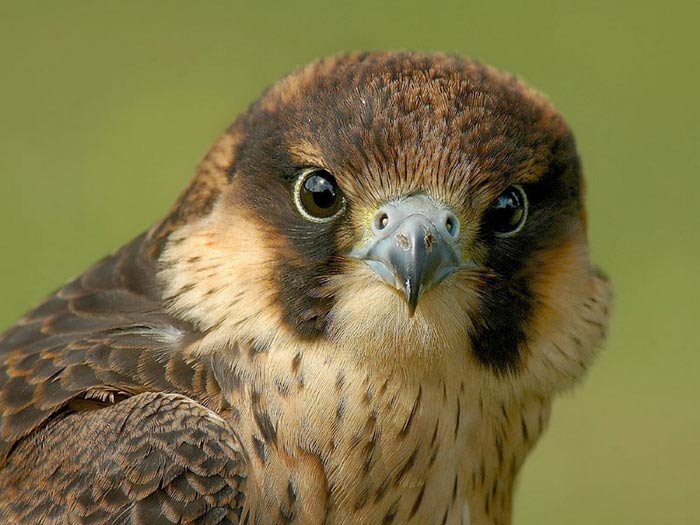
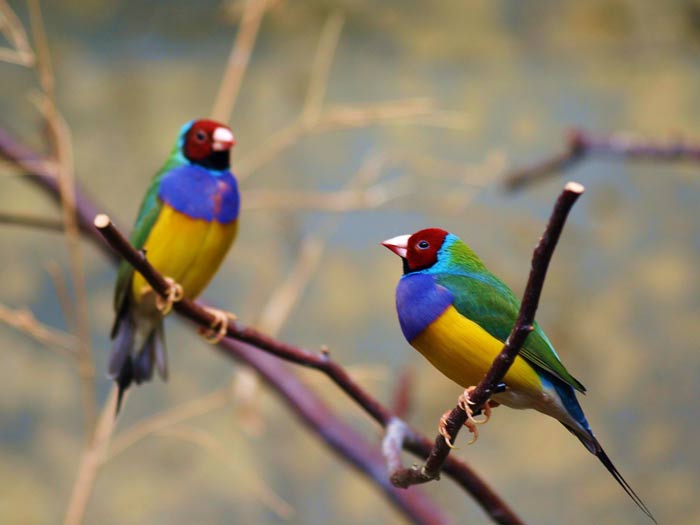
COLOR THAT MAN DID NOT (COULD NOT) CREATE… ONLY THE MASTER CREATOR COULD
Received this in an email and thought I would share it. Not sure of the source of the photos, but absolutely know who the Master Creator was.
So God created great sea creatures and every living thing that moves, with which the waters abounded, according to their kind, and every winged bird according to its kind. And God saw that it was good. And God blessed them, saying, “Be fruitful and multiply, and fill the waters in the seas, and let birds multiply on the earth.” So the evening and the morning were the fifth day. (Genesis 1:21-23 NKJV)
Before the mountains were brought forth, or ever thou hadst formed the earth and the world, even from everlasting to everlasting, thou art God. (Psalms 90:2 KJV)
Hast thou not known? hast thou not heard, that the everlasting God, the LORD, the Creator of the ends of the earth, fainteth not, neither is weary? there is no searching of his understanding. (Isaiah 40:28 KJV)
Since I have been going down the list of Passerines, might as well keep going. Today’s birds are from Gnateaters (Conopophagidae), Tapaculos (Rhinocryptidae), Crescentchests (Melanopareiidae) and part of the Tyrant Flycatchers (Tyrannidae). There are over 400 members in the last family, so will add more later.
As you can see, most of these are fairly small birds and rather non-descript. Their Creator has given them a nice look, but has them protected by letting them blend in with their surroundings. Another show of love for His creation.
The gnateaters are a bird family, consisting of ten small passerine species in two genera, which occur in South and Central America. The members of this family are very closely related to the antbirds and less closely to the antpittas and tapaculos. Due to their remote and dim habitat, gnateaters are a little-studied and poorly known family of birds. They are round, short-tailed, and long-legged birds, about 12–19 cm (5–7½ inches) in length. They are quite upright when standing. Most Conopophaga species have a white tuft behind the eye.
The tapaculos (pronounced ta-pa-COO-lo) are found mainly in South America and with the highest diversity in the Andean regions. Three species (Chocó, Tacarcuna, and the silvery-fronted) are found in southern Central America. Tapaculos are small to medium-sized birds, with a total length ranging from 10–24 cm (4–9½ in). These are terrestrial species that fly only poorly on their short wings. They have strong legs, well-suited to their habitat of grassland or forest undergrowth. The tail is cocked and pointed towards the head, and the name tapaculo possibly derives from Spanish for “cover your behind”.
The crescentchests are birds from South America. The crescentchests range in length from 14 to 16 cm (5.5–6.3 in), in weight from 16 to 23 g (0.56–0.81 oz) and have relatively long tails compared to the tapaculos. The plumage is striking with a distinctive band across the chest that gives the group their name.
Scale-crested Pygmy Tyrant (Lophotriccus pileatus) by Michael Woodruff
The tyrant flycatchers are birds which occur throughout North and South America. They are considered the largest family of birds, with more than 400 species. They are the most diverse avian family in every country in the Americas, except for the United States and Canada. As could be expected from a family this large, the members vary greatly in shape, patterns, size and colors. Most, but not all, species are rather plain, with various hues of brown, gray and white commonplace. Obvious exceptions include the bright red vermilion flycatcher, blue, black, white and yellow many-colored rush-tyrant and some species of tody-flycatchers or tyrants, which are often yellow, black, white and/or rufous.
The smallest family members are the closely related short-tailed pygmy tyrant and black-capped pygmy tyrant. These species reach a total length of 6.5–7 cm (2.5–2.8 in) and a weight of 4–5 grams. By length, they are the smallest passerines on earth, although some species of Old World warblers apparently rival them in their minuscule mean body masses if not in total length. The minuscule size and very short tail of the Myiornis pygmy tyrants often lend them a resemblance to a tiny ball or insect. The largest tyrant flycatcher is the great shrike-tyrant at 29 cm (11.5 in) and 99.2 grams (3.5 oz).
This slideshow requires JavaScript.
Now to him that is of power to stablish you according to my gospel, and the preaching of Jesus Christ, according to the revelation of the mystery, which was kept secret since the world began, But now is made manifest, and by the scriptures of the prophets, according to the commandment of the everlasting God, made known to all nations for the obedience of faith: To God only wise, be glory through Jesus Christ for ever. Amen. Written to the Romans from Corinthus, and sent by Phebe servant of the church at Cenchrea. (Romans 16:25-27 KJV)
“But now ask the beasts, and they will teach you; And the birds of the air, and they will tell you; (Job 12:7 NKJV)
Today we finally got to go birdwatching at Circle B Bar Reserve. We were asked to join Baron Brown (A.K.A. Golden Eagle) and one of the classes he teaches. We were introducing them to Birdwatching. For most of the twelve students, this was their first trip of watch birds.
“Train up a child in the way he should go [and in keeping with his individual gift or bent], and when he is old he will not depart from it. (Proverbs 22:6 AMP)
After we finished, we went to our church where I presented a Powerpoint presentation on birding. Then they got to eat pizza. Not sure which they enjoyed more, the birds or the pizza. ;0)
For Dan and I, this was our first real birdwatching trip of the year. We stopped by the shore of the AF base a week or so ago and birded for about 15-20 minutes. Today’s trip was about two hours long.
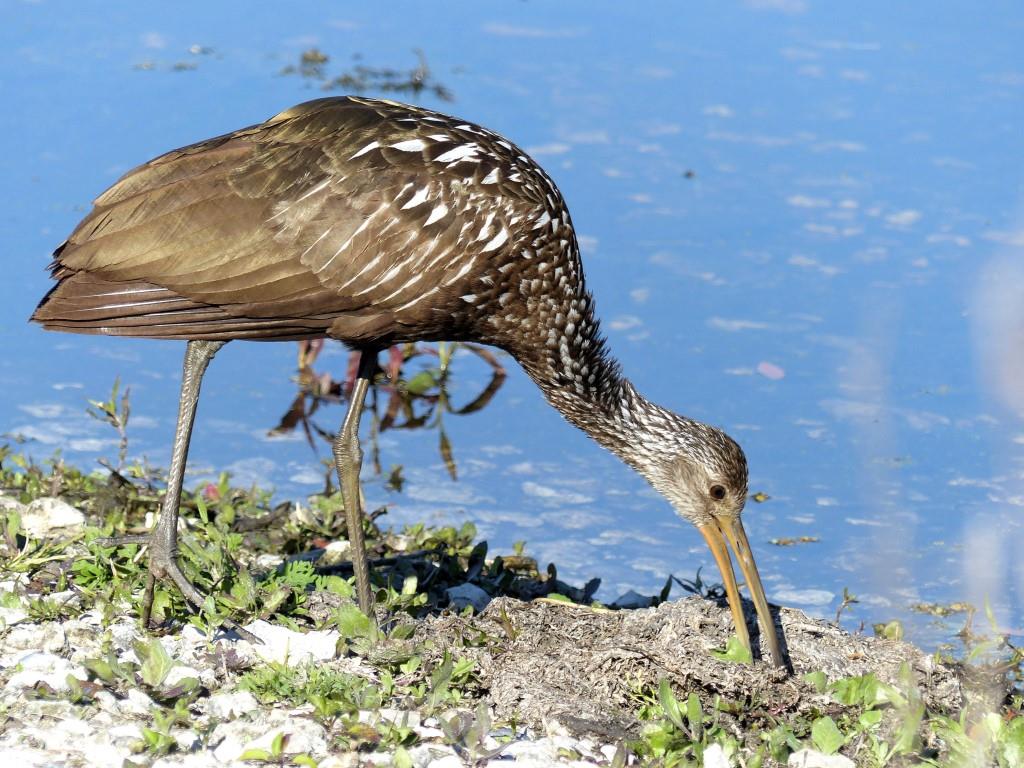
Limpkin
What did we see? Altogether, about 25-26 species were spotted. We saw some they didn’t see and they saw three Bald Eagles, that we didn’t see. (I stopped and waited for them to make a short trip up one of the trails. They are younger, you know.)
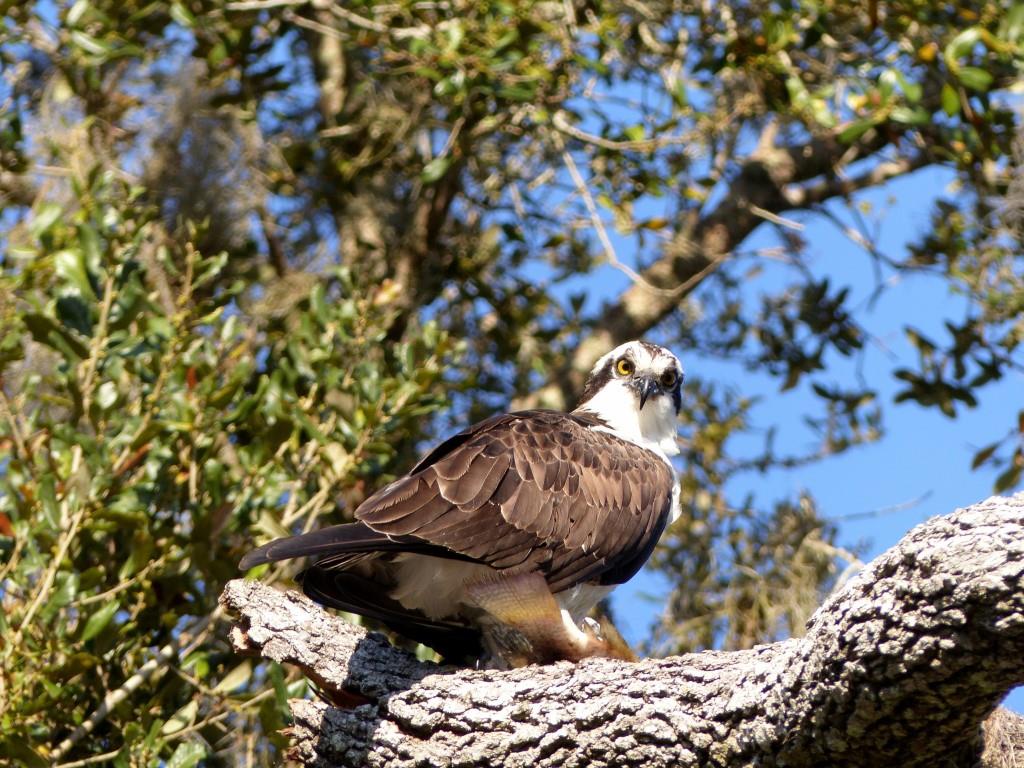
Osprey
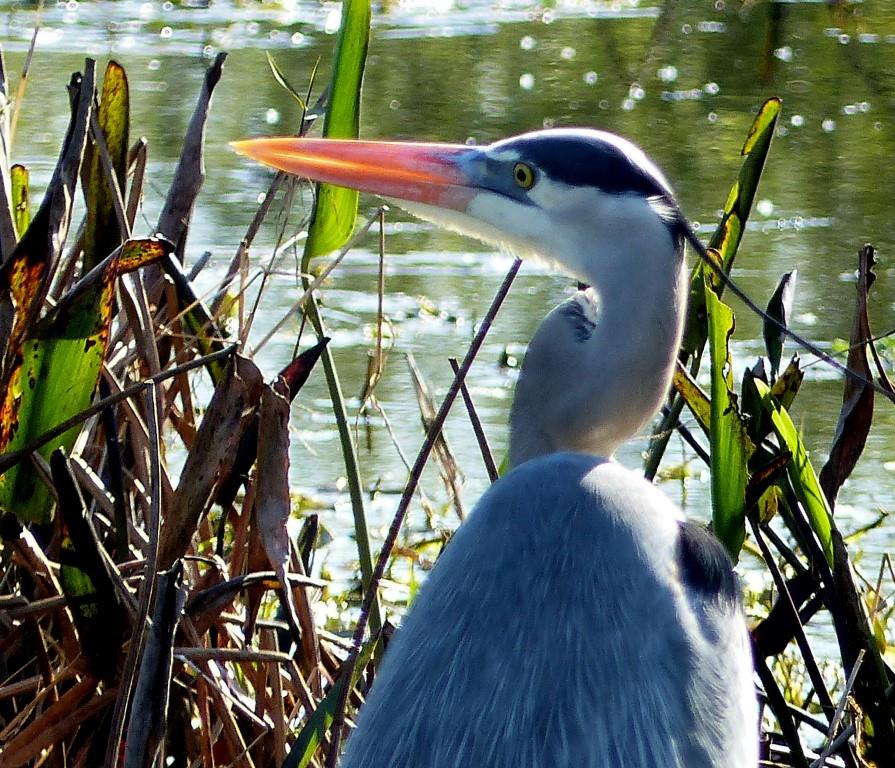
We were greeted in the parking lot by an Osprey sitting in the tree with a fish in his feet. That was a good start for them. From there we went out to the marsh where we started seeing the usual birds at Circle B; Great Egrets, Tri-colored Heron, Snowy Egrets, Little Blue Herons, Glossy and White Ibises, an Anhinga with wings spread, Limpkins, Great Blue Herons. There were lots of Turkey and Black Vultures flying overhead, and the Tree Swallows were zipping around all over the place. There was also a tree way down the marsh that was hosting a group of Double-crested Cormorants.
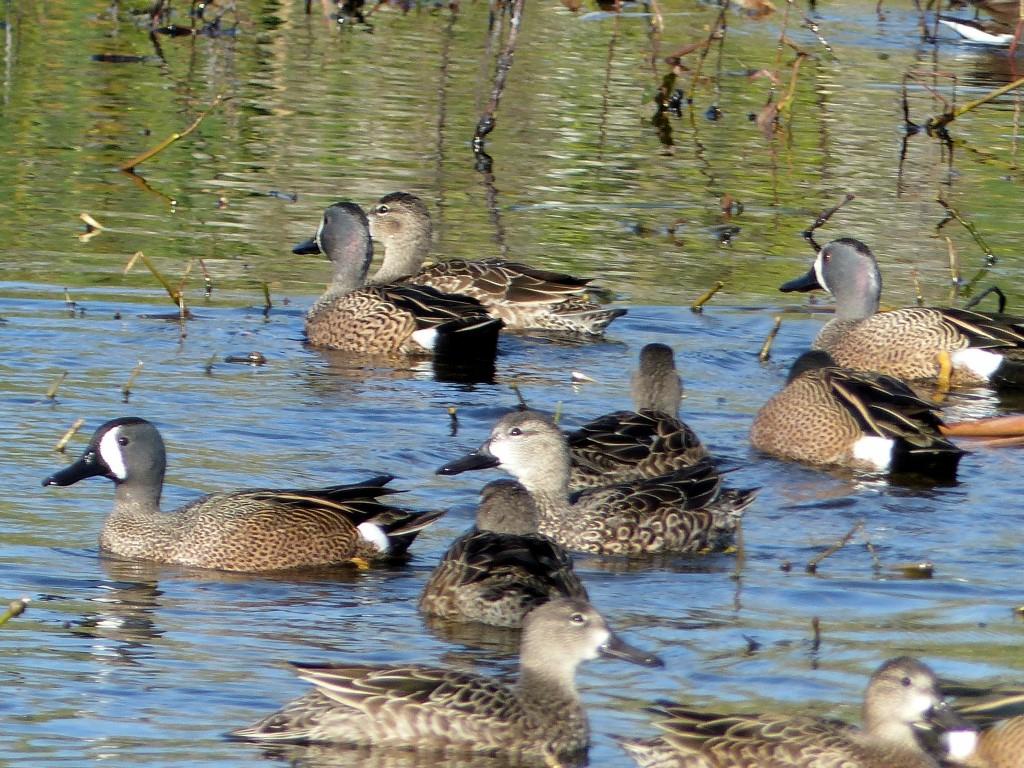
Water birds spotted were Coots, Common Moorhens, and a group of Blue-winged Teals.
Blue-winged Teals
All the heads turned when a Roseate Spoonbill flew by and later we saw one up close in the water. There was a pair of Red-shouldered Hawks sitting in a tree way off, but I zoomed in and was able to get a half-way decent photo of them. One even raised its tail up to preen, I suppose.
We were teaching them about listening for birds and some Mourning Doves, a Carolina Wren, some Red-bellied and Pileated Woodpeckers and a few others were heard.
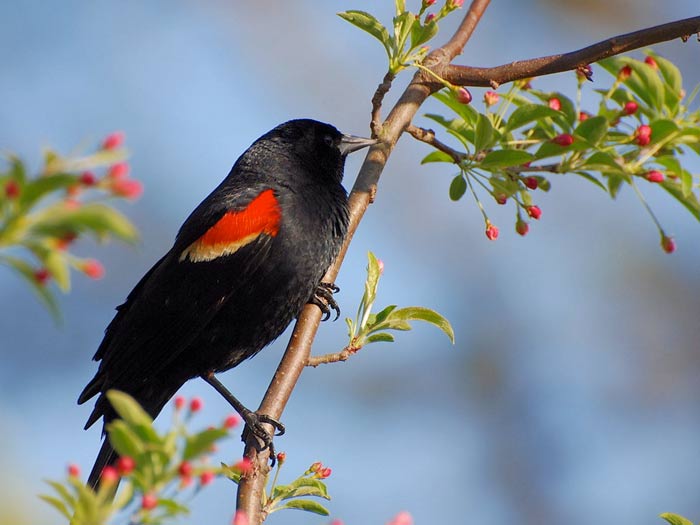
While they were off down the trail, we added Red-winged Blackbirds and Blue-gray Gnatcatcher to our list. We had also seen 16 White Pelicans flying right by the park as we were arriving.
All total, not a bad birdwatching trip. Looking forward to more trips as 2015 progresses. Here are just some of today’s photos.
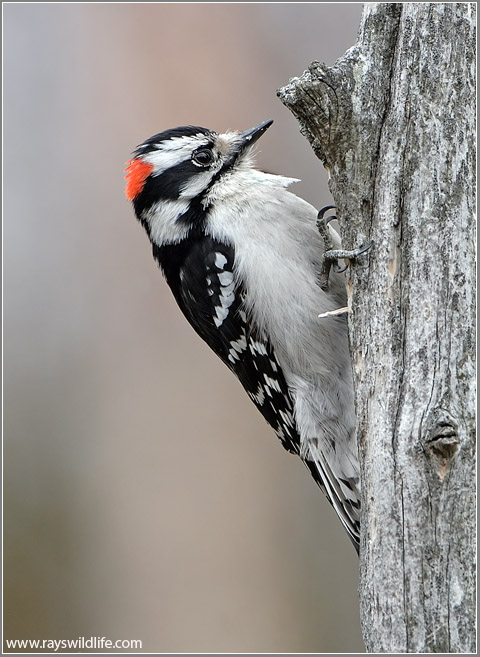
Is it a Downy or Hairy Woodpecker? Brevard Zoo by Dan
Drummers and Carpenters
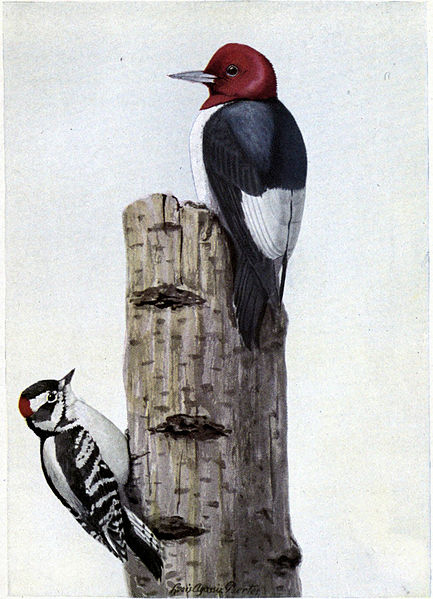
The Downy, Hairy and Red-headed Woodpeckers.
The Burgess Bird Book For Children
*
Listen to the story read.
CHAPTER 11. Drummers and Carpenters.
Peter Rabbit was so full of questions that he hardly knew which one to ask first. But Yellow Wing the Flicker didn’t give him a chance to ask any. From the edge of the Green forest there came a clear, loud call of, “Pe-ok! Pe-ok! Pe-ok!”
“Excuse me, Peter, there’s Mrs. Yellow Wing calling me,” exclaimed Yellow Wing, and away he went. Peter noticed that as he flew he went up and down. It seemed very much as if he bounded through the air just as Peter bounds over the ground. “I would know him by the way he flies just as far as I could see him,” thought Peter, as he started for home in the dear Old Briar-patch. “Somehow he doesn’t seem like a Woodpecker because he is on the ground so much. I must ask Jenny Wren about him.”
It was two or three days before Peter had a chance for a bit of gossip with Jenny Wren. When he did the first thing he asked was if Yellow Wing is a true Woodpecker.
“Certainly he is,” replied Jenny Wren. “Of course he is. Why under the sun should you think he isn’t?”
“Because it seems to me he is on the ground more than he’s in the trees,” retorted Peter. “I don’t know any other Woodpeckers who come down on the ground at all.”
“Tut, tut, tut, tut!” scolded Jenny. “Think a minute, Peter! Think a minute! Haven’t you ever seen Redhead on the ground?”
Peter blinked his eyes. “Ye-e-s,” he said slowly. “Come to think of it, I have. I’ve seen him picking up beechnuts in the fall. The Woodpeckers are a funny family. I don’t understand them.”
Just then a long, rolling rat-a-tat-tat rang out just over their heads. “There’s another one of them,” chuckled Jenny. “That’s Downy, the smallest of the whole family. He certainly makes an awful racket for such a little fellow. He is a splendid drummer and he’s just as good a carpenter. He made the very house I am occupying now.”
Peter was sitting with his head tipped back trying to see Downy. At first he couldn’t make him out. Then he caught a little movement on top of a dead limb. It was Downy’s head flying back and forth as he beat his long roll. He was dressed all in black and white. On the back of his head was a little scarlet patch. He was making a tremendous racket for such a little chap, only a little bigger than one of the Sparrow family.
“Is he making a hole for a nest up there?” asked Peter eagerly.
“Gracious, Peter, what a question! What a perfectly silly question!” exclaimed Jenny Wren scornfully. “Do give us birds credit for a little common sense. If he were cutting a hole for a nest, everybody within hearing would know just where to look for it. Downy has too much sense in that little head of his to do such a silly thing as that. When he cuts a hole for a nest he doesn’t make any more noise than is absolutely necessary. You don’t see any chips flying, do you?”
“No-o,” replied Peter slowly. “Now you speak of it, I don’t. Is—is he hunting for worms in the wood?”
Jenny laughed right out. “Hardly, Peter, hardly,” said she. “He’s just drumming, that’s all. That hollow limb makes the best kind of a drum and Downy is making the most of it. Just listen to that! There isn’t a better drummer anywhere.”
But Peter wasn’t satisfied. Finally he ventured another question. “What’s he doing it for?”
“Good land, Peter!” cried Jenny. “What do you run and jump for in the spring? What is Mr. Wren singing for over there? Downy is drumming for precisely the same reason—happiness. He can’t run and jump and he can’t sing, but he can drum. By the way, do you know that Downy is one of the most useful birds in the Old Orchard?”
Just then Downy flew away, but hardly had he disappeared when another drummer took his place. At first Peter thought Downy had returned until he noticed that the newcomer was just a bit bigger than Downy. Jenny Wren’s sharp eyes spied him at once.
“Hello!” she exclaimed. “There’s Hairy. Did you ever see two cousins look more alike? If it were not that Hairy is bigger than Downy it would be hard work to tell them apart. Do you see any other difference, Peter?”
Downy Woodpecker (Picoides pubescens) by Raymond Barlow
Peter stared and blinked and stared again, then slowly shook his head. “No,” he confessed, “I don’t.”
“That shows you haven’t learned to use your eyes, Peter,” said Jenny rather sharply. “Look at the outside feathers of his tail; they are all white. Downy’s outside tail feathers have little bars of black. Hairy is just as good a carpenter as is Downy, but for that matter I don’t know of a member of the Woodpecker family who isn’t a good carpenter. Where did you say Yellow Wing the Flicker is making his home this year?”
“Over in the Big Hickory-tree by the Smiling Pool,” replied Peter. “I don’t understand yet why Yellow Wing spends so much time on the ground.”
“Ants,” replied Jenny Wren. “Just ants. He’s as fond of ants as is Old Mr. Toad, and that is saying a great deal. If Yellow Wing keeps on he’ll become a ground bird instead of a tree bird. He gets more than half his living on the ground now. Speaking of drumming, did you ever hear Yellow Wing drum on a tin roof?”
Peter shook his head.
“Well, if there’s a tin roof anywhere around, and Yellow Wing can find it, he will be perfectly happy. He certainly does love to make a noise, and tin makes the finest kind of a drum.”
Just then Jenny was interrupted by the arrival, on the trunk of the very next tree to the one on which she was sitting, of a bird about the size of Sammy Jay. His whole head and neck were a beautiful, deep red. His breast was pure white, and his back was black to nearly the beginning of his tail, where it was white.
“Hello, Redhead!” exclaimed Jenny Wren. “How did you know we were talking about your family?”
“Hello, chatterbox,” retorted Redhead with a twinkle in his eyes. “I didn’t know you were talking about my family, but I could have guessed that you were talking about some one’s family. Does your tongue ever stop, Jenny?”
Jenny Wren started to become indignant and scold, then thought better of it. “I was talking for Peter’s benefit,” said she, trying to look dignified, a thing quite impossible for any member of the Wren family to do. “Peter has always had the idea that true Woodpeckers never go down on the ground. I was explaining to him that Yellow Wing is a true Woodpecker, yet spends half his time on the ground.”
Redhead nodded. “It’s all on account of ants,” said he. “I don’t know of any one quite so fond of ants unless it is Old Mr. Toad. I like a few of them myself, but Yellow Wing just about lives on them when he can. You may have noticed that I go down on the ground myself once in a while. I am rather fond of beetles, and an occasional grasshopper tastes very good to me. I like a variety. Yes, sir, I certainly do like a variety—cherries, blackberries, raspberries, strawberries, grapes. In fact most kinds of fruit taste good to me, not to mention beechnuts and acorns when there is no fruit.”
Jenny Wren tossed her head. “You didn’t mention the eggs of some of your neighbors,” said she sharply.
Redhead did his best to look innocent, but Peter noticed that he gave a guilty start and very abruptly changed the subject, and a moment later flew away.
“Is it true,” asked Peter, “that Redhead does such a dreadful thing?”
Jenny bobbed her head rapidly and jerked her tail. “So I am told,” said she. “I’ve never seen him do it, but I know others who have. They say he is no better than Sammy Jay or Blacky the Crow. But gracious, goodness! I can’t sit here gossiping forever.” Jenny twitched her funny little tail, snapped her bright eyes at Peter, and disappeared in her house.
Bold points for questions at the bottom or for Christian traits.
*
For thou shalt eat the labour of thine hands: happy shalt thou be, and it shall be well with thee. (or your beak) (Psalms 128:2 KJV)
He that handleth a matter wisely shall find good: and whoso trusteth in the LORD, happy is he. (Proverbs 16:20 KJV)
Seems like these woodpeckers enjoy doing what that is a sign they are happy?
Who are the four members of the Woodpecker family mentioned?
How does a Woodpecker fly?
Which is the smallest member of the family?
Can you describe him?
Which Woodpecker is just a little bit larger?
What about its tail?
Which one likes to eat on the ground half the time?
A glad heart makes a cheerful countenance, but by sorrow of heart the spirit is broken. (Proverbs 15:13 AMP)
Sandra Connor has again come out with a challenge. This time she is calling it “Tickle Me Tuesday,” so here is my first attempt.
This video is of Attenborough trying to film a sequence about a Greater Bird of Paradise. The bird keeps stealing the script and writing his own. It is a series of takes where the bird shows off and quiets David. From BBC.
Bird interrupts David Attenborough – Attenborough’s Paradise Birds – BBC Two
A happy heart is good medicine and a cheerful mind works healing, but a broken spirit dries up the bones. (Proverbs 17:22 AMP)
If you would like to take up the challenge, check out Sandra’s page, or you can leave a comment here with a link to your “Tickle” article. Or Both!
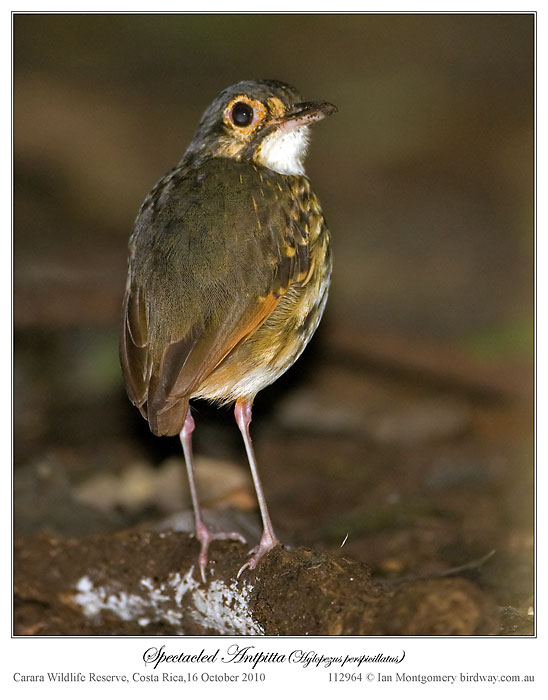
Streak-chested (Spectacled) Antpitta (Hylopezus perspicillatus) by Ian
The ants are a people not strong, yet they prepare their meat in the summer; (Proverbs 30:25 KJV)
Go to the ant, thou sluggard; consider her ways, and be wise: Which having no guide, overseer, or ruler, Provideth her meat in the summer, and gathereth her food in the harvest. (Proverbs 6:6-8 KJV)
Last week’s Sunday Inspiration featured the “first four bird families, taxonomically, in the Passeriformes Order (Songbirds)” This week we will continue with the next three families. They all have “ant” birds in them; Antshrikes, Antwrens, Antbirds, Antthrushes and Antpittas.. The Thamnophilidae – Antbirds family does have a few Bare-eyes.
For thus says the LORD: “Behold, one will fly swiftly like an eagle And spread out his wings against Moab. (Jeremiah 48:40 NASB)
Creation Moments articles have been used here many times. Now they have a YouTube Channel called Creation Moments TV.
While checking out their new videos, I found this one about birds and thought you might enjoy seeing it. Watching instead of reading is more enjoyable at times. Though reading is still good for us or else those of us who do blogs would be out of business.
God created the great sea monsters and every living creature that moves, with which the waters swarmed after their kind, and every winged bird after its kind; and God saw that it was good. (Genesis 1:21 NASB)























 Lee's Birdwatching Adventures Plus