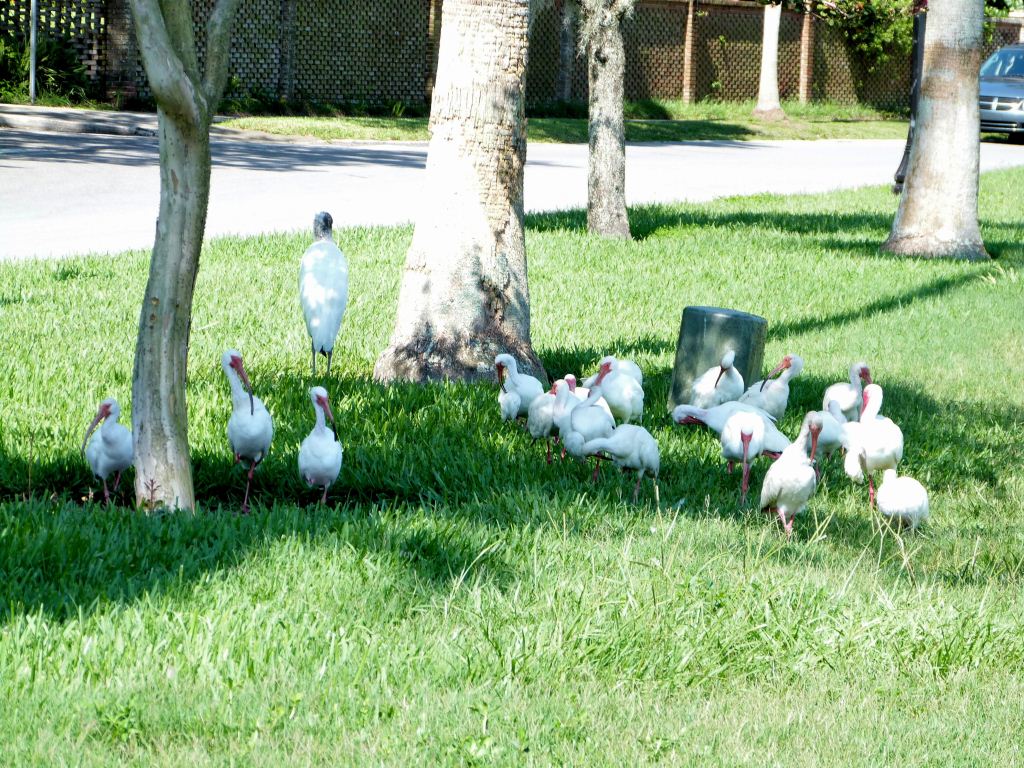
***
PANTETH MY SOUL
***
“As the hart panteth after the water brooks, so panteth my soul after thee, O God.” (Psalms 42:1b KJV)
Cormorant Panting at Gatorland by Lee
*
*
“As the hart panteth after the water brooks, so panteth my soul after thee, O God.” (Psalms 42:1b KJV)
Cormorant Panting at Gatorland by Lee
*
*
FOSSIL INVENTORY: SURPRISES FOR SOME by Creation Moments
“And God said, Let the earth bring forth the living creature after his kind, cattle, and creeping thing, and beast of the earth after his kind: and it was so.” (Genesis 1:24)
Everyone will remember those school textbook diagrams showing the ever-upward progression of living organisms, including man. We recall the horse series, found in textbooks and the museum displays showing the evolution of the horse – the first stage as a small mammal and, after several transitions, the modern horse. The claim that fossils in the rock layers show a progression from simple life in the lowest layers to the most complex life at the top accompanies these diagrams.
Recently, the journal Science, reported that paleobiologists who study these fossils reevaluated all the fossil-bearing rocks that have been found in the last 180 years. What was their reaction to the meaning of the fossil record after their new inventory? “We may have been misled for twenty years,” said one scientist. Another commented, “For the first time, a large group of people is saying paleobiology has been making a mistake.” Why are they reacting this way? They have had to conclude, on the basis of the fossil evidence, that there never was an ever-upward progression of complexity of life forms as they had expected. The species that are represented in the fossil record show no evidence of the classic evolutionary development traditionally found in school textbooks.
In short, the fossil record supports the biblical claim that all the kinds of animals appeared about the same time.
Prayer:
I thank You, Lord, for the great diversity and beauty You have created in the living world. Amen.
Notes:
Creation, 9-11: 2001, p. 7, “Fossil re-count limits diversity.” Visual: Horse series diagram promoting evolution. Courtesy of the Institute for Creation Research. (Permission Creation Moments ©2016
Lee’s Addition:
It is good to see that some of the evolution scientist, paleobiologists) are opening their eyes to the true evidence.
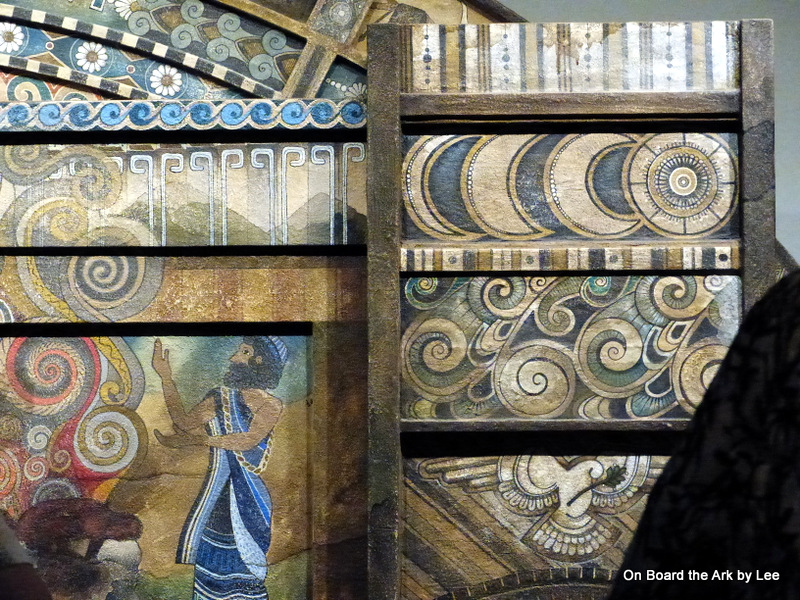
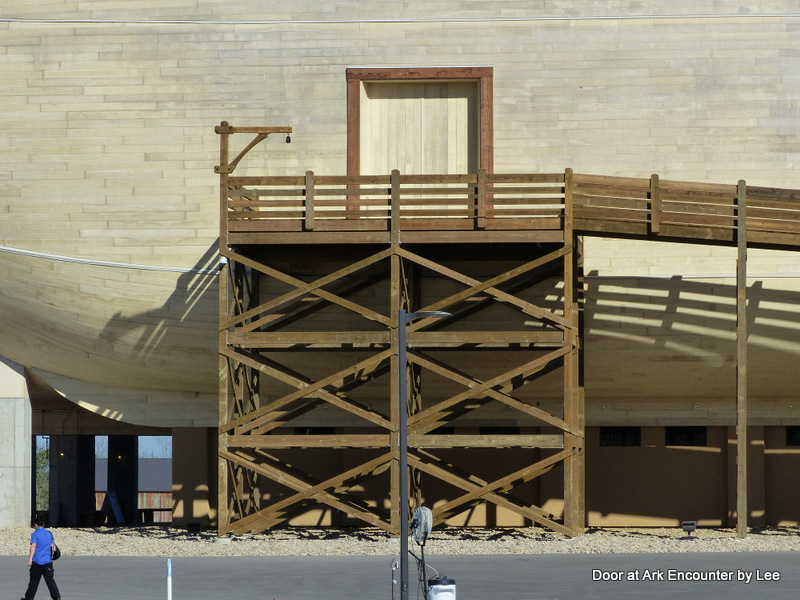
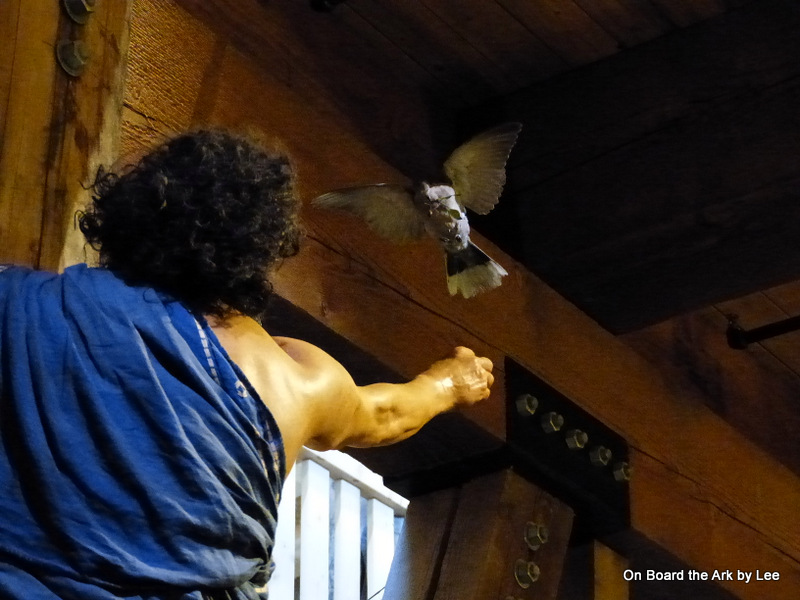
“A window shalt thou make to the ark, and in a cubit shalt thou finish it above; and the door of the ark shalt thou set in the side thereof; with lower, second, and third stories shalt thou make it.” (Genesis 6:16 KJV)
The Door of the Ark at Ark Encounter by Lee
*
*
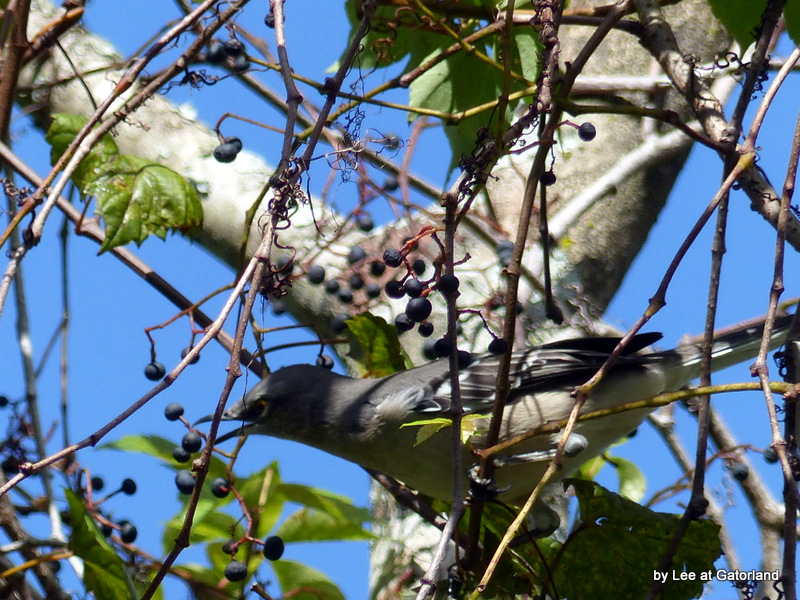
“And the land shall yield her fruit, and ye shall eat your fill, and dwell therein in safety.” (Leviticus 25:19 KJV)
Mockingbird at Gatorland 9-17-16 by Lee
*
*
Remember that thou magnify his work, which men behold. (Job 36:24)
This is the second part of our review of the Passeriformes – Songbird families, which were all presented weekly. The slide show will show one or two photos from each family. These are in taxonomic order. Part I of the Review covered the New Zealand Wrens to Mottled Berry Hunters. This week we will review the Ioras to the Babblers.
Also, the links to these families will be listed and the article associated with them. There will be one more review (III). There are 131 families. All total, there are over 6,000 birds in these families and thankfully, most of them we were able to show. Some photos are protected by copyright and it was not possible to find a photo. Yet, there were more show than we would ever be able to see individually, in person.
Aegithinidae – Ioras
Campephagidae – Cuckooshrikes
Mohouidae – Whiteheads
Neosittidae – Sittellas
Eulacestomidae – Ploughbill
Oreoicidae – Australo-Papuan Bellbirds
Pachycephalidae – Whistlers and allies
Laniidae – Shrikes
Vireonidae – Vireos, Greenlets
Oriolidae – Figbirds, Orioles
Dicruridae – Drongos
Rhipiduridae – Fantails
Monarchidae – Monarchs
Corvidae – Crows, Jays
Corcoracidae – Australian Mudnesters
Melampittidae – Melampittas
Ifritidae – Ifrita
Paradisaeidae – Birds-of-paradise
Petroicidae – Australasian Robins
Picathartidae – Rockfowl
Chaetopidae – Rockjumpers
Eupetidae – Rail-babbler
Bombycillidae – Waxwings
Ptiliogonatidae – Silky-flycatchers
Hypocoliidae – Hypocolius
Dulidae – Palmchat
Mohoidae – Oos
Hylocitreidae – Hylocitrea
Stenostiridae – Fairy Flycatchers
Paridae – Tits, Chickadees
Remizidae – Penduline Tits
Nicatoridae – Nicators
Panuridae – Bearded Reedling
Alaudidae – Larks
Pycnonotidae – Bulbuls
Hirundinidae – Swallows, Martins
Pnoepygidae – Wren-babblers
Macrosphenidae – Crombecs, African Warblers
Cettiidae – Cettia Bush Warblers and allies
Scotocercidae – Streaked Scrub Warbler
Erythrocercidae – Yellow Flycatchers
Incertae-Sedis– Family Uncertain-Warbler, Hylia
Aegithalidae – Bushtits
Phylloscopidae – Leaf Warblers and allies
Acrocephalidae – Reed Warblers and allies
Locustellidae – Grassbirds and allies
Donacobiidae – Black-capped Donacobius
Bernieridae – Malagasy Warblers
Cisticolidae – Cisticolas and allies
Timaliidae – Babblers
Pellorneidae – Fulvettas, Ground Babblers
Here are the Sunday Inspiration articles that were written about these families.
Cuckooshrikes ~ “There’s Something About That Name” ©The Hyssongs
Whistlers and Avian Friends ~ “”The Love of God” ~ Dr. Richard Gregory
Shrikes and Vireos ~ “El Shaddai” – by Nell Reese
Figbirds, Orioles and Drongos ~ “He Touched Me” -~ ©The Hyssongs
Fantails ~ “So Send I You” – Men’s Quartet – Faith Baptist
Monarchs ~ “He’s Looking on You” ~ by Dr. Richard Gregory
Crows and Jays ~ “Peace Medley” ~ by Faith Baptist Choir
Independence Day ~ “Military Medley” ~ Faith Baptist Orchestra
From Mud to Beauty ~ “I Heard The Voice of Jesus” ~ By Sean Fielder
Australian Robin and Friends ~ “Hiding in the Shadow of the Rock” ~ © Dr. Richard Gregory
Deep Love of Jesus ~ “Oh The Deep, Deep, Love of Jesus” ~ Megan Fee and Jill Foster
Tits, Chickadees and Penduline Tits ~ “Just a Little Talk With Jesus Makes It Right” ~ Vegter Quartet (together for Vi’s 90th Birthday)
Larks ~ “His Eye Is On The Sparrow ” – by Kathy Lisby, Faith Baptist Church
Bulbuls ~ “How Deep The Father’s Love For Us” ~ played by Megan Fee and Jill Foster
Swallows and Martins ~ “If I Don’t Have Love” ~ by Jessie Padgett – Special at Faith Baptist
Wren-babblers – Crombecs and Bush Warblers – “Bow The Knee” ~ Sheila Vegter and Jacob (her son who is playing the piano and singing)
Little Beauties From The Lord ~ “Beautiful Saviour (Fairest Lord Jesus)”) ~ by Kid’s Choir at Faith Baptist
Reed Warblers ~ “When I Survey The Wondrous Cross” ~ by Miss Anna Pletcher (12 years old) on piano
Grassbirds and Allies ~ “The Church’s One Foundation” – Megan Fee, Cody Hancock & Dakota Hancock ~ at Faith Baptist
Worthy The Lamb ~ “Worthy The Lamb” ~ Choir at Faith Baptist Church
Cisticolas and Singing ~ “How Can I Keep From Singing?” ~ by the Trio + 1 (Pastor Jerry, Reagan Osborne, Caleb & Jessie Padgett) Faith Baptist
Fulvettas, Ground Babblers ~ “Everything’s Fine” ~ ©Hyssongs
*
“Were You There, When They Crucified My Lord” – Communion Music – Organ & Piano
*
Sunday Inspiration – Passeriformes Review I
*
“But ye are a chosen generation, a royal priesthood, an holy nation, a peculiar people; that ye should shew forth the praises of him who hath called you out of darkness into his marvellous light:” (1 Peter 2:9 KJV)
Ibises and Wood Storks – Some coming out into the sun at Lake Morton by Lee
*
*
My friend from Australia, whom I’ve met through blogging, has a really interesting post. It is about the Lyrebird which we have written about before. He has a segment about a young lyrebird practicing his mating dance. I love it. There are other birds mentioned also. Aussiebirder always has neat articles. Enjoy!
As we leave an unusually wet winter and enter the beautiful early spring, with wildflowers blooming, I took off early one morning into the Southern Highlands to Barren Grounds National Park for another attempt at finding the elusive and endangered Eastern Ground Parrot.

Above photo is taken from the sign in the park of the two endangered species of birds in Australia which live in the scrubby heathlands of the highlands. One reason why these birds have become endangered is that both these birds are predominately ground dwellers, and seldom fly. This makes them very vulnerable to predators, especially humans, ferule cats and foxes.
………….To read the rest of the article and see his video and recordings CLICK HERE:
Thanks, AussieBirder, for such an interesting article.
See Also:
Ian’s Bird of the Week – Displaying Superb Lyrebird
*
“But now ask the beasts, and they shall teach thee; and the fowls of the air, and they shall tell thee;” (Job 12:7)
Almost everyone in the world today knows of the terrible disaster that struck the coasts of South East Asia. The North American news media gave daily body counts, reported human tragedy and inflicted damage … yet, as far as is known, none mentioned the animals.
However, Asian reports from the damaged areas comment not only on the ability of trees to withstand the devastating waves but the almost total absence of animal deaths. It appears that the animals, from flamingos to elephants, took off for the hills long before the humans. The Chinese have done extensive investigations on animals and earthquake detection but are at a loss to explain it. Chinese scientists simply conclude that animals have far greater sensitivity than the best of scientific instruments.
Reuters reported from Thailand that the elephants used in the tourist business at Khao Lak began to “cry” at 9 am, about the time of the quake. Some elephants broke their hefty chains, but they all raced away toward the jungle-clad hills, taking their surprised tourists and guides with them. Some people were even picked up by the elephants using their trunks. They all came to a point on high ground where the waves stopped just short of where they stood. Three thousand, eight hundred people died in that area. God is merciful to those sensitive enough to His warnings.
“Remember his marvellous works that he hath done, his wonders, and the judgments of his mouth;” (1Ch 16:12)
Now that the Passeriformes – Songbird families were all presented weekly, let’s review these families. The slide show will show one photo from each family. These will be in taxonomic order.
Also, the links to these families will be listed and the article associated with them. This will be a several week review. There are 131 families. All total, there are over 6,000 birds in these families and thankfully, most of them we were able to show. Some photos are protected by copyright and it was not possible to find a photo. Yet, there were more show than we would ever be able to see individually, in person.
Acanthisittidae – New Zealand Wrens
Eurylaimidae – Broadbills
Pittidae – Pittas
Furnariidae – Ovenbirds
Thamnophilidae – Antbirds
Formicariidae – Antthrushes
Grallariidae – Antpittas
Conopophagidae – Gnateaters
Rhinocryptidae – Tapaculos
Melanopareiidae – Crescentchests
Tyrannidae – Tyrant Flycatchers
Cotingidae – Cotingas
Pipridae – Manakins
Tityridae – Tityras, Becards
Menuridae – Lyrebirds
Atrichornithidae – Scrubbirds
Ptilonorhynchidae – Bowerbirds
Climacteridae – Australasian Treecreepers
Maluridae – Australasian Wrens
Meliphagidae – Honeyeaters
Dasyornithidae – Bristlebirds
Pardalotidae – Pardalotes
Acanthizidae – Australasian Warblers
Pomatostomidae – Australasian Babblers
Orthonychidae – Logrunners
Cnemophilidae – Satinbirds
Melanocharitidae – Berrypeckers, Longbills
Paramythiidae – Painted Berrypeckers
Callaeidae – New Zealand Wattlebirds
Notiomystidae – Stitchbird
Psophodidae – Whipbirds, Jewel-babblers and Quail-thrushes
Platysteiridae – Wattle-eyes, Batises
Tephrodornithidae – Woodshrikes and allies
Prionopidae – Helmetshrikes
Malaconotidae – Bushshrikes
Machaerirhynchidae – Boatbills
Vangidae – Vangas
Pityriaseidae – Bristlehead
Artamidae – Woodswallows,butcherbirds and allies
Rhagologidae – Mottled Berryhunter
“I remember the days of old; I meditate on all thy works; I muse on the work of thy hands.” (Psa 143:5)
Beginning of Passeriformes Order (Songbirds) For The Sunday Inspiration
More Amazing Birds ~ “Jesus What A Might Name” – Pastor Jerry w/Choir and Orchestra
“Ant Birds“ ~ “He Looked Beyond My Fault” ~ ©The Hyssongs
Everlasting God ~”Everlasting God” – Pastor Jerry, Reagan Osborne, Caleb & Jessie Padgett
Flycatchers ~ “Amazing Grace” – Orchestra and “I Love You, Written in Red” – Choir (Faith Baptist Church)
Give Thanks ~ “Give Thanks” ~ sung by Mark Quijano, his YouTube Channel
There is a Redeemer ~ “There is a Redeemer,” played by Nell Reese at Faith Baptist Church
Australian Birds ~ “How Can I Keep From Singing” – Pastor Jerry Smith, Jessie and Caleb Padgett and Reagan Osborne
Honeyeaters ~ “Blood of Jesus Medley” ~ Faith Baptist Church Choir
Worthy ~ “Worthy” ~ Faith Baptist Choir and Orchestra
Variety II ~ “Just A Little Talk With Jesus” – Vegter Six
Whipbirds, Wattle-eyes and Allies – ” Be Thou My Vision and Battle Hymn of the Republic” ~ played by Sean Fielder
Woodshrikes and Helmetshrikes ~ ” I’ve Got Joy” ~ by the Faith Baptist Orchestra
Bushshrikes and Boatbills ~ “We Shall See Jesus” ~ Margaret Hiebert, Pastor and Jill Osborne and Pastor Jerry Smith
Vangas and Friends ~ “I Still Believe” – ©The Hyssongs
*
“Bless the LORD, O my soul. O LORD my God, thou art very great; thou art clothed with honour and majesty.” (Psa 104:1)
“To Win My Soul” – Sung by Jessie Padgett”
”
*
“I may tell all my bones: they look and stare upon me.” (Psalms 22:17 KJV)
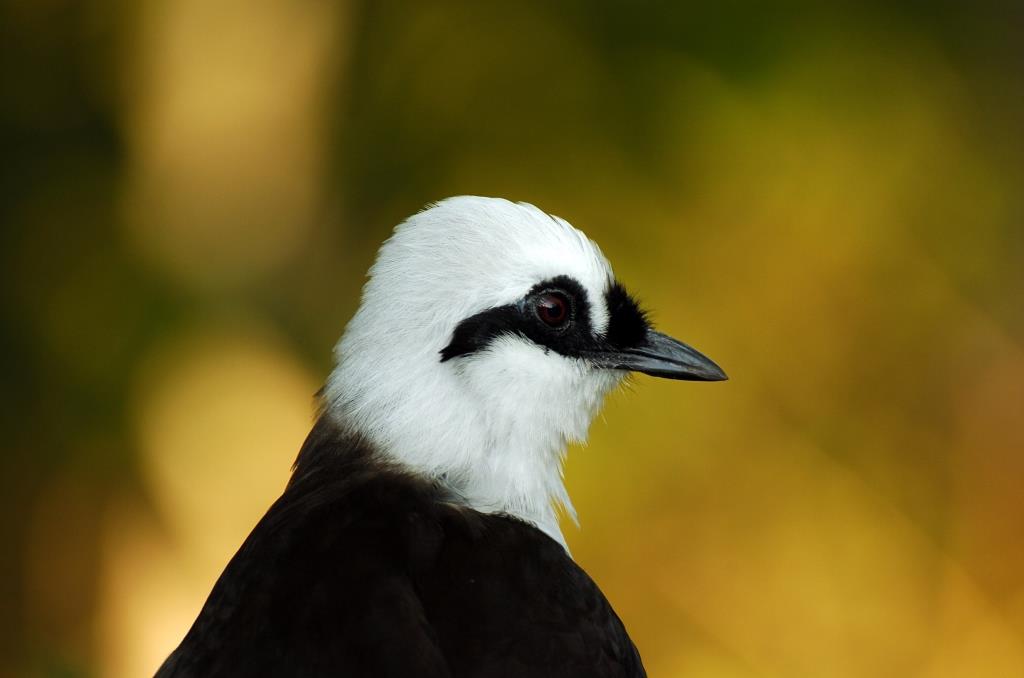
White-faced Scops Owl photo ©#owls by royspiccys From Pinterest
*
*
Fly Away: Tips on Getting Started with Bird Photography
~ by Joan “Jones” Kissler
Look at the birds of the air; they do not sow or reap or store away in barns, and yet your heavenly Father feeds them. Are you not much more valuable than they? – Matthew 6:26
Are you enjoying the newfound appreciation for life, nature, and God’s undying love that birdwatching has taught you? Take it to the next level by documenting it through photography. But do not take just any photo—bring out the exquisite beauty of birds with these bird photography tips for beginners:
First things first: get the right equipment
Birds are God’s work of art. So make sure you get the gear that allows you to easily glorify the Great Artist through your photos. Most bird photographers use a DSLR camera since its interchangeable lenses feature gives more control. For beginners, experts suggest using at least a 200 to 300 mm lens.
Telephoto lenses allow you to capture every detail of a bird in its full glory. Image-stabilized lenses enable shooting in low-light conditions and while the bird is in motion. If you are not ready yet to shoot photos without support, you can use a monopod, a portable alternative to the heavy, bulky tripod.
When using your DSLR, make sure to set it to aperture-priority mode for the flexibility of a wide aperture and the ability to set the shutter speed to your desired setting.
On the other hand, some enthusiasts use smartphones for bird photography. They use a technique called digiscoping, which is combining a smartphone camera with a spotting scope. For on-the-go shooting, I recommend using an adapter to combine your phone and the spotting scope, so you can easily snap a photo instead of painstakingly trying to hold up your phone correctly against the the spotting scope. Also, you can install some apps and maximize your camera phone’s built-in features to churn out better-quality photos.
Know your birds
You do not have to look far to know where to find birds as your next subject. Just open your Bible, and you will find the answers:
Read up on the behavior and habitat of different kinds of birds so that you will know how to get them to come to you or to get as close to them as possible.
If that is not your style, join an expert birder in taking photos. You will definitely pick up some pointers on which birds come out during which time and season, where they usually live and breed, and what they usually eat.
Feed them as the Father would
The Great Creator cares for birds so much that He makes sure that they are always fed well, as stated in Matthew 6:26. Show your compassion for these creatures by giving them something to eat when you are photographing them on location.
To make birds feel naturally at home, plant some shrubs and trees they normally feed on in your garden or lawn. For instance, expert photographer Matt Mcray planted Rose of Sharon and hibiscus to attract Ruby-throated hummingbirds to his yard.
You can also strategically put bird feeders where you want to shoot your subject. Just remember to place them on the side from where you’ll be taking the shot to keep the feeders off the frame. Also ensure good natural lighting in the area where you will stage your shots.
Make them feel safe
God created birds to be free, so avoid threatening their sense of freedom and respect their need to hop from one space to another and fly.
One of the biggest mistakes that beginners make is to haphazardly approach their subject and click on the shutter button in haste. This normally ends up with the bird flying away and the shot being ruined.
To keep this from happening, remember these tips:
Here are some tips on taking your first successful photo:
After repeating these steps for quite some time, your subjects will eventually warm up to you, and you will be able to take several shots easily.
Capturing a shot of a creature as elusive as a bird reminds us of the gift of freedom that God bestows upon us. With the ups and downs of everyday life, it can be easy to forget that we are free. May your foray into bird photography serve as a constant reminder that we are.
Lee’s Addition:
Joan contacted me about putting an article on the blog. After reviewing this article, I think you will find this article fits well with the objectives of our blog. To honor our Lord. Thanks, Joan, and I trust that you will provide us with more interesting articles like this.
“Where the birds make their nests: as for the stork, the fir trees are her house.” (Psalms 104:17 KJV)
Wood Stork (Mycteria americana) Jacksonville Zoo by Lee
*
*