Mousebirds at the Cincinnati Zoo

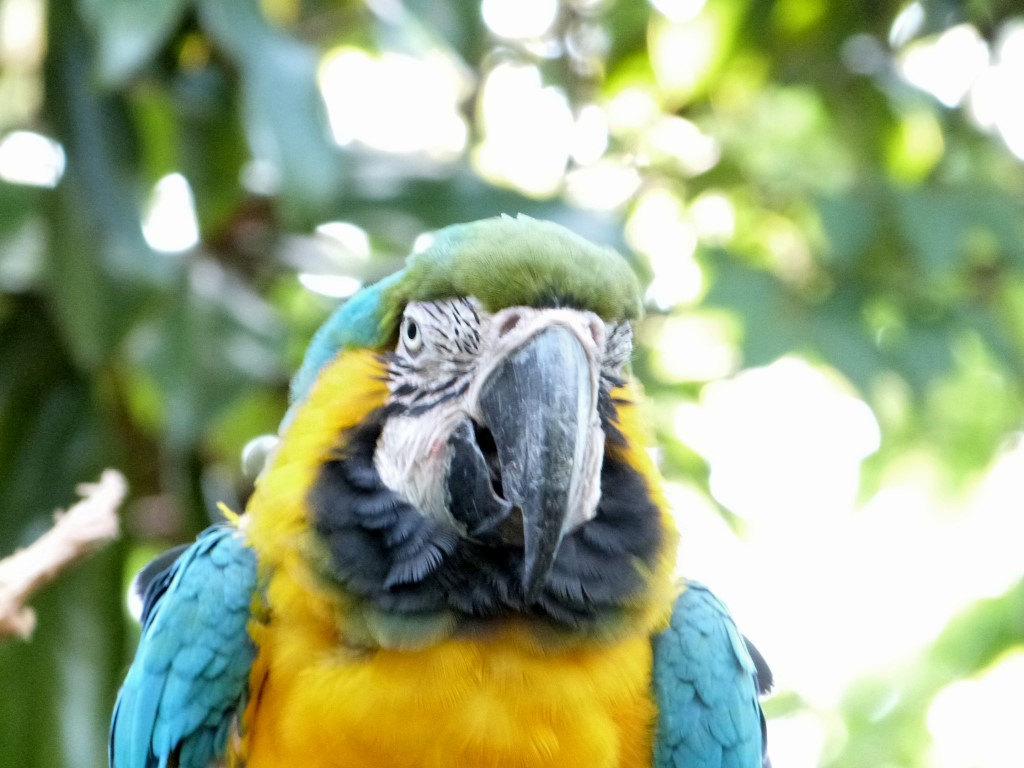
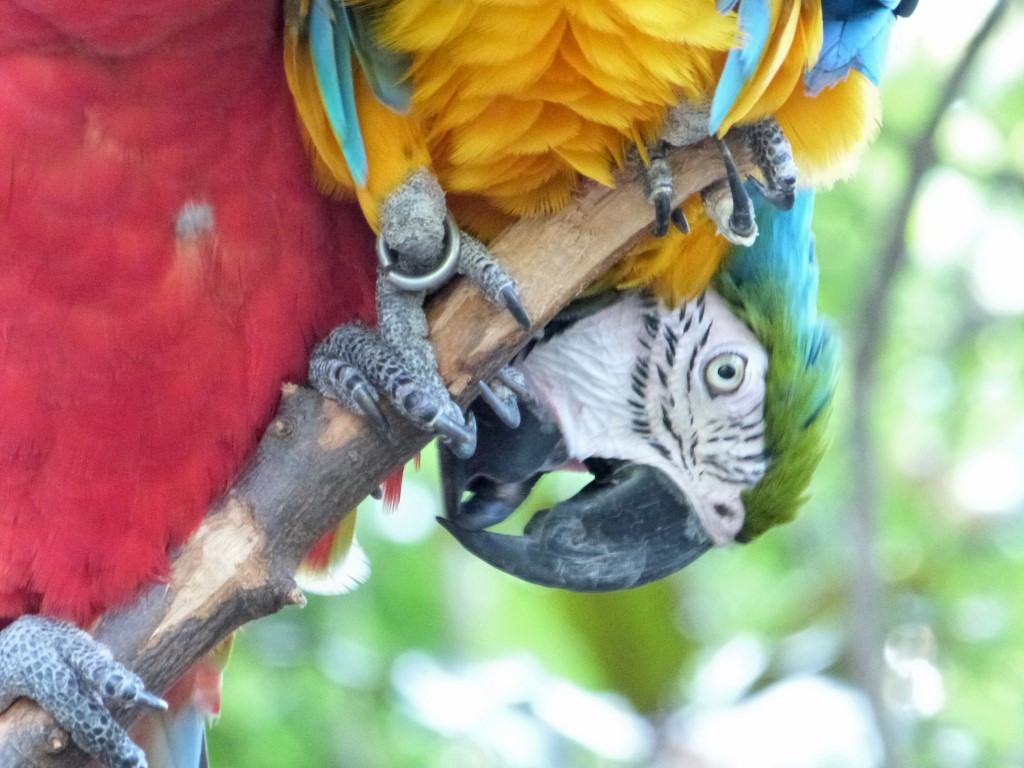
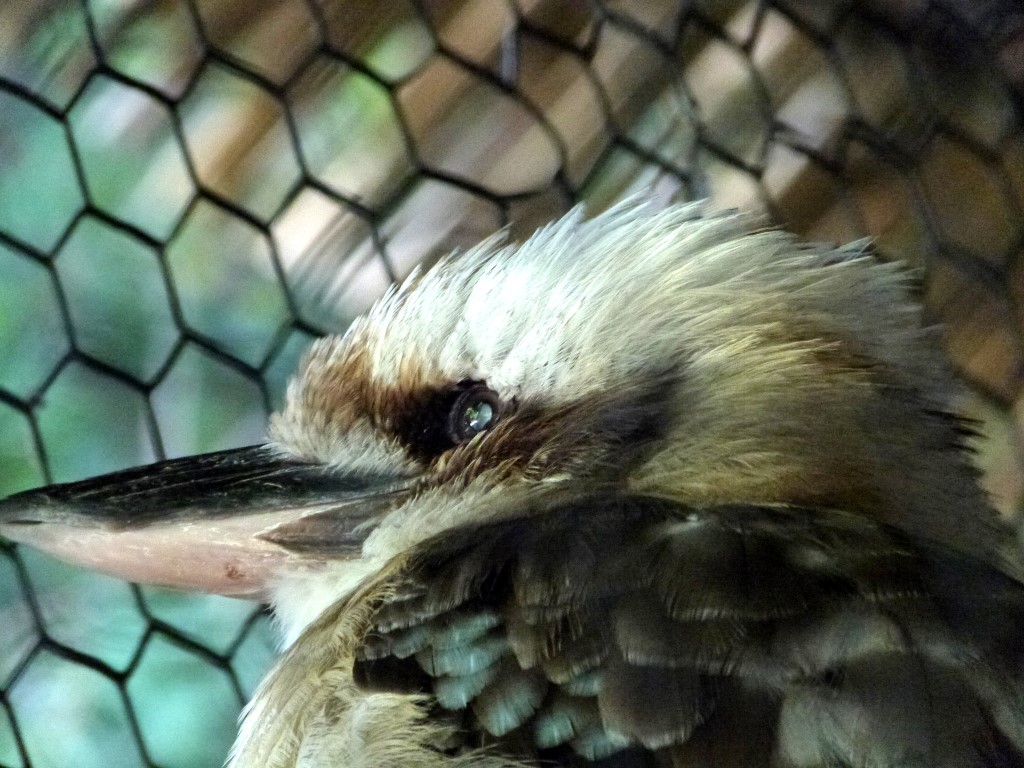
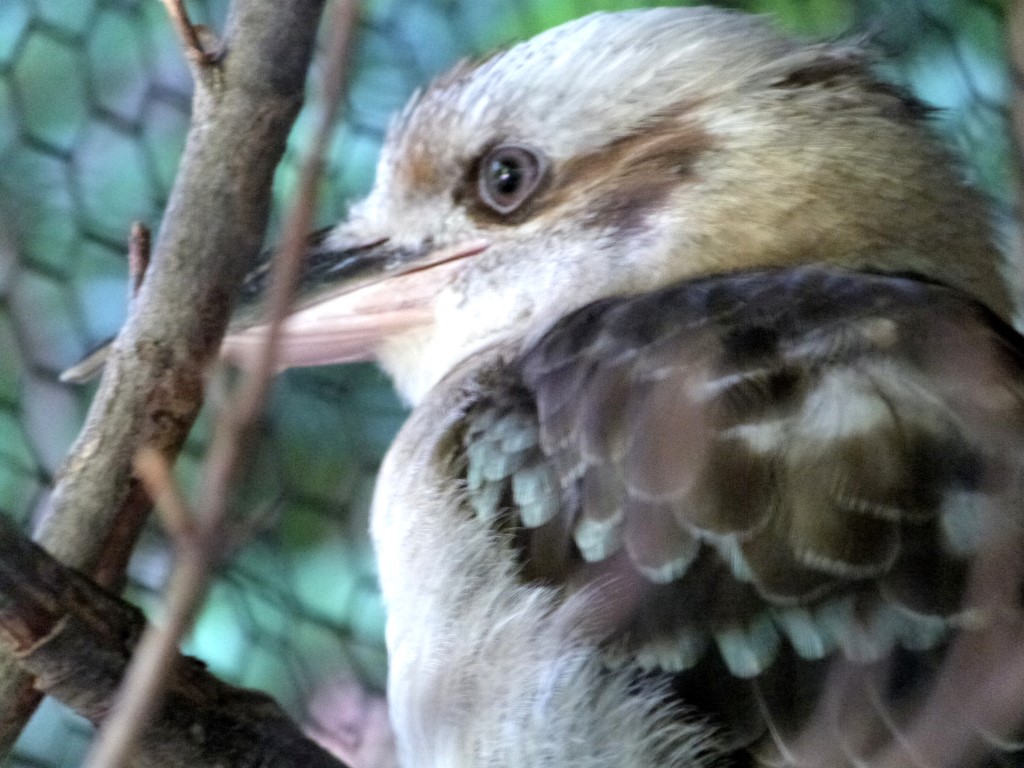
Blue-naped Mousebird (Urocolius macrourus) at Cincinnati Zoo) by Lee

Blue-naped Mousebird (Urocolius macrourus) at Cincinnati Zoo) by Lee

I know all the birds of the mountains, And the wild beasts of the field are Mine. (Psalms 50:11 NKJV)

I was happy to finally get to see the Mousebirds. Have known and read about them, but had not been able to watch them. They were on my “birds to see” list at the zoo.

Mousebirds belong to the Coliidae – Mousebirds Family which has six (6) members.
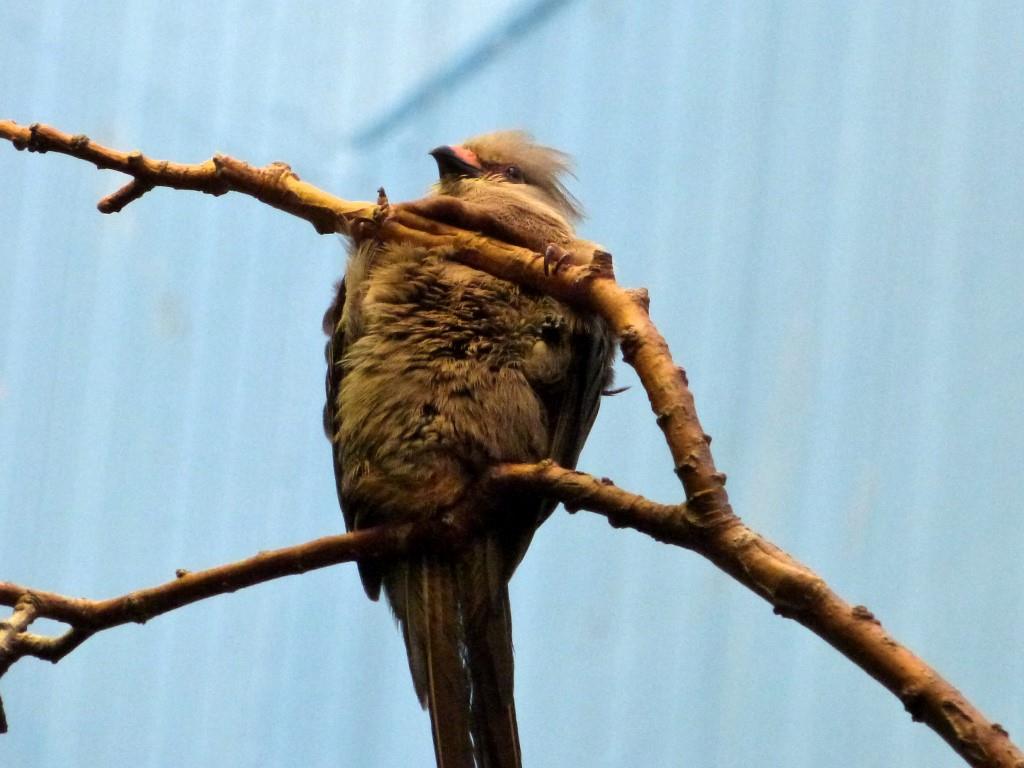
Blue-naped Mousebird (Urocolius macrourus) at Cincinnati Zoo) by Lee

Blue-naped Mousebird (Urocolius macrourus) at Cincinnati Zoo) by Lee

They are slender greyish or brown birds with soft, hairlike body feathers. They are typically about 10 cm in body length, with a long, thin tail a further 20–24 cm in length, and weigh 45–55 grams. They are arboreal and scurry through the leaves like rodents, in search of berries, fruit and buds. This habit, and their legs, gives rise to the group’s English name. They are acrobatic, and can feed upside down. All species have strong claws and reversible outer toes (pamprodactyl foot). They also have crests and stubby bills.

Mousebirds are gregarious, again reinforcing the analogy with mice, and are found in bands of about 20 in lightly wooded country. These birds build cup-shaped twig nests in trees, which are lined with grasses. Two to four eggs are typically laid, hatching to give quite precocious young which soon leave the nest and acquire flight.

Blue-naped Mousebird (Urocolius macrourus) at Cincinnati Zoo) by Lee

Blue-naped Mousebird (Urocolius macrourus) at Cincinnati Zoo) by Lee

One Mousebird, supposedly the male, was hopping up and down. This video shows the two of them. One watching and one jumping. The orange bird is ignoring the whole deal. (I had been watching for a while and then decided to video, of course he went behind the branch.)

(Wikipedia with editing)

Bonus:

Nape – An easy definition is the back of the neck.
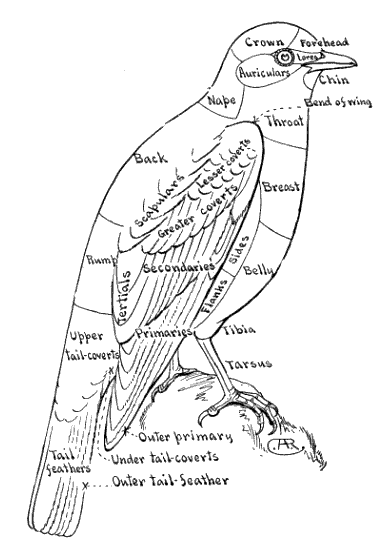
Topography of a Bird - Bluebird - Color Key to NA Birds

Notice the Nape between the Crown and the Back

There are quite a few birds that have colored napes that help identify them, such as Woodpeckers, Grebes, etc. Our Blue-naped Mousebird is one where the color of the “nape” is used in its name. While learning to bird watch, I kept saying (and still do) that the Lord should have placed little signs on them. That way when we look at them through binoculars, scopes, cameras, or our eyes, that we could just read the sign.

That is not the way it is, but there are many clues do that help us ID the birds. The variety of the birds with their colors and shapes keep us busy, but aren’t we thankful that He didn’t make them all alike. How boring that would be.

Here are the “-naped” birds:

Chestnut-naped Francolin (Pternistis castaneicollis)
Red-naped Ibis (Pseudibis papillosa)
White-naped Crane (Grus vipio)
Black-naped Tern (Sterna sumatrana)
Eastern Bronze-naped Pigeon (Columba delegorguei)
Western Bronze-naped Pigeon (Columba iriditorques)
Island Bronze-naped Pigeon (Columba malherbii)
Scaly-naped Pigeon (Patagioenas squamosa) –*LLABS*
Red-naped Fruit Dove (Ptilinopus dohertyi)
Black-naped Fruit Dove (Ptilinopus melanospilus) *LLABS*
Purple-naped Lory (Lorius domicella)
White-naped Lory (Lorius albidinucha)
Blue-naped Parrot (Tanygnathus lucionensis)
Yellow-naped Amazon (Amazona auropalliata)
Scaly-naped Amazon (Amazona mercenarius)
White-naped Swift (Streptoprocne semicollaris)
Red-naped Trogon (Harpactes kasumba)
Golden-naped Barbet (Megalaima pulcherrima)
Golden-naped Woodpecker (Melanerpes chrysauchen)
Red-naped Sapsucker (Sphyrapicus nuchalis)
White-naped Woodpecker (Chrysocolaptes festivus)
Blue-naped Pitta (Hydrornis nipalensis)
Rusty-naped Pitta (Hydrornis oatesi)
Grey-naped Antpitta (Grallaria griseonucha)
Chestnut-naped Antpitta (Grallaria nuchalis)
Ochre-naped Ground Tyrant (Muscisaxicola flavinucha)
Rufous-naped Ground Tyrant (Muscisaxicola rufivertex)
White-naped Xenopsaris (Xenopsaris albinucha)
White-naped Honeyeater (Melithreptus lunatus)
Red-naped Bushshrike (Laniarius ruficeps)
Rufous-naped Whistler (Aleadryas rufinucha)
Rufous-naped Greenlet (Hylophilus semibrunneus)
Black-naped Oriole (Oriolus chinensis)
Black-naped Monarch (Hypothymis azurea)
White-naped Monarch (Carterornis pileatus)
Azure-naped Jay (Cyanocorax heilprini)
White-naped Jay (Cyanocorax cyanopogon)
Rufous-naped Tit (Periparus rufonuchalis)
White-naped Tit (Parus nuchalis)
Rufous-naped Lark (Mirafra africana)
White-naped Yuhina (Yuhina bakeri)
Rufous-naped Wren (Campylorhynchus rufinucha)
Chestnut-naped Forktail (Enicurus ruficapillus)
Purple-naped Sunbird (Hypogramma hypogrammicum)
Golden-naped Weaver (Ploceus aureonucha)
Golden-naped Finch (Pyrrhoplectes epauletta)
Blue-naped Chlorophonia (Chlorophonia cyanea)
White-naped Brush Finch (Atlapetes albinucha)
Pale-naped Brush Finch (Atlapetes pallidinucha)
Rufous-naped Brush Finch (Atlapetes latinuchus)
Golden-naped Tanager (Tangara ruficervix)
Green-naped Tanager (Tangara fucosa)
White-naped Seedeater (Dolospingus fringilloides)

*

This slideshow requires JavaScript.

You can see by the photos that the “nape” can be narrow or very broad.

See:

Mousebirds – Carolinabirds

Mousebirds – The Online Zoo

Nape – All About Birds

Cincinnati Zoo Visit

*

Strutting Greater Flamingos at the Zoo

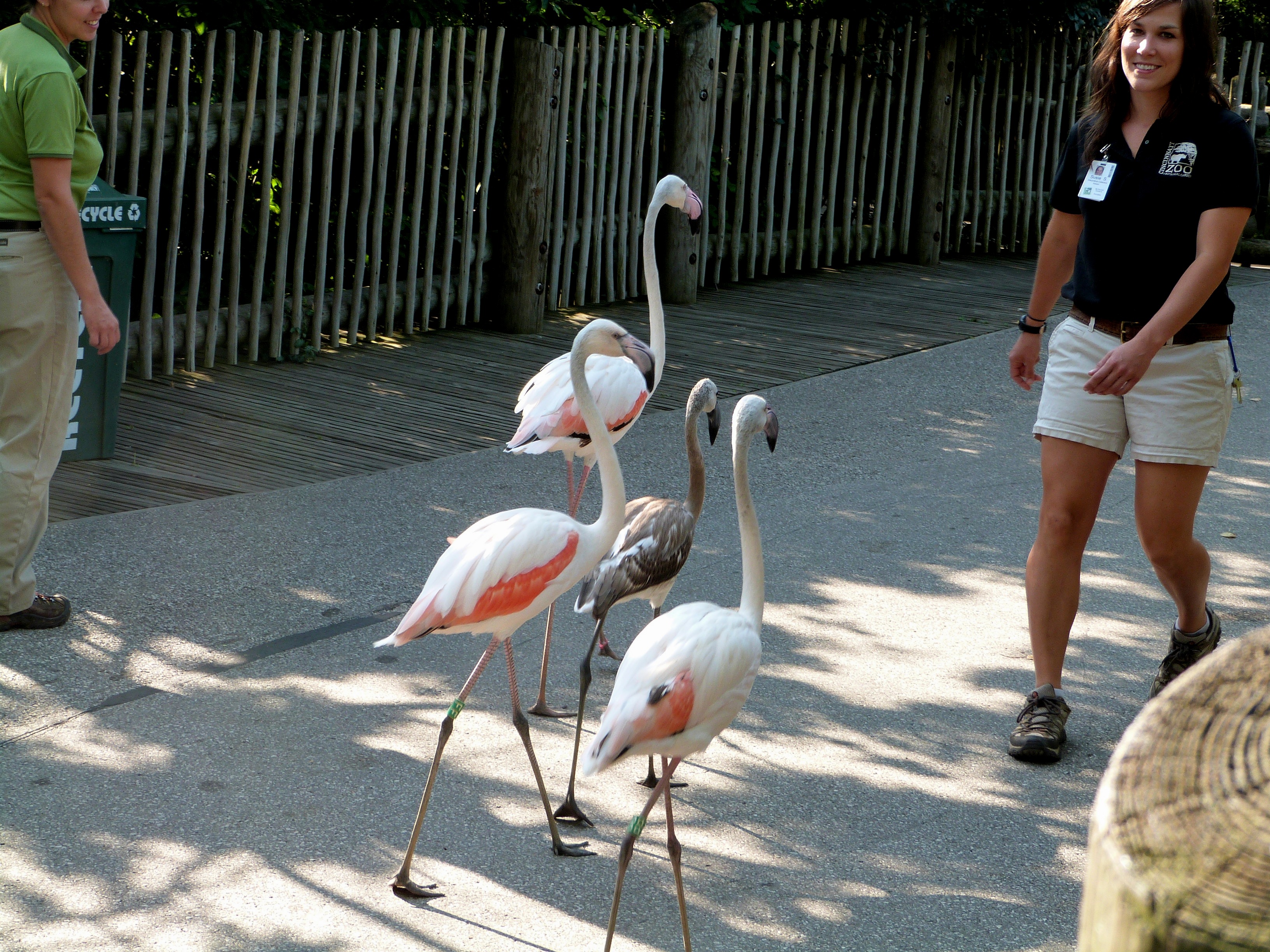
Greater Flamingo (Phoenicopterus roseus) at Cincinnati Zoo by Dan First walk

Greater Flamingo (Phoenicopterus roseus) at Cincinnati Zoo by Dan – First walk

The Cincinnati Zoo has the Greater Flamingo (Phoenicopterus roseus) species, another beautiful creation from God, that they take for a walk. They walked past us twice so close you could touch them, which we didn’t.

It was really neat to watch them just strolling along as if you were walking your dogs or whatever. The Bible says:

For every kind of beast and bird, of reptile and creature of the sea, is tamed and has been tamed by mankind. (James 3:7 NKJV)

Well, the strolls were definitely an indication that these Greater Flamingos were in control of their trainers.

Greater Flamingo (Phoenicopterus roseus) at Cincinnati Zoo by Lee

Greater Flamingo (Phoenicopterus roseus) at Cincinnati Zoo by Lee

The Greater Flamingo (Phoenicopterus roseus) is the most widespread species of the flamingo family. They belong to the Phoenicopteridae – Flamingos Family. It is found in parts of Africa, southern Asia (coastal regions of Pakistan and India), and southern Europe (including Spain, Albania, Turkey, Greece, Cyprus, Portugal, Italy and the Camargue region of France). Some populations are short distance migrants, and sightings north of the breeding range are relatively frequent; however, given the species’ popularity in captivity, whether or not these are truly wild individuals is a matter of some debate.

This is the largest species of flamingo, averaging 43–60 in (110–150 cm) tall and weighing 4.4–8.8 lbs (2–4 kg). The largest male flamingos have been recorded at up to 74 in (187 cm) tall and 10 lbs (4.5 kg).[2] It is closely related to the American Flamingo and Chilean Flamingo.

Greater Flamingo (Phoenicopterus roseus) at Cincinnati Zoo by Lee

Greater Flamingo (Phoenicopterus roseus) at Cincinnati Zoo by Lee

Like all flamingos, this species lays a single chalky-white egg on a mud mound. Most of the plumage is pinkish-white, but the wing coverts are red and the primary and secondary flight feathers are black. The bill is pink with a restricted black tip, and the legs are entirely pink. The call is a goose-like honking. Sub-adult flamingos are whitish-grey and only attain the pink coloration several years into their adult life.

The bird resides in mudflats and shallow coastal lagoons with salt water. Using its feet, the bird stirs up the mud, then sucks water through its bill and filters out small shrimp, seeds, blue-green algae, microscopic organisms and mollusks. The Greater Flamingo feeds with its head down and its upper jaw is movable and not rigidly fixed to its skull.

Greater Flamingo (Phoenicopterus roseus) Juvenile at Cincinnati Zoo by Lee

Greater Flamingo (Phoenicopterus roseus) Juvenile at Cincinnati Zoo by Lee

The average lifespan in captivity, according to Zoo Basel, is over 60 years.

The oldest known Greater Flamingo, a resident of the Adelaide Zoo in Australia, is at least 77 years old. The bird’s exact age is not known; however, he was already a mature adult when he arrived in Adelaide in 1933, and he was still there as of 2011.

Here is a short video of them walking through the Cincinnati Zoo.

(Wikipedia with editing)

This slideshow requires JavaScript.

*

See:

*

Birdwatching at the Cincinnati Zoo II

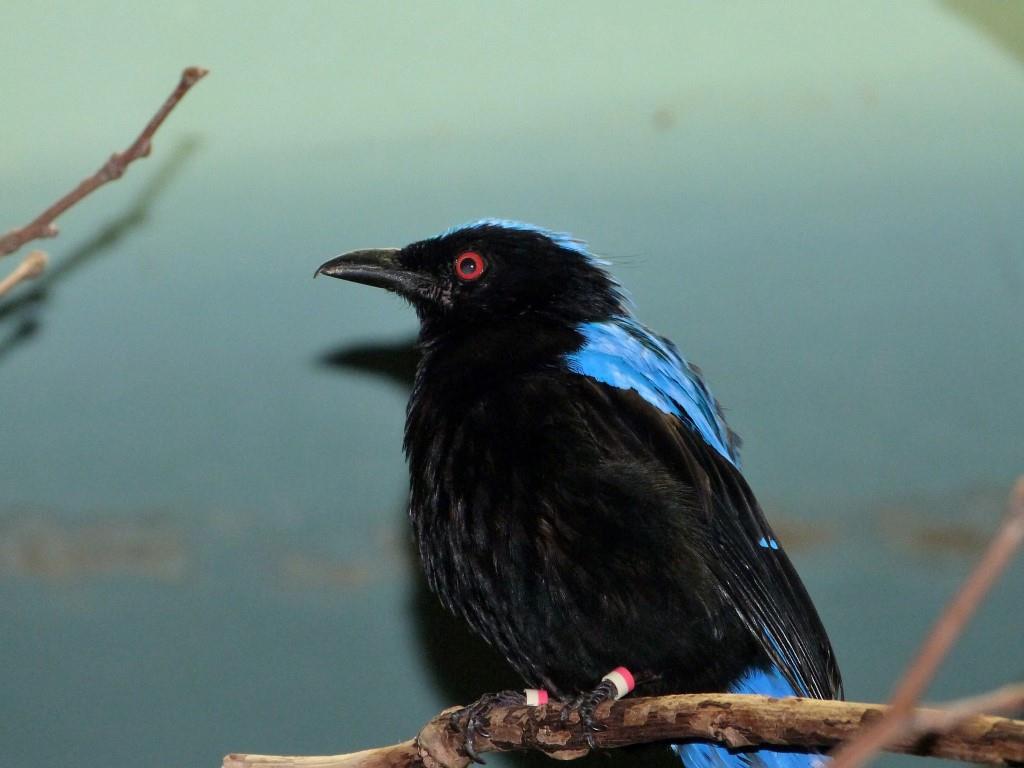
Asian Fairy-bluebird (Irena puella) at Cincinnati Zoo by Lee

Asian Fairy-bluebird (Irena puella) at Cincinnati Zoo by Lee

Declare His glory among the nations, His wonders among all peoples. (Psalms 96:3 NKJV)

In Birdwatching at the Cincinnati Zoo I, you were introduced to the outside of the Wings of the World exhibit where the different birds are presented according to their habitats. Birds of the Bible – The Bat Revisited was about the two species of Bats at the Zoo. Today, I like to introduce two more species that the Lord created. The Asian Fairy-bluebird and the Blue-crowned Laughingthrush which were sharing the same aviary and the same tree.

The Asian Fairy-bluebird (Irena puella) is a medium-sized, arboreal passerine bird. They are members of the Irenidae – Fairy-bluebirds Family.

This fairy-bluebird is found in forests across tropical southern Asia from the Himalayan foothills, India and Sri Lanka east through Indochina, the Greater Sundas and Palawan (Philippines). Two or three eggs are laid in a small cup nest in a tree. The only other member of the genus and family is the Philippine Fairy-bluebird, I. cyanogastra, which replaces the Asian Fairy-bluebird in most of the Philippines.

Asian Fairy-bluebird (Irena puella) at Cincinnati Zoo by Lee

Asian Fairy-bluebird (Irena puella) at Cincinnati Zoo by Lee

The male has glossy, iridescent blue upperparts, and black underparts and flight feathers. The female and first year male are entirely dull blue-green.

The Asian Fairy Bluebird eats fruit, nectar and some insects. Its call is a liquid two note glue-it.

The name of this bird commemorates the French missionary Frédéric Courtois.

*

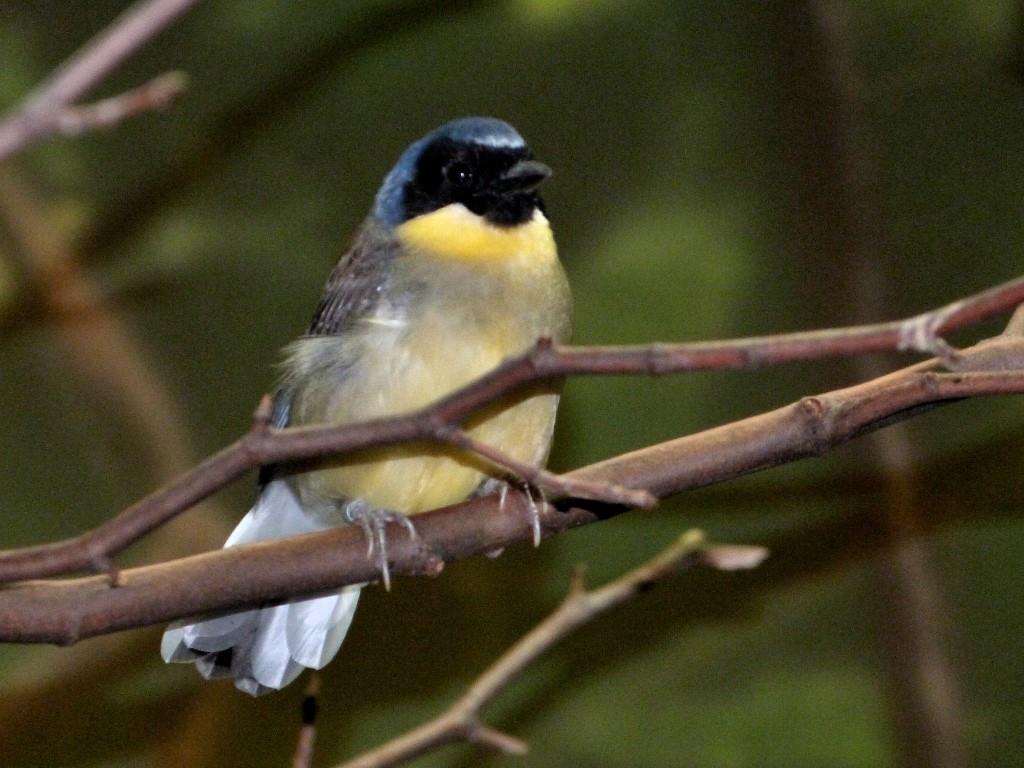
Blue-crowned Laughingthrush (Garrulax courtoisi) at Cincinnati Zoo by Lee

Blue-crowned Laughingthrush (Garrulax courtoisi) at Cincinnati Zoo by Lee

He will yet fill your mouth with laughter And your lips with shouting. (Job 8:21 NASB)

The other bird keeping him company is a Blue-crowned Laughingthrush. The Blue-crowned Laughingthrush or Courtois’s Laughingbird (Garrulax courtoisi) is a Chinese species of bird in the Leiothrichidae – Laughingthrushes Family. Until recently, this critically endangered species was generally treated as a subspecies of the Yellow-throated Laughingthrush, but that species has a pale grey (not bluish) crown.

It feeds principally on fruit and is generally found on the larger forest-trees.

Blue-crowned Laughingthrush (Garrulax courtoisi) at Cincinnati Zoo by Lee

Blue-crowned Laughingthrush (Garrulax courtoisi) at Cincinnati Zoo by Lee

It breeds from February to April, constructing a shallow cup-shaped nest, sometimes of moss and sometimes of small twigs, in a sapling or small tree. The eggs, which are generally two in number, are greenish white marked with brown.

*

Here are three short videos of them that I took. Sorry for the shakiness.

(Information from Wikipedia and other internet resources)

See Also:

*

Child’s Book of Water Birds ~ The Oyster Catcher

The Oyster Catcher

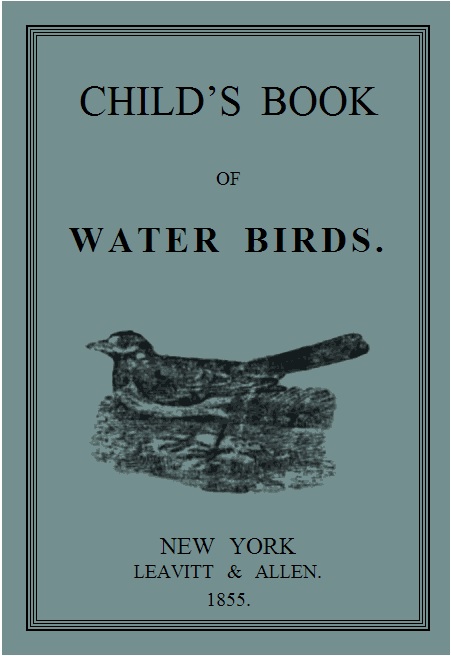
Child's Book of Water Birds - Book Cover

Child’s Book of Water Birds – Book Cover

***

Childs Bk of Water Birds titlebird

NEW YORK

LEAVITT & ALLEN.

1855.

***

Welcome to the Updated Child’s Book of Water Birds, by Anonymous. It was written in 1855 and this is 2013. That is 158 years ago.

*
*
Childs Bk of Water Birds oystercatcher

THE OYSTER CATCHER.

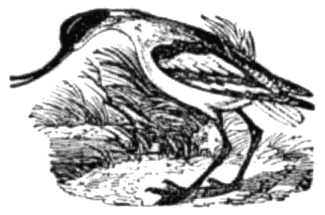
The Oyster Catcher feeds generally on shell-fish, oysters, limpets, &c. He detaches them from the rocks to which they are fastened, and opens them with his long, stout bill. The head, neck, and body are black. It lays two olive-brown eggs, spotted with black.

*

American Oystercatcher (Haematopus palliatus) by Robert Scanlon

American Oystercatcher (Haematopus palliatus) by Robert Scanlon

Update:

Just as day was breaking, Jesus stood on the shore; yet the disciples did not know that it was Jesus. (John 21:4 ESV)

American Oystercatchers are sometimes called the American Pied Oystercatcher. They are about 19 inches (42-52 cm) long. They were created with a large thick orange or red beak which helps them pry open their food, like oysters, clams, and mussels. They belong to the Oystercatcher Family which has twelve (12) species. They like the coastal areas and nest on the beaches. In winter, they are found in flocks along the coast from central New Jersey to the Gulf of Mexico (eastern) or along the Pacific coast from northwestern Baja California southward. (western).

Black Oystercatcher (Haematopus bachmani) Family by Beedie Savage

Black Oystercatcher (Haematopus bachmani) Family by Beedie Savage

***

See the other five Child’s Book of Water Birds:

The Swan

The Coot

The Dabchick

The Teal

The Goose

*

Oystercatcher Family

Oystercatcher – Wikipedia

Oystercatcher – All About Birds

Oystercatcher – ARKive


Bible Birds

Wordless Birds

*

Child's Book of Water Birds - Levit and Allen

Back Cover

*** PROJECT GUTENBERG EBOOK CHILD'S BOOK OF WATER BIRDS ***

*

Birds Vol 2 #6 – The Volume II. July to December 1897 – Index

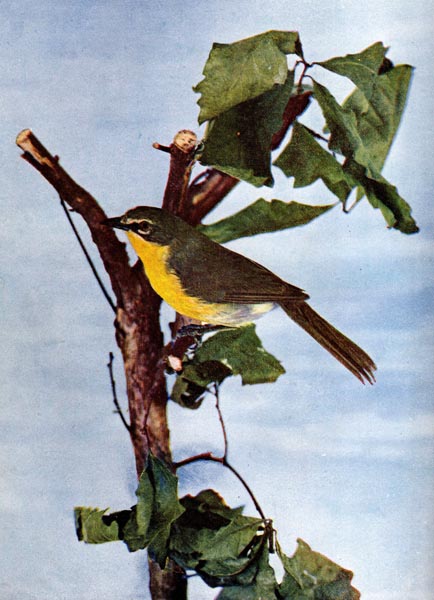
Yellow-Breasted Chat (Icteria virens) by USGS

Yellow-Breasted Chat (Icteria virens) by USGS

*

VOLUME II. JULY TO DECEMBER, 1897.

INDEX.

(RELOCATED – CLICK HERE)

Anhinga, or Snake Bird, Anhinga Anhingapages  Page  26-27
Avocet, American, Recurvirostra Americana 14-15
Audubon, John James 161
Bird Song JulSep
Bird MiscellanyBird Miscellany Plus 195-235
Blue Bird, Mountain, Sialia arctica 203-205
Bunting, Lazuli, Passerina amoena 196-198-199
Chimney Swift, Chætura pelagica 131-133
Captive’s Escape 116
Chat, Yellow-Breasted, Icteria virens 236-238-239
Cuckoo, Yellow-Billed, Coccyzus americanus 94-95
Dove, Mourning, Zenaidura macrura 111-112-113
Duck, Canvas-back, Athya valisneria 18-20
Duck, Mallard, Anas boschas 10-11-13
Duck, Wood, Aix Sponsa 21-23-24
Eagle, Baldheaded, Haliœtus lencocephalus 2-3-5
Flamingo, Phœnicopterus ruber 218-221
Flycatcher, Vermillion, Pyrocephalus rubineus mexicanus 192-193
Gold Finch, American, Spinus tristis 128-129-130
Goose, White-fronted, Anser albifrons gambeli 166-168-169
Grackle, Bronzed, Quiscalus quiscula 228-230-231
Grosbeak, Evening, Cocothraustes vespertina 68-70-71
Grouse, Black, Tetrao tetrix 217-220-223
Heron, Snowy, Ardea candidissima 38-39
How the Birds Secured Their Rights 115
Humming Bird, Allen’s Selasphorus alleni 210-211
Humming Bird, Ruby-Throated, Trochilus colubris 97-100-103
Junco, Slate Colored, Junco hyemalis 153-155
Kingbird, Tyrannus tyrannus 156-158-159
Kingfisher, European, Alcedo ispida 188-190-191
Kinglet, Ruby-crowned, Regulus calendula 108-110
Lark, Horned, Otocoris alpestris 134-135
Lost Mate 126
Merganser, Red-Breasted, Merganser serrator 54-55
Nuthatch, White-Breasted, Sitta carolinensis 118-119
Old Abe 35
Ornithological Congress 201
Osprey, American, Pandion paliœtus carolinenses 42-43-45
Partridge, Gambel’s, Callipepla gambeli 78-79
Phalarope, Wilson’s, Phalaropus tricolor 66-67
Pheasant, Ring-Necked, Phasianus torquatus 232-233
Phœbe, Sayornis phœbe 106-107
Plover, Belted Piping, Aegialitis meloda circumcincta 174-175
Plover, Semipalmated Ring, Aegialitis semi-polmata 6-8-9
Rail, Sora, Porzana Carolina 46-48-49
Sapsucker, Yellow-bellied, Sphyrapicus varius 137-140-143
Scoter, American, Oidemia deglandi 32-33
Skylark, Alauda arvensis 61-63-64
Snake Bird, (Anhinga) Anhinga anhinga 26-27
Snowflake, Plectrophenax nivalis 150-151-152
Sparrow, English, Passer domesticus 206-208-209
Sparrow, Song, Melospiza fasciata 90-91-93
Summaries (See each bird)
Tanager, Summer, Piranga rubra 163-165
Teal, Green winged, Anas carolinensis 213-214-215
The Bird’s Story 224
Thrush, Hermit, Turdus Aonalaschkae 86-88-89
To a Water Fowl 76
Tropic Bird, Yellow-billed, Phaethon flavirostris 184-186-187
Turkey, Wild, Meleagris gallopava 177-180-183
Turnstone, Arenaria interpres 170-171
Verdin, Auriparus flaviceps 226-227
Vireo, Warbling, Vireo gilvus 138-141
Vulture, Turkey, Catharista Atrata 72-73-75
Warbler, Blackburnian, Dendroica blackburnia 123-125
Warbler, Cerulean, Dendrœca caerulea 178-181
Warbler, Kentucky, Geothlypis formosa 50-51-53
Warbler, Yellow, Dendroica æstiva 83-85
Woodcock, American, Philohela minor 28-30-31
Wren, House, Troglodytes ædon 98-101-104
Wood Pewee, Contopus Virens 144-146-147-
Yellow Legs, Totanus flavipes 58-60

*

How precious also are Your thoughts to me, O God! How great is the sum of them! (Psalm 139:17 NKJV)

*

Birds Illustrated by Color Photography – Revisited

The above article is an article in the monthly serial for October 1897 “designed to promote Knowledge of Bird-Live.” These include Color Photography, as they call them, today they are drawings. There are at least three Volumes that have been digitized by Project Gutenberg.

To see the whole series of – Birds Illustrated by Color Photography – Revisited

*

Next Article – TBA

The Previous Article – The Yellow-breasted Chat

Wordless Birds

*

Birdwatching at the Cincinnati Zoo I

Cincinnati Zoo from Phone

Cincinnati Zoo from Phone

“Remember to magnify His work, Of which men have sung. (Job 36:24 NKJV)

Yesterday, we had the pleasure of checking out more birds of the Lord’s creation at the Cincinnati Zoo. The weather and the temperature were great and the birds were quite content to let us watch and photograph them. It has been over 45 years ago since we visited this zoo. Needless to say, it has changed and the most striking was their beautiful landscaping throughout the zoo.

Statue at the entrance to the Wings of the World exhibit.

Statue at the entrance to the Wings of the World exhibit.

When we arrived at the Wings of the World area, We were greeted by several birds and a neat statute of a child holding a bird. This shows how some of the landscaping was used around the zoo.

Statue at Wings of the World exhibit. Close-up

Statue at Wings of the World exhibit. Close-up

Wings of the World Aviary is divided into several different habitats and types of birds.

Wings of the World Aviary - Cincinnati Zoo 9-5-13

Wings of the World Aviary – Cincinnati Zoo

As you enter, you are greeted by Macaws, Screamers and a Laughing Kookaburra.

Southern Screamer

Southern Screamer (Chauna torquata) Cincinnati Zoo 9-5-13 by Lee

Southern Screamer (Chauna torquata) Cincinnati Zoo by Lee

*

Southern Screamer (Chauna torquata) Cincinnati Zoo 9-5-13 by Lee

Southern Screamer (Chauna torquata) by Lee

Macaws

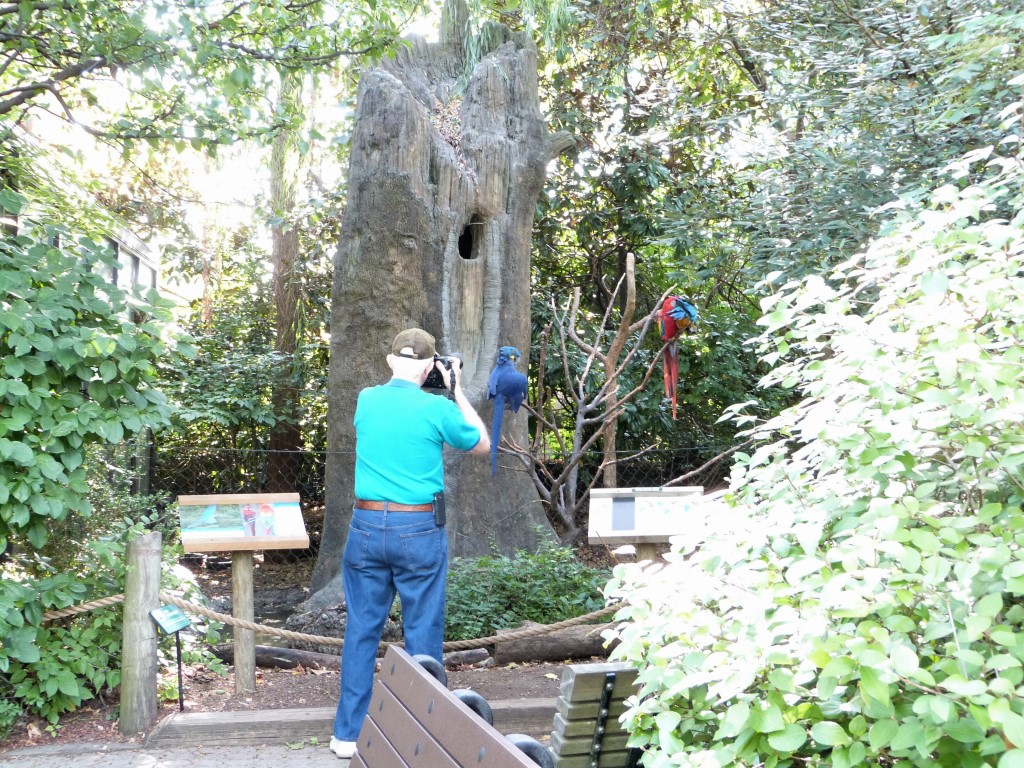
Dan photographing the MaCaws Cincinnati Zoo

Dan photographing the MaCaws Cincinnati Zoo

*

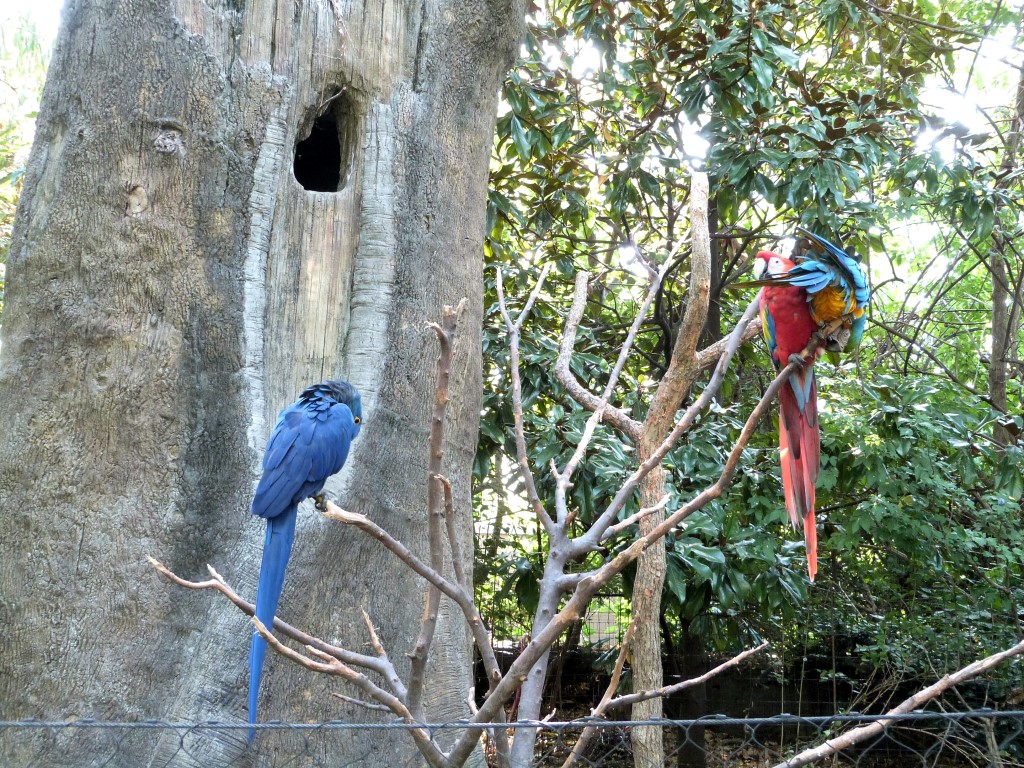
Parrots - McCaws by Lee

Parrots – McCaws by Lee

*

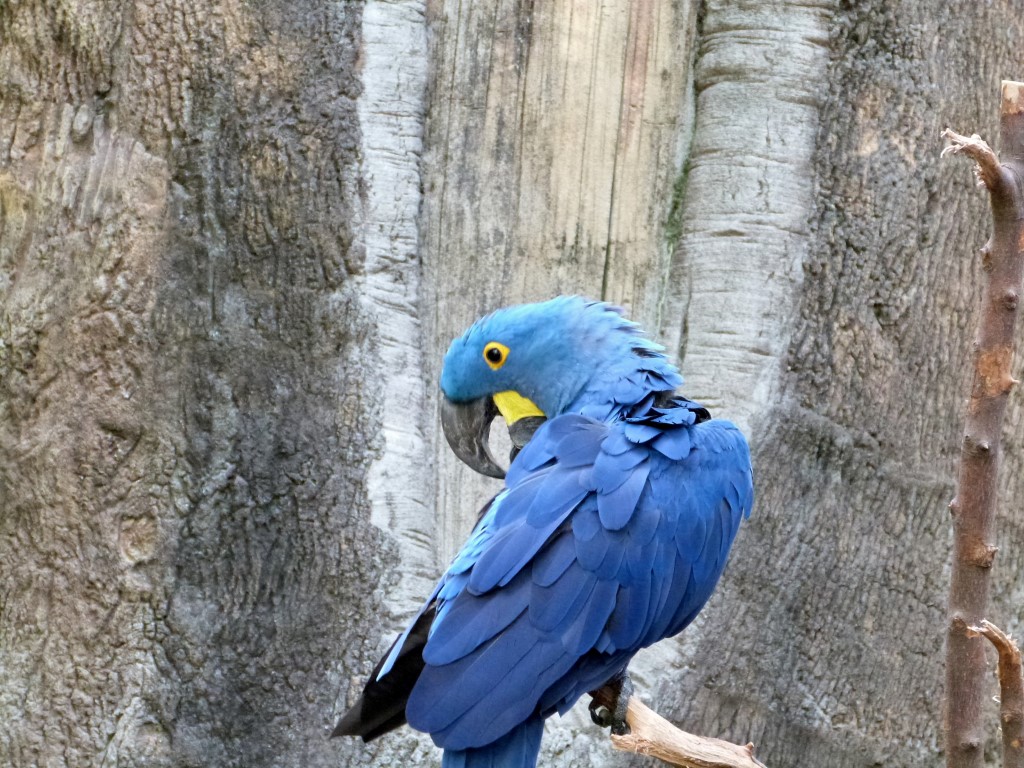
Hyacinth Macaw (Anodorhynchus hyacinthinus) Cincinnati Zoo 9-5-13 by Lee

Hyacinth Macaw (Anodorhynchus hyacinthinus) by Lee

*

Cincinnati Zoo 9-5-13

Blue-and-yellow Macaw (Ara ararauna) Cincinnati Zoo by Lee

*

Scarlet and Blue-and-yellow Macaws by Lee

Scarlet and Blue-and-yellow Macaws by Lee

*

Scarlet and Blue-and-yellow Macaw

Scarlet and Blue-and-yellow Macaw

*

Kookaburra

Laughing Kookaburra (Dacelo novaeguineae)

Laughing Kookaburra (Dacelo novaeguineae)

*

Laughing Kookaburra (Dacelo novaeguineae) by Lee Cincinnati Zoo 9-5-13

Laughing Kookaburra (Dacelo novaeguineae) by Lee

*

Laughing Kookaburra (Dacelo novaeguineae) by Lee Cincinnati Zoo 9-5-13

Laughing Kookaburra (Dacelo novaeguineae) by Lee

This is just the beginning of our visit to the Cincinnati Zoo. Look for more articles about some really neat birds like a Mousebird, Bee-eater, Bishop, Penguins, Murres and more.

Also:
Anhimidae – Screamers Family

Psittacidae – Parrots Family

Alcedinidae – Kingfishers Family

Cincinnati Zoo

*

Child’s Book of Water Birds ~ The Goose

The Goose

Child's Book of Water Birds - Book Cover

Child’s Book of Water Birds – Book Cover

***

Childs Bk of Water Birds titlebird

NEW YORK

LEAVITT & ALLEN.

1855.

***

Welcome to the Updated Child’s Book of Water Birds, by Anonymous. It was written in 1855 and this is 2013. That is 158 years ago.

*
*

Childs Bk of Water Birds goose

THE GOOSE.

The Goose is a very common bird. In Lincolnshire, England, enormous flocks are bred, containing from two to ten thousand each. They are subjected to the plucking of their wing-feathers periodically, in order to supply the demand for quills.

*

Canada Goose (Branta canadensis) w brood ©USFWS

Canada Goose (Branta canadensis) w brood ©USFWS

Update:

Today we use ballpoint pens and the Geese do not need to have their feathers plucked for quill pens. There are many Geese here in America and around the world.  They belong to the Ducks, Geese & Swan Family. Many local parks have geese of various kinds. They are larger than Ducks, but smaller than Swans,

The female is called a “goose” and the male is the “gander.” Some of the kinds of geese are: Barnacle, Cackling, Canada, Emperor, Nene, Ross’s and the Snow Goose.

Many geese, like the Snow Goose, have their chicks in summer in the northern parts of America and then fly south in the winter. They gather in huge flocks.

*

Even the stork in the heavens knows her times, and the turtledove, swallow, and crane keep the time of their coming, but my people know not the rules of the LORD. (Jer 8:7 ESV)

***

See the other five Child’s Book of Water Birds:

The Swan

The Coot

The Dabchick

The Teal

The Oyster Catcher

*

Ducks, Geese & Swan Family.

Bible Birds

Wordless Birds

*
Child's Book of Water Birds - Levit and Allen
*** PROJECT GUTENBERG EBOOK CHILD'S BOOK OF WATER BIRDS ***

*

Birdwatching Term – Lobed Feet

Giant Coot (Fulica gigantea) Loped Feet ©©Flickr

Giant Coot (Fulica gigantea) Loped Feet ©©Flickr

Lobed Feet

Thou hast enlarged my steps under me, that my feet did not slip. (Psalms 18:36 KJV)

In the Coot article  they said: “Like other rails, they have long, lobed toes that are well adapted to soft, uneven surfaces. Coots have strong legs and can walk and run fast.”

Answers gives this definition: “Feet that have toes with stiff scale-covered flaps that extend to provide a surface analogous to webbing on a duck as an aid in swimming.”

The Lord designed these “lobed feet” to help the birds walk over uneven ground, in and out of water. He cares about all His creatures.

American Coot - from Color Key To North American Birds

American Coot – from Color Key To North American Birds

This Drawing from Color Key To North American Birds helps you to see their feet better.

It is neat to watch them walk around and see those “big feet.”

This video I took shows their feet.

*

*

See:

*

Child’s Book of Water Birds ~ The Teal

The Teal

Child's Book of Water Birds - Book Cover

Child’s Book of Water Birds – Book Cover

***

Childs Bk of Water Birds titlebird

NEW YORK

LEAVITT & ALLEN.

1855.

***

Welcome to the Updated Child’s Book of Water Birds, by Anonymous. It was written in 1855 and this is 2013. That is 158 years ago.

*
*
Childs Bk of Water Birds teal

THE TEAL.

The Teal is the smallest of the ducks. The Green-winged Teal is the American. It feeds on fresh-water insects, seeds, and aquatic plants. When fat it is considered a great luxury. It is almost always seen on well furnished tables. It generally feeds at night. It flies very swiftly, and utters a whistling cry.

***

*

Male Green-winged Teal at Lowry Park Zoo, Tampa, FL

*

Update:

This dabbling duck (the Green-winged Teal) flies south in the winter and will form large flocks.

This is the smallest North American dabbling duck. The male has grey flanks and back, with a yellow rear end and a white-edged green feathers. It has a chestnut head with a green eye patch.  a vertical white stripe on side of breast. The females are light brown.

Green-winged Teal (Anas carolinensis) Pair ©WikiC

14 Green-winged Teal (Anas carolinensis) Pair ©WikiC

*

It is a common duck of sheltered wetlands, usually feeds by dabbling for plant food or grazing.  It nests on the ground, near water and under cover.

This is a noisy species. The male has a clear whistle, whereas the female has a feeble “quack”.

We also have Blue-winged Teals and Cinnamon Teals here in America.

***

See the other five Child’s Book of Water Birds:

The Swan

The Coot

The Dabchick

The Goose

The Oyster Catcher

*

Green-winged Teal – WhatBird

Blue-winged Teal – WhatBird

Cinnamon Teal – WhatBird

Birdwatching Terms – Dabbling duck

Bible Birds

Wordless Birds

*
Child's Book of Water Birds - Levit and Allen
*** PROJECT GUTENBERG EBOOK CHILD'S BOOK OF WATER BIRDS ***

*

Birdwatching Term – Dabbling Duck

Blue-Winged-Teal-Dabbling ©Flyways USFWS

Blue-Winged-Teal-Dabbling ©Flyways USFWS

Dabbling Duck

What does it mean when a duck “dabbles” or is a “dabbling duck”?

This group of ducks has been so named because its members feed mainly on vegetable matter by upending on the water surface, or grazing, and only rarely dive. These are mostly gregarious ducks of freshwater or estuaries. These birds are strong fliers and northern species are highly migratory. Compared to other types of duck, their legs are placed more towards the centre of their bodies. They walk well on land, and some species feed on land.

Puddle ducks generally feed on the surface of the water or feed on very shallow bottoms. They are not equipped to dive down several feet like their diving counterparts. The most predominant difference between puddle ducks and divers are the size of the feet. A puddle duck’s feet are generally smaller because they do not need the extra propulsion to dive for their forage.

Another distinguishing characteristic of puddle ducks when compared to diving ducks is the way in which they take flight when spooked or are on the move.

Puddle ducks spring straight up from the water, and diving ducks need to gain momentum to take off, so they must run across the water a short distance to gain flight.

These Ducks belong to the Anatine sub-family of the Swans, Geese, and Duck Family.

Mallard-Takes-Off ©Flyways USFWS

Mallard-Takes-Off ©Flyways USFWS

For the younger reader:

What does it mean when a duck “dabbles” or is a “dabbling duck”?

They are called that because these ducks feed mainly on vegetable matter (plants) by upending on the water surface (They put their head in the water to eat and their tail section is all that is seen above the water.) or grazing, and only rarely dive.

When they take flight, they spring straight up from the water. The Diving ducks have to sort of run to take-off.

(Wikipedia with editing)

Look at the birds of the air; they neither sow nor reap nor gather into barns, and yet your heavenly Father keeps feeding them. Are you not worth much more than they? (Mat 6:26 AMP)

*

See:

Swans, Geese, and Duck Family.

Dabbling Ducks – Flyways.us

Dabbling Ducks – Wikipedia

More Birdwatching Terms

Wordless Birds

*