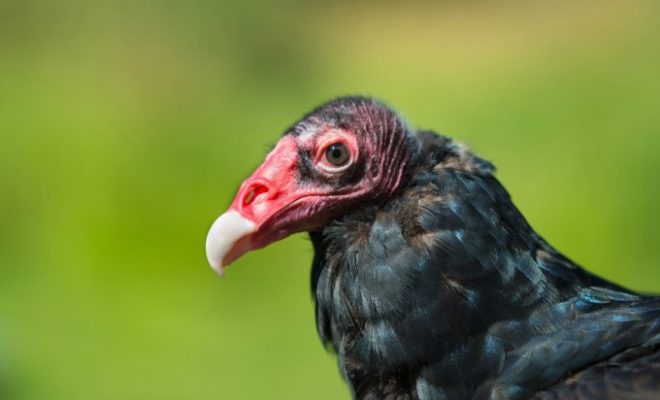
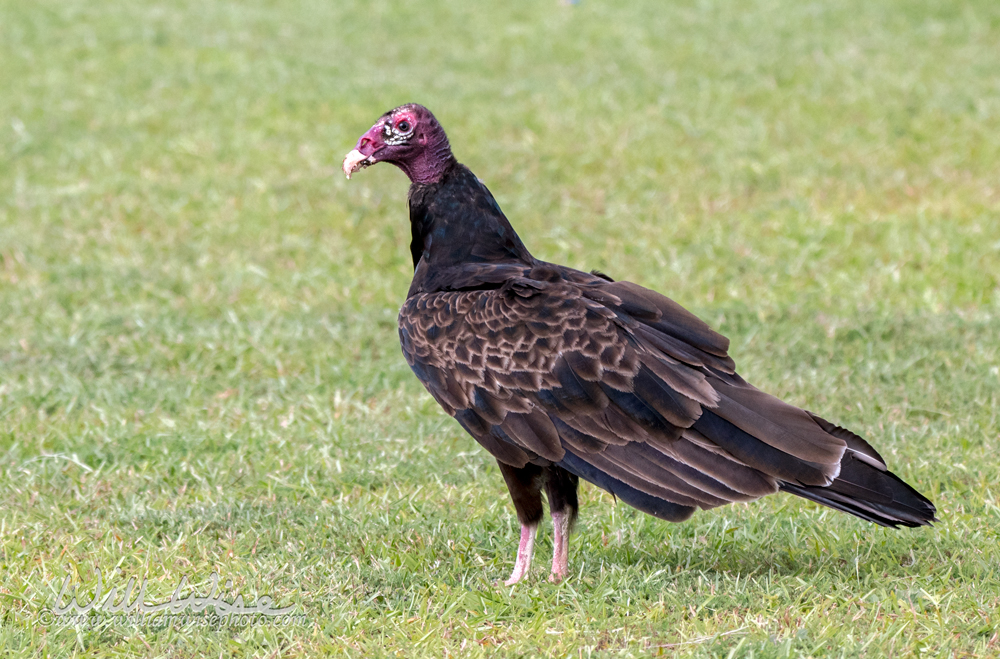
Ever since I posted the Lee’s Four Word Thursday – Vulture’s Eye, I have been curious about their eyes. Do they really have great vision? Is this verse in Job 28:7 the only reference to their eyes? The search began with that verse. Only the KJV, DRB versions use the word Vulture. (My E-sword versions). The other translations use Falcon, Hawk, and Kite. Apparently, all of the birds have great vision and are great hunters.
“There is a path which no fowl knoweth, and which the vulture’s eye hath not seen:” Job 28:7 KJV
Turkey Vulture; Walton County, Georgia by William Wise
The Lord has provided these Vultures with great vision to enable them to find food, and actually help clean the landscape. If He can provide for the Birds of the Air, I know He can provide for us.
“I will instruct thee and teach thee in the way which thou shalt go: I will guide thee with mine eye.” (Psalms 32:8 KJV)
The song by Dr. Richard Gregory, “Hiding in the Shadow of the Rock”. I am reposting it for an encouragement and comfort to all those suffering today from the devastating damage from Hurricane Helene. There are many all through Florida, Geogia, North and South Carolina, plus a few other states. They could use our many prayers.
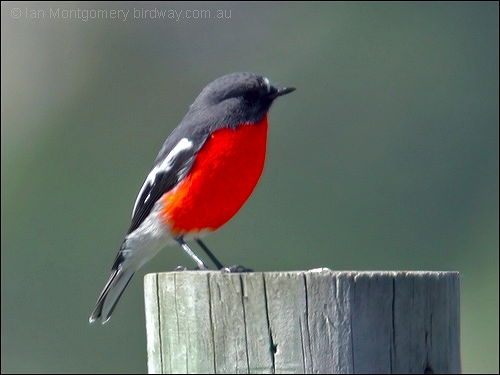
The Robins are all endemic to Australasia: New Guinea, Australia, New Zealand and numerous Pacific Islands as far east as Samoa. For want of an accurate common name, the family is often called the Australasian robins. There are 46 members presently. They are not related to our American Robin.
Flame Robin by Ian
Most species have a compact build with a large, rounded head, a short, straight bill, and rounded wingtips. They occupy a wide range of wooded habitats, from subalpine to tropical rainforest, and mangrove swamps to semi-arid scrubland. All are primarily insectivorous, although a few supplement their diet with seeds. Hunting is mostly by perch and pounce, a favoured tactic being to cling sideways onto a treetrunk and scan the ground below without moving.
They have long-term pair-bonds and small family groups. Most members practice cooperative breeding, with all family members helping defend a territory and feed nestlings. Nests are cup-shaped, usually constructed by the female, and often placed in a vertical fork of a tree or shrub. Many species are expert at adding moss, bark or lichen to the outside of the nest as camouflage, making it very difficult to spot, even when it is in a seemingly prominent location.
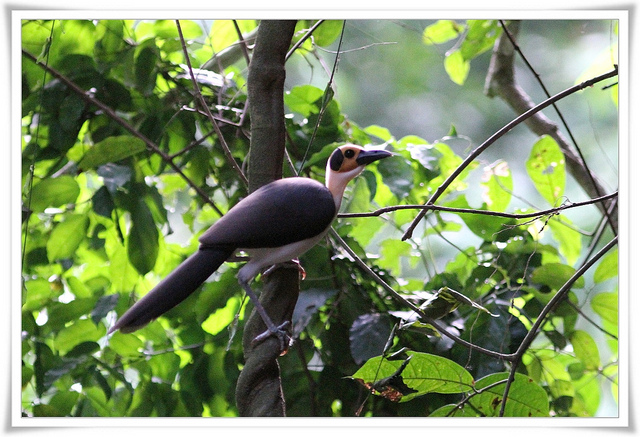
White-necked Rockfowl (Picathartes gymnocephalus) cc Ross@Texas
The White-necked and Grey-necked Rockfowls are the only members of the Picatharitidae family. They are also called “bald crows’ and are found in the rain-forests of tropical west and central Africa. They have unfeathered heads, and feed on insects and invertebrates picked from damp rocky areas. Both species are totally non-migratory, being dependent on a specialised rocky jungle habitat.
They are large (33–38 centimetres (13–15 in) long) passerines with crow-like black bills, long neck, tail and legs. They weigh between 200–250 grams (7.1–8.8 oz). The strong feet and grey legs are adapted to terrestrial movement, and the family progresses through the forest with long bounds on the ground. The wings are long but are seldom used for long flights. Rockfowl are generalized feeders, taking a wide range of invertebrate prey.
He is the Rock, His work is perfect; For all His ways are justice, A God of truth and without injustice; Righteous and upright is He. (Deuteronomy 32:4 NKJV)
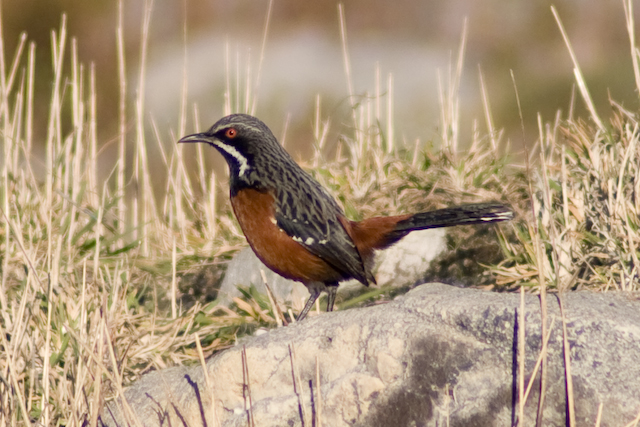
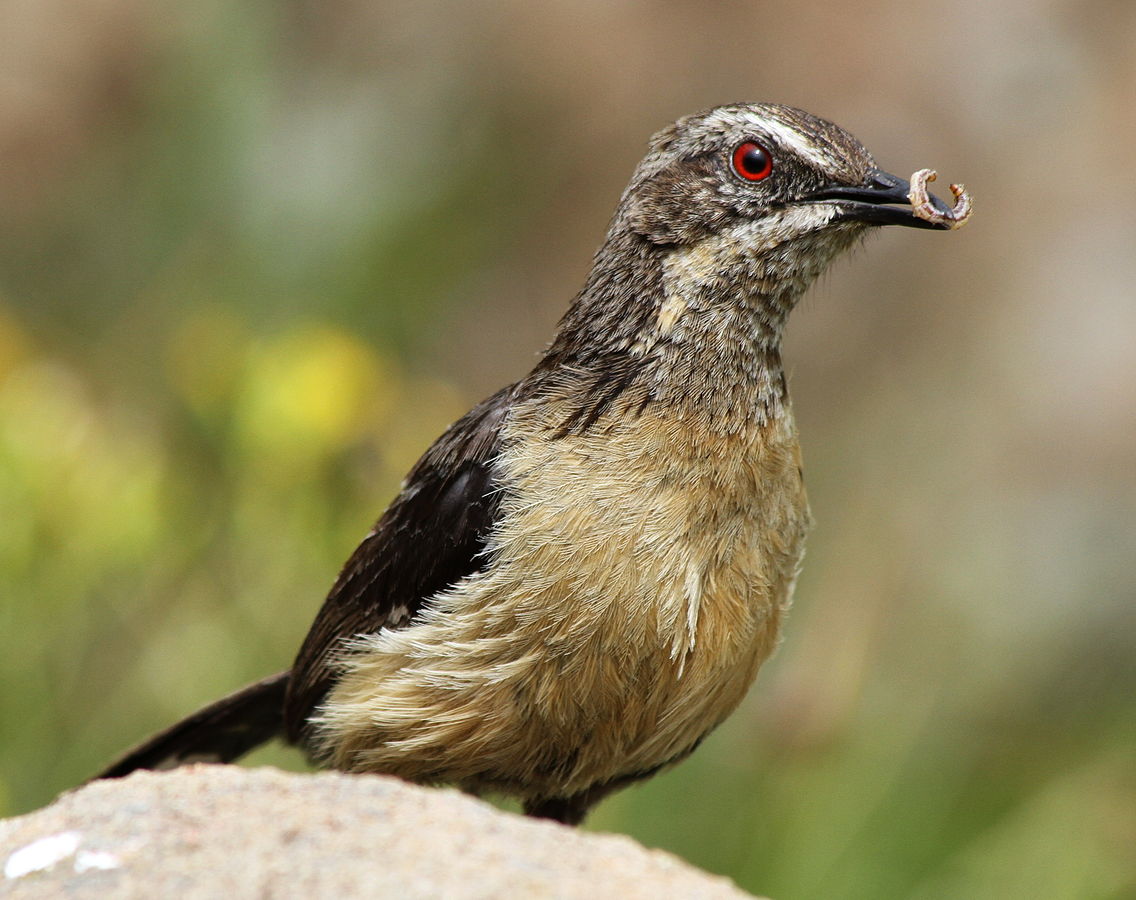
The Rockjumpers are medium-sized insectivorous or omnivorous birds in the genus Chaetops, which constitutes the entire family Chaetopidae. The two species, the Cape Rockjumper,, and the Drakensberg Rockjumper, are endemic residents of southern Africa. The Cape Rockjumper is a resident of the West Cape and SW East Cape, and the Orange-breasted (or Drakensberg) Rockjumper is distributed in the Lesotho highlands and areas surrounding this in South Africa. These are birds with mostly brown and red plumage. Both with long, white tipped black tails, black throats, broad white submoustachial lines, rufous or orange bellies and rumps and grey and black patterned backs and wings.[The iris is red and the bills and legs are black. Their wings are very small and they do not fly very often. They spend most of their lives running and jumping among rocks and grasses while hunting insects.
Rail-babbler (Eupetes macrocerus) by Peter Ericsson
The Rail-babbler or Malaysian Rail-babbler (Eupetes macrocerus) is a strange, rail-like, brown and pied inhabitant of the floor of primary forest in the Malay Peninsula and Sumatra (the nominate subspecies macrocerus), as well as Borneo (ssp. borneensis), distantly related to African crow-like birds. Its population has greatly decreased, however, it is locally still common in logged forest or on hill-forest on slopes. The species is poorly known and rarely seen, in no small part due to its shyness.
Each will be like a hiding place from the wind, a shelter from the storm, like streams of water in a dry place, like the shade of a great rock in a weary land. (Isaiah 32:2 ESV)
“And the LORD God prepared a plant and made it come up over Jonah, that it might be shade for his head to deliver him from his misery. So Jonah was very grateful for the plant. But as morning dawned the next day God prepared a worm, and it so damaged the plant that it withered.” (Jonah 4:6-7 NKJV)
Jonah was angry and the Lord kept showing him compassion in this chapter. I am very thankful that the Lord shows us compassion.
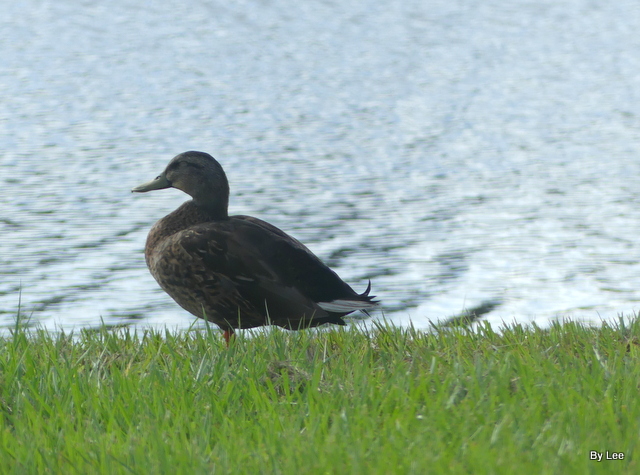
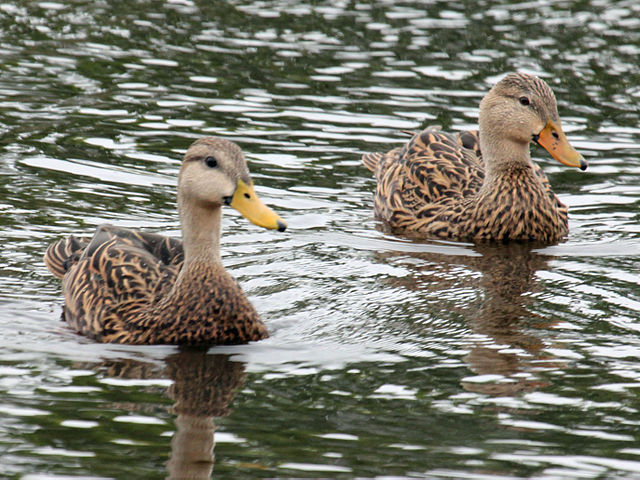
While eating supper, a couple of Mottled Ducks came up in the yard looking for food. Normal situation as many ducks and other birds come to the feeders. Yet, this is the first Mottled Duck this fall. They migrate down for the winter and we were surprised to see them already.
Working on the Birdwatching Thru the Bible series for posts gave me an idea. Wonder if I could start with a known bird, a.k.a. Mottled Duck, and find a reference to them in the Bible? Sort of reverse Birds of the Bible.
After searching for “Duck” and other birds of that sort, Quess what? NO RESULTS! Then I went to All About Birds – Mottled Duck to check its scientific name.
Not to be detoured, I went back to the scriptures, and sure enough, they are in there.
“So God created great sea creatures and every living thing that moves, with which the waters abounded, according to their kind, AND EVERY WINGED BIRD ACCORDING TO ITS KIND. And God saw that it was good. And God blessed them, saying, “Be fruitful and multiply, and fill the waters in the seas, and let birds multiply on the earth.” So the evening and the morning were the fifth day.” (Genesis 1:21-23 NKJV)
Notice it said they were to “Be fruitful and multiply.” Come this winter when the “snowbirds” or “winter visiting birds” come down, we will notice their fruitfulness.
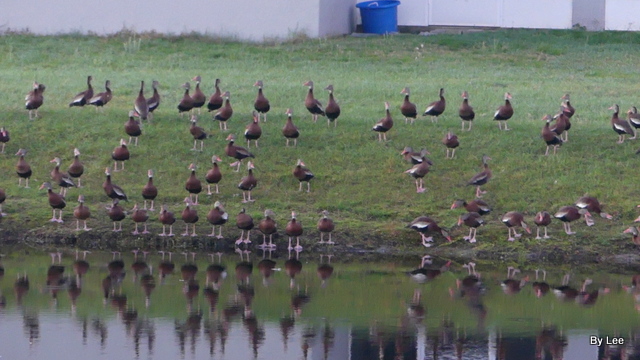
Black-bellied Whistling Ducks across the pond in winter.
Is there a “correct” way to go birdwatching in the Bible? I doubt it. You can start with a verse in the Bible that talks about a specific bird or see a bird and try to find it mentioned in the Bible. Either way, you will discover the Great Creator of birds and His many promises to them and to us.
As we read through our Bible, many times we end up birdwatching without even trying. In a passage your reading, you find a type of bird mentioned. Do you make a mental note or write down the bird’s name? Many of us “birdwatchers” have our eyes and ears perk up, and we become curious. Well, at least I do.
Looking back through previous post, I spotted this one: Birdwatching Without Birdwatching. We were just out driving and spotted four Eagles. That is what happens while reading scripture. Stay curious. Whether it’s birds, animals, truths about any topic, especially scriptural truths. Many times, using a concordance will help you find other references to that same topic. Compare scripture with scripture.
When this blog began in 2008 its purpose was to introduce the Birds of the Bible. Now, it’s time to look at these verses and birds again. New birdwatchers and Christians may wonder about God’s avian wonders mentioned in scripture. Or we may like to review. I personally have seen and learned more about birds since back then and am still amazed by their behavior and beauty.
So, come along as we look at the Birdwatching Thru the Bible now. This new series will have us looking at the Birds of the Bible again, but from a little different perspective.
***
“In the beginning God created the heavens and the earth. (Genesis 1:1)
On day one of creation, God created light and darkness which were called Day and Night (Gen 1:5)
On day two the heavens were created and the firmament in the midst of the waters divided. (Gen 1:7)
On day three the waters were gathered together and the dry land appeared. Then the grass, herbs that has seeds, fruit trees were created. (Gen 1:8-13)
On day four the stars, moon, etc. were added for signs, seasons, day and night with the sun and moon. (Gen 1:14-19)
Then on day five:
(20) Then God said, “Let the waters abound with an abundance of living creatures, and let birds fly above the earth across the face of the firmament of the heavens.” (21) So God created great sea creatures and every living thing that moves, with which the waters abounded, according to their kind, and every winged bird according to its kind. And God saw that it was good. (22) And God blessed them, saying, “Be fruitful and multiply, and fill the waters in the seas, and let birds multiply on the earth.” (23) So the evening and the morning were the fifth day.” (Genesis 1:20-23 NKJV)
WOW! What a Creator!! Did you notice how God had everything planned out? Each day provided more to make the earth livable for the creatures, and then us on the sixth day.
A few Birds of the Bible post about the beginning:
For the last 7 days I have reposted the very first attempts at Sandra Connor’s challenge back in 2016. I trust you enjoyed viewing (or re-viewing them).
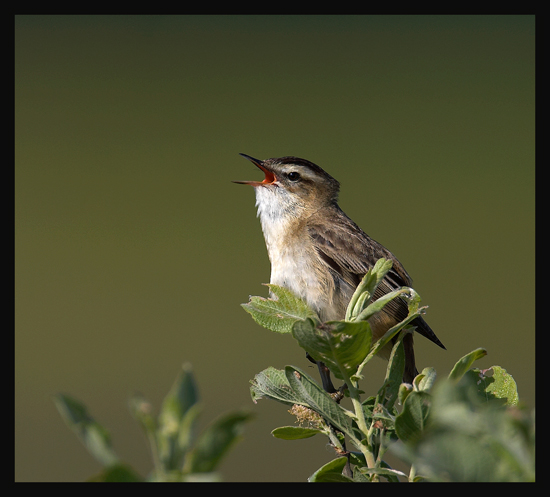
Sedge Warbler (Acrocephalus schoenobaenus) by Robert Scanlon
Sandra’s Challenge was for three weeks, and we completed that. If you remember the Looking Back and Looking Ahead post in August, my birdwatcher adventures have slowed down, but the desire to continue the blog is still active. After reviewing these first 7 post, I thought I’d do some more new ones. Quess What? I realized that there have been a whole lot of these posted since that challenge. There went that Idea!! :)
But continue thou in the things which thou hast learned and hast been assured of, knowing of whom thou hast learned them; And that from a child thou hast known the holy scriptures, which are able to make thee wise unto salvation through faith which is in Christ Jesus. All scripture is given by inspiration of God, and is profitable for doctrine, for reproof, for correction, for instruction in righteousness: That the man of God may be perfect, throughly furnished unto all good works. (2 Timothy 3:14-17 KJV)
With prayer and review of past posts, there will be a “new/old” set of articles coming out. While I’m working on that, thought you might enjoy seeing more of the previous one word – seven word posts. Stay tuned!
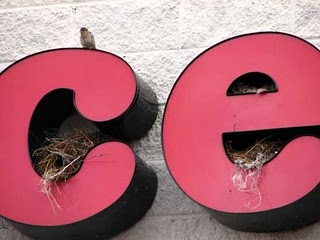
Yea, the sparrow hath found an house, and the swallow a nest for herself, where she may lay her young, even thine altars, O LORD of hosts, my King, and my God. (Psalms 84:3 KJV)
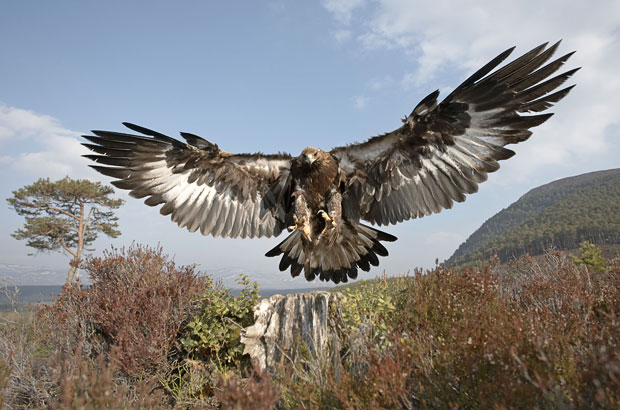
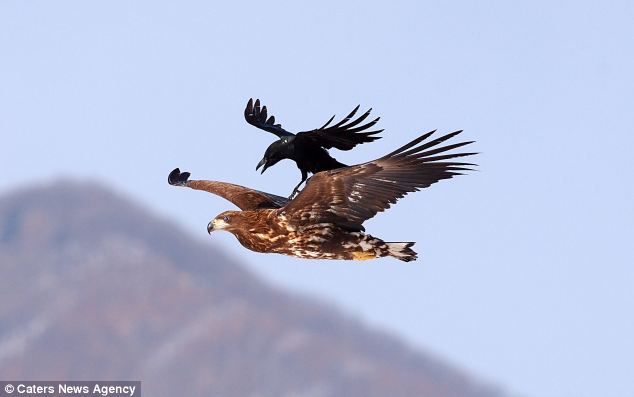
“But those who wait on the LORD Shall renew their strength; They shall mount up with wings like eagles, They shall run and not be weary, They shall walk and not faint.” (Isaiah 40:31 NKJV)
Bald Eagle (Haliaeetus leucocephalus) Flying by Aesthetic Photos
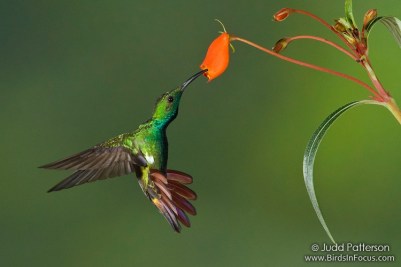
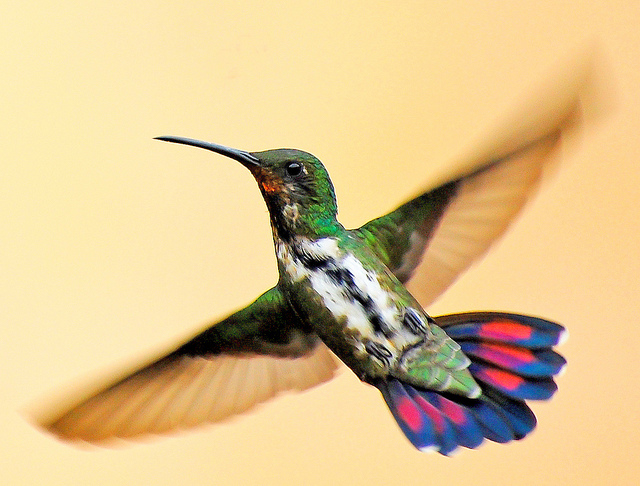
Green-breasted Mango (Anthracothorax prevostii) by Judd Patterson
Wonders Which You Have Done
***
Many, O LORD my God, are the wonders which You have done, And Your thoughts toward us; There is none to compare with You. If I would declare and speak of them, They would be too numerous to count.
(Psalms 40:5 NASB)
Green-breasted Mango (Anthracothorax prevostii) by Judd Patterson







 Lee's Birdwatching Adventures Plus