Bald Eagle Blessing

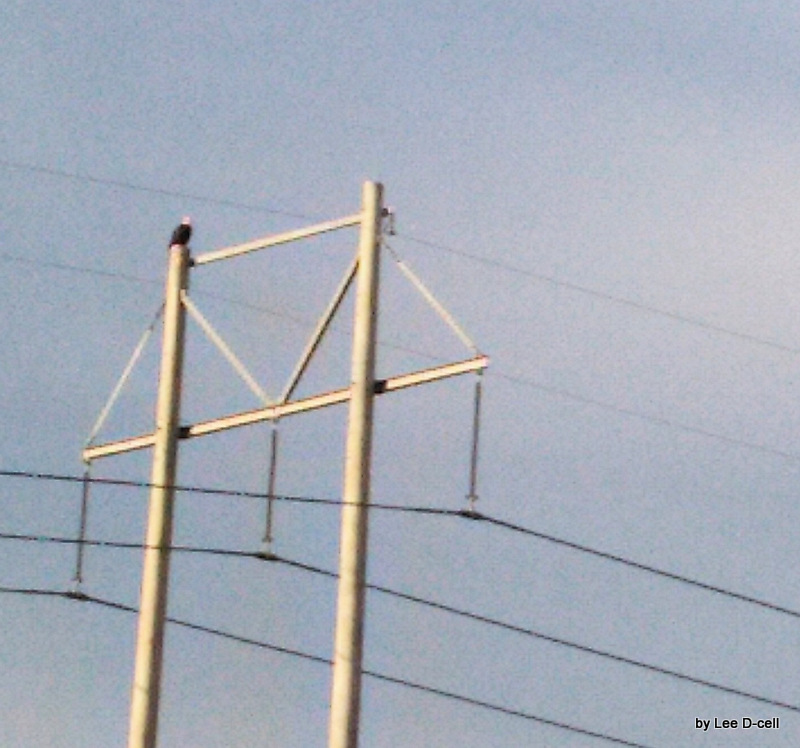
Bald Eagle on Old Bartow Rd

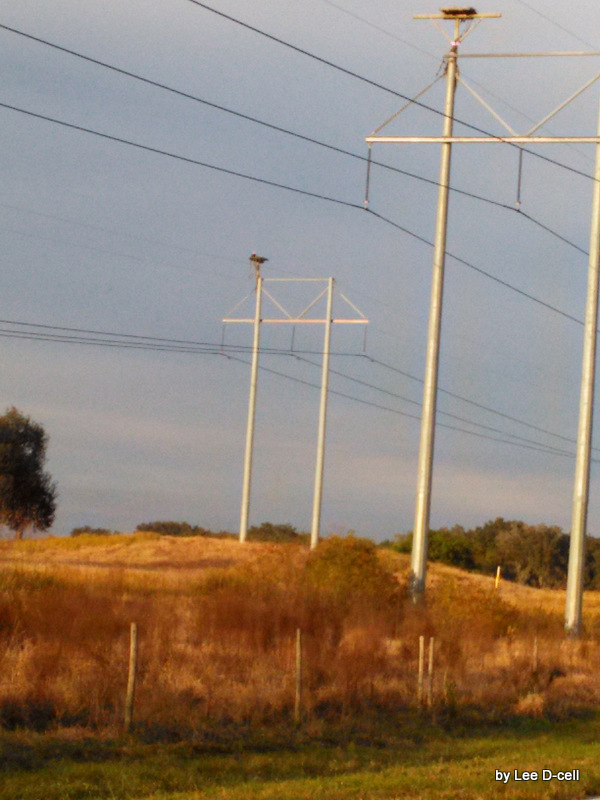
Bald Eagle on Old Bartow Rd -1

Bald Eagle on Old Bartow Road - cropped

Bald Eagle on Old Bartow Road – 1 – cropped

But they that wait upon the LORD shall renew their strength; they shall mount up with wings as eagles; they shall run, and not be weary; and they shall walk, and not faint. (Isaiah 40:31 KJV)

Bald Eagle on Old Bartow Rd

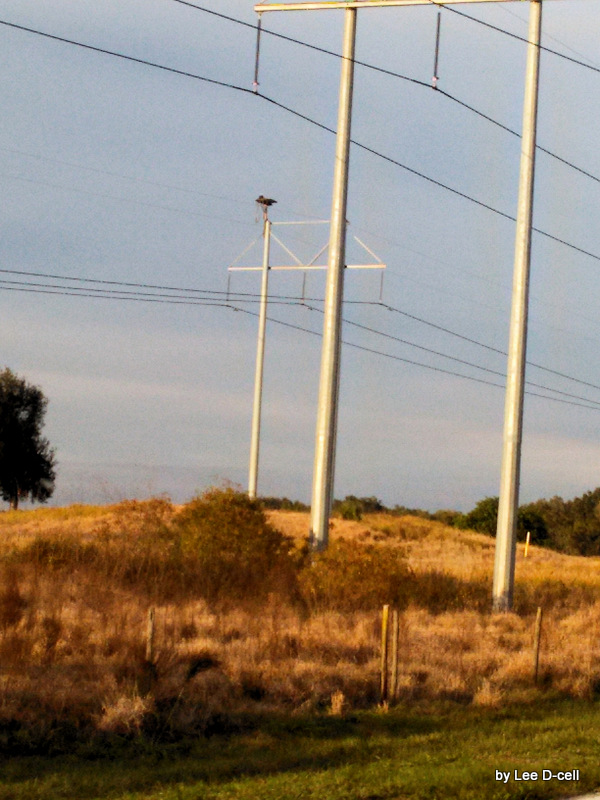
Bald Eagle on Old Bartow Rd – 2

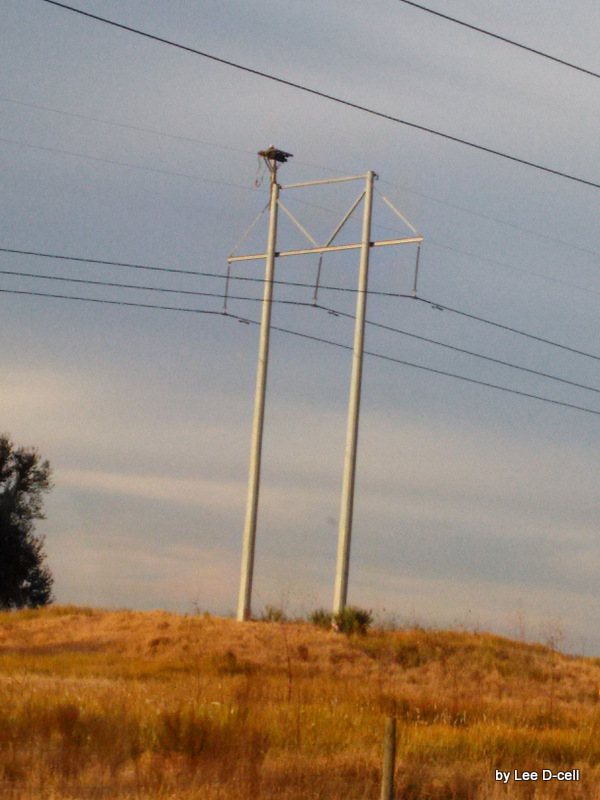
Last evening while on the way back from Bartow, a seven mile journey, we spotted not one, not two, but three Bald Eagles. Unfortunately, I again did not have anything with me except the cell phone. Dan was able to slow down a little, but with someone coming, we could not stop.

Bald Eagle on Old Bartow Rd

Bald Eagle on Old Bartow Rd- 2

Here are my attempts to show two of the eagles. These are more “proof shots” than good photos. The other Bald Eagle caught us by surprise down the road another 1/2 mile or so. I had put my phone back down. :(

Bald Eagle on Old Bartow Rd

Bald Eagle on Old Bartow Rd – 2

We have been rather busy lately and haven’t had time to go birdwatching. But, the Lord knows how to give us unexpected blessings along the way to brighten our days.

It is of the LORD’S mercies that we are not consumed, because his compassions fail not. They are new every morning: great is thy faithfulness. (Lamentations 3:22-23 KJV)

Bald Eagle on Old Bartow Road - cropped

Bald Eagle on Old Bartow Road – 2 – cropped

The blessing of the LORD, it maketh rich, and he addeth no sorrow with it. (Proverbs 10:22 KJV)

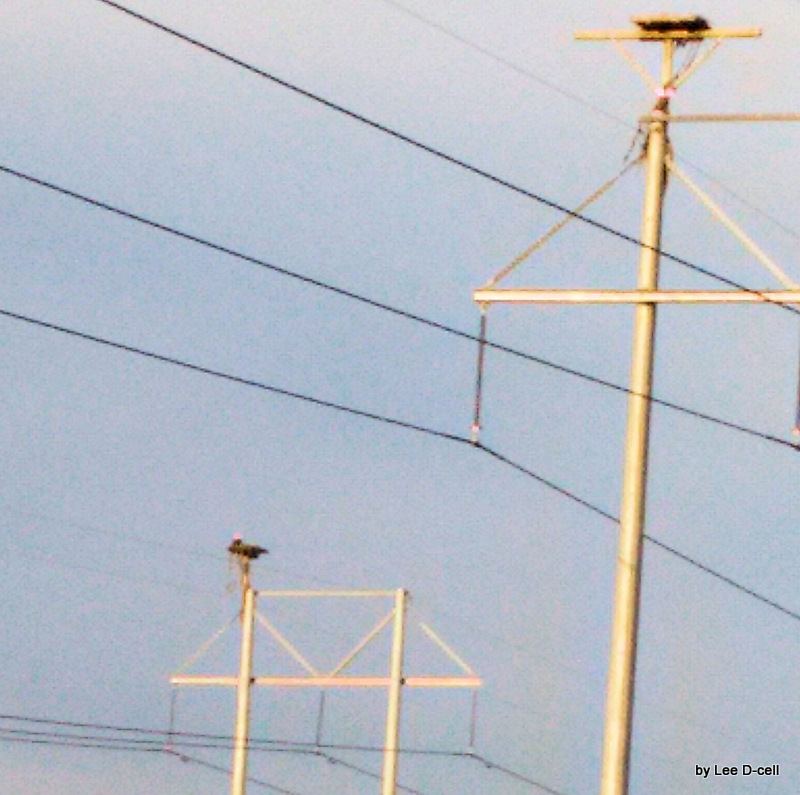
I have shown photos of the Old Bartow Road before. Because of the decline in Ospreys, many years ago, they placed platforms on top of various power poles. These are some of them. The Osprey come back from about the middle of January on through February. They raise their young on the platforms and then around May to June they seem to disappear. Polk County has numerous Bald Eagles come down for the winter and are one of my favorite “snow birds” (that is a term for our winter human vistors). Since most of the Osprey haven’t arrived yet, the Bald Eagles have been sitting on these lately. Not sure who will give way when the Osprey do arrive. Hummm!

Osprey Road by Dan - (Old Bartow Road)

Osprey Road by Dan – (Old Bartow Road)

Actually, the fact that these platforms were placed are a good thing and shows one of the responsibilities that man was given by the Lord. Man was given dominion over the earth and the critters included. Dominion did not mean dominance, but one of the meanings is to help preserve them.

So God created man in His own image; in the image of God He created him; male and female He created them. Then God blessed them, and God said to them, “Be fruitful and multiply; fill the earth and subdue it; have dominion over the fish of the sea, over the birds of the air, and over every living thing that moves on the earth.” (Genesis 1:27-28 NKJV)

*

Birds of the Bible – Heron Update

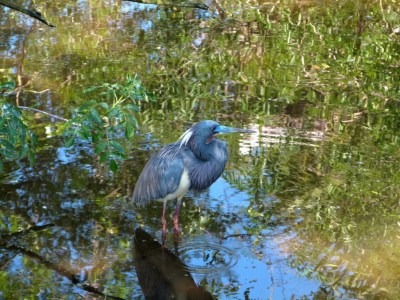
Tricolored Heron at Gatorland (5)

Tricolored Heron at Gatorland by Lee

And the stork, the heron after her kind, and the lapwing, and the bat. (Leviticus 11:19 KJV)

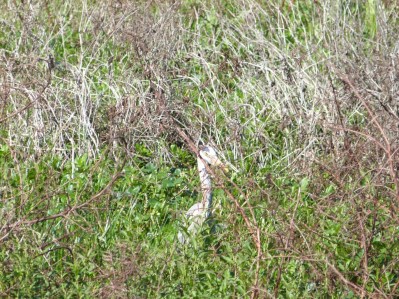
Great Blue Heron 2

Great Blue Heron camouflaged by Lee

And the stork, and the heron after her kind, and the lapwing, and the bat. (Deuteronomy 14:18 KJV)

The original Birds of the Bible – Heron article was posted on July 17, 2008. Seems like it’s time for an update and to keep our Heron family visible. Actually, some of the family members are very good at hiding or blending in with their surroundings. Their Creator, the Lord Jesus Christ, designed them to be slim like the reeds they hide in, called camouflage, and gave them the ability to move back and forth again like reeds. Notice the Tricolored Heron in the first photo. Even though he is blue, the sky color reflecting in the water actually is helping keep him “hidden in plain view.”


CLASS – AVES, Order – PELECANIFORMES, Family – Ardeidae – Herons, Bitterns, Egrets


Here in central Florida we can see many Herons, such as the:
(Click link for photo from Dan’s website)
Great Blue Heron (L46″ Wingspan 72″)
Little Blue Heron (L24 Wingspan 40″)
Tri-colored Heron (L26 Wingspan 36″)
Green Heron (L18″ Wingspan 26)
Black-crowned Night Heron (L25″ Wingspan 26″)
Yellow-crowned Night Heron (L24″ Wingspan 42″)

Around the World the Ardeidae family, now with 72 species, includes Herons (46), Egrets (9) and Bitterns (15). From Thayer Birding Software, “Most herons nest in dense or dispersed colonies; a few species, including most bitterns, are solitary. Nests are platforms of interlocked sticks in trees or piles of vegetation in reeds or on the ground, built mainly or entirely by the female of material brought by the male.”

Most of the Herons rest and fly with their necks in an “S” curve. They can be seen along or in the edges of water fishing. Many stand perfectly still looking in the water and then thrust with a quick movement to either spear or catch their prey. You can see that in the video I posted yesterday.

This video of a Great Egret was watching something so intently. Also, notice how his neck sways like they do in the tall grass or reeds. Egrets are part of the Heron Family group.

Herons amaze me in how perfectly still they stand and wait. They seem so patient to me. Herons are on the “unclean” list of birds found in Leviticus 11:19 and Deuteronomy 14:18. Because they are so “patient” and “wait,” it reminds me of:

Rest in the LORD, and wait patiently for him: fret not thyself because of him who prospereth in his way, because of the man who bringeth wicked devices to pass. (Psalms 37:7 KJV)
And so, after he had patiently endured, he obtained the promise. (Hebrews 6:15 KJV)
The eyes of all wait upon thee; and thou givest them their meat in due season (Psalms 145:15 KJV
And of course our great verse from last week:
But they that wait upon the LORD shall renew their strength; they shall mount up with wings as eagles; they shall run, and not be weary; and they shall walk, and not faint. (Isaiah 40:31 KJV)

Hymns mention “waiting” and being “still” and “patient. Here is a favorite:

Be Still, My Soul by Katharina von Schlegel,
1697-Trans. By Jane L. Borthwick, 1813-1897

Be still, my soul: the Lord is on thy side;
Bear patiently the cross of grief or pain;
Leave to thy God to order and provide;
In ev’ry change He faithful will remain.
Be still, my soul: thy best, thy heav’nly Friend
Thro’ thorny ways leads to a joyful end.

Be still, my soul: thy God doth undertake
To guide the future as He has the past.
Thy hope, thy confidence let nothing shake;
All now mysterious shall be bright at last.
Be still, my soul: the waves and winds still know
His voice who ruled them while He dwelt below.

Be still, my soul: the hour is hast’ning on
When we shall be forever with the Lord,
When disappointment, grief, and fear are gone,
Sorrow forgot, love’s purest joys restored.
Be still, my soul: when change and tears are past,
All safe and blessed we shall meet at last.

*

Birds of the Bible – Herons

Birds of the Bible

Ardeidae – Herons, Bitterns, Egrets


Sunday Inspiration – Sunbird and Spiderhunters

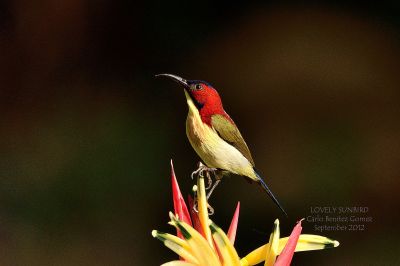
Lovely Sunbird (Aethopyga shelleyi)  ©WikiC

Lovely Sunbird (Aethopyga shelleyi) ©WikiC

Also, to every beast of the earth, to every bird of the air, and to everything that creeps on the earth, in which there is life, I have given every green herb for food”; and it was so. (Genesis 1:30 NKJV)

The 143 Nectariniidae – Sunbird Family members are beautiful birds from their Creator’s Hand, who has equipped them to be perfectly suited for their habitat and food sources.

The sunbirds and spiderhunters make up a family, Nectariniidae, of passerine birds. They are small, slender passerines from Old World, with long, usually decurved bill and some species with long tail; many brightly coloured, most with some iridescence, particularly in male. They are living from Africa to Australia, across Madagascar, Egypt, Iran, Yemen, Southern China, Indian subcontinent, Indochinese peninsulas, Philippines, Southeast Asian to nearby Pacific Islands and just reaches northern Australia. The number of species is greater in equatorial and tropical areas.

Malachite Sunbird (Nectarinia famosa) ©©Rainbirder

Malachite Sunbird (Nectarinia famosa) ©©Rainbirder

Most sunbirds feed largely on nectar, but also take insects and spiders, especially when feeding young. Flower tubes that bar access to nectar because of their shape, are simply punctured at the base near the nectaries. Fruit is also part of the diet of some species. Their flight is fast and direct on their short wings.

The sunbirds have counterparts in two very distantly related groups: the hummingbirds of the Americas and the honeyeaters of Australia. The resemblances are due to convergent evolution brought about by a similar nectar-feeding lifestyle.[1] Some sunbird species can take nectar by hovering like a hummingbird, but they usually perch to feed.

Spectacled Spiderhunter (Arachnothera flavigaster) by Peter Ericsson

Lovely Sunbird (Aethopyga shelleyi) ©WikiC

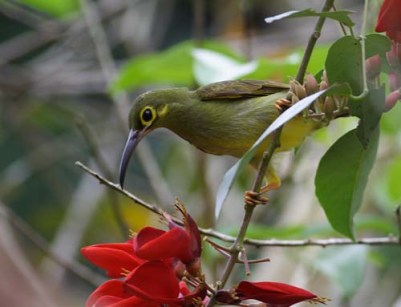
The spiderhunters, of the genus Arachnothera, are distinct in appearance from the other members of the family. They are typically larger than the other sunbirds, with drab brown plumage that is the same for both sexes, and long, down-curved beaks. (Wikipedia – Sunbird with editing)

I am going to risk having the video for you to hear this beautiful music, fearing you will watch her more than the birds. :) This is so beautiful and amazing by such a young harpist.

This slideshow requires JavaScript.

He does great things past finding out, Yes, wonders without number.
(Job 9:10 NKJV)

Oh, the depth of the riches both of the wisdom and knowledge of God! How unsearchable are His judgments and His ways past finding out! (Romans 11:33 NKJV)

*

“The Fountain” Harp — 9-year-old Alisa Sadikova is an incredibly talented harpist. But hearing her play ‘The Fountain’ is enough to transport you to Heaven! Her gift is truly from the Lord and playing this she sounds like an angel! (from GodVine.com)

After the recent post – Birds of the Bible – Who Colored These Originally? who needs to improve on the beauty and magnificant colors of this Sunbird family.

*
Sunday Inspirations

Nectariniidae – Sunbirds

Sunbird – Wikipedia

What will you do with Jesus?

*

The Amazing Mosquito Hawk Video

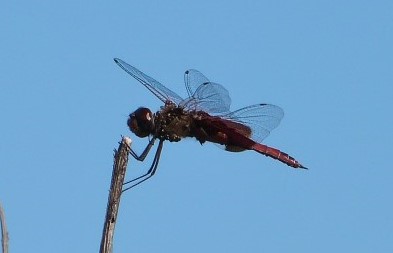
Dragonfly cropped by Lee at Circle B

Dragonfly cropped by Lee at Circle B

“Does the hawk fly by your wisdom, And spread its wings toward the south?
(Job 39:26 NKJV)

Flight is a big problem for those who believe that we owe our existence to evolution. Birds, mammals, reptiles, insects, and even some fish fly or at least glide through the air in controlled flight. So many different creatures fly that evolutionists must say that flight evolved several different times.

The dragonfly is among the best fliers in the animal kingdom. The dragonfly can beat its four wings in unison or separately depending on the maneuver it wants to make. Dragonflies can fly at speeds up to 25 miles an hour and even faster. They can hover, take off backward and even make an unbanked turn. The dragonfly eats small insects, including mosquitoes, earning it the nickname “mosquito hawk.” A dragonfly can see a gnat from three feet away, fly to it, capture it and return to its original position in just over one second! One third to one half of its body mass is made up of flight muscles. Its two eyes have a total of 60,000 lenses and are situated so that its range of vision is nearly 360 degrees.

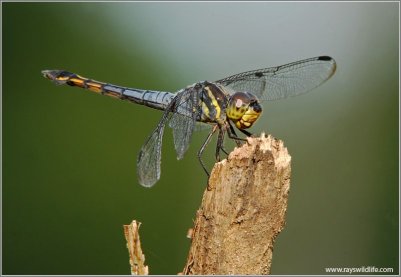
Dragonfly by Raymond Barlow

Dragonfly by Raymond Barlow

Dragonflies not only appear in the fossil record fully formed, but in much greater variety than today. One fossilized dragonfly was the size of a crow! Even the United States Air Force has studied the dragonfly to learn how it flies. The dragonfly is no product of natural selection. It is clearly a specially designed creature whose Designer understands flight better than we do. This Designer is our Creator God.

Prayer: I thank You, dear Father, for the beauty and wonder of the dragonfly. You are truly to be glorified! In Jesus’ Name. Amen.

Notes: Richard Conniff, “The Lord of Time”, Reader’s Digest, 6/99, p. 142. Photo: Close-up of a dragonfly head. Courtesy of Victor Korniyenko. (CC-BY-SA 3.0)

©Creation Moments Published on Jan 23, 2015

This topic from Creation Moments has been posted before, but this time they did it with a video. Trust you will find this amazing. Our Lord has shown his Great Wisdom again in the Dragonflies design.

Birds of the Bible – Eagle Hair and Bird Claws

Bald Eagle at Lowry Park Zoo by Lee

Bald Eagle at Lowry Park Zoo by Lee

That very hour the word was fulfilled concerning Nebuchadnezzar; he was driven from men and ate grass like oxen; his body was wet with the dew of heaven till his hair had grown like eagles’ feathers and his nails like birds’ claws. (Daniel 4:33 NKJV)

This Birds of the Bible Scripture was mentioned over five years ago and it’s time to update and review. “Repetition aids learning” they say. Also, I am currently reading through Daniel again.

Many times the birds mentioned in the Bible are listed as “clean or unclean” or as an “object lesson” to teach some truth. This time the mention of Eagle feathers and birds’ claws are used as a description of a man’s appearance and there is a lesson to be learned here.

So, who was this man? It is actually a very important king, King Nebuchadnezzar of Babylon. The information about the King is found throughout the book of Daniel. To make the story short, the king had a dream and wanted an interpretation of that dream. Not only did he want his dreams interpreted, but he wanted the interpreter to tell him what the dream was about. The wise men and others told the king that was impossible, so the king commanded to kill them. Daniel prayed to God that He would reveal the dream and it’s interpretation to him so he could tell it to the King. God answered that prayer and Daniel was able to reveal it to King Nebuchadnezzar.

King Nebuchadnezzar was the first world ruler and God had given the king great power. Later on, the king’s pride takes over and he thinks he has made this kingdom and does not give God the credit. He even has a great statue made of himself and demands that all fall down and worship him.

Back to making this short. In Daniel chapter 4 the king has another dream and Daniel (Belteshazzar) prays for revelation and again interprets the dream. Daniel 4:9 to 4:18 tells the dream. (Birds are mentions several times in it.) Then Daniel interprets the dream in Daniel 4:19-33. Basically, the Most High is going to let the king learn humility and get rid of the pride that he has.

The king spoke, saying, “Is not this great Babylon, that I have built for a royal dwelling by my mighty power and for the honor of my majesty? (Daniel 4:30 NKJV, emphasis mine)

For seven years, or time periods, will his kingdom be departed from him. He will be out in the field, “eating grass like oxen” and “until you know that the Most High rules in the kingdom of men, and gives it to whomever He chooses.” It is during this time that his hair will grow like “eagles’ feathers and his nails like birds’ claws.”

Sea Eagle (Haliaeetus pelagicus) Feet by Lee at National Aviary

Sea Eagle (Haliaeetus pelagicus) Feet by Lee at National Aviary

That was the short version, now before we find out if the King learned from this, we will go a little further.

Summarized Bible – “Conclusion: God has power to humble the haughtiest of men who would in their pride act in competition with Him. Those so confident of their own sufficiency will be brought sooner or later to own God’s dominion over them and their own utter weakness. Many have been brought to themselves by being made beside themselves.”

Harpy Eagle (Harpia harpyja) by Lee at Zoo Miami 2014

Harpy Eagle (Harpia harpyja) by Lee at Zoo Miami 2014

Daniel & the Revelation by Uriah Smith: “The King’s Self-exaltation and Humiliation.–Nebuchadnezzar failed to profit by the warning he had received, yet God bore with him twelve months longer before the blow fell. All that time he cherished pride in his heart, and at length it reached a climax beyond which God could not suffer it to pass. The king was walking in the palace, and as he looked forth upon the splendors of that wonder of the world, great Babylon, the beauty of kingdoms, he forgot the source of all his strength, and greatness, and exclaimed, “Is not this great Babylon, that I have built?” Archaeologists have found the ruins of that ancient city, which Sir Frederic Kenyon describes in the following sentences:

“These confirmed the generally wrecked character of the site, but also revealed much as to its plan, architecture, and ornamentation. The buildings found were almost wholly the work of Nebuchadnezzar, who rebuilt the previous city most extensively, his own enormous palace (‘this great Babylon that I have build for the house of the kingdom by the might of my power and for the honor of my majesty’) being the most conspicuous building of all.” [3]

The time had come for Nebuchadnezzar’s humiliation. A voice from heaven again announced the threatened judgement, and divine providence proceeded immediately to execute it. His reason departed. No longer the pomp and glory of his great city charmed him. God with a touch of His finger took away his capability to appreciate and enjoy it. He forsook the dwellings of men, and sought a home and companionship among the beasts of the field.”
[3] Sir Frederic Kenyon, The Bible and Archaeology, p. 126.

Long nails like a bird's claws

Long nails like a bird’s claws

Day by Day by F. B. Meyer – “But how marvelous the contrast between those proud and vaunting words, and the ascriptions of humble homage and praise in Dan_4:34-37! If God could produce such a result on the haughty king of Babylon, is there any sinner He cannot subdue? May not the stern discipline to which some lives are subjected be intended to subdue their proud wills and bring them to similar confessions?”

Did King Nebuchadnezzar learn his lesson?

And at the end of the time I, Nebuchadnezzar, lifted my eyes to heaven, and my understanding returned to me; and I blessed the Most High and praised and honored Him who lives forever: For His dominion is an everlasting dominion, And His kingdom is from generation to generation. All the inhabitants of the earth are reputed as nothing; He does according to His will in the army of heaven And among the inhabitants of the earth. No one can restrain His hand Or say to Him, “What have You done?” At the same time my reason returned to me, and for the glory of my kingdom, my honor and splendor returned to me. My counselors and nobles resorted to me, I was restored to my kingdom, and excellent majesty was added to me. Now I, Nebuchadnezzar, praise and extol and honor the King of heaven, all of whose works are truth, and His ways justice. And those who walk in pride He is able to put down. (Daniel 4:34-37 NKJV)

May we all watch our pride and realize that:

“A man’s pride will bring him low, But the humble in spirit will retain honor.” (Proverbs 29:23 NKJV)

*

Birds of the Bible

Birds of the Bible – Hair Like Eagle’s Feathers – original

Changed From The Inside Out

*

Lord’s Avian Wonders – Dipper and a Beluga Whale

Oops! Had to withdraw an article and will re-post it later. For now. This video is amazing. A baby Beluga plays with an American Dipper at the Vancouver Aquarium. When the Creator originally brought the critters into existence they got along fine.

Reminds me of the following passage from Isaiah. That condition will return again in the future. Enjoy!

And the wolf shall dwell with the lamb, and the leopard shall lie down with the kid, and the calf and the young lion and the fatted domestic animal together; and a little child shall lead them. And the cow and the bear shall feed side by side, their young shall lie down together, and the lion shall eat straw like the ox. And the sucking child shall play over the hole of the asp, and the weaned child shall put his hand on the adder’s den. They shall not hurt or destroy in all My holy mountain, for the earth shall be full of the knowledge of the Lord as the waters cover the sea. (Isaiah 11:6-9 AMP)

Maybe we should learn to get along with our neighbors also.

A new commandment I give unto you, That ye love one another; as I have loved you, that ye also love one another. (John 13:34 KJV)

*

Sunday Inspiration – Dippers, Leafbirds and Flowerpeckers

*


Sunday Inspiration – Dippers, Leafbirds and Flowerpeckers

White-throated Dipper (Cinclus cinclus) by Ian 5

White-throated Dipper (Cinclus cinclus) by Ian

This week we have birds running around in the water, another family of birds that are mostly green and a group that loves nectar. Which ones are they?

Let’s start with the Cinclidae – Dippers family. There are only five members in the Cinclus genus. They get their name from their bobbing or dipping movements. They are unique among passerines for their ability to dive and swim underwater. What an ability the Lord gave this family of dippers. Watch!

***

Orange-bellied Leafbird (Chloropsis hardwickii) by W Kwong

Orange-bellied Leafbird (Chloropsis hardwickii) by W Kwong

Our next group belong to the Chloropseidae – Leafbirds Family and they have 11 species with many subspecies. They are small birds found in India, Sri Lanka and Southeast Asia. They are one of only three bird families that are entirely endemic to the Indomalayan ecozone.

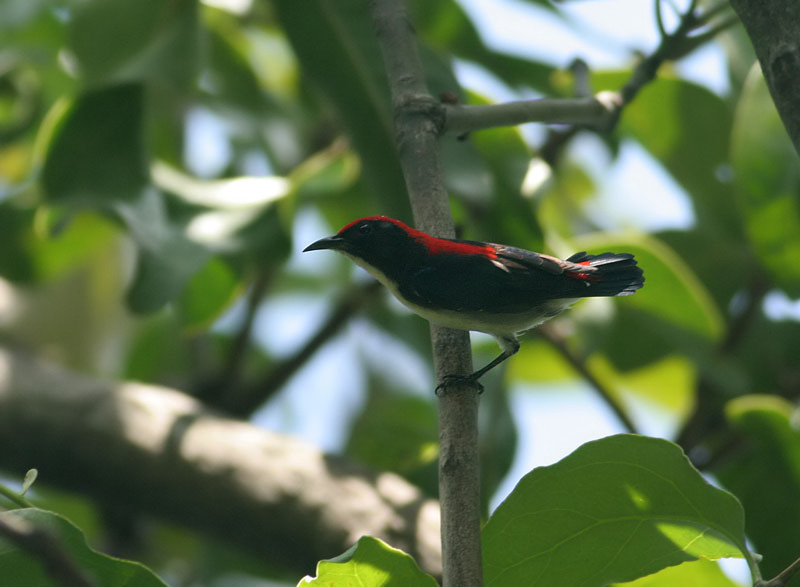
Scarlet-backed Flowerpecker (Dicaeum cruentatum) by Peter Ericsson

Scarlet-backed Flowerpecker (Dicaeum cruentatum) by Peter Ericsson

The flowers appear on the earth; The time of singing has come (Song of Solomon 2:12a NKJV)

This last family,  Dicaeidae – Flowerpeckers, has 48 species. The family is distributed through tropical southern Asia and Australasia from India east to the Philippines and south to Australia. The family is catholic in its habitat preferences, occupying a wide range of environments from sea level to montane habitats. Some species, such as the Mistletoebird of Australia, are recorded as being highly nomadic over parts of their range.

Nectar forms part of the diet, although they also take berries, spiders and insects. Mistletoes of 21 species in 12 genera have been found to be part of the diet of flowerpeckers, and it is thought that all species have adaptations (Creative design) to eat these berries and dispose of them quickly. (Wikipedia with modification)

This slideshow requires JavaScript.

“Faith Medley” ~ Faith Baptist Choir

*

Sunday Inspirations

Cinclidae – Dippers

Chloropseidae – Leafbirds

Dicaeidae – Flowerpeckers

Assurance: The Certainty of Salvation

*

Lord’s Avian Wonders – Some Zoo Critters

Thought I would share some more photos from the Zoo and a video that has challenged me. So far, in this new year the Lord is treating me well. I trust it is starting out alright for you also.

A land which the LORD thy God careth for: the eyes of the LORD thy God are always upon it, from the beginning of the year even unto the end of the year. (Deuteronomy 11:12 KJV)

Sacred Ibis Lowry Park Zoo 12-31-15 by Lee

Sacred Ibis Lowry Park Zoo 12-31-15 by Lee

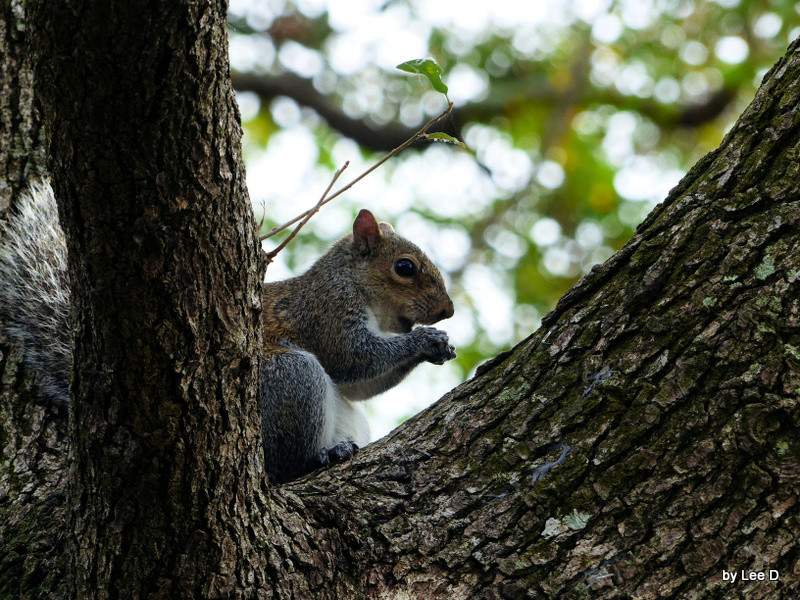
Squirrel Lowry Park Zoo 12-31-15 by Lee

Squirrel Lowry Park Zoo 12-31-15 by Lee

The fear of the LORD is the beginning of knowledge: but fools despise wisdom and instruction. (Proverbs 1:7 KJV)

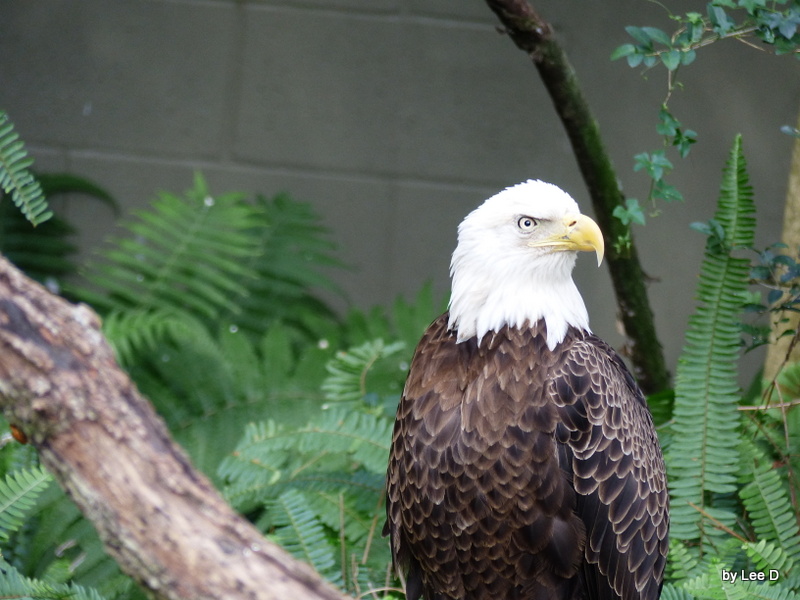
Bald Eagle Lowry Park Zoo 12-31-15 by Lee

Bald Eagle Lowry Park Zoo 12-31-15 by Lee

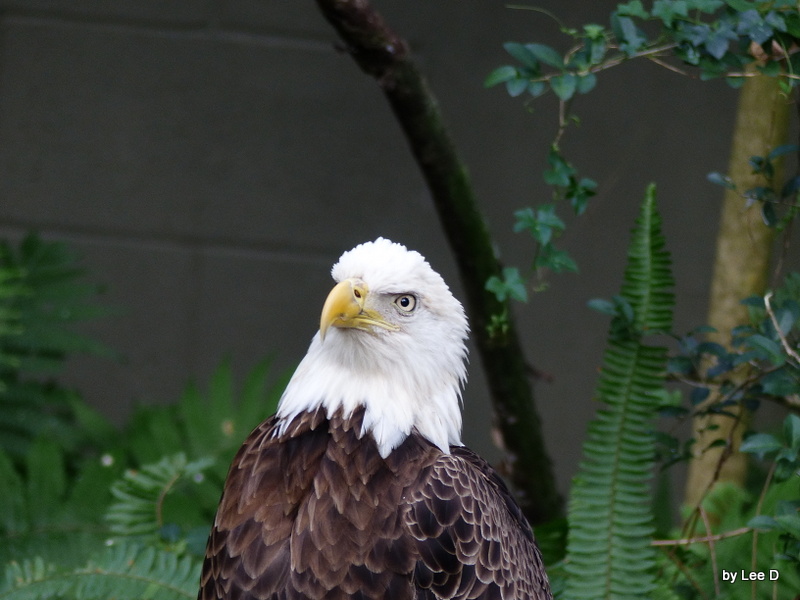
Bald Eagle Lowry Park Zoo 12-31-15 by Le

Bald Eagle Lowry Park Zoo 12-31-15 by Le

In the beginning was the Word, and the Word was with God, and the Word was God. The same was in the beginning with God. All things were made by him; and without him was not any thing made that was made. (John 1:1-3 KJV)

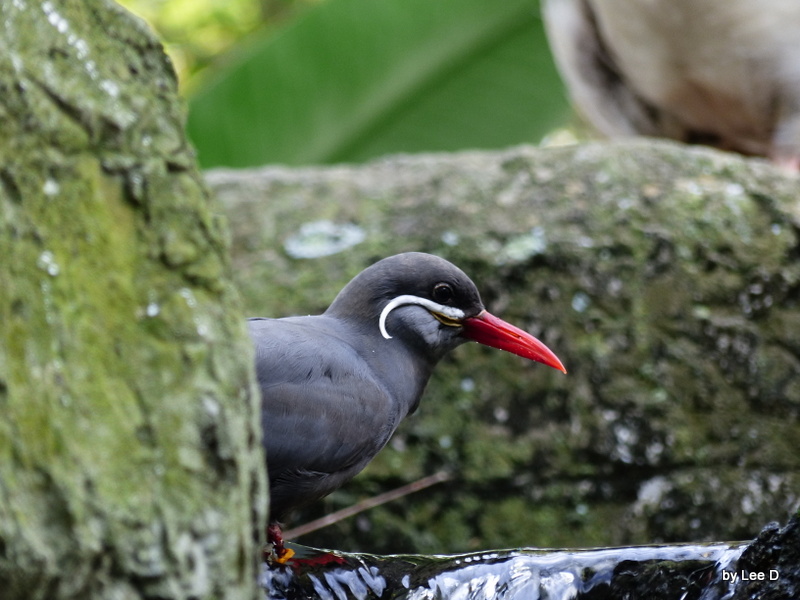
Inca Tern Lowry Park Zoo 12-31-15 by Lee

Inca Tern Lowry Park Zoo 12-31-15 by Lee

Inca Tern Lowry Park Zoo 12-31-15 by Lee

Inca Tern Lowry Park Zoo 12-31-15 by Lee

Thy word is true from the beginning: and every one of thy righteous judgments endureth for ever. (Psalms 119:160 KJV)

“Winning Life’s Battles” by Pastor Nathan Osborne was a great message that challenged for AD 2016. It is worth the time to watch. Our pastor’s messages are now being placed on the Faith Baptist Church website.

“Reach for the impossible” was one of his points that challenged my heart. I have some interesting challenges coming during this new year and the Lord has and is using this message to encourage me.

I can do all things through Christ which strengtheneth me. (Philippians 4:13 KJV)

Abide in me, and I in you. As the branch cannot bear fruit of itself, except it abide in the vine; no more can ye, except ye abide in me. I am the vine, ye are the branches: He that abideth in me, and I in him, the same bringeth forth much fruit: for without me ye can do nothing. (John 15:4-5 KJV)

I trust we will all have a productive new year. Whether it is accepting new challenges or just doing regular things like birdwatching and, then after finding the bird, trying to get a decent photo of it. :0)

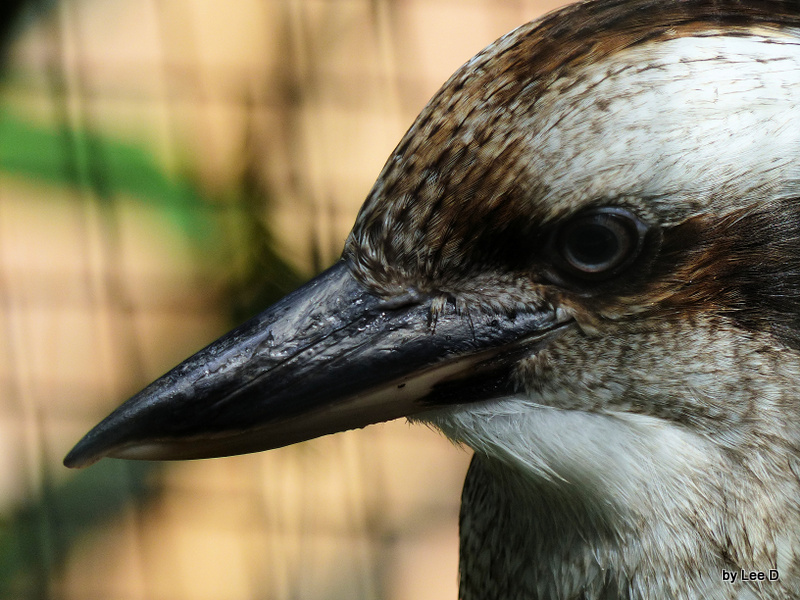
Kookaburra Lowry Park Zoo 12-31-15 by Lee

Kookaburra Lowry Park Zoo 12-31-15 by Lee

Kookaburra Lowry Park Zoo 12-31-15 by Lee

Kookaburra Lowry Park Zoo 12-31-15 by Lee

Better is the end of a thing than the beginning thereof: and the patient in spirit is better than the proud in spirit. (Ecclesiastes 7:8 KJV)

(Bolding in verses is mine)

*

*


Lord’s Avian Wonders – Juvenile Scarlet Ibis

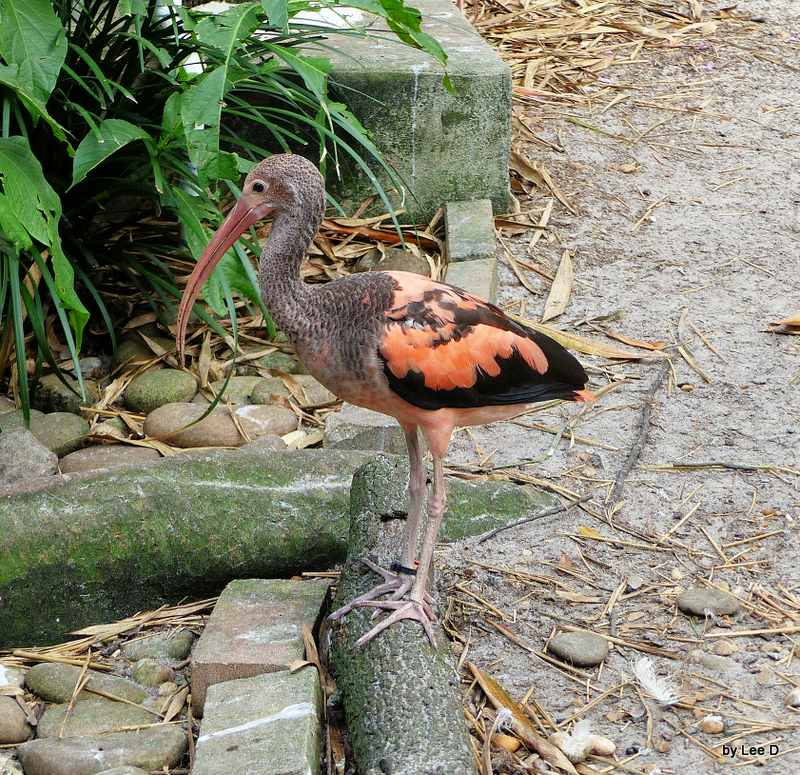
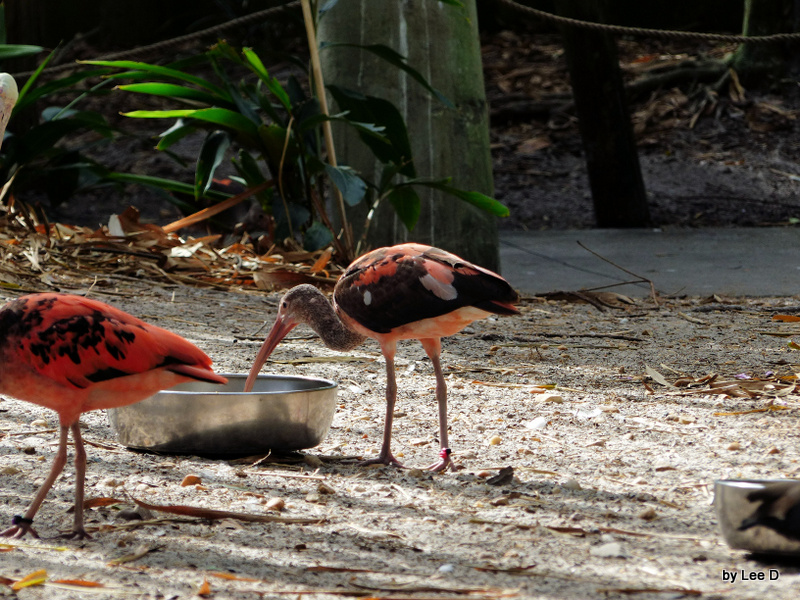
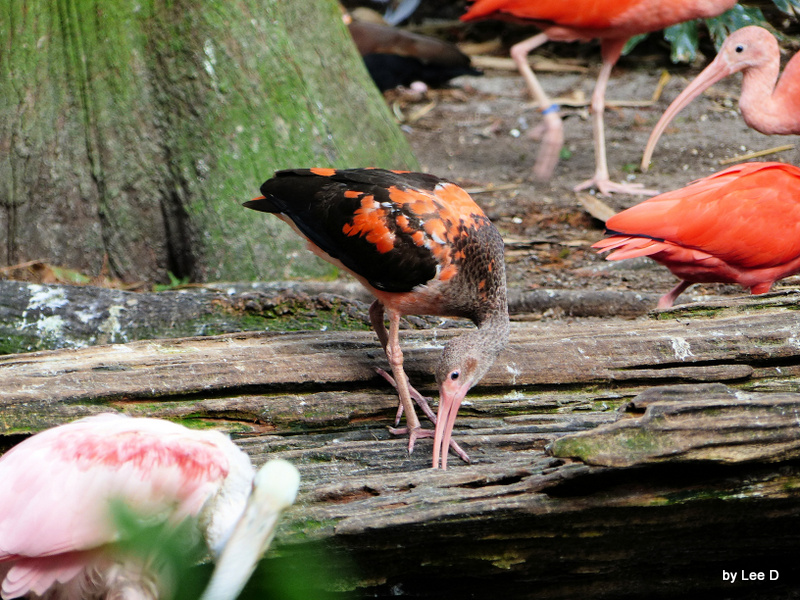
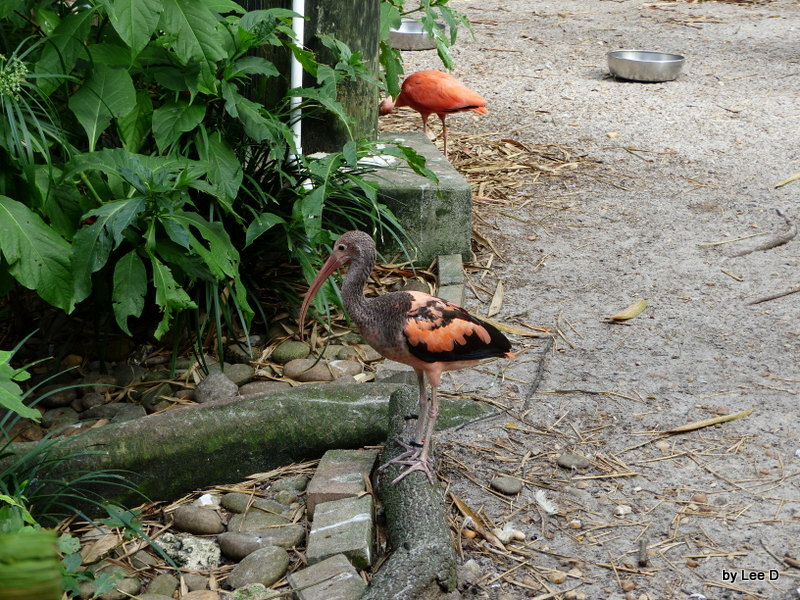
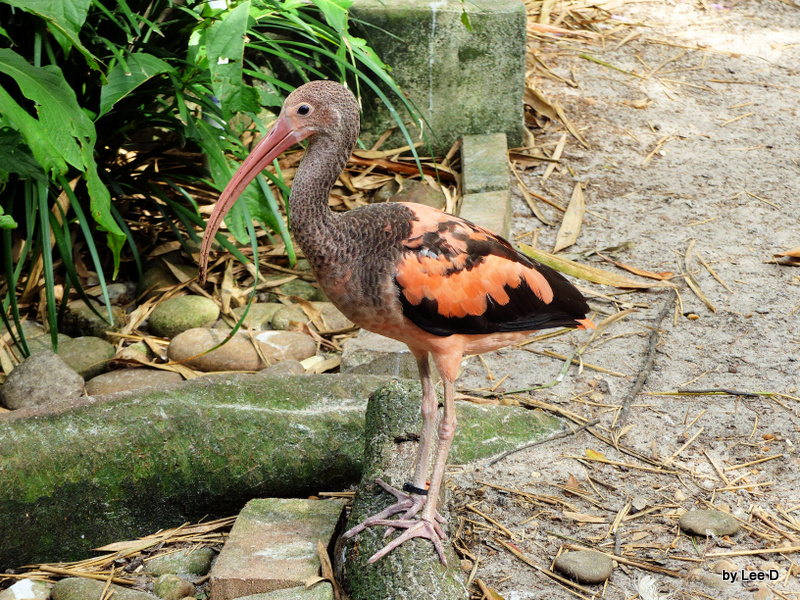
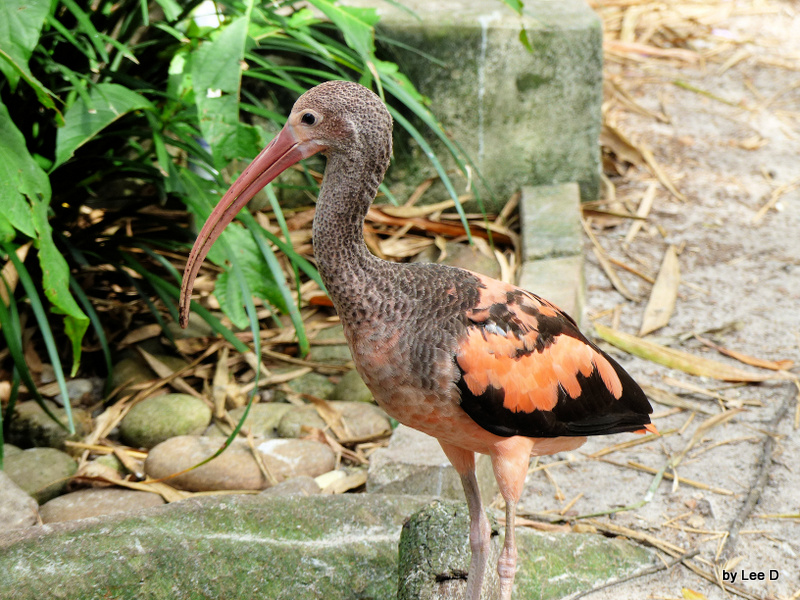
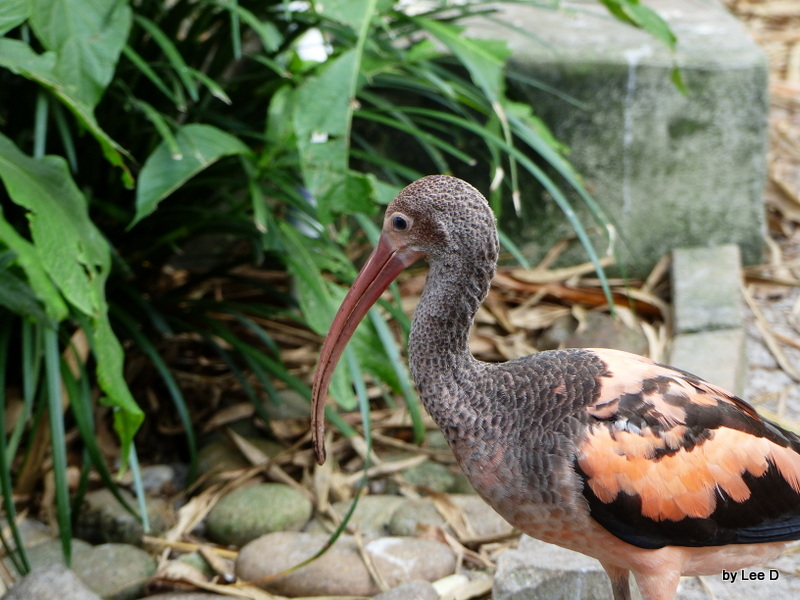
Scarlet Ibis (Eudocimus ruber) Juvenile Lowry Park Zoo

Scarlet Ibis (Eudocimus ruber) Juvenile Lowry Park Zoo

Behold, I tell you a mystery: We shall not all sleep, but we shall all be changed—in a moment, in the twinkling of an eye, at the last trumpet. For the trumpet will sound, and the dead will be raised incorruptible, and we shall be changed. For this corruptible must put on incorruption, and this mortal must put on immortality. (1 Corinthians 15:51-53 NKJV) (emphasis mine)

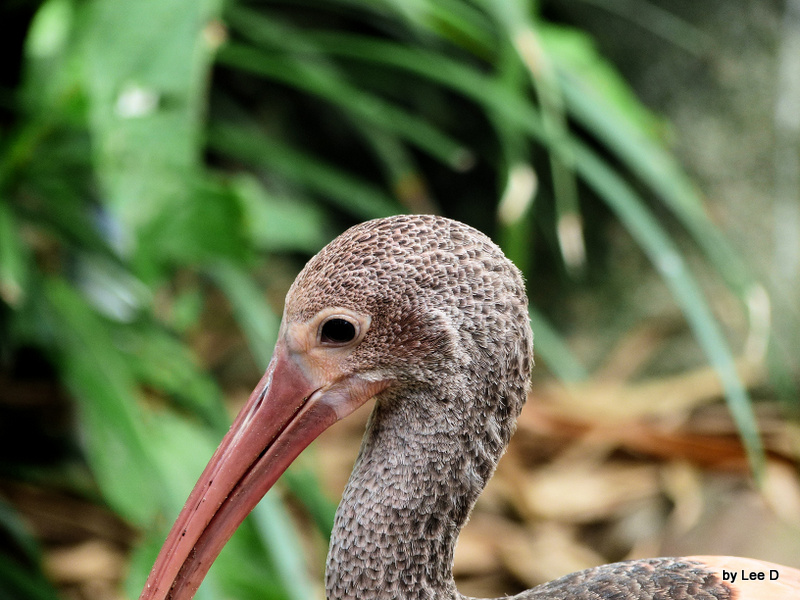
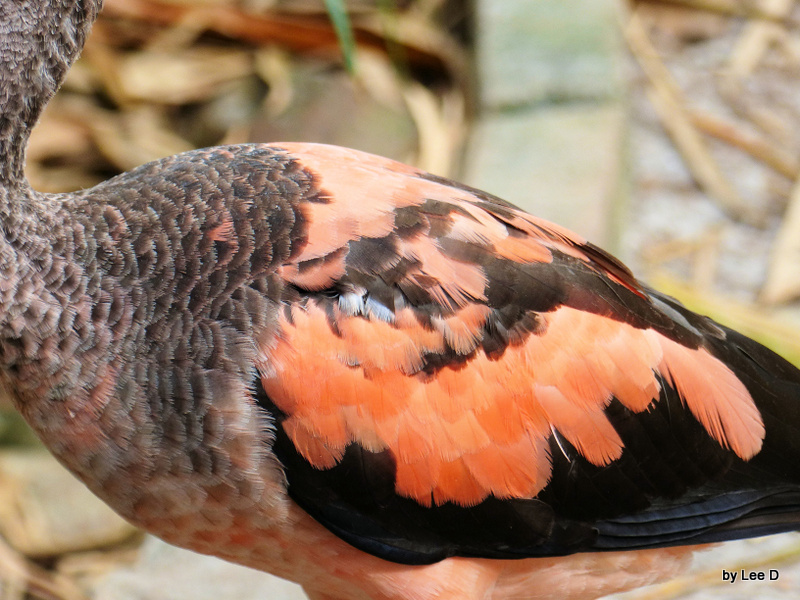
While in the Aviary at Lowry Park last week, this little avian wonder caught my attention. Our Scarlet Ibis juvenile is in the process of becoming a beautiful adult, but at present he is still in transition. The Lord’s Creative Hand gave these ibises protection while growing up, but now that change to a full-grown Scarlet Ibis is becoming very evident.

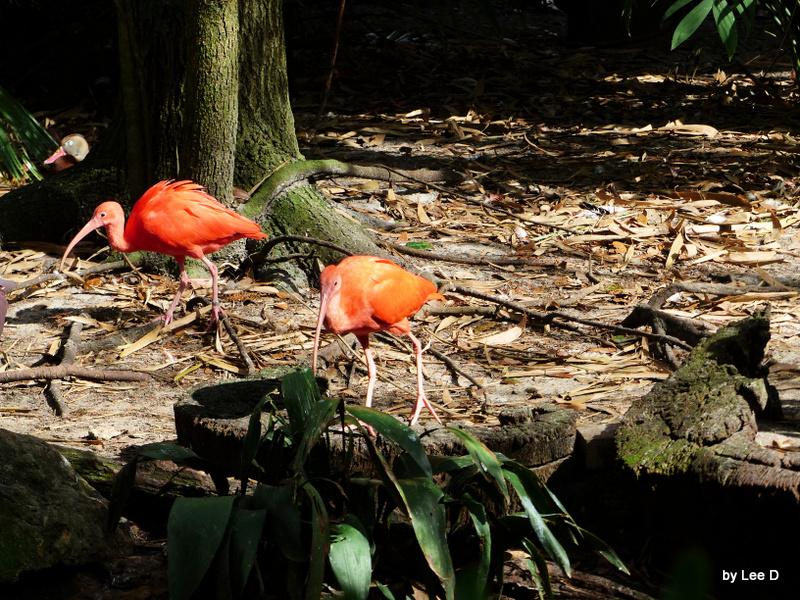
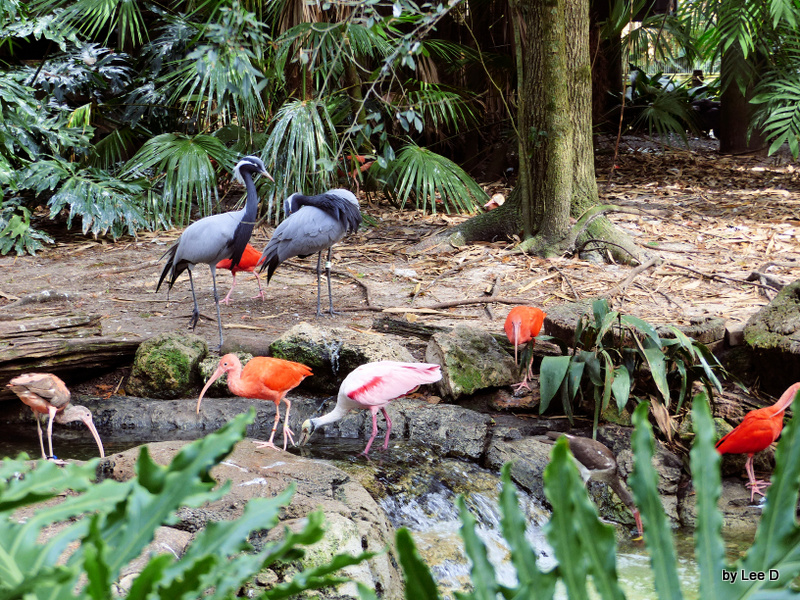
Scarlet Ibis adults in the Aviary

Scarlet Ibis adults in the Aviary

Adult plumage is virtually all scarlet. The feathers may show various tints and shades, but only the tips of their wings deviate from their namesake color. A small but reliable marking, these wingtips are a rich inky black (or occasionally dark blue) and are found only on the longest primaries – otherwise the birds’ coloration is “a vivid orange-red, almost luminous in quality.” Scarlet ibises have red bills and feet however the bill is sometimes blackish, especially toward the end. They have a long, narrow, decurved bill. Their legs and neck are long and extended in flight.

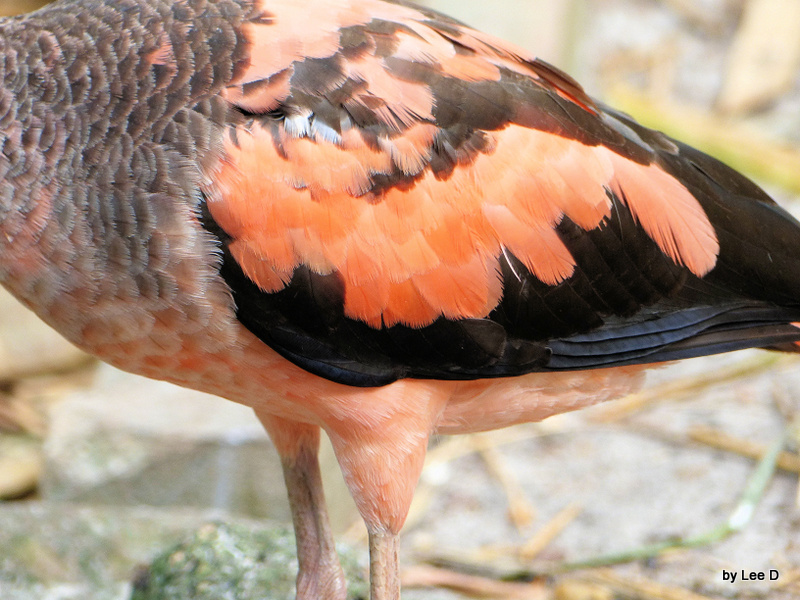
Scarlet Ibis (Eudocimus ruber) Juvenile Lowry Park Zoo

A juvenile scarlet ibis is a mix of grey, brown, and white. As it grows, a heavy diet of red crustaceans produces the scarlet coloration. The color change begins with the juvenile’s second moult, around the time it begins to fly: the change starts on the back and spreads gradually across the body while increasing in intensity over a period of about two years. The scarlet ibis is the only shorebird with red coloration in the world.

As newborn babes, desire the sincere milk of the word, that ye may grow thereby: If so be ye have tasted that the Lord is gracious. (1 Peter 2:2-3 KJV) (emphasis mine)

As these young Scarlet Ibises are growing into beautifully colored adults, you can see how they have grown from the baby to where they are now.

So, we as Christians, should be growing and changing as we grow in the Lord. How do we grow? Reading God’s Word, attending a good Bible preaching church, praying, studying, and doing whatever the Lord may lead you to do to help out. These juveniles are starting to change and so will you as grow in the Lord. Sooner or later you will bloom into a mature Christian able and willing to serve Our Lord wherever or however He chooses.

You therefore, beloved, knowing this beforehand, be on your guard so that you are not carried away by the error of unprincipled men and fall from your own steadfastness, but grow in the grace and knowledge of our Lord and Savior Jesus Christ. To Him be the glory, both now and to the day of eternity. Amen. (2 Peter 3:17-18 NASB)

For since the creation of the world His invisible attributes are clearly seen, being understood by the things that are made, even His eternal power and Godhead, so that they are without excuse, because, although they knew God, they did not glorify Him as God, nor were thankful, but became futile in their thoughts, and their foolish hearts were darkened. Professing to be wise, they became fools, and changed the glory of the incorruptible God into an image made like corruptible man—and birds and four-footed animals and creeping things. (Romans 1:20-23 NKJV) (emphasis mine)

Scarlet Ibis – Threskiornithidae – Ibises, Spoonbills

Orni-Theology

Lowry Park Zoo Articles

Sharing The Gospel

*


Birdwatching Trip – Zoo 12-31-15

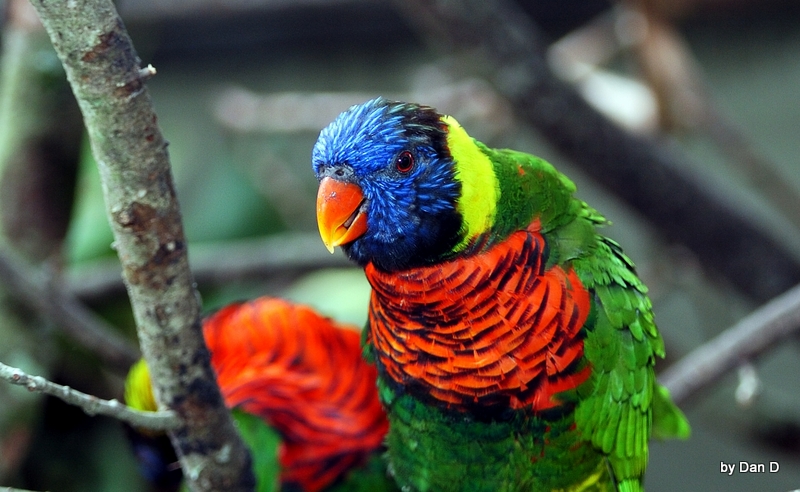
Rainbow Lorikeet by Dan

Rainbow Lorikeet by Dan

So God created great sea creatures and every living thing that moves, with which the waters abounded, according to their kind, and every winged bird according to its kind. And God saw that it was good. (Genesis 1:21 NKJV)

Off we went on the last day of 2015 to try to pick up our updated Lowry Park Zoo passes. They still weren’t ready to issue all of the new ones, so, all was not lost. Never head to a zoo without a camera.

The place was sort of crowded because they were throwing a “Noon Days Eve” party for the young folks. At noon they had a count-down to Noon “10-9-8-7-6-5-4-3-2-1”. Then they shot off paper confetti and ribbons. They were all having a great time. Most of those kids would never make to 12 midnight anyway. For that matter, neither did Dan or I. :)

This slideshow requires JavaScript.

Over in the Lorikeet feeding aviary, they seemed more colorful than normal and several of them were bouncing around and carrying on. Must have been their way of celebrating the coming New Year AD 2016. Also, like those celebrating, sometimes they get carried away and start becoming destructive.

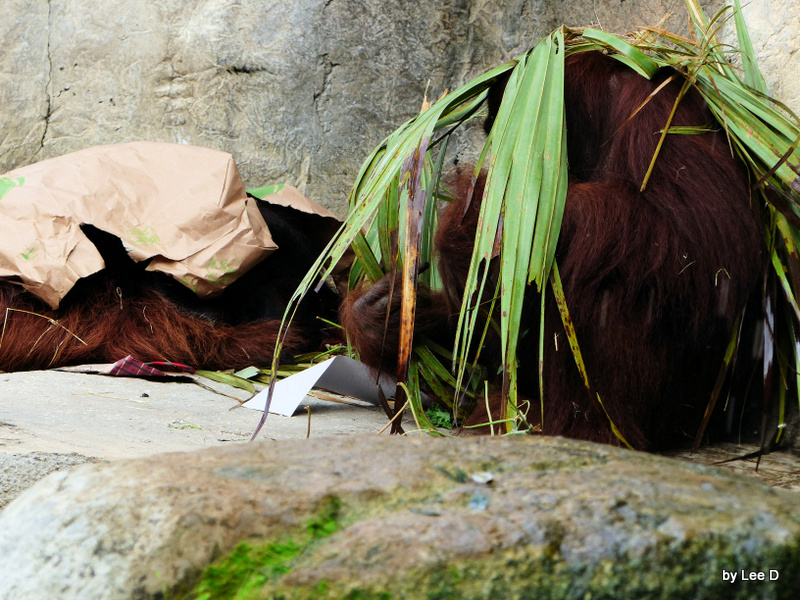
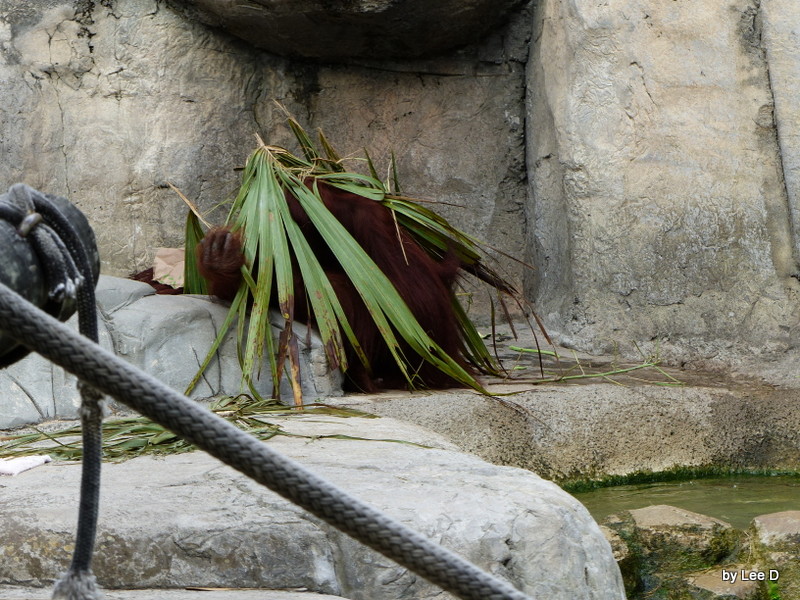
A new Orangutan was born on December 21st and hoped to see the little one, but Momma had different plans. She was laying with the baby between her and her big arm and had a piece of cardboard over her. Her mate was nearby with leaves over his head. (This is normal for these at this zoo.)

Mom and Papa Orangutan

Mom and Papa Orangutan

Mom Orangutan looking out and weary.

Mom Orangutan looking out and weary.

Papa Orangutan blocks the view.

Papa Orangutan blocks the view.

When a crowd came around to look also, he got up and sat right in front of her to block all views. The Lord even gives His critters a sense that they need privacy.

Here is a beautiful creation that takes your breath away. Wow! How did the Lord come up with so many designs in all His critters, not just the birds. I have no idea what the second fish is. He looks happy. If you know, leave a comment.

“But now ask the beasts, and they will teach you; And the birds of the air, and they will tell you; Or speak to the earth, and it will teach you; And the fish of the sea will explain to you. Who among all these does not know That the hand of the LORD has done this, (Job 12:7-9 NKJV)

Off to check out the other birds and see what else was going on. Enjoy the photos. These were our last ones of AD 2015. By the way, the first bird I spotted this year was a Sandhill Crane. (Later the same day, 1st, saw a Belted Kingfisher and a Bald Eagle, plus more normal residents.

This slideshow requires JavaScript.

*

You can see videos of a Masked Lapwing, a Demoiselle Crane and a Blue-faced Honeyeater that I also took by clicking the links.

Birdwatching Trips

Good News

*

Teach Your Children The Right Passwords!

Teach  your  children  the  right  passwords!

~ by James J. S. Johnson
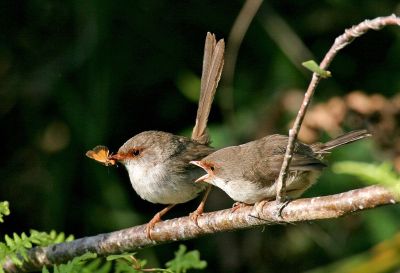
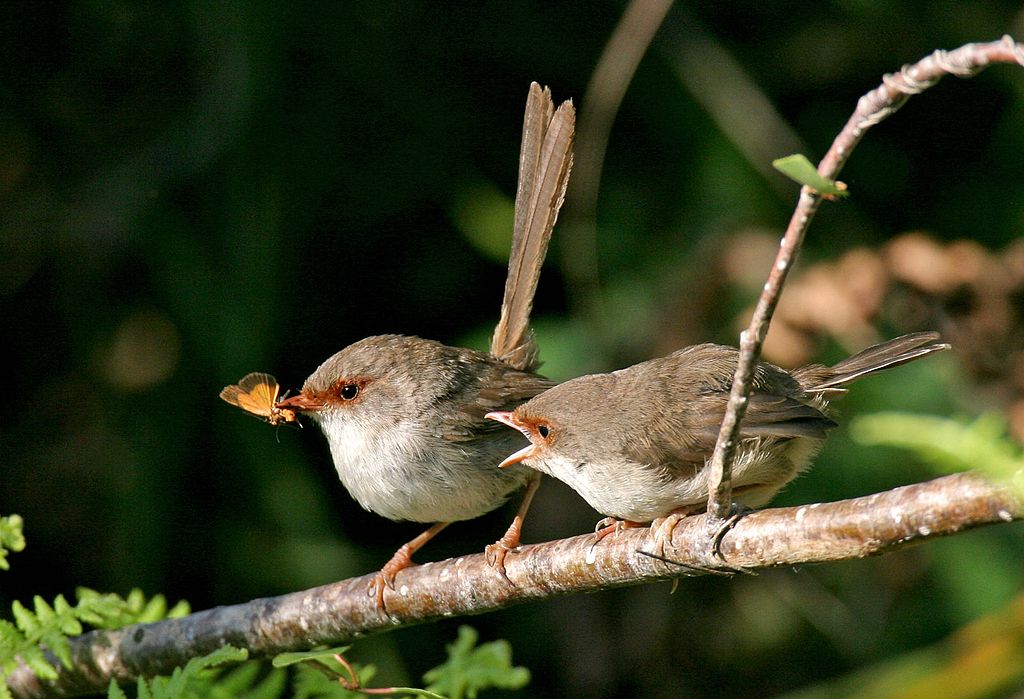
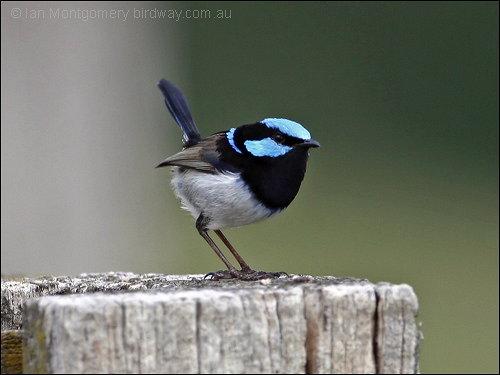
Superb Fairywren (Malurus cyaneus) Juvenile and Female ©WikiC

We will not hide them [“them” refers to God’s prophetic words – see verses 1-3] from their children, shewing to the generation to come the praises of the Lord, and His strength, and his wonderful works that He hath done.  For He established a testimony in Jacob, and appointed a law in Israel, which He commanded our [fore]fathers, that they should make them known to their children,  that the generation to come might know them, even the children which should be born [יִוָּלֵ֑דוּ — niphâl imperfect form of the verb yâlad], who should arise and declare [וִֽיסַפְּר֥וּ — piêl imperfect form of the verb sâphar] them to their children, that they might set their hope in God, and not forget the works of God, but keep His commandments, and [that they] might not be as their [fore]fathers, a stubborn and rebellious generation, a generation that set not their heart aright, and whose spirit was not steadfast with God.   Psalm 78:4-8

Superb Fairywrens teach their children to use passwords, but how?

In this fallen world even bird families have troubles.

One kind of family problem, confronted by many bird parents, is the problem of “brood parasites”, which is really a sneaky kind of “home invasion”.

Brood parasitism” is not a problem of parasitic worms or bugs.  Rather, this is a different kind of parasite – a bold “home invasion” parasite – a “foster child”, from another bird family, who was dropped into a “host” family.  The “host” family is thereafter burdened (unless and until the newcomer is evicted from the nest) with the cost of nurturing the intruding stranger who “moved in” without an invitation.  Worse, the invasive “foster child” often competes with the legitimate nestling birds for food and shelter, sometimes even competing aggressively.
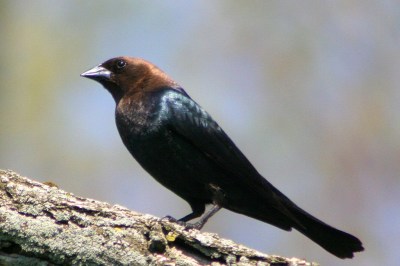
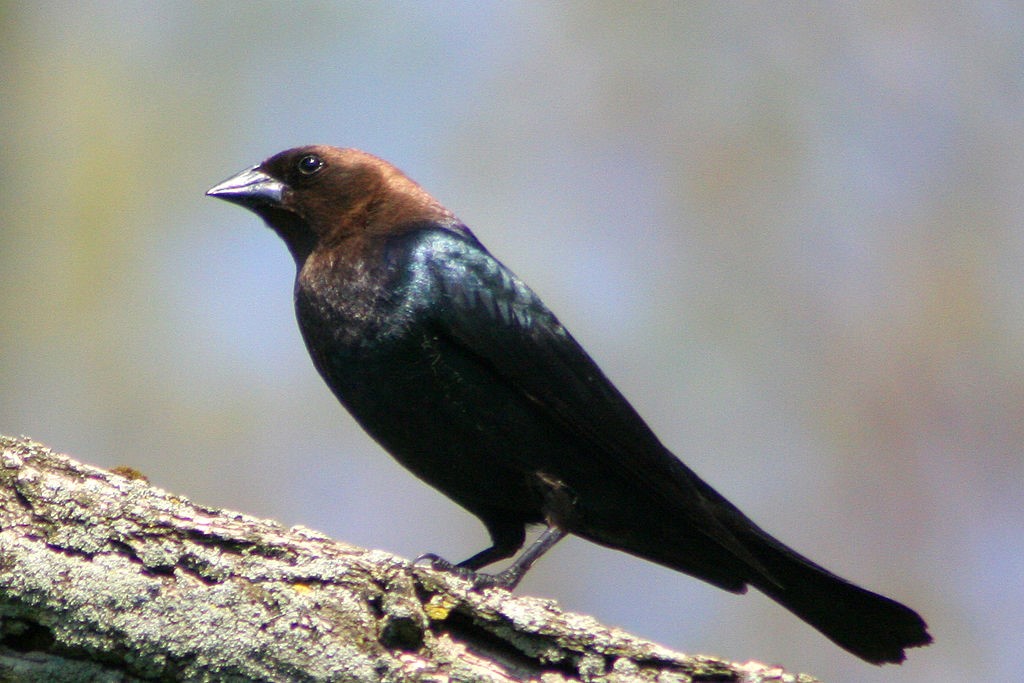
PAS-Icte Brown-headed Cowbird (Molothrus ater) ©WikiC

Male Brown-headed Cowbird  (Molothrus ater) ©WikiC

One of the best-known examples of such “brood parasitism” practices is those of the Brown-headed Cowbird (Molothrus ater), an icterid (i.e., member of the blackbird family) with a head that is distinctively chocolate-brown in color.

“A small, black-bodied [and iridescent-plumed] bird, a bit larger than a House Sparrow, with a brown head and a rather finchlike bill.  Females are nondescript gray [like the hue of female grackles] with a finchlike bill.

A brood parasite, the Cowbird lays its eggs in the nests of other birds.”
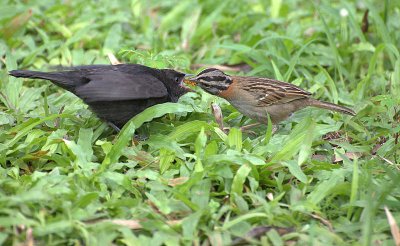
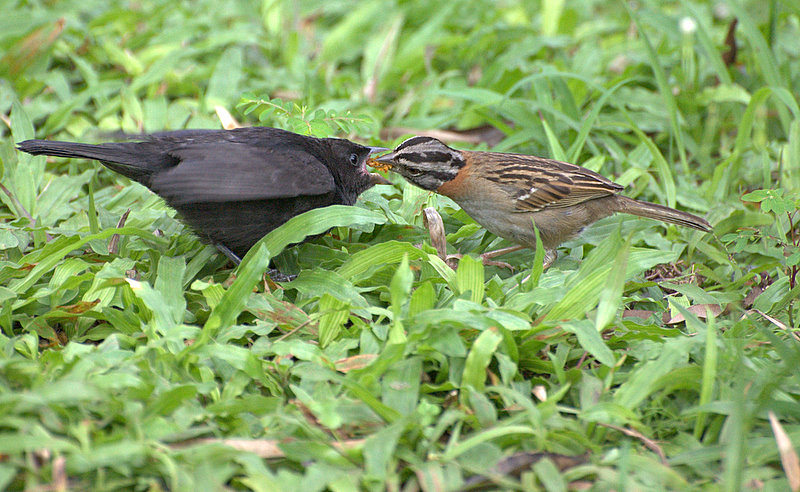
A Shiny Cowbird (Molothrus bonariensis) chick being fed by a Rufous-collared Sparrow (Zonotrichia Capensis)

A Shiny Cowbird (Molothrus bonariensis) chick being fed by a Rufous-collared Sparrow (Zonotrichia Capensis)

[Quoting from Roger Tory Peterson, PETERSON FIRST GUIDE TO BIRDS: A Simplified Field Guide to the Commonest Birds of North America (Houghton Mifflin, 1986), page 102.]

But cowbirds of North America are not the only birds that abuse the (involuntary) charity care of avian “foster parents”;  cuckoos (such as the Common Cuckoo of Eurasia) are known for the same “externalizing” of their parenting costs, producing nestling competitions that result in “changeling” conflicts.

“Once a brood parasite [mother] has managed to slip her egg into a host’s nest, her reproductive role is essentially over.  She leaves each chick to fend for itself, in a [bird] family that did not choose to raise it.

There’s no reason to feel [too] sorry for the uninvited foster chick, however; it is the unwitting adoptive parents that might soon face an unexpected brutality—the ruthless slaying of all their own offspring.

Many brood parasites, such as cuckoos, immediately dispatch of their nest mates [i.e., the children of the caring bird parents who built and maintain the nest that is now compromised] as soon as they hatch by summarily tossing them over the side of the nest.  [So much for refugee gratitude!]
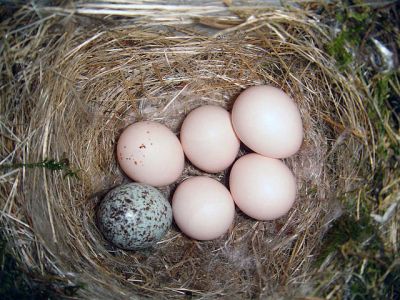
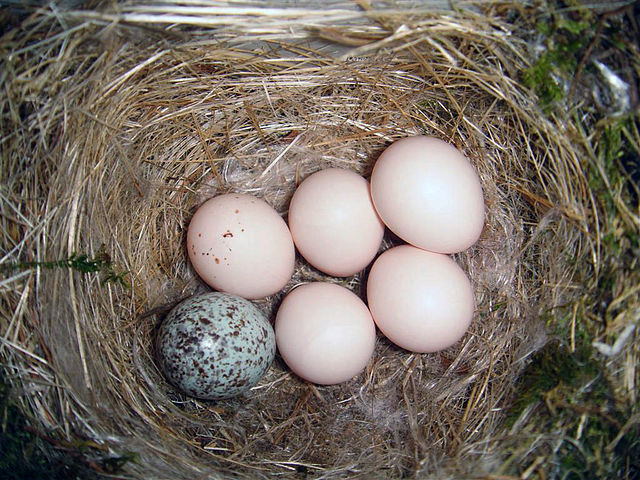
Brown-headed Cowbird (Molothrus ater) Egg in Eastern Phoebe Nest ©WikiC

Brown-headed Cowbird (Molothrus ater) Egg in Eastern Phoebe Nest ©WikiC

African Honeyguides use far deadlier methods to eliminate their [nest] fellows.  Equipped from birth with hooks at the tips of their mandibles, they efficiently wield these needle-sharp barbs against their defenseless nest mates.

Cowbirds do not employ such direct methods, yet they just as effectively eliminate the competition.  Their companions often die of starvation because the larger, more aggressive cowbird grabs all the food [delivered by the nestling-caring parent birds].  It is a wonder that the adults still feed the chick when they realize the disparity in size.  Yet in most cases, the adults accept it [i.e., the cowbird “foster child”], even if it appears double the size of its foster parent and requires twice the care of its [foster] siblings.
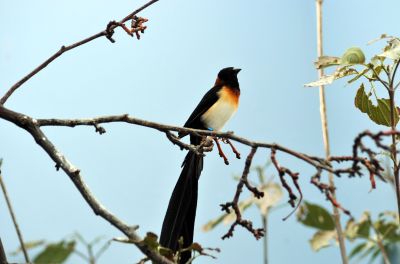
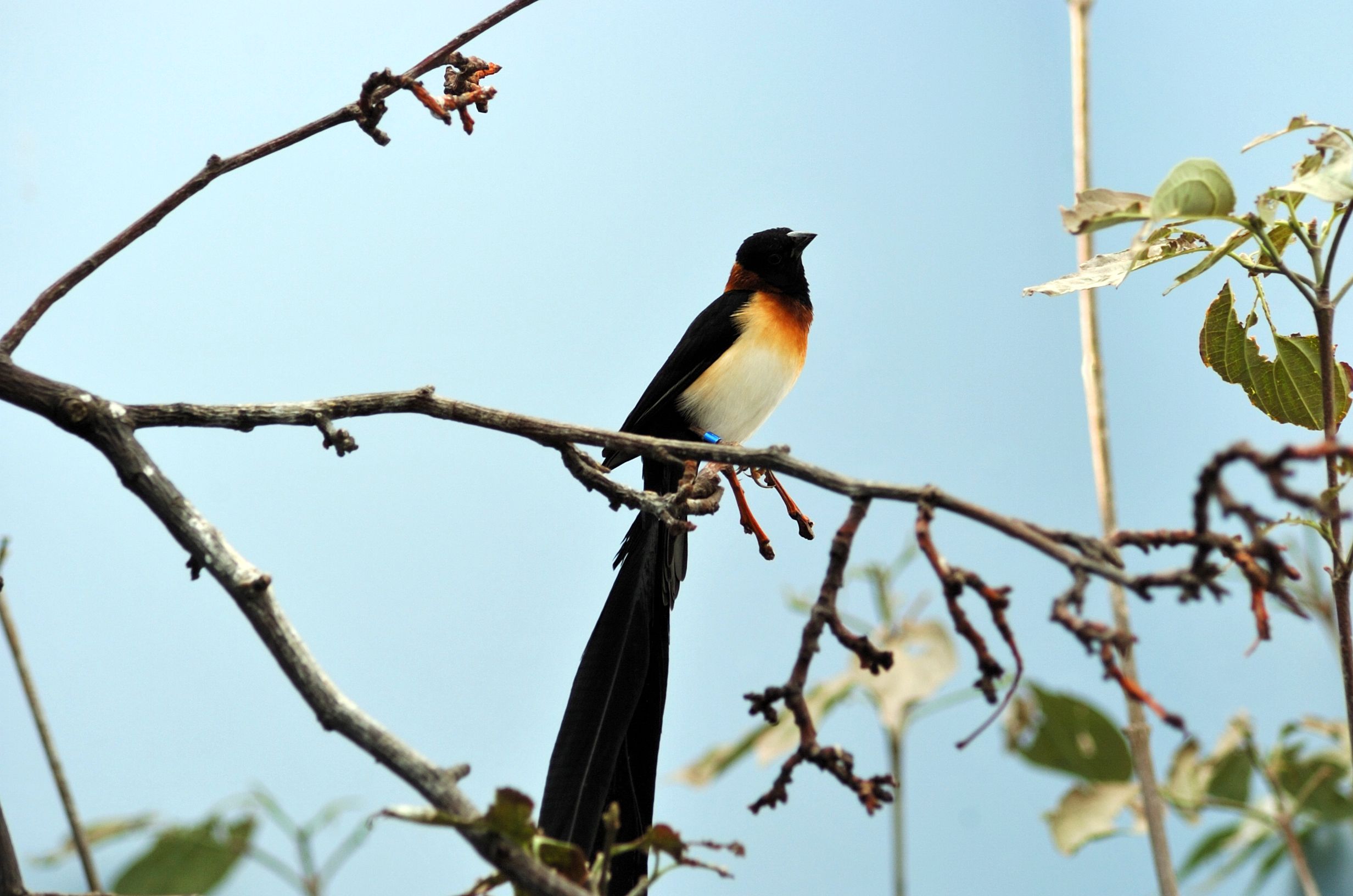
Long-tailed Paradise Whydah by Dan

Long-tailed Paradise Whydah by Dan

Not all brood parasites oust their nest mates.  Parents of the whydah family choose species that closely resemble them, such as waxbills.  Not only do the eggs match in coloration, but the chicks resemble their hosts as well.  They even have the same markings in their gaping mouths which signal hunger to an observing adult.  Whylahs blend in with their adopted families instead of destroying them.”

[Quoting from Sharon A. Cohen, BIRD NESTS (Harper Collins, 1993), page 110.]

So cowbird “parenting” is a short-lived experience, somewhat like clandestinely depositing a newborn on the front steps of an orphanage, trusting that the baby will be nurtured (successfully) by others.  But is this surreptitious forced-fostering habit a guarantee of avian reproductive success, at the populational level?

“At first, you may wonder why more birds are not parasites—after all, parasites don’t need to build a nest [for raising their babies], and once they have laid eggs there is no more to it [i.e., to parenting responsibilities on a daily basis]; but there are hidden costs [and risks] to being a [brood] parasite, mainly that the [child-abandoning] bird gives up control over its eggs and young.

Female cowbirds lay an average of forty eggs per year, but only two or three [on average] mature to adulthood.”

[Quoting from Donald Stokes & Lillian Stokes, A GUIDE TO BIRD BEHAVIOR, VOLUME II (Little Brown & Company, 1983), page 213.]

So what does this have to do with avian parents teaching “passwords” to their natural progeny? 

Superb Fairy-wren (Malurus cyaneus) by Ian

Male Superb Fairywren (Malurus cyaneus) by Ian

Consider this amazing news about the Superb Fairywren (Malurus cyaneus) of Australia, which is forced to react to the “child-abandonment” brood parasitism habits of the Horsfield’s Bronze Cuckoo. (Chrysococcyx basalis).

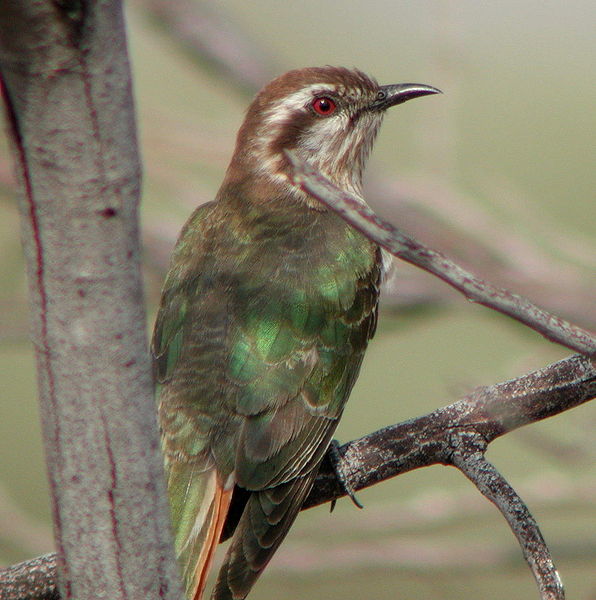
Horsfield's Bronze Cuckoo (Chrysococcyx basalis) by Tom Tarrant

Male Horsfield’s Bronze Cuckoo (Chrysococcyx basalis) by Tom Tarrant

The Horsfield’s Bronze Cuckoo deposits its somewhat elongated pink-white egg, with rust-colored spots, into the nest of a fairywren.  The rust-speckled egg looks like a fairywren egg, confusing the fairywren nest owners of its true biogenetic identity.  (This is an avian version of family “identity fraud!)  The fairywren’s upside-down-dome-shaped nest is often dark inside, so visual confusion about which eggs really belong there is common – hence Horsfield’s bronze cuckoos often get by with their “changeling” deceptions, recruiting fairywren parents into fostering cuckoo eggs that hatch into cuckoo nestlings.

After a dozen days of incubation, in a fairywren nest, a bronze cuckoo chick hatches – 2 days before the hatching of fairywren eggs.  The “older” nestling often ejects the fairywren eggs from the nest, displacing the rightful “heirs”.  (What kind of “refugee gratitude” is that?!)

What can fairywrens do about this parasitic (and quasi-predatory) menace?

Is there a way to avoid the involuntary “home invasion” of such Trojan horses?

Yes, there are a few defensive habits that help to protect the fairywren from such home hijackings, including:

(1) nesting in fairywren colonies – so that teamwork is employed to drive off trespassing cuckoos when cuckoos fly near the fairywrens’ nesting colony;

(2) females attend their nests with vigilance, usually, limiting the opportunities that stealthy cuckoos have to access unattended fairywren nests;

(3) when female fairywren recognize a “changeling” in the nest, prior to laying any fairywren eggs therein, the fairywren female may abandon that (cuckoo) egg and build herself a new nest elsewhere;

(4) female fairywrens “teach” their eggs vocal “passwords” to use, to prompt being fed by their mother.  It is this last habit that demonstrates communication from (fairywren) mother to child, before the chick is hatched from its egg!

A few years ago, Diane Colombelli-Négrel, Sonia Kleindorfer, and colleagues from Flinders University in Australia discovered a remarkable way one bird fights back against brood parasites. Female superb fairywrens teach their embryos a “password” while they’re still in their eggs. Each female’s incubation call contains a unique acoustic element. After they hatch, fairywren chicks incorporate this unique element into their begging calls to ask for food. Colombelli-Négrel, Kleindorfer, and colleagues showed that chicks whose begging calls most resembled their mothers’ incubation calls received more food. But the brood parasites of the fairywren, Horsfield’s bronze-cuckoos, produced begging calls that did not so closely resemble the parental password.

[Quoting  Mary Bates, “To Beat a Parasite, Birds Teach their Young a Secret Password”, posted at http://www.wired.com/2014/06/to-beat-a-parasite-birds-teach-their-young-a-secret-password/ , accessed 11-23-AD2015.]

If fairywrens observe cuckoos in the neighborhood they become more diligent in their efforts to teach the “please-feed-me” passwords to their unhatched progeny, increasing the likelihood that the babies will successfully beg for food (using the vocal “password”) when they soon become hatchling chicks.

In a new study, Colombelli-Négrel, Kleindorfer, and colleagues again looked at the relationship between superb fairywrens and Horsfield’s bronze-cuckoos to see if a greater threat of brood parasitism would cause the fairywren to up its teaching efforts.

First, the researchers recorded calls from 17 fairywren nests in South Australia. They found the similarity between the mother’s password and the chick’s begging call was predicted by the number of incubation calls produced by the mother: If females made many incubation calls, their chicks ended up producing more similar begging calls.

Next, the researchers conducted a playback experiment at 29 nests. They broadcast either the song of Horsfield’s bronze-cuckoo or a neutral bird. After the cuckoo calls, but not after the neutral bird calls, female fairywrens made more incubation calls to their embryos. In other words, female fairywrens that heard a cuckoo near their nest increased their efforts to teach their password to their embryos.  Colombelli-Négrel and Kleindorfer say their results provide a mechanism for how fairywrens could get better at decision-making and lower the probability of committing an acceptance error for a cuckoo chick or a rejection error for one of their own chicks.  ‘When there are cuckoos in the area, you should call more to your eggs so that they have a higher call similarity after hatching and you can decide if the offspring is yours,’ Colombelli-Négrel and Kleindorfer wrote in an email. ‘We show a mechanism that starts in the nest and involves active teaching and sensorimotor learning in embryos.’”  [again quoting Mary Bates, supra]

This is truly amazing!  Anyone who is not amazed at how God programmed parenting skills into Superb Fairywrens is blind to the facts.

Also, by analogy, there may be a lesson for humans:  be careful about vulnerabilities to intrusive “foster children” that are “accepted” without informed consent  —  your own legitimate children may be put unfairly at risk.

Meanwhile, just as fairywrens teach “passwords” to their children, so should we humans.  But it is much more than “please feed me!” that we must teach our children, and our children’s children.

The vital “words of life” that we must teach, repeatedly, as the words of God, the Scriptures without which there is no real life, because mankind cannot live by physical bread alone, but by every Scriptural saying – every word that proceeds from God (Matthew 4:4).

We will not hide them [“them” refers to God’s prophetic words – see verses 1-3] from their children, shewing to the generation to come the praises of the Lord, and His strength, and his wonderful works that He hath done.  For He established a testimony in Jacob, and appointed a law in Israel, which He commanded our [fore]fathers, that they should make them known to their children,  that the generation to come might know them, even the children which should be born [יִוָּלֵ֑דוּ — niphâl imperfect form of the verb yâlad], who should arise and declare [וִֽיסַפְּר֥וּ — piêl imperfect form of the verb sâphar] them to their children, that they might set their hope in God, and not forget the works of God, but keep His commandments, and [that they] might not be as their [fore]fathers, a stubborn and rebellious generation, a generation that set not their heart aright, and whose spirit was not steadfast with God.   Psalm 78:4-8

<> JJSJ

*

Orni-Theology

Maluridae – Australasian Wrens

James J. S. Johnson’s Articles

*

Chats and Old World Flycatchers III

White-tailed Robin (Myiomela leucura) ©WikiC

White-tailed Robin (Myiomela leucura) ©WikiC

This third part of the Muscicapidae – Chats, Old World Flycatchers family starts with the White-tailed Robin (Myiomela leucura). What an amazing group of avian wonders from Our Lord, their Creator.

Part I and Part II of the Sunday Inspiration covered over half of the 321 member Chat and Old World Flycatcher family. This week, we should be able to finish up. Meagan Fee came back for the Christmas break (she was our summer intern at Faith) and played a fantastic violin piece for our offering last Sunday. It is fantastic and long enough, I hope, to cover the slideshow. :0)

Back to the flycatchers. The Genera covered this week are the Myiomela, Tarsiger, Enicurus, Myophonus, Cinclidium, Ficedula, Muscicapella, Phoenicurus, Monticola, Saxicola, Campicoloides, Emarginata, Pinarochroa, Thamnolaea, Myrmecocichla, Oenanthe, Pinarornis, Namibornis and Humblotia.

Old World flycatchers live in almost every environment with a suitable supply of trees, from dense forest to open scrub, and even the montane woodland of the Himalayas. The more northerly species migrate south in winter, ensuring a continuous diet of insects.

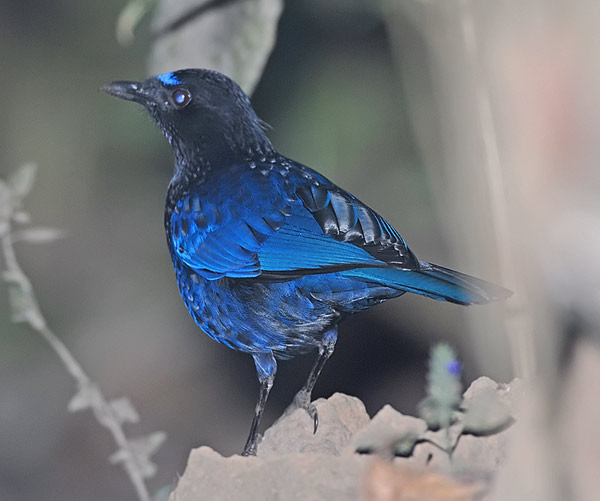
Malabar Whistling Thrush (Myophonus horsfieldii) by Nikhil Devasar

Malabar Whistling Thrush (Myophonus horsfieldii) by Nikhil Devasar

“I will whistle for them to gather them together, For I have redeemed them; And they will be as numerous as they were before. (Zechariah 10:8 NASB)

Whistling thrushes are mostly seen in hilly areas except during winter when they may descend to streams near the plains. They specialize in feeding on snails and their strong hooked bills are used to deal with them. They may choose a particular rock on which they crack the shells.

The whistling of a Malabar Whistling Thrush from xeno-canto by David Farrow.

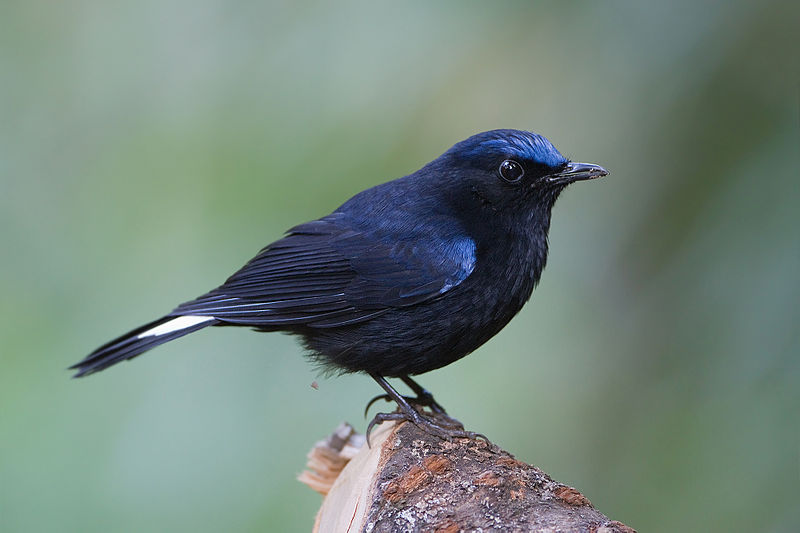
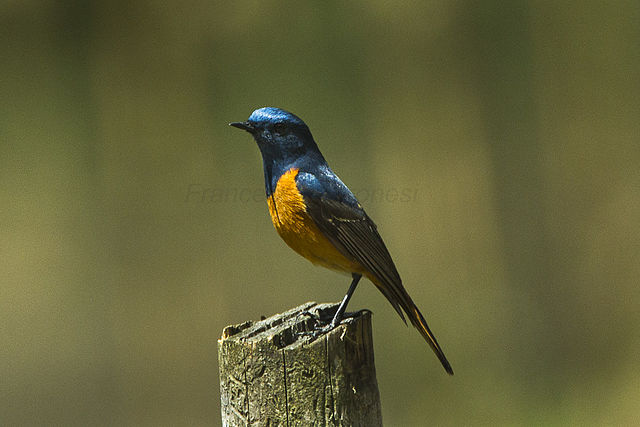
Blue-fronted Robin (Cinclidium frontale) ©WikiC

Blue-fronted Robin (Cinclidium frontale) ©WikiC

The Blue-fronted Robin (Cinclidium frontale) is a species of bird in the family Muscicapidae. It is the only species in the monotypic genus Cinclidium. It is found in Bhutan, China, India, Laos, Thailand, Vietnam, and possibly Nepal. Its natural habitat is temperate forests.

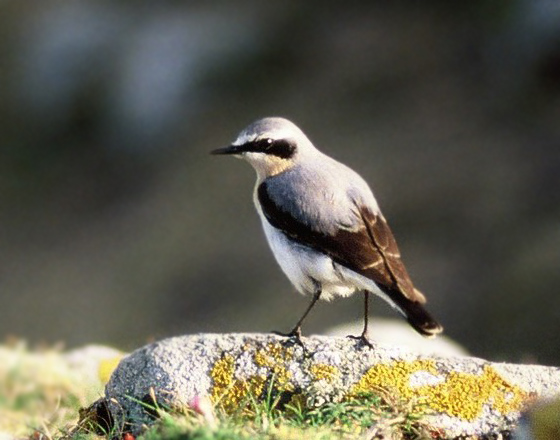
Northern Wheatear (Oenanthe oenanthe) Breeding male ©WikiC

Northern Wheatear (Oenanthe oenanthe) Breeding male ©WikiC

The Wheatears, Oenanthe, have characteristic black and white or red and white markings on their rumps or their long tails. Most species are strongly sexually dimorphic; only the male has the striking plumage patterns characteristic of the genus, though the females share the white or red rump patches.

This slideshow requires JavaScript.

Like a crane or a swallow, so did I chatter: I did mourn as a dove: mine eyes fail with looking upward: O LORD, I am oppressed; undertake for me. (Isaiah 38:14 KJV)

“O Come, O Come Emmanuel”  by Meagan Fee on Violin and Jill Foster accompanying

*
Sunday Inspiration – Chats and Old World Flycatchers I
Sunday Inspiration – Chats and Old World Flycatchers II
Muscicapidae – Chats, Old World Flycatchers

Gideon

*