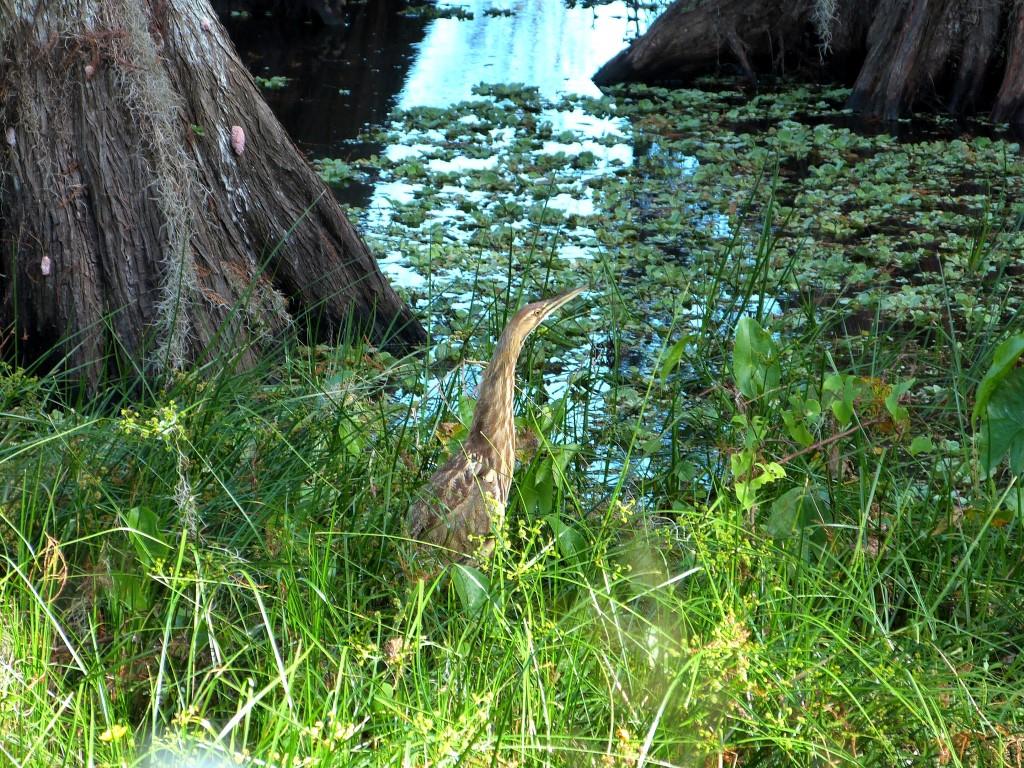
Birds of the Bible – American Bittern

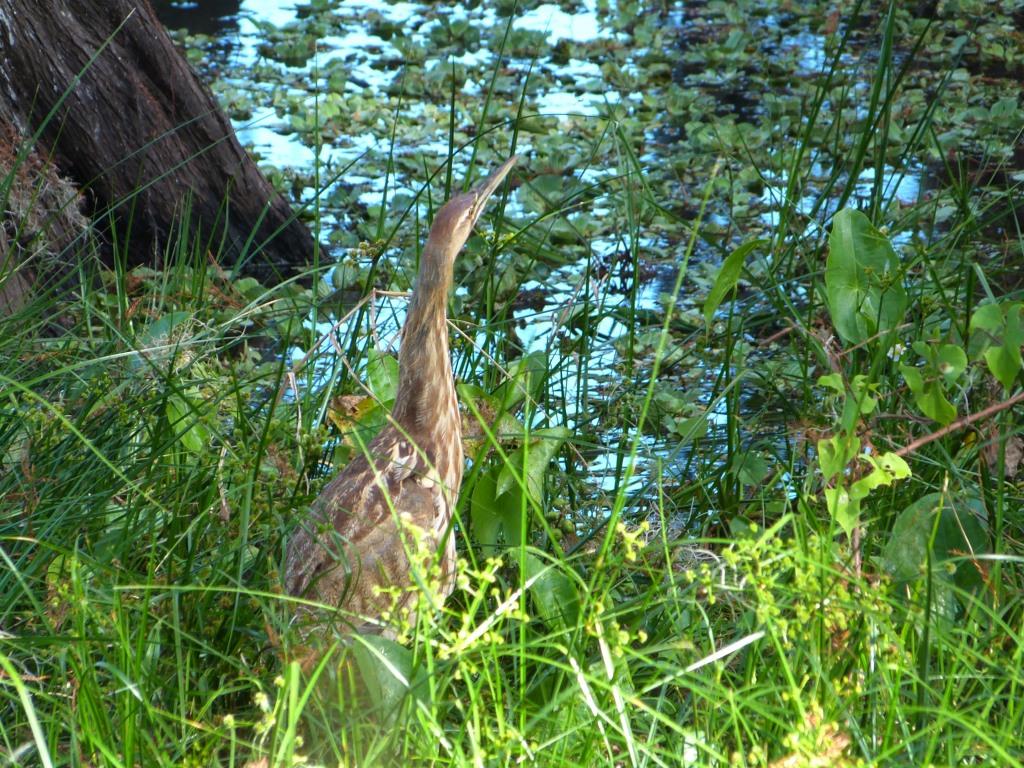
American Bittern (Botaurus lentiginosus) by Lee

American Bittern (Botaurus lentiginosus) by Lee

The Bittern is found in the KJV in three verses of Scripture. Some versions translate it differently. But for the sake of this article, here are those verses:

I will also make it a possession for the bittern, and pools of water: and I will sweep it with the besom of destruction, saith the LORD of hosts. (Isaiah 14:23 KJV)

But the cormorant and the bittern shall possess it; the owl also and the raven shall dwell in it: and he shall stretch out upon it the line of confusion, and the stones of emptiness. (Isaiah 34:11 KJV)

And flocks shall lie down in the midst of her, all the beasts of the nations: both the cormorant and the bittern shall lodge in the upper lintels of it; their voice shall sing in the windows; desolation shall be in the thresholds: for he shall uncover the cedar work. (Zephaniah 2:14 KJV)

We were out at Circle B Bar Reserve just before Christmas and spotted an American Bittern. They are quite evasive and not spotted often, at least by me. That protection reminds me of several verses:

Keep me as the apple of the eye, hide me under the shadow of thy wings, (Psalms 17:8 KJV)

Deliver me, O LORD, from mine enemies: I flee unto thee to hide me. (Psalms 143:9 KJV)


This slideshow requires JavaScript.

Bitterns are members of the Ardeidae – Herons, Bitterns Family. “Although common in much of its range, the American Bittern is usually well-hidden in bogs, marshes and wet meadows. Usually solitary, it walks stealthily among cattails or bulrushes. If it senses that it has been seen, the American Bittern becomes motionless, with its bill pointed upward, causing it to blend into the reeds. It is most active at dusk. More often heard than seen, this bittern has a call that resembles a congested pump.

Like other members of the heron family, the American Bittern feeds in marshes and shallow ponds, dining on amphibians, fish, insects and reptiles.

This bittern winters in the southern United States and Central America. It summers throughout Canada and much of the United States. As a long-distance migrant, it is a very rare vagrant in Europe, including Great Britain and Ireland. This bird nests in isolated places with the female building the nest and the male guarding it. Two or three eggs are incubated by the female for 29 days, and the chicks leave after 6–7 weeks.” (From Wikipedia)

Identification Tips: (USGS)

  • Length: 23 inches Wingspan: 45 inches
  • Medium-sized wading bird
  • Dark brown upperparts
  • Underparts streaked brown and white
  • Black malar streak
  • Yellow bill with dark culmen
  • Black primaries and secondaries
  • Sometimes “freezes” with neck held upwards
  • Immatures similar to adults but lack the malar streak

American Bittern sounds from Cornell

*

*

Bible Birds – American Bittern

American Bittern (Botaurus lentiginosus) by Lee

The Bittern is found in the KJV in three verses of Scripture. Some versions translate it differently. But for the sake of this article, here are those verses:

I will also make it a possession for the bittern, and pools of water: and I will sweep it with the besom of destruction, saith the LORD of hosts. (Isaiah 14:23 KJV)

But the cormorant and the bittern shall possess it; the owl also and the raven shall dwell in it: and he shall stretch out upon it the line of confusion, and the stones of emptiness. (Isaiah 34:11 KJV)

And flocks shall lie down in the midst of her, all the beasts of the nations: both the cormorant and the bittern shall lodge in the upper lintels of it; their voice shall sing in the windows; desolation shall be in the thresholds: for he shall uncover the cedar work. (Zephaniah 2:14 KJV)

We were out at Circle B Bar Reserve just before Christmas and spotted an American Bittern. They are quite evasive and not spotted often, at least by me. That protection reminds me of several verses:

Keep me as the apple of the eye, hide me under the shadow of thy wings, (Psalms 17:8 KJV)

Deliver me, O LORD, from mine enemies: I flee unto thee to hide me. (Psalms 143:9 KJV)

This slideshow requires JavaScript.

Bitterns are members of the Ardeidae – Herons, Bitterns Family.”Although common in much of its range, the American Bittern is usually well-hidden in bogs, marshes and wet meadows. Usually solitary, it walks stealthily among cattails or bulrushes. If it senses that it has been seen, the American Bittern becomes motionless, with its bill pointed upward, causing it to blend into the reeds. It is most active at dusk. More often heard than seen, this bittern has a call that resembles a congested pump.

Like other members of the heron family, the American Bittern feeds in marshes and shallow ponds, dining on amphibians, fish, insects and reptiles.

This bittern winters in the southern United States and Central America. It summers throughout Canada and much of the United States. As a long-distance migrant, it is a very rare vagrant in Europe, including Great Britain and Ireland. This bird nests in isolated places with the female building the nest and the male guarding it. Two or three eggs are incubated by the female for 29 days, and the chicks leave after 6–7 weeks.” (From Wikipedia)

Identification Tips: (USGS)

  • Length: 23 inches Wingspan: 45 inches
  • Medium-sized wading bird
  • Dark brown upperparts
  • Underparts streaked brown and white
  • Black malar streak
  • Yellow bill with dark culmen
  • Black primaries and secondaries
  • Sometimes “freezes” with neck held upwards
  • Immatures similar to adults but lack the malar streak

American Bittern sounds from Cornell

*

*

Happy Thanksgiving Day – 2013

Wild Turkey (Meleagris gallopavo) by Lee at LPZoo

Wild Turkey (Meleagris gallopavo) by Lee at LPZoo

We trust you are enjoying your Thanksgiving Day and are remembering all your blessings this year. We have had many blessings since last Thanksgiving.

We have had challenges also, but it depends on how you look at them. You could consider them as terrible or you could see them as blessings. Our attitude and our focus can make all the difference in the world.

I choose to thank the Lord for all things. Sometimes things don’t go the way we expect, but that does not mean that the Lord does not love us.

that you may be sons of your Father in heaven; for He makes His sun rise on the evil and on the good, and sends rain on the just and on the unjust. (Matthew 5:45 NKJV)

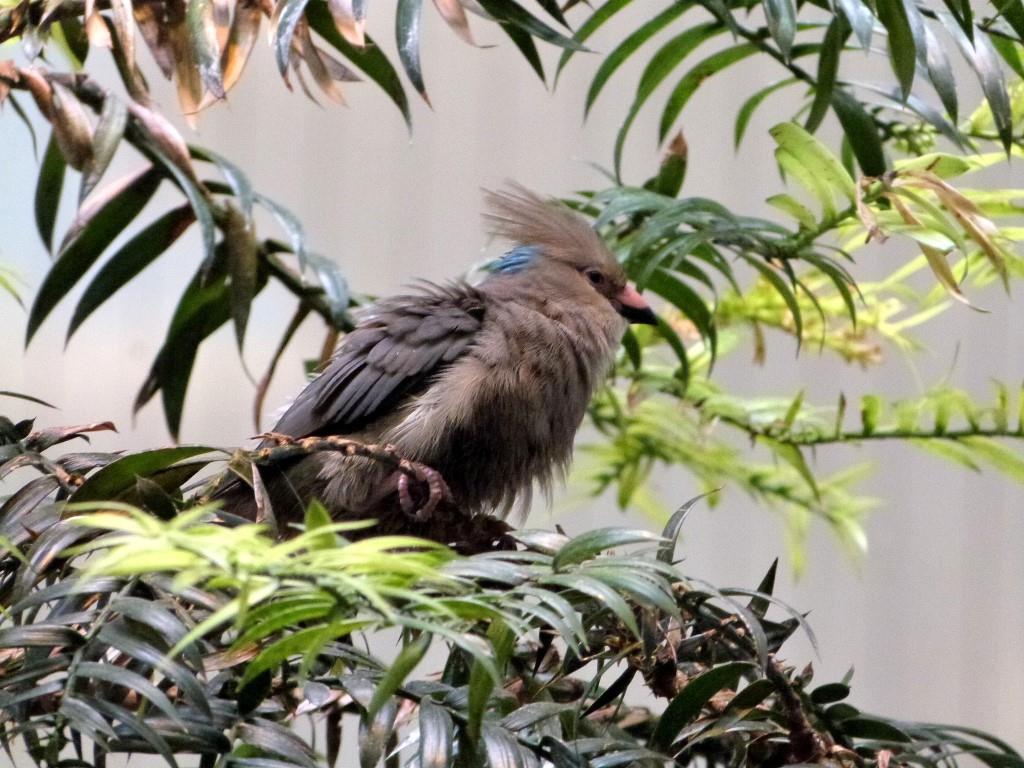
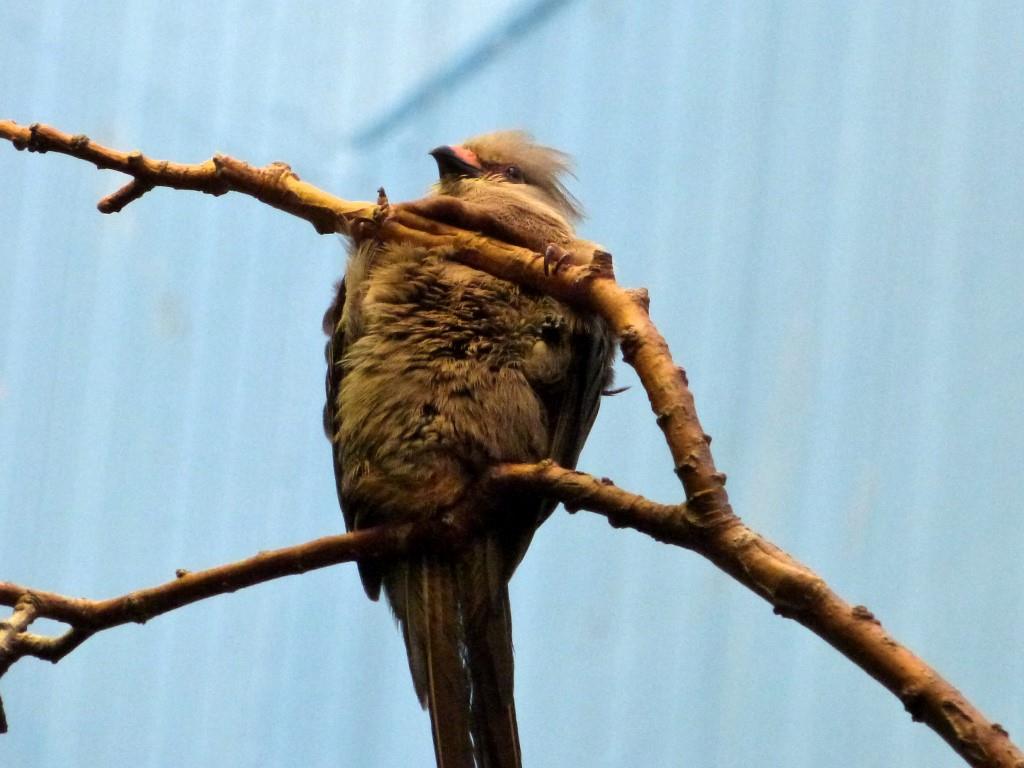
Blue-naped Mousebird (Urocolius macrourus) at Cincinnati Zoo) by Lee

Blue-naped Mousebird (Urocolius macrourus) at Cincinnati Zoo) by Lee

Since last Thanksgiving Day, I have had two eye surgeries, squamous cell cancer taken off my neck, and a recent round of bronchitis. Praise the Lord, they all came out fine. At the time you are going through them, you do not know what the outcomes will be and you just keep your eyes focused on the Lord. Of course, you are praying and thanking the Lord for whatever He choses as your outcome.

Wood Duck - Lake Morton by Lee

Wood Duck – Lake Morton by Lee

During this last year, we were fortunate to see numerous birds, both in the wild, at parks and in zoos. Our birdwatching adventures were always enjoyable as we were able to watch the Lord’s creations in person. Photos are great, but seeing them as they move and are doing their thing is always best.

Thou art worthy, O Lord, to receive glory and honour and power: for thou hast created all things, and for thy pleasure they are and were created. (Revelation 4:11 KJV)

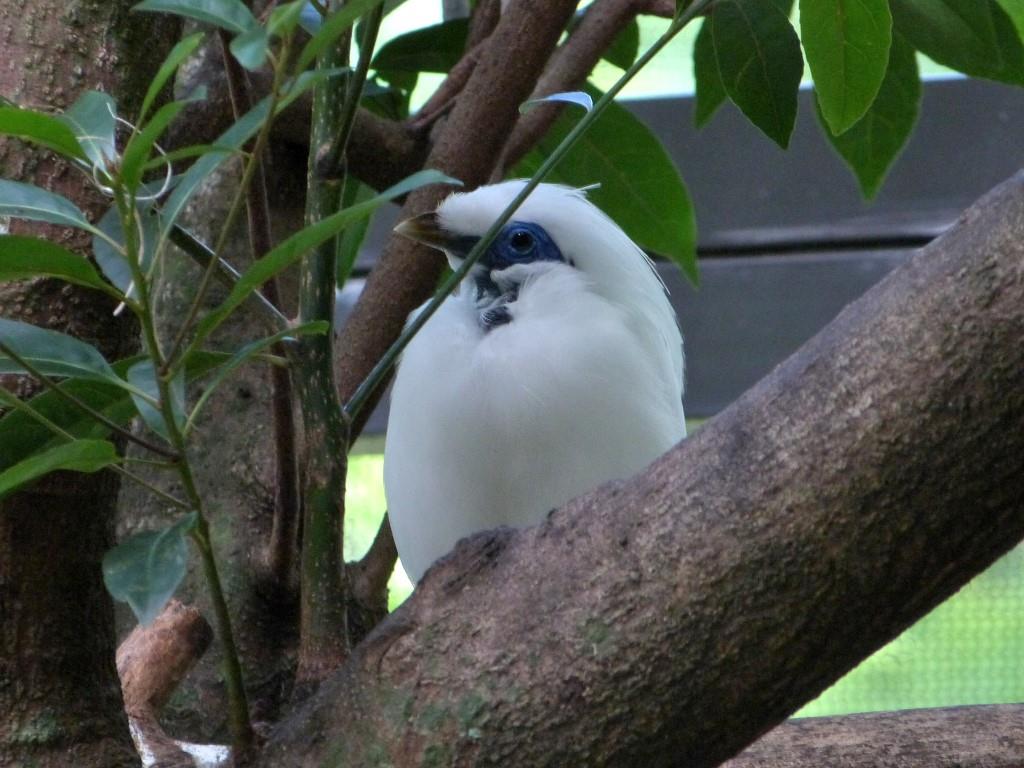
Bali Myna (Leucopsar rothschildi Palm Beach Zoo by Lee

Bali Myna (Leucopsar rothschildi Palm Beach Zoo by Lee

We had visits to the Cincinnati Zoo, Palm Beach Zoo, Gatorland, and numerous visit to the Lowry Park Zoo in Tampa. Those visits, plus all the parks, lakes and just watching birds in our yard, made for plenty to be thankful for.

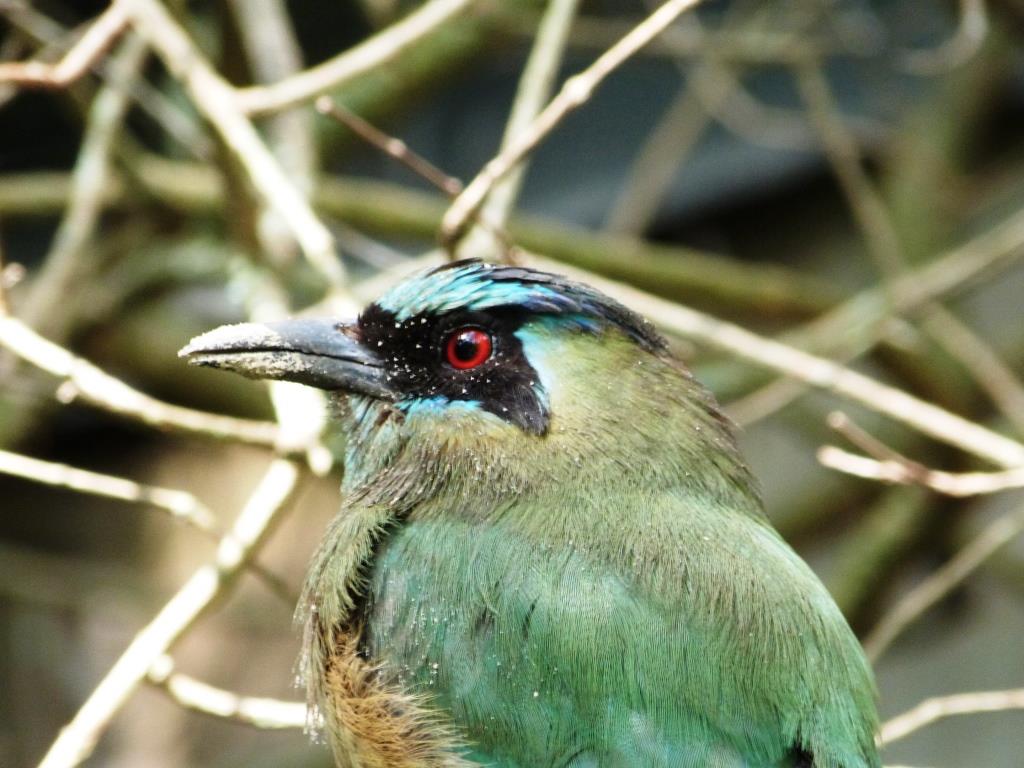
Blue-crowned Motmot at Lowry Park Zoo by Lee 2013

Blue-crowned Motmot at Lowry Park Zoo by Lee

When you add in all the blessings of friends and family, our church, and on and on; there is much to be thankful to the Lord.

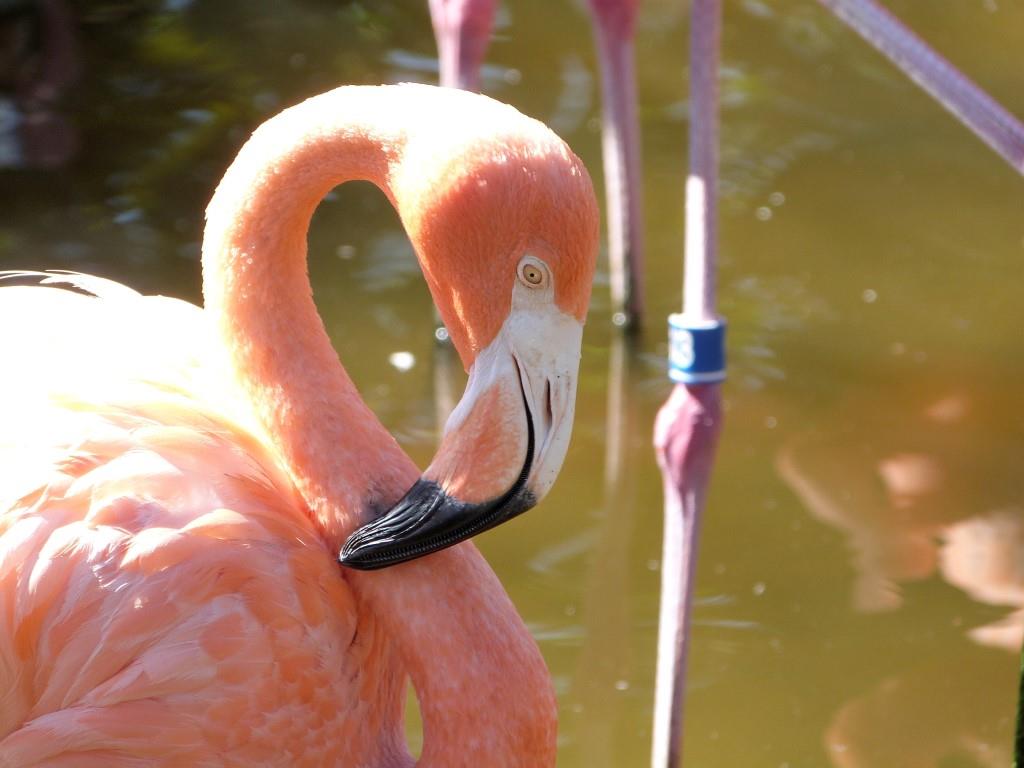
American Flamingo Beak at Gatorland by Lee

American Flamingo Beak at Gatorland by Lee

I trust you spend some time today, being thankful for all your blessings. Especially, thanking the Lord, who created everything and loves us enough to send His Son to die for us.

For God so loved the world, that he gave his only begotten Son, that whosoever believeth in him should not perish, but have everlasting life. For God sent not his Son into the world to condemn the world; but that the world through him might be saved. (John 3:16-17 KJV)

*

Birdwatching Trips

*

Birdwatching at Lake Morton – 11/22/13

Various birds at Lake Morton by Lee

Various birds at Lake Morton by Lee

This is the day which the LORD hath made; we will rejoice and be glad in it. (Psalms 118:24 KJV)

Today we finally were able to get a little birdwatching in. I have been sick for the last 3 weeks fighting bronchitis and felt well enough to enjoy some time with our avian friends at Lake Morton. Lake Morton is in Lakeland, Florida. It is one of the few places around where people feed the birds. You can hardly get out of your car and cross the street before they start heading your way. The local birds have been “well-trained.”

Lee at Lake Morton by Dan

Lee at Lake Morton by Dan

Off we went, with a few tidbits in hand and my new hat. Since the skin cancer cells were removed from my neck recently, I was told to stay out of the direct sunlight.

Most of the normal residents were hanging out. There were lots of Mallards, American White Ibises, Boat-tailed Grackles, plus some Great Blue Herons, Anhingas, Great Egrets, Mute and Black Swans, and the Bald Eagle made His appearance.

 Bald Eagle (Haliaeetus leucocephalus) at Lake Morton by Lee

Bald Eagle (Haliaeetus leucocephalus) at Lake Morton by Lee

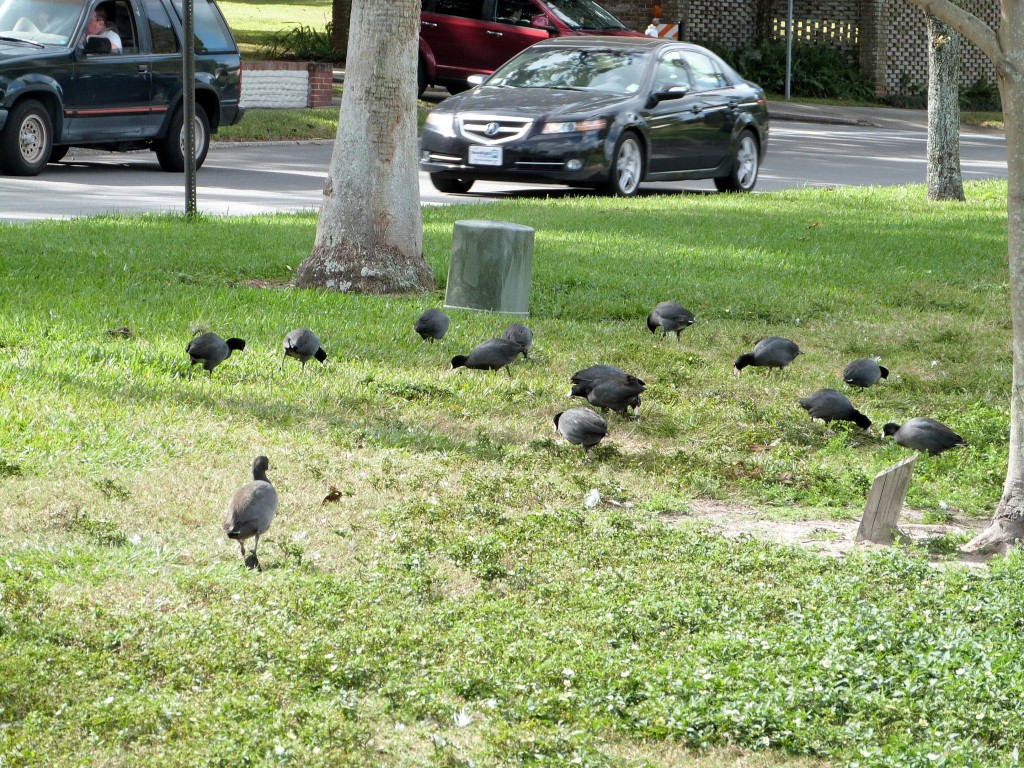
Some of our winter visitors were hanging out also. There were lots of American Coots

American Coot (Fulica americana) at Lake Morton by Lee

American Coot (Fulica americana) at Lake Morton by Lee

There were many Ring-necked Ducks – The Male

Ring-necked Duck (Aythya collaris) Male at Lake Morton by Lee

Ring-necked Duck (Aythya collaris) Male at Lake Morton by Lee

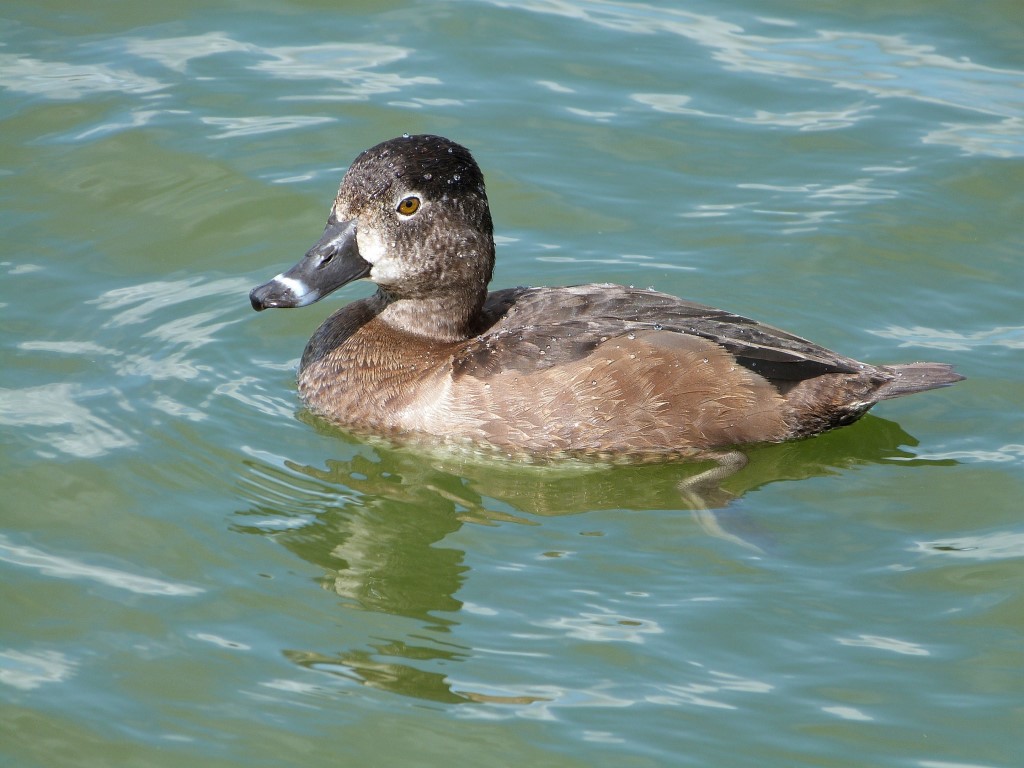
And the Female

Ring-necked Duck (Aythya collaris) at Lake Morton by Lee

Ring-necked Duck (Aythya collaris) Female at Lake Morton by Lee

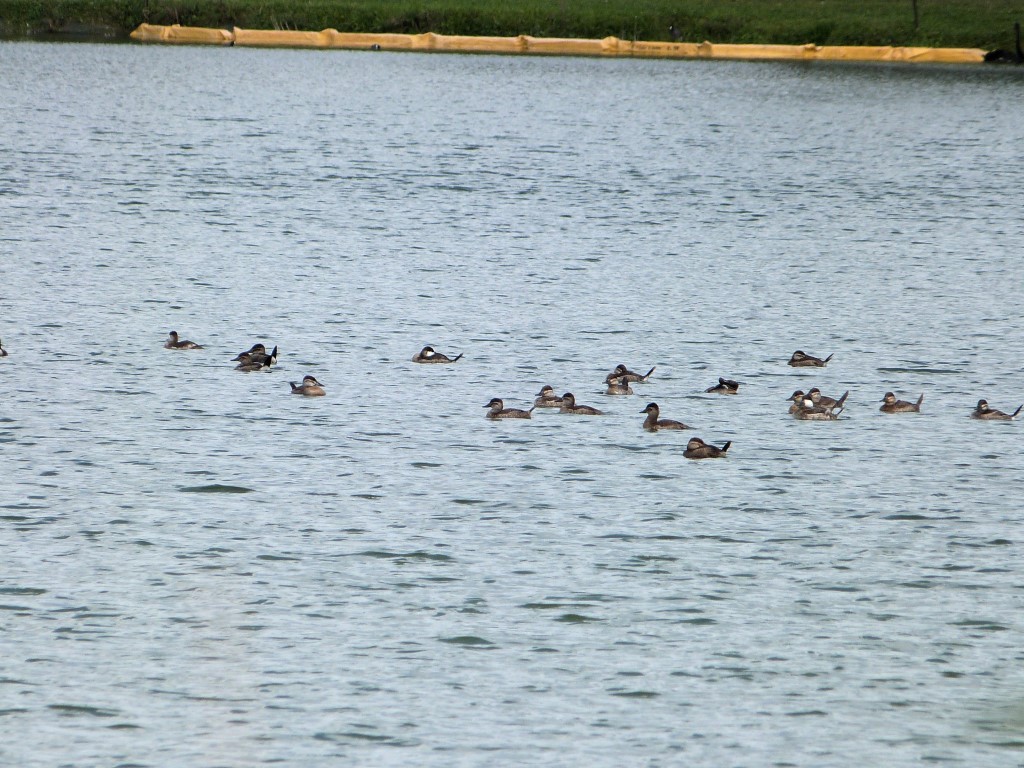
If you look at that first photo up close, way out in the middle of the lake you will see small ducks. This is a good as I could zoom in on them. They were Ruddy Ducks. Well over 50 of them on the lake floating around.

Ruddy Duck (Oxyura jamaicensis) at Lake Morton by Lee

Ruddy Duck (Oxyura jamaicensis) at Lake Morton by Lee

Also, way off across the lake were two American White Pelicans with the usual Double-crested Cormorants swimming along with them. Again, this is zoomed way in.

American White Pelican (Pelecanus erythrorhynchos) with DC Cormorants at Lake Morton by Lee

American White Pelican (Pelecanus erythrorhynchos) with DC Cormorants at Lake Morton by Lee

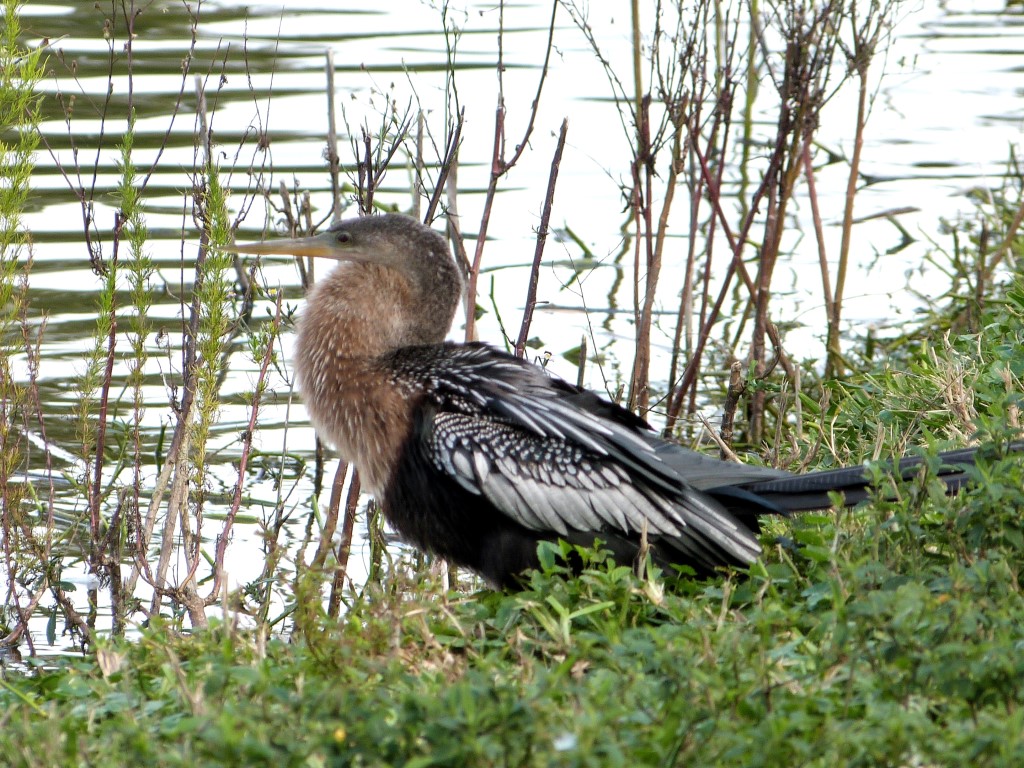
I also caught an Anhinga setting along the shore.

Anhinga (Anhinga anhinga) at Lake Morton by Lee

Anhinga (Anhinga anhinga) at Lake Morton by Lee

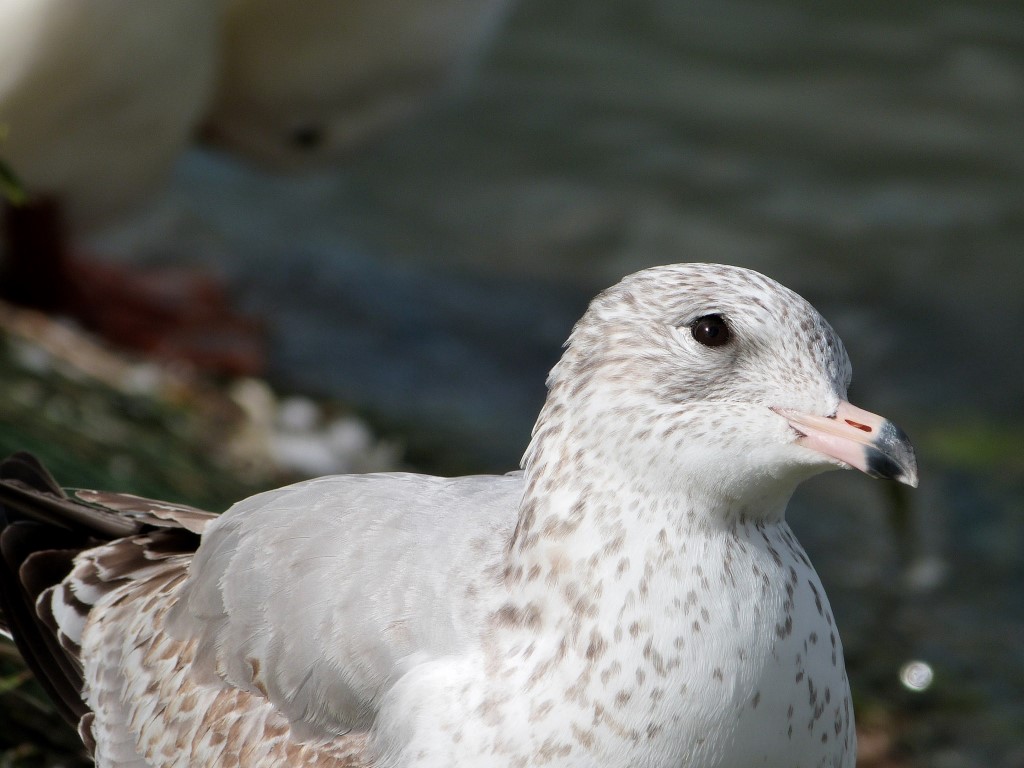
The Ring-billed Gulls are back down and this one seems to be a younger one.

Ring-billed Gull (Larus delawarensis) at Lake Morton by Lee

Ring-billed Gull (Larus delawarensis) at Lake Morton by Lee

All in all, for about a 35-40 minute visit to the lake, we enjoyed checking out these and several more I didn’t mention. The Lord gave us good weather until it started sprinkling. Then I made a fast retreat to the car. No since getting sick again.

For as the rain cometh down, and the snow from heaven, and returneth not thither, but watereth the earth, and maketh it bring forth and bud, that it may give seed to the sower, and bread to the eater: (Isaiah 55:10 KJV)

See:
Birdwatching Trips
Lake Morton Trips

*

Birdwatching at Circle B Bar Reserve – 10/26/13

Little Blue Heron (Egretta caerulea) by Lee at Circle B

Little Blue Heron (Egretta caerulea)

Be thou exalted, LORD, in thine own strength: so will we sing and praise thy power. (Psalms 21:13 KJV)

Had a very productive hour and 40 minute trip to Circle B Bar Reserve Saturday afternoon enjoying the Lord’s creation. The birds are definitely heading back down. After a sparse summer, things are starting to get interesting once more.

Limpkin (Aramus guarauna) by Lee at Circle B

Limpkin (Aramus guarauna) by Lee at Circle B

We haven’t been out there for a while and was a little disappointed in the viewing. It rained considerably this summer and the plants have really grown up making it hard to see the water birds. Even with that, to see 34 species in just under 2 hours is not bad.

Alligator about 8 ft by Lee at Circle B

Alligator about 8 ft by Lee at Circle B

We were greeted with the sounds of the Blue Jays, Carolina Wrens and an Eastern Phoebe. Also, an Armadillo was walking right along the path to the marsh. Later, I spotted about an 8 foot alligator. Those and the normal squirrels were the only, non-birds I saw.

One of the highlights was seeing five Bald Eagles flying over. Two in one group and three in the other. We had just seen an Eagle on Friday down in Lake Wales. I love seeing Eagles.

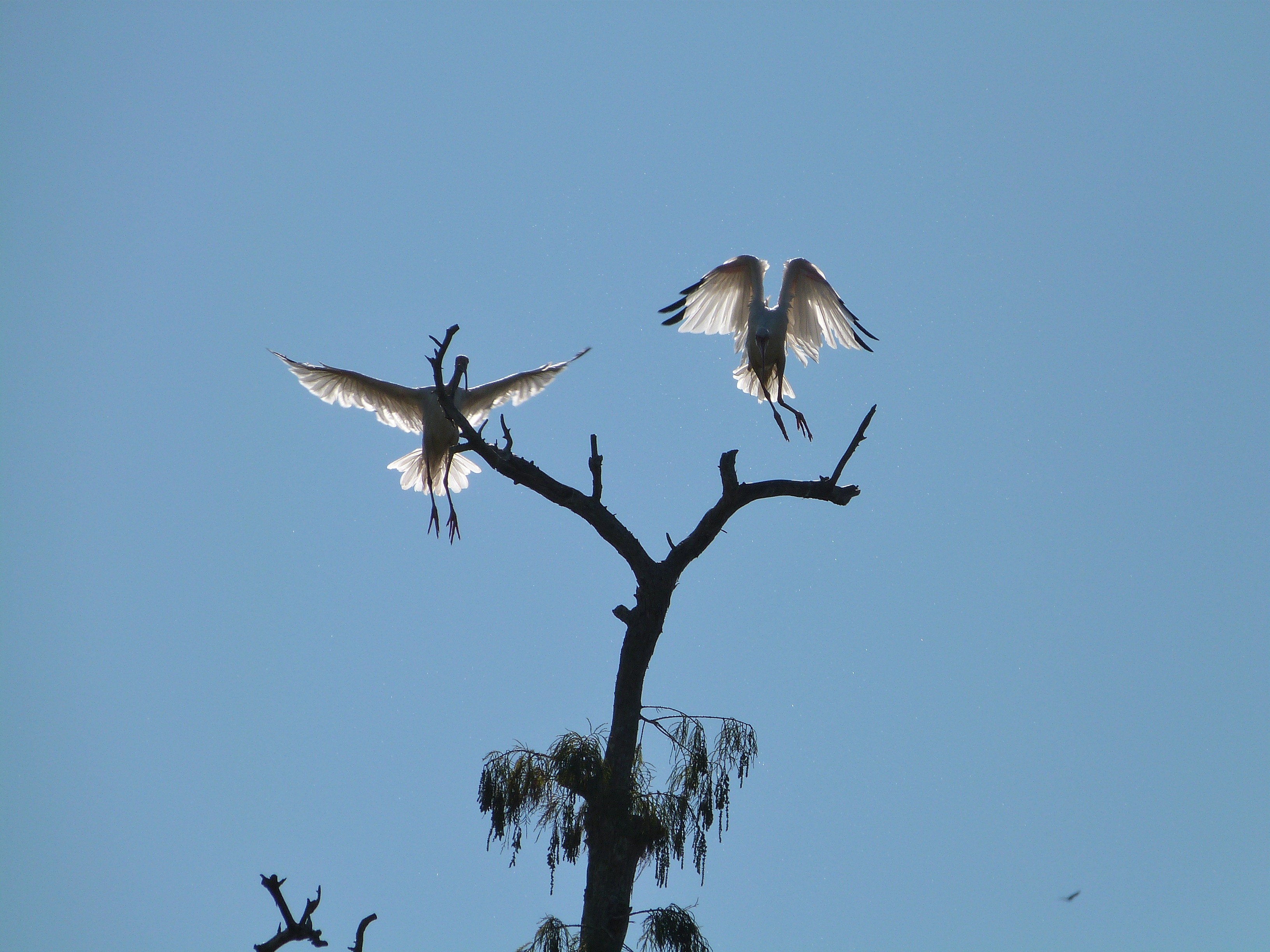
American White Ibis (Eudocimus albus) by Lee at Circle B

American White Ibis (Eudocimus albus) by Lee at Circle B

In God we boast all the day long, and praise thy name for ever. Selah. (Psalms 44:8 KJV)

Two White Ibises landed in one of the trees when we first arrived. With the sun behind them, they remind you of Angel’s Wings. As you can see by the second photo the tree was being loaded up for the night when we passed it on the way out. That is one of the favorite “roosting” places at Circle B.

American White Ibis (Eudocimus albus) by Lee at Circle B

American White Ibis (Eudocimus albus) and friends

I am including a slideshow to give you an idea of how it was out there. The photography is not the best, but you can tell what the birds are at least. Dan doesn’t have his photos ready.

This slideshow requires JavaScript.

Here is a list of what I reported to e-Bird:

Circle B Bar Reserve, Polk, US-FL
Oct 26, 2013 3:45 PM – 5:25 PM
Traveling – 2.5 mile(s)
Clear 79 degrees
34 species
Black-bellied Whistling-Duck  15
Pied-billed Grebe  2
Wood Stork  17
Anhinga  5
Great Blue Heron  7
Great Egret  6
Snowy Egret  2
Little Blue Heron  1
Tricolored Heron  1
Cattle Egret  5
White Ibis  88
Glossy Ibis  2
Black Vulture  40
Turkey Vulture  37
Osprey  2
Bald Eagle  5
Purple Gallinule  4
Common Gallinule  6
Limpkin  4
Sandhill Crane  1
Belted Kingfisher  1
Red-bellied Woodpecker  1
Eastern Phoebe  2
Blue Jay  2
Fish Crow  5
House Wren  1
Carolina Wren  2
Blue-gray Gnatcatcher  1
Gray Catbird  1
Palm Warbler  3
Yellow-rumped Warbler  1
Northern Cardinal  1
Red-winged Blackbird  1
Boat-tailed Grackle  10
See:
*

Birdwatching Adventure – Florida Scrub Jay

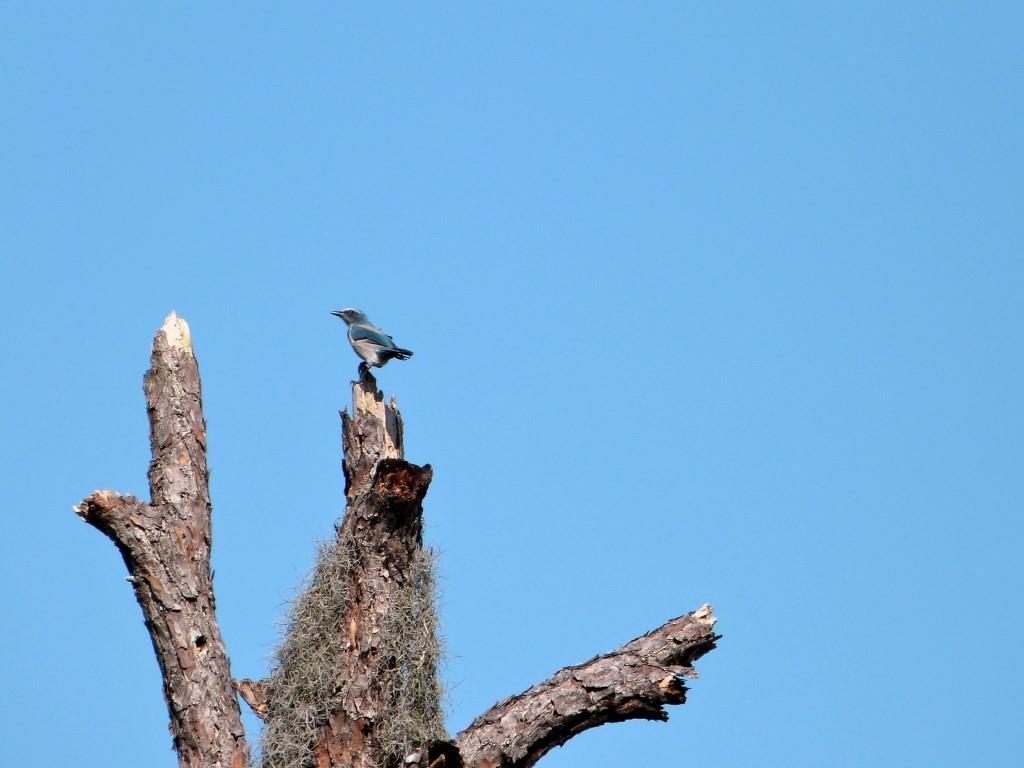
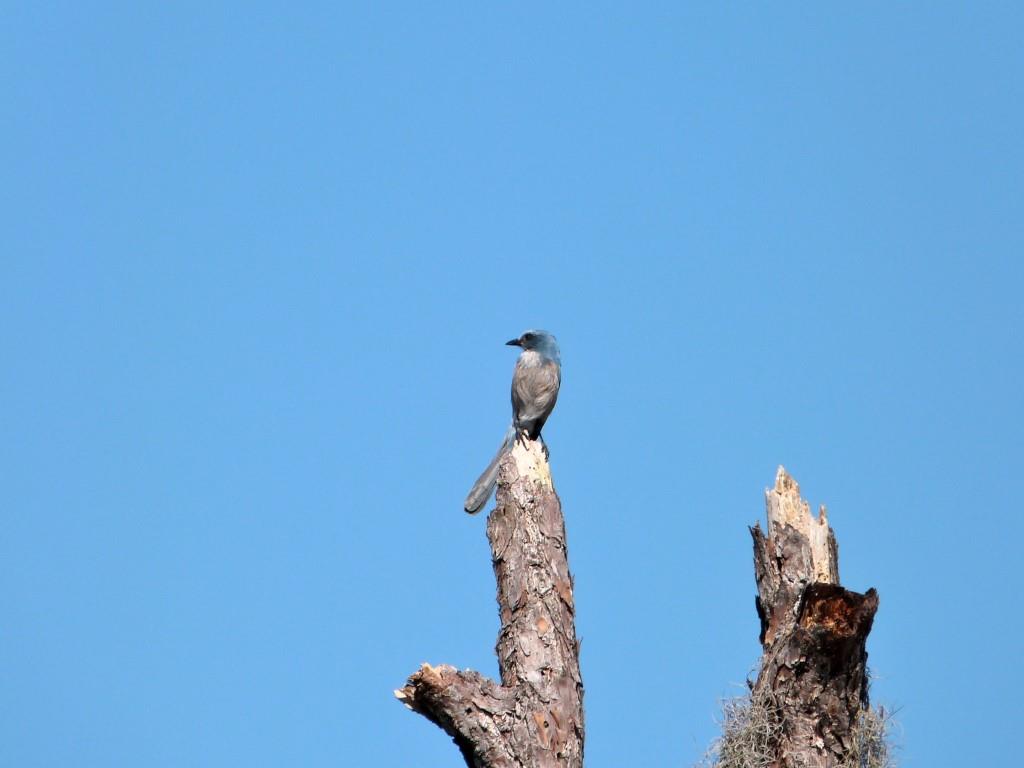
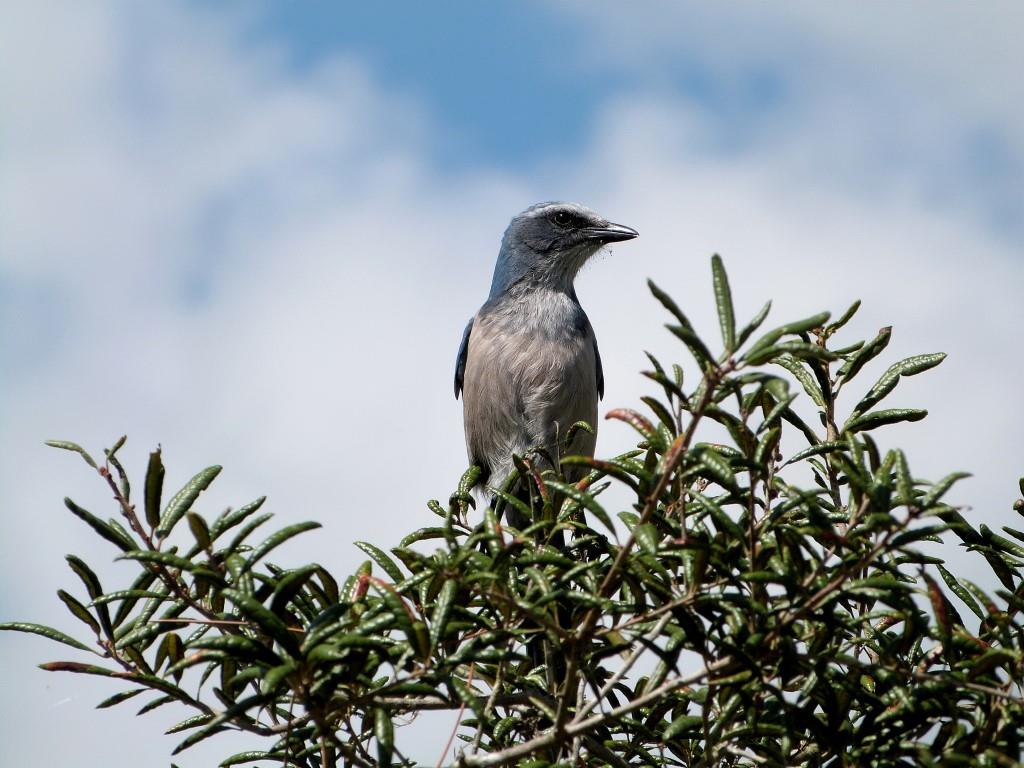
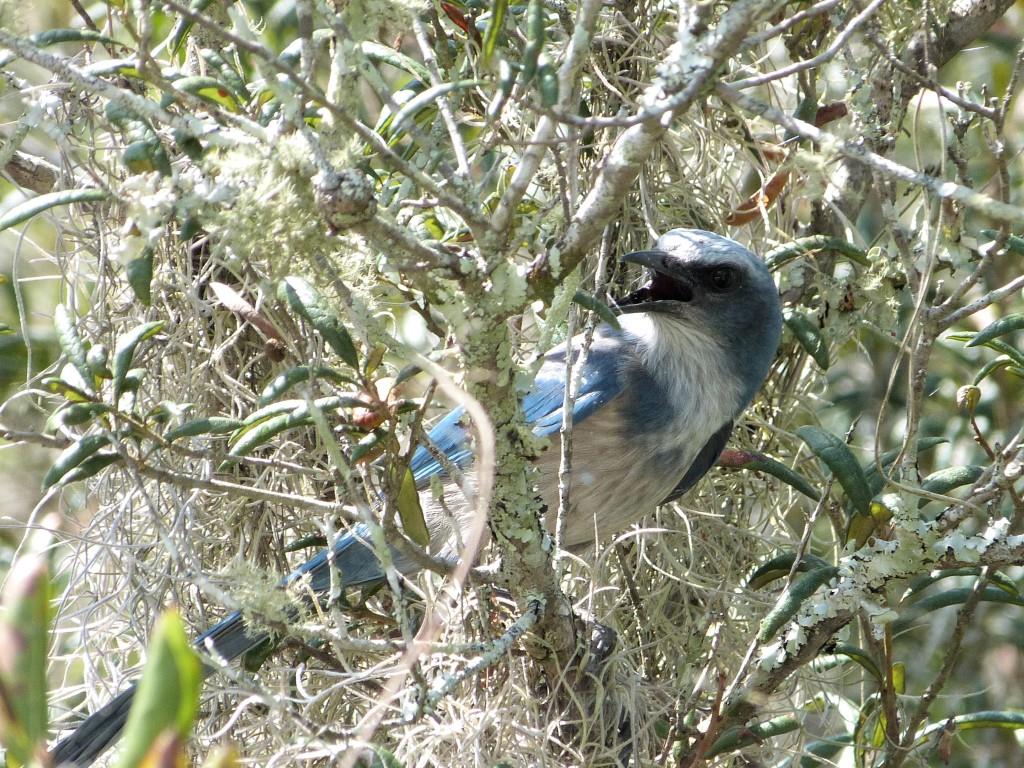
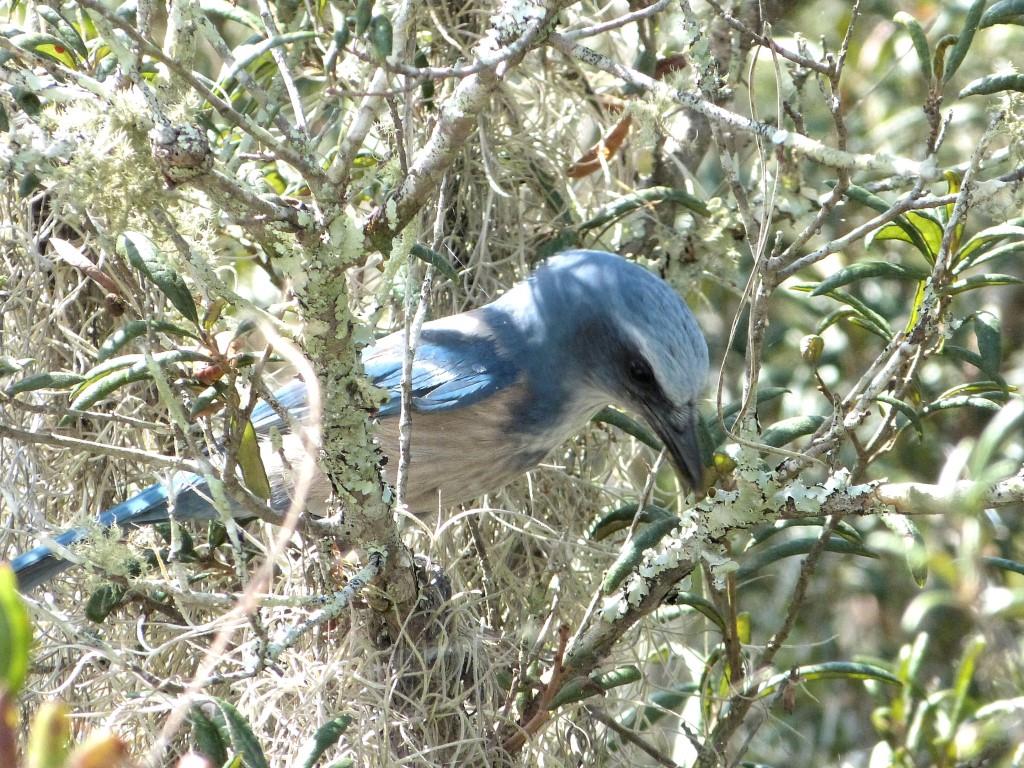
Florida Scrub Jay (Aphelocoma coerulescens) Highlands Hammock S Pk by Lee

Florida Scrub Jay (Aphelocoma coerulescens) Highlands Hammock S Pk

Look at the birds of the air, for they neither sow nor reap nor gather into barns; yet your heavenly Father feeds them. Are you not of more value than they? (Matthew 6:26 NKJV)

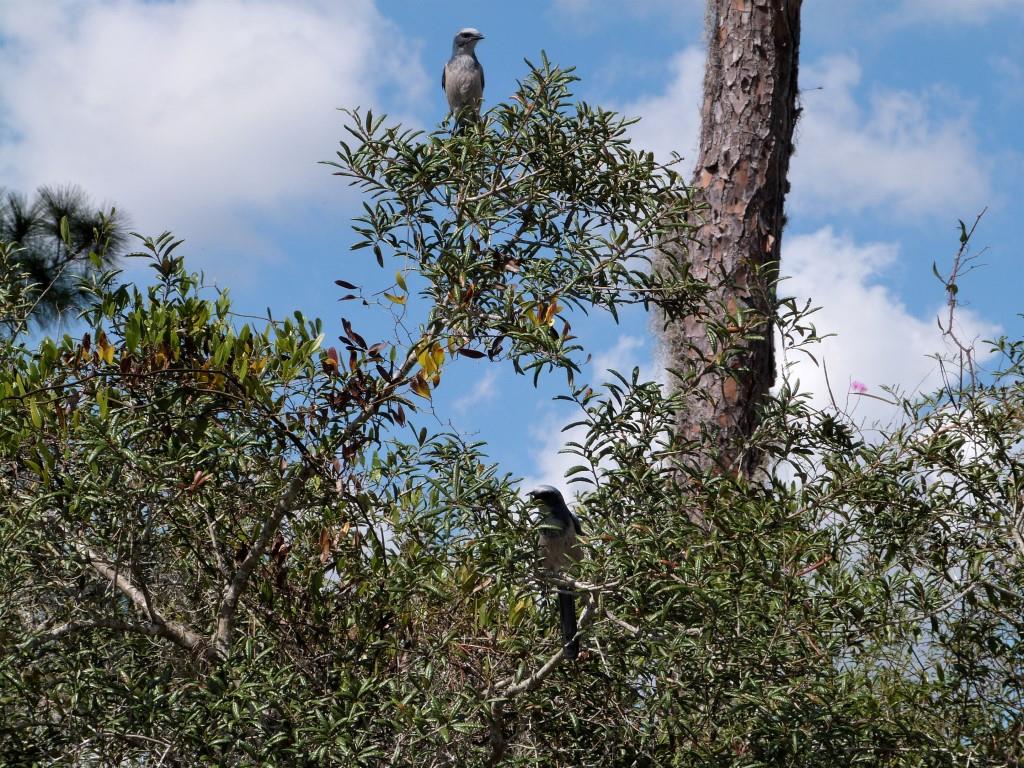
The main reason we went to Highlands Hammock State Park yesterday was to find some Florida Scrub Jays. The ranger told us where to find theirs and also where more could be found in another park.

Florida Scrub Jay (Aphelocoma coerulescens) Highlands Hammock S Pk by Lee

Florida Scrub Jay (Aphelocoma coerulescens) Highlands Hammock SPk 10-14-13

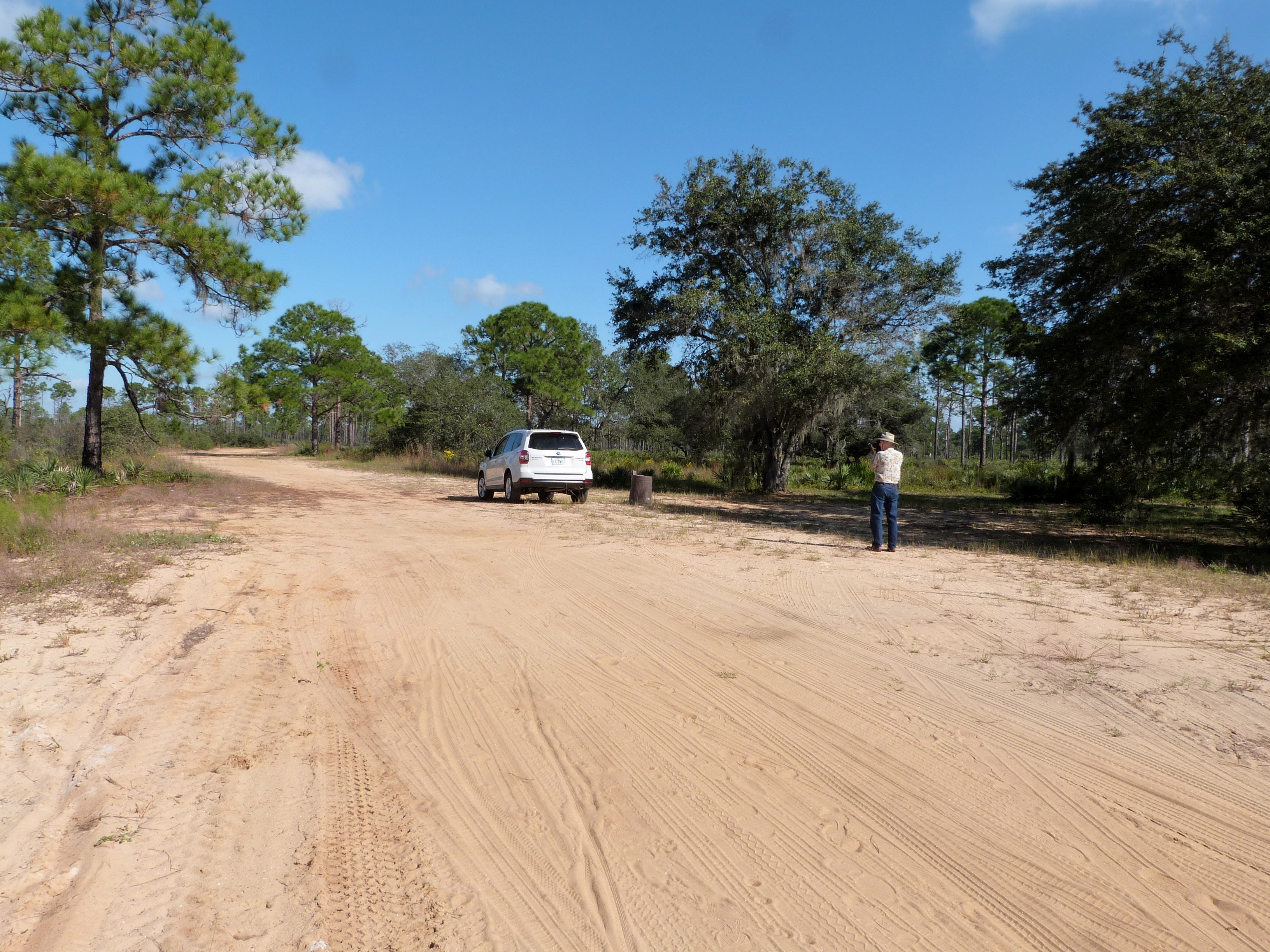
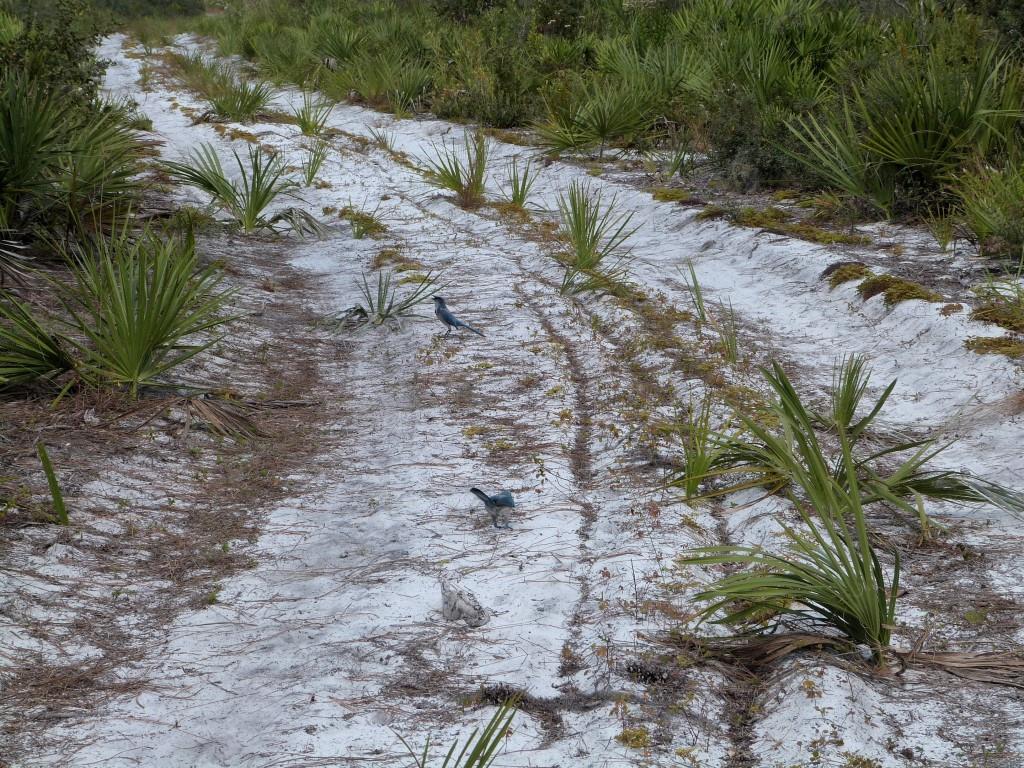
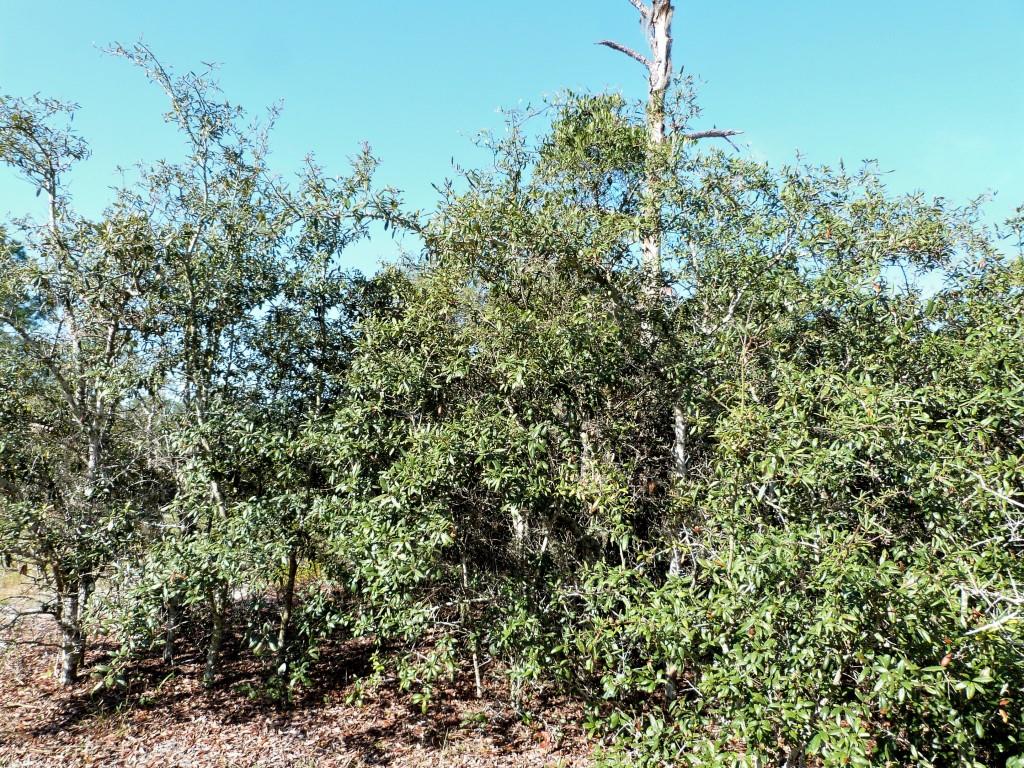
Went on the drive where the Wilderness Camping Area is located. Florida Scrub Jays prefer the scrub areas. The ranger told us that they had recently had a controlled burn and this family moved in right after that. From the pictures, you will see the kind of habitat they like.

Our new "Birding Mobile"

This is the area where we found the Scrub Jays at Highlands Hammock S P.

We found the Florida Scrub Jays, but they never got very close. We were also initiating our new “birding mobile”, as I have named it. Off the subject, but here is a photo of a Red-shouldered Hawk I shot through the “moonroof.” My first attempt at that. Next time, when we are not right under a hawk, it will be opened.

Red-shouldered Hawk (Buteo lineatus) Highlands Hammock SPk 10-14-13 Thru moonroof

Red-shouldered Hawk (Buteo lineatus) Highlands Hammock SPk 10-14-13

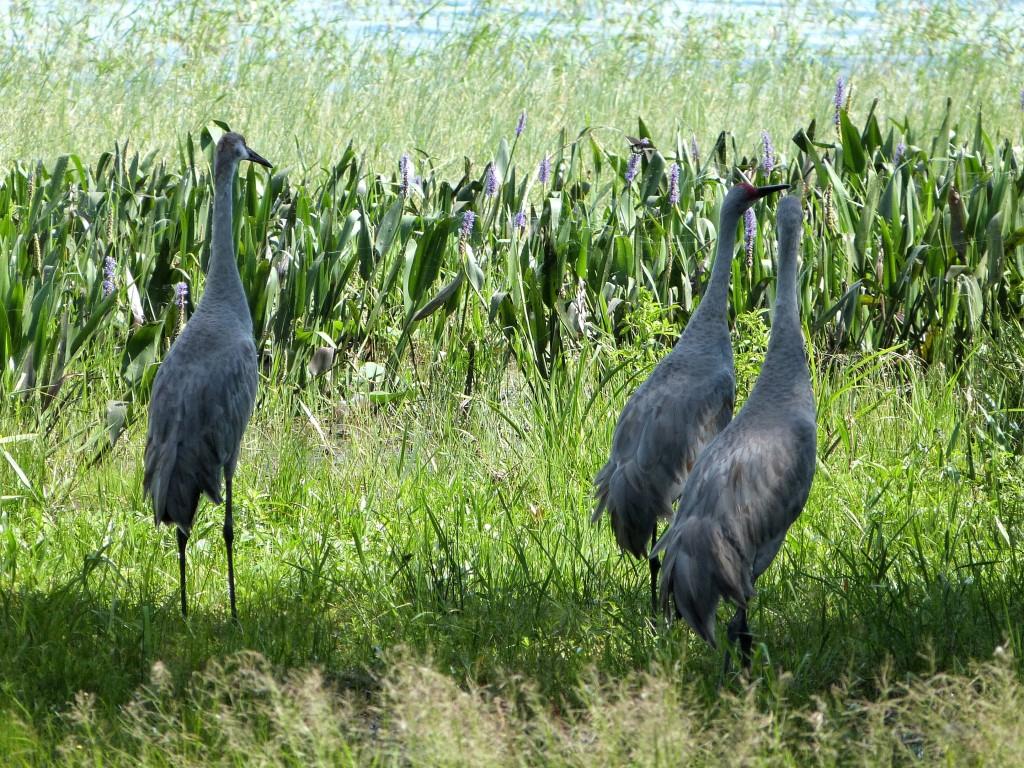
After driving through the rest of that park, we headed for the Lake June-in-Winter State Park. Never heard of it before. It is very tiny and we were the only ones there. Well, the birds of course were there, especially the Scrub Jays. We were able to get quite a few photos of them and they were quite friendly. There were also three Sandhill Cranes plus sounds of birds I do not recognize. The photos will be intermingled with some information about the jays from Wikipedia.

Florida Scrub Jay (Aphelocoma coerulescens) Lake June-in-Winter SPk

Florida Scrub Jay (Aphelocoma coerulescens) Lake June-in-Winter SPk

The Florida Scrub Jay (Aphelocoma coerulescens) is one of the species of scrub jay native to North America. It is the only species of bird endemic to the U.S. state of Florida and one of only 15 species endemic to the United States. Because of this, it is heavily sought by birders who travel from across the country to observe this unique species. It is possibly derived from the ancestors of Woodhouse’s Scrub Jay, the inland forms of the Western Scrub-jay. They belong to the Corvidae – Crows, Jays, Ravens Family.

Florida Scrub Jay (Aphelocoma coerulescens) Lake June-in-Winter SPk

Florida Scrub Jay (Aphelocoma coerulescens) Lake June-in-Winter SPk

It measures 9.1 to 11 in (23 to 28 cm) in length, and weighs from 2.3 to 3.2 oz (66 to 92 g), with an average 2.83 oz (80.2 g). The wingspan of the jay is 13–14 in (33–36 cm). It has a strong black bill, blue head and nape without a crest, a whitish forehead and supercilium, blue bib, blue wings, grayish underparts, gray back, long blue tail, black legs and feet.

Florida Scrub Jay (Aphelocoma coerulescens) Lake June-in-Winter SPk

Florida Scrub Jay (Aphelocoma coerulescens) Lake June-in-Winter SPk

The Florida Scrub Jay is found only in Florida scrub habitat, an ecosystem that exists only in central Florida and is characterized by nutrient-poor soil, occasional drought, and frequent wildfires. Because of its somewhat harsh weather pattern, this habitat is host to a small assortment of very specific plants, including Sand Pine, Sand Live Oak, Myrtle Oak, Chapman’s Oak, Sandhill Oak, Florida Rosemary[11] and various other hardy plants such as Eastern prickly pear.

Florida Scrub Jay (Aphelocoma coerulescens) Lake June-in-Winter SPk

Florida Scrub Jay (Aphelocoma coerulescens) Lake June-in-Winter SPk

Florida Scrub Jays are omnivorous and eat a wide variety of acorns, seeds, peanuts, insects, tree frogs, turtles, snakes, lizards, and young mice. Florida Scrub Jays have also been occasionally observed to eat other birds’ eggs or nestlings, but this occurs rarely. They routinely cache thousands of acorns a year, burying them just beneath the surface. The acorns are typically buried in the fall and consumed during the winter and spring. Acorns that are forgotten or missed may germinate, making the Florida Scrub-Jay an effective agent for the dispersal of a variety of oak trees.

Florida Scrub Jay (Aphelocoma coerulescens) Lake June-in-Winter SPk

Florida Scrub Jay (Aphelocoma coerulescens) Lake June-in-Winter SPk

Scrub jays may also take silverware and other shiny objects in a manner similar to the American Crow.

Sandhill Crane (Grus canadensis) Lake June-in-Winter SPk

Sandhill Crane (Grus canadensis) Lake June-in-Winter SPk

Here are some more of the photos from this “birdwatching adventure.”

This slideshow requires JavaScript.

See also:

Highlands Hammock State Park

Lake June-in-Winter State Park

Corvidae – Crows, Jays, Ravens Family

*

Birdwatching Adventure – Kingbird and Vireo

Western Kingbird (Tyrannus verticalis) Highlands Hammock SPk by Lee

Western Kingbird (Tyrannus verticalis) Highlands Hammock S Pk by Lee

I know all the birds of the mountains, And the wild beasts of the field are Mine. (Psalms 50:11 NKJV)

We have been off on several birdwatching adventures the last few days. We were out enjoying the Lord’s creation, especially His birds. Still sorting through the photos, but wanted to share two birds we saw today. They were at Highlands Hammock State Park in Sebring, FL. Both are birds that I have seen, but only when another birder pointed them out. That always gives a joy when you find and can figure out what a bird is.

The first one, I was only able to get one decent photo because it moved on quickly. Here is the bird cropped. (I trust this is the correct ID)

Western Kingbird (Tyrannus verticalis) Highlands Hammock SP by Lee (Cropped)

Western Kingbird (Tyrannus verticalis) Highlands Hammock SP by Lee

Kingbirds are members of the Tyrannidae – Tyrant Flycatchers Family. Adults are grey-olive on the upperparts with a grey head and a dark line through the eyes; the underparts are light becoming light orange-yellow on the lower breast and belly. They have a long black tail with white outer feathers. Western kingbirds also have a reddish crown that they only display during courtship and confrontations with other species.

These birds migrate in flocks to Florida and the Pacific coast of southern Mexico and Central America. (Lucky for us.)

They wait on an open perch and fly out to catch insects in flight, sometimes hovering and then dropping to catch food on the ground. They also eat berries.

The song is a squeaky chatter, sometimes compared to a dog’s squeaky toy. The call is a sharp loud whit. Occasionally sings before sunrise.

I have only seen this bird maybe three or four times before, so it was a nice find.

Highlands Hammock State Park

Highlands Hammock State Park

My next challenge started out in the trees and bushes above. This bird was all over the place and wouldn’t stay still as I tried to catch a photo of it. (Which is typical for those small birds.)

White-eyed Vireo (Vireo griseus) Highlands Hammock

White-eyed Vireo (Vireo griseus) Highlands Hammock

Here are some of my attempts to catch this bird. I do not use the “rule of thirds” because when I get home, finding the bird is easier if it’s centered. I figured out that it had a white breast by this photo. Let me zoom in.

White-eyed Vireo (Vireo griseus) Highlands Hammock SP cropped

White-eyed Vireo (Vireo griseus) Highlands Hammock SP cropped

Now the wings and its eye became more visible.

White-eyed Vireo (Vireo griseus) Highlands Hammock SPk 10-14-13

White-eyed Vireo (Vireo griseus) Highlands Hammock SPk 10-14-13

Then the bird finally popped out where I could get these next two photos.

White-eyed Vireo (Vireo griseus) Highlands Hammock SPk by Lee

White-eyed Vireo (Vireo griseus) Highlands Hammock SPk

That white eye is what nailed the ID on this bird. This is the first time that I’ve photographed one. When trying to figure these birds out, a good field guide and the internet sure come in handy.

My first ID in the field was wrong on both of these birds. I thought the Kingbird was some sort of Flycatcher and that this Vireo was a Warbler. Even though I only shoot in Program mode, and I do not claim to be a photographer, it does help to take proof or ID photos to help figure out what you really are seeing. It is more fun to just enjoy the birds while you are watching them and figure what it was later.

White-eyed Vireo (Vireo griseus) Highlands Hammock  SP by Lee

White-eyed Vireo (Vireo griseus) Highlands Hammock SP by Lee

They belong to the  Vireonidae – Vireos, Greenlets Family. The White-eyed Vireo (Vireo griseus) is a small songbird. It breeds in the southeastern USA from New Jersey west to northern Missouri and south to Texas and Florida, and also in eastern Mexico, northern Central America, Cuba and the Bahamas.

Populations on the US Gulf coast and further south are resident, but most North American birds migrate south in winter.The White-eyed Vireo (Vireo griseus) is a small songbird. It breeds in the southeastern USA from New Jersey west to northern Missouri and south to Texas and Florida, and also in eastern Mexico, northern Central America, Cuba and the Bahamas.

Populations on the US Gulf coast and further south are resident, but most North American birds migrate south in winter.

More of these trips will be shared. Saw lots of Wood Ducks and Florida Scrub Jays that I will “Show and Tell” later.

Thank all of you up North who have finally been sending your birds down for the coming winter. The birdwatching was getting a little boring.

See:

Tyrannidae – Tyrant Flycatchers Family

Vireonidae – Vireos, Greenlets Family

Some of our Birdwatching Trips

Highlands Hammock State Park

*


Mousebirds at the Cincinnati Zoo

Blue-naped Mousebird (Urocolius macrourus) at Cincinnati Zoo) by Lee

Blue-naped Mousebird (Urocolius macrourus) at Cincinnati Zoo) by Lee

I know all the birds of the mountains, And the wild beasts of the field are Mine. (Psalms 50:11 NKJV)

I was happy to finally get to see the Mousebirds. Have known and read about them, but had not been able to watch them. They were on my “birds to see” list at the zoo.

Mousebirds belong to the Coliidae – Mousebirds Family which has six (6) members.

Blue-naped Mousebird (Urocolius macrourus) at Cincinnati Zoo) by Lee

Blue-naped Mousebird (Urocolius macrourus) at Cincinnati Zoo) by Lee

They are slender greyish or brown birds with soft, hairlike body feathers. They are typically about 10 cm in body length, with a long, thin tail a further 20–24 cm in length, and weigh 45–55 grams. They are arboreal and scurry through the leaves like rodents, in search of berries, fruit and buds. This habit, and their legs, gives rise to the group’s English name. They are acrobatic, and can feed upside down. All species have strong claws and reversible outer toes (pamprodactyl foot). They also have crests and stubby bills.

Mousebirds are gregarious, again reinforcing the analogy with mice, and are found in bands of about 20 in lightly wooded country. These birds build cup-shaped twig nests in trees, which are lined with grasses. Two to four eggs are typically laid, hatching to give quite precocious young which soon leave the nest and acquire flight.

Blue-naped Mousebird (Urocolius macrourus) at Cincinnati Zoo) by Lee

Blue-naped Mousebird (Urocolius macrourus) at Cincinnati Zoo) by Lee

One Mousebird, supposedly the male, was hopping up and down. This video shows the two of them. One watching and one jumping. The orange bird is ignoring the whole deal. (I had been watching for a while and then decided to video, of course he went behind the branch.)

(Wikipedia with editing)

Bonus:

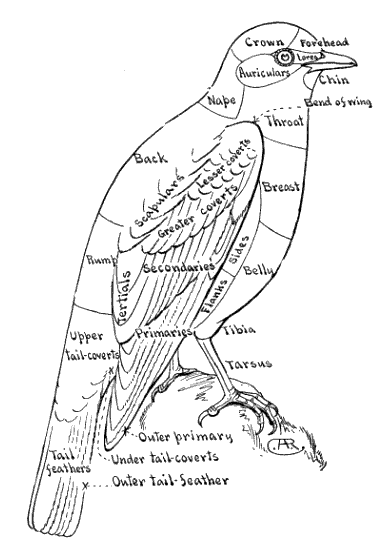
Nape – An easy definition is the back of the neck.

Topography of a Bird - Bluebird - Color Key to NA Birds

Notice the Nape between the Crown and the Back

There are quite a few birds that have colored napes that help identify them, such as Woodpeckers, Grebes, etc. Our Blue-naped Mousebird is one where the color of the “nape” is used in its name. While learning to bird watch, I kept saying (and still do) that the Lord should have placed little signs on them. That way when we look at them through binoculars, scopes, cameras, or our eyes, that we could just read the sign.

That is not the way it is, but there are many clues do that help us ID the birds. The variety of the birds with their colors and shapes keep us busy, but aren’t we thankful that He didn’t make them all alike. How boring that would be.

Here are the “-naped” birds:

Chestnut-naped Francolin (Pternistis castaneicollis)
Red-naped Ibis (Pseudibis papillosa)
White-naped Crane (Grus vipio)
Black-naped Tern (Sterna sumatrana)
Eastern Bronze-naped Pigeon (Columba delegorguei)
Western Bronze-naped Pigeon (Columba iriditorques)
Island Bronze-naped Pigeon (Columba malherbii)
Scaly-naped Pigeon (Patagioenas squamosa) –*LLABS*
Red-naped Fruit Dove (Ptilinopus dohertyi)
Black-naped Fruit Dove (Ptilinopus melanospilus) *LLABS*
Purple-naped Lory (Lorius domicella)
White-naped Lory (Lorius albidinucha)
Blue-naped Parrot (Tanygnathus lucionensis)
Yellow-naped Amazon (Amazona auropalliata)
Scaly-naped Amazon (Amazona mercenarius)
White-naped Swift (Streptoprocne semicollaris)
Red-naped Trogon (Harpactes kasumba)
Golden-naped Barbet (Megalaima pulcherrima)
Golden-naped Woodpecker (Melanerpes chrysauchen)
Red-naped Sapsucker (Sphyrapicus nuchalis)
White-naped Woodpecker (Chrysocolaptes festivus)
Blue-naped Pitta (Hydrornis nipalensis)
Rusty-naped Pitta (Hydrornis oatesi)
Grey-naped Antpitta (Grallaria griseonucha)
Chestnut-naped Antpitta (Grallaria nuchalis)
Ochre-naped Ground Tyrant (Muscisaxicola flavinucha)
Rufous-naped Ground Tyrant (Muscisaxicola rufivertex)
White-naped Xenopsaris (Xenopsaris albinucha)
White-naped Honeyeater (Melithreptus lunatus)
Red-naped Bushshrike (Laniarius ruficeps)
Rufous-naped Whistler (Aleadryas rufinucha)
Rufous-naped Greenlet (Hylophilus semibrunneus)
Black-naped Oriole (Oriolus chinensis)
Black-naped Monarch (Hypothymis azurea)
White-naped Monarch (Carterornis pileatus)
Azure-naped Jay (Cyanocorax heilprini)
White-naped Jay (Cyanocorax cyanopogon)
Rufous-naped Tit (Periparus rufonuchalis)
White-naped Tit (Parus nuchalis)
Rufous-naped Lark (Mirafra africana)
White-naped Yuhina (Yuhina bakeri)
Rufous-naped Wren (Campylorhynchus rufinucha)
Chestnut-naped Forktail (Enicurus ruficapillus)
Purple-naped Sunbird (Hypogramma hypogrammicum)
Golden-naped Weaver (Ploceus aureonucha)
Golden-naped Finch (Pyrrhoplectes epauletta)
Blue-naped Chlorophonia (Chlorophonia cyanea)
White-naped Brush Finch (Atlapetes albinucha)
Pale-naped Brush Finch (Atlapetes pallidinucha)
Rufous-naped Brush Finch (Atlapetes latinuchus)
Golden-naped Tanager (Tangara ruficervix)
Green-naped Tanager (Tangara fucosa)
White-naped Seedeater (Dolospingus fringilloides)

*

This slideshow requires JavaScript.

You can see by the photos that the “nape” can be narrow or very broad.

See:

Mousebirds – Carolinabirds

Mousebirds – The Online Zoo

Nape – All About Birds

Cincinnati Zoo Visit

*

Strutting Greater Flamingos at the Zoo

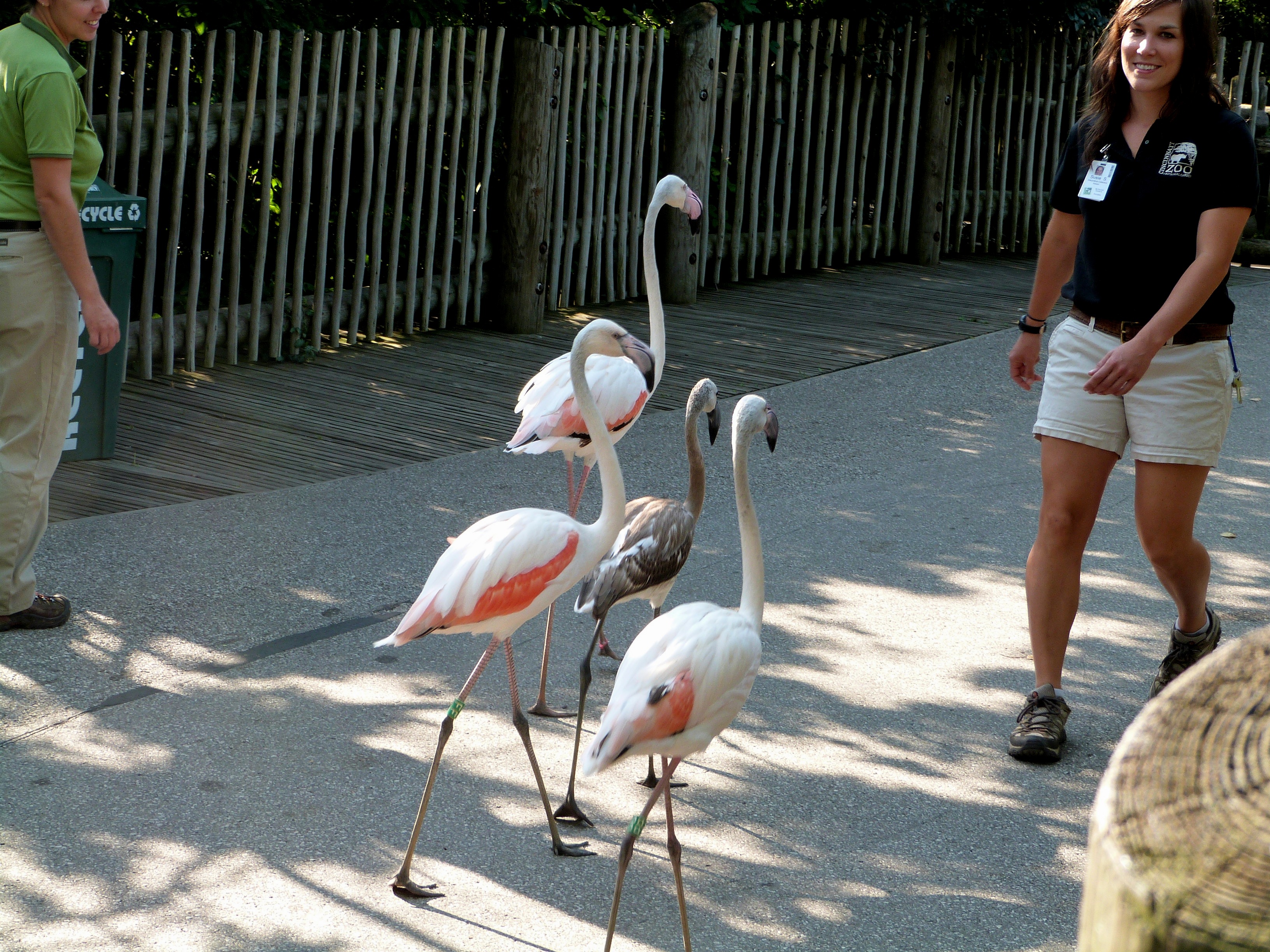
Greater Flamingo (Phoenicopterus roseus) at Cincinnati Zoo by Dan First walk

Greater Flamingo (Phoenicopterus roseus) at Cincinnati Zoo by Dan – First walk

The Cincinnati Zoo has the Greater Flamingo (Phoenicopterus roseus) species, another beautiful creation from God, that they take for a walk. They walked past us twice so close you could touch them, which we didn’t.

It was really neat to watch them just strolling along as if you were walking your dogs or whatever. The Bible says:

For every kind of beast and bird, of reptile and creature of the sea, is tamed and has been tamed by mankind. (James 3:7 NKJV)

Well, the strolls were definitely an indication that these Greater Flamingos were in control of their trainers.

Greater Flamingo (Phoenicopterus roseus) at Cincinnati Zoo by Lee

Greater Flamingo (Phoenicopterus roseus) at Cincinnati Zoo by Lee

The Greater Flamingo (Phoenicopterus roseus) is the most widespread species of the flamingo family. They belong to the Phoenicopteridae – Flamingos Family. It is found in parts of Africa, southern Asia (coastal regions of Pakistan and India), and southern Europe (including Spain, Albania, Turkey, Greece, Cyprus, Portugal, Italy and the Camargue region of France). Some populations are short distance migrants, and sightings north of the breeding range are relatively frequent; however, given the species’ popularity in captivity, whether or not these are truly wild individuals is a matter of some debate.

This is the largest species of flamingo, averaging 43–60 in (110–150 cm) tall and weighing 4.4–8.8 lbs (2–4 kg). The largest male flamingos have been recorded at up to 74 in (187 cm) tall and 10 lbs (4.5 kg).[2] It is closely related to the American Flamingo and Chilean Flamingo.

Greater Flamingo (Phoenicopterus roseus) at Cincinnati Zoo by Lee

Greater Flamingo (Phoenicopterus roseus) at Cincinnati Zoo by Lee

Like all flamingos, this species lays a single chalky-white egg on a mud mound. Most of the plumage is pinkish-white, but the wing coverts are red and the primary and secondary flight feathers are black. The bill is pink with a restricted black tip, and the legs are entirely pink. The call is a goose-like honking. Sub-adult flamingos are whitish-grey and only attain the pink coloration several years into their adult life.

The bird resides in mudflats and shallow coastal lagoons with salt water. Using its feet, the bird stirs up the mud, then sucks water through its bill and filters out small shrimp, seeds, blue-green algae, microscopic organisms and mollusks. The Greater Flamingo feeds with its head down and its upper jaw is movable and not rigidly fixed to its skull.

Greater Flamingo (Phoenicopterus roseus) Juvenile at Cincinnati Zoo by Lee

Greater Flamingo (Phoenicopterus roseus) Juvenile at Cincinnati Zoo by Lee

The average lifespan in captivity, according to Zoo Basel, is over 60 years.

The oldest known Greater Flamingo, a resident of the Adelaide Zoo in Australia, is at least 77 years old. The bird’s exact age is not known; however, he was already a mature adult when he arrived in Adelaide in 1933, and he was still there as of 2011.

Here is a short video of them walking through the Cincinnati Zoo.

(Wikipedia with editing)

This slideshow requires JavaScript.

*

See:

*

Birdwatching at the Cincinnati Zoo I

Cincinnati Zoo from Phone

Cincinnati Zoo from Phone

“Remember to magnify His work, Of which men have sung. (Job 36:24 NKJV)

Yesterday, we had the pleasure of checking out more birds of the Lord’s creation at the Cincinnati Zoo. The weather and the temperature were great and the birds were quite content to let us watch and photograph them. It has been over 45 years ago since we visited this zoo. Needless to say, it has changed and the most striking was their beautiful landscaping throughout the zoo.

Statue at the entrance to the Wings of the World exhibit.

Statue at the entrance to the Wings of the World exhibit.

When we arrived at the Wings of the World area, We were greeted by several birds and a neat statute of a child holding a bird. This shows how some of the landscaping was used around the zoo.

Statue at Wings of the World exhibit. Close-up

Statue at Wings of the World exhibit. Close-up

Wings of the World Aviary is divided into several different habitats and types of birds.

Wings of the World Aviary - Cincinnati Zoo 9-5-13

Wings of the World Aviary – Cincinnati Zoo

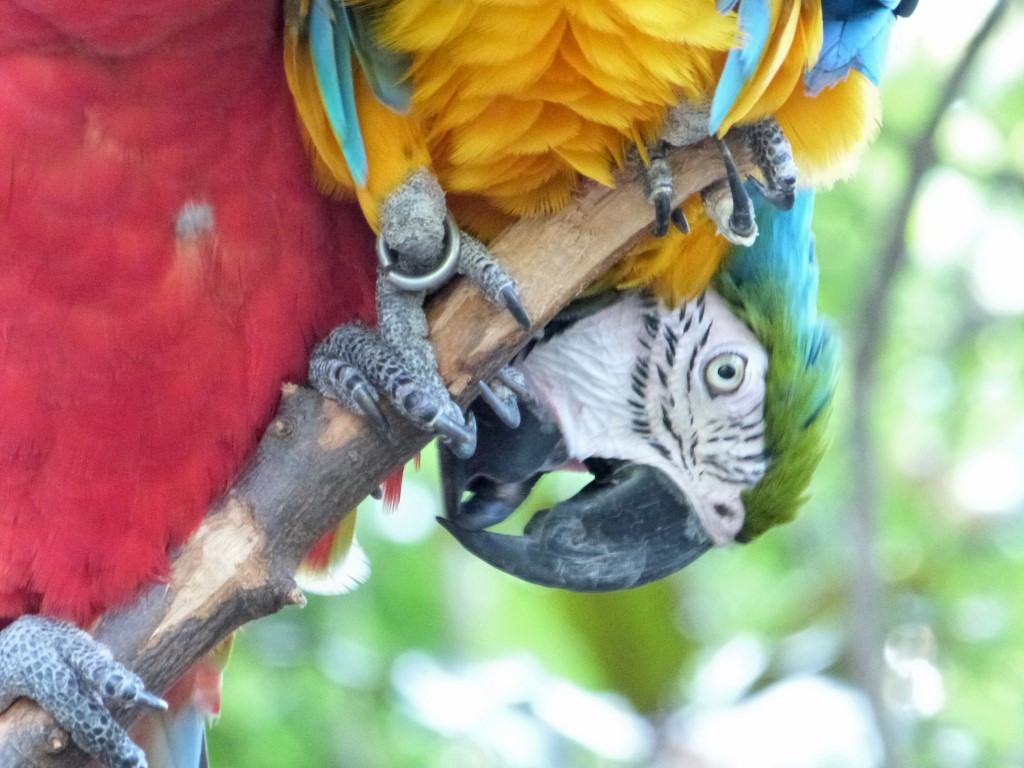
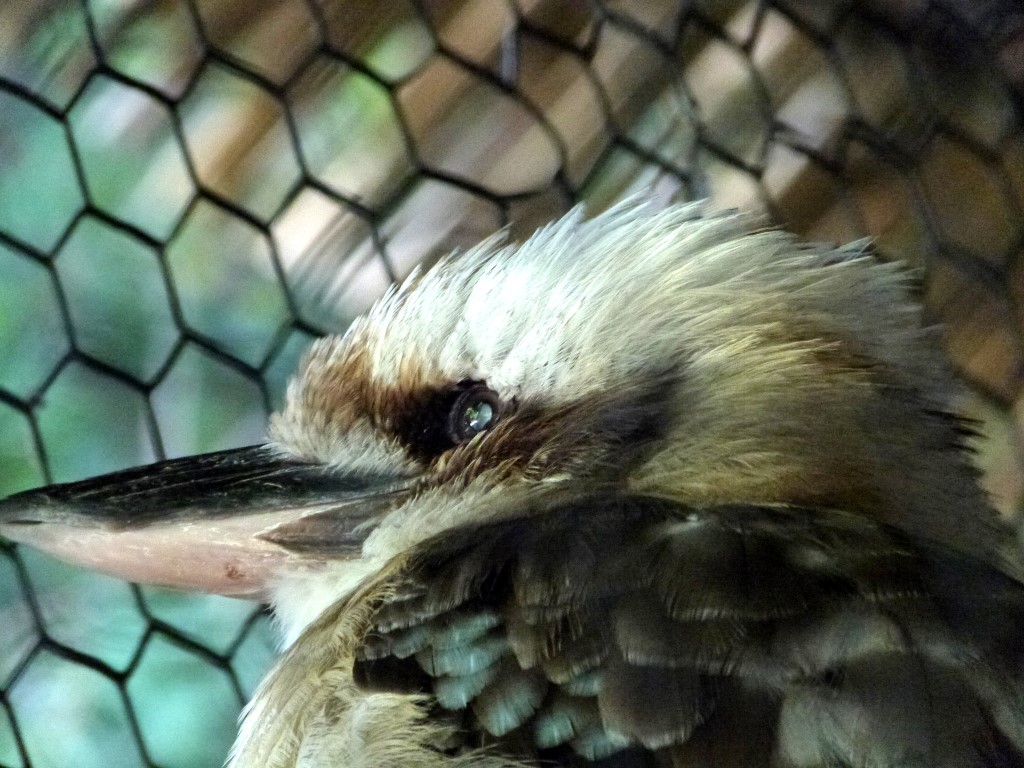
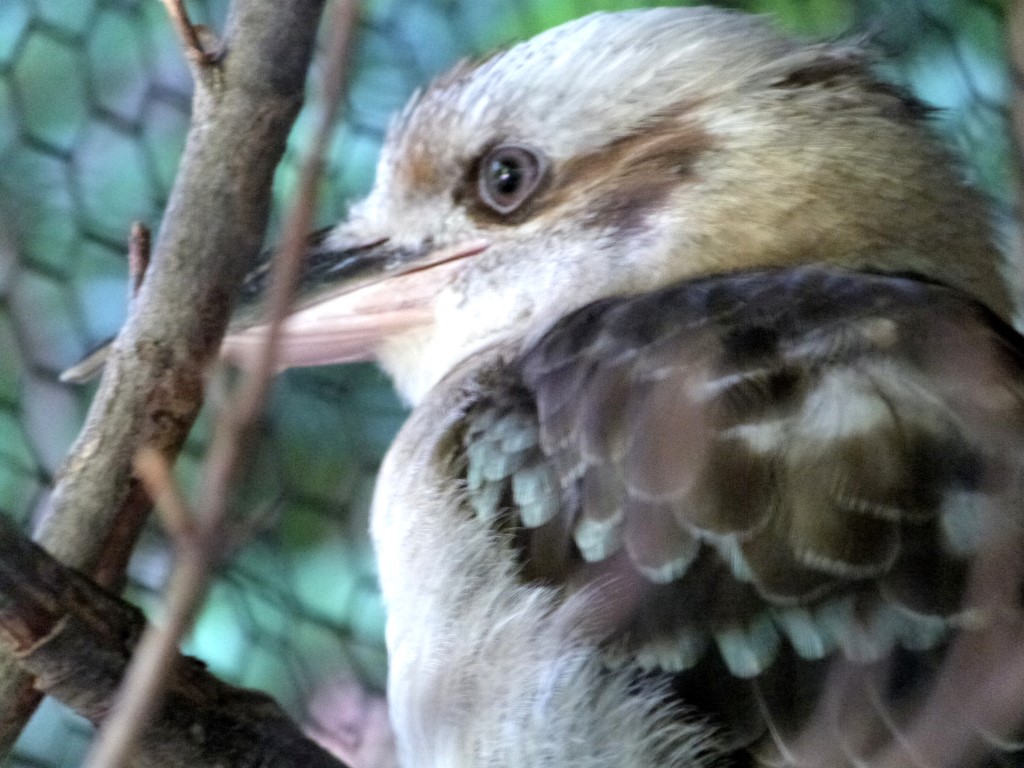
As you enter, you are greeted by Macaws, Screamers and a Laughing Kookaburra.

Southern Screamer

Southern Screamer (Chauna torquata) Cincinnati Zoo 9-5-13 by Lee

Southern Screamer (Chauna torquata) Cincinnati Zoo by Lee

*

Southern Screamer (Chauna torquata) Cincinnati Zoo 9-5-13 by Lee

Southern Screamer (Chauna torquata) by Lee

Macaws

Dan photographing the MaCaws Cincinnati Zoo

Dan photographing the MaCaws Cincinnati Zoo

*

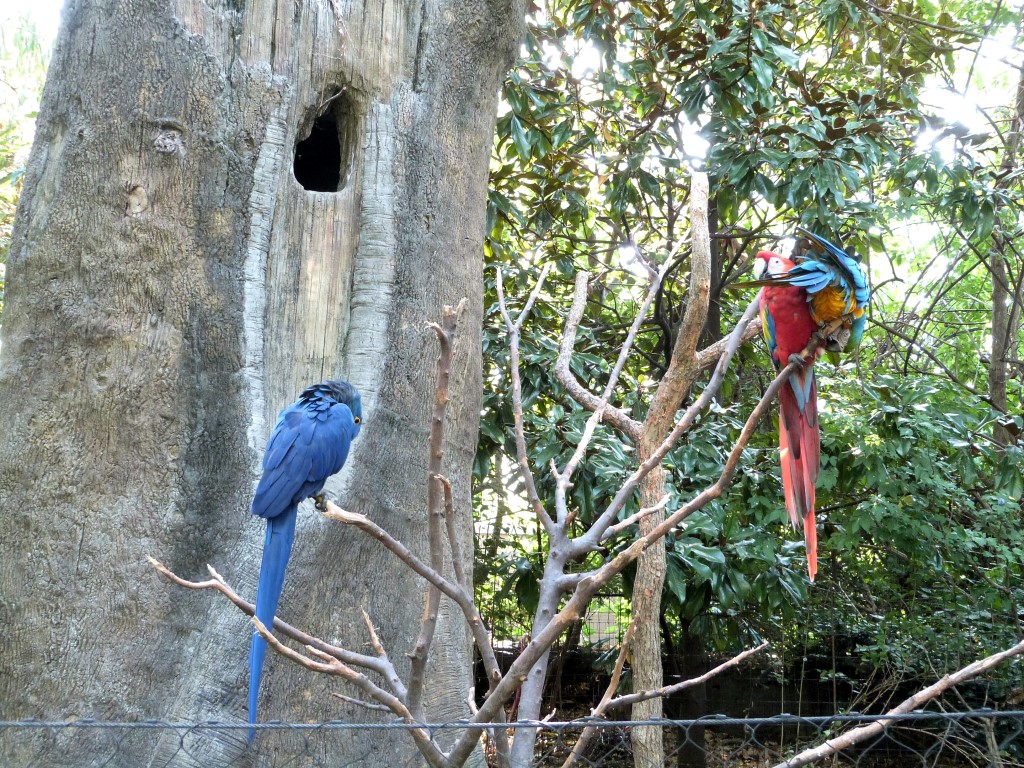
Parrots - McCaws by Lee

Parrots – McCaws by Lee

*

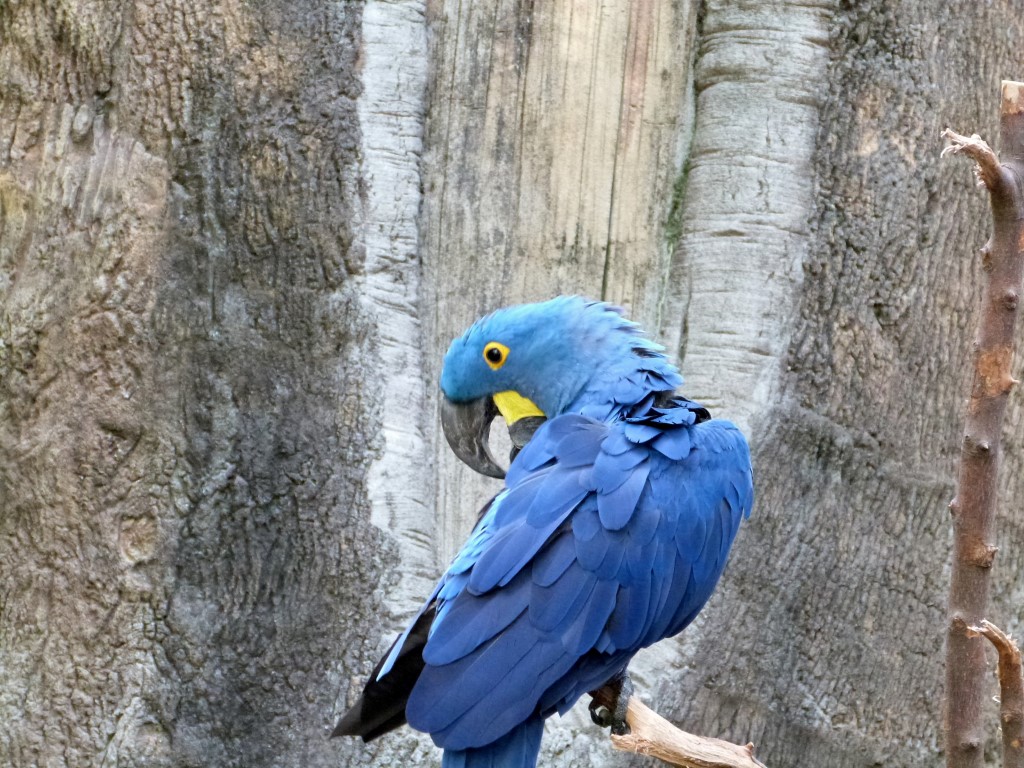
Hyacinth Macaw (Anodorhynchus hyacinthinus) Cincinnati Zoo 9-5-13 by Lee

Hyacinth Macaw (Anodorhynchus hyacinthinus) by Lee

*

Cincinnati Zoo 9-5-13

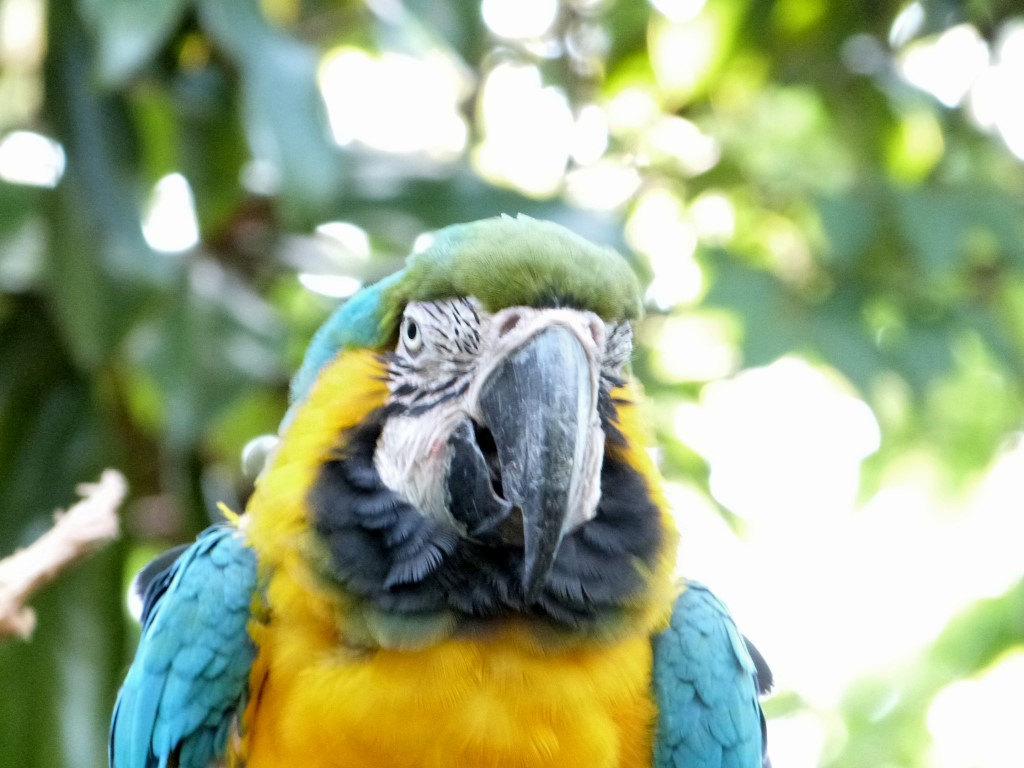
Blue-and-yellow Macaw (Ara ararauna) Cincinnati Zoo by Lee

*

Scarlet and Blue-and-yellow Macaws by Lee

Scarlet and Blue-and-yellow Macaws by Lee

*

Scarlet and Blue-and-yellow Macaw

Scarlet and Blue-and-yellow Macaw

*

Kookaburra

Laughing Kookaburra (Dacelo novaeguineae)

Laughing Kookaburra (Dacelo novaeguineae)

*

Laughing Kookaburra (Dacelo novaeguineae) by Lee Cincinnati Zoo 9-5-13

Laughing Kookaburra (Dacelo novaeguineae) by Lee

*

Laughing Kookaburra (Dacelo novaeguineae) by Lee Cincinnati Zoo 9-5-13

Laughing Kookaburra (Dacelo novaeguineae) by Lee

This is just the beginning of our visit to the Cincinnati Zoo. Look for more articles about some really neat birds like a Mousebird, Bee-eater, Bishop, Penguins, Murres and more.

Also:
Anhimidae – Screamers Family

Psittacidae – Parrots Family

Alcedinidae – Kingfishers Family

Cincinnati Zoo

*

Bali Myna at Lowry Park and Palm Beach Zoos

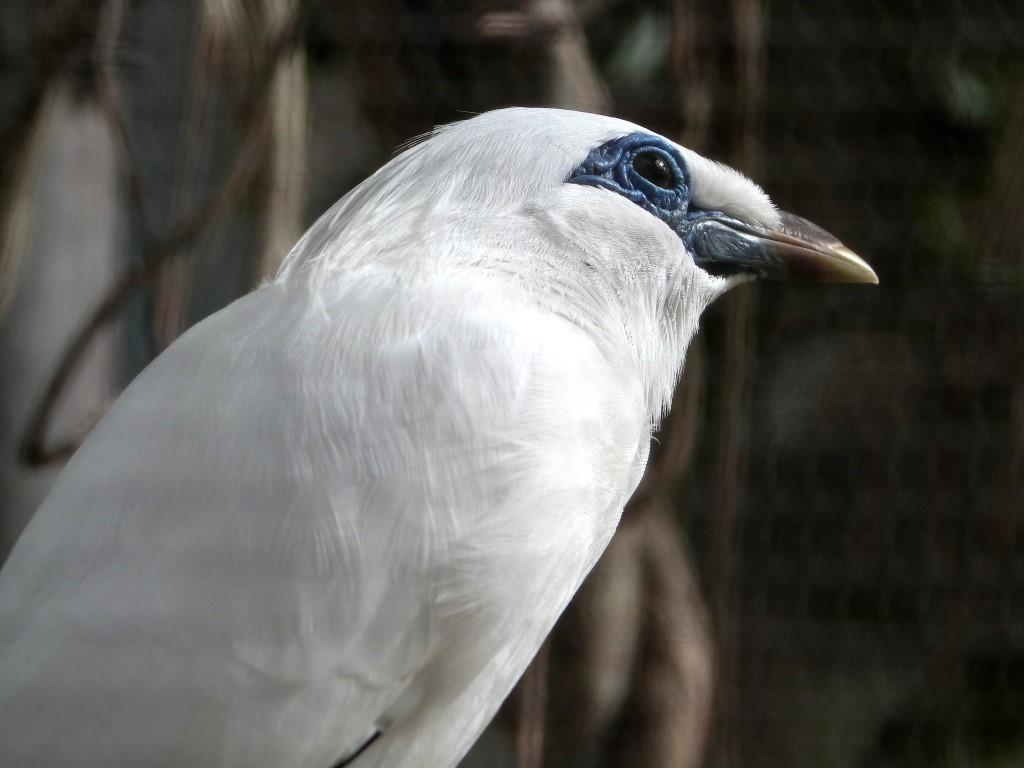
Bali Myna (Leucopsar rothschildi) by Lee

Bali Myna (Leucopsar rothschildi) at Lowry Park Zoo by Lee

Yesterday, we went over to the Lowry Park Zoo for a little while and were able to record several interesting birds and the Singing Dogs from Australia. I was especially pleased to hear the Bali Myna making a neat little call or song. Here is a video of it that I put together. This is another bird from the Lord’s Creative Hand.

God created the great sea monsters and every living creature that moves, which the waters brought forth abundantly, according to their kinds, and every winged bird according to its kind. And God saw that it was good (suitable, admirable) and He approved it. (Genesis 1:21 AMP)

These photos were taken at Palm Beach Zoo last month.

Bali Myna (Leucopsar rothschildi Palm Beach Zoo by Lee

Bali Myna (Leucopsar rothschildi Palm Beach Zoo by Lee

He was displaying and this is another view of him.

Bali Myna (Leucopsar rothschildi Palm Beach Zoo by Lee

Bali Myna (Leucopsar rothschildi Palm Beach Zoo by Lee

Here is a video of the Bali Myna at Palm Beach displaying:

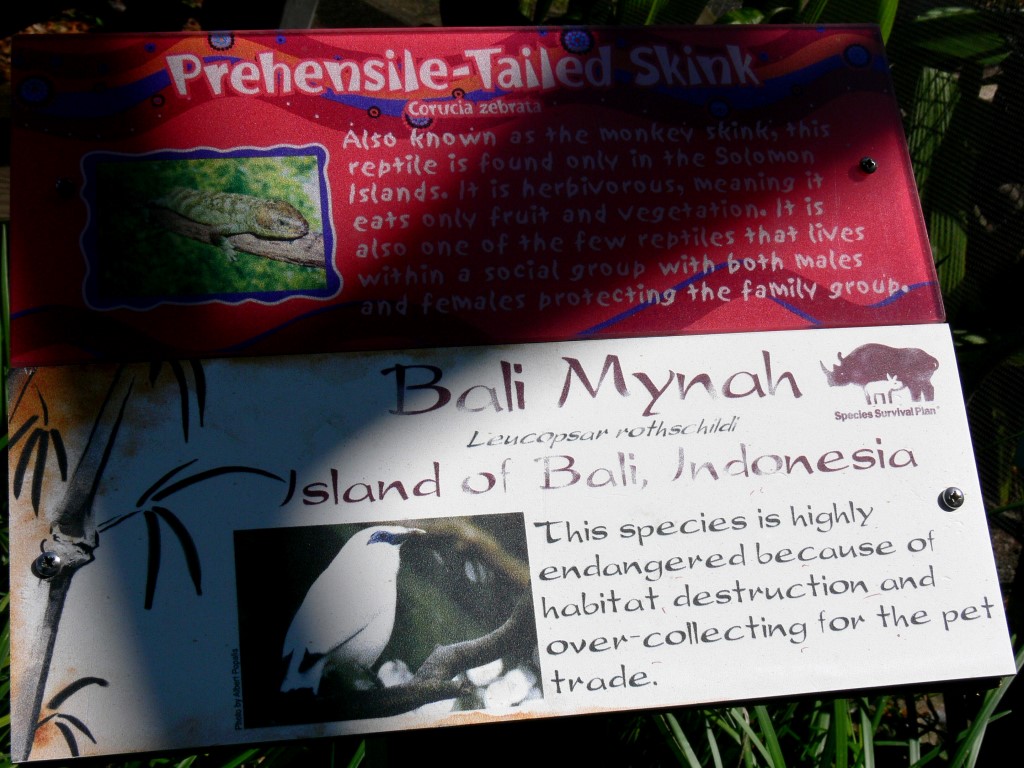
The Bali Myna is a highly endangered species and many of the zoos are trying to preserve them through there breeding programs.

Bali Myna (Leucopsar rothschildi) Sign at LPZ

Bali Myna (Leucopsar rothschildi) Sign at LPZ

This bird is a member of the Sturnidae – Starlings Family. The Bali Myna (Leucopsar rothschildi), also known as Rothschild’s Mynah, Bali Starling, or Bali Mynah, locally known as Jalak Bali, is a medium-sized (up to 25 cm long), stocky myna, almost wholly white with a long, drooping crest, and black tips on the wings and tail. The bird has blue bare skin around the eyes, greyish legs and a yellow bill. Both sexes are similar.

The Bali Myna is restricted to the island of Bali in Indonesia, where it is the island’s only endemic vertebrate species. (An endemic subspecies, the Bali Tiger, has been extinct since 1937.) The bird was discovered in 1910, and in 1991 was designated the fauna symbol of Bali. Featured on the Indonesian 200 rupiah coin, its local name is “Jalak Bali”.

In its natural habitat it is inconspicuous, using tree tops for cover and–unlike other starlings–usually coming to the ground only to drink or to find nesting materials; this would seem to be an adaptation to its noticeability to predators when out in the open. The Bali mynah often gathers in groups when it is young to better locate food and watch out for predators. The vocalizations are a variety of sharp chattering calls and an emphatic twat.

The Bali Myna’s diet includes fruit, seeds, worms and insects.

During breeding season, males attract females by calling loudly and bobbing up and down. The birds nest in tree cavities, with the female laying and incubating two-three eggs. Both males and females bring food to the nests for chicks after hatching. (Wikipedia with editing)

Oh, I almost forgot to show you the Singing Dogs from Lowry Park Zoo. They were doing their thing causing all the others to make noise also. They are from New Guinea and music is playing in the background.

See:

Sturnidae – Starlings Family

Bali Myna – Wikipedia

Bali Myna – San Diego Zoo

The Bali Myna

Lowry Park Zoo

Palm Beach Zoo

New Guinea Singing Dog – Wikipedia

*

Birdwatching at Circle B Reserve – June 8

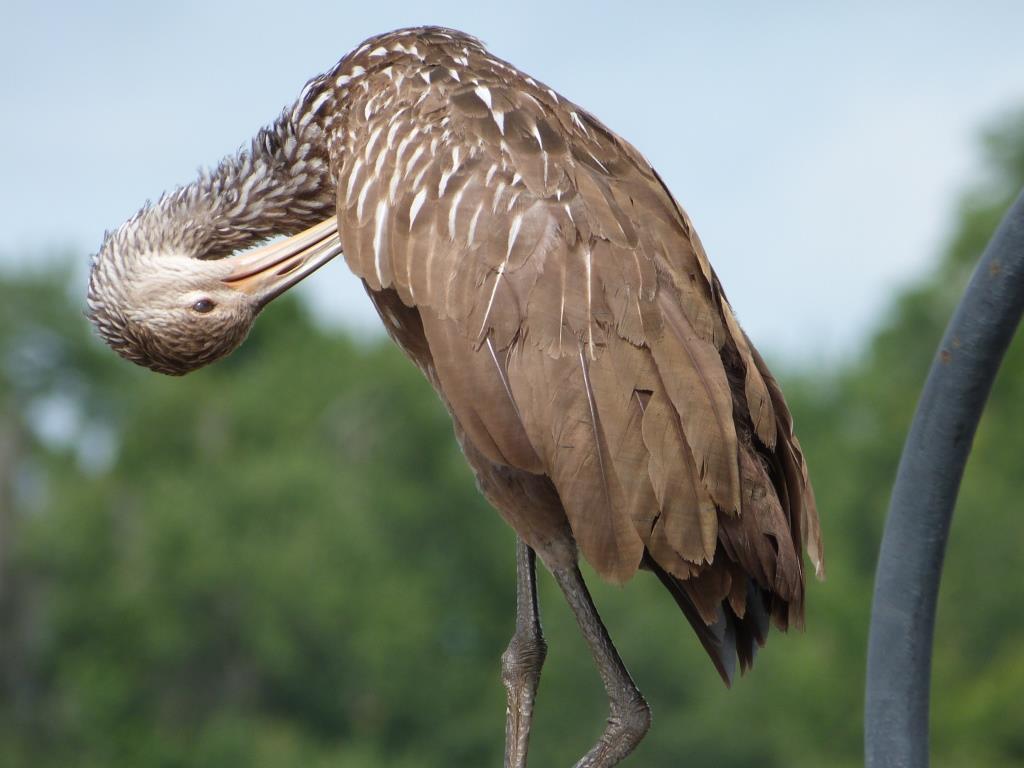
Limpkin (Aramus guarauna) Preening at Circle B

Limpkin (Aramus guarauna) Preening at Circle B

We took about an hour and a half to check out Circle B Bar Reserve again today. It was partly cloudy and around 81 degrees when we arrived. We managed to see or hear 31 species. Not bad. We had all that rain from Tropical Storm Andrea and thought maybe it would help bring in some birds. It was still pretty dry out there, but the weeds and growth sure had enjoyed all that rain we had.

Since most of our winter birds have left, we were happy with what we saw. Some of the delights and surprises were catching a video of a Carolina Wren singing right in front of us as we got out of the car. Was surprised to see 25 White Pelicans this time of the year. They went by in 3 squadrons.

By them the birds of the heavens have their home; They sing among the branches. (Psalms 104:12 NKJV)

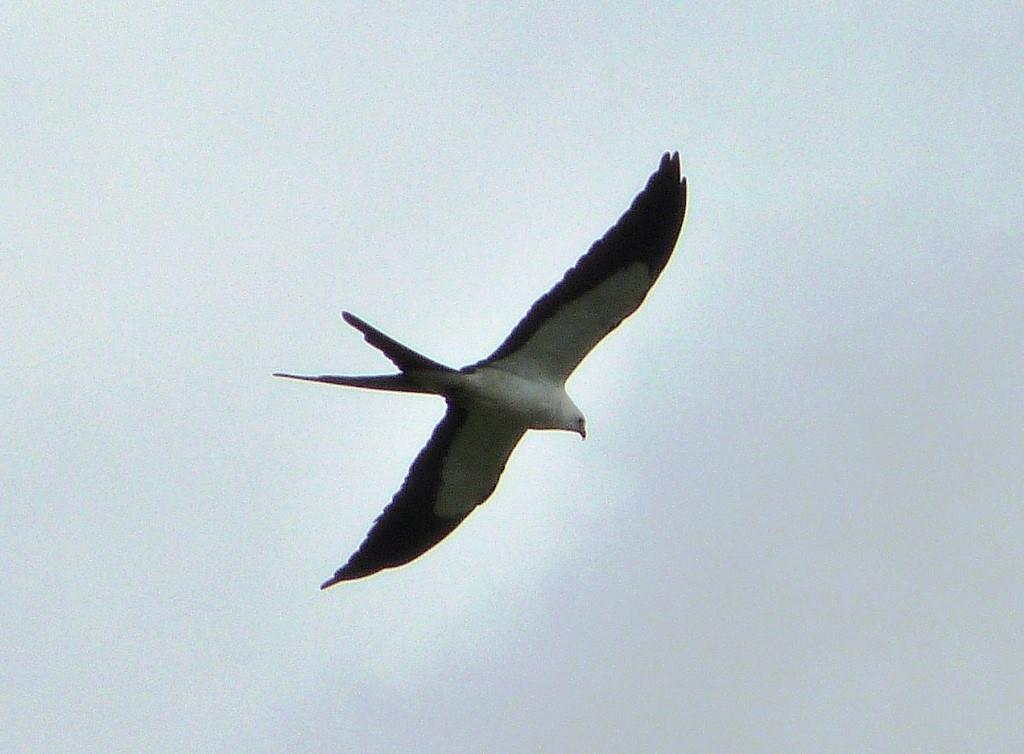
Also, finally got a photo of the Tufted Titmouse that I have heard out there but never was able to get a glimpse of. Heading back to the car, a Swallow-tailed Kite flew over. All in all it was great. Now? It has been raining for the last 5 or 6 hours. Good thing we were there early.

Swallow-tailed Kite (Elanoides forficatus) at Circle B

Swallow-tailed Kite (Elanoides forficatus) at Circle B

Species Count
Wood Stork 4
Anhinga 1
American White Pelican 25
Great Blue Heron 2
Great Egret 3
Snowy Egret 1
Tricolored Heron 2
Cattle Egret 10
White Ibis 2
Glossy Ibis 4
Black Vulture 20
Turkey Vulture 5
Osprey 1
Swallow-tailed Kite 1
Bald Eagle 1
Red-shouldered Hawk 2
Common Gallinule 5
Limpkin 2
Sandhill Crane 2
Mourning Dove 2
Red-bellied Woodpecker 2
Downy Woodpecker 2
Hairy Woodpecker 1
Pileated Woodpecker 2
Blue Jay 3
Fish Crow 2
Tufted Titmouse 2
Carolina Wren 1
Northern Cardinal 4
Red-winged Blackbird 15
Boat-tailed Grackle 20

Update on the eye situation – I got the “All is well” for the 6-months checkup on my retina surgery and now I am scheduled June 19th to see the Eye Doctor who will do the cataract surgery. I am praying that it will be done by the end of the month. It was quite blurry out birding today.

I was using my camera as my eyes. I could tell there was something on a tree, but had no clear idea of what it was until viewed through the viewfinder and with my camera zoomed in. Hey! You do what you have to do to be able to enjoy birdwatching. And I did. The Lord let me see all of these neat birds today.

See:

Birdwatching Trips – Circle B

Wordless Birds

*