Updated The Birdwatching Page 8/8/13

The Birdwatching Page was updated to add this video and links to photos of the birds shown. Here is the video and the photo links are on the Birdwatching Page.

And out of the ground the Lord God formed every [wild] beast and living creature of the field and every bird of the air and brought them to Adam to see what he would call them; and whatever Adam called every living creature, that was its name. (Genesis 2:19 AMP)

*

*

Updated: The Bible Bird Owls Page

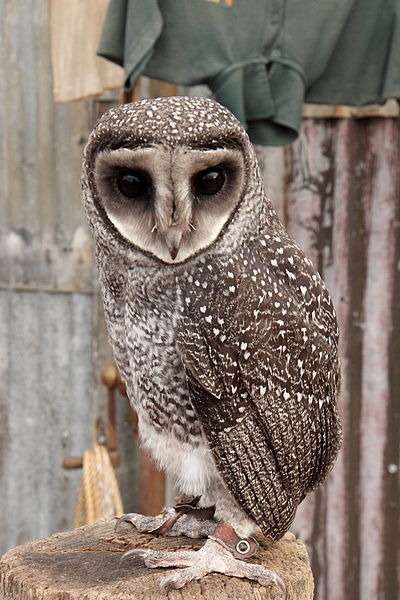
Just finished the Bible Birds – Owls page. A Photo gallery and some Fun Facts were added.

This slideshow requires JavaScript.


Bible Birds are the Birds of the Bible Birds written with to Younger Folks and those who are “Young at Heart”. As other pages are updated, a post will announce them also.

*

How Did Birds Get To Be So Smart? (Excerpt)

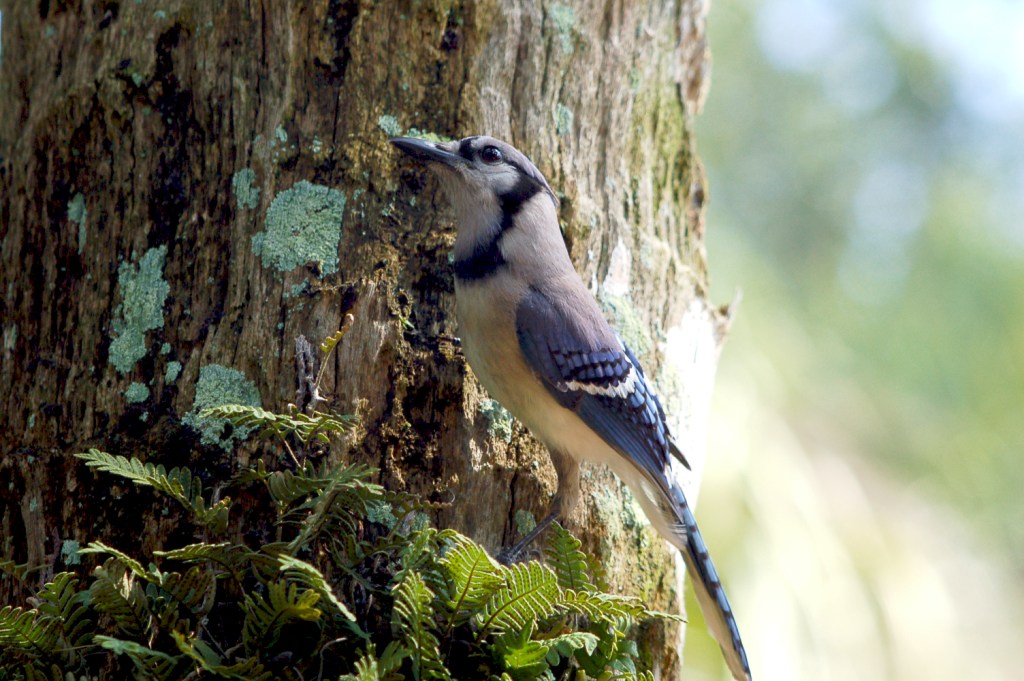
Blue Jay at Bok Tower by Dan's Pix

Blue Jay II at Bok Tower by Dan’s Pix

How Did Birds Get To Be So Smart: Are They “Feathered Apes”?

This is one of the latest articles from Answers in Genesis:

News to Know

by Dr. Elizabeth Mitchell

July 27, 2013

*

“The Term Bird Brain Is Evolving

Some birds—crows, parrots, and jays—possess problem-solving skills that rival those of mammals. Crows demonstrate impressive memory for details, even remembering for years the faces of people who annoy them. Does this represent true cognitive ability? Some birds can improvise tools—by bending a piece of wire, for instance—to get the food they want. Are they actually reasoning or just associating each step with coming closer to the goal? Are birds able to get a picture in their minds of what they want to accomplish and then reason out the steps, or are simpler stepwise “associative learning” processes involved?” … that is the beginning of the article.

Common Ostrich (Struthio camelus) Foot at Riverbanks Zoo SC by Lee

Common Ostrich (Struthio camelus) Foot front at Riverbanks Zoo SC by Lee

The ostrich leaves her eggs on the ground and warms them in the dust, Forgetting that a foot may crush them or that the wild beast may trample them. She is hardened against her young ones, as though they were not hers; her labor is in vain because she has no sense of danger [for her unborn brood], For God has deprived her of wisdom, neither has He imparted to her understanding. (Job 39:14-17 AMP)

Here is one more excerpt from the ending of the article which is very interesting and worth reading:

A Better Explanation

God provides in His Word the historical account of the origin of birds, man, and all things. Furthermore, the Bible informs us that God is the one who supplies or deprives an animal of its intelligence. In particular, God takes the credit for the lack of bird-smarts in the ostrich, telling Job, “God deprived her of wisdom, and did not endow her with understanding” (Job 39:17). God also points out that He is the source of wisdom for the hawk and eagle (Job 39:26–27). Learning what makes a bird tick offers a fascinating bit of insight into the creatures our Creator designed and how their brains work.

See the whole artice – CLICK HERE.

*

Plus

*

Birds Of The Bible – Swallow-tailed Kites

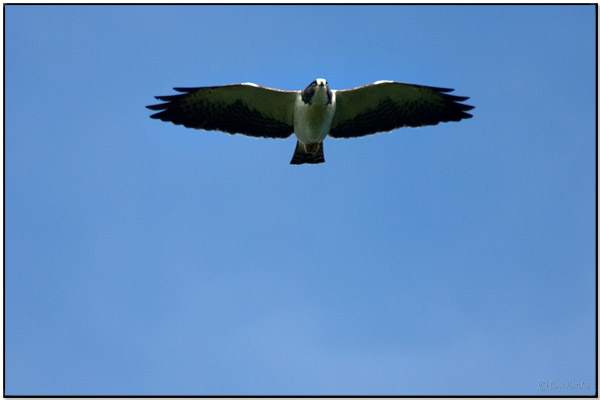
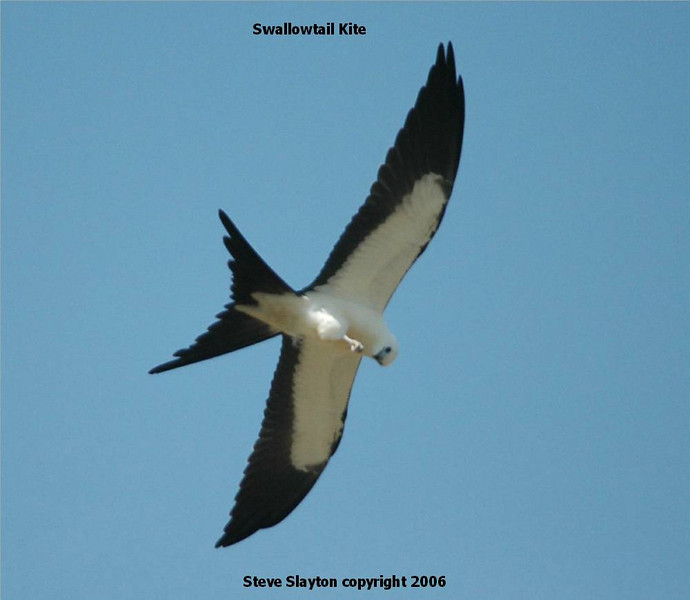
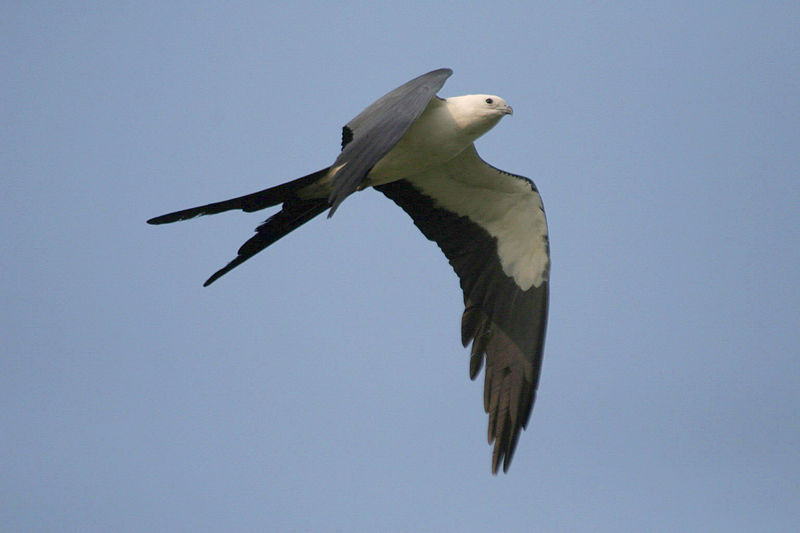
Swallow-tailed Kite by S Slayton

Swallow-tailed Kite by S Slayton

and the red kite, the falcon, and the kite in their kinds, (Deuteronomy 14:13 NASB)

In the Birds of the Bible – Hidden Covenant Part 3, I mistakenly placed this photo of a Swallow-tailed Kite instead of a Swallow. I have since fixed my mistake. A J was talking about the Swallows observing the time of their coming and he used Jeremiah 8:7.

Even the stork in the heavens Knows her appointed times; And the turtledove, the swift, and the swallow Observe the time of their coming. But My people do not know the judgment of the LORD. (Jeremiah 8:7 NKJV)

The reason I mixed them up is because right now, in this area, the Swallow-tailed Kites are being spotted. I have seen a single one three times and just the other day, Dan and I had two of them skim over the top of trees, right in front of us. They have been in the area for a month or so, and soon they will move on again. They “Observe the time of their coming.” Thus the mistake on my part.

They may be one of the Birds of Prey, but they were beautifully created by the Lord. They are so graceful and enjoyable to watch. I am always amazed at the Creator’s use of such variety in the birds and in all the other neat things around us.

Who is like You, O LORD, among the gods? Who is like You, glorious in holiness, Fearful in praises, doing wonders? (Exodus 15:11 NKJV)

According to the Audubon WatchList, “Two subspecies found in the Americas. Northern subspecies (Elanoides forficatus forficatus) breeds in small sections of seven southeastern U.S. states and in southern Mexico. Members of this group migrate to South America in the late summer. Southern subspecies (Elanoides forficatus yetapa) found through much of South America. The estimated U.S. population of approximately 10,000 birds now breeds in fragmented populations from South Carolina south to Florida and west to Louisiana/Texas border with largest known populations in northern Florida. Formerly bred north to Minnesota and west through Texas to Mexico. Significant populations remain in Florida and along the Pascagoula River in Mississippi.”

I really enjoy seeing these Kites because you just have to be looking in the right direction at the right time. Every time they have been spotted by us, they just sort of “appear” over the tops of the trees. They skim so low, that when they come over you, you either see them or you don’t.

Kites are of course one of our Birds of the Bible – (Glede and Kites). They are mentioned twice in Scripture in the list of “unclean” birds in Leviticus 11:14 and Deuteronomy 14:13. Each time “after its kind” is given. So, our Swallow-tailed Kite is one of those kinds and would like to introduce you to this amazing bird that is so neat to watch flying. When they spread that tail of theirs, it is just super neat.

Swallow-tailed Kite (Elanoides forficatus) ©Wikipedia

Swallow-tailed Kite (Elanoides forficatus) ©Wikipedia

(Sounds from xeno-canto)

The Swallow-tailed Kite is a member of the Accipitridae Family (Kites, Hawks & Eagles) Family in the Order Accipitriformes. They are considered Abundance Common according the Thayer Birding software.

They are 24 inches (60 cm) with a very long black forked tail, white head, chest, belly and leading portion of underwing. Their flight feathers are black and their back is also black.

They are a medium-sized, graceful, long-winged, long-tailed hawk with pointed wings, a short, dark, hooked bill. The males and females are similar.

Adults have a long, deeply forked tail. white head, neck, chest, underwing coverts, belly, and undertail coverts, a slate gray back and upperwings, black tail and flight feathers. Whereas the immature is duller than adult with fine streaks on head and breast and has a shorter, less deeply-forked tail than adult.

Thayer also says of their habitat and behavior – ” Wet open woodlands, bottomlands, wooded river swamps, marshes, wetlands, and along rivers, ponds and lakes. Agile and graceful in flight. Eats in flight by bending head and neck under body to eat prey held in talon. Will drink in flight, much like a swallow. Gregarious. Will sweep low over open fields and grasslands to catch food or soar very high for flying insects.”

Swallow-tailed Kite (Elanoides forficatus) by Africaddict

Swallow-tailed Kite (Elanoides forficatus) by Africaddict

The Swallow-tails like to breed in “Lowland forest, especially swampy areas extending into open woodland. 1 brood. Mating system is monogamous. Displays are In flight: easy sailing, curving chase often over water. On perch: mutual approach on horizontal limb, face-off, female quickly turns or backs under limb. They also do courtship feeding.

The nest is usually in treetop concealed by thick foliage and they place it on a foundation of preceding year’s nest. It consist of sticks, twigs, moss, pine needles, leaves, lichen. Lined with fine materials, few feathers. Both sexes help with nest construction.

The eggs are white, marked with browns, occasionally lavender, often concentrated at end. 1.8” (47 mm). Both sexes incubate.  with Incubation taking 28 days. Development is semialtricial (immobile, downy, eyes open, fed). Young are able to fly after 36-42 days. Both sexes tend young.

The spend their winters from Colombia and Venezuela S. Marsh drainage, deforestation, and shooting are responsible for reduction in population and range.

Miscellaneous notes; Occasionally nest in loose colonies of a few pairs. Bathe and drink by skimming water surface like swallow. Occasionally soar at great heights. Up to 200 pieces used in nest, carried individually, may require up to 800 miles of flight. Formerly known as American Swallow-tailed Kite; changed by AOU in 1996.

From Thayer Birding Software, The Birder’s Handbook, Wikipedia, and other internet sources.

See also:

*
Birds of the Bible – The Hidden Covenant – Intro

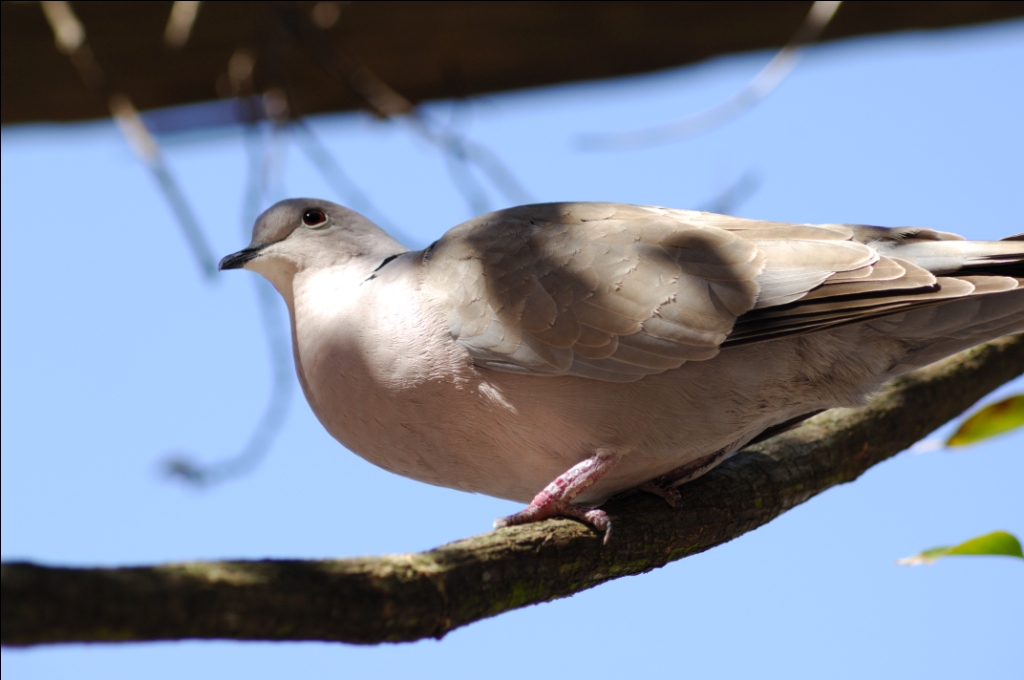
Eurasian Collared Dove (Streptopelia decaocto) by Dan

Eurasian Collared Dove (Streptopelia decaocto) by Dan

(The first of a three part article.)


The Hidden Covenant

“Berith” the Hebrew word for covenant means “a coming together” in English, appears 280 times in the Bible. Covenants may include a treaty, agreement, mutual understanding, pact, deal, alliance, pledge, promise and so on. Marriage is a covenant between two individuals. Treaty is a covenant between two states or nations. The Last will that is written by an ailing individual to pass on his /her property to his surviving spouse or children is also a covenant. We are bound by so many covenants in our everyday life. Housing and vehicle loans, debit and credit cards, driving license are all covenants.

Though each one of us is bound by a direct or an indirect covenant with an individual, an organization or a government, we long for God to make a covenant with us. Bible shows us so many covenants between individuals, kings and between leaders of a group of men; but the covenants that God made with individuals and a group of individuals are the ones which were widely meditated, preached and written about.

Somewhere down the line, over centuries after centuries after centuries, there is one covenant that was either unintentionally hopped or deliberately overlooked. This covenant may look irrelevant and immaterial, trivial and trifling; but an in-depth study of this covenant would unveil a big secret that God has for the peace and tranquility of the whole universe.

That “Berith – Covenant” is as follows…

“And in that day will I make a covenant for them with the beasts of the field, and with the fowls of heaven, and with the creeping things of the ground: and I will break the bow and the sword and the battle out of the earth, and will make them to lie down safely.” Hosea 2:18

When does God make a covenant with them?

Why would God want to make a covenant with the beasts of the field, with the fowls of the air and with the creeping things of the ground?

How could a covenant with wildlife break the bow and the sword and the battle out of the earth?

Is it possible for a covenant with wildlife, help us lie down safely?

These were the queries that rose from my mind when I read the above verse from Hosea. While I was pondering over this attention-grabbing episode of God, He slowly unraveled the crucial presence of wildlife, not just for food and clothing but for the survival of mankind as a whole.

Sitting on the balcony one morning, trying hard to gulp those recent unpleasant happenings along with her morning coffee, watching a squirrel jump from a coconut tree to a custard apple tree like a seasoned pro, my wife probed, “God could have created us like these animals. Why should we suffer like this? See how they enjoy life” Just as she was lamenting, I felt God say, “They are sinless, whereas man was born of sin”

I thought this conversation not only opened avenues of thought but also made sense on this new covenant that God uncovered a few days back. Ever since God clothed Adam and Eve with animal skin and accepted the sacrifice of Abel. God did express how imperative animals and birds are in His creation. Abel knew that there is no redemption without shedding blood. So he chose from the best among wildlife and sacrificed. And we all know how God accepted his sacrifice and rejected the sacrifice of Cain.

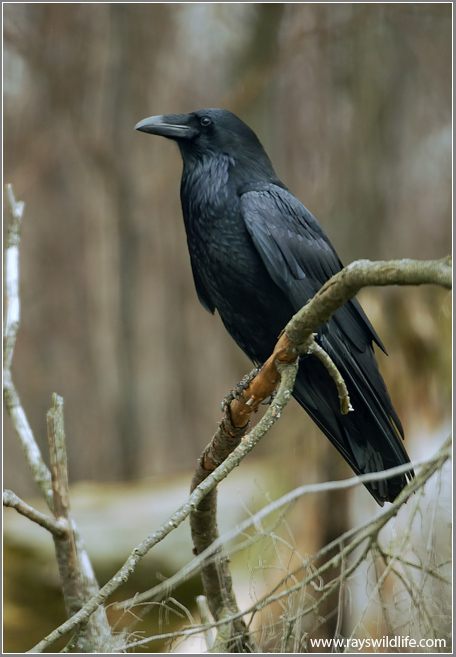
Northern Raven (Corvus corax) by Ray

Northern Raven (Corvus corax) by Ray

Noah also had to seek the help of birds to get the weather report after the flood isn’t it? And God made a covenant with Noah but not before he sacrificed from every clean beast and from every clean animal. Remember, if not for the beasts and birds God wouldn’t have placed the beautiful rainbow in the sky. If not for rainbow, we wouldn’t have studied prism in school.

God also taught Moses and Aaron, His appointed servants. about how to sacrifice, when to sacrifice and what to sacrifice. God gave them a list of clean animals and birds for sacrifice. In fact birds were sacrificed when Jesus was brought to the temple of Jerusalem after the days of purification.

“And when eight days were accomplished for the circumcising of the child, his name was called Jesus, which was so named of the angel before he was conceived in the womb.

And when the days of her purification according to the law of Moses were accomplished, they brought him to Jerusalem, to present him to the Lord;

(As it is written in the law of the Lord, Every male that openeth the womb shall be called holy to the Lord;)

And to offer a sacrifice according to that which is said in the law of the Lord, A pair of turtledoves, or two young pigeons.” Luke 2:21-24

The birds seem to have handed over the entry ticket for the Creator when He entered the temple of Jerusalem for the first time is His life on earth.

So? Does it mean that only clean beasts and birds are sinless? I thought.  If it is so, why should God send an unclean raven to feed Prophet Elijah? I wondered. Anyway, there should be a strong central theme for God to make a covenant with the beasts and the birds instead of man, whom He created in His own image.

Birds of the Bible – The Hidden Covenant ~ by A J Mithra

See:

Birds of the Bible – The Hidden Covenant – Part 2

Birds of the Bible – The Hidden Covenant – Part 3

Birds of the Bible

*

Yours in YESHUA,

a j mithra

Please visit us at:

*

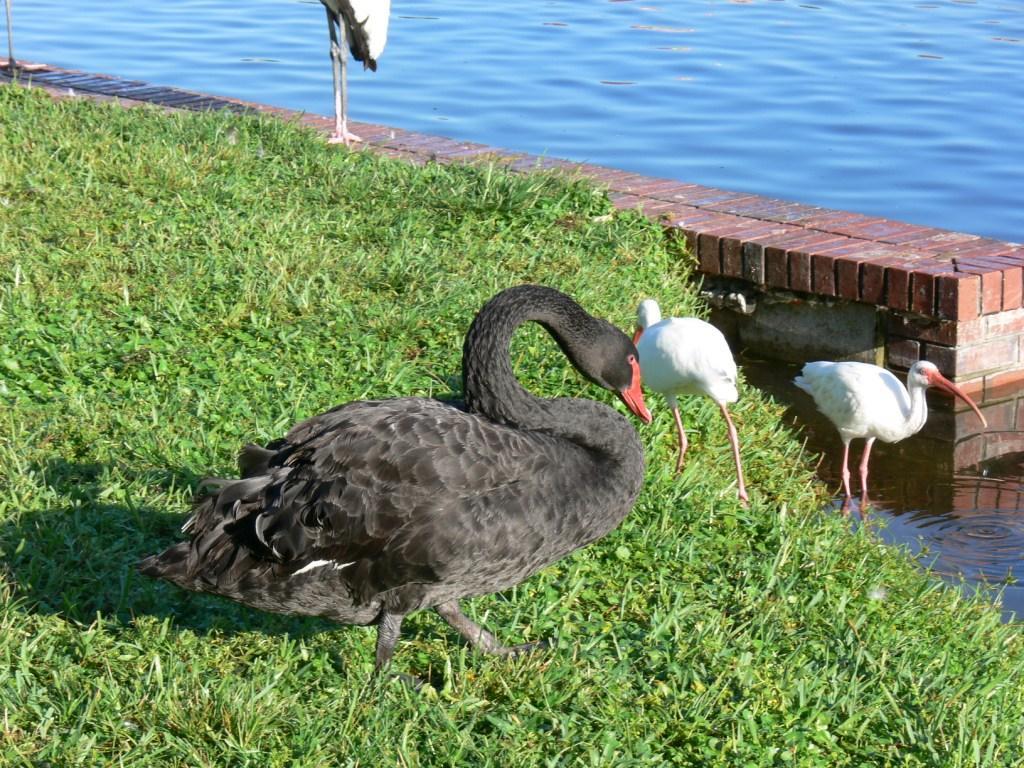
Black Swans by Bellamoon Nature

Black Swan by Lee

Black Swan by Lee

Bellamoon sent a link to some of his videos. The one below of the Black Swans and their family is super. He previously gave me permission to use his music for videos I put together, but this is better than anything I could ever do.

Several verses came to mind about “under his wings” while watching this:

Keep me as the apple of the eye, hide me under the shadow of thy wings, (Psalms 17:8 KJV)

How excellent is thy lovingkindness, O God! therefore the children of men put their trust under the shadow of thy wings. (Psalms 36:7 KJV)

He shall cover thee with his feathers, and under his wings shalt thou trust: his truth shall be thy shield and buckler. (Psalms 91:4 KJV)

He shall cover thee with his feathers, and under his wings shalt thou trust: his truth shall be thy shield and buckler. (Psalms 91:4 KJV)

O Jerusalem, Jerusalem, which killest the prophets, and stonest them that are sent unto thee; how often would I have gathered thy children together, as a hen doth gather her brood under her wings, and ye would not! (Luke 13:34 KJV)

There are verses that help us think about how kind these swans are to their young:

For thy lovingkindness is before mine eyes: and I have walked in thy truth. (Psalms 26:3 KJV)

Withhold not thou thy tender mercies from me, O LORD: let thy lovingkindness and thy truth continually preserve me. (Psalms 40:11 KJV)

Whoso is wise, and will observe these things, even they shall understand the lovingkindness of the LORD. (Psalms 107:43 KJV)

Links:

*

The Changing Of Species

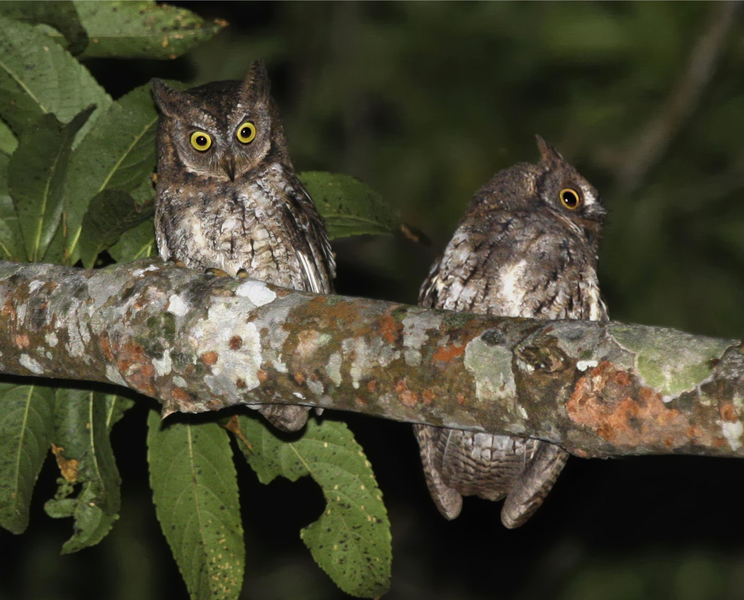
Rinjani Scops Owl (Otus jolandae) ©WikiC

Rinjani Scops Owl (Otus jolandae) ©WikiC

I came across several interesting articles from Answers in Genesis that deal with changes within the species. Having just updated the pages to the I.O.C. 3.4 Version, there were several new species added. Where did they come from? Some of them were subspecies that had been elevated to a species status. At least one, was a newly discovered species. So, how do we look at this as Christians that believe in creation and not evolution?

An article from Answers asks, “Do Species Change?” by Paul Garner. It actually gave Darwin credit for realizing that there was not a fixity or immutability of species.

Before the time of Charles Darwin, a false idea had crept into the church—the belief in the “fixity” or “immutability” of species.1 According to this view, each species was created in precisely the same form that we find it today. In his famous book, On the Origin of Species, first published in 1859, Darwin set out to demolish this widespread view.

The article goes on to show how Darwin went too far. It is a very interesting article worth reading. Do Species Change?

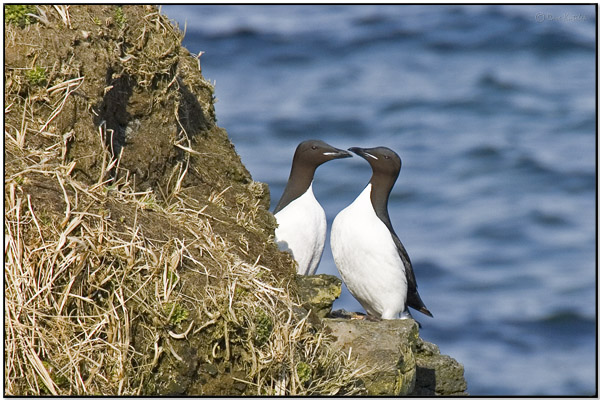
Thick-billed Murre (Uria lomvia) by Daves BirdingPix

Thick-billed Murre (Uria lomvia) by Daves BirdingPix

Seabird Study Said To Solve the Evolutionary Mystery of Flightlessness” by Dr. Elizabeth Mitchell discusses how the Penguin became flightless and use the Thick-billed Murre as a possible example. They compare the amount of energy used to swim and/or fly. “Murres, able to fly and to execute penguin-like wing-propelled dives, were the focus of the study because researchers believe their performance provides a living model of the penguin’s evolutionary past….”  Also, the bone structure is discussed. I like the wrap-up by the article writer, Dr. Elizabeth Mitchell.

Yet this fact just demonstrates a great design—an ideal “form” for a diving, flying seabird—and confirms nothing about the evolutionary path of any bird, let alone the flightless penguin.

God created birds on the fifth day of Creation week about 6,000 years ago. They reproduced “after their kinds” as the Bible describes, only varying within their created kinds. Biology does not demonstrate the evolution of flight or flightlessness or the evolution of any kind of creature into a different kind.

A few more of their writings worth reading are:

Creations Hidden Potential by Tom Hennigan, Georgia Purdom, and Todd Charles Wood

The Discontinuity of Life by Kurt P. Wise

Variation Withing Created Kinds by Dr. Gary Parker

Our Creator used His Omnipotence and His Wisdom to create the fantastic and varied creatures for us to enjoy, especially the birds. They are there in front of us all to see, observe and try to understand more about them and their development. How we look at them is where the differences in how this came about is where the creationist and evolutionist part ways.

In the beginning God created the heavens and the earth. (Genesis 1:1 NKJV)

or

For since the creation of the world His invisible attributes are clearly seen, being understood by the things that are made, even His eternal power and Godhead, so that they are without excuse, because, although they knew God, they did not glorify Him as God, nor were thankful, but became futile in their thoughts, and their foolish hearts were darkened. Professing to be wise, they became fools, and changed the glory of the incorruptible God into an image made like corruptible man—and birds and four-footed animals and creeping things. Therefore God also gave them up to uncleanness, in the lusts of their hearts… who exchanged the truth of God for the lie, and worshiped and served the creature rather than the Creator, who is blessed forever. Amen. For this reason God gave them up to vile passions. … And even as they did not like to retain God in their knowledge, God gave them over to a debased mind… (Romans 1:20-28 NKJV)

Gospel Presentation – Video

(This video is narrated by Pastor Nathan Osborne and the music is played by Sean Fielder.)

*

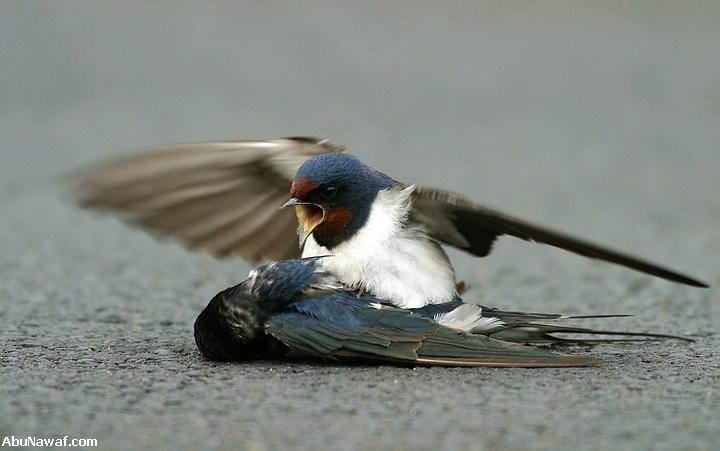
Swallows Evolving Shorter Wings?

Swallow hit and it's mate

Like a flitting sparrow, like a flying swallow, So a curse without cause shall not alight. (Proverbs 26:2 NKJV)

Wanted to share an article I came across about Swallows.

A recent article from the UK’s Daily Mail declared, “Swallows are evolving shorter wings because they keep getting hit by traffic.” Now, the article explains the results of a recent study from the journal Current Biology. The study examined cliff swallows, both living and dead, that build their mud nests on highway overpasses, to see if there were certain traits in swallows that favored their survival. The researchers argued that natural selection should “favor individuals that either learn to avoid cars or that have other traits making them less likely to collide with vehicles.” The study found that the swallows that survived had shorter wingspans, while the ones that died had longer wings…..”

To see the rest of Ken Ham’s Article. Birds Produce Wings – Evolution?

Also in my Answers magazine, they mentioned

“three enthusiastic brothers, ages 10, 11, and 13, are combining their interest in writing, creationism, and web design to launch the Virtual Creation Zoo. Their goal is to declare the glory of our Creator, and these three boys are doing it! “

Visit their website, Virtual Creation Zoo.

(Answers,Vol.8 No.1 July-Sept 2013)

(Original Article in Daily Mail)

*

Birds of the Bible – Raven III

Northern Raven (Corvus corax) by Ray

Northern Raven (Corvus corax) by Ray

It has been several years since the Raven was featured in the Birds of the Bible. Let’s review the Raven’s part in the Scripture and see if we can add more details about this fantastic bird and his family members.

Ravens are mentioned eleven times in the Bible:

Then he sent out a raven, which kept going to and fro until the waters had dried up from the earth. (Genesis 8:7)
every raven after its kind, (Leviticus 11:15)
every raven after its kind; (Deuteronomy 14:14)
You shall drink from the brook, and I have commanded the ravens to feed you there.” 1Kings 17:4)
And the ravens brought him bread and meat in the morning, and bread and meat in the evening, and he drank from the brook. (1Kings 17:6)
Who provides food for the raven, When its young ones cry to God, And wander about for lack of food? (Job 38:41)
He gives to the beasts their food, and to the young ravens that cry. (Psalms 147:9)
The eye that mocks a father and scorns to obey a mother will be picked out by the ravens of the valley and eaten by the vultures. (Proverbs 30:17)
His head is like the finest gold; His locks are wavy, And black as a raven. (Song of Solomon 5:11)
But the pelican and the porcupine shall possess it, Also the owl and the raven shall dwell in it. And He shall stretch out over it The line of confusion and the stones of emptiness. (Isaiah 34:11)
Consider the ravens: they neither sow nor reap, they have neither storehouse nor barn, and yet God feeds them. Of how much more value are you than the birds! (Luke 12:24)

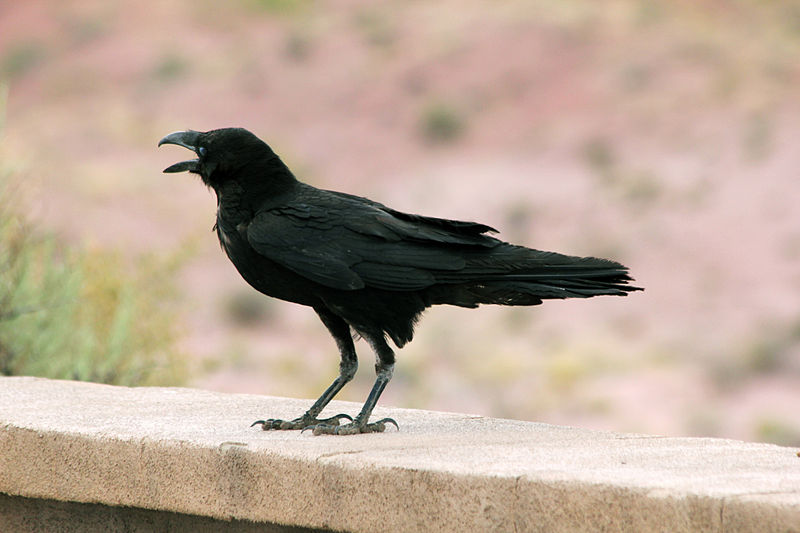
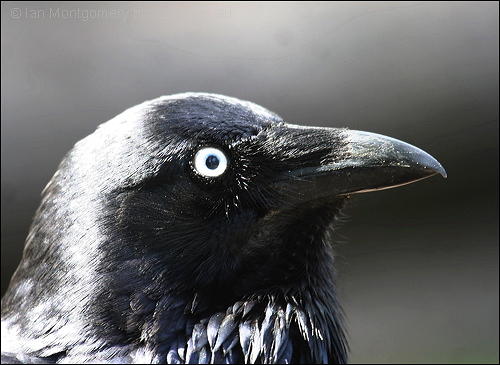
As you can see, the Raven is one of the more mentioned birds in God’s Word, therefore it deserves to be studied again. The  Corvidae – Crows, Jays, Ravens Family is where you will find the Raven and their kind, such as Ravens, Crows, Jackdaw, Magpies, Jays, Magpie-Jays and Ground-Jays, Treepies, Choughs and Nutcrackers. At present, there are 130 species in the family. The Raven is one of several larger-bodied members of the genus Corvus—but in Europe and North America the Northern (Common) Raven is normally implied. They have black plumage and large beaks. They are considered the most intelligent of the birds, and among the most intelligent of all animals. It appears that the Lord used the intelligence He created in the Raven to help find the food that was needed to feed Elijah, the prophet, and also to help Noah discern when the waters had dried up.

And Elijah the Tishbite, of the inhabitants of Gilead, said to Ahab, “As the LORD God of Israel lives, before whom I stand, there shall not be dew nor rain these years, except at my word.” Then the word of the LORD came to him, saying, “Get away from here and turn eastward, and hide by the Brook Cherith, which flows into the Jordan. And it will be that you shall drink from the brook, and I have commanded the ravens to feed you there.” So he went and did according to the word of the LORD, for he went and stayed by the Brook Cherith, which flows into the Jordan. The ravens brought him bread and meat in the morning, and bread and meat in the evening; and he drank from the brook. (1 Kings 17:1-6 NKJV)

Today there are thirteen (11) Ravens plus several subspecies. (IOC 3.4) There are also two extinct; the Chatham and New Zealand Ravens.

Forest Raven (Corvus tasmanicus)
Little Raven (Corvus mellori)
Australian Raven (Corvus coronoides)
Pied Crow (Corvus albus)
Brown-necked Raven (Corvus ruficollis)
Somali Crow (Corvus edithae)
Northern Raven (Corvus corax)
Chihuahuan Raven (Corvus cryptoleucus)
Fan-tailed Raven (Corvus rhipidurus)
White-necked Raven (Corvus albicollis)
Thick-billed Raven (Corvus crassirostris)

Chihuahuan Raven (Corvus cryptoleucus) ©WikiC

Chihuahuan Raven (Corvus cryptoleucus) ©WikiC

The Northern (Common) Raven, which is North America’s main Raven, began in the Old World and crossed the Bering land bridge into North America. Recent genetic studies, which examined the DNA of Northern Ravens from across the world, have determined that the birds fall into at least two clades: a California clade, found only in the southwestern United States, and a Holarctic clade, found across the rest of the northern hemisphere. Birds from both clades look alike, but the groups are genetically distinct and began to diverge.

The findings indicate that based on mitochondrial DNA, Northern Ravens from the rest of the United States are more closely related to those in Europe and Asia than to those in the California clade, and that Northern Ravens in the California clade are more closely related to the Chihuahuan Raven (C. cryptoleucus) than to those in the Holarctic clade. Ravens in the Holarctic clade are more closely related to the Pied Crow (C. albus) than they are to the California clade. Thus, the Northern Raven species as traditionally delimited is considered to be paraphyletic.

One explanation for these surprising genetic findings is that Northern Ravens settled in California and became separated from their relatives in Europe and Asia during an ice age. A group from the California clade became into a new species, the Chihuahuan Raven. Other members of the Holarctic clade arrived later in a separate migration from Asia.

A recent study of raven mitochondrial DNA showed that the isolated population from the Canary Islands is distinct from other populations. The study did not include any individuals from the North African population, and its position is therefore unclear, though its morphology is very close to the population of the Canaries (to the extent that the two are often considered part of a single subspecies). (Wikipedia with editing)

Thick-billed Raven (Corvus crassirostris) ©WikiC

Thick-billed Raven (Corvus crassirostris) ©WikiC

Wikipedia and others break the Ravens into five groups along with their allies in the True Crows division.

  • Australian and Melanesian Species – Australian Raven, Little Raven, Forest Raven
  • Eurasian and North African Species – Fan-tailed Raven, Brown-necked Raven
  • Holarctic Species – Northern (Common) and Pied Ravens
  • North and Central American Species – Chihuahuan Raven, Western Raven
  • Tropical African Species – White-necked Raven, Thick-billed Raven, Somali Crow (Dwarf Raven)
Australian Raven (Corvus coronoides) by Ian

Australian Raven (Corvus coronoides) by Ian

Other articles about the Raven:

*

New I.O.C. 3.4 Version Complete

Greater Sooty Owl (Tyto tenebricosa) ©WikiC

Sooty Own now the Greater Sooty Owl (Tyto tenebricosa) ©WikiC

The I.O.C released their 3.4 Version of the lists of the Birds of the World and I have been busy behind the scenes again bring Lee’s Birds of the World up to date. Other than needing to change the names of a few photos and finding photos for the new birds now listed with the I.O.C., the pages are finished.

There are now 10,488 extant species and 149 extinct species of birds of the world (Version 3.4), with subspecies (20,984). These birds are Classified into 40 Orders, 231 Families (plus 6 “Incertae sedis” groups – Holding places for birds they are not sure which family to place them in).

Some of the new birds listed are: Pincoya Storm Petrel, Rinjani Scops Owl, Antioquia Wren and they deleted the Green-crowned Woodnymph and the Plain-breasted Earthcreeper. It appears the deletions happen when the birds are placed into a subspecies category.

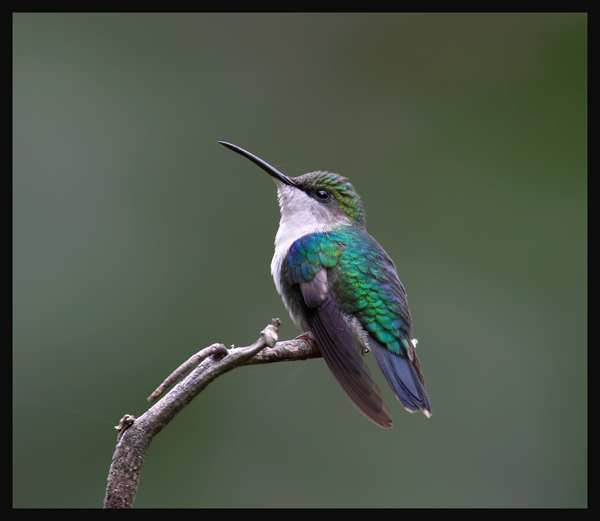
Violet-crowned Woodnymph now the Crowned Woodnymph (Thalurania colombica) by RScanlon

Violet-crowned Woodnymph now the Crowned Woodnymph (Thalurania colombica) by RScanlon

There were some name changes like
Sooty Owl (Tyto tenebricosa) – now – Greater Sooty Owl
Violet-crowned Woodnymph (Thalurania colombica) – now – Crowned Woodnymph
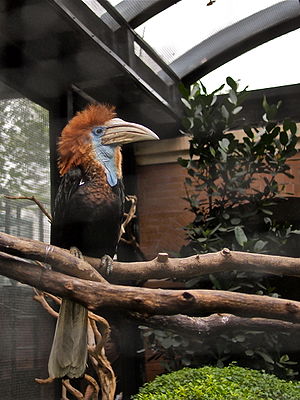
Black-casqued Wattled Hornbill (Ceratogymna atrata) – now – Black-casqued Hornbill
Yellow-casqued Wattled Hornbill (Ceratogymna elata) – now – Yellow-casqued Hornbill
Western Slaty Antshrike (Thamnophilus atrinucha) – now – Black-crowned Antshrike
Variable Pitohui (Pitohui kirhocephalus) – now – Northern Variable Pitohui
Dark-capped Yellow Warbler (Iduna natalensis) – now – African Yellow Warbler
Red-tailed Rufous Thrush (Neocossyphus rufus) – now – Red-tailed Ant Thrush
White-tailed Rufous Thrush (Neocossyphus poensis) – now – White-tailed Ant Thrush
Sage Sparrow (Artemisiospiza belli) – now – Bell’s Sparrow

Do Species Change?

Yellow-casqued Hornbill (Ceratogymna elata) ©Wiki

Yellow-casqued Wattled now the Yellow-casqued Hornbill (Ceratogymna elata) ©Wiki

The birds are still doing their thing by multiplying and filling the earth as they were commanded to do by God. Most seem to adapt to some area and if not, they move on. Other, who can’t adapt, or have disasters or events occur that may make them go extinct. With over 10,400 plus birds to find on your birdwatching adventures, surely one is out there waiting for you to find it and enjoy the uniqueness of it. Enjoy your next adventure out and about searching for the Lord’s fantastic birds.

Bring out with you every living thing of all flesh that is with you: birds and cattle and every creeping thing that creeps on the earth, so that they may abound on the earth, and be fruitful and multiply on the earth.”
(Genesis 8:17 NKJV)

The biggest challenge was the Taxonomic Update. The Meliphagidae – Honeyeaters  Family was shuffled all around. Not only were they changed around, but they also changed the genus names for some birds, especially those in the Lichenostomus genus. As the ornithologist do more and more DNA testing, they are finding that some are not related or come from a different line with in the family. Keeps me busy.

See:

*

Wordless Birds

*

Bali Myna at Lowry Park and Palm Beach Zoos

Bali Myna (Leucopsar rothschildi) by Lee

Bali Myna (Leucopsar rothschildi) at Lowry Park Zoo by Lee

Yesterday, we went over to the Lowry Park Zoo for a little while and were able to record several interesting birds and the Singing Dogs from Australia. I was especially pleased to hear the Bali Myna making a neat little call or song. Here is a video of it that I put together. This is another bird from the Lord’s Creative Hand.

God created the great sea monsters and every living creature that moves, which the waters brought forth abundantly, according to their kinds, and every winged bird according to its kind. And God saw that it was good (suitable, admirable) and He approved it. (Genesis 1:21 AMP)

These photos were taken at Palm Beach Zoo last month.

Bali Myna (Leucopsar rothschildi Palm Beach Zoo by Lee

Bali Myna (Leucopsar rothschildi Palm Beach Zoo by Lee

He was displaying and this is another view of him.

Bali Myna (Leucopsar rothschildi Palm Beach Zoo by Lee

Bali Myna (Leucopsar rothschildi Palm Beach Zoo by Lee

Here is a video of the Bali Myna at Palm Beach displaying:

The Bali Myna is a highly endangered species and many of the zoos are trying to preserve them through there breeding programs.

Bali Myna (Leucopsar rothschildi) Sign at LPZ

Bali Myna (Leucopsar rothschildi) Sign at LPZ

This bird is a member of the Sturnidae – Starlings Family. The Bali Myna (Leucopsar rothschildi), also known as Rothschild’s Mynah, Bali Starling, or Bali Mynah, locally known as Jalak Bali, is a medium-sized (up to 25 cm long), stocky myna, almost wholly white with a long, drooping crest, and black tips on the wings and tail. The bird has blue bare skin around the eyes, greyish legs and a yellow bill. Both sexes are similar.

The Bali Myna is restricted to the island of Bali in Indonesia, where it is the island’s only endemic vertebrate species. (An endemic subspecies, the Bali Tiger, has been extinct since 1937.) The bird was discovered in 1910, and in 1991 was designated the fauna symbol of Bali. Featured on the Indonesian 200 rupiah coin, its local name is “Jalak Bali”.

In its natural habitat it is inconspicuous, using tree tops for cover and–unlike other starlings–usually coming to the ground only to drink or to find nesting materials; this would seem to be an adaptation to its noticeability to predators when out in the open. The Bali mynah often gathers in groups when it is young to better locate food and watch out for predators. The vocalizations are a variety of sharp chattering calls and an emphatic twat.

The Bali Myna’s diet includes fruit, seeds, worms and insects.

During breeding season, males attract females by calling loudly and bobbing up and down. The birds nest in tree cavities, with the female laying and incubating two-three eggs. Both males and females bring food to the nests for chicks after hatching. (Wikipedia with editing)

Oh, I almost forgot to show you the Singing Dogs from Lowry Park Zoo. They were doing their thing causing all the others to make noise also. They are from New Guinea and music is playing in the background.

See:

Sturnidae – Starlings Family

Bali Myna – Wikipedia

Bali Myna – San Diego Zoo

The Bali Myna

Lowry Park Zoo

Palm Beach Zoo

New Guinea Singing Dog – Wikipedia

*

Green Heron Fishing With Bread

You have got to watch this Green Heron fishing with bread. The video speaks for itself.

Look at the birds of the air, for they neither sow nor reap nor gather into barns; yet your heavenly Father feeds them. Are you not of more value than they? (Matthew 6:26 NKJV)

*

*

Ardeidae- Herons, Bitterns

Birds of the Bible – Herons

Bible Birds – Herons

*