Birdwatching Adventure – May 2013

Sunrise at Patrick AFB by Lee

Sunrise at Patrick AFB by Lee

And they rose up early in the morning, and the sun shone upon the water, … (2 Kings 3:22a KJV)

We just got back from a spontaneous three day trip down to the Palm Beach Zoo, (Palm Beach, FL) and up to the Viera Wetlands (Viera, FL) and then back home yesterday. As we rode along and since I haven’t been driving because of my eye situation, I kept a list of the birds along the way. The list below was the ones I reported to e-Bird. This includes the birds that were at the Zoo, but not captives. Our loop took us down US 27 and then back up I-95, through Orlando and back across I-4 to Winter Haven. Not a bad list. The ones in bold were special finds. In fact, the Northern Rough-winged Swallow and Bank Swallow were added to my life list. I am now at 245 on their list. The list was kept for each county we went through. (It gave me something to do while riding.)

Black-bellied Whistling-Duck
Muscovy Duck (Domestic type)
Indian Peafowl (Domestic type)
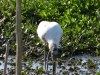
Wood Stork
Magnificent Frigatebird
Double-crested Cormorant
Anhinga
Brown Pelican
Least Bittern
Great Blue Heron
Great Egret
Little Blue Heron
Tricolored Heron
Cattle Egret
Black-crowned Night-Heron
White Ibis
Glossy Ibis
White-faced Ibis
Black Vulture
Turkey Vulture
Osprey
Swallow-tailed Kite
Bald Eagle
Red-shouldered Hawk
Common Gallinule
American Coot
Sandhill Crane
Ruddy Turnstone
Sanderling
Rock Pigeon
Eurasian Collared-Dove
Mourning Dove
Belted Kingfisher
Red-bellied Woodpecker
Crested Caracara
American Crow
Fish Crow
Northern Rough-winged Swallow
Bank Swallow
Northern Mockingbird
European Starling
Northern Cardinal
Red-winged Blackbird
Common Grackle
Boat-tailed Grackle
House Sparrow

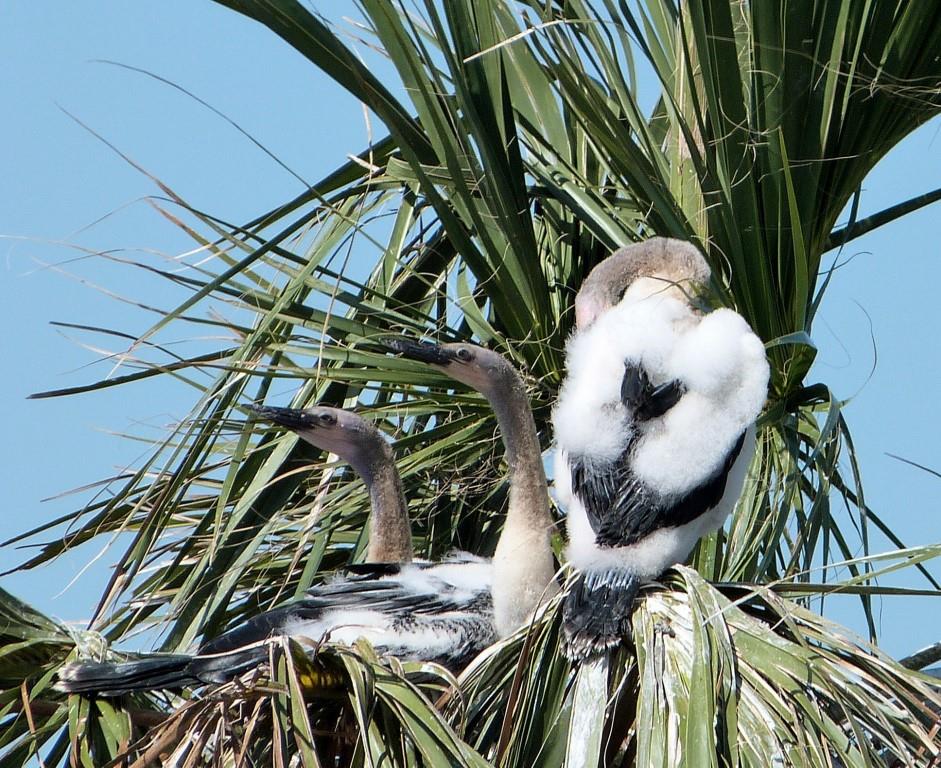
Anhinga (Anhinga anhinga) Immatures at Viera Wetland by Lee

Anhinga (Anhinga anhinga) Immatures at Viera Wetland by Lee

The Viera Wetlands count is included with those above, but is the individual count just for Viera. That actually was a birdwatching destination and e-Bird likes it counted separately. It is one of our favorites over on the east side of Florida. Unfortunately, it has apparently been dry over there, plus most of the Winter Birds have gone back north. So, the birding wasn’t as plentiful as normal. Here is the list of the birds we saw.  We stopped there in the afternoon on Wednesday and then visited it again Thursday before heading home. We saw 23 species altogether .

Species Name 15-May 16-May
Black-bellied Whistling-Duck 2
Anhinga 9 6
Brown Pelican 2
Least Bittern 1
Great Blue Heron 8 6
Great Egret 10 14
Little Blue Heron 1 1
Tricolored Heron 1 1
Cattle Egret 11 15
White Ibis 7 7
Glossy Ibis 2 7
White-faced Ibis 1
Turkey Vulture 1 15
Osprey 2
Common Gallinule 5 13
American Coot 8 4
Belted Kingfisher 1
Red-bellied Woodpecker 2
Crested Caracara 1
Fish Crow 1 2
Red-winged Blackbird 10 12
Common Grackle 3
Boat-tailed Grackle 18 22

*

Northern Crested Caracara (Caracara cheriway) at Viera Wetlands by Lee

Northern Crested Caracara (Caracara cheriway) at Viera Wetlands by Lee

The Crested Caracara was the best find. We had taken our photos and had stopped at the exit to put our cameras away. Dan had his in the trunk and mine was bagged when I look up and there he was right by us on the ground. Needless to say, we scrambled to get the camera back out, hoping we wouldn’t scare it off. As you can see, we got the photos of him.

I will save the Palm Beach Zoo birds and photos until another post. I took over 700, so it might take a day or two.

Great Blue Heron (Ardea herodias) Watching young nearby by Lee at Viera Wetlands

Great Blue Heron (Ardea herodias) Watching young nearby at Viera Wetlands

Here is what is being watched so closely:

Great Blue Heron (Ardea herodias) Young by Lee at Viera Wetlands

Great Blue Heron (Ardea herodias) Young at Viera Wetlands

See:

Viera Wetlands

e-Bird Home Page

Wordless Birds

*

Birds of the Bible – Herons On Tampa Bay

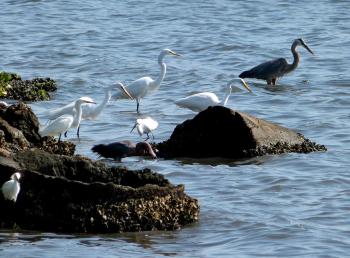
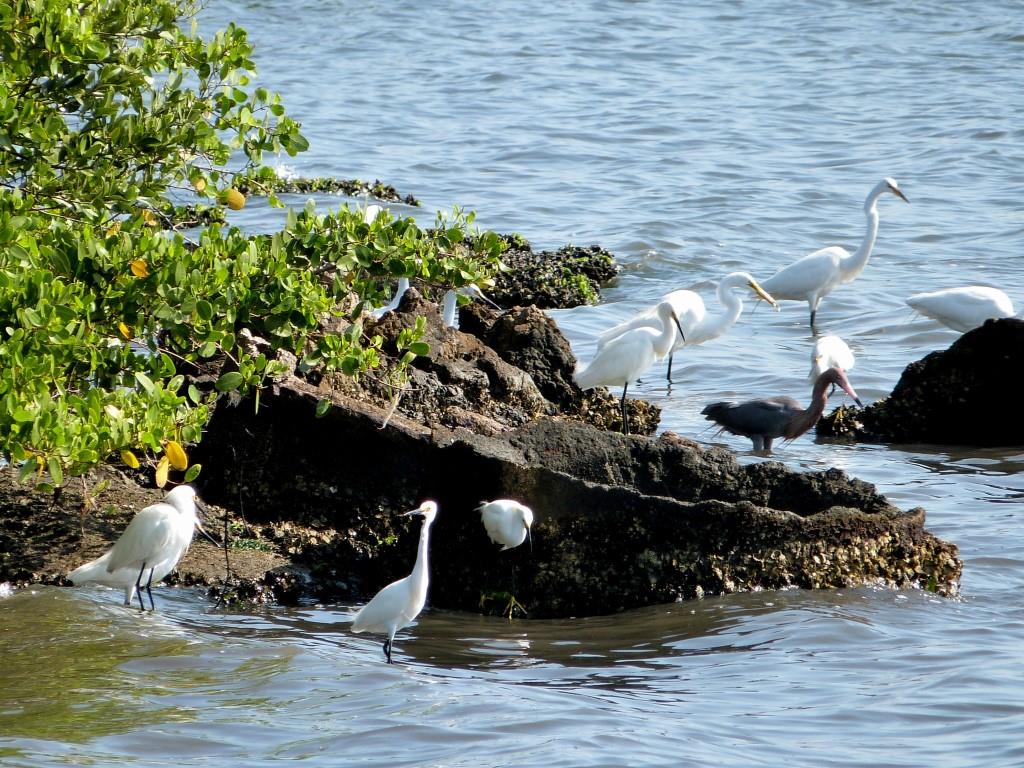
Reddish, Snowys, Greats Egrets and Great Blue Heron 5-10-13 by Lee at MacDill

Reddish, Snowys, Greats Egrets and Great Blue Heron (5-10-13) by Lee

And the stork, the heron after her kind, and the lapwing, and the bat. (Leviticus 11:19 KJV)

Herons are one of the species listed on the “Do not eat list” as we have written about before in the various Birds of the Bible – Heron articles. The first one was written back in 2008 when I first started the blog.

Since we were out birdwatching last week over in Tampa at the bay, I thought I would share some of those photos and update the Heron information some more. We saw a Great Blue Heron, several Little Blue Herons, and several others that are “after her kind” and in the same Ardeidae – Heron, Bittern  family. There were Snowy Egrets and Great Egrets fishing along with the others. The Little Blue Herons were in breeding plumage which you could tell because of their exceptionally blue beaks. (Not real clear-I was zoomed from quite a distance)

Little Blue Heron and Snowy Egrets by Lee from distance

Little Blue Heron and Snowy Egrets by Lee from distance

Herons are only mentioned twice in Scripture; Leviticus 11:19 and in Deuteronomy 14:18. That modern-day family, Ardiedae, currently has 72 members which includes not only Herons and Egrets, but also Bitterns. Some of them are grouped together like, Tiger Herons, Night Herons, Pond Herons, Reef Herons and Cattle Egrets. Not sure about the Tiger Herons but the night, pond, reef, and cattle name give you a clue as to where you might find them out and about.

And the stork, and the heron after her kind, and the lapwing, and the bat. (Deuteronomy 14:18 KJV)

The herons are long-legged freshwater and coastal birds in the family Ardeidae, (some are called “egrets” or “bitterns” instead of “heron”). Within Ardeidae, all members of the genera Botaurus and Ixobrychus are referred to as “bitterns”, and — including the Zigzag Heron or Zigzag Bittern — are a monophyletic group within the Ardeidae. However, egrets are not a biologically distinct group from the herons, and tend to be named differently because they are mainly white and/or have decorative plumes. Although egrets have the same build as herons, they tend to be smaller.

Great Egret (Ardea alba) Swallowing MacDil by Lee

Great Egret (Ardea alba) Swallowing by Lee

The classification of the individual heron/egret species is fraught with difficulty, and there is still no clear consensus about the correct placement of many species into either of the two major genera, Ardea and Egretta. Similarly, the relationship of the genera in the family is not completely resolved. However, one species formerly considered to constitute a separate monotypic family Cochlearidae, the Boat-billed Heron, is now regarded as a member of the Ardeidae.

Although herons resemble birds in some other families, such as the storks, ibises, spoonbills and cranes, they differ from these in flying with their necks retracted, not outstretched. They are also one of the bird groups that have powder down. Some members of this group nest colonially in trees, while others, notably the bitterns, use reedbeds.

The largest species of heron is the Goliath Heron, which stand up to 152 cm (60 in) tall. The necks are able to kink in an s-shape, due to the modified shape of the sixth vertebrae. The neck is able to retract and extend, and is retracted during flight, unlike most other long-necked birds. The neck is longer in the day herons than the night herons and bitterns. The legs are long and strong and in almost every species are unfeathered from the lower part of the tibia (the exception is the Zigzag Heron). In flight the legs and feet are held backward. The feet of herons have long thin toes, with three forward pointing ones and one going backward.

Reddish-Snowys-Greats Egrets -Great Blue Heron by Lee

Reddish-Snowys-Greats Egrets – Snowy in front with yellow feet

The herons are a widespread family with a cosmopolitan distribution. They exist on all continents except Antarctica, and are present in most habitats except the coldest extremes of the Arctic, extremely high mountains and the driest deserts. Almost all species are associated with water, they are essentially non-swimming waterbirds that feed on the margins of lakes, rivers, swamps, ponds and the sea. They are predominately found in lowland areas, although some species live in alpine areas, and the majority of species occur in the tropics.

While the family exhibits a range of breeding strategies, overall the herons are monogamous and mostly colonial. Most day-herons and night-herons are colonial, or partly colonial depending on circumstances, whereas the bitterns and tiger-herons are mostly solitary nesters. Colonies may contain several species as well as other types of waterbird. In a study of Little Egrets and Cattle Egrets in India the majority of the colonies surveyed contained both species. (Wikipedia with editing)

See:

Birds of the Bible

Birds of the Bible – Heron – Page

Bible Birds – Herons [younger readers]

Birds of the Bible – Herons – Article

Heron – Wikipedia

Ardeidae – Heron, Bitterns  family

*

My Mom And Me – Email

(Received this as an email. – Not sure who to credit them to.)

*

Here’s your AWE! for the day!!!

*

This slideshow requires JavaScript.

*

Bring forth every living thing that is with you of all flesh–birds and beasts and every creeping thing that creeps on the ground–that they may breed abundantly on the land and be fruitful and multiply upon the earth. (Genesis 8:17 AMP)

*

AWESOME BIRDS OF THE PHILIPPINES ! – Re-Post

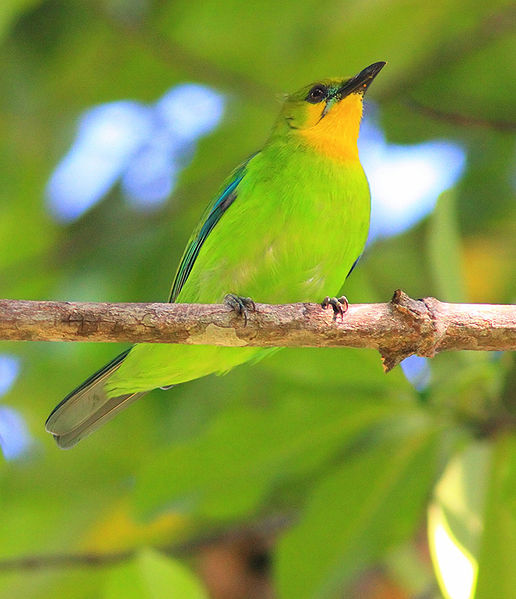
Yellow-throated Leafbird (Chloropsis palawanensis) @WikiC

Yellow-throated Leafbird (Chloropsis palawanensis) @WikiC

David Cabedo, who visits this site frequently, posted this article with the video on Philippines Birdwatching. It is fantastic. After showing the area of the Philippines, it then starts showing one bird after another that are in that area. Thanks, David, for finding and posting the YouTube. It is entitled, Avian Archipelago – Birdwatching in the Philippines” by avianarchipelago.

Enjoy!

*

*

He has made His wonderful works to be remembered; The LORD is gracious and full of compassion. (Psalms 111:4 NKJV)

See:

Philippine Birdwatching

Birds of the World

*

Subject: Modern Day Noah

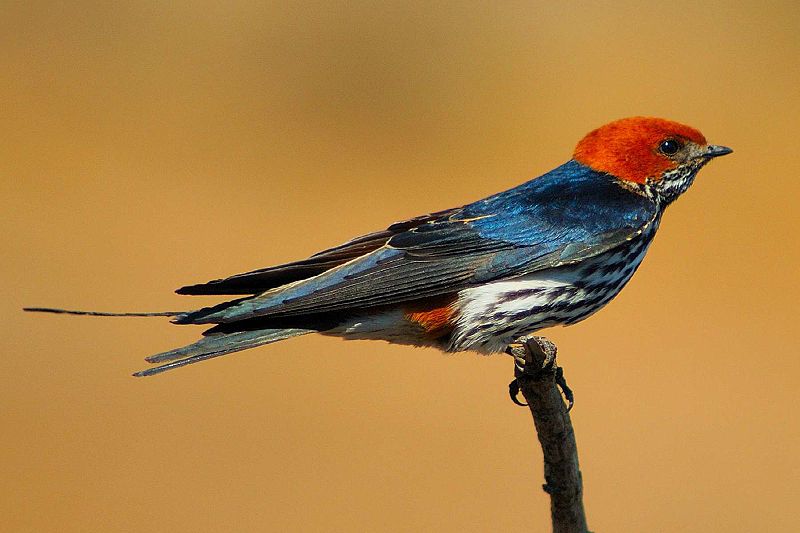
Lesser Striped Swallow (Cecropis abyssinica) ©WikiC

Lesser Striped Swallow (Cecropis abyssinica) ©WikiC

Received this as an email and thought you might enjoy a smile or a groan. (I’m still working behind the scenes on the Birds of the World. (Swallows at the moment.)

A merry heart makes a cheerful countenance, But by sorrow of the heart the spirit is broken. (Proverbs 15:13 NKJV)

Noah's Ark ©©Flickr elmada

Noah’s Ark ©©Flickr elmada

And God said unto Noah, The end of all flesh is come before me; for the earth is filled with violence through them; and, behold, I will destroy them with the earth. Make thee an ark of gopher wood; rooms shalt thou make in the ark, and shalt pitch it within and without with pitch. (Genesis 6:13-14 KJV)

Subject: Modern Day Noah

In the year 2005, the Lord came unto Noah, who was now living in the United States, and said, “Once again, the earth has become wicked and over-populated, and I see the end of all flesh before me. Build another Ark and save 2 of every living thing along with a few good humans.” He gave Noah the blueprints, saying, “You have 6 months to build the Ark before I will start the unending rain for 40 days and 40 nights.”

Six months later, the Lord looked down and saw Noah weeping in his yard, but no Ark. “Noah!” He roared, “I’m about to start the rain! Where is the Ark?”

“Forgive me, Lord,” begged Noah, “but things have changed. I needed a building permit. I’ve been arguing with the inspector about the need for a sprinkler system. My neighbors claim that I’ve violated the neighborhood zoning laws by building the Ark in my yard and exceeding the height limitations. We had to go to the Development Appeal Board for a decision. Then the Department of Transportation demanded a bond be posted for the future costs of moving power lines and other overhead obstructions, to clear the passage for the Ark’s move to the sea. I told them that the sea would be coming to us, but they would hear nothing of it. Getting the wood was another problem. There’s a ban on cutting local trees in order to save the spotted owl. I tried to convince the environmentalists that I needed the wood to save the owls – but no go! When I started gathering the animals, an animal rights group sued me. They insisted that I was confining wild animals against their will. They argued the accommodation was too restrictive, and it was cruel and inhumane to put so many animals in a confined space. Then the EPA ruled that I couldn’t build the Ark until they’d conducted an environmental impact study on your proposed flood. I’m still trying to resolve a complaint with the Human Rights Commission on how many minorities I’m supposed to hire for my building crew. Immigration and Naturalization is checking the green-card status of most of the people who want to work. The trades unions say I can’t use my sons. They insist I have to hire only Union workers with Ark-building experience. To make matters worse, the IRS seized all my assets, claiming I’m trying to leave the country illegally with endangered species. So, forgive me, Lord, but it would take at least 10 years for me to finish this Ark.”
Suddenly the skies cleared, the sun began to shine, and a rainbow stretched across the sky.

Noah looked up in wonder and asked, “You mean you’re not going to destroy the world?”

“No,” said the Lord. “The government beat me to it.”

*

The Rock Ptarmigan – The Crown

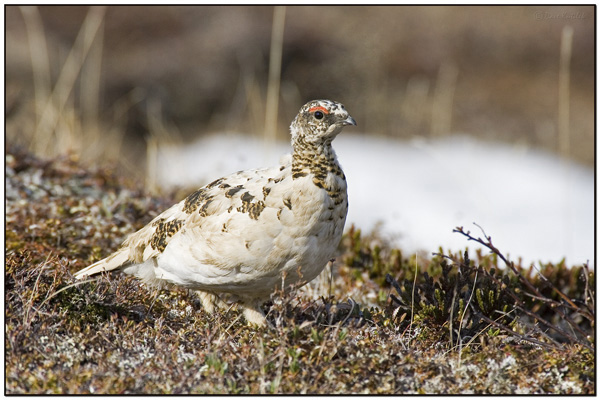
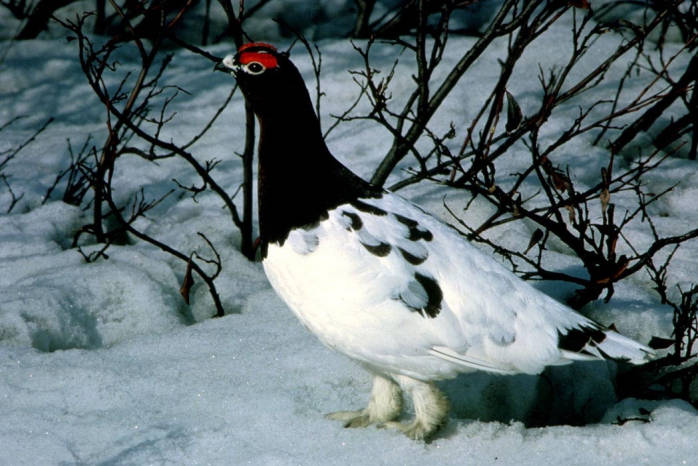
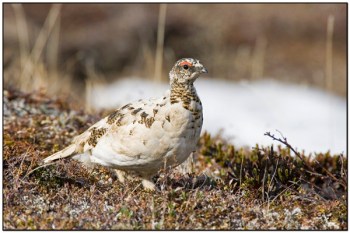
Rock Ptarmigan (Lagopus muta) by Daves BirdingPix

Rock Ptarmigan (Lagopus muta) by Daves BirdingPix

The Rock Ptarmigan – The Crown ~ by a j mithra

The Rock Ptarmigan is seasonally camouflaged; its feathers moult from white in winter to brown in spring or summer. The breeding male has greyish upper parts with white wings and under parts. In winter, its plumage becomes completely white except for the black tail. It can be distinguished from the winter Willow Ptarmigan (Willow Ptarmigan in North America) by habitat—the Rock Ptarmigan prefers higher elevations and more barren habitat; it is also smaller with a more delicate bill.
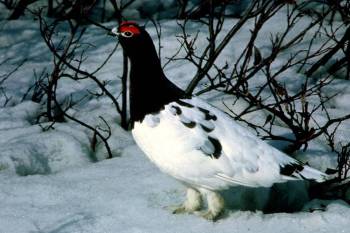
Willow Ptarmigan (Lagopus lagopus) ©USFWS

Willow Ptarmigan (Lagopus lagopus) ©USFWS

A bird that is smaller and with more delicate bill prefers higher elevation…

Interesting isn’t it?

It is when we become smaller, subdued and humble that God takes us to higher elevation.

He brought me up also out of a horrible pit, out of the miry clay, and set my feet upon a rock, and established my goings. (Psalm 40:2)

The higher elevation maybe more barren and it may have delicate bills but still this bird prefers higher elevation…

Most of us judge ourselves by what we have, failing to understand that in our weakness

“And he said unto me, My grace is sufficient for thee: for my strength is made perfect in weakness. Most gladly therefore will I rather glory in my infirmities, that the power of Christ may rest upon me.” (2 Corinthians 12:9)

His strength is complete and that is the reason He chooses the weak.
So that His name shall be glorified

  • Not in strength but in weakness’
  • Not in abundance but in want..
  • Not through the wise but through the fools.

But God has chosen the foolish things of the world to confound the wise; and God has chosen the weak things of the world to confound the things which are mighty; (1 Corinthians 1:27)

Rock Ptarmigan (Lagopus Muta) in winter plumage ©WikiC

Rock Ptarmigan (Lagopus Muta) in winter plumage ©WikiC

The small population living on Franz Josef Land in the Russian High Arctic, overwinter during the polar night, and survives by feeding on rich vegetation on and underneath high cliffs where seabird colonies are located in summer. The Rock Ptarmigan feeds primarily on birch and willow buds and catkins when available. It will also eat various seeds, leaves, flowers and berries of other plant species. Insects are eaten by the developing young.

Apart from the comb, the male Rock Ptarmigan has no ornaments or displays that are typical for grouses in temperate regions. Studies on other grouses have shown that much variation in comb size and colour exists
between the species, and that the comb is used in courtship display and aggressive interactions between males.

This reminds us of how the colorful garment of Jesus was stripped, torn into twelve pieces and shared among the soldiers right under the cross, even as the Rock was grieving in pain for our sins..

Jesus did not have any ornaments or displays on the cross except the crown of thorns.

He bore not the crown of thorns but bore the brunt of mockery to give us the crown of eternal life isn’t it?

And after twisting together a crown of thorns, they put it on His head, and a reed in His right hand; and they knelt down before Him and mocked Him, saying, “Hail, King of the Jews!” (Matthew 27:29)
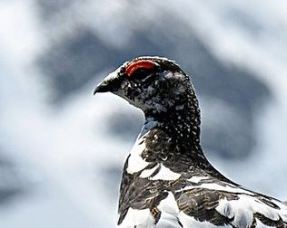
Rock Ptarmigan (Lagopus Muta) ©Wiki

Rock Ptarmigan (Lagopus Muta) ©Wiki

Many studies have shown that there is a strong correlation between the comb size and the level of testosterone in males; one report from 1981 showed that the amount of testosterone is correlated to aggressiveness against other males. The male’s comb has been the focus of studies regarding sexual selection. Studies of a population of male Rock Ptarmigans in Scarpa Lake, Nunavut, have shown that during the first year, mating success among males was influenced by comb size and condition, and bigamous males had larger combs than monogamous males. The correlation to size disappeared after the first year, but the correlation to comb
condition remained.

This is consistent with another study of the same population of L. muta that showed that mating success overall is correlated to comb condition. Exceptions were first-time breeders, in which the size of the comb influenced mating success. The mating success is correlated to comb condition..

There is a strong correlation between the life we live for Christ and the crown that God has kept for us.

  • We need to receive a crown not just to show off but to live eternally with the King..
  • Our King wore a crown of thorns so that His Queen, the Church shall wear the Crown of Life and reign with Him forever and ever.

What kind of a crown would God give us?

Here are a those five crowns that God had kept for us..

God has got an “IMPERISHABLE CROWN” for those who run a faithful, unselfish race, crucifying all their earthly desires and focusing on just the cross.

Did Jesus asked us to carry our cross for this?

Know ye not that they which run in a race run all, but one receiveth the prize? So run, that ye may obtain. And every man that striveth for the mastery is temperate in all things. Now they do it to obtain a corruptible crown; but we an incorruptible. (1 Corinthians 9:24-25)

“THE CROWN OF JOY” is there for those who bring souls into His kingdom. Working towards standing as a living testimony for others to follow Christ through our selfless Christ-like lifestyle…

Are we working selflessly to bring souls to His kingdom?

For what is our hope, or joy, or crown of rejoicing? Are not even ye in the presence of our Lord Jesus Christ at his coming? For ye are our glory and joy. (1 Thessalonians 2:19-20)

Here is another crown that awaits us, that is the “THE CROWN OF RIGHTEOUSNESS”

Are you waiting anxiously for the Lord? In that case you will surely receive this crown, when Jesus, the King returns.

  • How are we waiting?
  • Patiently?
  • Diligently?
  • Anxiously?

Henceforth there is laid up for me a crown of righteousness, which the Lord, the righteous judge, shall give me at that day: and not to me only, but unto all them also that love his appearing. (2 Timothy 4:8)

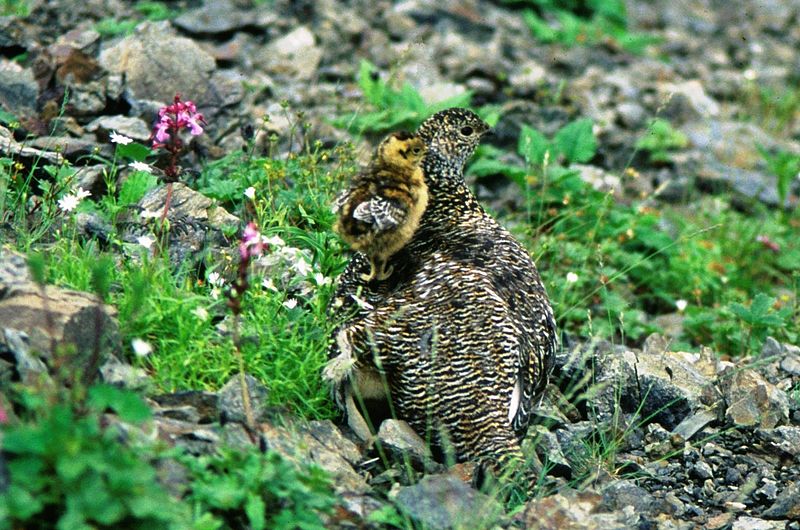
Rock Ptarmigan (Lagopus Muta) ©WikiC mother and chick

Rock Ptarmigan (Lagopus Muta) ©WikiC mother and chick

There is another crown for us, “THE CROWN OF LIFE”.

It is for those who endure temptations, trials, pain and agony for the sake of the Lord.

  • People around you may live a life of luxury and abundance.
  • But we are called to overcome earthly desires.
  • Do we deserve this crown?

Blessed is the man that endureth temptation: for when he is tried, he shall receive the crown of life, which the Lord hath promised to them that love him. (James 1:12)

This crown, “THR CROWN OF GLORY” has a long price tag.

Pay and receive. Here is the bill..

The elders which are among you I exhort, who am also an elder, and a witness of the sufferings of Christ, and also a partaker of the glory that shall be revealed:
Feed the flock of God which is among you, taking the oversight thereof, not by constraint, but willingly; not for filthy lucre, but of a ready mind;
Neither as being lords over God’s heritage, but being examples to the flock.
And when the chief Shepherd shall appear, ye shall receive a crown of glory that fadeth not away. (1 Peter 5:1-4)

Now, it’s time for us to switch on our search lights to see what kind of crown do we deserve..

Have a blessed day!
Yours in YESHUA,
a j mithra

Please visit us at:
CrossTree

ajmithra21
Birds of the Bible – Coat of Many Colors II

Sunset Lorikeet (Trichoglossus forsteni) ©WikiC

Sunset Lorikeet (Trichoglossus forsteni) ©WikiC

Now Israel loved Joseph more than all his children, because he was the son of his old age: and he made him a coat of many colours. (Genesis 37:3 KJV)

After I finished the Birds of the World – Kingfishers, Australasian Warblers, White-Eyes and Doves article last week, I decided to finish up the Psittacidae – Parrots Family. I still needed 150 photos or drawings to complete the 363 species needed. Well, last night, it was finished and at 100% for images.

Looking at all those Parrots and others in the family, they definitely have “Coats of Many Colors” also. Just wanted to share their beautifully created plumage also. Most of us are familiar with parrots and parakeets. Many have them as pets or have seen them in the wild. So you are sort of familiar with them, but I am sure as you view the slideshow, you will see many that you haven’t seen before.

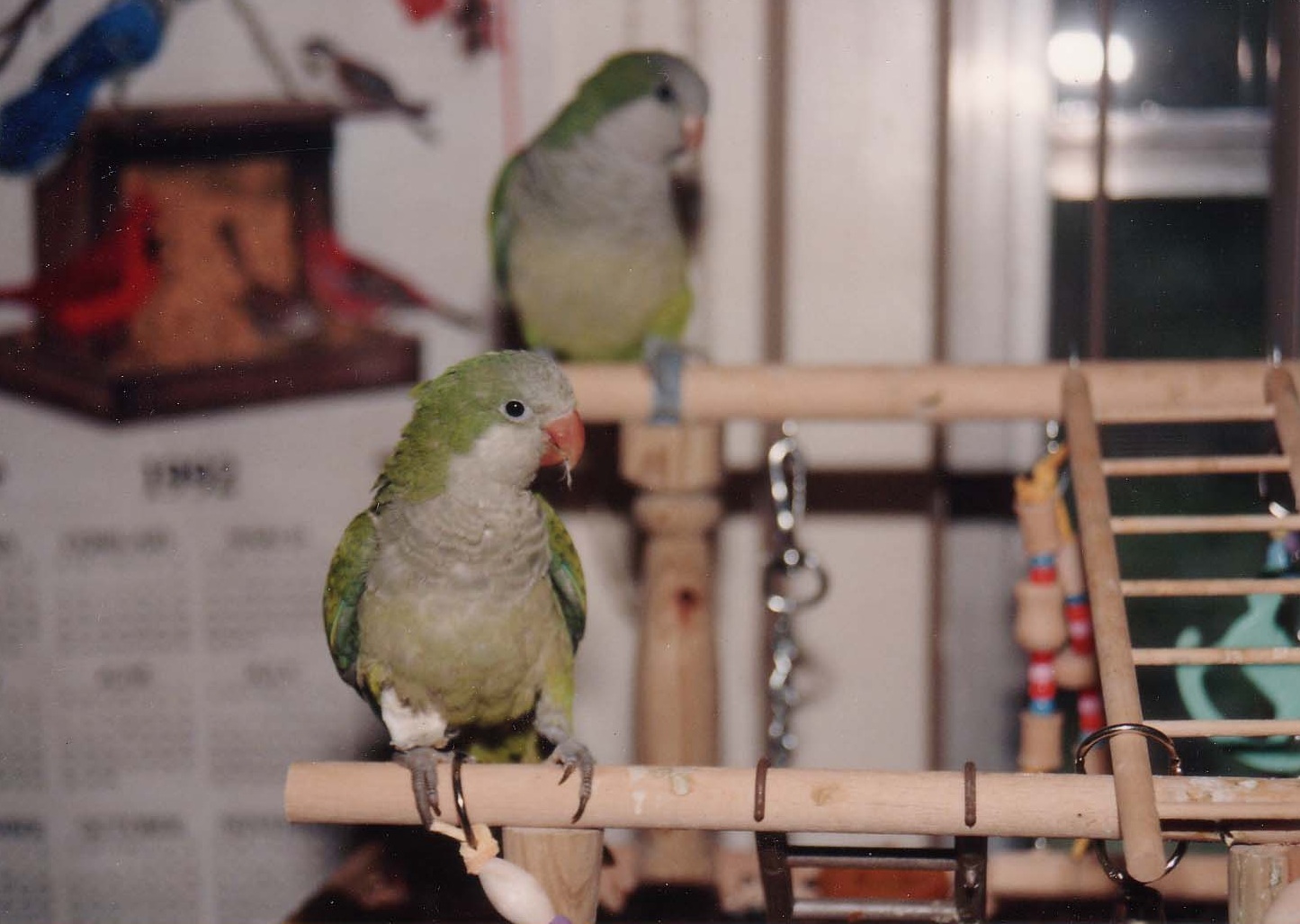
I also want to share the only birds I had personally. My preference is that the birds roam free, or are being kept from extinction in zoos or other similar situation. There is nothing wrong with having a pet, but I am just stating my preference. We ended up with two Monk Parakeets when we lived in south Florida. They are wild down there (up here also), but one day the neighbor boys came to my door and told me about an injured Monk Parakeet. A teenager had shot it out of a tree and the smaller boys found it. They said, “You love birds and you will know what to do.” That began the adventure with my bird. I had never kept a bird in my life, but knew that my veterinarian was also a bird vet. Long story short, I ended up with a one-winged bird that could never go back to the wild. My “free bird” ended up costing over $200 for vet bills. (This was over 20 years ago). Dan wanted to call it “One-armed Bandit” because it cost me so much, but I took the “t” off of “Bandit” and it became “Bandi.” I think it was a “she” because she was so sweet.

Well a year later, my friend bought two Monks and told me there was one more, but it had a deformed leg. Another long story short, I bought “Hoppy” for $25 and ended up spending another $200 getting a broken leg repaired. It was an amazing surgery the vet performed. “Hoppy” had to be a male, because he could be mischievous at times, but he learned to talk and was quite enjoyable (most of the time). The picture shows “Hoppy” with the bandage in front and “Bandi” in the background.

Monk Parakeet (Myiopsitta monachus) Hoppy & Bandi

Hoppy in front, Bandi in back – Monk Parakeet (Myiopsitta monachus)

The only two verses in Scripture, that I know of, that would apply to this would be:

For every kind of beasts, and of birds, and of serpents, and of things in the sea, is tamed, and hath been tamed of mankind: (James 3:7 KJV)

As a cage is full of birds, so are their houses full of deceit: therefore they are become great, and waxen rich. (Jeremiah 5:27 KJV)

Back to the Coats of Many Colors, below is a slideshow showing some of our beautiful and personable members of the Psittacidae – Parrots Family.

*

This slideshow requires JavaScript.

See Also:

Psittacidae – Parrots Family

Birds of the Bible – Coat of Many Colors I

Birds of the Bible 

Birds of the World

*

Birds of the World – Kingfishers, Australasian Warblers, White-Eyes and Doves

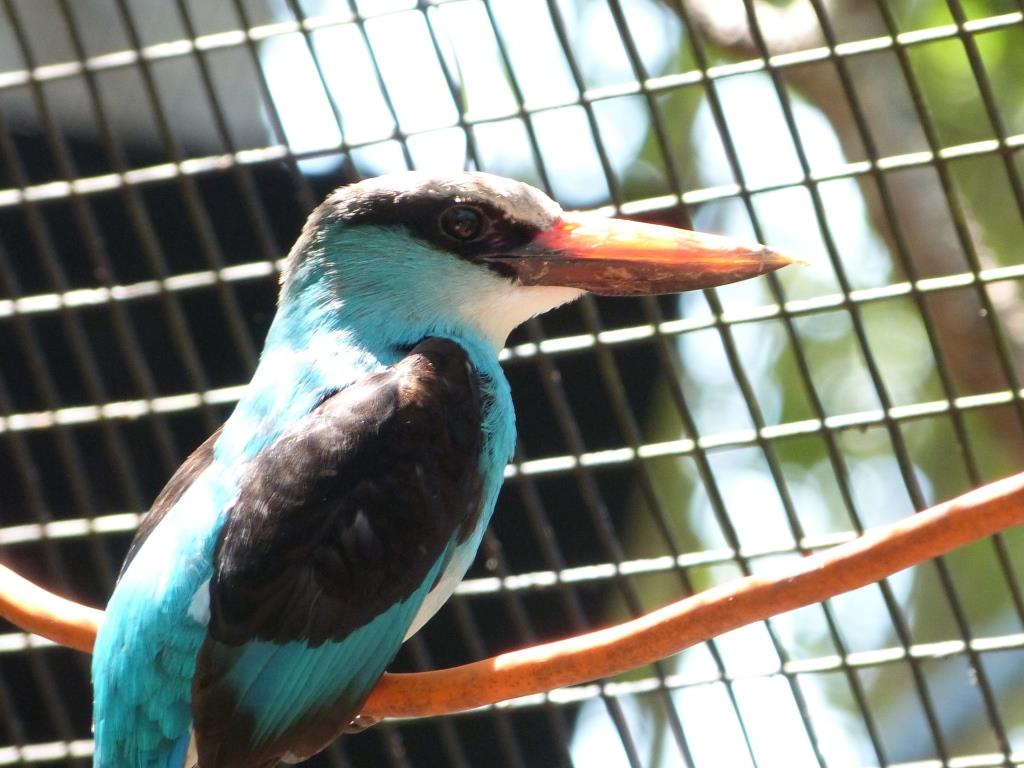
Blue-breasted Kingfisher (Halcyon malimbica) at LPZ by Lee

Blue-breasted Kingfisher (Halcyon malimbica) at LPZ by Lee – taken last week

Many, O LORD my God, are thy wonderful works which thou hast done, and thy thoughts which are to us-ward: they cannot be reckoned up in order unto thee: if I would declare and speak of them, they are more than can be numbered. (Psalms 40:5 KJV)

I have been working away on the different families of the Birds of the World. In the last few days, I was able to complete three more families at 100% and have one that needs five more images. Three of them have at least a photo or drawing of each of them. 100% done. That is a nice feeling. What beautiful birds are in those families. When the Lord created the birds, He used much variety in sizes, behaviors and colors. Even though it takes lots of time, it is enjoyable to be able to view so many of them. I am keeping an Excel spreadsheet of the families that shows each family, the number of species, how many are needed, and number seen so far. There are “10,476 extant species and 149 extinct species classified in 40 Orders,  231 Families (plus 6 Incertae Sedis) and 2268 Genera.” (IOC 3.3 Version) according to the IOC statement. Yet, when you add up the number of species of each family, they add up to 10,615. (10476+149=10,625) Somewhere there are 10 miscounted birds. Either way (10615 or 10,625), thats a lot of birds that are flying around the world for all of us to enjoy watching.

100 Percent of Images

Alcedinidae – Kingfishers – 95 Species

Acanthizidae – Australasian Warblers – 65 Species

Zosteropidae – White-eyes – 128 Species

The Pigeon and Doves have five photos that need to be found. After extensive search, they are still avoiding all the great photographers and artists out there. If any know of a source for these evaders, please leave a comment as to where to find a link to them. At least looking through these inspired the Birds of the Bible – Coat of Many Colors article.

Columbidae – Pigeons, Doves – 335 Species

** Need Photo **

  • Ryukyu Wood Pigeon (Columba jouyi †) Extinct
  • Rodrigues Pigeon (Nesoenas rodericana †) Extinct
  • Sulu Bleeding-heart (Gallicolumba menagei)
  • Mindanao Brown Dove (Phapitreron brunneiceps) 
  • Comoros Green Pigeon (Treron griveaudi)

Below are a few of the birds from each family.

This slideshow requires JavaScript.

*

Click on any of the Families to see the complete list of the species.

Alcedinidae – Kingfishers 

Acanthizidae – Australasian Warblers 

Zosteropidae – White-eyes

Columbidae – Pigeons, Doves

*

Wordless Birds

*

Birds of the Bible – Coat of Many Colors

Many-colored Fruit Dove (Ptilinopus perousii) ©WikiC

Many-colored Fruit Dove (Ptilinopus perousii) ©WikiC

While working on the Columbidae – Pigeons, Doves Family, I was enjoying the Fruit Doves and their beautiful colors. Of course the verse about Joseph’s Coat of Many Colors kept crossing my mind. Then I actually found the Many-colored Fruit Dove.

Now Israel loved Joseph more than all his children, because he was the son of his old age: and he made him a coat of many colours. (Genesis 37:3 KJV)

The Fruit Doves belong to the Ptilinopus genus. There are 53 Fruit Doves at present (I.O.C. 3.3) They eat fruit mostly and they may help enhance their colours, at least that is one opinion. “These small- to medium-sized doves generally have short, fan-shaped tails, and are remarkable for their colorful and often glossy plumage, as evidenced in the aptly named Orange Fruit Dove, Flame-breasted Fruit Dove, and Pink-headed Fruit Dove. Males and females of many fruit dove species look very different. For example, the female Many-coloured Fruit Dove shares the male’s crimson crown and deep pink undertail feathers, but is otherwise green, whereas the male has a crimson on the upper back and has areas of yellow, olive, cinnamon, and grey.

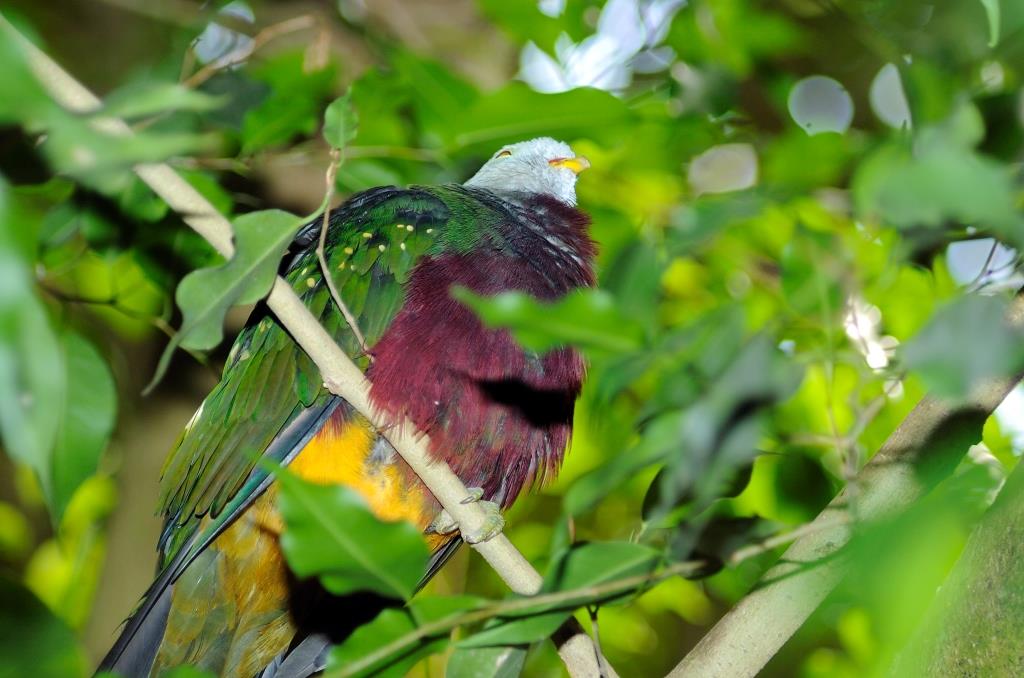
Wompoo Fruit Dove (Ptilinopus magnificus) by Dan at National Aviary

Wompoo Fruit Dove (Ptilinopus magnificus) by Dan at National Aviary

This is a large genus, most diverse in and around the island of New Guinea, in the Philippines, and in the biogeographical region of Wallacea. Some species have ranges as far west as the Sunda Islands, others north to Taiwan, south to Australia, and east into Polynesia.

Fruit doves, as their name implies, eat fruit — ficus is especially important — and live in various kinds of forest or woodland. Some species are restricted to primary forest, such as lowland rainforest, montane forest, or monsoon forest, while others prefer secondary forest or disturbed areas. Some species specialize in particular habitats, from lowland coastal forest to the cloud forest or moss forest of high altitudes. Some species of fruit doves are only found in habitats dominated by particular plants, such as mangrove, eucalyptus, or pandanus. Only a few species can commonly be seen around human habitation, these include the Knob-billed Fruit Dove, Makatea Fruit Dove, and Black-naped Fruit Dove, which are known to visit gardens and such.

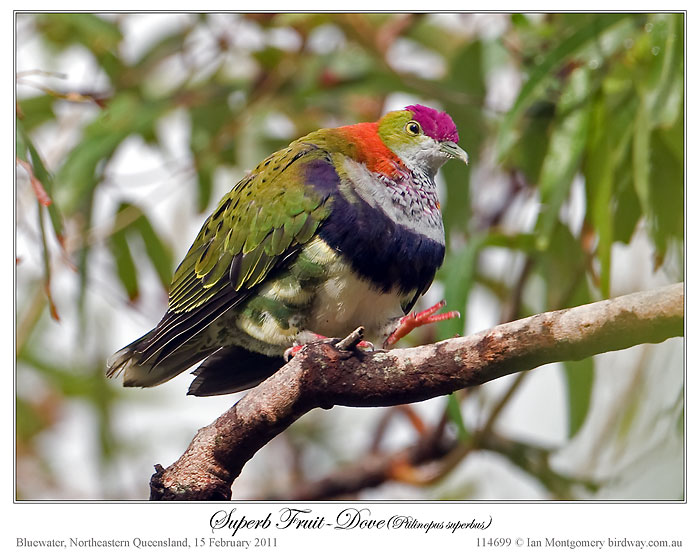
Superb Fruit Dove (Ptilinopus superbus) by Ian

Superb Fruit Dove (Ptilinopus superbus) by Ian

Much is still to be learned about fruit doves. Many species are shy and difficult to observe in their natural habitat. For example, there are several species in the Philippines, and for most of them, little or nothing is known of their breeding or nesting behavior.” (Wikipedia with editing)

We have had the privilege of seeing several of the Fruit Doves at the Zoos we have visited. They are so beautiful and colorful. Isn’t the Lord great in His providing them the ability to show off all their “coats of many colors?” I trust you will enjoy looking at the slideshow below and seeing them. These are the ones that I have permission to show. I am putting the whole list of them from the Family pages so that you can view the others.

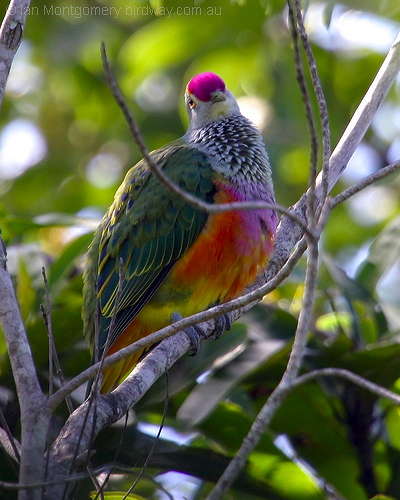
Rose-crowned Fruit Dove (Ptilinopus regina) by Ian

Rose-crowned Fruit Dove (Ptilinopus regina) by Ian

Divers colours is only associated with one bird in Scripture and that is with an eagle:

And say, Thus saith the Lord GOD; A great eagle with great wings, longwinged, full of feathers, which had divers colours, came unto Lebanon, and took the highest branch of the cedar: (Ezekiel 17:3 KJV)

“Divers colours” is used 6 times in the King James Version, others translate that phrase as; various colors, beautiful feathers, long, colorful feathers , full of varicolored feathers, of variety,  feathers covered with spots, rich in plumage of many colors, full of plumage of embroidery, having different colors to him, multi-colored plumage, or in full plumage and bright colors.

I think those descriptions can well describe our feather colors  the Creator placed on these Fruit Doves. Doves are mentioned many times in the Bible. See the Birds of the Bible – Dove and Pigeon page.

This slideshow requires JavaScript.

****

Columbidae – Pigeons, Doves Family

Birds of the Bible – Dove and Pigeon

*

P.S. I’ll be adding more of our as I find them.

*

Seeing Pink at Circle B Bar Reserve – Gallery

Because the slideshow won’t allow larger photos, here are the photos for the Seeing Pink at Circle B Bar Reserve article in the Gallery format. Clicking any photo will begin an Image Gallery Carousel.

*

Seeing Pink at Circle B Bar Reserve

Pileated Woodpecker by Lee at Circle B

Pileated Woodpecker by Lee at Circle B 4-9-2013

Then God said, “Let the waters abound with an abundance of living creatures, and let birds fly above the earth across the face of the firmament of the heavens.” So God created great sea creatures and every living thing that moves, with which the waters abounded, according to their kind, and every winged bird according to its kind. And God saw that it was good. And God blessed them, saying, “Be fruitful and multiply, and fill the waters in the seas, and let birds multiply on the earth.” (Genesis 1:20-22 NKJV)

We spent  a short time at Circle B Bar Reserve today and thought it would be the same old-same old. Well, it wasn’t. A lady we ran into said the same thing I was thinking, “I wasn’t expecting much today.”

When we got out of the car, I spotted a bird landing in the tree nearby which turned out to be a Pileated Woodpecker. That got me excited  right away.

As soon as we turned the corner to head to the marsh, which is extremely dry because there has not had much rain all winter, I saw “Pink.”

Roseate Spoonbill Tree

Roseate Spoonbill Tree

I am putting a Slideshow here so you can see why I got so excited. It turned out to be a fantastic birdwatching adventure today. Ignore some of the blurred photos, but were inserted to help tell the story of this adventure. The Roseate Spoonbills are spotted out there, but I have never seen so many and so close as today. They kept landing on that tree as you will see and it built up until there were 15 of them in that tree.

Not only did we see the Pileated Woodpecker and the Roseate Spoonbills, but we saw quite a few others also. They are included in the slideshow also. Enjoy!

This slideshow requires JavaScript.

To See these photos in a Gallery – Click Here

Other Birdwatching Trips

*

Birds of the World – Asian and African Barbets

Fire-tufted Barbet (Psilopogon pyrolophus) by Dan at WA

Fire-tufted Barbet (Psilopogon pyrolophus) by Dan at Wings of Asia

Its leaves were beautiful, its fruit was abundant, and on it was food for all. Wild animals found shelter under it, the birds of the air lived in its branches, and every creature was fed from it. (Daniel 4:12 HCSB)

The Barbets used to be mainly in one big family, but they are being divided up in several families. The Internet Bird Collection and some other still have them in one family, but IOC, whose list is used here, breaks them into Asian Barbets (Megalaimidae Family) with 30 species and the African Barbets (Lybiidae Family) with 42 species. There is another family of Barbets here in the New World called New World Barbets (Capitonidae Family) that has 15 members. There are two Barbets, the Prong-billed and Toucan Barbet, that are by themselves in the Semnornithidae Family. Barbets are in the Piciformes Order which also has the Toucan,  JacamarPuffbirdHoneyguide and Woodpecker families.

I finished working on the Asian Barbet and African Barbet Family pages and decided to share some of them with you. They are a colorful bunch. The Lord put designs and color in their creation and yet in their natural habitats, they blend in well (camouflage). Some are beautiful and some are almost “gaudy” and have…started to put personality, but they are not humans, so maybe “birdality” might be a better term. Like this Brown-headed Barbet (Megalaima zeylanica) by Nikhil Devasar. My caption would be “hanging on by a nail.”

Brown-headed Barbet (Megalaima zeylanica) by Nikhil Devasar

Brown-headed Barbet (Megalaima zeylanica) by Nikhil Devasar

Here are some of their photos in a slideshow. (They are from all four families)

This slideshow requires JavaScript.

*

I am working on Our Birdwatching Photos of these families and will ready soon.  (Update – Just Finished Them)

Interesting Articles:

Coppersmith Barbet – The Fruit-giver ~ by ajmithra

Formed By Him – Bearded Barbet

Birds of the Bible – Names of Birds

Dan’s Pix Fire-tufted Barbet – Fire-tufted II

Africa’s Barbets by 10,000 Birds

*