A Vulture Thanksgiving

A Vulture Thanksgiving

 by Emma Foster

Turkey Vulture Tree at Saddle Creek by Lee

Turkey Vulture Tree at Saddle Creek by Lee

Once, in a small town, there lived a dozen or so turkey vultures. Every day, they would all gather on high places like totem poles or electrical wires and look around for food. But it was during Thanksgiving break that all of the vultures that lived in the town gathered together to decide what to do for all of the people who didn’t have anything to eat for Thanksgiving.

They all gathered on top of a church steeple to discuss what they should do; people passing by thought all of the vultures on top of the church steeple were somewhat disturbing, especially since it was a Sunday.

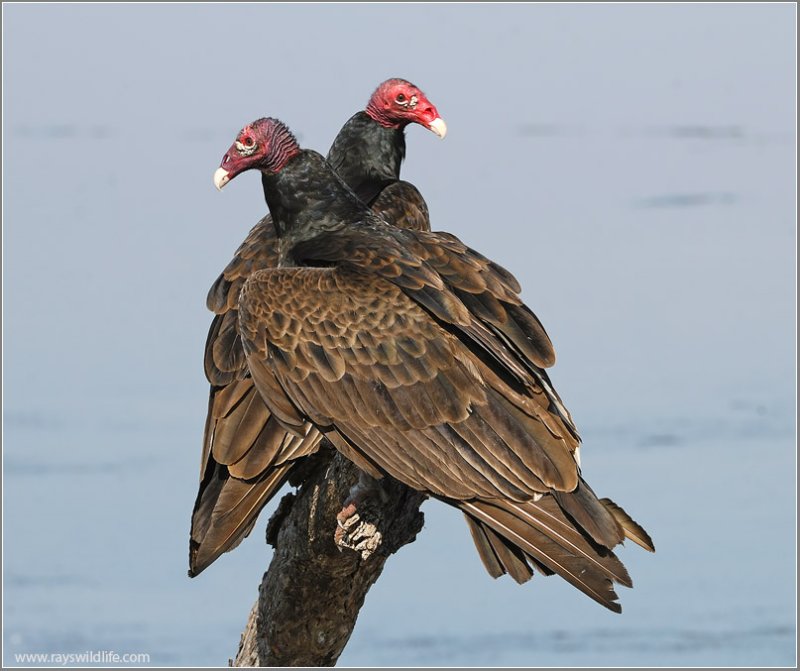
Turkey Vulture (Cathartes aura) by Ray

Turkey Vulture (Cathartes aura) by Ray

Because there was a shortage of turkeys that year in the town (Reginald the Commander Turkey had been doing his job very well), the vultures all decided they would fly to another state to get the turkeys to bring to those who did not have much for Thanksgiving.

On Monday morning, the vultures woke up early and started flying east to Mississippi from Louisiana to another small town.

They all flew to a Wal-Mart in Mississippi and sneaked into the back room by a skylight. Of course, turkey vultures thought that good food was the kind that was dead. Each vulture picked up a turkey from the freezer to take home.

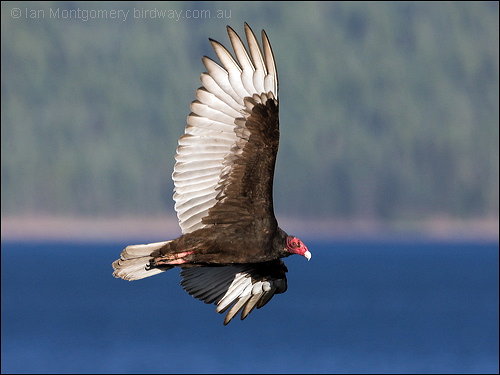
Turkey Vulture by Ian Montgomery

Turkey Vulture by Ian Montgomery

It was a bit difficult to fly home with a giant frozen turkey, but one by one the vultures flew out of Wal-Mart and began to fly back to Louisiana. It took them a long time to fly back from Mississippi, so by the time the vultures returned to Louisiana, it was Thanksgiving Eve.

Each of the vultures flew in different directions to different houses in several neighborhoods. They each set a turkey by the front door of the houses and rang the doorbell. Whenever someone opened the door, they would find a turkey with a little card attached to it that said “Happy Thanksgiving.” from TV.

The End

giving thanks always for all things to God the Father in the name of our Lord Jesus Christ, (Ephesians 5:20 NKJV)

And whatever you do in word or deed, do all in the name of the Lord Jesus, giving thanks to God the Father through Him.
(Colossians 3:17 NKJV)

*

*

What Has Evolution Given To The World? – Creation Moments – Re-posted

WHAT HAS EVOLUTION GIVEN TO THE WORLD?

“I have seen all the works that are done under the sun; and, behold, all is vanity and vexation of spirit.” (Ecclesiastes 1:14)


We get lots of interesting letters and e-mails here at Creation Moments. Most of them are positive, but occasionally we hear from someone who disagrees with us. One such writer told us that there are, and I quote, “thousands upon thousands of articles written in medical journals about how evolution has been of enormous benefit in medicine.”

Magnetic resonance imaging scanner, invented by creationist Raymond Vahan Damadian.Want to hear how we responded? We began like this:

Interesting Things from Smiley CentralHow many of those thousands of articles have you read? We’ve read some, and the references to evolution appear to have been added without thought or reason. Evolution has had absolutely nothing to do with medicine. In fact, Bible-believing surgeons in the past learned from the Bible how to wash their hands under running water. Evolution had nothing to do with the development of antiseptics. Actually, that comes from Joseph Lister, a Bible-believing scientist. Evolution had nothing to do with X-rays or Magnetic Resonance Imaging. Actually, it was a Bible-believing Christian who invented the MRI.

Evolution has played no part in the science that has given us modern technology, medicine and so much more. Evolution didn’t even have anything to do with putting a man on the moon. In fact, it was a combination of applied scientists and engineers who accomplished this.

So what has evolution given mankind? Well, it has given us thousands of scientists who make their living writing about evolution and teaching it. Yes, it has created quite an industry for itself. But it has advanced science not one inch.

Prayer:
Heavenly Father, I pray that You will help millions to realize that Darwin is an emperor with no clothes. Reveal to them that they have been foolish for believing that there’s any truth in evolution. Amen.
_
Notes:
Magnetic resonance imaging scanner, invented by creationist Raymond Vahan Damadian. Courtesy of Jan Ainali. (CC BY 3.0)
©Creation Moments 2015
_
Lee’s Addition:

Have you not known? Have you not heard? The everlasting God, the LORD, The Creator of the ends of the earth, Neither faints nor is weary. His understanding is unsearchable. (Isaiah 40:28 NKJV)

Birds of the Bible – Foundation #3 Updated

Mourning Dove (Zenaida macroura) by Quy Tran

Mourning Dove (Zenaida macroura) by Quy Tran

We will continue on with the Birds of the Bible – Foundation series.

If you have not read the previous blogs:
Foundation #1 Updated
Foundation #2 Updated

In the last blog the “Fall” of Adam and Eve was mentioned and because of that, the “Curse” is now on them and all of God’s creation. Death comes on the scene, mankind now has sinned and now each person is born as a sinner. The ground is cursed and thorns and thistle now appear.

By Genesis Chapter 6, God has had it with the sins of man.

And GOD saw that the wickedness of man was great in the earth, and that every imagination of the thoughts of his heart was only evil continually. And it repented the LORD that he had made man on the earth, and it grieved him at his heart. And the LORD said, I will destroy man whom I have created from the face of the earth; both man, and beast, and the creeping thing, and the fowls of the air; for it repenteth me that I have made them. (Genesis 6:5-7 KJV)

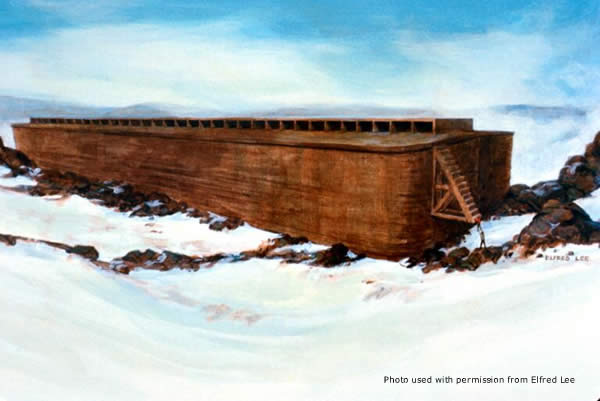
The Ark by Elfred Lee

The Ark by Elfred Lee

All is not lost because, “But Noah found grace in the eyes of the LORD.” (Genesis 6:8 KJV) Because of the grace found by Noah, the LORD gives him instructions about how to build an ark including the size, materials to use, who and what will be on board, and why the ark will be needed. God makes a covenant with Noah and tells him to come in with his wife and his sons and his son’s wives.

And of every living thing of all flesh, two of every sort shalt thou bring into the ark, to keep them alive with thee; they shall be male and female. Of fowls after their kind, and of cattle after their kind, of every creeping thing of the earth after his kind, two of every sort shall come unto thee, to keep them alive. (Genesis 6:19-20 KJV)

He was also to provide food for all of them. And Noah obeyed all that he was told. Noah spent over 100 years preparing the ark and trying to warn others of the coming judgment. There was plenty of room on the ark for more than the 8 people who boarded the ark. The others refused to repent.

Noah's Ark ©©Flickr elmada

Noah’s Ark ©©Flickr elmada

When we get to Chapter 7, the boarding of the ark takes place and the rain and flood begins. “And the LORD said unto Noah, Come thou and all thy house into the ark; for thee have I seen righteous before me in this generation. Of every clean beast thou shalt take to thee by sevens, the male and his female: and of beasts that are not clean by two, the male and his female. Of fowls also of the air by sevens, the male and the female; to keep seed alive upon the face of all the earth. For yet seven days, and I will cause it to rain upon the earth forty days and forty nights; and every living substance that I have made will I destroy from off the face of the earth. And Noah did according unto all that the LORD commanded him.” (Genesis 7:1-5)

Noah did not have to round up the animals, they came to him. Because not every animal we see today came on board but the main kinds (for instance the “bird kinds” may have had a “warbler kind” but not have black and white warblers, yellow-rumped warblers, hooded warbler, etc.), which ever ones they were, there was plenty of room for them. I have an idea that because the LORD sent the animals, birds, and critters, that their DNA’s were of the highest quality. (That is my opinion)

Dove in Israel

Doves in Israel

If you read the rest of Genesis 7, you will see that the global flood came and covered everything and only those who were in the ark survived, plus some of those that live in the water.

And all flesh died that moved upon the earth, both of fowl, and of cattle, and of beast, and of every creeping thing that creepeth upon the earth, and every man: All in whose nostrils was the breath of life, of all that was in the dry land, died. And every living substance was destroyed which was upon the face of the ground, both man, and cattle, and the creeping things, and the fowl of the heaven; and they were destroyed from the earth: and Noah only remained alive, and they that were with him in the ark. (Genesis 7:21-23)

In Foundation #4 we will find out about what the birds go through as they come off the ark and after.

Gospel Presentation

*

Sunday Inspiration – Mockingbirds and Thrashers

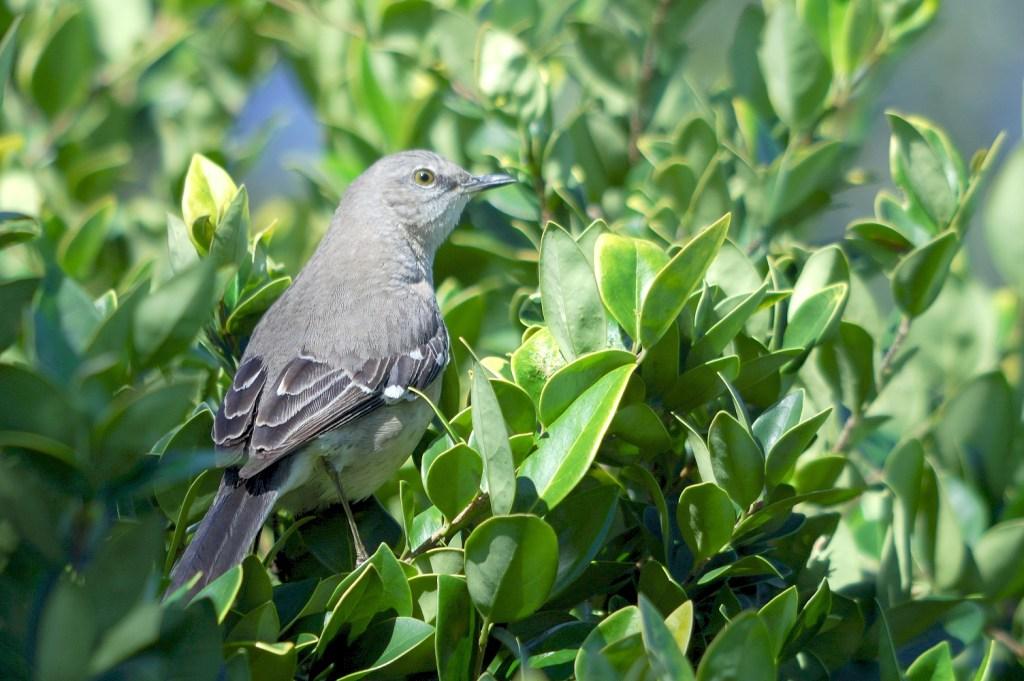
Northern Mockingbird (Mimus polyglottos) By Dan'sPix

Northern Mockingbird (Mimus polyglottos) By Dan (Dan’sPix)

“Do not curse the king, even in your thought; Do not curse the rich, even in your bedroom; For a bird of the air may carry your voice, And a bird in flight may tell the matter.” (Ecclesiastes 10:20 NKJV)

Mockingbirds have been one of my favorite birds. They used to nest in a bush outside our bedroom when we lived in Fort Lauderdale, FL. He used to sing, sing, and sing when they had their young. Only problem was sometimes he sang at 2 or 3 in the morning (outside our bedroom). Those are the times when you wished birds observed “quite hours.”

When the doors are shut in the streets, And the sound of grinding is low; When one rises up at the sound of a bird, And all the daughters of music are brought low. (Ecclesiastes 12:4 NKJV)

Brown Thrasher (Toxostoma rufum) By Dan'sPix

Brown Thrasher (Toxostoma rufum) By Dan’sPix

That said, let’s look at our bird family this week. The Mimidae are the New World family of passerine birds that includes thrashers, mockingbirds, tremblers, and the New World catbirds. As their name (Latin for “mimic”) suggests, these birds are notable for their vocalization, especially some species’ remarkable ability to mimic a wide variety of birds and other sounds heard outdoors.

Brown Trembler (Cinclocerthia ruficauda) ©WikiC

Brown Trembler (Cinclocerthia ruficauda) ©WikiC

There are 34 birds in this family which includes thrashers, mockingbirds, tremblers, and the New World catbirds. They tend towards dull grays and browns in their appearance, though a few are black or blue-gray, and many have red, yellow, or white irises. Many mimids have a rather thrush-like pattern: brown above, pale with dark streaks or spots below. They tend to have longer tails than thrushes (or the bigger wrens, which they also resemble) and longer bills that in many species curve downward.

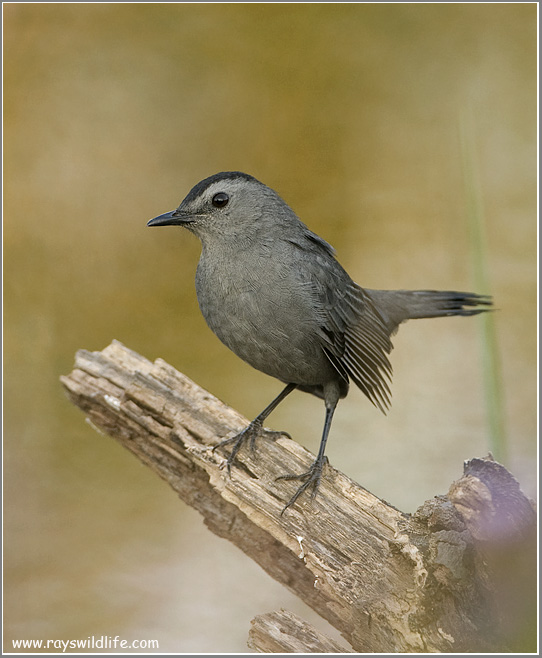
Grey Catbird (Dumetella carolinensis) by Raymond Barlow

Grey Catbird (Dumetella carolinensis) by Raymond Barlow

They have long, strong legs (for passerines) with which many species hop through undergrowth searching for arthropods and fruits to eat. Their habitat varies from forest undergrowth to scrub, high-altitude grasslands, and deserts. The two tremblers live in the atypical habitat of rain forests in the Lesser Antilles, and the Brown Trembler has the particularly atypical behavior of foraging while clinging to tree trunks. (With information from Wikipedia)

This slideshow requires JavaScript.

At that day ye shall know that I am in my Father, and ye in me, and I in you. He that hath my commandments, and keepeth them, he it is that loveth me: and he that loveth me shall be loved of my Father, and I will love him, and will manifest myself to him. (John 14:20-21 KJV)

“I Am Loved” ~ Faith Baptist Orchestra

More Sunday Inspirations

Mimidae – Mockingbirds, Thrashers

Sharing The Gospel

*

Birds of the Bible – Foundation #2 Updated

We will continue with the Foundation from the Word of God (the Bible) about the creation of birds.

If you have not read “Birds of the Bible – Foundation #1 Updated Click Here

By the end of Genesis Chapter 1 the birds (fowls of the air):

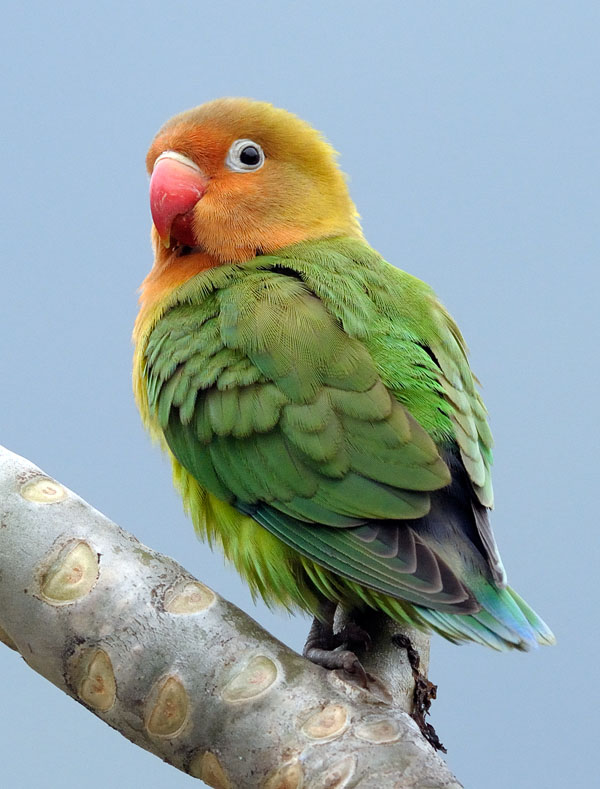
Fischers Lovebird by Phil Kwong

Fischers Lovebird by Phil Kwong

  • Created by the Lord on Day 5
  • Each according to its kind
  • Told to multiply and fill the earth
  • Were given every green herb for food (vegetarians)
  • Placed under the dominion of man
  • “God saw everything that He had made, and indeed it was very good.”

In Chapter 2, the birds are named by Adam. (v 19-20)

At this point, we know that the birds were at their best, they were eating fruits, seeds, herbs and not each other.  The birds had been named according to their kinds by Adam, who was created on Day 6. Their colors and features were at their grandest showing the Glory of God’s wisdom and omnipotence. They must have been fantastic to behold.

BUT WE COME TO GENESIS CHAPTER 3

When the serpent tempted Eve and caused her to question the Word of God, she not only questioned, but added to the Word of God.

Now the serpent was more subtle than any beast of the field which the LORD God had made. And he said unto the woman, Yea, hath God said, Ye shall not eat of every tree of the garden? And the woman said unto the serpent, We may eat of the fruit of the trees of the garden: But of the fruit of the tree which is in the midst of the garden, God hath said, Ye shall not eat of it, neither shall ye touch it, lest ye die. (Genesis 3:1-3 KJV

Most of you know the rest of what happened:

  • Eve ate of the tree of the knowledge of good and evil and gave Adam some also.
  • They were caught and tried to pass the blame.
  • The serpent was cursed. Adam and Eve become sinners and pass sin on to their offspring (us).
  • All God’s creation was cursed (Genesis 3:15-19)
  • Death (spiritual and physical) is now present, which had not been before.
  • Because of Adam’s sin, an animal had to die to make “coats of skins, and clothed them”, “God clothes them with a garment which covers their nakedness, a garment which had its origin in death (the death of another), which had come in, but which hid the effects of the sin that had introduced it.” (Darby’s Synopsis)
  • Sacrifices of the blood of animals and birds for man’s sin is begun. Not until the Lord Jesus Christ became the perfect sacrifice (Hebrews 9:12-14) did the need for those sacrifices end.

For God so loved the world, that he gave his only begotten Son, that whosoever believeth in him should not perish, but have everlasting life. For God sent not his Son into the world to condemn the world; but that the world through him might be saved. He that believeth on him is not condemned: but he that believeth not is condemned already, because he hath not believed in the name of the only begotten Son of God. And this is the condemnation, that light is come into the world, and men loved darkness rather than light, because their deeds were evil. For every one that doeth evil hateth the light, neither cometh to the light, lest his deeds should be reproved. But he that doeth truth cometh to the light, that his deeds may be made manifest, that they are wrought in God. (John 3:16-21)

Somewhere between the Fall of Adam and Eve and the cursing of them and all of creation, the birds, animals,  earth, man, etc. all begin to have changes in their behavior from God’s proclaiming that all was “very good.” By the time of the Flood (Foundation #3), that, “very good” is no longer true.

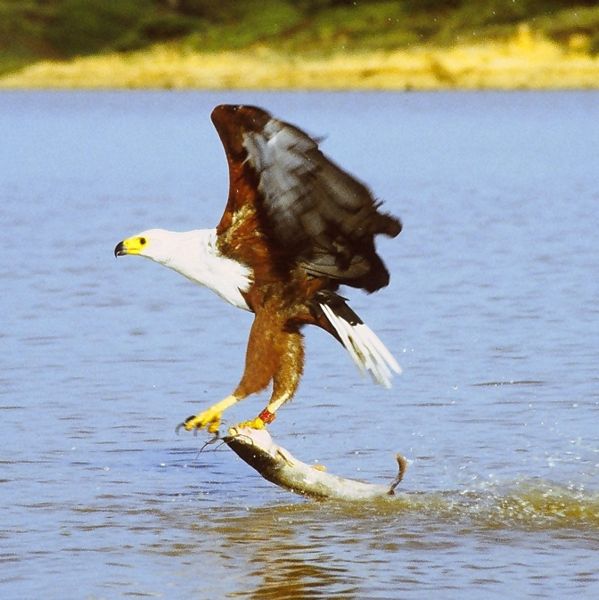
African Fish Eagle (Haliaeetus vocifer) ©WikiC

African Fish Eagle (Haliaeetus vocifer) ©WikiC

Several very interesting articles:

Different Kinds of Flesh, by Paul A. Bartz

Even Strange Animals Fit into Kinds, by Paul A. Bartz

Why Does God’s Creation Include Death & Suffering?, by Tommy Mitchell, January 31, 2008, From “The New Answers Book”, Answers in Genesis

How Did Defense/Attack Structures Come About?, by Andy McIntosh & Bodie Hodge, December 27, 2007, From “The New Answers Book”, Answers in Genesis

Why Did God Create Such Terrible Teeth? by Brian Thomas, M.S., Institute for Creation Research

Did Lions Roam the Garden of Eden? by Nathaniel T. Jeanson, Ph.D., Institute for Creation Research

*

*


I.O.C. Version 5.4 Updated on Blog

Amur Paradise Flycatcher (Terpsiphone incei) ©WikiC

Amur Paradise Flycatcher (Terpsiphone incei) ©WikiC

Out of the ground the LORD God formed every beast of the field and every bird of the air, and brought them to Adam to see what he would call them. And whatever Adam called each living creature, that was its name. So Adam gave names to all cattle, to the birds of the air, and to every beast of the field. But for Adam there was not found a helper comparable to him…. (Genesis 2:19-20 NKJV)

A couple of days ago this blog’s Birds of the World indexes were finally updated. With company, a memorial, travel, health, housework, etc., etc. it is finally up to date. In New Kingfisher Species, you were notified of the new 21 Kingfishers in the I.O.C. Version 5.4 update.

This Version now lists 10,612 extant species and 153 extinct species of birds of the world (Version 5.4), with subspecies (20,757) and annotations. There are 40 Orders, 239 Families (plus 2 Incertae sedis), 2282 Genera. The overall count was 33 new species added, including the 21 Kingfishers.

Here are the other 12 new Species added: (none were deleted this time)

Taiwan Bamboo Partridge (Bambusicola sonorivox) ©WikiC

Taiwan Bamboo Partridge (Bambusicola sonorivox) ©WikiC

“As a partridge that broods but does not hatch, So is he who gets riches, but not by right; It will leave him in the midst of his days, And at his end he will be a fool.” (Jeremiah 17:11 NKJV)

Taiwan Bamboo Partridge (Bambusicola sonorivox)
Subantarctic Shearwater (Puffinus elegans)
Desert Owl (Strix hadorami)
Roosevelt Stipple-throated Antwren (Epinecrophylla dentei)
Perija Tapaculo (Scytalopus perijanus)
Cryptic Treehunter (Cichlocolaptes mazarbarnetti)
Amur Paradise Flycatcher (Terpsiphone incei)
‘Blyth’s/Oriental’ Paradise Flycatcher (Terpsiphone affinis)
Papuan Scrub Robin (Drymodes beccarii)
North Island Robin (Petroica longipes)
Norfolk Robin (Petroica multicolor)
Highland Rush Warbler (Bradypterus centralis)

They also changed the English names of these birds:

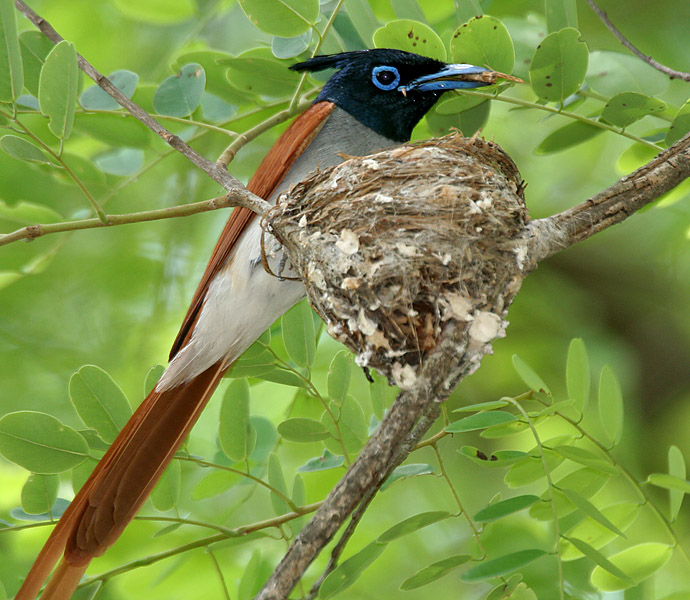
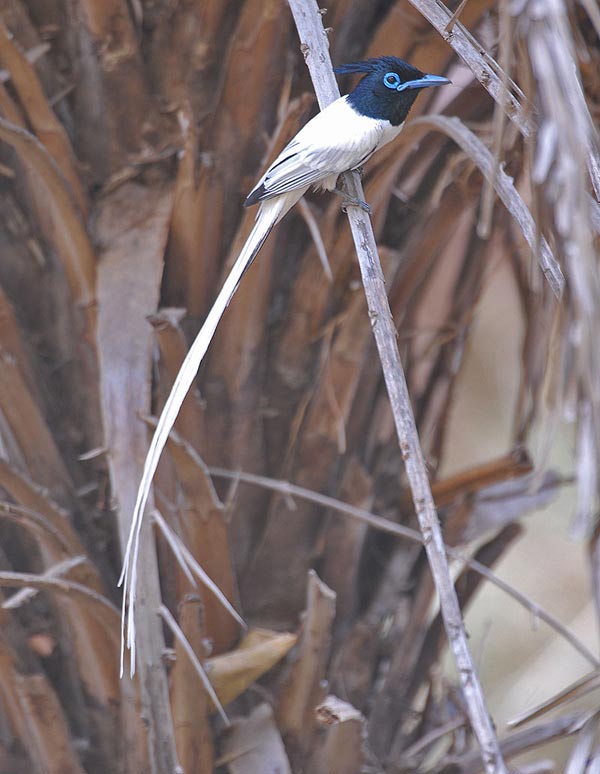
Indian Paradise Flycatcher (Terpsiphone paradisi) by Nikhil Devasar

Indian Paradise Flycatcher (Terpsiphone paradisi) by Nikhil Devasar

For the wisdom of this world is foolishness with God. For it is written, “HE CATCHES THE WISE IN THEIR OWN CRAFTINESS”; and again, “THE LORD KNOWS THE THOUGHTS OF THE WISE, THAT THEY ARE FUTILE.” (1 Corinthians 3:19-20 NKJV)

Rough-faced Shag (Leucocarbo carunculatus) – to – New Zealand King Shag
Bronze Shag (Leucocarbo chalconotus) – to – Stewart Shag
Paradise Parakeet (Psephotellus pulcherrimus) – to – Paradise Parrot
Hume’s Owl (Strix butleri) – to – Omani Owl
Tuamoto Kingfisher (Todiramphus gambieri) – to – Mangareva Kingfisher
Micronesian Kingfisher (Todiramphus cinnamominus) – to – Guam Kingfisher
Variable Dwarf Kingfisher (Ceyx lepidus) – to – Moluccan Dwarf Kingfisher
Silvery Kingfisher (Ceyx argentatus) – to – Southern Silvery Kingfisher
Asian Paradise Flycatcher (Terpsiphone paradisi) – to – Indian Paradise Flycatcher
New Zealand Robin (Petroica australis) – to – South Island Robin

They also made these species taxonomy changes:

Wedge-tailed Shearwater (Puffinus pacificus_Ardenna pacifica) by Ian

Wedge-tailed Shearwater (Puffinus pacificus to Ardenna pacifica) by Ian

“And God blessed them, saying, “Be fruitful and multiply, and fill the waters in the seas, and let birds multiply on the earth.” (Genesis 1:22 NKJV)

(Puffinus pacificus) to Wedge-tailed Shearwater (Ardenna pacifica)
(Puffinus bulleri) to Buller’s Shearwater (Ardenna bulleri)
(Puffinus griseus) to Sooty Shearwater (Ardenna grisea)
(Puffinus tenuirostris) to Short-tailed Shearwater (Ardenna tenuirostris)
(Puffinus creatopus) to Pink-footed Shearwater (Ardenna creatopus)
(Puffinus carneipes) to Flesh-footed Shearwater (Ardenna carneipes)
(Puffinus gravis) to Great Shearwater (Ardenna gravis)
(Petroica multicolor) to Pacific Robin (Petroica pusilla)
(Leucosticte sillemi) to Sillem’s Mountain Finch (Carpodacus sillemi)

*

Birds of the World

ORDERS

Families

Species Index

New Kingfisher Species – I.O.C. Version 5.4

I.O.C. Update 5.4 Version

Good News

*

Birds of the Bible – Foundation #1 – Updated

If you read my blog, Impact of the Answers in Genesis Conference, I stated that the Foundation of the Word of God needs to be emphasized. For the last year, the different Birds of the Bible have been introduced. Where did the birds come from? The byline of this blog is “Birdwatching from a Christian Perspective.”  What does God’s Word say about the bird’s Creation?
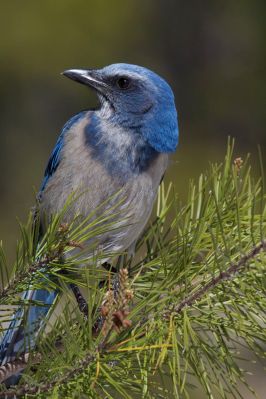
Scrub Jay by Mike Bader

Scrub Jay by Mike Bader

Most birdwatchers know that when they pick up a Bird Guide or Book, one of the first thing we read is:

“Having attained the power of flight more than 150 million years ago, birds might be …” (Smithsonian Handbooks, Birds of North America, Eastern Region, page 6)

“Feathered Dinosaurs?
For years biologists have half-jokingly referred to birds as “feathered reptiles.” In part, it is a ploy to annoy bird lovers with the thought that the objects of their fancy are just singing lizards wrapped in stretched-out scales called “feathers.” Yet the phrase reflects an important biological reality: birds are undeniably the modified descendants of reptiles, as their body structure and habit of laying eggs out of water clearly show.”
Archaeopteryx makes an ideal “missing link,” showing characteristics intermediate between reptiles and birds…..One view, still held by many paleontologists, suggests that about 200 million years ago its ancestral line split off from a group of reptiles, the thecodonts.” (The Birder’s Handbook, p. 31-33)

“The Implications of Flight / The central theme of bird evolution is flight. Most avian features can be related back to this fundamental adaptation. The avian forelimbs are dedicated almost entirely to aerial flight, for instance. To meet the diverse demands of survival without hands, birds have been subject to a fascinating evolutionary makeover.”  … “Birds have evolved compact….” (p. 15)  Section called Origins, Evolution, and Classification states – “Bird Are Reptiles – Before the discovery of Archaeopteryx” (“about 150 million years”),” taxonomists had already suggested a close relationship between birds and reptiles because of the large number of anatomical features shared by the two classes of animals.” Goes on to mention “missing link” (p. 39, The Sibley Guide to Bird Life & Behavior)

On and on it goes. They state as “undeniable facts” many things that come from a “theory.”

But the Word of God, our Bible says differently.

In the beginning God created the heaven and the earth. (Genesis 1:1)

Continuing through Chapter 1, you find that God, who is the “self-existent”, “three-in-one”, known as “I AM“, did the creation through the Lord Jesus Christ.

In the beginning was the Word, and the Word was with God, and the Word was God. The same was in the beginning with God. All things were made by him; and without him was not any thing made that was made. (John 1:1-3)
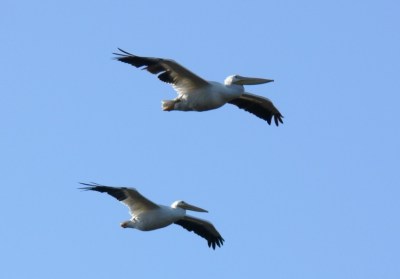
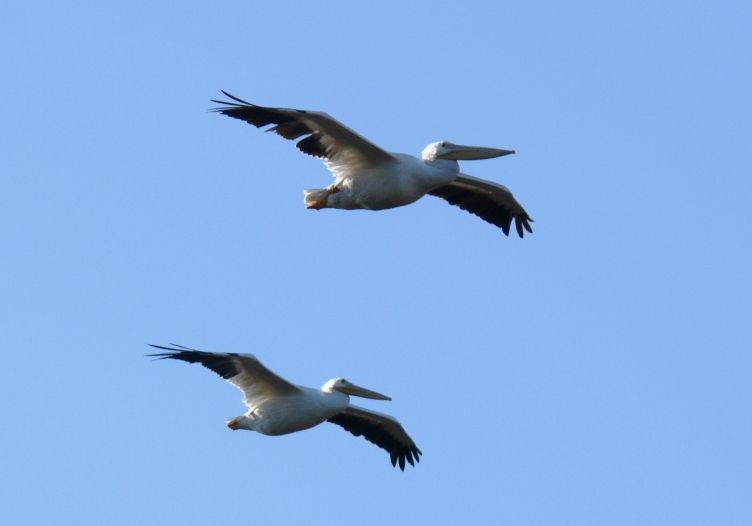
American White Pelican (Pelecanus erythrorhynchos) by Lee

American White Pelican (Pelecanus erythrorhynchos) by Lee

Day 1 – Light (Day) and darkness (Night)
Day 2 – Firmament (Heaven) in midst of the waters and divided them
Day 3 – Waters (Seas) gathered together and the dry land (Earth) appeared with grass, herbs and fruit after his kind
Day 4 – Sun, Moon, and Stars
Day 5 – Great whales and all water creatures after his kind and the winged fowls (birds) after his kind

And God said, Let the waters bring forth abundantly the moving creature that hath life, and fowl that may fly above the earth in the open firmament of heaven. And God created great whales, and every living creature that moveth, which the waters brought forth abundantly, after their kind, and every winged fowl after his kind: and God saw that it was good. And God blessed them, saying, Be fruitful, and multiply, and fill the waters in the seas, and let fowl multiply in the earth. And the evening and the morning were the fifth day. (Genesis 1:20-23)

Day 6 – Land animals, cattle, and creeping things after their kind

And God said, Let the earth bring forth the living creature after his kind, cattle, and creeping thing, and beast of the earth after his kind: and it was so. And God made the beast of the earth after his kind, and cattle after their kind, and every thing that creepeth upon the earth after his kind: and God saw that it was good. And God said, Let us make man in our image, after our likeness: and let them have dominion over the fish of the sea, and over the fowl of the air, and over the cattle, and over all the earth, and over every creeping thing that creepeth upon the earth. (Genesis 1:24-26 )

So God created man in his own image, in the image of God created he him; male and female created he them. And God blessed them, and God said unto them, Be fruitful, and multiply, and replenish the earth, and subdue it: and have dominion over the fish of the sea, and over the fowl of the air, and over every living thing that moveth upon the earth. And God said, Behold, I have given you every herb bearing seed, which is upon the face of all the earth, and every tree, in the which is the fruit of a tree yielding seed; to you it shall be for meat. (Genesis 1:27-29)

And to every beast of the earth, and to every fowl of the air, and to every thing that creepeth upon the earth, wherein there is life, I have given every green herb for meat: and it was so. And God saw every thing that he had made, and, behold, it was very good. And the evening and the morning were the sixth day. (Genesis 1:30-31)

Day 7 – God rested and blessed and sanctified all His work

Thus the heavens and the earth were finished, and all the host of them. And on the seventh day God ended his work which he had made; and he rested on the seventh day from all his work which he had made. And God blessed the seventh day, and sanctified it: because that in it he had rested from all his work which God created and made. (Genesis 2:1-3)

In Birds of the Bible – Foundation #2, I will bring out some more from the Word of God and articles written about the creation of birds. For now, let me make this observation. If the birds were created on Day 5 and the reptiles were created on Day 6, how did birds evolve from reptiles?

*

A friend suggested that, since she is a new follower, I should re-post/update some of the original Birds of the Bible articles. This series was posted back in 2009. I am updating some of the photos and material as needed.

Birds of the Bible

Original Birds of the Bible – Foundation #1

Original Birds of the Bible – Foundation #2

Wordless Birds

Sunday Inspiration – Nuthatches and Creepers

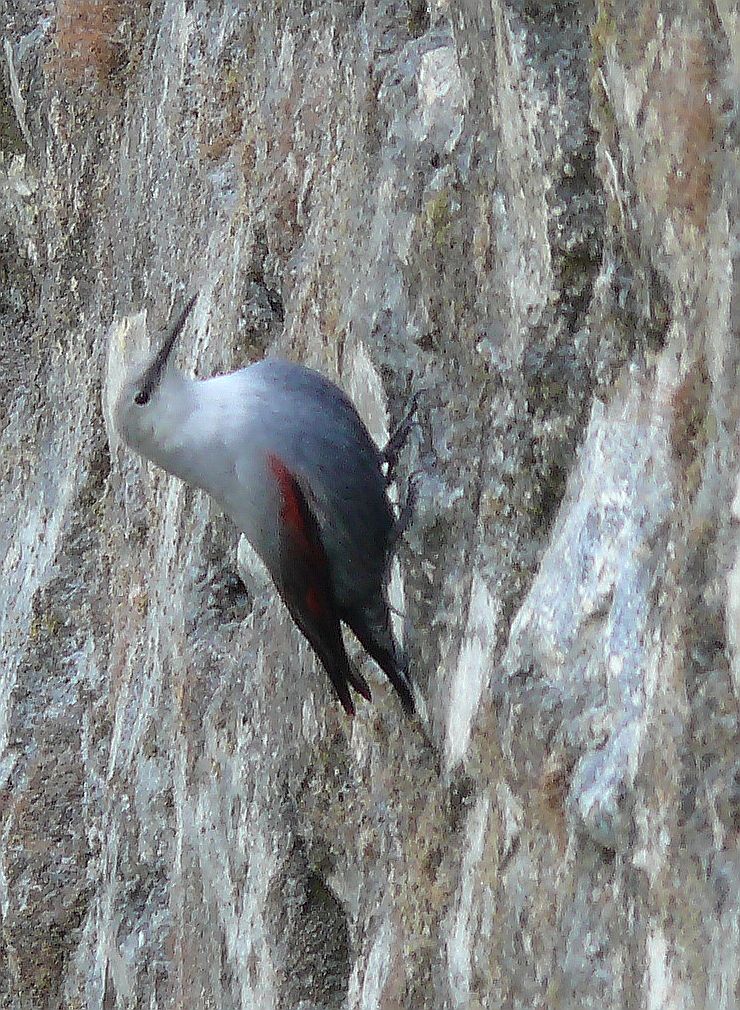
Wallcreeper (Tichodroma muraria) ©WikiC

Wallcreeper (Tichodroma muraria) ©WikiC

Every animal, every creeping thing, every bird, and whatever creeps on the earth, according to their families, went out of the ark. (Genesis 8:19 NKJV)

The Lord has created more little avian wonders in these three next families:

Red-breasted Nuthatch (Sitta canadensis) by Daves BirdingPix

Red-breasted Nuthatch (Sitta canadensis) by Daves BirdingPix

The 28 Nuthatches constitute a genus, Sitta, of small passerine birds belonging to the family Sittidae. Characterised by large heads, short tails, and powerful bills and feet, nuthatches advertise their territory using loud, simple songs. Most species exhibit grey or bluish upperparts and a black eye stripe.

Most nuthatches breed in the temperate or montane woodlands of the Northern Hemisphere, although two species have adapted to rocky habitats in the warmer and drier regions of Eurasia. However, the greatest diversity is in Southern Asia, and similarities between the species have made it difficult to identify distinct species. All members of this genus nest in holes or crevices. Most species are non-migratory and live in their habitat year-round, although the North American Red-breasted Nuthatch migrates to warmer regions during the winter.

Wallcreeper (Tichodroma muraria) by Nikhil Devasar

The Wallcreeper (Tichodroma muraria) is a small passerine bird found throughout the high mountains of Eurasia. It is the only member of the genus Tichodroma. (Wikipedia)

PAS-Clim Brown Treecreeper (Climacteris picumnus) ©WikiC 3

Brown Treecreeper (Climacteris picumnus) ©WikiC

The 11 Treecreepers are a family, Certhiidae, of small passerine birds, widespread in wooded regions of the Northern Hemisphere and sub-Saharan Africa. The family contains ten species in two genera, Certhia and Salpornis. Their plumage is dull-coloured, and as their name implies, they climb over the surface of trees in search of food.

This slideshow requires JavaScript.

Also, to every beast of the earth, to every bird of the air, and to everything that creeps on the earth, in which there is life, I have given every green herb for food”; and it was so. Then God saw everything that He had made, and indeed it was very good. So the evening and the morning were the sixth day. (Genesis 1:30-31 NKJV)

“How Deep Is Your Love?” – Played by Jill Foster (Faith Baptist)

*
More Sunday Inspirations

Sittidae – Nuthatches

Tichodromidae – Wallcreeper

Certhiidae – Treecreepers

Sharing The Gospel

*

DON’T MESS WITH THE HOOPOE! (Re-post)

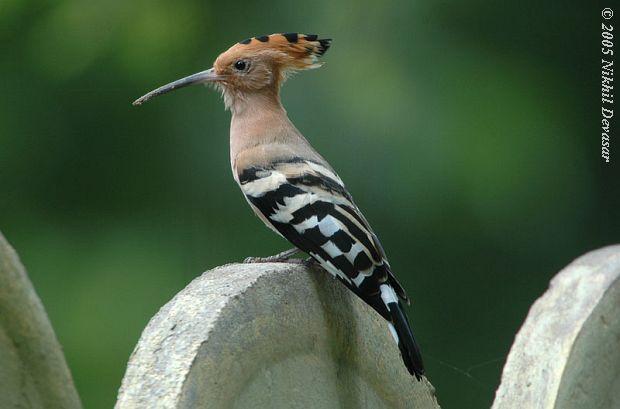
Eurasian Hoopoe (Upupa epops) by Nikhil

Eurasian Hoopoe (Upupa epops) by Nikhil

DON’T MESS WITH THE HOOPOE!

“But these are they of which ye shall not eat: the eagle, and the ossifrage, and the ospray … And the stork, and the heron after her kind, and the lapwing, and the bat.” (Deuteronomy 14:12, 18)

Don’t mess with the hoopoe – especially the female! Their Creator blessed this bird with an oil gland that produces a really foul-smelling liquid. When rubbed into their plumage, it smells like rotting meat and deters not only predators but parasites as well. In fact, it also acts as an antibacterial agent.

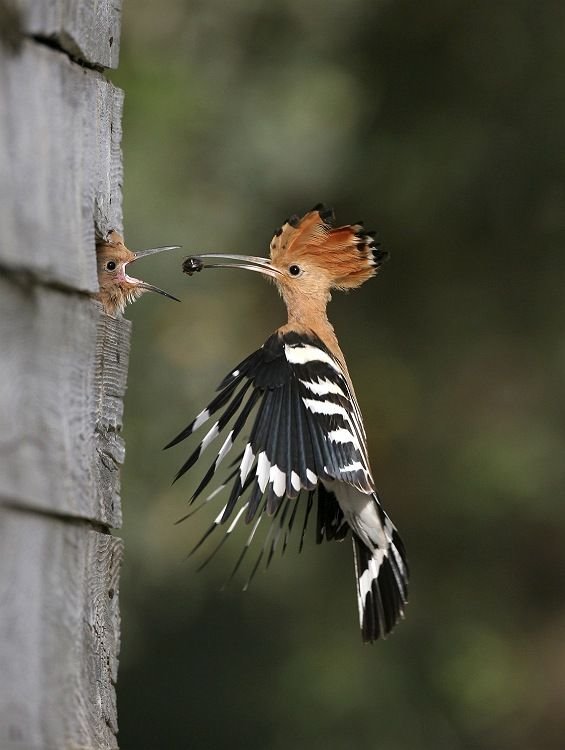
Hoopoe Feeding Young ©©Dvir Lotan from Israel

Hoopoe Feeding Young ©©Dvir Lotan from Israel

Thanks to this nasty-smelling liquid, most predators stay far away from the hoopoe’s nest. But even when a predator ignores the stench and comes looking for a meal while mama hoopoe is away, the nestlings are not defenseless. Even when they are just six days old, they can produce the same liquid and shoot it accurately into the face of predators.

With such an awful smell, perhaps it was a great blessing that God placed the hoopoe on His list of animals that were not to be eaten by His people. By the way, the King James version of the Bible refers to the hoopoe as the lapwing but we’re still talking about the hoopoe. Since this bird is listed in Deuteronomy as an unclean animal, isn’t it rather odd that the modern state of Israel would choose the hoopoe as their national bird?

Like the hoopoe, every person ever born is unclean in God’s sight. This is why Jesus Christ, the sinless lamb of God, submitted Himself to die on the cross as our substitute. He will make you clean in God’s sight when you repent of your sins and put your trust in Jesus!

Prayer:
Heavenly Father, I know that there’s nothing I can do to make myself clean and righteous. Thank You for sending Your Son, Jesus Christ, to die on the cross to make me acceptable in Your sight. Amen.

©Creation Moments 2015


Lee’s Addition:

the stork, the heron after its kind, and the hoopoe and the bat. (Deu 14:18)

Our Creator has again shown His perfect design and protection for another of His avian wonders. This time with the Hoopoe. They are a Bird of the Bible and have been features several times her on this blog.

Good News Tracts

*

More Photos To Enjoy!

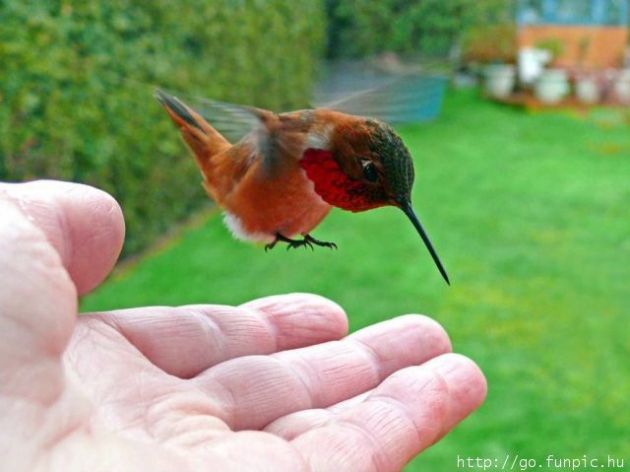
My friend, Jeanie, who wrote the poem, Hummingbird, sent me these photos. Enjoy!

The photography is amazing, but the captions are priceless !!!!!

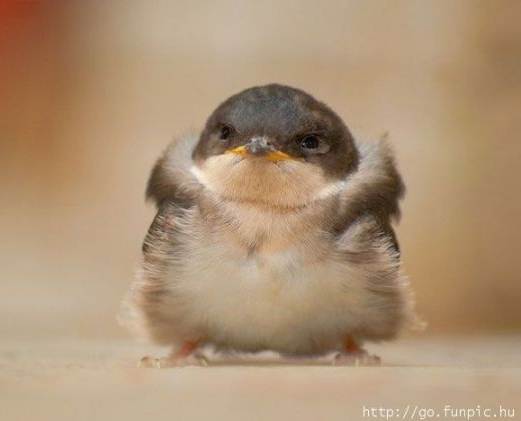
I hate it when he plays "Mount Everest ..."

I hate it when he plays “Mount Everest …”

Who the is "Sugar Lips"?

Who is “Sugar Lips”?

Those brownies were Far Out!!

Those brownies were Far Out!!

NO! We Don't want any Magazine Subscriptions!

NO! We Don’t want any Magazine Subscriptions!

There's a ringer competing in the Hogtown Olympics.

There’s a ringer competing in the Hogtown Olympics.

I'm not Over-Weight, I'm Under-Height!!

I’m not Over-Weight, I’m Under-Height!!

You do have an odd perspective on things.

You do have an odd perspective on things.

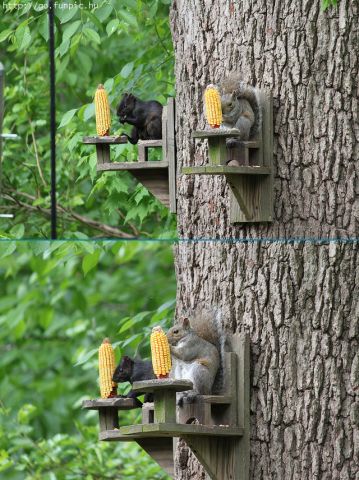
Lunchtime at the Corncob Cafe

Lunchtime at the Corncob Cafe

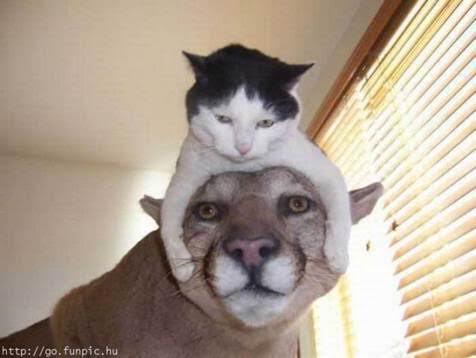
Okay, I caught him, now what do I do with him?

Okay, I caught him, now what do I do with him?

I hate this game.

I hate this game.

Flight 'Hum-One' coming in for a landing.

Flight ‘Hum-One’ coming in for a landing.

Just act natural and blend in.

Just act natural and blend in.

Where's my Coffee?

Where’s my Coffee?

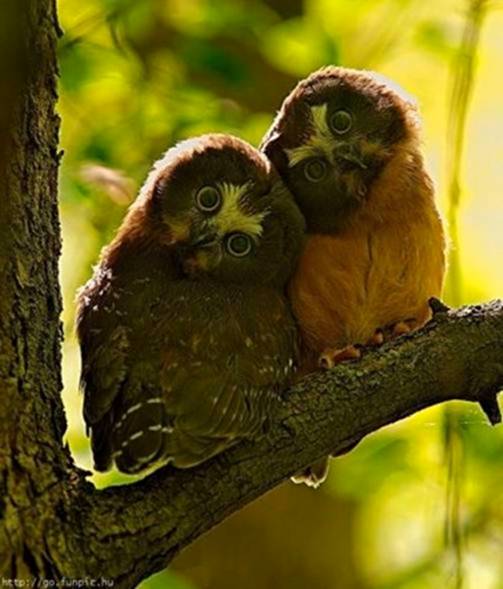
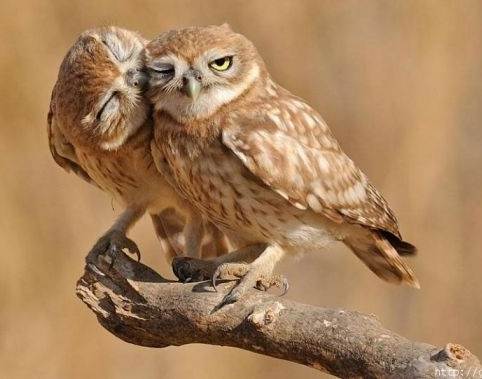
Whooo loves ya, Baby?

Whooo loves ya, Baby?


But above all these things put on love, which is the bond of perfection. And let the peace of God rule in your hearts, to which also you were called in one body; and be thankful. Let the word of Christ dwell in you richly in all wisdom, teaching and admonishing one another in psalms and hymns and spiritual songs, singing with grace in your hearts to the Lord. And whatever you do in word or deed, do all in the name of the Lord Jesus, giving thanks to God the Father through Him.
(Colossians 3:14-17 NKJV)


THE UMBRELLA BIRD from Creation Moments

Black Heron (Egretta ardesiaca) ©WikiC

Black Heron (Egretta ardesiaca) ©WikiC

THE UMBRELLA BIRD from Creation Moments – Re-post

“Ye are all the children of light, and the children of the day: we are not of the night, nor of darkness.” (1 Thessalonians 5:5)

The best fishermen not only know where the fish are biting, but exactly what type of bait or lure is needed to catch the big ones. That’s why I say that the best fisherman of all is not a man but a bird.

The black heron knows exactly where and when the fish are biting. He goes fishing for his food by wading into shallow lakes and ponds. But there’s a problem. Fish avoid the water’s surface to avoid the bright rays of the sun. Even if a fish does come close to the surface, the black heron is unable to see it because he is blinded by the sun’s reflection.

But like I said, this bird is a master fisherman. What he does is shape his wings into a large black umbrella. He then crouches down until his wings are almost touching the water, effectively turning daylight into darkness, and attracting fish to the shade. Under cover of his umbrella, the black heron pokes his head into the water and comes out with a squirming fish in his beak.

This kind of fishing is known as canopy feeding. How did the black heron learn to fish like this? Creationists know, but evolutionists have no reasonable answer. They only have a term. Yes, evolutionists are good at coming up with terms like “canopy feeding”, but when it comes to explaining how such a thing originated in the first place, they are still very much in the dark.

Prayer:
Heavenly Father, I ask You to make me a good fisherman – not of fish but of men. Use me to share the gospel so that my friends and family will turn to You for salvation. Amen.
Notes:
http://thewebsiteofeverything.com/animals/birds/Ciconiiformes/Ardeidae/Egretta-ardesiaca. Photo: Black heron comes out of its feathered canopy after catching a fish. Courtesy of Steve Garvie. (CC-BY-SA 2.0 GENERIC)

©Creation Moments 2015

Black Heron (Egretta ardesiaca) ©WikiC

Black Heron (Egretta ardesiaca) ©WikiC


Lee’s Addition:

What an amazing behavior that the Lord gave these Black Herons! Just as the Lord promised the Ravens, this verse is also true for the Black Herons:

Who provides food for the raven (or Black Herons), When its young ones cry to God, And wander about for lack of food? (Job 38:41 NKJV)

P.S.

Sorry I have not been as quick to answer your comments this last week, but we have had company. My sister and her husband, from the Denver area, are with us and are staying in the room that has my computer. :) We had the memorial service this last weekend for my other sister who went on to Glory several months ago. See:

No Post Today – But 20/20 Vision

Hope to be back to a more normal schedule soon. Yet, I wish they could stay longer. Heaven will be great when we can visit eternally with our whole Spiritual Family, which includes many of you, but most of all with our Savior, Eternal Brother, God the Father.

Creation Moments Umbrella Bird

Ardeidae – Herons, Bitterns Family

Black Heron – Wikipedia

*

Ian’s Bird of the Week – Oriental Pratincole

Ian’s Bird of the Week – Oriental Pratincole ~ by Ian Montgomery

Newsletter ~ 11/12/156

This post is a bit late, so you get two species by way of amends!

I was at the opening of an excellent exhibition of North Queensland ‘breeding birds and their dream homes’ called Nestled at the Museum of Tropical Queensland in Townsville on Tuesday and got talking to one of the local members of BirdLife Townsville about the bird of the week. He requested something unusual of local interest that might occur here at this time of the year and mentioned Oriental Cuckoo and Oriental Plover. Oriental Cuckoo was bird of the week in December 2007 and I don’t have any good photos of Oriental Plover. I’ve only ever seen it in airports (Lockhart River and Norfolk Island) and I’ve never risked the wrath of airport security to get close to the birds. So the best I could come up with, Bill, is Oriental Pratincole photographed at the Townsville Town Common where a flock appeared nine years ago. I can’t get more local than that!

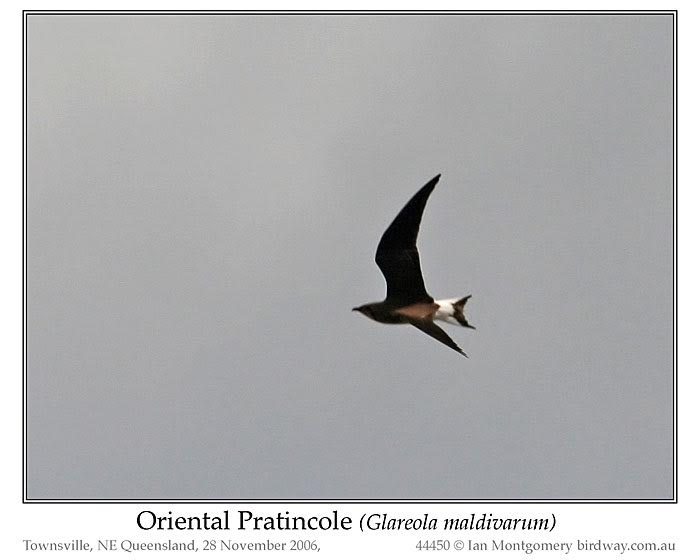
Oriental Pratincole (Glareola maldivarum) by Ian
Oriental Pratincoles breed in Asia with a patchy distribution from India to eastern Siberia, Mongolia and NE China. In the northern winter they migrate to Indonesia, Malaysia, New Guinea and northern Australia with perhaps 50,000 reaching our shores. They are late migrants arriving in the Top End of the Northern Territory during the build-up to the wet season (November) and their main Australian range is from the Gulf of Carpentaria in NW Queensland west to the north coast of Western Australia. They show a preference for dry inland plains with available water and feed mainly on insects such as grasshoppers. 2006 was, like this one, a very dry year in Townsville and these photos were taken on the dry bed of one of the wildlife observation ‘wetlands’ at the Common. They also turn up sometimes on the Atherton Tableland.

Oriental Pratincole (Glareola maldivarum) by Ian

Pratincoles are unusual birds somewhere between plovers and terns in appearance and morphology. They belong to a small family, the Glareolidae, which consists of 8 species of pratincoles in Eurasia, Africa and Australia and 9 species of mainly African Coursers. The odd name pratincole means ‘inhabitant of meadows’ with the ‘prat’ bit having the same root as ‘pratensis’ in the European Meadow Pipit (Anthus pratensis). The family name comes from the Latin for gravel, and that’s actually closer to the mark when it comes to preferred habitat.

Oriental Pratincole (Glareola maldivarum) by Ian

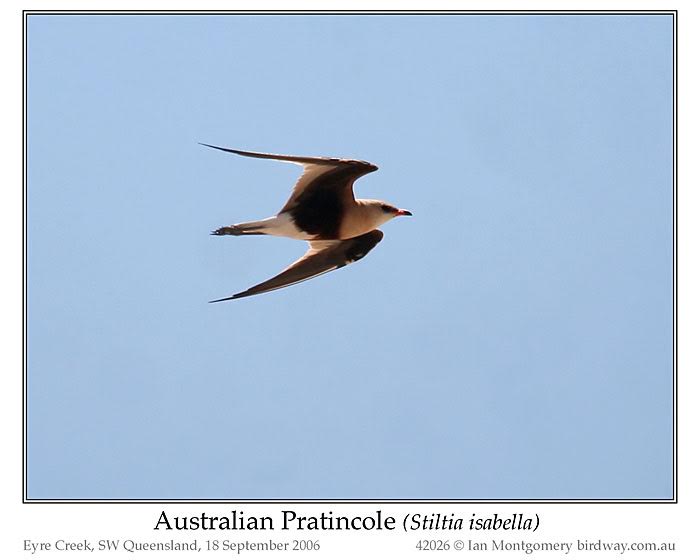
The Oriental Pratincole is distinguishable from the Australian Pratincole by its dumpier, shorter-tailed appearance, greyish-olive rather than buffish-brown plumage and by a black margin to the throat giving the appearance of a necklace. The Oriental Pratincole is normally in non-breeding plumage when in Australia, but both species have black-tipped bills with red bases when breeding. The Australian Pratincole has chestnut flanks and belly when breeding and the dark flanks are retained in non-breeding plumage.

AustralianPratincole (Stiltia isabella) by Ian

Pratincoles look very tern-like in flight with their long pointed wings. Both the local species have white rumps and black-tipped tails, but the tail of the Australian Pratincole is square, while that of the Oriental is forked.

Oriental Pratincole (Glareola maldivarum) by Ian

If you belonged to the bird of the week club a year ago, you may remember that the Cream-coloured Courser was, after the Crab Plover was my second most wanted bird in Dubai. Courser means ‘runner’, something they do very well and it was very appropriate to find them at the Polo Club and at the Al Asifa Endurance Stables. Incidentally, the bird of the week club currently has 981 members and you know I like milestones. Please encourage your friends to join so we can reach 1,000 either by signing up on the bird of the week page (recently redesigned for mobile devices) or by emailing me at ian@birdway.com.au.

Cream-colored Courser (Cursorius cursor) by Ian

Cream-colored Courser (Cursorius cursor) by Ian

Christmas is looming ever closer, so this wouldn’t be complete without the obligatory commercial. What do you give to the digitally-competent birder or nature-lover who has everything? An electronic book of course and both Apple and Kobo have facilities in their ebook stores for giving gifts. I’ve included a Giving Gifts section on the Publications page with help on how these stores let you give gifts. Google has facilities only for giving the equivalent of a gift token and not specific items. These book images are linked to their web pages:

And don’t forget Nestled at the Museum of Tropical Queensland if you are in, near or visiting Townsville.

Where To Find Birds - Ian

Ian's Book 2

Greetings
Ian

**************************************************
Ian Montgomery, Birdway Pty Ltd,
454 Forestry Road, Bluewater, Qld 4818
Tel 0411 602 737 ian@birdway.com.au
Bird Photos http://www.birdway.com.au/
Recorder Society http://www.nqrs.org.au


Lee’s Addition:

Bread gained by deceit is sweet to a man, But afterward his mouth will be filled with gravel. (Proverbs 20:17 NKJV)

Thanks, Ian, for another interesting bird to introduce us to. Also glad you help distinguish several apart. Most of us that have never seen these birds could mix them up. Thanks for sharing these neat birds with us.

Now that Ian is a published writer, his book might well be a prized gift for yourself or others.

*

Ian’s Bird of the Week

Glareolidae – Coursers, Pratincoles

Cream-coloured Courser ~ 9-27-14

Crab Plover ~ 9-22-14

Who Paints The Leaves?

*