Lee’s Two-Word Tuesday – Birds Fly

***

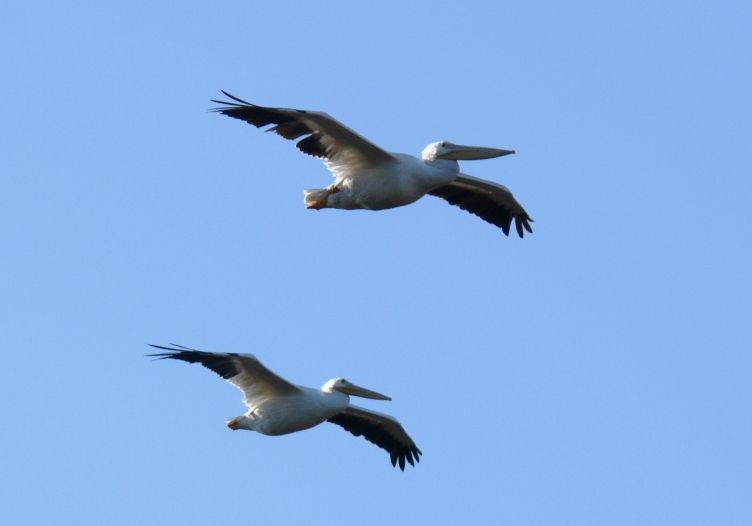
American White Pelican (Pelecanus erythrorhynchos) by Lee


Birds Fly

***


Then God said, “Let the waters abound with an abundance of living creatures, and let birds fly above the earth across the face of the firmament of the heavens.” (Genesis 1:20 NKJV)

American White Pelican (Pelecanus erythrorhynchos) by Lee at Circle B Bar Reserve

(This is a repost of Two Word Tuesday -1/26/16)

*

Sandra’s New Kooky Challenge

*

Sunday Inspiration – Woodpeckers II

This is a repost of one of my favorite Sunday Inspirations. Bonnie Standifer plays an original version of “Jesus Loves Me” while these beautiful birds are displayed.

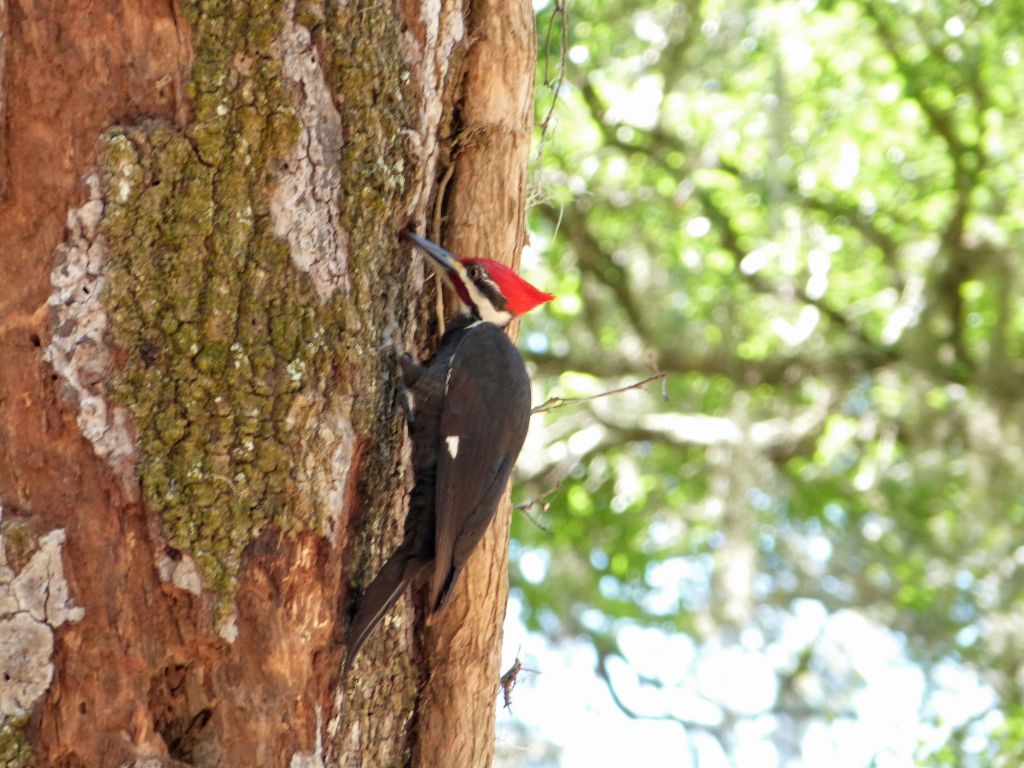
Pileated Woodpecker by Lee at Circle B

Pileated Woodpecker by Lee at Circle B

All the birds of the heavens made their nests in its boughs; Under its branches all the beasts of the field brought forth their young; And in its shadow all great nations made their home. (Ezekiel 31:6 NKJV)

The trees of the LORD are full of sap, The cedars of Lebanon which He planted, Where the birds make their nests; The stork has her home in the fir trees. (Psalms 104:16-17 NKJV)

Woodpeckers and their kind belong to the Picidae – Woodpeckers Family. There are 234 species including not only Woodpeckers, but also Wrynecks, Piculets, Flickers, Sapsuckers and Flamebacks. Again, these birds show amazing characteristics given them by their Creator. Check out some of the articles about them below.

Members of this family are found worldwide, except for Australia, New Guinea, New Zealand, Madagascar, and the extreme polar regions. Most species live in forests or woodland habitats, although a few species are known to live in treeless areas, such as rocky hillsides and deserts.

The Lord Jesus not only loves all the birds He made, but best of all, He loves us.

For God so loved the world, that he gave his only begotten Son, that whosoever believeth in him should not perish, but have everlasting life. (John 3:16 KJV)

*

This slideshow requires JavaScript.

*

*

“Jesus Loves Me” by Bonnie Standifer

This piece was written and played by Bonnie Standifer at our Orchestra Concert in March of 2013 at Faith Baptist Church. You have never heard it played this way before. Bonnie is a very gifted arranger and pianist. She is also married to the orchestra conductor.

*

Picidae – Woodpeckers Family

Sharing The Gospel

*

Articles Mentioning Birds From This Family:

*

More Sunday Inspiration

When I Consider – Wednesdays – Intro

Bald Eagle – San Diego Zoo

When I Consider – Wednesdays will be reposts/updates to a series of articles that were posted back in the early days of this blog.

A Closer Look at the Evidence by Richard & Tina Kleiss is a devotional book that has bite size information about incredible evidence about creation.

Here is a part of the review of the book written by the Richard & Tina Kleis.

We have never seen such a unique and fascinating devotional book. It is one of a very few that we have used that tempts us to read on ahead! A Closer Look at the Evidence presents straightforward evidence, primarily scientific, for the existence of our Creator.

This book is organized into twenty-six different subject areas and draws from over fifty expert sources. Each of the 400+ pages highlights knowledge from a Biblical perspective. Each day’s devotion is a full page of concise, well-researched, factual information with reference material noted if you desire more specifics.

The authors, Rich and Tina Kleiss, former public school science teachers, discovered that scientific evidence overwhelmingly supports creation. But evolution continues to be presented as fact in the media and textbooks, even as the evidence for creation is being systematically excluded.

By daily using and discussing A Closer Look at the Evidence, your family should not only learn the credible reasons for your belief in the Creator but also be equipped to share this truth with others. Each page ends with a related Bible verse…..

magnify_2748cDan and I used it daily after our regular devotions. I have been wanting to share these articles for some time and have decided to do so in a series called, “When I Consider!” A quote from the book’s Dedication has encouraged me decide to do this.

God’s desire is that the knowledge of what He has done through both the cross and creation is for everyone. We must not keep this knowledge to ourselves. The evidence that He is our Creator is so overwhelming and encouraging that it is desperately needs to be shared in the world today. A Closer Look at the Evidence is designed to be an affordable resource to both reinforce our individual faith and facilitate sharing the reasons for this faith. Consider praying about how God could use you to utilize the truths found in these pages.

The book is available at (Christianbook.com)

Here is the first in the “When I Consider!” Series:

This was the first in the series called, “When I Consider! Please see the above article, “A Closer Look at the Evidence – Kleiss“, by Richard and Tina Kleiss, for an explanation of this new series. Not only will I use information from the Kleiss’ book, but other articles also. Since our main blog is about Bird’s, this seems like a good starting place.

“Evidence From Biology”

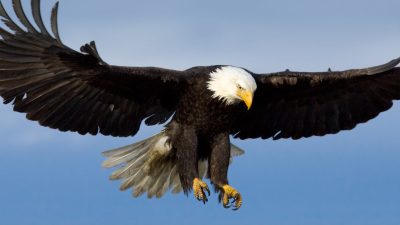
The eagle’s diving speed can exceed 100 miles per hour. At this speed, the eagle’s eyesight must be perfect in order to know exactly when to pull out of a dive. Its eyes are designed to spot a rabbit or fish up to one mile away. The eagle also has remarkably designed wings, each covered by over 12,000 feathers. Aircraft designers are still trying to copy this engineering marvel.
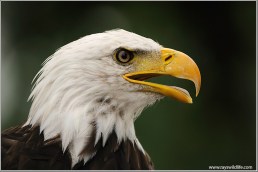
Besides the ability to climb to 10,000 feet withing minutes, the parent eagle also assists its young in flight. As it flies alongside the eaglet, whirlpools of air formed by its primary feathers provide the eaglet with additional lift.

In speaking of His protective care over the nation of Israel, God states, ‘..I bare you on eagle’s wings…’ (Exodus 19:4 KJV). The Hebrew word for ‘bare’ is nacah, and its primary rood means ‘to lift.’ This is exactly what the parent eagle does to help its young in flight.

The precise selection and meaning of words used in the Bible is a testimony to the accuracy and precision of the remarkable book.

Character Sketches, Vol.III, p171-174″

The above quote is from January 28, “A Closer Look at the Evidence,” by Richard and Tina Kleiss

This series will be based on:

Psalms 8:3-9 NKJV
“When I consider Your heavens, the work of Your fingers, The moon and the stars, which You have ordained, What is man that You are mindful of him, And the son of man that You visit him? For You have made him a little lower than the angels, And You have crowned him with glory and honor. You have made him to have dominion over the works of Your hands; You have put all things under his feet, All sheep and oxen– Even the beasts of the field, The birds of the air, And the fish of the sea That pass through the paths of the seas. O LORD, our Lord, How excellent is Your name in all the earth!
 

Heaven’s New Jerusalem and Birds – Chrysolite II

(This is a repost of Heaven’s New Jerusalem and Birds – Chrysolite. The series originally appeared in 2019. (With a little dusting and updating they will all be reposted in the coming days. Stay tuned.)

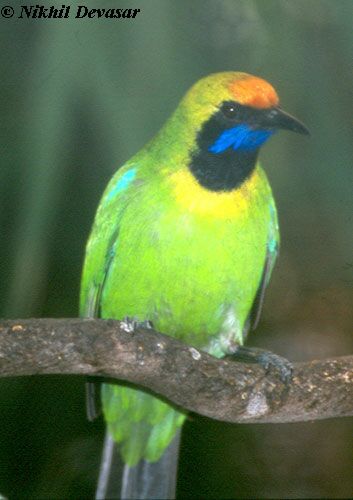
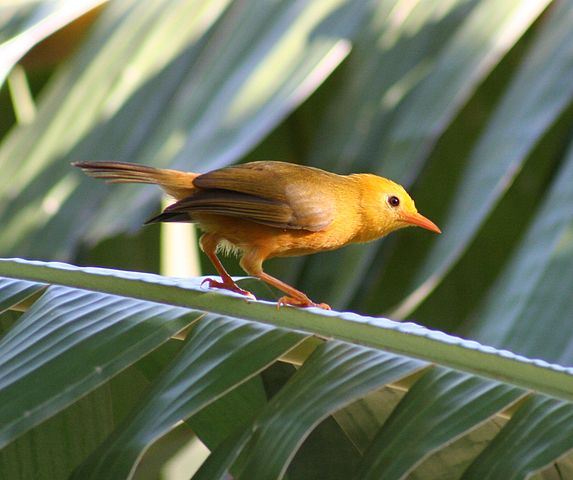
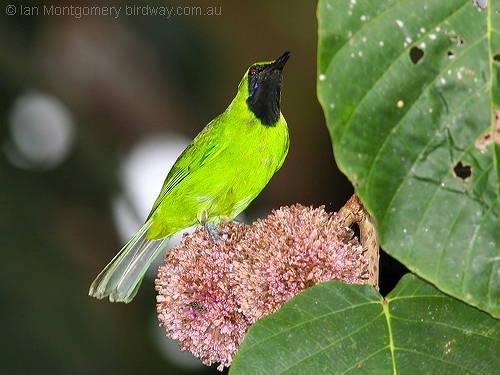
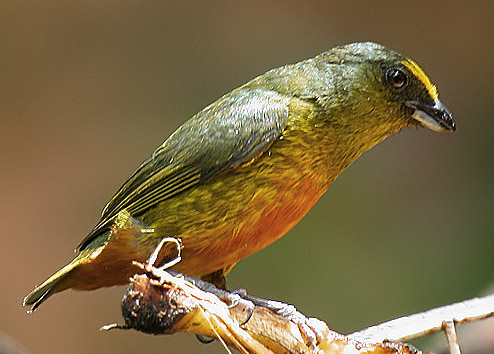
Golden-fronted Leafbird (Chloropsis aurifrons) by Nikhil Devasar

Golden-fronted Leafbird (Chloropsis aurifrons) by Nikhil Devasar

“The foundations of the wall of the city were adorned with all kinds of precious stones: the first foundation was jasper, …. the fifth sardonyx, the sixth sardius, the seventh chrysolite, the eighth beryl, the ninth topaz, the tenth chrysoprase, the eleventh jacinth, and the twelfth amethyst.” (Revelation 21:19a-20 NKJV)

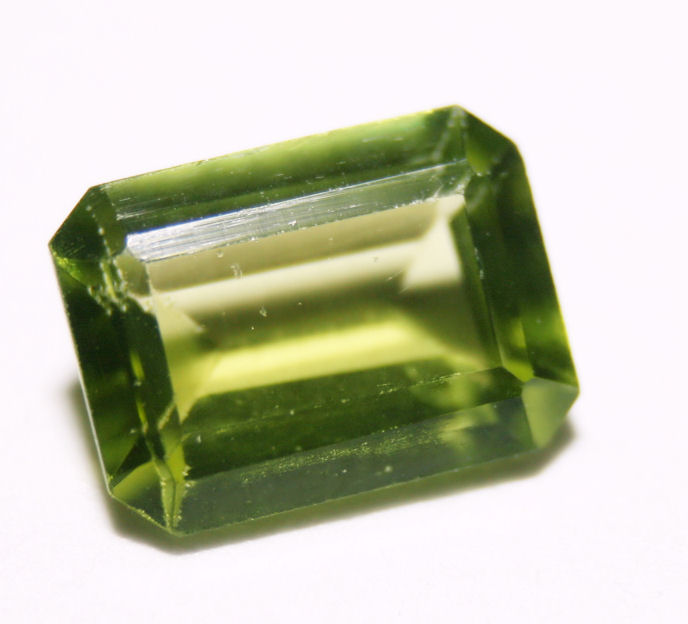
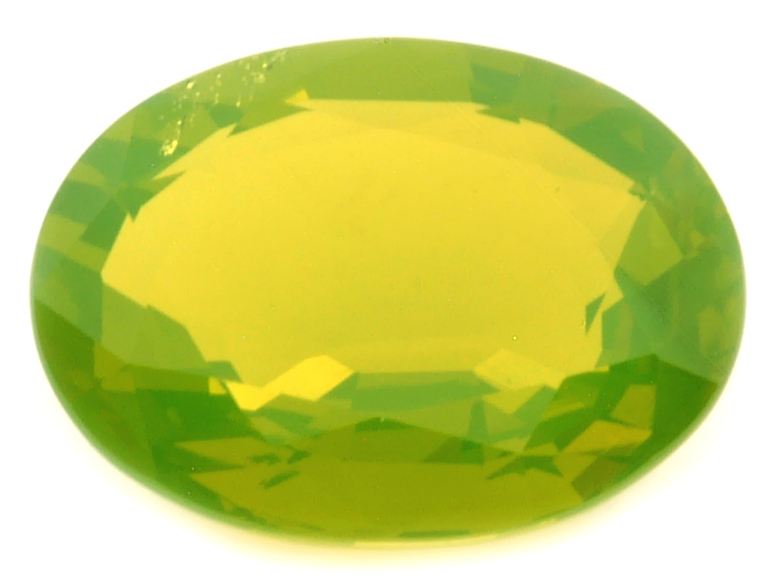
Olive Green Chrysolite ©WikiC

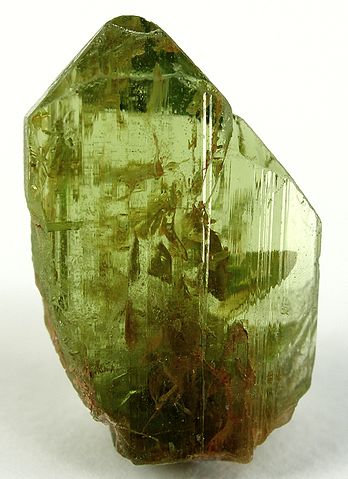
Chrysolite Forsterite-Olivine ©WikiC

Chrysolite is only mentioned one time in Scripture, here in Revelation 21:20.

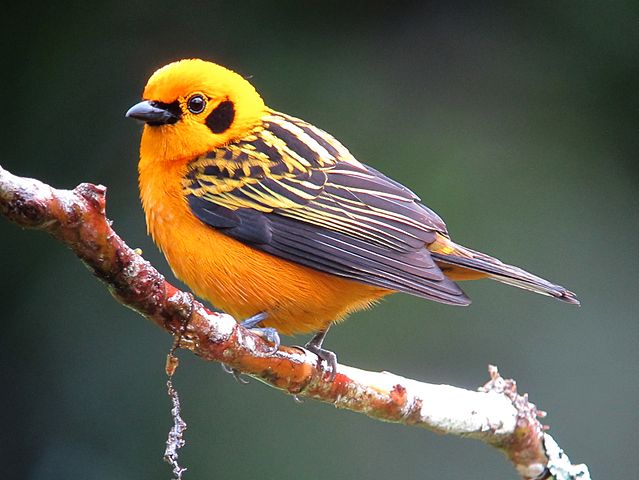
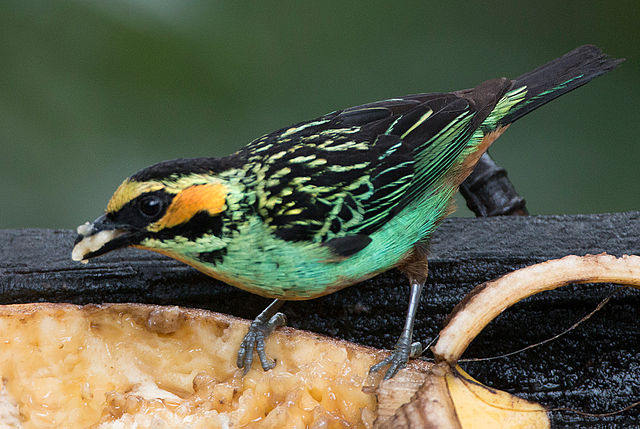
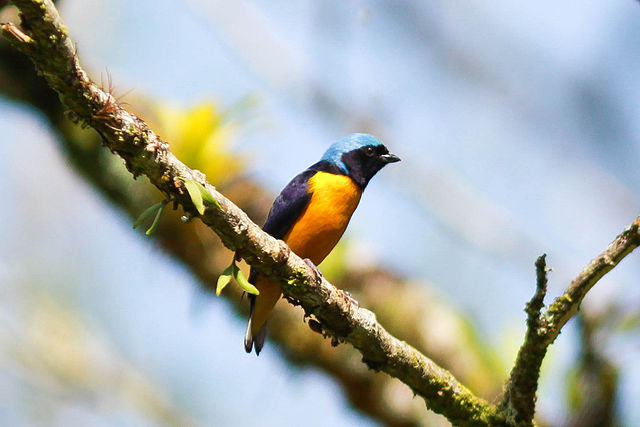
Golden Tanager (Tangara arthus) ©WikiC

Chrysolite – (“gold stone“.) The garniture of the seventh foundation of New Jerusalem. The modern topaz. [Fausset Bible Dictionary]

Chrysolite – Chrysolite. One of the precious stones in the foundation of the heavenly Jerusalem. Rev_21:20. It has been already stated, (see Beryl.), that the chrysolite of the ancients is identical with the modern oriental topaz, or the tarhish of the Hebrew Bible. [Smith Bible Dictionary]

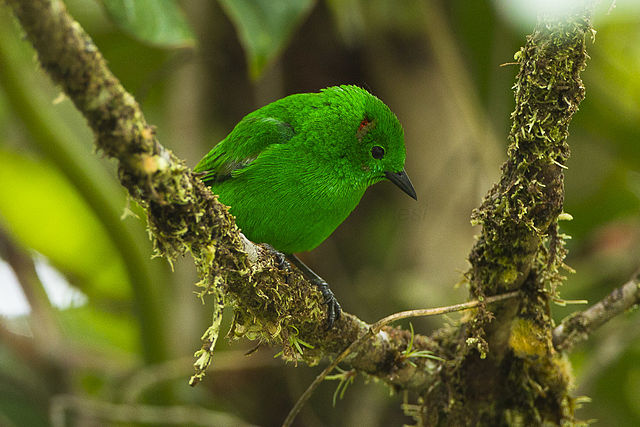
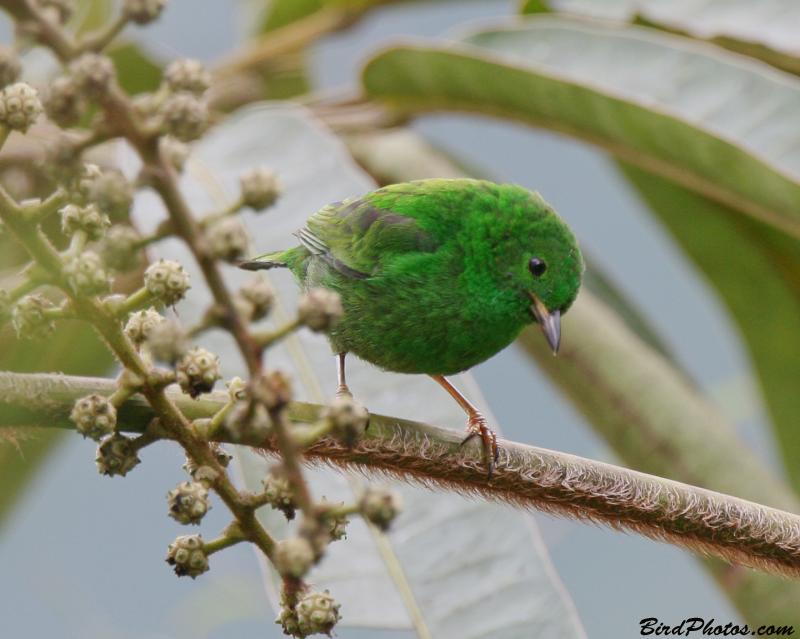
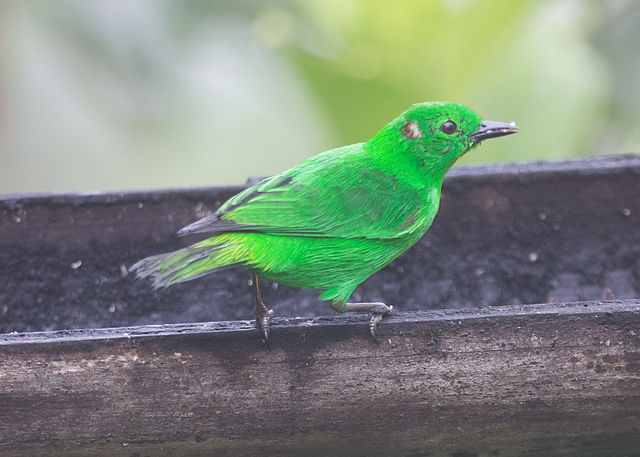
Glistening-green Tanager (Chlorochrysa phoenicotis) ©WikiC

Chrysolite – CHRYSOLITE, n. A mineral, called by Hauy and Brongniart, peridote and by Jameson, prismatic chrysolite. Its prevailing color is some shade of green. It is harder than glass, but less hard than quartz; often transparent, sometimes only translucent. It occurs sometimes in crystals, sometimes in small amorphous masses or grains, and sometimes in rolled pieces. [Webster Dict 1828]

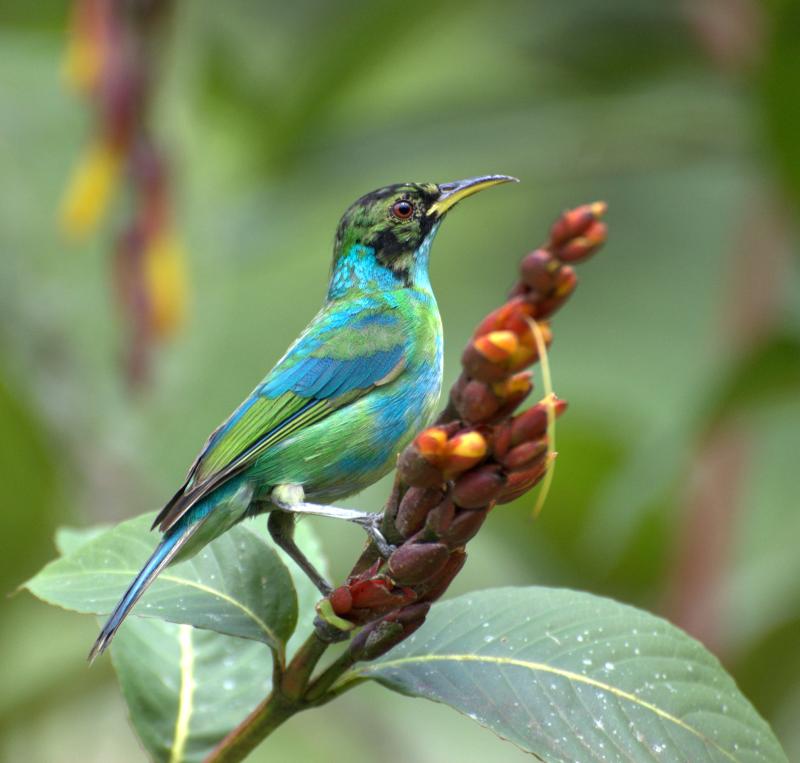
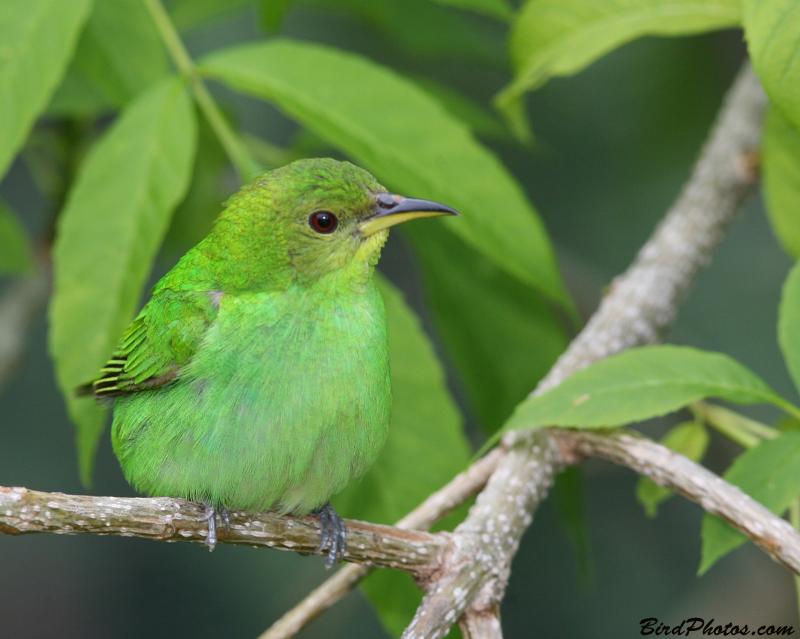
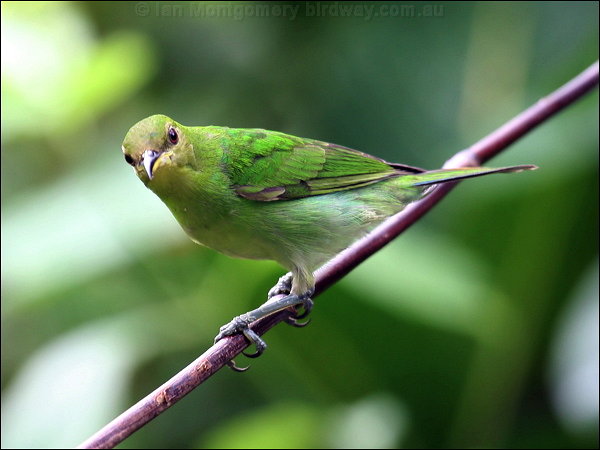
Green Honeycreeper (Chlorophanes spiza) Male Immature ©BirdPhotos.com

CHRYSOLITE, n. A mineral, called by Hauy and Brongniart, peridote and by Jameson, prismatic chrysolite. Its prevailing color is some shade of green. It is harder than glass, but less hard than quartz; often transparent, sometimes only translucent. It occurs sometimes in crystals, sometimes in small amorphous masses or grains, and sometimes in rolled pieces. [J. Vernon McGee]

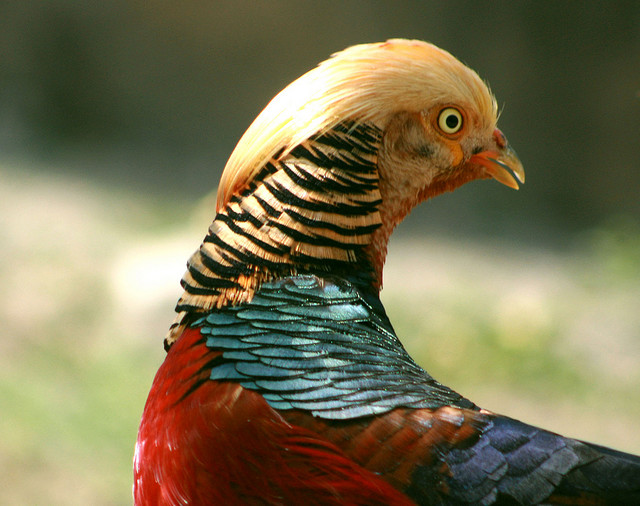
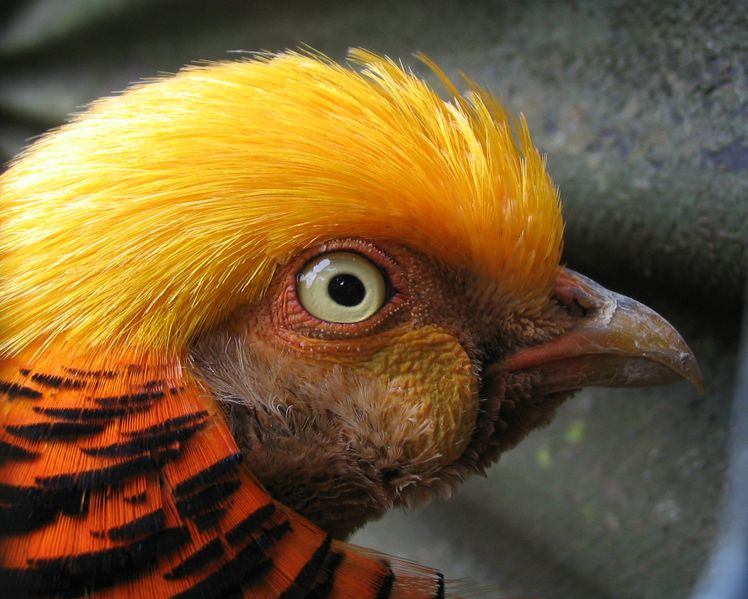
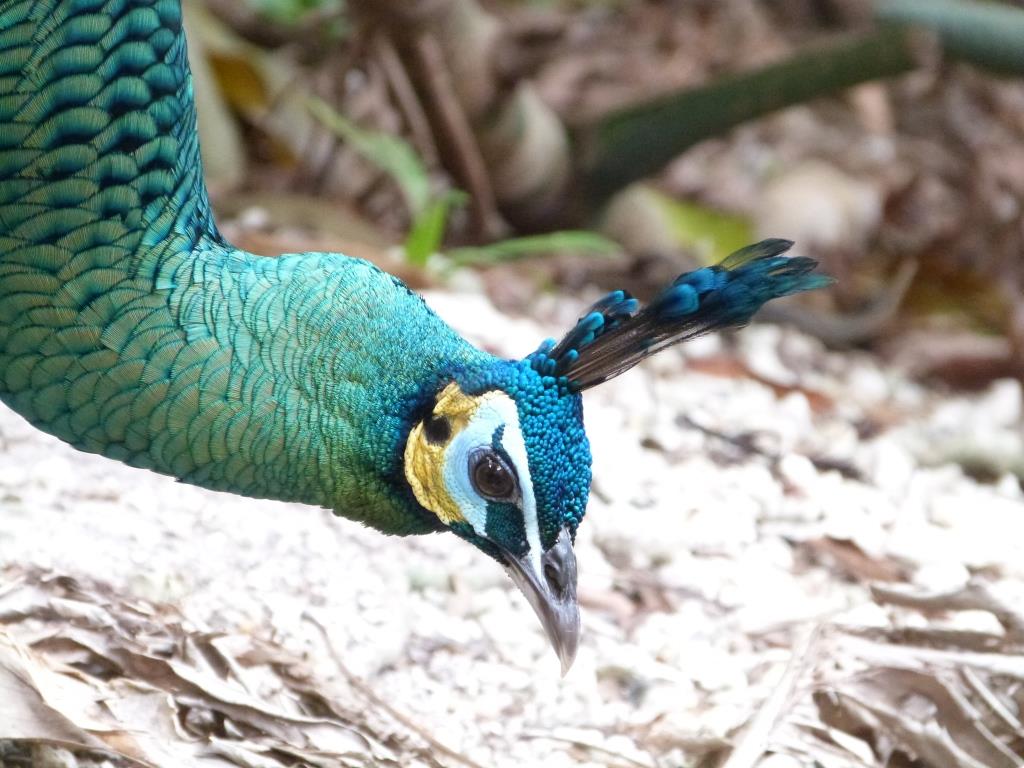
Golden Pheasant (Chrysolophus pictus) Male ©© NotMicroButSoft

Golden Pheasant (Chrysolophus pictus) Male ©© NotMicroButSoft

The seventh was chrysolite, a stone highly esteemed among the ancients, of a colour that was golden yellow. [Popular New Testament]

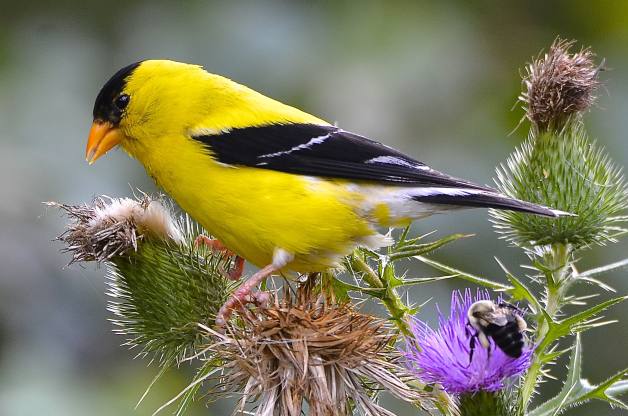
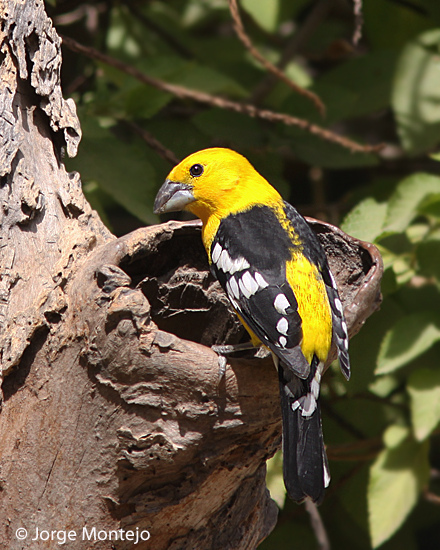
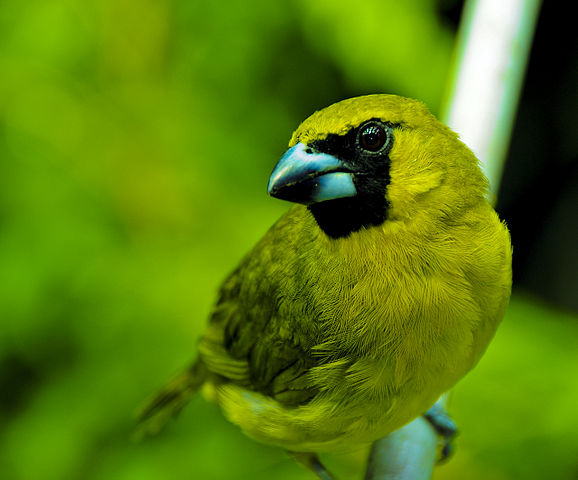
Looks like this time, the golden yellow, or Green birds, or a blend of the two colors will provides us with some of the beauty that will shine from the seventh foundational stone.

Articles in this Series so far:

What will you do with Jesus?

Heaven’s New Jerusalem and Birds – Emerald II

(This is a repost of Heaven’s New Jerusalem and Birds – Emerald. The series originally appeared in 2019. (With a little dusting and updating they will all be reposted in the coming days. Stay tuned.)

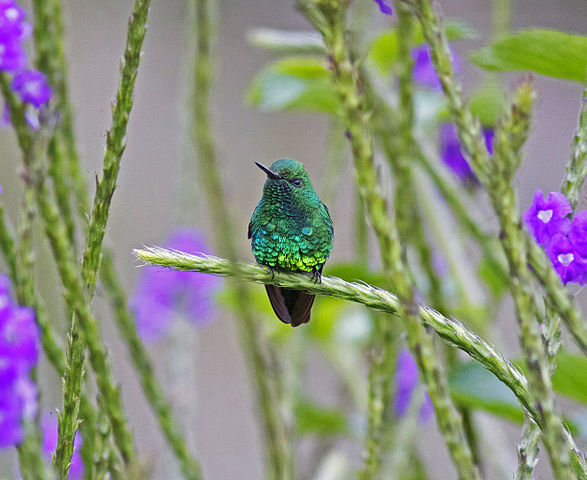
Garden Emerald (Chlorostilbon assimilis) ©WikiC

“And the foundations of the wall of the city were garnished with all manner of precious stones. The first foundation was jasper; the second, sapphire; the third, a chalcedony; the fourth, an emerald;” (Revelation 21:19 KJV)

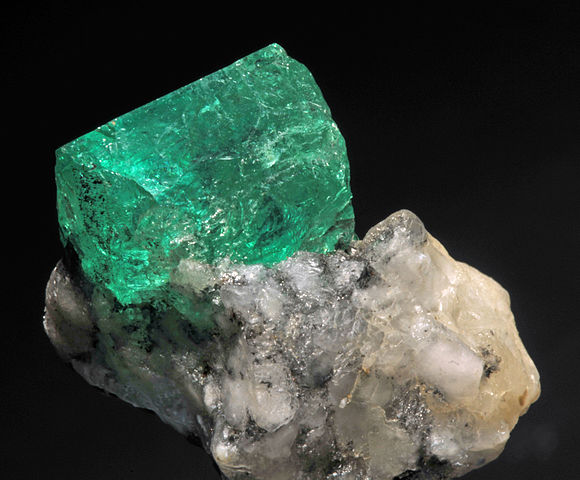
Emerald from (Muzo Mine Boyaca Colombie) ©WikiC

You know what? Checking through previous post about the Emerald stone, the article Avian and Attributes – Emerald explains this verse very well. It is being copied here again.

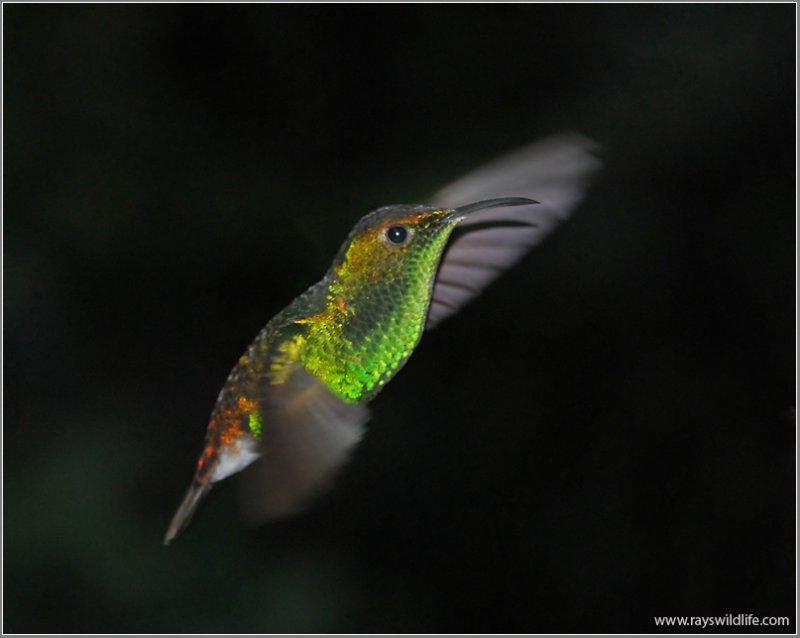
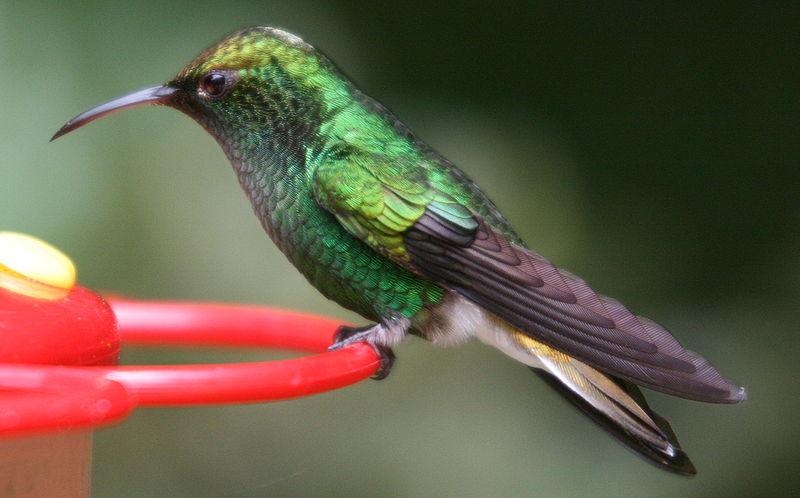
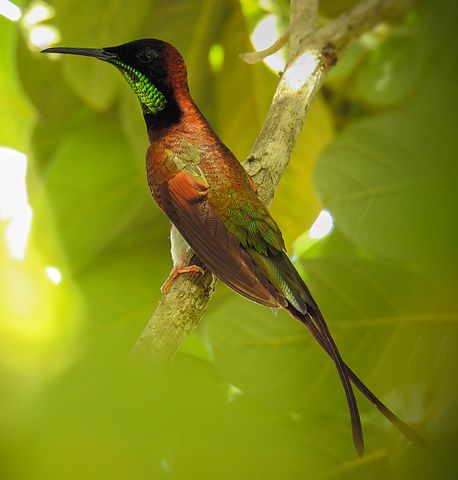
Coppery-headed Emerald by Ray

Coppery-headed Emerald by Ray

“And the foundations of the wall of the city were garnished with all manner of precious stones. The first foundation was jasper; the second, sapphire; the third, a chalcedony; the fourth, an emerald;” (Revelation 21:19 KJV)

“And he that sat was to look upon like a jasper and a sardine stone: and there was a rainbow round about the throne, in sight like unto an emerald.” (Revelation 4:3 KJV)


Avian and Attributes – Definition Name

EM’ERALD, n. [L. smaragdus.] A mineral and a precious stone, whose colors are a pure, lively green, varying to a pale, yellowish, bluish, or grass green. It is always crystallized, and almost always appears in regular, hexahedral prisms, more or less perfect, and sometimes slightly modified by truncations on the edges, or on the solid angles. It is a little harder than quartz, becomes electric by friction, is often transparent, sometimes only translucent, and before the blowpipe is fusible into a whitish enamel or glass. The finest emeralds have been found in Peru.
The subspecies of emerald are the precious emerald and the beryl. [Webster]

Emerald
Exodus 39:11 (c) This green stone represents praise, worship and adoration which begins now and lasts throughout eternity. Judah which means “praise” had his name graven on the emerald stone on the breastplate of the high priest.

Rev. 4:3 (c) This complete rainbow was given this color to typify the eternal character of GOD’s grace and the everlasting nature of GOD’s covenant of mercy. It was “green” to signify eternal praise. [Wilson’s Dictionary of Bible Types]


Emerald Tanager (Tangara florida) ©WikiC

Emerald Birds

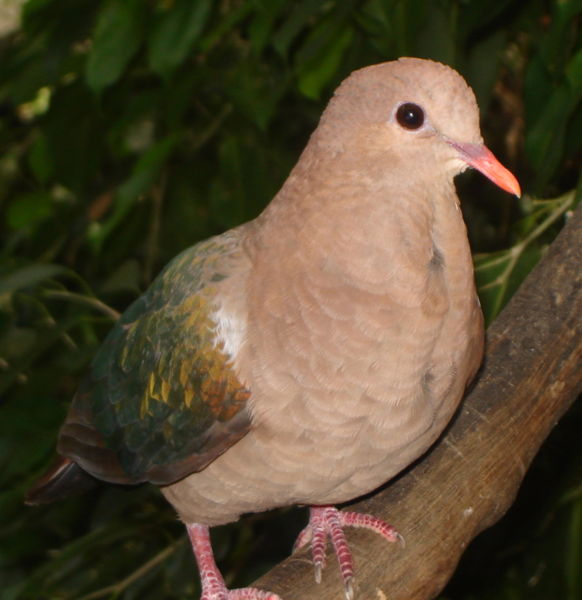
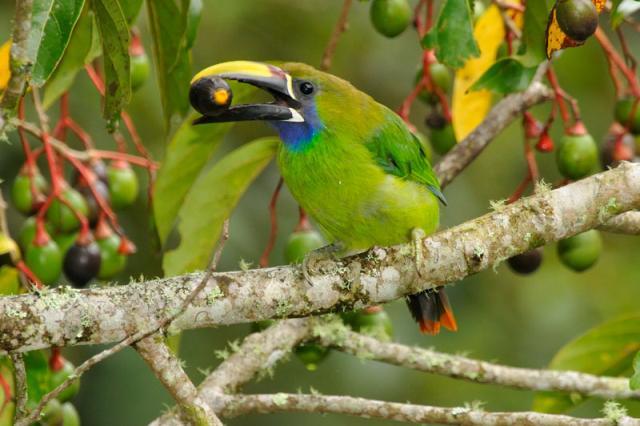
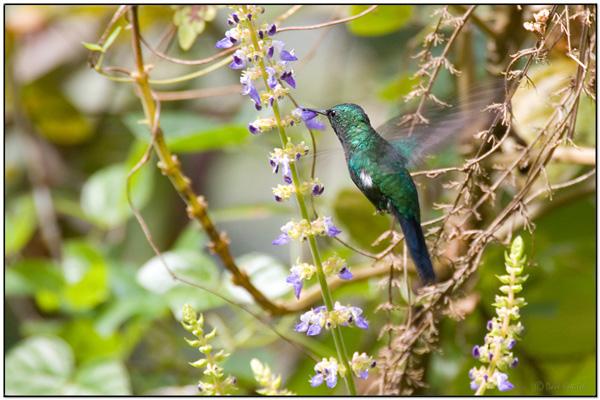
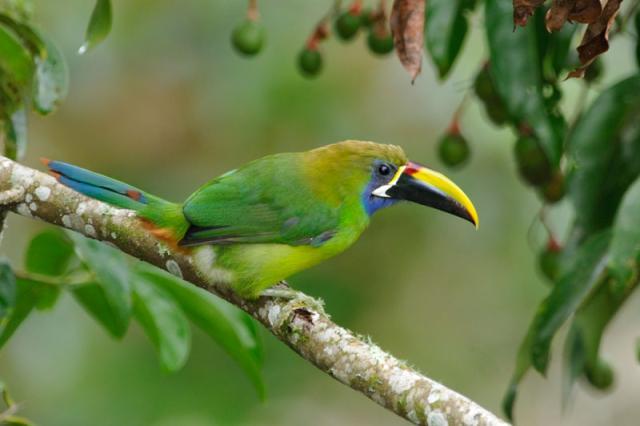
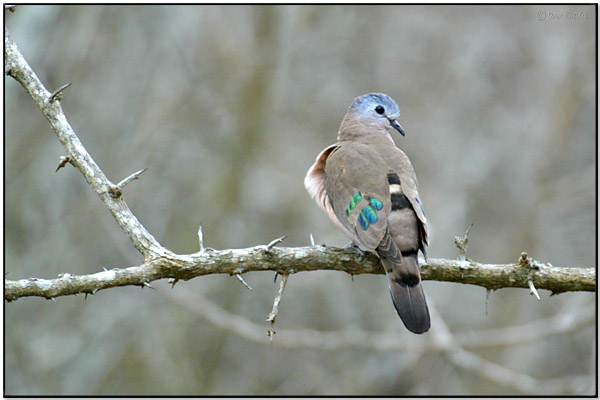
There are six birds that have a first name of Emerald: Emerald Starling, Emerald Tanager, Emerald Toucanet, Emerald-bellied Puffleg, Emerald-chinned Hummingbird, Emerald-spotted Wood Dove. There are also Hummingbird family members that are Emeralds.

“Happy is he that hath the God of Jacob for his help, whose hope is in the LORD his God: Which made heaven, and earth, the sea, and all that therein is: which keepeth truth for ever:” (Psalms 146:5-6 KJV)


*** Articles in this Series so far:

What will you do with Jesus?

Heaven’s New Jerusalem and Birds – Topaz II

(This is a repost of Heaven’s New Jerusalem and Birds – Topaz. The series originally appeared in 2019. (With a little dusting and updating they will all be reposted in the coming days. Stay tuned.)

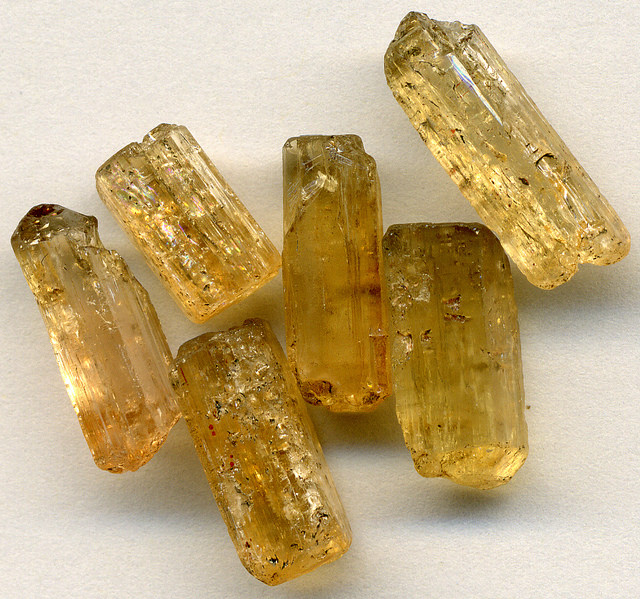
Topaz ©Flickr James St John

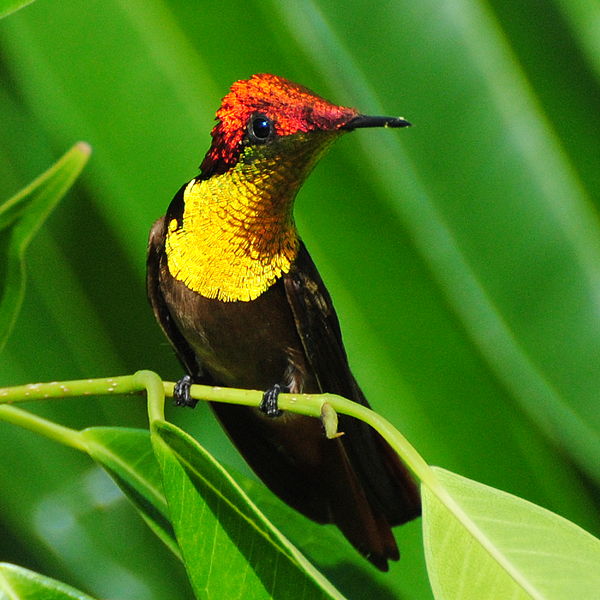
Ruby-topaz Hummingbird (Chrysolampis mosquitus) ©WikiC

“The foundations of the wall of the city were adorned with all kinds of precious stones: the first foundation was jasper, …. the fifth sardonyx, the sixth sardius, the seventh chrysolite, the eighth beryl, the ninth topaz, the tenth chrysoprase, the eleventh jacinth, and the twelfth amethyst.” (Revelation 21:19a-20 NKJV)

Topaz is a bit more common than Sardonyx, Sardius, and Chrysolite. Plus, there are birds with Topaz in their names. So this ninth stone of the foundation of the New Jerusalem should be easier to discover. Topaz is mentioned in five verse in the Bible: Exodus 28,17, 39:10; Job 28:19 [topaz of Ethiopia], Ezekiel 28:13, and our verse above – Revelation 21:20.

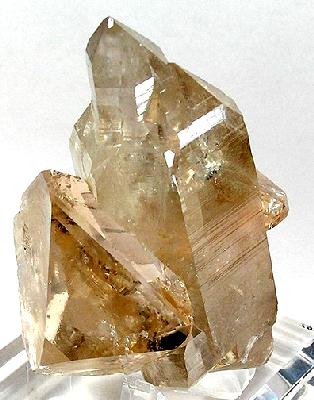
Quartz-Topaz-gem ©WikiC

Topaz – TO’PAZ, n. [Gr.] A mineral, said to be so called from Topazos, a small isle in the Arabic gulf, where the Romans obtained a stone which they called by this name, but which is the chrysolite of the moderns. The topaz is of a yellowish color. It sometimes occurs in masses, but more generally crystallized in rectangular octahedrons. Topaz is valued as a gem or precious stone, and is used in jewelry. It consists of silex, fluoric acid and alumin, in the following proportions; alumin 57 parts, silex 34, and fluoric acid 7 or 8.
Of topaz there are three subspecies, common topaz, shorlite and physalite. [Webster Dictionary 1828]

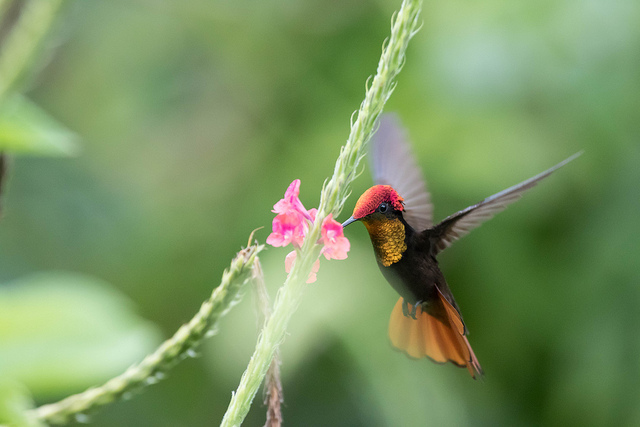
Ruby-topaz Hummingbird (Chrysolampis mosquitus) Reflection ©Flickr Budgora

Topaz – topazion (G5116) is mentioned in Rev_21:20, as the ninth of the foundation stones of the wall of the heavenly Jerusalem; the stone is of a yellow color (though there are topazes of other colors) and is almost as hard as the diamond. It has the power of double refraction, and when heated or rubbed becomes electric. [Vines New Testament]

Fiery Topaz (Topaza pyra) ©WikiC

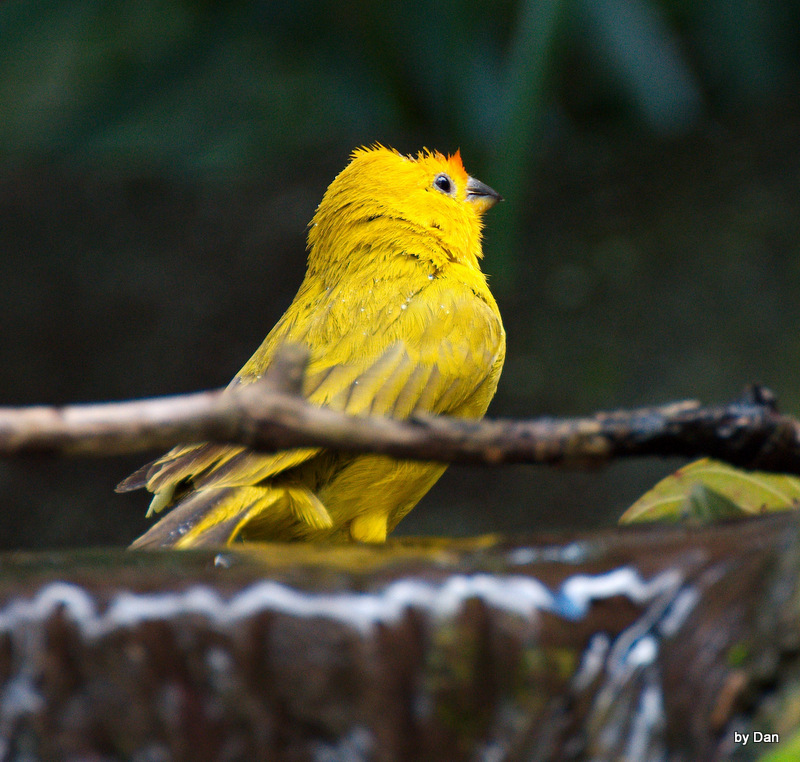
Saffron Finch Zoo Miami by Dan (Cropped by Lee)

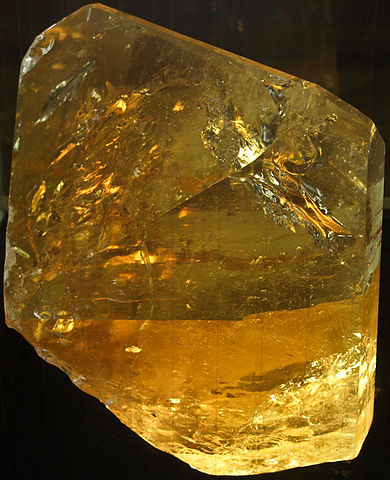
Topaz From Brazil-©NaturhistorischesMuseum-WikiC

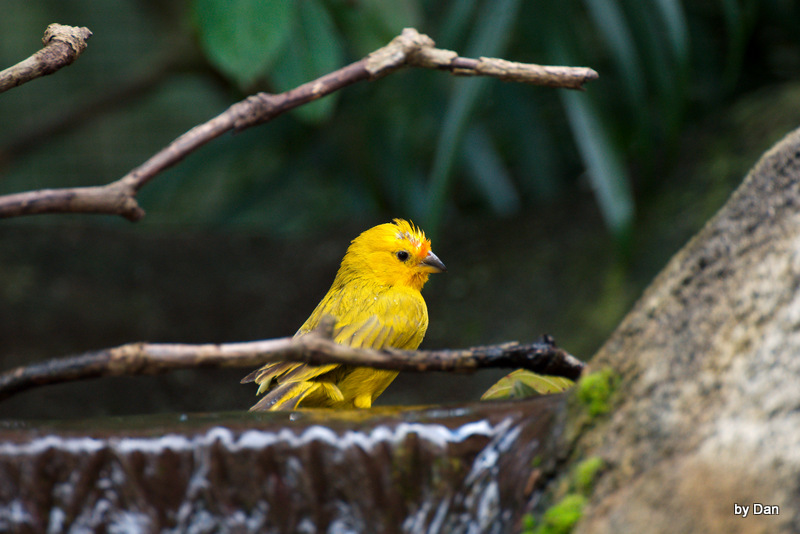
Saffron Finch Zoo Miami by Dan

Ruby-Topaz Hummingbird (Chrysolampis mosquitus) male ©WikiC

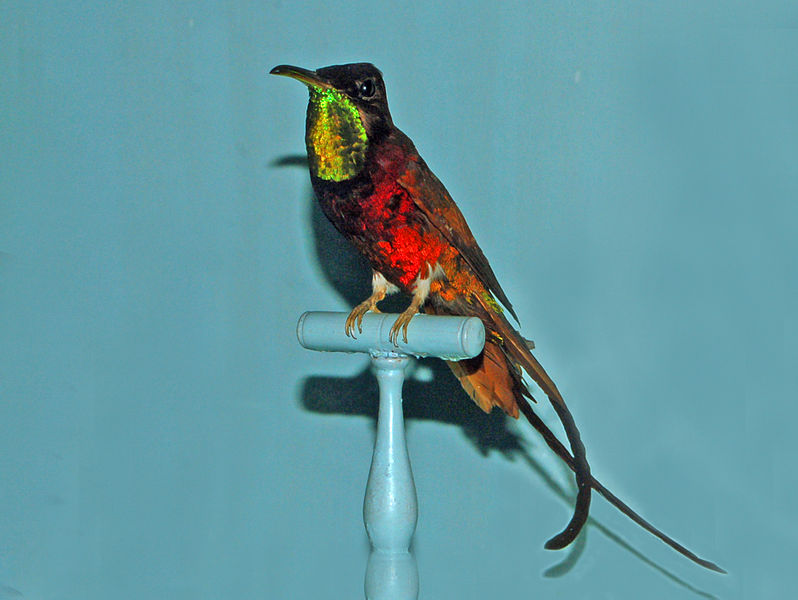
Crimson Topaz (Topaza pella) ©WikiC

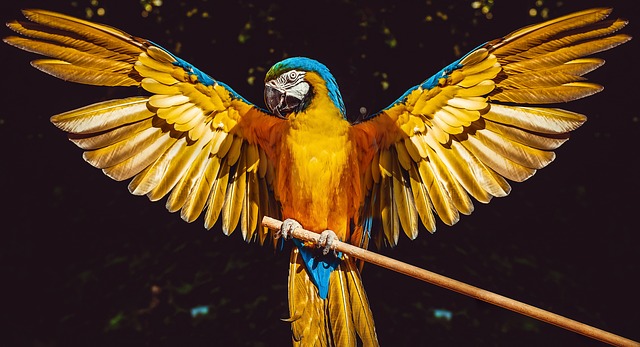
Bird-Wings-Wing-Colored-Ara-Parrot-©Maxpixel

Other Articles In This Series:

What will you do with Jesus?

Birds of the Bible – How Many Sparrows?

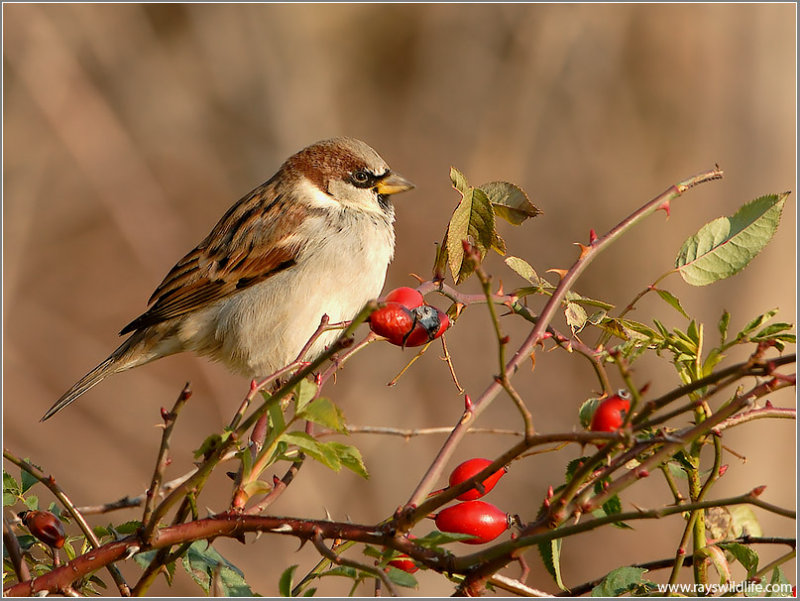
House Sparrow by Ray

While working on updating the indexes to the Birds of the Bible-Sparrows, I came across an interesting question. How many Sparrows are mentioned in the Bible? I discovered a previous search I had started from the Bible Gateway website.

The Young’s Literal Translation found 6 verses mentioning Sparrows.

Psalm 84:3 – “a sparrow

Hosea 11:11- “a sparrow

Matthew 10:29 – “two sparrows

Matthew 10:31 – “many sparrows

Luke 12:6 – “five sparrows

Luke 12:7 – “many sparrows

House Sparrows visiting National Aviary Parrot Show by Lee

House Sparrows visiting NA Parrot Show Outside by Lee

Okay, so what, you might ask? One, it challenges you to actually study what’s in the Word of God. It is also nice to see what the Bible actually says about the Sparrows and how that impacts us. Try using a website like e-sword.net or Biblegateway.com, and do a little investigation of these questions:

In Psalm 84:3, where was the sparrow and what was she doing?

Hosea 11:22, why was the sparrow trembling?

Matthew 10:29 and 31, what assurance can we get from that verse?

Luke 12:6, who remembers the sparrows?

Luke 12:7, what has been numbered? What about fear?

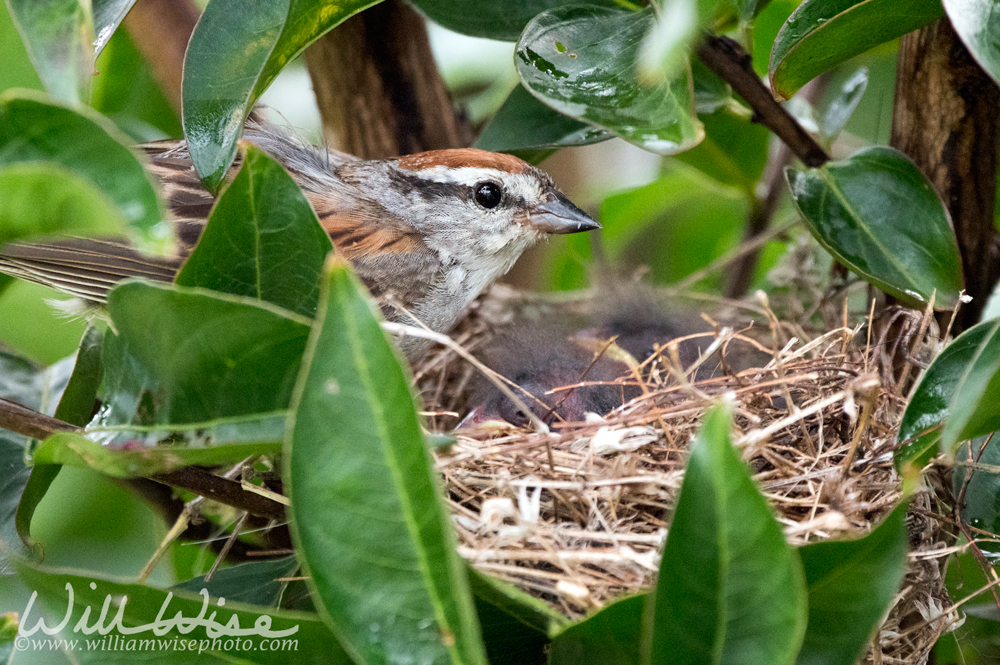
Female Chipping Sparrow bird feeding three baby Chipping Sparrow nestlings, Athens, Clarke County, GA. by William Wise

These are just some of the previous posts about these little Avian Wonders:

To find out more about Sparrows:
Birds of the Bible – Sparrow I
Birds of the Bible – Sparrow II
Birds of the Bible – More Value
Birds of the Bible – Little Brown Jobs
Birds of the Bible – Worry and Sparrows
Birds of the Bible – Lord Who Is There
Eye of the Beholder – House Sparrows
Sparrows Peterson’s Video
His Eye Is On The Sparrow (Birds in Hymns)
The Eyed Sparrow
Mighty God, While Angels Bless Thee (Birds in Hymns)
The Birds, the Economy, and My Provider – by April Lorier
Sparrows and God Care – by April Lorier
Ian’s Bird of the Week – Masked Finch
World Sparrow Days – by a j mithra
Worthen’s Sparrow – Lost, but found… – by a j mithra
White-crowned Sparrow – The Restorer – by a j mithra
Renewed Day by Day: Signs of Spring
Sparrow Quote from The Life Project ~ from Don Merritt
Sunday Inspiration – Old World Sparrows
Sunday Inspiration – Sparrows
Sunday Inspiration – Sparrows II
Emberizidae’s – Buntings
Emberizidae – Part II
Emberizidae Family Allies I
Emberizidae Family Allies II


Good News Tracts – Various Topics

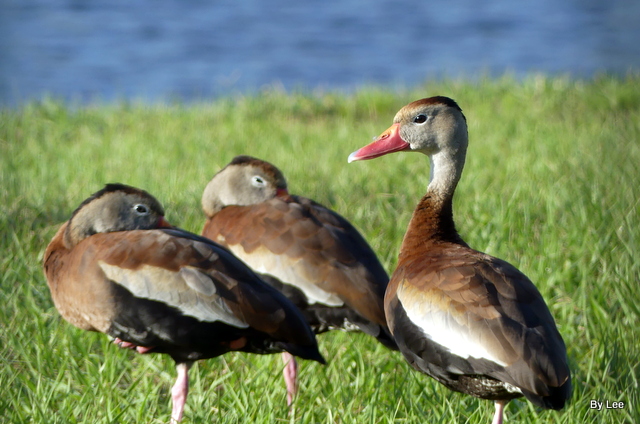
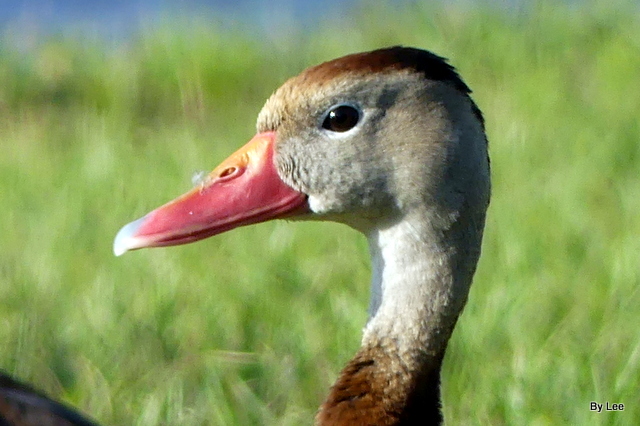
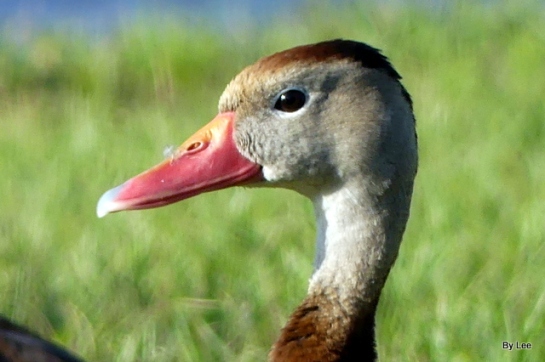
Wordless Whistling Ducks

Black-bellied Whistling Ducks in yard

Over the last few weeks, we have had constant visiting Black-bellied Whistling Ducks in our back yard. After taking many pictures of them and their antics, I realized that they will make another great bird for our Wordless Bird posts.

The Wordless Book Colors are:

Black (or Dark) – Wings and Eyes

Gold – Lore

Red – Beak

White – Wings, Neck and Head

Green – Grass

Sometimes we need visual items to help us remember God’s Truths. He created these beautiful Whistling Ducks, so why not learn from them.

Our hearts are black or dark with sin. People like dark of night to do evil deeds many times.

Gold are how the streets of heaven are made.

Christ gave His blood on the cross to pay for our sins.

When we accept the Lord into our hearts, they become clean or white.

We are supposed to grow as a Christian, as the green grass.

This is a simple version of our Wordless Birds, but the truth is still the same.

“For God so loved the world, that he gave his only begotten Son, that whosoever believeth in him should not perish, but have everlasting life. For God sent not his Son into the world to condemn the world; but that the world through him might be saved.”

(John 3:16-17 KJV)
Black-bellied Whistling Duck by Lee

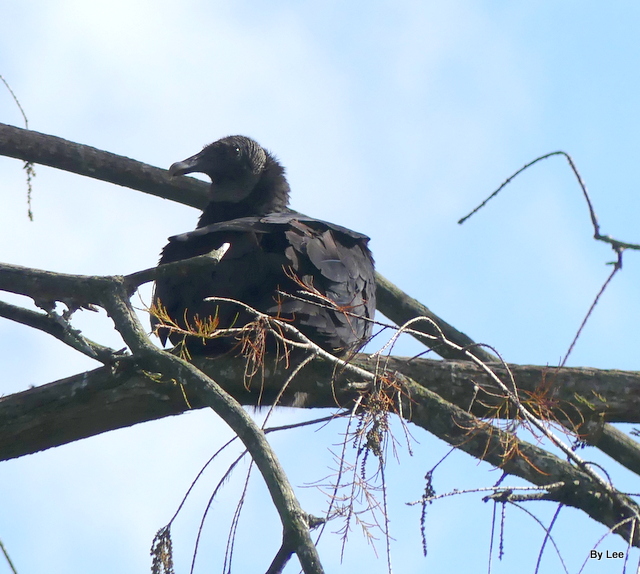
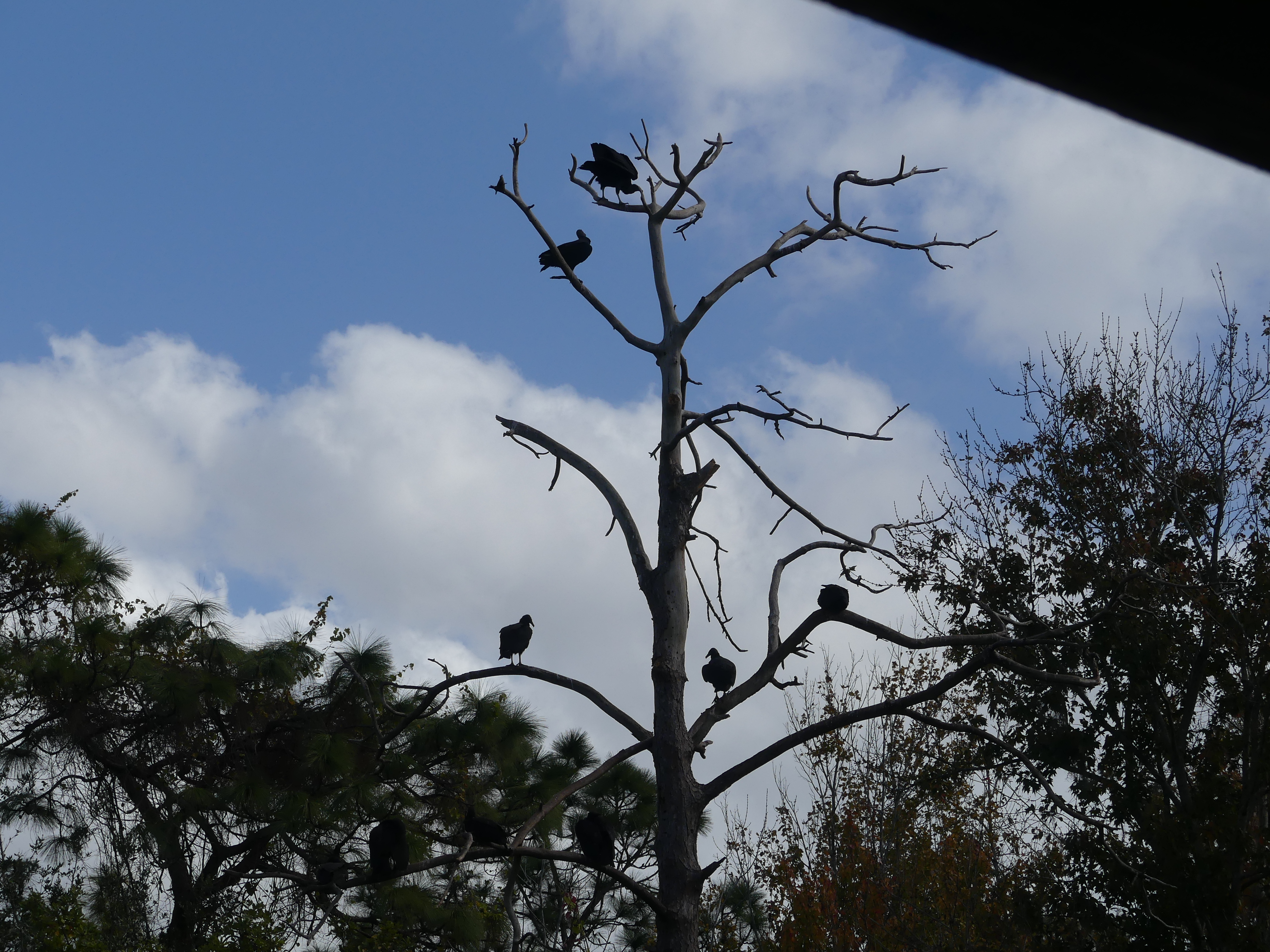
Black Vultures Up Close at Gatorland

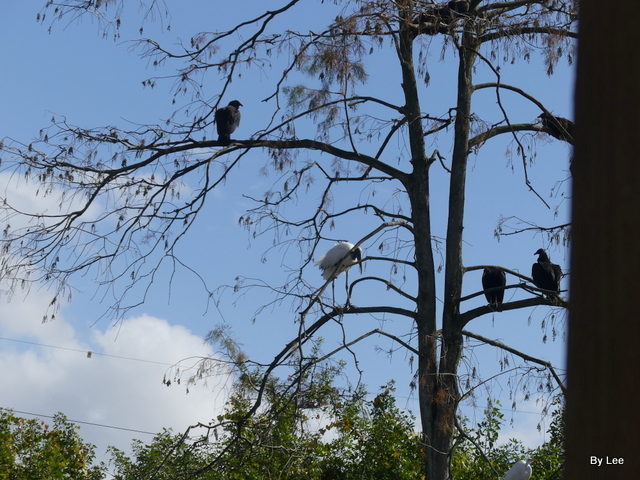
Black Vulture in tree watching Stork arrival

On our last visit to Gatorland, see articles below, there wasn’t an abundance of avian wonders as on previous visits. Yet, there is always something to discover. The alligators, Flamingos, and a few Parrots are permanent residents, but the birds are free to come and go. The different families of birds build their nest during various times of the year, and late December seems to be void of nest.

Yet, not to be discouraged, the Black Vultures were staking out the trees. Soon they would create their nest, and raise their young. In late January, February, and March, the Herons and Egret will start their families.

Since there were so many of the Black Vultures around, and so close, I took some interesting photos, at least to me, of these sort of ugly, but amazing flying “landscape improvers.” :) They gather beside highways to feed on road-killed animals and other dead animals in fields, or wherever they find them.

“‘And these you shall regard as an abomination among the birds; they shall not be eaten, they are an abomination: the eagle, the vulture, the buzzard,” (Leviticus 11:13 NKJV)

Yep, I wouldn’t want to to eat one of these birds, but yet, they are beautiful in their on right. Their feathers are still very interesting, and definitely help them soar.

Black Vultures (Coragyps atratus) are members of the Cathartidae Family.

Black Vultures in tree

“The communal roost is an important focus of the social life of Black Vultures. It serves as a meeting place for adults and their young and as an assembly point for foraging groups. The communal roost also appears to function as an information center, a site where unsuccessful foragers can locate food by following roost mates to carcasses.” (©Birds of the World)

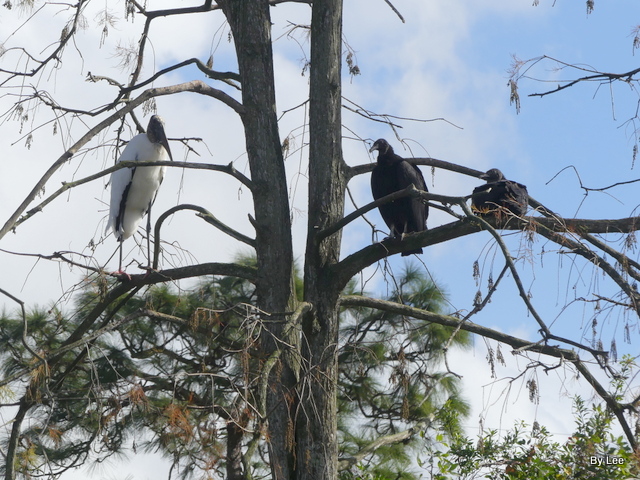
They were okay until a Wood Stork landed

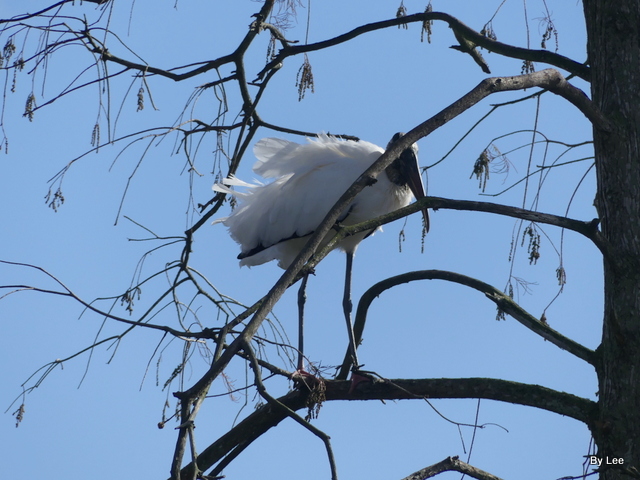
Wood Stork arriving in the Vulture’s Tree

on “their” tree:

Black Vultures in tree watching Stork arrival

One of the Vultures tried to “stare” the Stork down.

Black Vultures in tree watching Stork arrival

Black Vulture in tree watching Stork arrival

Further along the path, there was a another tree of vultures that caught my attention. It was right along the boardwalk and I was able to observe them from a closer range. Here is a slideshow of these. I was amazed watching this Black Vulture preening up-close.

This slideshow requires JavaScript.

What an amazing Creator who provides for each of His Avian Wonders.

Birds of the Bible – Vulture

Cathartidae – New World Vultures

Other Gatorland Post from the December 30th visit:

  1. Flamingo Filtering at Gatorland – 12/30/20
  2. Gator Tail Anyone?
  3. Our Gatorland Welcome 12-30-20
  4. Put Your Best Foot Forward

Sharing The Gospel

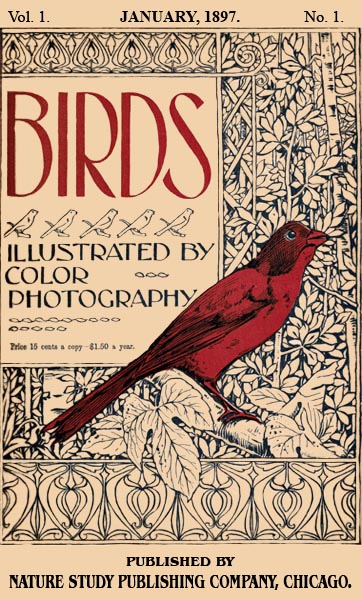
Volume 1 – #1 & #2 – Birds Illustrated by Color Photography Active

Volume #1 and #2 are now active again here. There are twenty articles to read. These were originally posted around 2012 here, but they were originally written in 1897. Birds Illustrated by Color Photography Volume 1, Number 1, January 1897 and Volume 1, Number 2, February 1897

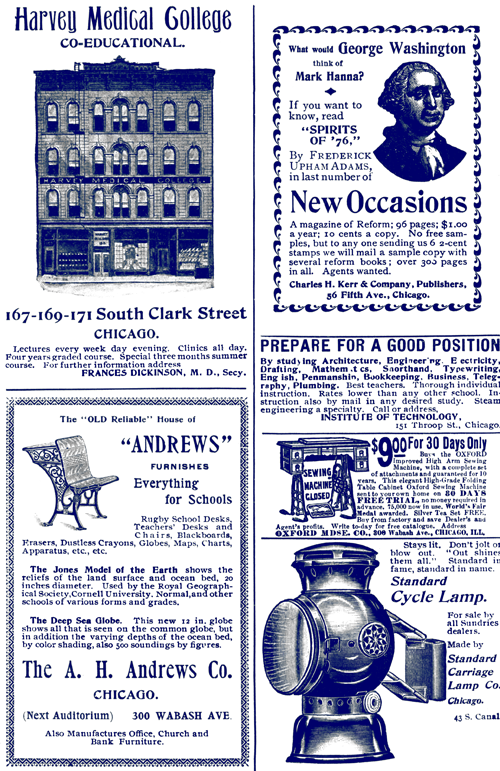
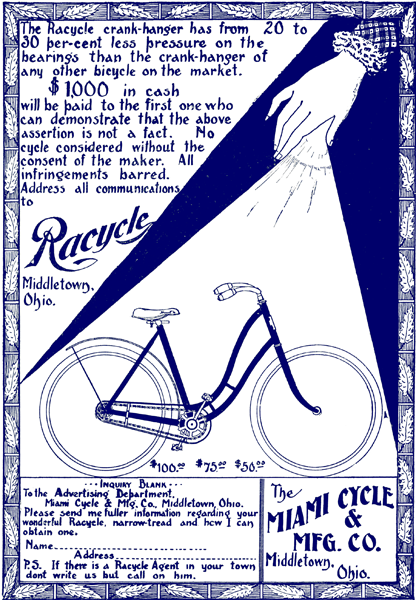
When you look at the Vol1 #2 articles, there are old photos of advertisements back then (1897) that are quite interesting. I enjoyed re-reading these again while I was moving the post back. If you have the time, you just might enjoy these:

Ad for Birds Illustrated by Color Photography, 1897

Ad for Birds Illustrated by Color Photography, 1897

Volume 1, Number 1, January 1897 (Articles will be Green when re-activated on Lee’s Birdwatching Adventures Plus)

The Nonpareil – Painted Bunting
The Resplendent Trogon
The Mandarin Duck
The Golden Pheasant
The Australian Grass Parrakeet
The Cock-Of-The-Rock
The Red Bird Of Paradise
The Yellow Throated Toucan
The Red-Rumped Tanager
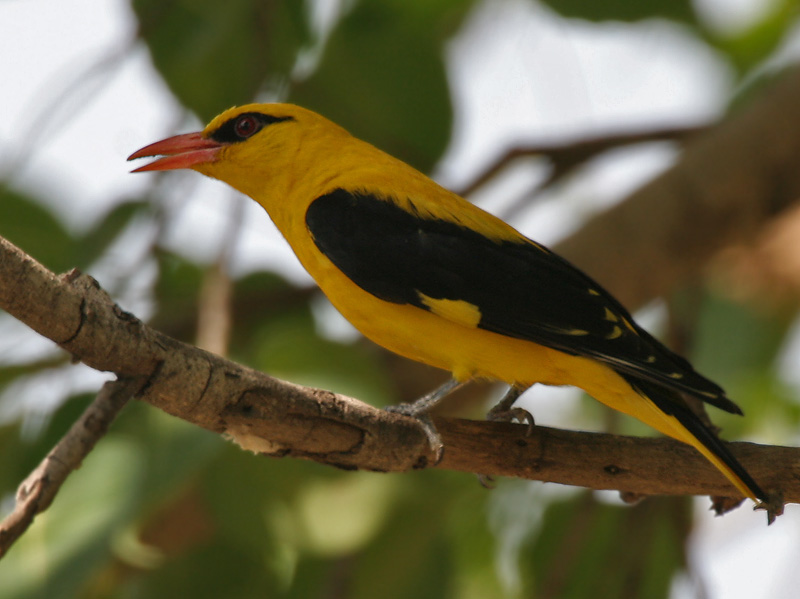
The Golden Oriole

Volume 1, Number 2, February 1897

The Blue Jay
The Swallow-Tailed Indian Roller
The Red Headed Woodpecker and The Drummer Bird
Mexican Mot Mot
King Parrot Or King Lory
The American Robin – The Bird Of The Morning
The Kingfisher – The Lone Fisherman
The Red Wing Black Bird – The Bird Of Society
Blue Mountain Lory
The American Red Bird

These are being prepared. Stay Tuned!!
Birds Illustrated by Color Photography – Revisited

An Ad for Birds Illustrated, 1897

An Ad for Birds Illustrated, 1897

McGuffey’s Third Reader – Humming Birds

Rufous-tailed Hummingbird (Amazilia tzacatl) by Judd Patterson

Rufous-tailed Hummingbird (Amazilia tzacatl) by Judd Patterson

LESSON XXI. HUMMING BIRDS.

McGuffey's Third Eclectic Reader from Gutenberg.org

McGuffey’s Third Eclectic Reader from Gutenberg.org

1. The most beautiful humming birds are found in the West Indies and South America. The crest of the tiny head of one of these shines like a sparkling crown of colored light.

2. The shades of color that adorn its breast, are equally brilliant. As the bird flits from one object to another, it looks more like a bright flash of sunlight than it does like a living being.

Magnificent Hummingbird (Eugenes fulgens) by Judd Patterson

Magnificent Hummingbird (Eugenes fulgens) by Judd Patterson

3. But, you ask, why are they called humming birds? It is because they make a soft, humming noise by the rapid motion of their wings—a motion so rapid, that as they fly you can only see that they have wings.

4. One day when walking in the woods, I found the nest of one of the smallest humming birds. It was about half the size of a very small hen’s egg, and was attached to a twig no thicker than a steel knitting needle.

Vervain Hummingbird (Mellisuga minima) WikiC

Vervain Hummingbird (Mellisuga minima) WikiC

5. It seemed to have been made of cotton fibers, and was covered with the softest bits of leaf and bark. It had two eggs in it, quite white, and each about as large as a small sugarplum.

6. When you approach the spot where one of these birds has built its nest, it is necessary to be careful. The mother bird will dart at you and try to peck your eyes. Its sharp beak may hurt your eyes most severely, and even destroy the sight.

7. The poor little thing knows no other way of defending its young, and instinct teaches it that you might carry off its nest if you could find it.

“If a bird’s nest happens to be before you along the way, in any tree or on the ground, with young ones or eggs, with the mother sitting on the young or on the eggs, you shall not take the mother with the young;” (Deuteronomy 22:6 NKJV)

Title: McGuffey’s Third Eclectic Reader, Author: William Holmes McGuffey
Release Date: January 23, 2005 [EBook #14766]