Say’s Phoebe and Nest

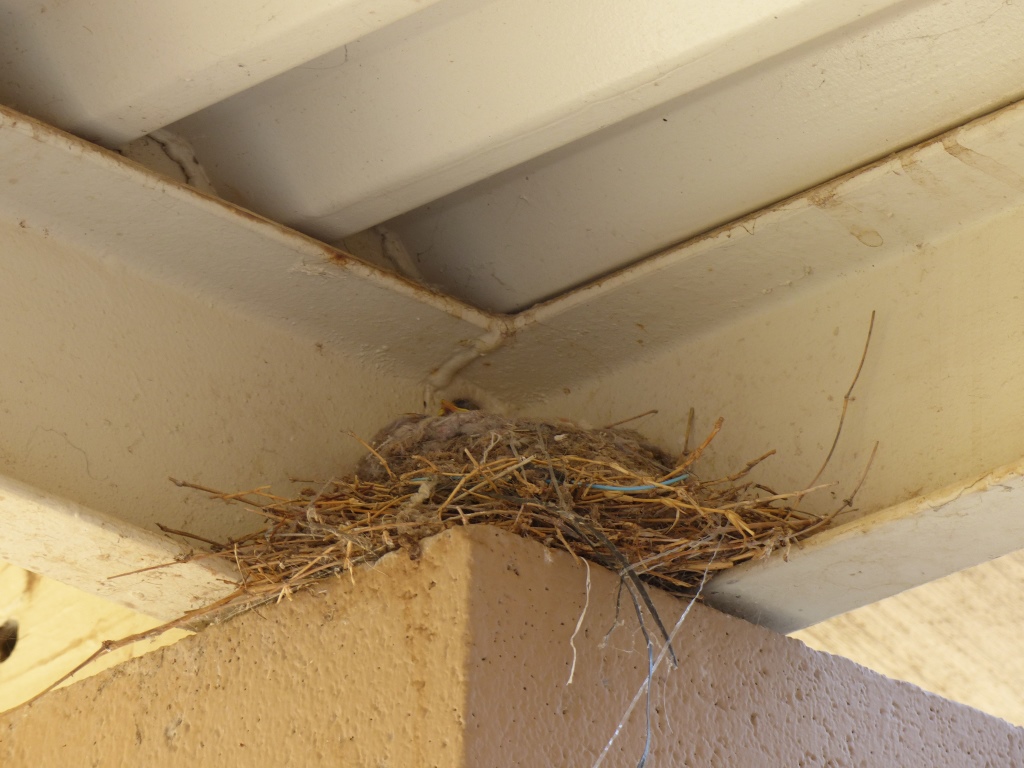
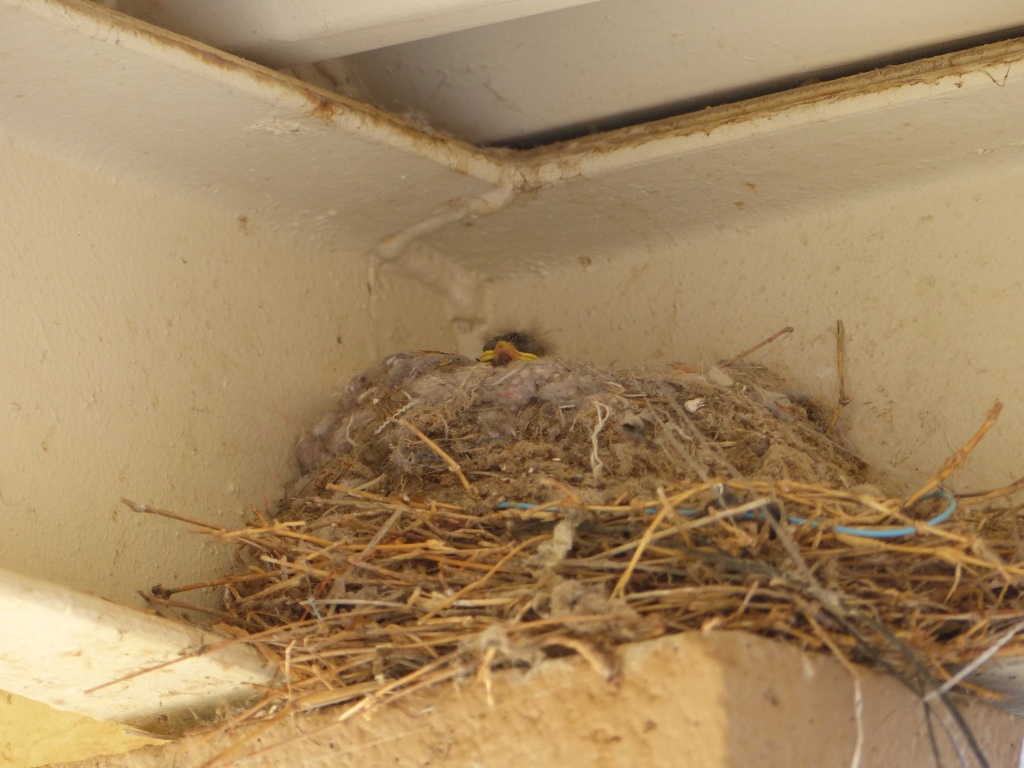
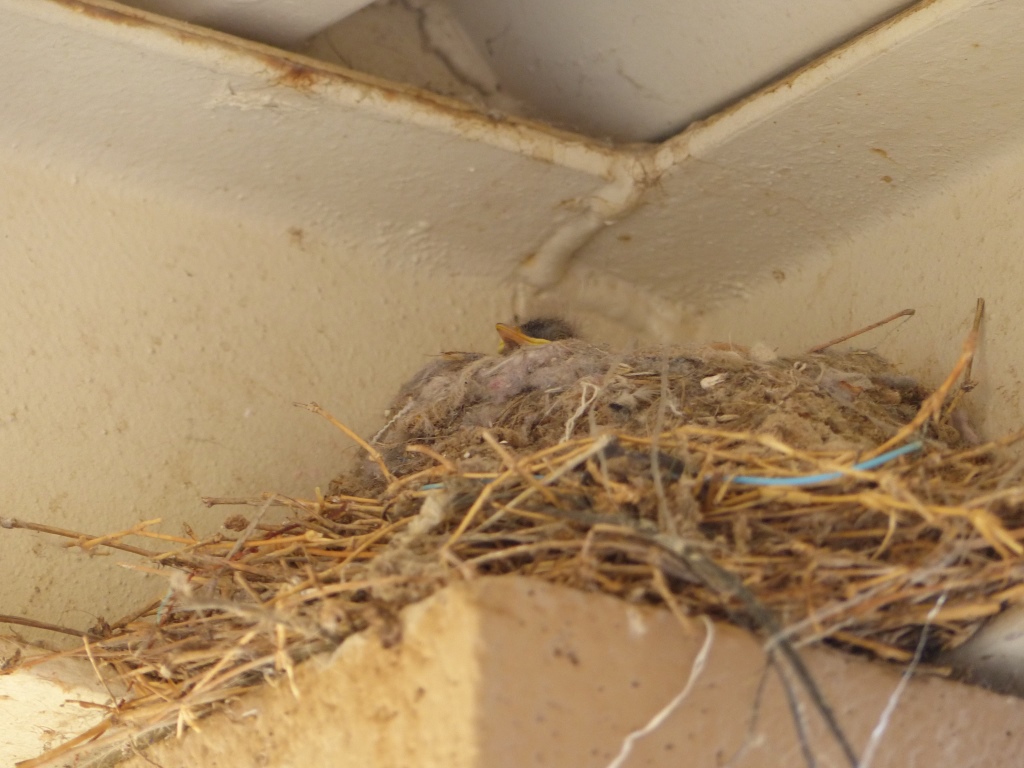
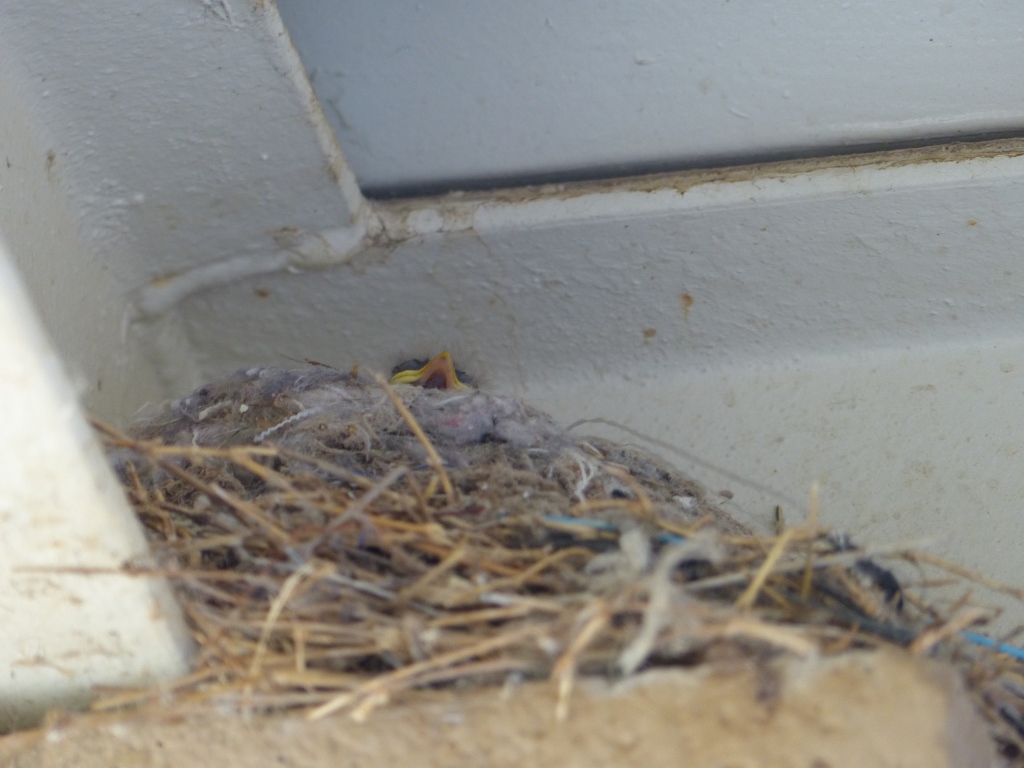
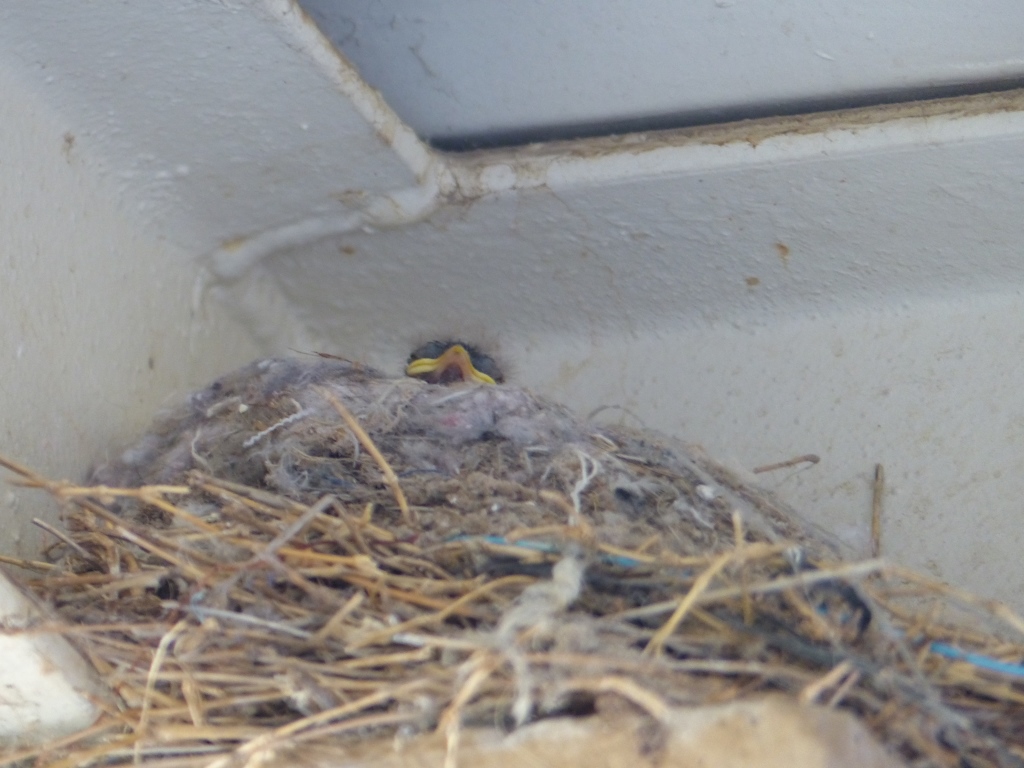
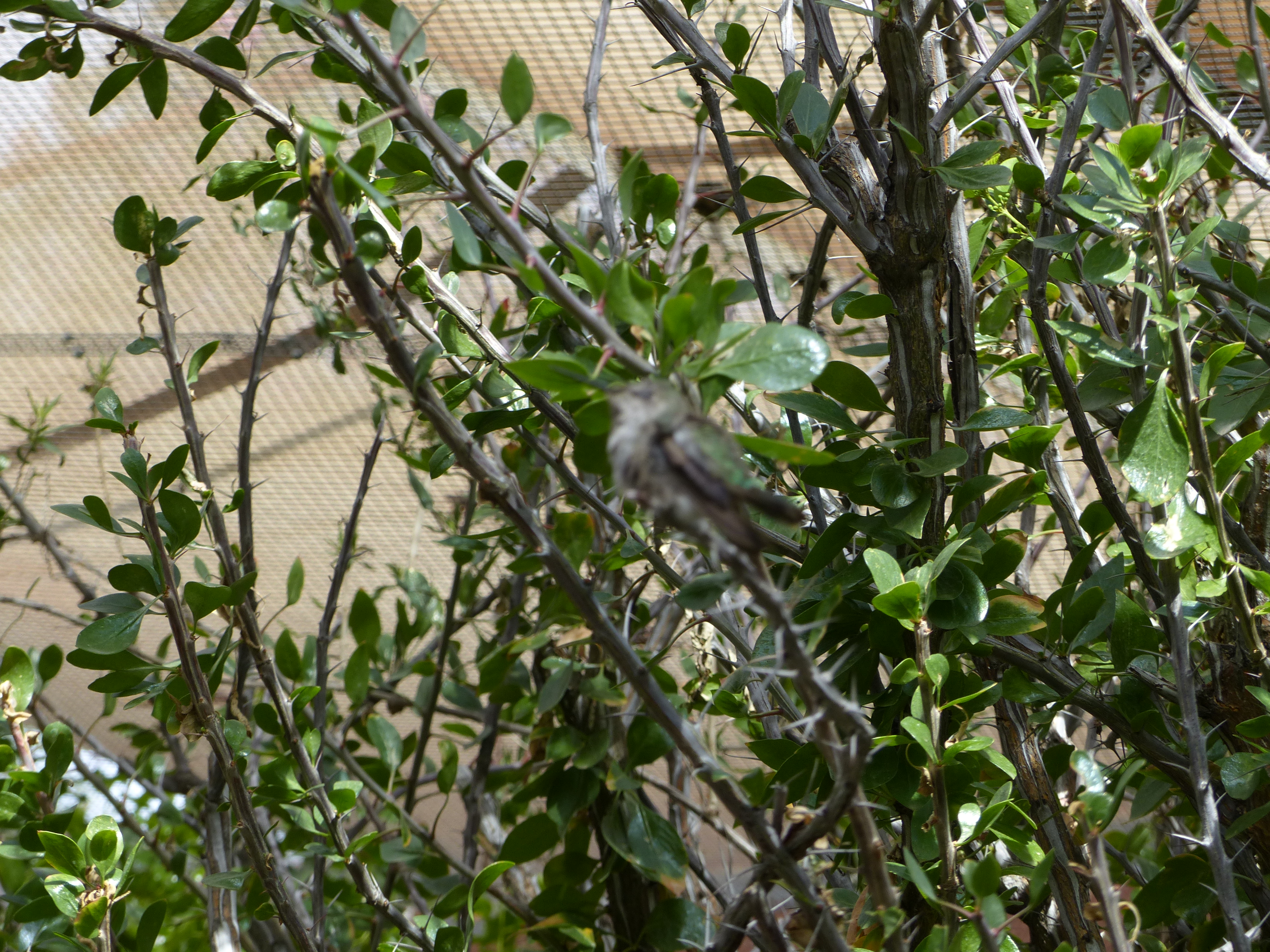
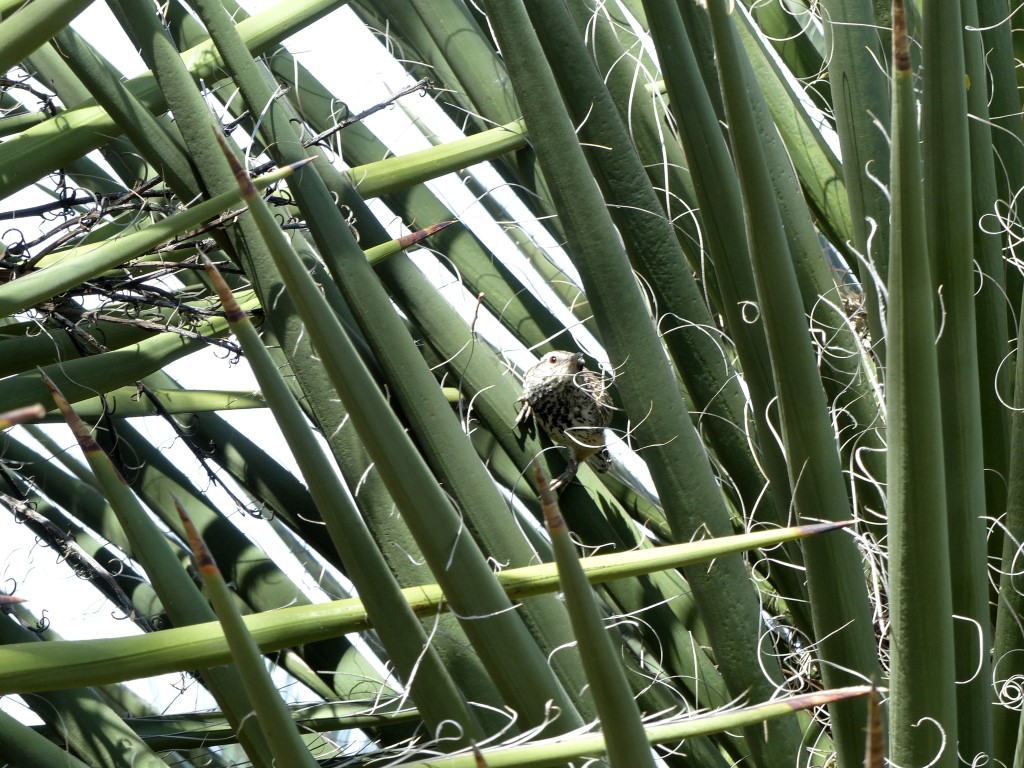
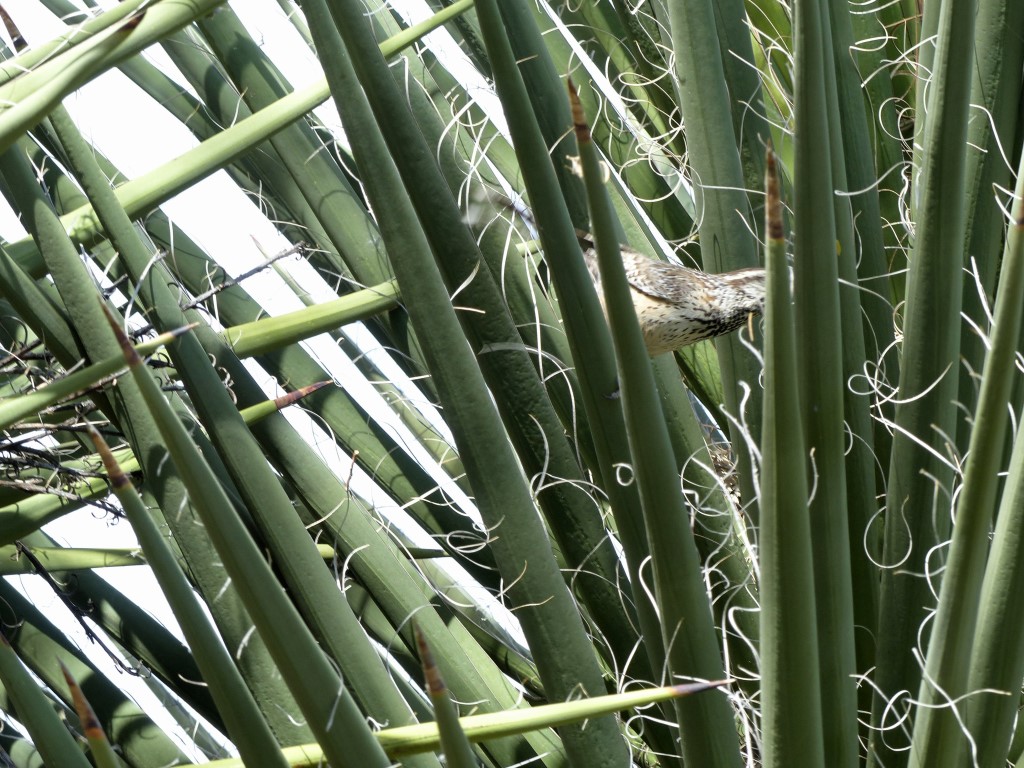
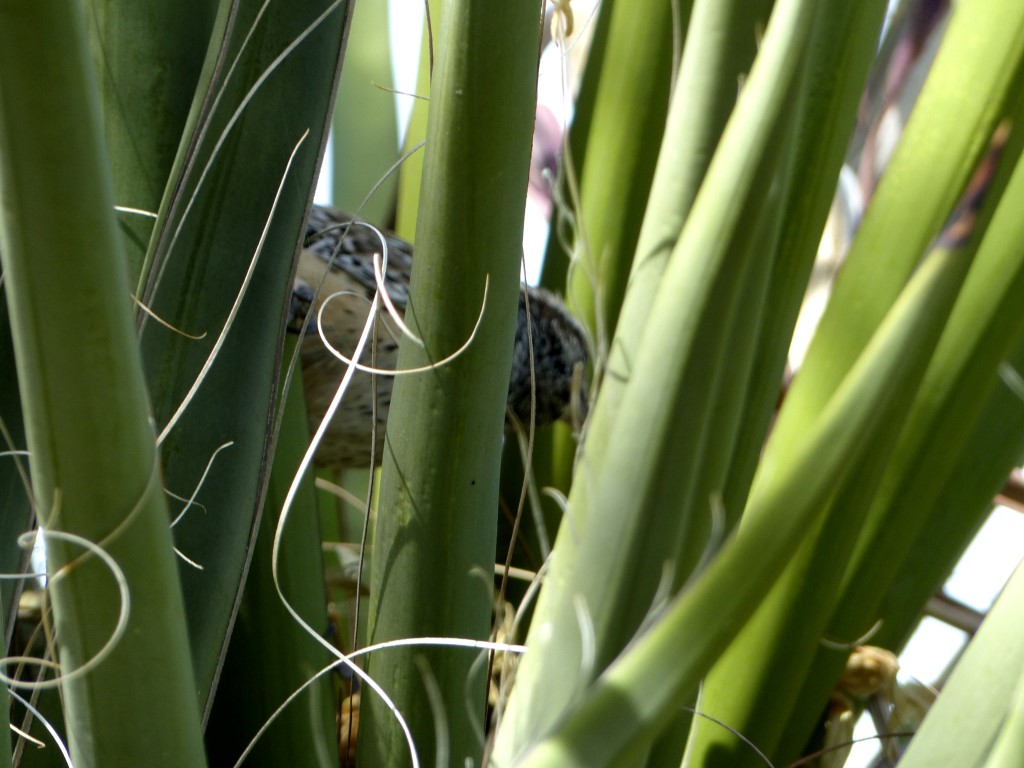
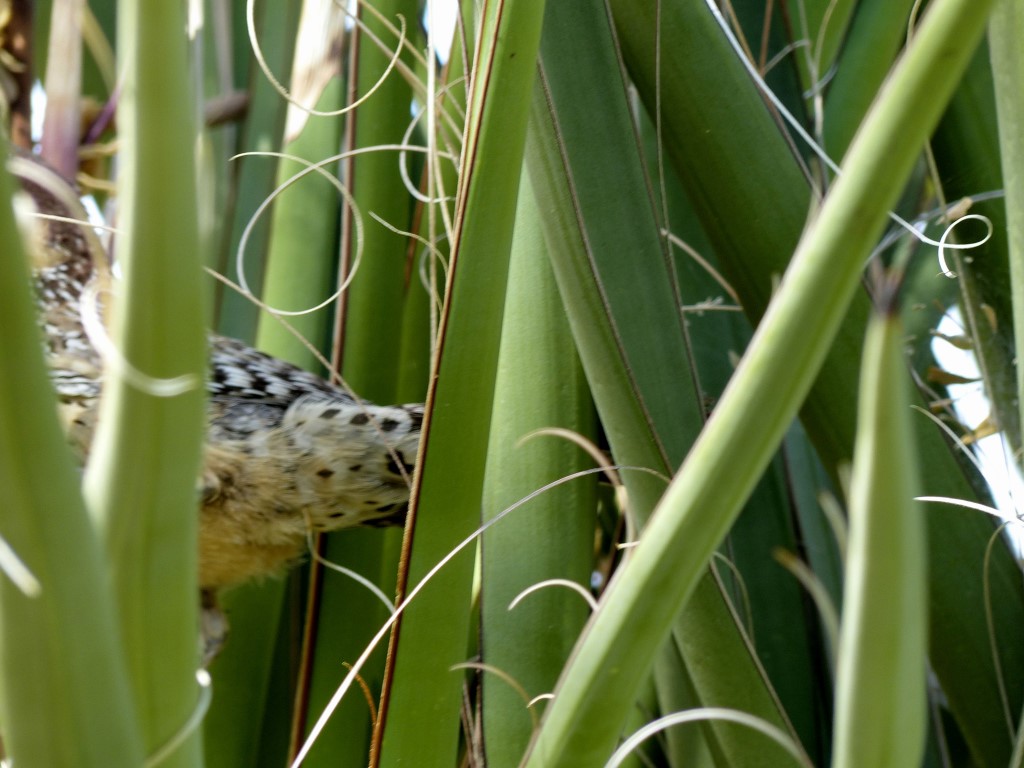
On our vacation, we spent the night in El Centro, California. In the morning, while loading the luggage back in the car, I noticed a bird flying in and out of a corner. Investigating, here is what I found:

Say's Phoebe nestling at El Centro Ca by Lee

Say’s Phoebe nestling at El Centro Ca by Lee

Yea, the sparrow hath found an house, and the swallow a nest for herself, where she may lay her young, even thine altars, O LORD of hosts, my King, and my God. (Psalms 84:3 KJV)

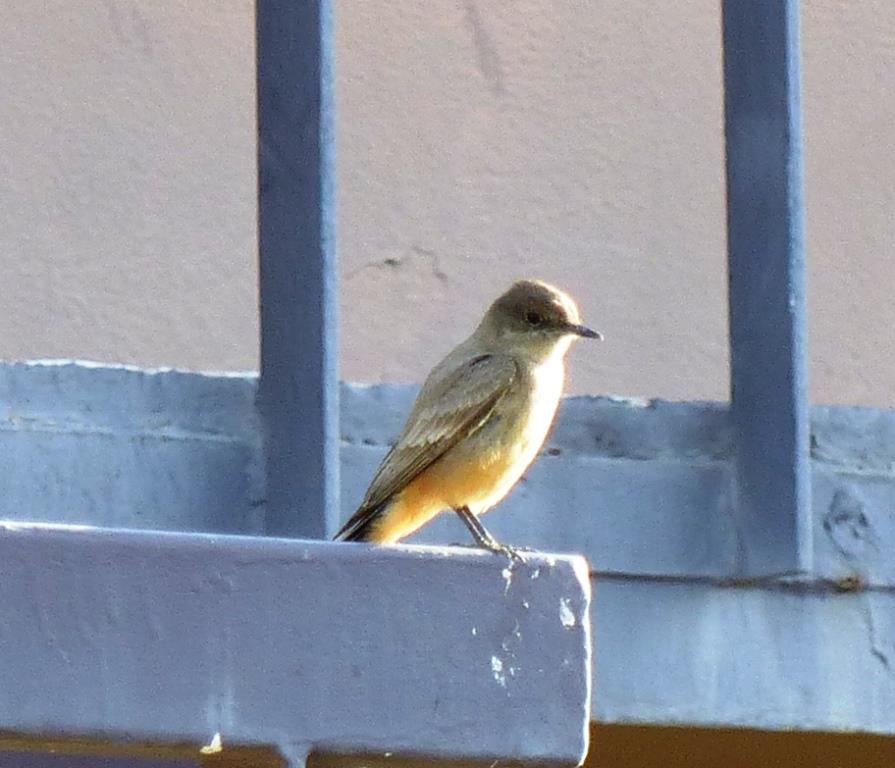
The nest with a young bird in it was patiently waiting for mom/pop to show up with some more food. Sure enough, the parent came and went but didn’t stay long enough for me to get a photo. Finally, they landed on a spot long enough to get a few photos. (He/she was in the direct sun and not the best photo.)

Say's Phoebe (Sayornis saya) at El Centro Ca by Lee

Say’s Phoebe (Sayornis saya) at El Centro Ca by Lee

Yeah! A new Life Bird for my list. This is a Say’s Phobe. Been reading up on this beautiful creation from the Creator. The Say’s phoebe (Sayornis saya) is a passerine bird in the Tyrannidae – Tyrant Flycatchers Family. A common bird in the western United States. It prefers dry, desolate areas. This bird was named for Thomas Say, the American naturalist.

Here is a better photo from Flickr by Dawn Ellner:

Say's Phoebe (Sayornis saya) ©©Flickr Dawn Ellner

Say’s Phoebe (Sayornis saya) ©©Flickr Dawn Ellner

The adult Say’s phoebe is a drab, chunky bird. It is gray-brown above with a black tail and buffy cinnamon below, becoming more orange around the vent. The tail is long and the primaries end just past the rump on resting birds. The wings seem pale in flight and resemble a female mountain bluebird. The juvenile is similar to adult, but has buffy orange to whitish wingbars and a yellow gape. Adult birds are 7.5 in (19 cm) long. They have a 13 in (33 cm) wingspan and they weigh 0.75 oz (21 g). Their diet is almost exclusively insects which they dart out to capture. Sometimes they hover over grass to catch the insects.

Nest – Adherent also under eaves, bridges, in wells; of grass, forbs, moss, plant fibers, lined with fine materials, especially hair. Female believed to build nest. The Eggs – White, mostly unmarked, some (last laid) with small red spots. 0.8″ (19 mm). The female incubates for 12-14 days. Development is altricial (immobile, downless, eyes closed, fed). Young leave the nest after 14-16 days. Both sexes tend young. “Say’s Phoebe is common around people, often nesting on buildings.” (All About Birds)

(Info from Wikipedia, internet and Thayer’s Birding Software)

More about that nest in the next post. Photos can be clicked on to enlarge them.

(Update: Orni-Theology and The Nest)
*

Good News
*

Sunday Inspiration – Australian Robin and Friends

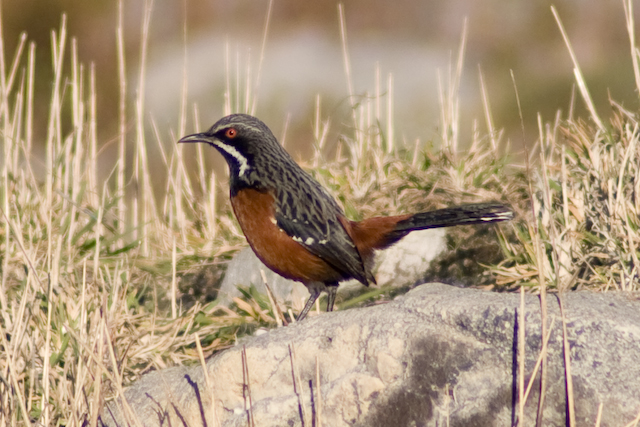
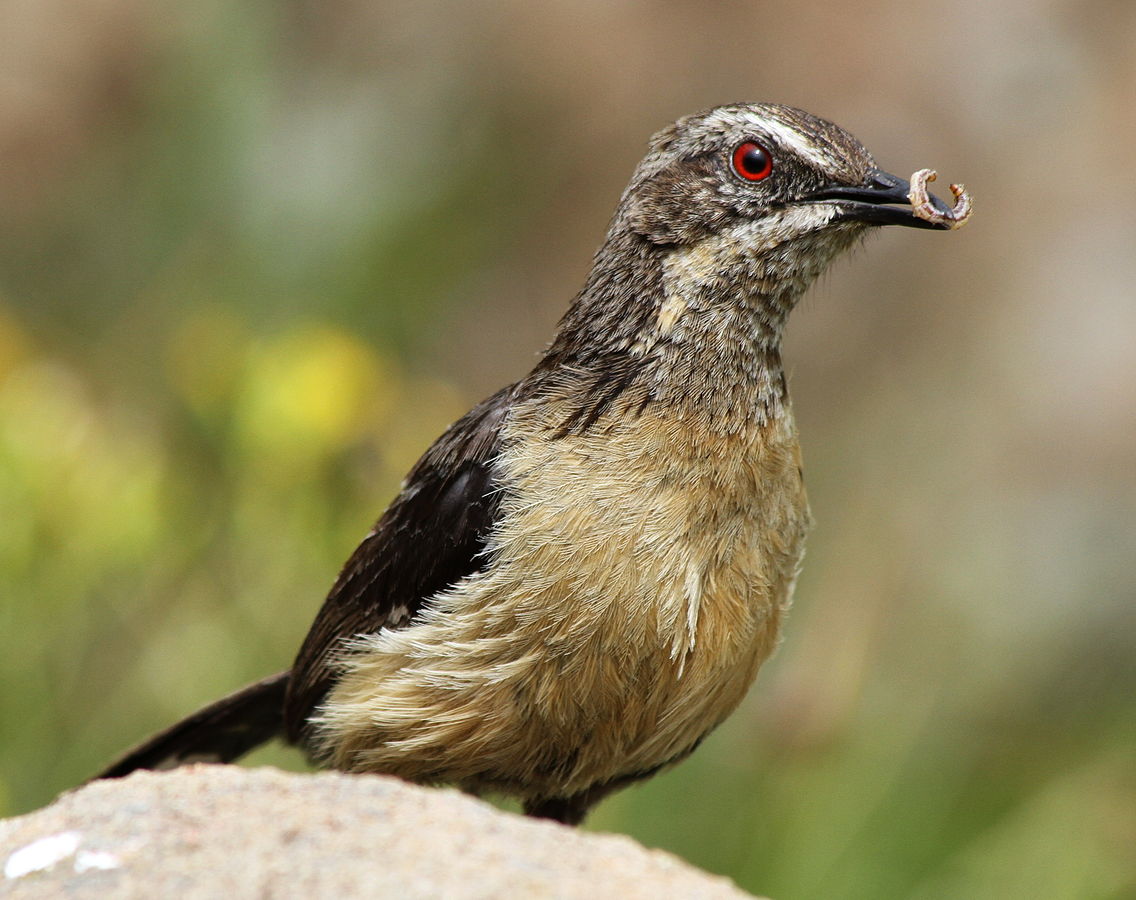
Cape Rockjumper (Chaetops frenatus) ©WikiC

Cape Rockjumper (Chaetops frenatus) ©WikiC

“The LORD lives! Blessed be my Rock! Let God be exalted, The Rock of my salvation! (2 Samuel 22:47 NKJV)

This week’s birds from their Creator include the Petroicidae – Australasian Robins, Picathartidae – Rockfowl, Chaetopidae – Rockjumpers and the Eupetidae – Rail-babbler Families.

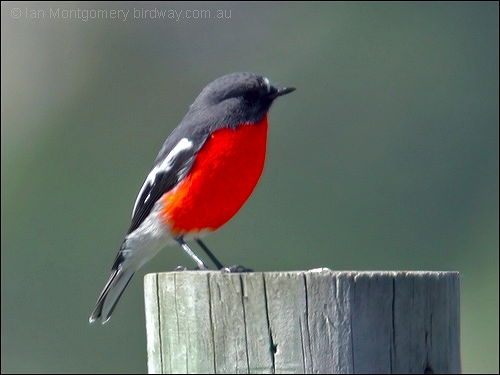
The Robins are all endemic to Australasia: New Guinea, Australia, New Zealand and numerous Pacific Islands as far east as Samoa. For want of an accurate common name, the family is often called the Australasian robins. There are 46 members presently. They are not related to our American Robin.

Flame Robin by Ian

Flame Robin by Ian

Most species have a compact build with a large, rounded head, a short, straight bill, and rounded wingtips. They occupy a wide range of wooded habitats, from subalpine to tropical rainforest, and mangrove swamps to semi-arid scrubland. All are primarily insectivorous, although a few supplement their diet with seeds. Hunting is mostly by perch and pounce, a favoured tactic being to cling sideways onto a treetrunk and scan the ground below without moving.

They have long-term pair-bonds and small family groups. Most members practice cooperative breeding, with all family members helping defend a territory and feed nestlings. Nests are cup-shaped, usually constructed by the female, and often placed in a vertical fork of a tree or shrub. Many species are expert at adding moss, bark or lichen to the outside of the nest as camouflage, making it very difficult to spot, even when it is in a seemingly prominent location.

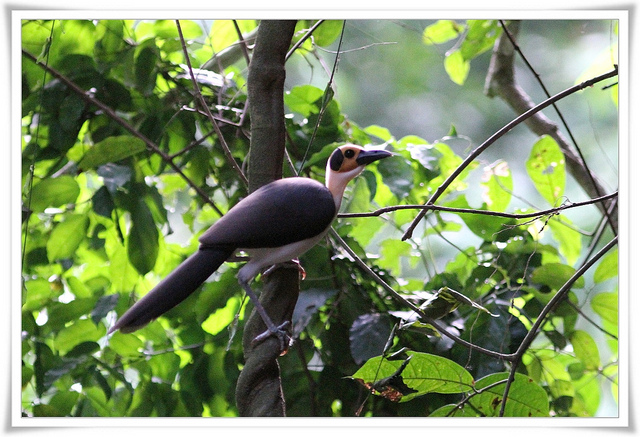
White-necked Rockfowl (Picathartes gymnocephalus) cc Ross@Texas

White-necked Rockfowl (Picathartes gymnocephalus) cc Ross@Texas

The White-necked and Grey-necked Rockfowls are the only members of the Picatharitidae family. They are also called “bald crows’ and are found in the rain-forests of tropical west and central Africa. They have unfeathered heads, and feed on insects and invertebrates picked from damp rocky areas. Both species are totally non-migratory, being dependent on a specialised rocky jungle habitat.

They are large (33–38 centimetres (13–15 in) long) passerines with crow-like black bills, long neck, tail and legs. They weigh between 200–250 grams (7.1–8.8 oz). The strong feet and grey legs are adapted to terrestrial movement, and the family progresses through the forest with long bounds on the ground. The wings are long but are seldom used for long flights. Rockfowl are generalized feeders, taking a wide range of invertebrate prey.

Drakensberg Rockjumper (Chaetops aurantius) by ©WikiC

He is the Rock, His work is perfect; For all His ways are justice, A God of truth and without injustice; Righteous and upright is He. (Deuteronomy 32:4 NKJV)

The Rockjumpers are medium-sized insectivorous or omnivorous birds in the genus Chaetops, which constitutes the entire family Chaetopidae. The two species, the Cape Rockjumper,, and the Drakensberg Rockjumper, are endemic residents of southern Africa. The Cape Rockjumper is a resident of the West Cape and SW East Cape, and the Orange-breasted (or Drakensberg) Rockjumper is distributed in the Lesotho highlands and areas surrounding this in South Africa. These are birds with mostly brown and red plumage. Both with long, white tipped black tails, black throats, broad white submoustachial lines, rufous or orange bellies and rumps and grey and black patterned backs and wings.[The iris is red and the bills and legs are black. Their wings are very small and they do not fly very often. They spend most of their lives running and jumping among rocks and grasses while hunting insects.

Rail-babbler (Eupetes macrocerus) by Peter Ericsson

Rail-babbler (Eupetes macrocerus) by Peter Ericsson

The Rail-babbler or Malaysian Rail-babbler (Eupetes macrocerus) is a strange, rail-like, brown and pied inhabitant of the floor of primary forest in the Malay Peninsula and Sumatra (the nominate subspecies macrocerus), as well as Borneo (ssp. borneensis), distantly related to African crow-like birds. Its population has greatly decreased, however, it is locally still common in logged forest or on hill-forest on slopes. The species is poorly known and rarely seen, in no small part due to its shyness.

(Most information from Wikipedia)

*

This slideshow requires JavaScript.

“Hiding in the Shadow of the Rock” ~ © Dr. Richard Gregory (Used with permission)

Each will be like a hiding place from the wind, a shelter from the storm, like streams of water in a dry place, like the shade of a great rock in a weary land. (Isaiah 32:2 ESV)

*

Crow Versus Eagle, Free Ride Instead

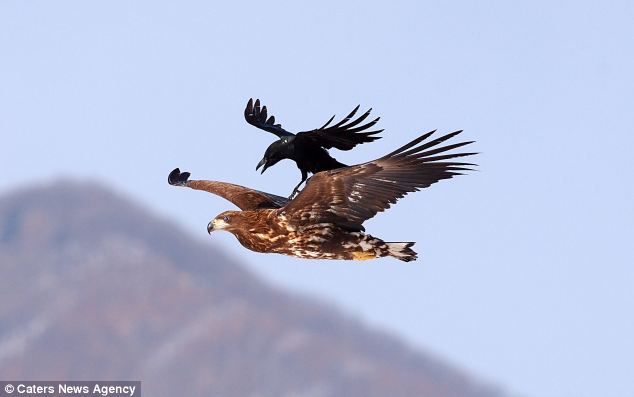
Crow on Eagles Back ©©

Crow on Eagles Back ©©

Here is an article worth looking at:

Crow Tries to Fight Eagle, Gets Free Ride Instead

‘You have seen what I did to the Egyptians, and how I bore you on eagles’ wings and brought you to Myself. (Exodus 19:4 NKJV)

Will you set your eyes on that which is not? For riches certainly make themselves wings; They fly away like an eagle toward heaven. (Proverbs 23:5 NKJV)

But those who wait on the LORD Shall renew their strength; They shall mount up with wings like eagles, They shall run and not be weary, They shall walk and not faint. (Isaiah 40:31 NKJV)

Our pursuers were swifter Than the eagles of the heavens. They pursued us on the mountains… (Lamentations 4:19a NKJV)

*

More from Focusing On Wildlife

*

Cactus, Birds and Boots

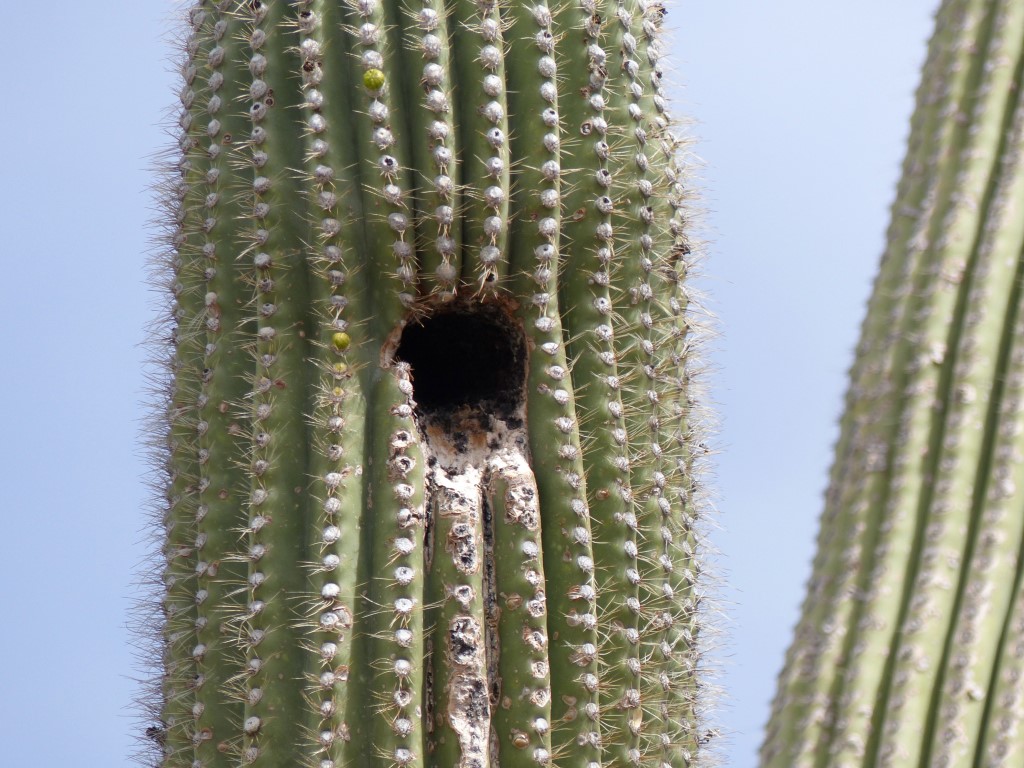
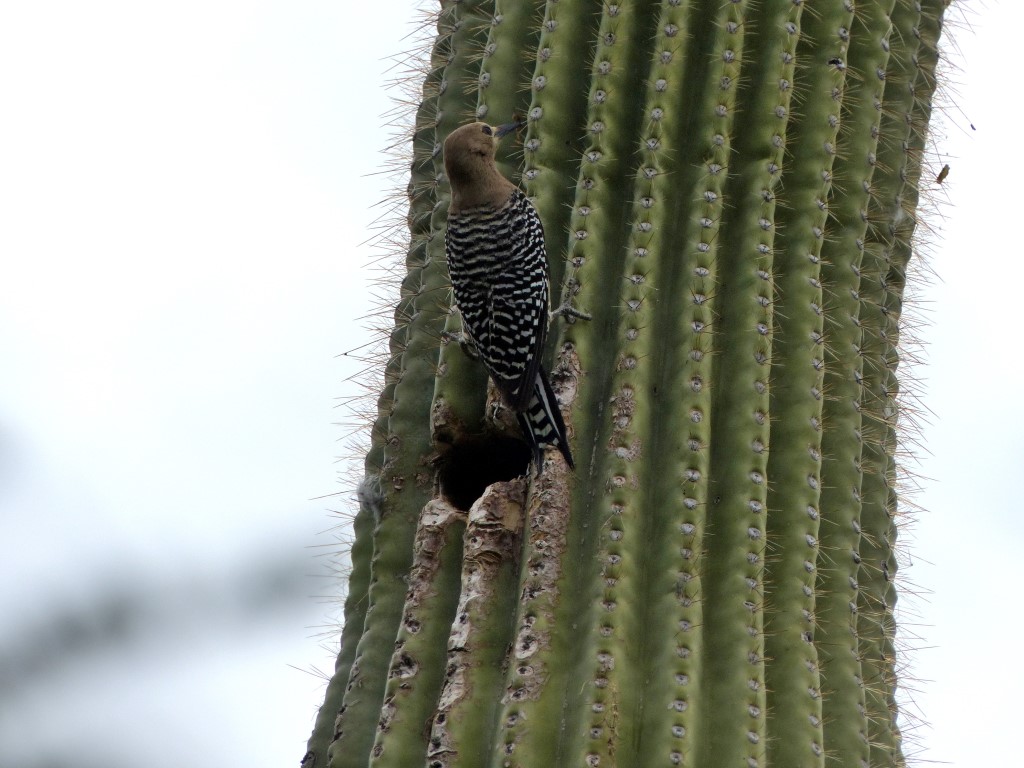
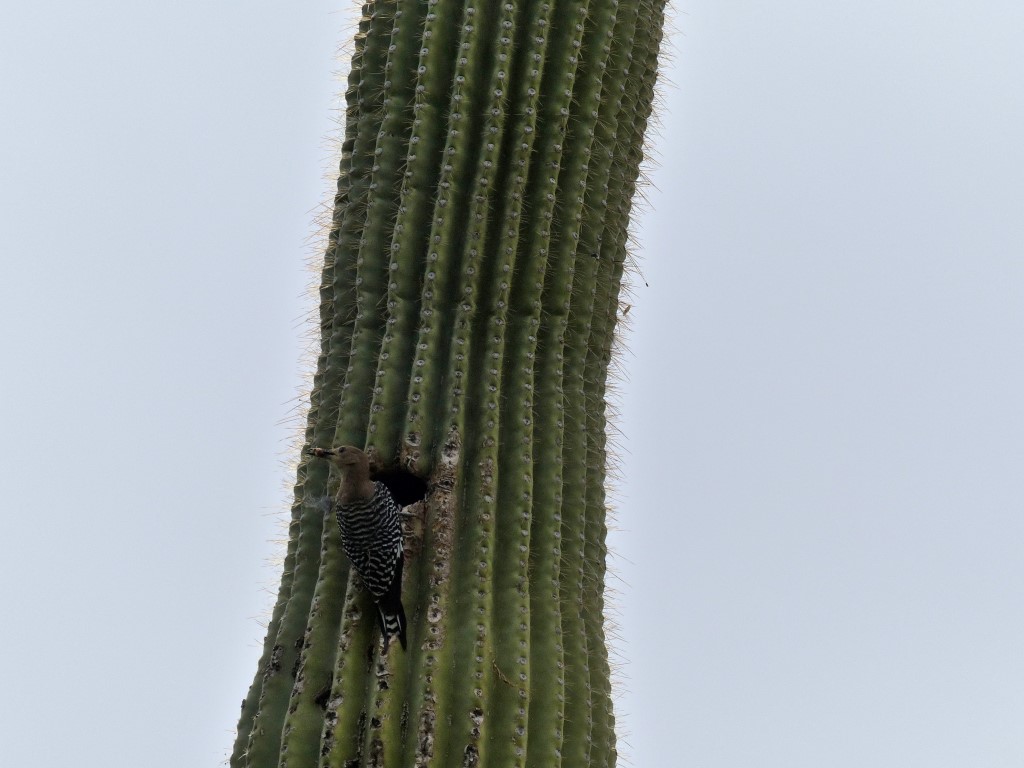
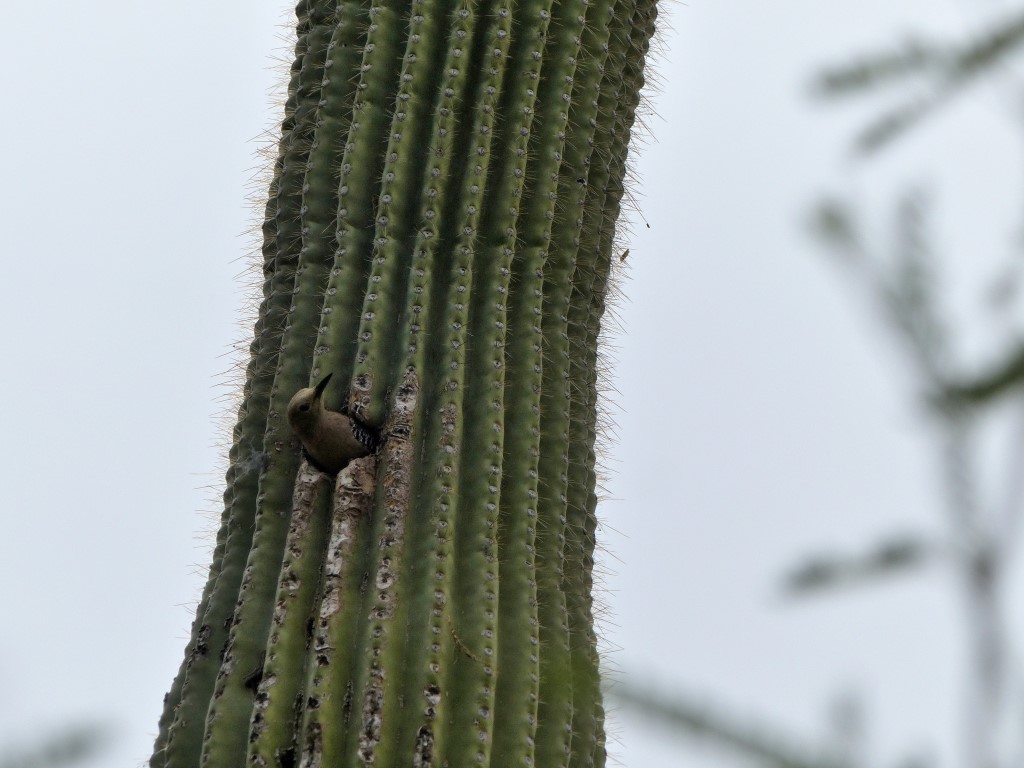
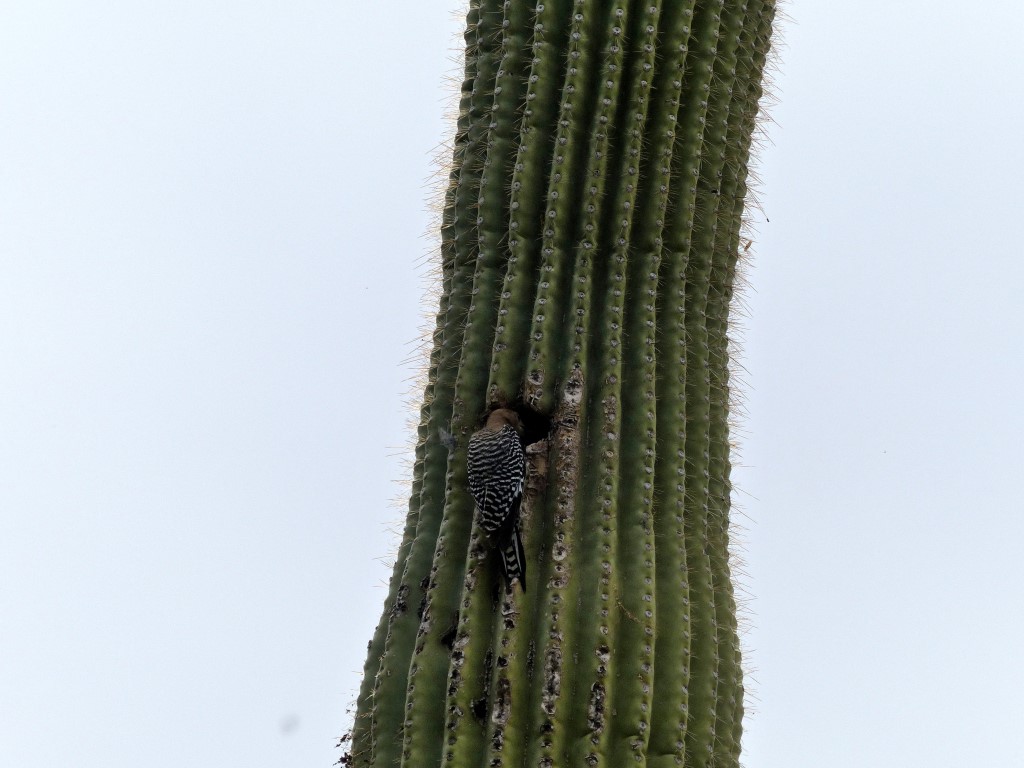
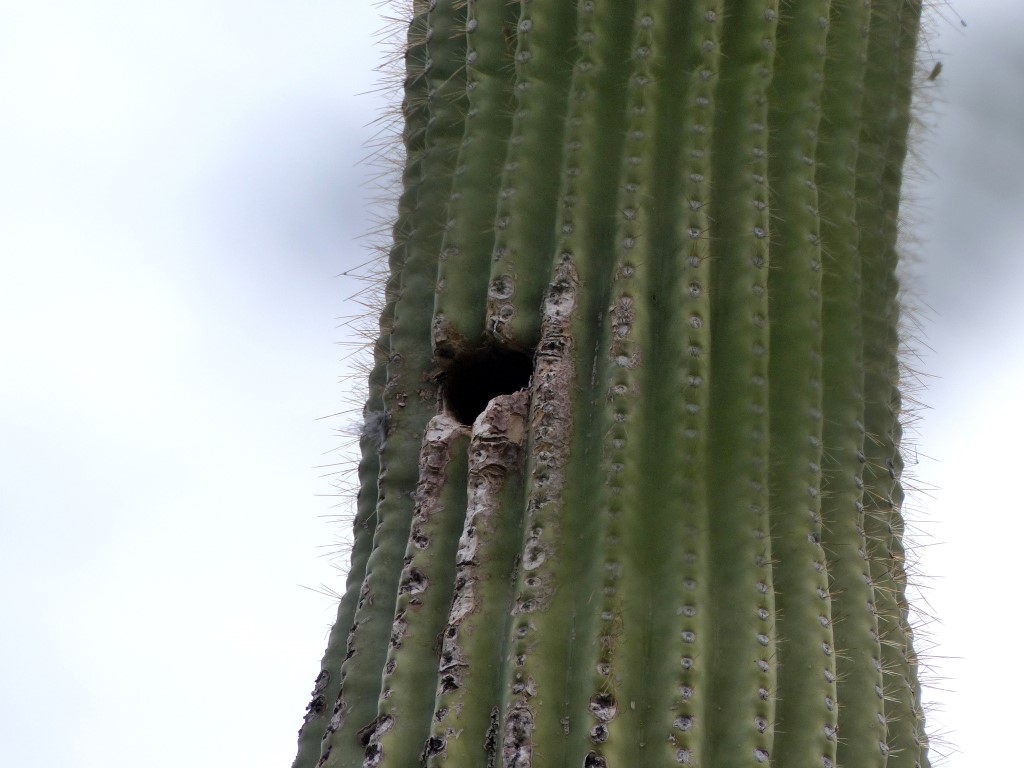
Gila Woodpecker Hole Desert Mus-Tucson by Lee

Gila Woodpecker Hole Desert Mus-Tucson by Lee

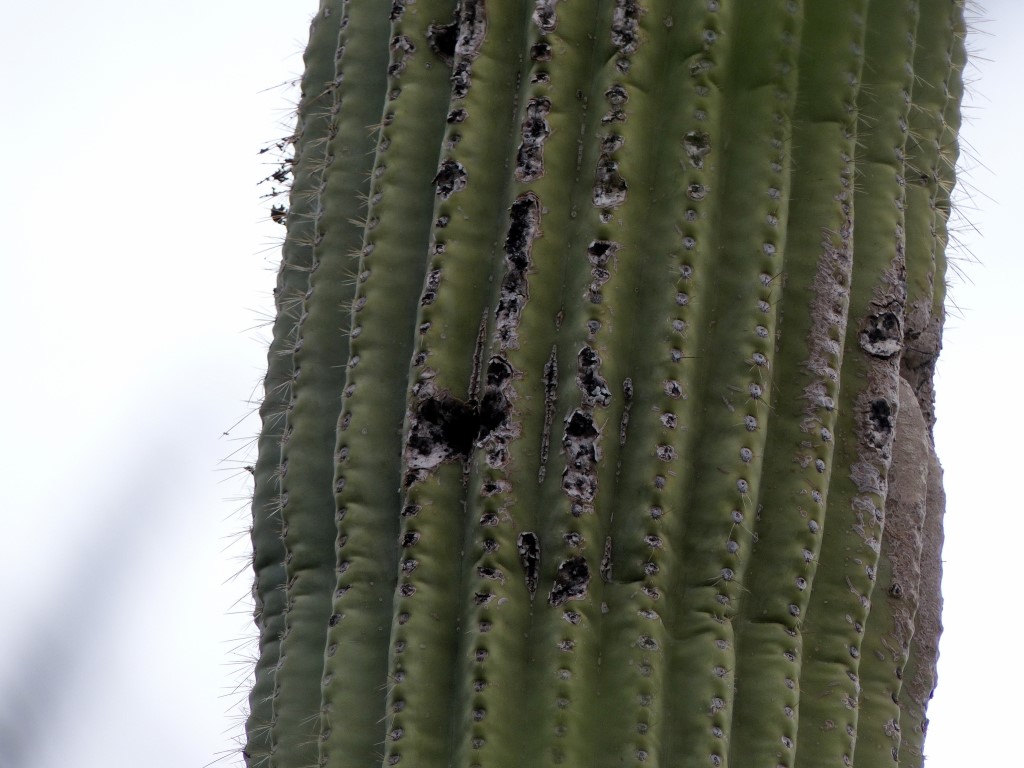
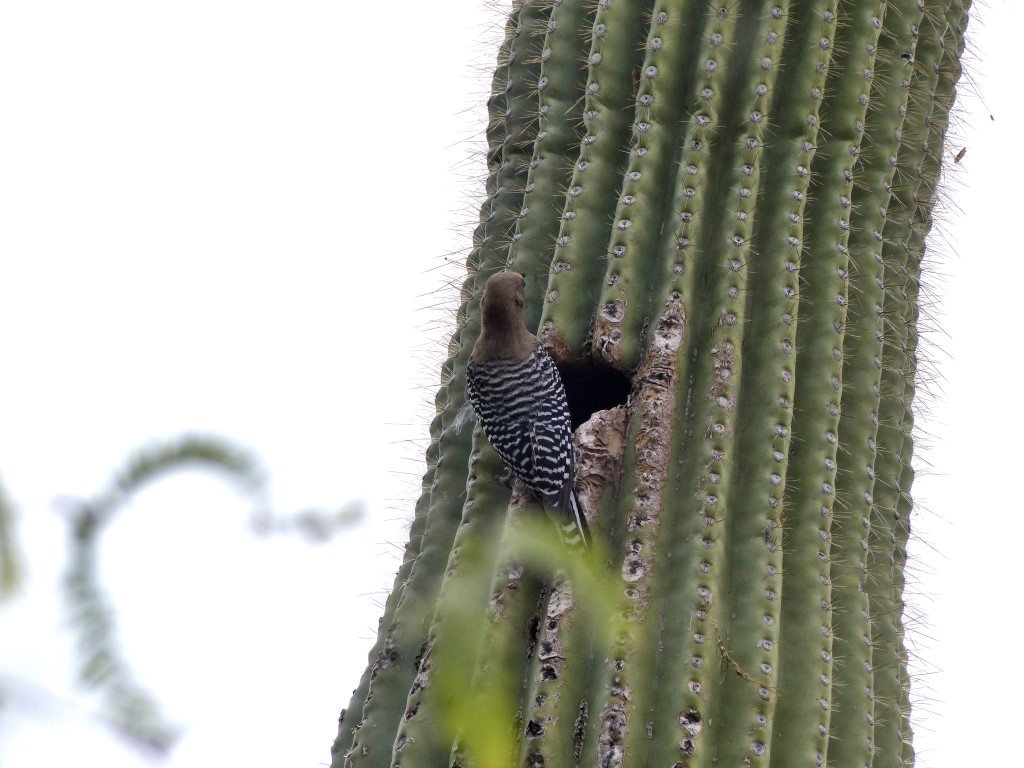
Again, while at the Arizona-Sonora Desert Museum, we learned more about the “Cactus Boot.” I was aware that Woodpeckers, especially the local Gila Woodpecker,  make their homes in cactus, especially Saguaro Cactus. I also knew that the cactus, to prevent loss of moisture, seals around the “wound”, a.k.a. nest cavity. Another way the Lord created the plants and birds to survive in the harsh conditions of a desert.

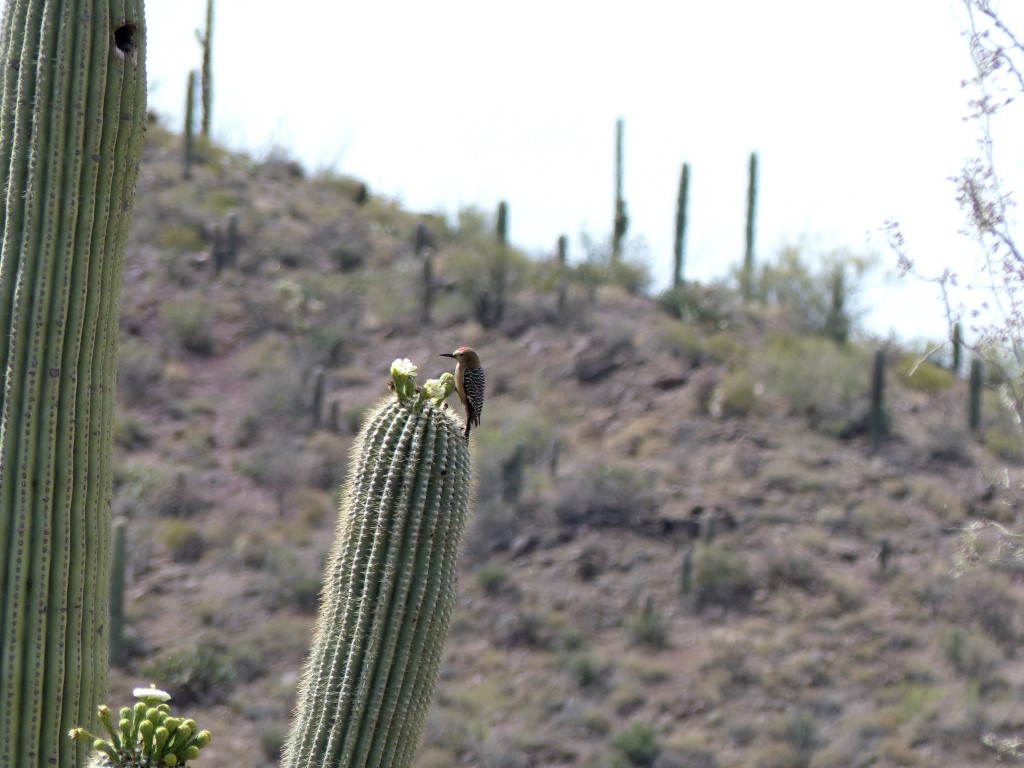
Gila Woodpecker (Melanerpes uropygialis) Desert Mus-Tucson by Lee

Gila Woodpecker (Melanerpes uropygialis) Desert Mus-Tucson by Lee

One of the docents gave a short lesson about the cactus and the Saguaro boot that was very interesting. First, notice the ribs or pleats on the cactus. These allow the cactus to expand during the rainy times to allow storage of water. Then as the dry seasons arrive, they will contract again. Wise creation design. The Anatomy section of the Cactaceae (cactus family) has a great explanation about this. “A fully hydrated large stem is more than 90 percent water and weighs 80 pounds per foot (120 kg per meter).”

The wilderness and the wasteland shall be glad for them, And the desert shall rejoice and blossom as the rose; It shall blossom abundantly and rejoice, Even with joy and singing. … They shall see the glory of the LORD, The excellency of our God. (Isaiah 35:1-2 NKJV)

Showing the ribs of a dead Saguaro and holes where the Woodpeckers had their boot.

Showing the ribs of a dead Saguaro and holes where the Woodpeckers had their boot.

“Near the center of the stem is a cylinder of 13 to 20 woody ribs running the length of the main stem and branching into the arms. In the upper part of a stem the ribs are separate; as the stem ages the ribs continue to grow and fuse into a latticed cylinder.”

Cactus Boot Lesson

Cactus Boot Lesson

When the Gila Woodpecker and other birds make the nest in the cactus, a hole is created, to the birds preference and then the cactus seals around that area. When they take these cavity nest out of old/dead cactus it looks like a “boot.”

Cactus Boot Desert Mus-Tuscon by Lee

Cactus Boot Desert Mus-Tuscon by Lee

The Gila woodpecker (Melanerpes uropygialis) is a medium-sized woodpecker of the desert regions of the southwestern United States and western Mexico. In the U.S., they range through southeastern California, southern Nevada, Arizona, and New Mexico. (Wiki)

PIC-Pici Gila Woodpecker (Melanerpes uropygialis) Desert Mus-Tucson cr(11)

And Jesus said to him, “Foxes have holes and birds of the air have nests, but the Son of Man has nowhere to lay His head.” (Matthew 8:20 NKJV)

Besides the Saguaros, they also make nest in mesquite trees. Their cavaties in the cacti are later used by other species, even the elf owl. They usually lay 3-5 white eggs.

Here are some photos of the Cactus, Birds and Boots:

Psalms 33:1-8 NKJV
(1) Rejoice in the LORD, O you righteous! For praise from the upright is beautiful.
(2) Praise the LORD with the harp; Make melody to Him with an instrument of ten strings.
(3) Sing to Him a new song; Play skillfully with a shout of joy.
(4) For the word of the LORD is right, And all His work is done in truth.
(5) He loves righteousness and justice; The earth is full of the goodness of the LORD.
(6) By the word of the LORD the heavens were made, And all the host of them by the breath of His mouth.
(7) He gathers the waters of the sea together as a heap; He lays up the deep in storehouses.
(8) Let all the earth fear the LORD; Let all the inhabitants of the world stand in awe of Him.

*

Arizona Hummers – Vacation

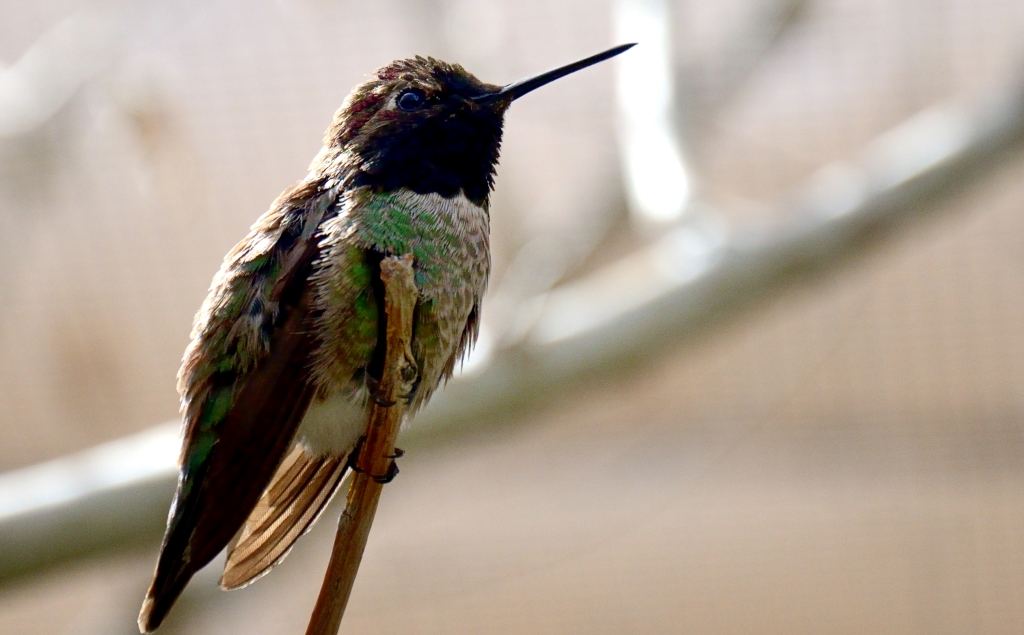
Anna’s Hummingbird (Calypte anna) Desert Mus-Tuscon

By them (springs) the birds of the heavens have their home; They sing among the branches. He waters the hills from His upper chambers; The earth is satisfied with the fruit of Your works. (Psalms 104:12-13 NKJV)

While visiting the Arizona-Sonora Desert Museum, we visited their Hummingbird Aviary. They have four species of hummingbirds flying around in their spacious surroundings. Well, actually, a couple of them were sitting on their nest.

Anna’s Hummingbird (Calypte anna) Desert Mus-Tuscon

I was excited again to be able to see some of the Lord’s fantastic Hummingbirds. Especially two of the species. I had never seen the Broad-billed or Broad-tailed Hummingbirds before. Thankfully, we saw them again outside the aviary, which enabled me to add those 2 to my Life List of Birds. (264 and counting)

Anna's Hummingbird by Dan

Anna’s Hummingbird by Dan

My camera acted up just as we entered the aviary. What disappointment. Thankful, there was a man there with the exact camera as mine and we were able to get it re-adjusted. Apparently I had hit some wrong button and in my frustration, continued to mess it up more. (None of you have ever been frustrated?) In the mean time, the hummers were doing their thing, totally unaware of my problems.

All the birds of the heavens made their nests in its boughs; Under its branches all the beasts of the field brought forth their young; And in its shadow all great nations made their home. (Ezekiel 31:6 NKJV)

I said that to say, I don’t have as many photos to show, because many were tossed. Here are some of the better ones. Unfortunately, I’m not positive of who was who.


*

*

*

Birds of the Bible – Cactus Wren

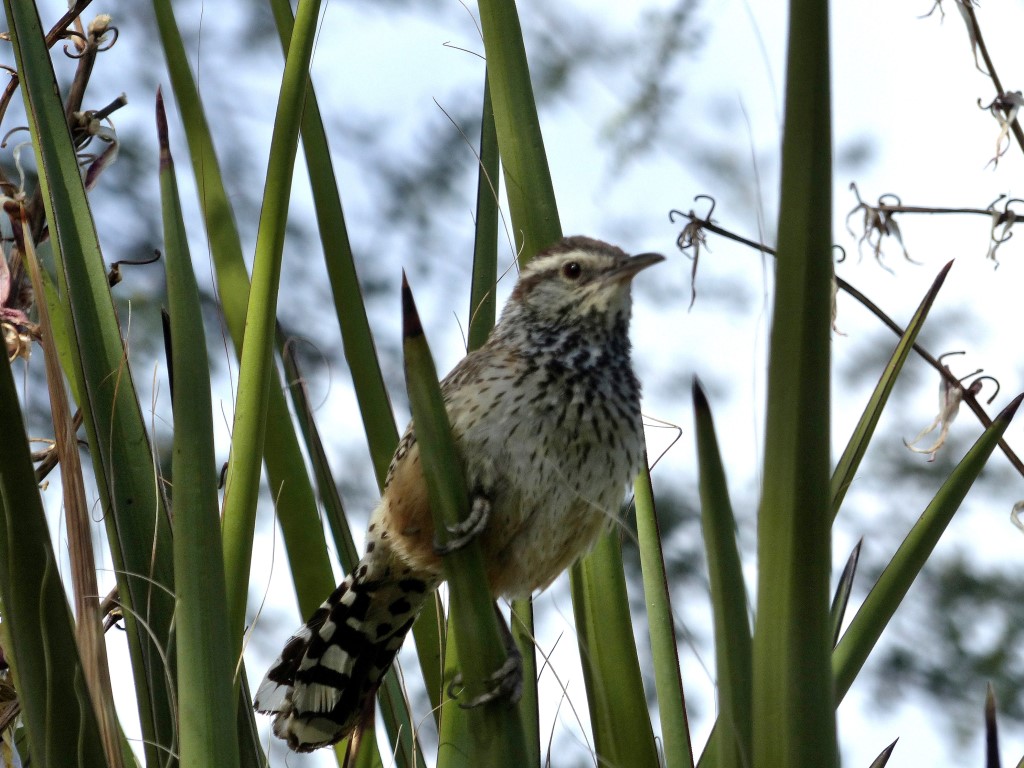
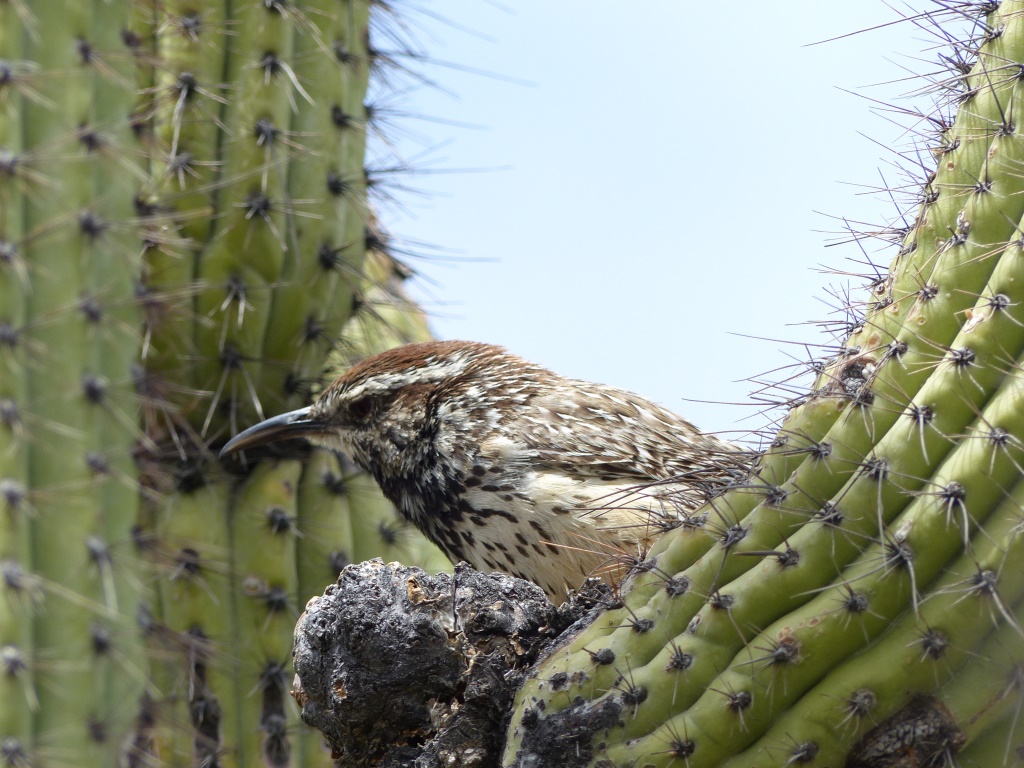
Cactus Wren (Campylorhynchus brunneicapillus) by Lee

Cactus Wren (Campylorhynchus brunneicapillus) by Lee

Out of the ground the LORD God formed every beast of the field and every bird of the air, and brought them to Adam to see what he would call them. And whatever Adam called each living creature, that was its name. (Genesis 2:19 NKJV)

After posting the photos of the Cactus Wrens (The Chase Begins…), I realized that you weren’t told much about these birds. After researching them; I decided they deserve to be a Birds of the Bible bird.

Why? Not because they are named specifically, but because of the way the Lord Jesus created these wrens to live in the desert environment and to survive there.

Cactus Wren Desert Mus-Tucson by Lee 37

Cactus Wren Desert Mus-Tucson by Lee 37

For one thing, they sort of blend in with their surroundings which helps protect them, camouflage. Hanging out in those spiked plants give them another great advantage.

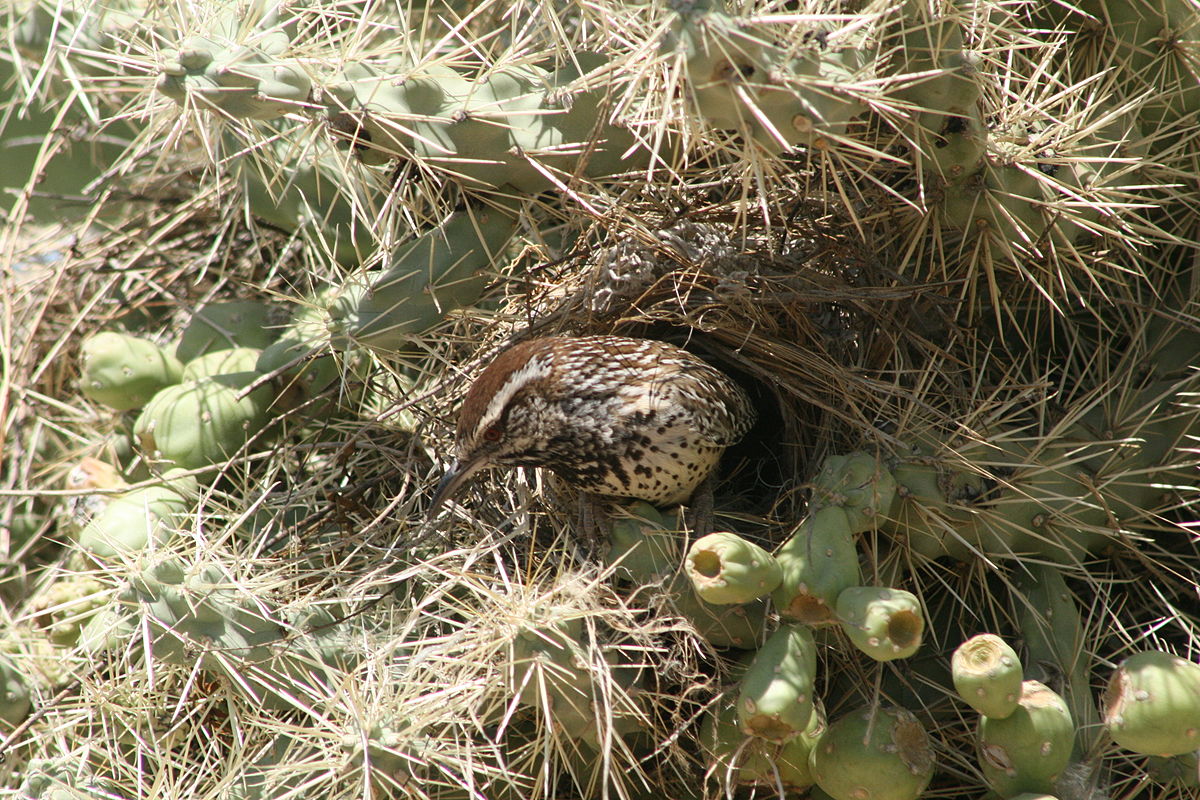
Cactus Wren at nest ©WikiC by BigWheel55

Cactus Wren at nest ©WikiC by BigWheel55

Look at the birds of the air, for they neither sow nor reap nor gather into barns; yet your heavenly Father feeds them. Are you not of more value than they? (Matthew 6:26 NKJV)

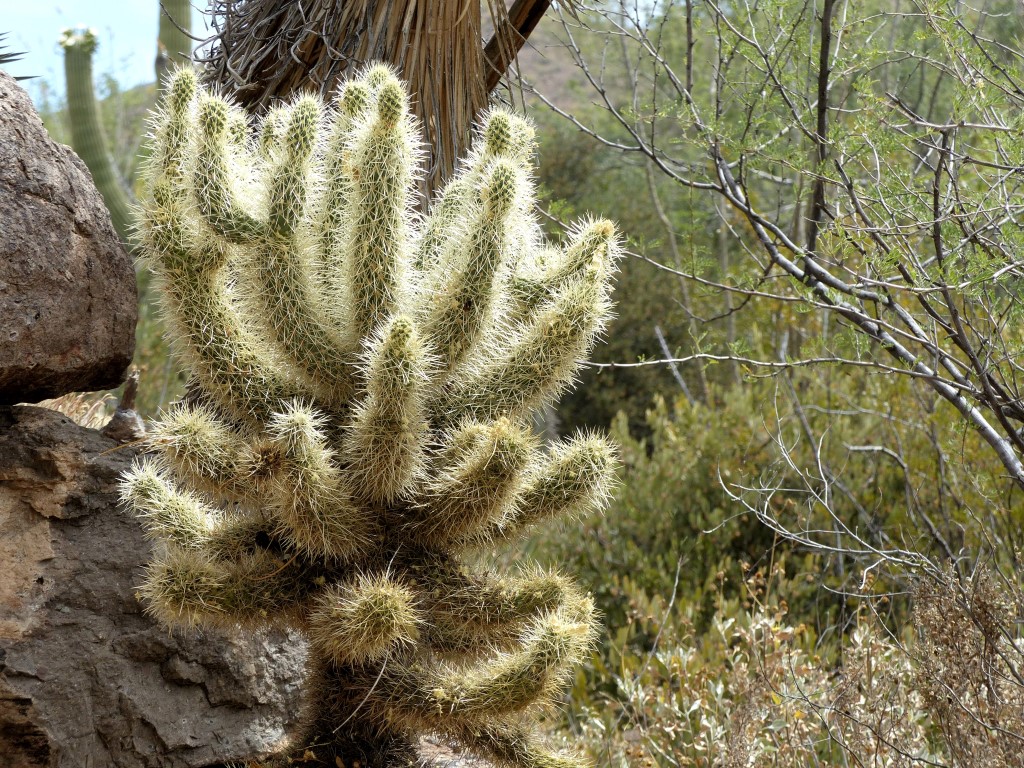
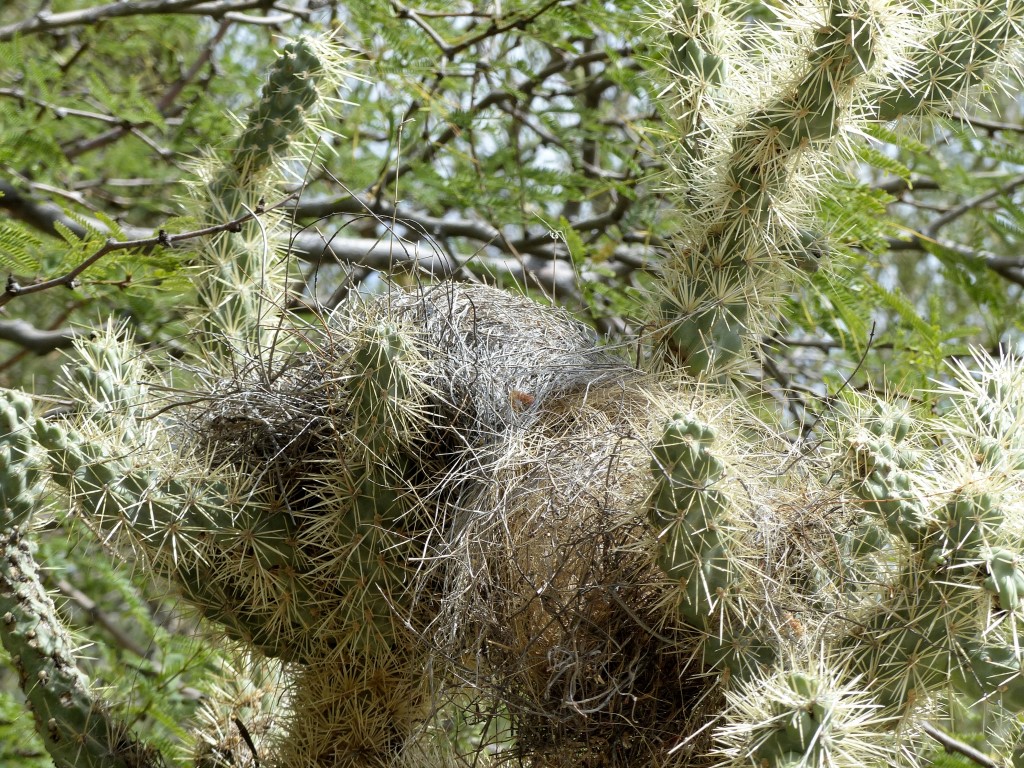
One of the favorite places they like to make their nest is in the Cholla cactus. It is very spiny and keeps predators at bay. We saw several nests. An interesting thing about their nest show wisdom given them by the Creator. “Cactus wrens build nests that are the size and shape of a football with an opening at one end. They will construct this nest out of grasses and other annual plants, but can also include scraps of cloth and other woven fibers that they find. They will build this nest (and many others) usually in cholla, but also in palo verde, acacias, saguaros, or the hanging pot in your backyard.” (Fact Sheet)

Cholla Cactus by Lee

Cholla Cactus by Lee

Nest in a Cholla Cactus at Desert Museum by Lee

Who teaches us more than the beasts of the earth, And makes us wiser than the birds of heaven?’ (Job 35:11 NKJV)

The nest always have a roof over them. “Domed with tunnel-shaped entrance, made of coarse grass or plant fibers. Lined with feathers.” They also make a perch or doorstep at the opening. They need the dome or roof to shield the hatchlings and themselves from the heat and sun of the day. At night, the feathers and other linings help preserve the body heat. As you may know, desert have large temperature swings each day. Sounds like wise advise for humans in a desert also.

They do have some predators. “Coachwhips and other whipsnakes are able to navigate their way through the cactus and often will take eggs or nestlings. Adult birds can be food for coyotes, hawks, fox, bobcats or domestic cats.” (Wikipedia)

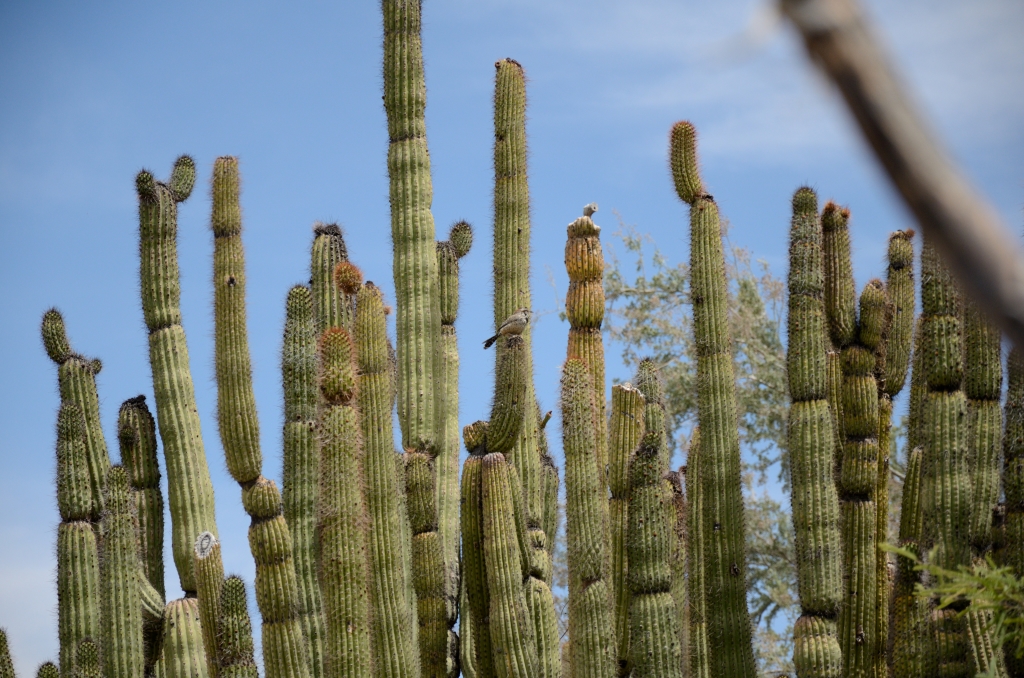
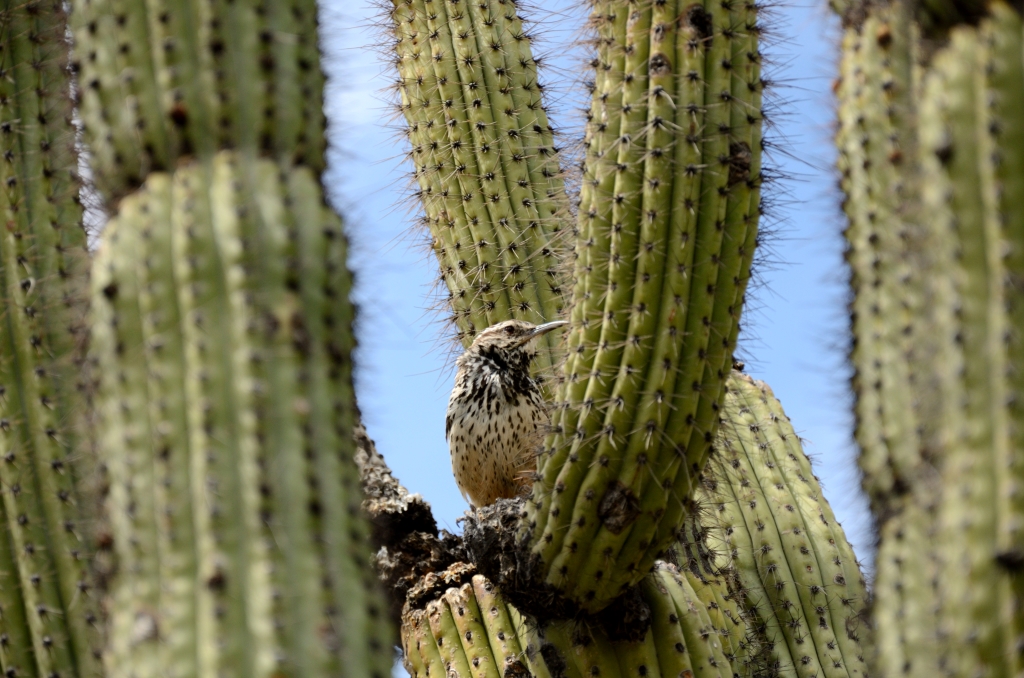
“It is a bird of arid regions, and is often found around yucca, mesquite or saguaro; it nests in cactus plants, sometimes in a hole in a saguaro, sometimes where its nest will be protected by the prickly cactus spines of a cholla or leaves of a yucca.” (Wiki)

The thing that does reveal were they are is when they sing:

It is not the fanciest song, but they sound happy when they sing. I can’t sing well, but I enjoy singing. The Bible says were are to make a joyful noise.

“The Cactus Wren is the largest North American wren, at 18–23 cm (7.1–9.1 in) long. Unlike the smaller wrens, the cactus wren is easily seen. It has the loud voice characteristic of wrens. The cactus wren is much less shy than most of the family. Its marked white eyestripe, brown head, barred wings and tail, and spotted tail feathers make it easy to identify. Like most birds in its genus, it has a slightly curved bill. There is little sexual dimorphism.

The cactus wren primarily eats insects, including ants, beetles, grasshoppers, and wasps. Occasionally, it will take seeds, fruits, small reptiles and frogs. Foraging begins late in the morning and is versatile; the cactus wren will search under leaves and ground litter and overturn objects in search of insects, as well as feeding in the foliage and branches of larger vegetation. Increasing temperatures cause a shift in foraging behavior to shady and cooler microclimates, and activity slows during hot afternoon temperatures. Almost all water is obtained from food, and free-standing water is rarely used even when found” (Wikipedia) Another source mentioned that when the Gila Woodpecker pecks the cactus, it causes it to seep liquid. The Cactus Wren drinks this also for fluid. That is another great provision provided by their Creator.

Cactus Wren (Campylorhynchus brunneicapillus) by Lee

Cactus Wren (Campylorhynchus brunneicapillus) by Lee

The Cactus Wren has the honor of being the State Bird of Arizona.

INTERESTING FACTS: The cactus wren is very protective of its nesting area. They have been known to attack squirrels, other birds, and even people who have gotten too close to their nests. They are not as shy as other wrens and, in fact, have been known to fly into open windows of cars or homes out of curiosity. (50States.com)

*

*

Ian’s Bird of the Week – Kagu, Episode 2

Ian’s Bird of the Week – Kagu, Episode 2 ~ by Ian Montgomery

Newsletter – 7/13/15

Before, I forget again, here is the email of our Jean-Marc our guide at Rivière Bleue that I meant to include last week: jean-marc.meriot@province-sud.nc. He works as a ranger in the park, is very knowledgeable, speaks good English and worked very hard to get us the birds we wanted. The fee was 2000 CFP per hour for both of us (about 24 AUD). We had great fun with him.

Another terrific national park that we visited was Les Grandes Fougères a huge national park that was established as recently as 2008. Les Grandes Fougéres means the Great Ferns and refers to the Giant Tree Fern, endemic to New Caledonia which can reach a height of 30m. It’s claimed to be the tallest tree fern in the world, despite its scientific name (above), though it may have a rival in the shape of another very tall one in Vanuatu, but I haven’t been able to track that one down.

Parc des Grandes Fougères is inland from La Foa, which is on the east coast highway about 70km north of the International Airport, which is itself about 45km north of the capital Nouméa. The road is good and the park is easy to find. There are well-signed walking tracks and you can get a map from the ticket office at the entrance. We saw a juvenile Kagu making a fast getaway on our first visit there and we returned for a second visit on our last full day in New Caledonia.

On that second visit, at lunchtime we got chatting to a local family who shared the only picnic table in the vicinity. They were showing the park to the grandparents visiting from France, and excitedly recounted their encounter with a pair of Kagus at the next spot on our itinerary, a Banyan tree were there was a T-junction on the walking track near a stream.

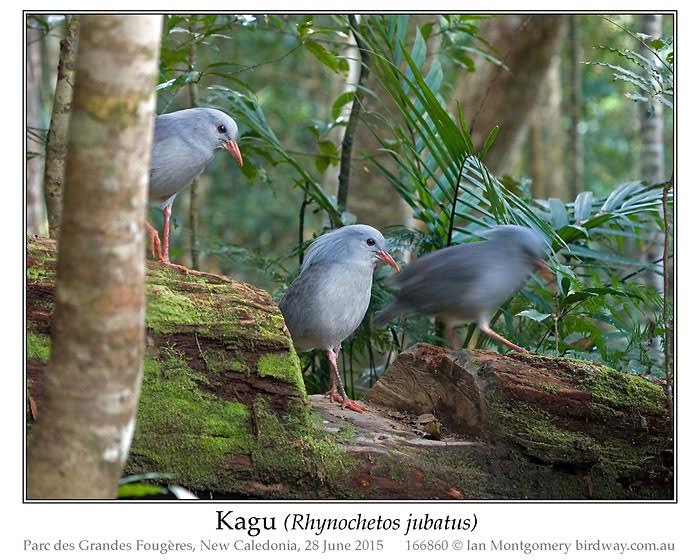
We knew by then that Kagus are territorial and that their territories are usually about 20 hectares. So we searched in the region of the Banyan along the three tracks. We were on the one not on our original itinerary approaching a cut-out log that had fallen across the track when a family of kagus going in the opposite direction jumped up onto the log and, seeing us, froze. The first kagu photo shows Ma on the cut out part, Pa on the left of the photo and Junior barely visible under Ma’s tail.

The second kagu photo shows, Pa and Ma still like statues and Junior, still unaware, leaping onto the log without a care in the world. I said ‘Oh my God!’, they looked as if they said “Oh mon Dieu!’ and we all just looked at each other. These photos are full frame using only 180mm of the 100-400mm zoom so you can imagine how close we were.
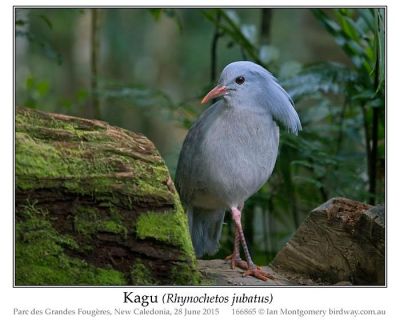
The next photo shows Ma, still otherwise motionless, turning to Pa and saying ‘Alors????!!!!”. The kagu consensus seemed to be to stick to plan A, more or less, and they eventually headed down the hill to the stream. We followed them there and both we and the kagus met up with some other hikers – be warned, the park is quite popular on Sundays.
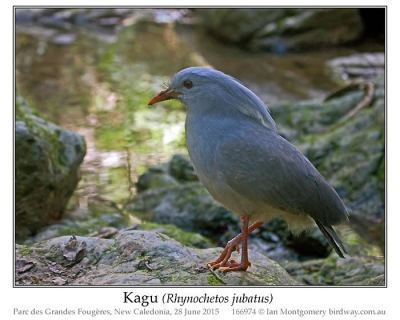
Here is Pa, fourth kagu photo, contemplating crossing the stream while the fifth photo shows Junior (note the barring on the wings) crossing back across the stream and having a drink in the general confusion. I got the impression that while cats lick their fur to avoid looking indecisive, kagus drink.

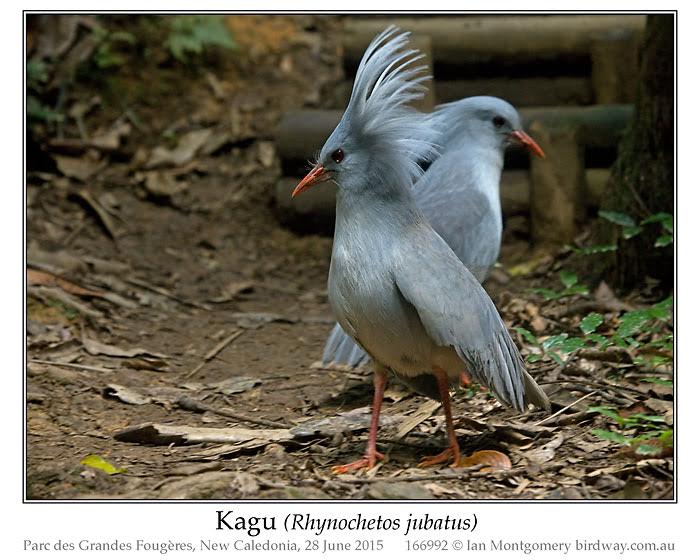
More confusion was to follow, this time caused by another kagu. Pa tried to lead Junior past us to a quieter spot further down the stream away from the tracks, when he (Pa) got distracted by an intruder, abandoned Junior and confronted the other male. I just happened to be taking an iPhone video of Pa when this happened and I’ve posted it on Youtube. The last kagu photo shows Pa and the intruder doing their threat display which consists of the two birds circling each other at close quarters with their wings hanging loose and their crests erected.

After that, we decided it was time to leave them in peace. The whole encounter lasted about 40 minutes and it was a fitting climax to our visit to New Caledonia. The photo of the displaying kagus was one of the last photos that I took on the trip.

Kagus aren’t just great birds in their own right, they are also of great taxonomic and bio-geographical interest. The Kagu is the single member of its family, the Rhynochetidae. It’s only rather distant living relative appears to be the Sun Bittern of South America, also the member of a single-species family the Eurypigidae. These two families used to be included in a heterogenous collection of birds in the Crane order (Gruiformes), but recent DNA studies (Hackett et al 2008) have led to their elevation to their own two-species order the Eurypigiformes. This makes them very distinguished – the other 39 or so orders of birds contain about 10,000 species.

The traditional bio-geographical explanation for this is that both species had a Gondwana ancestor that existed on New Caledonia when it separated from Gondwana. Recent studies (see Grandcolas et al 2008) indicate that New Caledonia has probably been completely submerged since then and all terrestrial plants and animals have colonised since then. If this is correct, then either the simple Sun Bittern – Kagu relationship is incorrect or their ancestors found some other way to get to where they are now, such as island hopping with extinctions obliterating their tracks. The mystery remains…

Greetings
Ian

**************************************************
Ian Montgomery, Birdway Pty Ltd,
454 Forestry Road, Bluewater, Qld 4818
Tel 0411 602 737 ian@birdway.com.au
Bird Photos http://www.birdway.com.au/
Where to Find Birds in Northern Queensland: iTunes; Google Play Kobo Books
Recorder Society http://www.nqrs.org.au


Lee’s Addition:

My heart is troubled and does not rest; days of affliction come to meet me. (Job 30:27 AMP)

I think the daddy Kagu went to afflict the other Kagu. :)

Thanks Ian, for another episode to your Kagu adventure. They are really pretty and amazed that they let you get so close. We enjoyed your first episode also: Ian’s Bird of the Week – Kagu

*

*

The Chase Begins…

Cactus Wren (Campylorhynchus brunneicapillus) by Lee

Cactus Wren (Campylorhynchus brunneicapillus) by Lee

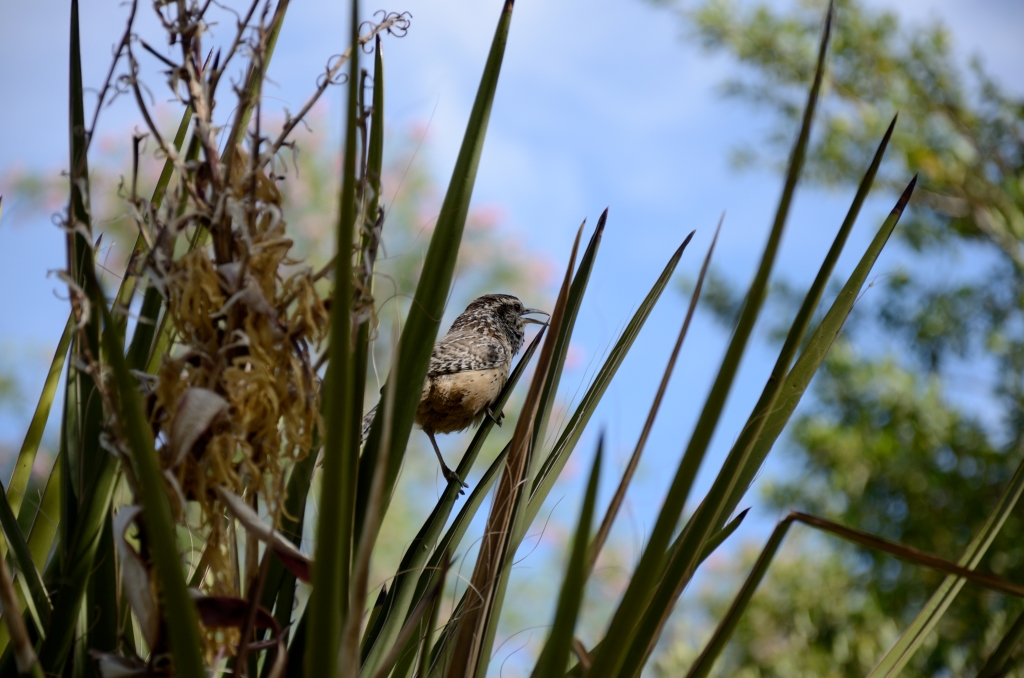
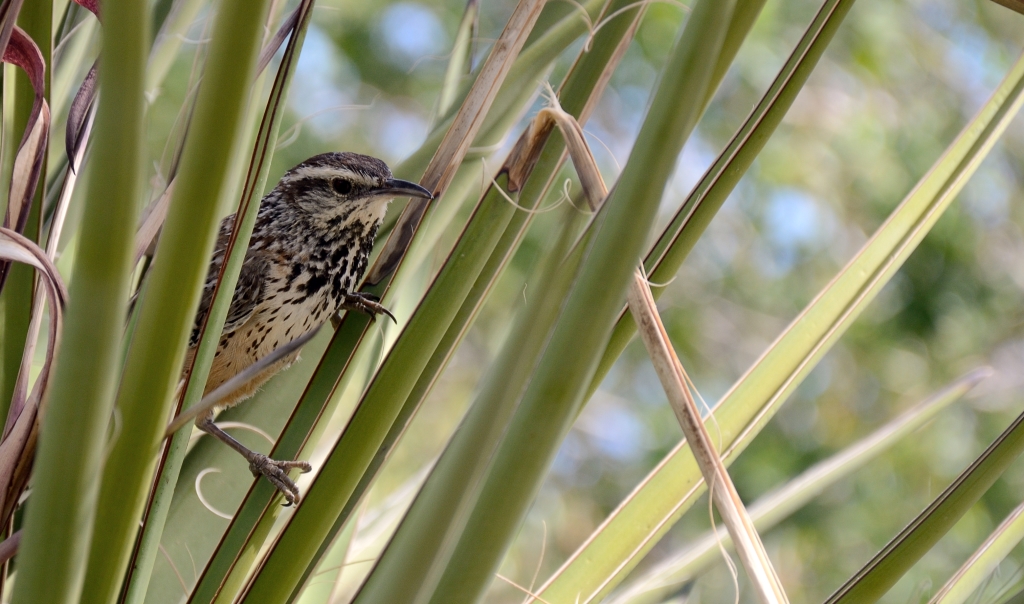
While we were at the Arizona-Sonora Desert Museum we wanted to see as many birds as possible. Birds from this part of the country were to be prize catches. We spotted a wren and we both turned our cameras on it. We had just arrived and it was the first native bird we saw.

Well, let the chase begin because that bird would not stay put, nor would it come out in the open. Here is a series of photos we took trying to get a “whole bird” photo:

And ye shall seek me, and find me, when ye shall search for me with all your heart. (Jeremiah 29:13 KJV)

The Wren was not trying to avoid us, he was only searching for something to eat and we were searching for it.

As you can see, it finally came out in the clear. Those of you who like to photograph critters will understand the joy and agony of attempts like this. After all these attempts, I later found out that we had seen Cactus Wrens before, so it wasn’t a new “Life Bird.”

Later, we saw Cactus Wrens several more times and they showed off and didn’t give us such a hassle as the first one. Oh, the joys of birdwatching!

Here are some more Cactus Wren photos with the more cooperative birds:

Search me, O God, and know my heart: try me, and know my thoughts: (Psalms 139:23 KJV)

Let us search and try our ways, and turn again to the LORD. (Lamentations 3:40 KJV)

I the LORD search the heart, I try the reins, even to give every man according to his ways, and according to the fruit of his doings. (Jeremiah 17:10 KJV)

Trust you enjoyed this adventure of our search for the Cactus Wren. They are members of the Wrens – Troglodytidae Family that has 84 species.

*

Wrens – Troglodytidae Family

Wren – Wikipedia

Sea To Sea in 2015

Wordless Birds

*


Sunday Inspiration – From Mud to Beauty

Therefore if any man be in Christ, he is a new creature: old things are passed away; behold, all things are become new. (2 Corinthians 5:17 KJV)

After taking a break from the Song Birds, passerines, last week, we will continue presenting these lovely and interesting birds. So far, we have seen 54 families of the 125. Lord willing over the following weeks, the rest of them will be shown.

The families shown this week are some more of the Lord’s most interesting and colorful creations. Their beauty and variations are amazing.

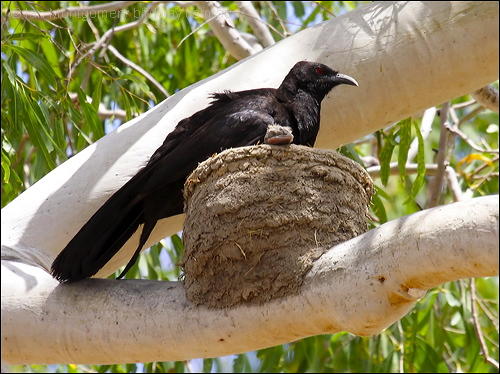
The Australian Mudnesters are an ambitious family. As the family name implies, they construct their nest with mud, yet, they have different names. There are only two, the White-winged Chough and the Apostlebird.

White-winged Chough (Corcorax melanoramphos) in mud nest by Ian

White-winged Chough (Corcorax melanoramphos) in mud nest by Ian

Next are the two birds from the Melamampittas. The Lesser and Greater Melampitta.

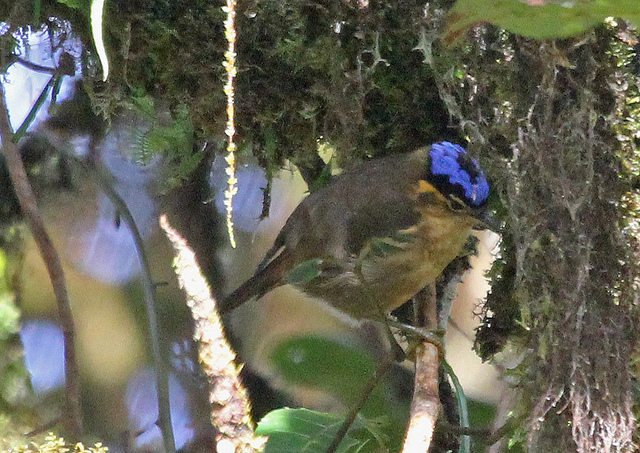
Blue-capped Ifrita (Ifrita kowaldi) cc jerryoldenettle

Blue-capped Ifrita (Ifrita kowaldi) ©©jerryoldenettle

The Blue-capped Ifrita is the only member of the Ifritidae – Ifrita family. is a small insectivorous bird endemic to the rainforests of New Guinea. It measures up to 6.5 in/16.5 cm long and has yellowish brown plumage with a blue and black crown. The male has a white streak behind its eye, while the female’s is a dull yellow. It creeps on trunks and branches in search of insects.

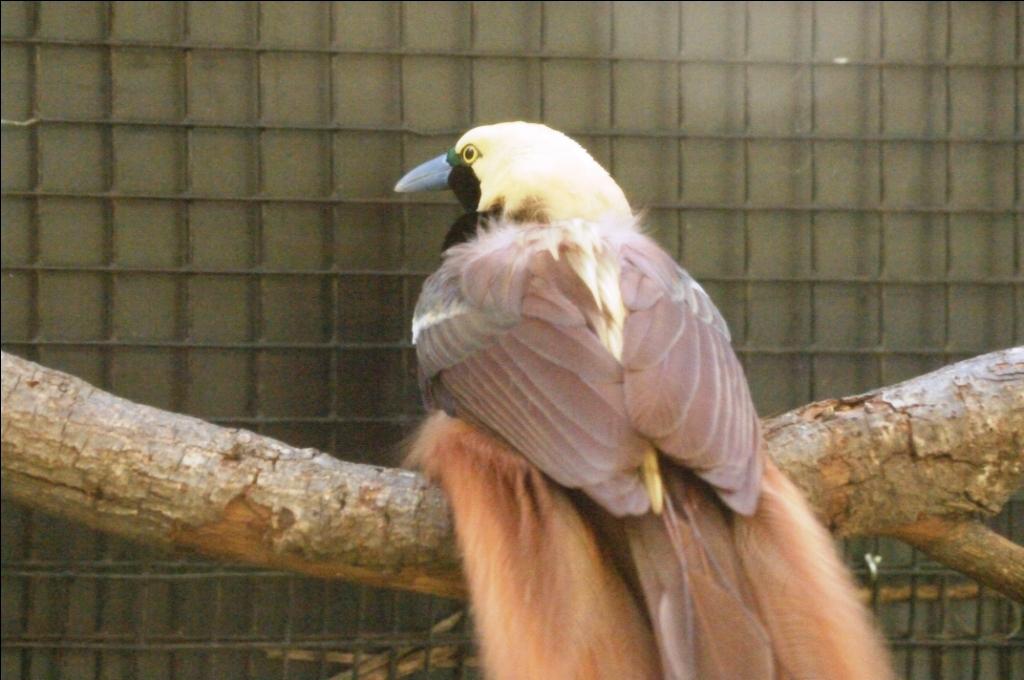
Raggiana Bird-of-paradise (Paradisaea raggiana) at Lowry Park Zoo by Dan

Raggiana Bird-of-paradise (Paradisaea raggiana) by Dan

The Birds-of-paradise family has quite a reputation. The males put on quite a show while showing off for the female’s attention. The Paradisaeidae Family has 41 species. “The majority of species are found in New Guinea and its satellites, with a few in the Maluku Islands and eastern Australia. The members of this family are perhaps best known for the plumage of the males.” (Wikipedia) Not all the members are called Birds-of-paradise. There are Sicklebills, Parotias, Astrapia, Manucodes and a Paradise-crow also.

Because of their plumage/feathers several of their members are becoming endangered. We have seen them in zoos because of their protection and breeding programs.

And have put on the new man, which is renewed in knowledge after the image of him that created him: (Colossians 3:10 KJV)

This slideshow requires JavaScript.

“I Heard The Voice of Jesus” ~ By Sean Fielder from Faith (His pet African Grey was in the room.)

*

Check out this Video of the Paradisaeidae family.

Gideon

*

Sea To Sea In 2015 Page Created

Gull with feet in the Pacific by Lee

Gull with feet in the Pacific by Lee

So whether we are at home or away, we make it our aim to please him. (2 Corinthians 5:9 ESV)

Just finished creating a Sea To Sea In 2015 page. Pages are different than post because they are more permanent. This site has lots of pages and are usually used for reference, like the Birds of the Bible pages. Each Bird of the Bible has it’s own page and as articles are written, a link is added to the page.

The Sea to Sea in 2015 is a place where all these articles about our vacation, that took us from “Sea to Shining Sea,” can be listed.

Also, if you haven’t checked out the menus on the left side lately, you will find other “pages” have been added or updated. If you hold your mouse over “Birdwatching” you will see eight (8) more pages pop-up. One of those is Birdwatching Trips. That is where you will find pages of birdwatching trips we have taken. “Sea to Sea” is found under the Around the U.S.A. section.

Jacksonville, Florida Beach Sunrise while packing to go home.

Jacksonville, Florida Beach Sunrise while packing to go home.

Pages help make an index of the topics and the writers here. Search works all the time.

Check back, from time to time, as all these pages are being updated.

*

Sea To Sea In 2015

Arizona-Senora Desert Museum – Critters

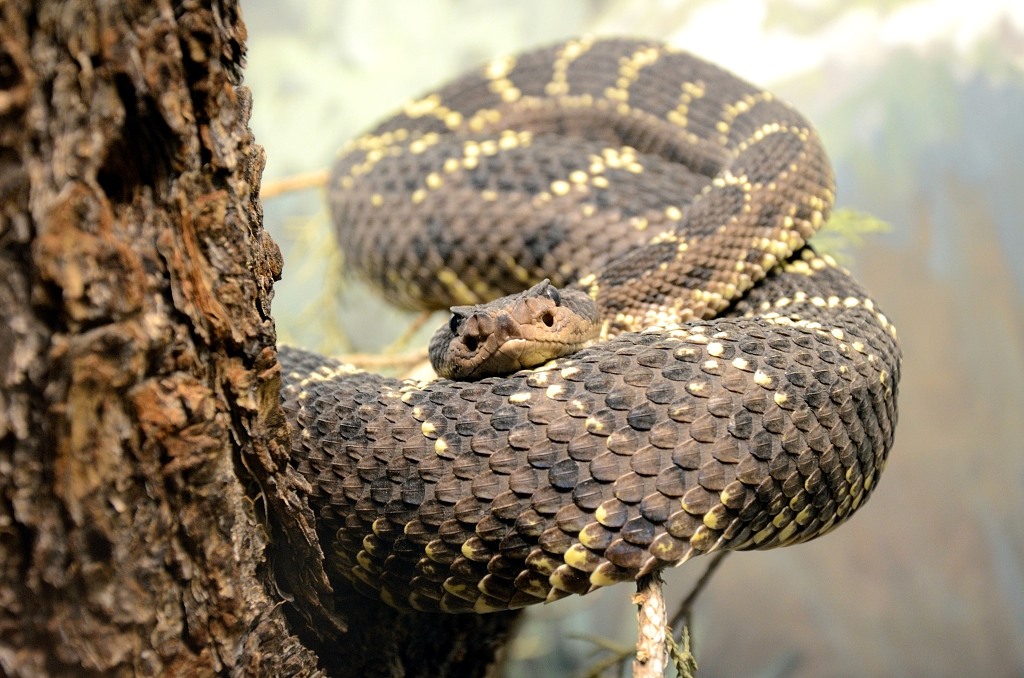
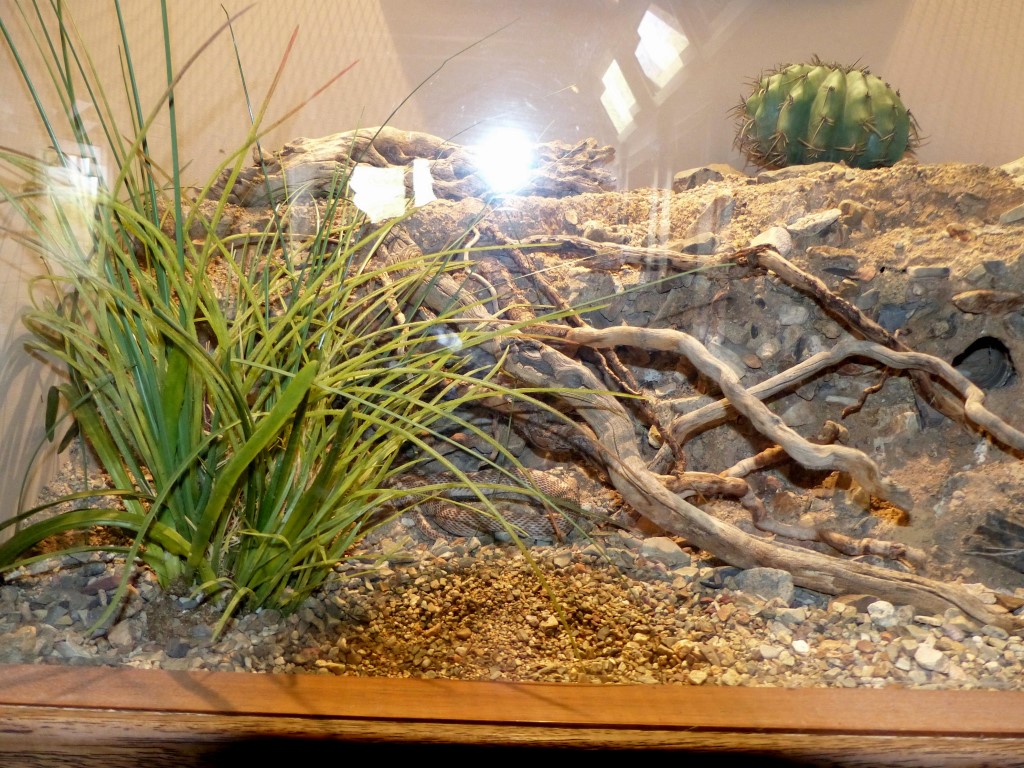
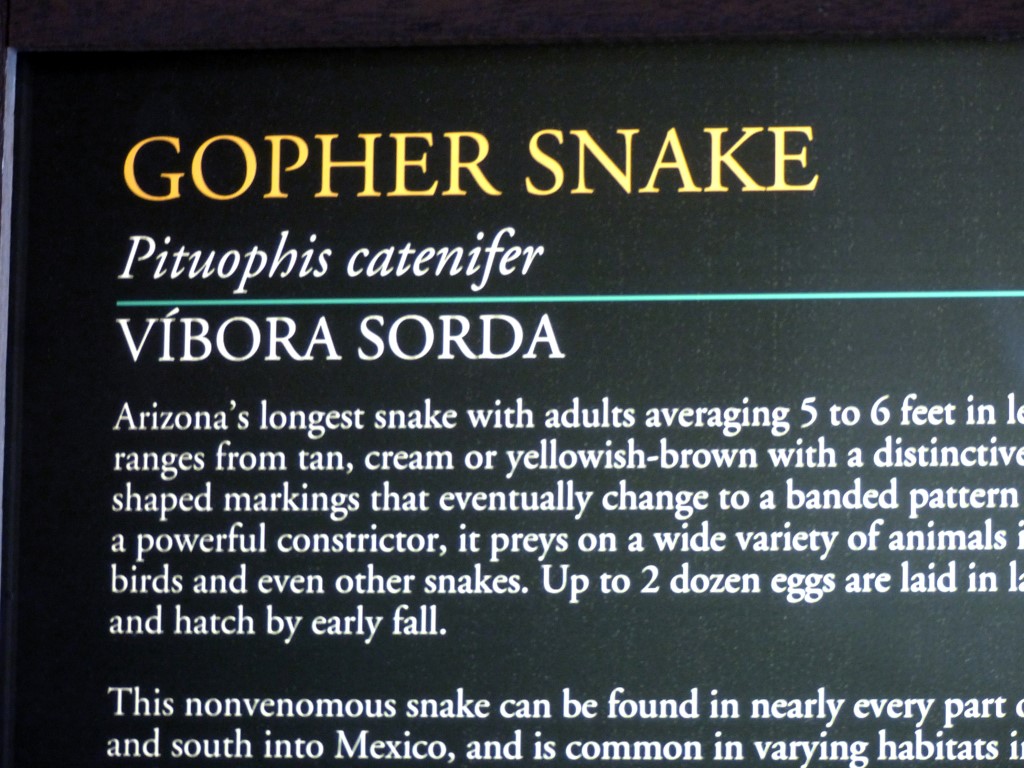
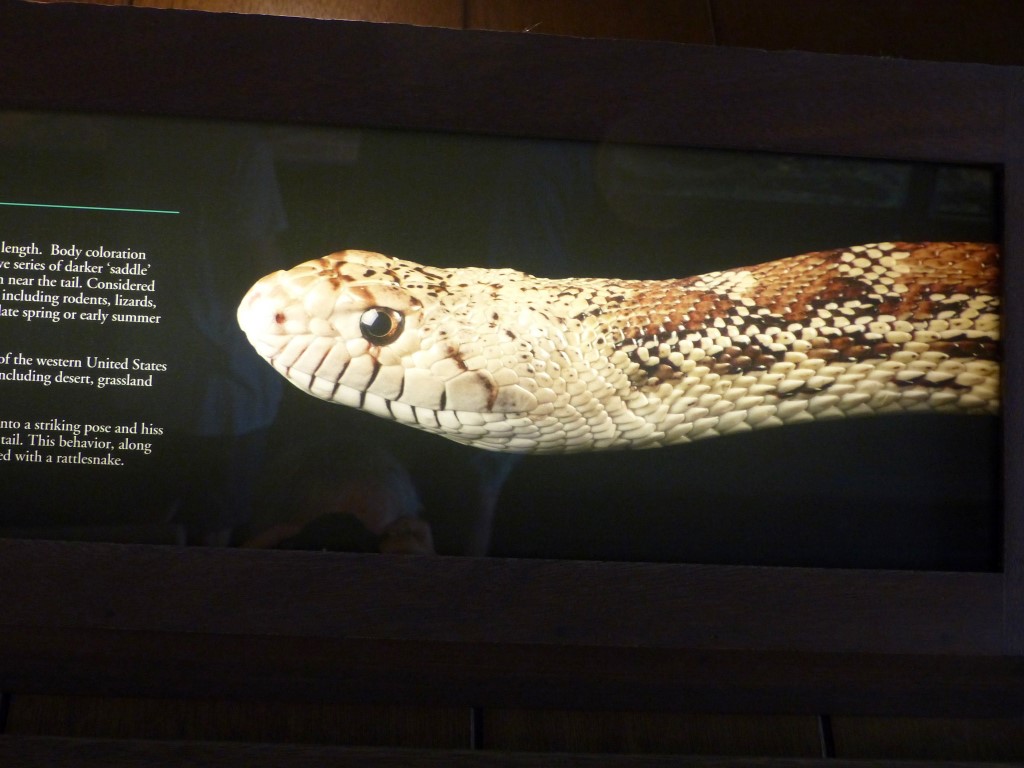
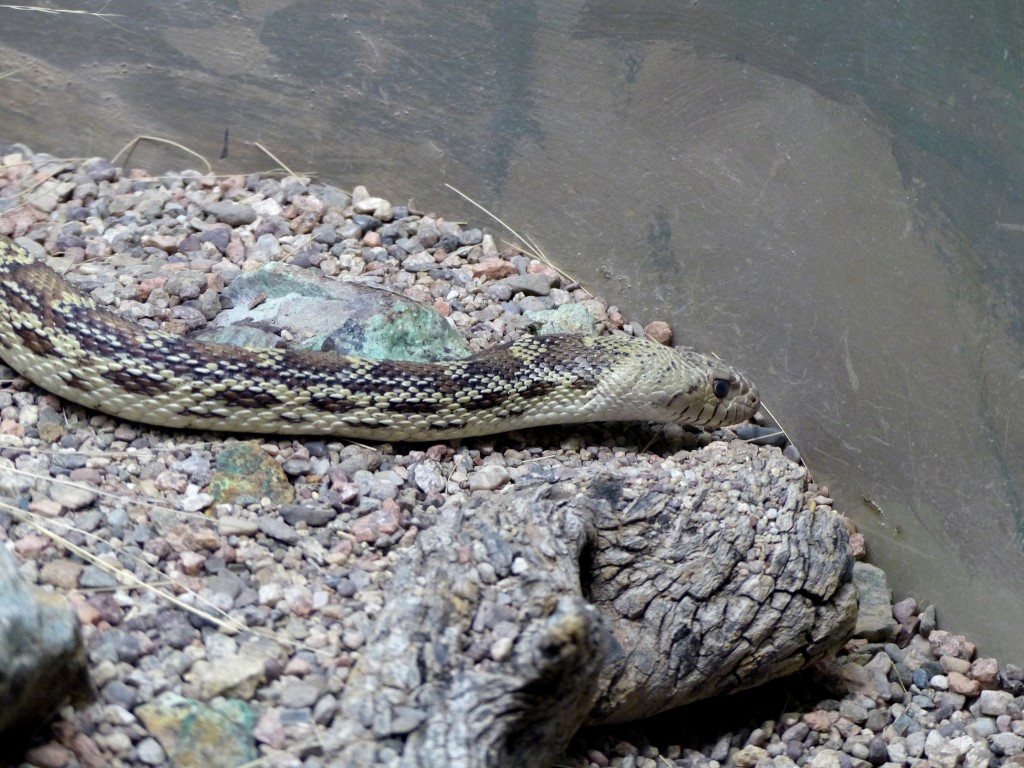
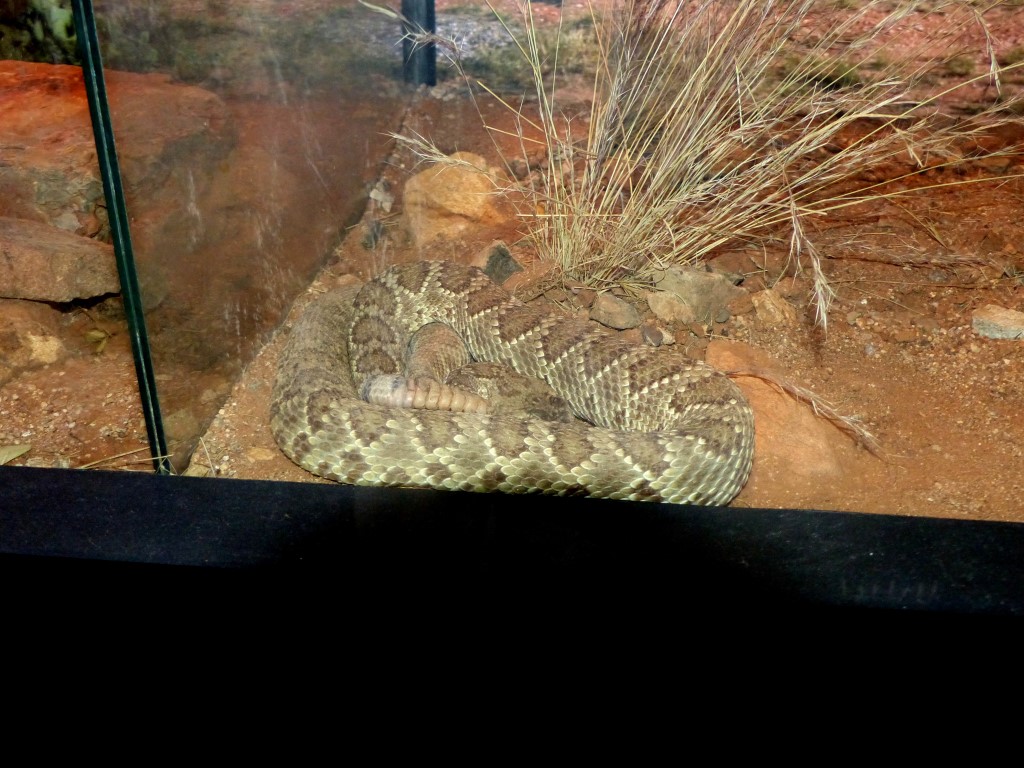
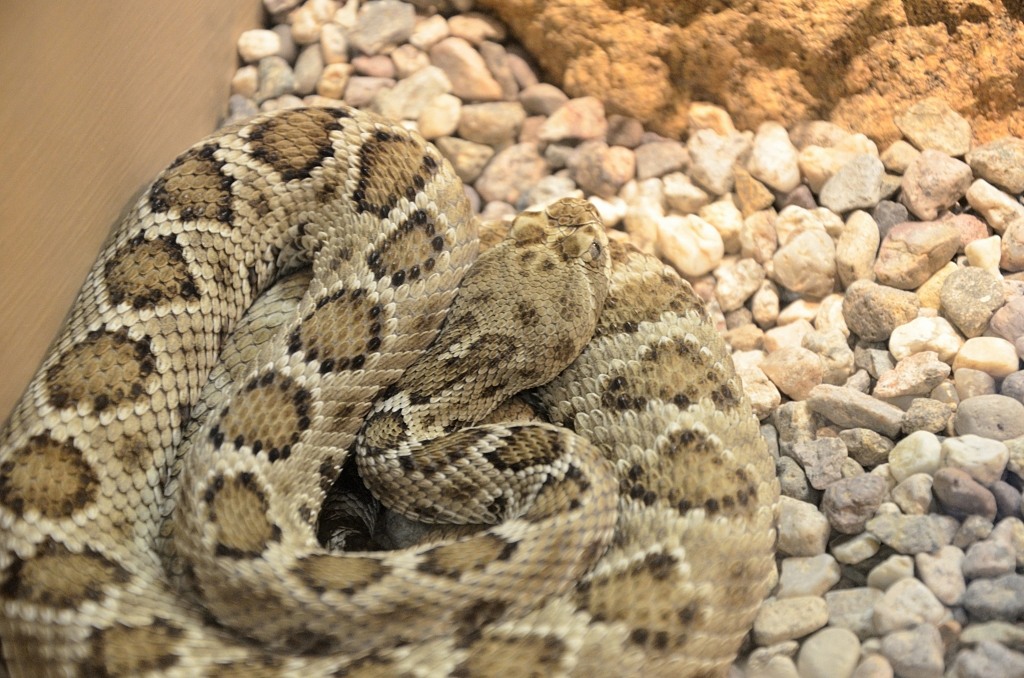
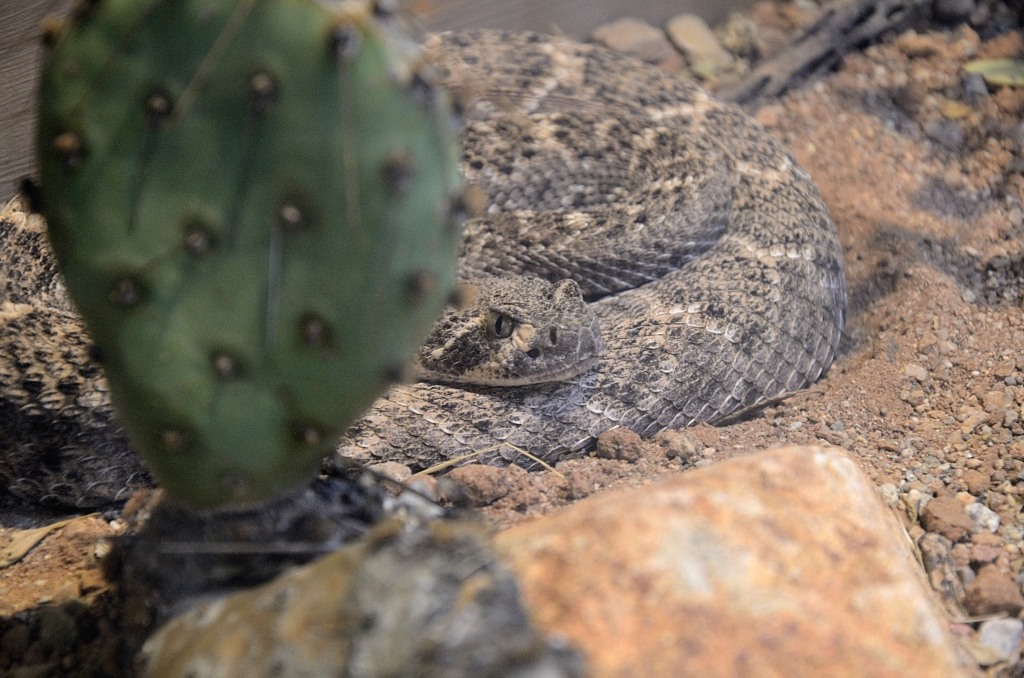
Gopher Snake Desert Mus-Tucson by Lee

Gopher Snake Desert Mus-Tucson by Lee

The wild beasts of the desert shall also meet with the jackals, And the wild goat shall bleat to its companion; Also the night creature shall rest there, And find for herself a place of rest. There the arrow snake shall make her nest and lay eggs And hatch, and gather them under her shadow; There also shall the hawks be gathered, Every one with her mate. (Isaiah 34:14-15 NKJV)

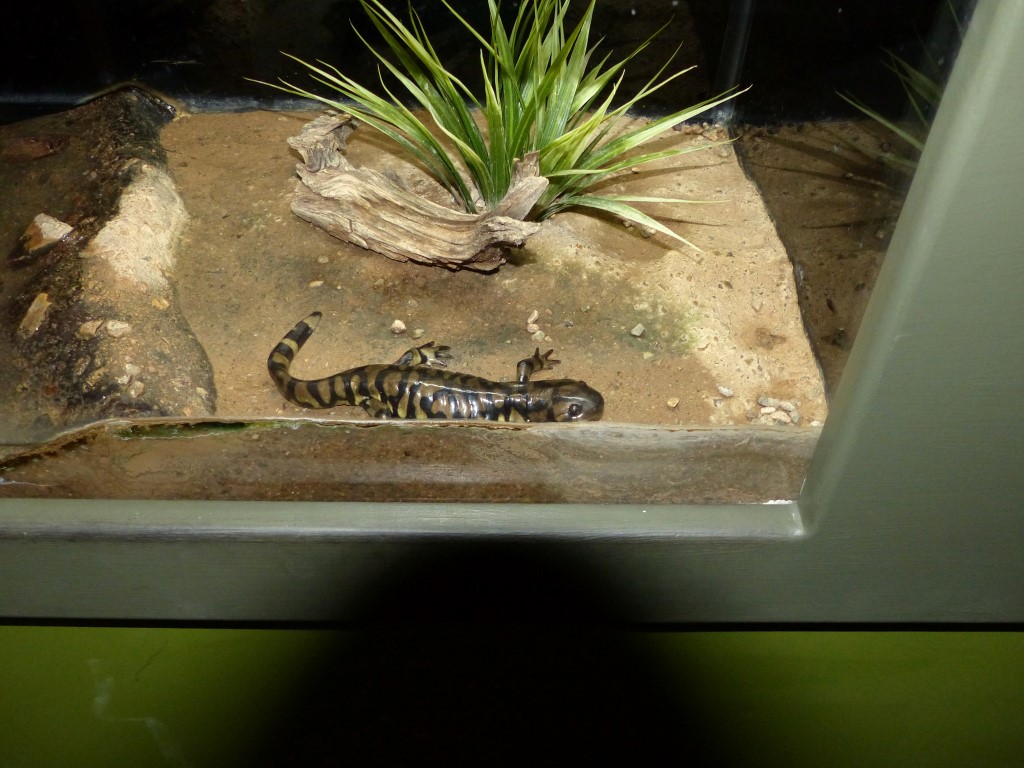
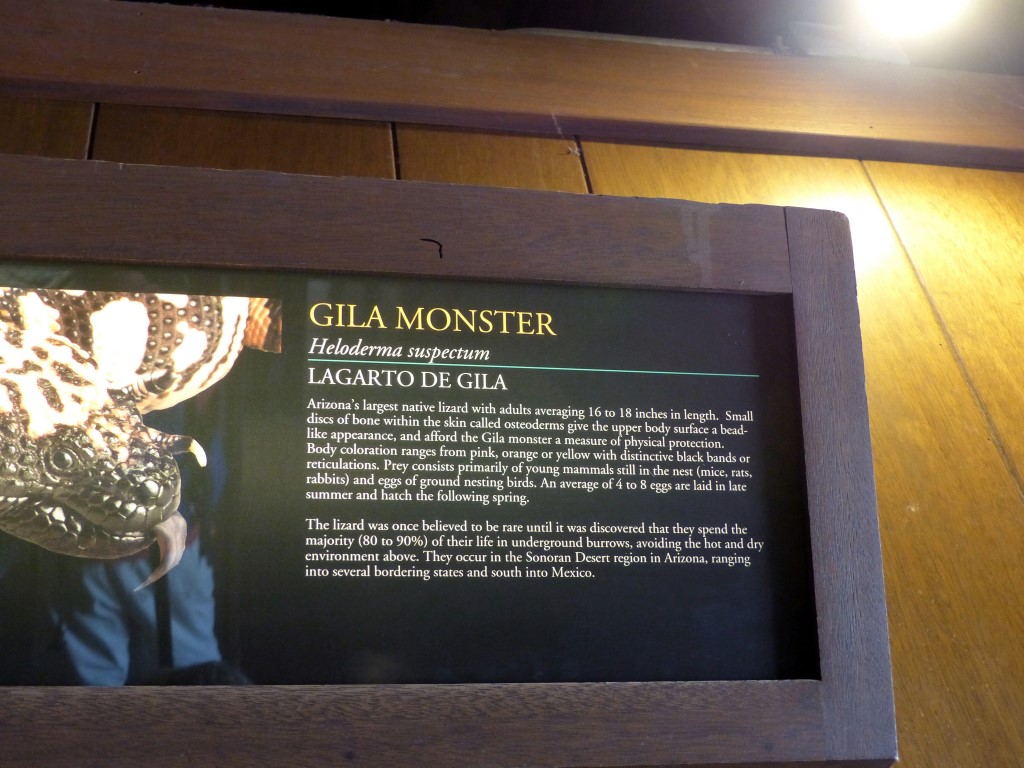
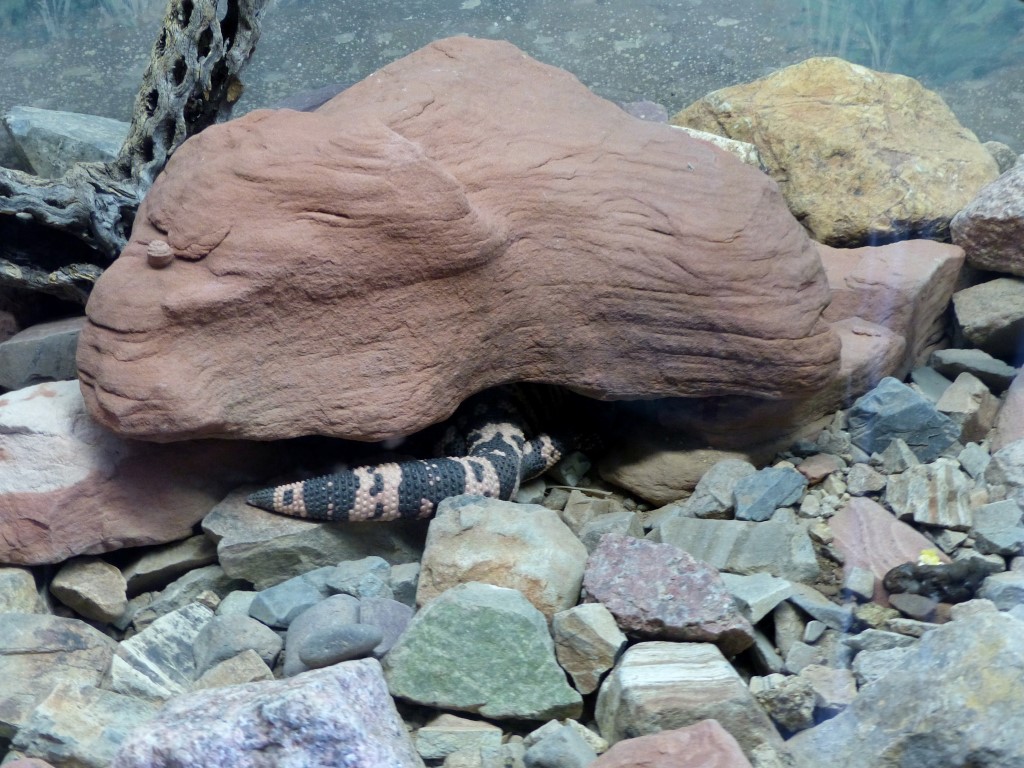
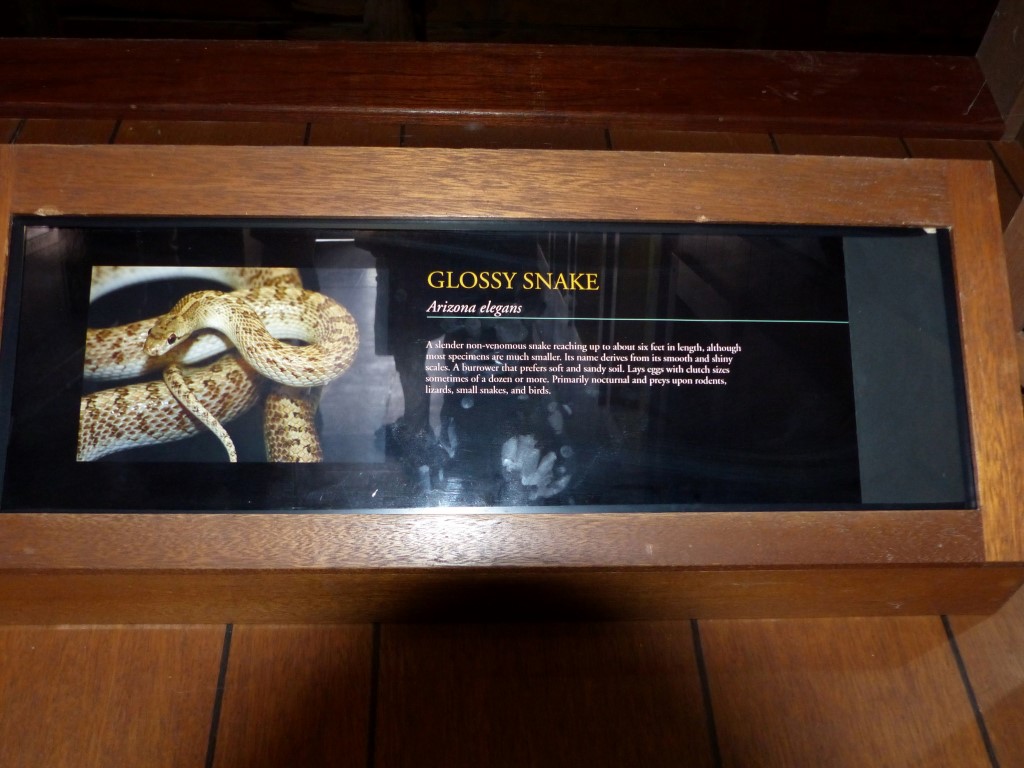
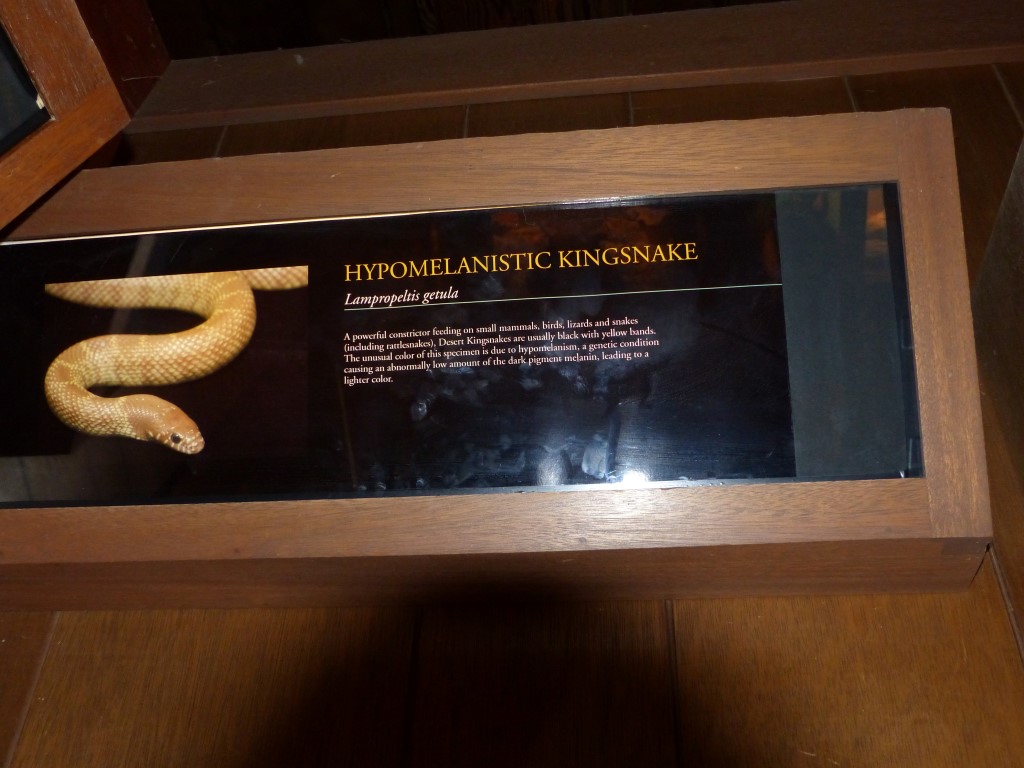
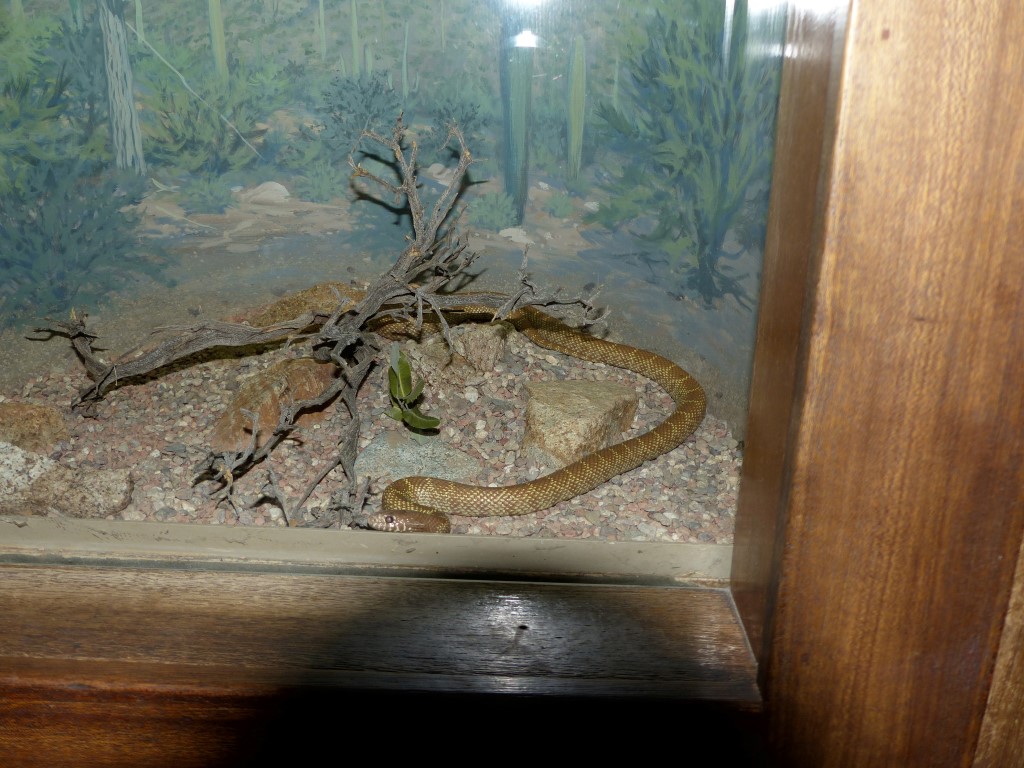
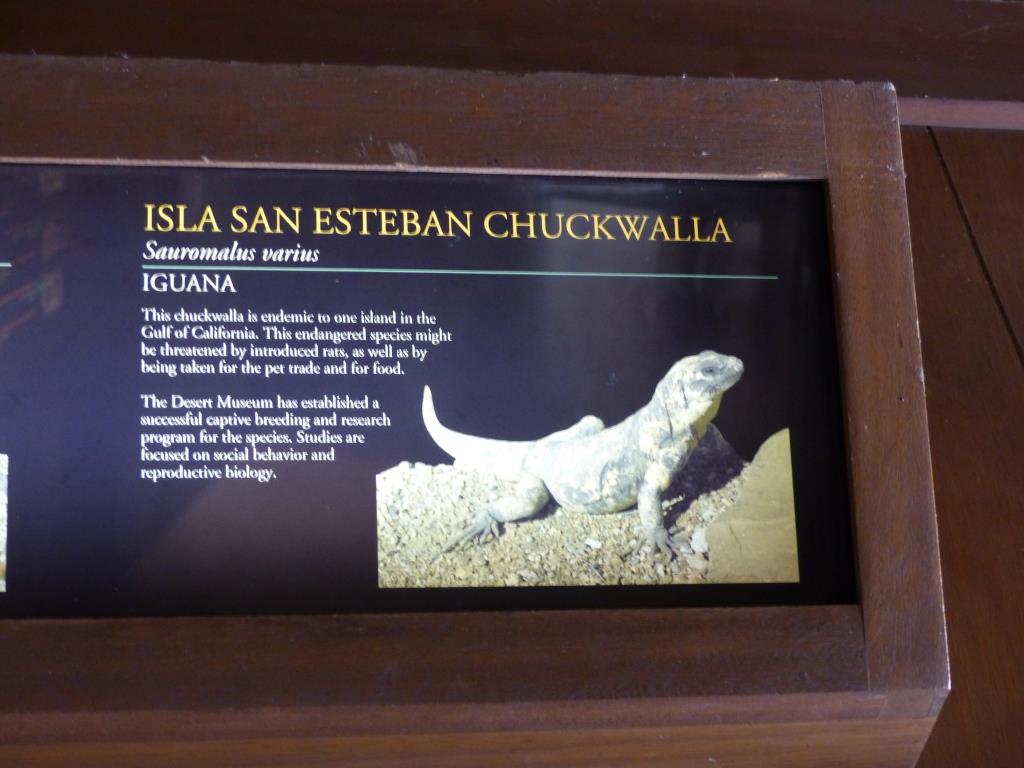
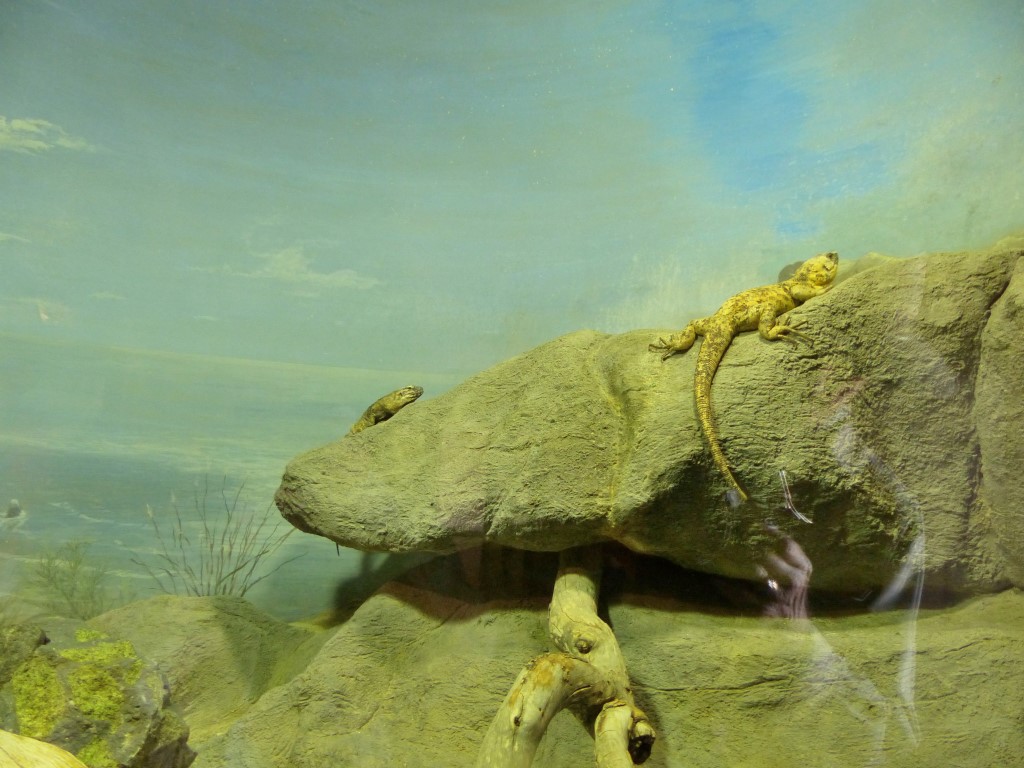
In Arizona-Senora Desert Museum – Vacation, I showed you some of the cactus, flowers and scenery of the Desert Museum. Today its the “critters” turn to be shown off.

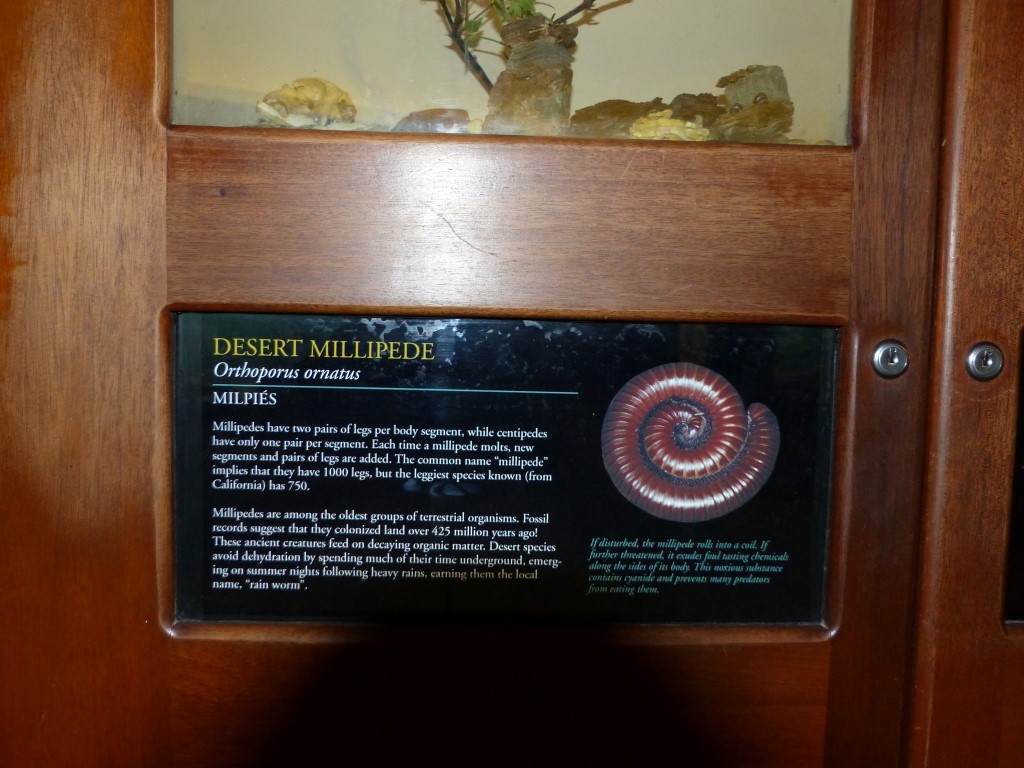
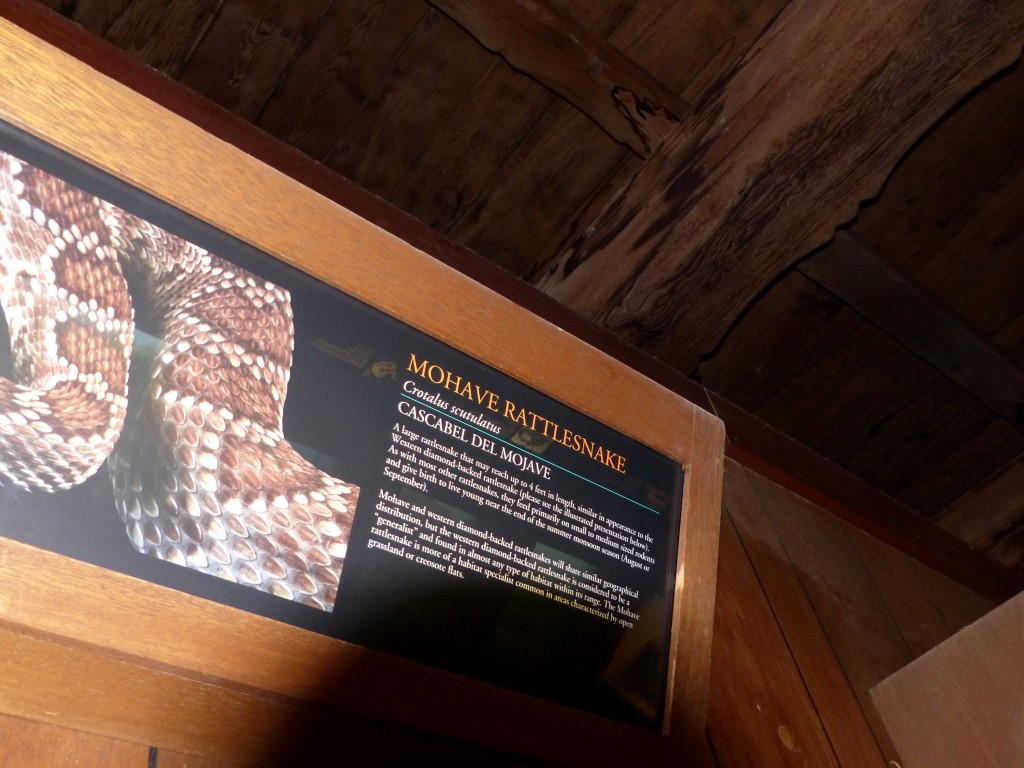
Deserts are of course dry and receive little rain. So, in God’s Wisdom, He created critters, walking or crawling, that are adapted to this kind of environment. Many of these, especially the snakes and poisonous things were in exhibits and not roaming free. I enjoy seeing snakes, but not when they surprise me on a trail.

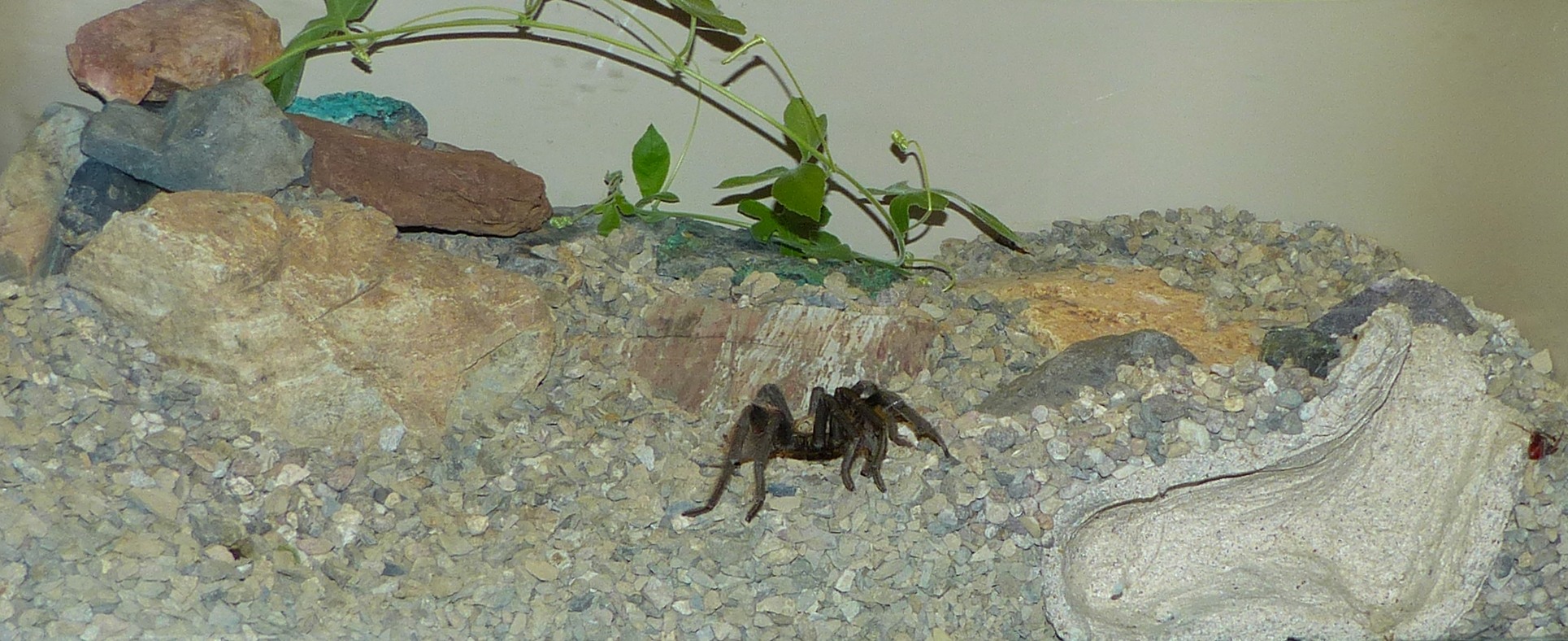
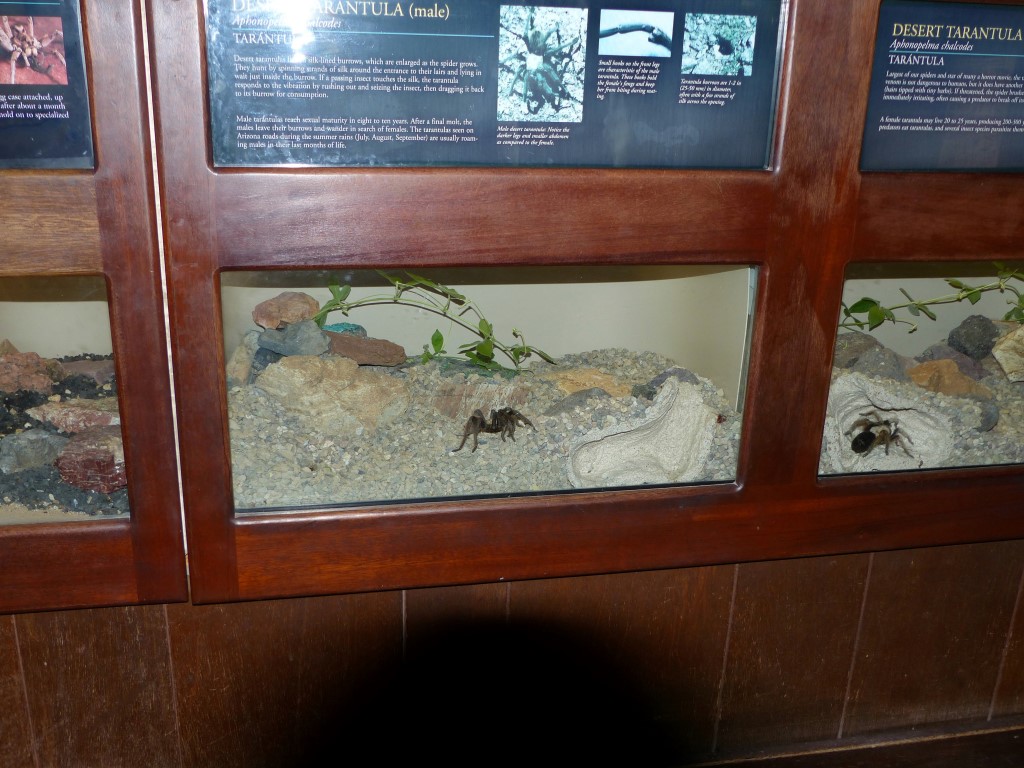
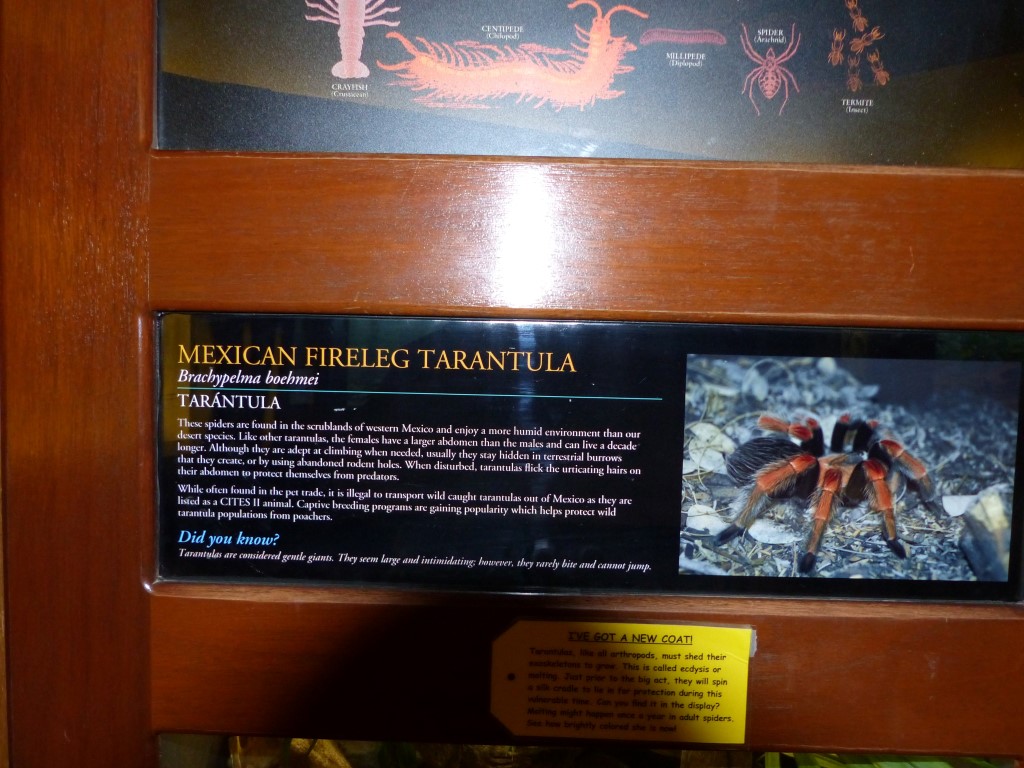
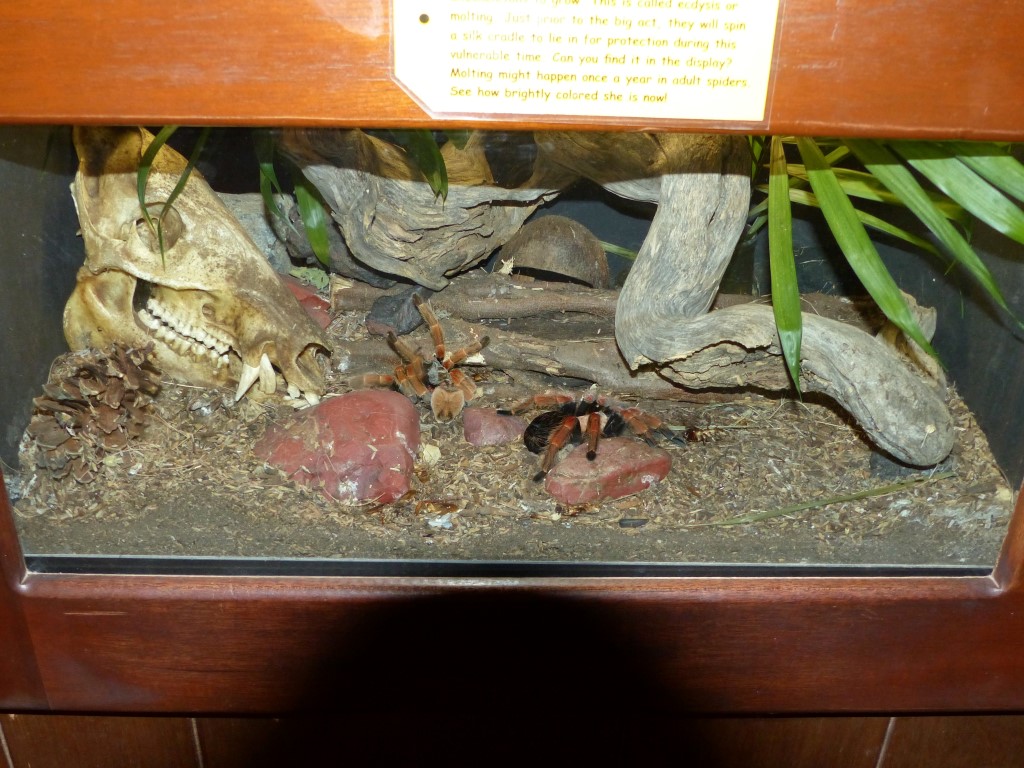
Desert Tarantula – Male Az-Sonora DM by Lee

There are four things which are little on the earth, But they are exceedingly wise: …The spider skillfully grasps with its hands, And it is in kings’ palaces.
(Proverbs 30:24-28 NKJV)

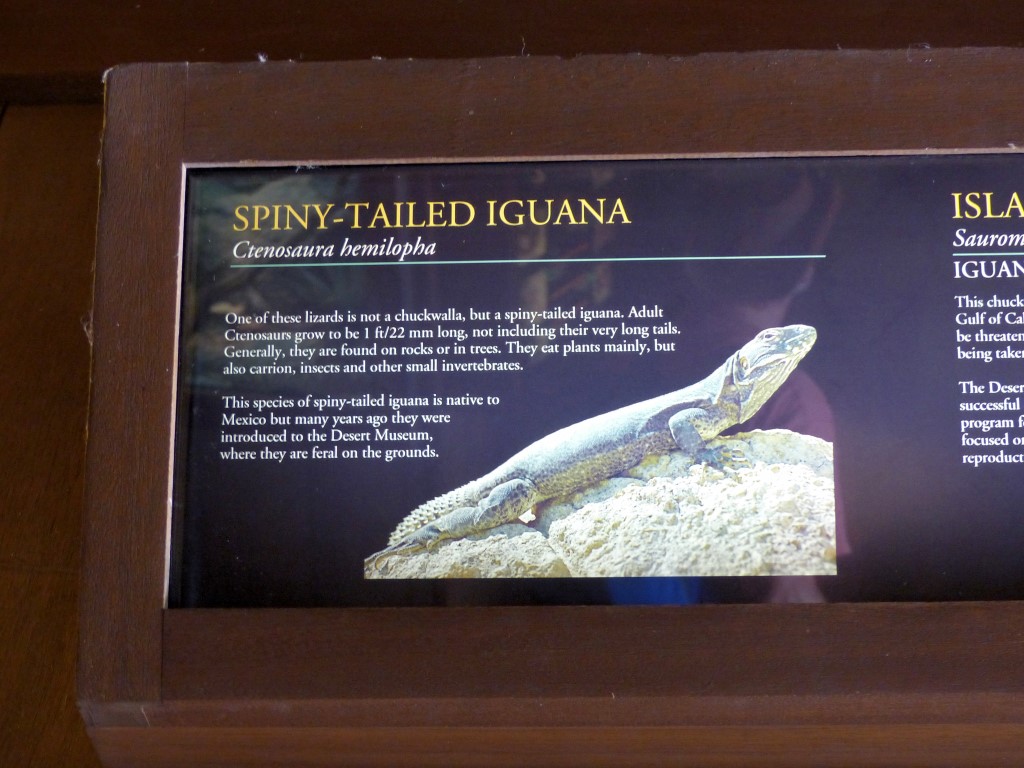
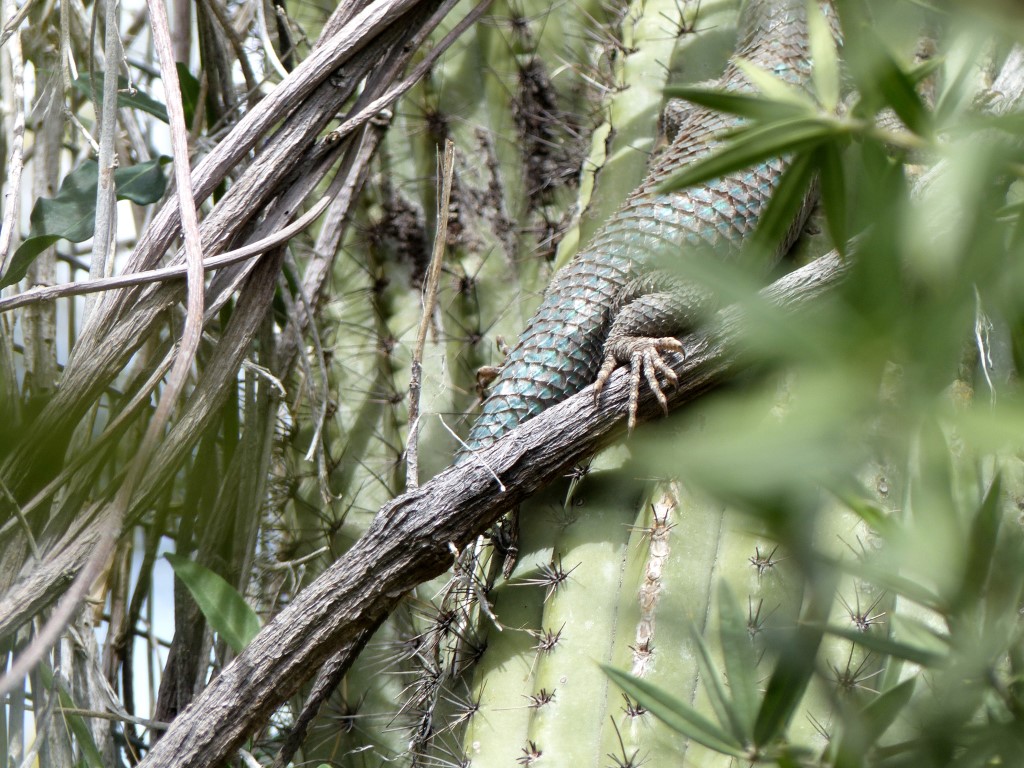
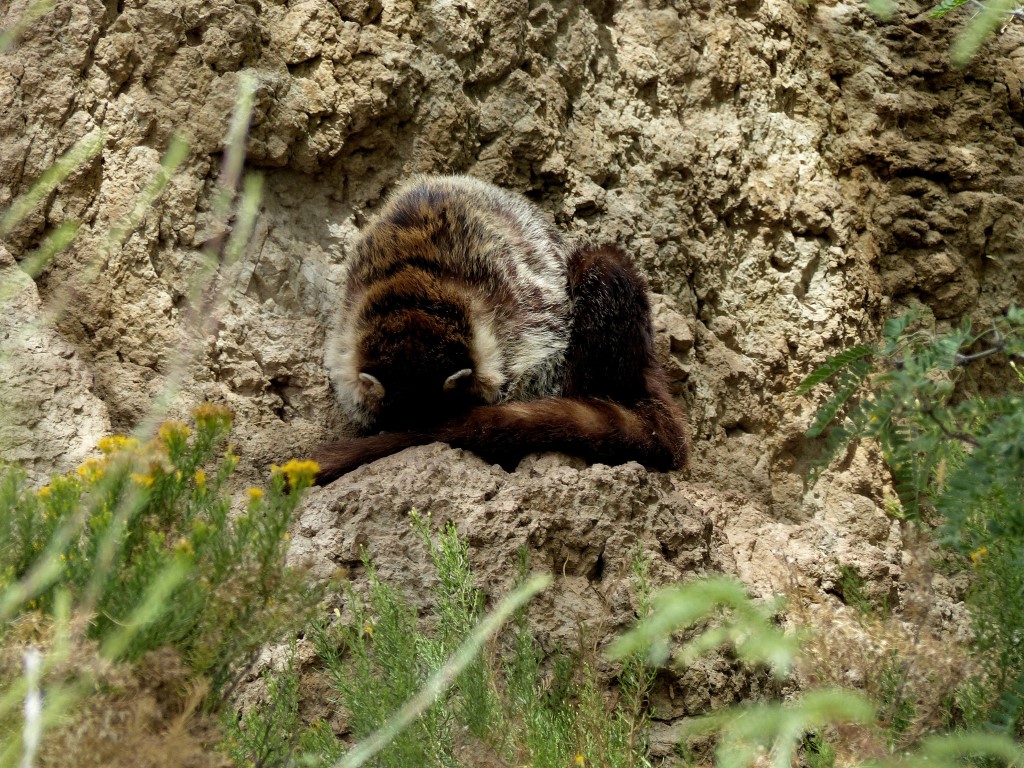
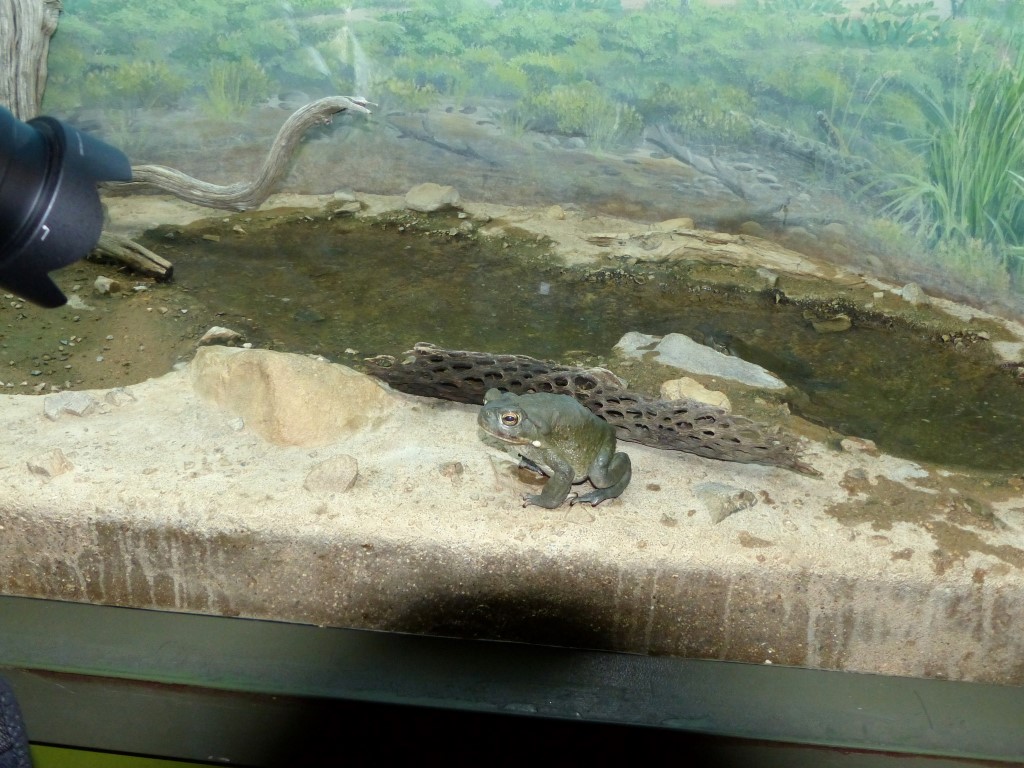
Here are a some of the photos we took of the “CRITTERS.” (I apologize, but I forgot to take the lens shade off.)

*

*

Arizona-Senora Desert Museum – Vacation

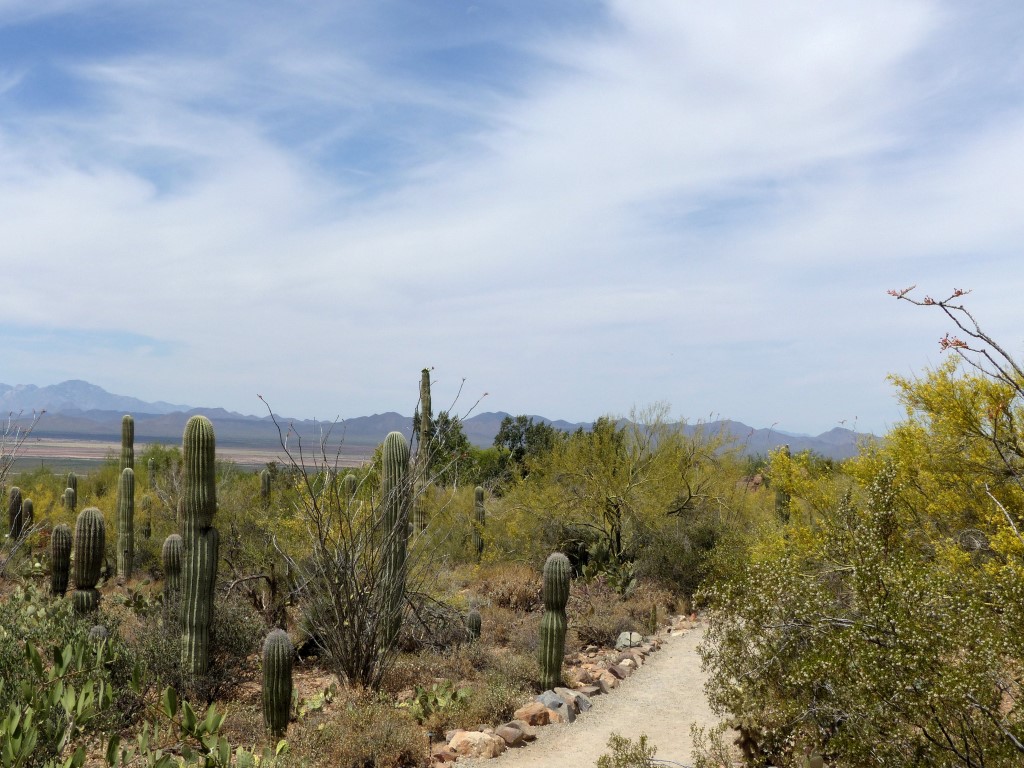
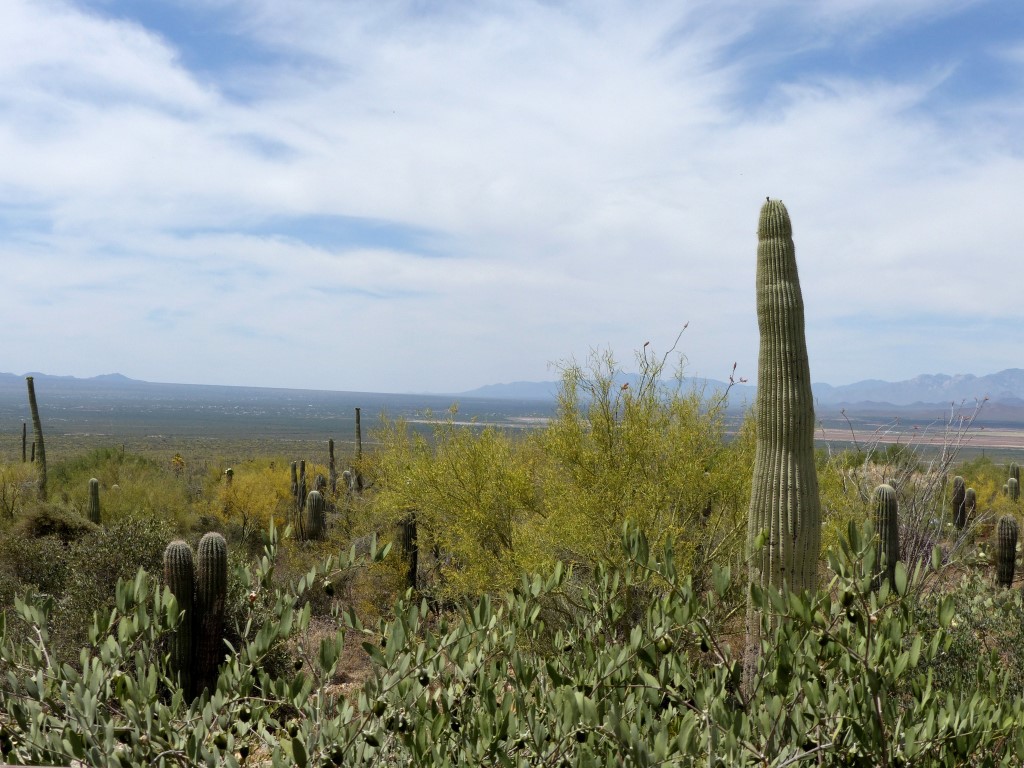
Desert Mus-Tucson by Lee

“He found him in a desert land And in the wasteland, a howling wilderness; He encircled him, He instructed him, He kept him as the apple of His eye. (Deuteronomy 32:10 NKJV)

The wilderness and the wasteland shall be glad for them, And the desert shall rejoice and blossom as the rose; It shall blossom abundantly and rejoice, Even with joy and singing. The glory of Lebanon shall be given to it, The excellence of Carmel and Sharon. They shall see the glory of the LORD, The excellency of our God.
(Isaiah 35:1-2a NKJV)

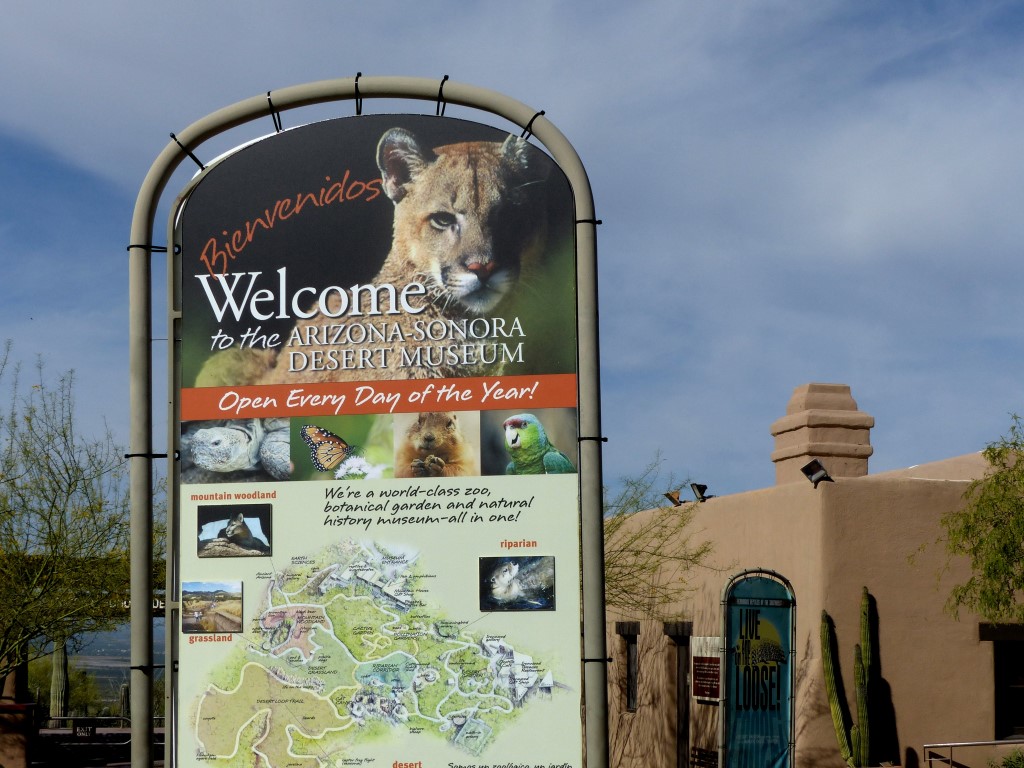
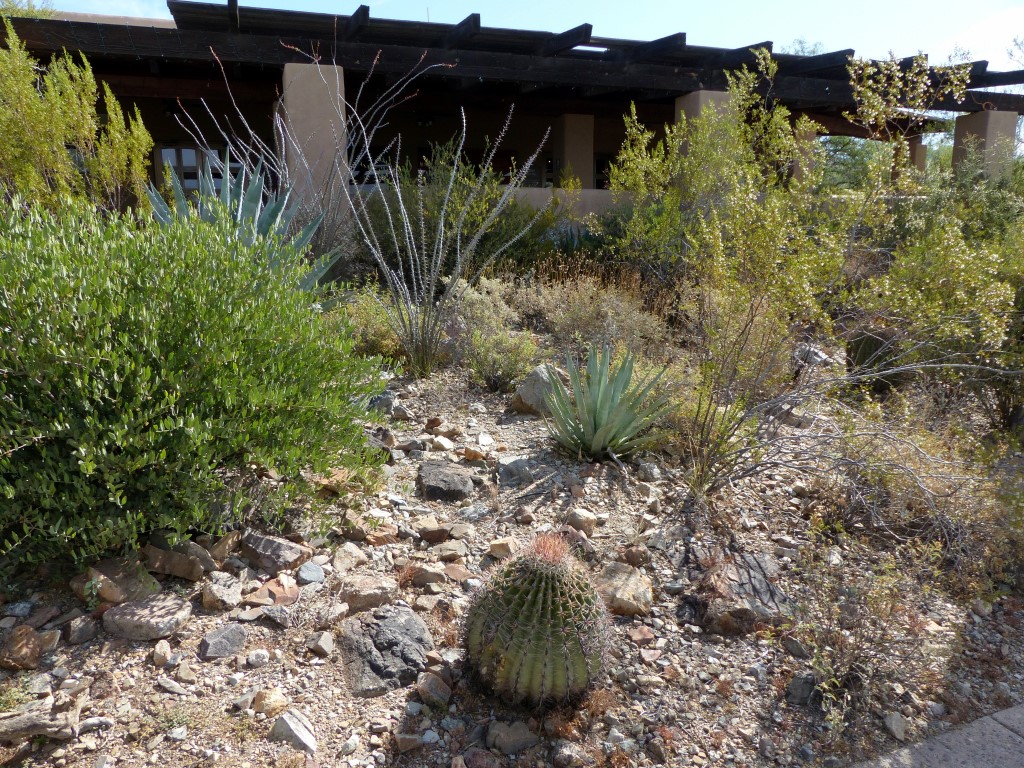
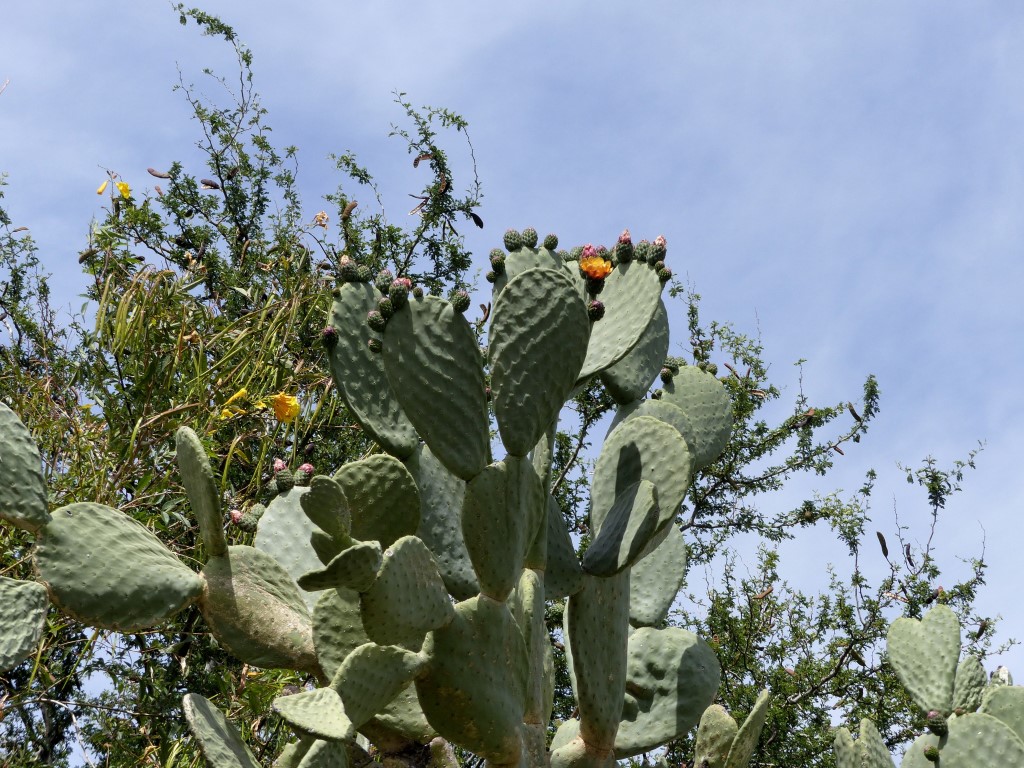
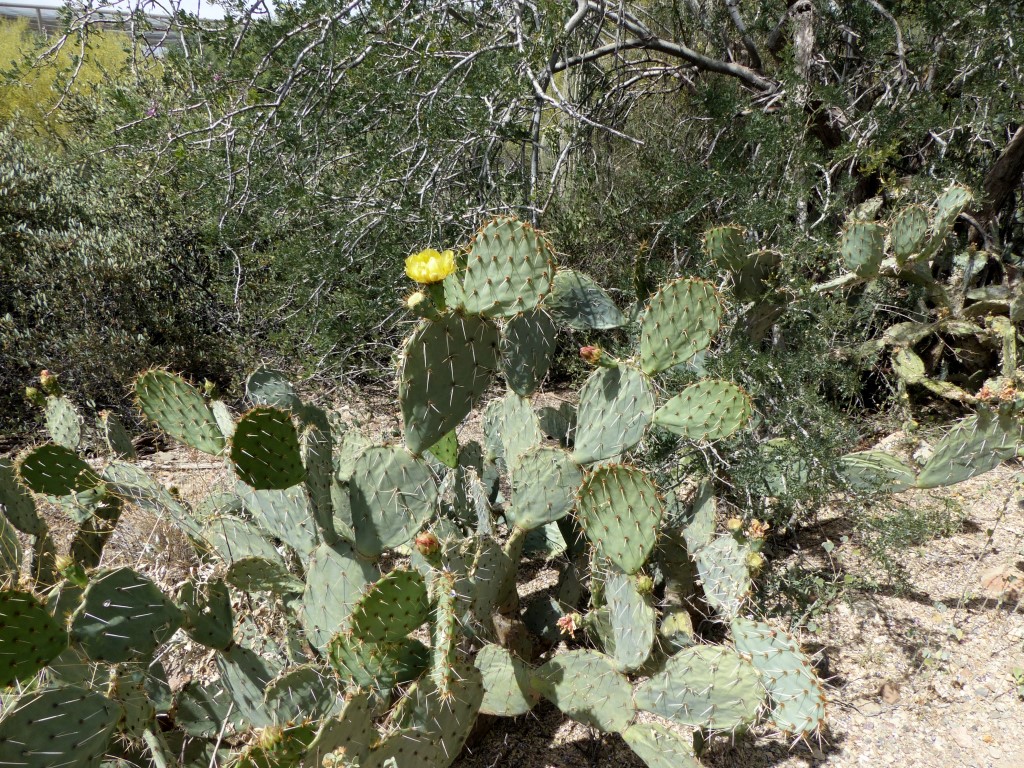
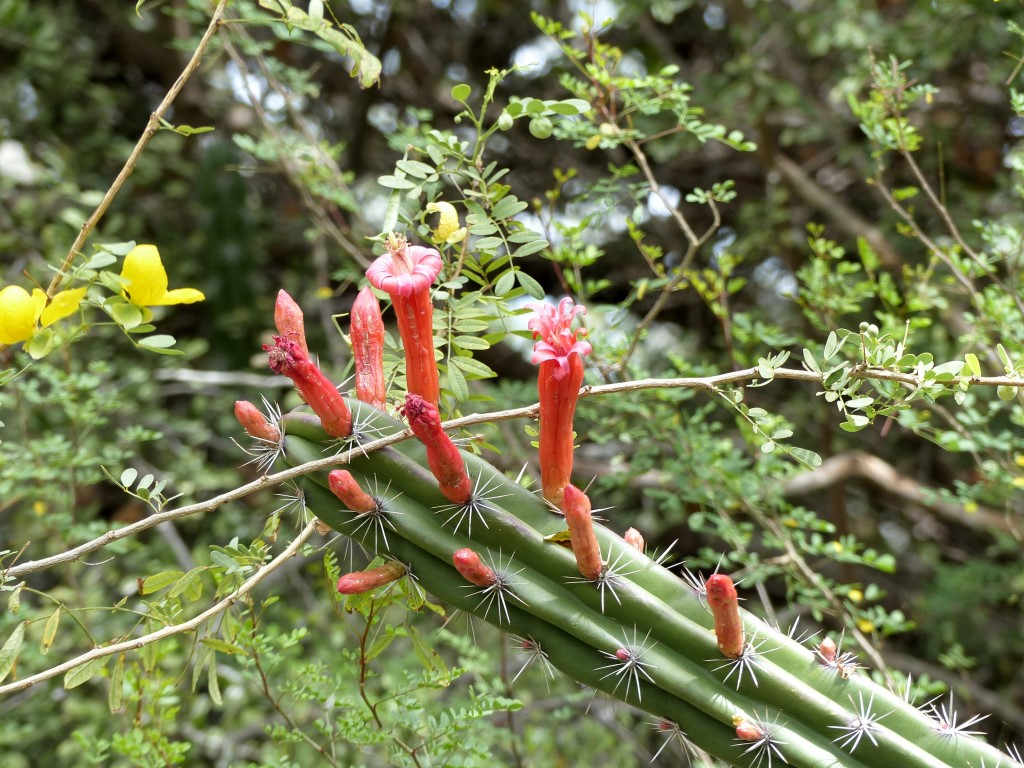
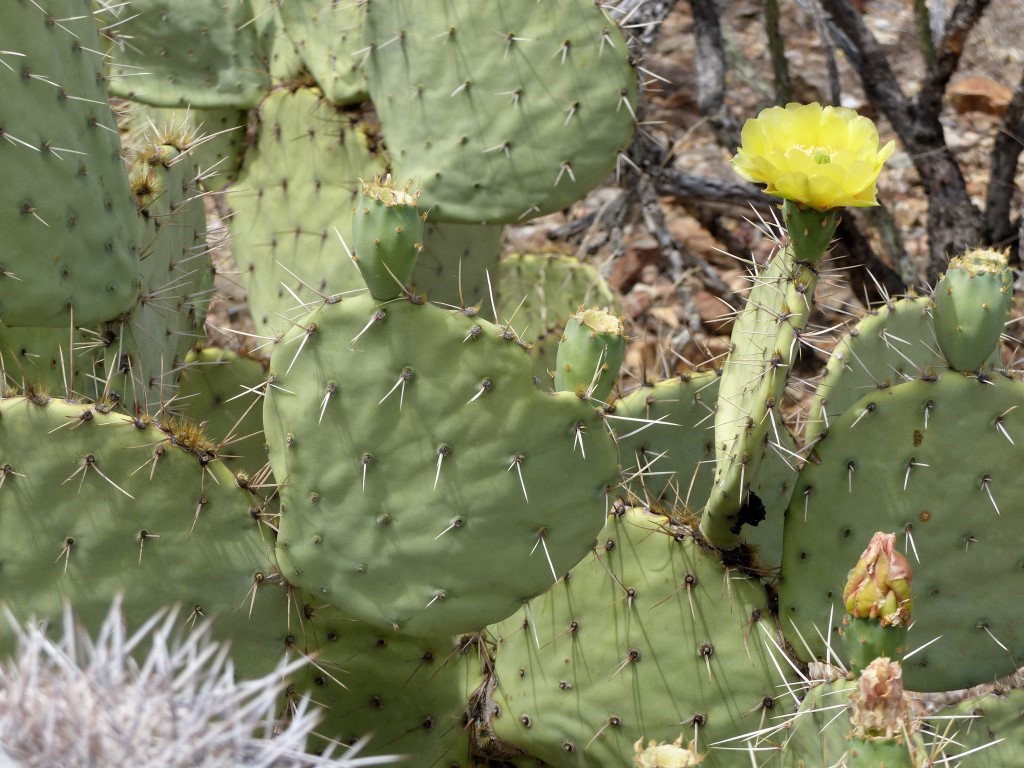
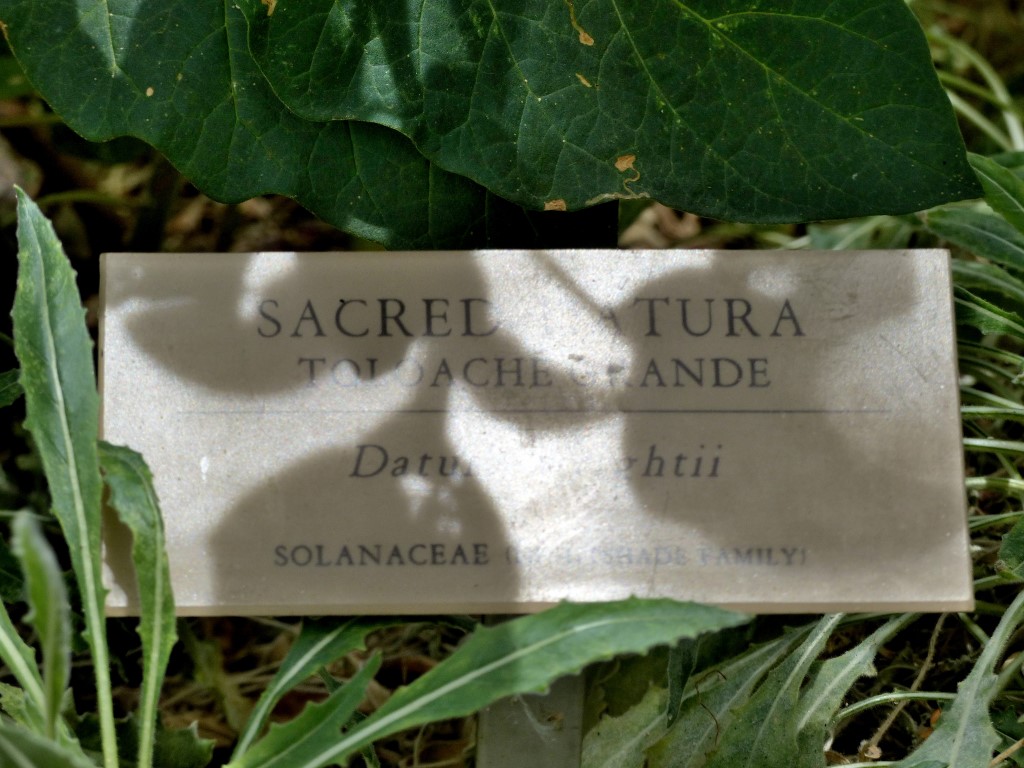
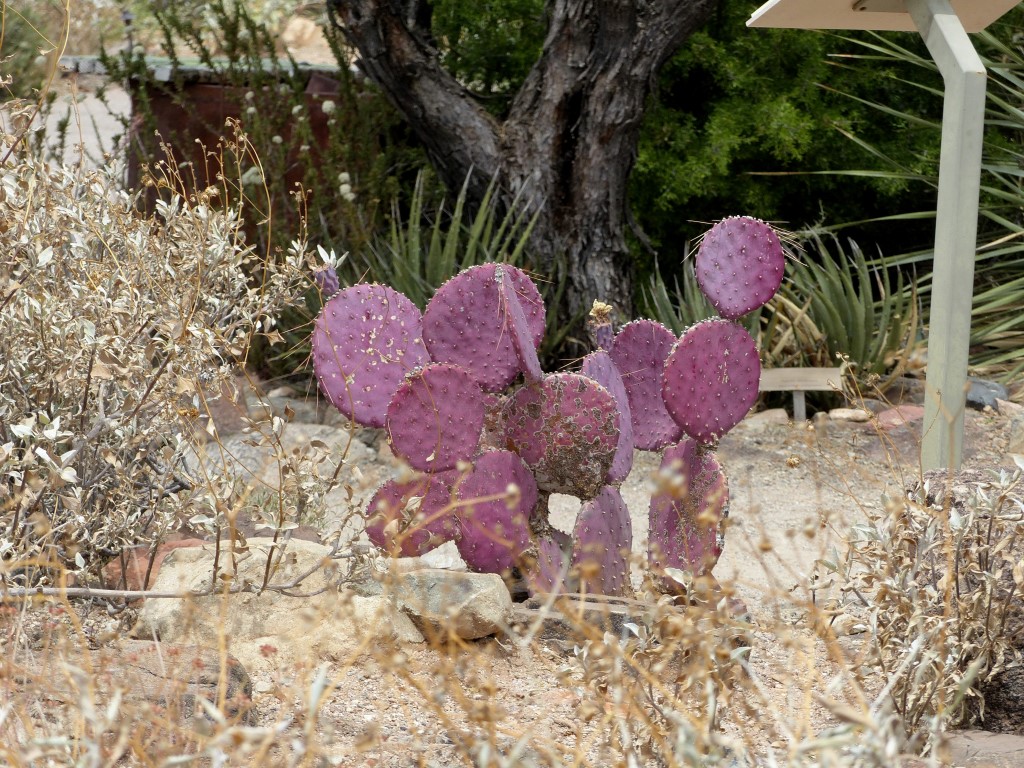
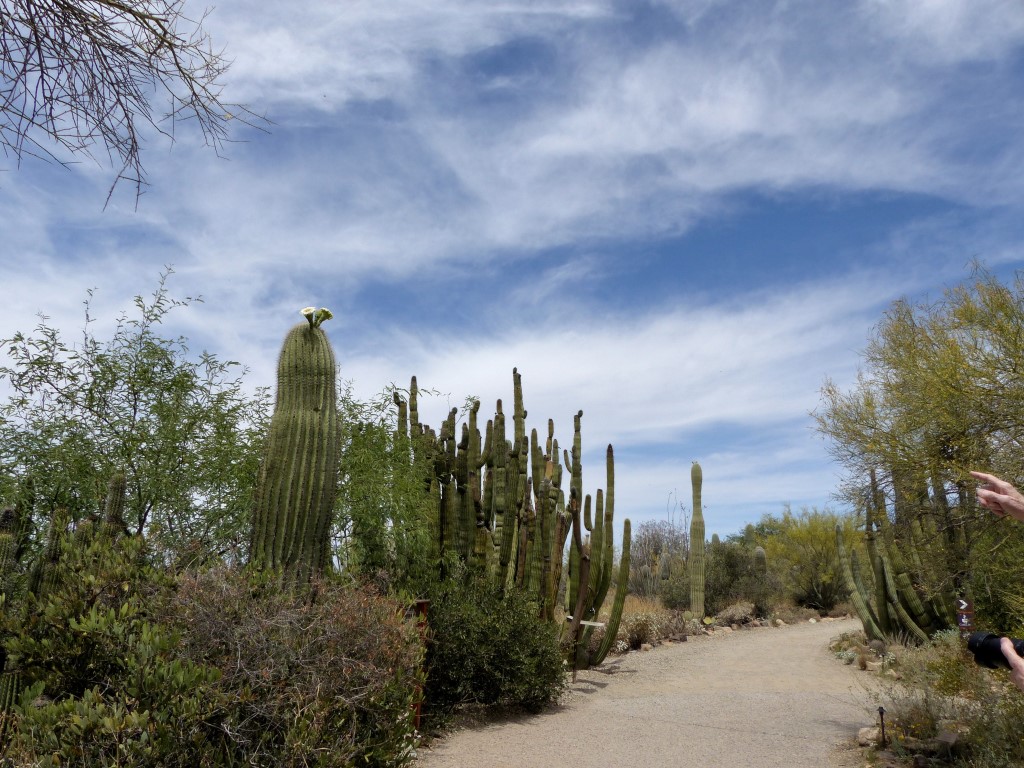
We spent three days in Tucson, Arizona and were able to see the Arizona-Senora Desert Museum. The plants are so different from what we see normally, though we see a few cactus now and then. There were plenty of neat plants to see and of course birds to watch.

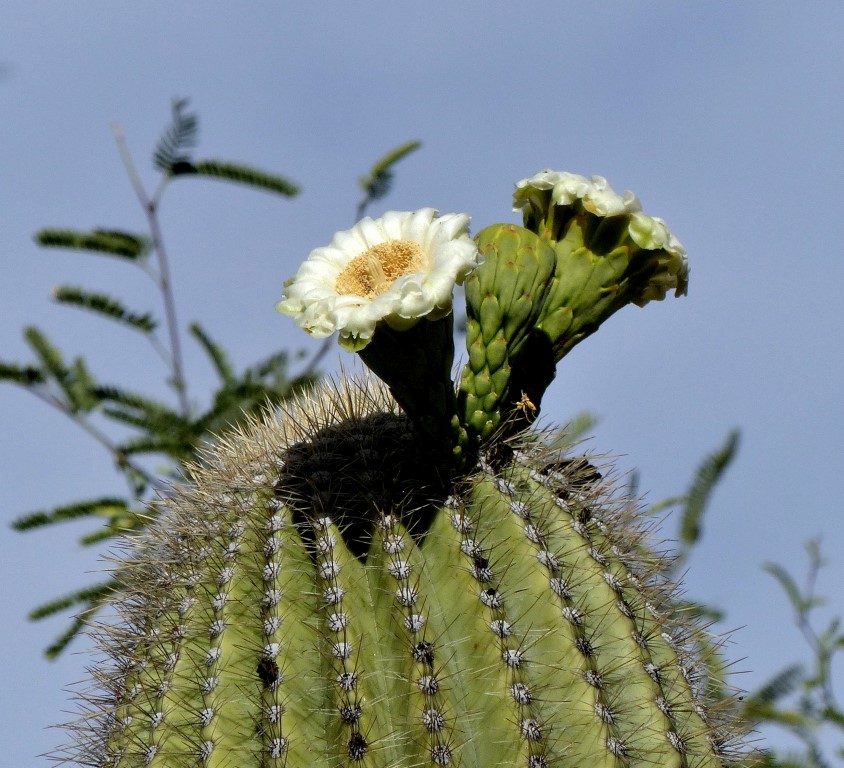
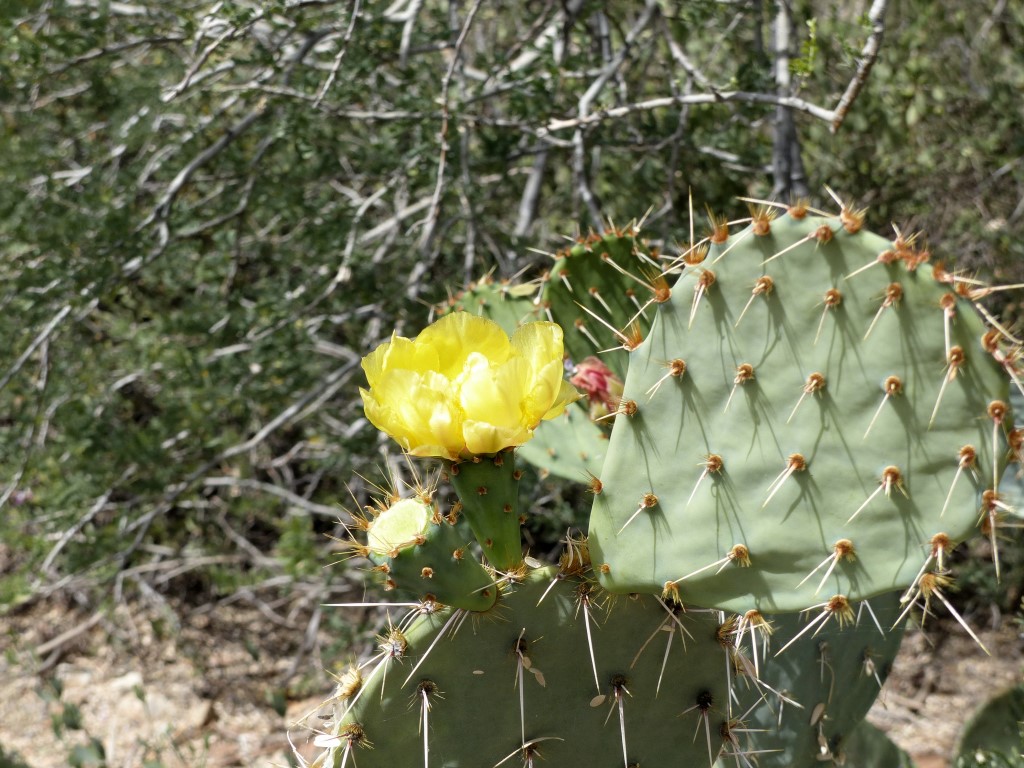
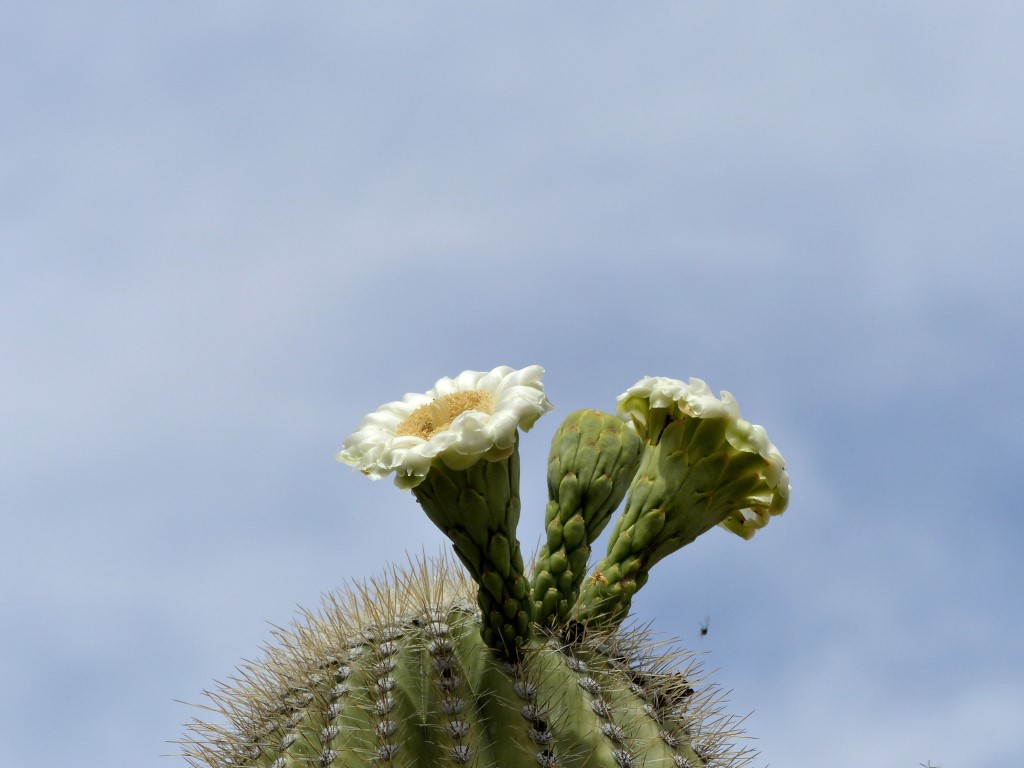
Cactus Flower - Arizona Living Desert Museum by Lee

Cactus Flower – Arizona Living Desert Museum by Lee

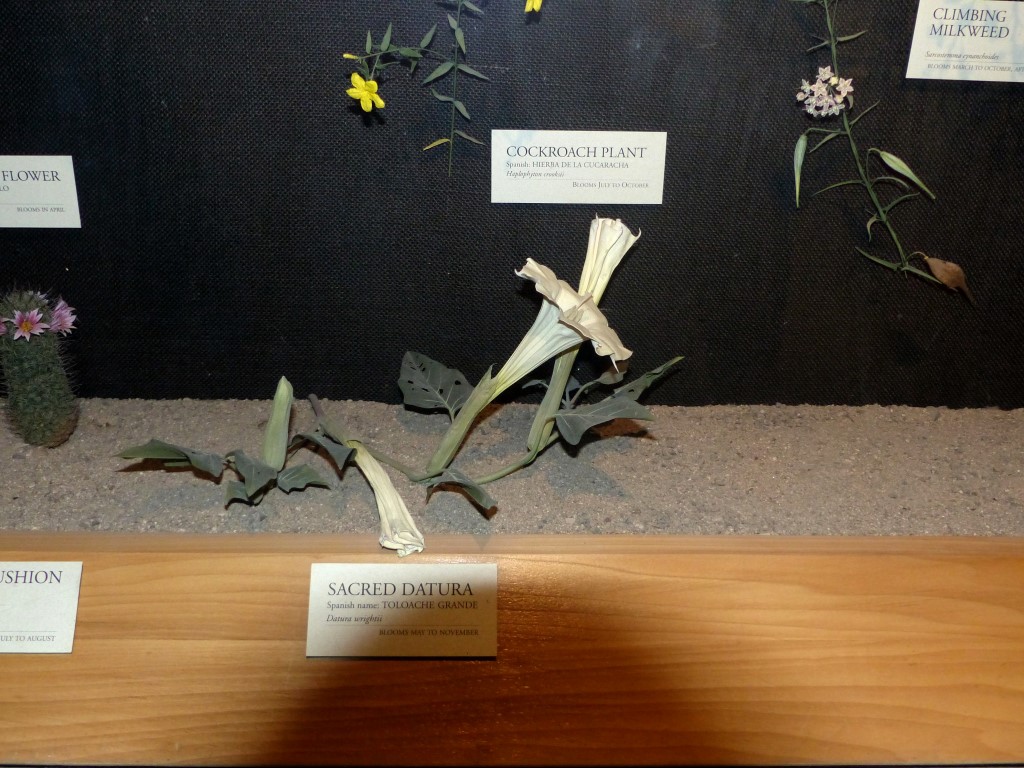
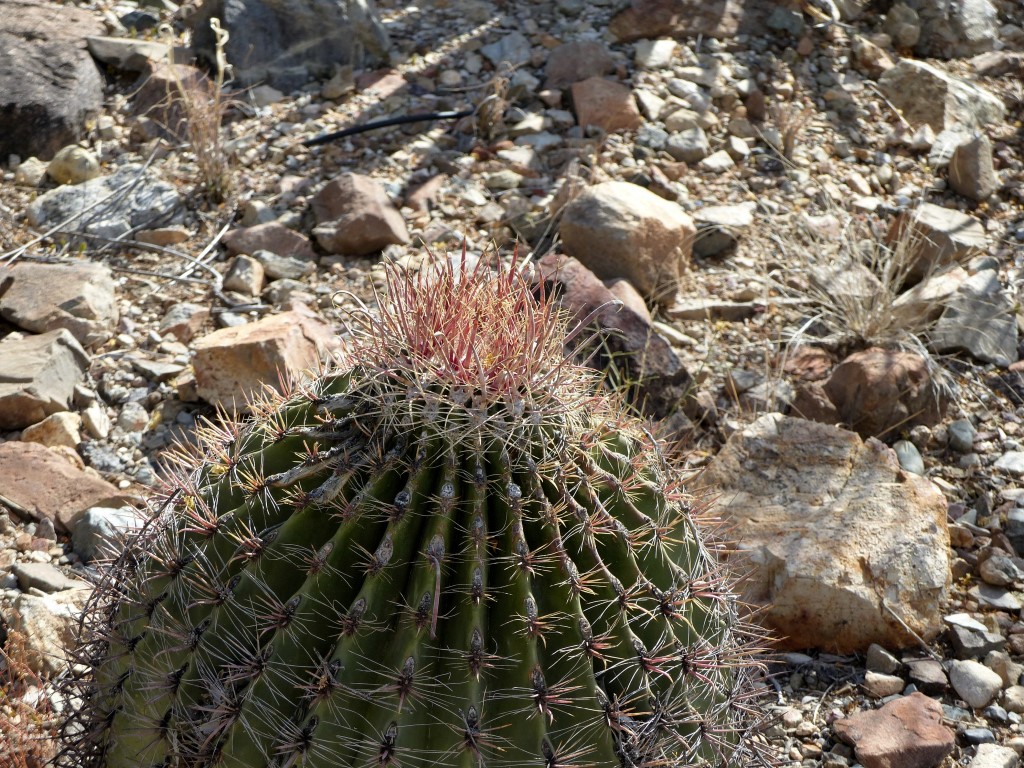
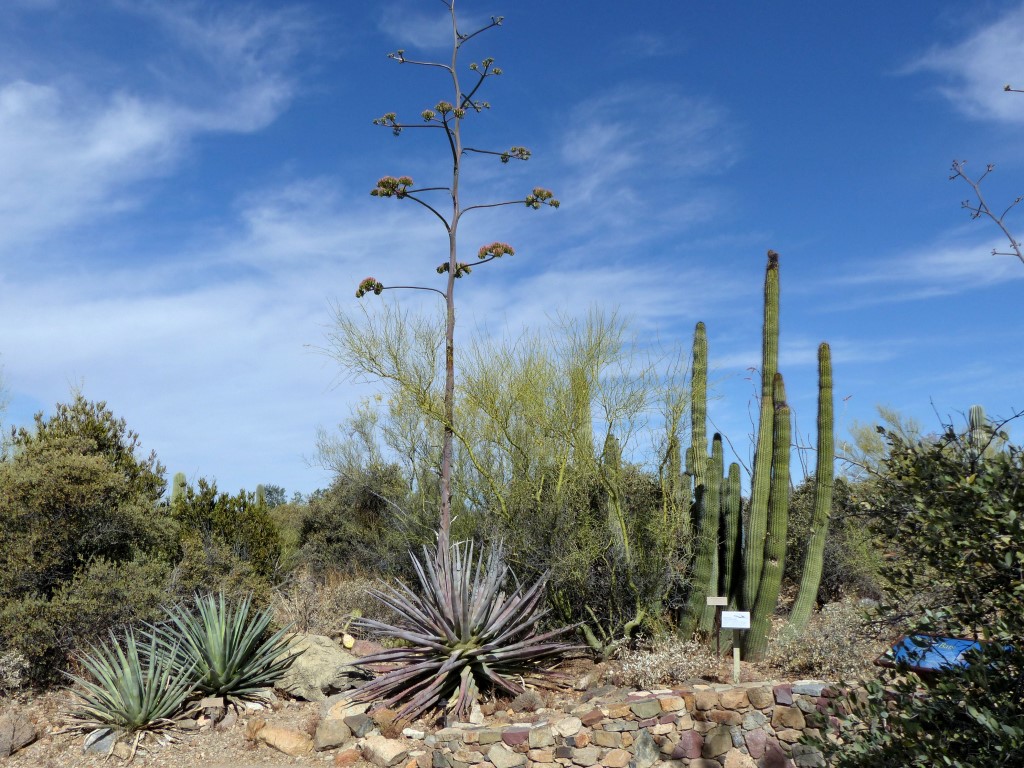
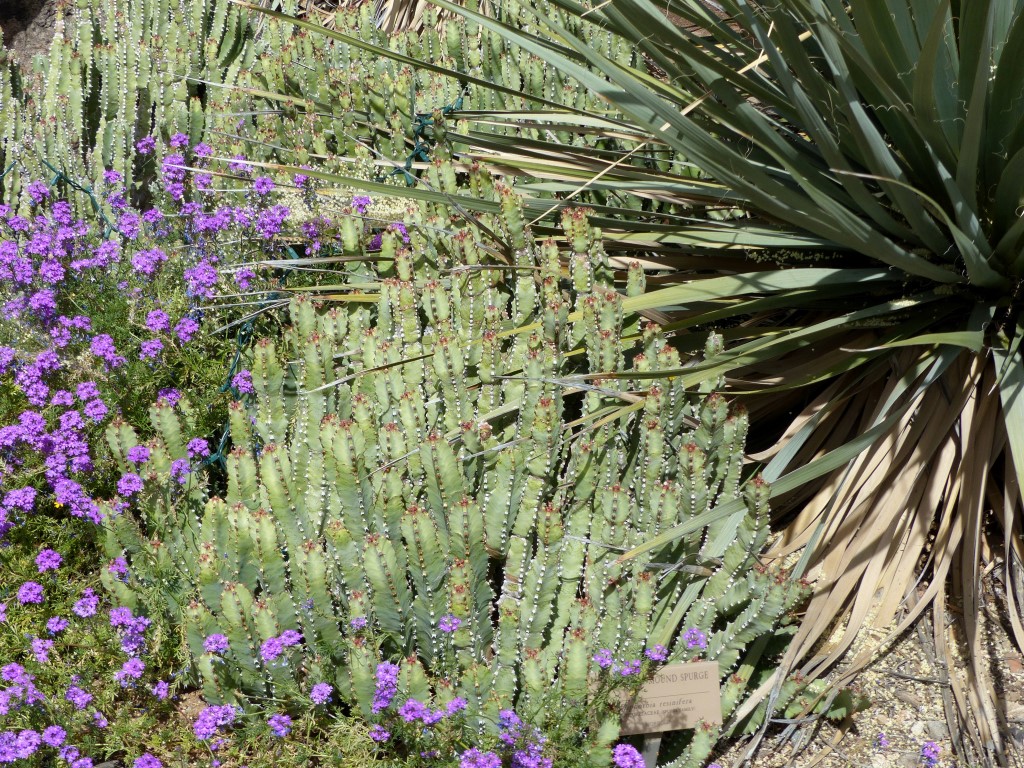
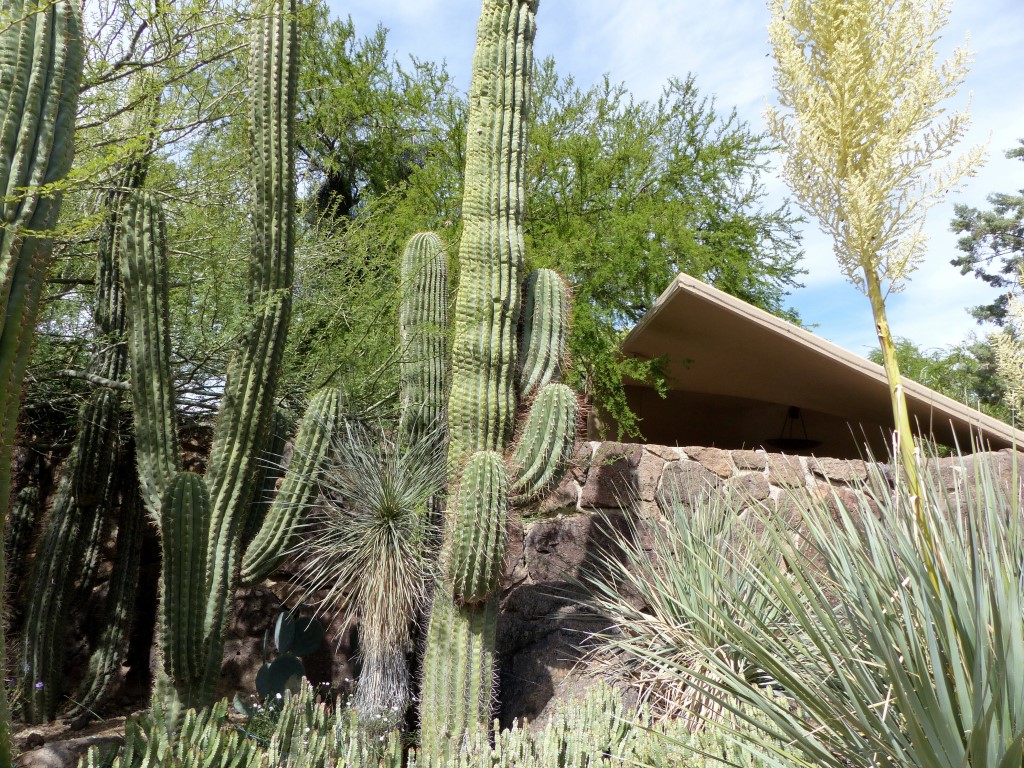
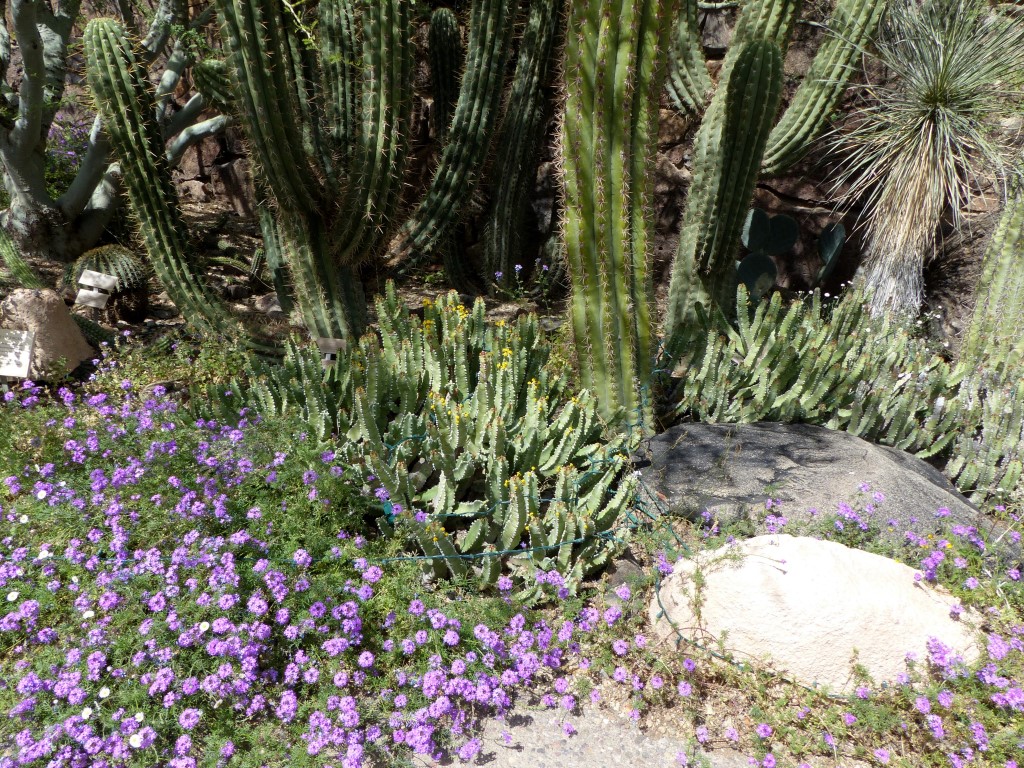
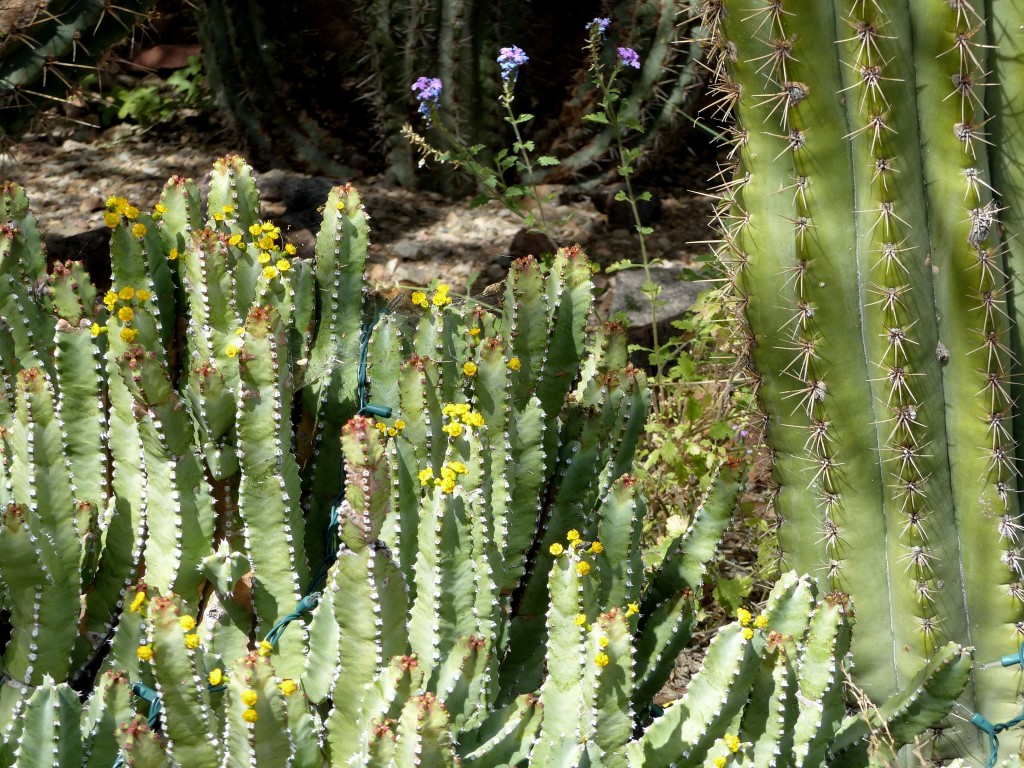
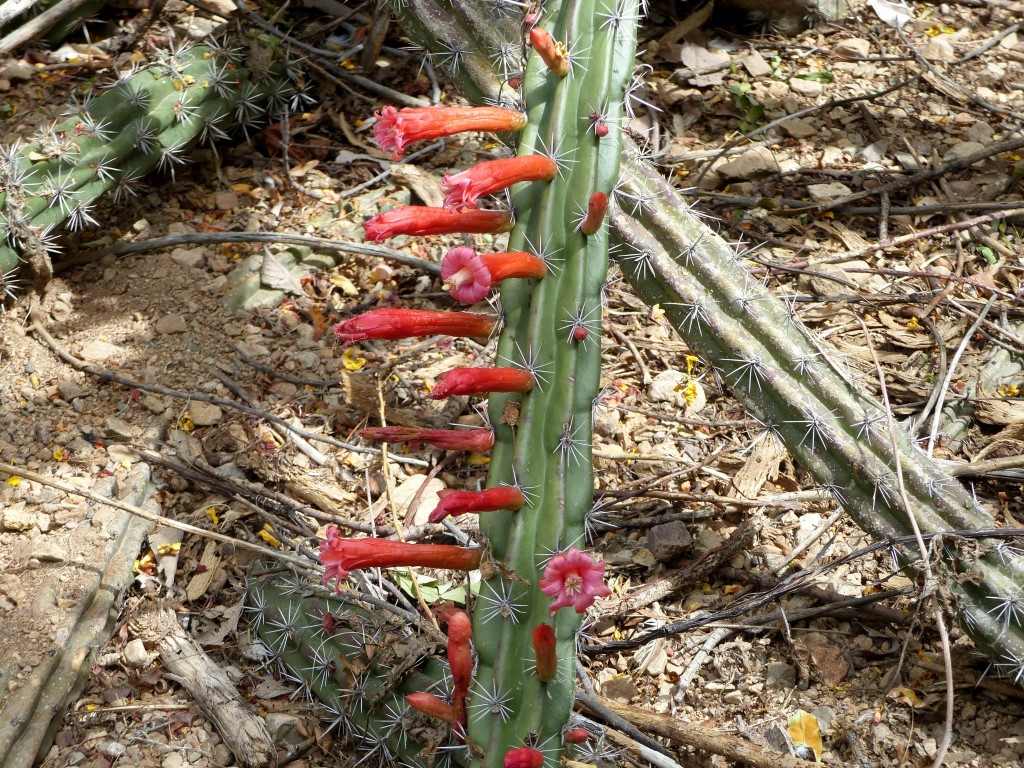
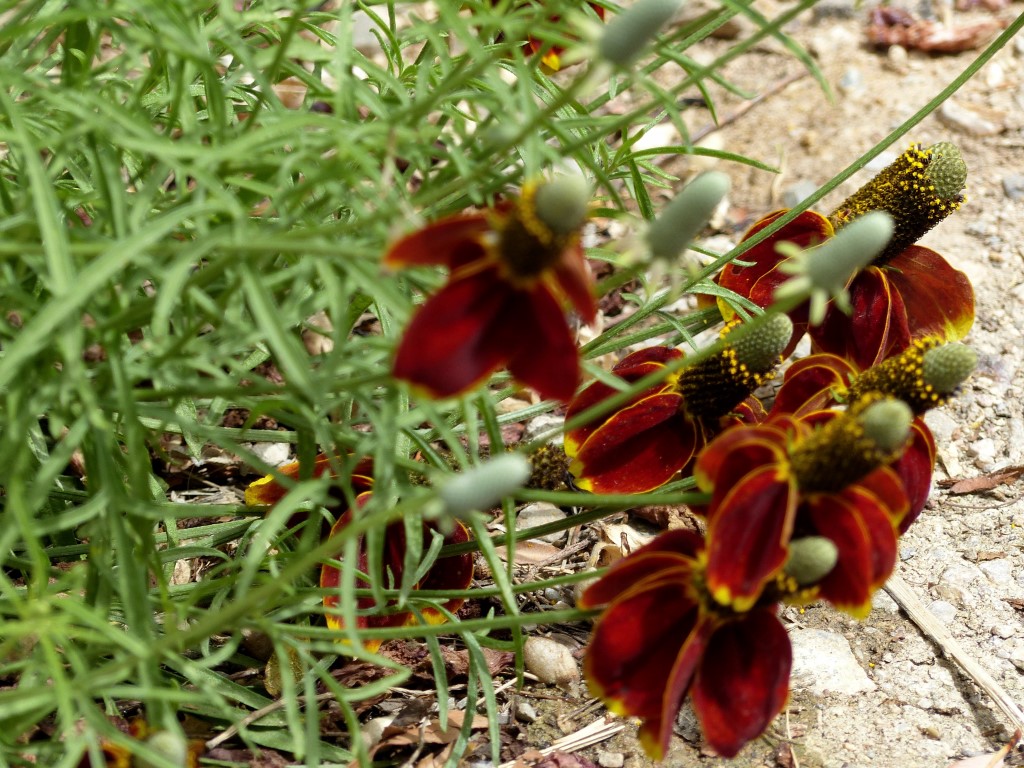
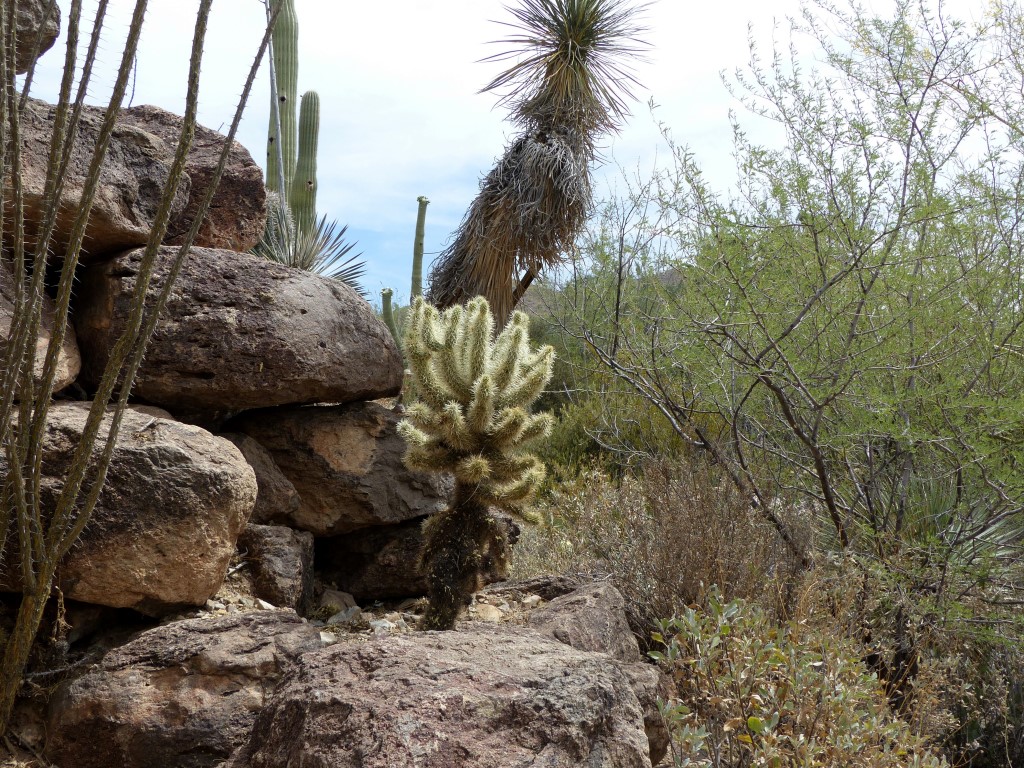
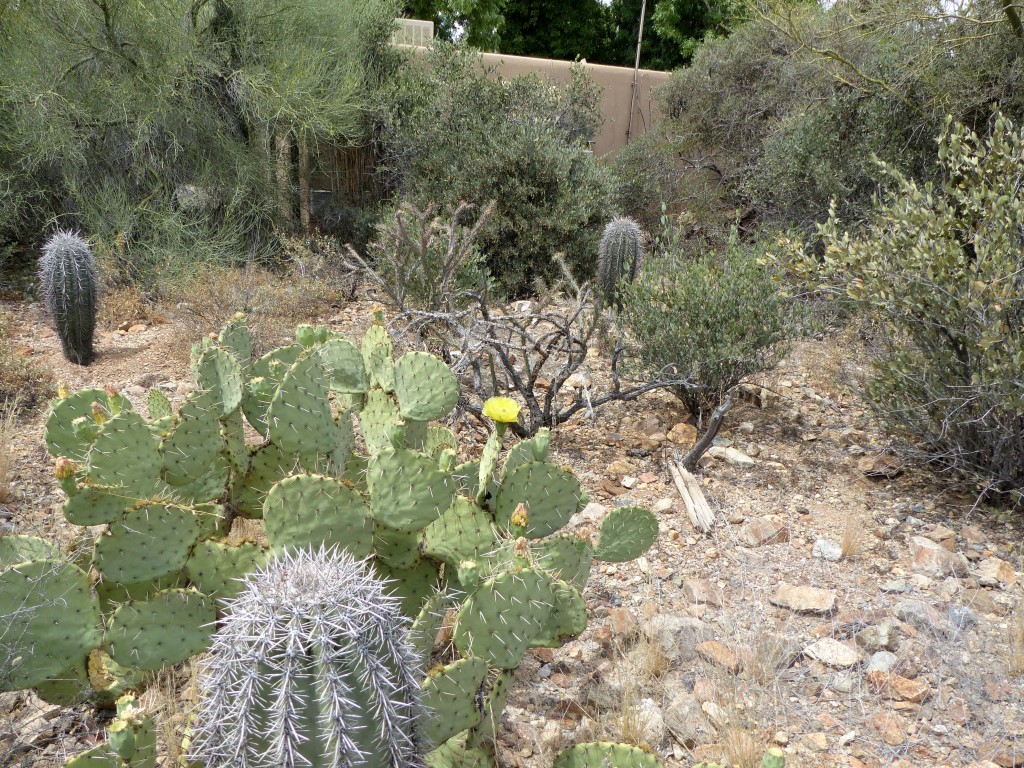
Today you will get to see some of the plants and scenery at the desert museum. As mentioned before, the Lord has made so much variety in this world, it is amazing. Just enjoy some photos of this very interesting place.

Our fathers ate the manna in the desert; as it is written, ‘HE GAVE THEM BREAD FROM HEAVEN TO EAT.'” Then Jesus said to them, “Most assuredly, I say to you, Moses did not give you the bread from heaven, but My Father gives you the true bread from heaven. For the bread of God is He who comes down from heaven and gives life to the world.”
(John 6:31-33 NKJV)

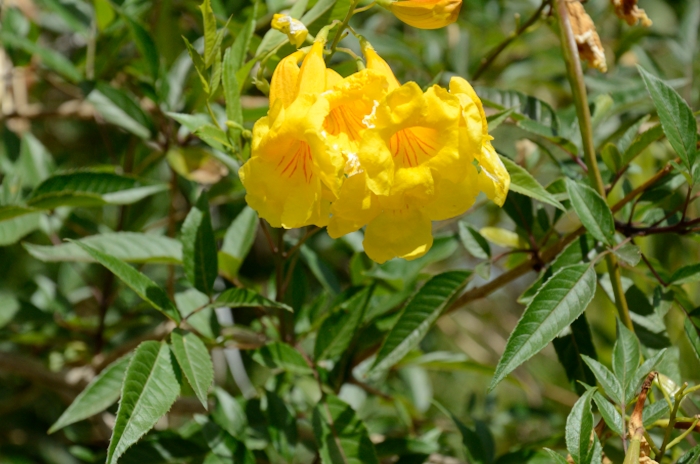
What a delightful place! We really enjoyed seeing  the beautiful flowers and weird plants that are beautiful in their own right. Beauty is in the eye of the beholder.

*
*