Birds of the Bible – Deuteronomy 14:16-18 V (WYC)

Sharp-tailed Sandpiper (Calidris acuminata) ©WikiC

“16 a falcon, and a swan, and a ciconia,
17 and a dipper, a porphyrio, and a rearmouse, a cormorant,
18 and a calidris, all in their kind; also a lapwing and a bat.” Deuteronomy 14:16-18 Wycliffe Bible (WYC)

As we conclude our investigation of the interesting interpretation of these three verses from Wycliffe’s Bible, another amazing critter is encountered. We have been looking at these verse in these recent blogs:

Normally, these verses would read something similar to this:

Deuteronomy 14:16-18 KJV
(16)  The little owl, and the great owl, and the swan,
(17)  And the pelican, and the gier eagle, and the cormorant,
(18)  And the stork, and the heron after her kind, and the lapwing, and the bat.

Or maybe the New American Standard’s Version:

Deuteronomy 14:16-18 NASB
(16) the little owl, the great owl, the white owl,
(17) the pelican, the carrion vulture, the cormorant,
(18) the stork, and the heron in their kinds, and the hoopoe and the bat.

Webster Dictionary 1913 says:

(1): (n.) A bare-legged person; — a contemptuous appellation formerly given to the Scotch Highlanders, in allusion to their bare legs.
(2): (n.) The fieldfare.
(3): (n.) A common Old World limicoline bird (Totanus calidris), having the legs and feet pale red. The spotted redshank (T. fuscus) is larger, and has orange-red legs. Called also redshanks, redleg, and clee.

If this older dictionary entry indicates this genus, then it would refer to the Redshank clan.
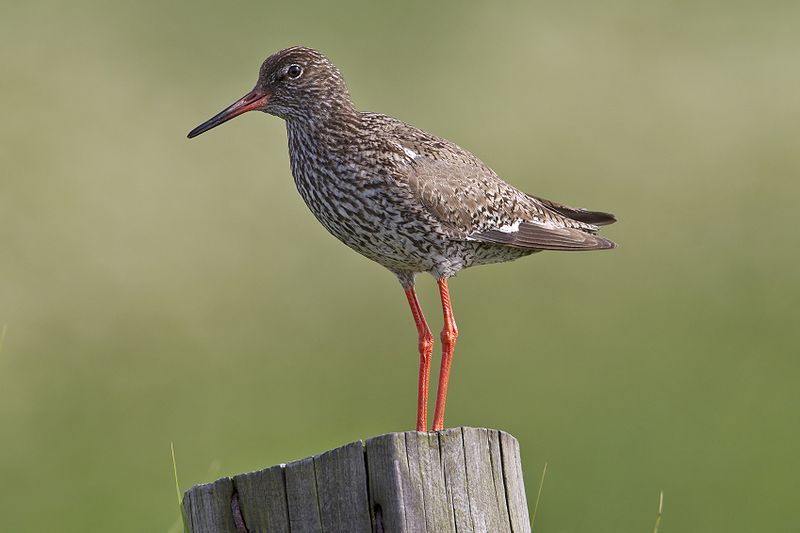
Common Redshank (Tringa totanus) ©WikiC

Common Redshank (Tringa totanus) ©WikiC

Or maybe the Stork would be referred to:
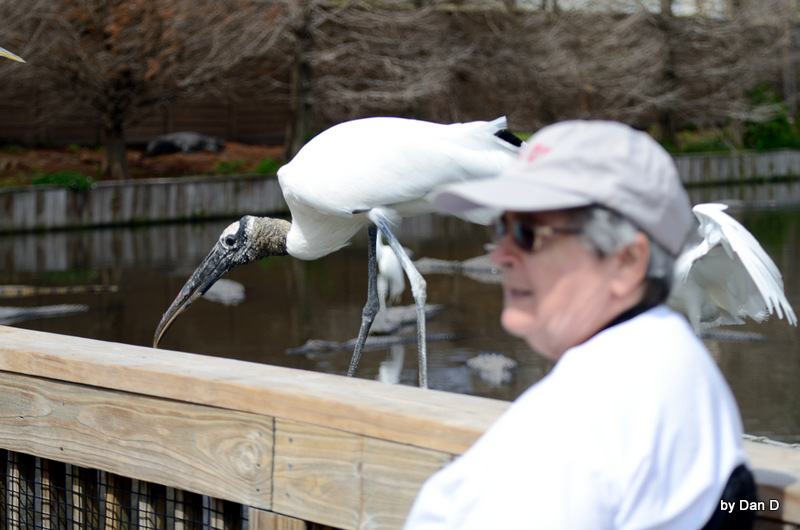
Wood Stork at Gatorland Walking Past Me

My personal opinion, would be that the stork is not the calidris. But my opinion does not matter, only what the Greek or Hebrew of the original languages means. In this case, I have no clue other than Do Not Eat them. Thanksgiving is next week, and there is no plan to have a stuffed Stork or one of the Redshanks or Calidis clan on the table.

Today, as Christians, we are not “forbidden” to eat any certain birds, BUT, there are some of the Lord’s Avian Wonders that shouldn’t be eaten. They could be very dangerous to our health. COMMON SENSE still makes great sense.

I trust you have found this investigation of the Wycliffe’s Version of these verses interesting and informative. It definitely had me scratching my head at times. It helped me dig into the Bible and the Bird families to try to find answers.

See the Calidris clan here: Calidris

Birds of the Bible

Gospel Message


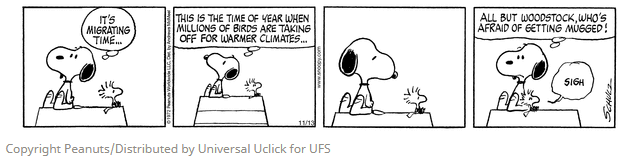
Woodstock’s Migration Fear

As most of you are aware, the northern birds in this hemisphere, prefer to head south, but there are a few exceptions.

Common Cranes in Israel. Many species of crane gather in large groups during migration and on their wintering grounds

There are many stories of how far they migrate, how many flock together to travel together, and many other amazing feats that the Lord’s Avian Wonders perform this time of the year.

But there are a few exceptions, Woodstock being one of them:

Snoopy and Woodstock - migration fear

Snoopy and Woodstock – migration fear

“He will bless them that fear the LORD, both small and great.” (Psalms 115:13 KJV)

I would have loved to have had my camera handy the other morning. I was walking to the breakfast table and noticed a huge black bird through my glass sliding doors. It appeared that he was swooping up and going to land on the roof corner of our patio/lanai. I mentioned to Dan that I thought I had just seen a cormorant try to land on the roof.

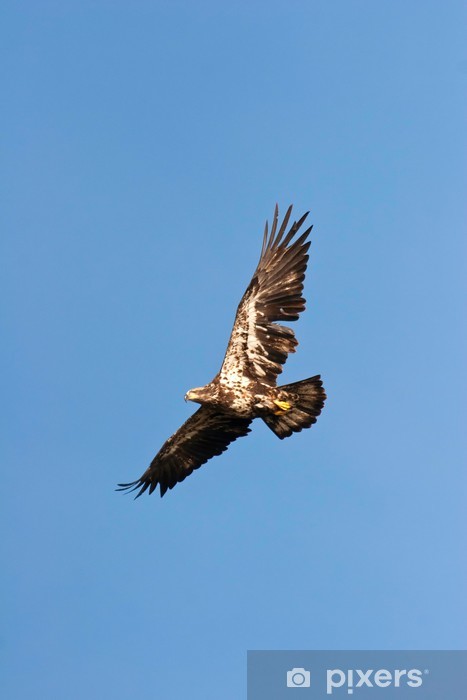
While seated for breakfast, here came the bird again. This time I realized what I was seeing. [No camera handy, of course] It was a huge, immature Bald Eagle being chased by a angry Boat-tailed Grackle. Wow! He swooped up again.

Wild Immature Bald Eagle in Flight

Wild Immature Bald Eagle in Flight ©Pixers

This is similar to what it looked like underneath, but, it was a whole lot closer!!

“For thus saith the LORD; Behold, he shall fly as an eagle, and shall spread his wings over Moab.” (Jeremiah 48:40 KJV)

This happened one more time and the last time he was just about 20 to 25 feet from where I was seated. When he flew up the last time I had a great view of his head and then all those feathers under his wings as they were fully stretched out. Double WOW!

I came to the conclusion, that this must have been the first time it had been mobbed. [Even though it was just one bird.] Maybe he felt Mugged as Woodstock was worrying about.

P.S. Dan knee surgery was Monday and he is progressing quite well. Has pain, but it gets less each day. Thanks for the continued prayer.

Birds of the Bible – Deuteronomy 14:16-18 IV (WYC)

Rearmouse (Vespertilio murinus) ©WikiC

Rearmouse or Parti-colored Bat (Vespertilio murinus) ©WikiC

“16 a falcon, and a swan, and a ciconia,
17 and a dipper, a porphyrio, and a rearmouse, a cormorant,
18 and a calidris, all in their kind; also a lapwing and a bat.” Deuteronomy 14:16-18 Wycliffe Bible (WYC)

As we continue our investigation of the interesting interpretation of these three verses from Wycliffe’s Bible, we find another amazing critter. We have been looking at these verse in these recent blogs:

Normally, these verses would read something similar to this:

Deuteronomy 14:16-18 KJV
(16)  The little owl, and the great owl, and the swan,
(17)  And the pelican, and the gier eagle, and the cormorant,
(18)  And the stork, and the heron after her kind, and the lapwing, and the bat.

Or maybe the New American Standard’s Version:

Deuteronomy 14:16-18 NASB
(16) the little owl, the great owl, the white owl,
(17) the pelican, the carrion vulture, the cormorant,
(18) the stork, and the heron in their kinds, and the hoopoe and the bat.

Notice that all three versions us the bat in verse 18, yet now we find in Wycliff’s verse 17 a rearmouse mentioned.

According to information from the internet, the rearmouse is an archaic word used for a type of bat.

Parti-colored Bat (Vespertilio murinus) ©Flickr Rudo Jurecek

Parti-colored Bat (Vespertilio murinus) ©Flickr Rudo Jurecek

The parti-coloured bat or rearmouse (Vespertilio murinus) is a species of vesper bat that lives in temperate Eurasia.

Their twittering call, similar to a bird’s call, are to be heard particularly in the autumn during the mating season. The parti-coloured bat has a body size of 4.8–6.4 centimetres (1.9–2.5 in) with a wingspan of 26–33 cm (10–13 in), and a weight of 11–24 grams (0.39–0.85 oz). Its name is derived from its fur, which has two colours. Its back (dorsal side) is red to dark-brown, with silver-white-frosted hair. The ventral side is white or grey. The ears, wings and face are black or dark brown. The wings are narrow. The ears are short, broad and roundish. The highest known age is 12 years.

The Websters 1913 addition has this about it:

Reremouse
(1):
(n.) The leather-winged bat (Vespertilio murinus).
(2):
(n.) A rearmouse.

Parti-coloured bat or Rearmouse Wikipedia

This version, Wycliffe’s Bible Version, was taken from Bible Gateways site.

The Bat has already been written about in these two articles:

Birds of the Bible

What is the Gospel?

Whoa!! From My Window

View Though Patio Door

When I showed the first From My Window, you could see this is just a neighborhood with a small retention pond behind our home. Well, the latest photo, taken by Dan, came as a surprise.

While I was finishing up my breakfast, I noticed, what I thought was a crumpled up paper on the other side of the bank. I kept watching as it “floated” toward our side of the pond. As it got closer, I mentioned to Dan that it looked like two eyes. I stopped eating and walked to the door so I could watch closer.

WHOA!!

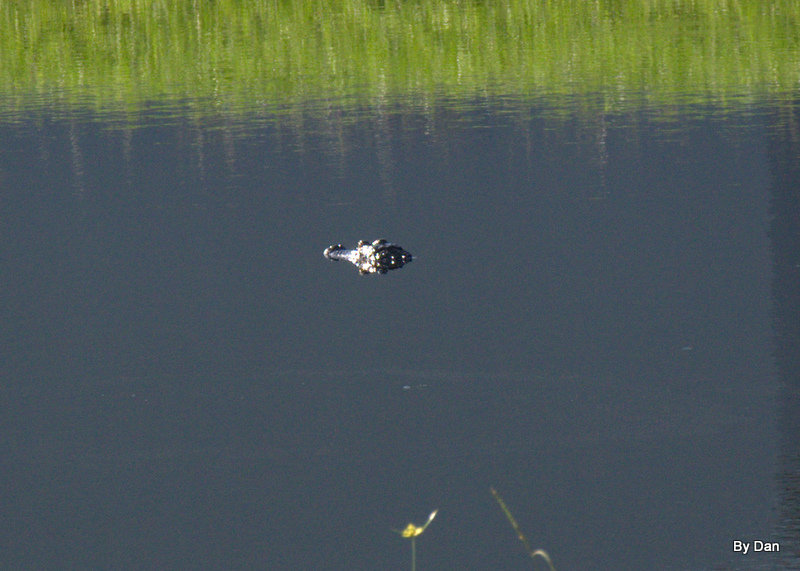
Finally, my suspicions were verified. A back popped up behind those eyes. AN ALLIGATOR!!!

Alligator in pond between the yards. By Dan

Dan’s camera was handy, but he didn’t have his zoom lens on. So this is the best we could do. Here is the photo after I cropped it.

Alligator in pond between the yards. Zoomed By Dan

Alligator in pond between the yards. Zoomed By Dan

It was not a very large one, maybe four or five feet long. Just a guess. I have been watching for it since Thursday, but so far haven’t seen it again.

We have noticed all the ducks that were around the pond have disappeared. They must have flown off to one of the other ponds in the neighborhood. Playing it safe. I doubt that the gator could have eaten all of them in one day. We saw the ducks on Wednesday.

I did watch an Anhinga swimming with just his head up today. Typical for the Anhingas, but he came out after a while without getting eaten. Plus, a Great Blue Heron safely fished along the bank today. So, maybe Mr. Beedie Eyes [as I have named him] has left.

Stay Tuned!!

“For all the law is fulfilled in one word, even in this: “YOU SHALL LOVE YOUR NEIGHBOR AS YOURSELF.” But if you bite and devour one another, beware lest you be consumed by one another!” (Galatians 5:14-15 NKJV)

“Then he said to them, “The LORD had better be with you when I let you and your little ones go! Beware, for evil is ahead of you.” (Exodus 10:10 NKJV)


Ian’s Bird of the Moment – Sunbittern

Ian’s Bird of the Moment – Sunbittern

by Ian Montgomery

I’ve recently returned from a three week trip to South America with Trish, a close, birding friend of mine from Townsville. Our main destination was the Pantanal in western Brazil, a wetland famous for birds and jaguars, where we spent two weeks. On the way back to Australia we had a five day stopover in Santiago, Chile, fortunately before the recent unrest started. The red marker on the map below indicates the city of Cuiabá in the Brazilian state of Mato Grosso. This is the usual gateway to the Pantanal and is serviced by regular, direct flights from São Paulo on the east coast.
brazil.jpg
The Pantanal floods an area of perhaps 150,000 square kilometres southwest of Cuiabá during the wet season, November to March, and then gradually drains south during the dry season via the Paraguay River. As it does so, the wildlife becomes increasingly concentrated in the remaining water, providing the best opportunities for viewing wildlife from about July until October. Road access is provided by the Transpantaneira, a 150 km gravel road which runs through the northern Pantanal from Poconé, 100km south of Cuiabá, to Porto Jofre as on the map below.
cuaiaba_porto_jofre.jpg
The Transpantaneira was planned as an overland route to Bolivia, but only got as far as the rather wide Rio São Laurenço at Porto Jofre. The road has about 150 bridges of variable quality. These are steadily being upgraded to cater for the tourist traffic but some of the remaining wooden bridges – the one below is one of the worst – aren’t for the faint-hearted. Rather than take an expensive guided tour, we made our own arrangements, renting an SUV in Cuiabá, booking accommodation at three wildlife lodges via the internet and acquiring a working knowledge of Brazilian Portuguese.
transpantaneira_6886-ps.jpg
Two of these lodges, or Pousadas in Portuguese, were in the northern part south of Poconé and were primarily birding lodges, while the third, the Jaguar Lodge, about 40 km north of Porto Jofre, provided opportunities for boat trips from Porto Jofre to view Jaguars in the area named the Parque Estadual Encontro das Aguas on the second map (“Meeting of the Waters State Park”).
sunbittern_203029-pp.jpg
Trish and I had overlapping priorities: top of her list was perhaps the Jaguar as some years ago she had done field work on Lions and Leopards in Africa; my list had about twelve species of birds selected on various criteria including beauty, strangeness and taxonomic uniqueness. Right at the top of my list was the Sunbittern which qualified on all criteria. I’ll say a bit more about its taxonomy later but it first attracted my attention in 2015 when I found out that the only (and rather distant) relative of the Kagu of New Caledonia is the Central and South American Sunbittern.
sunbittern_203368-pp.jpg
Our first lodge was the Pousada Rio Claro, named after the river on which it was situated. The lodge offered two-hour boat trips on the river and for a relatively modest extra fee, private boat trips were available so we did two of those. We had the same boatman on both but it wasn’t until the second one that we managed to convince him that our main target was the Sunbittern. After one and a half hours of diligent searching in riverside vegetation, sharp-eyed Trish spotted one (first photo) hunting for food in a dense and gloomy swamp beside the river and our skilful boatman managed to approach it silently so that I could get photos. Missão comprida, as they say in Portuguese.
sunbittern_206468-pp.jpg
Later that day, we went for a drive along the Pantaneira and stopped at a muddy pond beside the road to see what was around. To our great surprise, a Sunbittern wandered out of the surrounding vegetation in full sunlight (second photo), proving once again that difficult to find birds have a habit of appearing readily once the spell has been broken by seeing the first.  In size, 43-48 cm/17-19 in long, they were smaller and more delicate-looking than I’d expected. Their intricately patterned plumage is very beautiful and wonderfully cryptic. The vertical bars on the body and the horizontal lines on the head break up its outline in a remarkable way both in the shade of the forest and in bright sunlight.
sunbittern_206483-pp.jpg
They feed on a variety of aquatic prey, both vertebrate and invertebrate. Their technique is stealth (third photo) followed by a lighting strike (fourth photo) which is wonderful to watch.
sunbittern_205409-pp.jpg
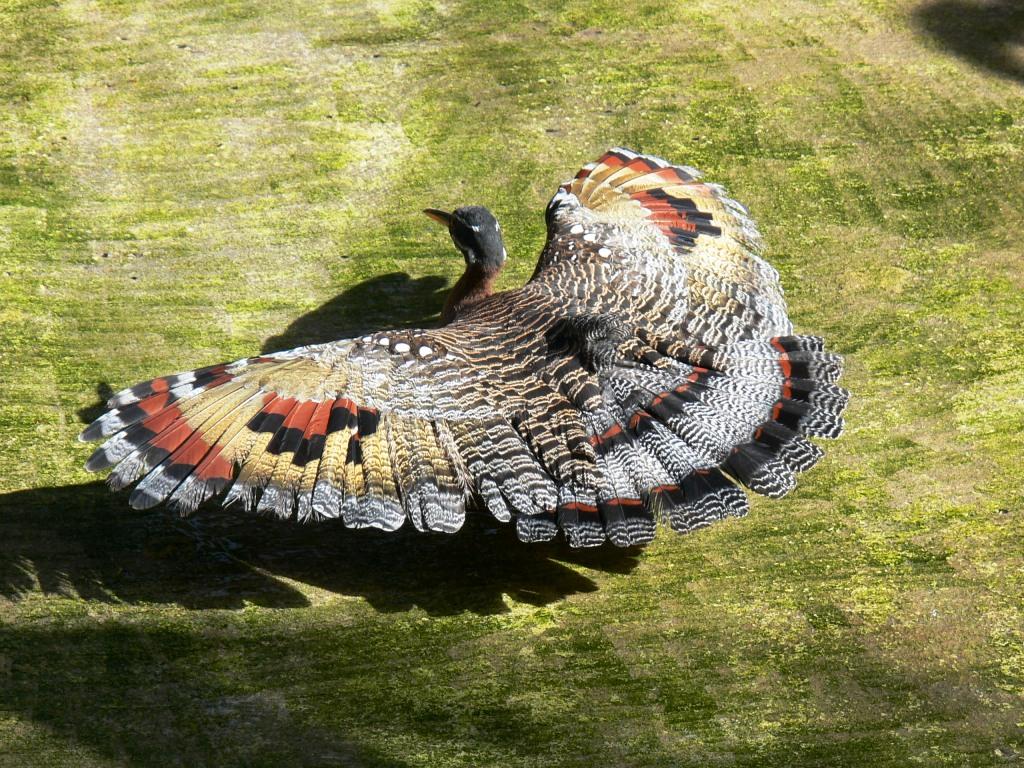
The Sunbittern normally appears cryptic but when it spreads its wings, in flight or in display, it reveals the spectacular pattern on the flight feathers that gives it its name. These are like huge eyes – similar to the wings of some butterflies – and are used both as threat display and in courtship. We found that Sunbitterns are reluctant to fly and when disturbed tend to walk away and hide in dense vegetation. The fifth photo shows one in flight and provides a glimpse of the wings, but it wasn’t until towards the end of our stay in the Pantanal that I managed to get a photo of one spreading its wing in preparation for flight (sixth photo).
sunbittern_206435-pp.jpg
The classification of the Sunbittern has historically been a headache for taxonomists. Morphologically, it bears some resemblance to herons and rails (which aren’t related to each other) and has traditionally been placed in the order Gruiformes which includes the Cranes, Rails and Bustards. Recent studies (e.g. Hackett et al. 2008) which combine the fields of evolution and genomics (the study of  genes) have found that the Sunbittern and the Kagu (below) belong to the same ancient lineage which arose during the same epoch as the other major groups of birds. Consequently, a new order has been created, the Eurypygiformes, containing two families each with a single species, the Eurypgidae (Sunbittern) and the Rhynochetidae (the Kagu). The two species don’t look very similar, but the Kagu also has a banded pattern on the wings used in display.
kagu_166992.jpg
Unlike the flightless, endangered Kagu, endemic to New Caledonia, the Sunbittern is widespread through Central and South America from Guatemala to Bolivia and Brazil in suitable habitats combining forest and water. The Pantanal, incidentally, is near the southern end of its distribution. How one species ended up in New Caledonia and the other in the Americas is an interesting problem for biogeographers.
Greetings
Ian

Ian’s Birds of the “Moment” always surprise me. When he wrote all the Birds of the Week posts, he was very regular. Now?? Whenever the “moment” arrives, I am delighted. So, here is his latest. The Sunbittern is also a favorite of ours. Especially, when the one at Lowry Park Zoo (Zoo Tampa now) opened its wings up for a good view.

Sunbittern (Eurypyga helias) by Lee at Lowry Park Zoo

Sunbittern (Eurypyga helias) by Lee at Lowry Park Zoo

Splendor and majesty are before Him, Strength and beauty are in His sanctuary.| (Psalms 96:6 NASB)

“How will they preach unless they are sent? Just as it is written, “HOW BEAUTIFUL ARE THE FEET OF THOSE WHO BRING GOOD NEWS OF GOOD THINGS!” (Romans 10:15 NASB)

More of Ian’s Birds of the Week, Moment

Good News

Tickle Me Tuesday – Owls With A Message

My eyes are awake through the night watches, That I may meditate on Your word.” (Psalms 119:148 NKJV)
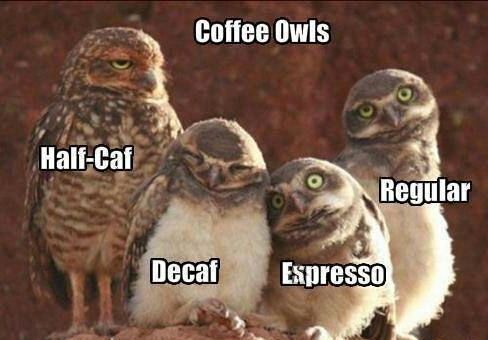
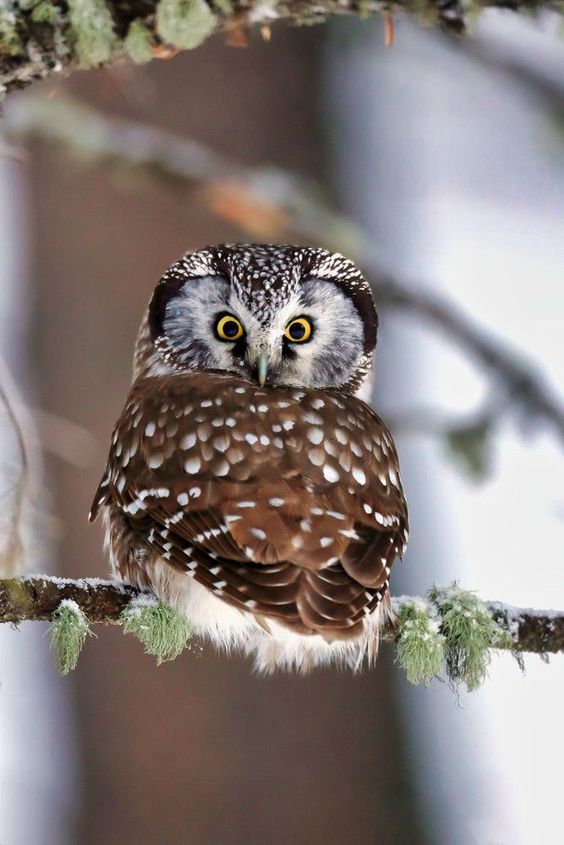
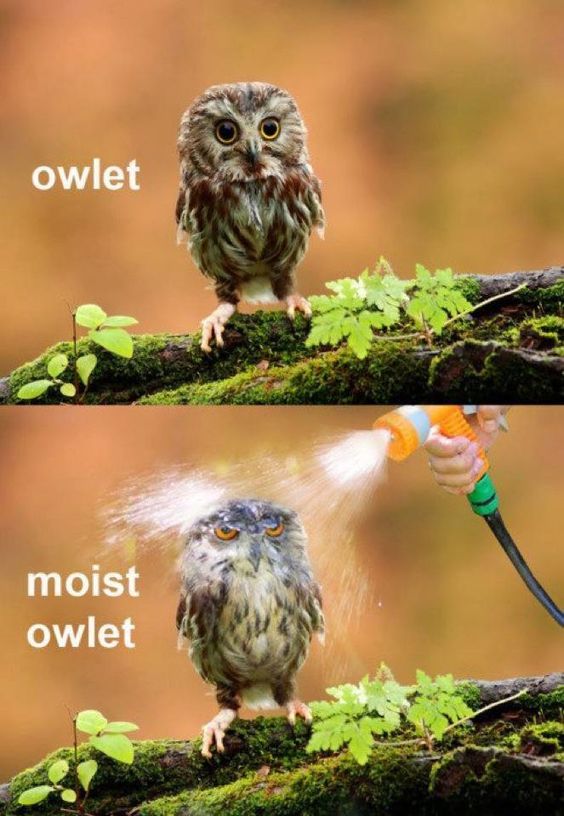
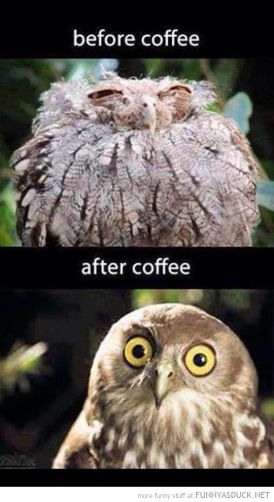
Most of us don’t need coffee to open our eyes, but some do. Owls would not need to worry about being awake during the night watches, because that is when they are most active.

Just thought you might enjoy a few “tickles” from the Owl family members.

Coffee Owls ©Pinterest

Try This – Boreal Owl ©Robbie George Photos

“At the noise of the stamping hooves of his strong horses, At the rushing of his chariots, At the rumbling of his wheels, The fathers will not look back for their children, Lacking courage,” (Jeremiah 47:3 NKJV)

Moist Owlet ©Pinterest

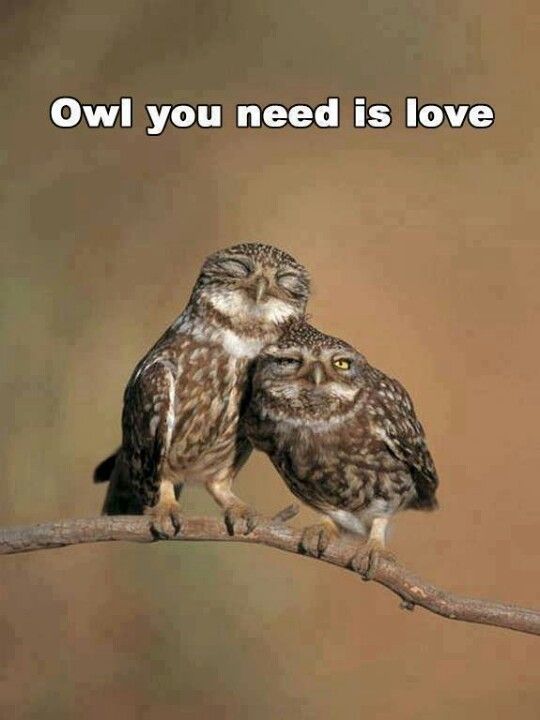
Owl You Need Is Love ©Pinterest

“But concerning brotherly love you have no need that I should write to you, for you yourselves are taught by God to love one another;” (1 Thessalonians 4:9 NKJV)

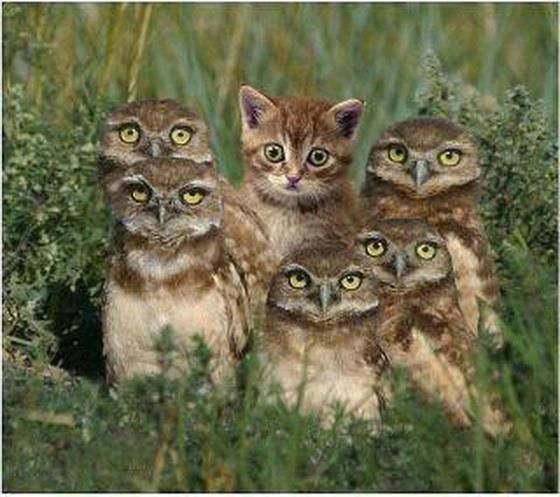
Owls and a Kitten ©Pinterest

Do not be deceived: “Bad company corrupts good morals.” (1 Corinthians 15:33 NASB)

Birds of the Bible – Deuteronomy 14:16-18 III (WYC)

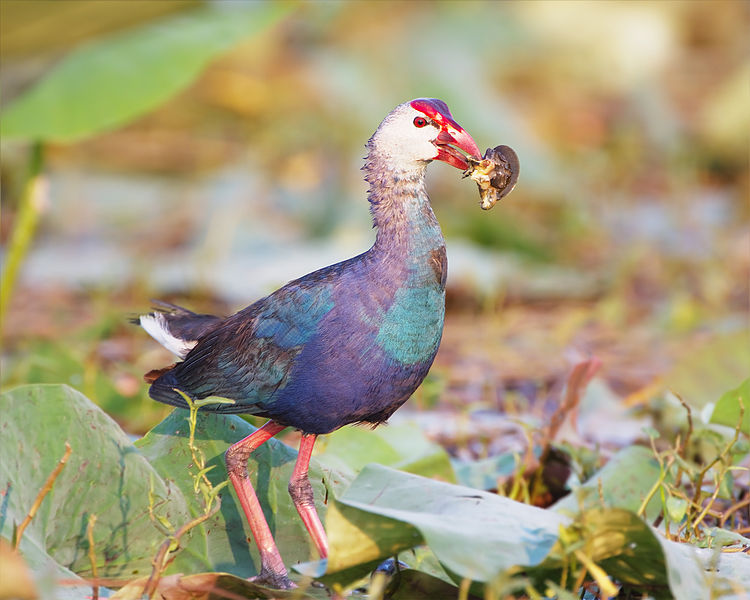
Framed Purple Gallinule by Dan

Purple Gallinule (Porphyrio martinica) by Dan

“16 a falcon, and a swan, and a ciconia,
17 and a dipper, a porphyrio, and a rearmouse, a cormorant,
18 and a calidris, all in their kind; also a lapwing and a bat.” Deuteronomy 14:16-18 Wycliffe Bible (WYC)

Now here is an interesting interpretation of these 3 verses. We are going to look at these verse in a few blogs. Normally, these verses would read something similar to this:

Deuteronomy 14:16-18 KJV
(16)  The little owl, and the great owl, and the swan,
(17)  And the pelican, and the gier eagle, and the cormorant,
(18)  And the stork, and the heron after her kind, and the lapwing, and the bat.

Purple Swamphen (Porphyrio porphyrio) ©WikiC

Purple Swamphen (Porphyrio porphyrio) ©WikiC

or like this:

Deuteronomy 14:16-18 NKJV
(16)  the little owl, the screech owl, the white owl,
(17)  the jackdaw, the carrion vulture, the fisher owl,
(18)  the stork, the heron after its kind, and the hoopoe and the bat.

Purple Swamphen (Porphyrio porphyrio) by Bob-Nan

Or maybe the New American Standard’s Version:

Deuteronomy 14:16-18 NASB
(16) the little owl, the great owl, the white owl,
(17) the pelican, the carrion vulture, the cormorant,
(18) the stork, and the heron in their kinds, and the hoopoe and the bat.

Purple Swamphen (Porphyrio porphyrio) ©WikiC parent and chick

In the first post about the Wycliffe translation, the Dipper was mentioned. Part II was about the Circonia or Stork. Now, let’s look at the third bird – Part III in these verses from the Wycliffe’s

“The Porphyrio is the swamphen or swamp hen bird genus in the rail family. It includes some smaller species which are usually called “purple gallinules”, and which are sometimes separated as genus Porphyrula or united with the gallinules proper (or “moorhens”) in Gallinula. The Porphyrio gallinules are distributed in the warmer regions of the world.”

“The genus Porphyrio was introduced by the French zoologist Mathurin Jacques Brisson in 1760 with the western swamphen (Porphyrio porphyrio) as the type species. The genus name Porphyrio is the Latin name for “swamphen”, meaning “purple”.

Another point about this name Porphyrio that the name used for the Order and the Family use a similar name:

Check out a previous article in more depth about these birds: Name Study of the Swamphen or Waterhen

This version, Wycliffe, was taken from Bible Gateways site.

Birds of the Bible

Wordless Birds

Bible Birds – Pelican Introduction

American White Pelican (Pelecanus erythrorhynchos) by AestheticPhotos

American White Pelican (Pelecanus erythrorhynchos) by AestheticPhotos

“And the swan, and the pelican, and the gier eagle,” (Leviticus 11:18 KJV)

Bible Birds – Pelican Introduction

The Pelican is mentioned in three verses in the Bible (KJV). In Leviticus 11:18 and in Deuteronomy 14:17, the Pelican is listed as one of the “Do Not Eat” birds. The Jewish people, from God’s chosen people, were given a list of birds that they were not to eat. [My “Do Not Eat” birds]

In Psalms 102:6, it mentions the Pelican in the wilderness. That will be mentioned in a later article.

Pelicans are huge birds that are larger than swans and have a remarkably enormous bill. The lower part of the bill is like a large pouch or bag that can expand to hold quarts of water. The pelican places the fish they catch in this lower part of the bill.

Brown Pelican with fish and Laughing Gull

Brown Pelican with fish in pouch and a Laughing Gull

The White Pelican was recording holding three gallons of water in that pouch. Wow! They belong to the Pelecanidae family which is in the Pelecaniformes Order. There are eight species of Pelicans:

Mature Brown Pelican by Dan at MacDill

Mature Brown Pelican by Dan at MacDill AFB

Great White Pelican, Pink-backed Pelican, Spot-billed Pelican, Dalmatian Pelican, Australian Pelican, American White Pelican, Brown Pelican, and the Peruvian Pelican.

The Kingbird – McGuffey’s 2nd Grade Reader

Grey Kingbird (Tyrannus dominicensis) by Lee at Honeymoon Is SP

McGuffey Readers were a series of graded primers for grade levels 1-6. They were widely used as textbooks in American schools from the mid-19th century to the mid-20th century, and are still used today in some private schools and in homeschooling. [Posting these for young readers to enjoy and practice reading while school is out.]

Here is a story of Kingbird from the Second Grade Reader. (From Gutenberg)

McGuffey Reader Set ©WikiC

LESSON XVIII.

New Words:

ber’ries strikes rob’in ea’gle short king rid

foe dart fails sharp hawk worms ac’tive

Eastern Kingbird (Tyrannus tyrannus) by Margaret Sloan

THE KINGBIRD.

1. The kingbird is not bigger than a robin.

2. He eats flies, and worms, and bugs, and berries.

3. He builds his nest in a tree, near some house.

4. When there are young ones in the nest, he sits on the top of a tree near them.

5. He watches to see that no bird comes to hurt them or their mother.

6. If a hawk, a crow, or even an eagle comes near, he makes a dash at it.

7. Though he is so small, he is brave, and he is also very active.

8. He never fails to drive off other birds from his nest.

9. He flies around and around the eagle, and suddenly strikes him with his sharp bill.

10. He strikes at his eye, and then darts away before the eagle can catch him.

11. Or he strikes from behind, and is off again before the eagle can turn round.

12. In a short time, the great eagle is tired of such hard blows, and flies away. He is very glad to get rid of his foe.

13. Is not the little fellow a brave bird?

14. Because he can drive off all other birds, he is called the KINGBIRD.

“Watch, stand fast in the faith, be brave, be strong.” (1 Corinthians 16:13 NKJV)

***


Title: McGuffey’s Second Grade Reader – Gutenberg – Author: William Holmes McGuffey

Release Date: June 29, 2005 [EBook #14668] – Language: English

Wordless Birds

More McGuffey’s Second Grade Reader Stories

The Owl – McGuffey’s 2nd Grade Reader

Western Screech Owl (Megascops kennicottii)(captive) by Raymond Barlow

Western Screech Owl (Megascops kennicottii)(captive) by Raymond Barlow

McGuffey Readers were a series of graded primers for grade levels 1-6. They were widely used as textbooks in American schools from the mid-19th century to the mid-20th century, and are still used today in some private schools and in homeschooling.

LESSON LII.

oak dusk fight squeak ruf’fled

bag Fred whoo a wake’ creep’ing

THE OWL.

1. “Where did you get that owl, Harry?”

2. “Fred and I found him in the old, hollow oak.”

3. “How did you know he was there?”

4. “I’ll tell you. Fred and I were playing ‘hide and seek’ round the old barn, one night just at dusk.

5. “I was just creeping round the corner, when I heard a loud squeak, and a big bird flew up with something in his claws.

6. “I called Fred, and we watched him as he flew to the woods. Fred thought the bird was an owl, and that he had a nest in the old oak.

Barn Owls (Family Tytonidae) with catch ©Pixelbirds

7. “The next day we went to look for him, and, sure enough, he was there.”

8. “But how did you catch him? I should think he could fight like a good fellow with that sharp bill.”

9. “He can when he is wide awake; but owls can’t see very well in the daytime, and he was taking a nap.

Northern Barred Owl (Strix varia) LPZ by Dan 2014

Northern Barred Owl (Strix varia) LPZ by Dan 2014

10. “He opened his great eyes, and ruffled up his feathers, and said, “Whoo! Whoo!’ ‘Never mind who,’ Fred said, and slipped him into a bag.”

Eurasian Eagle-Owl (Bubo bubo) by Nikhil Devasar

Eurasian Eagle-Owl (Bubo bubo) by Nikhil Devasar

May kinds of owls are mentioned in the Bible. Most of them are listed as birds to not eat.

“… the short-eared owl, ;… the little owl, the fisher owl, and the screech owl; the white owl,… (Leviticus 11:16-18 NKJV)
McGuffey’s Reader for 2nd Grade:

ABC’s of the Gospel

More McGuffey’s Second Grade Reader Stories

What A Bird Taught – McGuffey’s 2nd Grade Reader

MacGillivray's Warbler

[Illustration: Bird perched on tree branch.] MacGillivray’s Warbler

LESSON XI.

twit-twee bough (bow) twit-twit top’most lock

spray mate close’ly ros’y an’swer (an’ser)

WHAT A BIRD TAUGHT.

1. Why do you come to my apple tree,
Little bird so gray?
Twit-twit, twit-twit, twit-twit-twee!
That was all he would say.

2. Why do you lock your rosy feet
So closely round the spray?
Twit-twit, twit-twit, twit-tweet!
That was all he would say.

3. Why on the topmost bough do you get,
Little bird so gray?
Twit-twit-twee! twit-twit-twit!
That was all he would say.

4. Where is your mate? come, answer me,
Little bird so gray.
Twit-twit-twit! twit-twit-twee!
That was all he would say.
Alice Cary.

***


Title: McGuffey’s Second Grade Reader – Gutenberg – Author: William Holmes McGuffey

Release Date: June 29, 2005 [EBook #14668] – Language: English

“And whoso shall receive one such little child in my name receiveth me.” (Matthew 18:5 KJV)

Wordless Birds

More McGuffey’s Second Grade Reader Stories

Birds of the Bible – Deuteronomy 14:16-18 II (WYC)

Storm's Stork (Ciconia stormi) ©©SanDiegoShooter

Storm’s Stork (Ciconia stormi) ©©SanDiegoShooter

“16 a falcon, and a swan, and a ciconia,
17 and a dipper, a porphyrio, and a rearmouse, a cormorant,
18 and a calidris, all in their kind; also a lapwing and a bat.” Deuteronomy 14:16-18 Wycliffe Bible (WYC)

Now here is an interesting interpretation of these 3 verses. We are going to look at these verse in a few blogs. Normally, these verses would read something similar to this:

Deuteronomy 14:16-18 KJV
(16)  The little owl, and the great owl, and the swan,
(17)  And the pelican, and the gier eagle, and the cormorant,
(18)  And the stork, and the heron after her kind, and the lapwing, and the bat.

or like this:

Deuteronomy 14:16-18 NKJV
(16)  the little owl, the screech owl, the white owl,
(17)  the jackdaw, the carrion vulture, the fisher owl,
(18)  the stork, the heron after its kind, and the hoopoe and the bat.

Or maybe the New American Standard’s Version:

Deuteronomy 14:16-18 NASB
(16) the little owl, the great owl, the white owl,
(17) the pelican, the carrion vulture, the cormorant,
(18) the stork, and the heron in their kinds, and the hoopoe and the bat.

In the first post about the Wycliff translation, the Dipper was mentioned.

Since names change sometimes in translations, our new one seems to be a bit strange. This is not as hard to figure out. Ciconia is the Latin name used to for a genus of Storks.  See Wikipedia. One of the differences here is that it shows up in verse 16 and not in verse 18 as these mentioned. Whatever, it is still a kind of bird that was not to be eaten. It (Circonia) is used today for these Storks:

Wet Abdin’s Ibis at Jacksonville Zoo by Dan

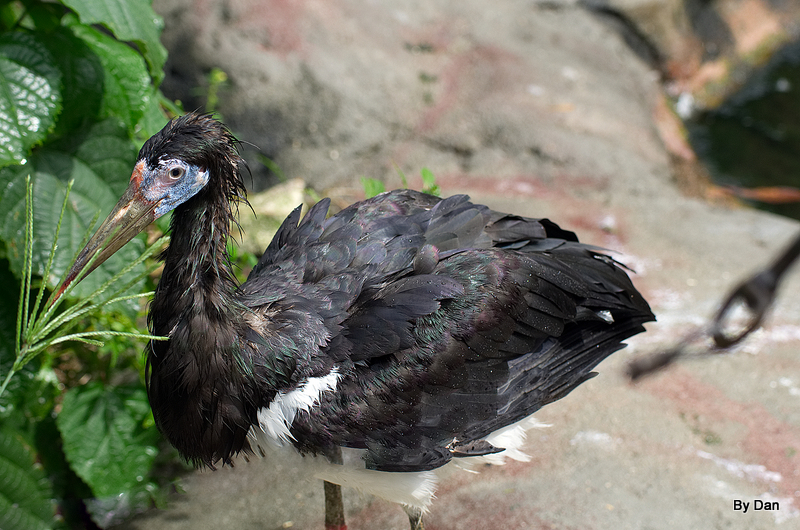
Abdim’s Stork (Ciconia abdimii)

Woolly-necked Stork

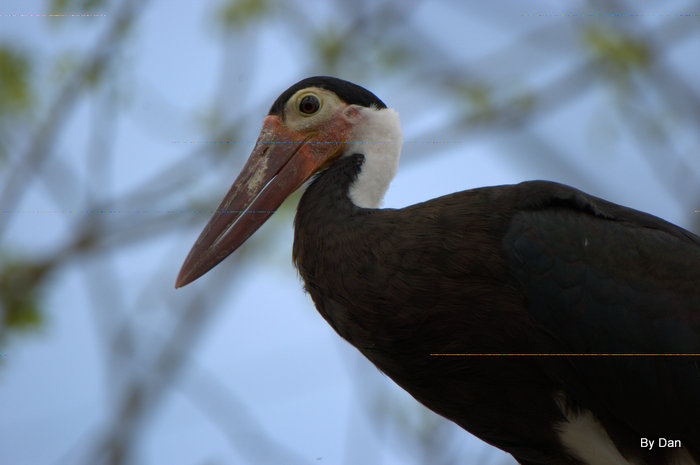
Woolly-necked stork (Ciconia episcopus)

Storm’s Stork (Ciconia stormi) by Dan at Zoo Miami

Storm’s Stork (Ciconia stormi)

Maguari Stork (Ciconia maguari) ©©ClaudioTimm

Maguari Stork (Ciconia maguari) ©©ClaudioTimm

Maguari Stork (Ciconia maguari)

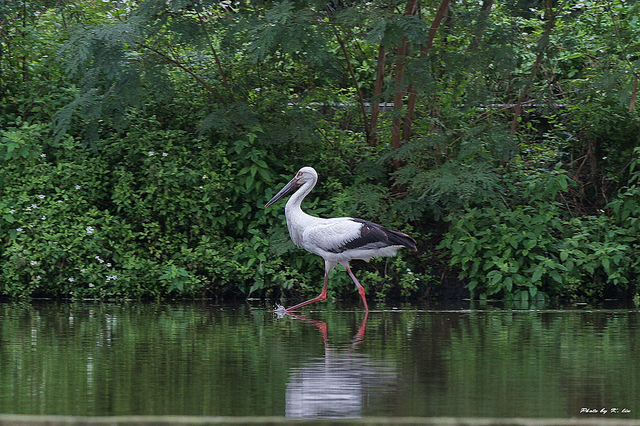
Oriental Stork (Ciconia boyciana) ©©Hiyashi Haka

Oriental Stork (Ciconia boyciana) ©©Hiyashi Haka

Oriental Stork (Ciconia bouciana)

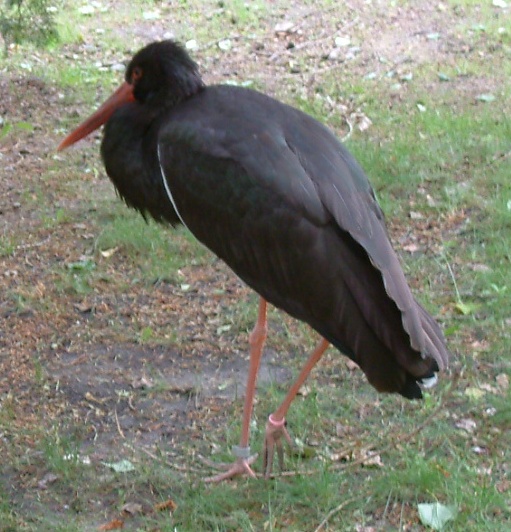
Black Stork (Ciconia nigra) ©WikiC

Black Stork (Ciconia nigra) ©WikiC

Black Stork (Ciconia nigra)

Another point about this name Ciconia is that the name used for the Order and the Family use a similar name:

Maybe, the Ciconia could be referring to the whole Order of Storks. See Birds of the Bible – Storks or Wikipedia Storks. I believe that is what most of the translations is indicating.

This version, Wycliffe, was taken from Bible Gateways site.

Birds of the Bible

Wordless Birds