***
WISDOM
***
If any of you lacks wisdom, let him ask of God, who gives to all liberally and without reproach, and it will be given to him. (James 1:5 NKJV)
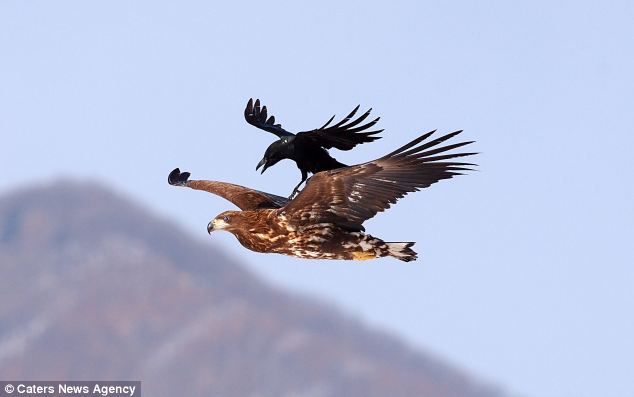
Crow on Eagle’s Back ©©
*
*
If any of you lacks wisdom, let him ask of God, who gives to all liberally and without reproach, and it will be given to him. (James 1:5 NKJV)
Crow on Eagle’s Back ©©
*
*
Get wisdom! Get understanding! Do not forget, nor turn away from the words of my mouth. (Proverbs 4:5 NKJV)
Wisdom is the principal thing; therefore get wisdom: and with all thy getting get understanding. (Proverbs 4:7 KJV)
How much better is it to get wisdom than gold! and to get understanding rather to be chosen than silver! (Proverbs 16:16 KJV)
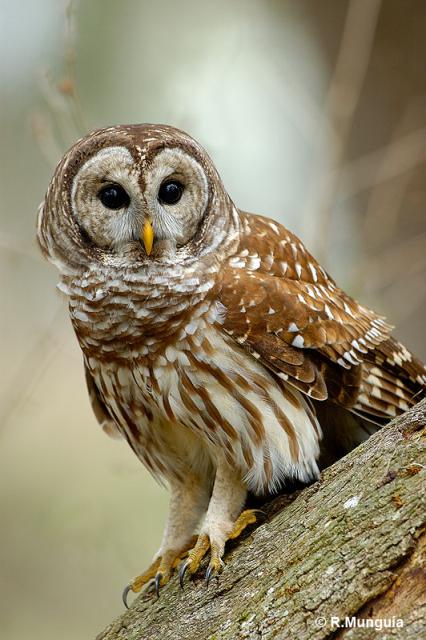
Northern Barred Owl (Strix varia) Reinier Munguia
*
*
A prudent man conceals knowledge, But the heart of fools proclaims foolishness. (Proverbs 12:23 NKJV)
Here are two more photos from Gatorland, FL:
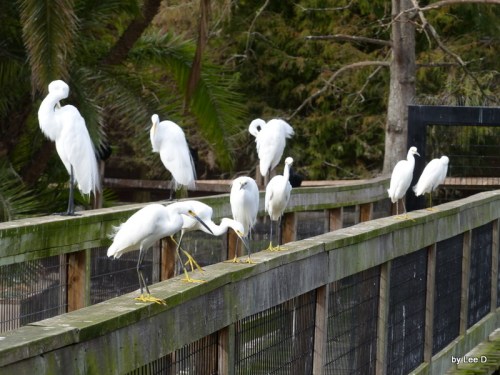
Smart Snowy Egrets
Dumb Great Blue Heron
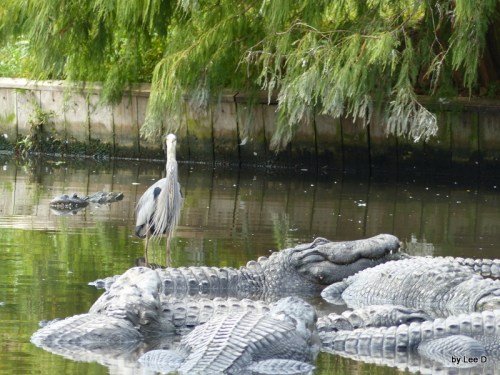
Dumb Great Blue Heron standing on Gator’s Back
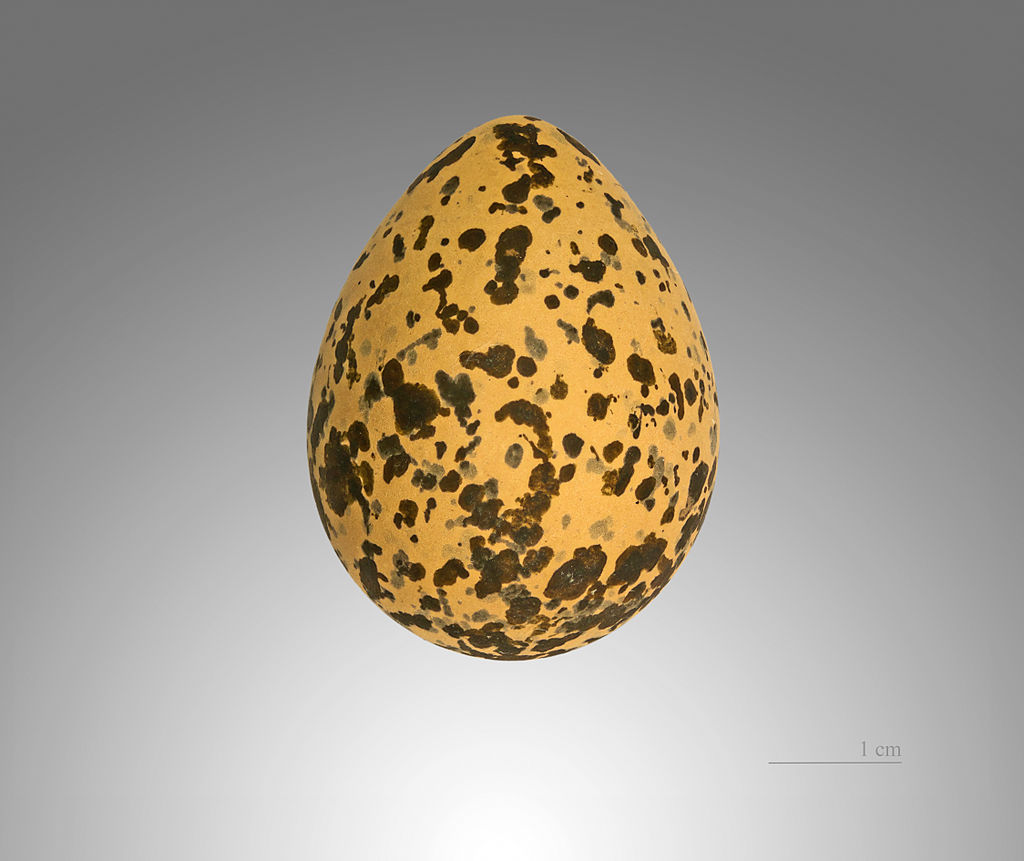
Spur-winged Lapwing (Vanellus spinosus) Egg ©Wiki
BIRDS EGG EVOLUTION
“Which leaveth her eggs in the earth, and warmeth them in dust, and forgetteth that the foot may crush them, or that the wild beast may break them.” (Job 39:14-15)
The creation is literally filled with millions of what those who believe in evolution call “happy coincidences.” But when you encounter millions of instances of what appears to be thoughtful design, the obvious conclusion is that there is a Designer. Take the example of bird eggs.
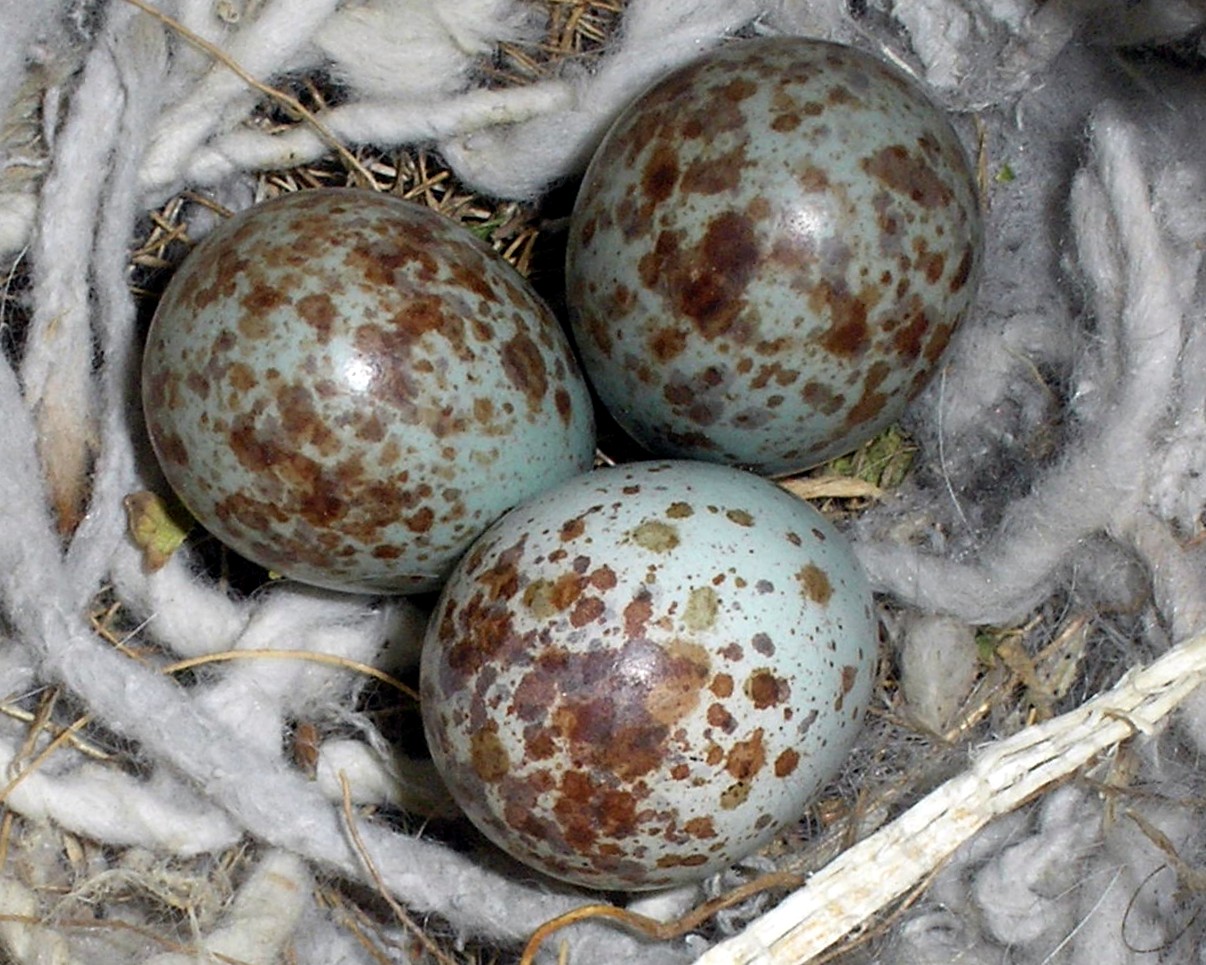
Northern Mockingbird (Mimus polyglottos) eggs ©WikiC
The shape of the egg makes it strong. This strength comes in handy in a busy nest. Mom and dad are coming and going, and they turn the eggs periodically during incubation. But all eggs are not equally egg shaped, and there is a pattern to their shapes. Birds like robins that build a nice, dish shaped nest tend to lay eggs that are more round in shape. Screech owls, which lay their eggs at the bottom of a hole in a tree, also have round shaped eggs. Birds like the killdeer barely build any kind of nest and lay eggs on the ground where almost-round eggs could roll away. For this reason, birds such as a kildeer lay much more sharply pointed eggs which are designed to pivot on their small end. Likewise, eggs that are laid where predators are not likely to see them are usually pale or solid in color, but eggs laid out in the open are camouflaged. Moreover, baby birds that hatch in protected nests, like the bluebird, tend to be naked, blind and helpless. But the unprotected killdeer hatchlings are ready to leave the nest within minutes of hatching.
All coincidences? It seems more scientific to say that here we have a few of the many fingerprints of our wise Creator!
Prayer:
I praise You, Father, for how Your glory is reflected in the creation. Amen.
Notes:
Jim Williams, “Bird basics: egg size, color and shape”, Star Tribune, 7/29/99, p. 8. Illustration: Long elliptical egg of a loon. (PD)
©Creation Moments, 2015 (Used with permission)
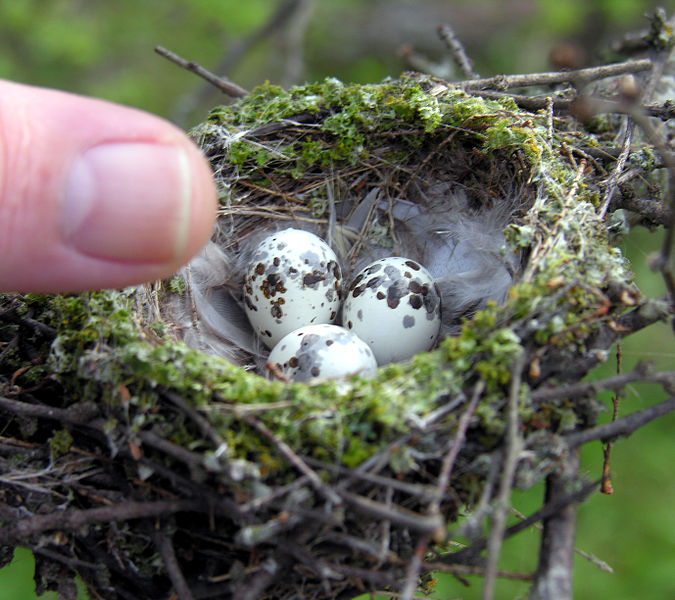
Vermilion Flycatcher (Pyrocephalus rubinus) Eggs ©WikiC
Lee’s Addition:
So teach us to number our days, that we may apply our hearts unto wisdom. (Psalms 90:12 KJV)
O LORD, how manifold are thy works! in wisdom hast thou made them all: the earth is full of thy riches. (Psalms 104:24 KJV)
Another reminder of how great and wise our Creator is.
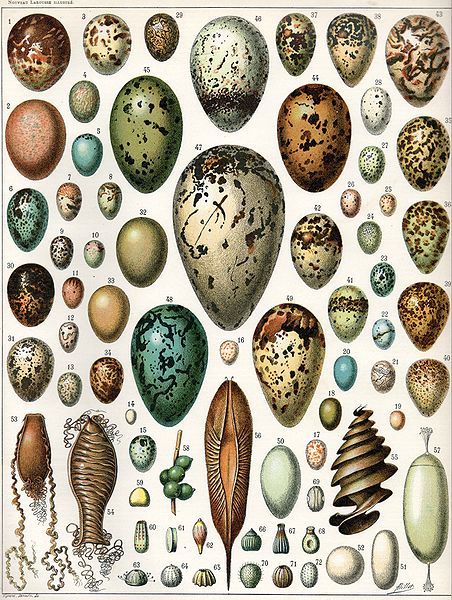
Different Eggs- Birds and Others – from Wikipedia
Incredible Chicken Egg
Birds of the Bible – Bird Egg Facts
Formed By Him – Bird Eggs
*
Received this in an email. (From an older friend) The birds and sayings are thought-provoking.
Cast me not off in the time of old age; forsake me not when my strength faileth. (Psalms 71:9 KJV)
Who teacheth us more than the beasts of the earth, and maketh us wiser than the fowls of heaven? (Job 35:11 KJV)
Lead me in thy truth, and teach me: for thou art the God of my salvation; on thee do I wait all the day. (Psalms 25:5 KJV)
I will instruct thee and teach thee in the way which thou shalt go: I will guide thee with mine eye. (Psalms 32:8 KJV)
*
*
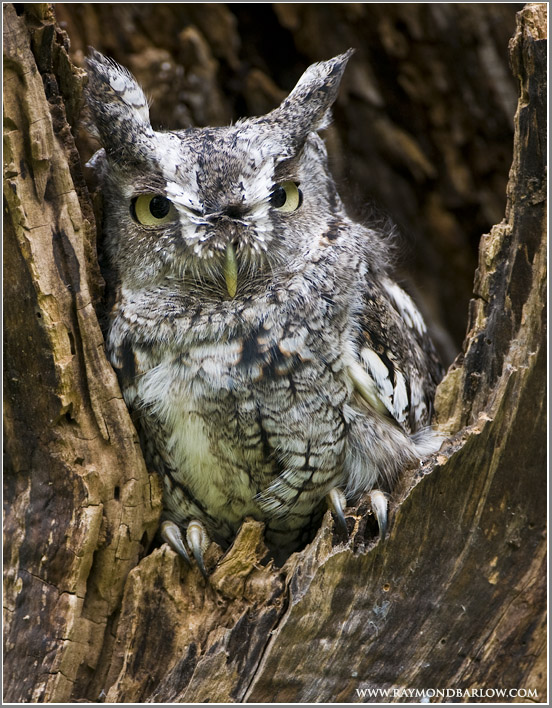
Western Screech Owl (Megascops kennicottii)(captive) by Raymond Barlow
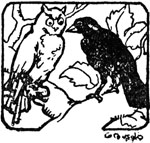
“I’m ready now,” said Dr. Raven.
Evelyn had been eating a great deal of candy—so much that it had given her a very bad toothache—and when daddy came home he found her curled up on the bed looking very mournful. Jack had been trying to comfort her, but he hadn’t been able to help much. So when he heard daddy’s step he called, “Come along, daddy, and tell a story especially for Evelyn to make her forget about her toothache.”
“That is too bad,” said daddy. “I’m sorry my little girl has a toothache. I’ll see if I can’t tell a good story so you’ll feel better and will be able to sleep and have pleasant dreams. I think I’ll tell you about old Mr. Owl, for he had the most terrible toothache one time. He had been eating a great many sugar-plums and lots of candy, and before he knew it one of his teeth was aching so hard he could hardly stand it. ‘Oh, dear,’ he moaned; ‘my tooth, my poor tooth! Whatever will I do?’
“It ached so badly for several days that he decided at last he’d go to the dentist. Dr. Raven was considered the very best dentist. So off went Mr. Owl to his office in the pine tree. When he arrived there he saw Dr. Raven busily fixing Mrs. Crow’s teeth. She was leaning back on a stump of wood which Dr. Raven used as his dental chair. She had a rubber band over her mouth and looked very miserable. It quite frightened Mr. Owl, but he tried to be brave and sat down, put on his spectacles and began to read one of Dr. Raven’s magazines. In a few moments Mrs. Crow got out of the chair, and Dr. Raven said, ‘I’m ready for you now, Mr. Owl.’ So Mr. Owl took off his spectacles, got into Dr. Raven’s chair and leaned his head back. ‘Open wide,’ said Dr. Raven. Mr. Owl opened his mouth as wide as he could, and Dr. Raven looked inside. First he looked over his upper teeth, then over his lower teeth, and finally he began to poke at one back tooth with such energy that Mr. Owl screamed, ‘That’s my sore tooth, and you’re hurting it terribly!

Northern Raven (Corvus corax) by Raymond Barlow
“‘Yes,’ said Dr. Raven; ‘the tooth is a wisdom tooth, and it is much inflamed, so I’ll take it out right away.’ He reached for his pinchers, but Mr. Owl said: ‘If you take out my wisdom tooth I’ll lose my wisdom, and I’m known all over the world for my wisdom. I simply won’t have it.’
“And before Dr. Raven had a chance to speak Mr. Owl had jumped out of the chair and flown off. When he got home his tooth still hurt, but the next morning it felt much better, and the next day it was all well. ‘I know what all the trouble was,’ said Mr. Owl. ‘I ate too much candy. I’ll never eat too much again, for I cannot lose any of my wisdom teeth when I’m known as the wisest bird.'”
“Daddy,” said Jack, “your story would be a very good one, only owls don’t have teeth.” Daddy smiled, and as the children laughingly went to bed, Evelyn said her toothache had gone.
Lee’s Addition:
The fear of the LORD is the beginning of wisdom, And the knowledge of the Holy One is understanding. (Proverbs 9:10 NKJV)
For the LORD gives wisdom; From His mouth come knowledge and understanding; (Proverbs 2:6 NKJV)
What can I add to that story, other than just enjoy it. Also, Owls are known to be wise, but true wisdom comes from God.
Owls and Ravens are both Bible Birds.
*
Another Bird Tale From
By
Mary Graham Bonner
With four illustrations in color by
Florence Choate and Elizabeth Curtis
These stories first appeared in the American Press Association Service and the Western Newspaper Union.
Many of the sketches in this volume are the work of Rebecca McCann, creator of the “Cheerful Cherub,” etc.

*
Links:


*
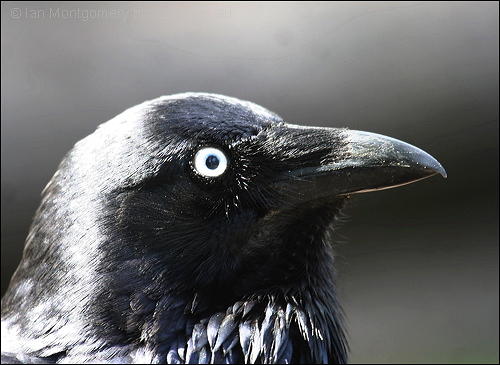
Australian Raven (Corvus coronoides) by Ian
Also he spoke of trees, from the cedar tree of Lebanon even to the hyssop that springs out of the wall; he spoke also of animals, of birds, of creeping things, and of fish. (1 Kings 4:33 NKJV)
In my daily reading from Scripture recently, I came across I Kings 4:33 again. The article Birds of the Bible – Solomon’s Birds, discusses how some of the lessons Solomon had learned were applied. Now let’s look at how Solomon might have attained those illustrations and how we can apply them.
More questions come to my mind, in no set order, like:
We know from the Bible that Solomon asked for wisdom to be able to know right and wrong and how to rule the people. God granted Solomon his request and gave him more besides. See I Kings 3.
Checking with my e-Sword commentaries and helps, here are some interesting thoughts. (Italics are mine)

Oriental Bay Owl (Phodilus badius) by Peter Ericisson
Matthew Henry’s Concise Commentary
Solomon’s wisdom was more his glory than his wealth. He had what is here called largeness of heart, for the heart is often put for the powers of the mind. He had the gift of talk, as well as wisdom. It is very desirable, that those who have large gifts of any kind, should have large hearts to use them for the good of others. What treasures of wisdom and knowledge are lost! But every sort of knowledge that is needful for salvation is to be found in the holy Scriptures. There came persons from all parts, who were more eager after knowledge than their neighbours, to hear the wisdom of Solomon. Solomon was herein a type of Christ, in whom are hid all treasures of wisdom and knowledge; and hid for us, for he is made of God to us, wisdom. Christ’s fame shall spread through all the earth, and men of all nations shall come to him, learn of him, and take upon them his easy yoke, and find rest for their souls.

Indian Peafowl (Pavo cristatus) by Nikhil Devasar
Gill
he spake also of beasts, and of fowls, and of creeping things, and of fishes; he understood the nature of all sorts of animals in the earth, air, and sea, and discoursed of their names, kinds, qualities, and use, with the greatest ease and perspicuity; the Jews fancy that Aristotle’s History of Animals is his, which that philosopher came upon, and published it in his own name. …
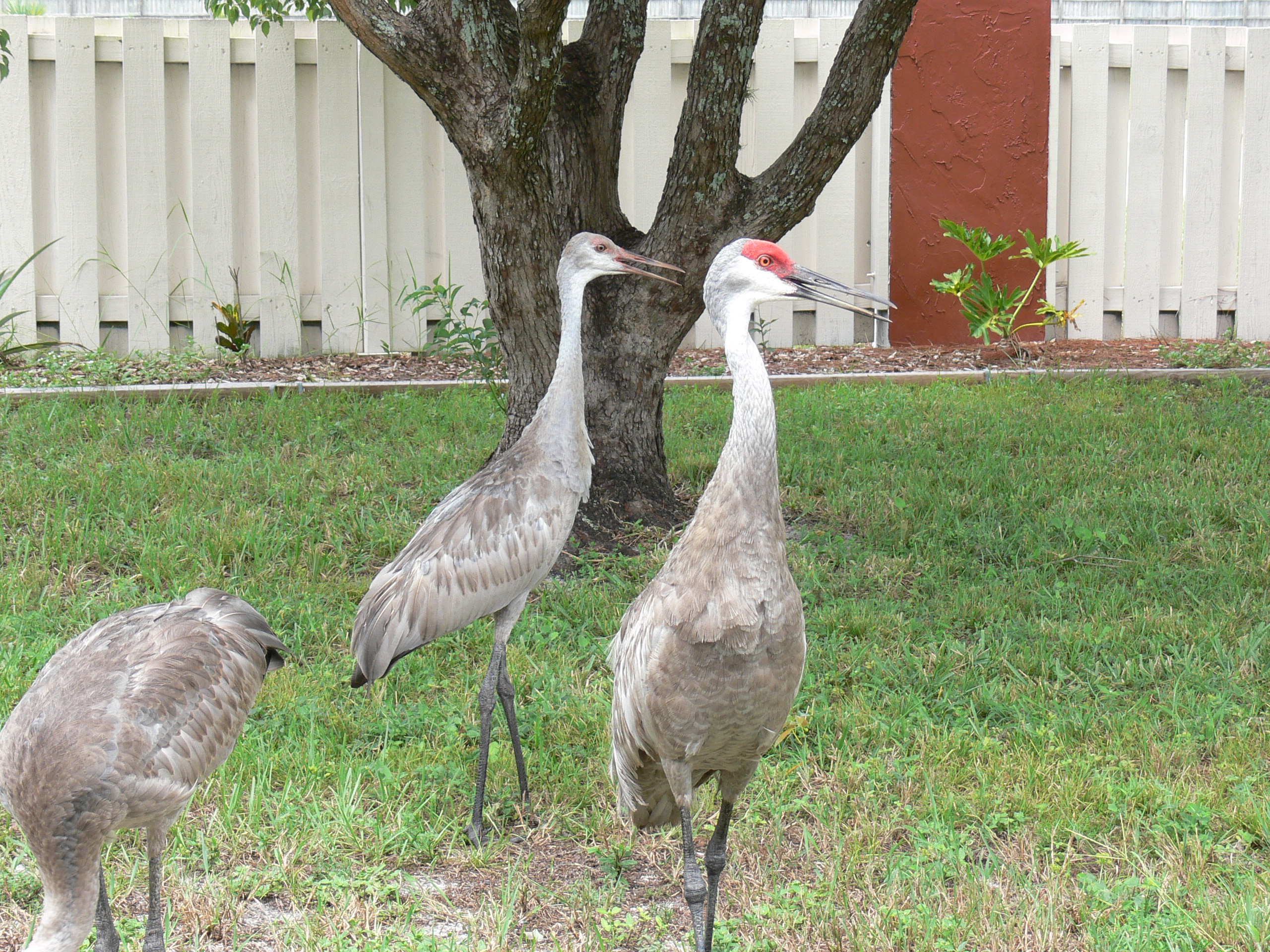
Sandhill Cranes – Adult and Juvenile in yard 8/27/10
*
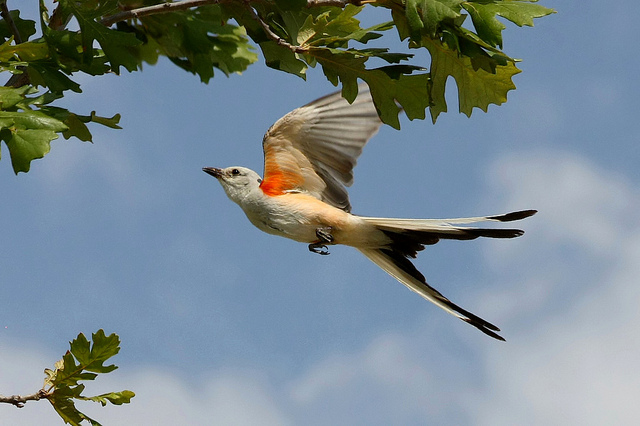
Scissor-tailed Flycatcher (Tyrannus forficatus) ©TexasEagle
Barnes
Of beasts, and of fowls, and of creeping things, and of fishes – This is the usual Biblical division of the animal kingdom Gen_1:26; Gen_9:2; Psa_148:10.
Believer’s Bible Commentary
Verse 33 means that his wide knowledge of many sciences enabled him to use object lessons from nature in expounding his wisdom. People traveled from afar to hear him.
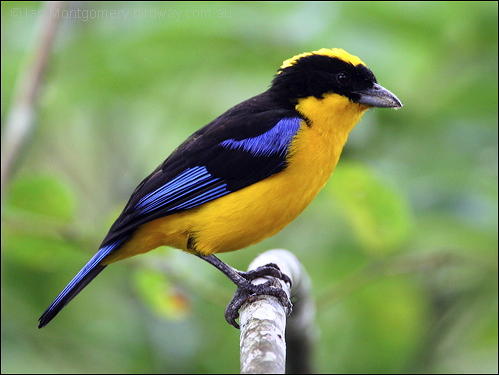
Blue-winged Mountain Tanager (Anisognathus somptuosus) by Ian
Bible Knowledge Commentary
1 Kings 4:32-34
Several hundred of Solomon’s 3,000 proverbs have been preserved in the Book of Proverbs as well as a few in Ecclesiastes. One of his 1,005 songs is the Song of Songs. Solomon’s literary output was extremely prolific (bountiful). He became an authority in botany and zoology too. … He was recognized as the wisest man of his day as God had promised he would be.

Under His Wings – (Dove – photographer unknown)
Biblical Illustrator
The study of Nature
It is said of Wordsworth that a stranger having on one occasion asked to see his study, the maid said, “This is master’s room, but he studies in the fields.” In doing so the poet followed a venerable example. We read that Isaac went out to meditate in the field at eventide, where in the margin “to pray” is put for “to meditate.” Nor could there be a better place either for prayer or for study than the fields. The Word of God is written very clearly for His seers in the green book of Nature. Wordsworth’s study is one that we can all use, however small our house may be. (Quiver.)
The world is worth seeing
Men must not live under a bushel. A gentleman once met a French priest on board an Atlantic liner. They entered into conversation, and the priest said that months ago he had a dream. He dreamt that he was dead, and that God asked him how much of the world he had seem His answer was that he had seen only a very little of it, for he had been so long in preparing for death, and in helping other people to die, that he had no time to see the world. He saw that God was displeased, and on awakening he resolved to see as much of this beautiful world as he could. It was a wise resolve. The earth is the Lord’s and not the devil’s, and we have no right to ignore it. Nature is a temple of God, and we must ever walk through it in a sacramental mood. (Sunday Circle.).
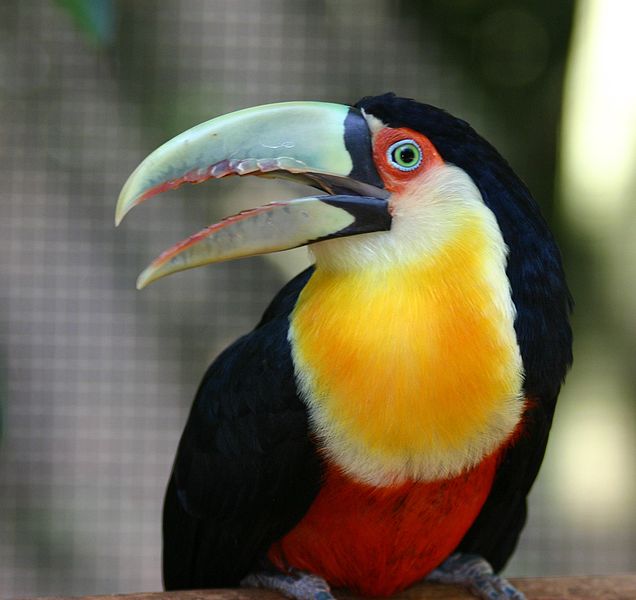
Green-billed Toucan (Ramphastos dicolorus) ©WikiC
K & D
“And of beasts and birds, of creeping things and fishes;” the four principal classes into which the Hebrews divided the animal kingdom. Speaking of plants and animals presupposes observations and researches in natural science, or botanical and zoological studies.
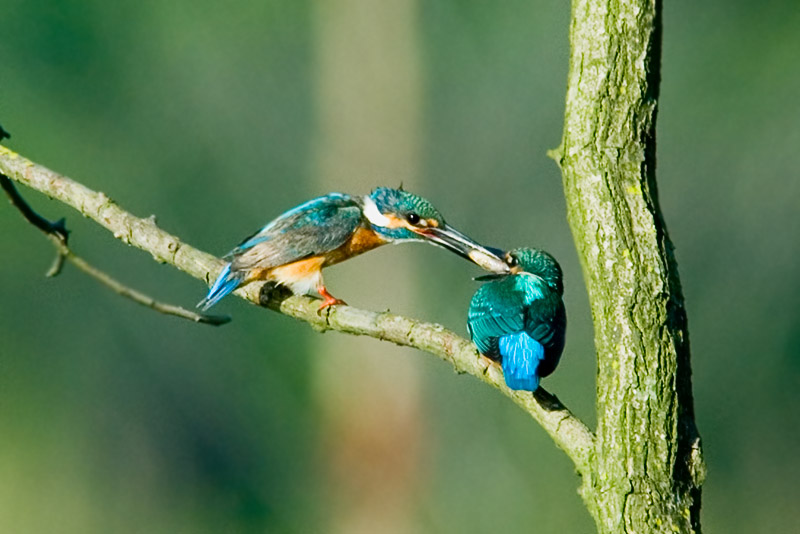
Kingfisher Feeding Young by Phil Kwong
McGee
We are told that Solomon spoke three thousand proverbs. We have only a few hundred recorded in the Bible. His songs were a thousand and five. Believe me, he was a song writer. We have only one of his songs, The Song of Solomon. Solomon was a dendrologist—”He spake of trees, from the cedar tree that is in Lebanon even unto the hyssop that springeth out of the wall.” The hyssop is a humble little plant that grows on rocks. Solomon was also a zoologist—”he spake also of beasts”—and an ornithologist since he spoke of birds. He was an entomologist: he spoke of creeping things, or insects. He was an ichthyologist: he spoke of fishes. He spoke of these things because he had studied them and was an authority in these particular realms. This, apparently, is the beginning of the sciences. Solomon was interested in these things.
Some Answers
I have another Commentary to share thoughts from, but will save it for Part II. For now, let’s see if any of the first questions were answered.
The first two questions are unanswered for now. We will dig into that later. The next three seem to have some answers.
Solomon observed the birds and seems to have learned lessons and applications from them which are seen in Proverbs, Song of Solomon and some Psalms. So he recorded his findings. He gained his knowledge from the Lord, but he used his senses and observational skills to gain more knowledge. That is something we can do also with the Lord’s help. If we don’t apply ourselves to a topic, the knowledge is not going to just “pop” into our heads.
See:
*

Acorn Woodpecker (Melanerpes formicivorus) by Raymond Barlow
While working on the El Carpintero – The Woodpeckers article, many Bible verses about “gathering” and “storing” things were found. Following are some of those verses with photos. There is also a video of an Acorn Woodpecker gathering his supply.
We have used the verse about birds teaching us, so let’s see what can be learned this time about gathering and storing. (Job 12:7)
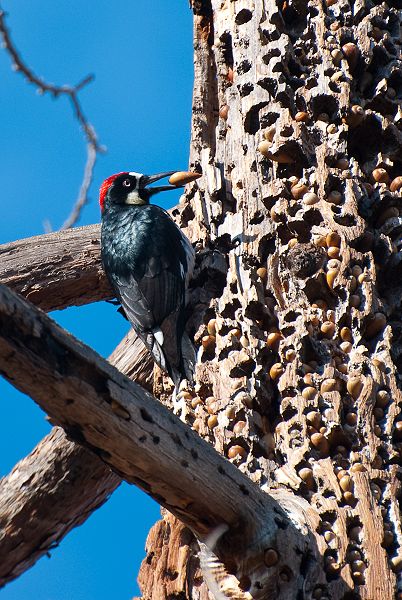
Acorn Woodpecker (Melanerpes formicivorus) with Hoard or Grainary WikiC
He who gathers in summer is a wise son; He who sleeps in harvest is a son who causes shame. (Proverbs 10:5 NKJV)

Provides her supplies in the summer, And gathers her food in the harvest. (Proverbs 6:8 NKJV) (the ant)
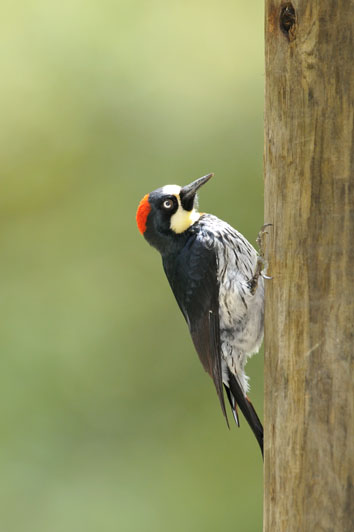
Acorn Woodpecker (Melanerpes formicivorus) by Reinier Munguia
Wealth gained hastily will dwindle, but whoever gathers little by little will increase it. (Proverbs 13:11 ESV)

Acorn Woodpecker (Melanerpes formicivorus) by Ian
Wise people store up knowledge, But the mouth of the foolish is near destruction. The rich man’s wealth is his strong city; The destruction of the poor is their poverty. The labor of the righteous leads to life, The wages of the wicked to sin. (Proverbs 10:14-16 NKJV)

Tufted Titmouse (Baeolophus bicolor) by Ray – They will store food for later use.
He stores up sound wisdom for the upright; He is a shield to those who walk uprightly; (Proverbs 2:7 NKJV)
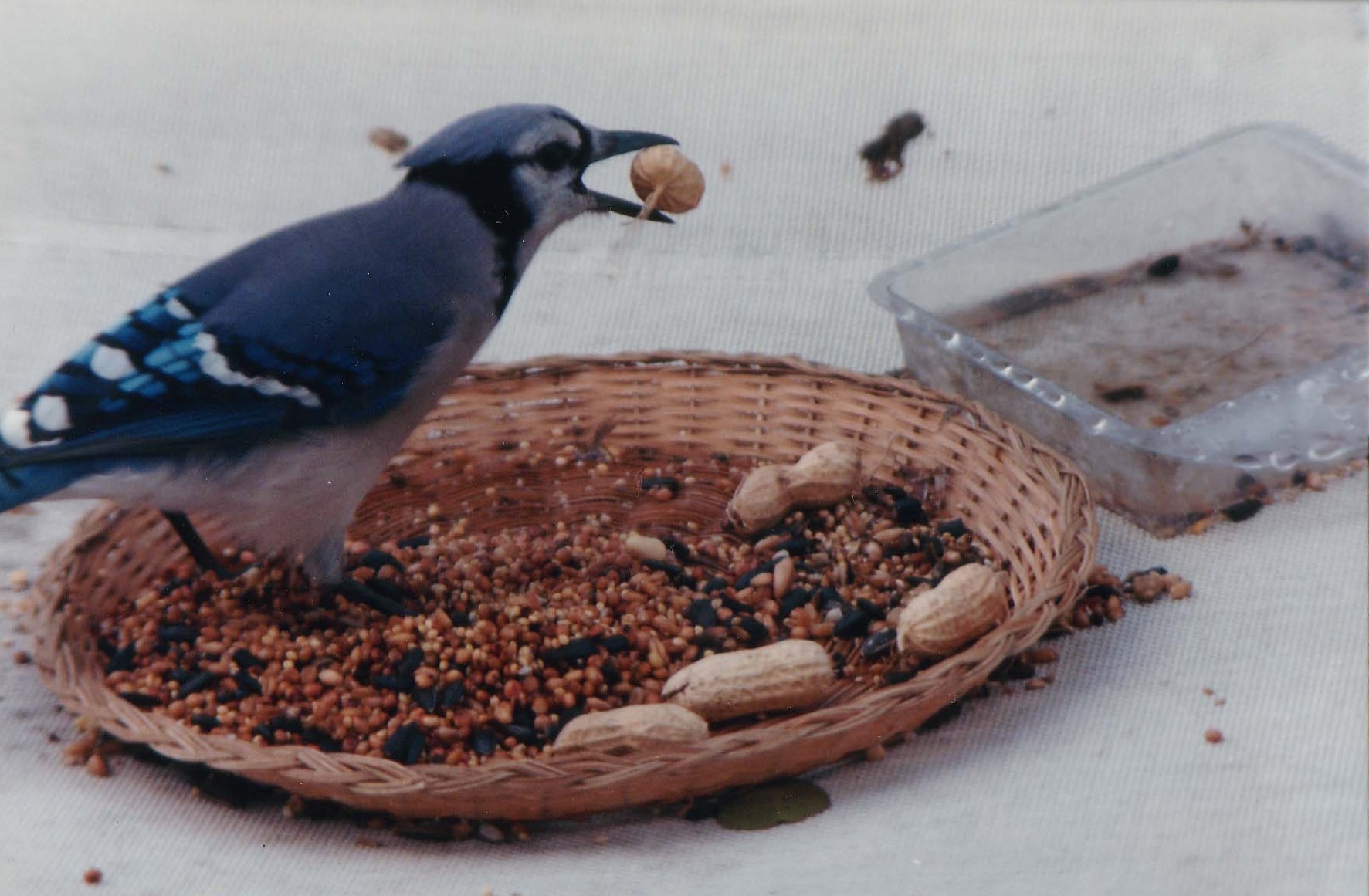
Blue Jay (Cyanocitta cristata) Collecting for Cache
For they do not know to do right,’ Says the LORD, ‘Who store up violence and robbery in their palaces.’ ” (Amos 3:10 NKJV)
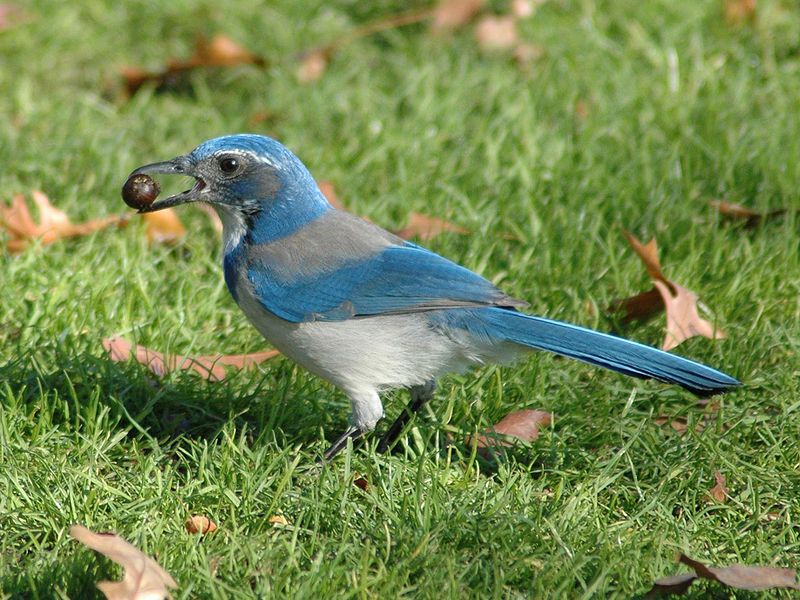
Western Scrub Jay (Aphelocoma californica) Holding an Acorn ©WikiC
storing up for themselves a good foundation for the time to come, that they may lay hold on eternal life. (1 Timothy 6:19 NKJV)
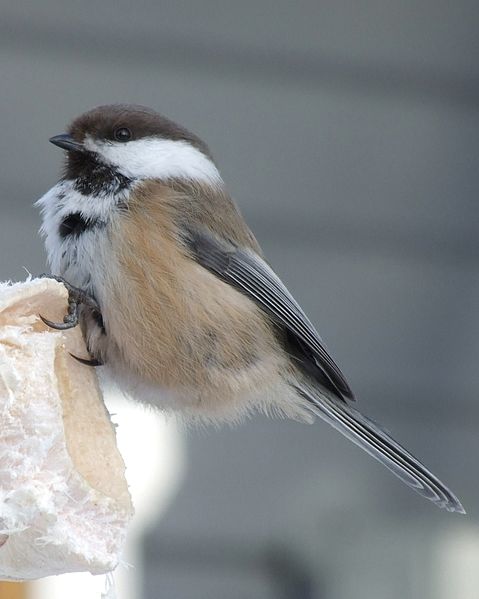
Grey-headed Chickadee or Siberian Tit (Poecile cinctus, formerly Parus cinctus) May store upto 500,000 items per year ©WikiC
*
*
*
Australian Raven (Corvus coronoides) by Ian
Also he spoke of trees, from the cedar tree of Lebanon even to the hyssop that springs out of the wall; he spoke also of animals, of birds, of creeping things, and of fish. (1 Kings 4:33 NKJV)
In my daily reading from Scripture recently, I came across I Kings 4:33 again. The article Birds of the Bible – Solomon’s Birds, discusses how some of the lessons Solomon had learned were applied. Now let’s look at how Solomon might have attained those illustrations and how we can apply them.
More questions come to my mind, in no set order, like:
We know from the Bible that Solomon asked for wisdom to be able to know right and wrong and how to rule the people. God granted Solomon his request and gave him more besides. See I Kings 3.
Checking with my e-Sword commentaries and helps, here are some interesting thoughts. (Italics are mine)
Oriental Bay Owl (Phodilus badius) by Peter Ericisson
Matthew Henry’s Concise Commentary
Solomon’s wisdom was more his glory than his wealth. He had what is here called largeness of heart, for the heart is often put for the powers of the mind. He had the gift of utterance, as well as wisdom. It is very desirable, that those who have large gifts of any kind, should have large hearts to use them for the good of others. What treasures of wisdom and knowledge are lost! But every sort of knowledge that is needful for salvation is to be found in the holy Scriptures. There came persons from all parts, who were more eager after knowledge than their neighbours, to hear the wisdom of Solomon. Solomon was herein a type of Christ, in whom are hid all treasures of wisdom and knowledge; and hid for us, for he is made of God to us, wisdom. Christ’s fame shall spread through all the earth, and men of all nations shall come to him, learn of him, and take upon them his easy yoke, and find rest for their souls.
Indian Peafowl (Pavo cristatus) by Nikhil Devasar
Gill
he spake also of beasts, and of fowls, and of creeping things, and of fishes; he understood the nature of all sorts of animals in the earth, air, and sea, and discoursed of their names, kinds, qualities, and use, with the greatest ease and perspicuity; the Jews fancy that Aristotle’s History of Animals is his, which that philosopher came upon, and published it in his own name. …
Sandhill Cranes – Adult and Juvenile in yard 8/27/10
MacLaren
But the main thing to notice is that in Solomon we see exemplified the normal relation between religion and intellectual power and learning. Judge, artist, scientist, and all other thinkers and students, draw their power from God, and should use it for Him. And, on the other hand, Solomon’s example is a rebuke to those …Christians who look askance at men of learning, letters, or science, as well as to those … who think that science and religion must be sworn foes. If our religion is what it should be, it will widen our understanding all round.
‘Let knowledge grow from more to more, But more of reverence in us dwell.’
Scissor-tailed Flycatcher (Tyrannus forficatus) ©TexasEagle
Barnes
Of beasts, and of fowls, and of creeping things, and of fishes – This is the usual Biblical division of the animal kingdom Gen_1:26; Gen_9:2; Psa_148:10.
Believer’s Bible Commentary
Verse 33 means that his wide knowledge of many sciences enabled him to use object lessons from nature in expounding his wisdom. People traveled from afar to hear him.
Blue-winged Mountain Tanager (Anisognathus somptuosus) by Ian
Bible Knowledge Commentary
1 Kings 4:32-34
Several hundred of Solomon’s 3,000 proverbs have been preserved in the Book of Proverbs as well as a few in Ecclesiastes. One of his 1,005 songs is the Song of Songs. Solomon’s literary output was extremely prolific. He became an authority in botany and zoology too. … He was recognized as the wisest man of his day as God had promised he would be.
Under His Wings – (Dove – photographer unknown)
Biblical Illustrator
The study of Nature
It is said of Wordsworth that a stranger having on one occasion asked to see his study, the maid said, “This is master’s room, but he studies in the fields.” In doing so the poet followed a venerable example. We read that Isaac went out to meditate in the field at eventide, where in the margin “to pray” is put for “to meditate.” Nor could there be a better place either for prayer or for study than the fields. The Word of God is written very clearly for His seers in the green book of Nature. Wordsworth’s study is one that we can all use, however small our house may be. (Quiver.)
The world is worth seeing
Men must not live under a bushel. A gentleman once met a French priest on board an Atlantic liner. They entered into conversation, and the priest said that months ago he had a dream. He dreamt that he was dead, and that God asked him how much of the world he had seem His answer was that he had seen only a very little of it, for he had been so long in preparing for death, and in helping other people to die, that he had no time to see the world. He saw that God was displeased, and on awakening he resolved to see as much of this beautiful world as he could. It was a wise resolve. The earth is the Lord’s and not the devil’s, and we have no right to ignore it. Nature is a temple of God, and we must ever walk through it in a sacramental mood. (Sunday Circle.).
Green-billed Toucan (Ramphastos dicolorus) ©WikiC
K & D
“And of beasts and birds, of creeping things and fishes;” the four principal classes into which the Hebrews divided the animal kingdom. Speaking of plants and animals presupposes observations and researches in natural science, or botanical and zoological studies.
Kingfisher Feeding Young by Phil Kwong
McGee
We are told that Solomon spoke three thousand proverbs. We have only a few hundred recorded in the Bible. His songs were a thousand and five. Believe me, he was a song writer. We have only one of his songs, The Song of Solomon. Solomon was a dendrologist—”He spake of trees, from the cedar tree that is in Lebanon even unto the hyssop that springeth out of the wall.” The hyssop is a humble little plant that grows on rocks. Solomon was also a zoologist—”he spake also of beasts”—and an ornithologist since he spoke of birds. He was an entomologist: he spoke of creeping things, or insects. He was an ichthyologist: he spoke of fishes. He spoke of these things because he had studied them and was an authority in these particular realms. This, apparently, is the beginning of the sciences. Solomon was interested in these things.
Some Answers
I have another Commentary to share thoughts from, but will save it for Part II. For now, let’s see if any of the first questions were answered.
The first two questions are unanswered for now. We will dig into that later. The next three seem to have some answers.
Solomon observed the birds and seems to have learned lessons and applications from them which are seen in Proverbs, Song of Solomon and some Psalms. So he recorded his findings. He gained his knowledge from the Lord, but he used his senses and observational skills to gain more knowledge. That is something we can do also with the Lord’s help. If we don’t apply ourselves to a topic, the knowledge is not going to just “pop” into our heads.
See:
*
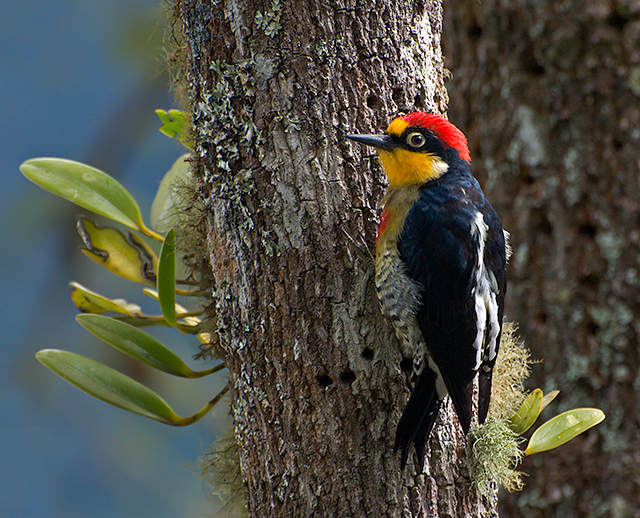
Yellow-fronted Woodpecker (Melanerpes flavifrons) by Dario Sanches
She (Wisdom) is a tree of life to those who lay hold on her; and happy (blessed, fortunate, to be envied) is everyone who holds her fast. The Lord by skillful and godly Wisdom has founded the earth; by understanding He has established the heavens. [Col. 1:16.] (Proverbs 3:18-19 AMP)
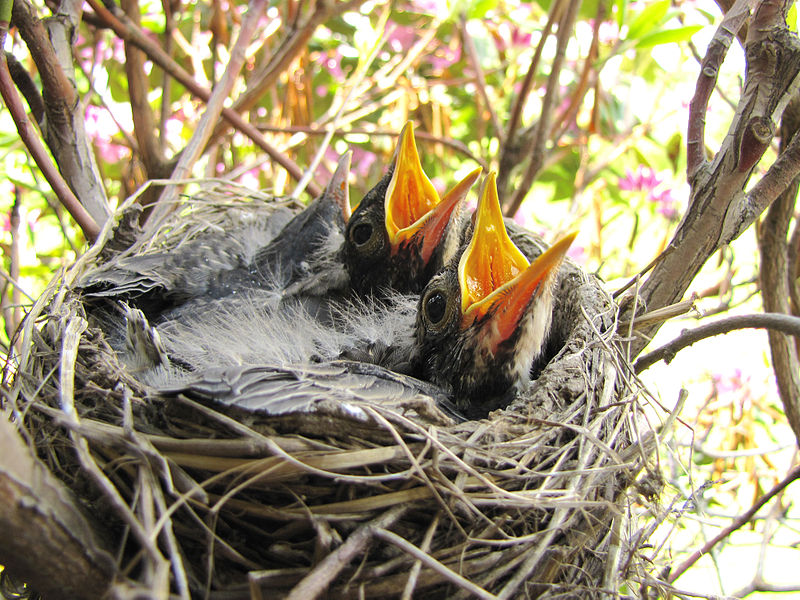
American Robin (Turdus migratorius) in nest ready to eat ©WikiC
Be anxious for nothing, but in everything by prayer and supplication, with thanksgiving, let your requests be made known to God; and the peace of God, which surpasses all understanding, will guard your hearts and minds through Christ Jesus. (Philippians 4:6-7 NKJV)
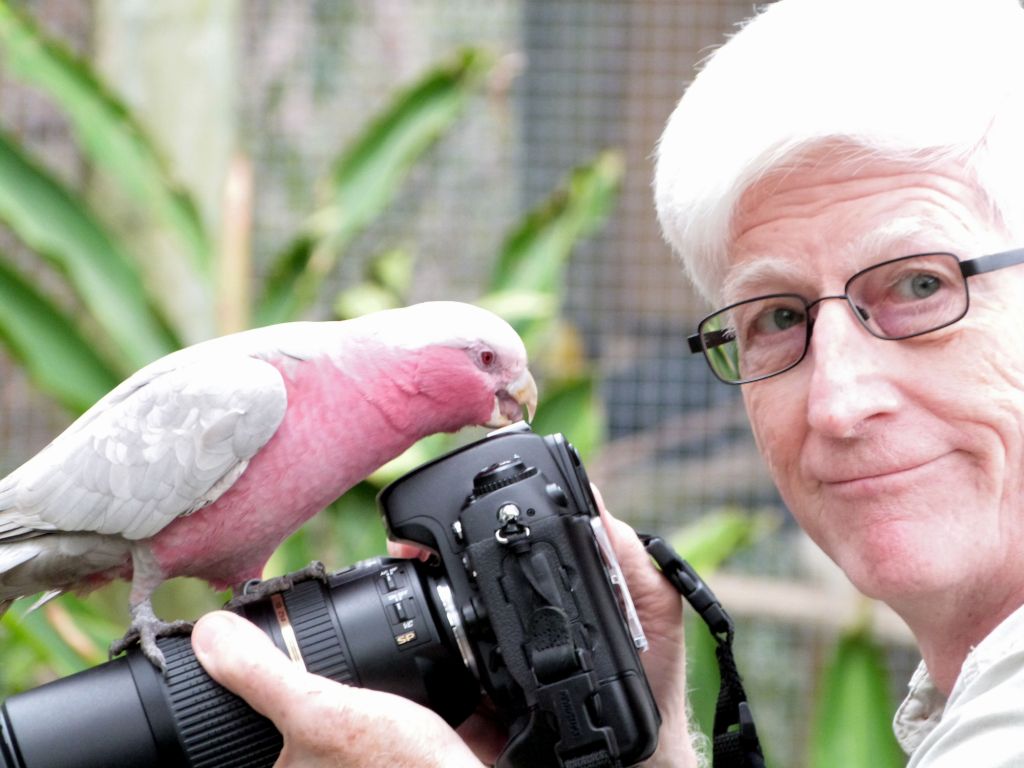
Galah (Eolophus roseicapilla) and Dan
How blessed are the people who are so situated; How blessed are the people whose God is the LORD! (Psalms 144:15 NASB)
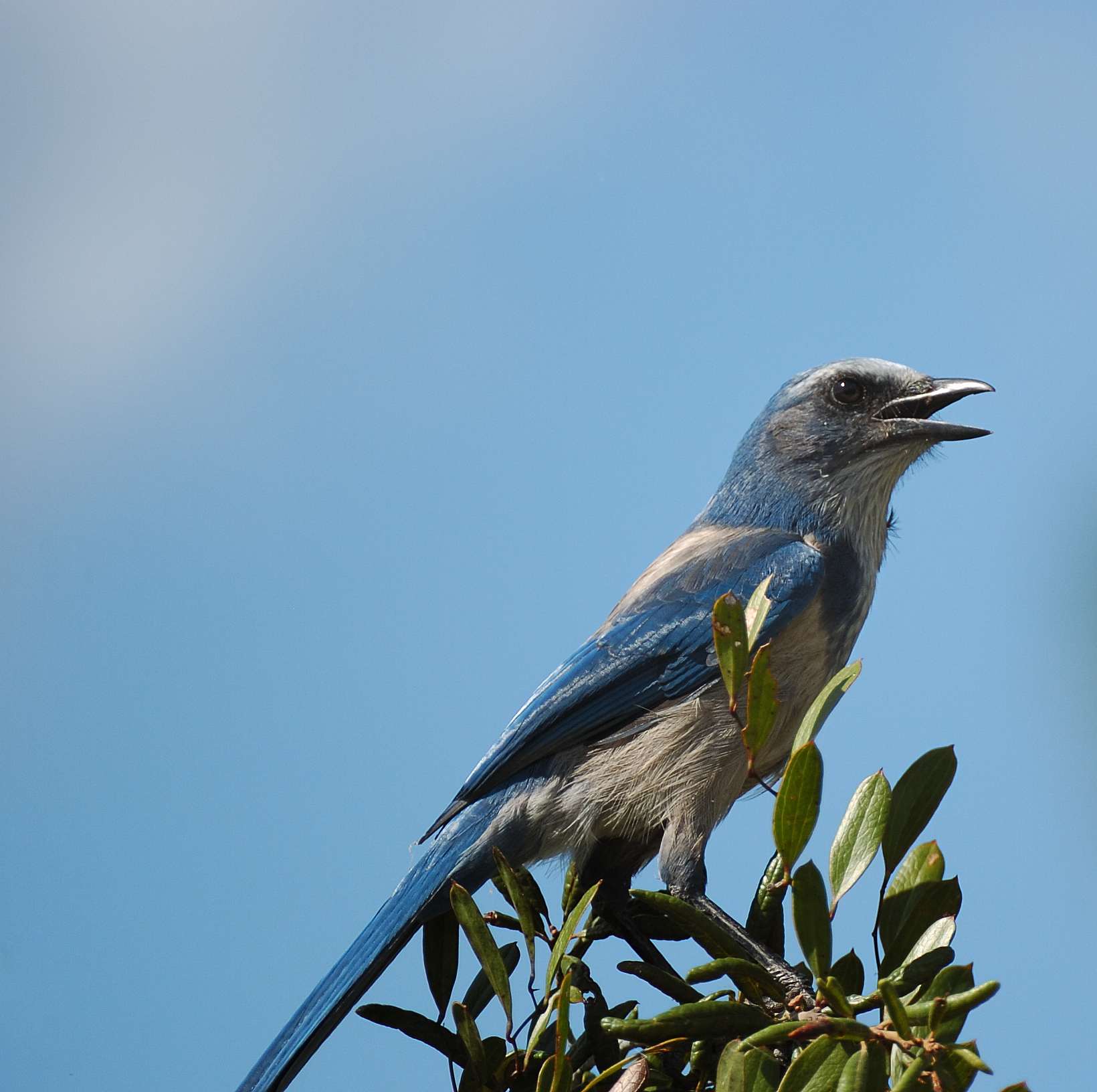
Florida Scrub Jay (Aphelocoma coerulescens) by Dan
Praise the LORD, for the LORD is good; Sing praises to His name, for it is lovely. (Psalms 135:3 NASB)
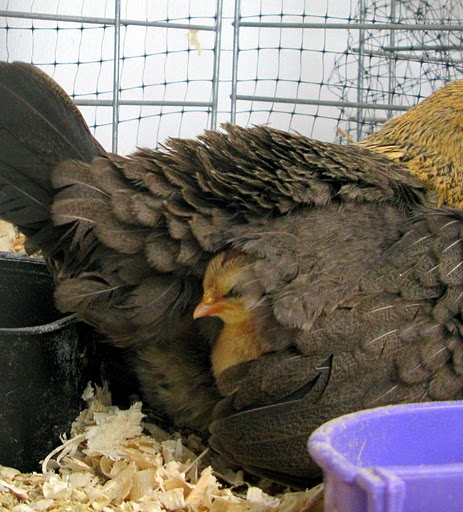
Baby Chick Peeping Out From Under His Mom’s Wing – ©©
How precious is Your steadfast love, O God! The children of men take refuge and put their trust under the shadow of Your wings. (Psalms 36:7 AMP)
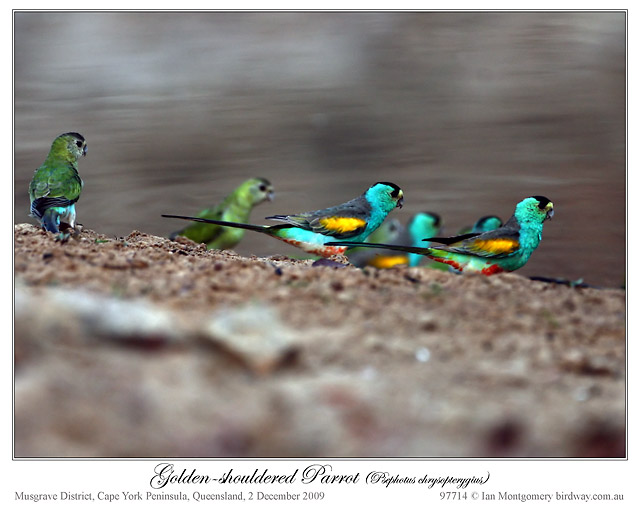
Golden-shouldered Parrot (Psephotus chrysopterygius) by Ian
They are abundantly satisfied with the fullness of Your house, And You give them drink from the river of Your pleasures. (Psalms 36:8 NKJV)
*
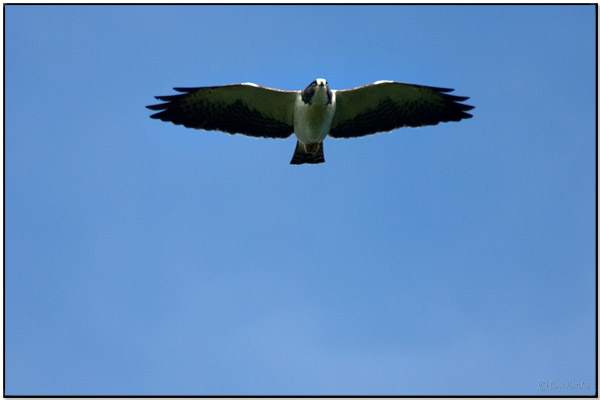
Short-tailed Hawk (Buteo brachyurus) by Daves BirdingPix
Is it by your wisdom [Job] that the hawk soars and stretches her wings toward the south [as winter approaches]? (Job 39:26 AMP)
In the Birds of the Bible – Hawk Migration, written in 2008, this verse was introduced. Job was being addressed and the questions started coming:
THEN THE Lord answered Job out of the whirlwind and said, Who is this that darkens counsel by words without knowledge? [Job 35:16.] Gird up now your loins like a man, and I will demand of you, and you declare to Me. (Job 38:1-3 AMP)
Questions of Where…?; Who…?; When…?; Have you commanded…, explored…, entered…?; Can you …?; Do you…? etc. These question run all through Job 38 and 39. That is where we find our question about the hawk.

Sharp-shinned Hawk (Accipiter striatus) ©USFWS
Commentary Quotes on Job 39:26 (From my e-Sword)
Barnes – “Doth the hawk fly by thy wisdom – The appeal here is to the hawk, because it is among the most rapid of the birds in its flight. The particuIar thing specified is its flying, and it is supposed that there was something special in that which distinguished it from other birds. Whether it was in regard to its speed, to its manner of flying, or to its habits of flying at periodical seasons, may indeed be made a matter of inquiry, but it is clear that the particular thing in this bird which was adapted to draw the attention, and which evinced especially the wisdom of God, was connected with its flight. The word here rendered “hawk,” (נץ nêts) is probably generic, and includes the various species of the falcon or hawk tribe, as the jet-falcon, the goshawk, the sparrow, hawk, the lanner, the saker, the hobby, the kestril, and the merlin. Not less than one hundred and fifty species of the hawk, it is said, have been described, but of these many are little known, and many of them differ from others only by very slight distinctions.
They are birds of prey, and, as many of them are endowed with remarkable docility, they are trained for the diversions of falconry – which has been quite a science among sportsmen. The falcon, or hawk, is often distinguished for fleetness. One, belonging to a Duke of Cleves, flew out of Westphalia into Prussia in one day; and in the county of Norfolk (England) one was known to make a flight of nearly thirty miles in an hour. A falcon which belonged to Henry IV. of France, having escaped from Fontainebleau, was found twenty-four hours after in Malta, the space traversed being not less than one thousand three hundred and fifty miles; being a velocity of about fifty-seven miles an hour, on the supposition that the bird was on the wing the whole time. It is this remarkable velocity which is here appealed to as a proof of the divine wisdom. God asks Job whether he could have formed these birds for their rapid flight. The wisdom and skill which has done this is evidently far above any that is possessed by man.
And stretch her wings toward the south – Referring to the fact that the bird is migratory at certain seasons of the year. It is not here merely the rapidity of its flight which is referred to, but that remarkable instinct which leads the feathered tribes to seek more congenial climates at the approach of winter. In no way is this to be accounted for, except by the fact that God has so appointed it. This great law of the winged tribes is one of the clearest proofs of divine wisdom and agency.”

Grey Goshawk ( novaehollandiae) by Ian
Pulpit Commentary – ” Doth the hawk fly (or, soar) by thy wisdom? The hawk”s strength of wing is extraordinary, and one of the greatest of natural marvels. Can Job claim to have contrived it? Many as have been the attempts made, human ingenuity has not yet devised anything that can fly. And stretch her wings toward the south? Migrate, i.e. , when winter approaches, to the warmer southern regions. Few things in nature are more remarkable than the instinct of migratory birds.

Red Sholdered Hawk by Ray
Matthew Henry – “All these beautiful references to the works of nature, should teach us a right view of the riches of the wisdom of Him who made and sustains all things. The want of right views concerning the wisdom of God, which is ever present in all things, led Job to think and speak unworthily of Providence.
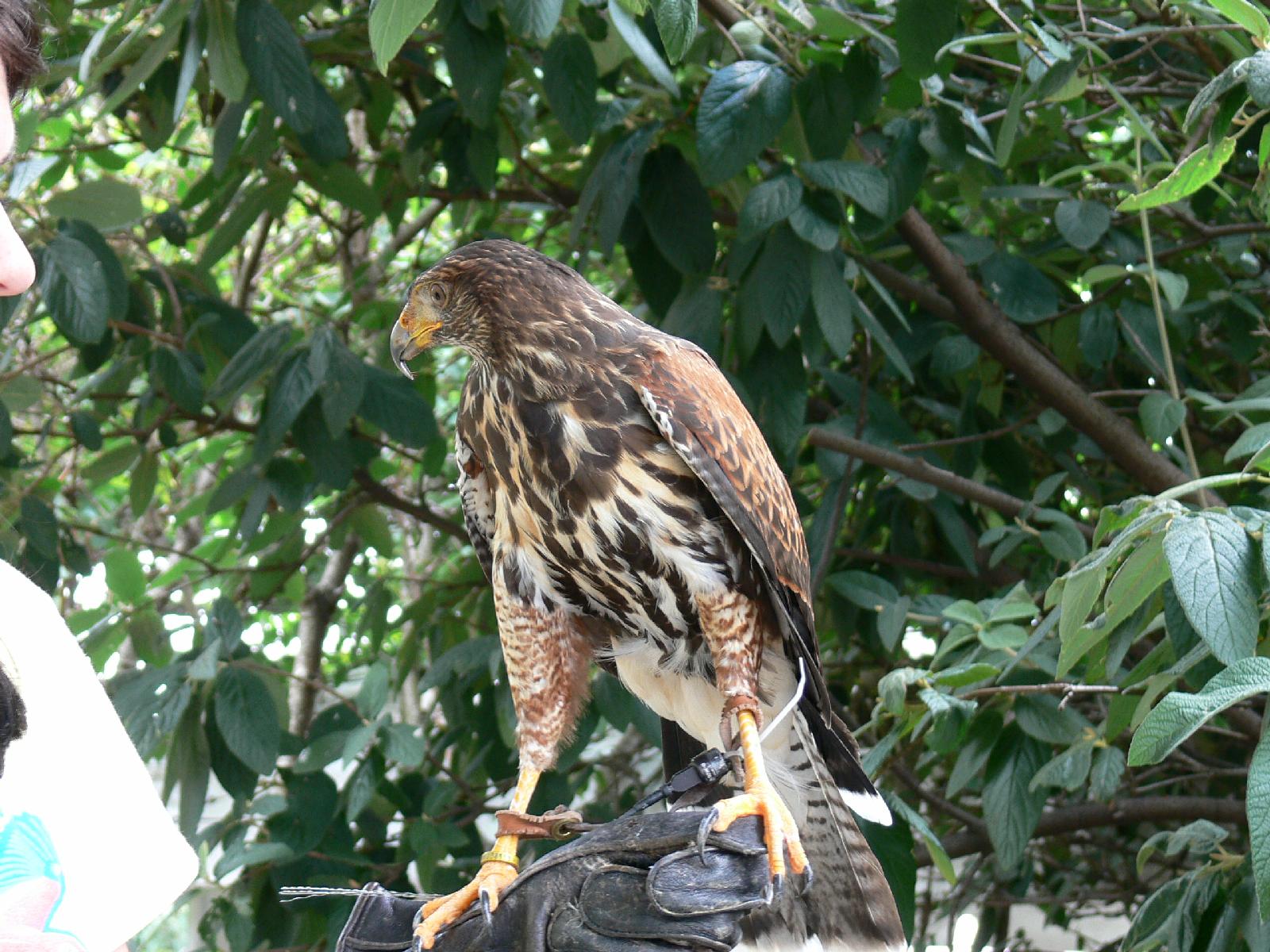
Harris’s Hawk at National Aviary by Lee
Wesley – Fly – So strongly, constantly, unweariedly, and swiftly. South – At the approach of winter, when wild hawks fly into warmer countries, as being impatient of cold. The birds of the air are proofs of the wonderful providence of God, as well as the beasts of the earth. God instances in two stately ones.
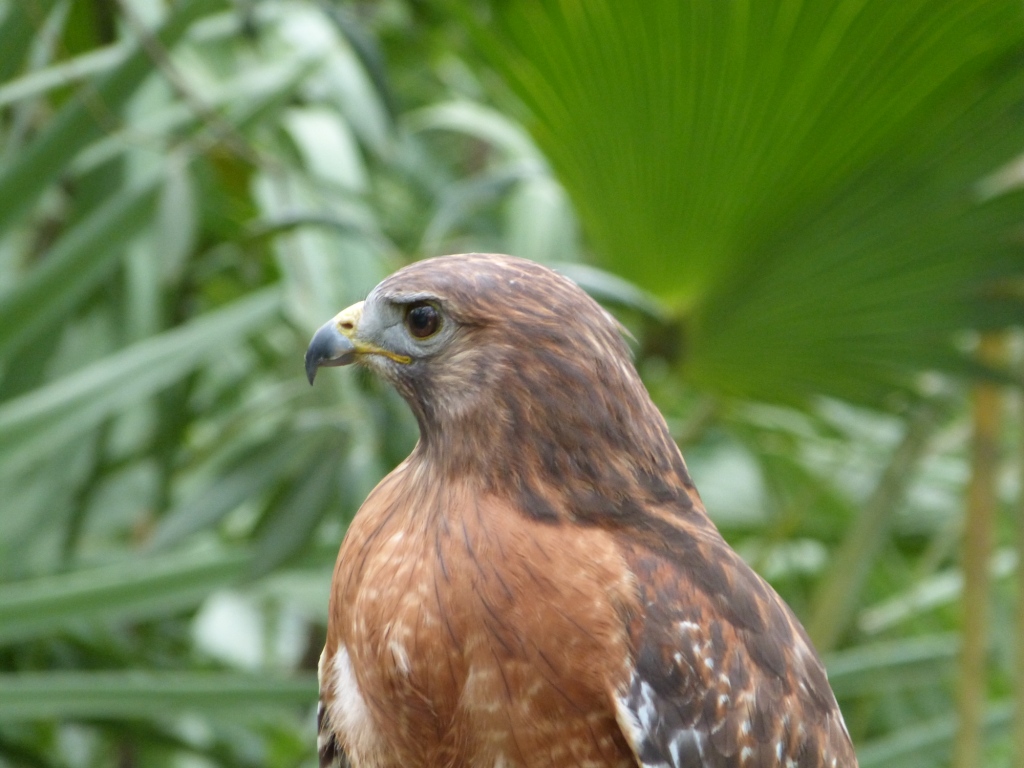
Red-shouldered Hawk (Buteo lineatus) Brevard Zoo by Lee
Lange – “… If even the book of nature transcends our ability to decipher it fully, how much more incomprehensible and mysterious will the book of Holy Scripture be for us.—von Gerlach: The fundamental thought of these representations which God here puts forth is that only He who can create and govern all things, who superintends everything and adjusts all things in their relation to each other, can also comprehend the connection of human destinies. Inasmuch however as feeble short-sighted man cannot understand and fathom the created things which are daily surrounding him, how can he assume to himself any part of God’s agency in administering the universe?”
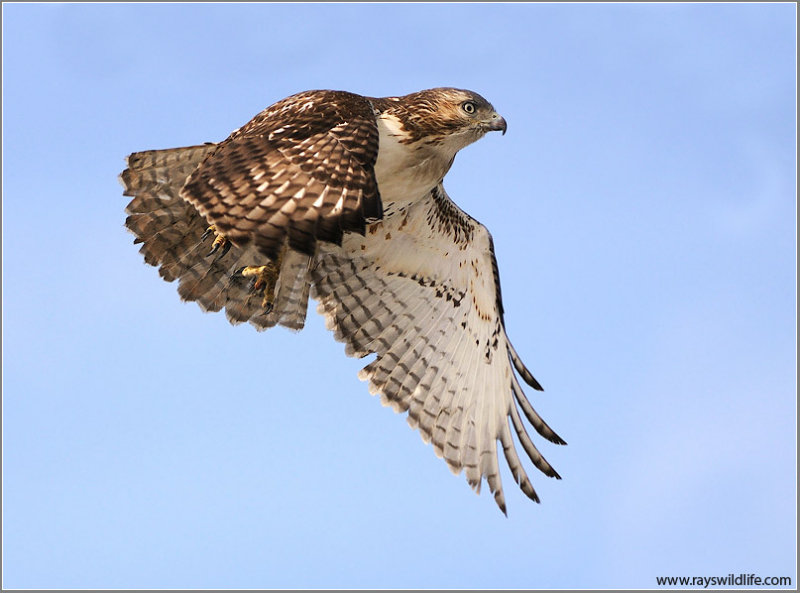
Red-tailed Hawk by Ray
Believers Bible Commentary – “39:26-30 Did Job give wisdom to the hawk to migrate south? And was he the one who taught the eagle to fly, to nest on the high rocky crag, to spy out carrion from a great distance, and to train its young ones to find their food?”

Red-backed Hawk – Argentina
Biblical Illustrator – “The higher teaching of Nature The intent of all these beautiful references to the works of Nature is to teach us, from the wisdom, skill, and curious designs discoverable in the formation and the instincts of various birds and beasts, to impress ourselves with a worthy notion of the “riches of the wisdom” of Him that made and sustaineth all things. These impressions we are to carry with us when we consider the dealings of God in the way of Providence, and in His ordering of all events, as the great Governor of the universe. Can we suppose that there is anything wrong here, or without the design of the most consummate wisdom, when He has put forth so much of His skill and contrivance in the formation and ordering of these inferior animals? May He not be trusted to do all things well, concerning the destiny of man, the greatest of His works? In this higher economy, are we to suppose there is less wisdom and design to be manifested, than in this, which displays itself so visibly in these inferior works of His hand? Thus would our blessed Lord increase the confidence of His disciples in His providential care of them, by observing, “Are not two sparrows sold for a farthing, and not one of them falleth to the ground without your Father?” “Fear not,” “are ye not much better than they?—of more value than many sparrows.” It was the want of such due impressions concerning the designing wisdom of God, ever present, and ever operating in all things, that had led Job to think and speak unworthily of that dispensation of Providence under which he now lived, as being altogether arbitrary, discovering no design and discriminating wisdom, nor manifesting the righteous Governor of all things….”
If any of you lack wisdom, let him ask of God, that giveth to all men liberally, and upbraideth not; and it shall be given him. (James 1:5 KJV)
My the Lord continue his blessings as we observe His Wisdom through the birdwatching of His Hawks.
See also:
*

Common Ostrich (Struthio camelus) Memphis Zoo by Lee
Dan and I have been reading through Job for our devotions. Today was Job 38 and 39. Wow! All of Job’s “friends” have been trying to persuade Job how wrong and unrighteous he is and Job has been trying to figure out why he is being punished, yet defending his righteousness.
Finally in Job 38, God speaks. Job has been asking to speak to God about his situation. (From the Today in the Word, Vol II, Day 28) “So, when Job finally gets the audience with the Lord that he requested, he is not the one asking the questions! Instead, like a prosecuting attorney, the Lord fires off the questions and informs Job ‘You will answer me’ (38:3). God challenges Job’s insinuation that He wasn’t administering justice fairly. This interrogation covers Job 38 and 39, but it could be paraphrased in this one penetrating question: ‘Were you present at creation?’ ”
If you haven’t read Job lately and especially Chapter 38 and 39, it worth reading.

Northern Raven (Corvus corax) by Ray
Anyway, within those two chapters, God mentions the Raven and the Ostrich.
Can you hunt the prey for the lion, or satisfy the appetite of the young lions, when they crouch in their dens or lie in wait in their thicket? Who provides for the raven its prey, when its young ones cry to God for help, and wander about for lack of food? (Job 38:39-41 ESV)
Then in the next chapter God tells about the Ostrich that He created:
The wings of the ostrich wave proudly, but are they the pinions and plumage of love? For she leaves her eggs to the earth and lets them be warmed on the ground, forgetting that a foot may crush them and that the wild beast may trample them. She deals cruelly with her young, as if they were not hers; though her labor be in vain, yet she has no fear, because God has made her forget wisdom and given her no share in understanding. When she rouses herself to flee, she laughs at the horse and his rider. (Job 39:13-18 ESV)
Both of these birds have been covered in other Birds of the Bible articles, but just wanted to share them with you again. We know that God provides for the birds and He has promised to provide for His own, Christians. He also, makes birds different, at His will. Who are we to question His knowledge and wisdom. The same is true with us who know the Lord. He gives each of us different talents and abilities. We are not to question why He made us thus.
*
 Lee's Birdwatching Adventures Plus