Ian’s Irregular Bird – Solitary Sandpiper

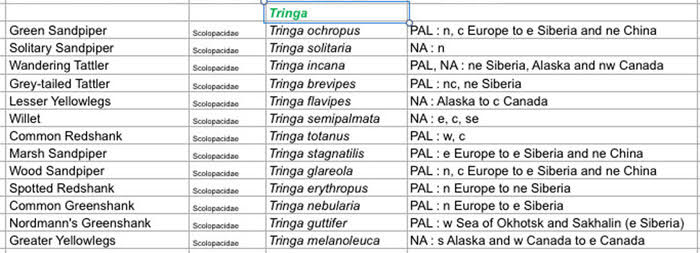
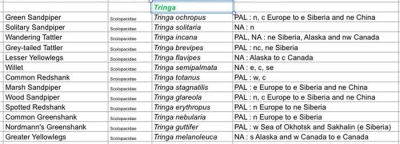
You may remember from the last Irregular Bird (Green Sandpiper) that the plan is to work through all the waders in the genus Tringa, the Shanks and relatives, in the order used by the IOC, below.  This is the next one the Solitary Sandpiper.

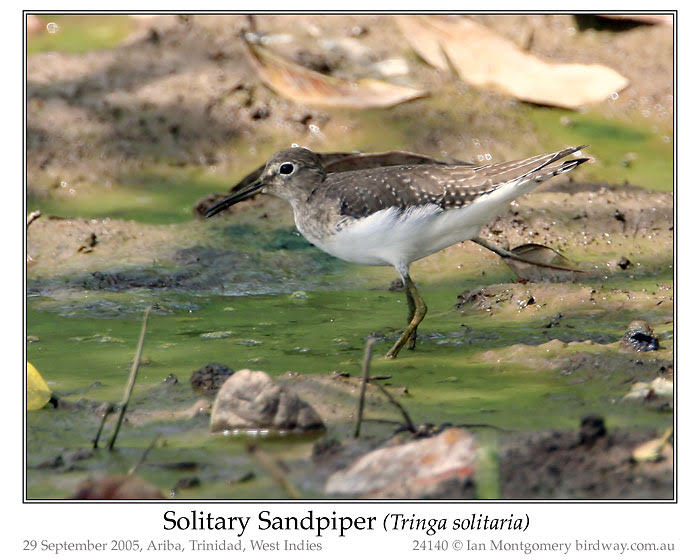
It’s fairly similar to the Green Sandpiper and they were originally treated as a single species. In fact, they are easy to distinguish in flight as the Green Sandpiper has a white rump and a tail with side to side barring, while the central feathers of the rump and tail of the Solitary Sandpiper are brown creating a longitudinal stripe. These features are visible under the flight feathers in the first photo and shown in a drawing later.
Solitary Sandpiper by Ian
In practice you can also use their ranges as the Green Sandpiper occurs in Eurasia and Africa, while the Solitary Sandpiper is an American species. It nesting range is almost entirely in Canada and Alaska.  It migrates through the United States and winters in Mexico, Central America, and in northern, central and eastern South America as far south as Peru in the west and northern Argentina in the east.
I haven’t got photos of either species in flight so here is a crude drawing to illustrate the difference in flight pattern. Don’t take too much notice of anything except the different rumps, tail and length of the legs. The latter are longer and protrude farther beyond the tail in the Solitary Sandpiper. So, if you’re a dedicated twitcher, as I am now, keep a beady eye out for something special if you are in a place where either or both of these birds don’t usually occur. There are a few records of Green Sandpipers in northern Australia and a few records of Solitary Sandpiper in Siberia and Western Europe.
Solitary Sandpiper by Ian
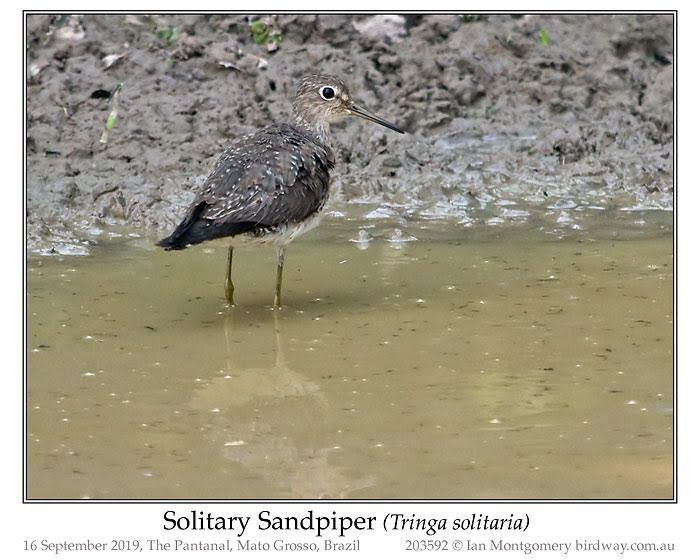
There isn’t much difference among the plumages of breeding adults, non-breeding adults, and juveniles though there is less streaking in juveniles and the spots on breeding adults are whiter, rather than buff and more conspicuous. I think the bird in the second photo in Trinidad is a juvenile, the one in the third photo in Brazil is an adult but I don’t know about the one in the first photo. If you’re an expert on the plumages of Solitary Sandpipers, I’d be happy to get your opinion: ianbirdway@gmail.com.
Solitary Sandpiper by Ian
Actually, I misidentified the two in Trinidad as Spotted Sandpipers in non-breeding plumage but maybe I had Spotted Sandpiper on the brain as I’d seen the one in the third photo in Tobago eleven days earlier. Non-breeding Spotted Sandpipers don’t have spots (go figure, as they say), just a little barring on the wings but they have conspicuous long white eyebrow stripes and shorter, much yellower legs, so I lack a reasonable excuse for the confusion.
Spotted Sandpiper by Ian
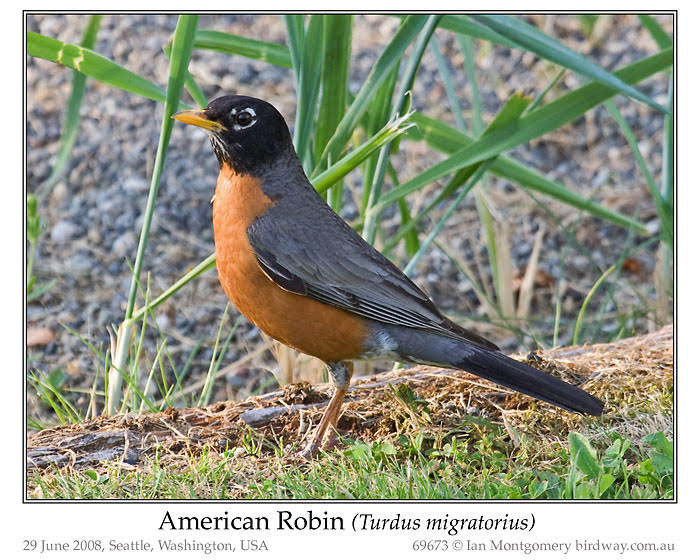
Like their Eurasian cousins, Solitary Sandpipers breed in trees and shrubs using the old nests of thrushes. It so happens that the range of perhaps the commonest thrush in North America, the American Robin, overlaps the range of the Solitary Sandpiper in Canada and Alaska. The Robin, despite its name which is based on colour not taxonomy, is a Thrush and a close relative of the Eurasian Blackbird and is the most likely candidate as a provider of nests, though not much is known about the breeding behaviour of the Sandpiper.
American Robin by Ian
So how does the Solitary Sandpiper get its name? Amazingly, unlike most waders which believe in safety in numbers, it migrates either alone or in small groups and often appear at stopovers or at the destination in ones or twos. It migrates mostly at night. I don’t know whether juvenile birds instinctively know where to go or whether the adults teach them. The mind boggles at what we don’t know about bird migration.
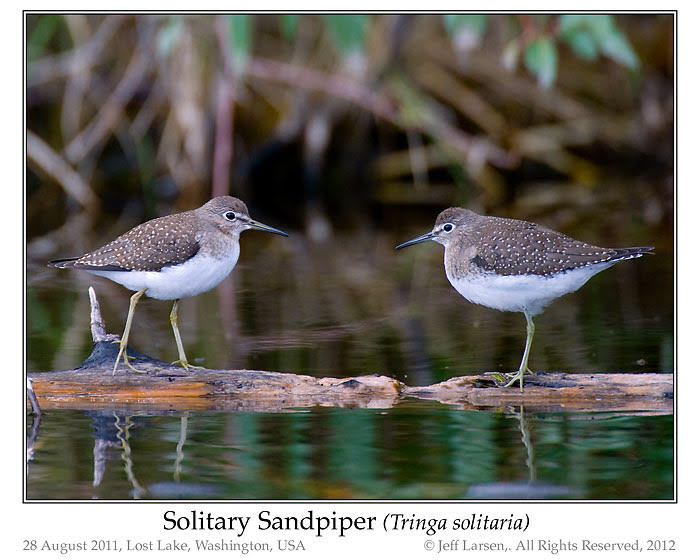
Jeff Larsen sent me this lovely photo of two birds together in Washington state, so they’re clearly not completely antisocial. He calls them Solitary Chickens, which appeals to me and he gave me permission to share this photo with you.
Solitary Sandpiper by Ian
Solitary Sandpipers are birds of freshwater and are usually found on small ponds or in marshy areas, even in winter. We spotted the one in Brazil in a roadside pond in the Pantanal.
Next time we’ll talk about the Tattlers, two rather similar species that are next on the IOC list.
Greetings
Ian


Google Groups “Birdway” group.
Write to him at ian@birdway.com.au, or visit this group at http://groups.google.com/group/Birdway


Lee’s Addition:

Here is the next Sandpiper in Ian’s “Tringa” series. He has promised more. Stay tuned.
He mentions the sameness of these birds:
“But thou art the same, and thy years shall have no end.” (Psalms 102:27 KJV)
See:

Ian’s Bird of the Week

Good News

Ian’s Irregular Bird – Green Sandpiper

The last irregular bird, Nordmann’s Greenshank, could have had a sub-heading of The Joys of Twitching. In it, I confessed to being a Twitcher at heart, discarding the respectable facade of “Wildlife Photographer”. Here follows the justifications, or at least illustrations of why it can be enjoyable. The background to this particular obsession/passion was the fact that, worldwide, there are thirteen species of Tringa sandpipers, or Shanks, characterised by different coloured legs. I had reasonable photos of all of them except the rarest, Nordmann’s Greenshank, since 2008 (when I photographed the second last one, the Willet of North America). That is, the seven-year itch twice over.
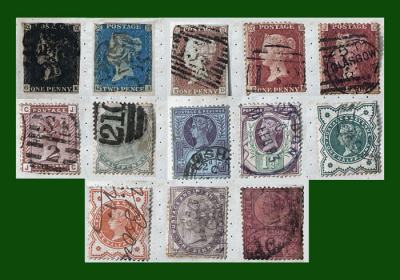
If you are, or ever were, a stamp collector, you would know the feeling. Suppose the following stamps are from a set of 13 stamps of Queen Victoria, including the first ever stamp, the Penny Black and imagine you have all of them except the rarest, the iconic Two Penny Blue, issued shortly after the first ever stamp, The Penny Black, in May 1840.
Imagine the thrill when you finally lay your hands on one, as I did in the 1960s. This one is a rather daggy example, but it is one from the original two plates issued until February 1841 and lacking white lines under “POSTAGE” and above “TWO PENCE”. The much commoner later series called ‘white lines added issue’ continued until 1858.  I’m still a kid at heart, and the subtlety of distinguishing different series of Two Penny Blues has a similar appeal to separating Common and Nordmann’s Greenshank.CHA-Scol victoria0730-01
Alternatively, maybe you were or are a card player. Suppose you’re playing a game in which you the best hand is an entire suit of cards, say a complete Straight Flush, as opposed to a mere Royal Straight Flush in Poker, but you lack the Queen.
At long last, after fourteen nail-biting years, you finally get the missing card. I’ve chosen the Queen as it’s number twelve (if you have the Ace as the first rather than the last in the suit) and Nordmann’s Greenshank is also the twelfth Tringa if you follow the IOC classification of birds. Continuing the metaphor, I’ve chosen Spades as the Queen of Spades is the most valuable card in the game Hearts. The metaphor fails if you go any further, because in Hearts, a vicious game which we loved as kids, the aim is not to win points and to force your opponents to get a high score, It’s Whist in reverse. Clearly, I also have a passion for Queens.

After that it’s just a question of whether you’re an introvert or an extrovert. An introvert gets a deep personal satisfaction from achieving a complete collection, an extrovert gets a sense  of triumph in beating the competition. Of course, you may be a bit of both: I’m mainly an introvert, but publishing all this stuff as the Irregular Bird, showing off obviously, is characteristic of extroverts.

So, back to Tringas. Waders (birdway) are fascinating birds, not least because many of them migrate extraordinary distances. As a consequence, they’re of special interest to twitchers when avian GPSs go awry and they end up in strange places. Many species, however, are hard to distinguish in non-breeding plumages, which is how we usually see them in temperate and tropical latitudes except just before the migration back to the breeding zones. Most, but not all, of the Shanks are fairly easy to identify because of their coloured legs; many of them having corresponding common names as you can see in the IOC table. Four of them, comprising the two Redshanks and the two Tattlers, have featured as Irregular Birds in the past, so I want to do a series on the remaining eight and I’ll do them in the IOC order shown in the table at the beginning of this article. The first is the Green Sandpiper.

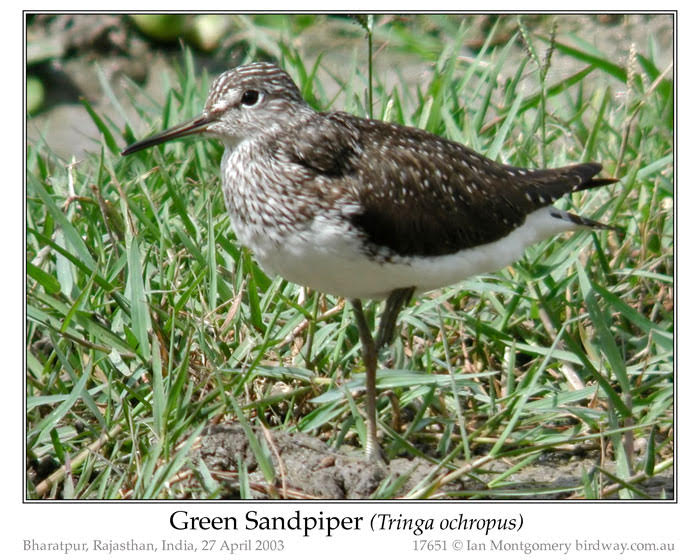
Green Sandpiper by Ian

The breeding range of the Green Sandpiper stretches right across northern Eurasian from Norway to Siberia and it winters mainly in tropical Africa, South and Southeast Asia, around the Mediterranean and, to a lesser extent in Western Europe. It’s mainly a bird of fresh water marshy areas even in the non-breeding zones. I’ve photographed it only once, in India in 2003, though I had seen it in England in the 1960s before I came to Australia.It’s even rarer in Australia than Nordmann’s Greenshank with only one confirmed record, near Darwin in 1998. There are a few unconfirmed records but care needs to be taken to distinguish it from the closely related Solitary Sandpiper of America and the Wood Sandpiper.
In fact, I mistakenly identified the Indian bird as a Wood Sandpiper, reasonably common in Australia and also a fresh water species, and posted it as such to the website, and only years later did the twitcher in me take a closer look and realise happily that it was actually a Green Sandpiper. Distinguishing features of the Green Sandpiper include larger size, bulkier appearance, short white eye-stripe ending at eye, longer bill, shorter, greenish legs, sharp gradation from streaked breast to white belly and, particularly in breeding plumage like this one, darker, greener rather than brown upper parts.
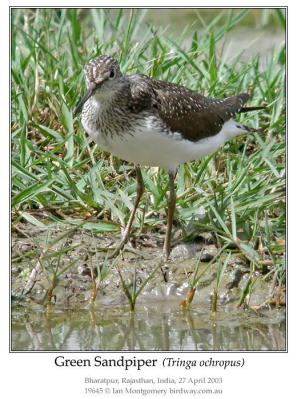
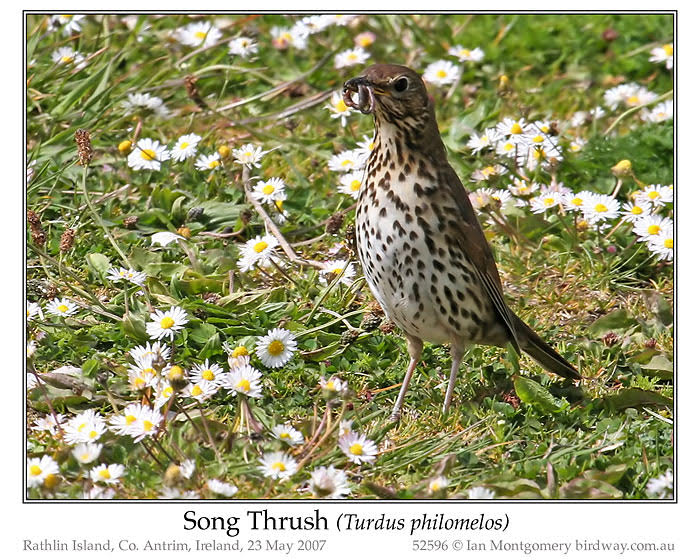
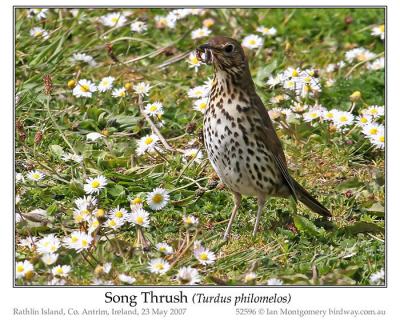
Green Sandpiper by IanI mentioned when discussing the unusual arboreal nest building habits of Nordmann’s Greenshank that the Green and Solitary Sandpipers also nest in trees, but use the old nests of thrushes.  Coincidentally the name Tringa comes from a description of a thrush-sized waterbird by Aristotle (“trungas”). He didn’t distinguish it further but later authors have suggested it was a sandpiper, a Wagtail Motacilla or a Dipper Cinclus. Thanks very much. While we’re at it, ochropus means pale-yellow footed, while the specific identifier of Normann’s Greenshank, guttifer, means spotted, which isn’t very illuminating either. Aristotle preceded the taxonomic and evolutionary ideas of Linnaeus and Darwin, and “thrush-like waterbird” is a reasonable description, except for the length of the legs. He was interested in biology, classified 500 species of animals in the work later known by philosophers as the Scala Naturae and would have been familiar with the Song Thrush, below, in Greece. The Scala Naturae was approved by the Christian Church (and probably all others) as it is hierarchical in form with man at the top, towering above all the lower species.
On the subject of passion and obsession, I’ve decided that the difference is mainly one of perception. A person might think they (in deference to gender fluidity) have a passion for another person and, if not reciprocated, the other party might regard it as an obsession. My cousin in Ireland suggests that obsessions have a negative effect, so maybe it’s more than just perception. Either way, I’ll continue the passion for Tringas next time with the closely related but geographically distinct (“allopatric”), thrush-nest-using, Solitary Sandpiper of America.
You can’t reply directly to these emails, so if you want to write to me, use my email address below. I’ve recently had occasional problems with receiving emails to ian@birdway.com.au, so ianbirdway@gmail.com is preferable.
Greetings,
Ian


Ian Montgomery,
454 Forestry Road, Bluewater, Qld 4818
Phone: 0411 602 737 +61-411 602 737
Preferred Email: ianbirdway@gmail.com

Recorder Society http://www.nqrs.org.au

Lee’s Addition:

Seems that Ian is getting active again with his birdwatching. He, like the rest of us, was quite for awhile during all these lockdowns. I have another of his articles coming soon. Stay tuned.
“As a bird that wandereth from her nest, so is a man that wandereth from his place.” (Proverbs 27:8 KJV)
See:

Ian’s Bird of the Week

Good News

Birds of the Bible – Out of the Ground

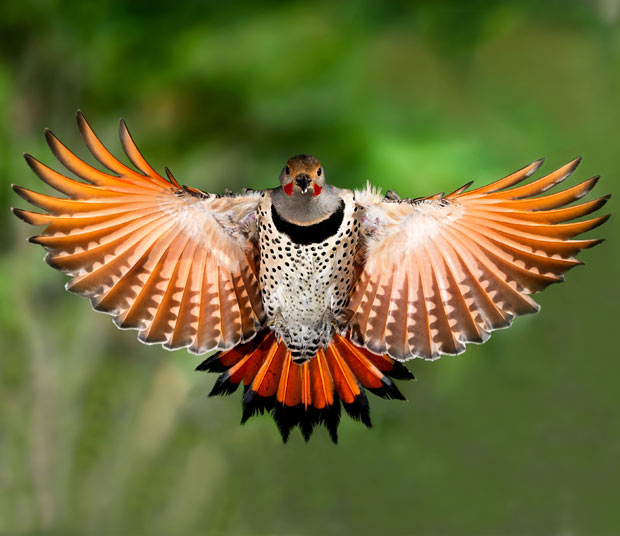
NORTHERN FLICKER (red-shafted form)
photo credit: Evergreen State College

“Out of the ground the LORD God formed every beast of the field and every bird of the air, and brought them to Adam to see what he would call them. And whatever Adam called each living creature, that was its name.” (Genesis 2:19 NKJV)

During our devotions this morning, Dan and I were reading John chapter 9. It tells about the Lord healing the blind man. Also, how the religious rulers doubted his story, and wanted to know if he had really been blind. They called the parents in, and questioned them. The temple rulers were especially upset because Jesus had healed the man on the Sabbath. Many of you know this story.

“Now as Jesus passed by, He saw a man who was blind from birth. And His disciples asked Him, saying, “Rabbi, who sinned, this man or his parents, that he was born blind?” Jesus answered, “Neither this man nor his parents sinned, but that the works of God should be revealed in him. I must work the works of Him who sent Me while it is day; the night is coming when no one can work. As long as I am in the world, I am the light of the world.” When He had said these things, He spat on the ground and made clay with the saliva; and He anointed the eyes of the blind man with the clay. And He said to him, “Go, wash in the pool of Siloam” (which is translated, Sent). So he went and washed, and came back seeing.”
(John 9:1-7 NKJV) [Bolding mine]

Here is a comment from my Chronological Life Application Study Bible (KJV, p 1350)

John 9:6 When Jesus spit on the ground and made mud in order to repair the man’s eyes, he was working with original materials. Gen2:7 states that God formed Adams body from the dust of the Ground. Jesus was demonstrating a creator’s awareness of the materials he first used to shape the human body”

I had never made that connected in that story before, but it is another view of the fact that our Creator WAS here on earth in the person of the Lord Jesus Christ. Praise the Lord for all His creation, and especially the birds, which we enjoy so much. Along with all the other parts of His Creation.

Birds of the Bible

Good News

Birds of the Bible – How Many Sparrows?

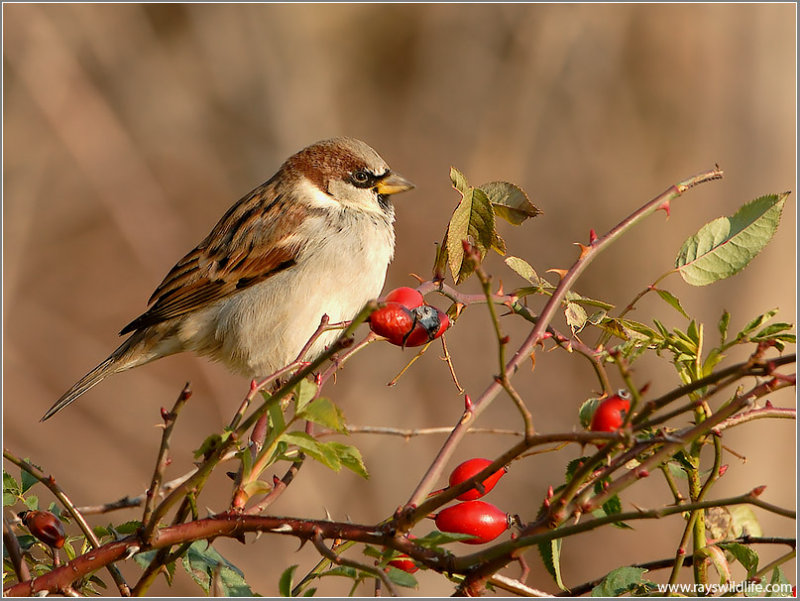
House Sparrow by Ray

While working on updating the indexes to the Birds of the Bible-Sparrows, I came across an interesting question. How many Sparrows are mentioned in the Bible? I discovered a previous search I had started from the Bible Gateway website.

The Young’s Literal Translation found 6 verses mentioning Sparrows.

Psalm 84:3 – “a sparrow

Hosea 11:11- “a sparrow

Matthew 10:29 – “two sparrows

Matthew 10:31 – “many sparrows

Luke 12:6 – “five sparrows

Luke 12:7 – “many sparrows

House Sparrows visiting National Aviary Parrot Show by Lee

House Sparrows visiting NA Parrot Show Outside by Lee

Okay, so what, you might ask? One, it challenges you to actually study what’s in the Word of God. It is also nice to see what the Bible actually says about the Sparrows and how that impacts us. Try using a website like e-sword.net or Biblegateway.com, and do a little investigation of these questions:

In Psalm 84:3, where was the sparrow and what was she doing?

Hosea 11:22, why was the sparrow trembling?

Matthew 10:29 and 31, what assurance can we get from that verse?

Luke 12:6, who remembers the sparrows?

Luke 12:7, what has been numbered? What about fear?

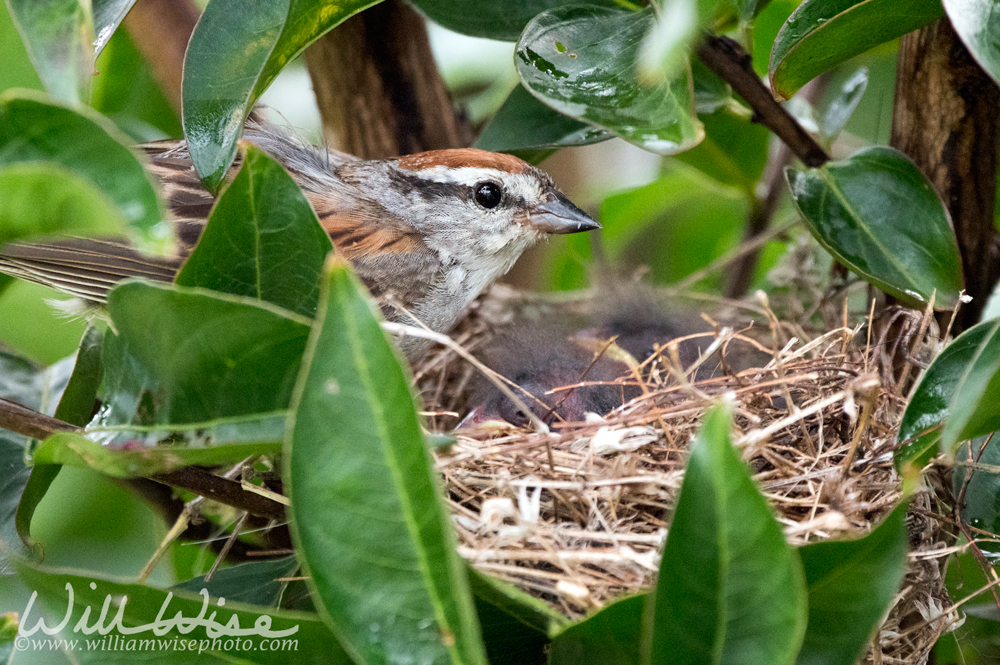
Female Chipping Sparrow bird feeding three baby Chipping Sparrow nestlings, Athens, Clarke County, GA. by William Wise

These are just some of the previous posts about these little Avian Wonders:

To find out more about Sparrows:
Birds of the Bible – Sparrow I
Birds of the Bible – Sparrow II
Birds of the Bible – More Value
Birds of the Bible – Little Brown Jobs
Birds of the Bible – Worry and Sparrows
Birds of the Bible – Lord Who Is There
Eye of the Beholder – House Sparrows
Sparrows Peterson’s Video
His Eye Is On The Sparrow (Birds in Hymns)
The Eyed Sparrow
Mighty God, While Angels Bless Thee (Birds in Hymns)
The Birds, the Economy, and My Provider – by April Lorier
Sparrows and God Care – by April Lorier
Ian’s Bird of the Week – Masked Finch
World Sparrow Days – by a j mithra
Worthen’s Sparrow – Lost, but found… – by a j mithra
White-crowned Sparrow – The Restorer – by a j mithra
Renewed Day by Day: Signs of Spring
Sparrow Quote from The Life Project ~ from Don Merritt
Sunday Inspiration – Old World Sparrows
Sunday Inspiration – Sparrows
Sunday Inspiration – Sparrows II
Emberizidae’s – Buntings
Emberizidae – Part II
Emberizidae Family Allies I
Emberizidae Family Allies II


Good News Tracts – Various Topics

New Duck In The Yard

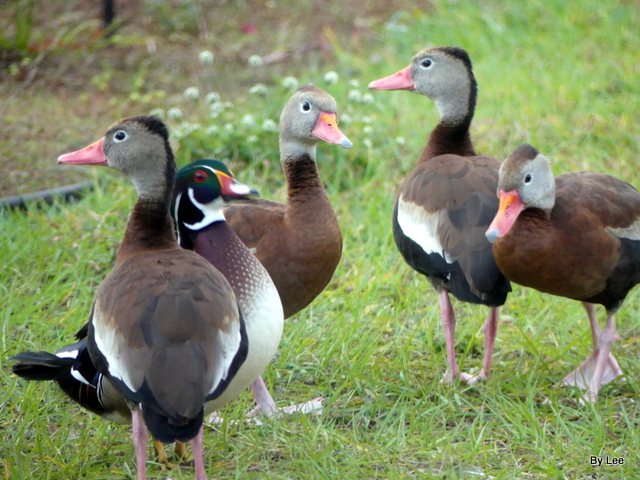
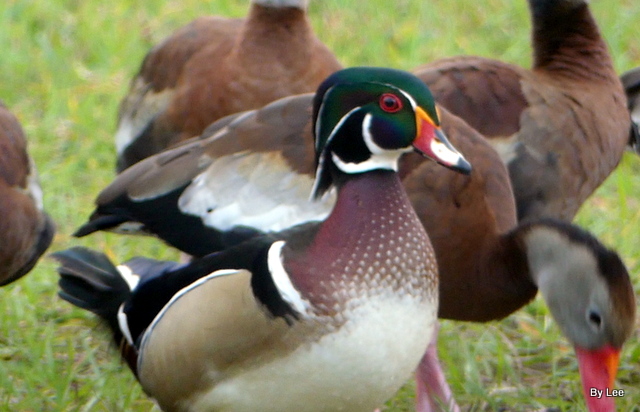
Wood Duck among Black-bellied Whistling Ducks by Lee

Yesterday we added a new bird to our backyard list. He tried to hide, but with a look like that, it’s hard to do. So finally, he came out of hiding. Some of those Whistling Ducks don’t seem to be too happy with him being there. [I was very happy! :) ]

Wood Duck in our yard. 1-17-22

We’ve written about this beautiful bird before, but usually, we have seen them over in Lakeland on their lakes. So, this was a treat to be able to have him visit us.

When I see this duck, I think about how the Lord when he created these Avian Wonders must have had a delight in decorating this Wood Duck. What clear lines!

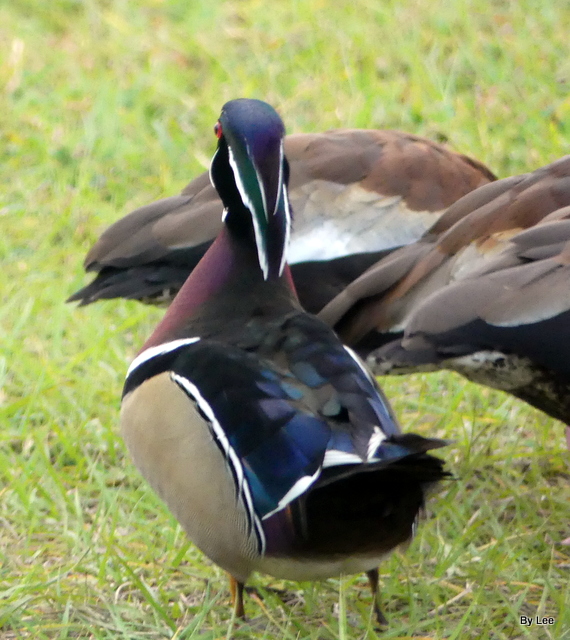
Wood Duck’s Crested Head and Back

I have to admit that the Duck had a bit of an attitude. While he was strutting around, ever so often he would throw his head like he was trying to flip that long “bonnet” of his. [my term] I tried to capture it on video, but I was only able to capture it once.

Several verses came to mind about this encounter with our beautiful duck:

The first photo, where he was sort of hidden behind the others.

“Ye are the light of the world. A city that is set on an hill cannot be hid. Neither do men light a candle, and put it under a bushel, but on a candlestick; and it giveth light unto all that are in the house. Let your light so shine before men, that they may see your good works, and glorify your Father which is in heaven.” (Matthew 5:14-16 KJV)

We should not be afraid to let our Christianity be seen. Also, the look on the faces reminds me of how some people react to us when we do accept the Lord as our Savior.

Other Information:

All About Birds – Wood Duck

While putting these links about Wood Ducks here, I discovered that a Wood Duck and it’s mate HAS been here. I was surprised.

  1. Our Ducky Backyard
  2. Wood Duck
  3. Paintbrush Birds – Wood Ducks
  4. Lee’s One Word Monday – 3/28/16

Zebra Finch Duets and Bird Origins – I.C.R.

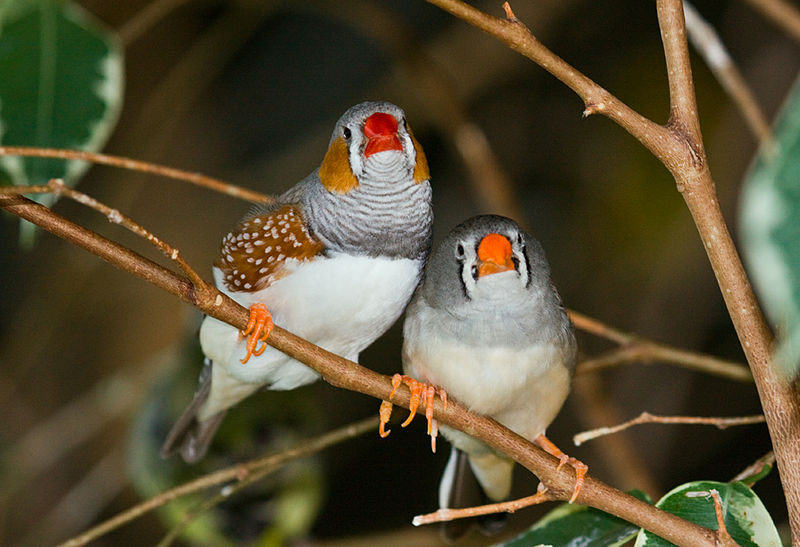
PAS-Estr Zebra Finch (Taeniopygia by Ian

“The flowers appear on the earth; the time of the singing of birds is come,…” (Song of Solomon 2:12 KJV)

What an interesting and informative article about the creation of Zebra Finches and their singing duets. Bryian Thomas, PH.D. from the Institute For Creation Research wrote “Finch Duets Open Surprising Window on Bird Origins

The Zebra Finches appears to have a pattern of singing that goes against what evolutionists suppose is to be the normal behavior of Finches.

“A male finch sings to females while courting, but then quiets down after finding his mate. According to evolution, finches have no reason to continue to communicate at that point, since they’ve already ensured that their genes will be passed on to a new generation. Thus, researchers were surprised to find that wild zebra finches sing to each other only after becoming a couple.”

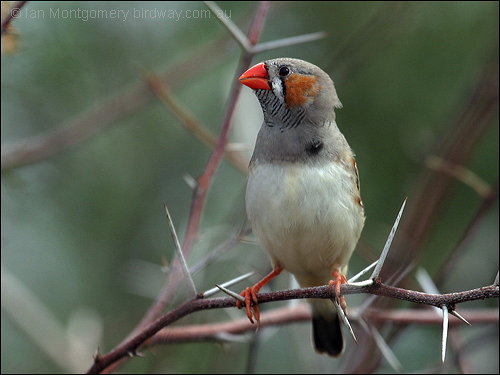
Zebra Finch (Taeniopygia guttata) by Ian

Zebra Finch (Taeniopygia guttata) by Ian

He also discusses how these songs are thought to have happened through natural selection, but….

“For male finches to sing their songs, they have to have a fully-formed system of pulmonary tubing, valves, musculature, and integrated skeletal structures. Then, the larynx (many birds have two) has to be located near the mouth and properly “wired” to the correct areas of the brain. All of that would still be useless, however, without the instinctive knowledge required to compose a song, or without the females’ ears being tuned to their specific tones. To consider this seamless array of parts as a product of just nature is imaginative–not scientific.”

A very good article to continue reading at “Finch Duets Open Surprising Window on Bird Origins“.

“Zebra finches are active and colorful birds from Australia, and they choose a mate for life.” Thankfully, Ian has provided us with great photos of the unique Avian Wonders.

PAS-Estr Zebra Finch (Taeniopygia by Ian

See Also:

Zebra Finch (Taeniopygia guttata) ©WikiC

Sharing The Gospel

Birds of the Bible – Foundation Reviews in 2022

Wood Duck (Aix sponsa) by Dan

Wood Duck (Aix sponsa) by Dan

Wow! Looking over the previous articles that have been written through the years on our blog, I thought it would be nice to read through some of our many posts.

To build a house, you need a foundation. To build a blog, you need a foundation. So, our foundation from the beginning for Lee’s Birdwatching Adventures Plus, has always been this:

“For no other foundation can anyone lay than that which is laid, which is Jesus Christ.” (1 Corinthians 3:11 NKJV)

He created our world, universe, us, and all His Avian Wonders, which we like to write about. We love to write about His birds and how we can learn from them. We’ve done our best, with a few stumbles here and there, but we have tried to honor Him through it all. He has been gracious to send me extra writers, photographers, and friends along this journey.

My thanks to Him, these extra hands to assist, my husband, and all of you who have visited us along the way.

Now, what has been written about the Foundations? Let’s take a look:

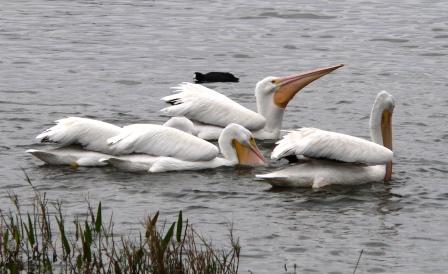
White Pelicans in Flight - Circle B Bar by Dan

White Pelicans in Flight – Circle B Bar

Birds of the Bible – Foundation #1 (2009) and then Foundation #1 Updated (2015)

These two posts explain about the beginning of birds and how they came to be here.

Fischer’s Lovebird (Agapornis fischeri) by W Kwong

Birds of the Bible – Foundation #2 (2009) and then Foundation #2 Updated (2015)

In Genesis Chapter 2, the birds and animals were named, but what happened in Chapter 3 caused the birds to be cursed and death now became a reality to them and others. But there is hope.

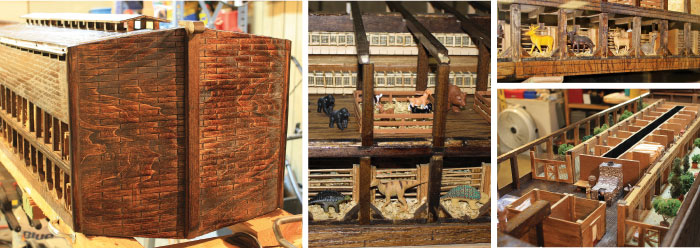
Noah’s Ark ©©Flickr elmada

Birds of the Bible – Foundation #3 (2009) and then Foundation #3 Updated (2015)

Now we find God has a plan to preserve the life of some of the people, animals, and the birds by having them enter the Ark.

Ernesto Carrasco’s Noah’s Ark Model

Birds of the Bible – Foundation #4 (2009) and then Foundation #4 Updated (2016)

What did the birds encounter as they came off the ark and afterwards?

Rainbow-clouds.© Readers Digest

Rainbow-clouds ©Readers Digest

Birds of the Bible – Foundation #5 (2009) – Not Updated Yet (Stay tuned)

This post presents many of the “theories” about where birds came from, versus how the creationist view where and how the Avian Wonders of this world came into being.

We trust you will enjoy reading (or re-reading_ through these Foundation of the Birds of the Bible posts.

Western Tanager: Red, Yellow, Black and White

Birds of the Bible

Birds of the Bible – Introduced Here In 2008

ln honor of the Top 100 Bird Blogs and Websites For Ornithologists and Bird Lovers rating they gave us, [#20] here is a copy of that very first blog on Feb. 16, 2008.

American White Pelicans at Lake Hollingsworth

American White Pelicans at Lake Hollingsworth

Goal: To encourage your understanding and help you form a mental picture of the fowls or birds of the air found in scripture.

God has created the fowls and birds and they are mentioned throughout the Bible. When you read the name of a bird, does a mental picture come to view or do you just keep reading without a thought to what you just read? Sure, you know some of them, like the Eagle or a Sparrow, but how about a Bittern, Ossifrage, Hoopoe, or Lapwing? Not just their names are important, but how about the illustrations that use birds to teach lessons? God’s care, strength, provision and other lessons are taught with birds as the examples.

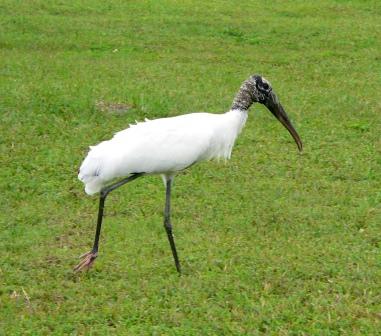
Wood Stork

“But now ask the beasts, and they will teach you; And the birds of the air, and they will tell you;” Job 12:7

So, let’s get started with:

The Birds of the Bible

“Then God said, ‘Let the waters abound with an abundance of living creatures, and let birds fly above the earth across the face of the firmament of the heavens.’ So God created great sea creatures and every living thing that moves, with which the waters abounded, according to their kind, and every winged bird according to its kind. And God saw that it was good. And God blessed them, saying, ‘Be fruitful and multiply, and fill the waters in the seas, and let birds multiply on the earth.’ So the evening and the morning were the fifth day.” Gen 1: 20-23

Here we see that God created the birds on day five of creation and that “it was good.”

“Out of the ground the LORD God formed every beast of the field and every bird of the air, and brought them to Adam to see what he would call them. And whatever Adam called each living creature, that was its name.” Gen 2:19-20a

Adam was given the privilege of giving all the “critters” their names. Were there as many varieties of birds then as now? There have been changes within the species (kinds), but not evolution (changing from one kind to another kind).

Depending on which copy of the Bible you use, here are some of the names of birds mentioned in the Bible. These will be introduced in following blogs. Not necessarily in the following order.
; Chicken; Cormorant; Crane; Cuckoo; Dove; Eagle; Falcon; Glede; Hawk; Hen; Heron; Hoopoe; Kite; Lapwing; Night Hawk; Osprey; Ossifrage; Ostrich; Owl; Partridge; Peacock; Pelican; Pigeon; Quail; Raven; Sparrow; Stork; Swallow; Swan; Vulture


House Sparrows visiting National Aviary Parrot Show by Lee

House Sparrows visiting NA Parrot Show Outside

“Look at the birds of the air, for they neither sow nor reap nor gather into barns; yet your heavenly Father feeds them. Are you not of more value than they?” (Matthew 6:26 NKJV)

Now it is 2022, and time to revisit these wonderful Birds of the Bible. Because of the Covid situation, we haven’t really been birdwatching much in almost two years. Yet, that doesn’t mean it’s time the “throw in the towel”, or the blog, in this case. So, we plan on writing more Birds of the Bible articles about the different Avian Wonders found in the Bible. Trying to bring in fresh material as we review the previous birds that we have written about. We will even ask some of our current writers like Dr. J. J. S. Johnson (Dr. Jim) and William Wise to join in.  Will also try to update the all the links to these articles.

STAY TUNED!

What An Honor – Top 100 Bird Blogs and Websites

Sunday Inspiration – Christmas Birds Revisited 2021

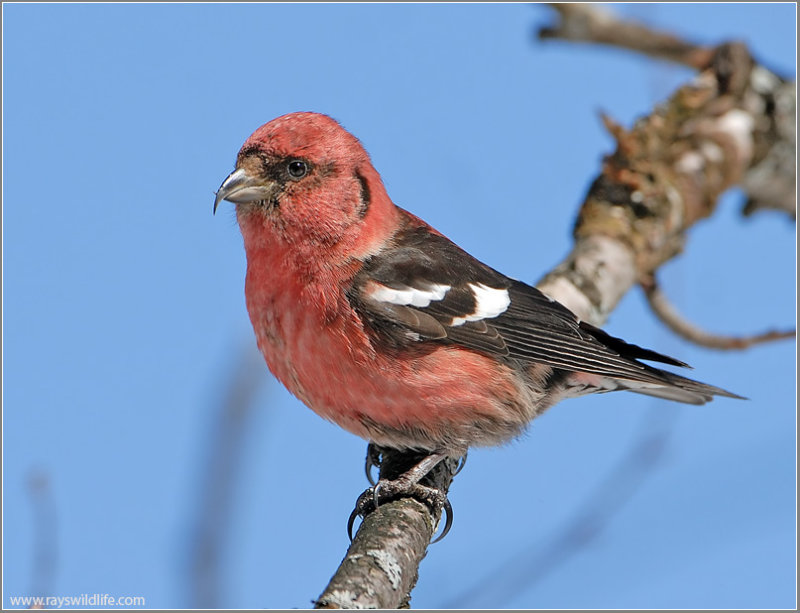
Two-barred Crossbill (Loxia leucoptera)(White-winged) by Raymond Barlow

Two-barred Crossbill (Loxia leucoptera)(White-winged) by Raymond Barlow

Now when Jesus was born in Bethlehem of Judaea in the days of Herod the king, behold, there came wise men from the east to Jerusalem, Saying, Where is he that is born King of the Jews? for we have seen his star in the east, and are come to worship him. (Matthew 2:1-2 KJV)

Thought you might enjoy a Christmas post from the past. (2012)

Today I am doing something a little different. Instead of a song, there is a short Christmas message from my pastor. This was given during the Camel Lot Christmas Musical that we had in 2012. It applies for today, as well. Listen to Pastor Nathan Osborne III as you watch some of the Lord Jesus Christ’s creation among the birds.

The birth of the Jesus, His death on the cross and His resurrection are all a part of Christmas.

This slideshow requires JavaScript.

Our Pastor at the Christmas Camel Lot Musical – 2012

*

(Started adding Christmas colored birds, but then added newer photos from this year.)

Sunday Inspirations

Some Previous Christmas Articles

What An Honor – Top 100 Bird Blogs and Websites

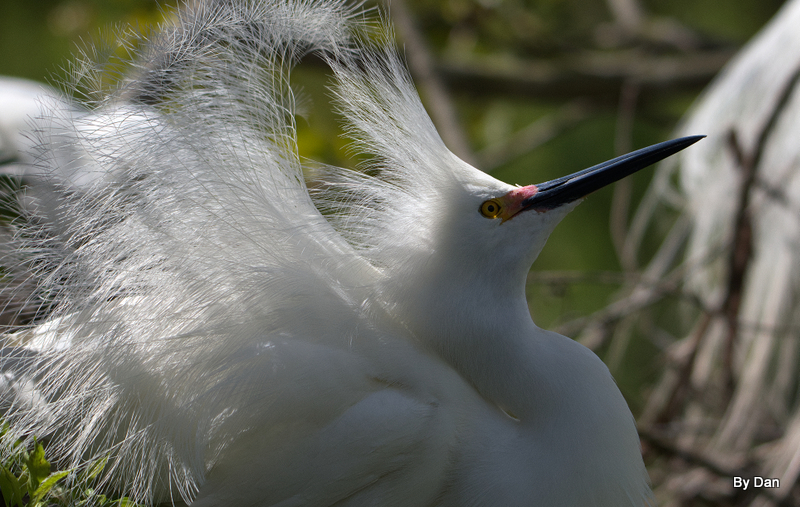
Snowy Egret in Mating Plumage by Dan at Gatorland

Top 100 Bird Blogs and Websites For Ornithologists and Bird Lovers

This blog has been selected “by our panelist as one of the Top 100 Bird Blogs on the web.” Wow! What an honor and totally unexpected.

I received an email from the Founder of this list, Anuj Agarwal.

“I personally give you a high-five and want to thank you for your contribution to this world. This is the most comprehensive list of Top 100 Bird Blogs on the internet, and I’m honored to have you as part of this!”

When I looked through the list, Lee’s Birdwatching Adventures Plus is #20! Wow!

Here is a list of the first 21 blogs or websites out of 100:

  1. Audubon

  2. The Cornell Lab of Ornithology – All About Birds

  3. BirdLife International News

  4. Surfbirds | The World Birding Website

  5. BirdWatching

  6. 10,000 Birds

  7. British Trust for Ornithology | BTO

  8. Bird Note Podcast

  9. Bird Watching HQ

  10. Wild Birds Unlimited

  11. World Birds

  12. Bird Feeder Hub

  13. BirdGuides

  14. Bird Watcher’s Digest | Out There With the Birds Blog

  15. Bird Spot

  16. International Bird Rescue

  17. FeederWatch Blog
  18. Ornithology – The Science of Birds

  19. Outside My Window

  20. Lee’s Birdwatching Adventures Plus

  21. Travels With Birds

  22. And the list goes on to 100

(P.S. This list seems to change. Sometimes it’s 19th or 20th. I’ve seen it change. Not sure how often it is updated.)

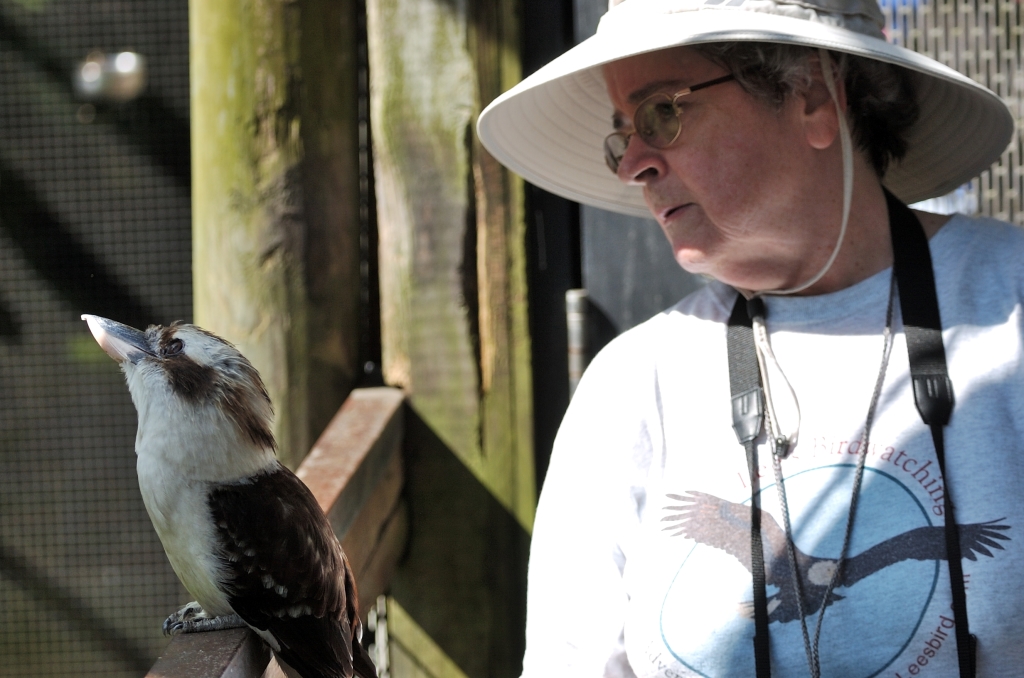
Lee with Laughing Kookabura at Brevard Zoo by Dan

Please check out this list of really great and interesting sites of information about our wonderful Avian Wonders!

Seems like I’ll be busy for awhile checking out some fantastic information on all sorts of birdwatching topics.

“But now ask the beasts, and let them teach you; And the birds of the heavens, and let them tell you.” (Job 12:7 NASB)

“Who teaches us more than the beasts of the earth And makes us wiser than the birds of the heavens?'” (Job 35:11 NASB)

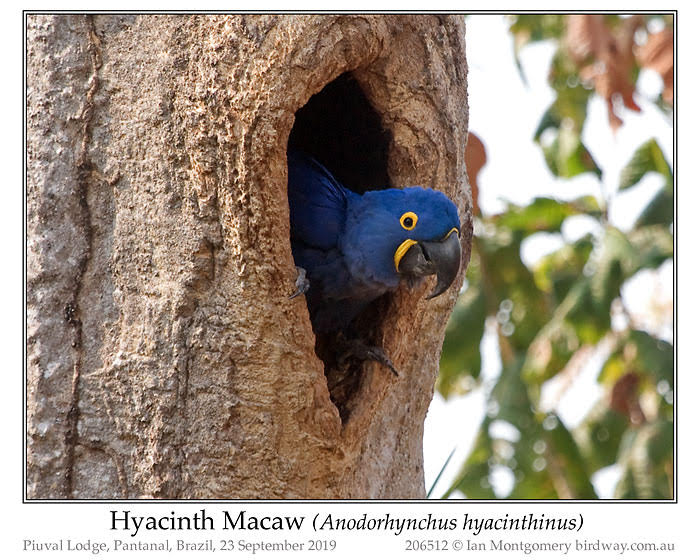
Hyacinth Macaw (Anodorhynchus hyacinthinus) ©Ian Montgomery

Hyacinth Macaw ©Ian Montgomery

Thank you, readers, for visiting this blog for all these 13+ years. Especially, thank you to all of those who have written articles for the blog.

Ian’s Bird of the Week

James J. S. Johnson

Bibleworld Adventures (Golden Eagle)

Emma’s Stories

William Wise

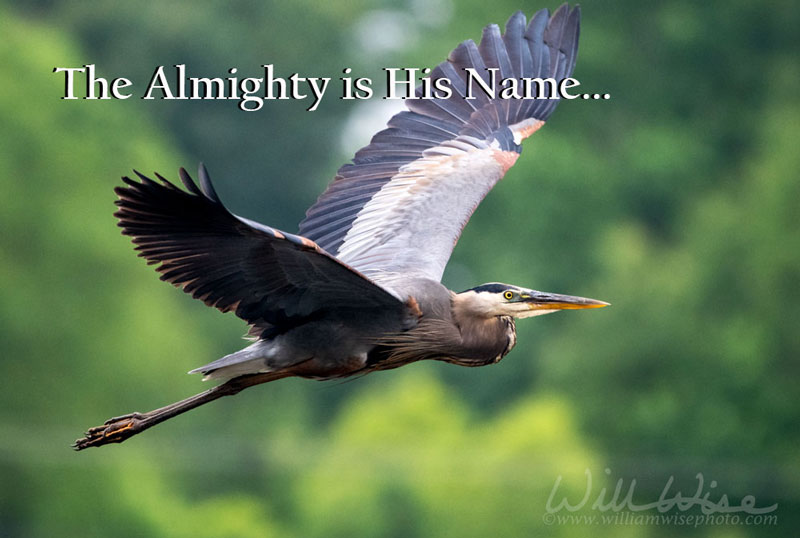
Great Blue Heron; Walton County, Georgia birding photogaphy blog by williamwisephoto.com

Plus, Thank you to our many previous writers like a j mithra, Dottie Malcolm, and others. Also, all the fantastic photographers who have given us permission to use their photos over the years. Especially, my husband, Dan.

The biggest Thanks and Praise goes to the Lord for giving me the idea and inspiration to begin this journey of writing about His Fantastic Avian Creations!

Eagles Wings – From Creation Moments

Isaiah 40:30-31

“Even the youths shall faint and be weary, and the young men shall utterly fall: but they that wait upon the LORD shall renew their strength; they shall mount up with wings as eagles; they shall run, and not be weary; and they shall walk, and not faint.”

As I sit in my backyard, enjoying some springtime sunshine while writing this script, my eyes are drawn to a pair of shapes, silhouetted against a bright sky, circling over the Cowlitz River. They look dark from where I am sitting, but I know that if they landed, they would not be so dark, and they would have white heads. They are eagles. A pair of them have been around this area since we moved here about three years ago.

I love the way that eagles seem to fly as if they are not flying. They catch the air currents, and their large outstretched wings enjoy a lift force which is not from their own muscles, but from those air currents. To maintain that height for so long by their own muscle power would be too tiring for such large, flying birds.

The way that these eagles soar is used in the Bible as a beautiful illustration of God’s grace. In Isaiah 40:31 we read:

“They who wait for the LORD shall renew their strength; they shall mount up with wings like eagles; they shall run and not be weary; they shall walk and not faint.”

One can imagine that getting into the air, and flying high would cause the eagle to lose energy. But then it can rest and renew its strength. The Lord reminds us, through the things that He has created, that we should wait upon Him and rely on His strength.

Prayer: Help us, Father God, to wait for You, and to renew our strength through the grace that You give us. Amen.

Author: Paul F. Taylor

Ref:  With Wings Like Eagles , accessed 4/24/2020. Image: David R. Tribble, CC BY-SA 4.0 International.
© 2021 Creation Moments. Eagles Wings [Used with permission]

More Articles from Creation Moments

Who Paints The Leaves?

Not Much Activity

Black-bellied Whistling Ducks 2-27-21

I was excited several weeks ago when the Black-Bellied Whistling Ducks started showing back up from their summer haunts. Then the Alligator showed up, and they flew off to safer waters.

This last week, one of the alligators came up on our back yard. Dan called me, but by the time I got to the window, it had returned to the water. I was able to take this video:
So now, it is really quiet out back. Just found out yesterday that there are actually three of them back there. Yep, it’s quiet around here for birdwatching!!!

“And that ye study to be quiet, and to do your own business, and to work with your own hands, as we commanded you;” (1 Thessalonians 4:11 KJV)

Along with this excitement, and boring birdwatching, my computer has still been giving me problems. So, I have been sort of “quiet” on posting here. Yet, I have been busy doing things around the house. With Covid still hanging around, even though we are vaccinated, we are older and are just staying home much more than normal.

Hopefully, things will pick up soon, and the computer will behave. Stay tuned! Just checking in.

Wordless Whistling Ducks